

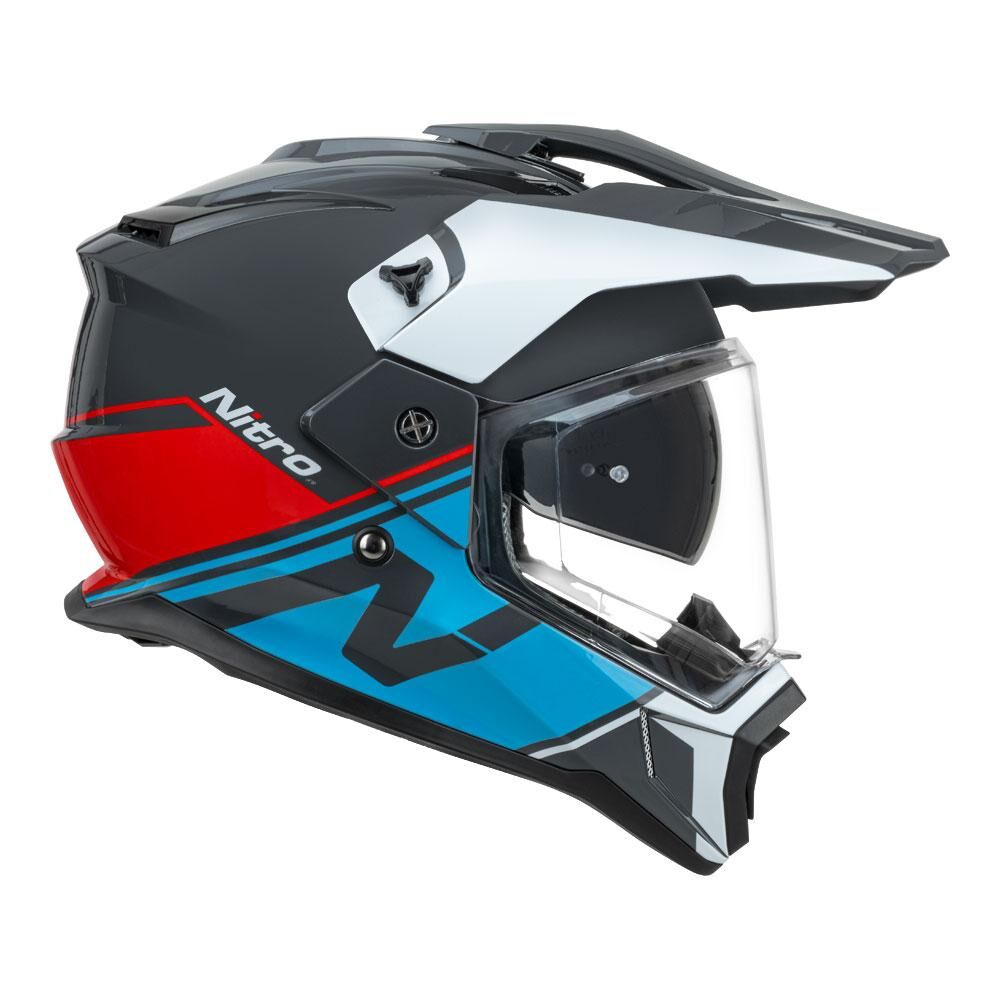
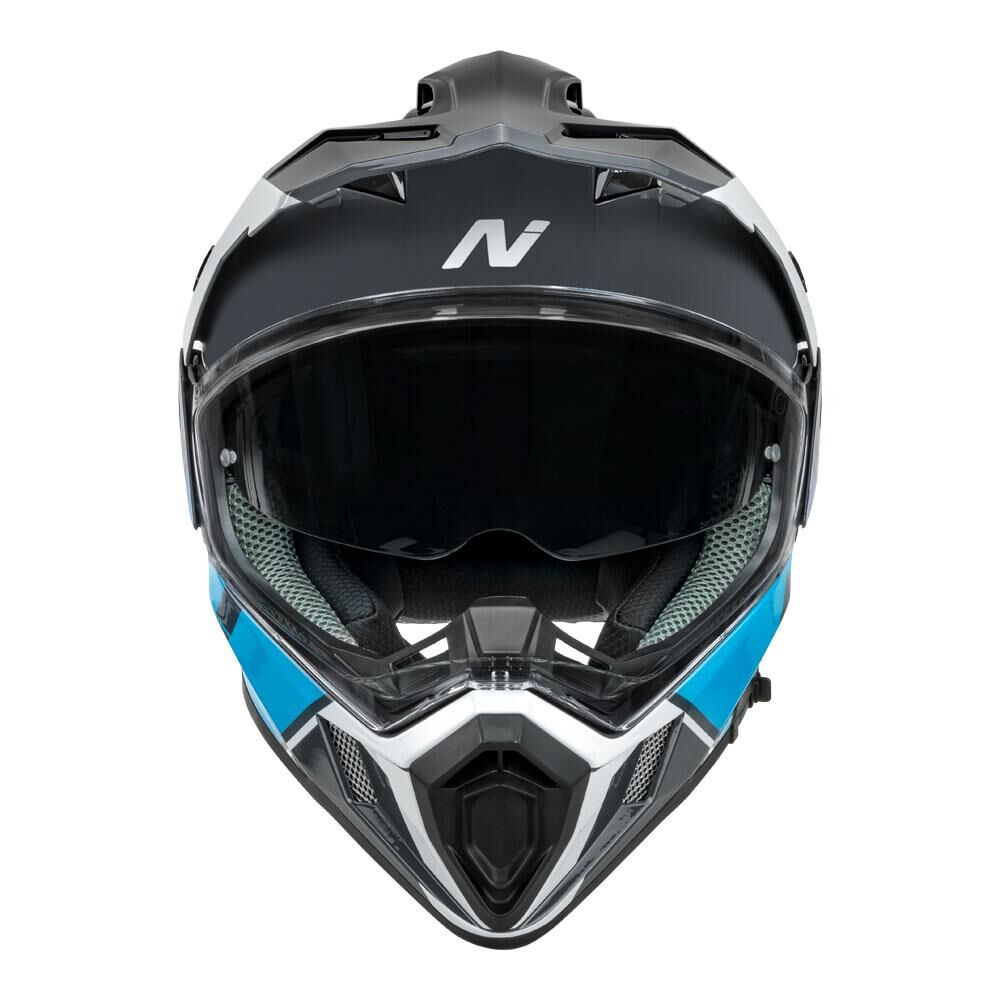
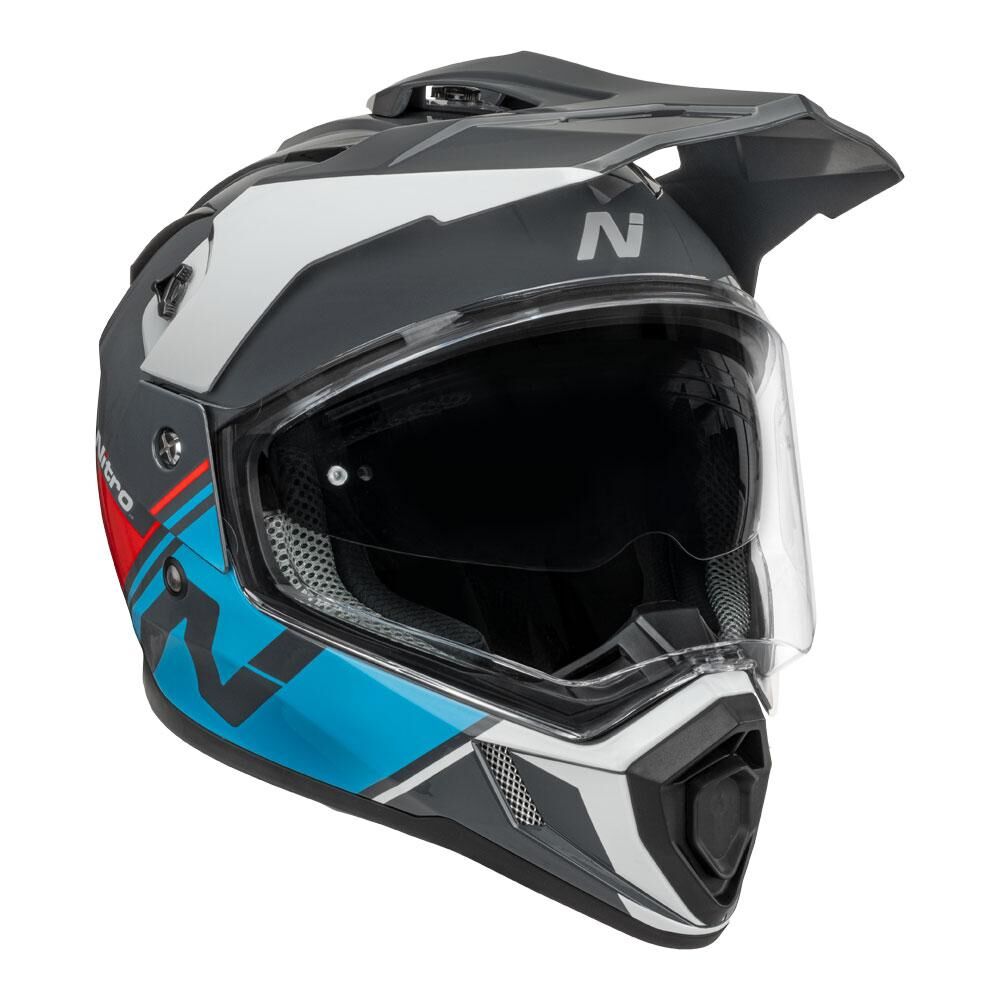
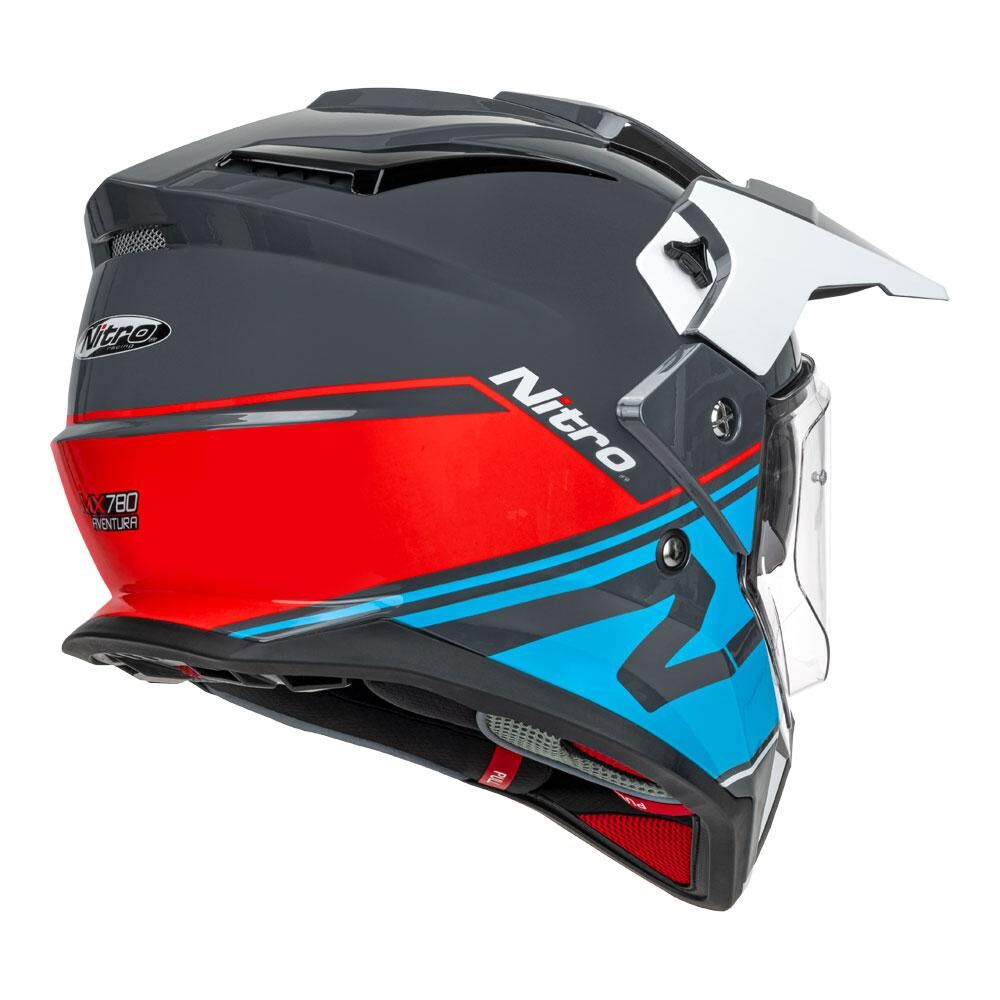
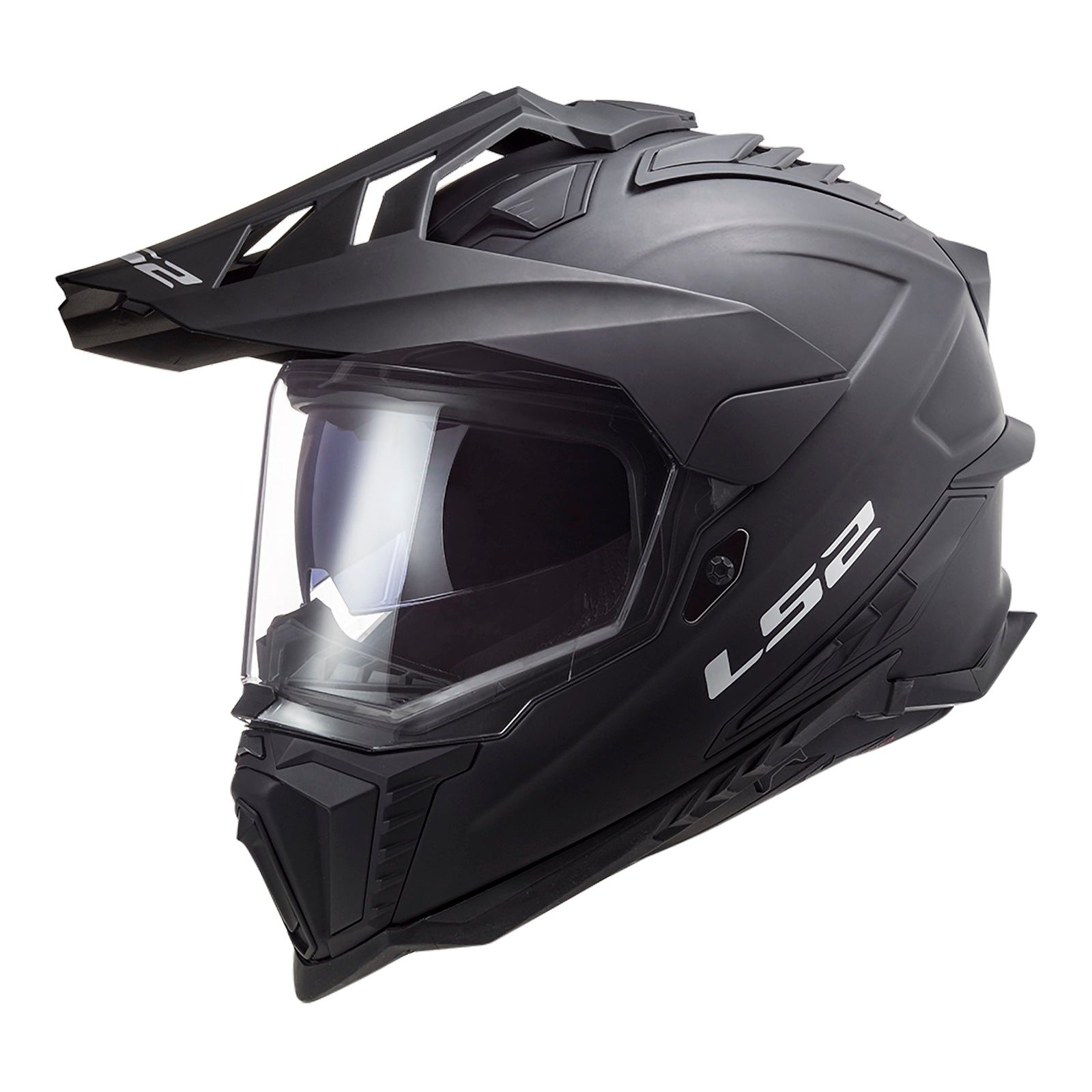
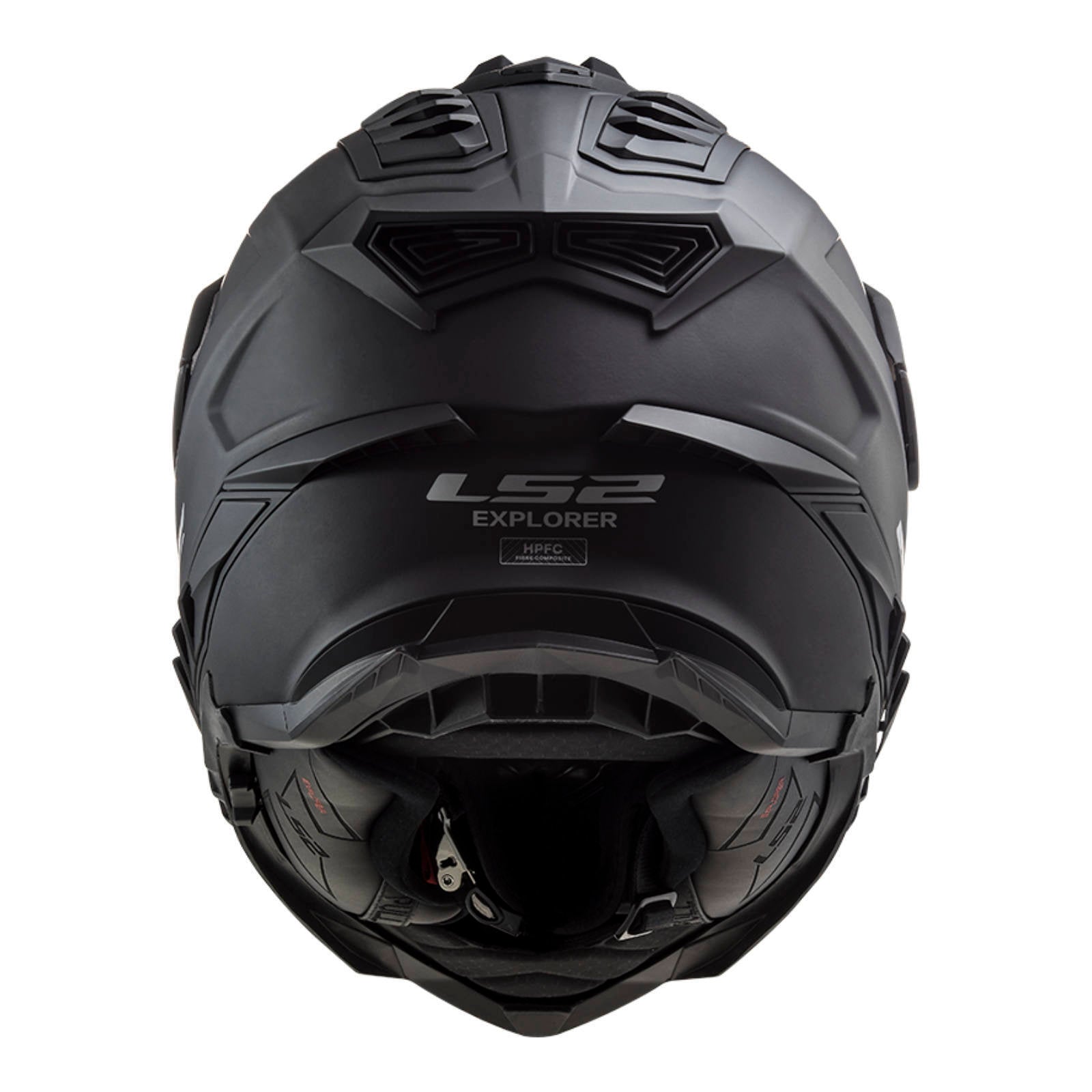
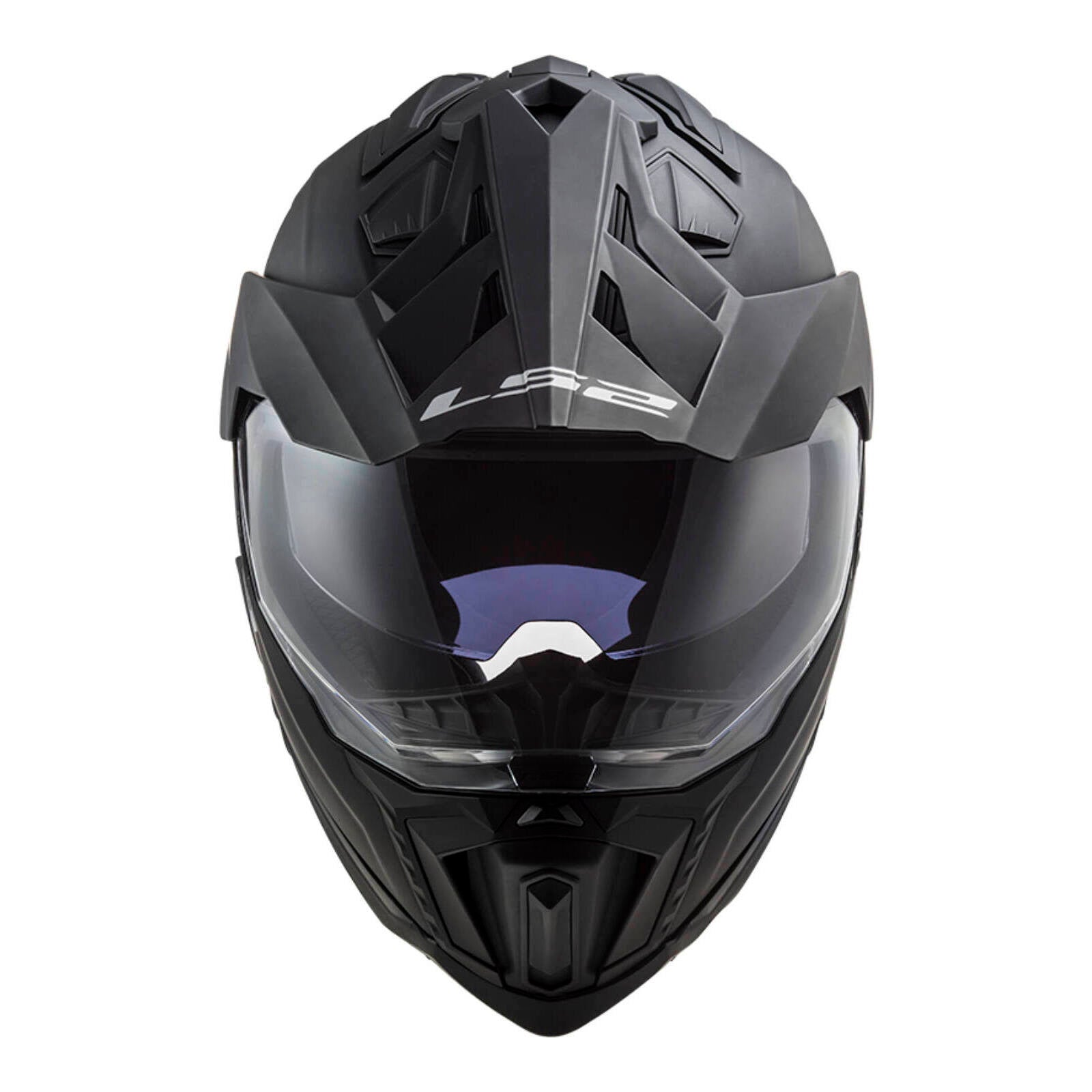
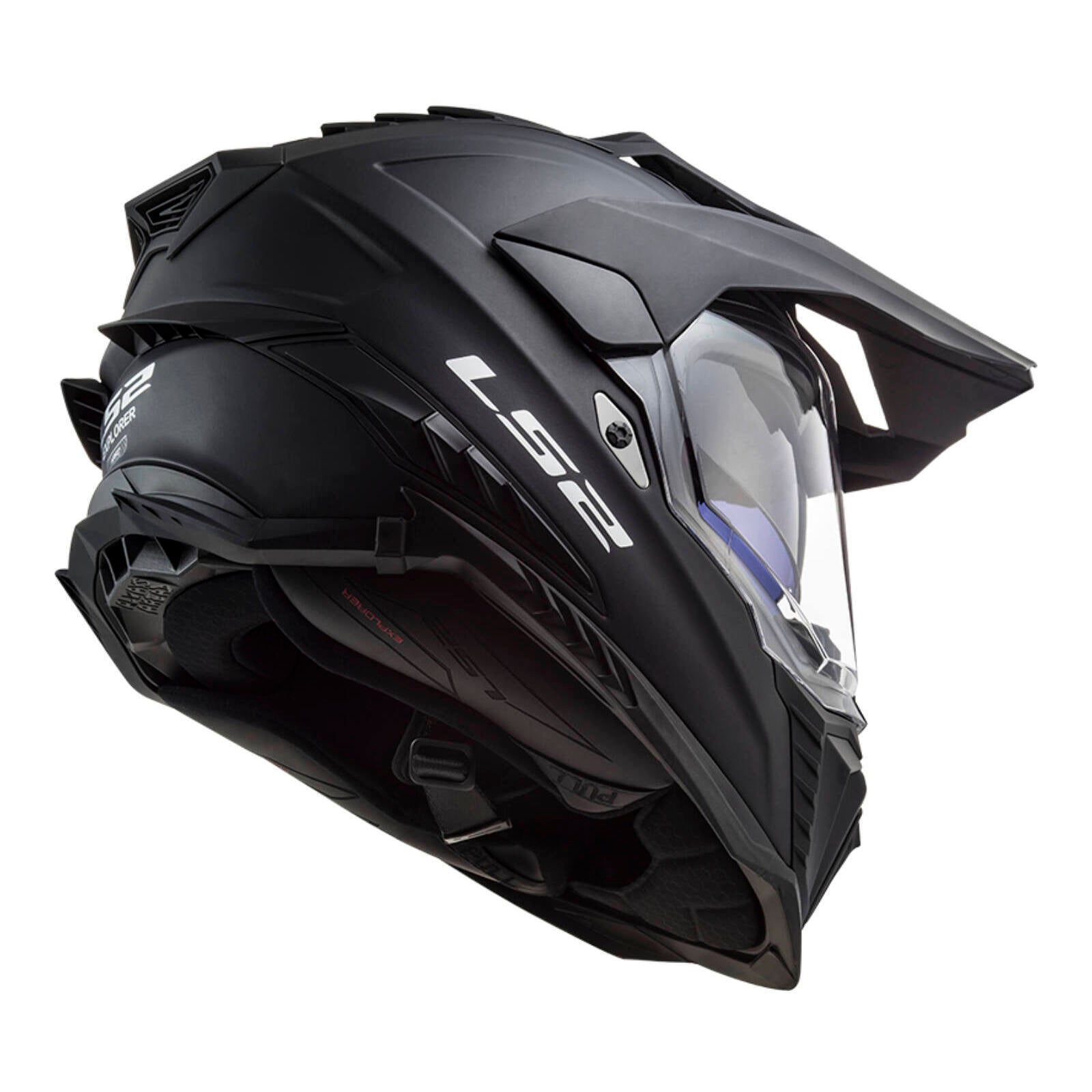
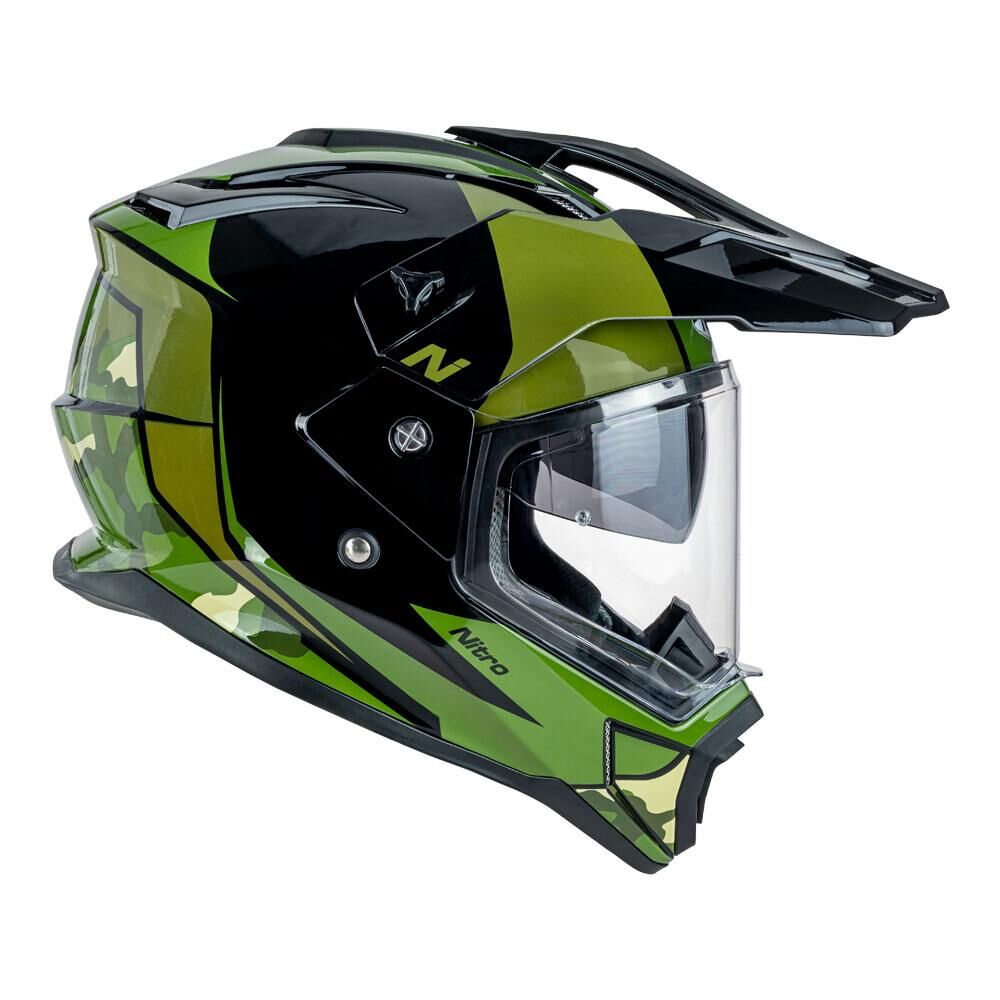
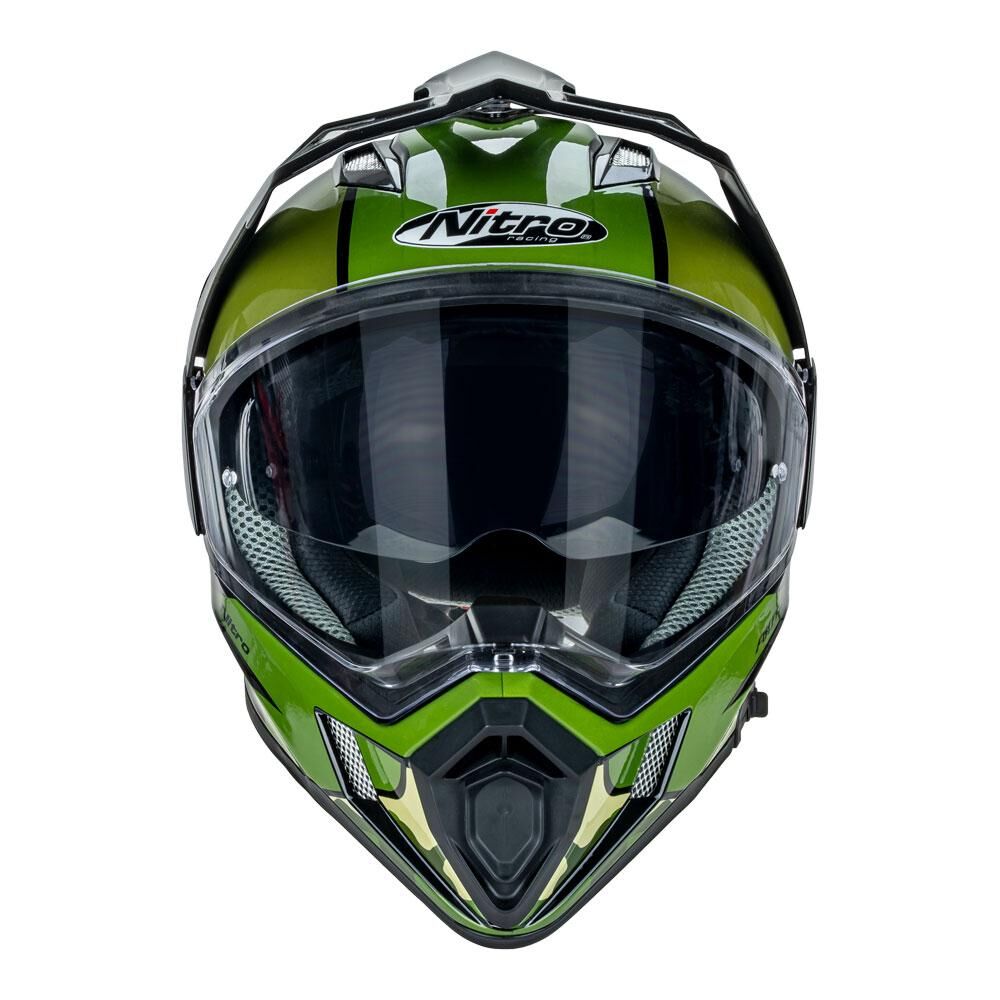
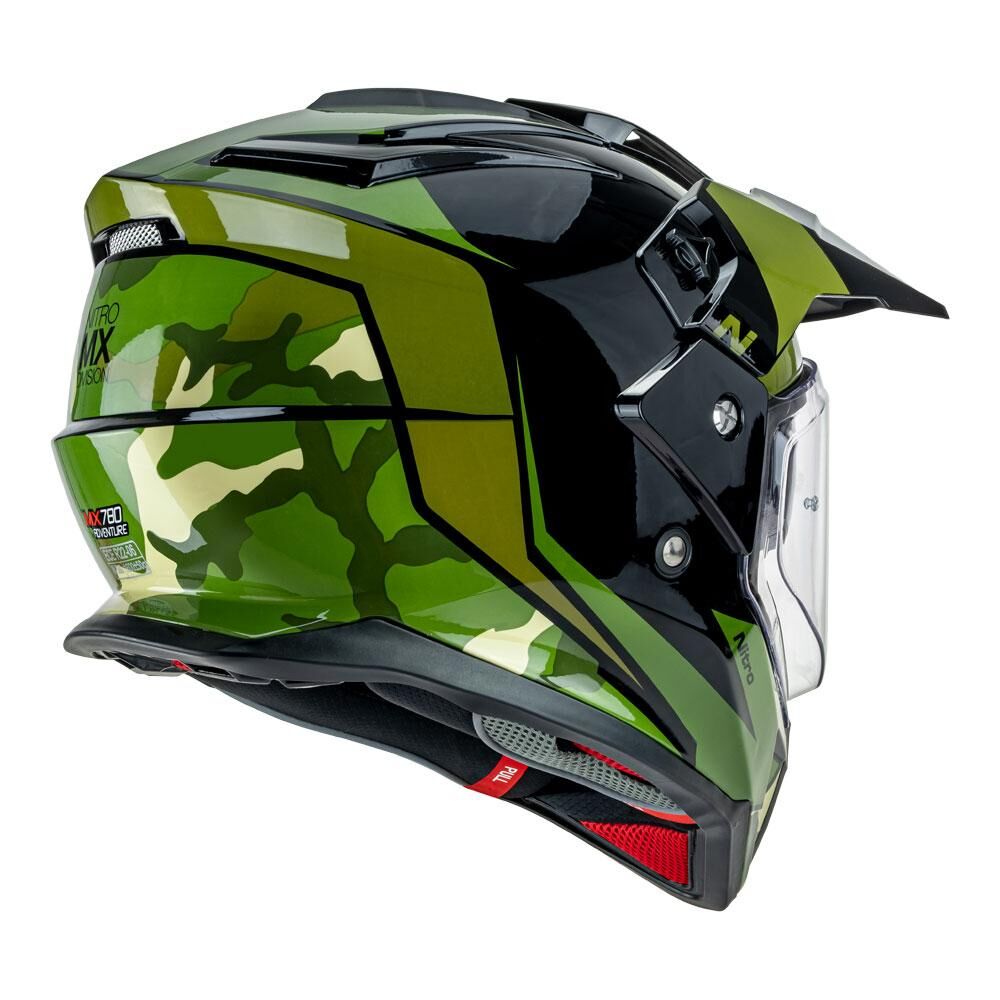
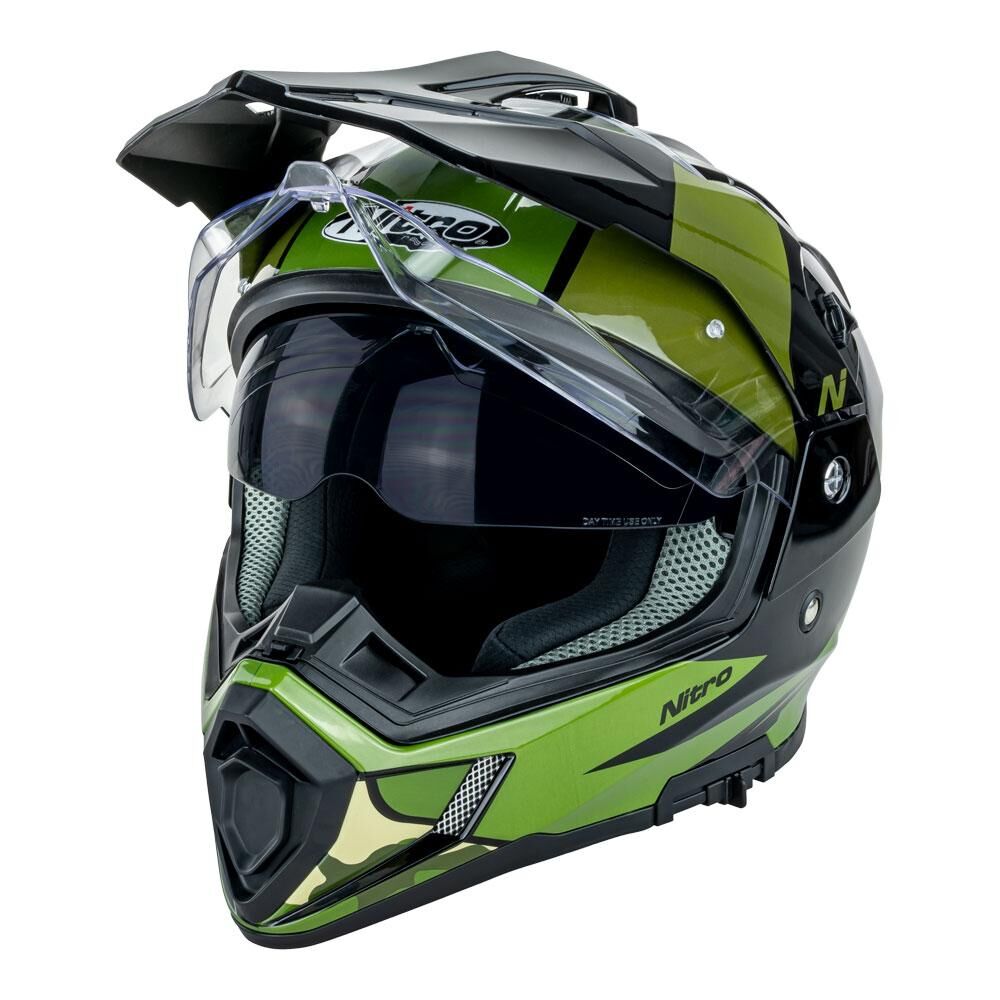

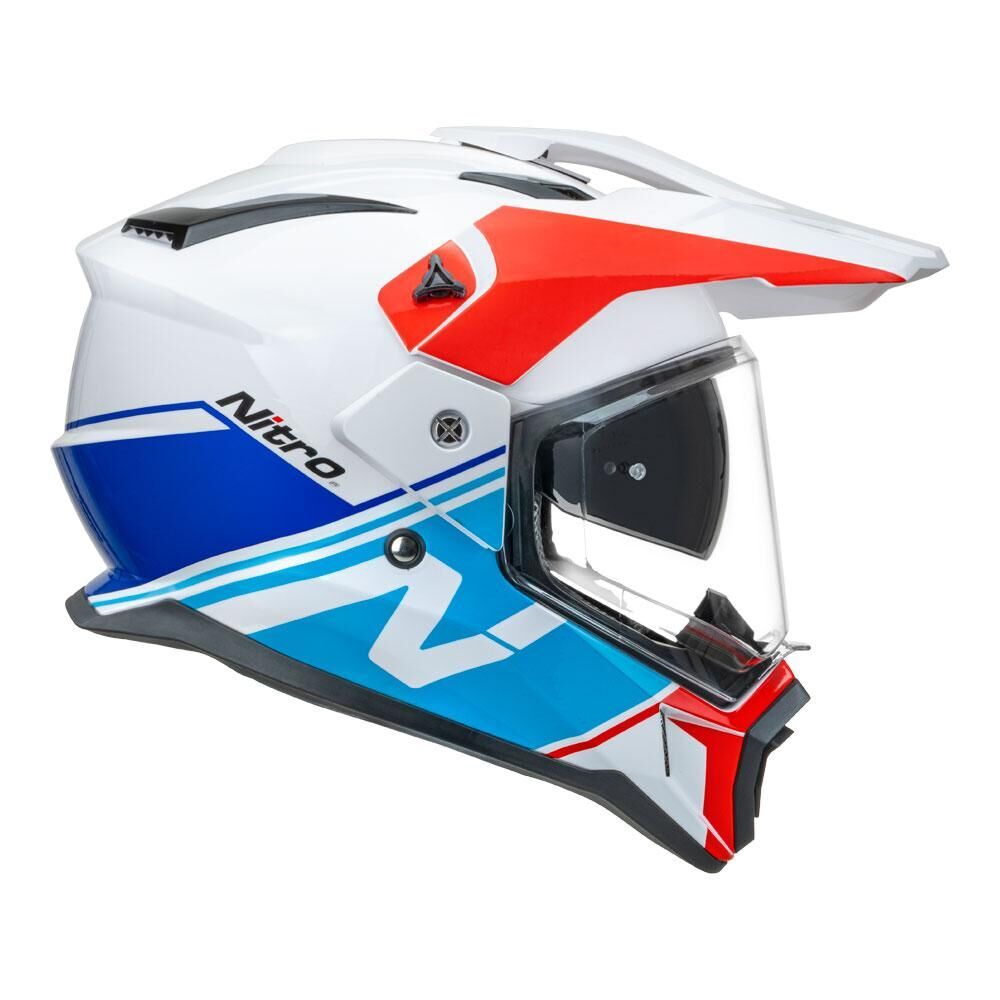
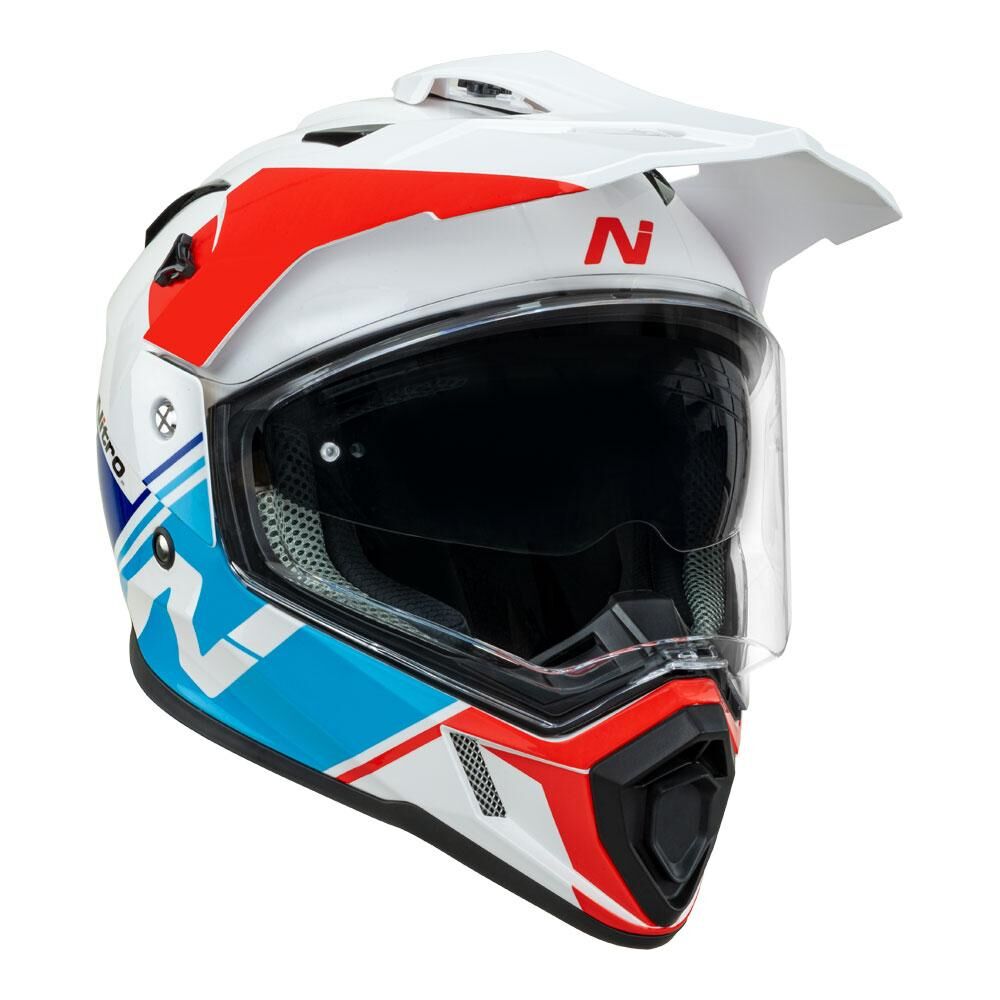
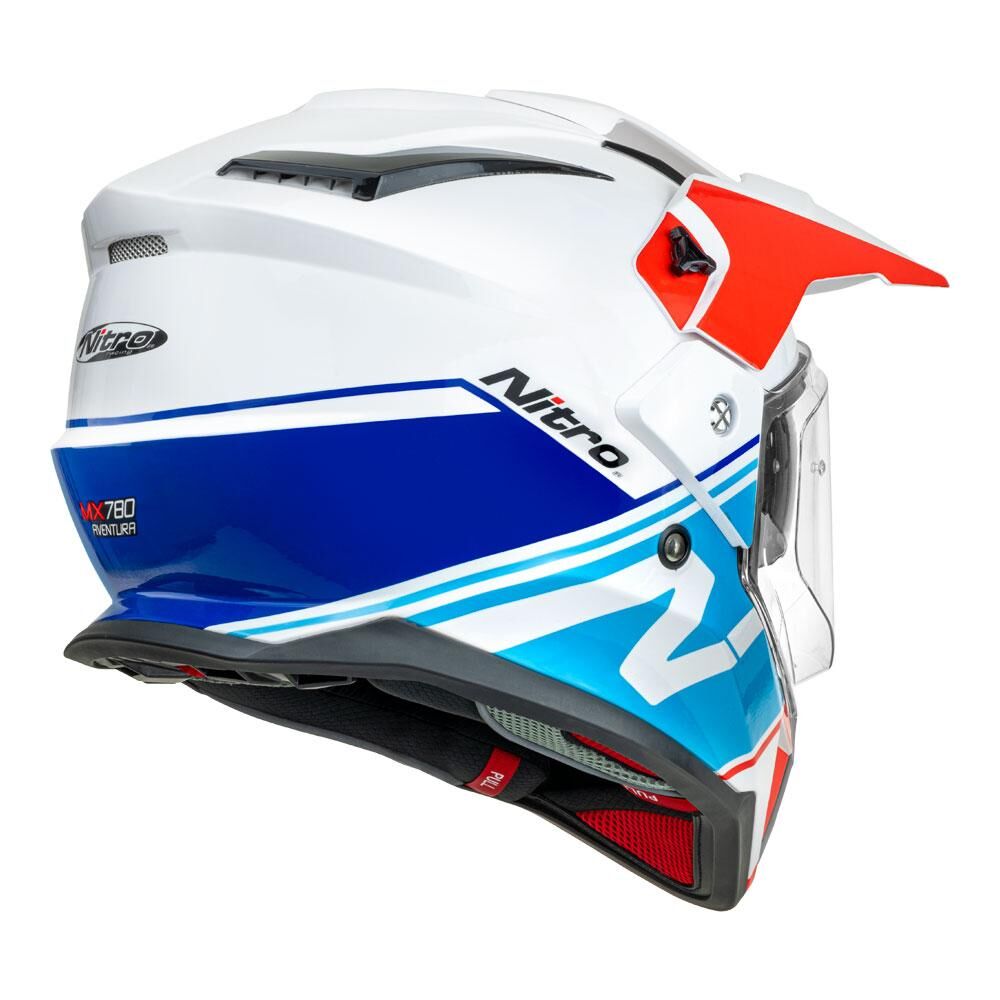
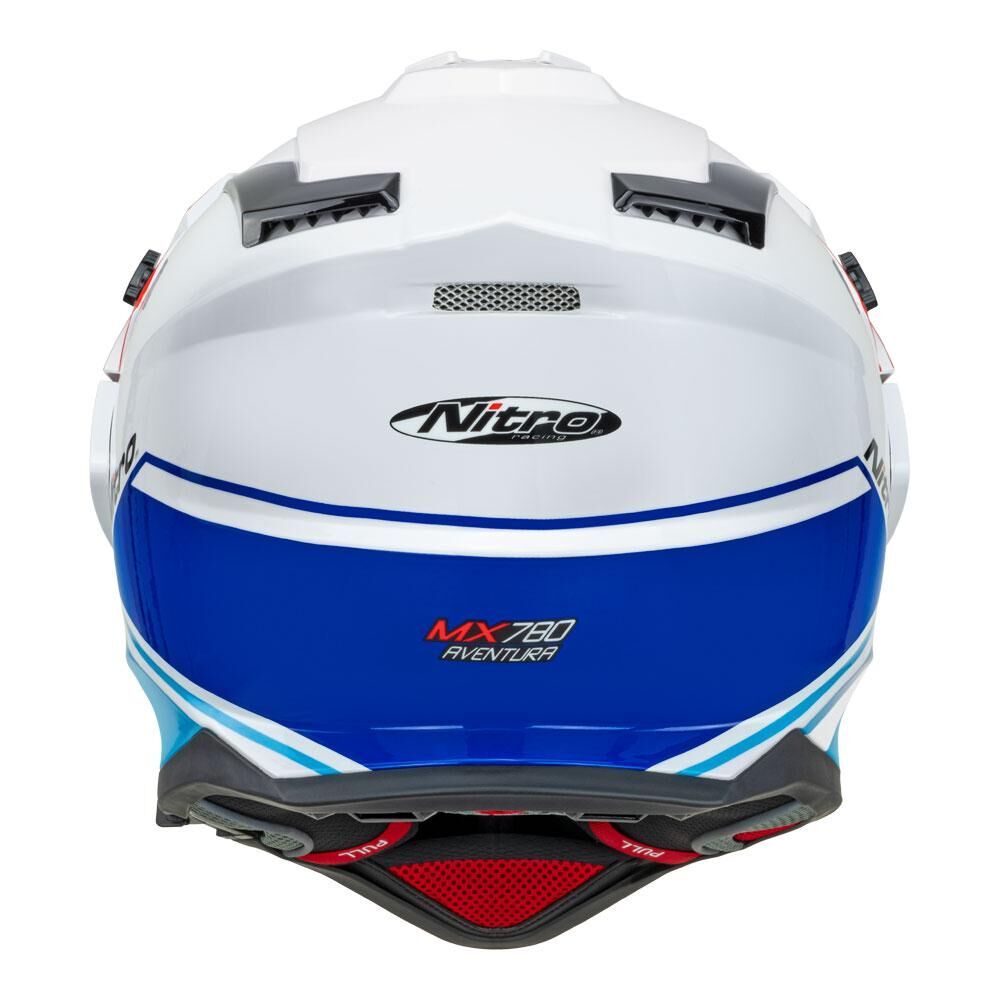
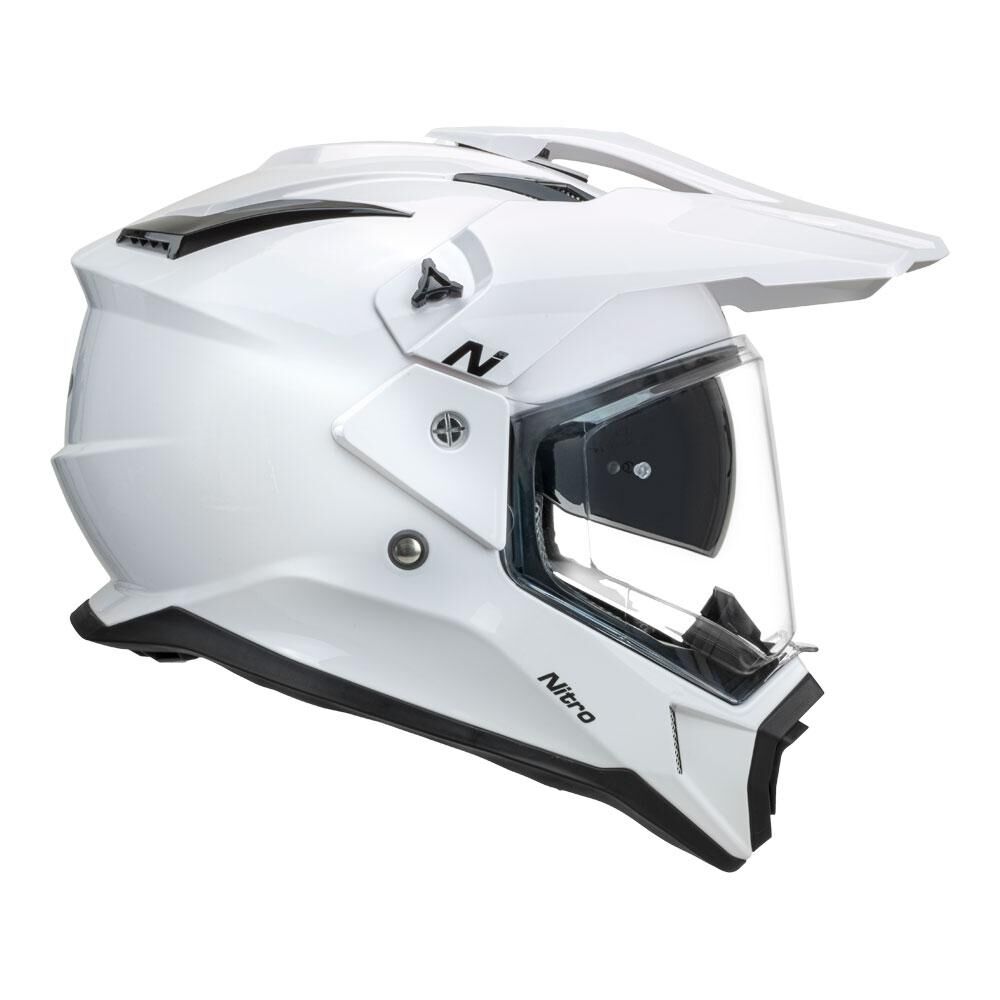
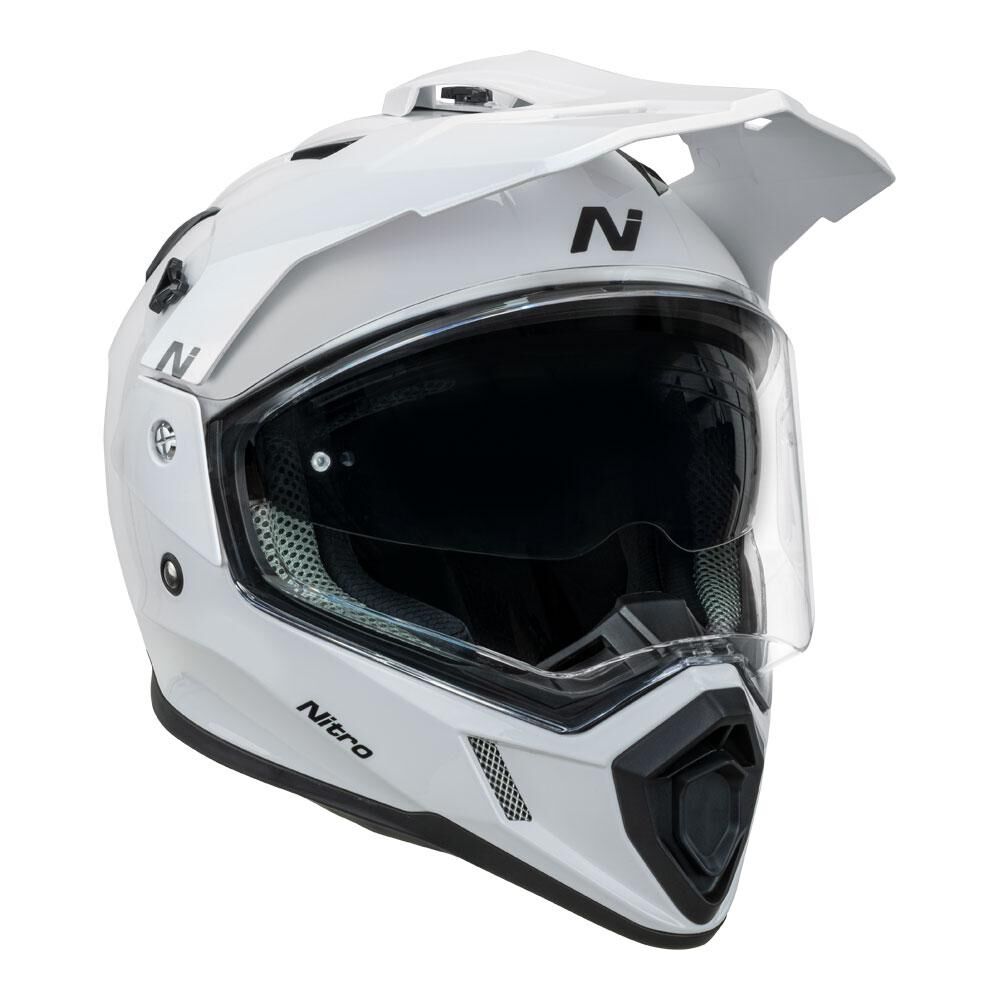
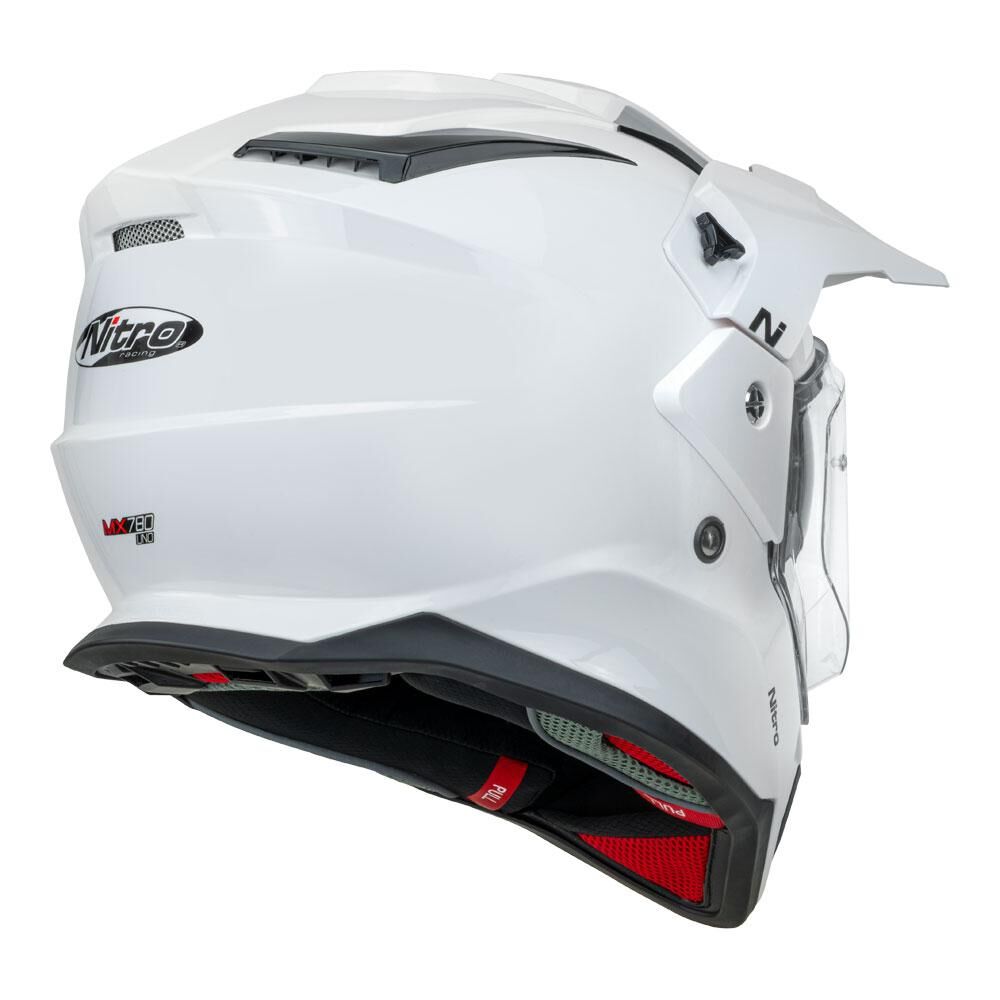
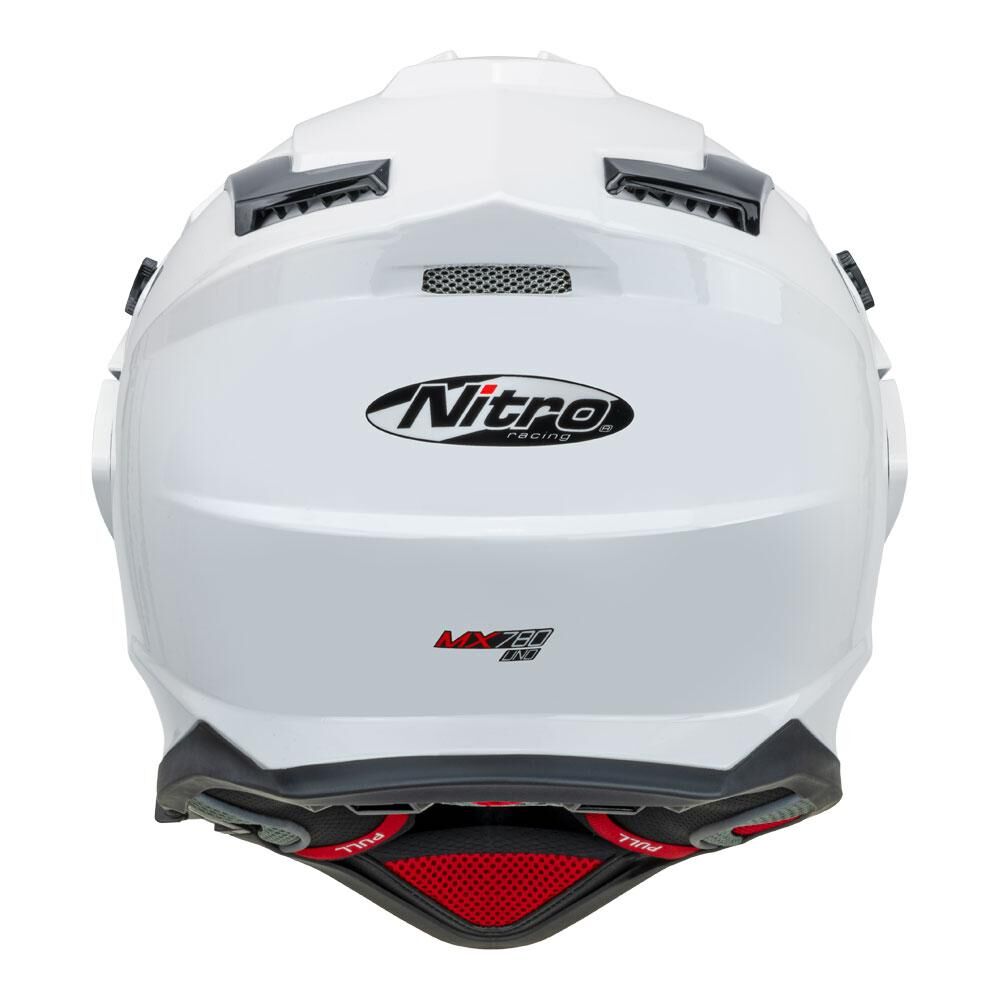
NITRO MX780 ADVENTURE GLOSS WHITE
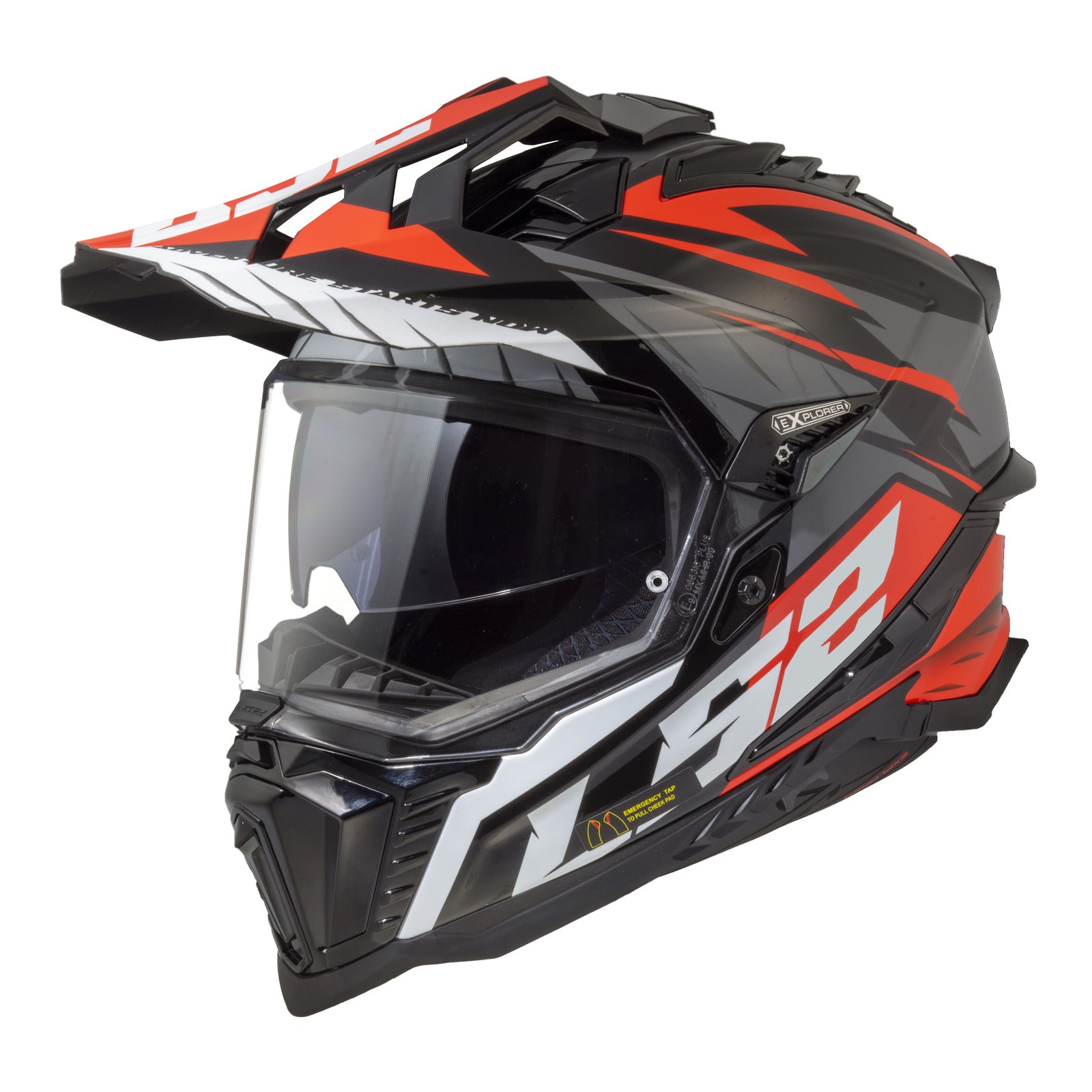
LS2 MX701 Explorer Spire Helmet - Black / Titanium / Red 06
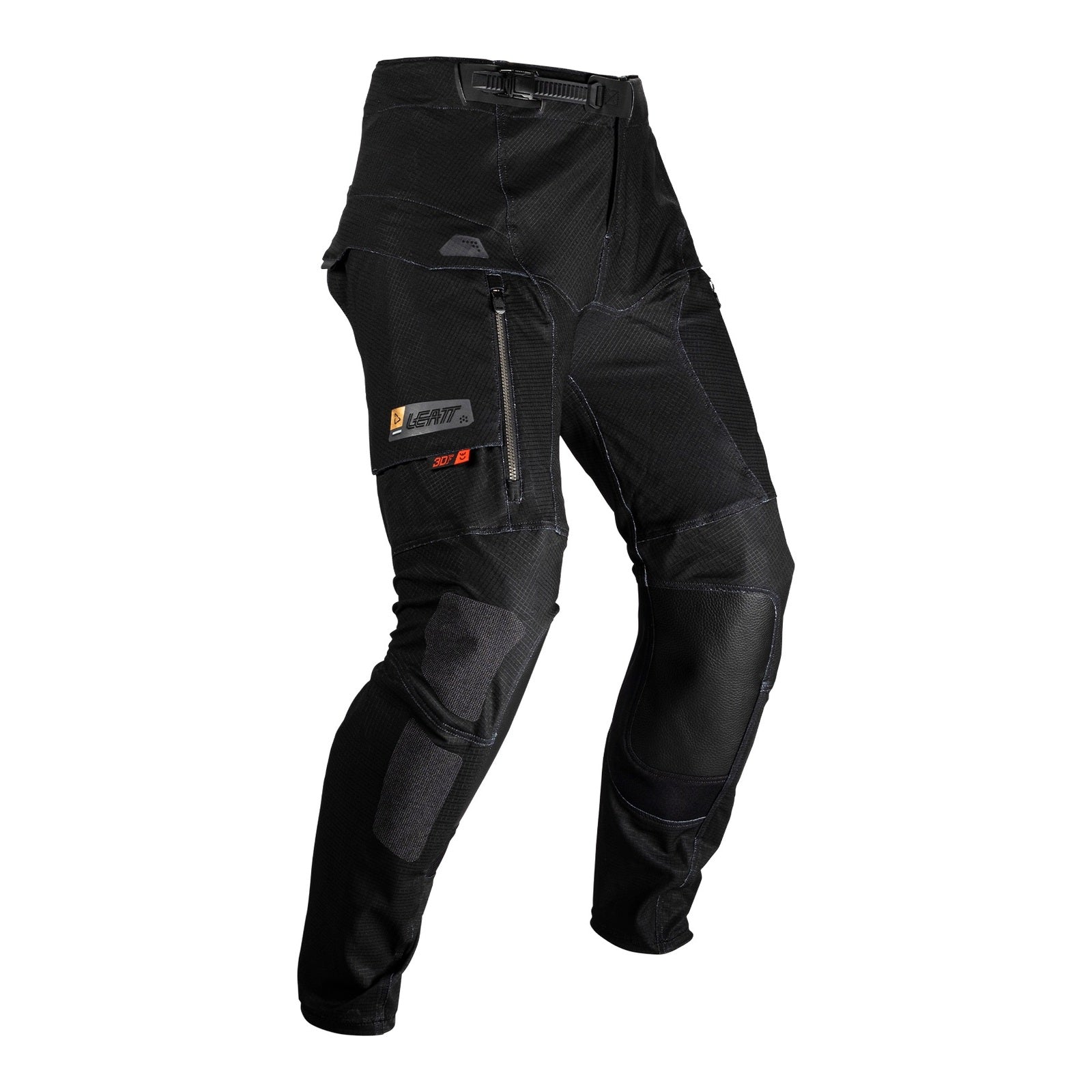
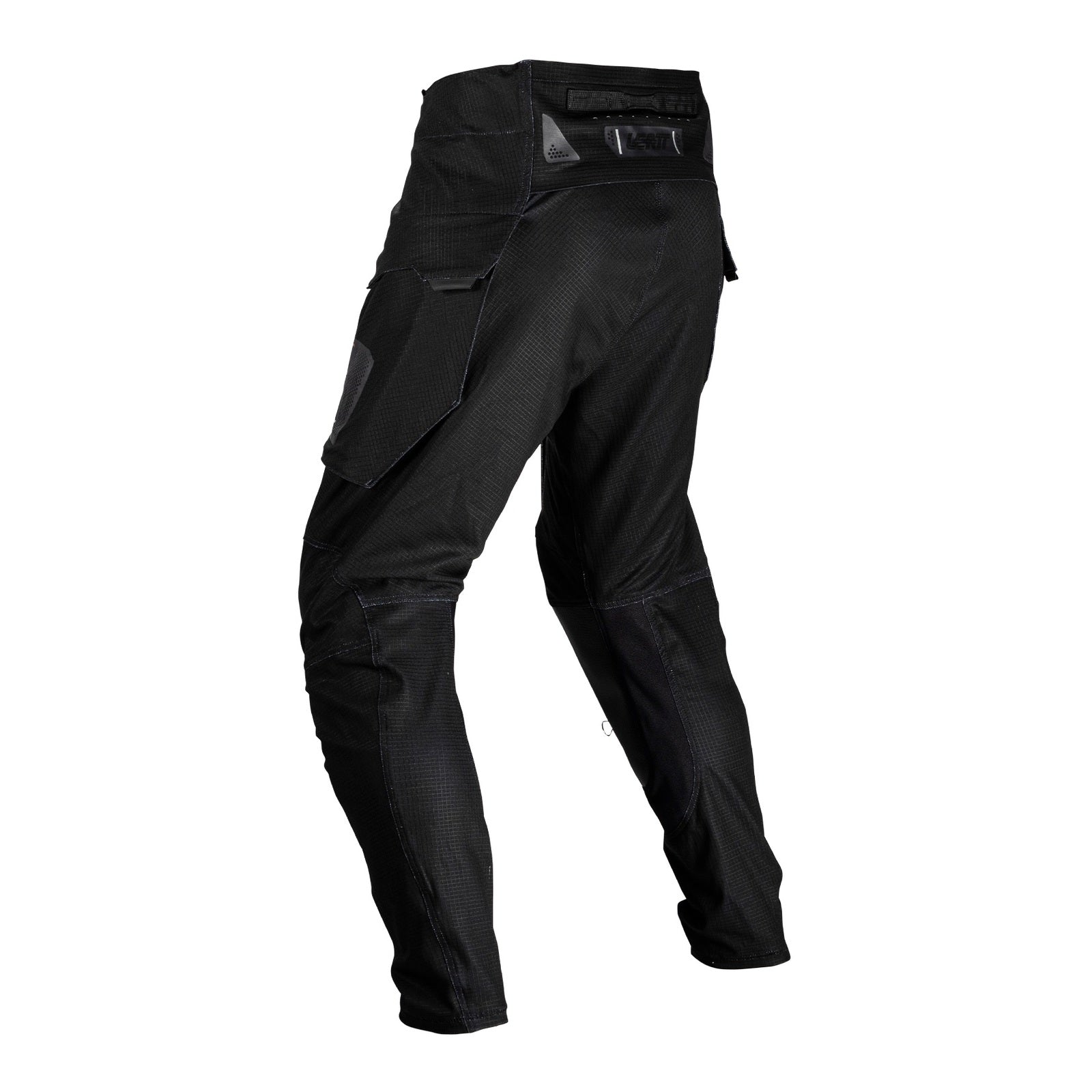


Leatt 5.5 ADV Rally Pant - Stealth


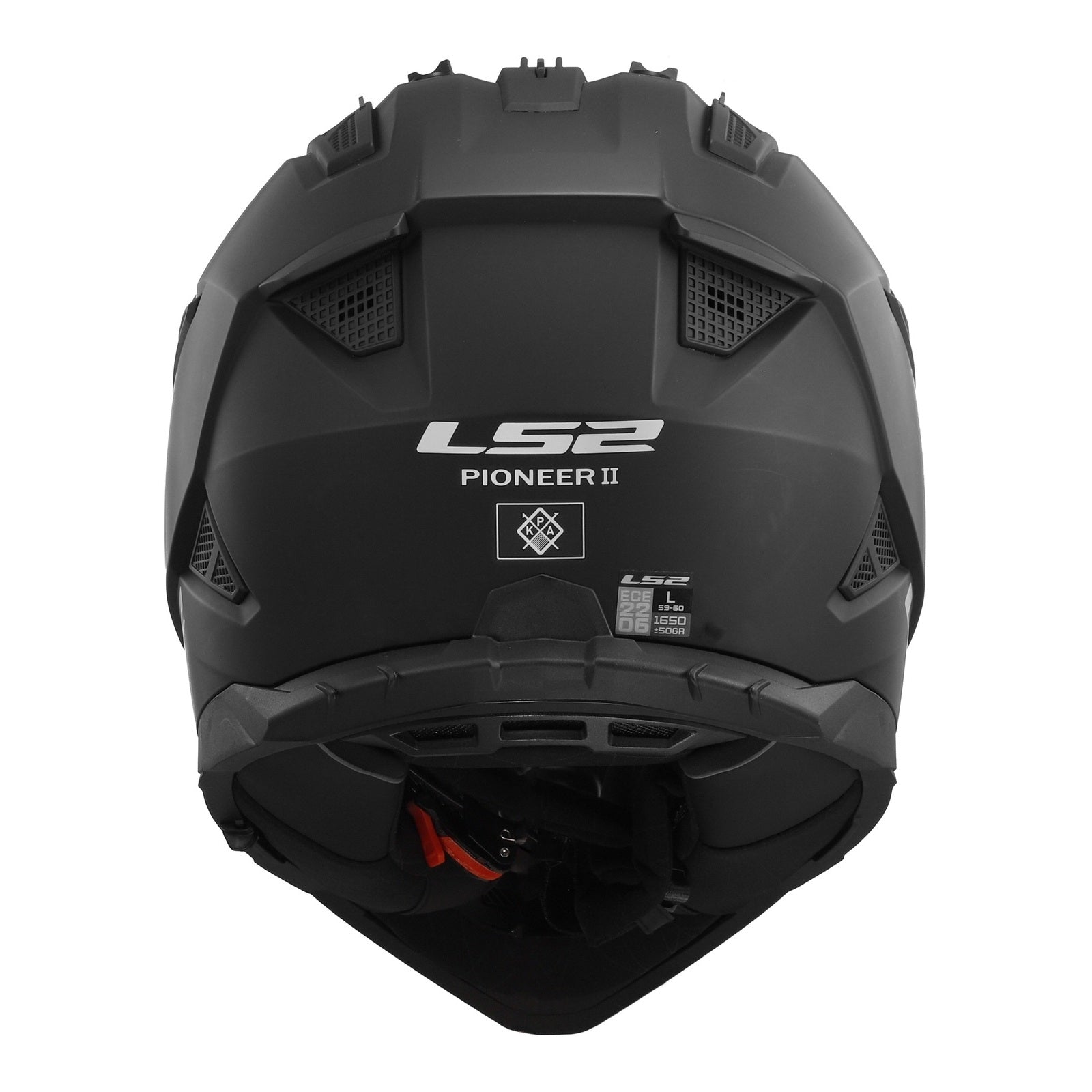
LS2 MX702 Pioneer II - Matte Black 06

LS2 MX702 Pioneer II Hill Helmet - White / Red

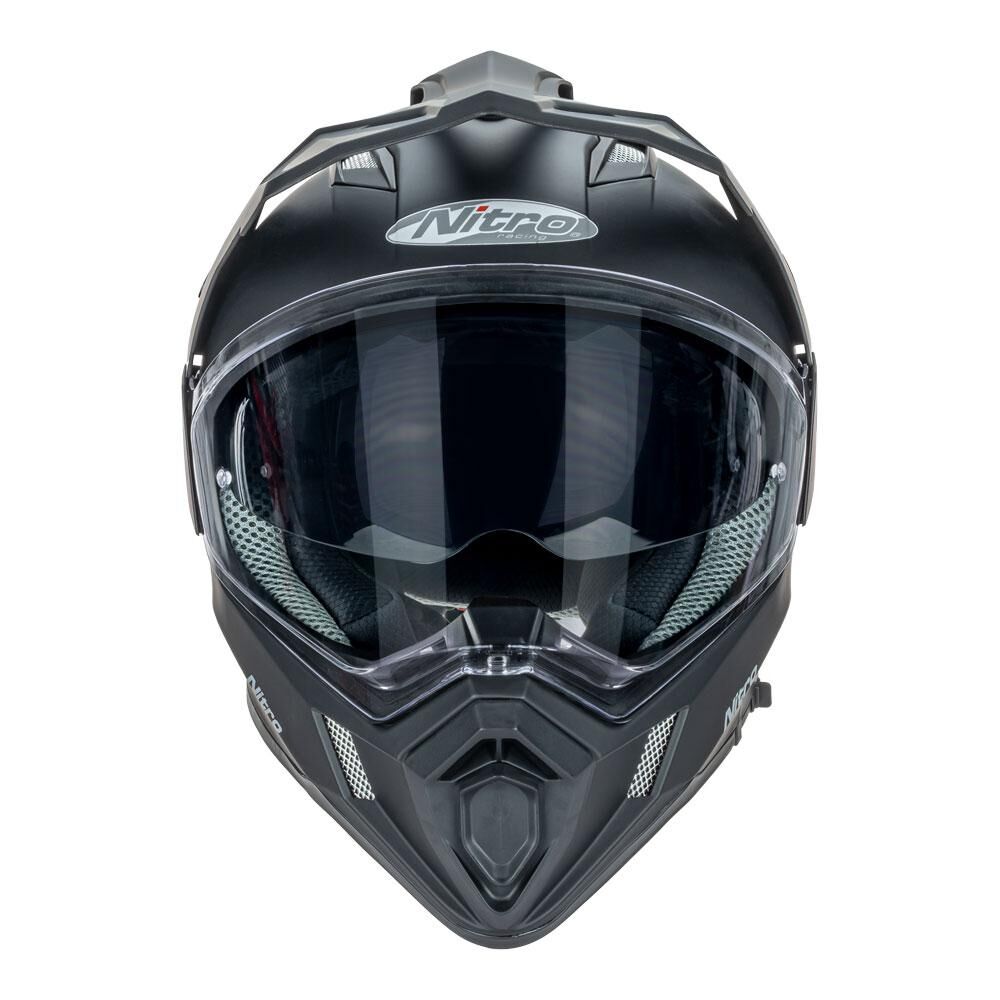
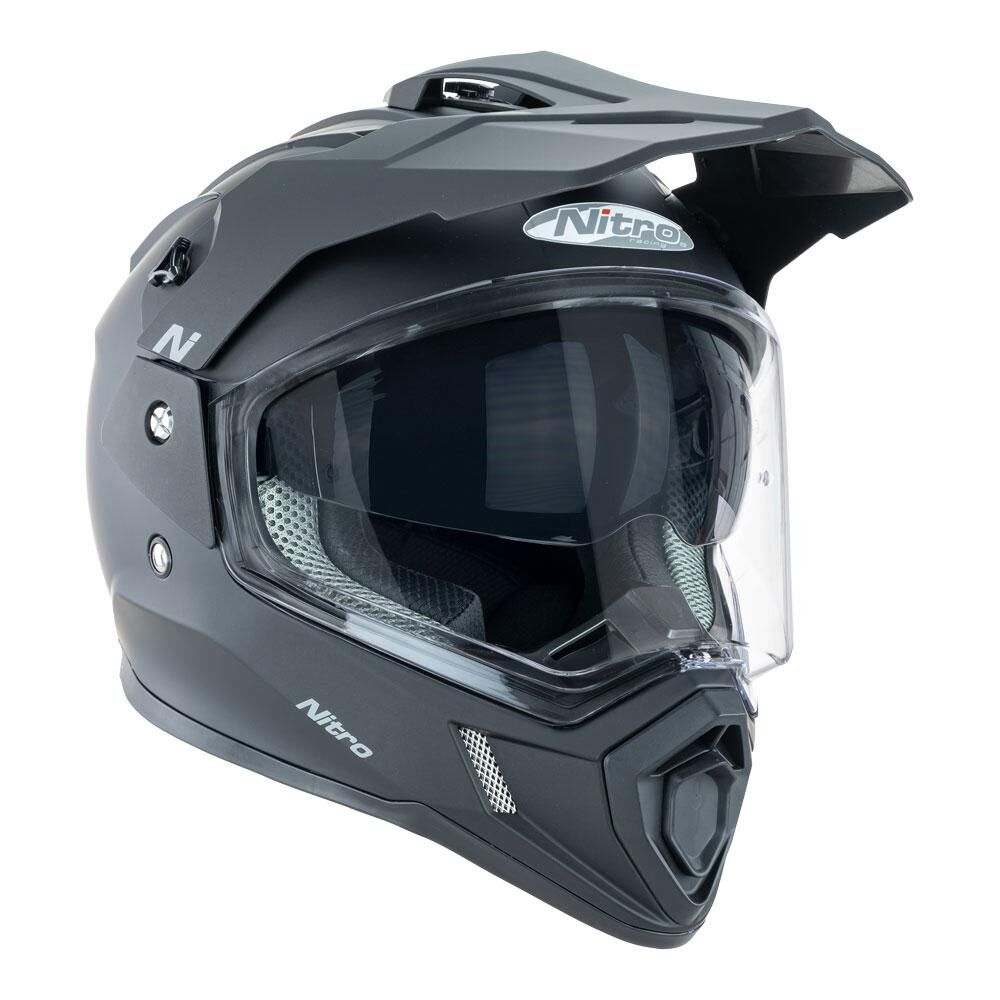
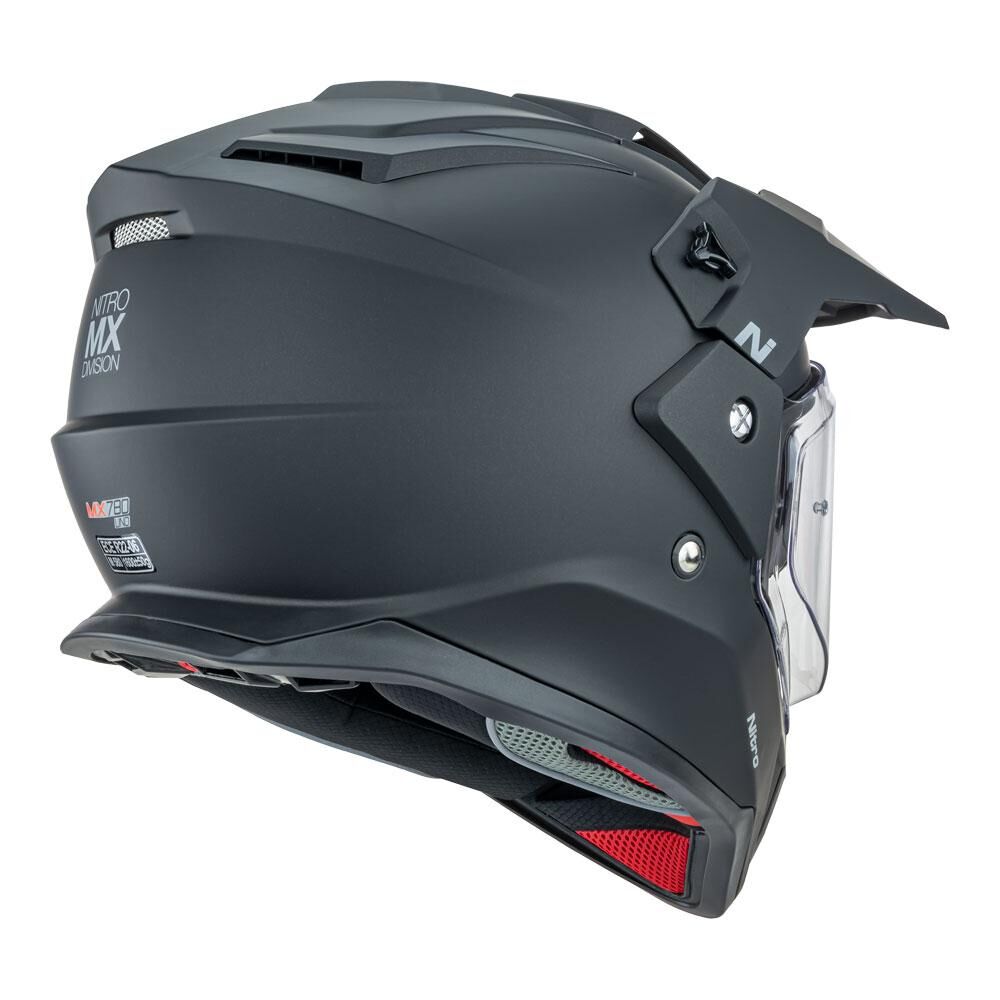
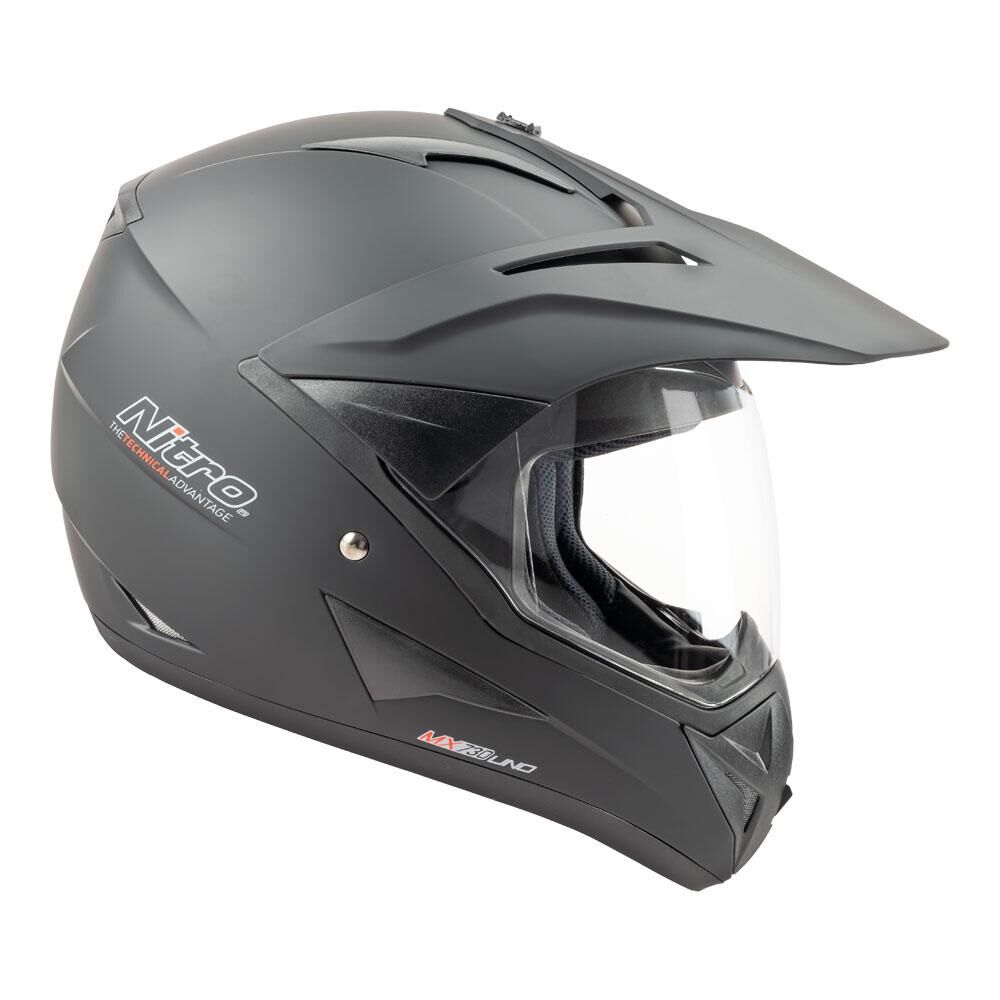
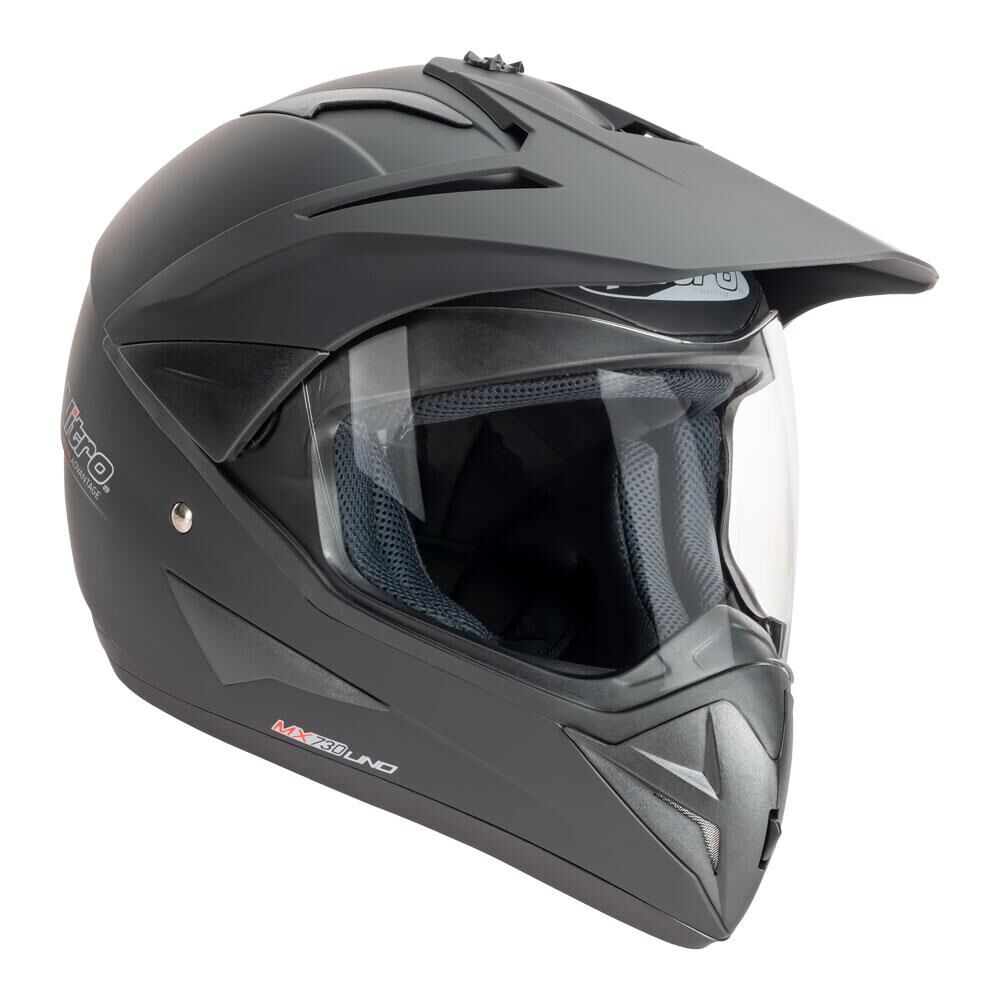
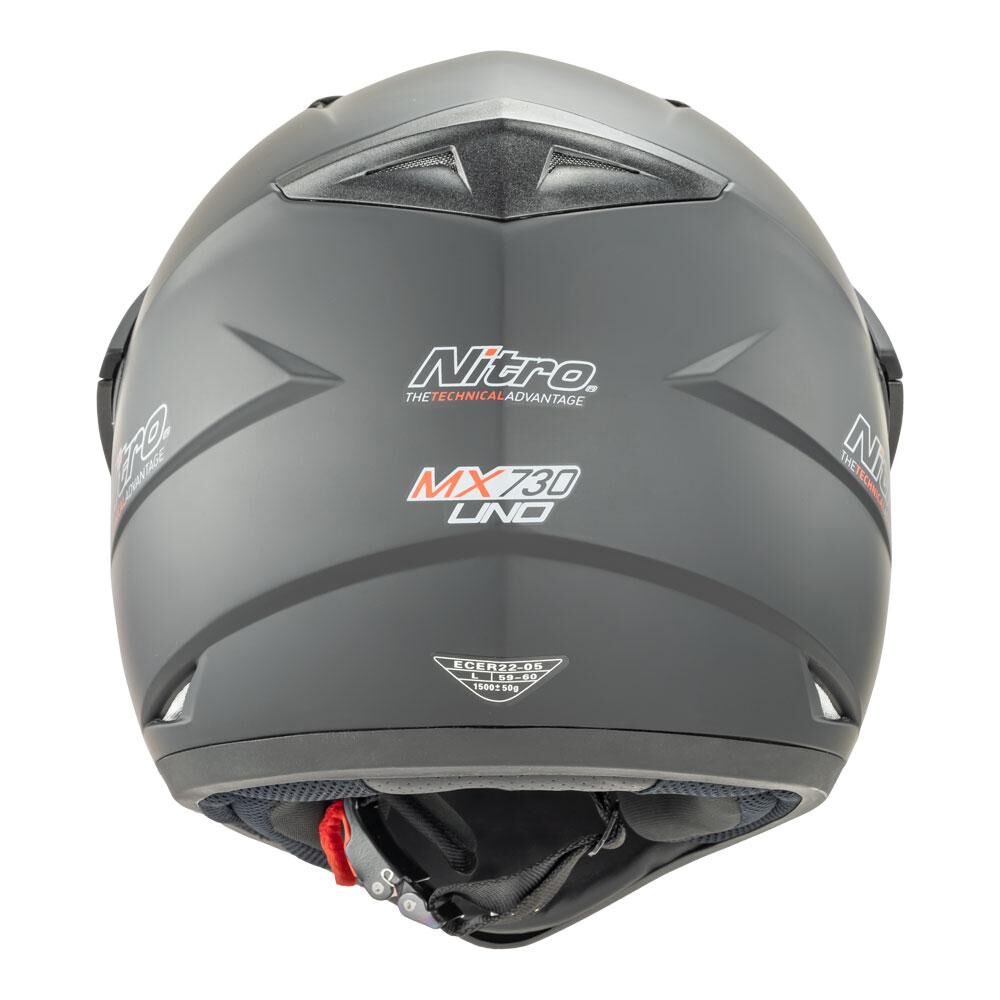
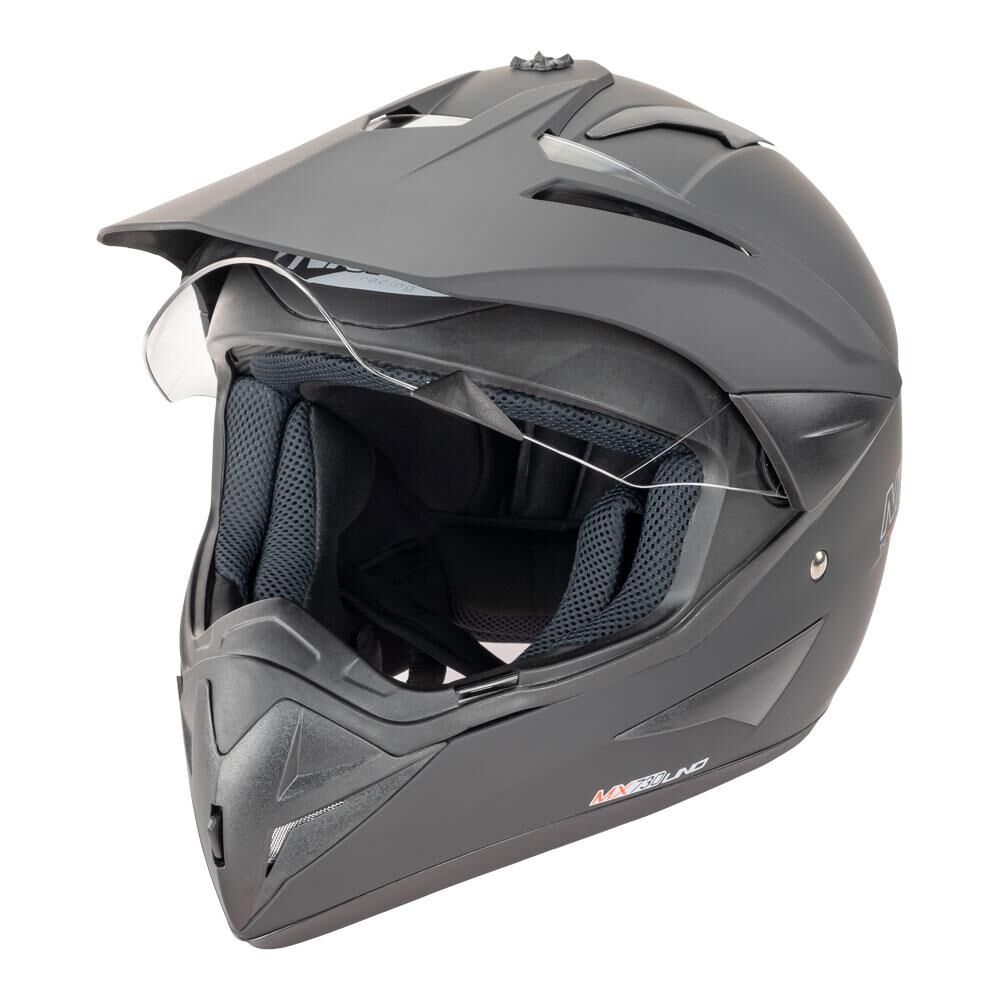
NITRO MX730 UNO ADVENTURE SATIN BLACK
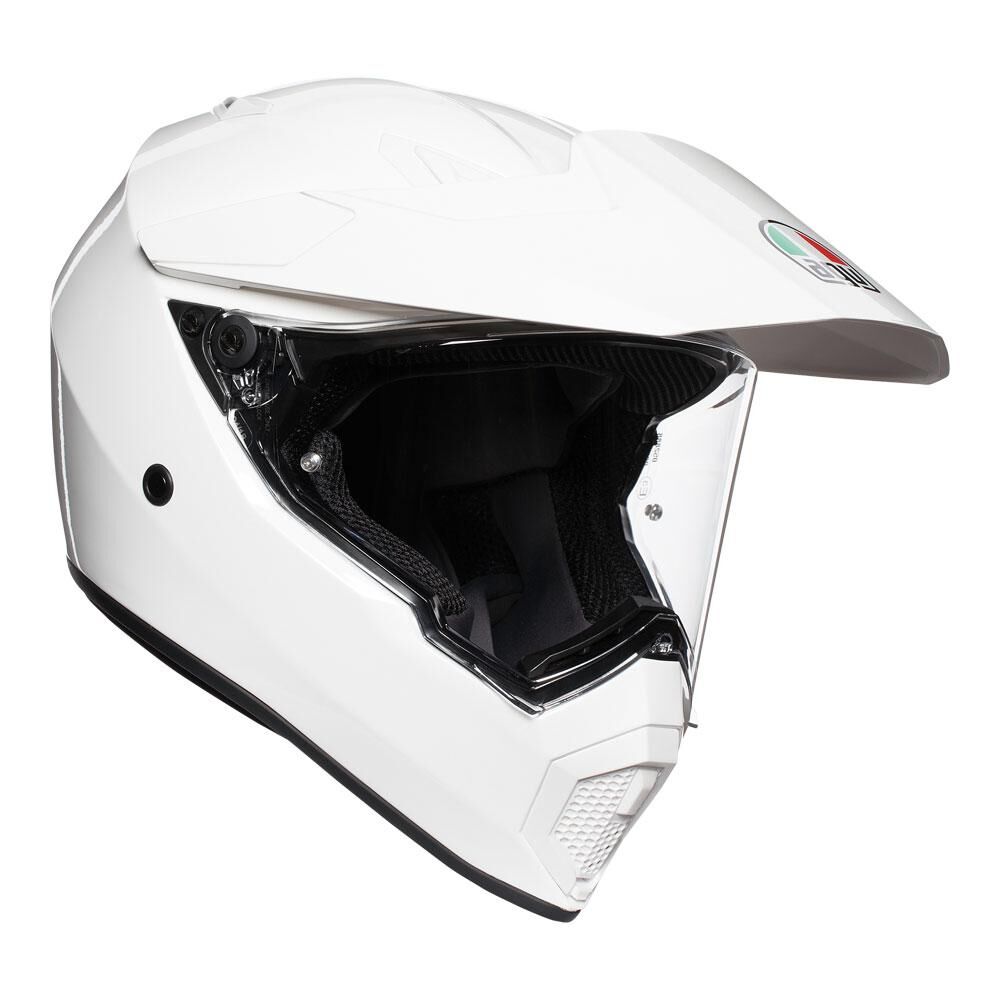
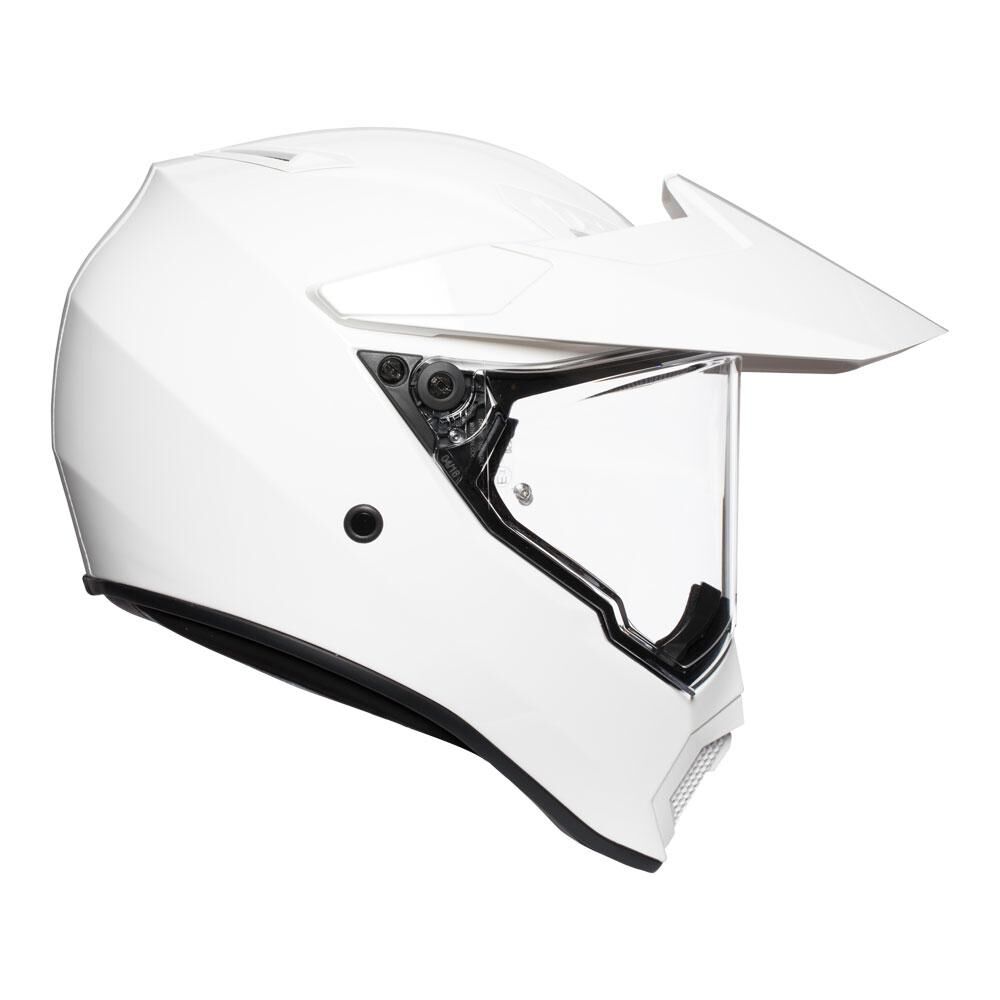
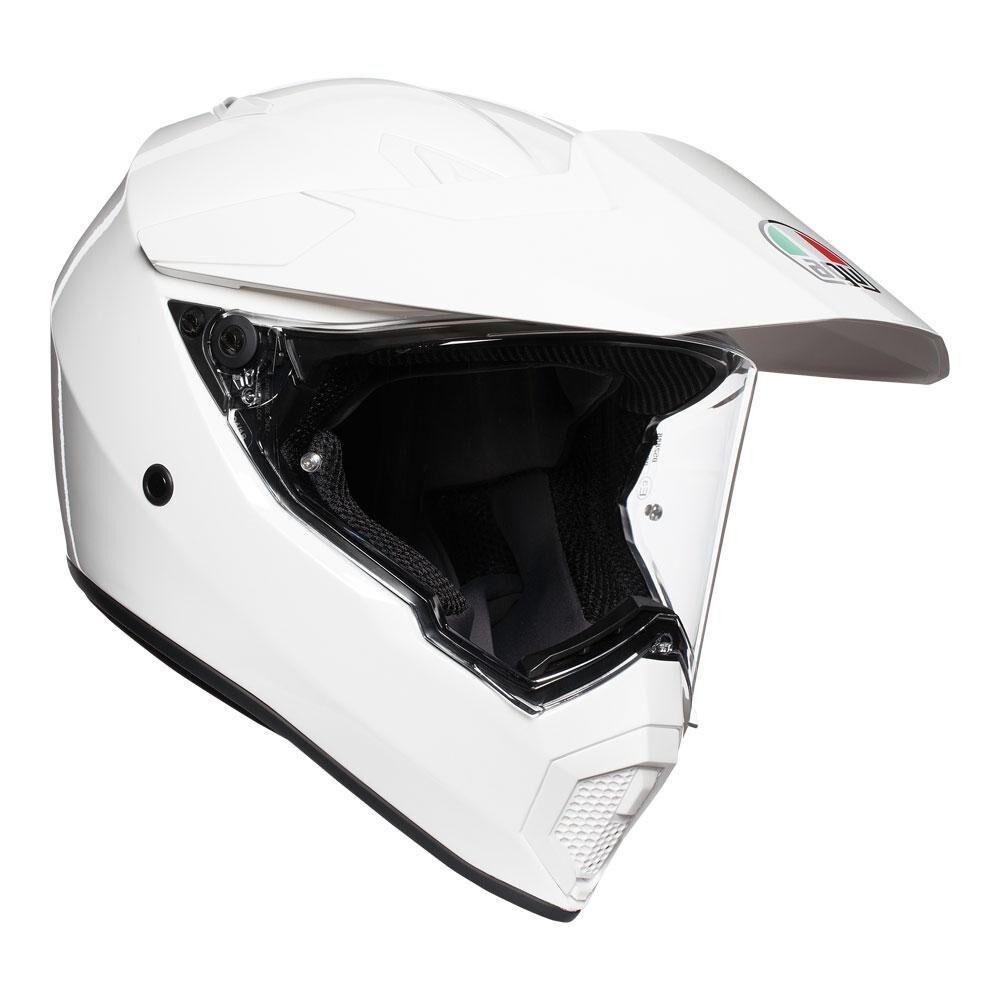
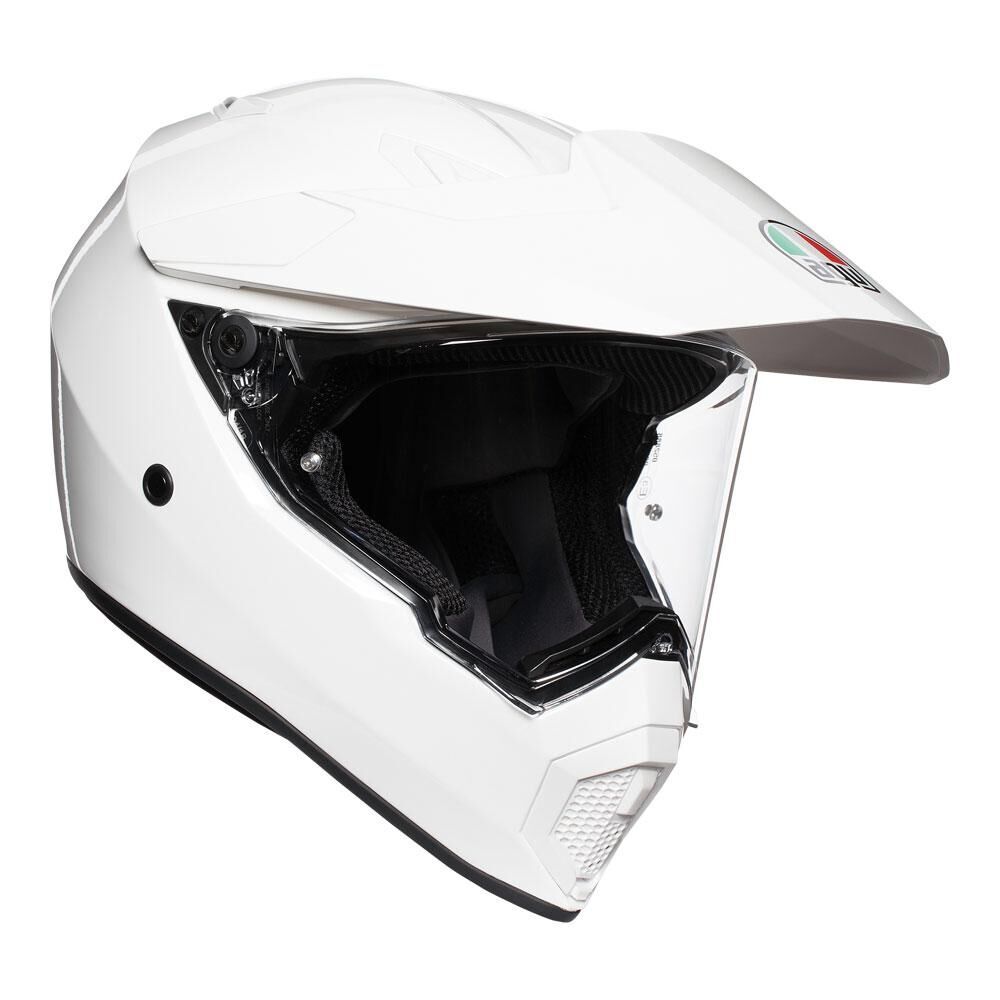
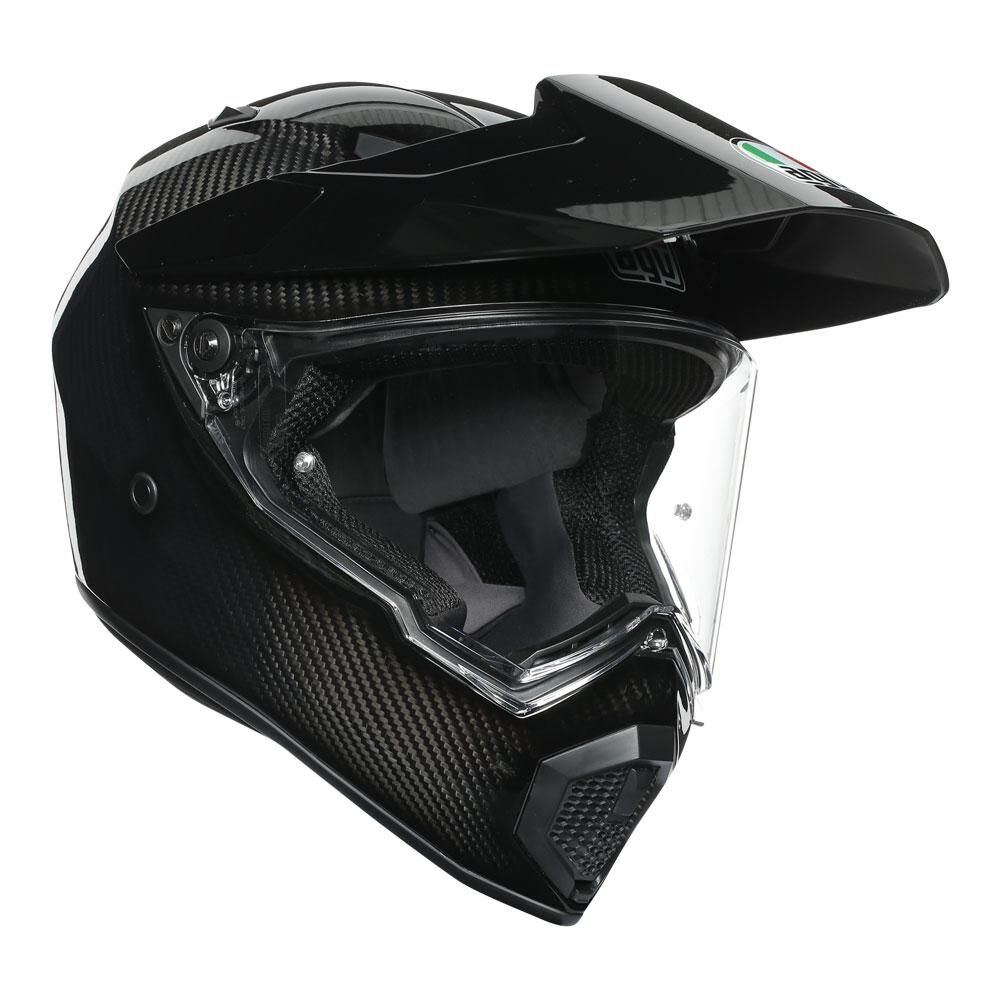
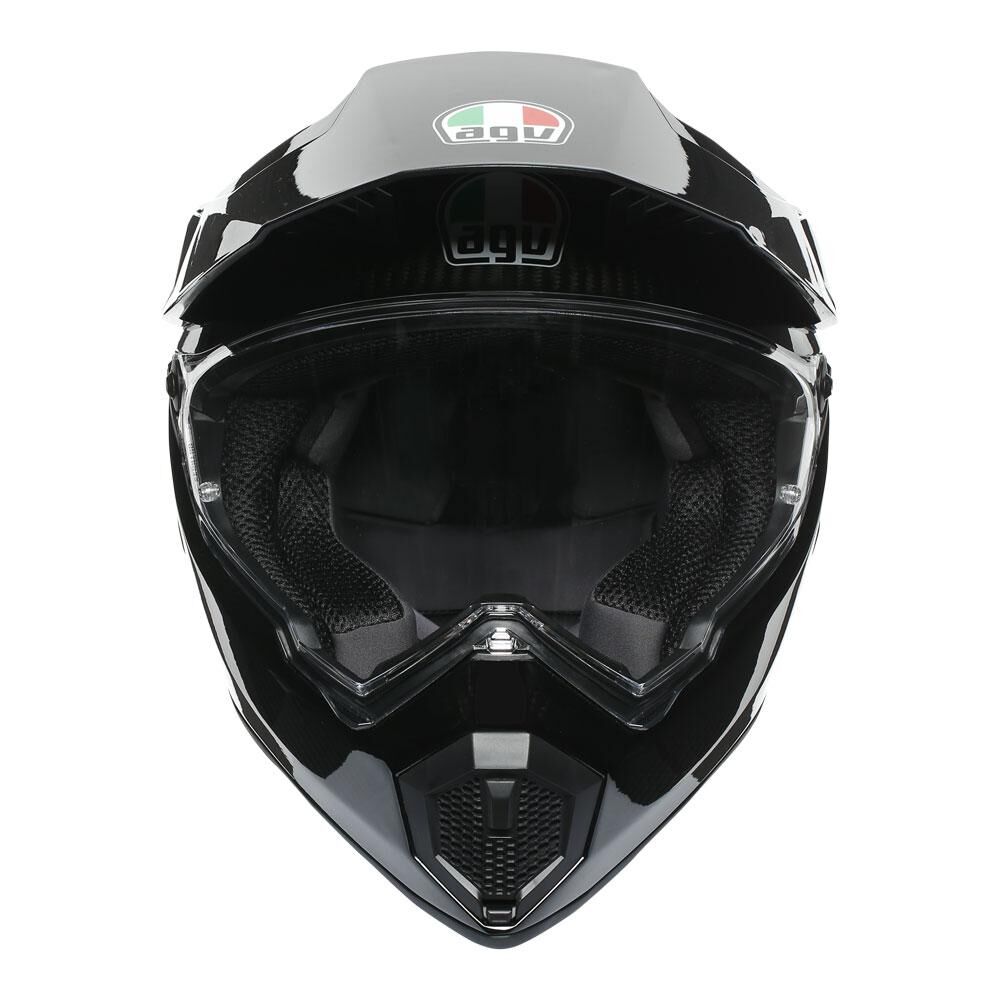
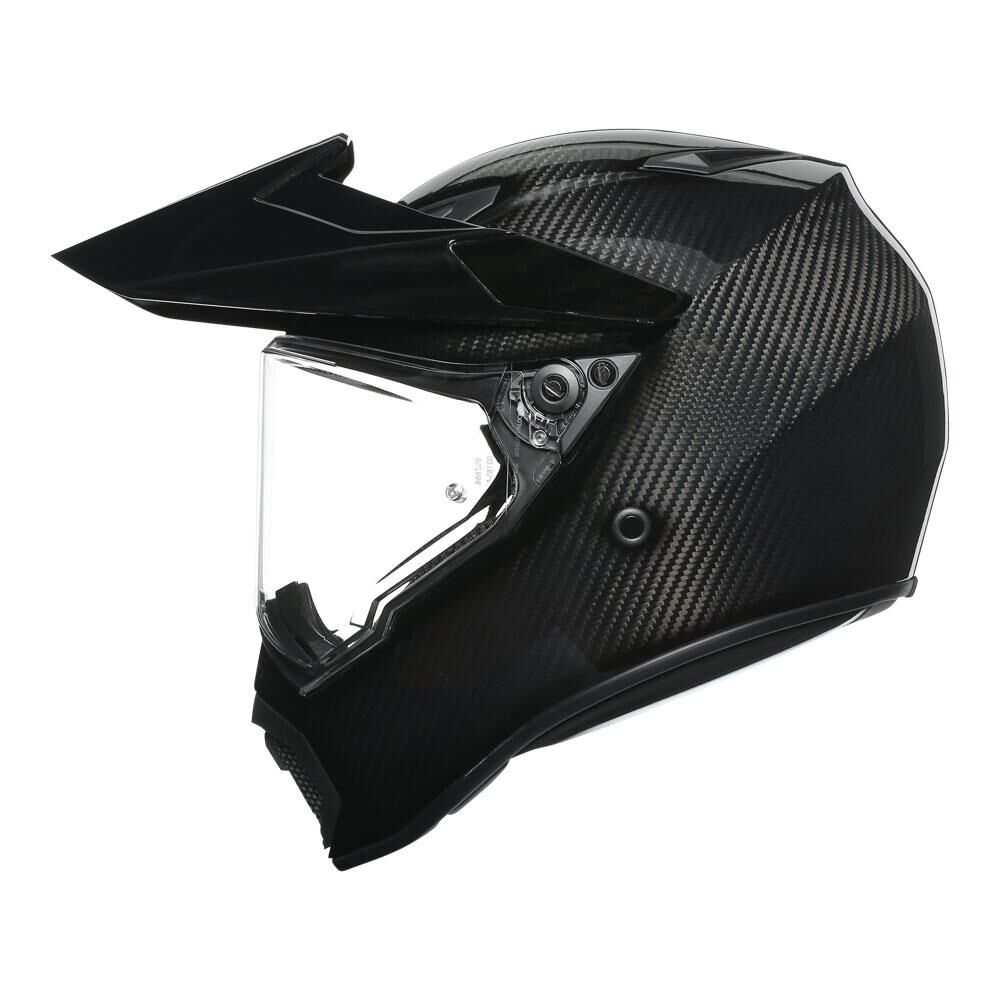
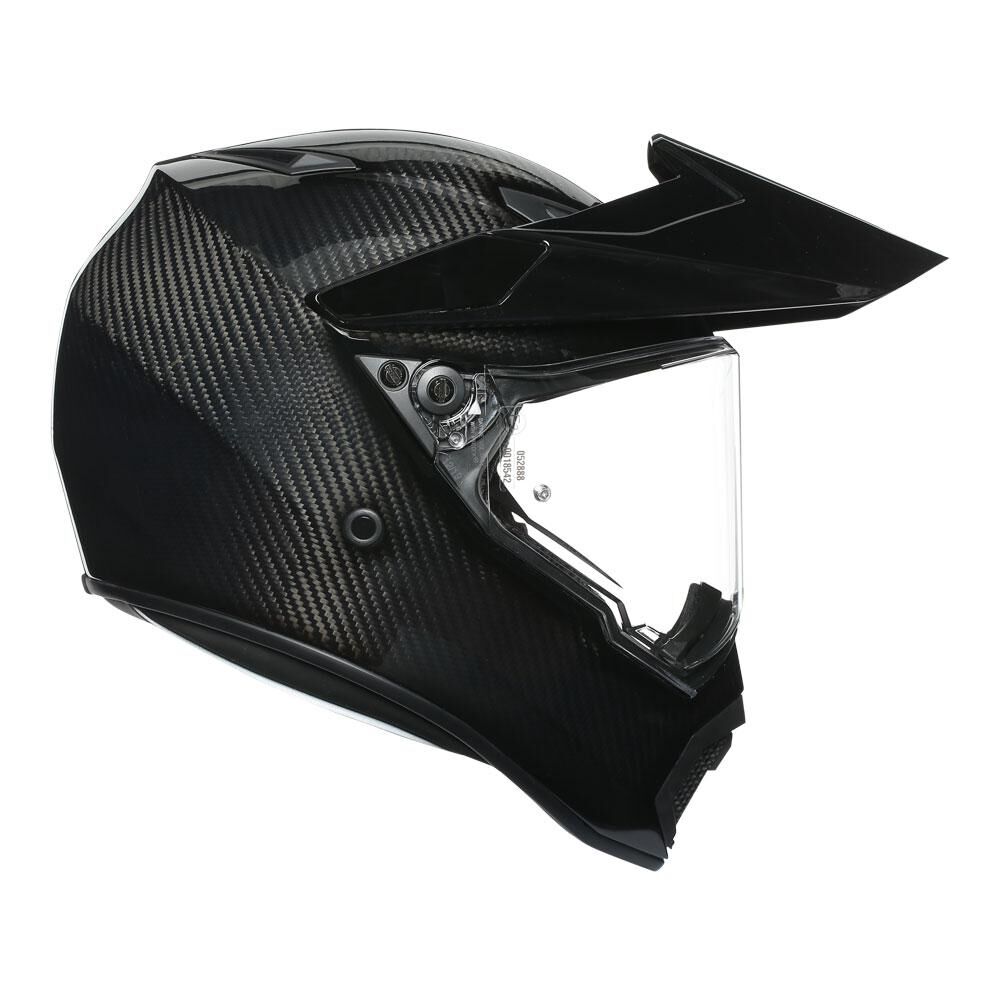
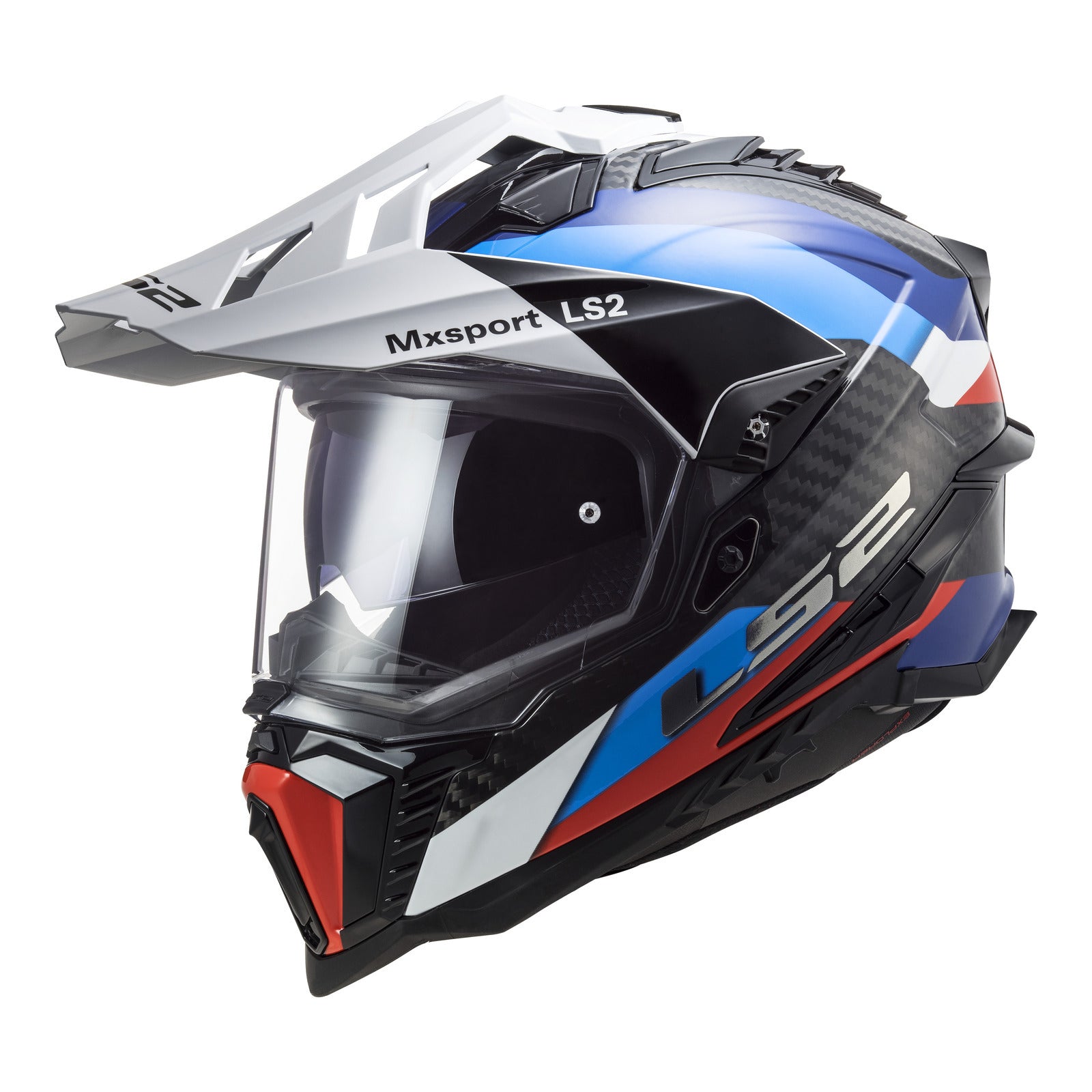


LS2 MX701 Explorer Carbon Frontier Helmet - Black / Blue
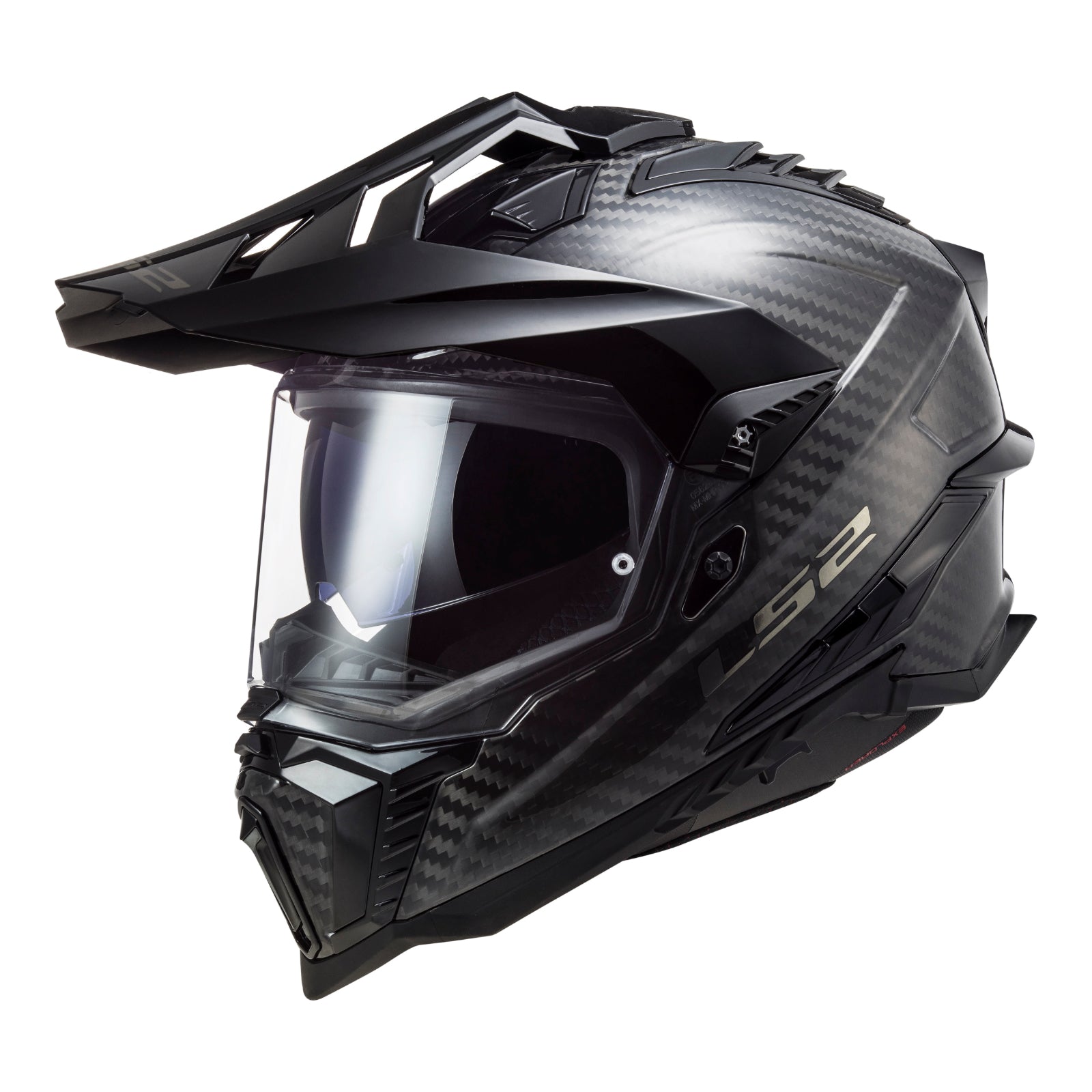
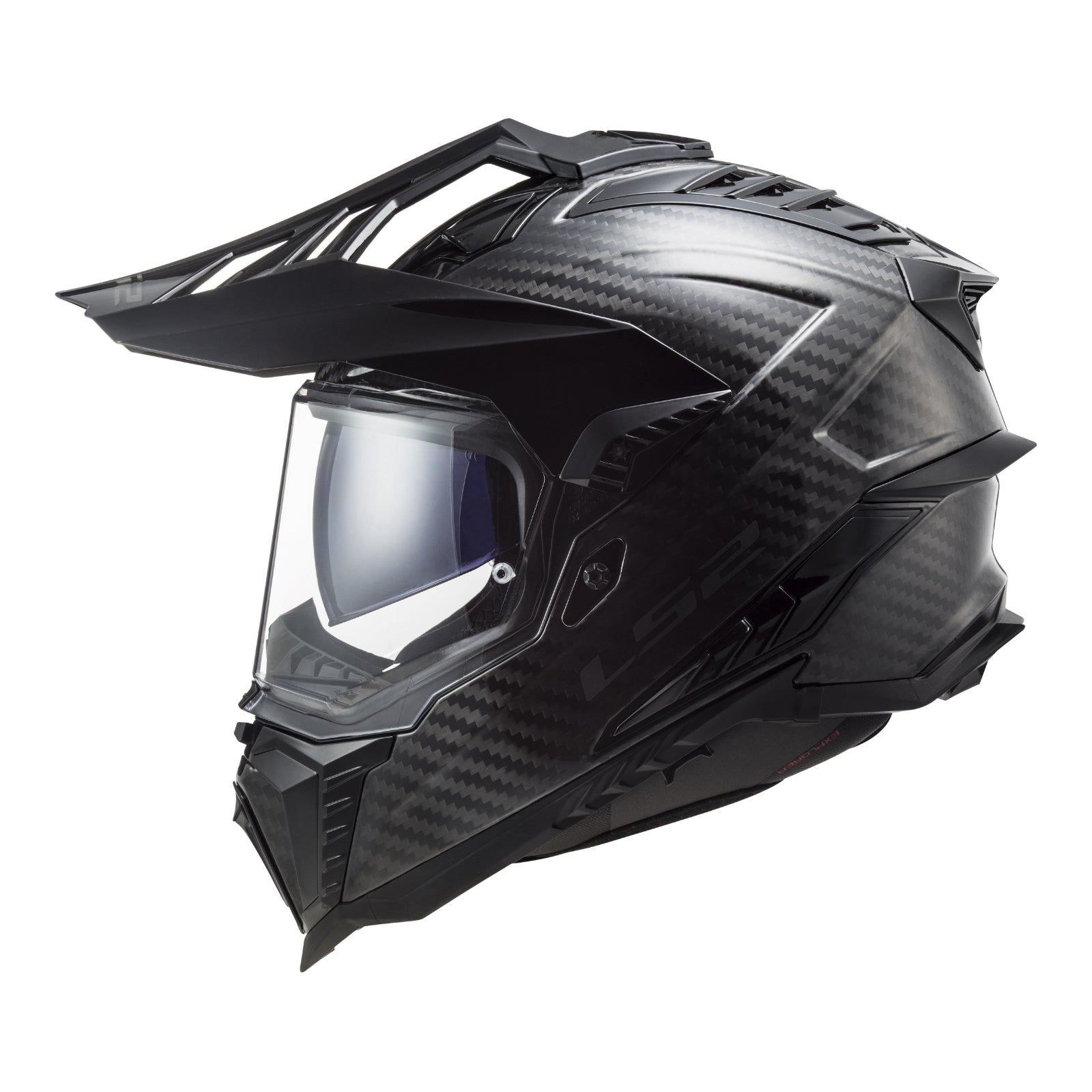
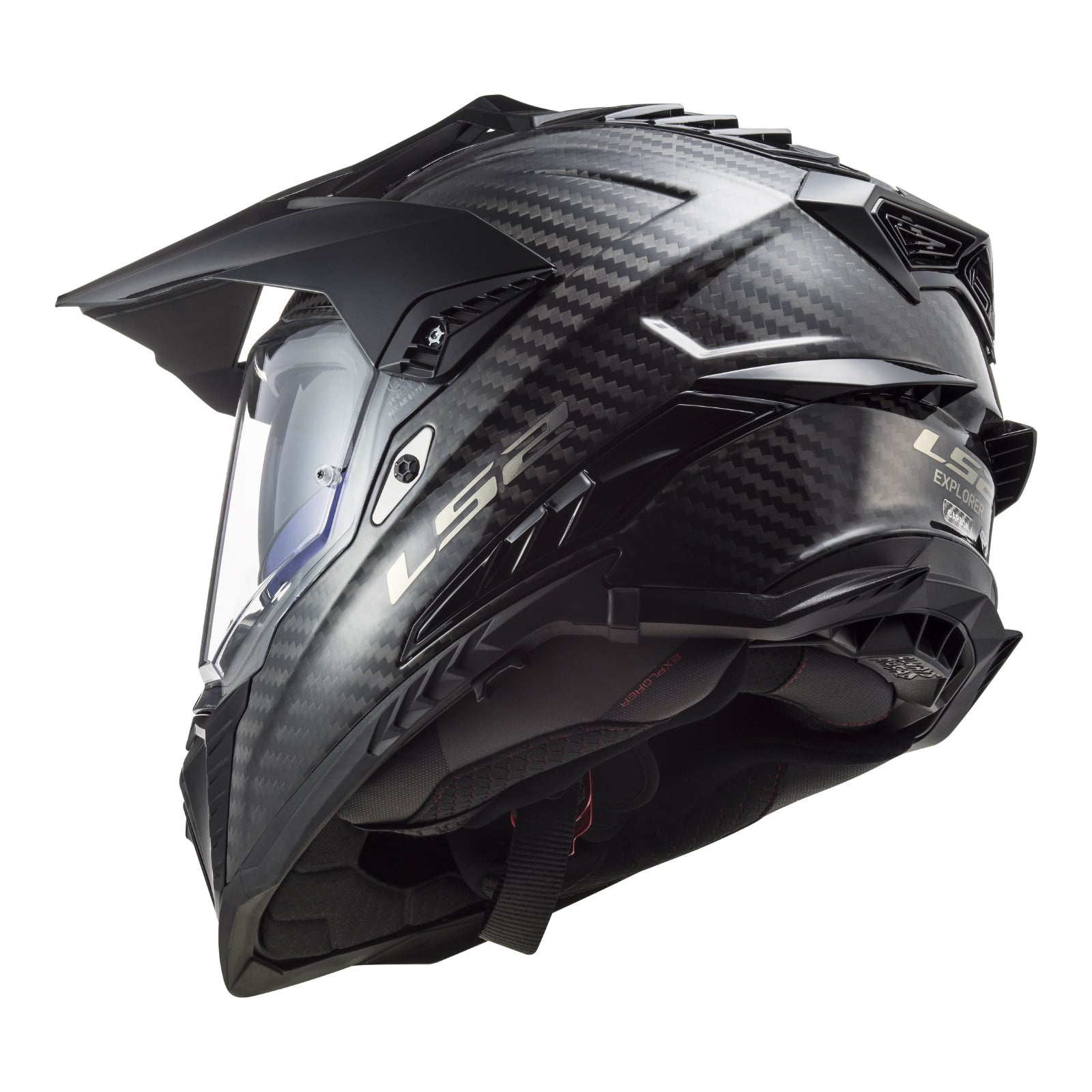
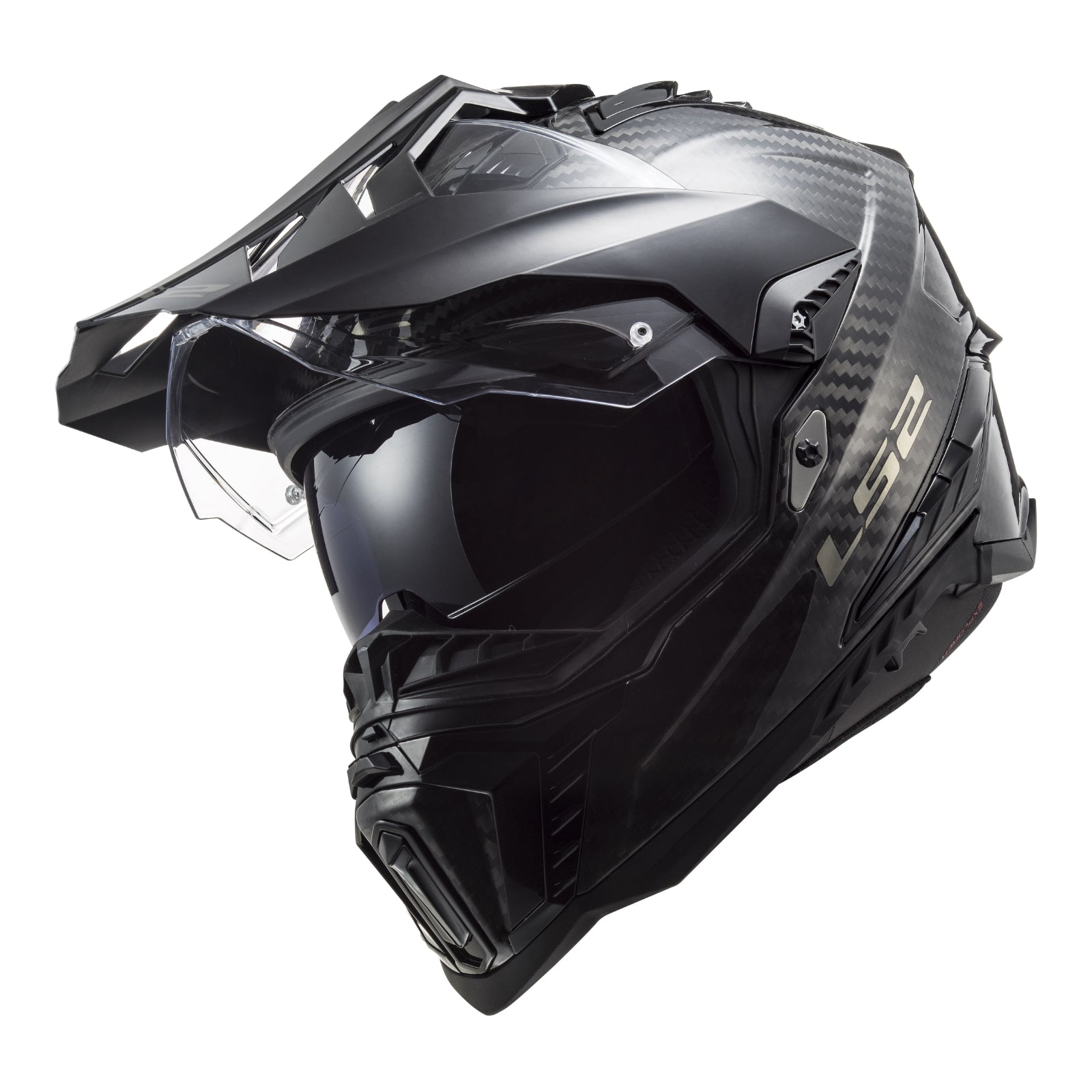

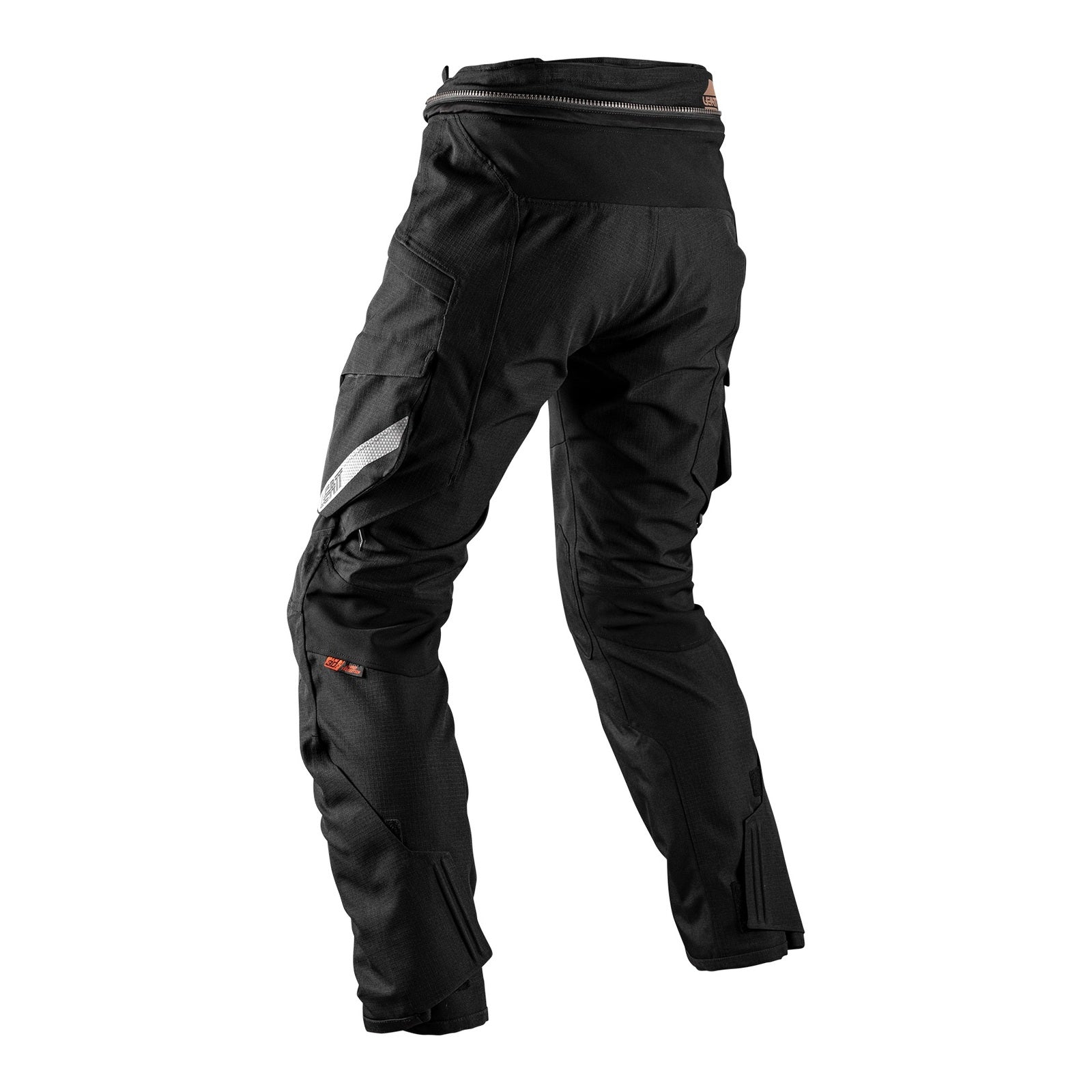
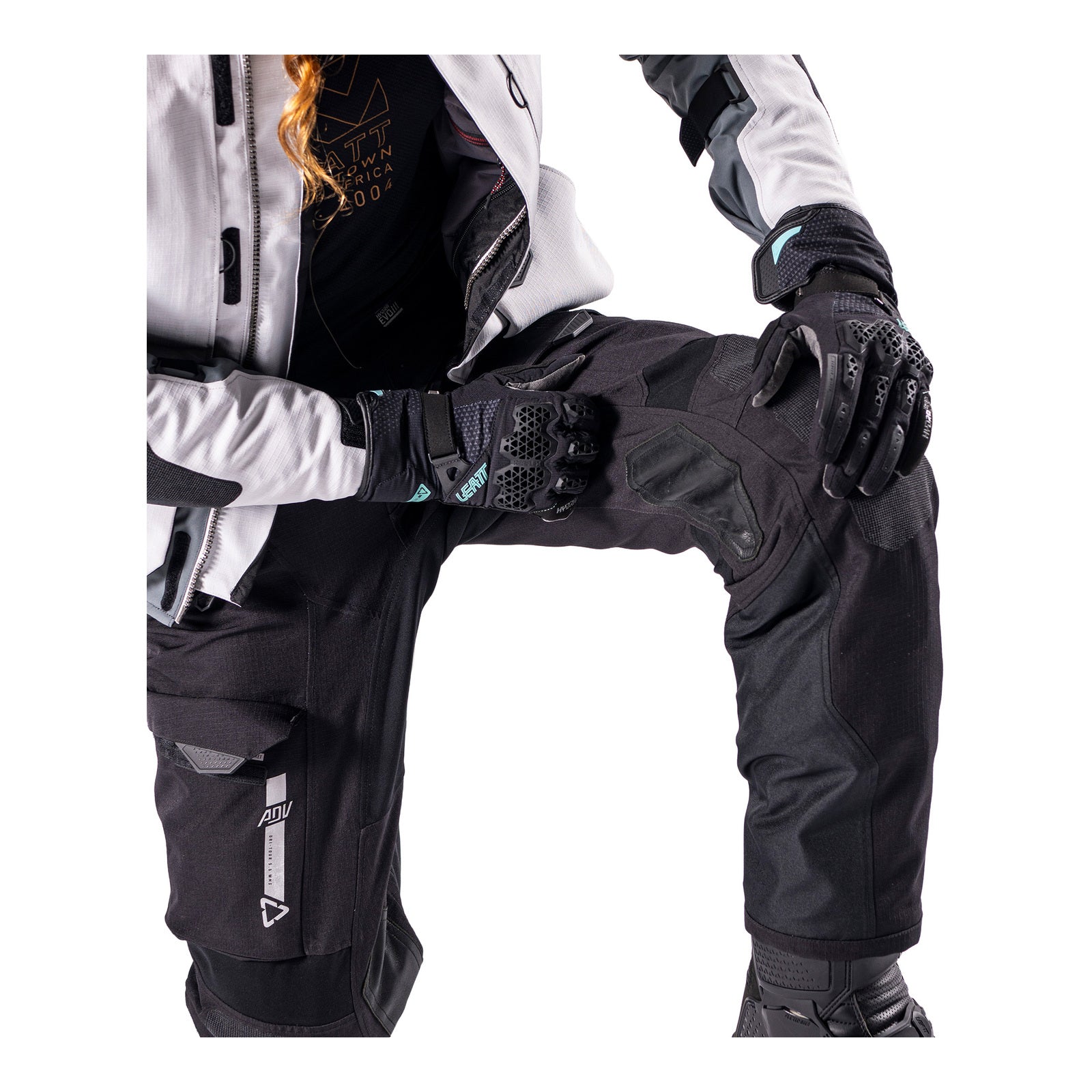

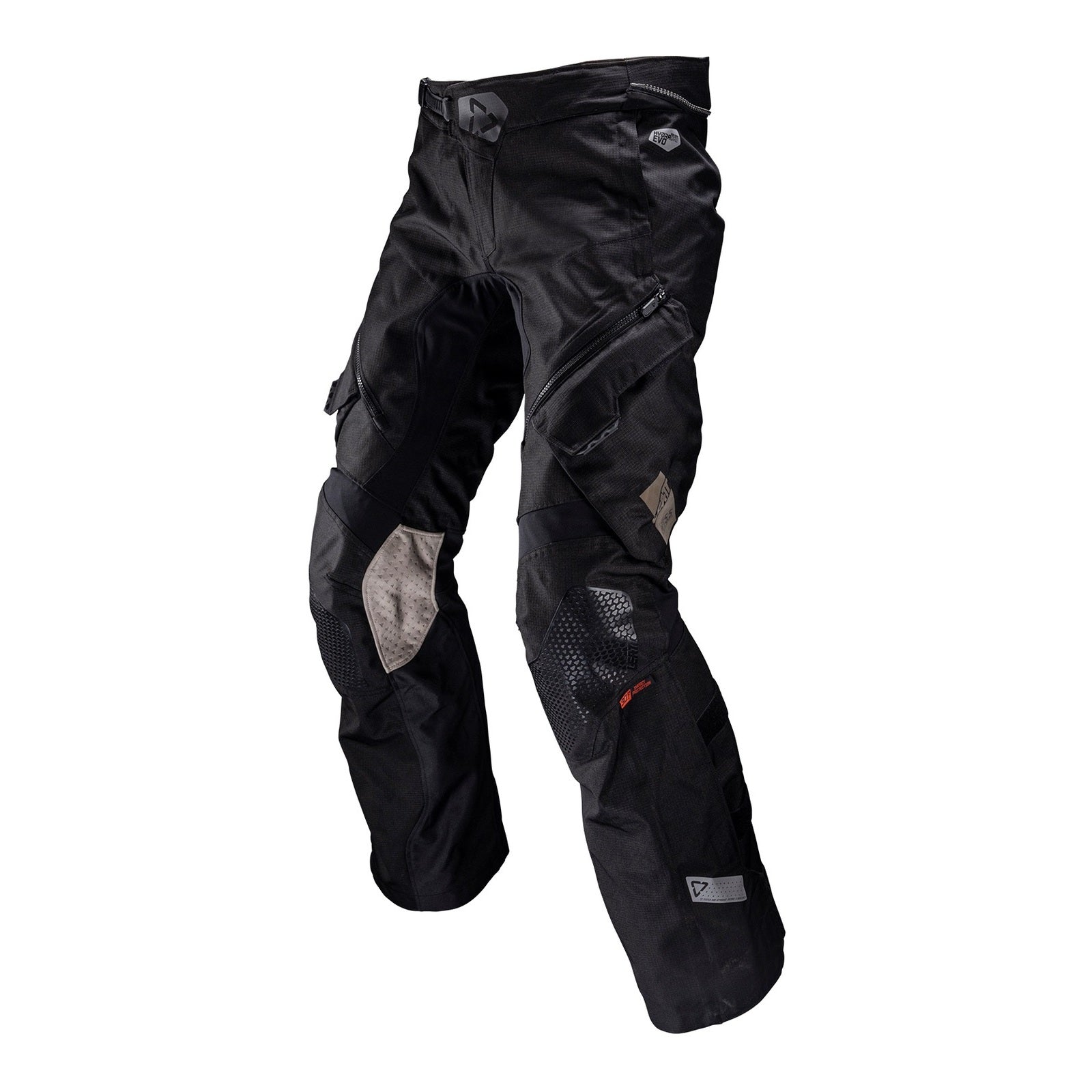
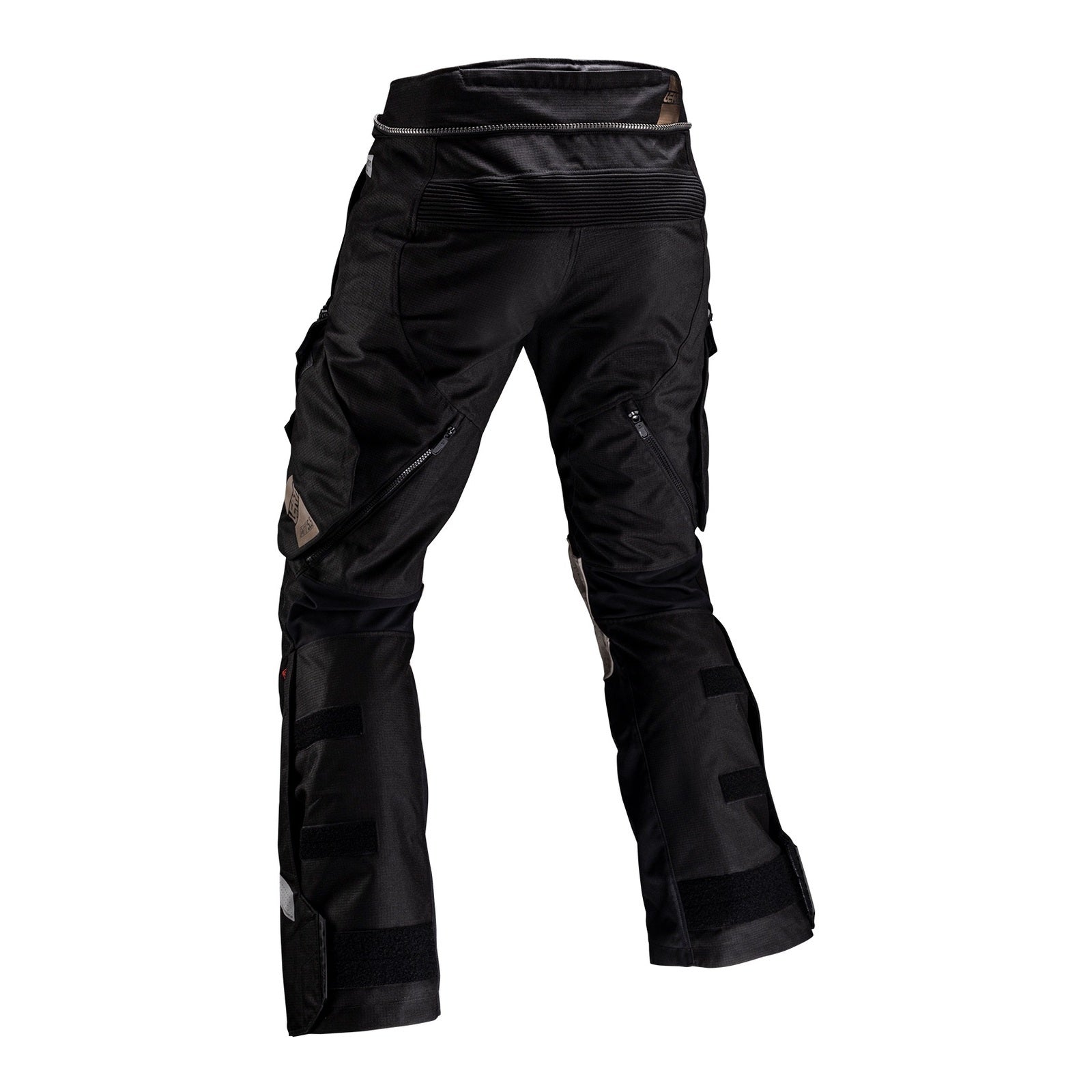

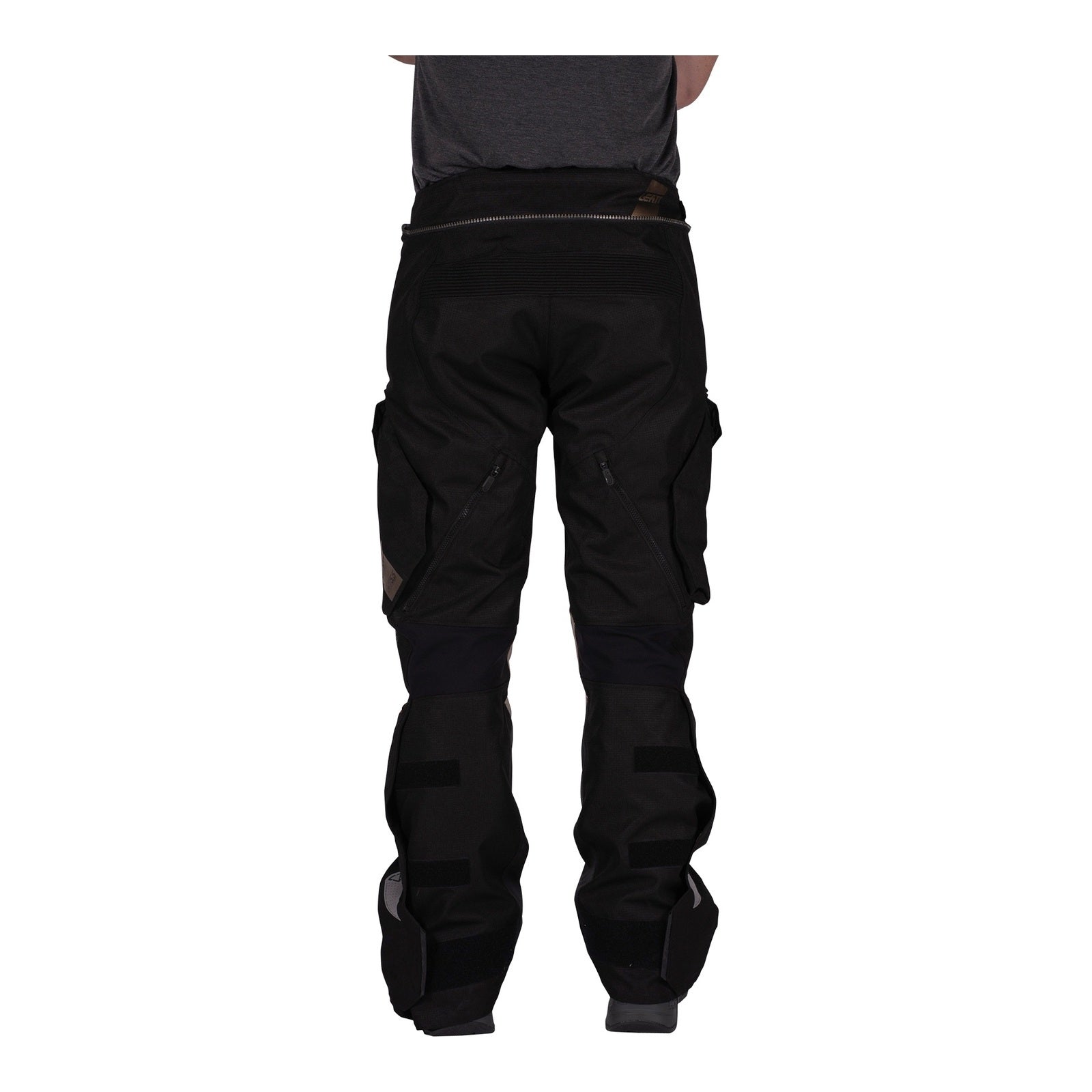
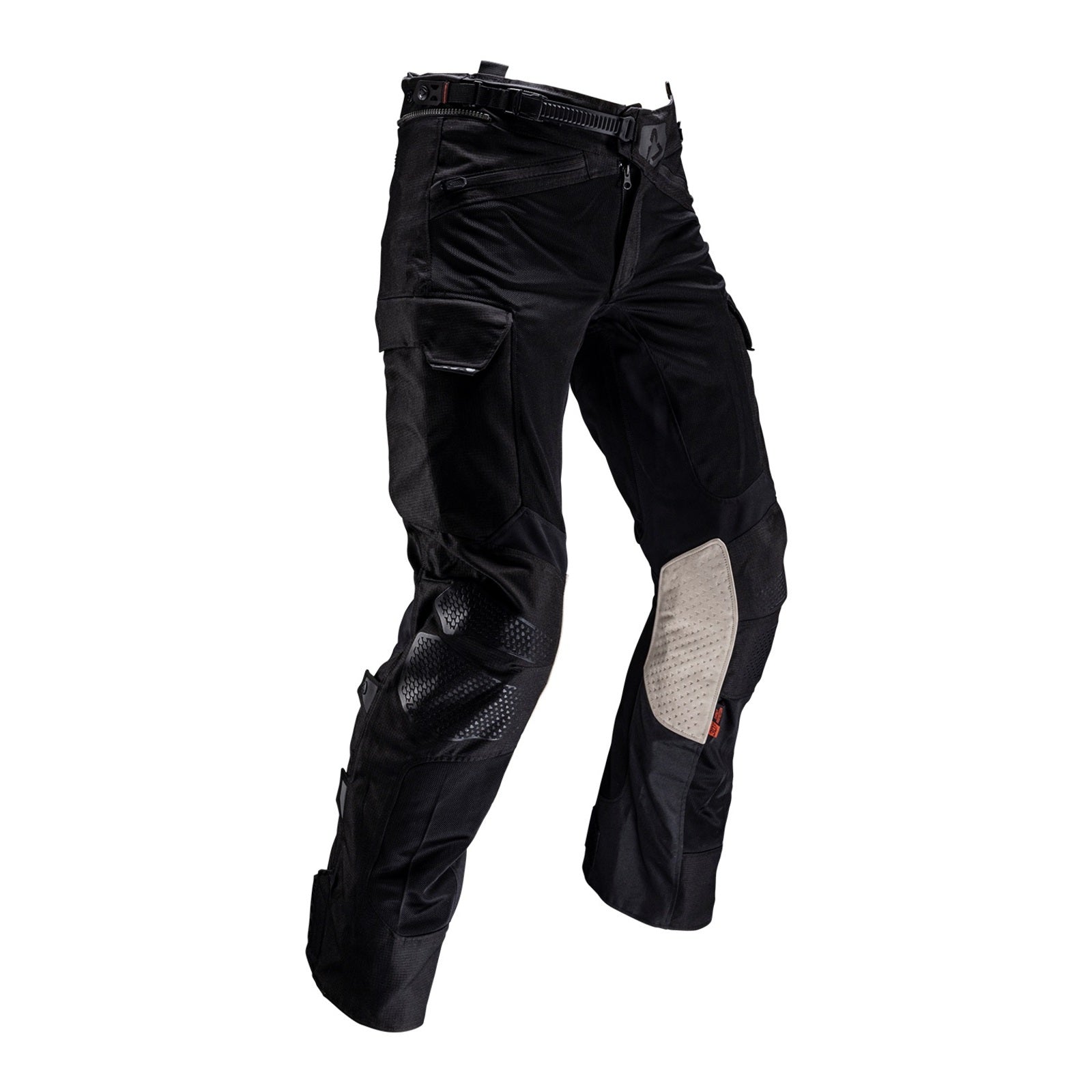
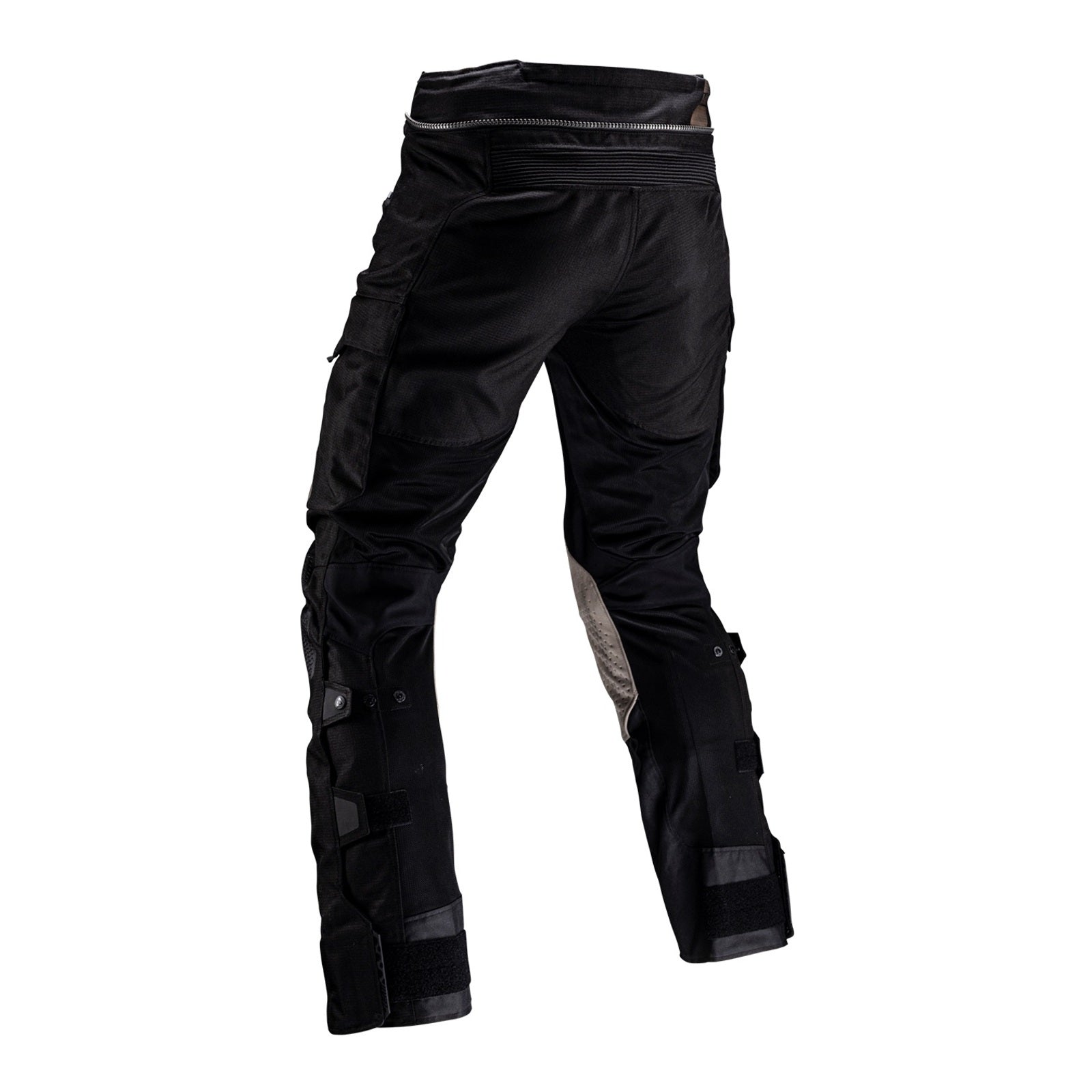
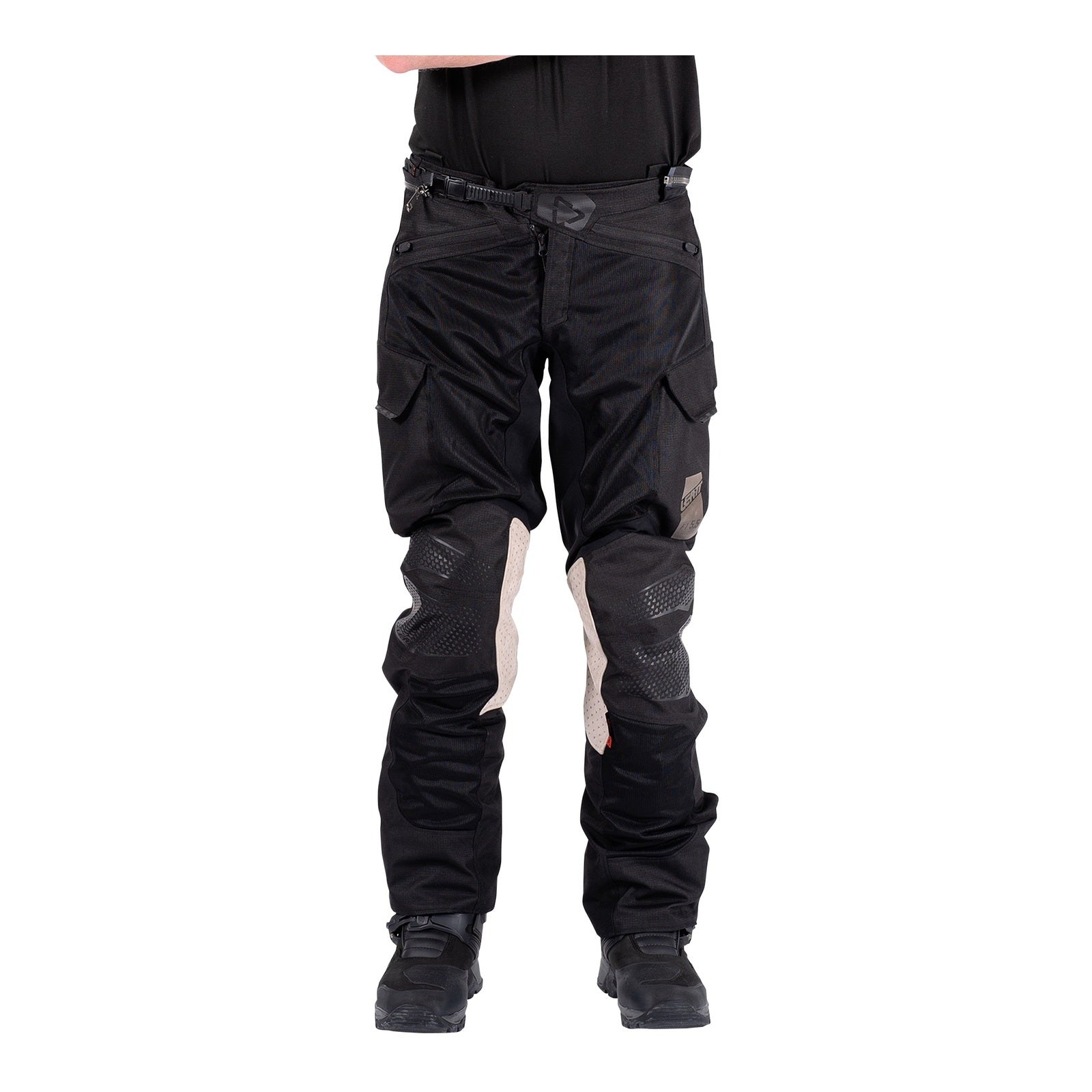


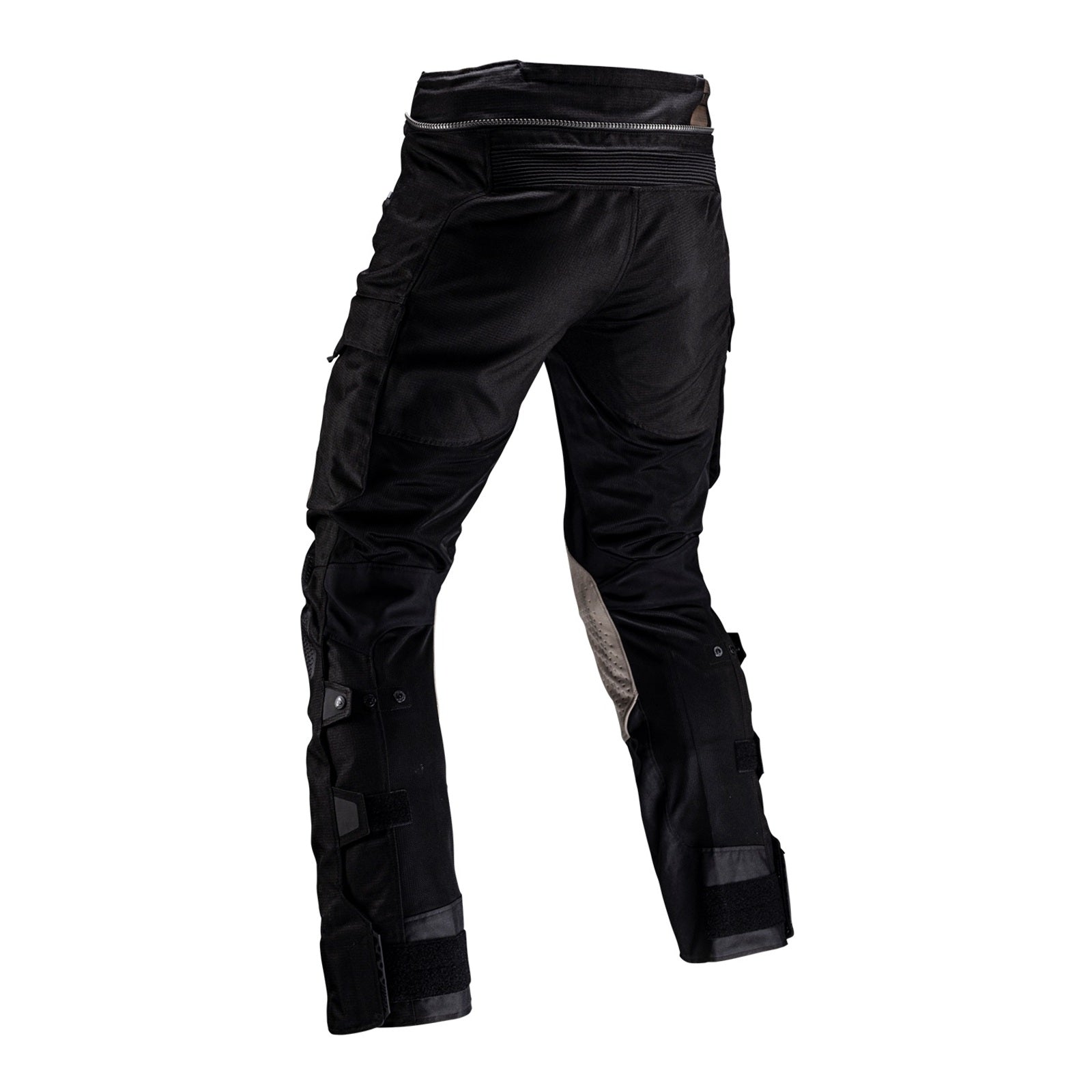


Leatt 5.5 ADV FlowTour Pant - Stealth
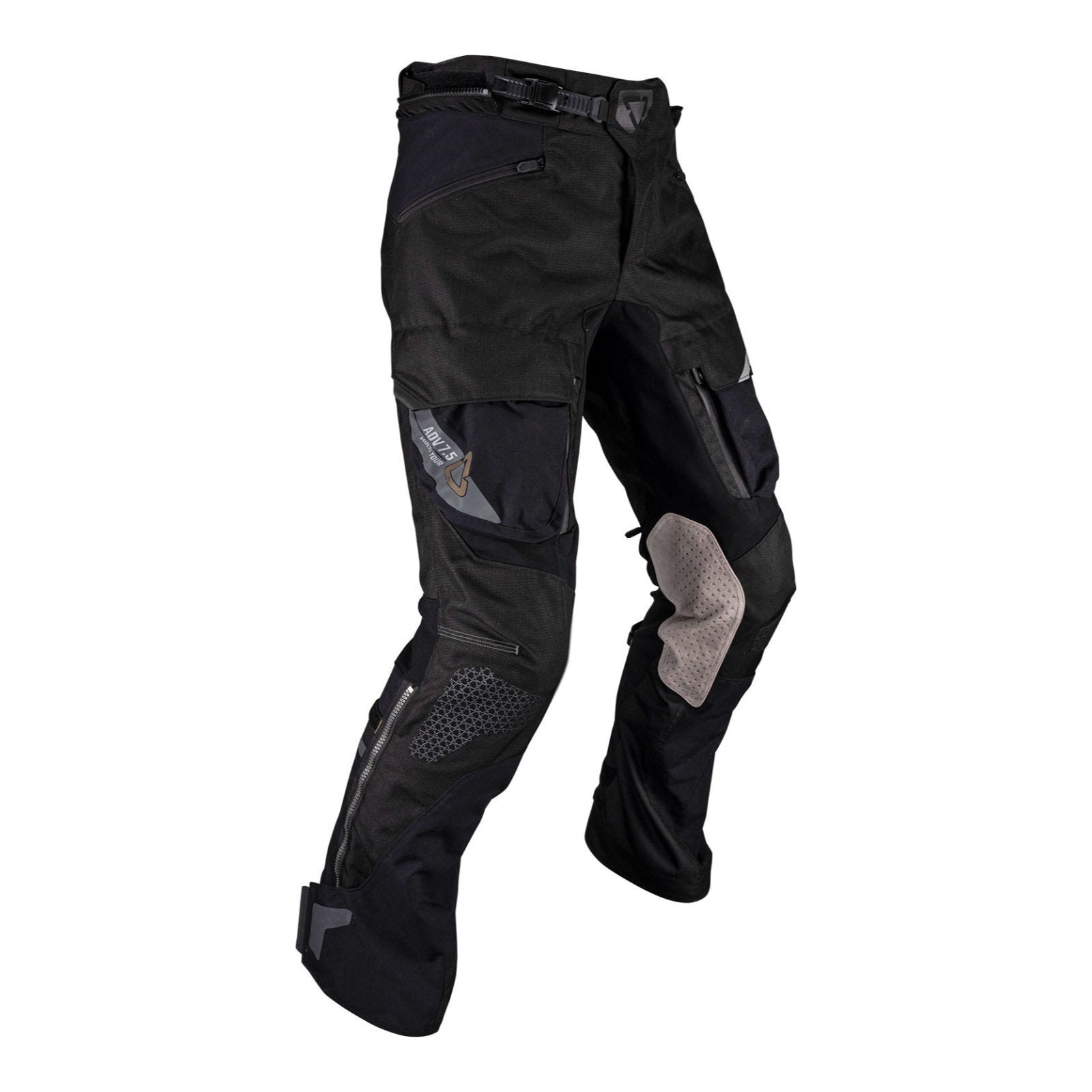
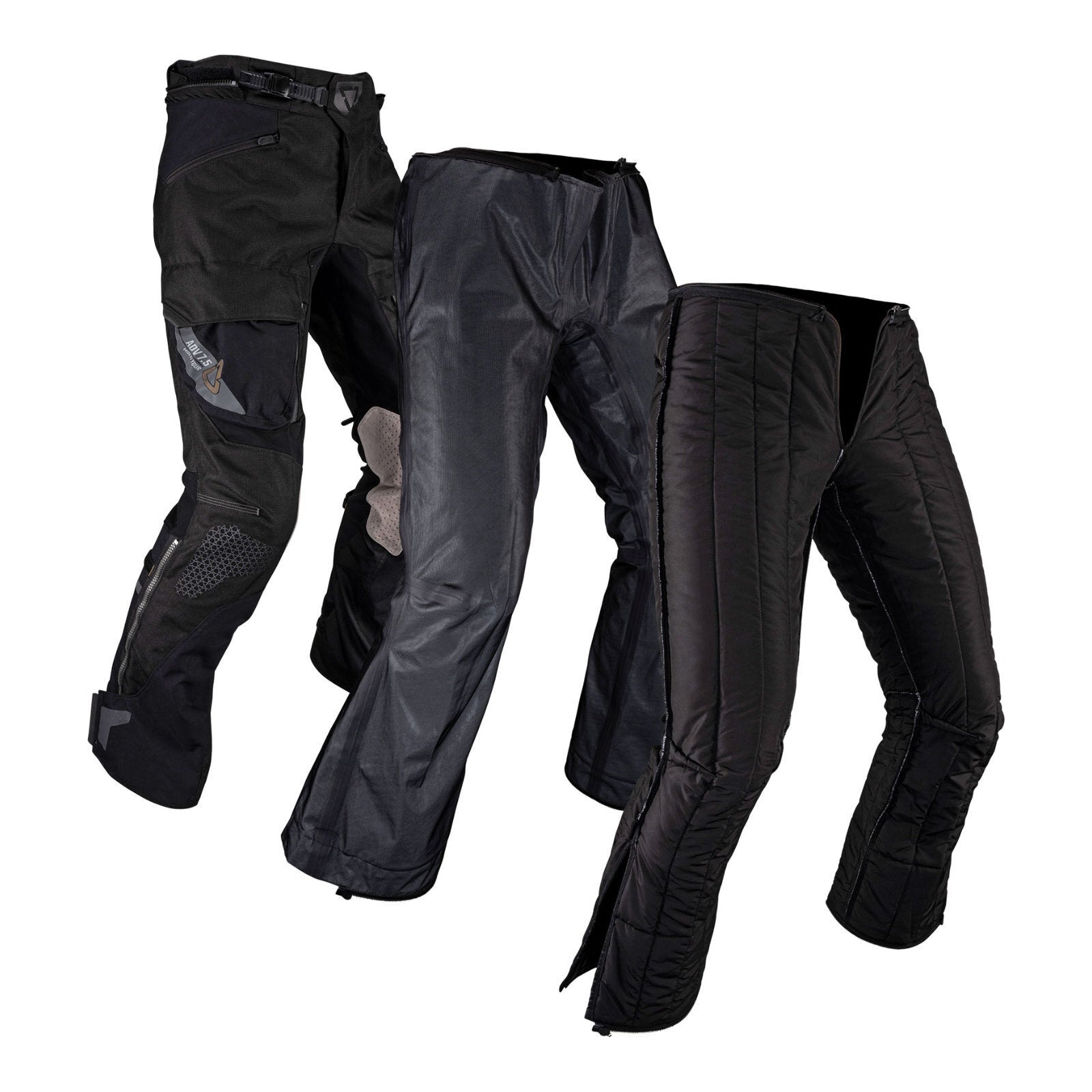
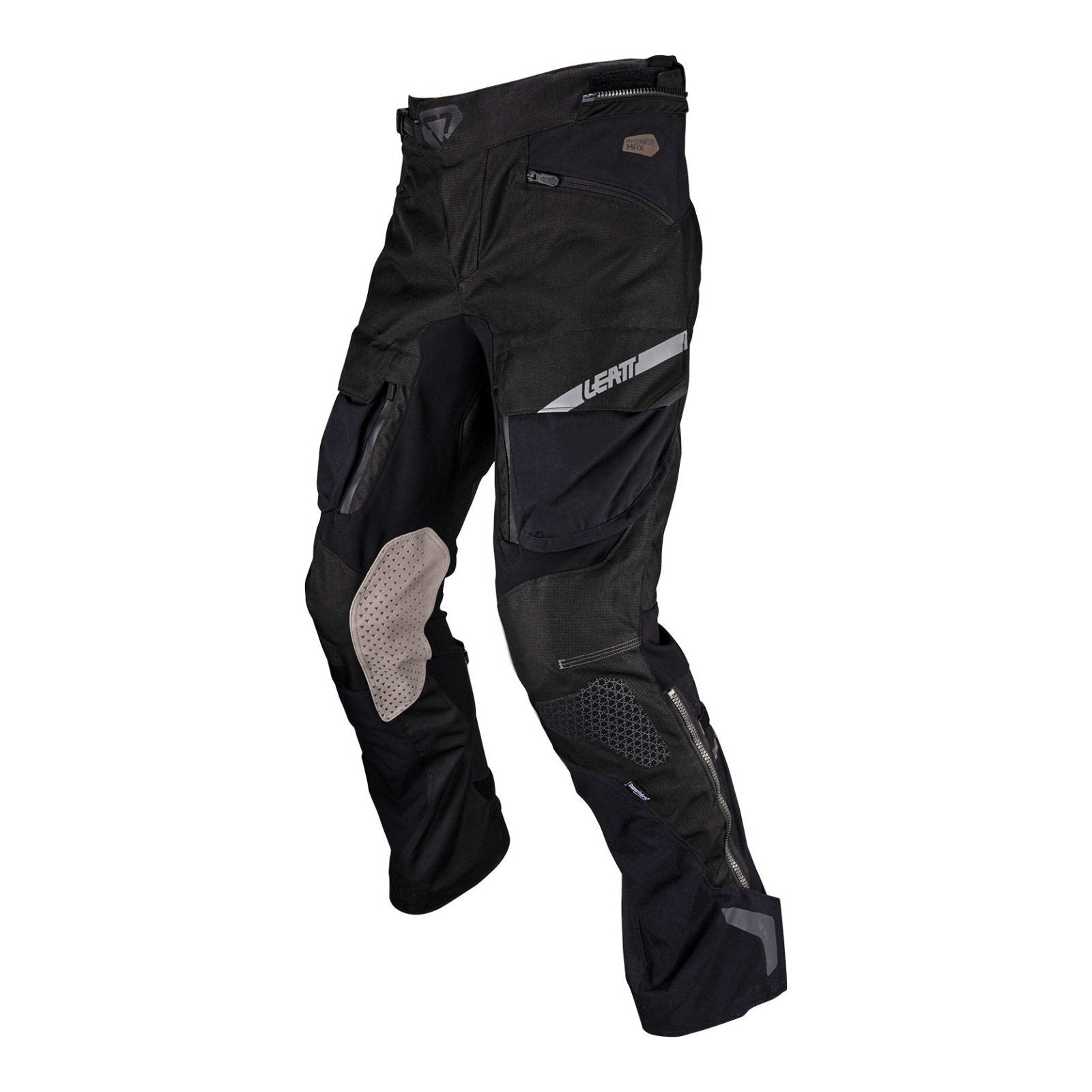
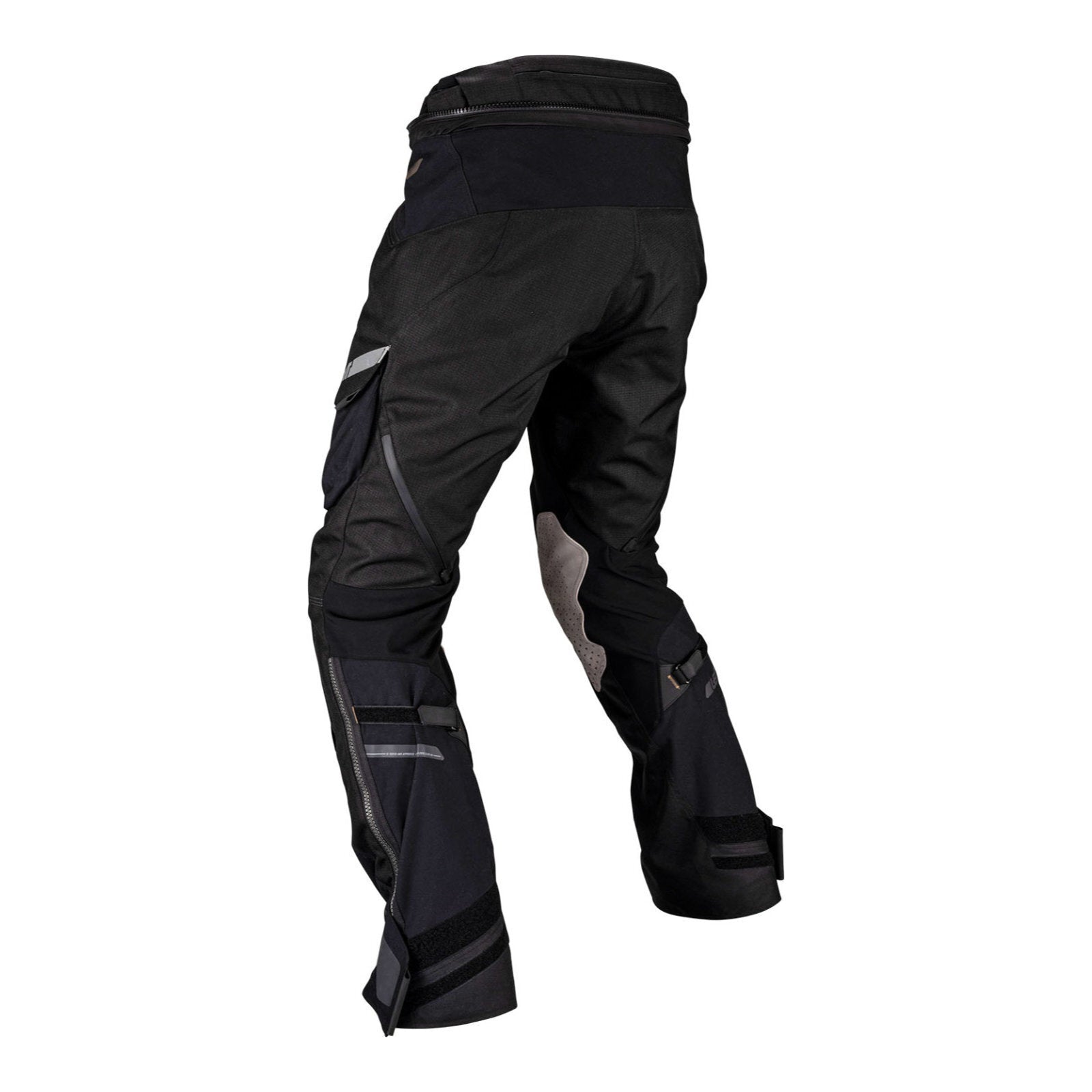
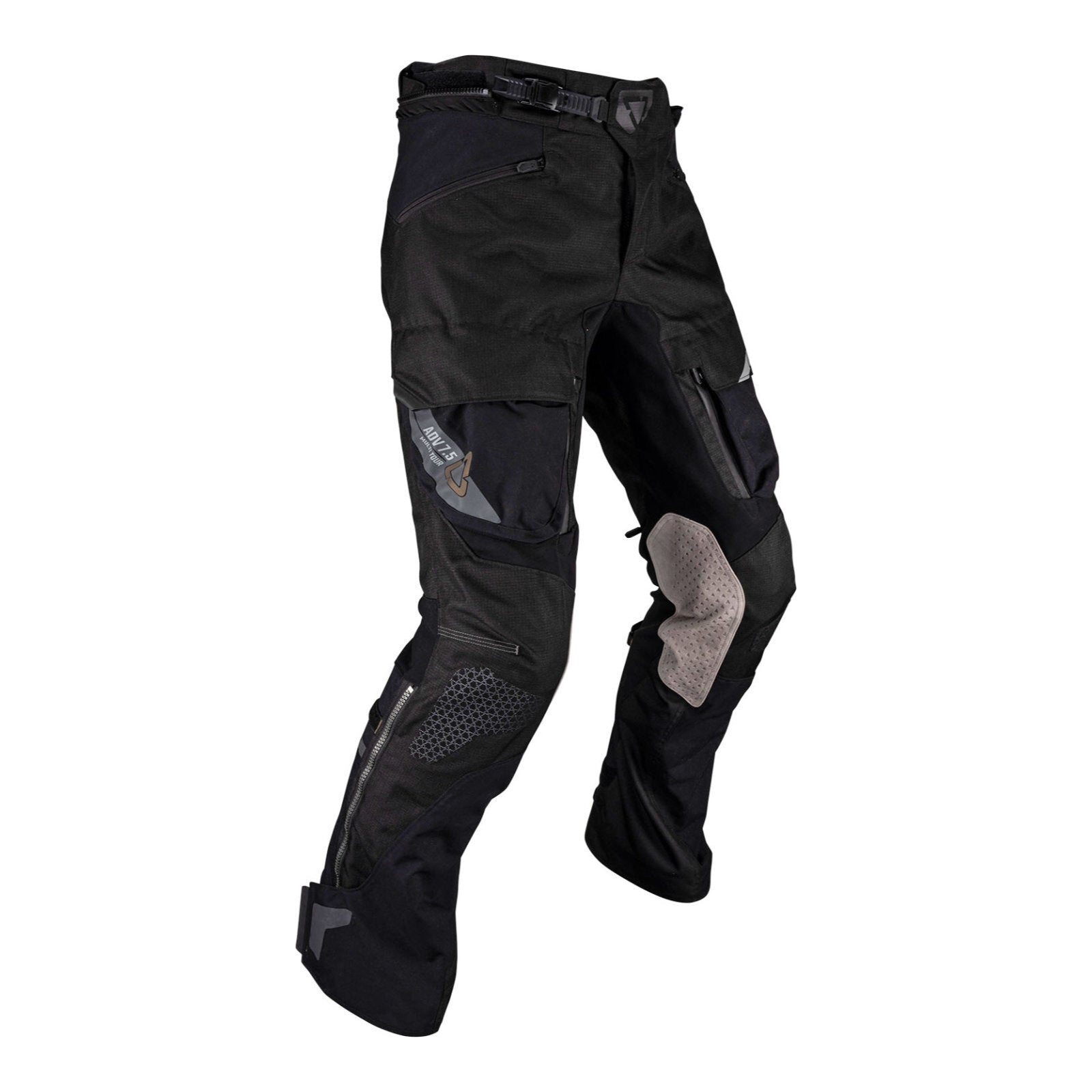
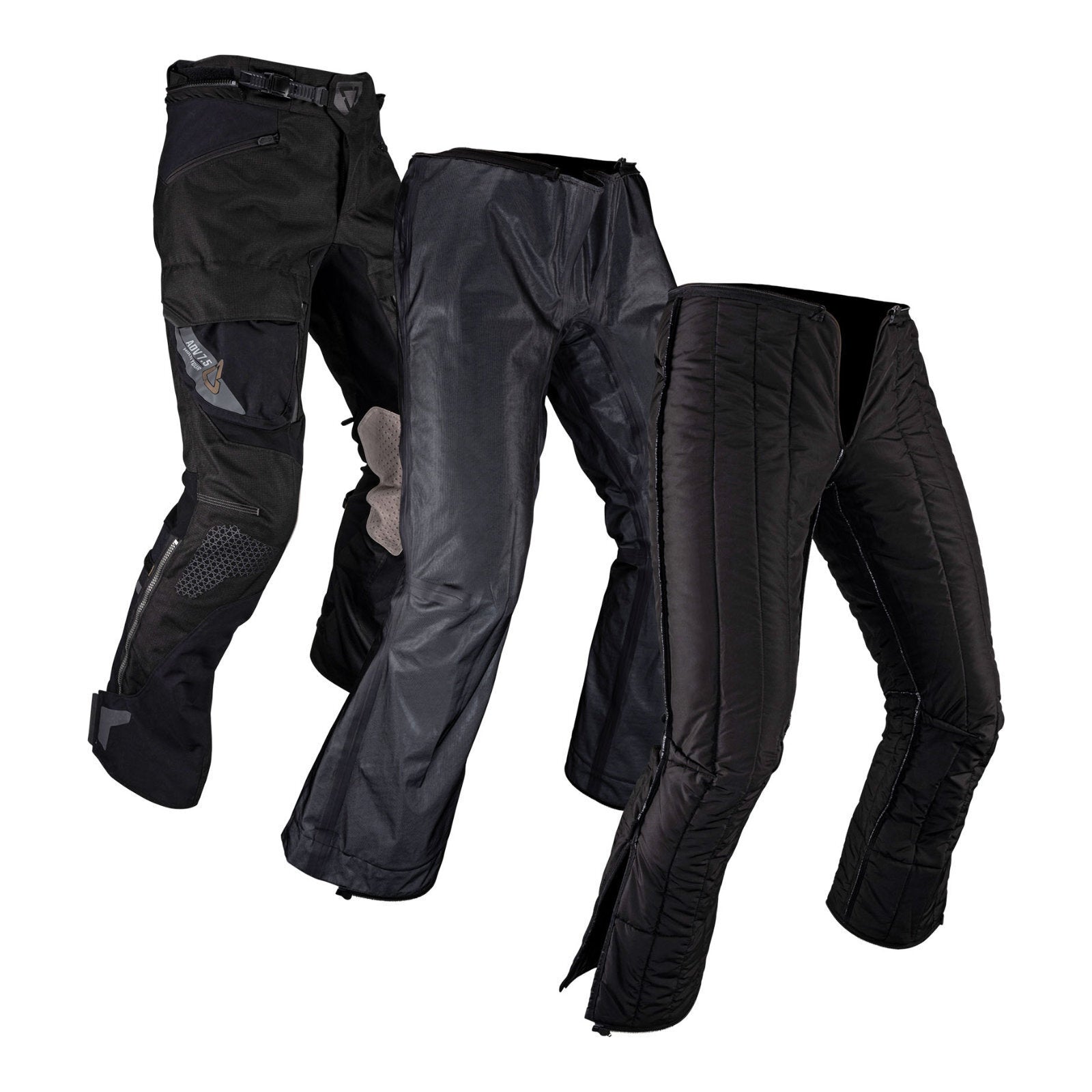
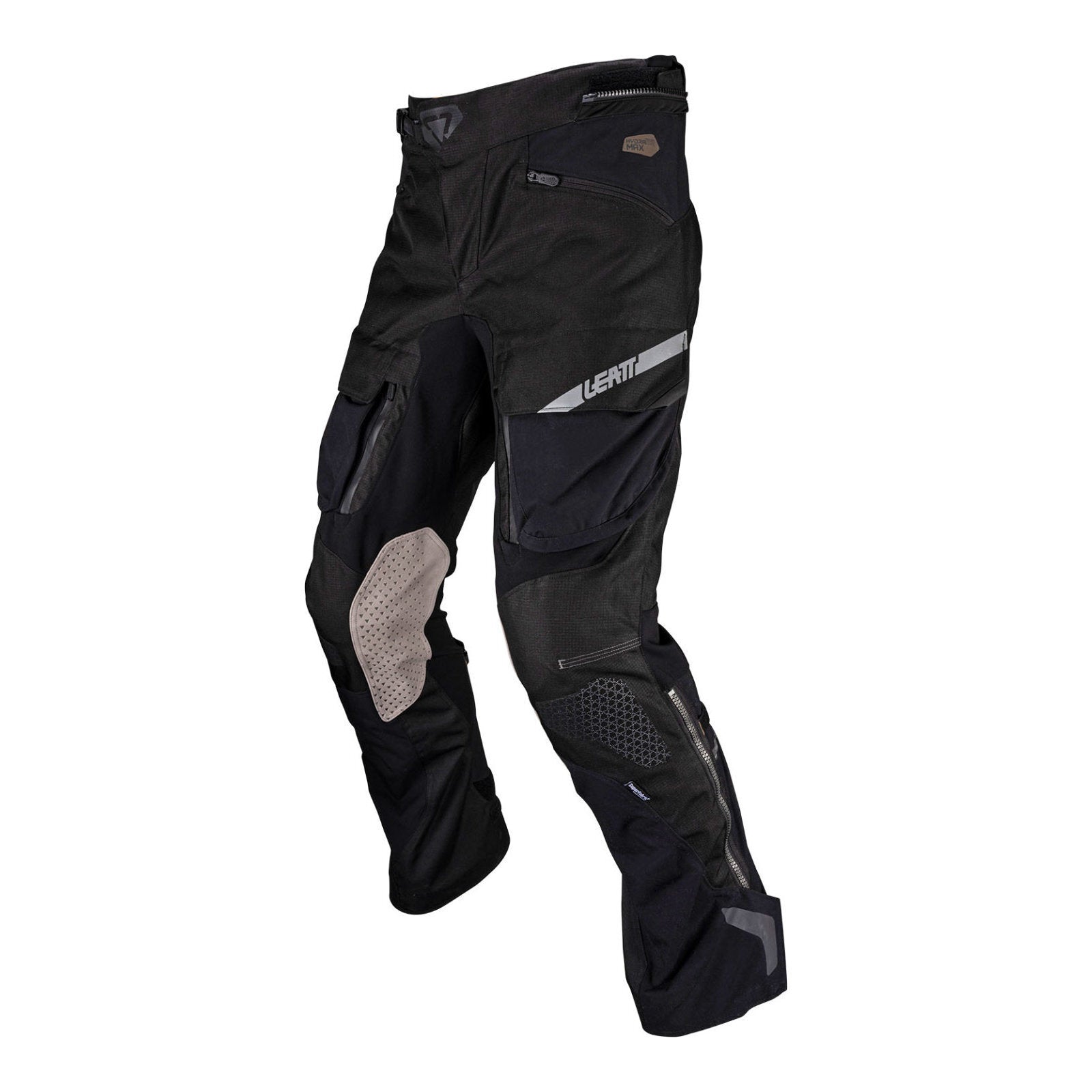
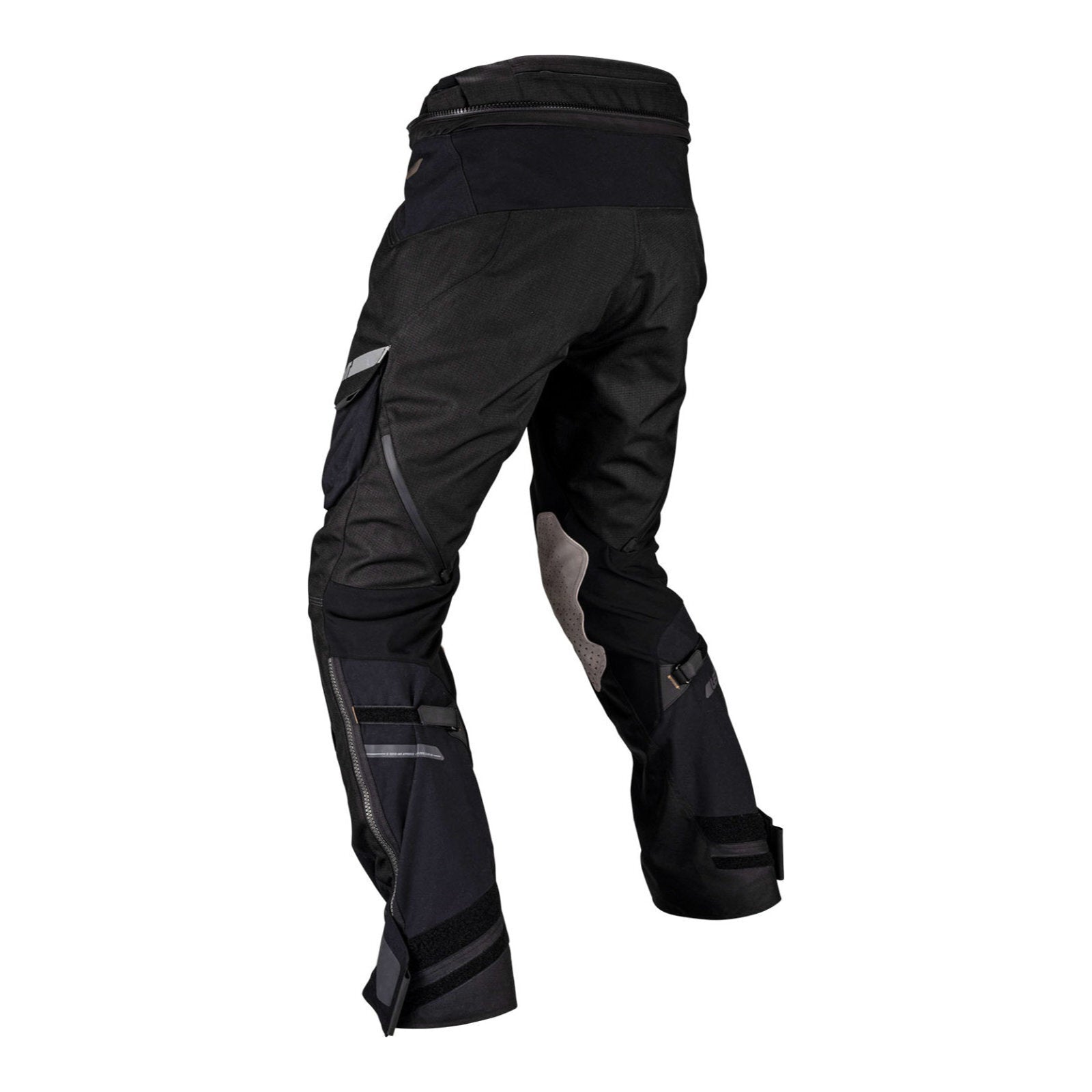
Leatt 7.5 ADV MultiTour Pant - Stealth
How to choose an adventure motorcycle helmet
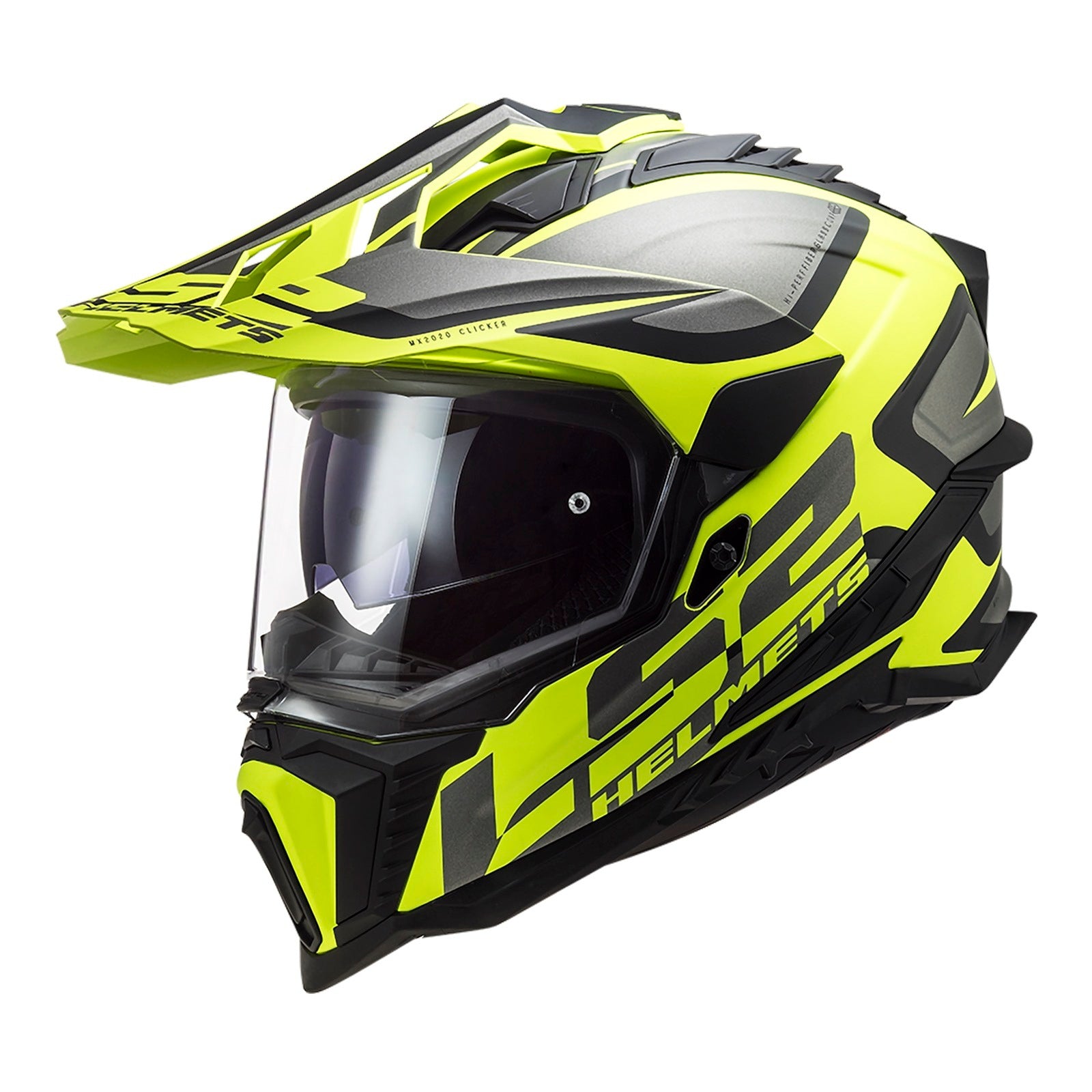
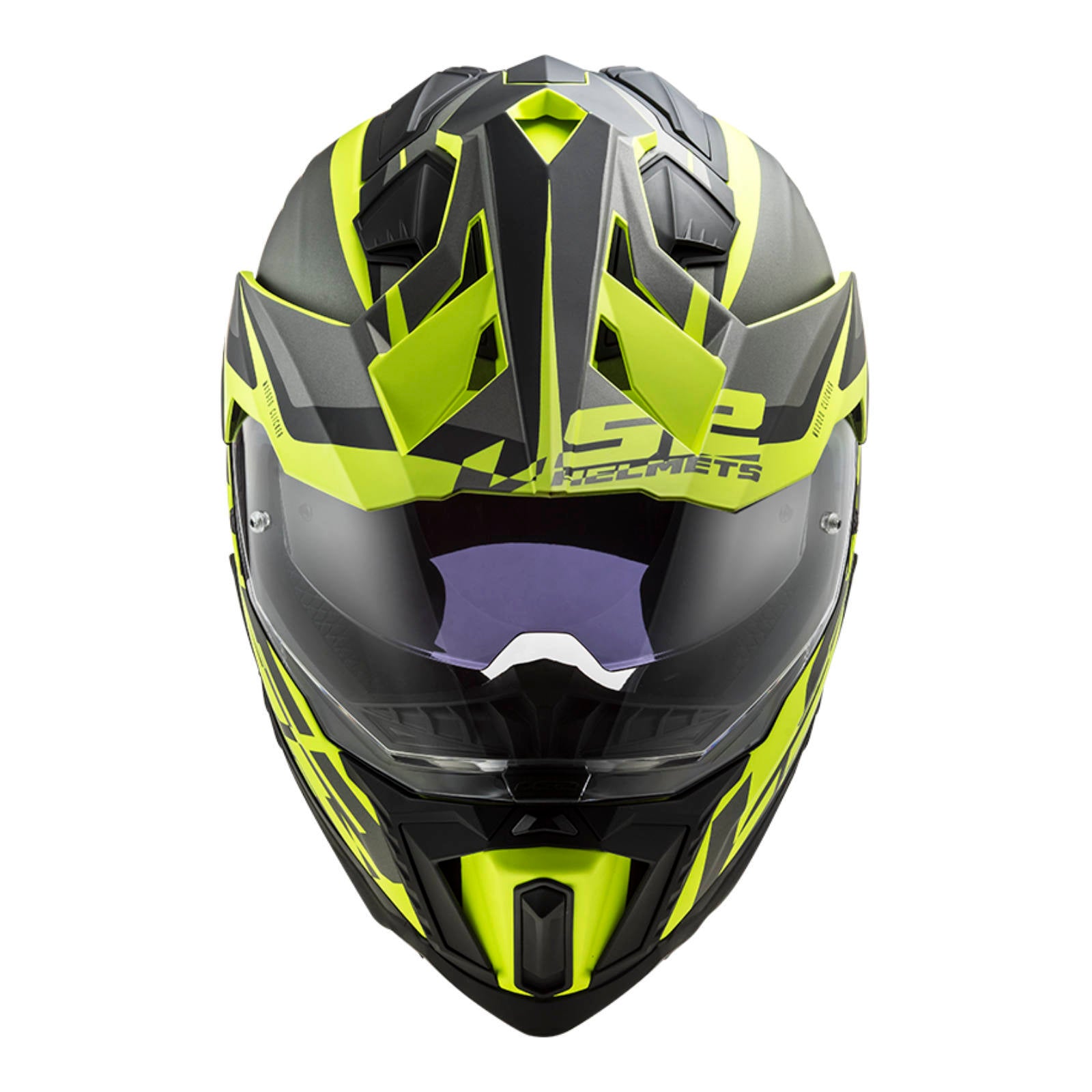
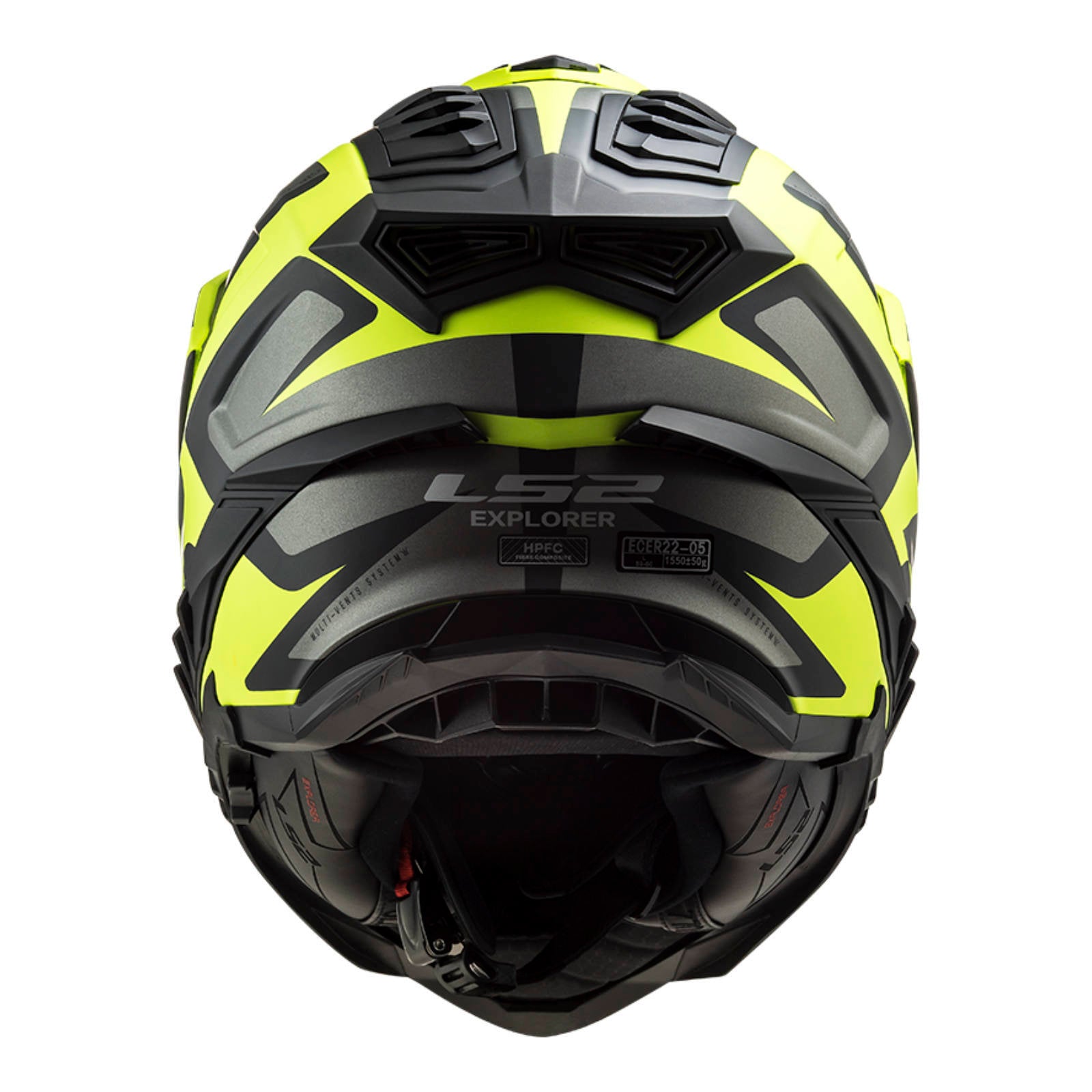
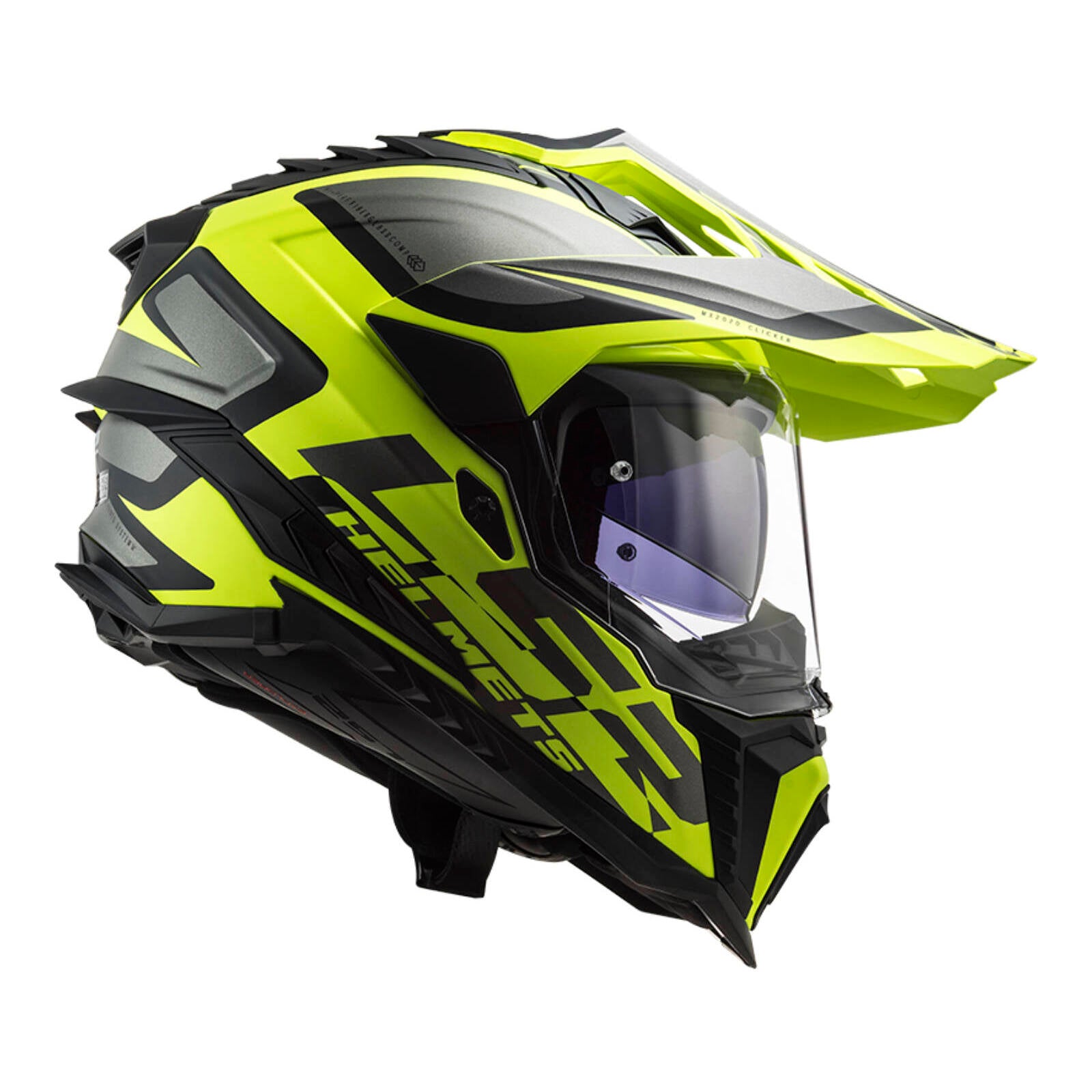
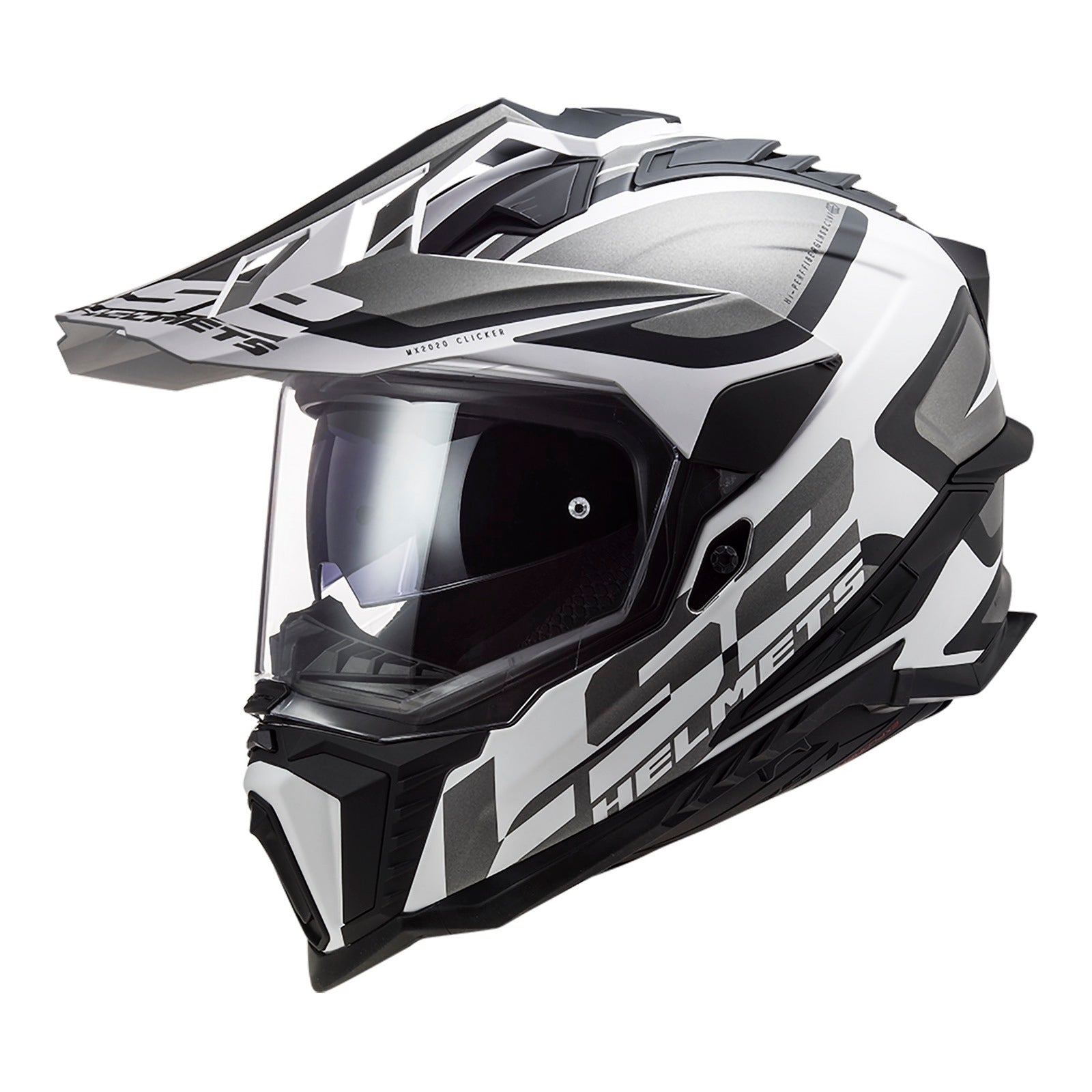
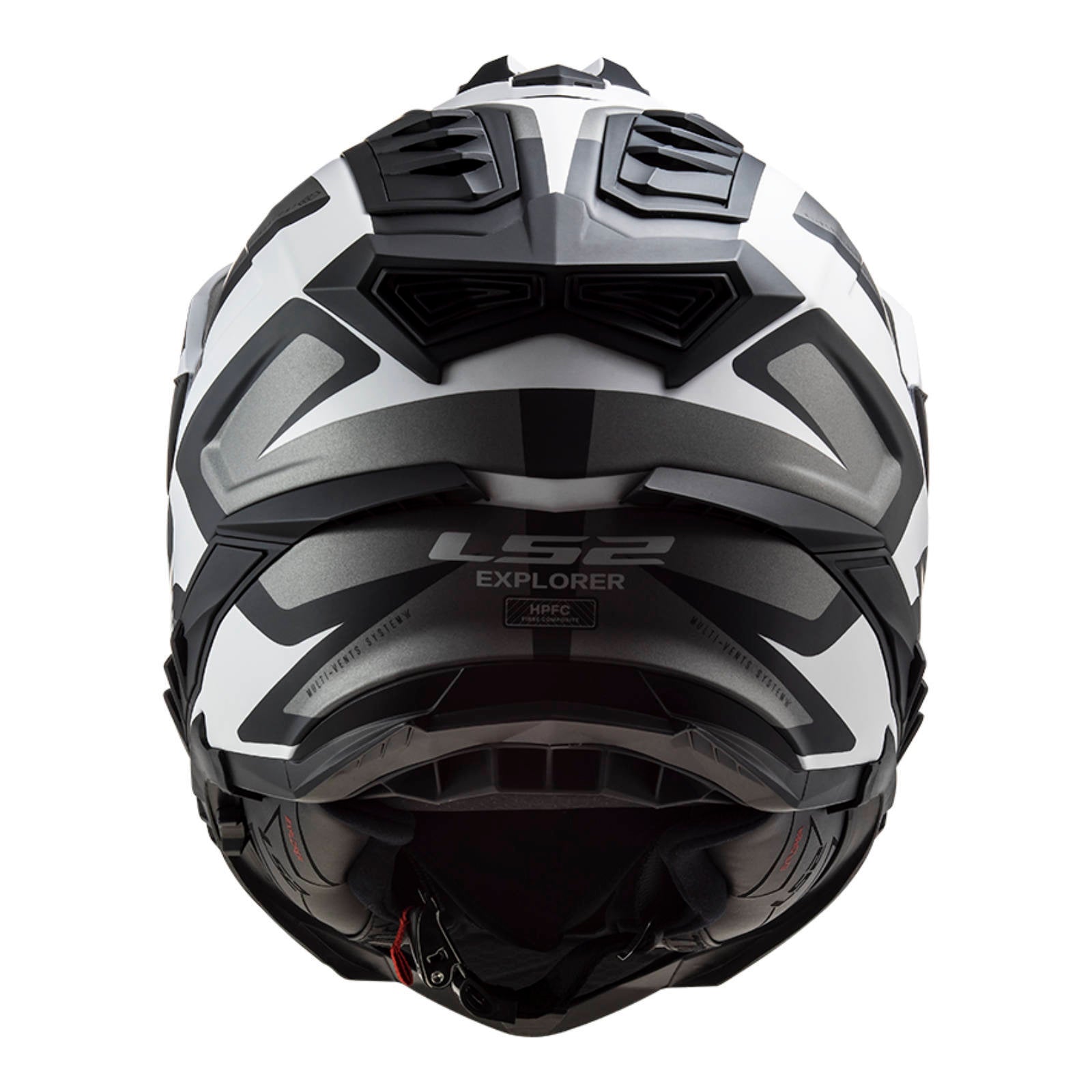
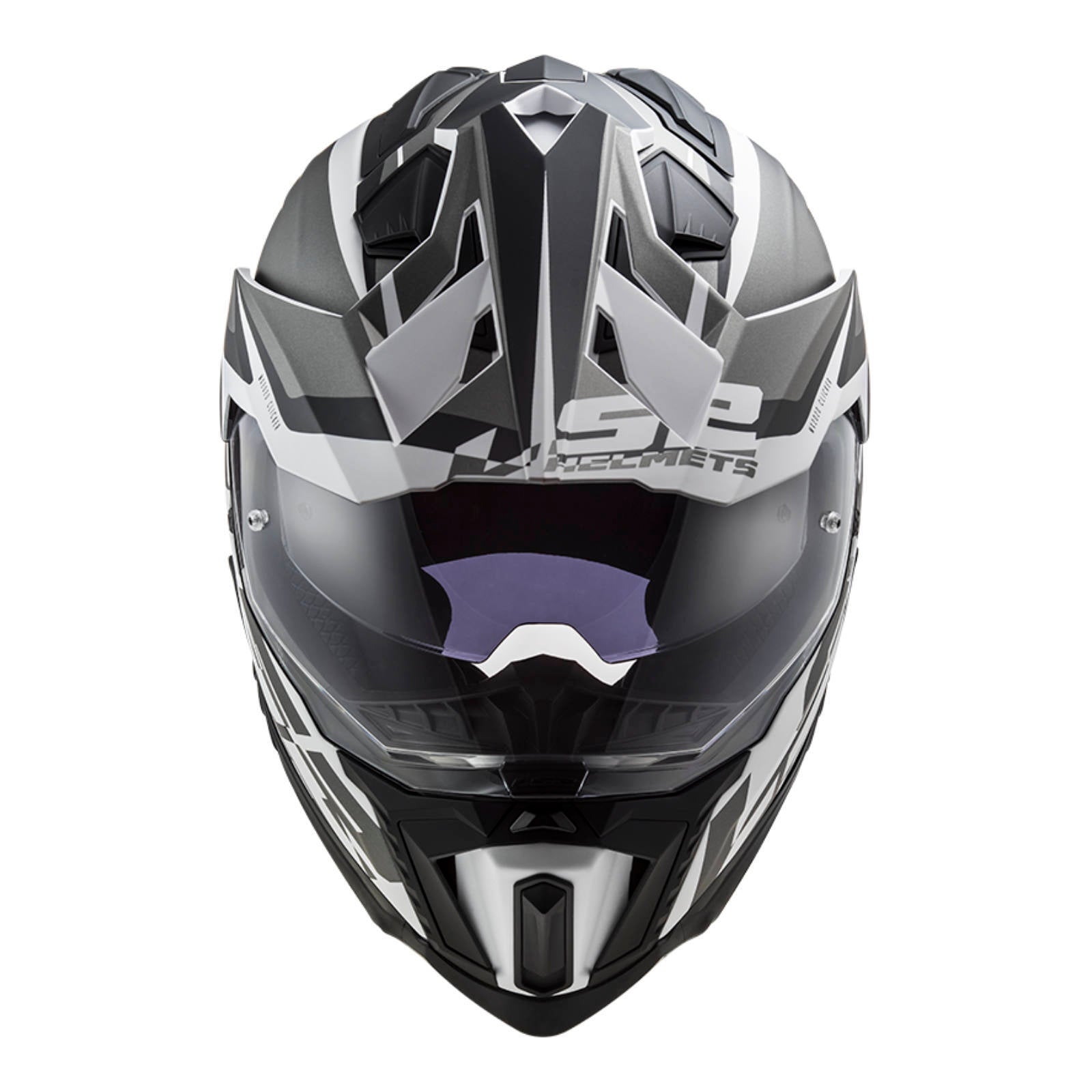
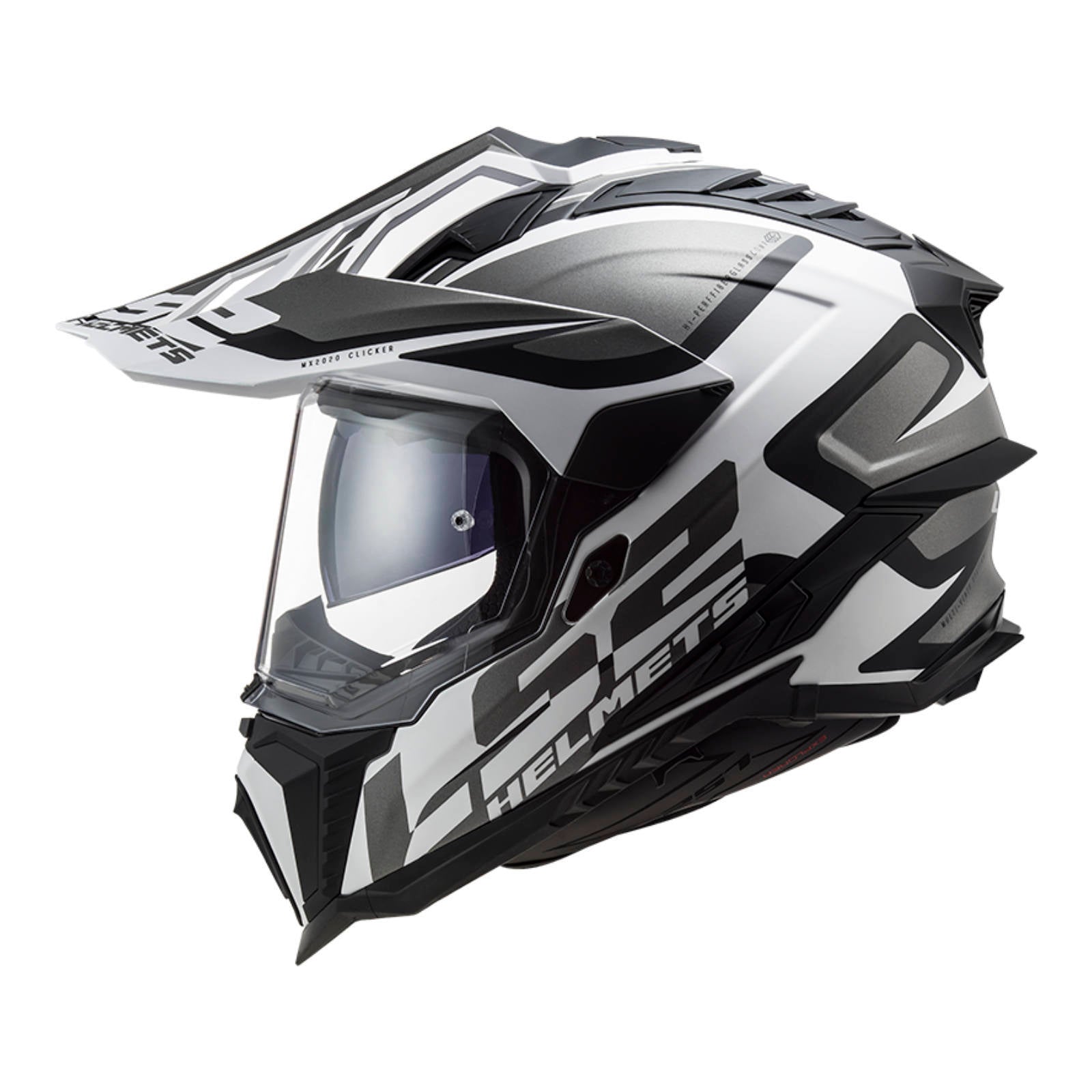
An adventure helmet is a dual-sport design that combines a full-face chin bar with an off-road peak and an internal visor. The shell material decides the weight you carry on long days, while the certification on the back decides the impact protection you get.
| Shell | Typical weight | Certification | Best for |
|---|---|---|---|
| Carbon | 1,250 to 1,450 g | ECE 22.06 | Long touring, reduced neck fatigue |
| Textile / polycarbonate | 1,500 to 1,750 g | ECE 22.06 | Mixed road and trail value |
Fit and certification
Certification is non-negotiable. Every helmet here meets the ECE 22.06 standard, which tests impacts at up to 8.2 metres per second across 18 shell points and adds a rotational injury test. Measure your head circumference in millimetres around the brow and match it to the size chart. A correct fit holds firm with under 5 mm of movement and no pressure points after 30 minutes.
Peak, visor and ventilation
The peak deflects roost and low sun but adds drag above 100 km/h, so look for a peak with 3 to 4 vent slots that bleed air pressure. A Pinlock-ready visor with a 2 mm anti-fog insert keeps vision clear in cold conditions. Aim for at least 4 intake vents and 2 rear exhausts to move heat on slow technical sections.
Frequently asked questions
What makes an adventure helmet different from a full-face?
An adventure helmet keeps the full-face chin bar for ECE 22.06 impact protection but adds a removable off-road peak and an internal drop-down visor. That lets you run goggles on the trail and a sealed shield on the highway in the one lid.
Are carbon adventure helmets worth it?
Carbon shells drop weight to roughly 1,250 to 1,450 g versus 1,500 to 1,750 g for polycarbonate, which cuts neck fatigue on long touring days. Both shell types here meet the same ECE 22.06 standard, so the difference is weight, not safety.
How do I size an adventure helmet correctly?
Measure your head circumference in millimetres around the widest part of your brow and match it to the brand size chart. A correct fit holds firm with under 5 mm of movement and leaves no pressure points after wearing it for 30 minutes.