

Motorcycle boots are your last line of protection between your ankle and the road. Shark Leathers stocks road, off-road, adventure, touring and casual styles from TCX, Falco, Fusport, Motodry, Merlin and more. Leather, textile and mesh constructions for every ride and season.
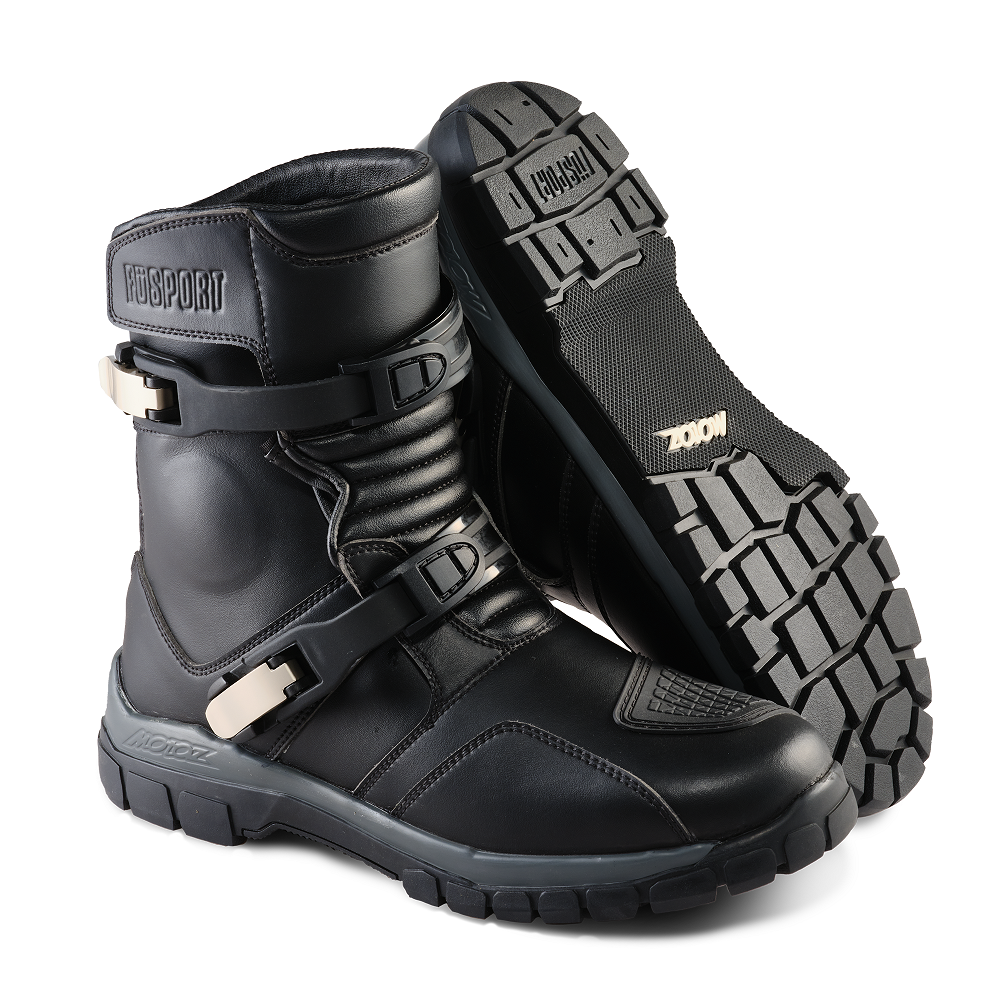

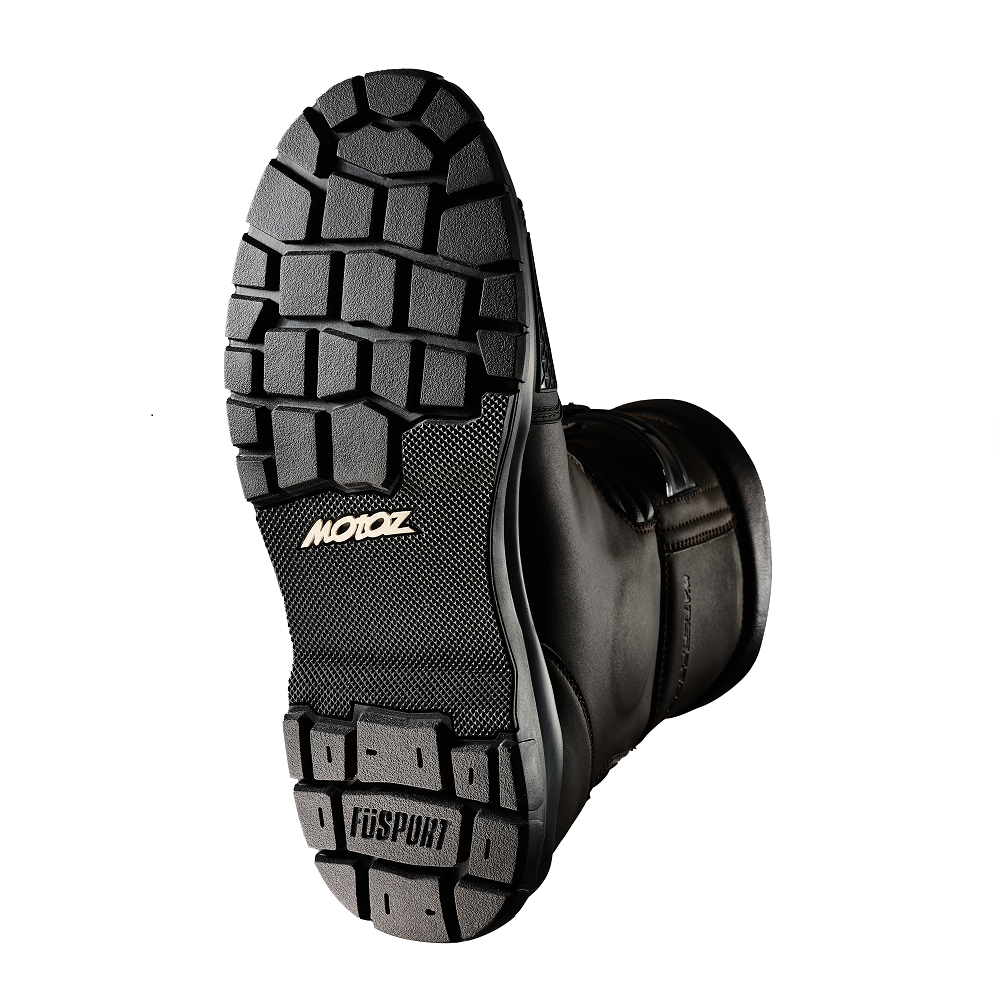
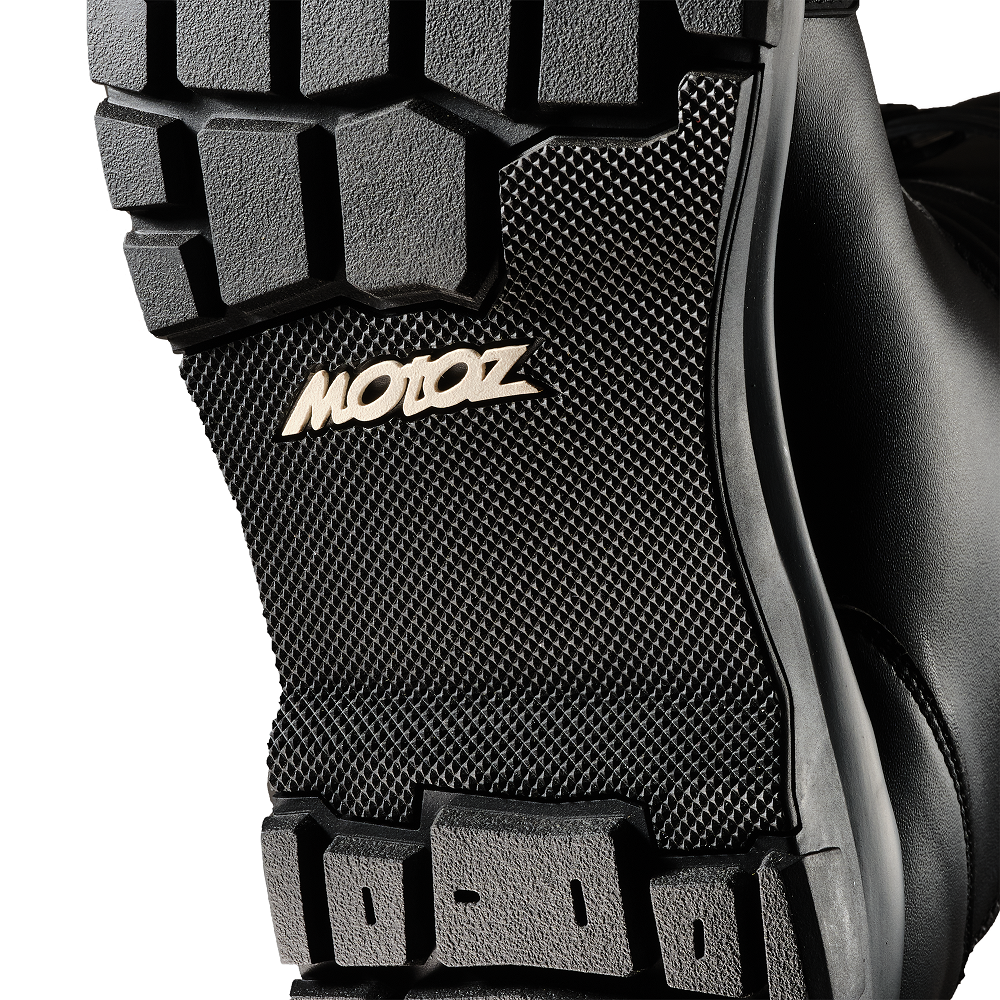
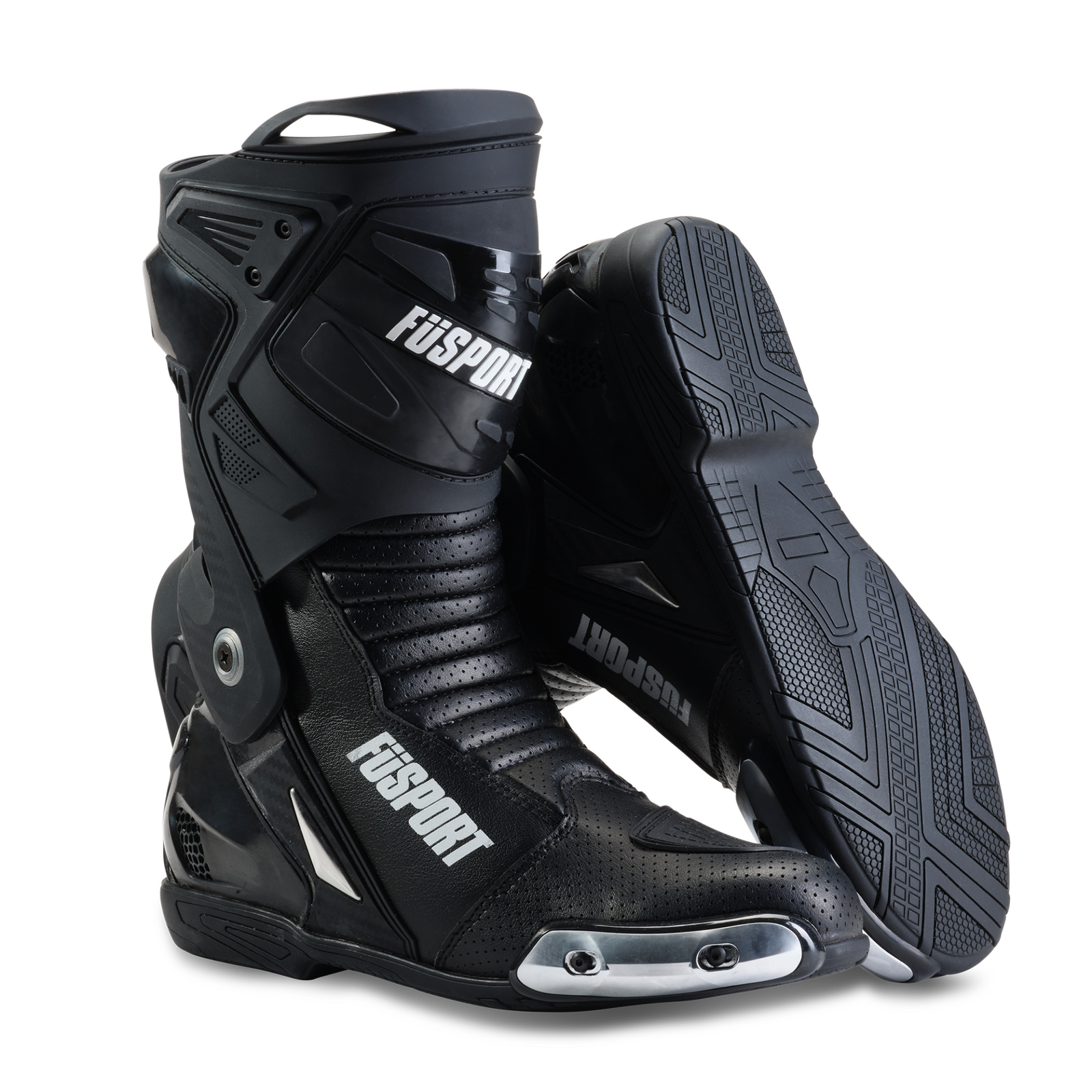
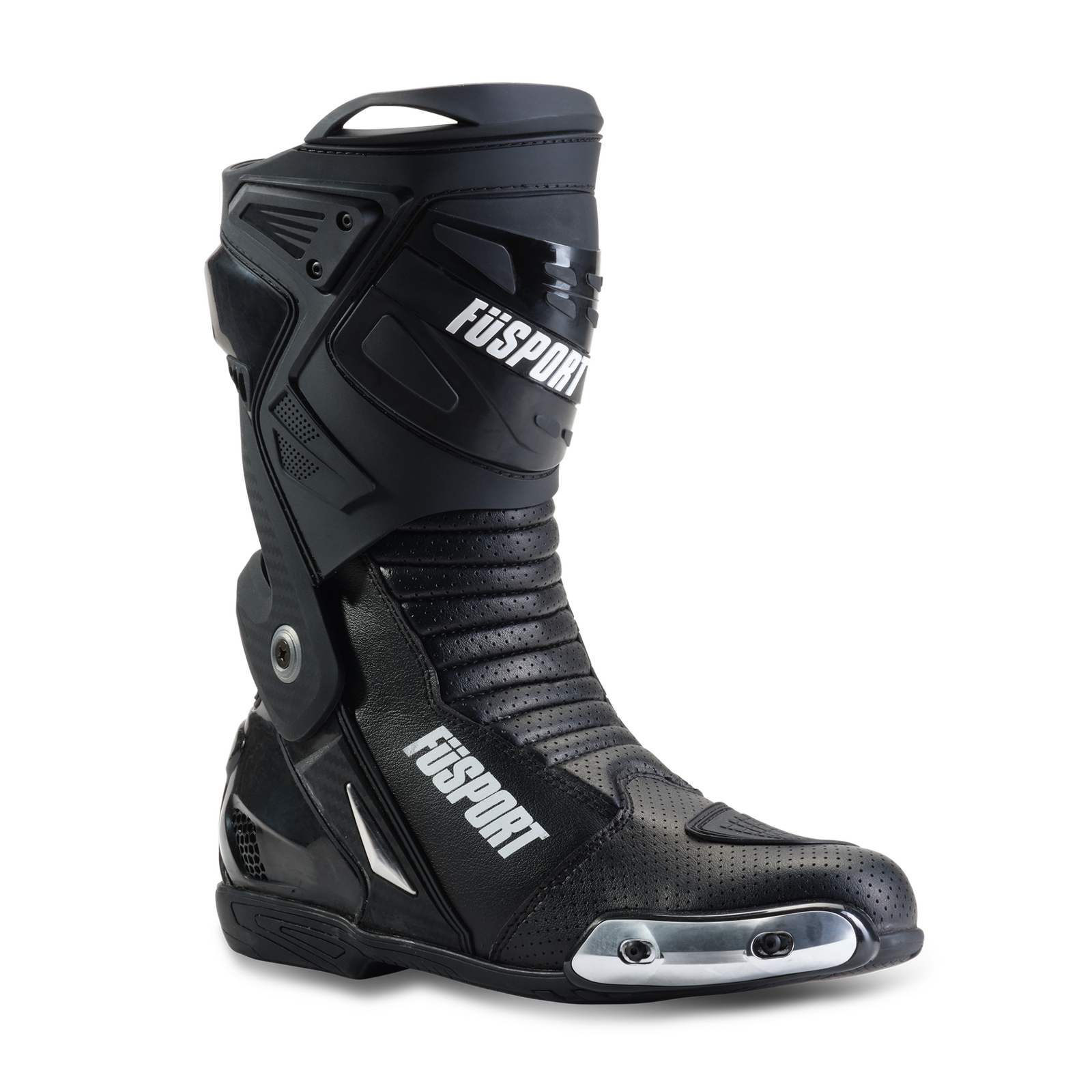
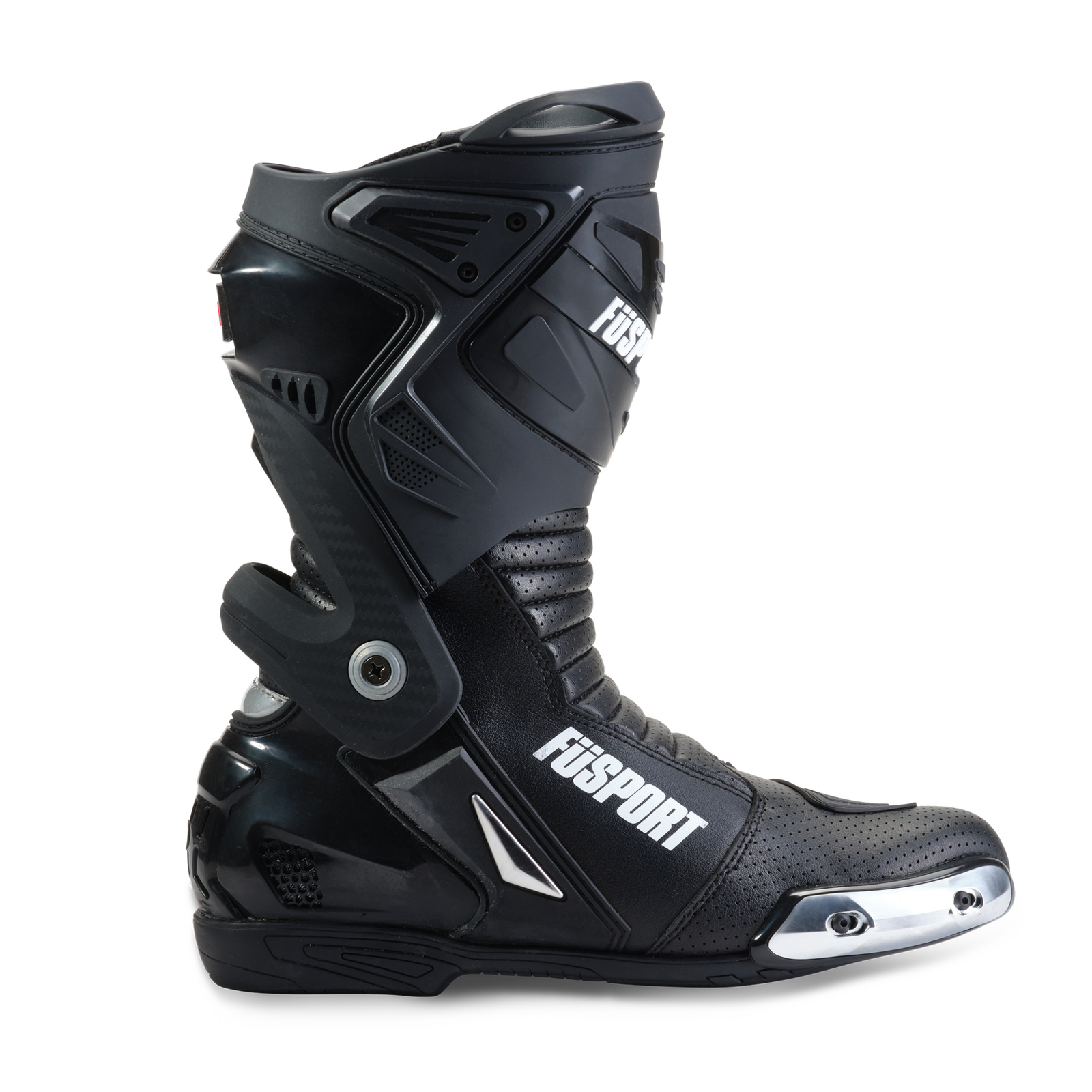
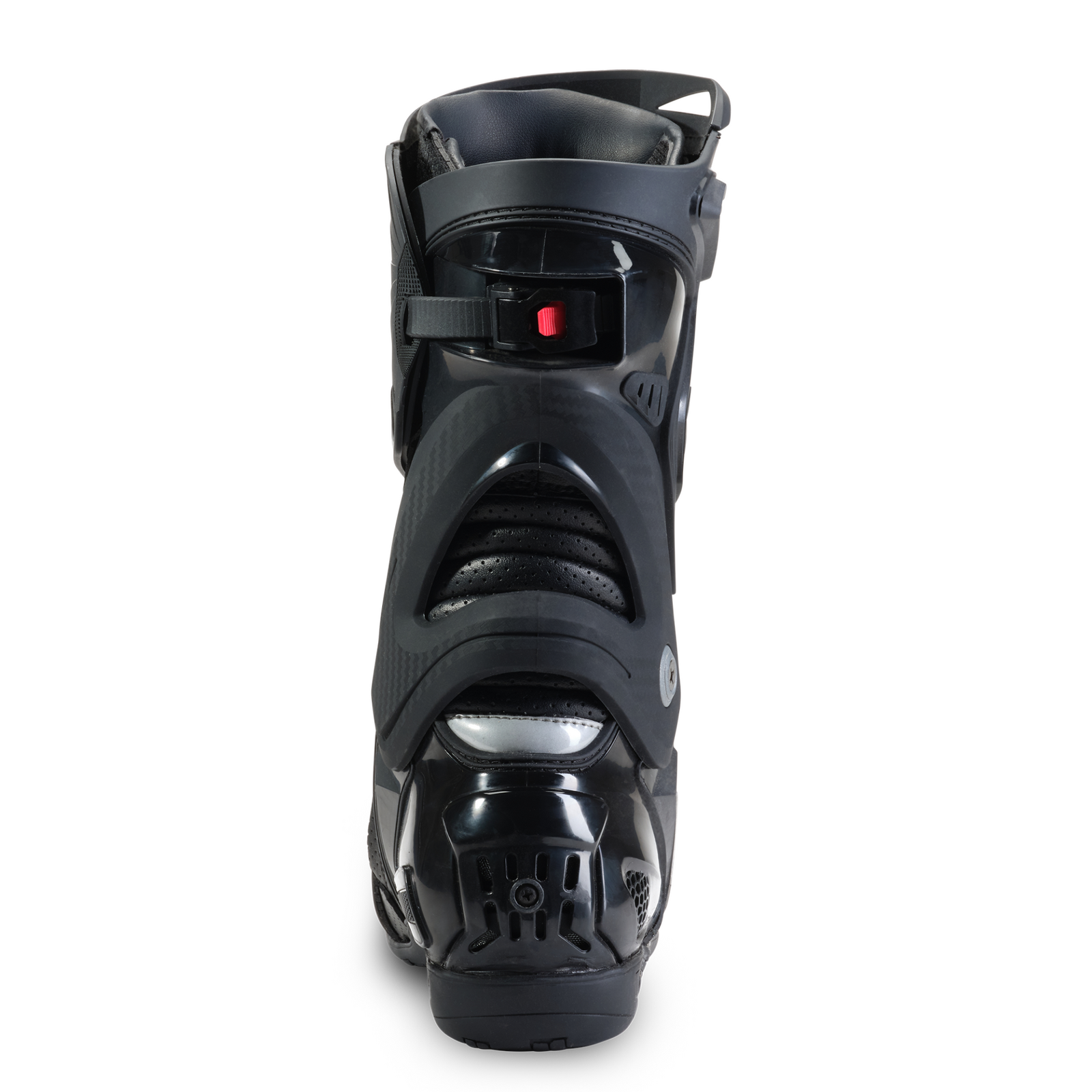
FUSPORT GIBSON X MOTOZ BLACK BOOTS


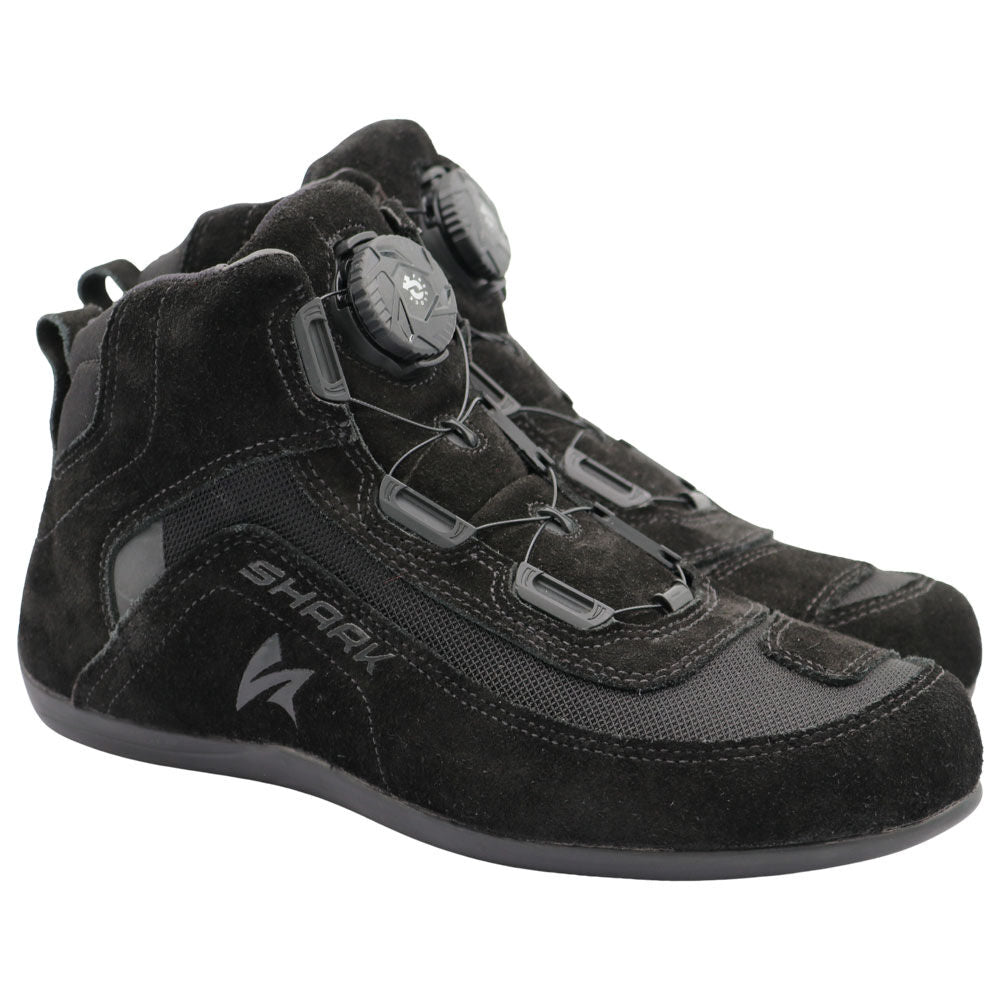
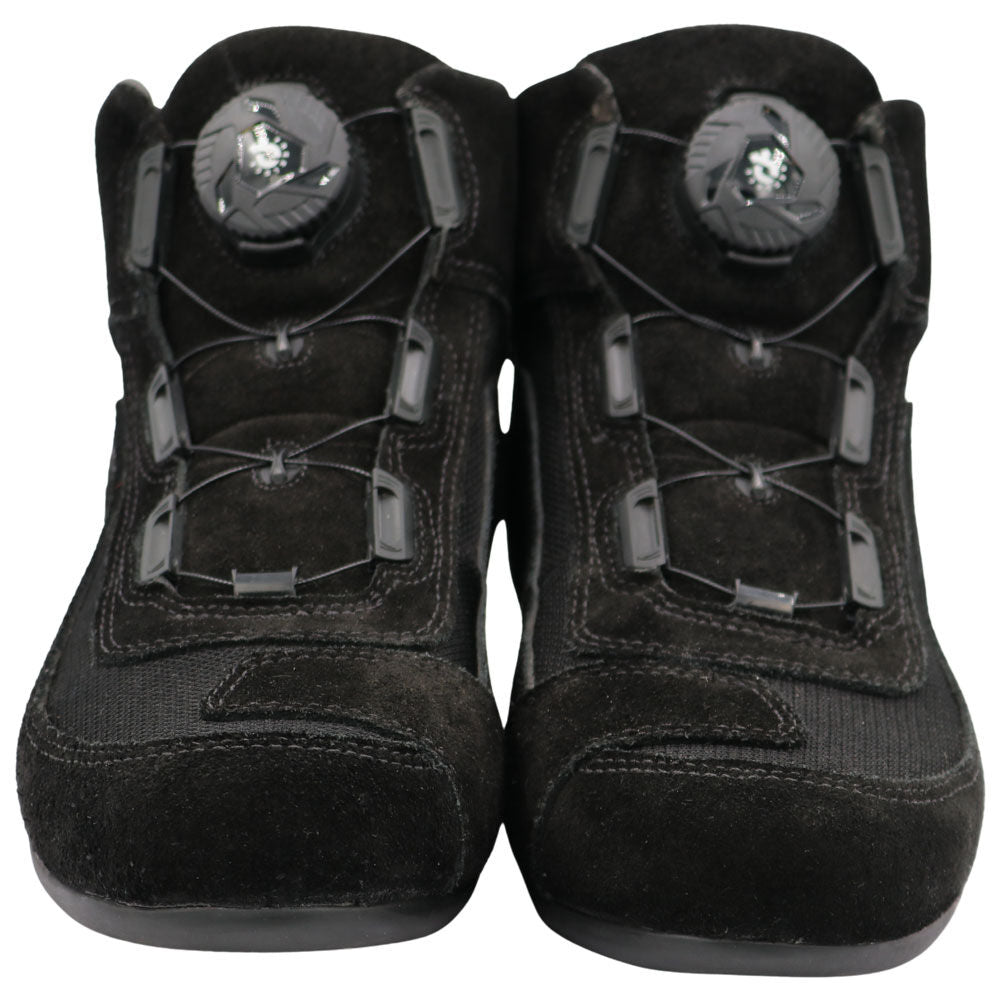
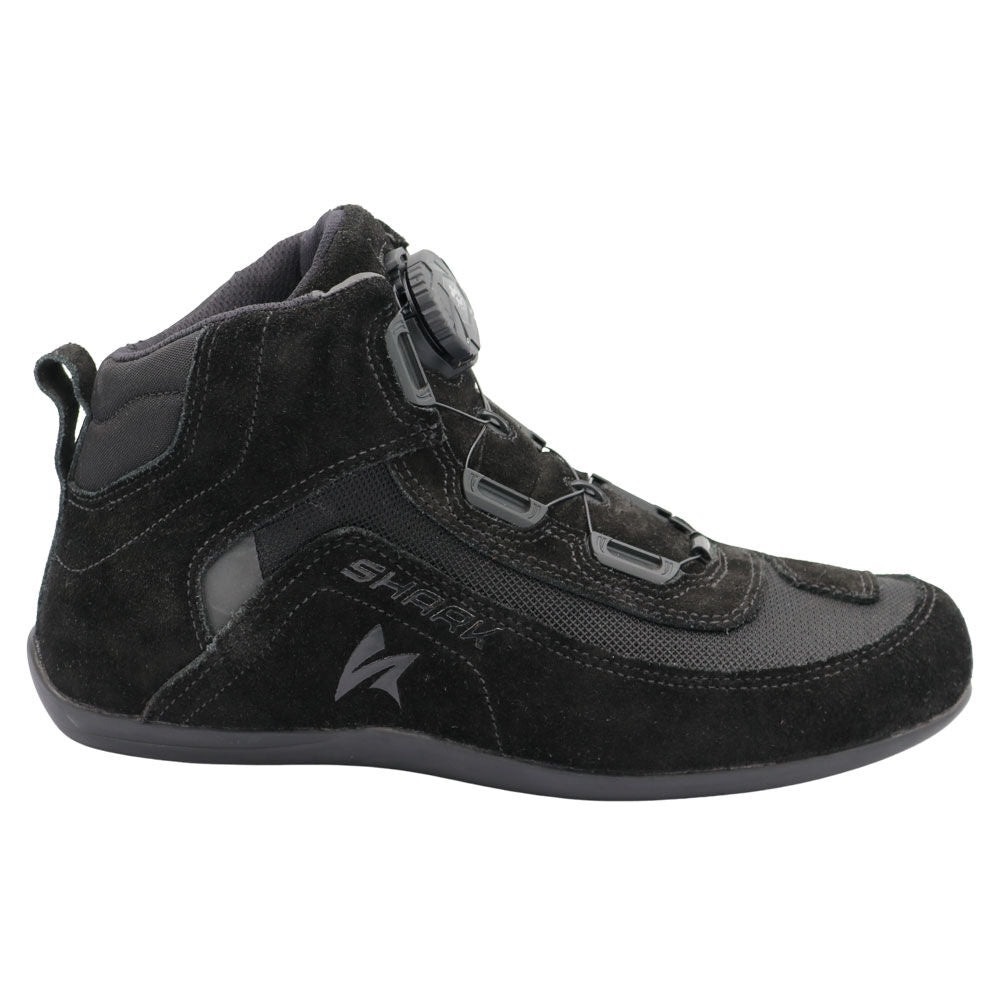
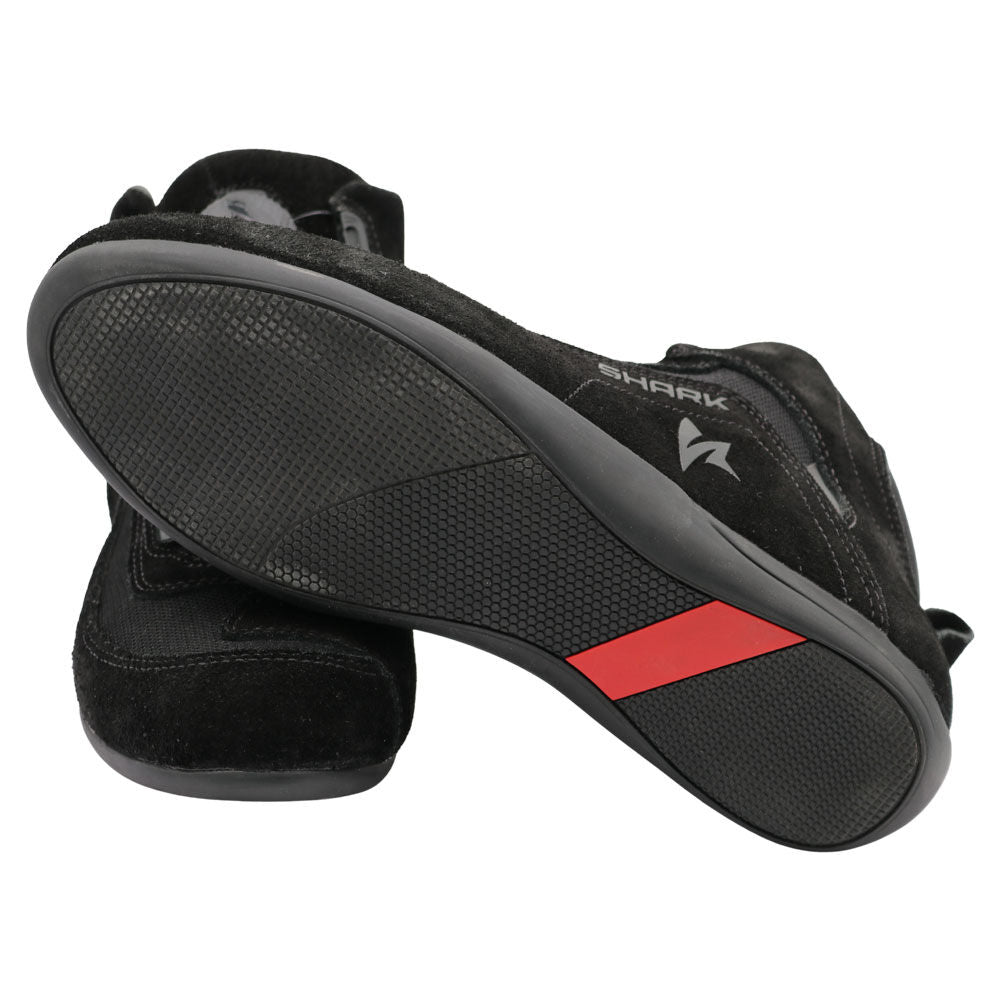
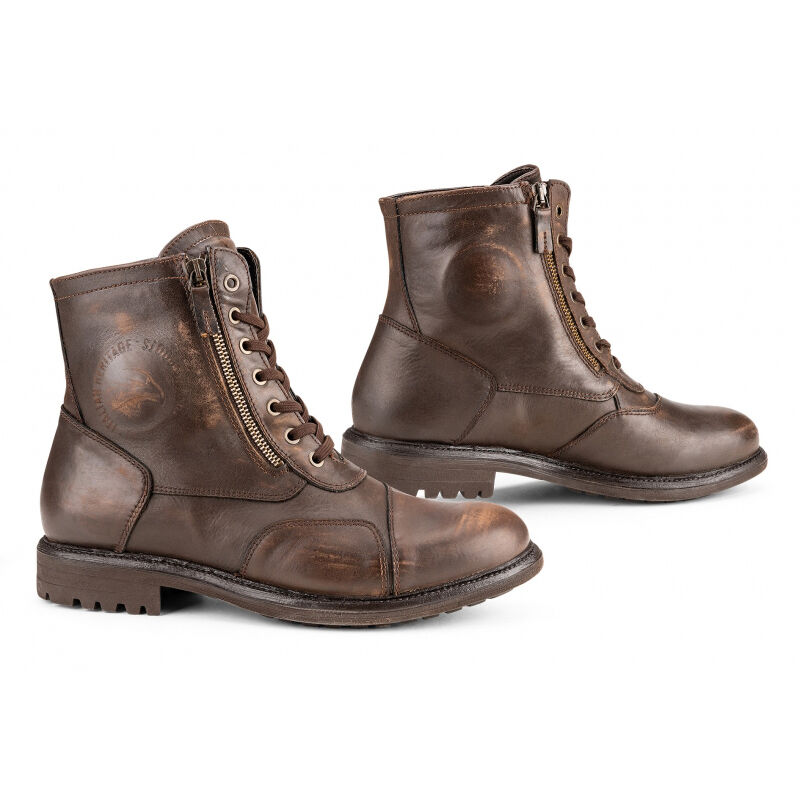


MOTODRY ROADSTER BOOTS RUBBED BROWN/BLACK
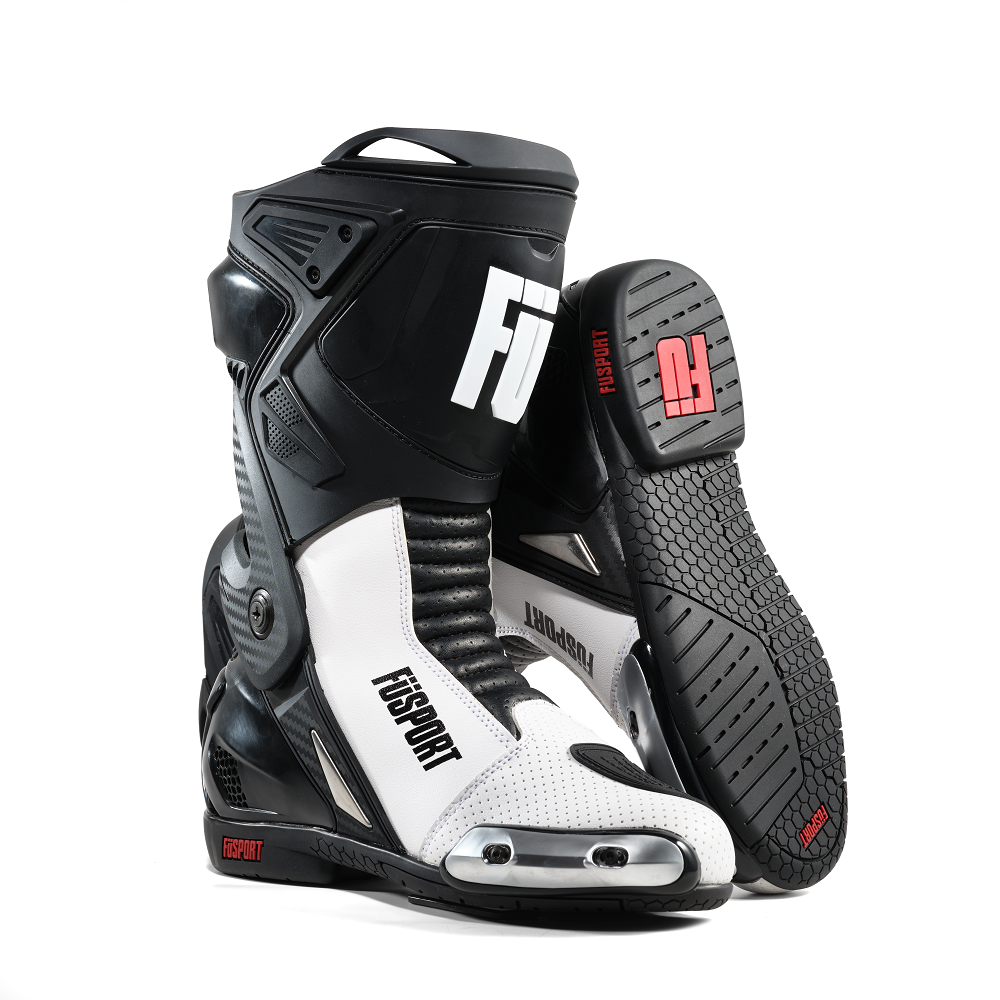
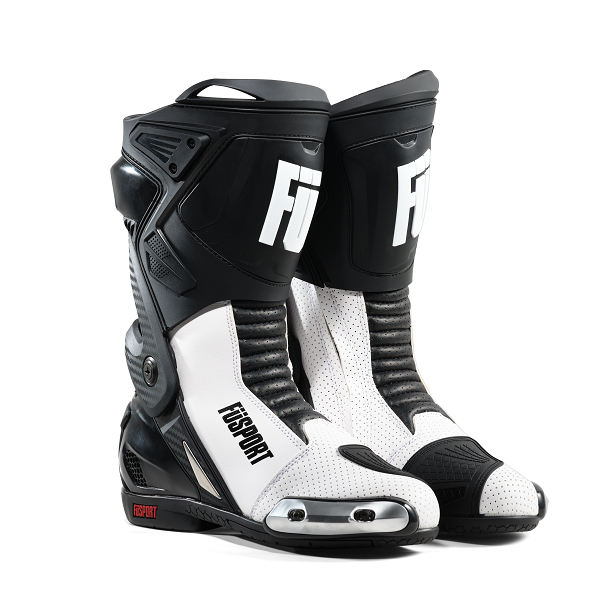
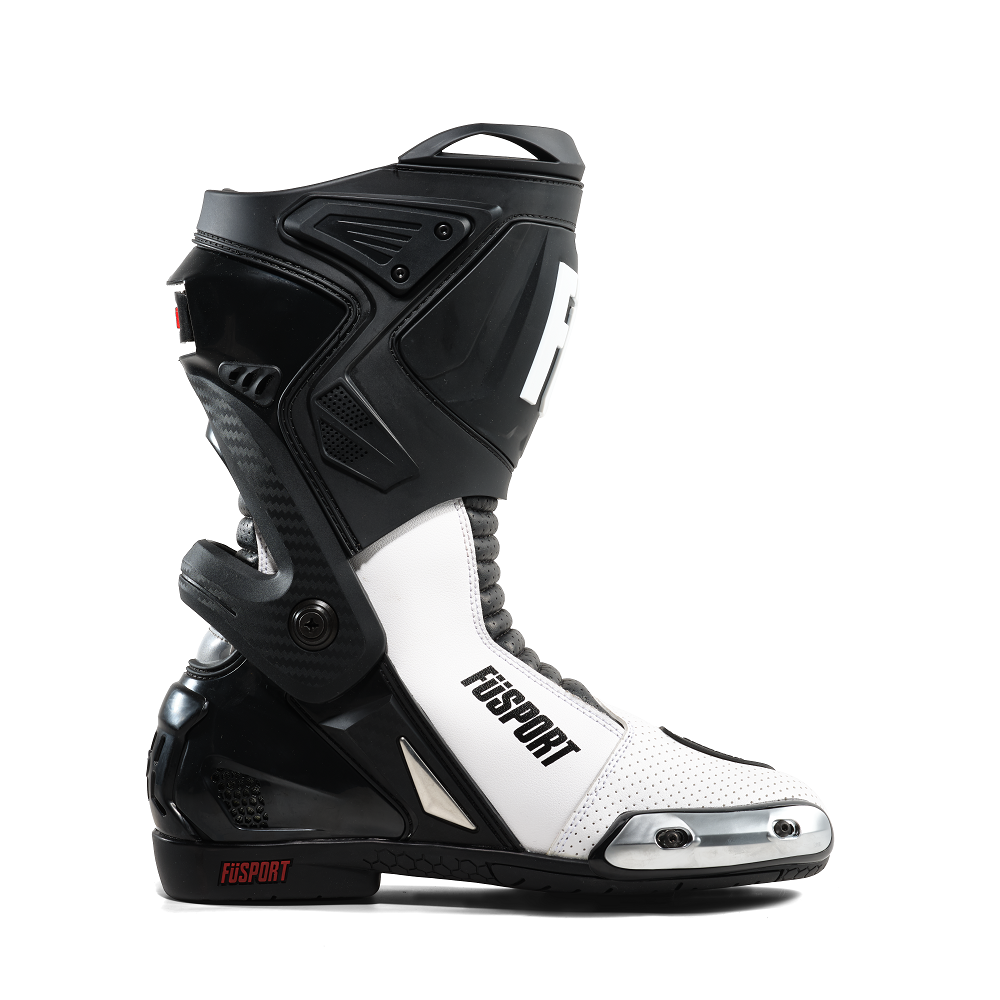

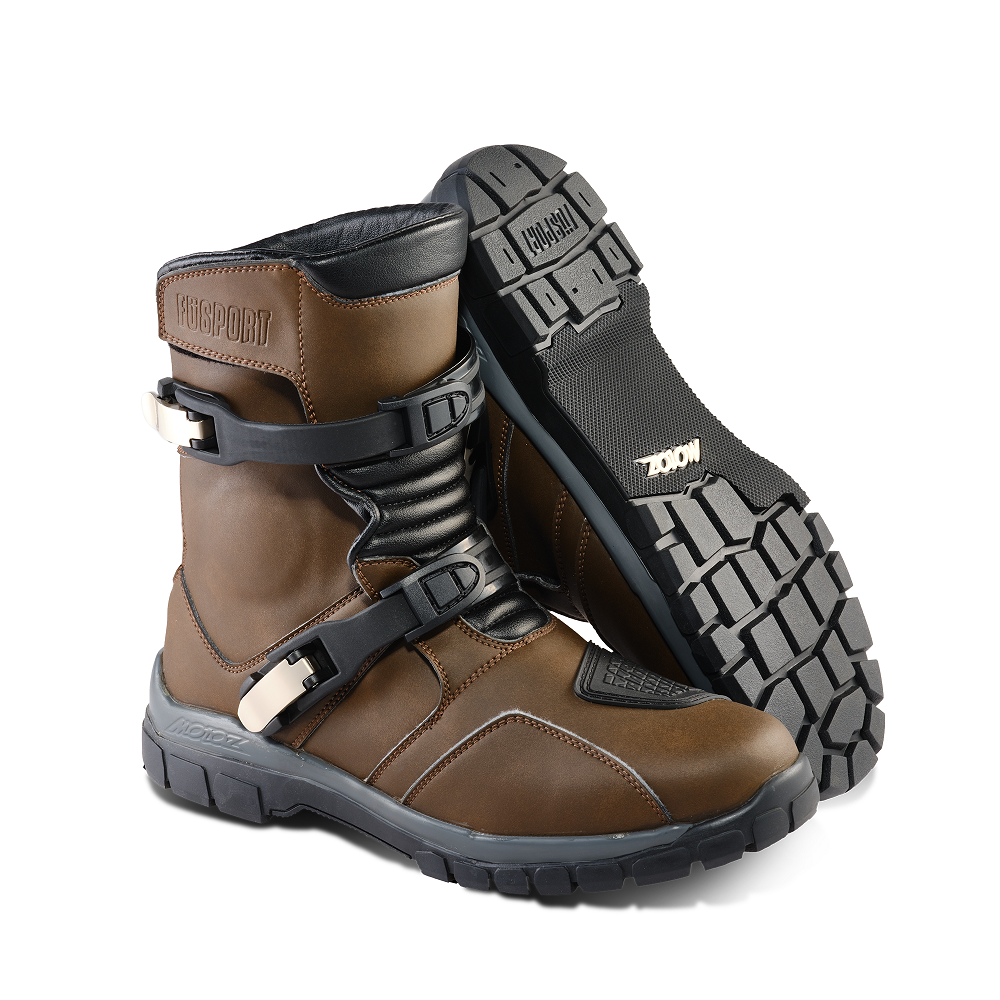
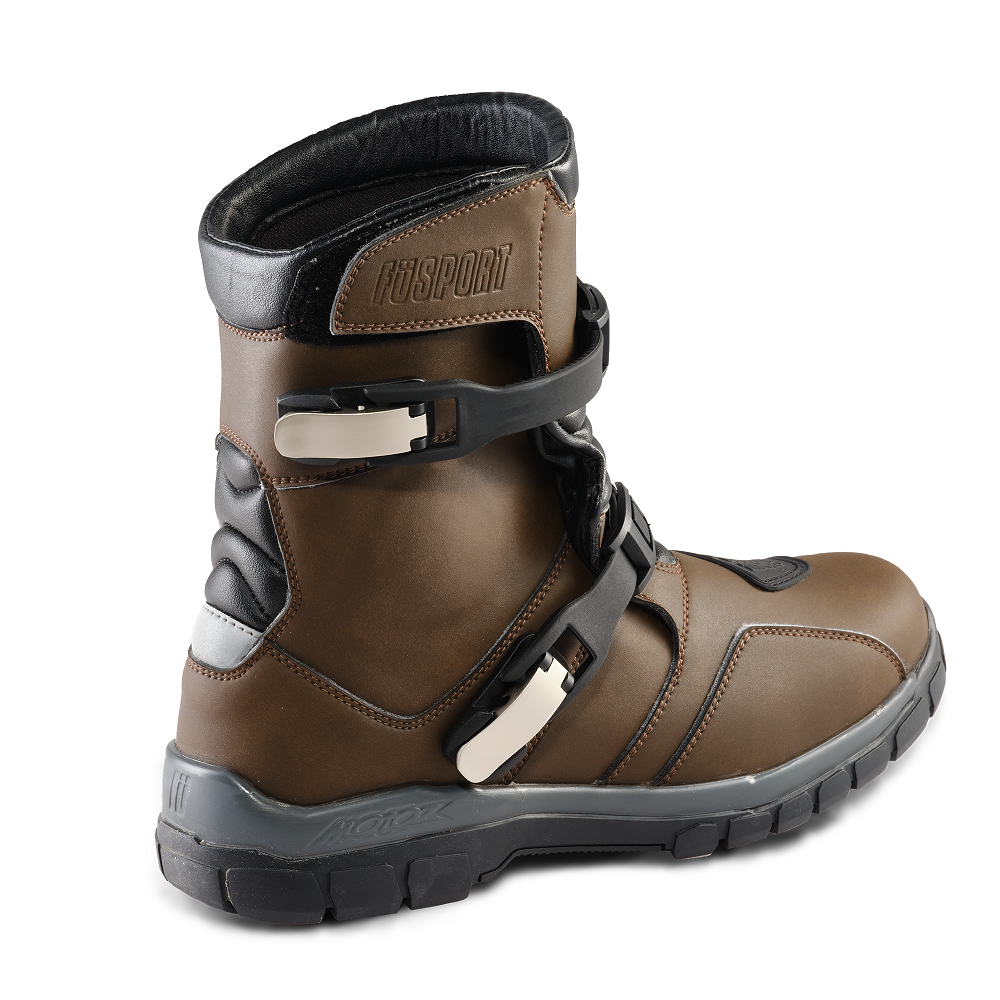

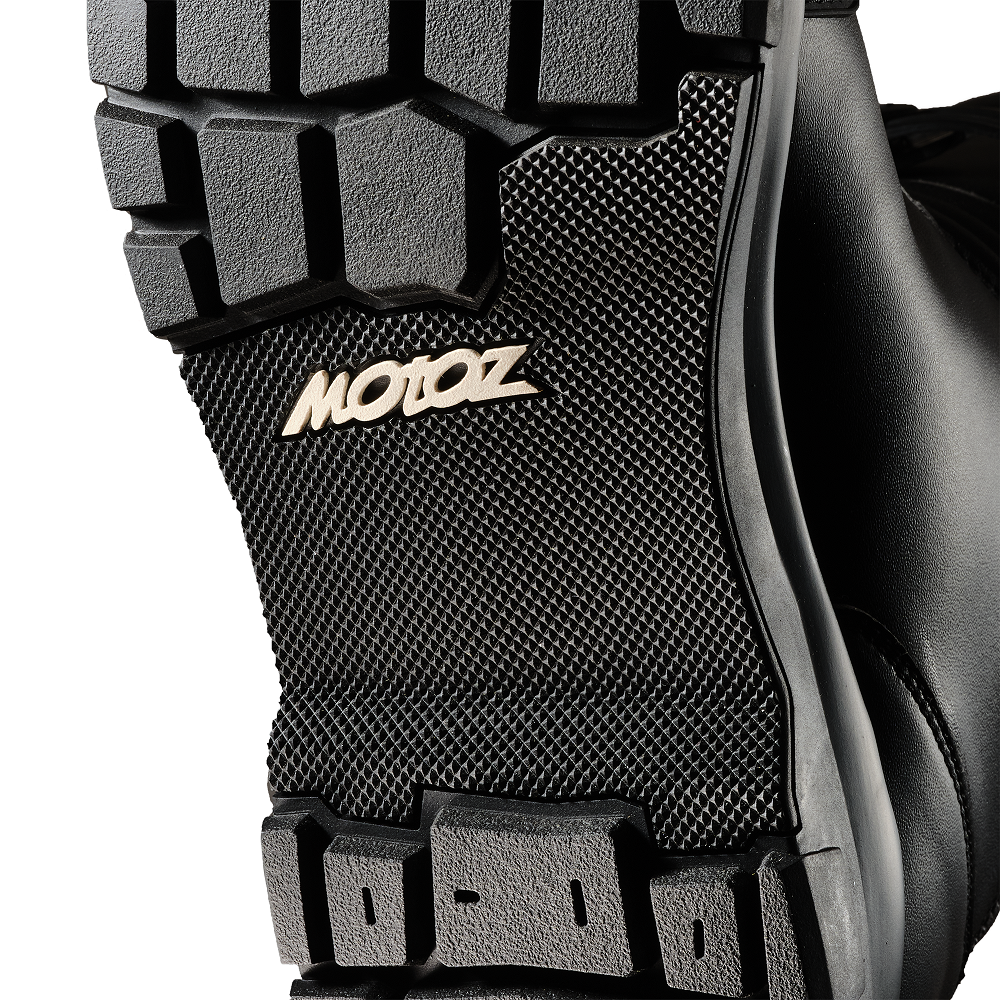
FUSPORT GIBSON X MOTOZ BROWN BOOTS
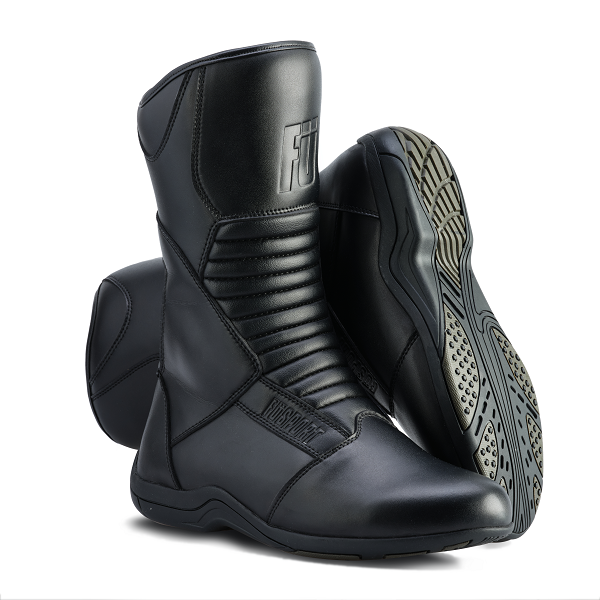
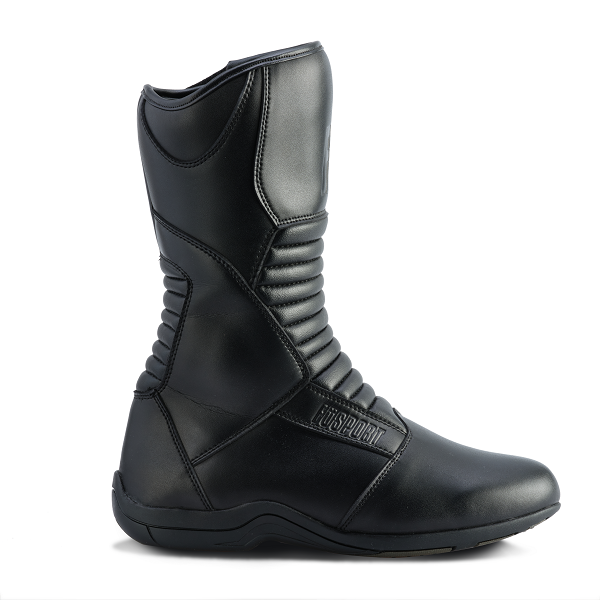

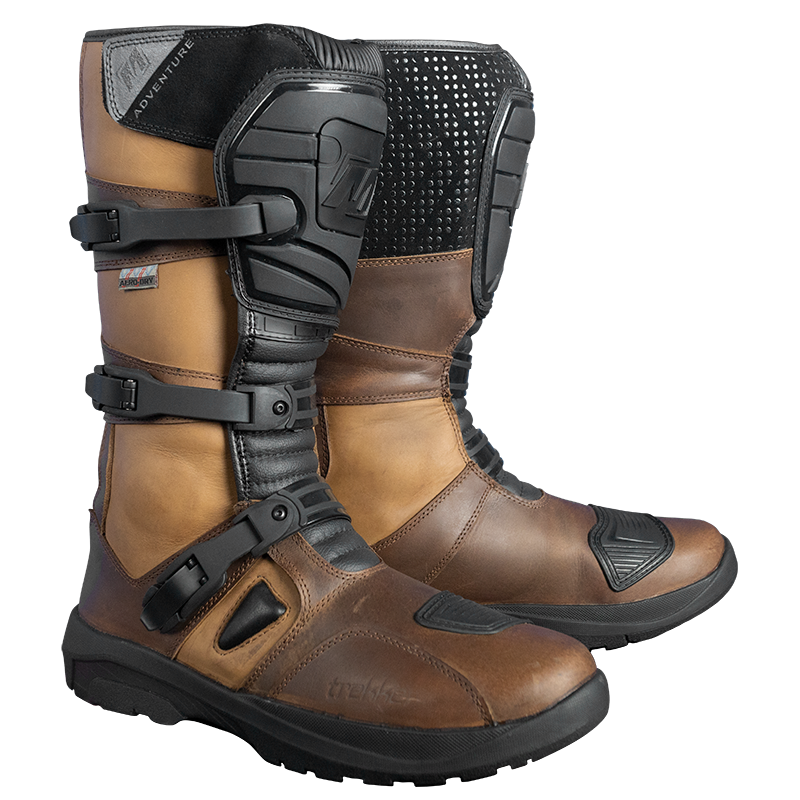
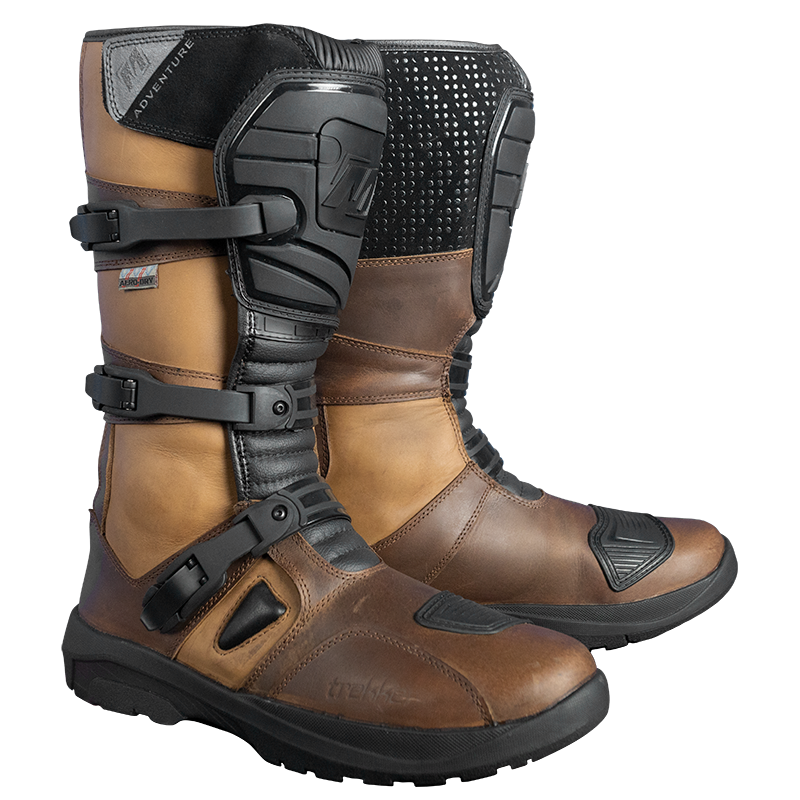
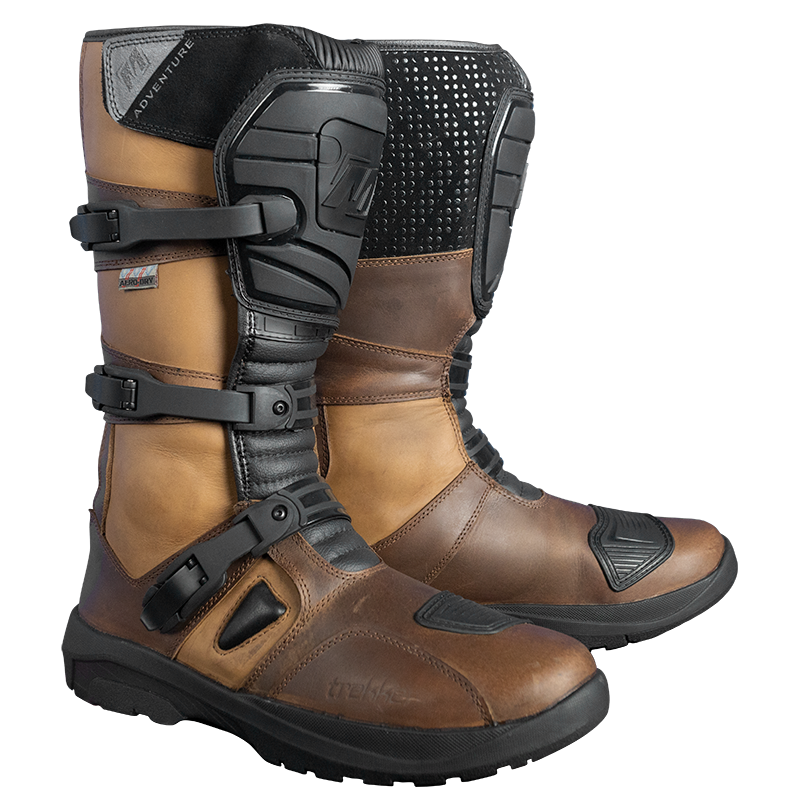
MOTODRY ADVENTURE TREKKER BOOTS BLACK/BROWN
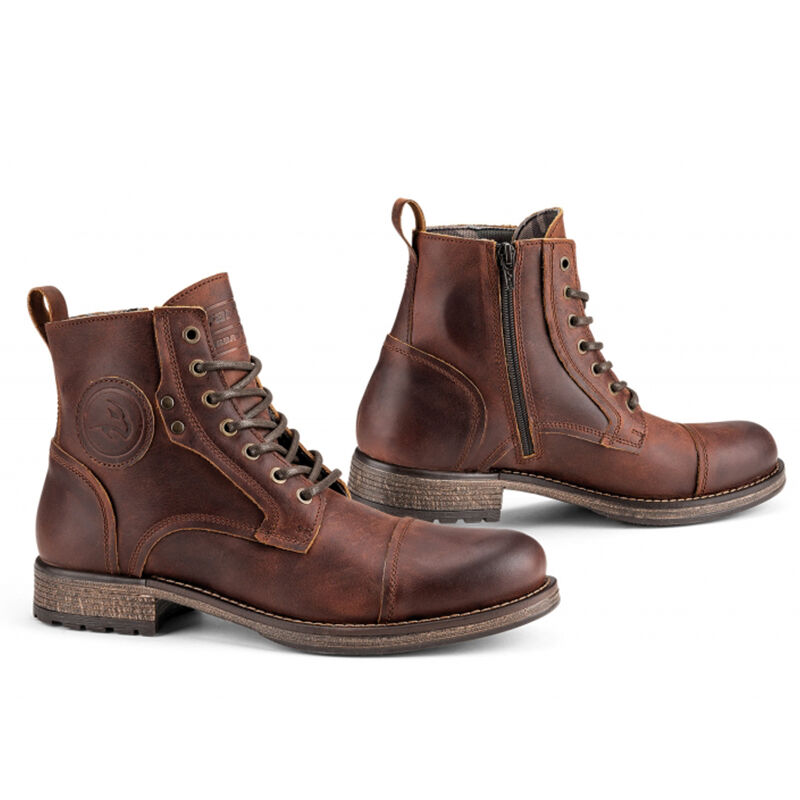
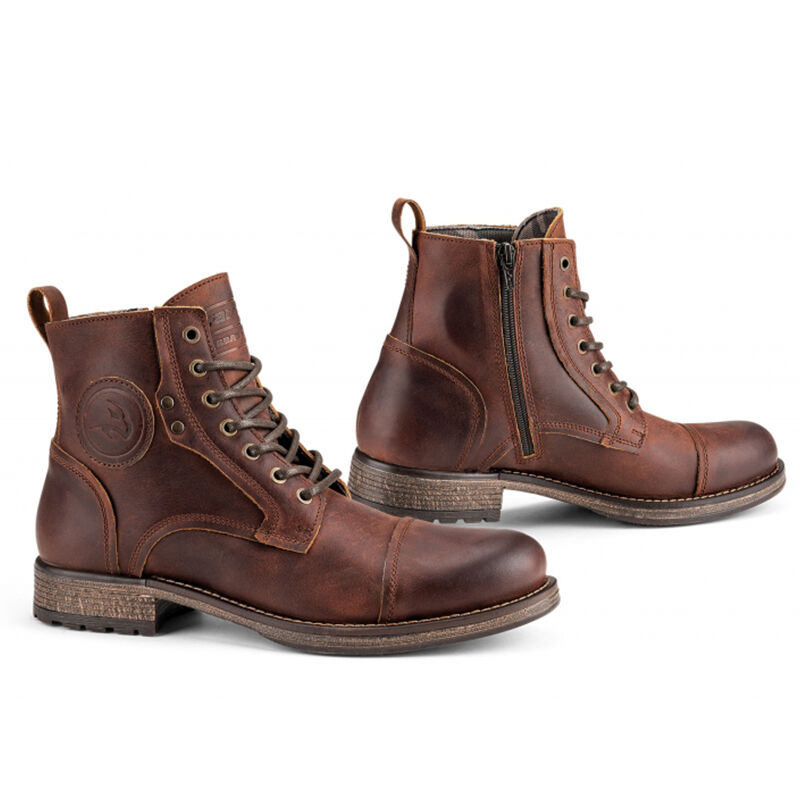

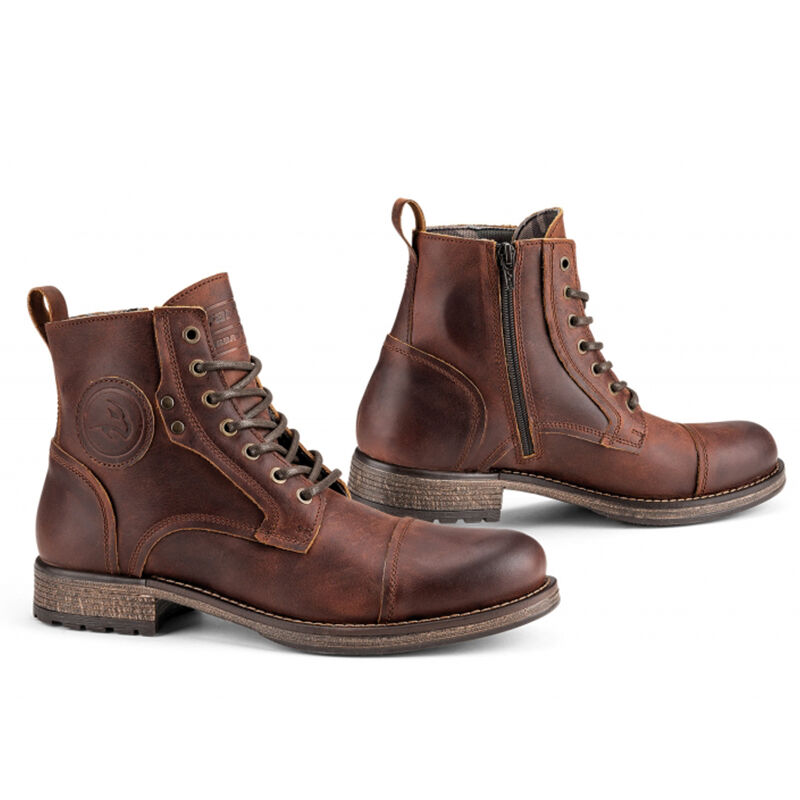

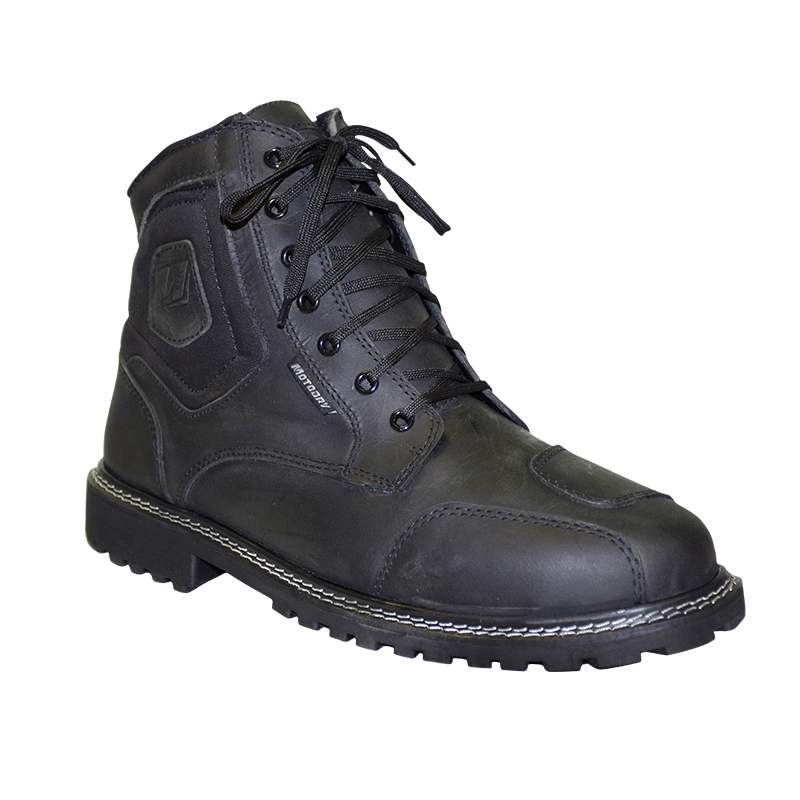

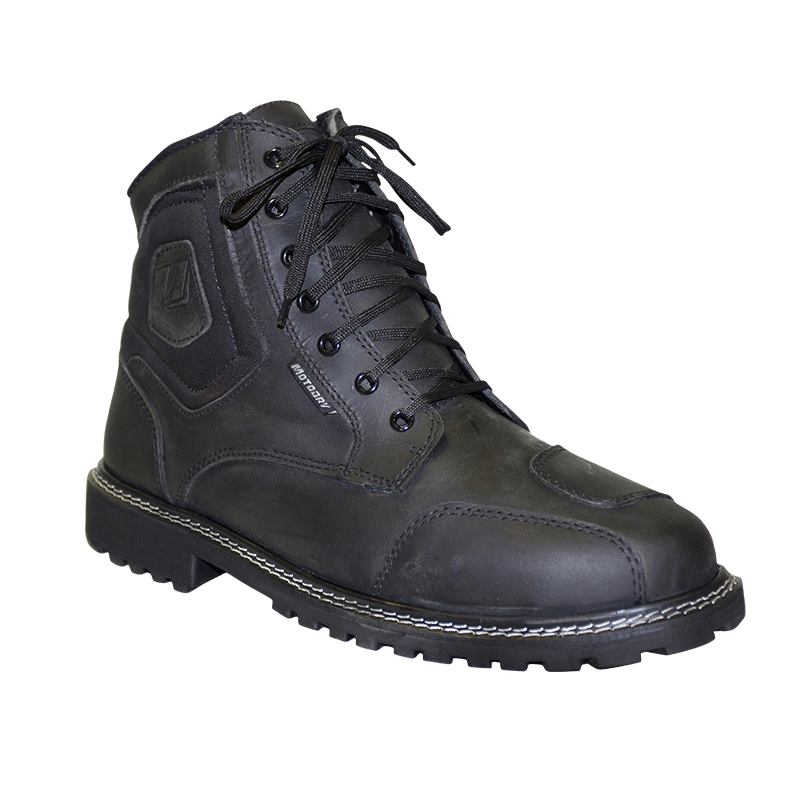
MOTODRY ROADSTER BOOTS MATT BLACK


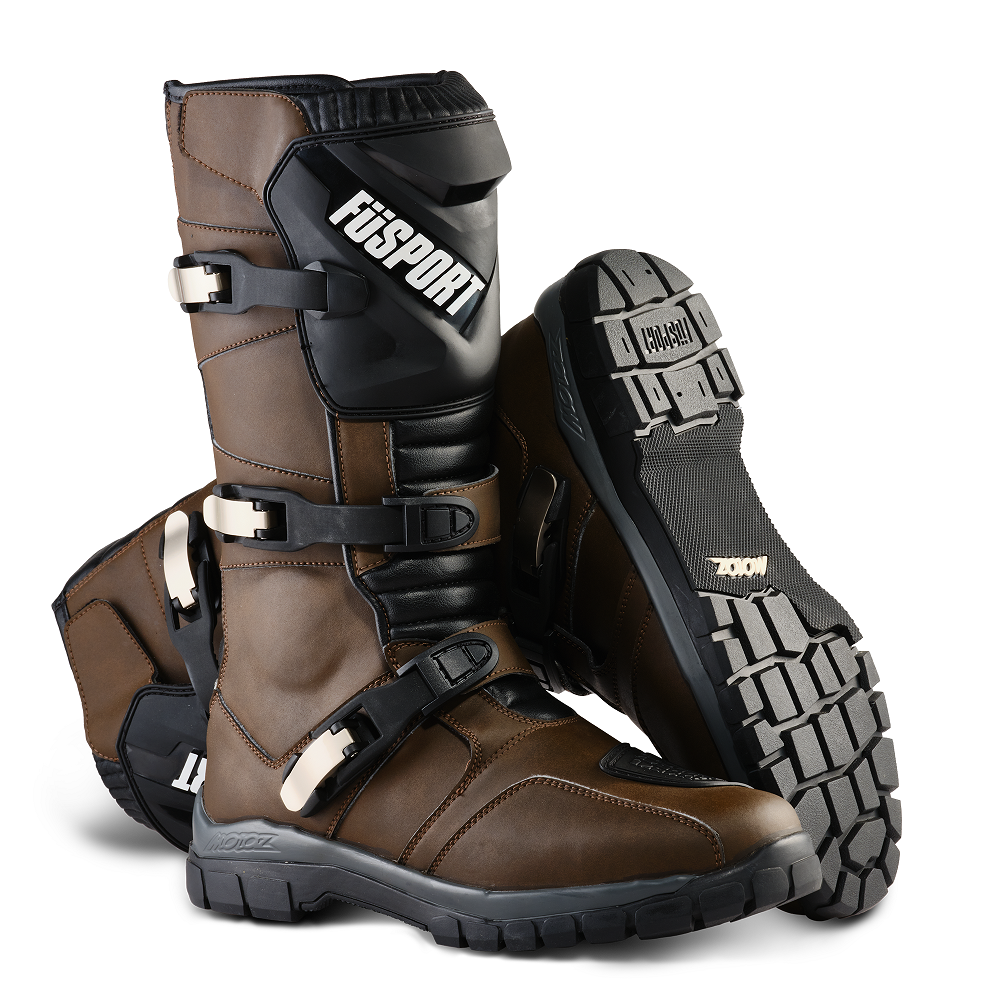
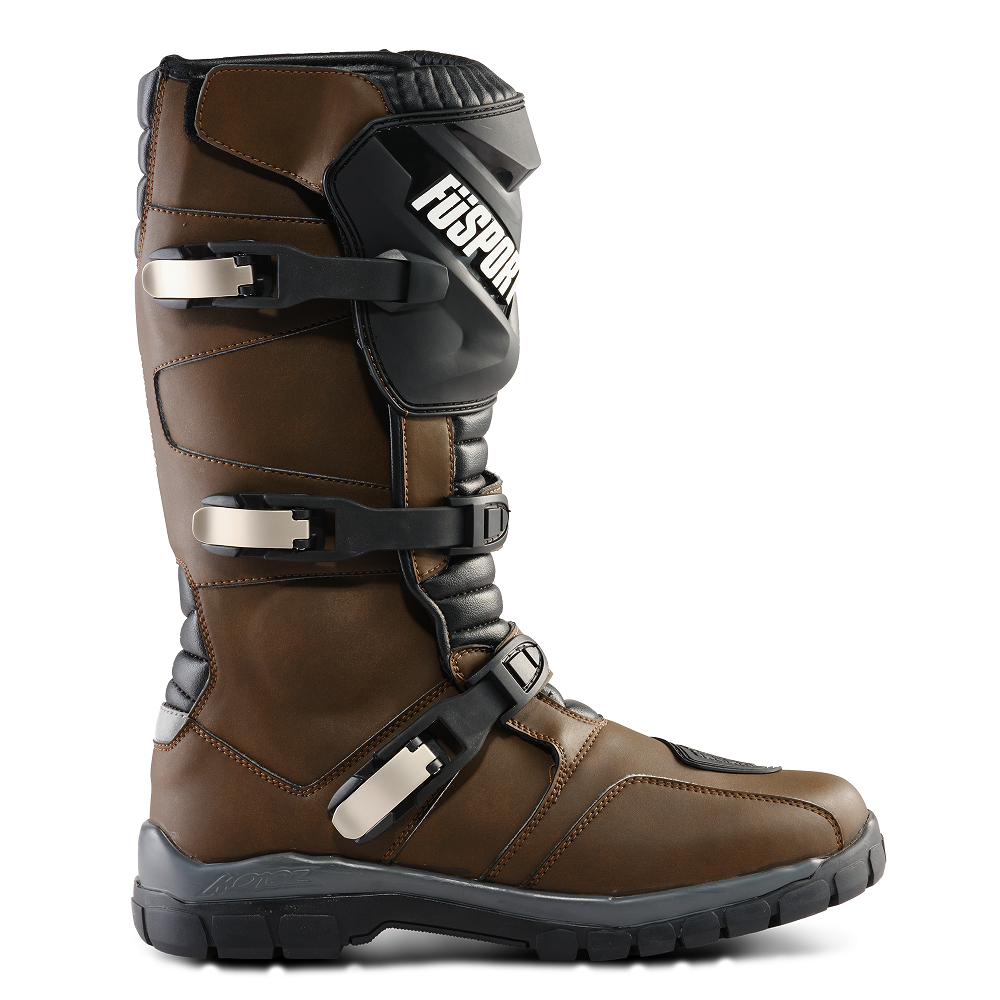


FUSPORT SIMPSON X MOTOZ BROWN BOOTS

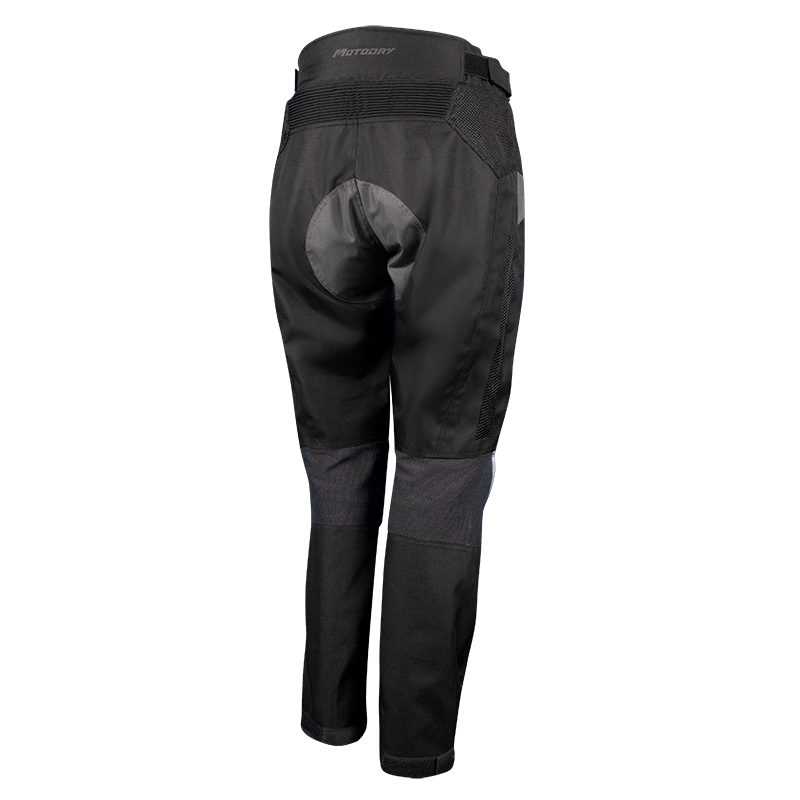
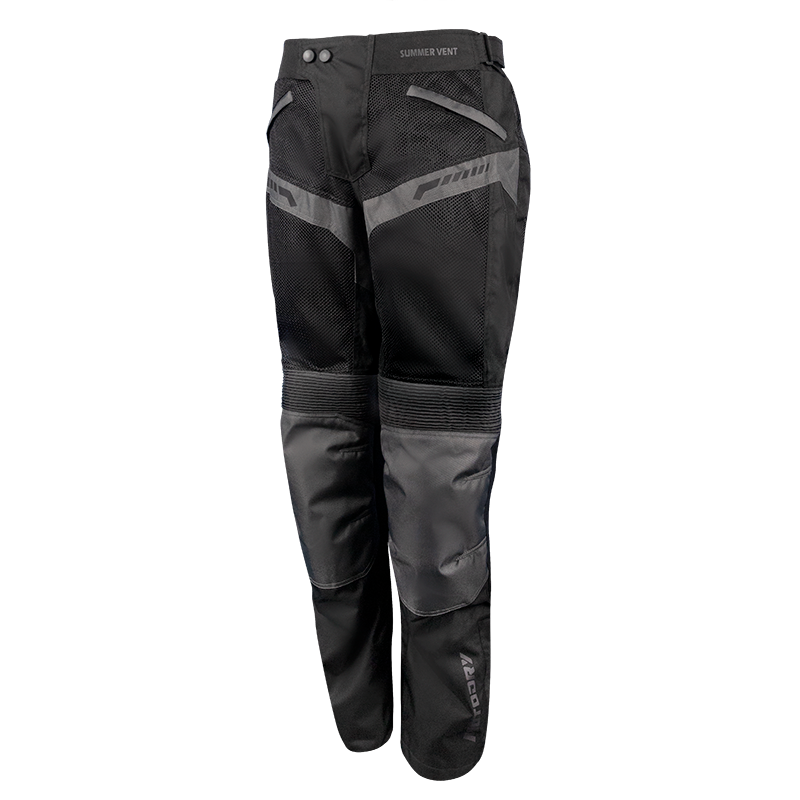
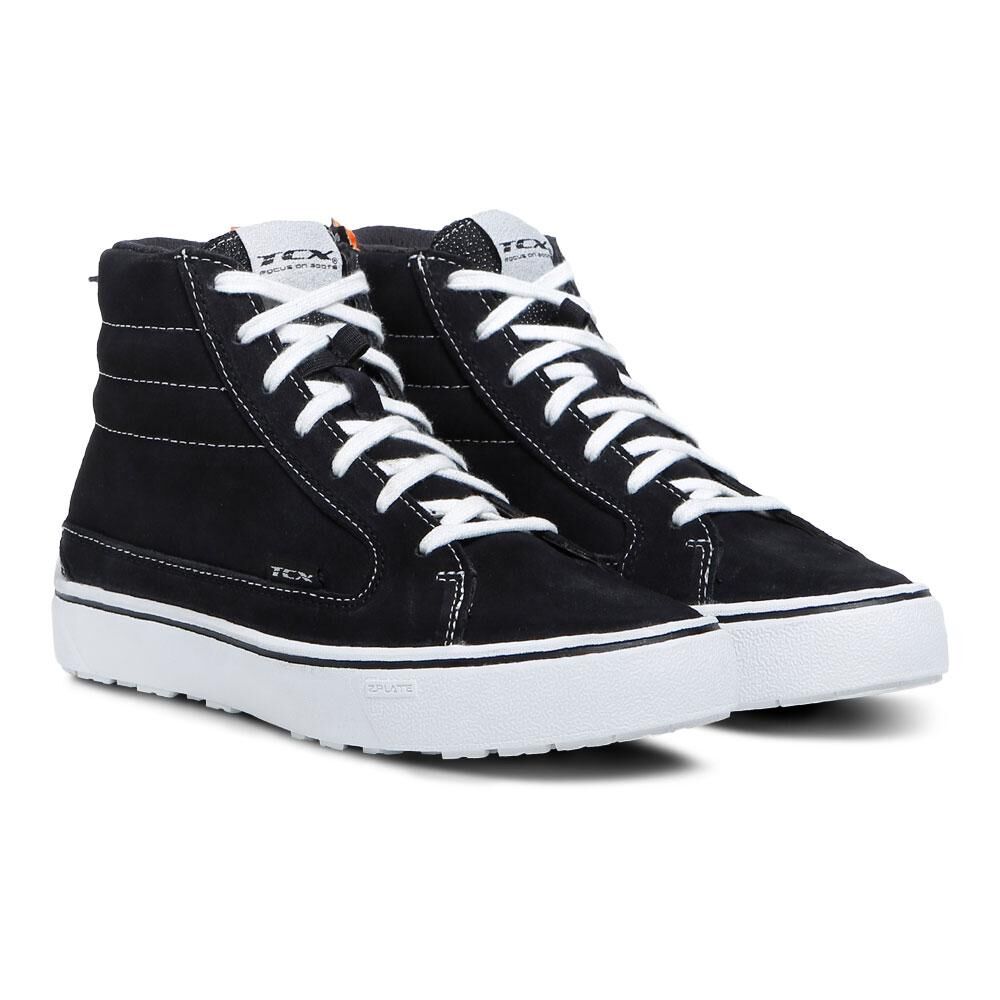

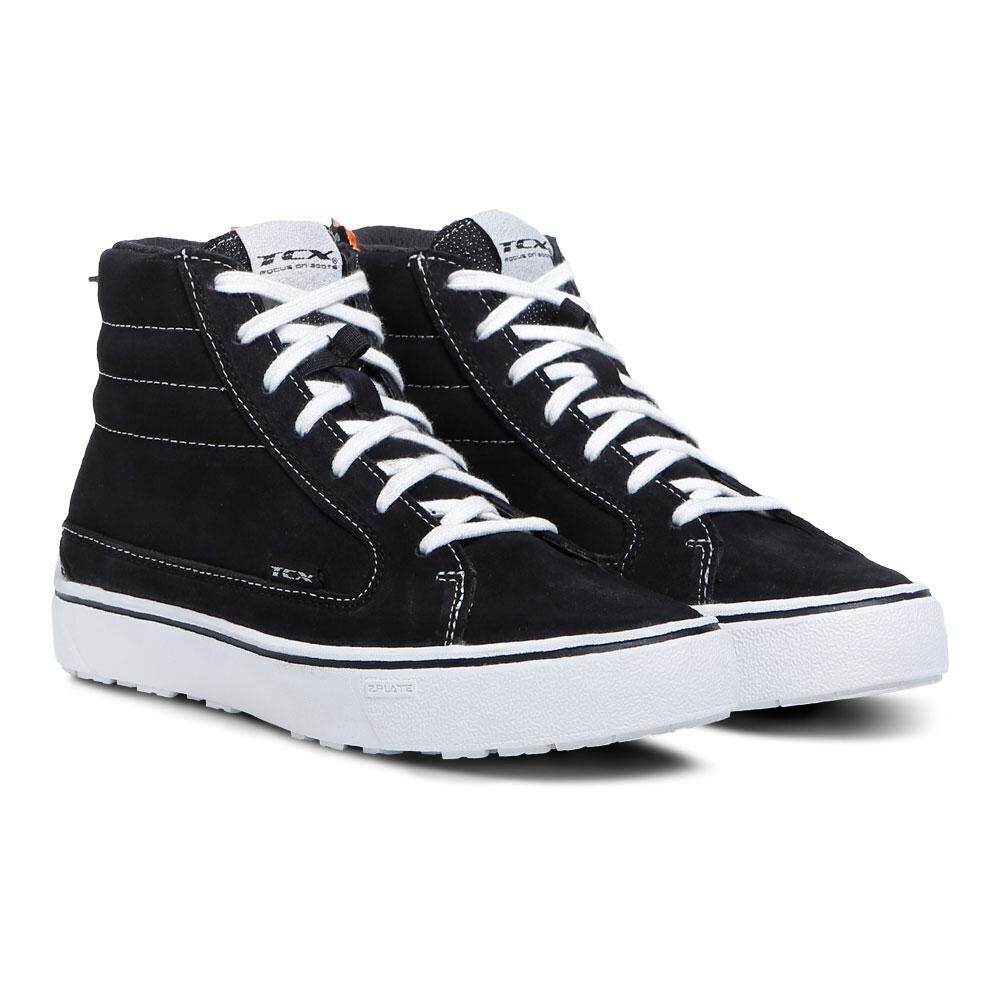
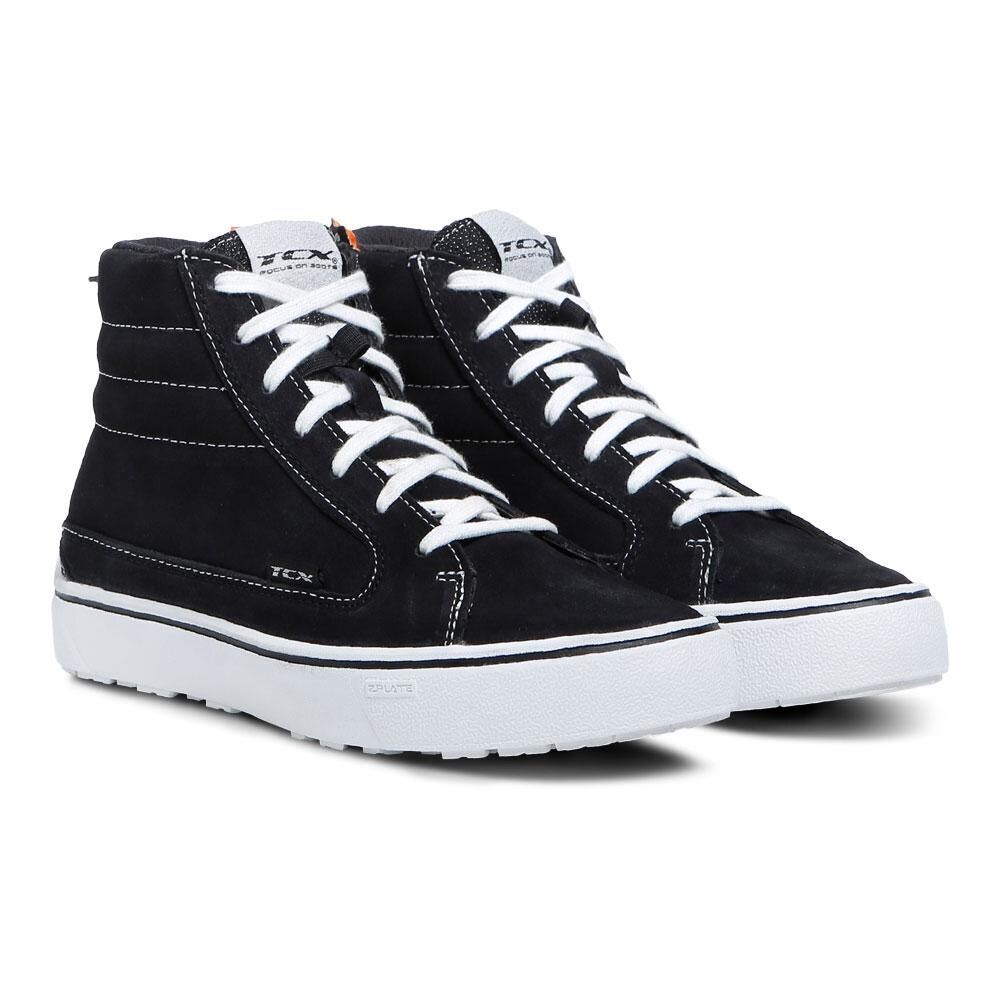
TCX STREET 3 LADY WATERPROOF BOOTS BLACK
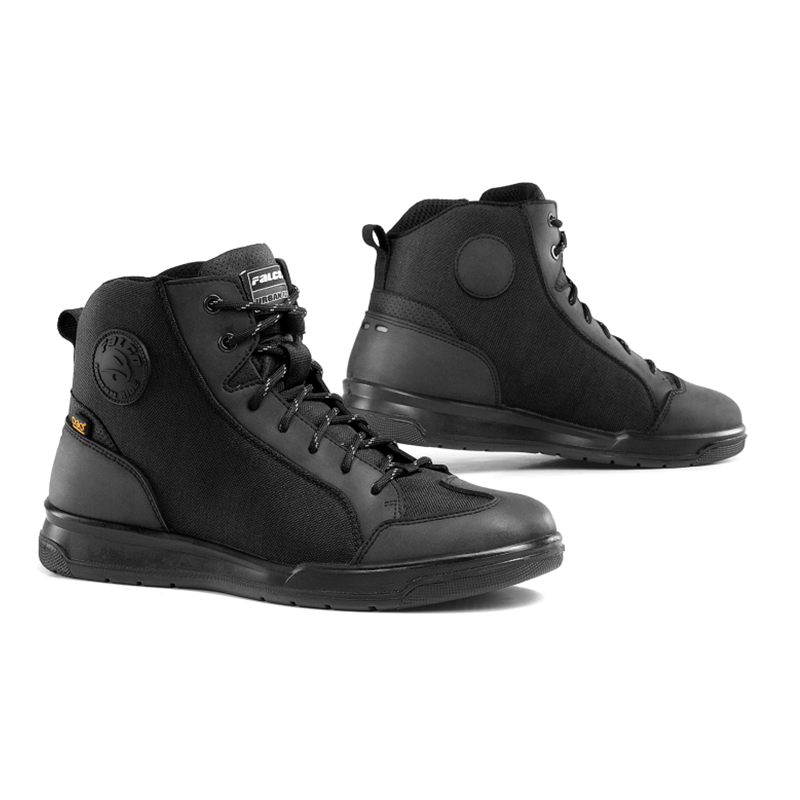
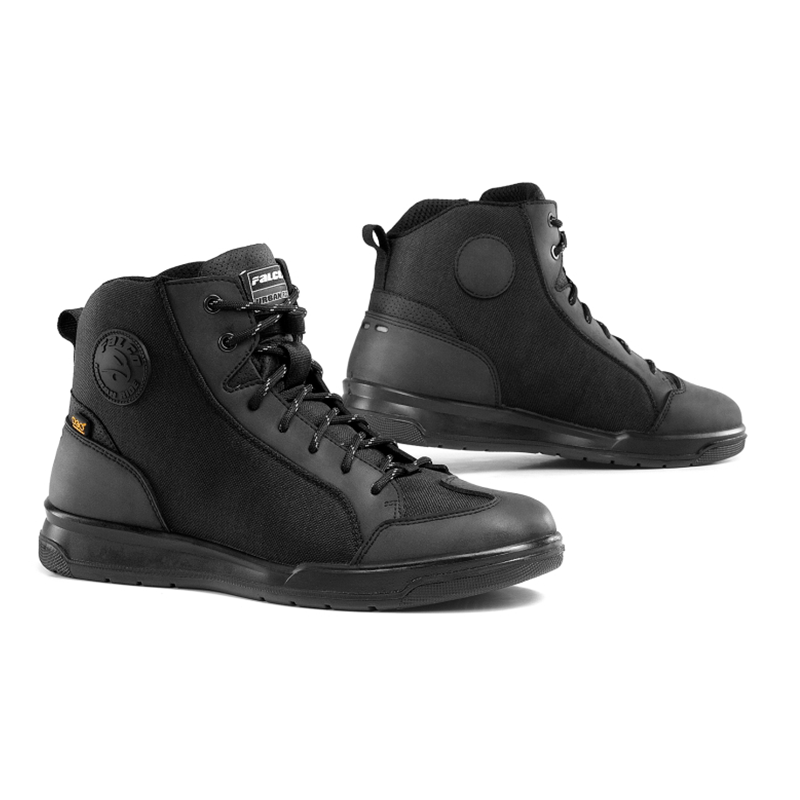
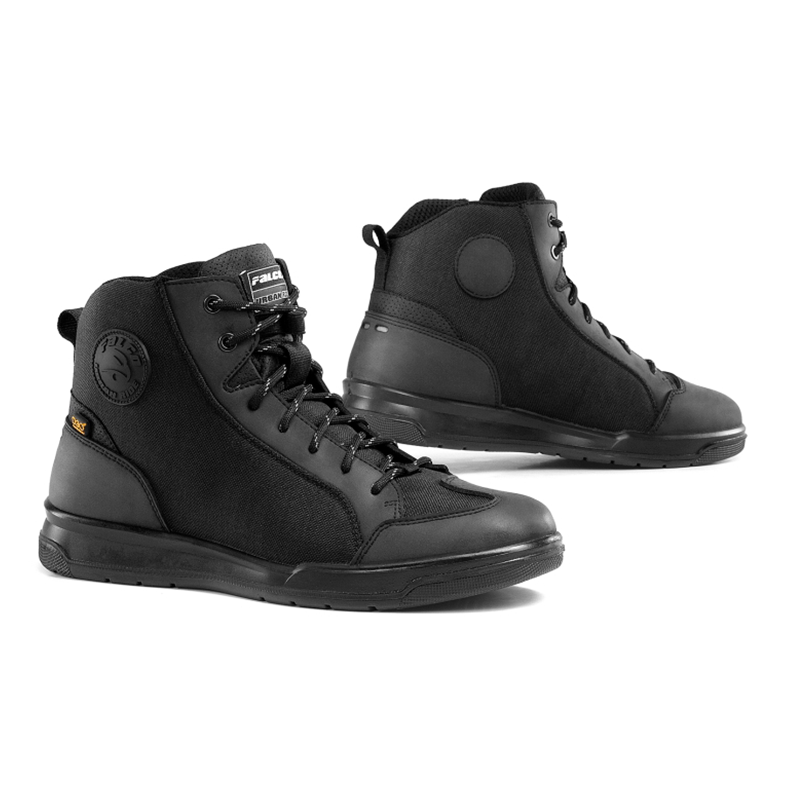
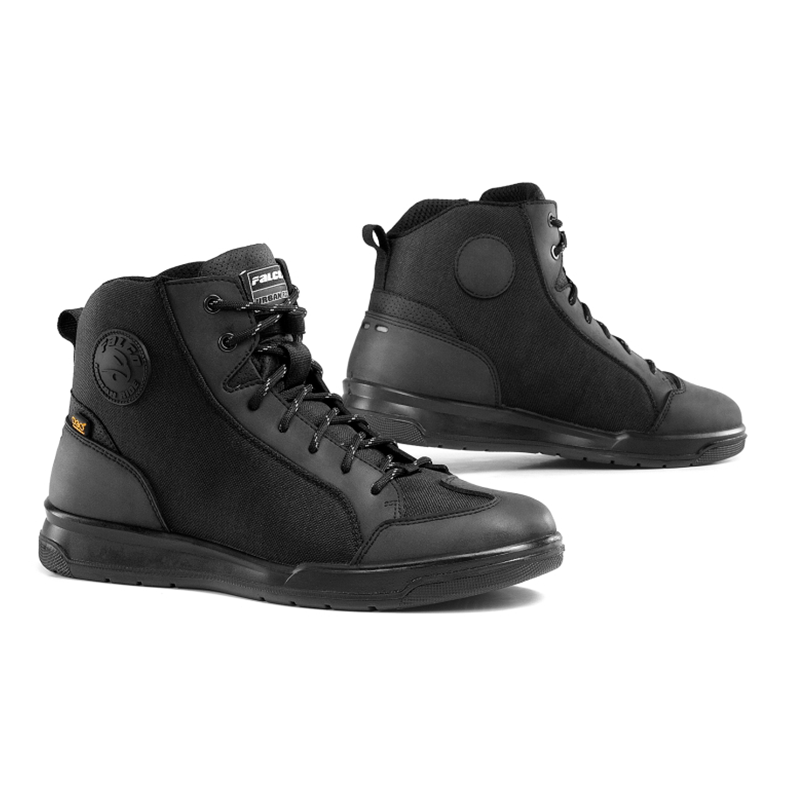
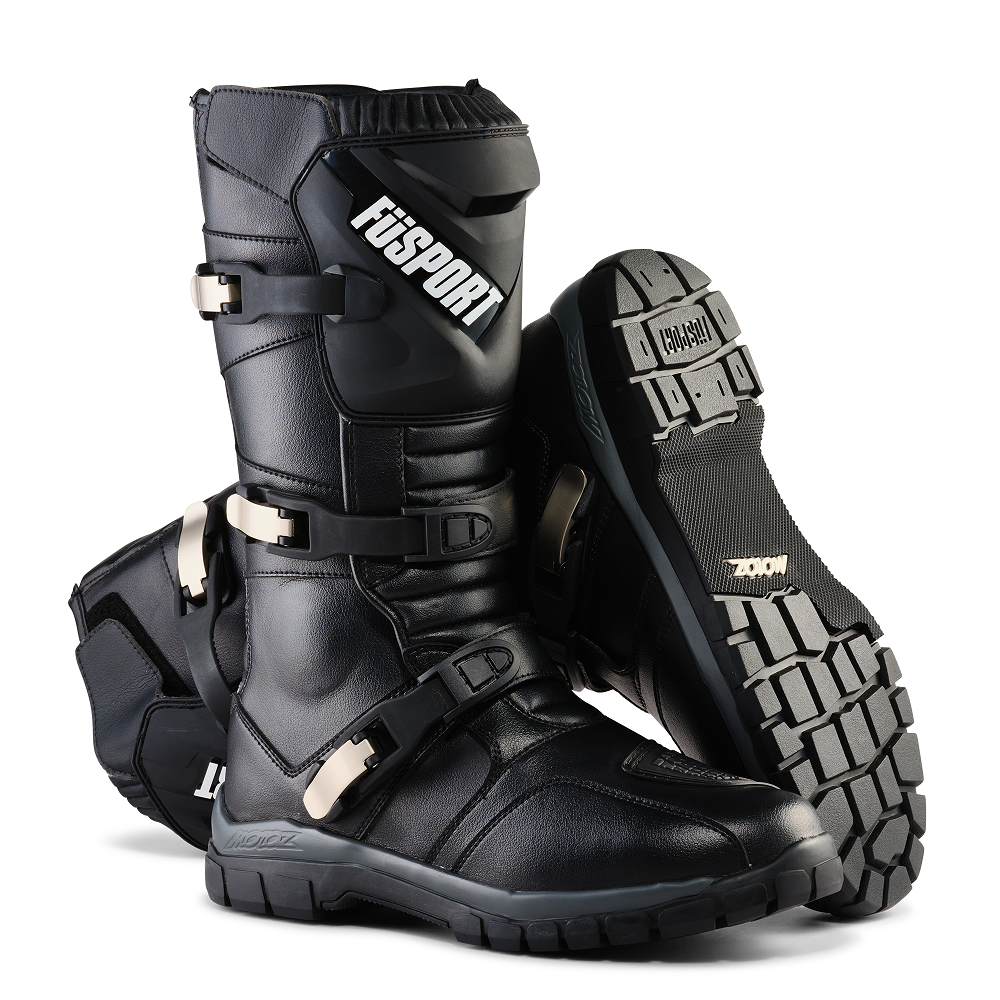
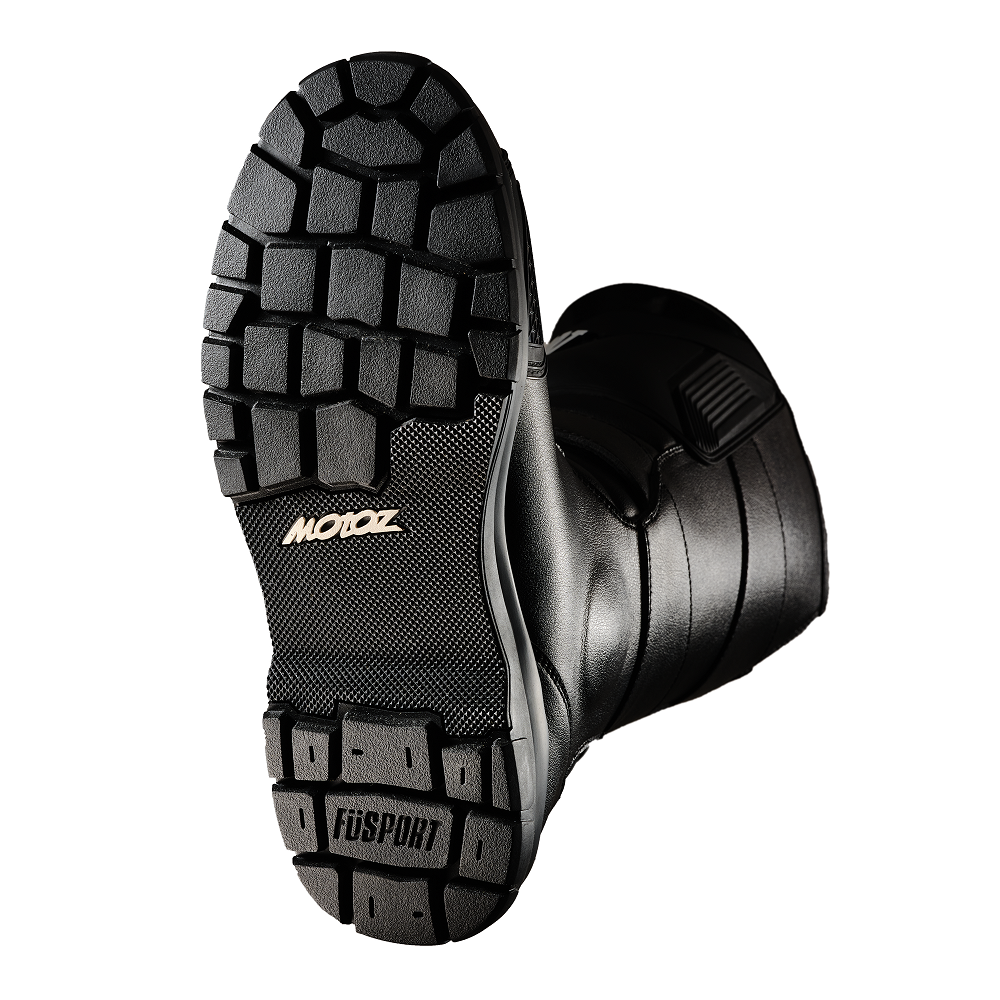
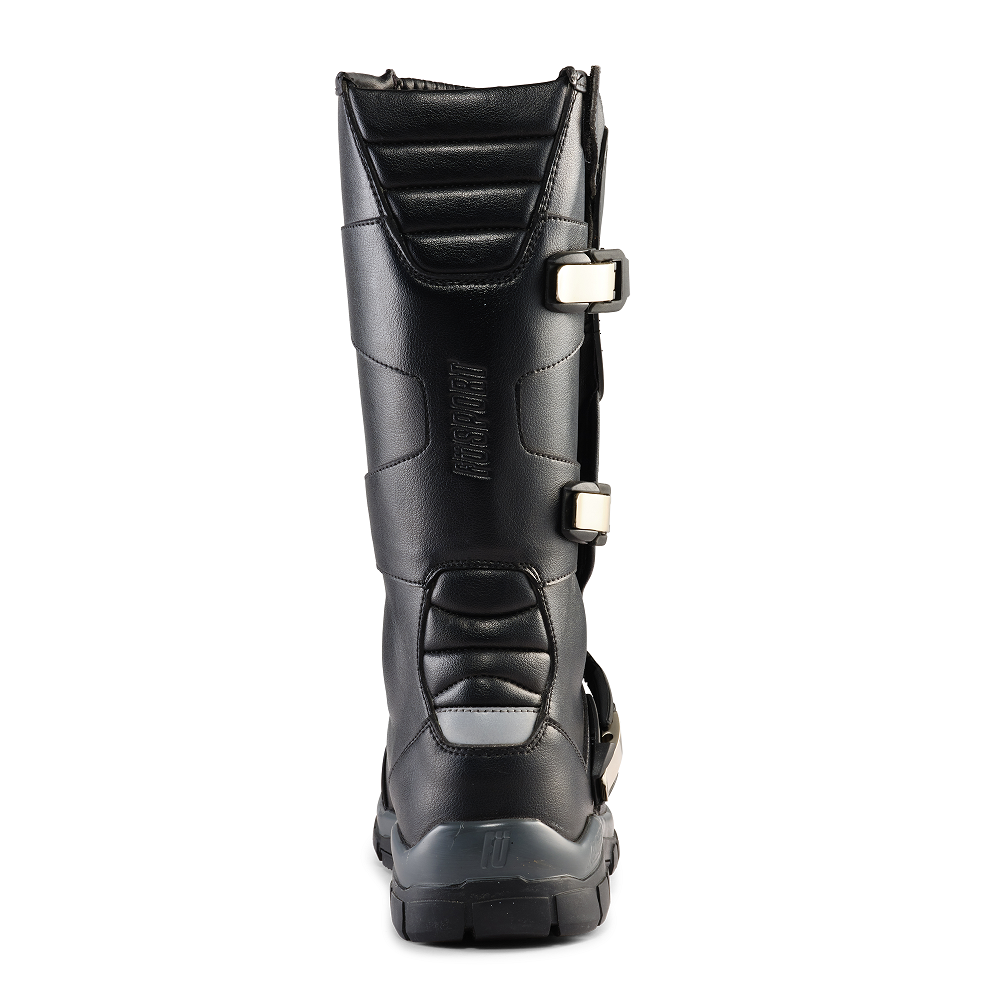
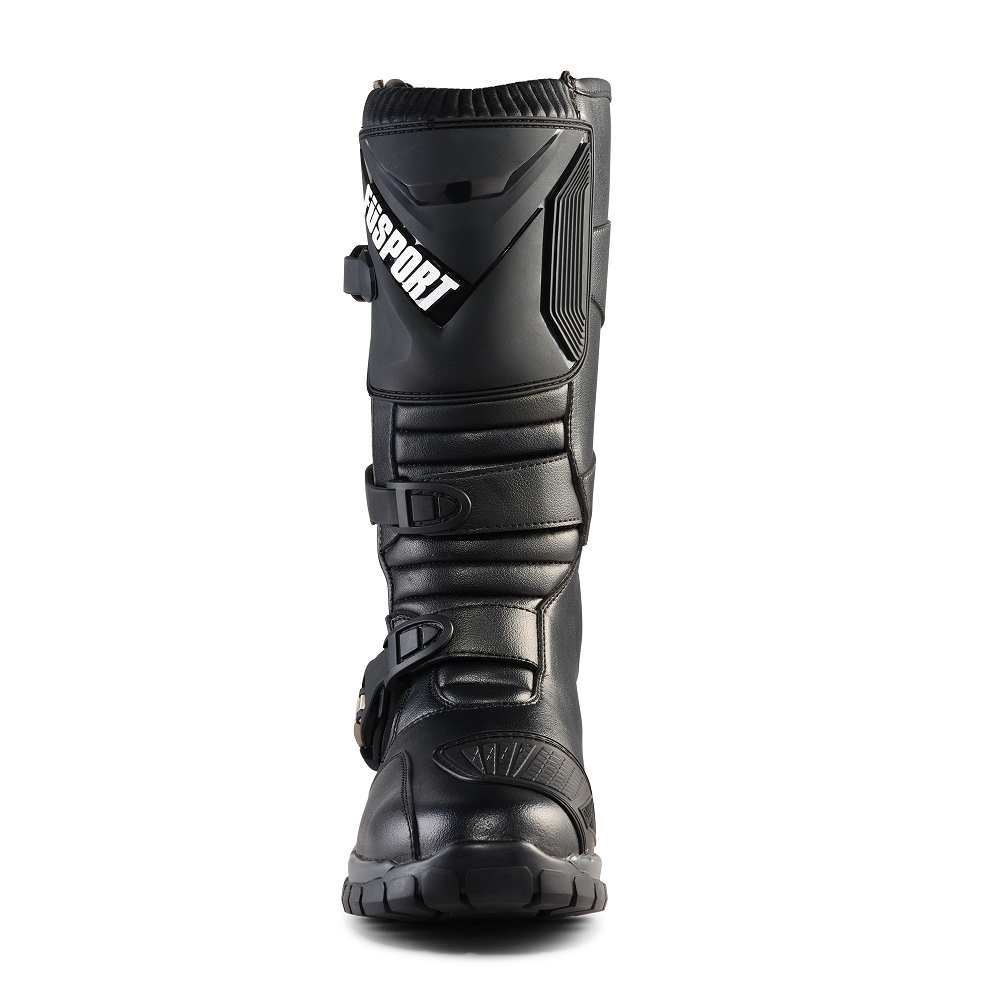
FUSPORT SIMPSON X MOTOZ BLACK BOOTS
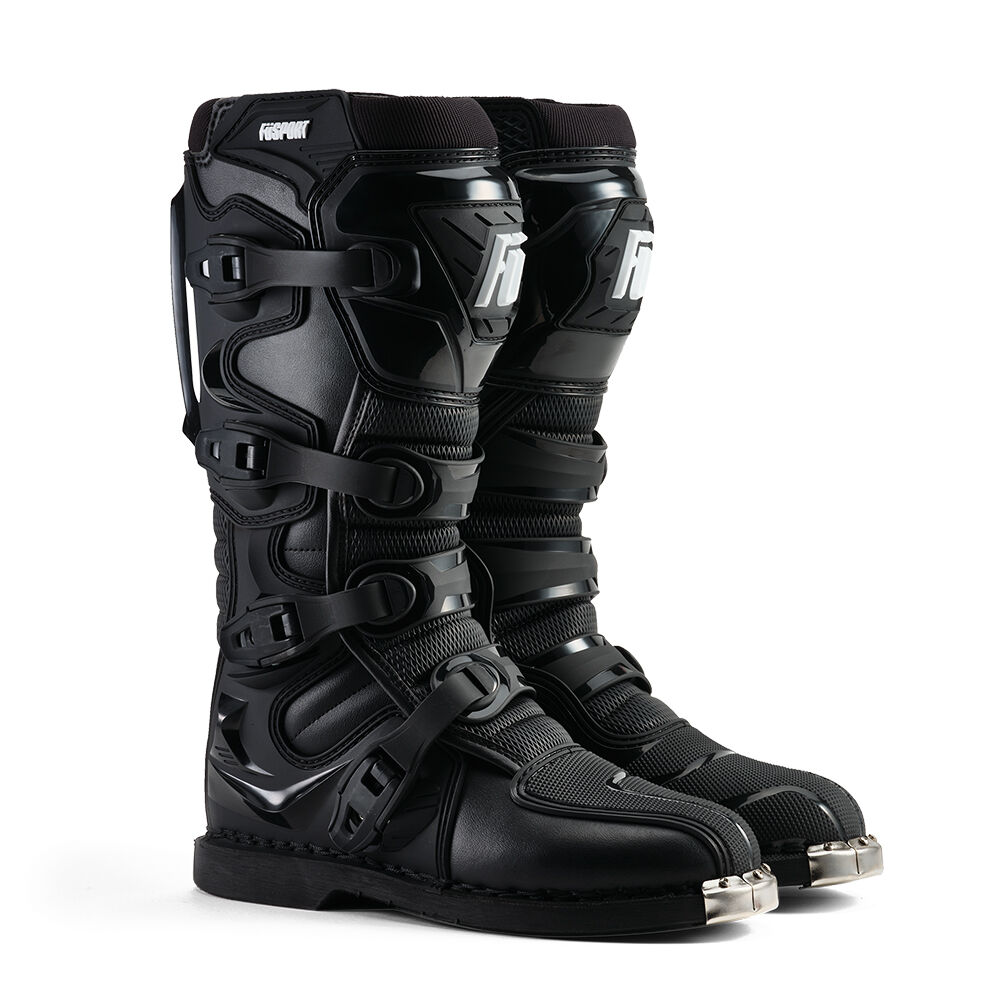


FUSPORT DIRT PILOT 2 BLACK/WHITE BOOTS
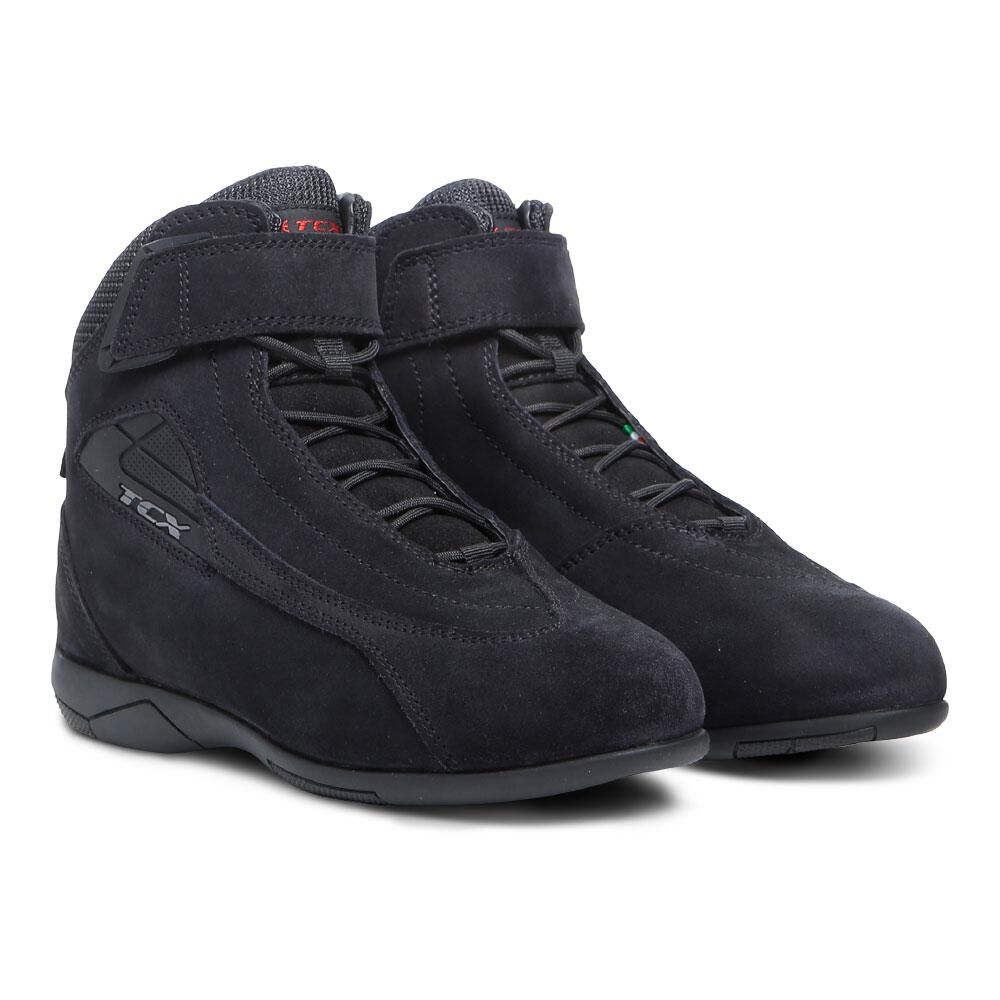

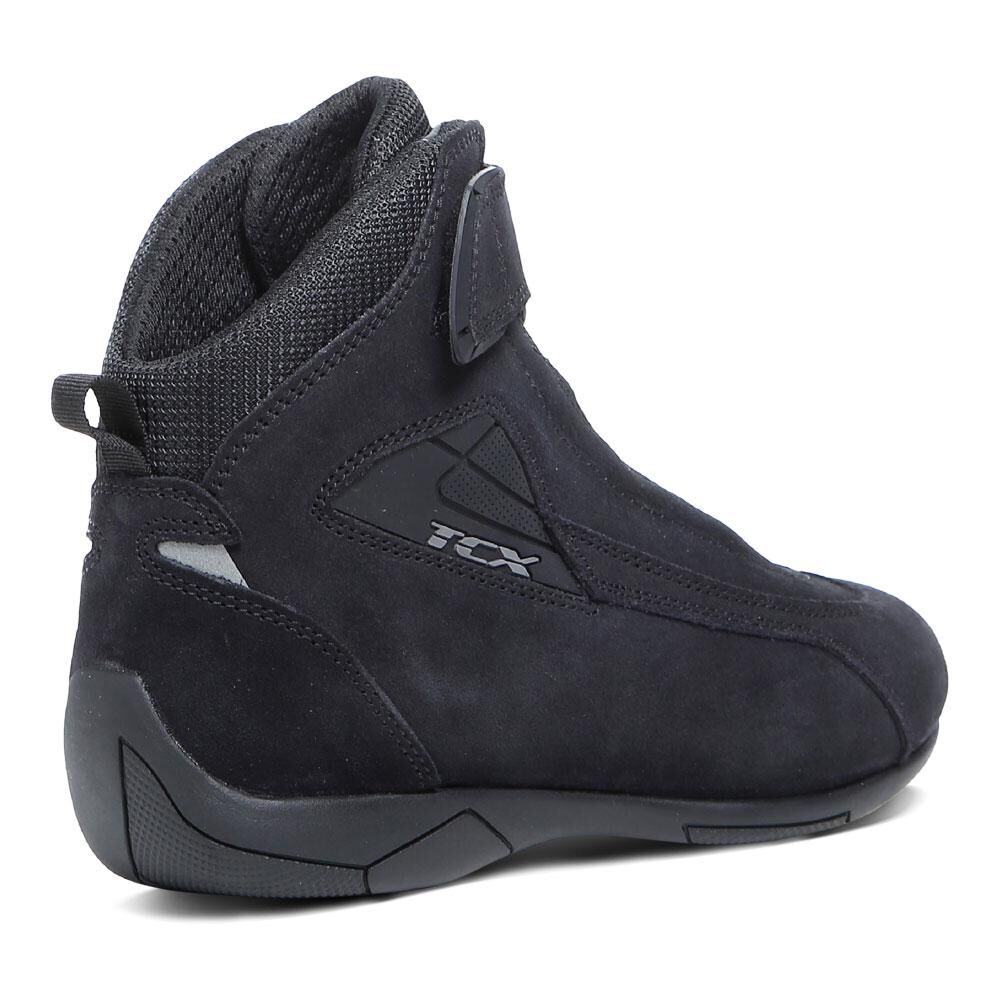

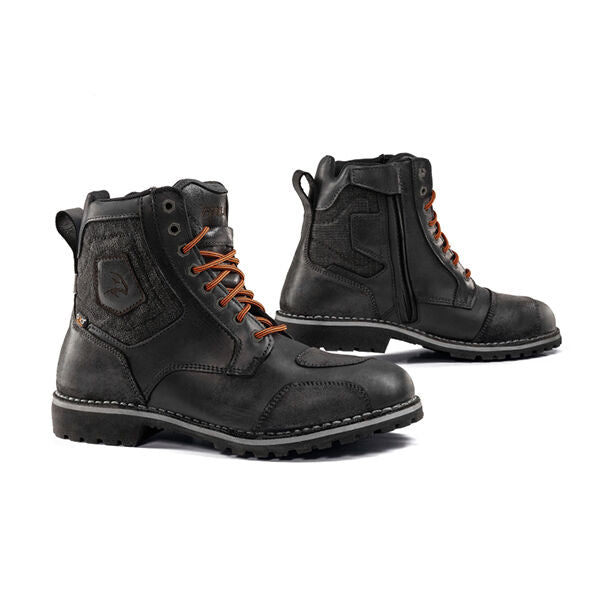
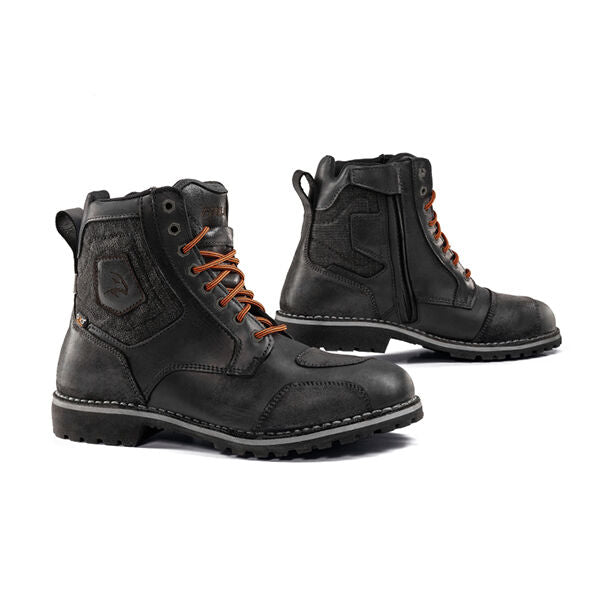
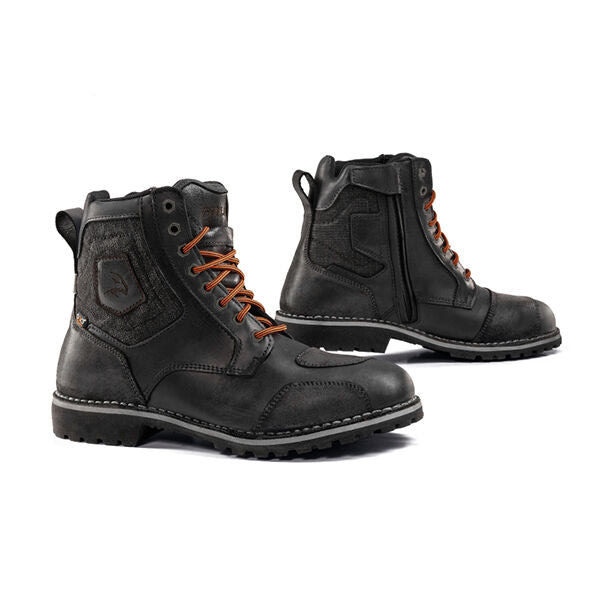
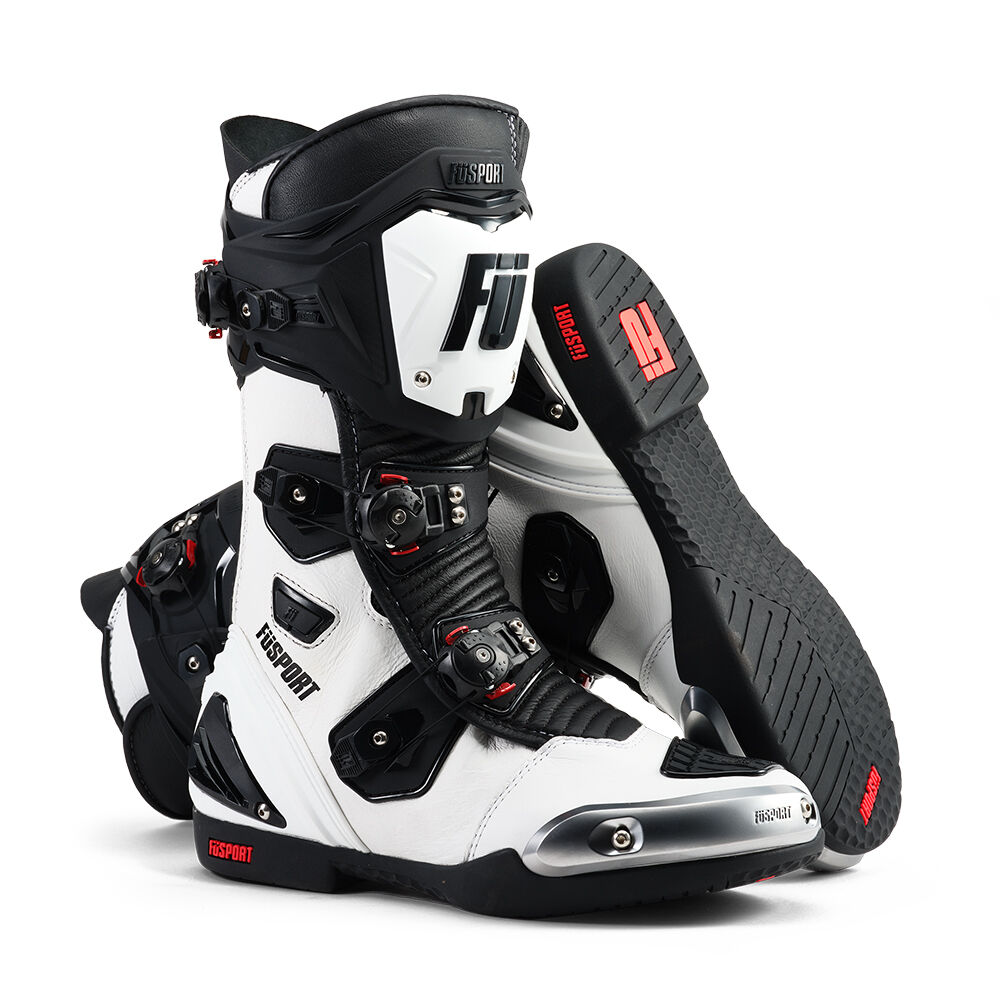


FUSPORT XR1 XTREME R BLACK/WHITE BOOTS
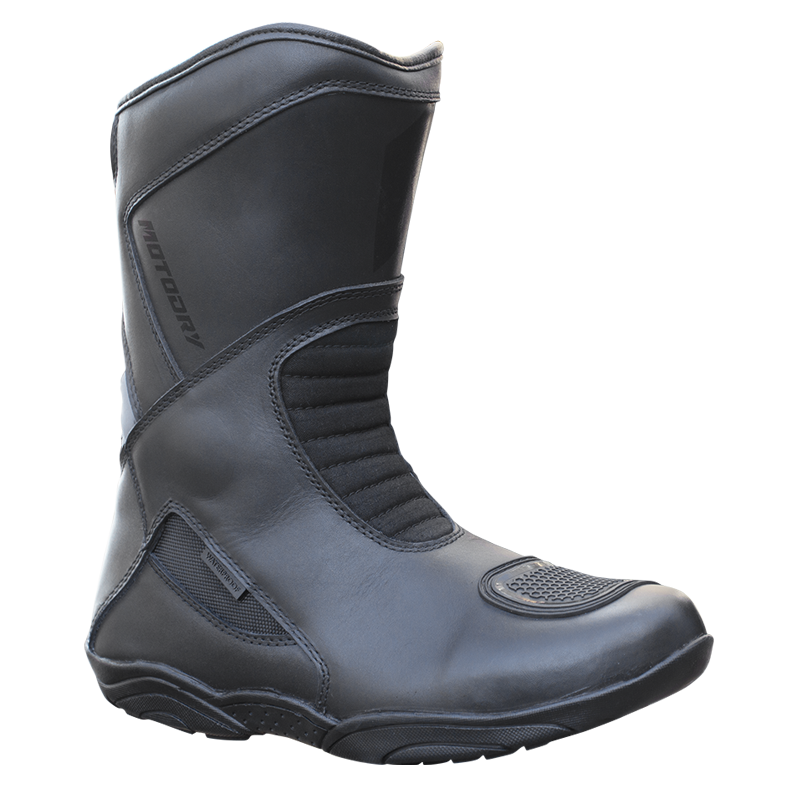
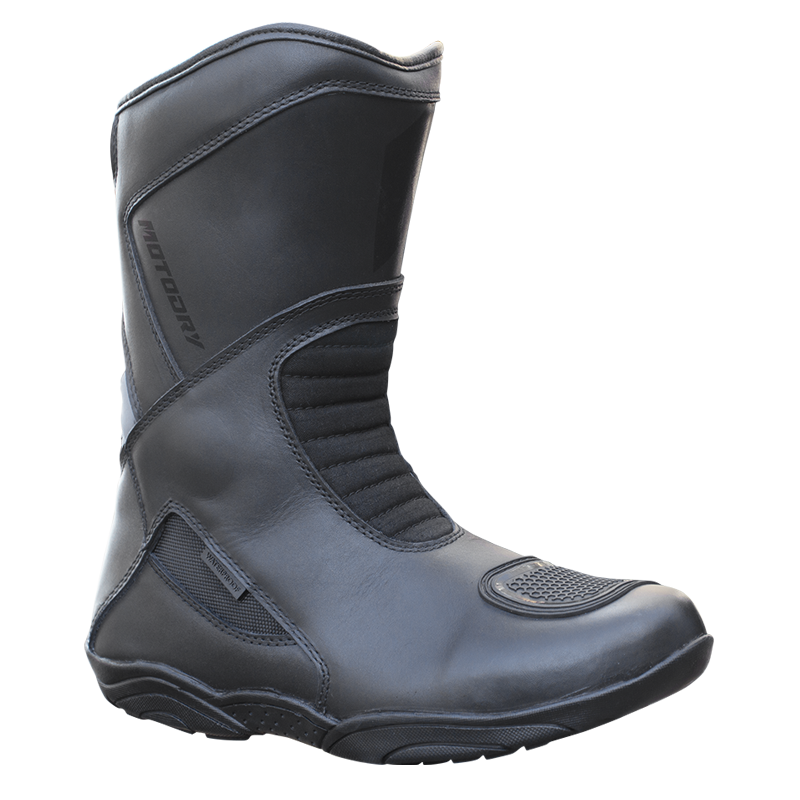
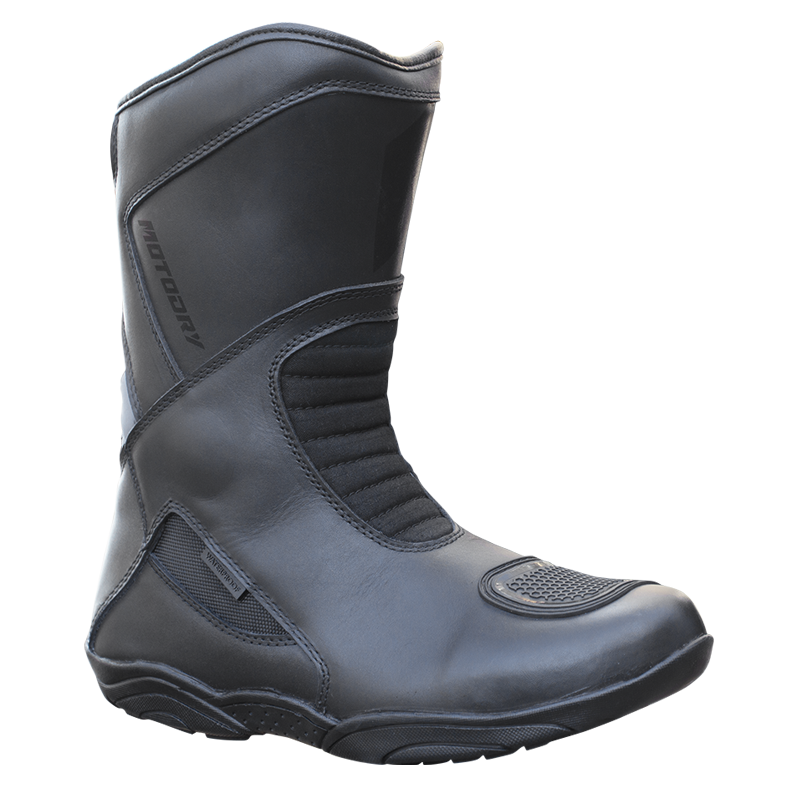
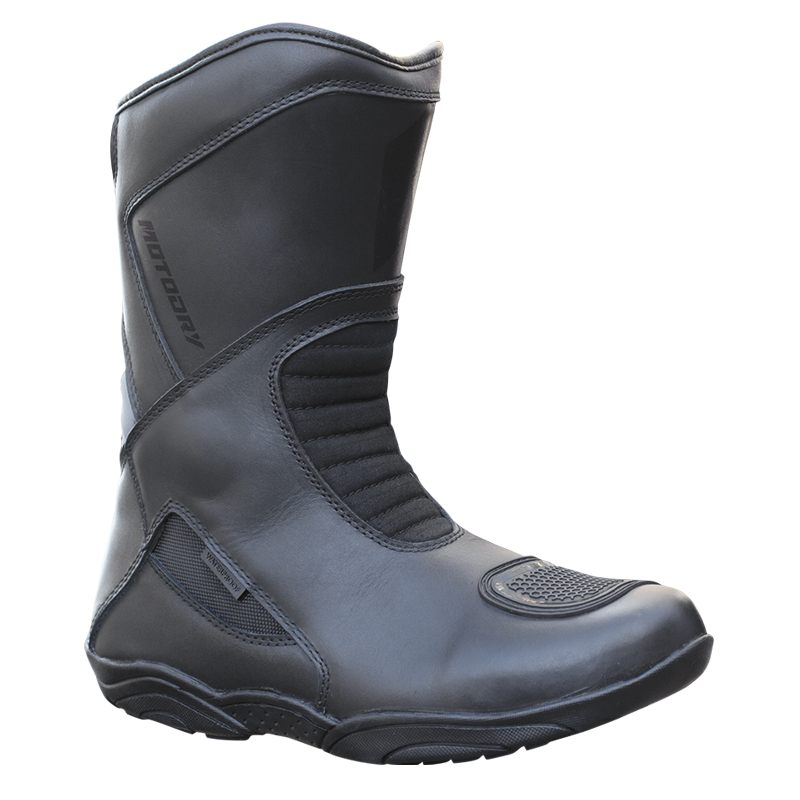
MOTODRY TOUR V2 MENS BOOTS BLACK
Choosing the Right Motorcycle Boot
The boot you ride in determines how much protection stands between your ankle and a 40 kg machine falling on it. CE certification under EN 13634:2017 is the baseline standard for all serious riding footwear. A certified boot is tested for cut resistance, heel energy absorption, transverse rigidity and ankle displacement. Level 2 is the higher rating in each category and represents the benchmark for road and track use.
Boot Construction: What the Materials Tell You
Leather remains the benchmark material for abrasion resistance in motorcycle footwear. Full-grain leather uppers deliver significantly greater slide distance before wear-through compared with textile alternatives. Textile and mesh constructions trade some abrasion resistance for airflow, a meaningful trade-off on 35-degree Australian summers, and modern CE-certified textile boots compensate with TPU toe boxes, reinforced heel cups and external ankle armour. Most touring and adventure boots combine leather panelling at high-impact zones with textile or mesh panels for ventilation. Riders pairing boots with EN 17092 AA-rated pants benefit most from Level 2 ankle-rated footwear, where the boot and pant system work together to cover the lower leg transition zone.
Sole and Ankle Standards to Know
EN 13634:2017 tests boots across 4 performance zones: Zone 1 (upper abrasion), Zone 2 (upper cut), Zone 3 (transverse rigidity of the sole), Zone 4 (ankle energy absorption). A Level 2 rating in all four zones is the gold standard. Midsole penetration resistance and oil-resistant rubber outsoles are standard on touring and road-specific designs. Adventure and off-road boots typically add a steel or TPU midsole shank rated to resist penetration from trail debris.
Style vs Use Case: Quick Reference
| Style | Typical Construction | Key Protection Feature | Best For |
|---|---|---|---|
| Road / Sport | Full-grain leather, CE EN 13634 | Level 2 ankle displacement | Street, sport, daily commute |
| Touring / Adventure | Leather + textile hybrid | Waterproof membrane, TPU shank | Long-haul, mixed terrain |
| Off-Road / MX | Injected TPU shell, textile liner | Multi-pivot buckle system, torsion control | Trails, enduro, MX circuits |
| Casual / Urban | Leather or textile upper | Reinforced toe and heel, CE Level 1 | Short rides, cafe riding, commuting |
Fit and Sizing
Motorcycle boot sizing runs true to EU scale across most brands stocked here. TCX and Falco both offer anatomical last construction that matches the natural foot shape over a full day of riding. A correctly fitted boot holds the heel firm with no more than 5 mm of lift under braking load. Merlin and Motodry touring boots accommodate thicker technical socks; factor in at least one sock thickness when sizing. Adventure boots are generally sized to fit over mid-weight hiking socks, leaving roughly 10 mm of toe room.
Frequently asked questions
What is the difference between CE Level 1 and Level 2 motorcycle boots?
CE EN 13634:2017 tests boots across four zones covering abrasion, cut resistance, sole rigidity and ankle energy absorption. Level 2 is the higher score in each zone. It means greater resistance to impact forces and longer slide distance before the upper is breached. Level 2 ankle protection is the target for road and sport riding; Level 1 is acceptable for casual and urban use where the risk profile is lower.
Are leather or textile motorcycle boots better?
Full-grain leather delivers superior abrasion resistance and is the preferred material for road and sport use. Textile and mesh boots offer better airflow, important for Australian conditions, and modern CE-certified textile designs compensate with TPU reinforcements at the toe, heel and ankle. For touring and adventure riding, a leather-textile hybrid gives the best balance of protection and comfort over long days.
How should motorcycle boots fit?
The heel should sit firm in the cup with no more than 5 mm of lift when you apply rearward brake pressure. Toes should have a small amount of room, roughly 10 mm, but not enough to slide forward under hard braking. Size with the socks you intend to ride in; touring and adventure boots in particular are typically cut to fit over thicker technical socks.