

Off-road helmets are built for dirt, dust and full-throttle airflow. This range covers motocross and adventure lids from Nitro, LS2, Bell, Airoh, Leatt, Thor, Shot and RXT, with extended peaks, wide eye-ports for goggles and lightweight shells that cut neck fatigue on long trail and track days.
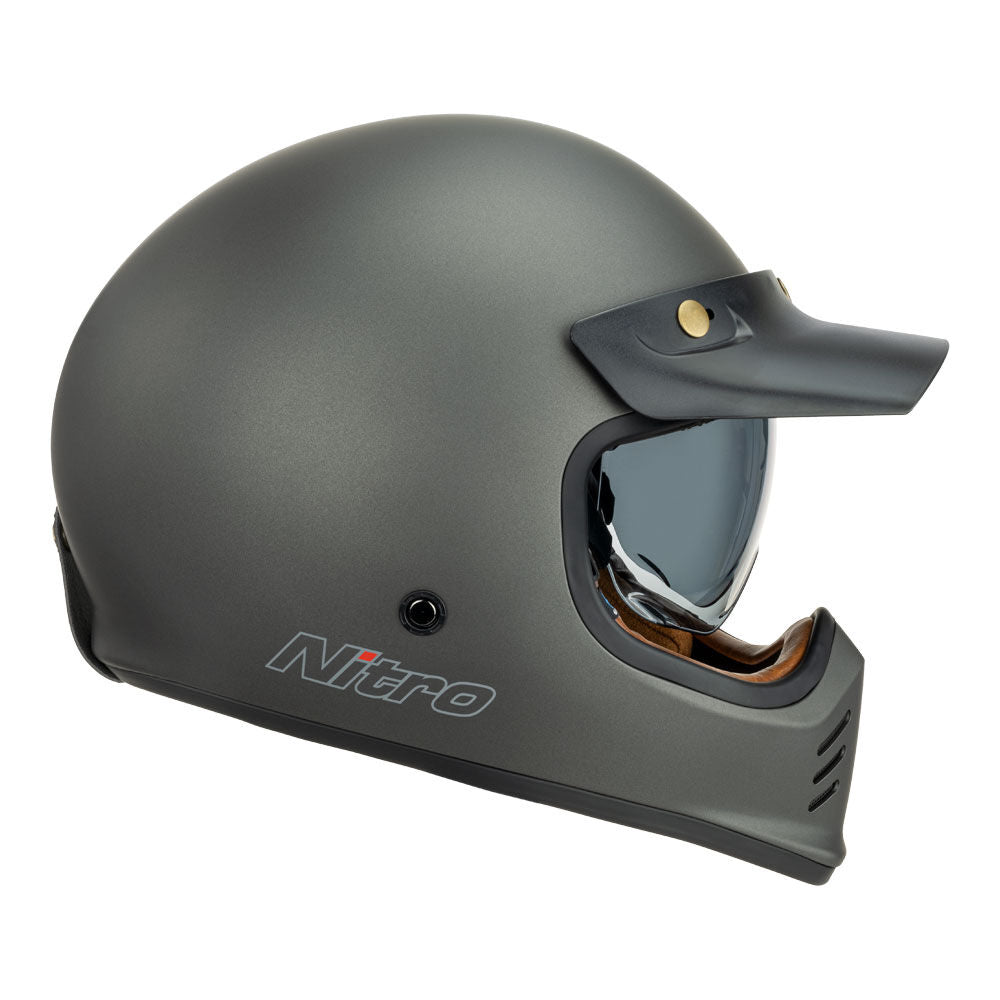
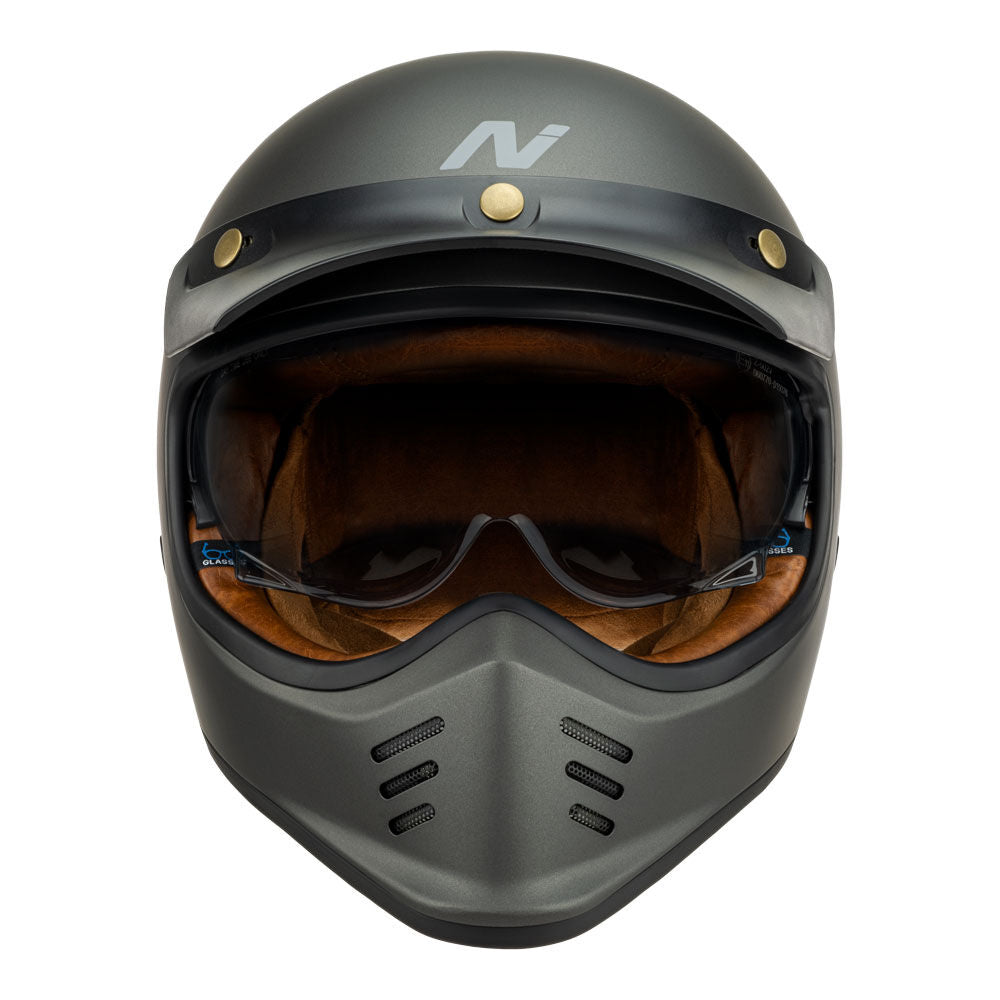
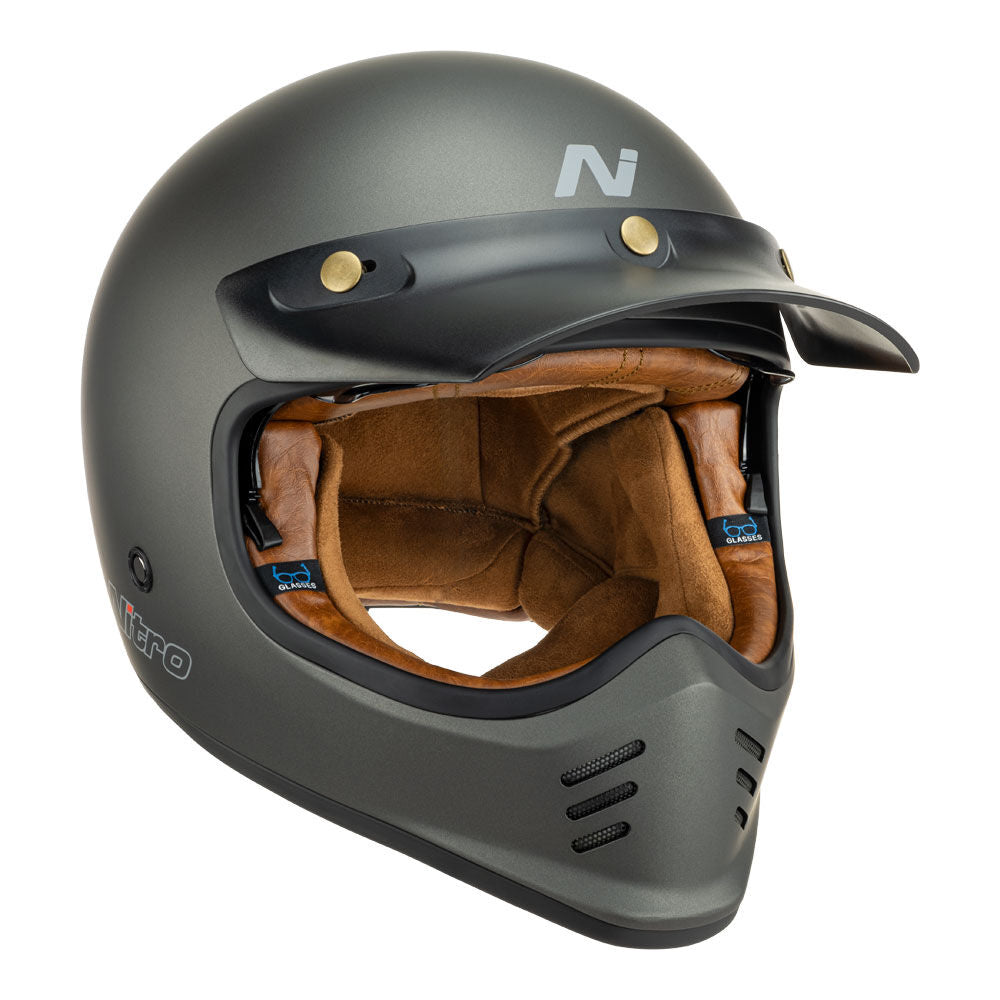
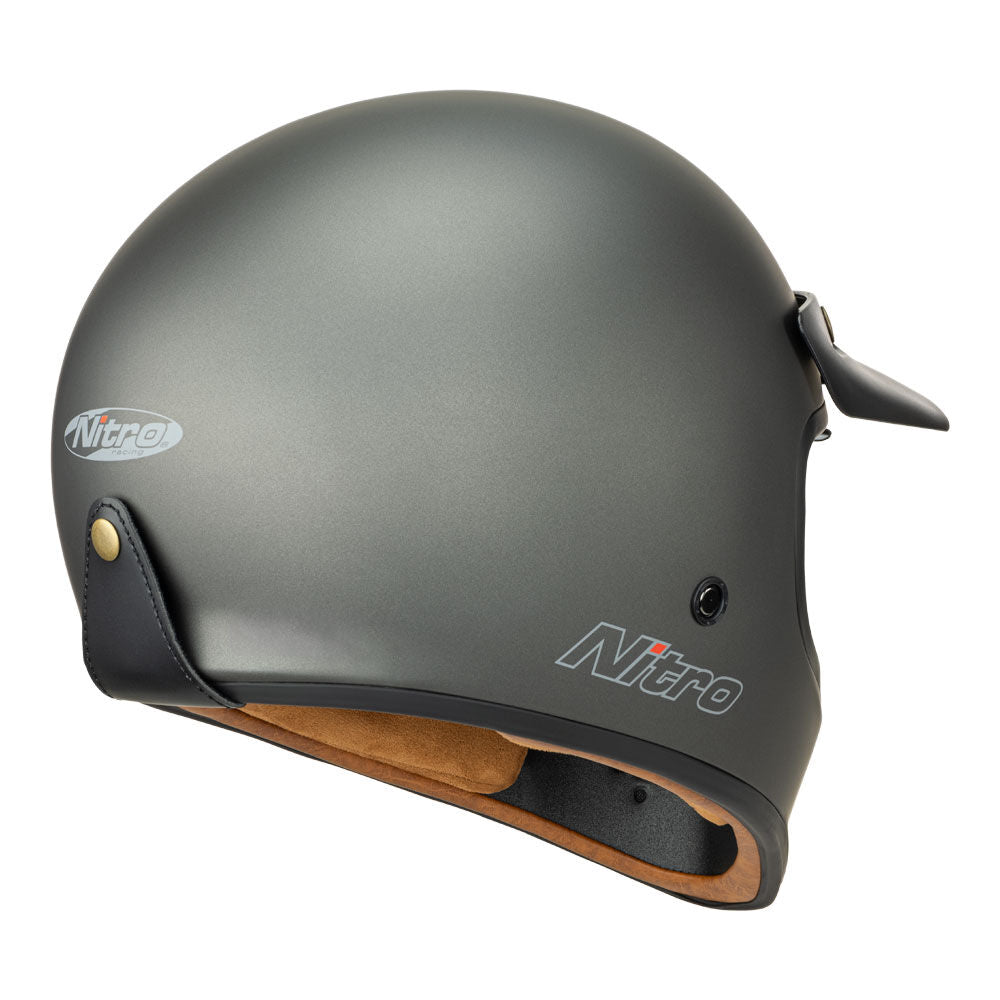
NITRO MX502 RETRO MX SATIN GRAPHITE L
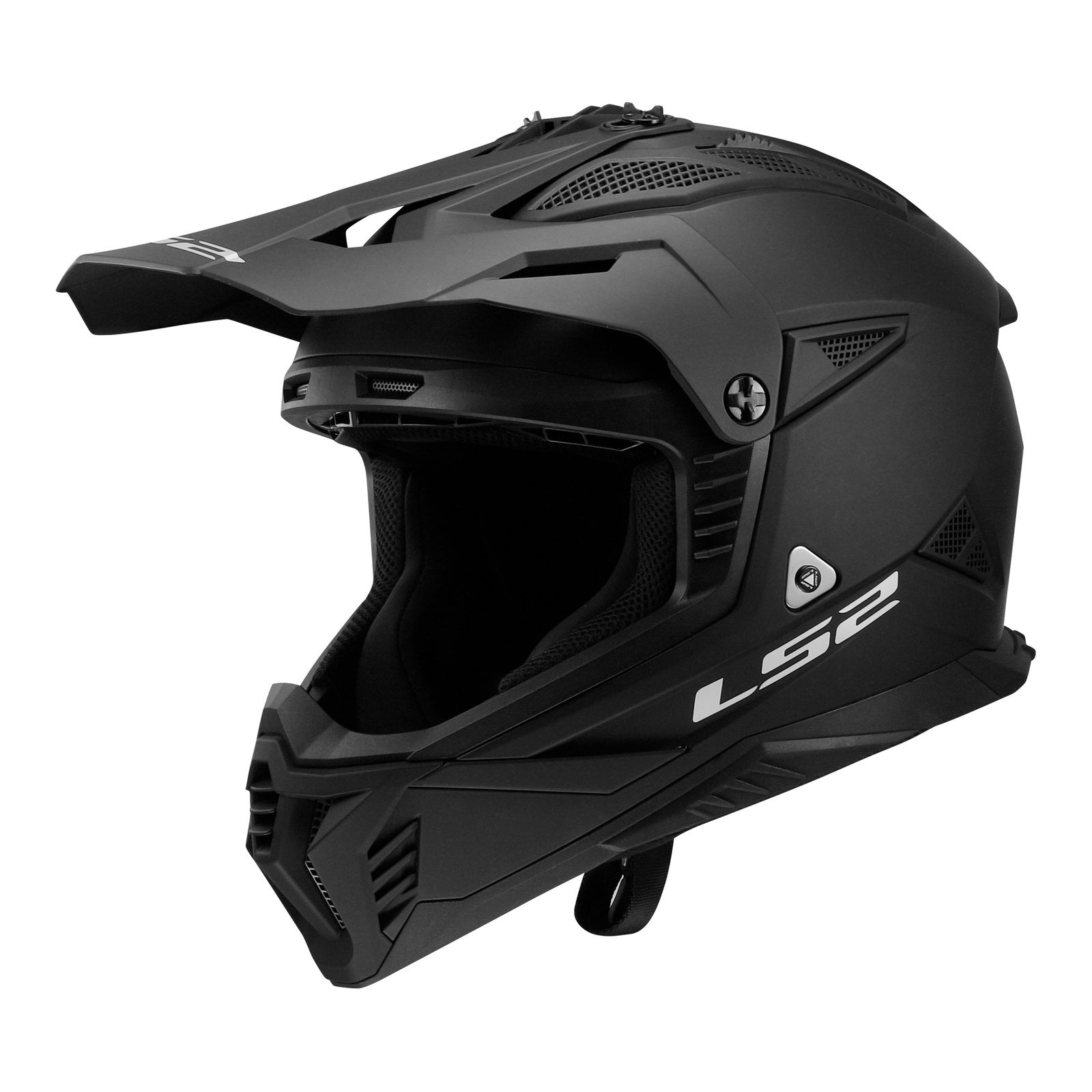
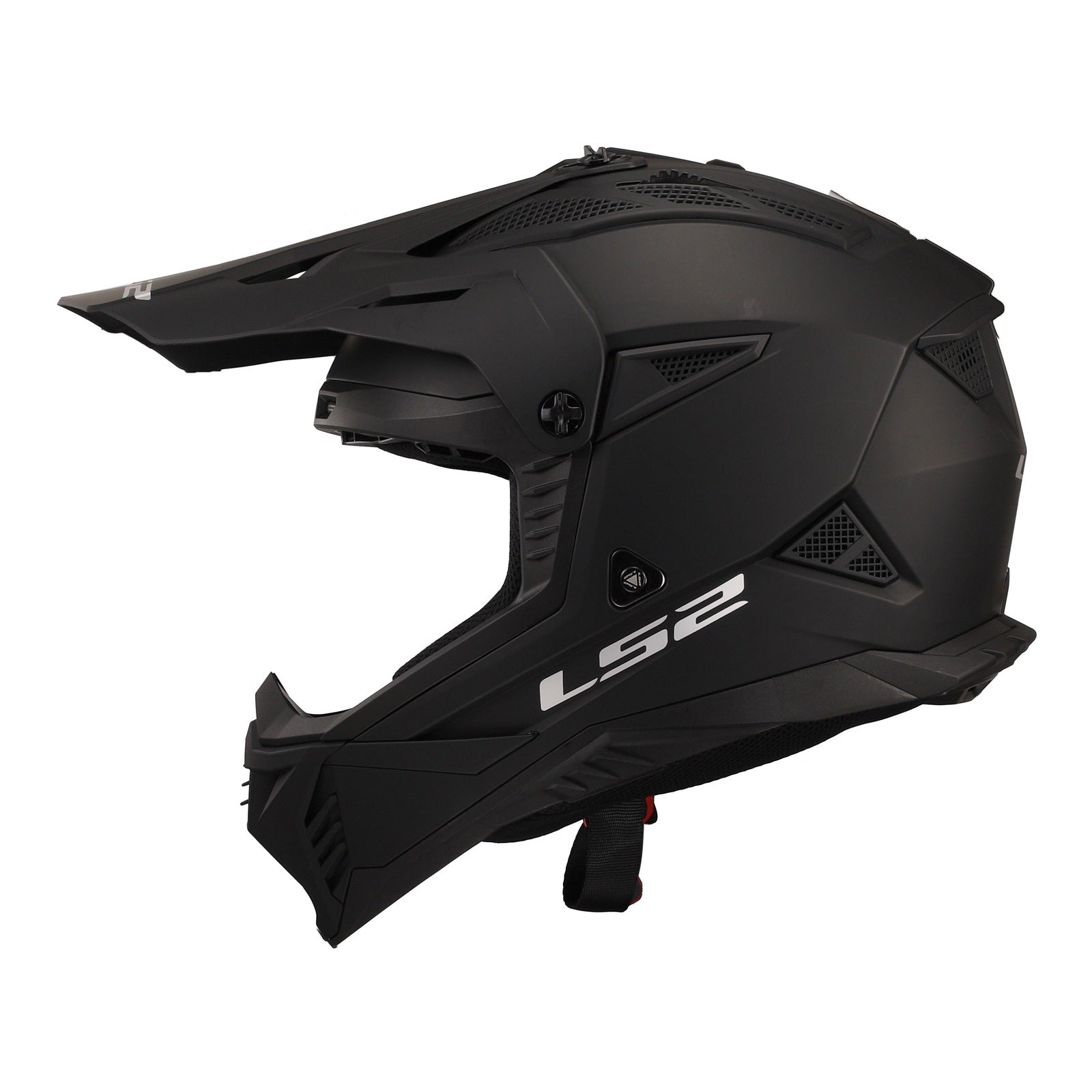
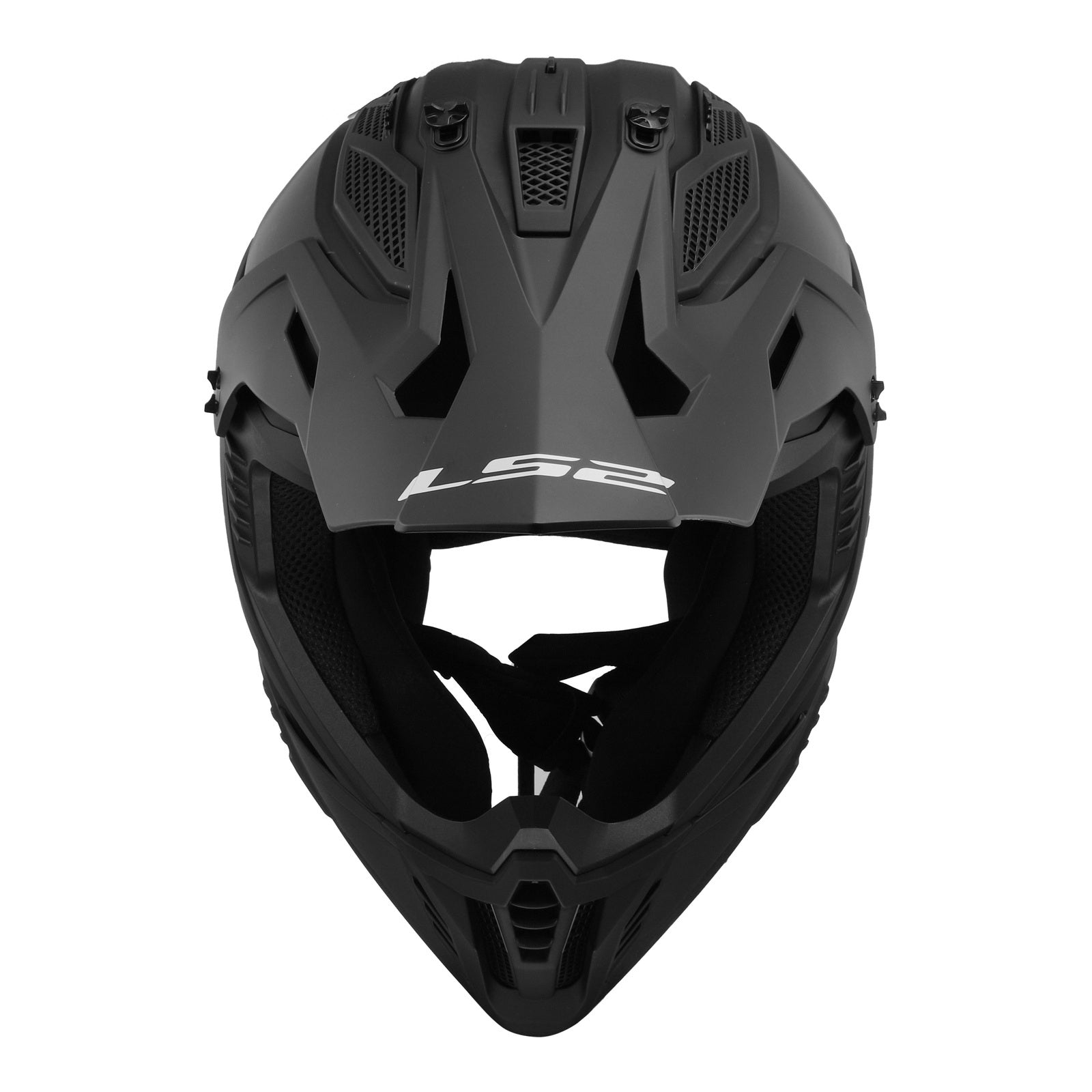
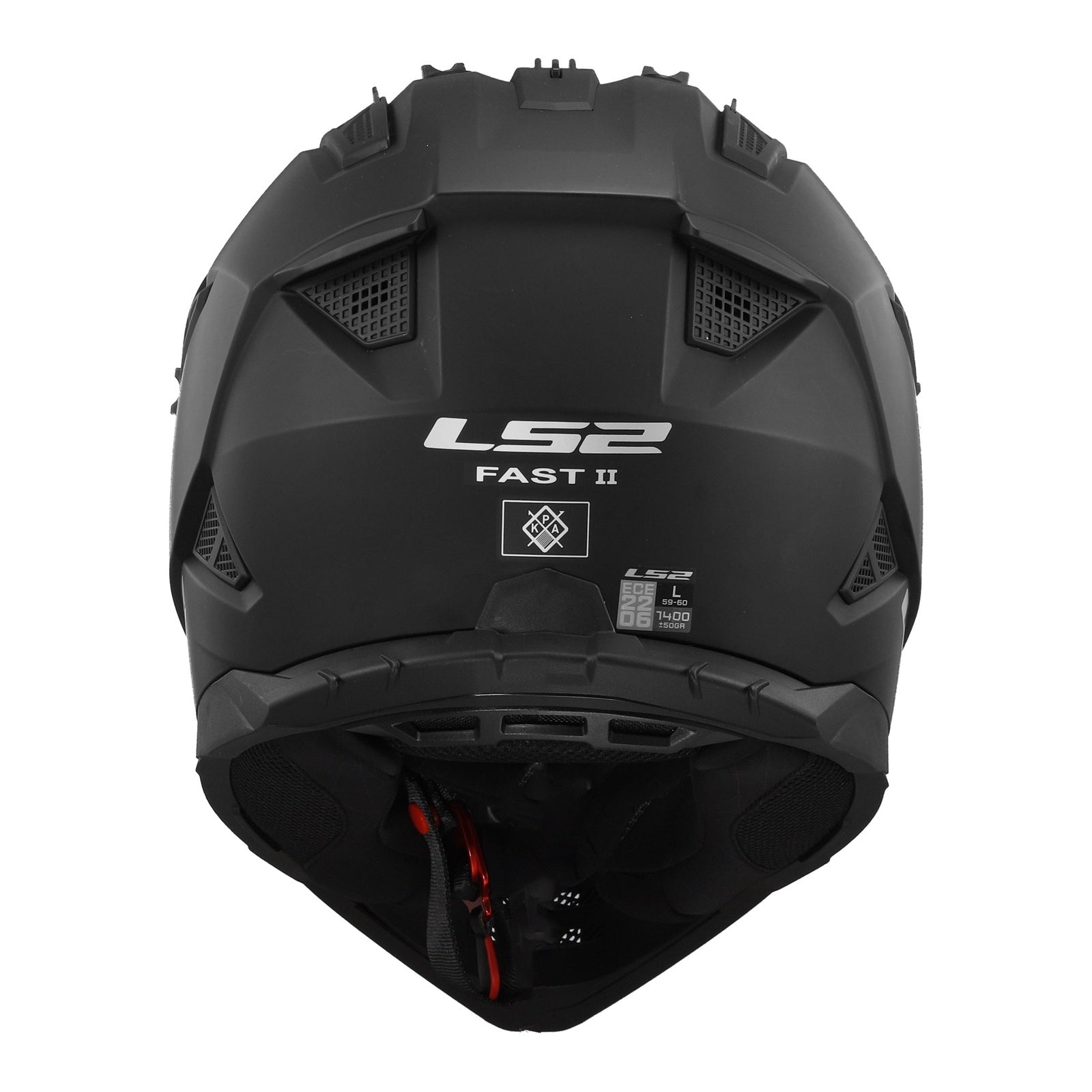
LS2 MX708 Fast II - Matte Black 06


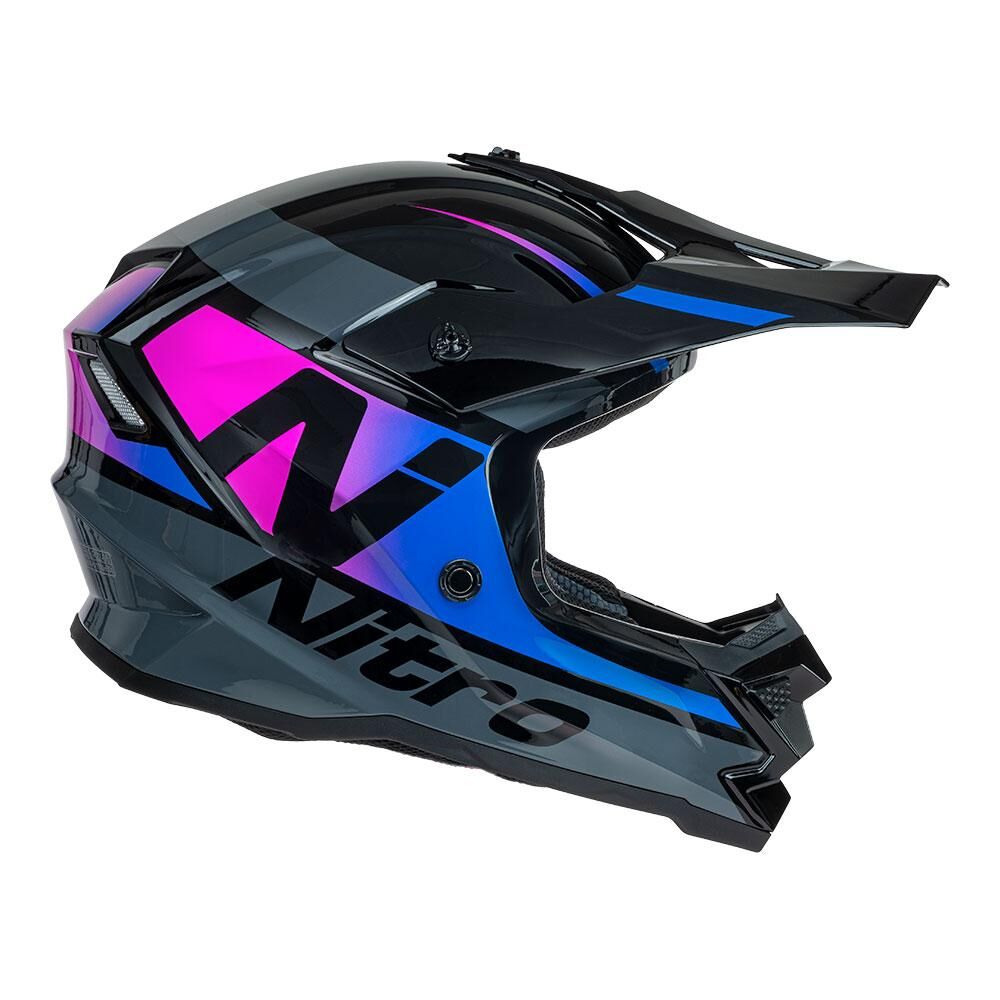
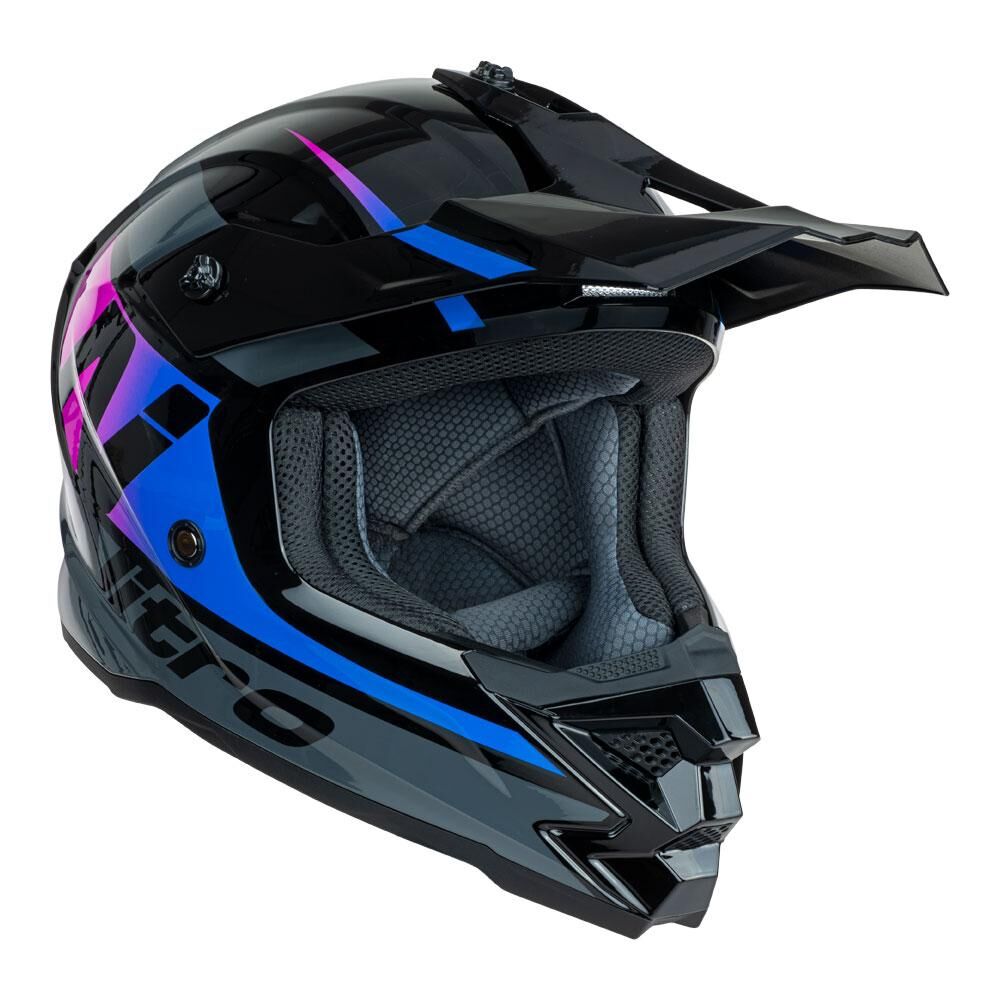
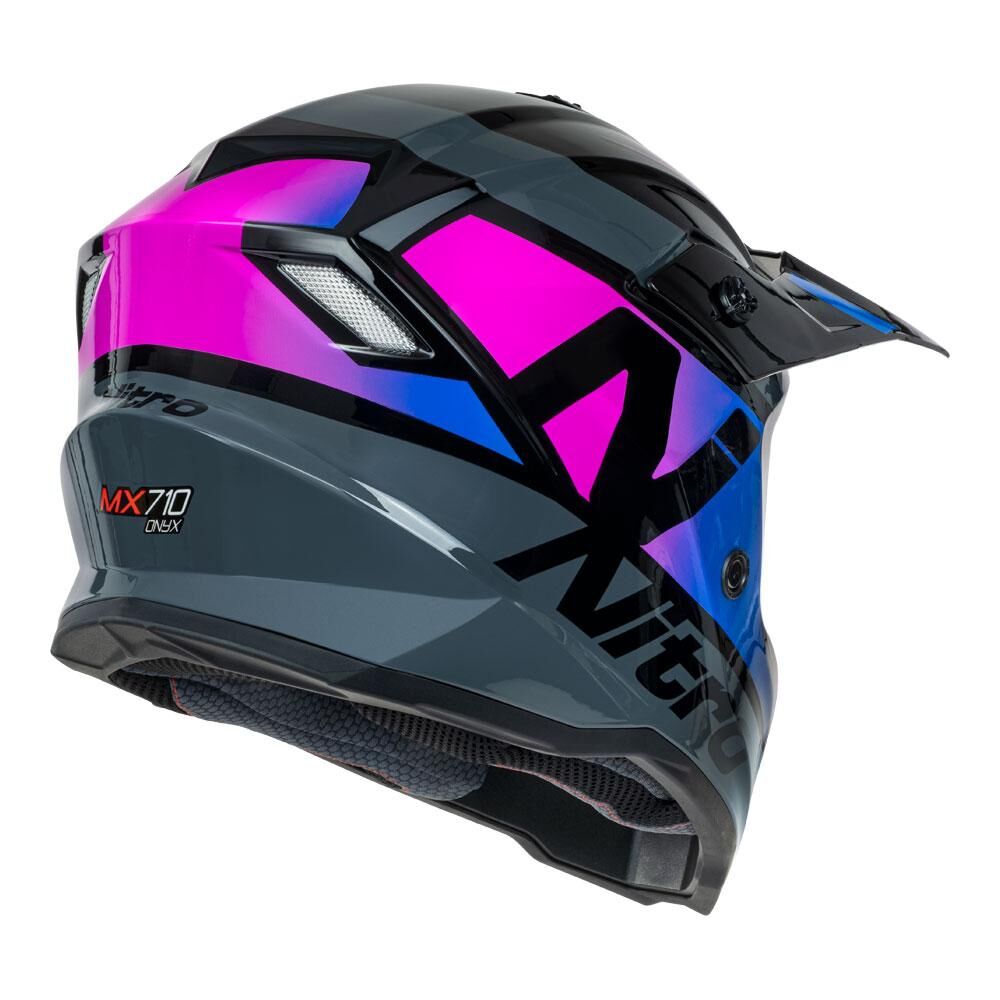

NITRO MX710 YOUTH ONYX PURPLE/PINK
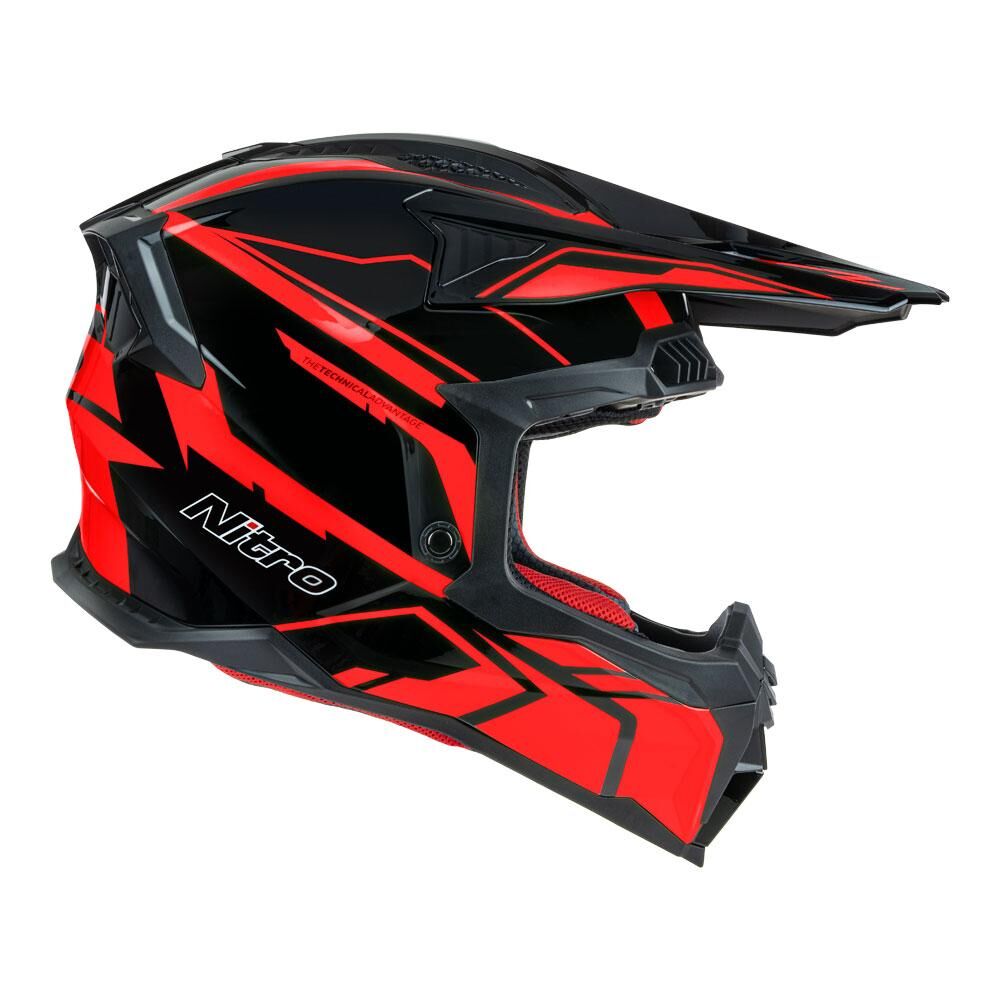
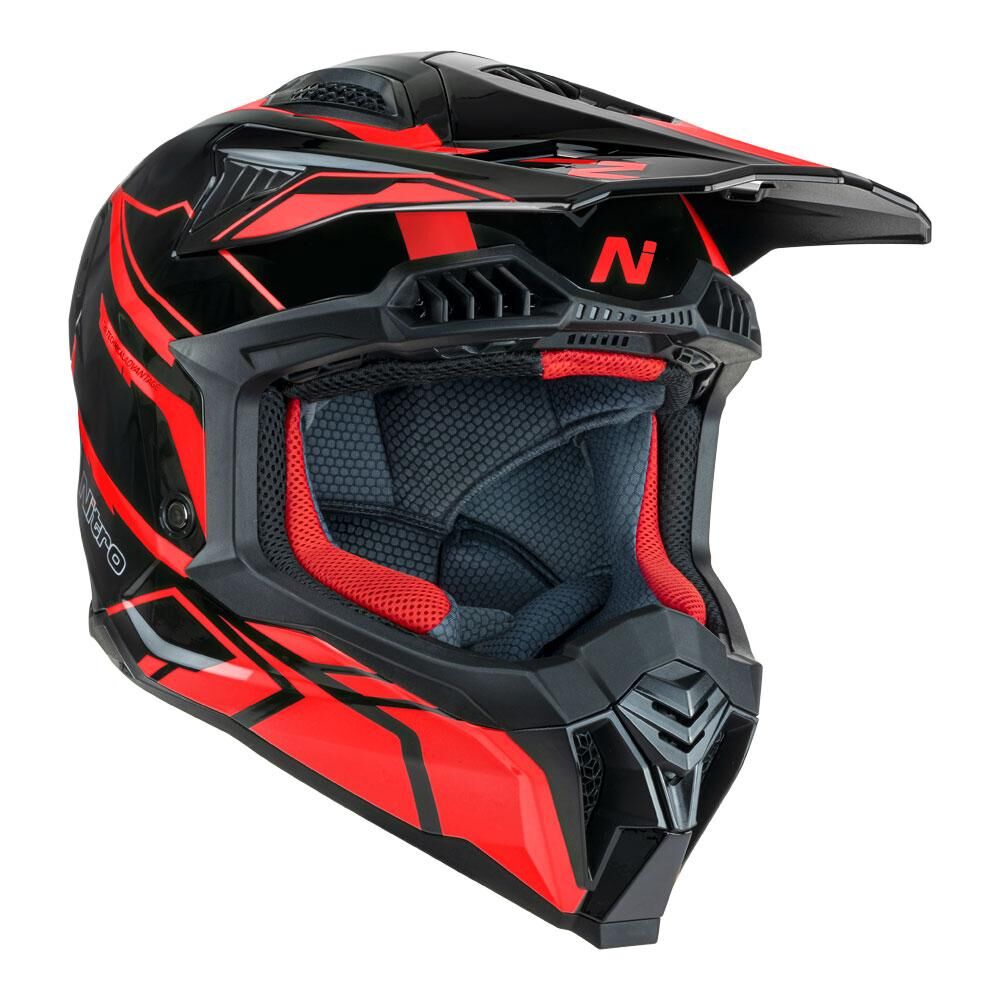

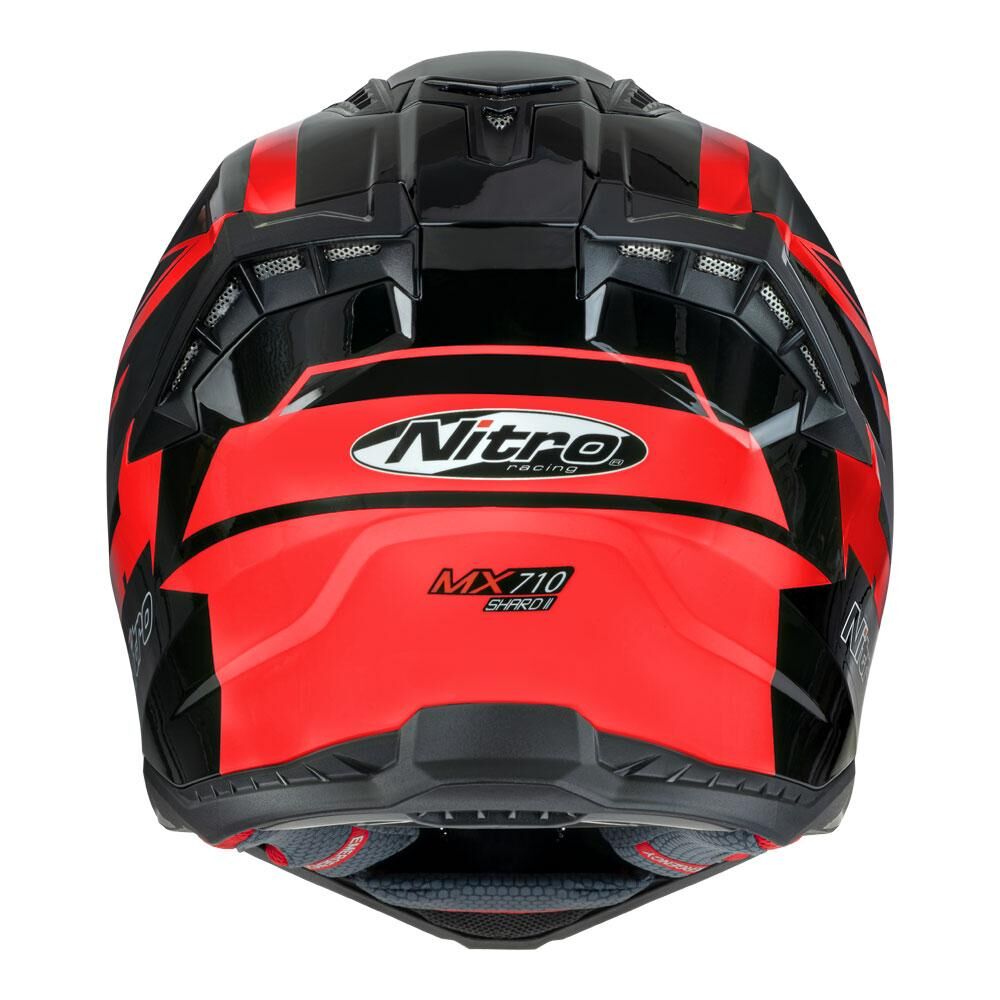
NITRO MX710 SHARD II RED/BLACK


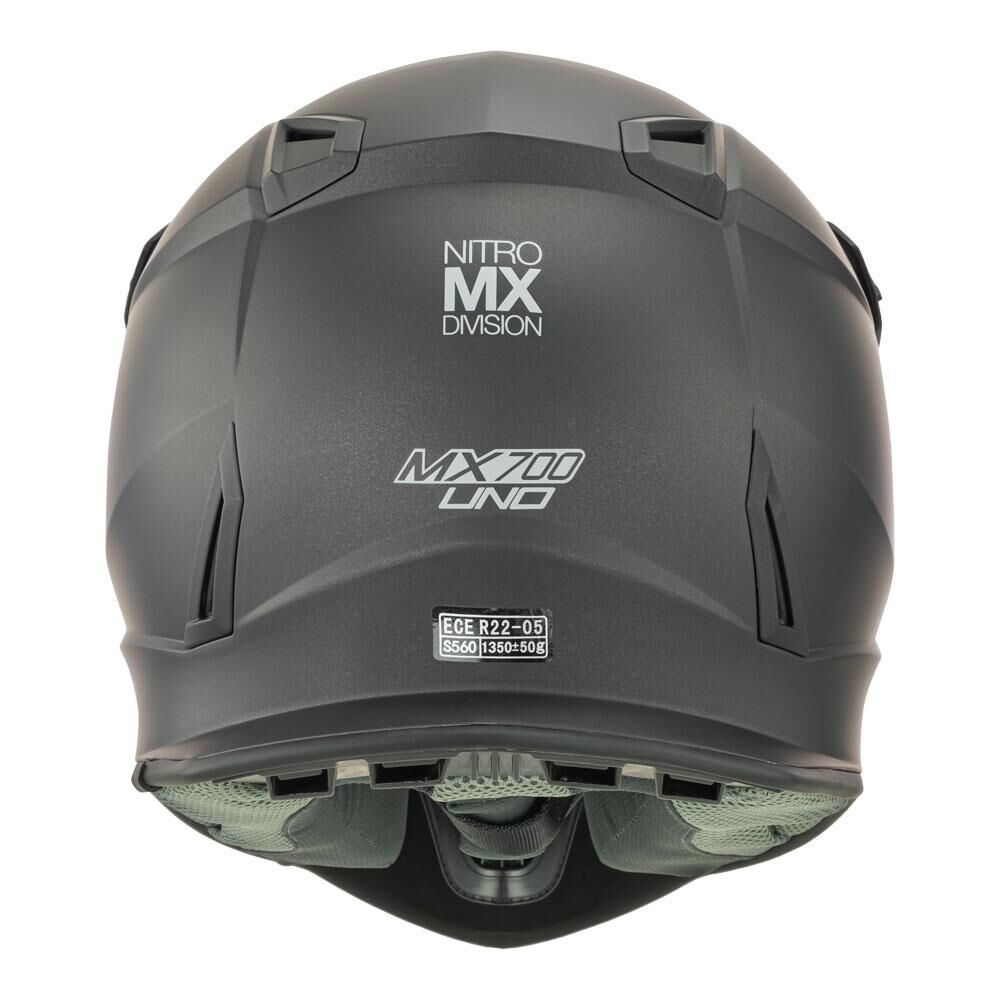
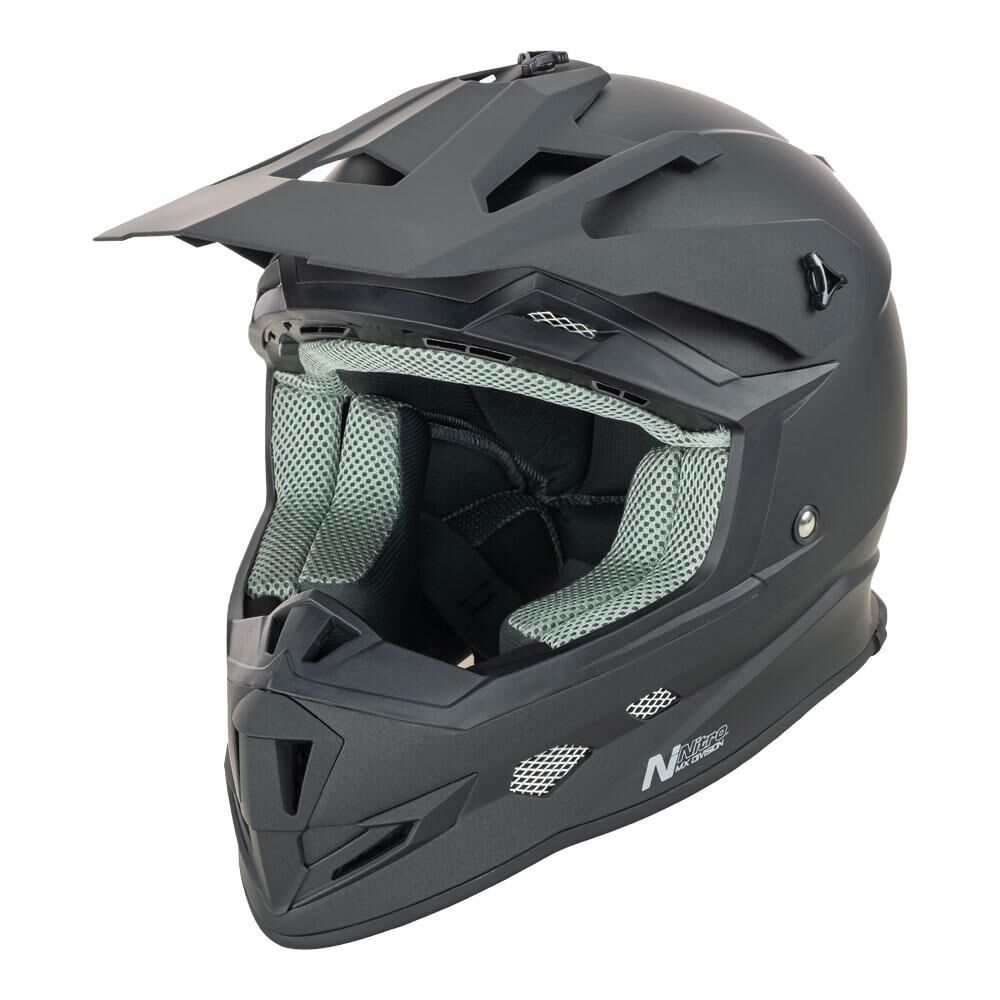
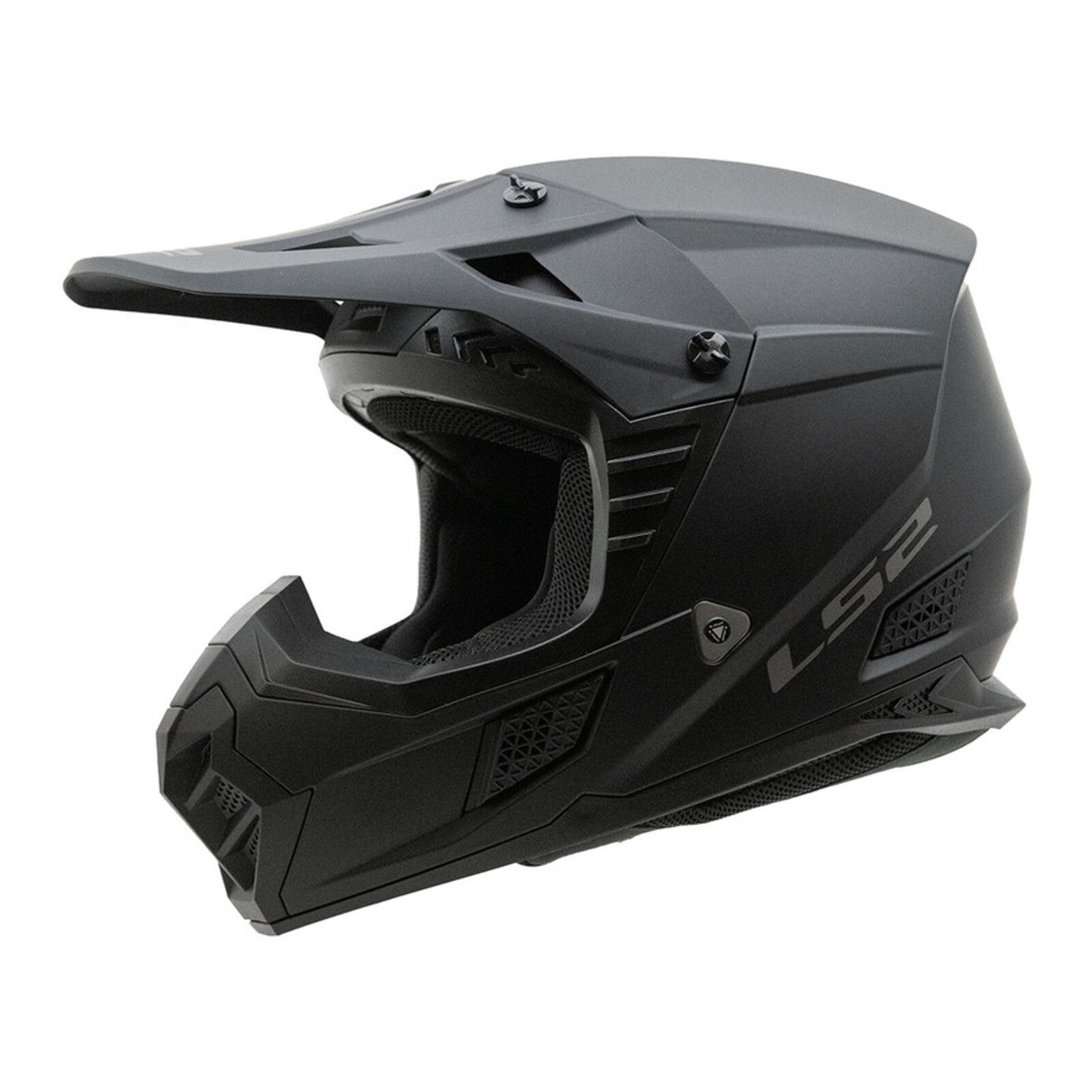
LS2 MX706 COZ Helmet - Matte Black 06
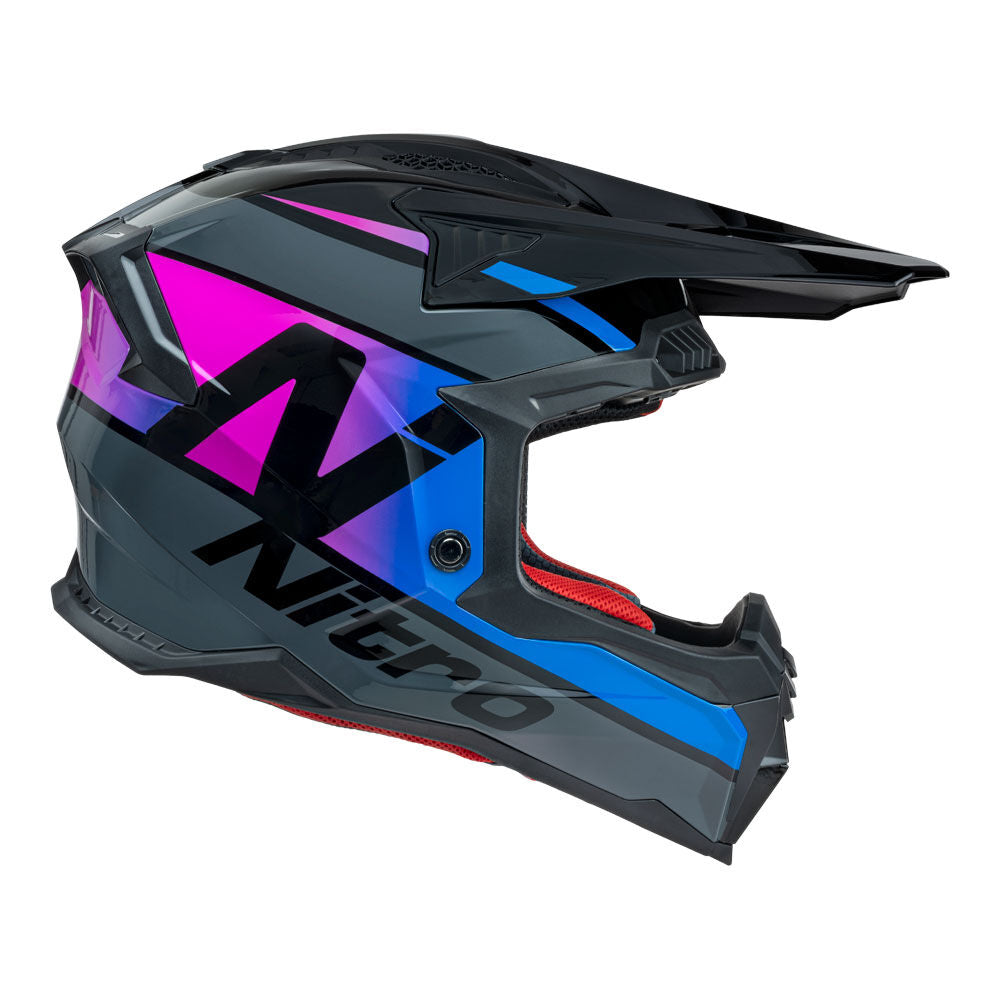
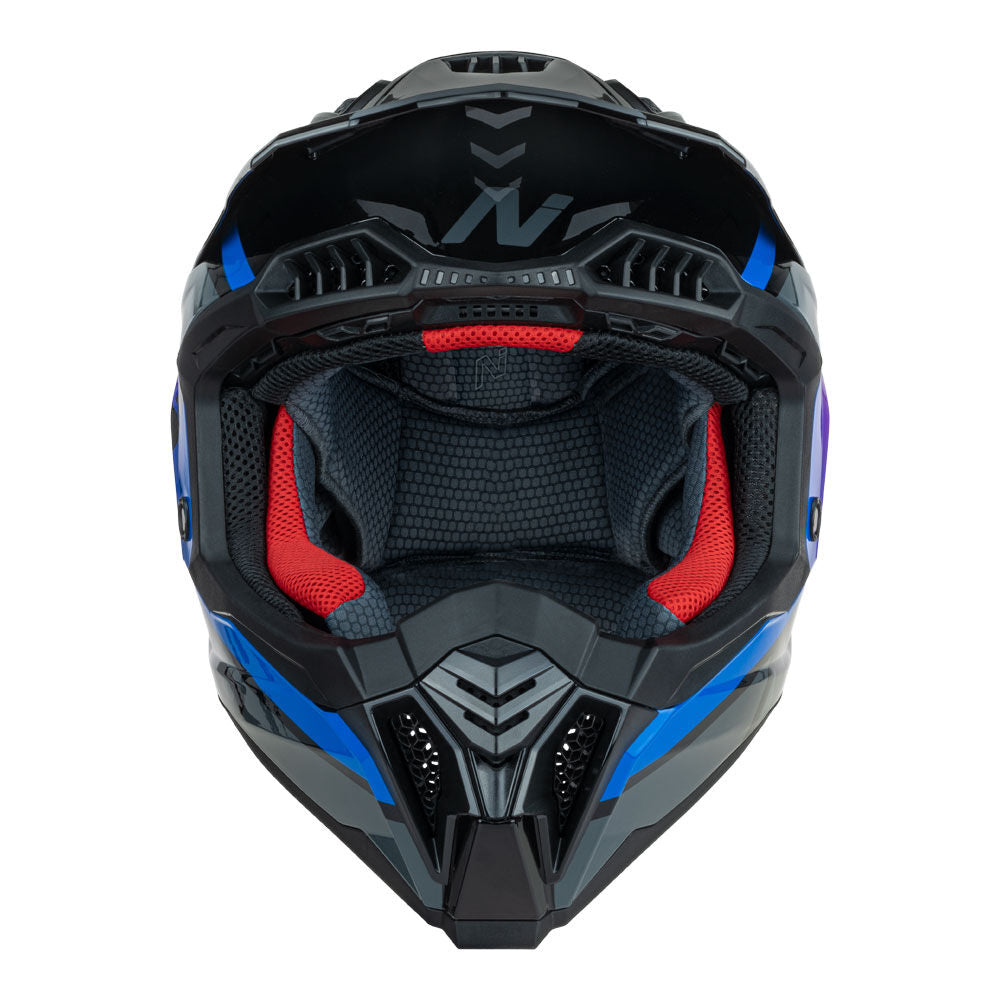
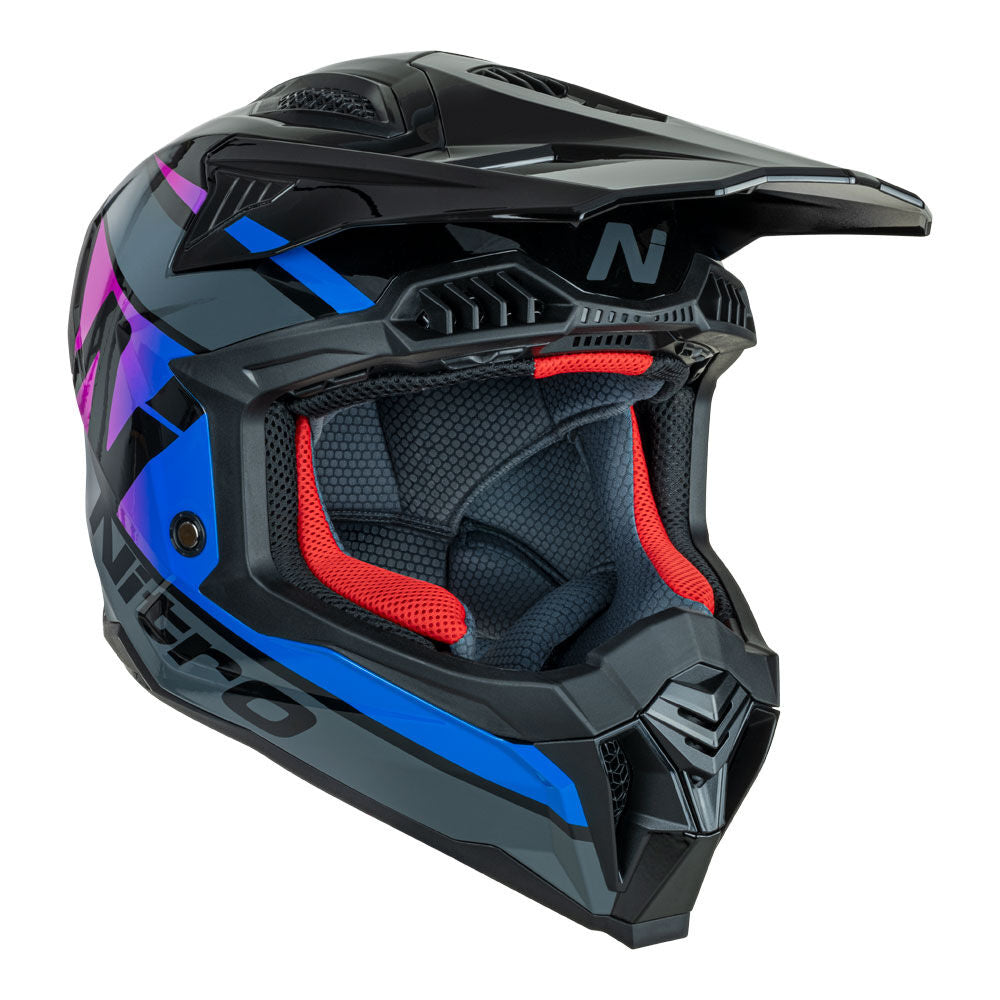
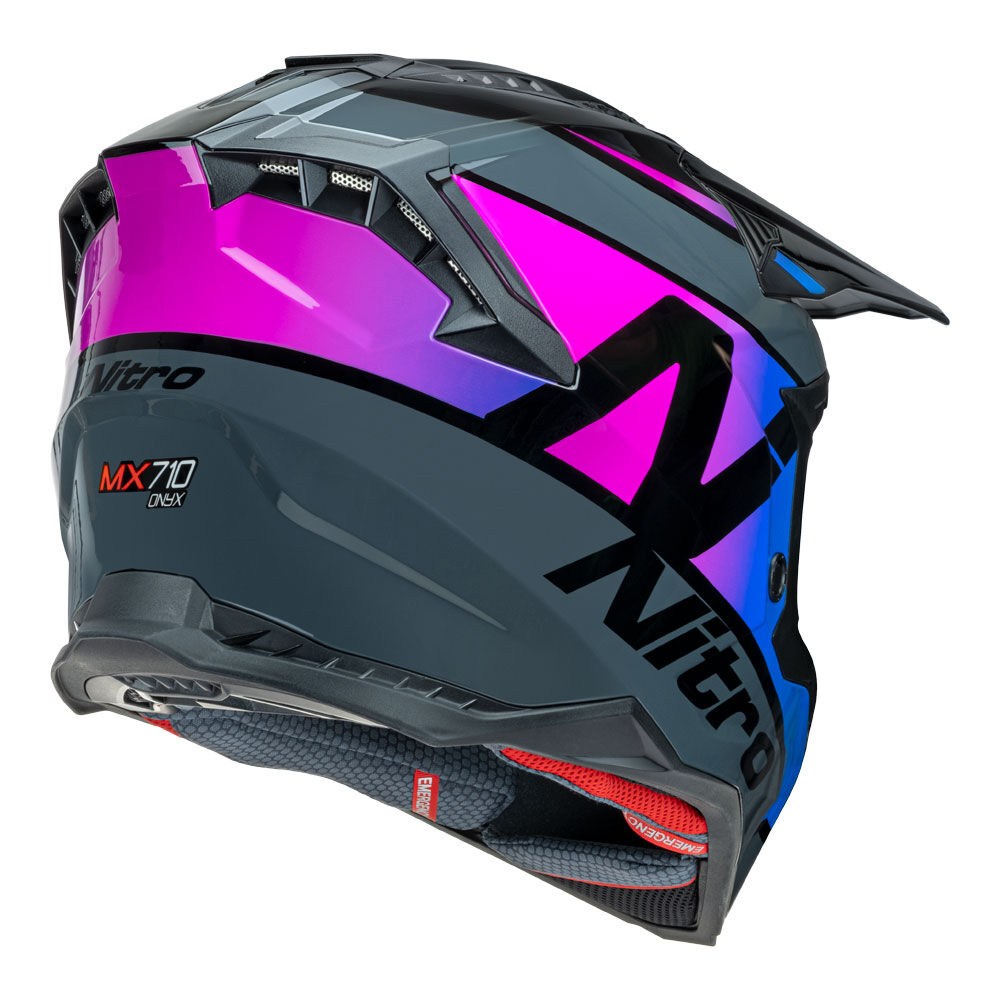
NITRO MX710 ONYX PURPLE/PINK M
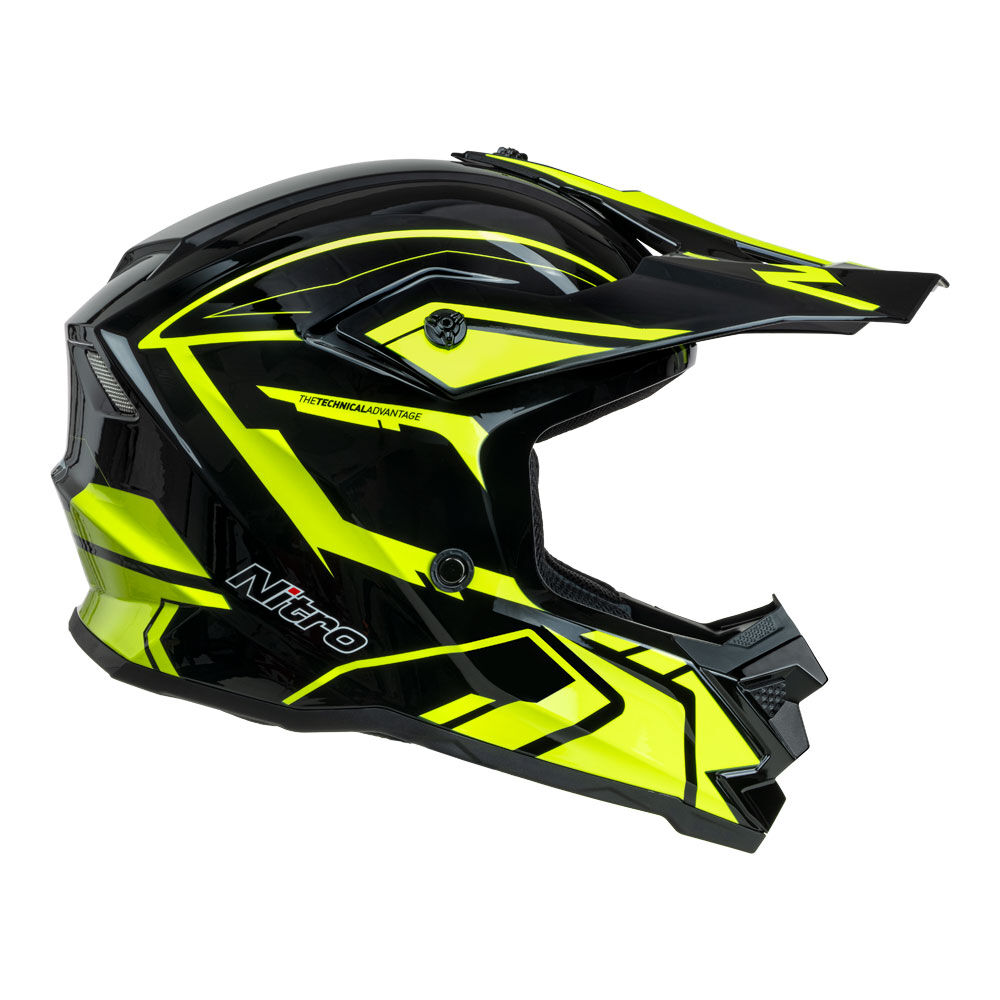
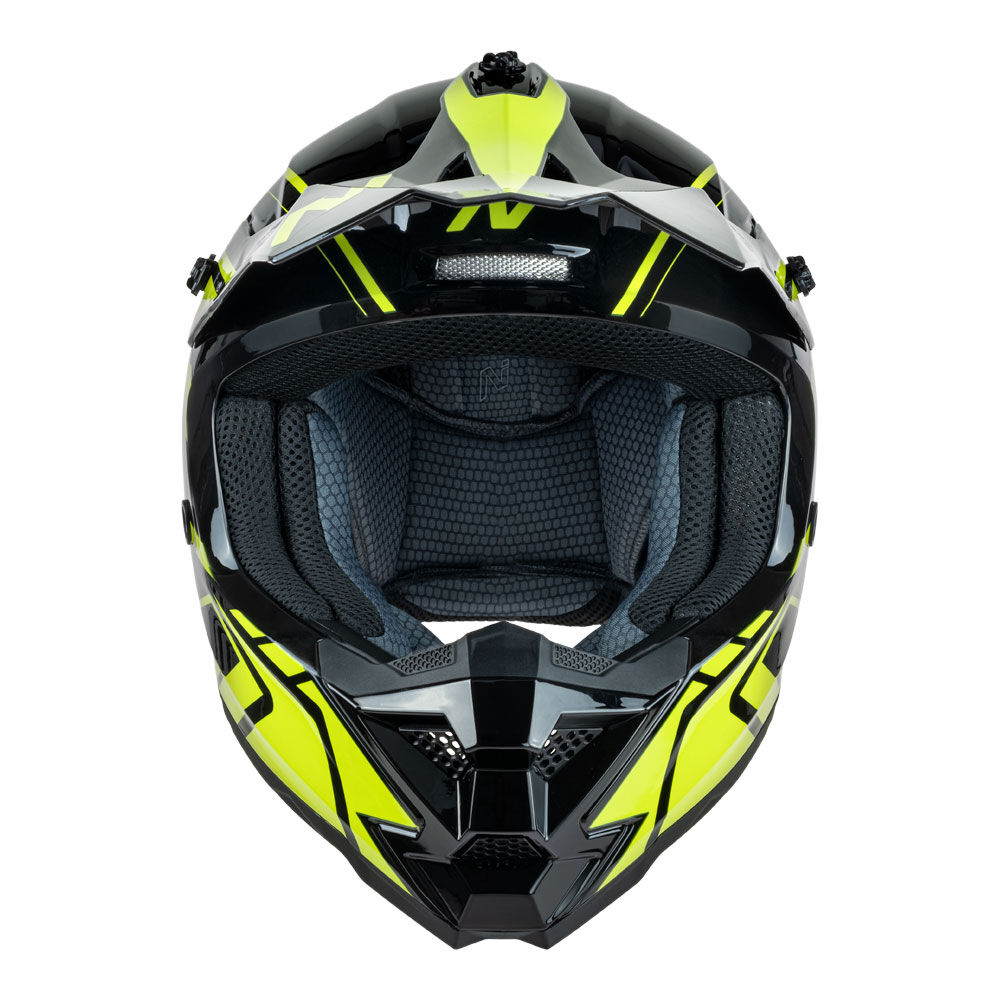
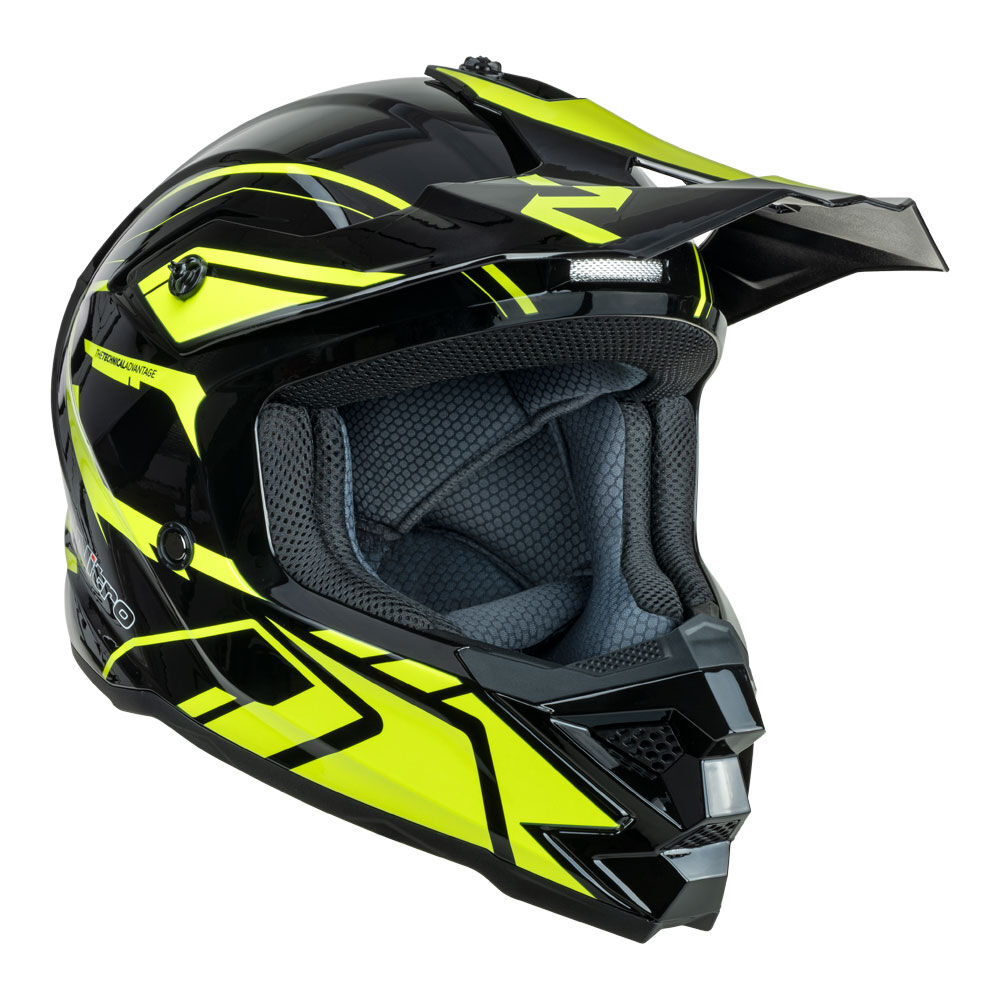
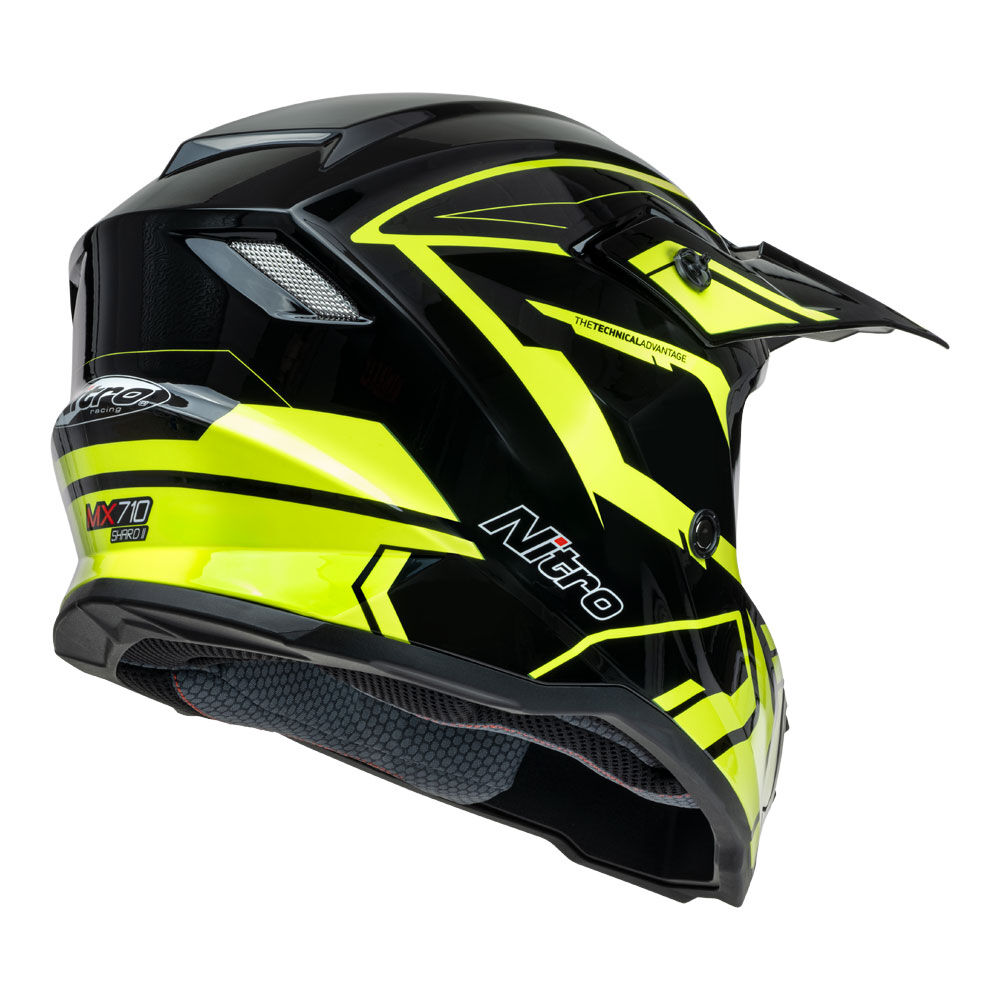
NITRO MX710 YOUTH SHARD II FLURO YELLOW/BLACK YL
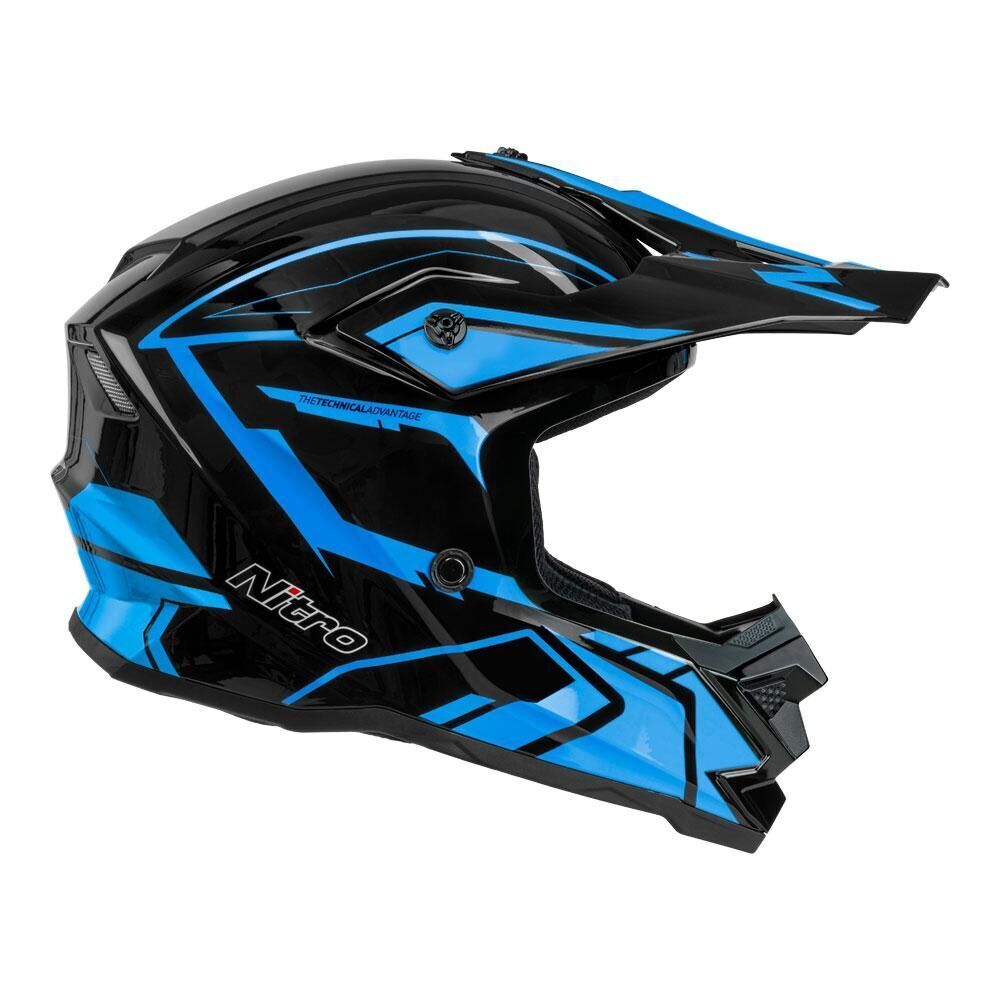
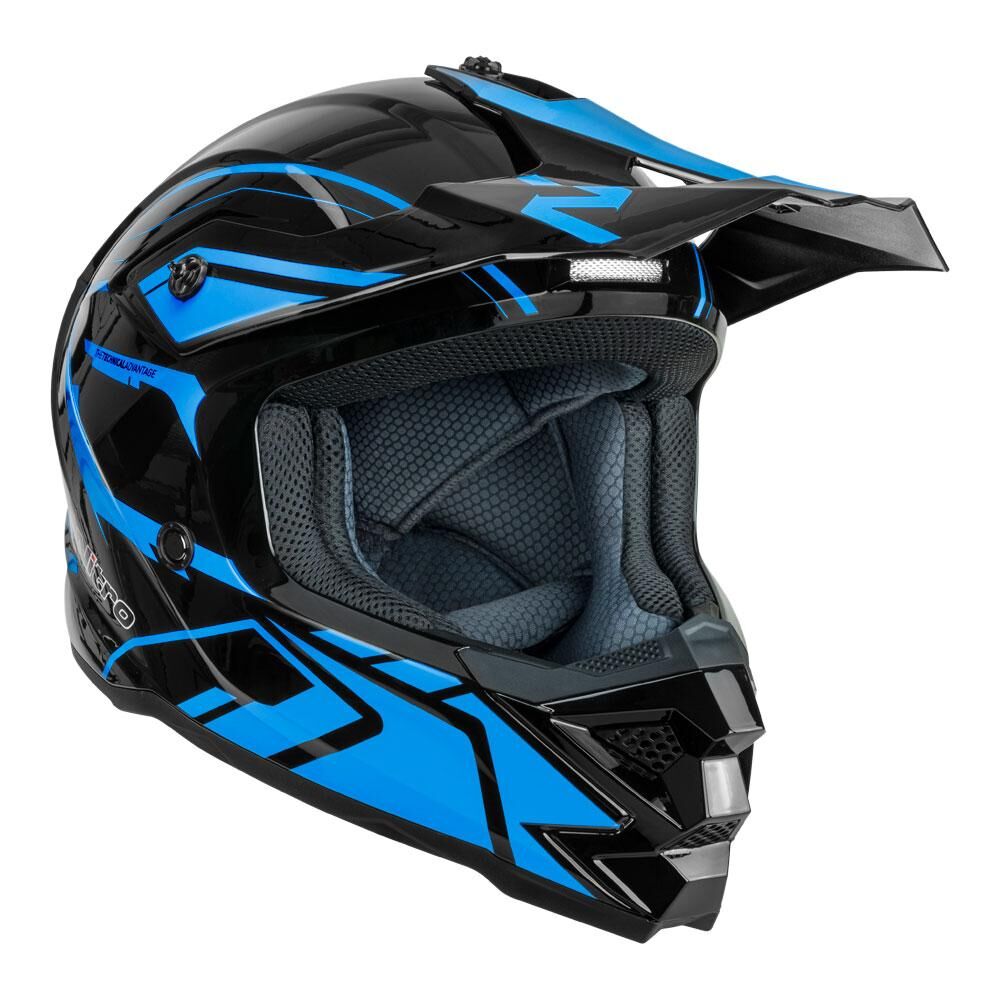


NITRO MX710 YOUTH SHARD II BLUE/BLACK
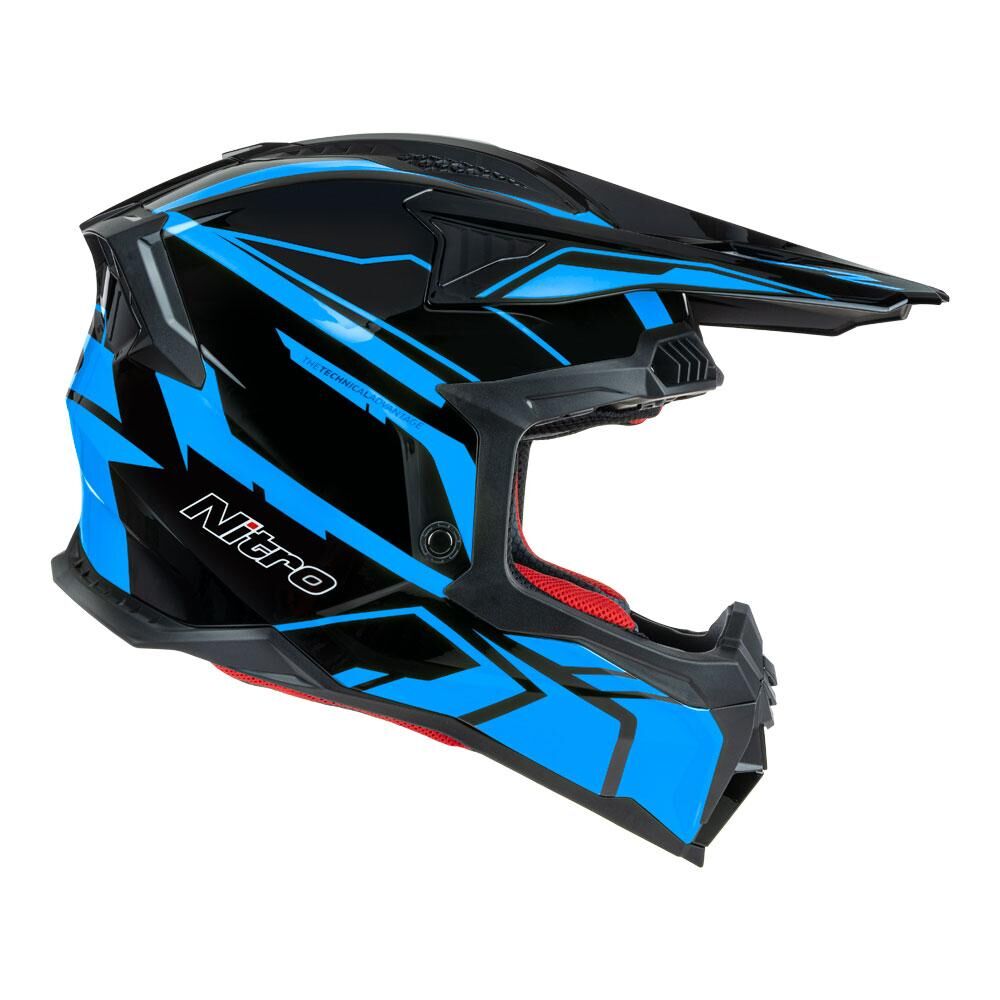
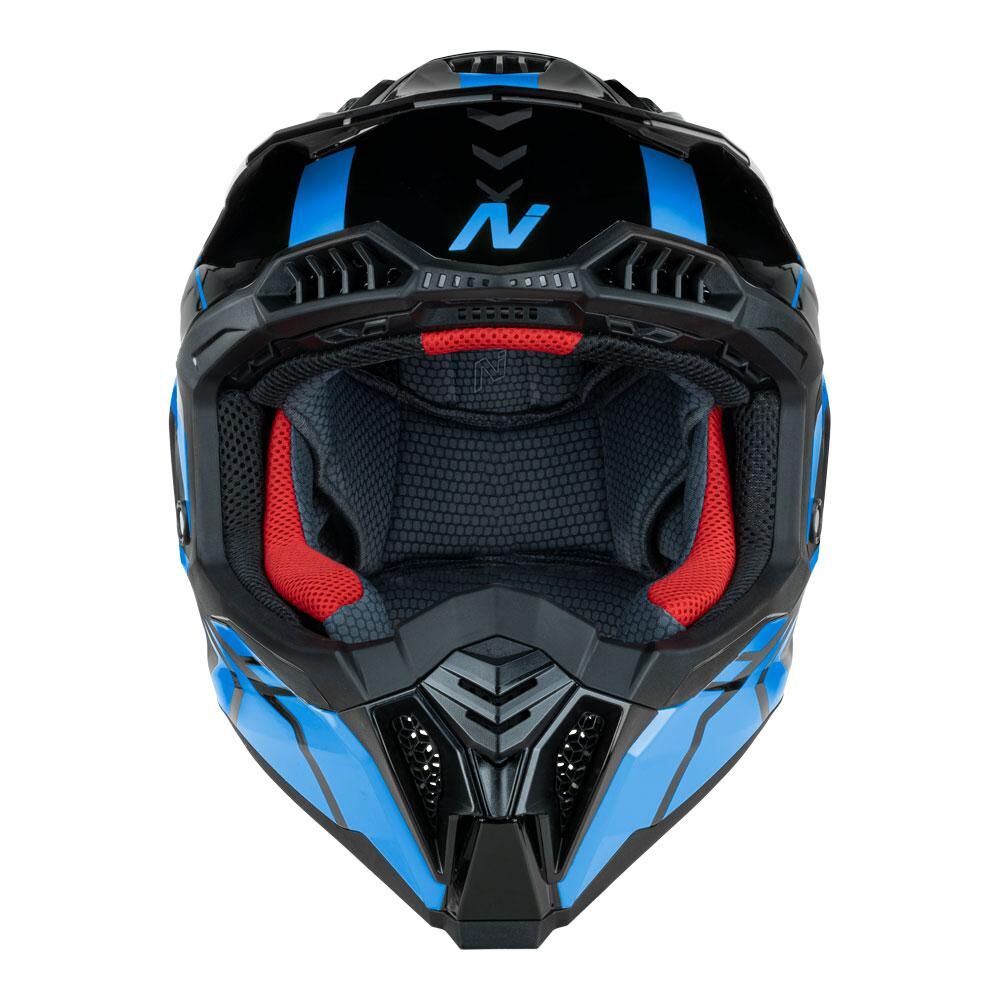
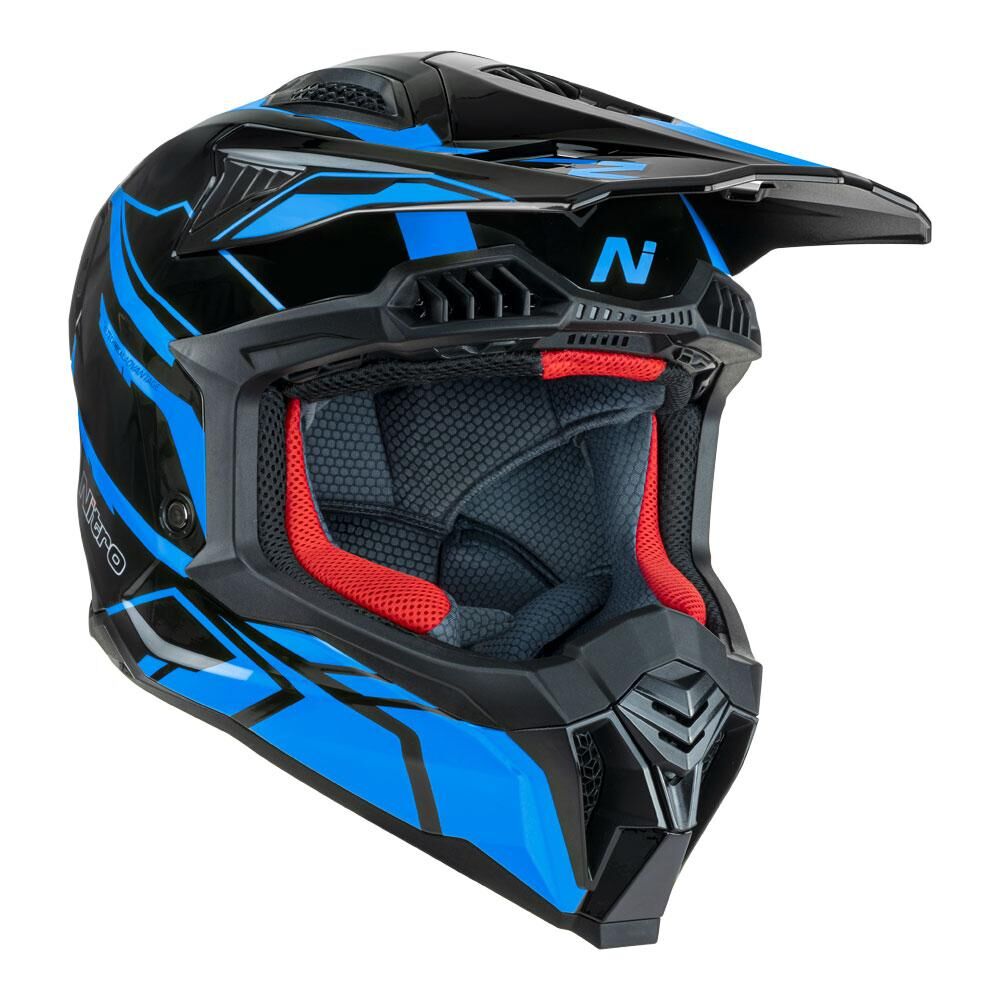
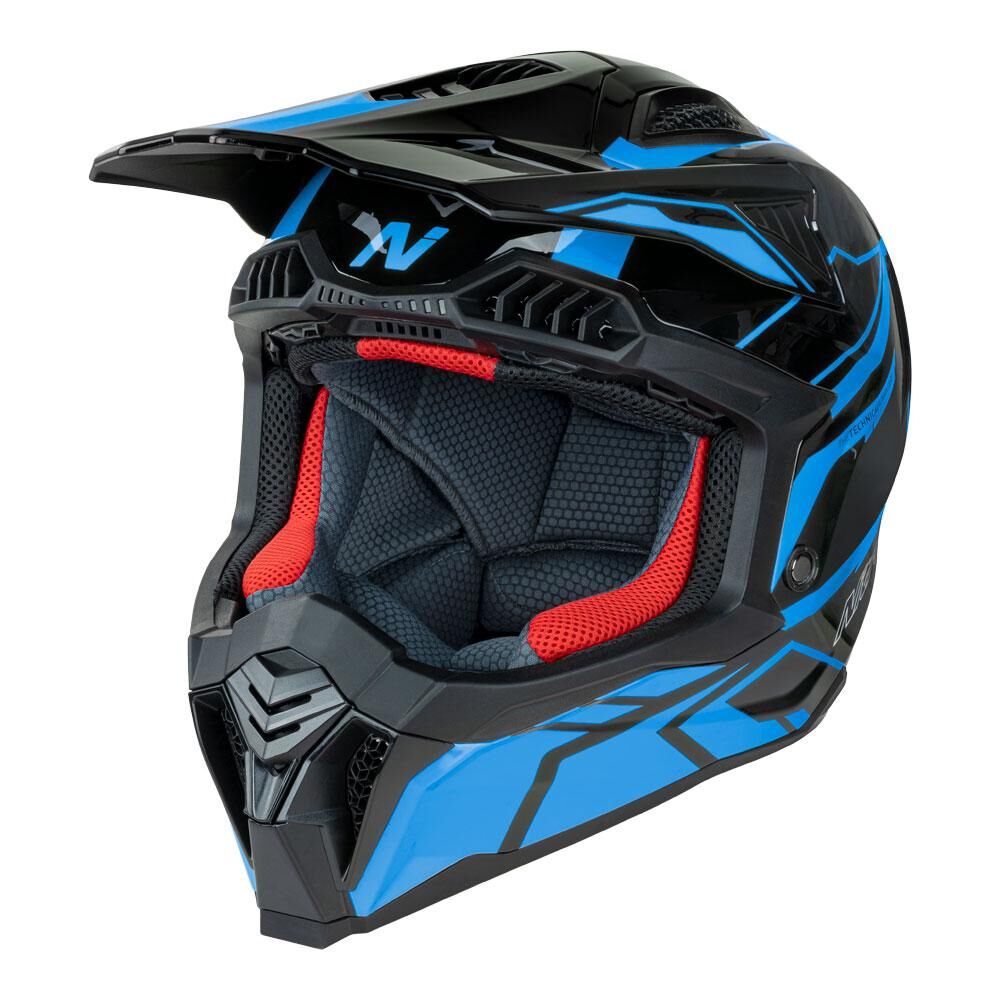
NITRO MX710 SHARD II BLUE/BLACK
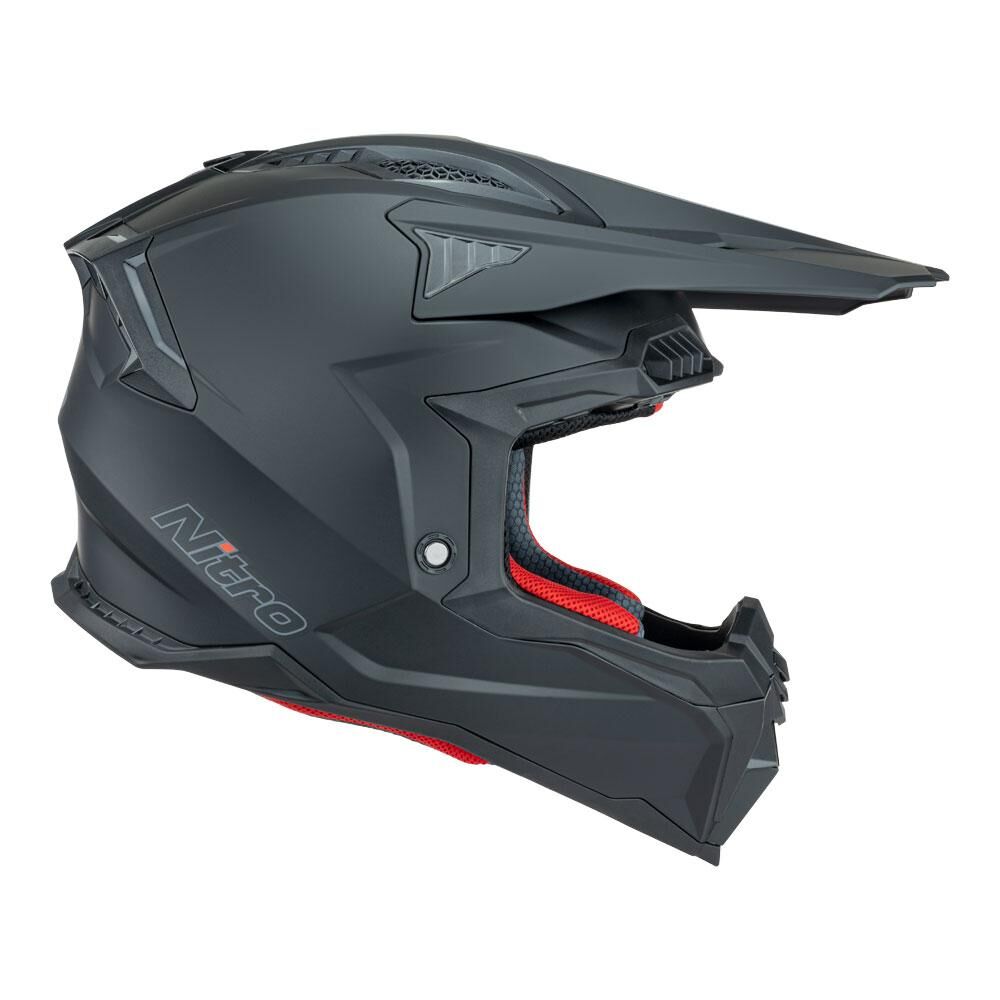

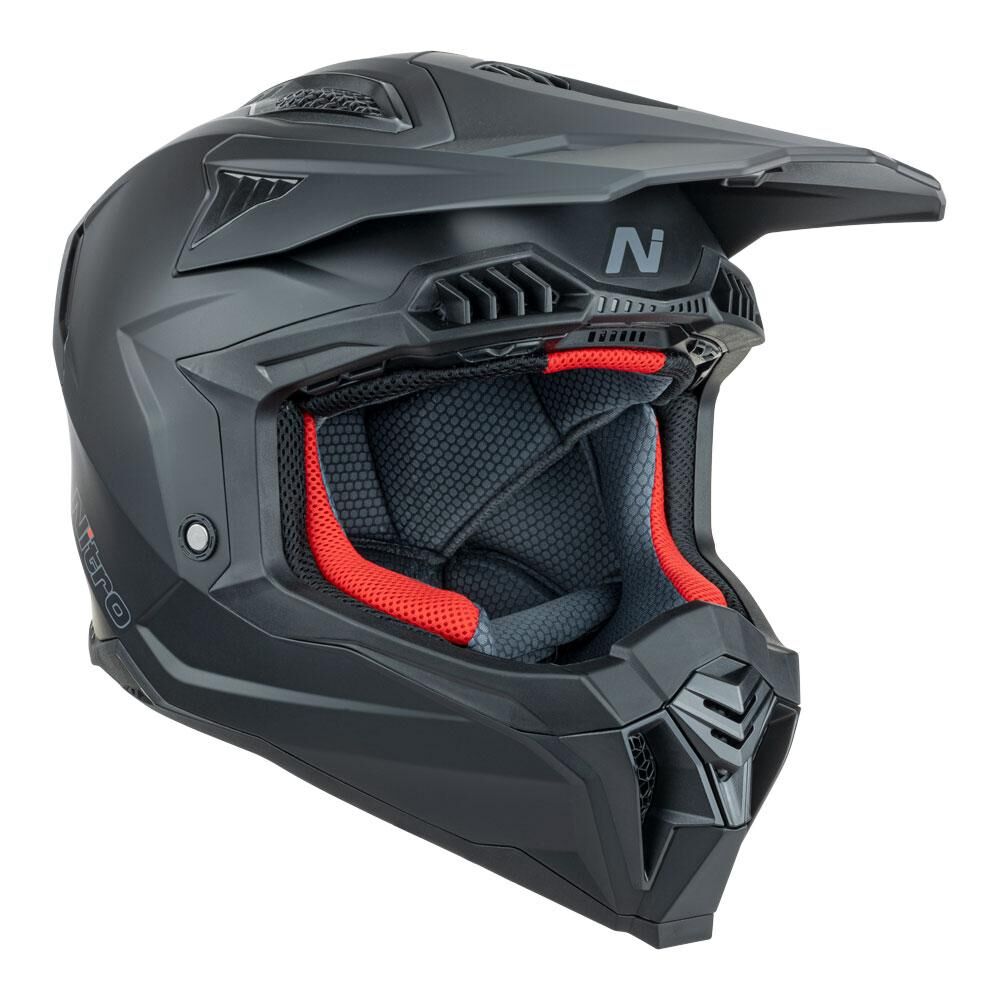
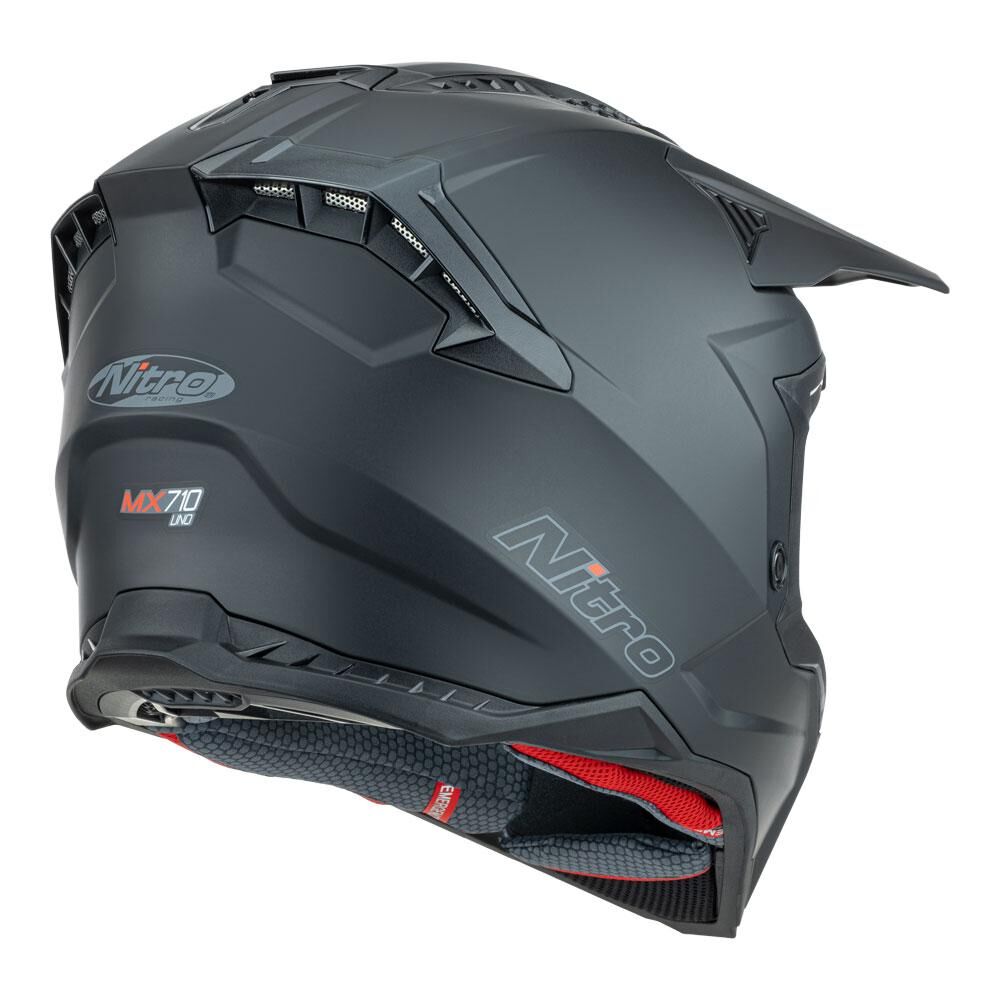


NITRO MX700 RECOIL RED/BLACK/WHITE
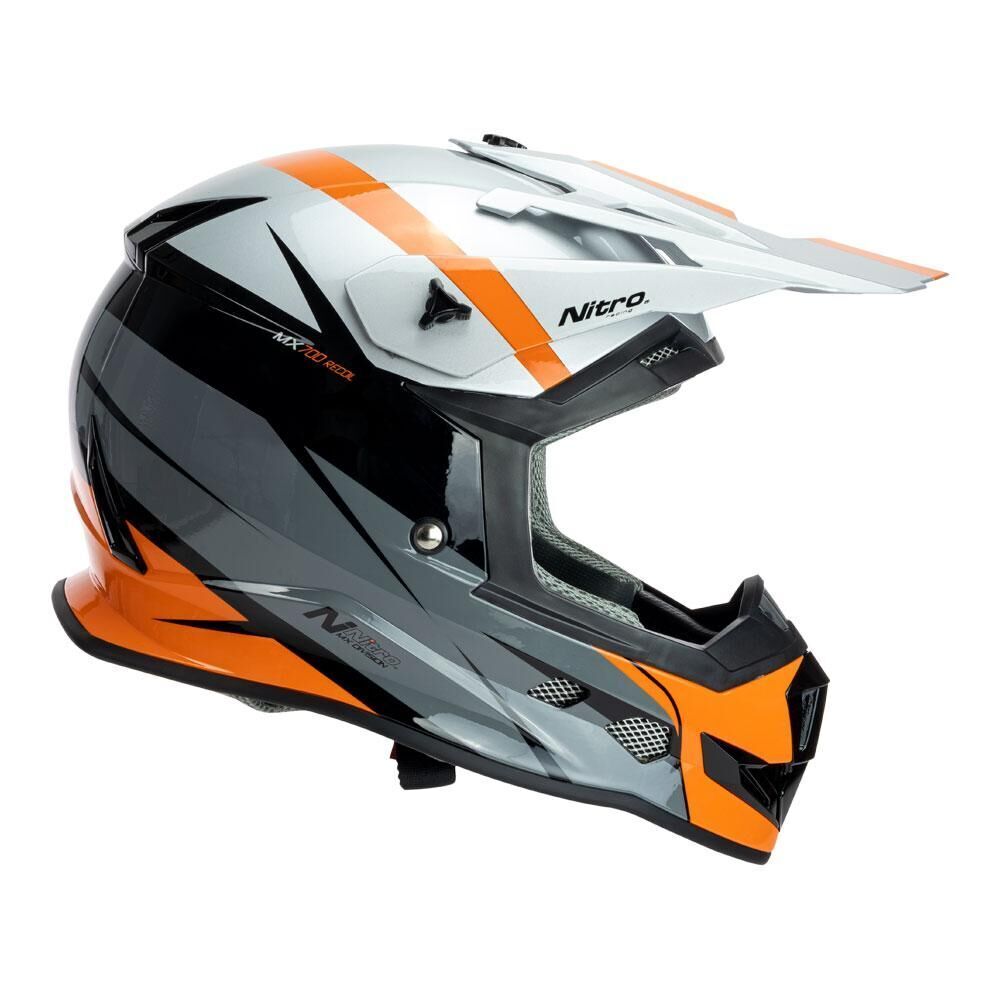
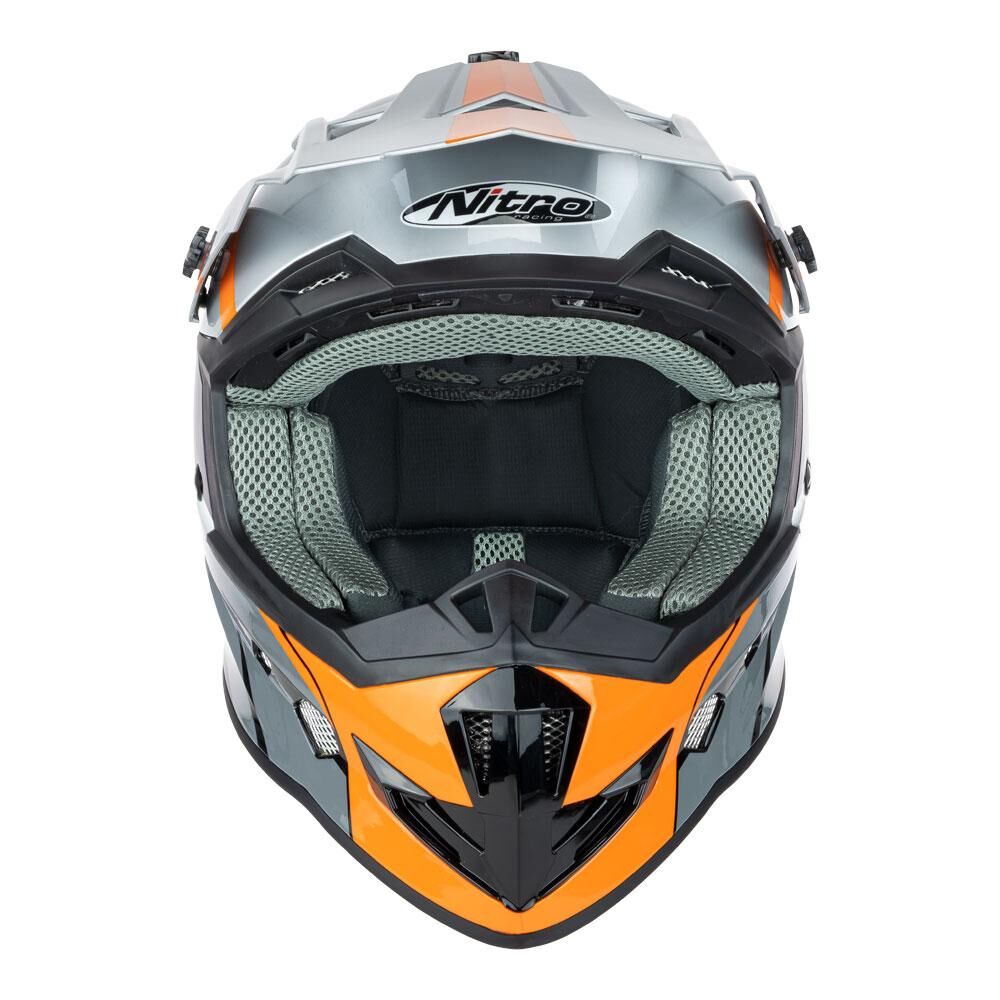
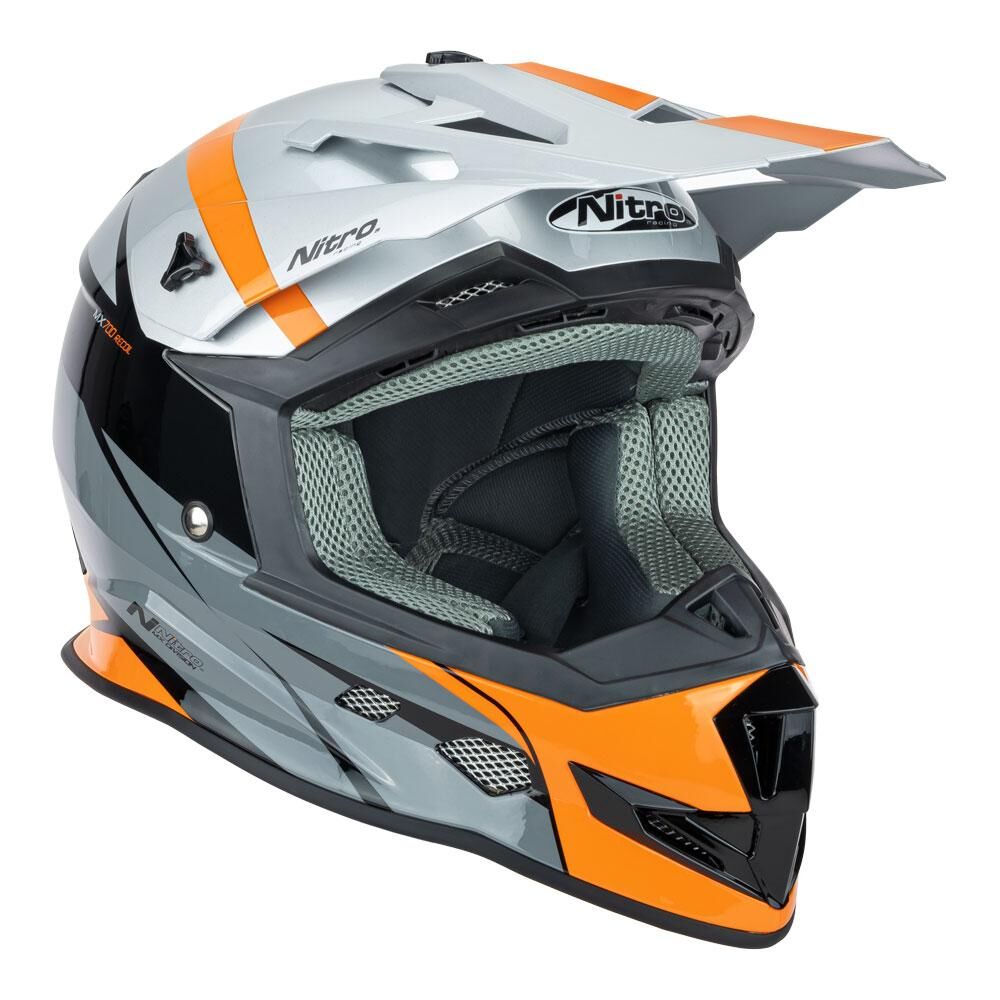
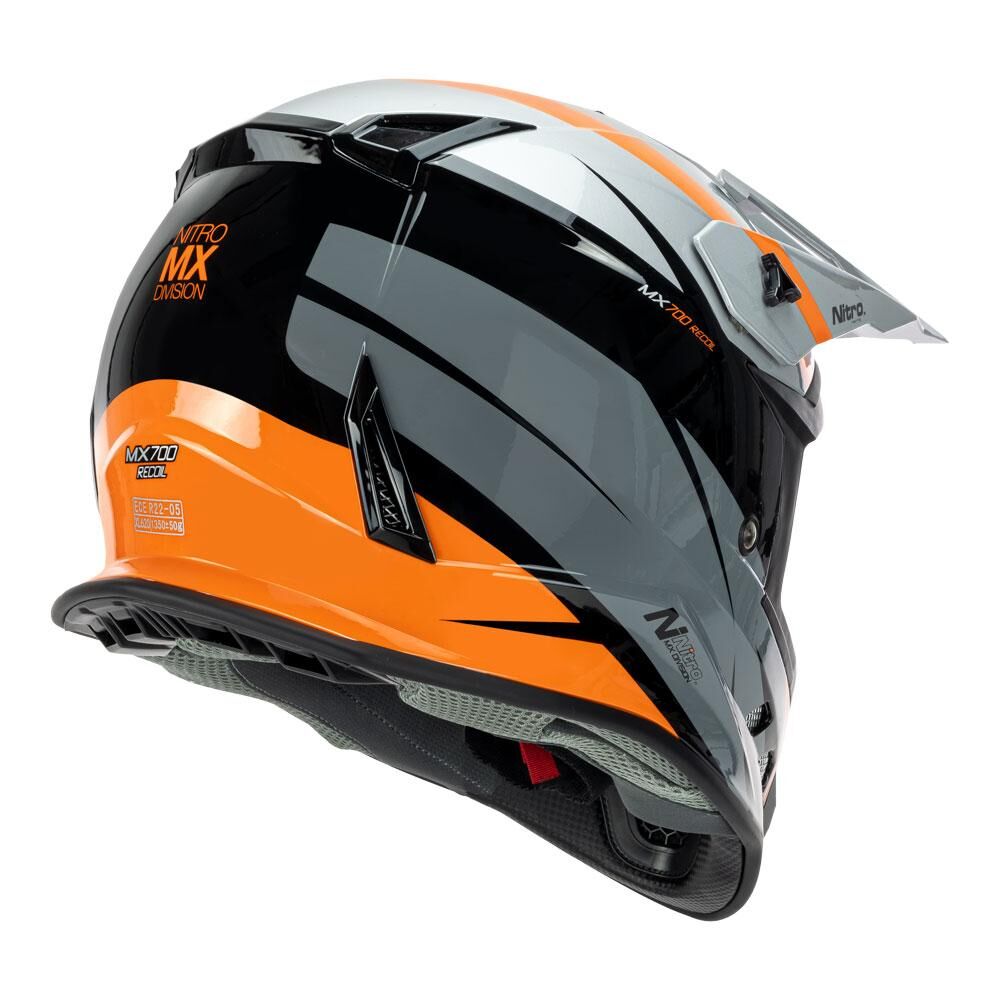
NITRO MX700 RECOIL GREY/BLACK/ORANGE
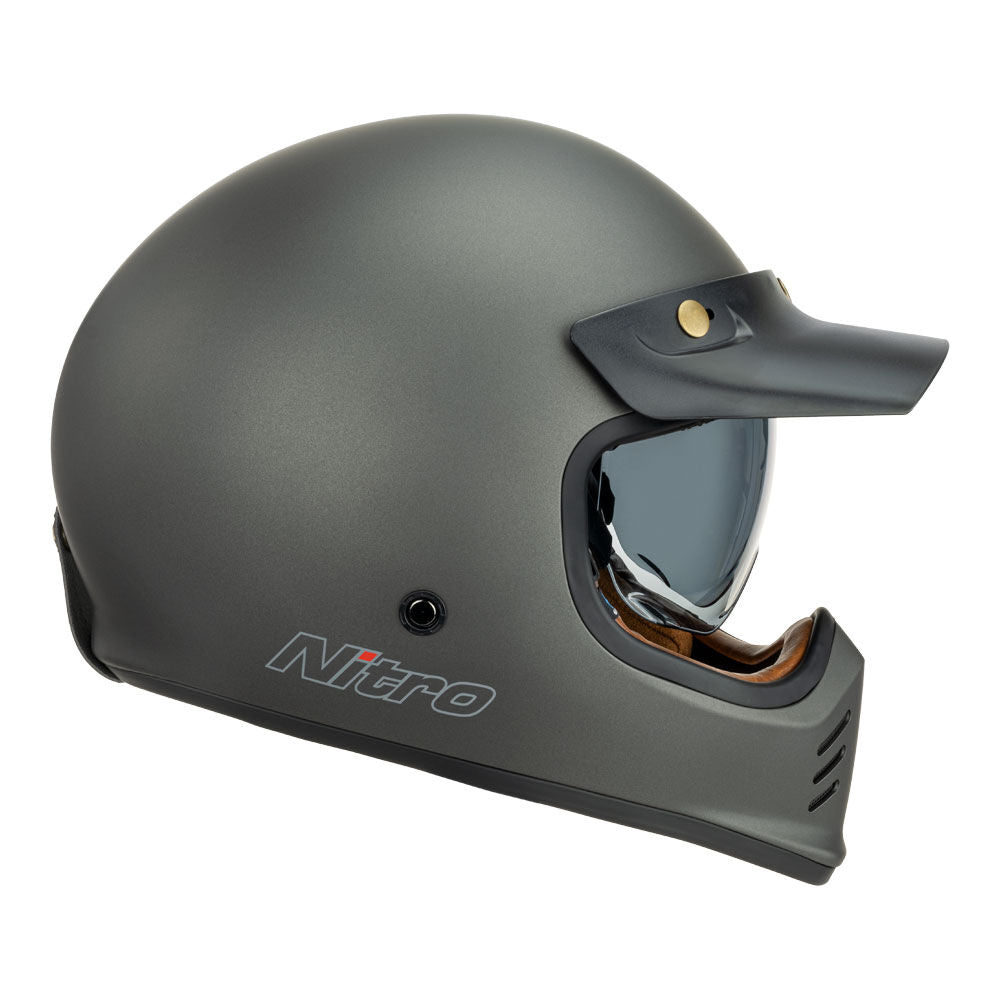
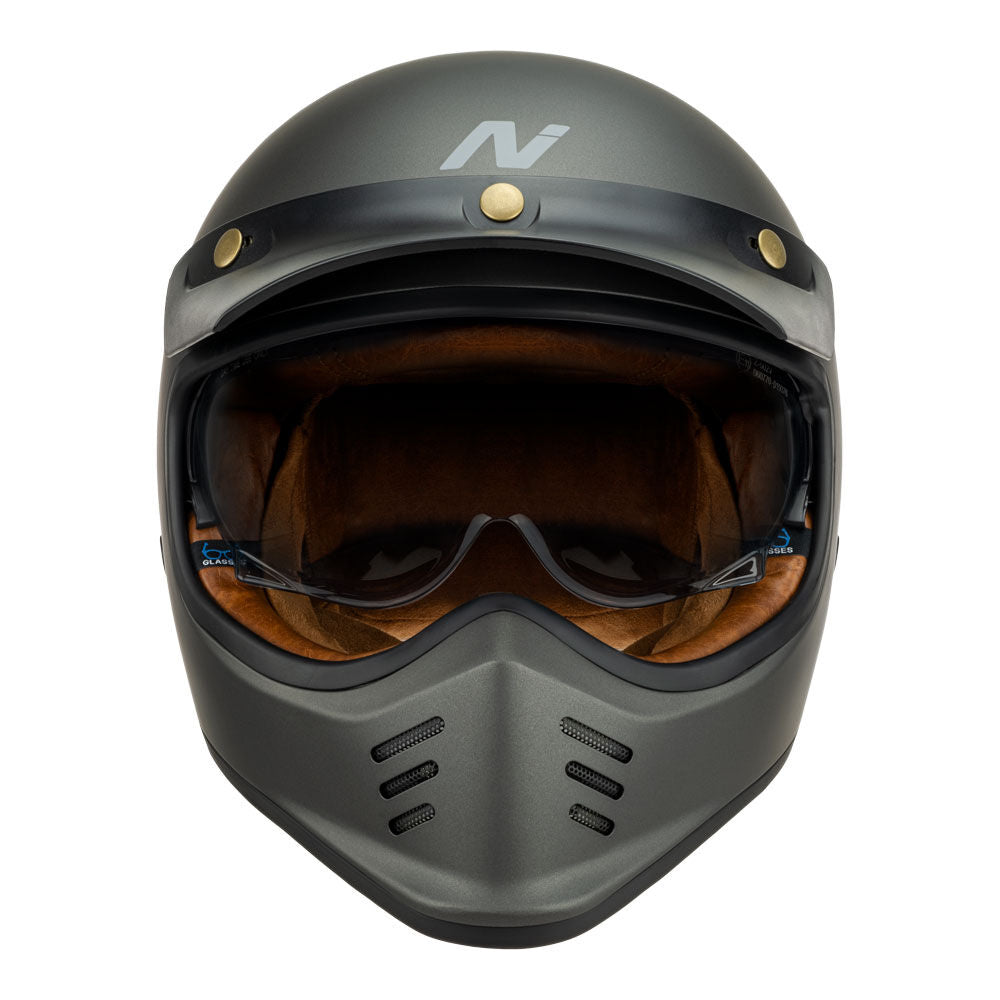
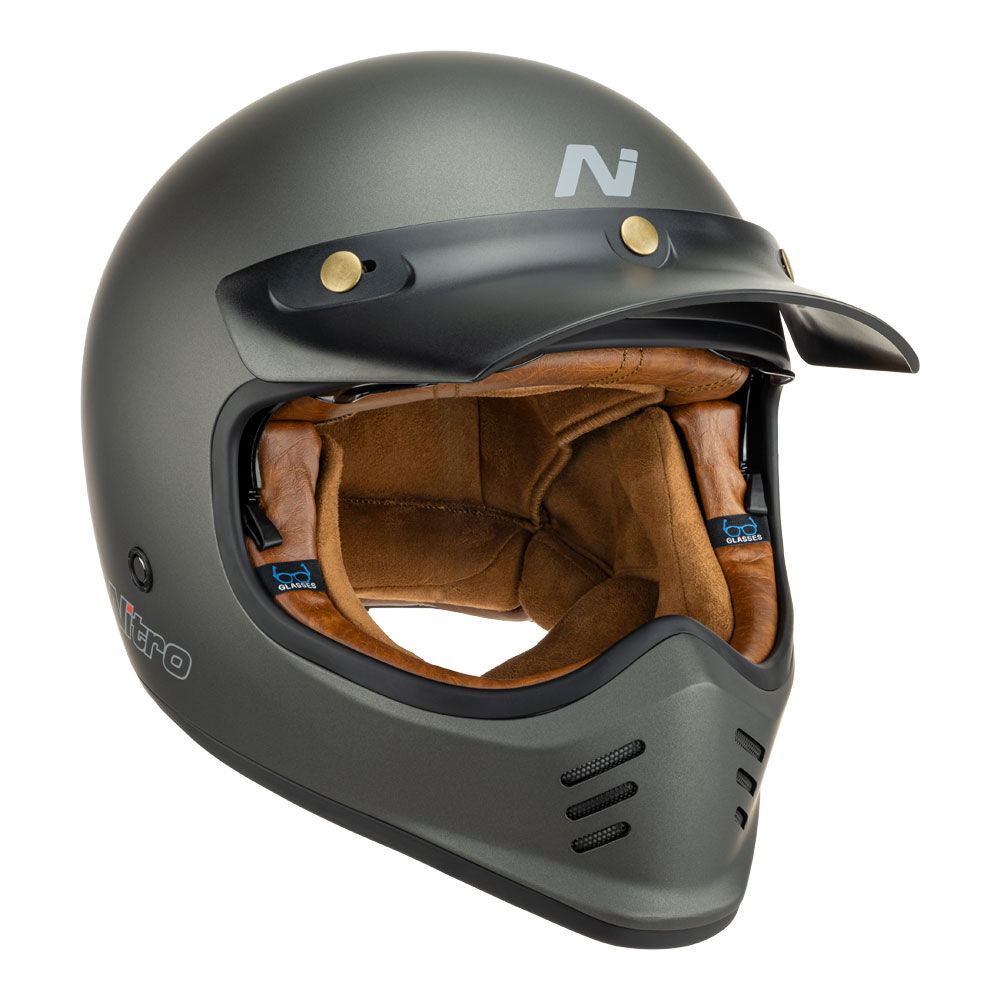
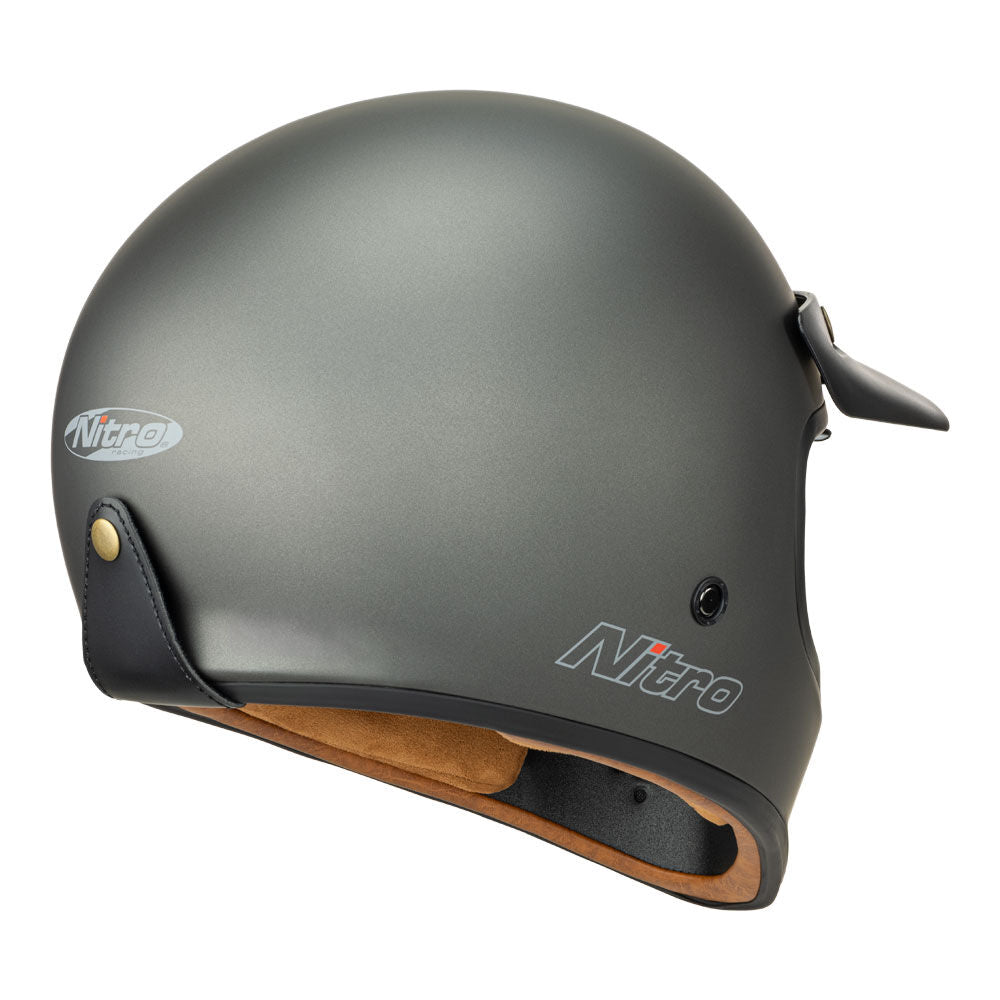
NITRO MX502 RETRO MX SATIN GRAPHITE M
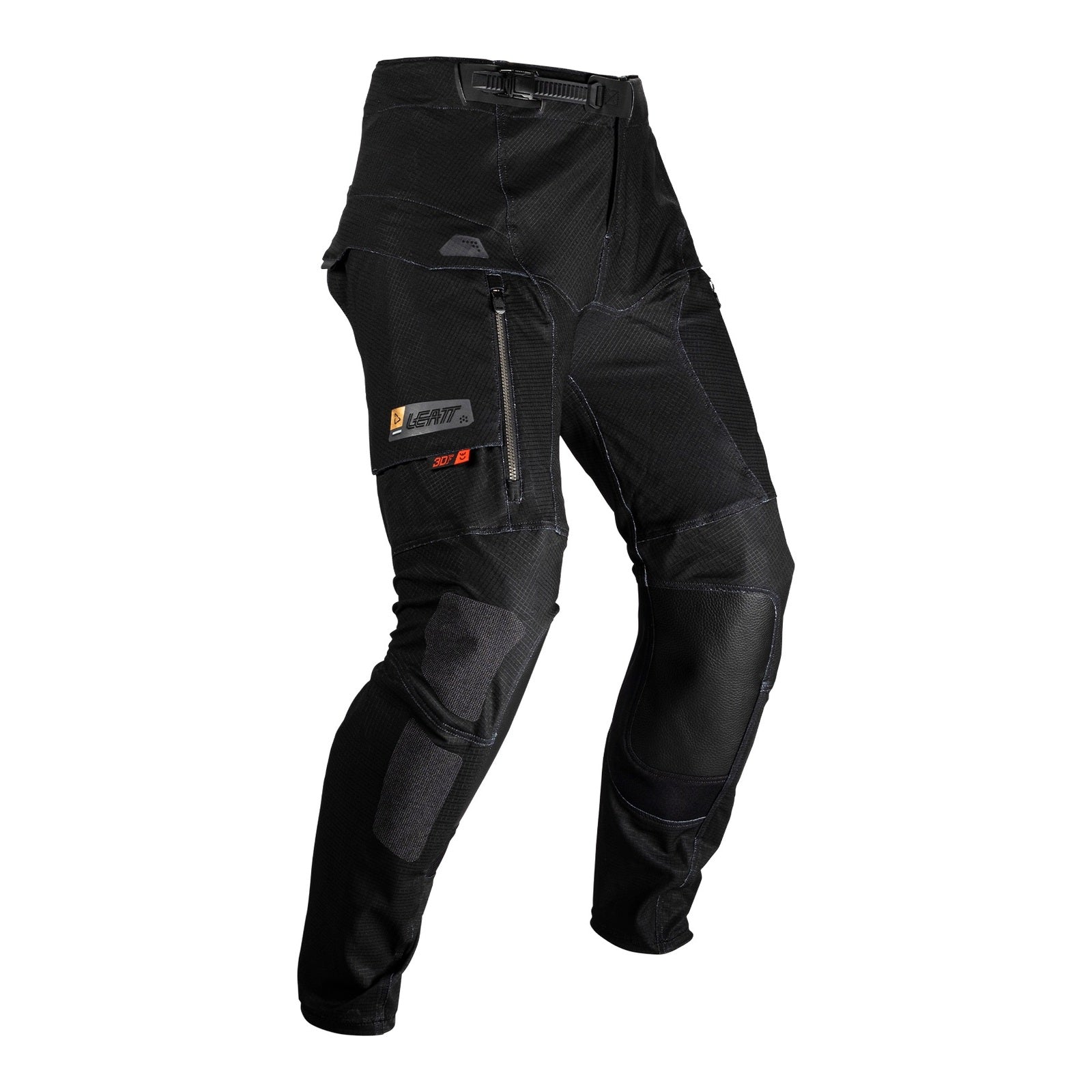
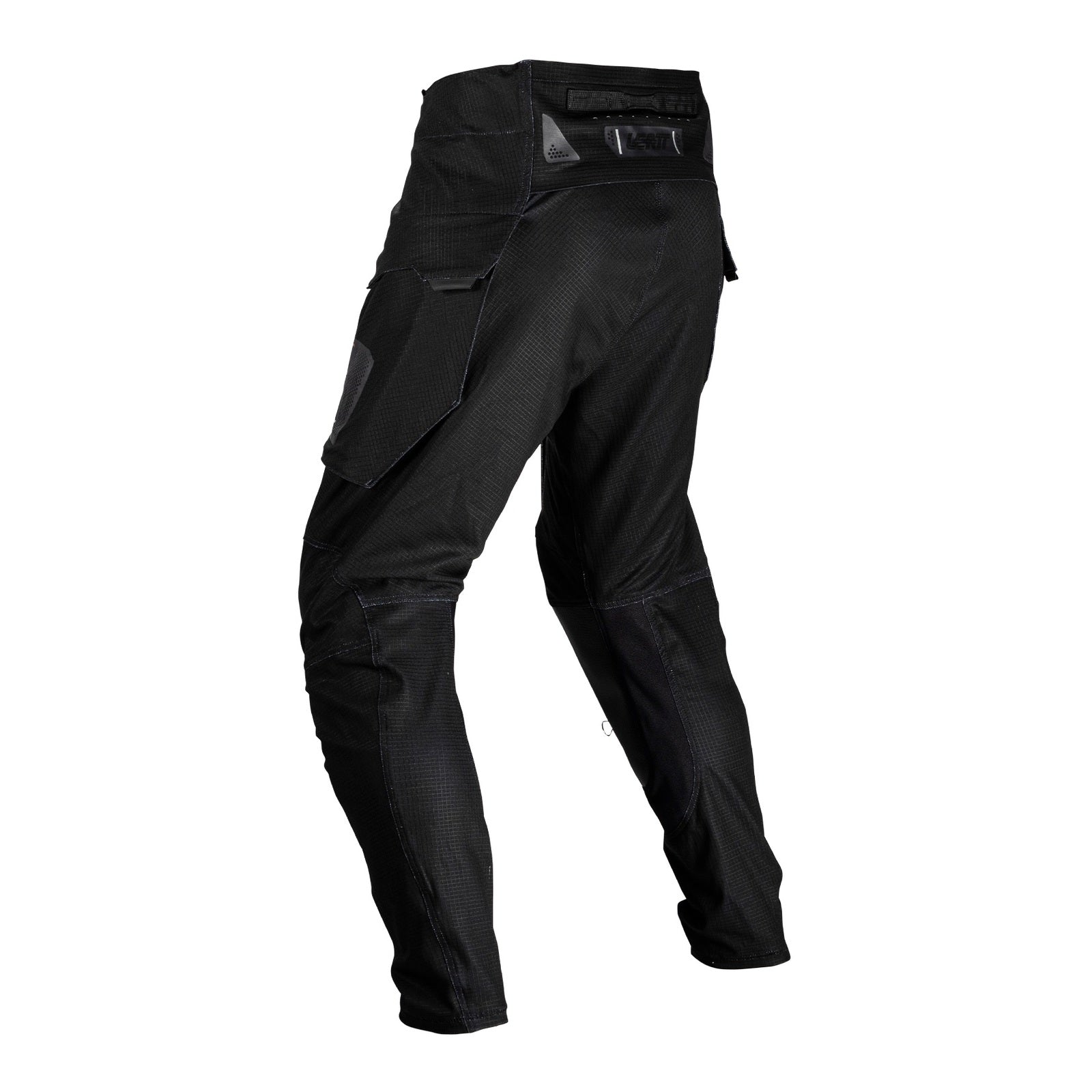


Leatt 5.5 ADV Rally Pant - Stealth
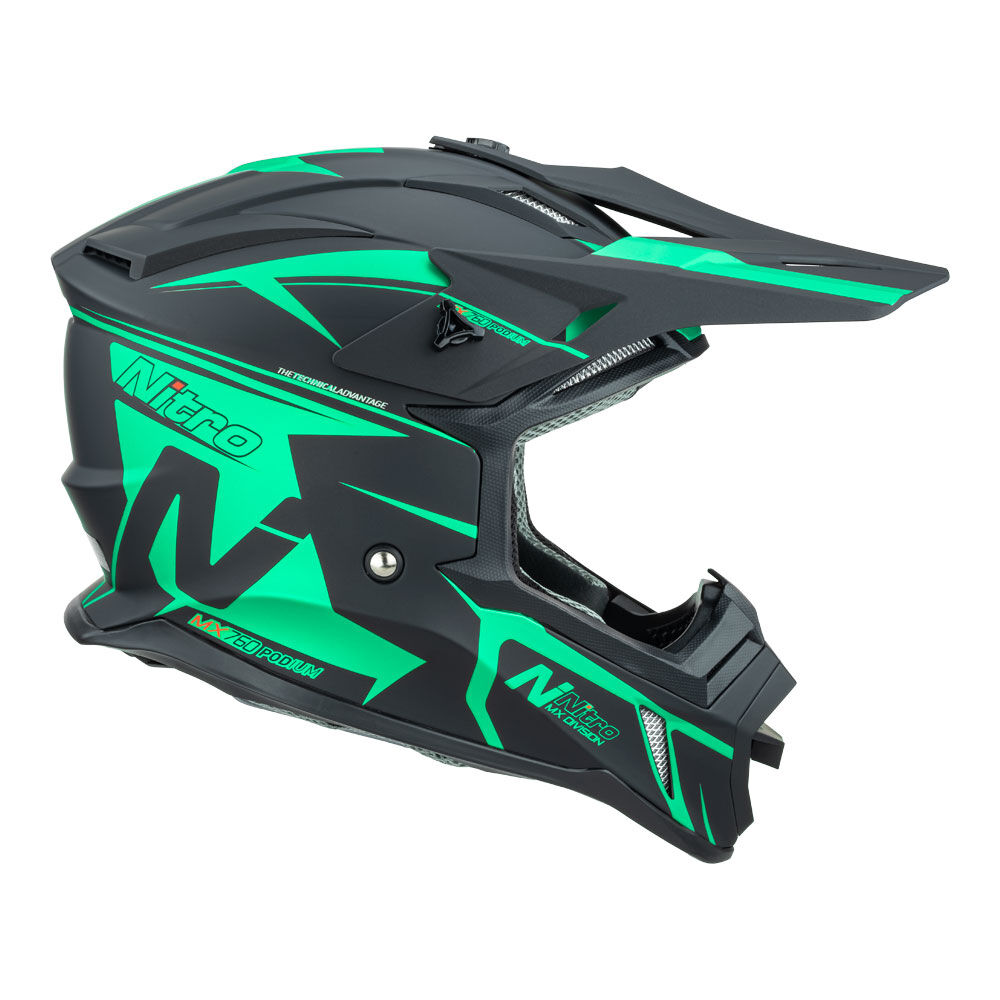
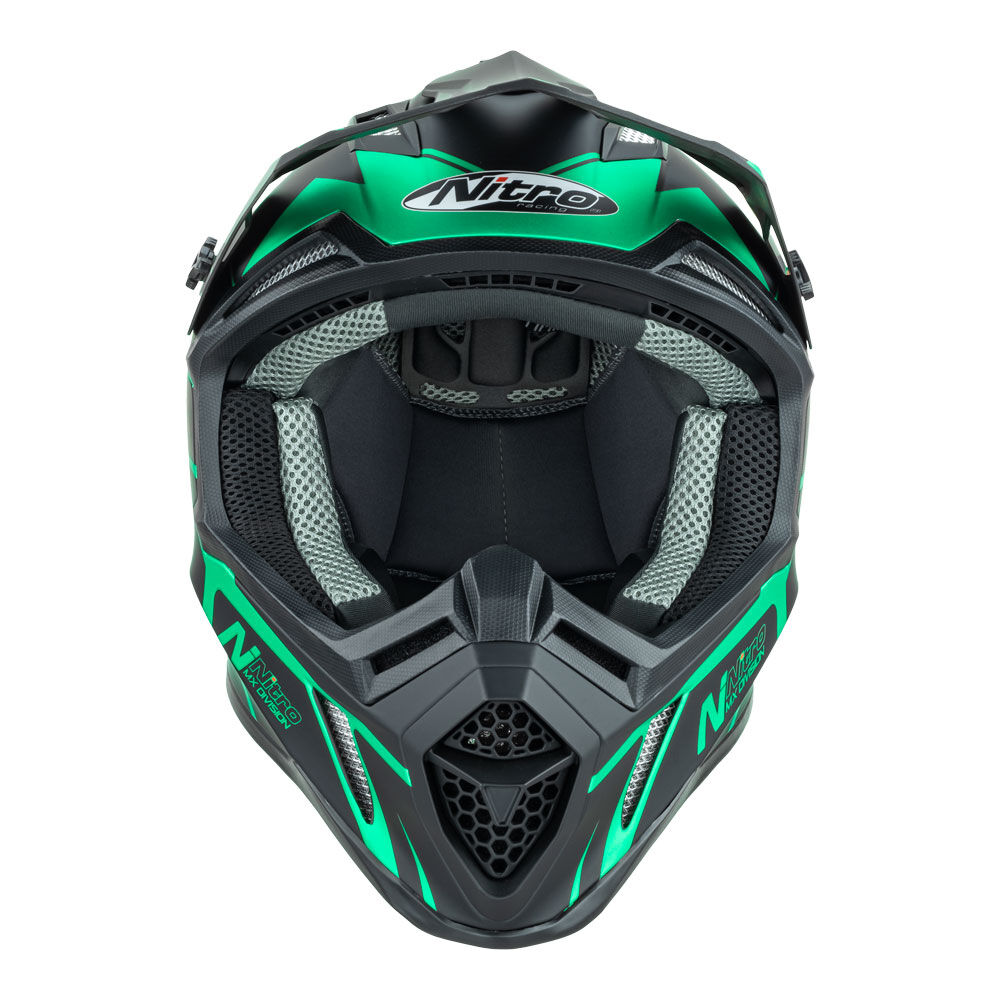
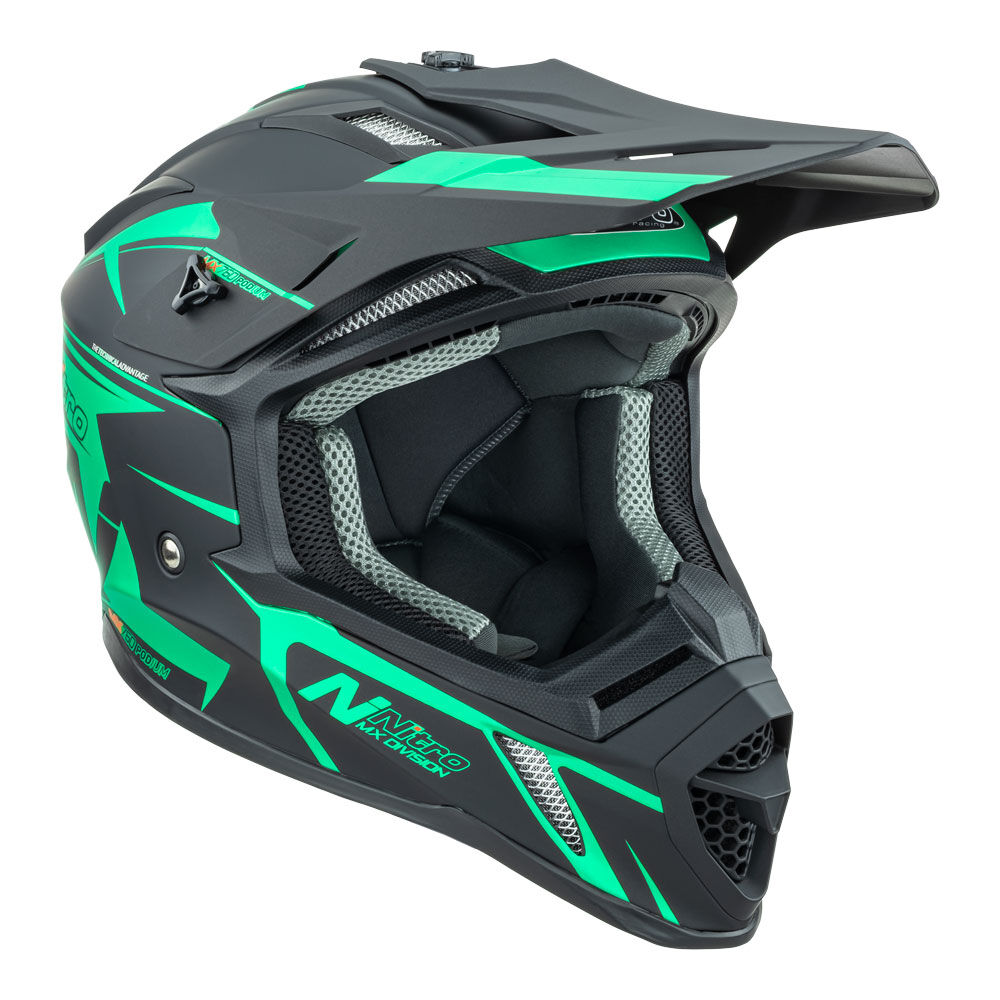
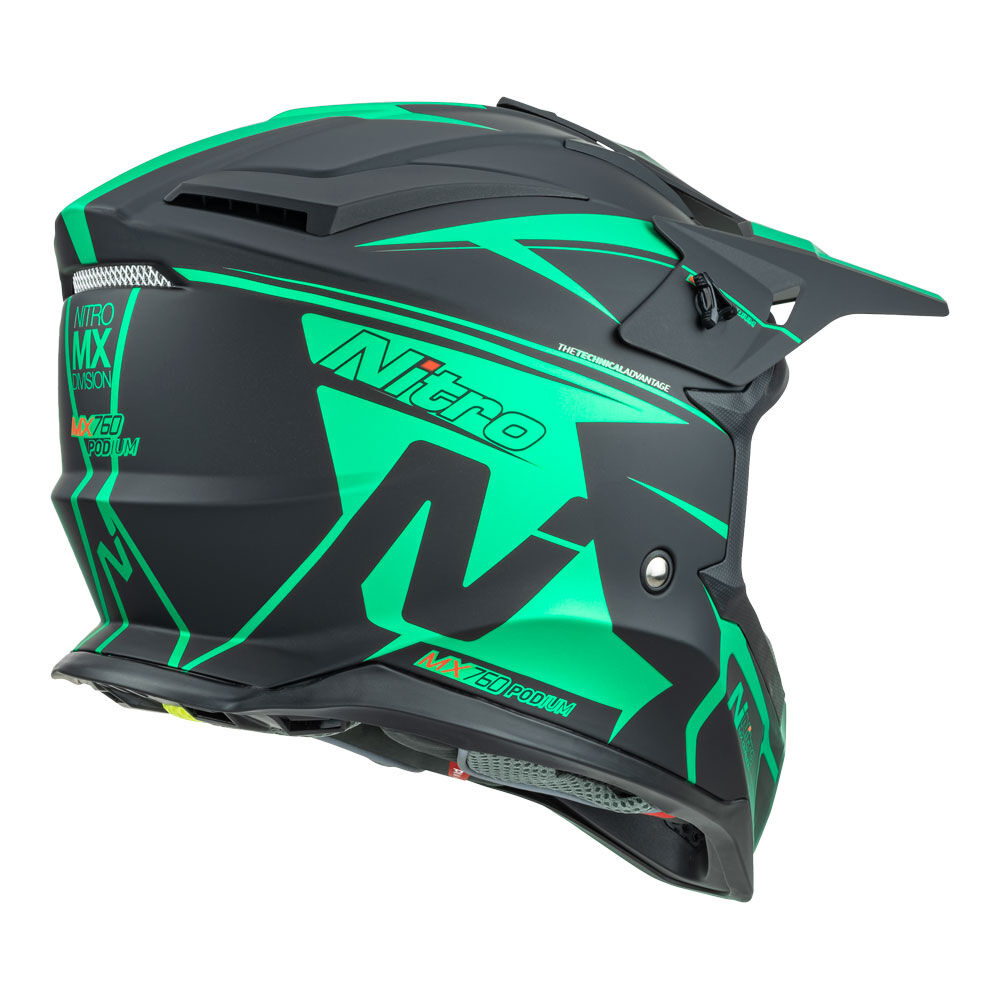
NITRO MX760 PODIUM SATIN BLK/TEAL M
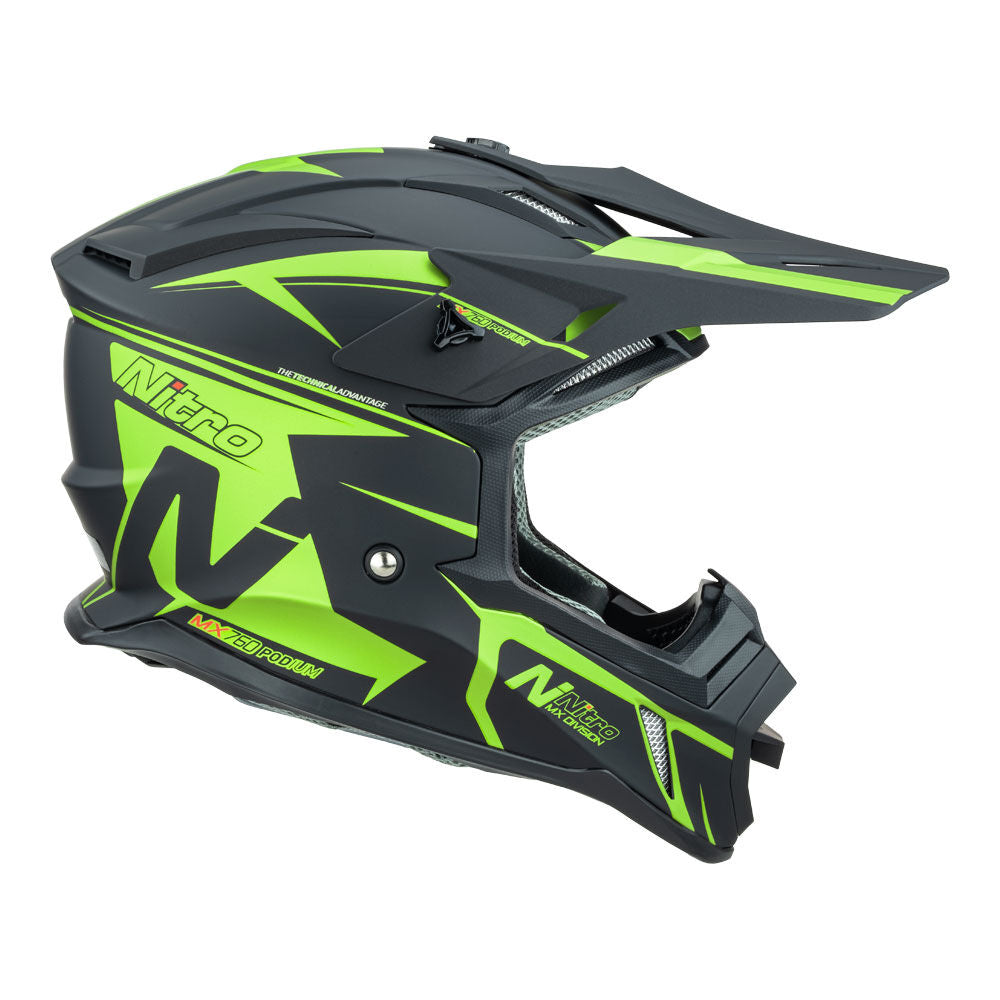

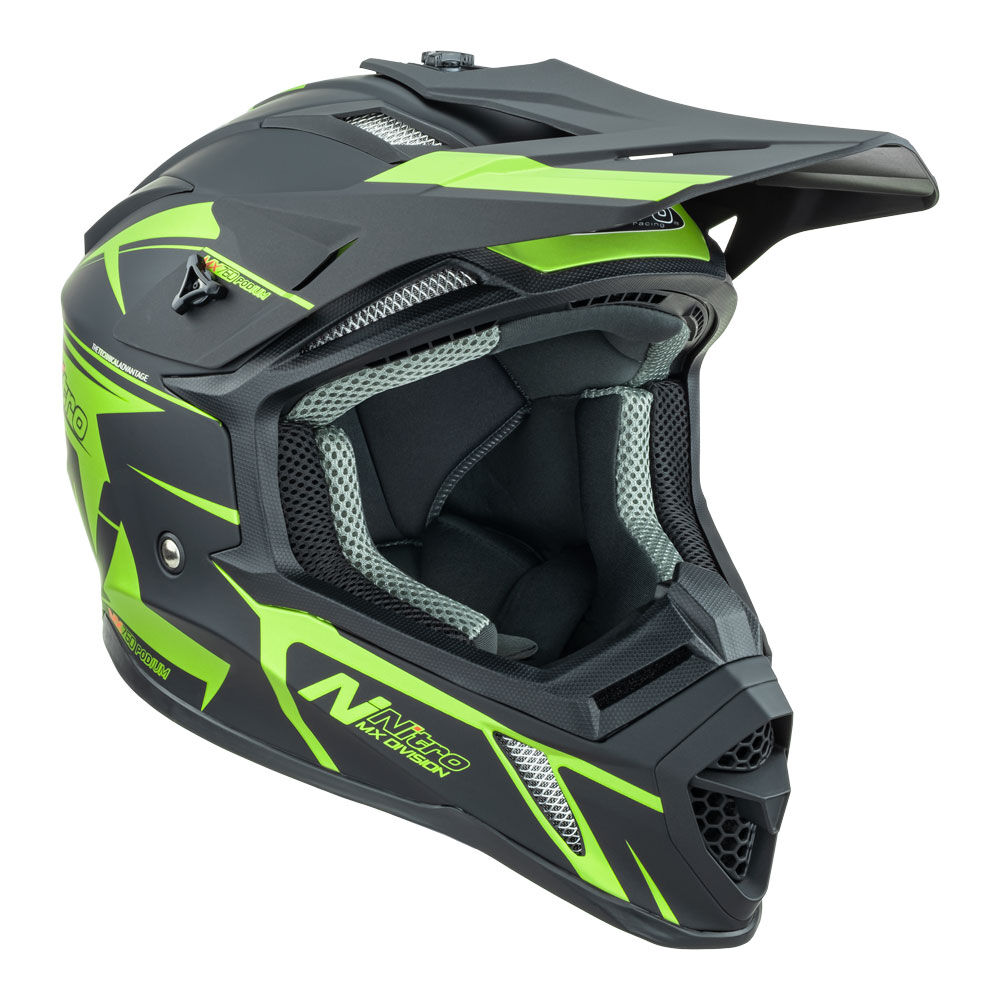
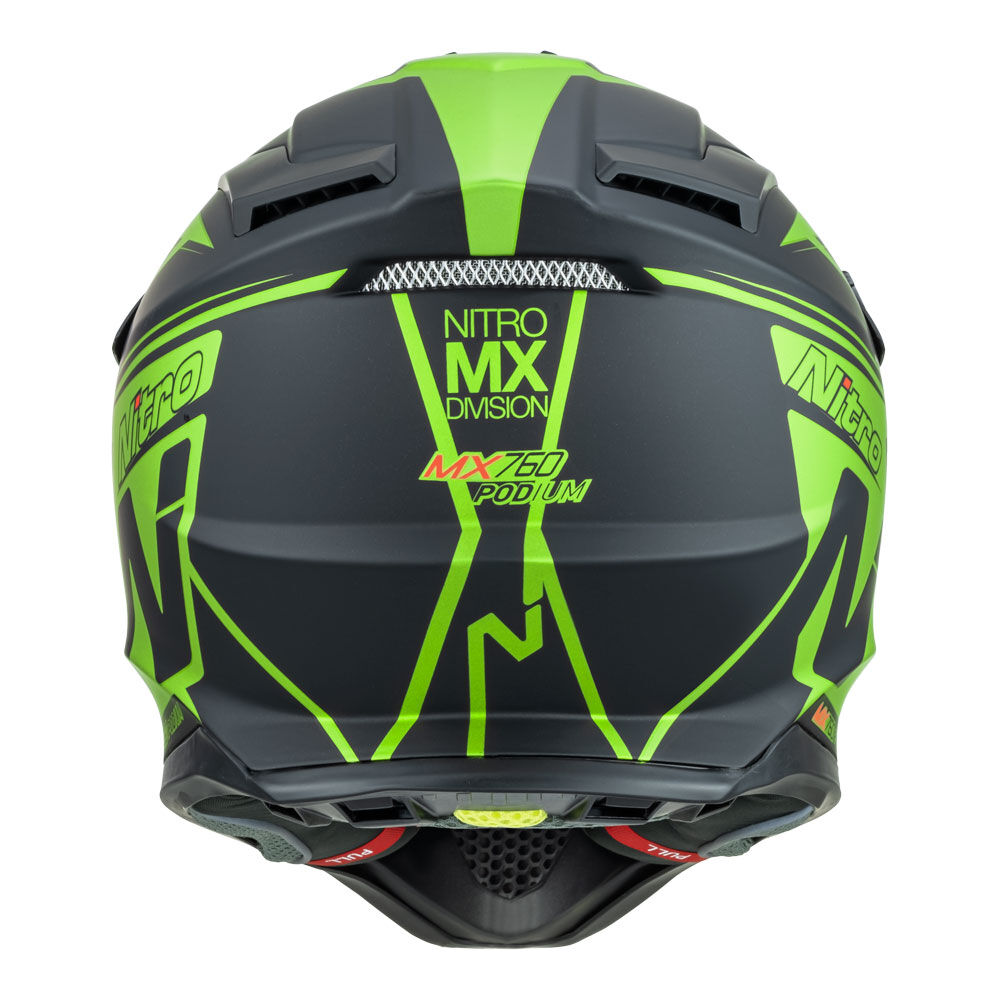
NITRO MX760 PODIUM SATIN BLK/FLURO GREEN M
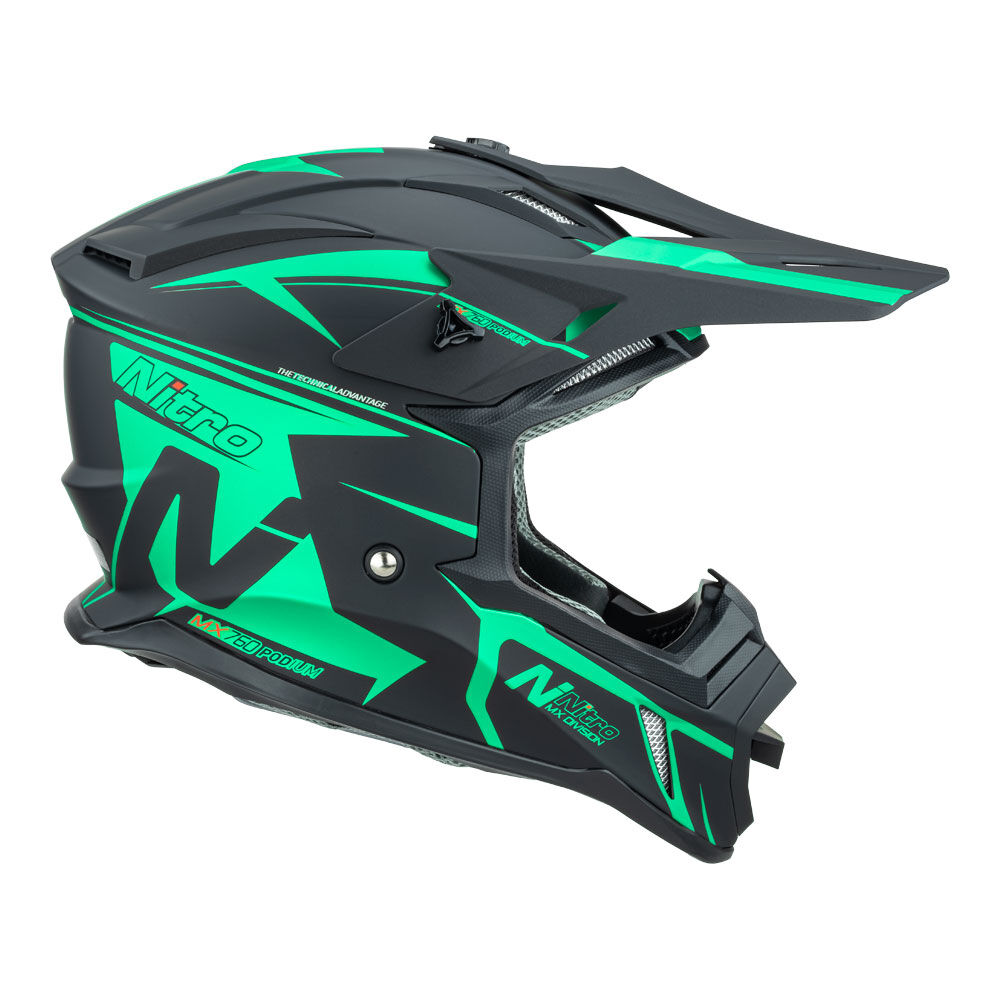
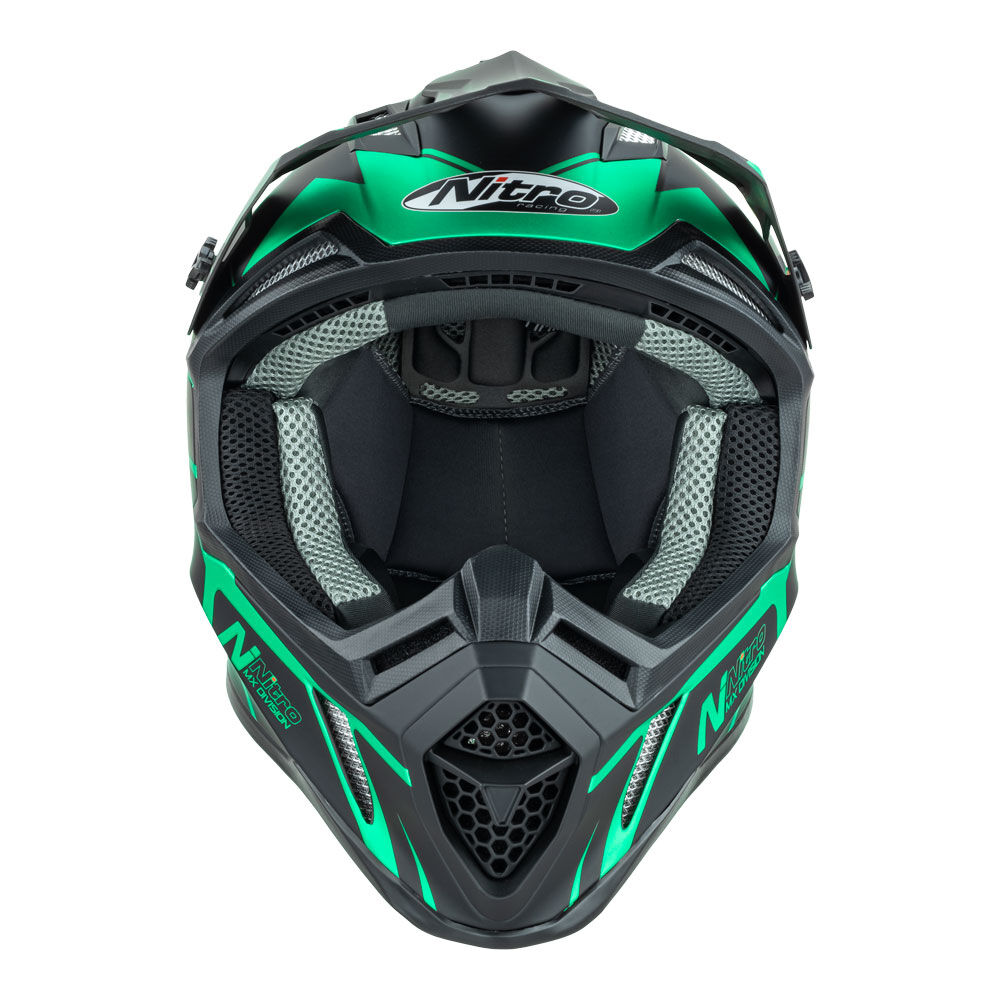
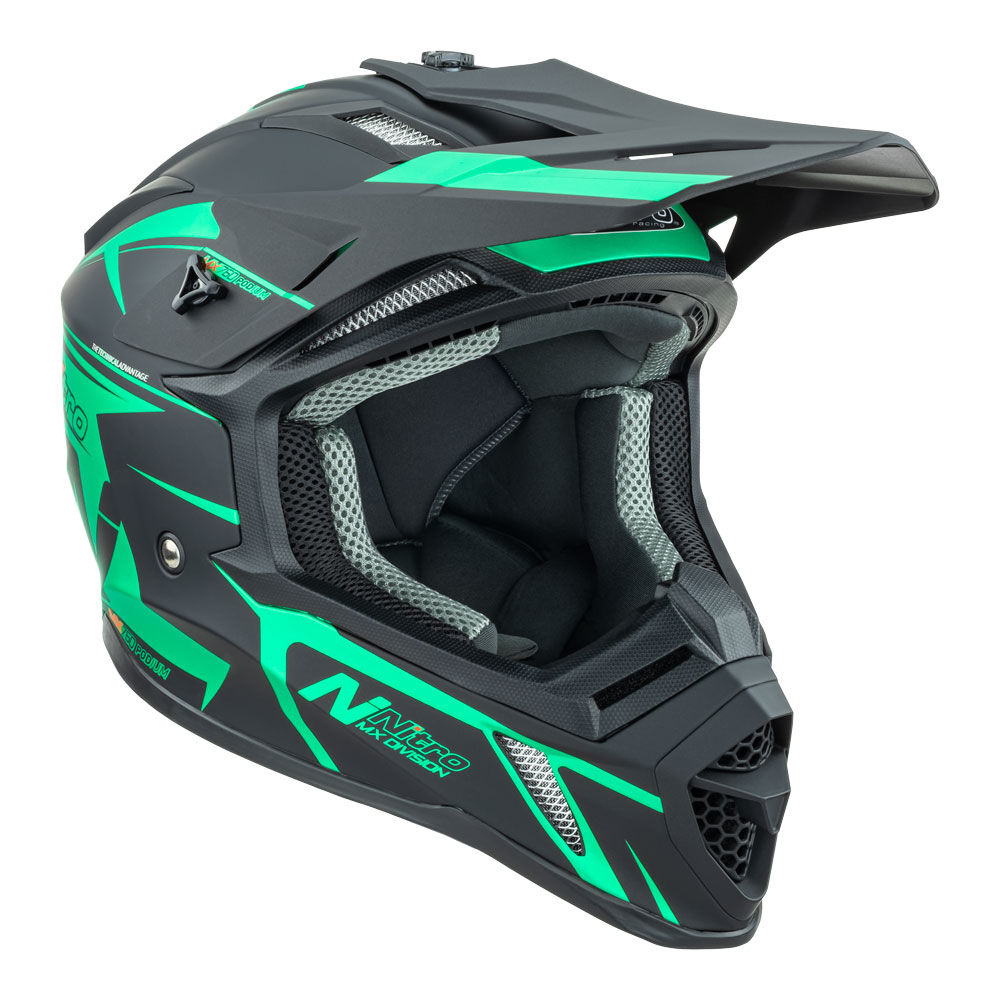
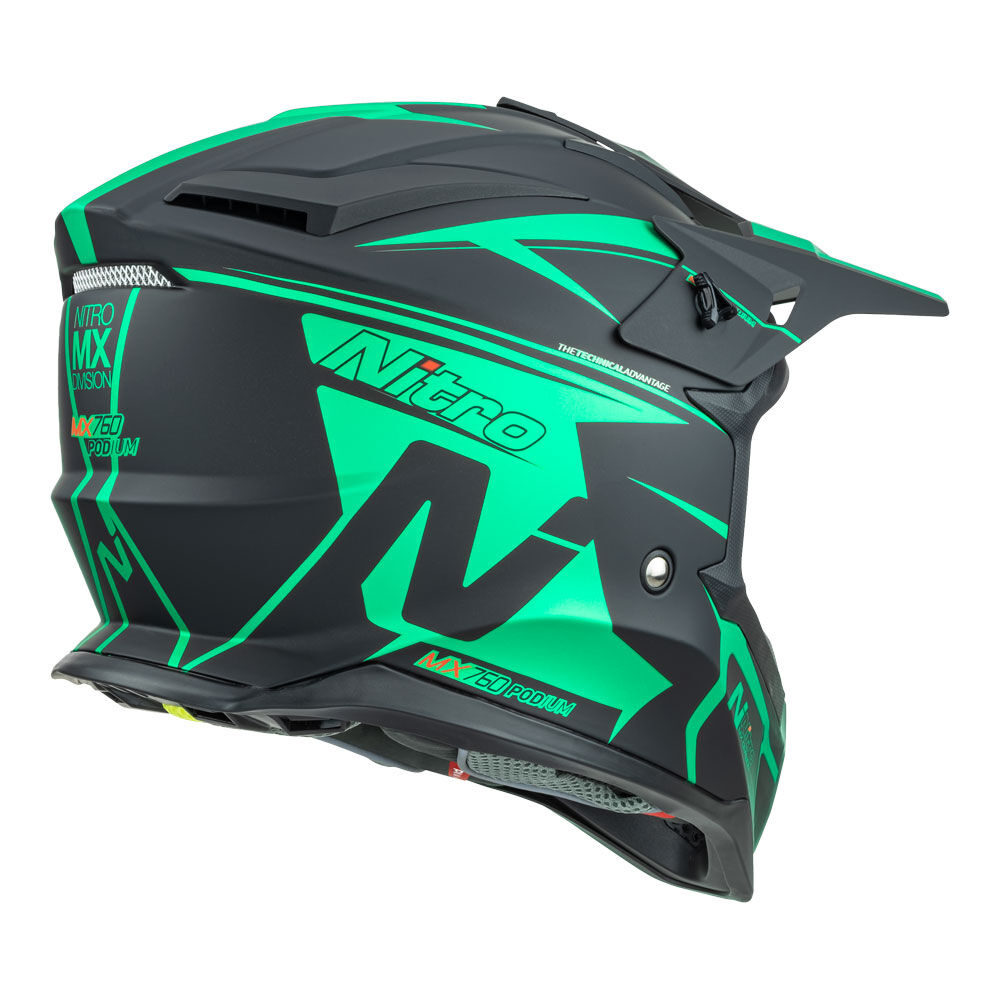
NITRO MX760 PODIUM SATIN BLK/TEAL S
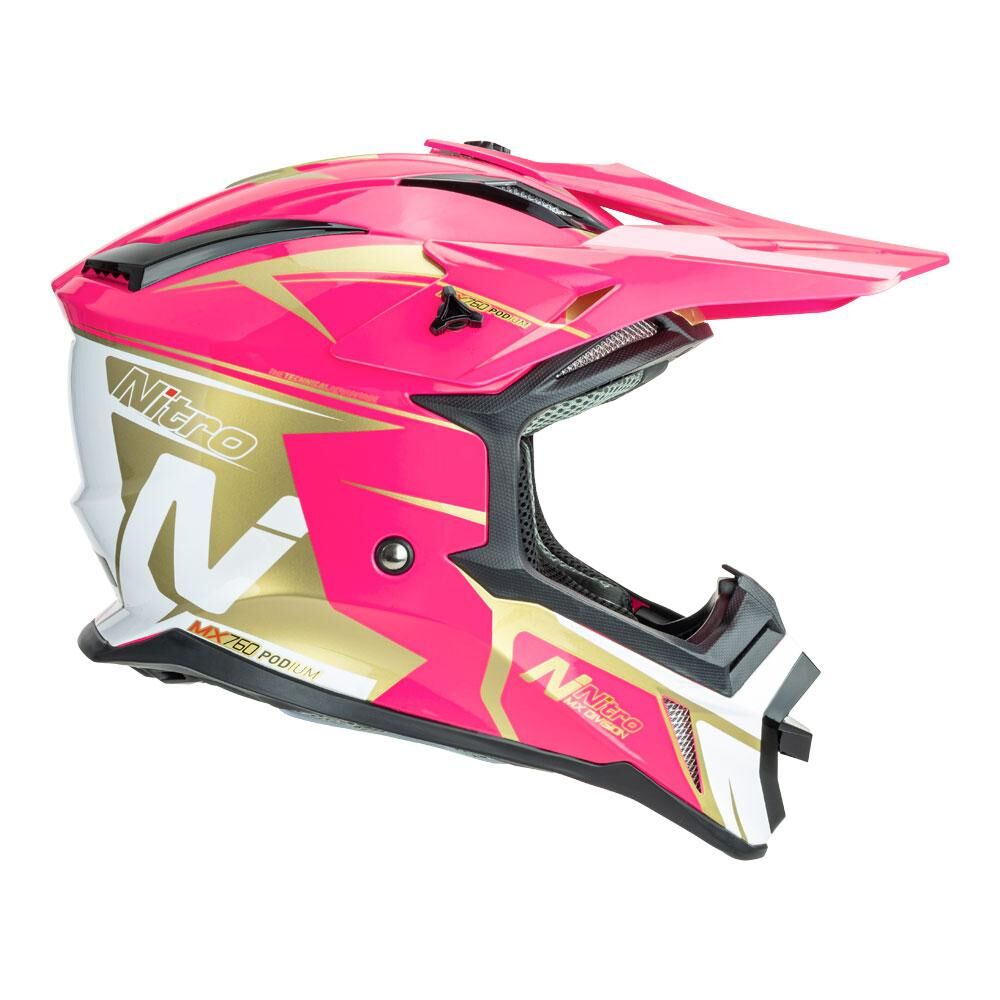
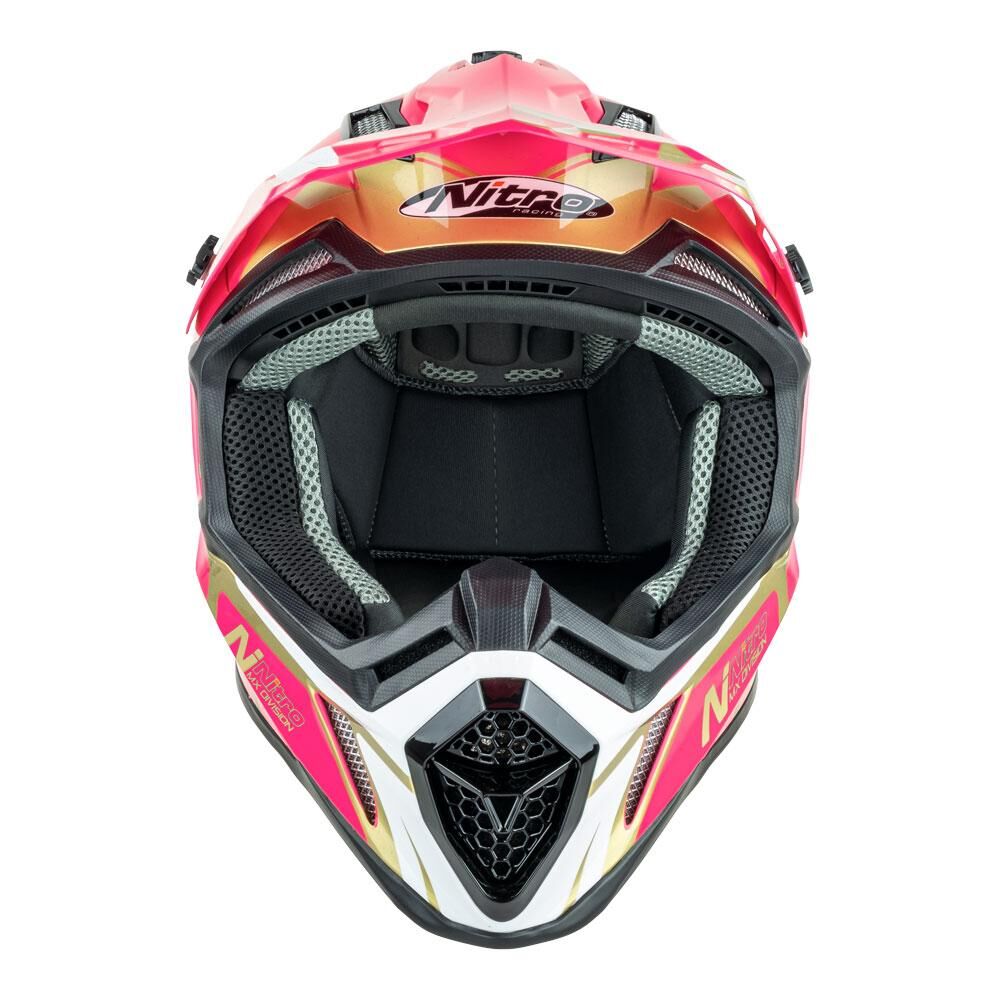
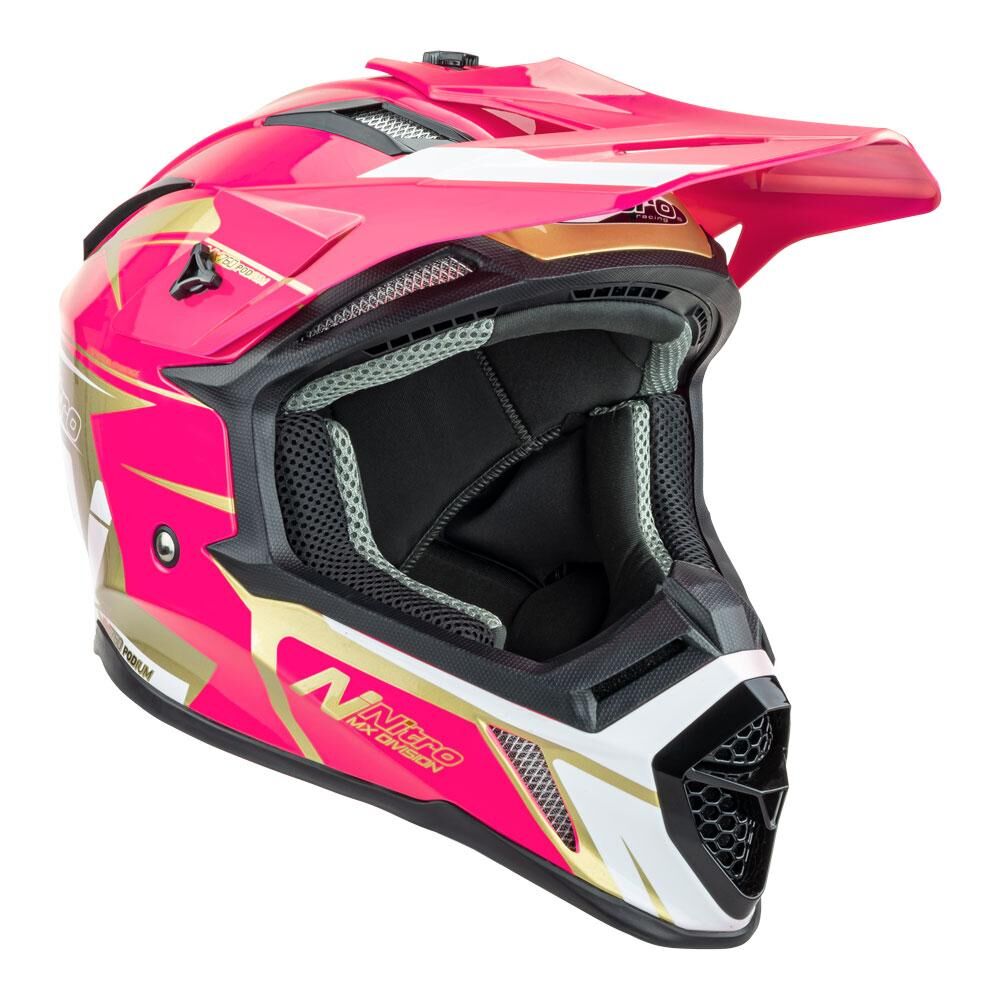

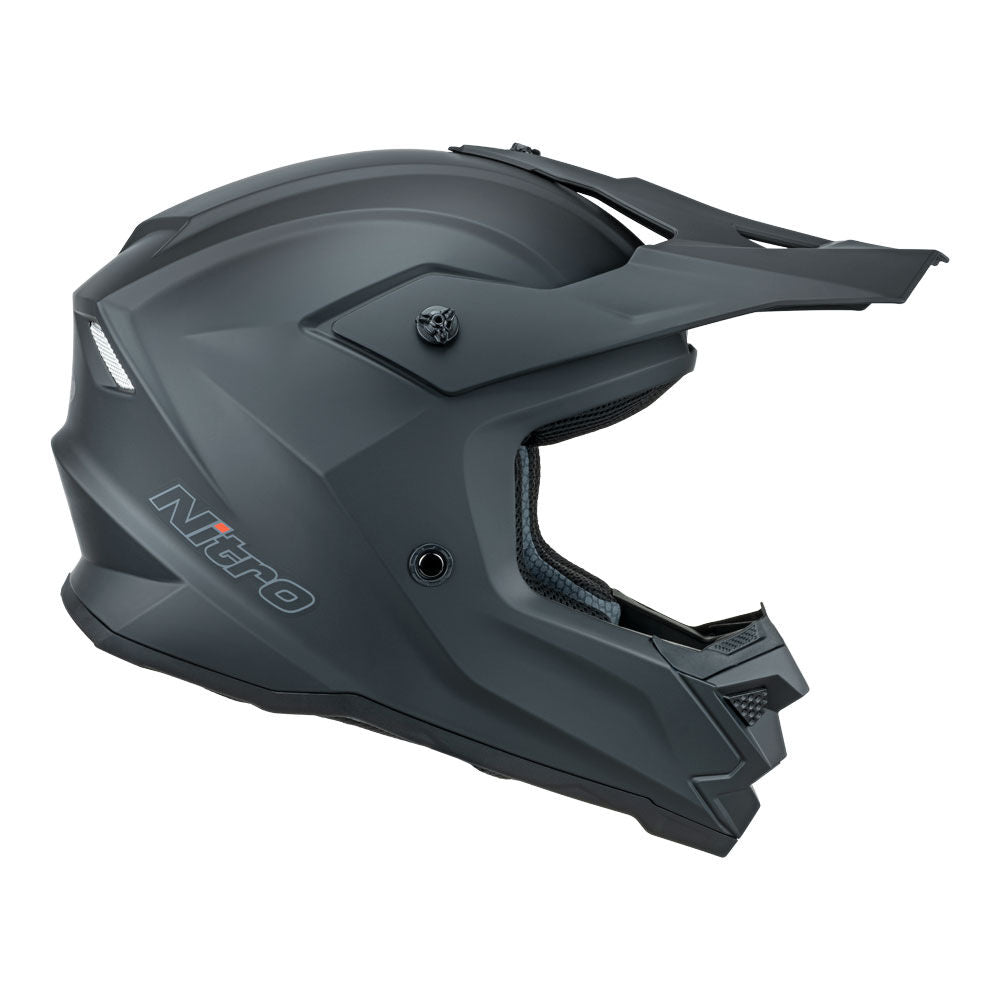

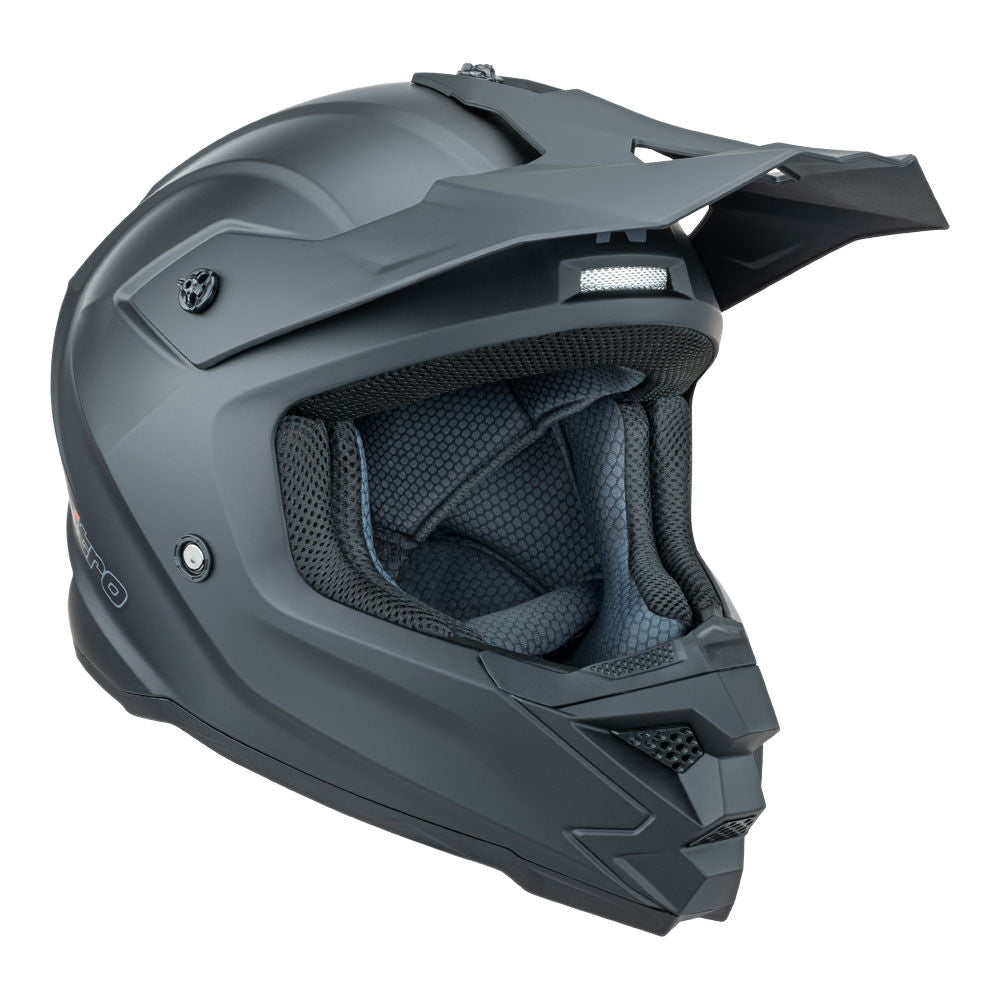
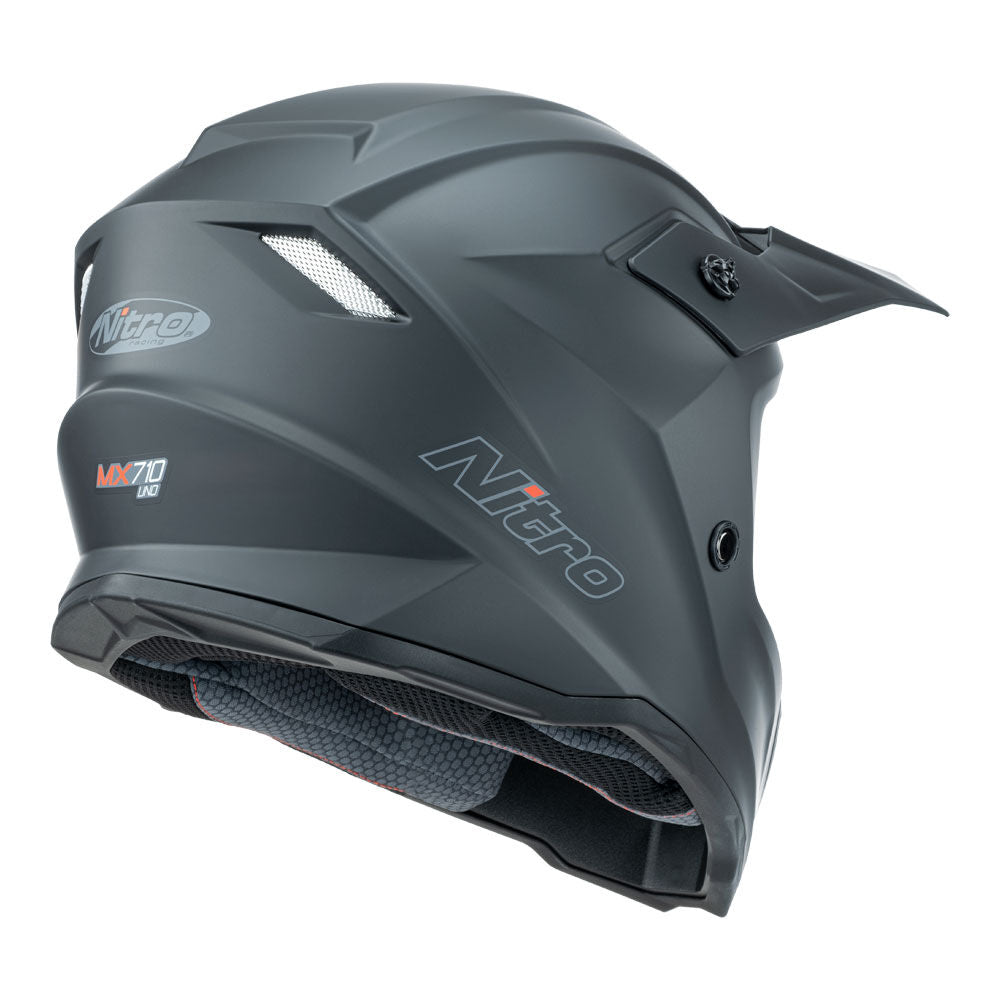
NITRO MX710 YOUTH SATIN BLK YL
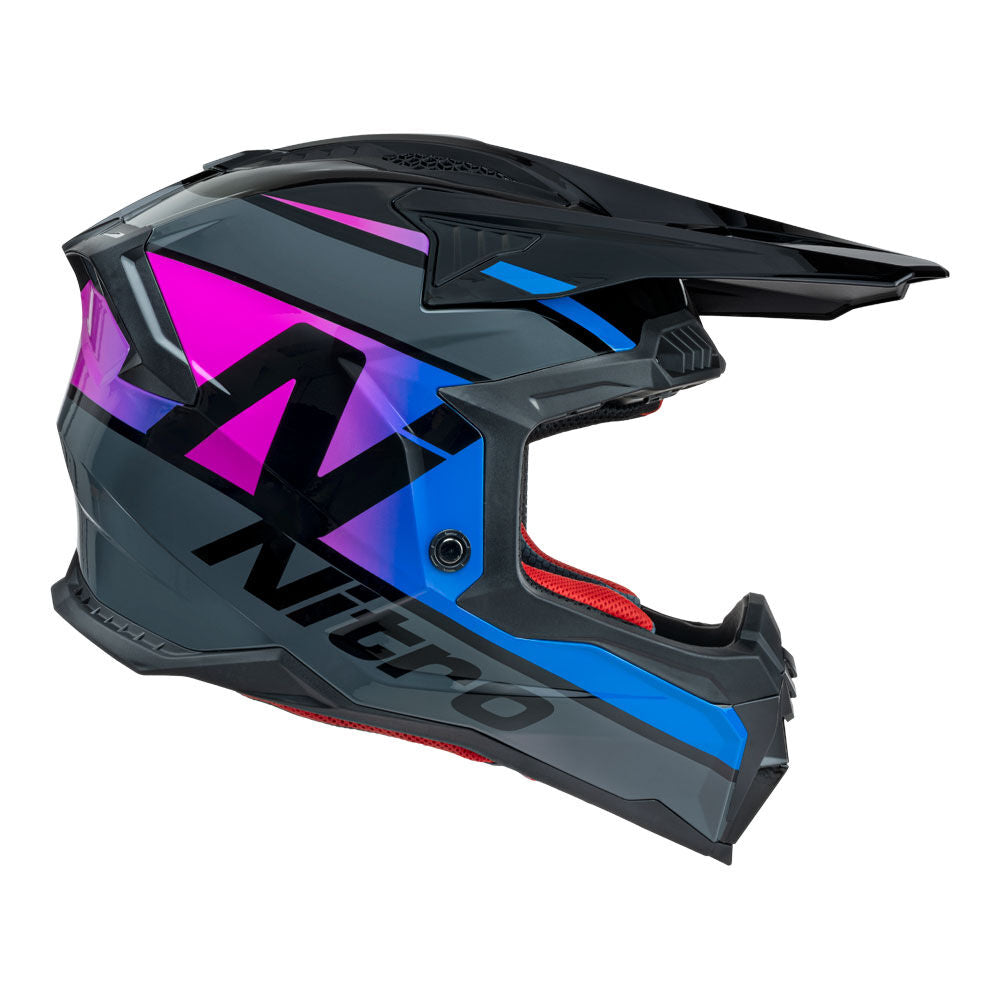
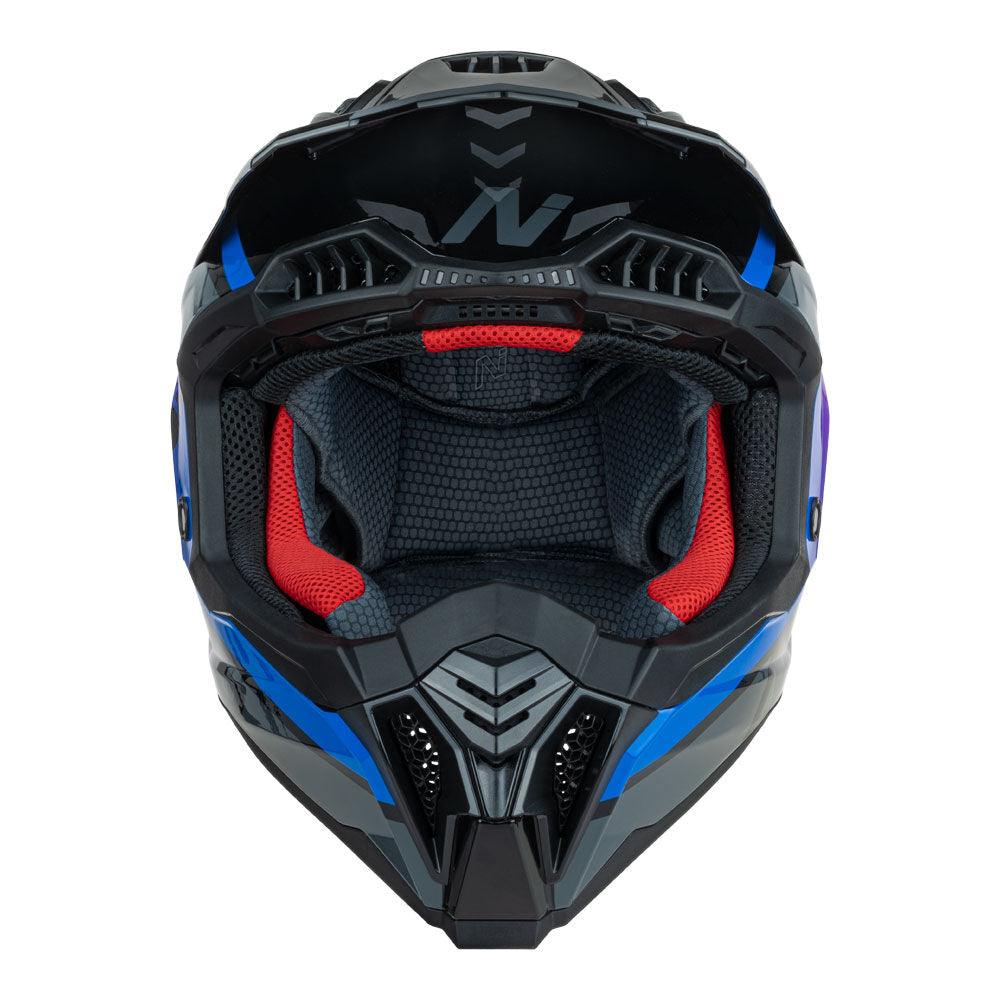
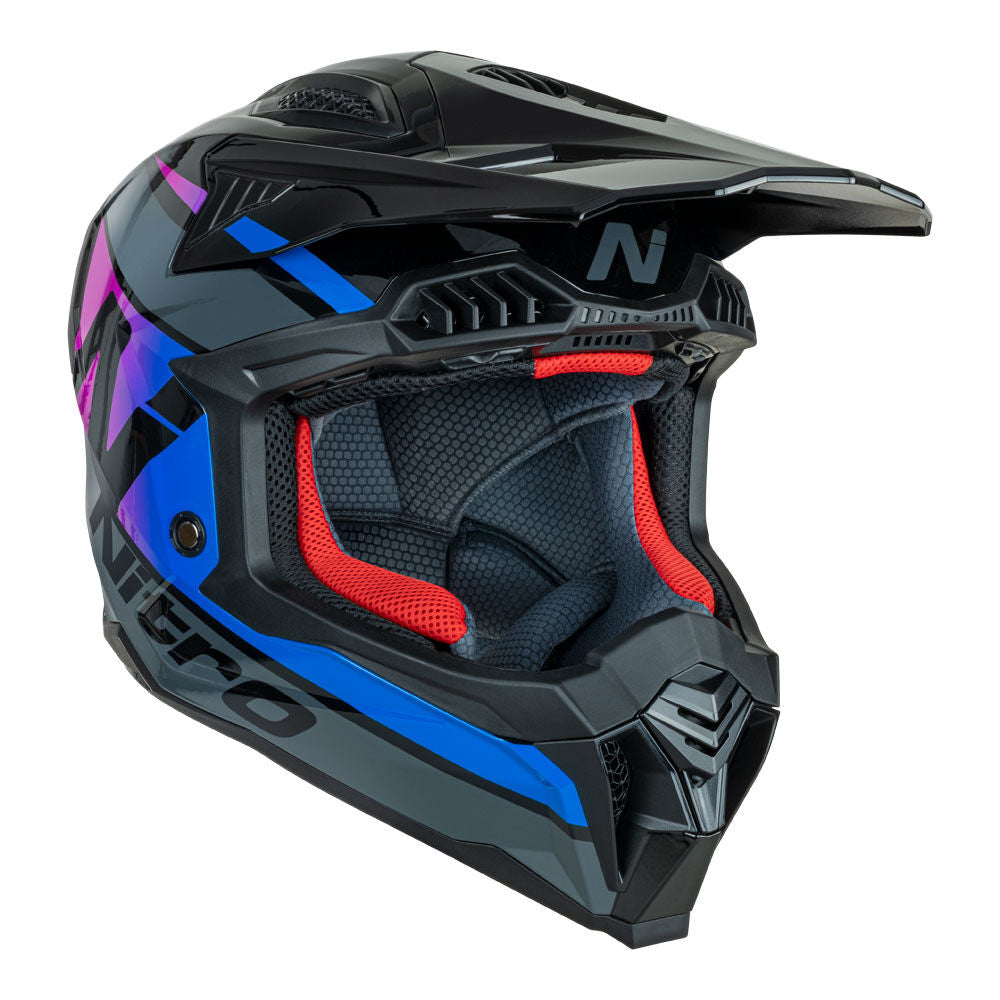
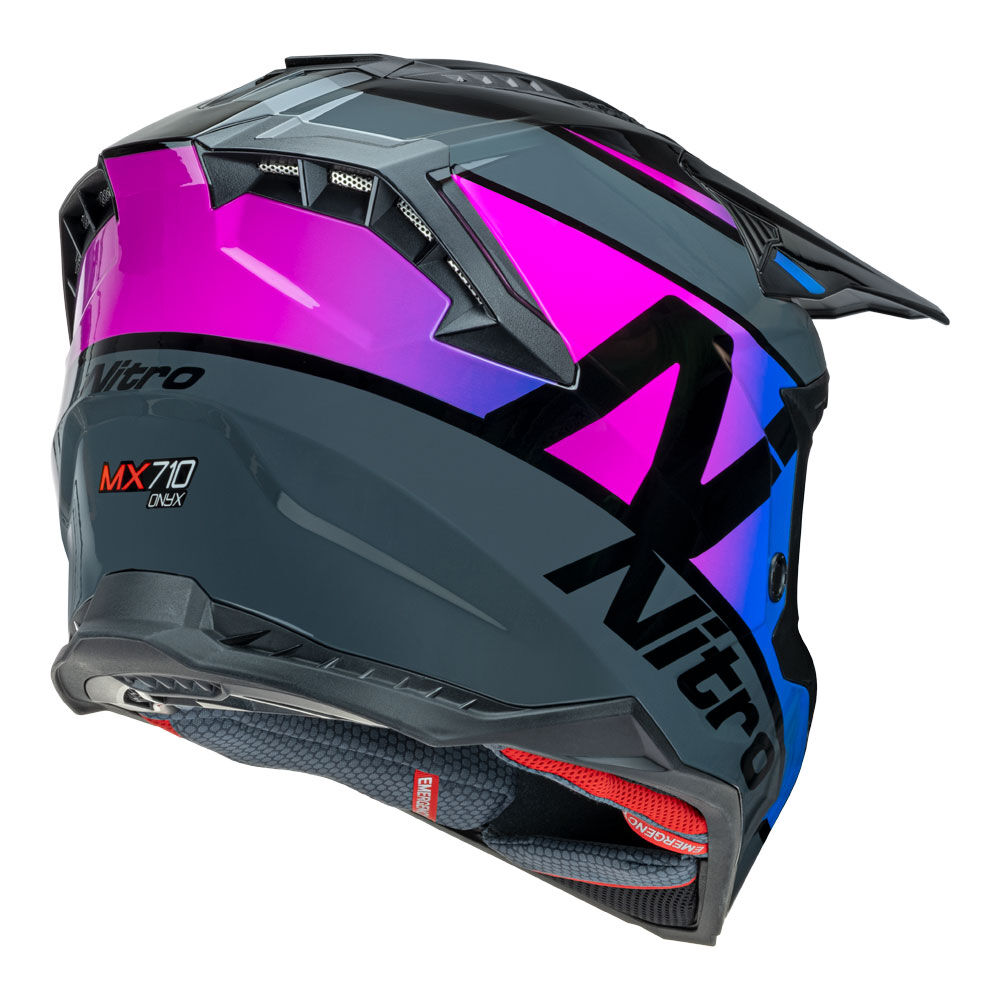
NITRO MX710 ONYX PURPLE/PINK L
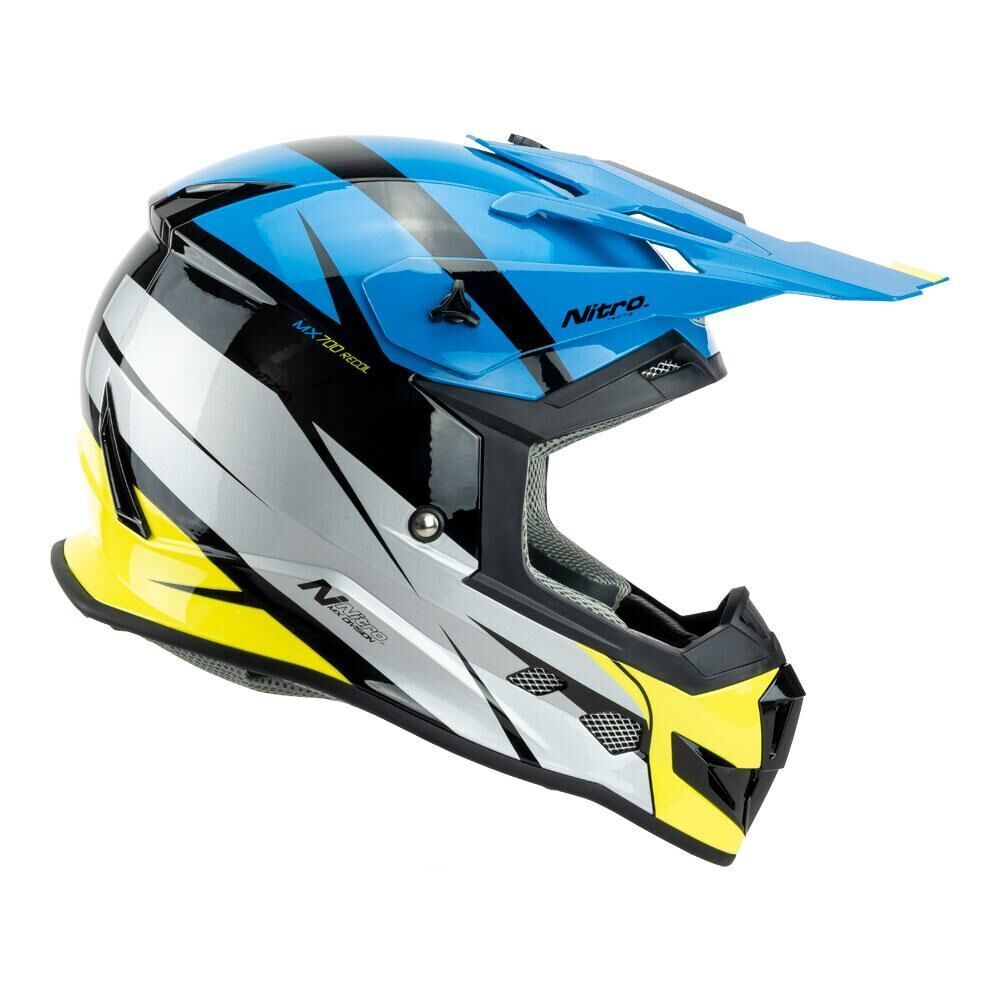

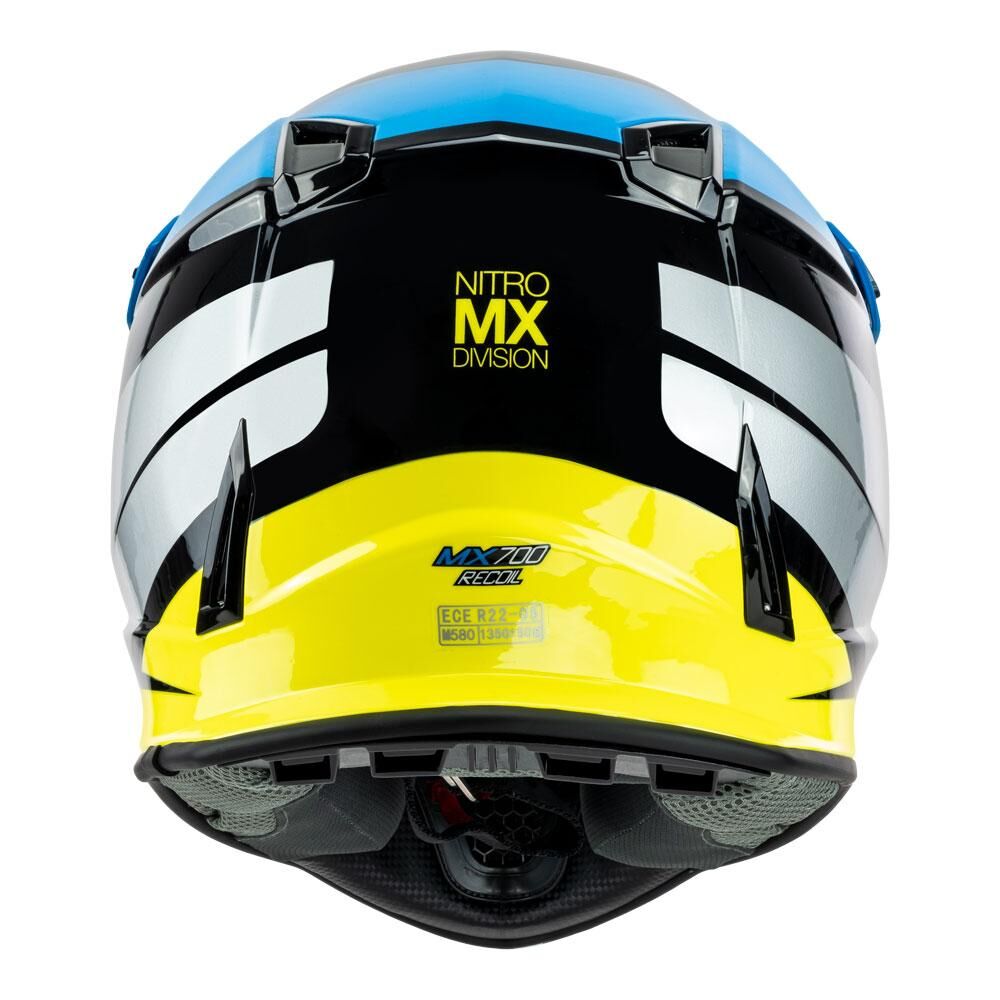
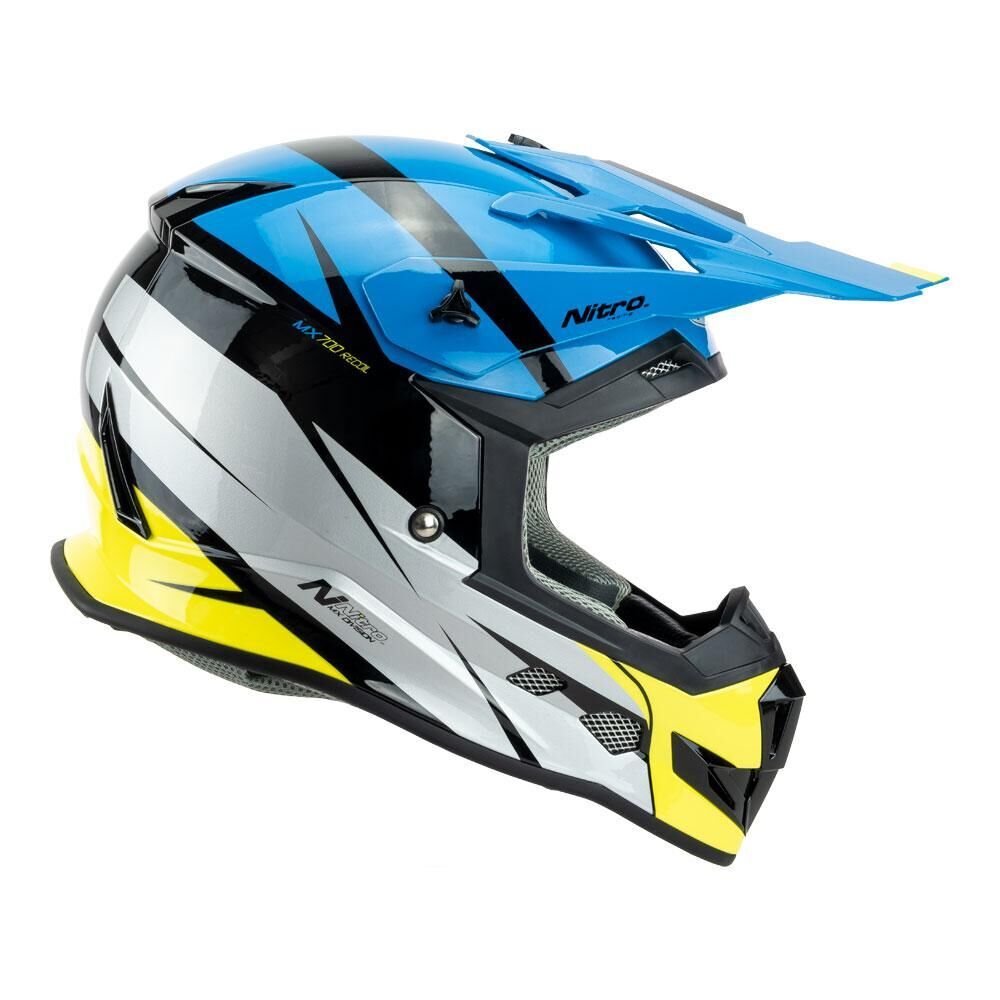
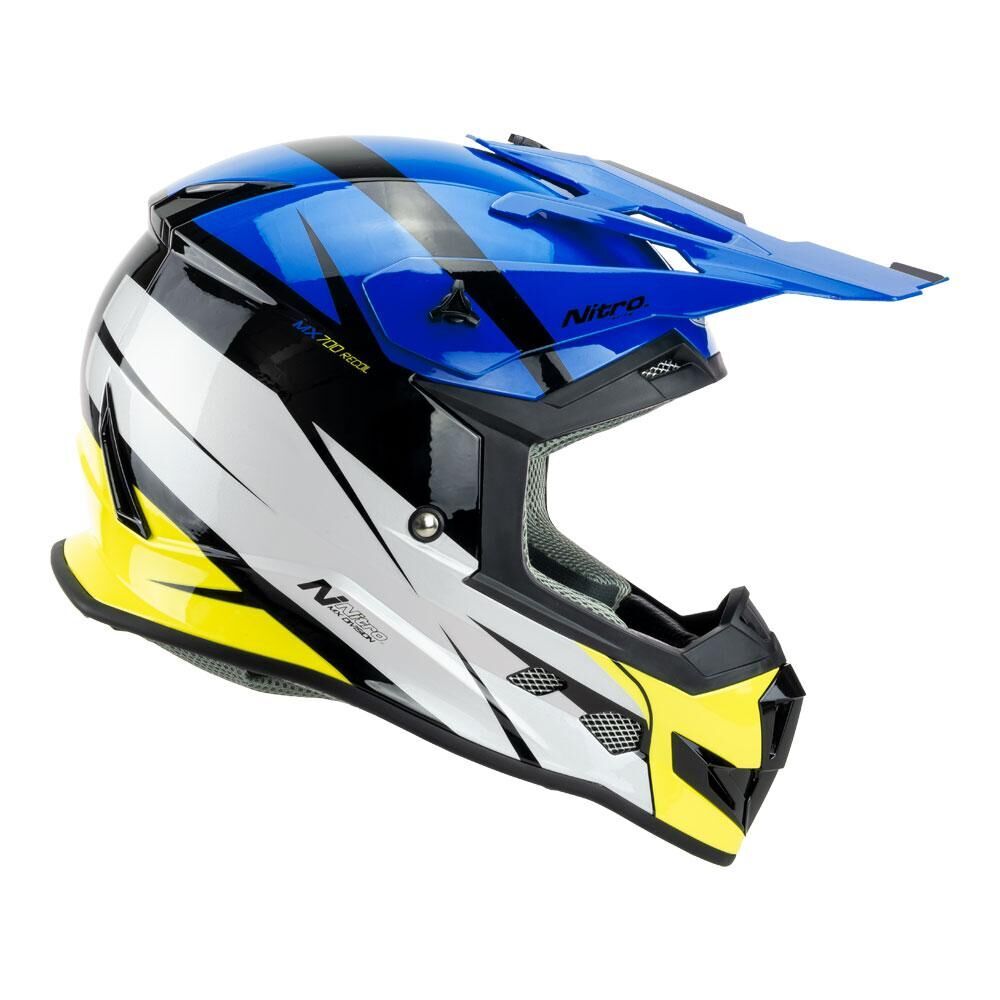
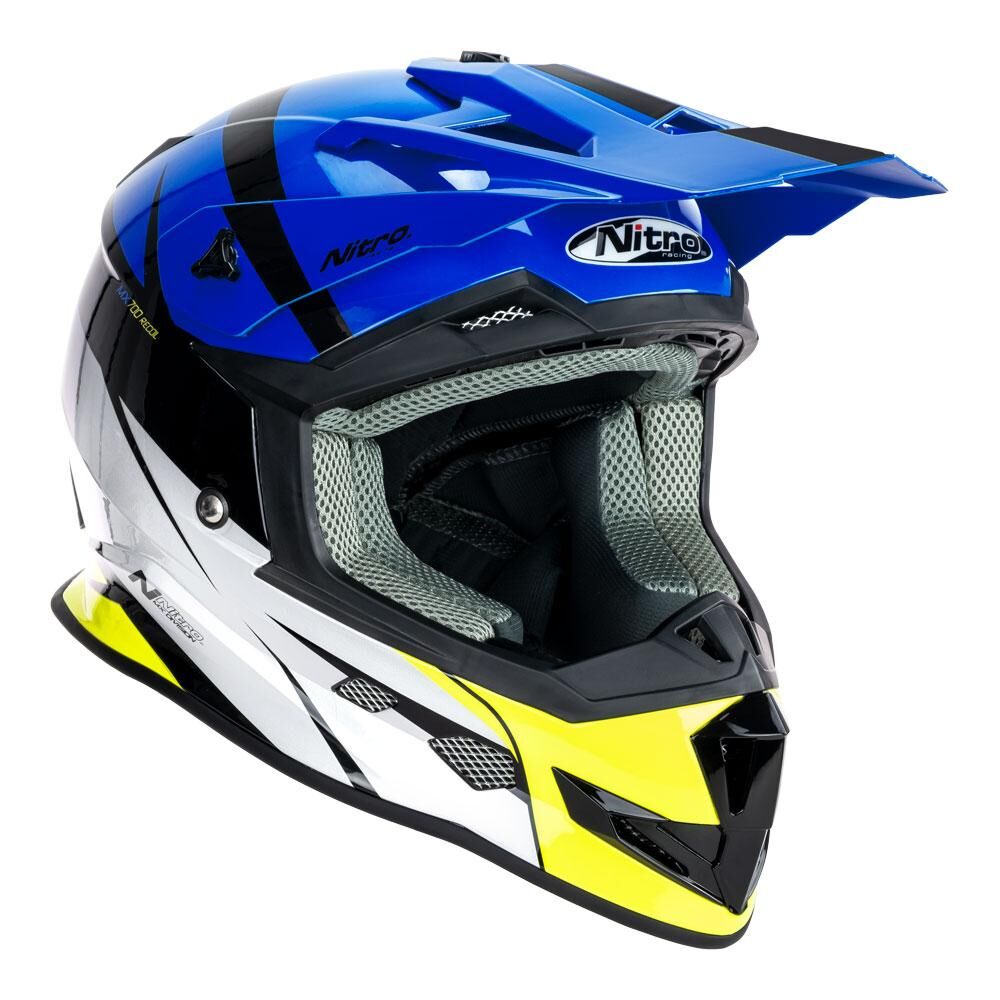

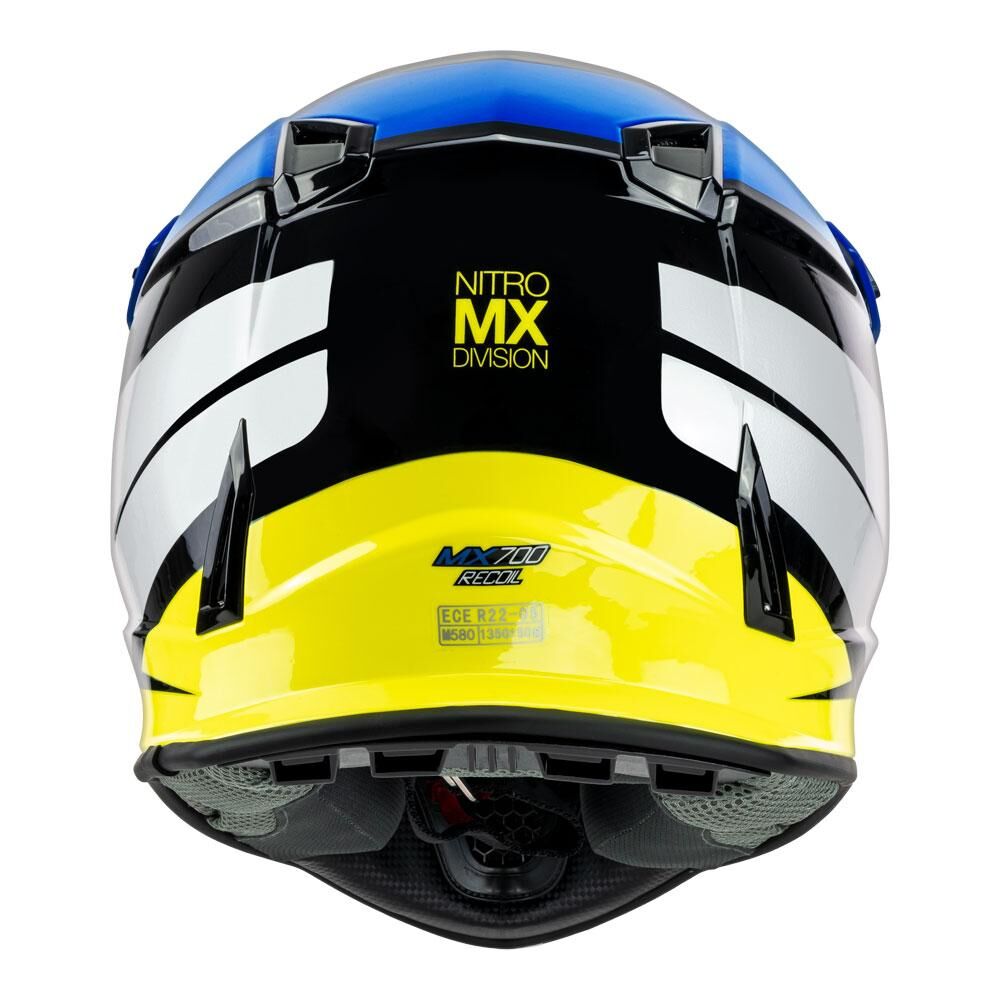
NITRO MX700 RECOIL BLACK/BLUE/WHITE/FLURO
Choosing the right off-road helmet
Off-road helmets trade the closed chin bar of a road lid for maximum ventilation and a fixed peak that blocks roost and low sun. The right shell depends on weight, certification and how much trail versus track riding you do.
| Type | Shell | Weight | Best For | Goggle Fit |
|---|---|---|---|---|
| MX Competition | Carbon or composite | Under 1200 g | Track and racing | Wide eye-port |
| Adventure | Textile-lined composite | 1400 to 1600 g | Trail and touring | Goggle or visor |
| Trail / Entry | Polycarbonate | 1500 to 1700 g | Weekend dirt | Goggle ready |
Carbon shells cut weight and a lighter helmet reduces strain through long motos and rough whoops. A standard MX lid sits around 1400 to 1600 grams, while carbon construction can drop below 1200 grams. Every lid sold for road use carries a recognised standard, with ECE 22.06 and the AS/NZS 1698 mark both required for legal road riding in Australia. Pure competition helmets without those marks are restricted to closed circuits.
Fit and sizing
Fit decides protection. Measure your head circumference in millimetres around the widest point above the brow. Sizes run from 53 cm to 64 cm across S through XXL, in roughly 1 cm steps. A correct off-road helmet grips the cheeks firmly with zero front-to-back movement, and multi-density EPS liners manage impact across more than 2 energy zones. Look for 8 to 12 intake and exhaust vents for airflow, a peak held by 3 screws so it breaks away in a crash, and emergency-release cheek pads that speed safe removal after an off.
Frequently asked questions
What is the difference between an MX helmet and an adventure helmet?
An MX helmet is built purely for dirt with a fixed peak, wide goggle port and maximum venting. An adventure helmet keeps the peak and venting but adds touring comfort and often takes both goggles and a visor for mixed road and trail use.
Do off-road helmets need to be road legal in Australia?
If you ride on public roads the helmet must carry the AS/NZS 1698 standard mark, and ECE 22.06 is widely accepted alongside it. Pure competition lids without those marks are restricted to closed circuits and private land, so check the certification before buying for road use.
How do I measure for the right off-road helmet size?
Wrap a soft tape around the widest part of your head, just above the eyebrows and ears, and read the measurement in centimetres. Match that figure to the size chart. A correct fit grips the cheeks firmly with no movement when you shake your head.