

Shark Leathers carries the full spectrum of motorcycle jackets, from CE-rated leather and laminated textile to aramid-reinforced hoodies and hi-vis mesh. Every jacket in this range is selected for genuine on-road protection, not just looks. Shark's own-brand cuts are designed and tested in Australia for local conditions.
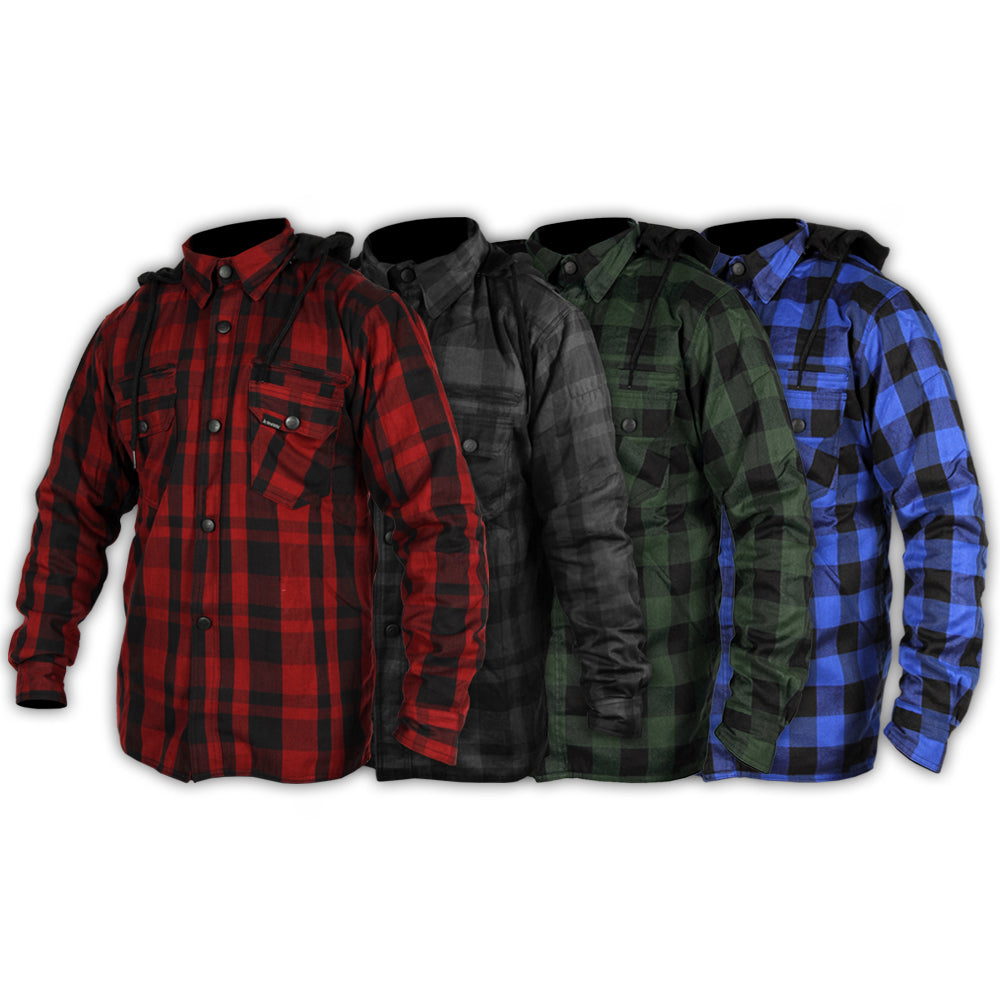
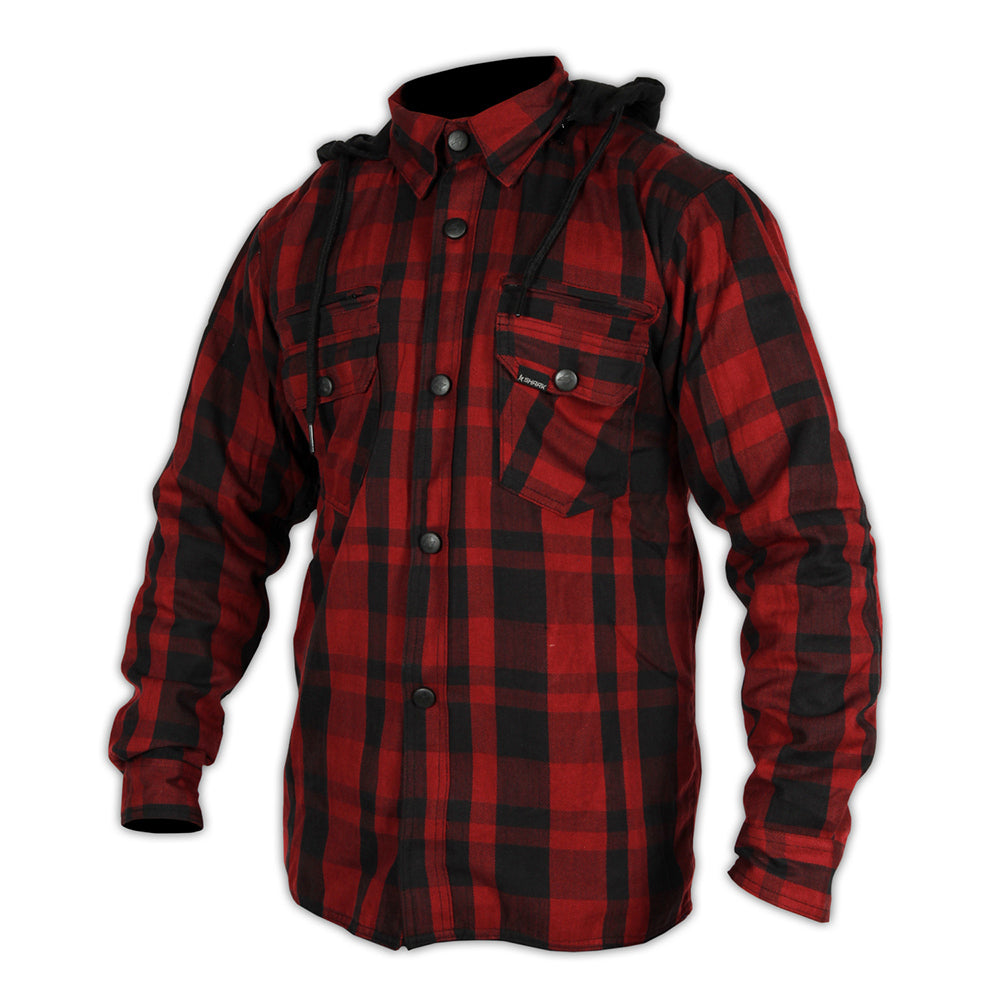
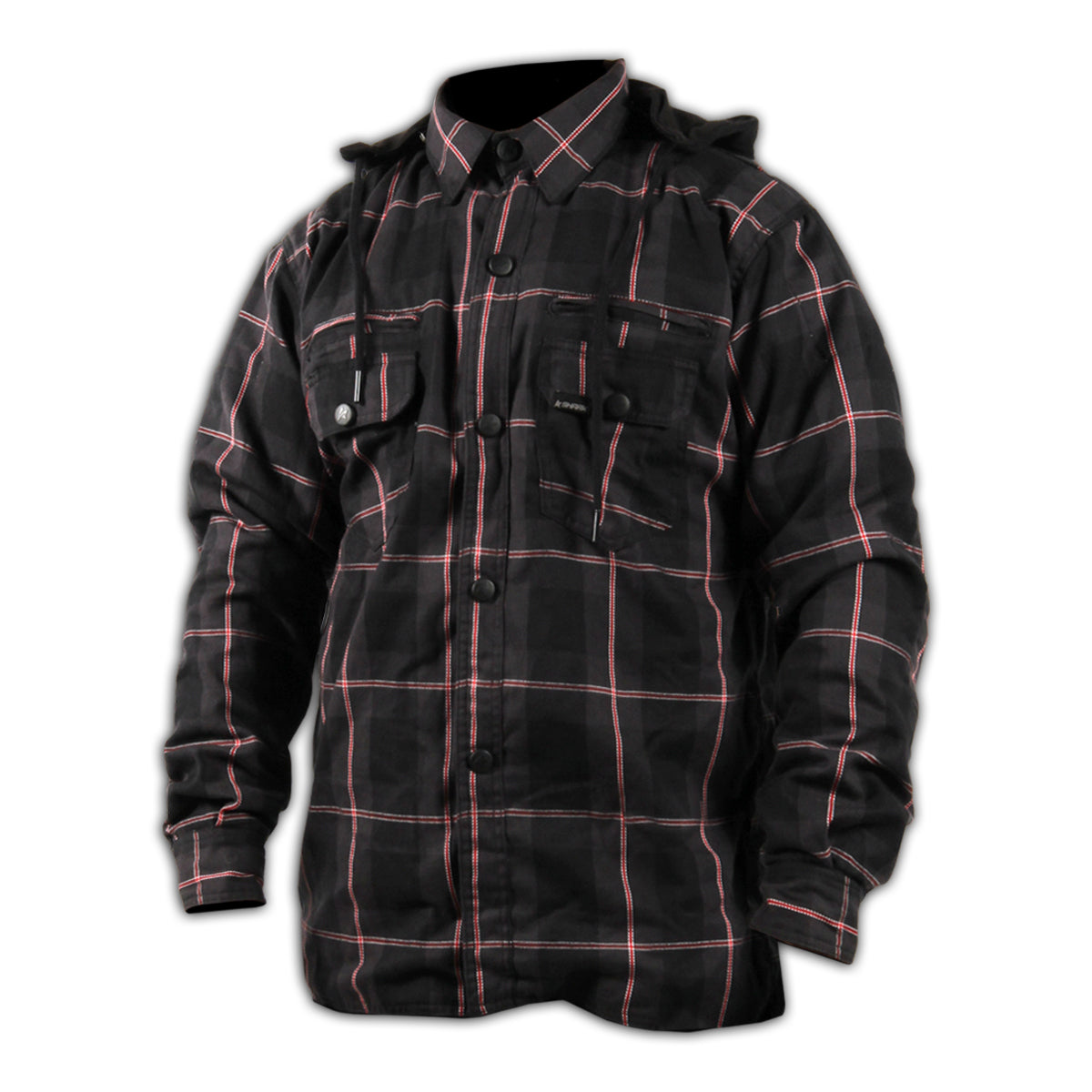
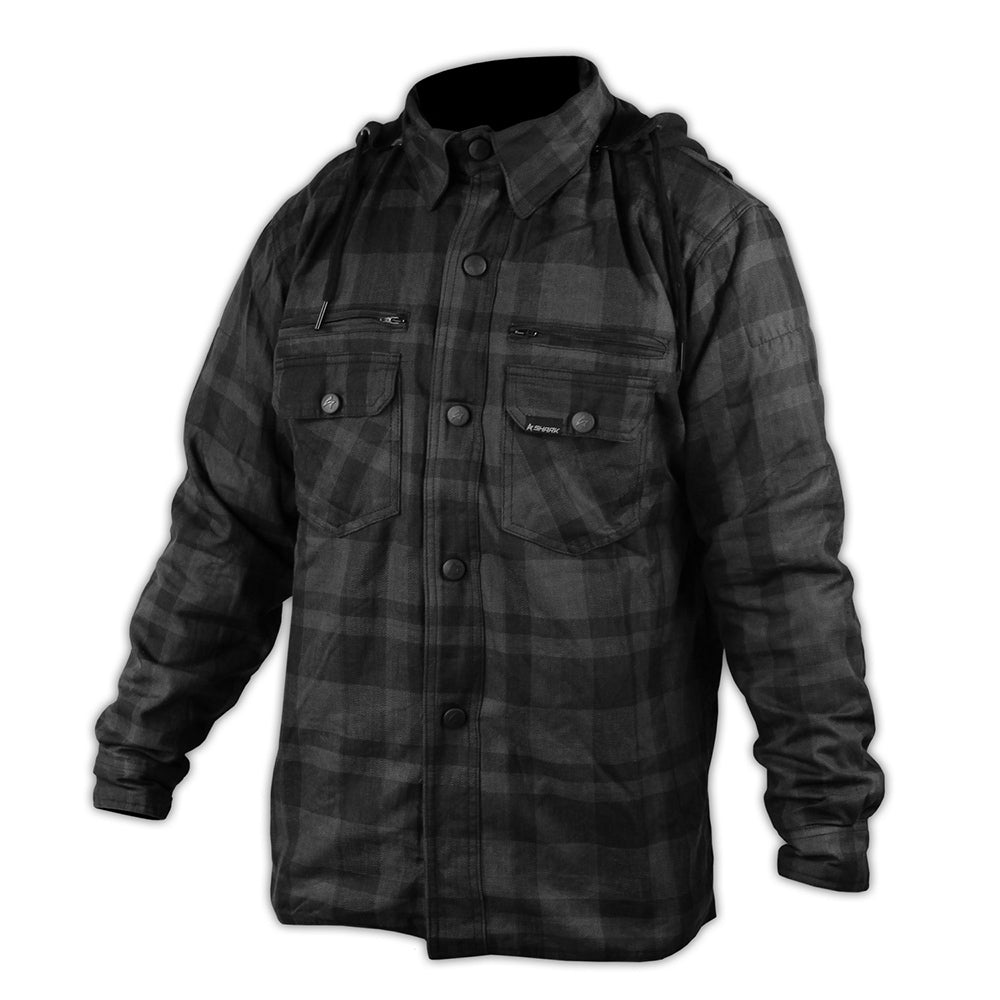
Shark Cruiser Protective Flannel
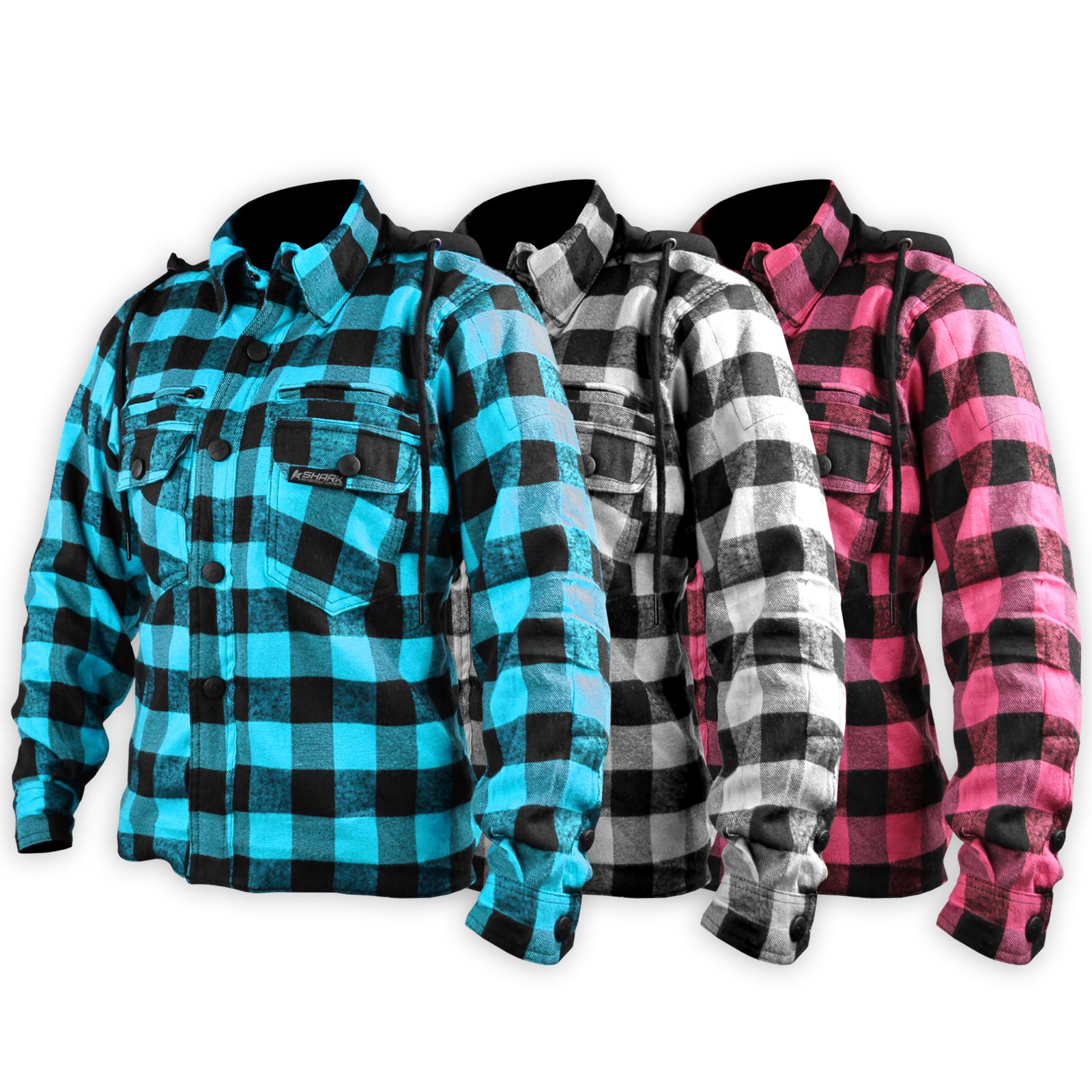
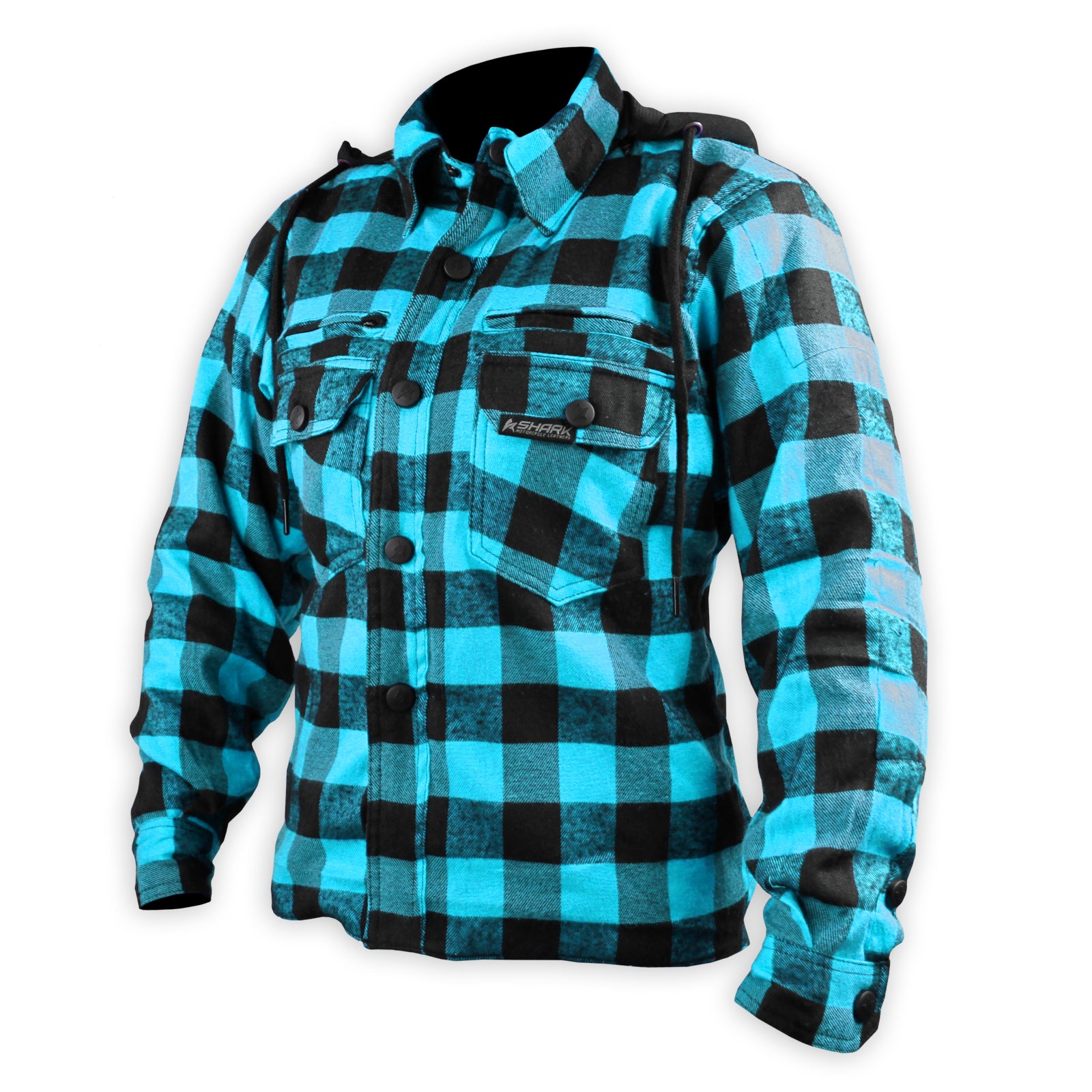
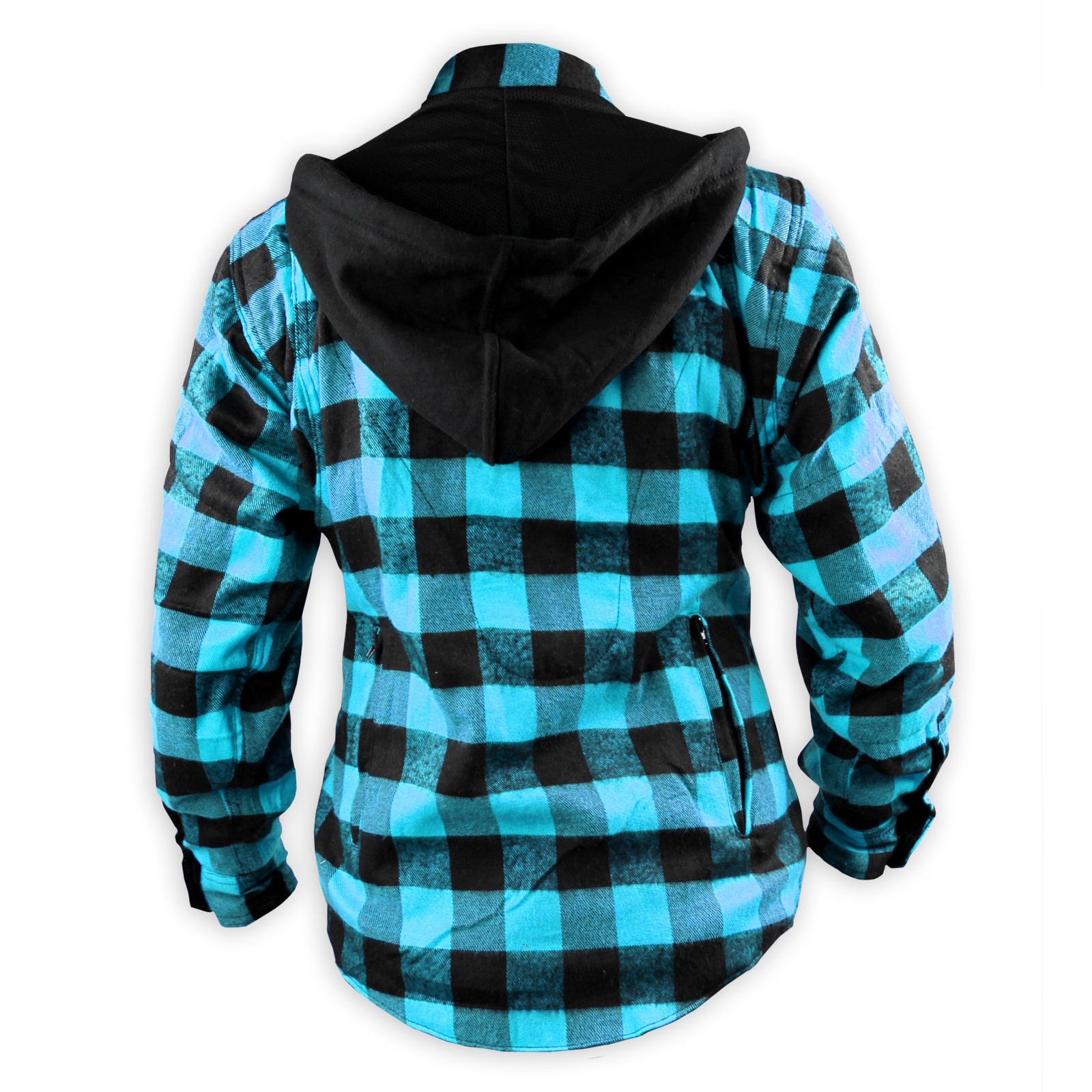
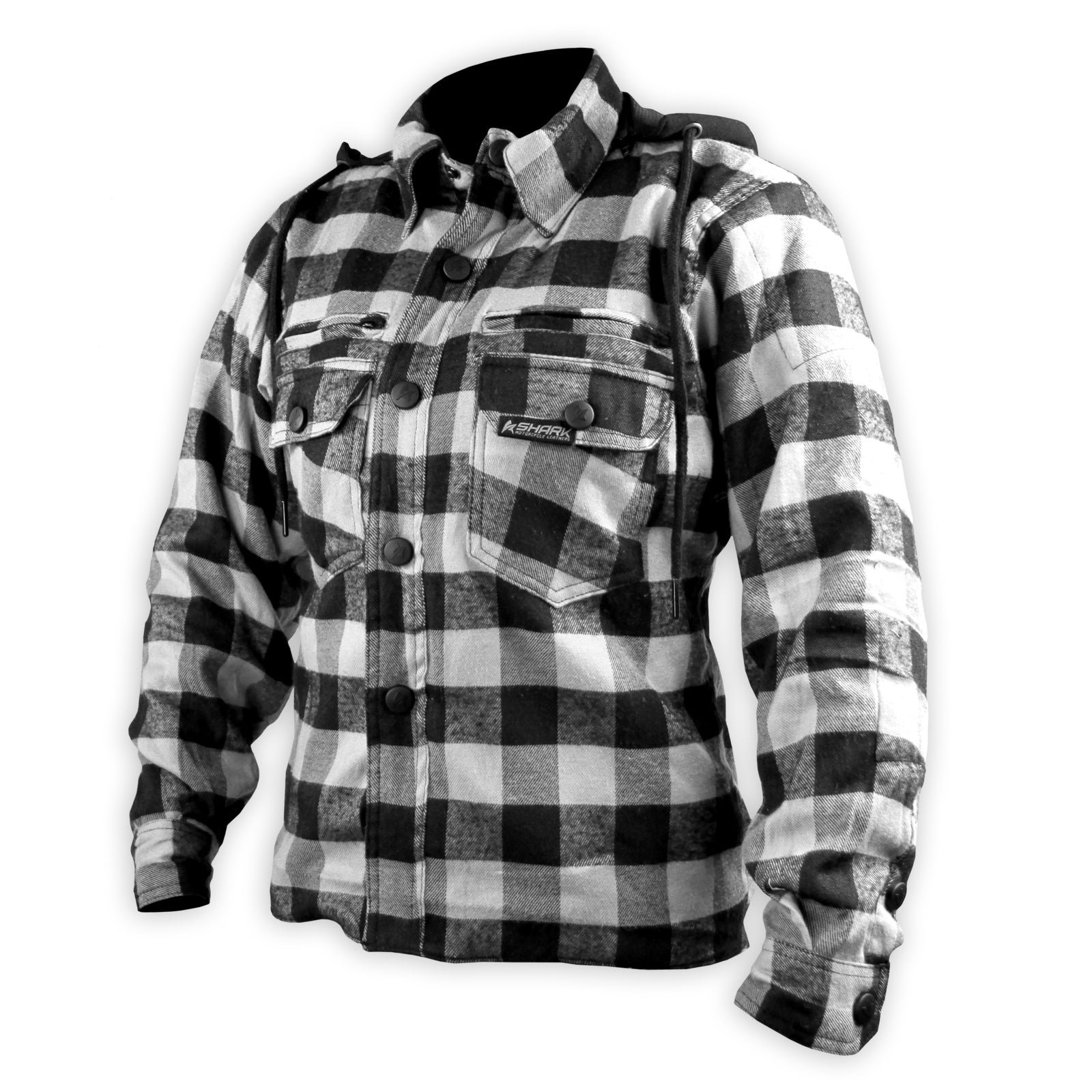
Shark Ladies All Year Protective Flannel
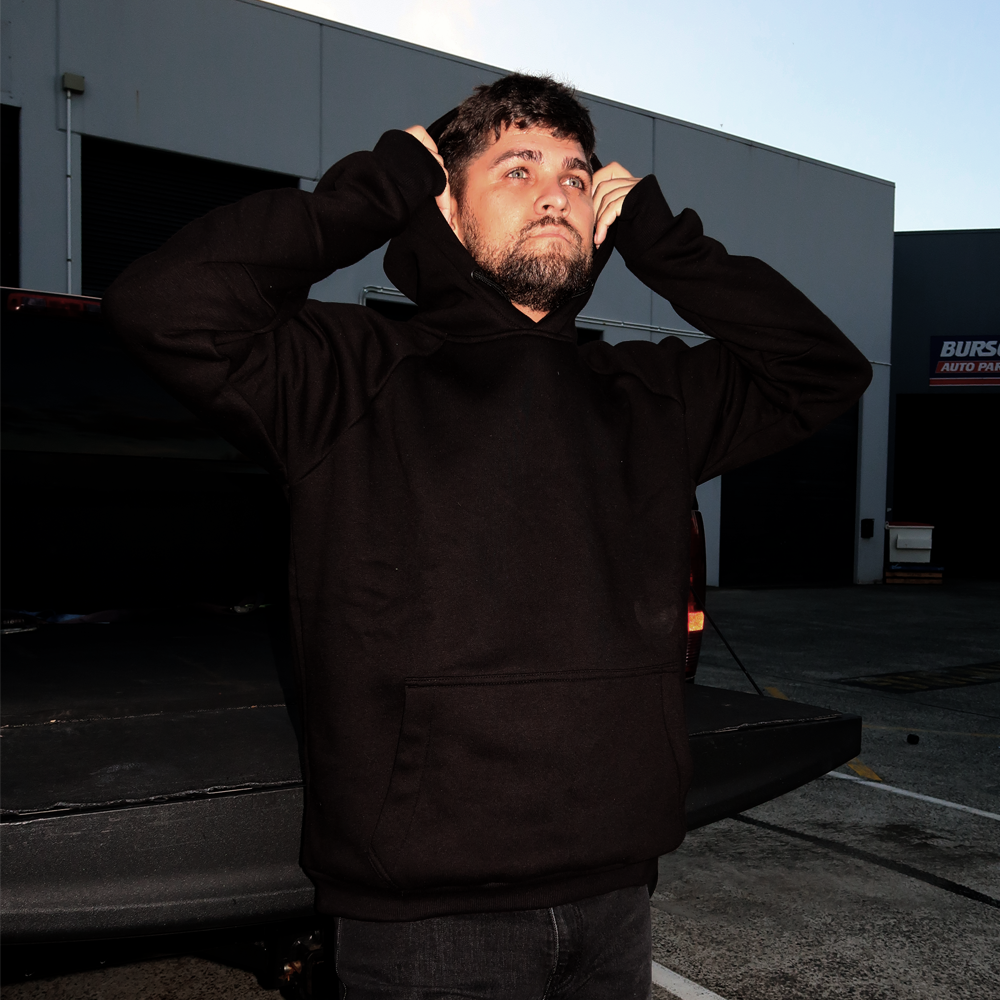
Shark Blank Protective Hoodie Black
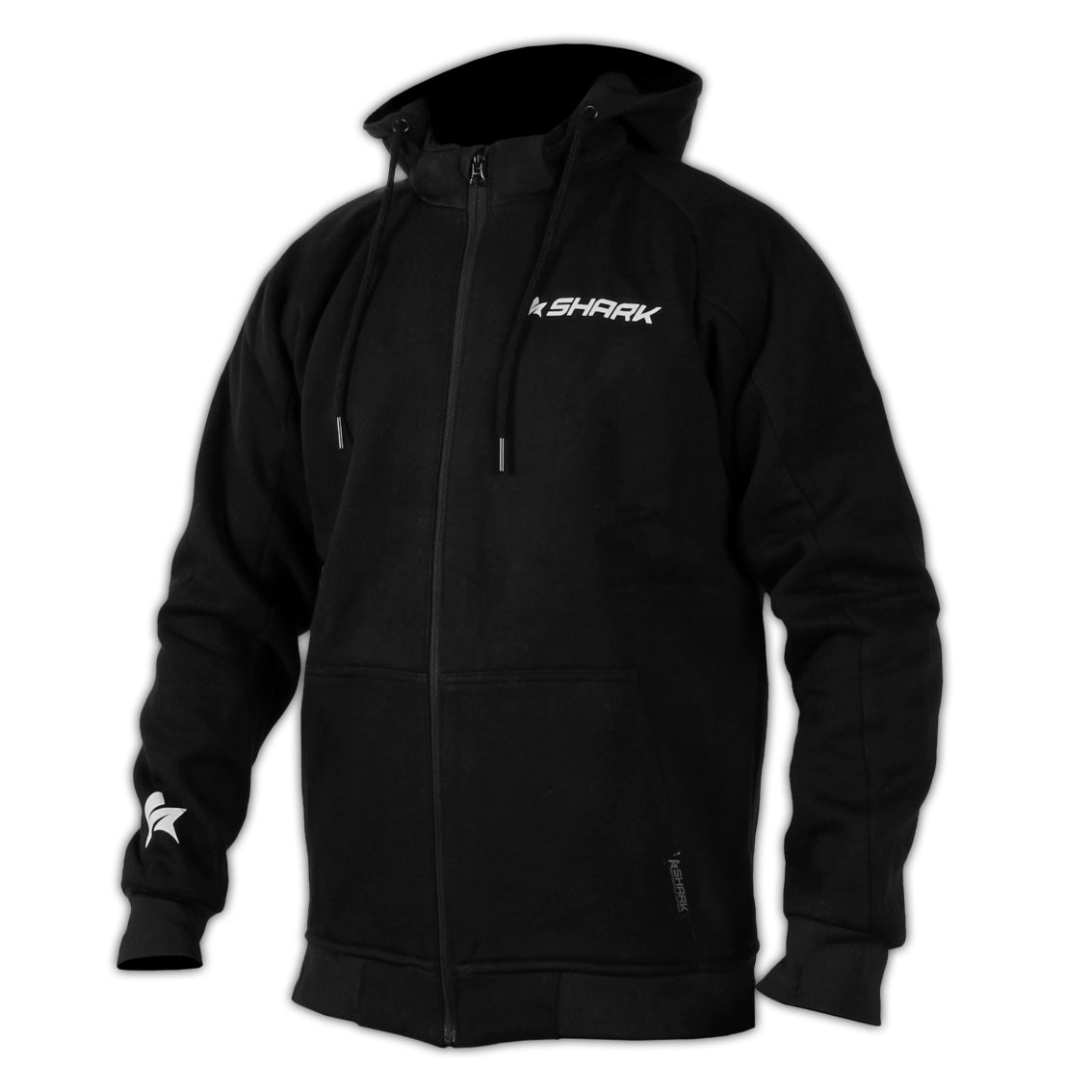
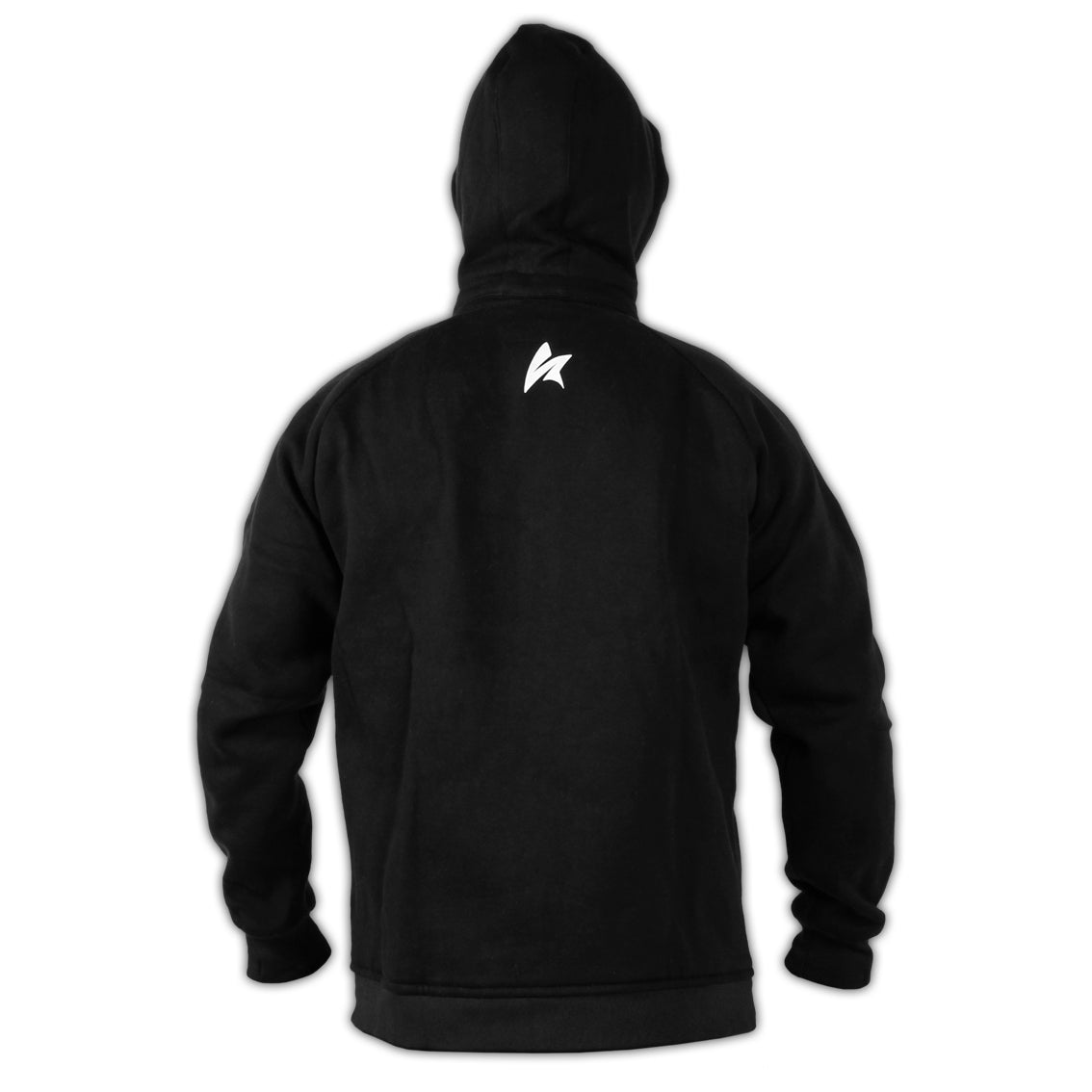
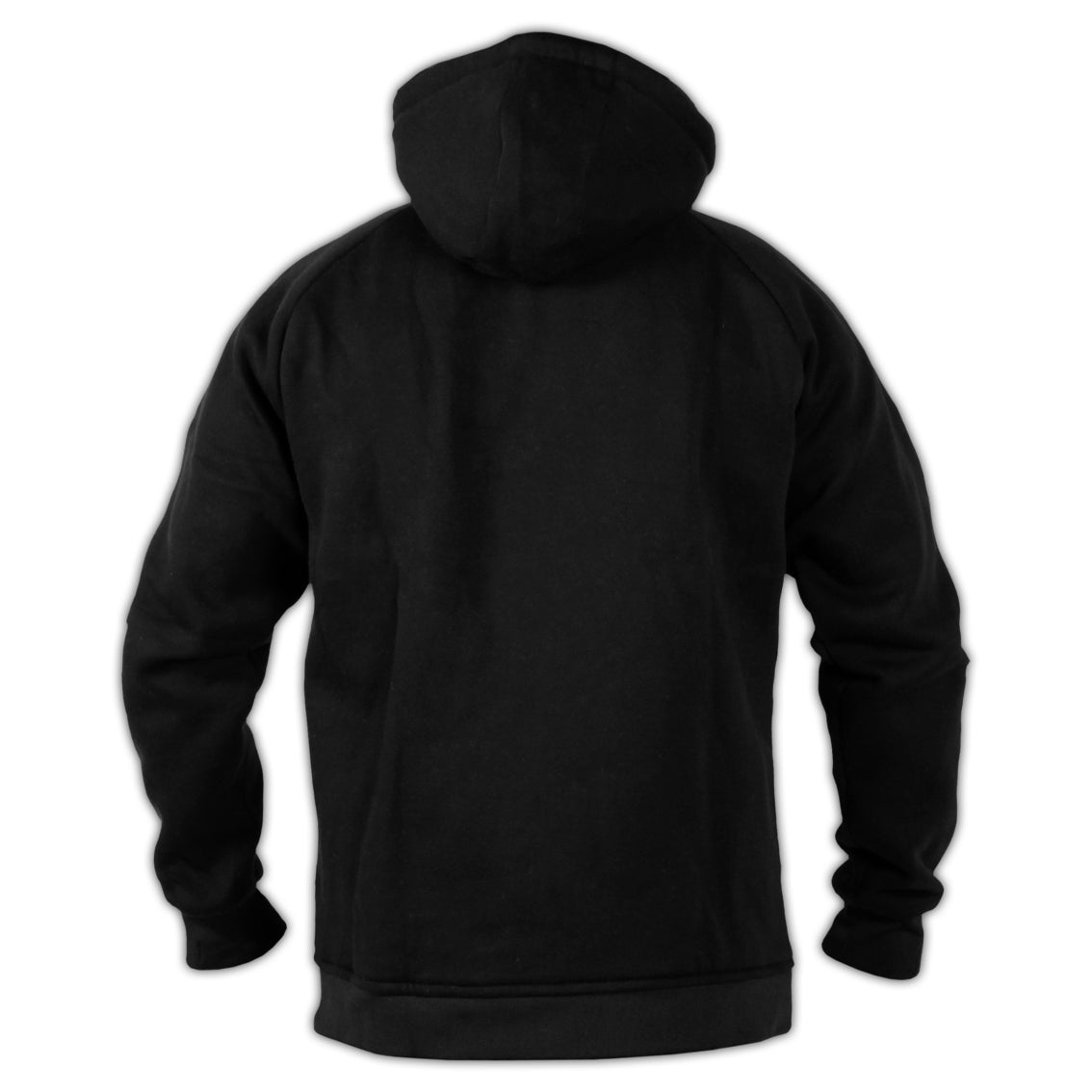
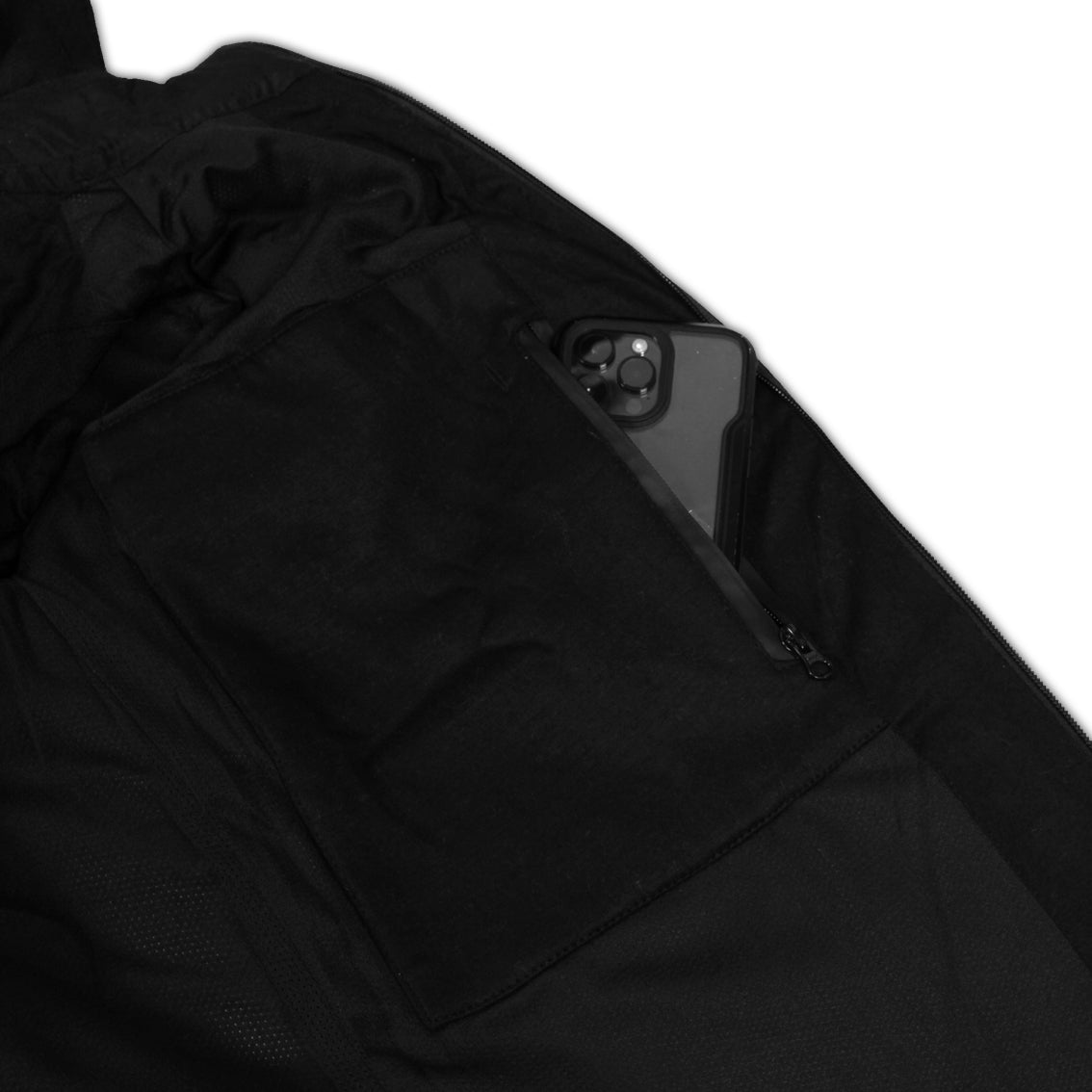
Shark Single Layer Protective Hoodie
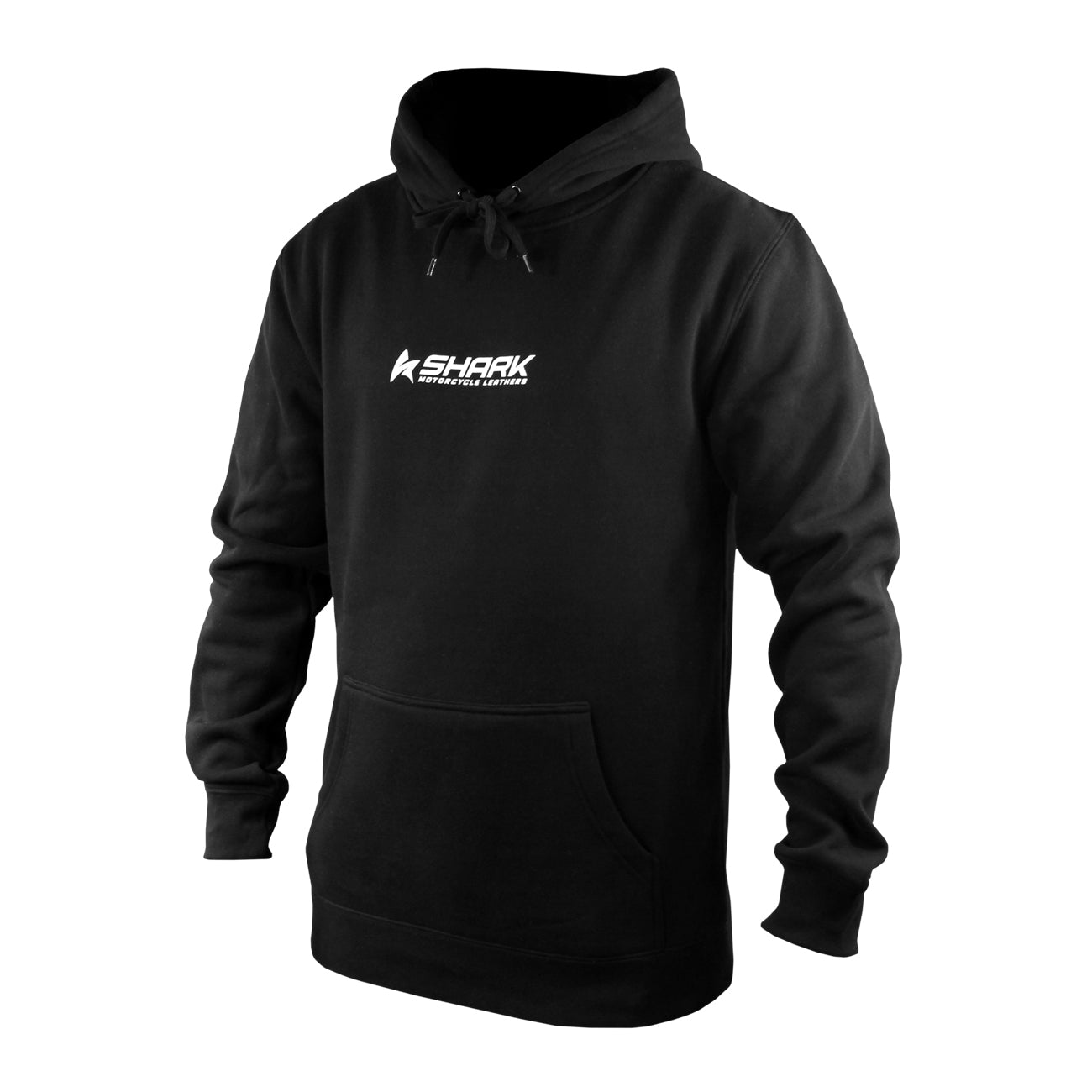
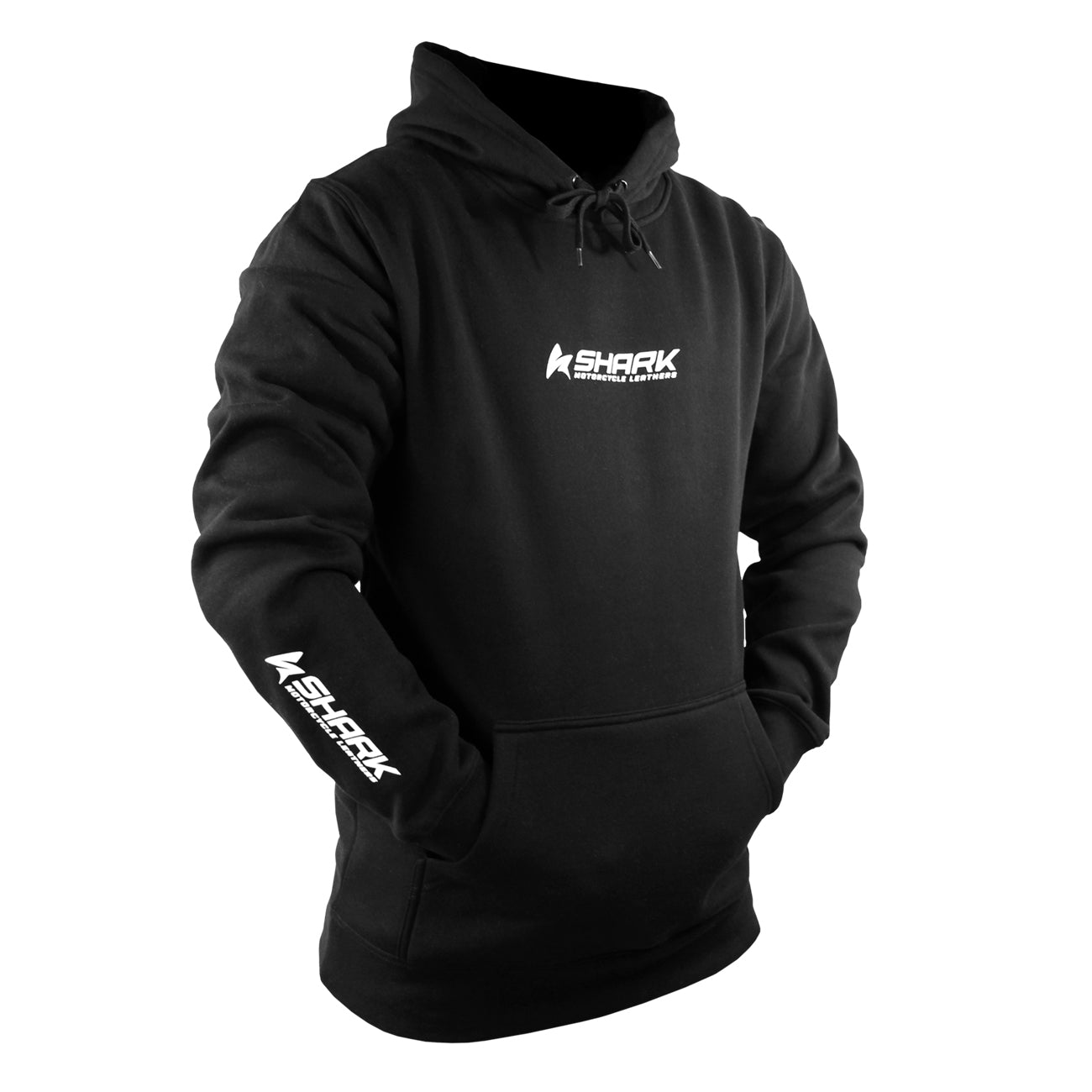
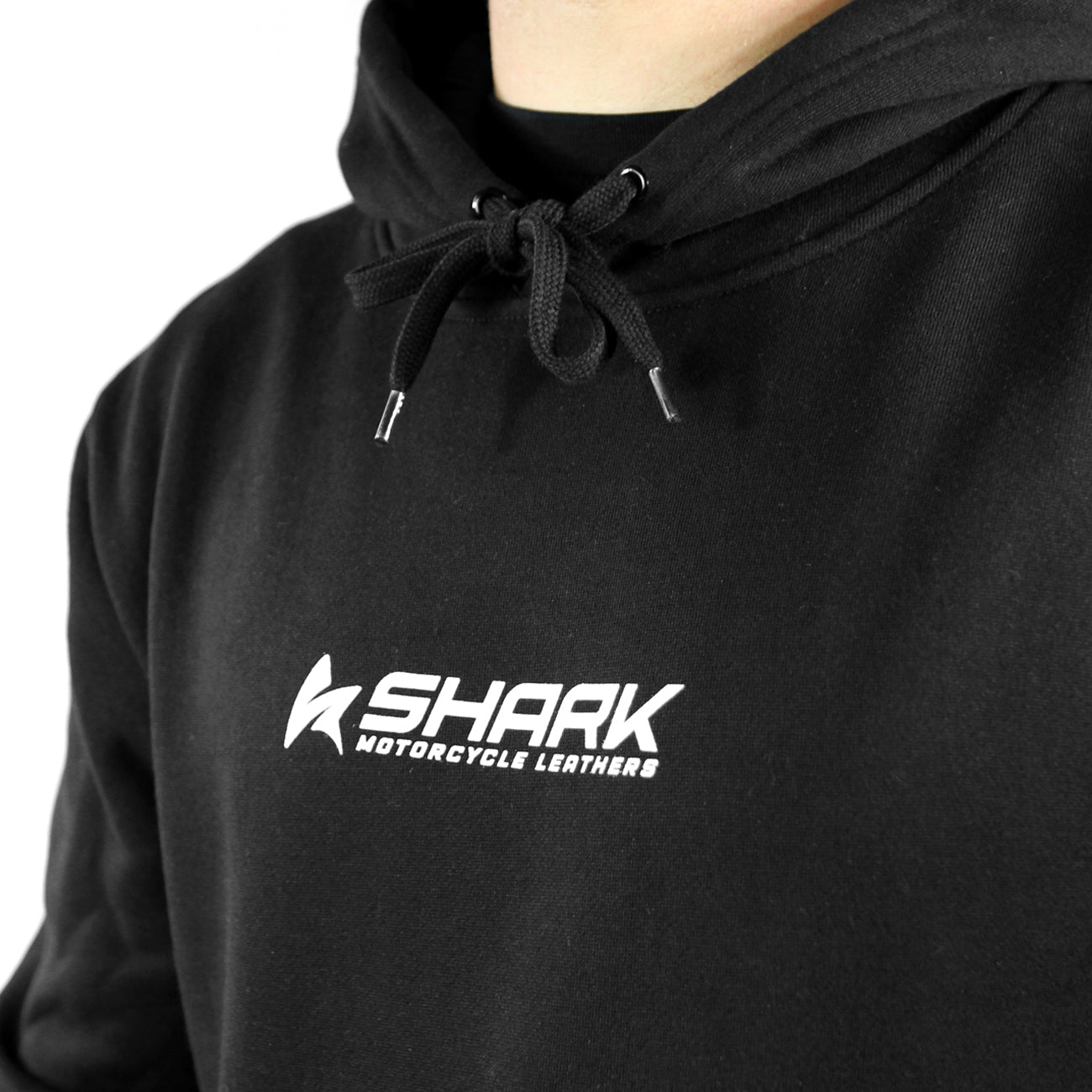
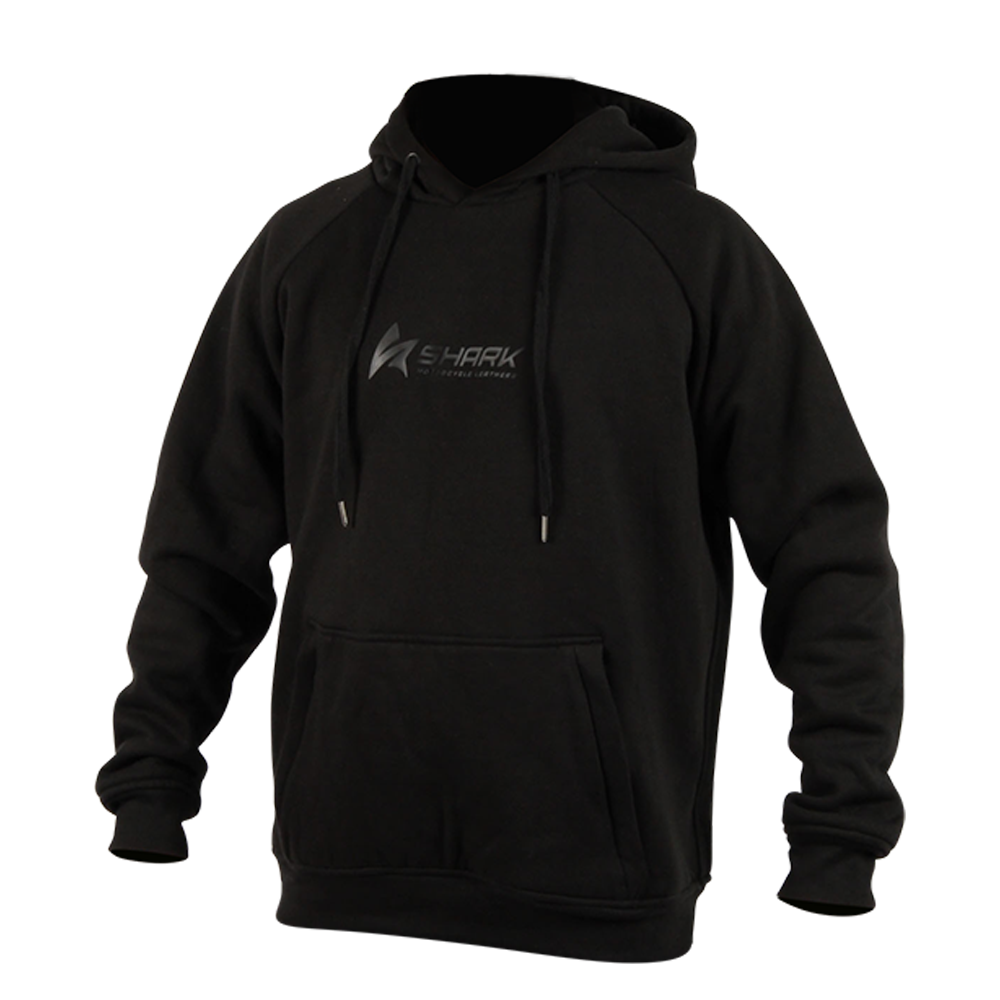
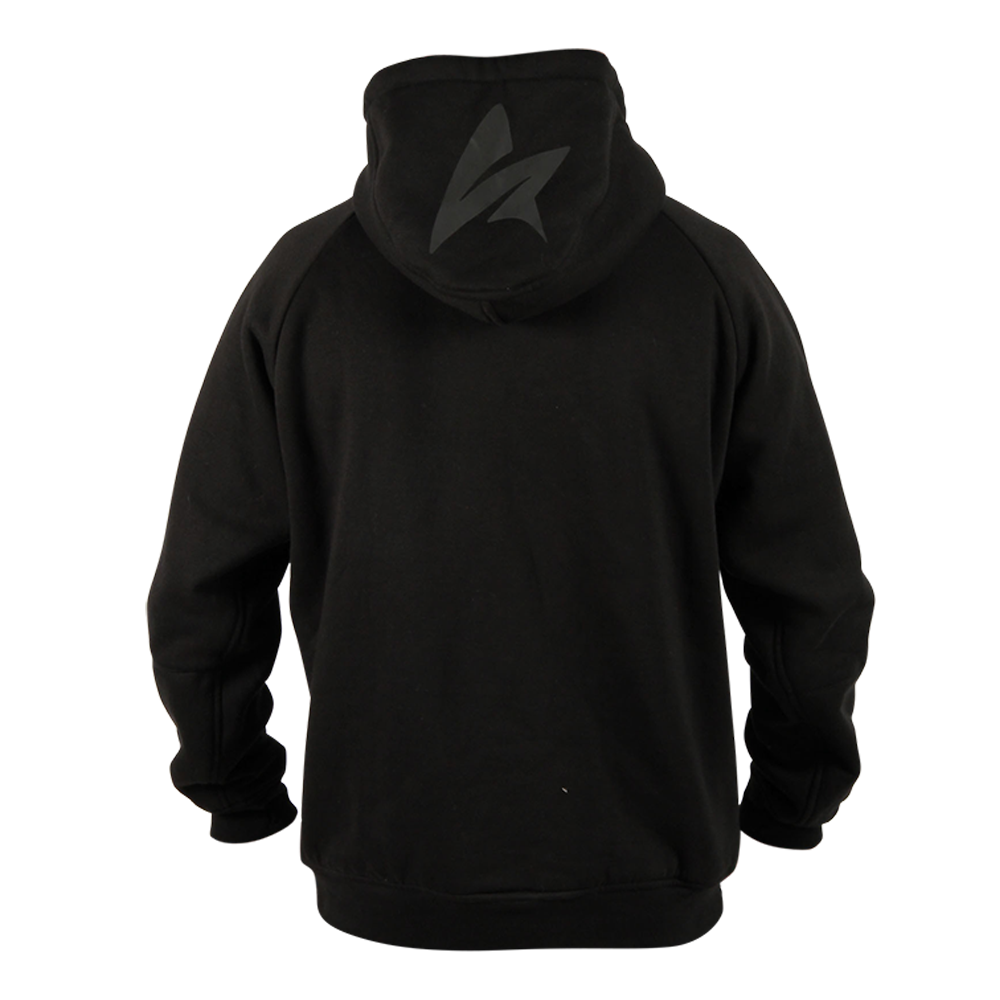
Shark Phantom Protective Hoodie


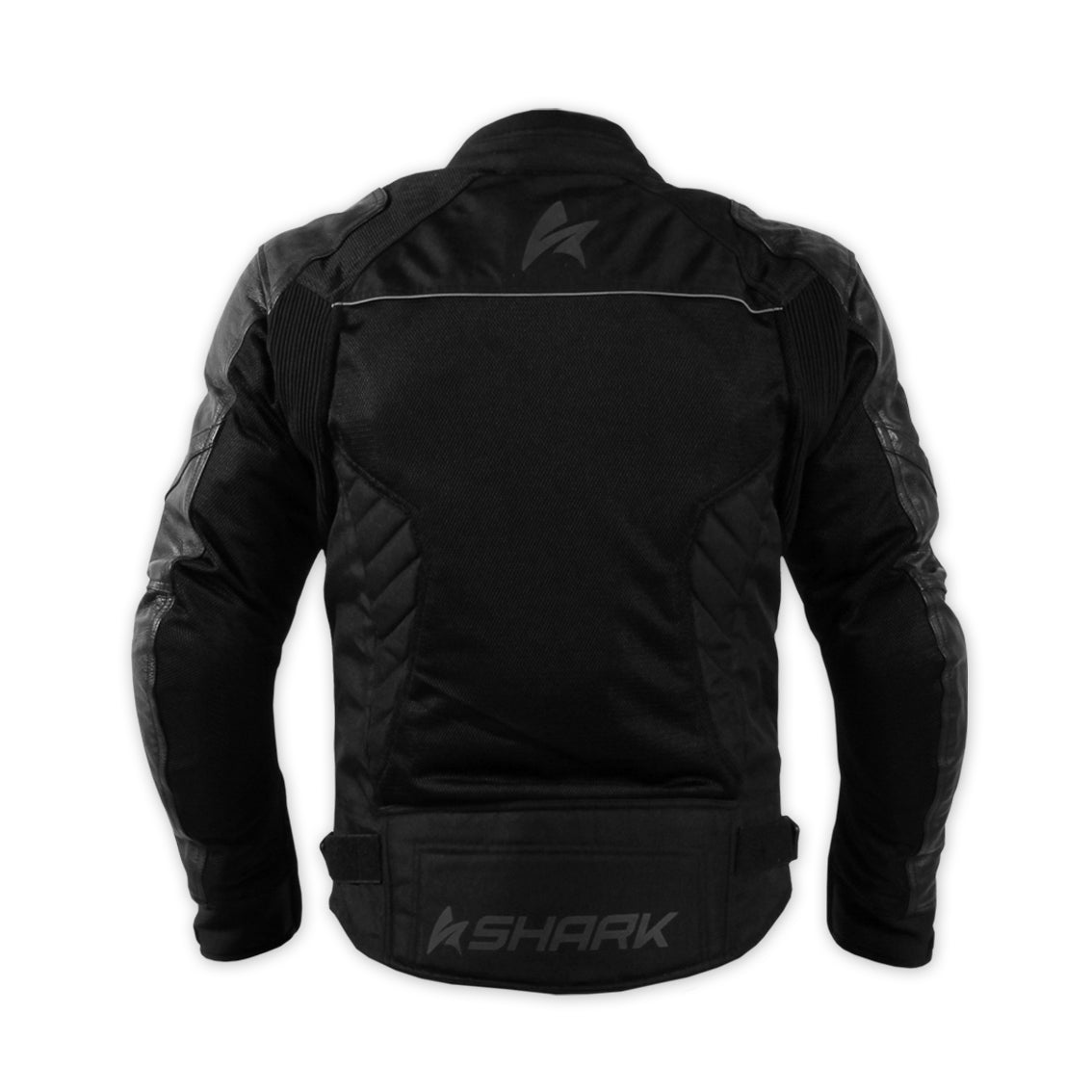
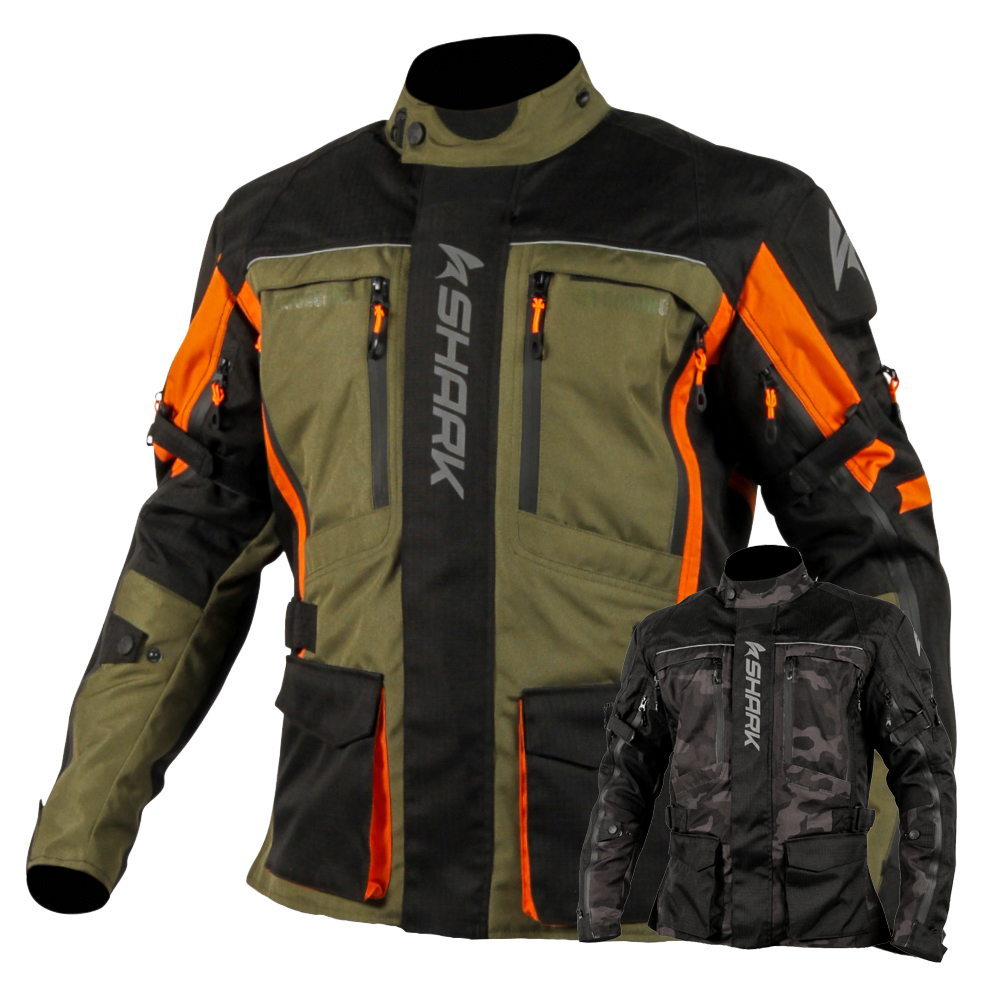
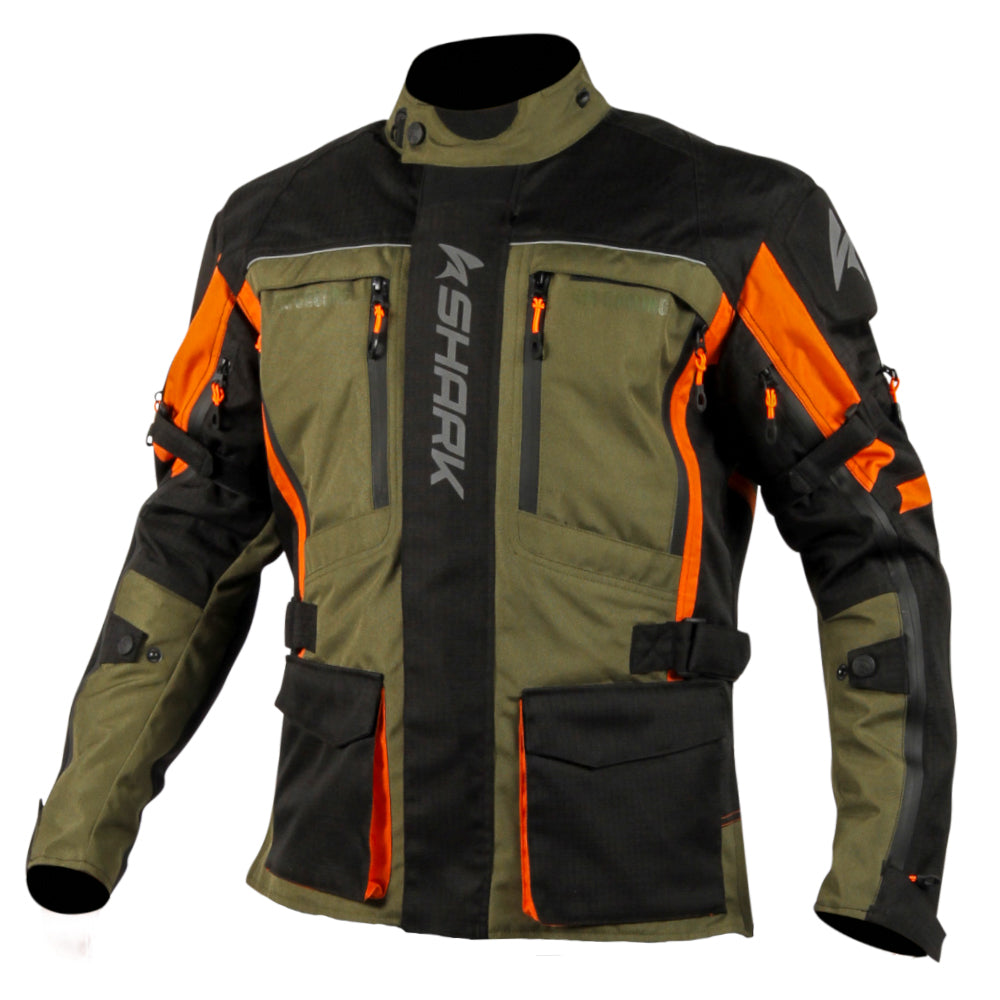
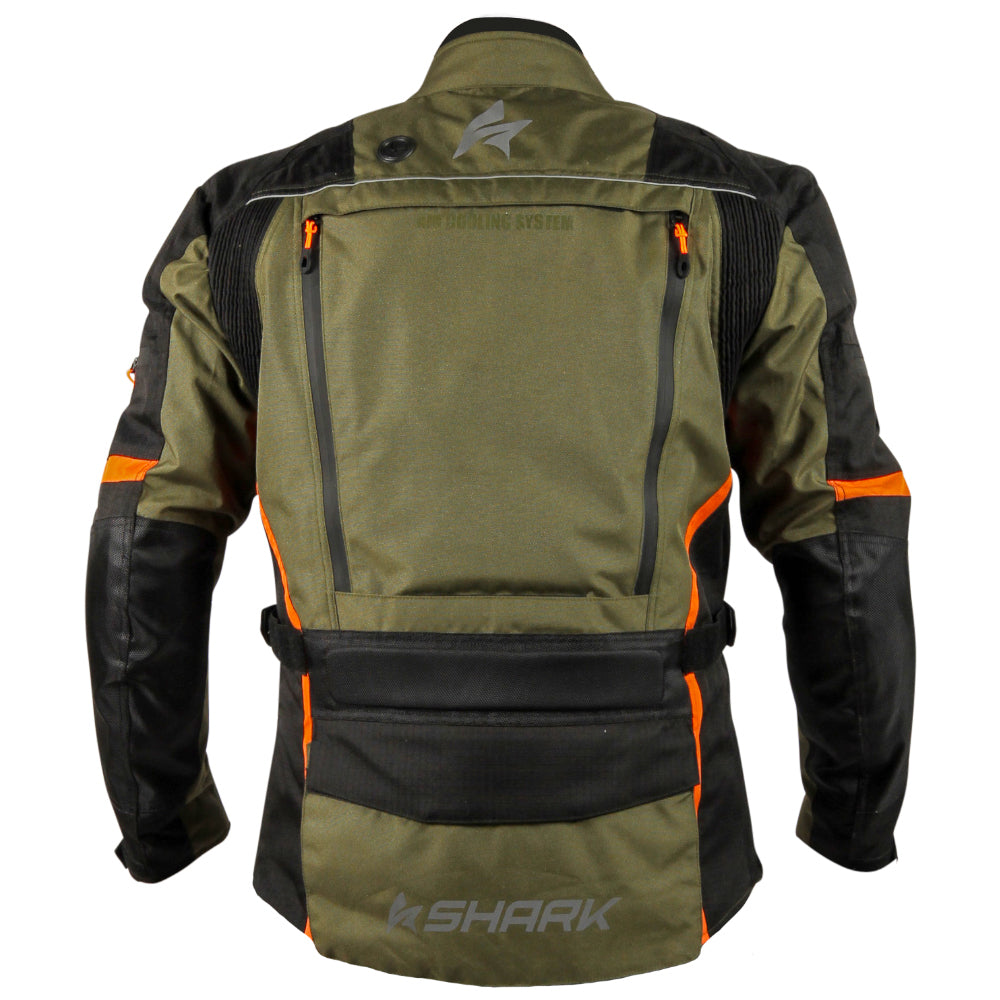
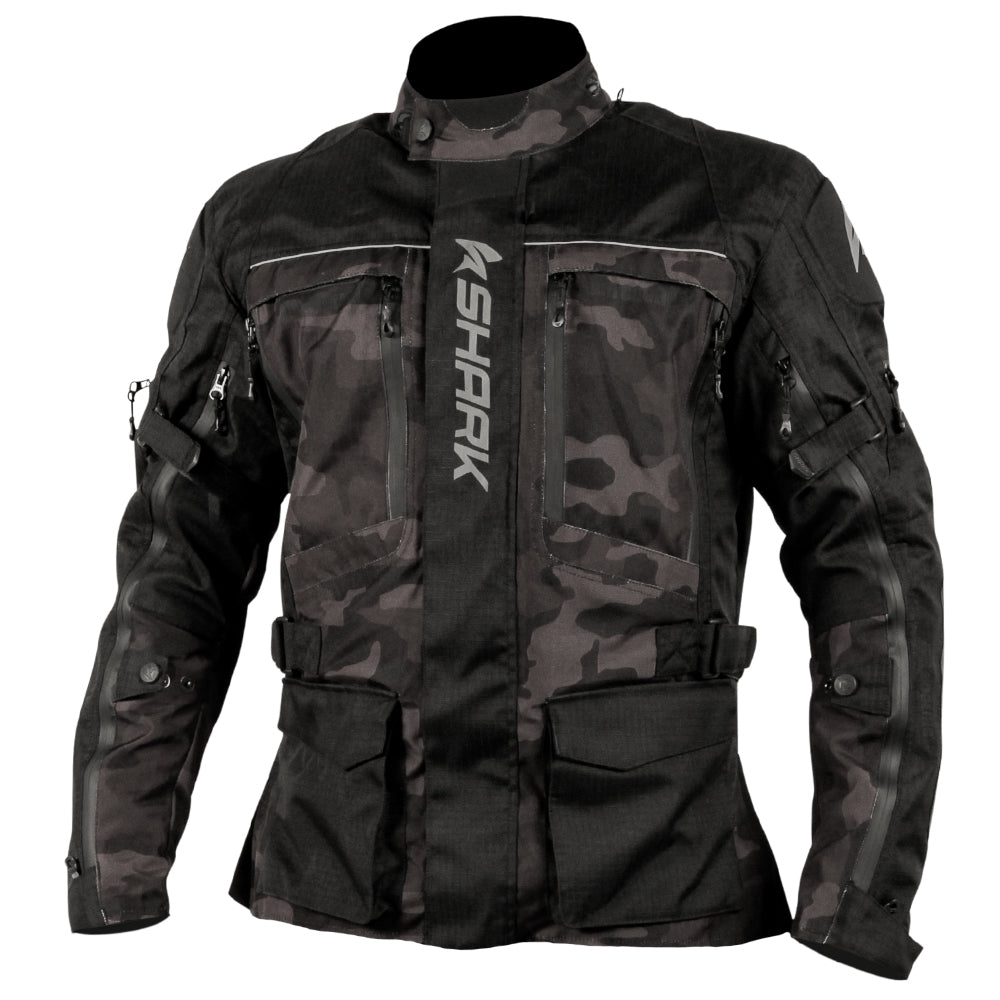
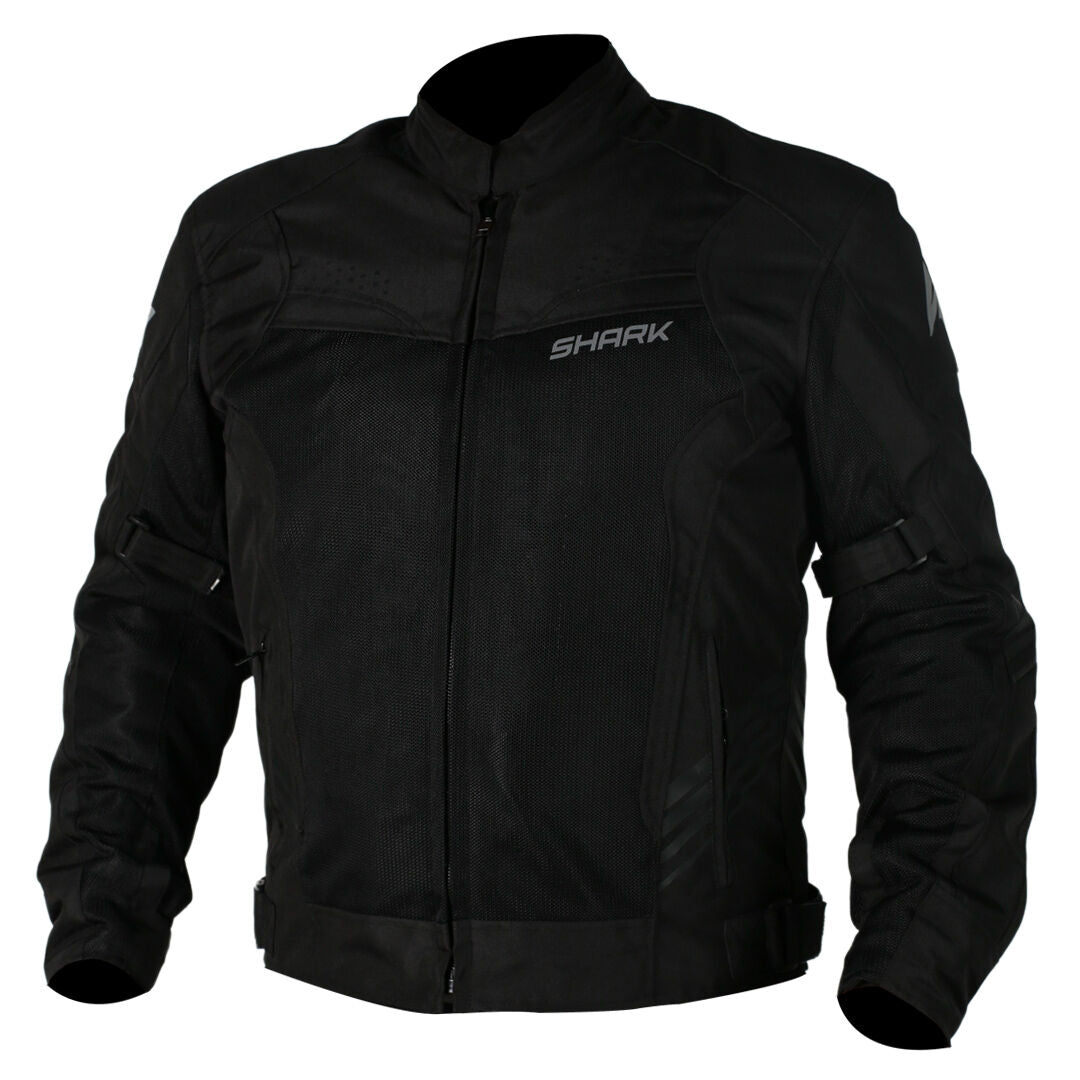
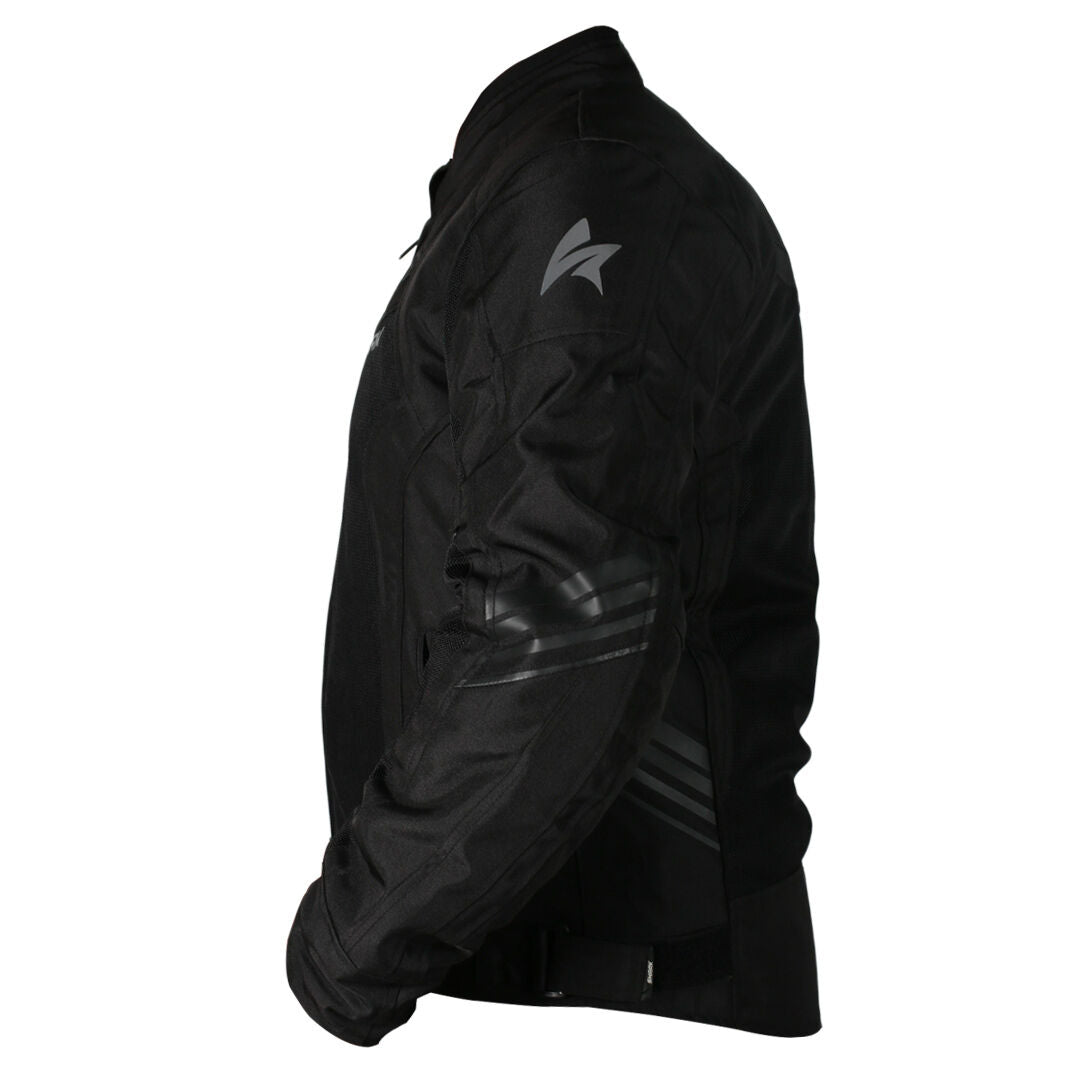
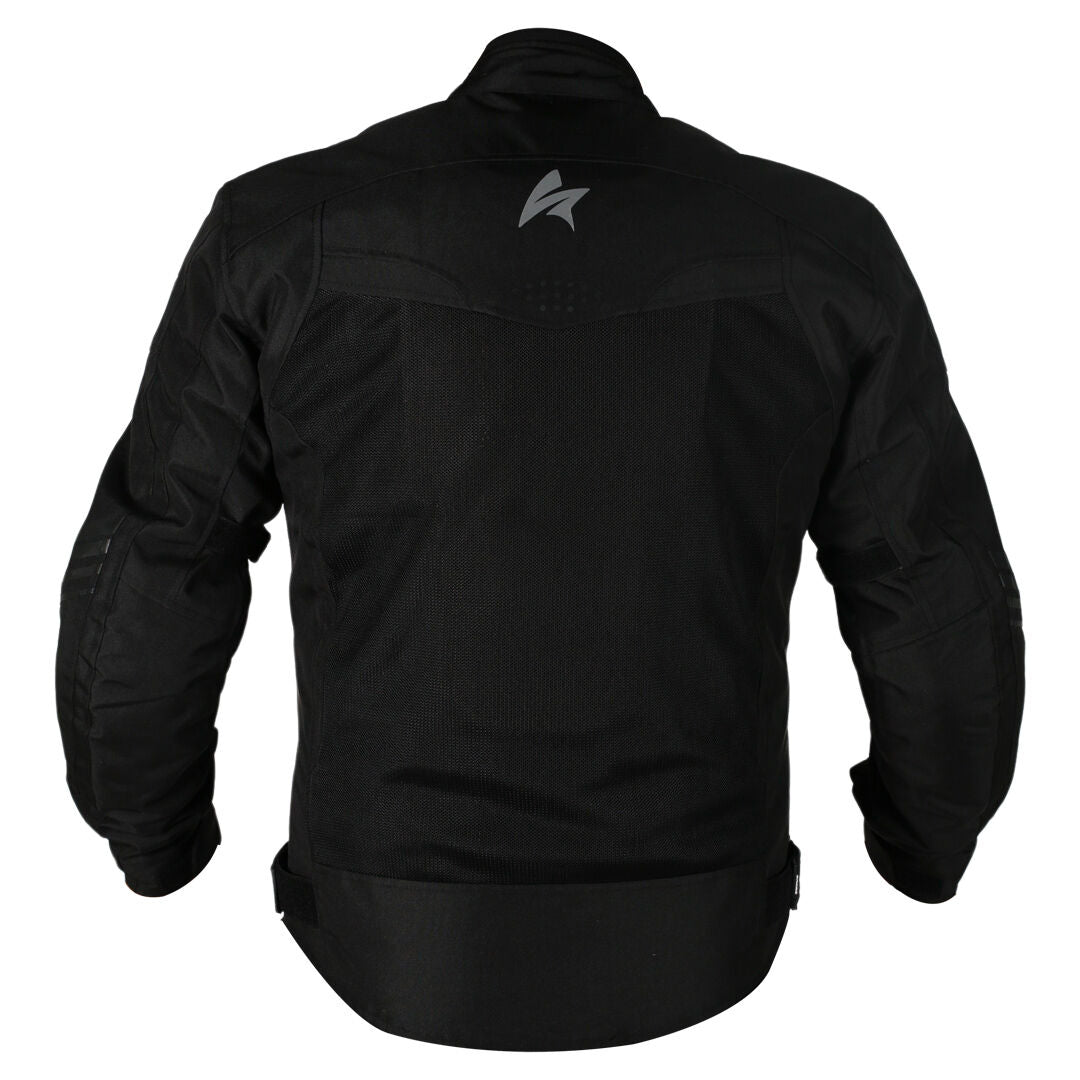
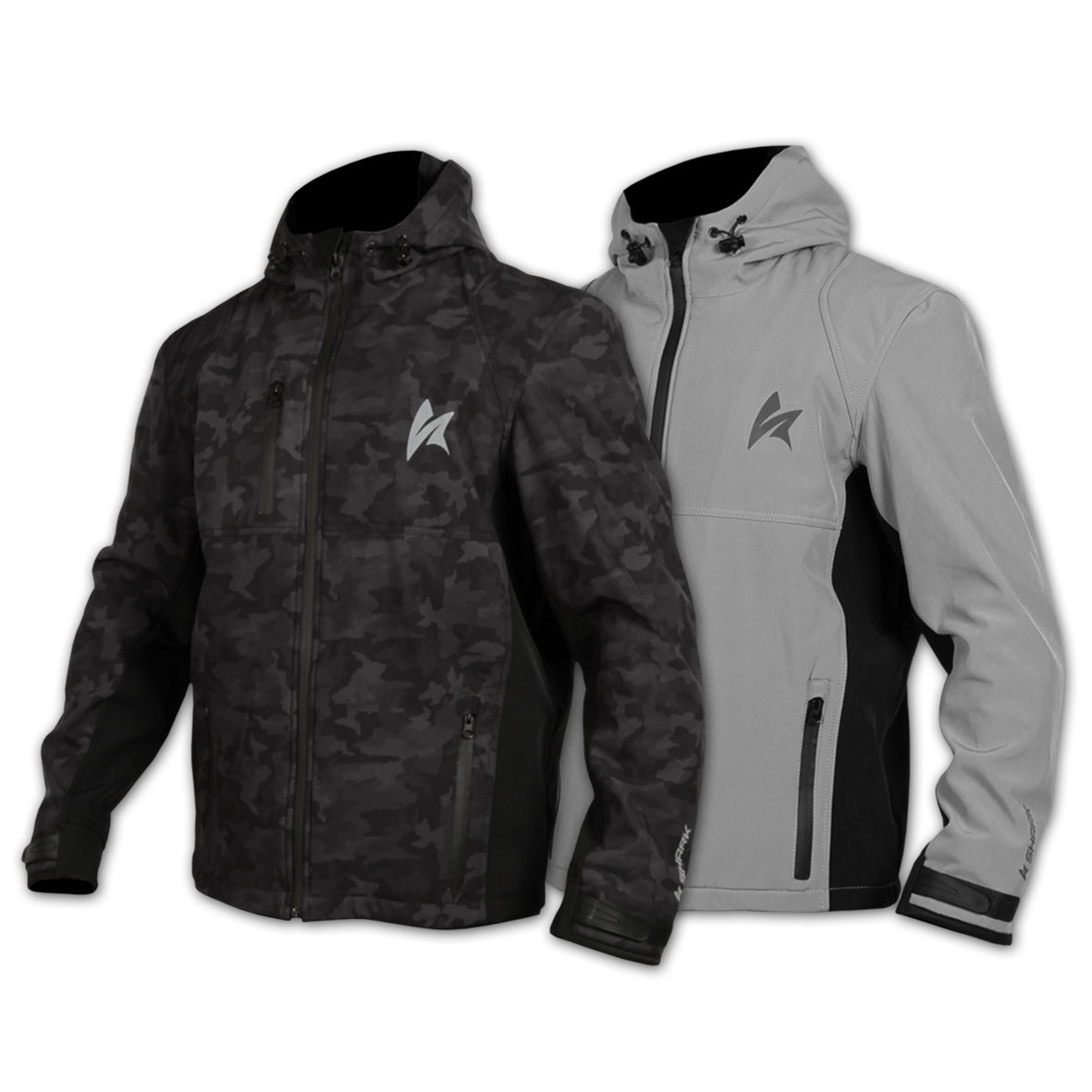
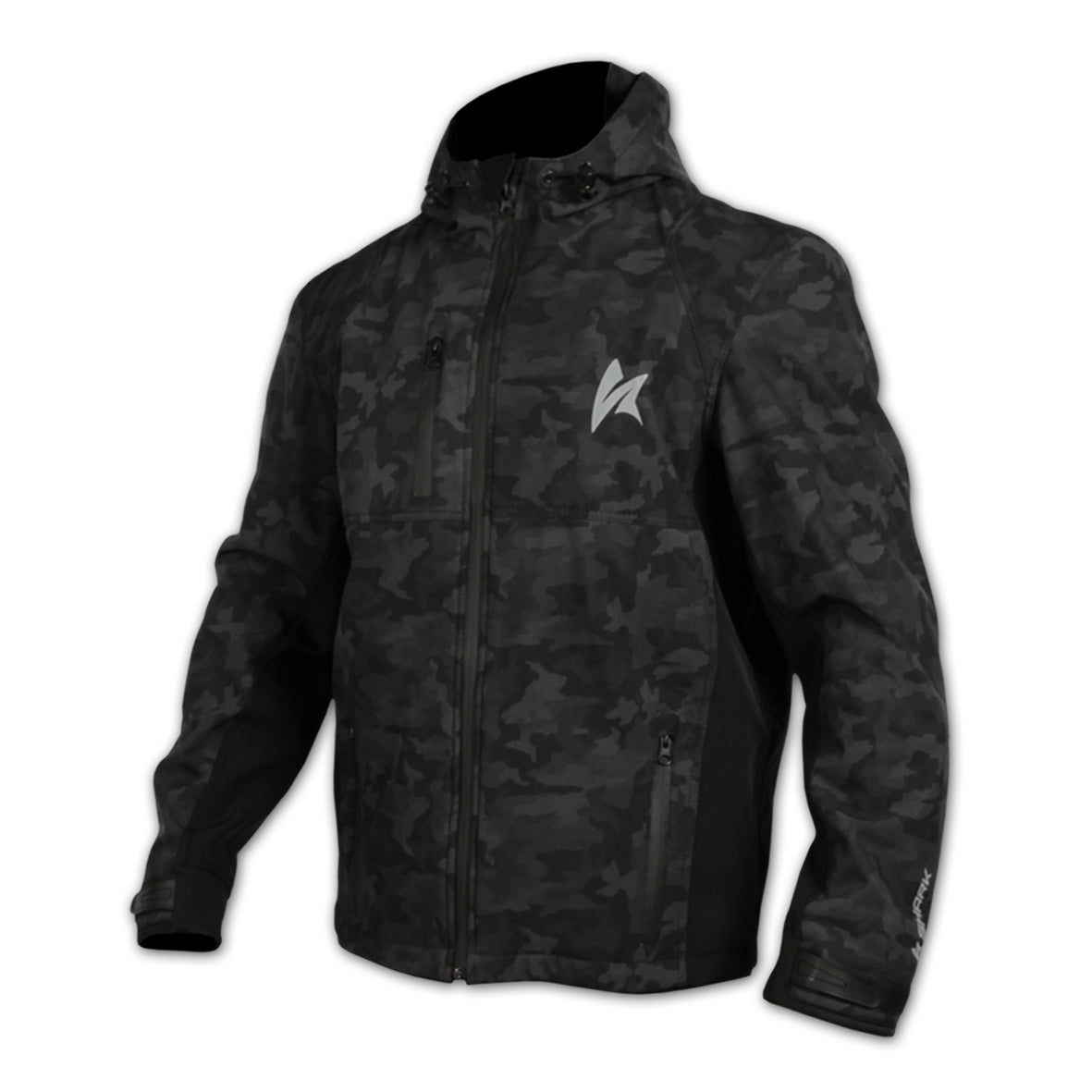
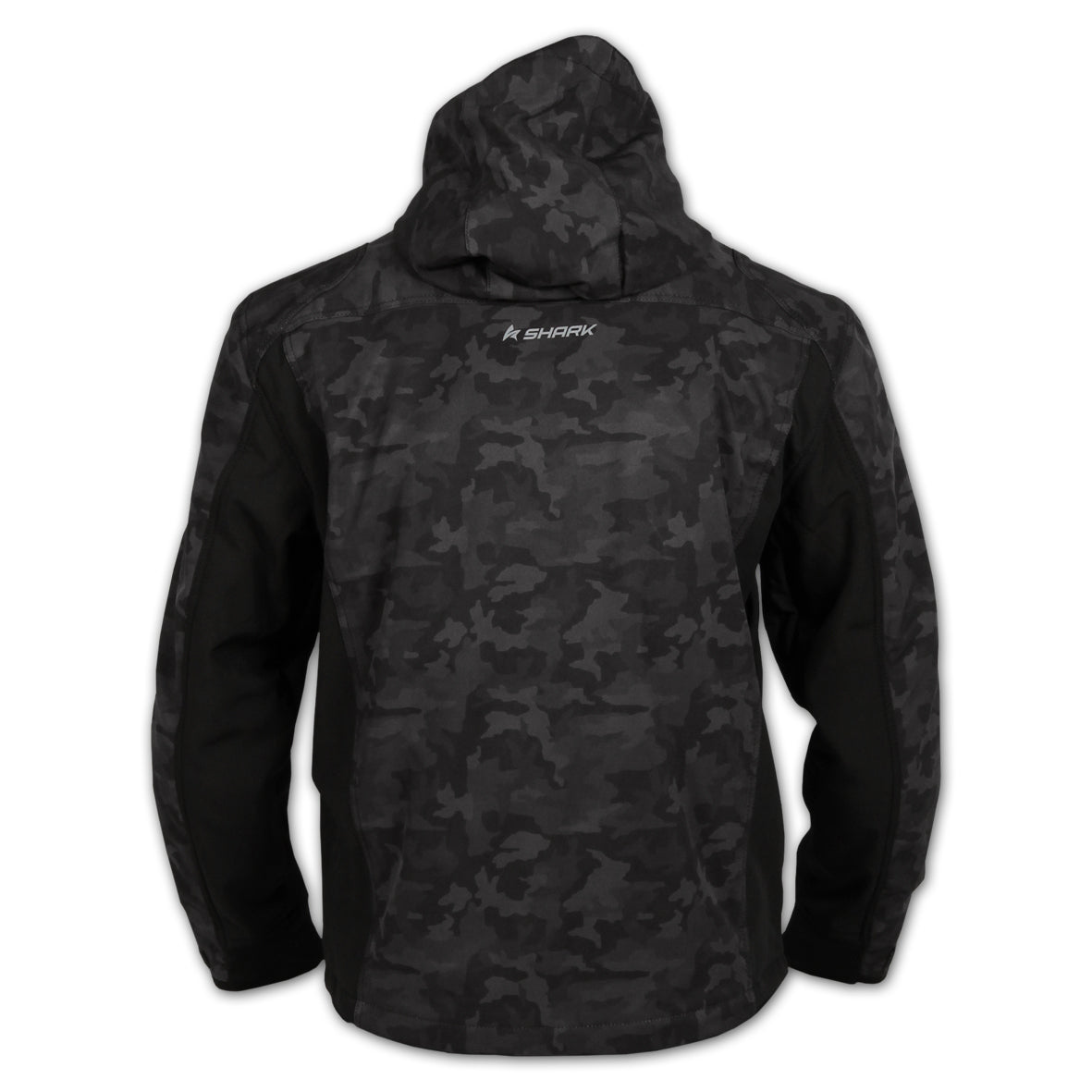
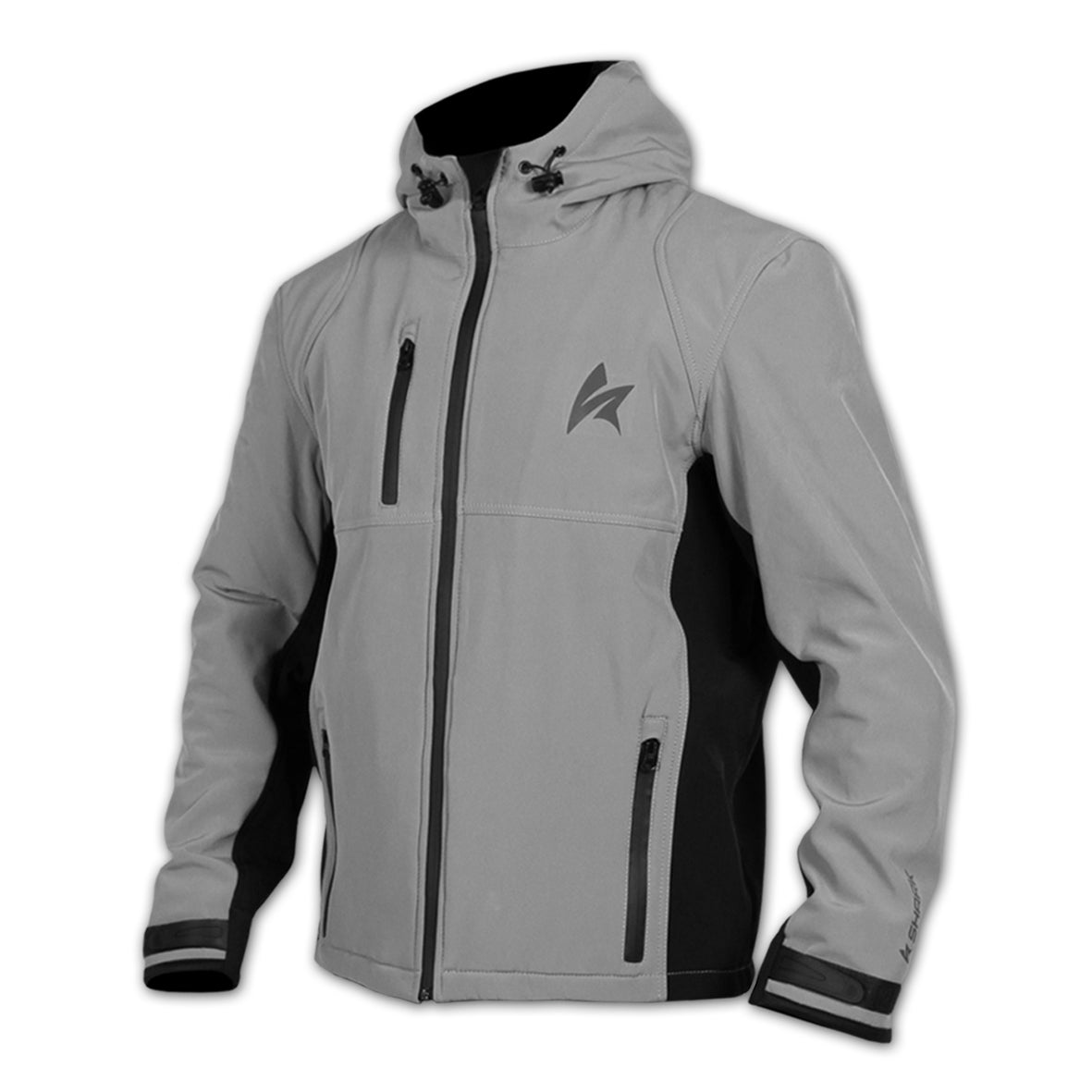
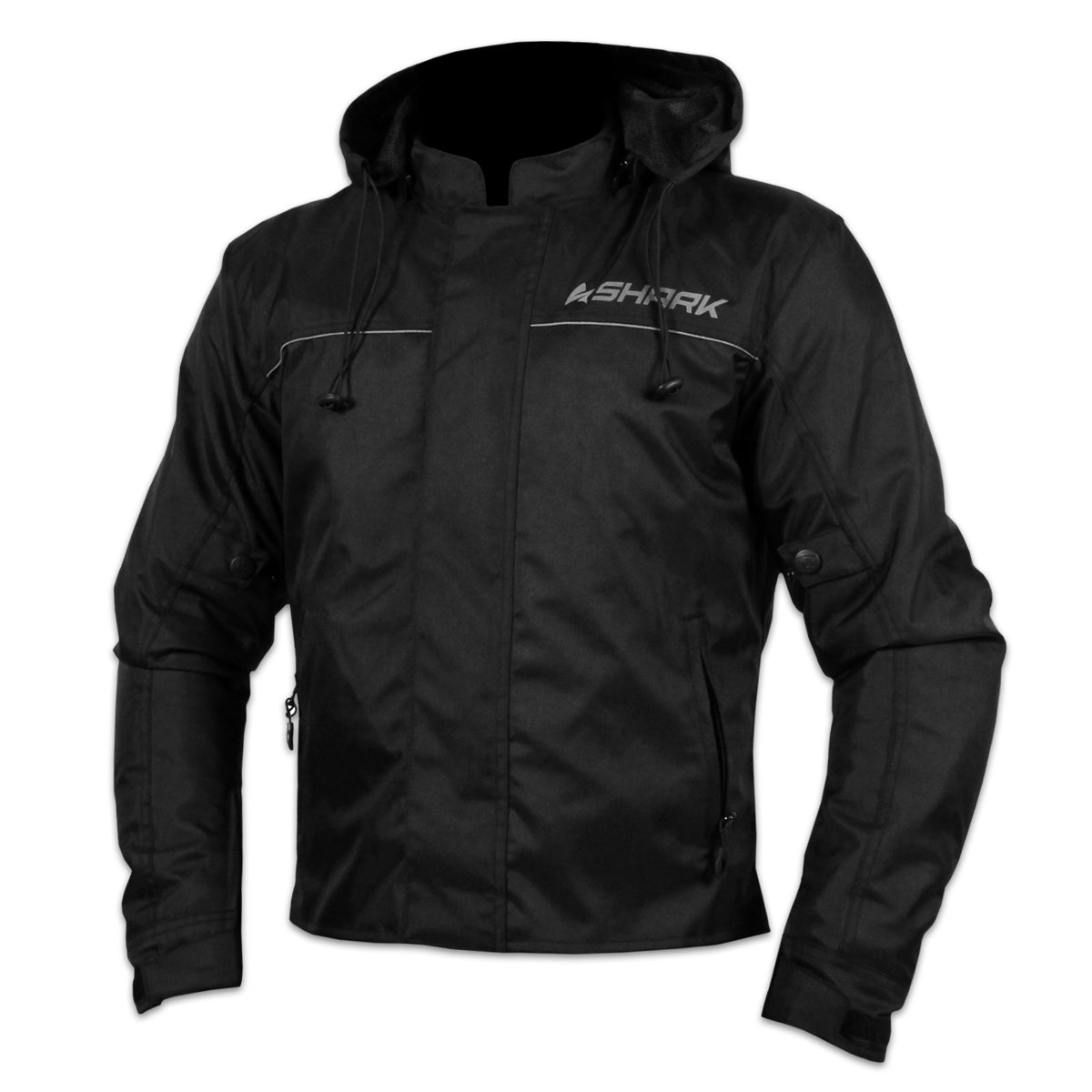
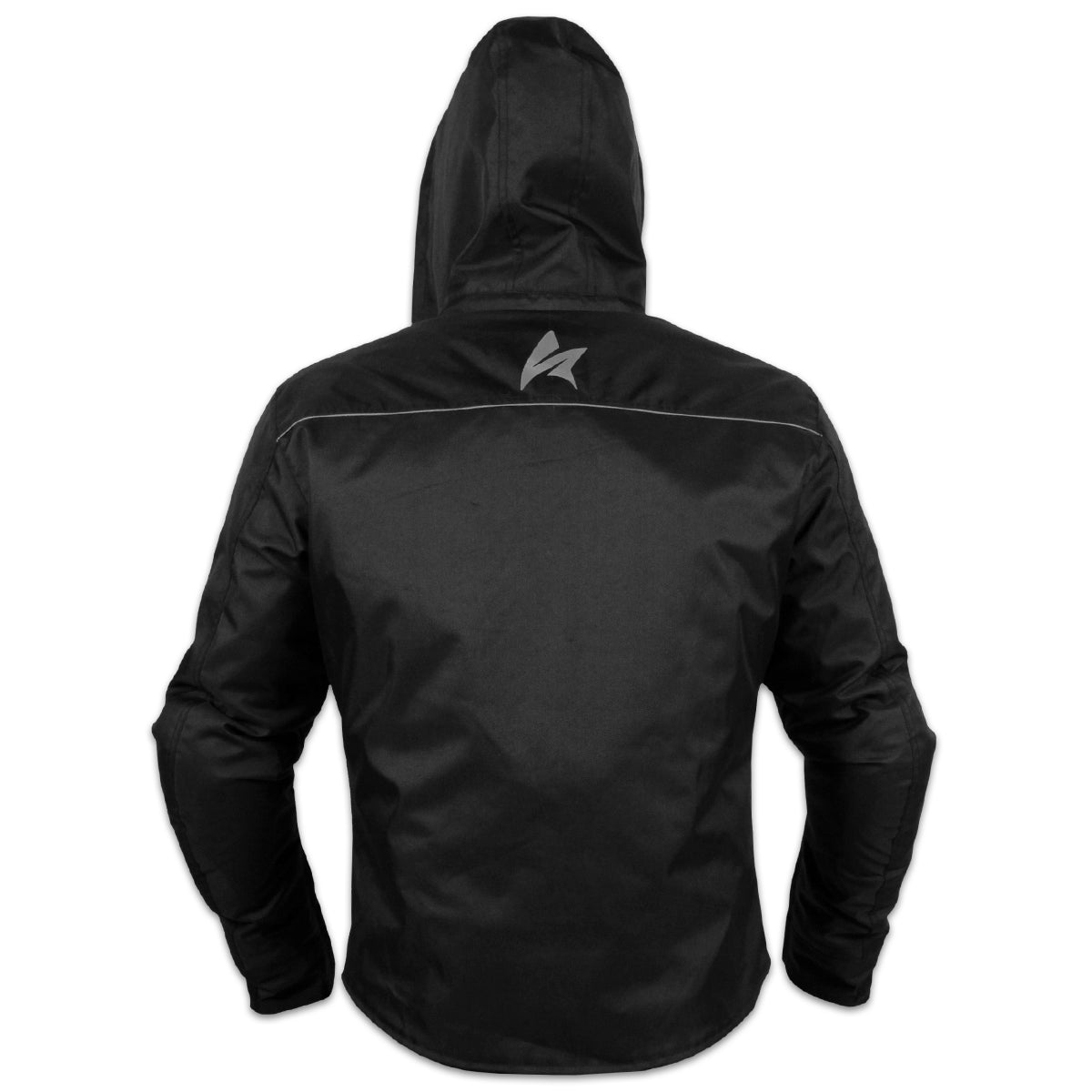
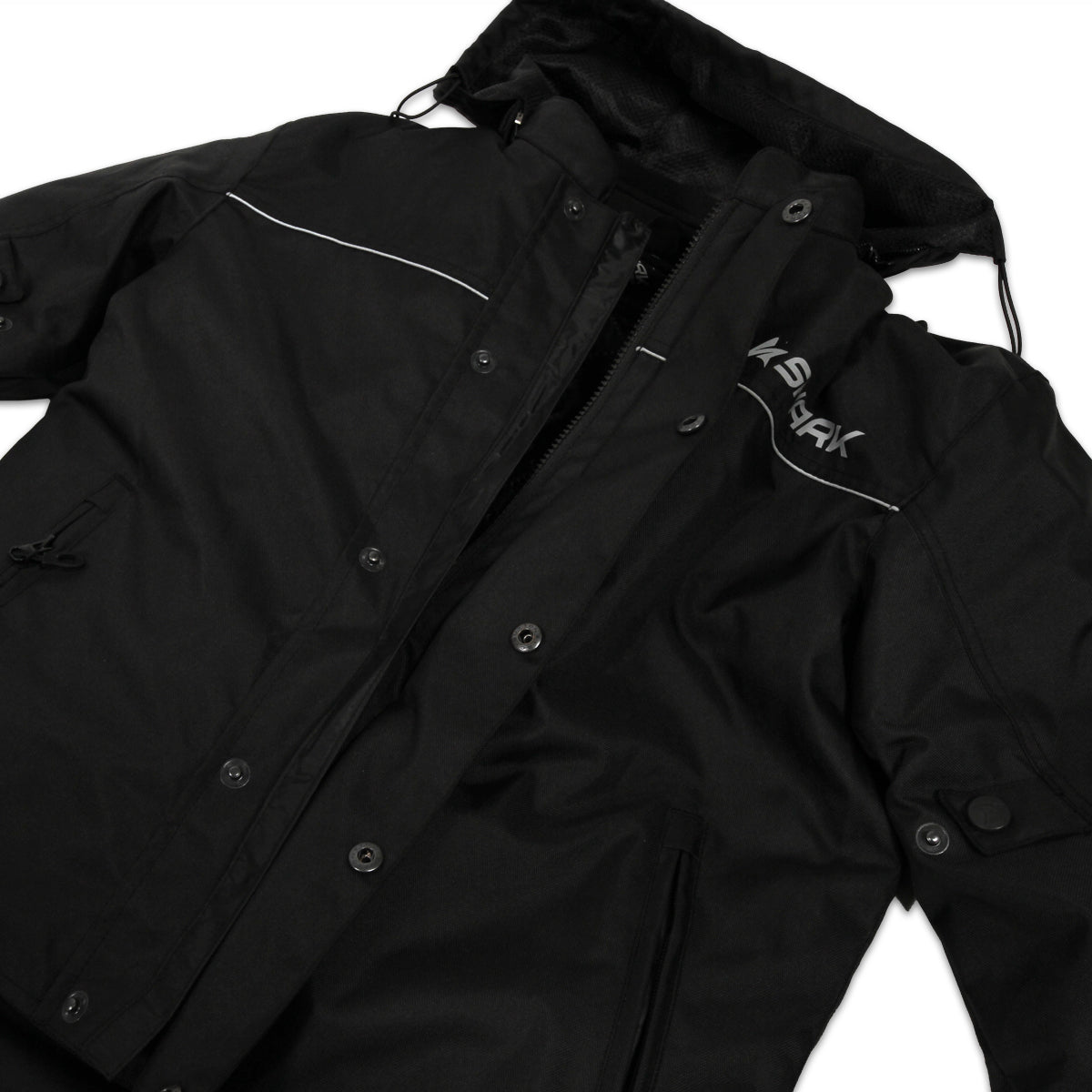
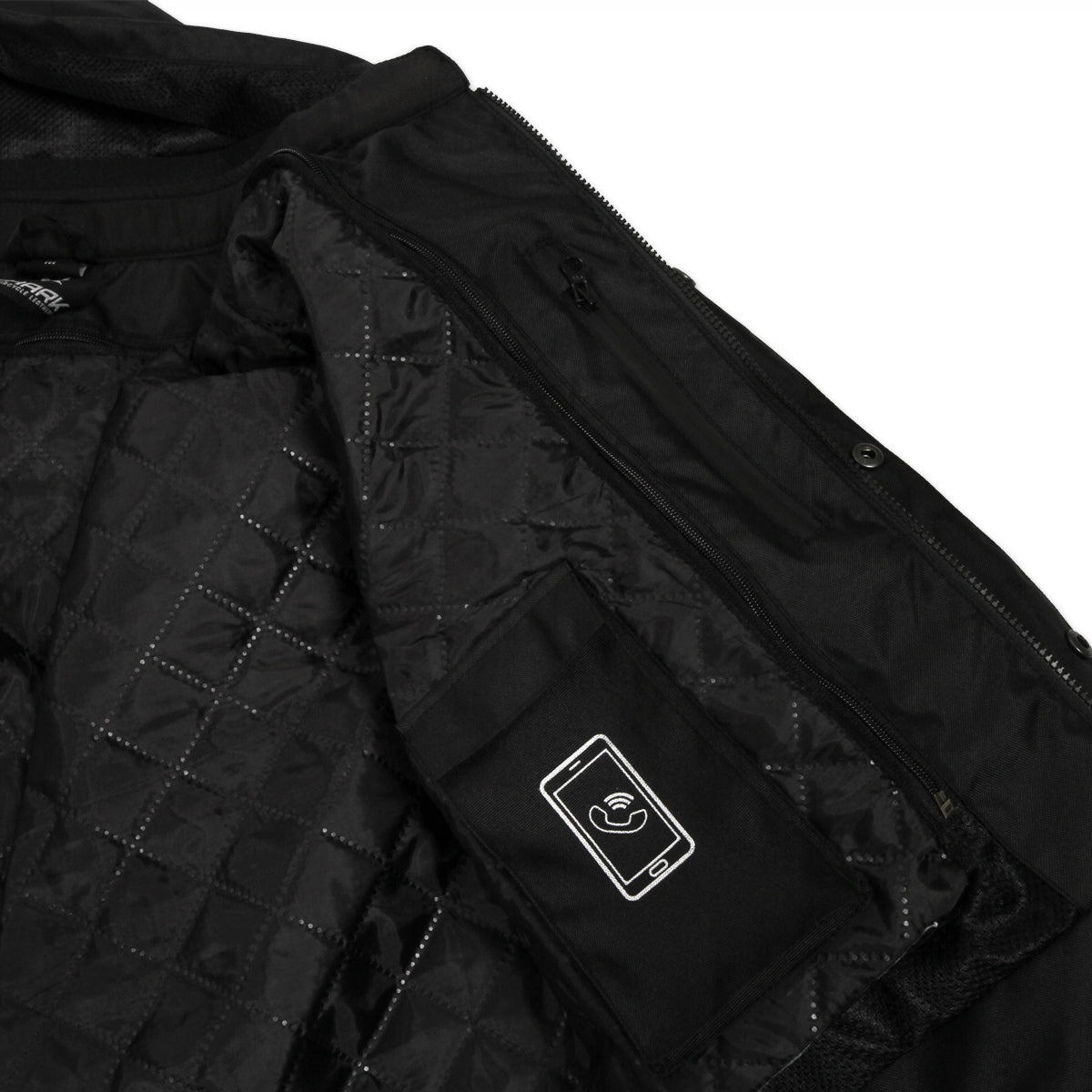
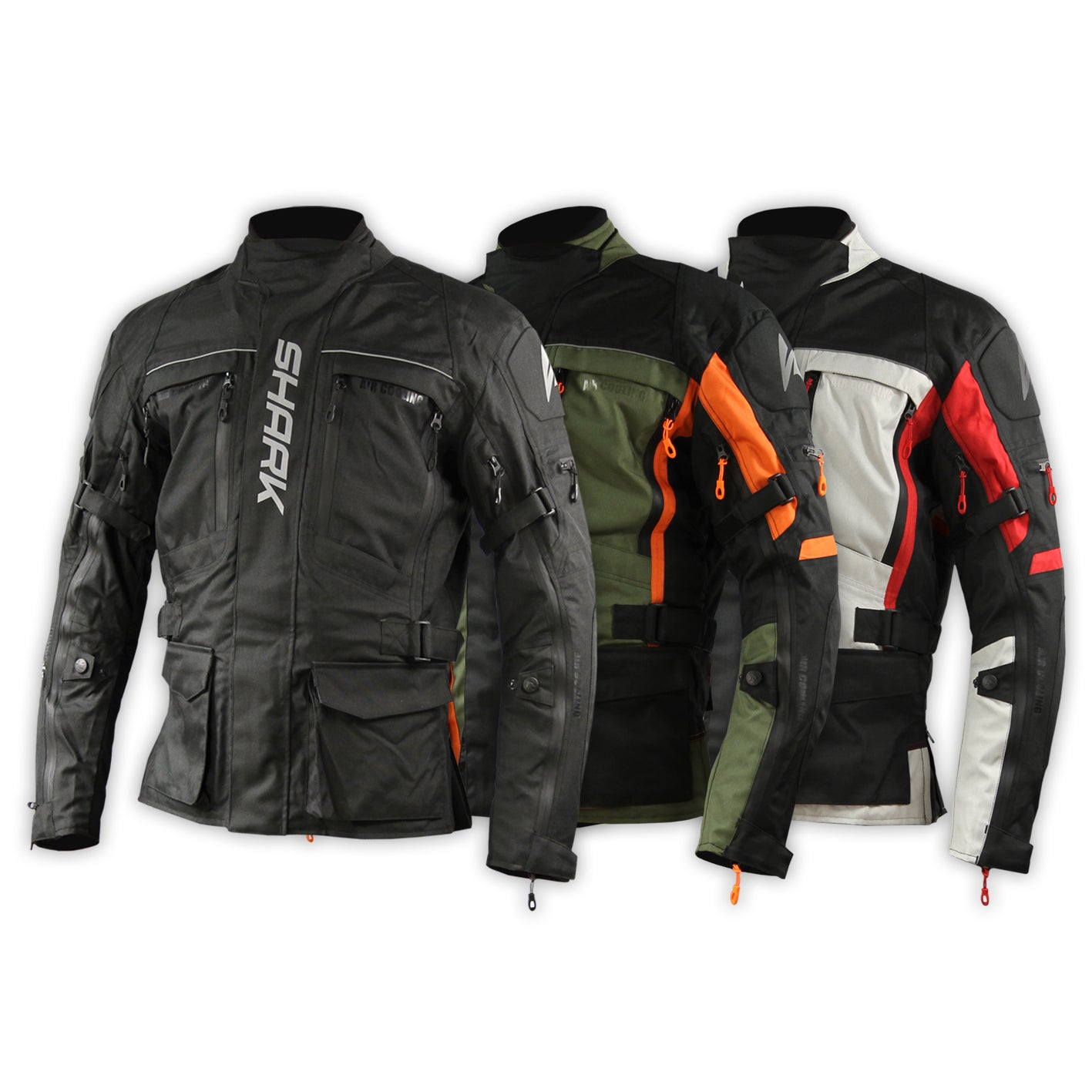
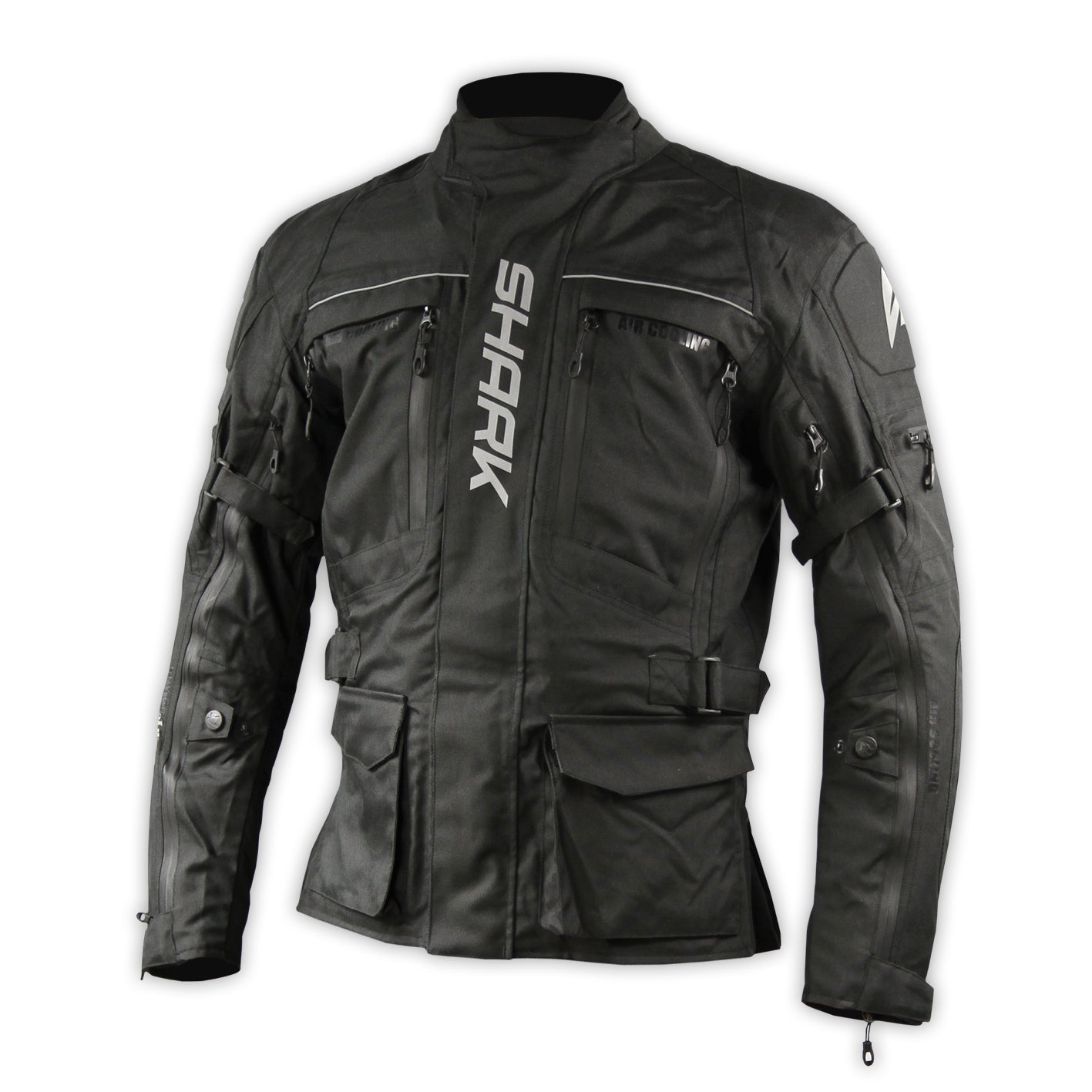
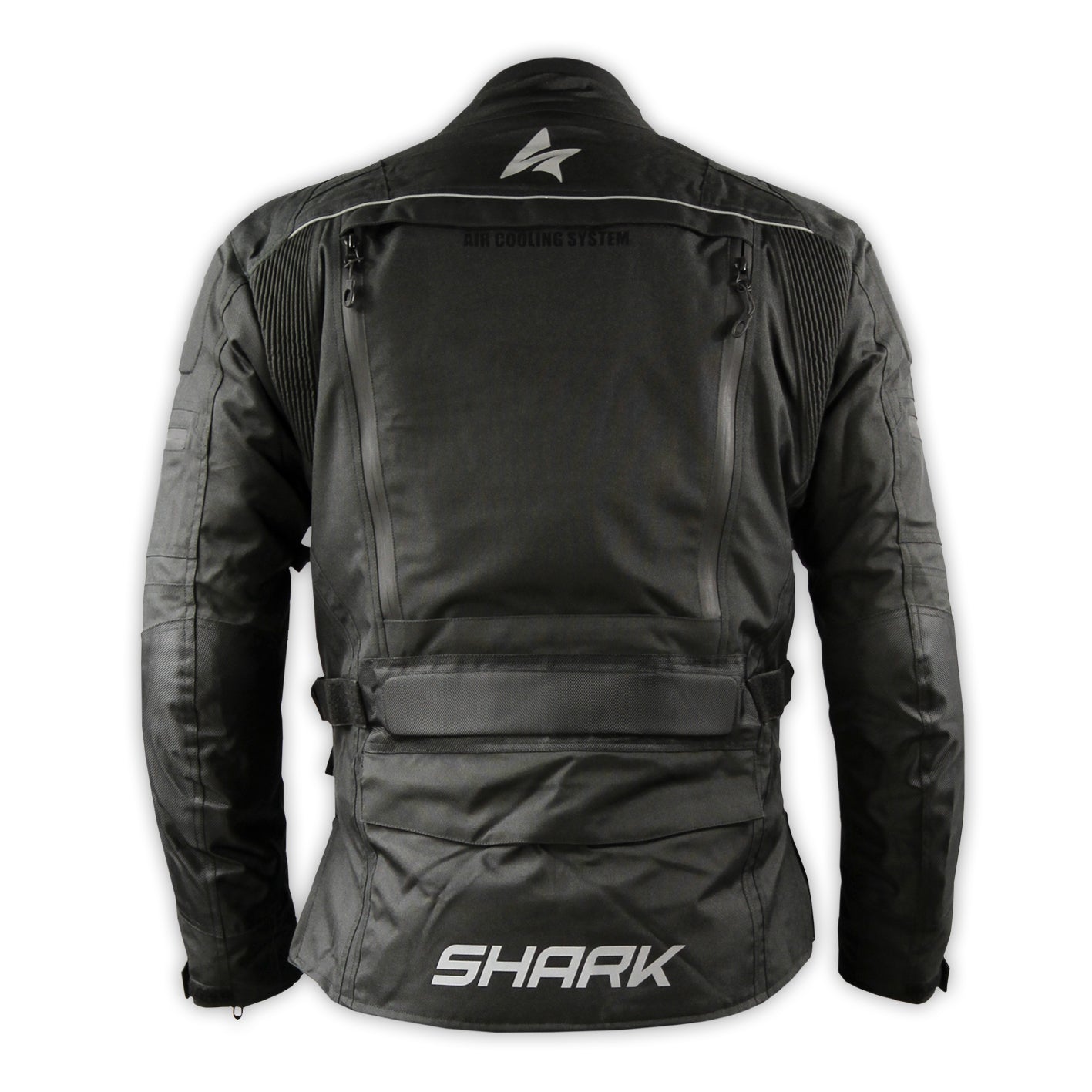
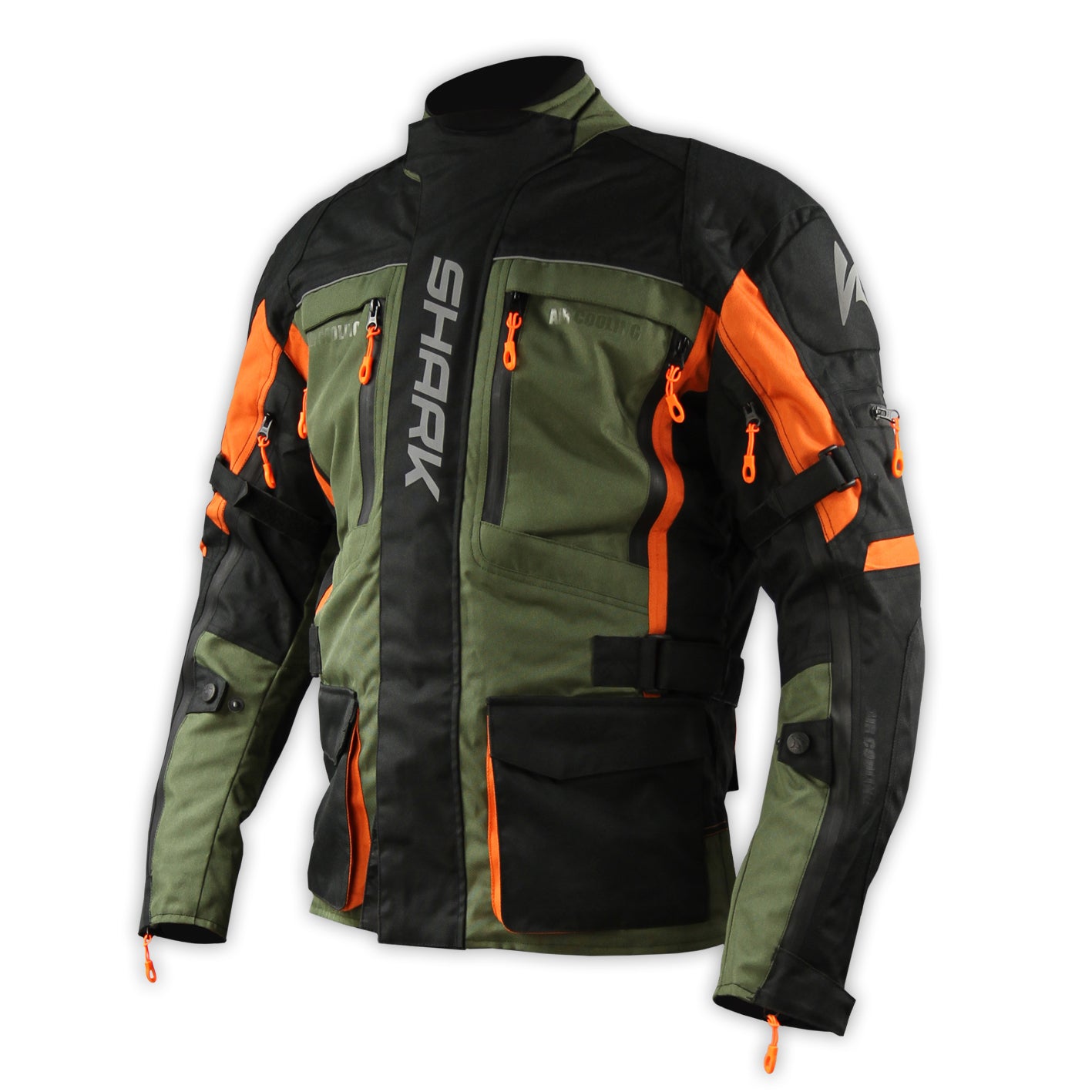
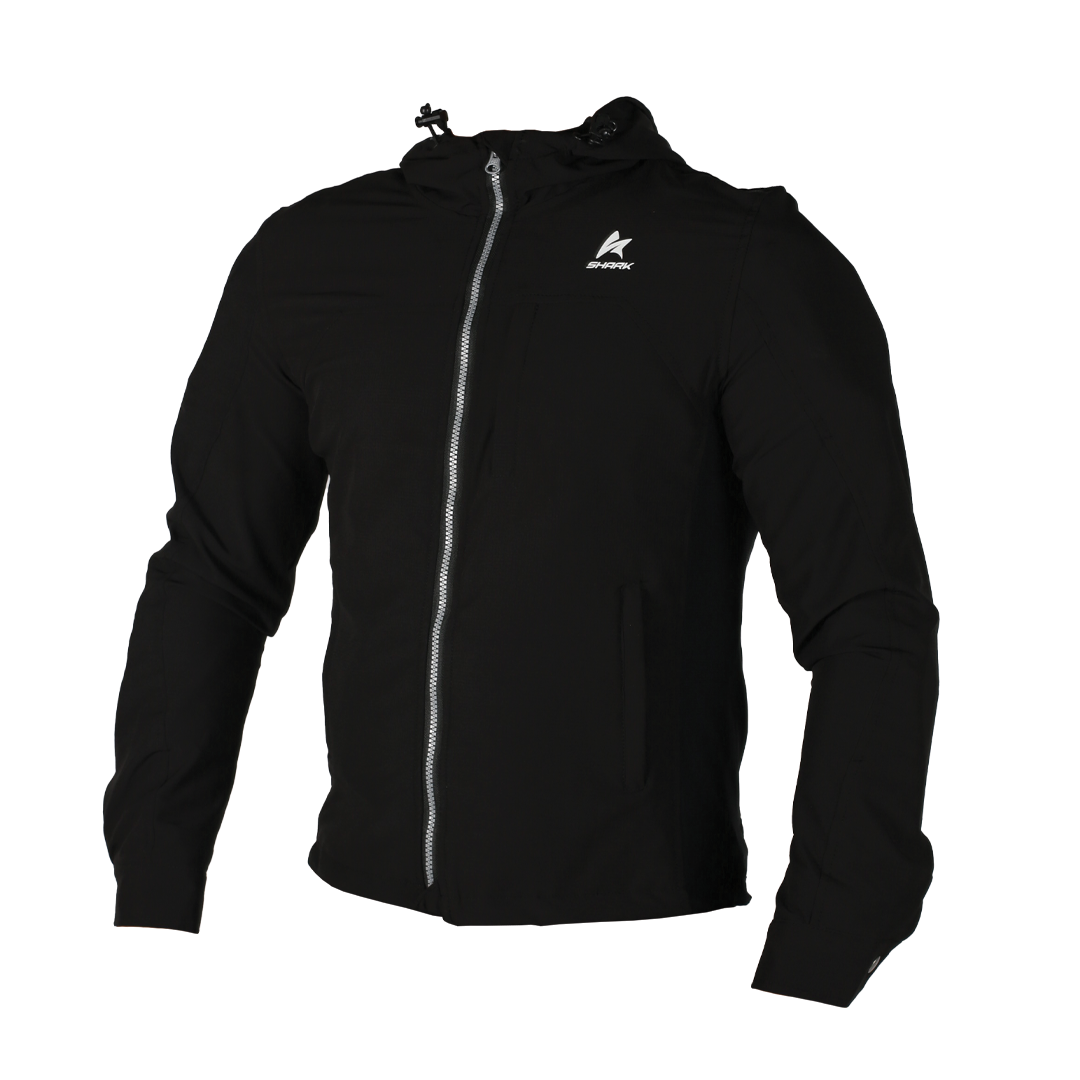
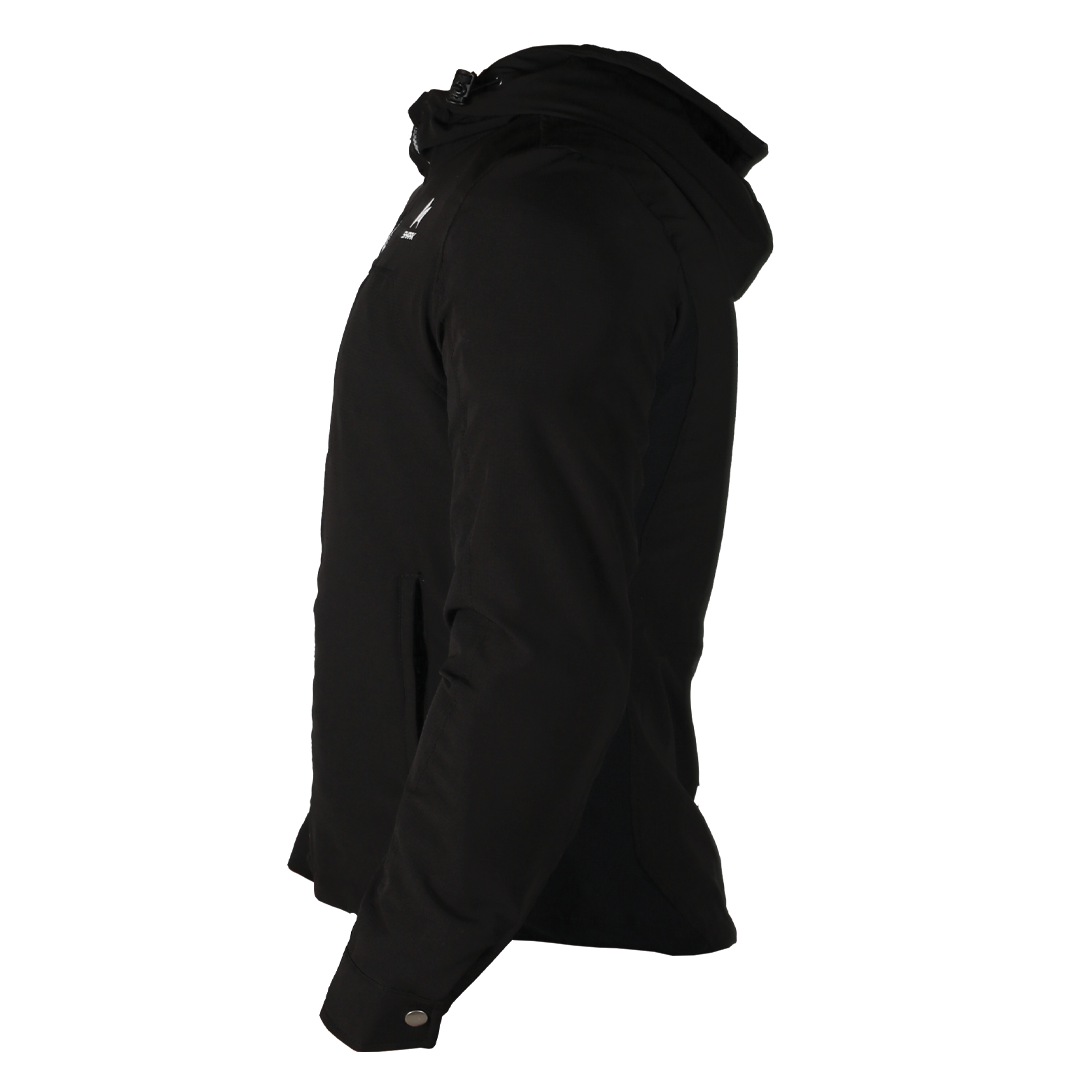

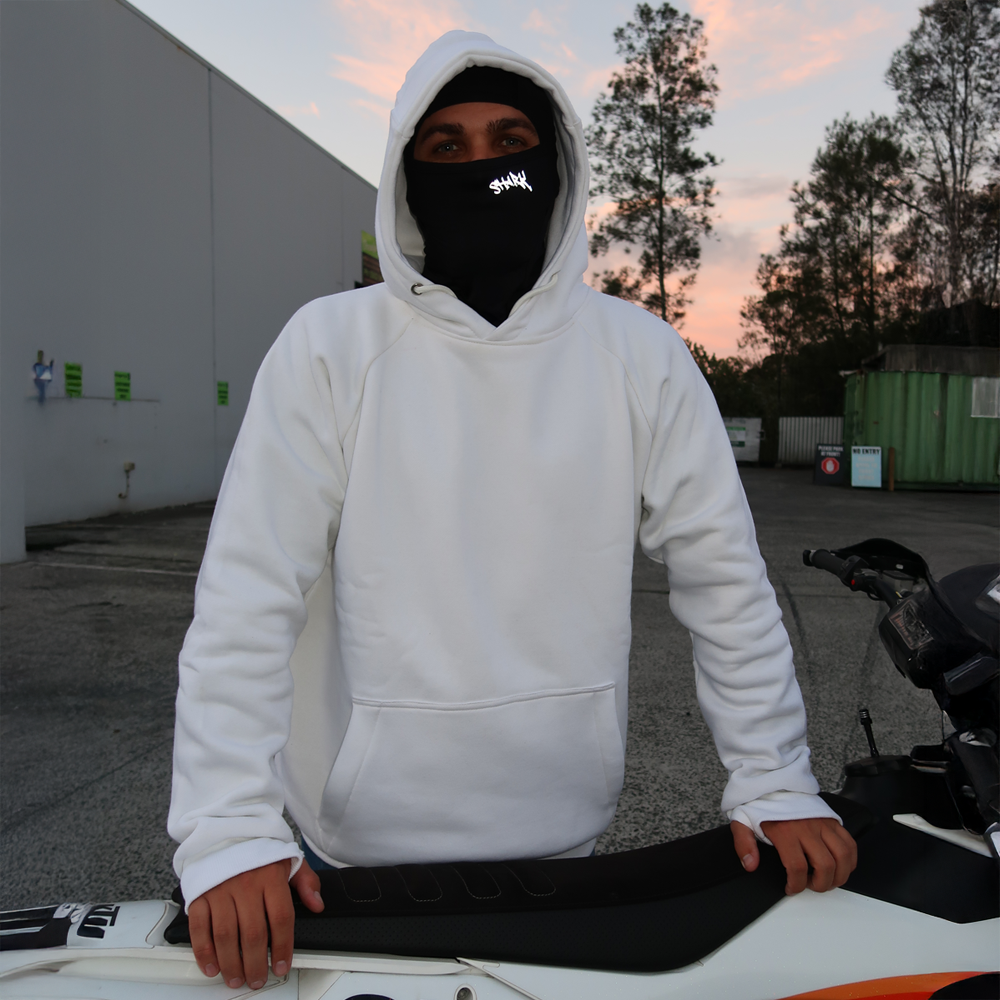
Shark Blank Protective Hoodie White
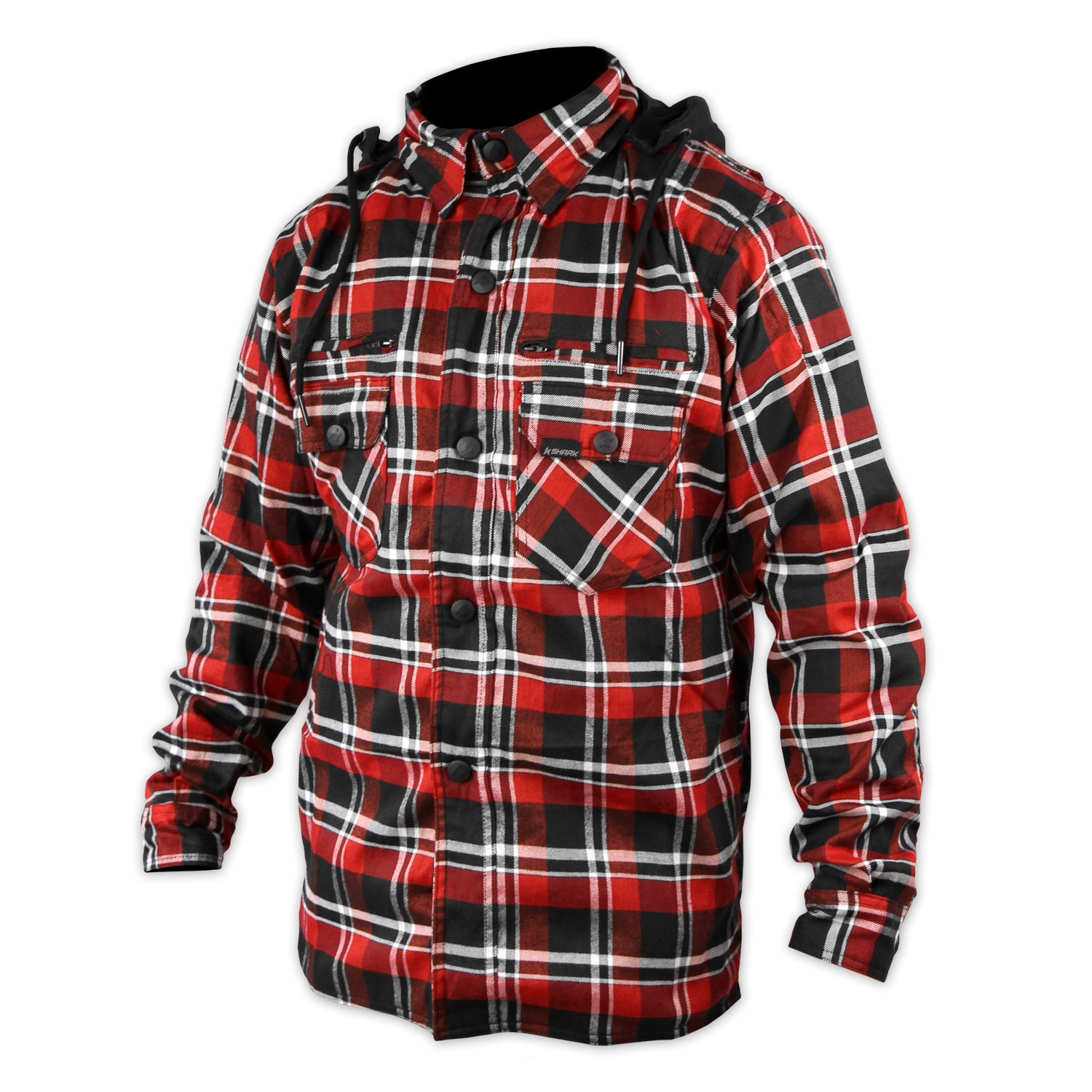
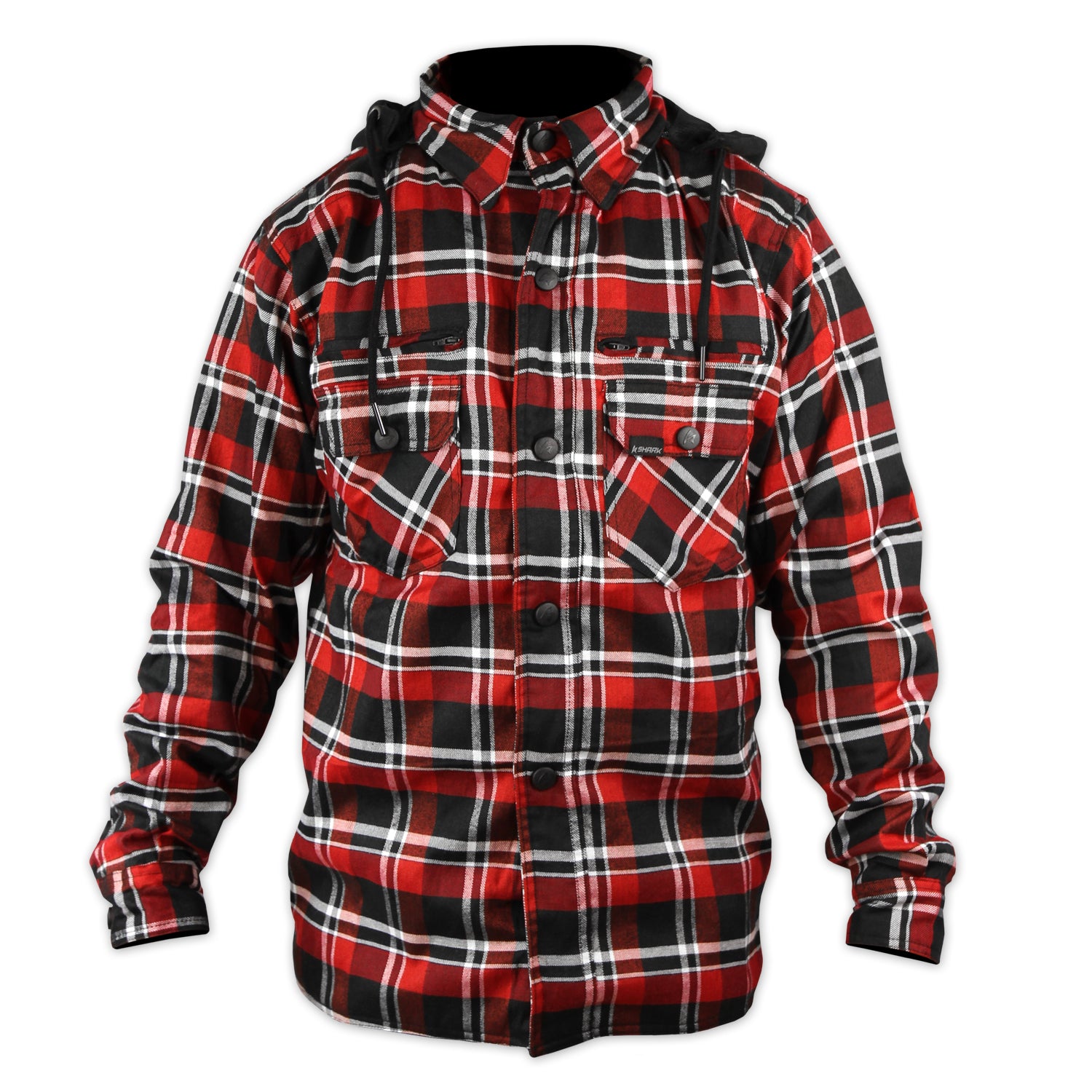
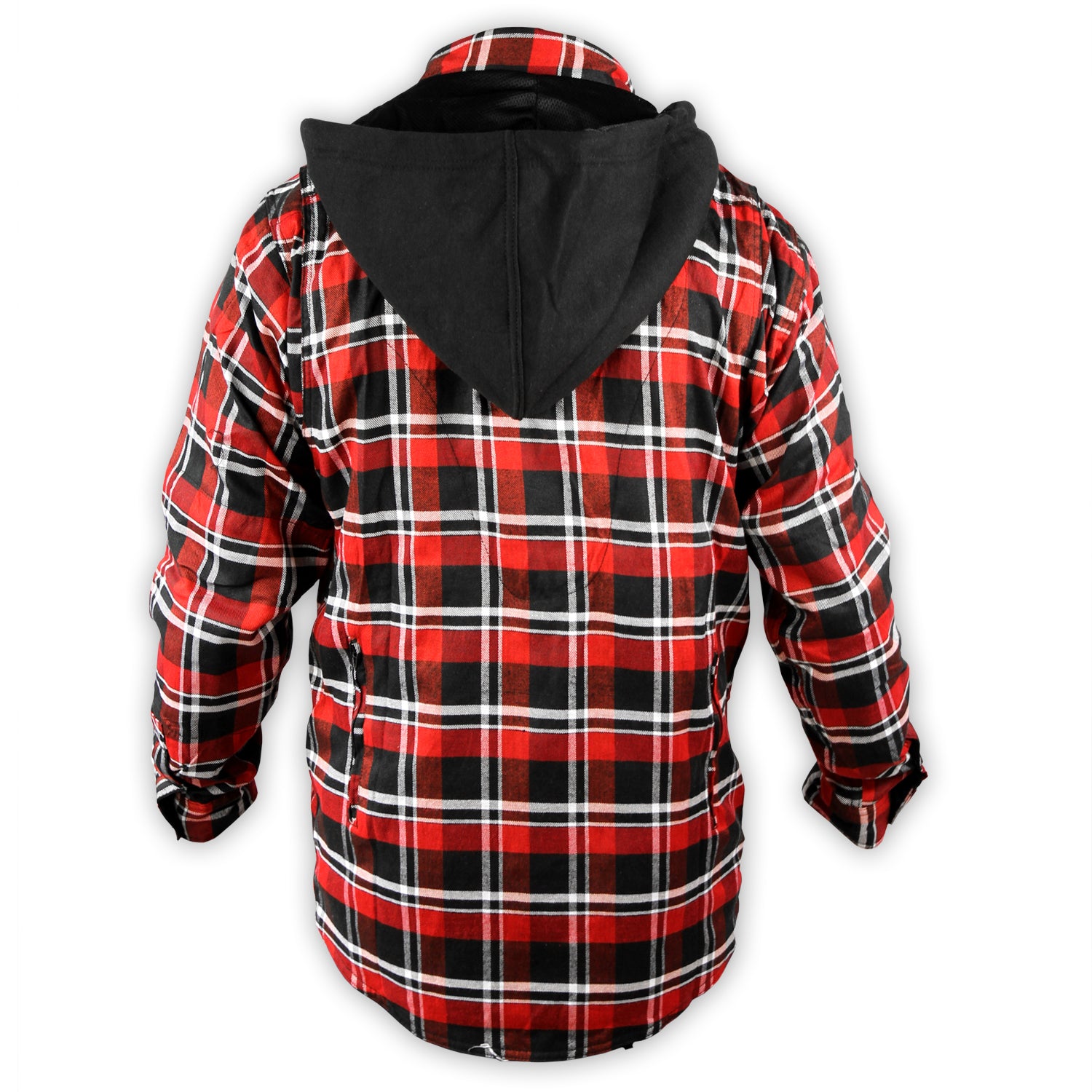
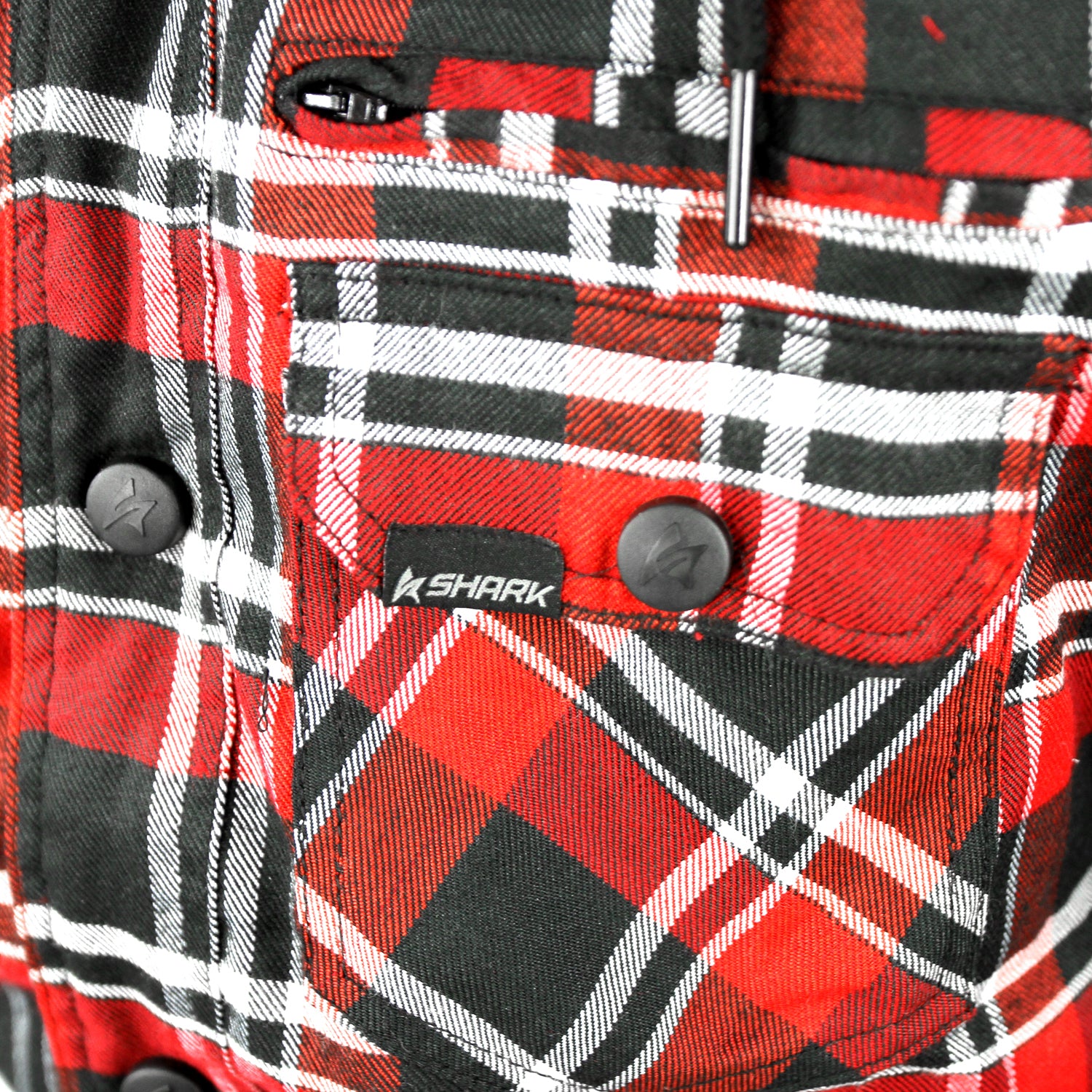
Shark - Lumberjack Protective Flannel
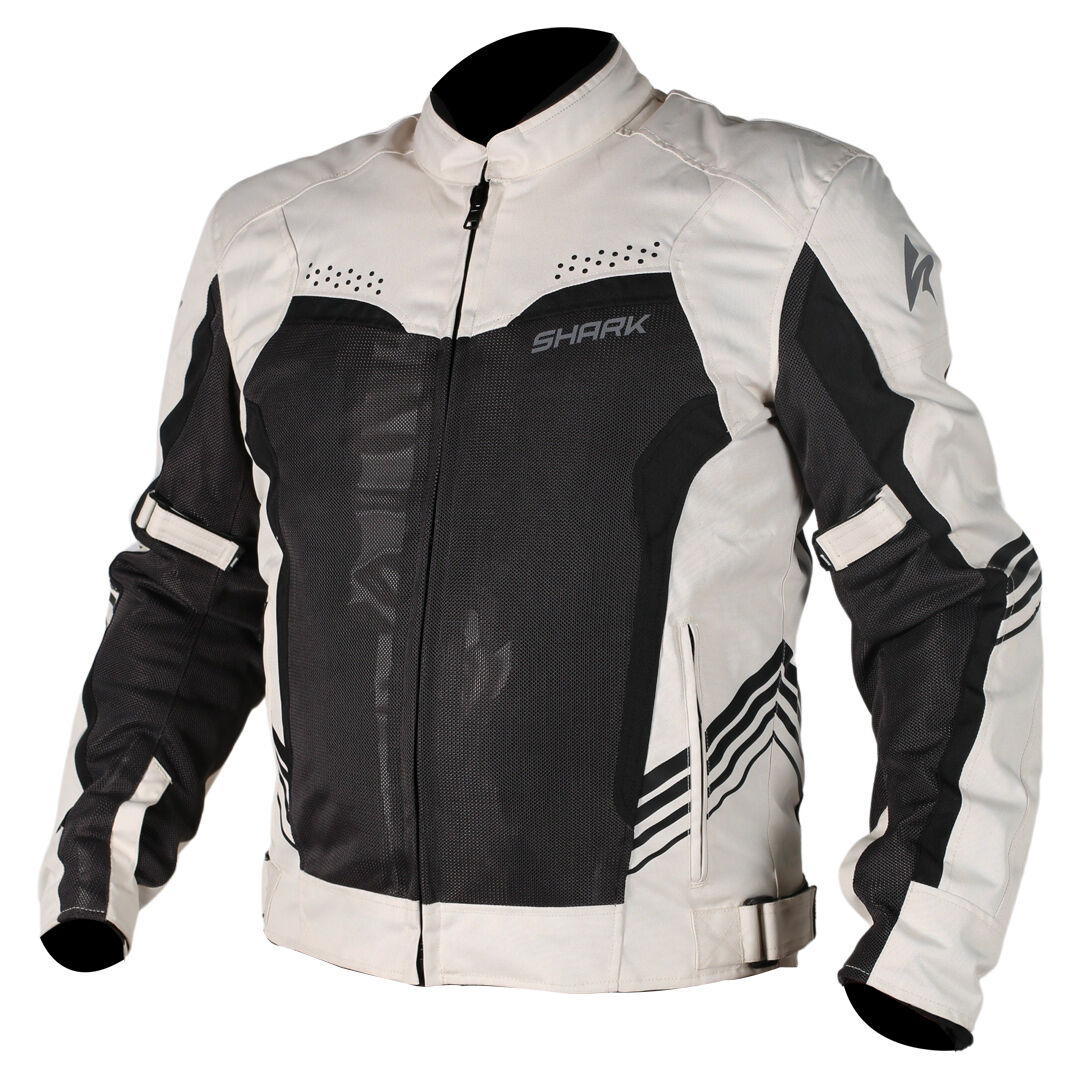
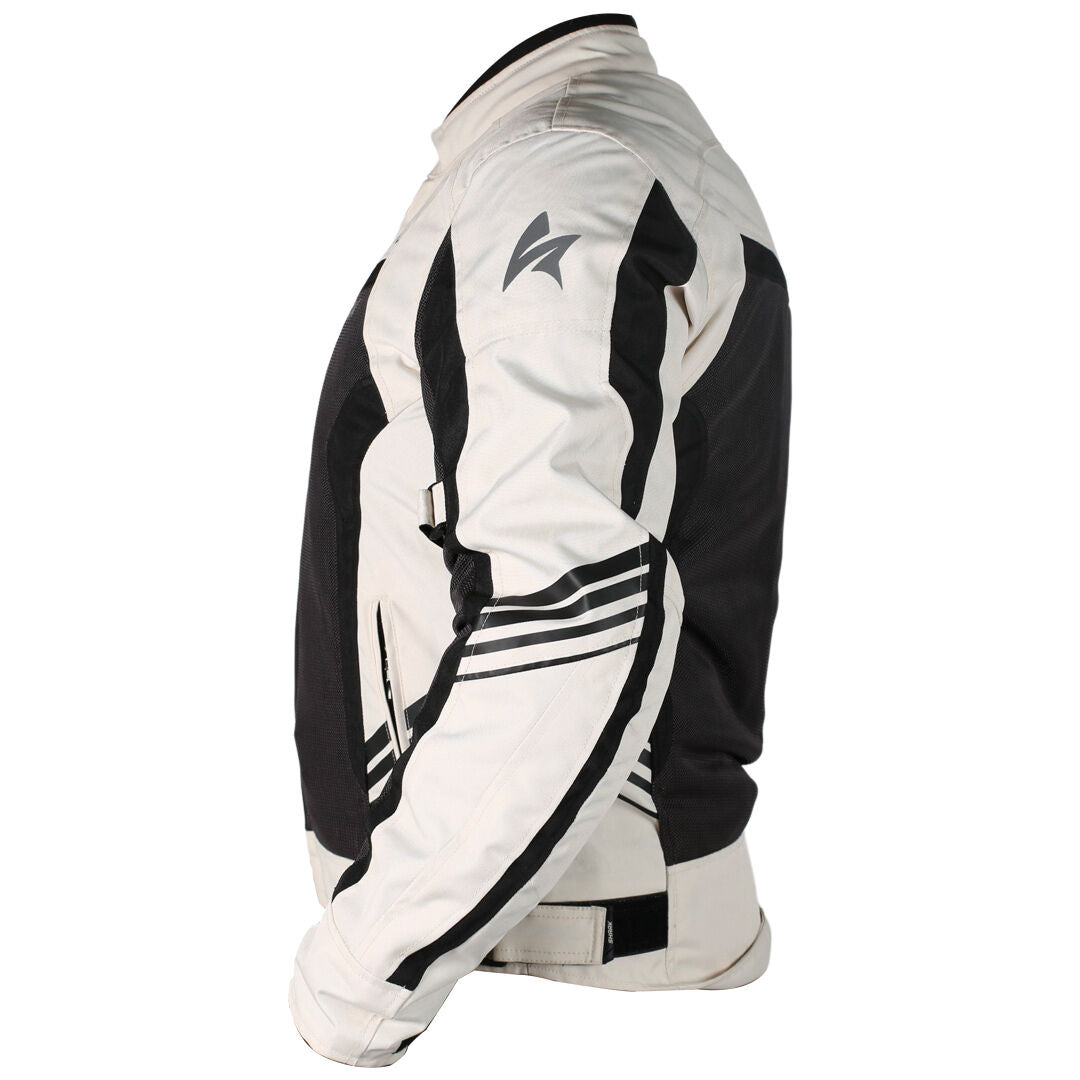
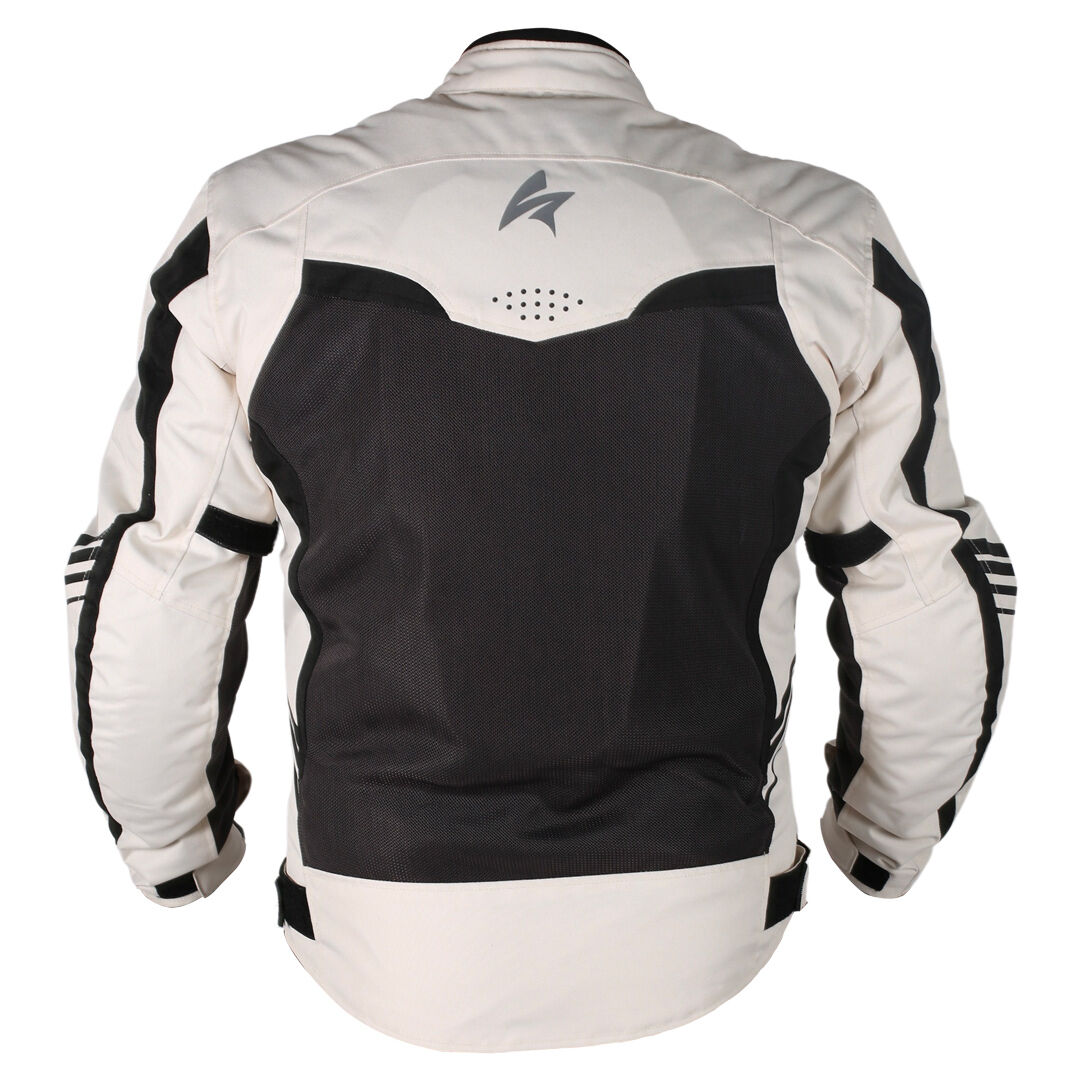
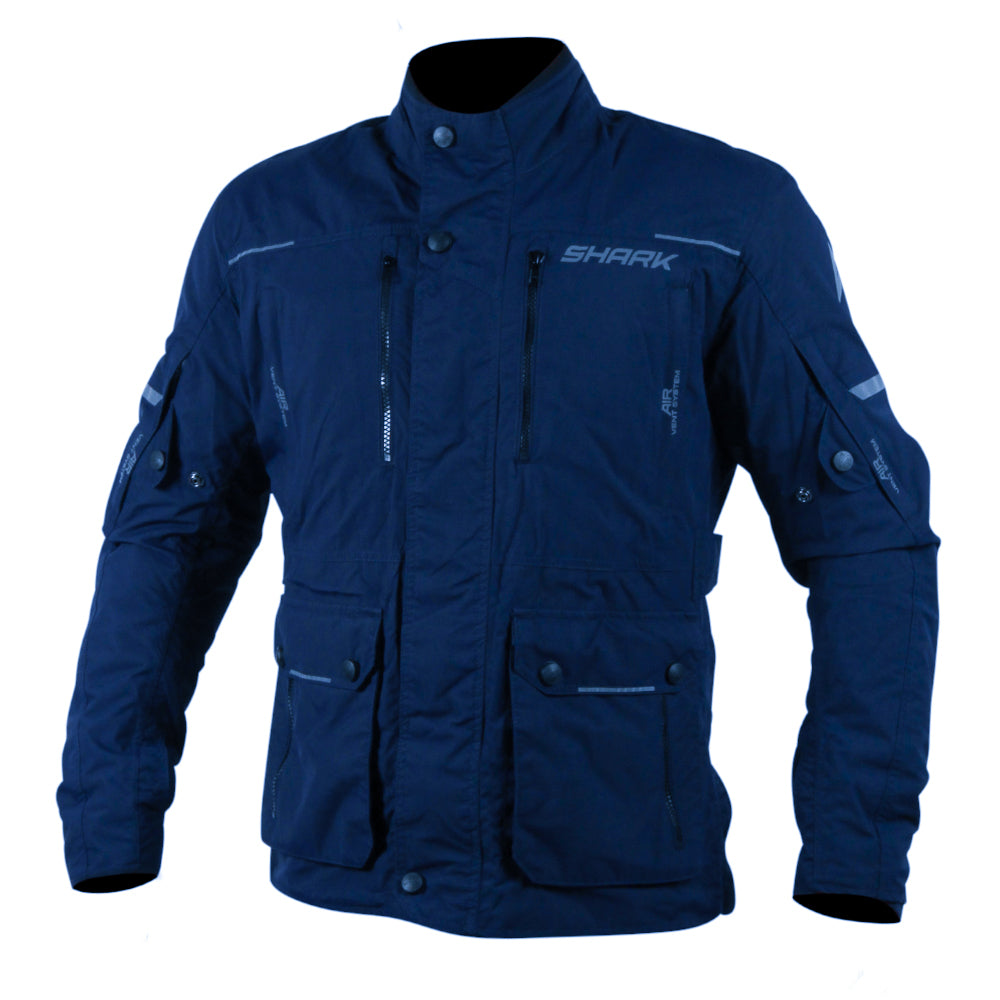
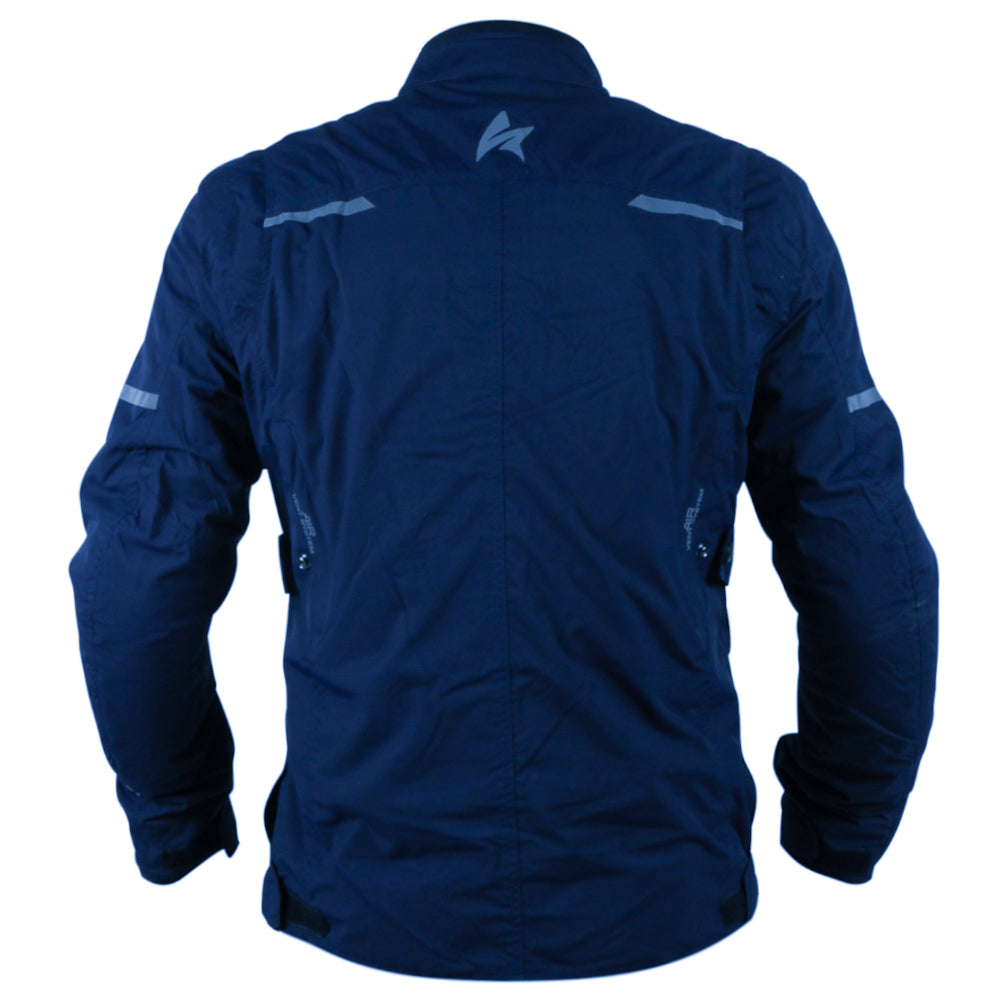
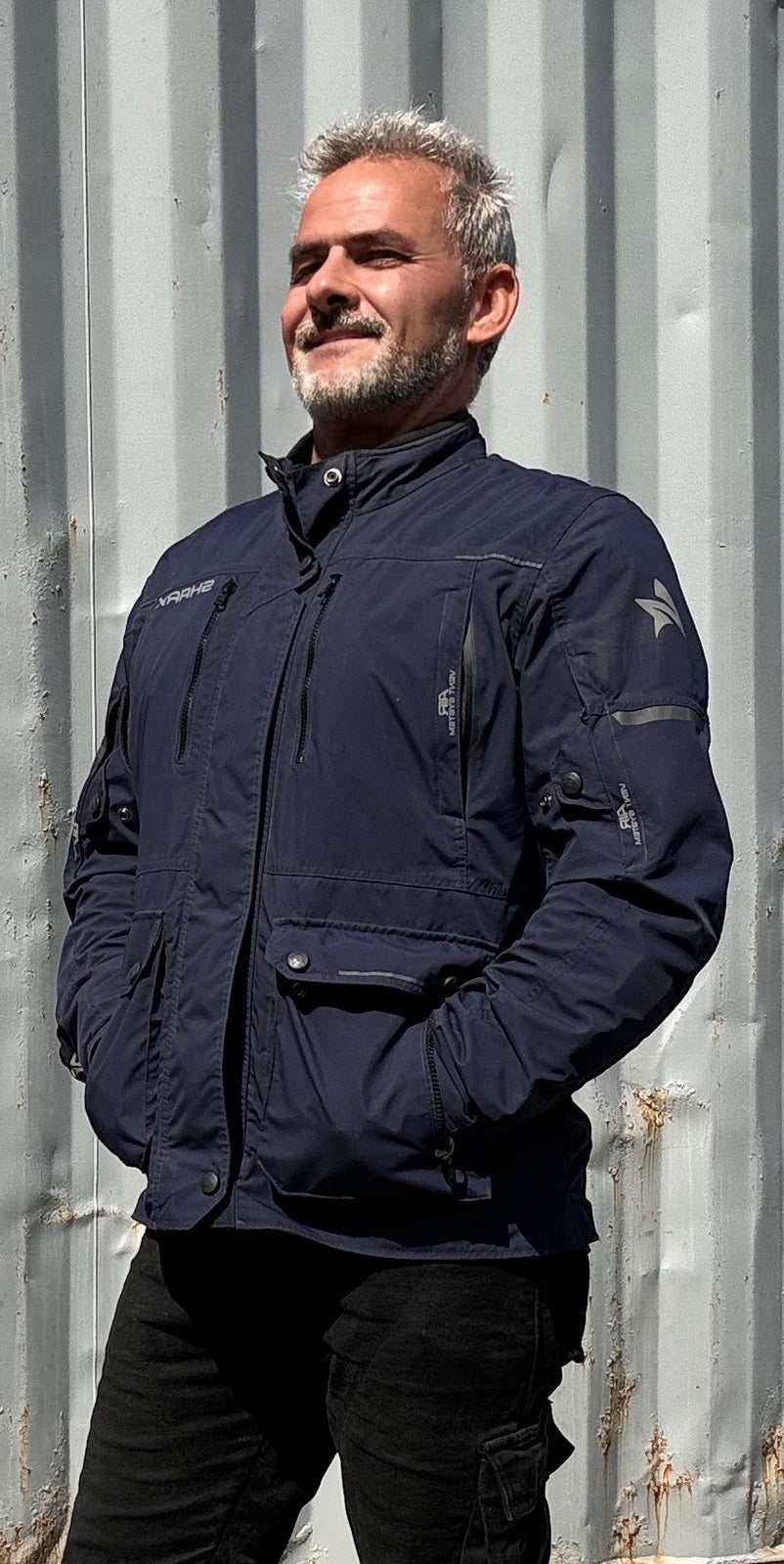
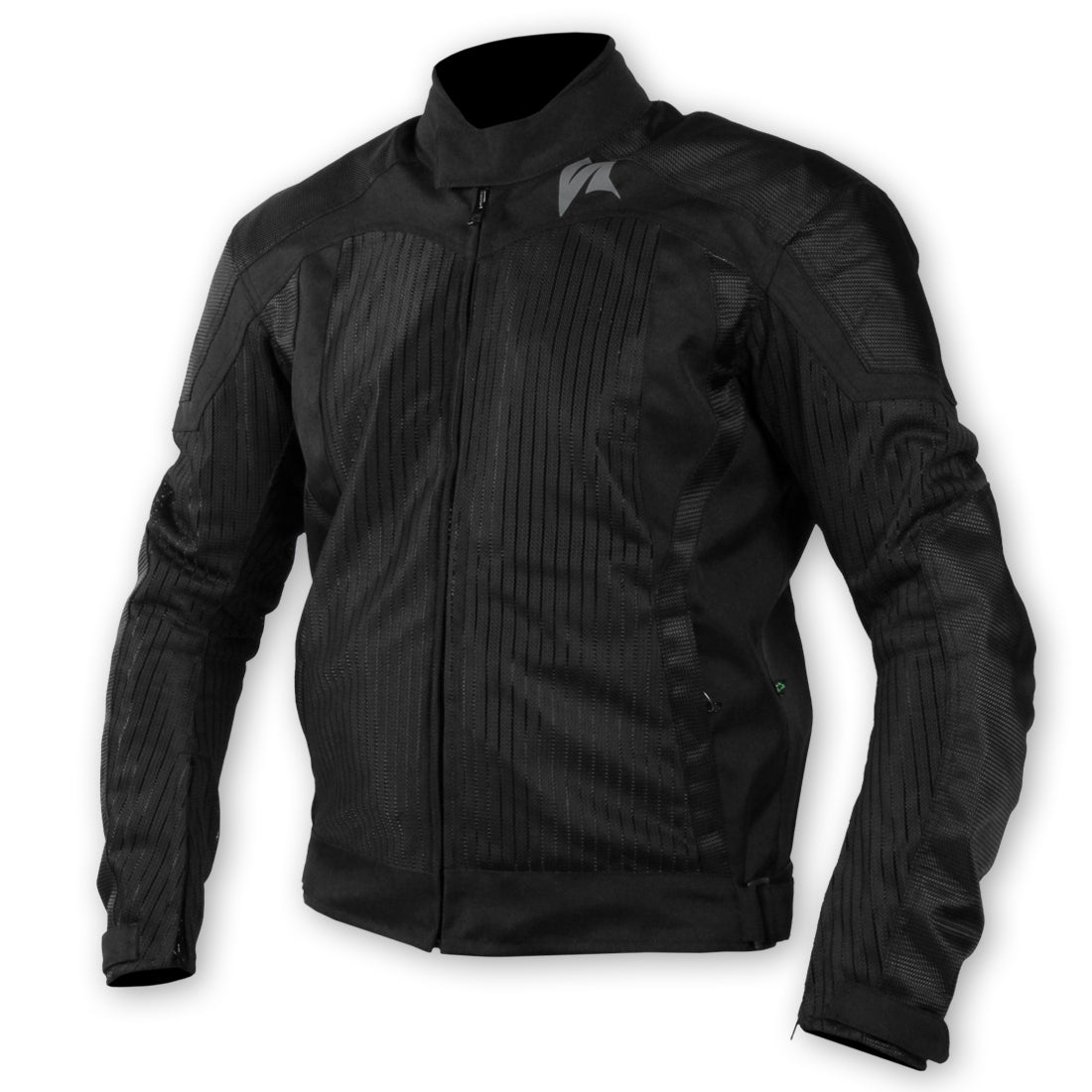
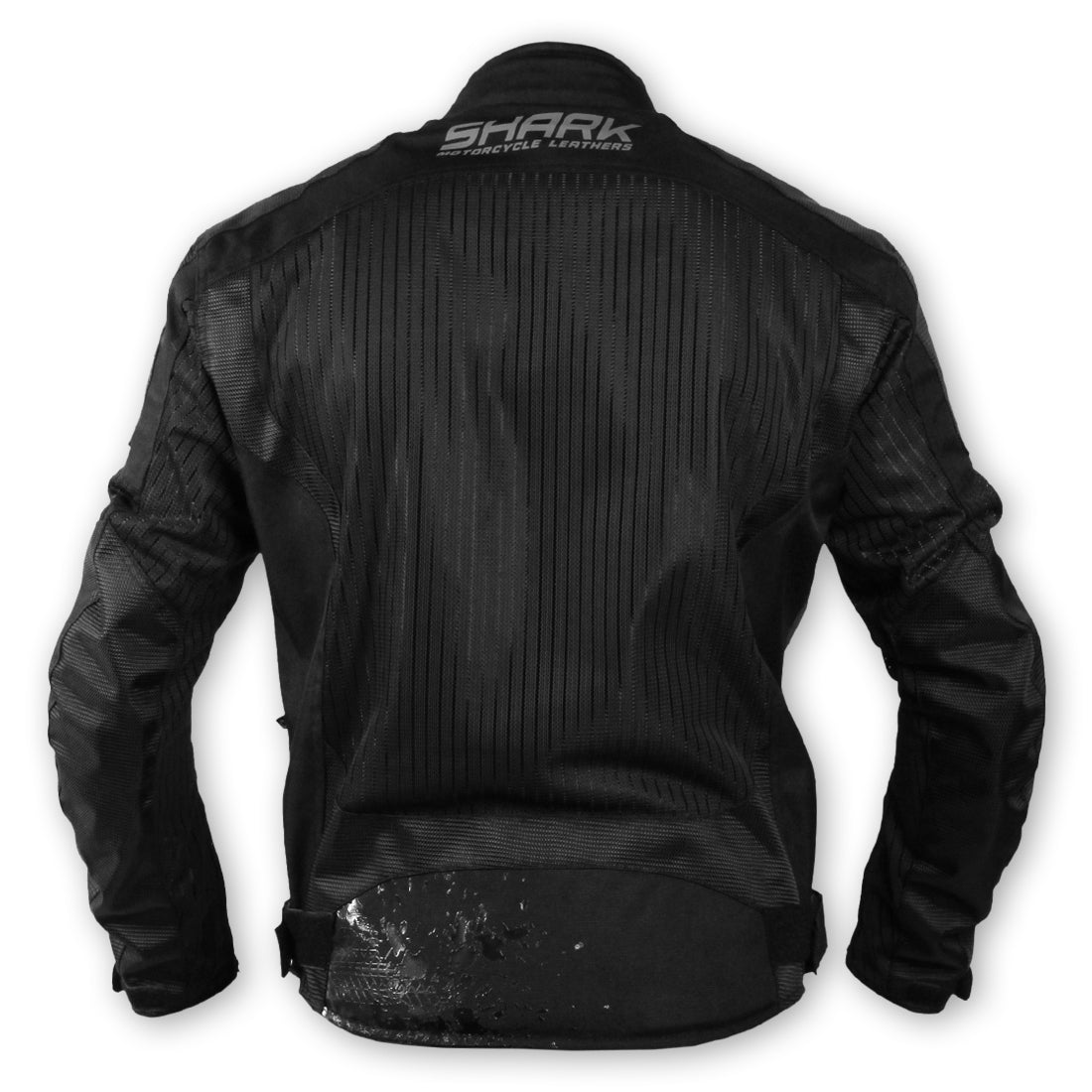
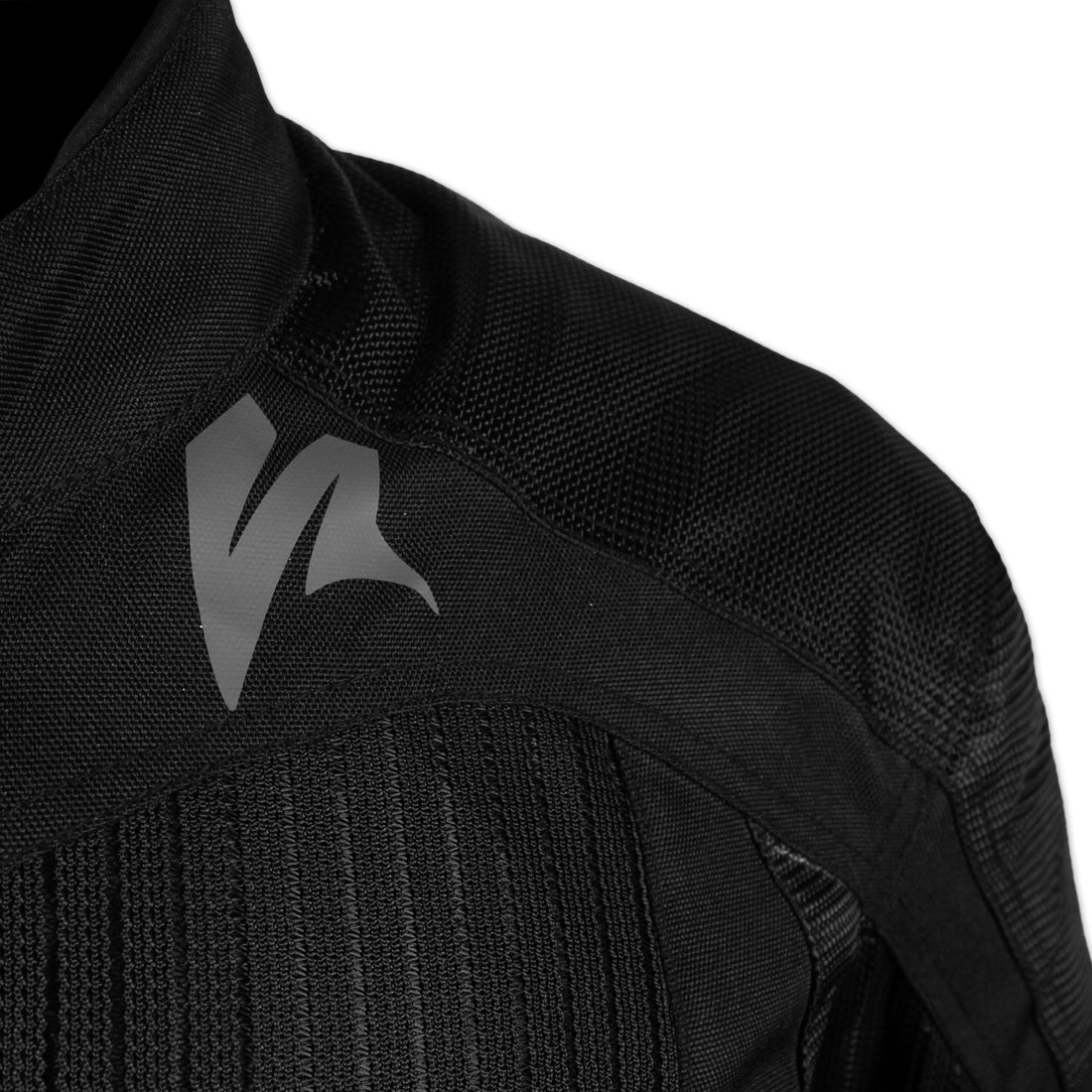
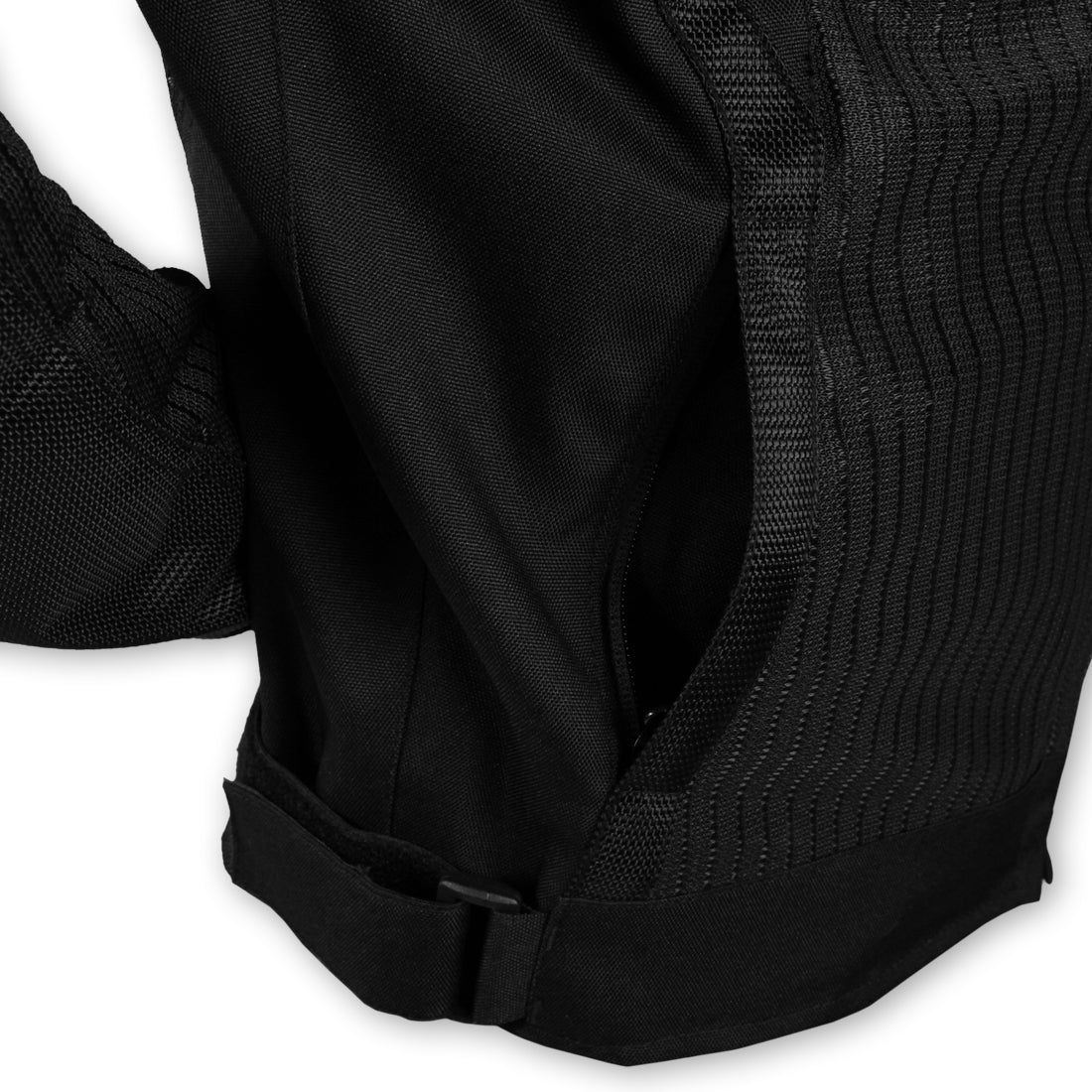
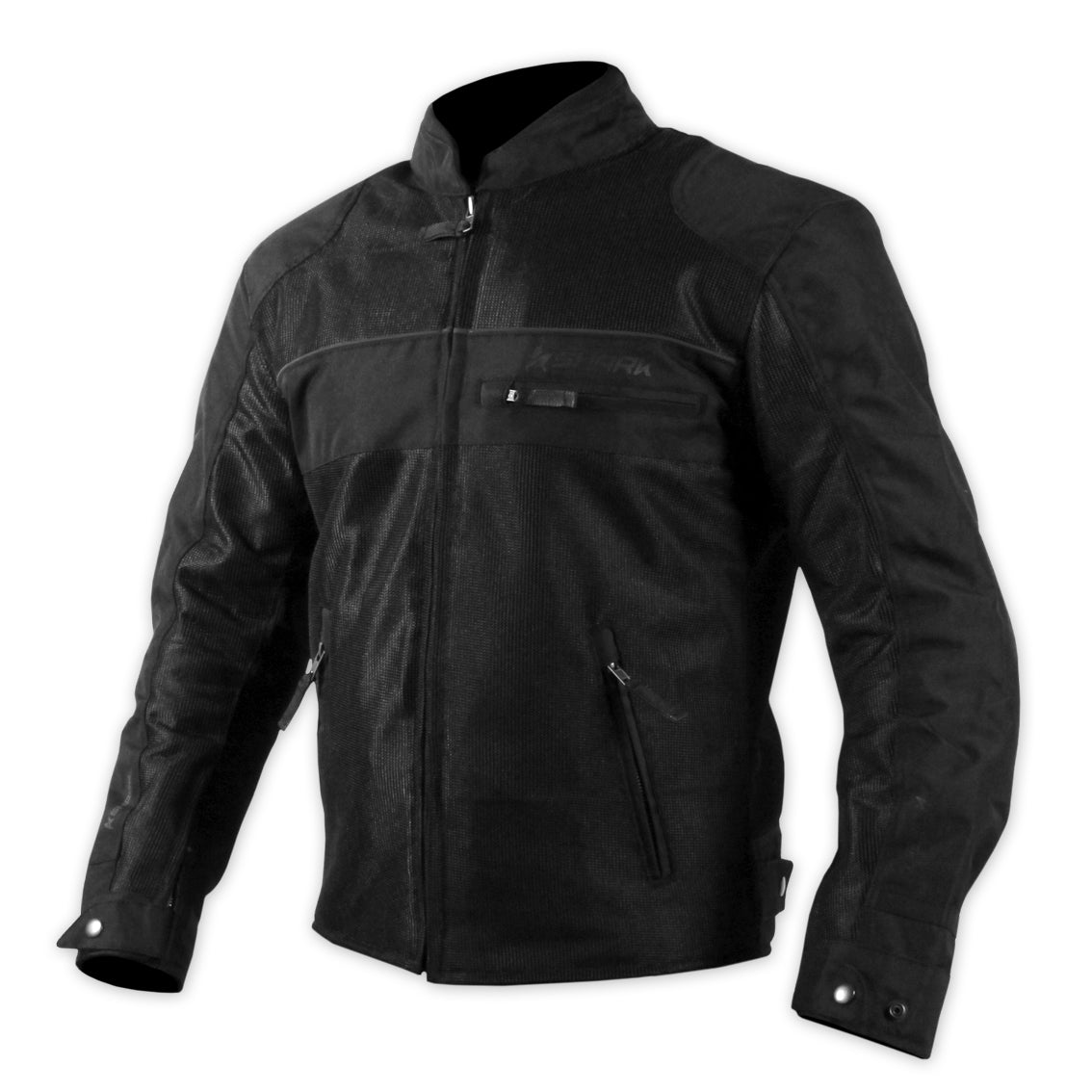
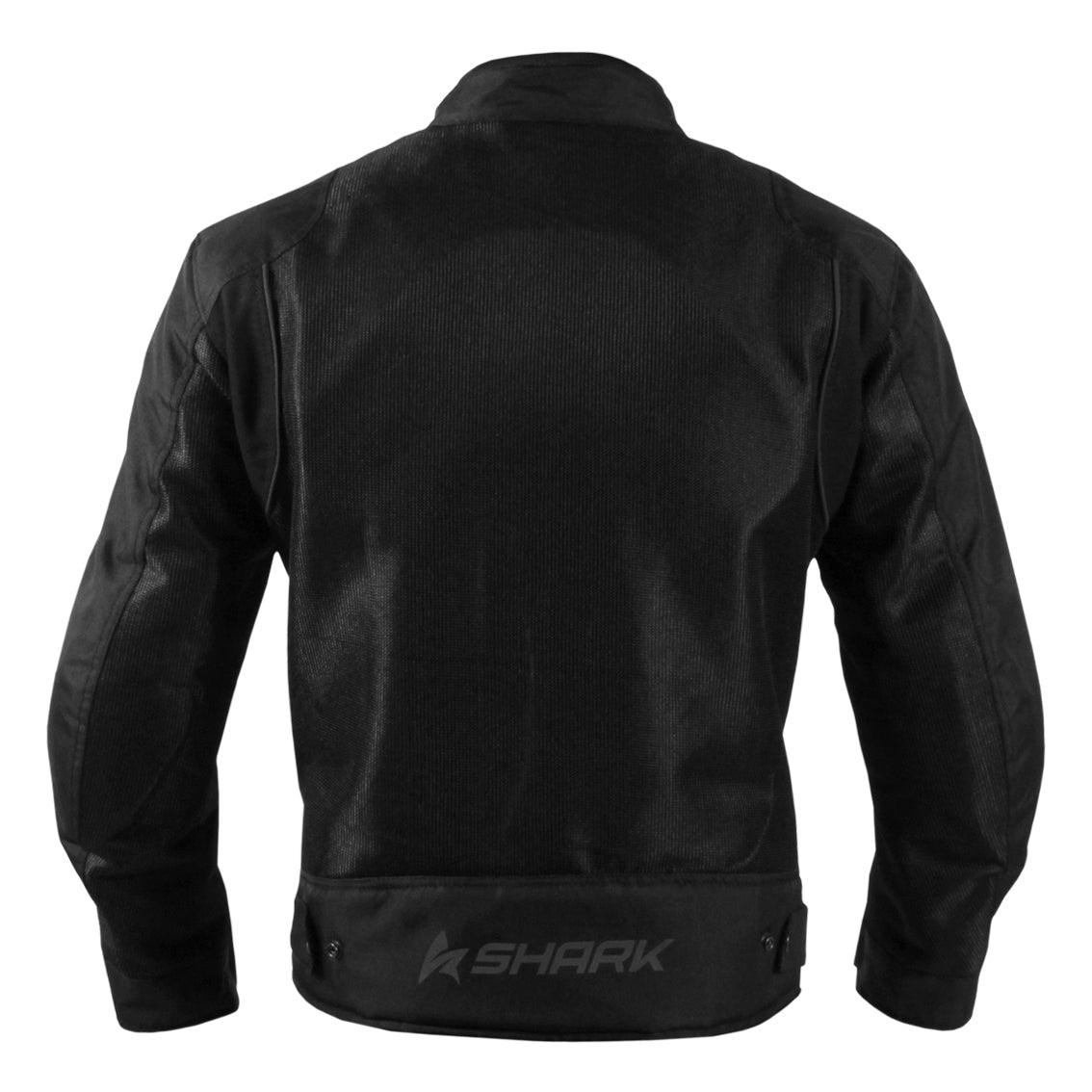
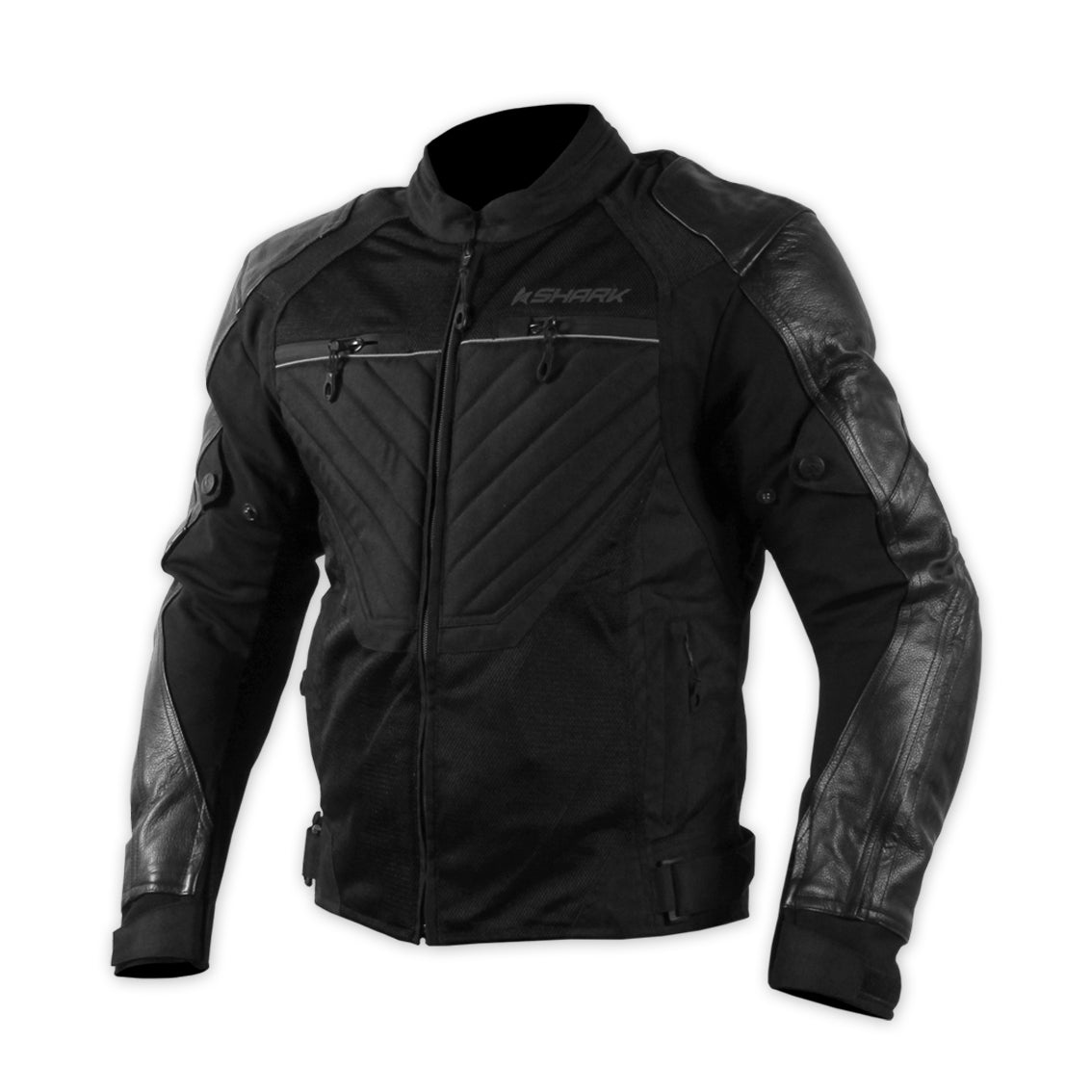
Shark Summer Cruise Jacket Black
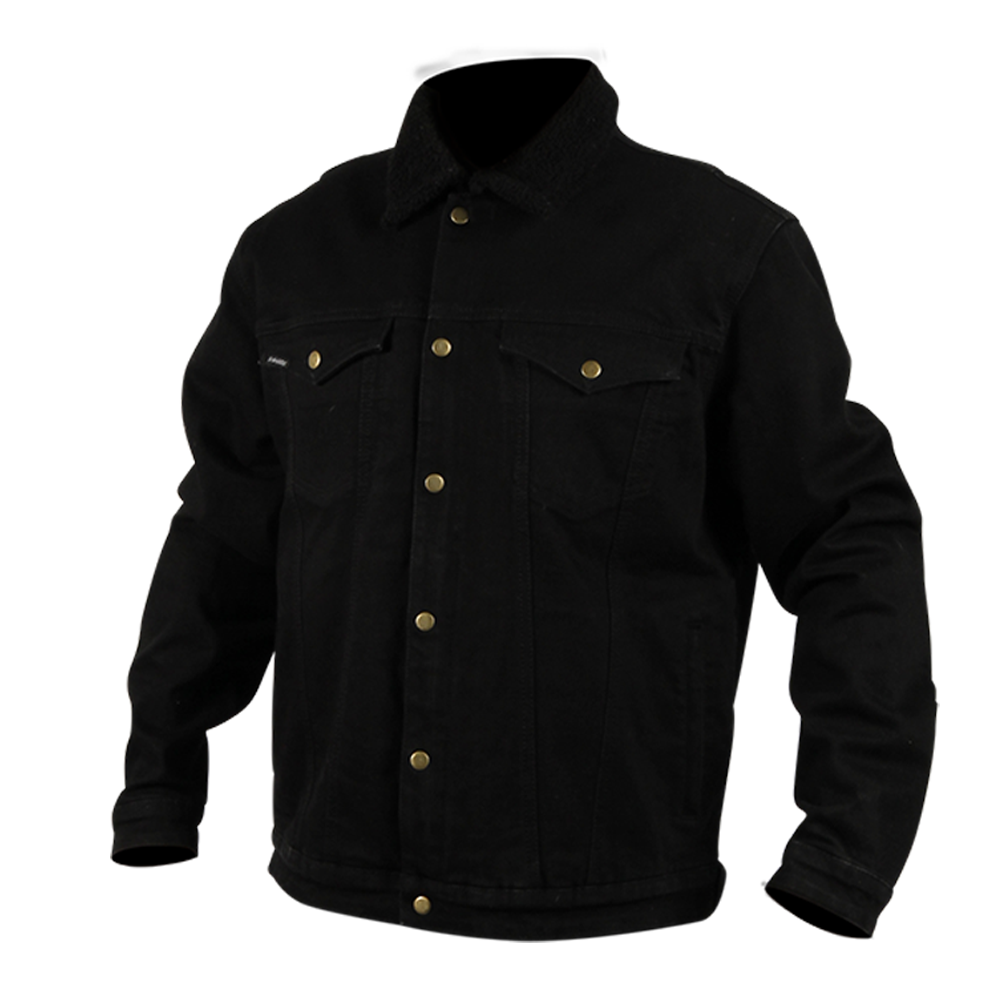
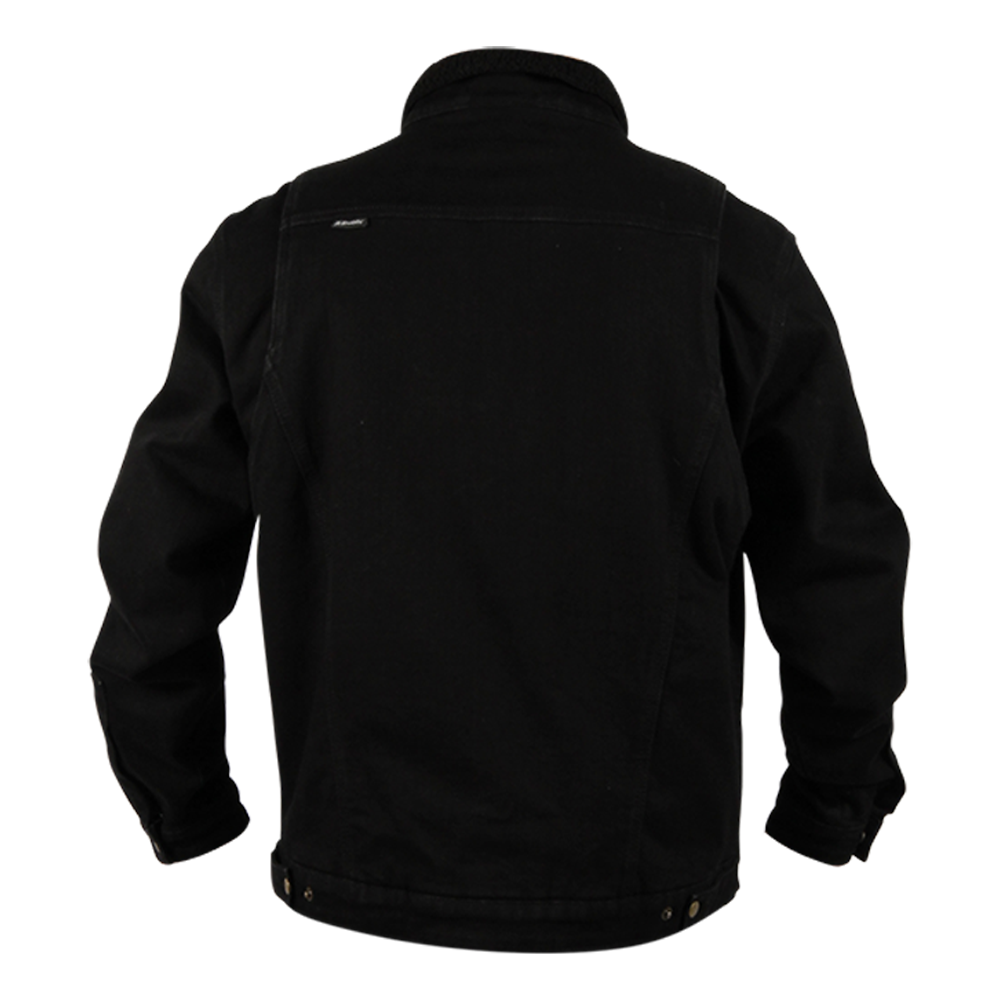
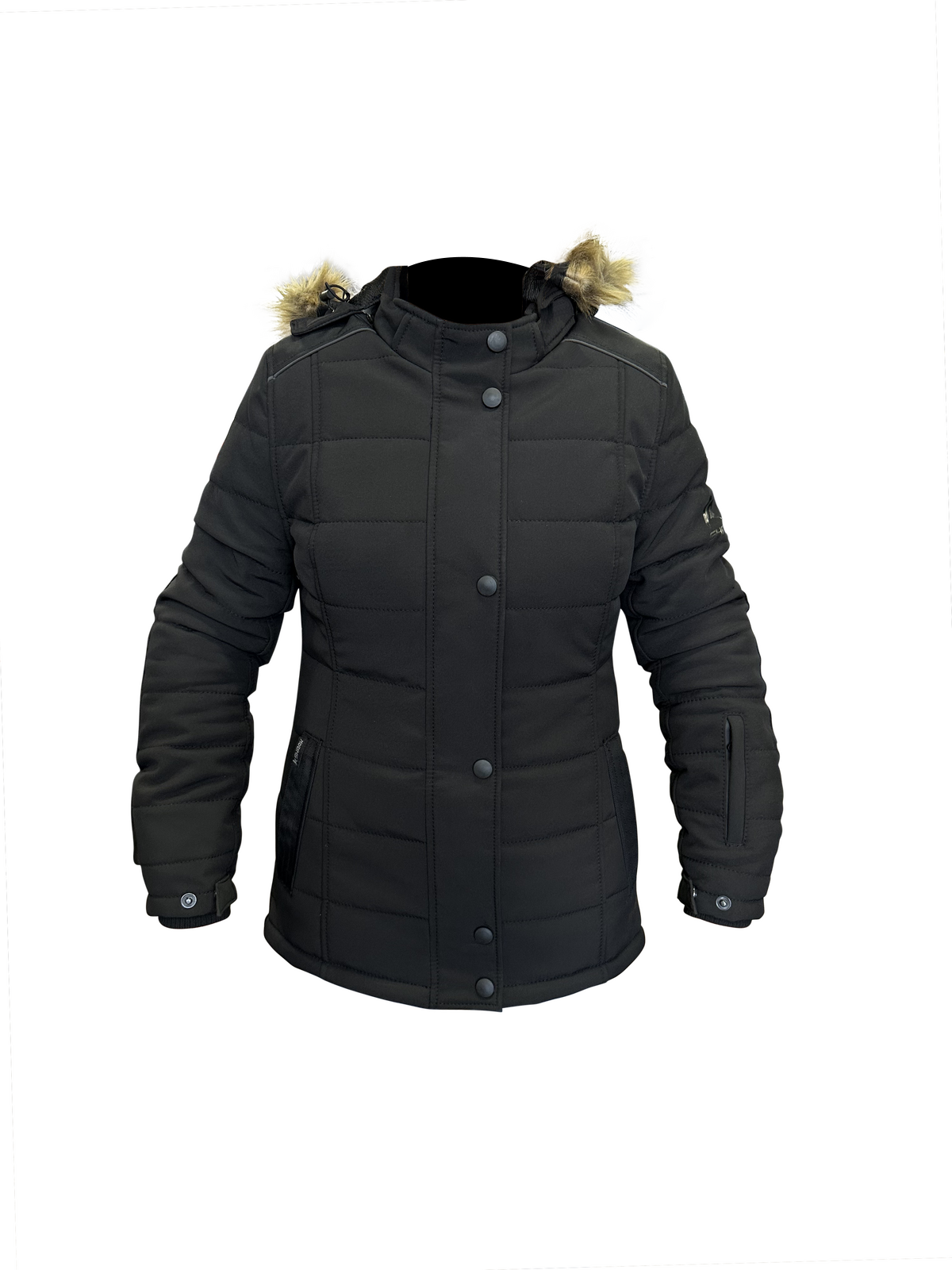
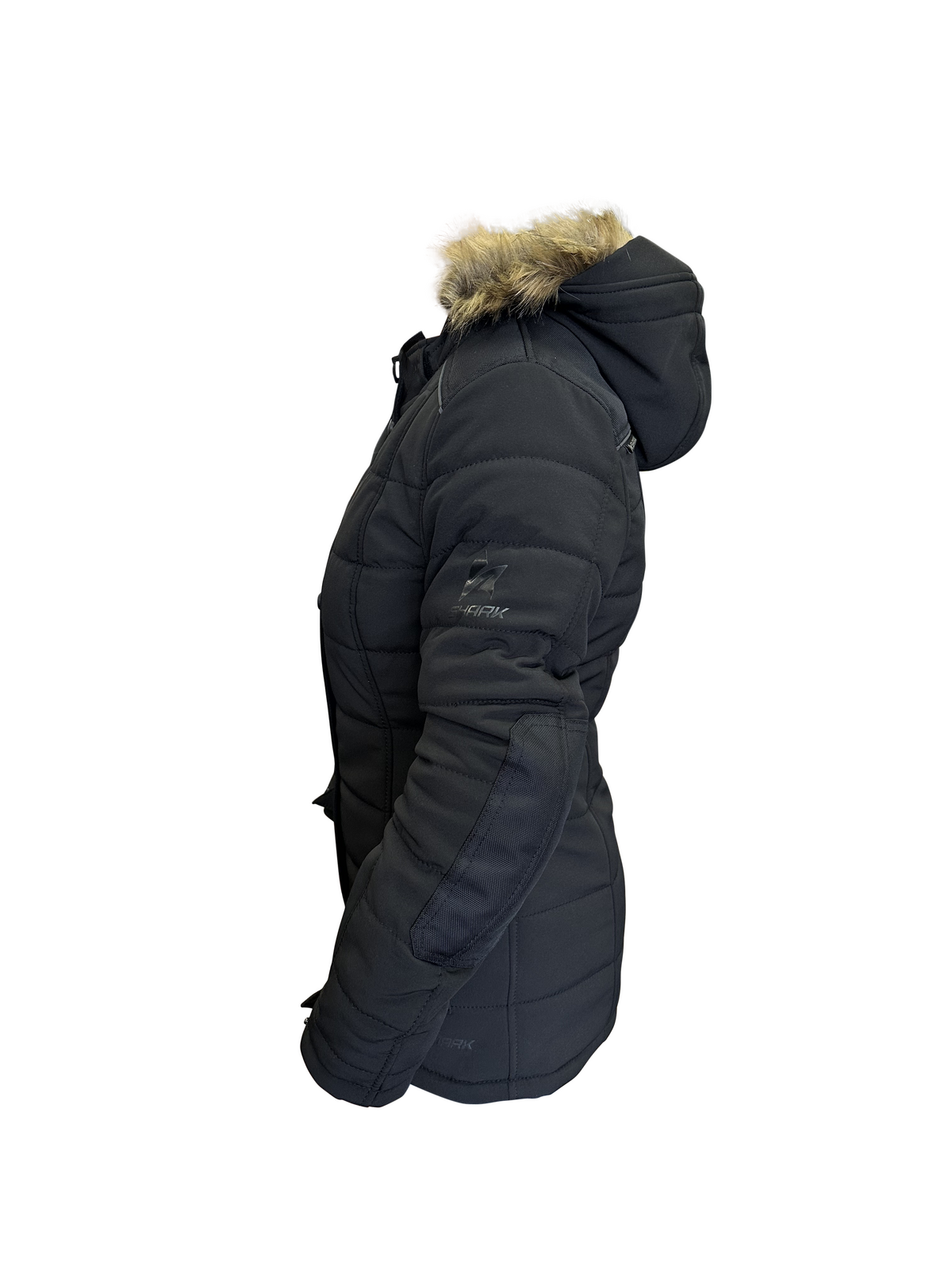
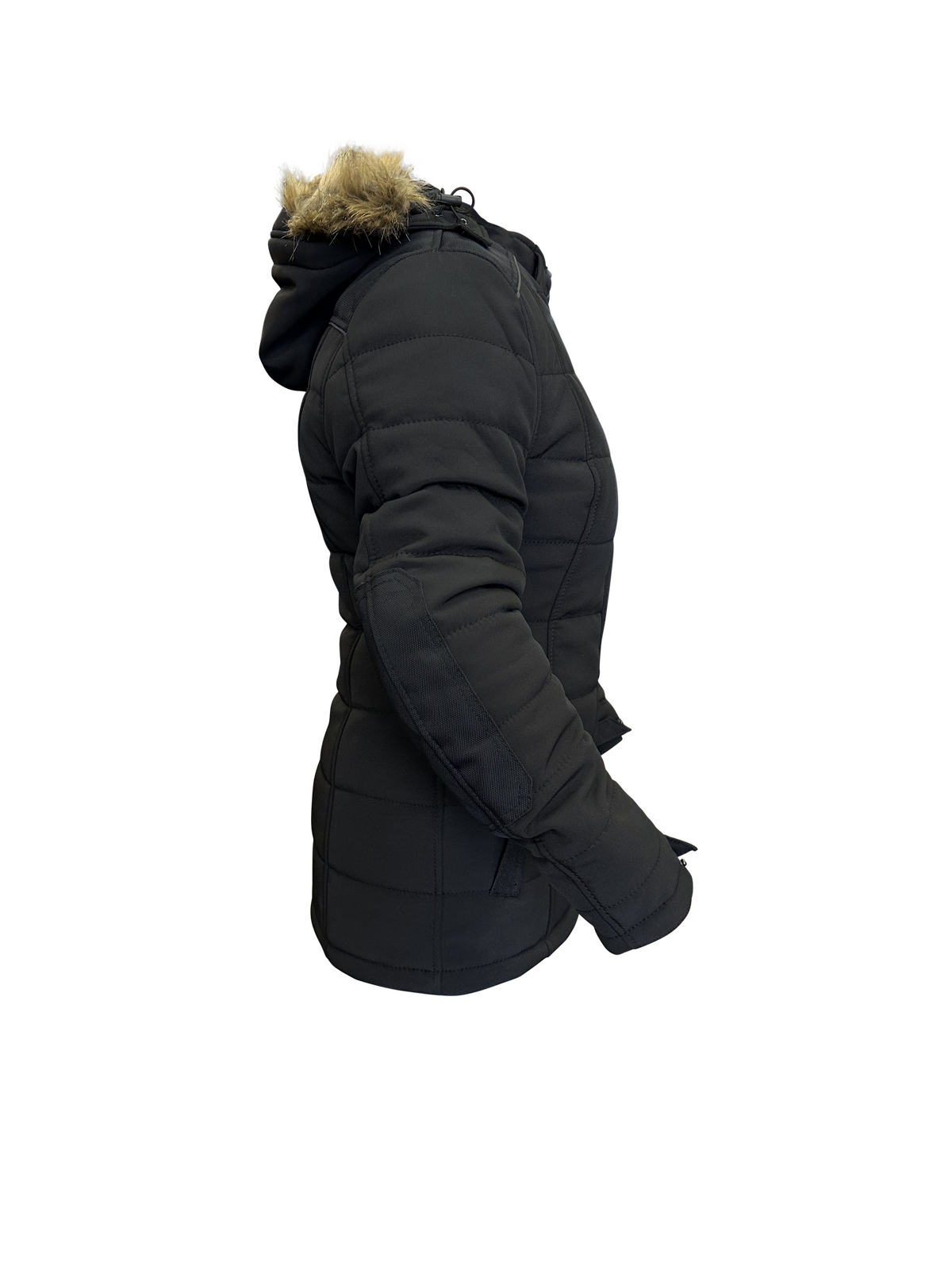
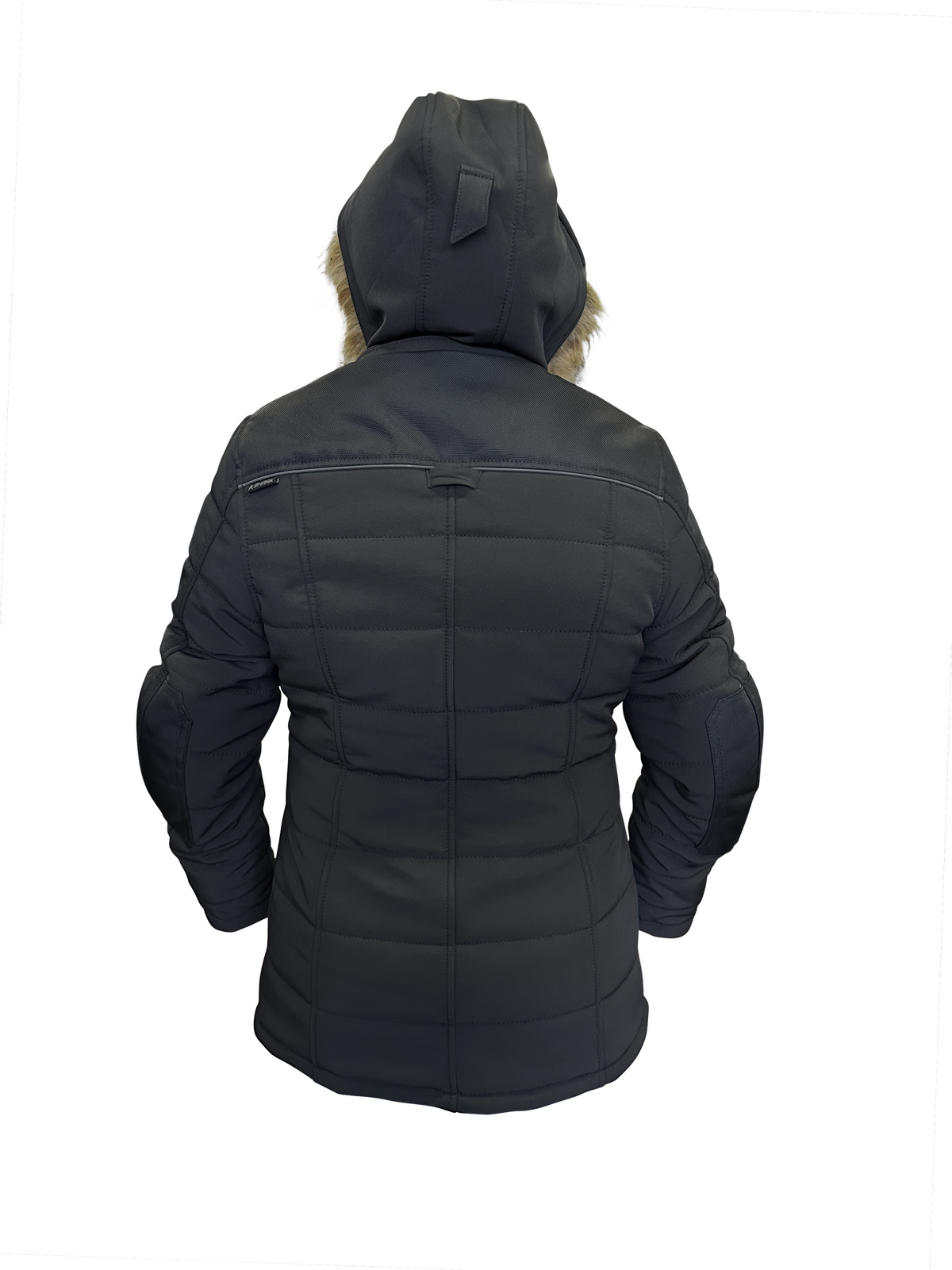
How to choose the right motorcycle jacket
Protection starts with the outer shell. Leather at 1.2 mm or thicker consistently achieves EN 17092 AAA abrasion ratings, the highest grade in the standard. Textile shells with woven aramid (Kevlar) panels typically reach AA or A depending on fibre density and panel placement. Mesh jackets prioritise airflow and suit temperatures above 25 °C, but must pair with a liner or base layer when armour coverage matters most.
CE armour: Level 1 vs Level 2
Every jacket worth buying ships with CE-certified impact protectors. Level 1 shoulder and elbow armour transmits a mean force below 18 kN; Level 2 drops that threshold to 9 kN, half the impact energy reaching your joint. Back protectors follow the same split: Level 1 passes at 18 kN, Level 2 at 9 kN. If you ride daily or at highway speeds, specify Level 2 back protection from the outset rather than upgrading later.
Material comparison at a glance
| Material | Top EN 17092 rating | Best condition | Notes |
|---|---|---|---|
| Full-grain leather | AAA | Sport, road, touring | Minimum 1.2 mm for AAA; 1.0 mm typical for AA |
| Laminated textile | AA | 4-season / all-weather | Bonded waterproof membrane; 10 000 mm hydrostatic head common |
| Cotton-aramid (Kevlar) | A | Urban, casual | 500-750 g/m² aramid density targets A-grade threshold |
| Mesh textile | A | Summer above 25 °C | Open weave; requires CE armour at shoulder, elbow, back |
| Waxed cotton | A | Casual / heritage touring | Natural water resistance; re-wax every 12 months |
Fitment and sizing
Armour only works when it sits over the joint it is designed to protect. Check that shoulder caps sit centred on the shoulder point, elbow armour aligns with the tip of your elbow at a 90-degree bend, and a back protector spine column runs from C7 to L1. Most jackets offer 2-4 cm waist adjustment via belt or side zip. Women-specific cuts reduce shoulder width by 3-5 cm and shorten sleeve-to-cuff distance compared with equivalent men's sizing.
Brands stocked
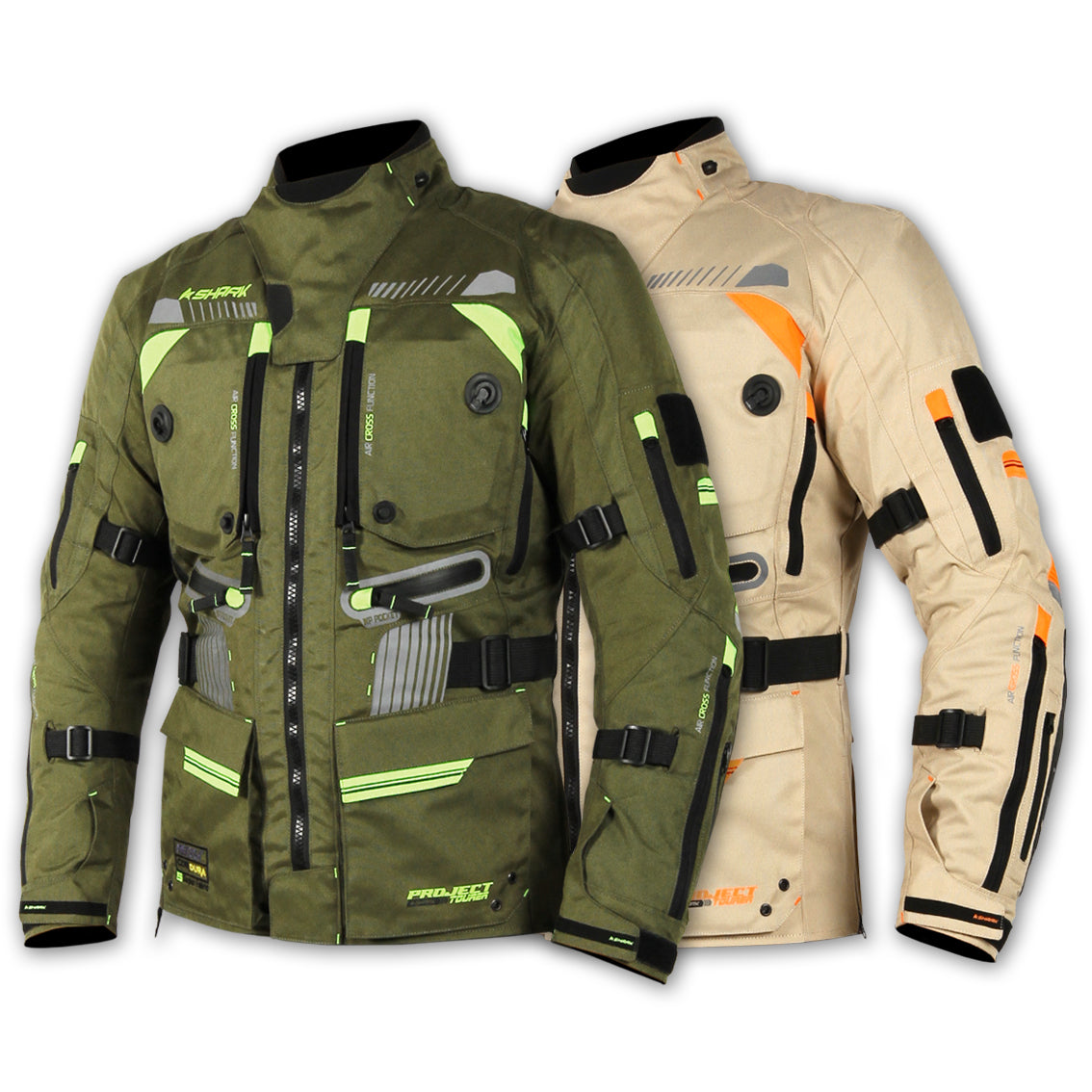
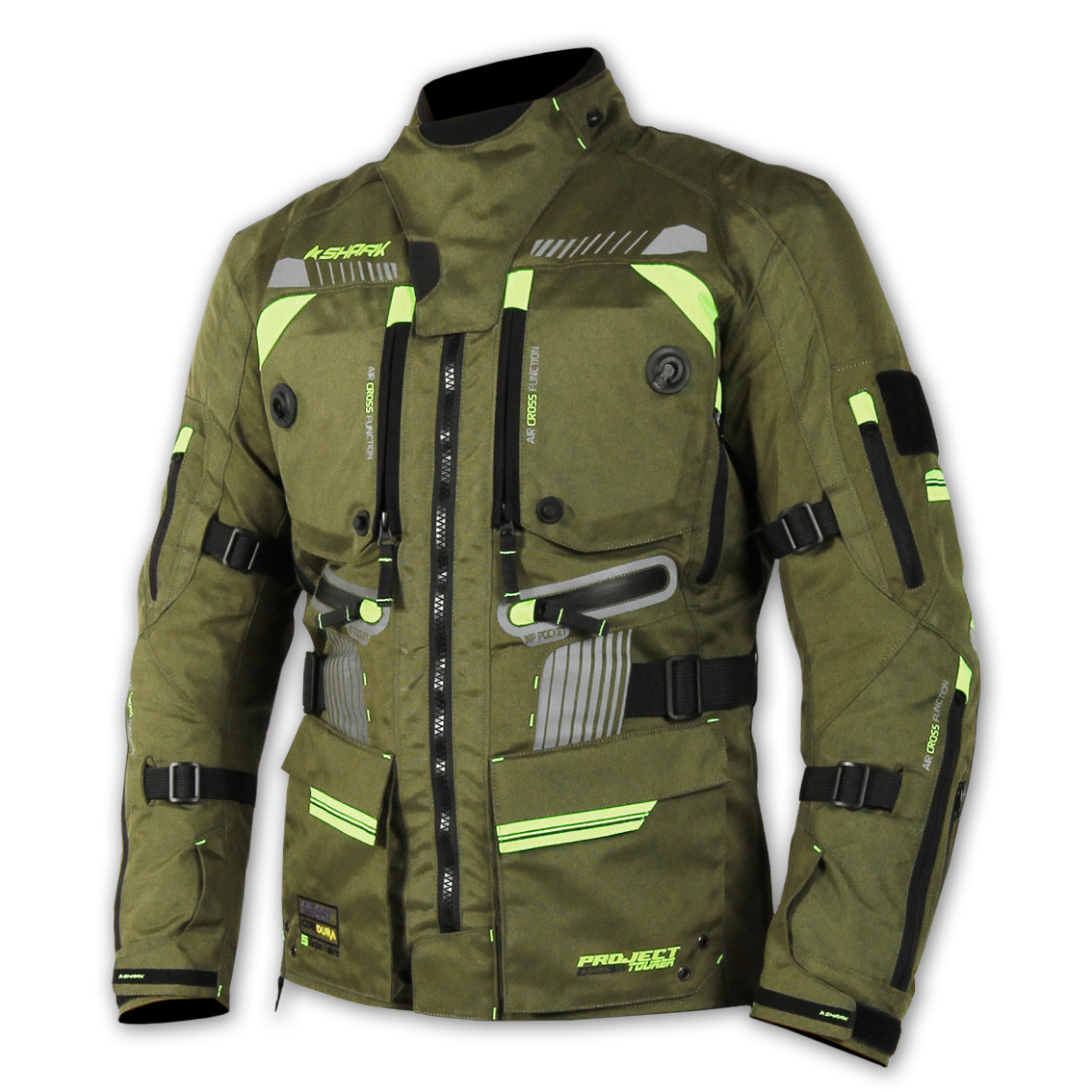
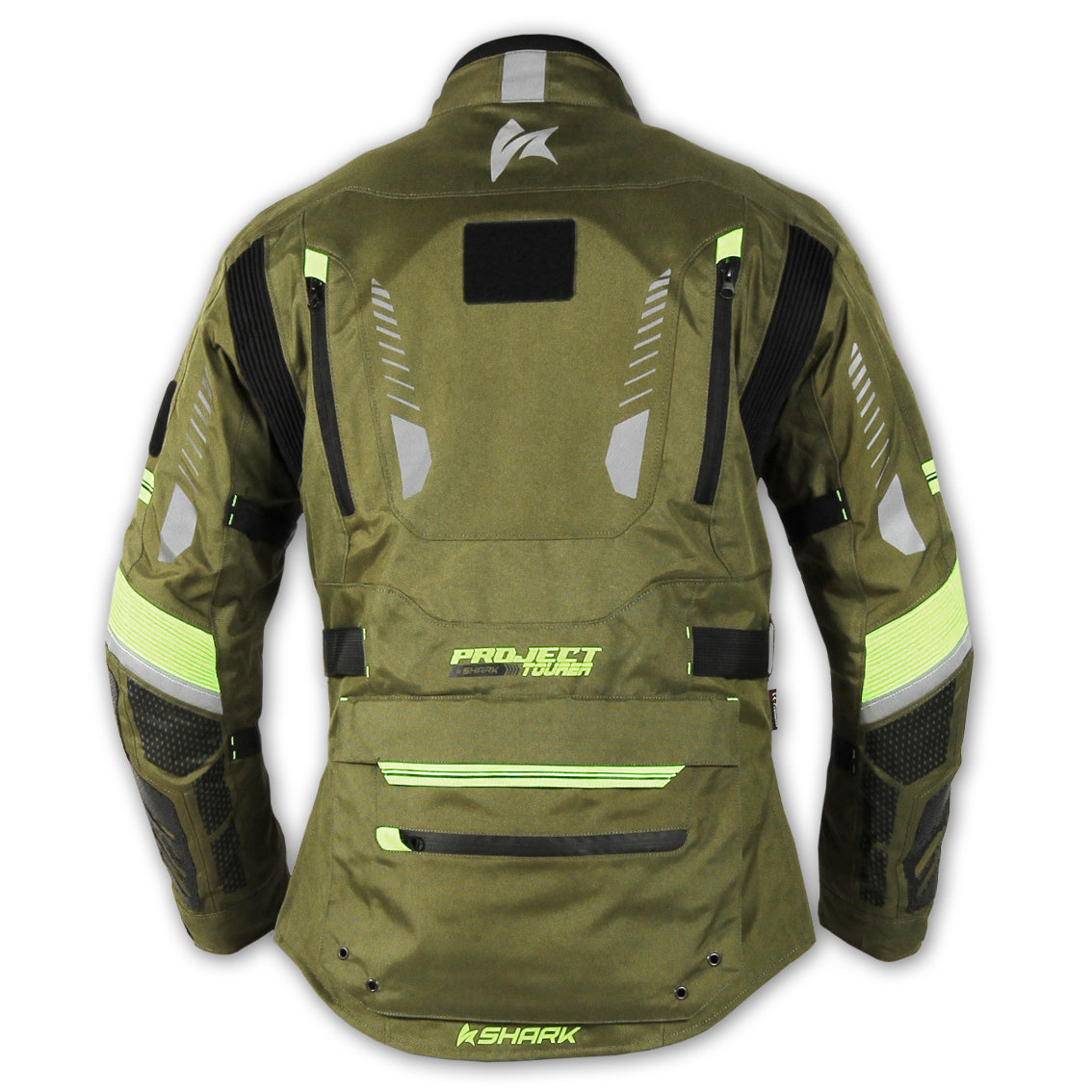
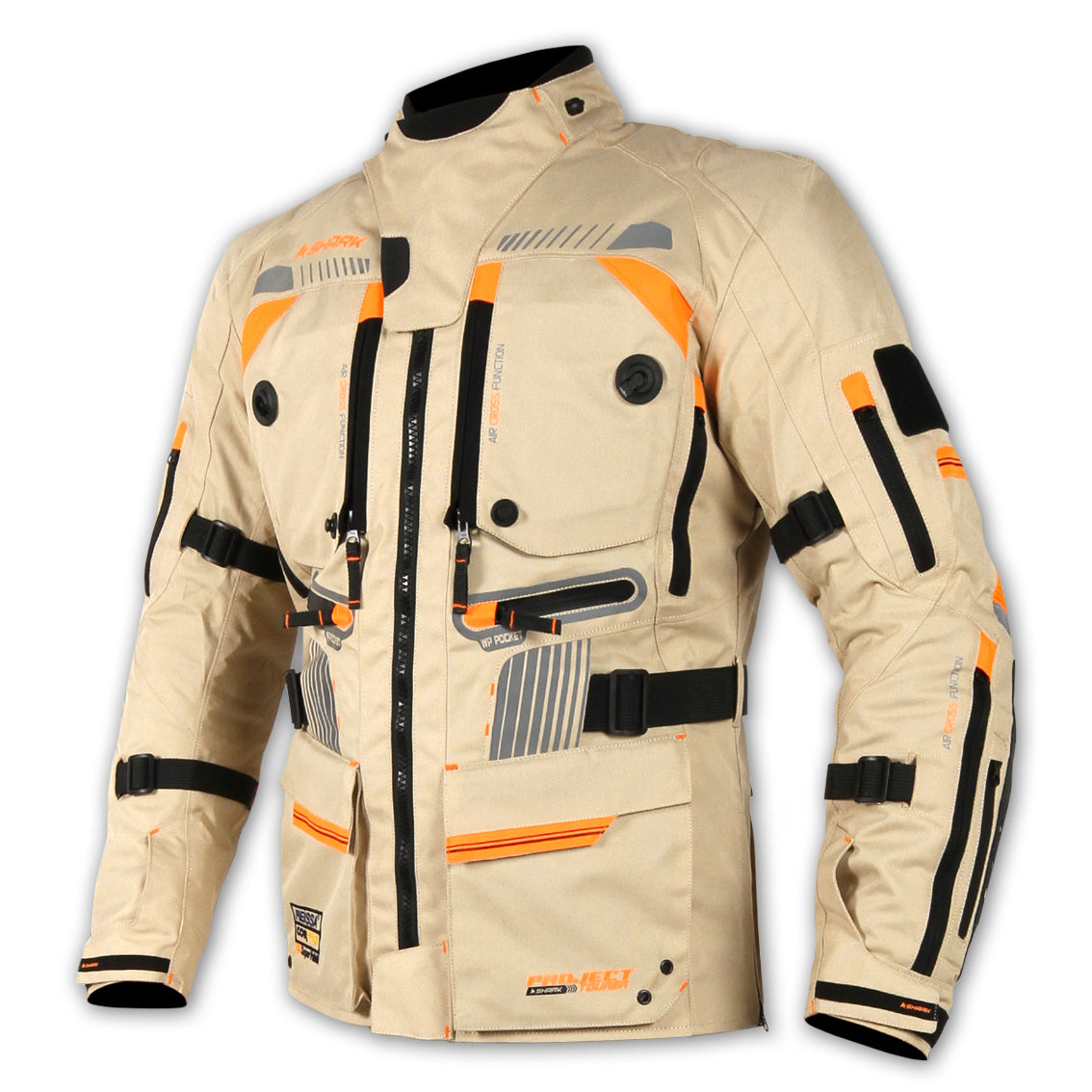
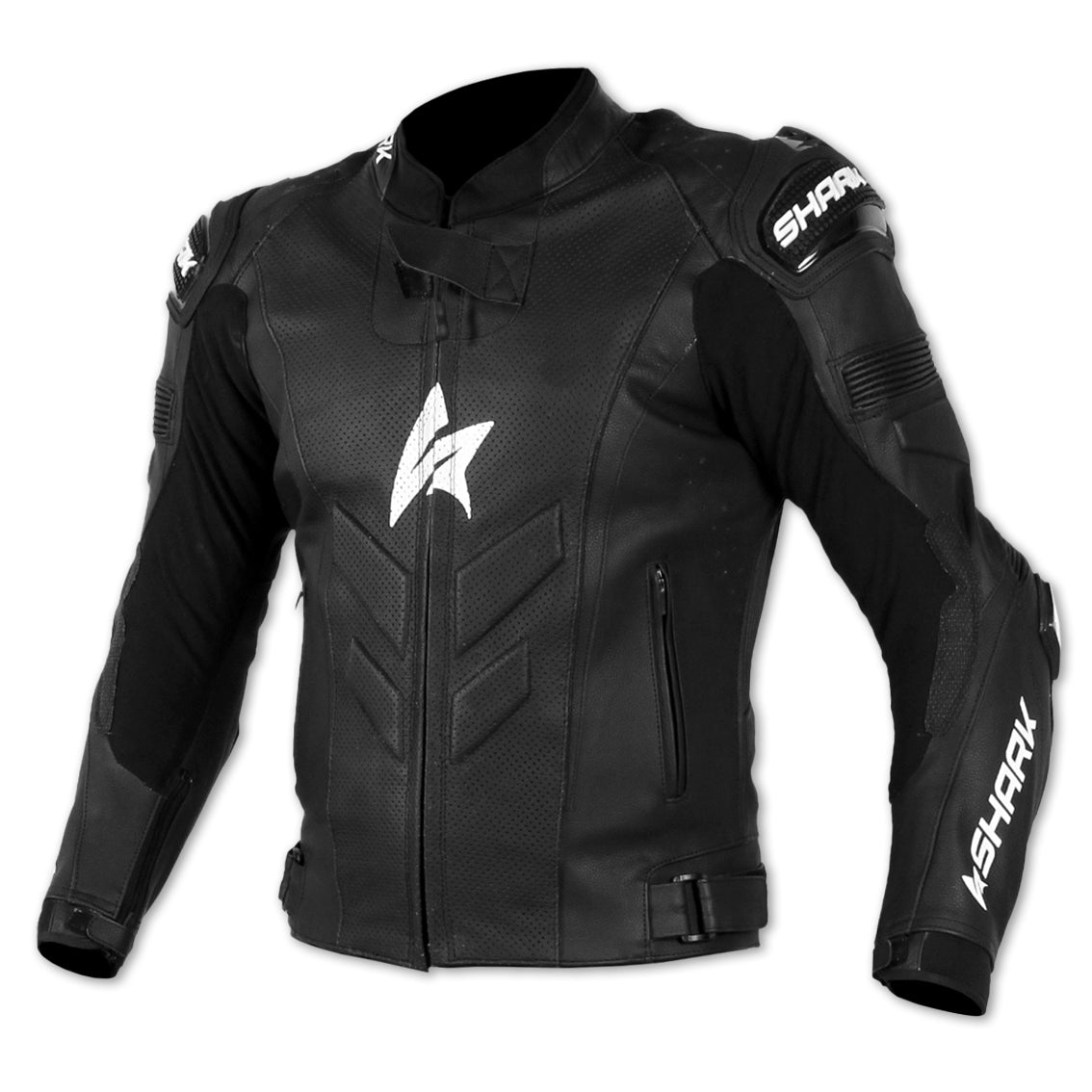
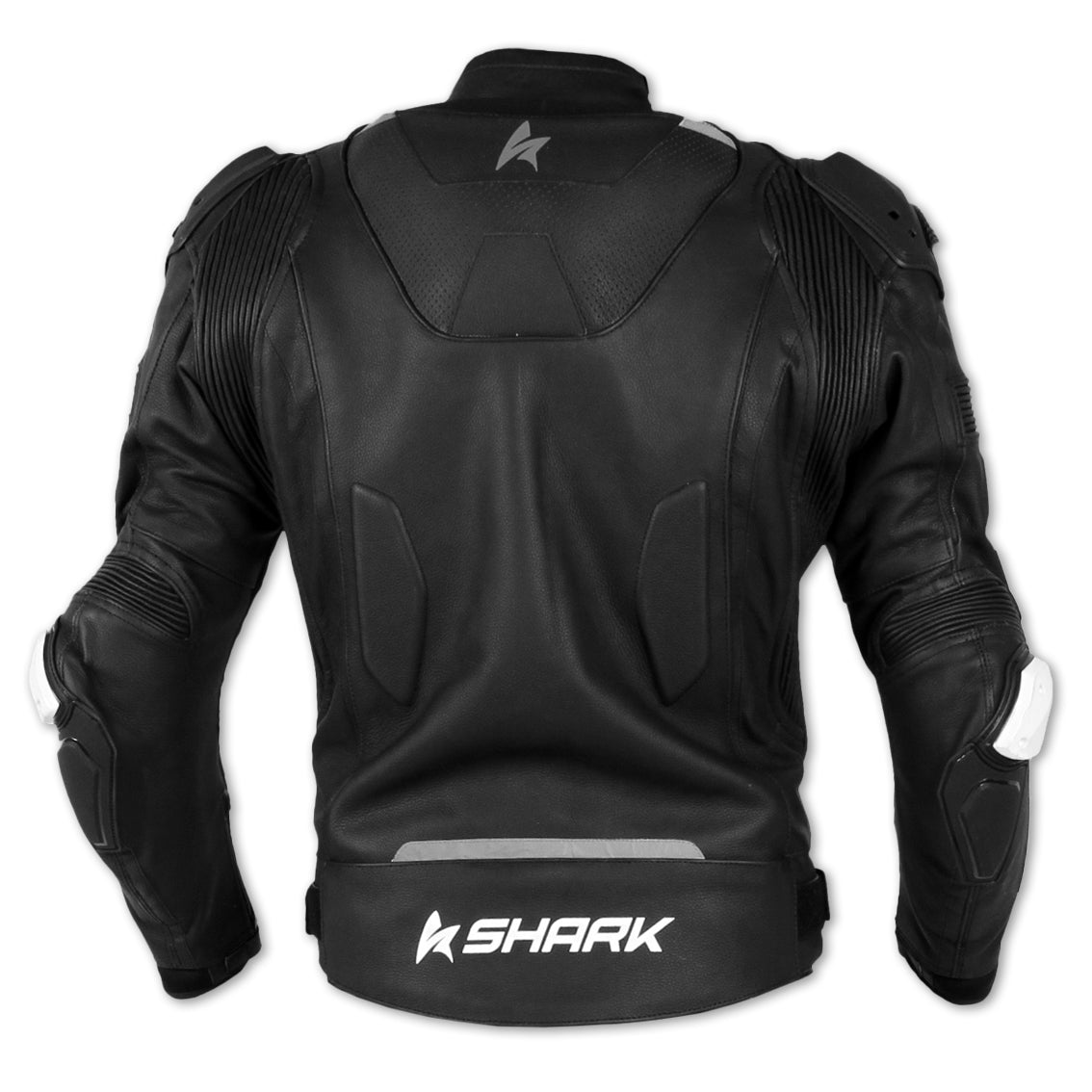
Shark Leathers' own-brand range, including the Tract, Phantom and Project Tourer lines, is engineered with Australian conditions as the design brief. Merlin and Difi lead the waxed-cotton and heritage leather segments. Macna covers laminated four-season touring. Berik and Difi hold the sport-leather space. Motodry and Oxford anchor everyday textile and entry-level waterproof categories. Leatt and Thor extend the range into off-road and adventure crossover.
Frequently asked questions
What is the difference between EN 17092 AAA, AA and A jacket ratings?
EN 17092 grades abrasion resistance. AAA is the highest, full-grain leather at 1.2 mm or above typically qualifies. AA suits most textile touring jackets. A covers lighter mesh and aramid-blend shells. Higher grades mean longer slide time before the shell breaches.
Do I need CE Level 2 armour or is Level 1 enough?
Level 2 armour transmits roughly half the peak force of Level 1, at 9 kN versus 18 kN at shoulder and elbow. For highway or track riding, Level 2 is the sensible baseline. Urban or low-speed commuting can be adequately covered by Level 1, provided the armour is correctly positioned over each joint.
Which jacket material works best for Australian summer riding?
Mesh textile is the practical choice above 25 °C because the open weave allows continuous airflow. Pair it with CE-certified armour at shoulder, elbow and back. If you cross into cooler mornings or unpredictable weather, a removable thermal liner adds roughly 5-8 °C of insulation without replacing the shell.