

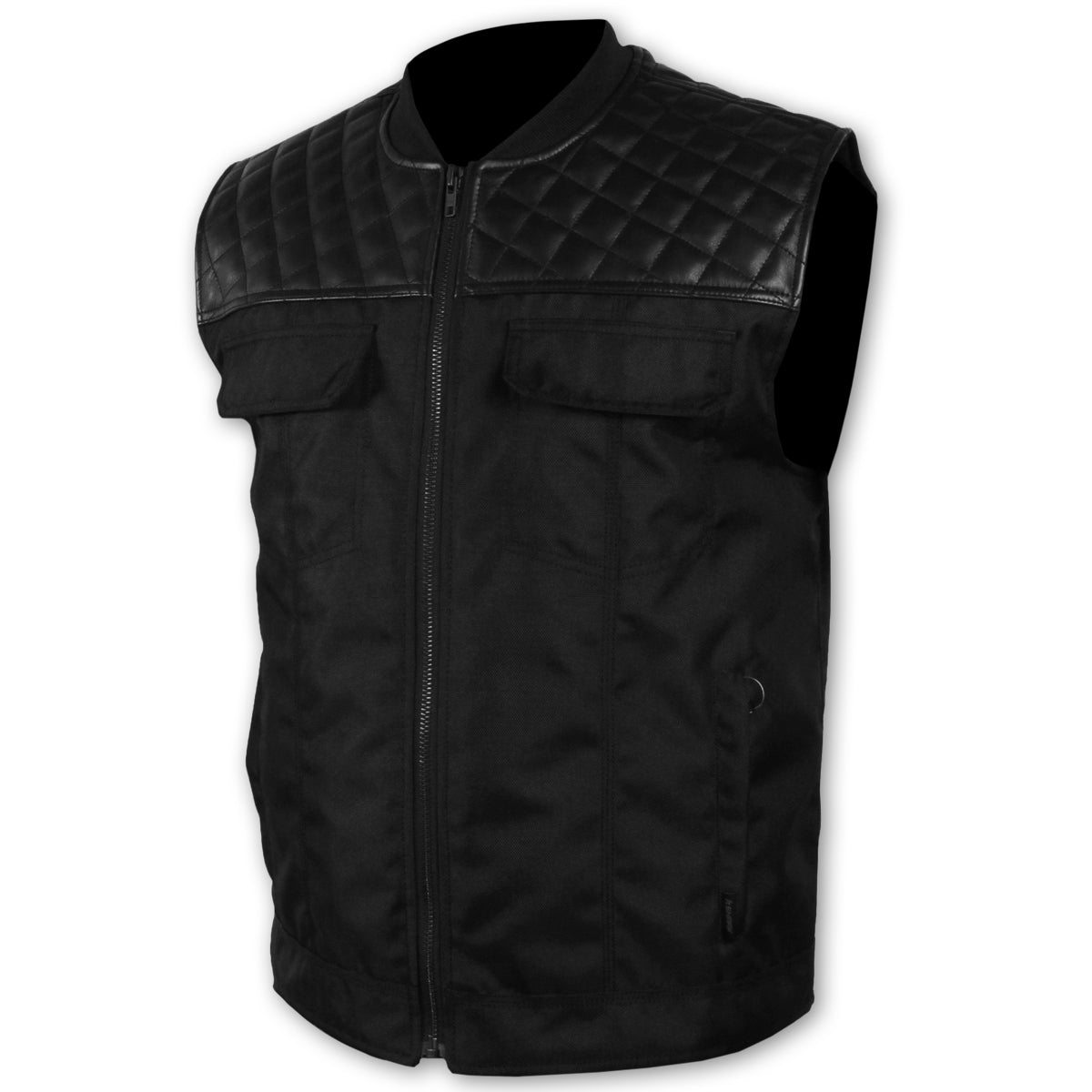
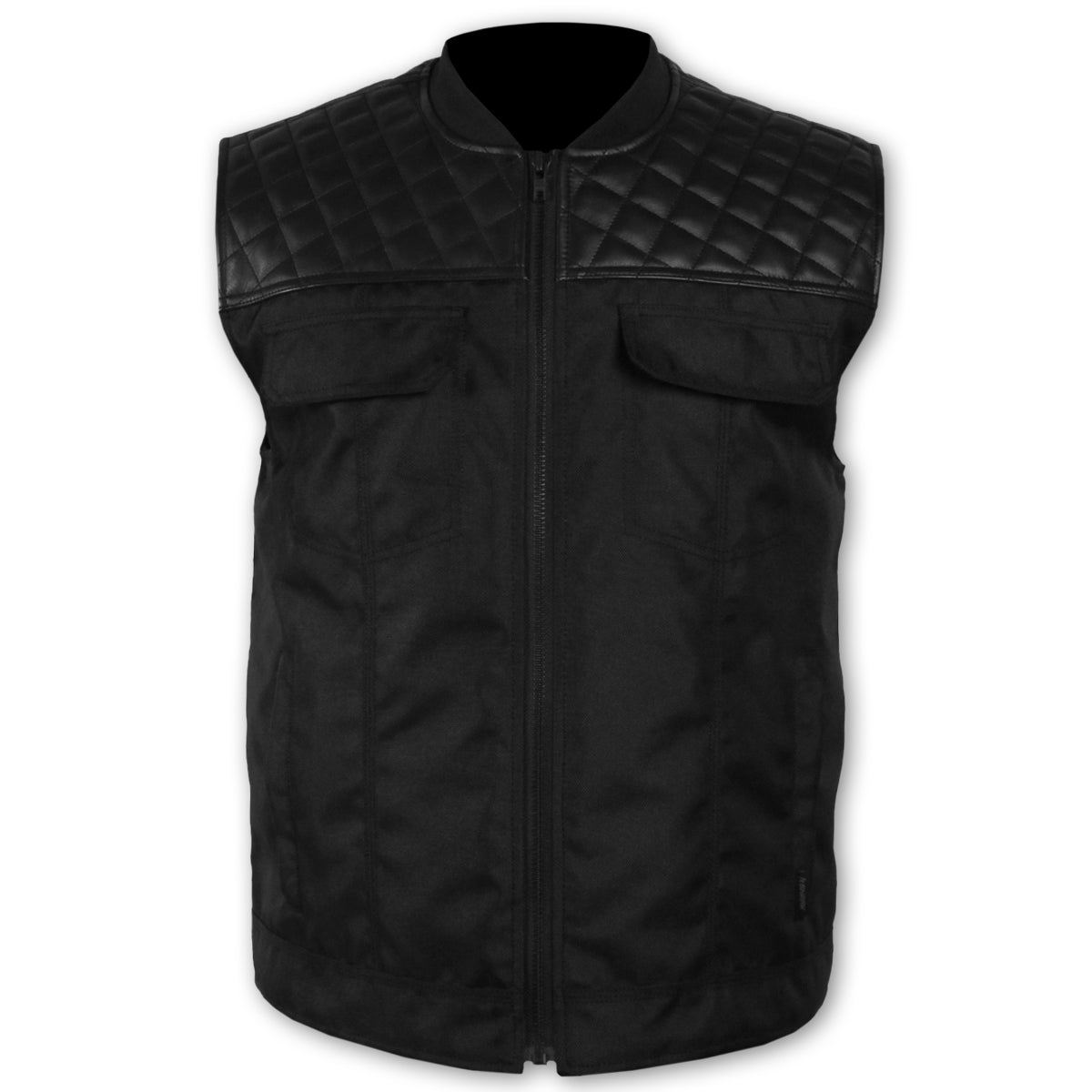
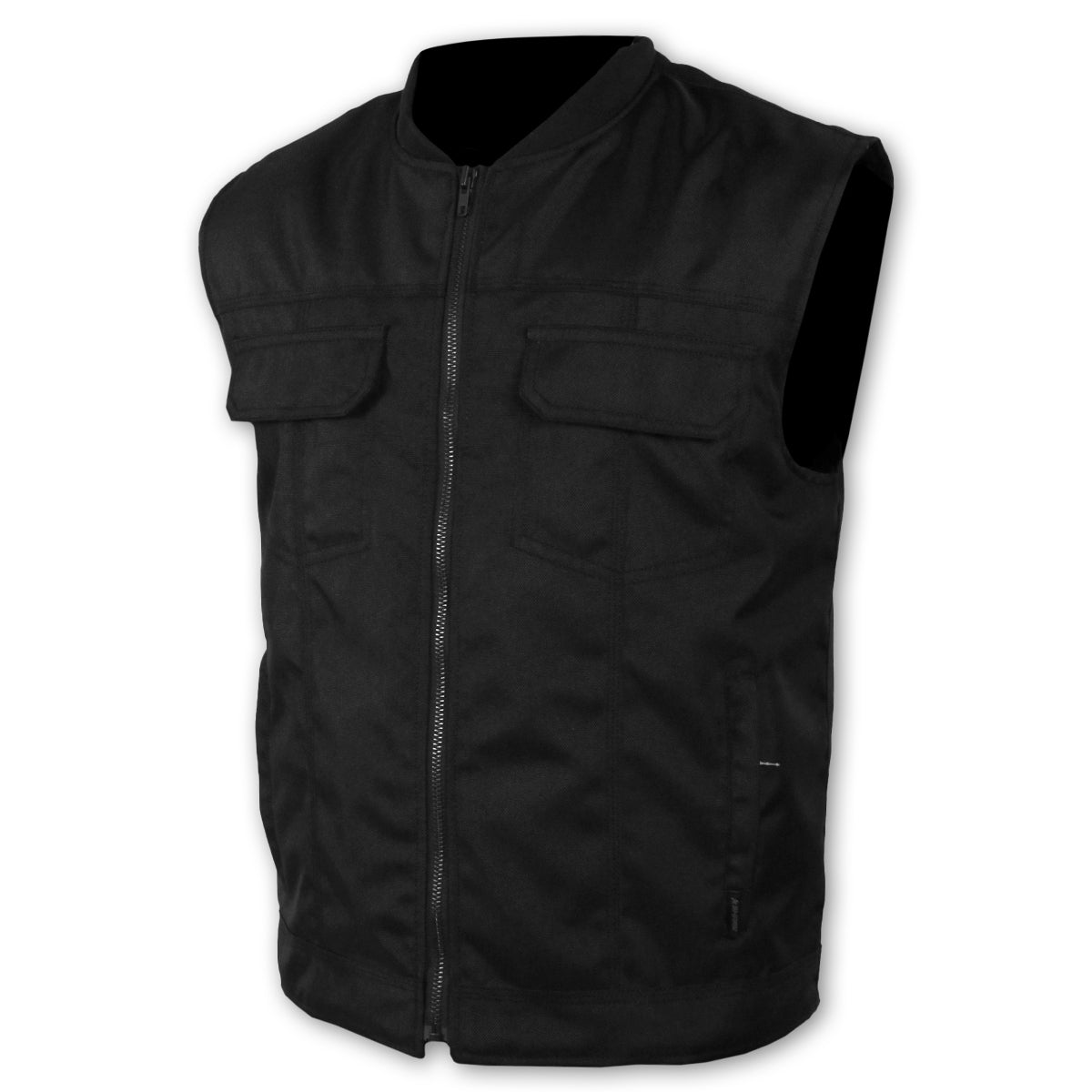
Motorcycle vests are a smart layering choice for riders who want upper-body coverage without full sleeve commitment. This range covers leather road vests, electrically heated vests for cold-weather commuting, and textile styles suited to off-road and casual riding from Shark Leathers, Macna, Motodry, Thor and Oxford.


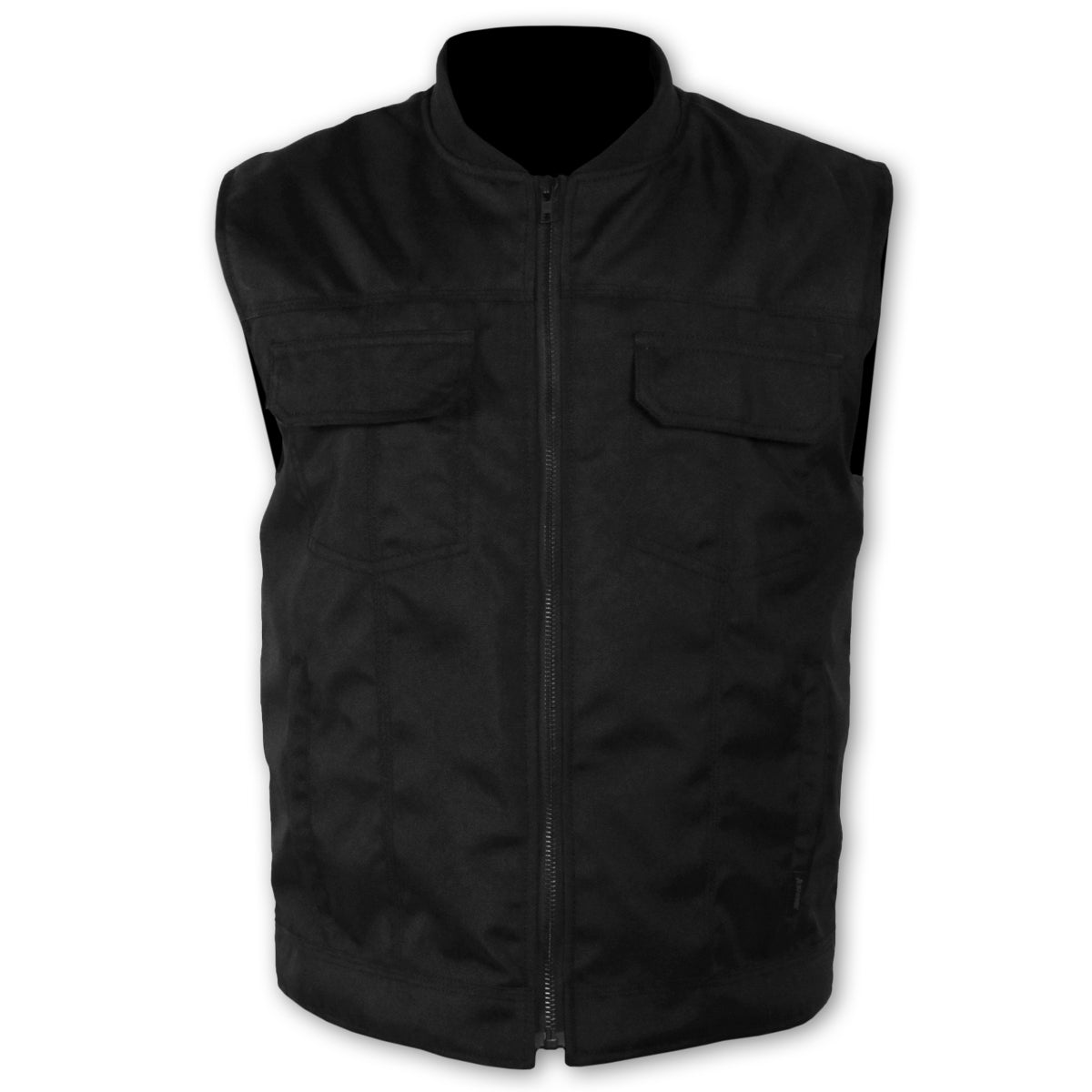
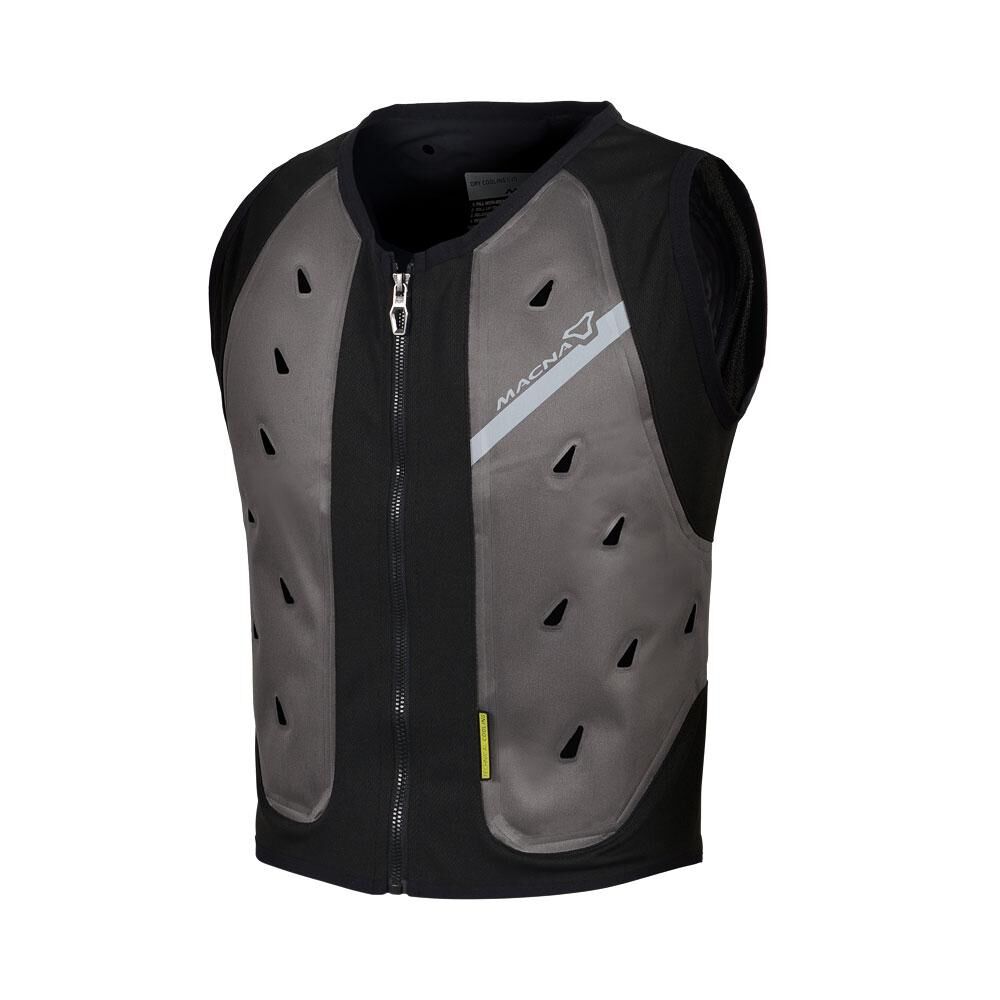


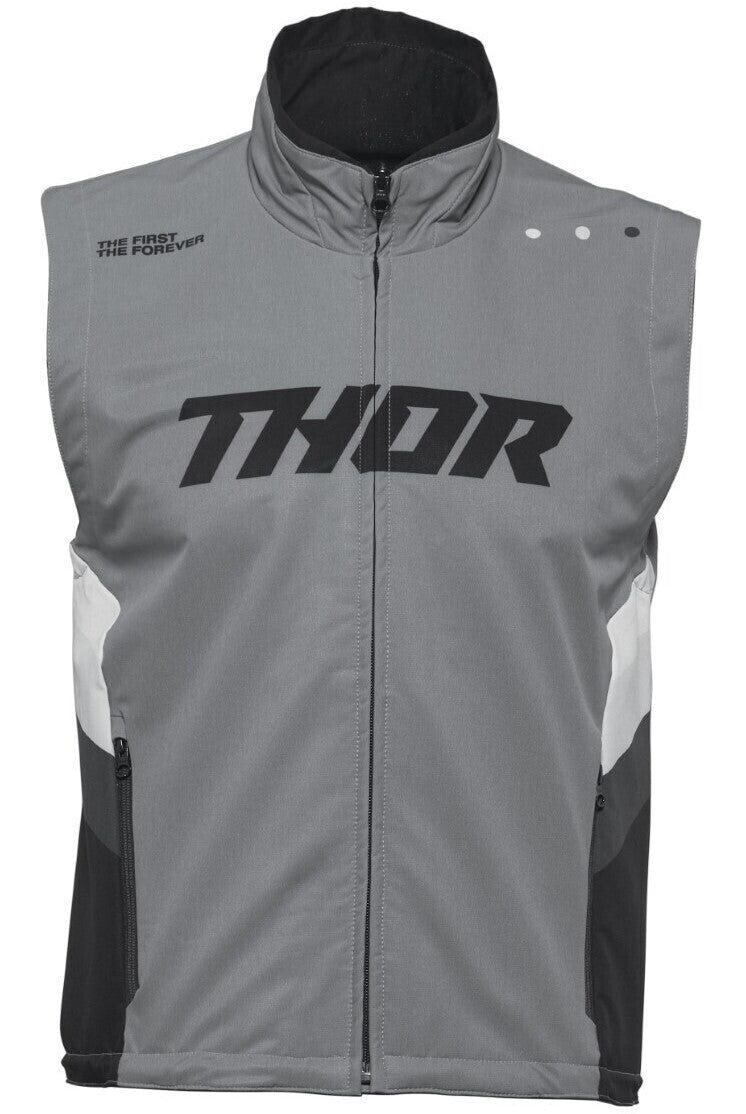
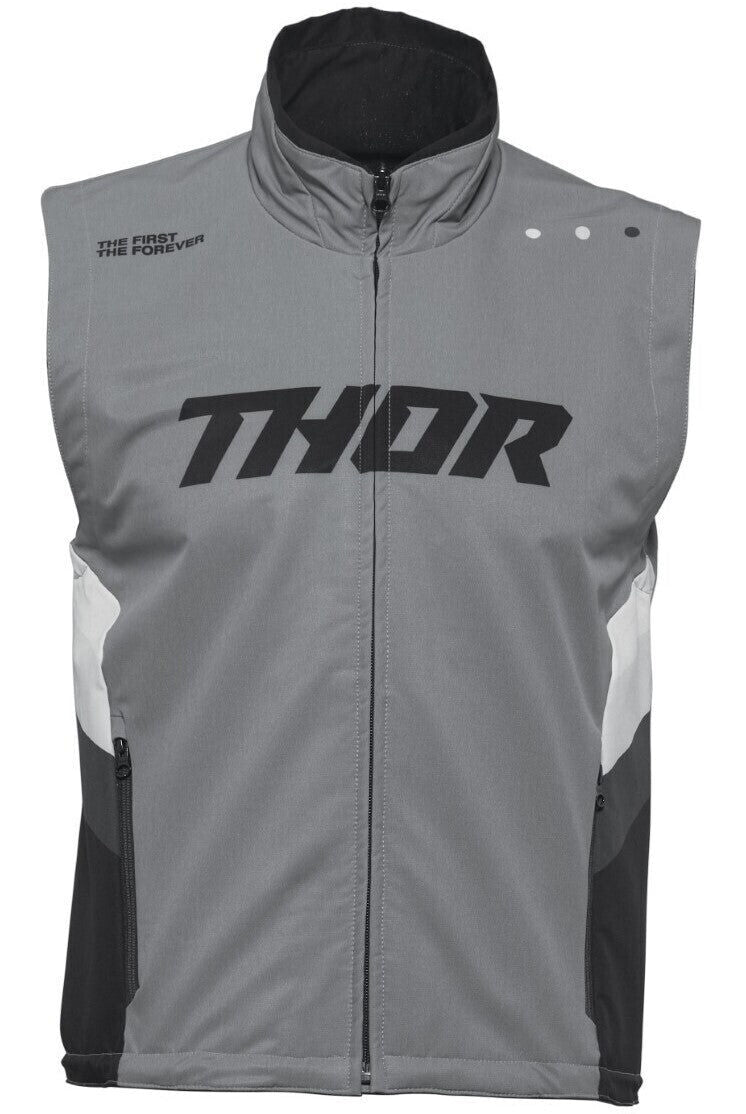
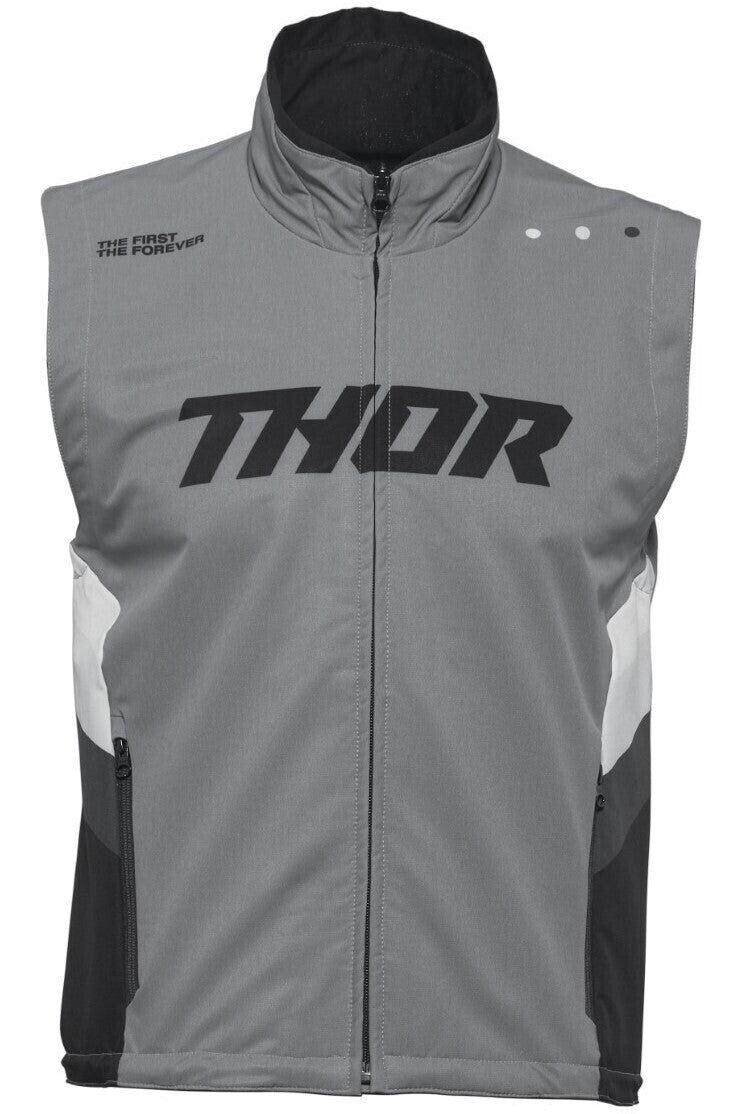
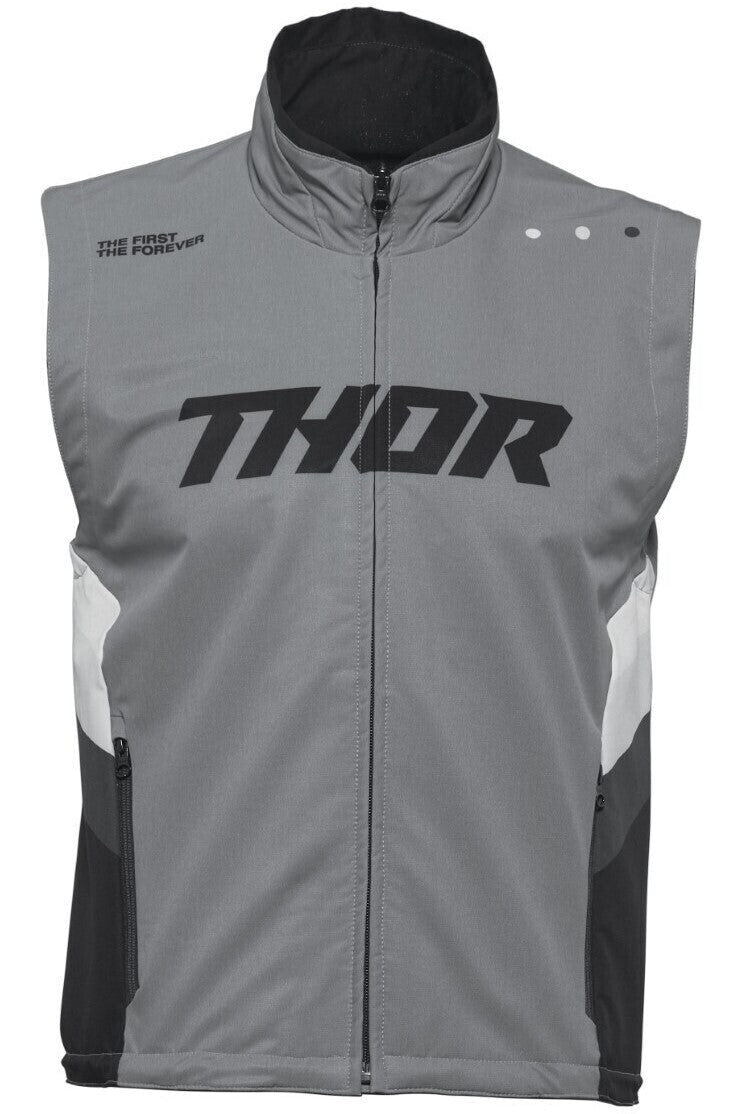
Thor 2024 Warmup Grey/Black Textile Vest
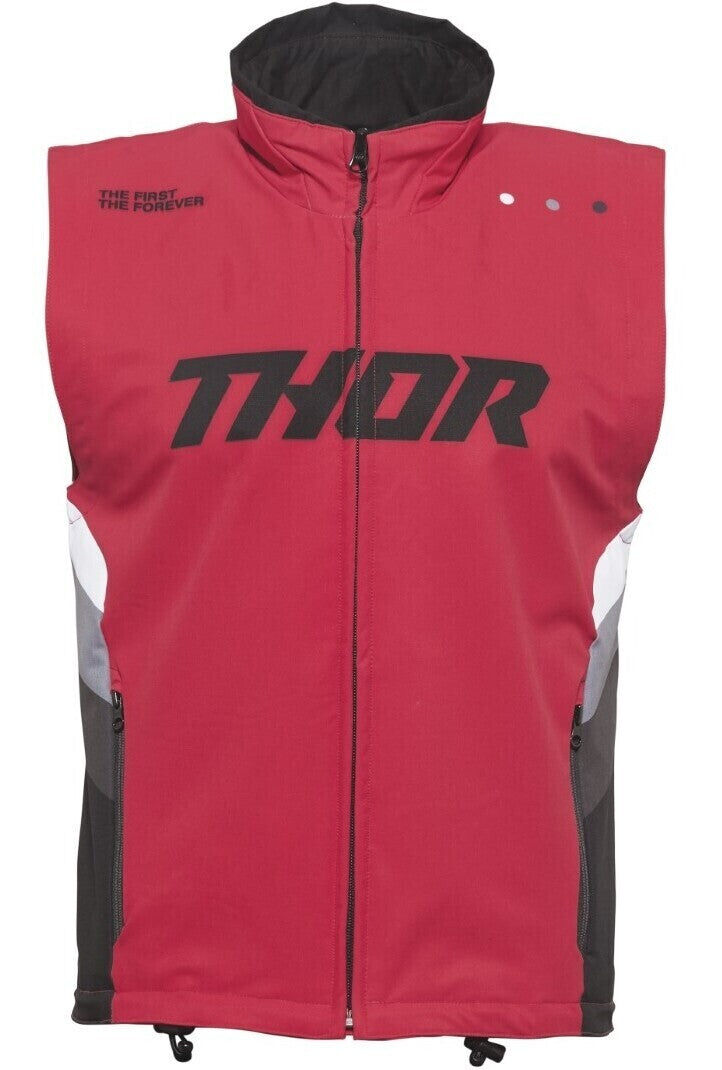
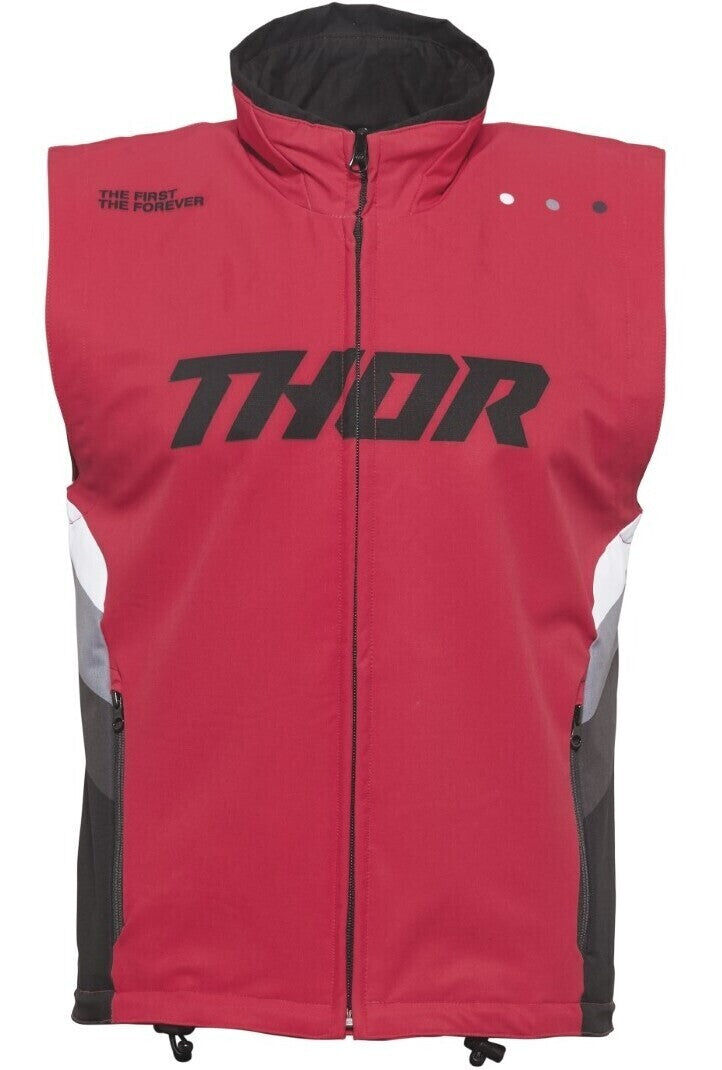
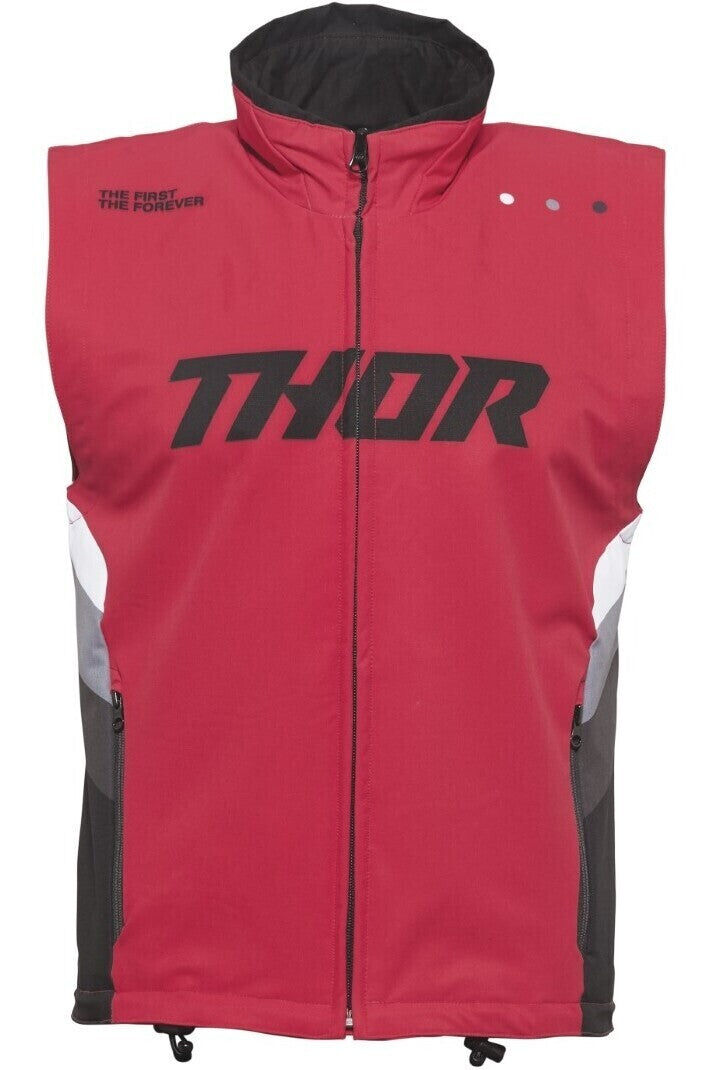
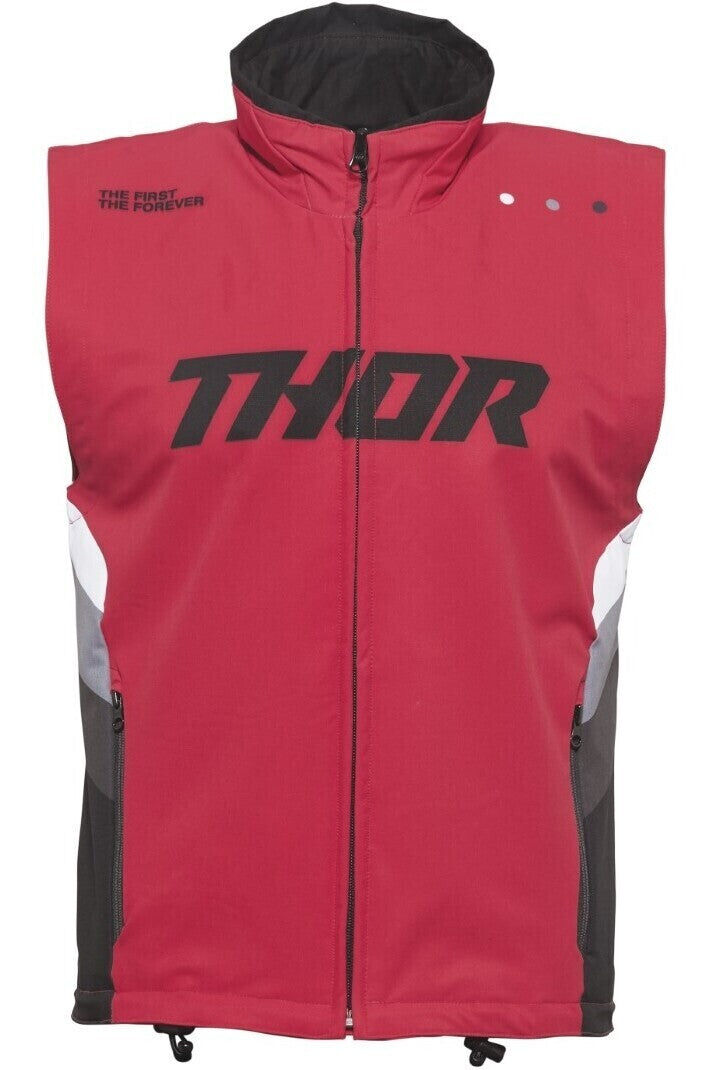
Thor 2024 Warmup Red/Black Textile Vest
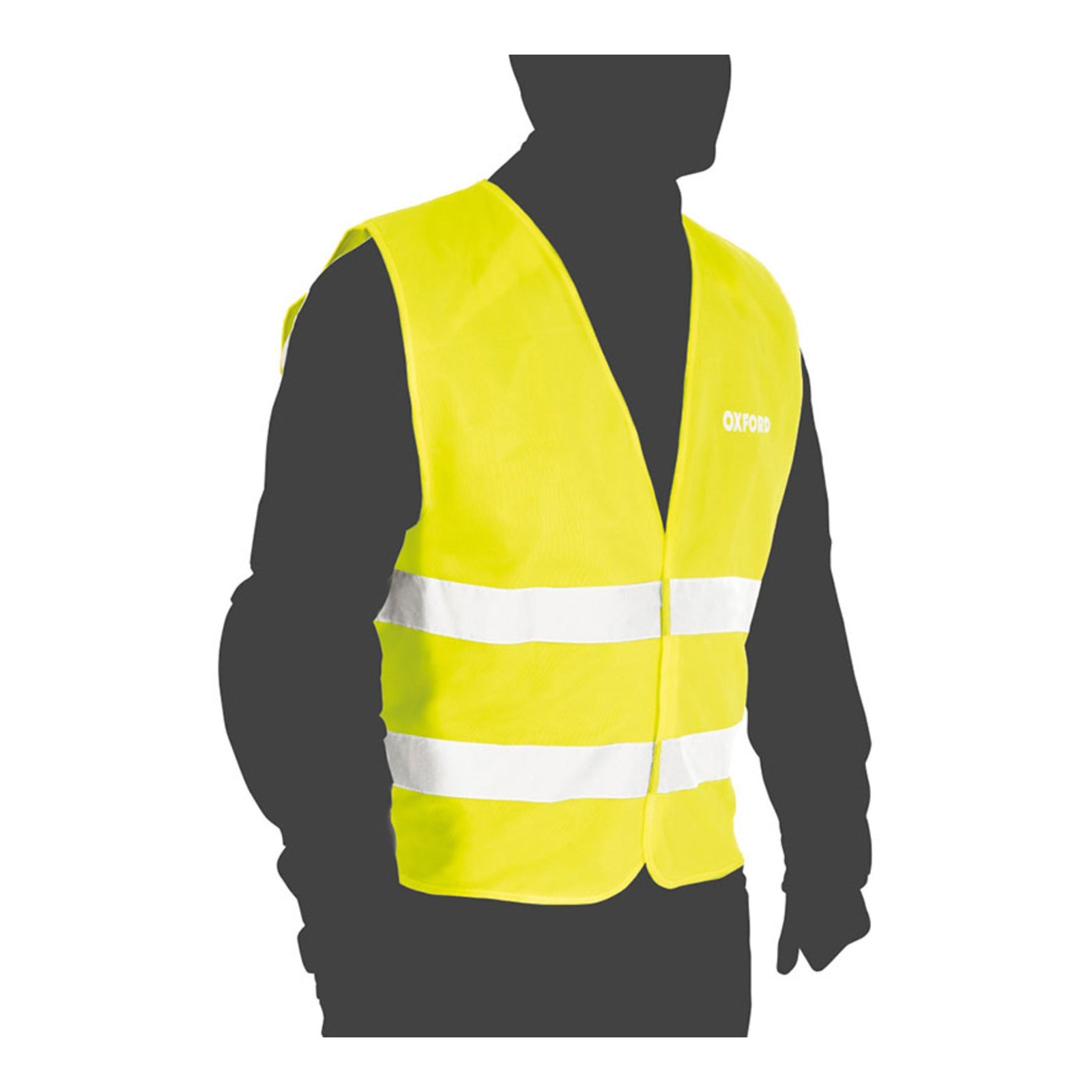
Oxford Bright Packaway Hi-Vis Vest
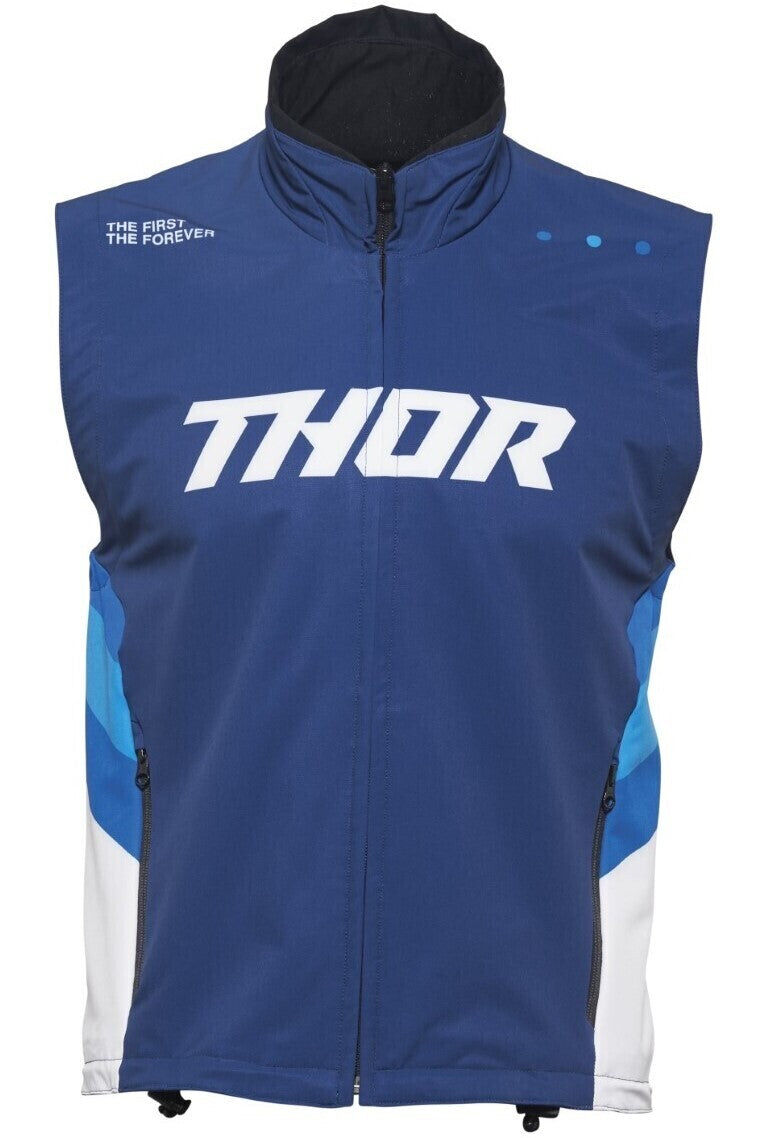
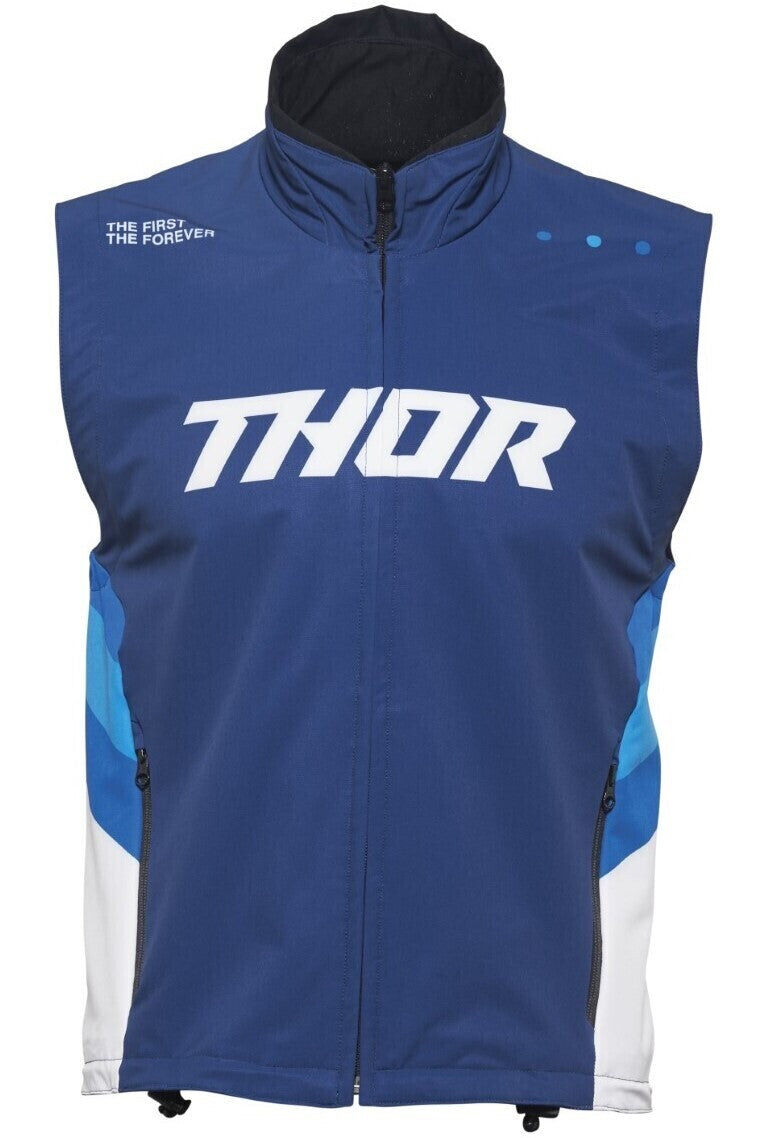
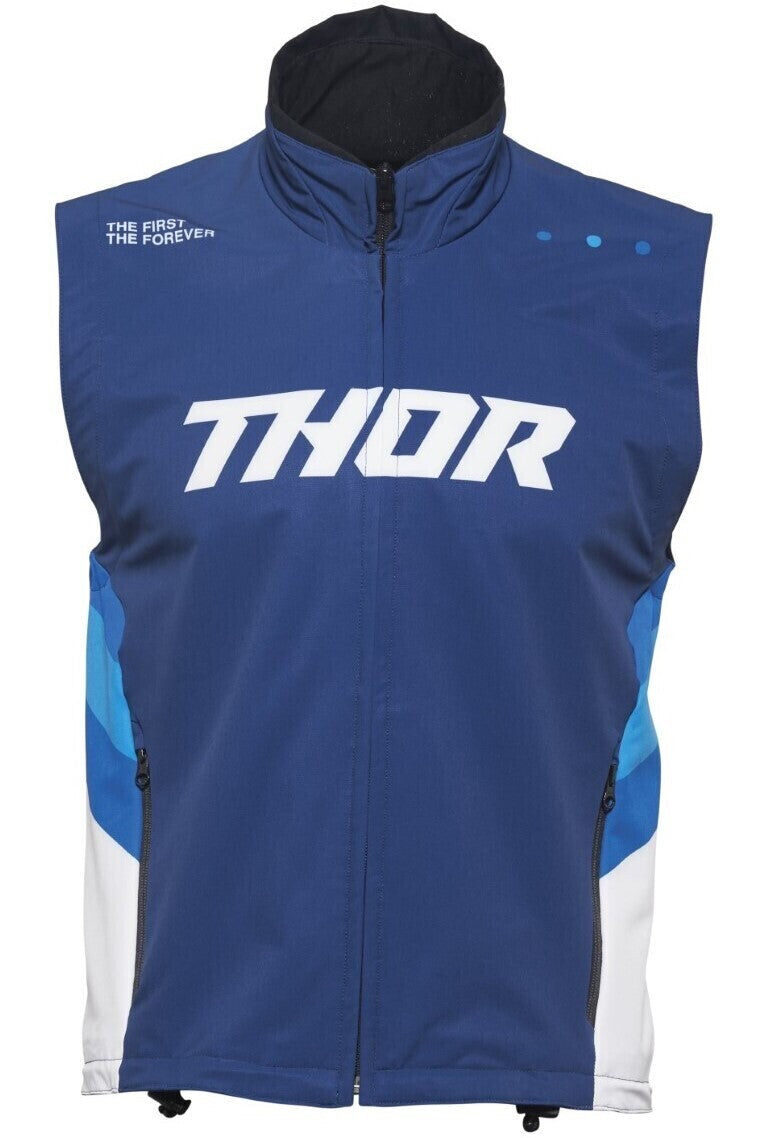
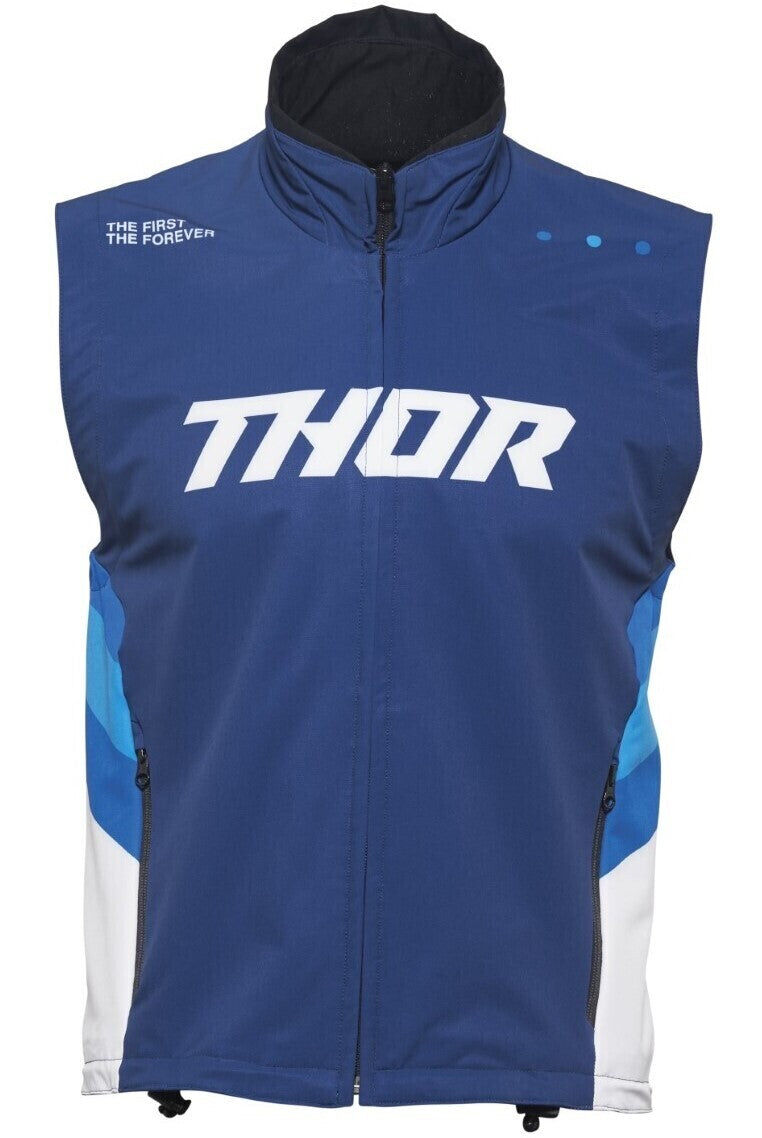
Thor 2024 Warmup Navy/White Textile Vest
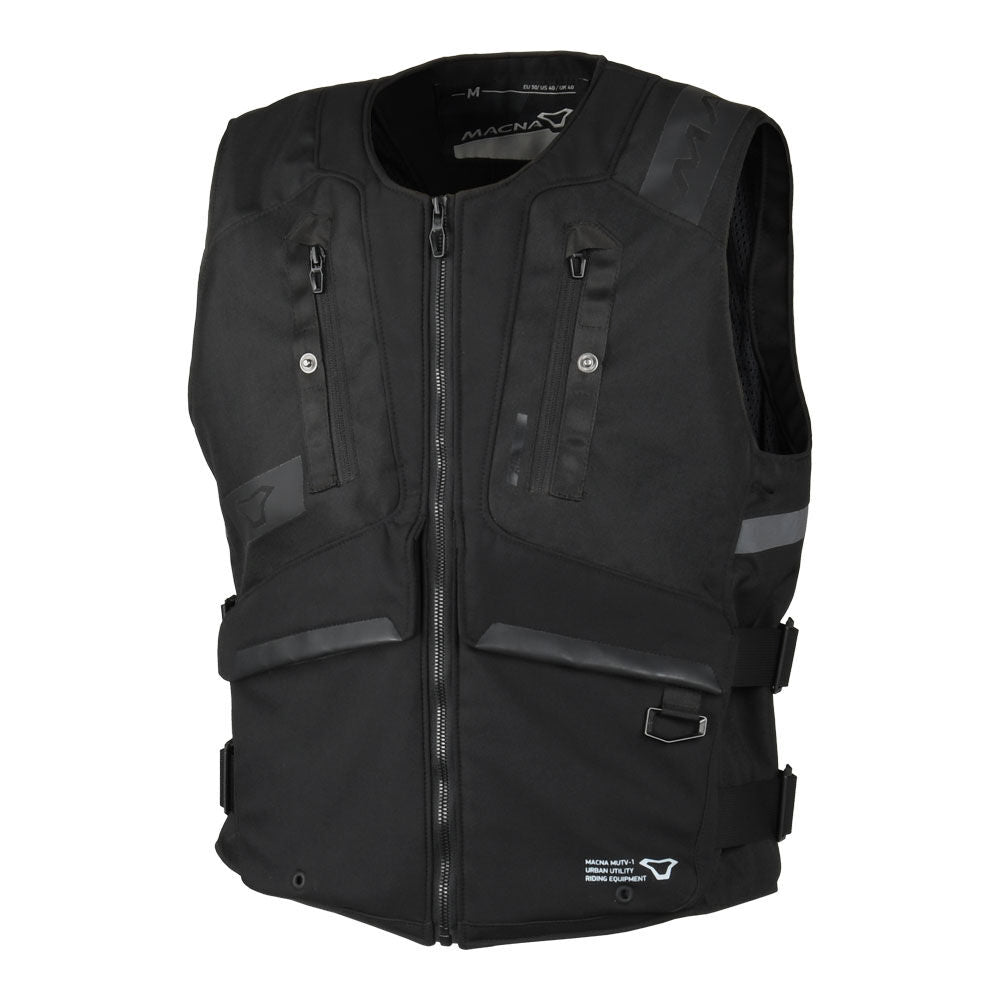
Macna Utility MUTV-1 Vest Black M 123717
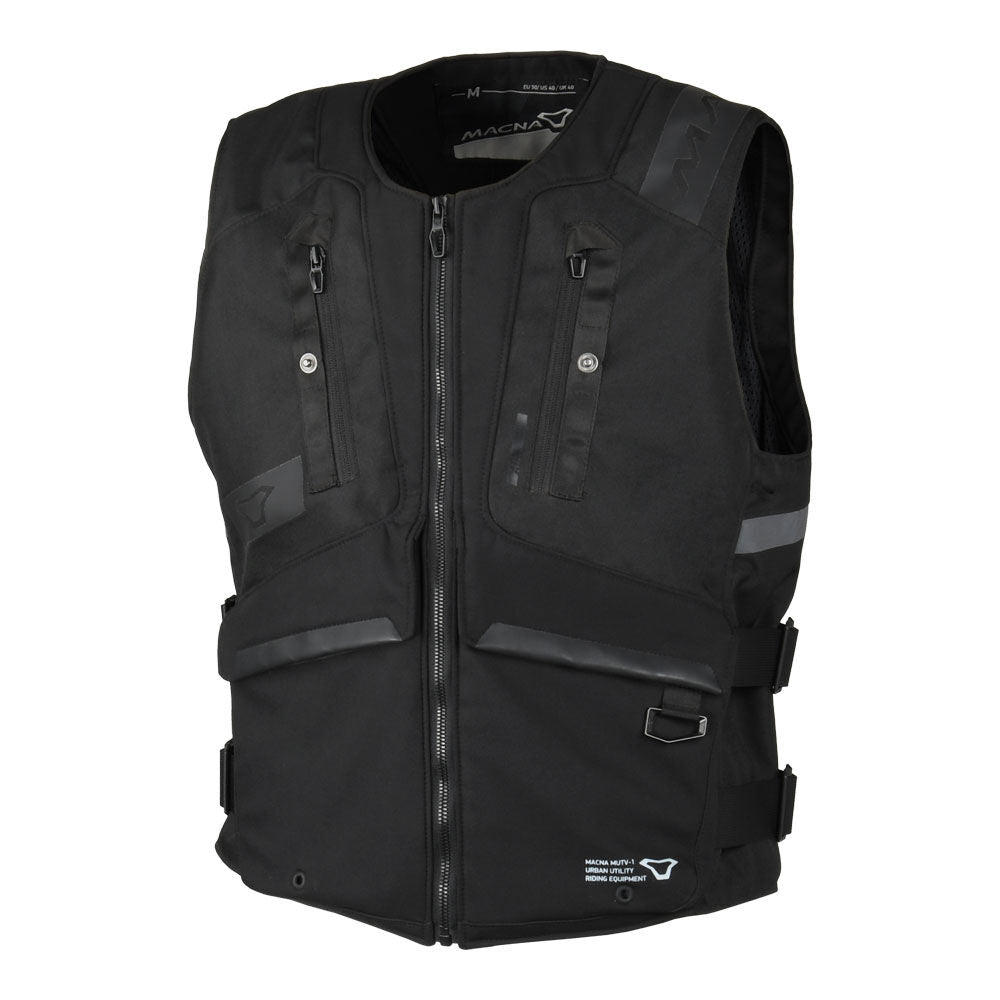
Macna Utility MUTV-1 Vest Black L-XL 123779

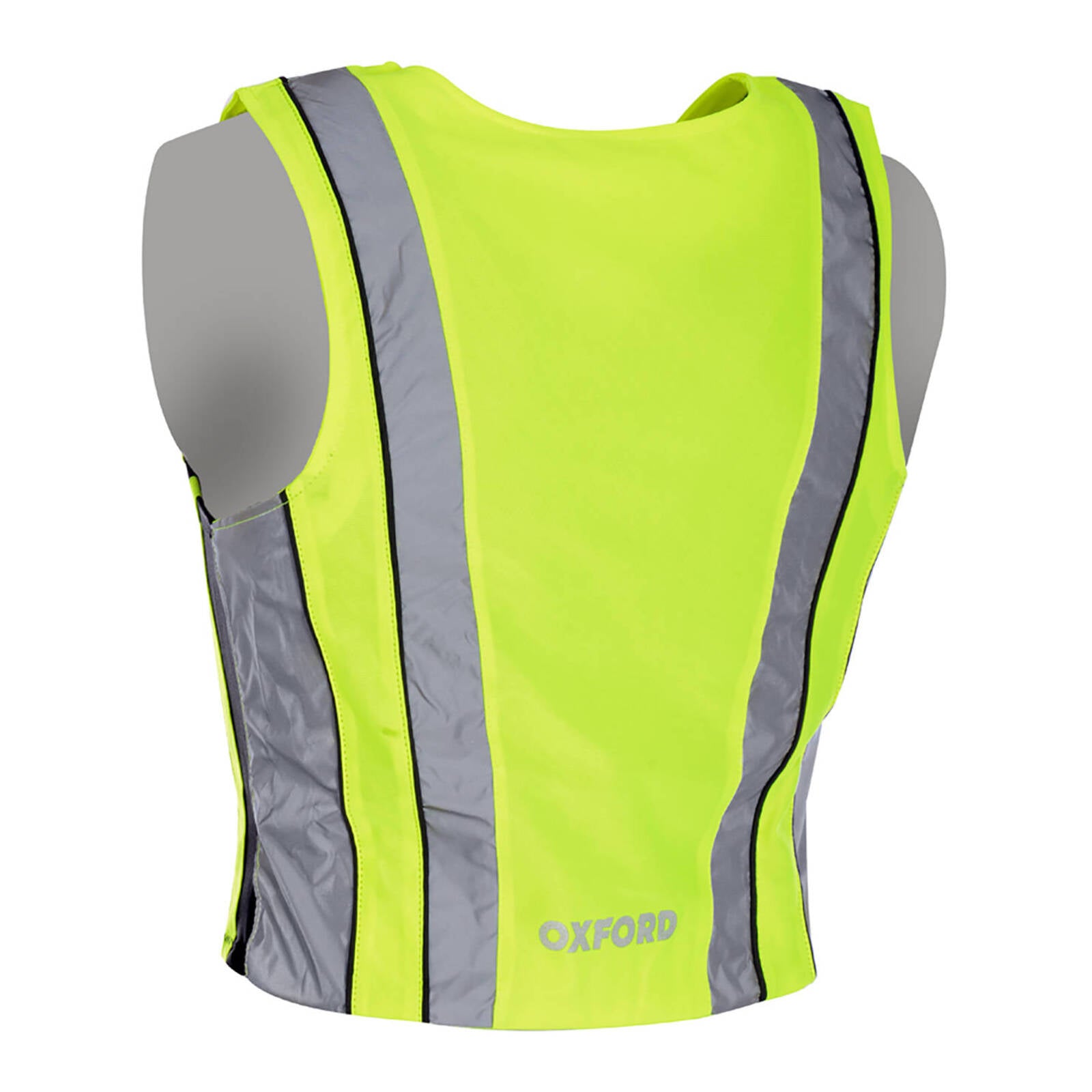
Oxford Brighttop Active Hi-Vis Vest (CE-Approved)


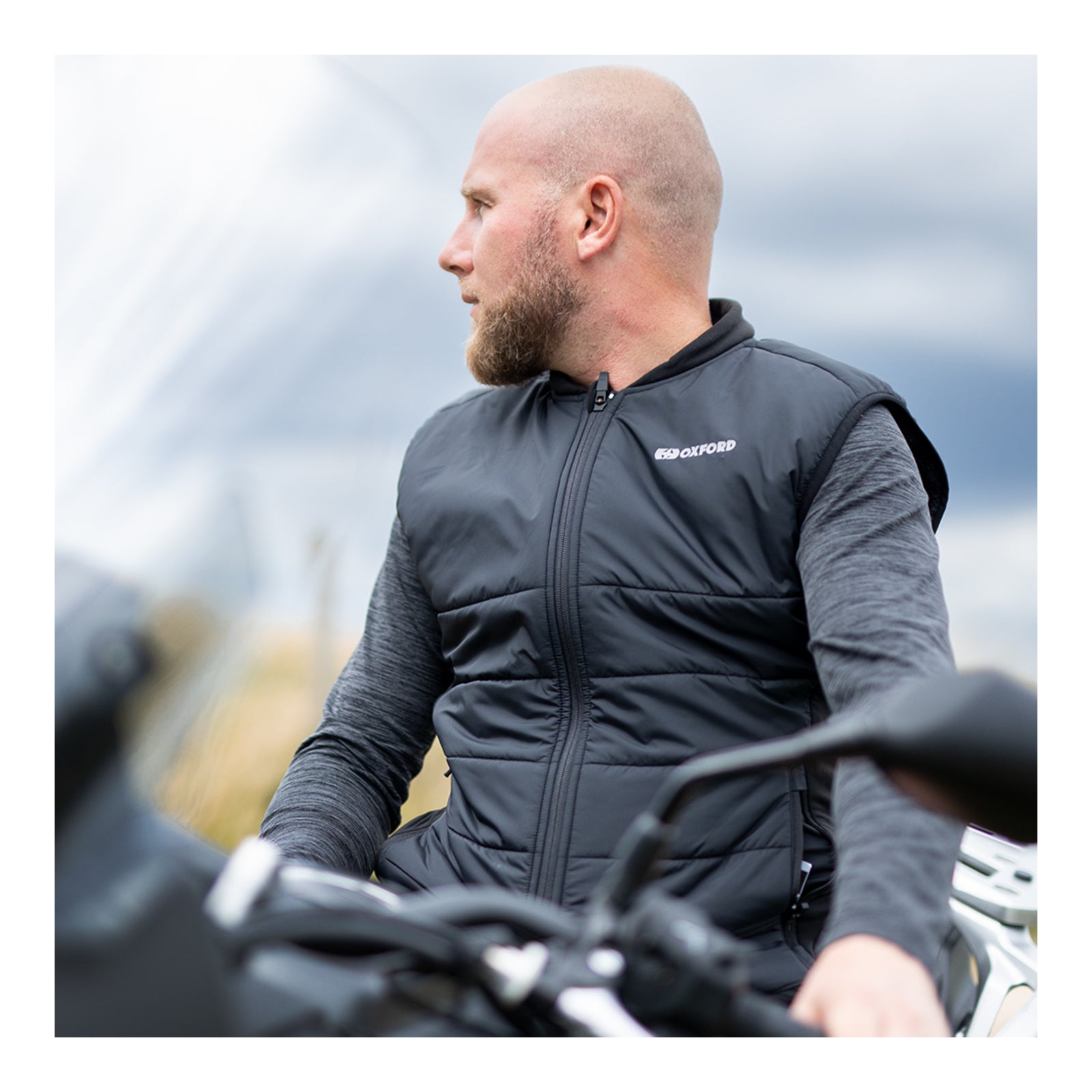
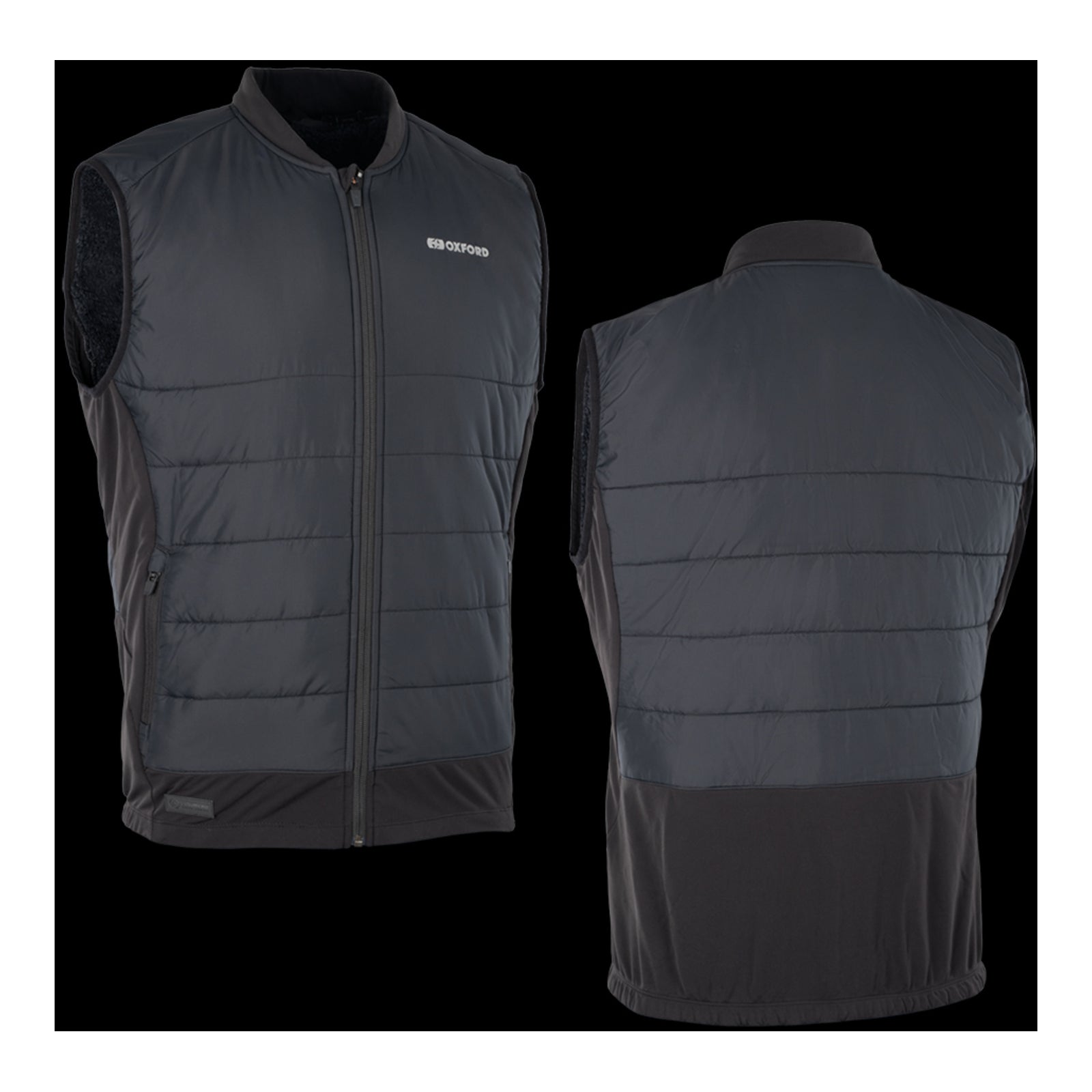
Oxford Advanced Expedition Men's Gilet/Vest - Black

Macna Utility MUTV-1 Vest Black 2XL-3XL 123748
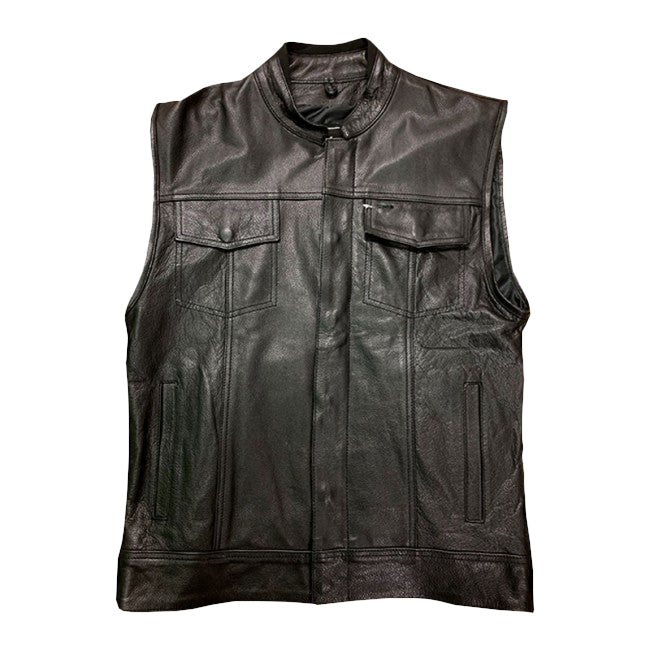


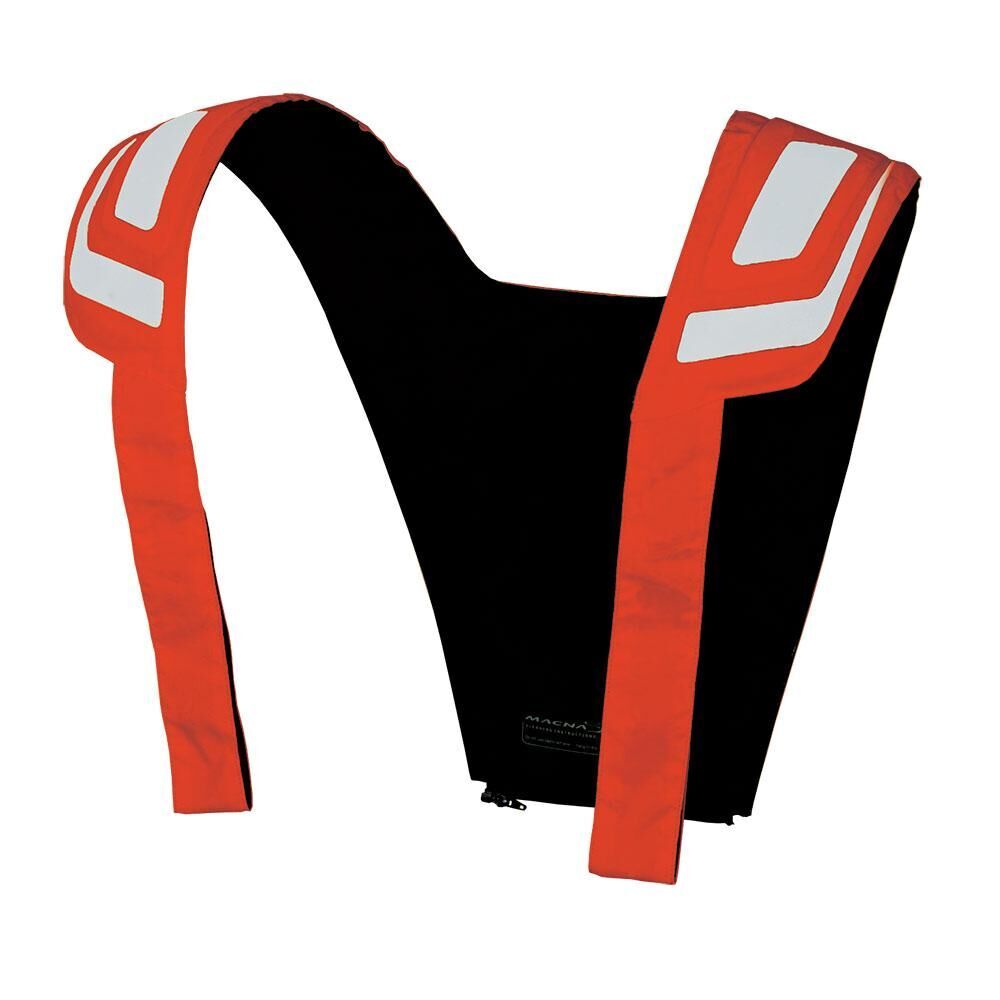
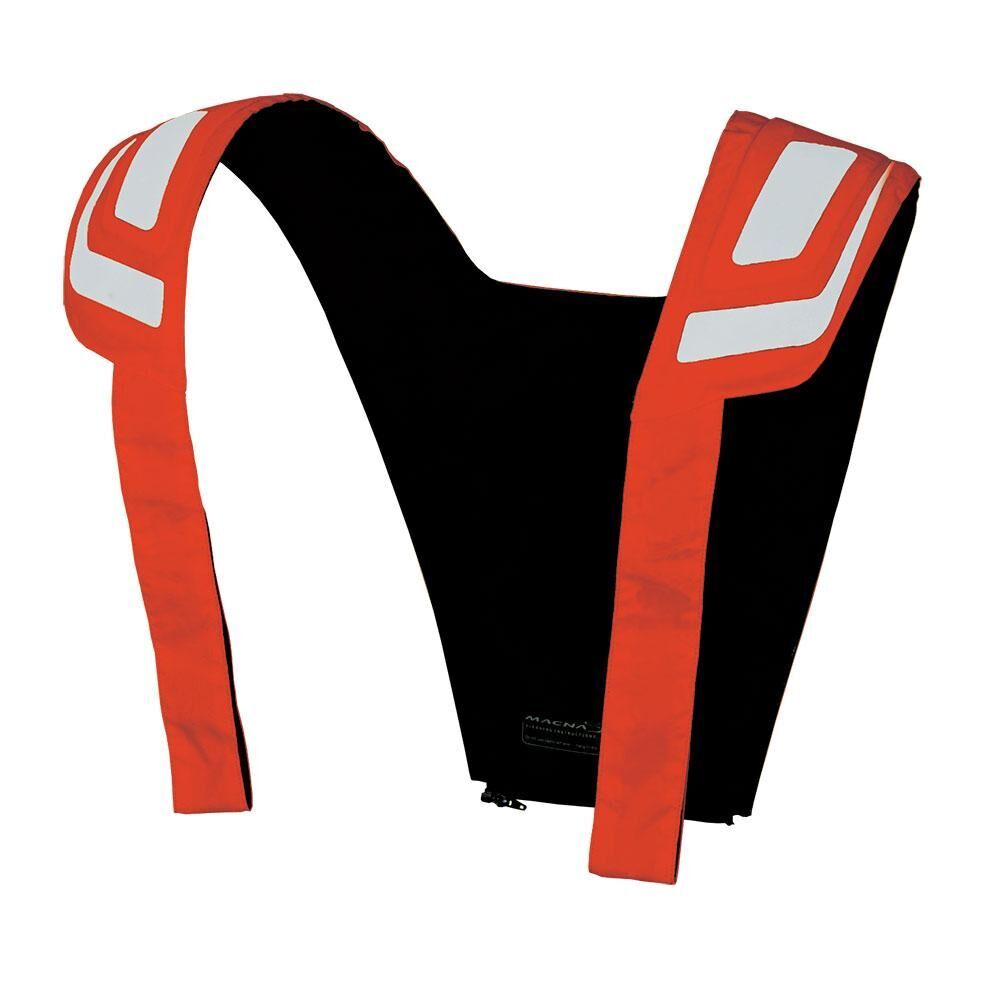
Macna Vision Vest Fluro Orange


Macna Vision Vest Fluro Green 2XL
Choosing the Right Motorcycle Vest
A motorcycle vest adds a core insulation or protection layer while keeping arms free for ventilated riding or under-jacket layering. Matching vest type to riding style determines whether it earns its place in your kit.
Leather vs Textile vs Heated
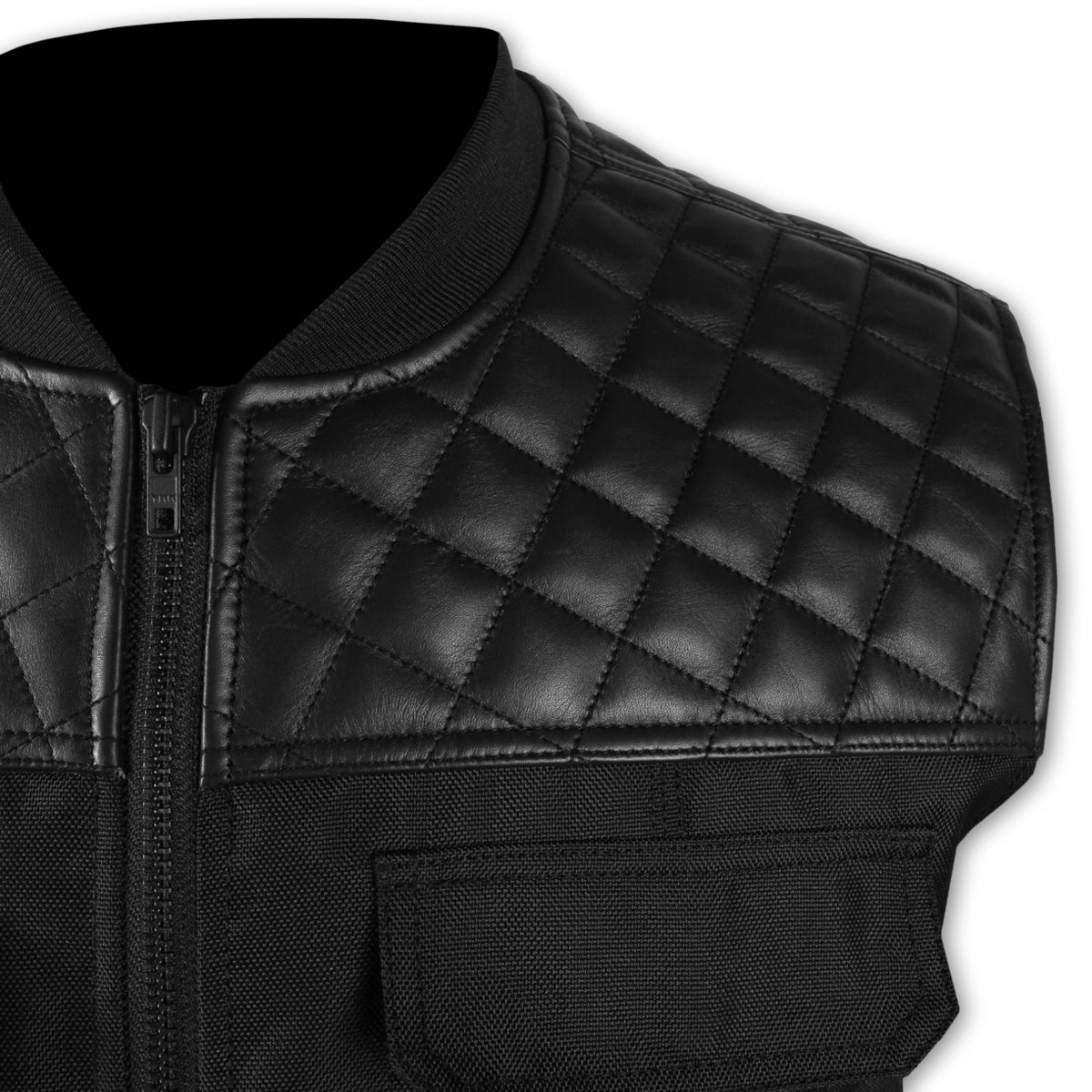
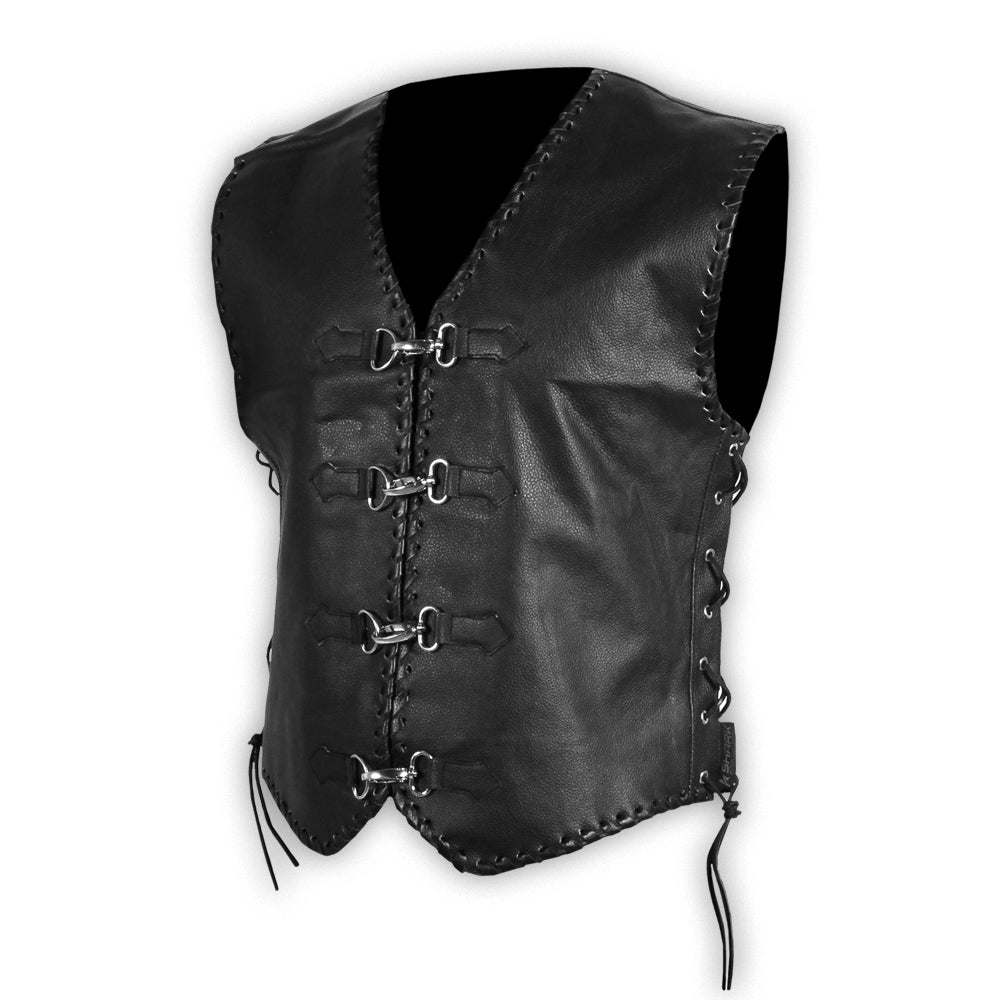
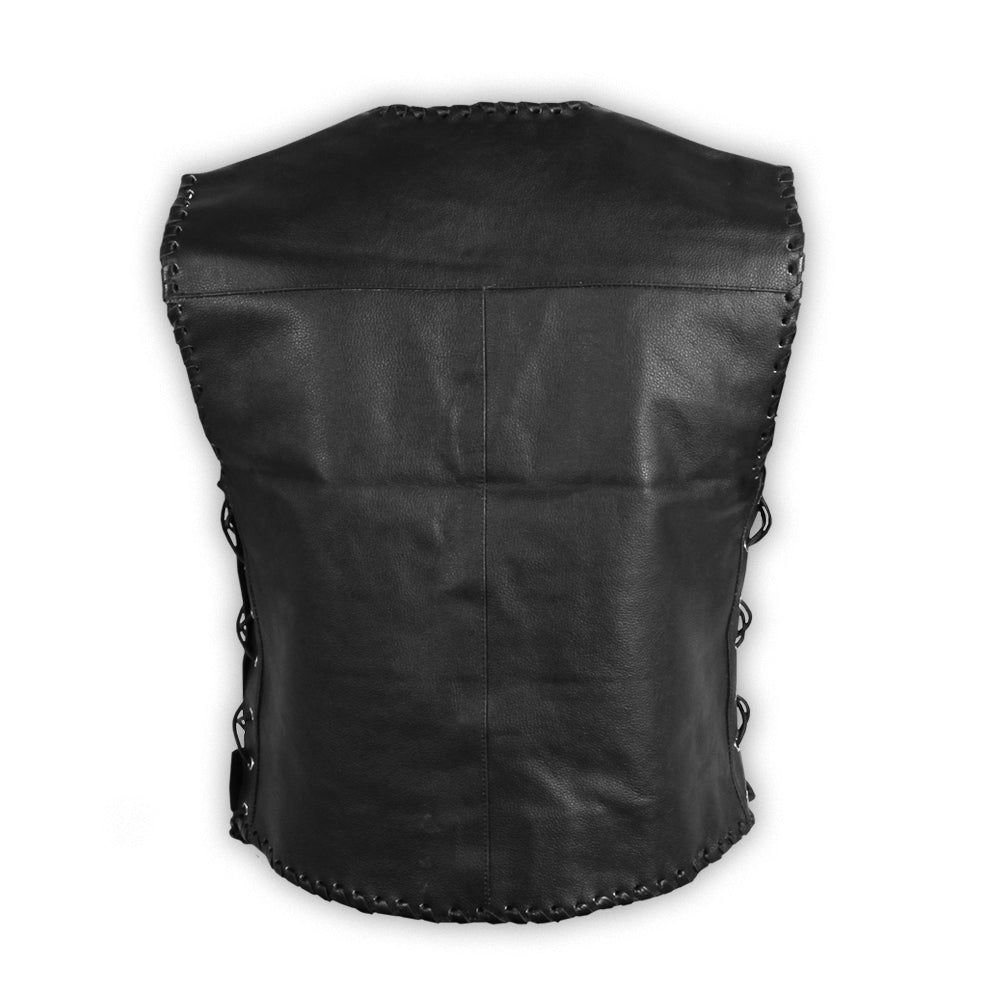
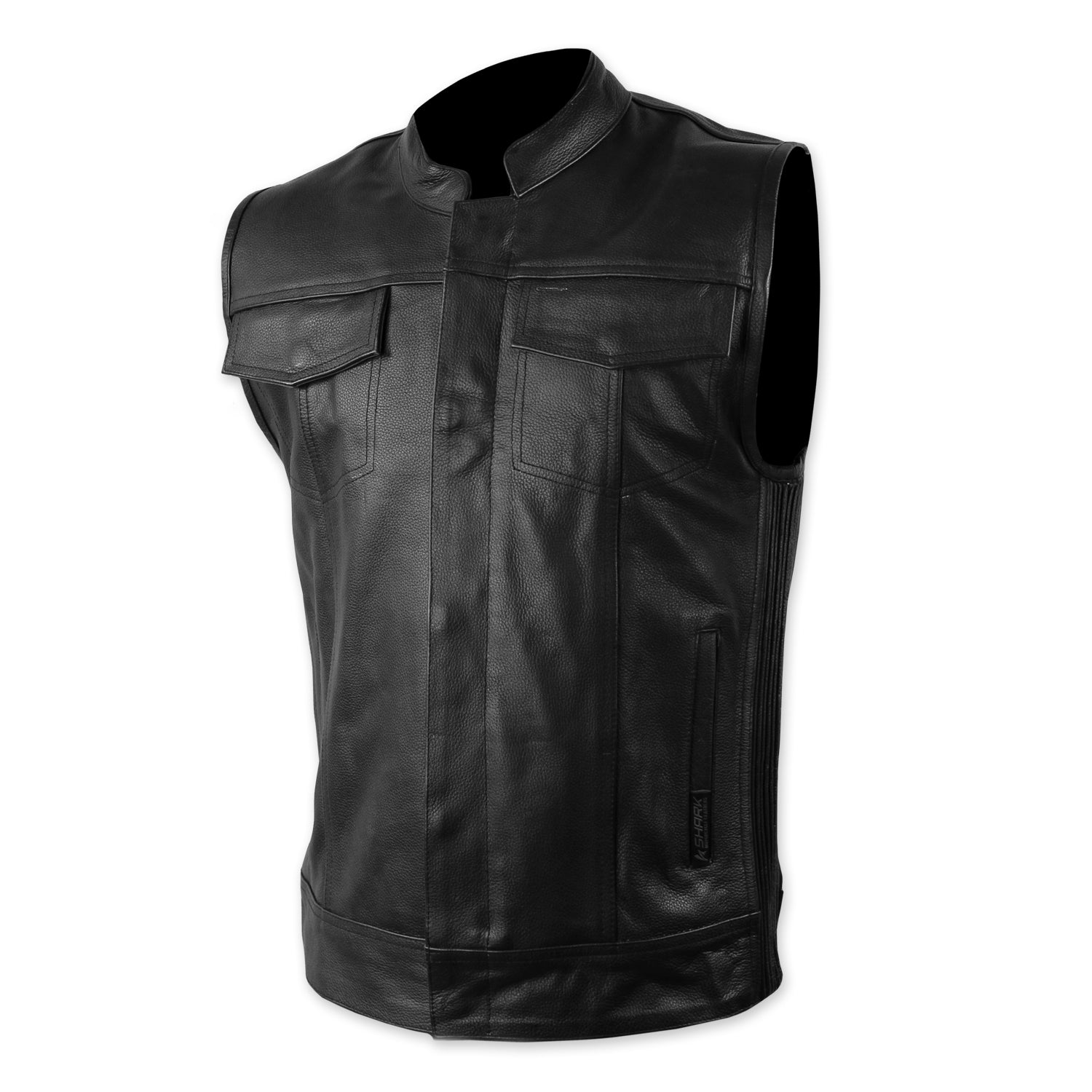
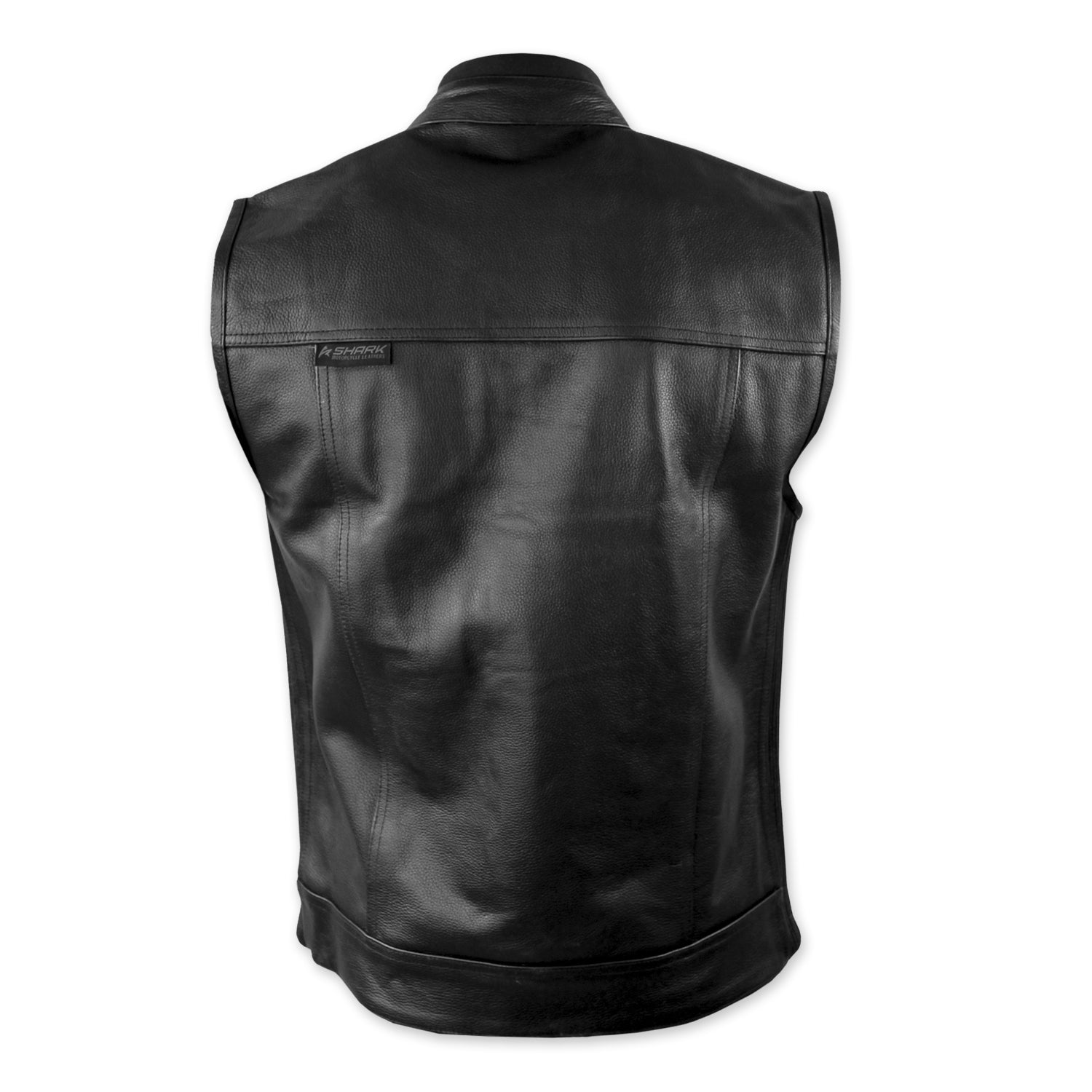
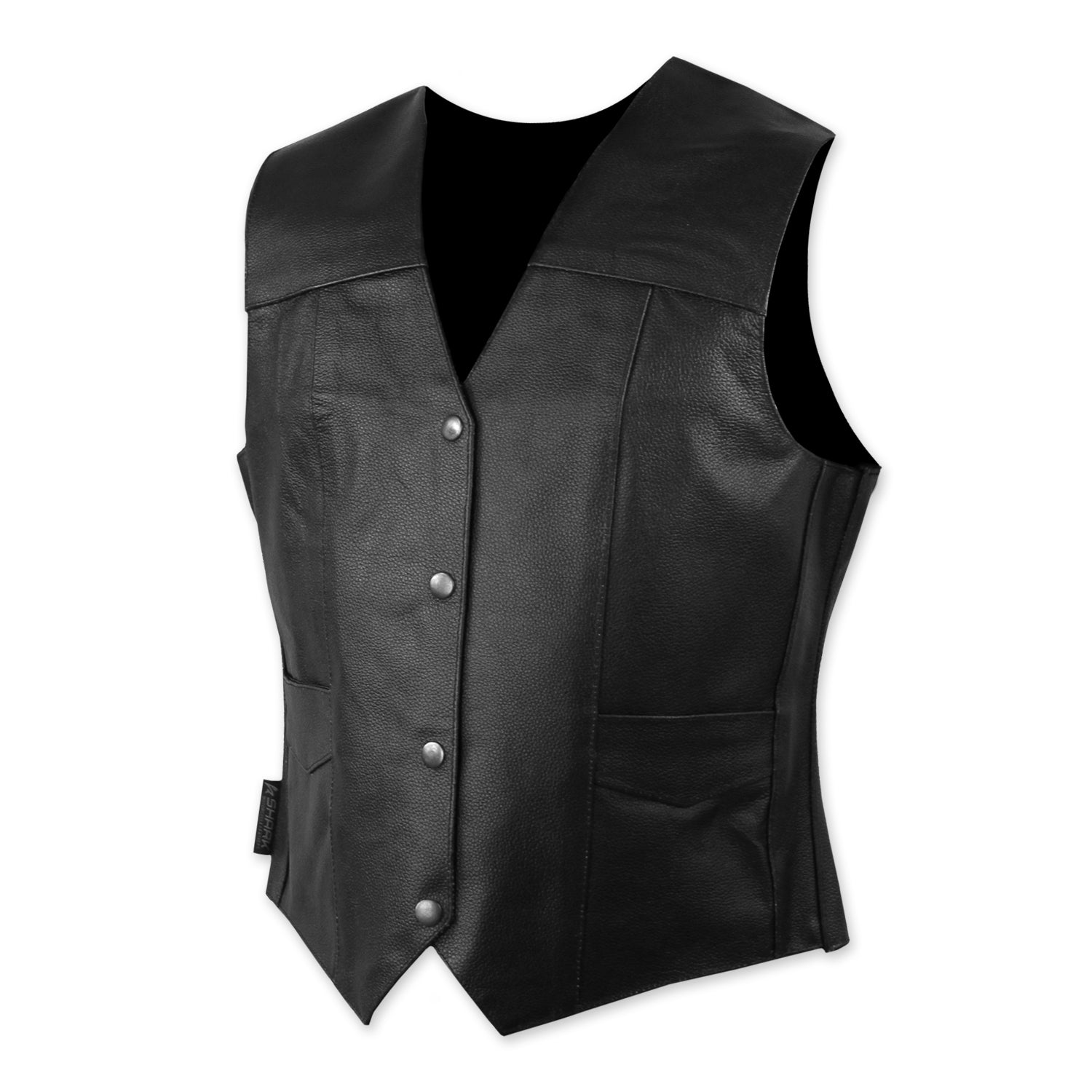
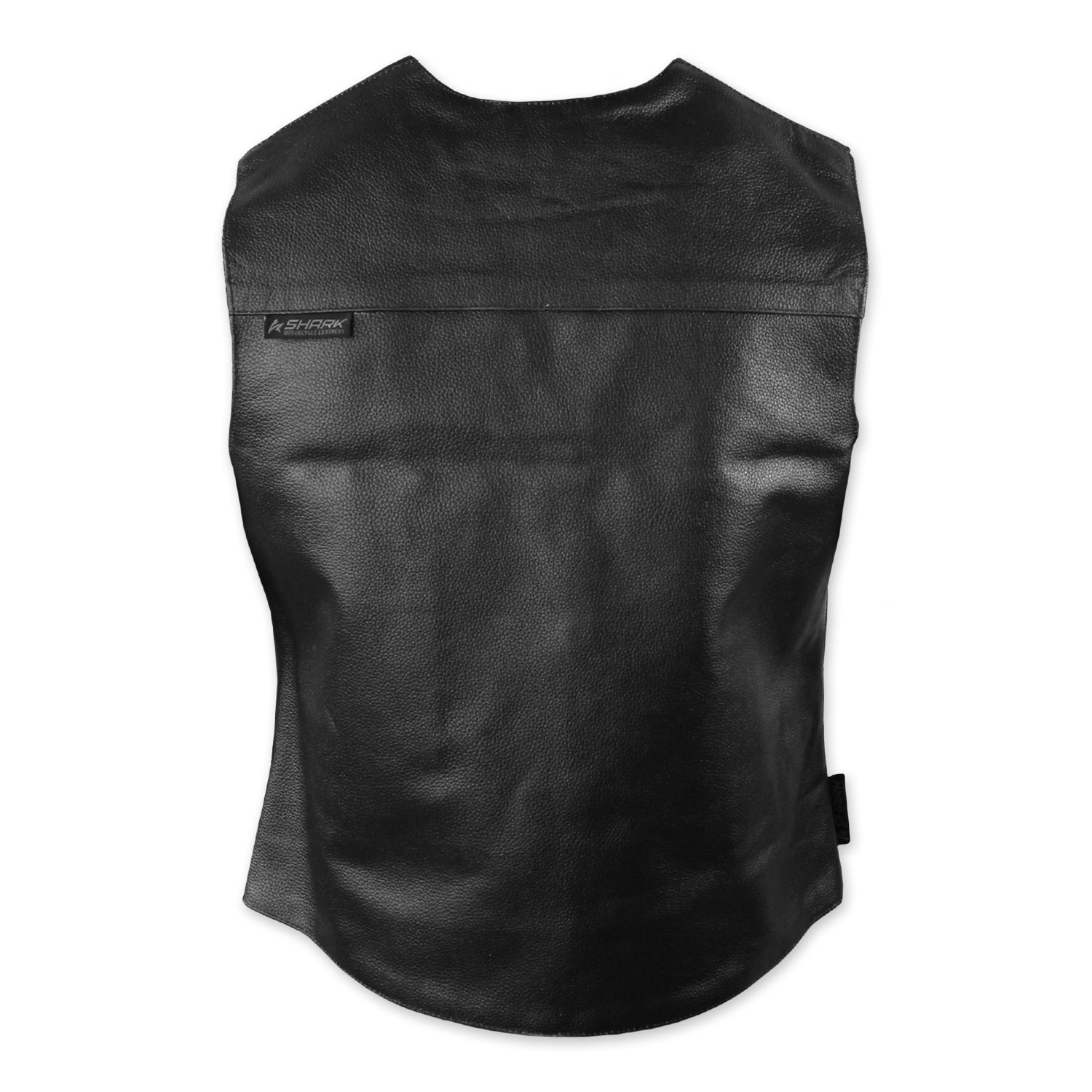
Shark Leathers leather vests use full-grain cowhide construction, providing meaningful abrasion resistance in the upper torso zone. Textile vests from Thor use woven polyester shells suited to off-road and trail environments where weight savings take priority. Motodry heated vests use carbon-fibre heating elements powered via 12V bike connections or 5V USB battery packs, with 3 heat settings targeting core warmth across chest and back panels.
Vest Comparison by Use Case
| Type | Primary Material | Best For | Key Feature |
|---|---|---|---|
| Leather Road Vest | Full-grain cowhide | Road riding, casual wear | Upper torso abrasion resistance, classic cut |
| Heated Vest | Softshell textile | Cold-weather commuting, winter touring | Carbon-fibre panels, 12V or 5V USB powered, 3 heat settings |
| Textile / MX Vest | Woven polyester | Off-road, trail, pit paddock | Lightweight, breathable, moisture-wicking |
| Cooling Vest | Evaporative textile | Summer heat management | Water-activated evaporative cooling, up to 6 hours relief |
Fitment and Sizing
Shark Leathers leather vests run from S through to 5XL, covering a chest range of approximately 92 cm to 147 cm. Macna Evo Dry cooling vests activate within 60 seconds of water saturation and deliver evaporative relief for up to 6 hours without added bulk.
Wearing a Vest with Other Gear
Leather road vests worn standalone suit short urban rides when paired with jeans carrying CE Level 1 or CE Level 2 knee armour. Vests are not rated under EN 17092 in the same way full jackets are; they do not accommodate CE shoulder or elbow armour inserts. For certified full upper-body protection, a CE-rated jacket is the correct choice.
Frequently asked questions
What is the difference between a heated motorcycle vest and a cooling vest?
A heated vest uses embedded carbon-fibre heating elements powered by a 12V bike connection or 5V USB battery pack to warm the core in cold conditions. A cooling vest like the Macna Evo Dry uses water-activated evaporative panels to reduce perceived temperature in summer heat, with no power source required. They serve opposite thermal management goals.
Can I wear a motorcycle vest under a jacket?
Yes. Textile and heated vests are designed for under-jacket use. For heated vests, size up one step from your normal jacket size and ensure the jacket inner torso area is unobstructed so the heating panels make full contact with your core. Leather road vests are generally worn over a base layer or standalone.
Are motorcycle vests protective gear?
Road leather vests provide upper-torso abrasion resistance in cowhide construction, which offers meaningful protection in a slide. They are not rated under EN 17092 like full jackets and do not accommodate CE armour inserts at the shoulders or elbows. For full certified upper-body protection, a CE-rated jacket is the correct choice. Vests suit layering, warmth management and casual short-ride use cases.