

Motorcycle brake fluid is the difference between a firm lever and a fade-prone one. This range covers Motul, Putoline and Ipone in DOT 4, DOT 5.1 and dedicated racing specs. Pick the grade your master cylinder calls for, match the boiling point to your riding, and keep braking response sharp on the street and at the track.
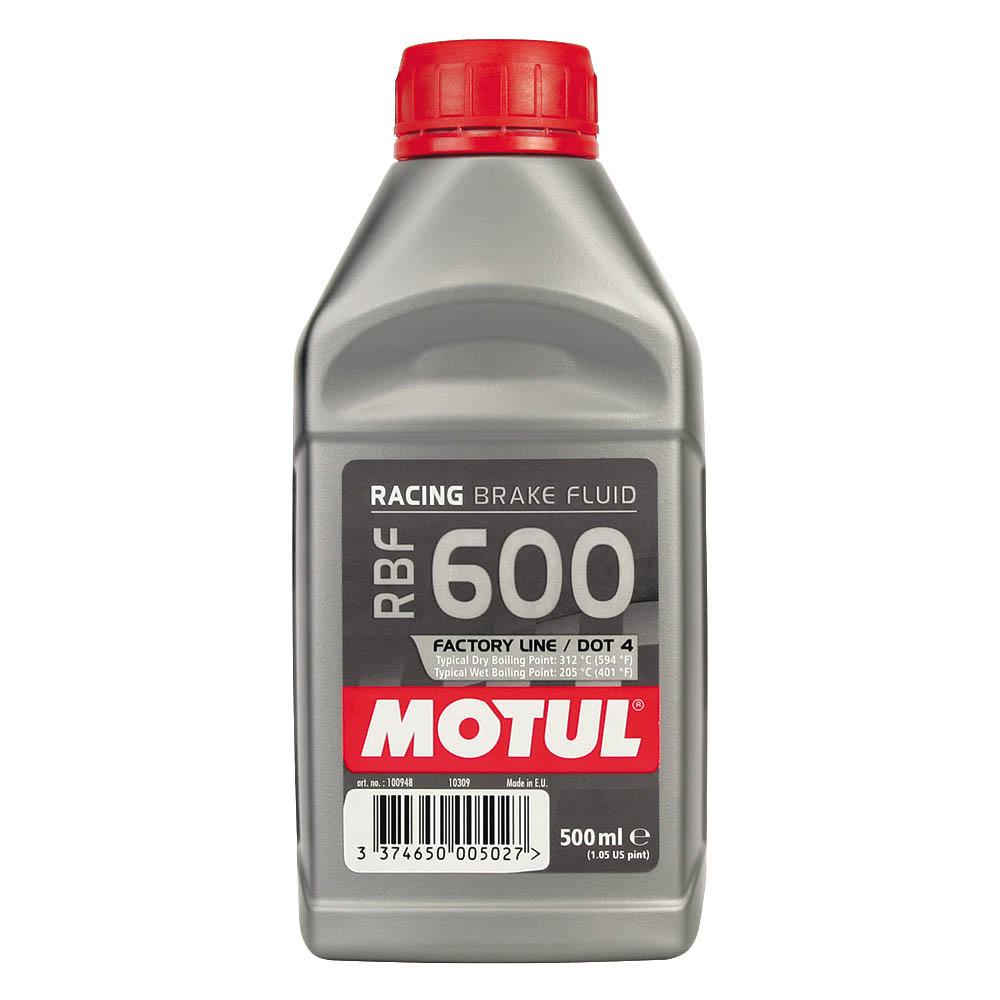
MOTUL RACING BRAKE FLUID RBF600 - 500mL

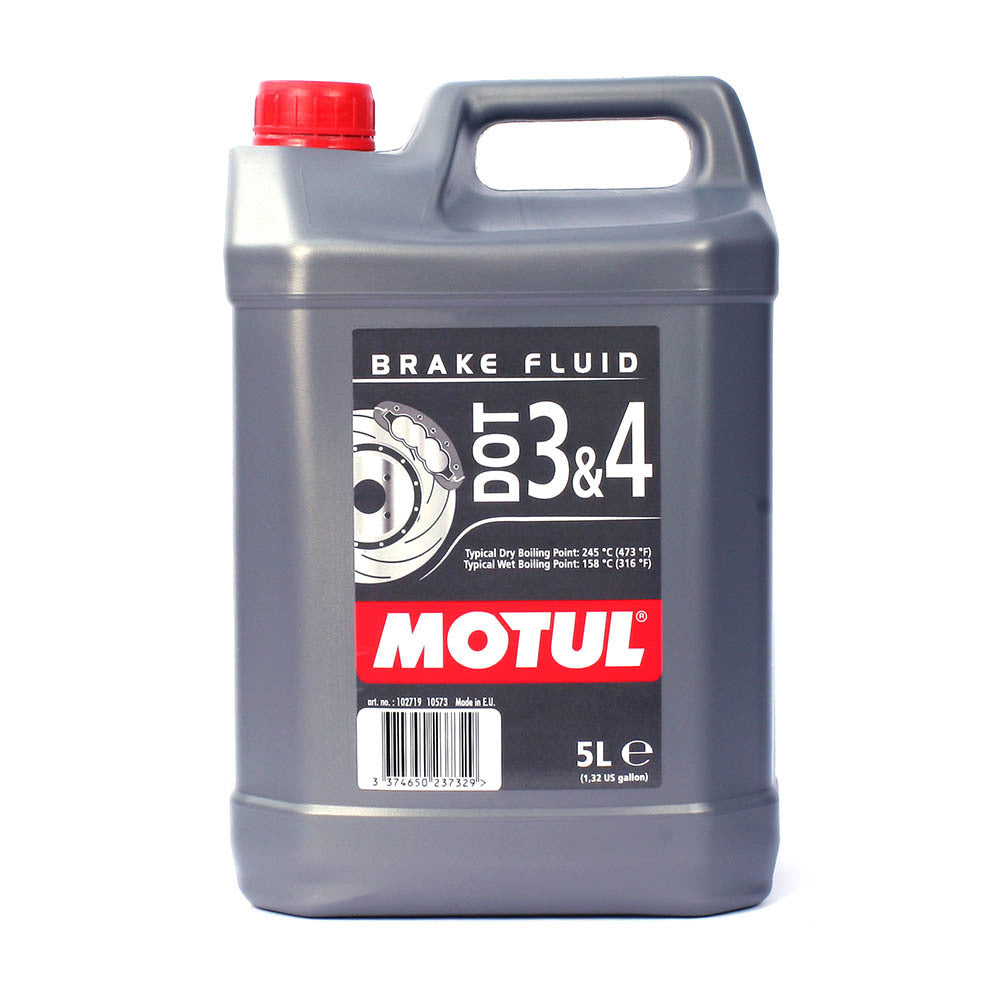
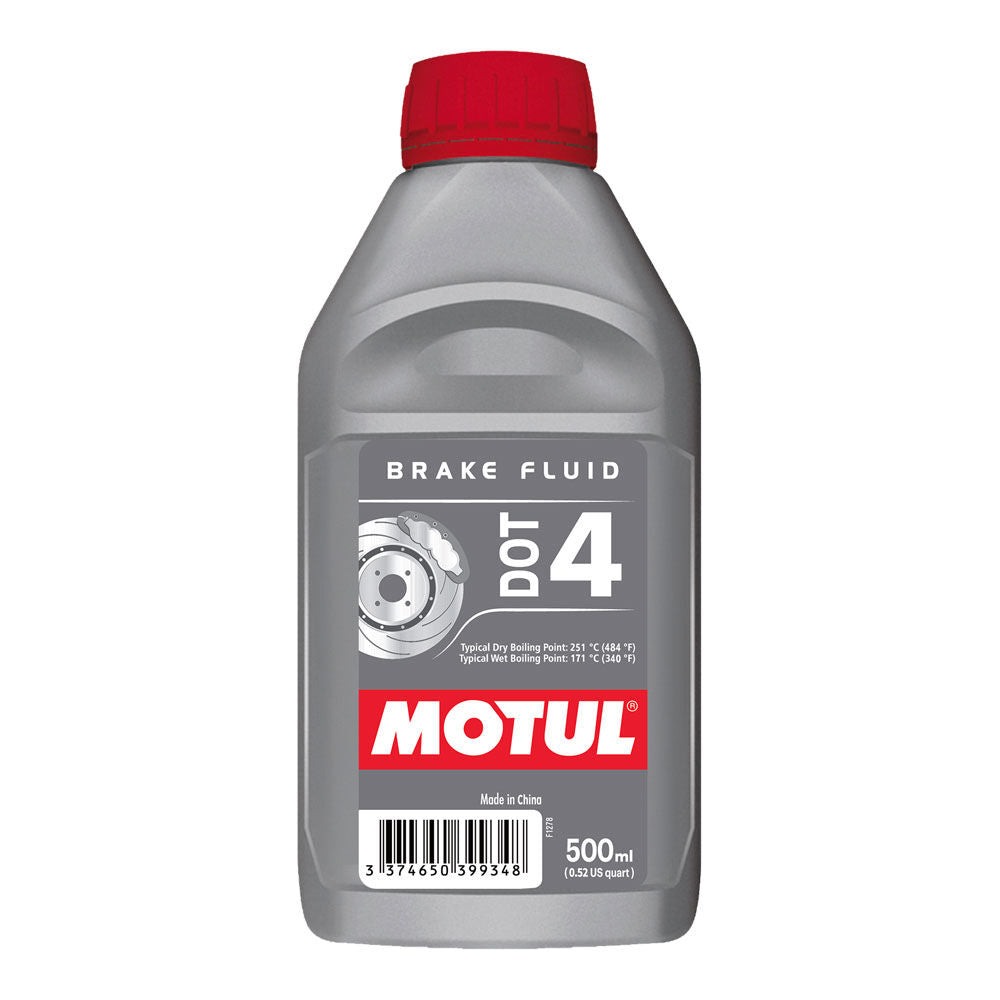
MOTUL BRAKE FLUID DOT 4 - 500 mL
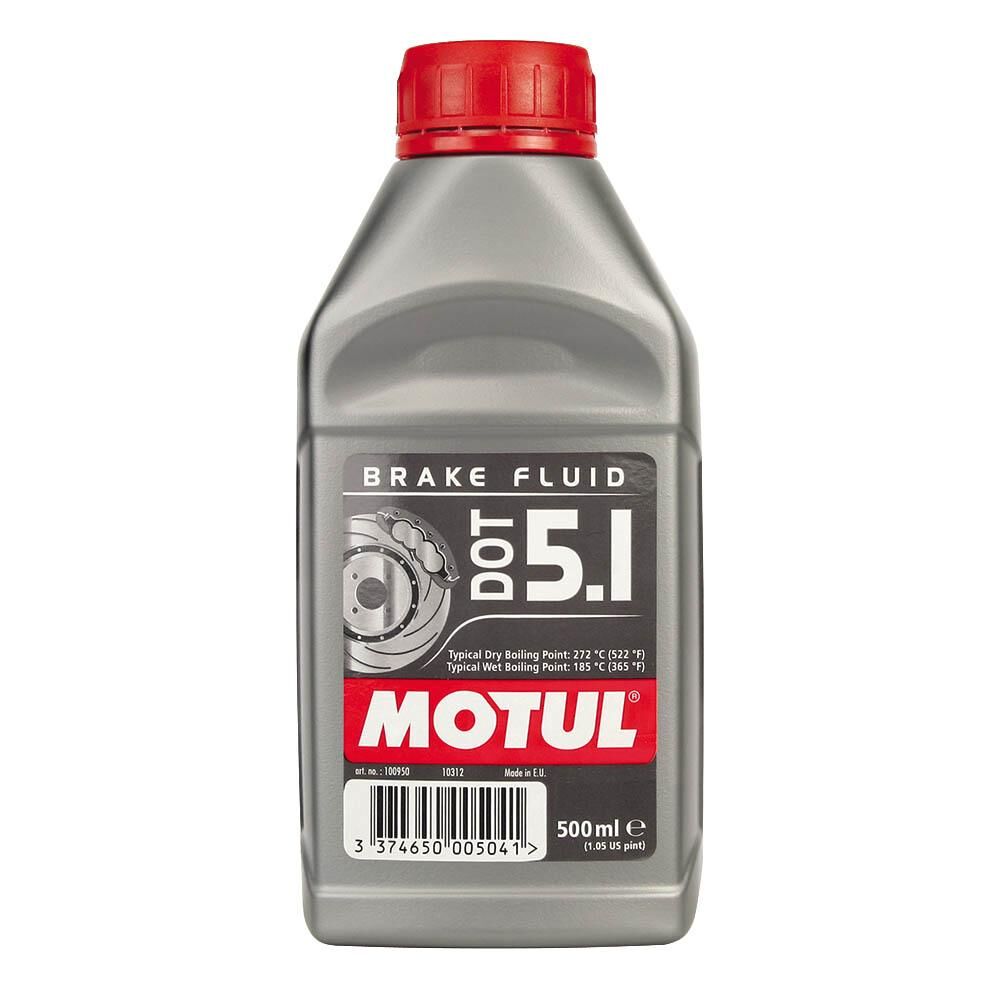
MOTUL BRAKE FLUID DOT 5.1 - 500mL
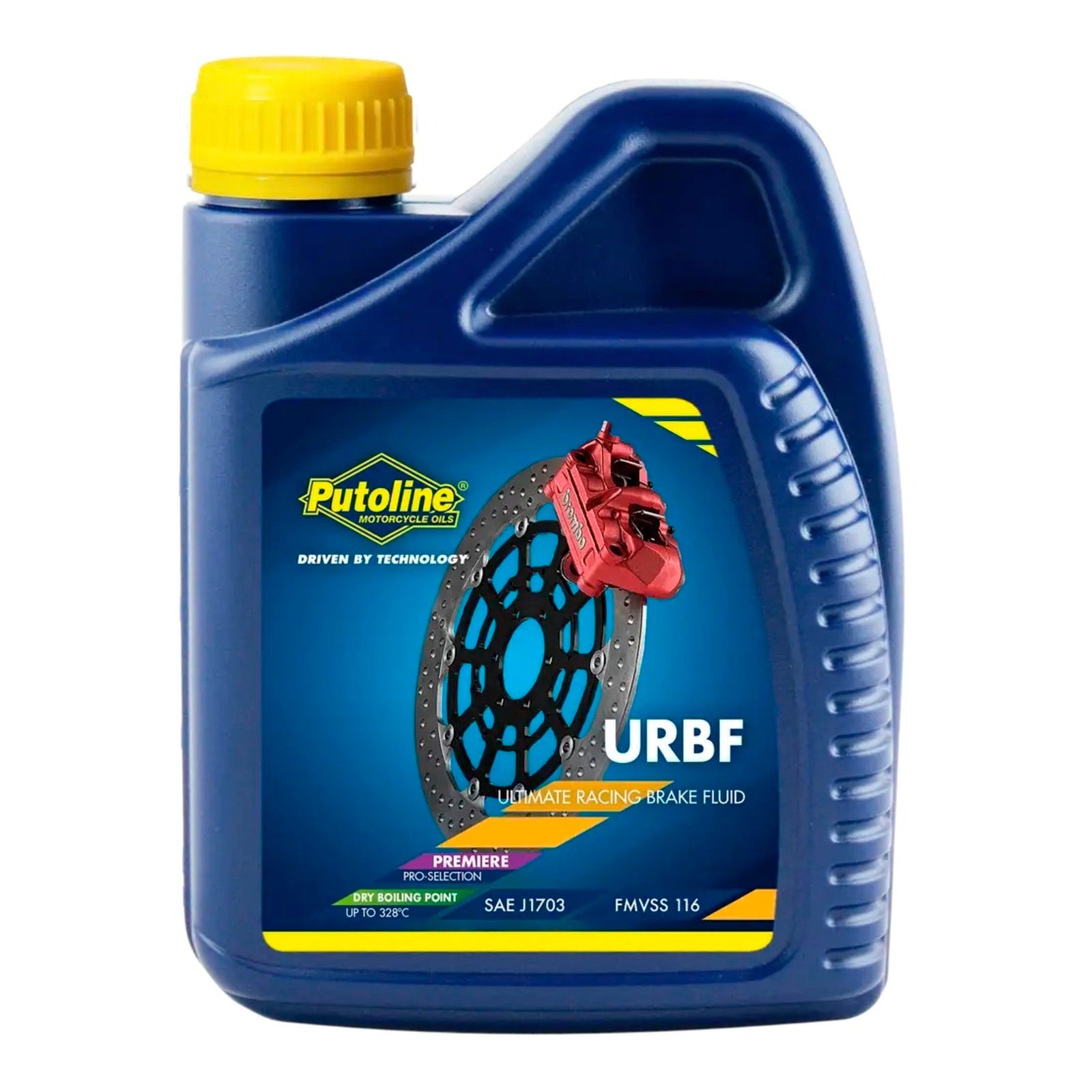
Putoline Ultimate Racing Brake Fluid - Dot 4
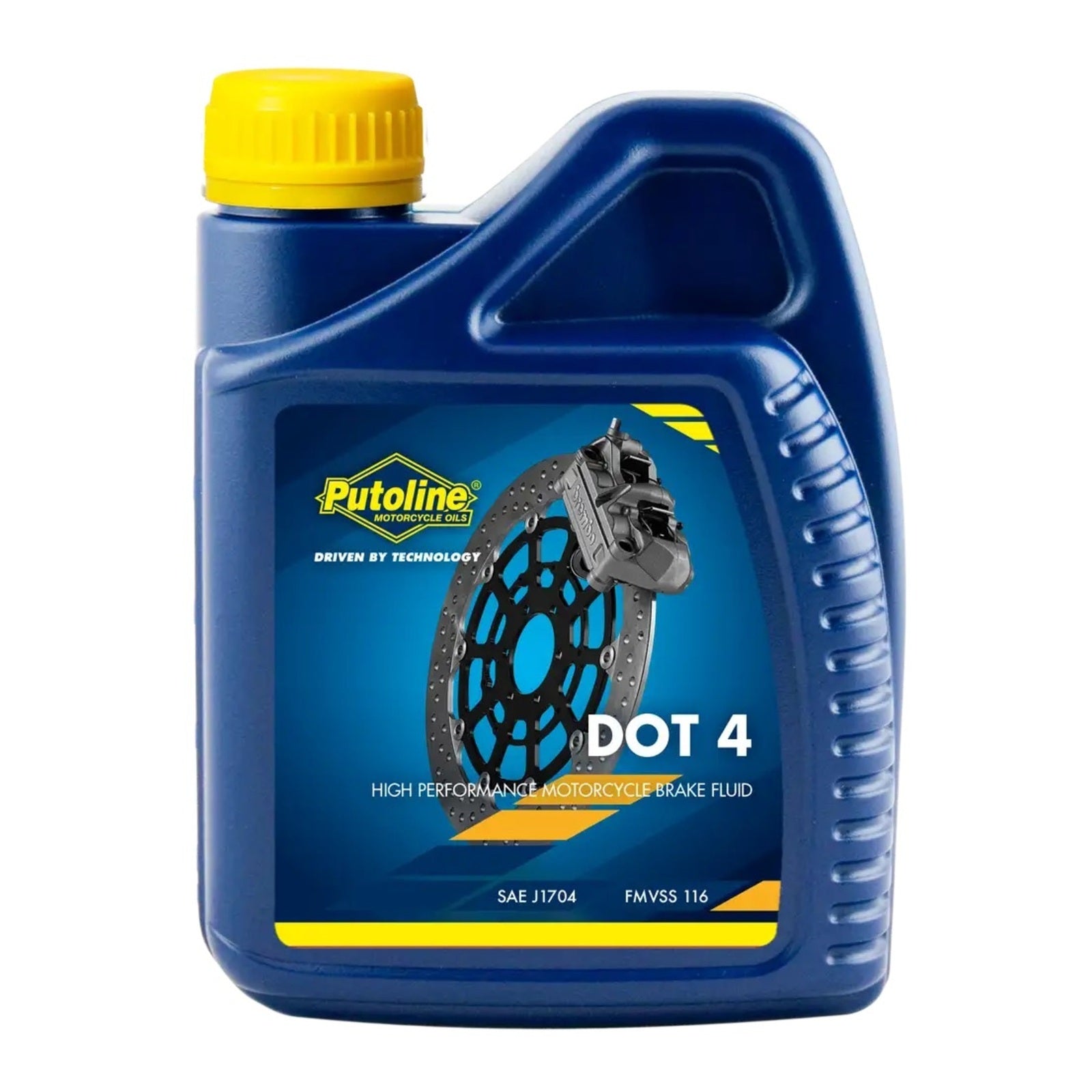

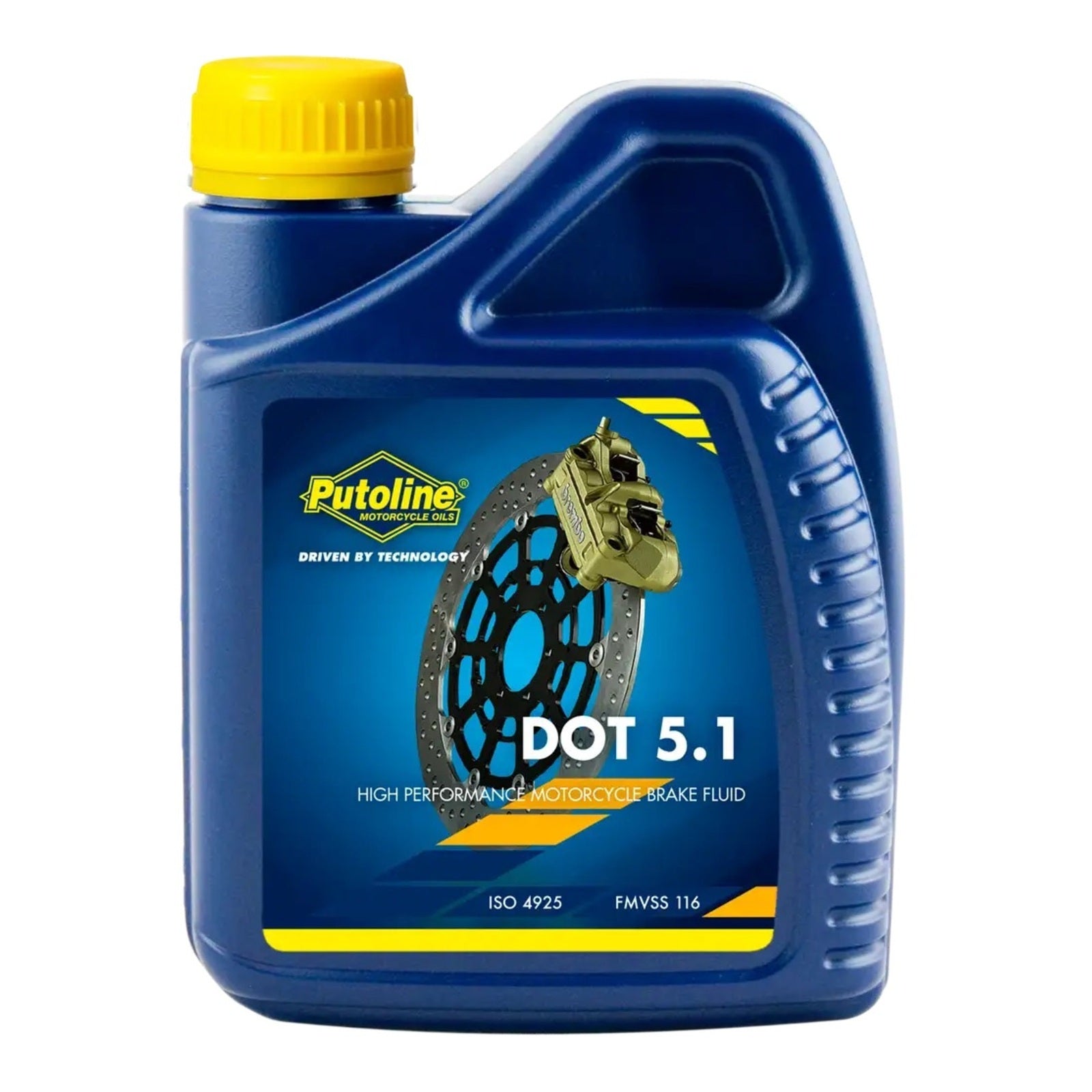
Putoline Brake Fluid - Dot 5.1
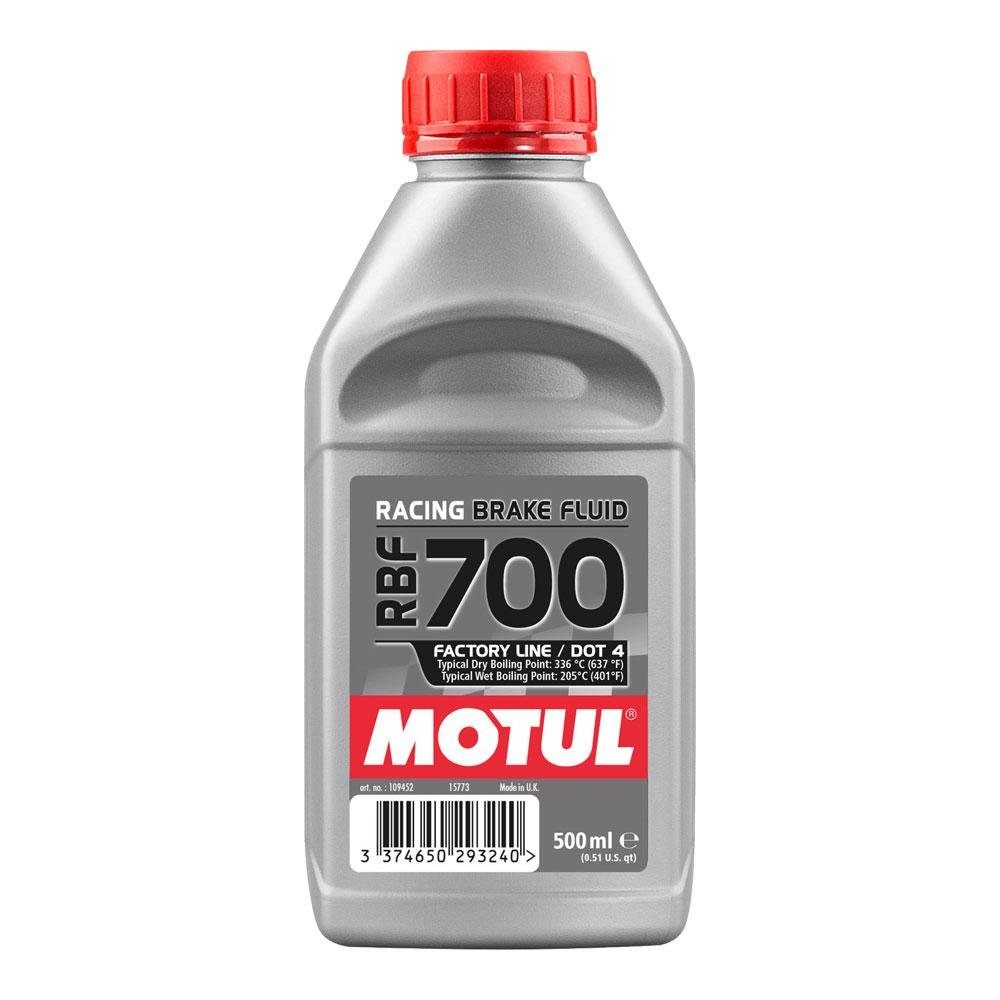
MOTUL RACING BRAKE FLUID RBF700 - 500mL
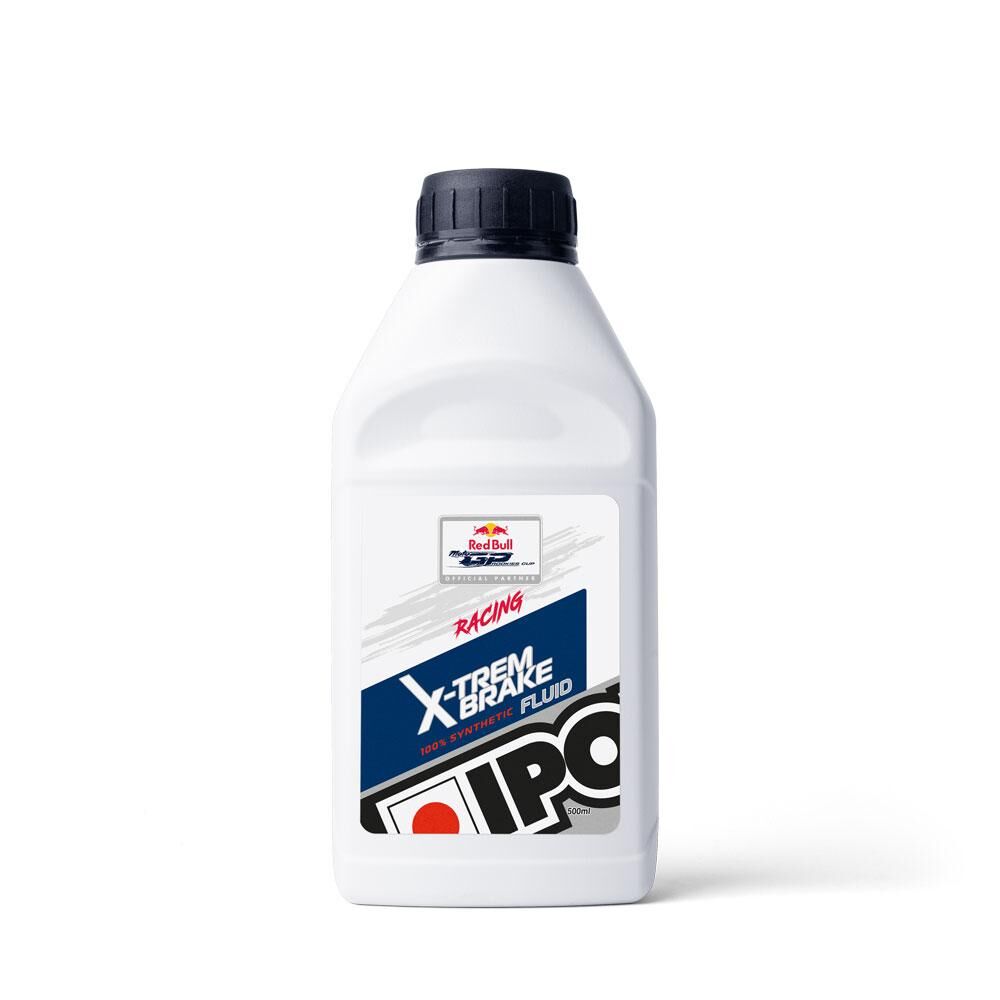
IPONE X-Trem Brake Fluid 500ML
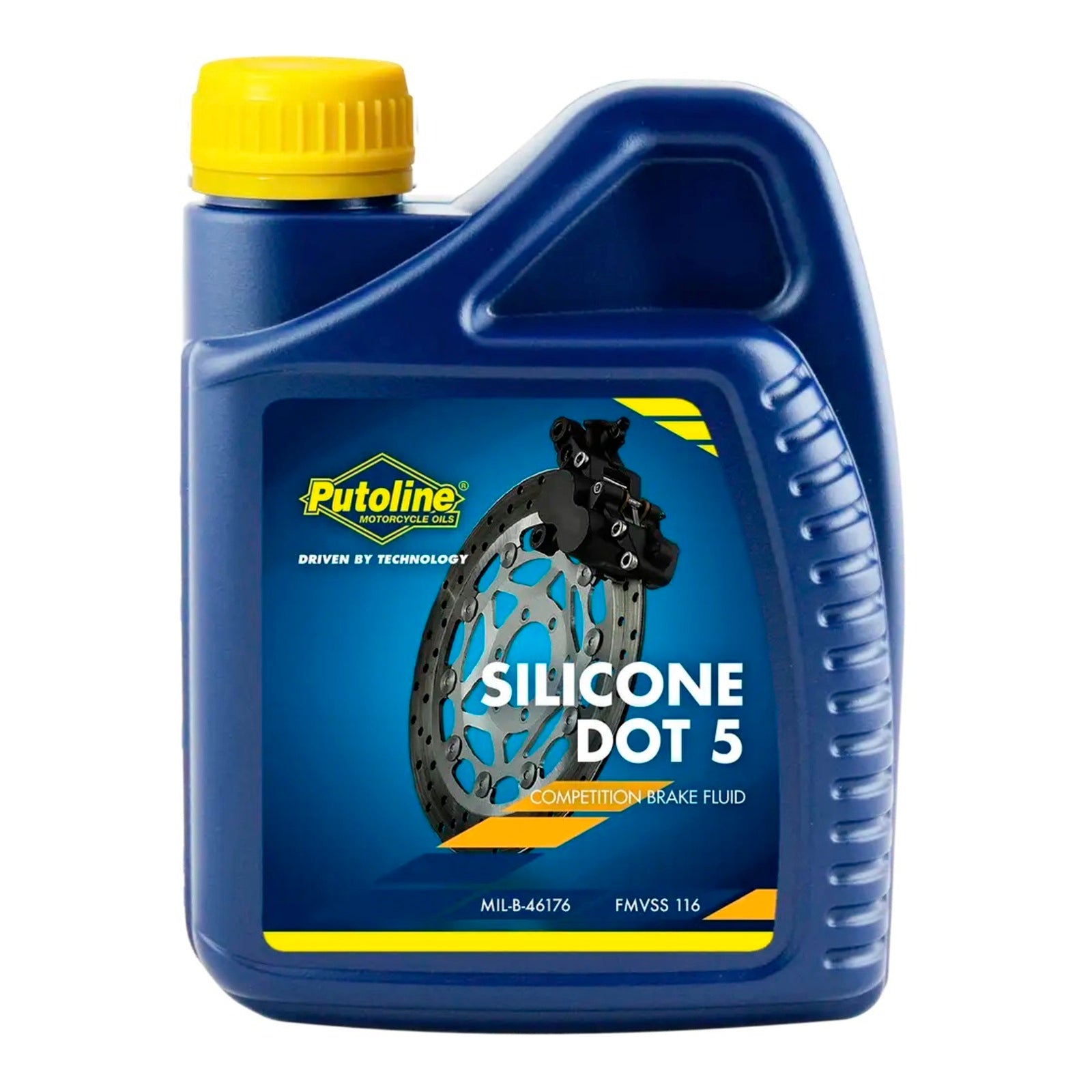
Putoline Brake Fluid - Dot 5 Silicone
Choosing the right brake fluid grade
Brake fluid grade is set by your master cylinder, not personal preference. DOT 4 and DOT 5.1 are both glycol-based and mix safely with each other. DOT 5.1 carries a higher boiling point for harder use. Racing fluids like Motul RBF600 and RBF700 push dry boiling points well beyond the minimums for repeated hard stops.
| Grade | Min dry boiling point | Min wet boiling point | Best for |
|---|---|---|---|
| DOT 4 | 230 C | 155 C | Street and commuting |
| DOT 5.1 | 260 C | 180 C | Sport and touring |
| Motul RBF600 | 312 C | 216 C | Track days |
| Motul RBF700 | 336 C | 205 C | Racing |
Why boiling point matters
Glycol fluid absorbs moisture over time, dropping the wet boiling point and inviting fade. A fluid sitting at 3.5% water content loses a large share of its margin. Flush every 1 to 2 years on the street, and after every race weekend on track. Most of these come in 500 mL bottles, enough to bleed a 2-line system fully.
Mixing rules
DOT 4 and DOT 5.1 are compatible because both are glycol-ether based. DOT 5 is silicone-based and must never be mixed with the others. Putoline offers DOT 4 and a DOT 5.1 option, while Ipone X-Trem runs a high-spec DOT 4. Always bleed until clean fluid runs clear at every caliper.
Frequently asked questions
Can I mix DOT 4 and DOT 5.1 brake fluid?
Yes. DOT 4 and DOT 5.1 are both glycol-ether based and mix safely. DOT 5.1 simply runs a higher boiling point. Never mix either with silicone-based DOT 5, which is a different chemistry entirely.
What is the difference between Motul RBF600 and RBF700?
Both are racing fluids. RBF600 carries a 312 C dry boiling point, while RBF700 pushes to 336 C for the most demanding track and racing use. Both resist fade far better than standard DOT 4.
How often should I change my motorcycle brake fluid?
Flush glycol-based fluid every 1 to 2 years on the street because it absorbs moisture and loses boiling-point margin. On track, change it after every race weekend to keep the lever firm under repeated hard braking.
Afterpay & Zippay Available
Afterpay & Zippay Available