

Fork oil sets how your front suspension compresses and rebounds, so matching viscosity to your forks matters. This range covers Putoline and Motul suspension fluids in light, medium and racing grades. Pick the weight your manual specifies, refill to the correct oil height, and damping stays consistent ride after ride.
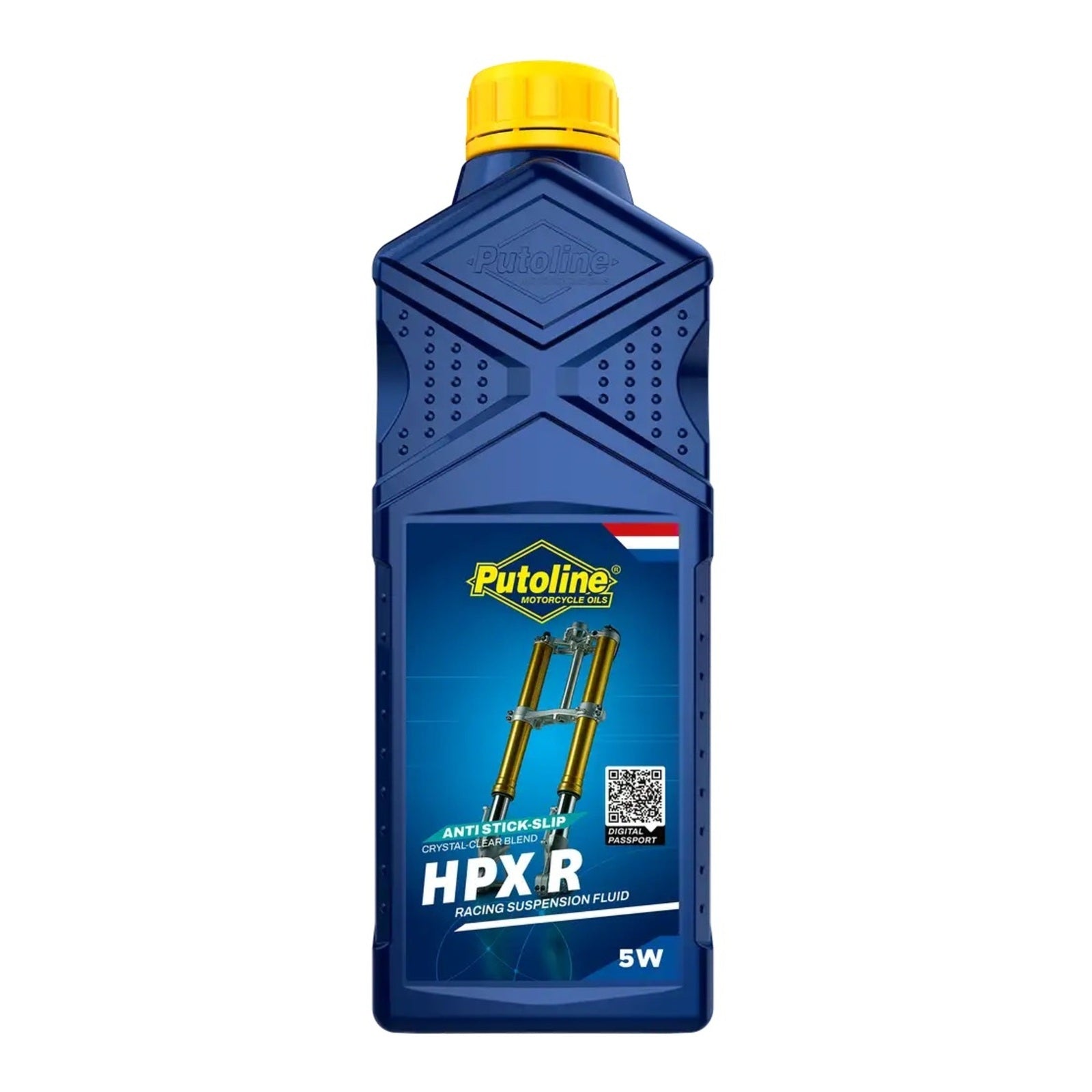
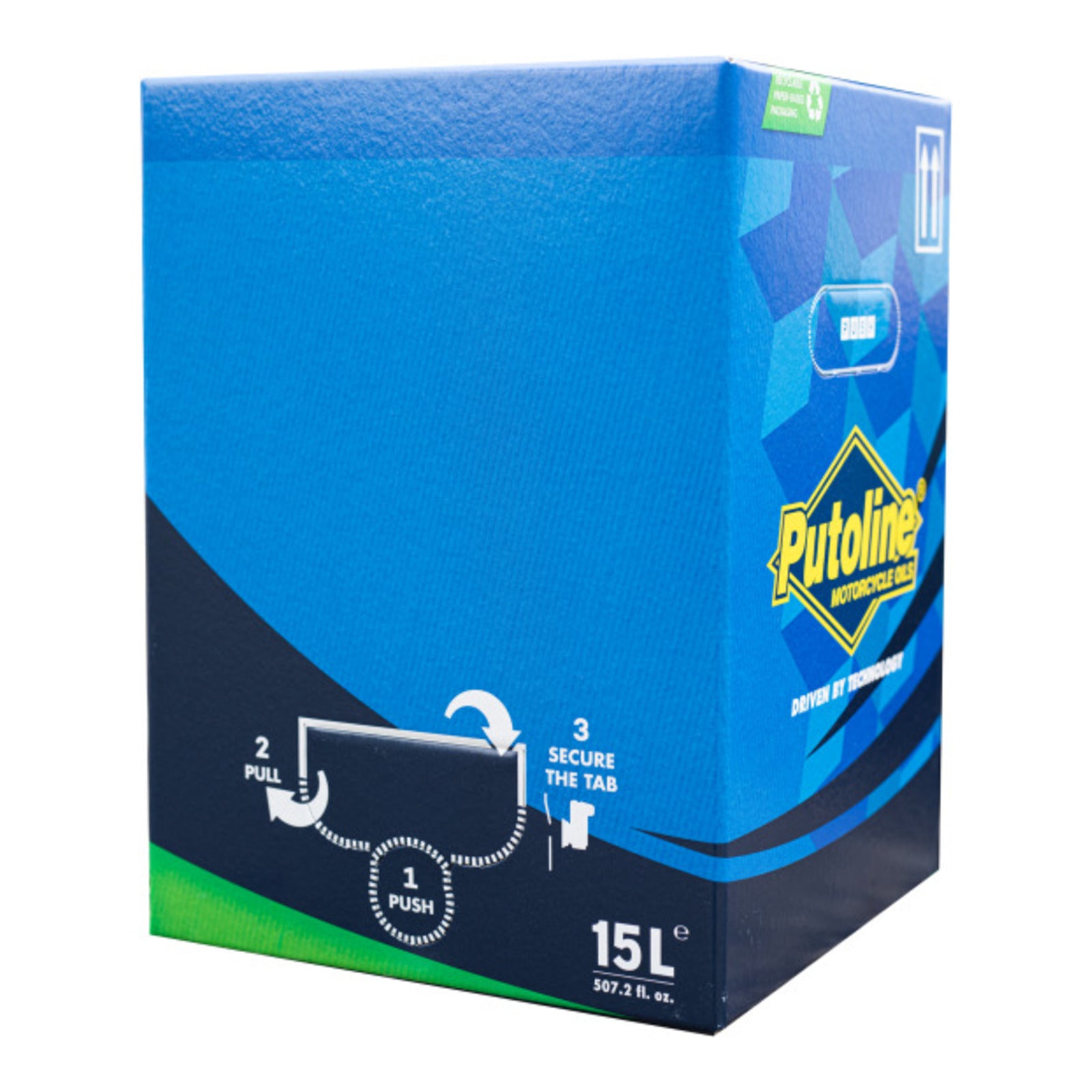
Putoline HPX Racing Fork Oil - 5W
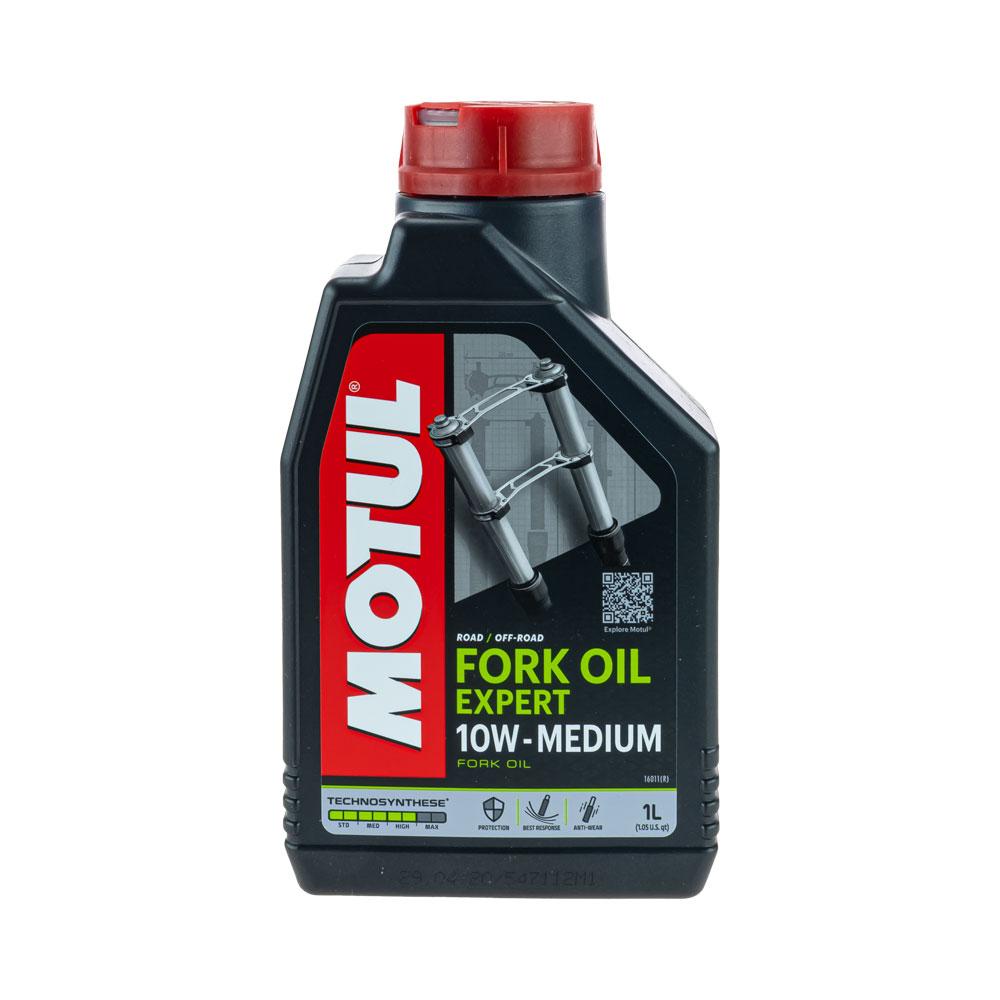
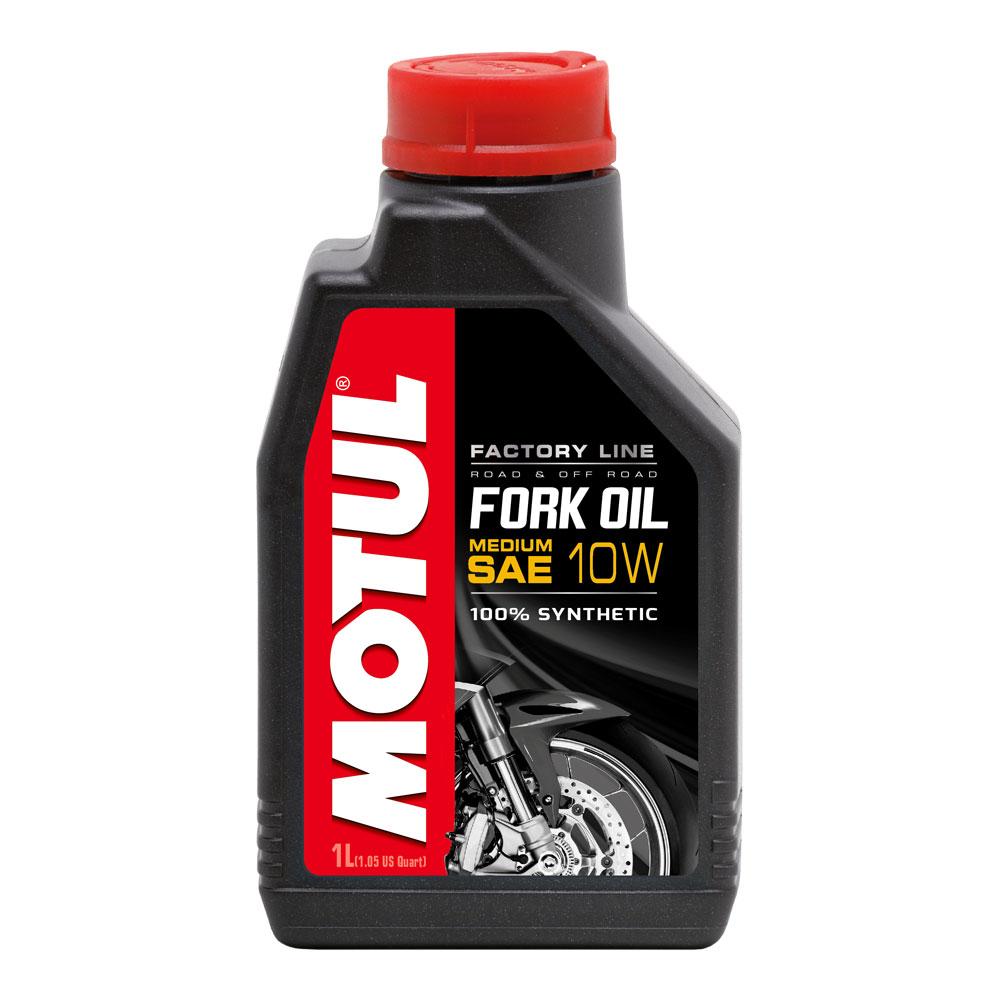
MOTUL FORK OIL EXPERT 10W MEDIUM - 1 Litre
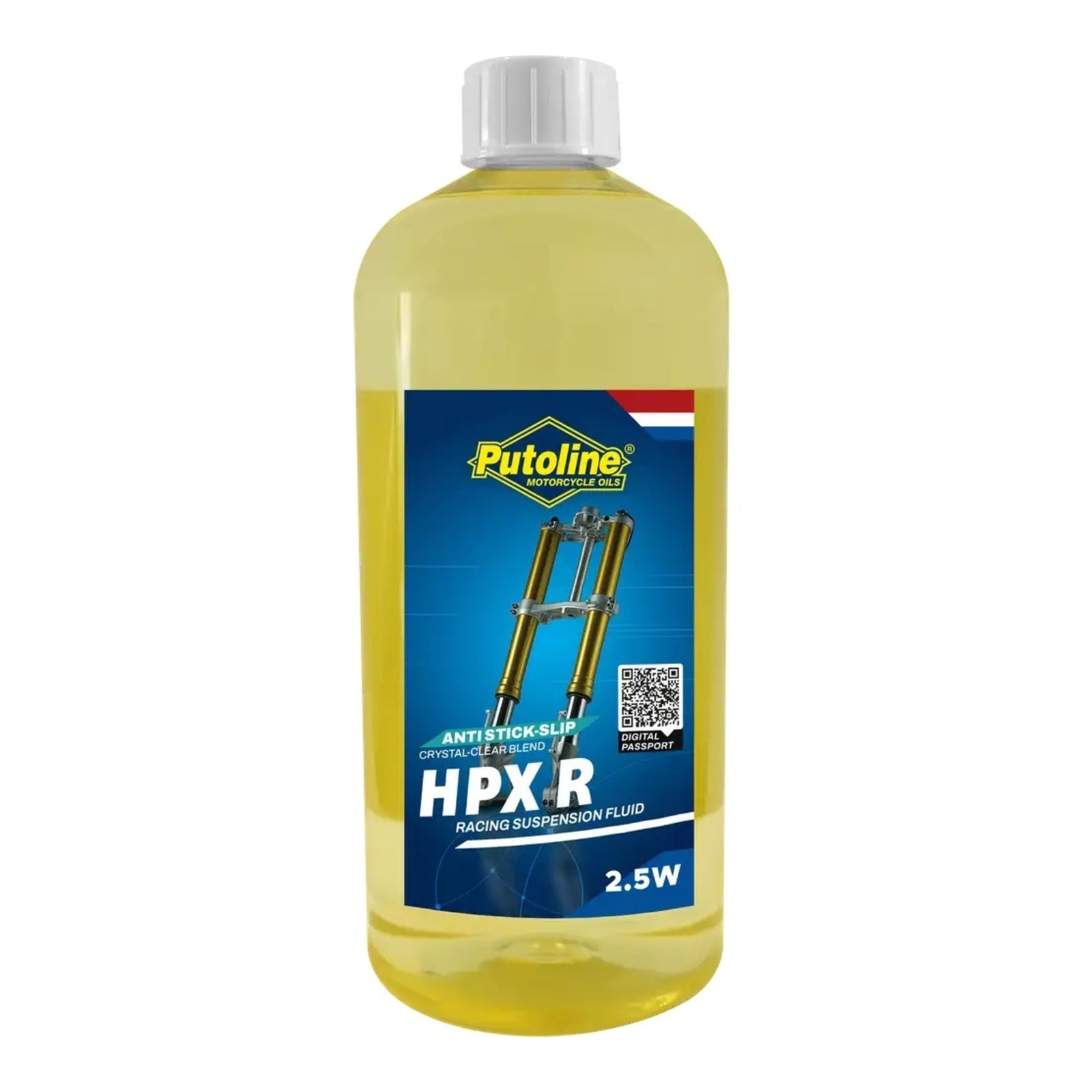
Putoline HPX Racing Fork Oil - 2.5W
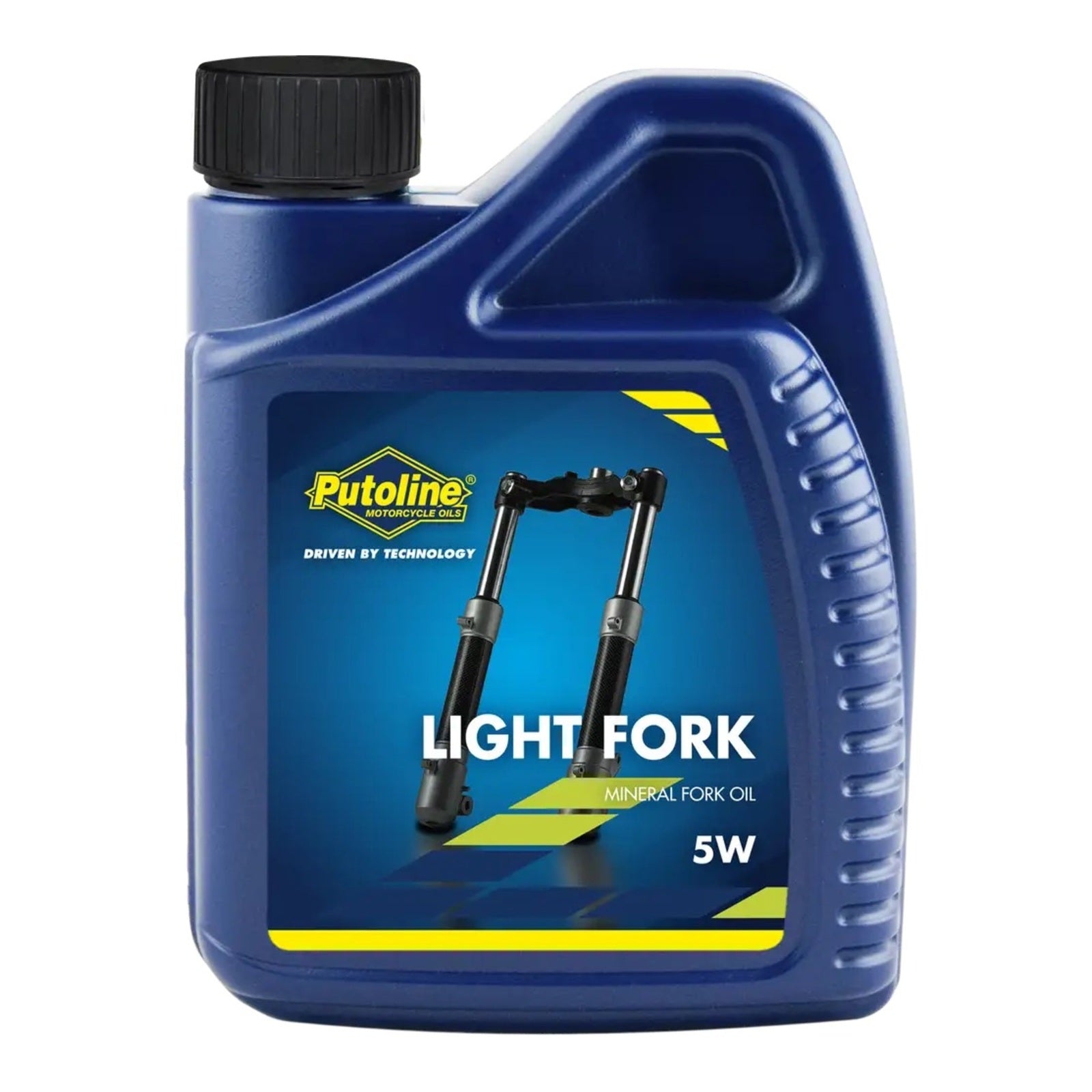
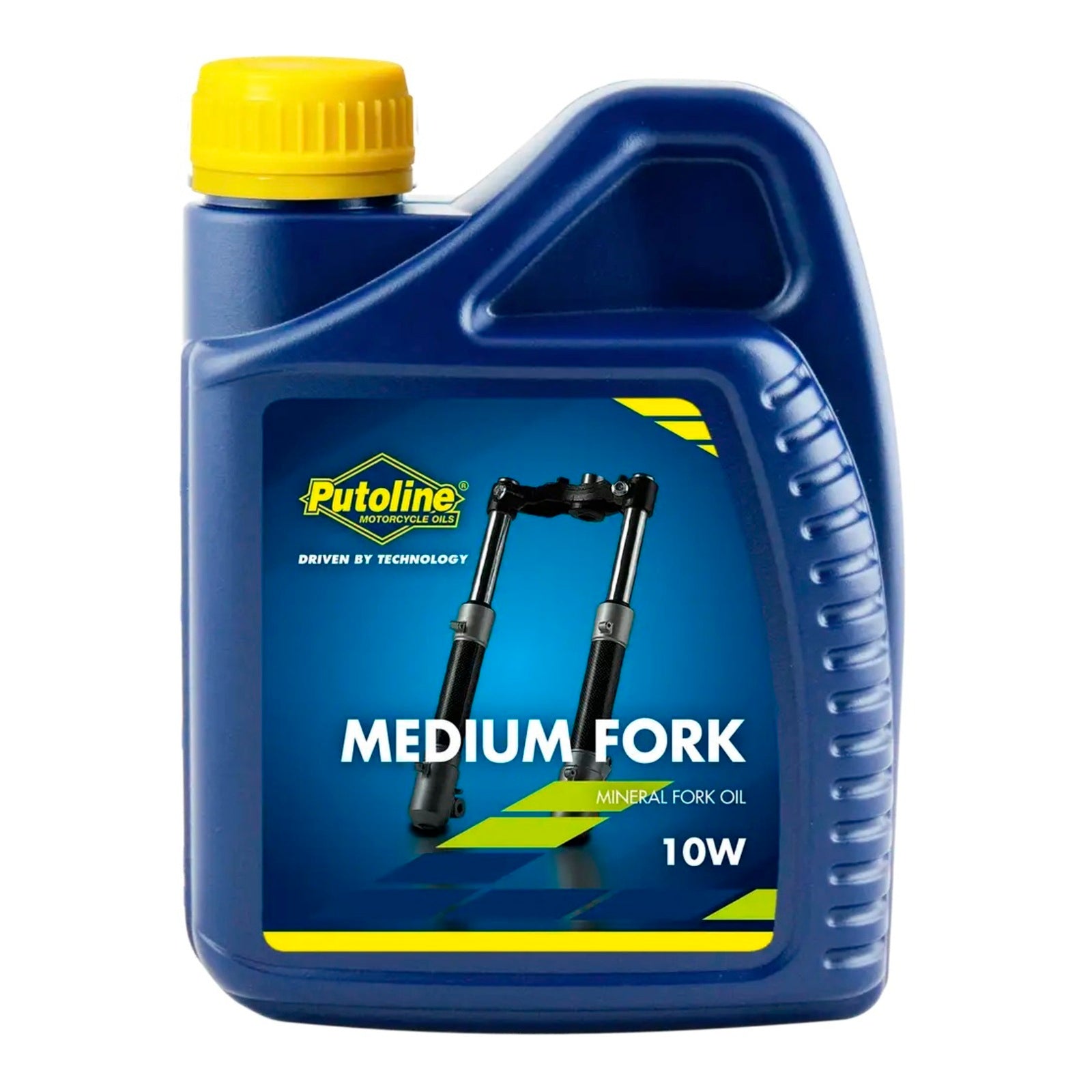
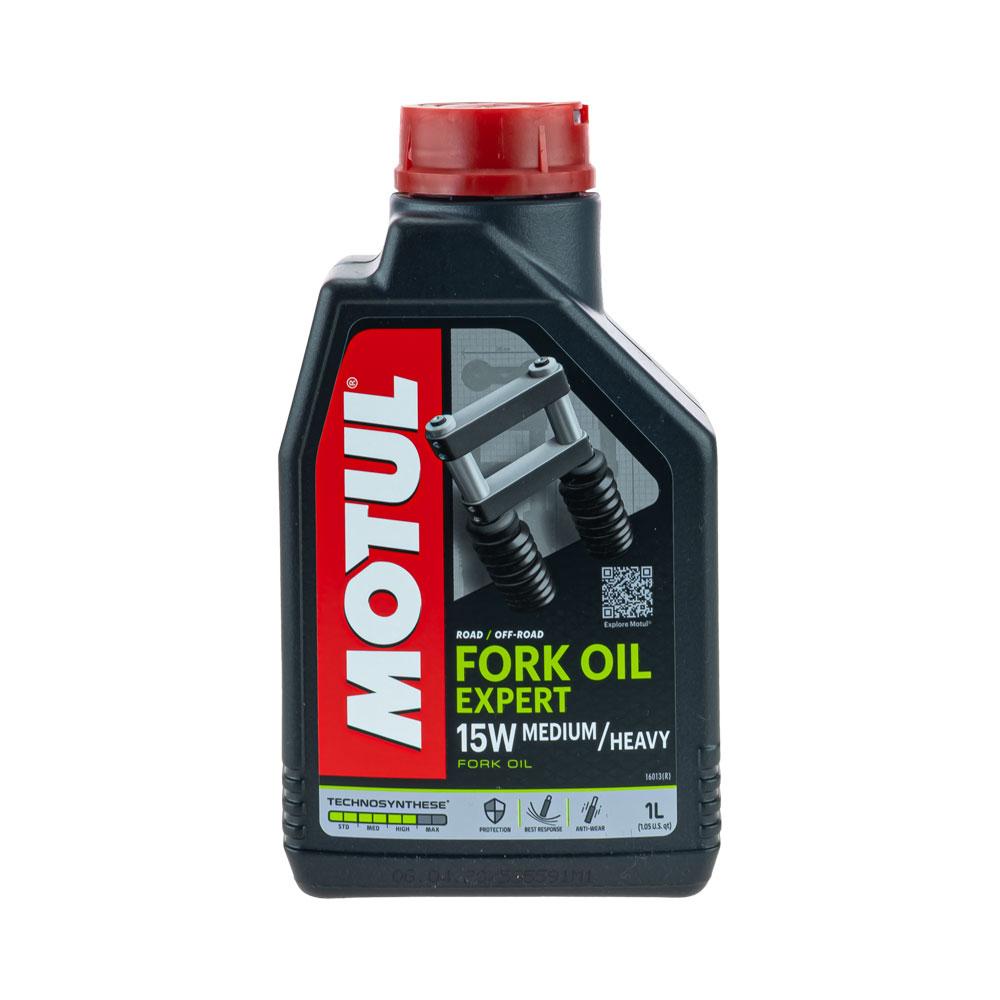
MOTUL FORK OIL EXPERT 15W MED/HVY - 1 Litre
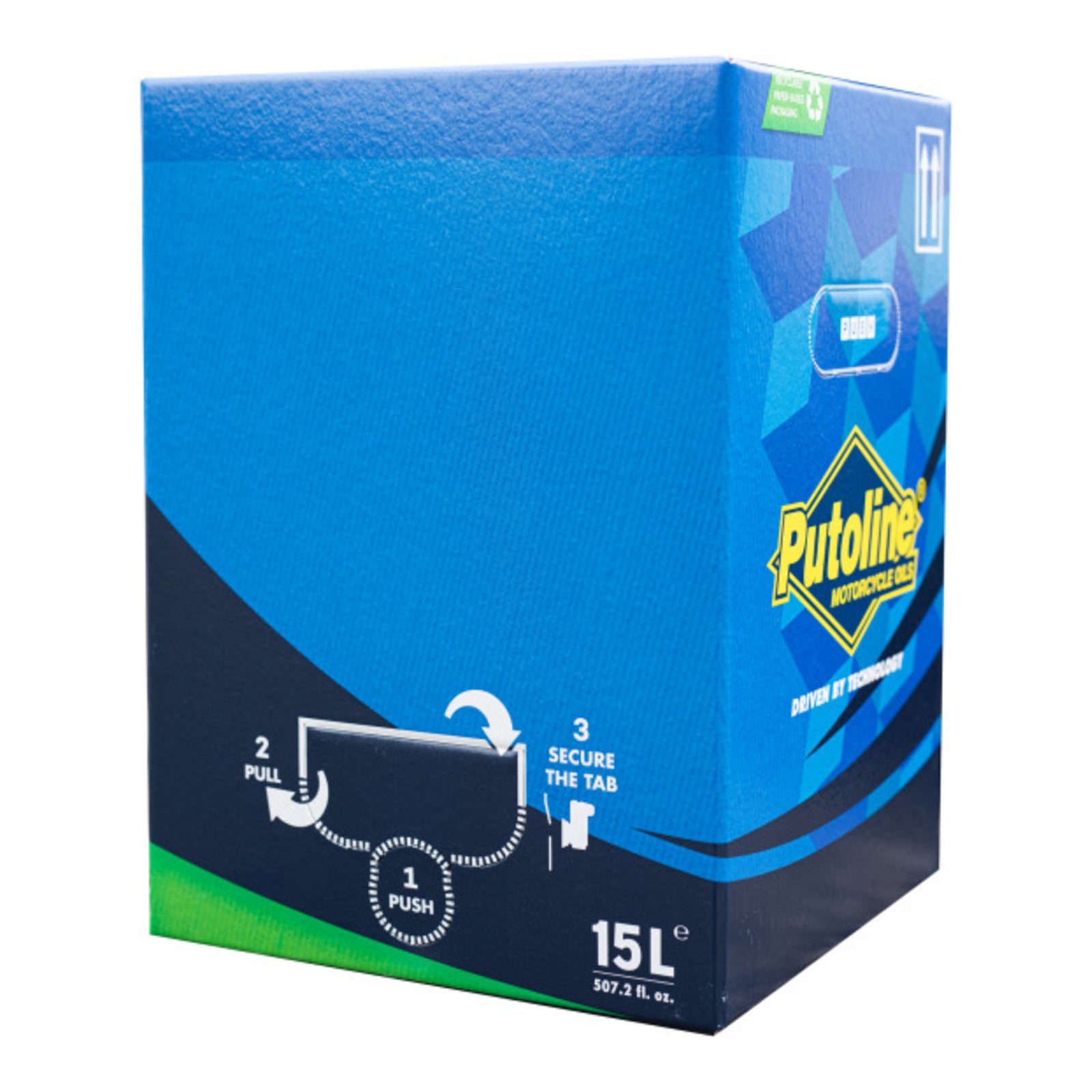
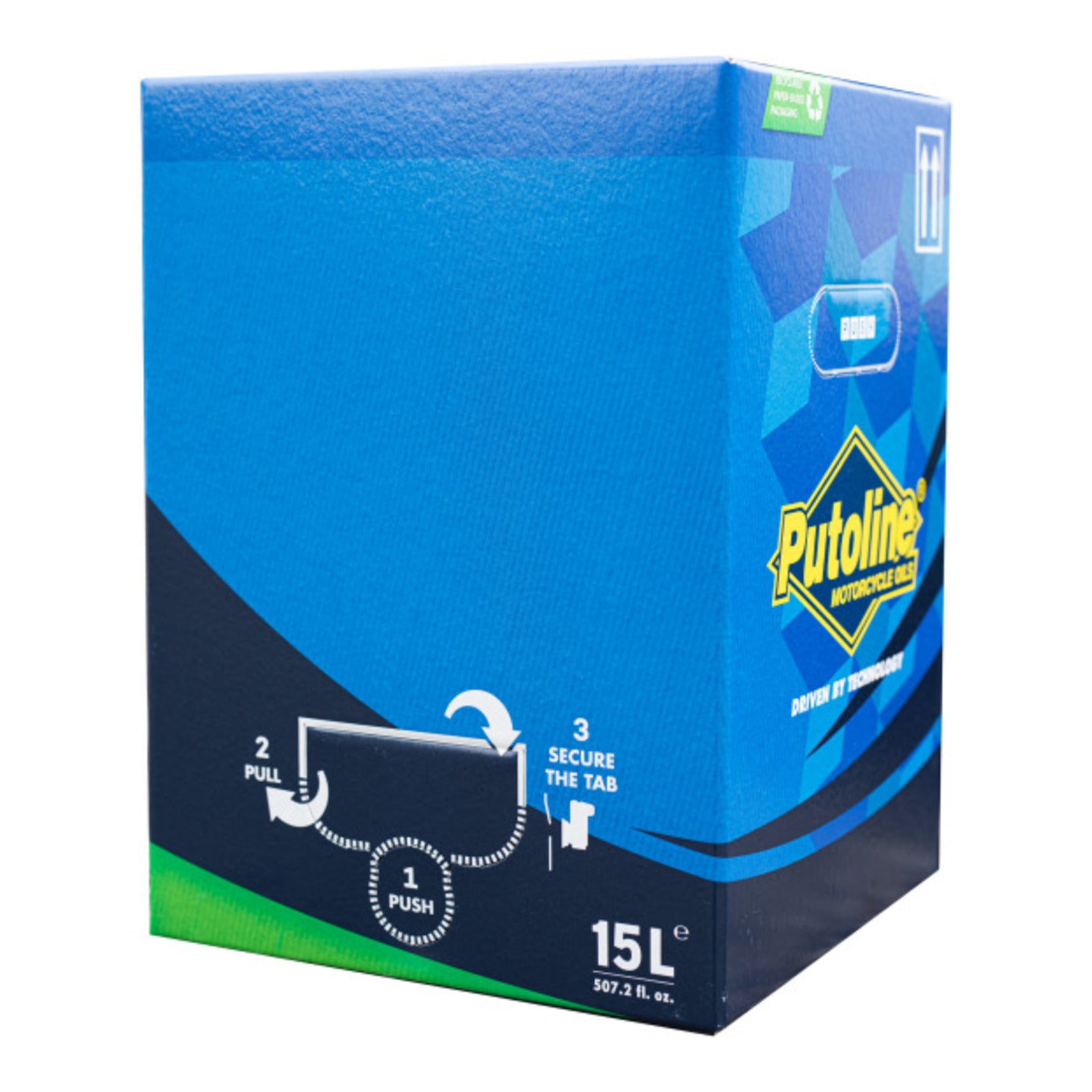
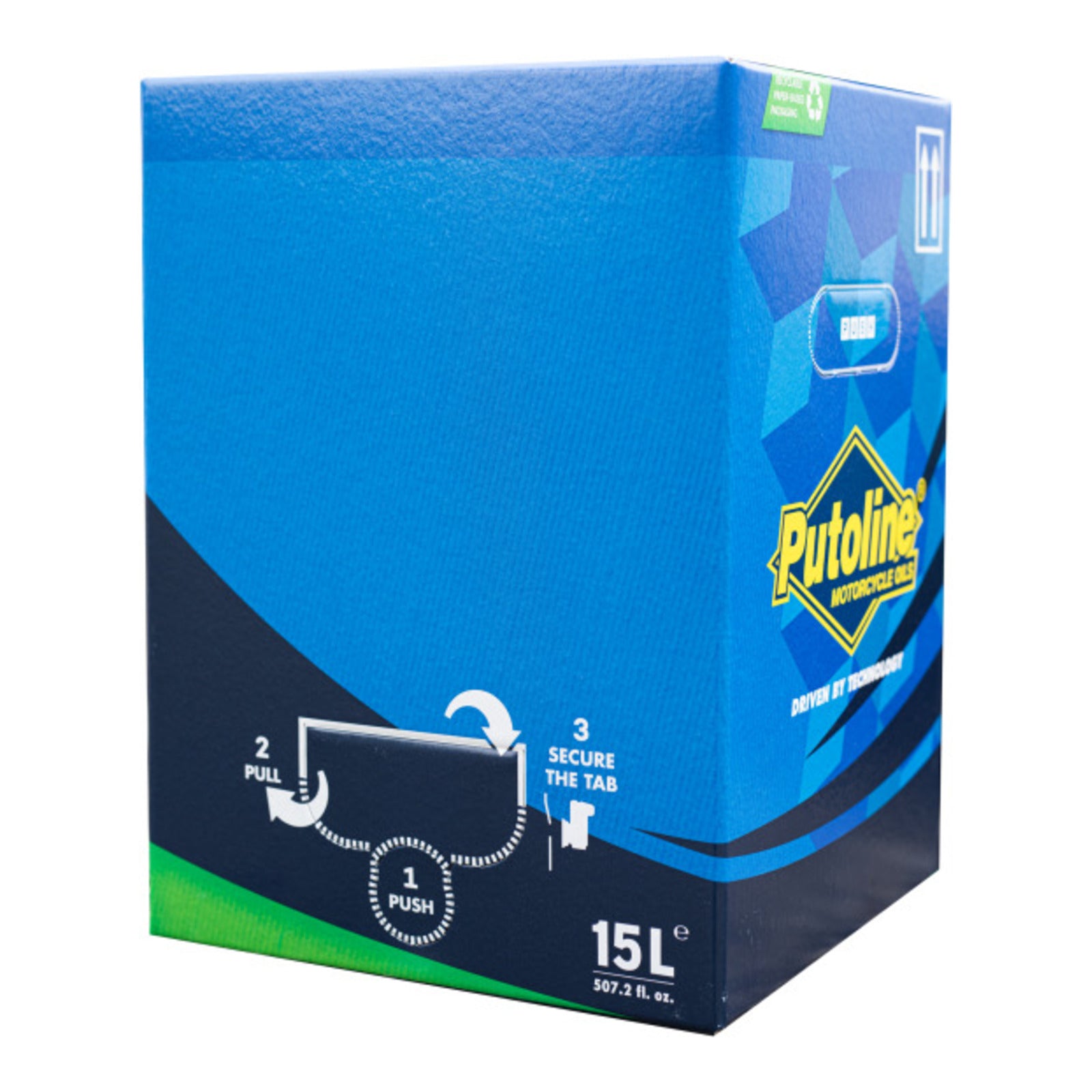
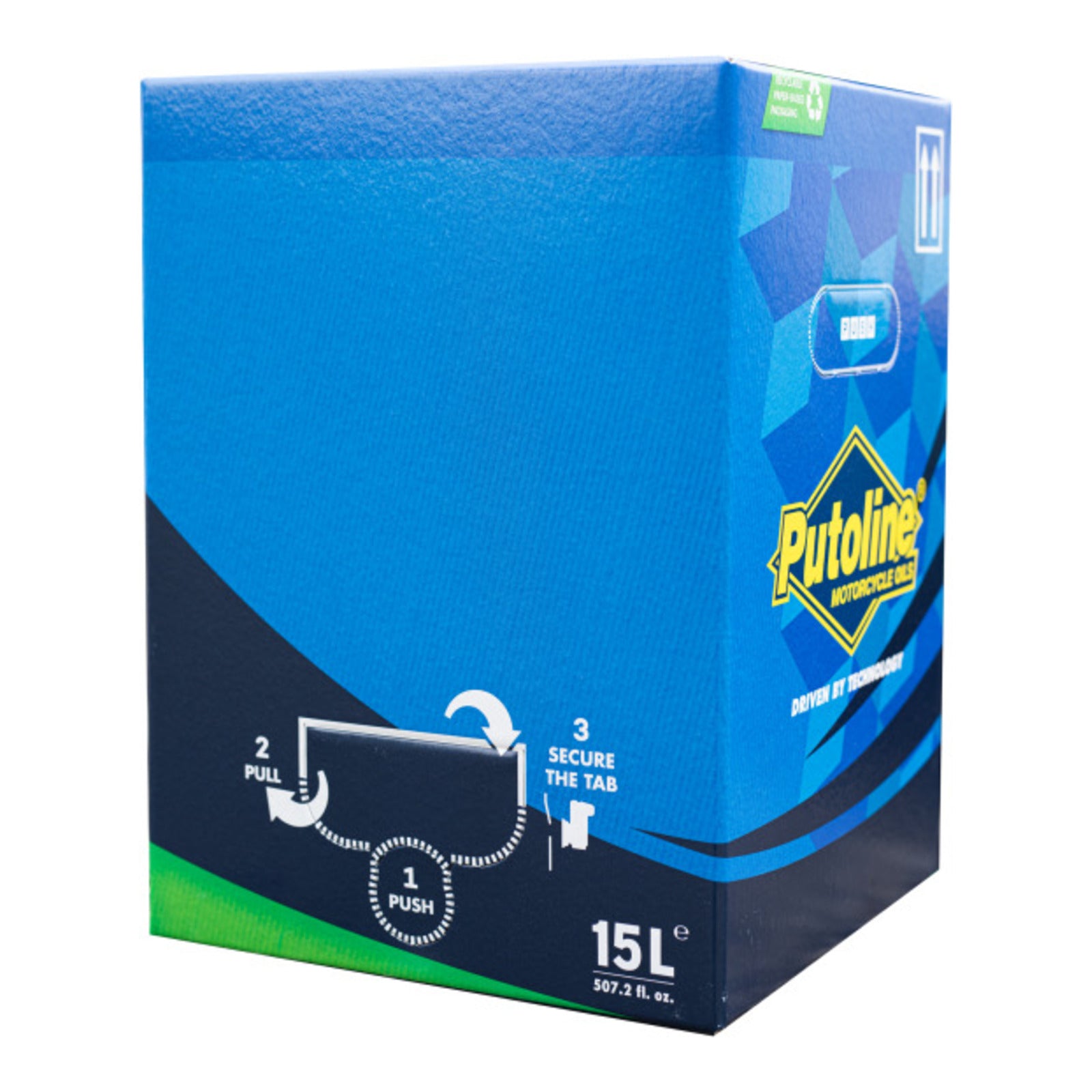
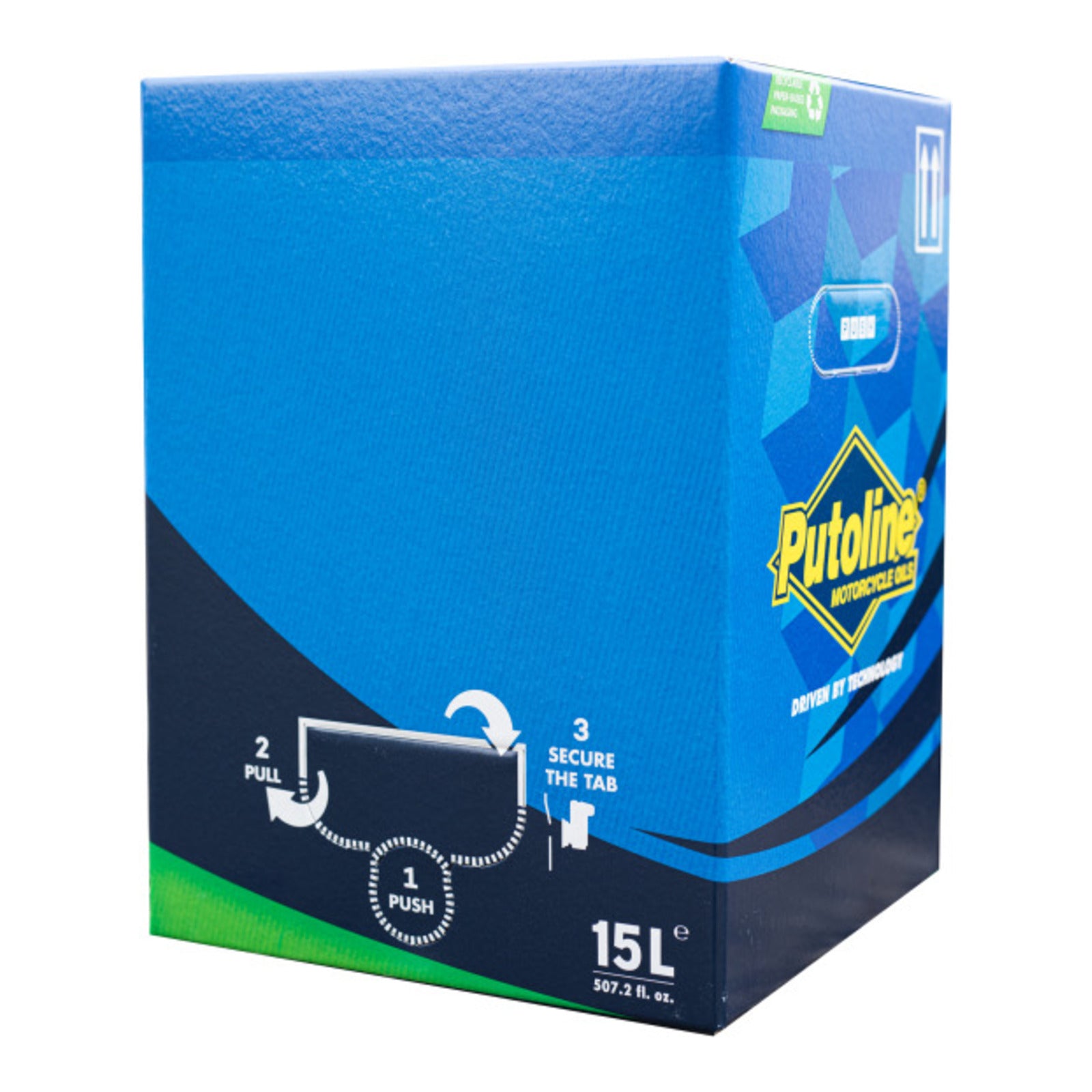
Putoline HPX R 2.5W Fork Oil 15 Litre BiB
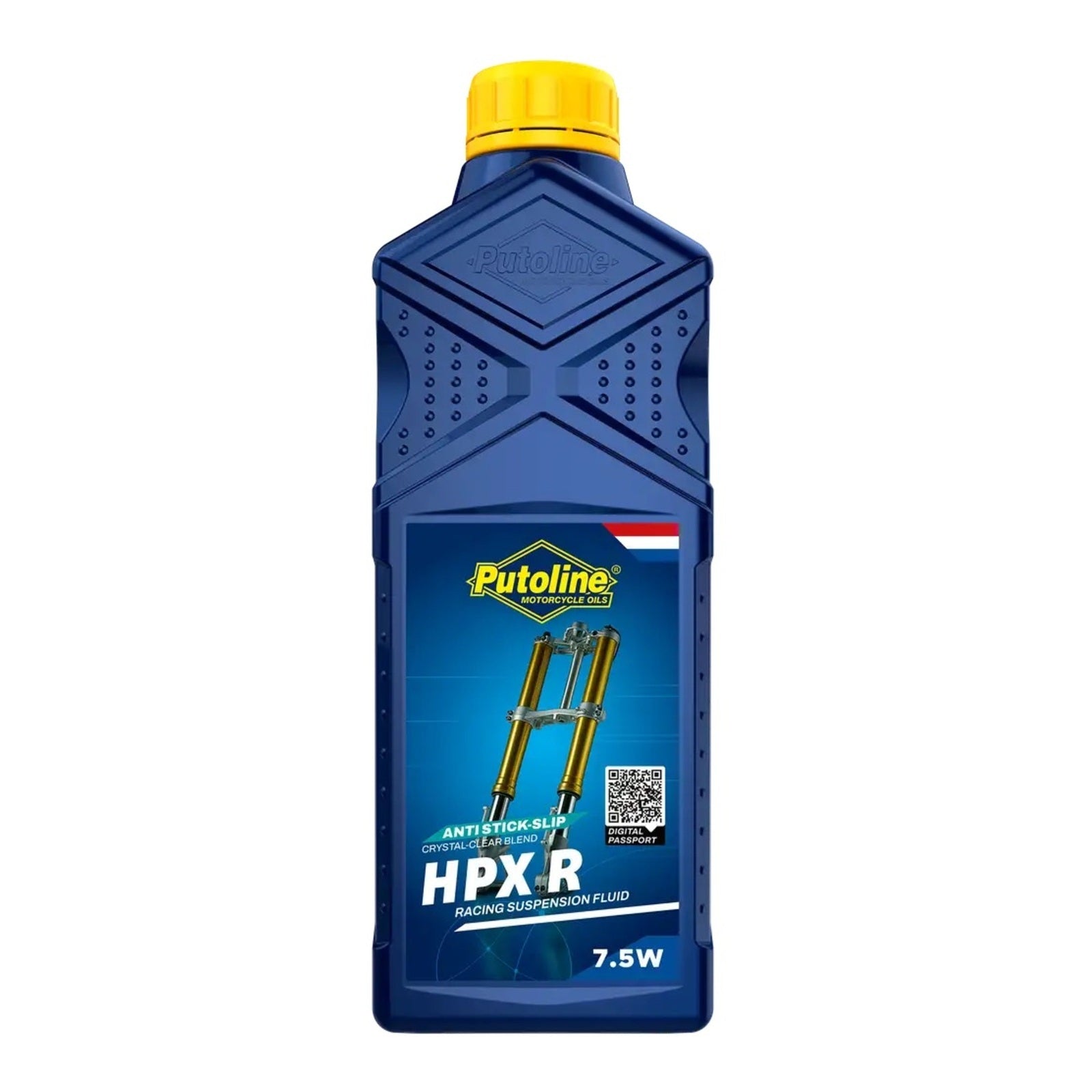
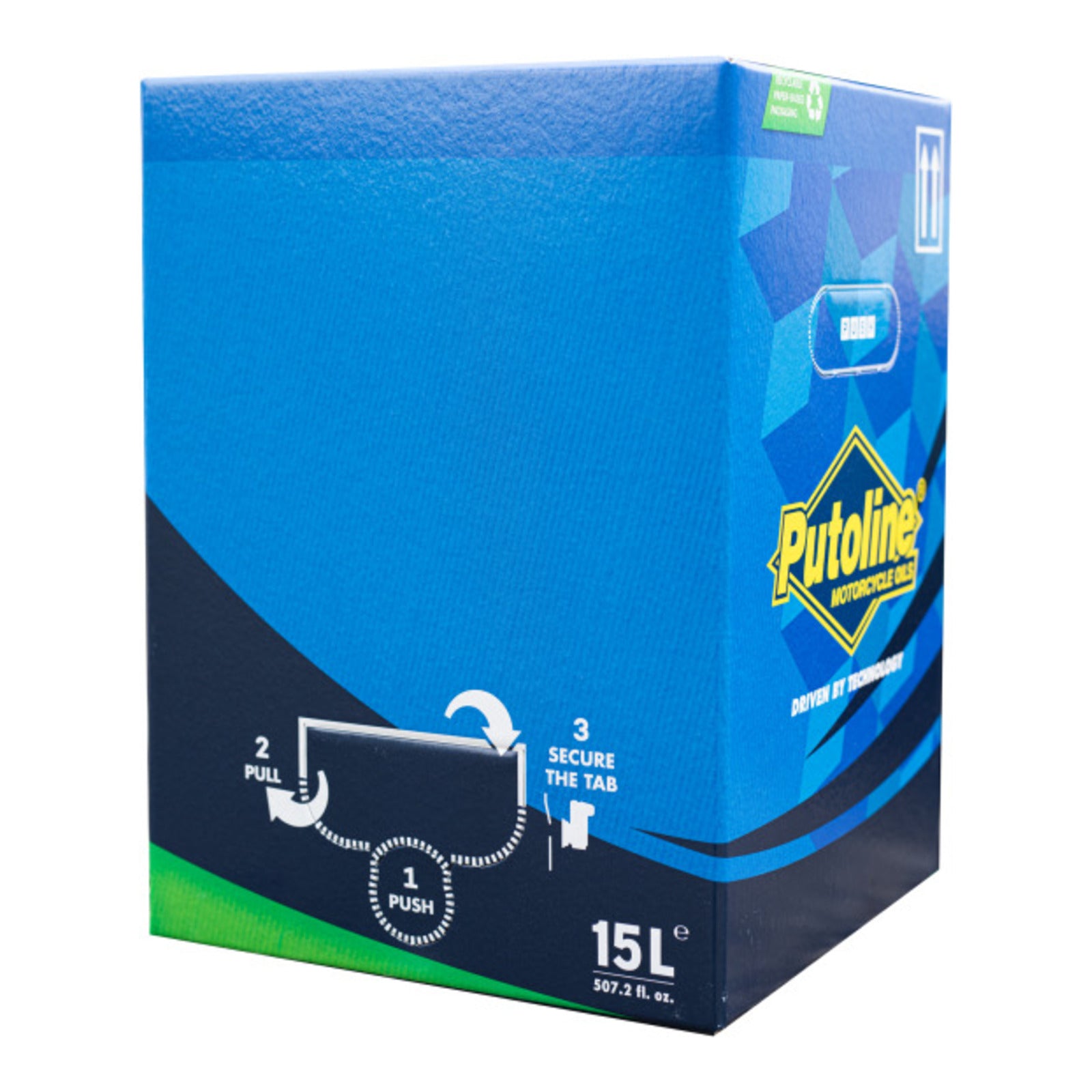
Putoline HPX Racing Fork Oil - 7.5W
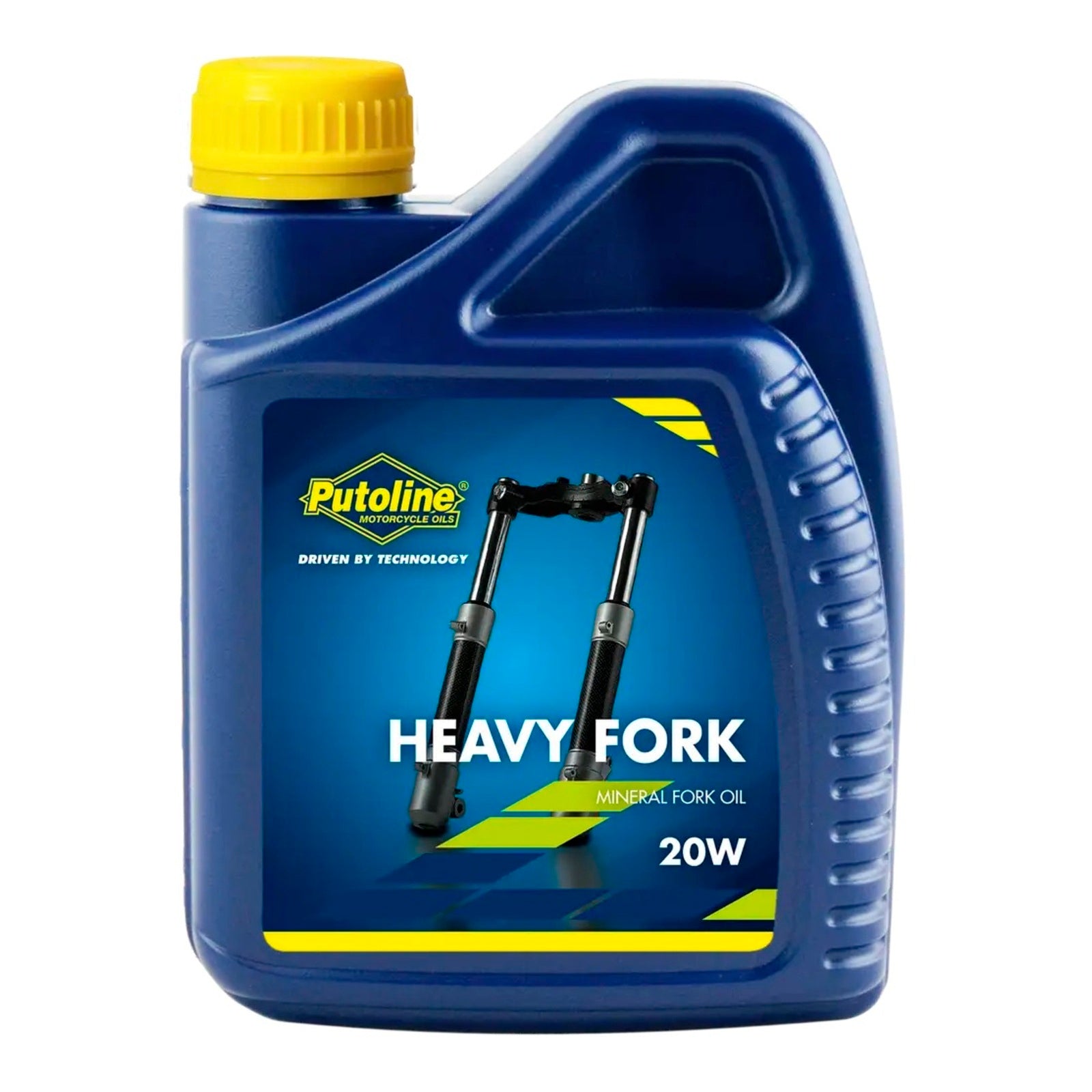
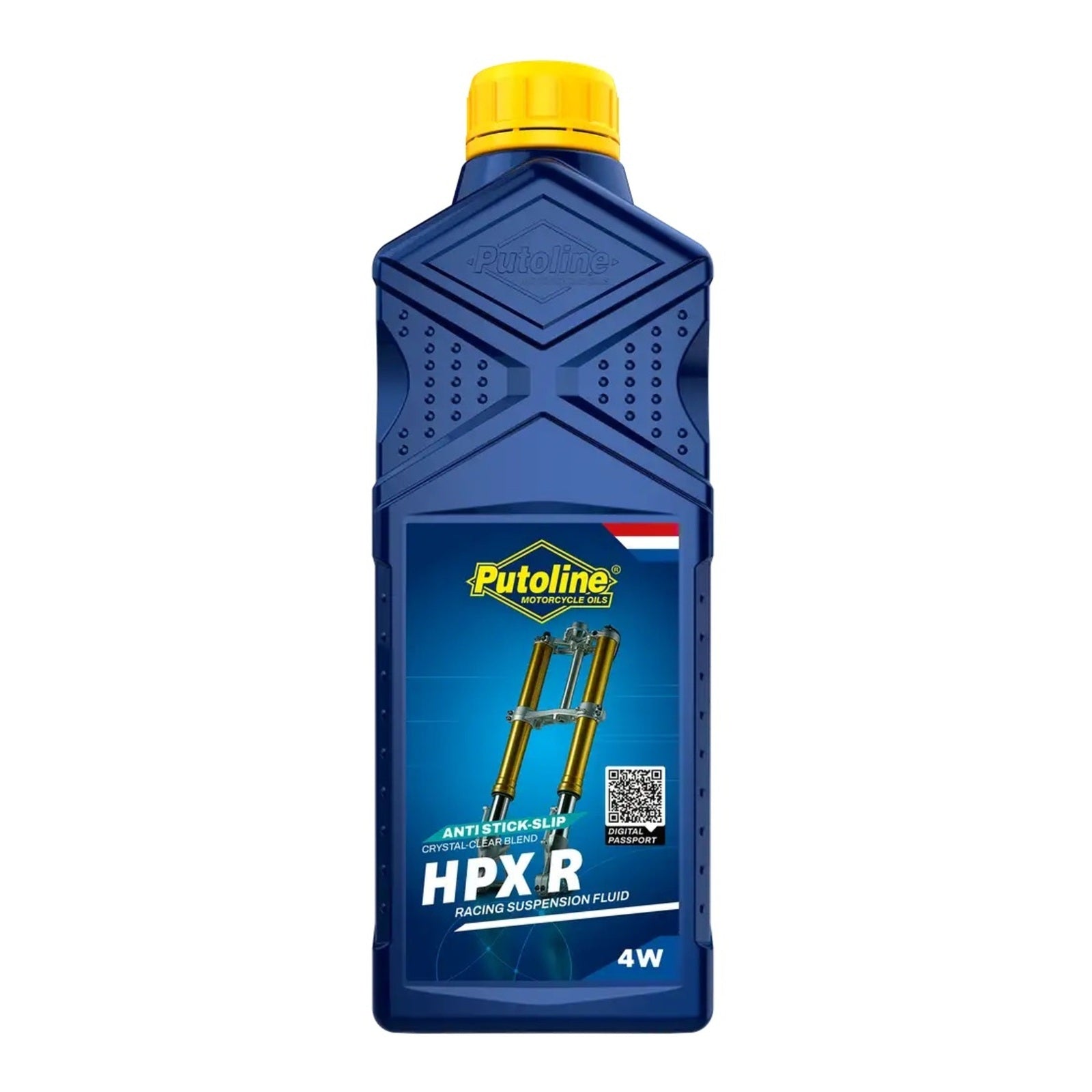
Putoline HPX Racing Fork Oil - 4W
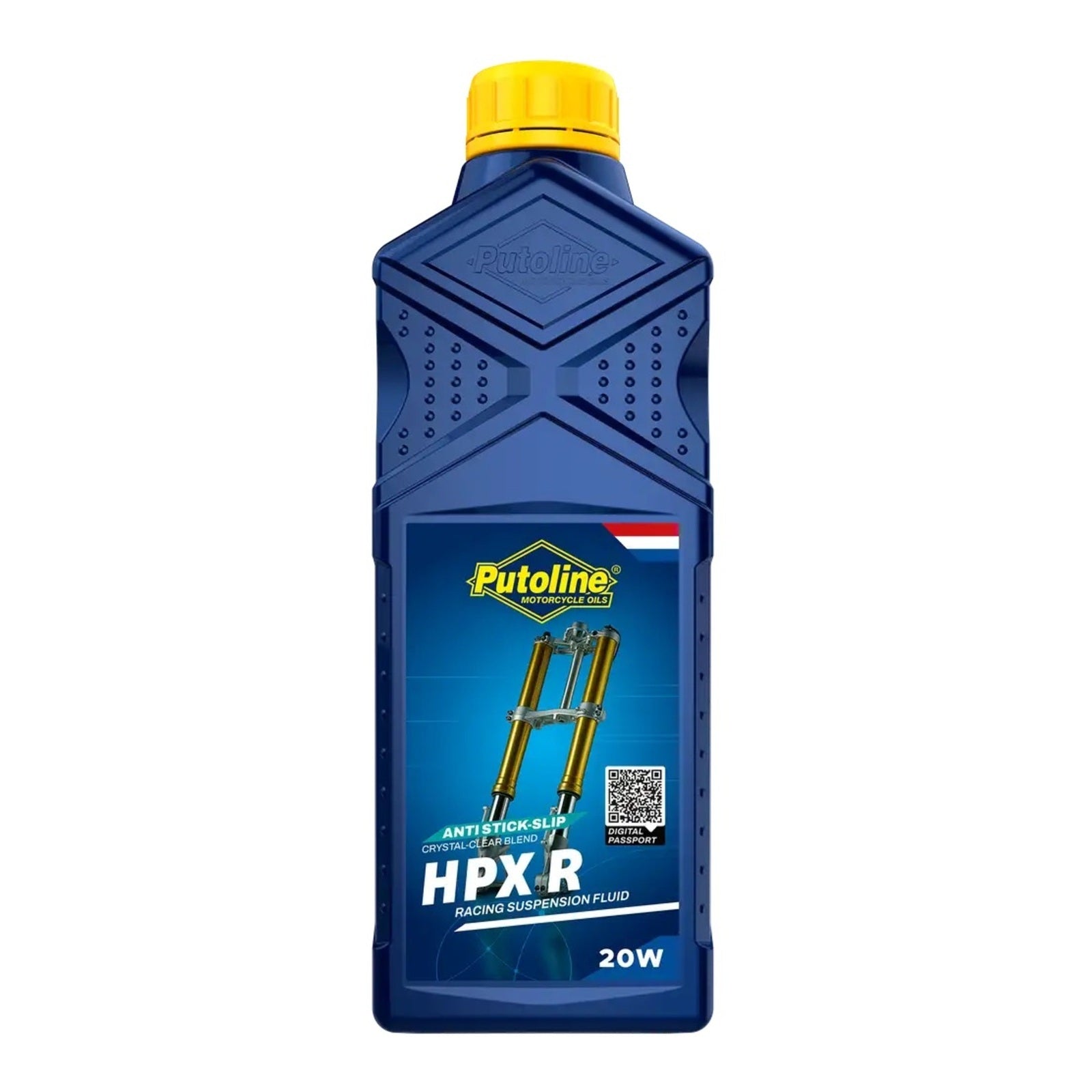
Putoline HPX Racing Fork Oil - 20W
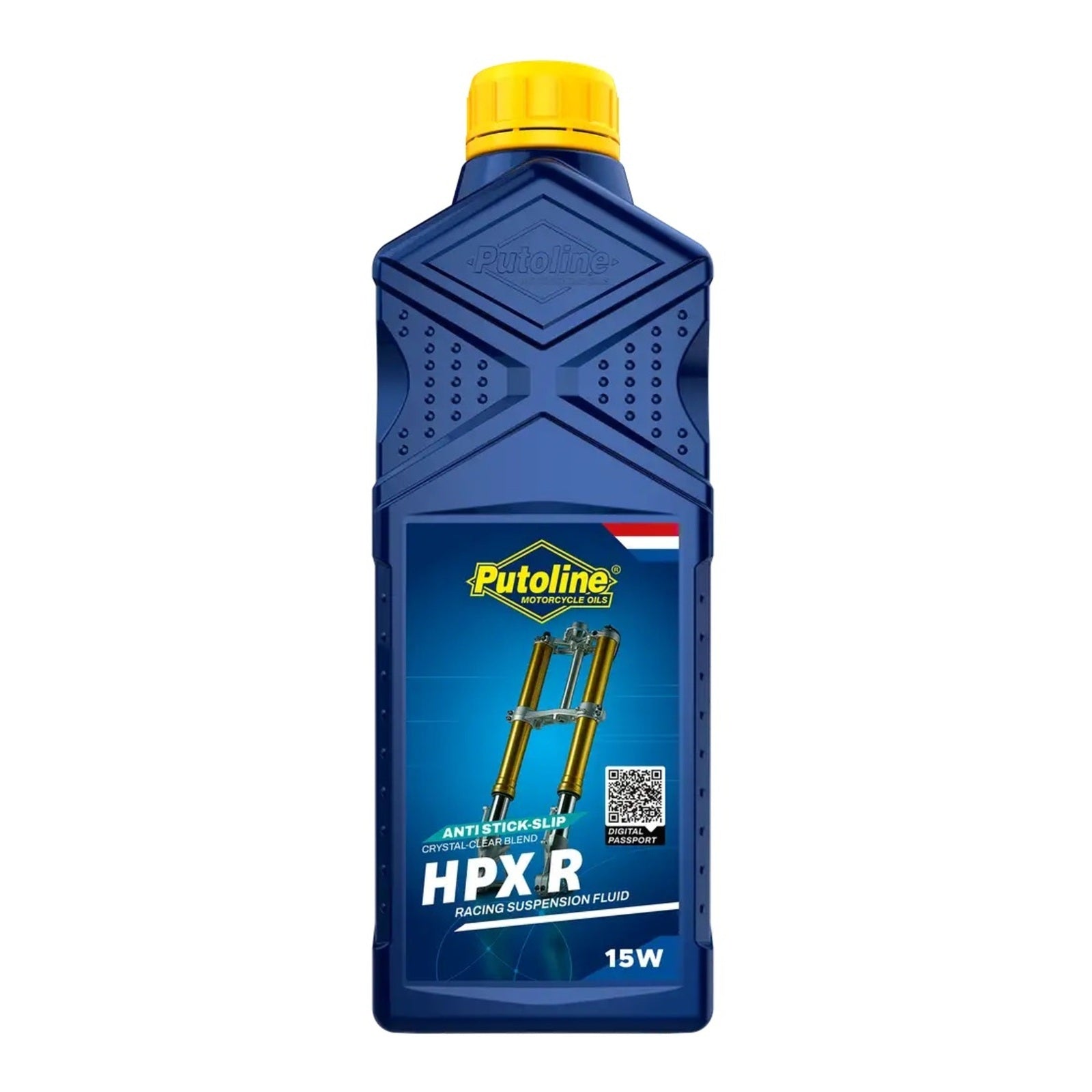
Putoline HPX Racing Fork Oil - 15W
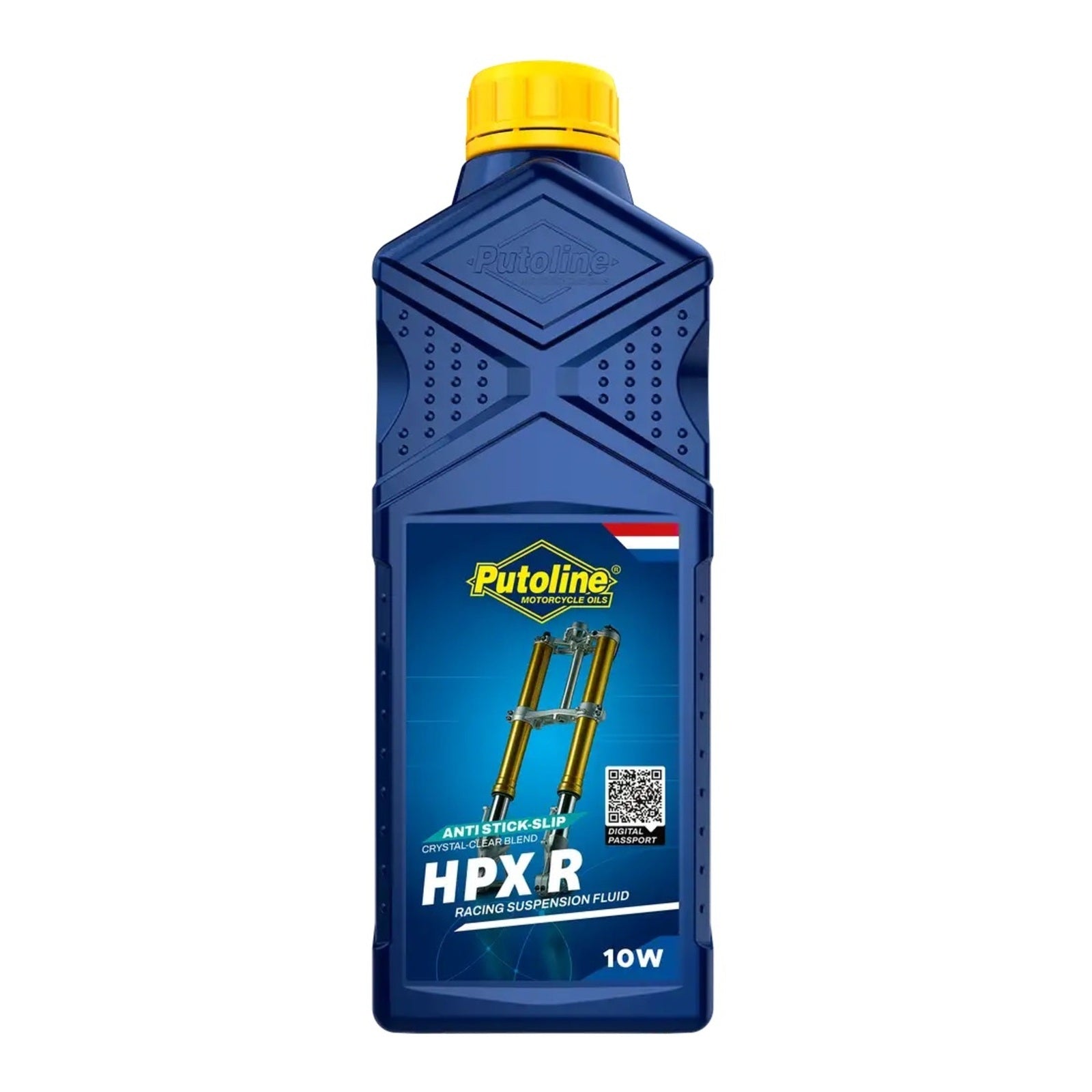
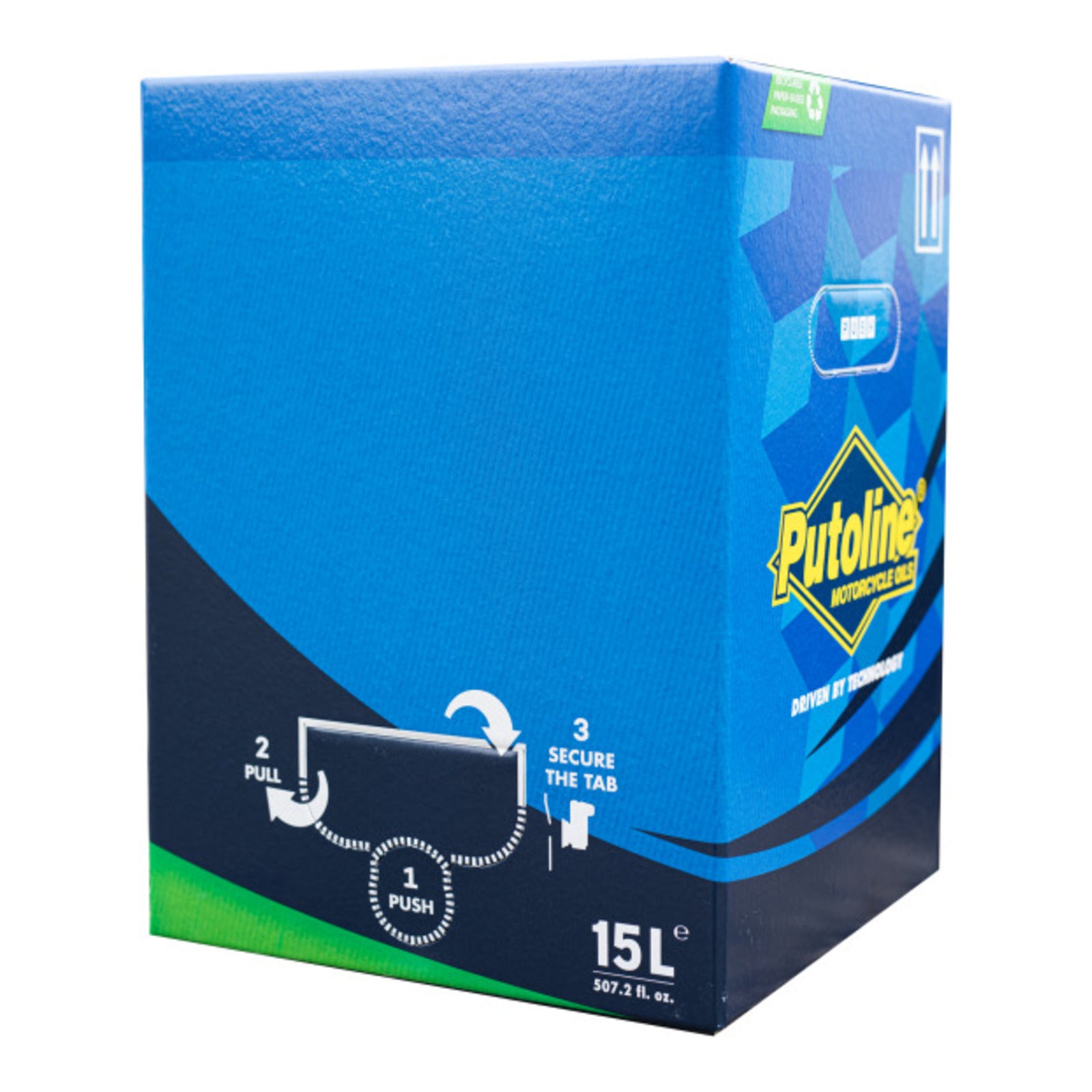
Putoline HPX Racing Fork Oil - 10W
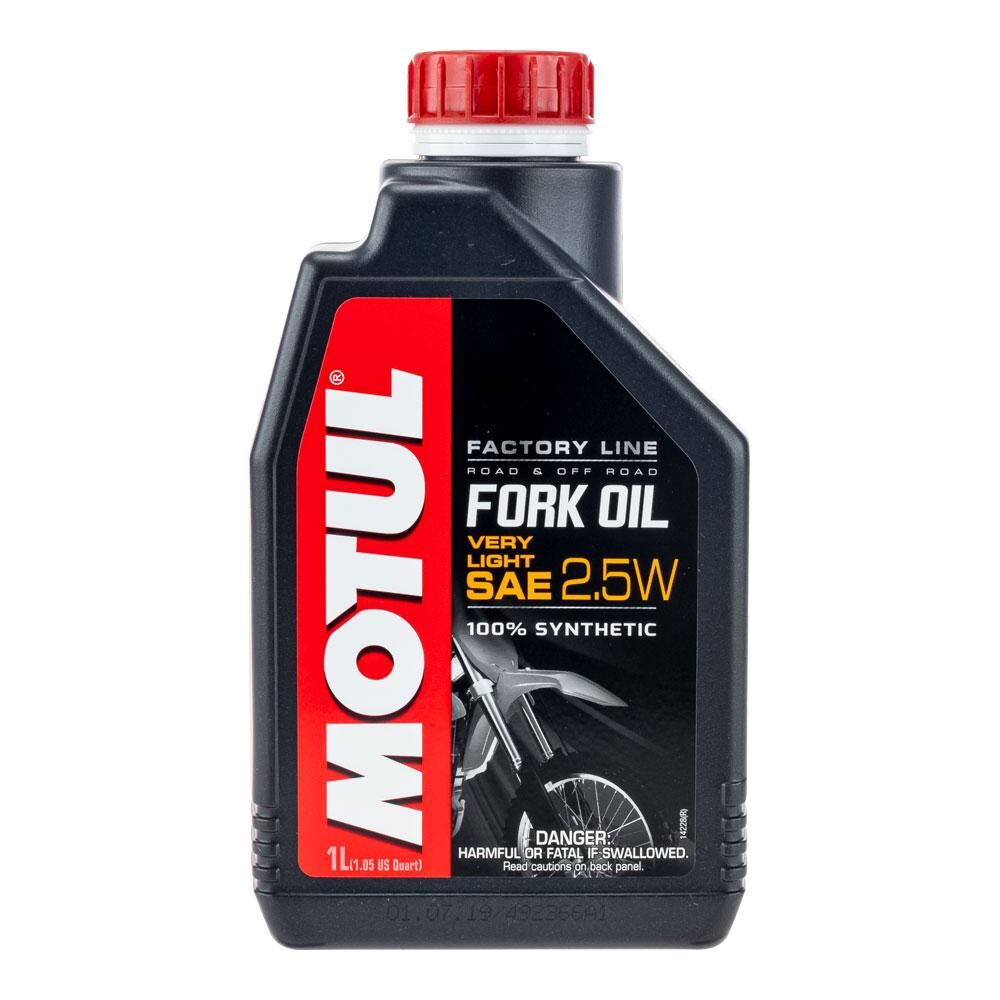
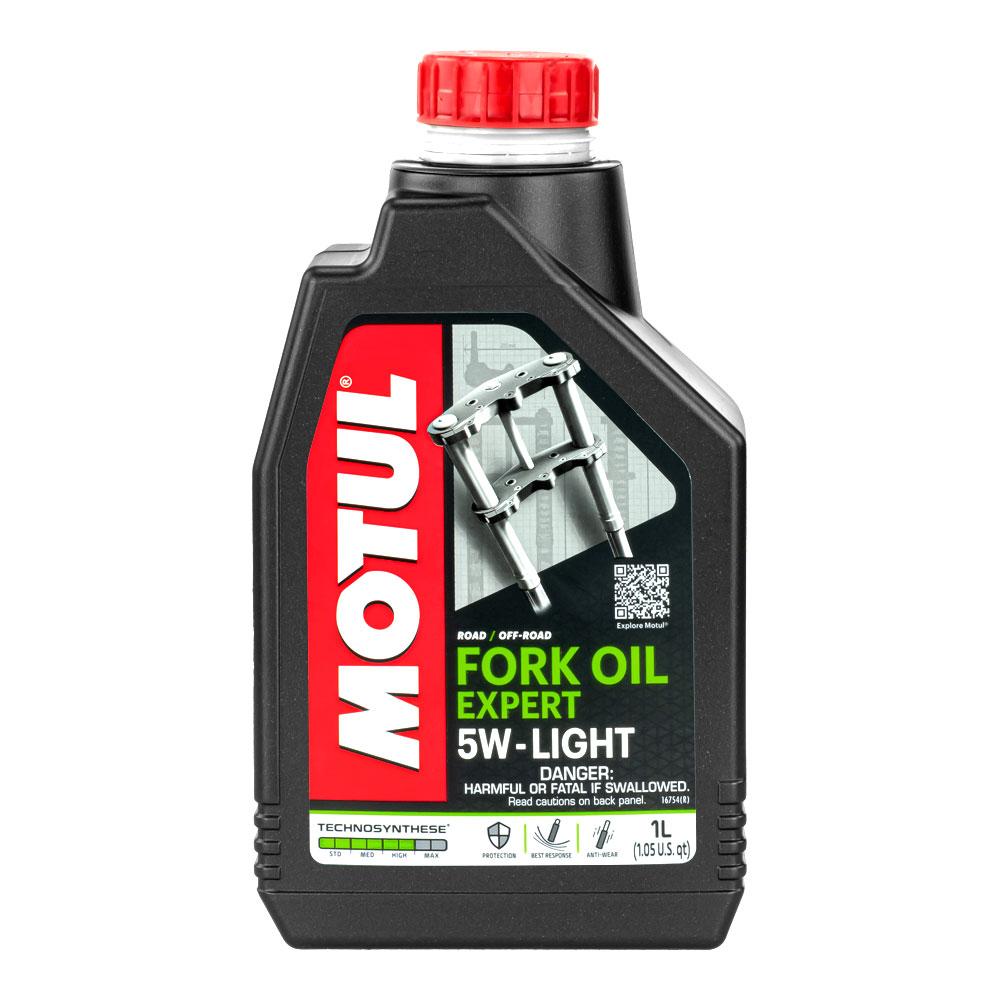
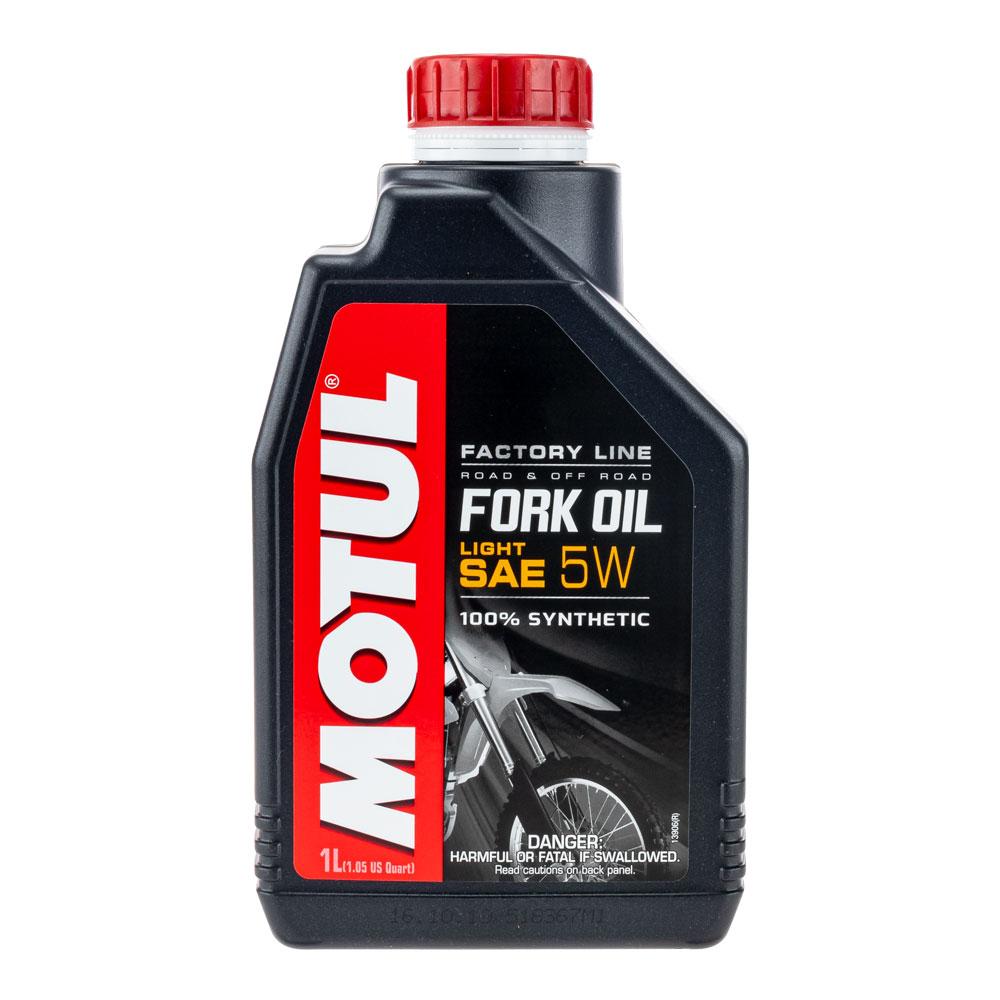
MOTUL FORK OIL EXPERT 5W LIGHT - 1 Litre
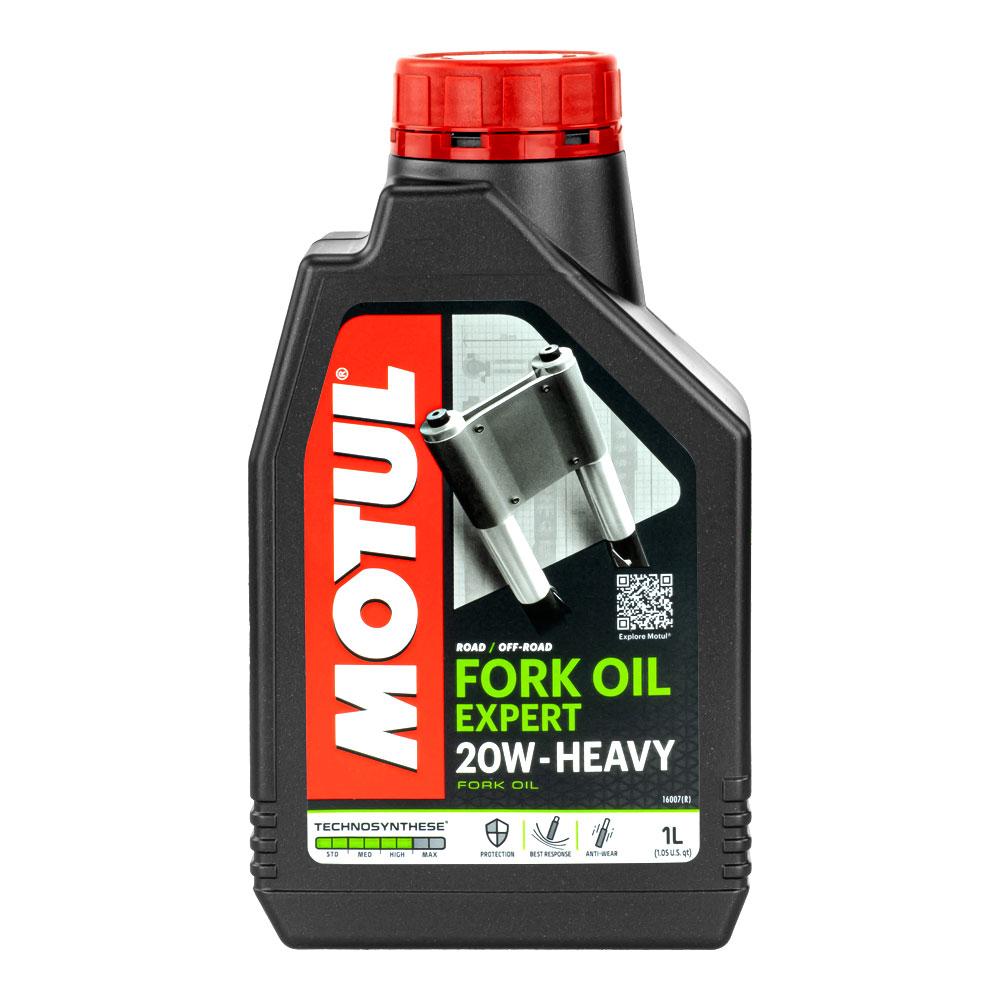
MOTUL FORK OIL EXPERT 20W HEAVY - 1 Litre
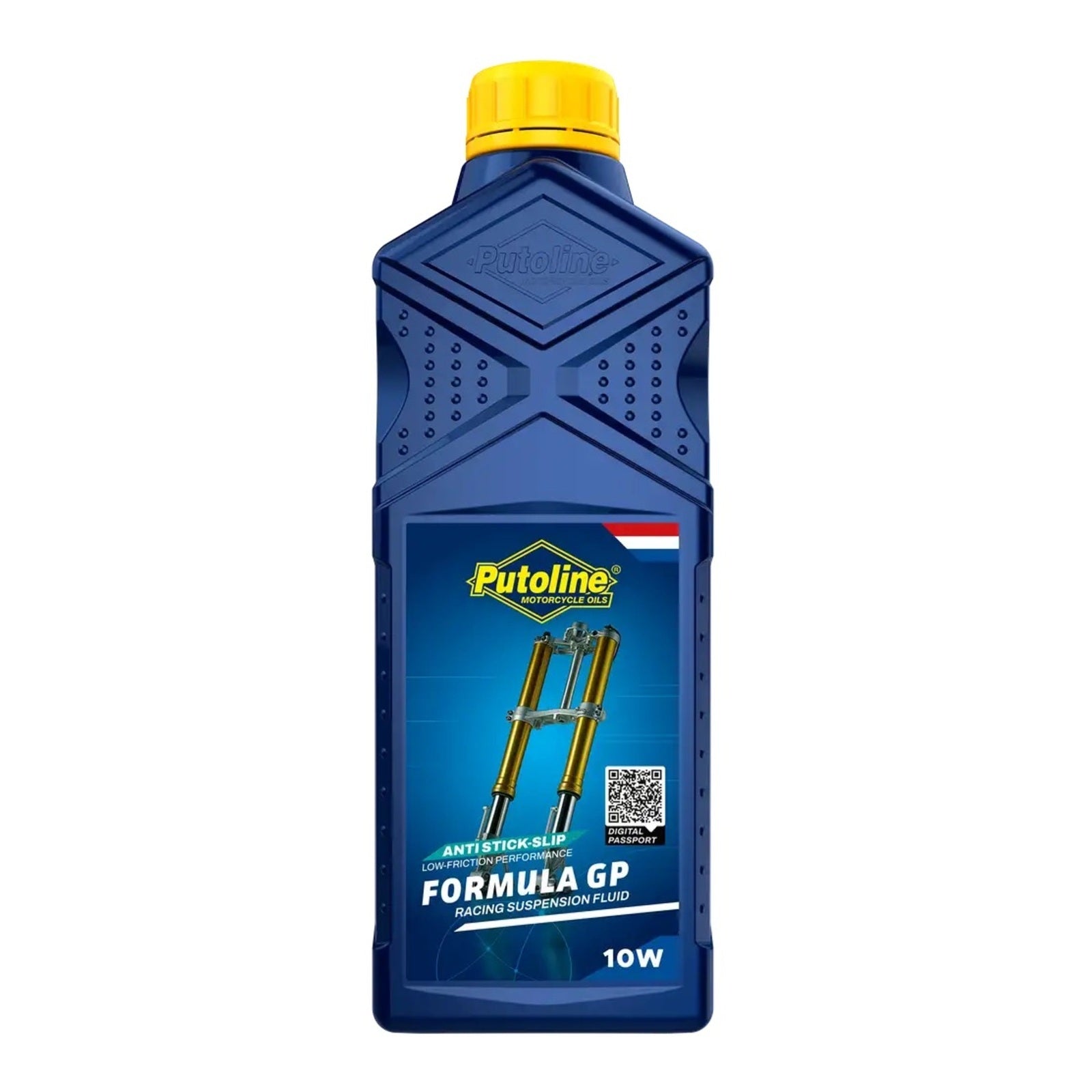
Putoline Formula GP Fork Oil - 10W (1L)
How to choose the right fork oil
Fork oil viscosity directly sets your damping rate. Lighter weights flow faster for plush low-speed response; heavier weights resist flow for firmer control. Always confirm the weight and oil height in millimetres against your manufacturer spec before changing fluid. Unlike riding apparel rated to EN 17092 abrasion grades (AAA, AA, A) or armour certified to CE Level 1 and CE Level 2, suspension fluid is judged on viscosity and thermal stability, not impact certification.
| Grade | Viscosity | Best for | Brands |
|---|---|---|---|
| Light | 2.5W | Race forks needing minimal damping | Putoline |
| Light | 5W | Plush low-speed response, lighter riders | Putoline, Motul |
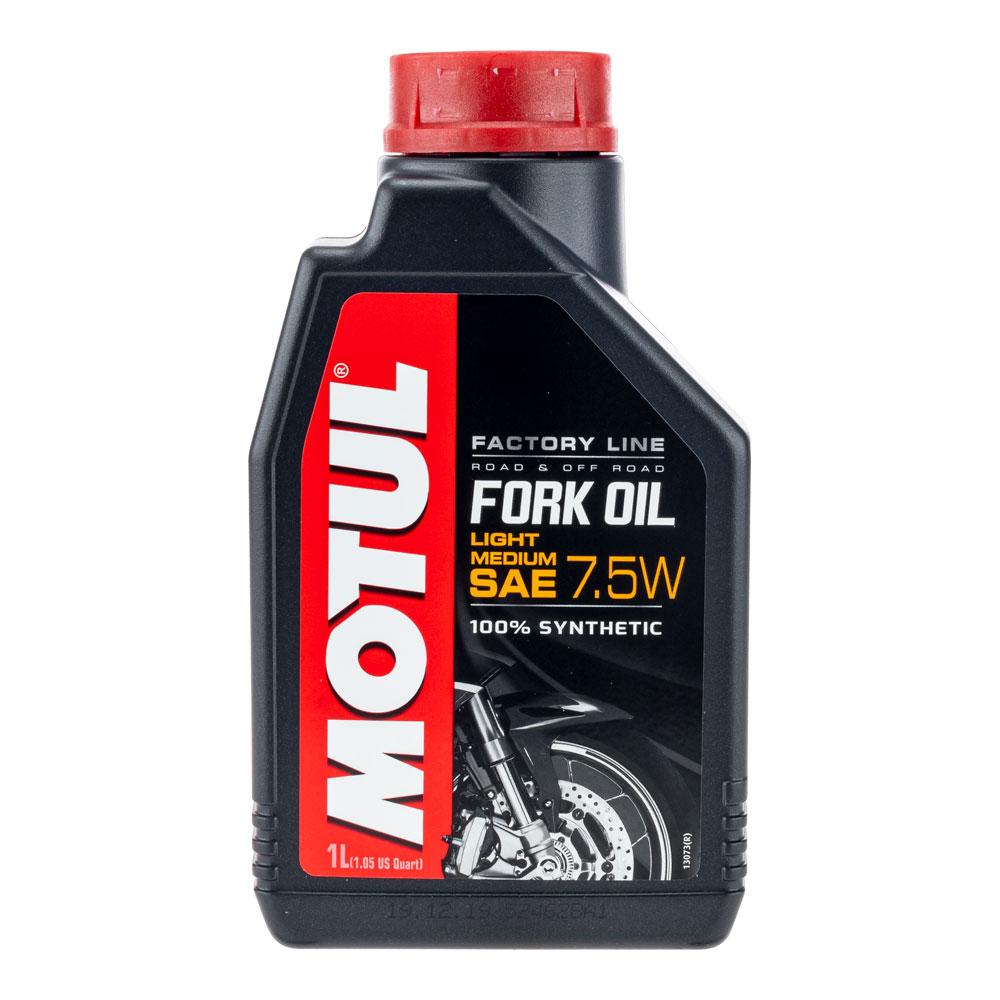
| Light/Medium | 7.5W | Balanced road and track setups | Motul |
| Medium | 10W | Firmer control, heavier loads | Putoline, Motul |
Why viscosity and oil height matter
Damping force changes roughly 10% to 15% per viscosity step, so moving from 5W to 10W noticeably firms up rebound. Oil height tuning of even 5mm to 10mm alters the air gap and changes how progressive the last third of travel feels. Most forks run a service interval near 20,000km or every 2 years, whichever comes first.
Putoline and Motul fork fluids
Putoline HPX racing fluids and standard light and medium oils suit both road and competition forks. Motul Fork Oil Expert and Factory Line cover 5W, 7.5W and 10W grades in 1 litre bottles. Both brands hold viscosity stable across operating temperatures from 0C to 100C, keeping damping repeatable. Pair a fresh fluid change with new fork seals for the best result.
Frequently asked questions
What fork oil weight should I use?
Use the viscosity your motorcycle manual specifies. Lighter grades like 2.5W and 5W give plush low-speed damping, while 7.5W and 10W firm up rebound for heavier loads or sportier control. Never guess; check the factory spec first.
Can I mix Putoline and Motul fork oils?
Avoid mixing brands or weights in the same fork. Different formulations and viscosities change your damping rate unpredictably. Fully drain the old fluid, then refill with a single product at the correct oil height in millimetres.
How often should fork oil be changed?
Most forks call for a fluid change around every 20,000km or every 2 years, whichever comes first. Hard or frequent riding shortens that interval because heat and contamination break the oil down faster.
Afterpay & Zippay Available
Afterpay & Zippay Available