

Helmet care keeps your lid clear, fresh and lasting longer. Oxford, Motul, Putoline and Whites supply visor cleaners, anti-fog solutions and liner sanitisers that lift grime, road film and bug splatter without scratching the optical-grade polycarbonate visor or harming the EPS liner inside your shell.

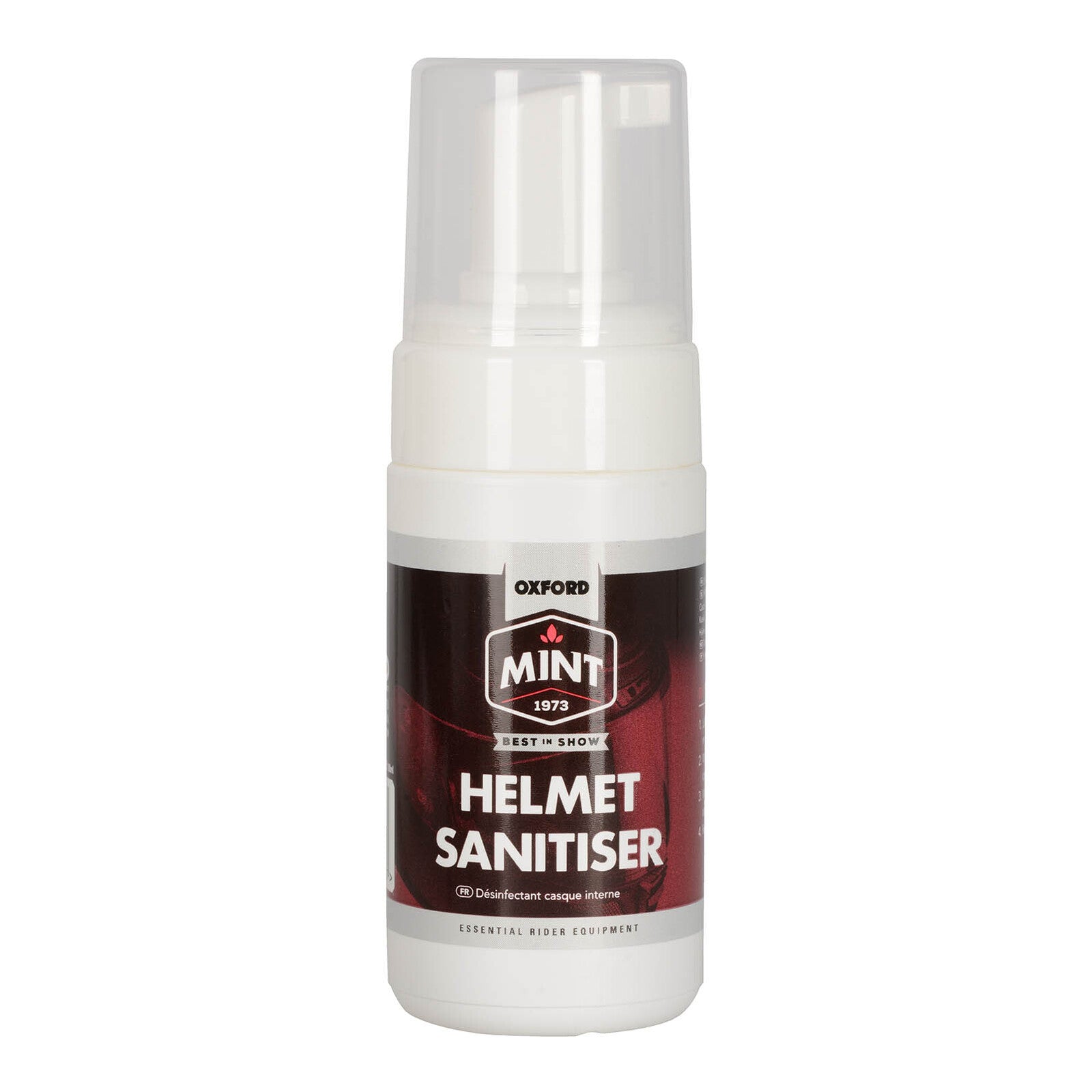
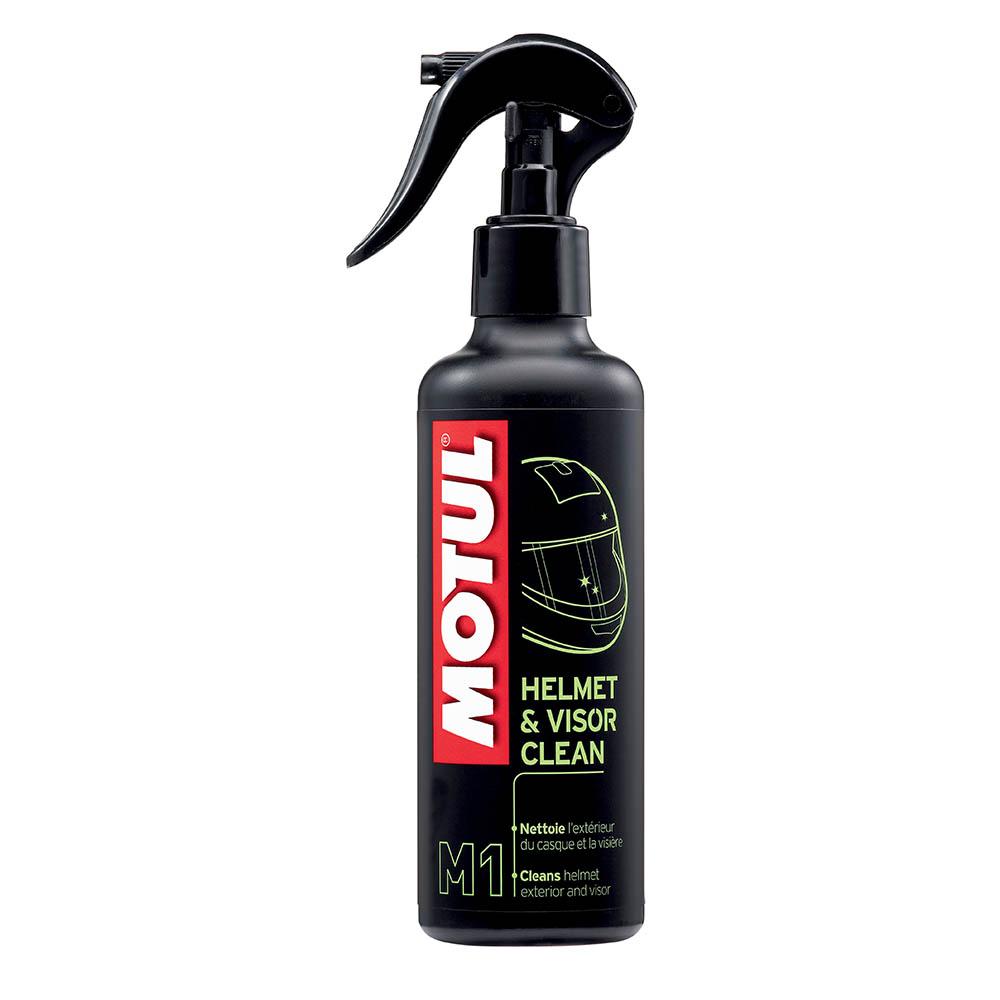
MOTUL M1 HELMET & VISOR CLEAN - 250mL




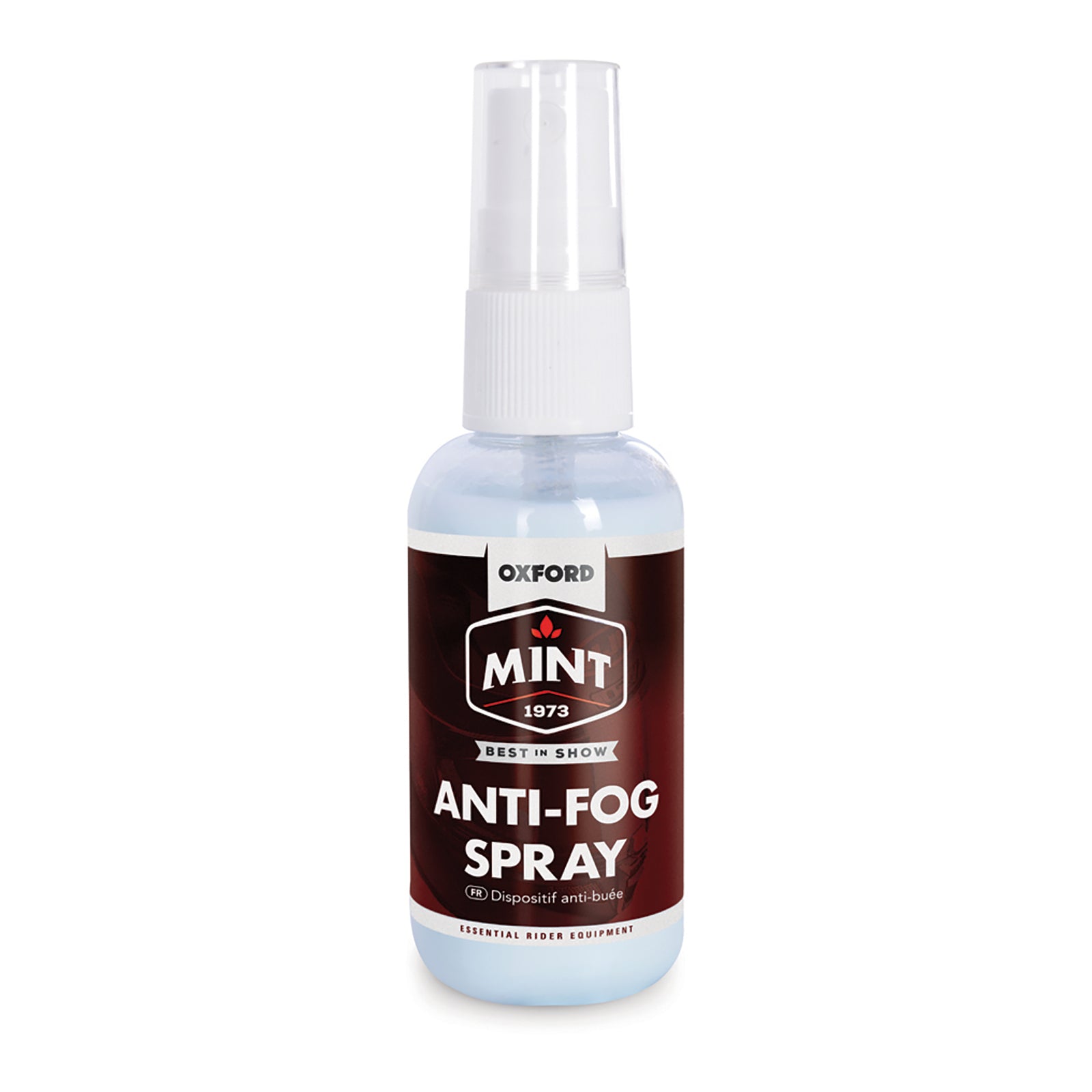
Oxford Mint Helmet Care Kit XL
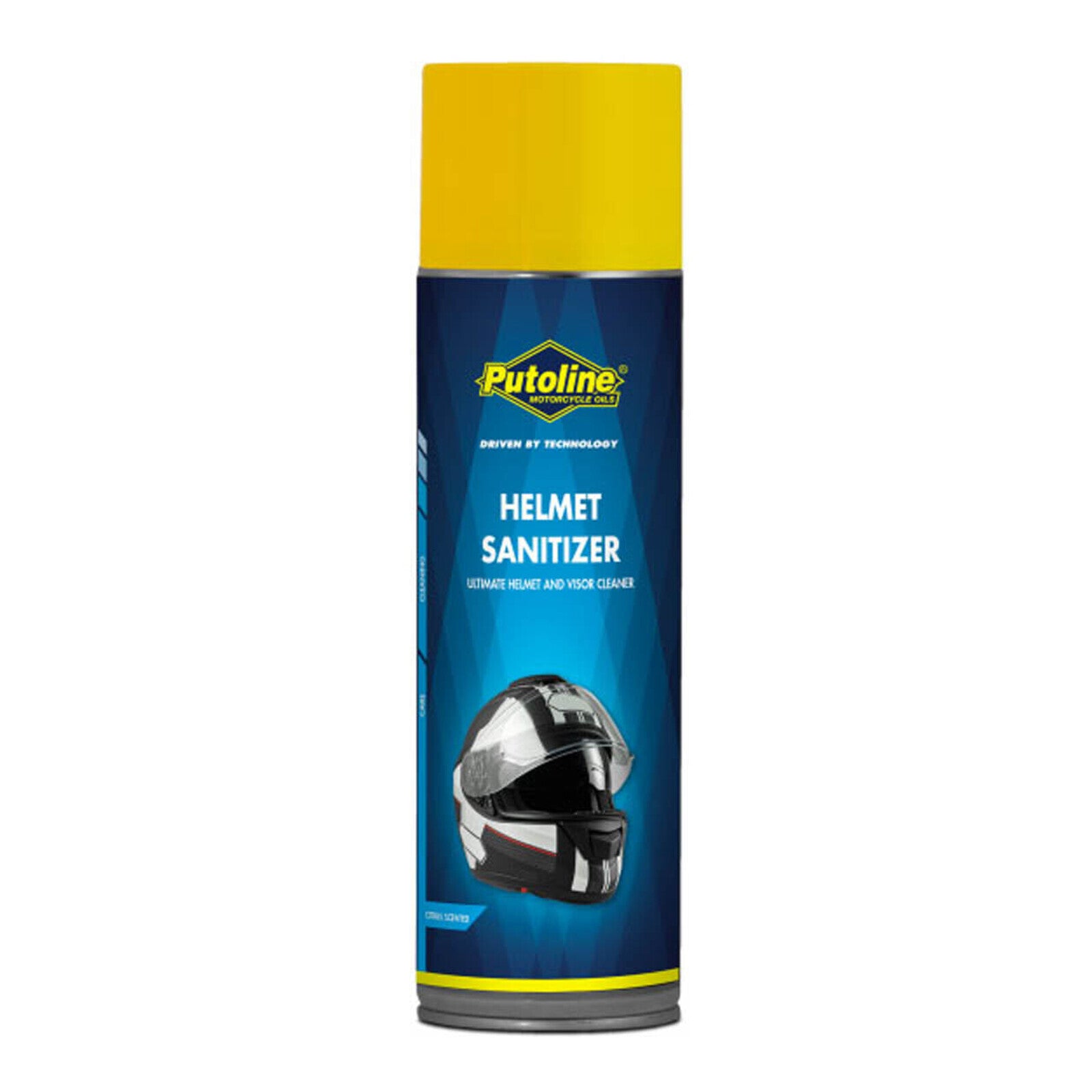
Putoline Helmet Sanitiser & Visor Cleaner

WMP Helmet Visor Mate - Visor Cleaner


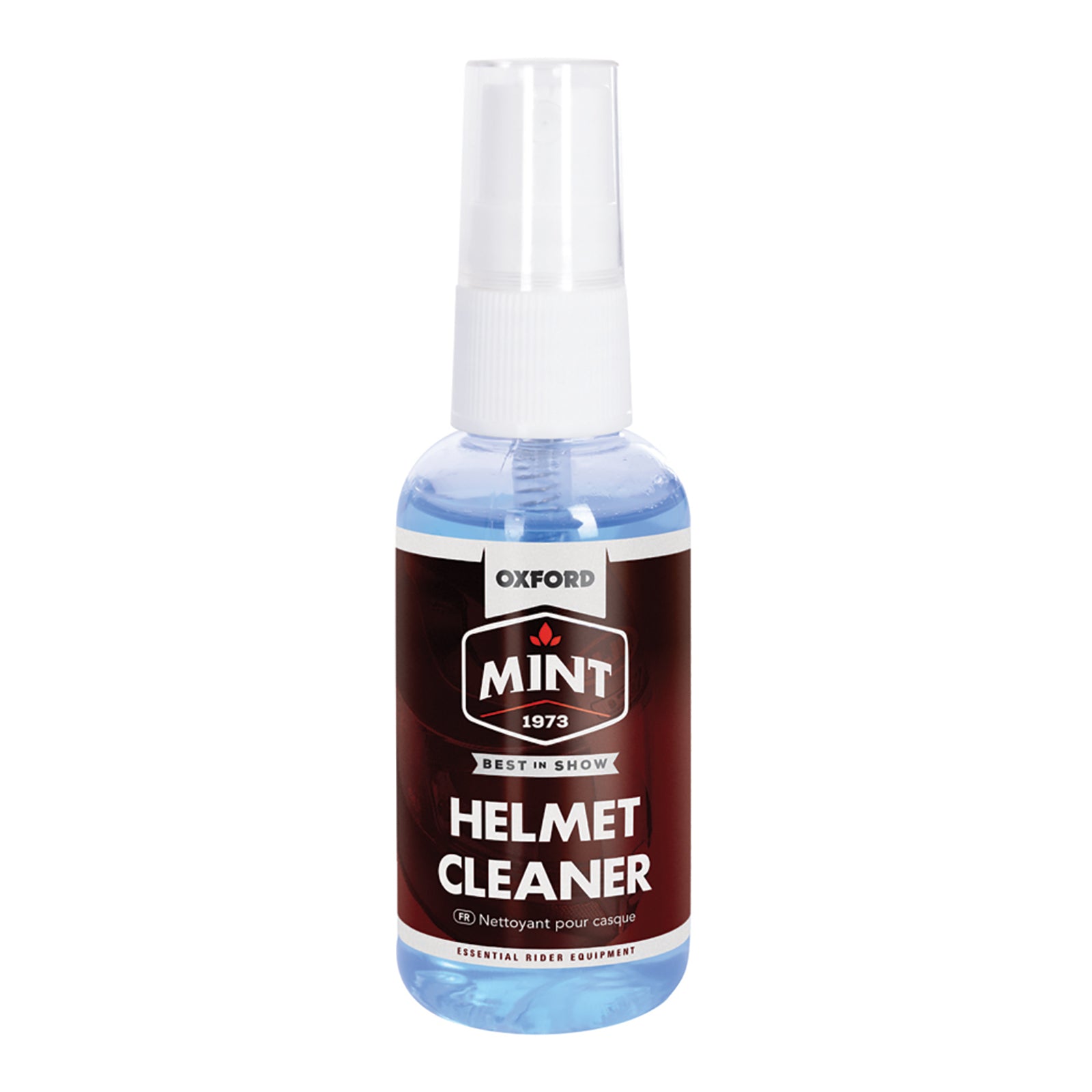
Oxford Mint - Helmet & Visor Cleaner (250ml)


Oxford Mint - Helmet & Visor Cleaner (50ml)
How to choose the right helmet care product
Helmet care covers three jobs: cleaning the visor, freshening the liner and protecting the shell. Only use alcohol-free, ammonia-free formulas on a polycarbonate visor, since a scratched visor cuts light transmission below the 80% minimum most road visors target and ruins night vision. Road visors run about 2 to 3 mm thick, so spray on, soak for 30 to 60 seconds, then wipe with a soft microfibre cloth.
| Product type | Main job | Durable fact |
|---|---|---|
| Visor cleaner | Removes bug splatter and road film | Alcohol-free, safe on 2 to 3 mm polycarbonate |
| Liner sanitiser | Kills odour-causing bacteria | Targets up to 99% of common bacteria |
| Care kit | Full clean of visor and shell | Carry case for trackside top-ups |
Keep the gear you wear protected too
Clean your visor after every ride and sanitise the liner every 2 to 4 weeks of regular use. Sweat and skin oils break down liner foam, and a helmet should be replaced around 5 years from its production date or after any impact. The same discipline applies to your riding kit: jackets and jeans carry an EN 17092 abrasion rating from AAA down to AA and A, while shoulder, elbow, hip and knee armour is graded CE Level 1 or the higher-energy CE Level 2. A 1.2 mm to 1.4 mm leather jacket lasts longer when wiped down, and Kevlar-lined jeans hold their abrasion time when washed at 30 degrees. Use a 100% cotton or microfibre cloth, never paper towel, which holds grit that micro-scratches surfaces, and 250 mL bottles suit deeper home cleans while a 50 mL bottle lives in your tank bag.
Frequently asked questions
Will these cleaners scratch my visor?
No. The Oxford, Motul, Putoline and Whites cleaners stocked here are alcohol-free and ammonia-free, which makes them safe on optical-grade polycarbonate visors. Always spray on, let it soak for 30 to 60 seconds, then wipe with a soft microfibre or cotton cloth rather than wiping a dry visor.
How often should I sanitise my helmet liner?
Sanitise the liner every 2 to 4 weeks of regular riding, more often in summer heat. Sweat and skin oils break down the foam and feed odour-causing bacteria. A liner sanitiser like the Putoline or Motul option targets up to 99% of common bacteria and refreshes the padding between deeper cleans.
What is the difference between a visor cleaner and a care kit?
A visor cleaner is a single spray for removing bug splatter and road film from the visor. A care kit, such as the Oxford Mint kit, bundles cleaner with a cloth and carry case so you can clean the visor and shell on the road or at the track in one go.
Afterpay & Zippay Available
Afterpay & Zippay Available