

Road boots are the foundation of a safe riding kit. Shark Leathers stocks certified road riding boots from Falco, TCX, Merlin, Fusport, Motodry and Oxford covering every riding style from daily commuting to long-distance touring, sport riding and adventure crossover.



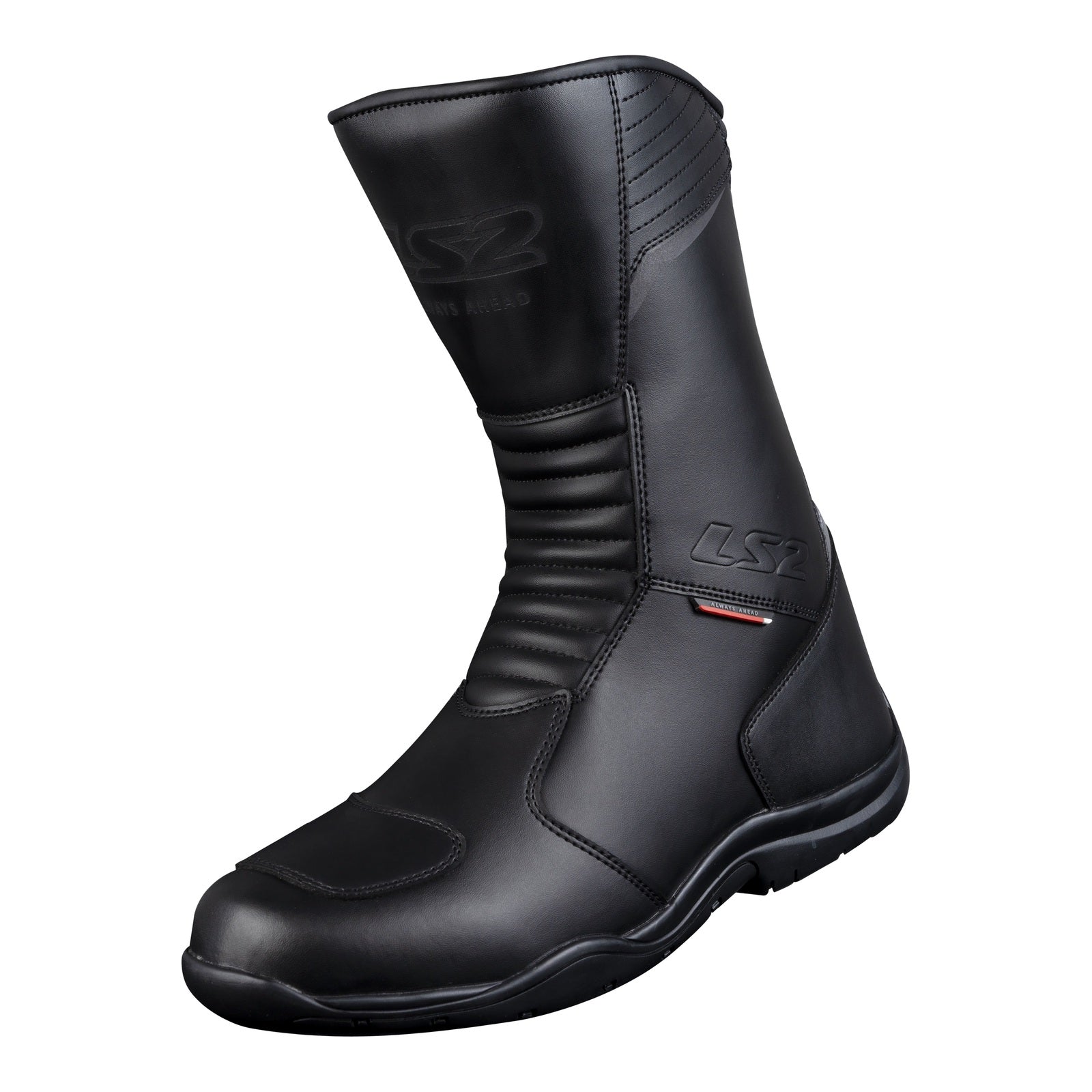
LS2 Urano Waterproof Boot - Black
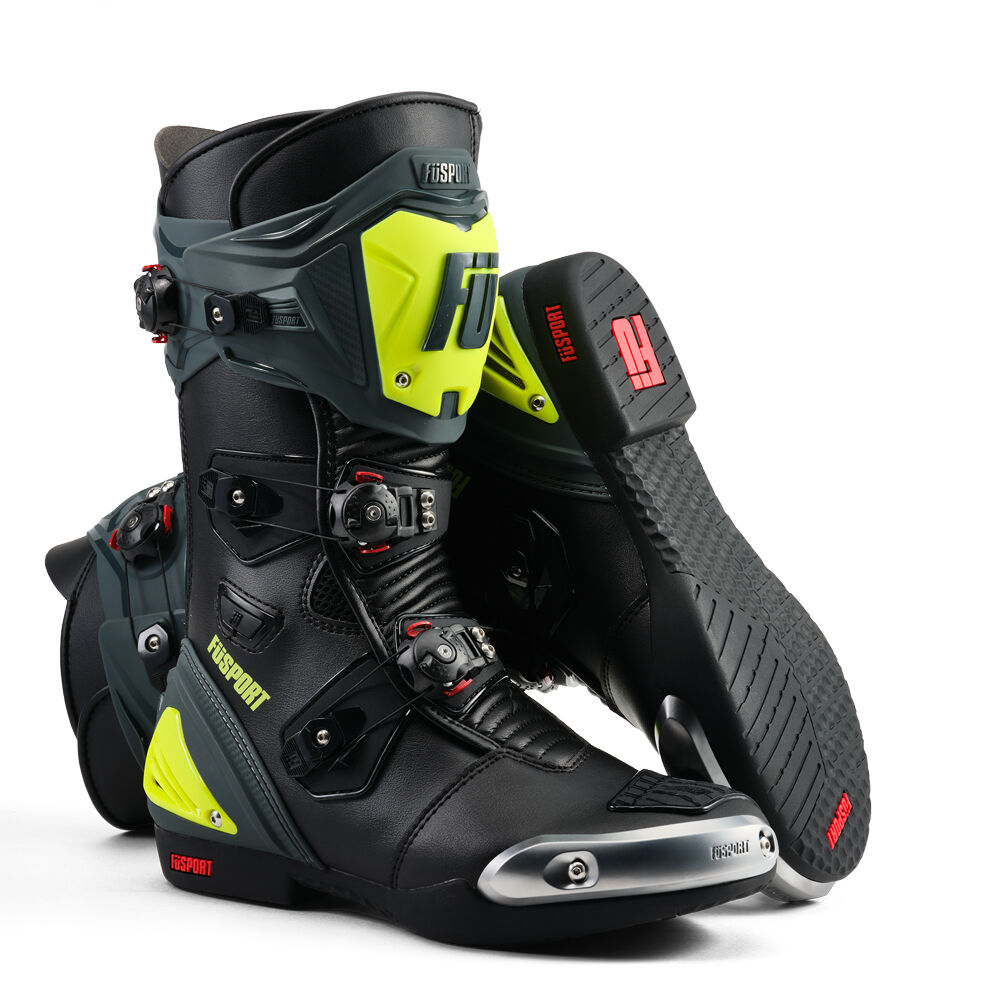
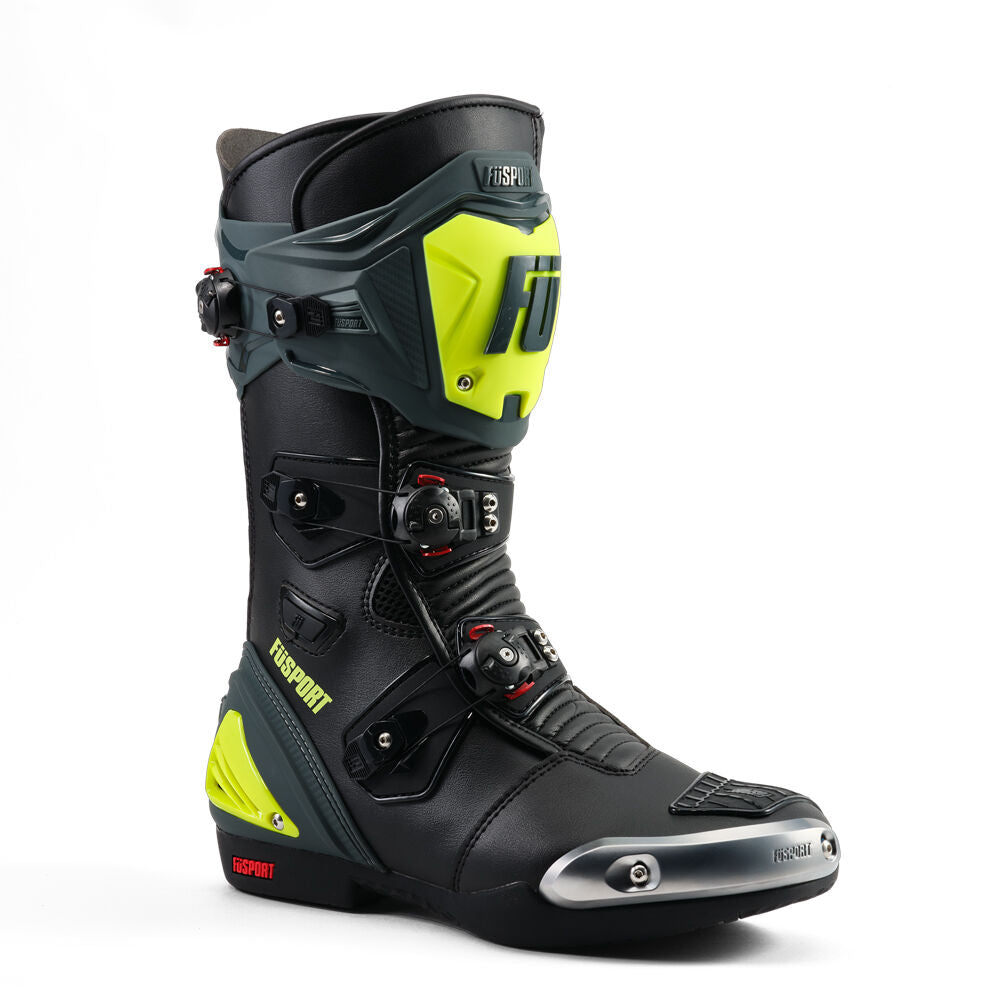
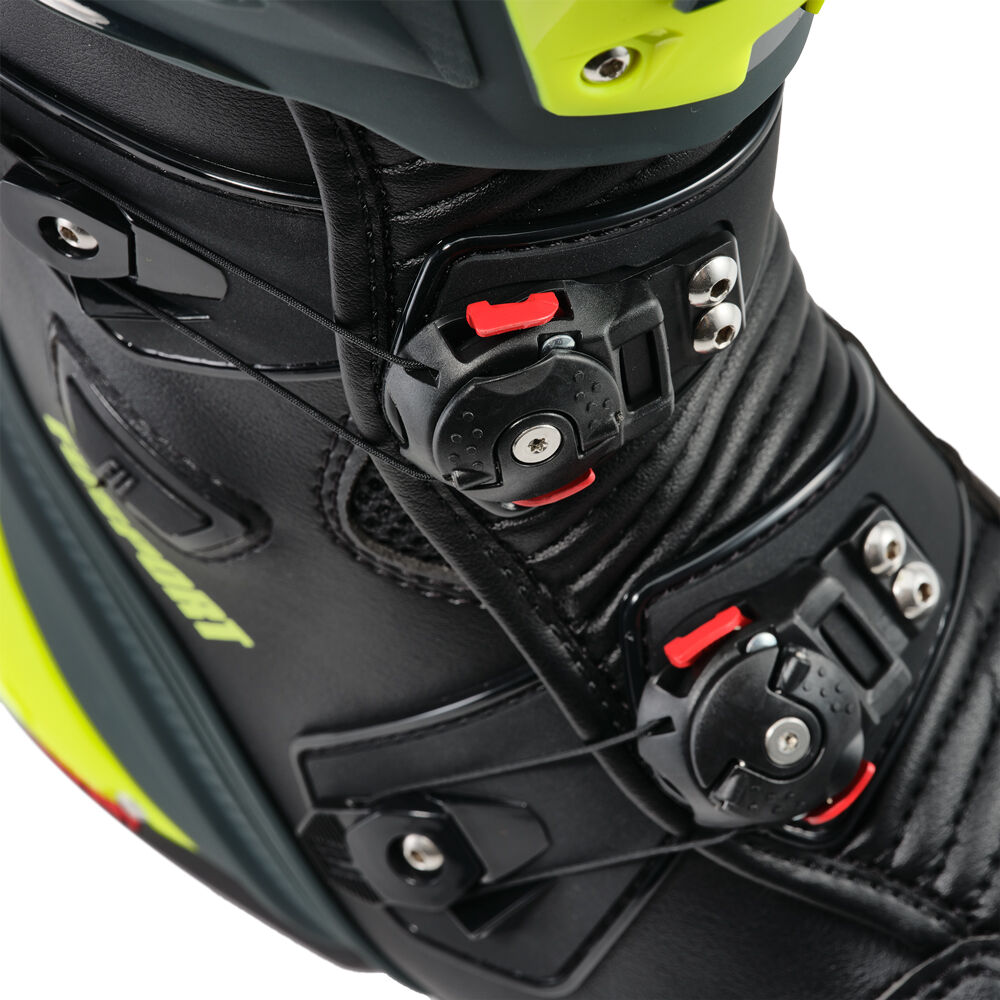
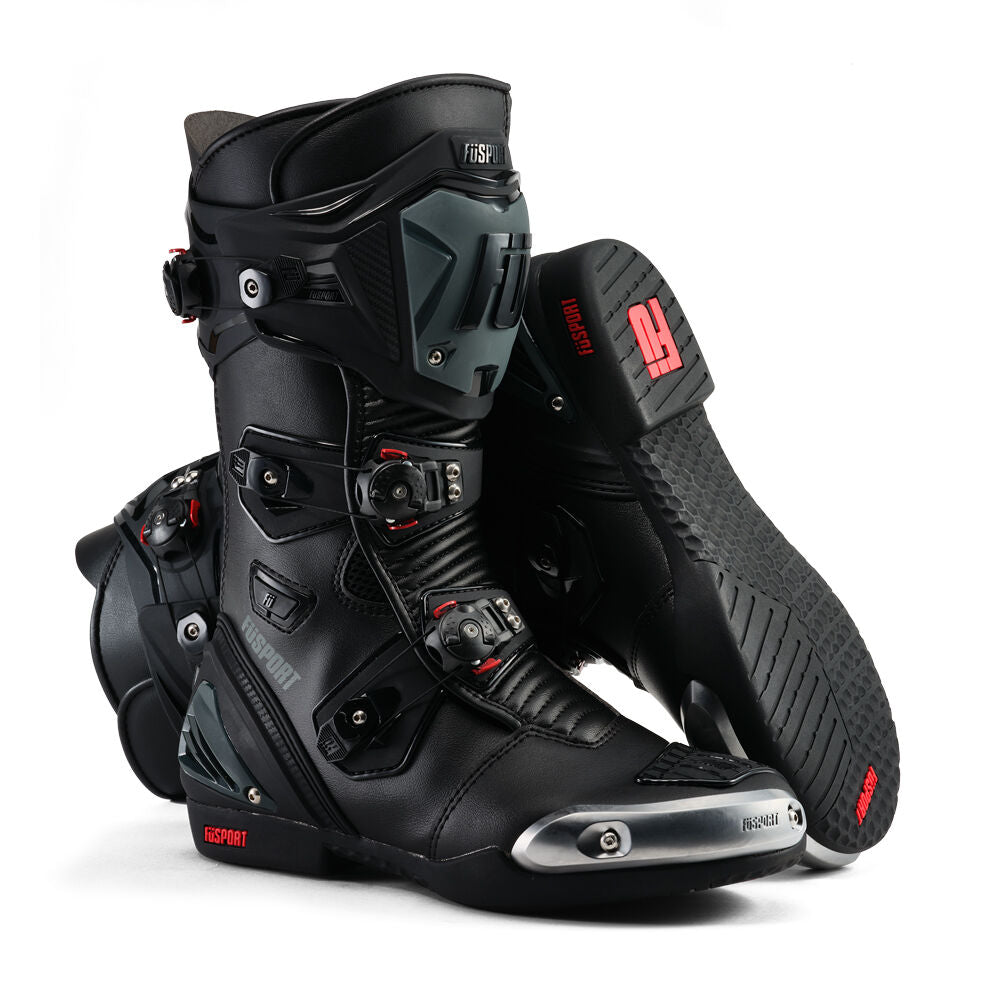
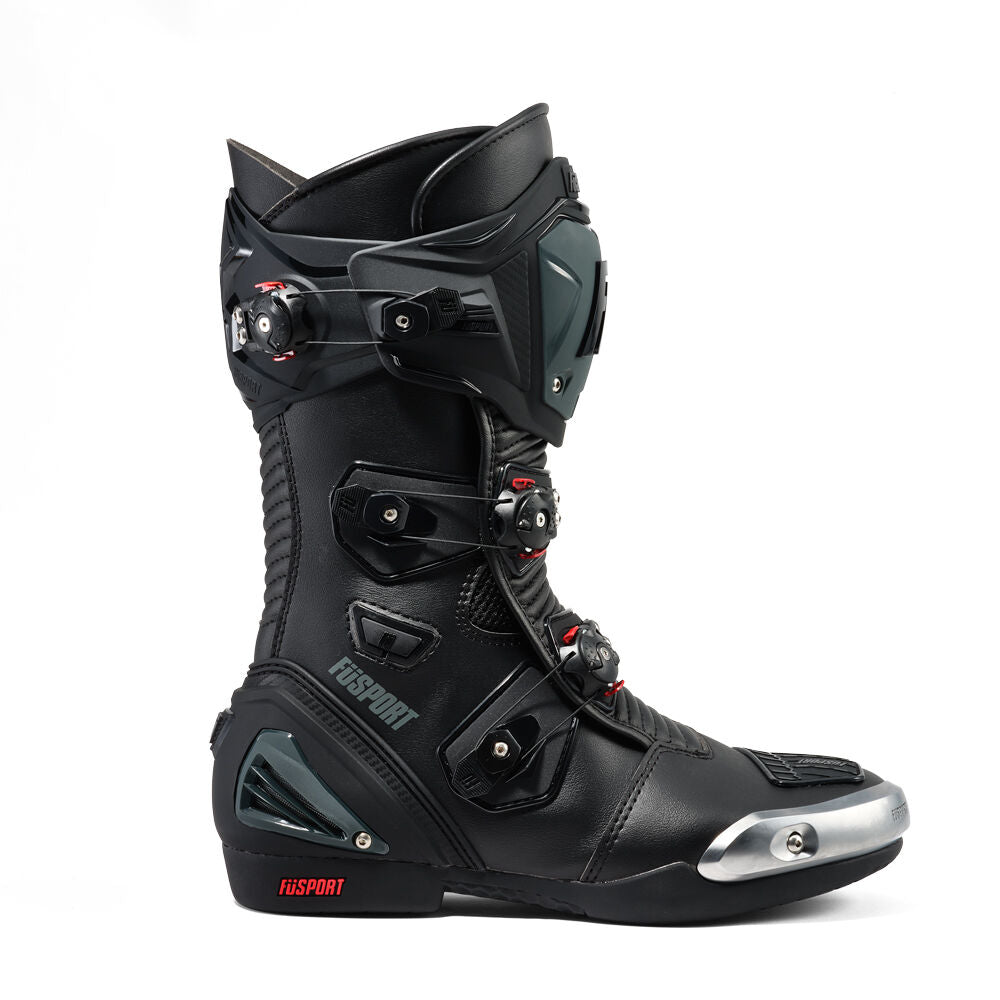
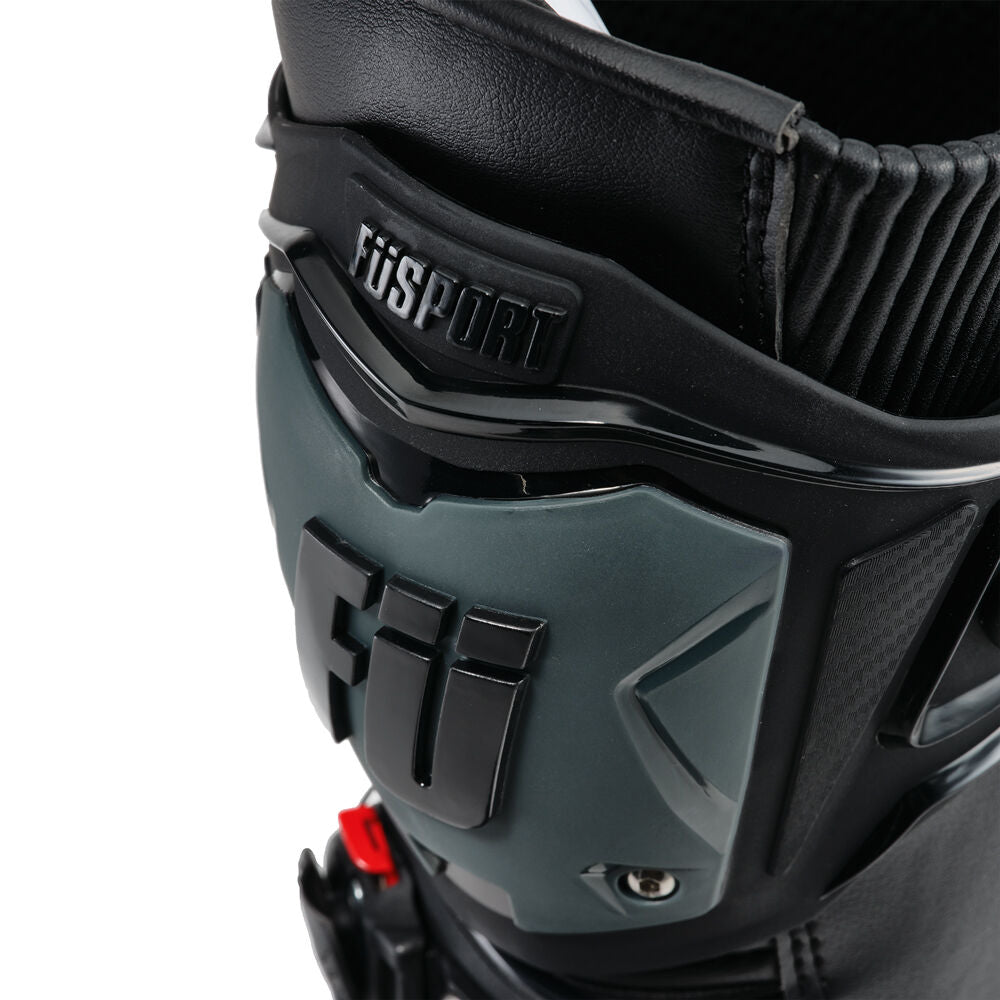
FUSPORT XR1 XTREME R BLACK BOOTS
Merlin Boots Ether II D3O W/P Brown 11 109309
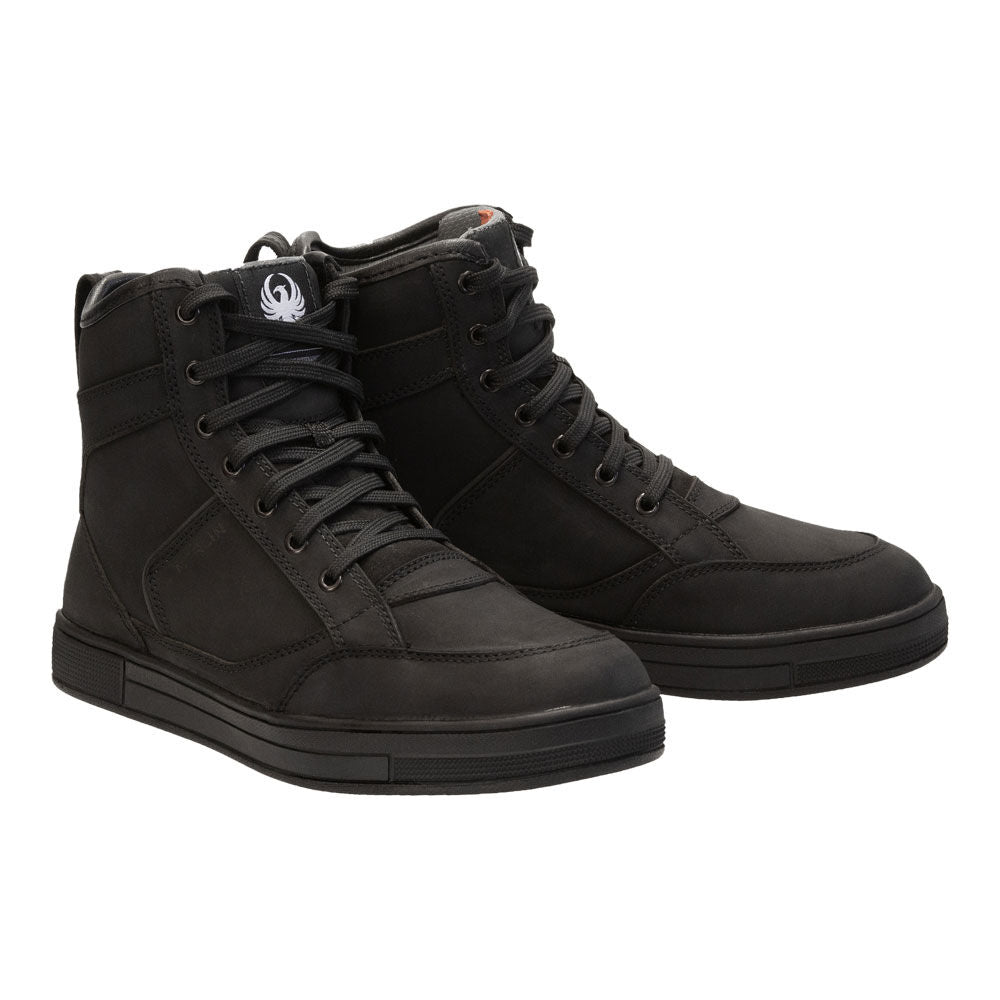
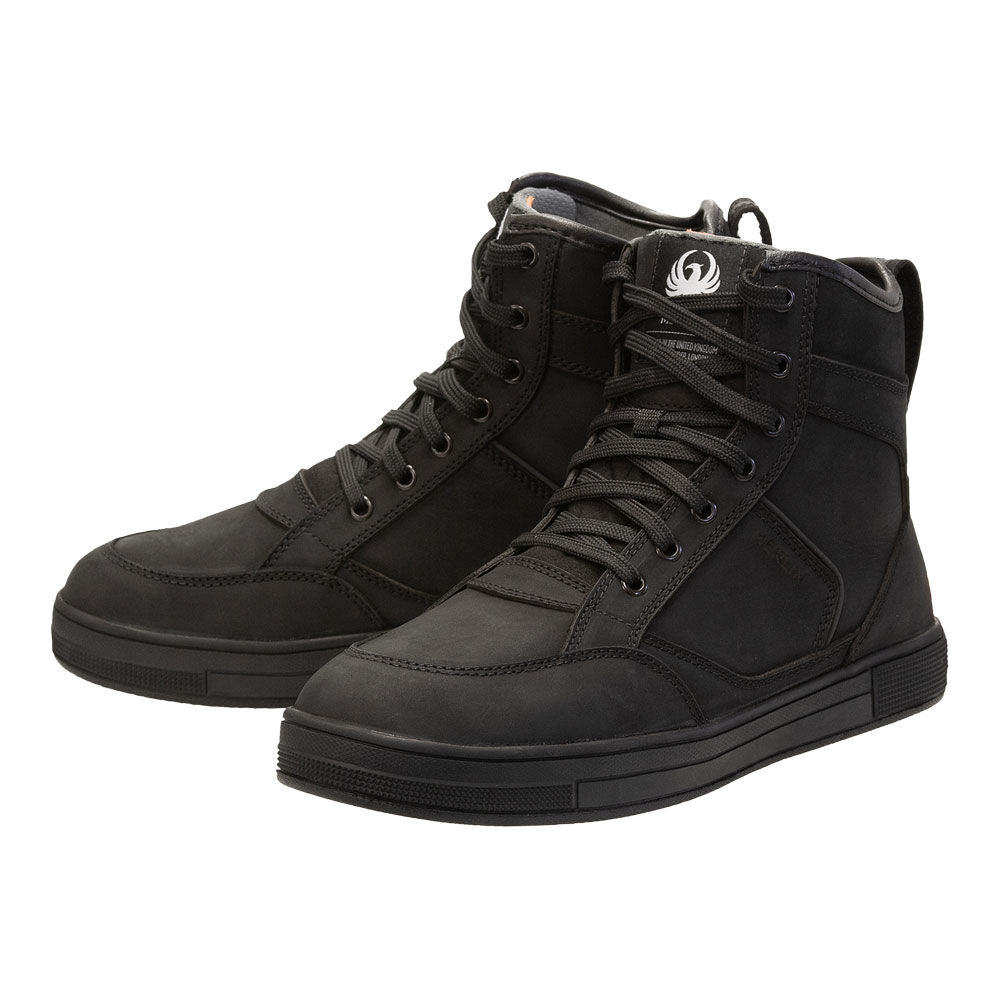
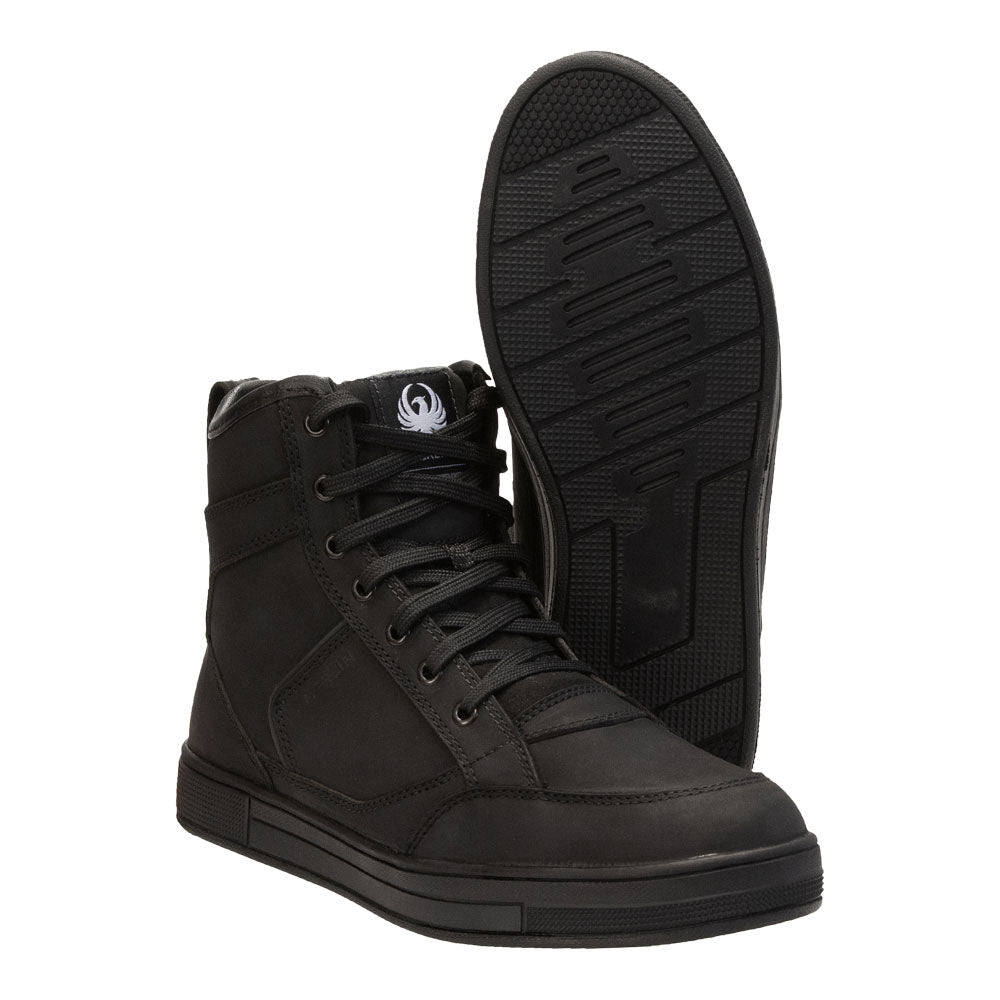
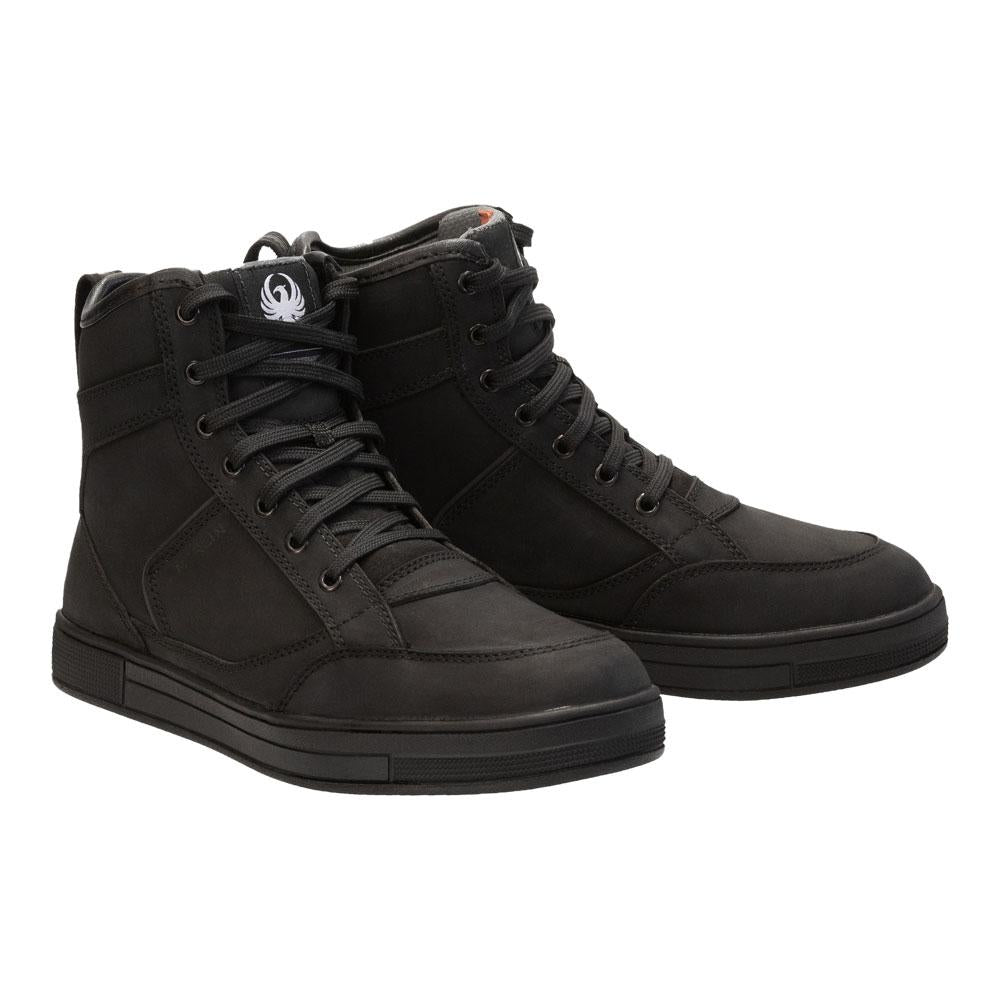

Merlin Boots Hawkins Urban WP D3O Black


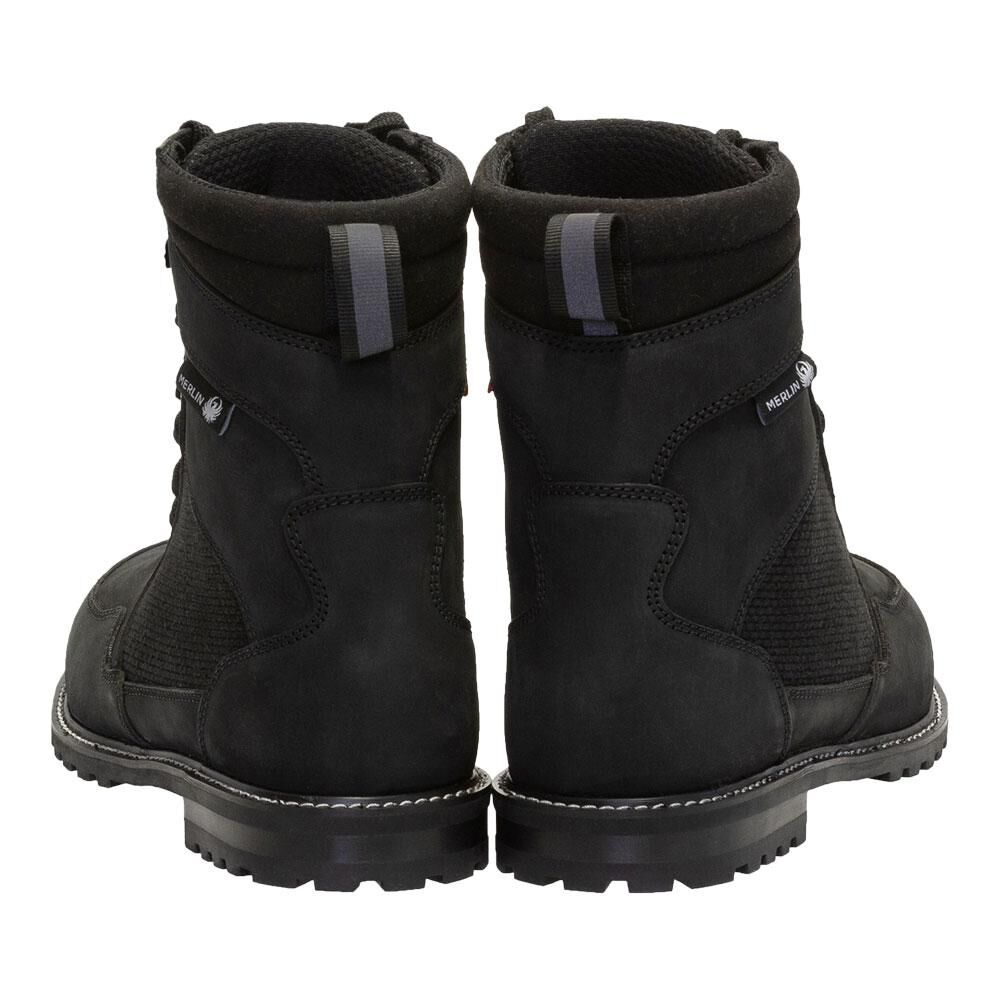
Merlin Rockwell D3O® Waterproof Boots
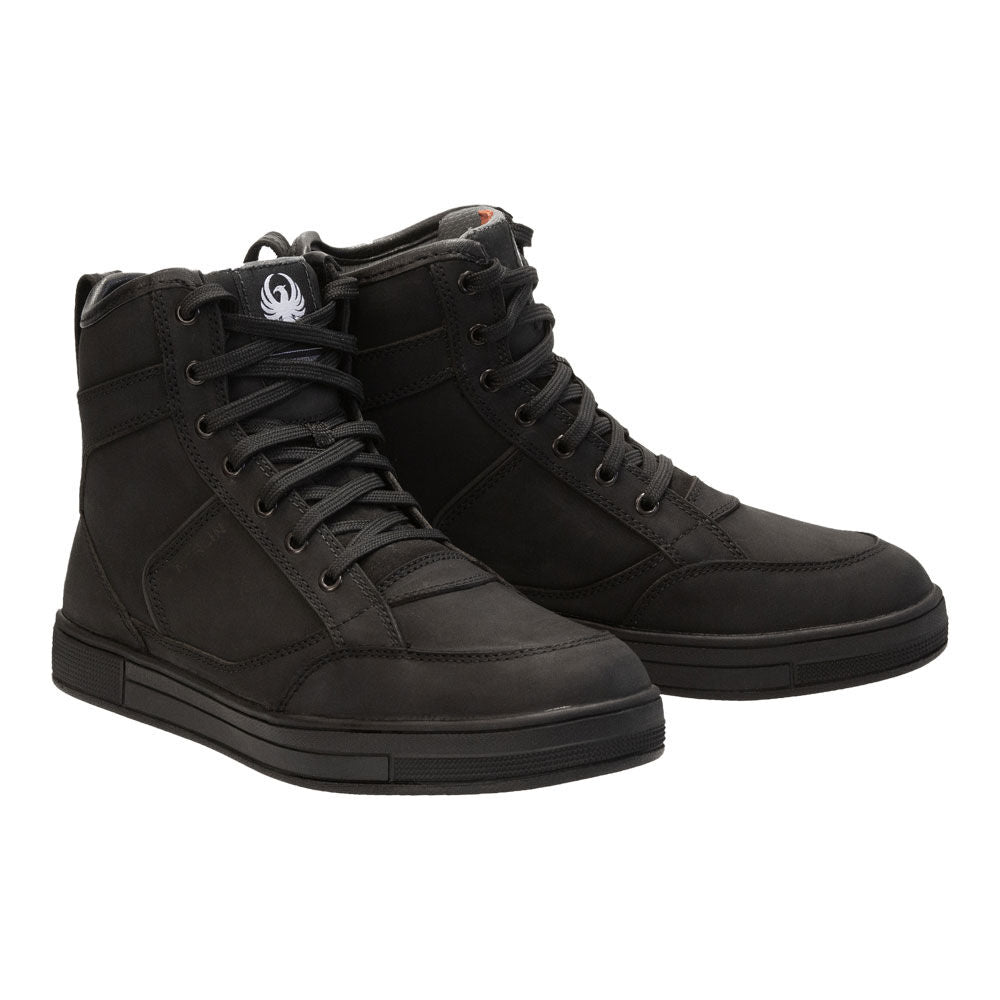
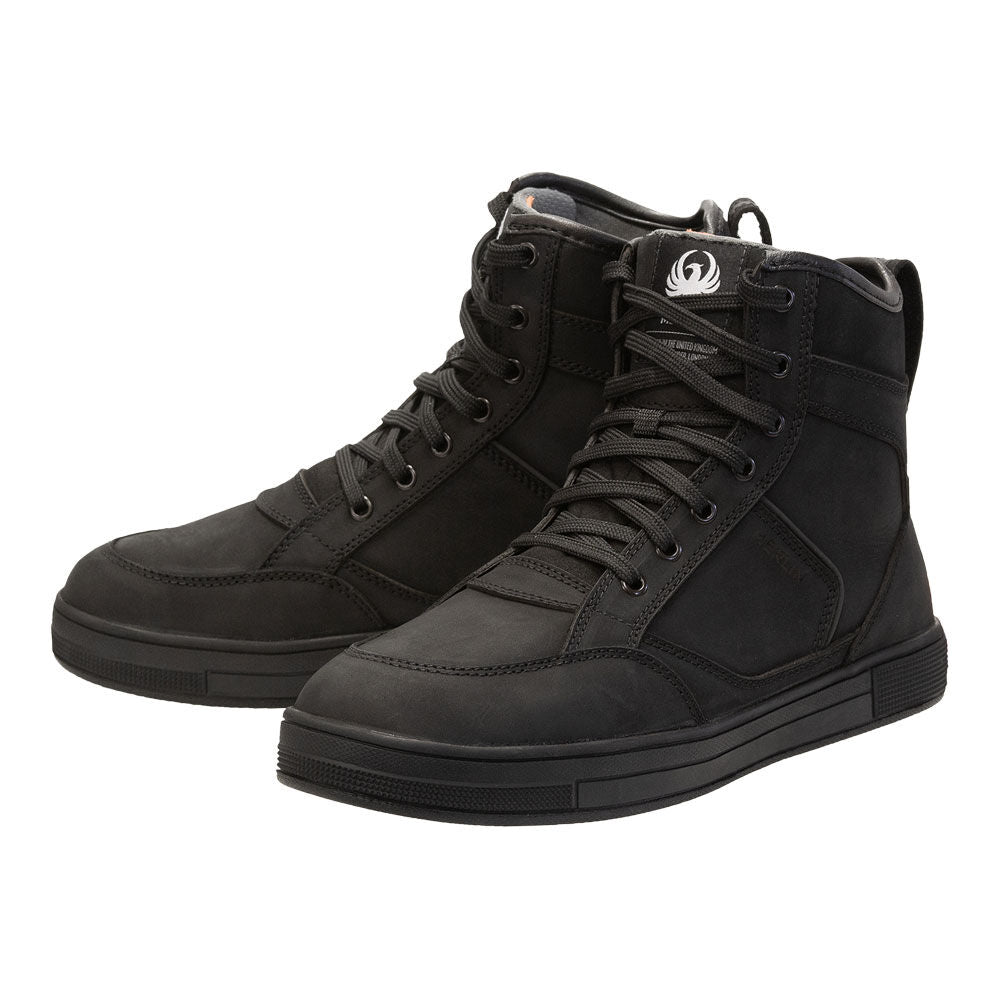
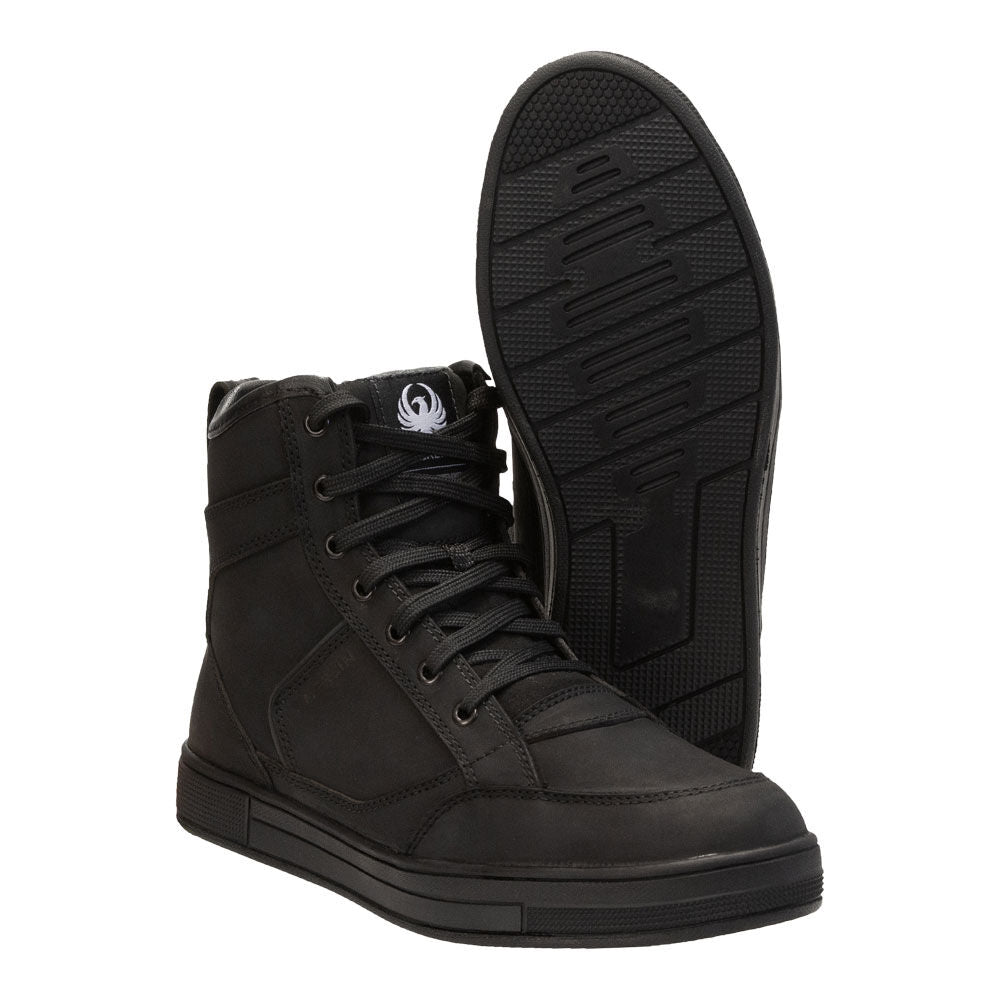
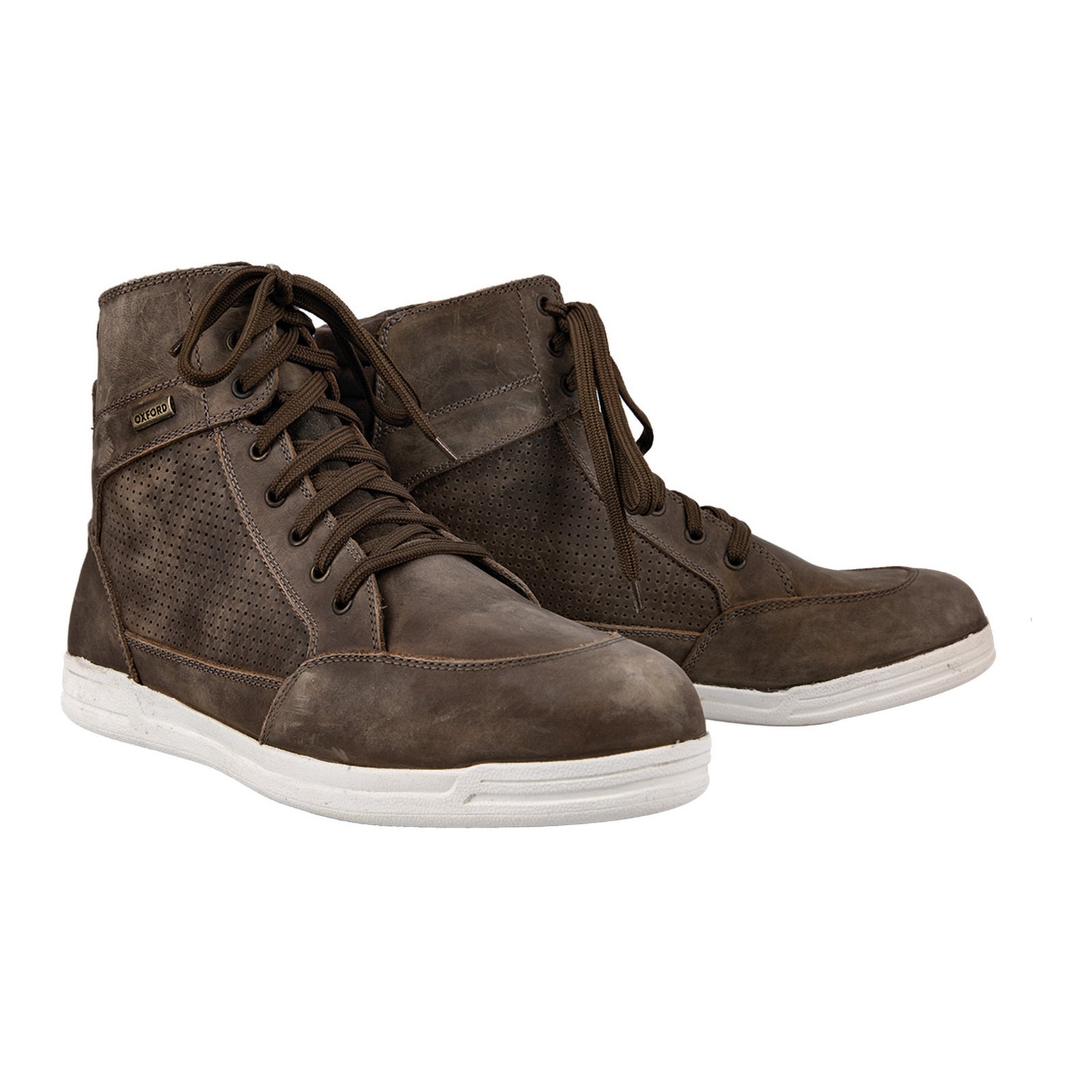

Oxford Kickback Air Boots - Brown
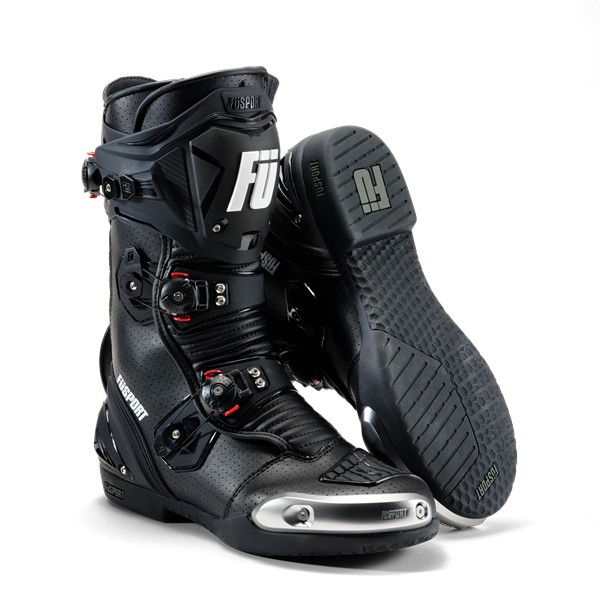
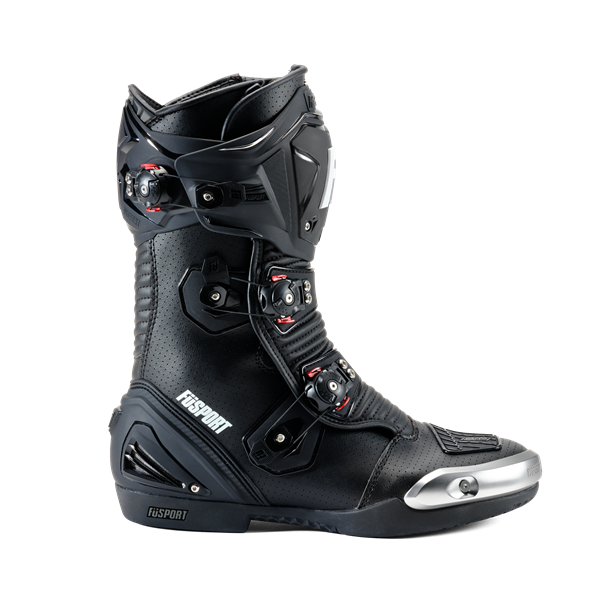
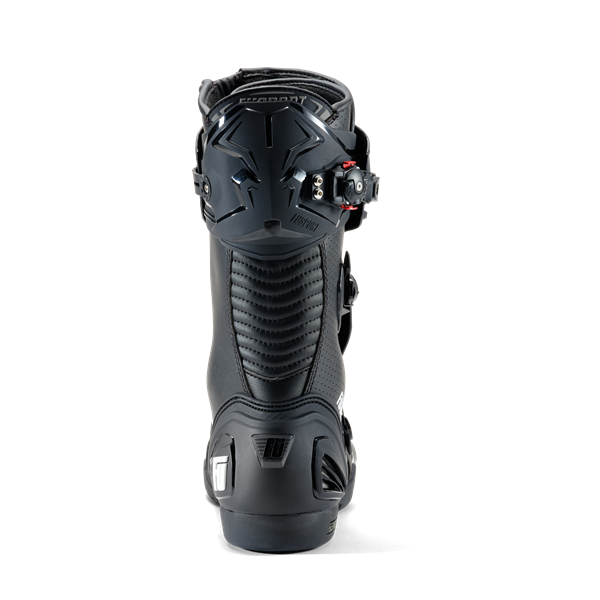
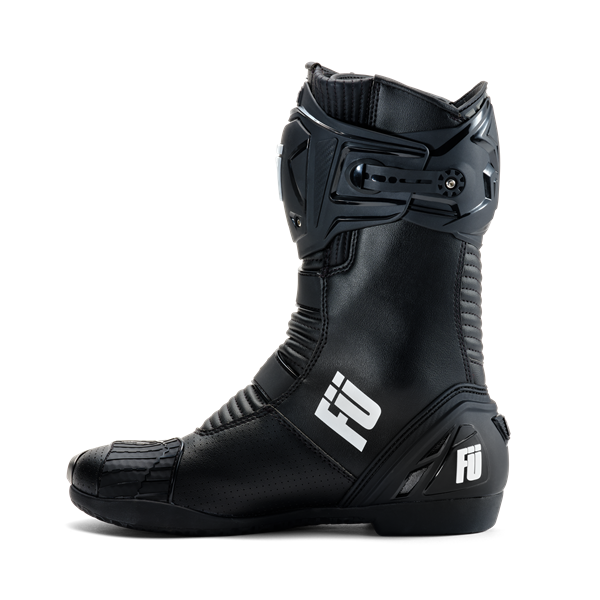
Fusport XR1 GP Stealth Black Boots
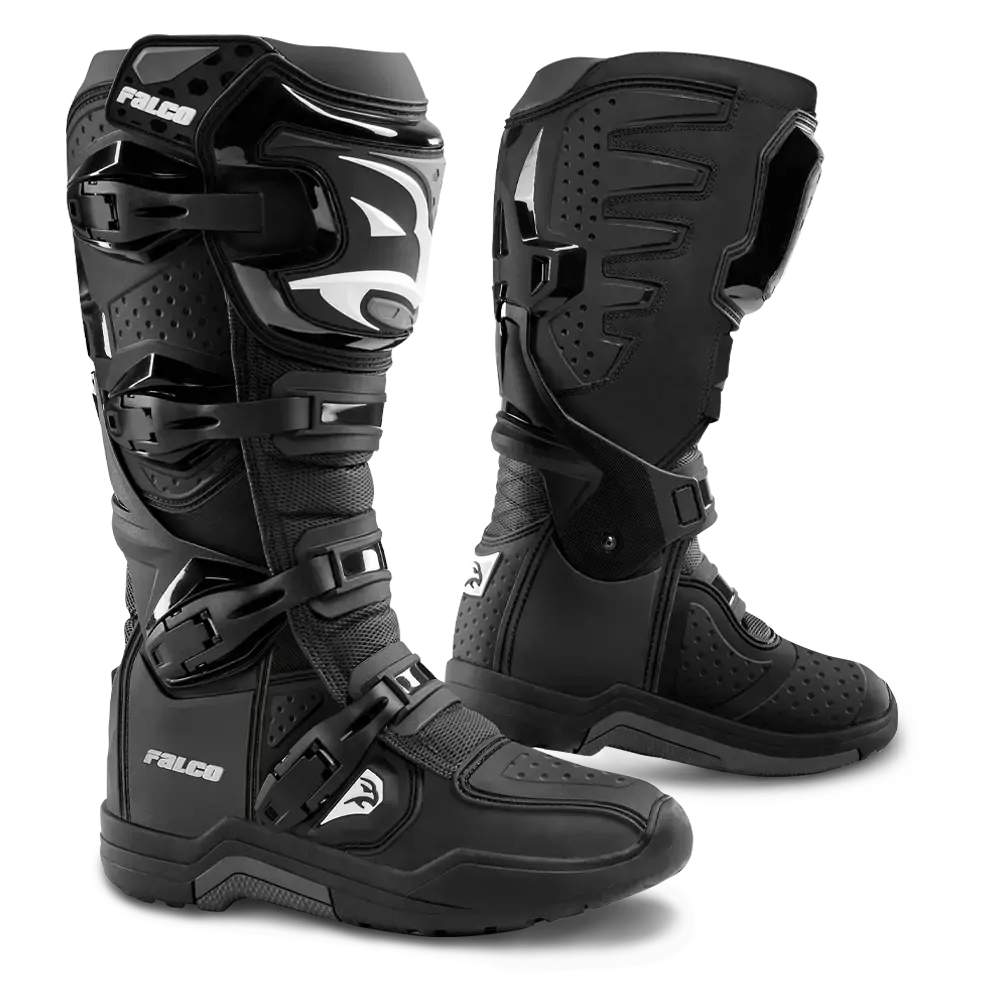




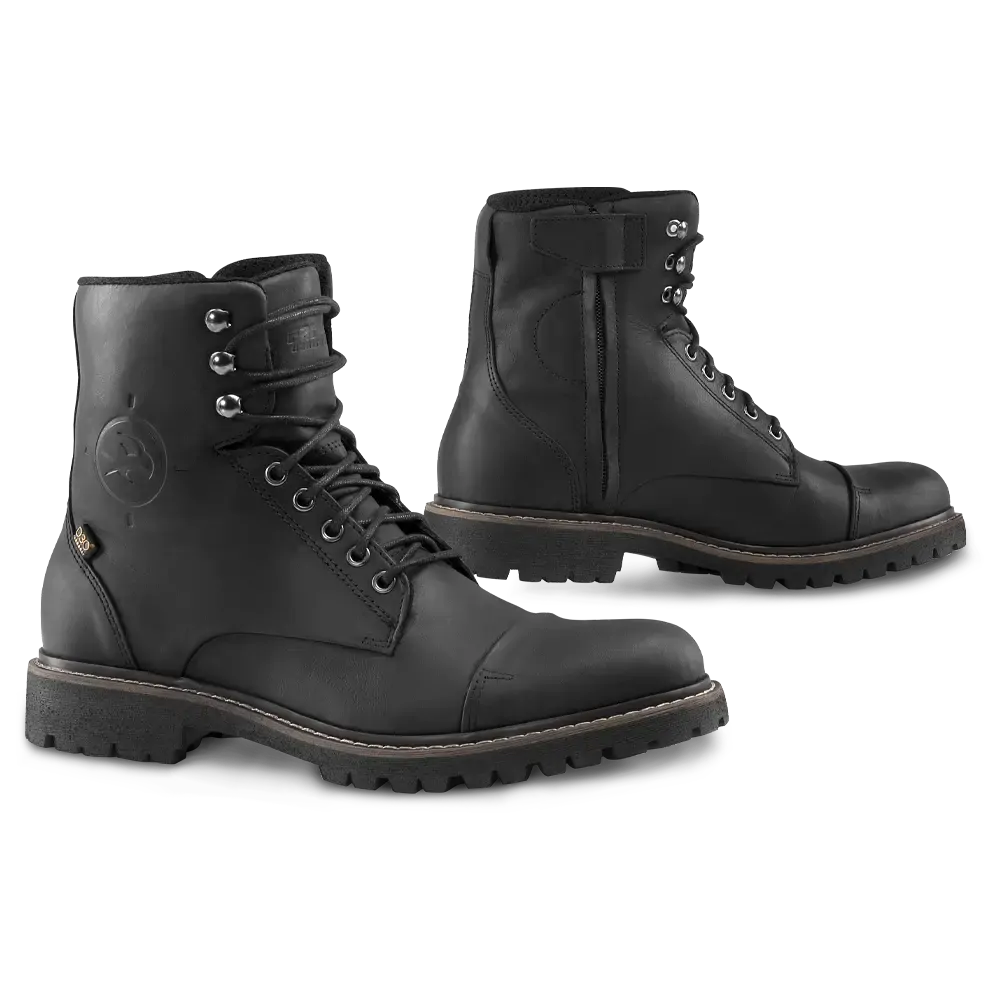
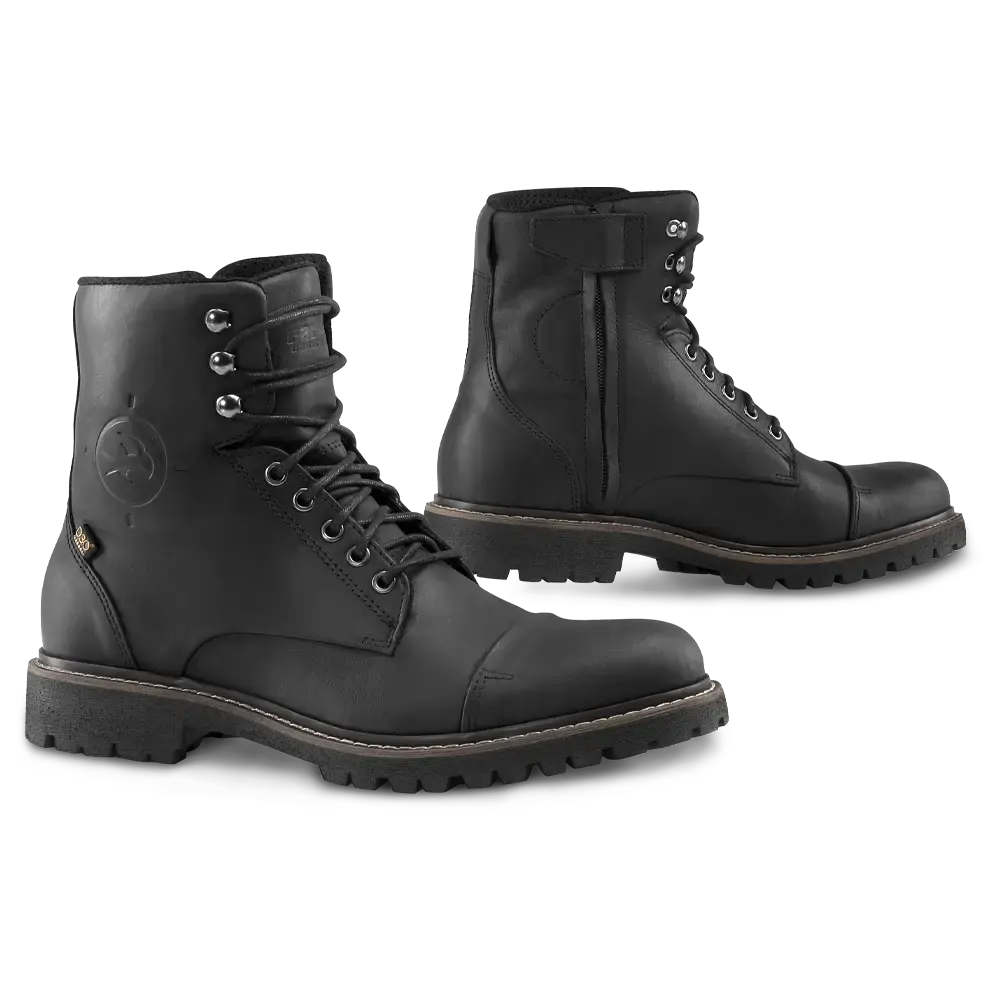
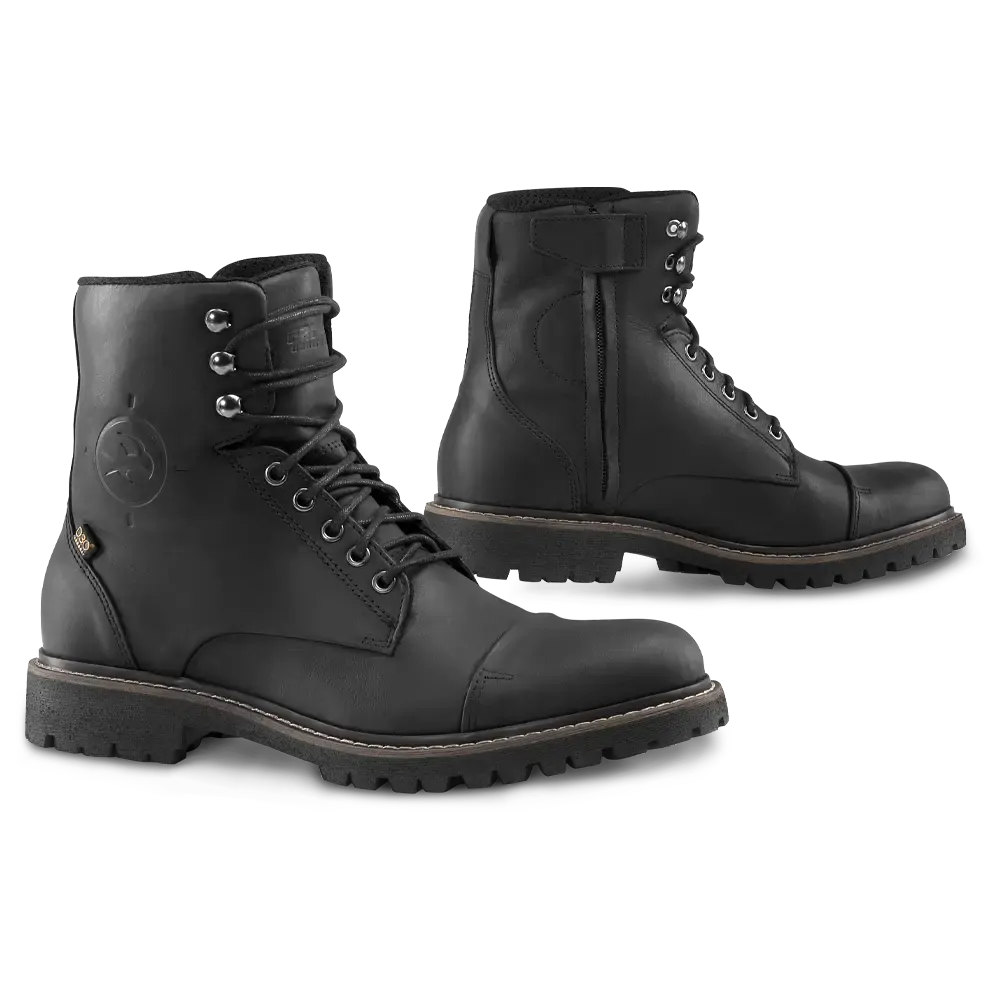
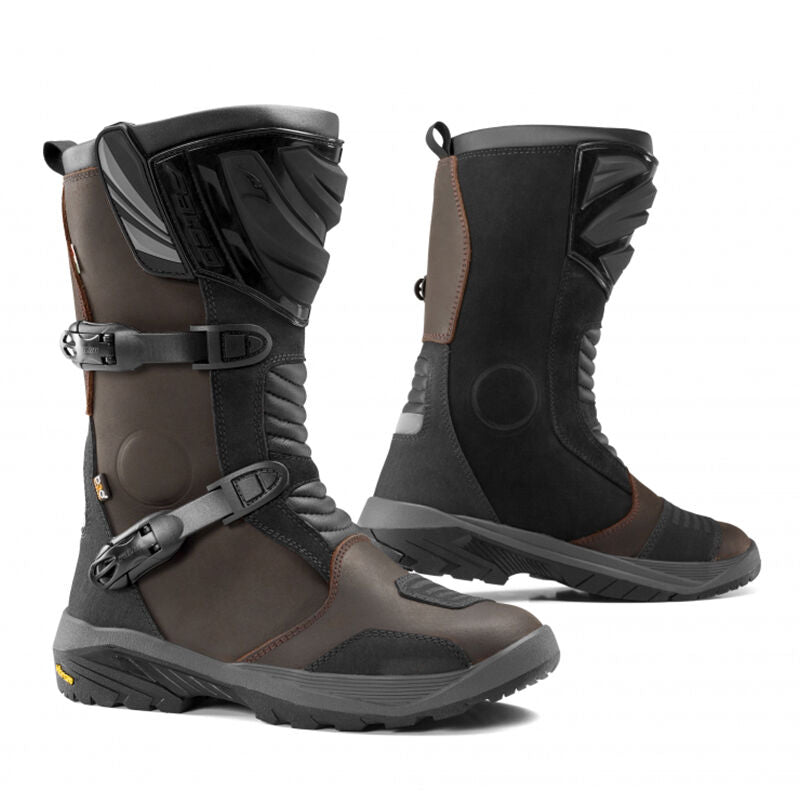
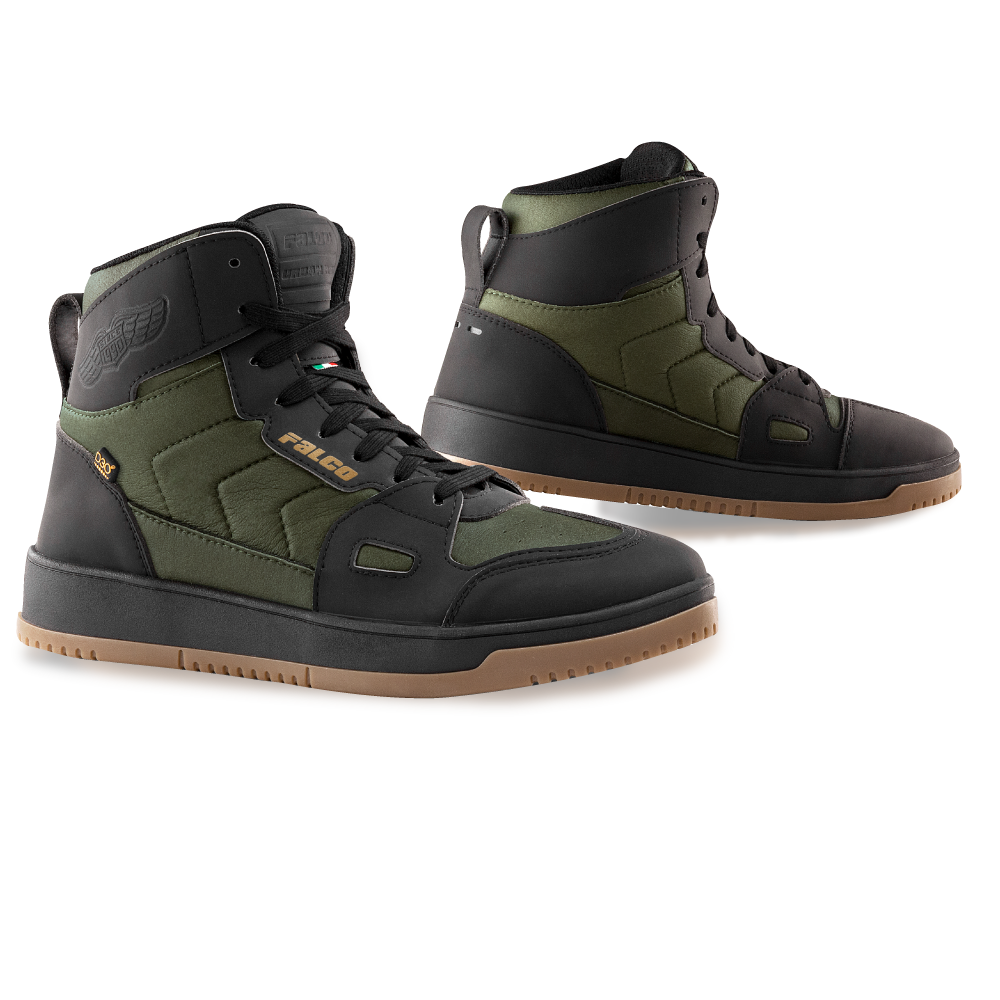
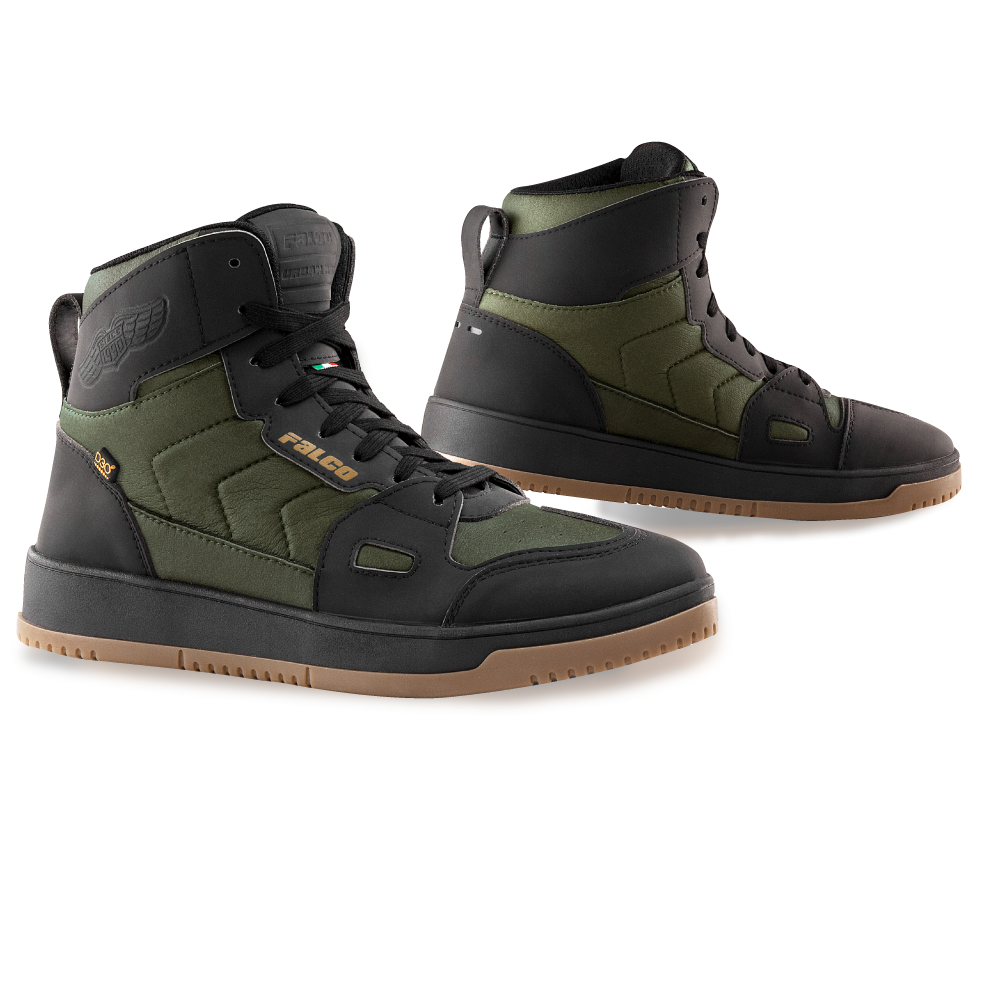
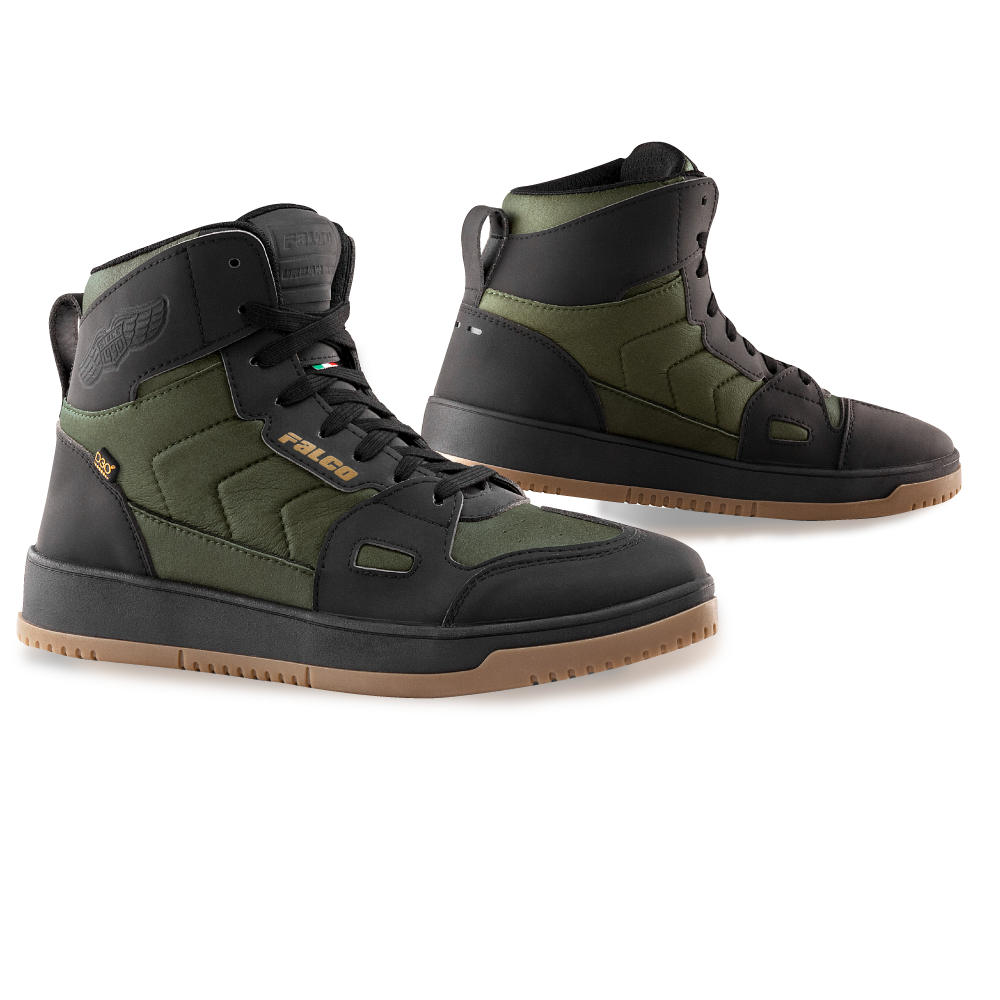

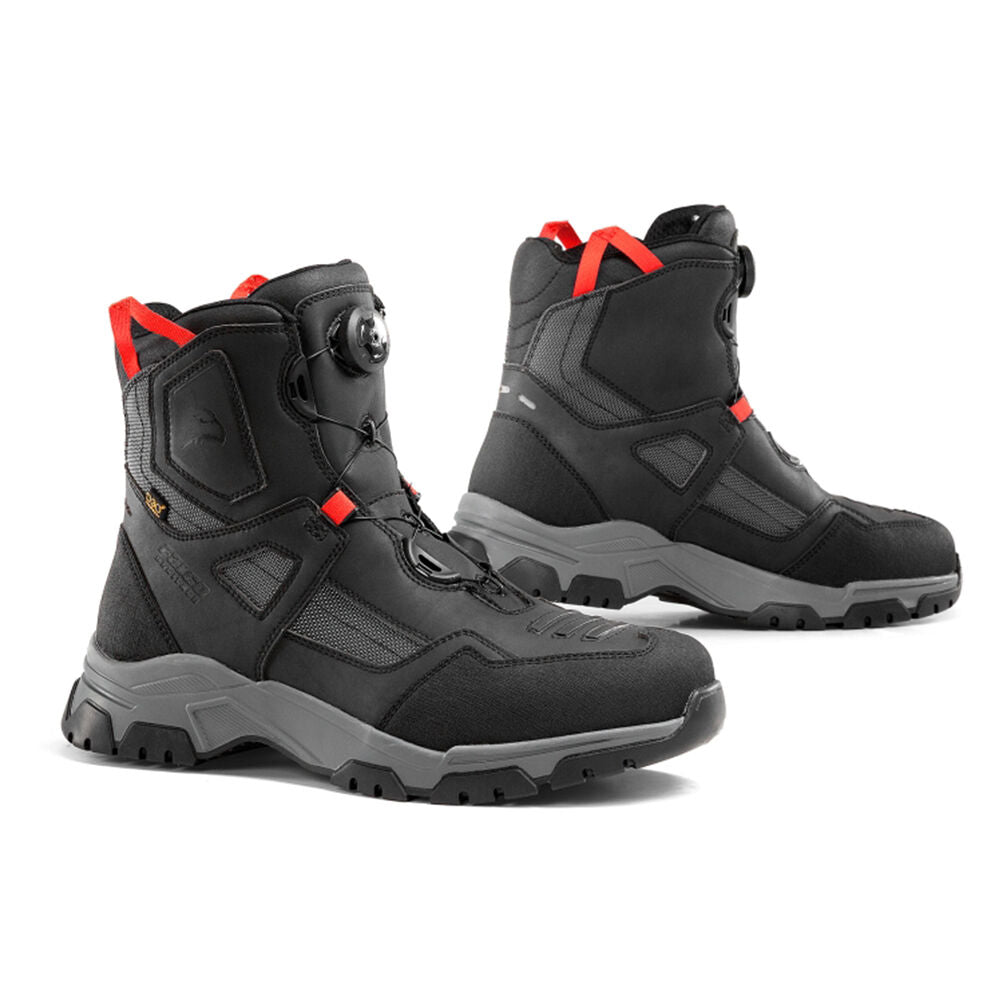

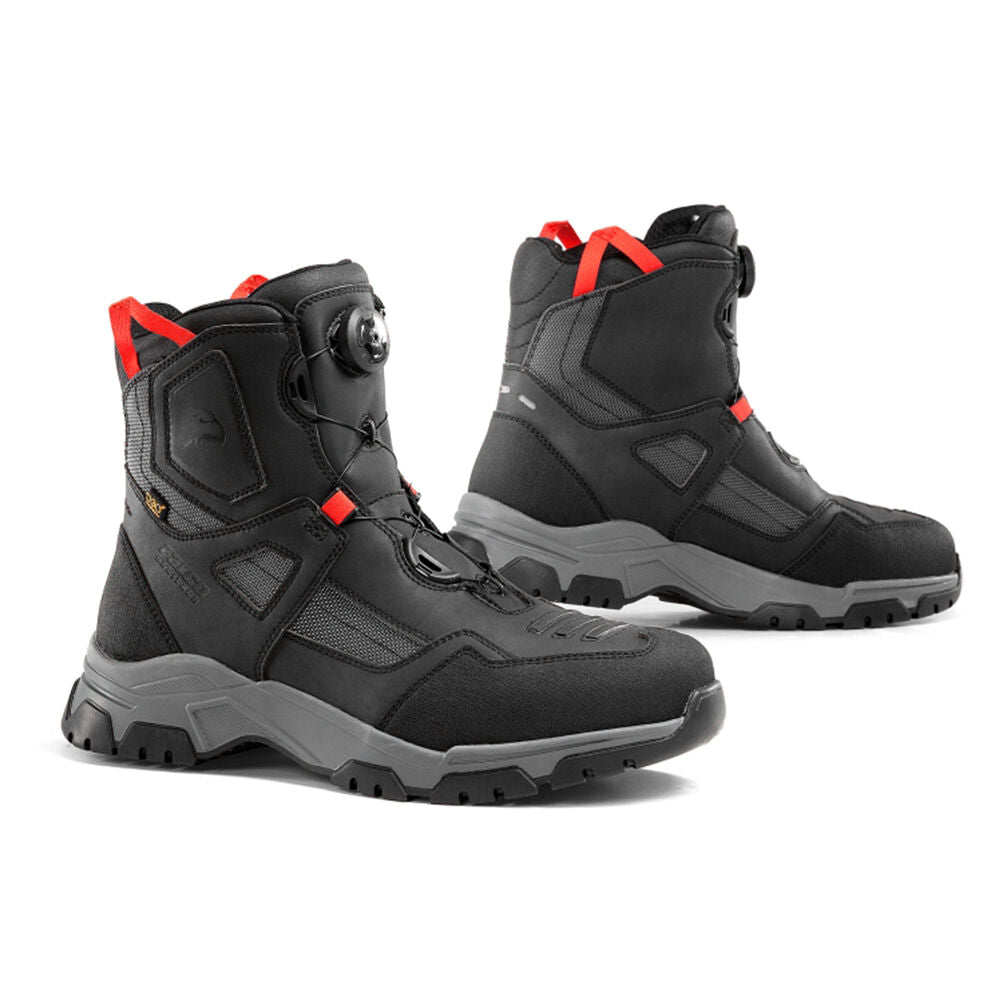
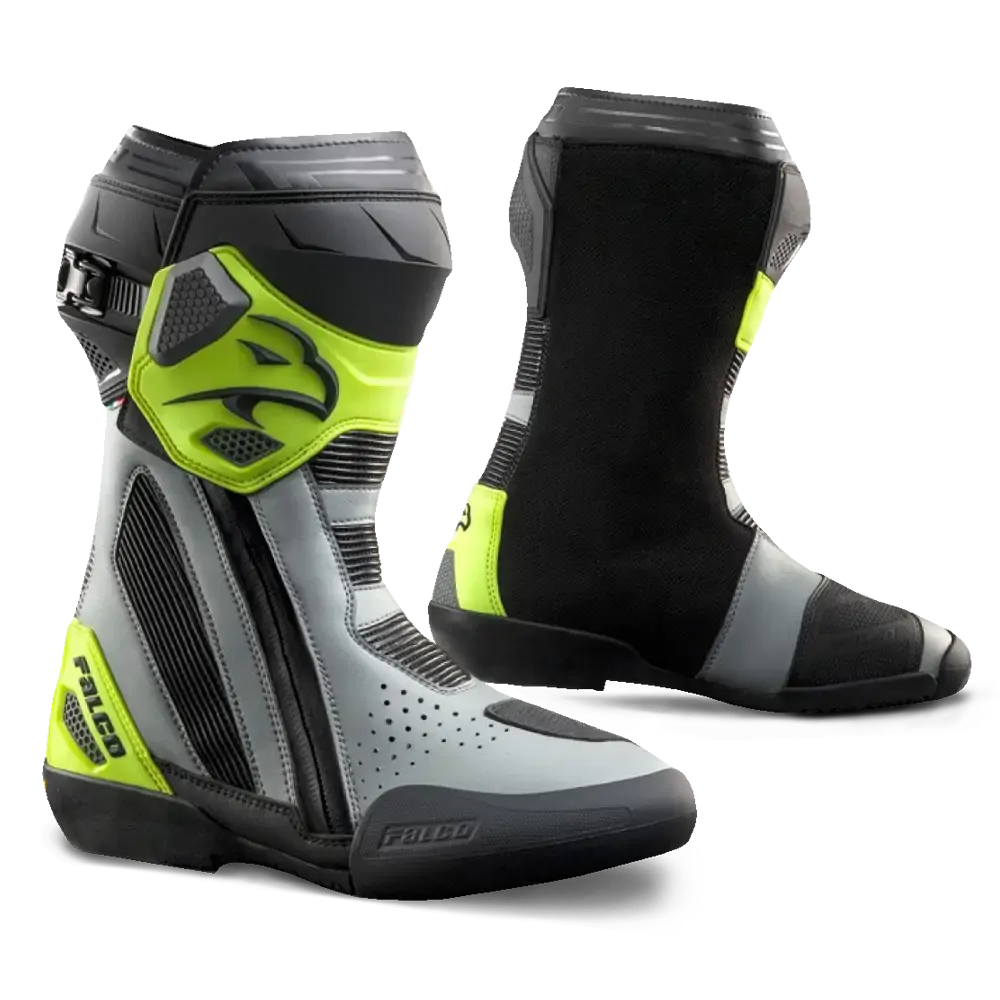
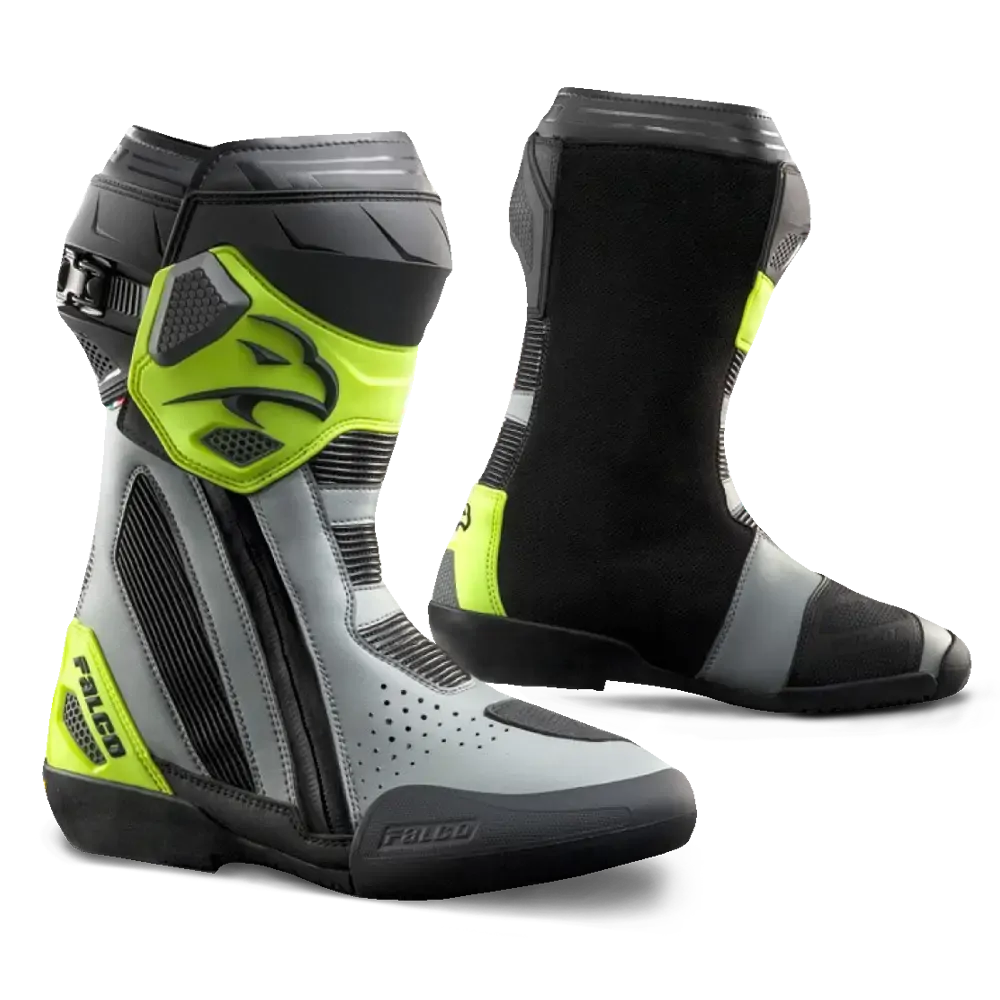
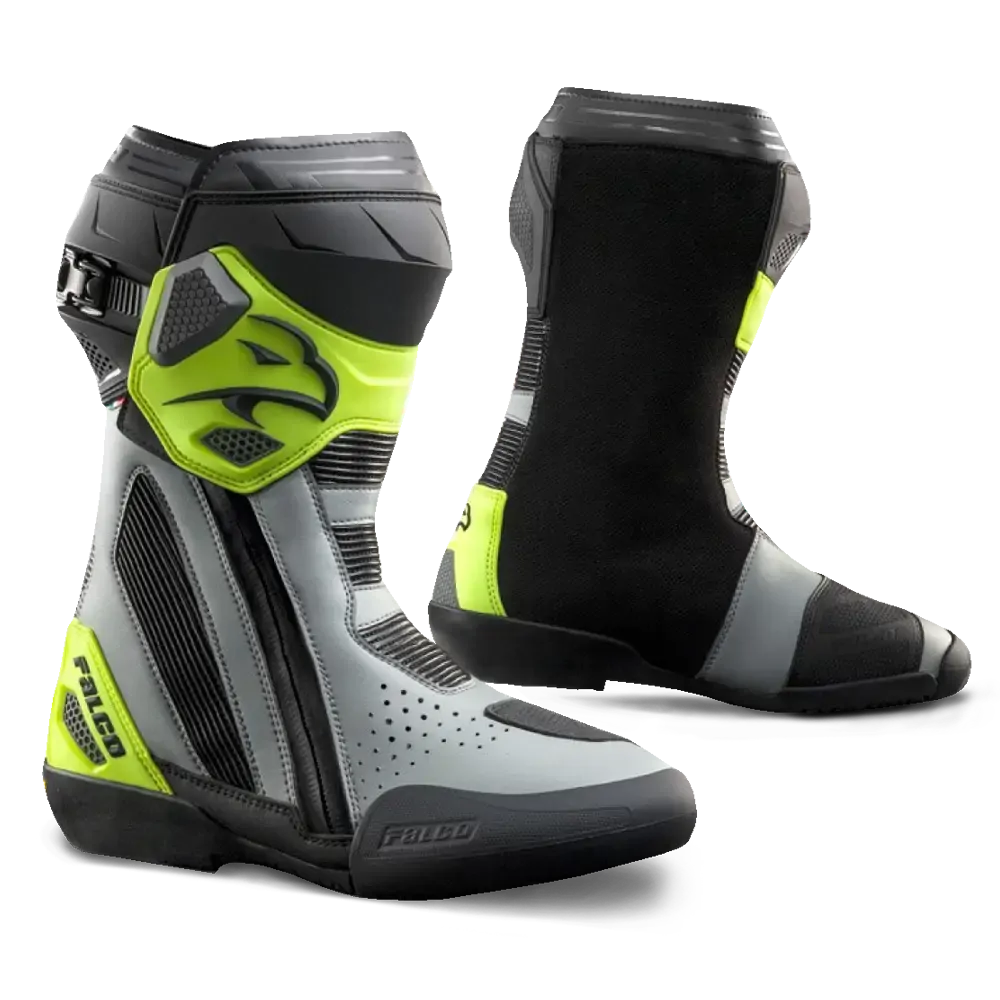
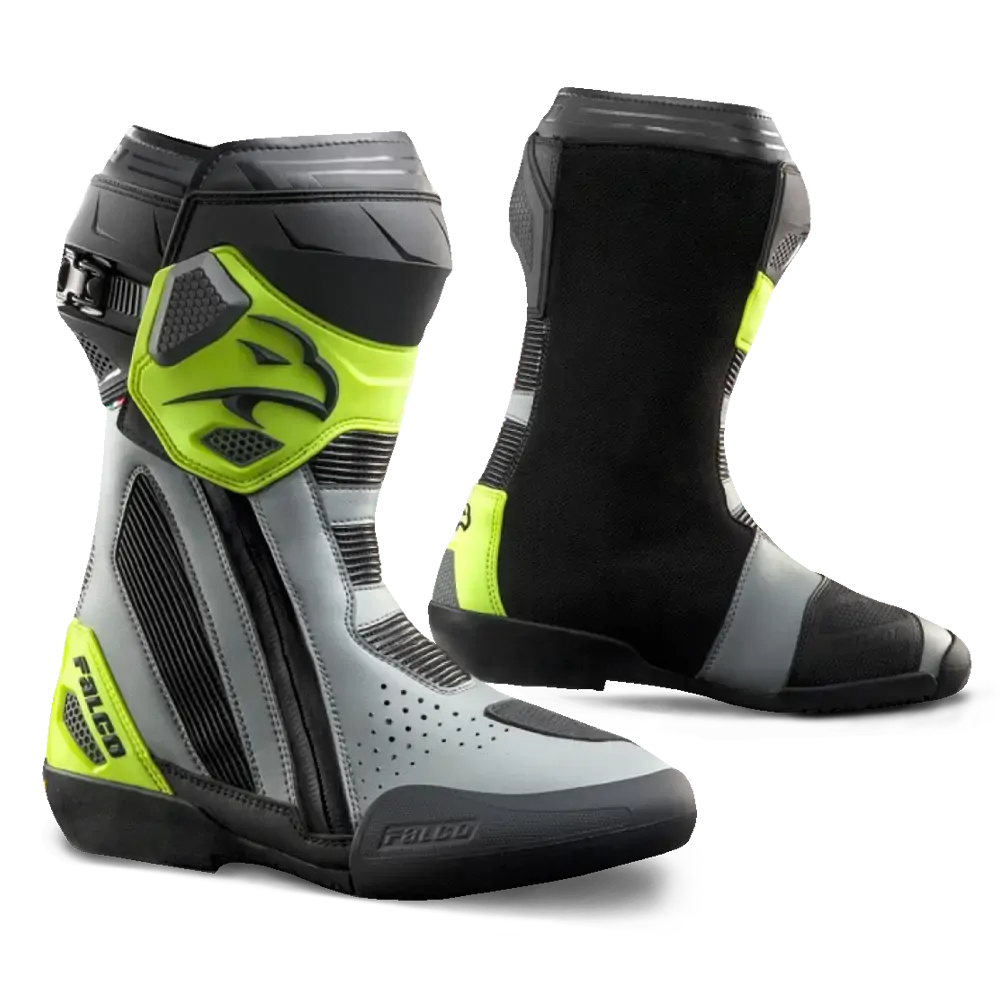
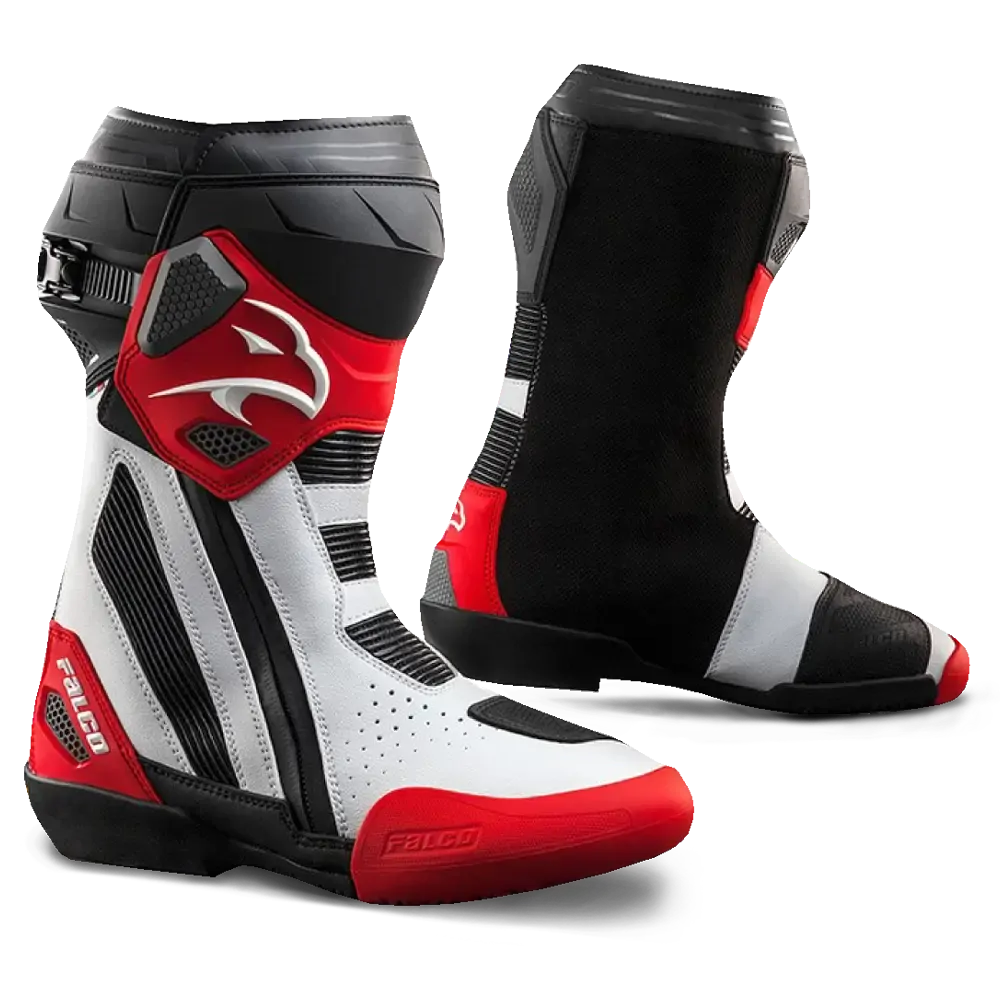
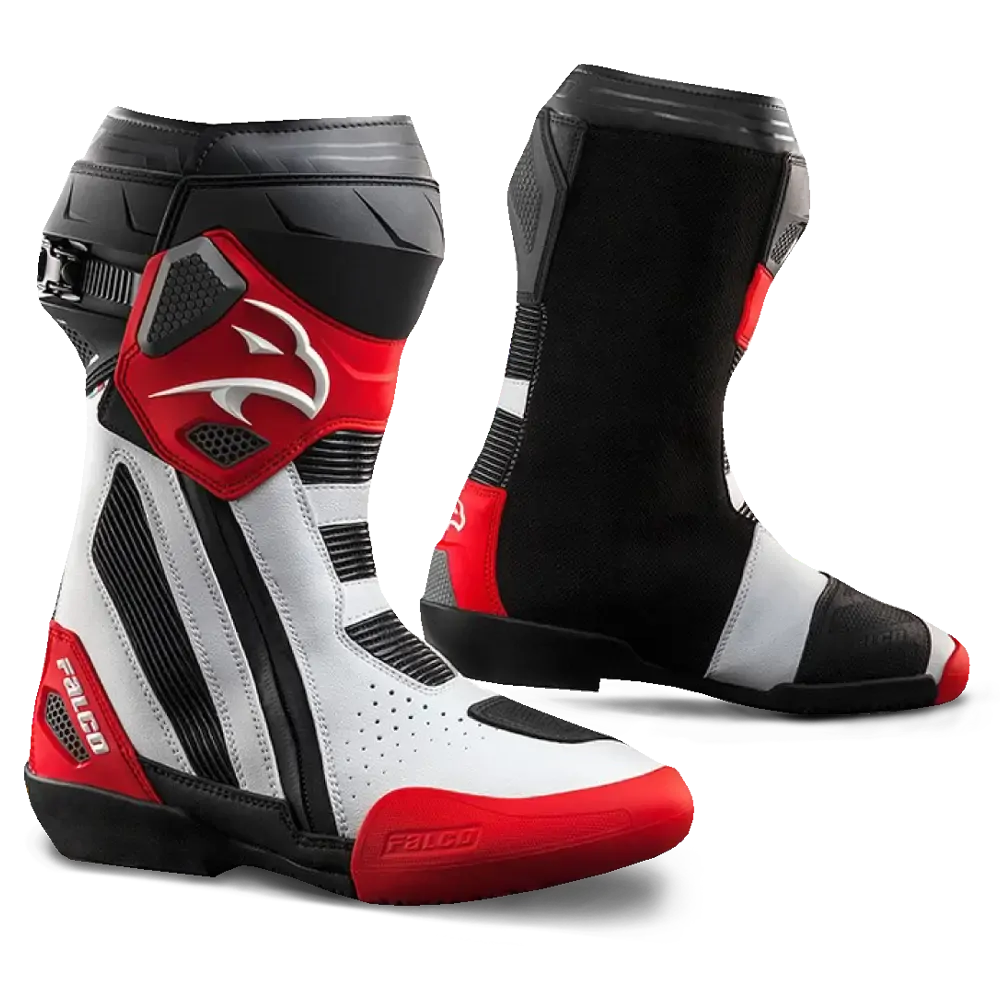
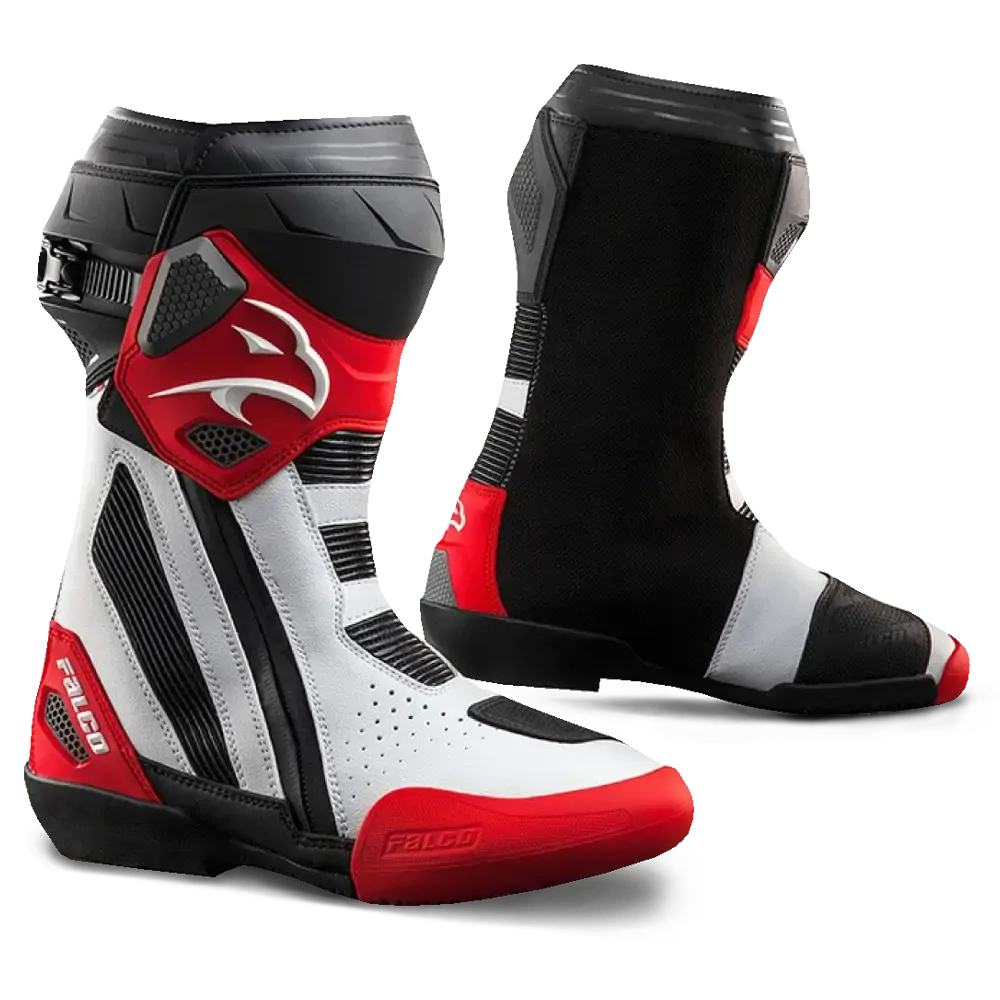
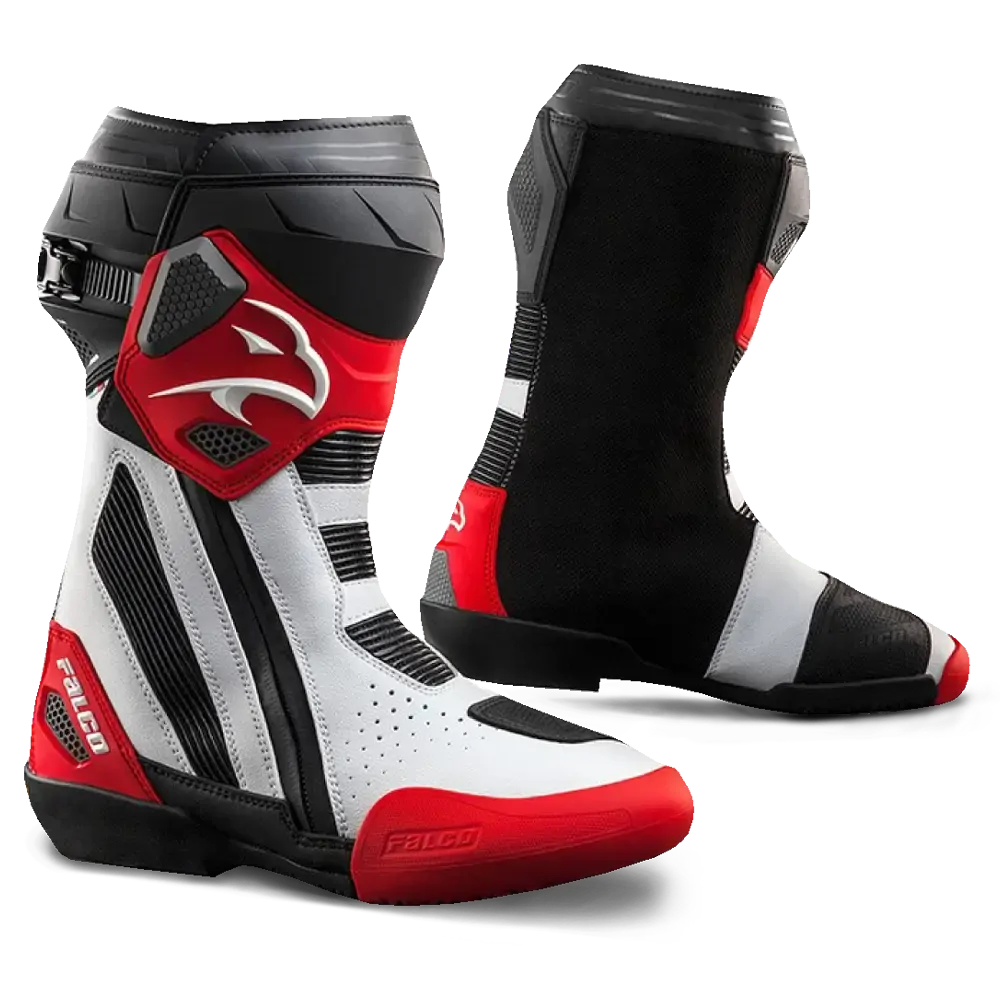
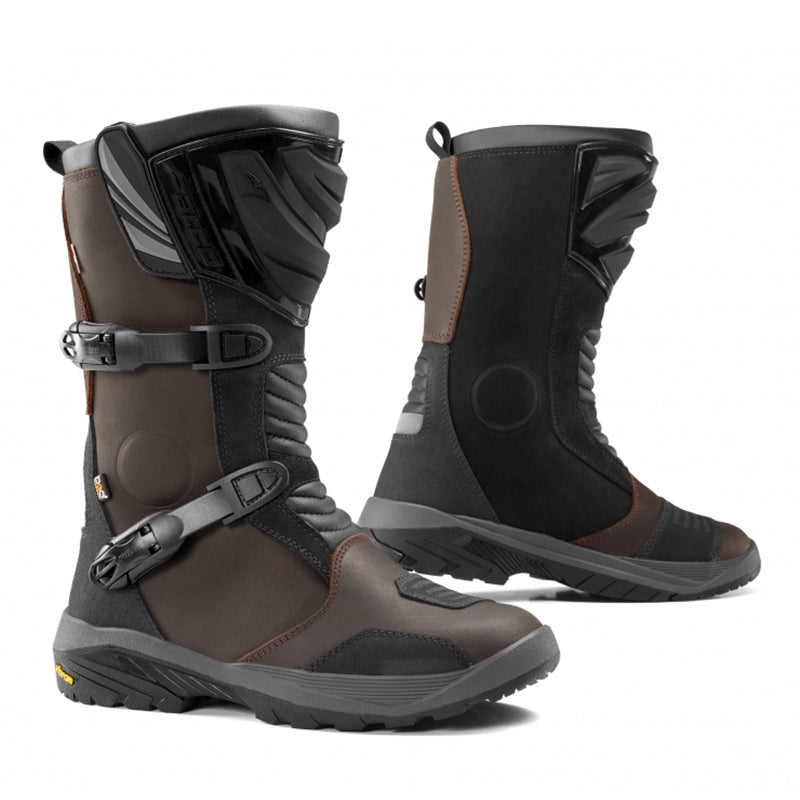
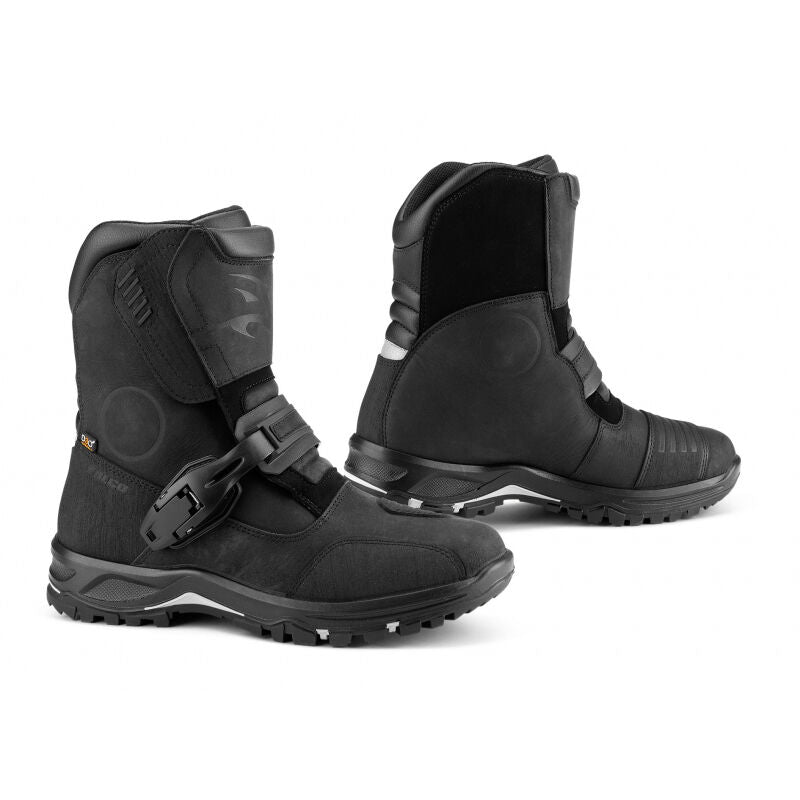
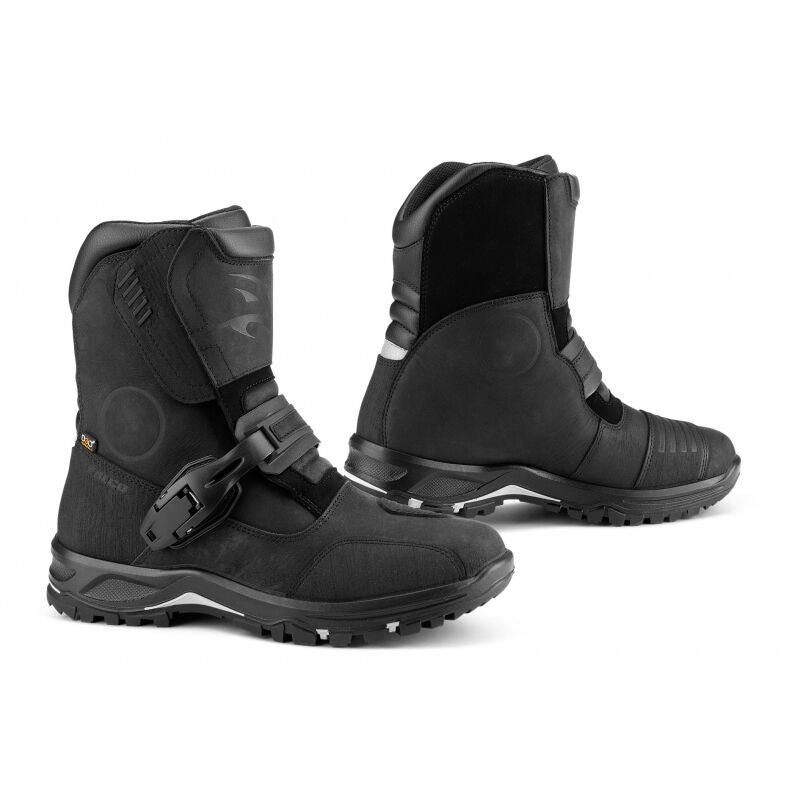
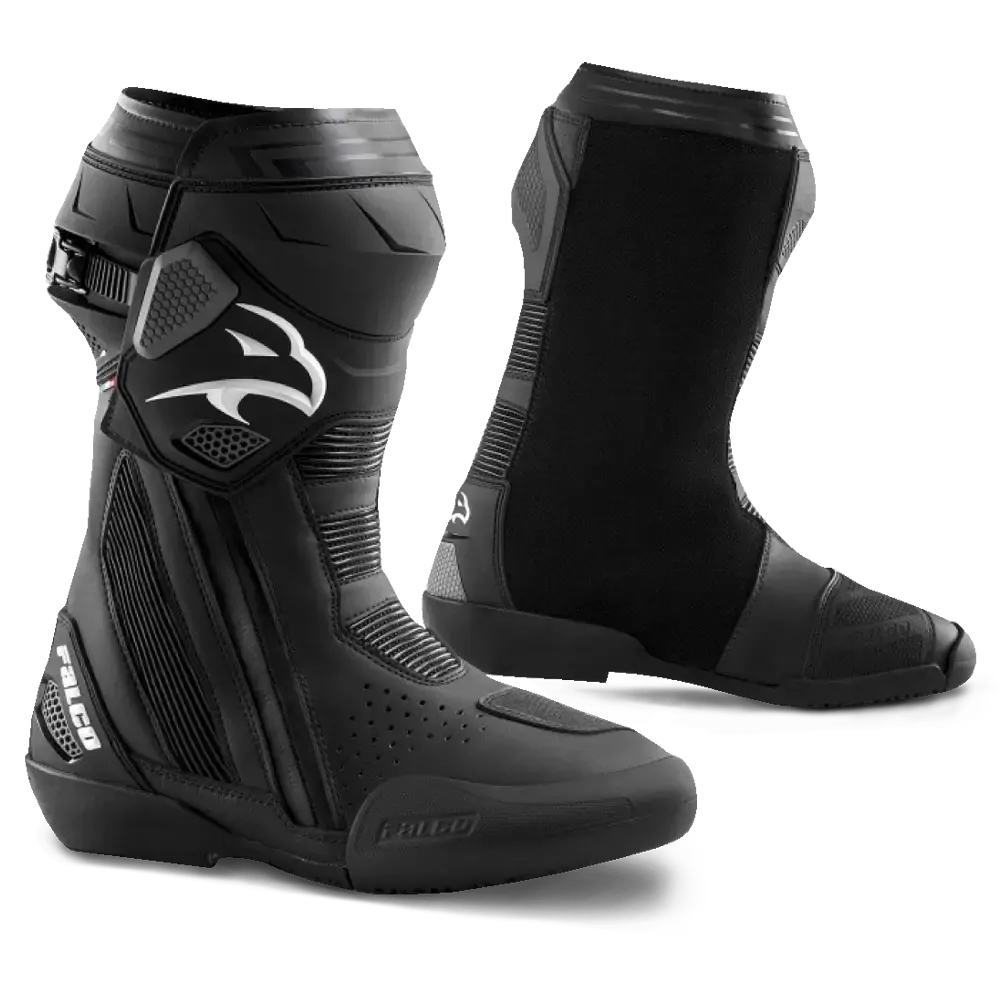
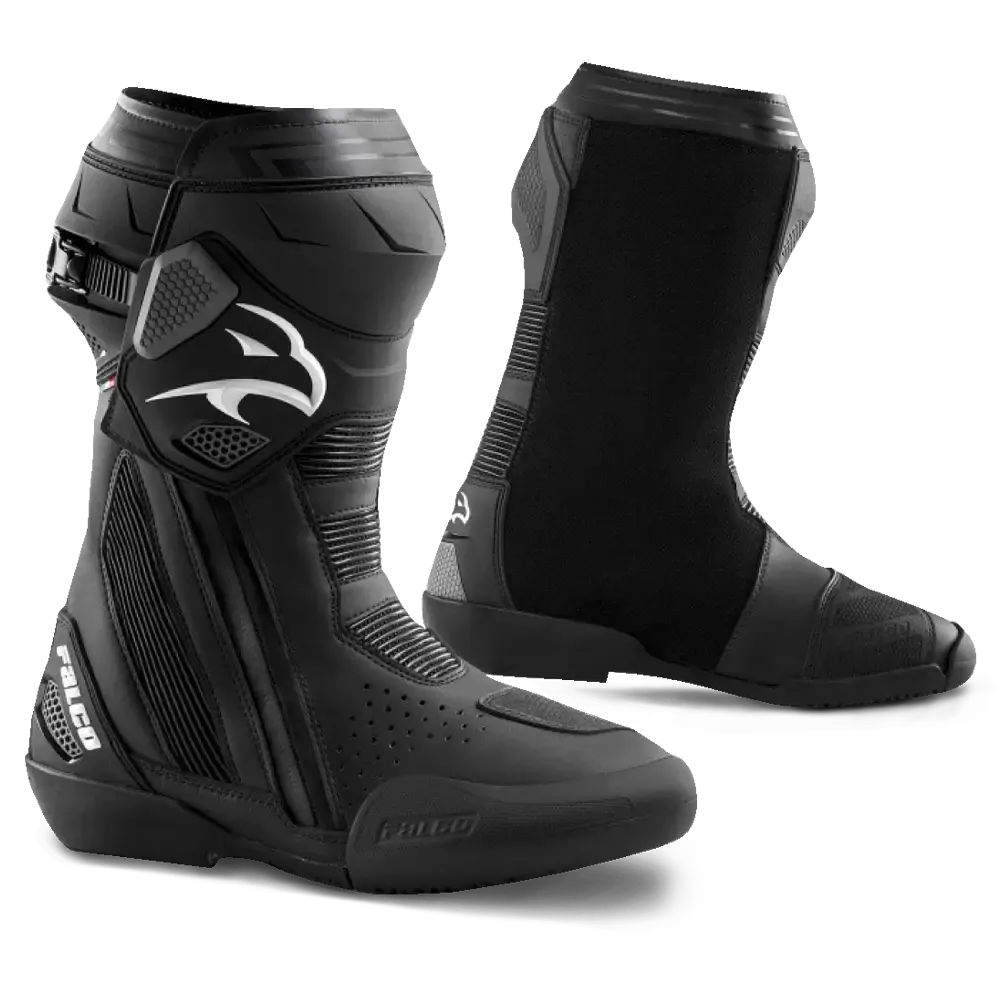
How to Choose Road Motorcycle Boots
Certified ankle protection is non-negotiable in a road boot. Motorcycle footwear is tested under EN 13634, which scores shaft height, abrasion resistance, cut resistance and transverse rigidity at Level 1 or Level 2. Level 2 in every category delivers measurably higher protection than Level 1. Note that EN 13634 is a separate standard from EN 17092, which governs jacket and trouser abrasion ratings. Both standards use CE Level 1 and CE Level 2 tiers. A complete riding kit should satisfy both.
Leather vs Textile: Key Differences
| Property | Full-Grain Leather | Technical Textile |
|---|---|---|
| Abrasion resistance | High; dense fibre structure | Varies by weave; reinforced panels required |
| Waterproofing | Requires treatment or membrane lining | Bonded waterproof membrane often standard |
| Breathability | Moderate; perforated panels improve airflow | Higher in mesh-backed constructions |
| Break-in period | 10 to 20 hours typical | Minimal; flexible from day one |
| Longevity | 5 to 10 years with maintenance | 3 to 6 years before delamination risk |
Fit and Sizing
European motorcycle boot lasts typically run 0.5 to 1 full size larger than street footwear. Measure your foot length in millimetres and cross-reference the brand size chart. Falco and TCX both publish millimetre sizing guides. A precise fit limits internal foot movement during impact, reducing fracture risk. Shaft height of at least 10 cm above the ankle provides meaningful ankle protection on road boots designed for touring and commuting.
Riding Style Guidance
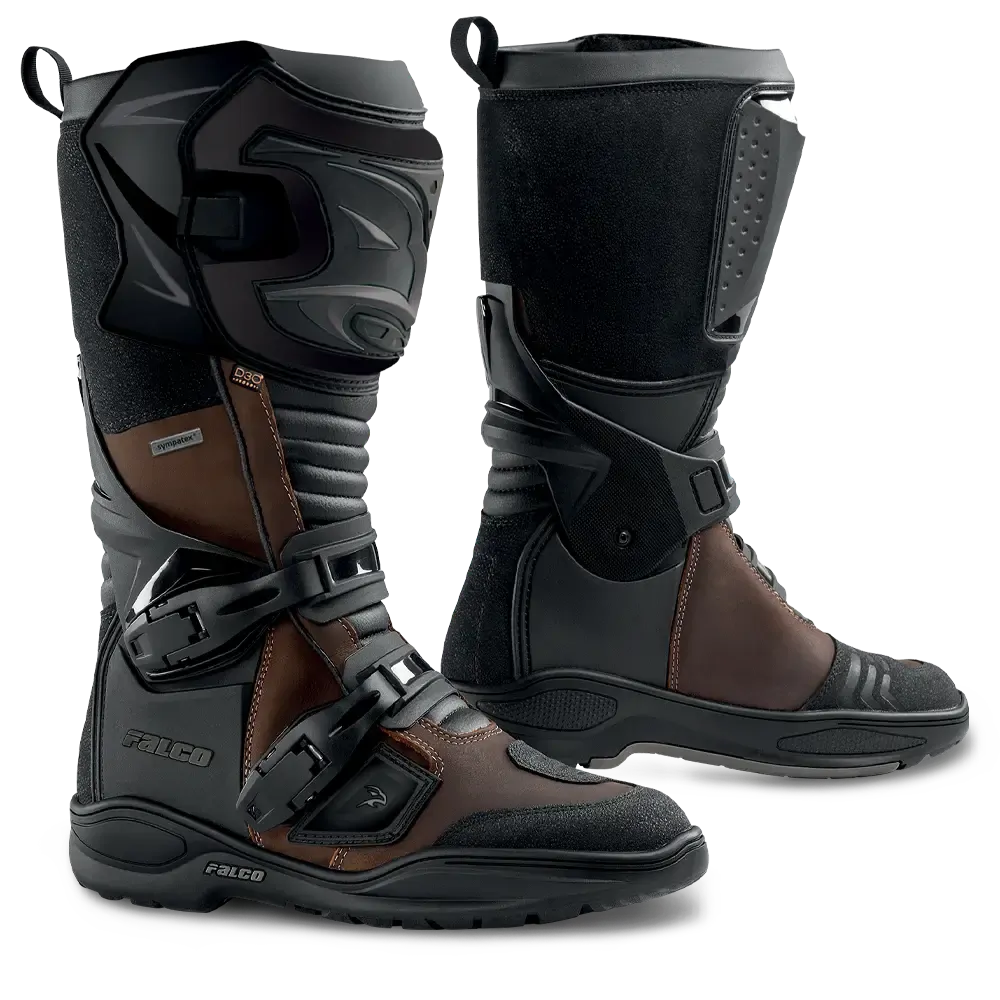
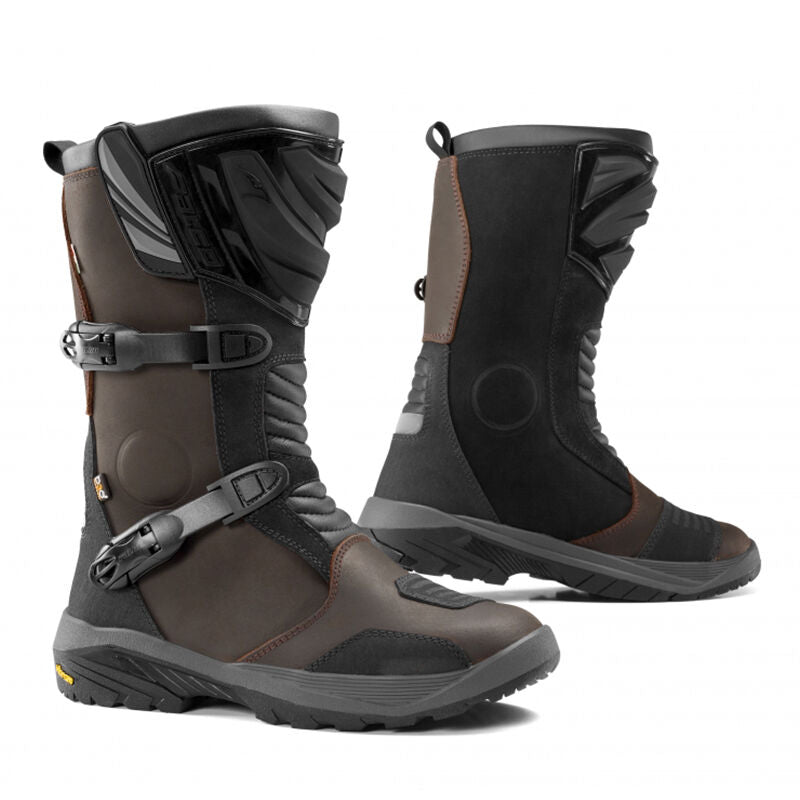
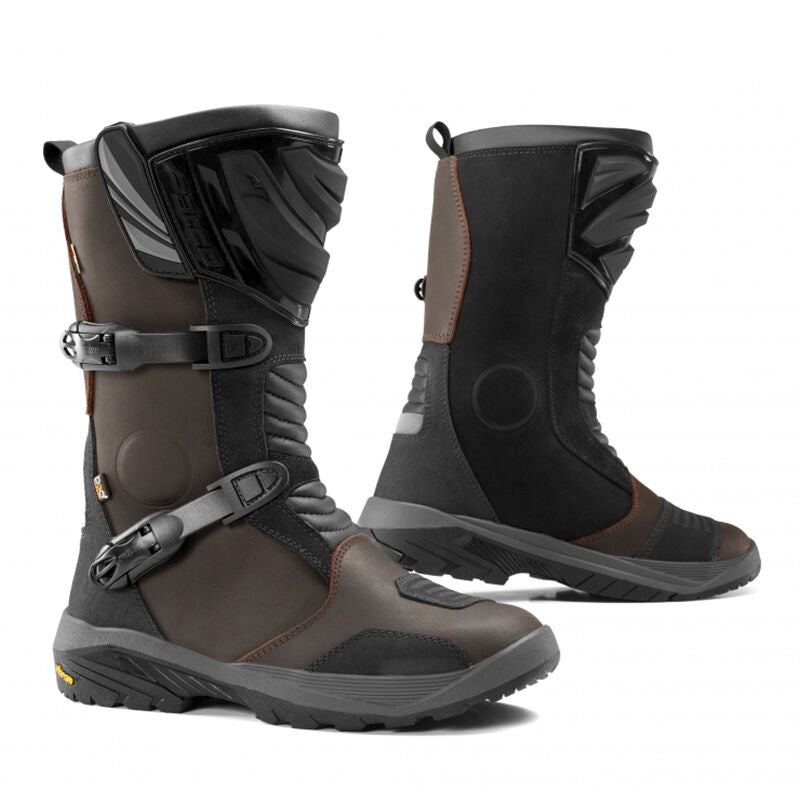
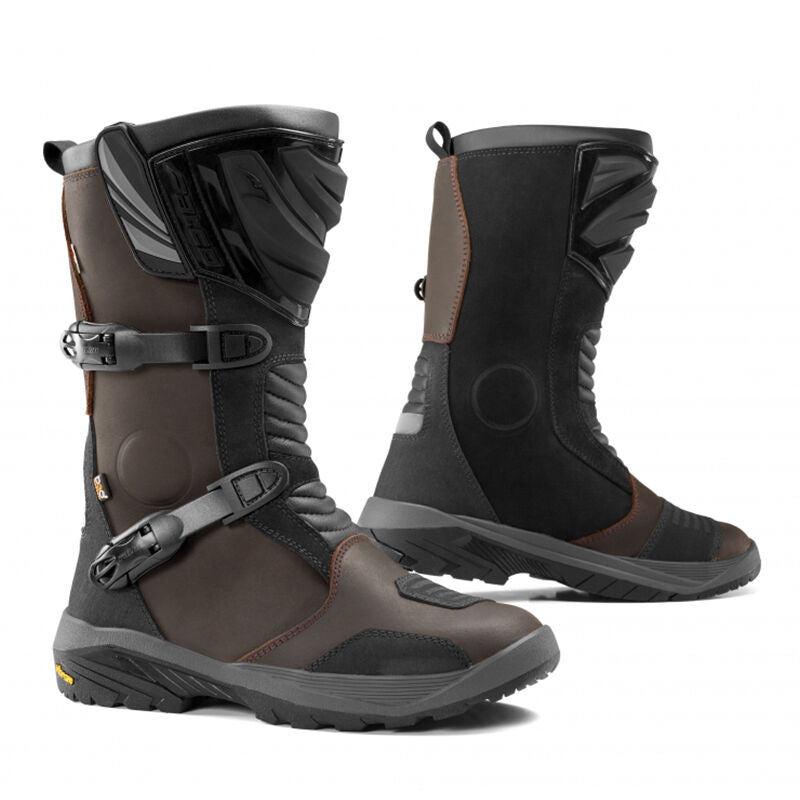
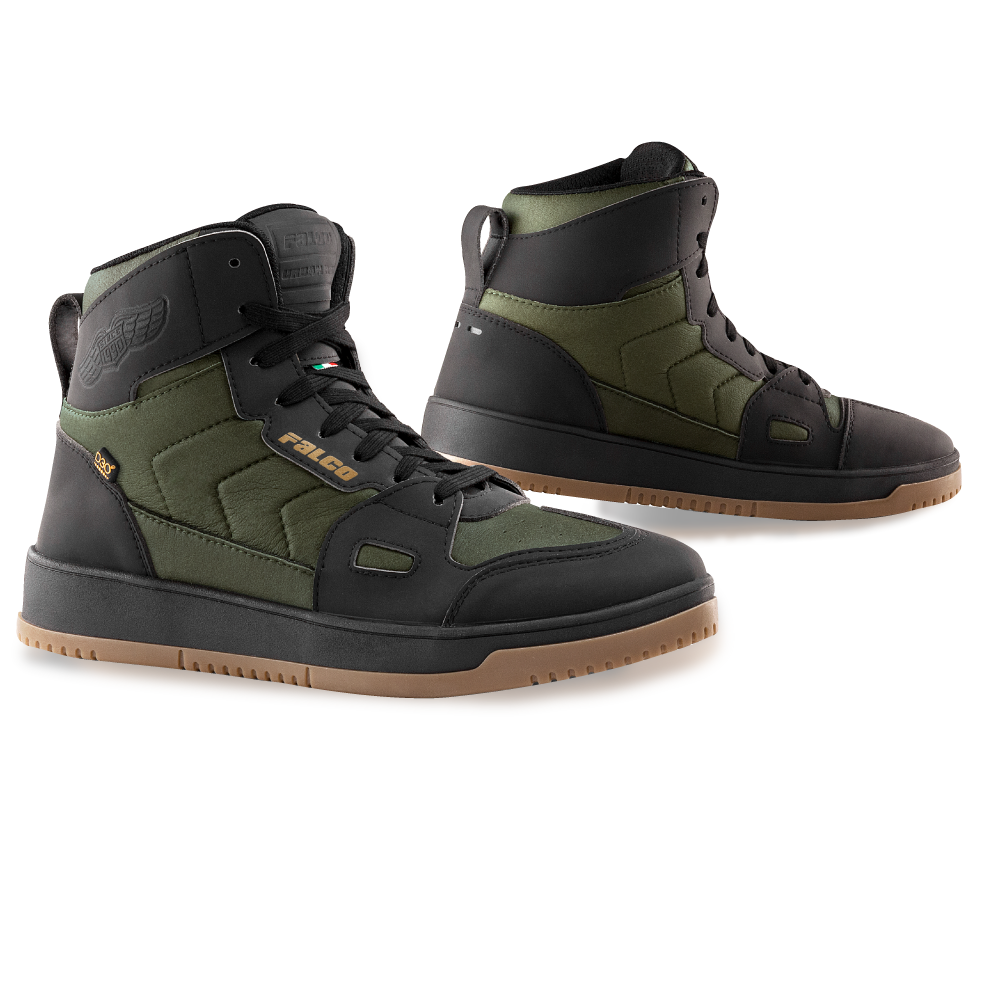
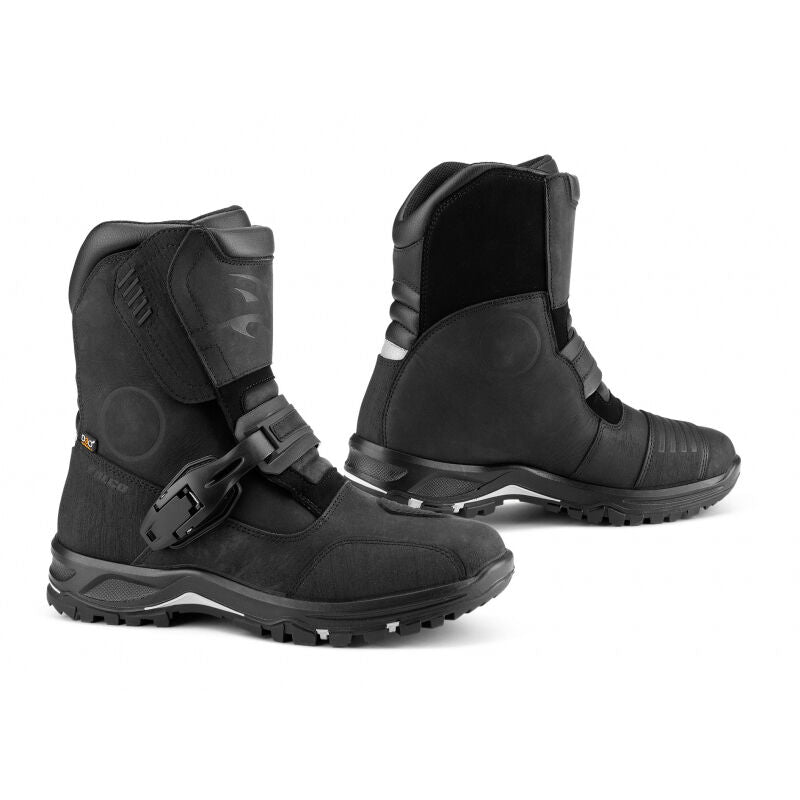
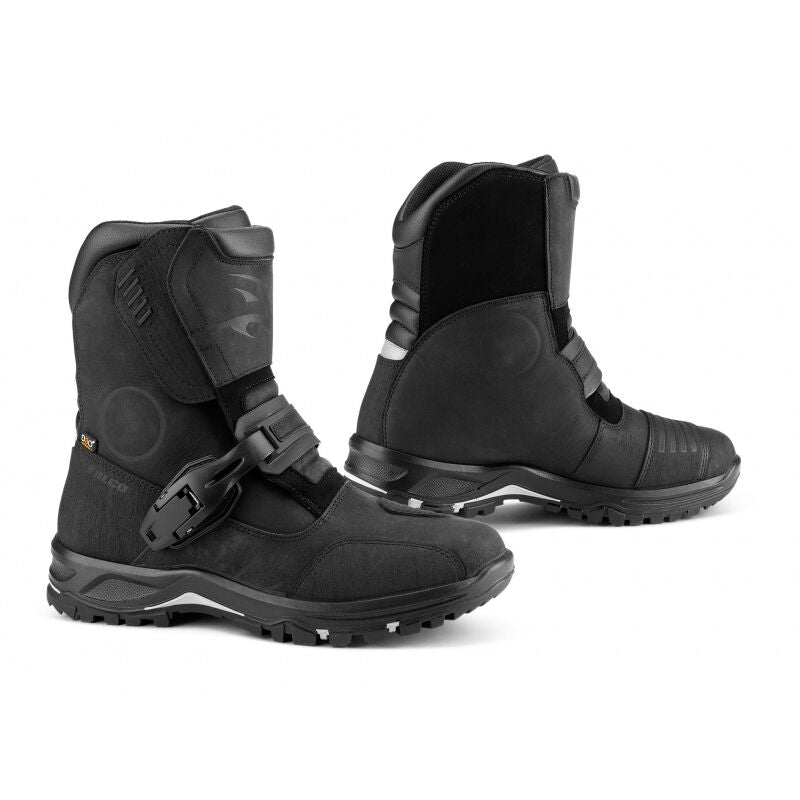
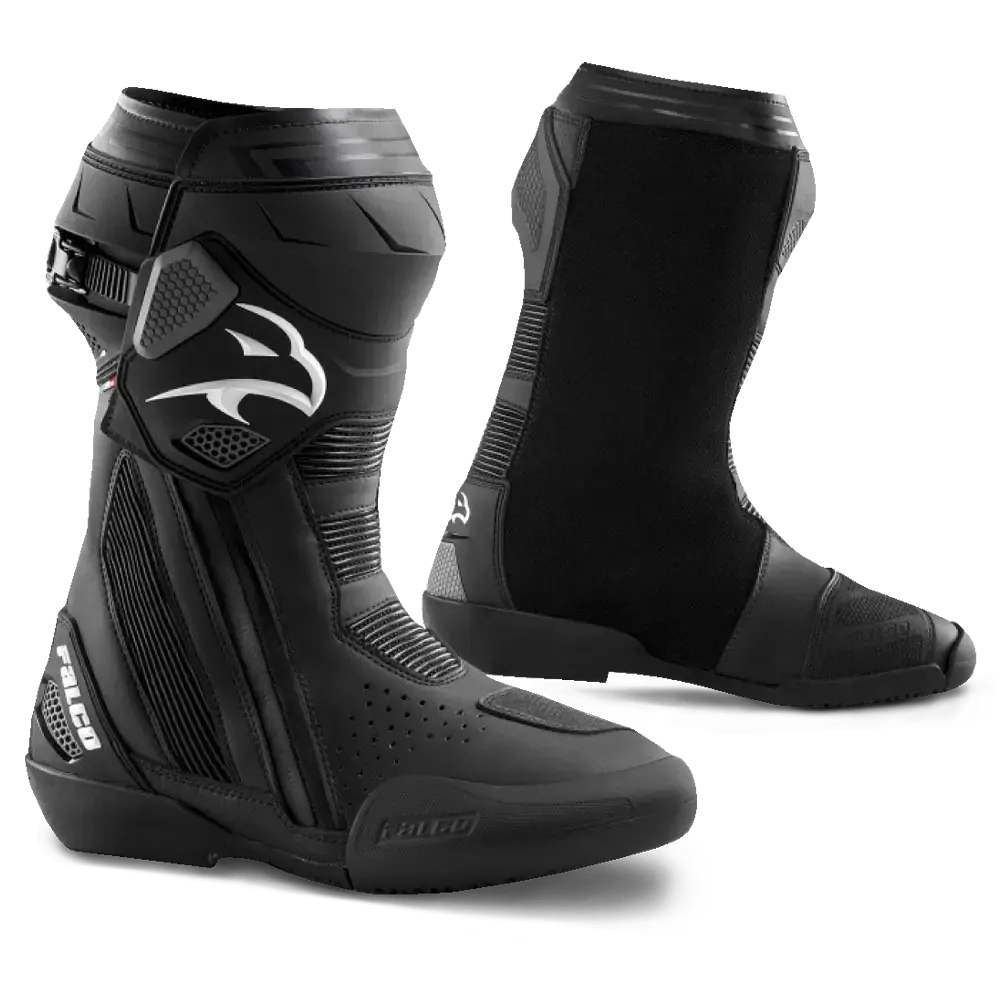
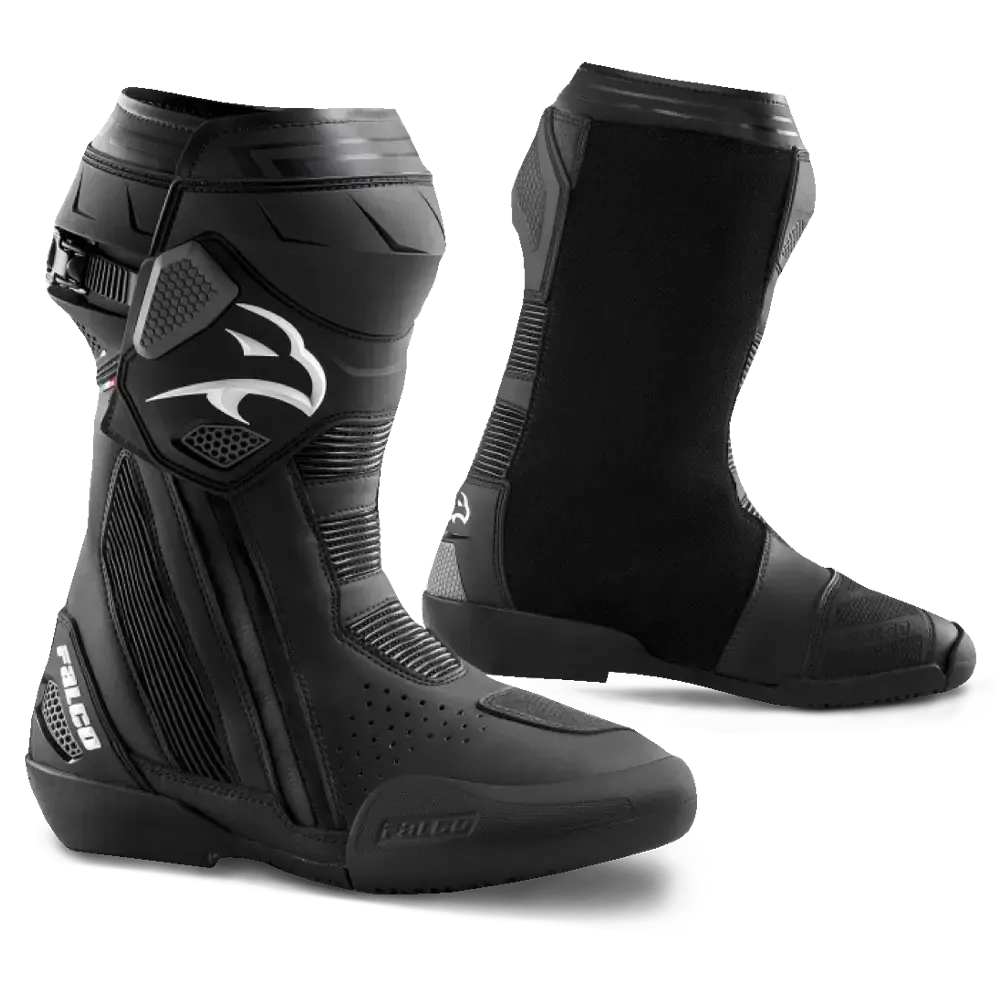
Touring riders need waterproof membranes and thermal linings rated for sub-10 degrees C. Sport riders should prioritise torsional rigidity and heel-toe shift reinforcement. Commuters favour ride-shoe profiles with concealed CE ankle armour for all-day walkability. Adventure crossover styles like the Falco Patrol use dual-compound soles suited to both sealed roads and light unsealed terrain.
Frequently asked questions
What CE standard applies to road motorcycle boots?
Road boots are tested under EN 13634, which rates shaft height, abrasion resistance, cut resistance and transverse rigidity. Each property receives a Level 1 or Level 2 score, with Level 2 indicating higher protection. Check the label inside the boot or the product spec sheet for the full four-digit rating.
Should I size up when buying motorcycle boots?
Most European motorcycle boot brands including Falco and TCX run 0.5 to 1 full size larger than standard street footwear. Measure your foot length in millimetres and use the brand specific size chart rather than converting from your everyday shoe size. A snug, secure fit is important for both comfort and ankle protection.
What is the difference between touring boots and sport boots for road riding?
Touring boots prioritise waterproofing, thermal insulation and walkability for long days on the road. Sport boots emphasise torsional rigidity, heel-toe shift reinforcement and close contact with the footpegs. Crossover adventure styles sit between the two, using dual-compound soles suited to sealed roads as well as light unsealed terrain.
Afterpay & Zippay Available
Afterpay & Zippay Available