

Road mesh jackets are the purpose-built solution for Australian summer riding, where airflow is as critical as impact protection. Difi, Macna, Merlin, Berik and Oxford each bring certified armour and open-mesh construction to a category where ventilation and safety are non-negotiable.
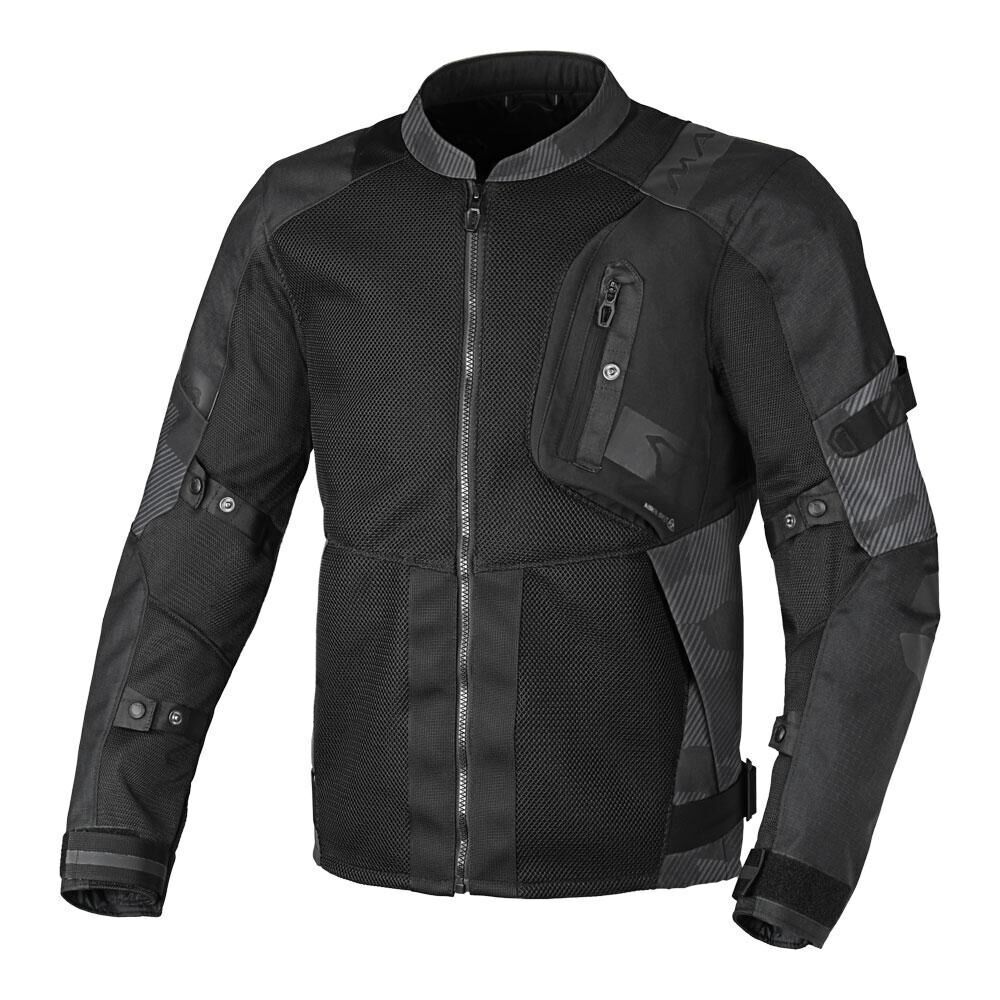
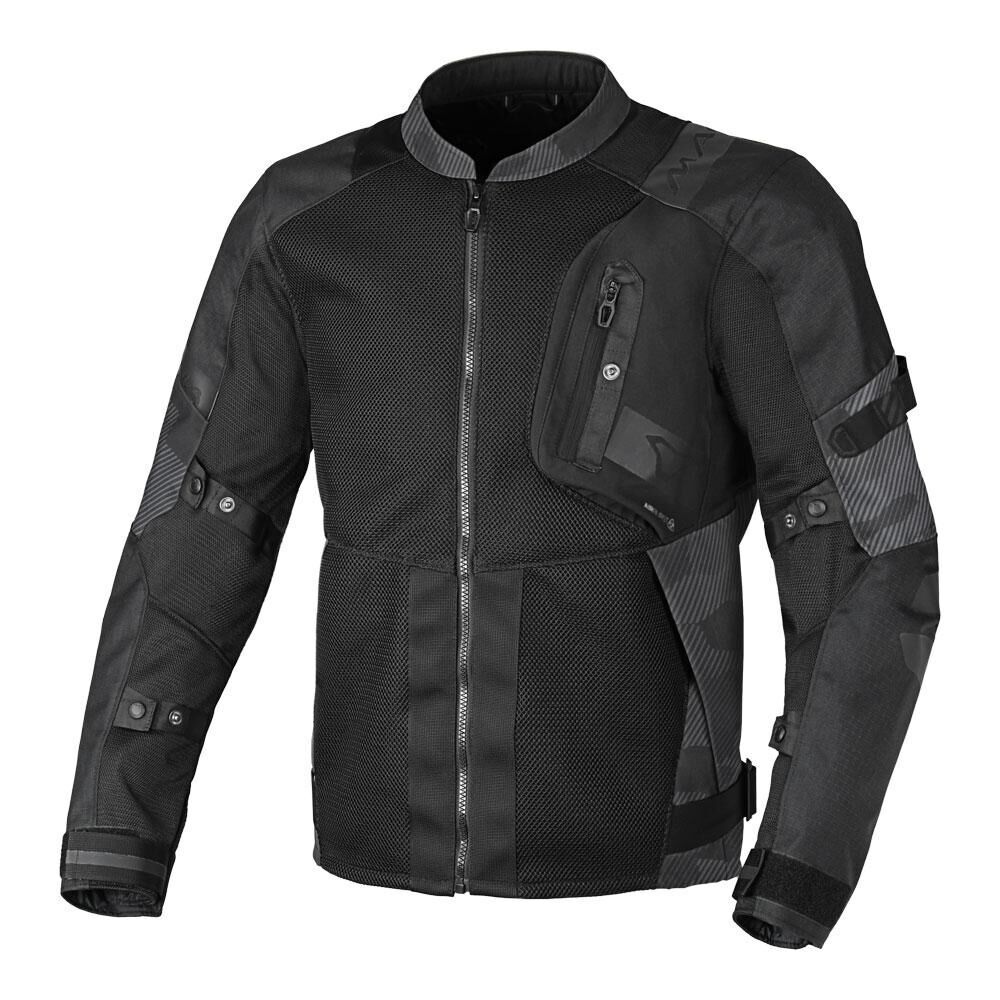
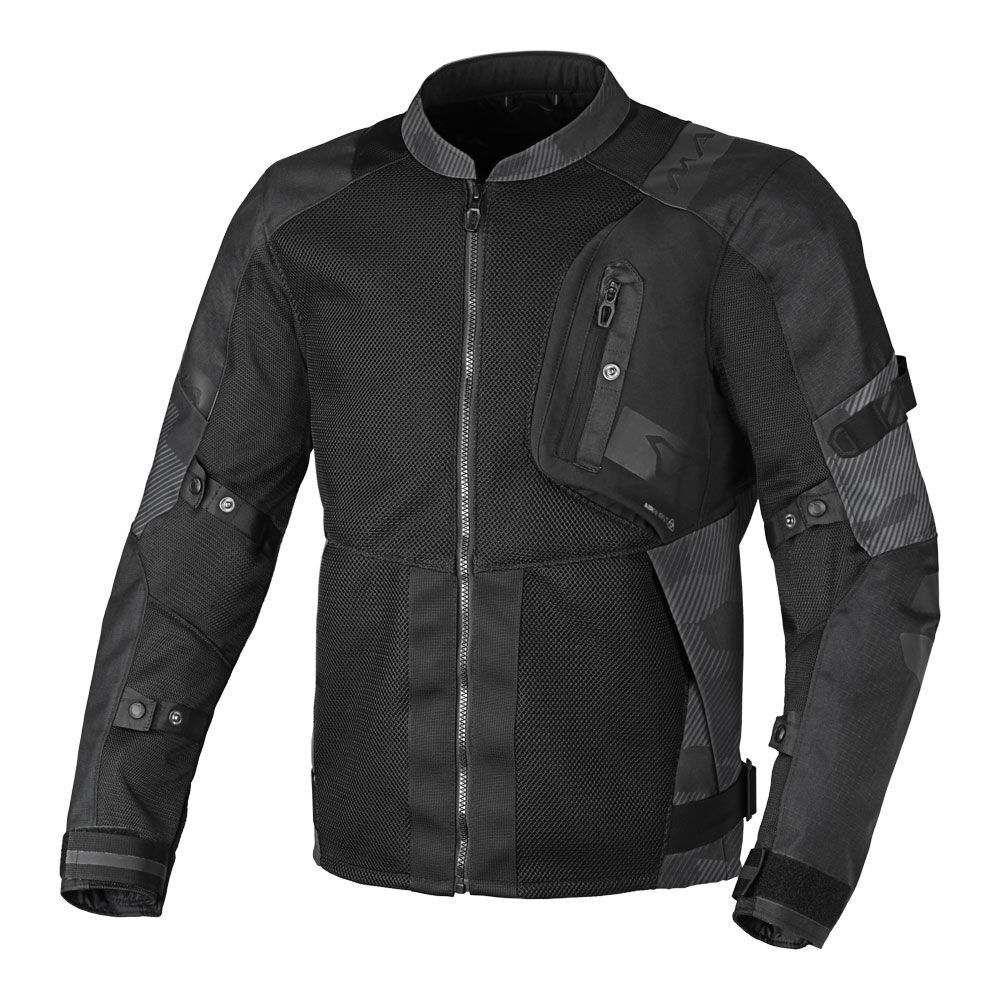
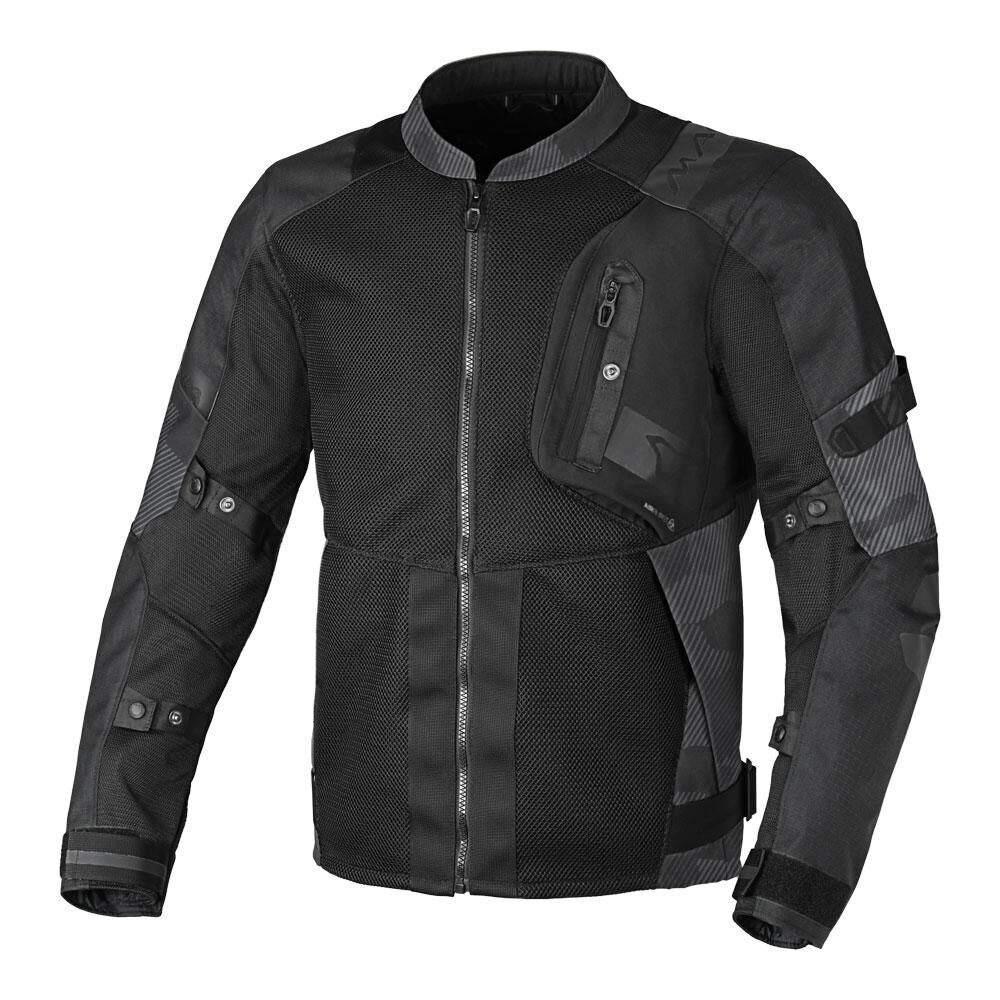
Macna Raddic Jacket Black/Grey Camo
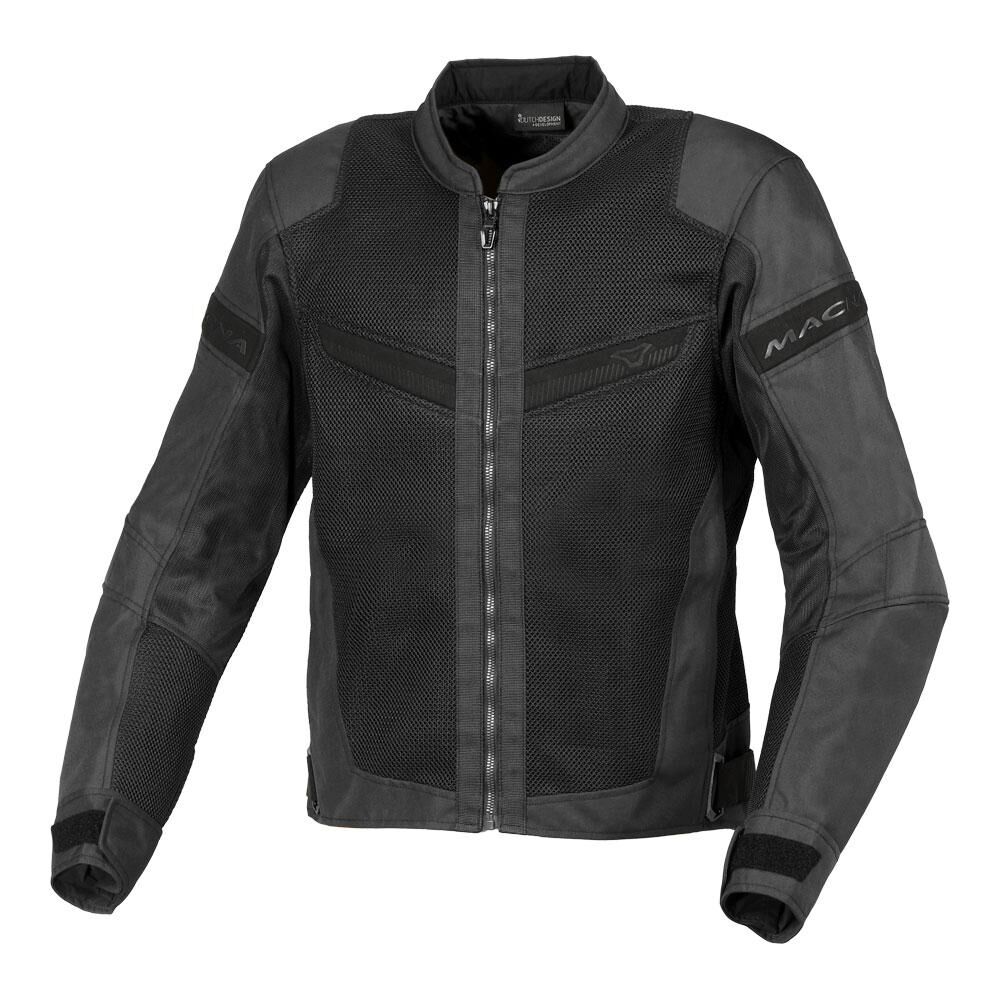
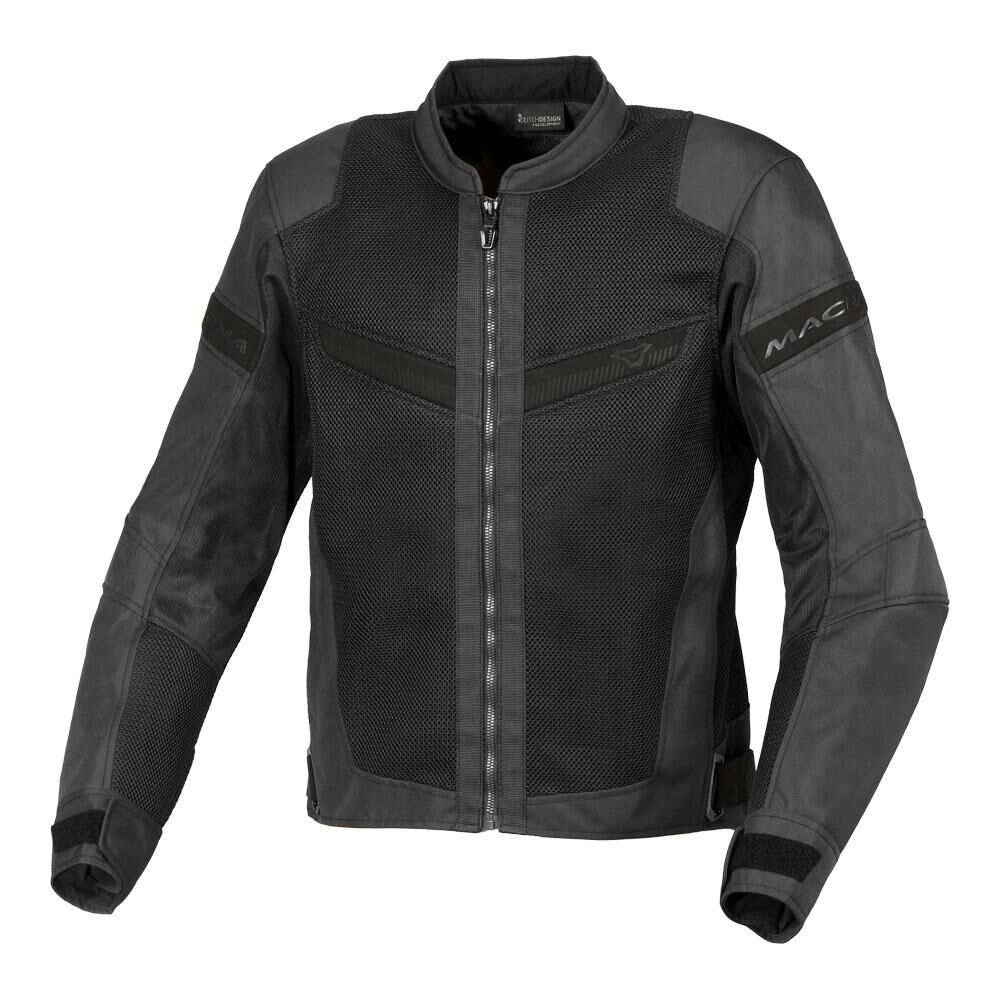
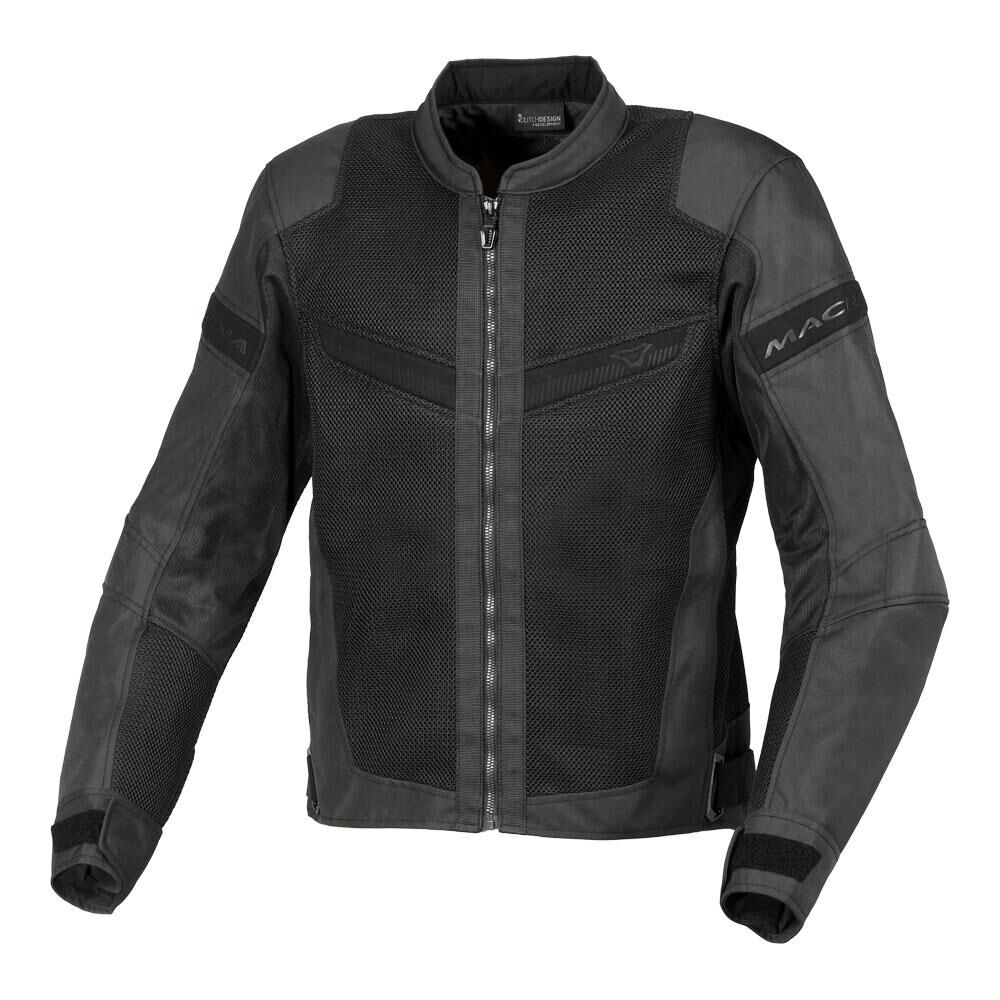
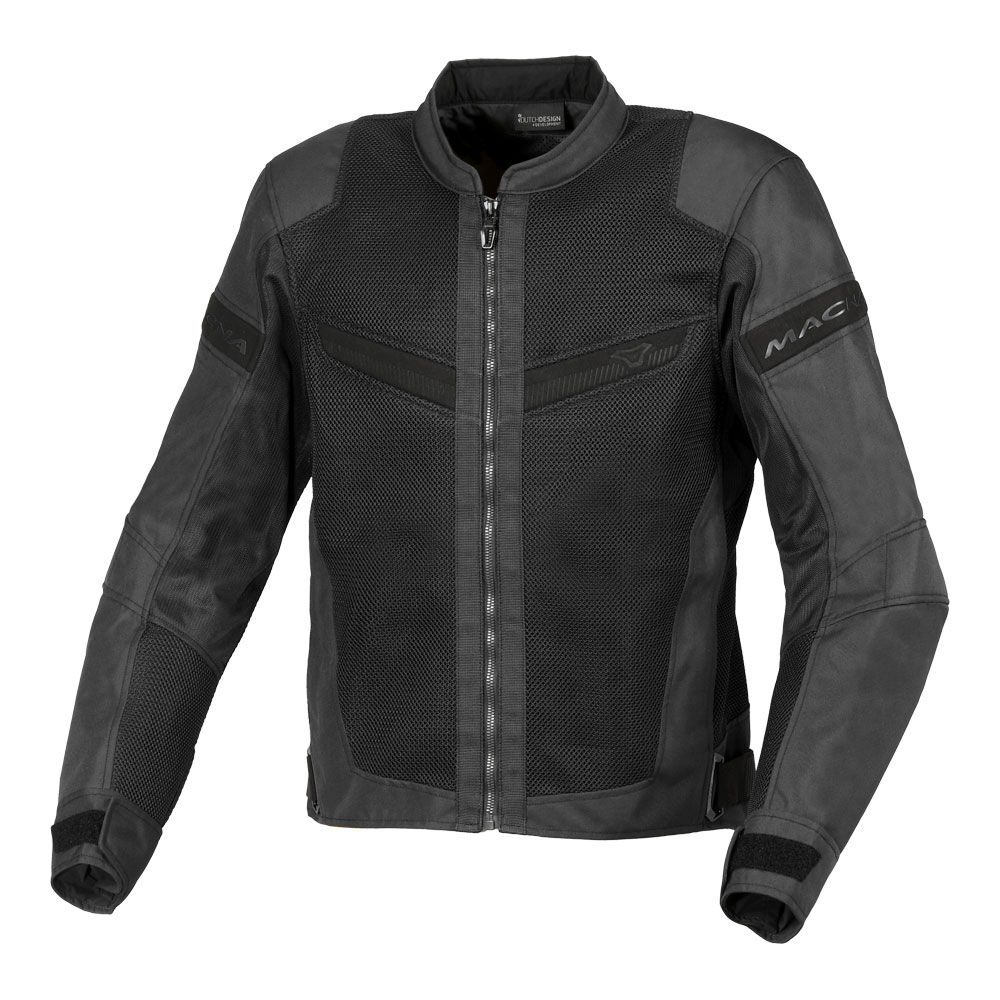
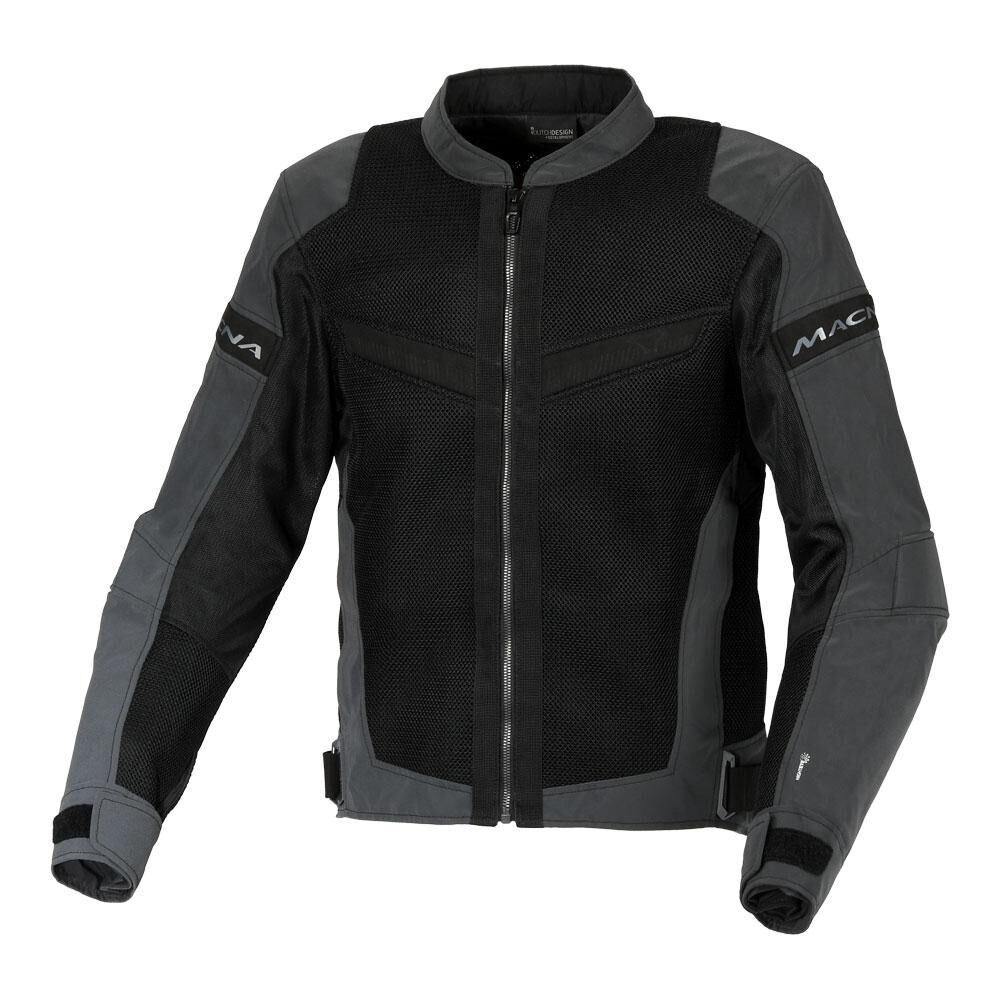
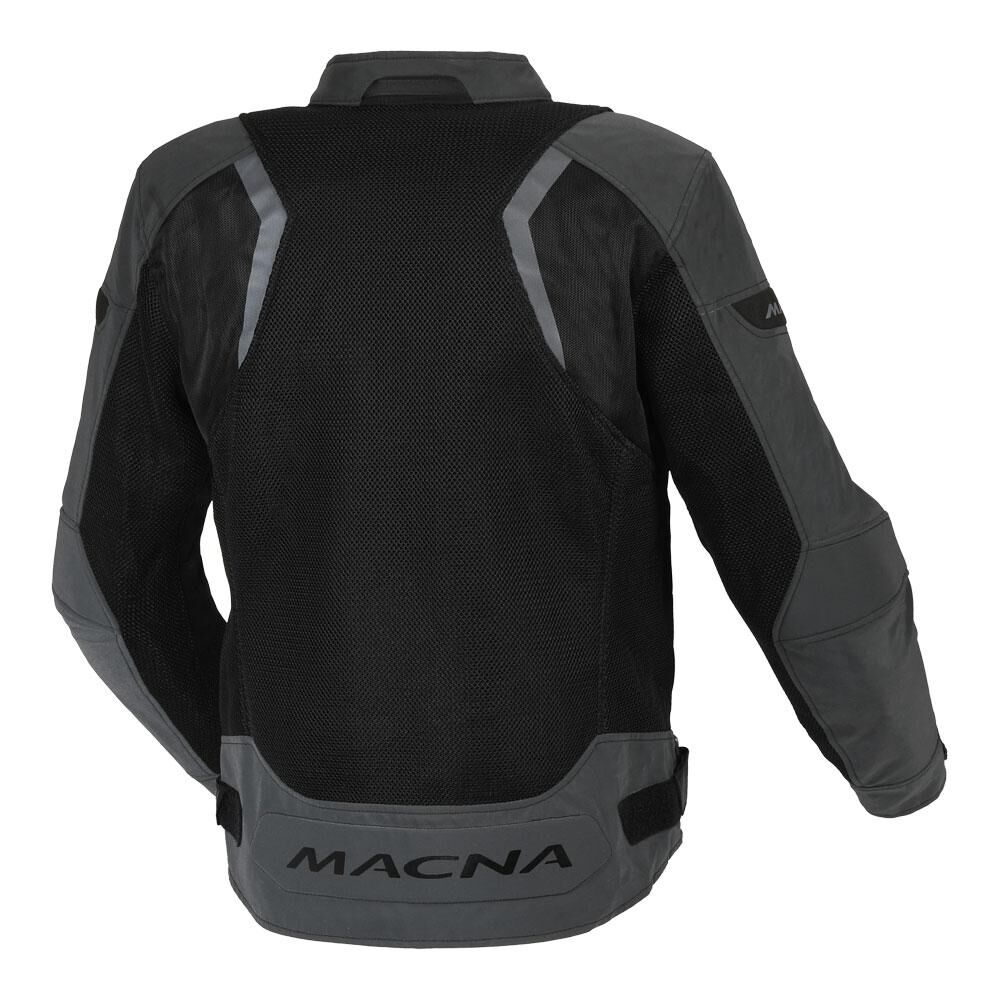


Macna Velotura Jacket Black/Nighteye
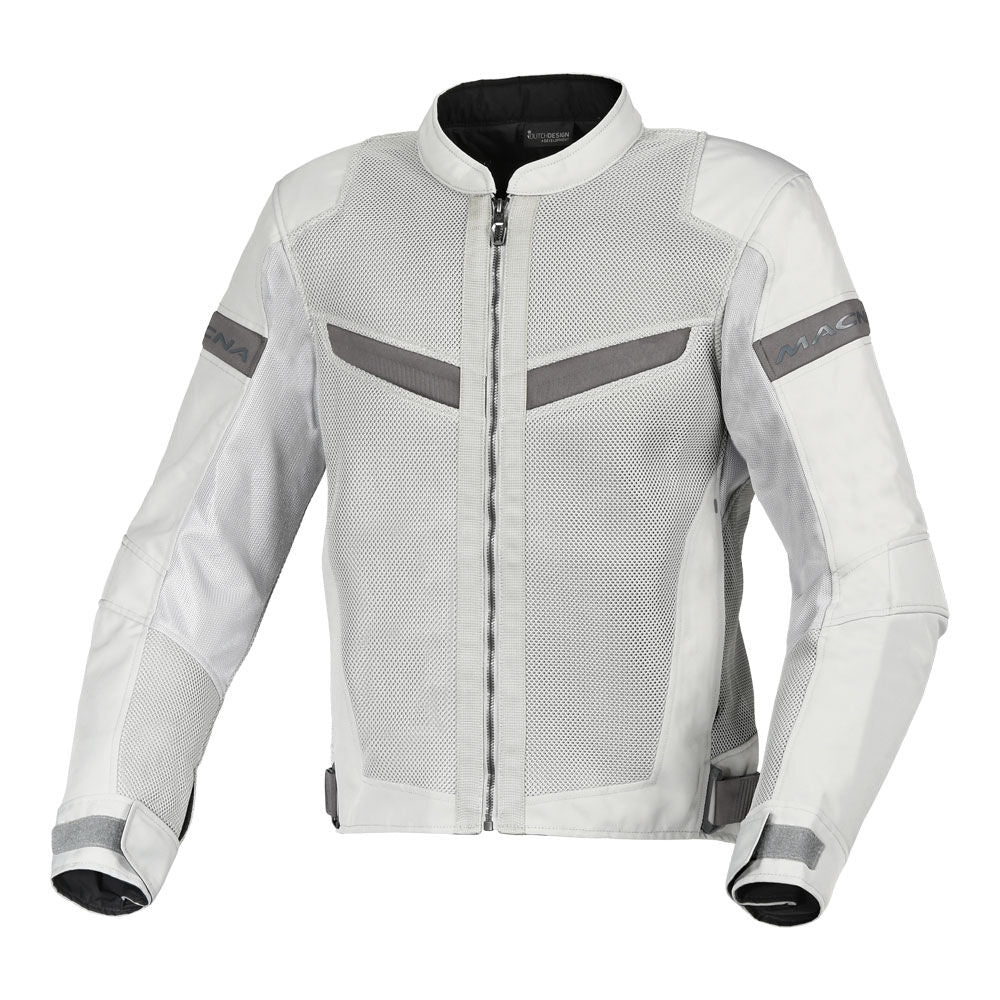

Macna Jacket Velotura Light Grey XL
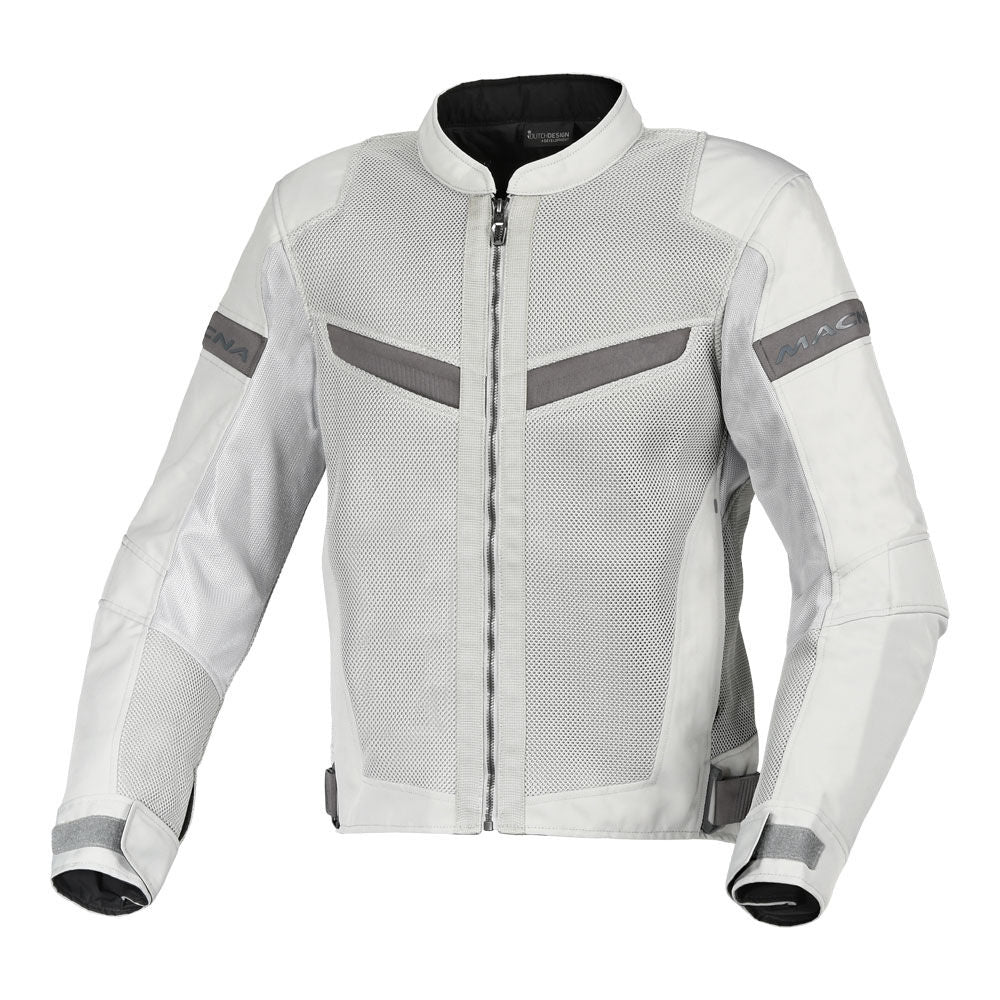
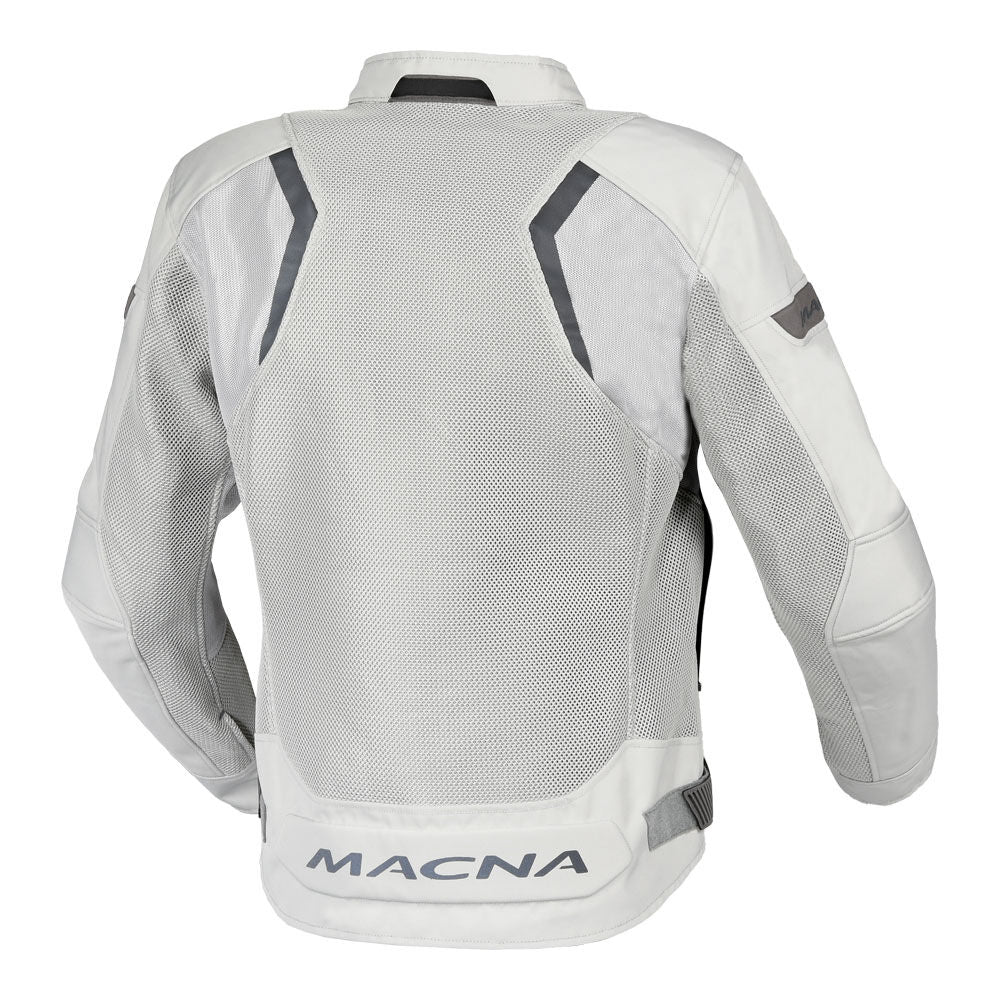
Macna Jacket Velotura Light Grey 2XL
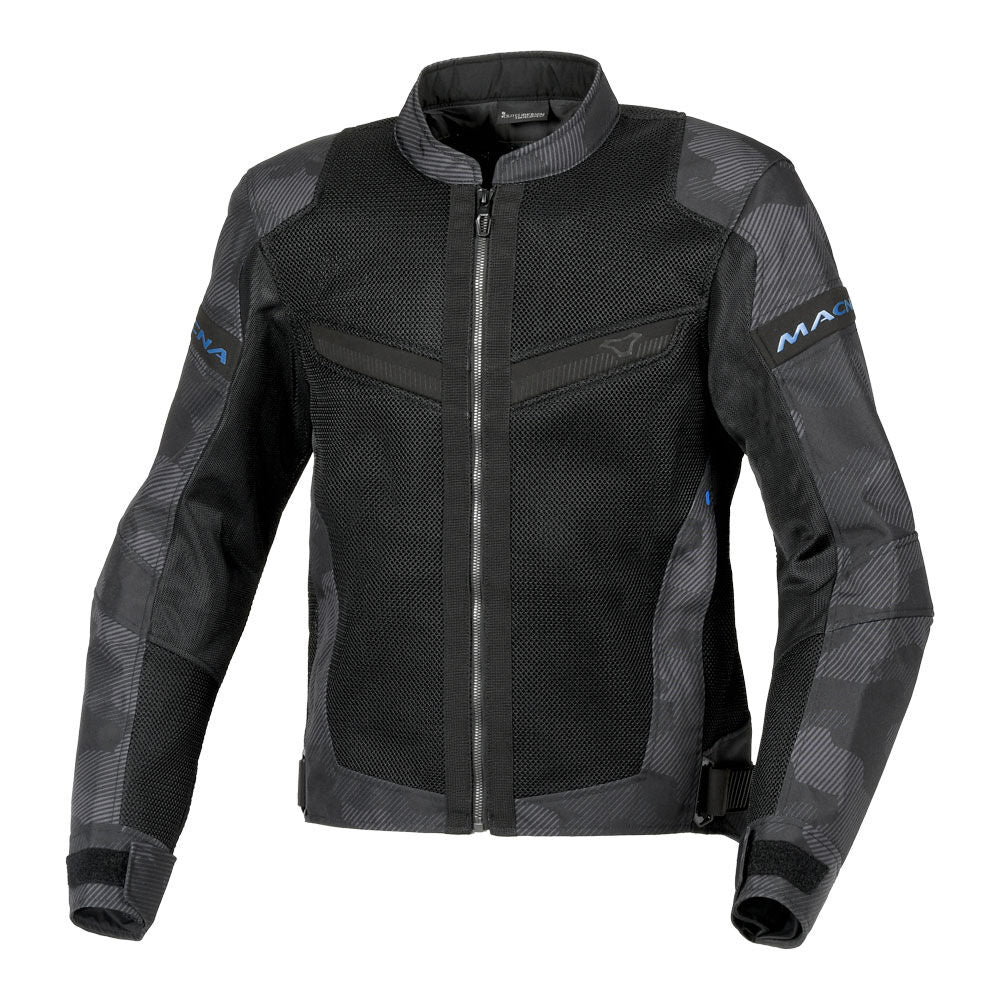
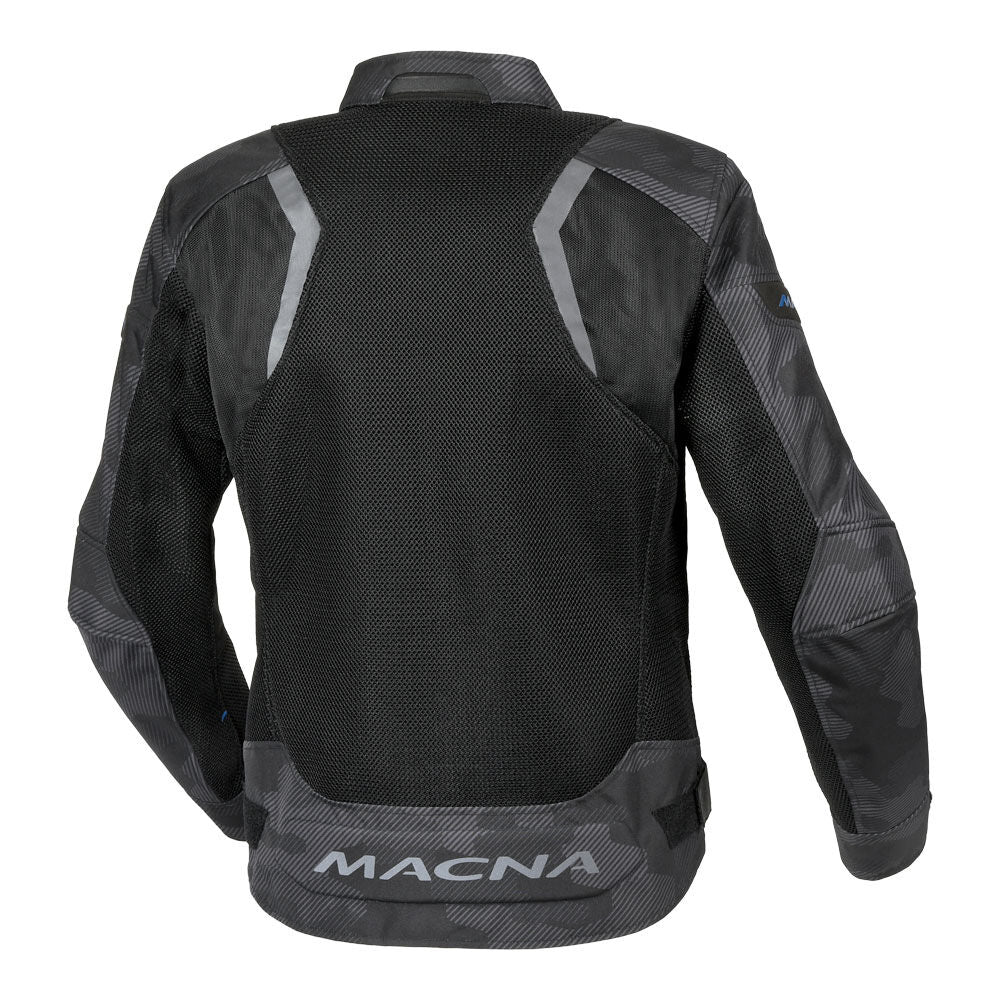
Macna Jacket Velotura Blk/Gry/Camo 3XL


Macna Jacket Velotura Light Grey M


Macna Jacket Velotura Light Grey L
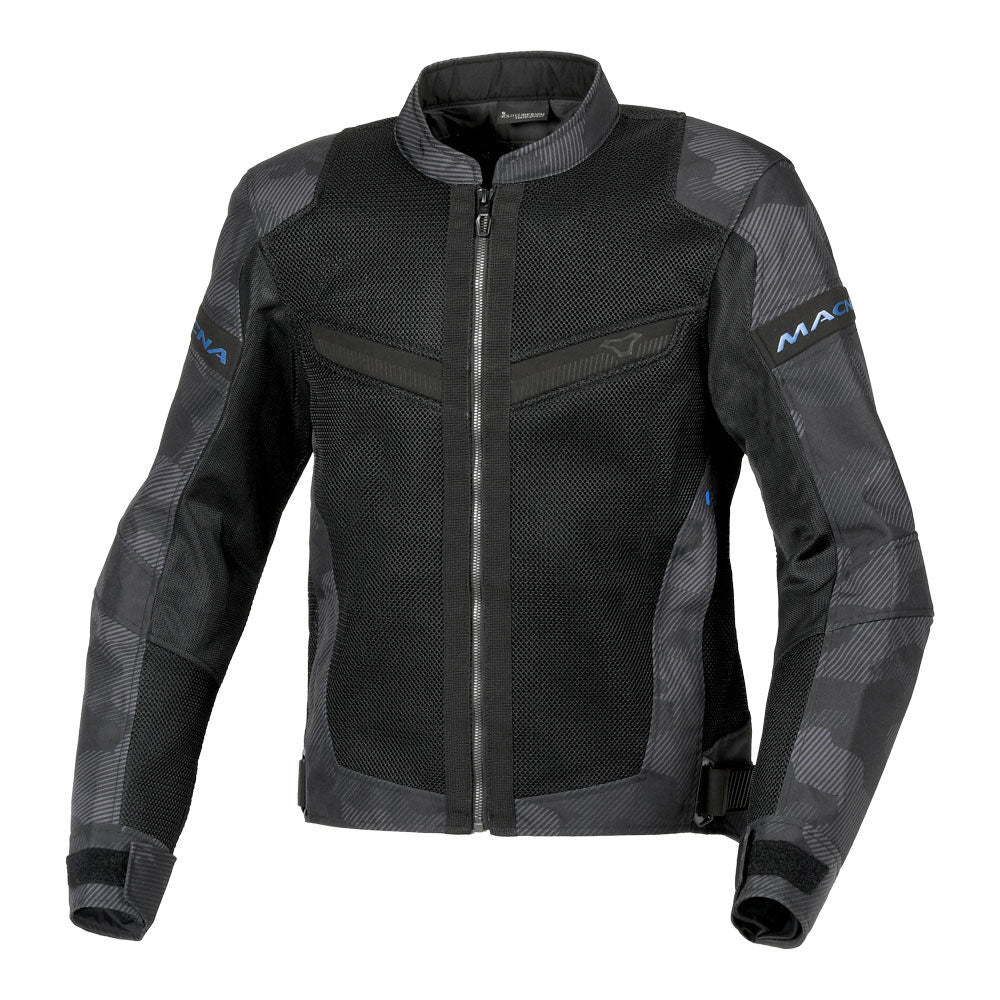
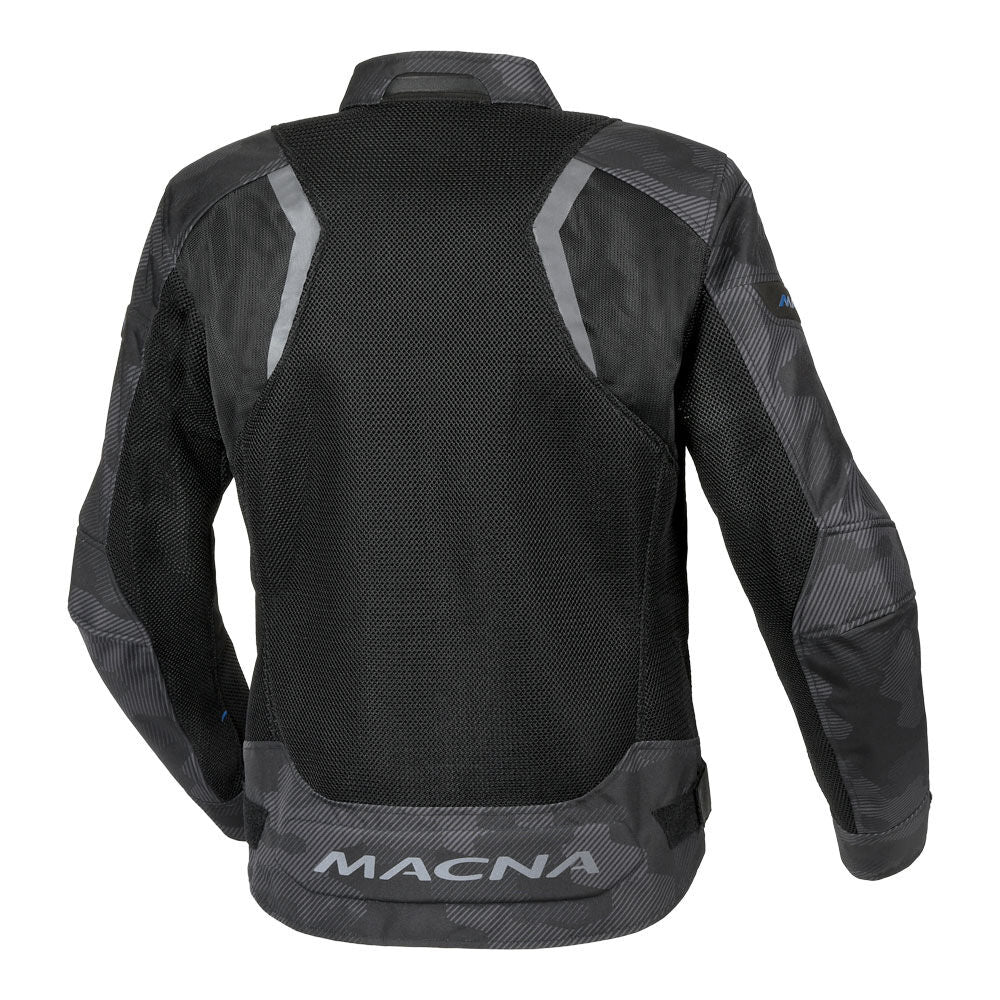
Macna Jacket Velotura Blk/Gry/Camo 2XL
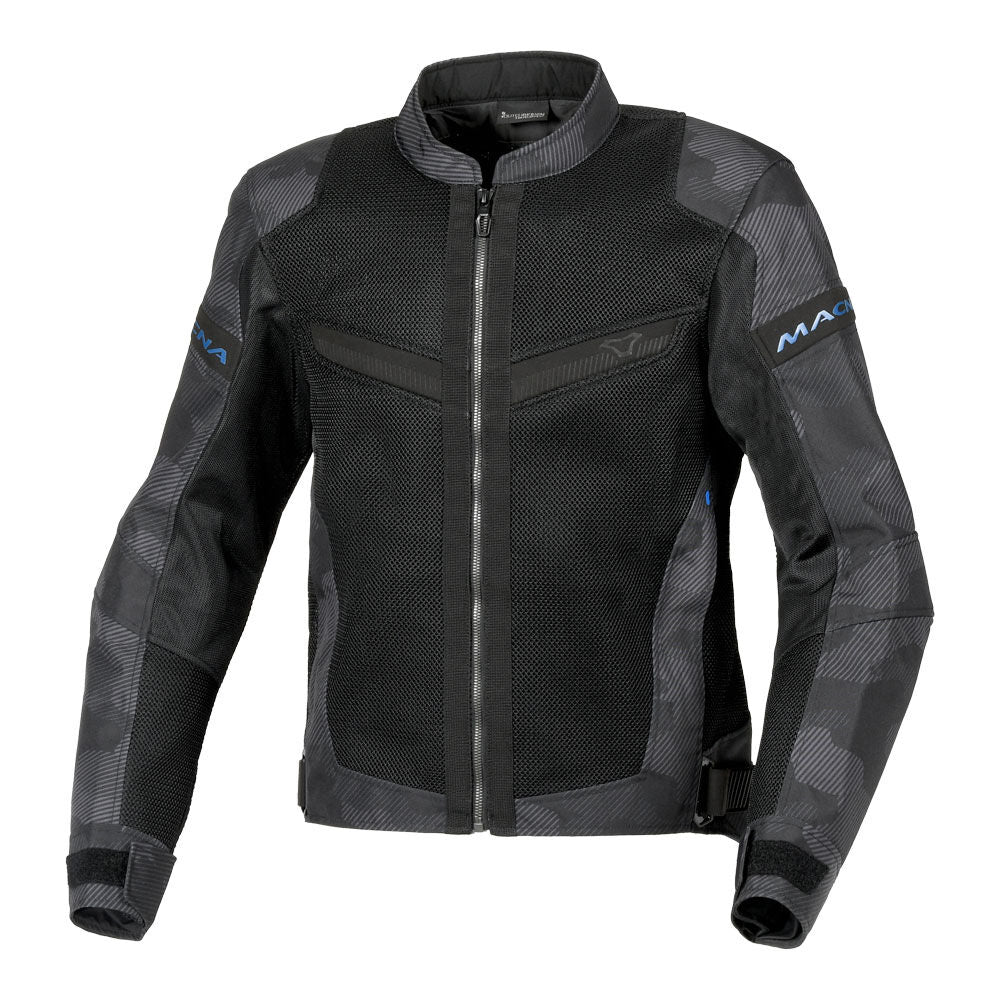
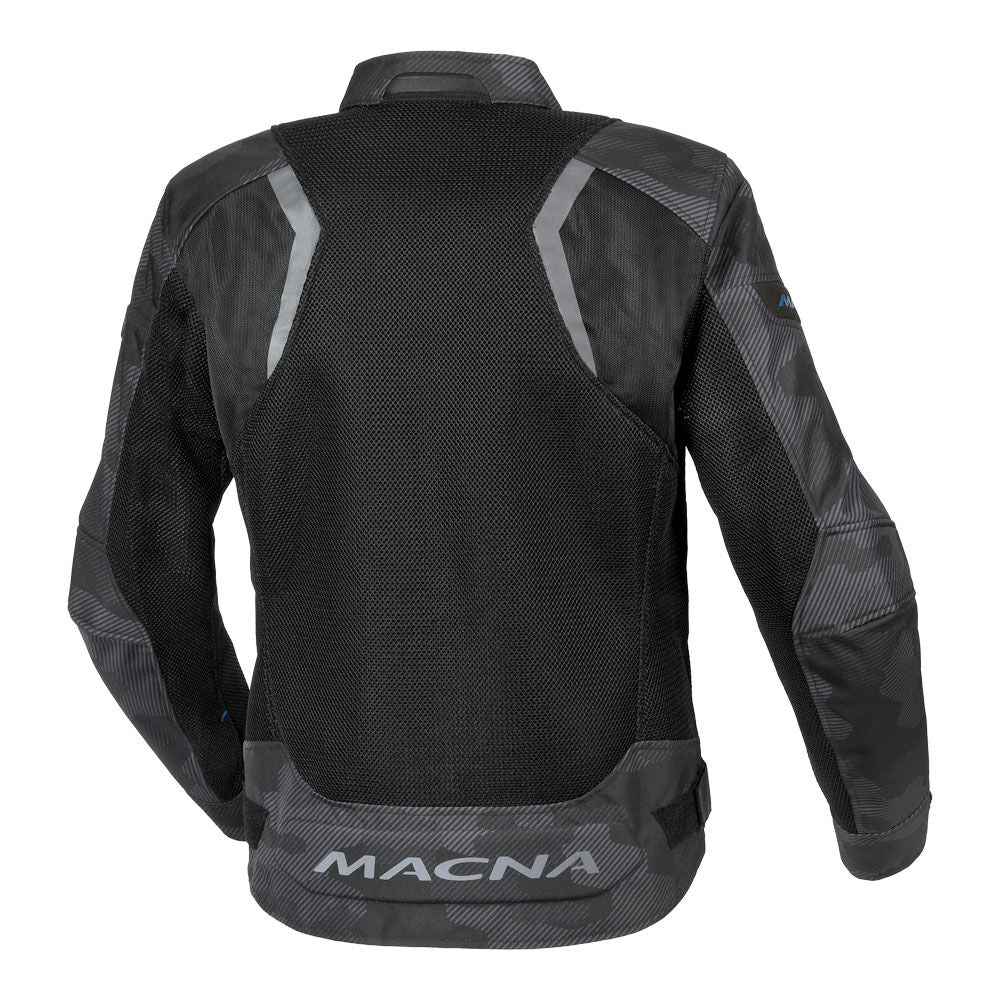
Macna Jacket Velotura Blk/Gry/Camo XL


Macna Jacket Velotura Blk/Gry/Camo L
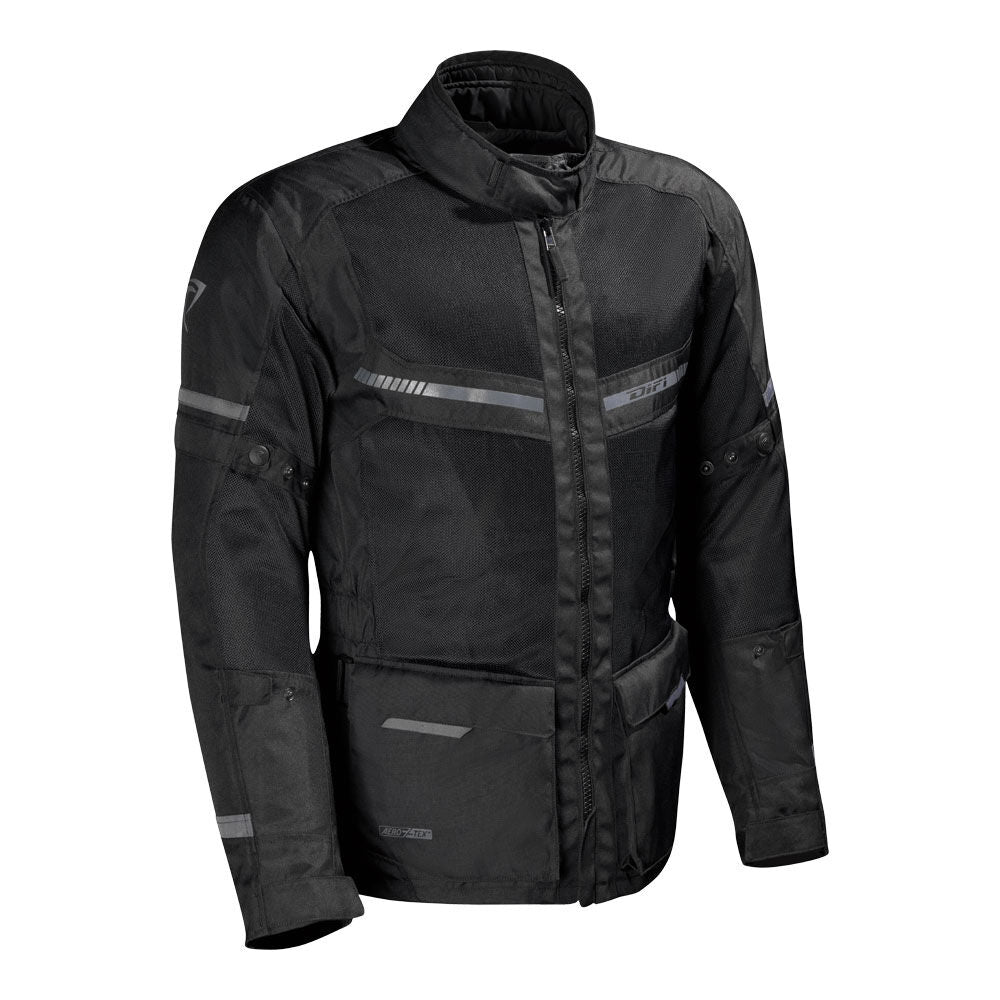
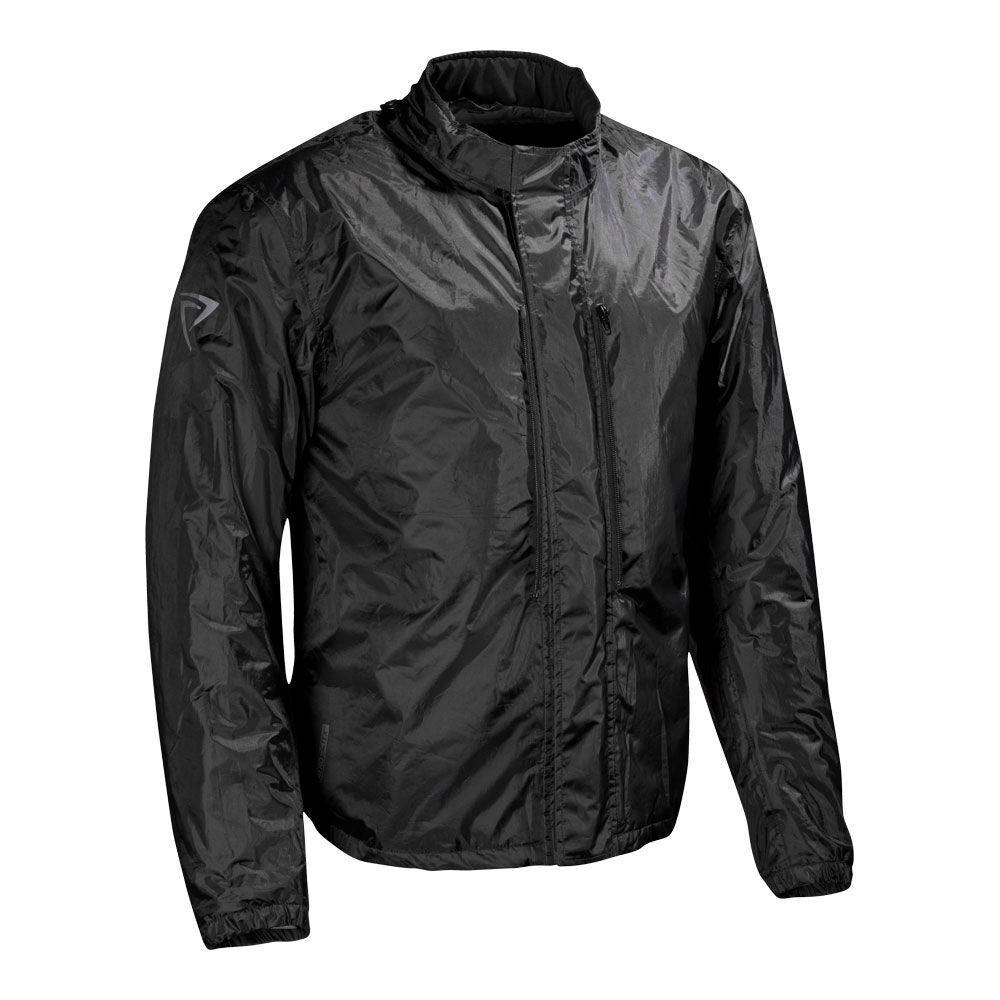
Difi Jacket Corsica Aerotex Black 2XL 115332
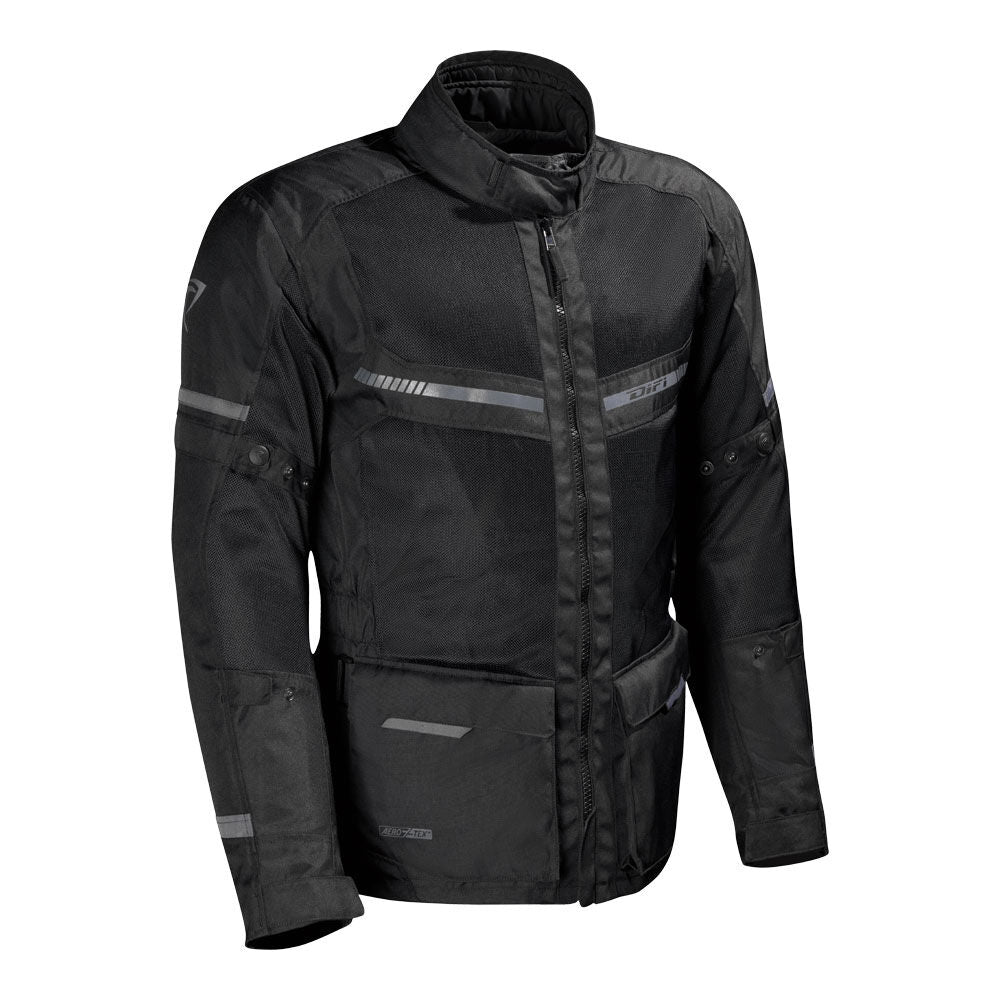
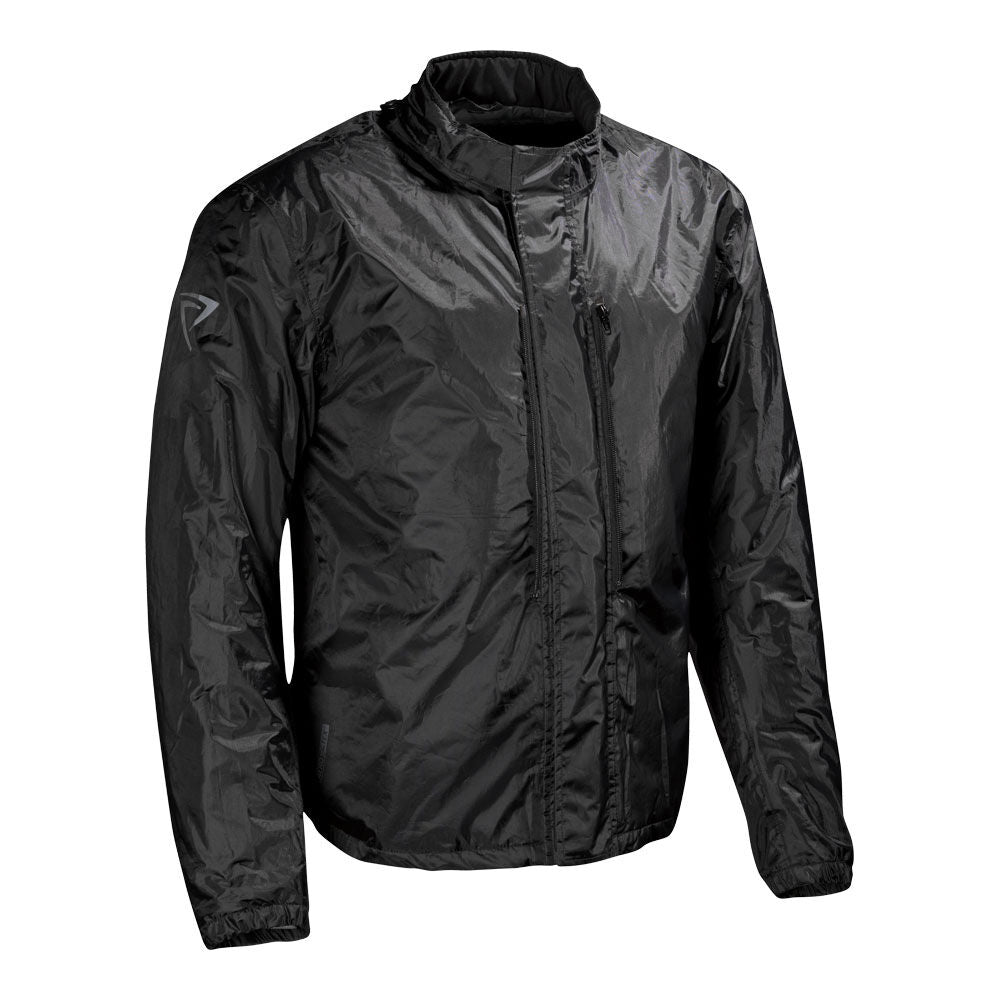
Difi Jacket Corsica Aerotex Black XL 115271
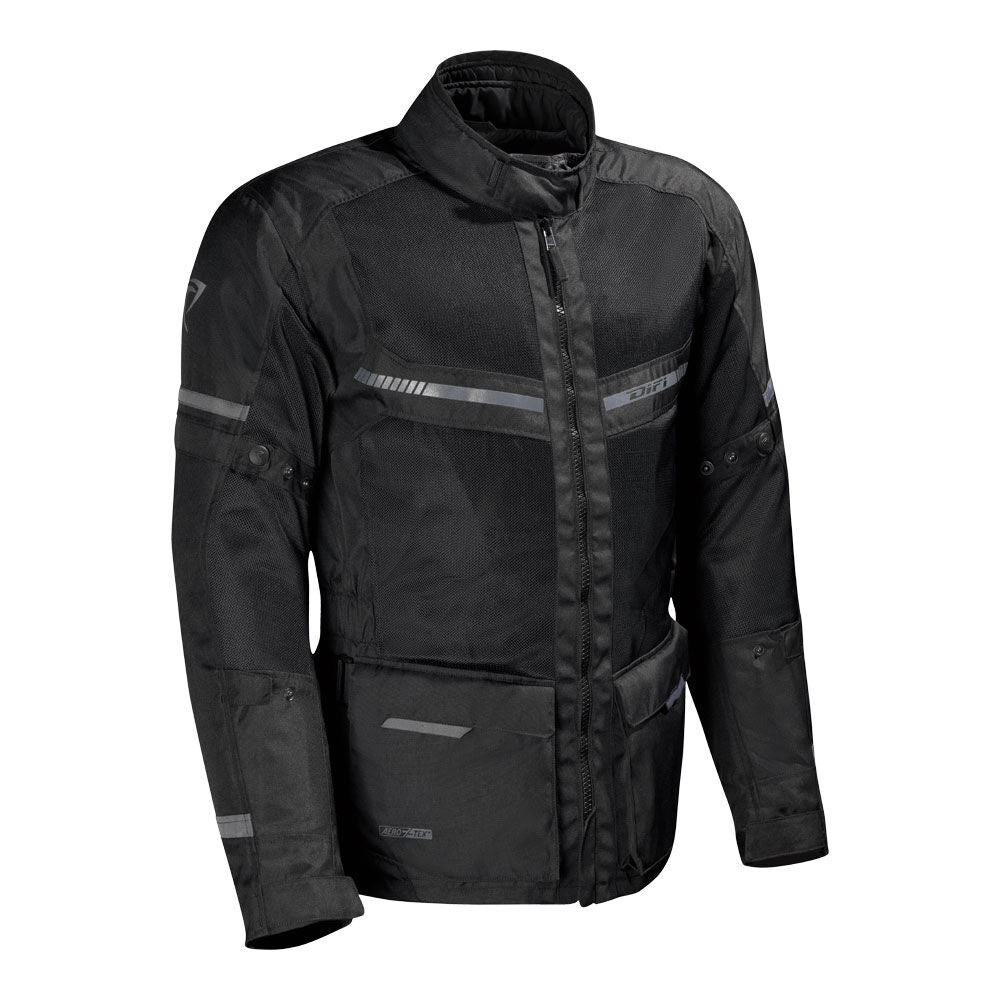
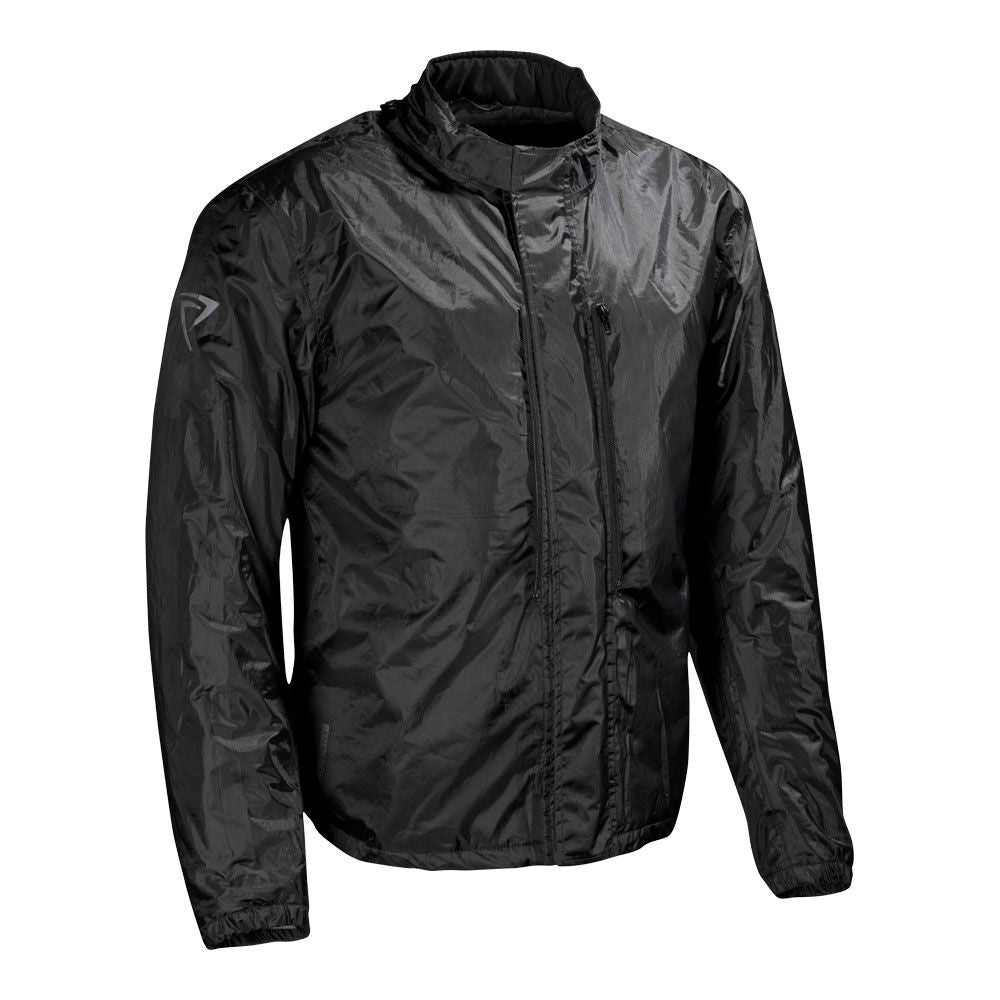
Difi Jacket Corsica Aerotex Black 3XL 115363
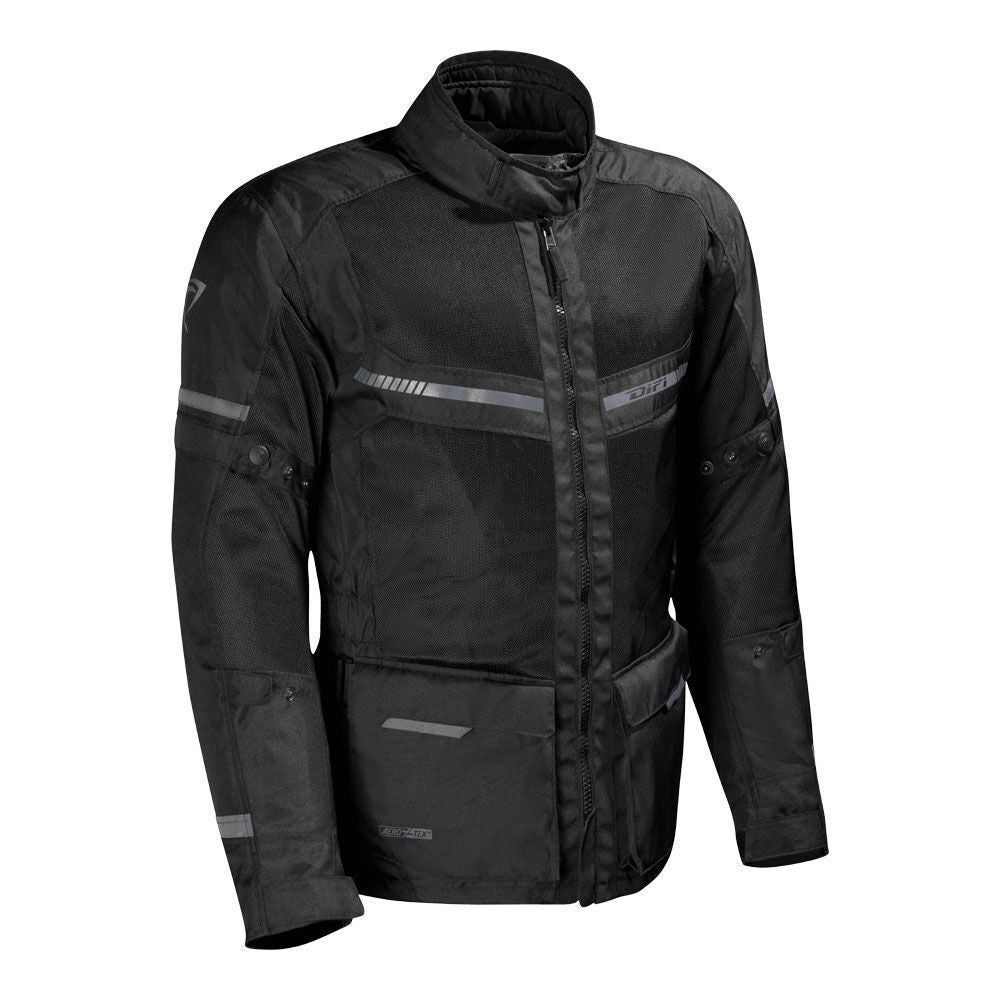
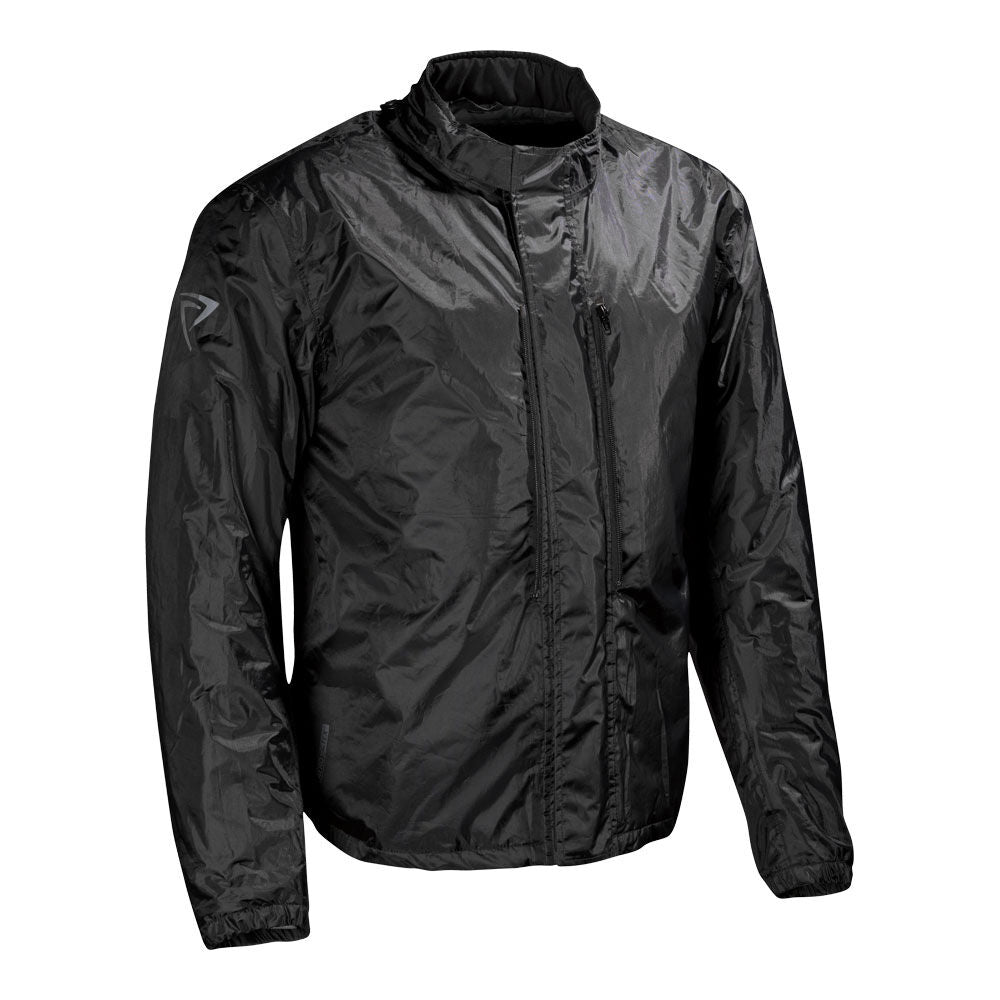
Difi Jacket Corsica Aerotex Black 4XL 115301
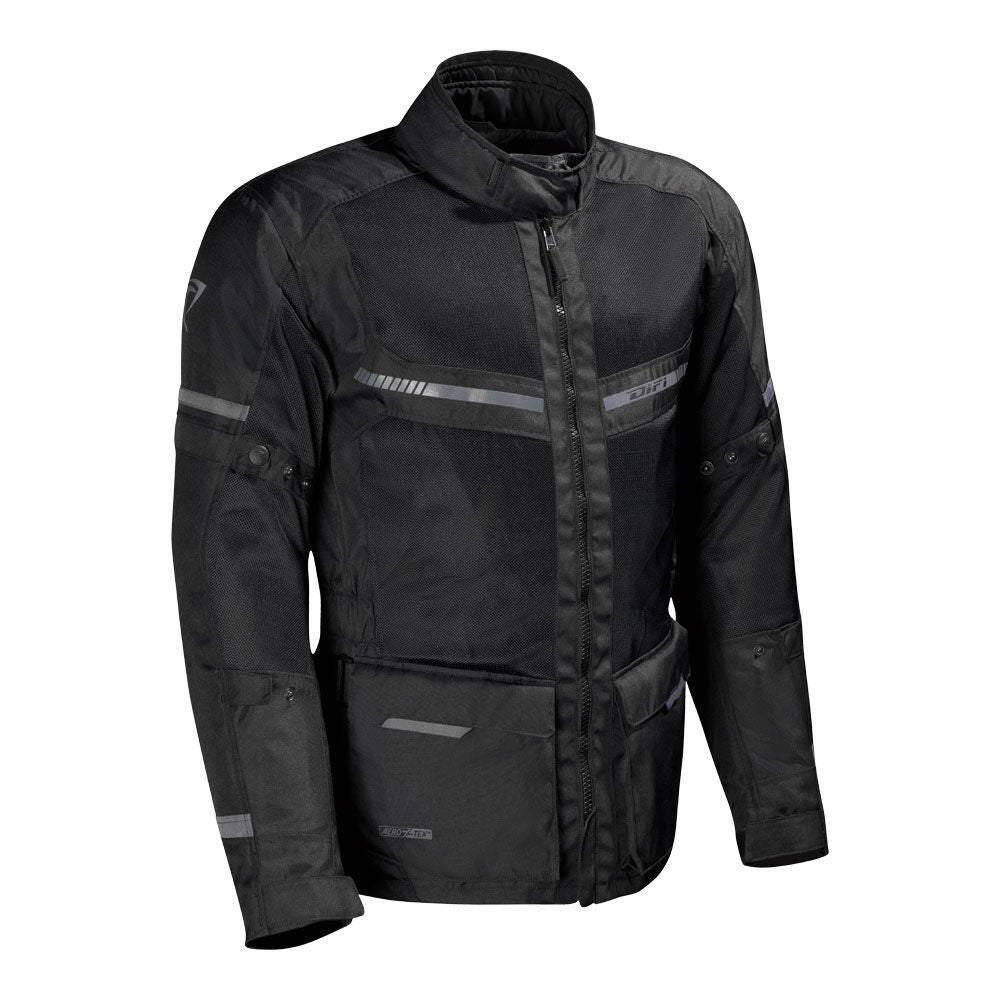
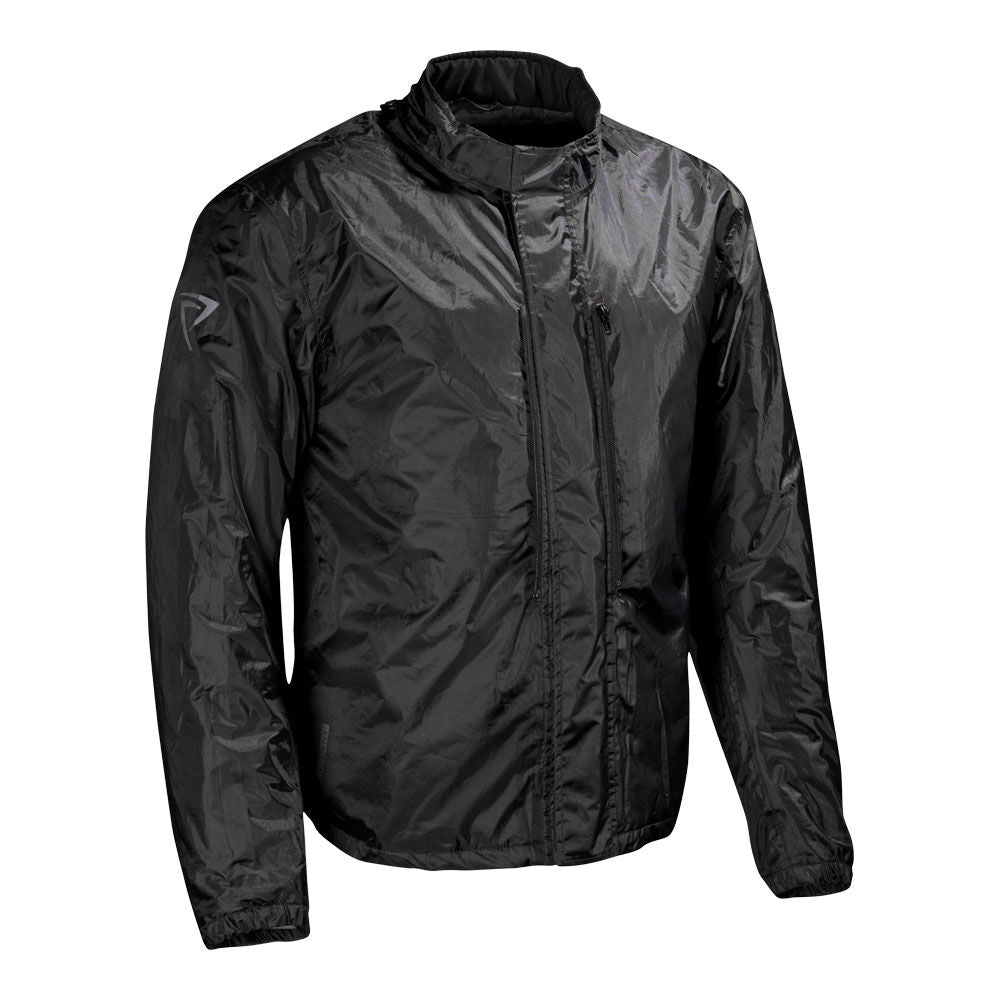
Difi Jacket Corsica Aerotex Black M 115219
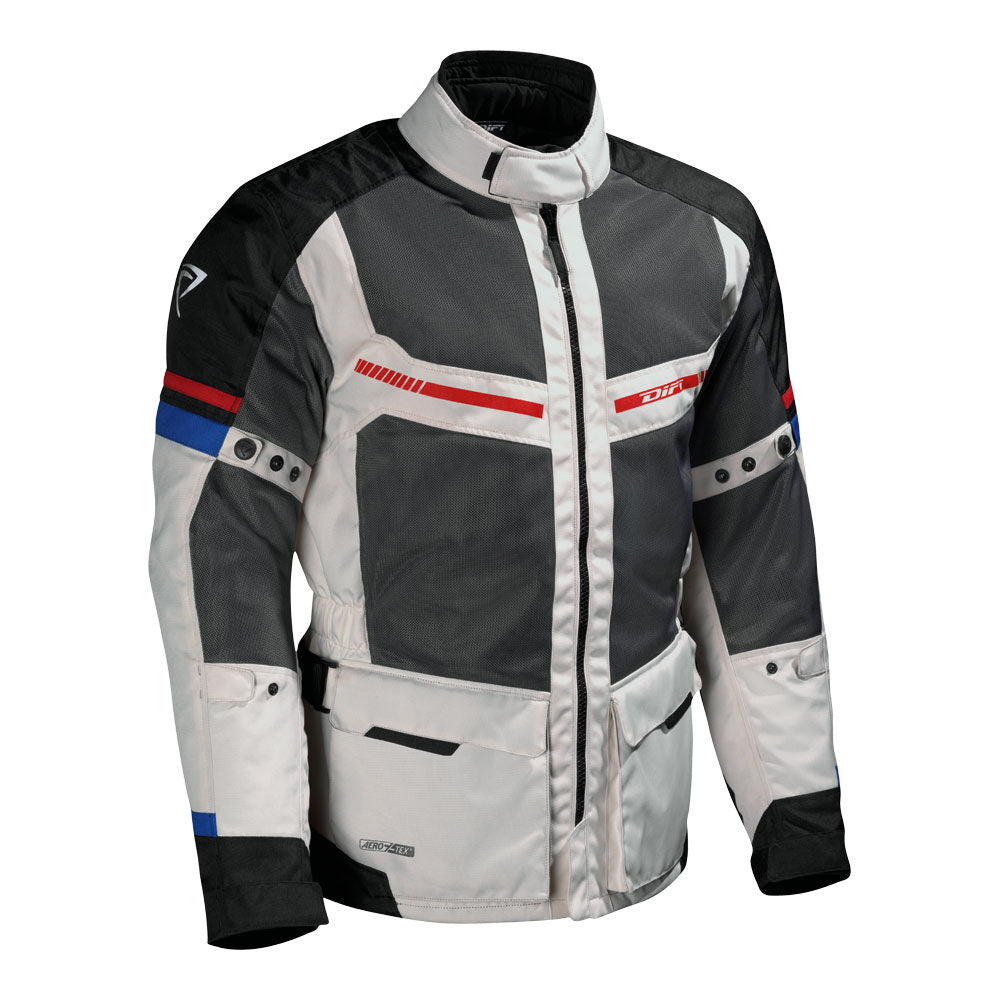
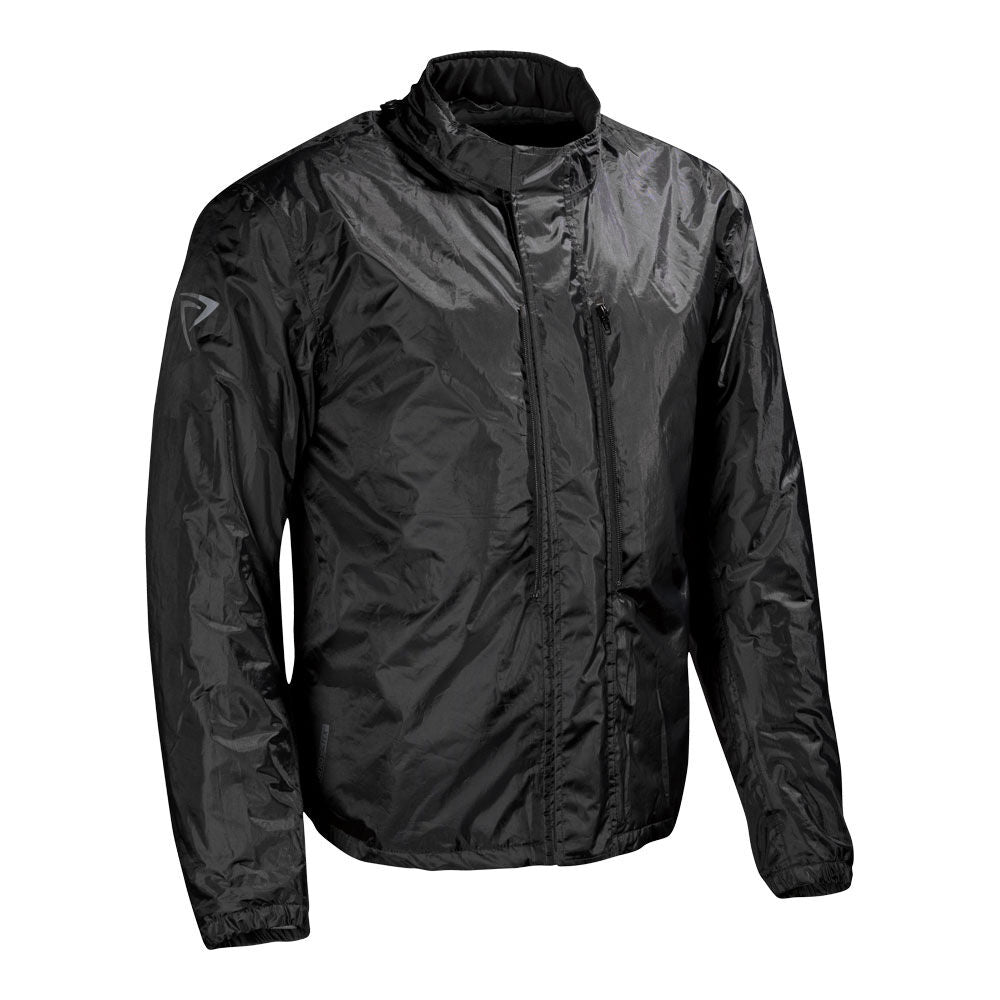
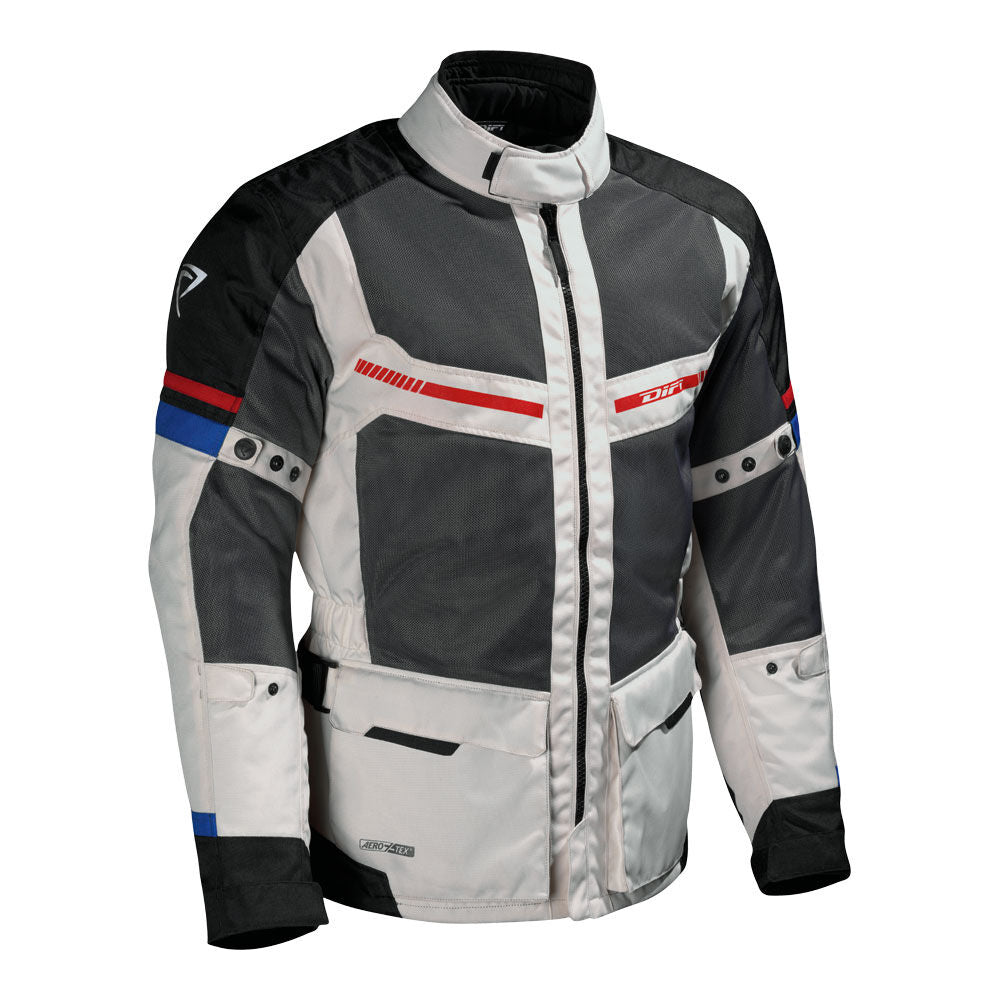
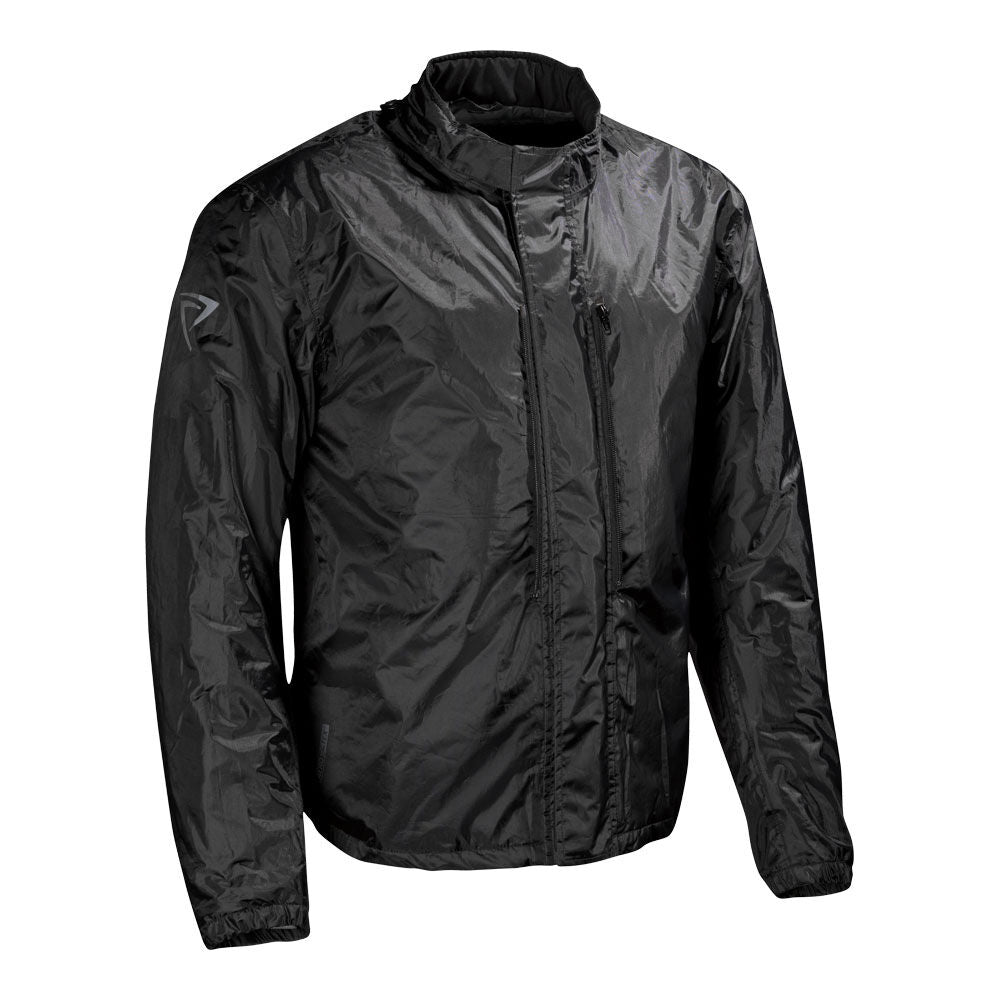
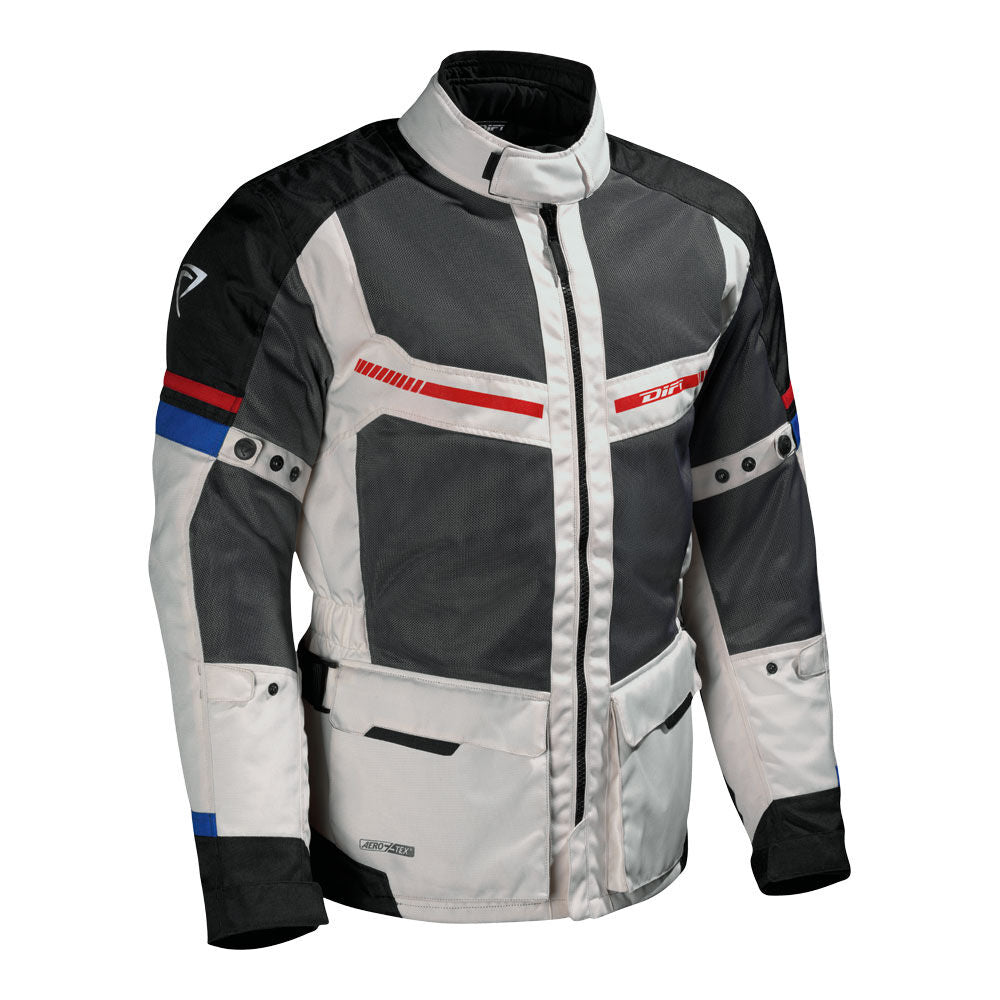
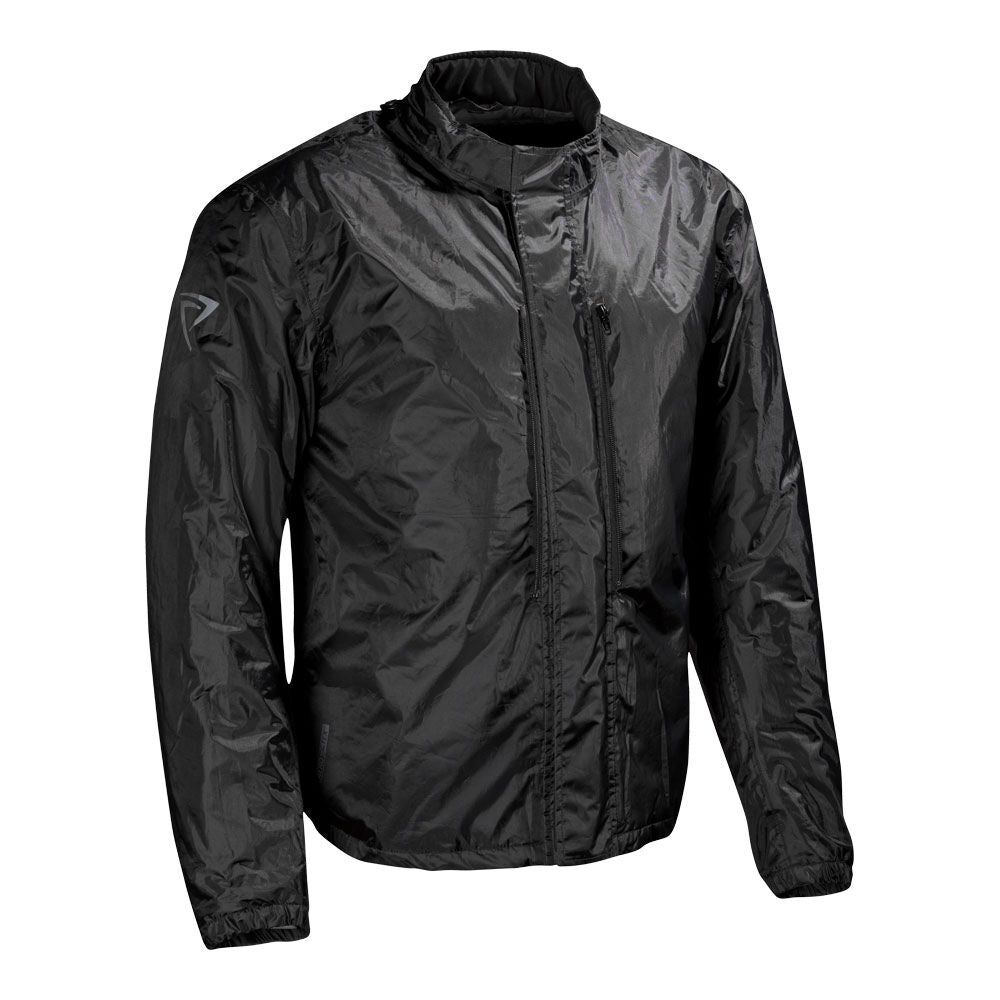
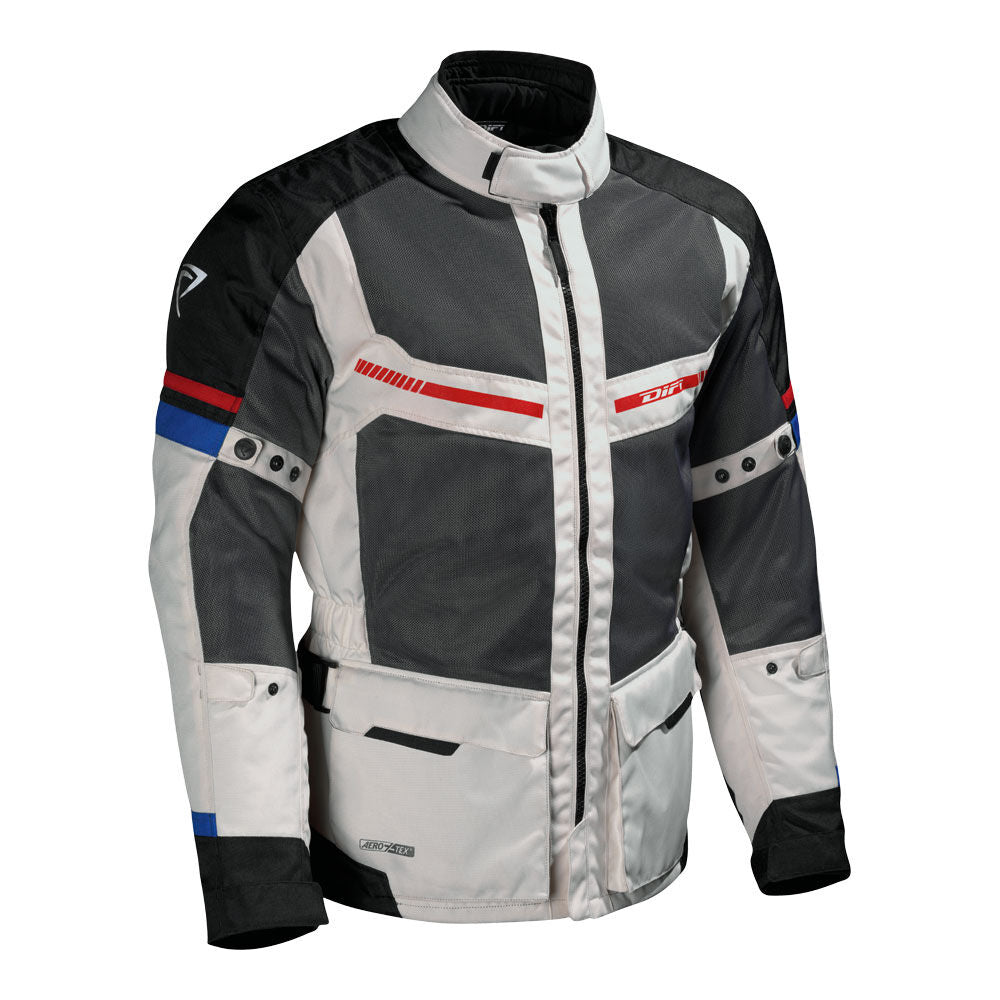
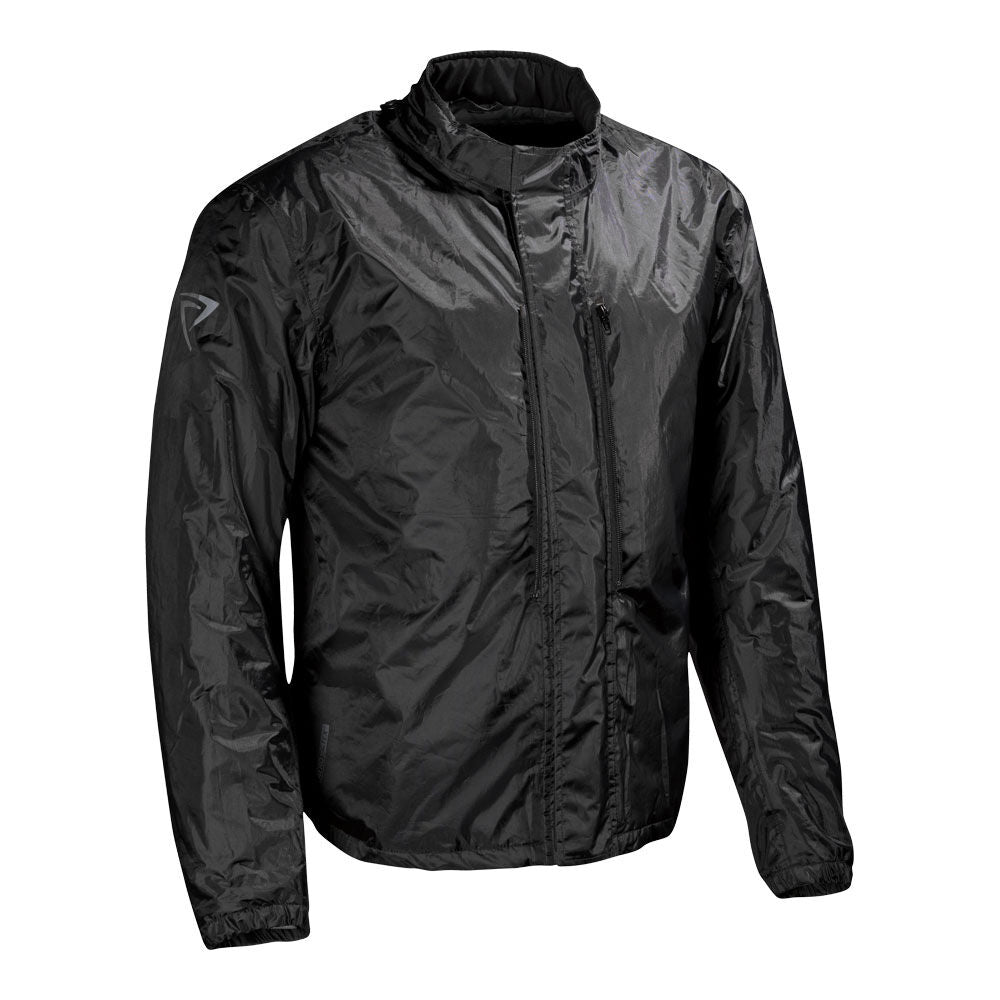
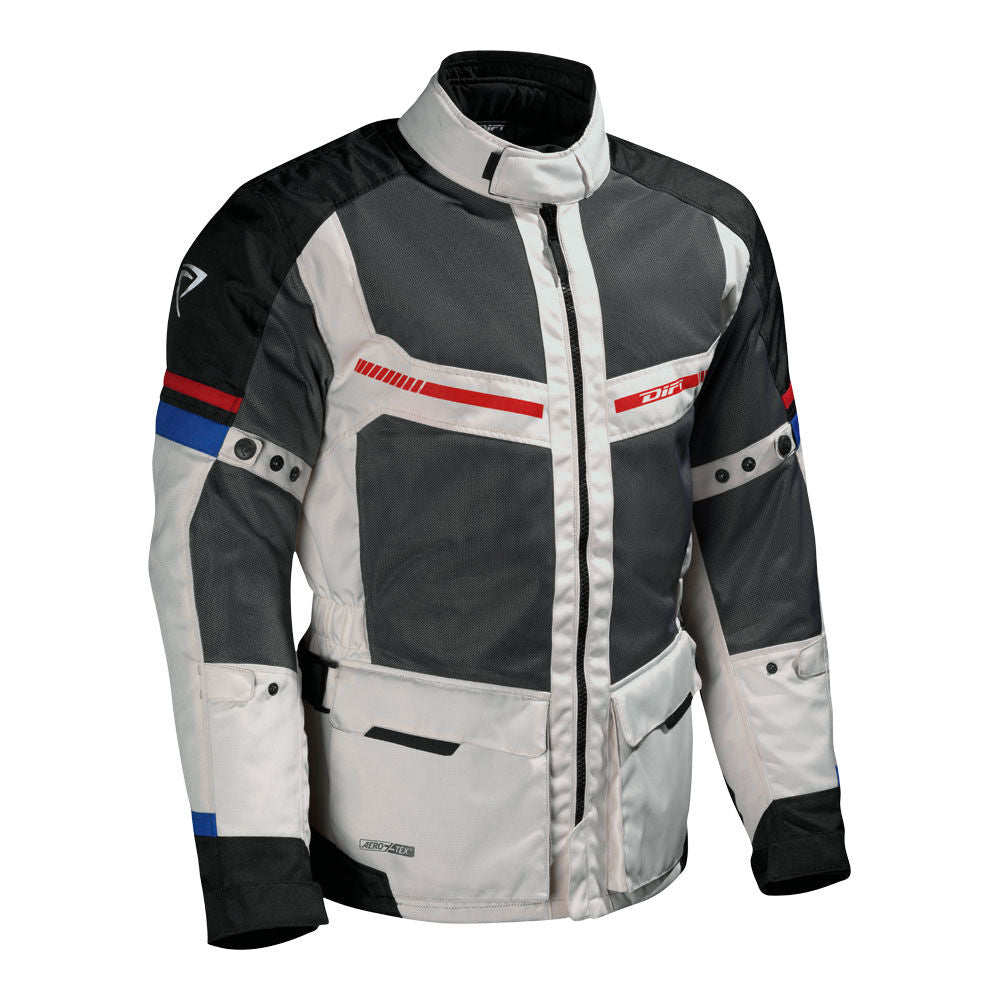
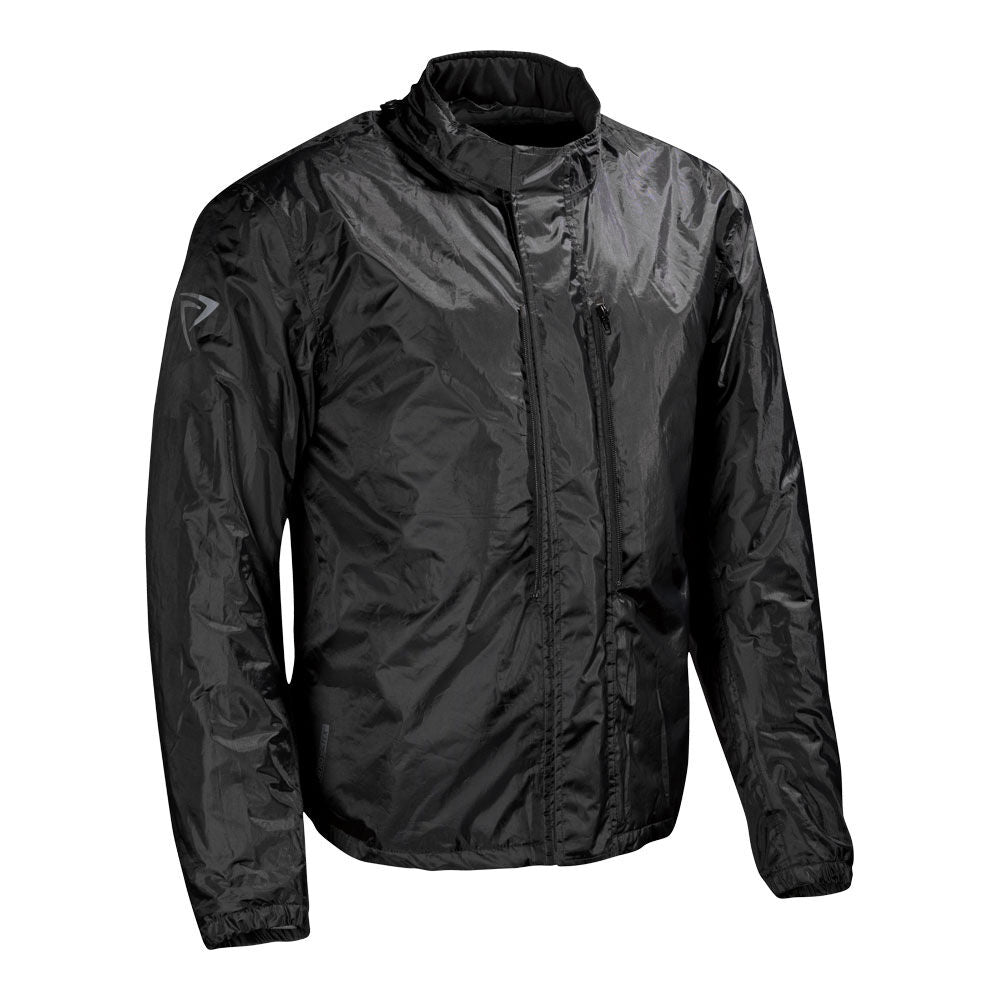
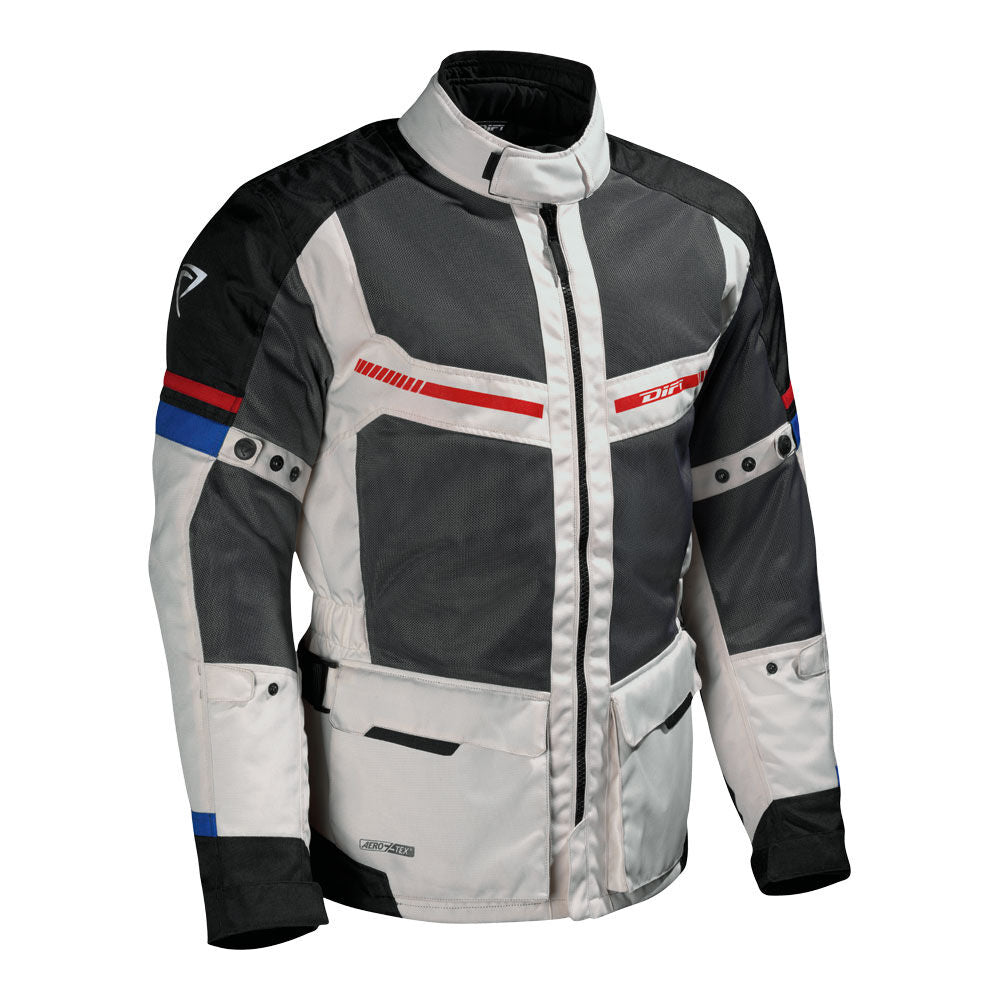
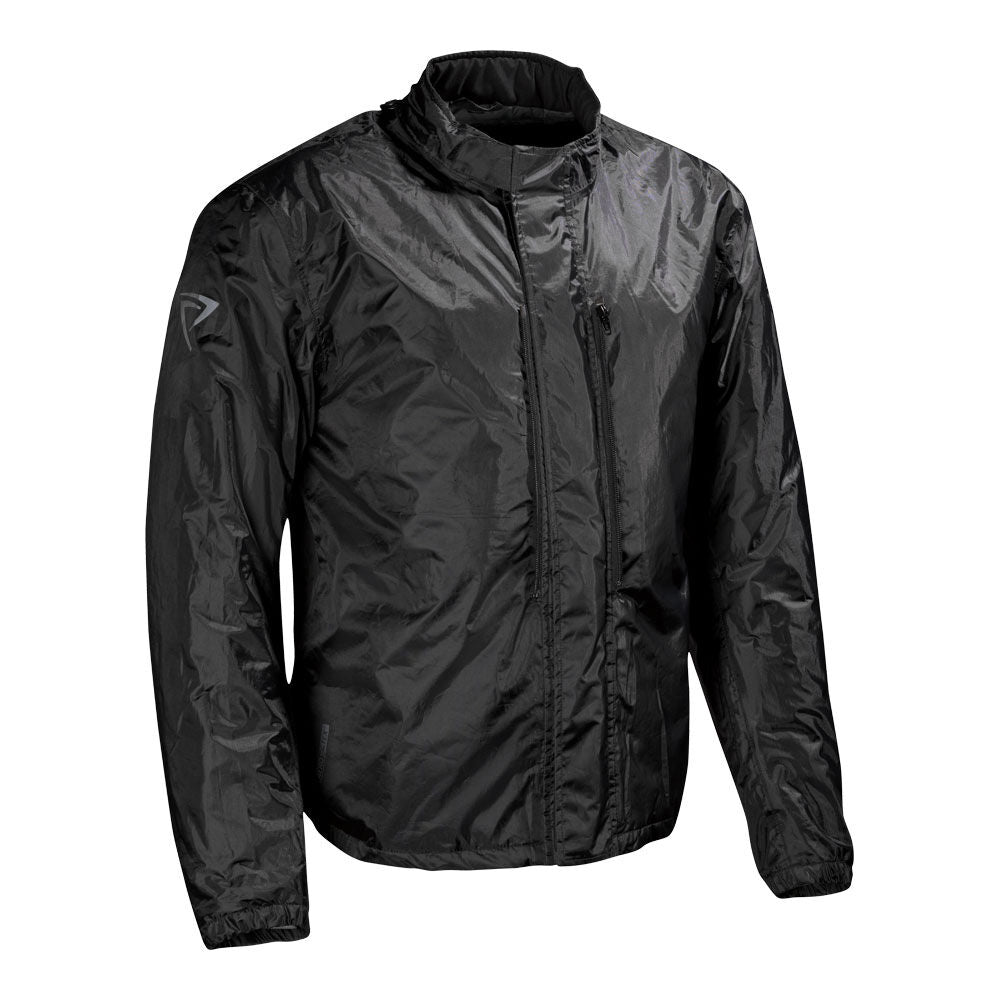

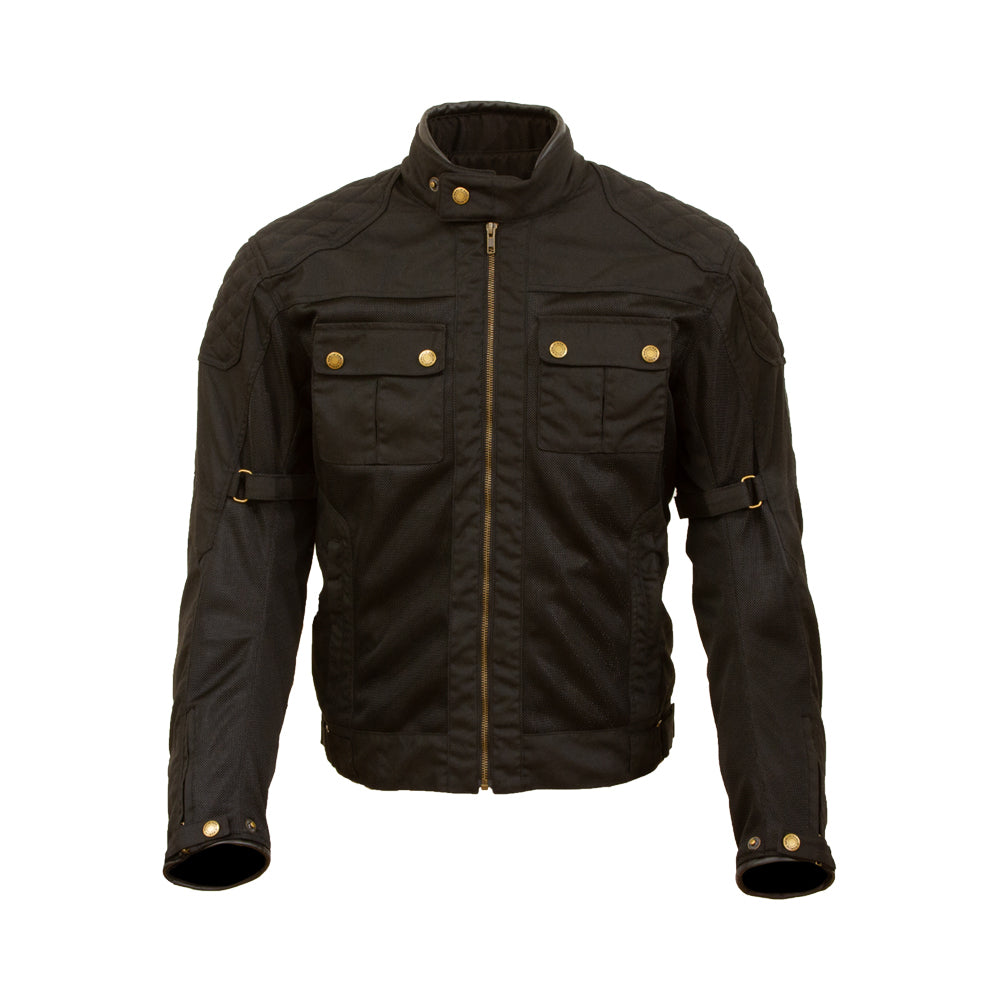
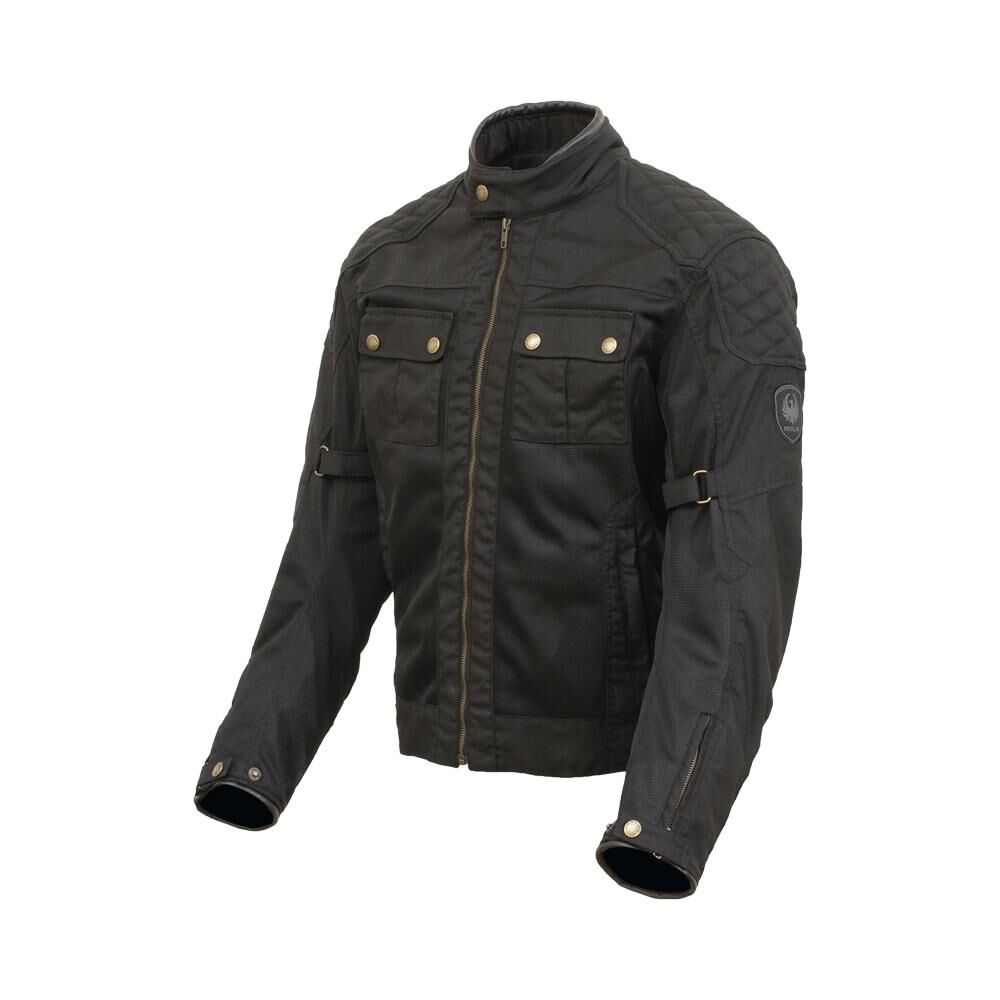
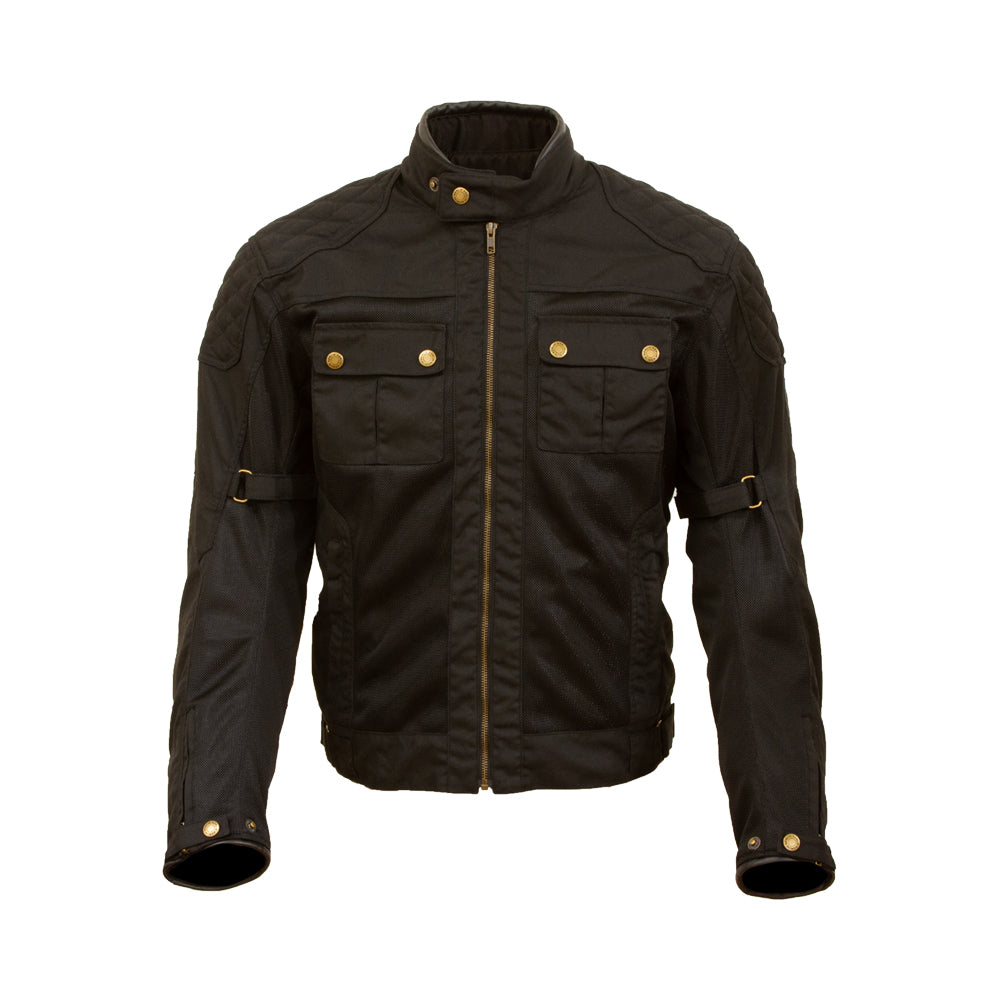
Merlin Shenstone Air D3O® Jacket Black
How to Choose a Road Mesh Jacket
A mesh jacket succeeds or fails on two things: how well it breathes and what protection is certified behind that airflow.
Armour Standards: CE Level 1 vs Level 2
Road mesh jackets must comply with EN 17092, the EU standard for motorcycle clothing. Armour inserts are governed by EN 1621-1 (shoulders and elbows) and EN 1621-2 (back). Level 2 armour transmits a maximum of 9 kN average force on impact, against 18 kN for Level 1. For road riding above 80 km/h, Level 2 protectors are the measurable upgrade. Merlin D3O-equipped jackets ship with Level 2 armour as standard.
Mesh Construction
Open-weave mesh panels allow direct air passage. Woven polyester or nylon chassis panels maintain structural integrity at shoulder seams, chest and spine. Difi Ibiza Air jackets use a reinforced mesh chassis below 800 g. Macna Raddic uses a stretch-mesh chassis accommodating a 10 cm chest range without shifting armour alignment.
Material Comparison
| Feature | Open Mesh | Leather-Trim Hybrid |
|---|---|---|
| Weight | 700-900 g | 1,000-1,300 g |
| Temperature range | Best above 20 degrees C | Usable from 15 degrees C |
| Armour pockets | EN 1621-1 and EN 1621-2 | EN 1621-1 and EN 1621-2 |
| Ventilation | Maximum open-weave airflow | Moderate at leather zones |
Fit and Sizing
The shoulder seam must sit at the tip of your shoulder. A gap larger than 20 mm between the armour cup and joint means the jacket is too large. Most brands size across at least 6 chest measurements. Oxford Arizona Air provides a 4-point waist adjustment of up to 80 mm. Check sleeve length with arms at 90 degrees.
Riding Style
Open mesh suits summer road and commute use above 20 degrees C. The Merlin Taos Air adds extended collar protection for a forward riding position. Hoodie-style constructions suit urban speeds below 100 km/h.
Frequently asked questions
What CE armour standard should I look for in a road mesh jacket?
Look for EN 1621-1 Level 2 shoulder and elbow protectors (maximum 9 kN transmitted force) and an EN 1621-2 back protector pocket. Level 2 offers measurably better impact absorption than Level 1 across all certified impact zones.
Are mesh jackets safe enough for highway speeds?
Yes, provided the jacket complies with EN 17092 and carries CE-certified armour in all impact zones with a reinforced chassis at shoulder, elbow and spine. Open-weave mesh panels maintain structural integrity through woven nylon or polyester frames, so abrasion resistance depends on chassis construction, not panel openness.
How do I know if a mesh jacket fits correctly?
The shoulder seam must sit at the tip of your shoulder with no gap larger than 20 mm between the armour cup and joint. Sleeve length should reach the wrist bone with arms bent at 90 degrees. Waist adjustment straps allow fine-tuning, but the shoulder position is non-negotiable for correct armour alignment.
Afterpay & Zippay Available
Afterpay & Zippay Available