

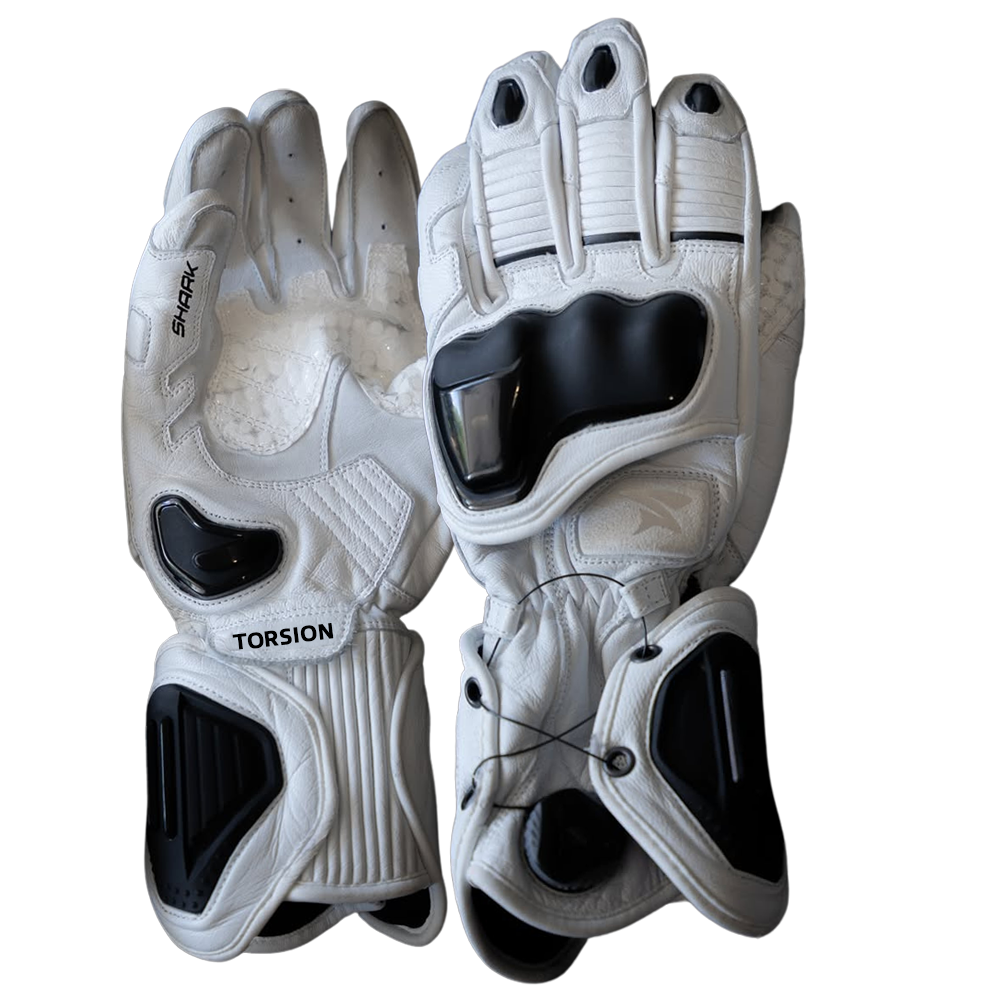
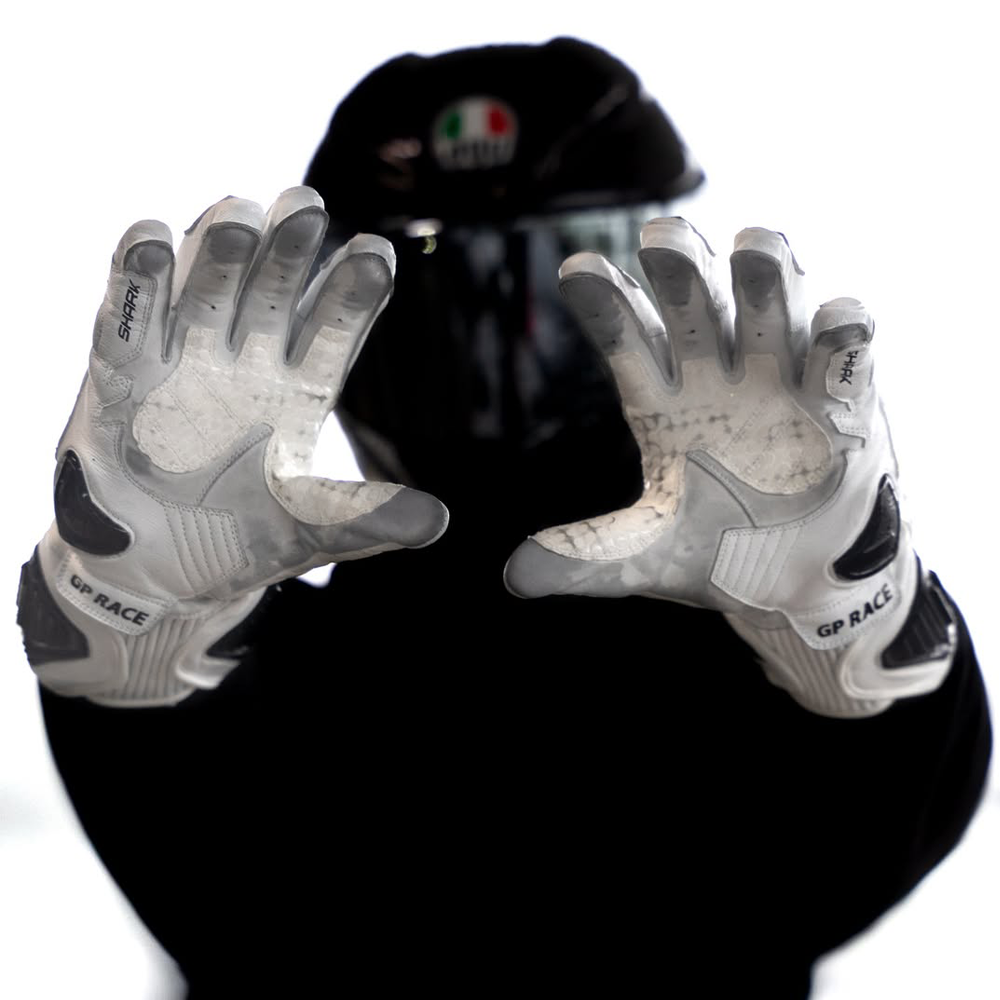
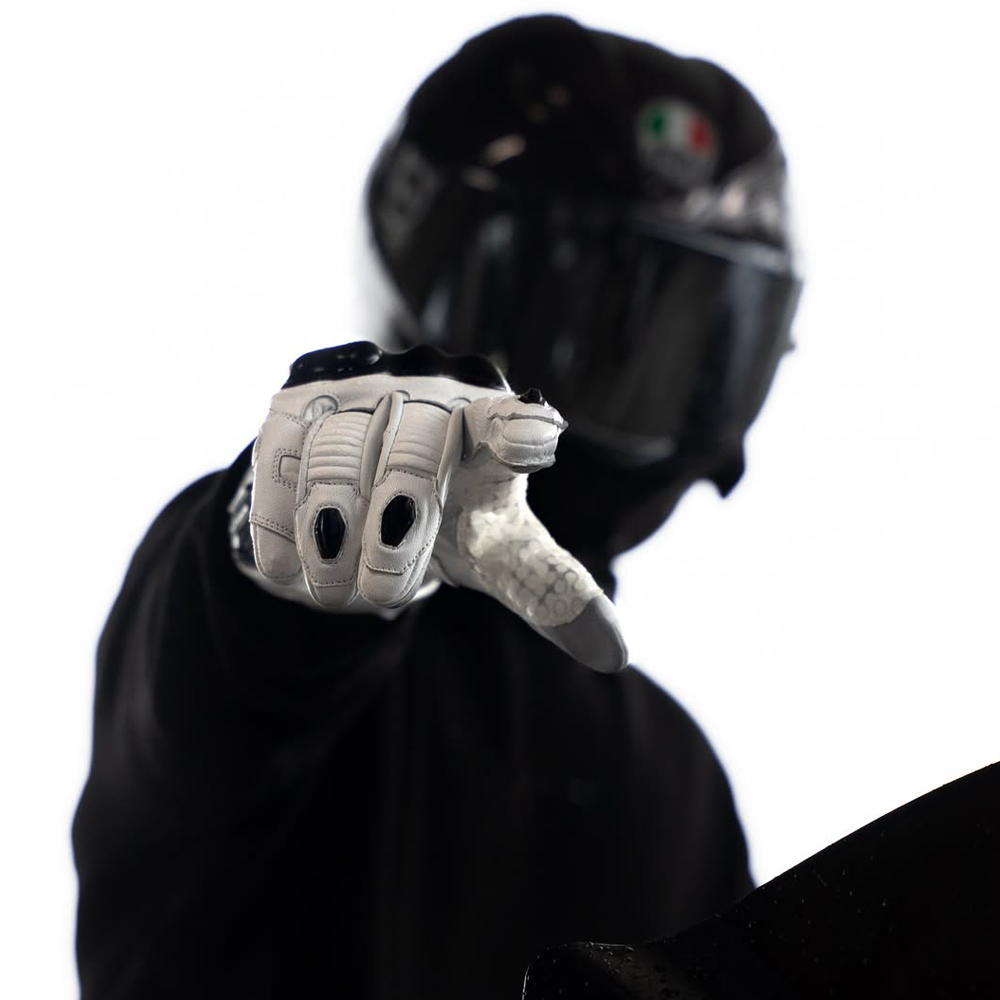
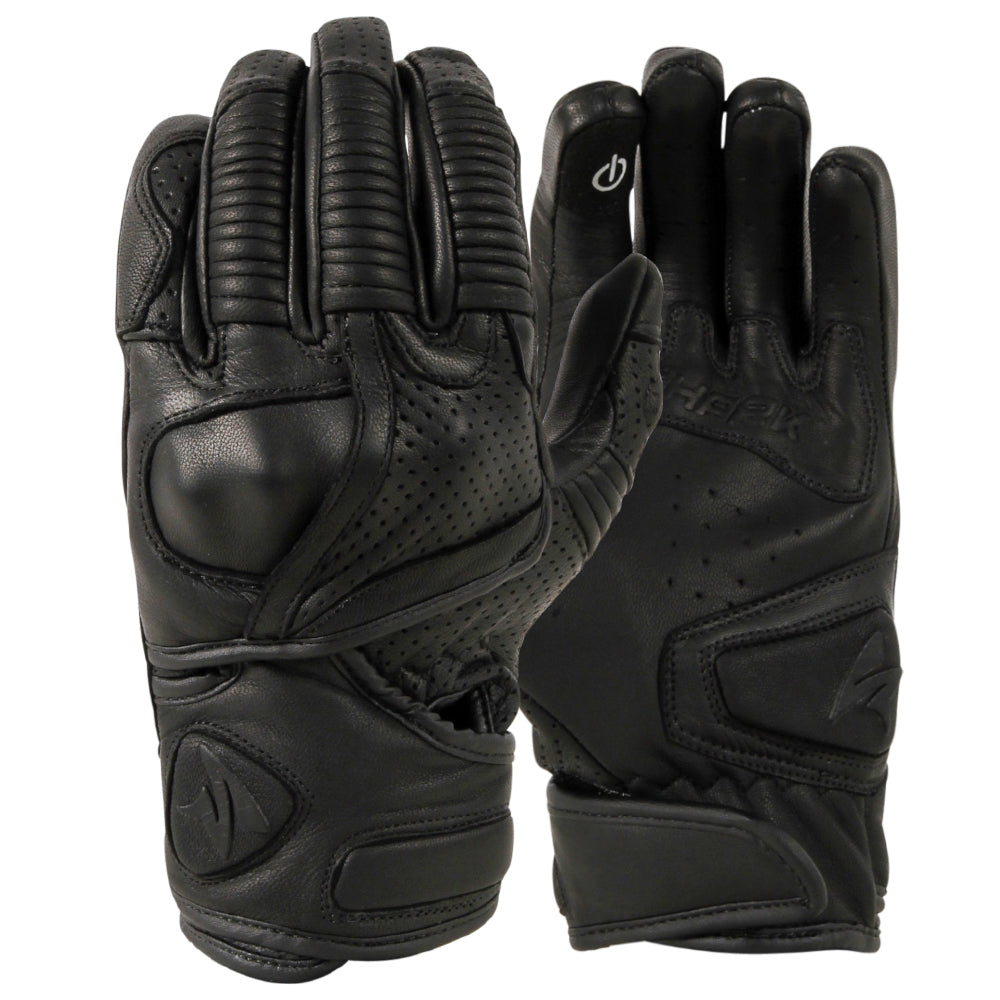
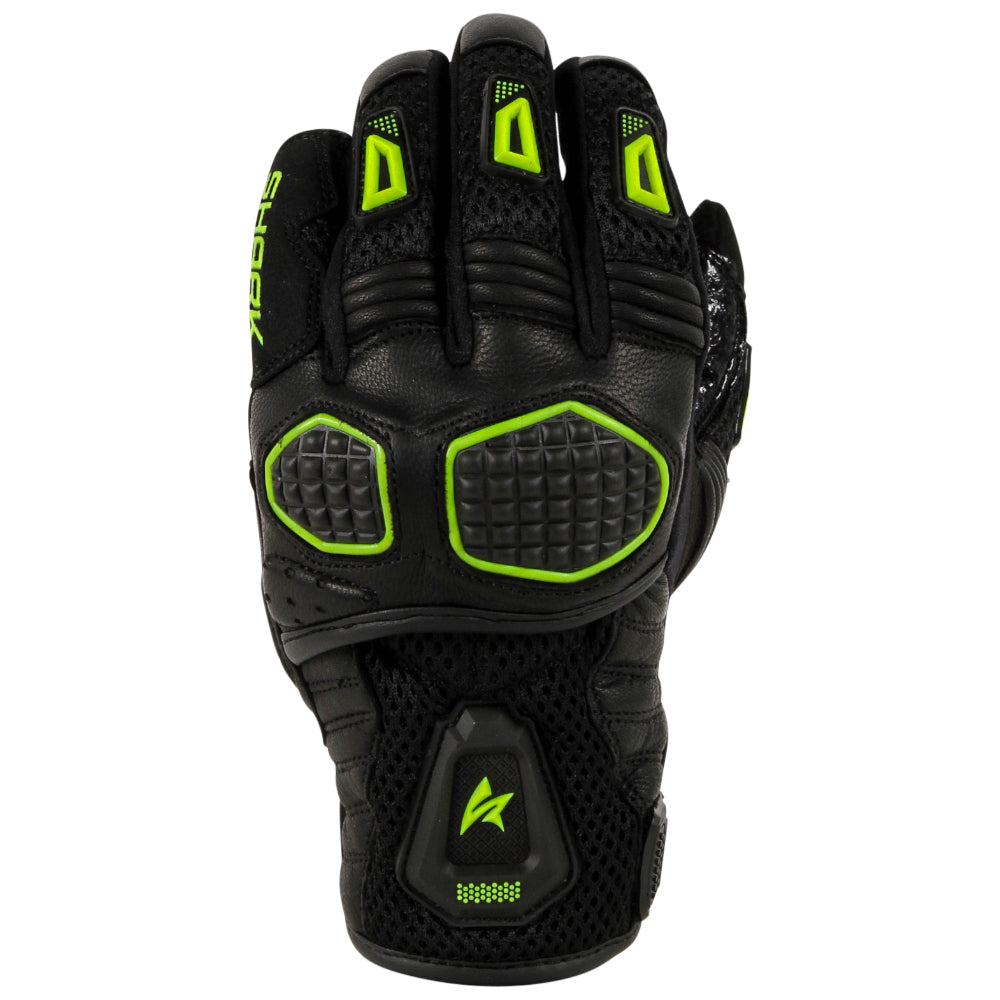
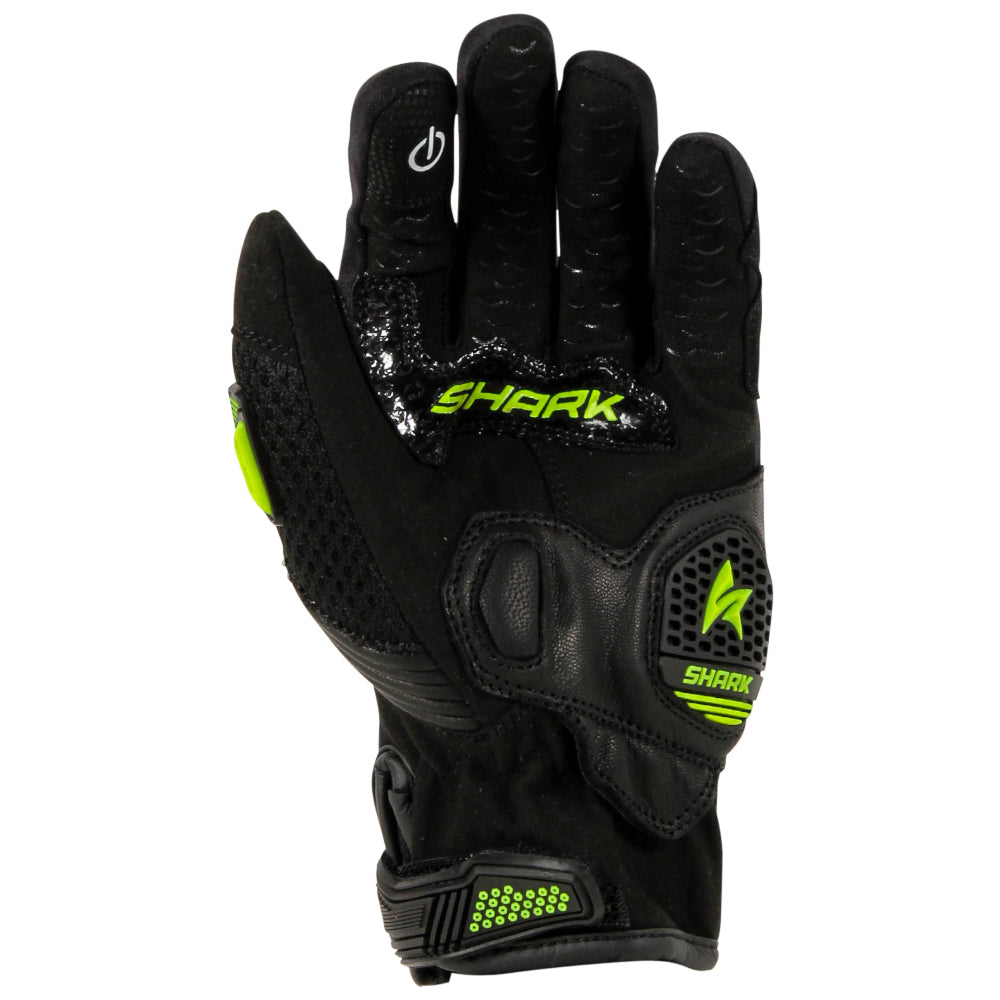
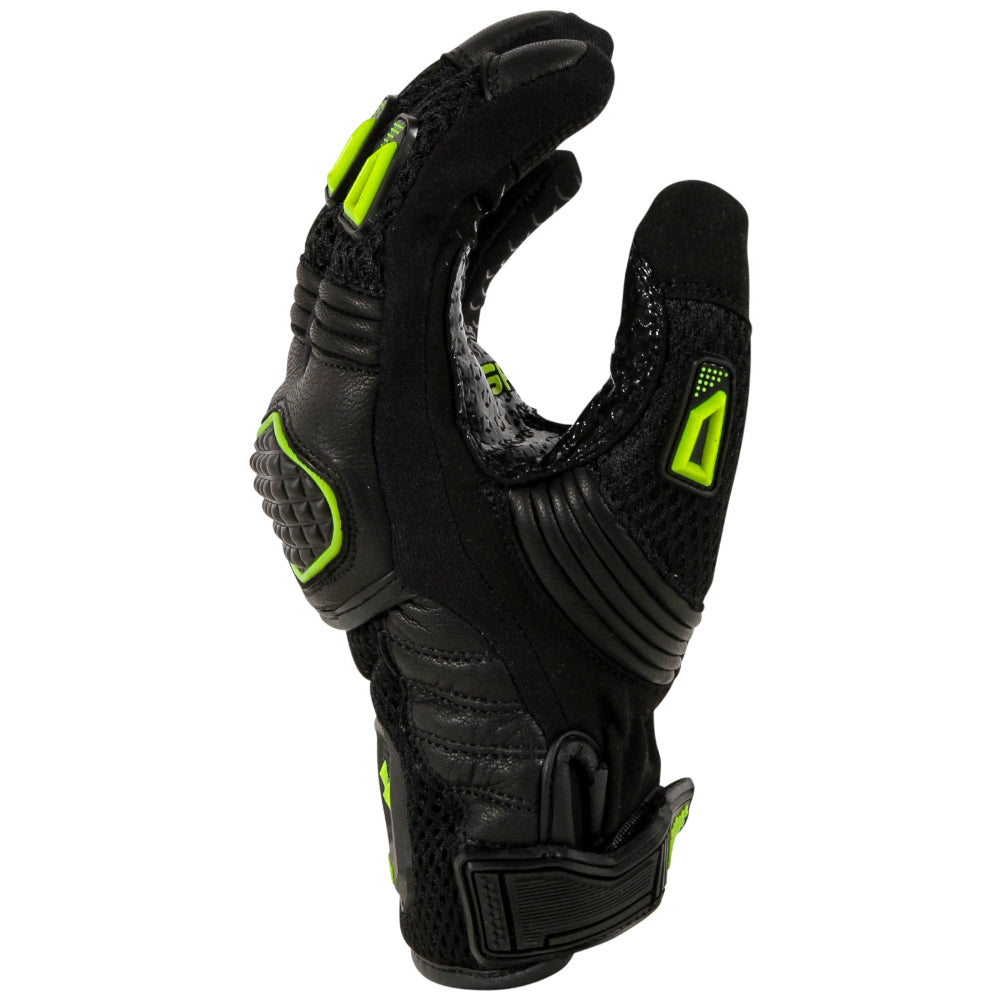
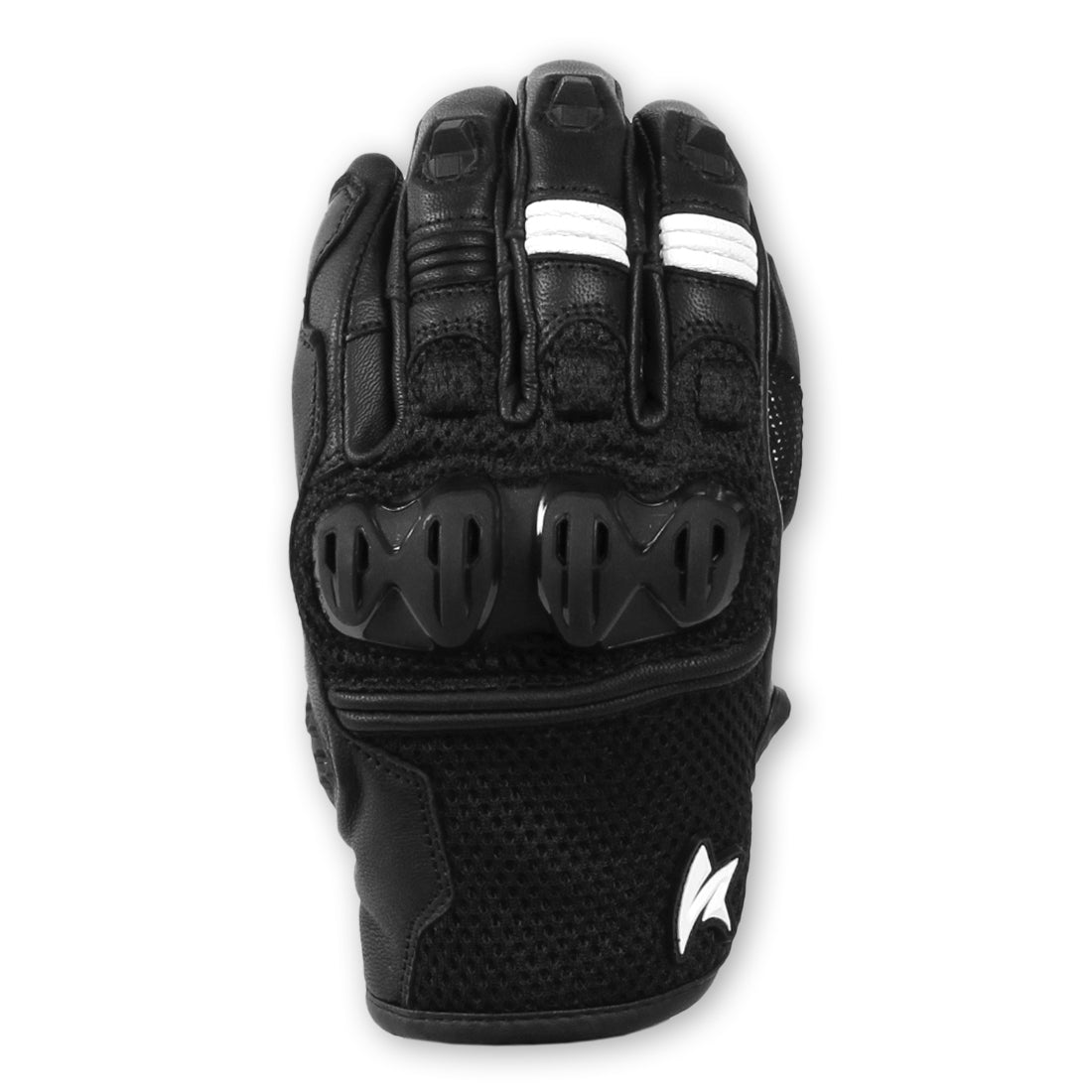
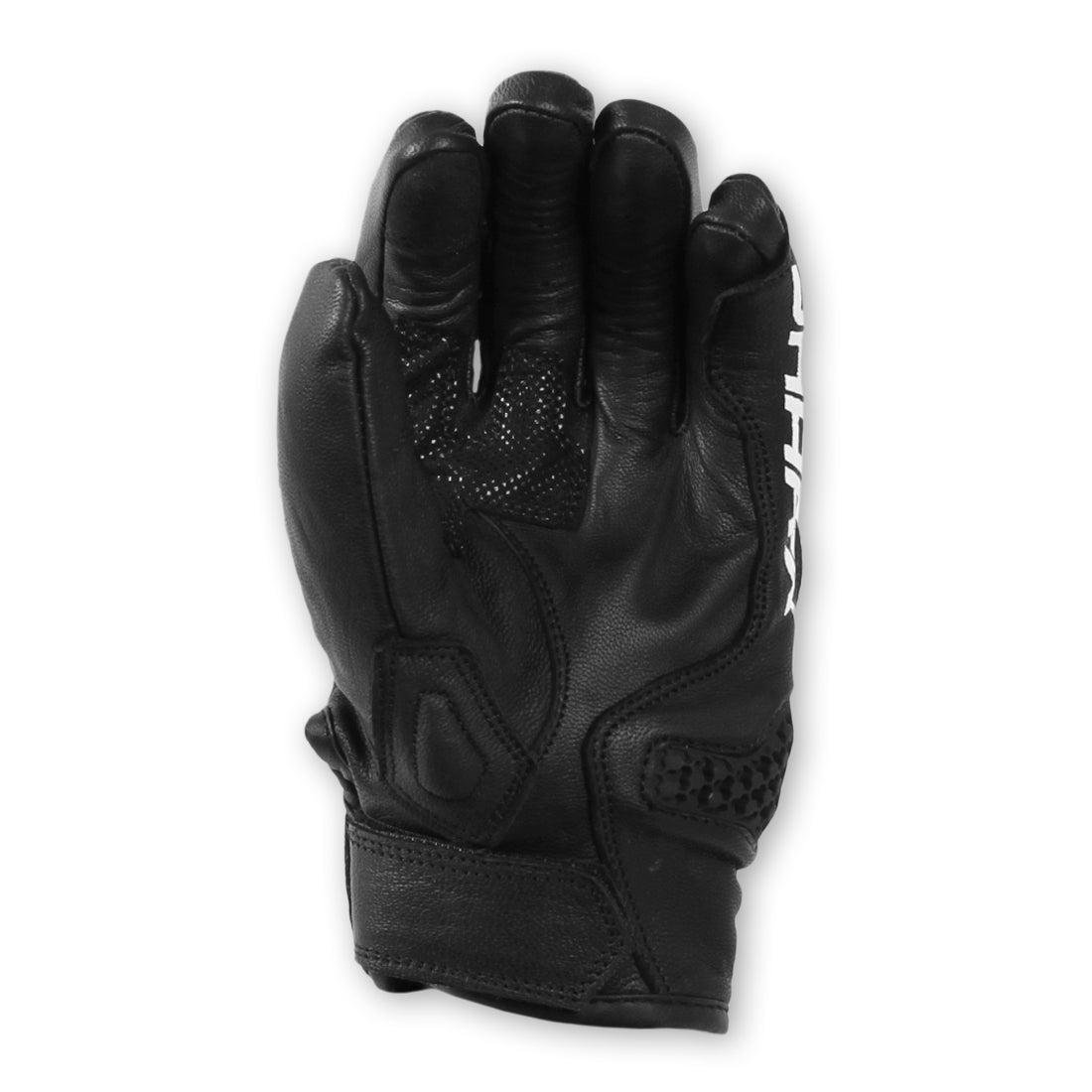
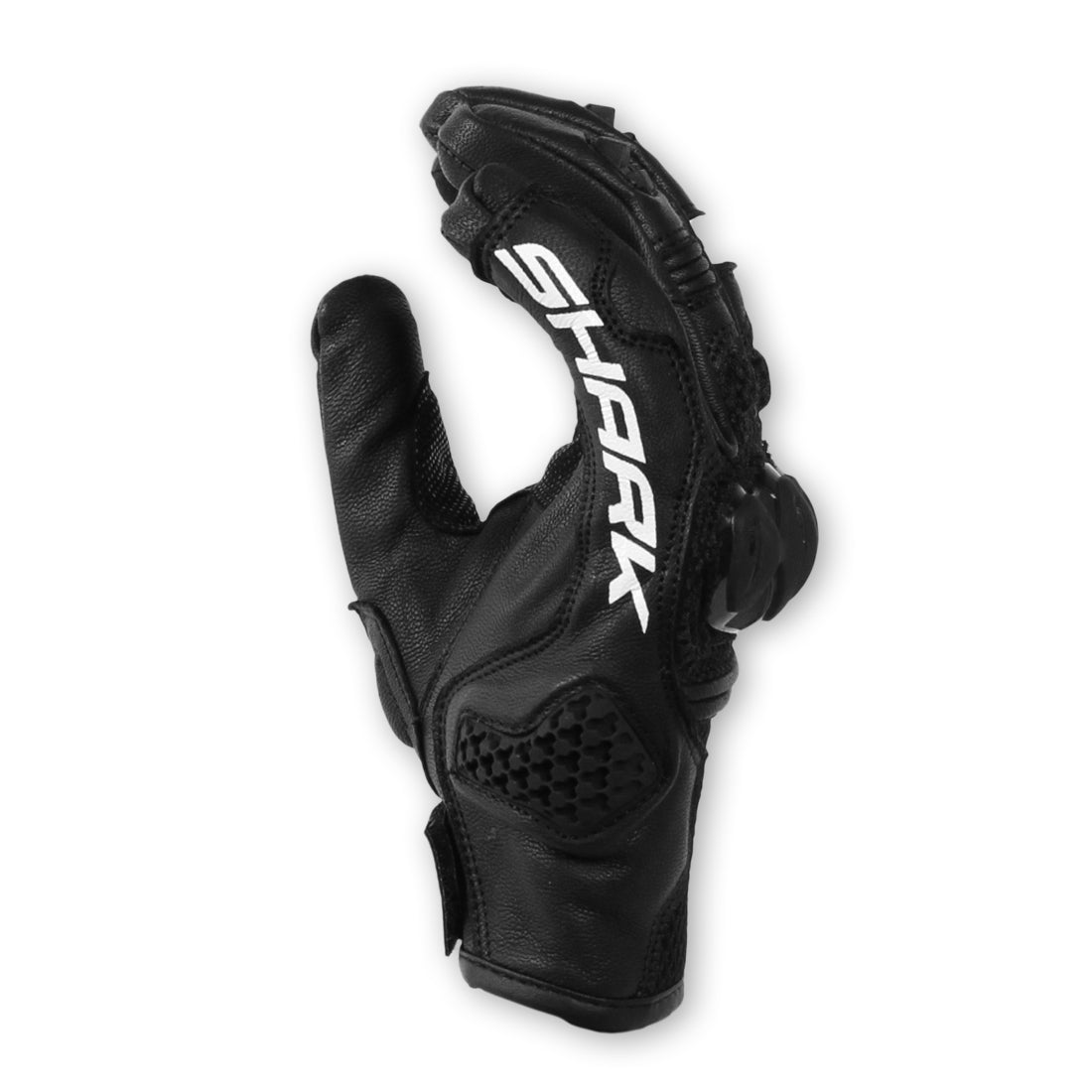
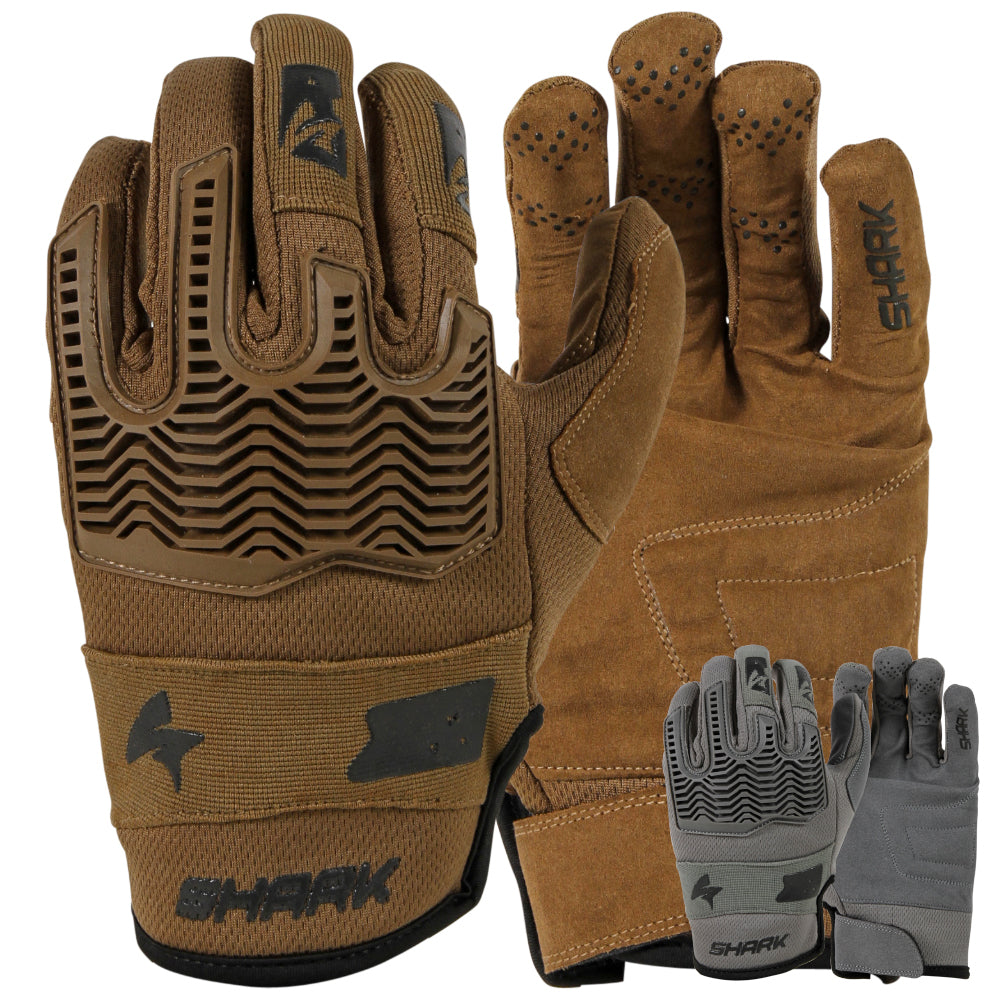
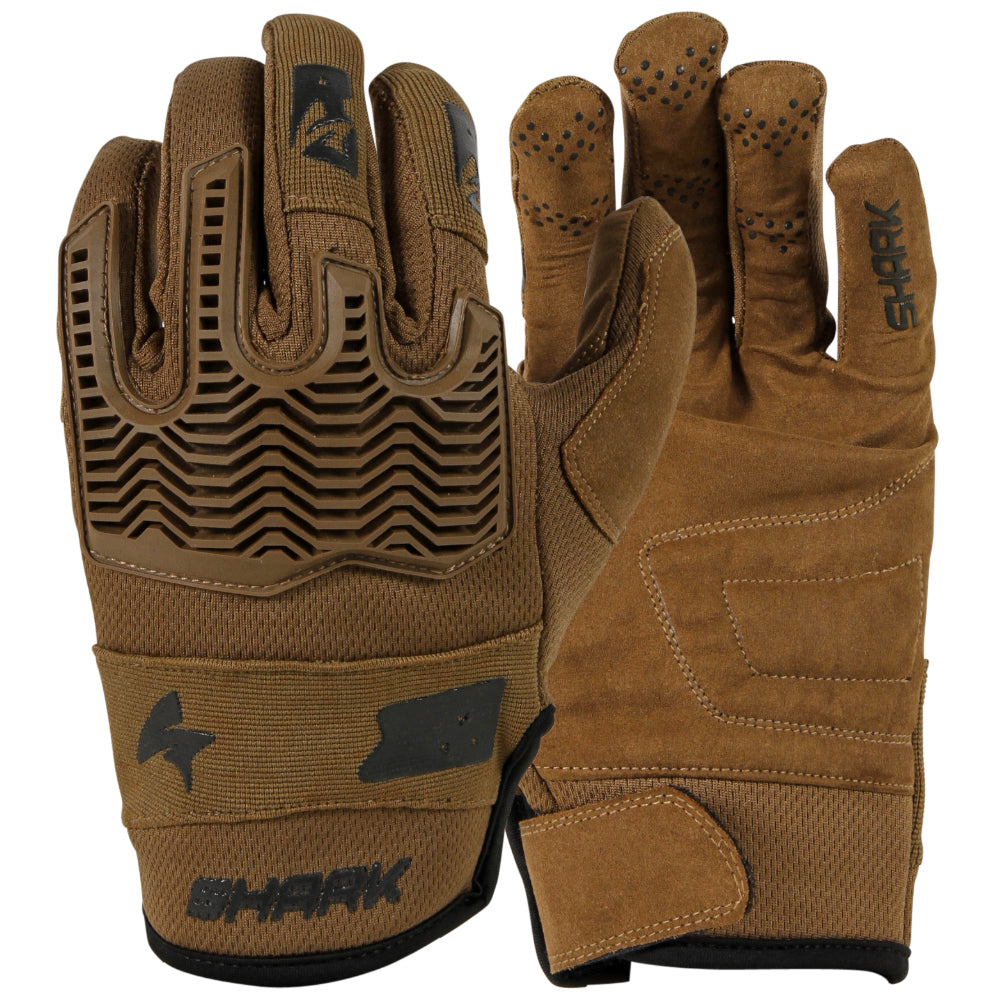
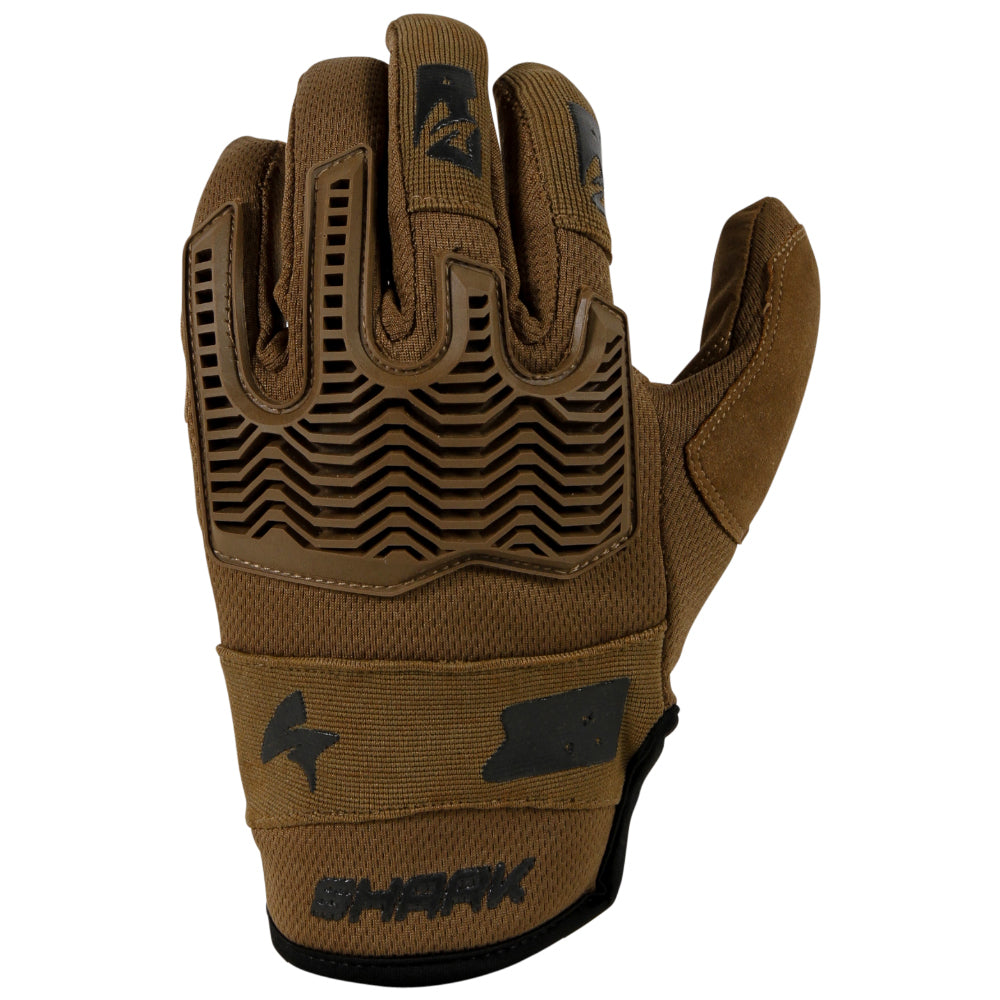
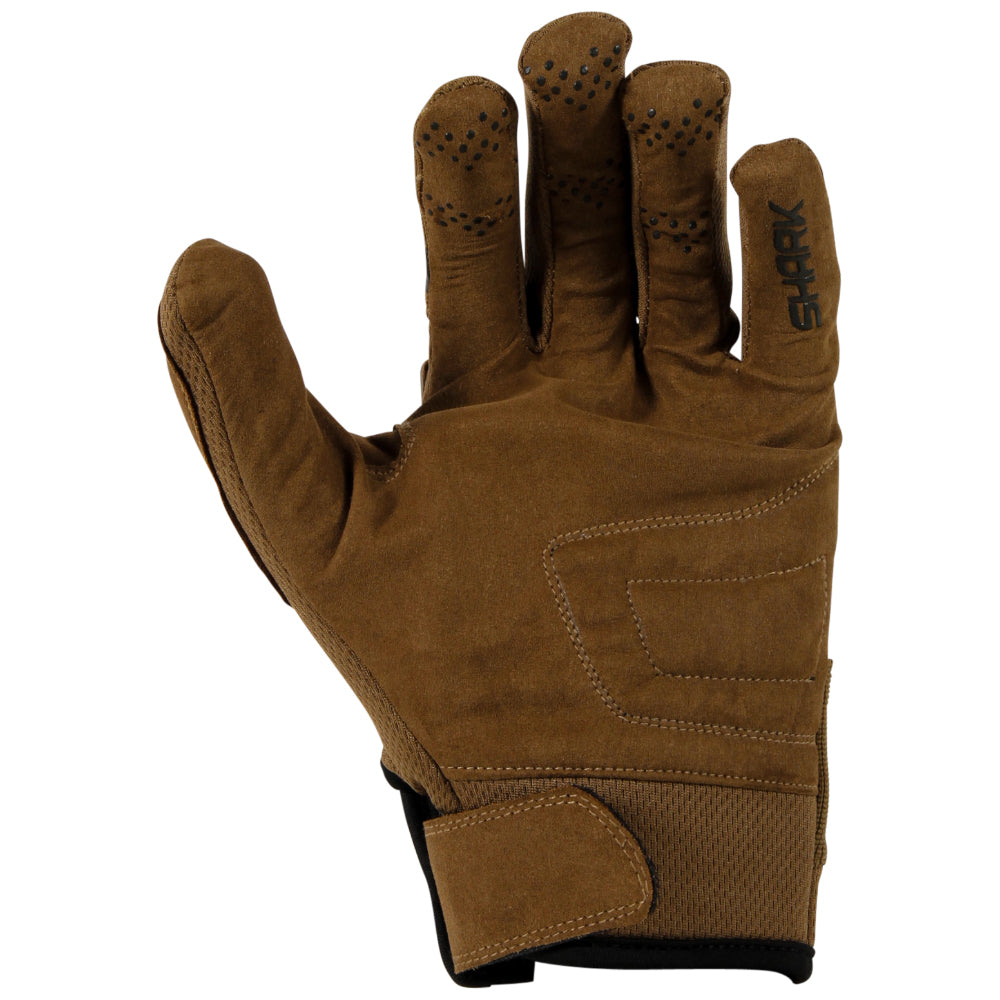
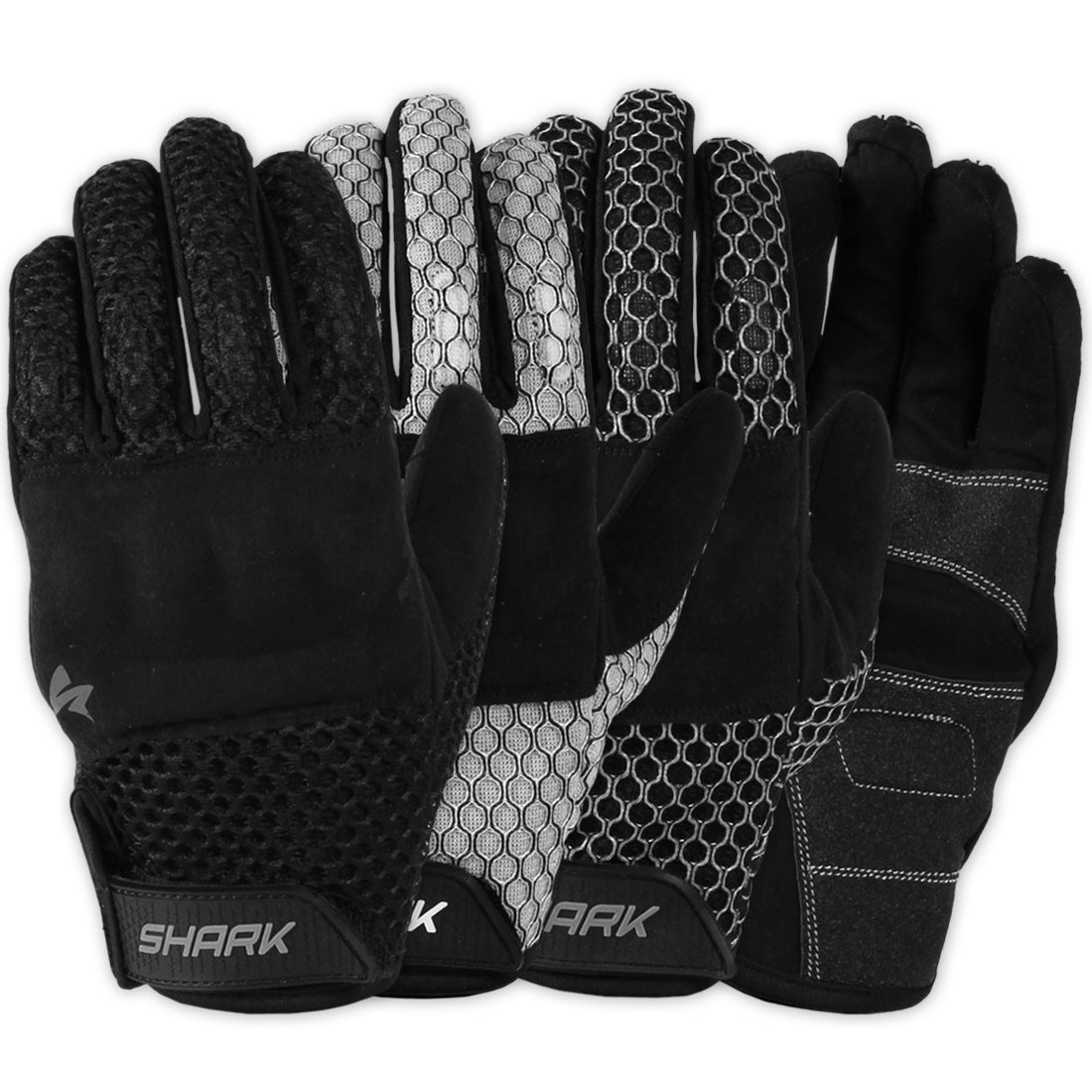
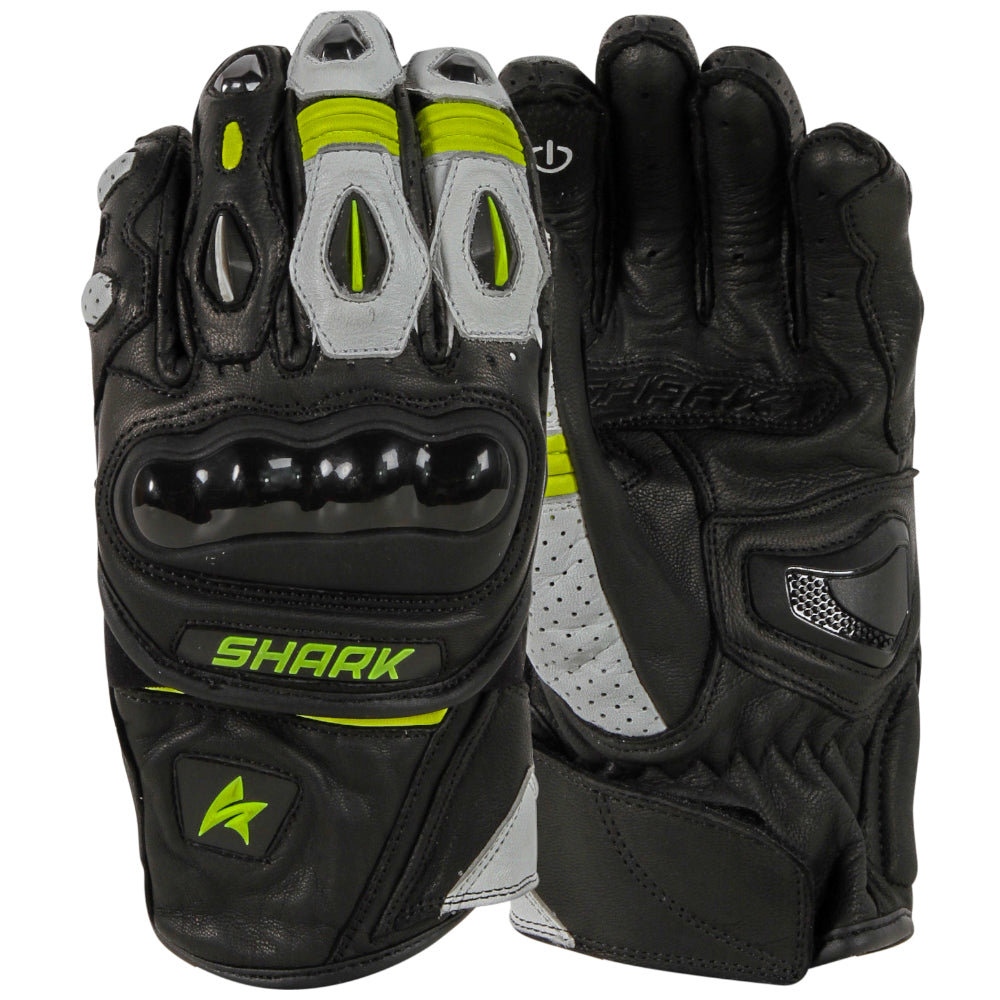
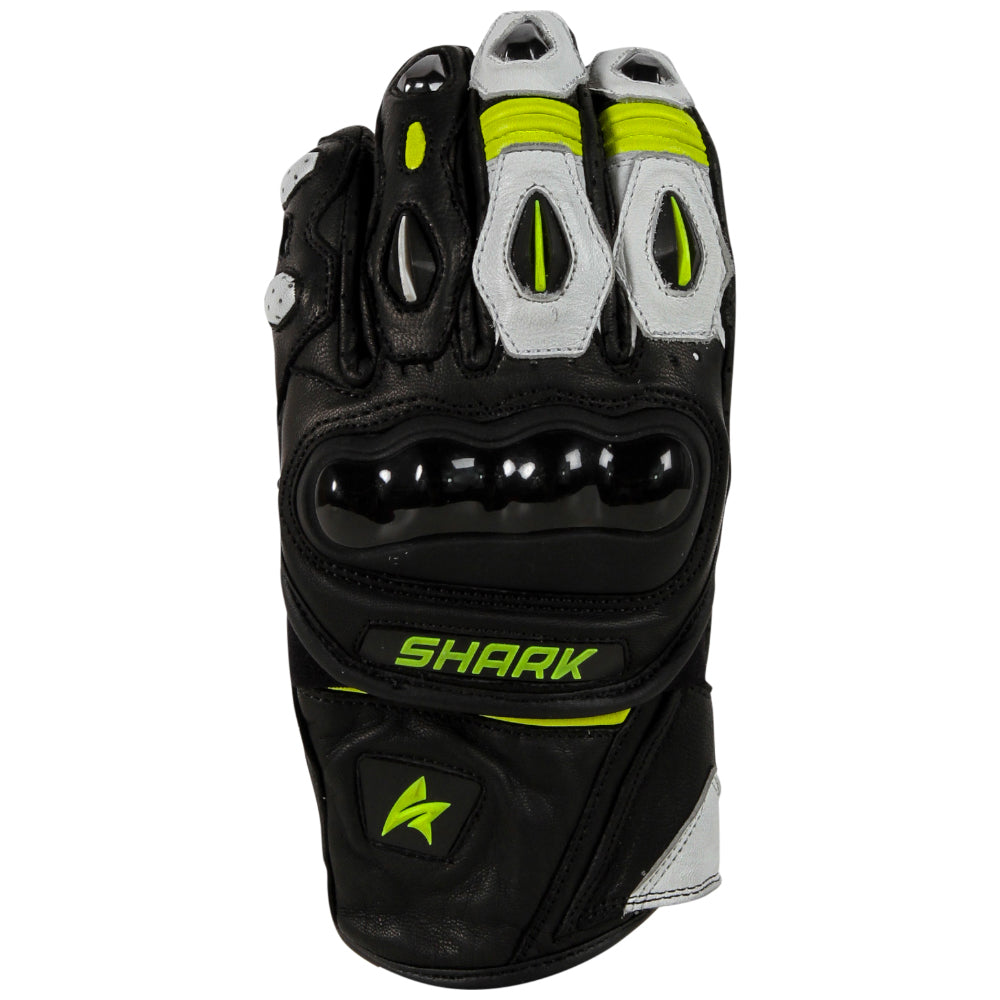
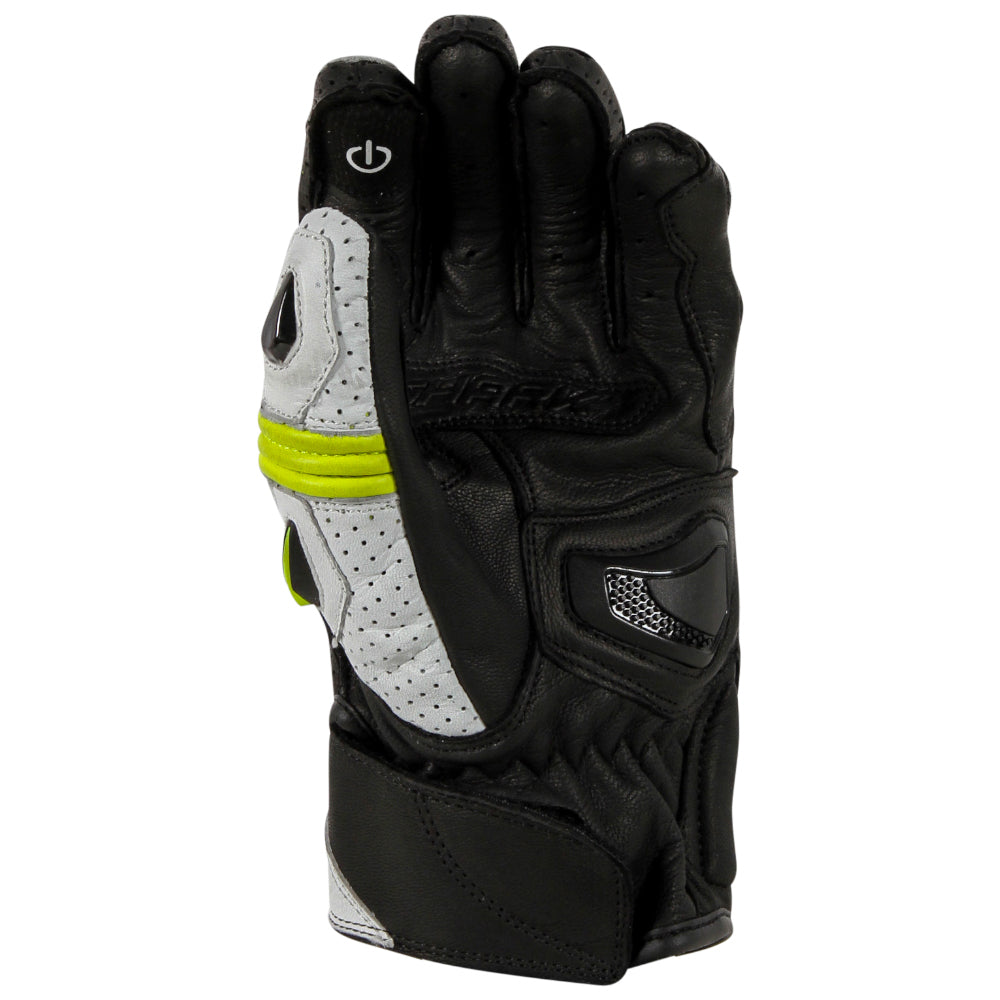
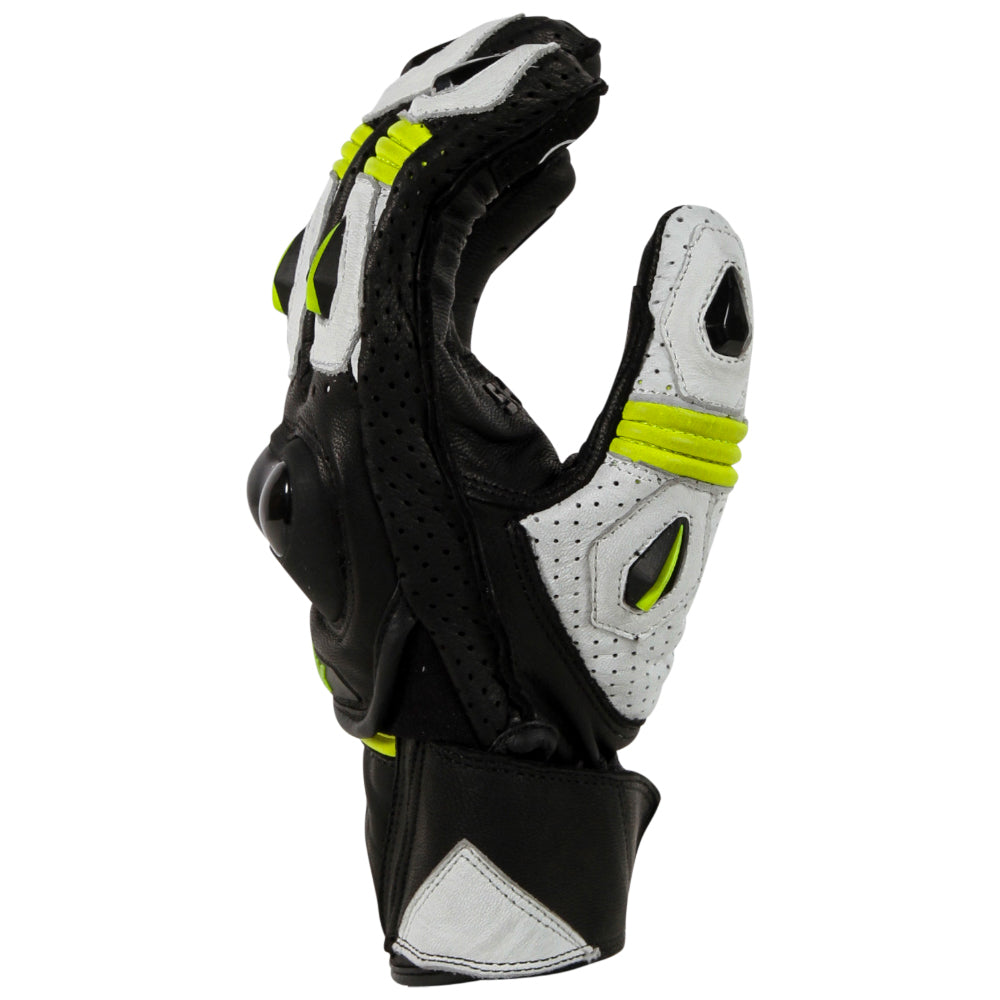
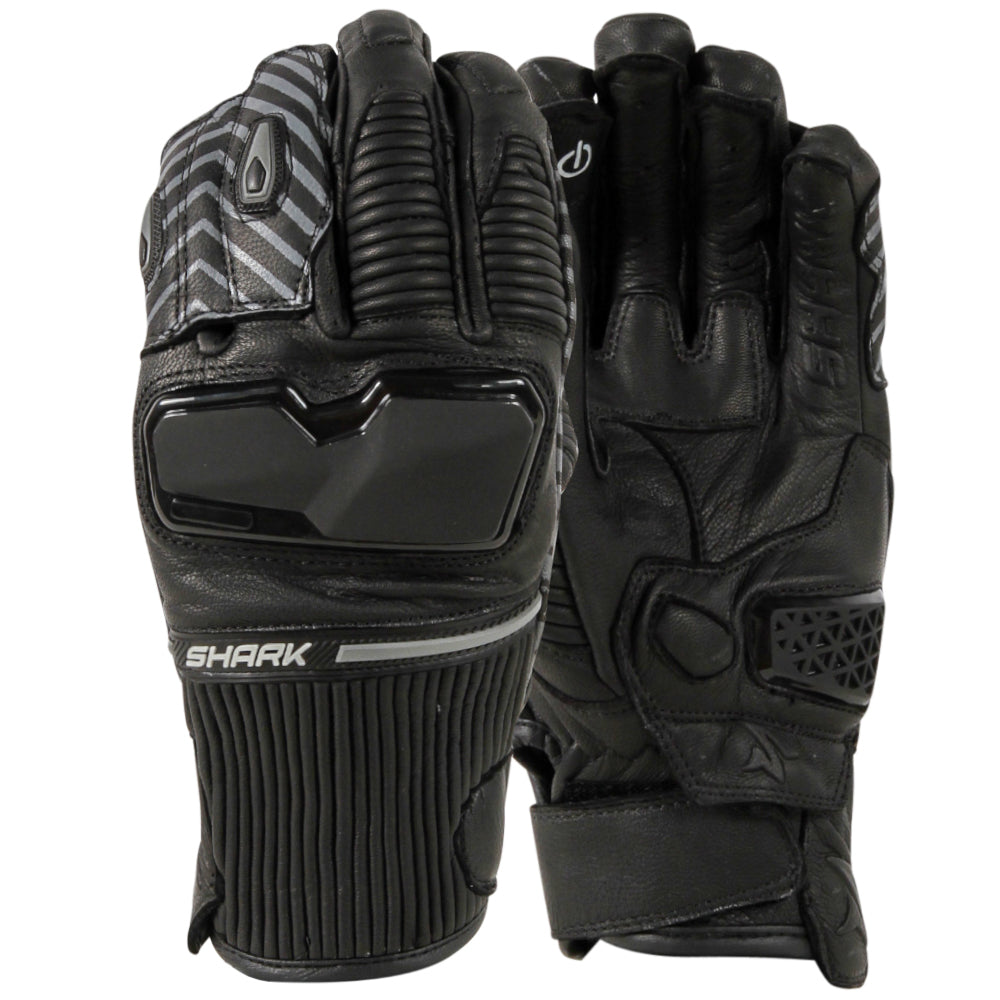
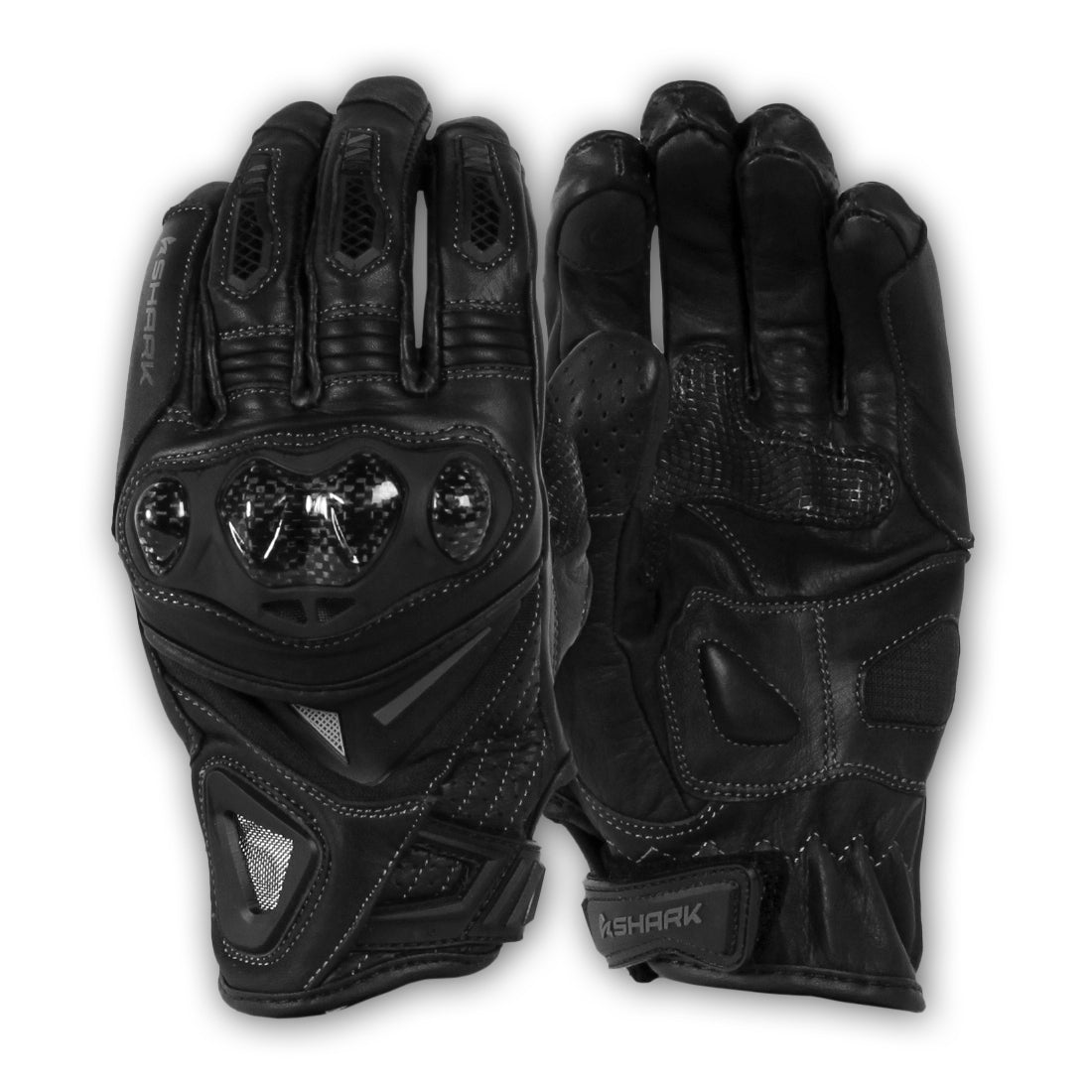
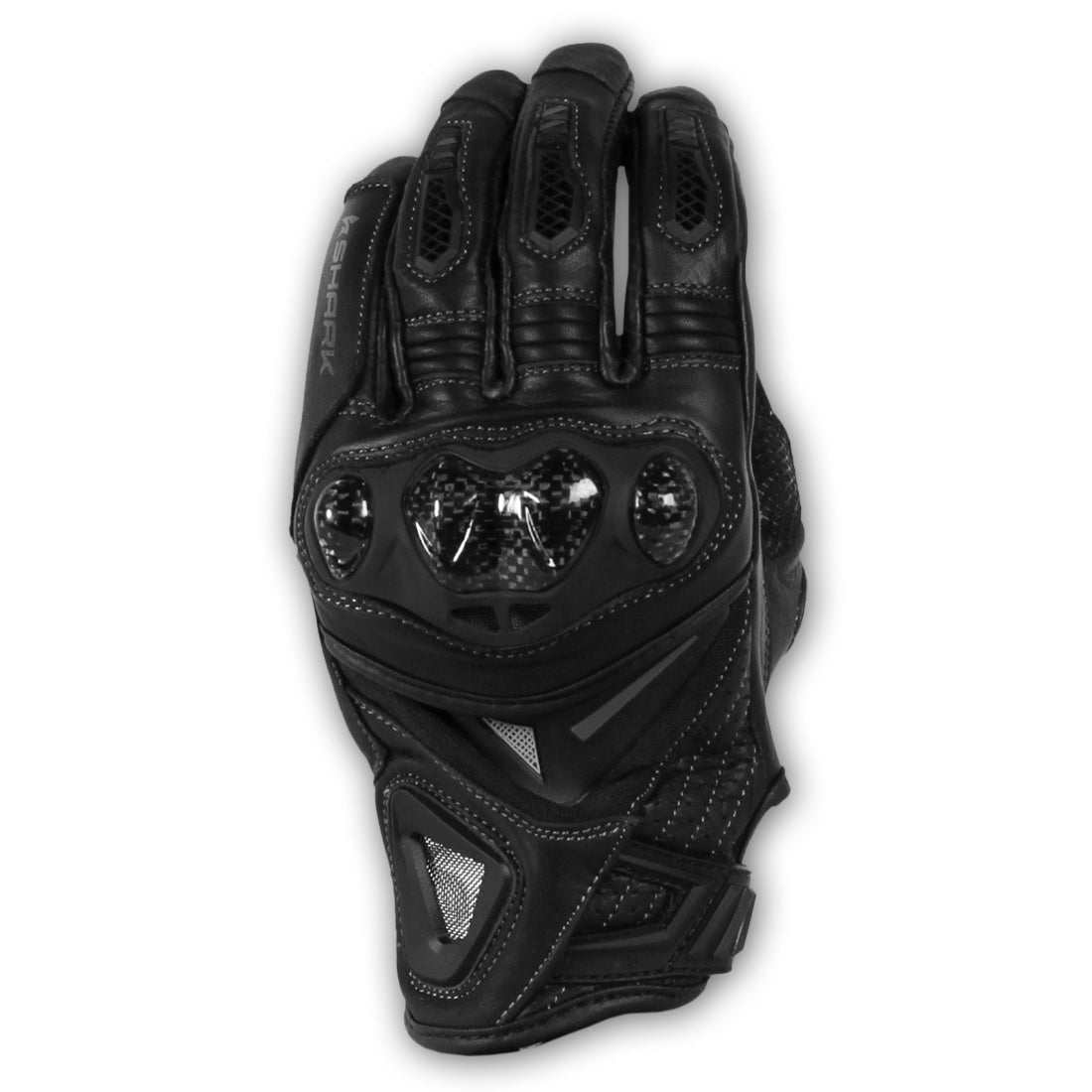
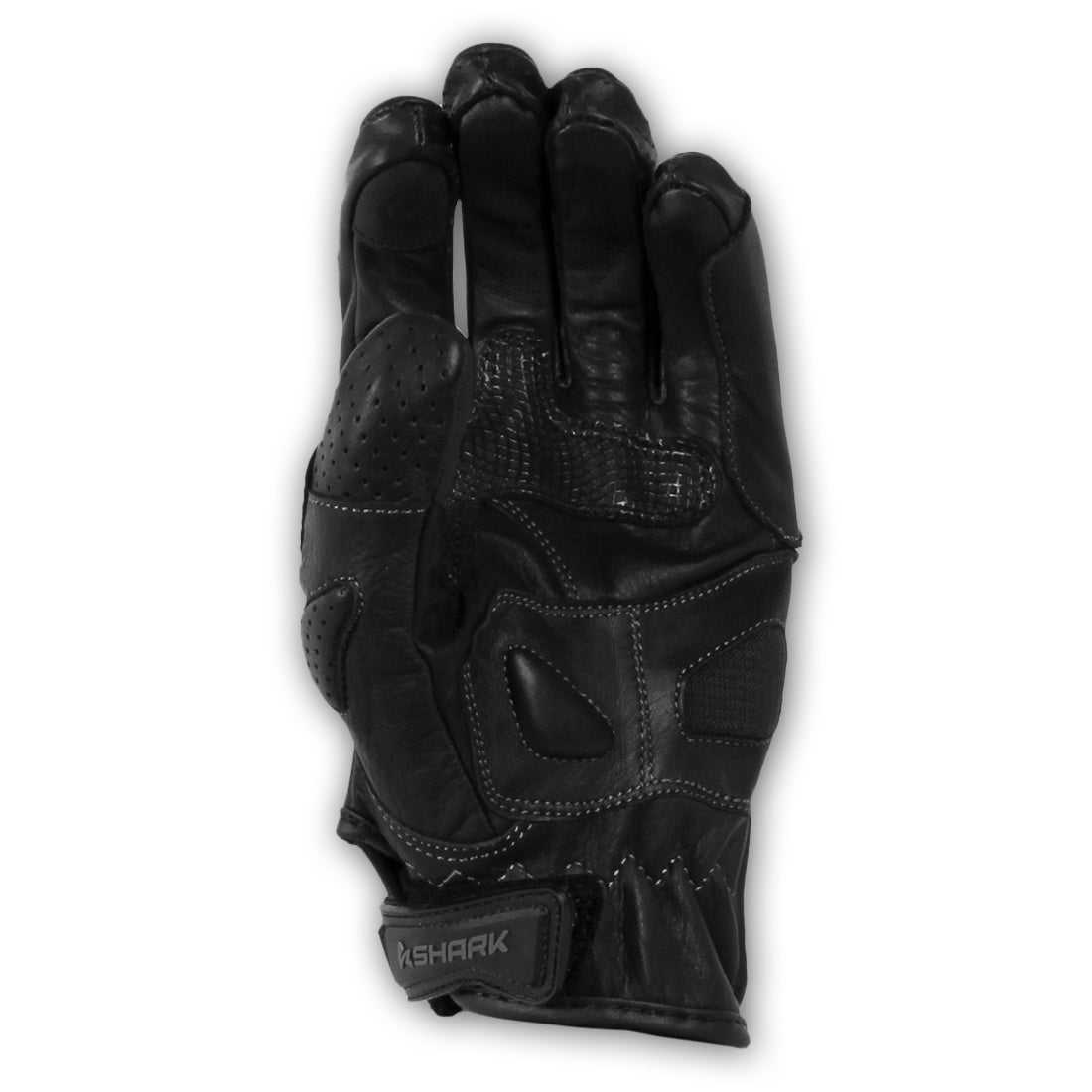
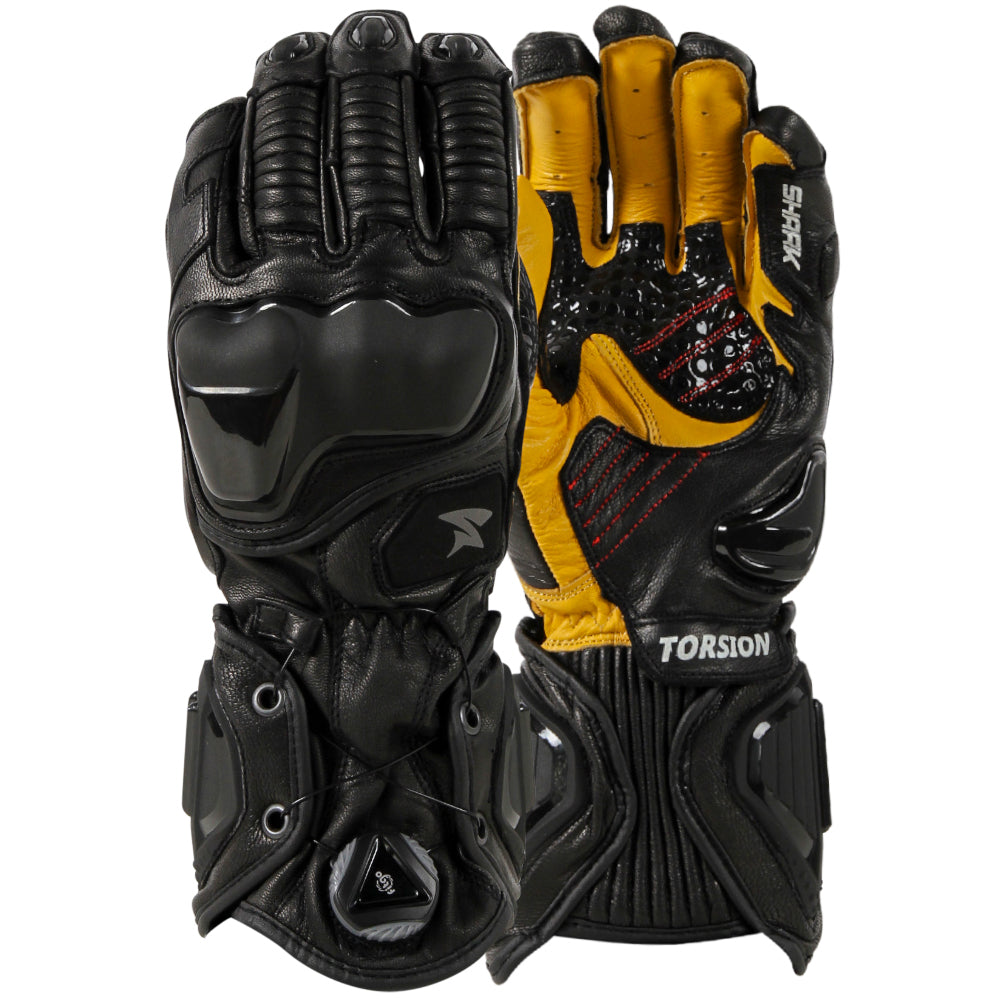
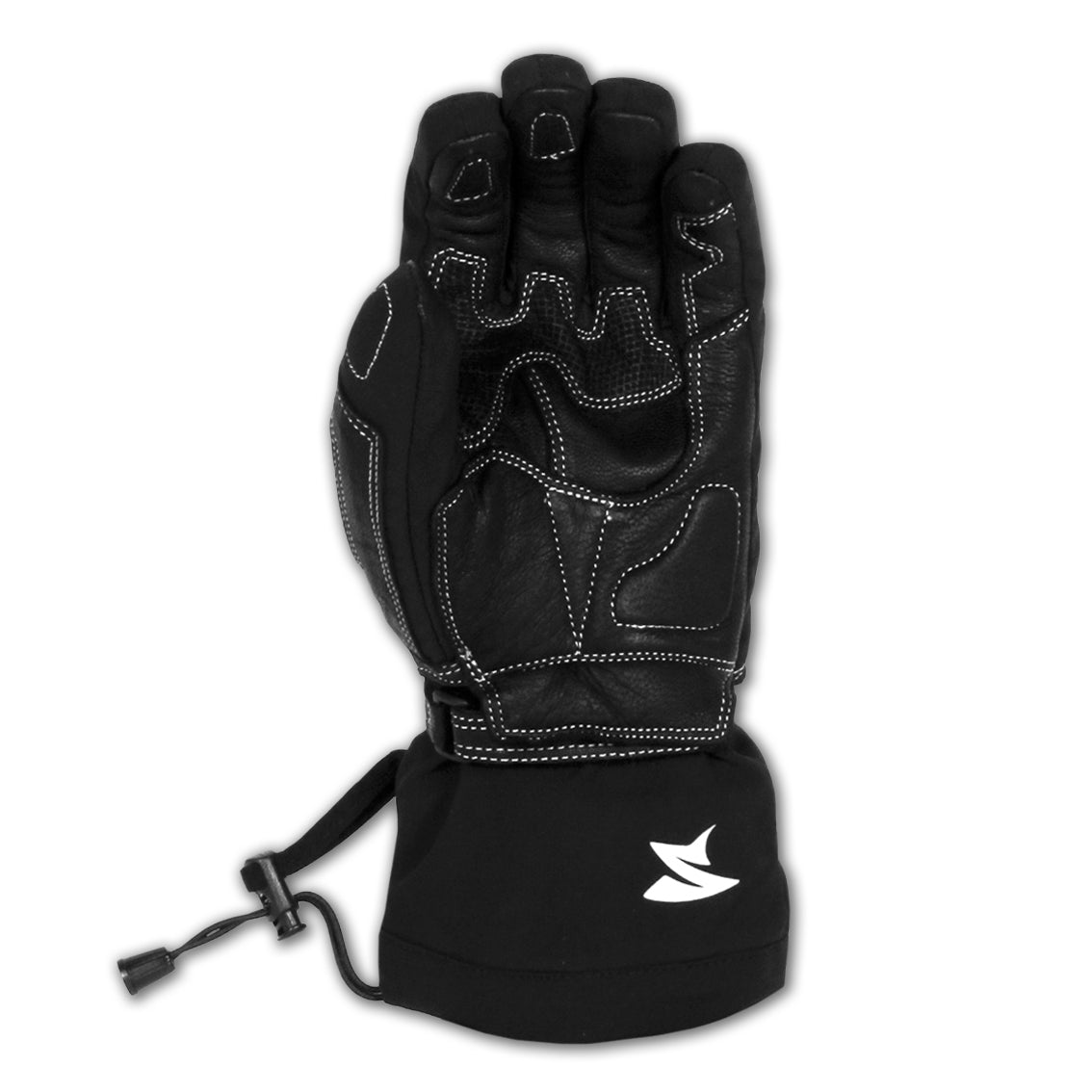
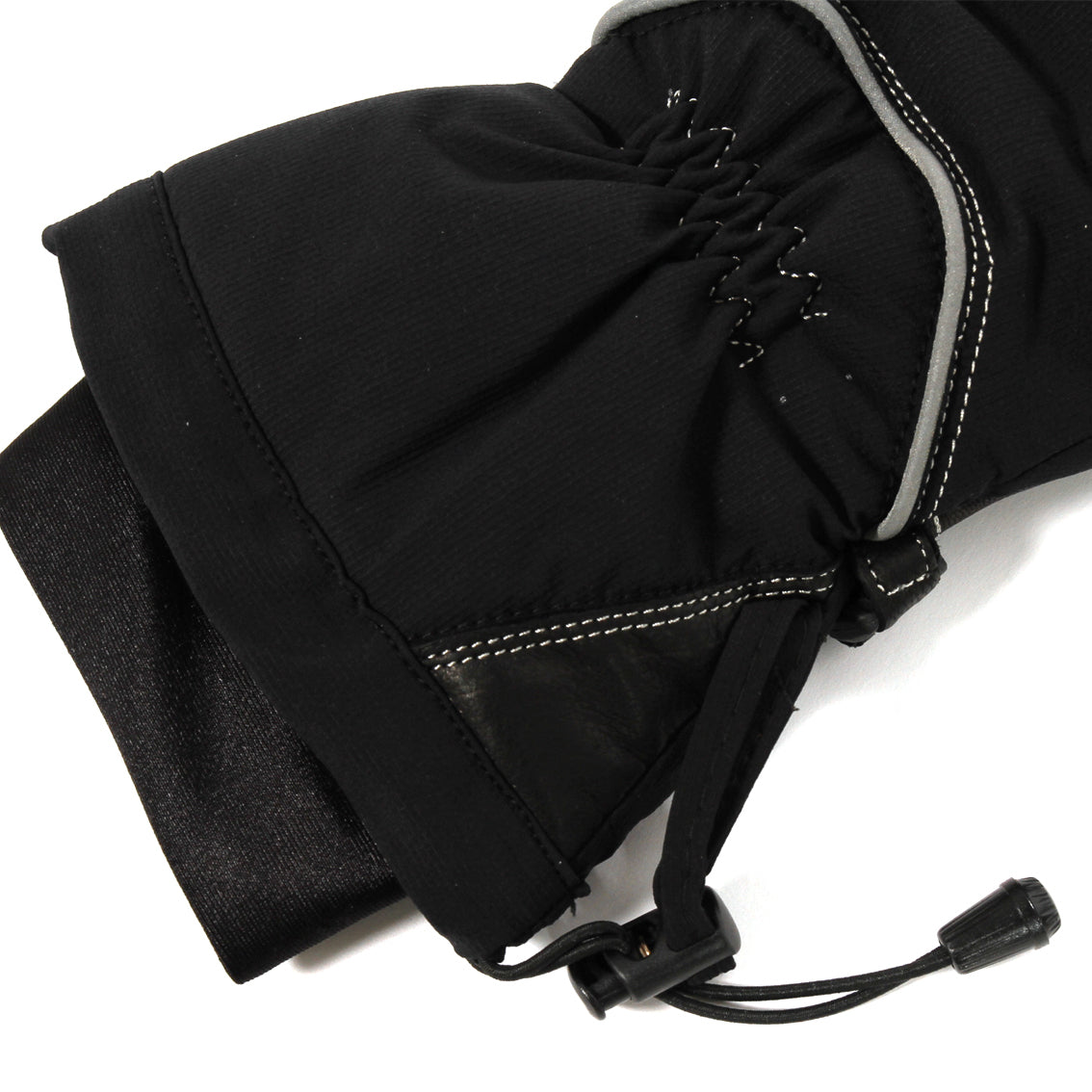
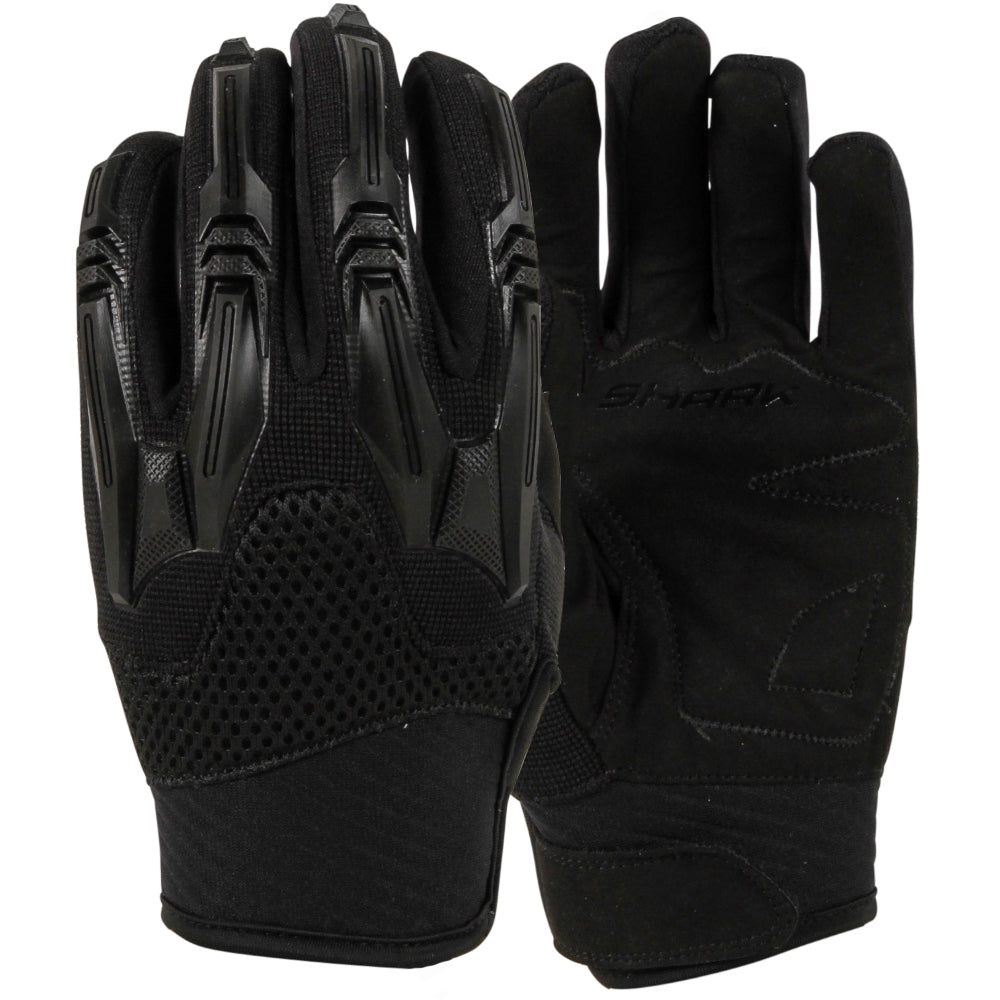
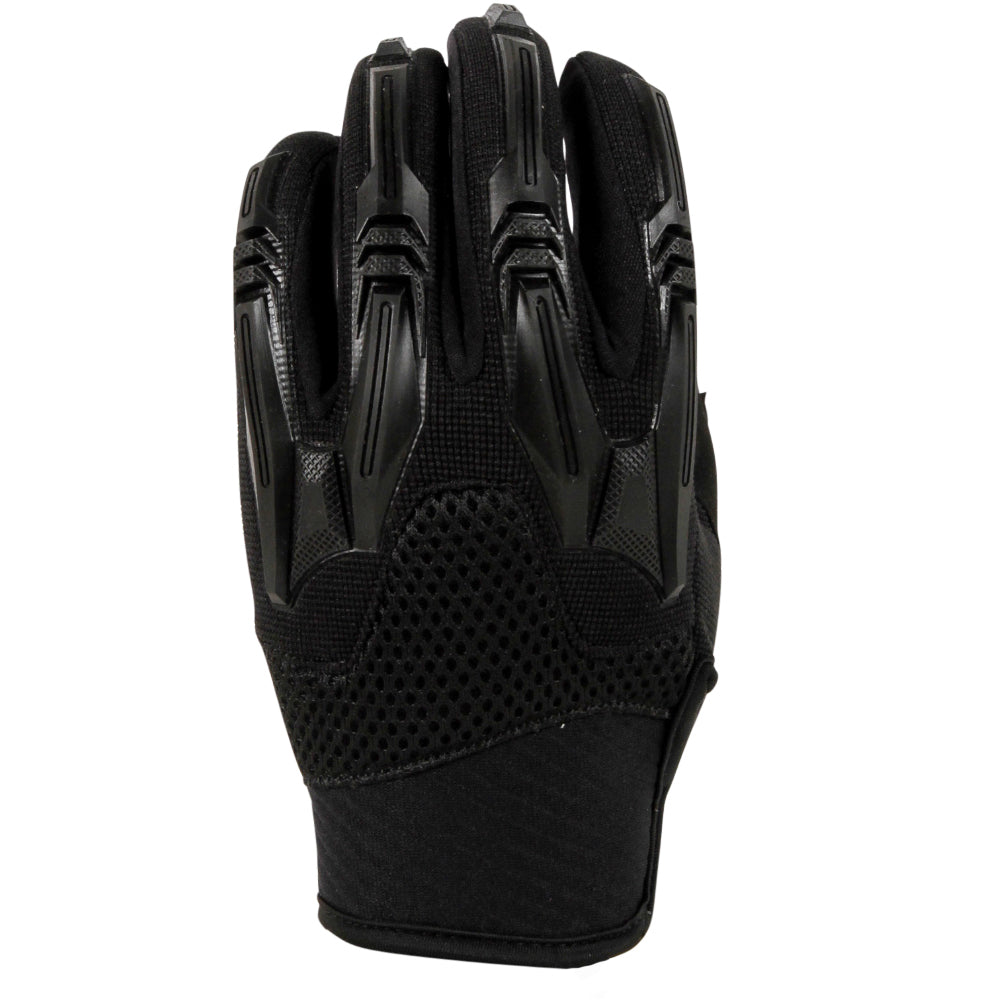
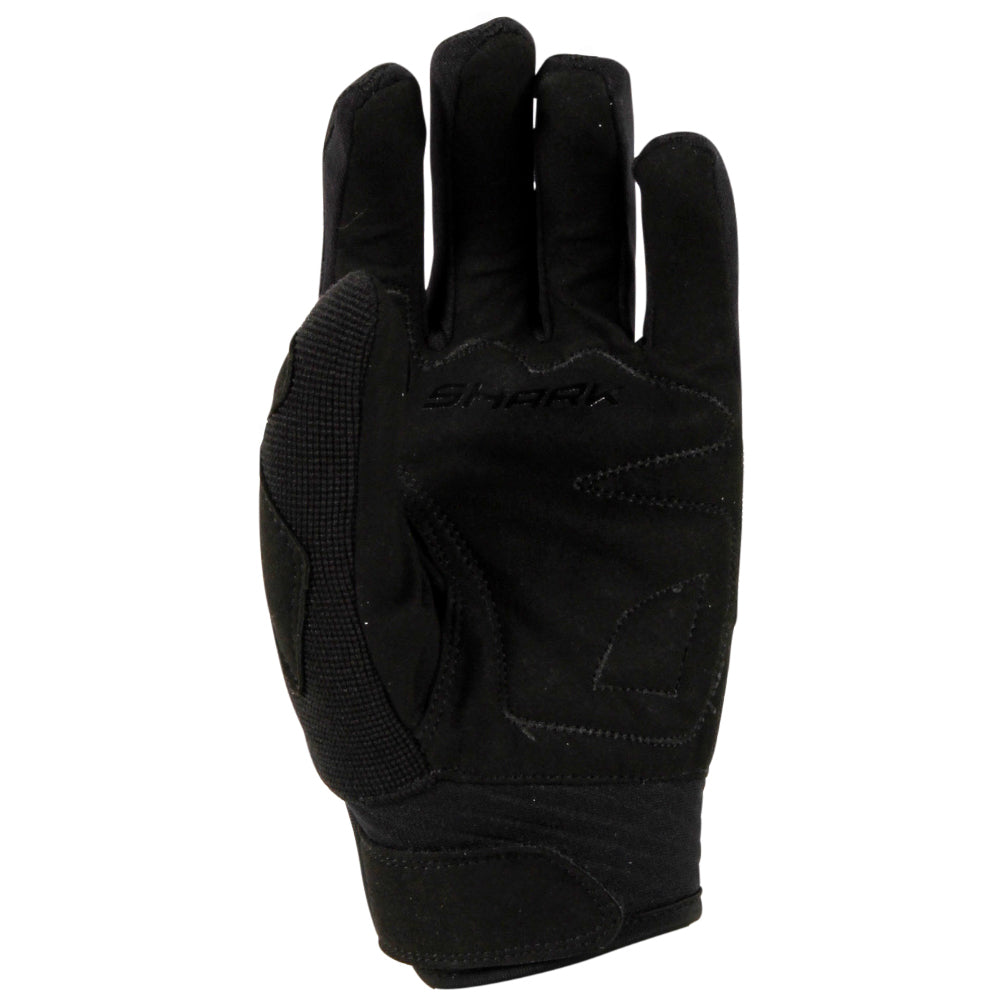
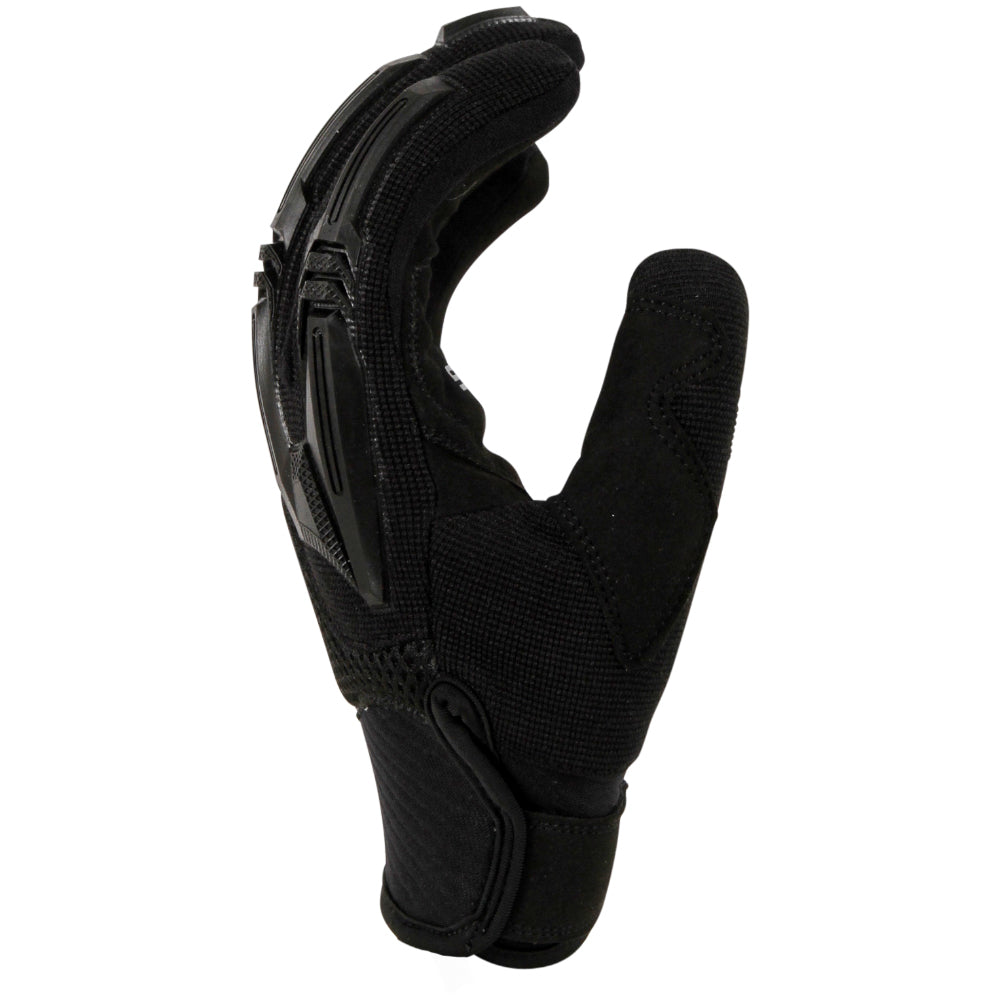
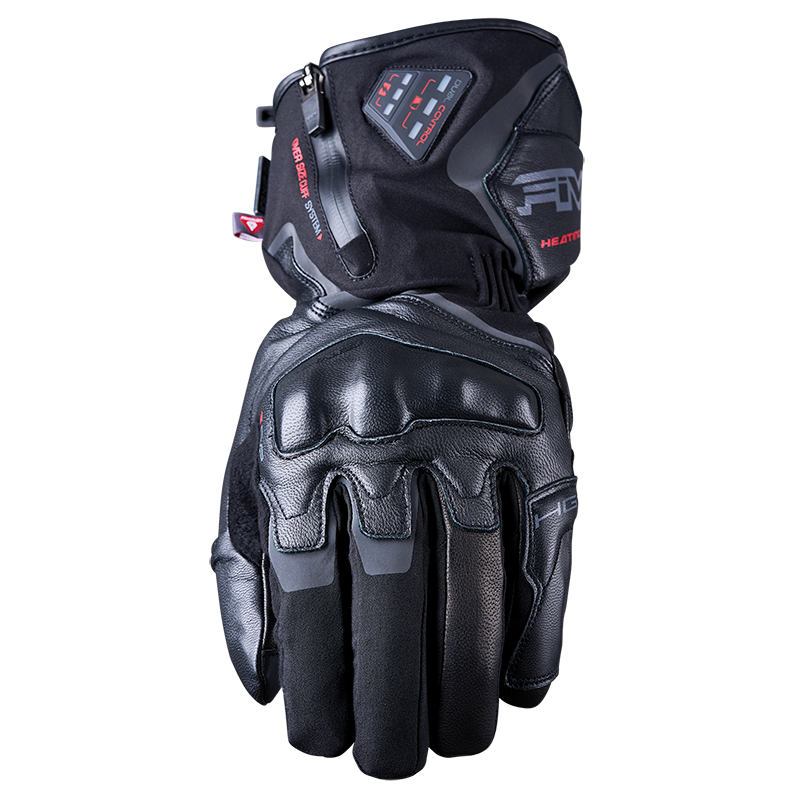
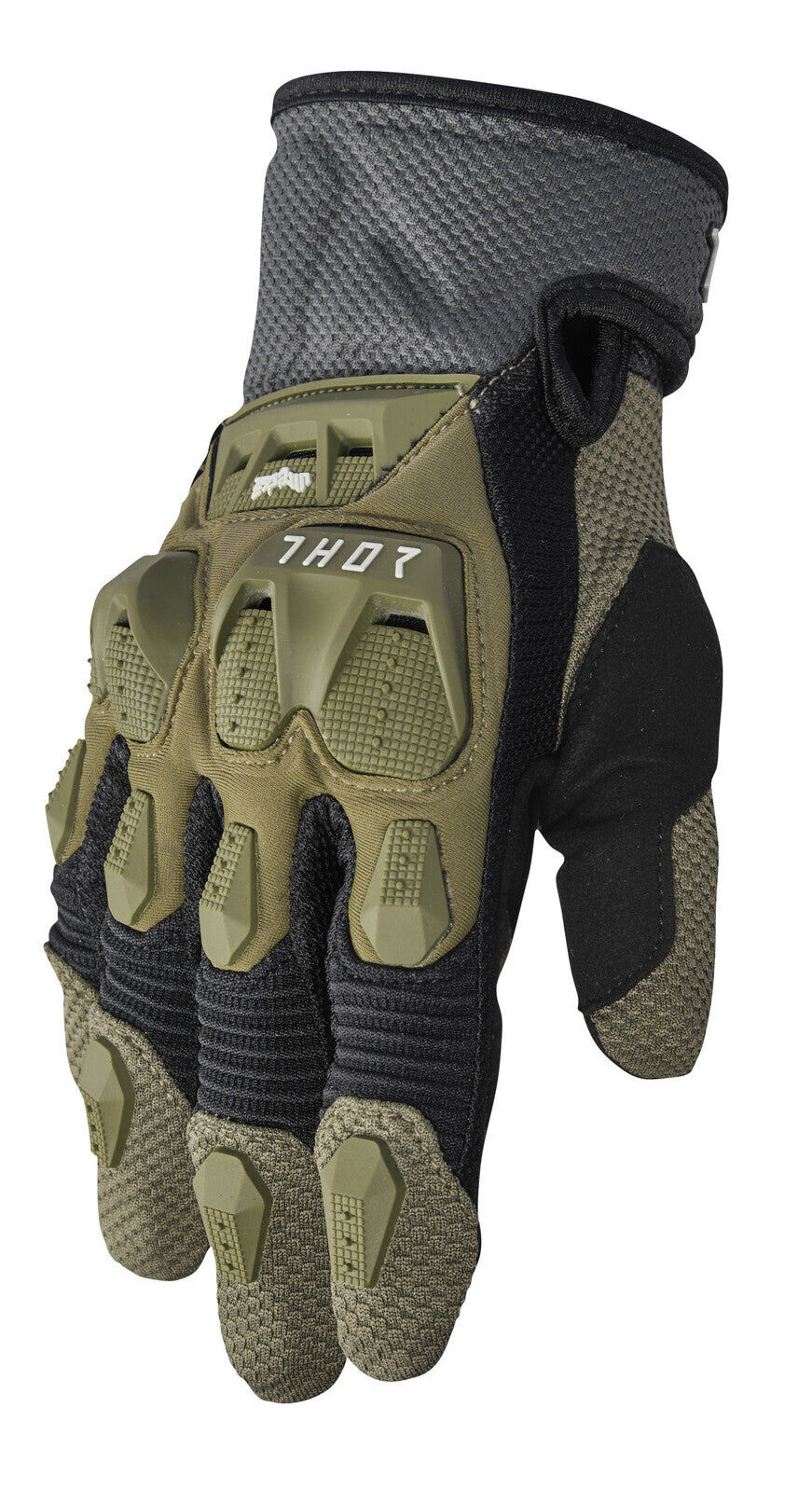
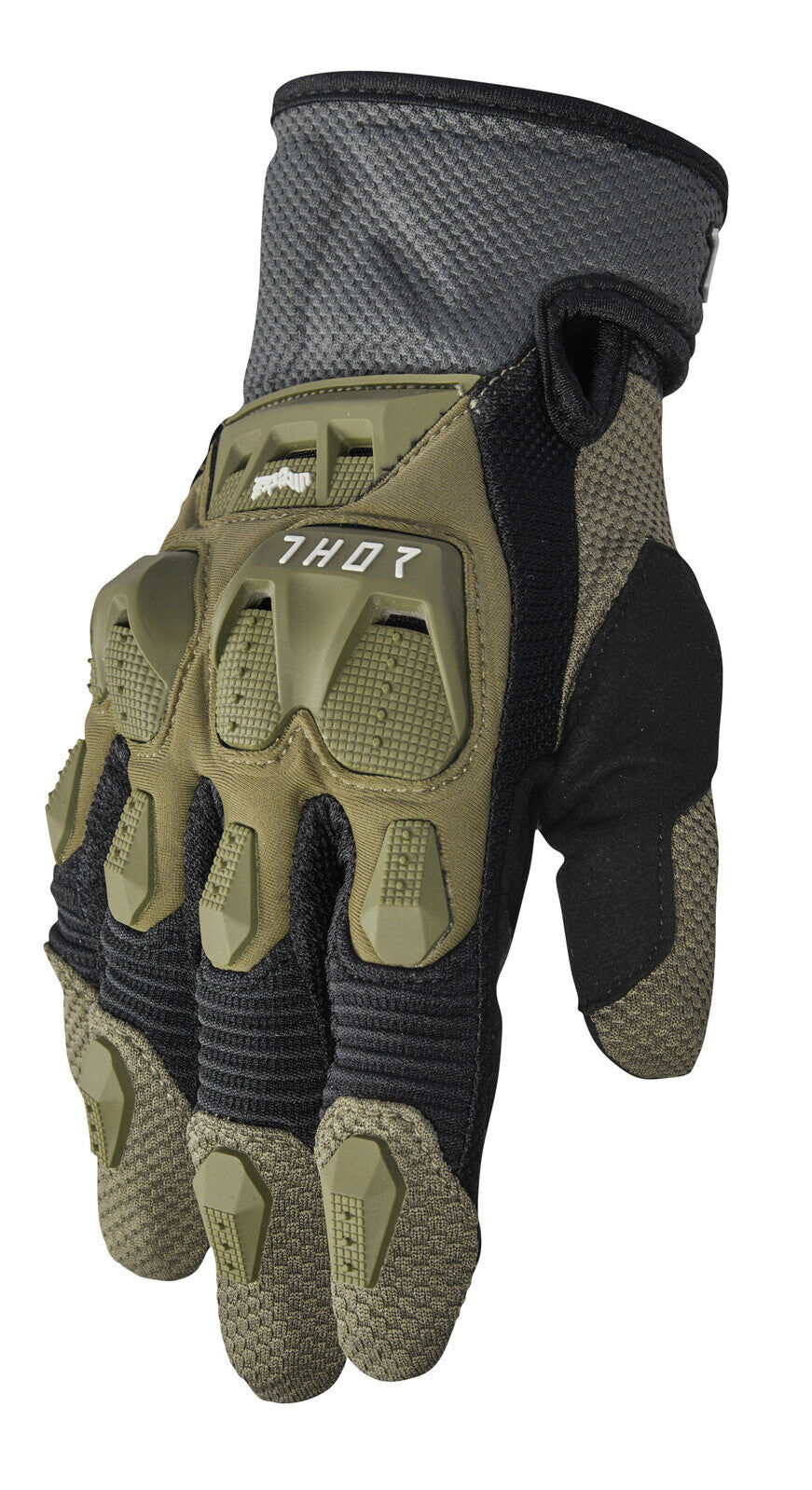
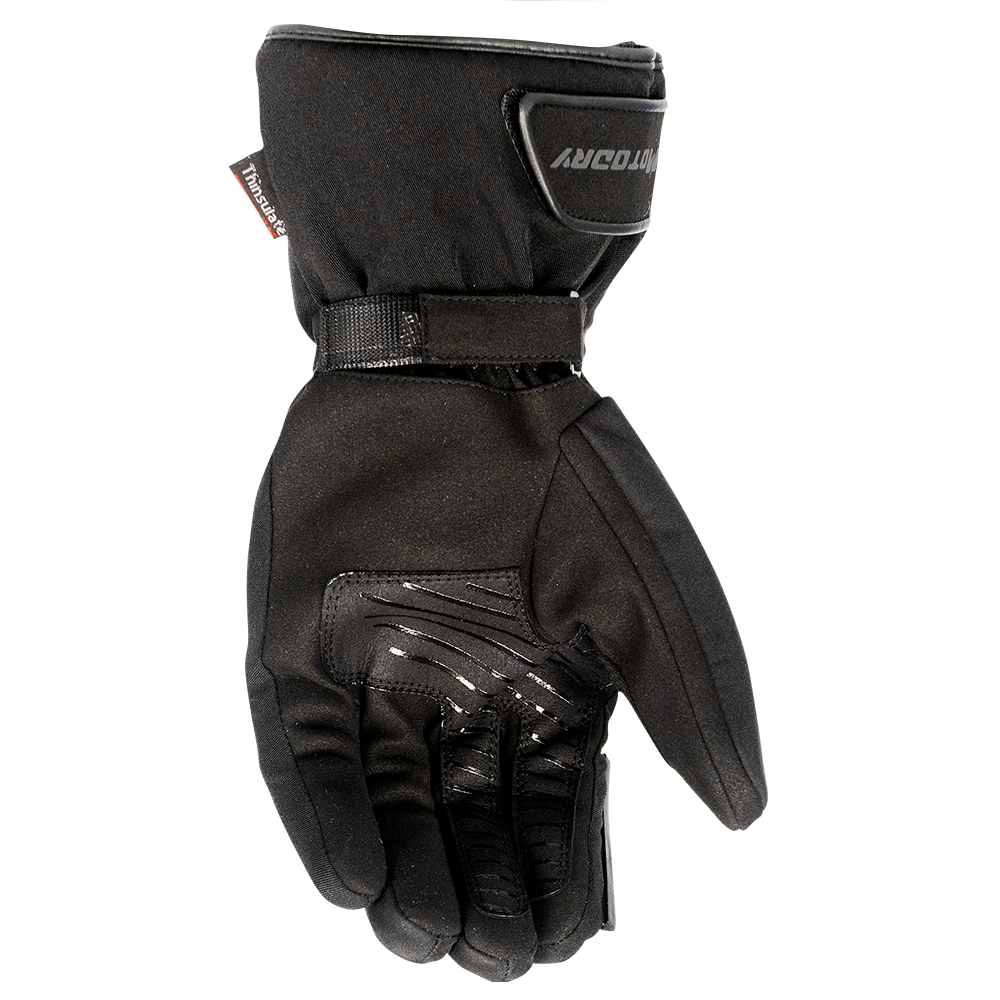
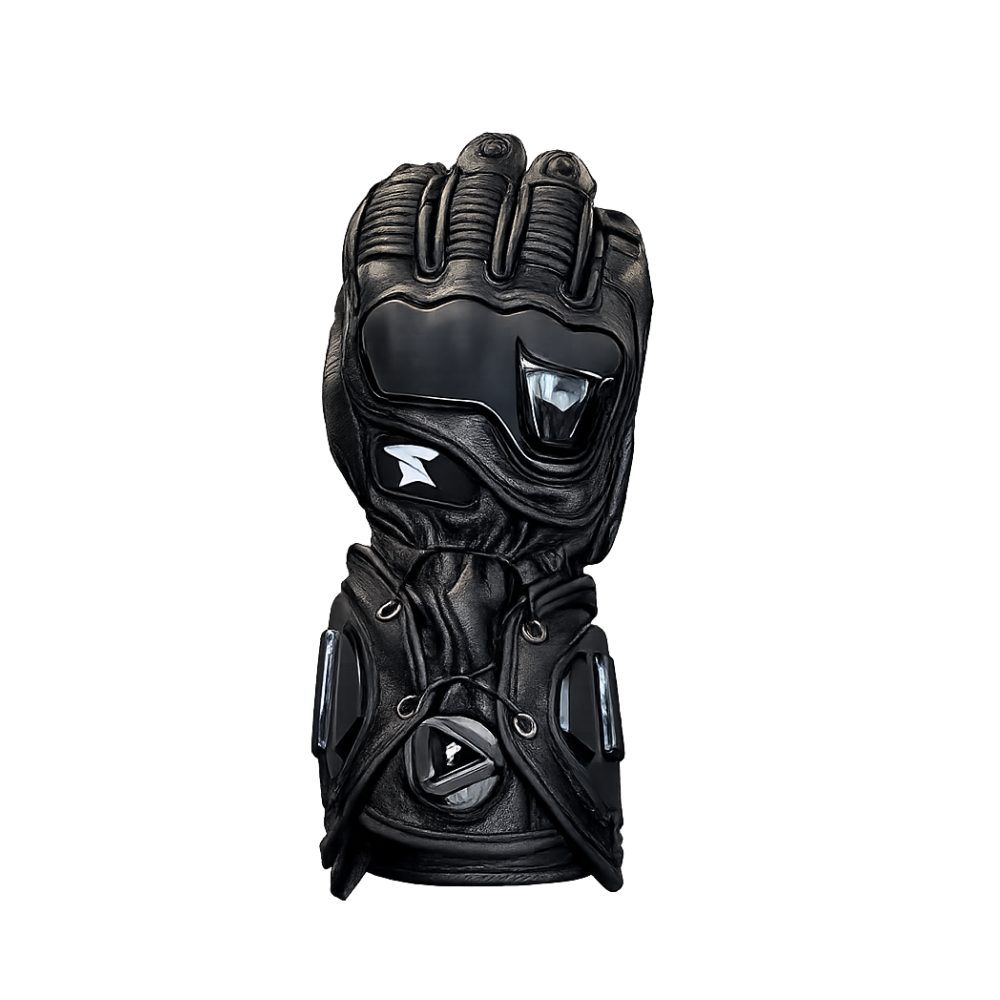
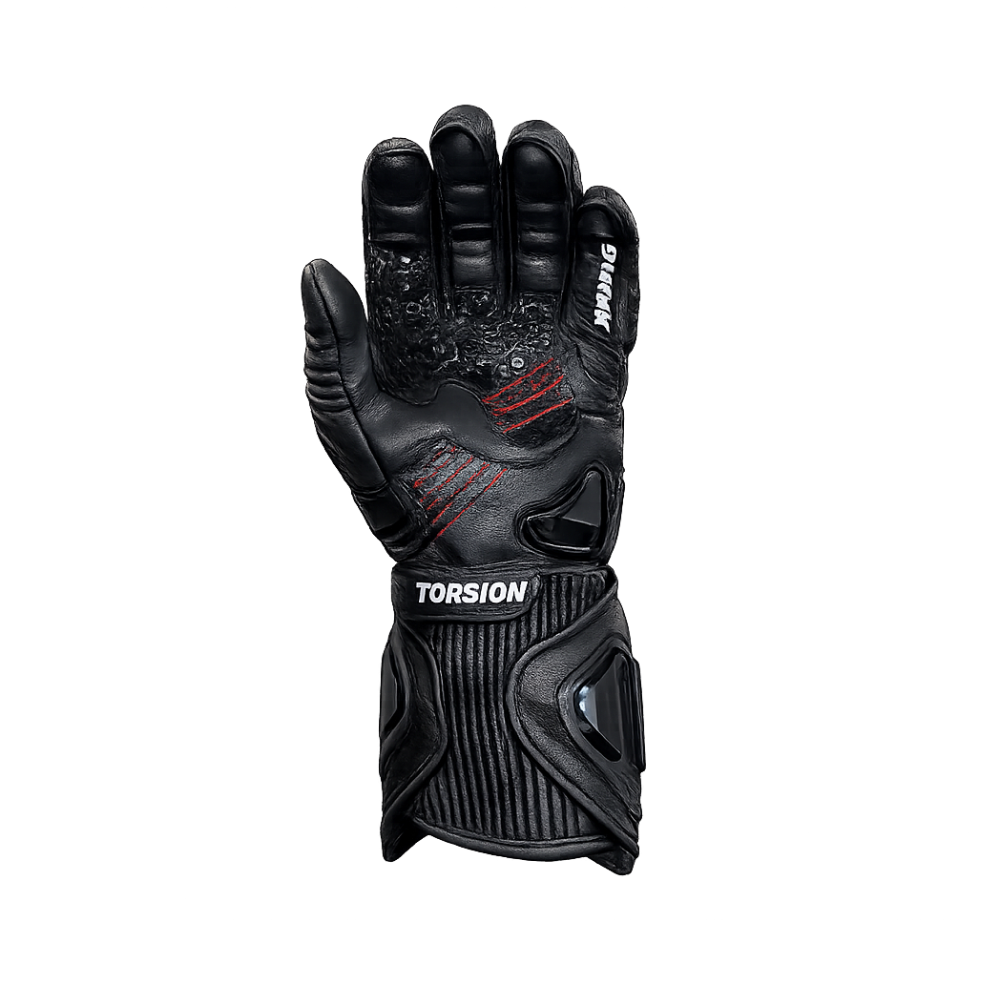
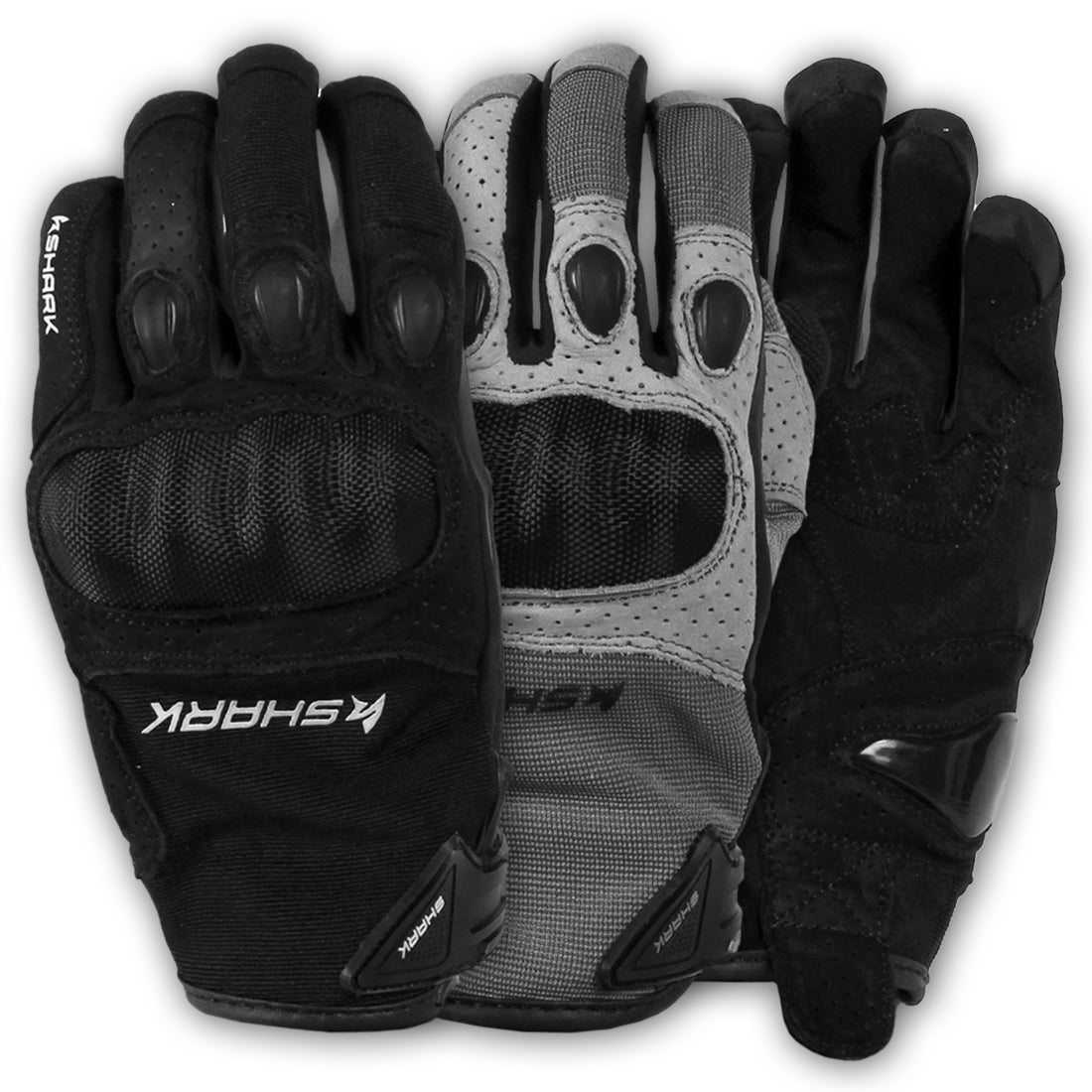
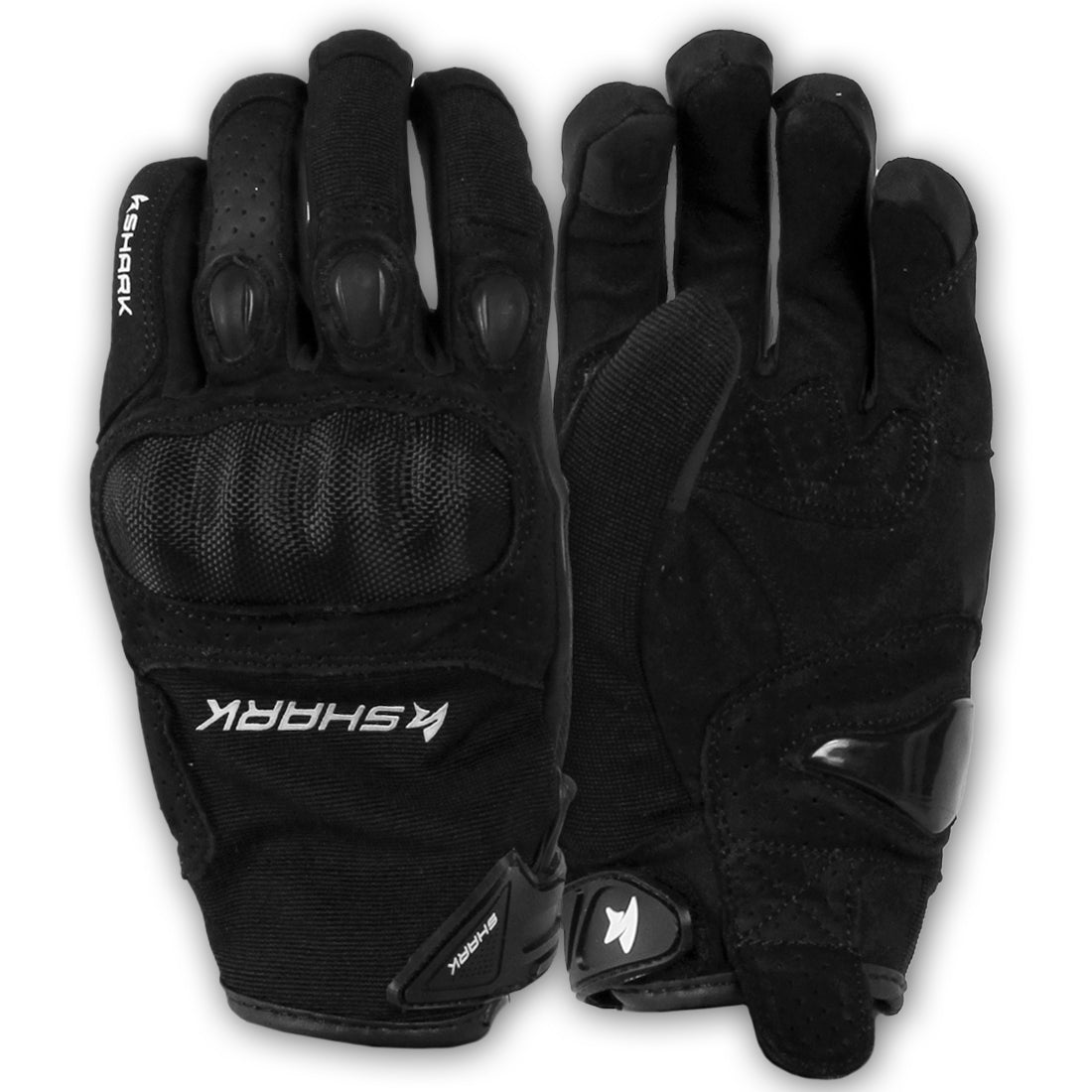
Textile motorcycle gloves deliver the versatility that leather alone cannot match. From waterproof winter builds to mesh-vented summer cuts, this range covers road, adventure and off-road riders who need certified knuckle protection and all-day wrist comfort across changing Australian conditions.








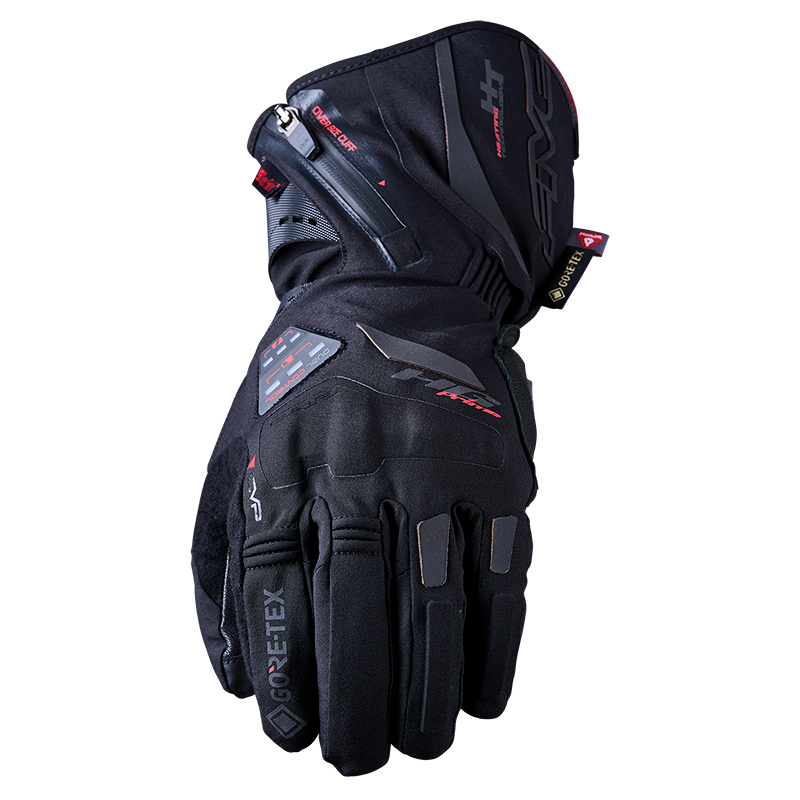
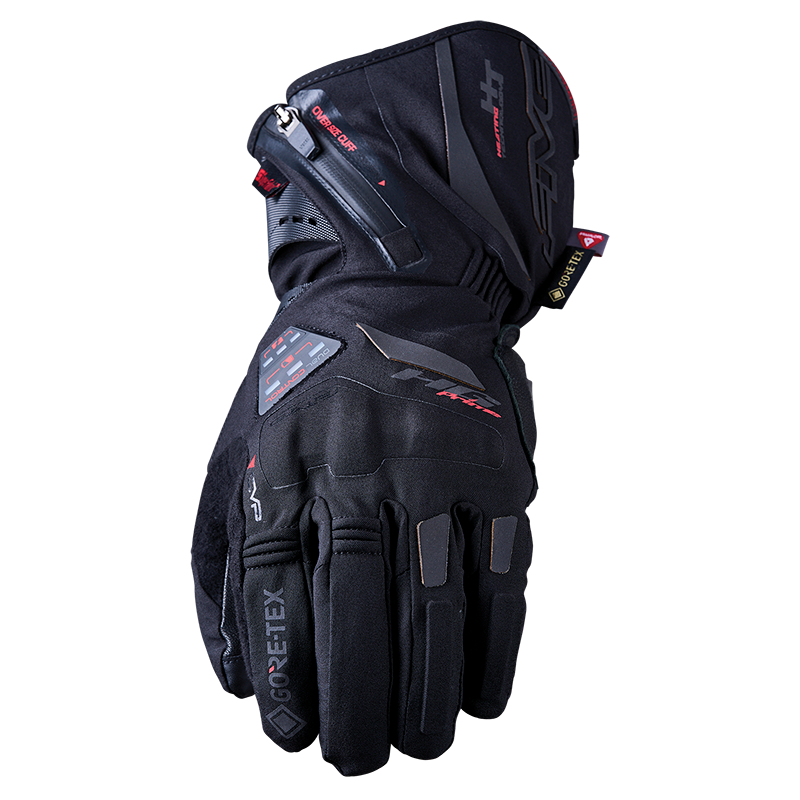
![FIVE - FIVE HG-3 EVO [WP] - Shark Leathers](http://sharkleathers.com.au/cdn/shop/files/FIVE-2163.png?v=1738474208&width=800)


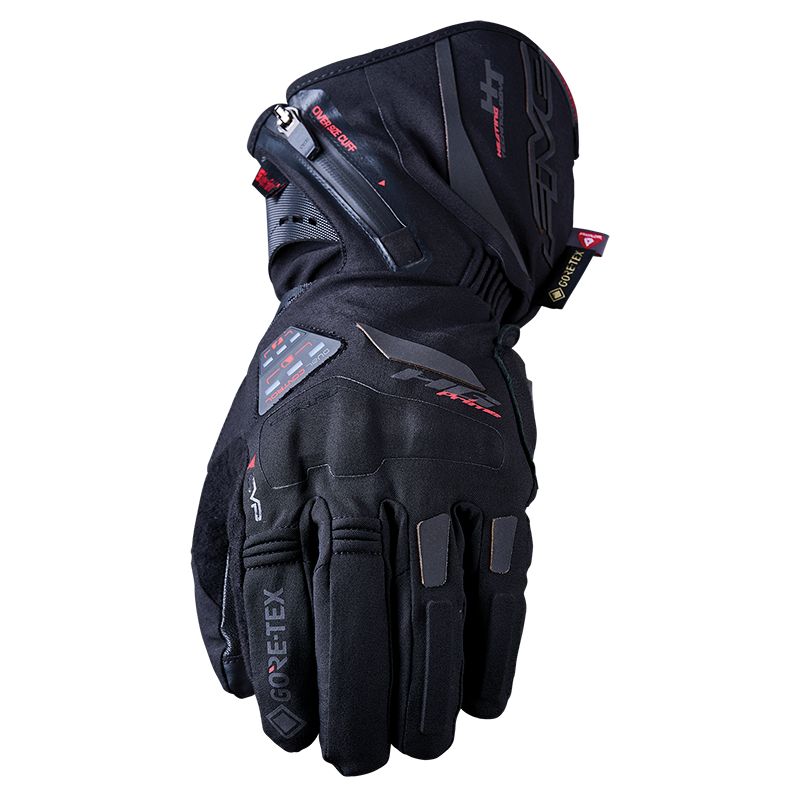
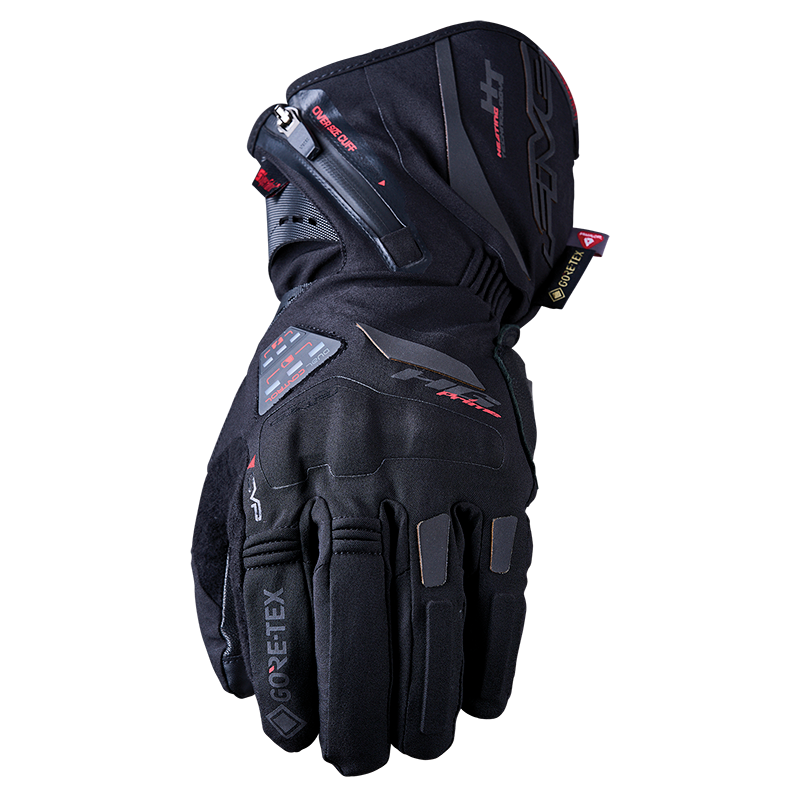
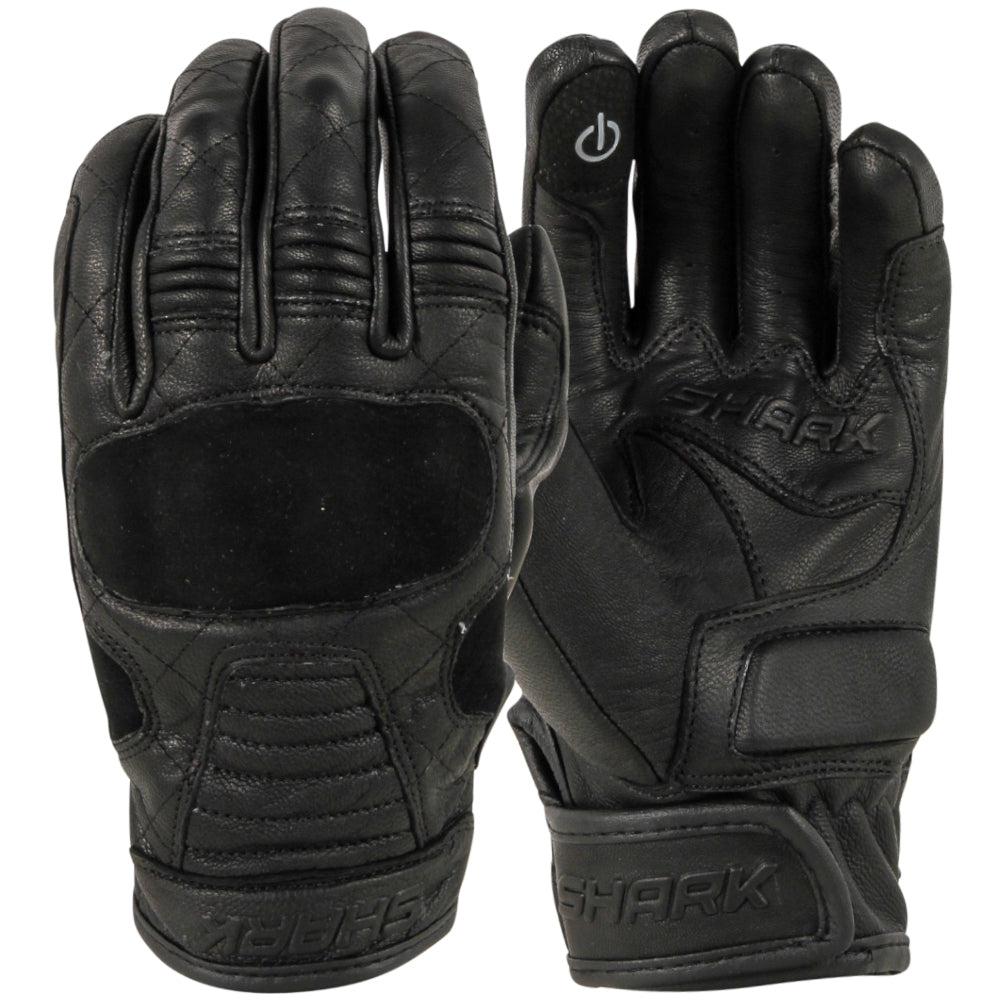
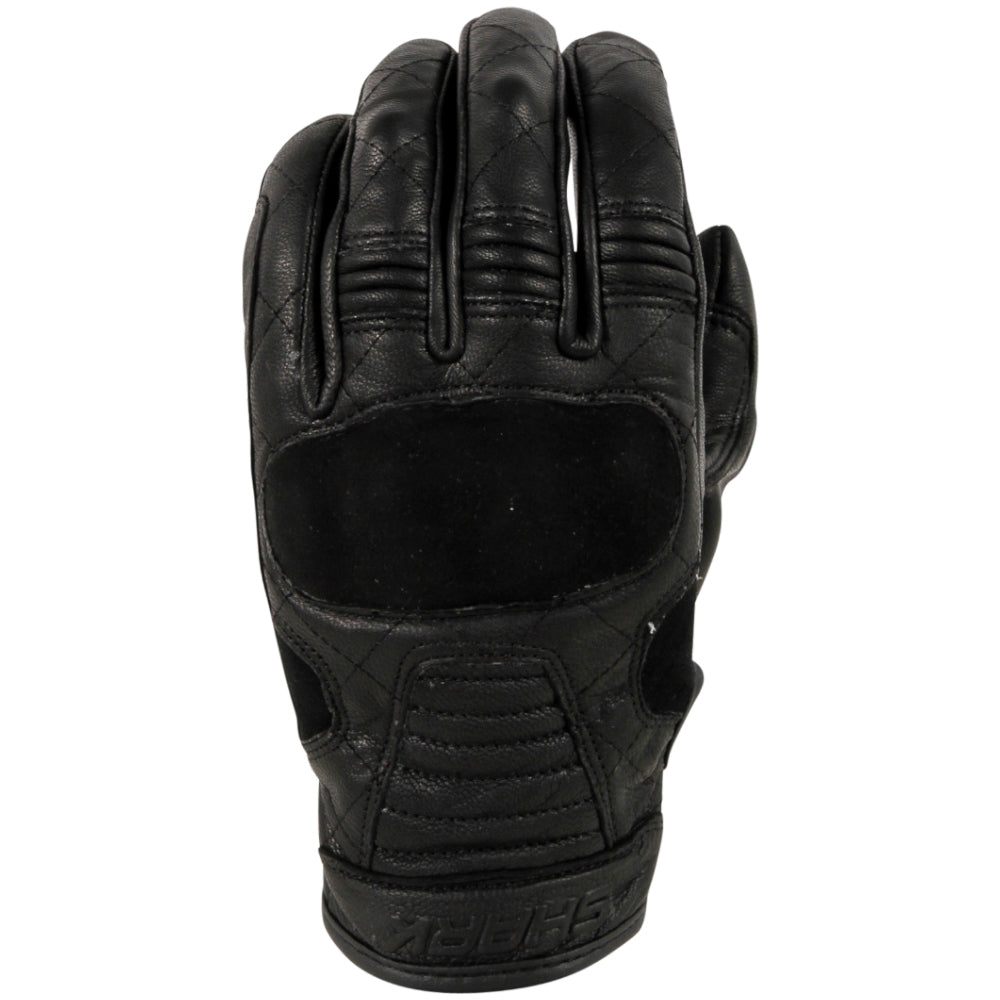


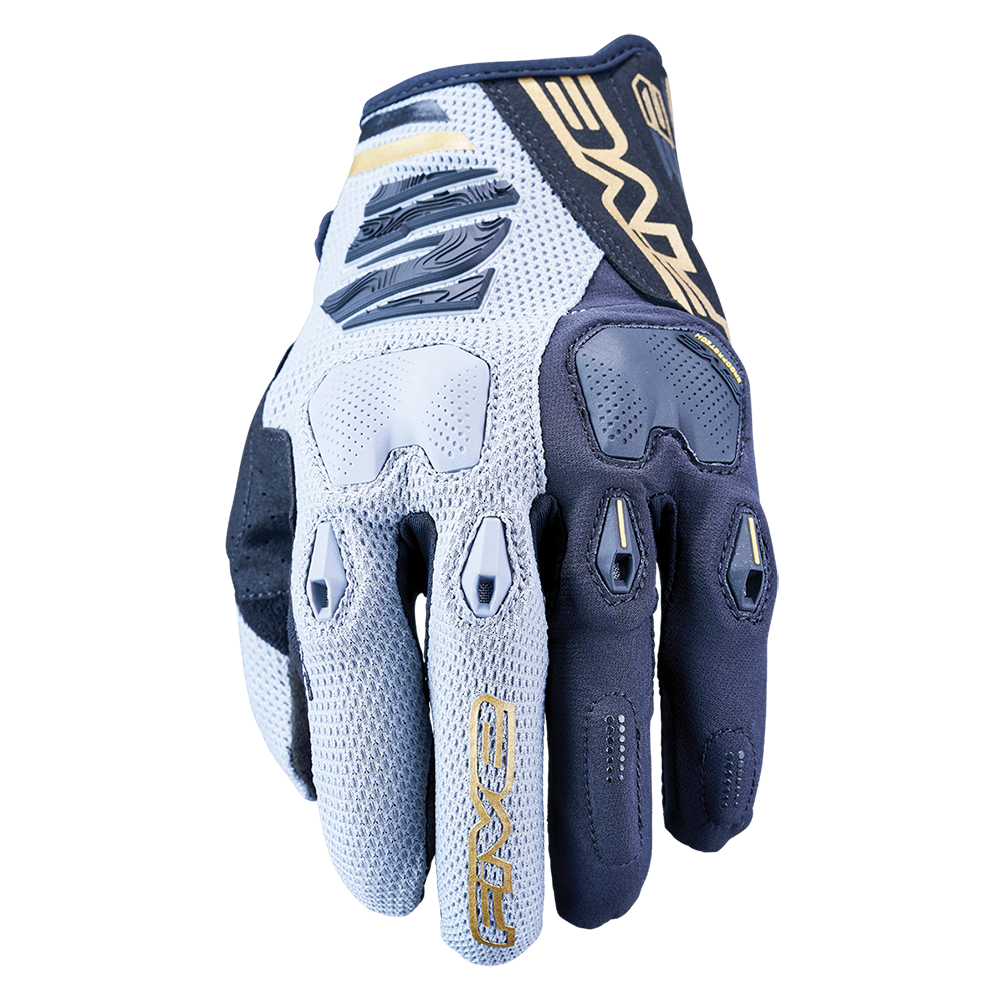
FIVE E2 ENDURO BLACK/GREY/GOLD
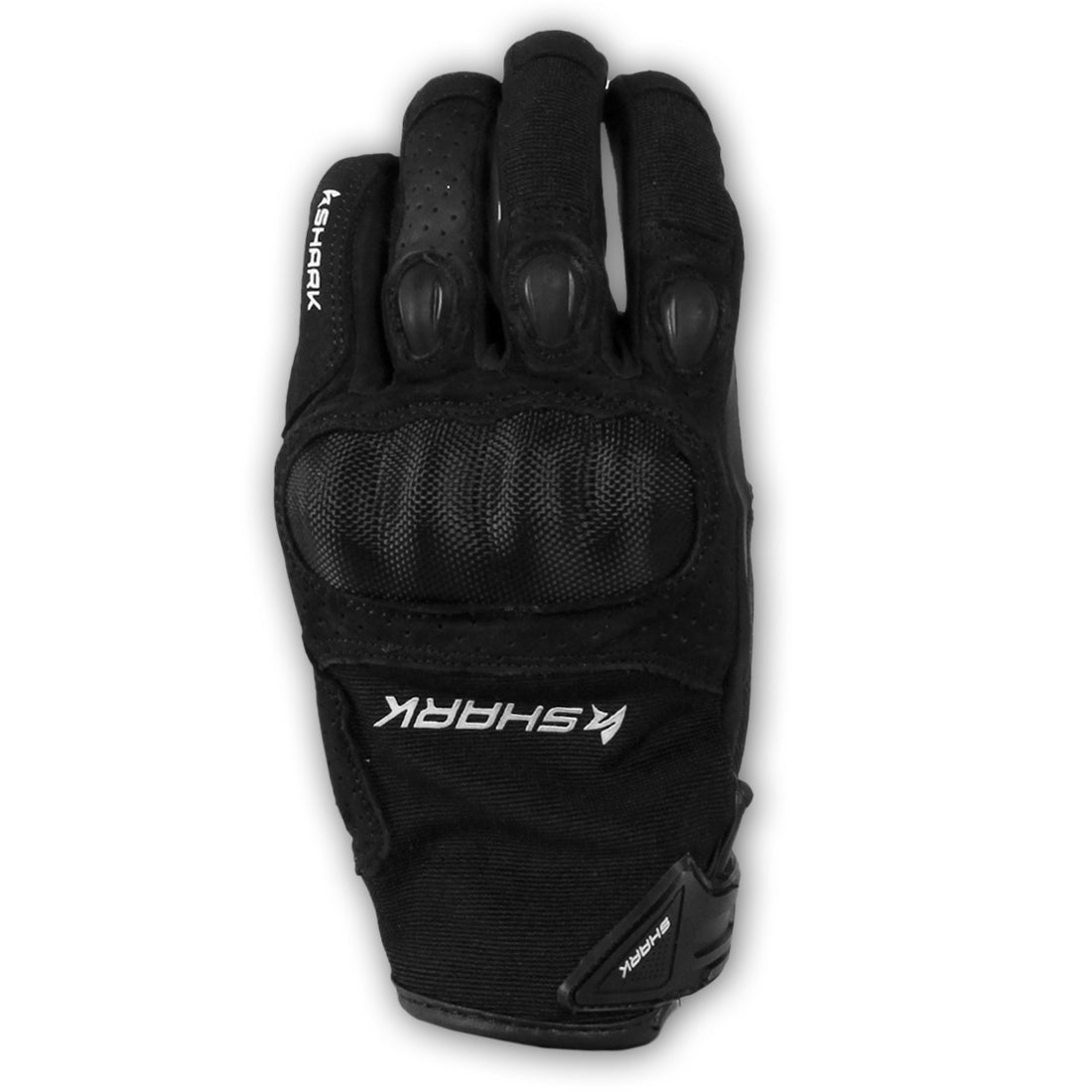
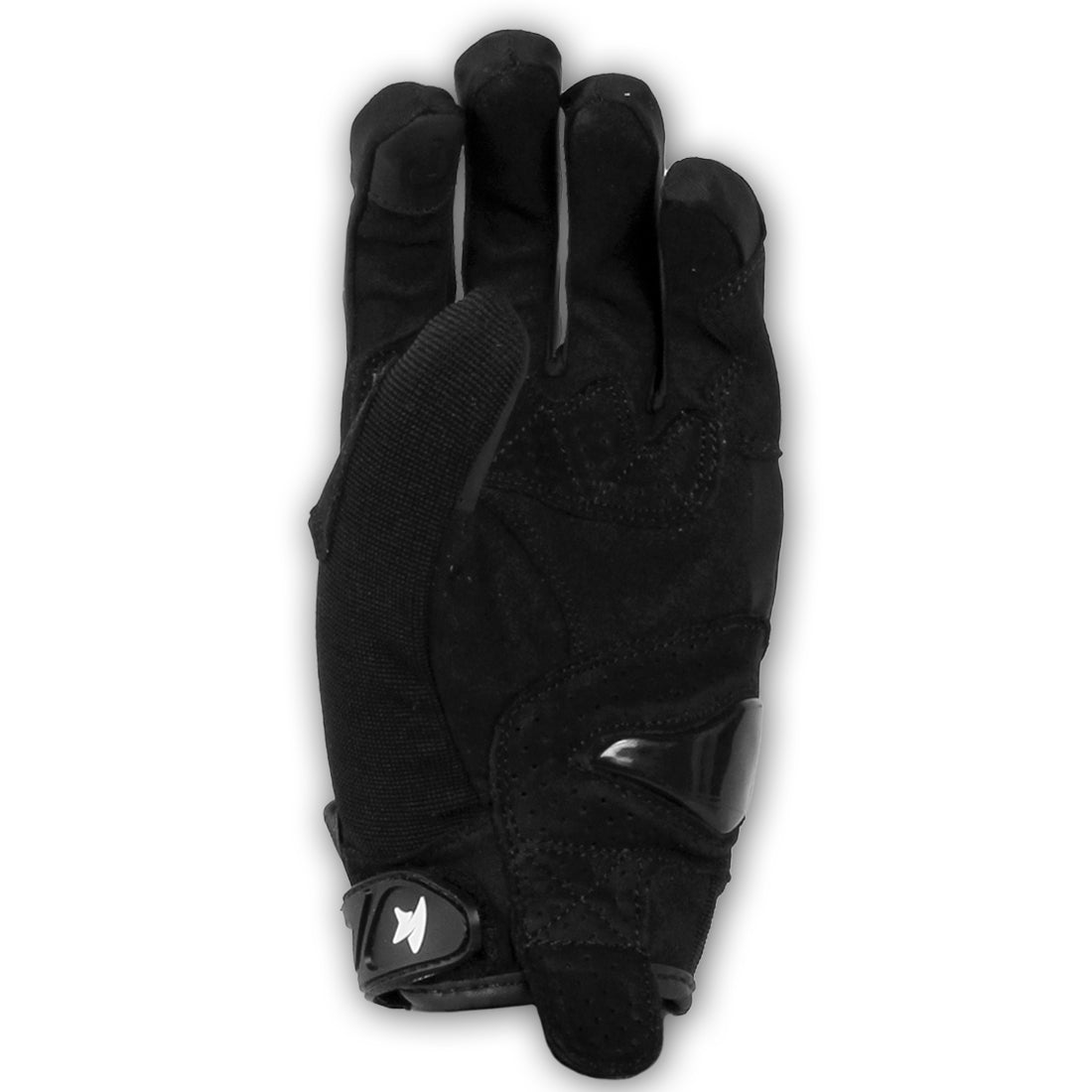
How to Choose Textile Motorcycle Gloves
Textile construction combines CE-certified armour with materials purpose-built for specific conditions. A mesh upper moves more air than full leather, while a bonded waterproof membrane keeps hands dry through sustained rain. Understanding construction lets you match glove to riding style precisely.
Protection Standards at a Glance
| Standard | What It Covers | Key Threshold |
|---|---|---|
| EN 13594:2015 Level 1 | Knuckle impact, abrasion, cut | Baseline protection for road use |
| EN 13594:2015 Level 2 | Knuckle impact, abrasion, cut | Higher energy absorption for sport and adventure |
| CE palm slider | Palm abrasion on impact | Reinforced zone over thenar and hypothenar areas |
| GORE-TEX / GTX laminate | Waterproofing | Full membrane bonded to outer shell |
Construction Facts
CE Level 2 inserts absorb at least 50% more transmitted force than Level 1 under EN 13594 test conditions. Merlin and Macna winter gloves include a thermal liner between 100 g and 200 g fill weight. Shot and Motodry mesh panels use 150-denier to 600-denier polyester, with leather reinforcements at the palm heel and thumb saddle. Sizing follows hand circumference: Size M is 190-200 mm at the knuckle, XL at 210-220 mm.
Buying Guidance
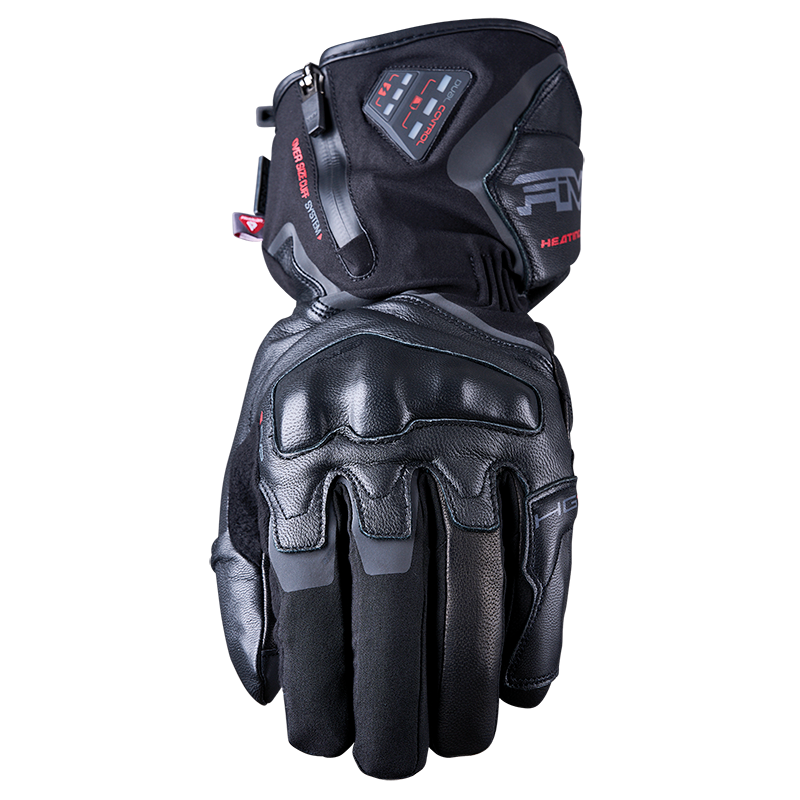
Road touring: prioritise a GTX laminate, CE Level 1 or Level 2 knuckle armour, and a wrist strap with at least 50 mm of adjustment. Adventure: CE Level 2 knuckle protection and a pre-curved finger fit reduce grip fatigue over long stages. Summer: a CE Level 1 knuckle guard with 4-way stretch mesh balances airflow and protection. Winter: a thermal liner rated to 5 degrees Celsius with a gauntlet cuff that seals over a jacket sleeve is the reliable combination.
Frequently asked questions
What is the difference between CE Level 1 and CE Level 2 knuckle armour in textile gloves?
Under EN 13594:2015, Level 2 armour must transmit no more than 9 kN of force during impact testing, while Level 1 permits up to 13.5 kN. Level 2 inserts absorb roughly 50% more peak energy, making them the better choice for adventure, sport and off-road riding where impact speeds and terrain hazards are higher.
Are textile gloves as abrasion-resistant as leather motorcycle gloves?
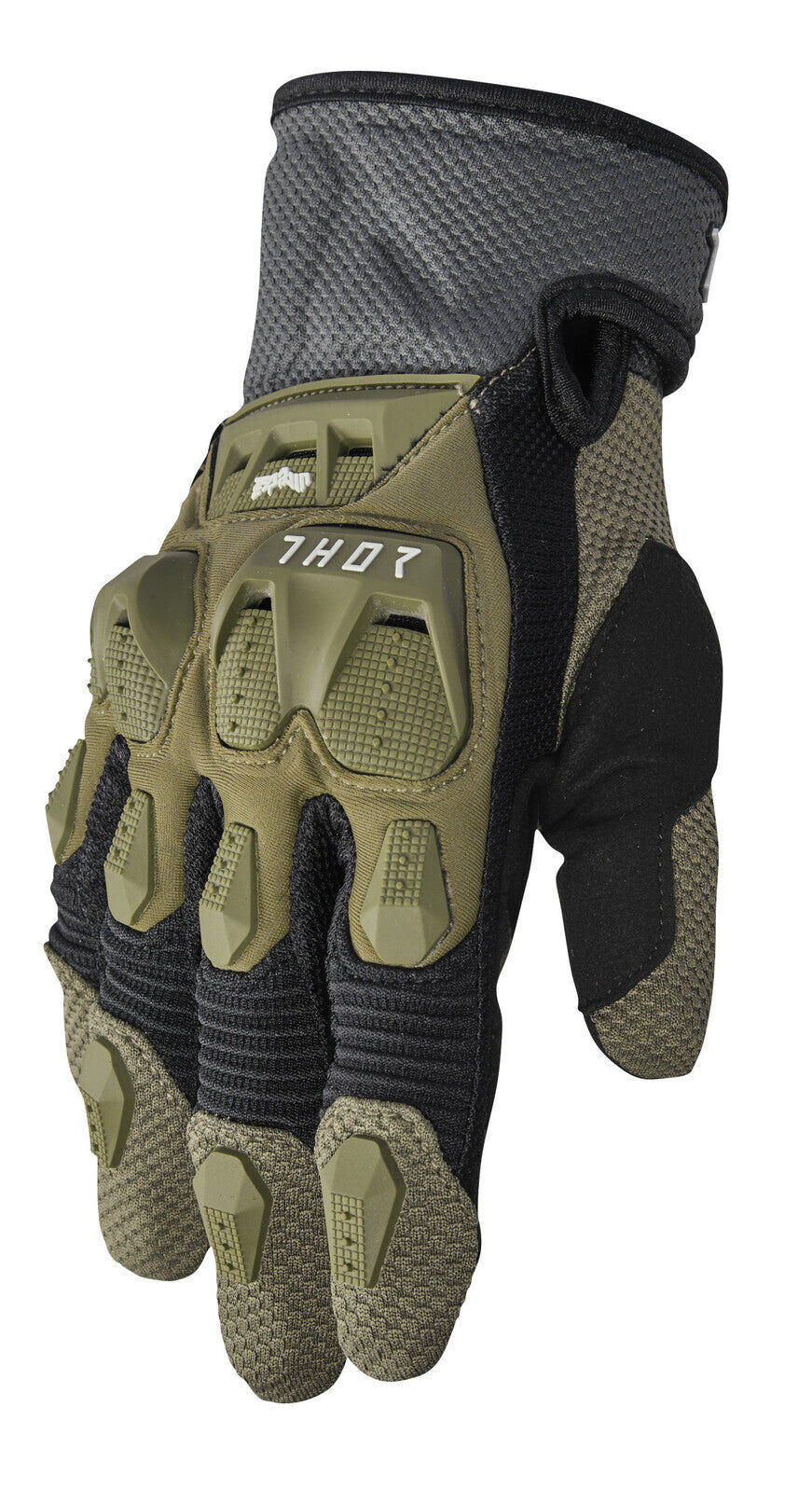
Cowhide leather remains the benchmark for sliding abrasion resistance, but premium textile gloves address this with clarino synthetic leather or reinforced neoprene on the palm and thumb saddle, combined with 300-denier to 600-denier polyester on the dorsal. For dry-road use, a well-constructed textile glove with CE palm reinforcement provides meaningful protection; for track or aggressive sport riding, leather remains the preferred choice.
Can I use waterproof textile gloves year-round in Australia?
A bonded waterproof laminate such as GORE-TEX or equivalent keeps hands dry in sustained rain and manages condensation better than a loose liner insert. In Australian summer heat, a fully waterproofed glove can reduce airflow significantly. Most riders use a waterproof textile glove through autumn and winter and switch to a mesh or perforated textile glove once ambient temperatures consistently exceed 25 degrees Celsius.
Afterpay & Zippay Available
Afterpay & Zippay Available