

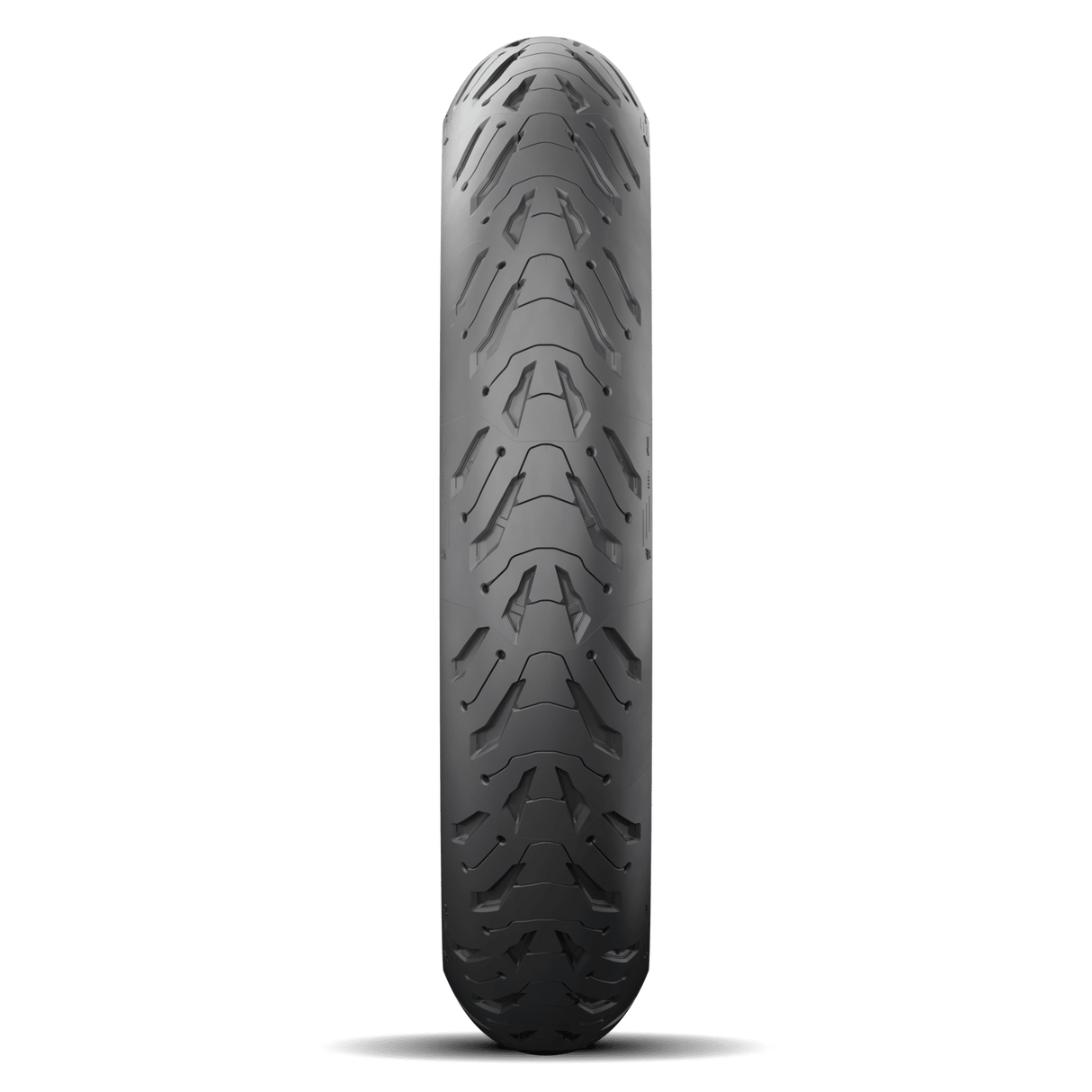
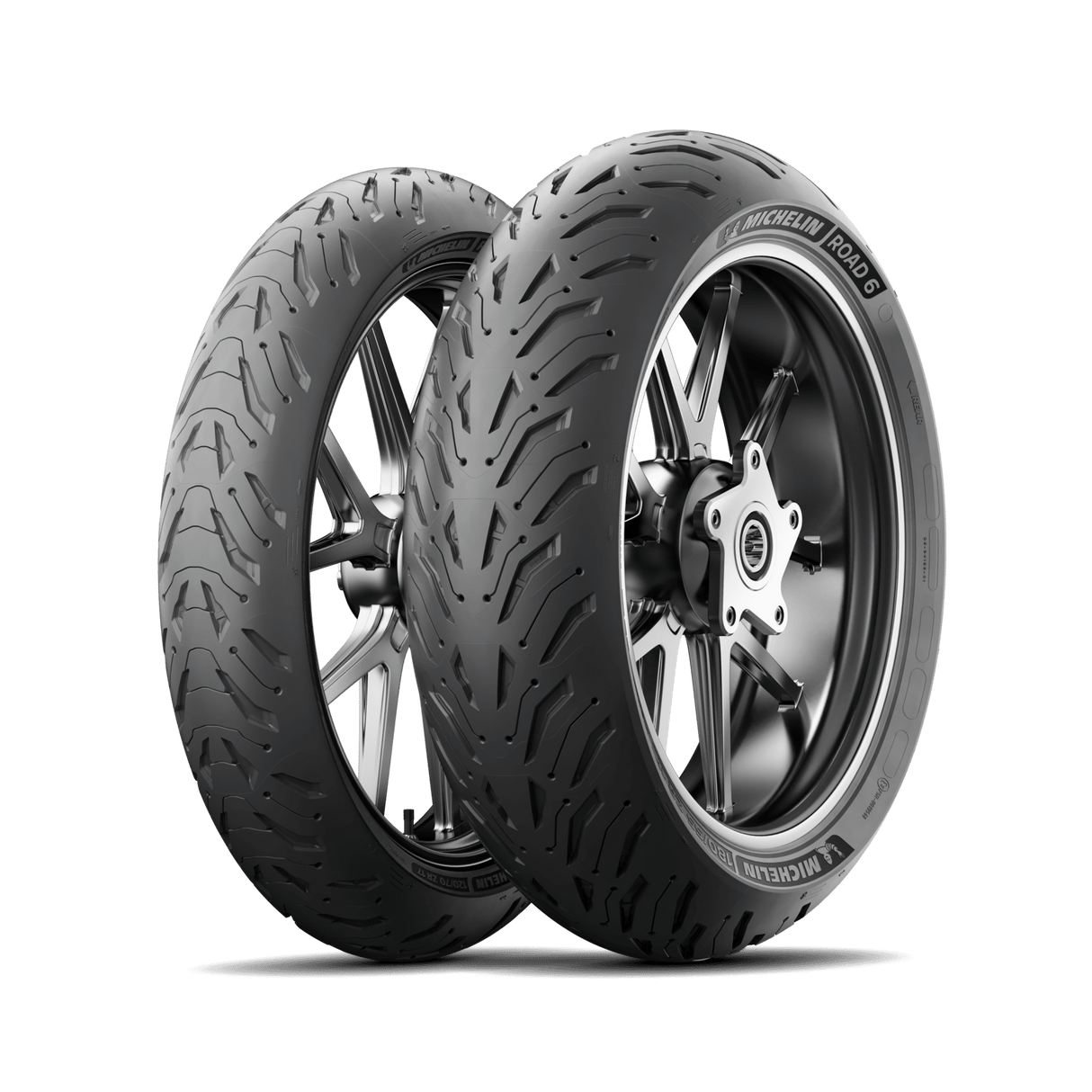
Touring tyres are built for sustained highway mileage, loaded panniers and changing conditions across Australia's long straights and mountain passes. This range covers radial and bias-ply construction, tubeless and tube-type fitments, in front and rear profiles from brands proven on road.


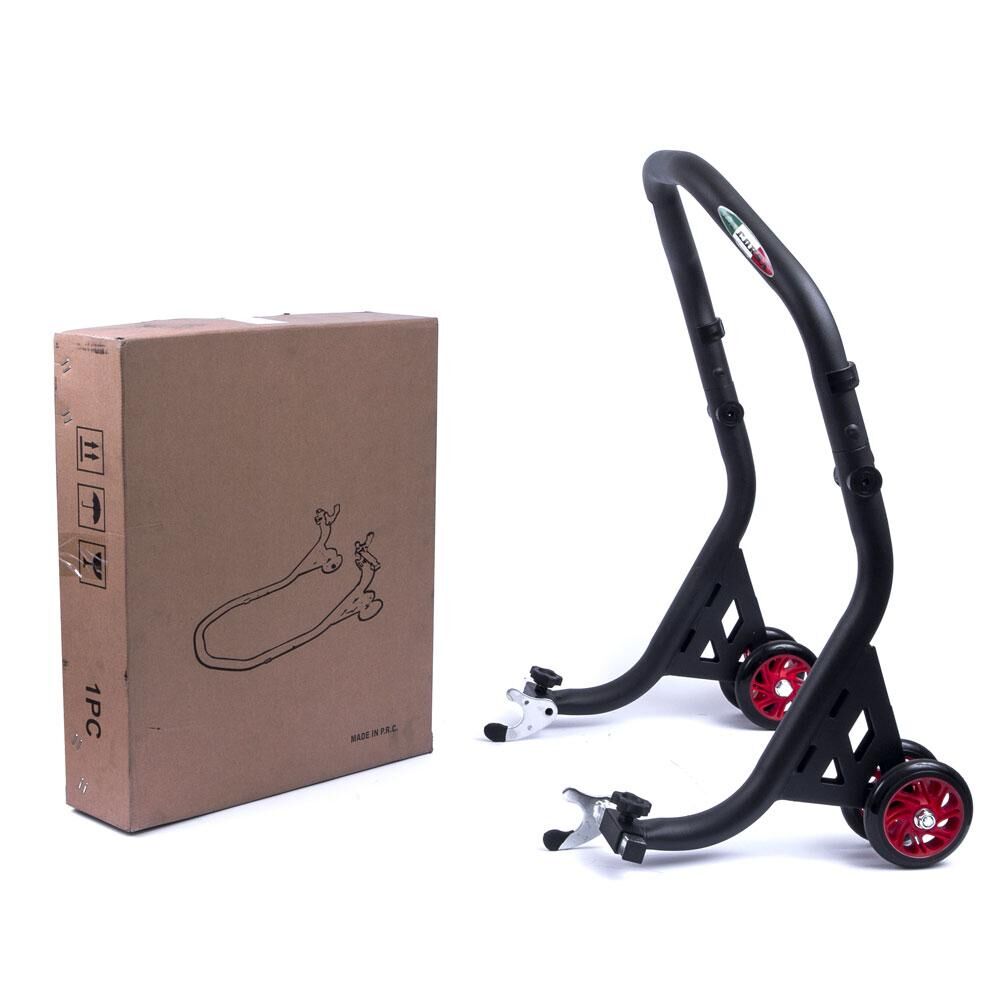
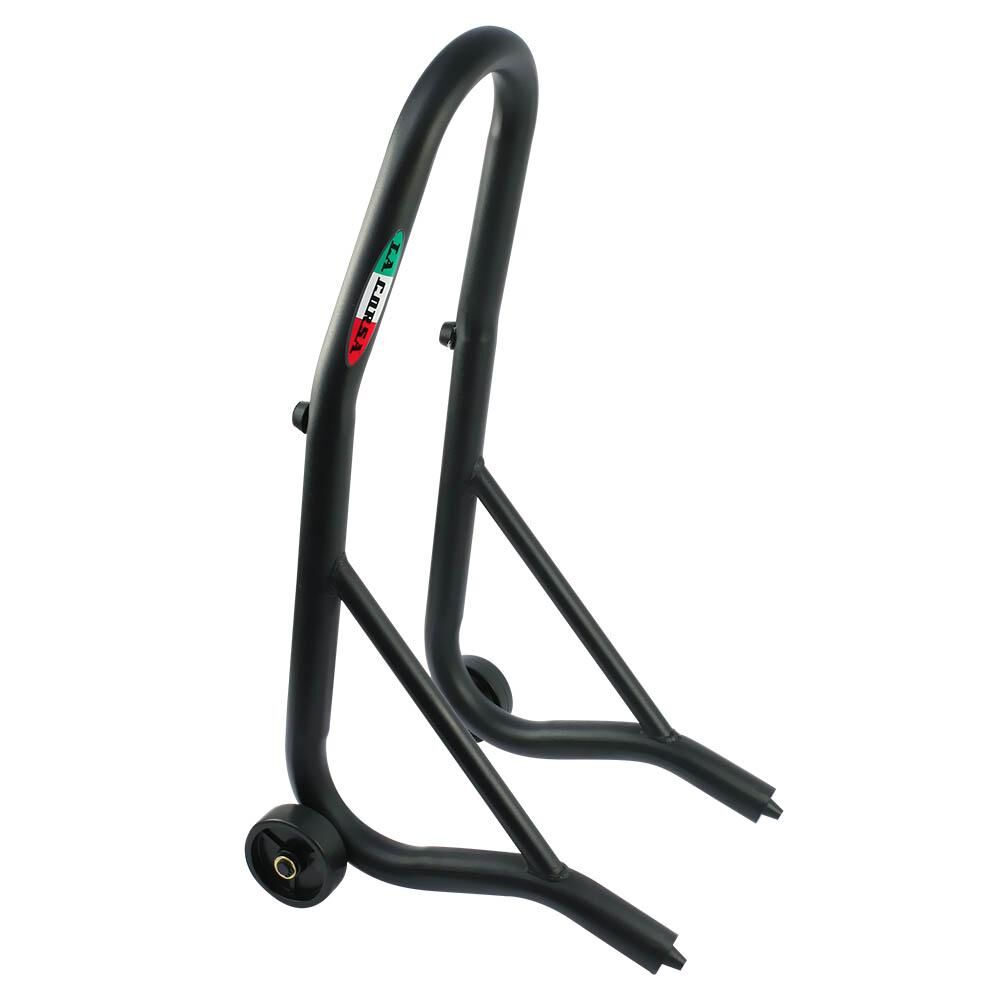
LA CORSA - ROAD BIKE STAND REAR- FLAT PACK
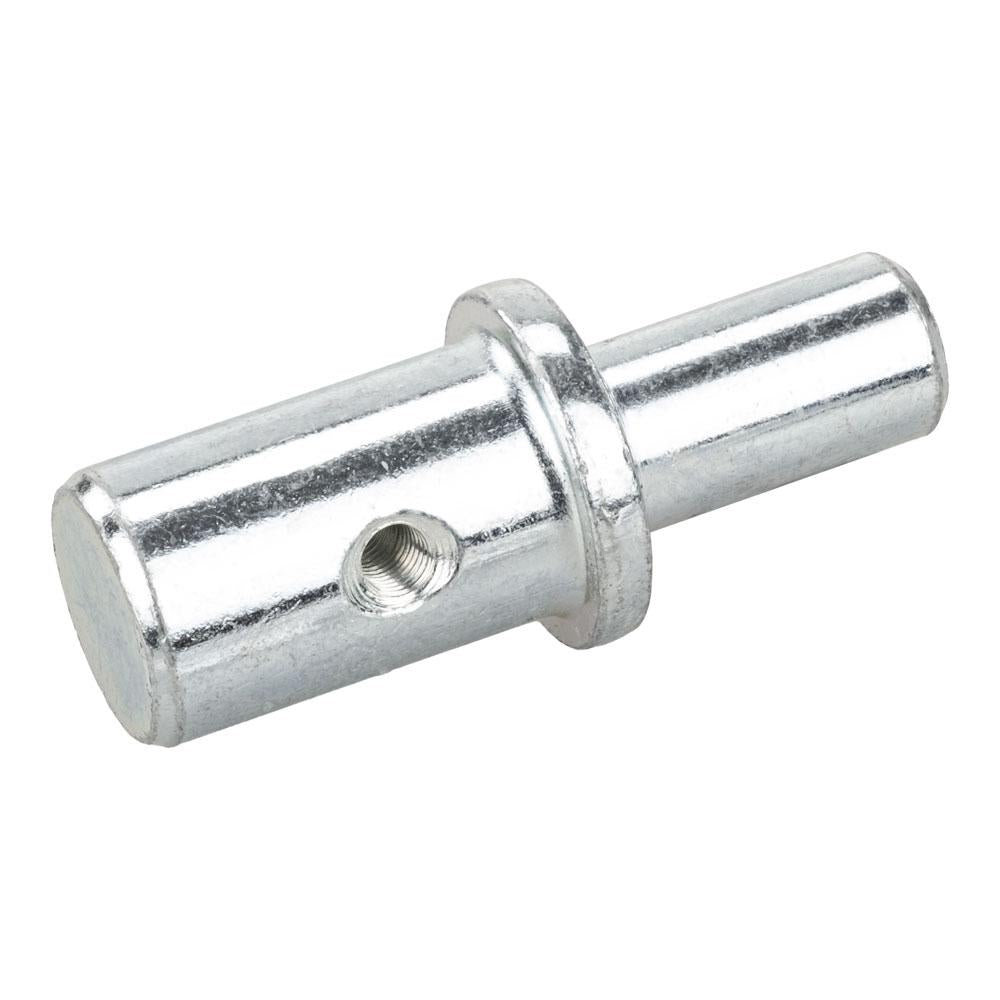

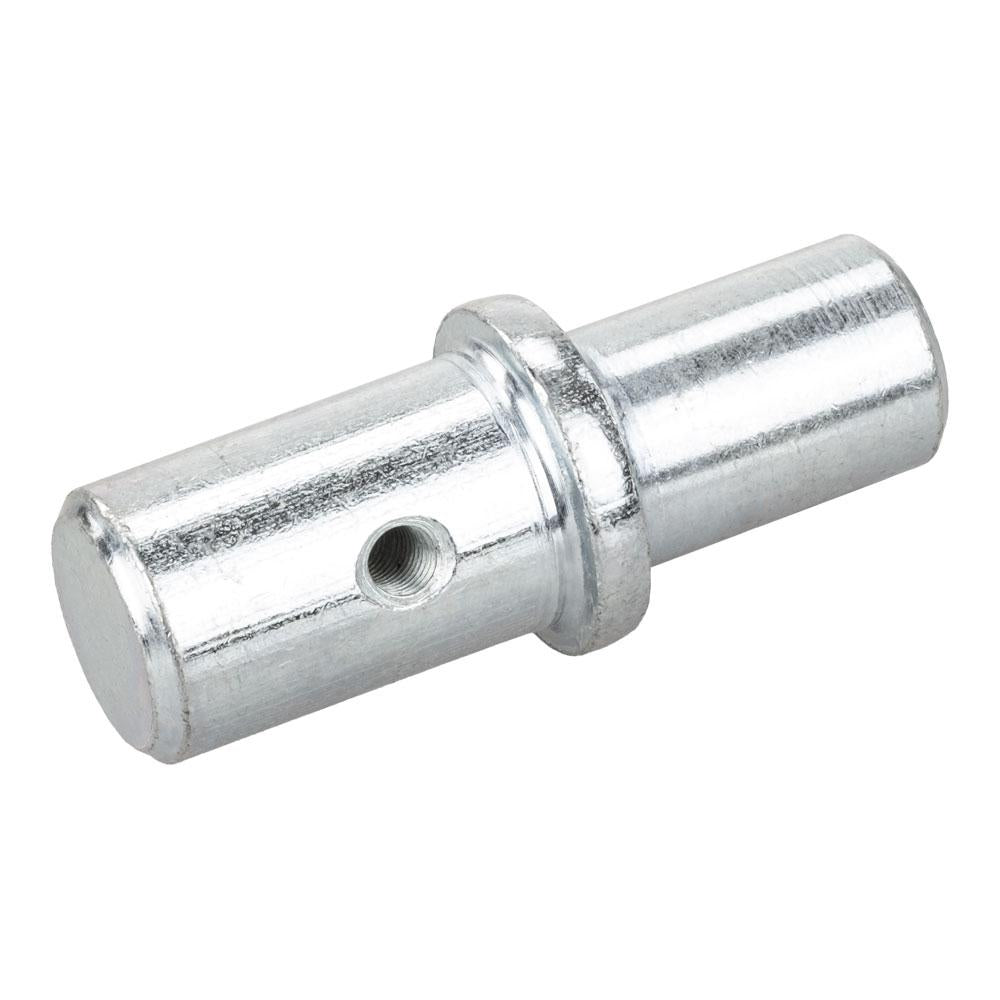
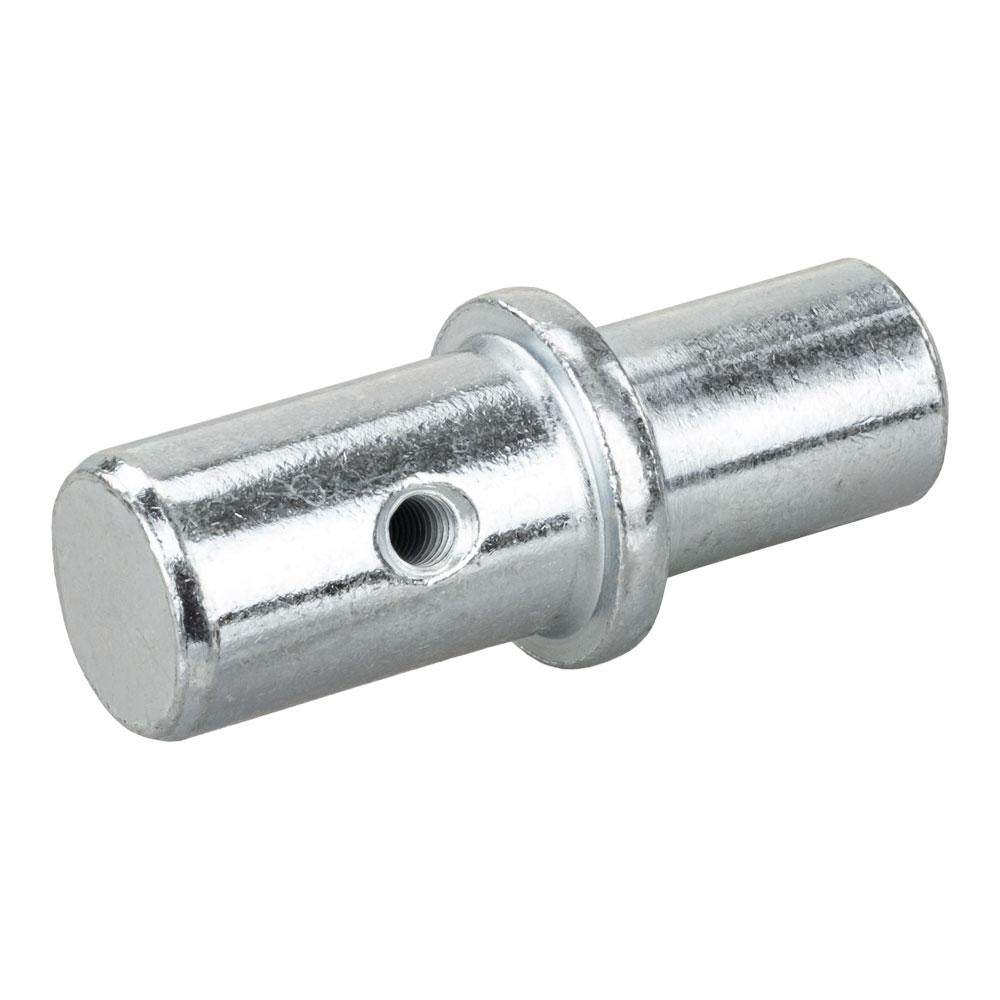
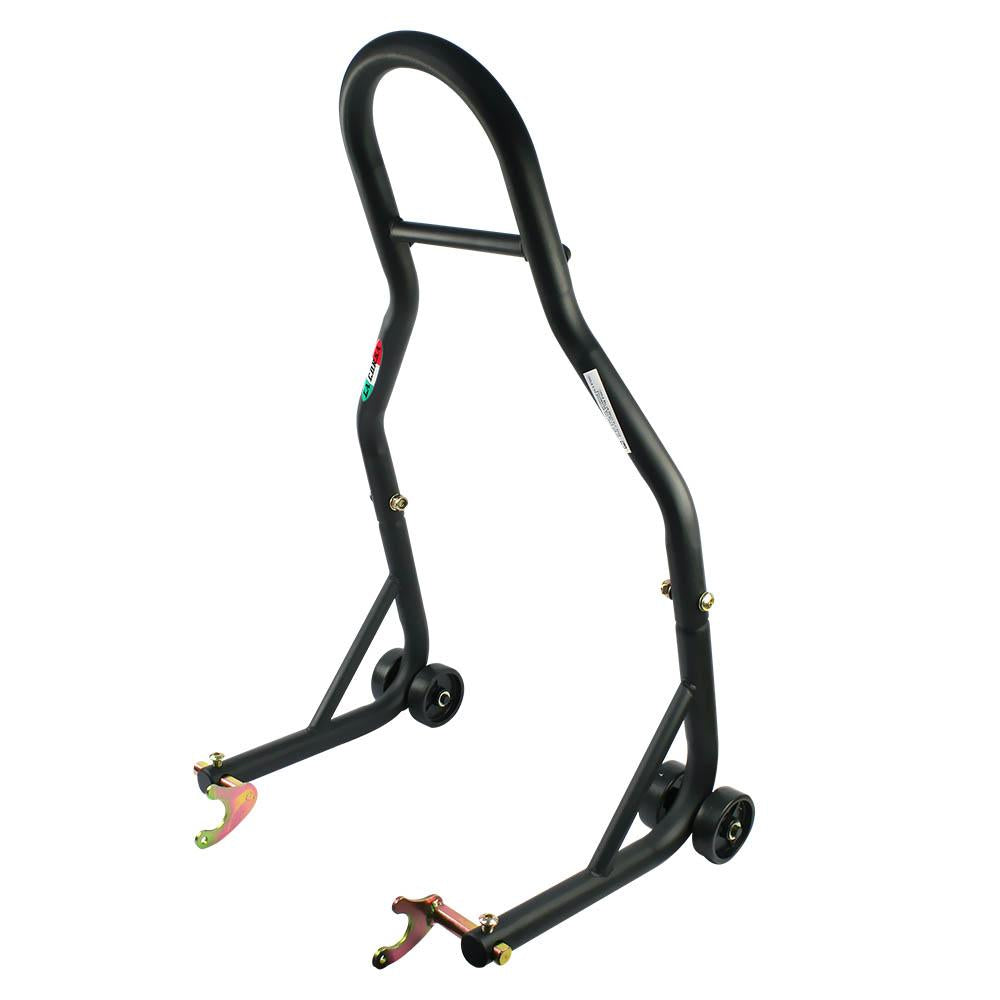
LA CORSA ROAD BIKE STAND FRONT HEADSTEM LIFT
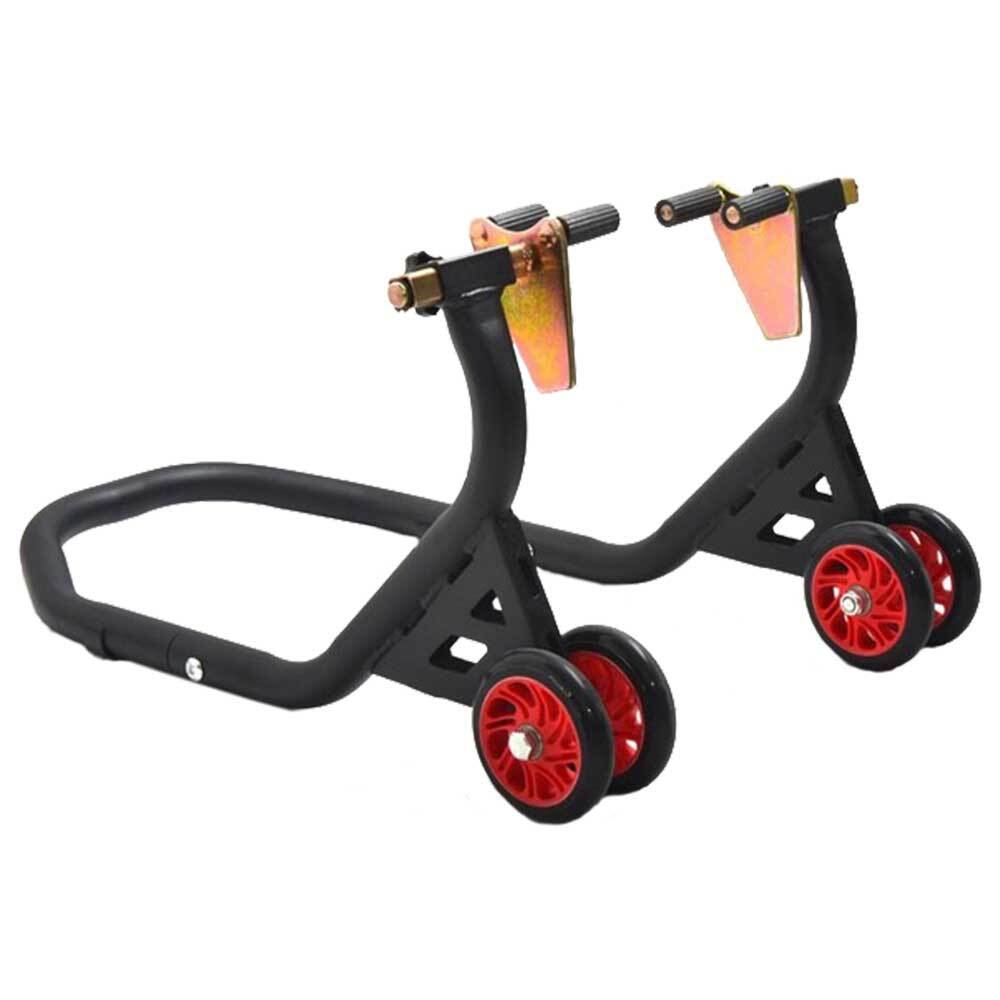
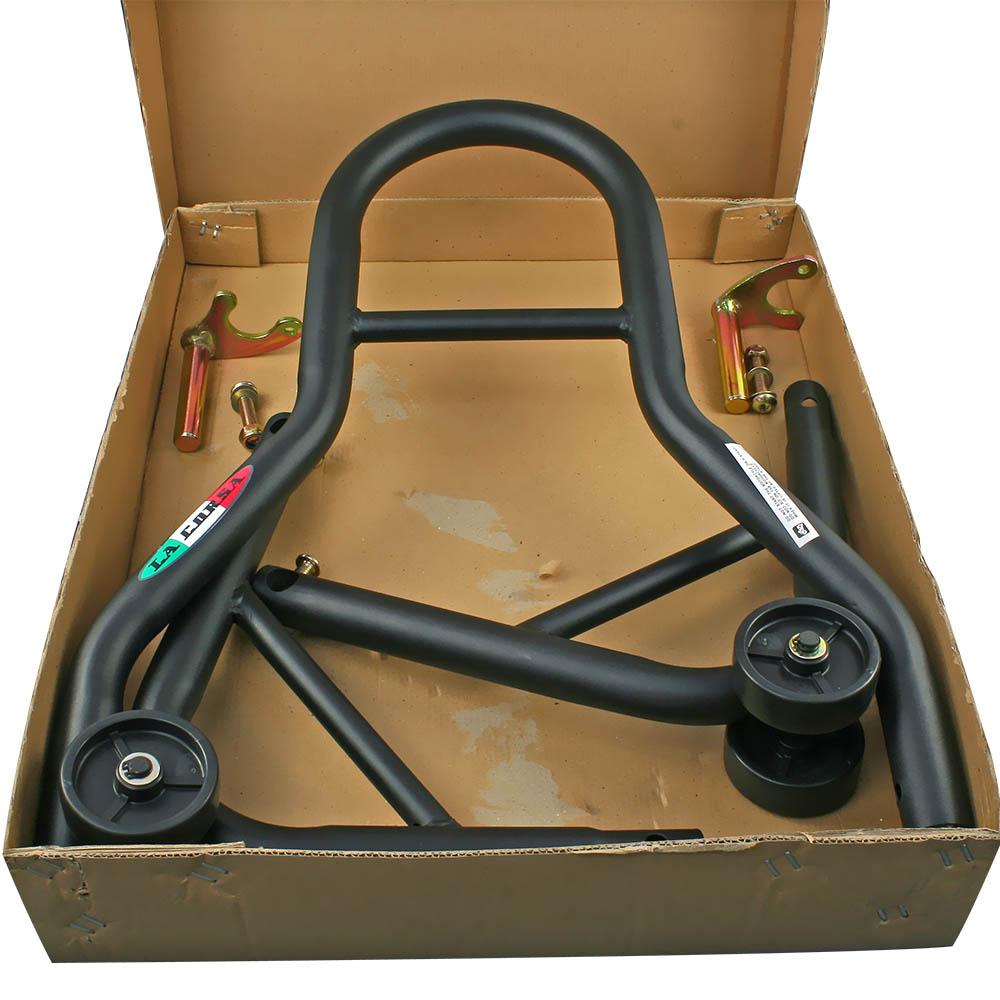
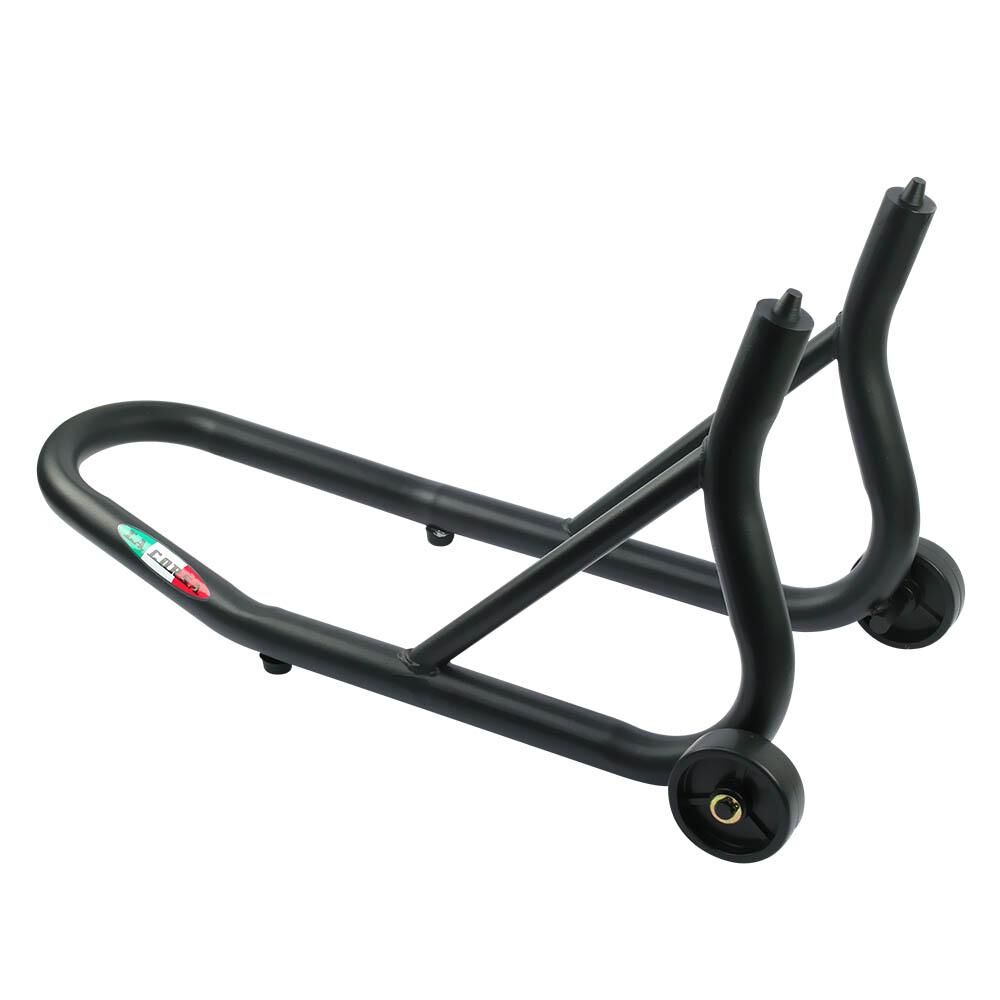
LA CORSA - ROAD BIKE STAND FRONT - FLAT PACK
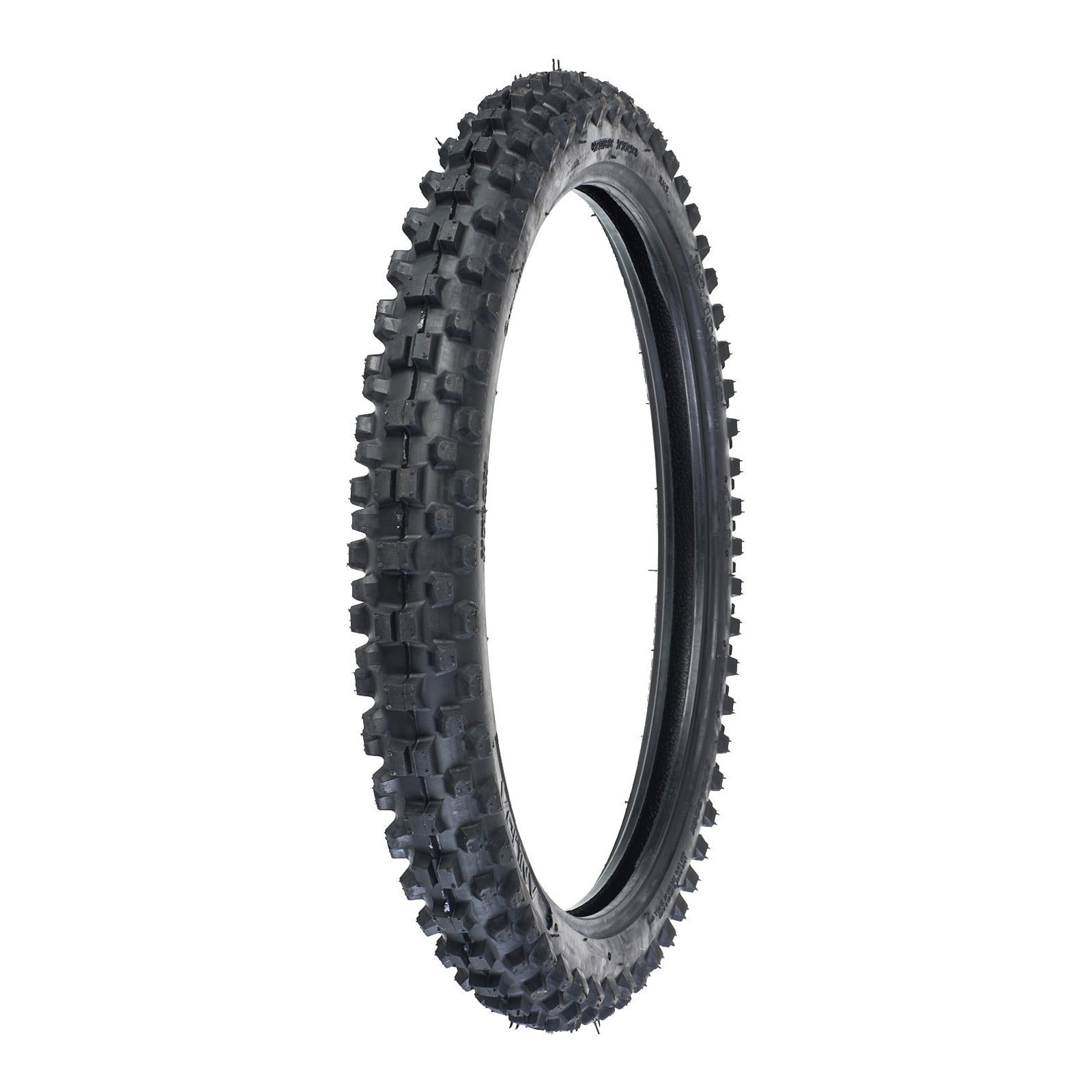
Anlida MS807 70/100-19 Off-Road Tyre
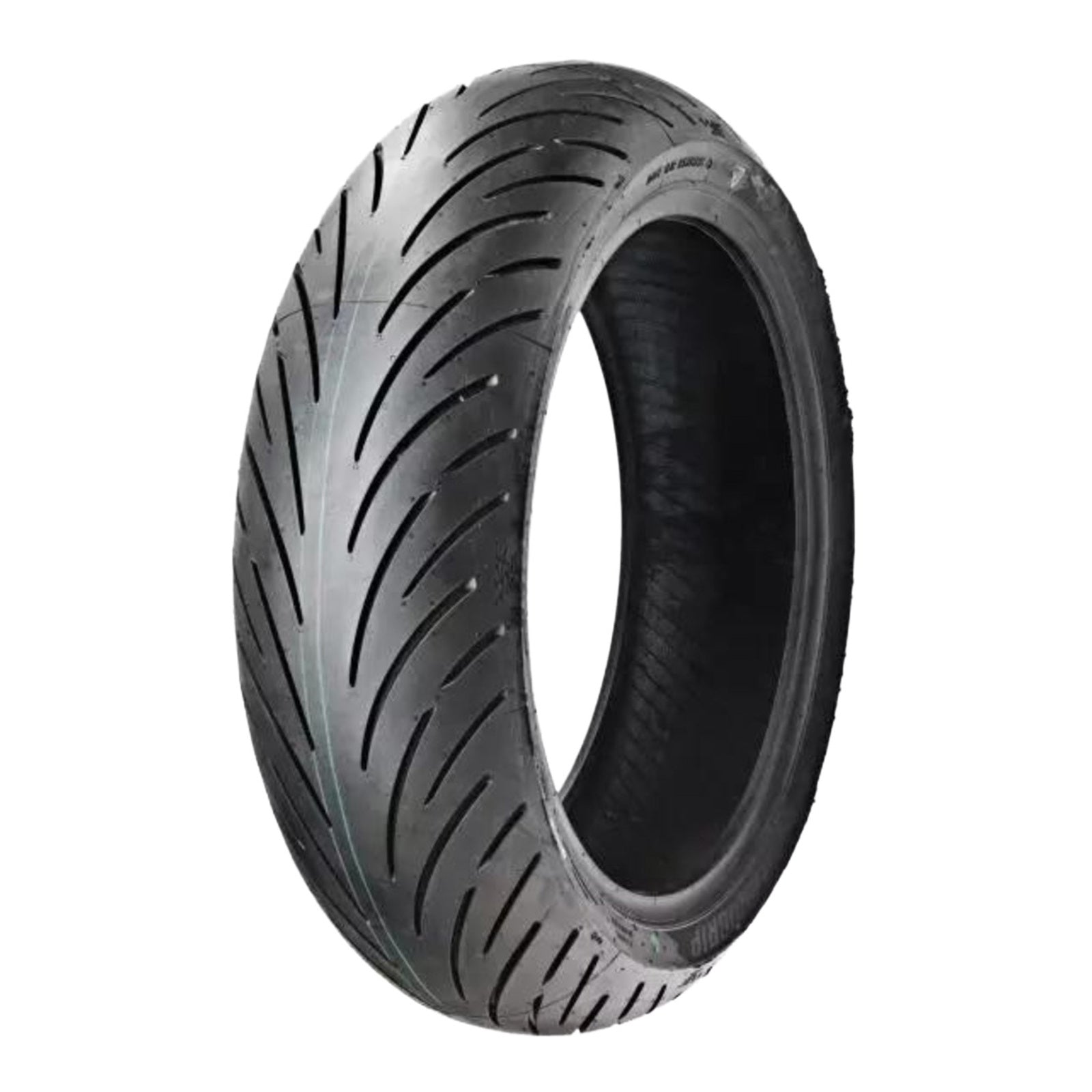

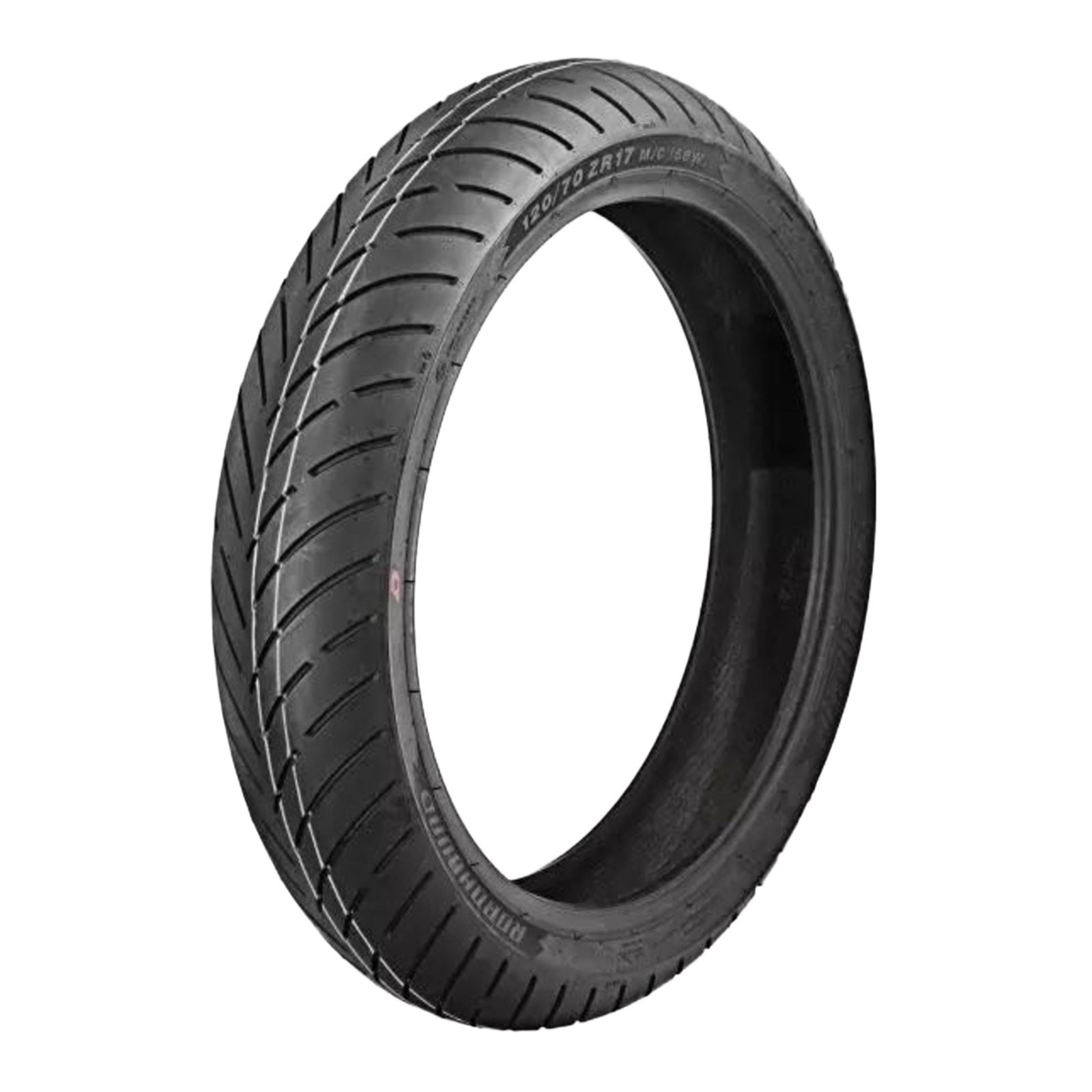


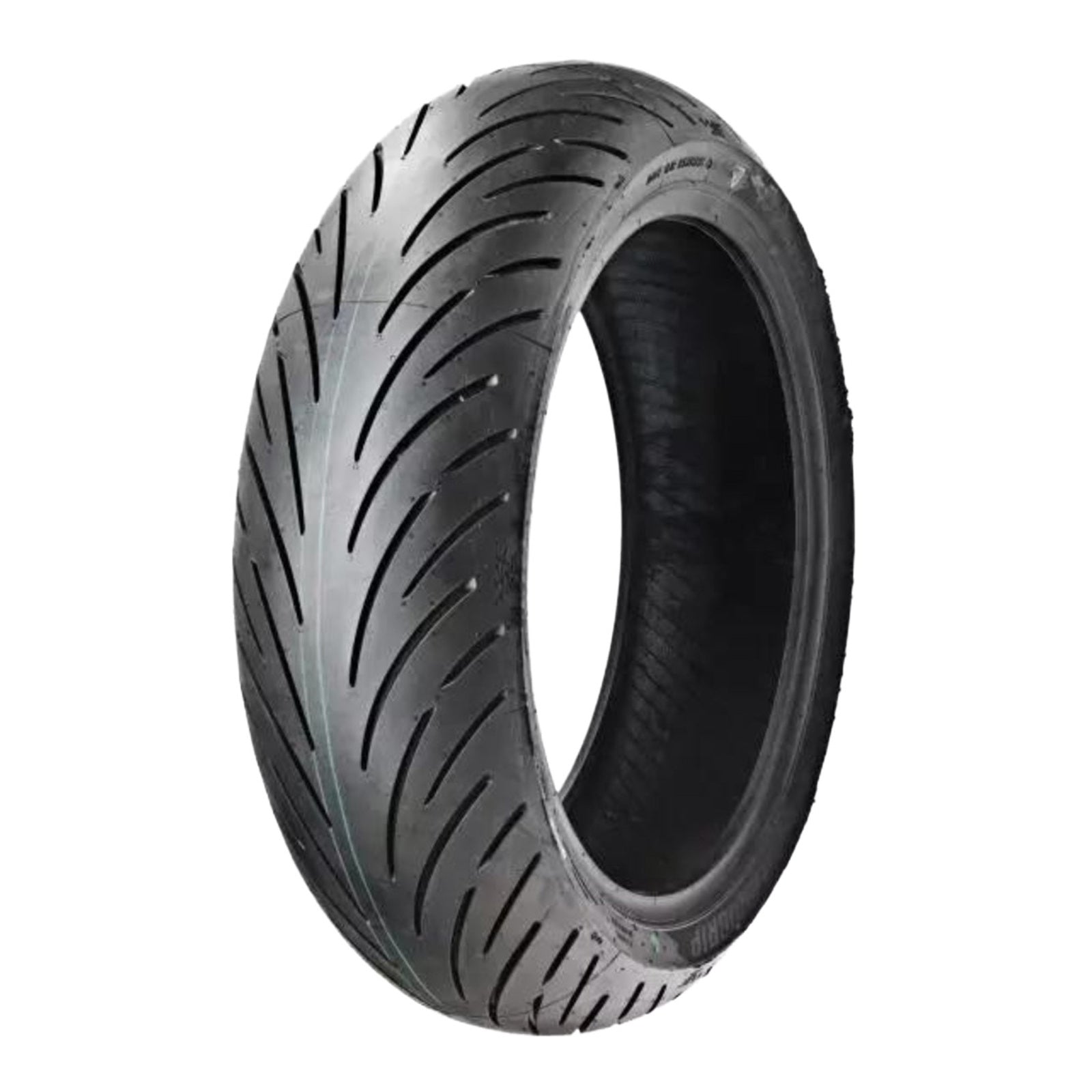

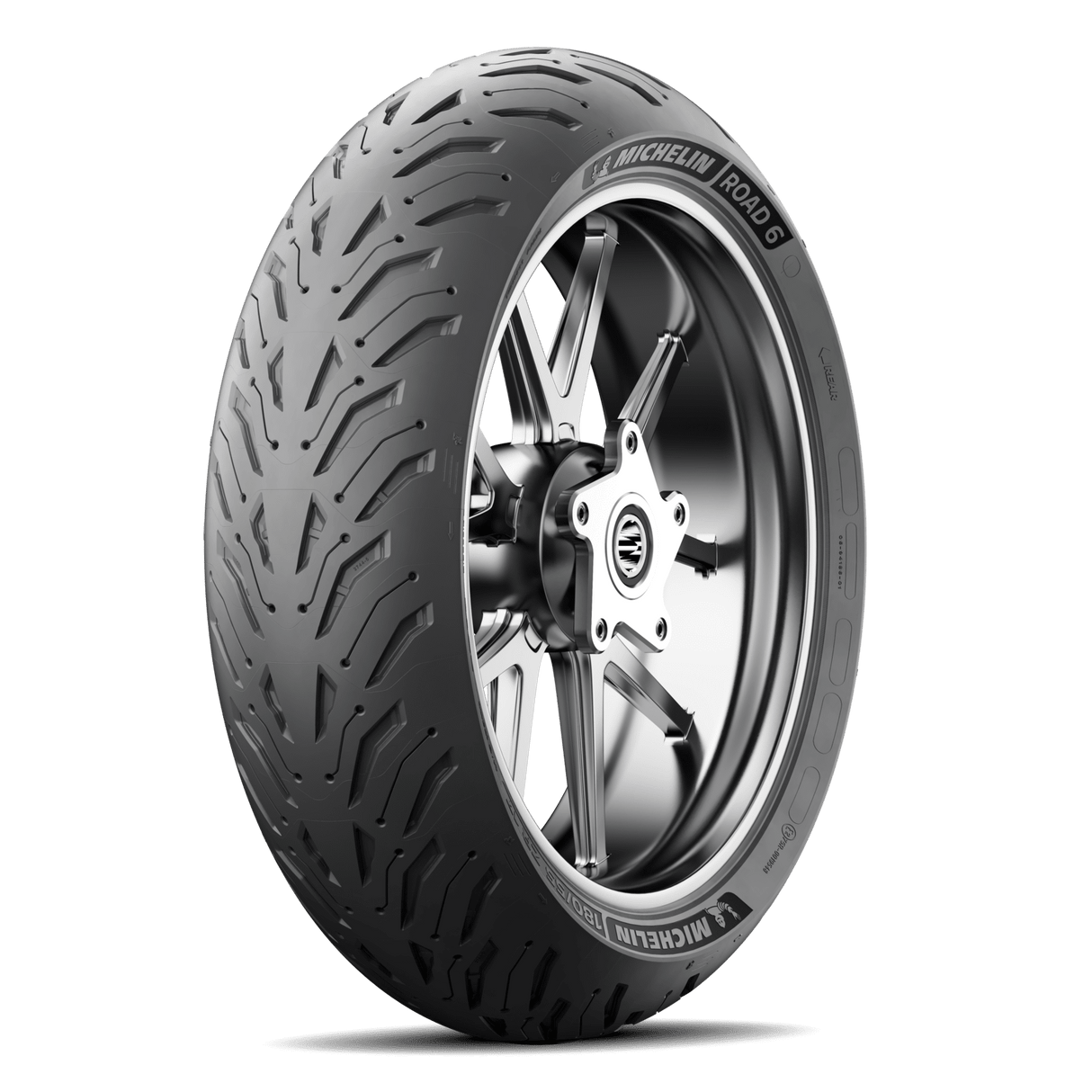
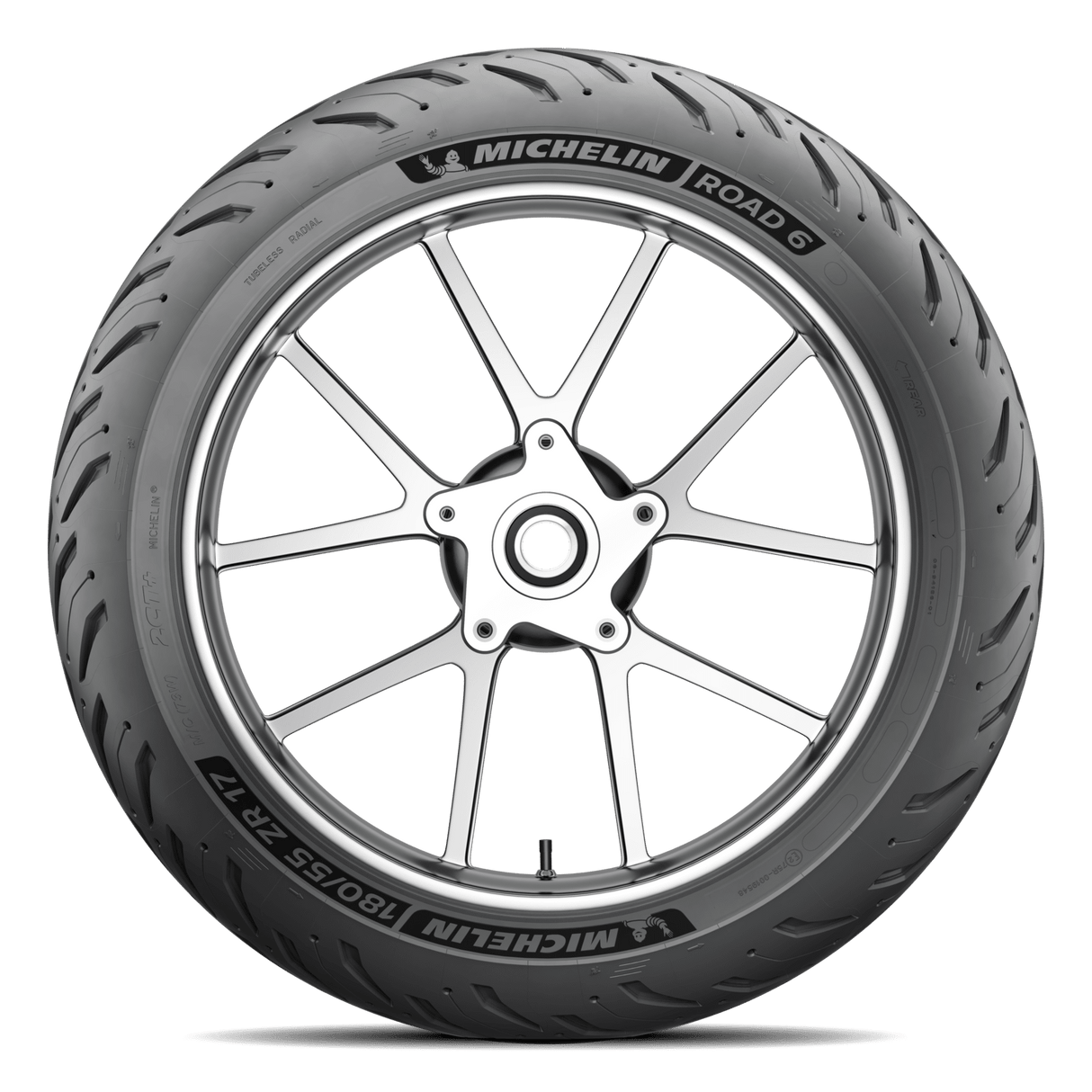
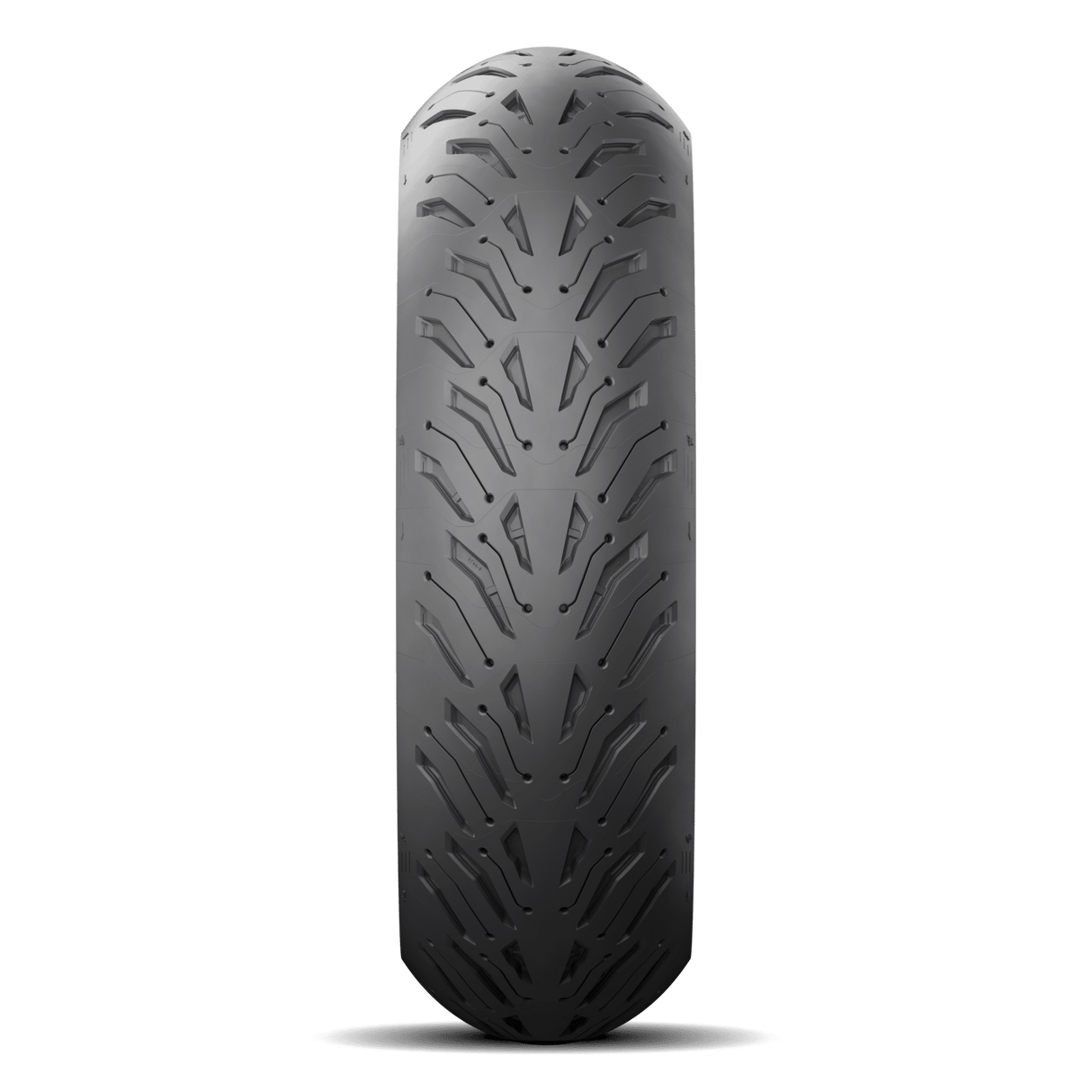
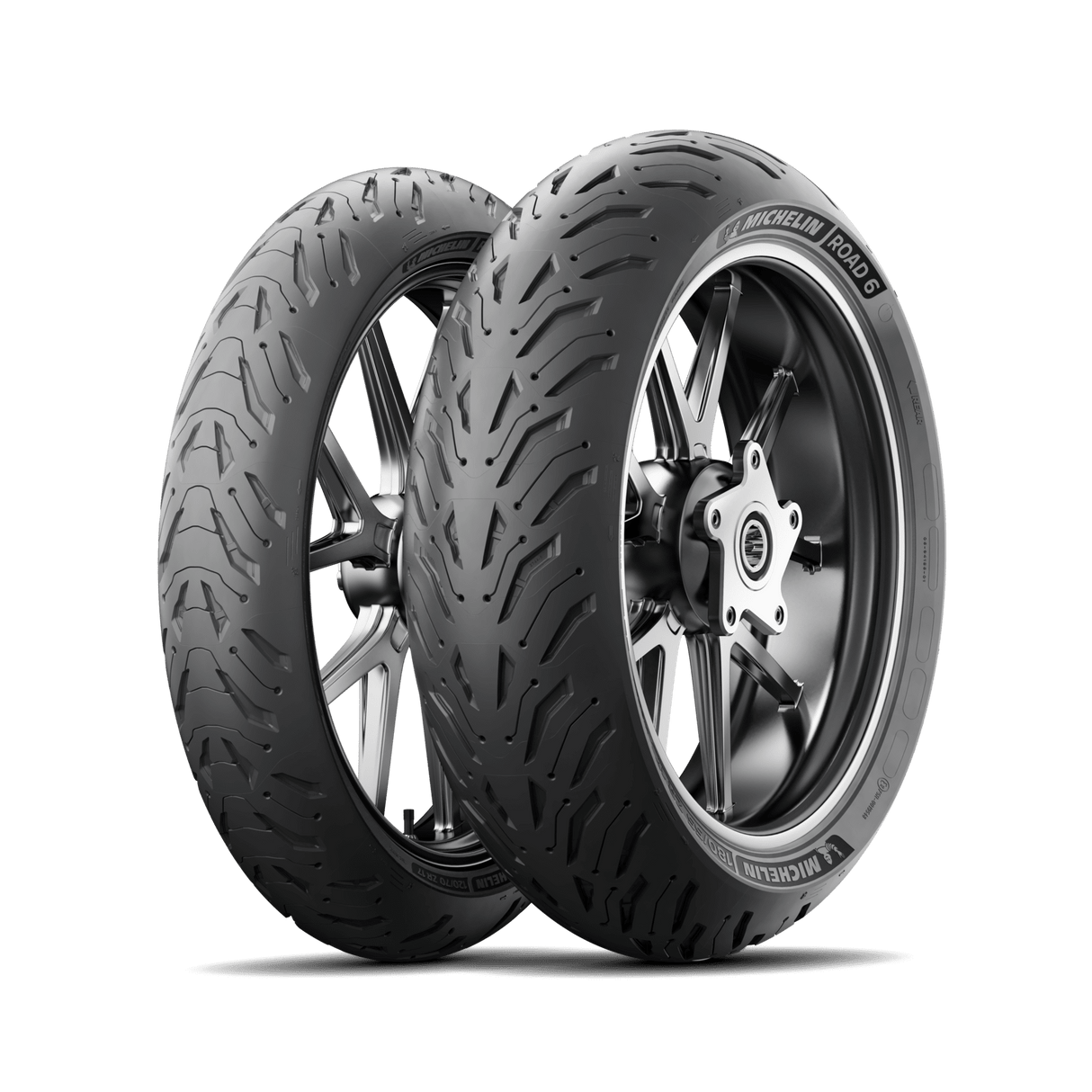
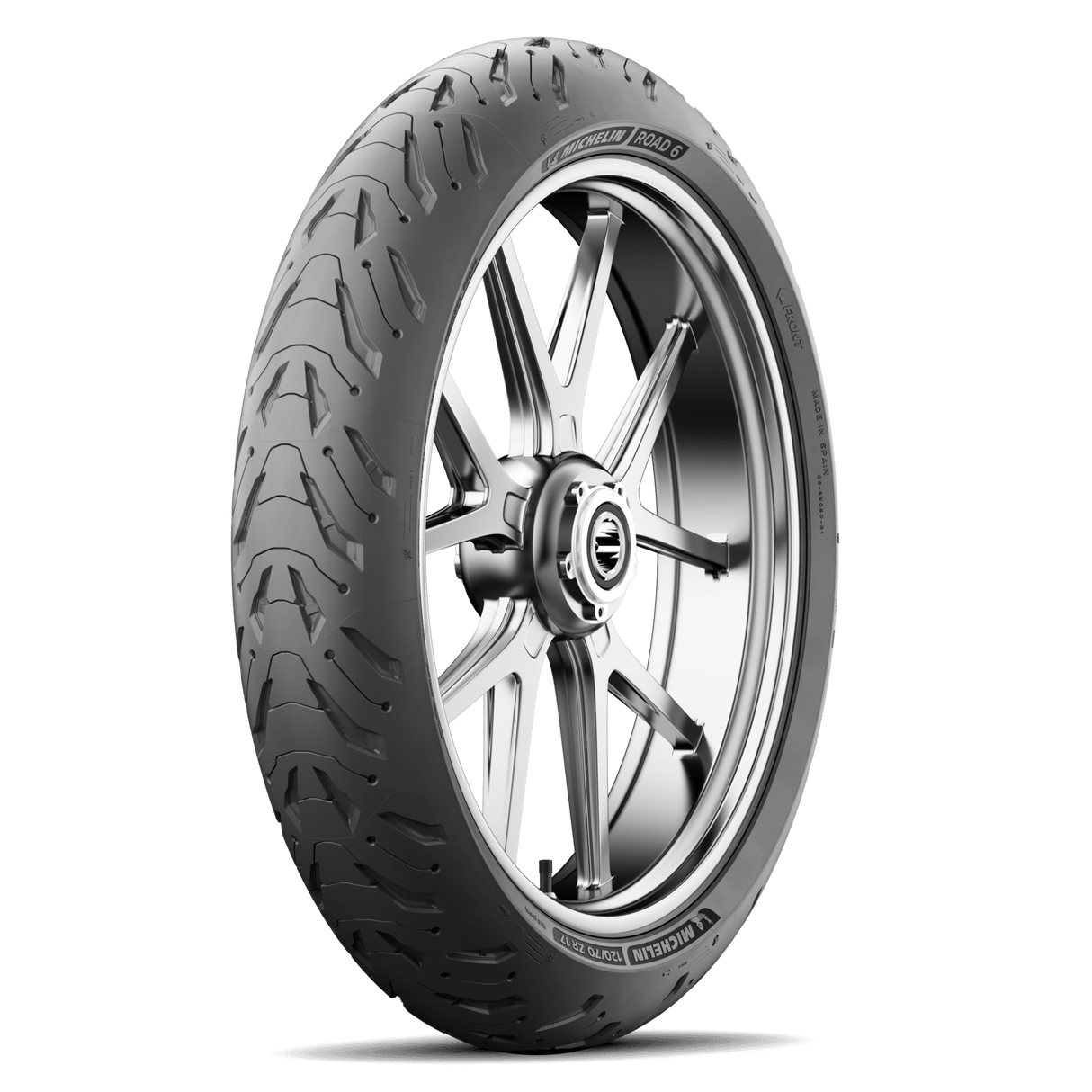
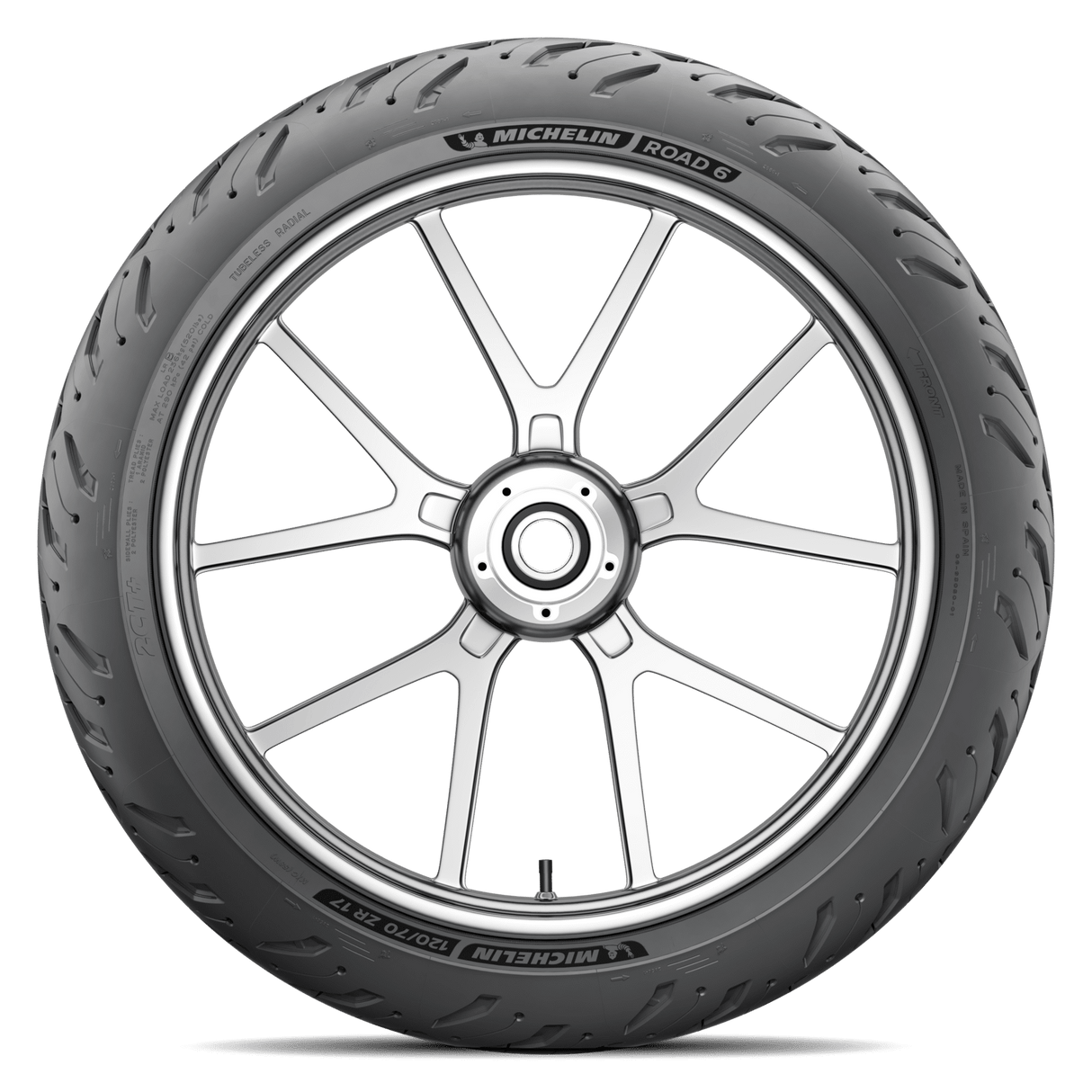

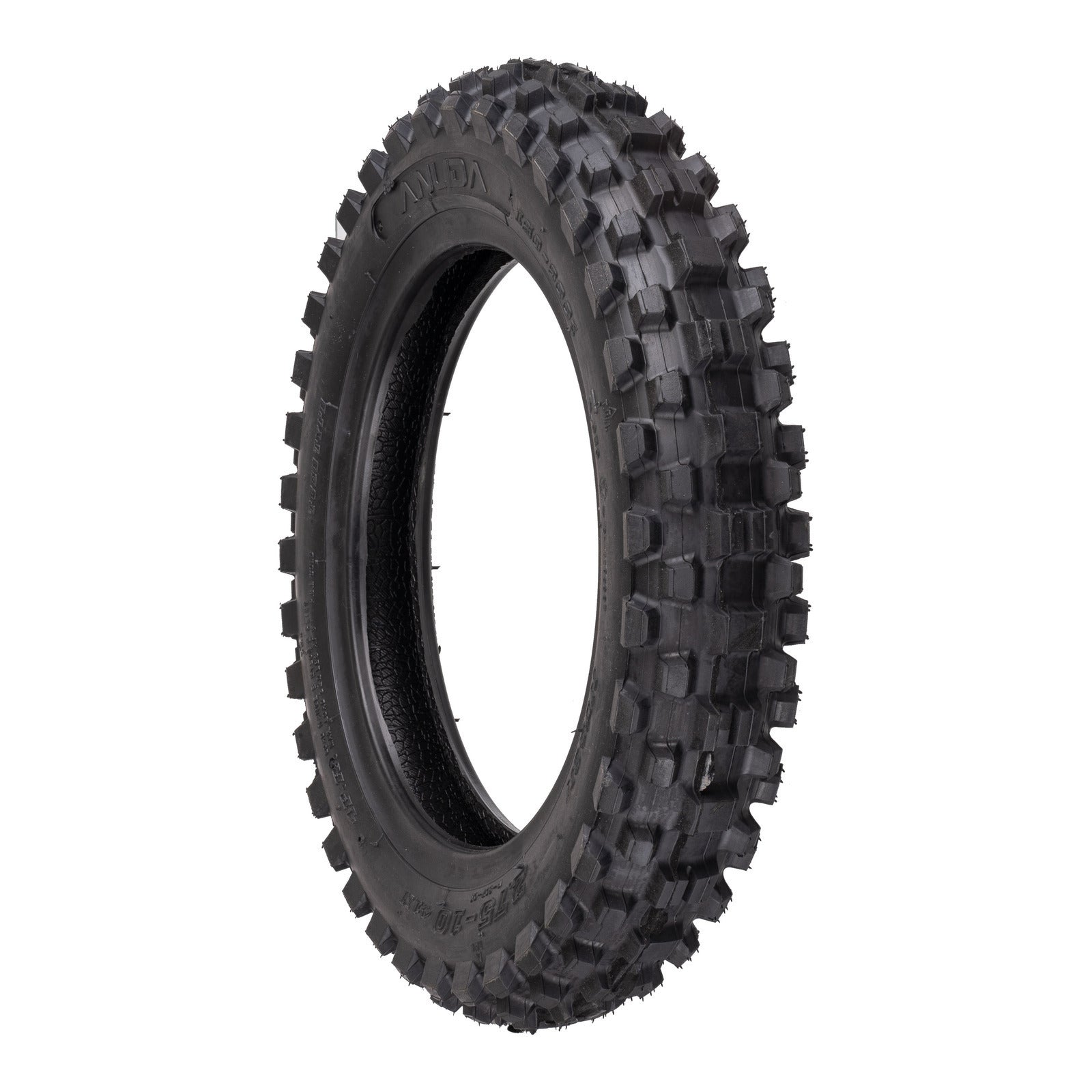
Anlida F807 70/100-17 Off-Road Tyre
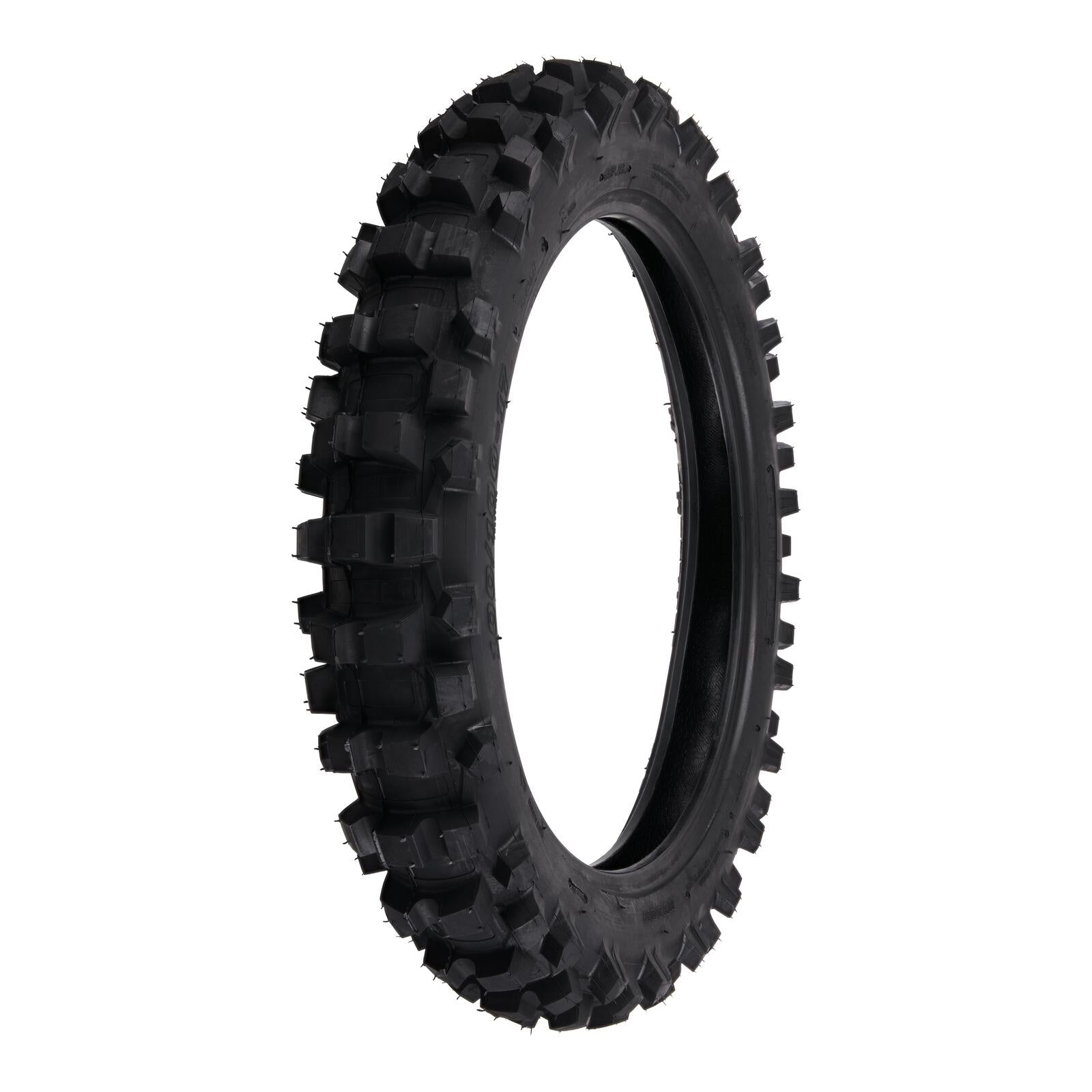
Anlida S897 100/100-17 Off-Road Tyre
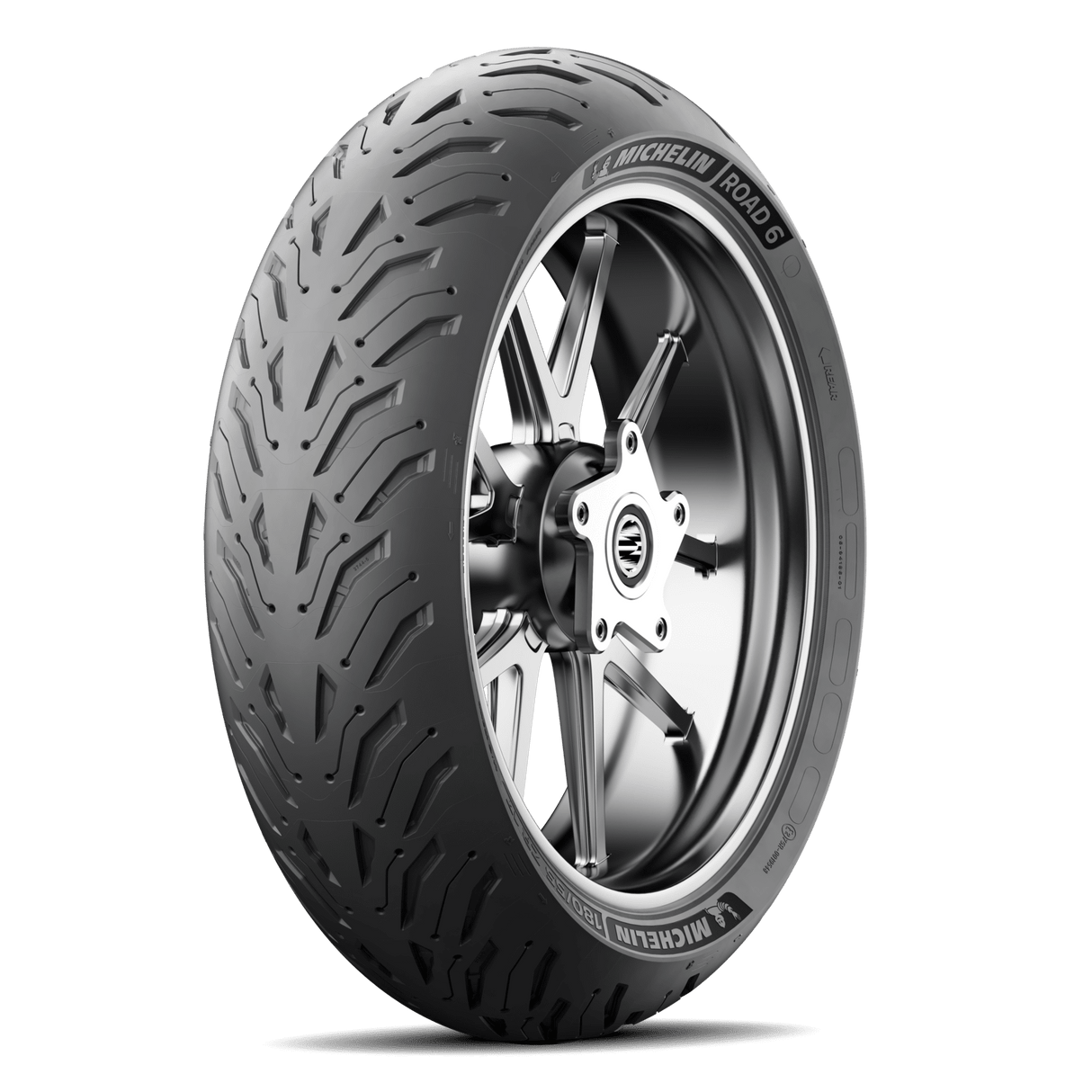
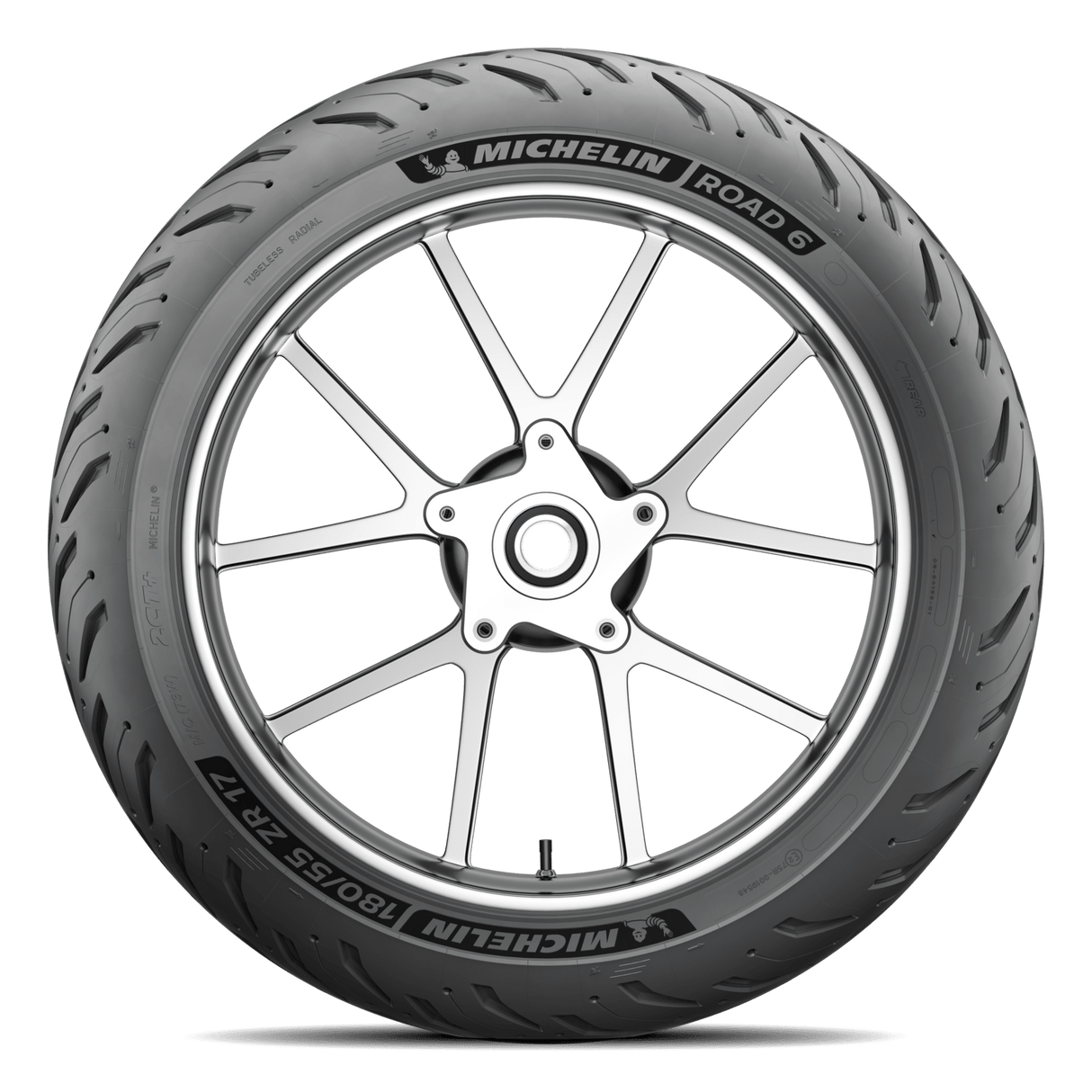
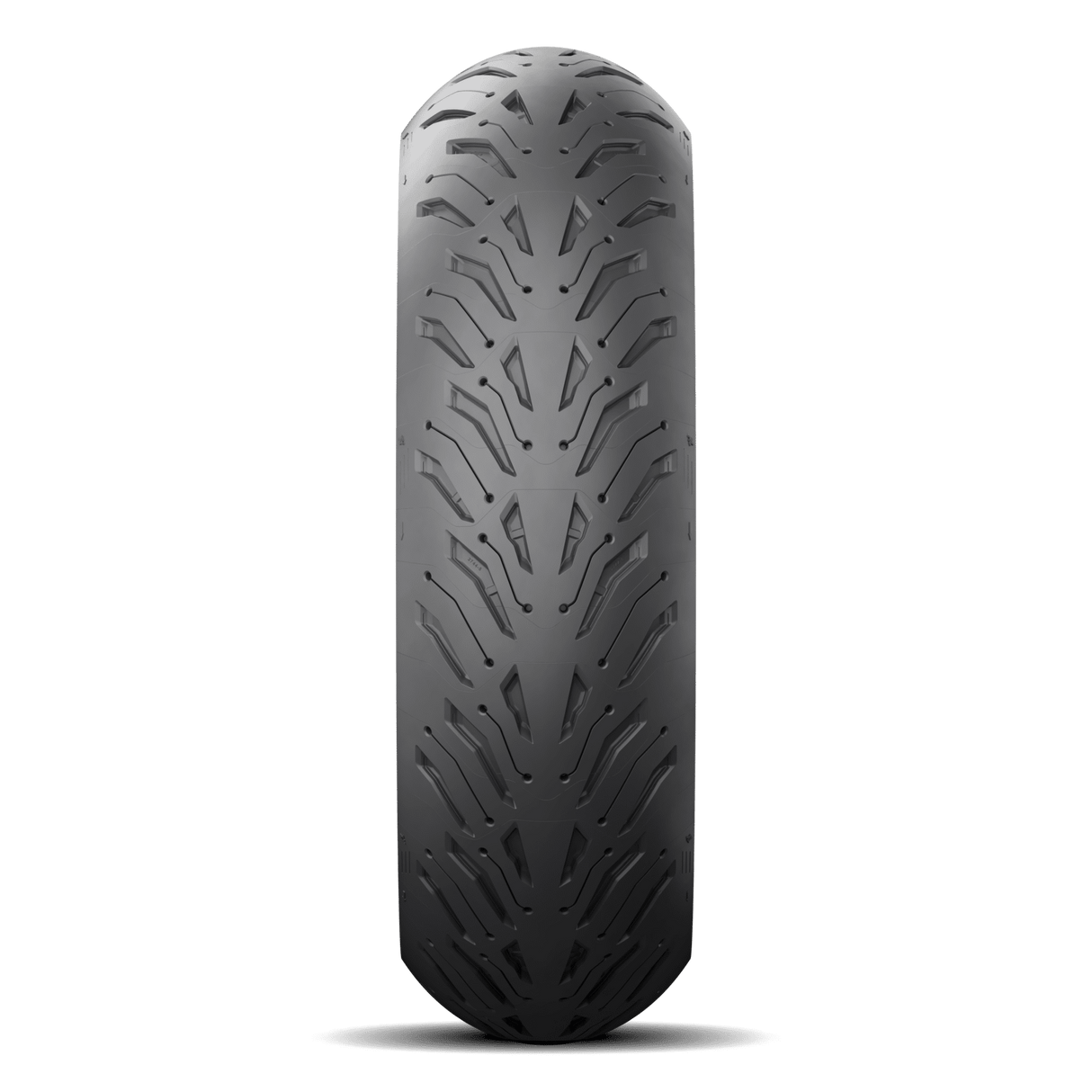
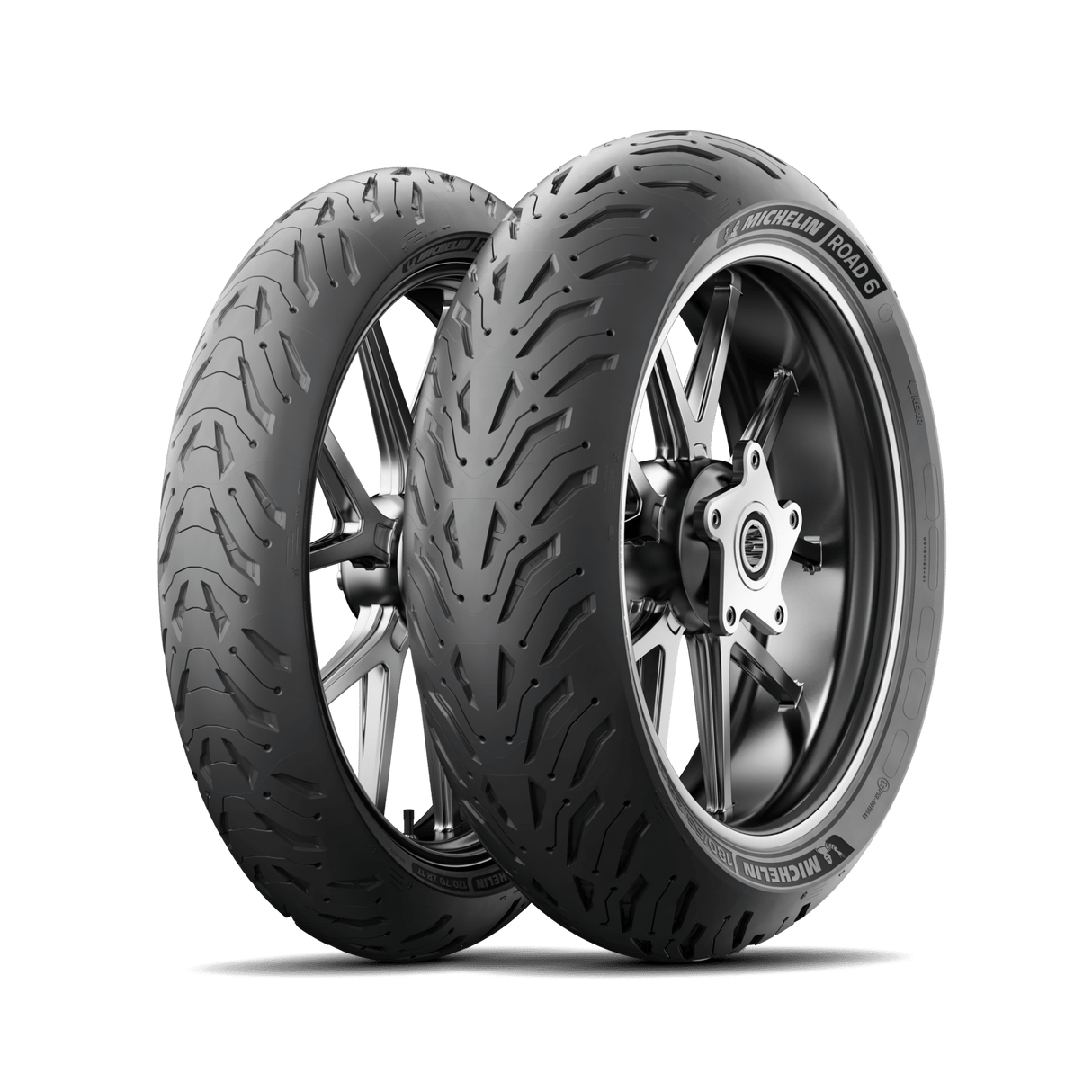
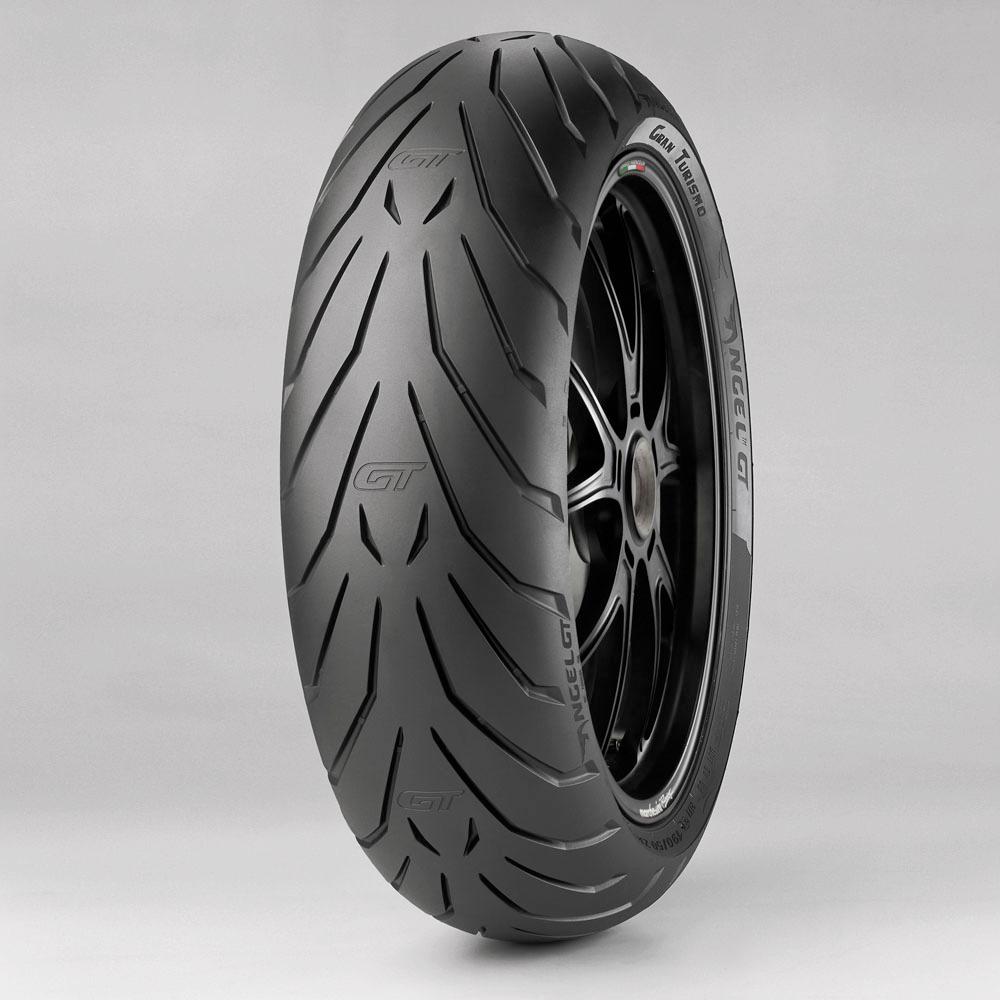
PIRELLI ANGEL GT (A) 190/55ZR17 (75W) TL





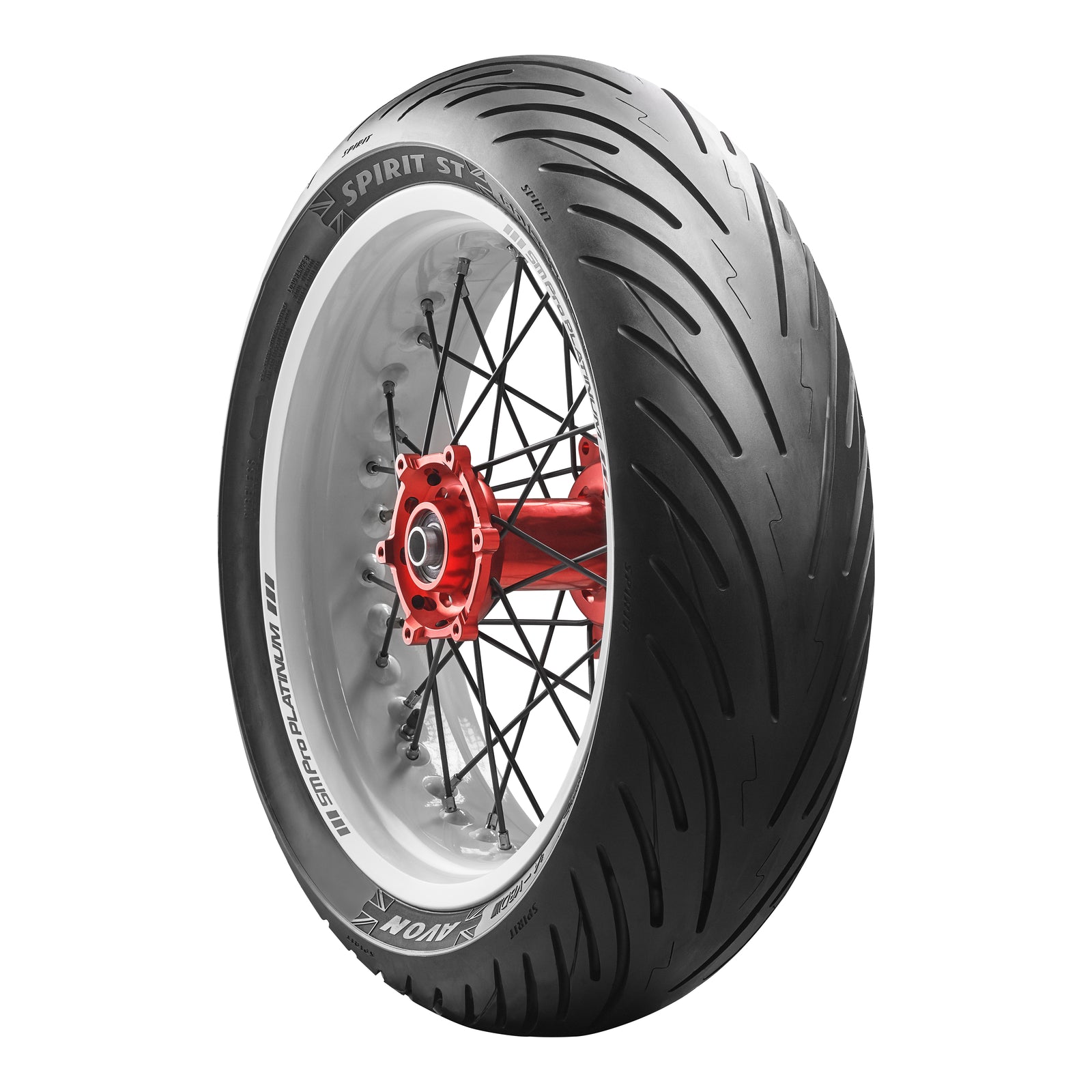
Avon Spirit ST 190/55ZR17 Rear Tyre (75W Rating)
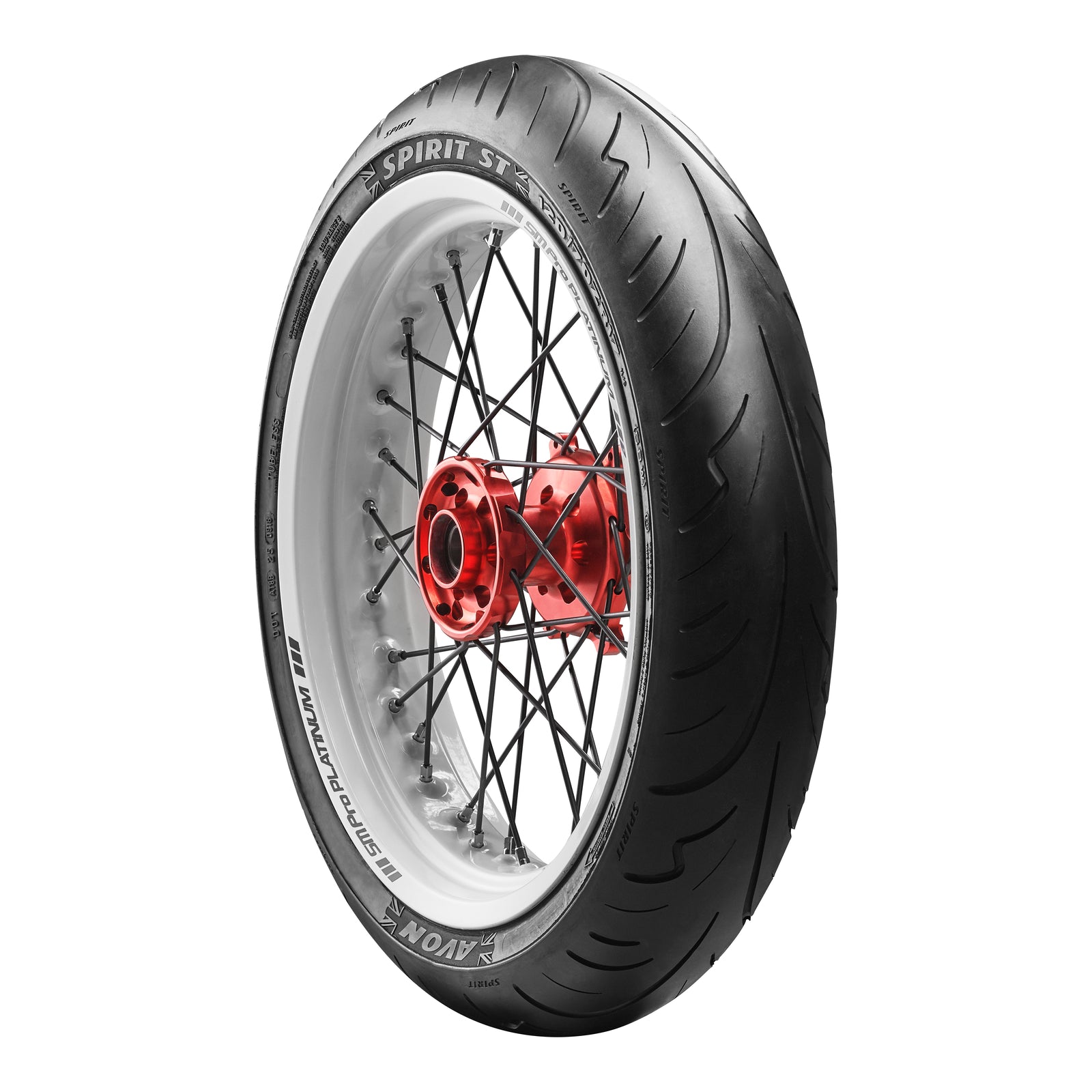
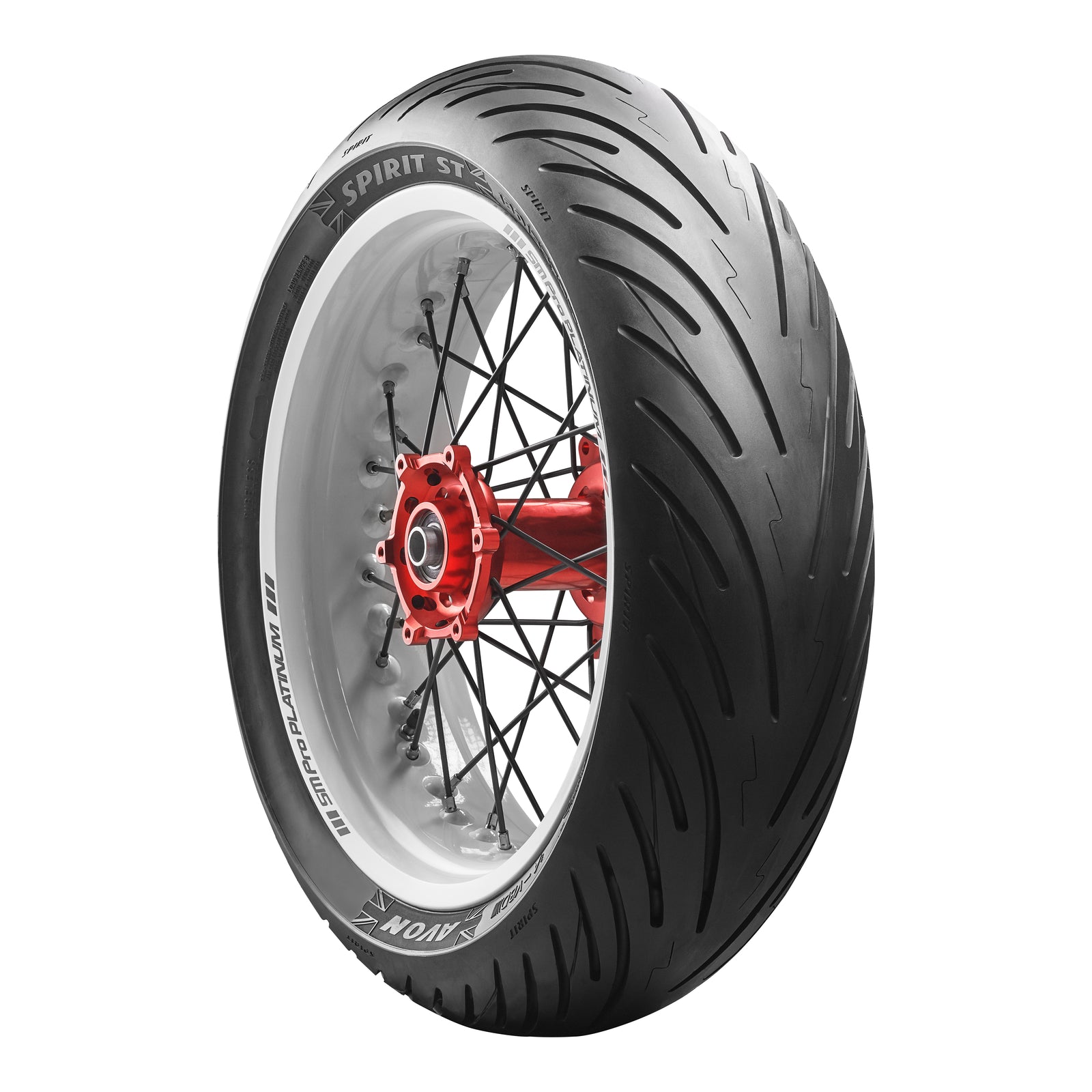
Avon Spirit ST 160/60ZR17 Rear Tyre (69W Rating)
How to choose the right touring tyre
Touring tyres prioritise longevity and all-condition grip over outright lap-time performance. The correct choice comes down to construction type, load and speed rating, tread compound, and whether your wheel requires a tubeless or tube-type fitment.
Radial vs bias-ply construction
Radial tyres use cords arranged at 90 degrees to the direction of travel, reducing heat build-up at speed and improving fuel economy over long distances. Bias-ply (cross-ply) tyres use overlapping cord layers at 30-40 degrees, producing a stiffer sidewall that handles heavy loads. Always match construction type to your rim specification.
Speed and load ratings explained
| Speed Rating | Max Speed | Typical Use |
|---|---|---|
| H | 210 km/h | Loaded tourers, cruisers |
| V | 240 km/h | Sport-touring, radial fitments |
| W | 270 km/h | High-performance touring radials |
| Z / ZR | 240+ km/h | Radial performance touring |
Reading the sidewall
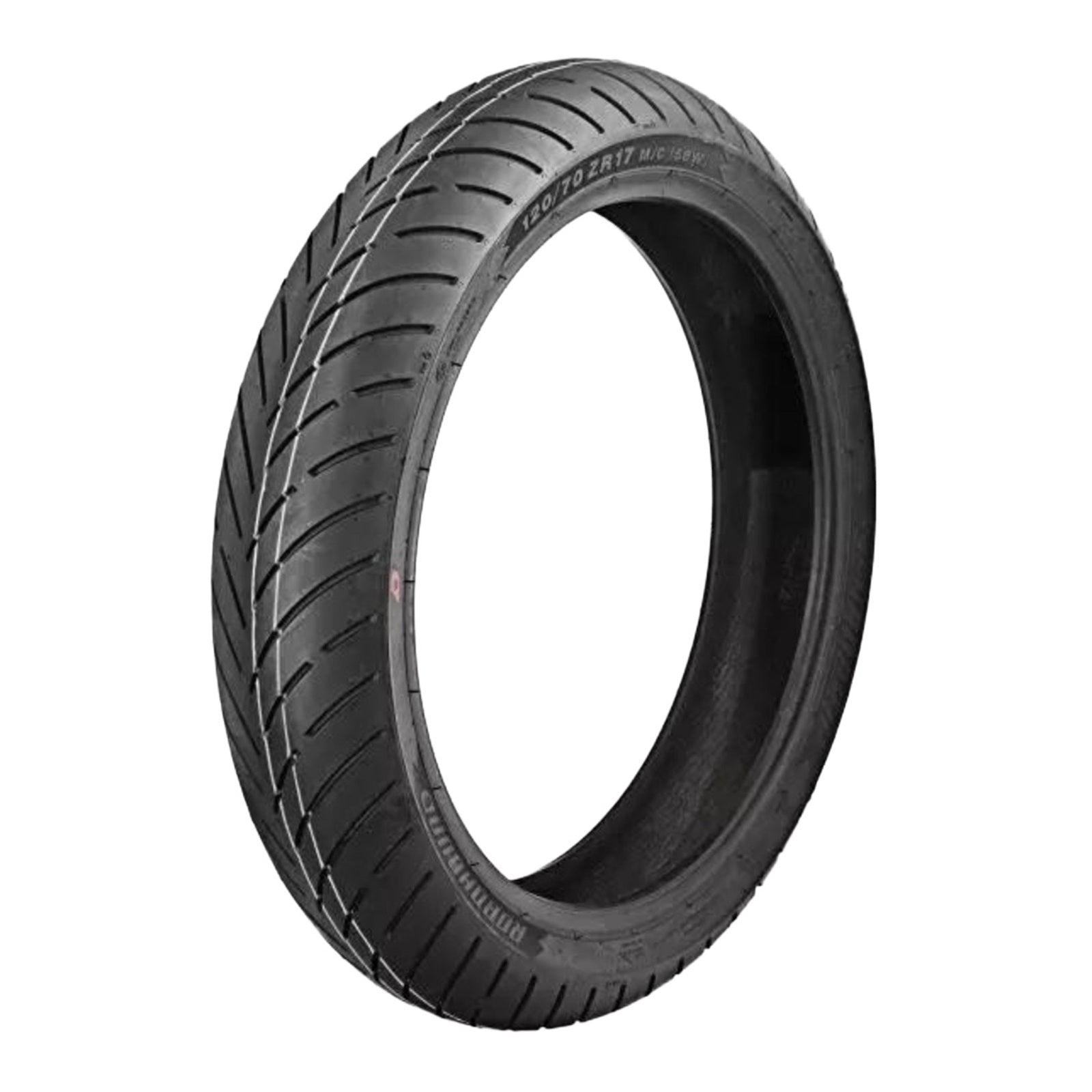
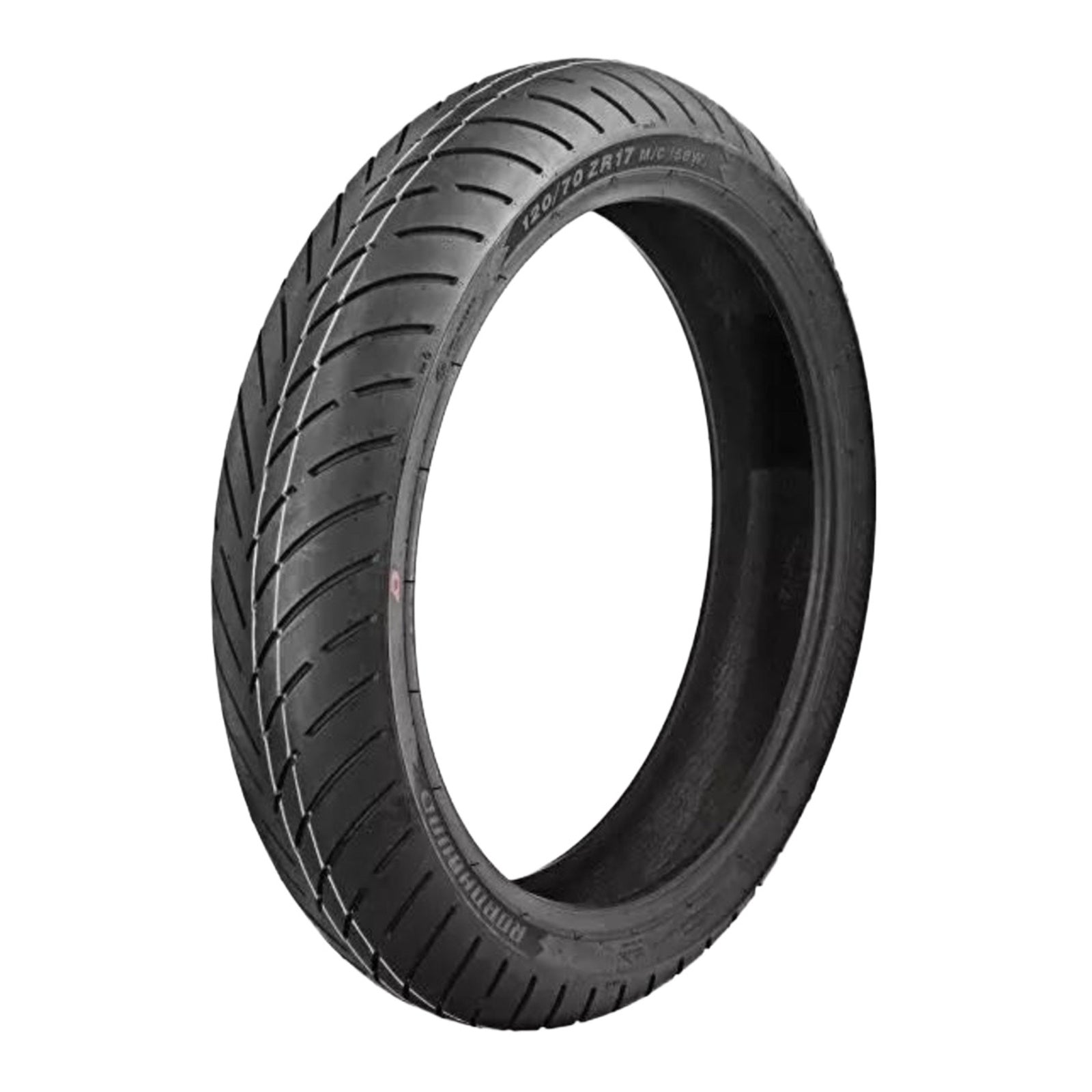
A marking like 160/60ZR17 means the tyre is 160 mm wide, has a 60% aspect ratio, is radial (R) construction, and fits a 17-inch rim. A load index of 69 equals a maximum load of 325 kg. A 58W rating on a 120/70ZR17 confirms radial construction rated to 270 km/h sustained.
Tubes vs tubeless
Tubeless tyres seal against the rim bead and can be repaired roadside with a plug kit. Tube-type fitments require an inner tube and are common on 19-inch and 21-inch spoked wheels. Confirm your rim designation before selecting.
Tread depth and replacement
Australian road rules require a minimum tread depth of 1.5 mm across the central three-quarters of the tread. Most touring tyres start with 6-8 mm of tread. Replace when wear indicators, moulded into grooves at 1.6 mm, are reached.
Frequently asked questions
What is the difference between a radial and a bias-ply touring tyre?
Radial tyres have cords running at 90 degrees to the tread, which lowers heat build-up at sustained highway speeds and improves fuel economy. Bias-ply tyres use overlapping cord layers at 30-40 degrees, producing a stiffer sidewall that handles heavy loads well. Match the construction type to your rim and manufacturer specification.
How do I know which tyre size fits my motorcycle?
Your tyre size is stamped on the sidewall in a format such as 120/70ZR17. The first number is tread width in millimetres, the second is the aspect ratio as a percentage of that width, and the final number is rim diameter in inches. Cross-reference this with your owner's manual or the placard on your swingarm before ordering.
When should I replace my touring tyres?
Replace touring tyres when the tread depth reaches the moulded wear indicators, which sit at 1.6 mm depth. Australian road rules require a minimum of 1.5 mm across the central three-quarters of the tread. Age also matters: most manufacturers recommend replacement after five years regardless of remaining tread, due to rubber compound degradation.
Afterpay & Zippay Available
Afterpay & Zippay Available