

Boots take impact on both sides of a crash: the strike itself, then the weight of the bike landing on the same leg. Pull up at any servo and watch where riders put their feet down. One boot first, ankle bone exposed, jeans riding up above the boot top. Ankle fractures and shin strikes are common outcomes on Australian roads, and the pair of shoes you can walk in is not built to stop either.
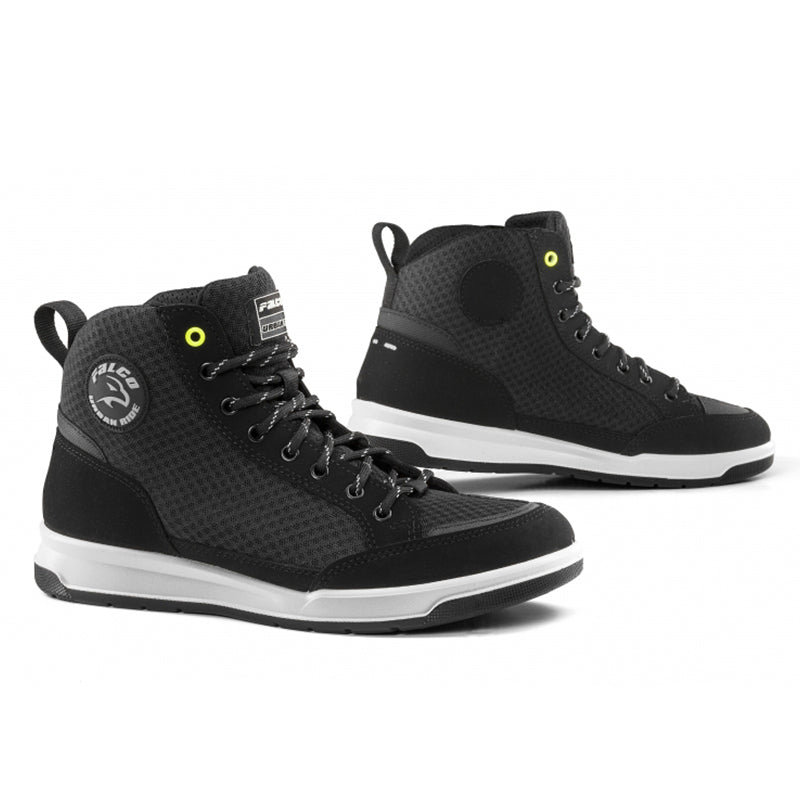
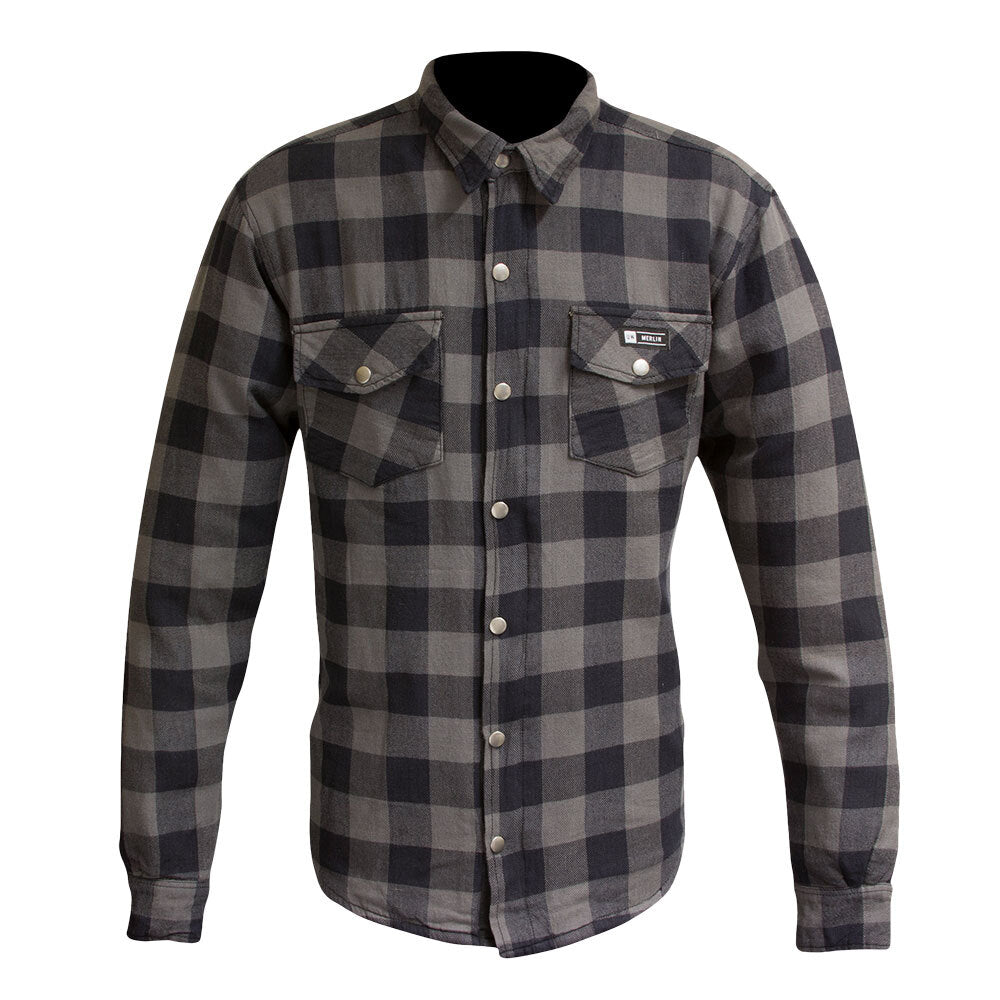
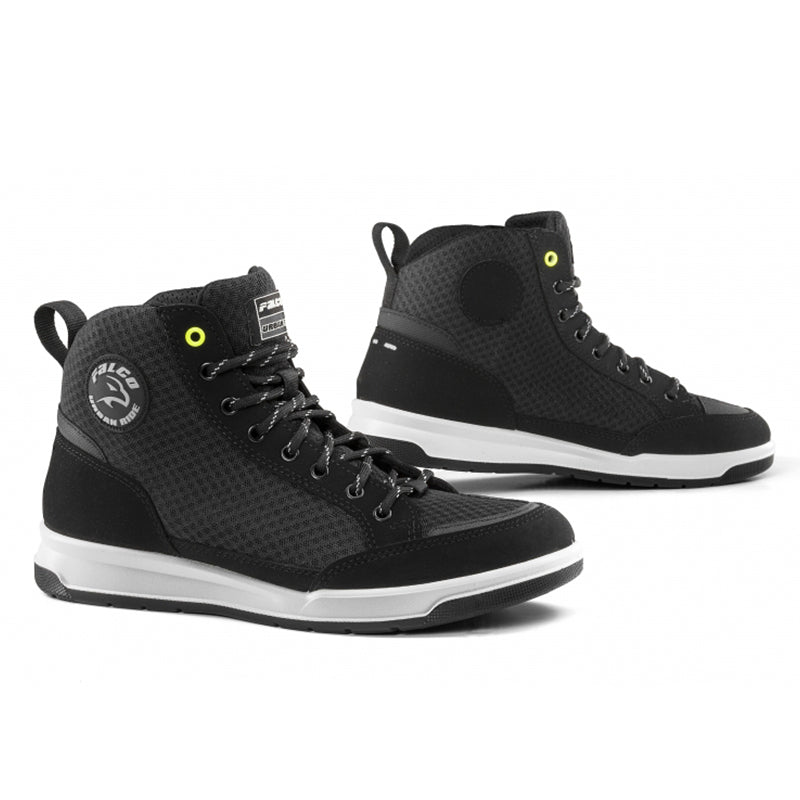
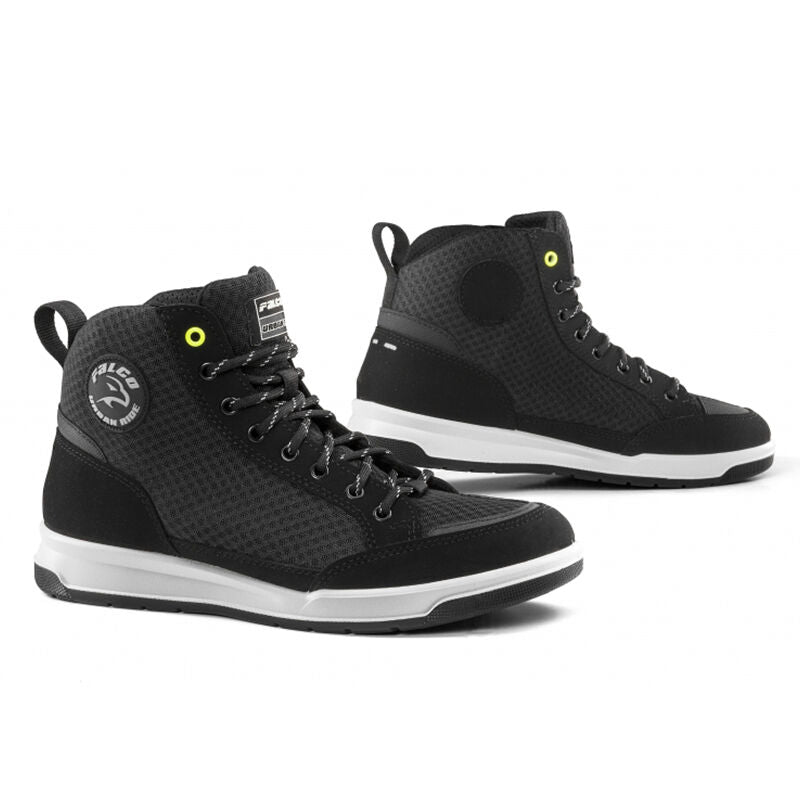

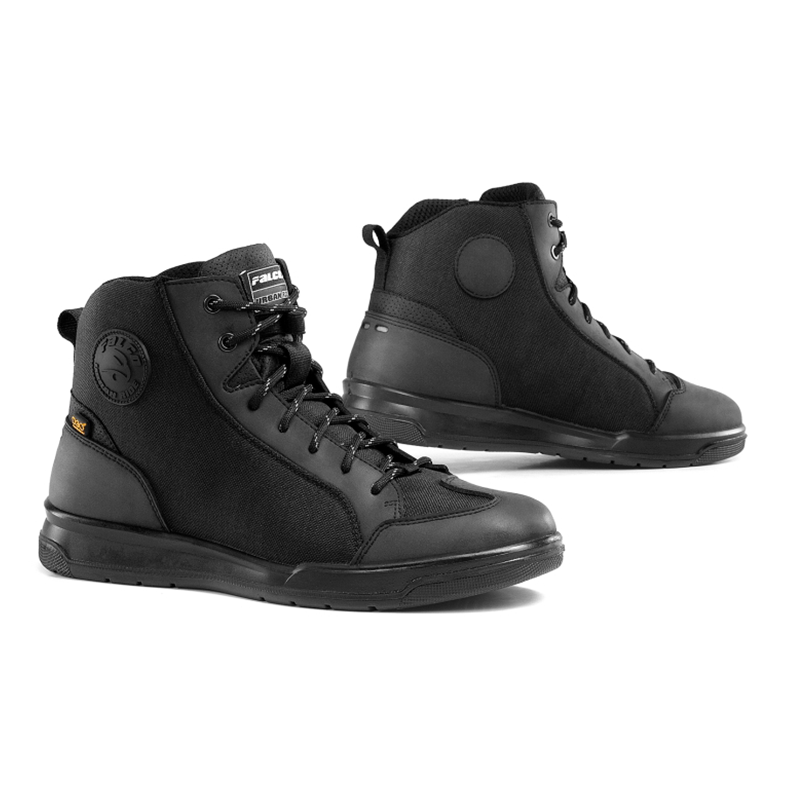
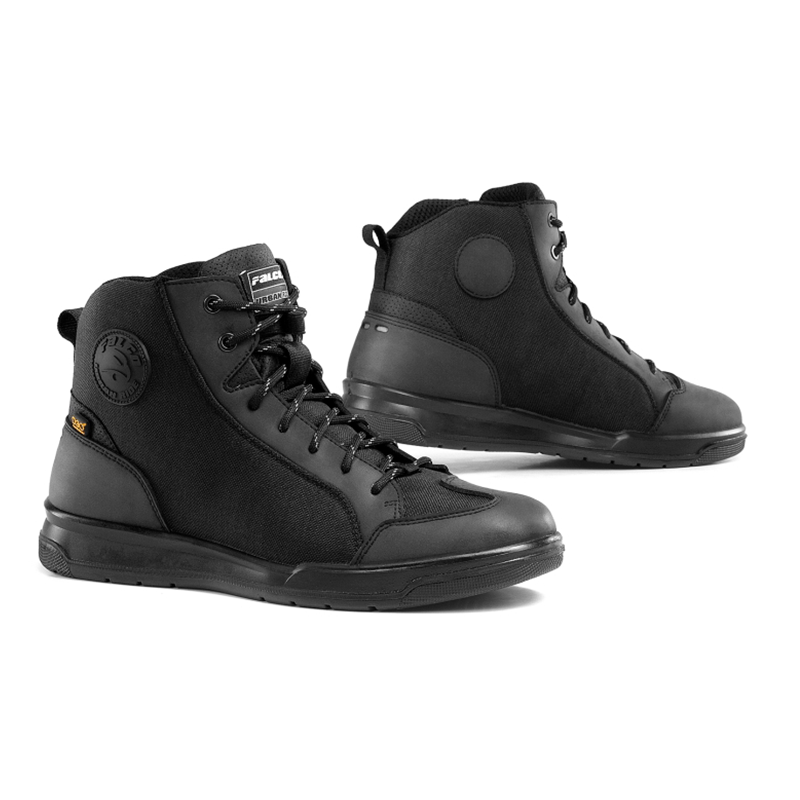
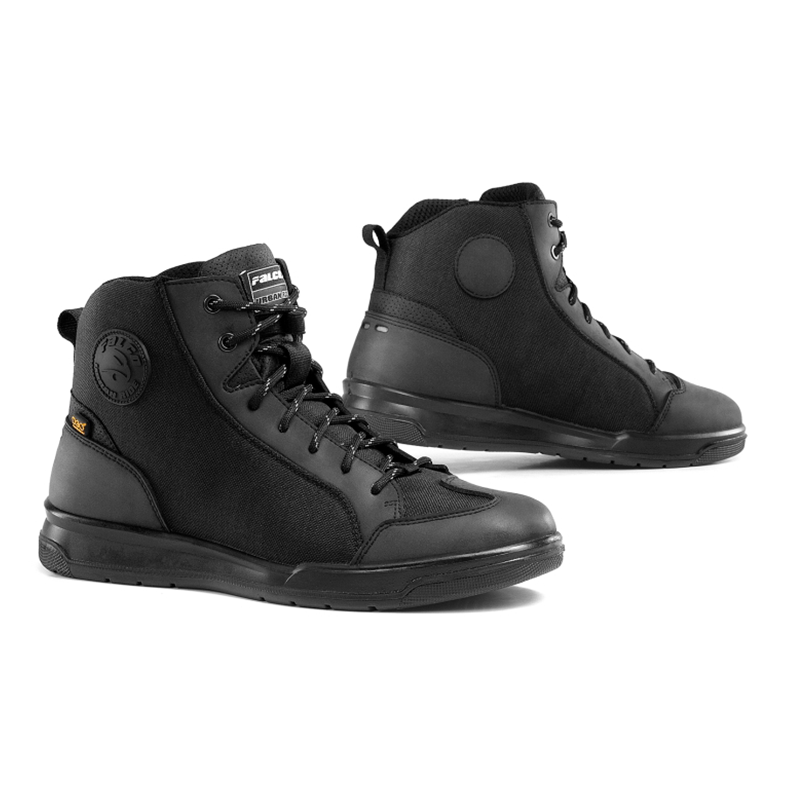
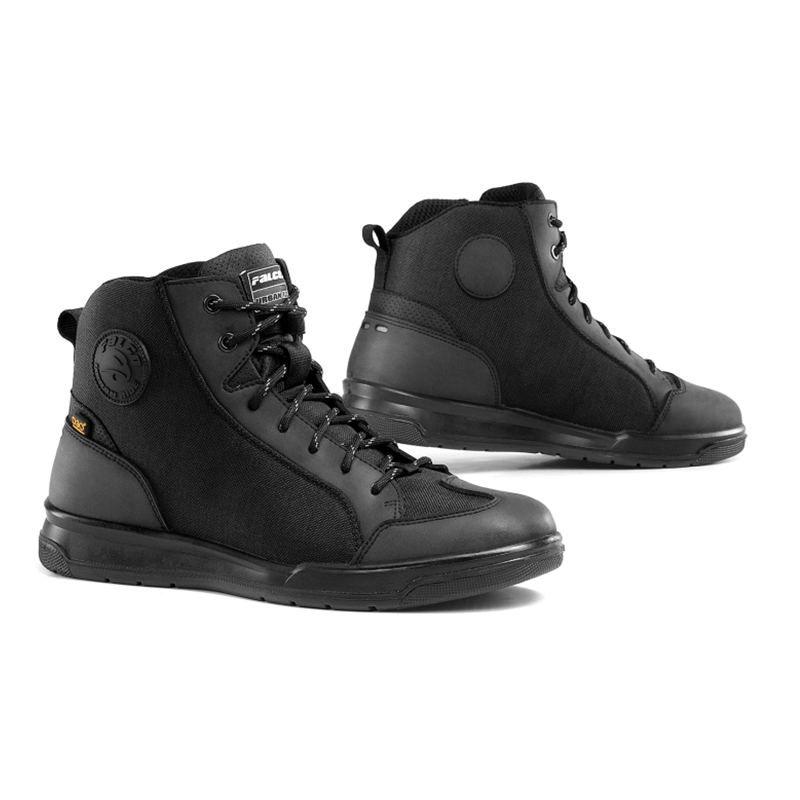
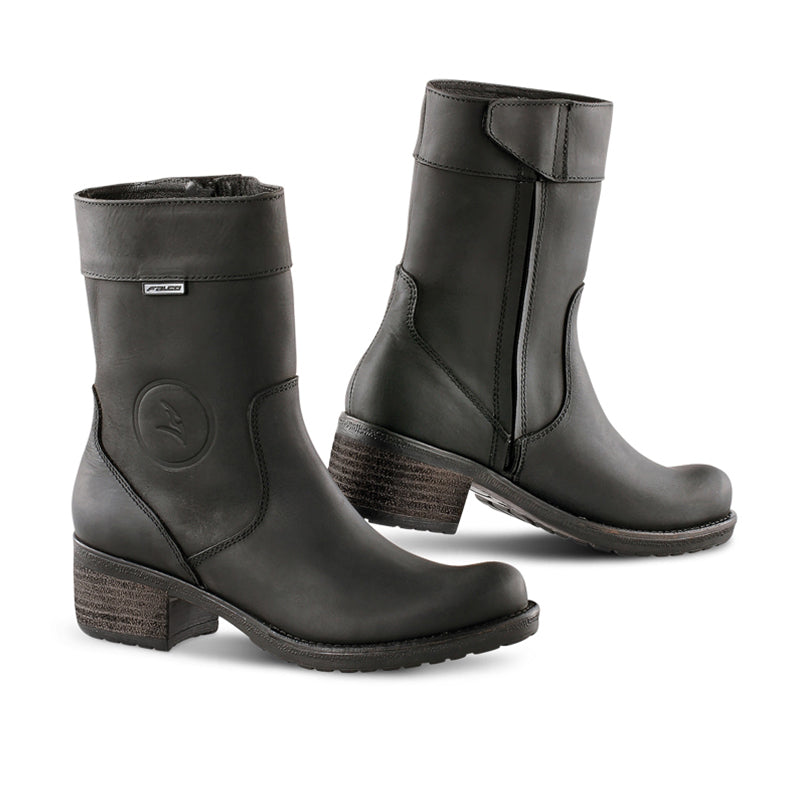
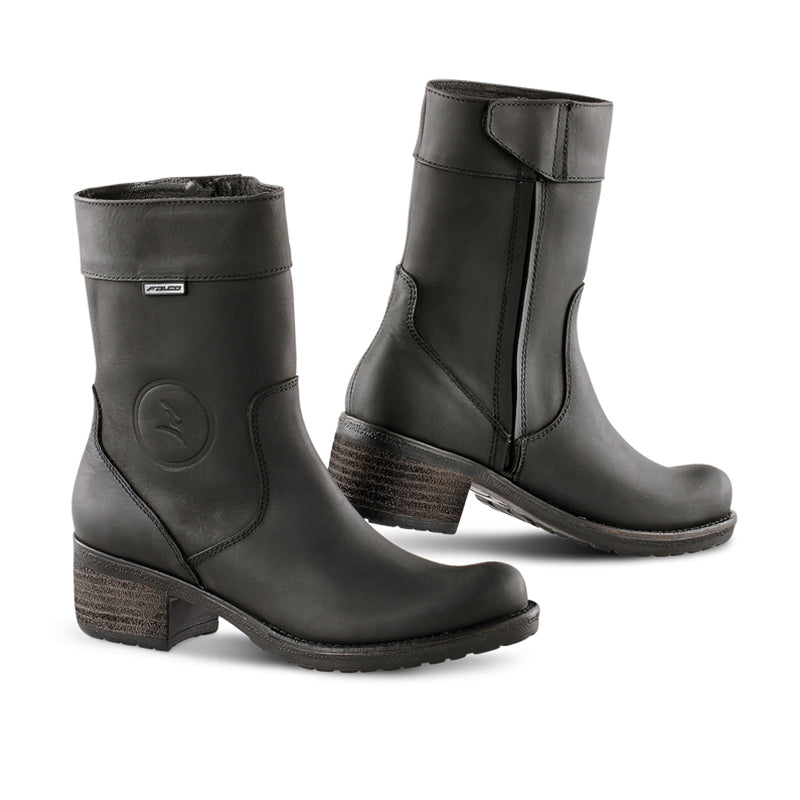
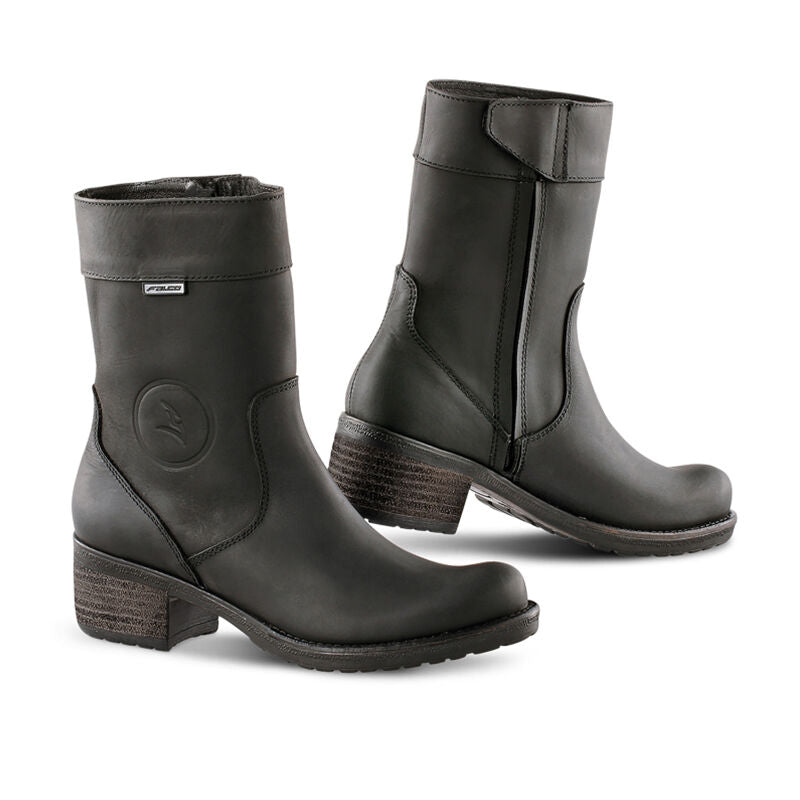
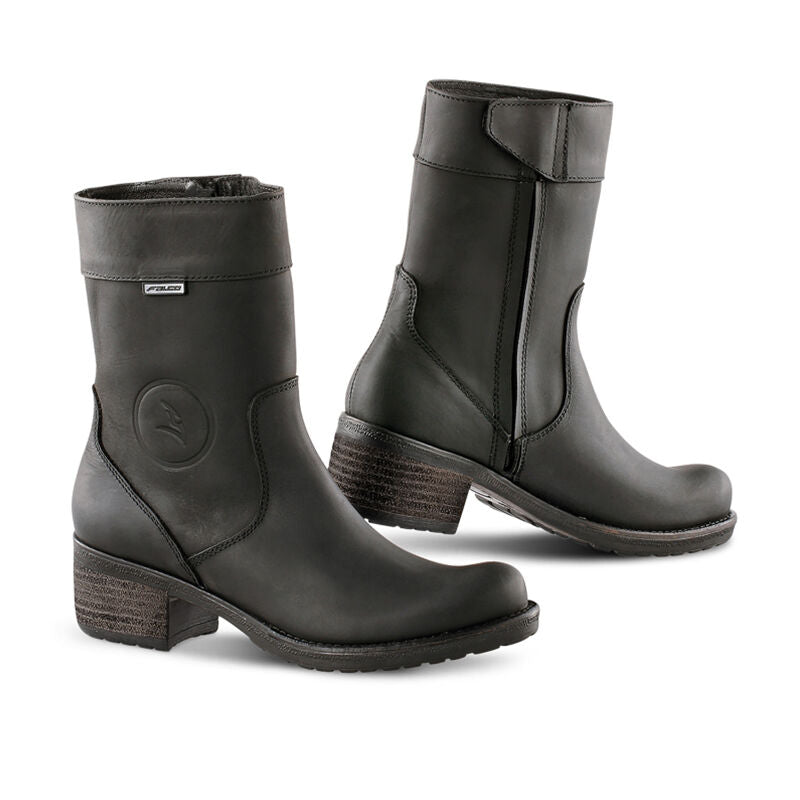
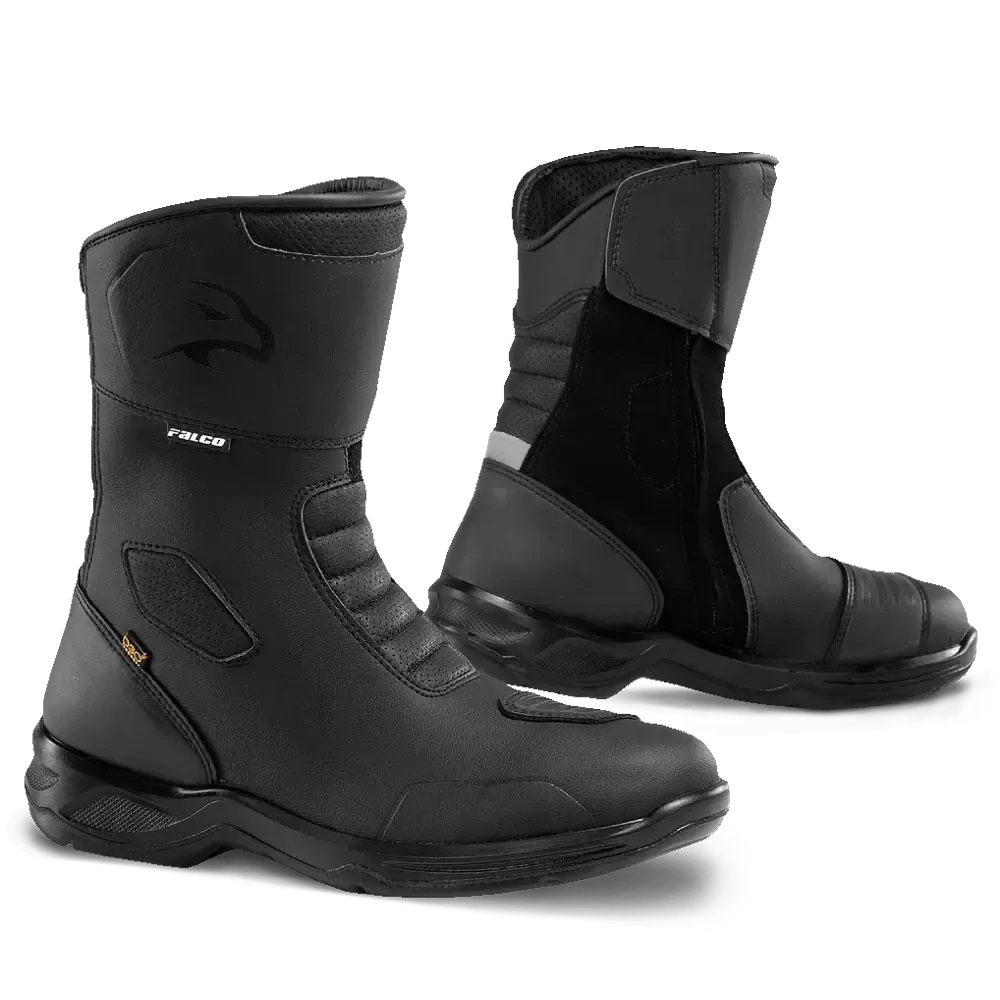
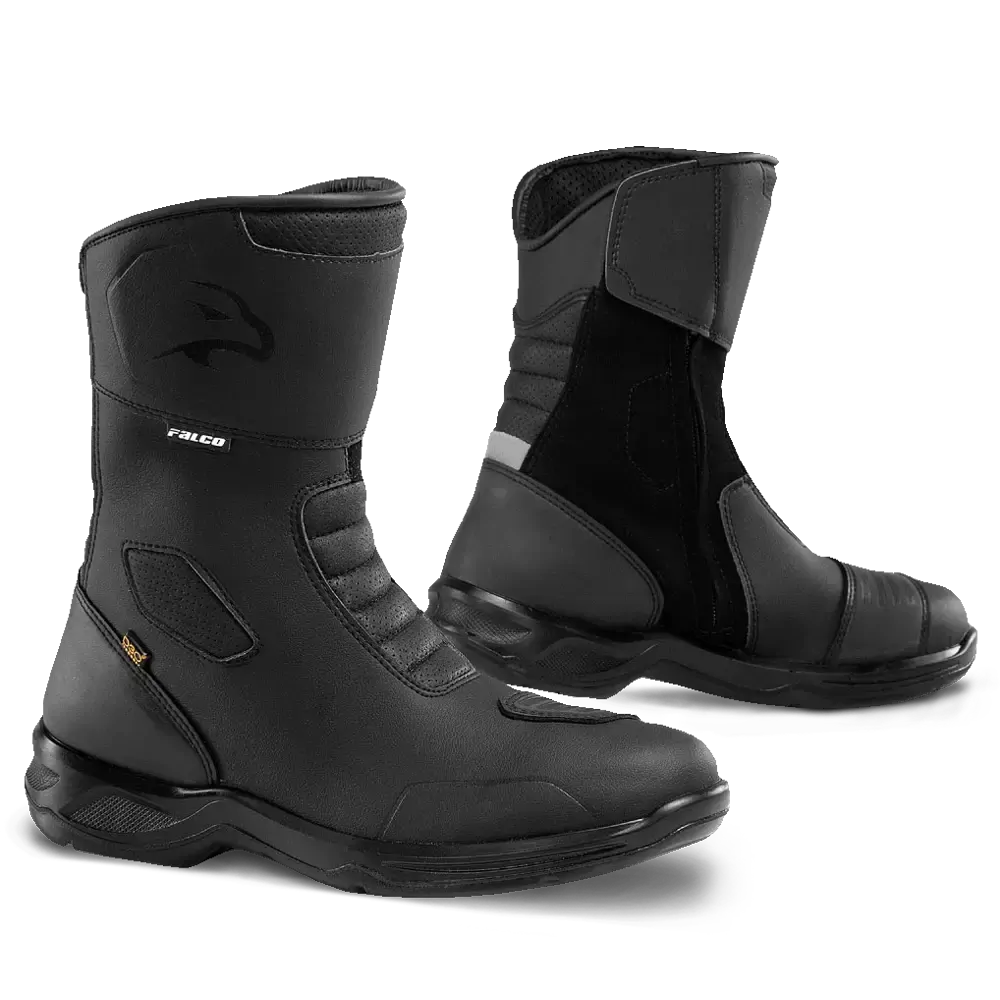
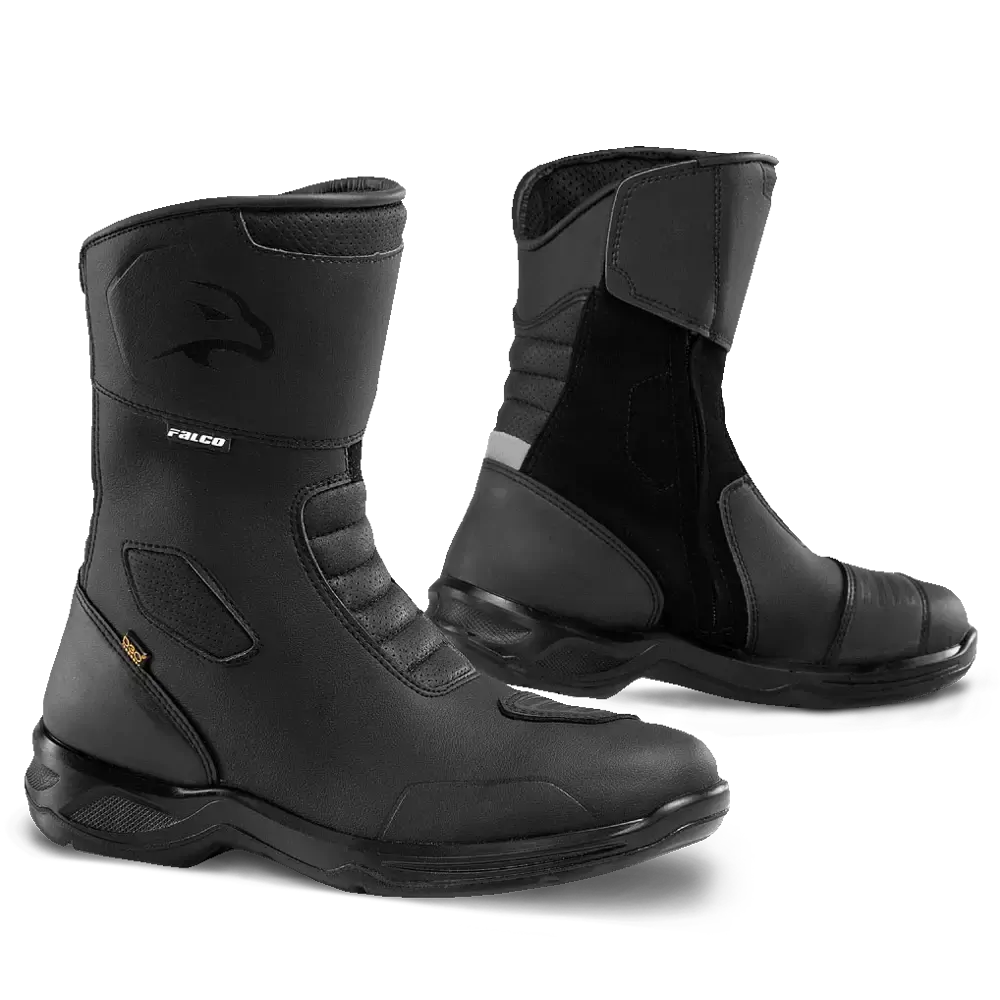
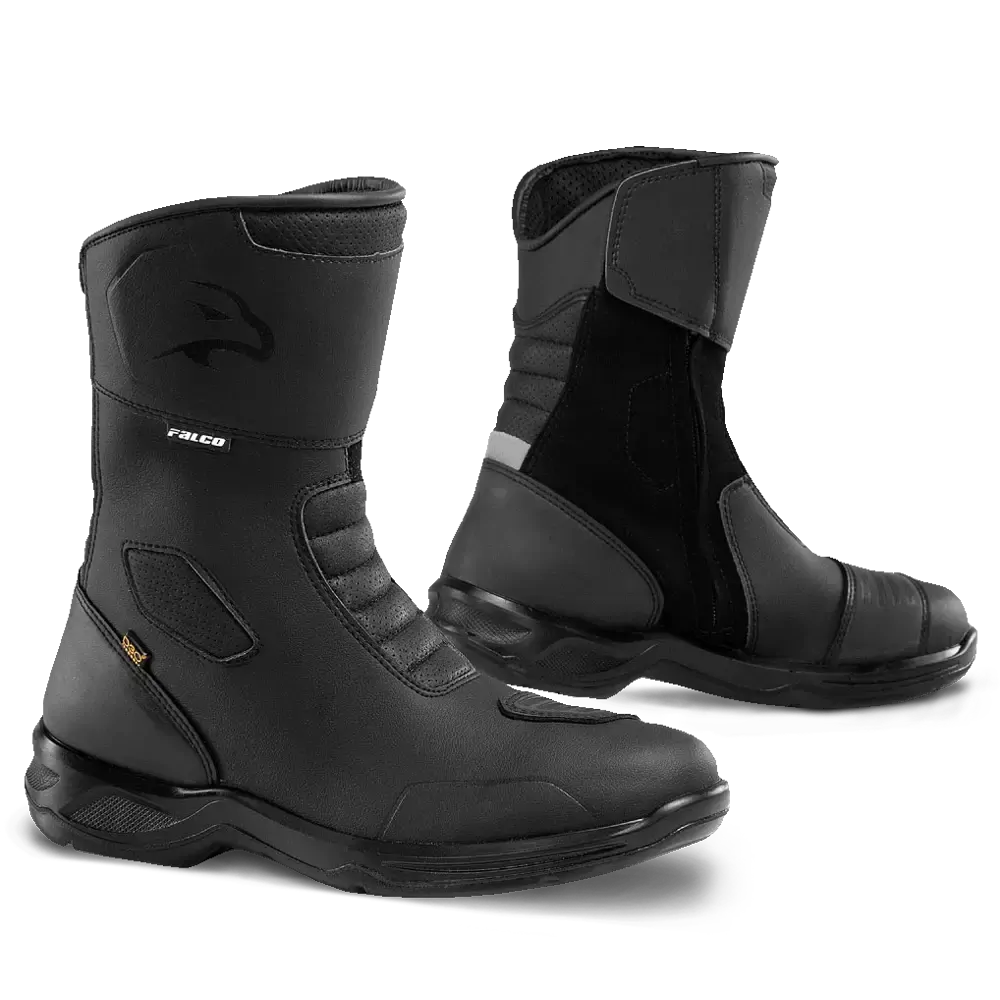
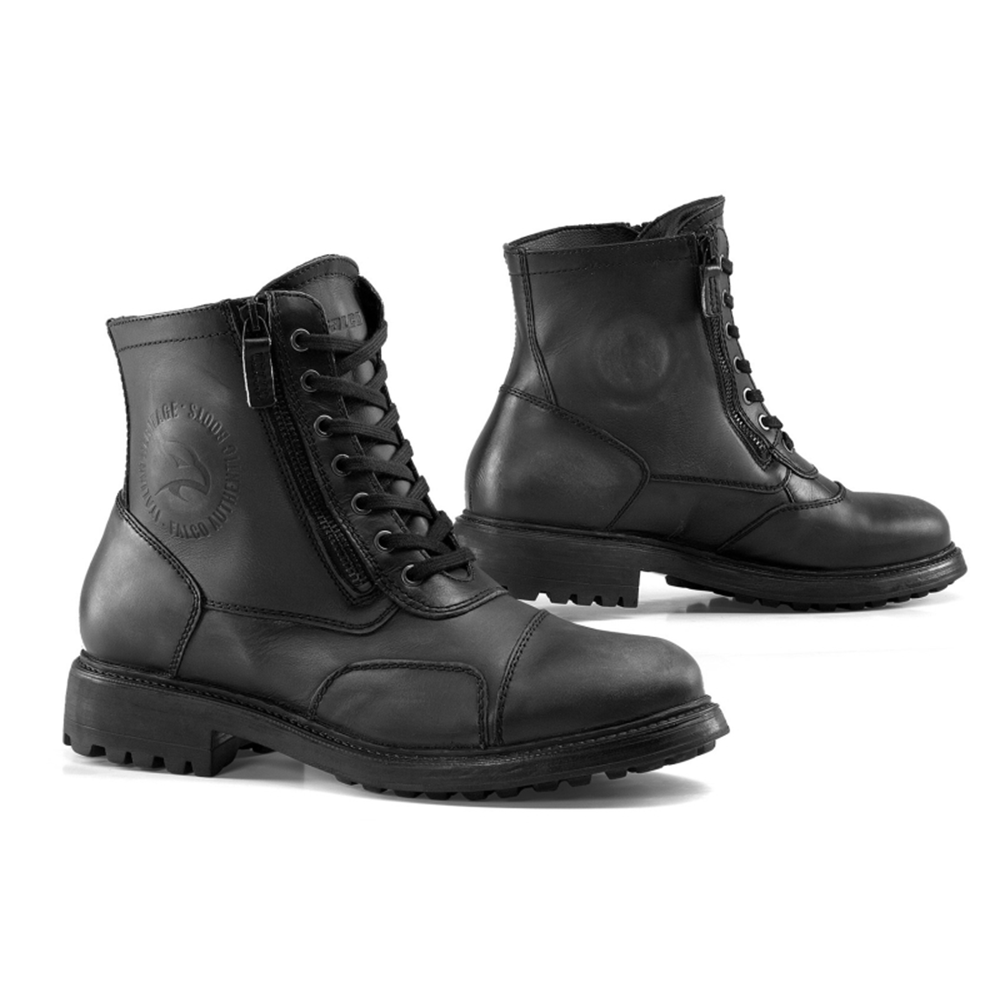
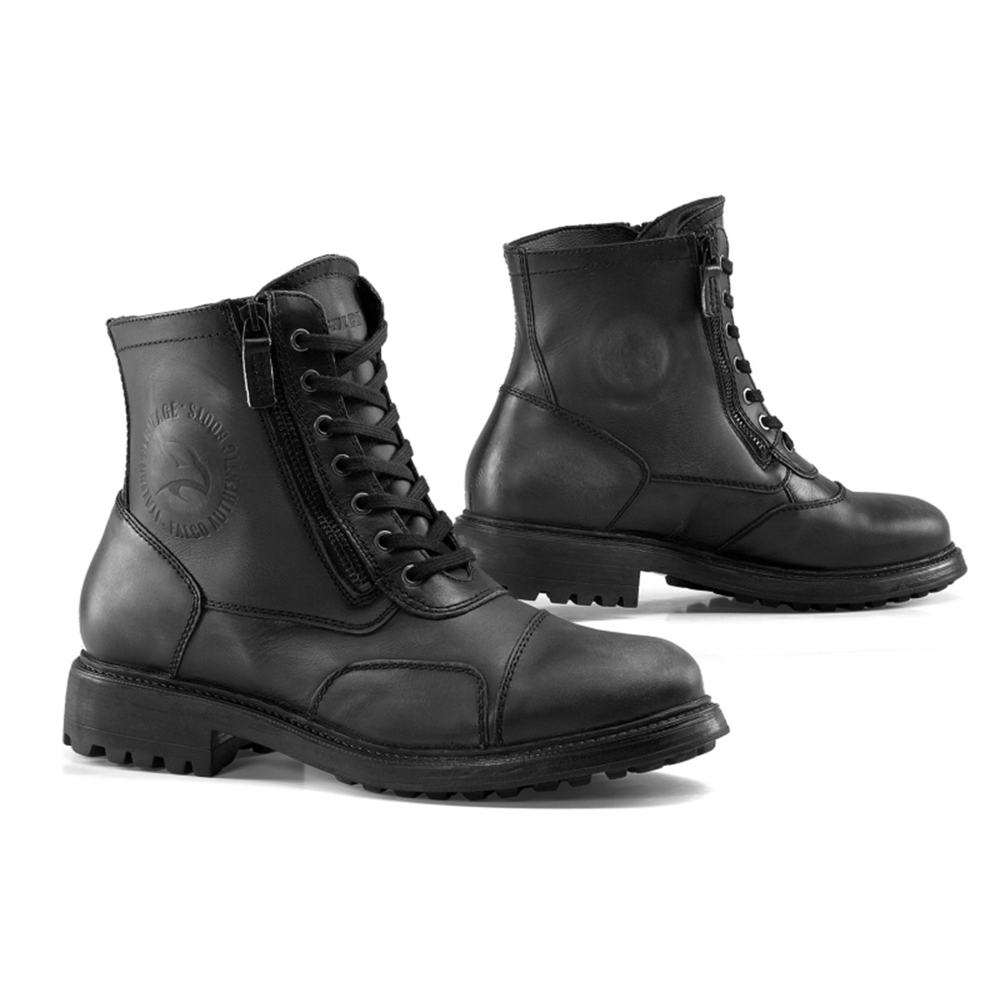
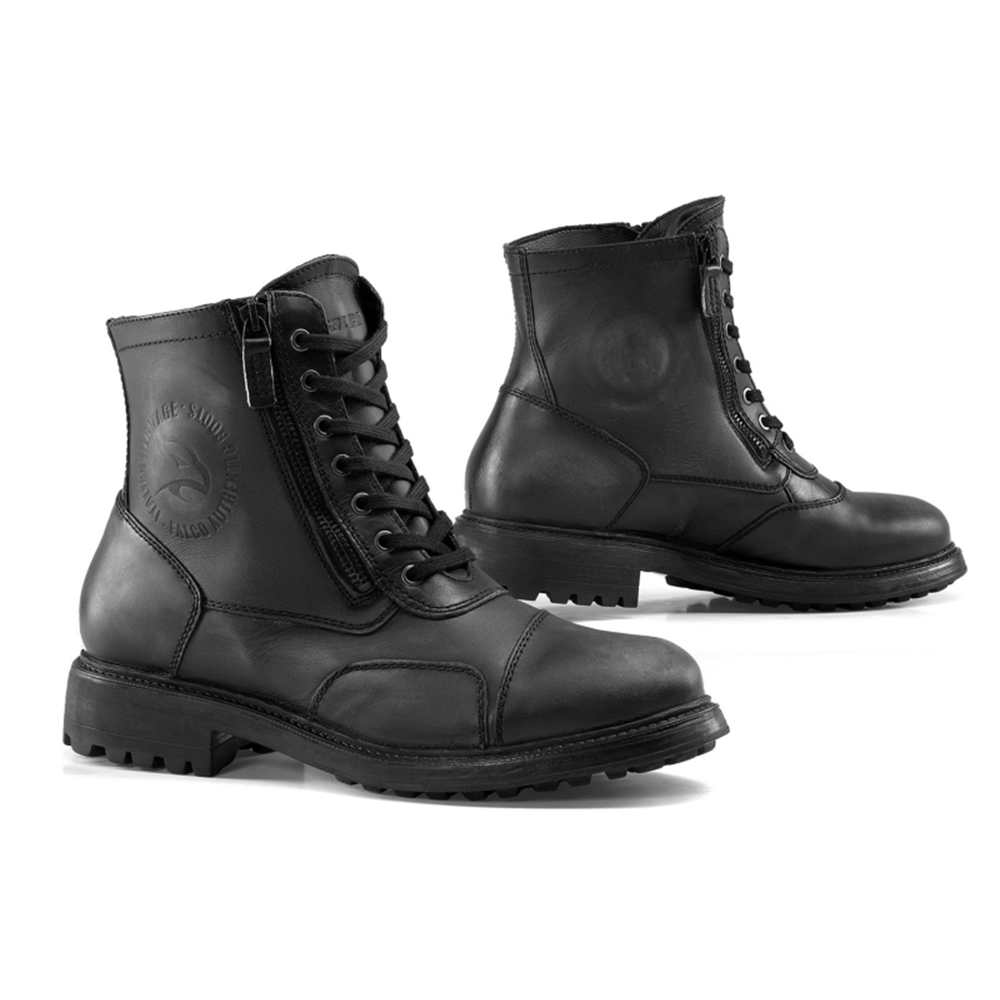
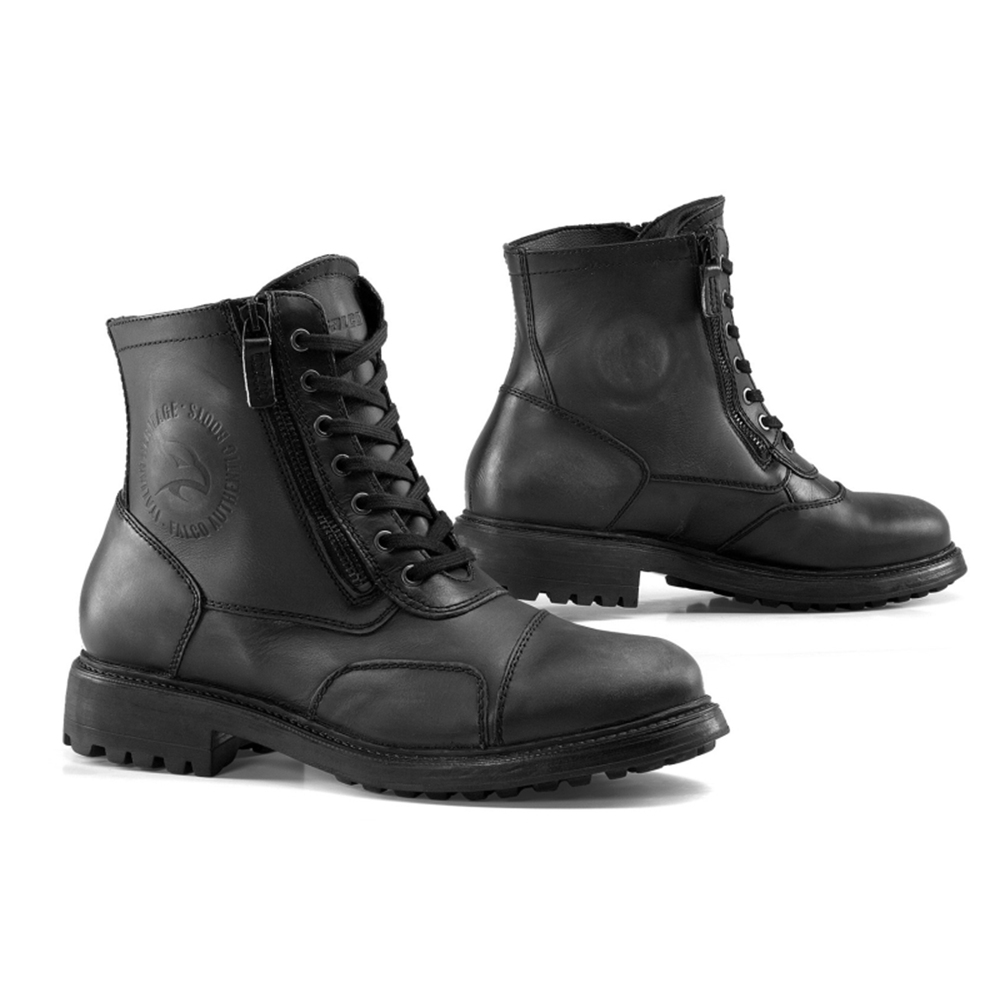

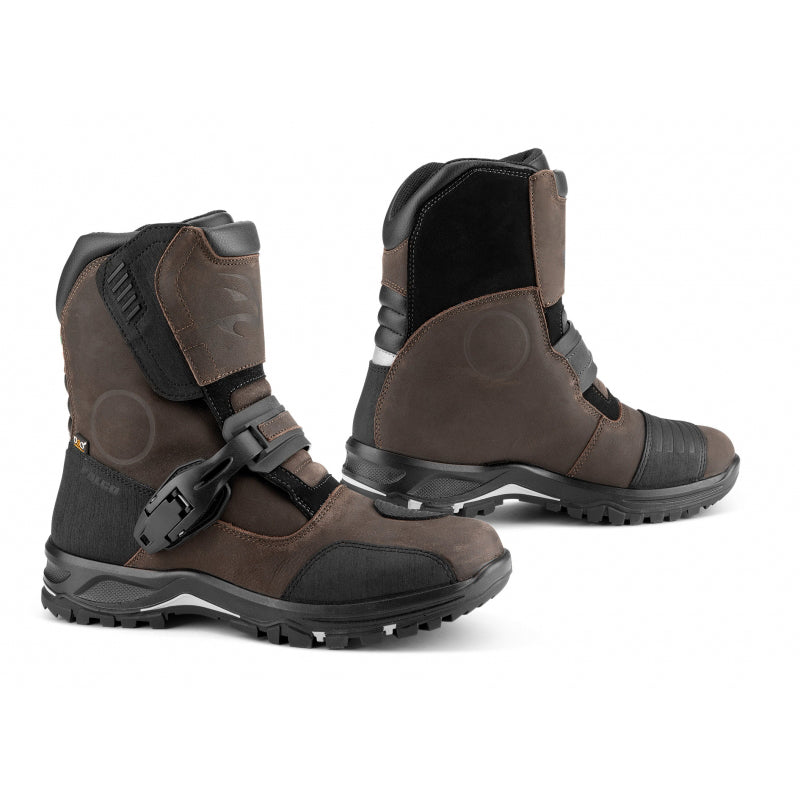
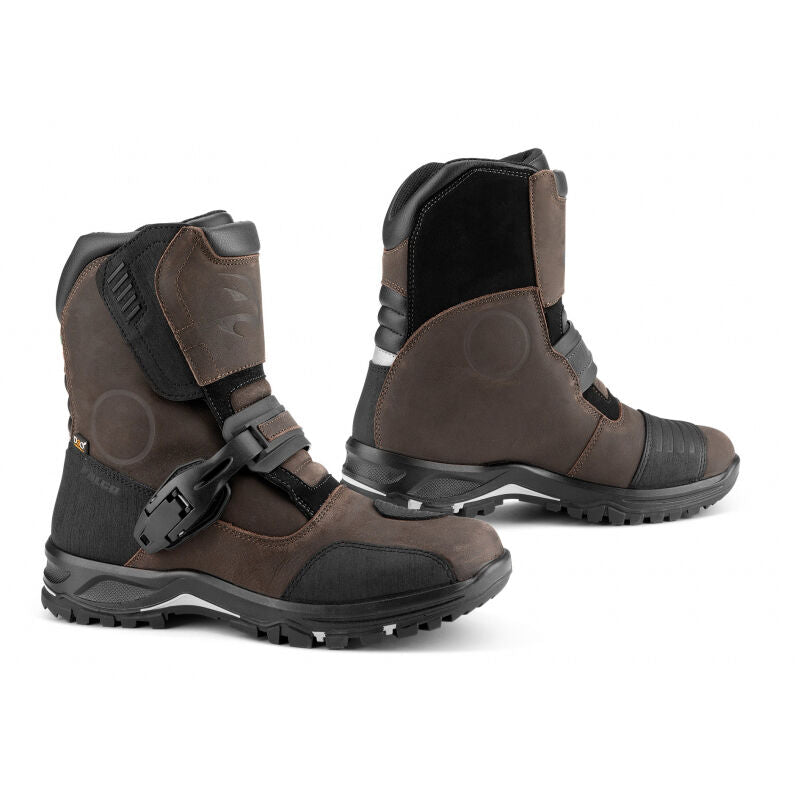
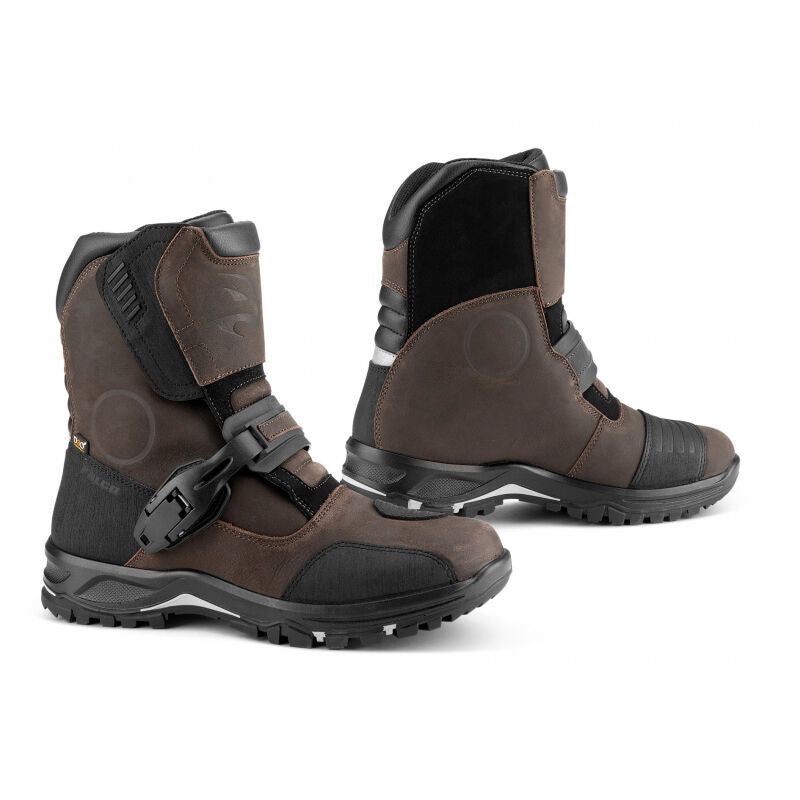
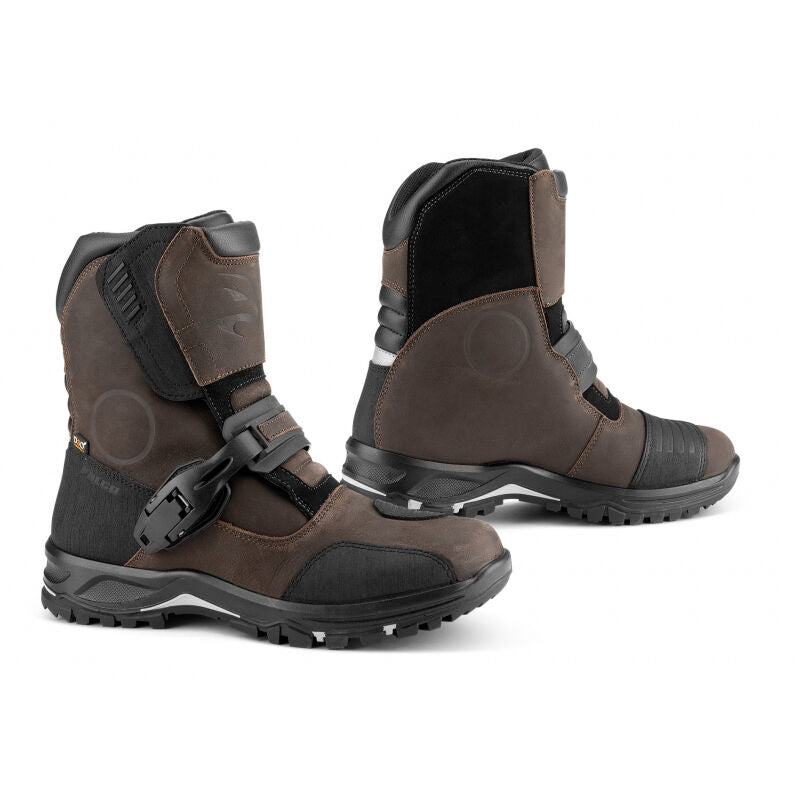
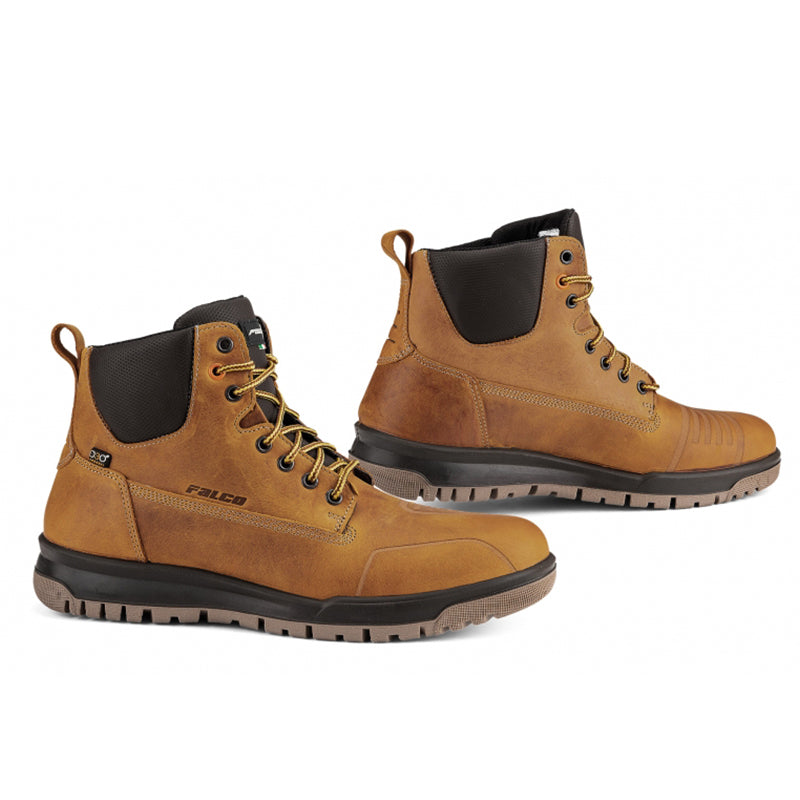
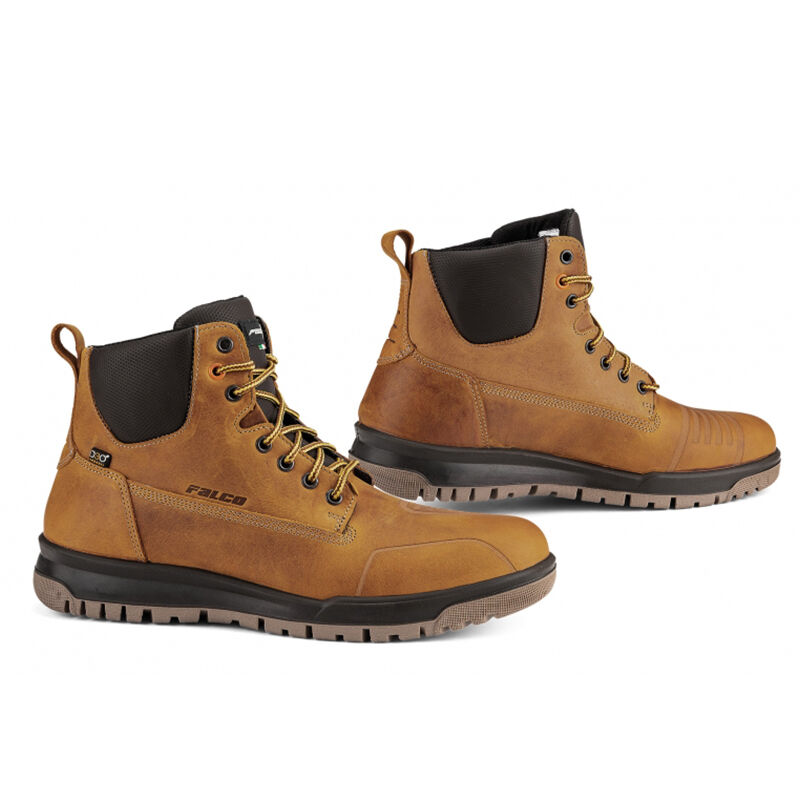
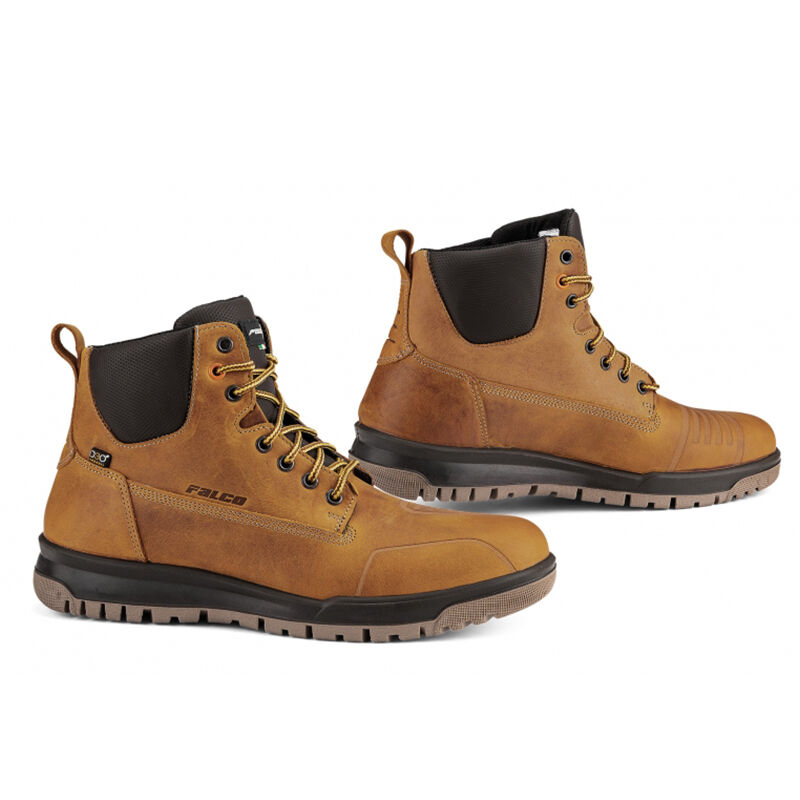
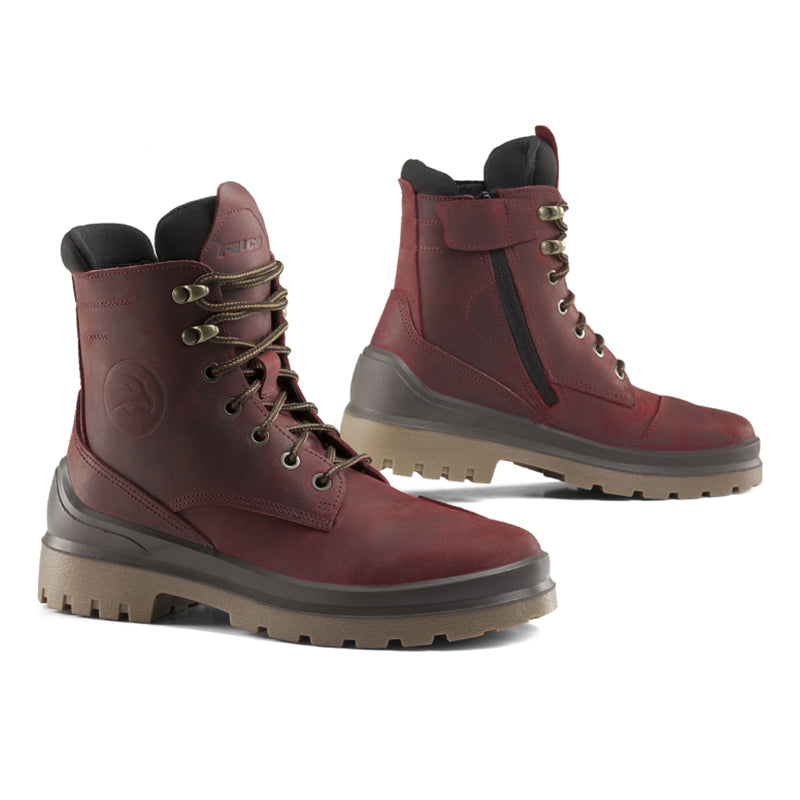
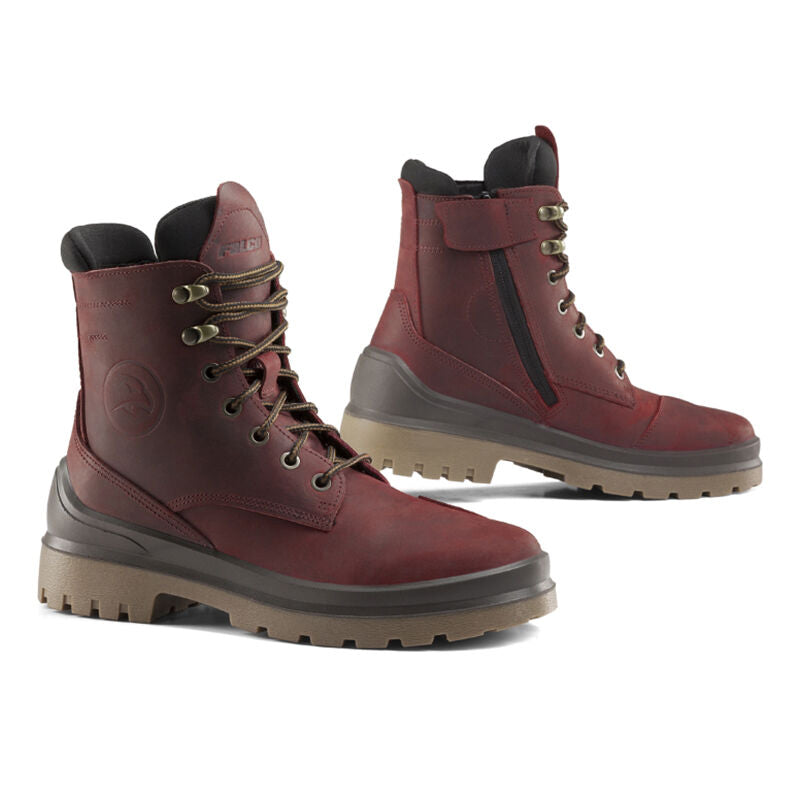
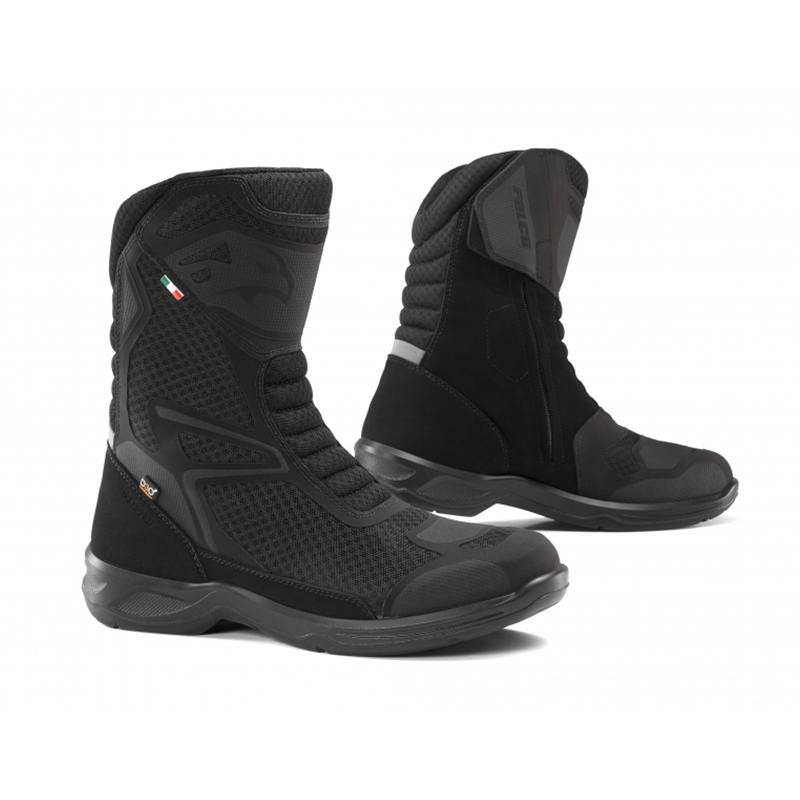
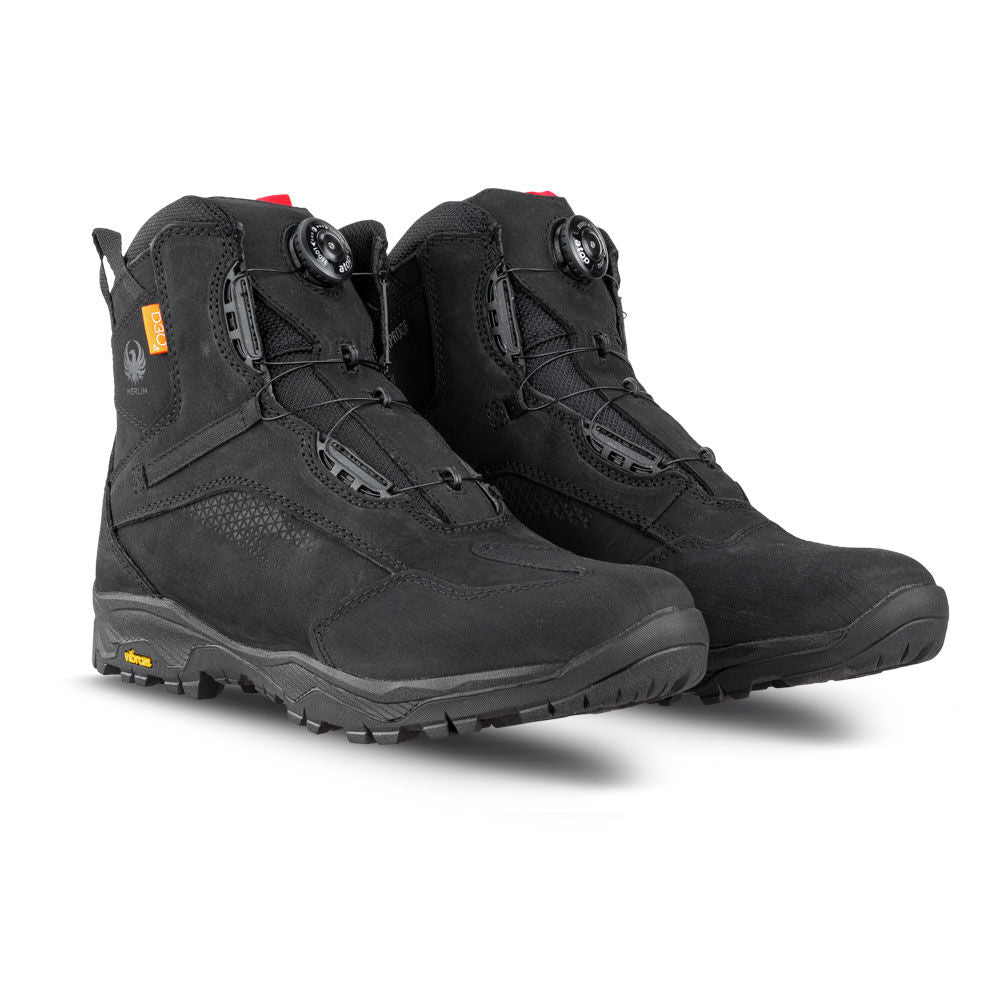
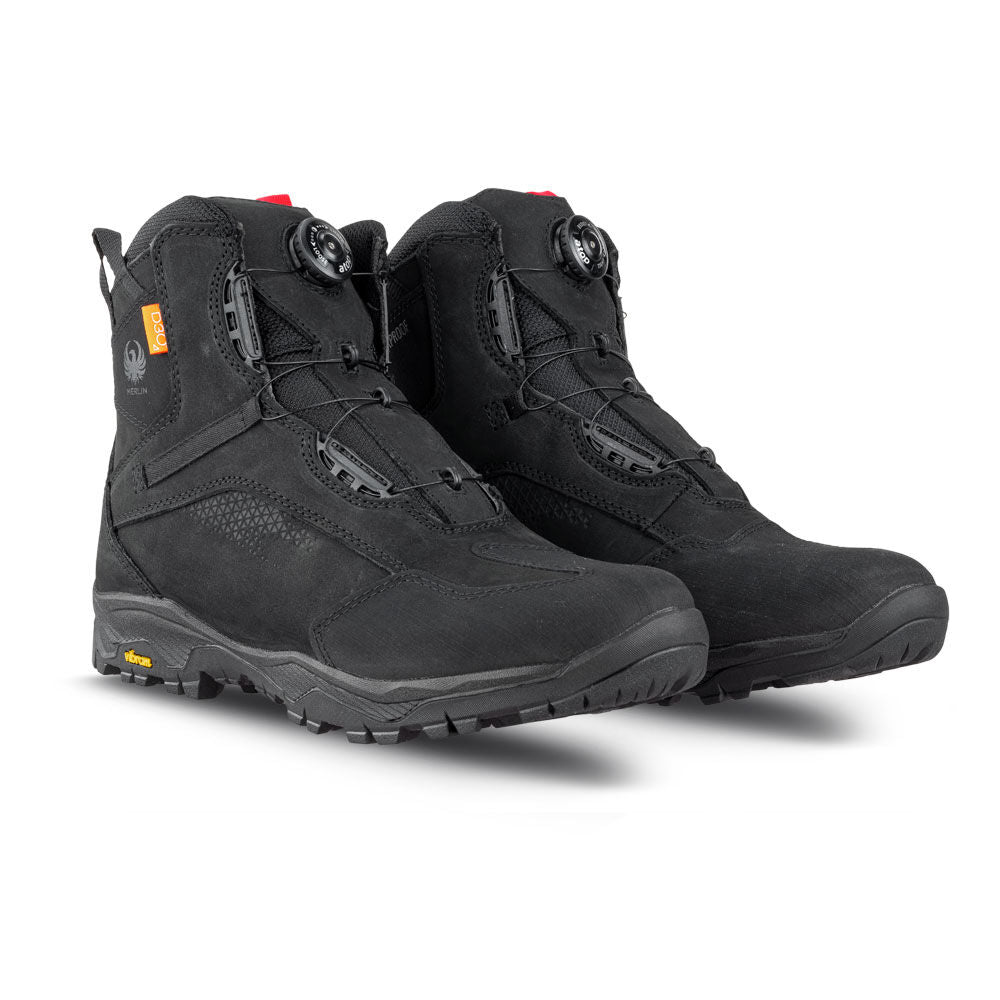
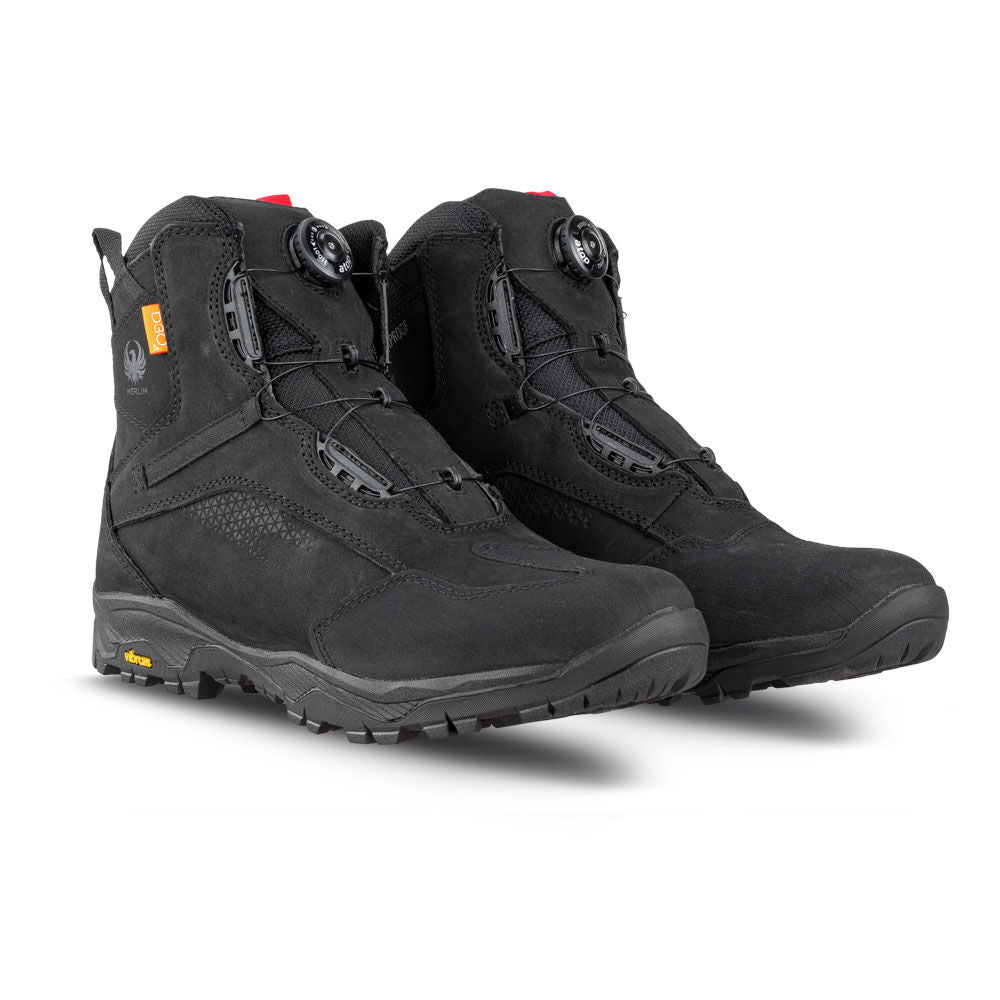
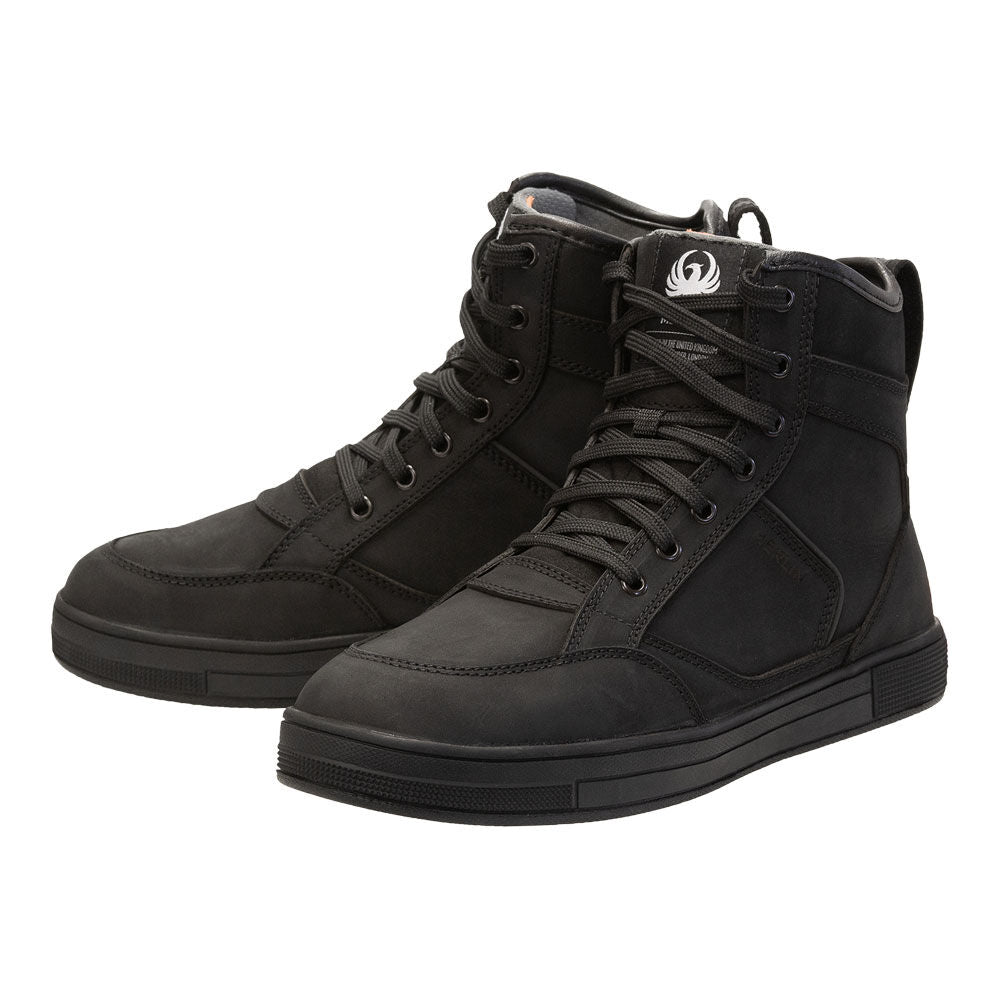
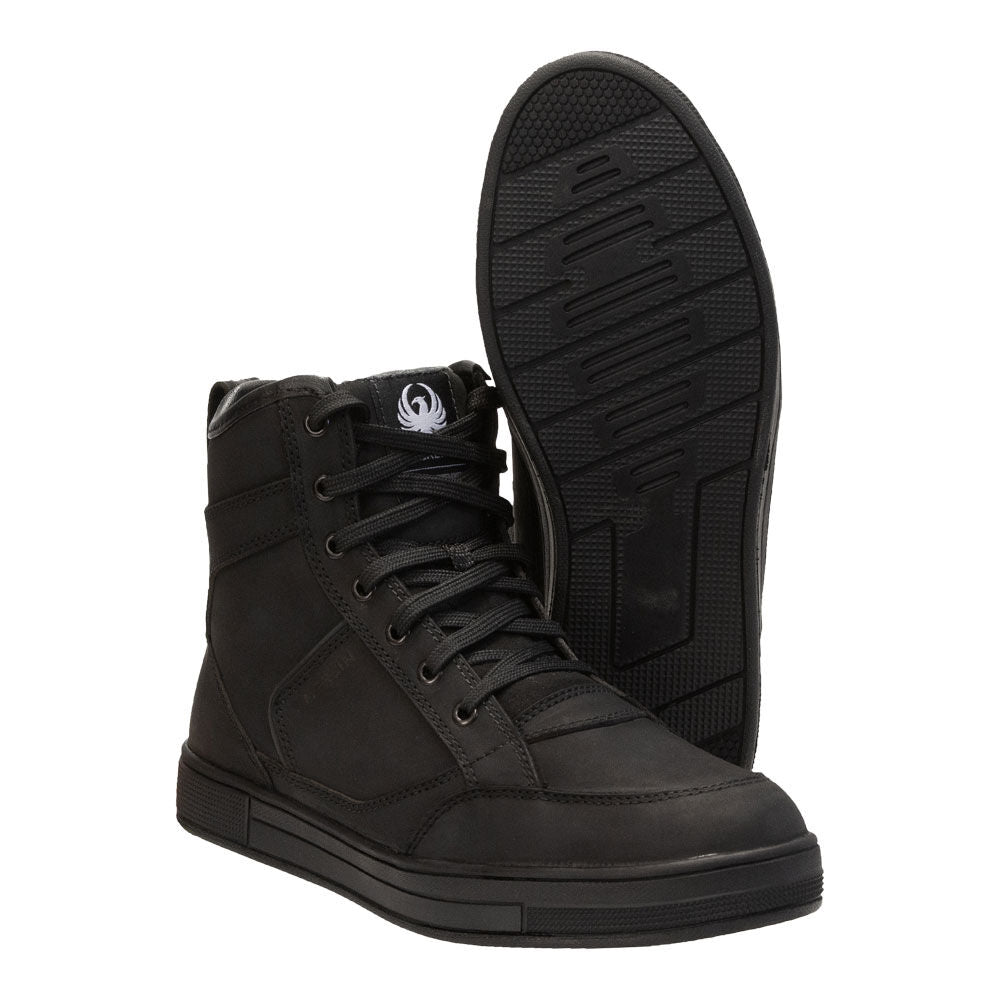
Merlin Boots Sierra WP D3O Black
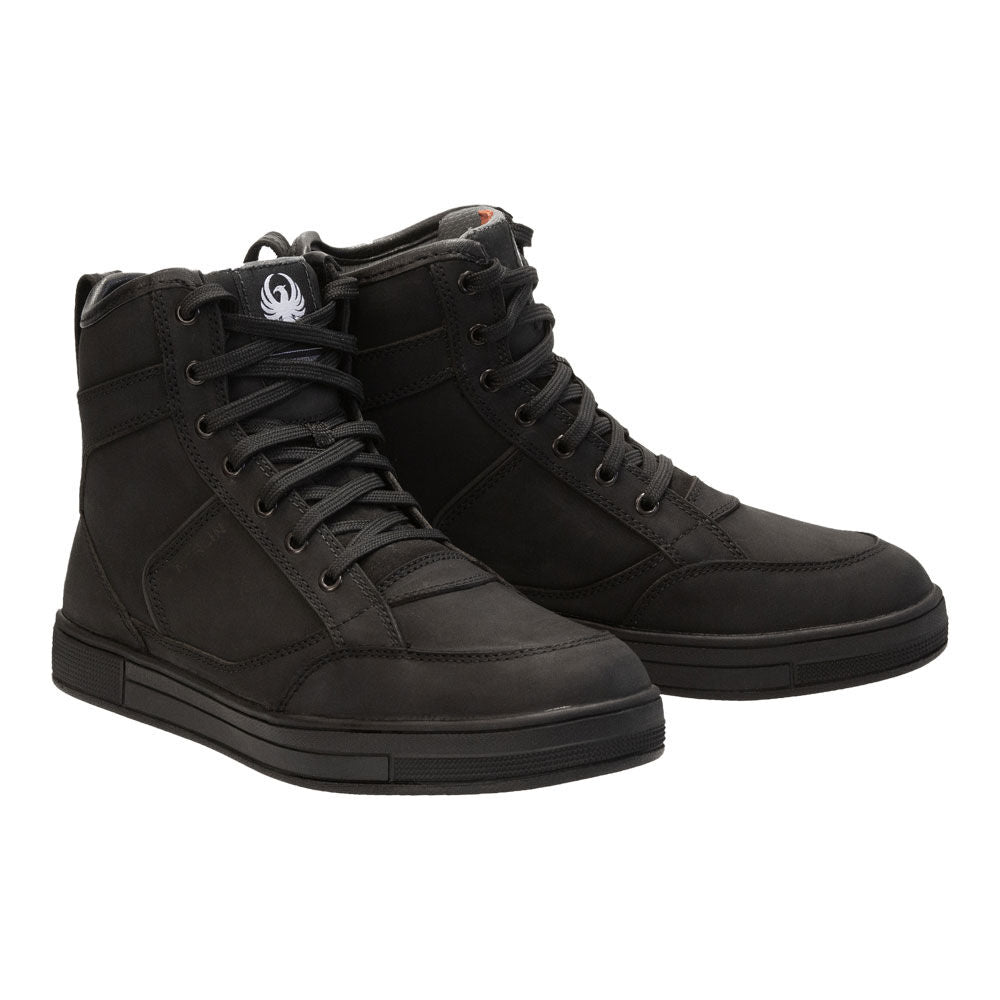
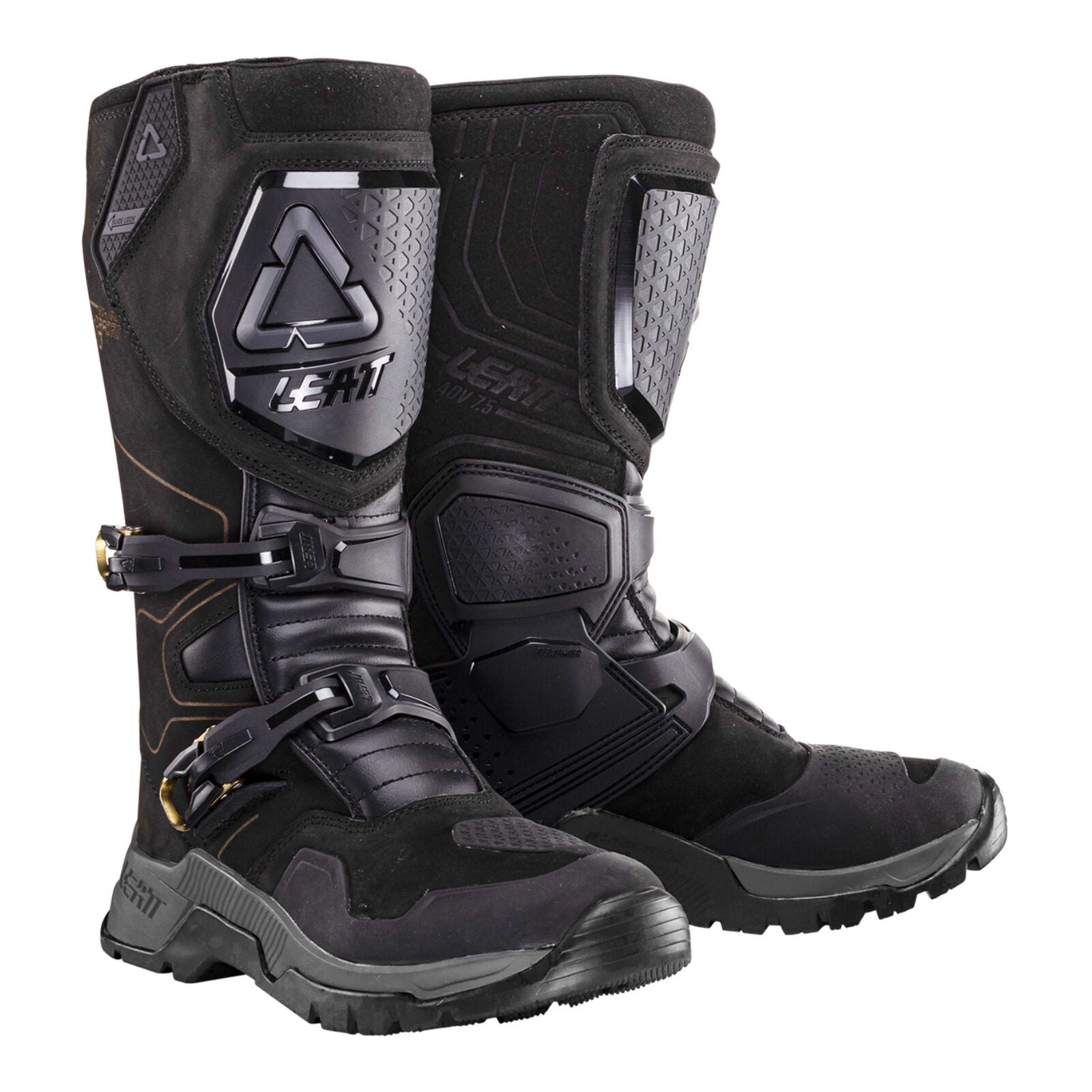
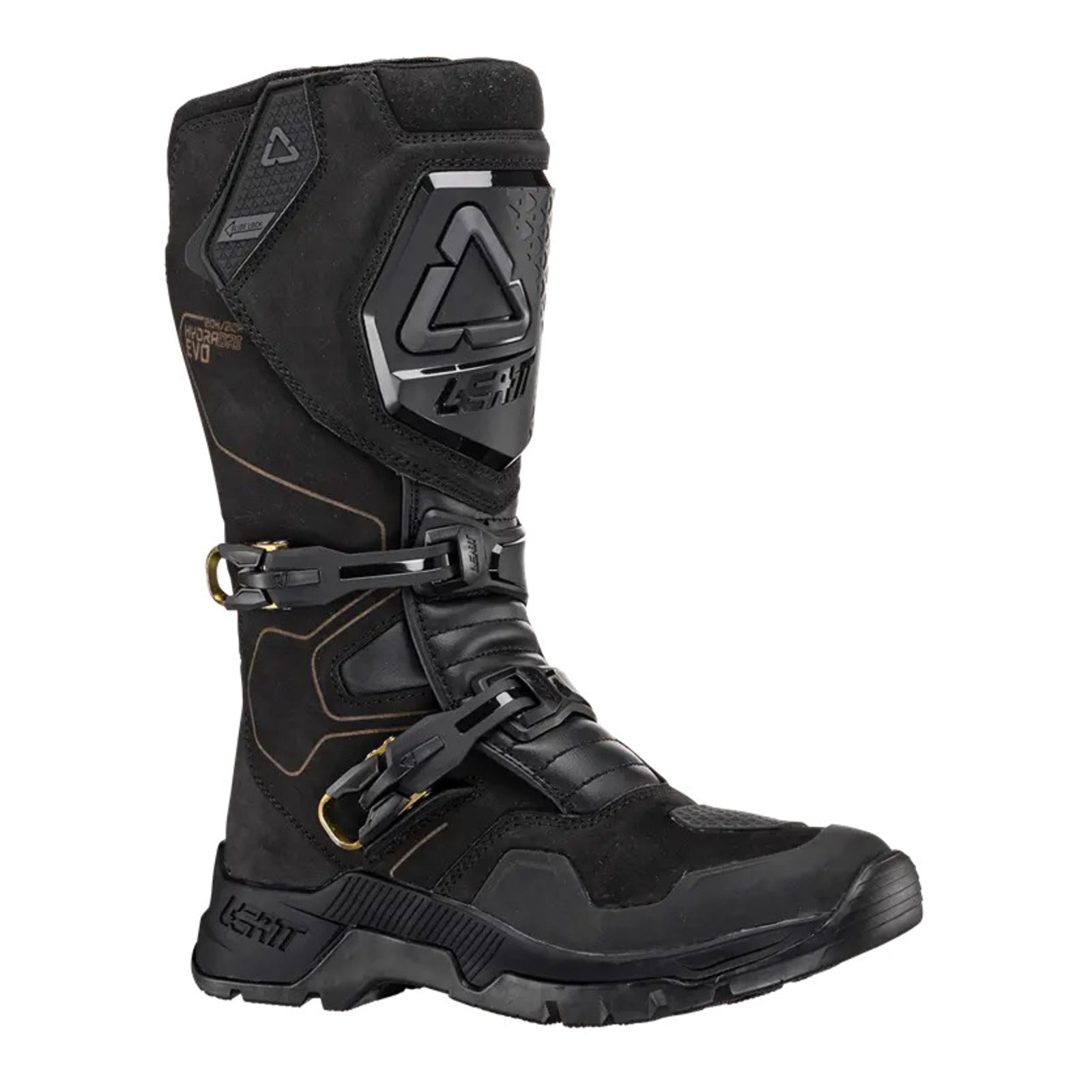


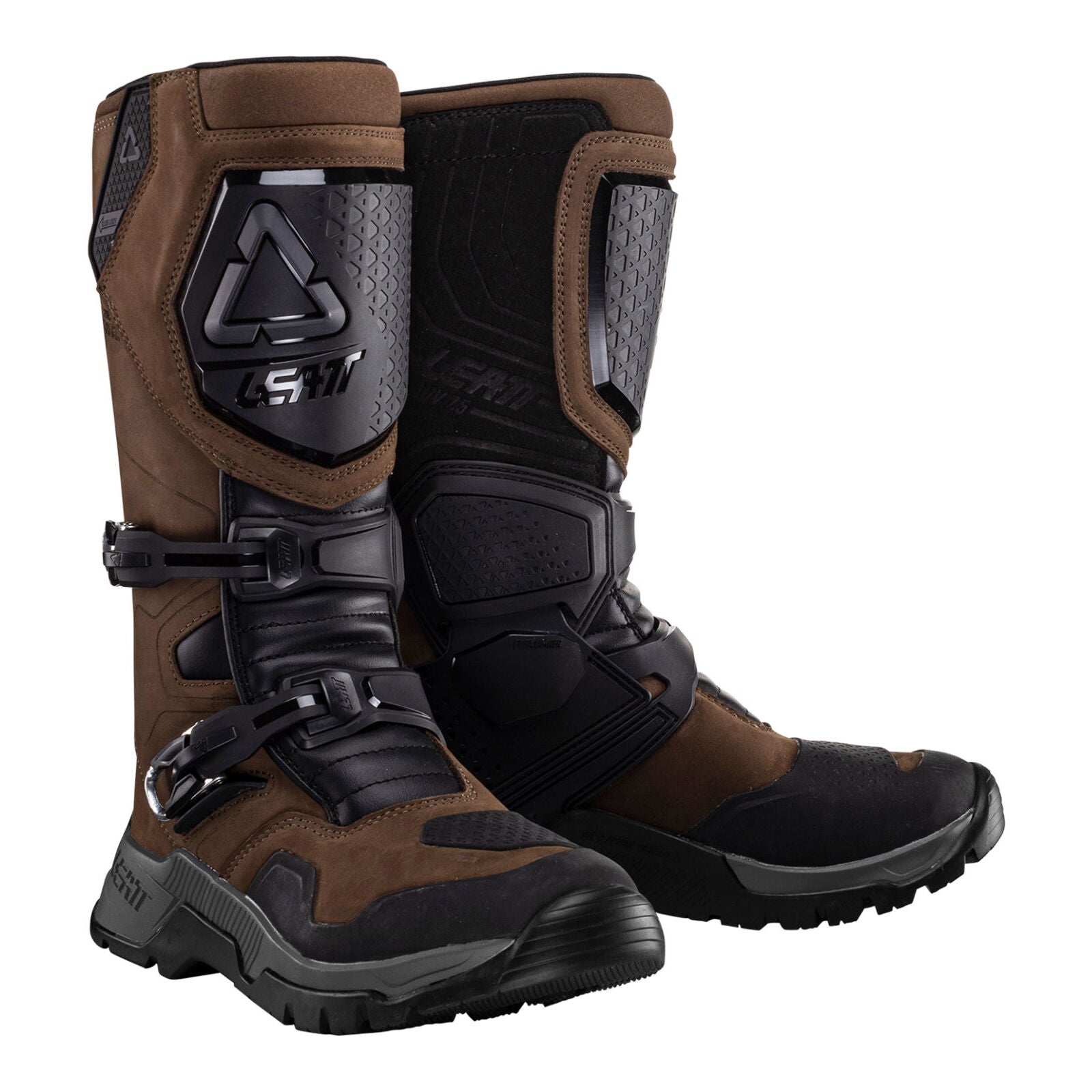
Leatt 7.5 ADV HydraDri Boot - Stealth
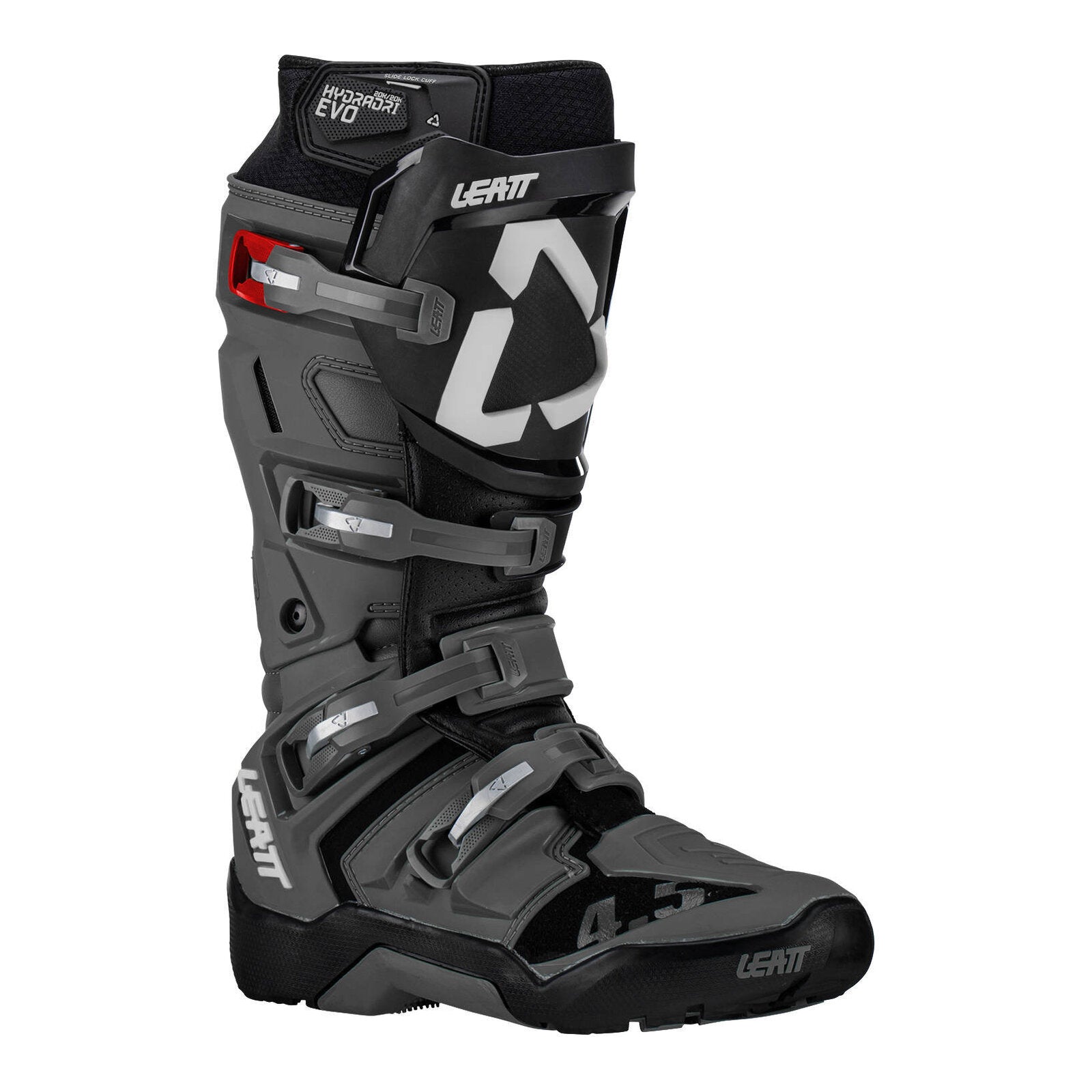
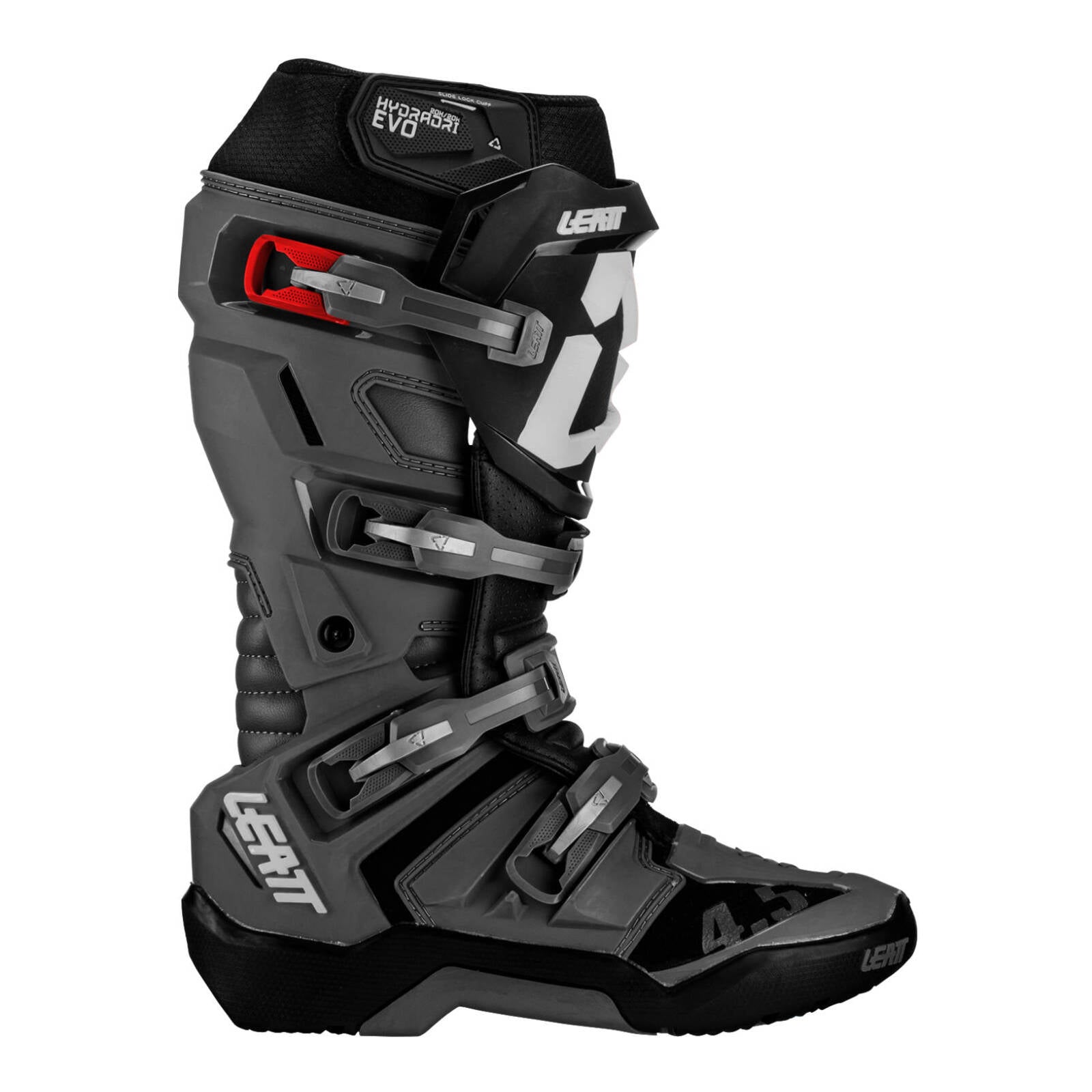
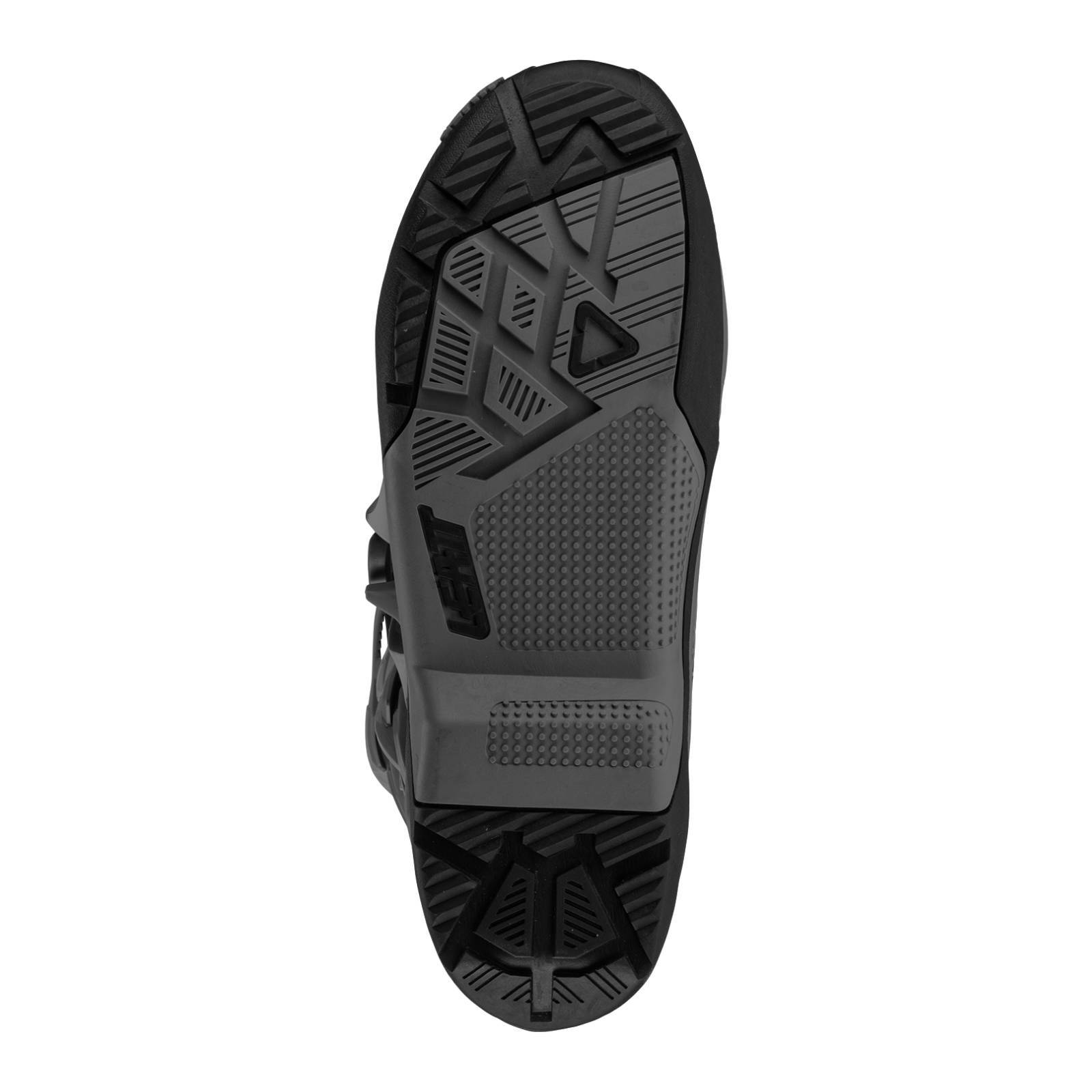
Leatt 4.5 HydraDri Boots - Graphene

FALCO ANKLE SLIDER SUIT 'ELITE GP' GREY (Pr)
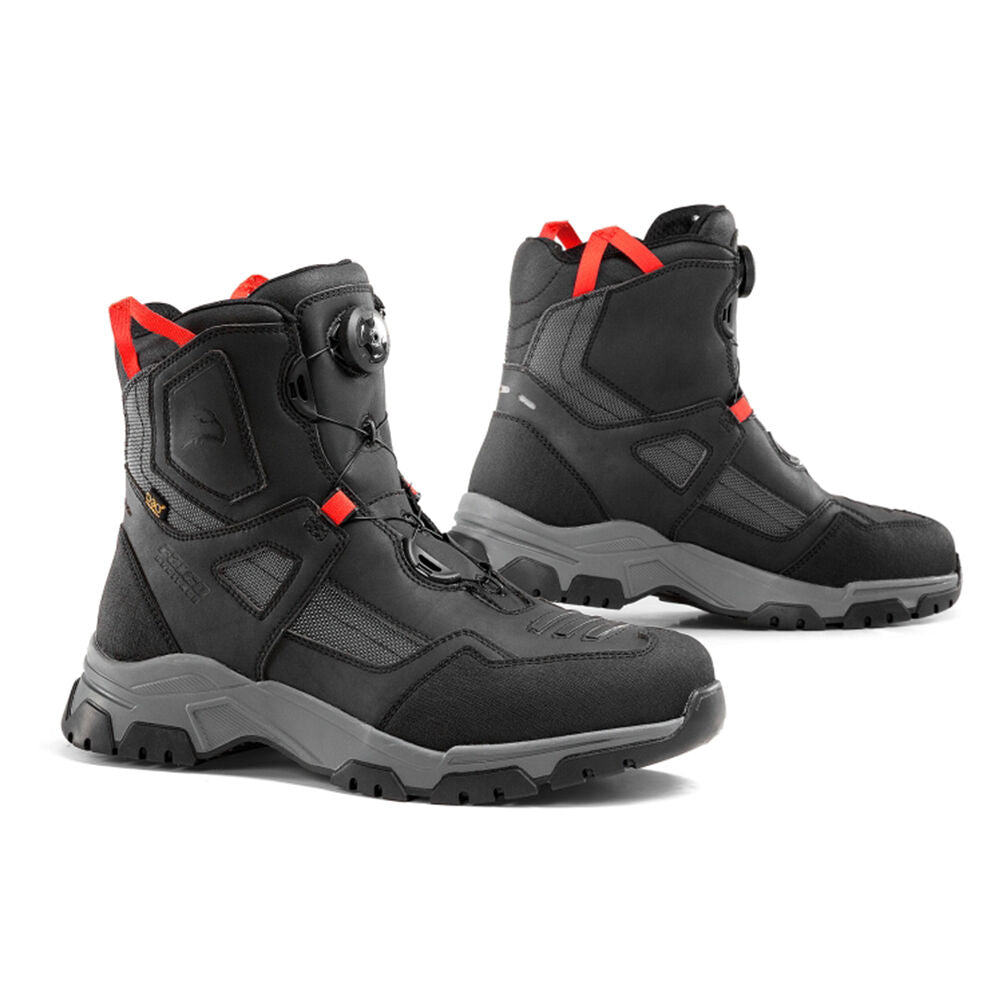
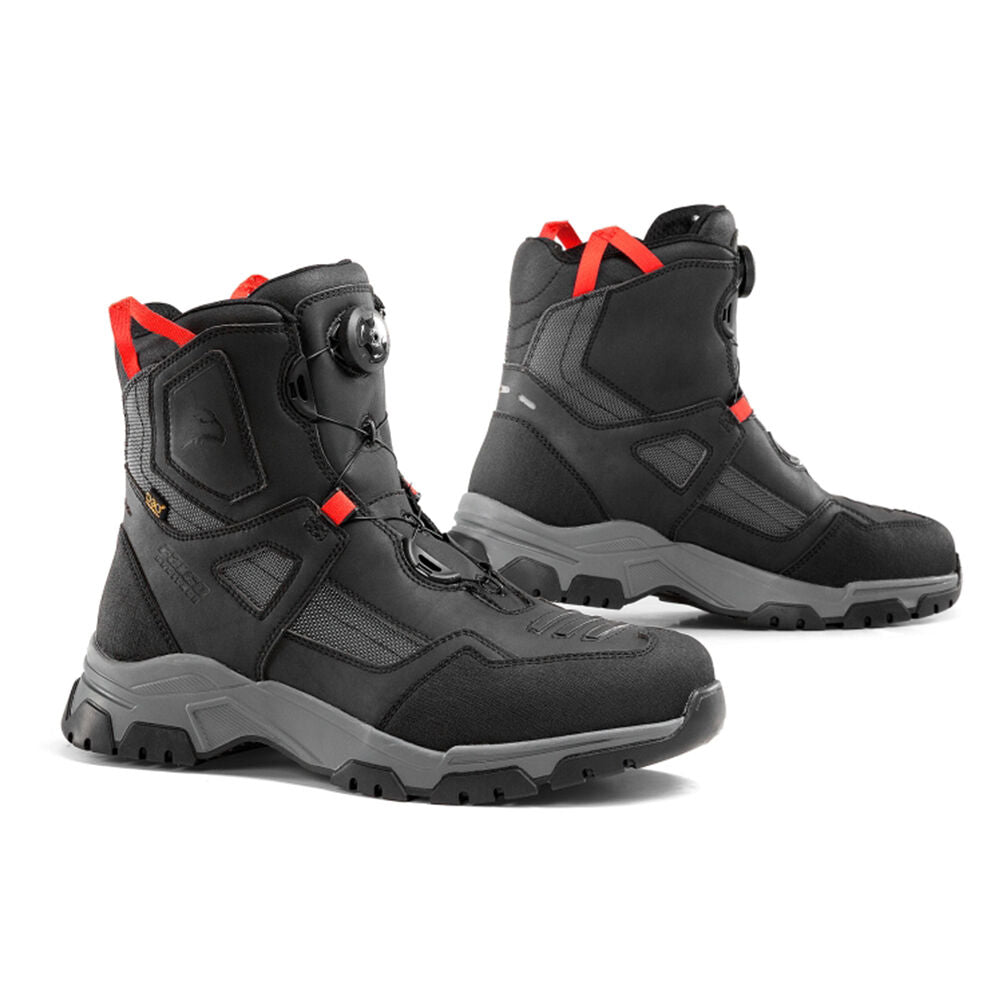
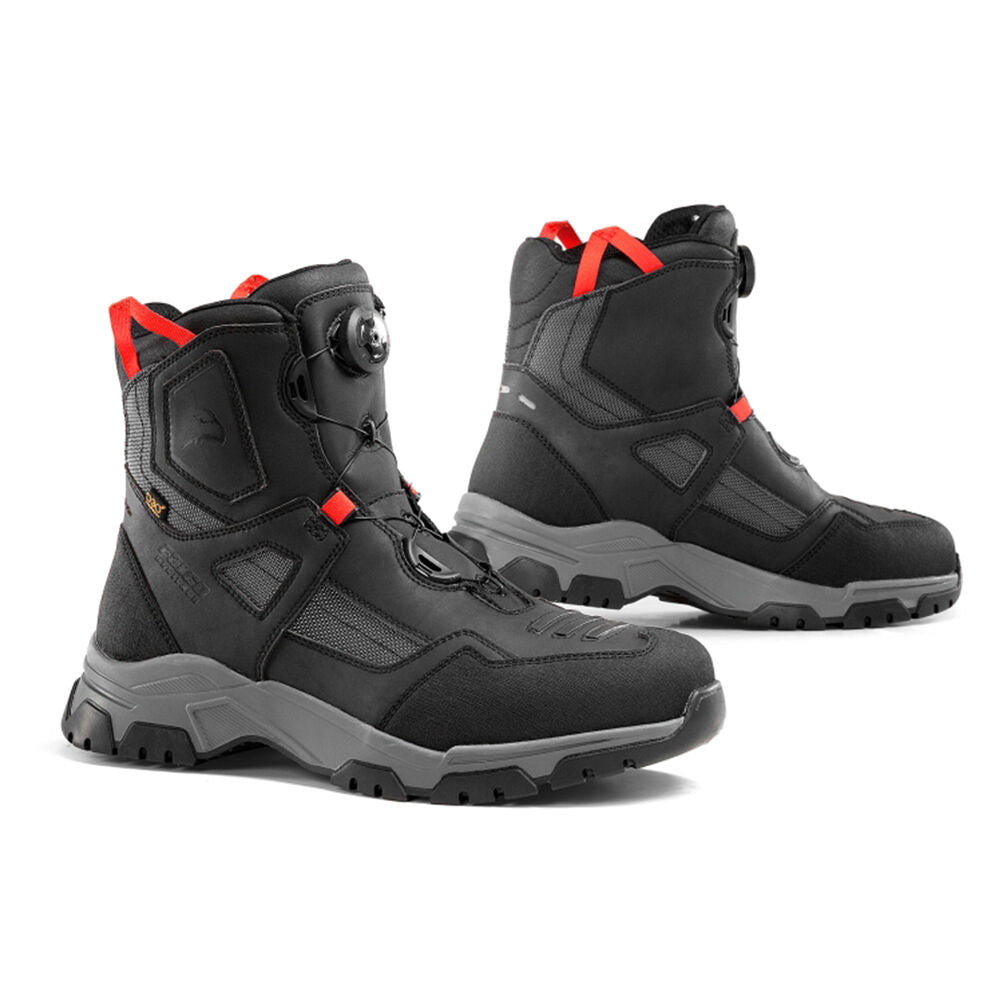
Boots take impact on both sides of a crash: the strike itself, then the weight of the bike landing on the same leg. Pull up at any servo and watch where riders put their feet down. One boot first, ankle bone exposed, jeans riding up above the boot top. Ankle fractures and shin strikes are common outcomes on Australian roads, and the pair of shoes you can walk in is not built to stop either.
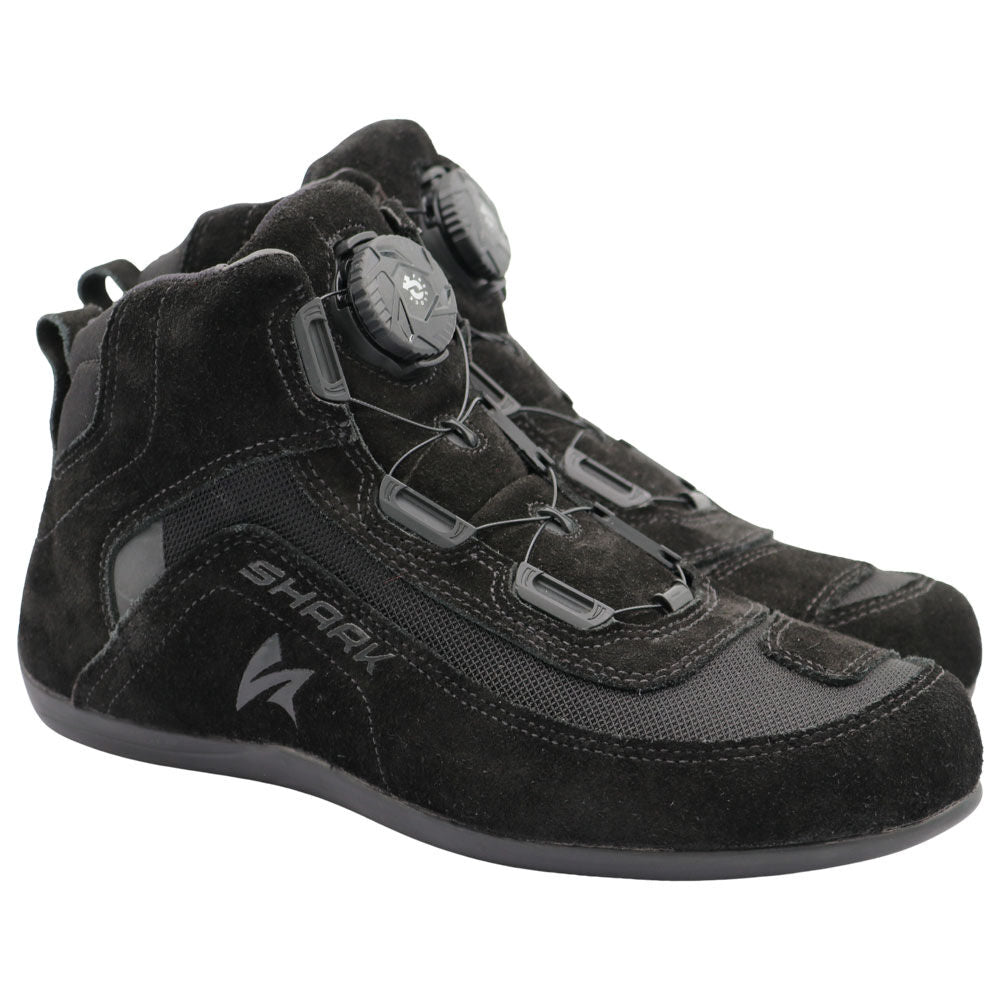
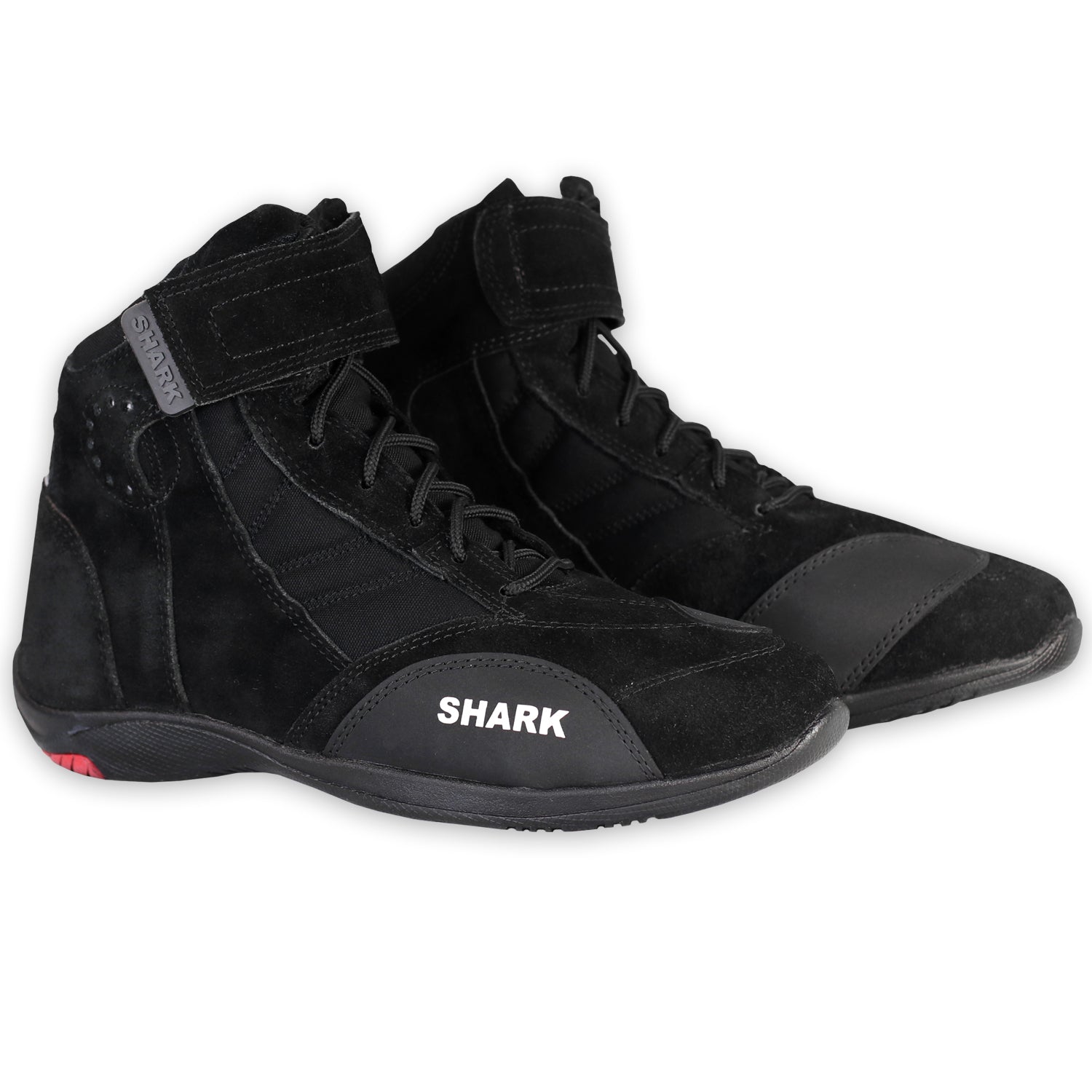
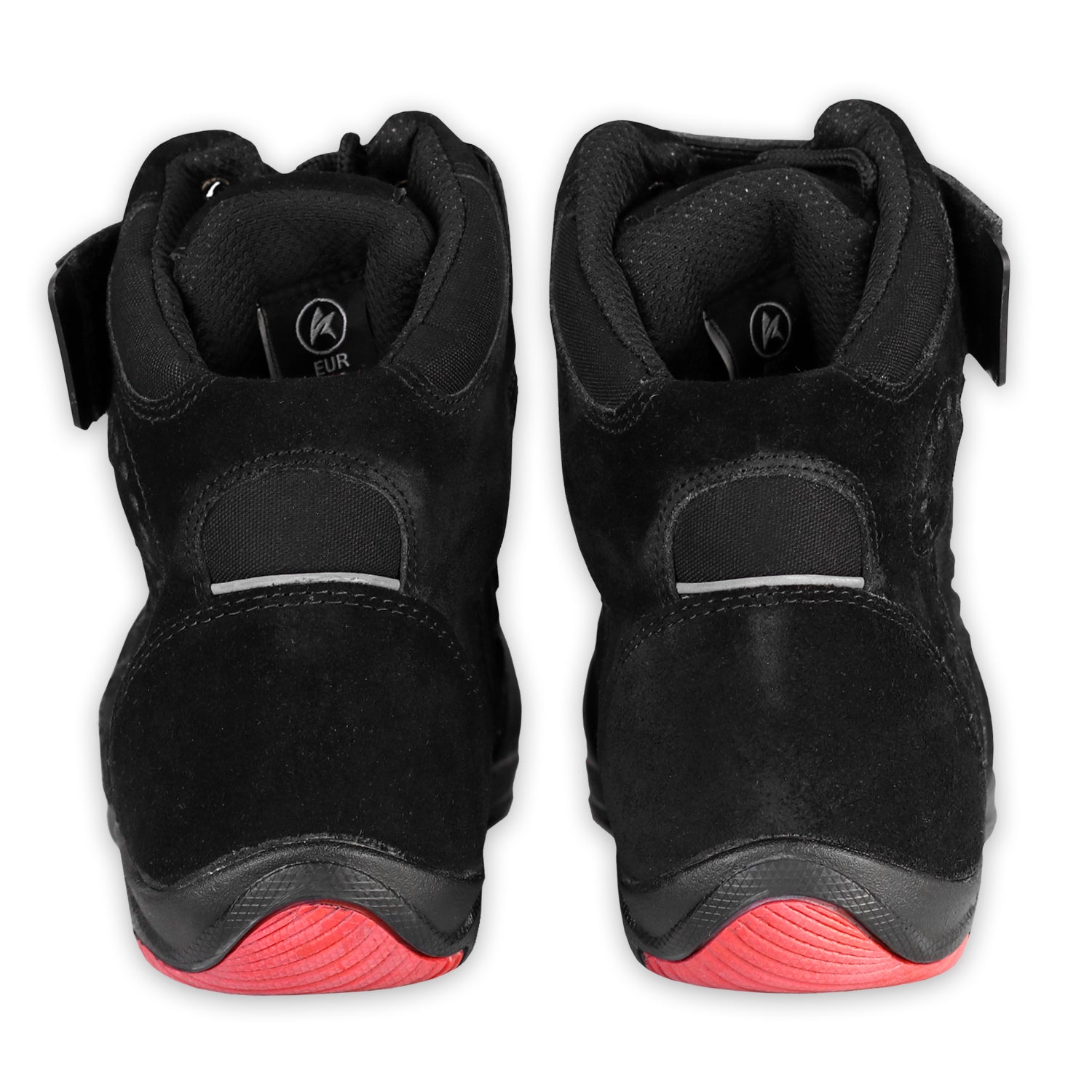
We stock over 60 motorcycle boots across touring, adventure, sport, short and casual, and motocross, from TCX, Falco, Merlin, Leatt, Oxford and our own Shark Leathers range. Shark-built boots cover the commuter tier: the Shark Shorty Riding Boot at RRP $169 and the Shark Sporty Boot at RRP $199.95.
Shop by type: touring and adventure, short boots and riding shoes, motocross, TCX, Falco, Merlin. Every pair ships free Australia-wide over $200 from our Gold Coast warehouse.
How to pick motorcycle boots for your riding
Most riders buy boots last, which is backwards. Pick the boot for the riding you actually do, then check the CE certification before you check the price tag.
Touring and adventure boots (RRP $250 to $650) for long-distance, wet-weather, and dual-sport riders. The TCX Hero 2 WP at RRP $389.95, TCX Blend 2 WP at $349.95, Merlin Sierra WP D3O at $399.95, and the Leatt 7.5 ADV HydraDri at $649.99. Full-grain leather uppers, 1,500g to 1,900g per pair, CE EN 13634 Level 2 across most tiers, walkable dual-compound soles. Most have a waterproof membrane. Gore-Tex is the benchmark for breathability and longevity; proprietary membranes (Leatt's HydraDri, Merlin's Outlast, TCX's own) cost less but either trap more sweat or develop pinholes faster. Worth naming when you compare price tags. Trade-off: the membrane adds 150g to 300g versus a dry-only boot, and it traps heat at 30-plus degrees in stop-start traffic. Worth it on any 400km day in Australian weather.
Sport and race boots (RRP $500 to $1,200) for track days, canyon riders, and anyone chasing lean angle. The TCX RT-Race at RRP $499.95 and Falco Elite GP at $649.95 are the stocked benchmarks. Polyurethane outer shell, replaceable toe sliders, hinged ankle that only flexes fore-and-aft (not side-to-side, which is the crash direction). CE EN 13634 Level 2 across all four test areas. Trade-off: rigid sole makes these near un-walkable off the bike. Do not buy them for commuting.
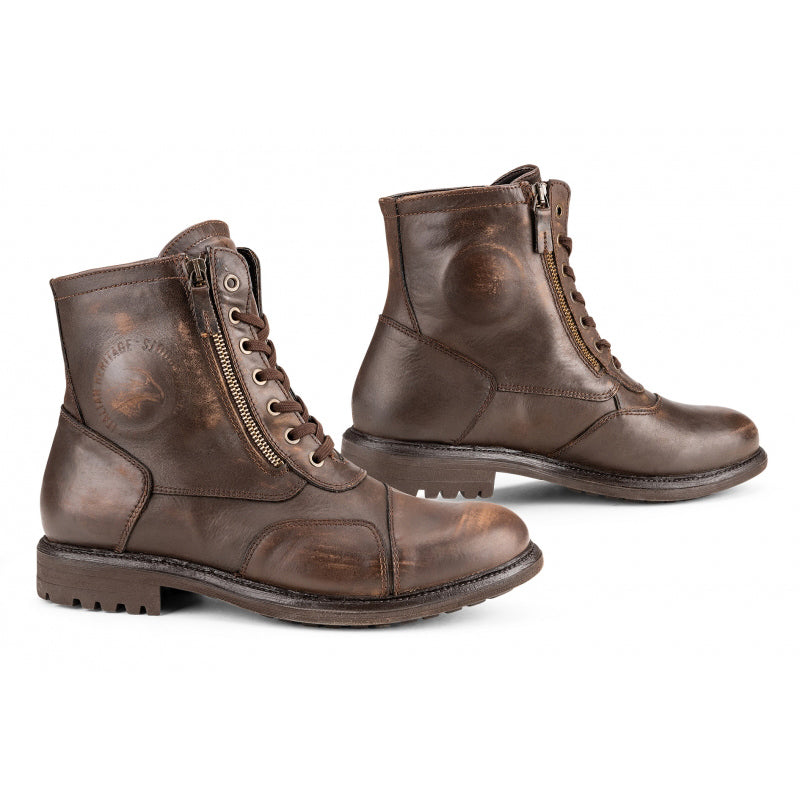
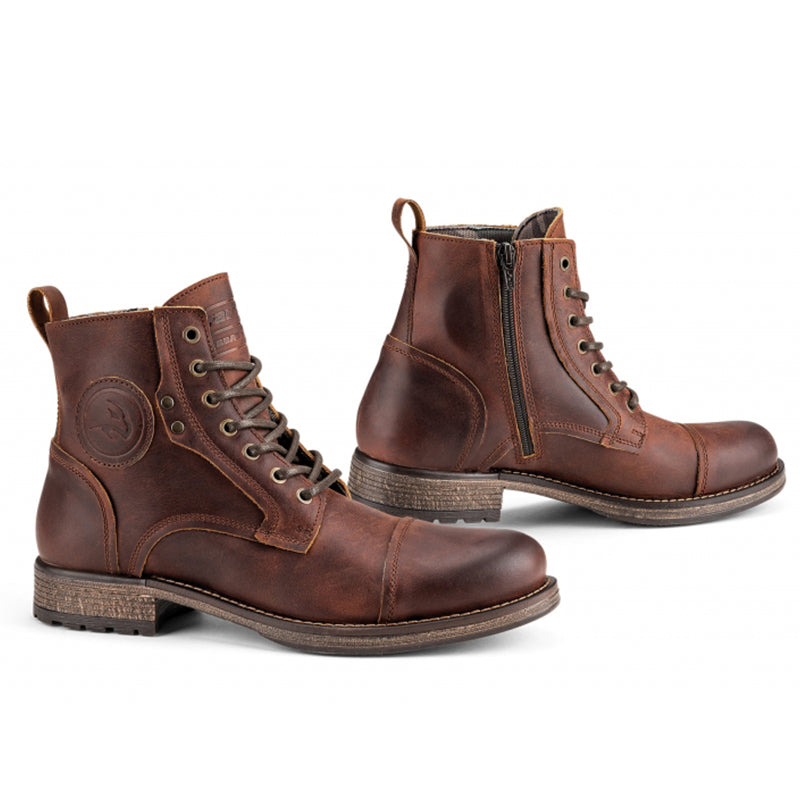
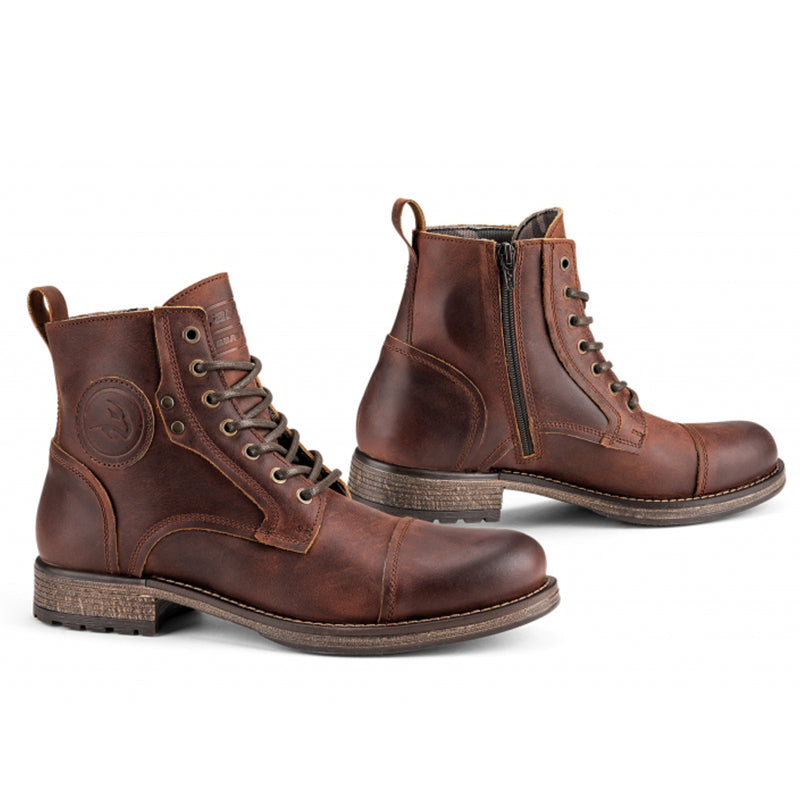
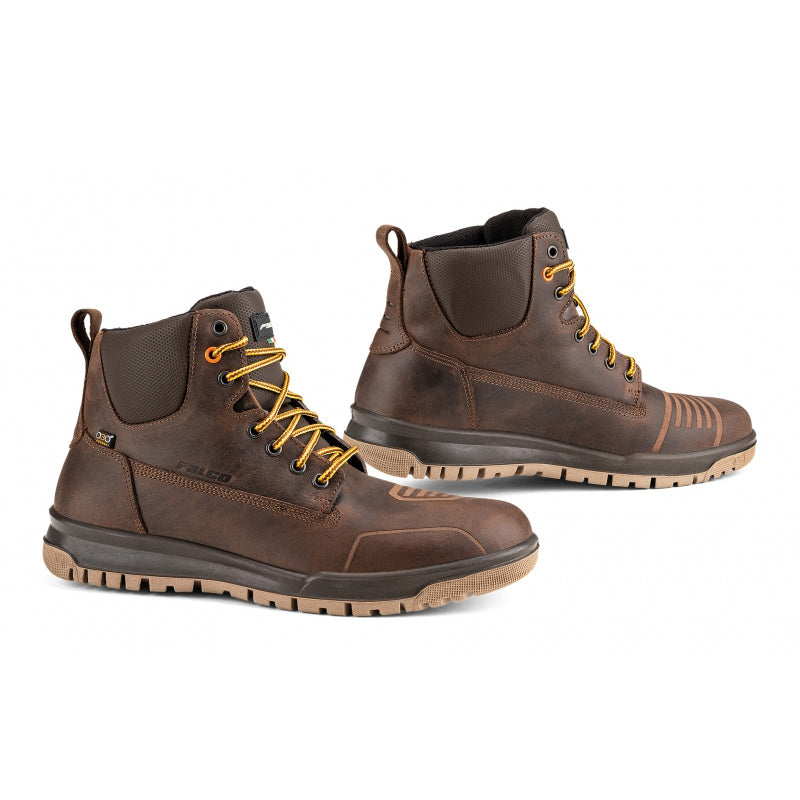
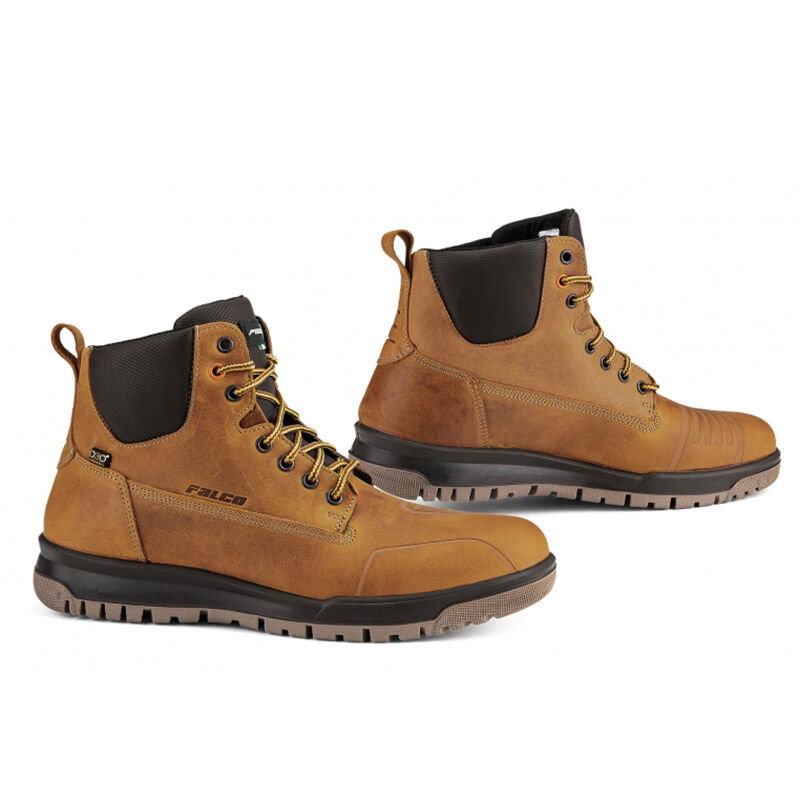
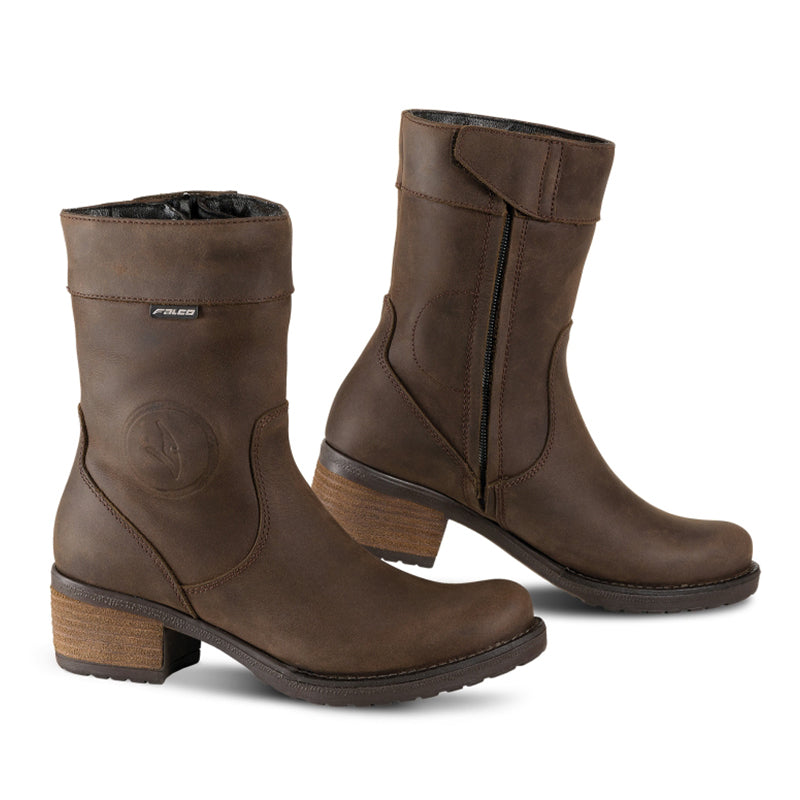
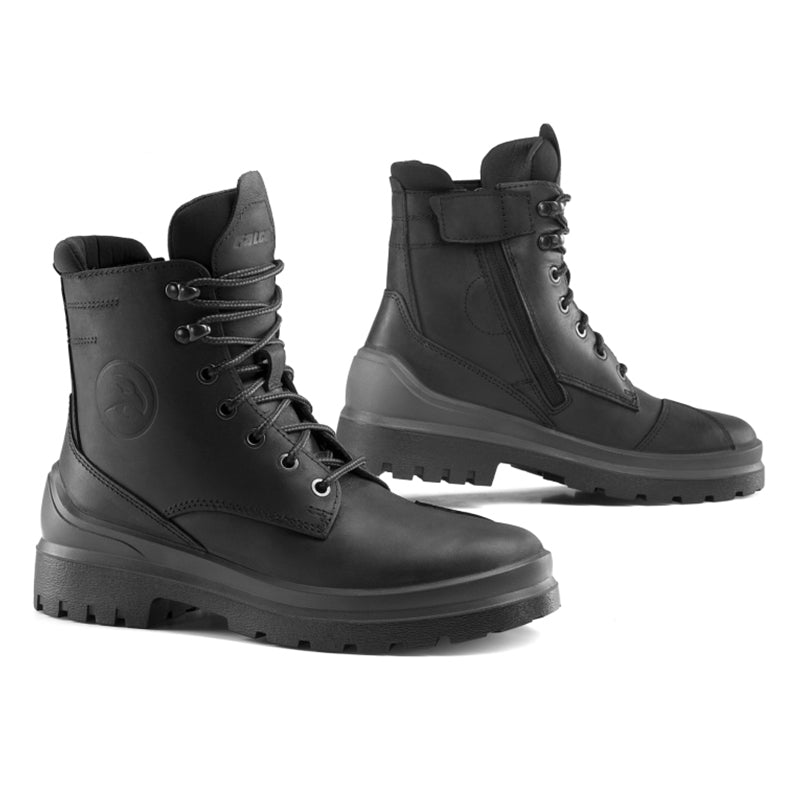
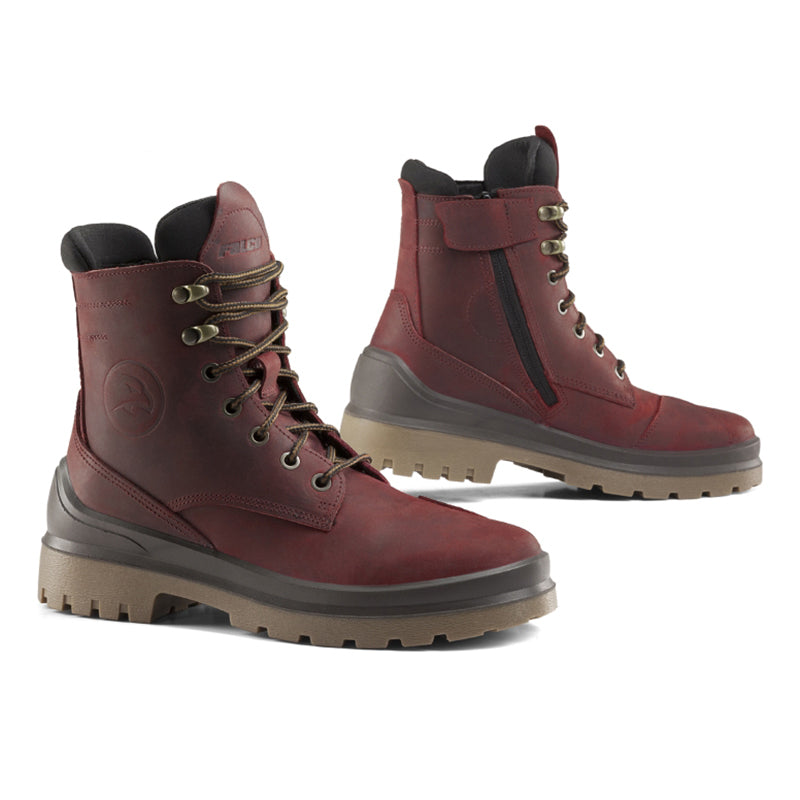
Cruiser and classic boots (RRP $200 to $400) for riders who want leather styling with actual protection underneath. The Falco Aviator at RRP $399.95, Falco Patrol at $279.95, Falco Marshall at $399.95, and the Merlin Hawkins Urban WP D3O at $249.95. Oiled leather uppers, Vibram-pattern soles, D3O or moulded ankle cups, CE EN 13634 Level 1 typical at this price. Trade-off: most leather cruiser boots are not waterproof unless they specifically say WP or D3O membrane. Mid-shin height at best. Looks right on a Triumph or a Harley, protects better than RM Williams. See the cruiser boots collection for the full line-up.
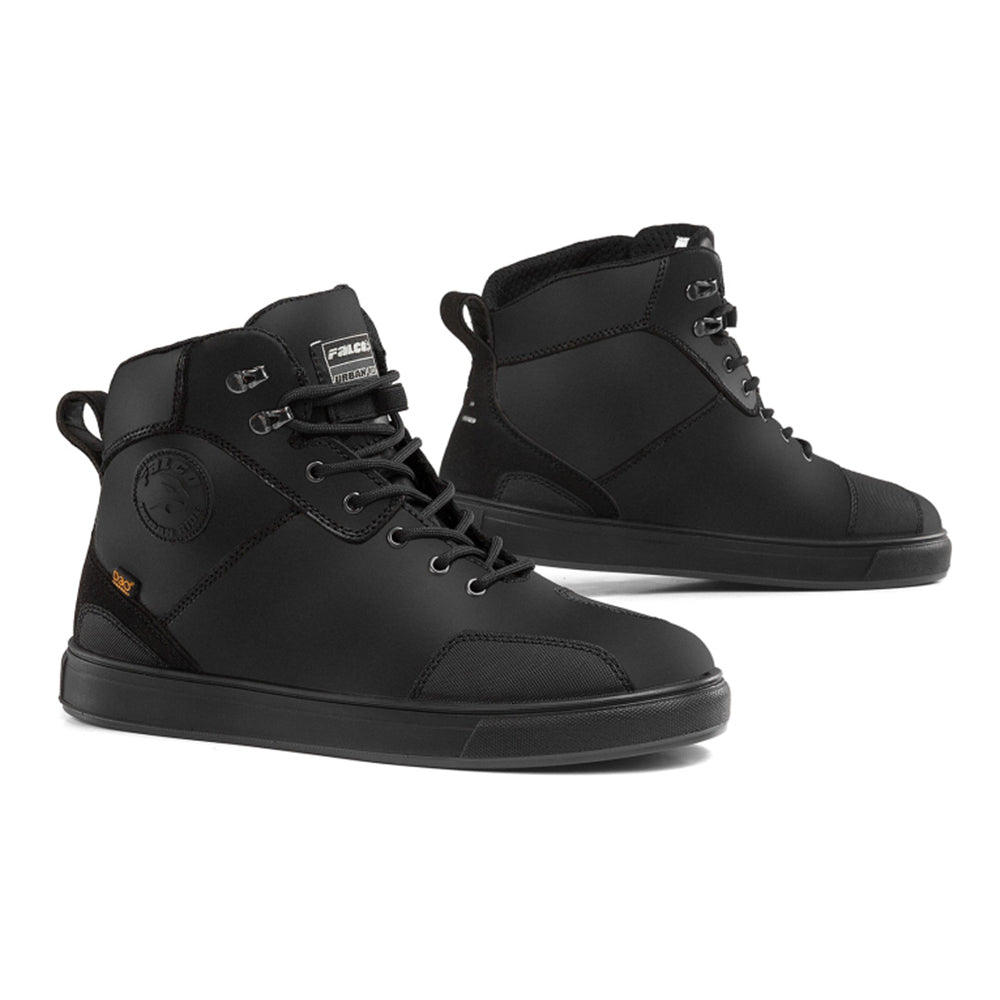
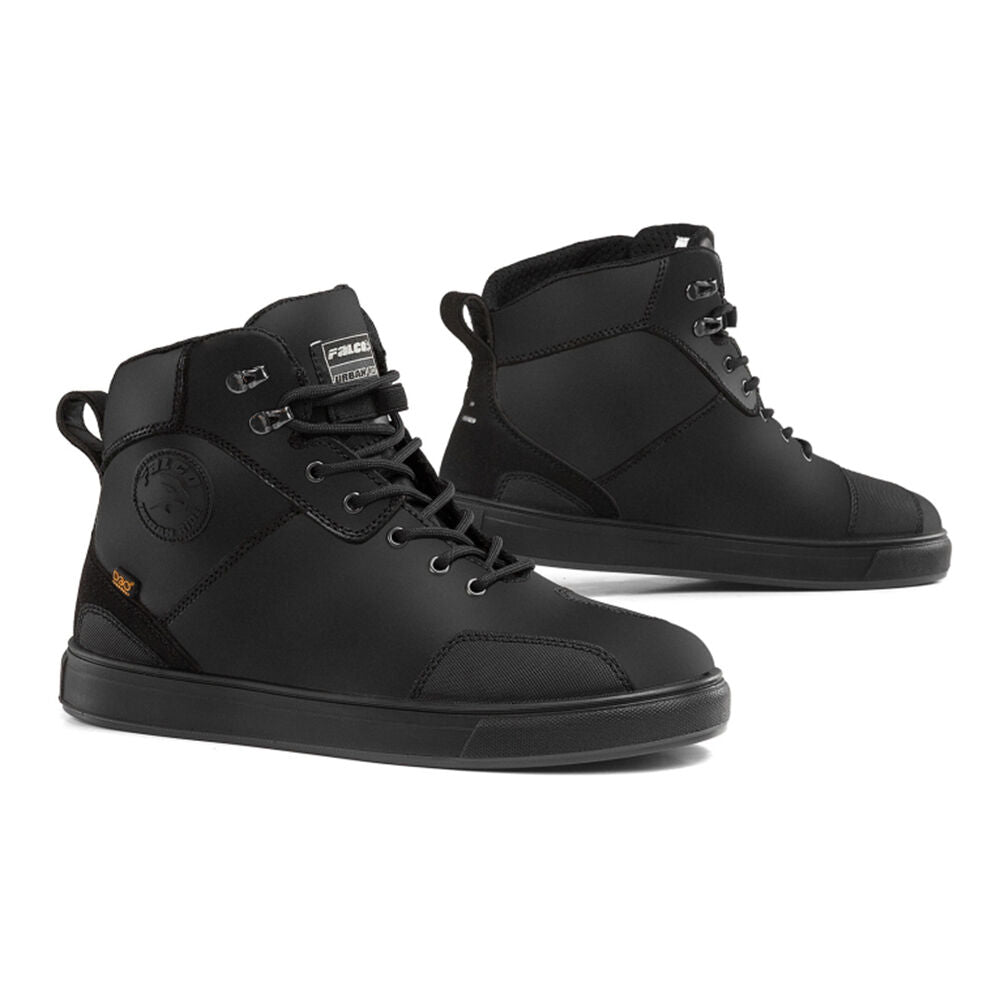
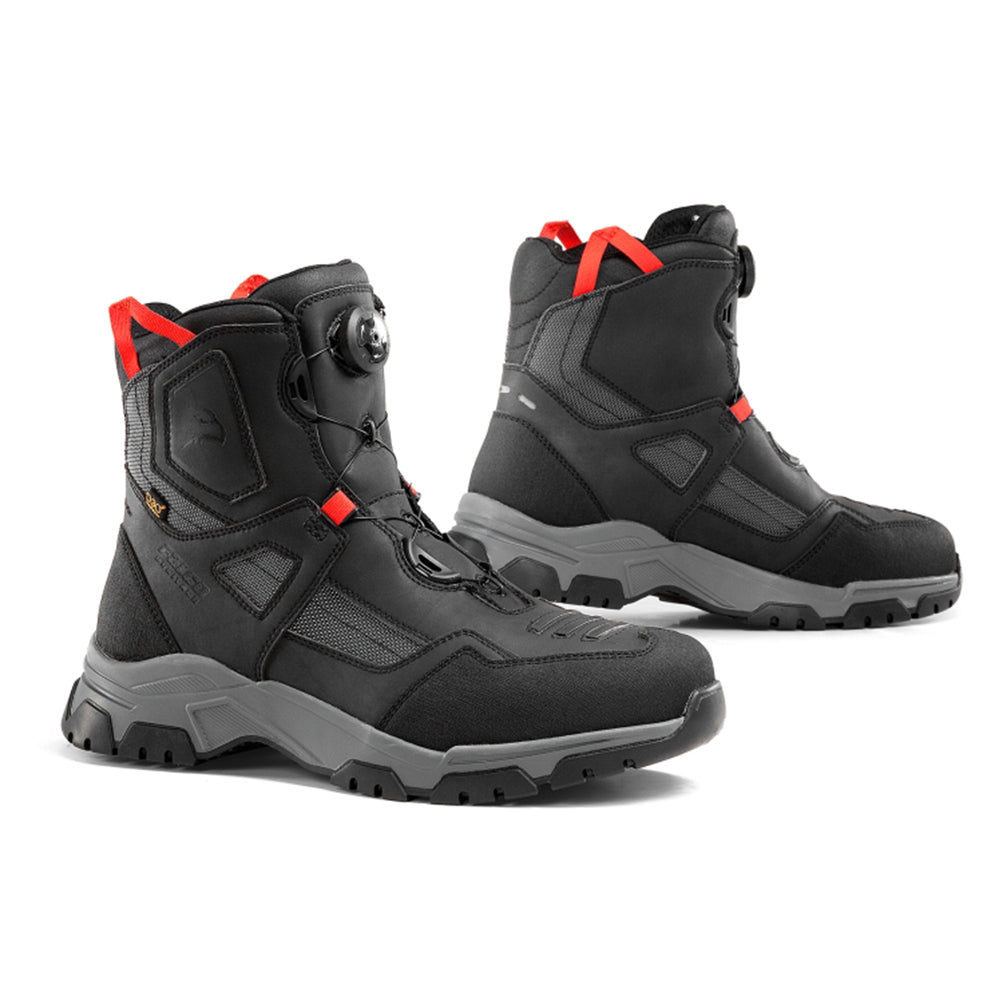
Short boots and riding shoes (RRP $180 to $330) for commuters, lane-splitters, and cafe racer riders who want to walk into the office looking normal. The TCX Street 3 WP at RRP $239.95, TCX Dartwood WP at $299.95, Falco Airforce at $219.95, Falco Kaspar at $329.95, plus the Shark Shorty at $169 and Shark Sporty at $199.95 at the budget end. Look like sneakers or Chelsea boots. Hidden ankle cup, reinforced toe, oil-resistant sole, some with Gore-Tex or equivalent membrane. CE EN 13634 Level 1 typical. Trade-off, and it is a real one: the shaft ends at or below the ankle bone, so a sideways slide exposes the whole shin. These protect the foot, not the leg. Do not wear them on a 600km weekend. Do wear them every day to work.
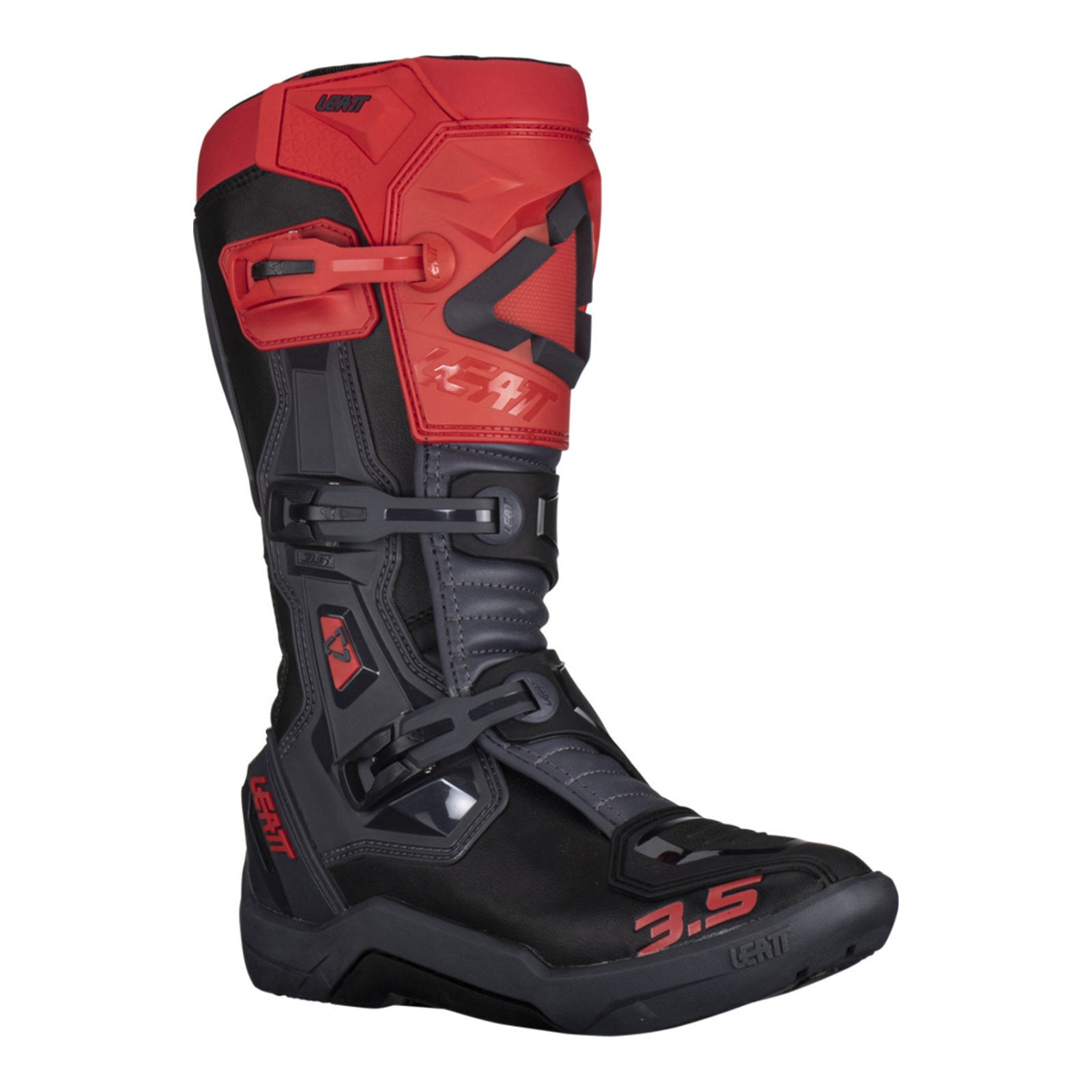
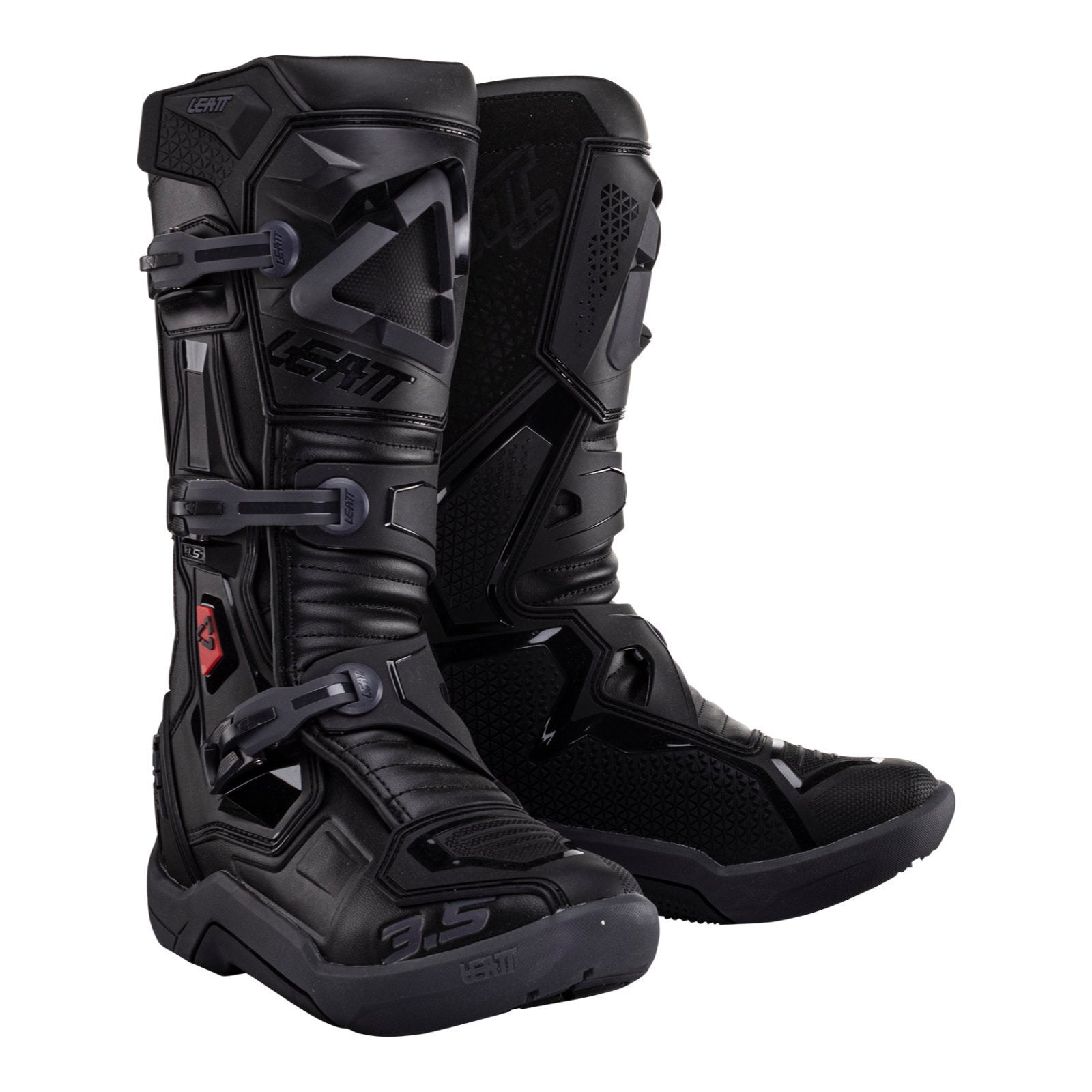
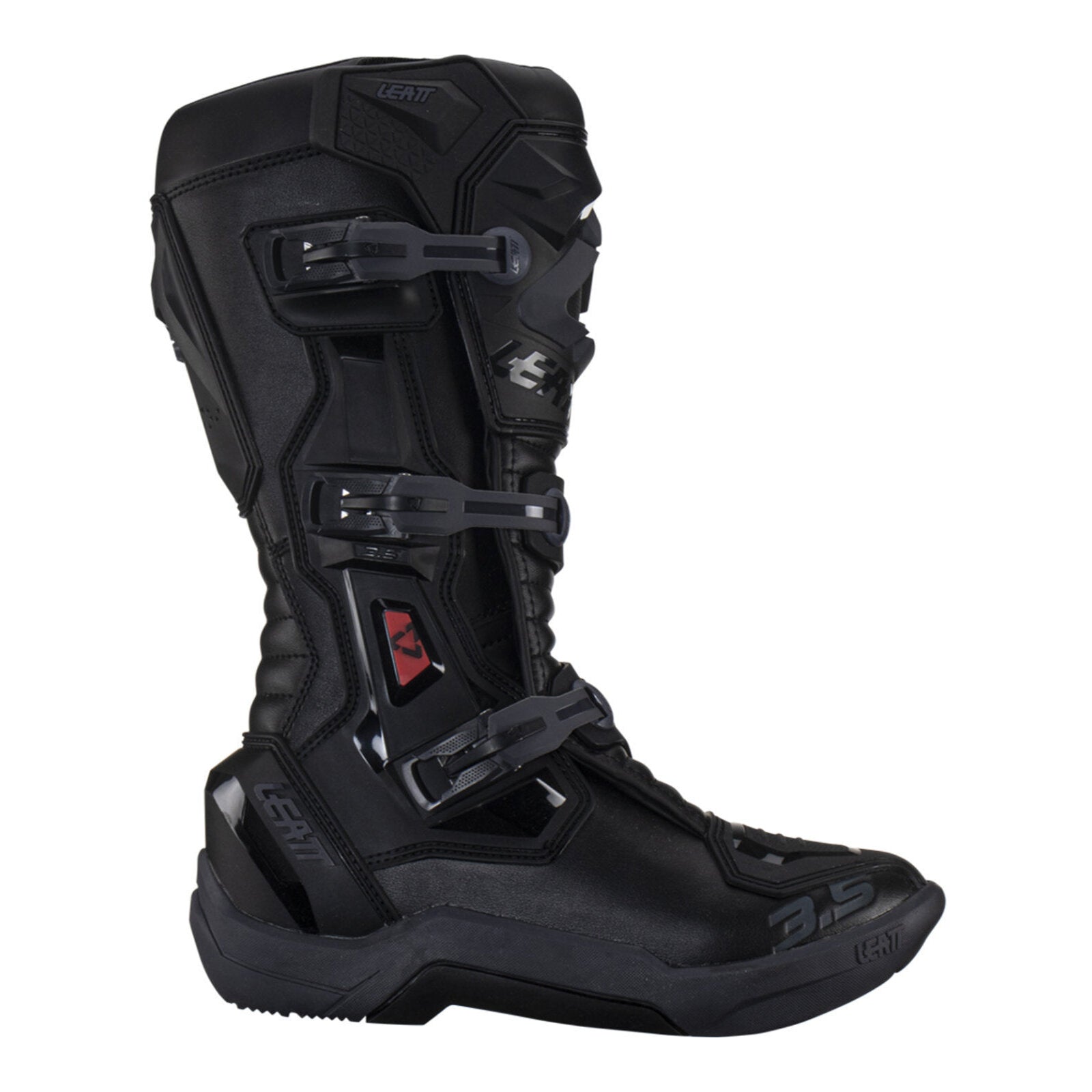
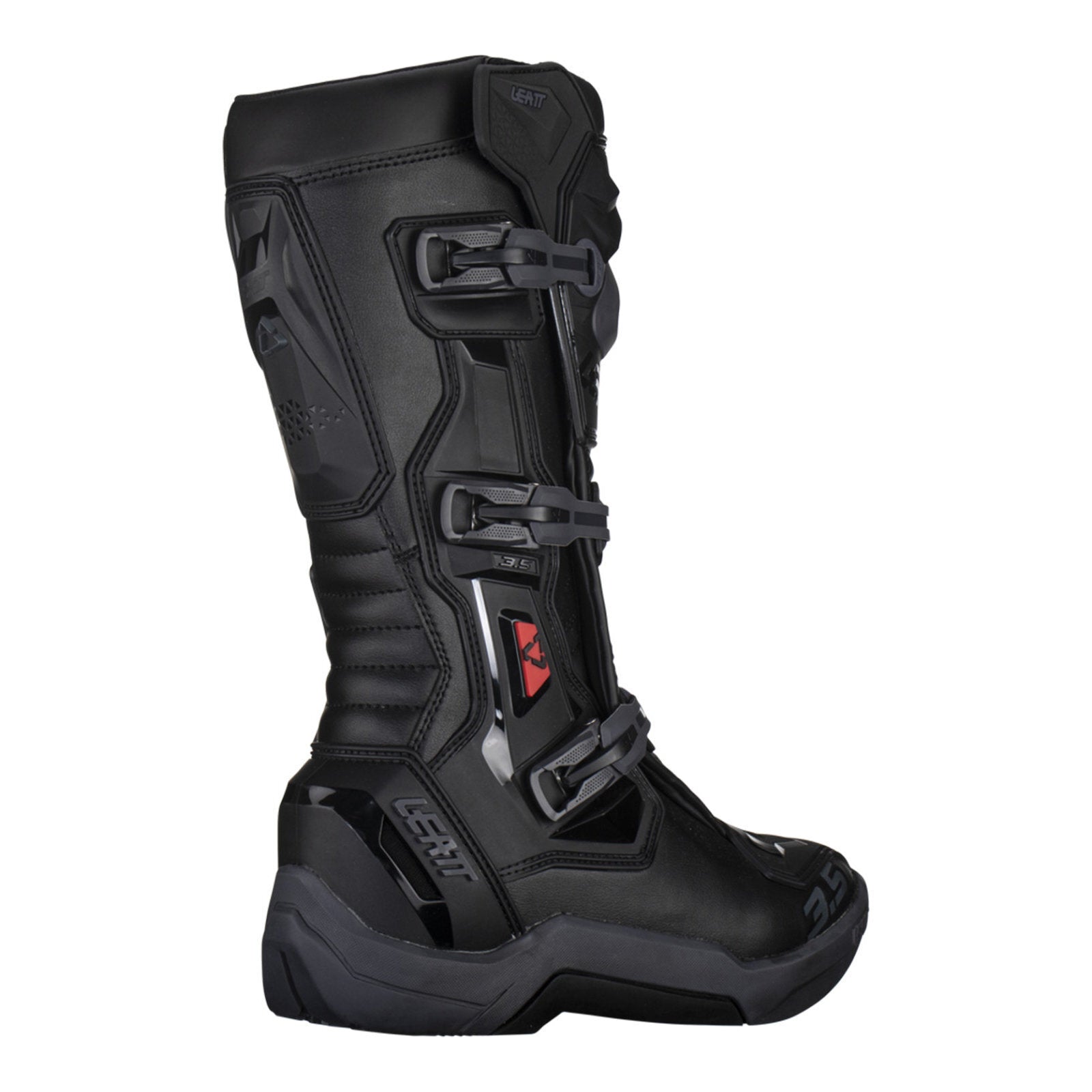
Motocross and enduro boots (RRP $400 to $700) for dirt-specific riding. The Leatt 3.5 at RRP $399.99, Leatt 4.5 at $499.99, and Leatt 5.5 FlexLock at $699.99. TPU and polymer shell, metal shin plate, four-buckle closure, internal ankle brace, stiff sole designed for peg grip and kick-starting. Tested to EN 13634 where applicable plus ASTM F2413 and brand-specific impact testing. Trade-off: the stiff sole and tall shaft kill feel on a road shifter, and they are miserable to walk any distance in past the pits. Legal to ride on road in Australia, but not what the boot was built for.
CE EN 13634 explained: what motorcycle boot certification actually tests
Most riders do not know how to read a boot certification label. Here is the short version, tested 2026.
EN 13634:2017 is the European standard every road-legal motorcycle boot in our range is tested against. It runs four separate tests, and the boot gets a Level 1 or Level 2 rating in each area independently. A boot can score Level 2 on abrasion and Level 1 on cut resistance. The label looks like a grid: H (height), A (abrasion), R (rigidity), C (cut), each followed by 1 or 2.
Boot height (H). Level 1 means the shaft reaches at least 162mm above the heel for a size 42. Level 2 means 178mm, which covers the ankle bone properly and part of the shin. Short boots and riding shoes sit at or below Level 1 height, which is why the sport tier above exists.
Impact abrasion (A). A rotating abrasive drum tests the upper leather for how long it resists a 70km/h slide before the abrasive breaks through. Level 1 is 5.0 seconds. Level 2 is 12.0 seconds, roughly 2.4 times more abrasion protection for the same crash.
Transverse rigidity (R). The boot is compressed side-on with 1,000N of force (Level 1) or 1,500N (Level 2) to test whether it crushes your foot when the bike lands on top of it. This is the test most cheap import boots quietly skip. The bike weighing 200kg does not.
Impact cut resistance (C). A falling blade strikes the upper at 2.8 metres per second. The test measures the cut length through the leather. Level 1 caps it at 25mm, Level 2 at 15mm. This is the test that separates a riding boot from a work boot. Work boots do not have to pass it.
Ankle injuries are under-appreciated in crash statistics. Talus fractures, Achilles ruptures and growth-plate injuries in younger riders are all common in sub-50km/h tip-overs where the rider's ankle gets trapped between the bike and the road. A CE EN 13634 Level 2 boot is tested for exactly that load, 1,500 newtons pressing sideways on your foot. A Blundstone is not.
Why we stock what we stock. Shark Leathers started in a garage on the Gold Coast, because one of us had learned the hard way what happens when gear does not do the job. Matthew was 19. The bike went down. Twenty years on, every pair of motorcycle boots we stock gets judged the same way: would we put them on one of our own? Full story at our story.
Motorcycle boots comparison by riding type
| Type | Stocked example | Material | CE EN 13634 | Waterproof | RRP band | Best for |
|---|---|---|---|---|---|---|
| Touring / ADV | TCX Blend 2 WP | Full-grain leather, waterproof membrane | Level 2 across all areas | Yes | $250 to $650 | Long-distance, wet weather, dual-sport |
| Sport / race | TCX RT-Race | Microfibre, TPU shell, toe sliders | Level 2 across all areas | No | $500 to $1,200 | Track days, canyon riders |
| Cruiser / classic | Falco Aviator | Oiled leather, D3O ankle | Level 1 on most, Level 2 on top-tier Falco | Most styles no, Merlin WP D3O yes | $200 to $400 | Cruisers, retro bikes, street style |
| Short / riding shoe | TCX Street 3 WP | Leather or microfibre, hidden ankle cup | Level 1 (Level 2 on TCX Street 3 WP) | Gore-Tex options in TCX range | $180 to $330 | Commuters, lane splitters, cafe racers |
| Shark own-brand short | Shark Sporty | Leather upper, reinforced ankle, oil-resistant sole | Basic ankle-cup construction, not CE-labelled | No | $169 to $199.95 | Entry commuter, budget short boot |
| Motocross / enduro | Leatt 5.5 FlexLock | TPU, polymer, metal shin plate | Tested to EN 13634 plus ASTM F2413 | HydraDri variants yes | $400 to $700 | Road-legal but built for dirt, bad for commuting |
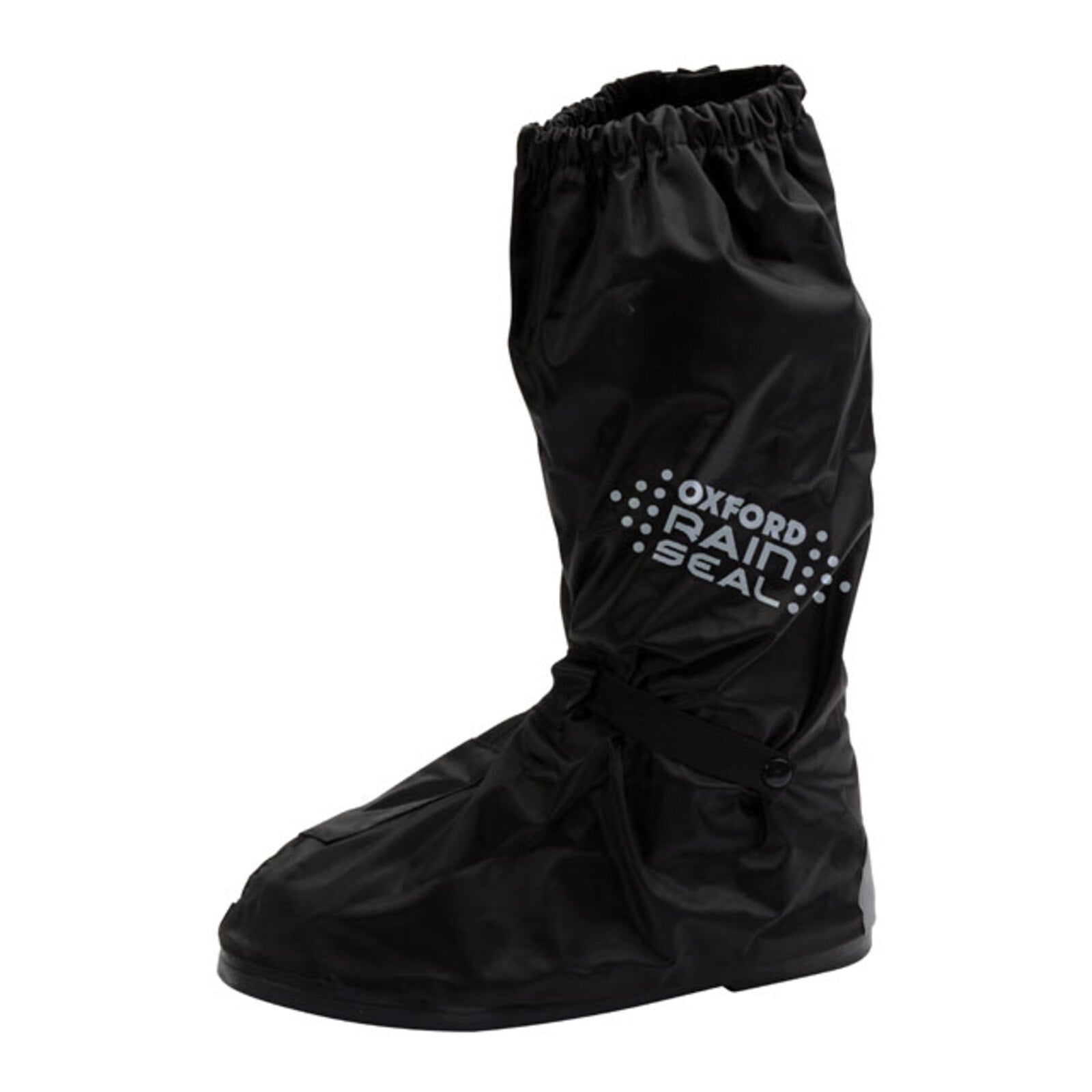
| Overboot / commuter cover | Oxford Rainseal Overboots | Taped-seam rubberised fabric | Not CE rated (accessory) | Yes | $69 to $100 | Commuters who already own non-waterproof boots |
Frequently asked questions
Motorcycle boots versus work boots, what is the actual difference?
Work boots (Blundstones, Redbacks, Steel Blue) pass AS/NZS 2210, which tests toe crush and slip resistance. They do not test transverse rigidity, cut resistance or impact abrasion, which are the three things a motorcycle crash loads into a boot. A Blundstone will hold up to a dropped hammer on a building site. A 200kg motorcycle landing sideways on the same ankle is a different kind of load, and the boot was never designed for it. CE EN 13634 Level 2 starts around RRP $250. Work boots are not a substitute.
Are Gore-Tex motorcycle boots worth it in Australia?
If you ride more than one day a week, yes. If you ride fair-weather weekends only, probably not. A Gore-Tex or proprietary waterproof membrane adds about 150g to 300g to the pair, traps heat above 30 degrees, and adds $80 to $150 to the RRP. In return you get dry feet through the hour of rain you did not see coming, which is every second Gold Coast summer afternoon. TCX Blend 2 WP at RRP $349.95 is a reasonable benchmark for the waterproof touring tier.
CE Level 1 versus Level 2 for boots, which do I actually need?
Level 2 if you ride on roads where the speed limit is above 80km/h. The abrasion test difference is 5.0 seconds (Level 1) versus 12.0 seconds (Level 2) against the same abrasive drum, meaning Level 2 resists 2.4 times the slide at 70km/h before the boot breaks down. Level 1 is fine for urban commuting under 60km/h where slide distance is shorter. It is not fine for a Sunday run up the Oxley.
How should a motorcycle boot fit?
Snug in the heel with no slipping on the up-stroke. Toe box should have 5mm to 10mm of space in front of your longest toe when standing. Ankle cups should sit on the bone, not above or below. Calf circumference matters for tall boots: most Italian lasts run narrow, so riders with heavy calves (farm, gym, rugby) often size up one full EU size in the shaft and lace accordingly. Try them on late in the day when feet are swollen, not first thing in the morning.
Can I wear sneakers on a motorcycle?
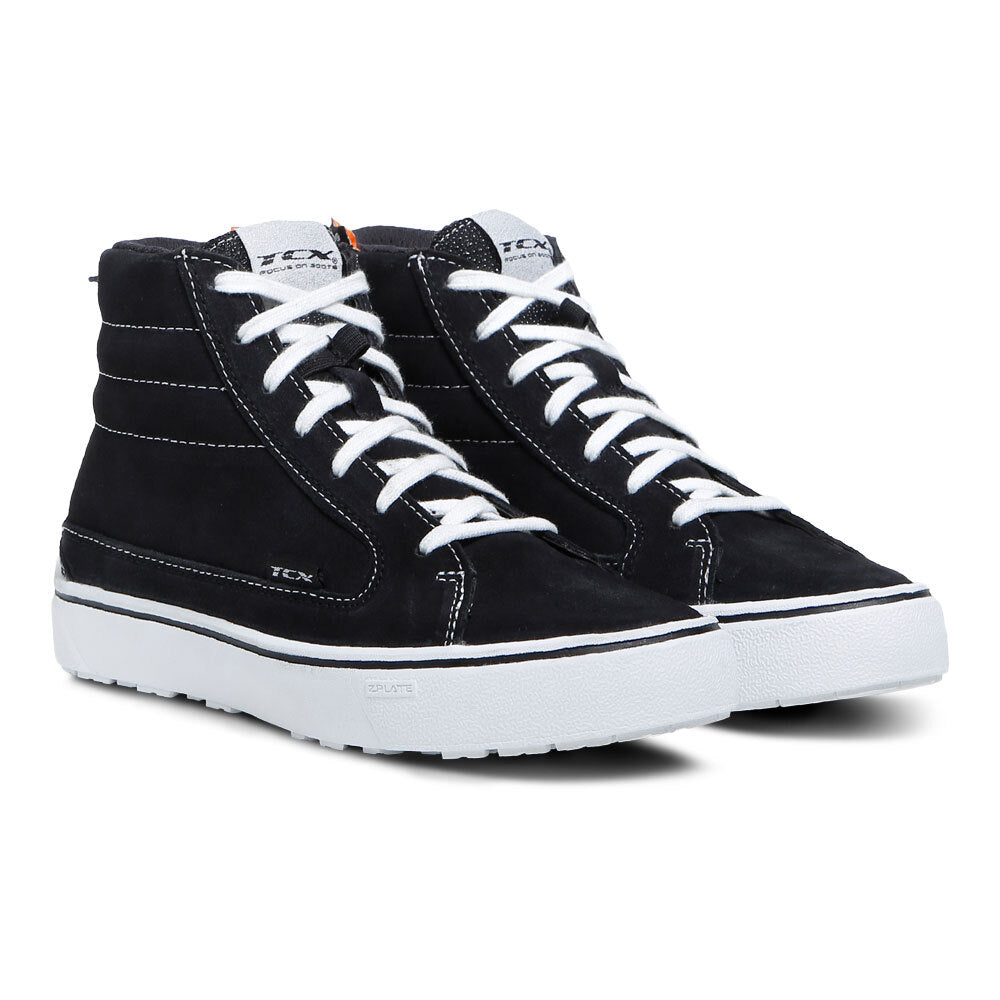
Not if you want your ankle to work the same way after a crash. Sneakers have no lateral support, no toe reinforcement, and pass no abrasion test. The laces wrap around pegs and shift levers mid-manoeuvre. The soft sole slips off a wet footpeg in seconds. Riders who want the sneaker look without the consequences should look at TCX Street 3 Air or Falco Starboy 3, which are riding shoes built to CE EN 13634 Level 1 with hidden ankle cups and secured-lace systems.
How long do motorcycle boots last?
Upper leather and outer shell: 5 to 8 years with regular use, assuming no crash damage. Sole: 30,000 to 60,000km depending on riding style and whether you walk in them off the bike. Waterproof membrane: 3 to 5 years before pinholes develop on the flex points. If a boot takes a crash slide, inspect the abrasion zones (outer ankle, toe, heel). Any exposed stitching or scuffed-through leather means the boot has done its job. Replace it.
The short version. If you commute under 60km/h in mild weather, the Shark Shorty at RRP $169 or a TCX Street 3 WP at $239.95 gets the job done. If you ride highways in any weather, jump to an EN 13634 Level 2 touring boot like the TCX Blend 2 WP at $349.95 and never look back. Never ride sneakers. Never trust a Blundstone.
Frequently asked questions
Motorcycle boots versus work boots, what is the actual difference?
Work boots pass AS/NZS 2210, which tests toe crush and slip resistance. They do not test transverse rigidity, cut resistance or impact abrasion, which are the three things a motorcycle crash loads into a boot. CE EN 13634 Level 2 is the motorcycle boot standard and starts around RRP $250. Work boots are not a substitute.
Are Gore-Tex motorcycle boots worth it in Australia?
If you ride more than one day a week, yes. A waterproof membrane adds about 150g to 300g per pair and $80 to $150 to the RRP. In return you get dry feet through the hour of rain you did not see coming, common on Australian coastal roads. TCX Blend 2 WP at RRP $349.95 is a benchmark for the waterproof touring tier.
CE Level 1 versus Level 2 for motorcycle boots, which do I need?
Level 2 if you ride roads above 80km/h. The abrasion test is 5.0 seconds for Level 1 versus 12.0 seconds for Level 2 against the same abrasive drum, meaning Level 2 resists 2.4 times the slide before the boot breaks down. Level 1 is adequate for urban commuting under 60km/h.
How should a motorcycle boot fit?
Snug in the heel with no slipping on the up-stroke. Toe box should have 5mm to 10mm of space in front of the longest toe. Ankle cups should sit on the bone. For tall boots, Italian lasts run narrow in the calf, so riders with heavy calves often size up one full EU size in the shaft. Try them on late in the day when feet are swollen.
Can I wear sneakers on a motorcycle?
Not if you want your ankle to work the same way after a crash. Sneakers have no lateral support, no toe reinforcement, and pass no abrasion test. The laces wrap around pegs and shift levers. Look at TCX Street 3 Air or Falco Starboy 3 instead, which are riding shoes built to CE EN 13634 Level 1 with hidden ankle cups.
How long do motorcycle boots last?
Upper leather: 5 to 8 years with regular use. Sole: 30,000 to 60,000km depending on use. Waterproof membrane: 3 to 5 years before pinholes develop on flex points. If a boot takes a crash slide, inspect abrasion zones. Exposed stitching or scuffed-through leather means replace.