

Your motorcycle helmet is the one piece of gear that protects your brain. Everything else on the bike (jacket, pants, boots) protects your body. The lid sits at the top of the hierarchy, alone. We stock over 200 motorcycle helmets across nine brands, from $89.95 commuter open-face lids to $1,299 race-ready carbon shells. Every helmet in this collection is ECE 22.06 certified, the European standard that replaced ECE 22.05 in January 2024 with a tougher oblique rotational impact test. Nine brands. Six riding styles. One Gold Coast warehouse, family-run since 2008.
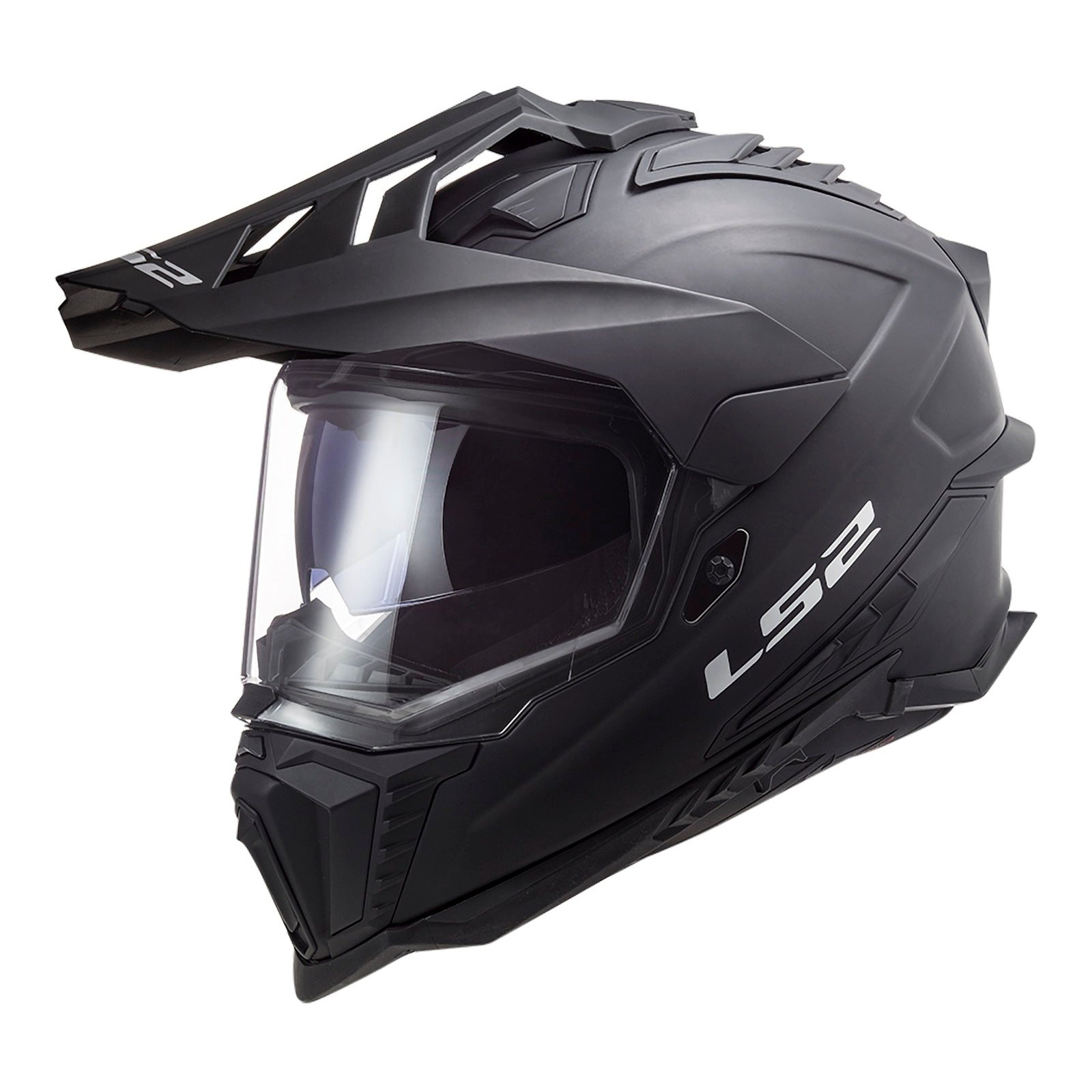
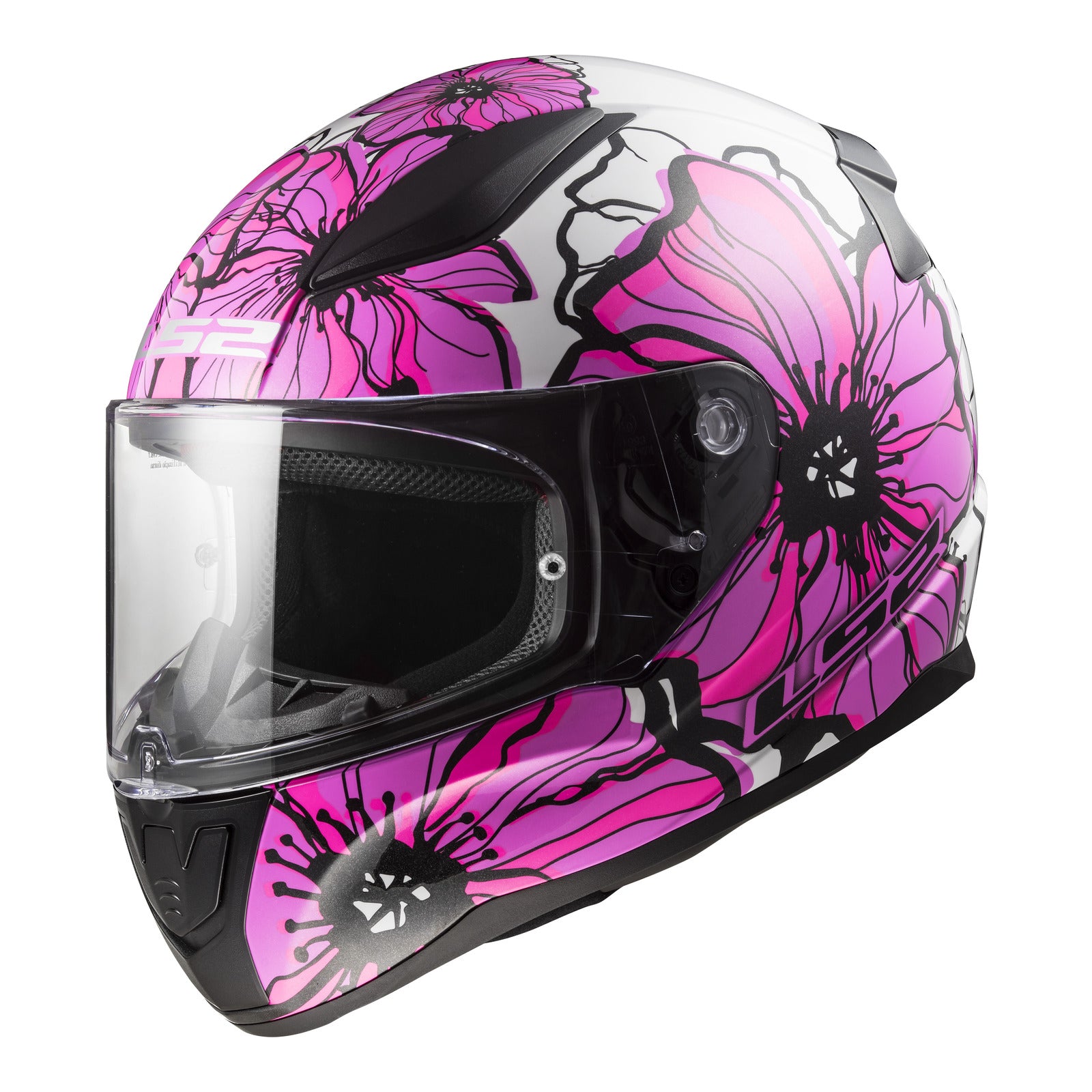
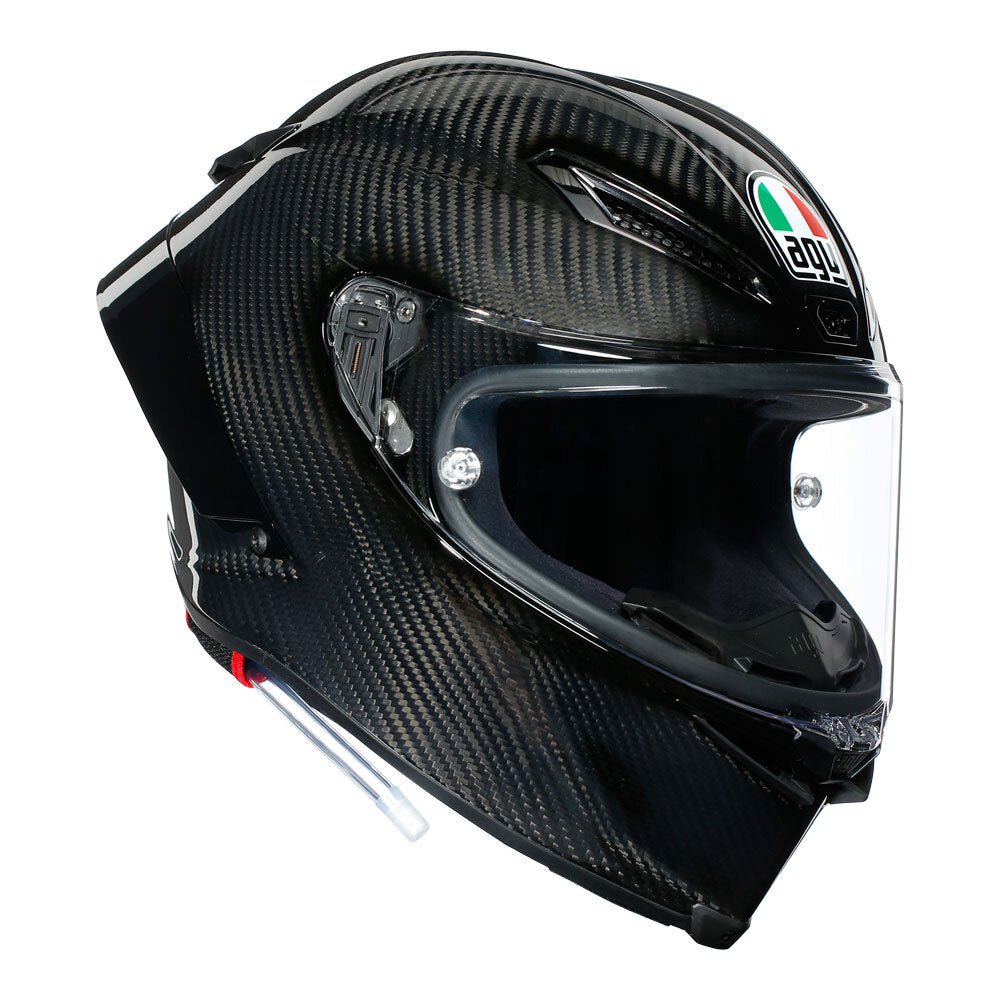
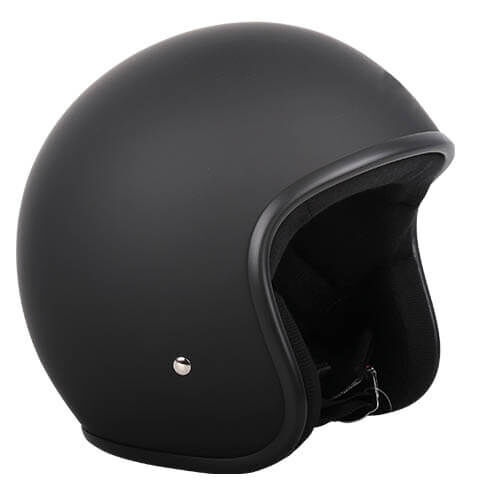
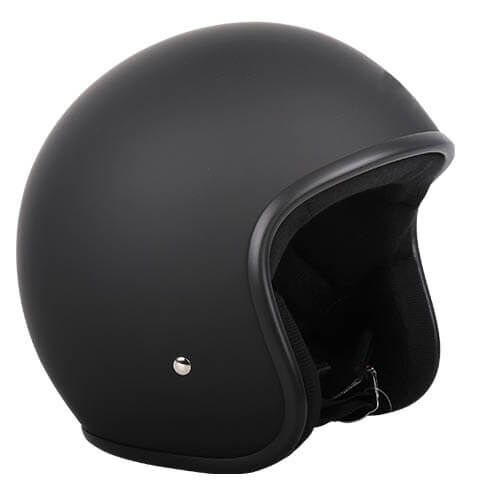
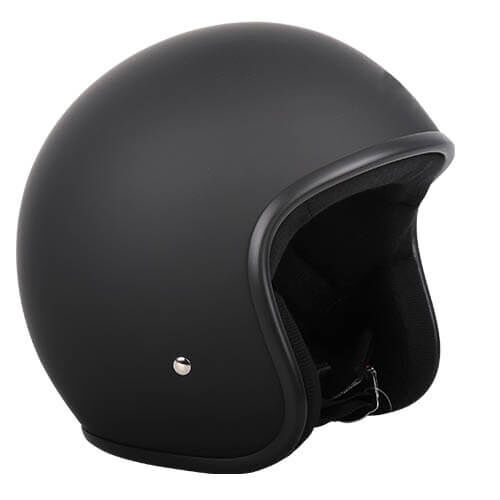
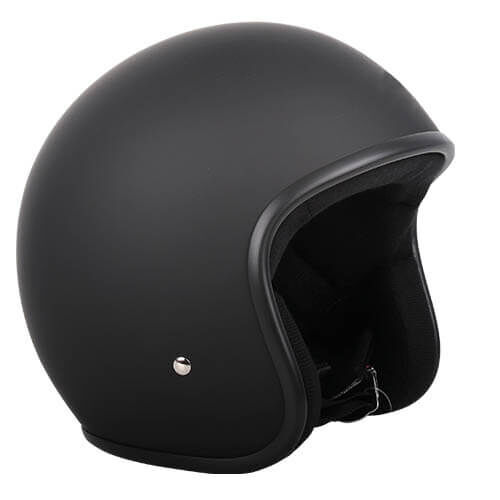
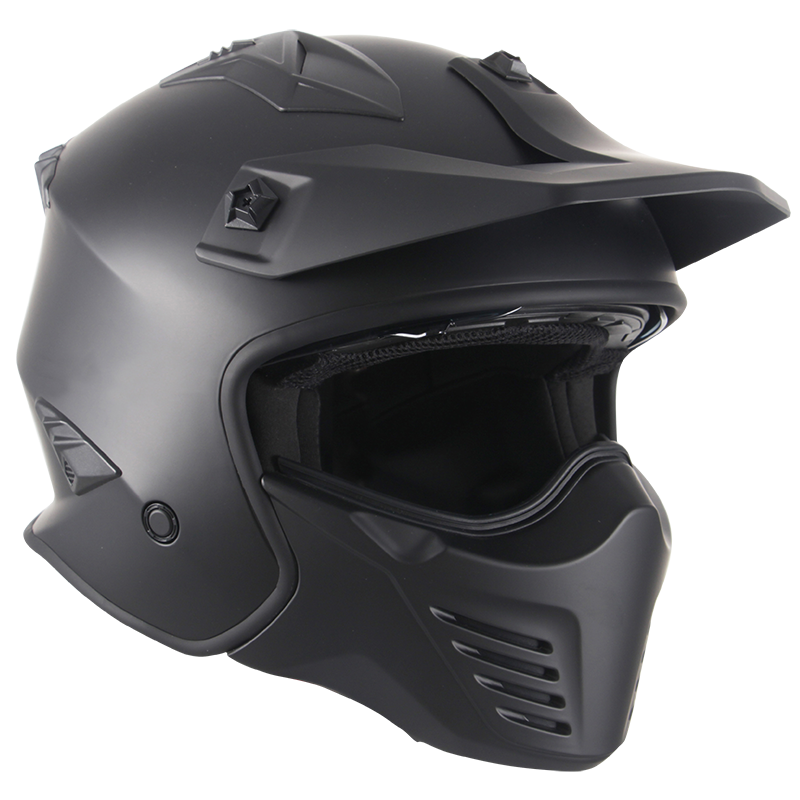
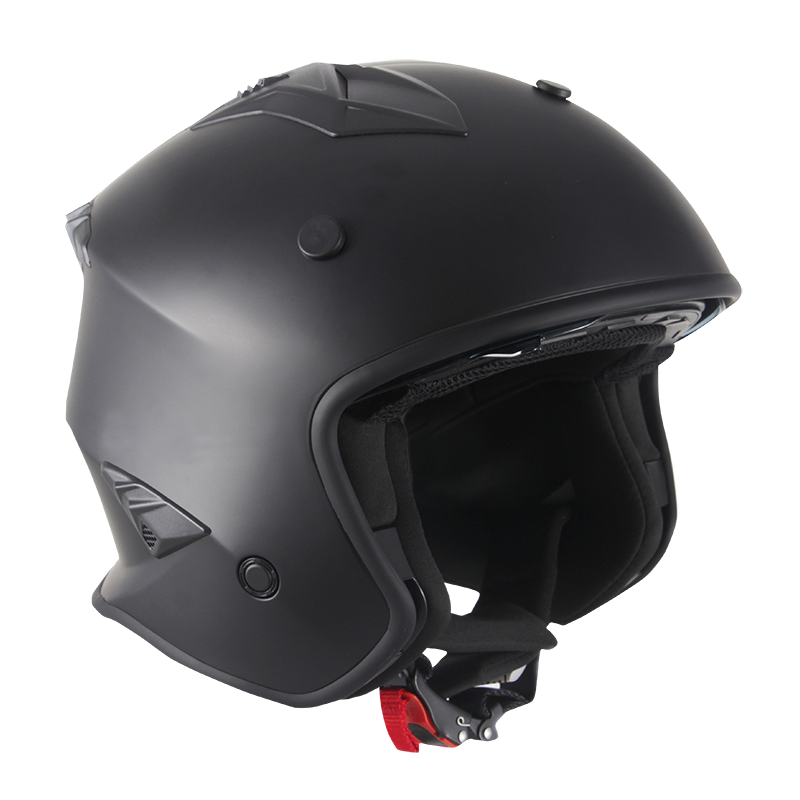
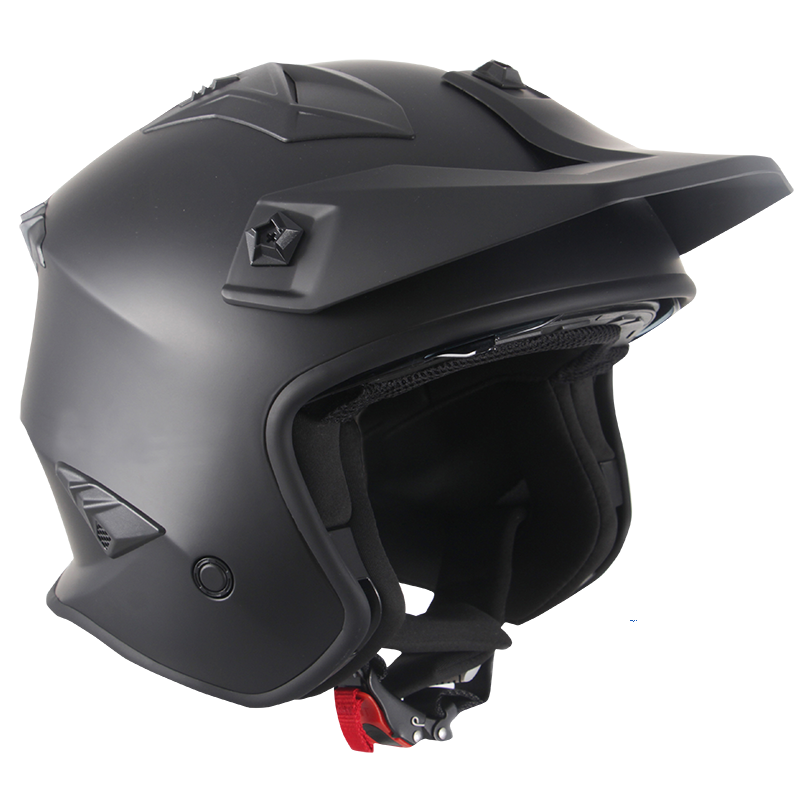
RXT LOW RIDE OPENFACE MATT BLACK
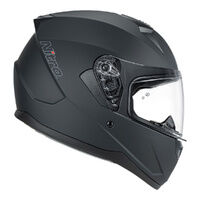
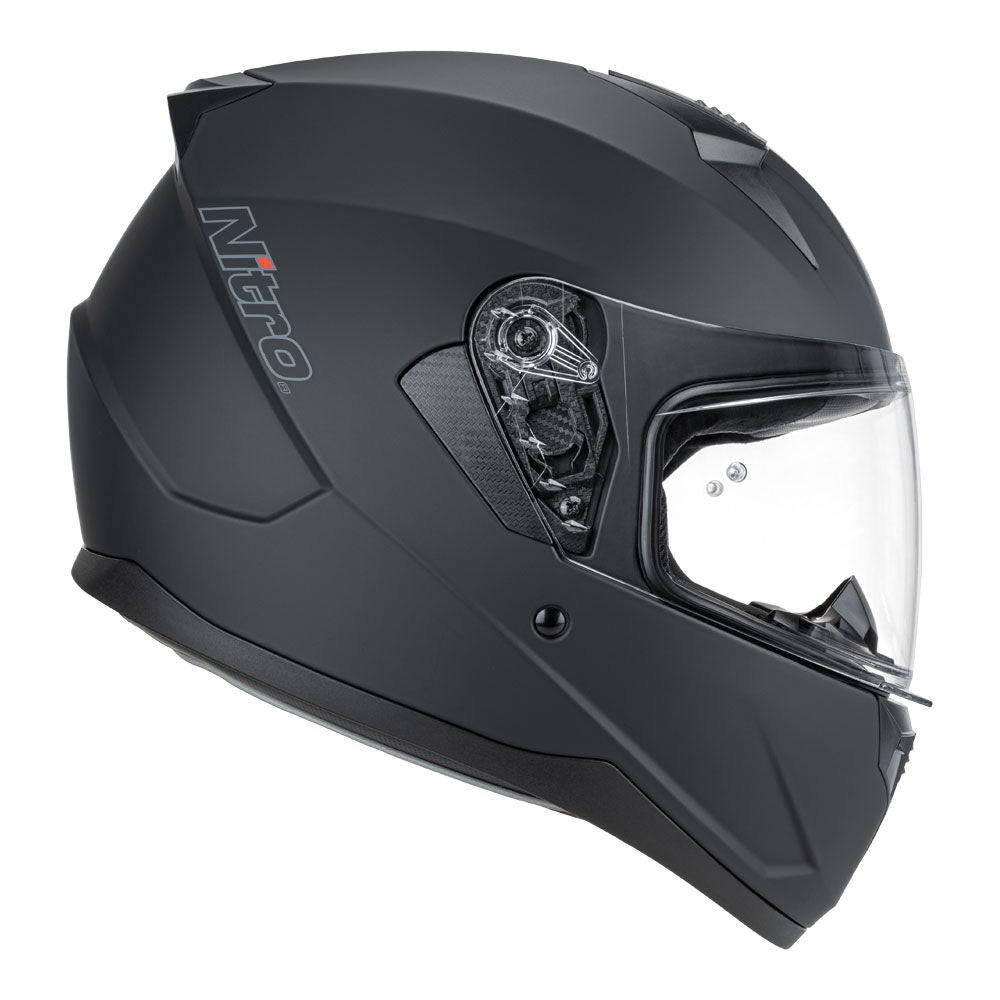
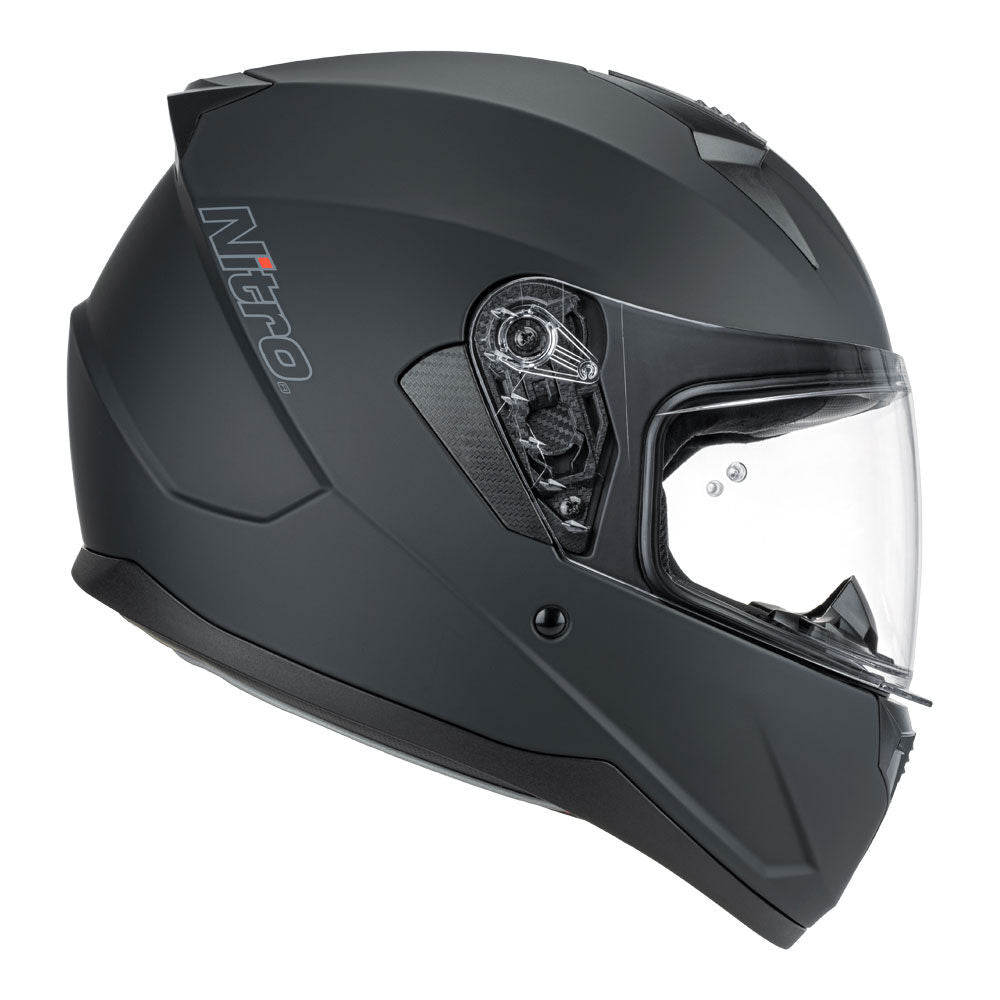
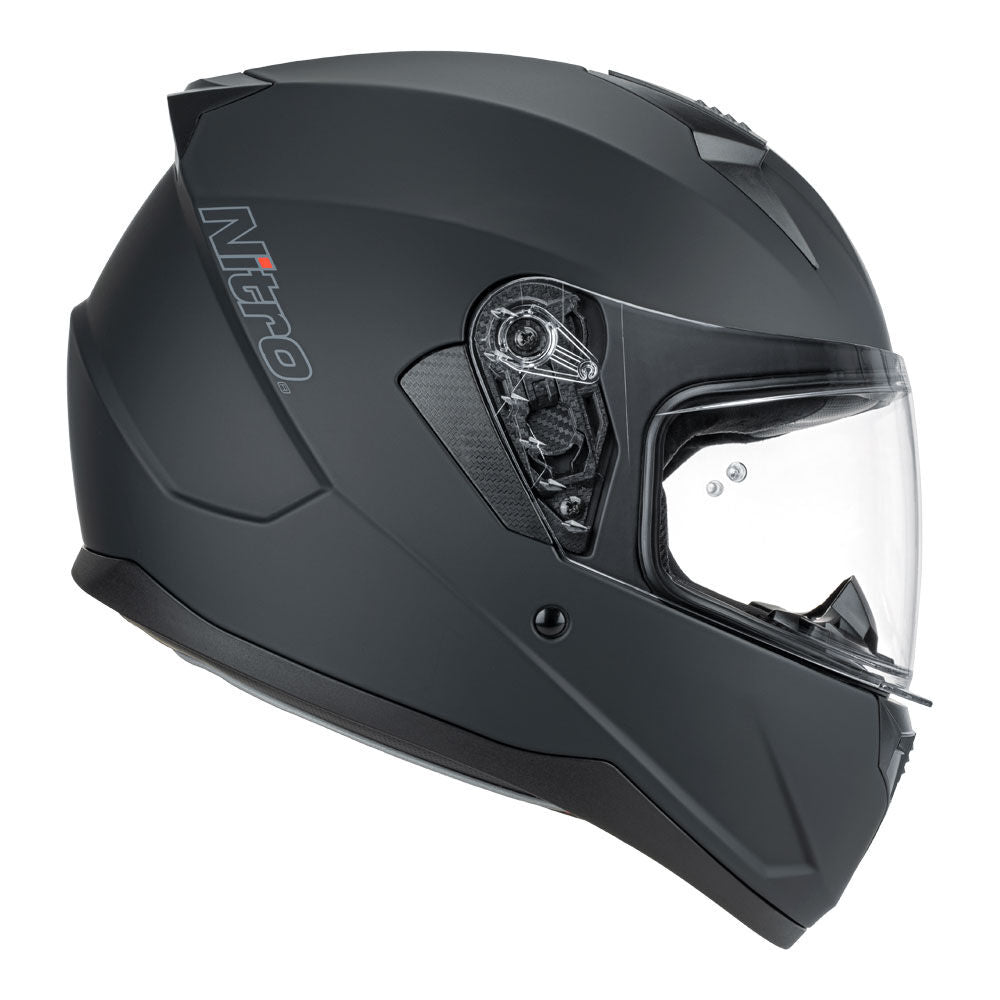
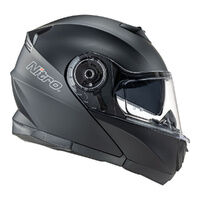
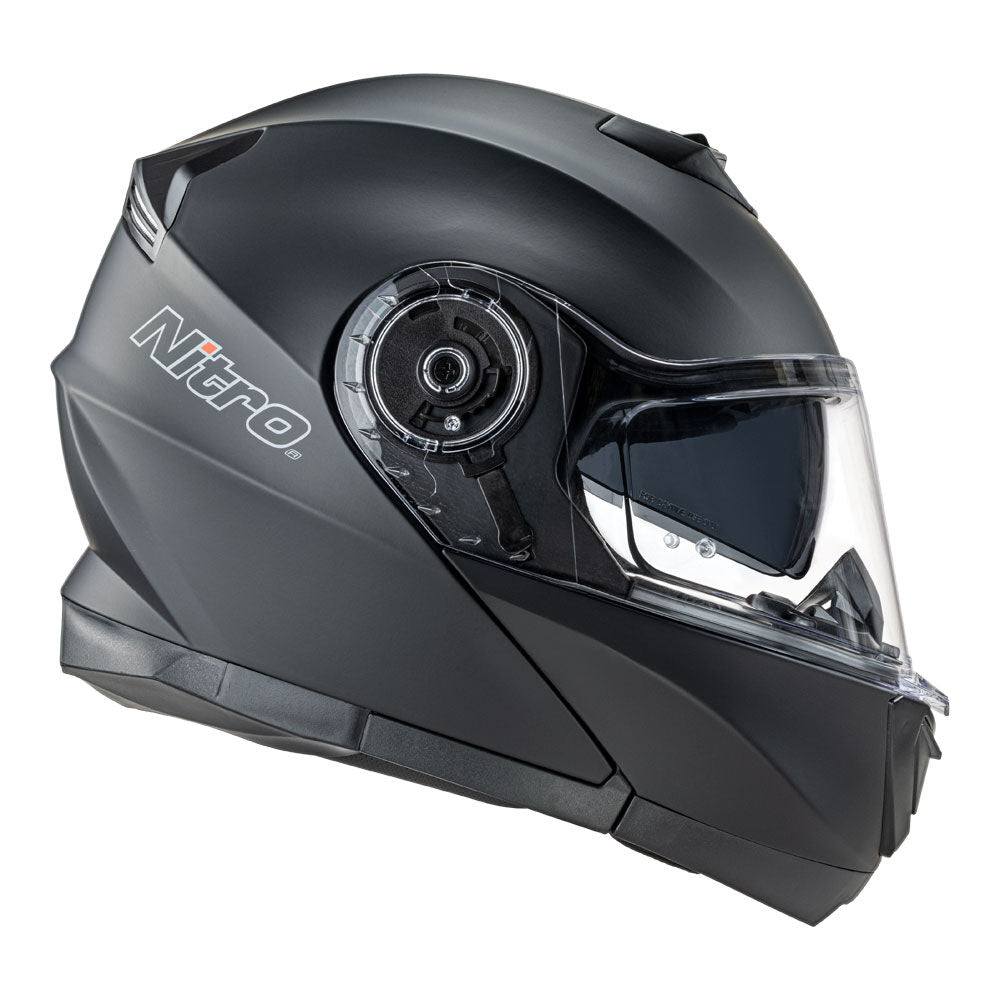
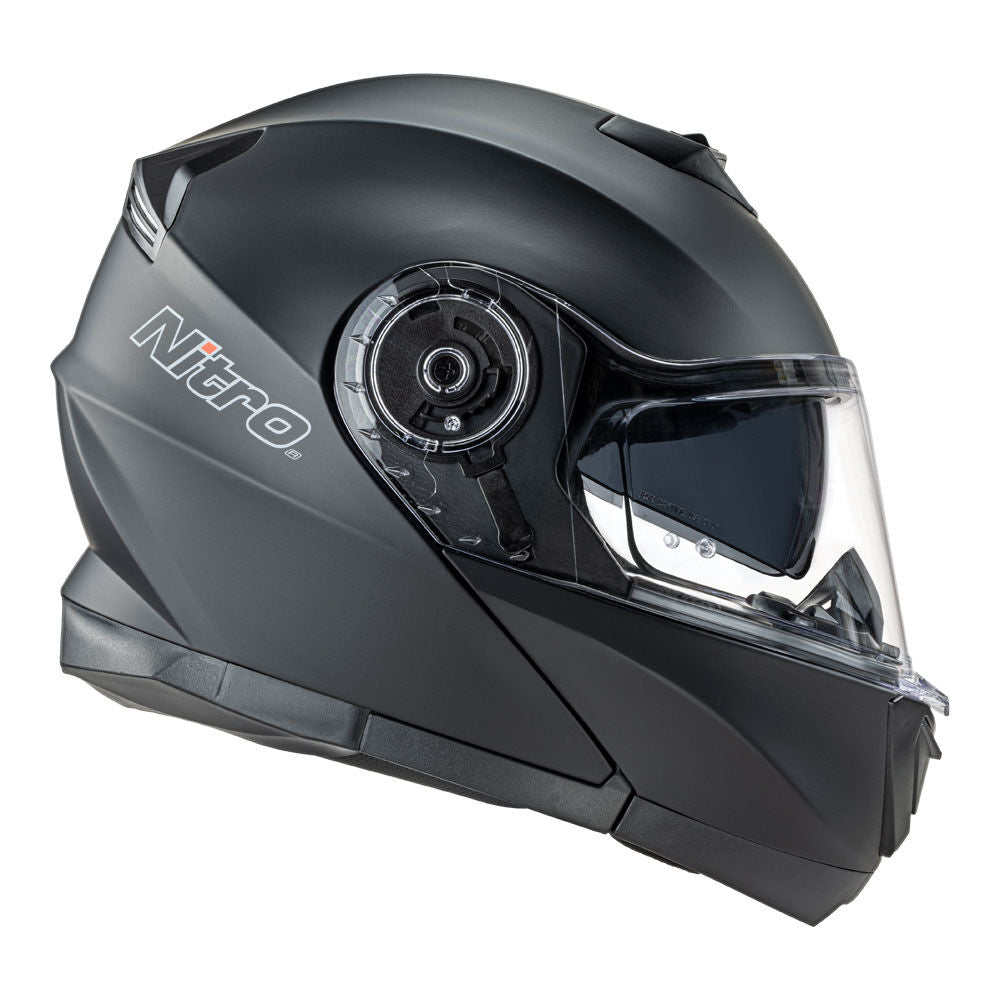
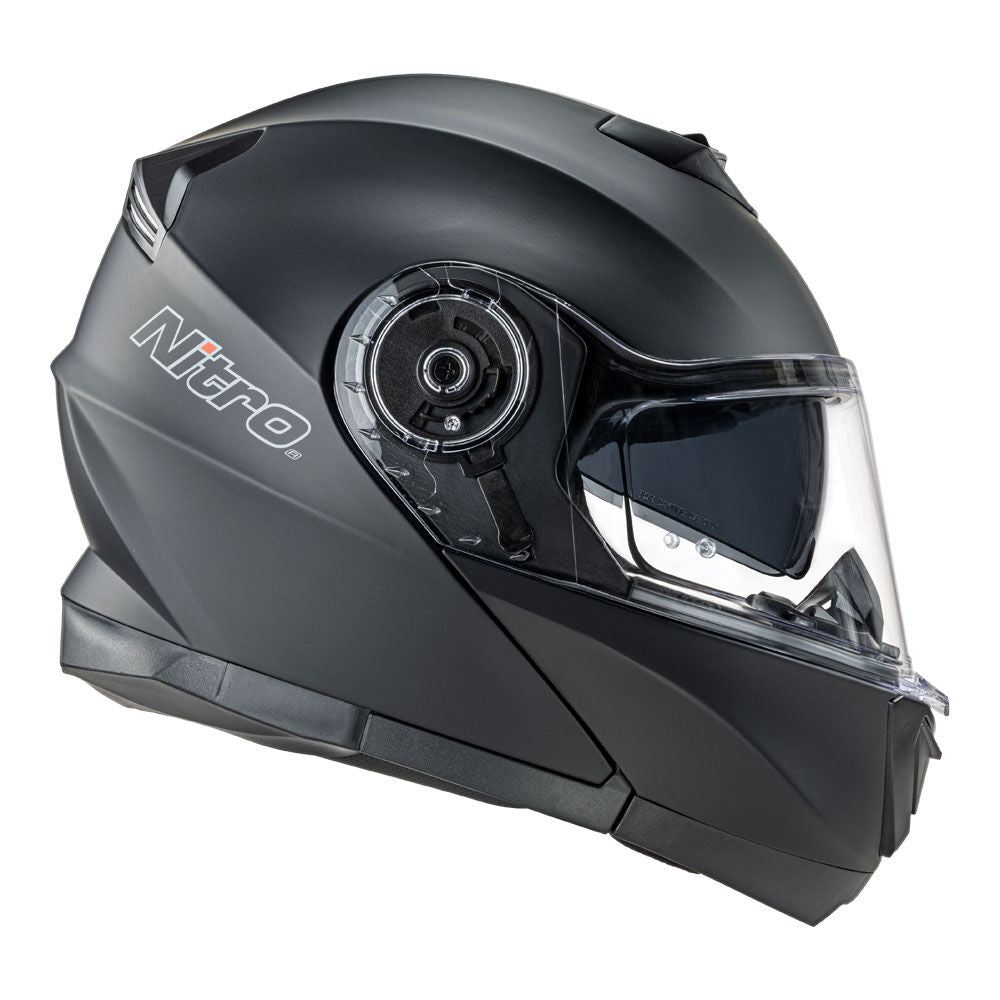
NITRO N670 FULL FACE SATIN BLK
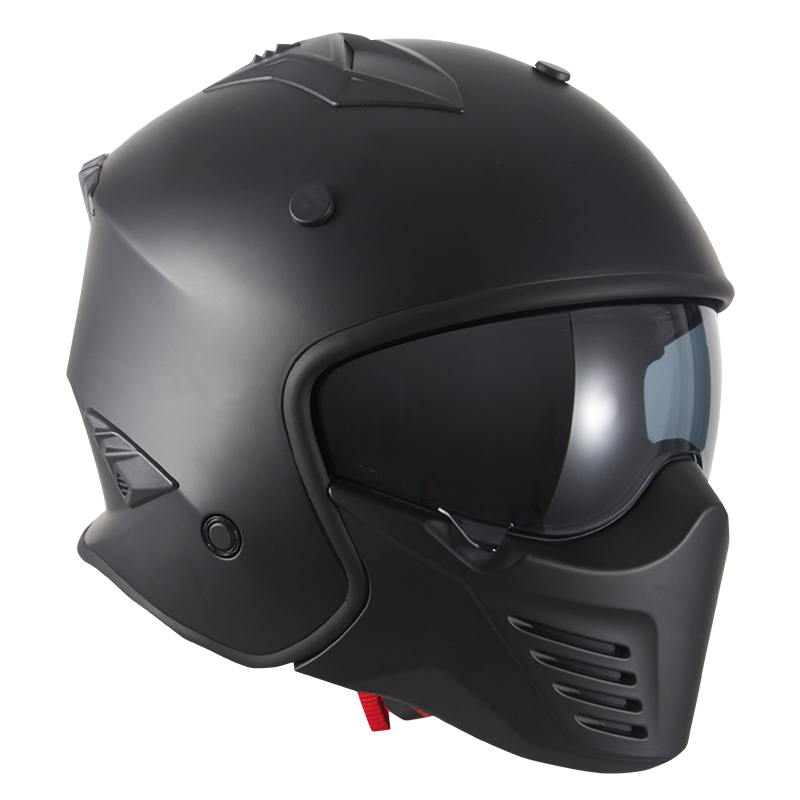
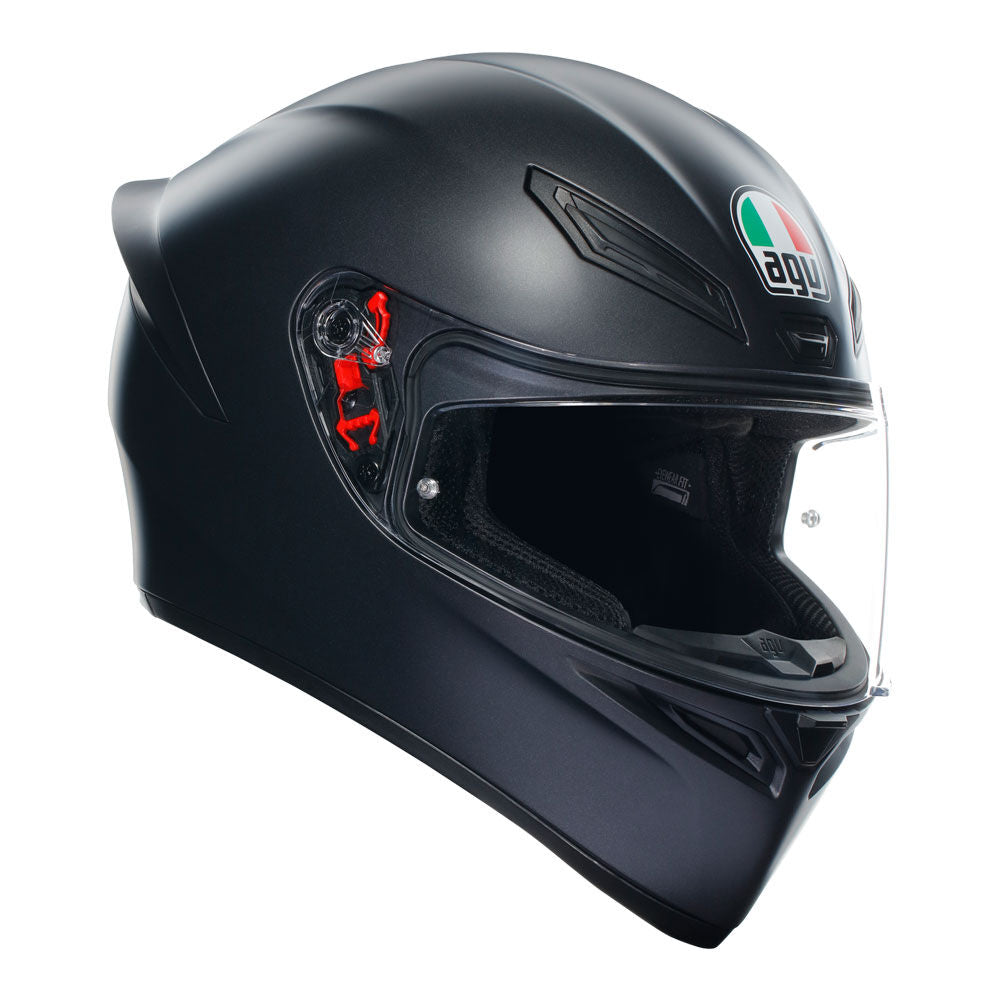
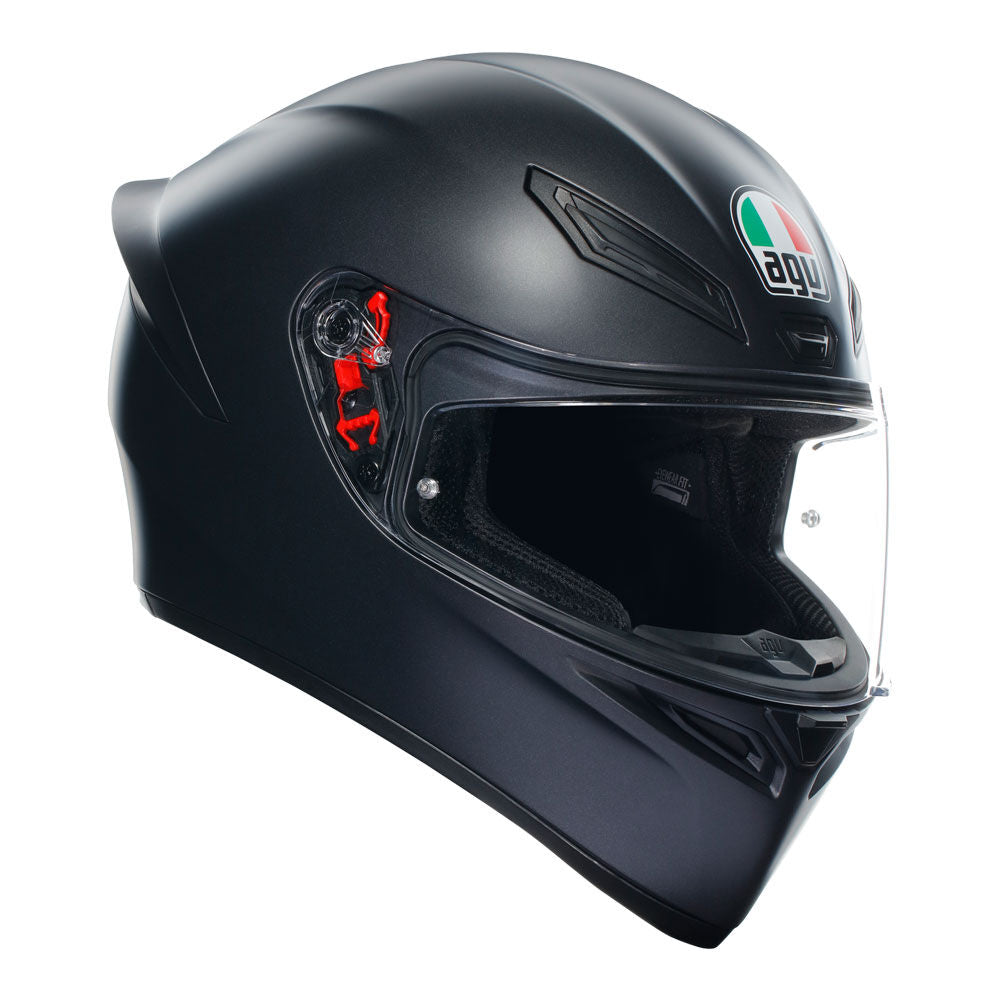
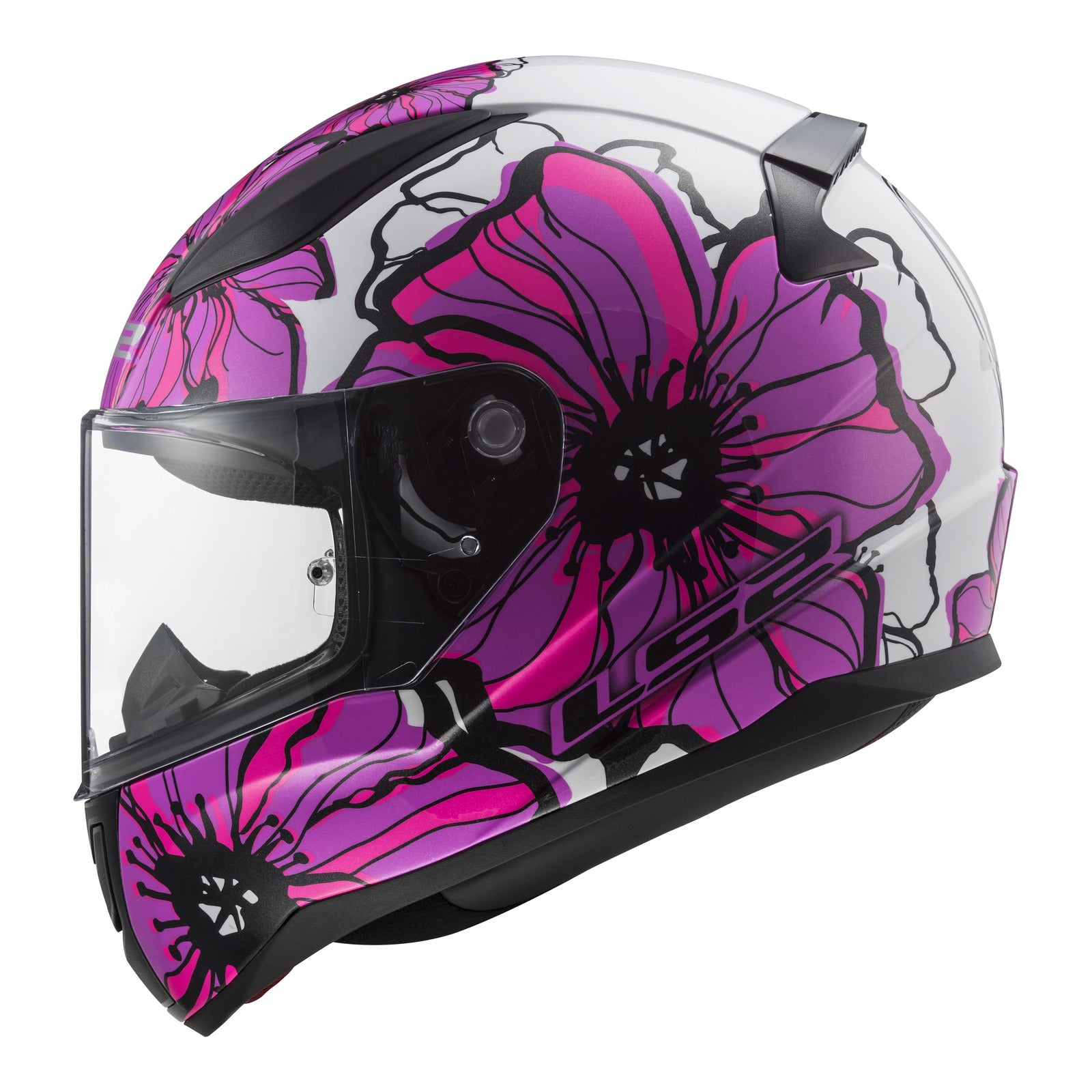
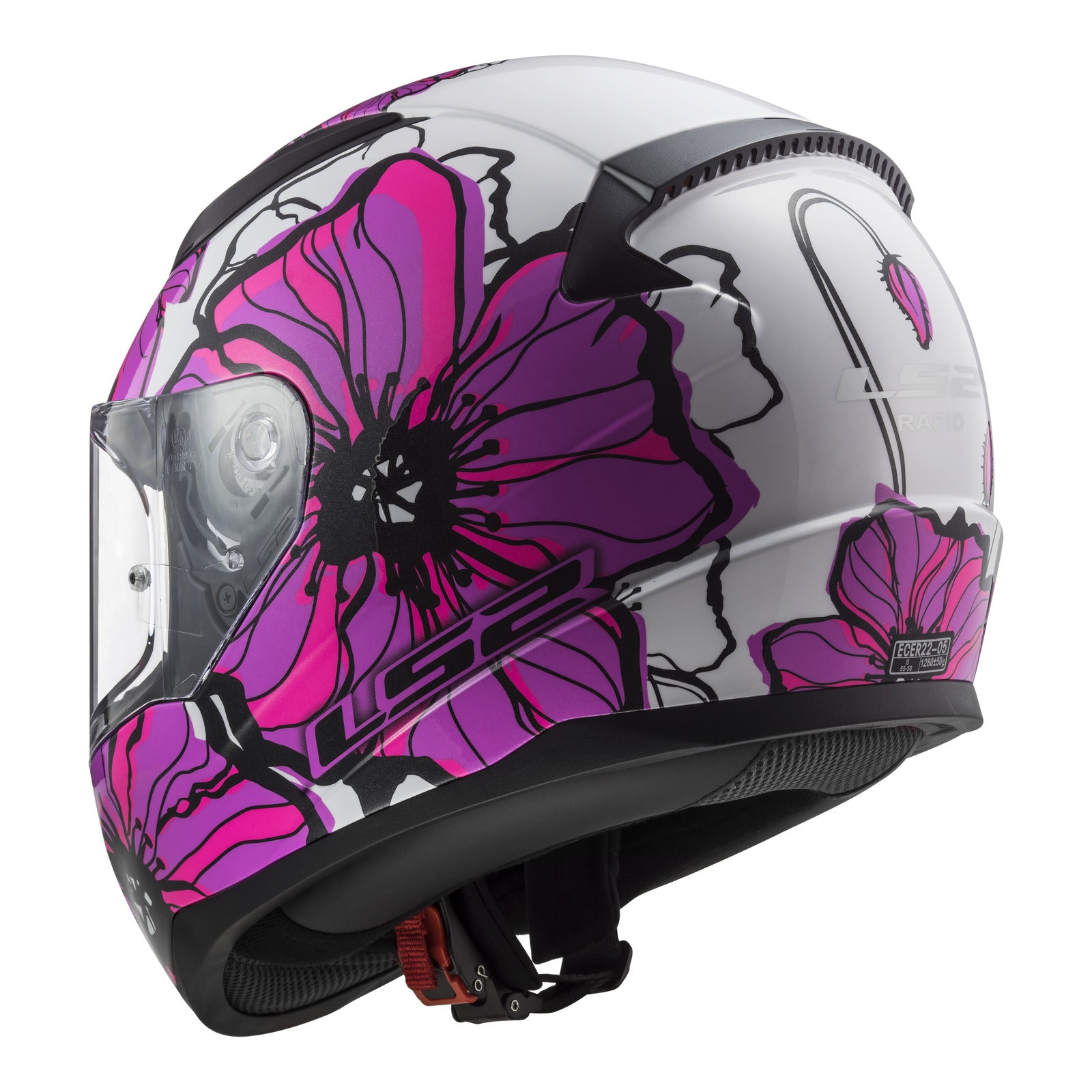
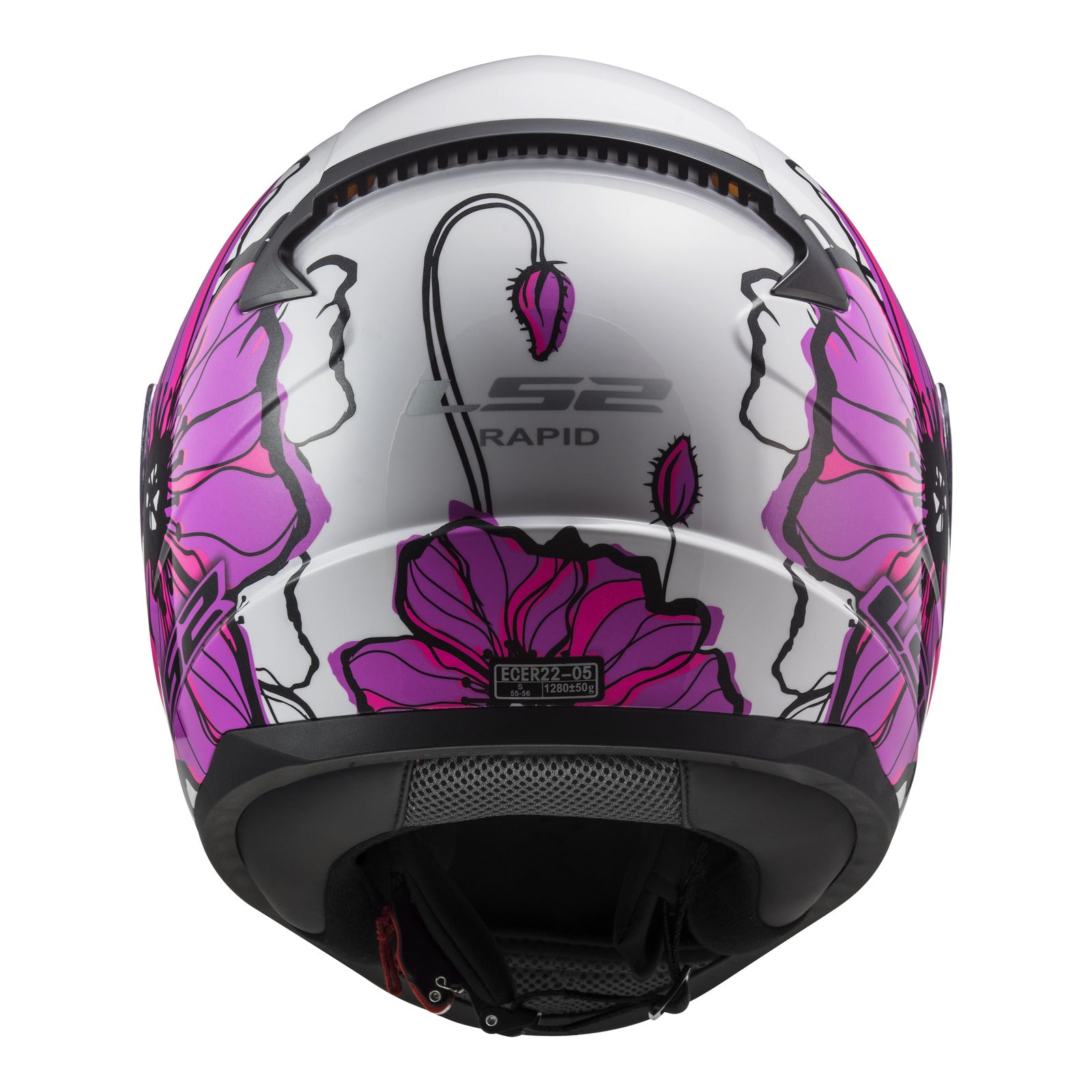
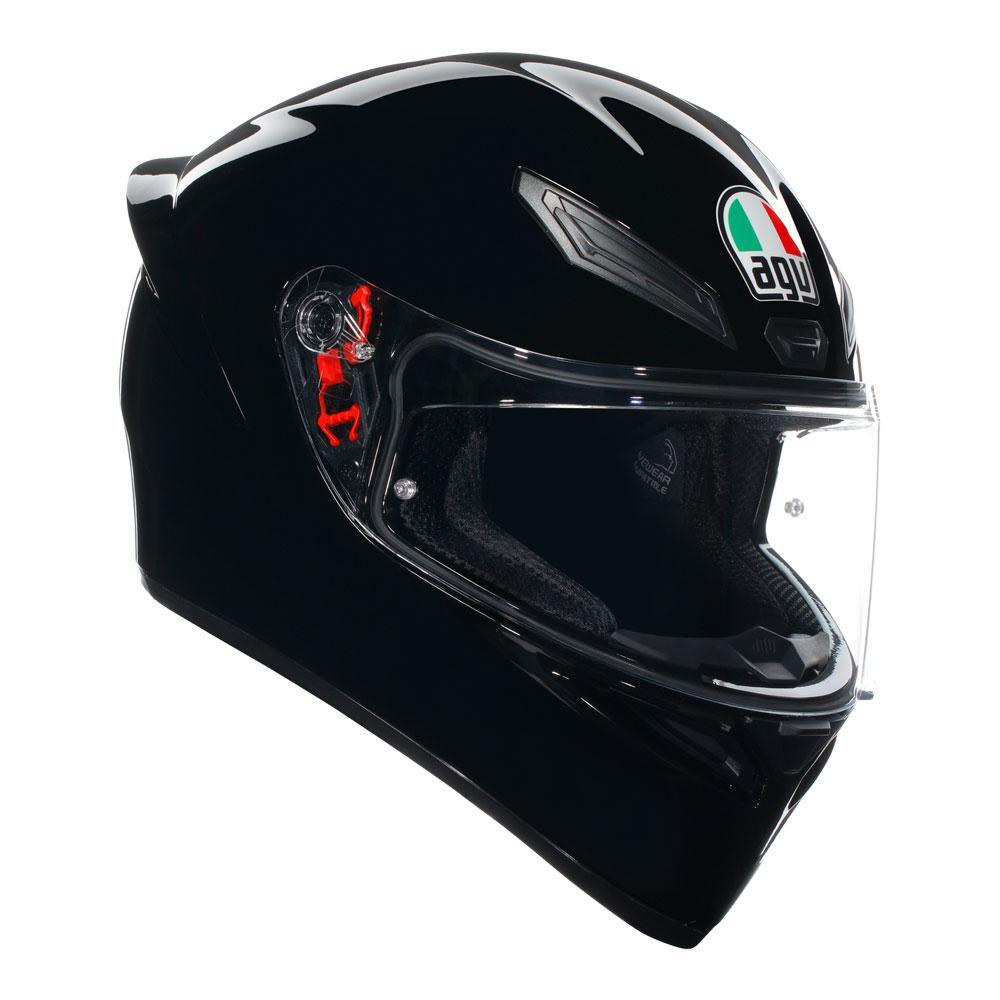
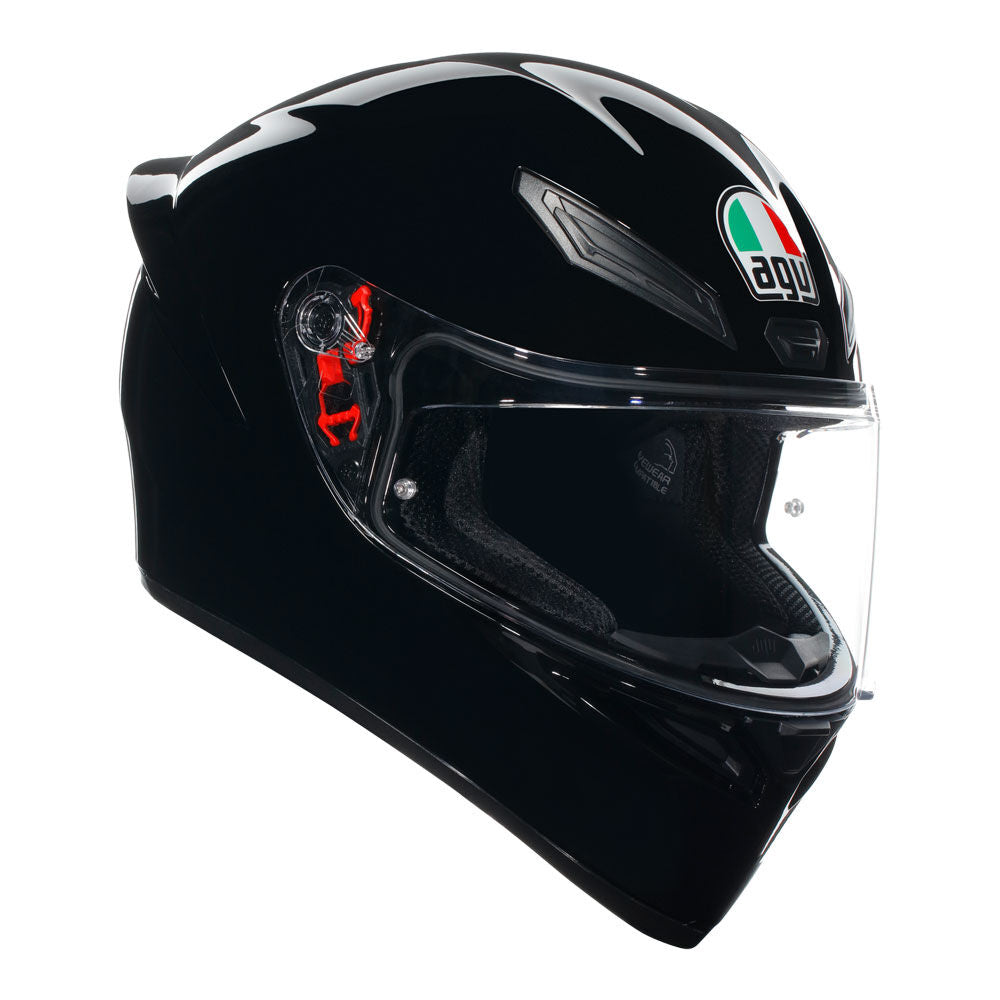
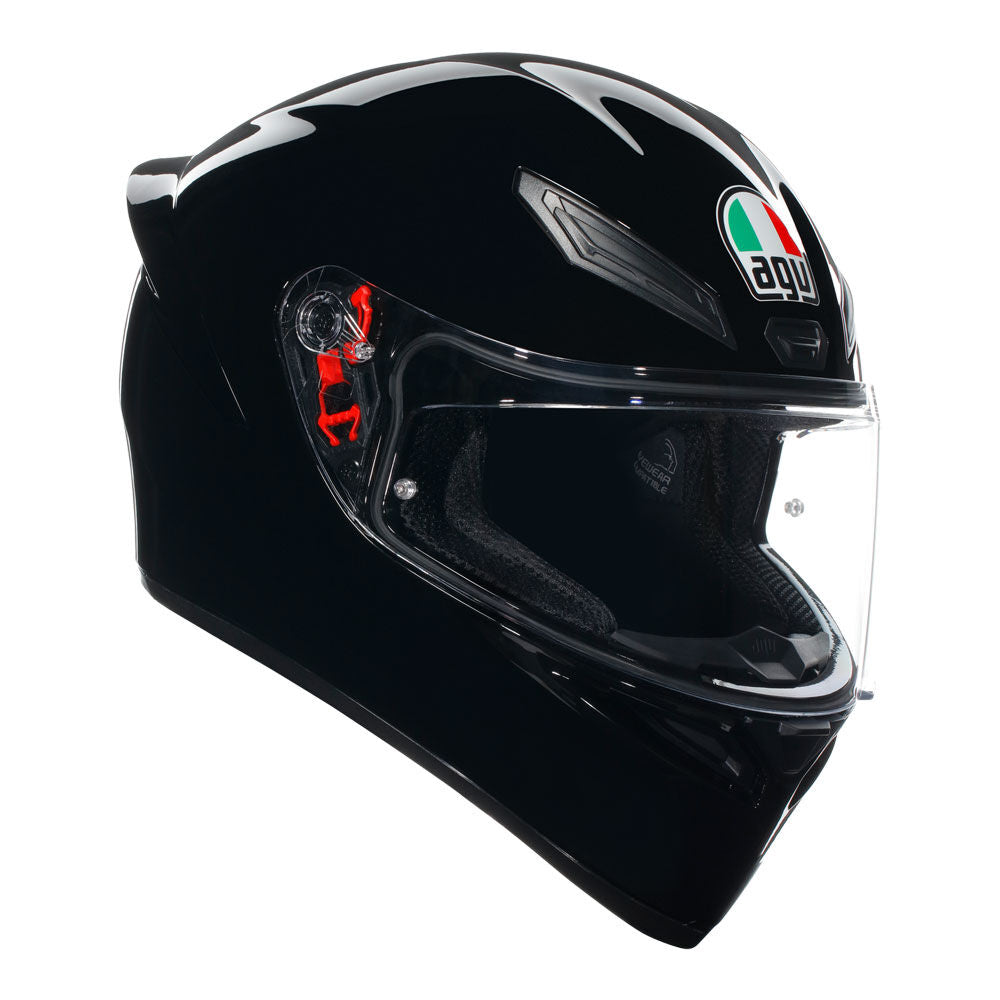
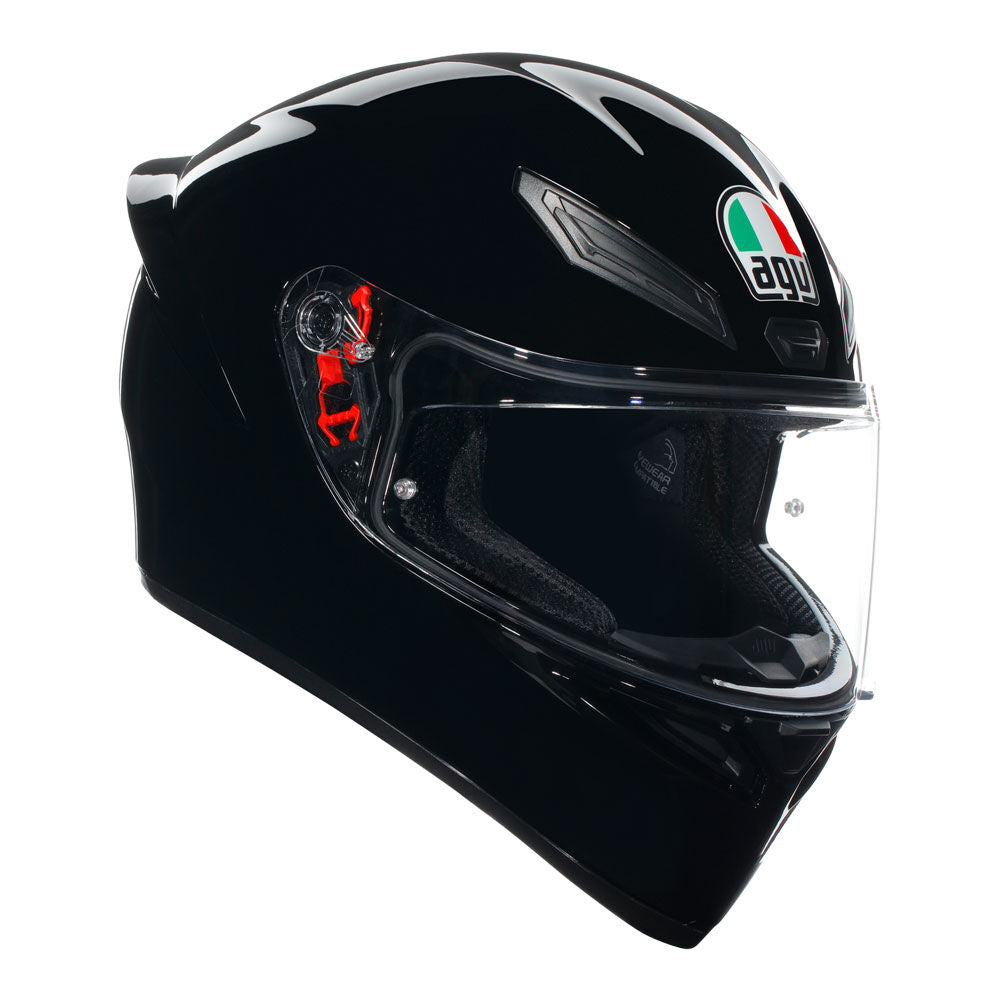
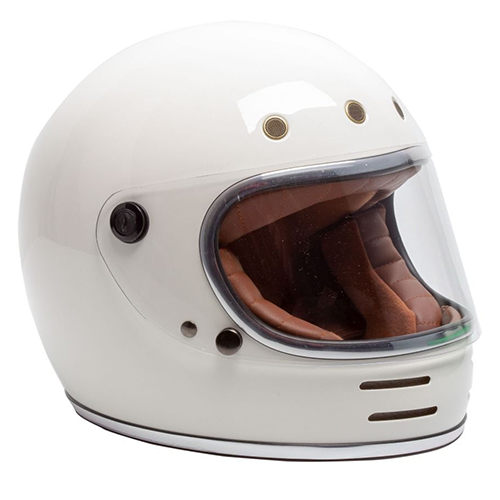
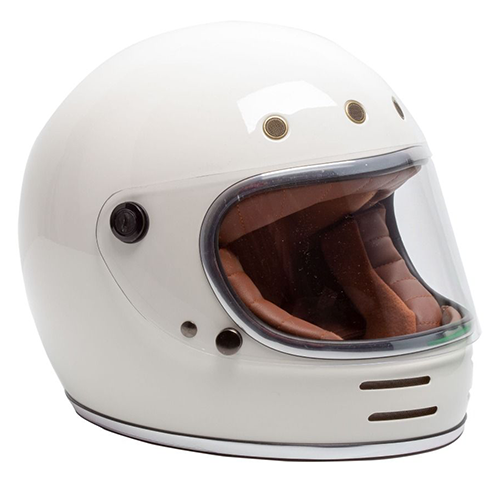
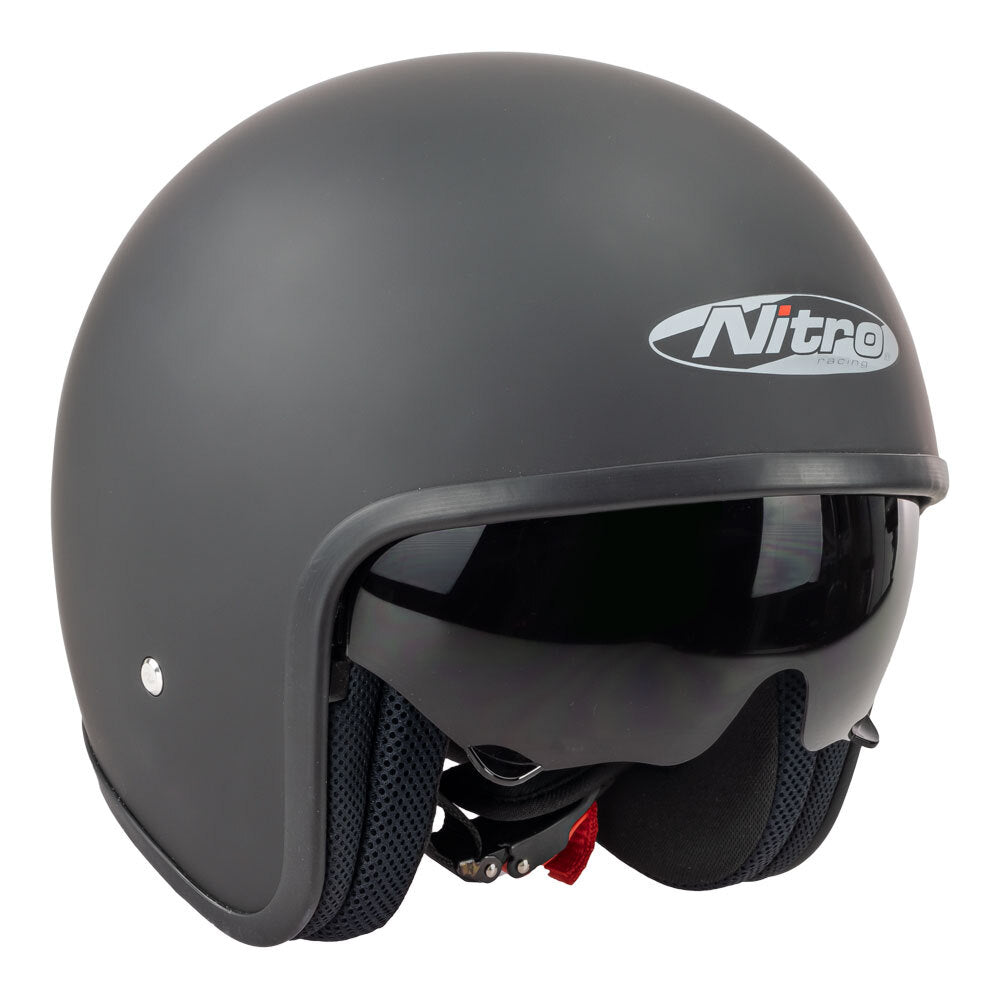
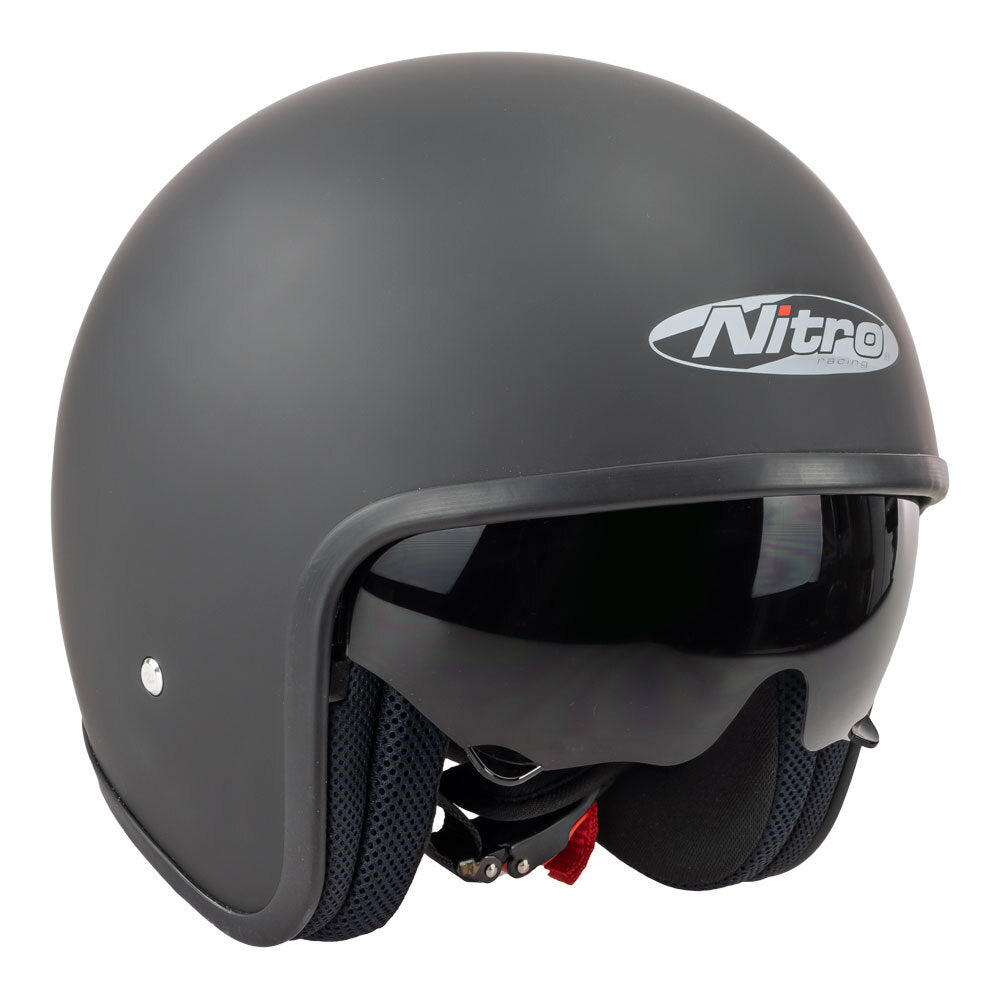
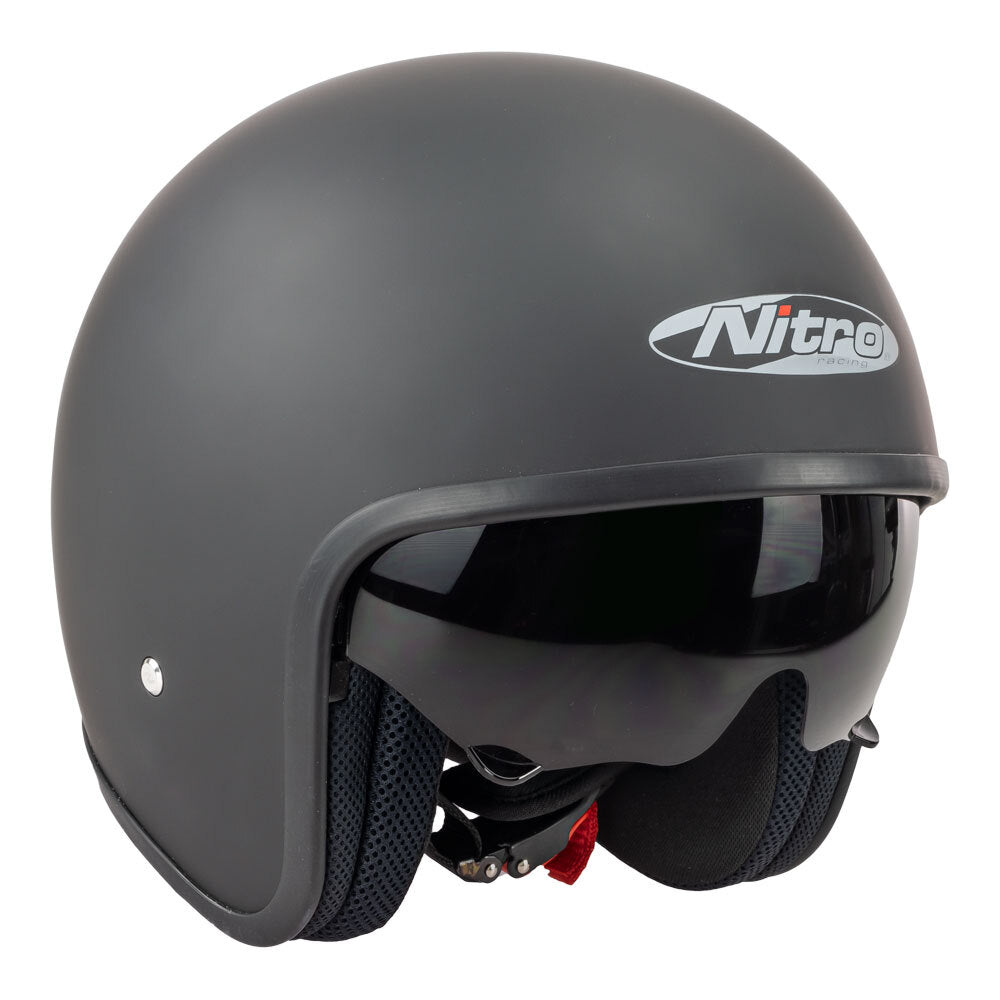
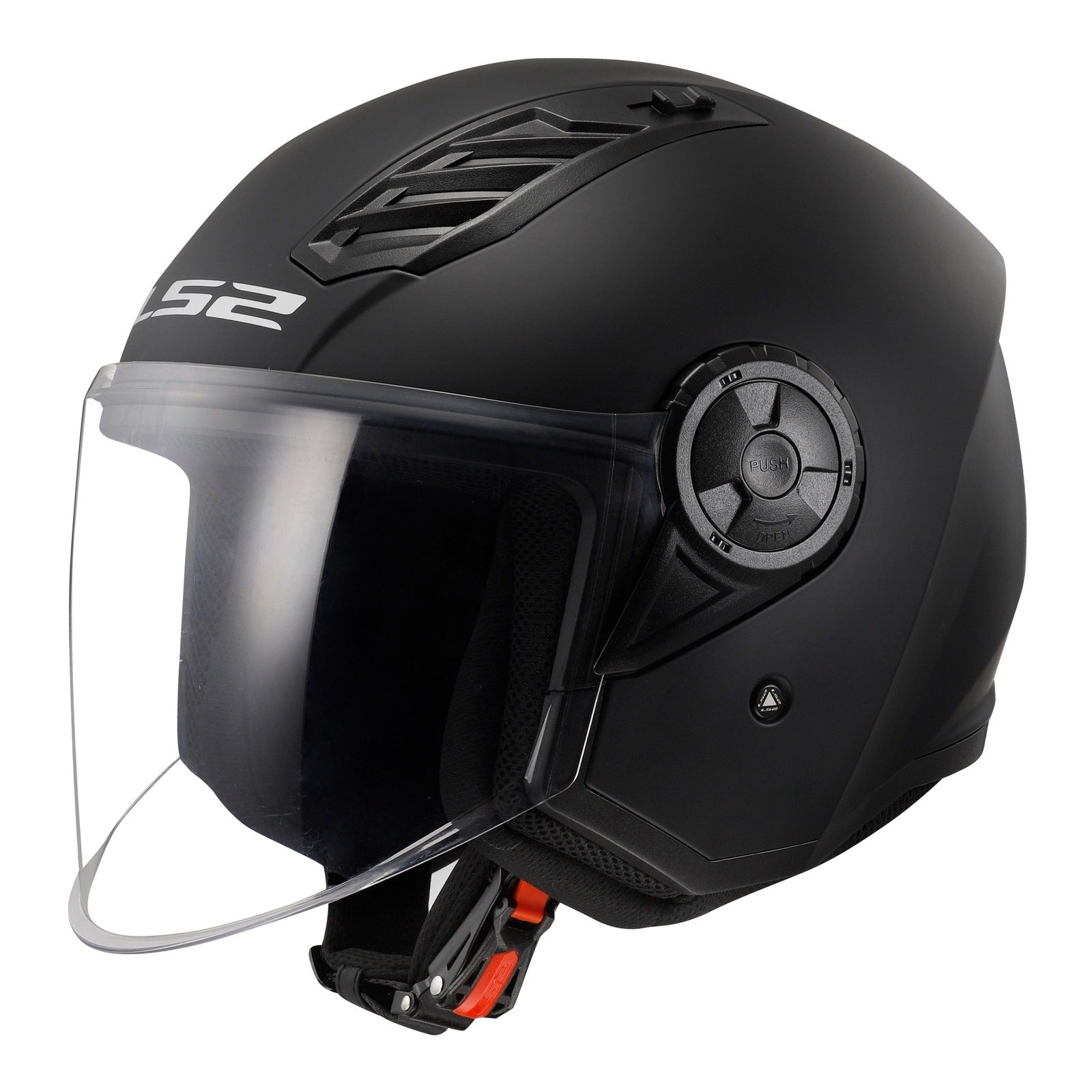
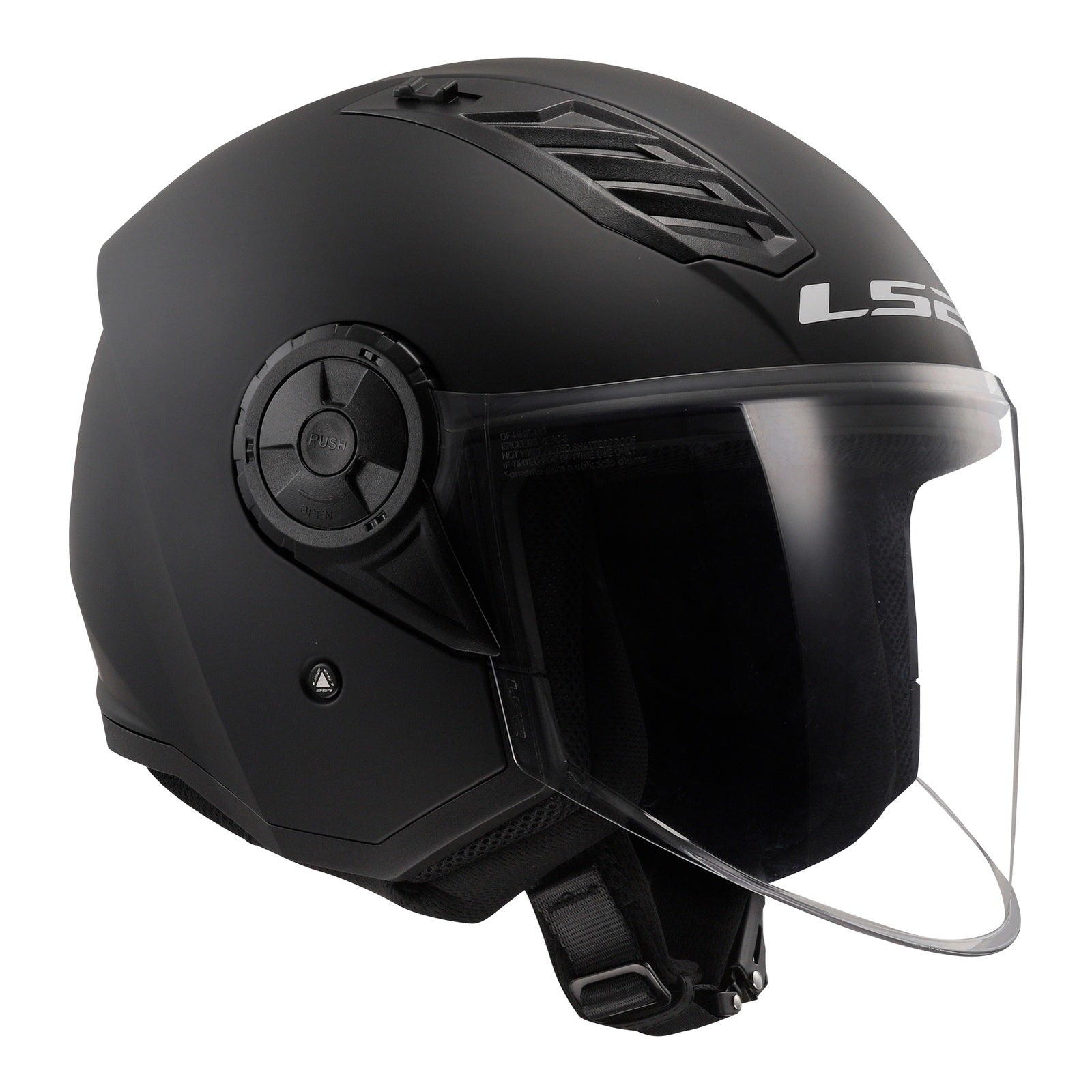
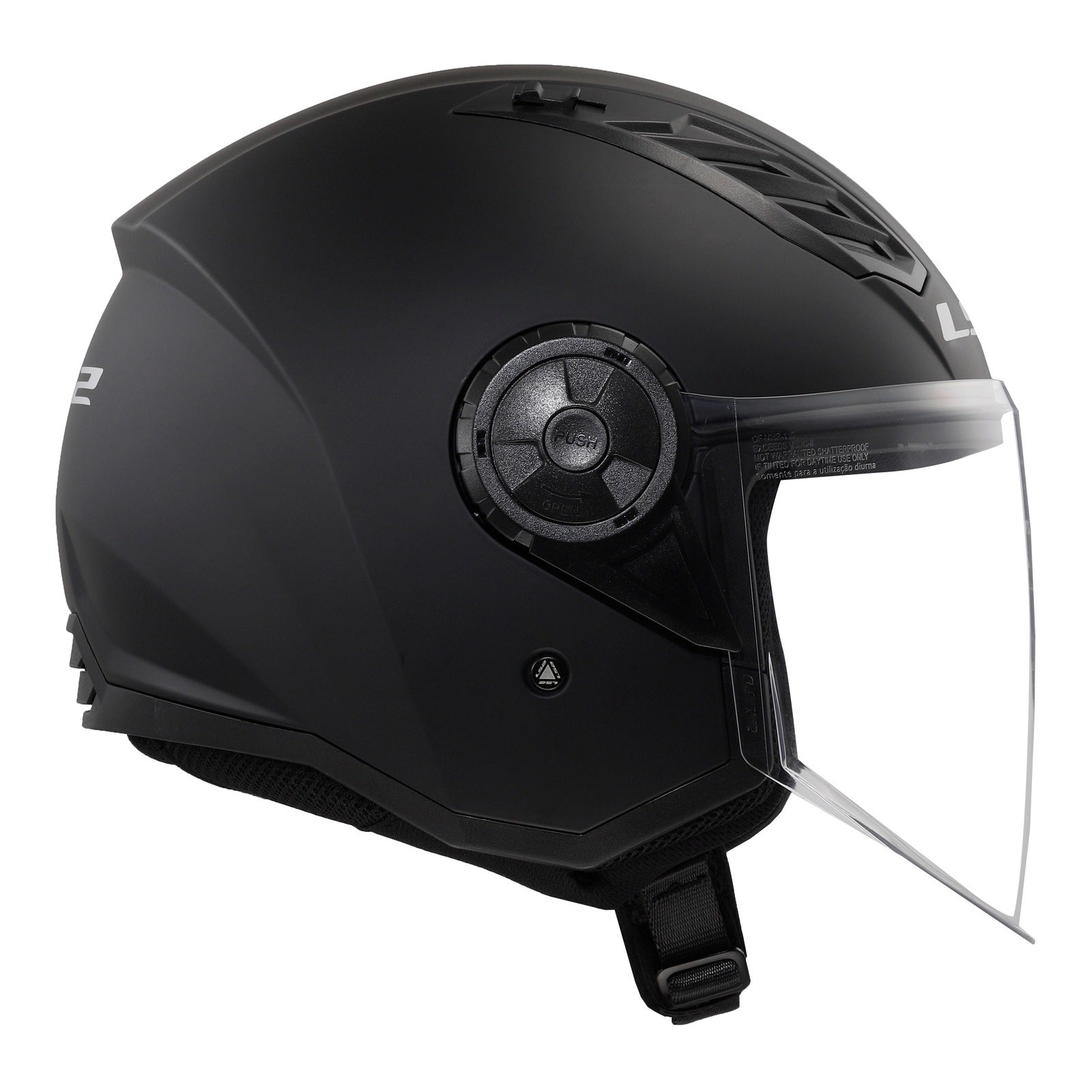
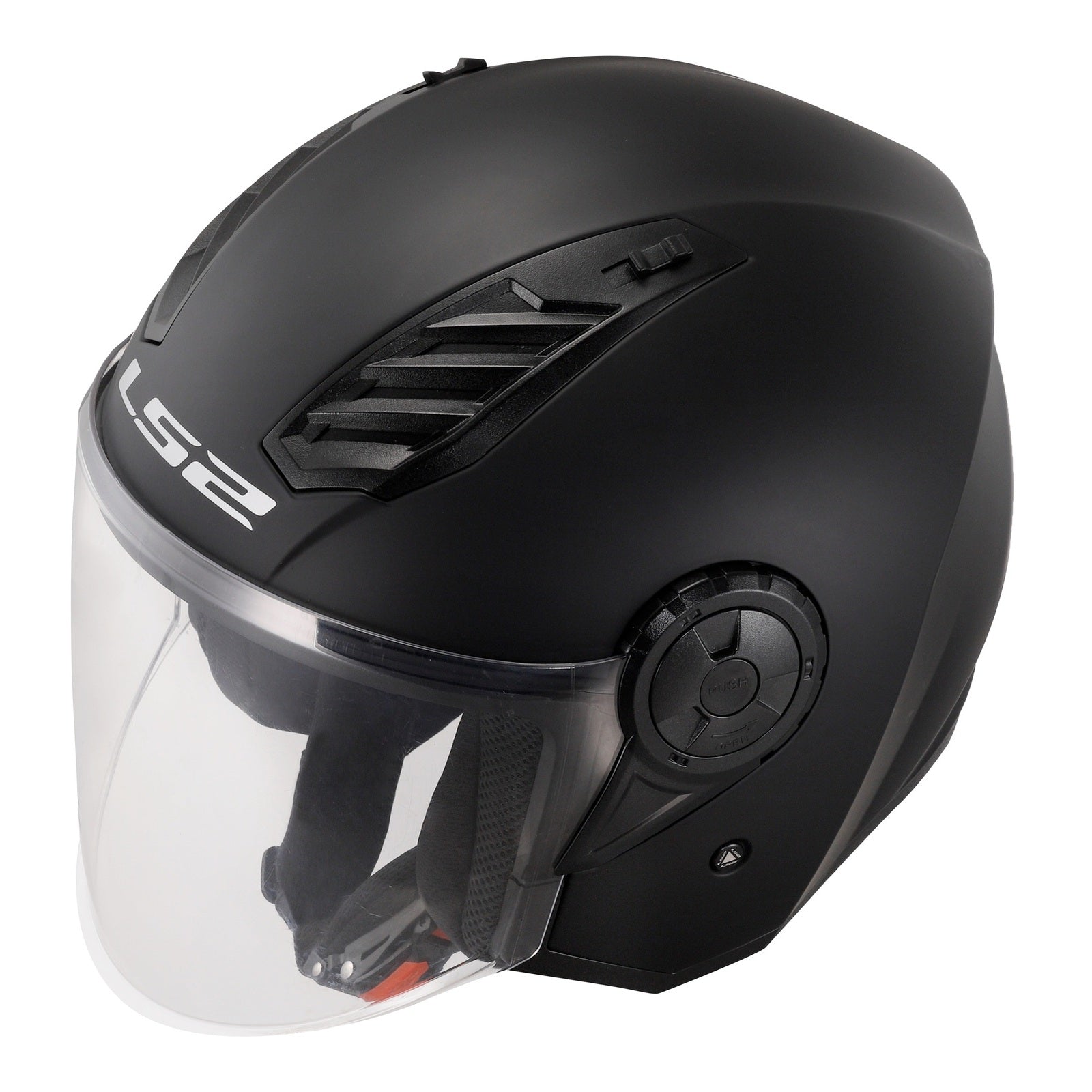
LS2 OF616 Airflow II - Matte Black 06

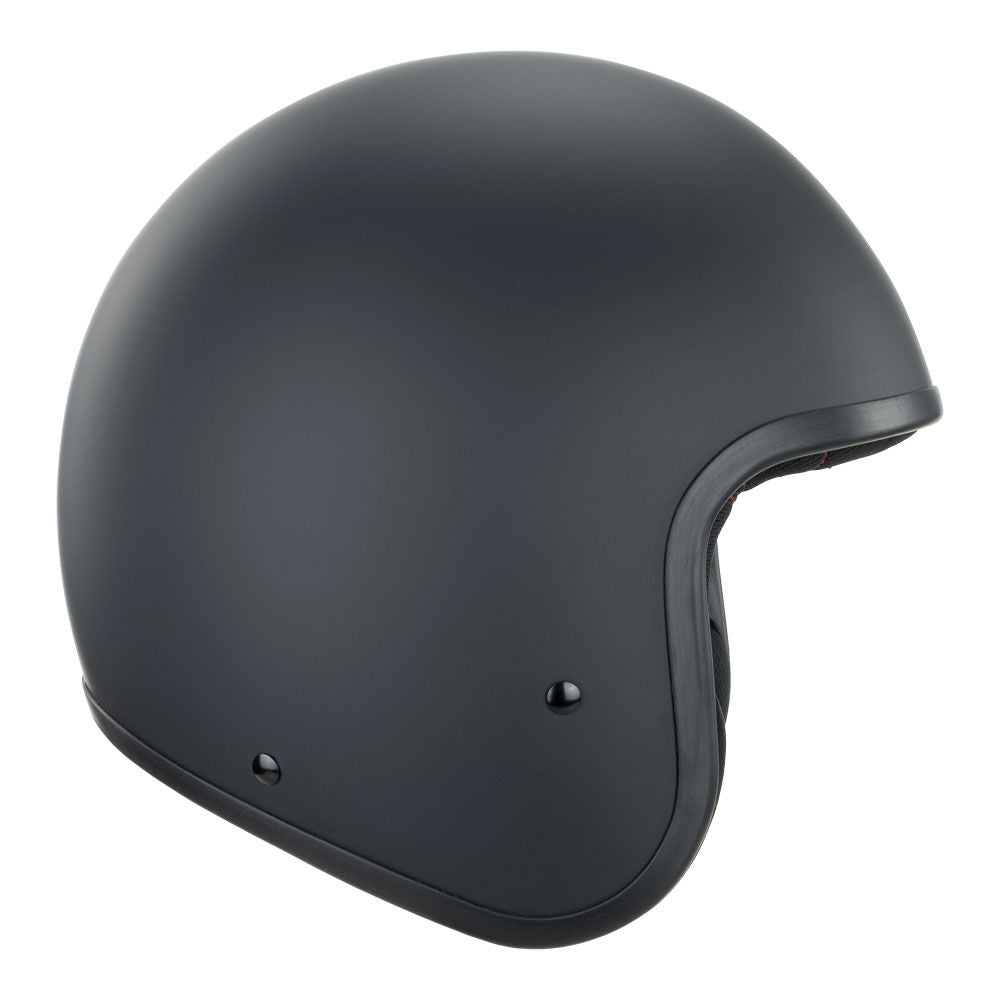
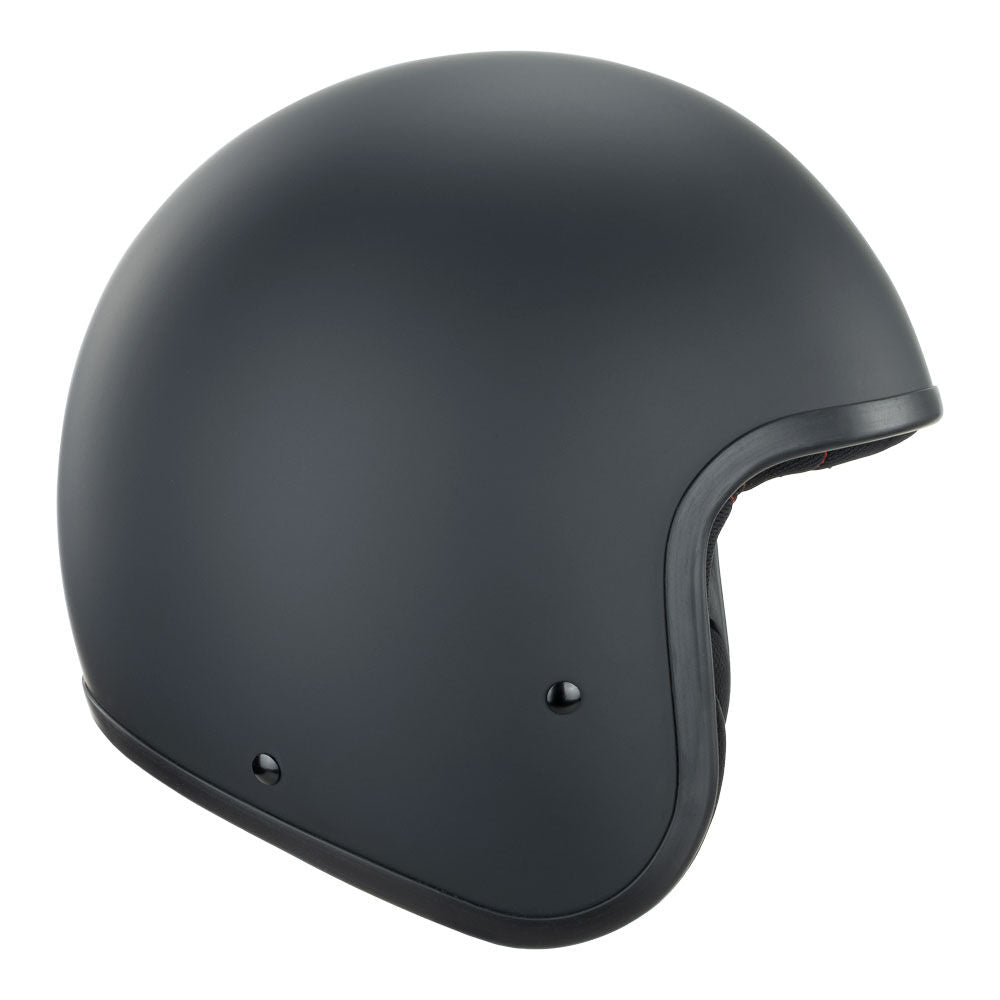
NITRO X100 OPEN FACE SATIN BLK

LS2 FF800 Storm II Burst Helmet - Matte Black / Pink Black 06
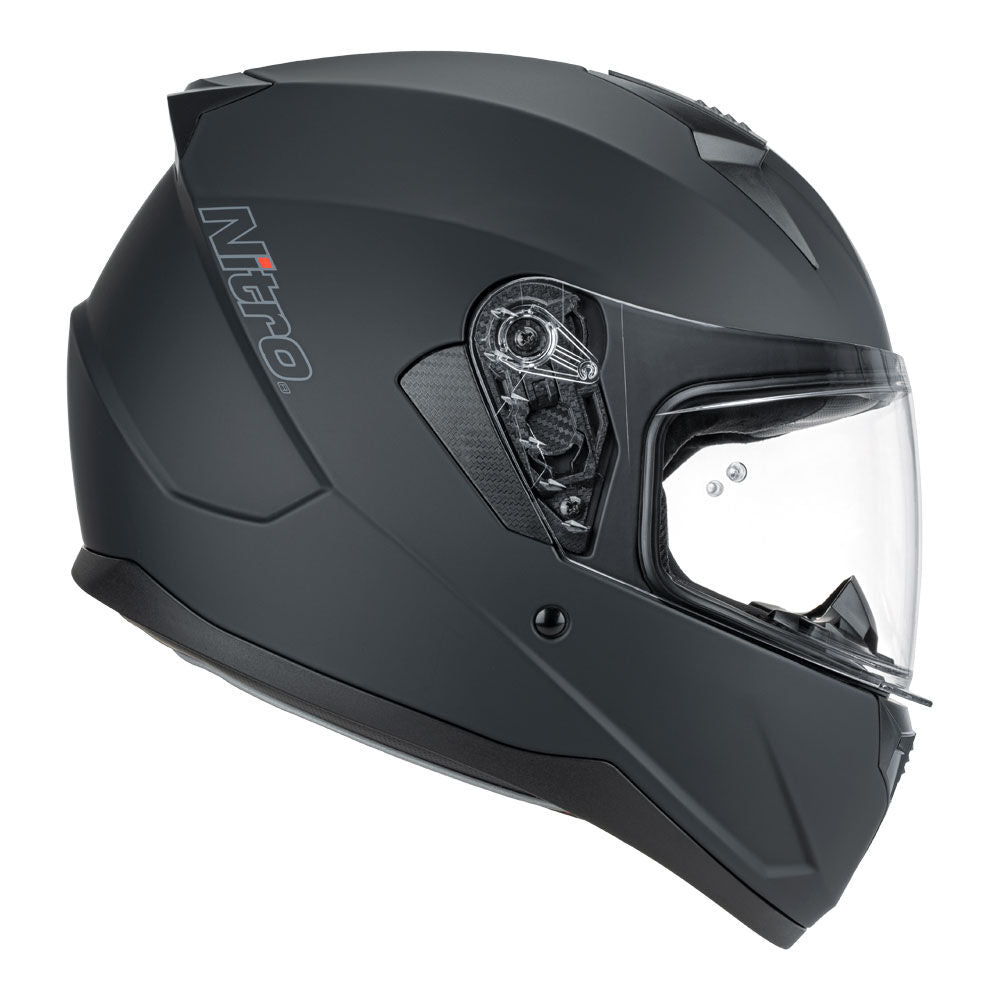
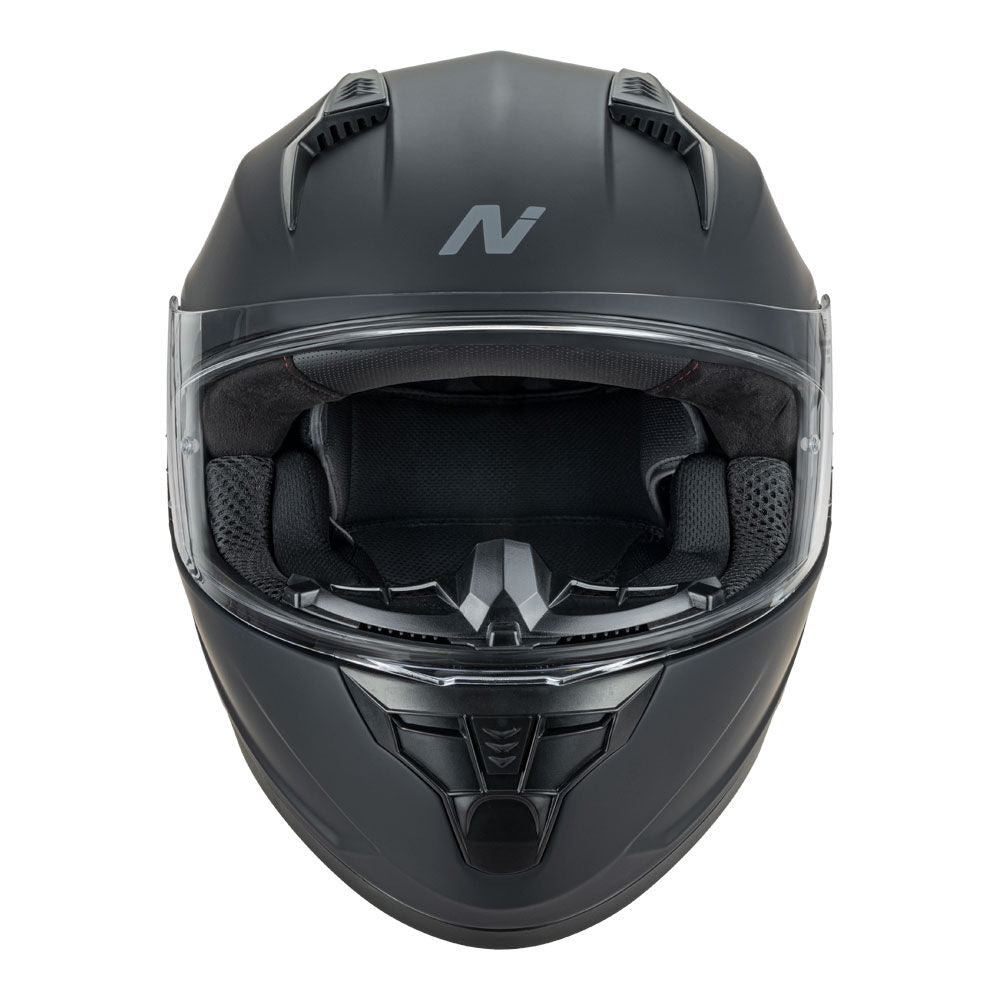
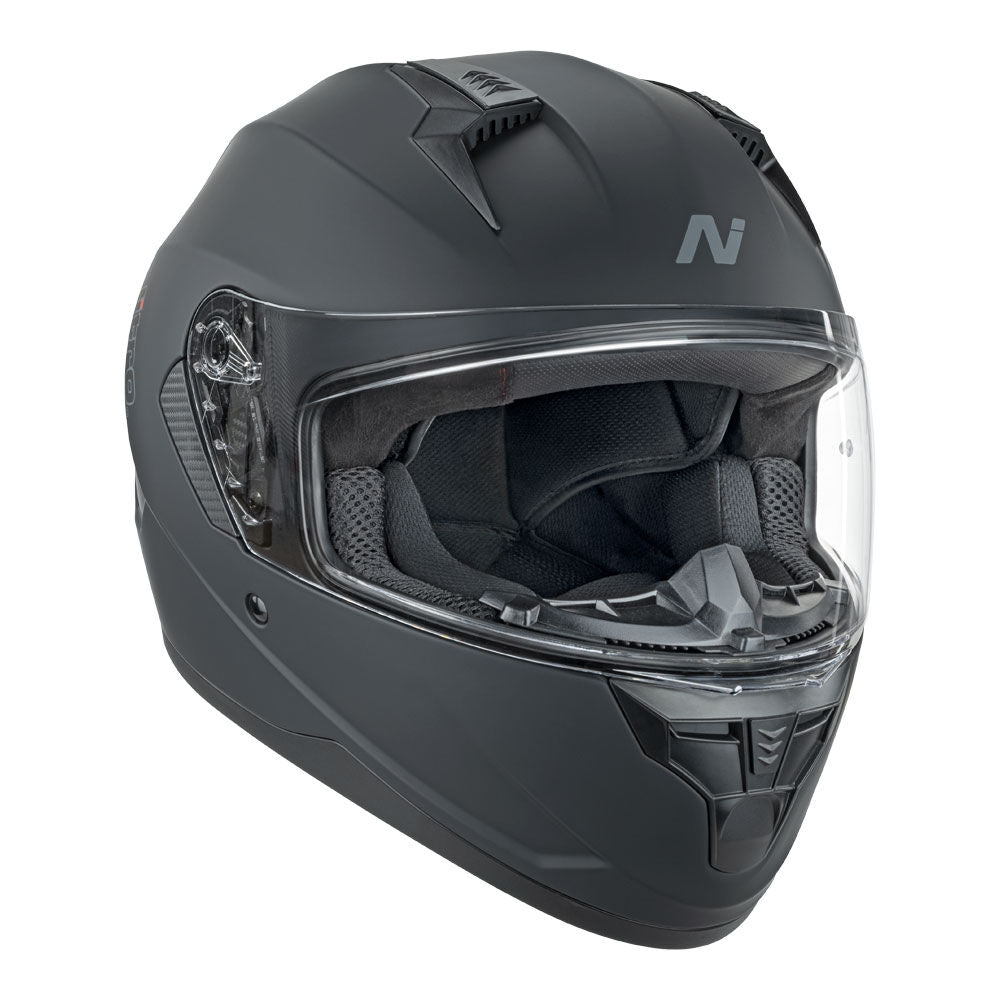
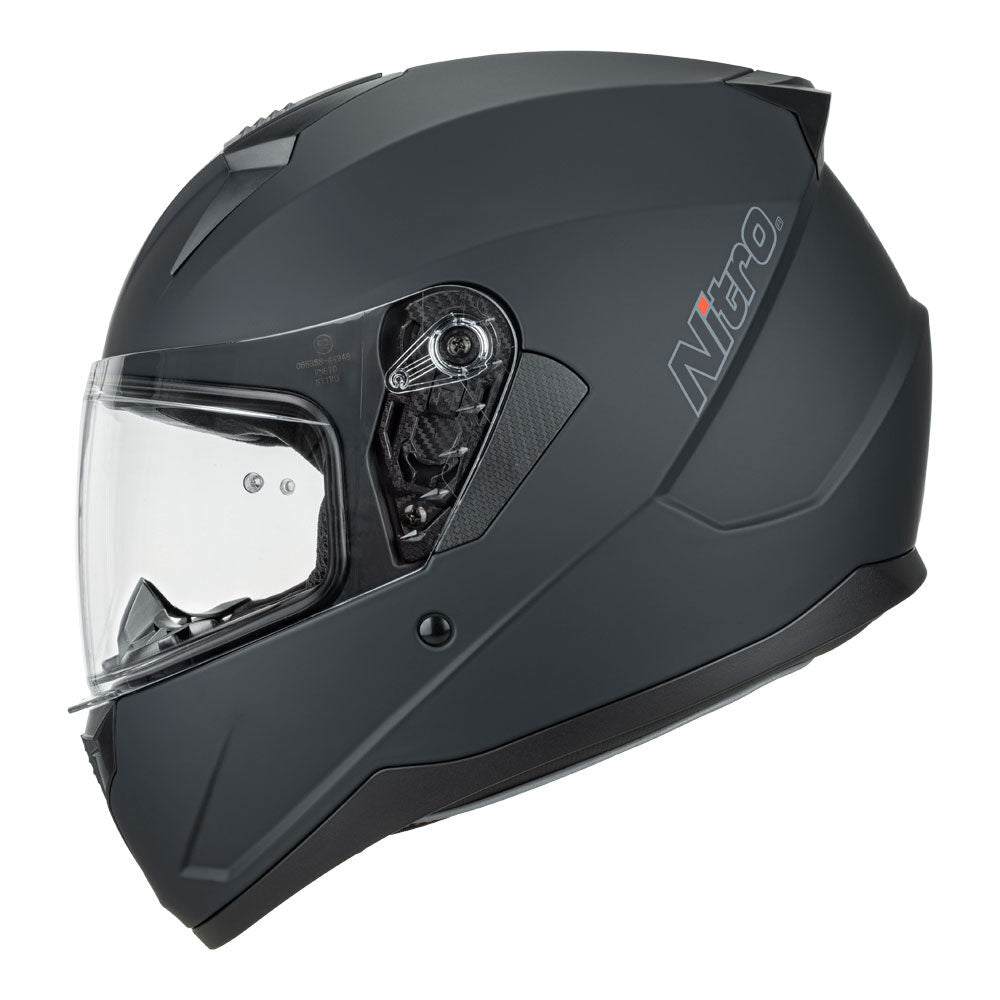
NITRO N670 FULL FACE SATIN BLK L
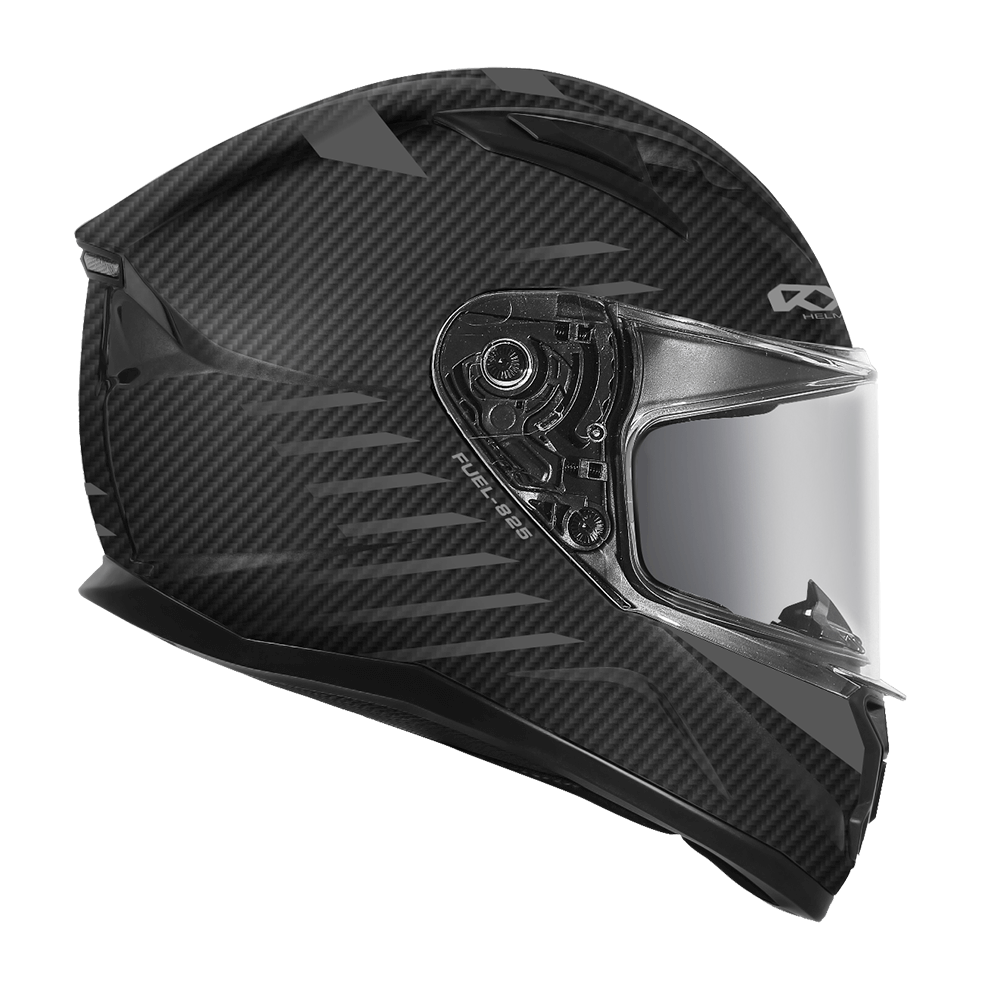
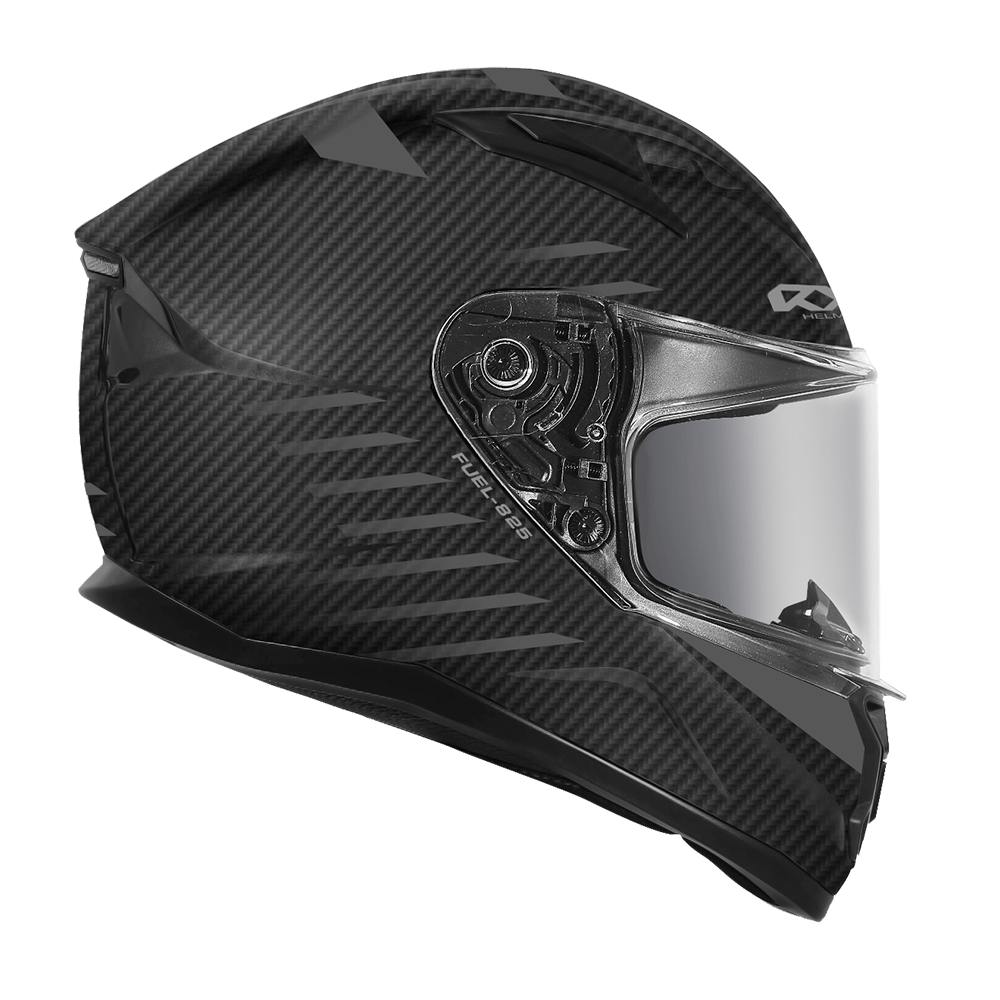


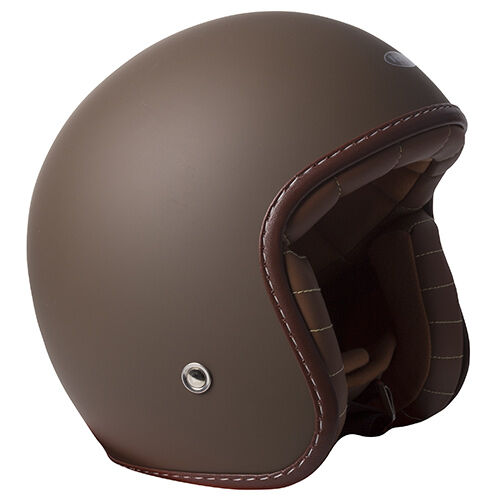

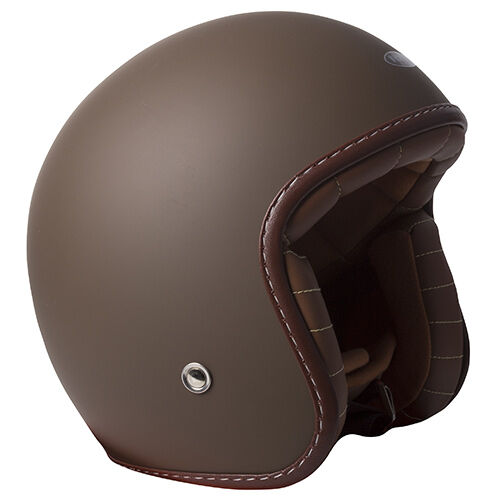
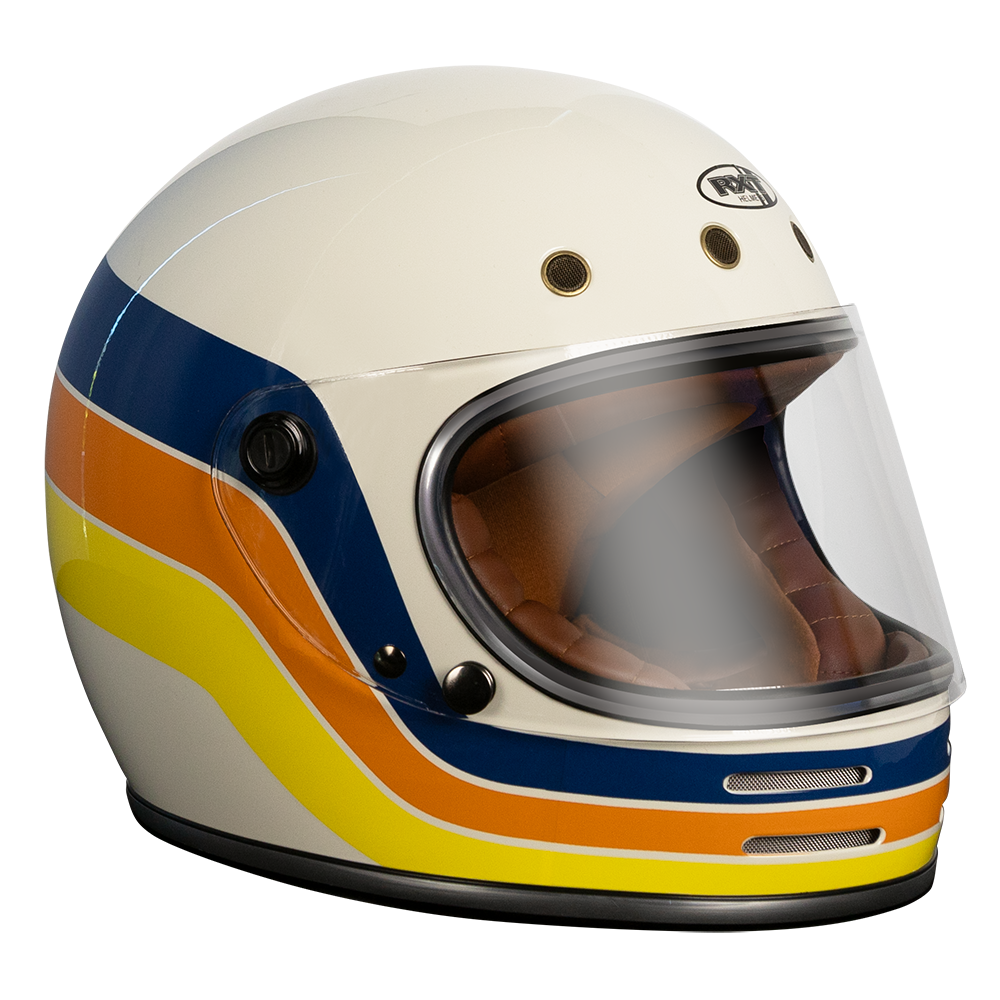
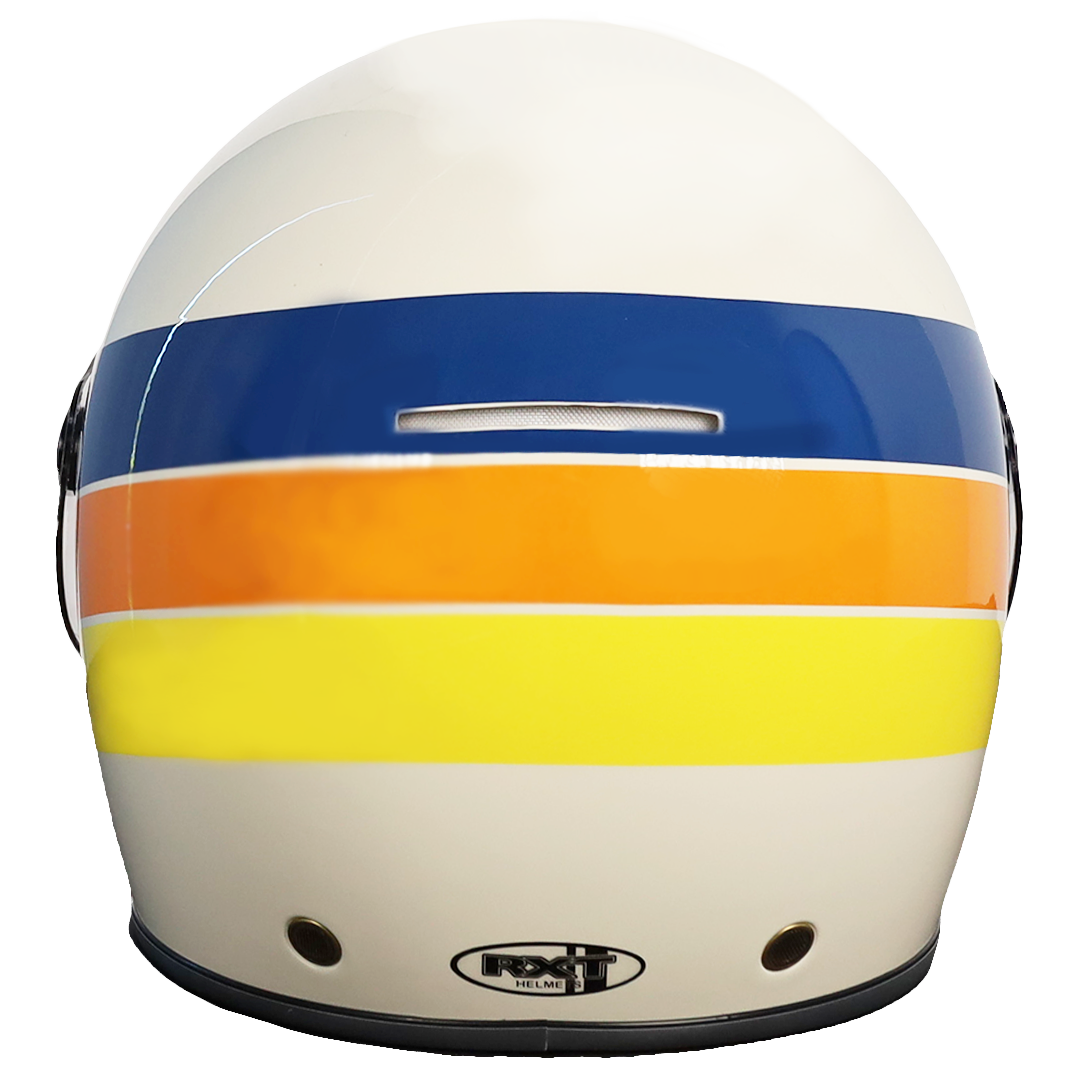
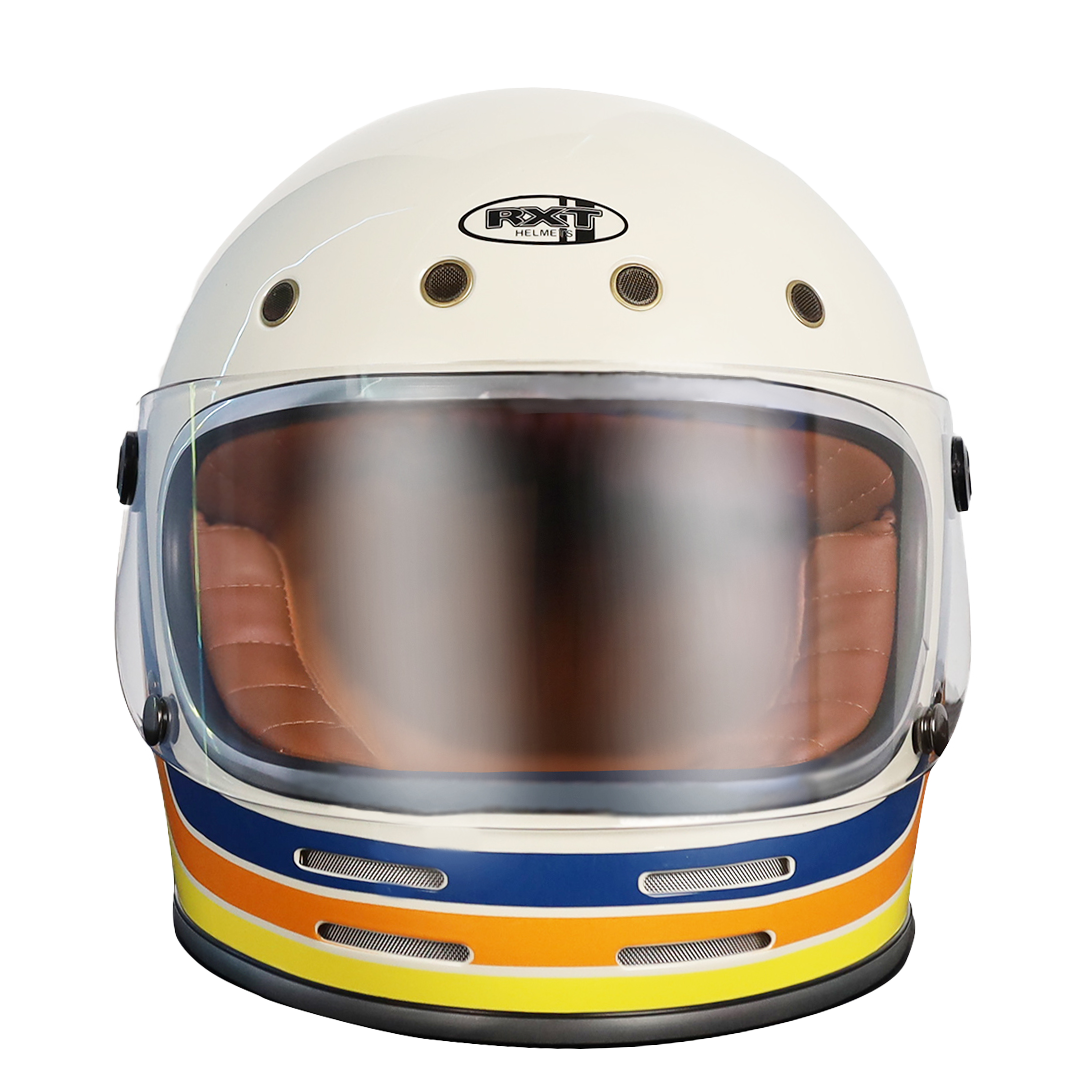
RXT STONE CLASSIC STRIPE (Gloss)
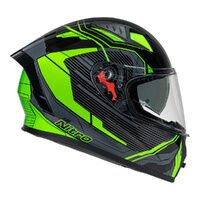
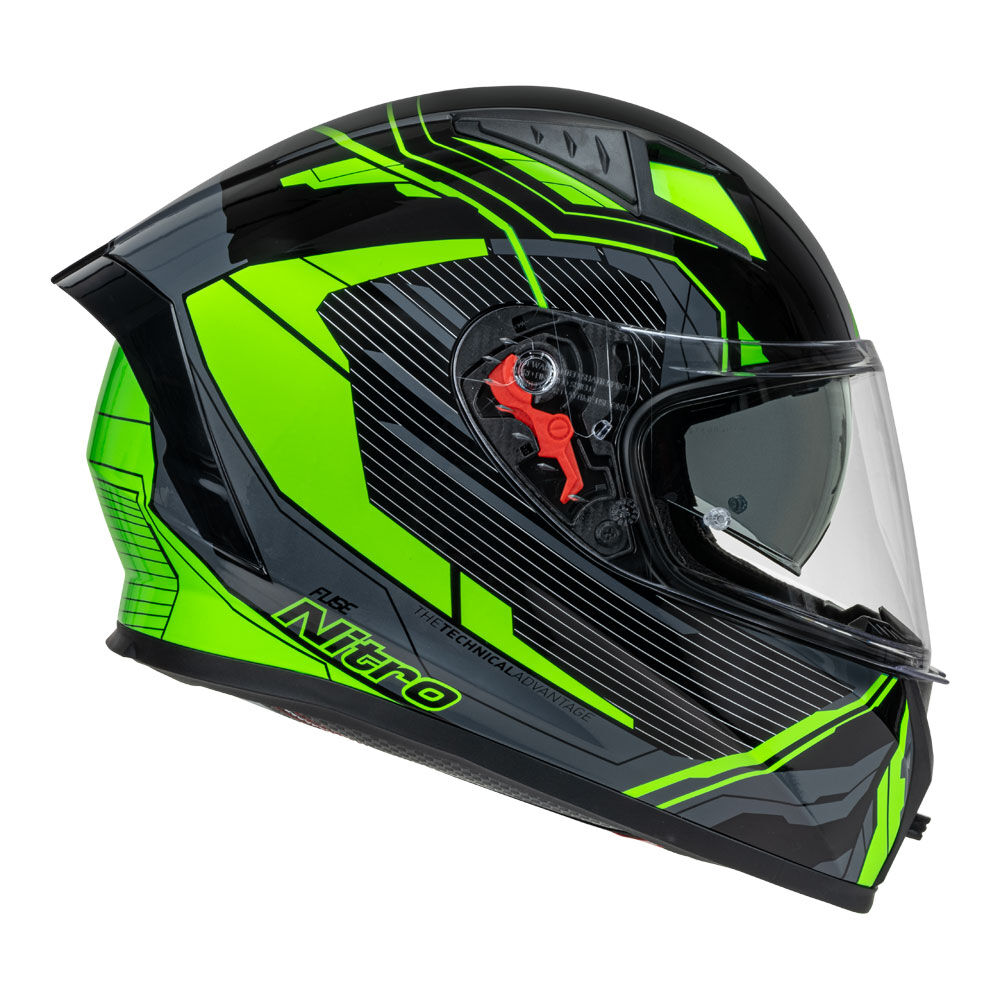
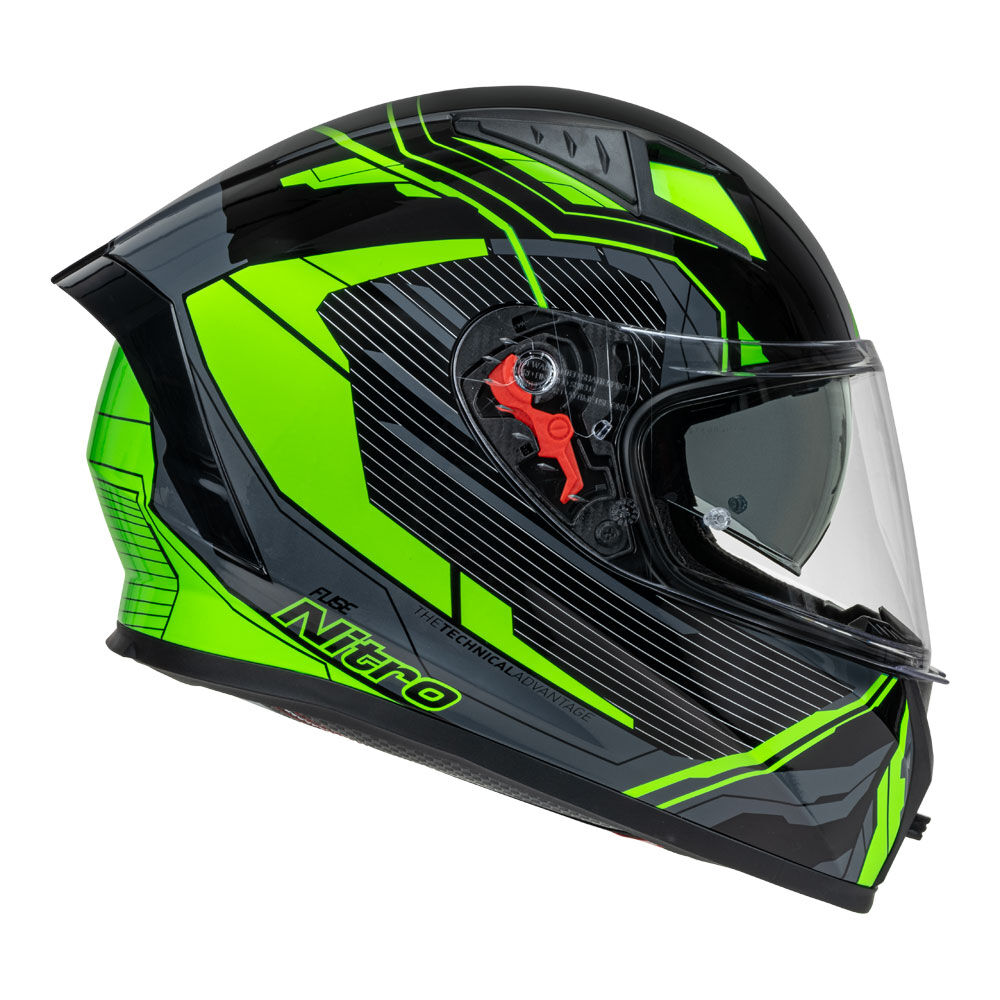
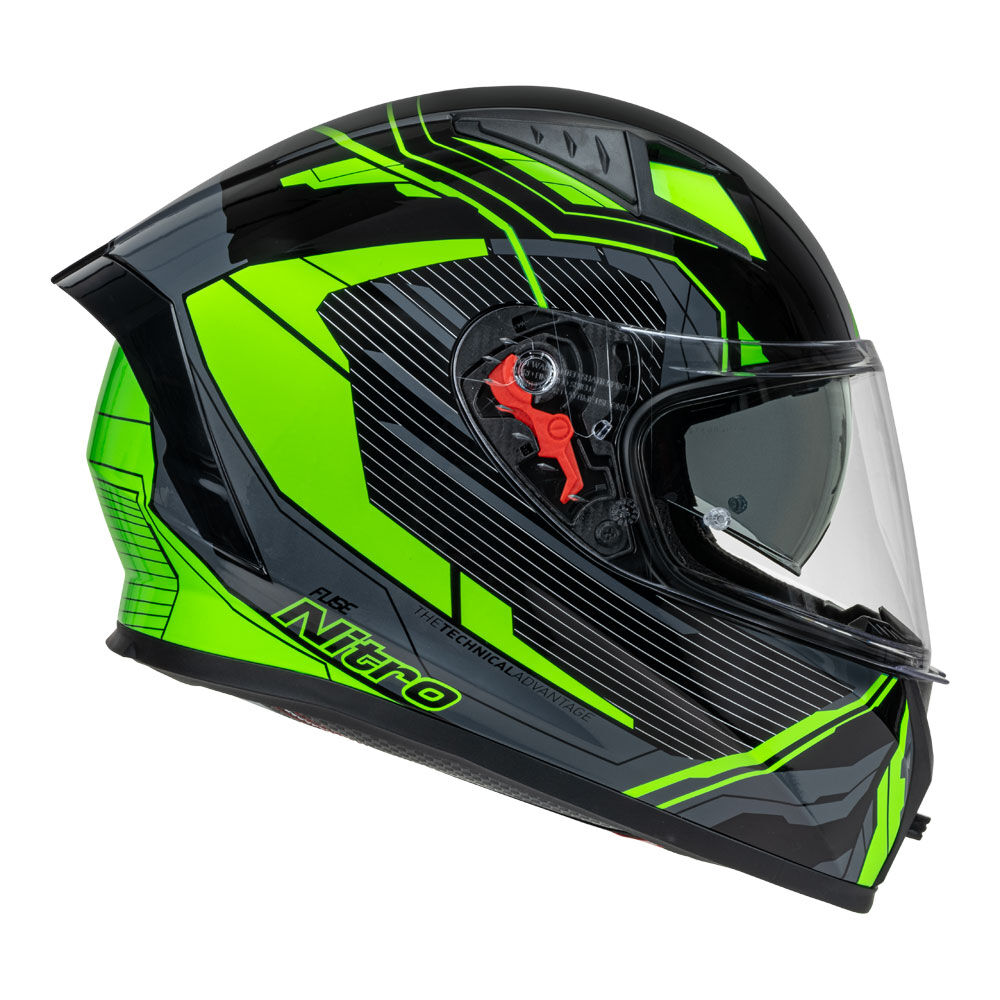
NITRO N501 FUSE GLOSS GREEN/GREY/BLACK
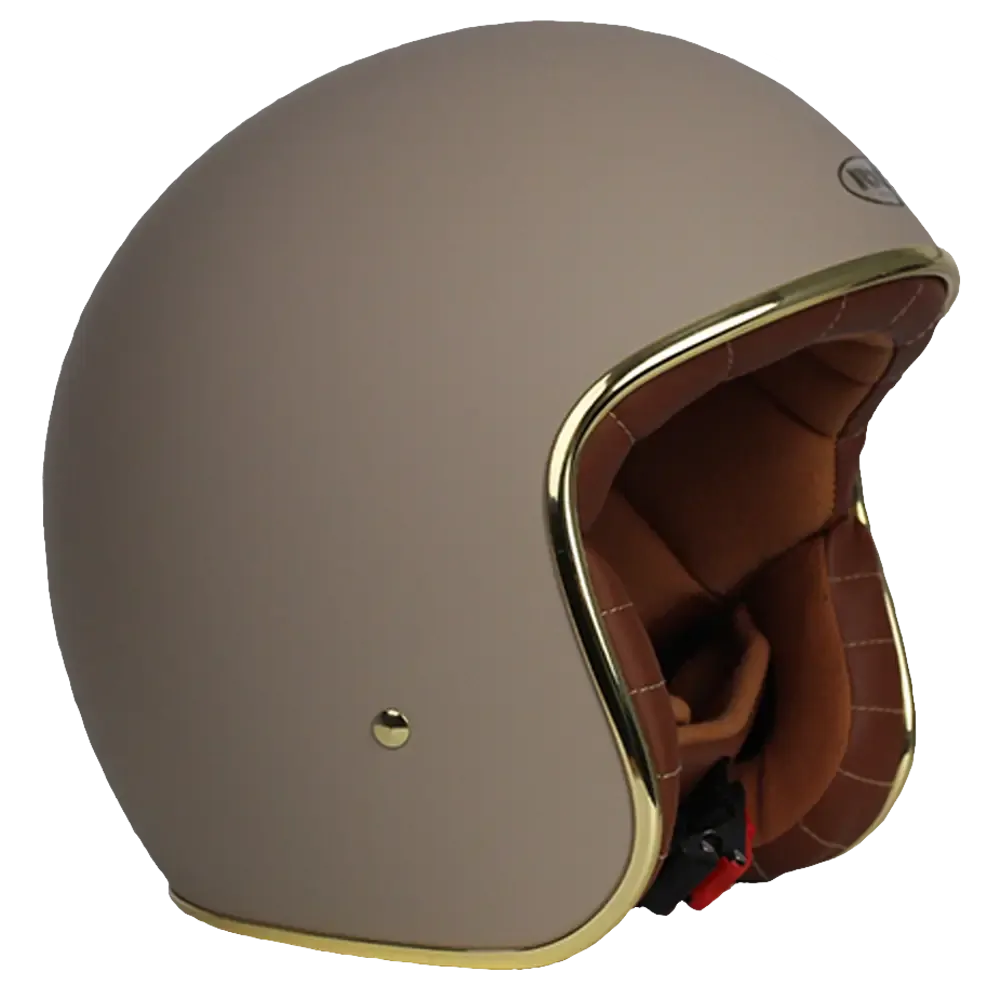
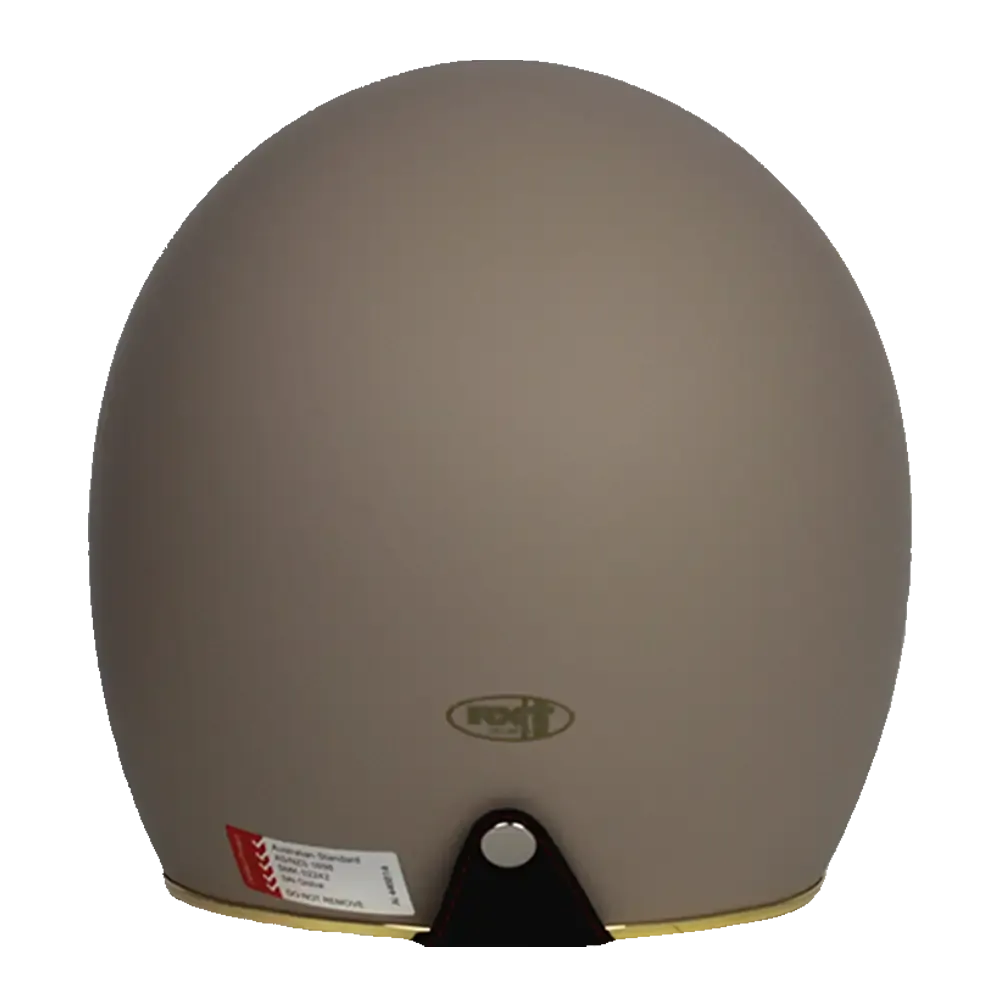
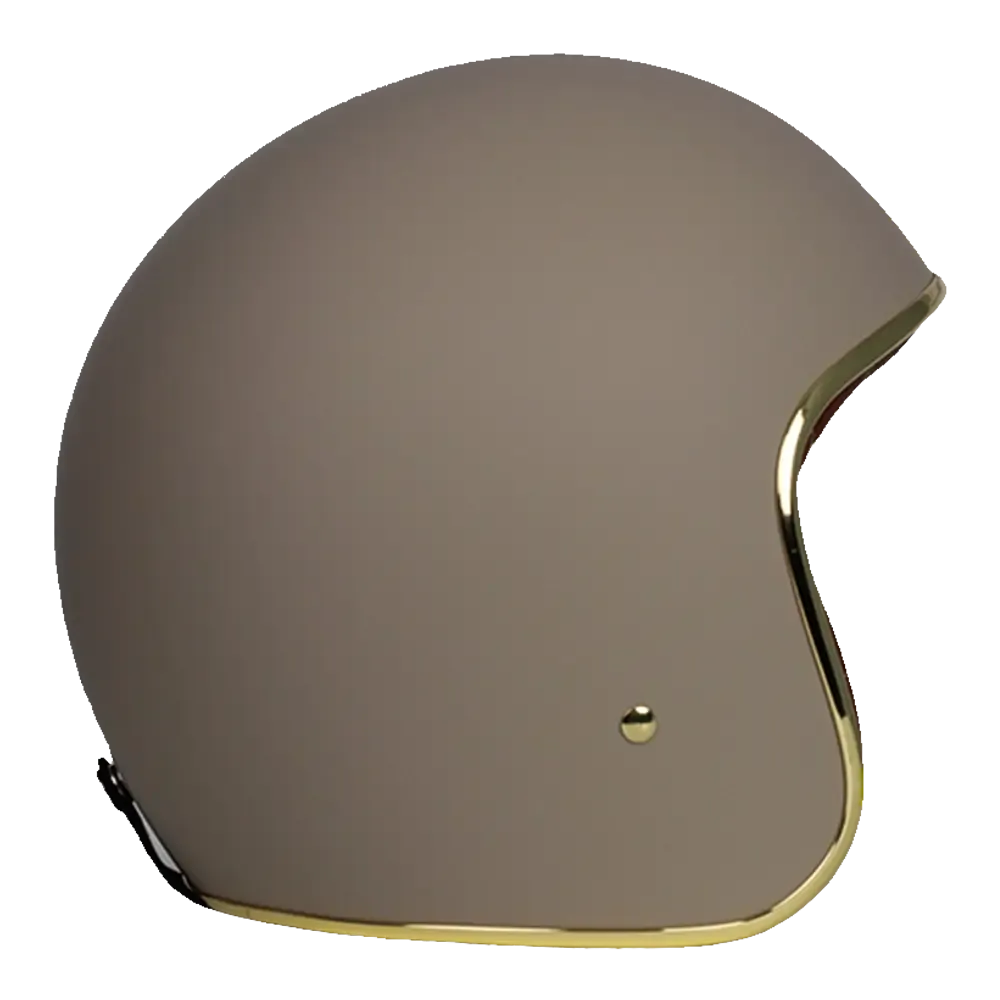
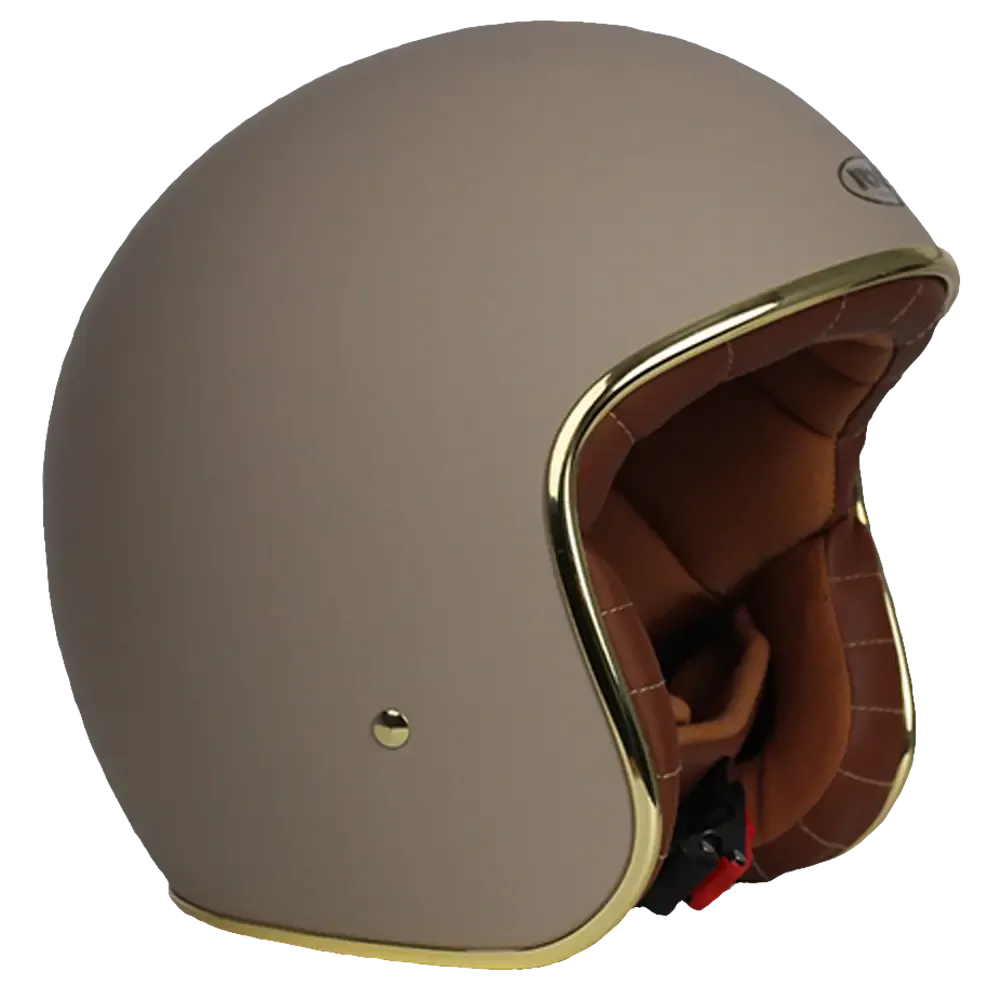
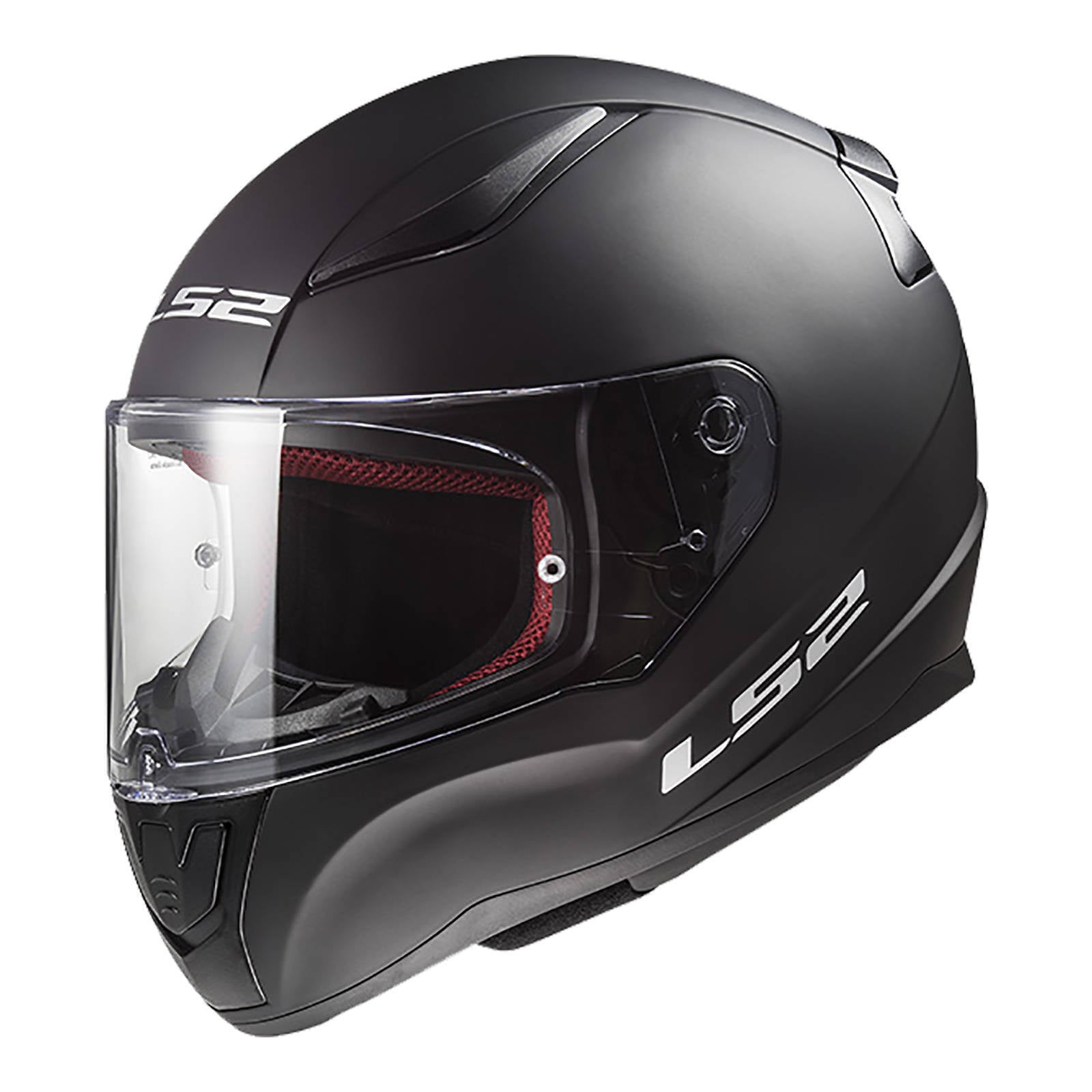
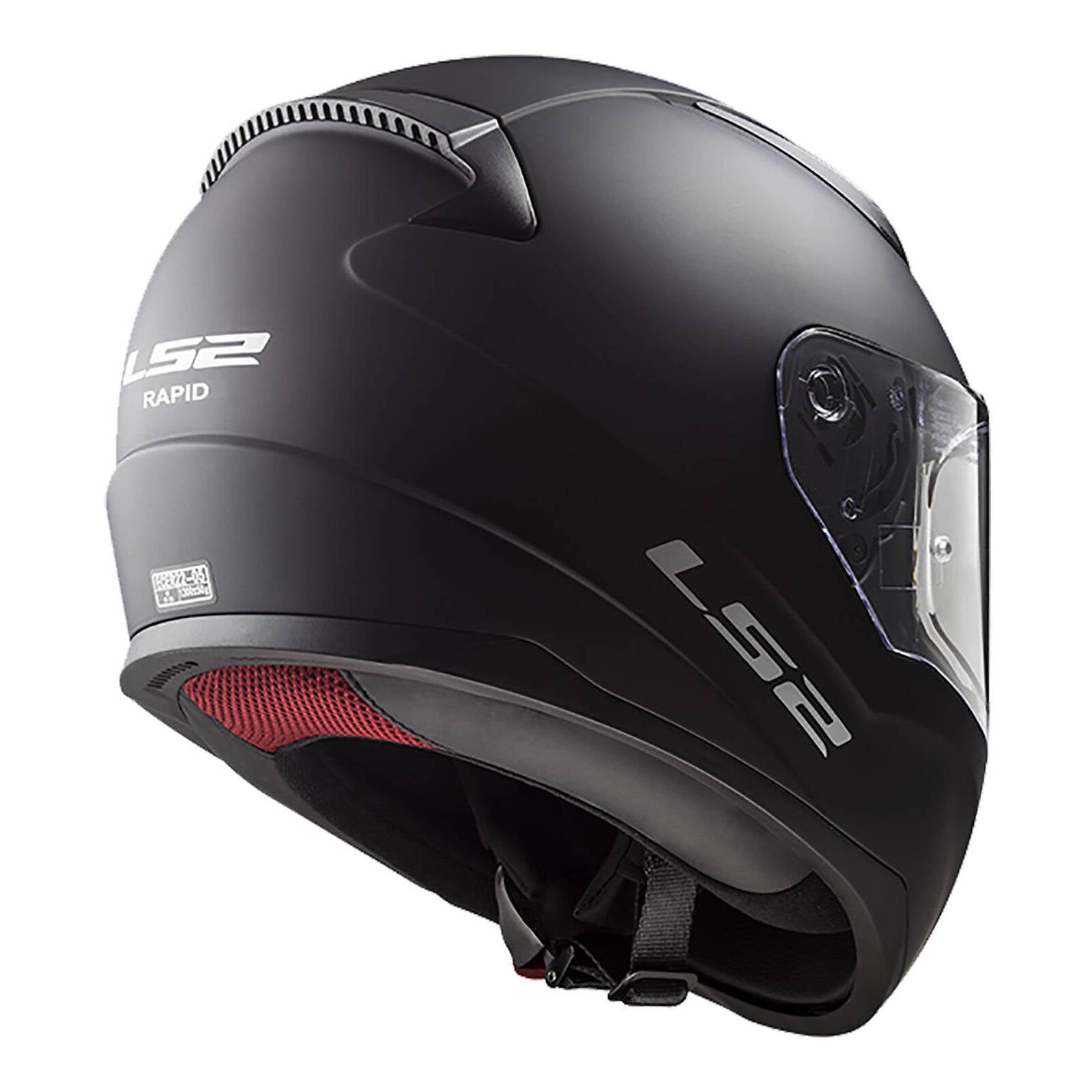
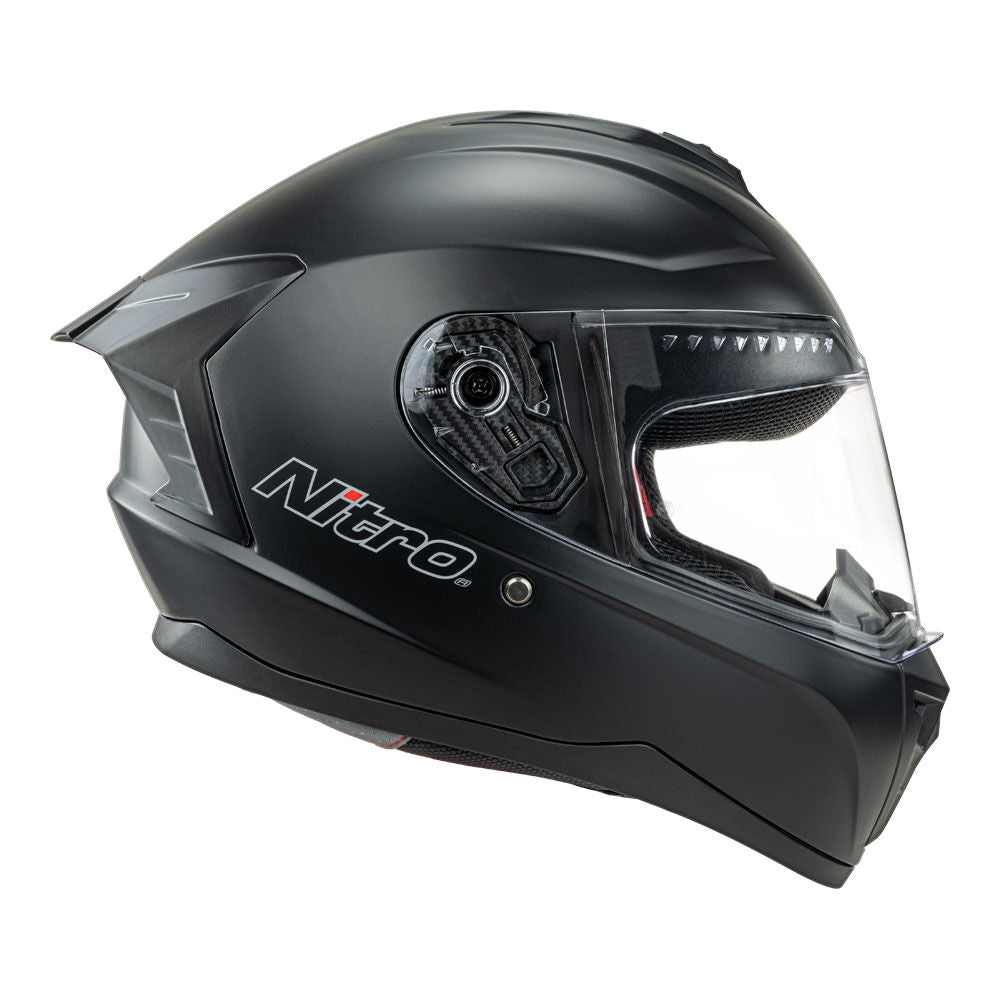


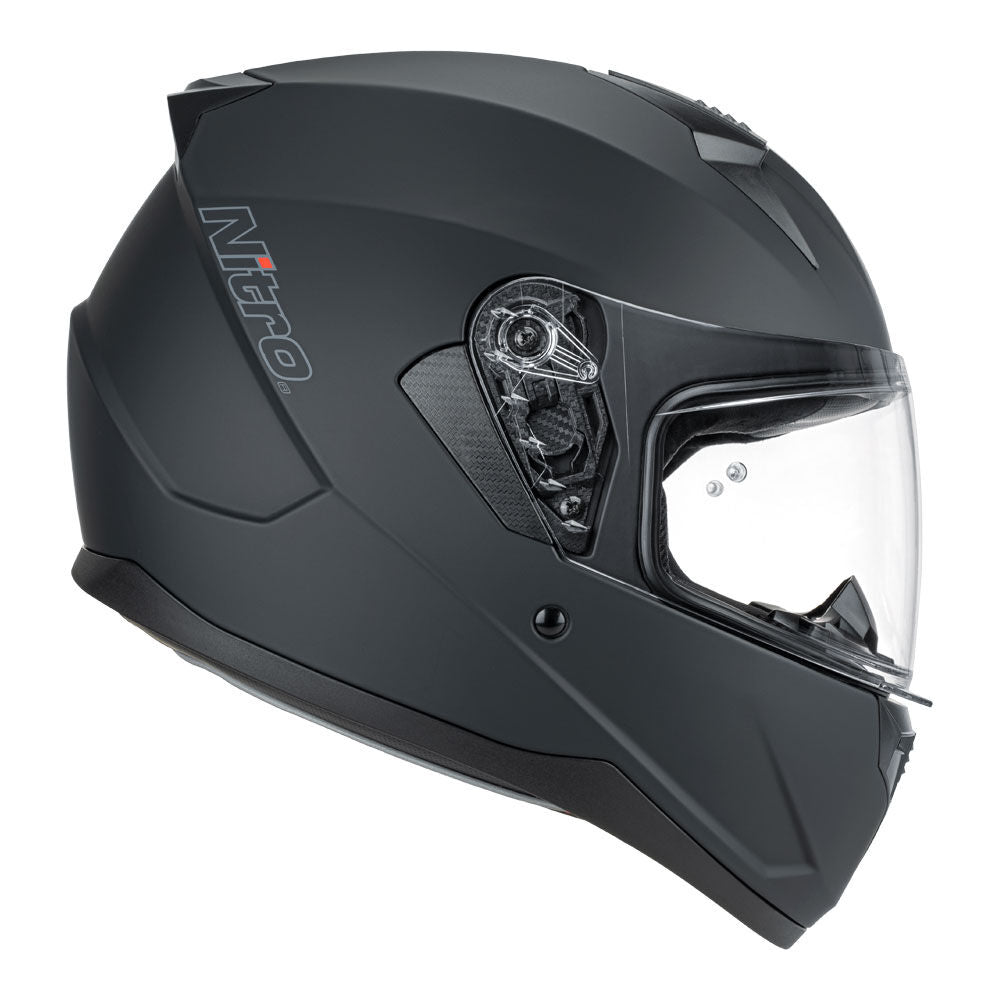
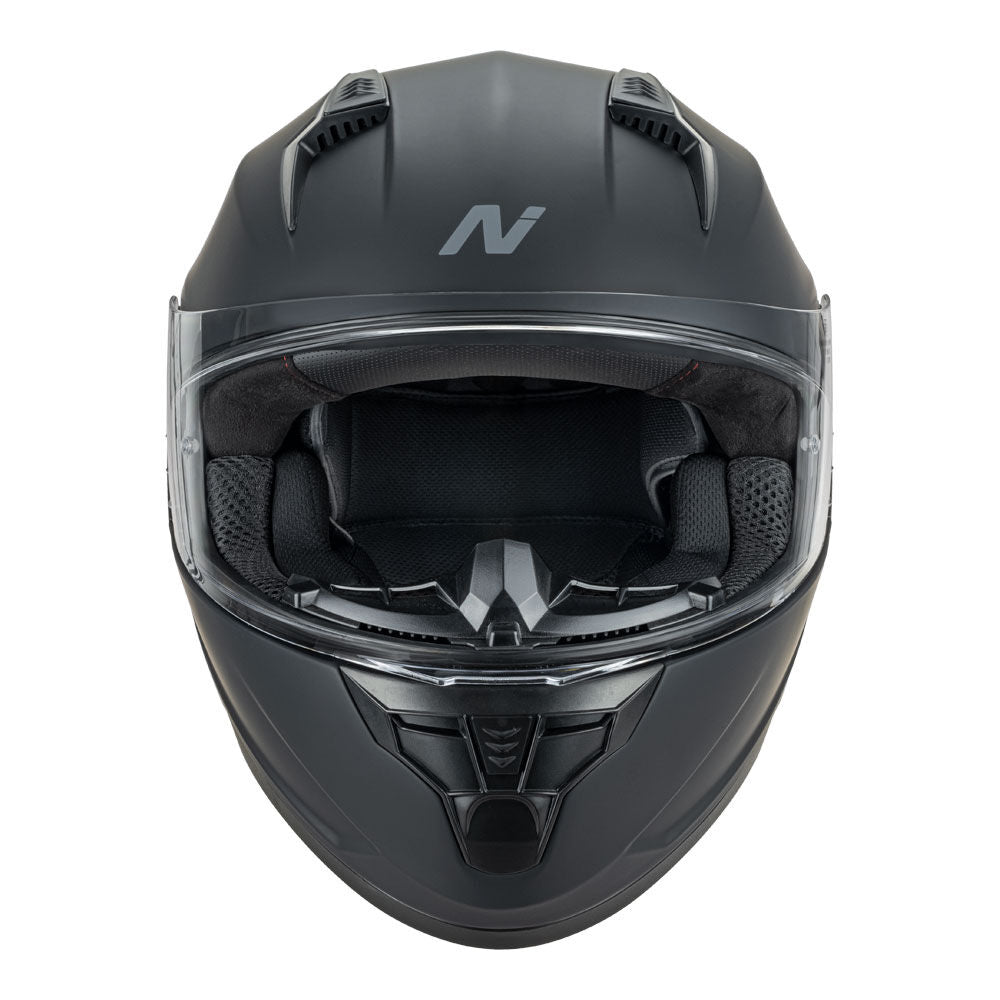
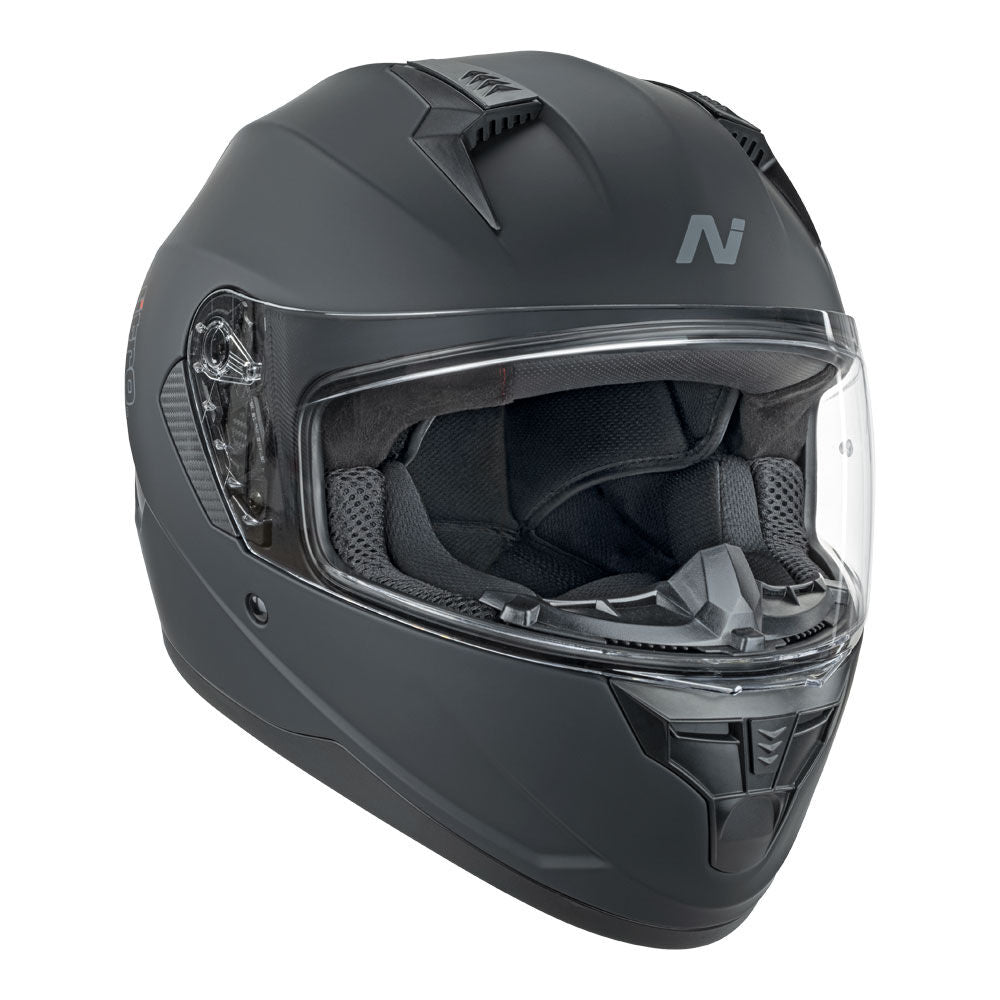
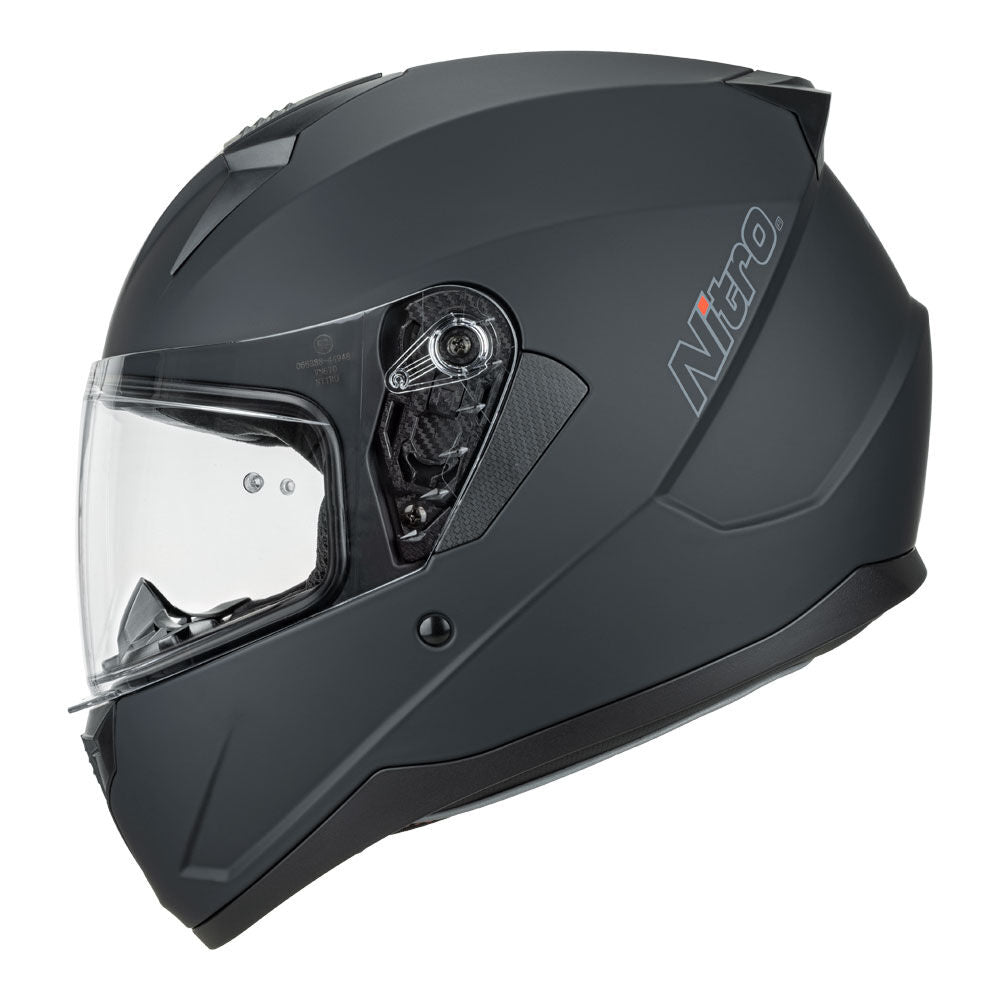
NITRO N670 FULL FACE SATIN BLK S
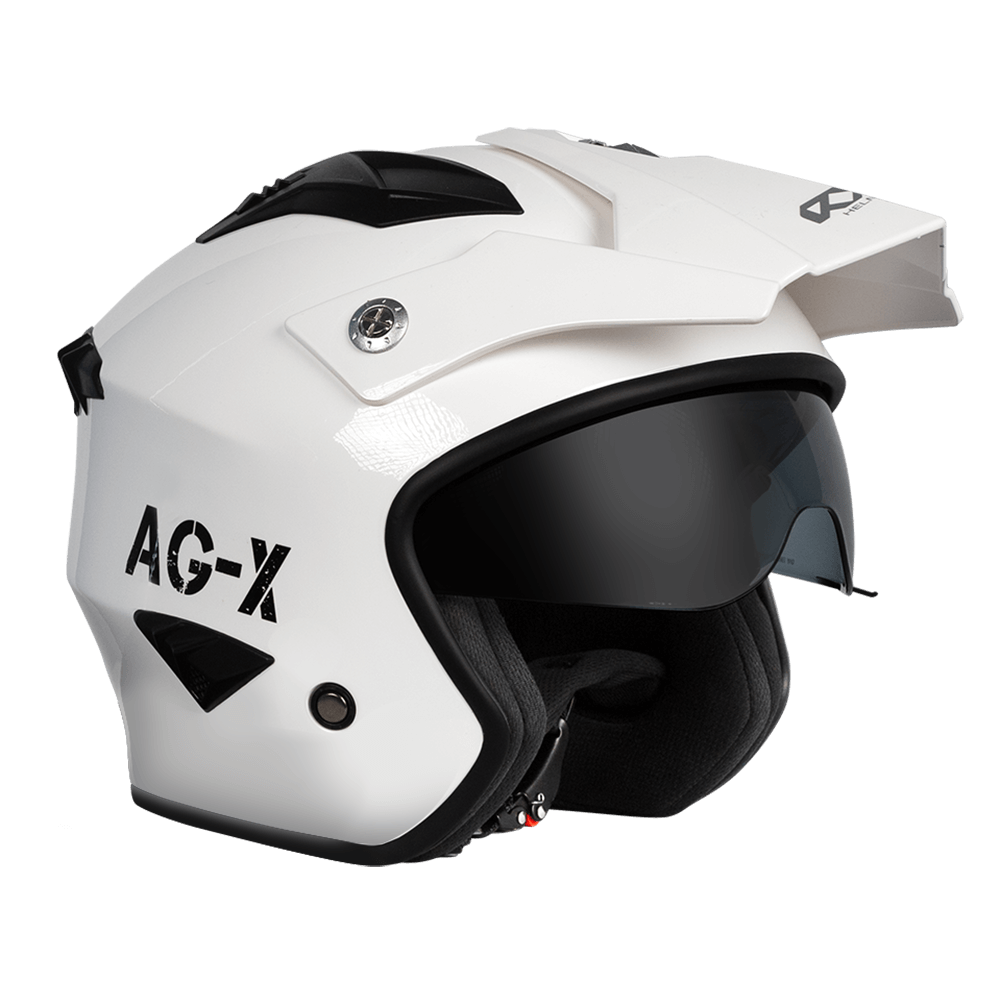
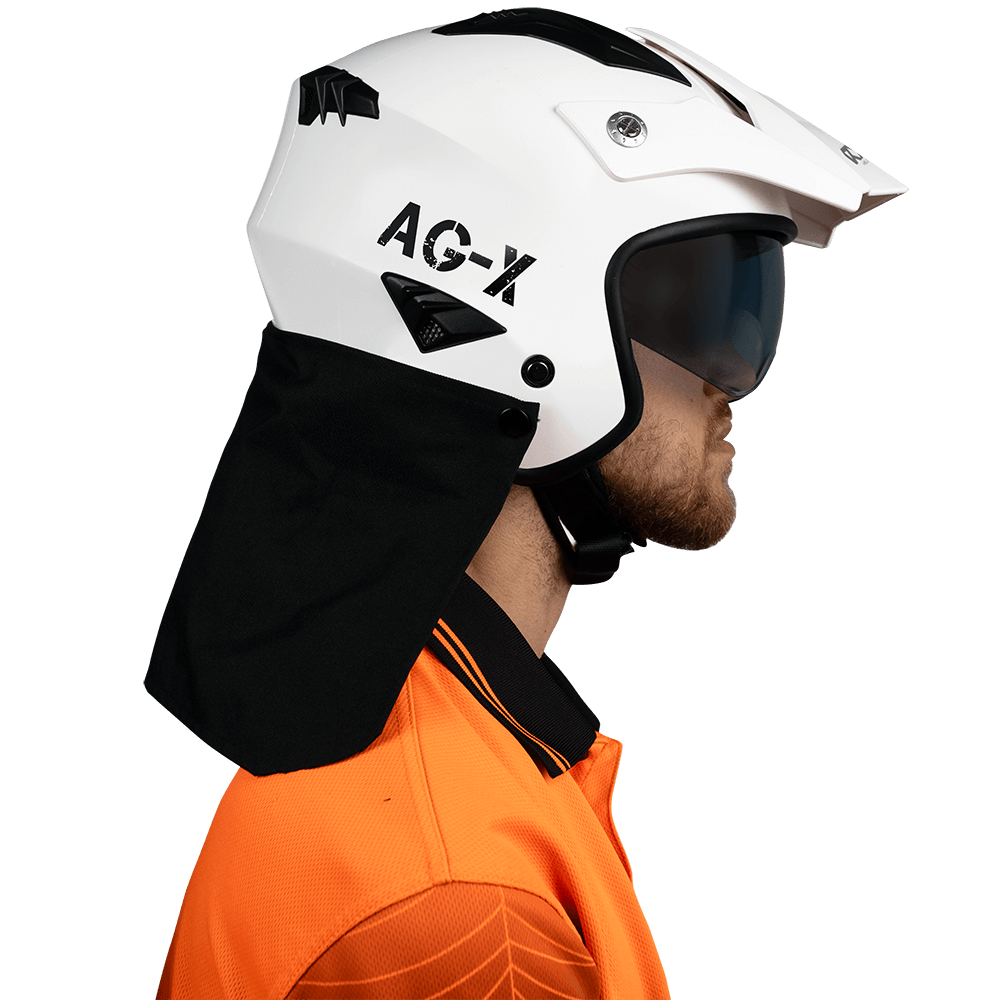
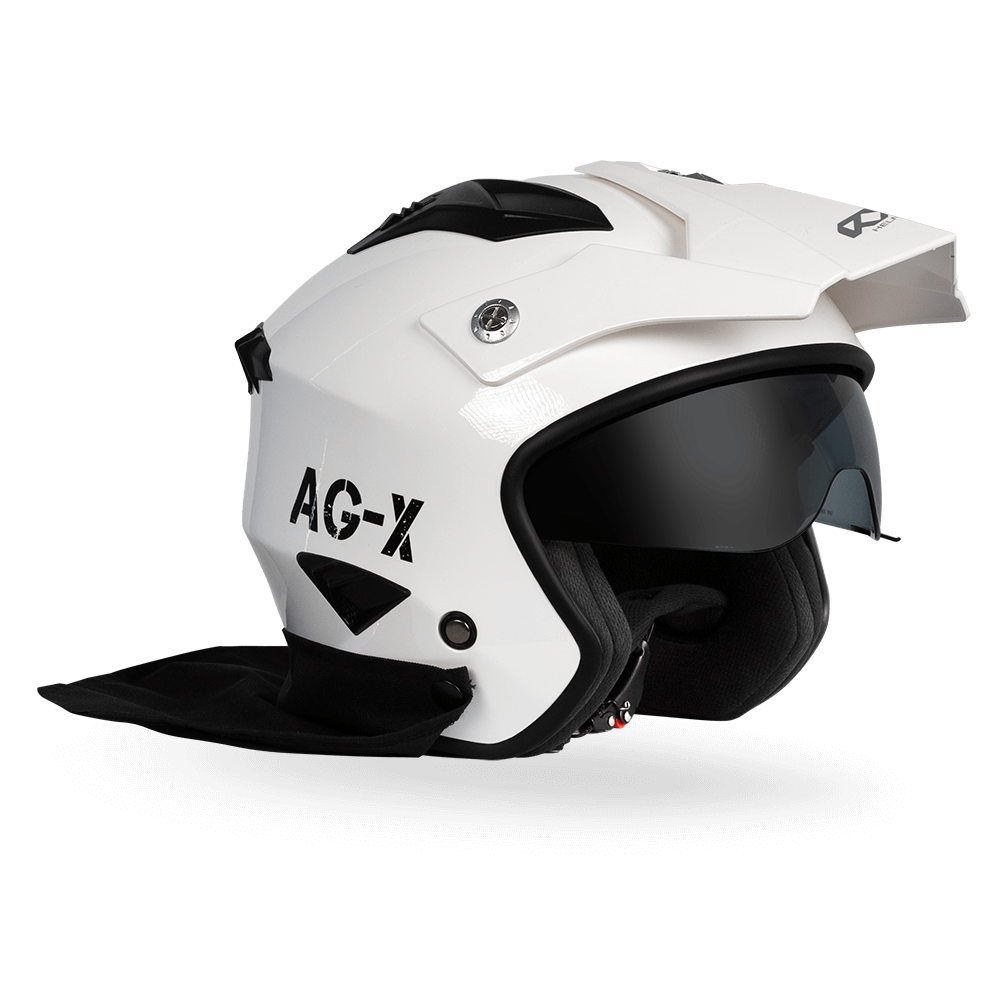
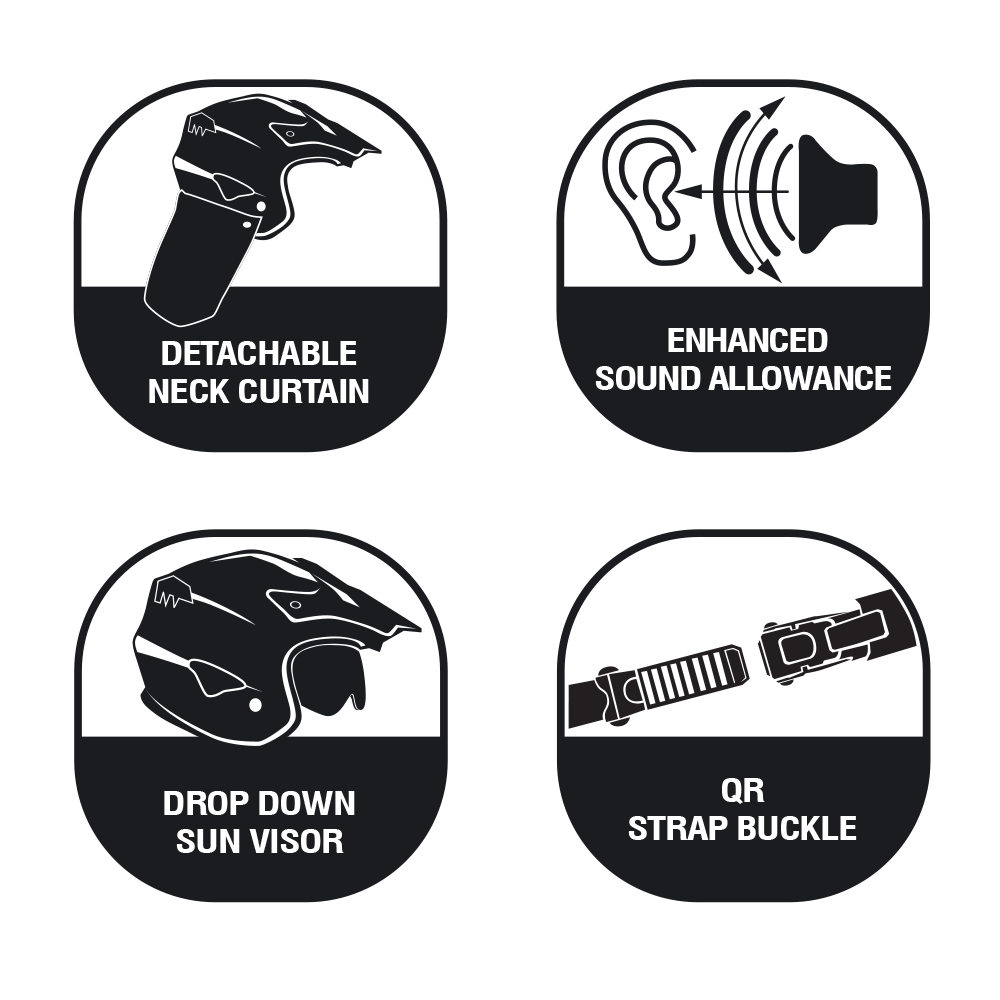
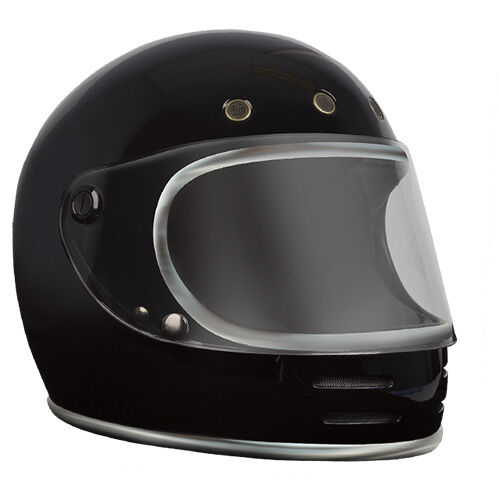
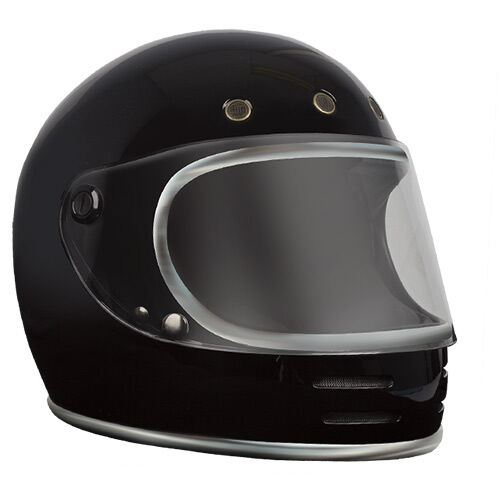
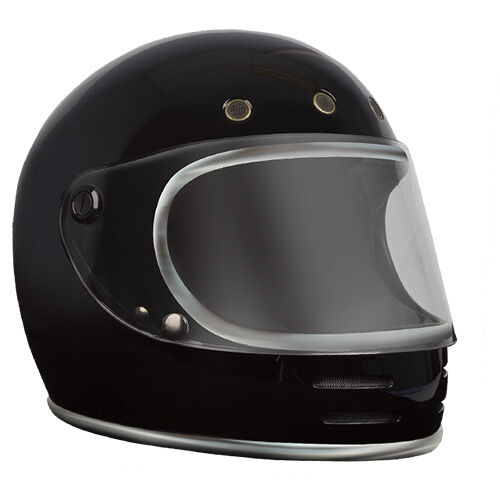

RXT STONE GLOSS BLACK / CHROME TRIM


RXT CLASSIC MATT DARK ASH GREY
Shop by type: full face, modular, open face, motocross and dirt, adventure, carbon. Shop by brand: AGV, LS2, Bell, Airoh, Kabuto. Orders over $200 ship free Australia-wide from our Helensvale warehouse.
Shop motorcycle helmets by type
Six styles cover 99% of Australian riding. Pick the one that matches the bike you actually ride, not the one you wish you rode.
Full face helmets are the baseline for road riding. Shell covers forehead, cheeks and chin, which is the zone that takes roughly 19% of helmet contact in a real crash (per Hurt Report data). Best all-round abrasion and impact protection. Trade-off: the most heat retention of any helmet type. Top vents drop in-shell temperature by 3 to 5 degrees above 60km/h but do almost nothing under 40km/h in a Queensland summer. Example: LS2 FF353 Rapid II, RRP $149.99. Best for: commuters, tourers, sport riders, every new rider.
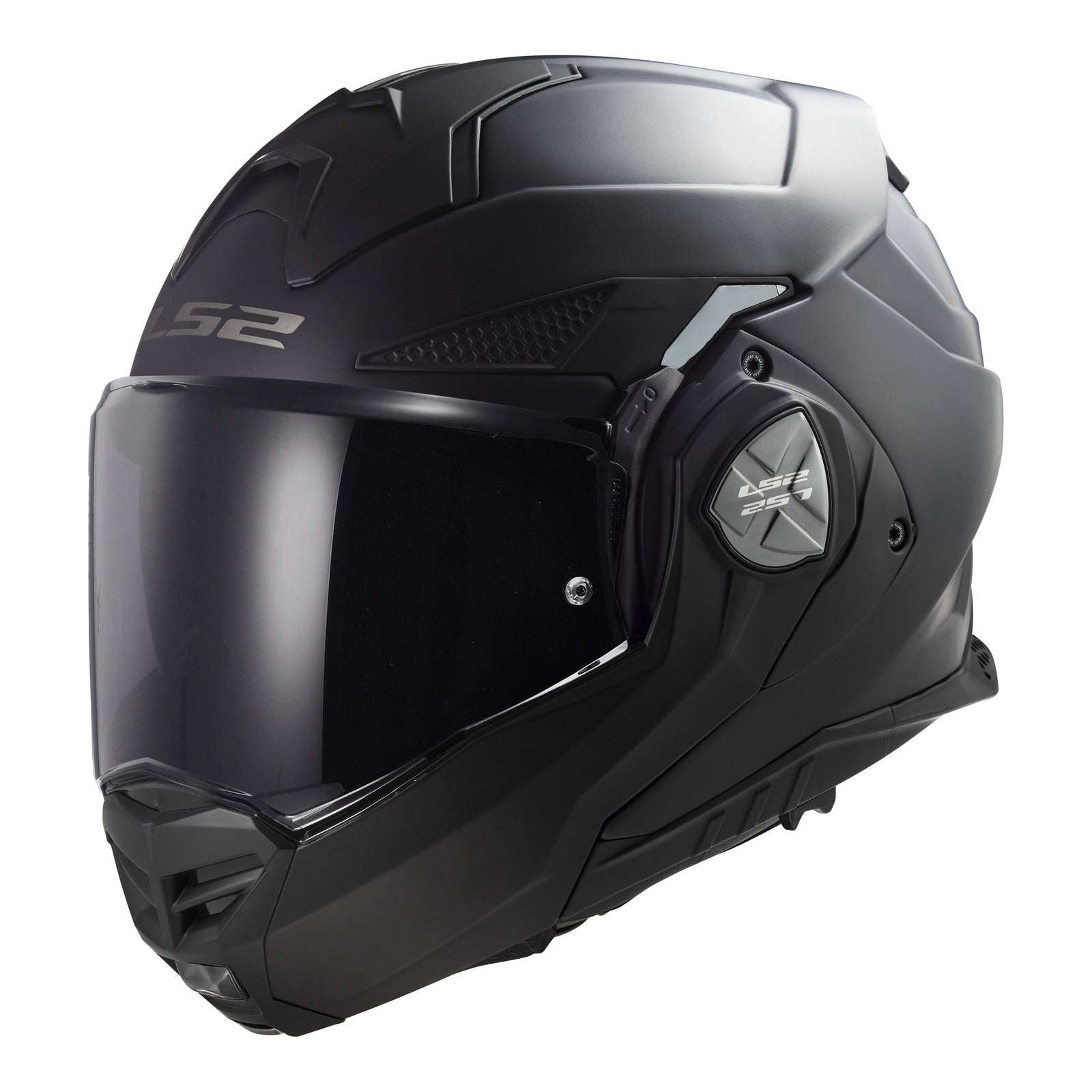
Modular helmets flip the chin bar up at the lights so you can breathe, take a drink, have a conversation without pulling the lid off. Tourers and glasses-wearers love them. Typically 100 to 150g heavier than a comparable full face because the hinge and locking pin add material. The hinge is also a structural point versus a one-piece shell, which is why ECE 22.06 tests modulars chin-bar-locked as a condition of certification. Example: LS2 FF800 Storm II Tracker, RRP $289.99. Best for: long-distance touring, urban commutes with frequent stops.
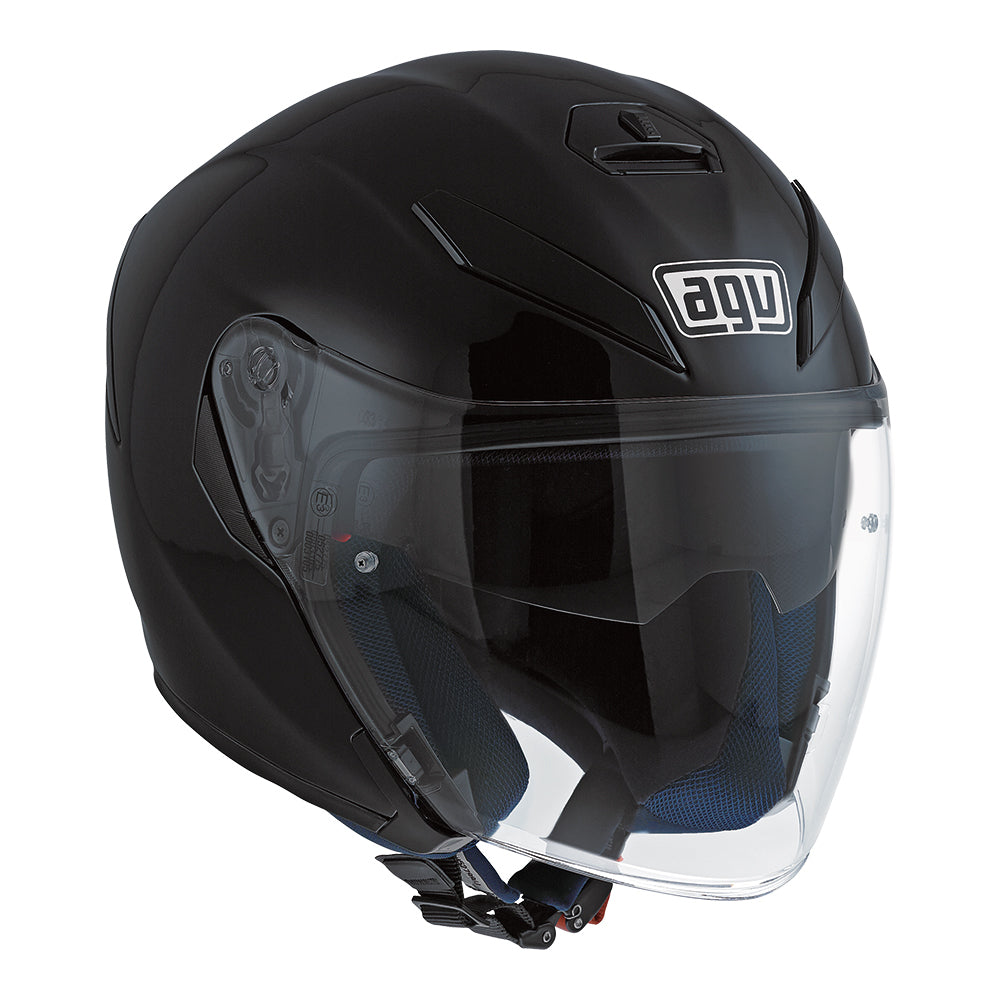
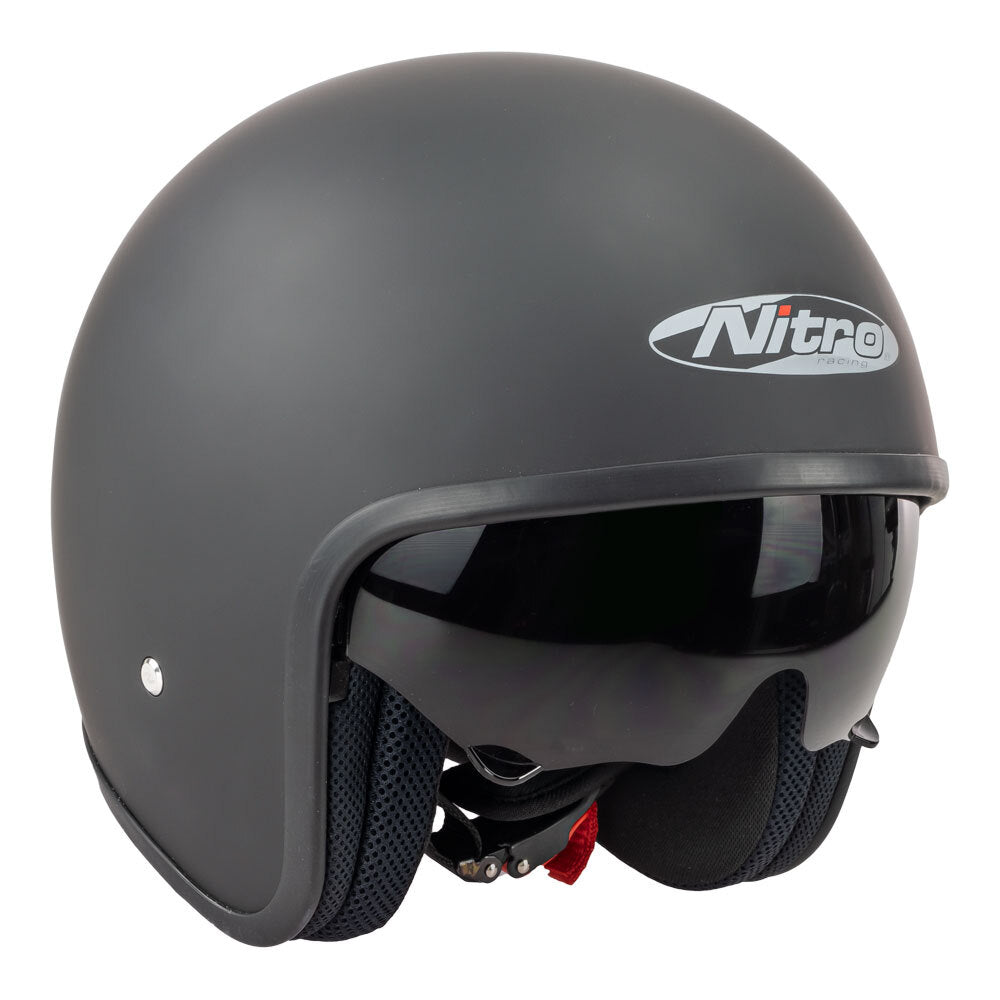
Open face helmets cover forehead, temples and cheeks but leave the chin exposed. Classic cruiser style, cooler than any full face in summer. The honest objection: zero chin protection in an impact. Open face is a considered trade-off for riders who have weighed it up, not a budget shortcut. Example: RXT Low Ride Open Face, RRP $89.95. Best for: cruisers, slow urban riding, short summer runs.
Dirt and motocross helmets are built for off-road: elongated chin bar for goggle clearance, large top vents for high-exertion airflow, no visor (goggles instead). Not road-legal as-used because there is no visor. Most carry ECE 22.06 and ASTM F2040 (the goggle compatibility standard). Loud above 80km/h because they are not aero-tuned. Example: Nitro MX502 Retro MX, RRP $199.95. Best for: MX tracks, hard enduro, off-road only.
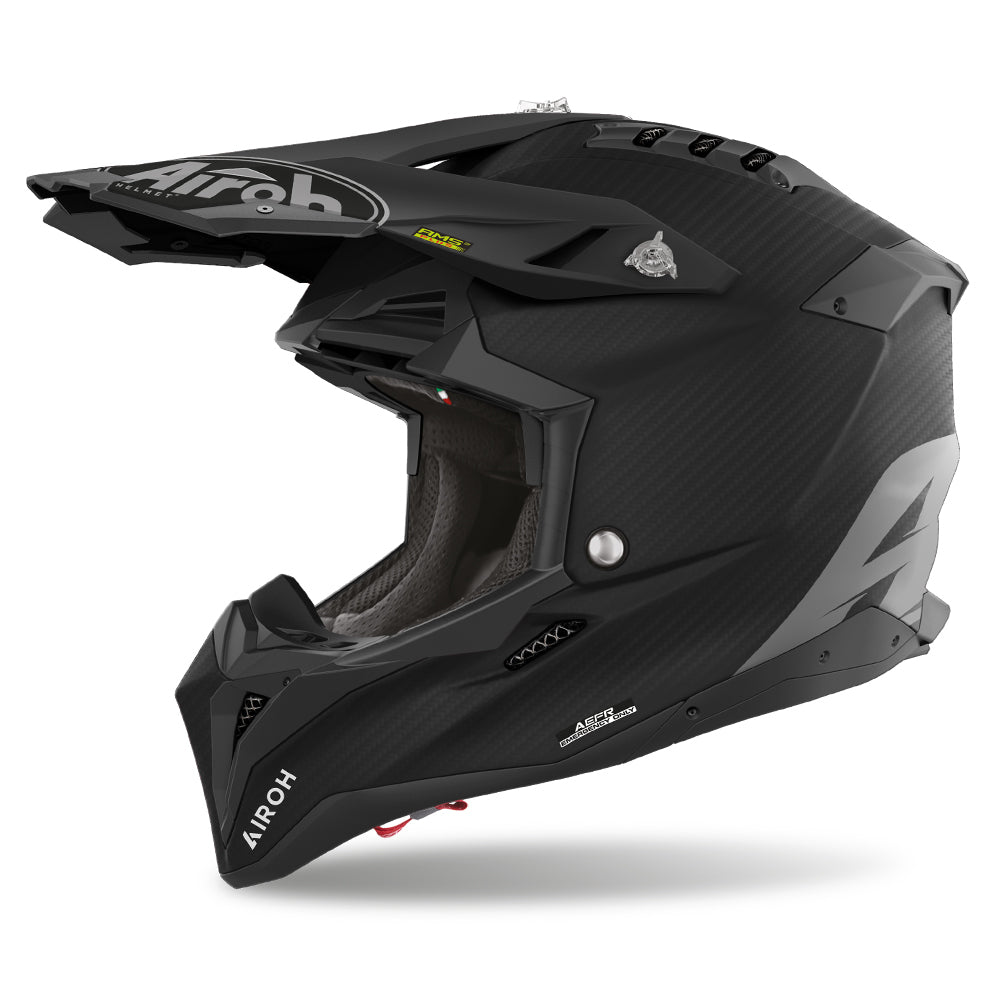
Adventure helmets combine a full-face shell with a removable sun peak for dual-sport riding. Peak protects from sun and debris on dirt, creates turbulence above 120km/h on the highway. Remove before the freeway leg. Most accept a chin vent swap for better highway airflow. Weight 1,450g to 1,650g with peak. Example: Airoh Commander, RRP around $499. Best for: ADV riders (Africa Twin, Tiger, Tenere, GS), mixed road and dirt weekends.
Race and track lids (carbon) are the top of the tier. Full carbon shell, 1,250g to 1,400g, ECE 22.06 plus often FIM Homologation or Snell M2020. Aero spoilers, tight cheek pockets, low-speed airflow tuned for lap pace. Not built for traffic. Example: AGV Pista GP RR, RRP from $1,099. Best for: track day regulars, race licence holders. Browse: carbon fibre helmets.
Certifications, safety standards and what our family actually checks for
Most riders cannot read a helmet certification sticker. This is the short version, accurate for Australia in 2026.
ECE 22.06 is the current European standard and the one that matters for Australian road riding. It replaced ECE 22.05 in January 2024. The upgrade: 22.06 adds oblique rotational impact testing (glancing angle, not straight drop) and multi-point impact on the same shell. Real crashes are almost always oblique, which is why this matters. Every helmet in this collection carries 22.06. The sticker lives inside the chin strap.
AS/NZS 1698 is the Australian Standard. Every state and territory in Australia legally accepts either AS/NZS 1698 or UNECE 22.05 / 22.06. A US DOT FMVSS-218 sticker alone is not legal for Australian road use, even if the shell is physically identical to a certified version. Every motorcycle helmet on this page is legal nationwide.
Snell M2020 is the US private standard, stricter on peak impact energy than ECE 22.06. Some Bell Race Star and Simpson race lids carry both. Worth considering if you hold a race licence, irrelevant for road-only riding.
FIM Homologation is the Federation Internationale de Motocyclisme's race-specific approval. Required by most FIM-sanctioned series for professional racing. Sits on the AGV Pista GP RR and a handful of top-tier race lids. Side note: Shark Leathers is Australia's first FIM-approved race suit manufacturer and the chosen suit supplier for the FIM Asia R3 Blu Cru Series and FIM Ohvale MiniGP Thailand. We know this standard well.
ASTM F2040 covers off-road and motocross helmets specifically (goggle compatibility and peak impact). Not a road certification. Several Airoh and Nitro MX lids carry both 22.06 and F2040.
MIPS (Multi-Directional Impact Protection System) is a technology, not a certification. A low-friction liner between the EPS foam and the shell that lets the shell rotate 10 to 15mm independently of the head on impact. MIPS testing shows reductions in rotational acceleration in oblique hits. Present in the Bell Qualifier DLX MIPS and selected LS2 models. Worth the extra $50 to $100 at the commuter tier, because low-speed oblique falls are the most common real crash.
Our family standard. Our family started Shark Leathers after Matthew crashed in 2007, at 19, and was left a quadriplegic. Nearly twenty years on, every helmet we stock gets judged the same way. Full story on our about page. If a lid would not go on one of ours, it does not go on this site.
The brands we stock, and why each one is on this page
Nine brands. No filler. Every one of these earned its place by the same family standard. No helmet is on this page because of a cheap import margin.
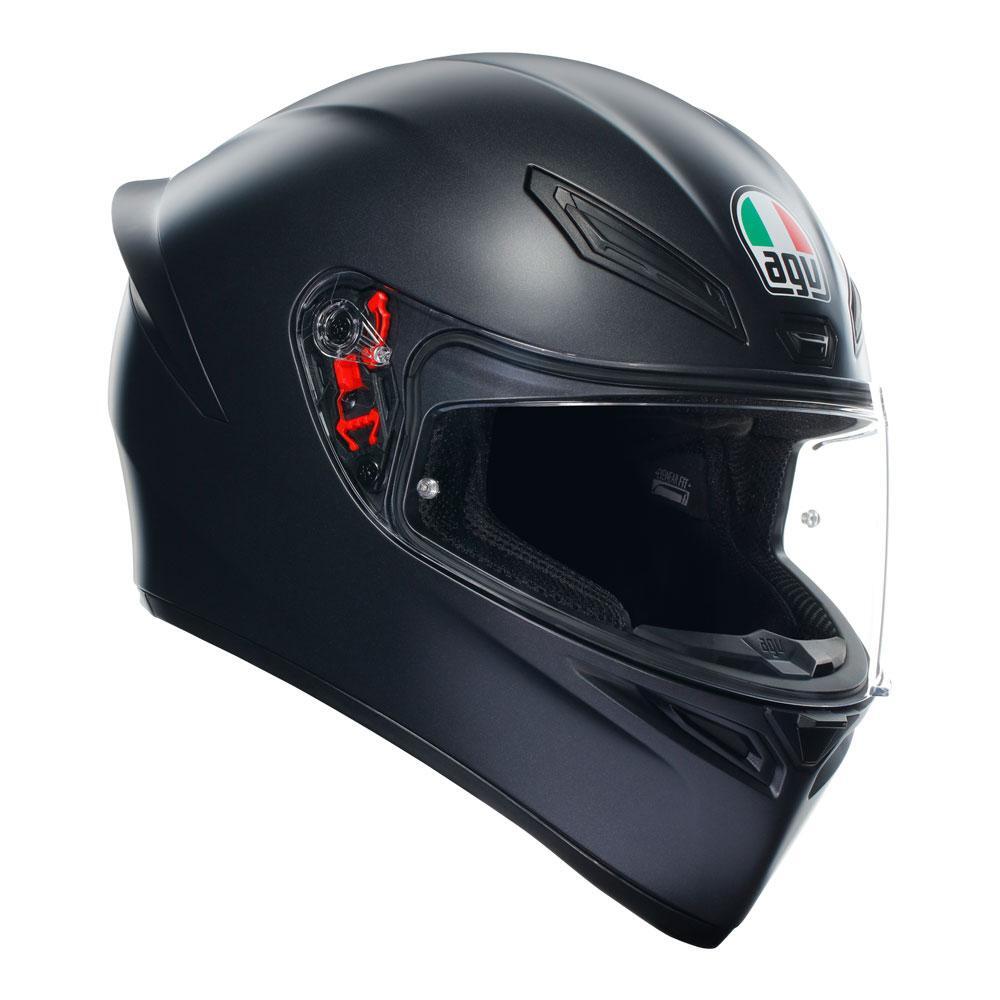
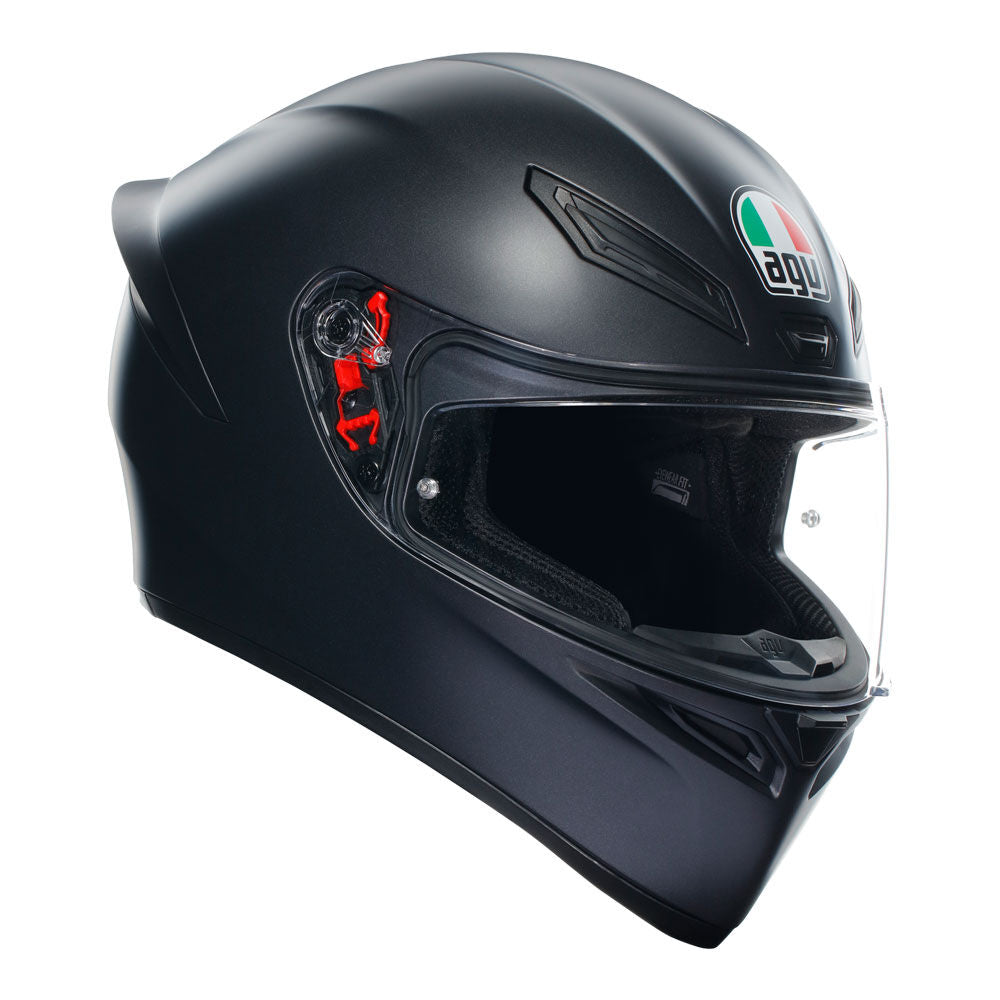
AGV is Italian, founded 1947, and carries more MotoGP history than any other helmet brand (Rossi, Biaggi, Lorenzo, Quartararo). AGV runs rounder through the crown and suits intermediate to round ovals. Range spans the K1-S entry ($329) to the Pista GP RR race lid ($1,099+). ECE 22.06 across the board.
LS2 punches above its price tier consistently. ECE 22.06 certified, Pinlock-ready, and sits closer to intermediate oval in fit. The FF353 Rapid II ($139.99) and FF800 Storm II ($289.99) are the volume sellers. LS2 is our standard recommendation for L and P riders on a budget who still want modern certification.
Bell has been making helmets since 1954. Built the first full face motorcycle helmet (Bell Star, 1968). Bell runs narrower across the cheeks than AGV or LS2. Qualifier DLX MIPS is the standout at around $499, and the Eliminator covers the cafe racer crowd. Full Bell family detail on our Bell helmets page.
Airoh is Italian, founded 1987, strongest in adventure and MX. The Commander is the ADV pick ($499 to $699). Light shells, aggressive venting, ASTM F2040 on the MX range. Good fit for long-oval heads.
Simpson carries US drag racing heritage. Street-legal Speed Bandit and Venom variants with ECE 22.06 plus aggressive retro styling. For riders who want a lid with attitude and a real race pedigree behind it.
X-Lite sits at the premium Italian touring tier. Carbon shells, ECE 22.06, serious noise engineering for long days. Small but considered range.
Kabuto is Japanese, built for Asian oval head shapes. Technical design, excellent venting, underrated in the Australian market. The Aeroblade 5 is the road pick, around $449 to $599.
Nitro is the budget entry point. Full face under $100 with ECE certification, MX lids under $200. Honest lids for learners, second-bike riders, or anyone who needs a spare for the pillion.
RXT is Australian-designed entry-tier, strong in open face and retro. The Low Ride ($89.95) and Vintage ($229.95) are the volume movers. Not a race lid, not trying to be.
How to choose: a buying framework that holds up
Three questions, in this order. Skip one and you waste money.
1. What do you ride, and where? A 50km daily commute through Brisbane traffic is not the same as a weekend run up the Old Pac or a track day at Morgan Park. Commuter riding favours a modular or full face with good low-speed ventilation and Pinlock compatibility. Touring favours a quiet, lightweight full face or adventure lid with intercom cutouts. Track favours a carbon shell with FIM or Snell certification. Cruising favours open face with a shield. Match the helmet to the actual riding, not the aspirational version.
2. What head shape do you have? Intermediate oval covers about 70% of Western heads. Long oval is narrower front-to-back, wider side-to-side. Round oval is common in Asian heads. Fit differs by brand, not just by size. Bell runs narrow in the cheeks, AGV rounder through the crown, LS2 close to intermediate oval, Kabuto suits Asian oval. If your last lid was an AGV medium that fit perfectly, a Bell medium will probably pinch. Try two or three brands in the same size before buying your first of a new brand.
3. What budget makes sense for how much you ride? Under $300 buys a good polycarbonate full face with ECE 22.06 for commuting 5,000 to 10,000km a year. $300 to $600 buys composite shells, better ventilation and noise insulation, suitable for weekend warriors and daily commuters racking up 15,000km plus. $600 to $1,000 buys fibreglass or early carbon, proper touring spec. Above $1,000 is race and serious touring territory, where weight savings earn back the price in neck fatigue on 500km days. Pick the tier that matches the hours, not the aspiration.
Fit test checklist (do this in store or on return-friendly orders). Helmet on, fastened. Thirty seconds: no sharp pressure points. Three minutes: no hot spots on the forehead or crown. Try to rotate the helmet side-to-side with straps done up; it should move no more than 20mm. Push up from the front; it should resist coming off. Cheek pads should press your cheeks enough to make a fish face without hurting. A loose helmet in a crash rotates off your head. A tight helmet gives you a headache in twenty minutes and you stop wearing it. Both are failure modes.
Frequently asked questions
What helmet certification do I legally need in Australia?
AS/NZS 1698 or UNECE 22.05 / 22.06. All Australian states and territories accept either. Every motorcycle helmet in this collection carries one. A US DOT FMVSS-218 sticker alone is not sufficient for road use in Australia, even if the shell is physically identical to a certified version. Most helmets sold here since 2024 carry ECE 22.06, the tougher of the two live standards.
How long does a motorcycle helmet last?
Manufacturers rate shell and EPS liner to 5 years from date of manufacture, or 7 years from date of first use, whichever is sooner. The DOM sticker lives inside the chin strap. EPS foam hardens with sweat, UV and age, stopping it performing to the drop-test standard. If you drop the helmet from head height onto concrete, replace it. Foam that has crushed once does not crush the same way twice.
Full face, modular, open face or adventure for a first helmet?
Full face. It is the most protective per dollar, the easiest to find in your size, and works for 90% of Australian riding. Modular if you commute in heavy traffic or wear glasses. Open face only if you ride cruisers in the city and have weighed the chin trade-off. Adventure if you actually ride dirt more than occasionally. Everyone else starts with a full face.
Is MIPS worth the extra money?
At the commuter tier, yes. MIPS adds $50 to $100 to the sticker and is designed for oblique (glancing) impacts, which are the realistic low-speed crash: intersection clips, driveway tip-overs, gravel slides. Above $800 most race-spec helmets use other rotational management systems (Bell Flex, AGV MPLG) that are engineered into the liner itself. At $400 to $600, MIPS is the easiest rotational protection upgrade you can make.
Can I fit an intercom in any motorcycle helmet?
Most full face, modular and adventure helmets in this range have recessed 40mm speaker pockets and a pre-cut mic channel for Cardo Packtalk Edge, Cardo Spirit HD, SCS S7 Evo, S11 and S13. A small number of slim-profile race lids need the helmet-specific intercom kit. Open face and dirt helmets use clip-on speaker mounts. Check the product page for "intercom ready" before buying, or see our full range of helmet intercoms.
Do you ship motorcycle helmets Australia-wide?
Yes, free over $200 Australia-wide, from our Helensvale warehouse on the Gold Coast. Helmets ship in the manufacturer's protective carton to avoid EPS damage in transit. Most orders placed before 2pm AEST ship same day. Tracking provided on every order.
FAQs
What are the legal requirements for motorcycle helmets in Australia?
To legally ride in Australia, your motorcycle helmet must meet approved safety standards. These include:
- Australian Standard (AS) 1698:1988 — Protective helmets for vehicle users.
- Australian/New Zealand Standard (AS/NZS) 1698:2006 — Protective helmets for vehicle users.
- United Nations Economic Commission for Europe (UN ECE) 22.05 and ECE 22.06 — International standards for motorcycle and moped helmets and visors (This is also Helmet new approval code)
To check if your helmet complies, look for a label sewn into the interior lining and, if it was manufactured after 2010, a visible certification sticker on the outside. These markings show the helmet meets Australia's legal safety requirements. (ECE Approvals are usually on a chin strap and will have a marking on there) Example in photo below

How do I choose the right-sized motorcycle helmet?
Start by measuring your head with a soft tape measure. Wrap the tape around the largest part of your head, which is usually just above the ears and about 1.5 centimetres (or half an inch) above the eyebrows. Keep the tape level and straight, and measure at the forehead
Once you’ve got your measurement, compare it to the specific size chart provided by the helmet brand you’re interested in. Helmet sizes aren’t universal, and what fits in one brand might not match another.
If you’re in doubt, our team at Shark Motorcycle Leathers is always here to help you get the right fit before you hit the road.
Can I use an overseas motorcycle helmet in Australia?
Yes, as long as it meets the requirements of either the Australian Standard (AS/NZS 1698) or the European Standard (ECE 22.05). (22.06 is the new approval as well as 22.05 is the older one)
When should I replace my motorcycle helmet?
We recommend replacing your helmet five years from the date of purchase. Even if it appears to be in good shape, the protective materials inside can deteriorate with time, which may affect its ability to keep you safe.
You should also replace your helmet sooner if:
- It’s been involved in a crash or dropped with force.
- There are any visible cracks, dents or damage.
- The interior padding has worn down or feels loose.
- The chin strap or buckle isn’t functioning properly.