

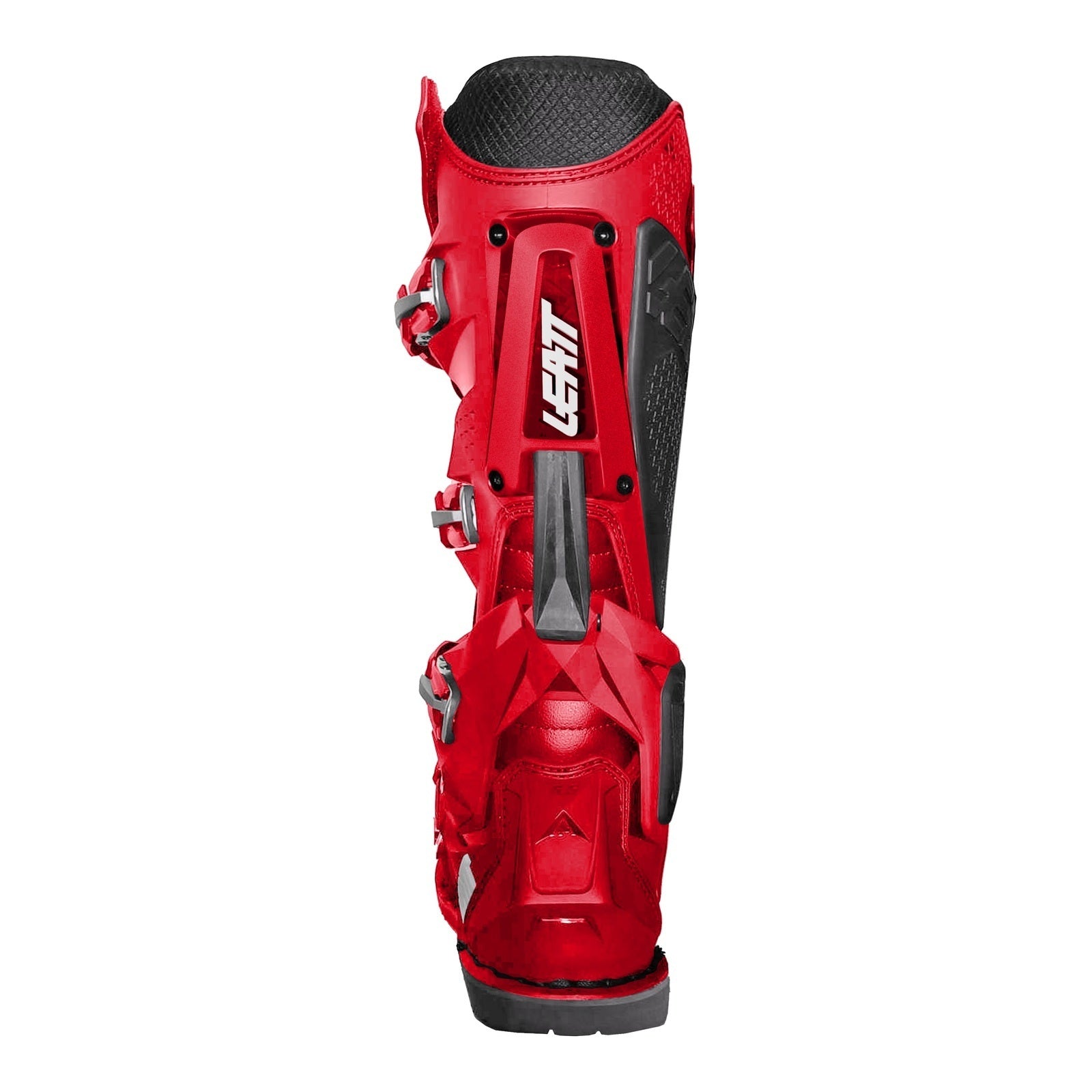
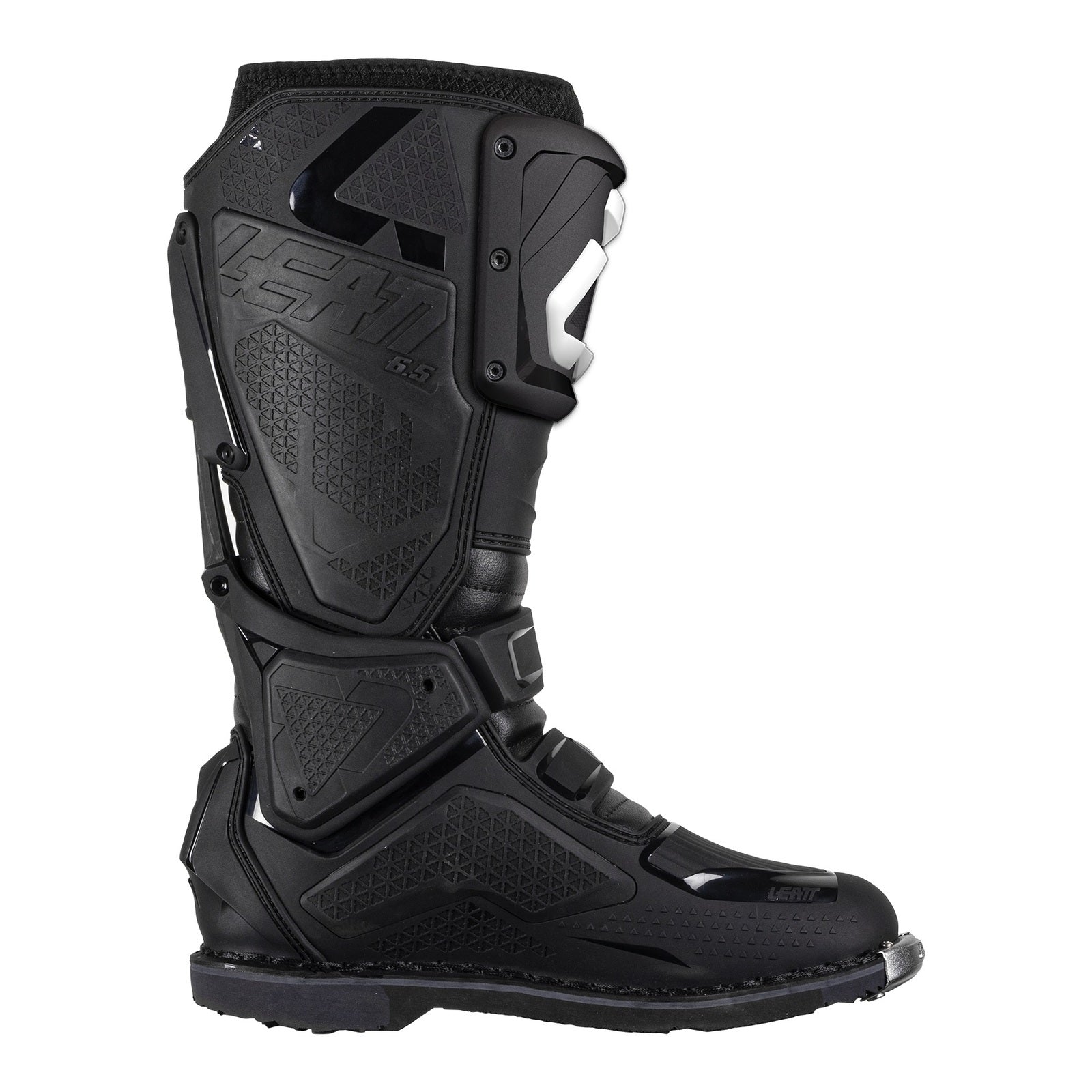
Off-road boots are the foundation of every dirt setup, protecting your shins, ankles and feet from impacts, footpeg slip and roost. This range covers Leatt, Thor, Fusport and Falco in leather and textile builds for motocross, enduro and trail riding, from entry models to top-tier enduro boots with waterproof liners.
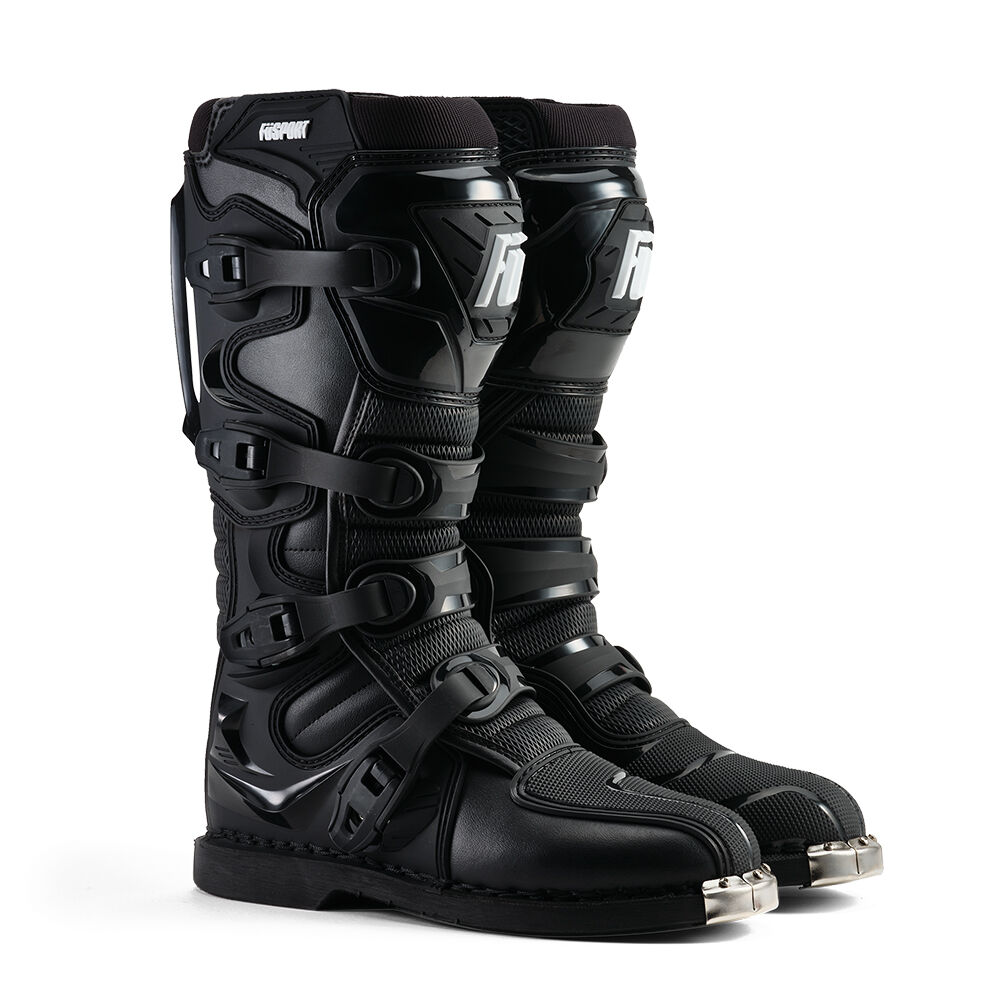


FUSPORT DIRT PILOT 2 BLACK/WHITE BOOTS
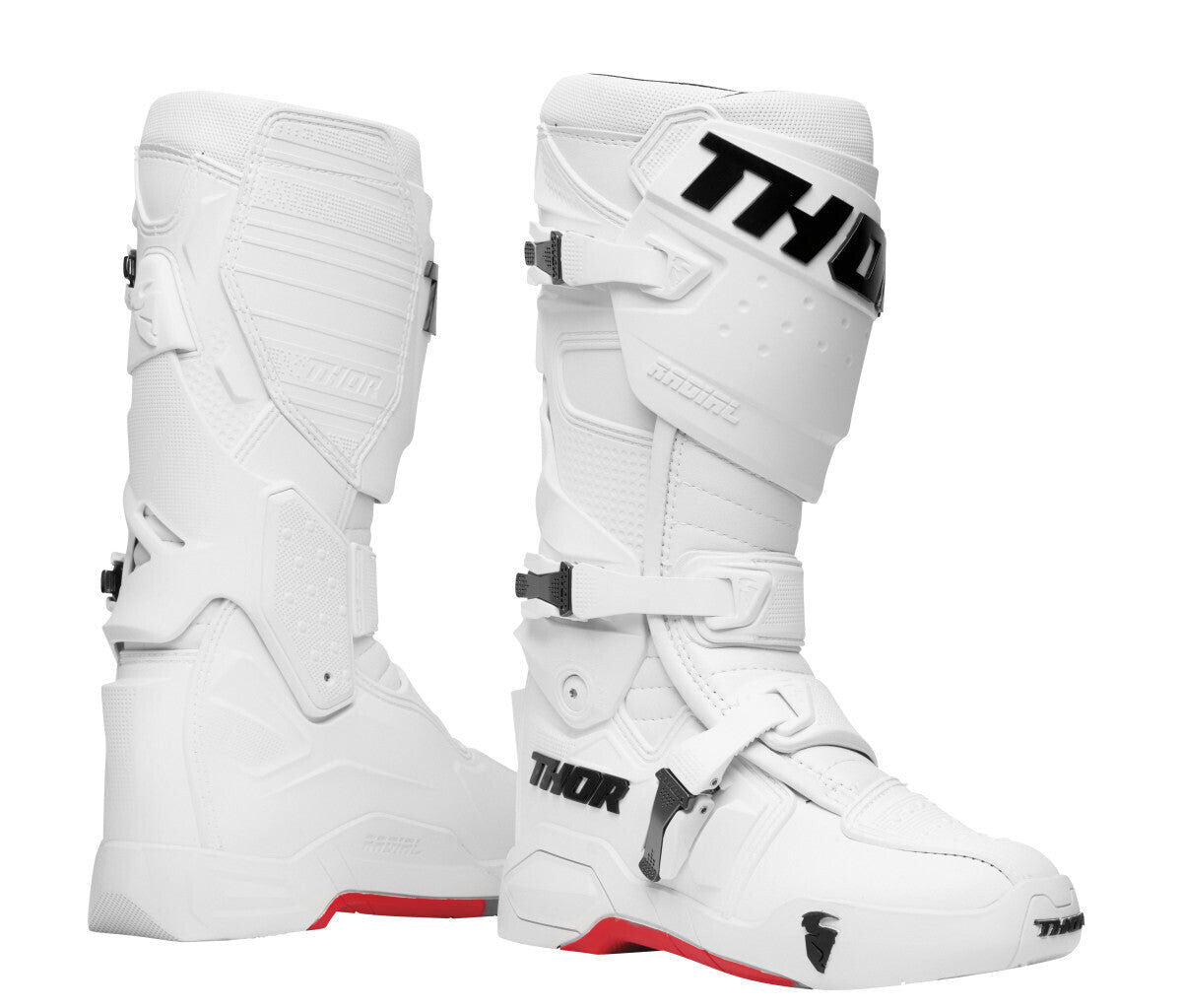
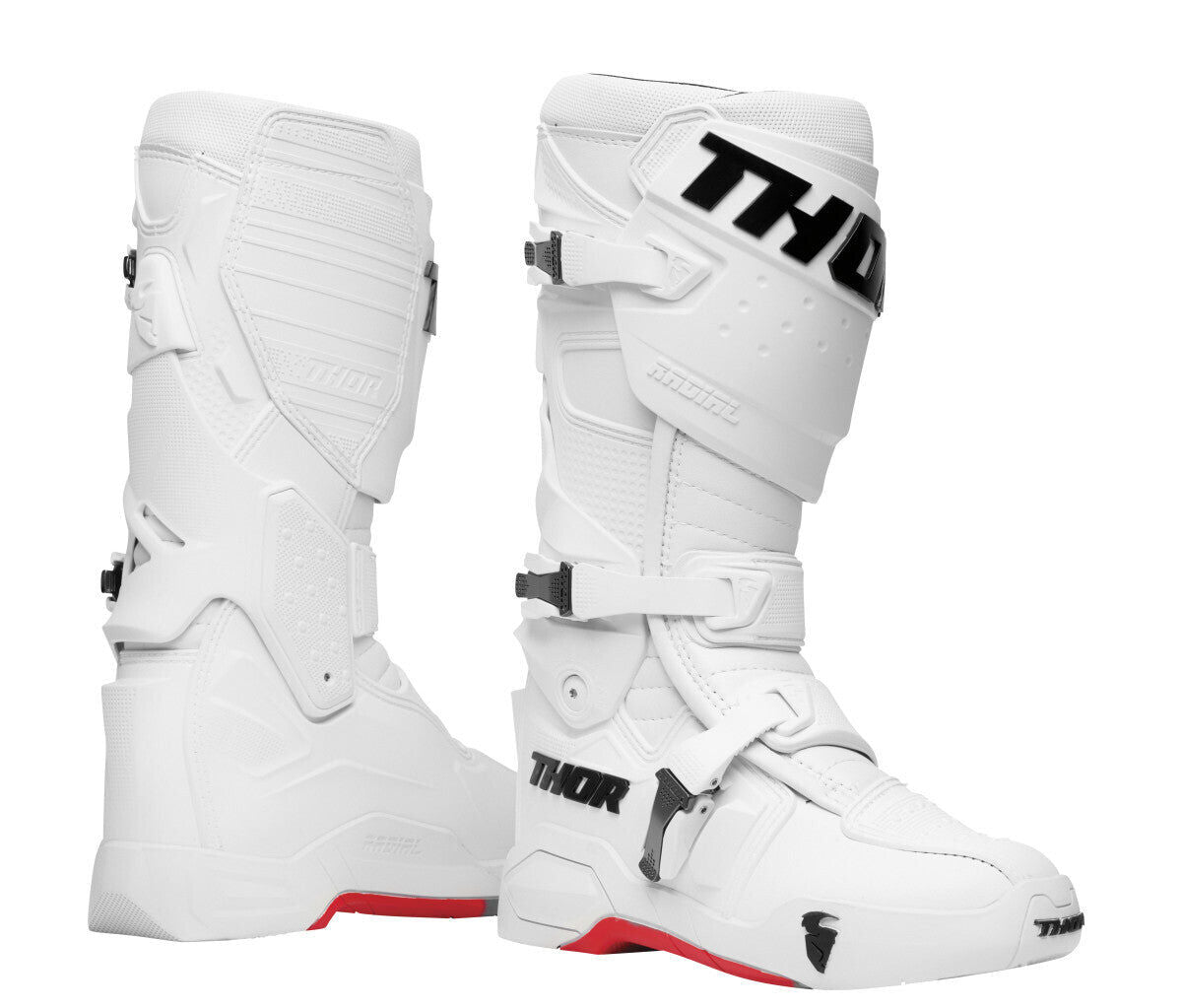
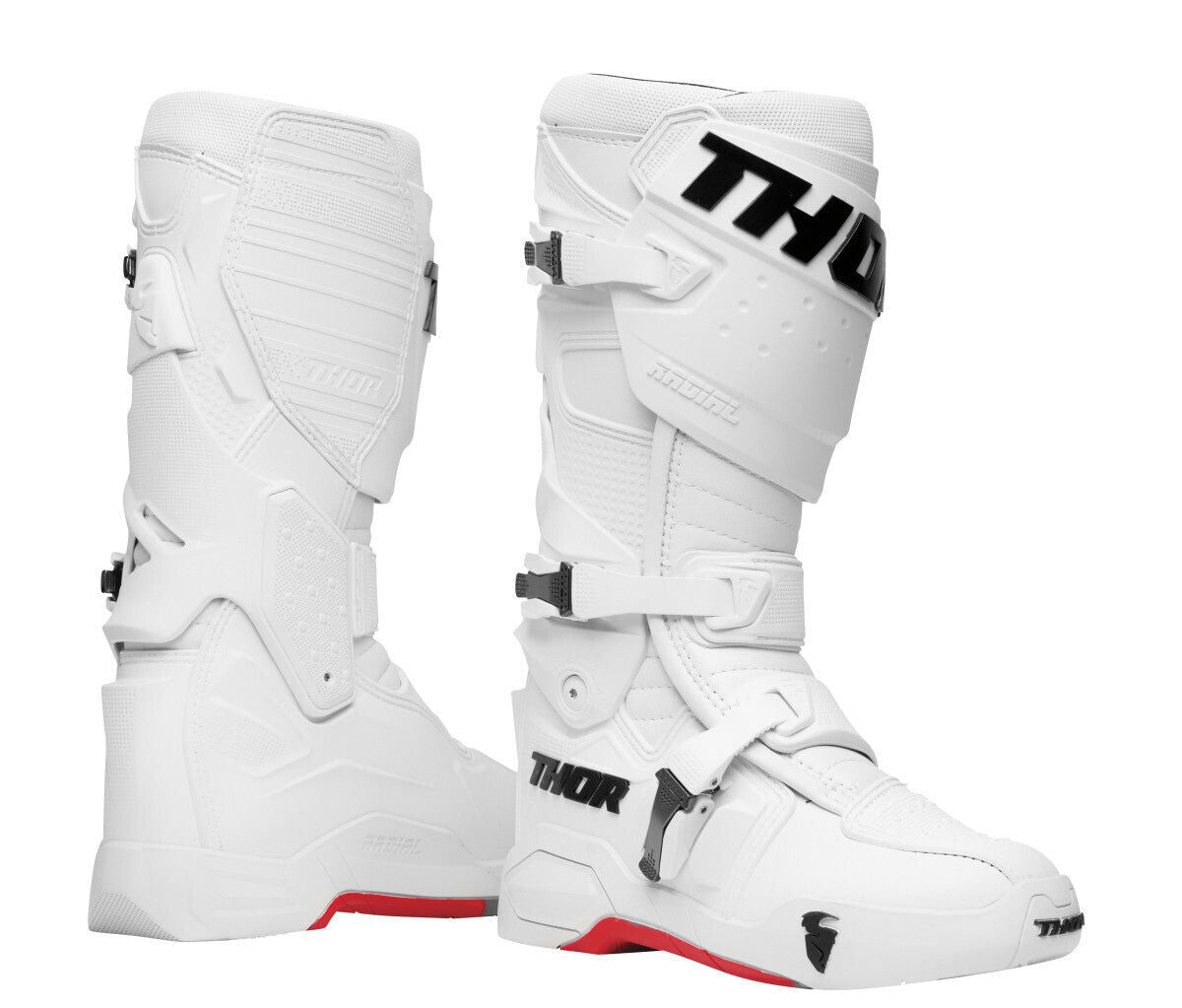
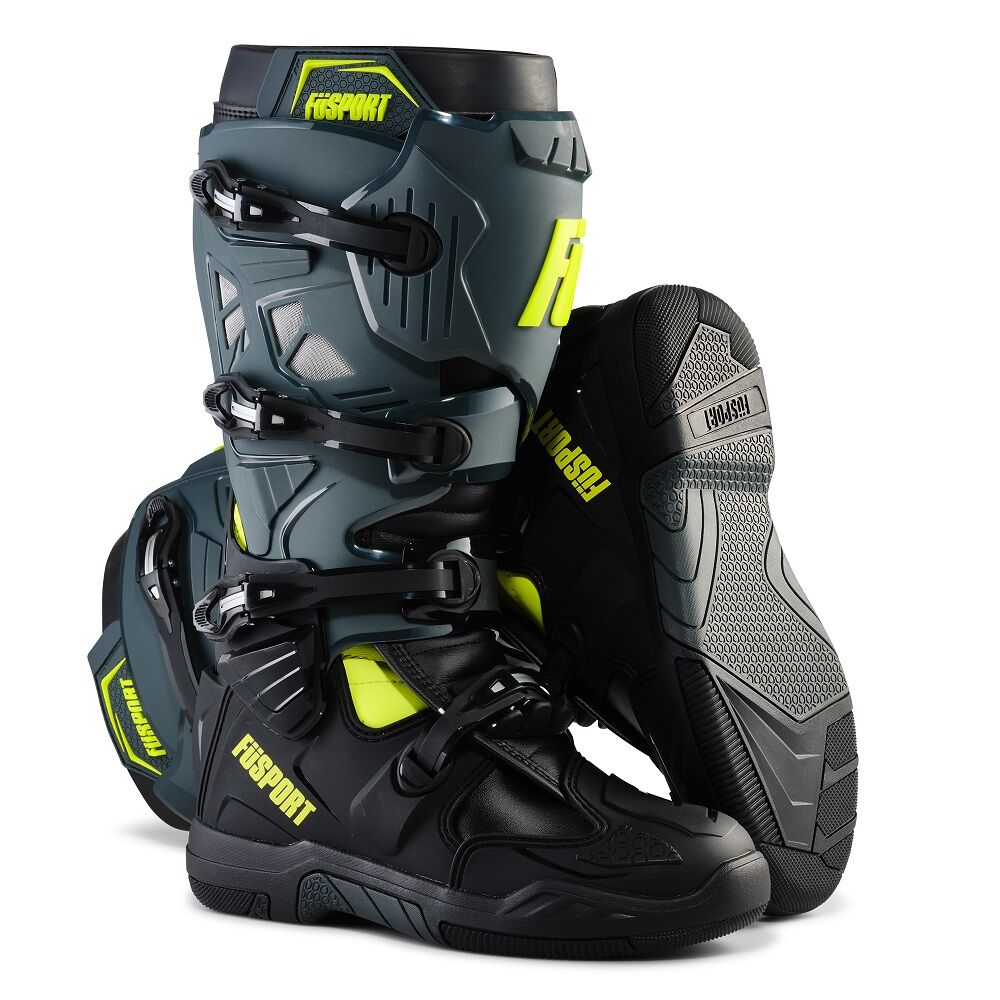

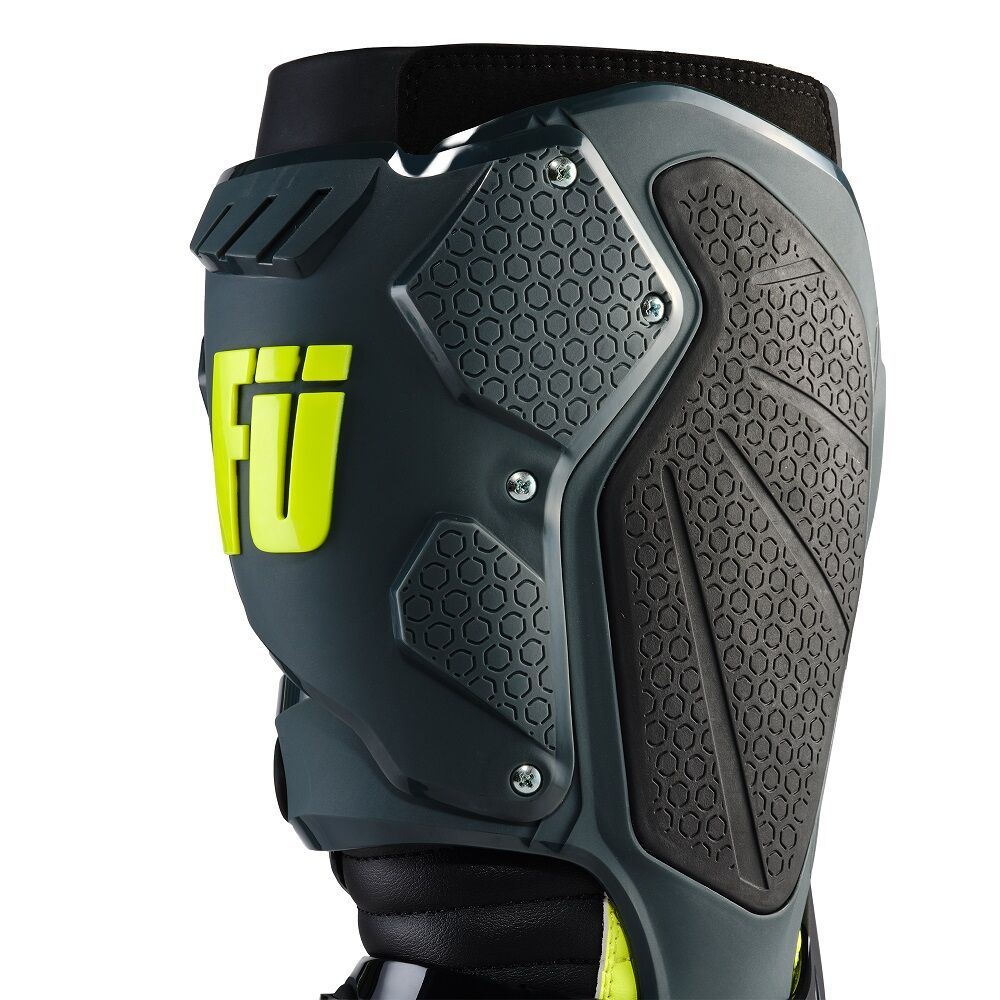
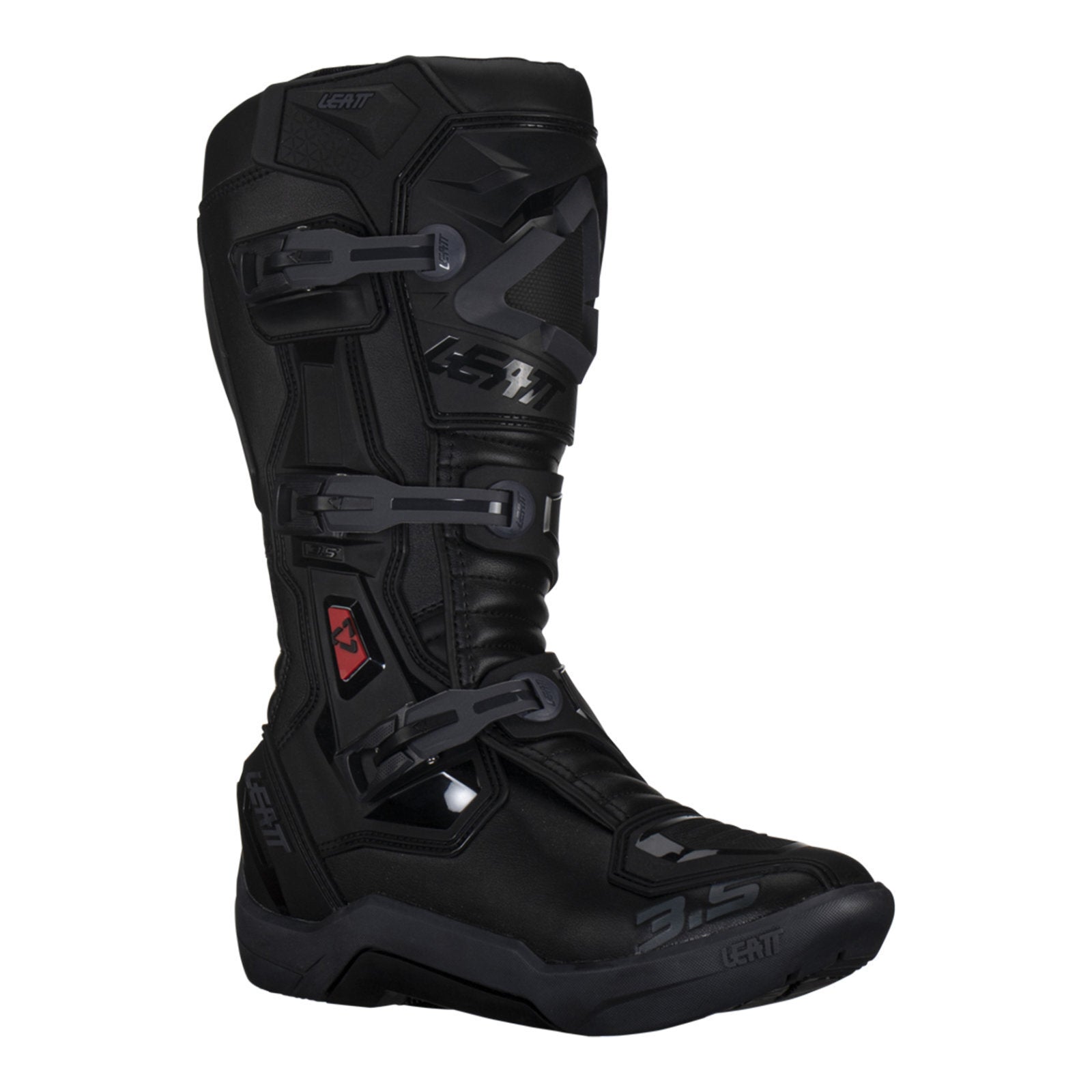
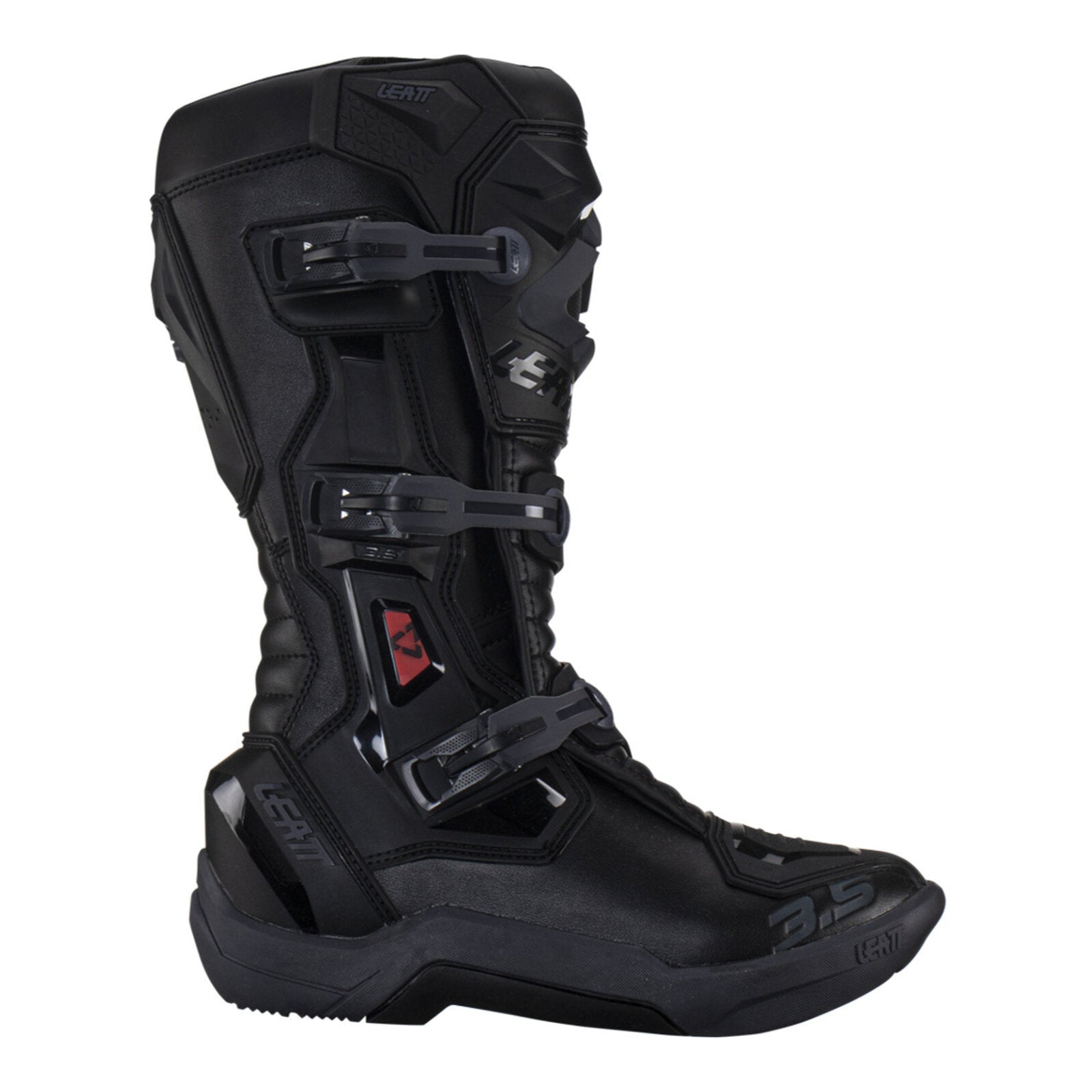
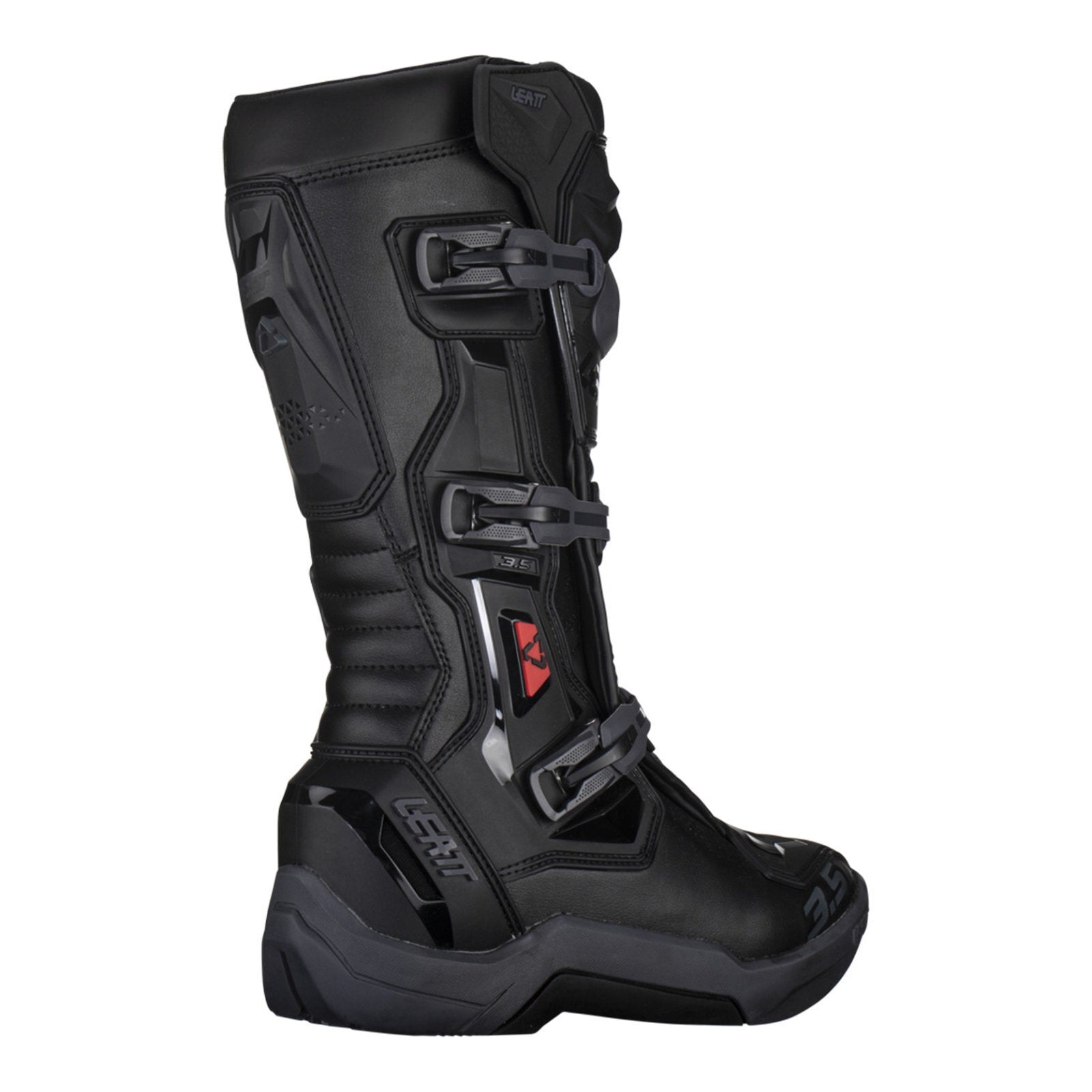
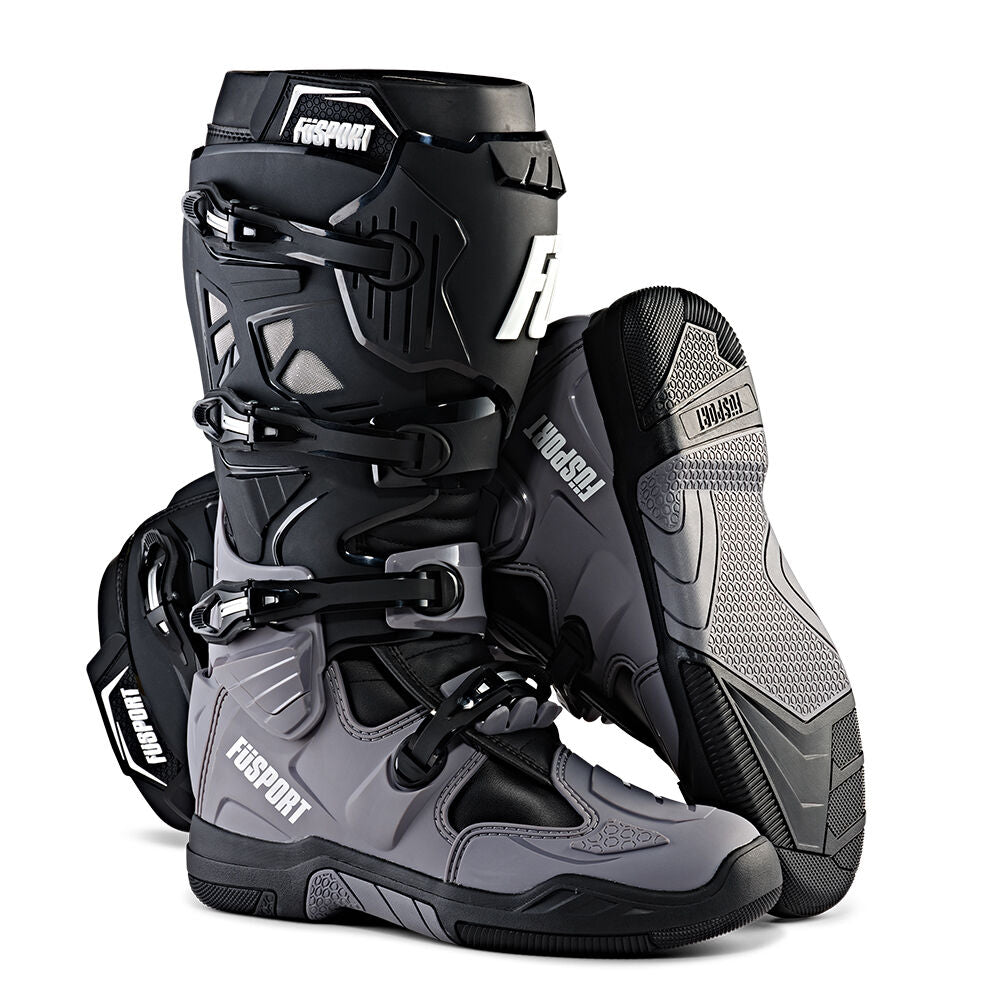
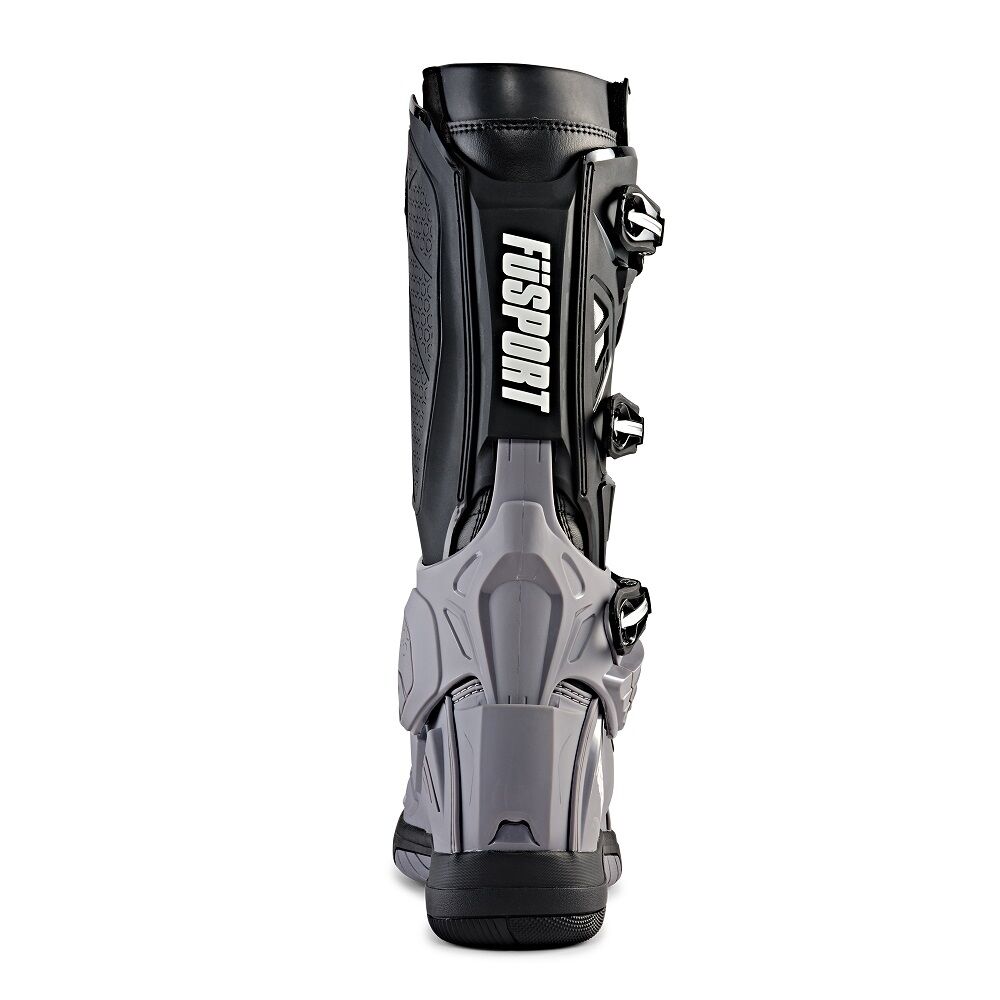
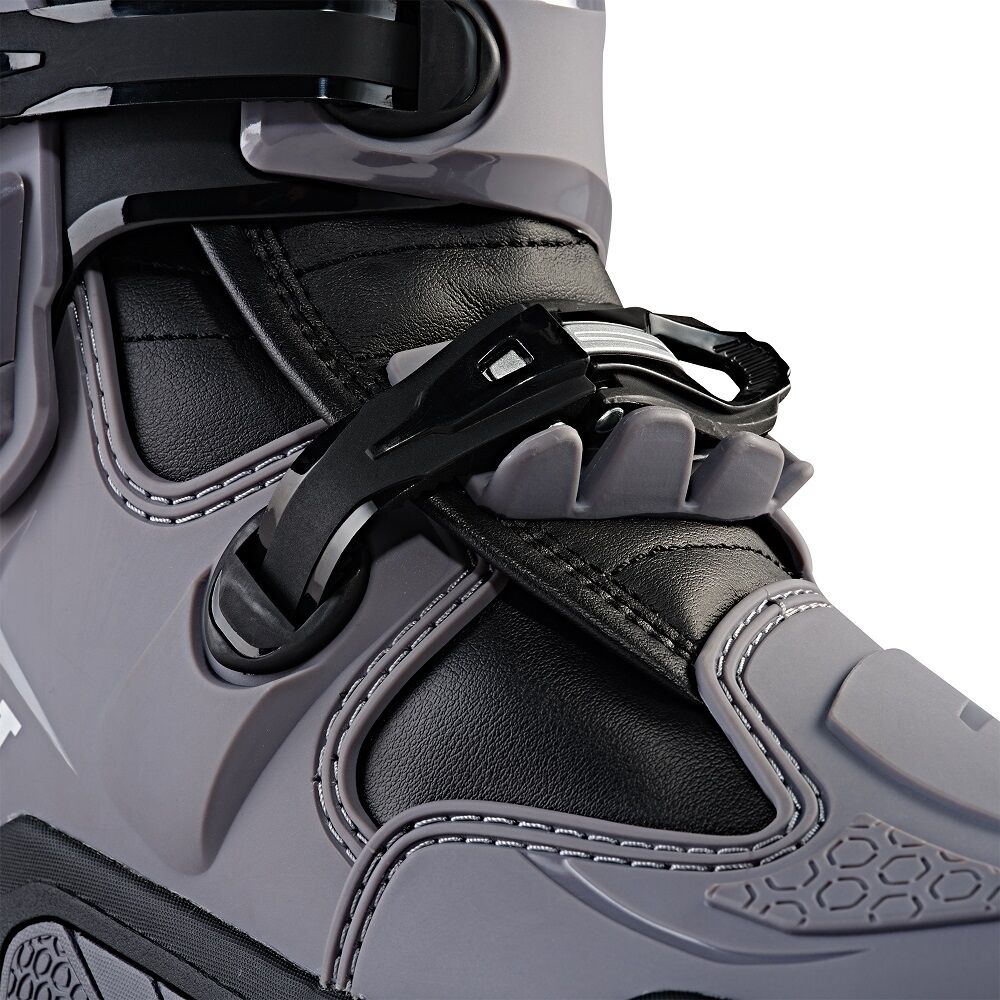
FUSPORT XTREME PILOT BLACK/GRAY BOOTS
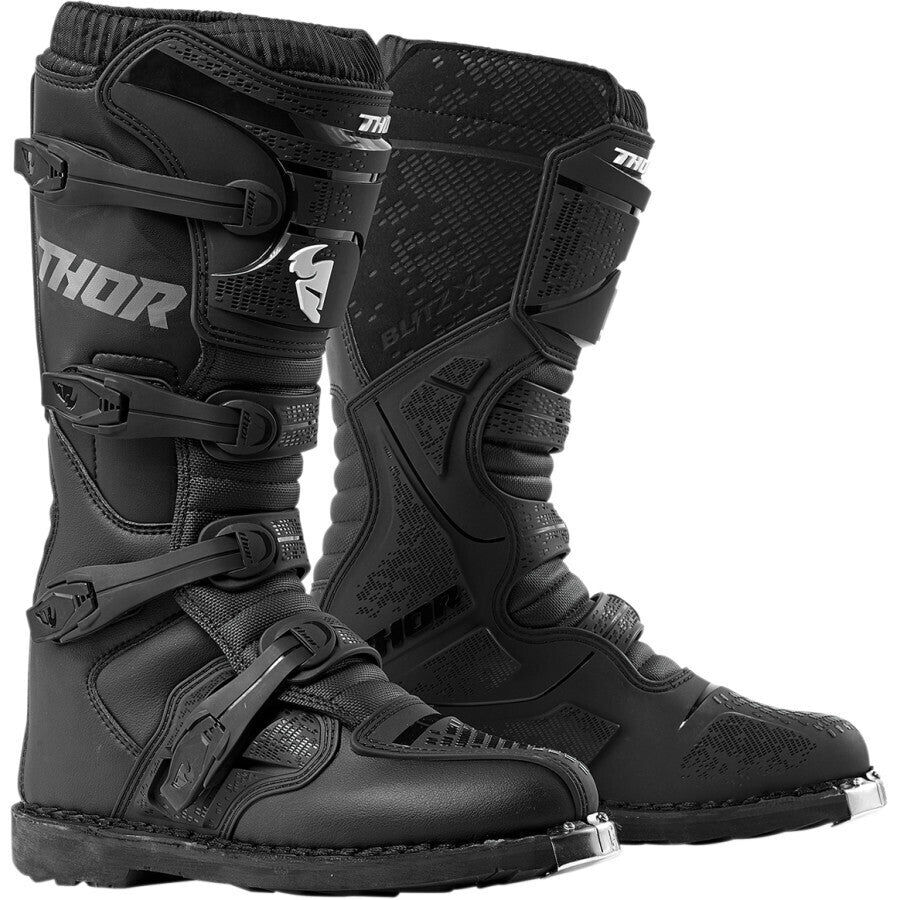

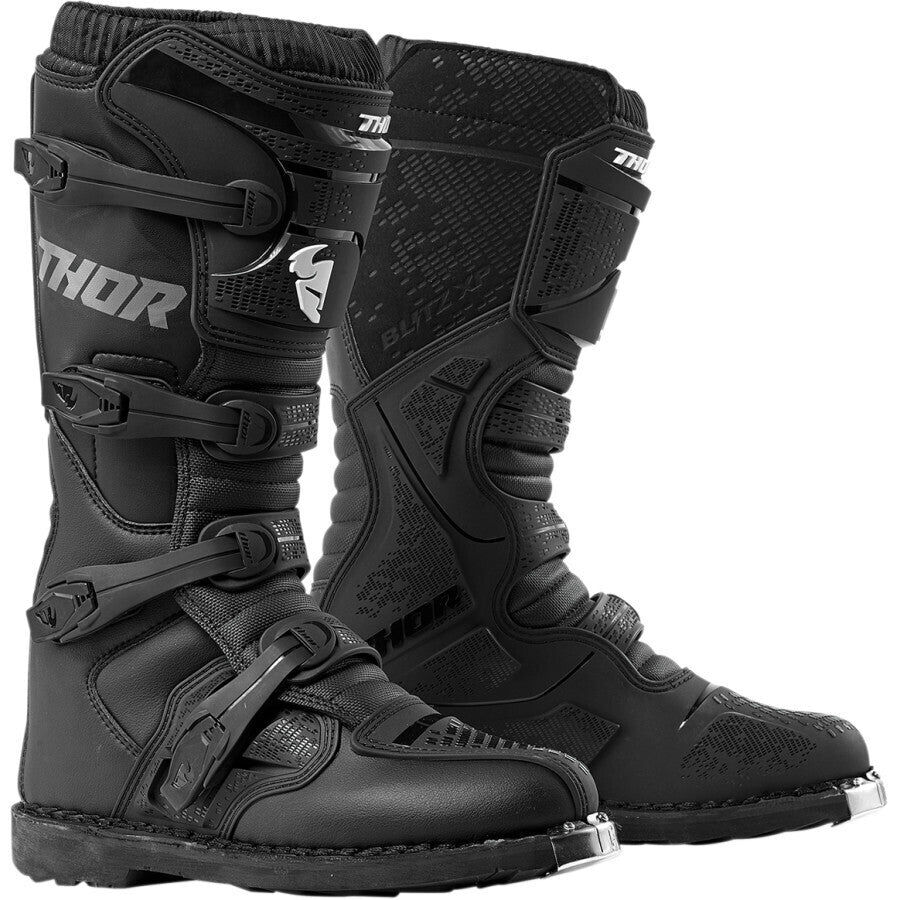

Thor 2023 Blitz XP Black Boots
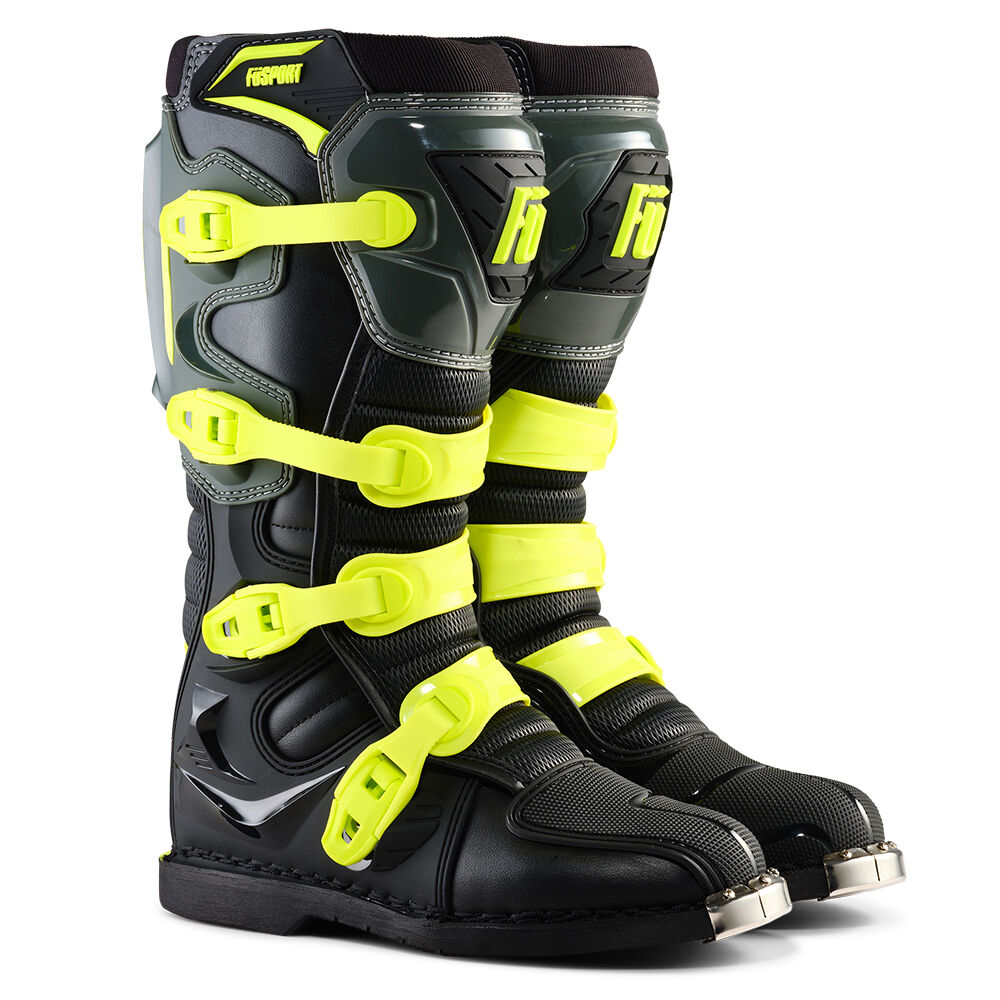


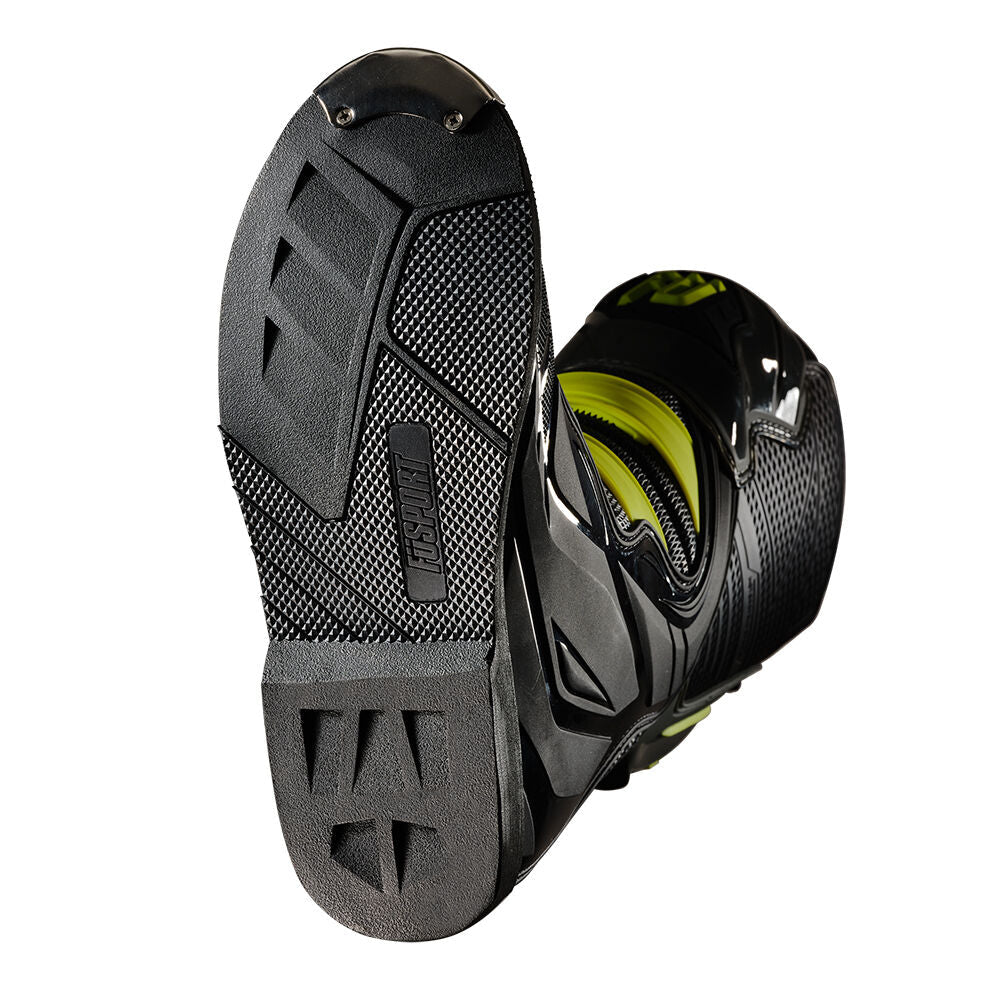
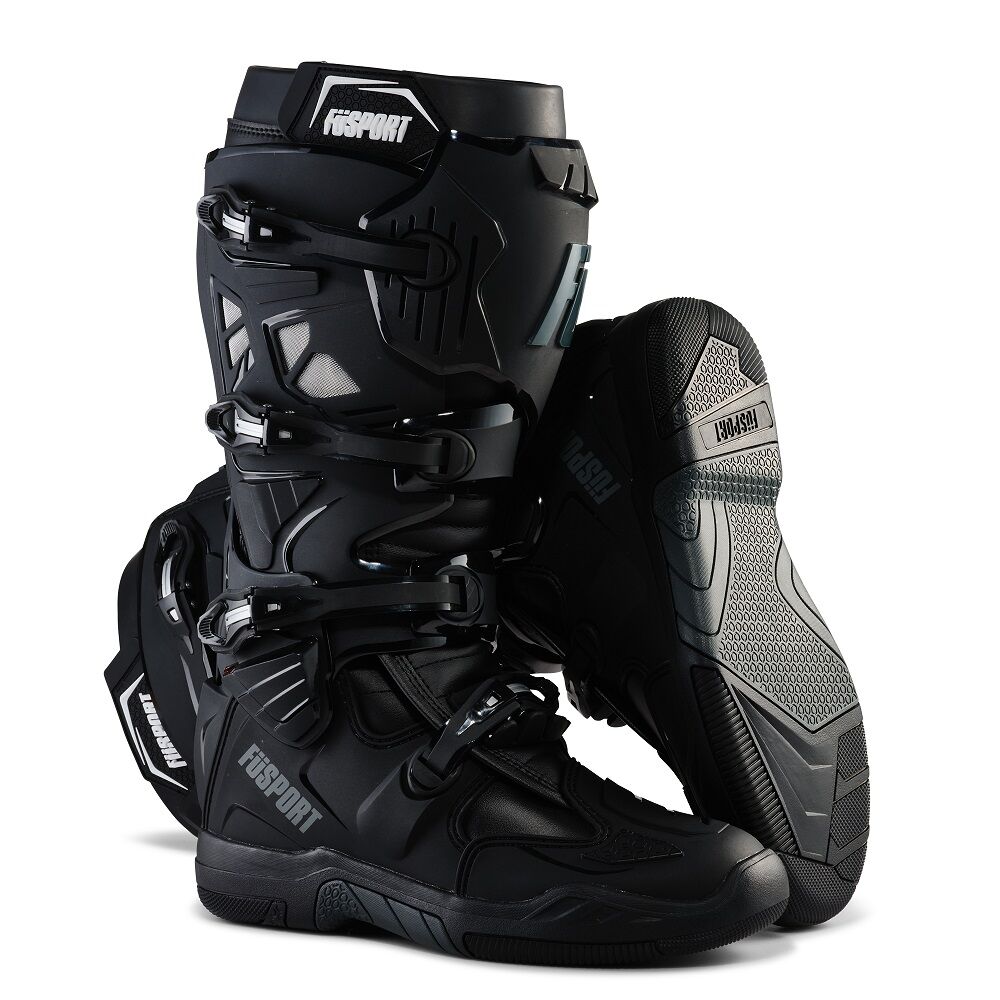

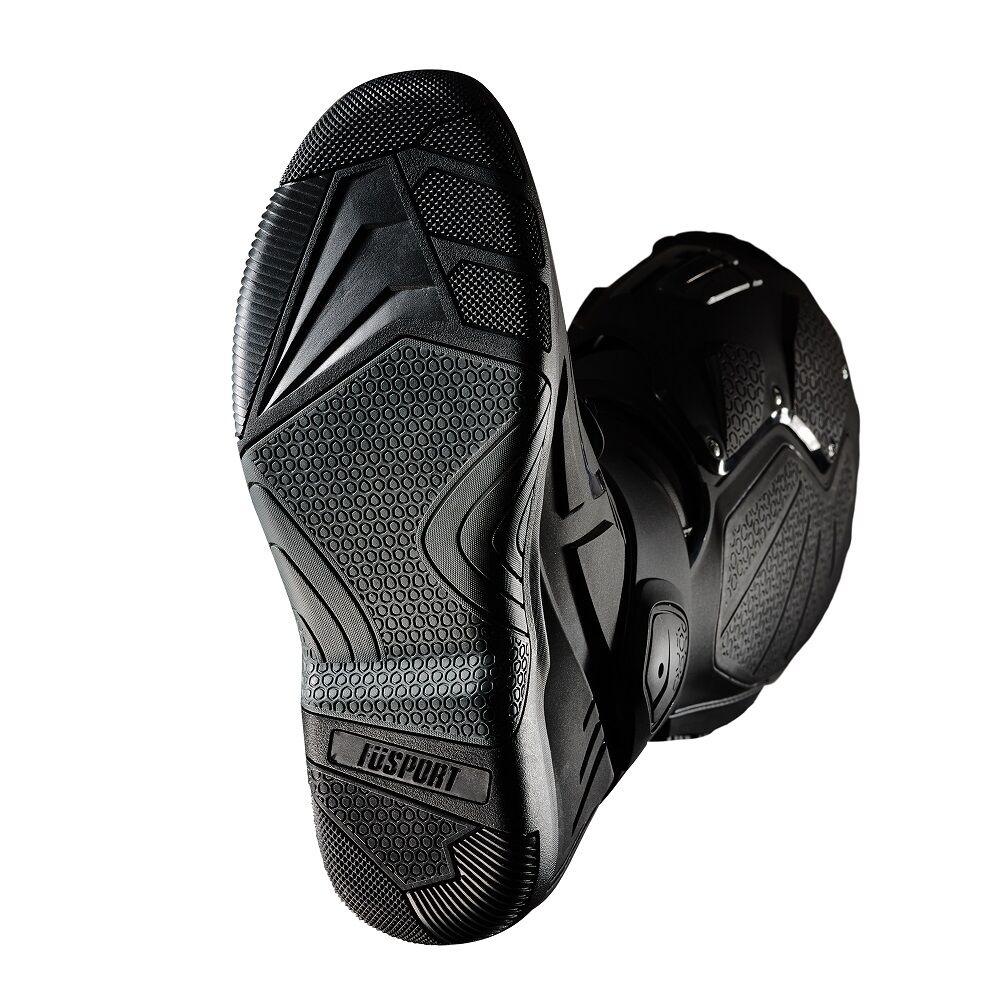
FUSPORT XTREME PILOT BLACK BOOTS
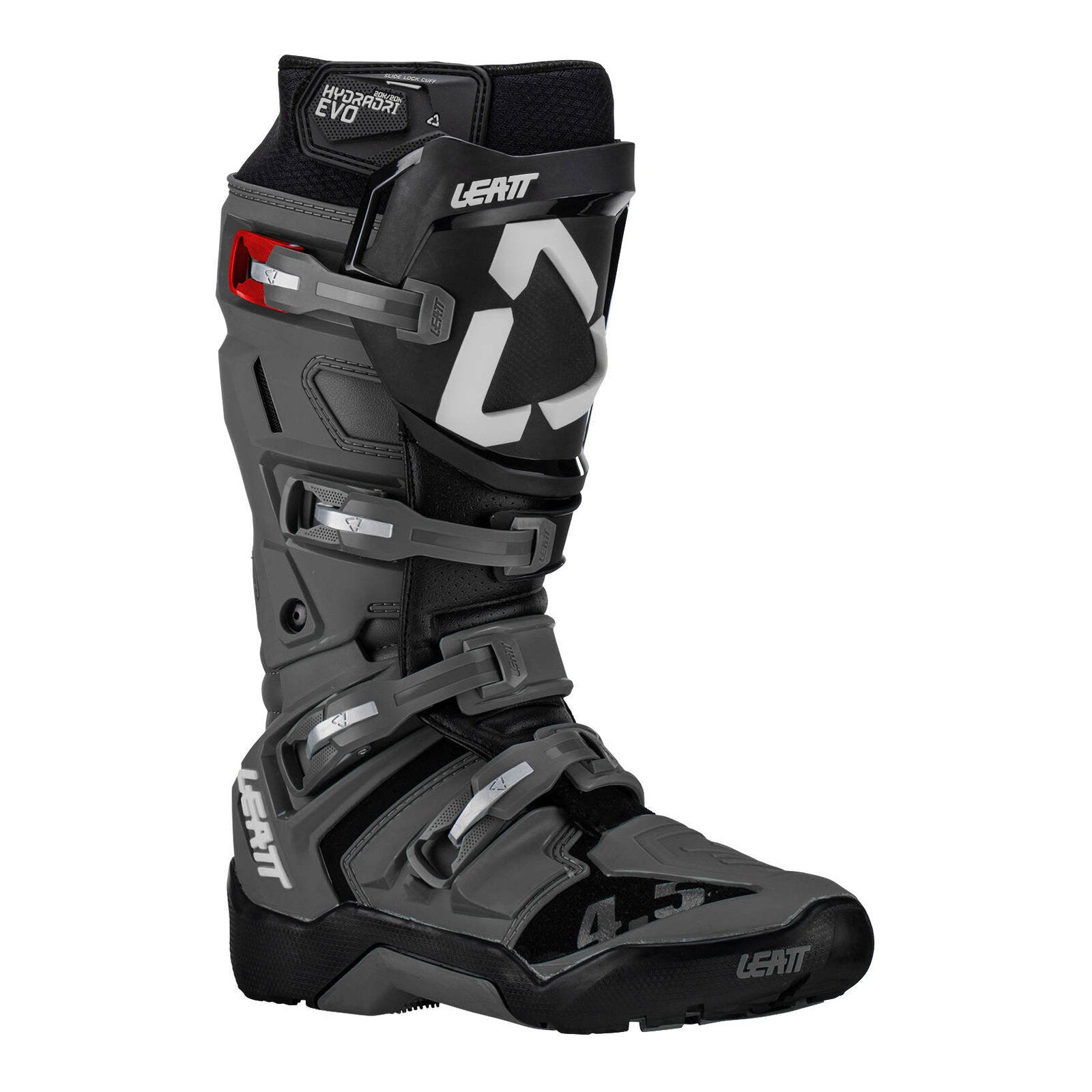
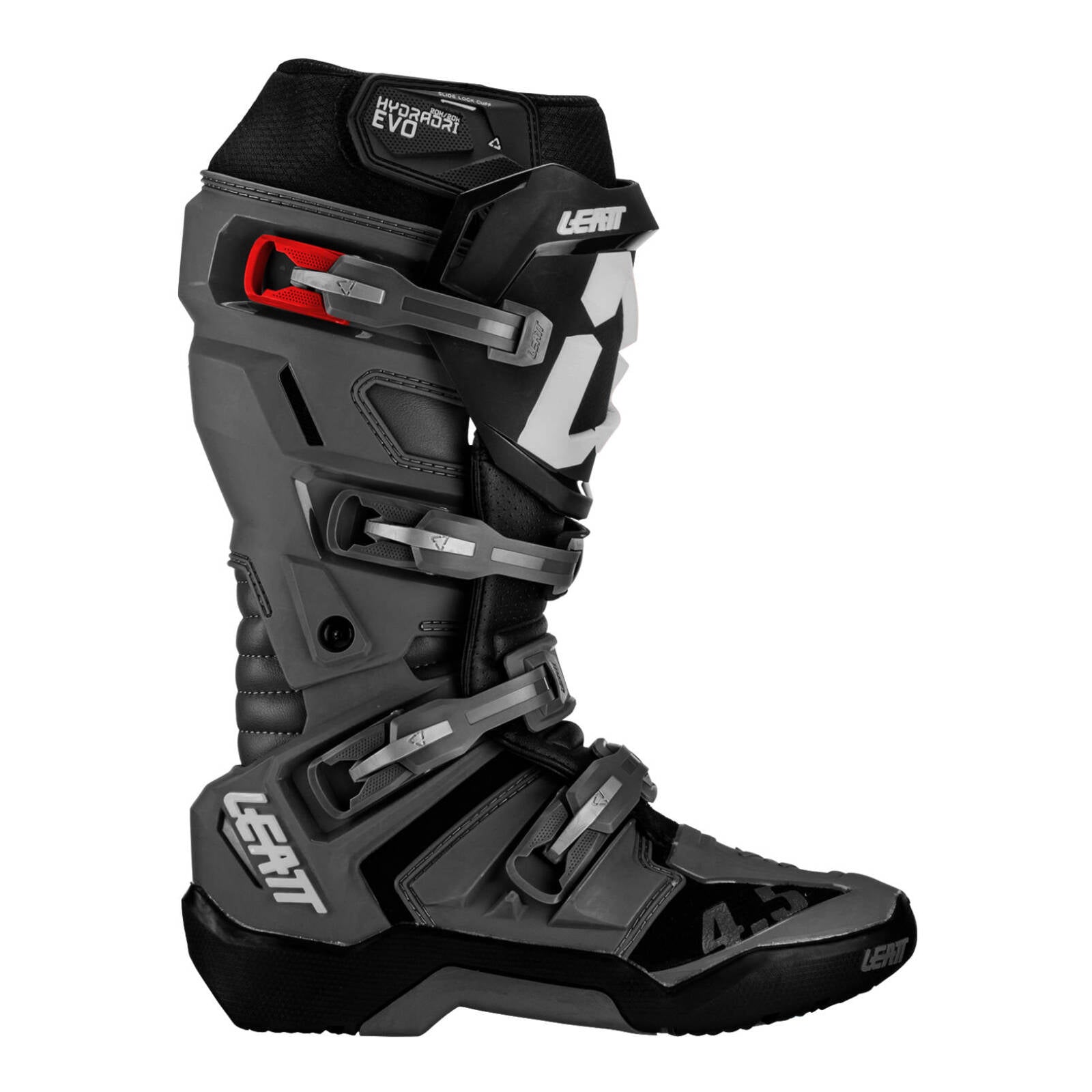
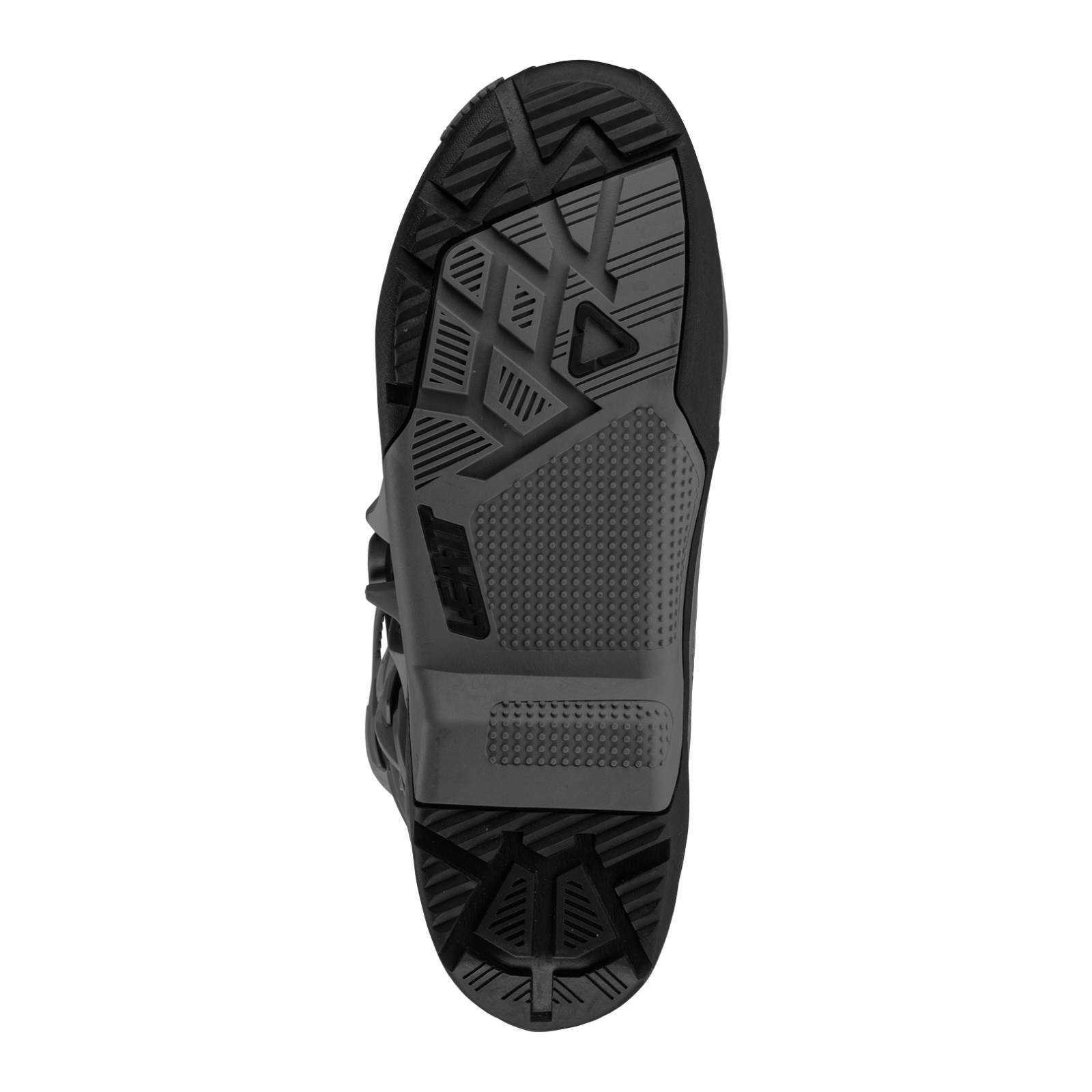
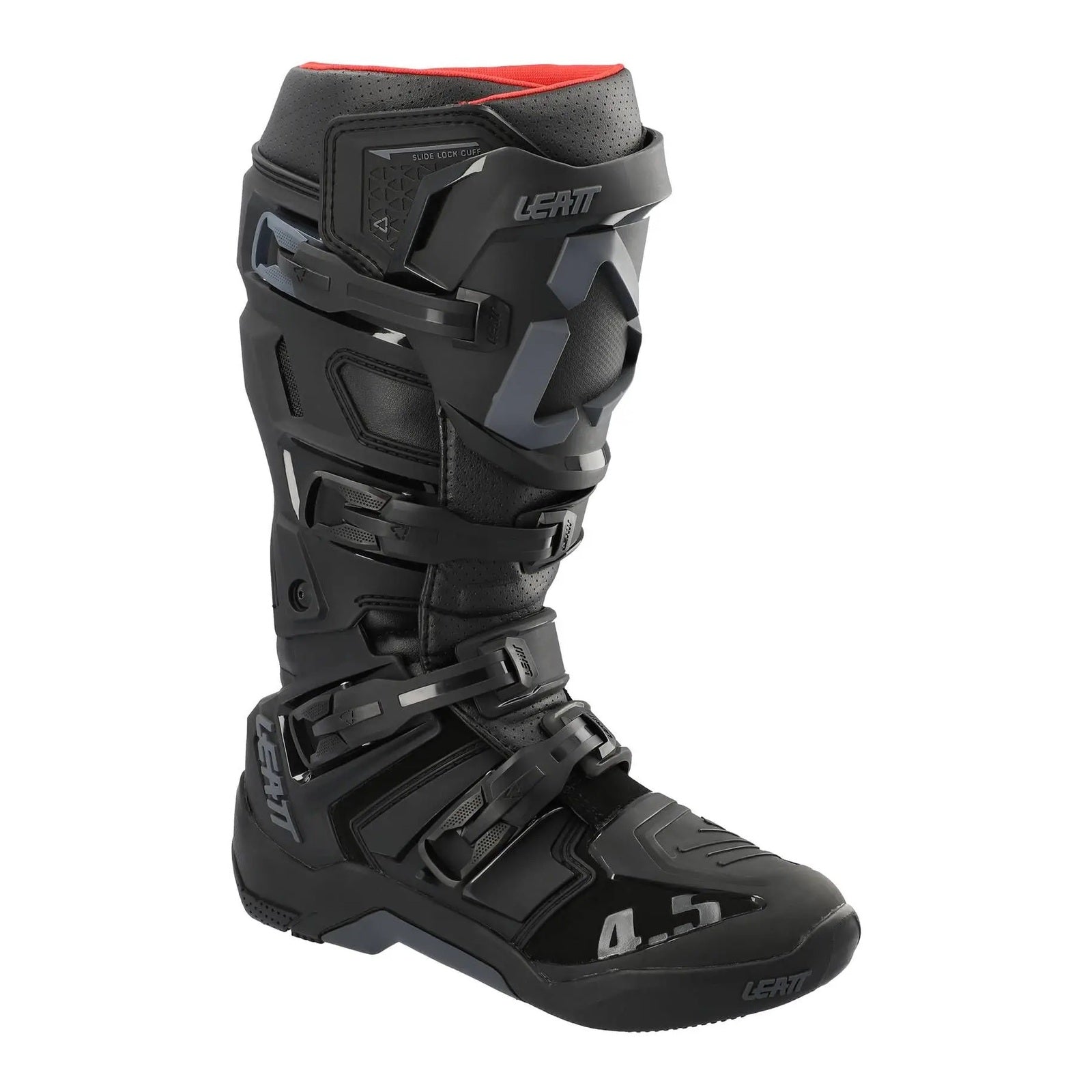
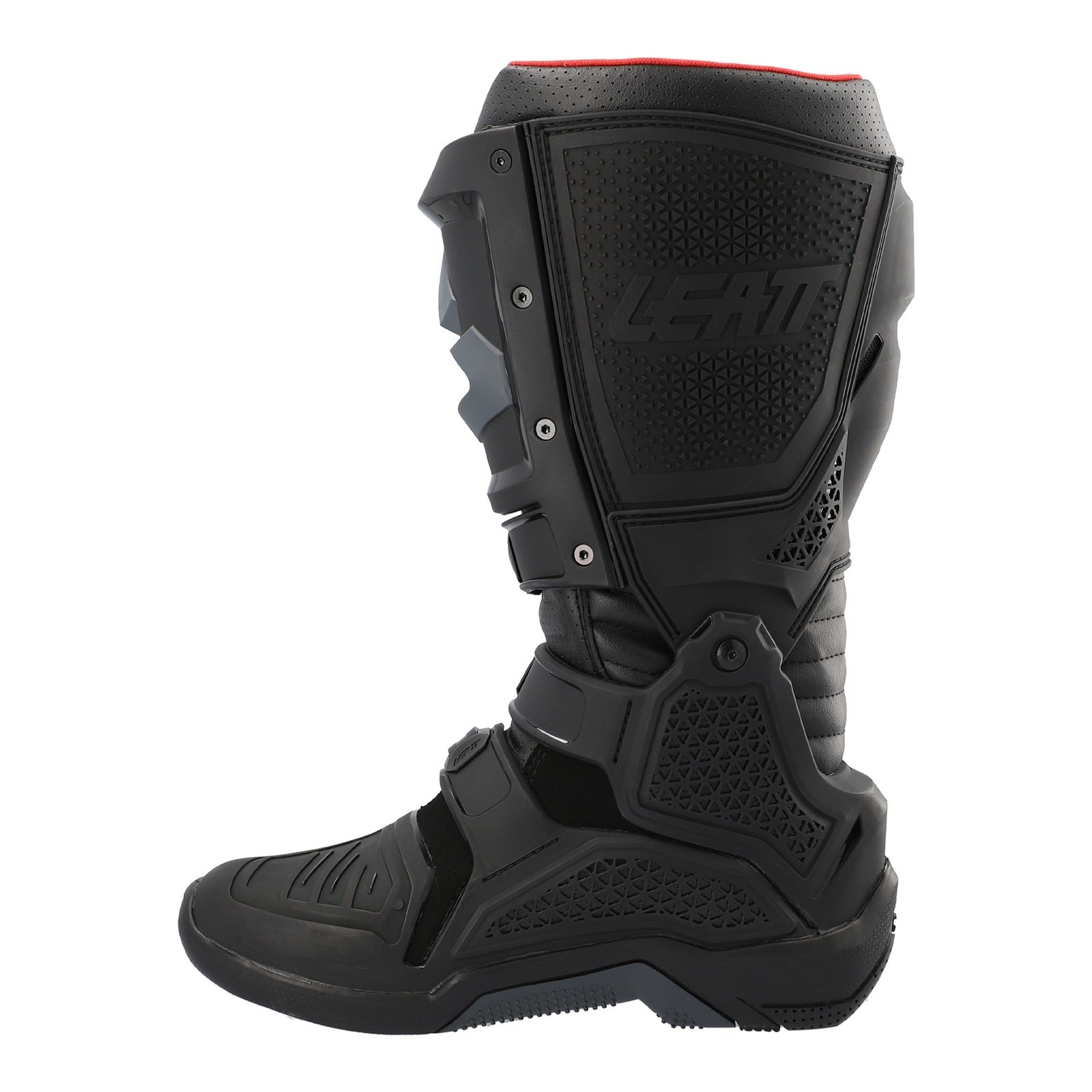
Leatt 4.5 HydraDri Boots - Graphene

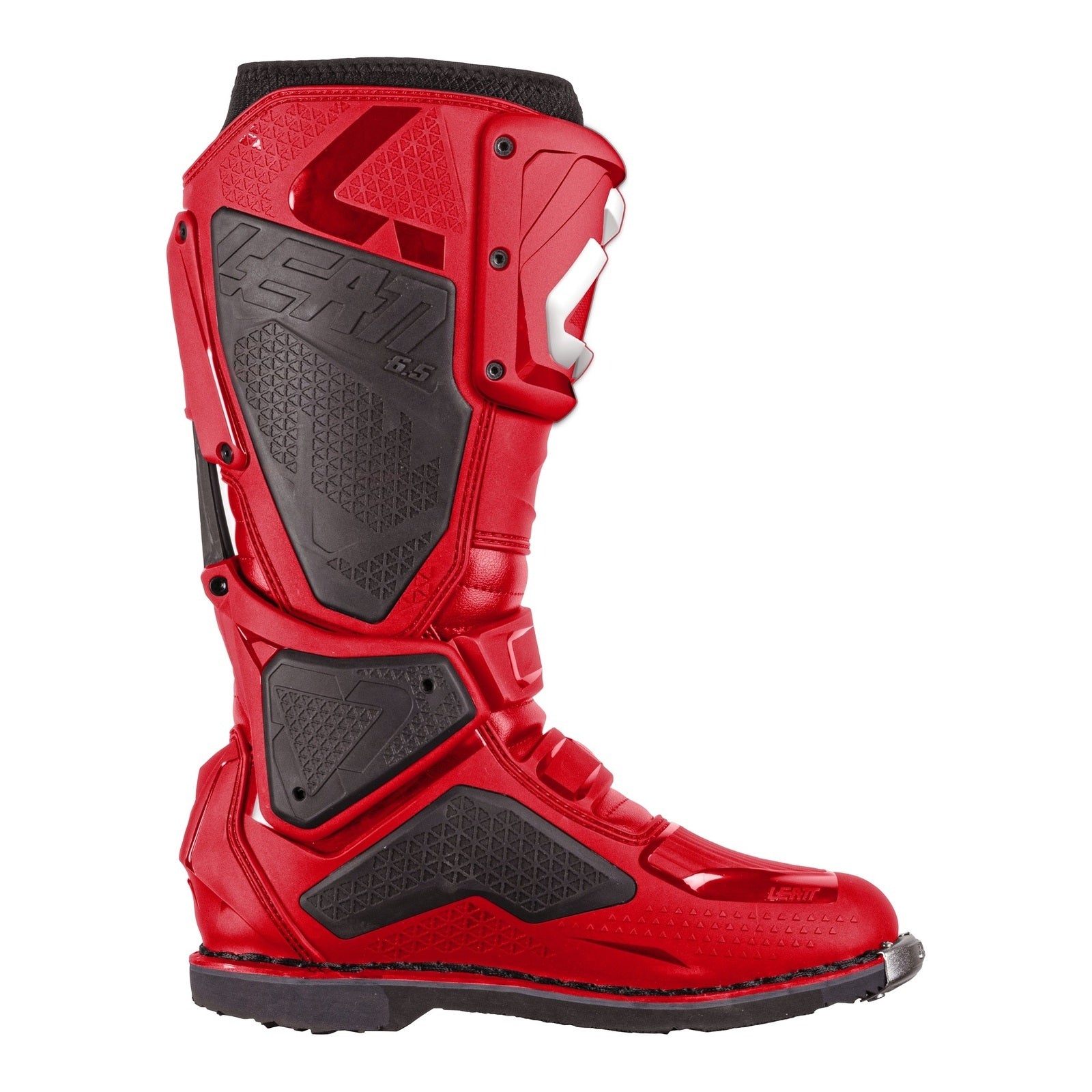




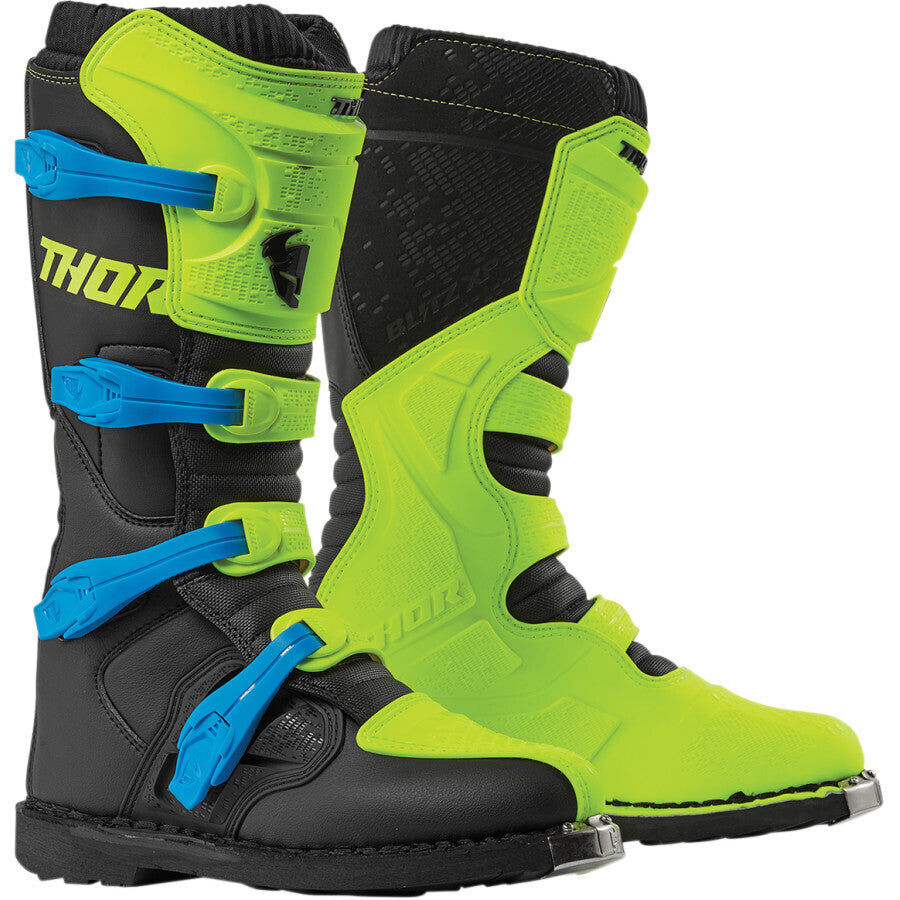
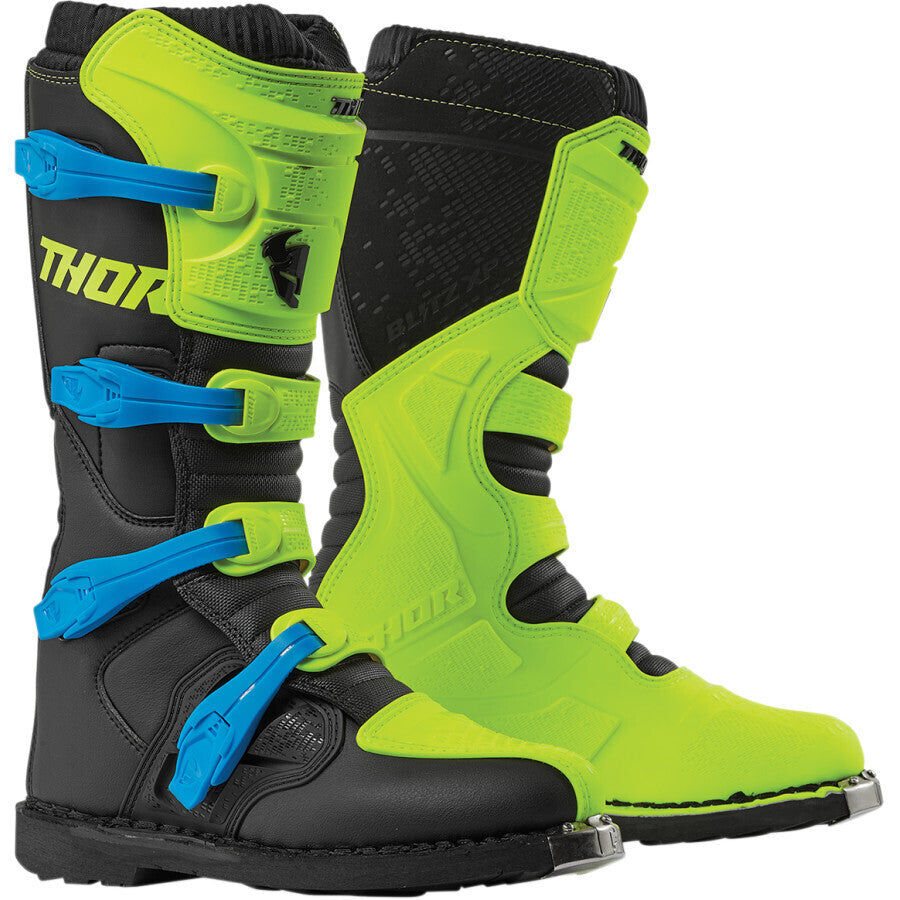
Thor 2023 Blitz XP Fluro Acid/Black Boots
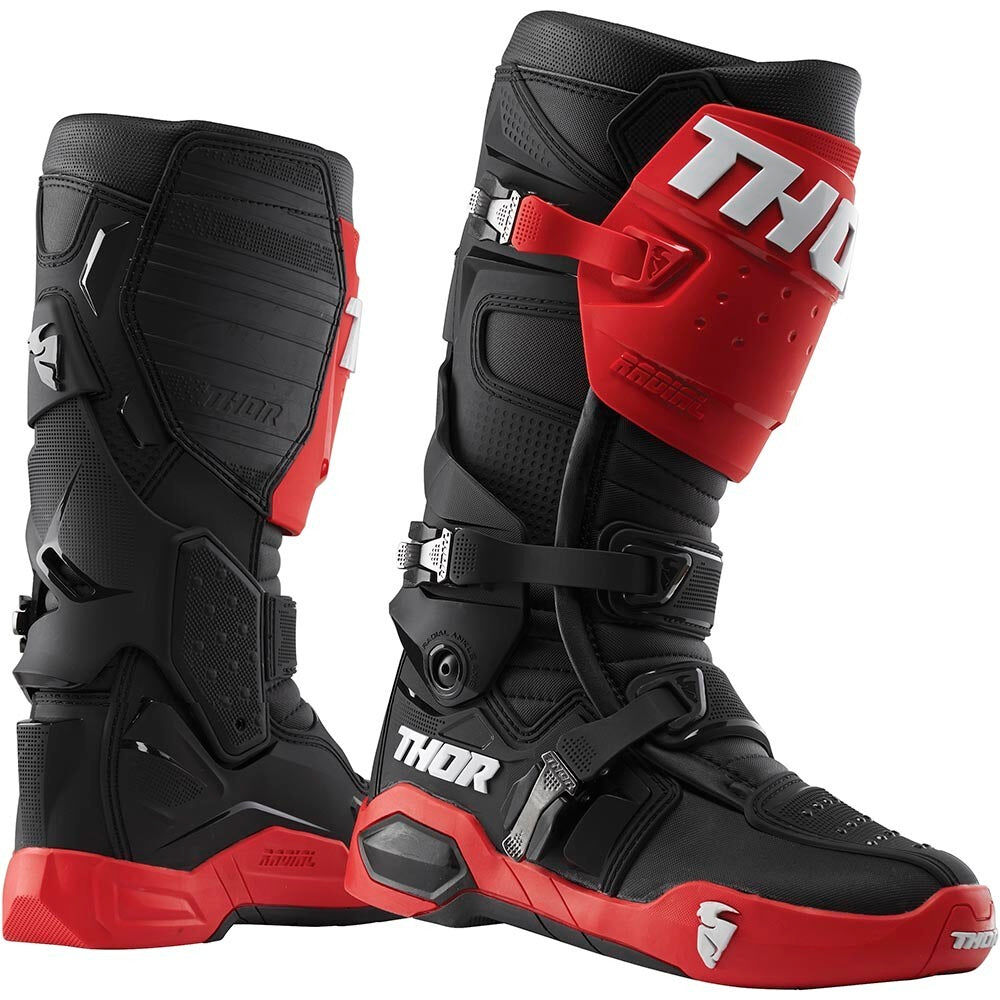
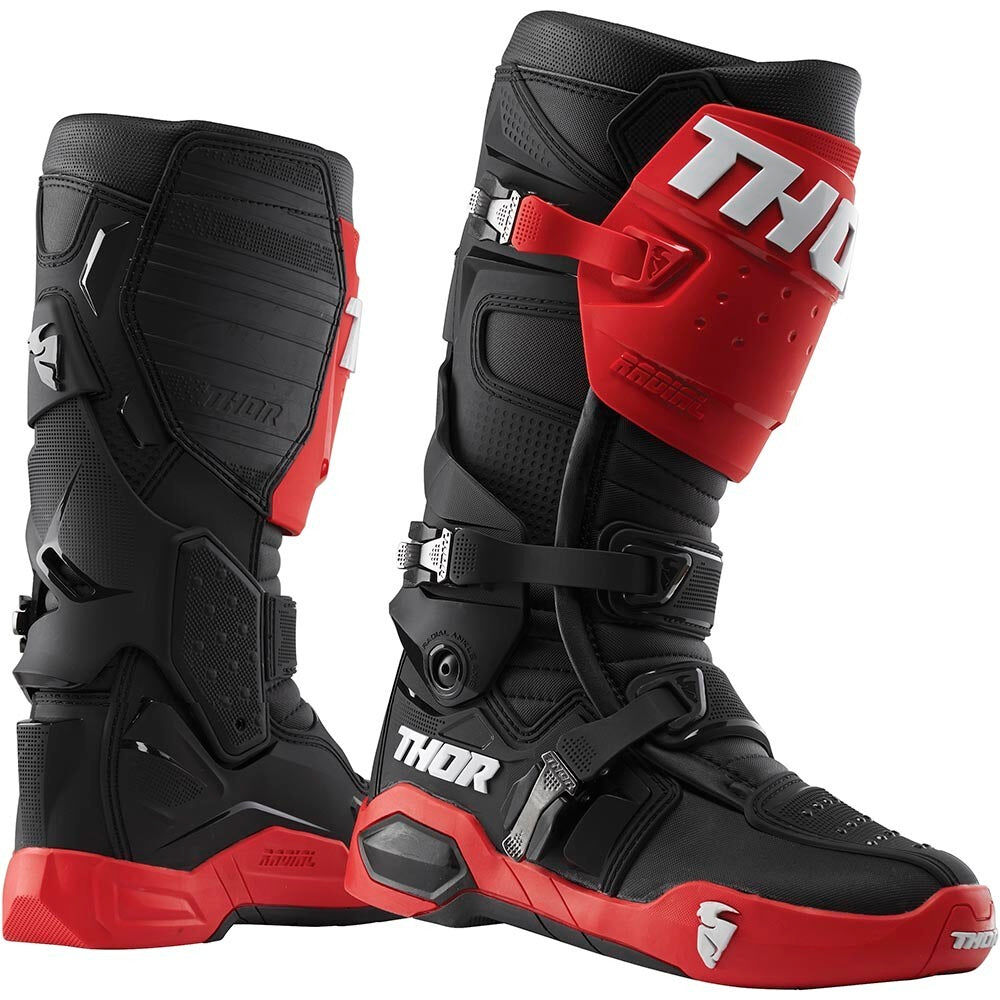
Thor 2024 Radial Black/Red Boots
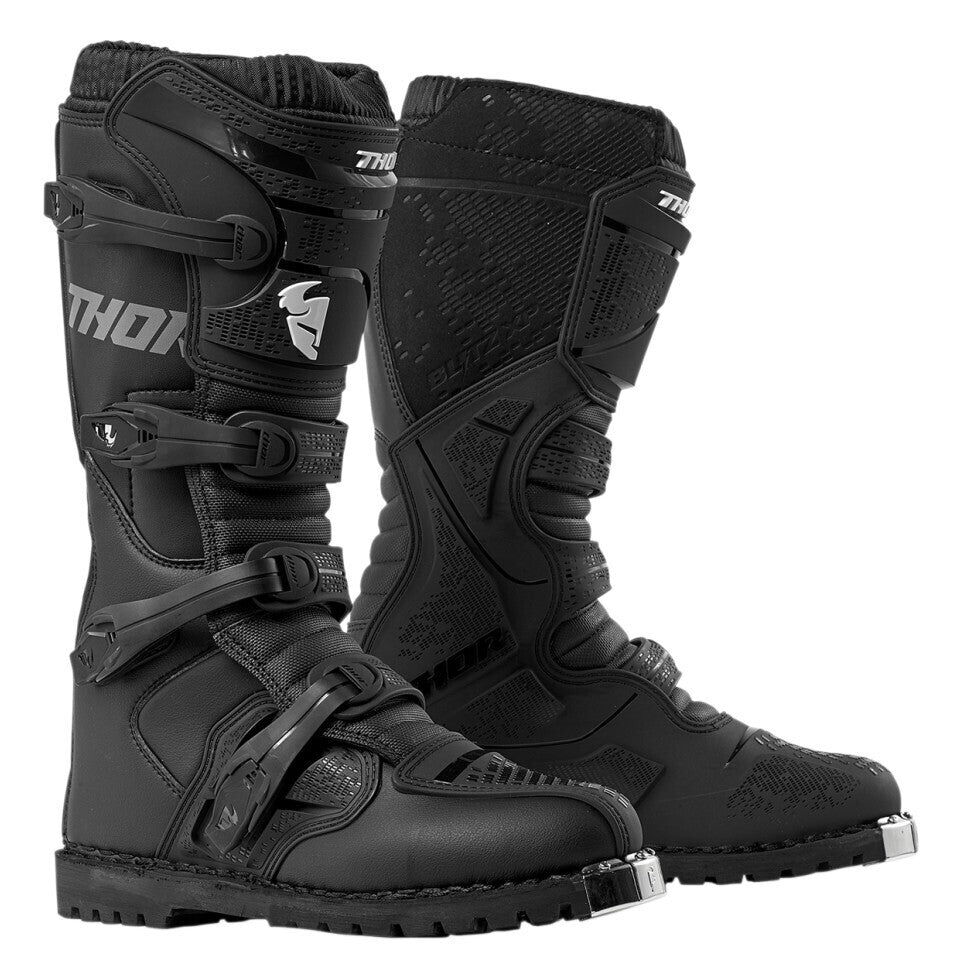
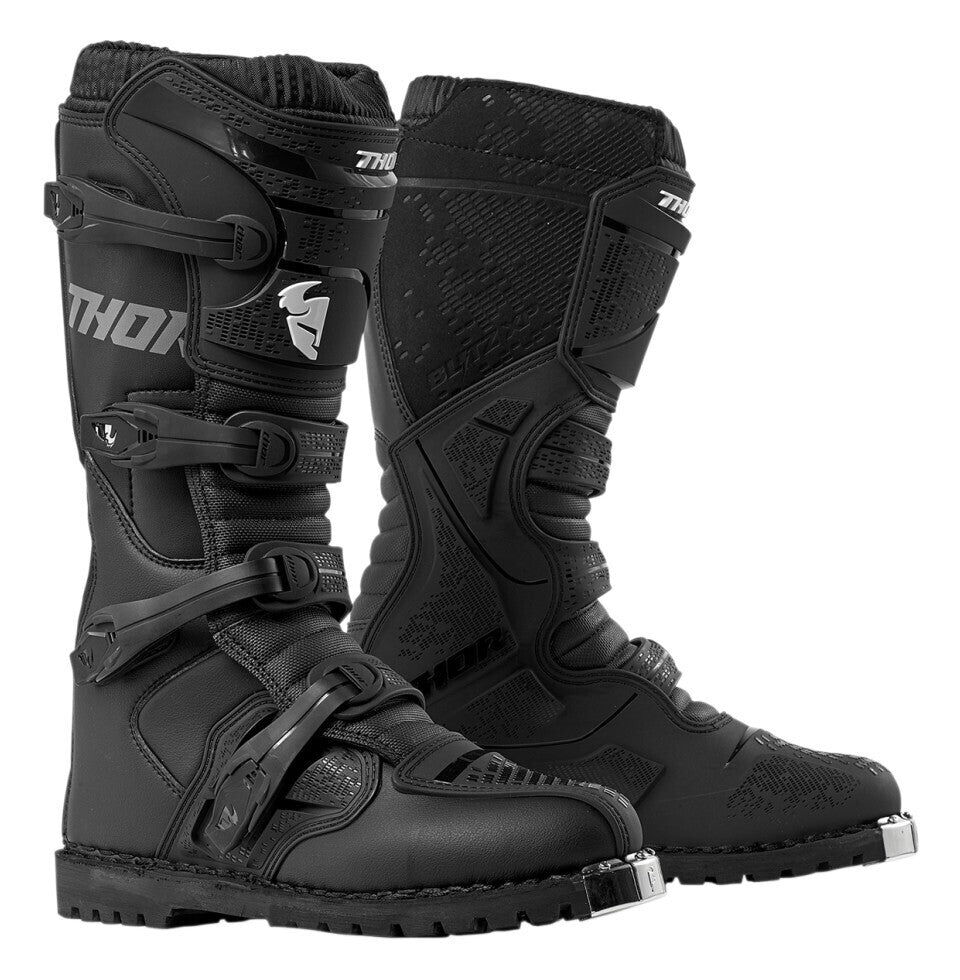
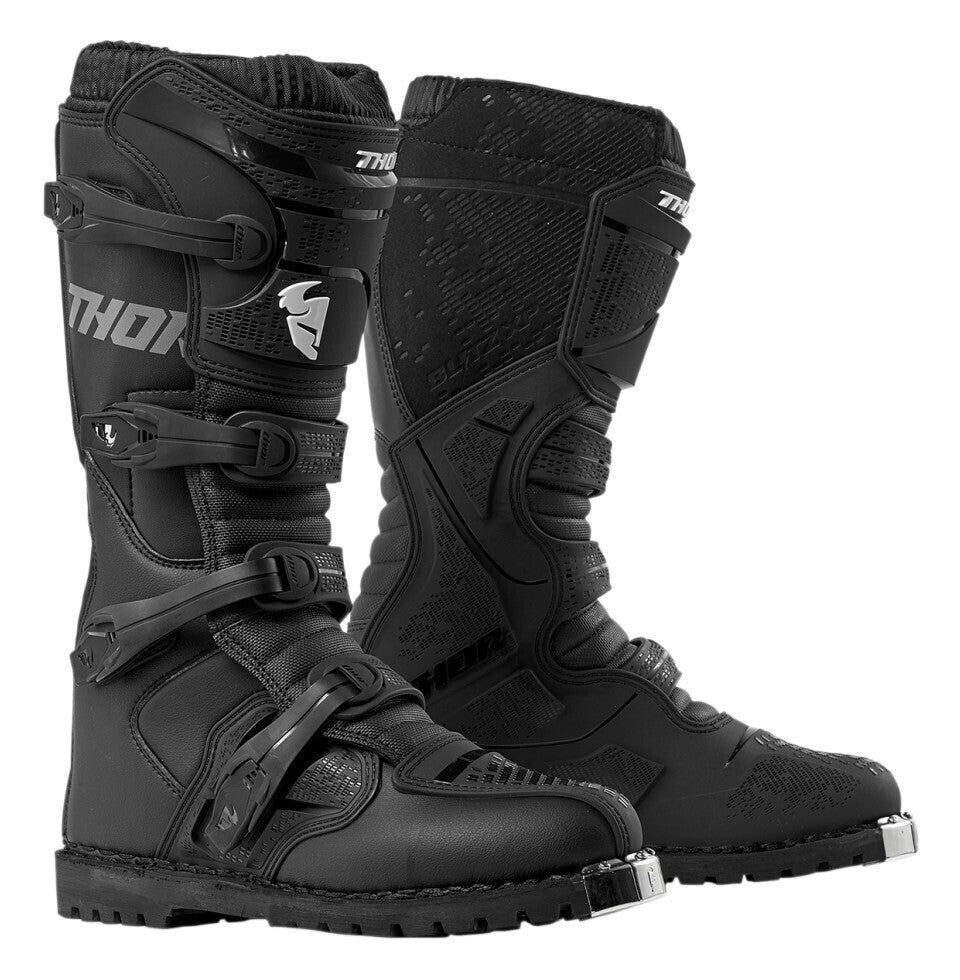
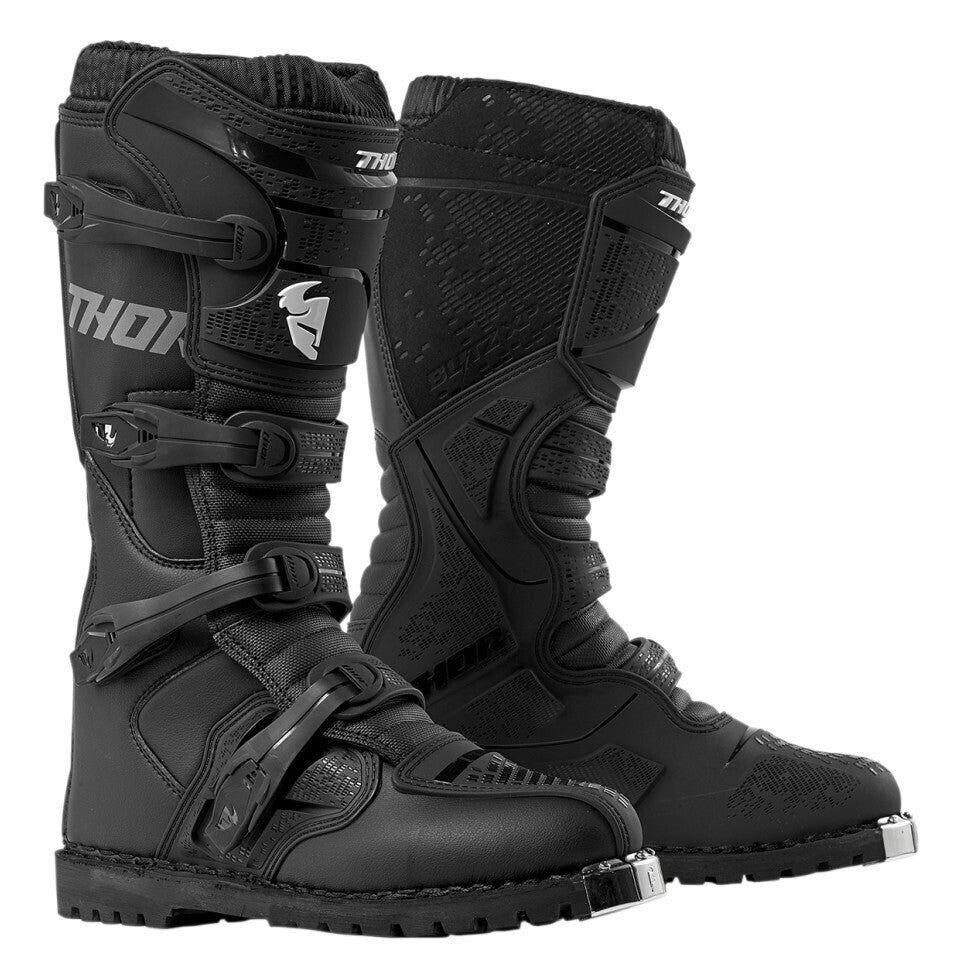
Thor 2023 Blitz XP ATV Black Boots
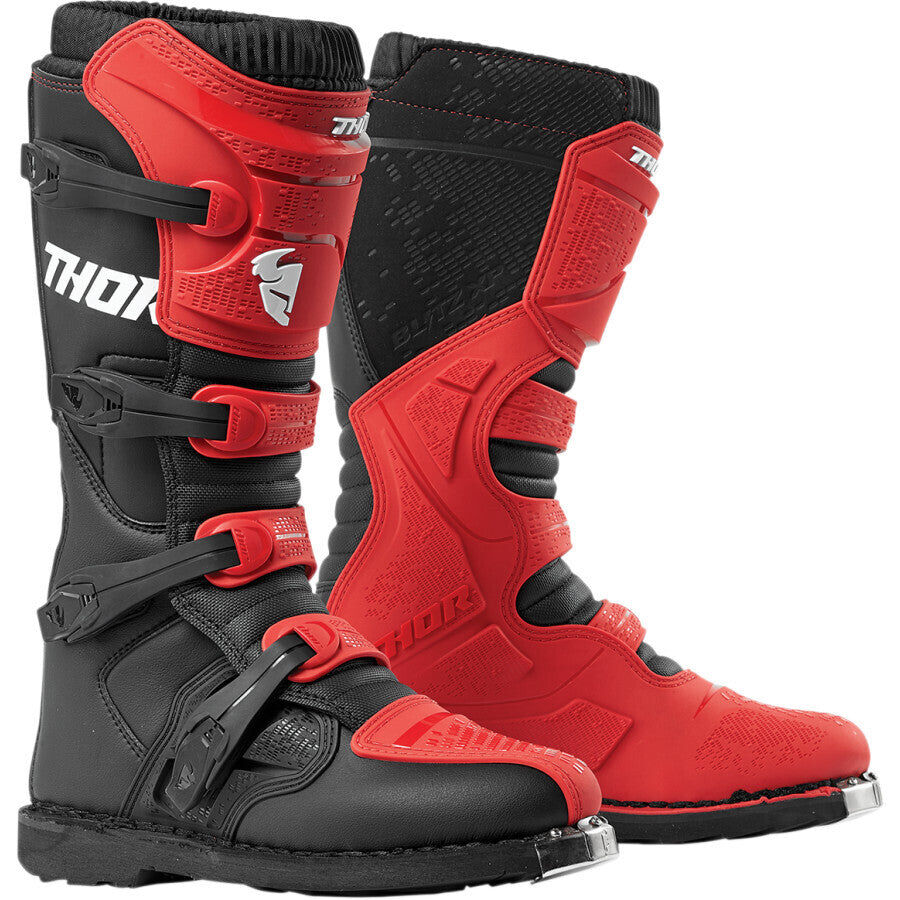
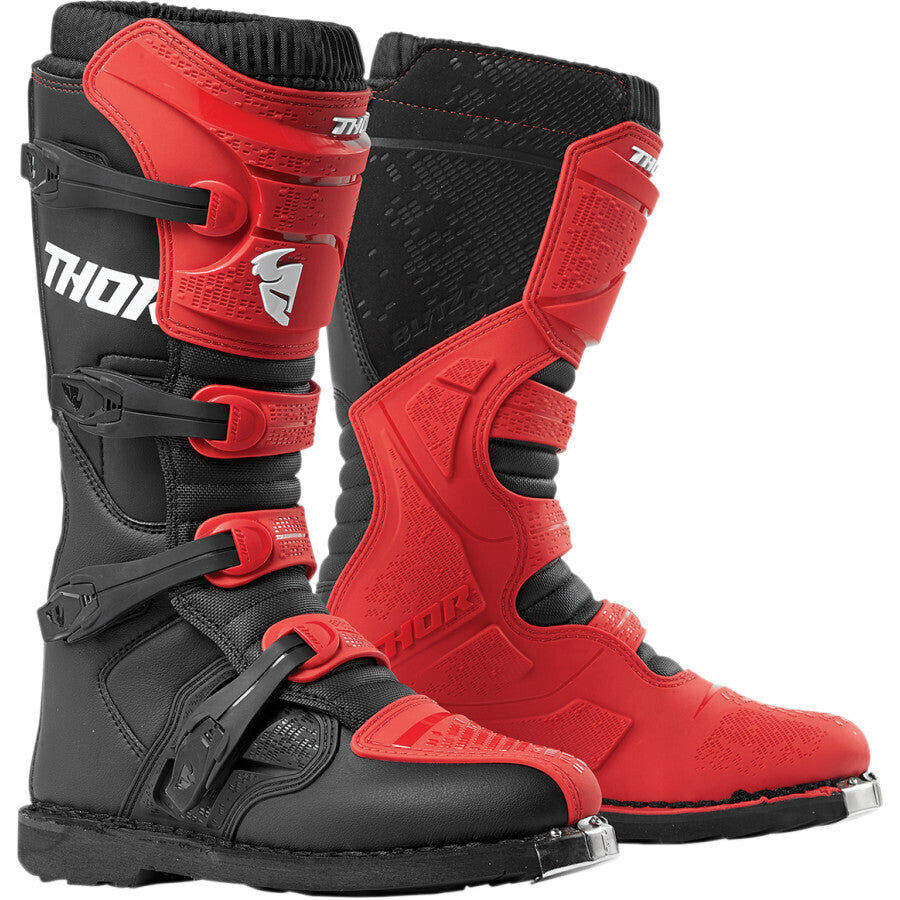
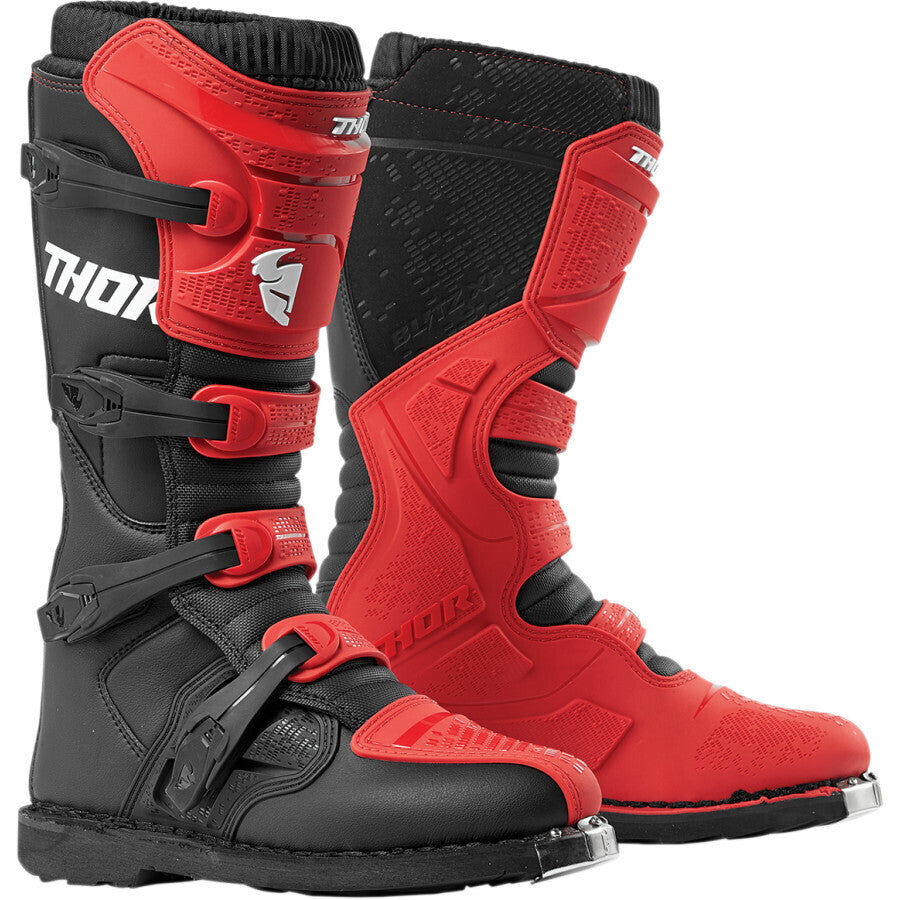
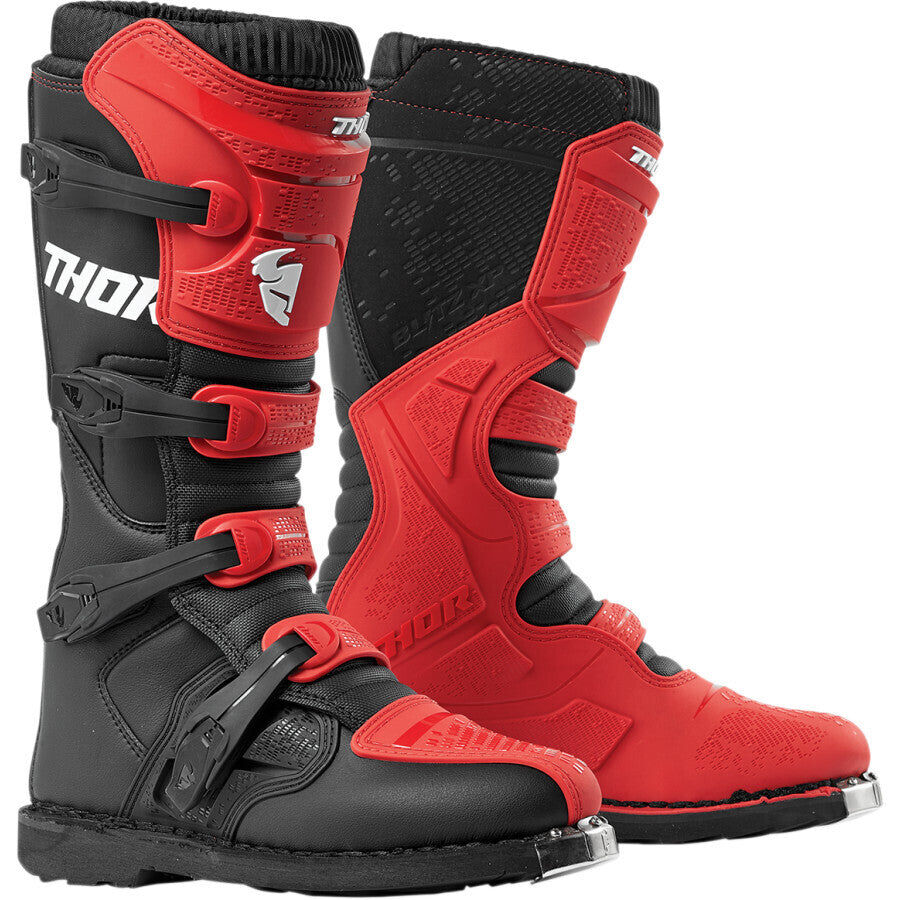
Thor 2023 Blitz XP Red/Black Boots
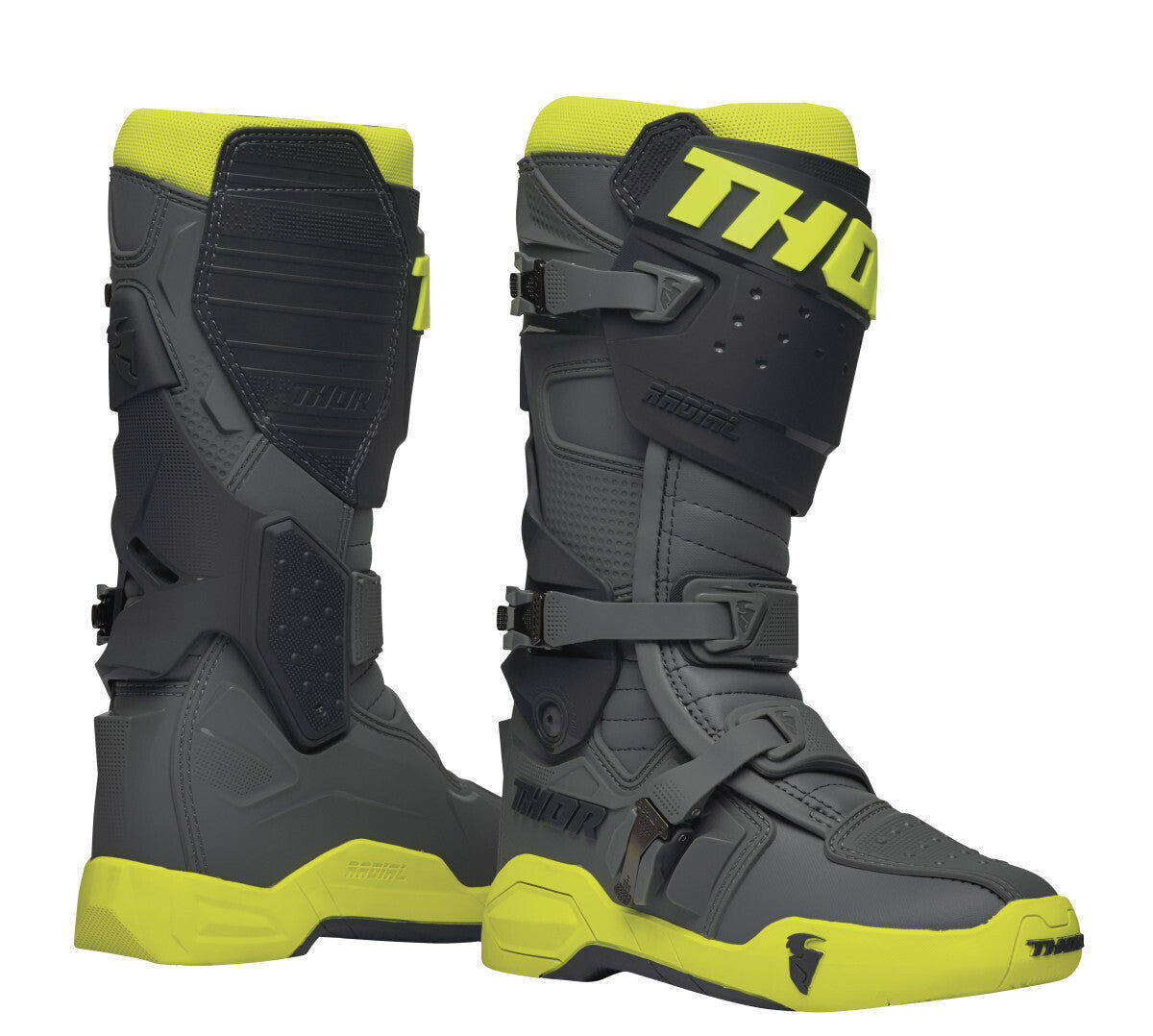

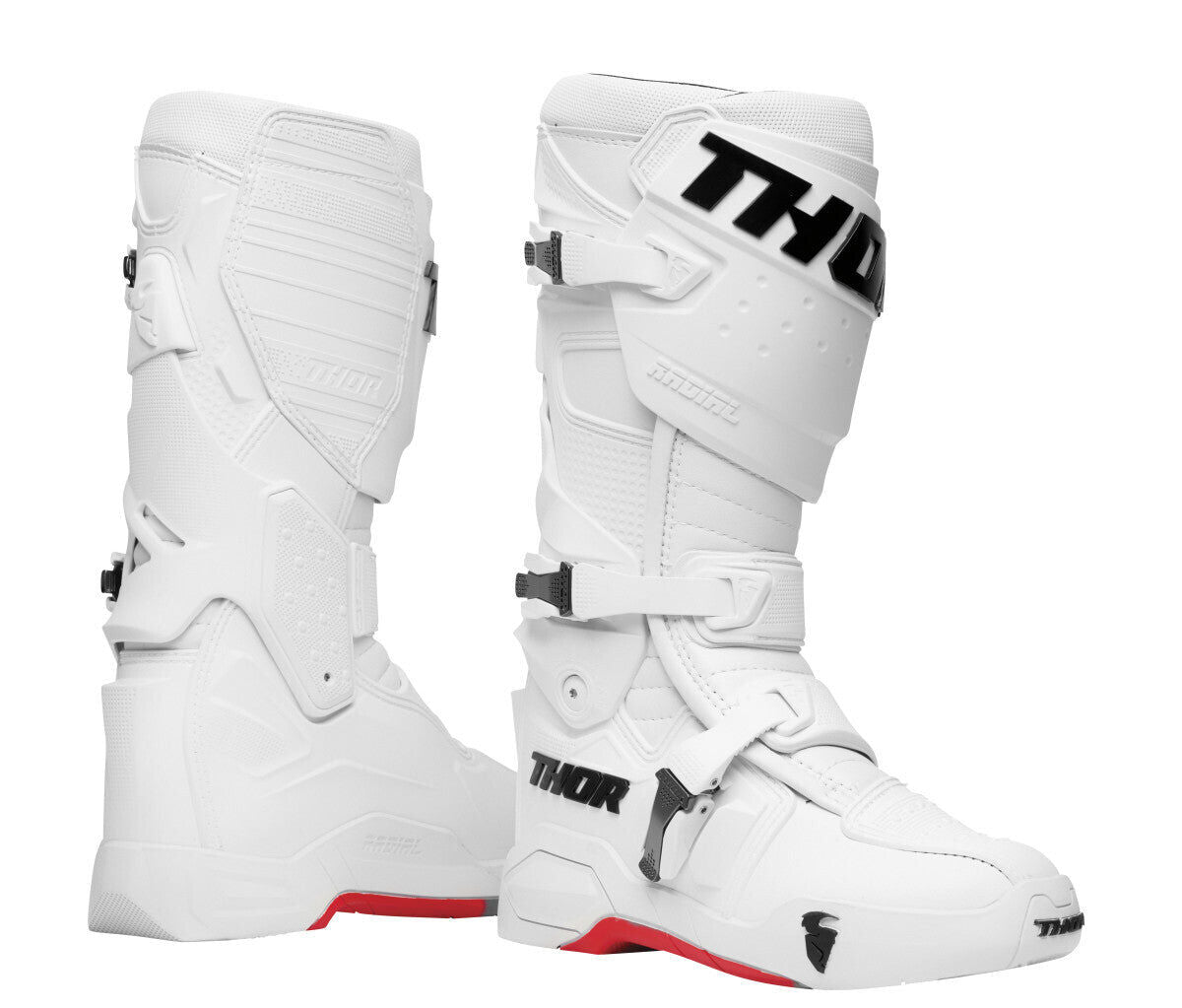
Thor 2024 Radial Grey/Fluro Yellow Boots
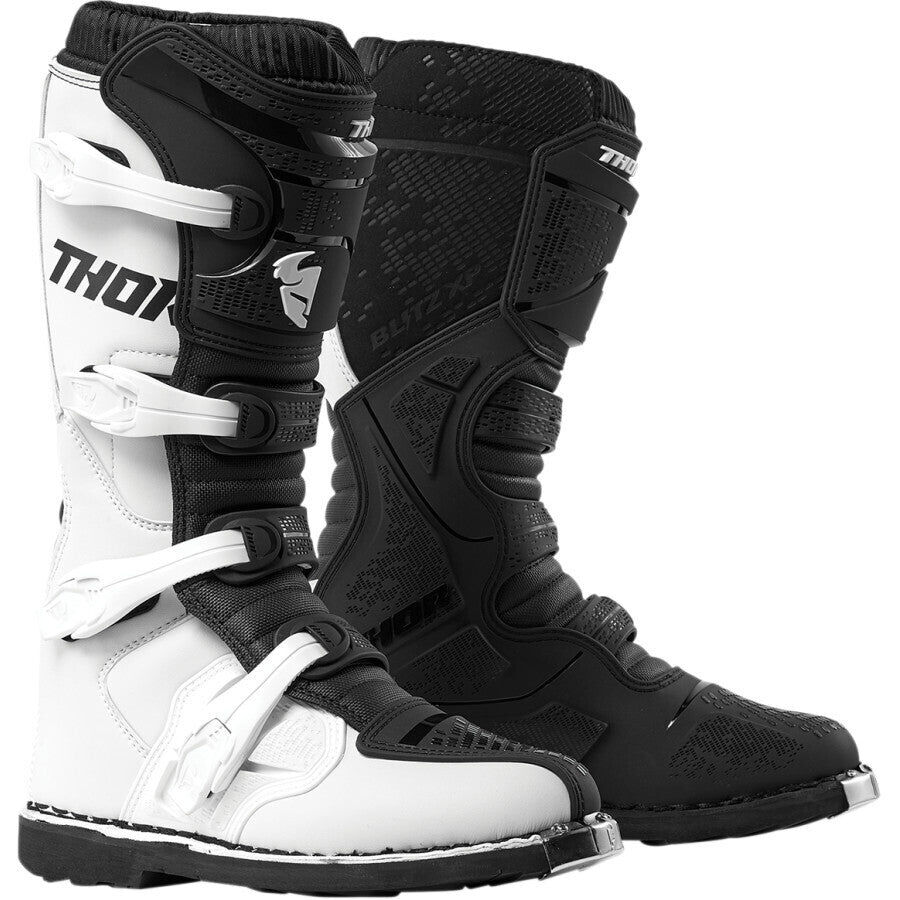
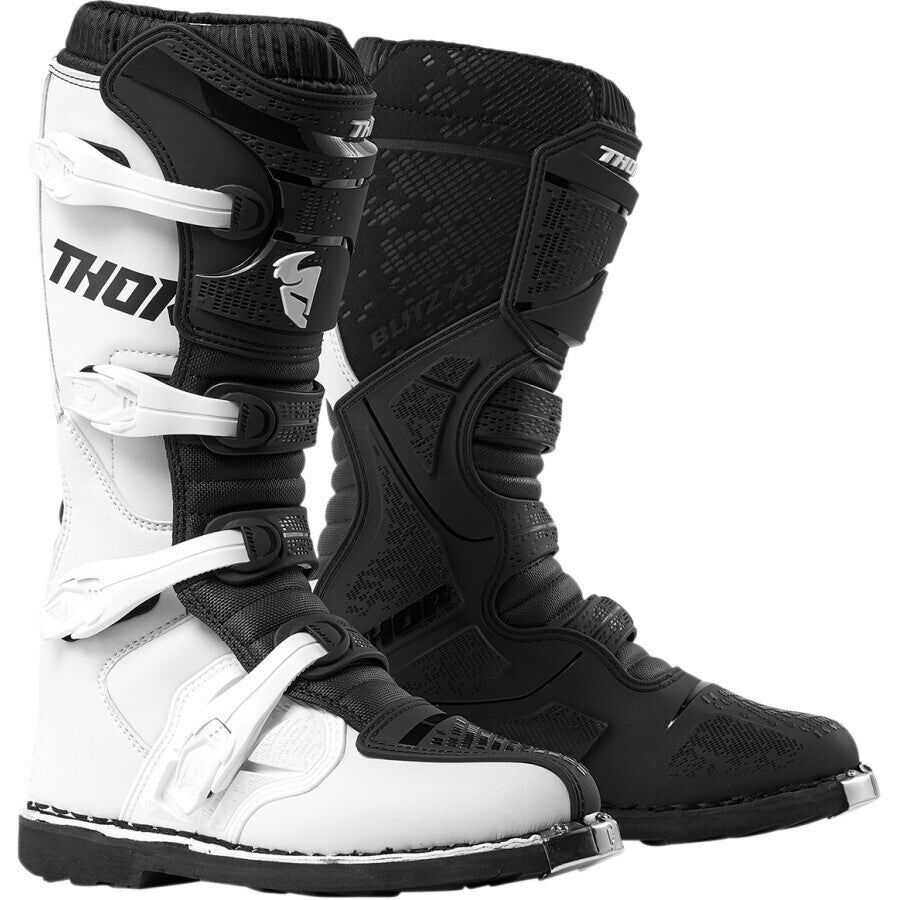
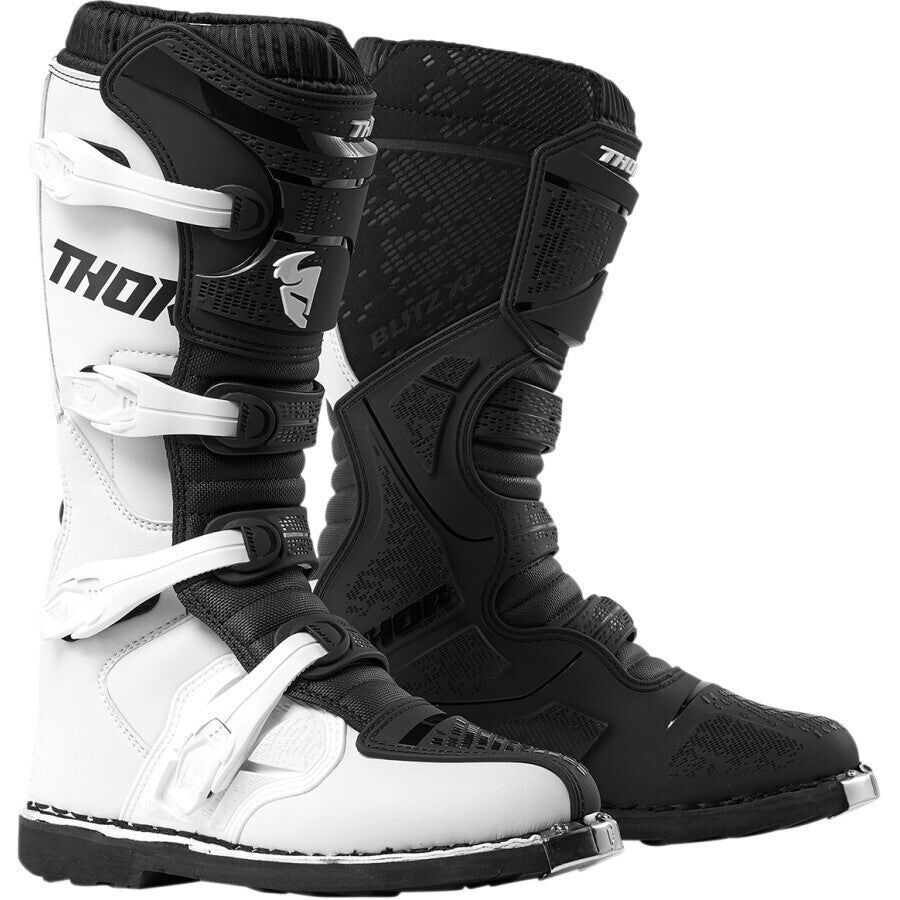
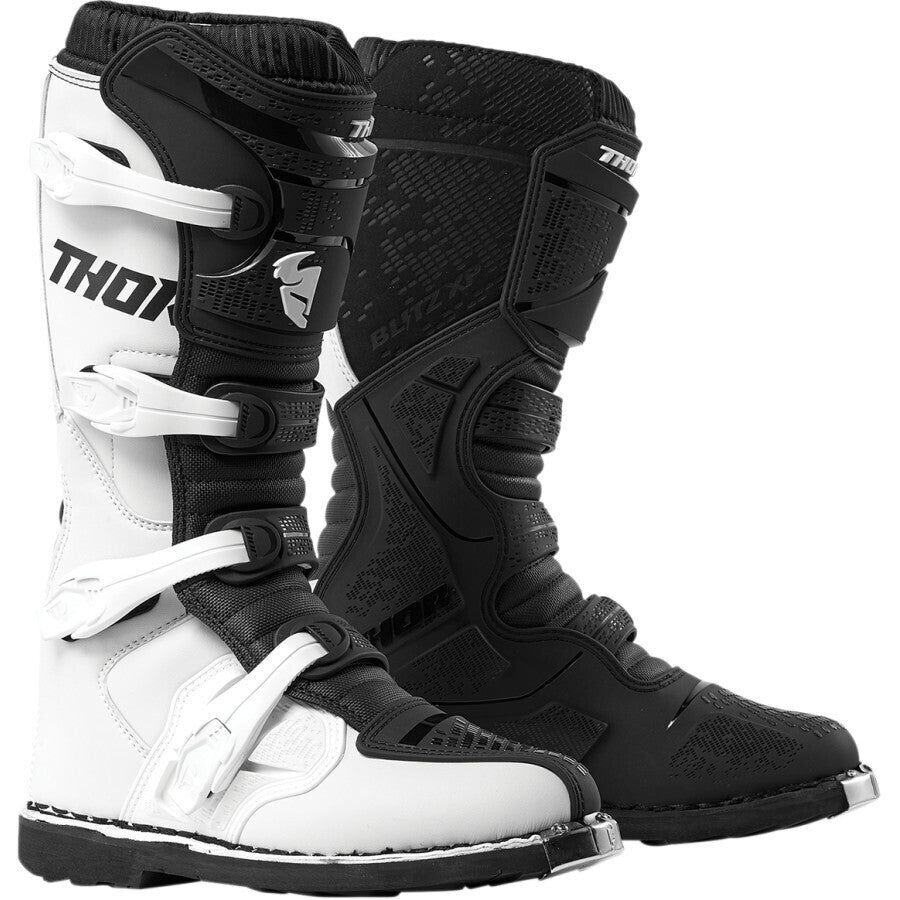
Thor 2023 Blitz XP White/Black Boots
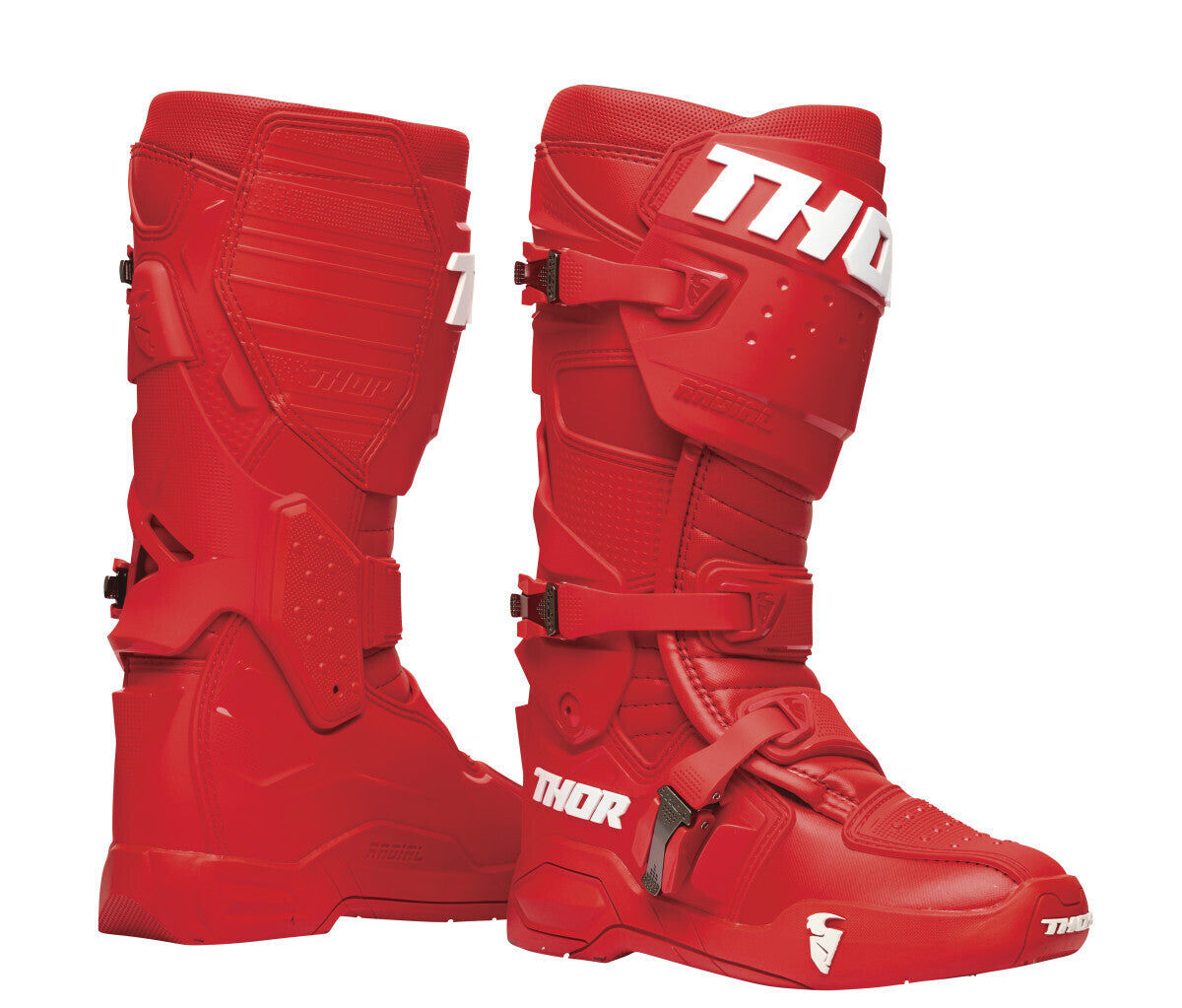
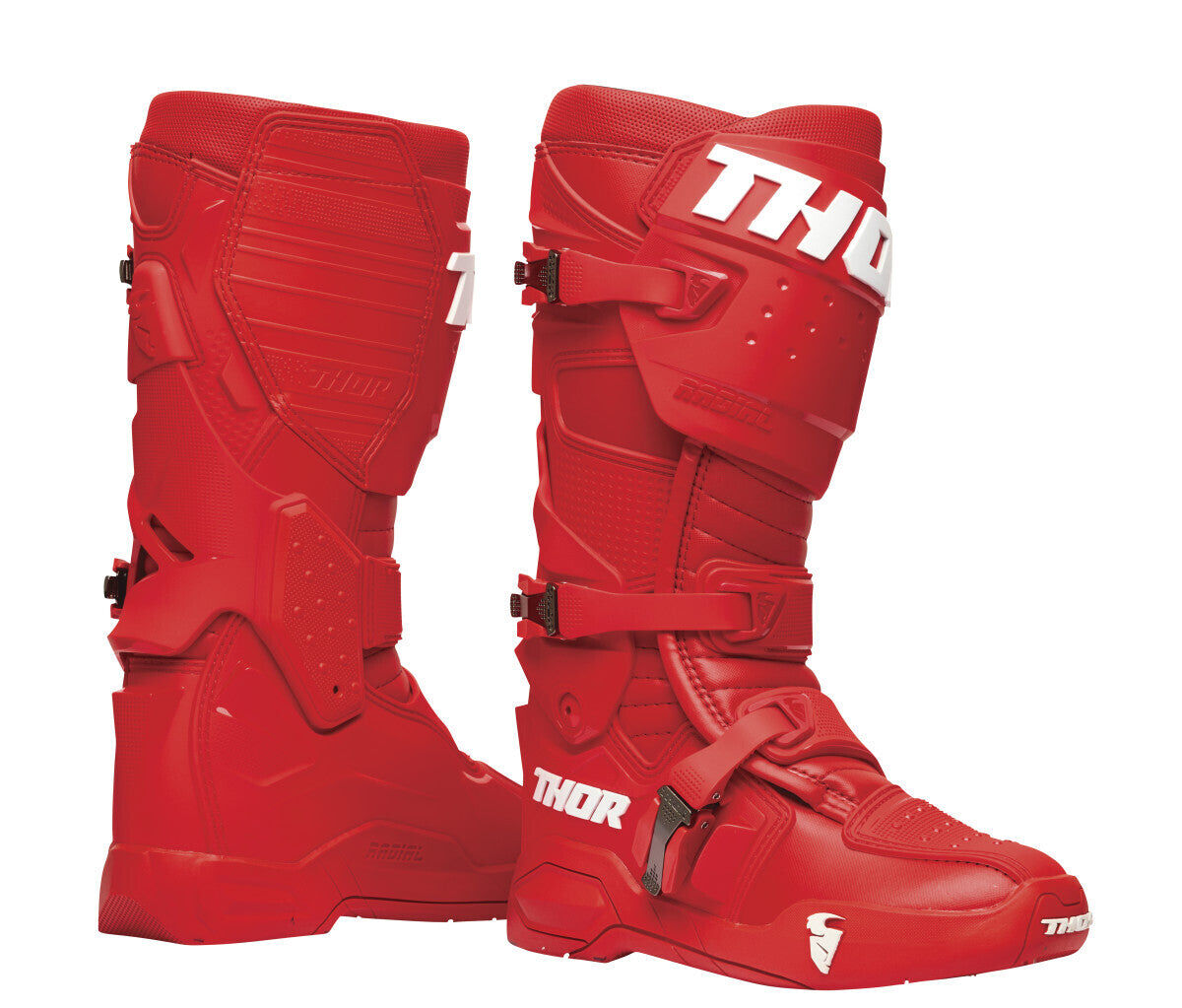
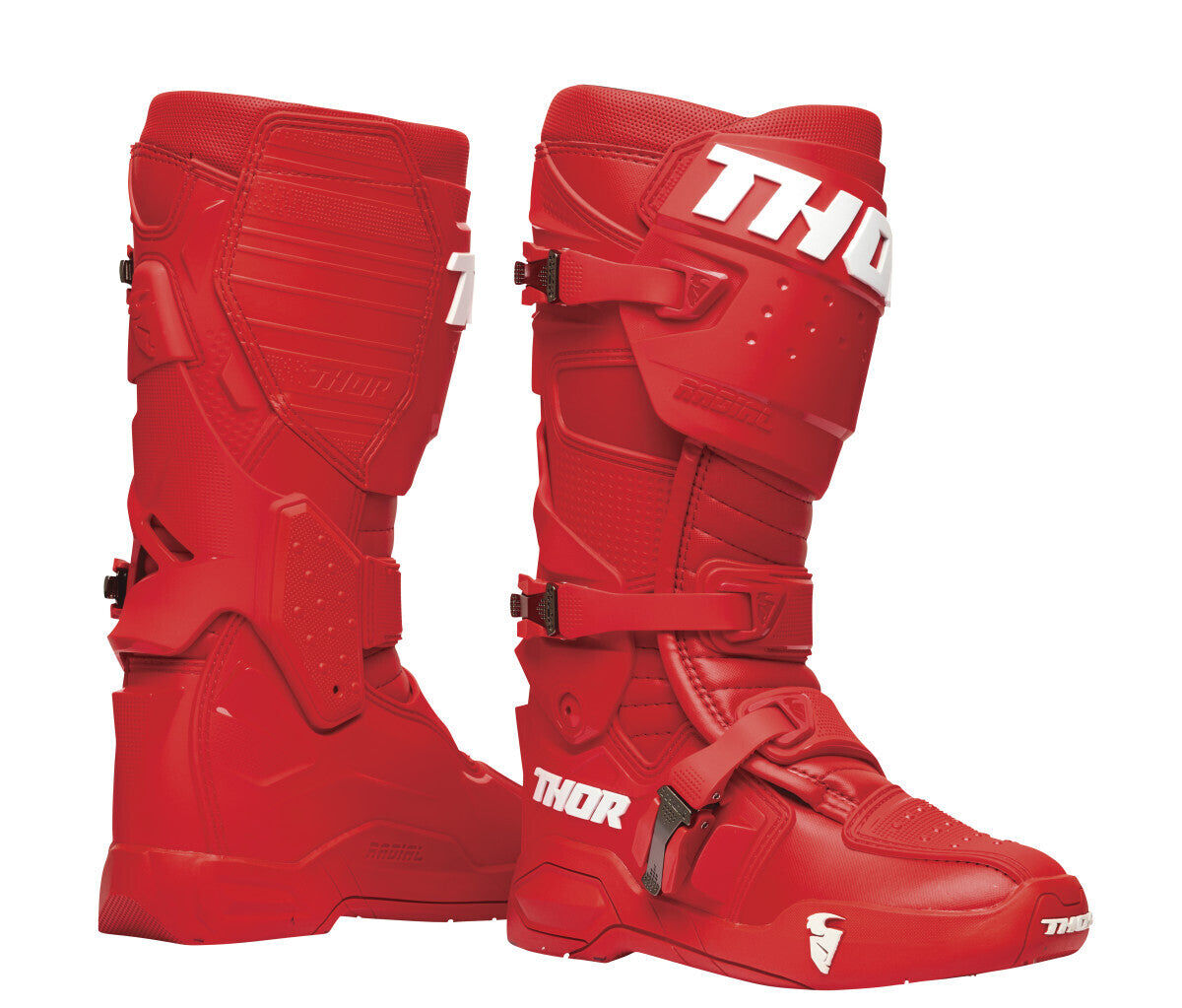
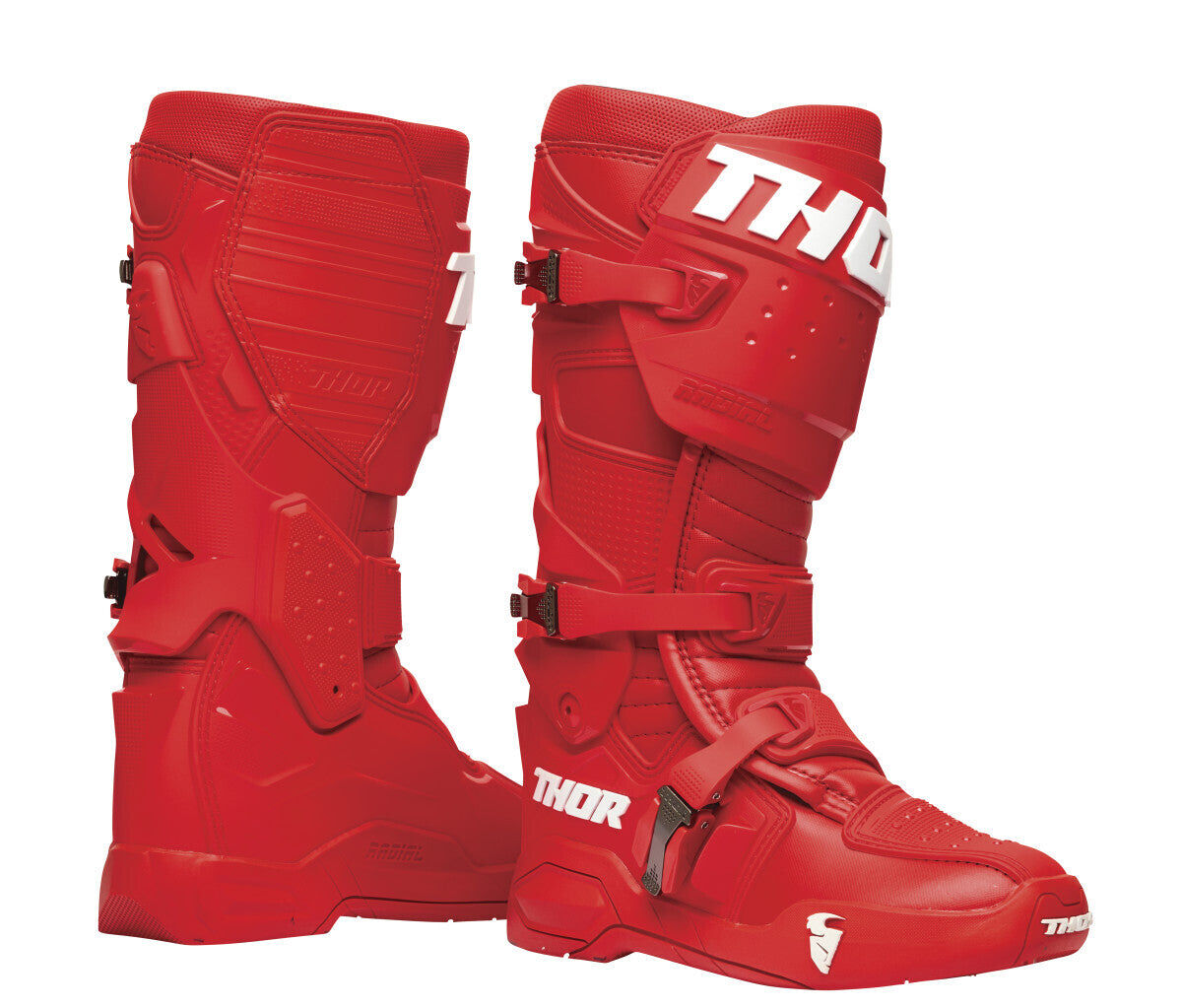
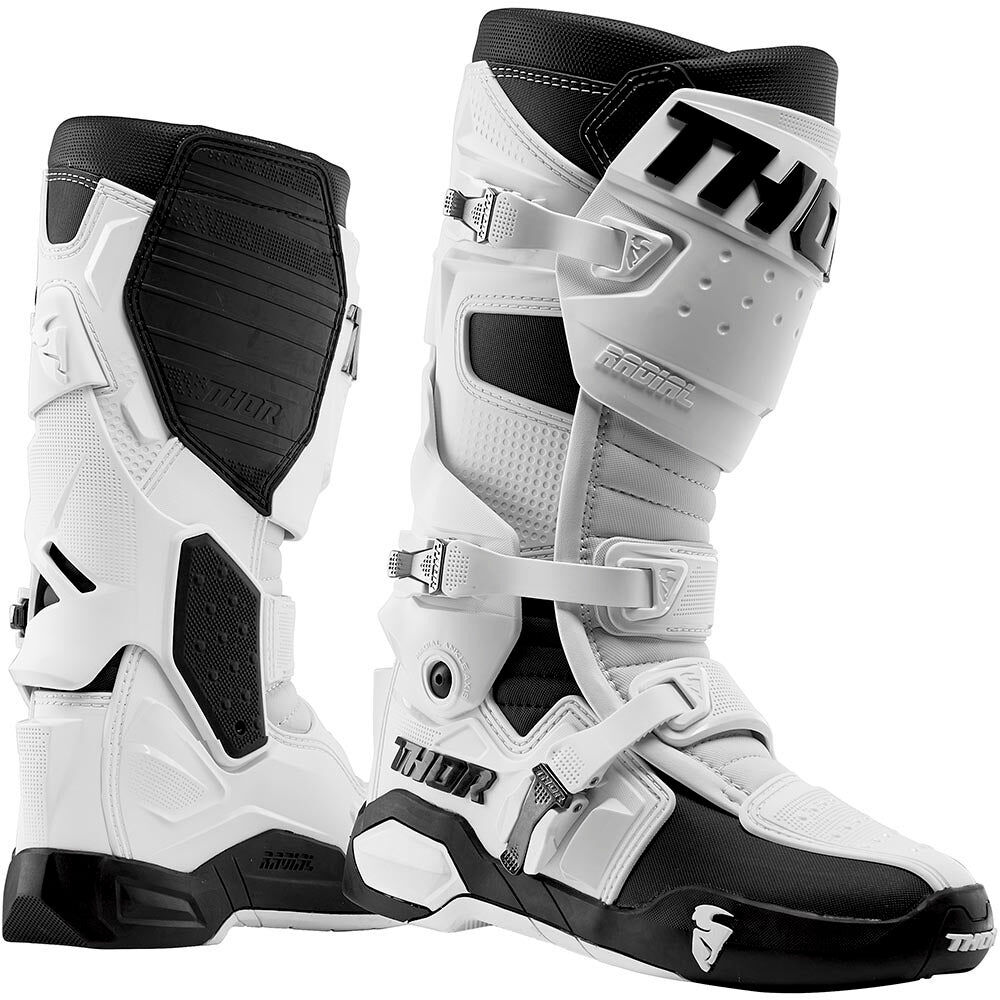
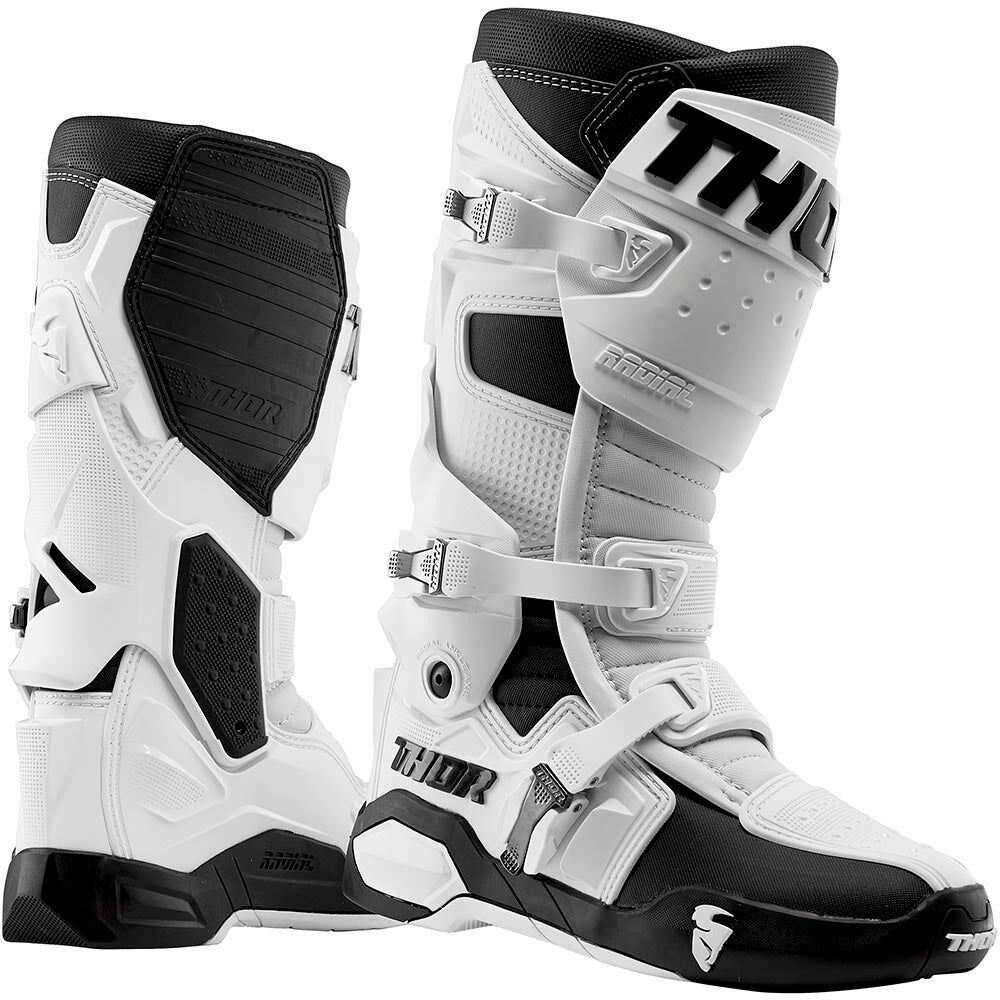
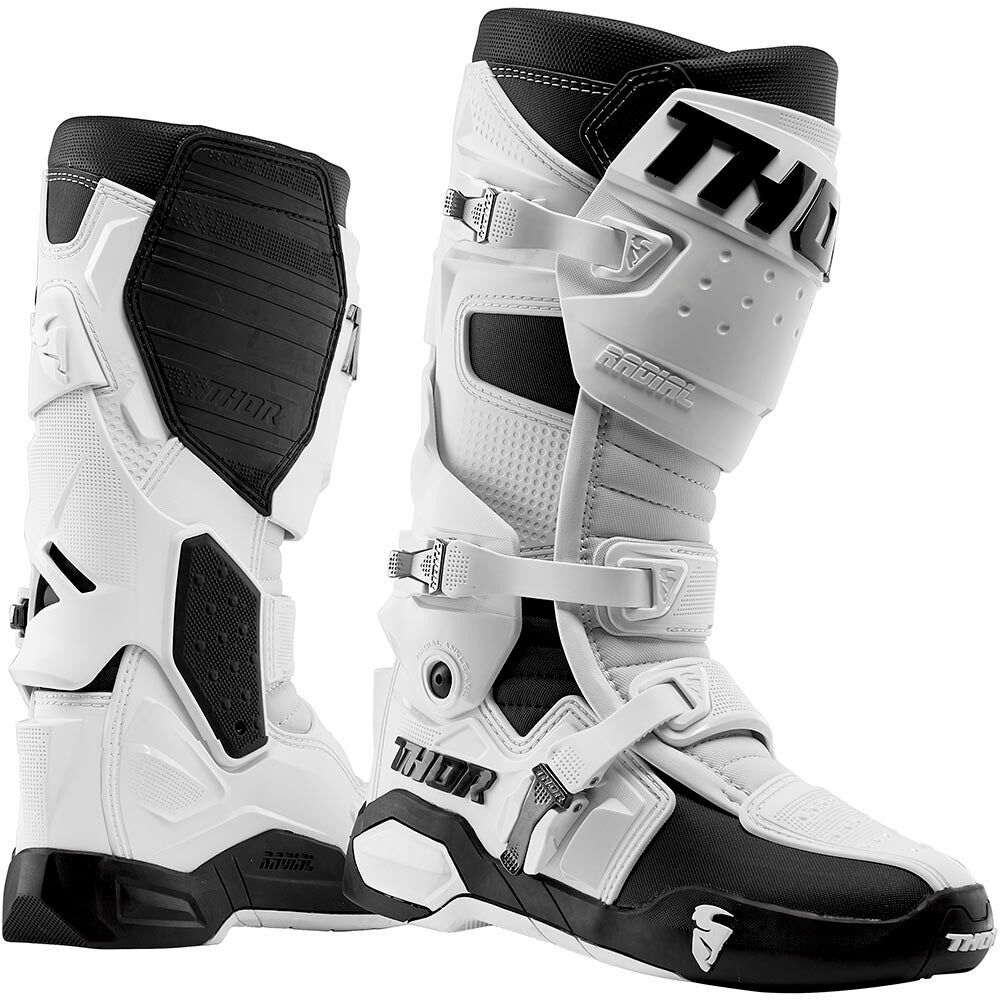
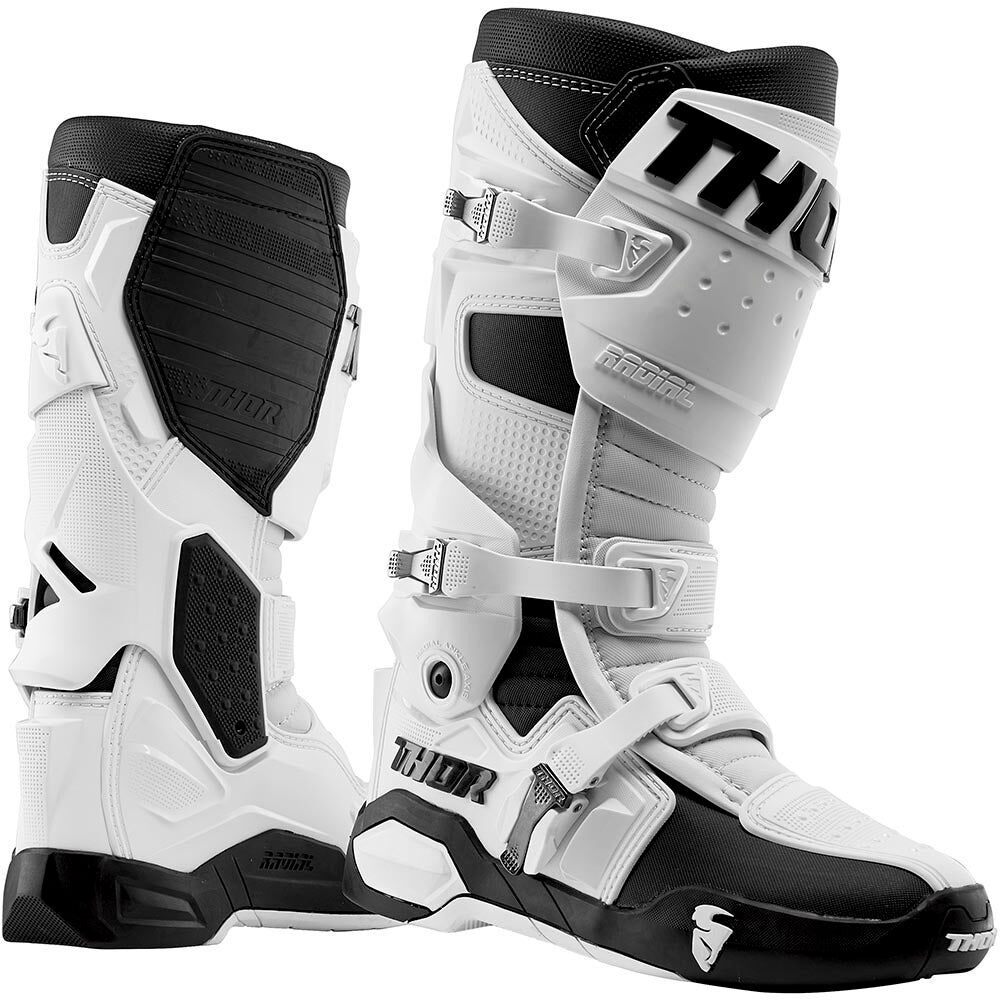
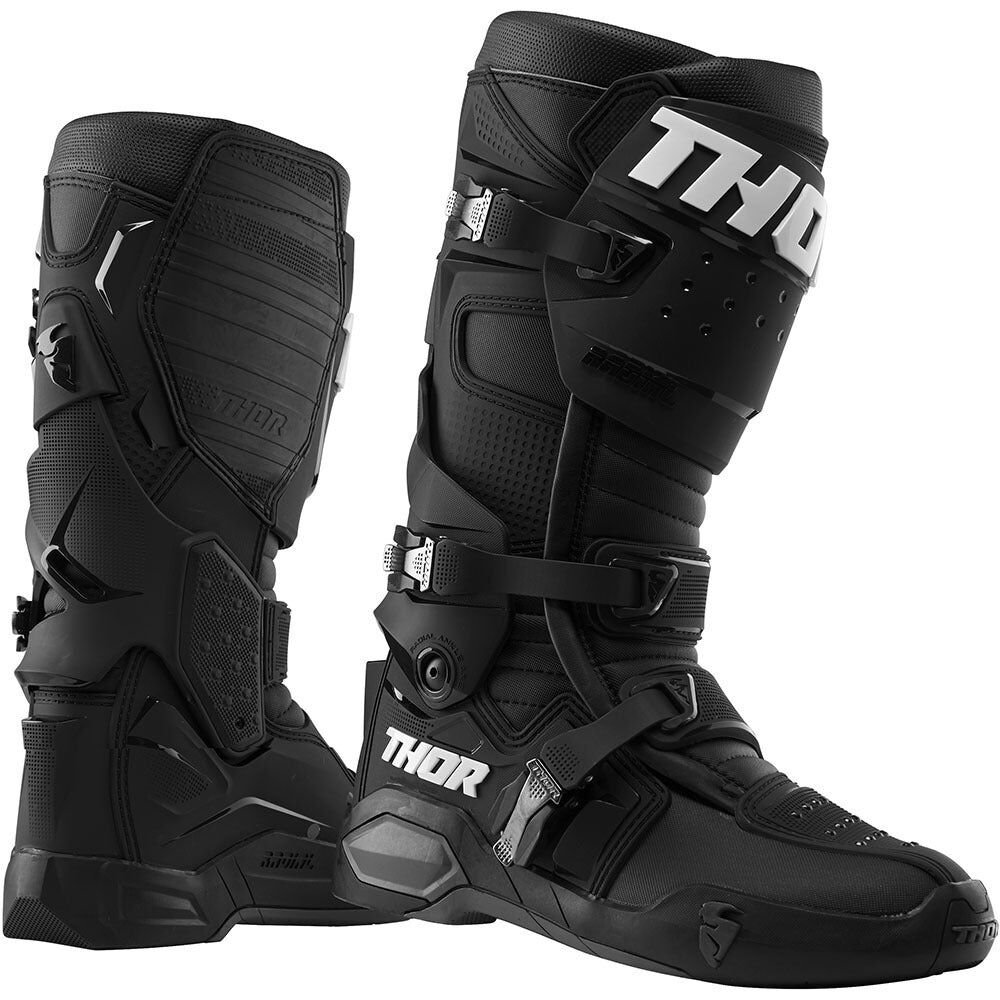
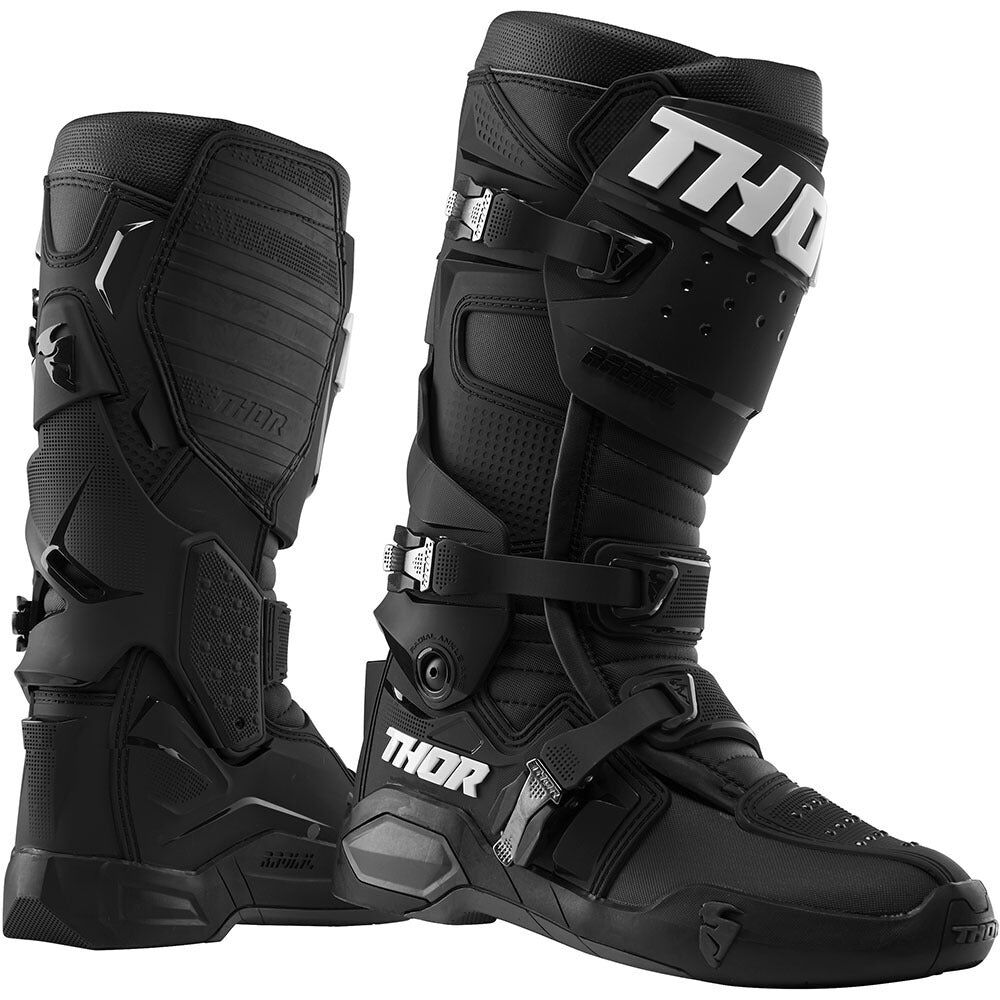
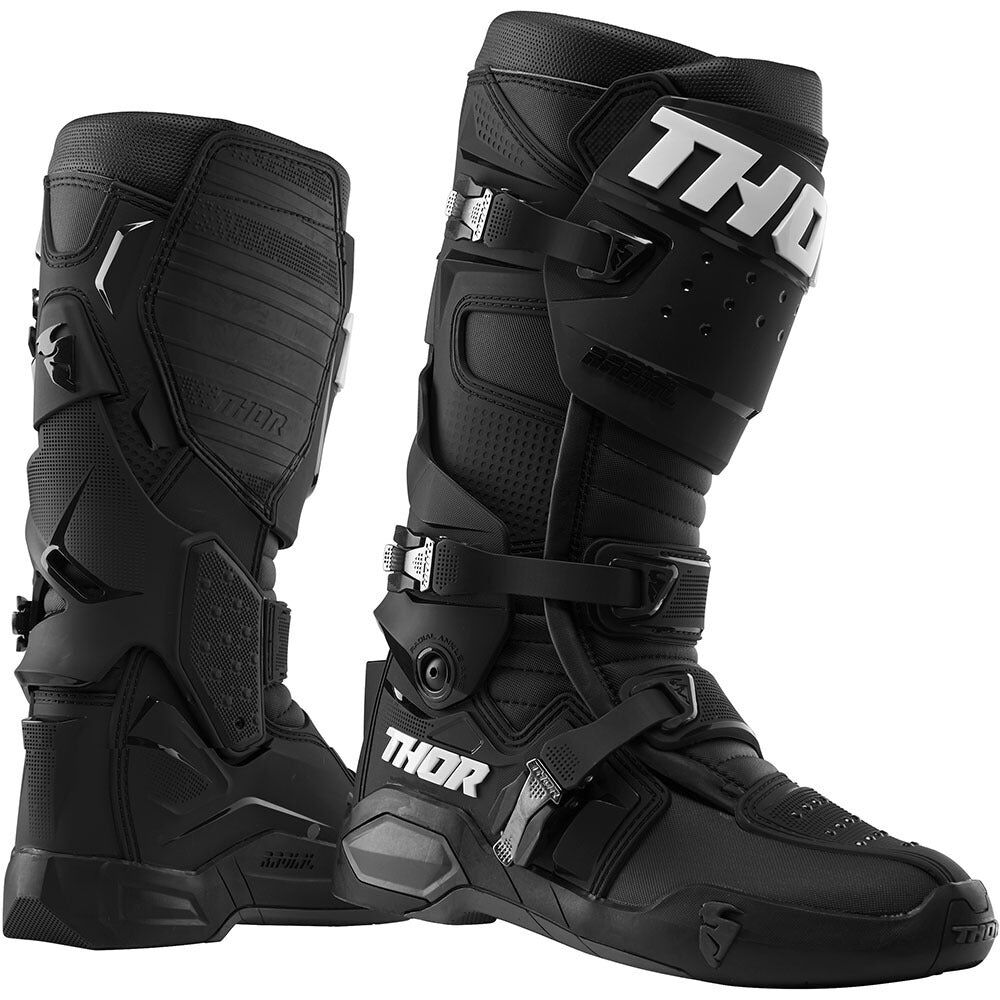
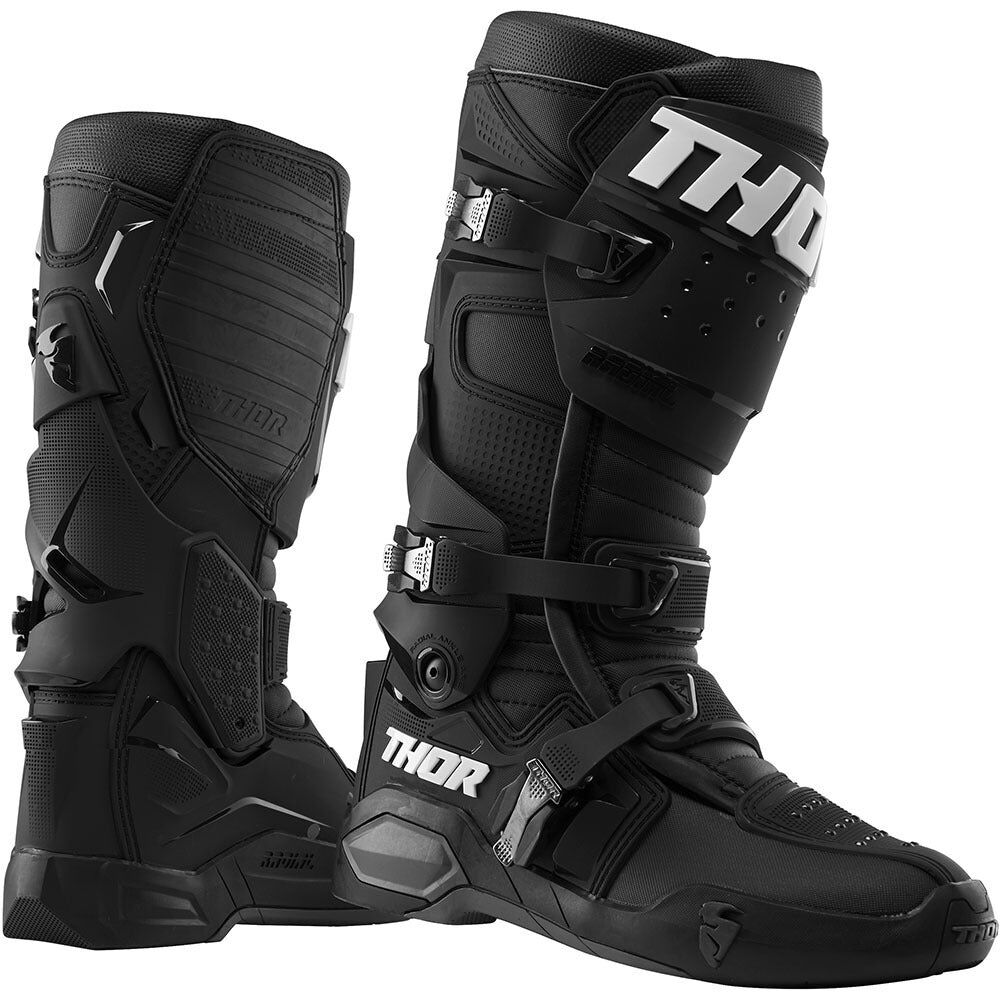
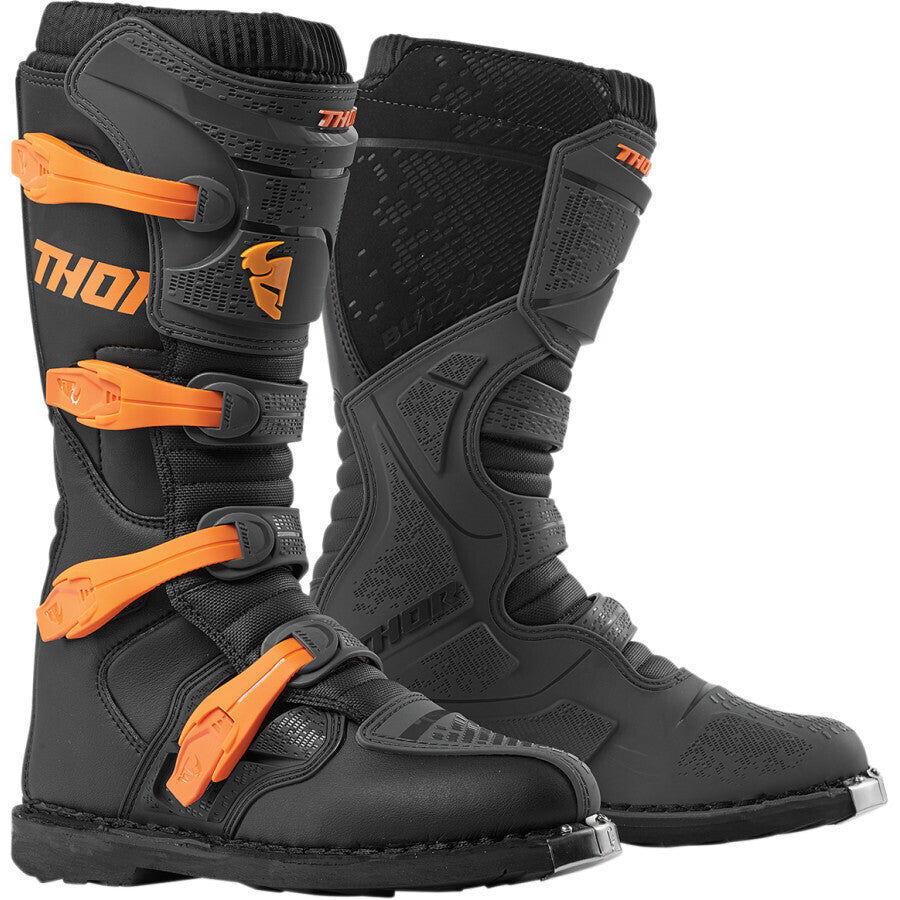
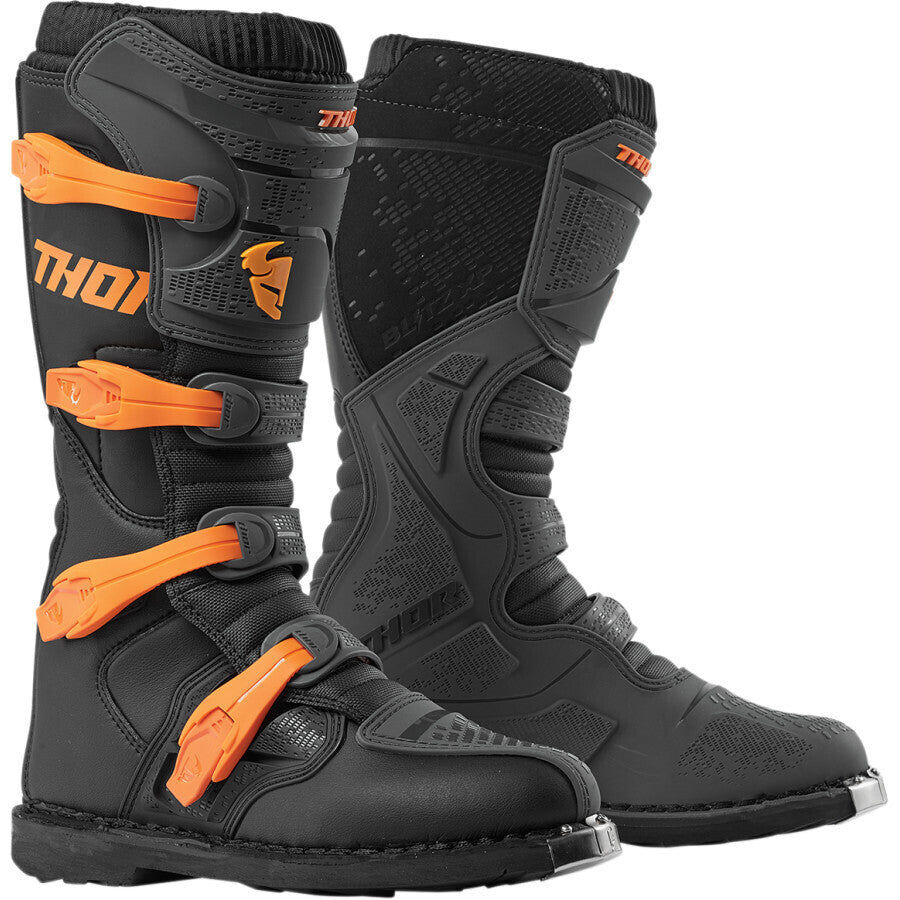
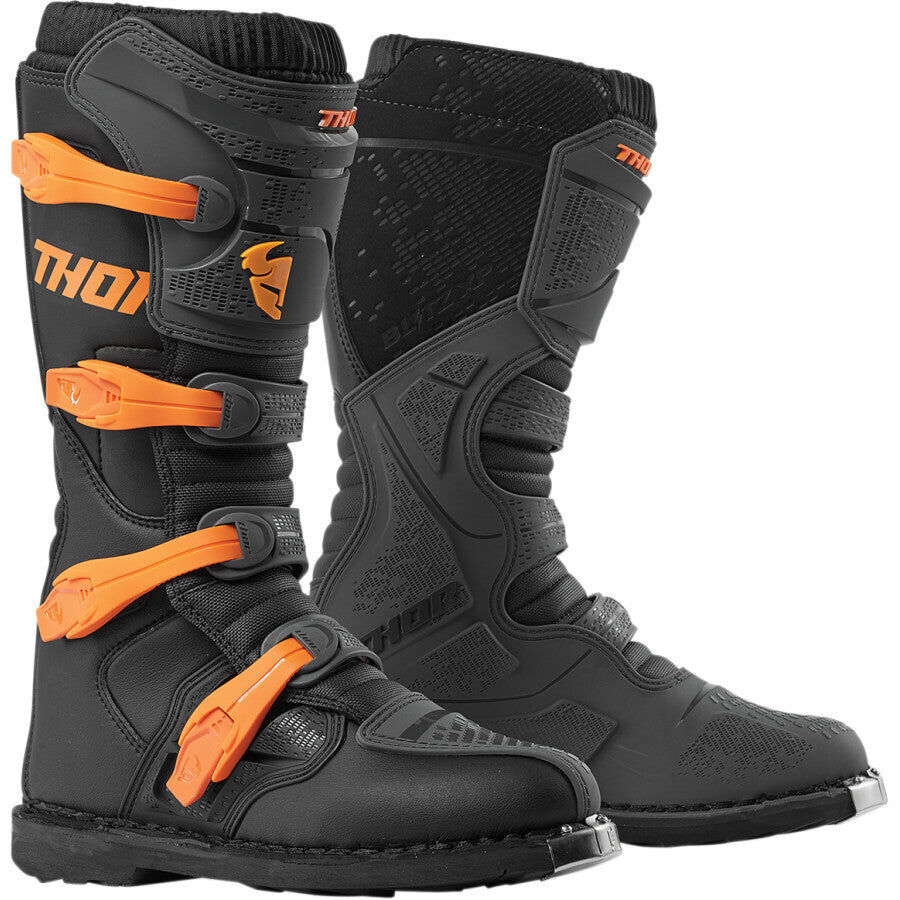
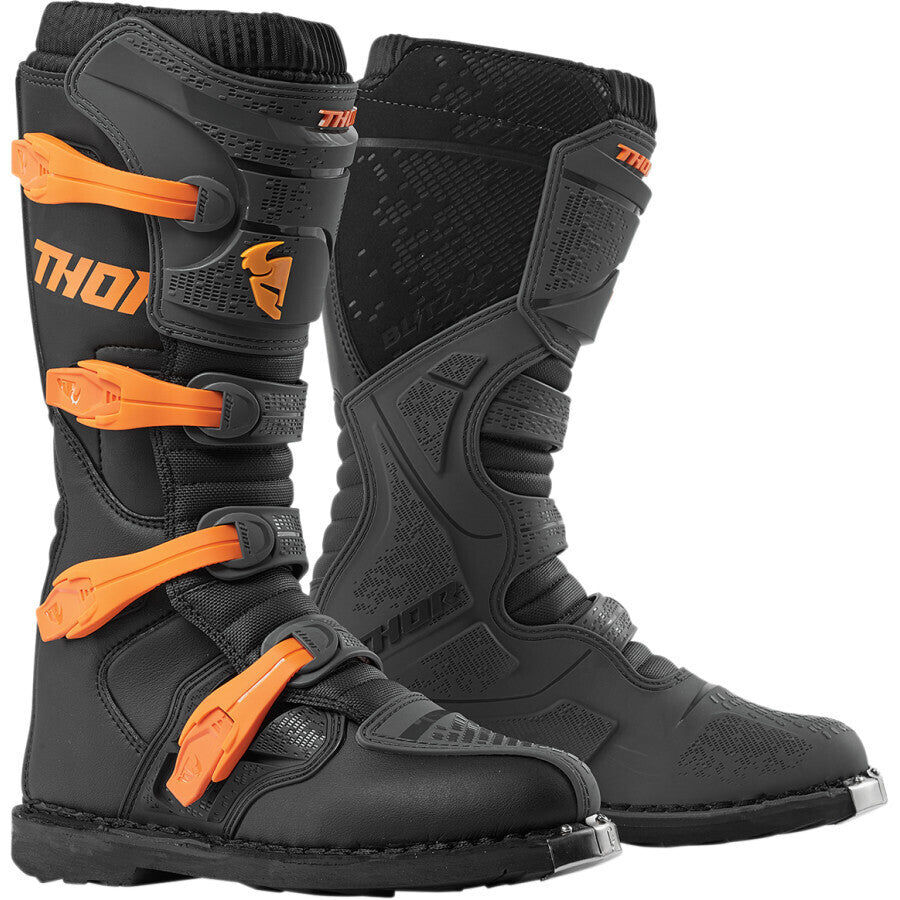
Thor 2023 Blitz XP Charcoal/Orange Boots
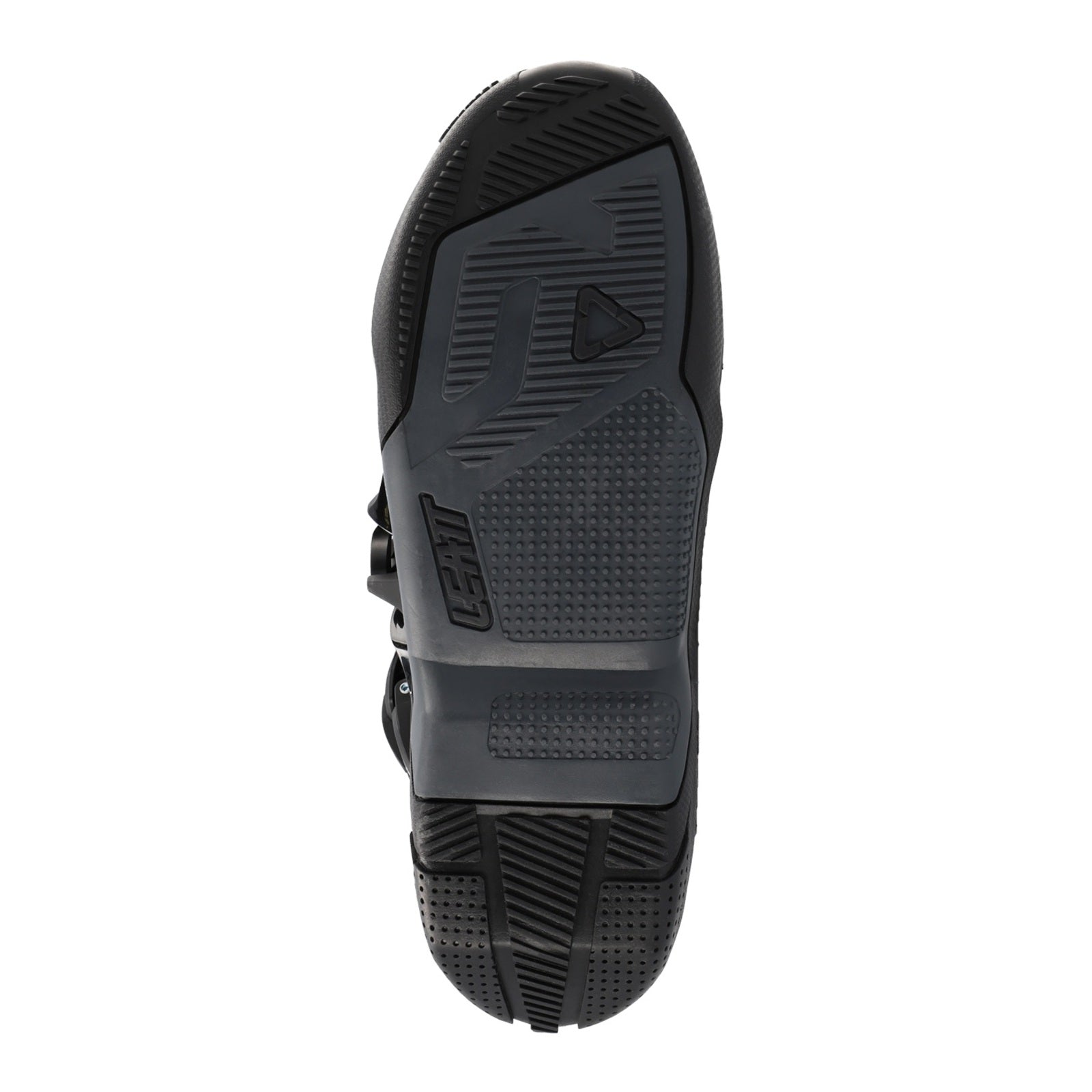
![Leatt 4.5/5.5 Boot Outer Sole - Blue / Red [Pair]](http://sharkleathers.com.au/cdn/shop/files/LE3021200400.jpg?v=1780122642&width=1600)
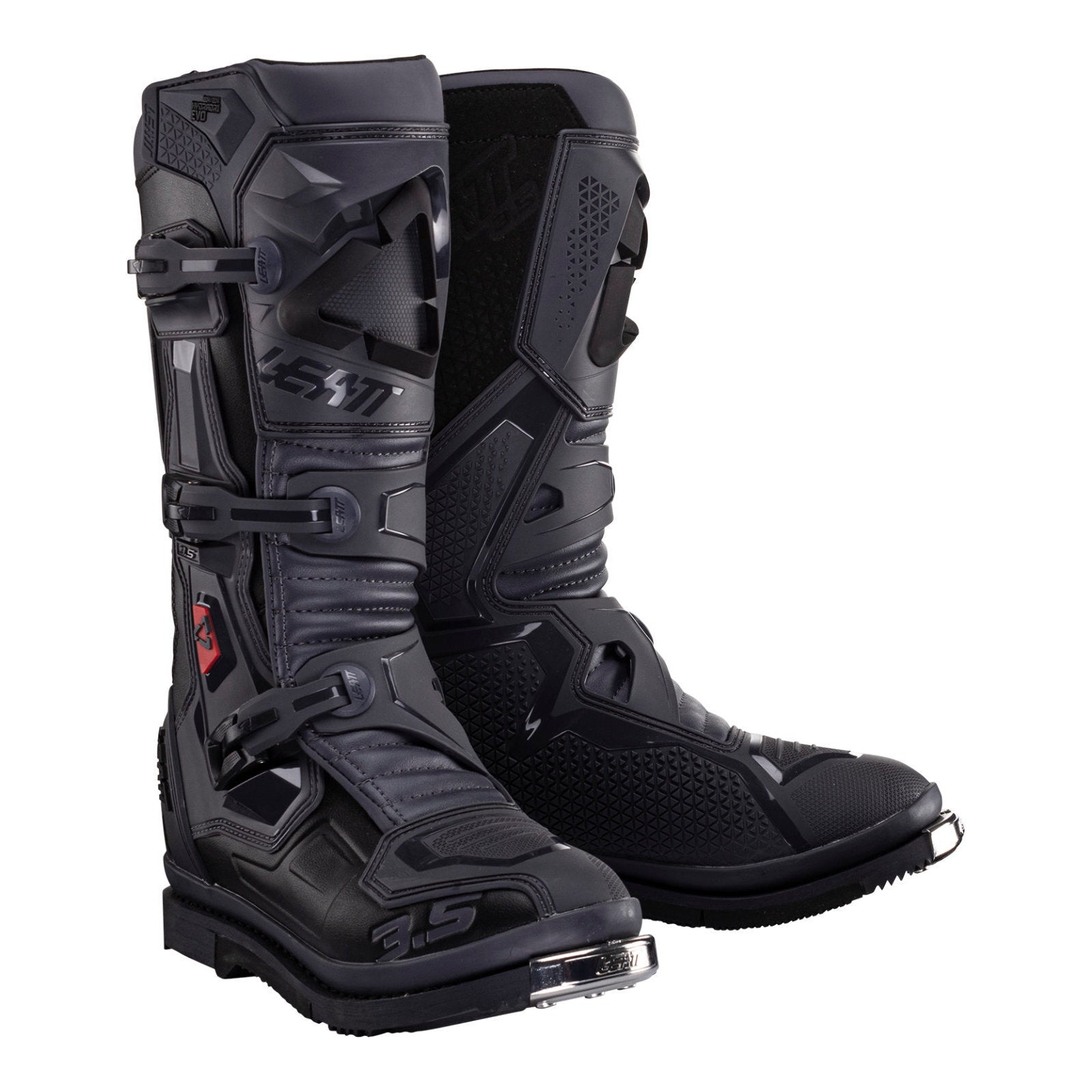
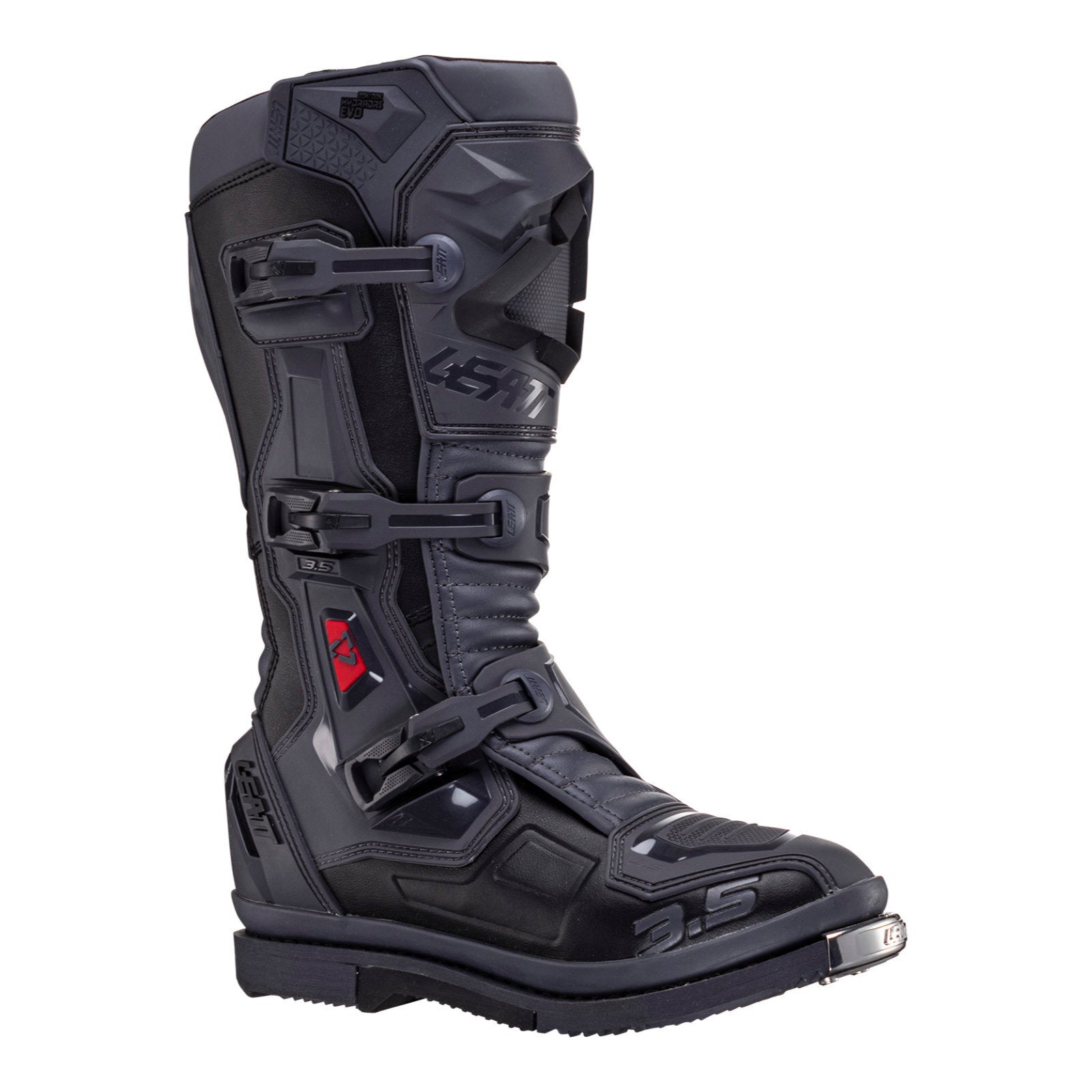
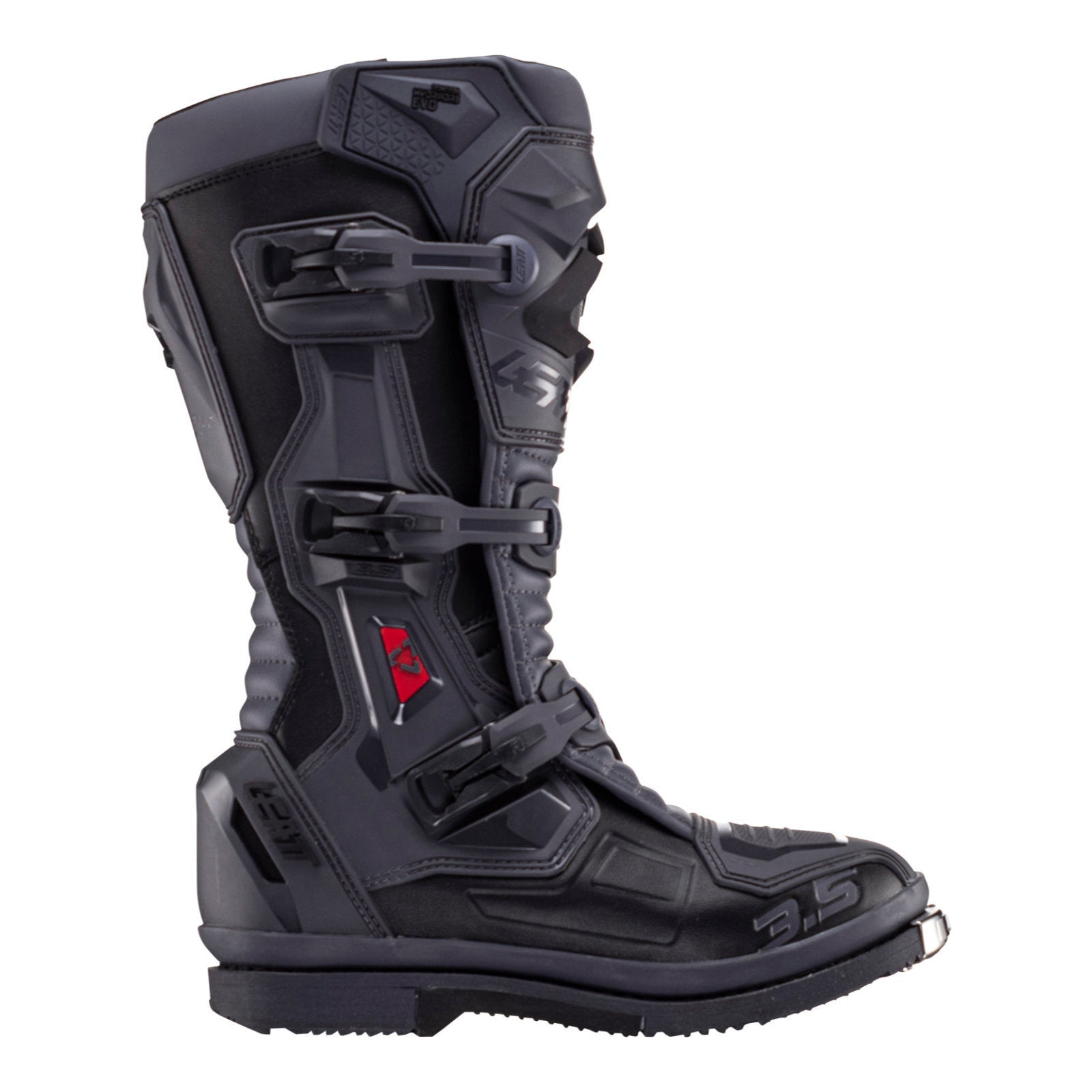
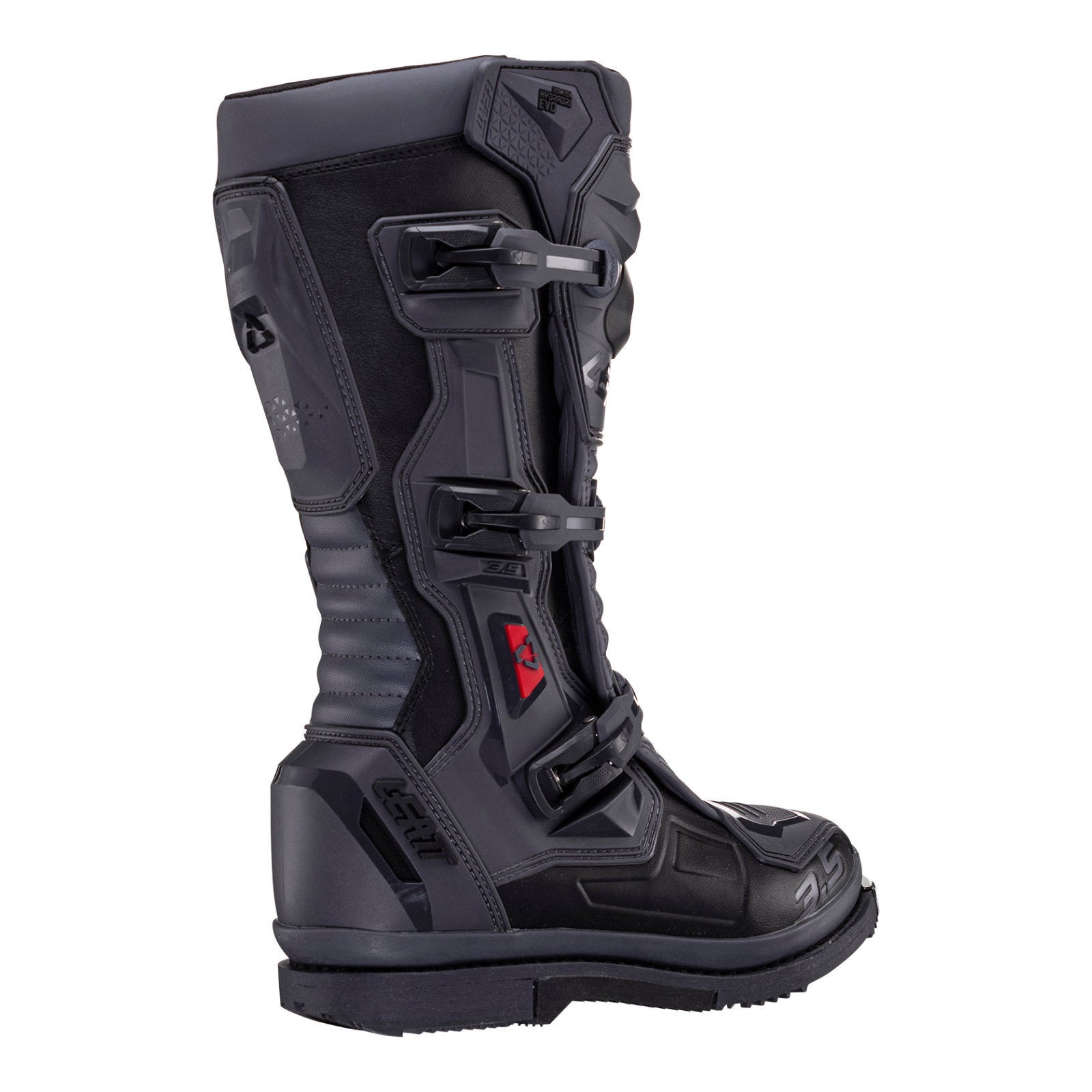
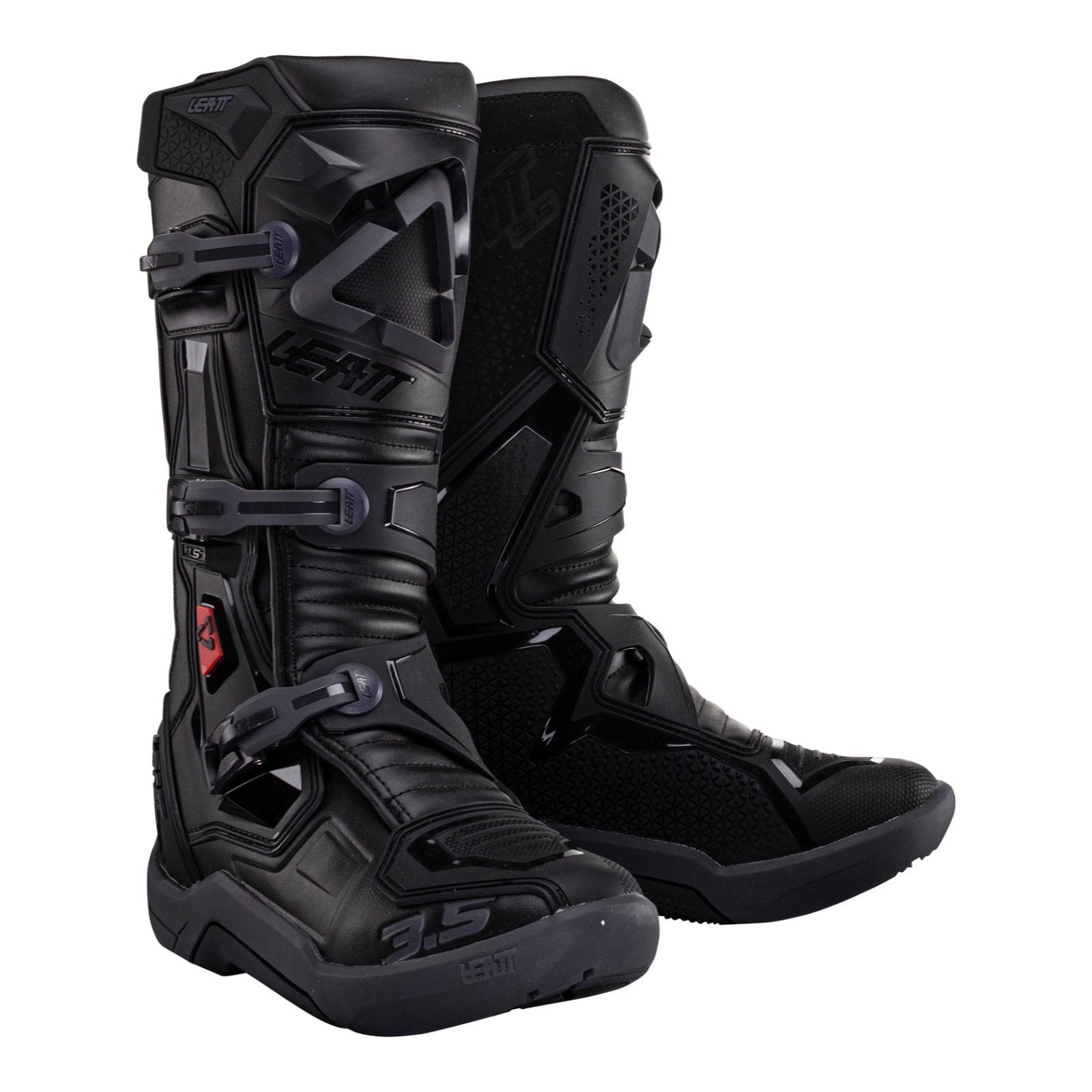
Leatt 3.5 HydraDri Boots - Graphene
How to choose mens off-road boots
The right off-road boot is decided by riding discipline and protection level, not looks. A short trail boot flexes more for walking sections, while a tall motocross boot prioritises rigidity to resist ankle hyperextension during hard landings. Leatt, Thor, Fusport and Falco each cover different points on that scale.
| Boot type | Height | Best use | Key feature |
|---|---|---|---|
| Entry MX | Approx 380mm cuff | Track days, casual MX | Single-strap buckle, leather upper |
| Race MX | Approx 420mm cuff | Motocross racing | 4-buckle alloy closure, hinged ankle |
| Enduro | Approx 400mm cuff | Trail, hard enduro | Lugged grip sole, waterproof liner |
Protection that matters
Rigidity is your first line of defence. A hard polymer shin plate and external ankle cups resist crush loads of 30kg and up, while a hinged ankle limits front-to-back flex to roughly 20 to 30 degrees so the joint cannot fold past its safe range. Inner heat shields rated to 200 degrees Celsius guard against exhaust burns on tight enduro lines.
Sole choice splits the range. Flat MX soles bias the footpeg grip and last 2 to 3 seasons of racing, while lugged enduro soles add 8mm tread for walking grip on wet rock. Most race boots use a steel shank for 100 percent torsional rigidity, and aluminium buckles snap to 4 closure points so the cuff stays locked through whoops and braking bumps. Size in full numbers and try with your riding socks.
Frequently asked questions
What is the difference between motocross and enduro off-road boots?
Motocross boots are taller and stiffer to resist ankle hyperextension on big jumps, using a flat sole for footpeg grip. Enduro boots flex slightly more for walking technical sections and add a lugged tread sole plus a waterproof liner for wet trail riding. Leatt, Thor and Falco cover both styles in this range.
How should off-road boots fit?
Off-road boots should fit snug with no heel lift, sized in full numbers and tried on with the thick socks you ride in. A new boot feels stiff and loosens as the shin plate and ankle hinge break in over the first few rides. Your toes should reach close to the end without pressing hard.
Do I need a hinged ankle on an off-road boot?
A hinged ankle limits front-to-back flex to a safe range while blocking side-to-side roll, which protects against the most common dirt ankle injuries. Race-level Leatt and Thor boots use this system, while entry boots rely on a rigid cuff and internal ankle cups instead. For frequent jumps and racing, a hinge is worth it.
Afterpay & Zippay Available
Afterpay & Zippay Available