

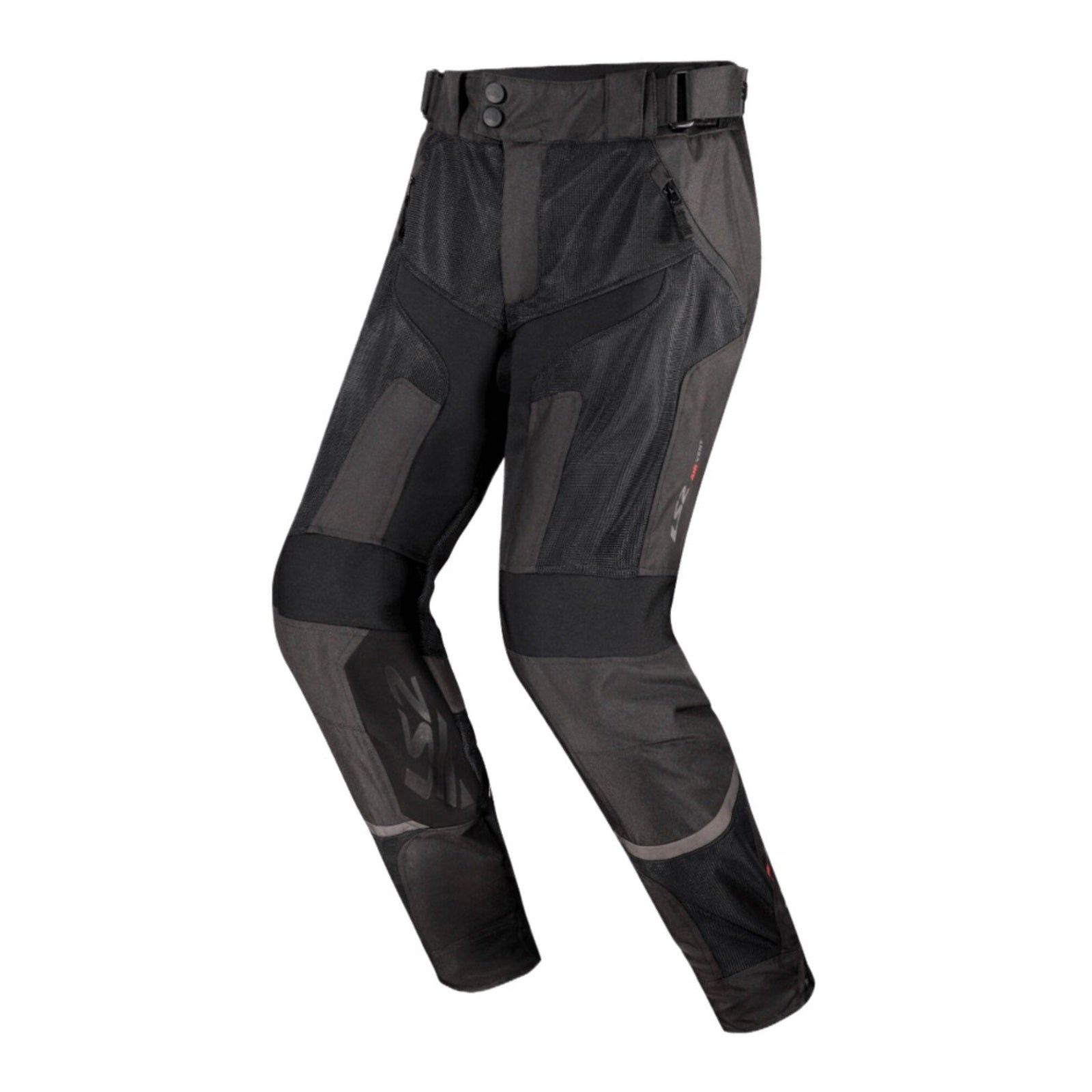
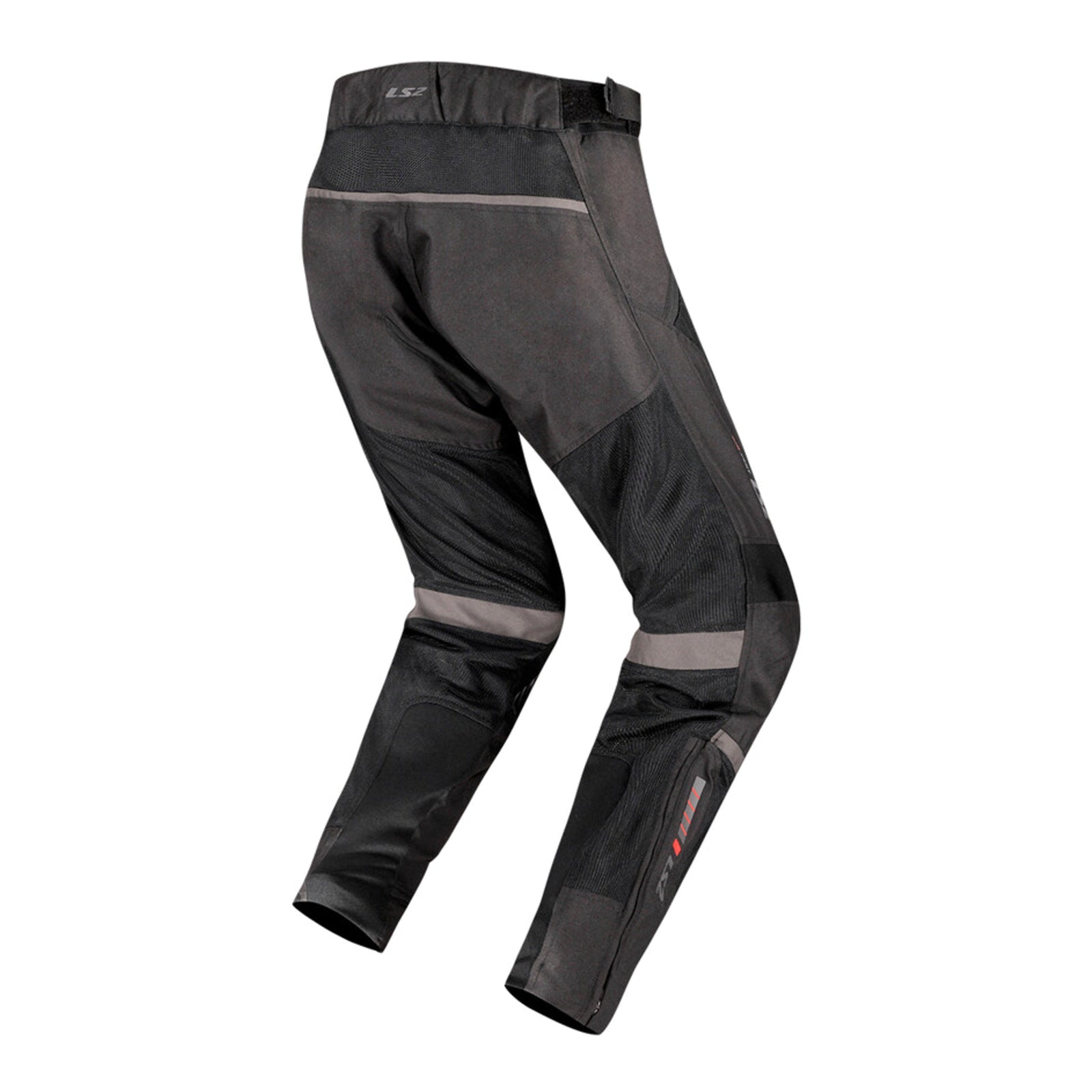
Road pants built for tarmac riders who refuse to compromise on protection or fit. Shark Leathers stocks kevlar jeans, textile tourers, laminated all-weather pants and leather options from Shark, Merlin, Macna, Oxford, Motodry, Difi, Berik and LS2, covering every road riding style from daily commute to long-haul touring.
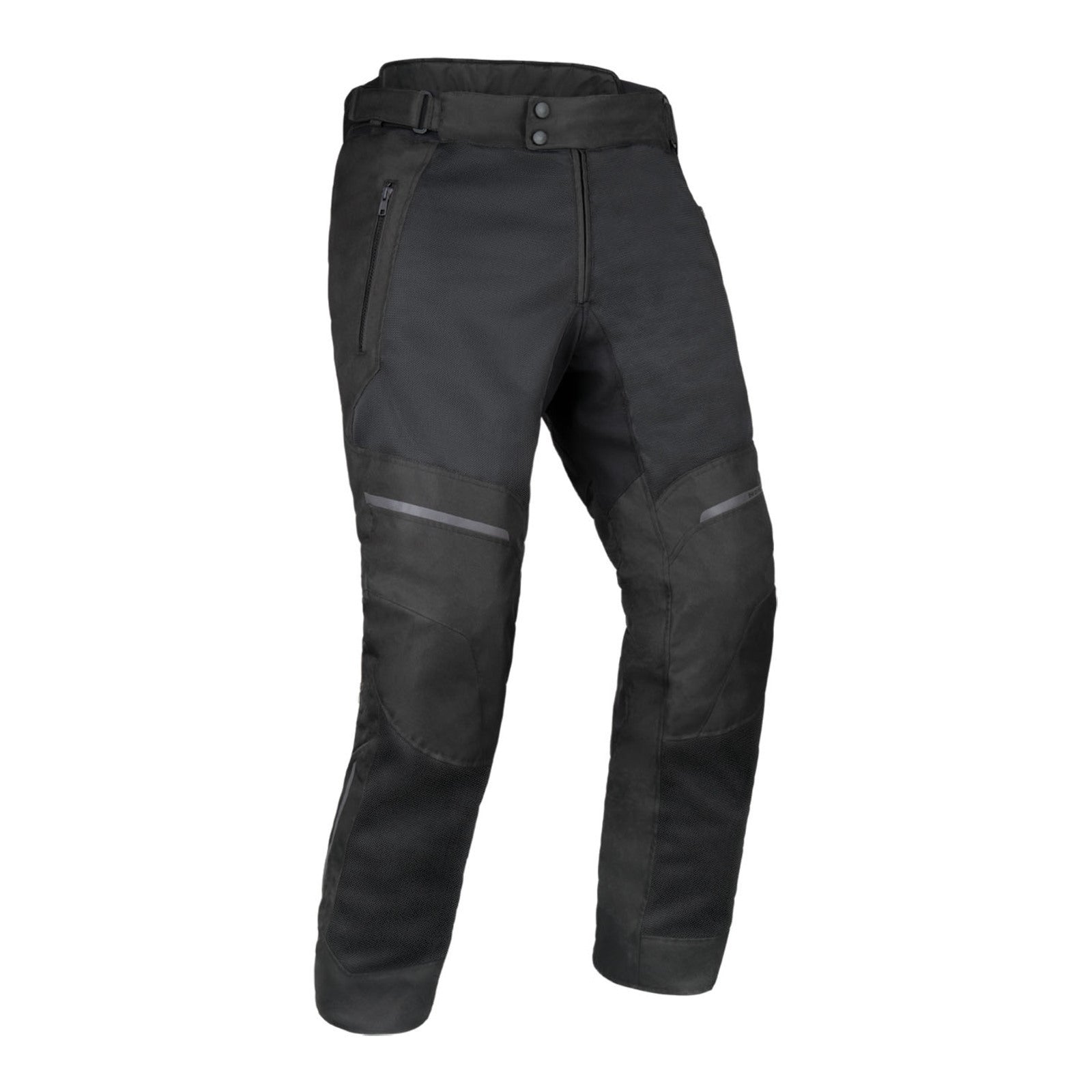
Oxford Arizona Air 1.0 Mens Pant - Black (Regular)
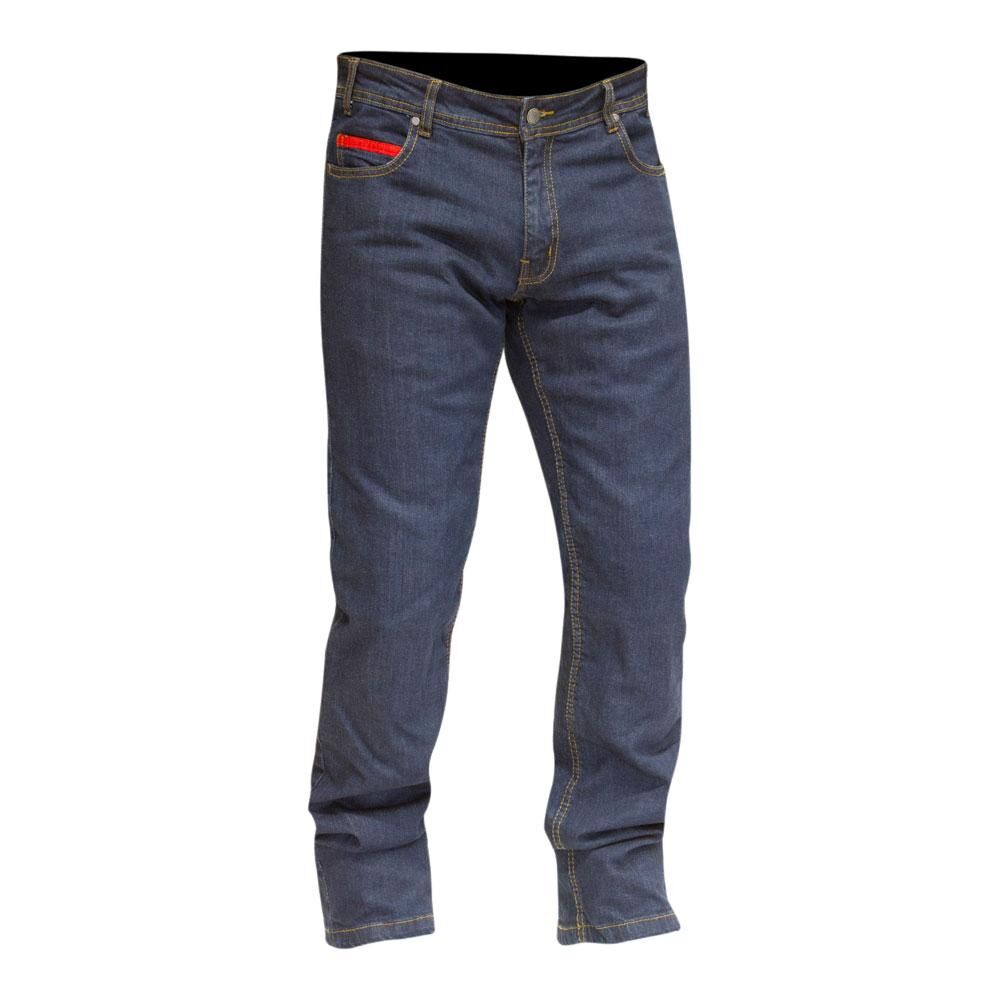
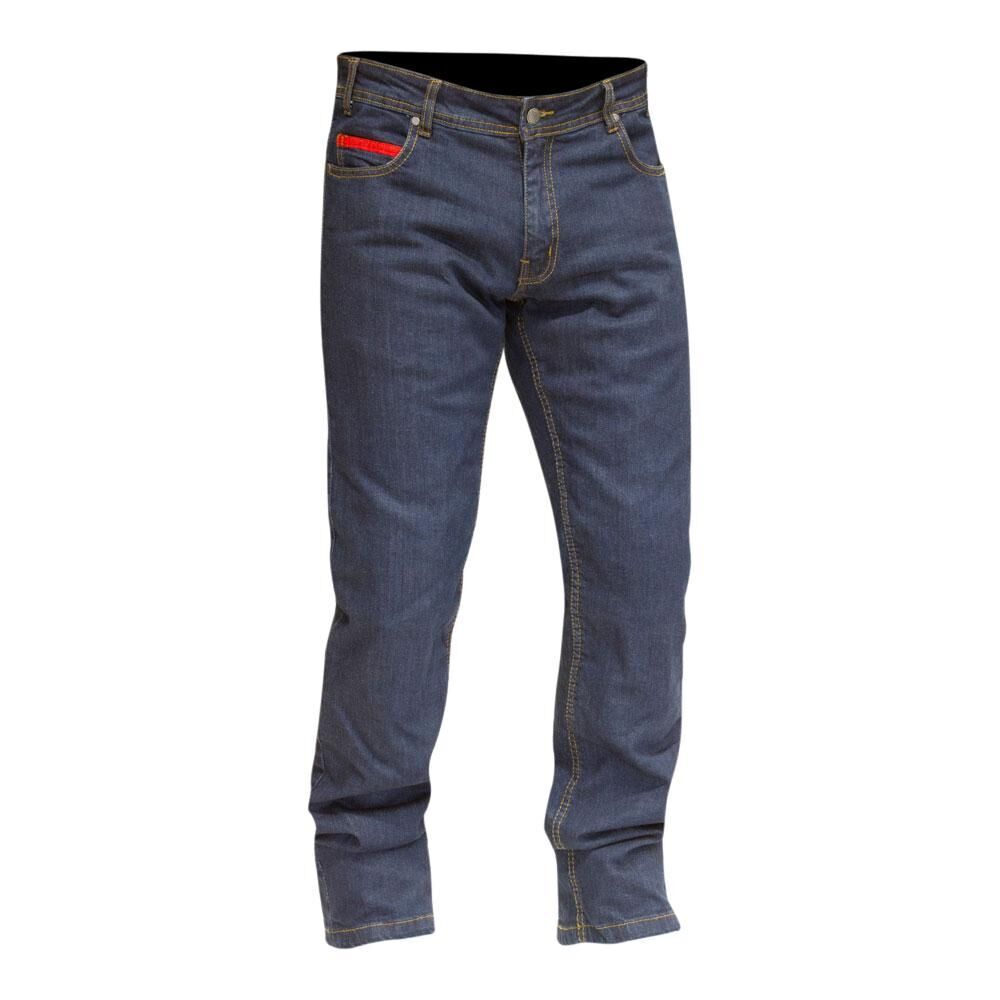
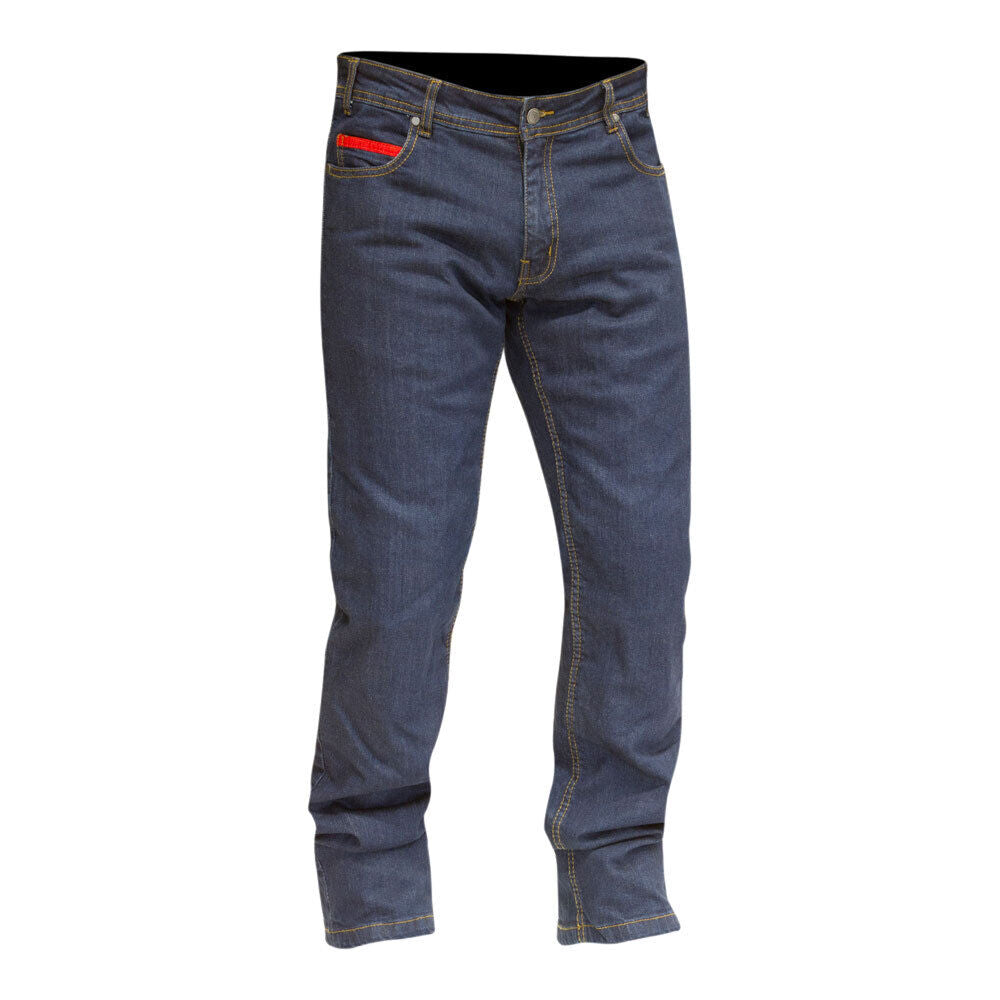
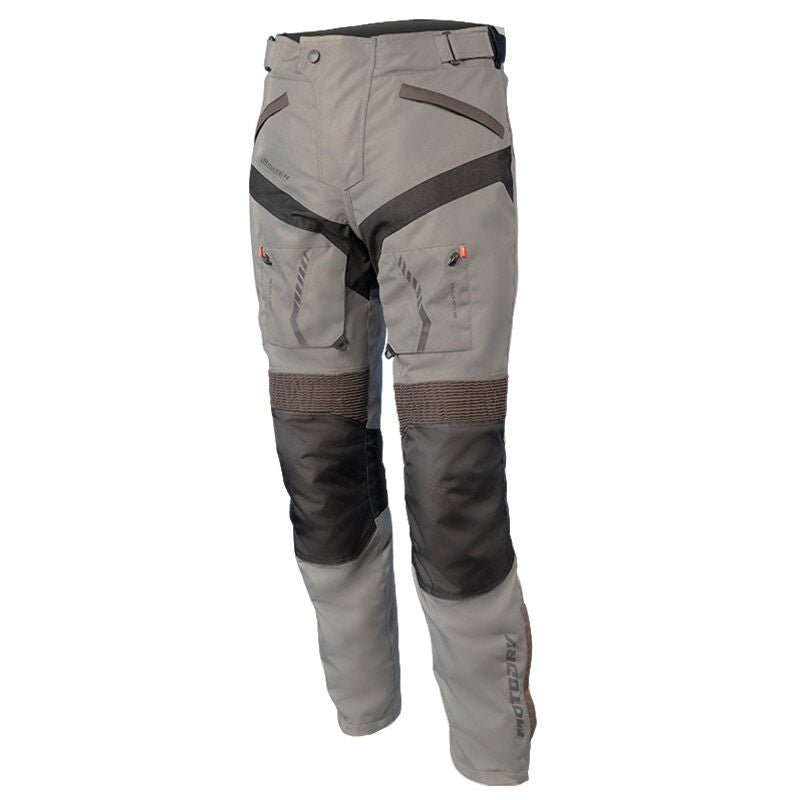

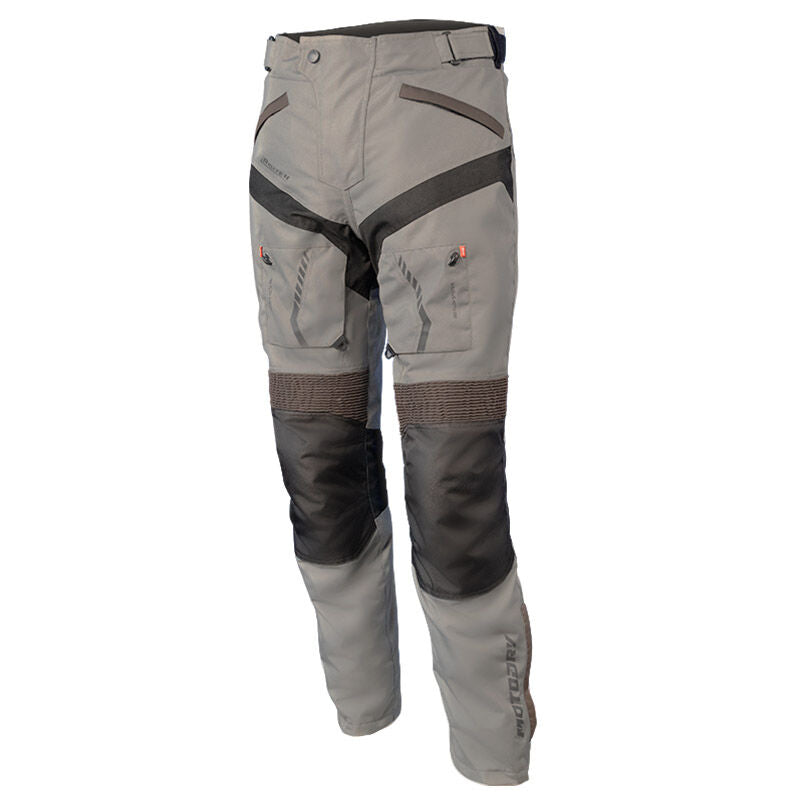

MOTODRY RALLYE 2 PANTS (ALL YEAR) BLACK SAND BROWN
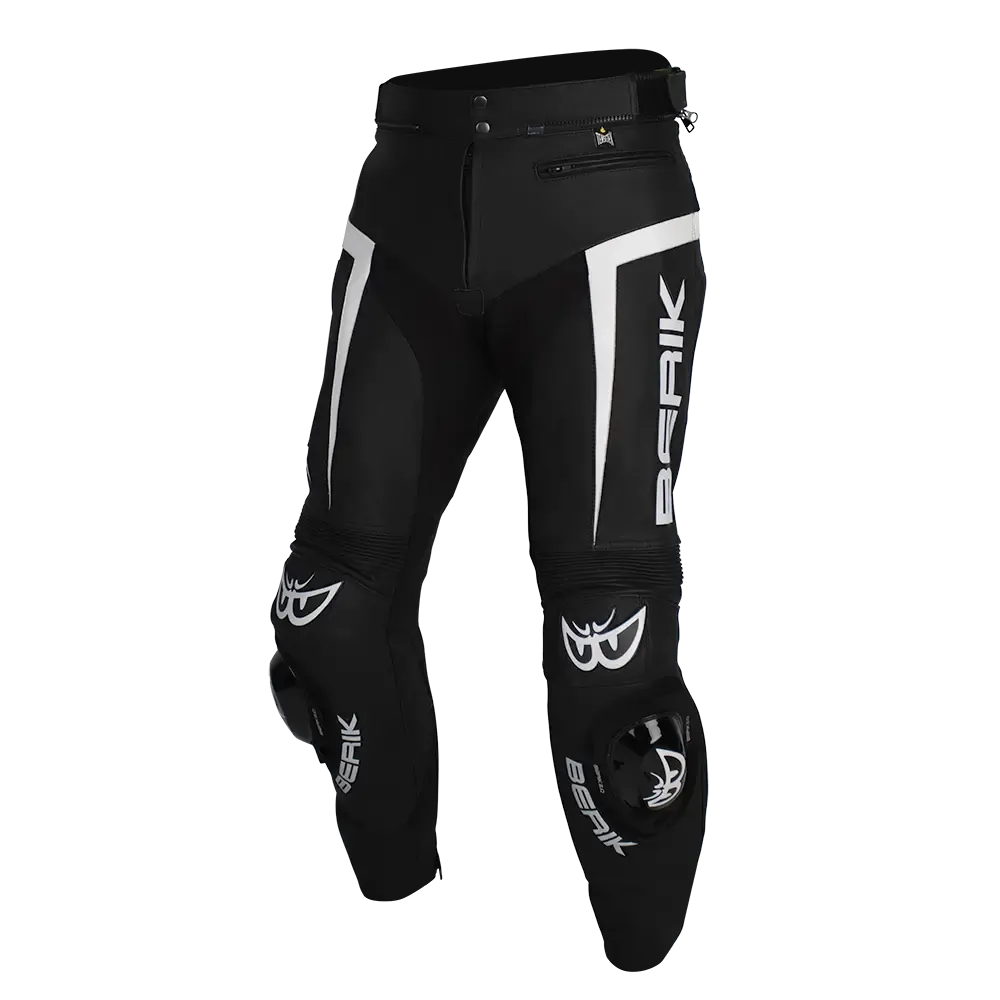
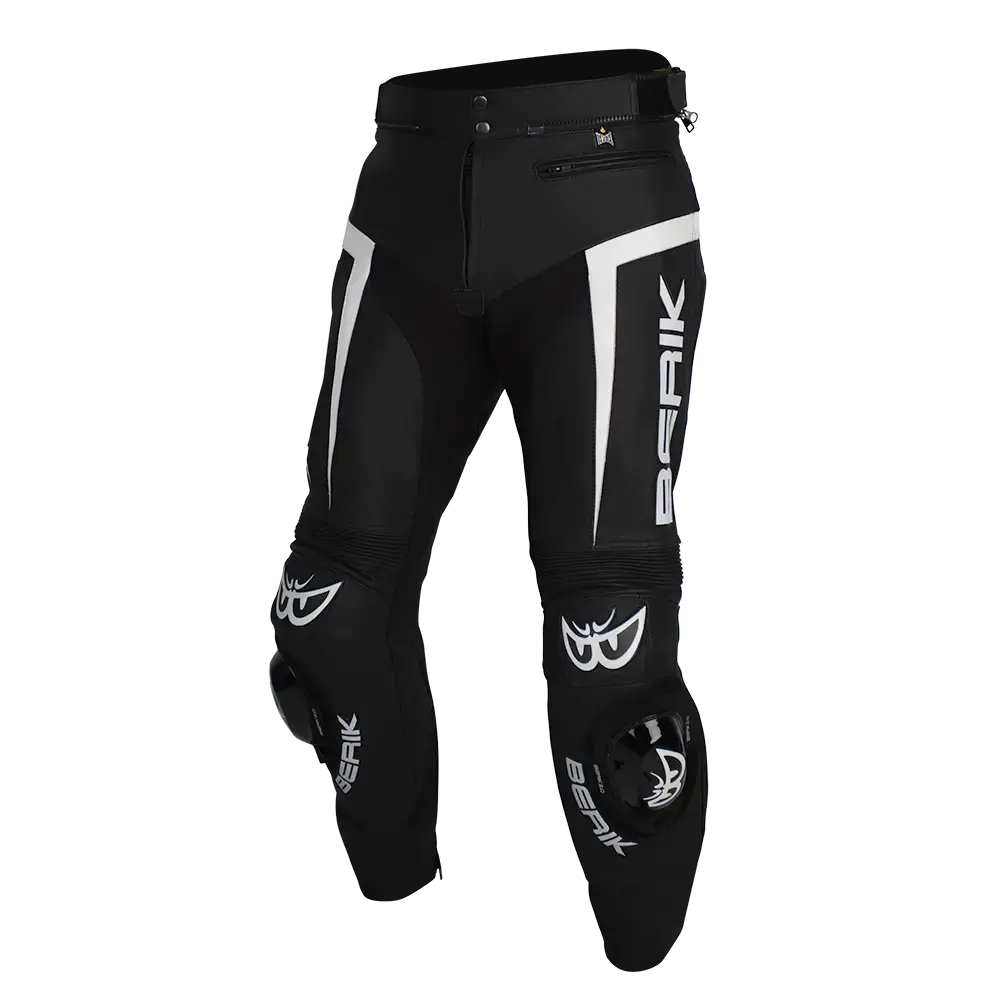
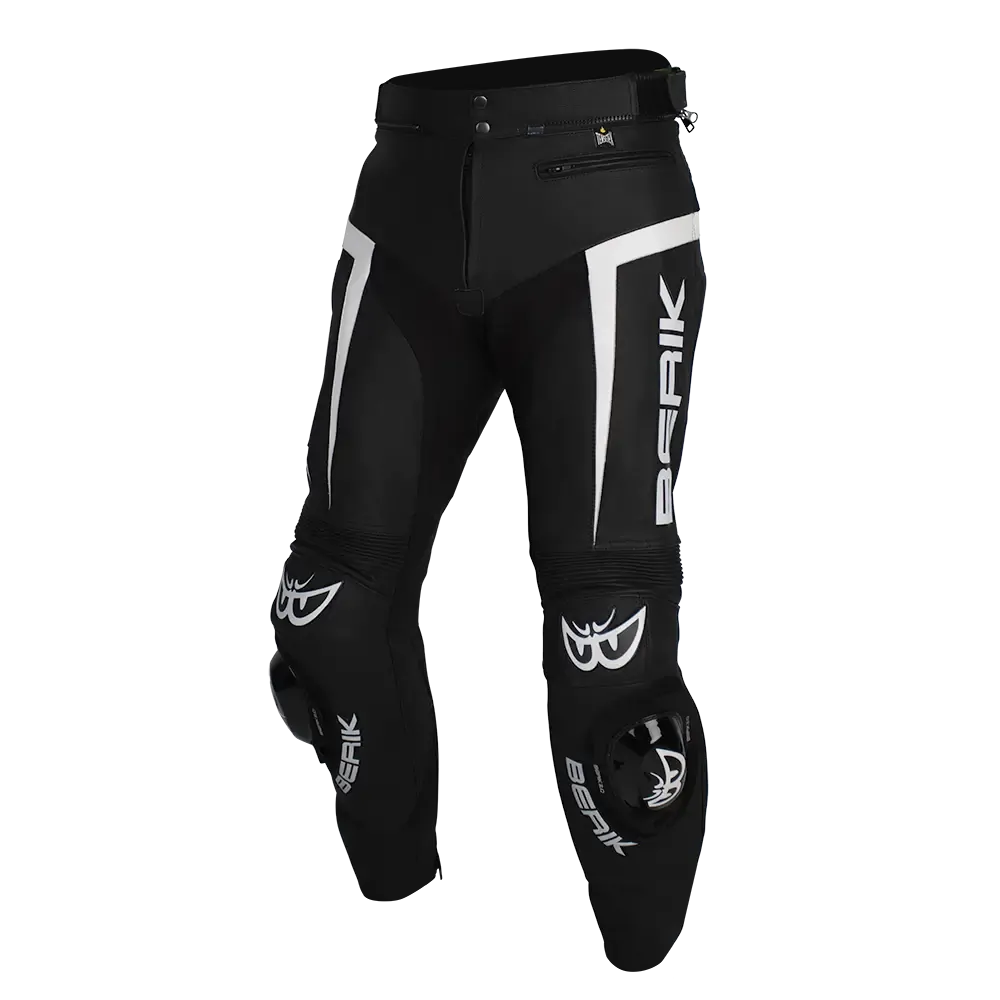
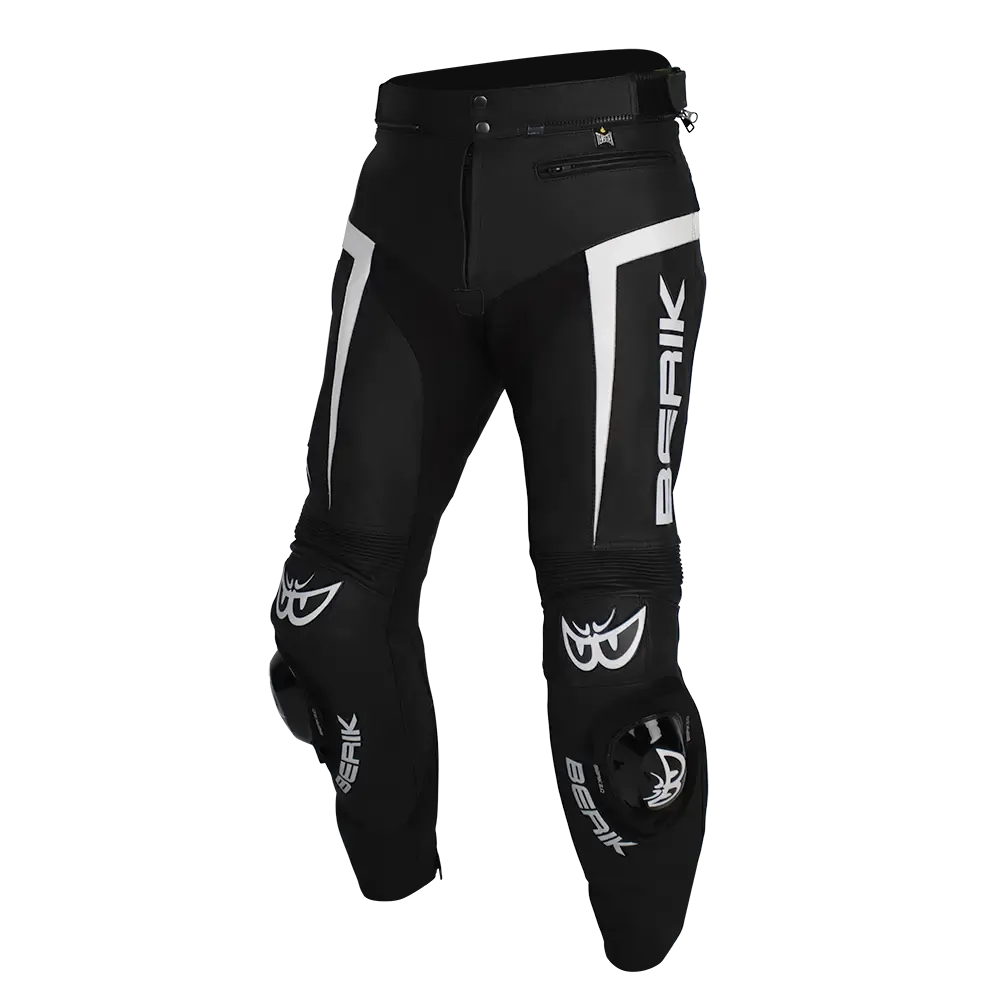
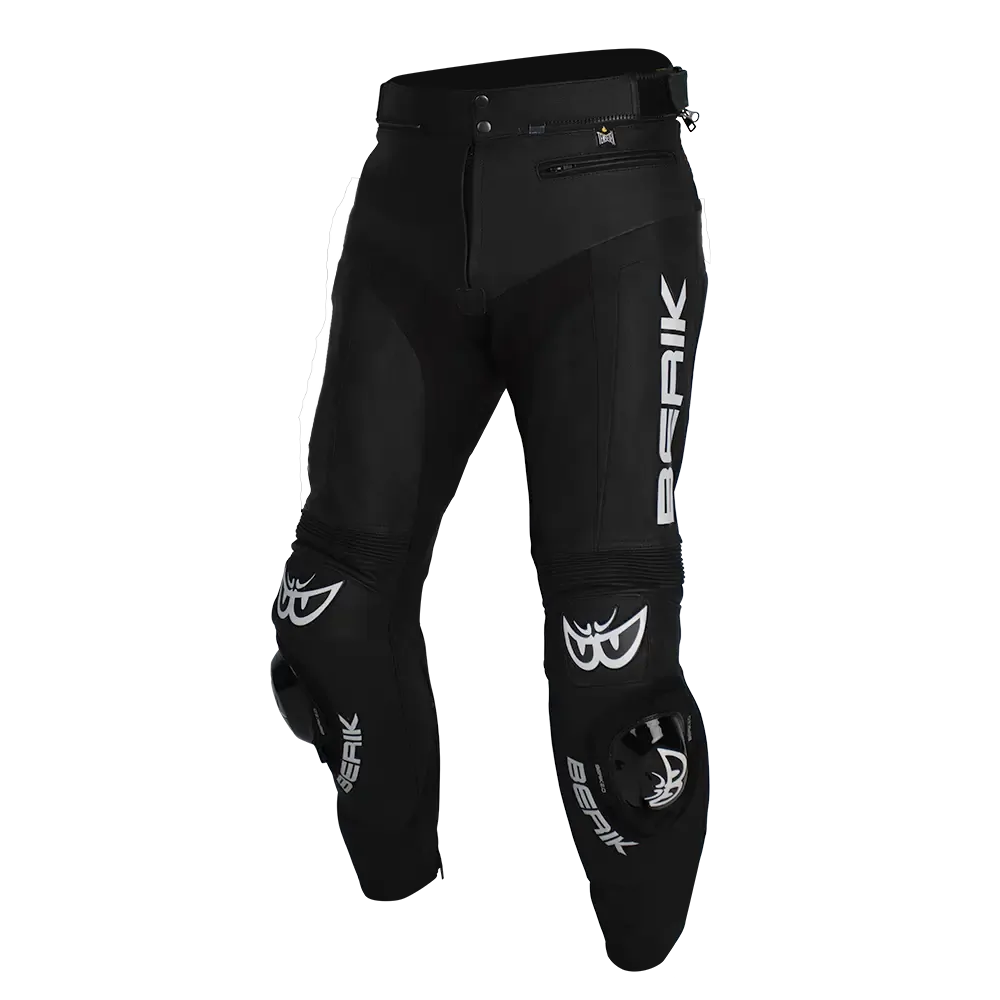
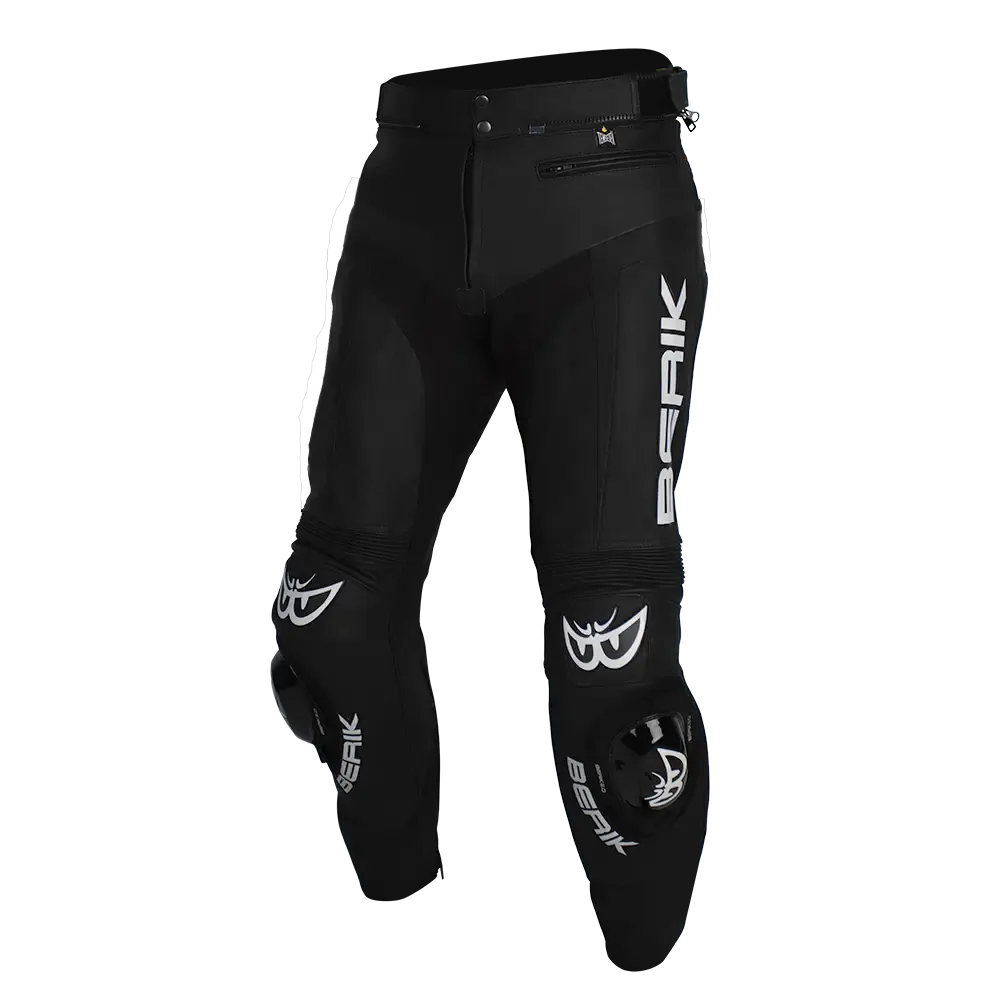
BERIK SPORT PANTS BLACK / WHITE

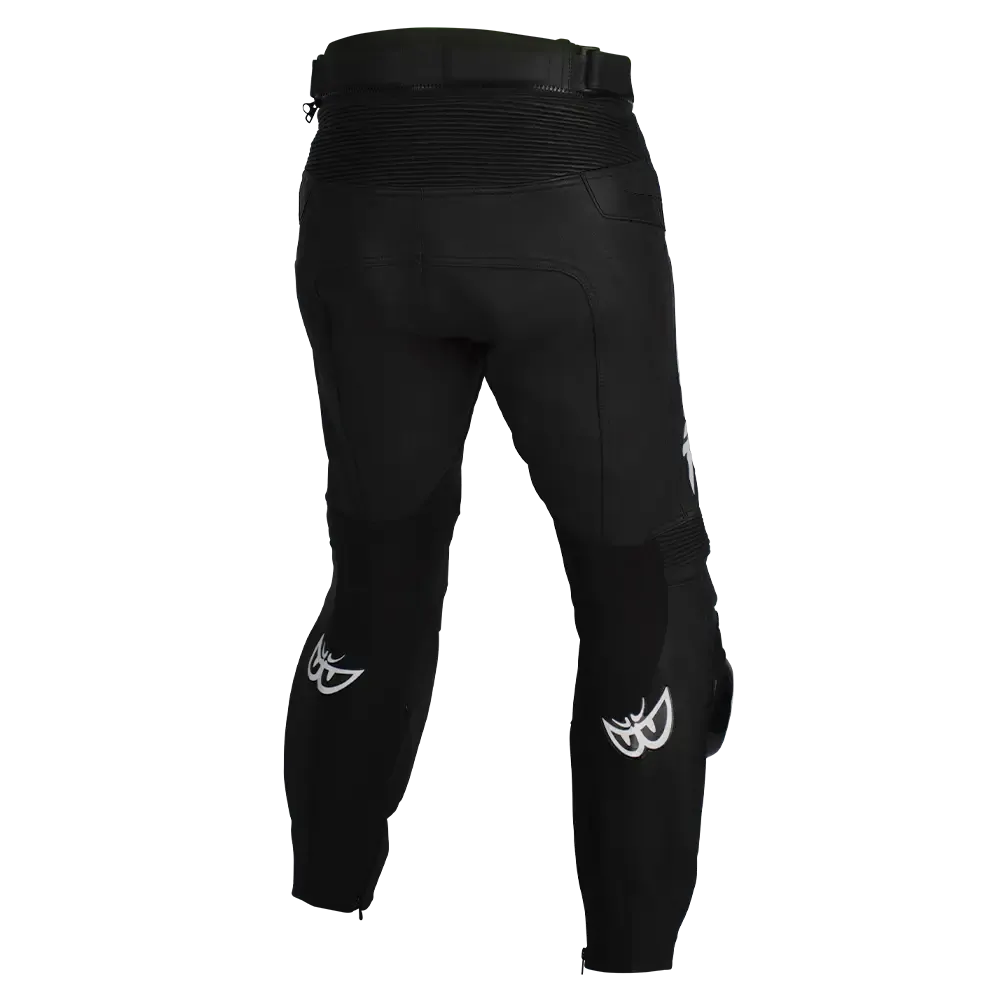

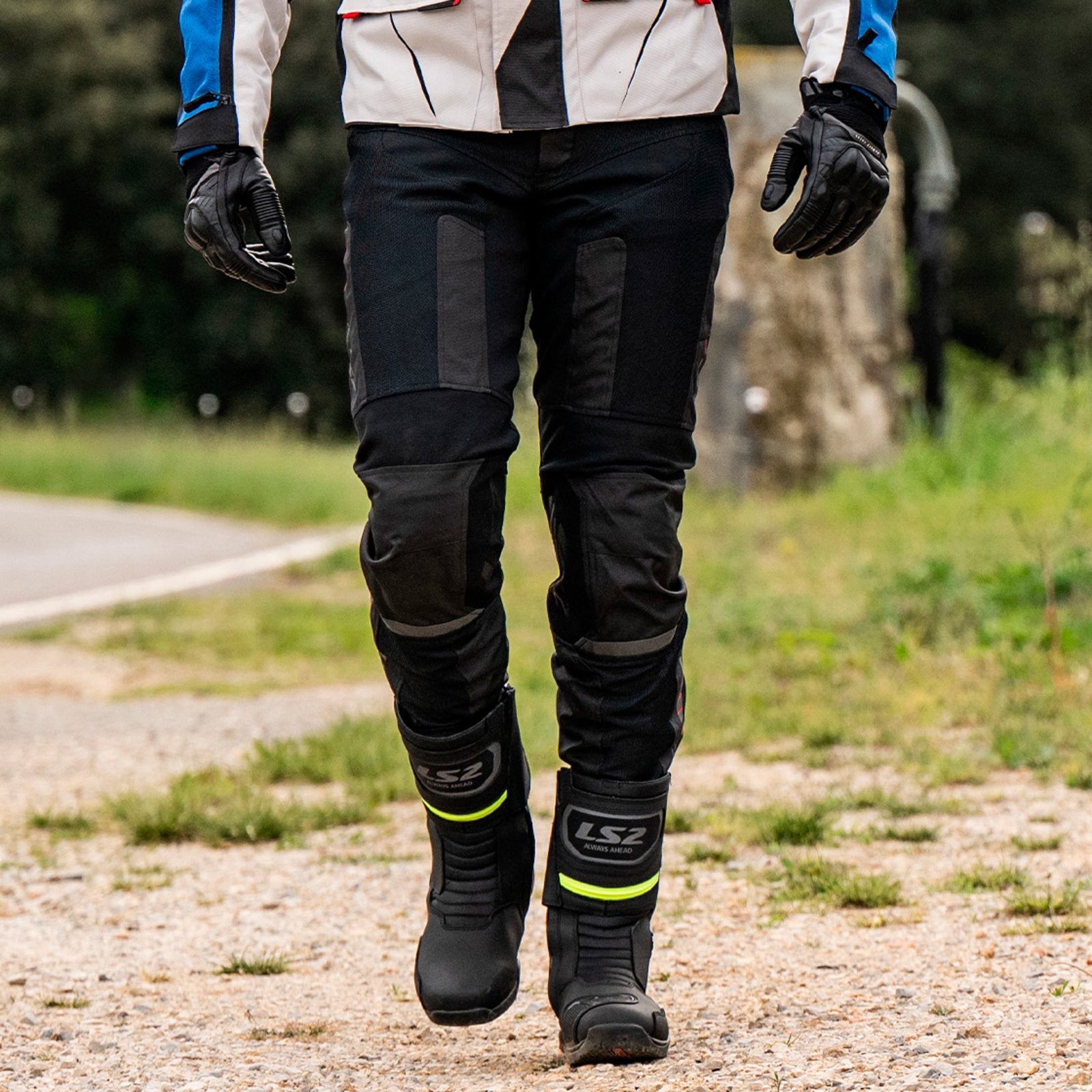
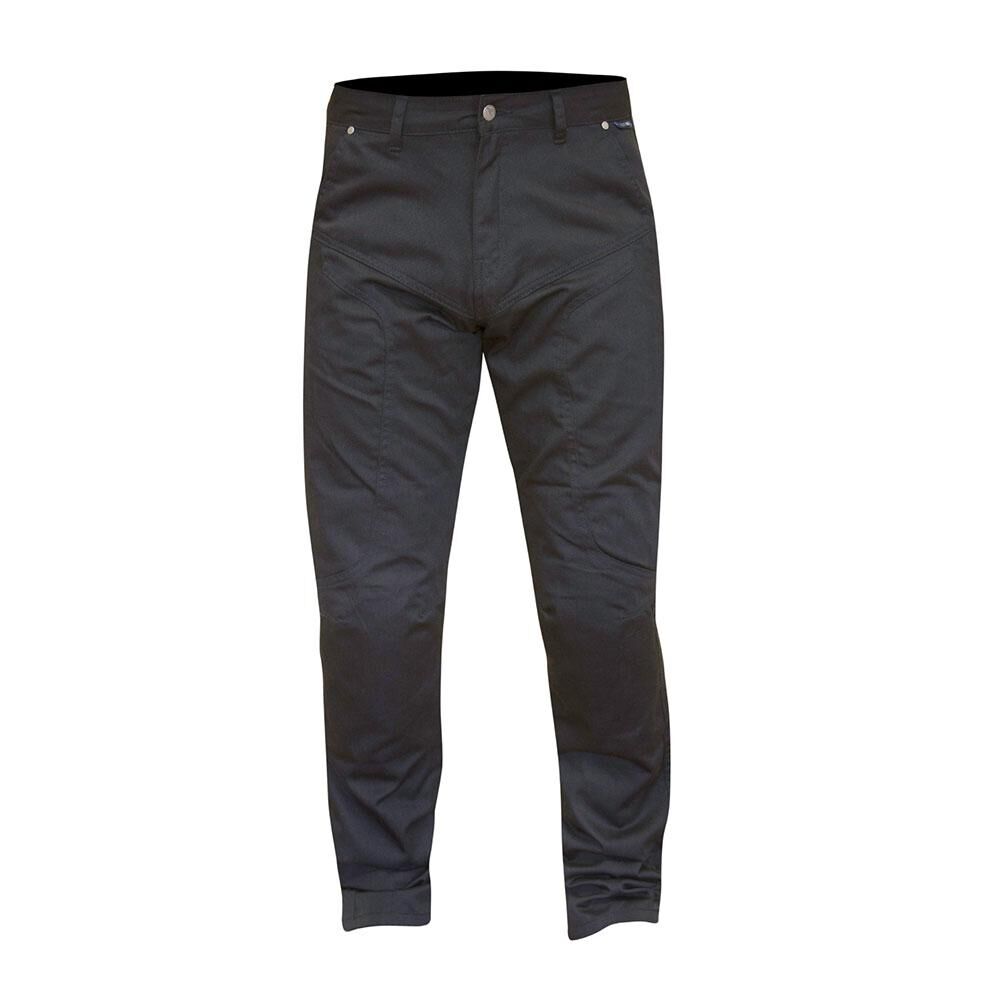


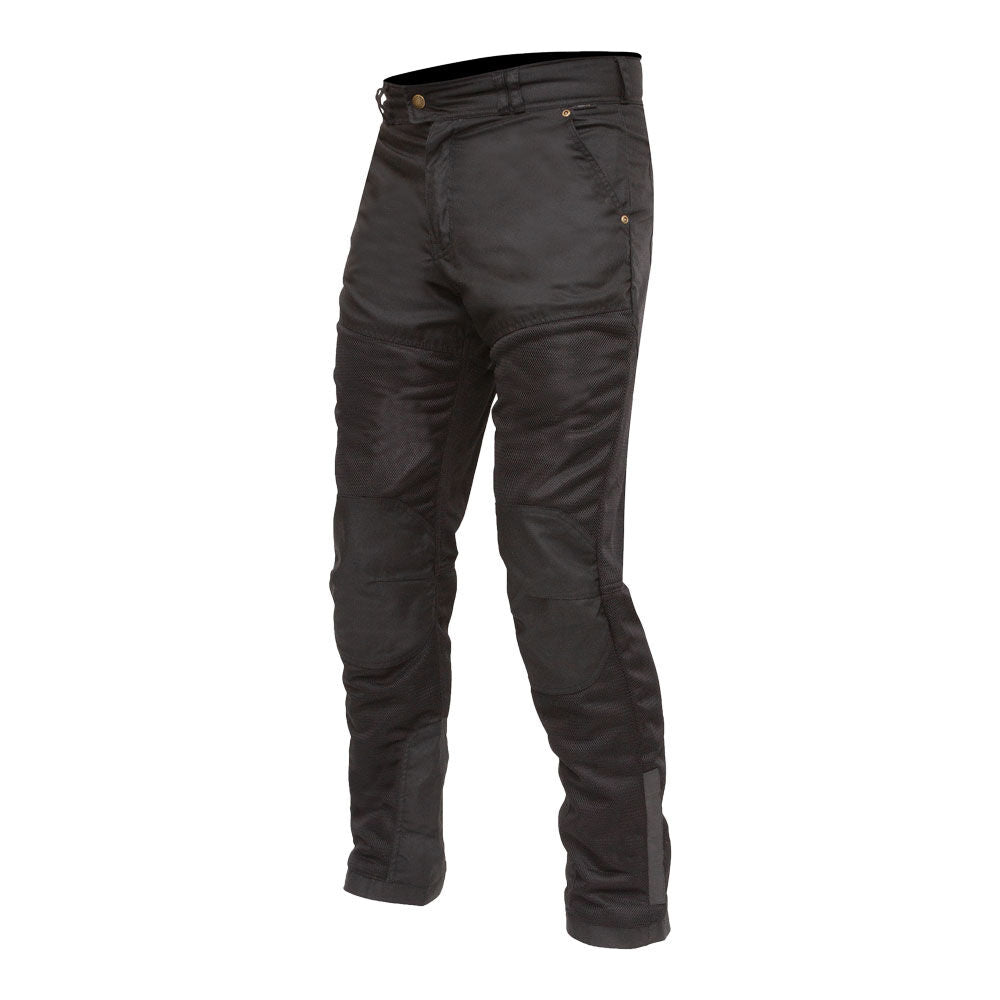
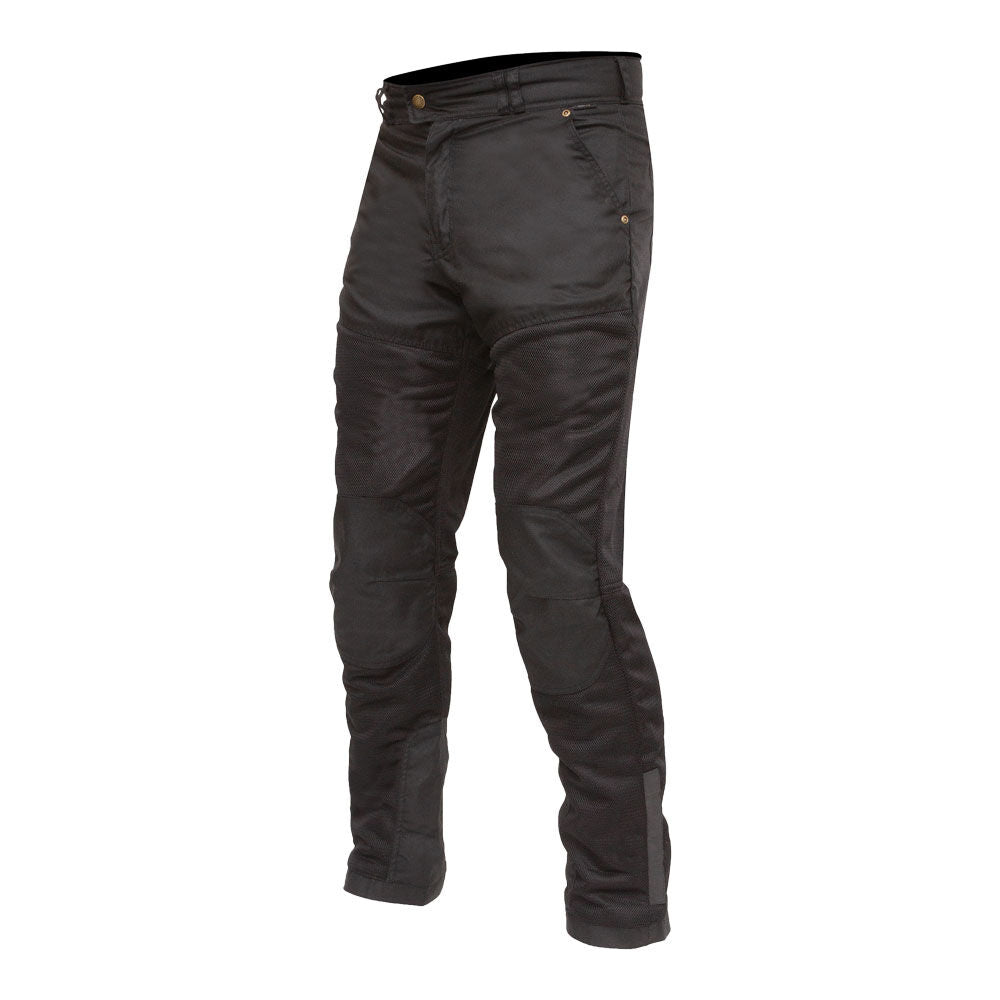
Merlin Shenstone Air D3O® Pants Black
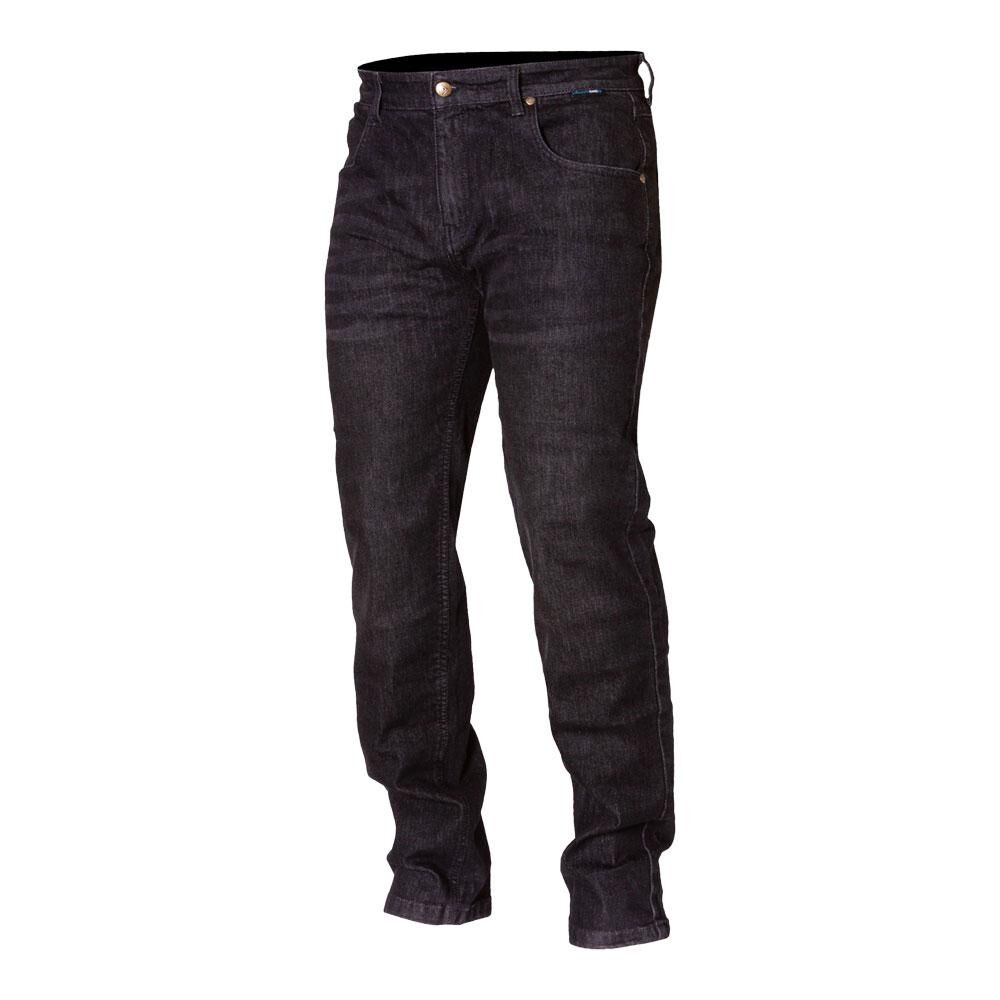
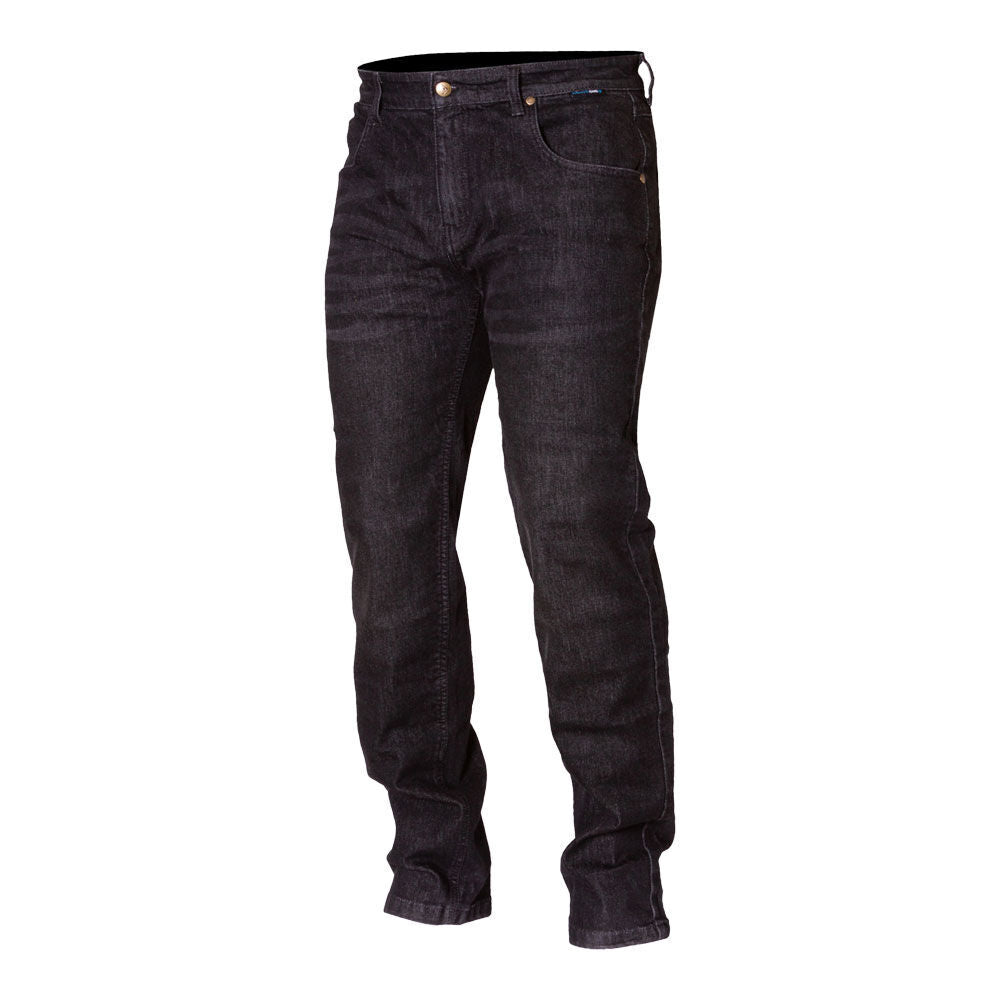
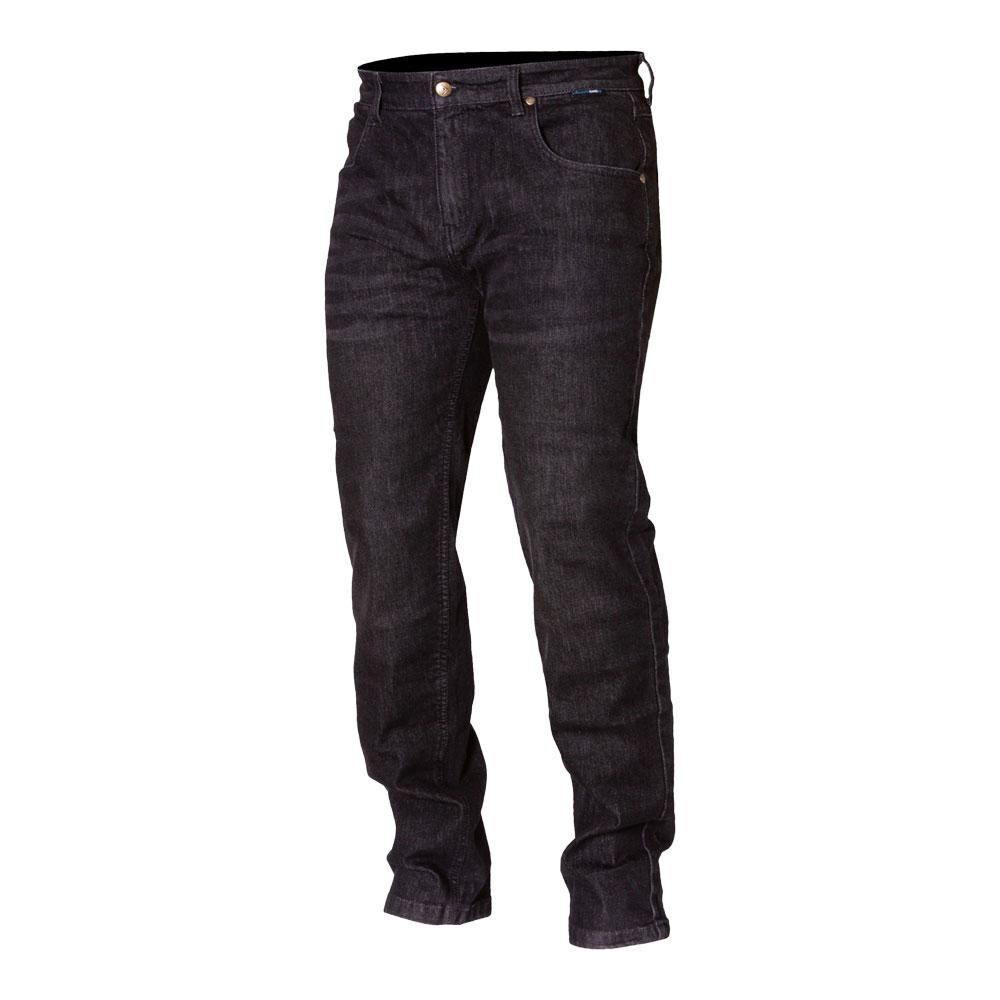
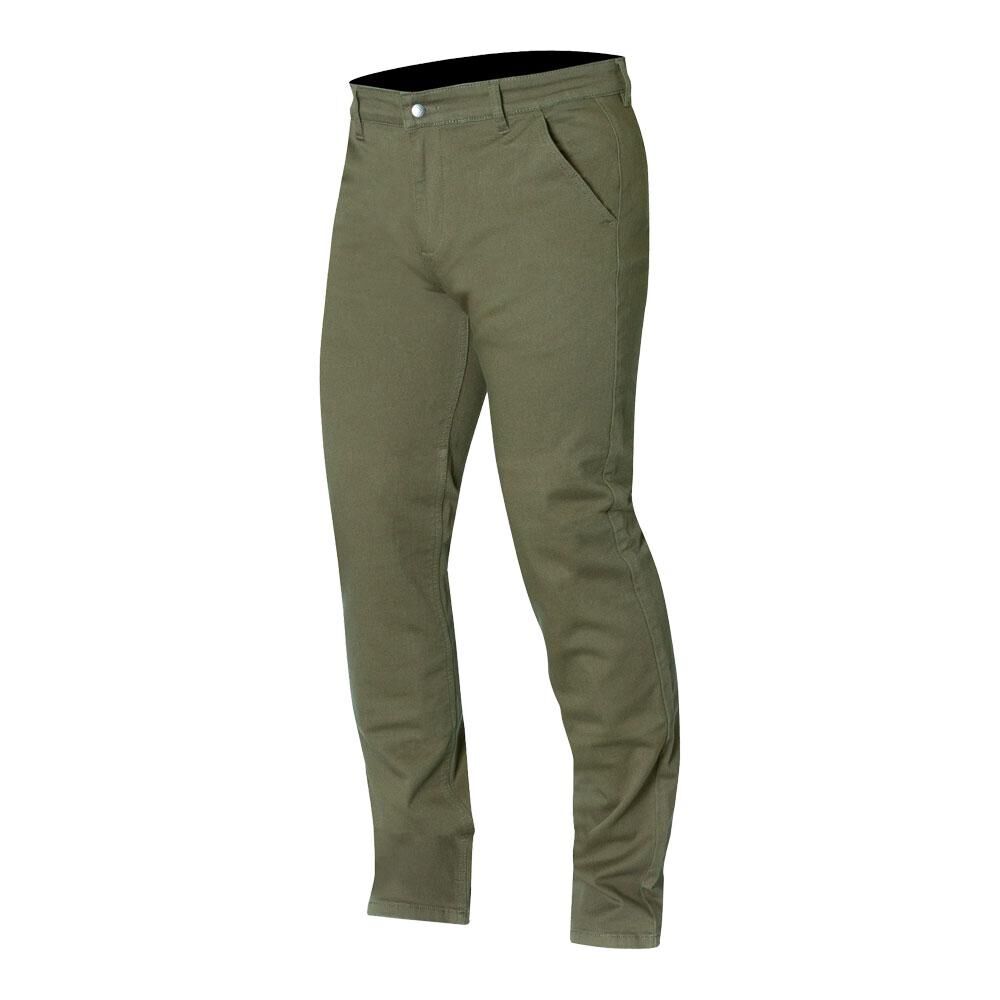
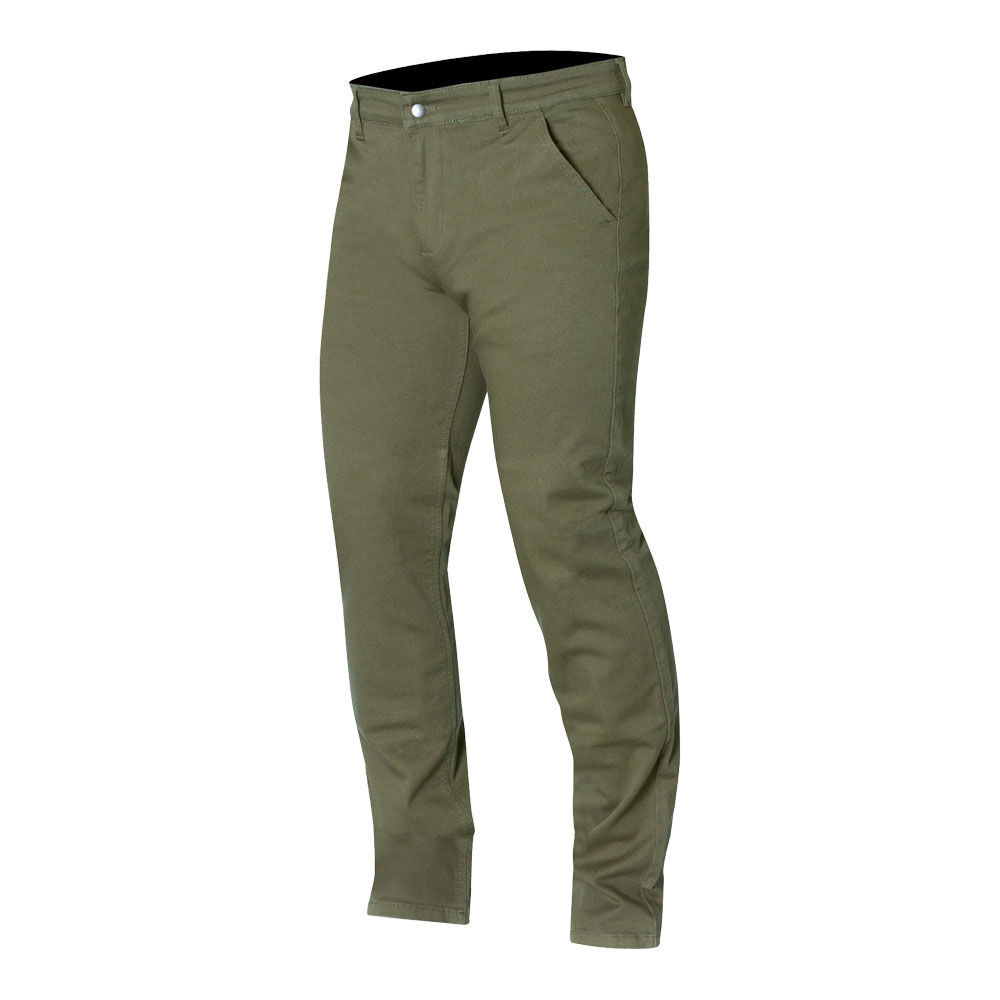
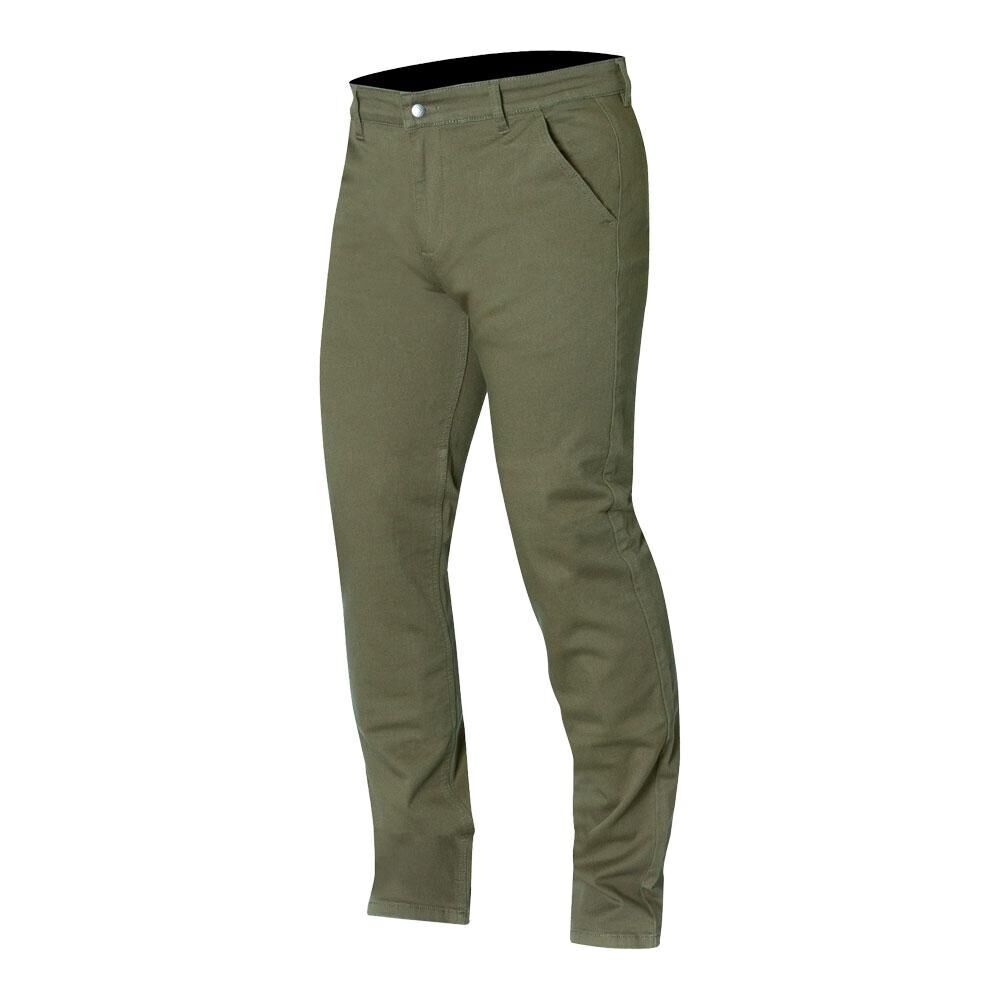
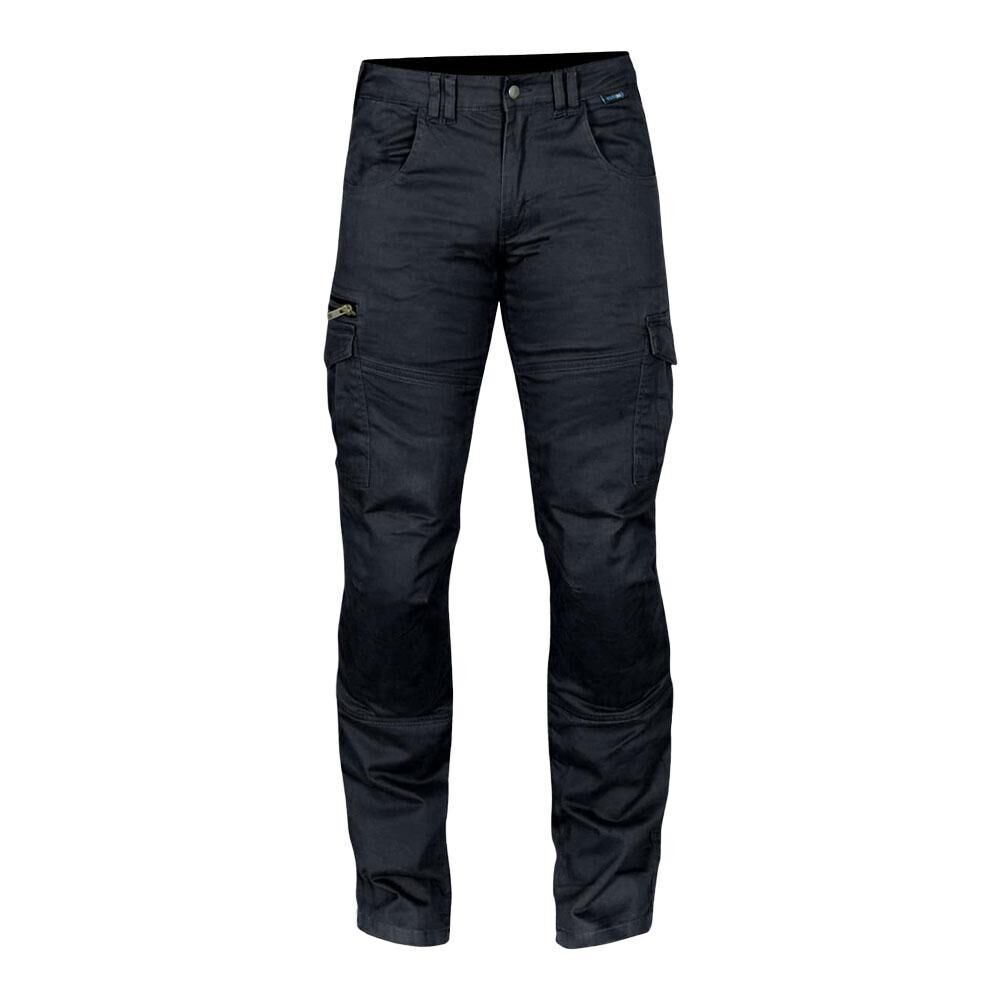
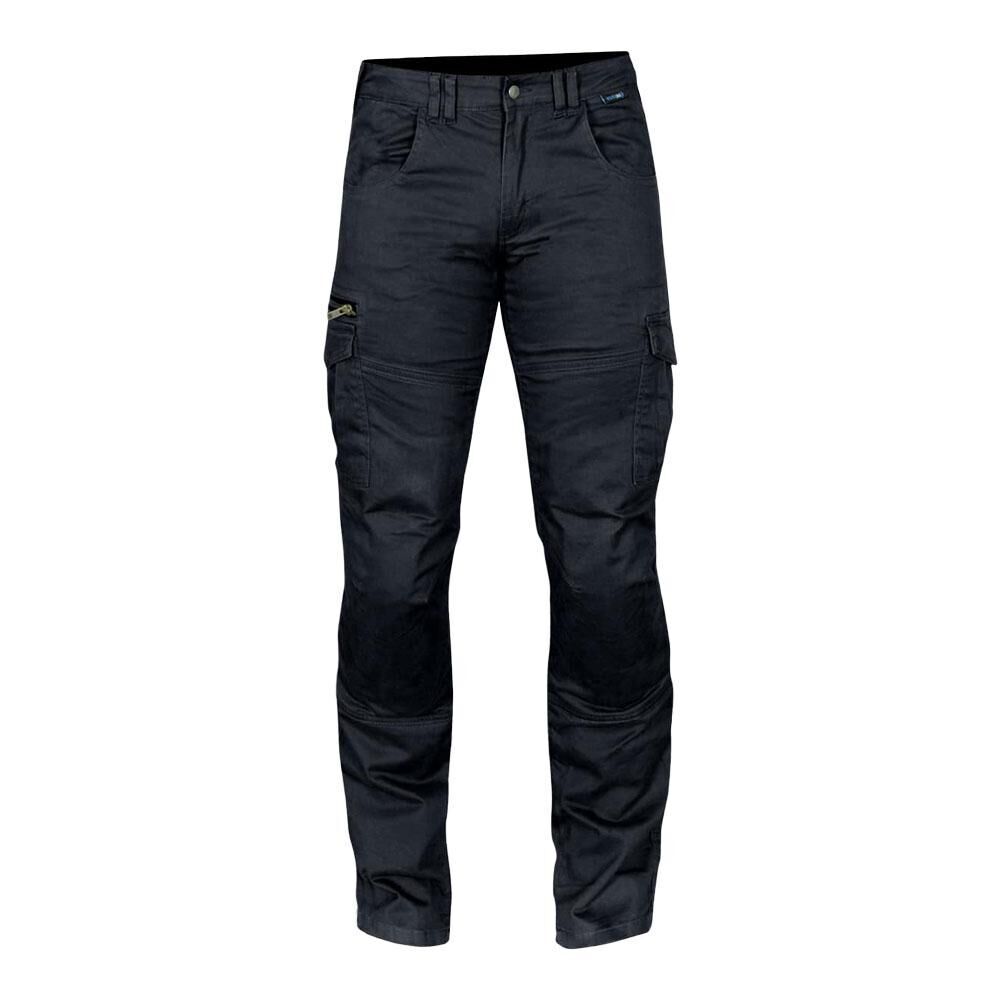
Merlin Remy II D3O® Cargo Jeans Black
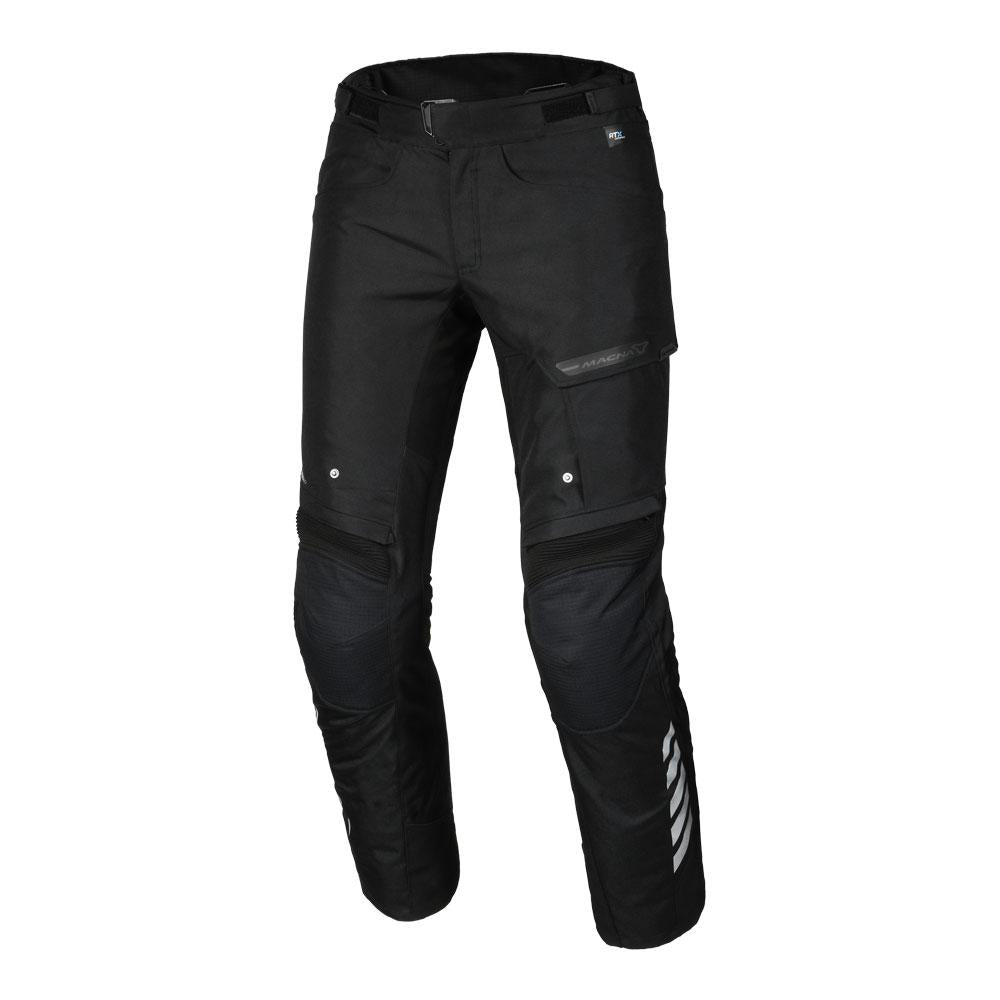
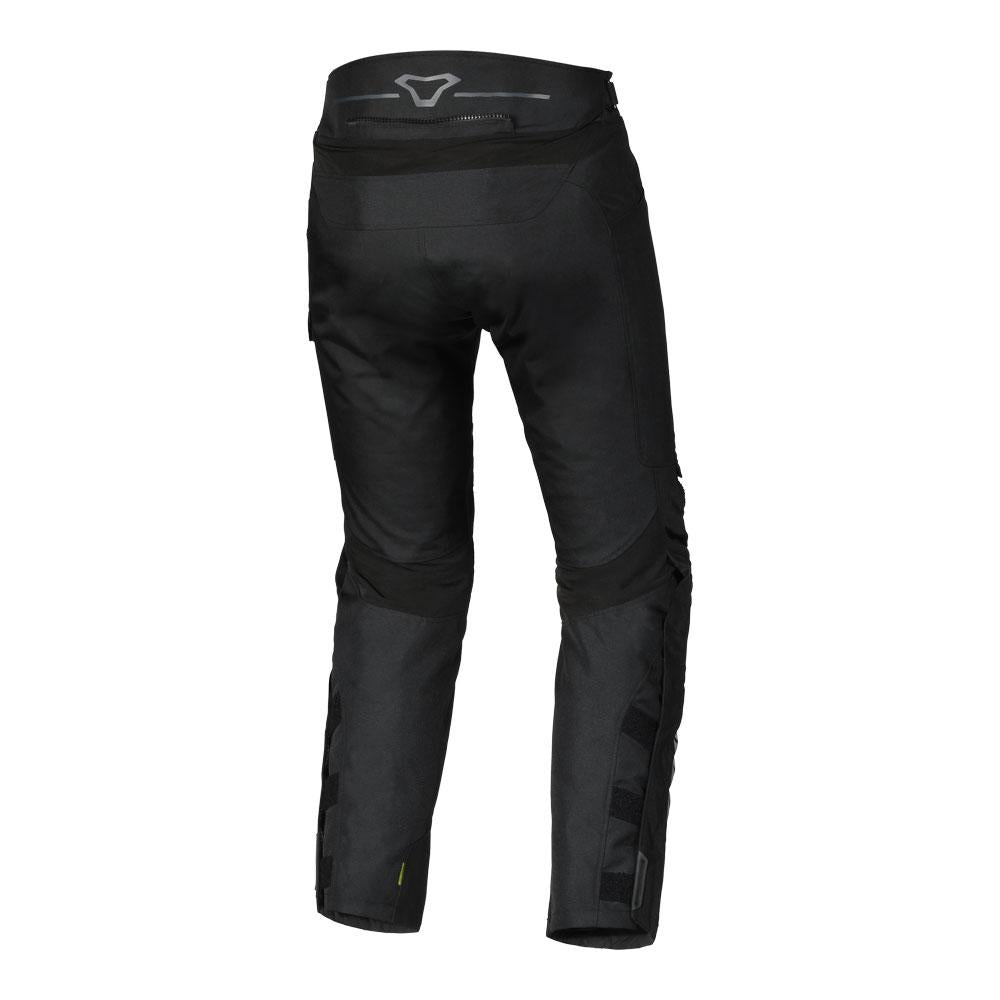
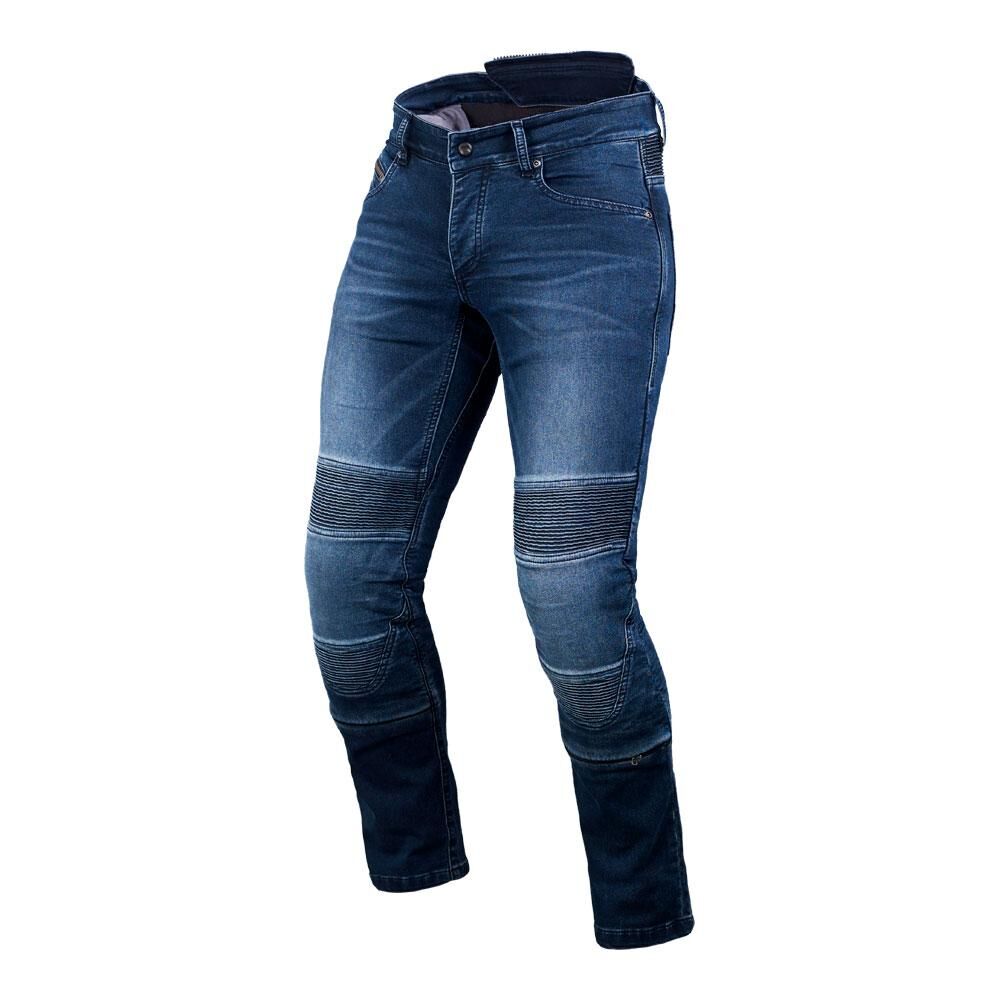
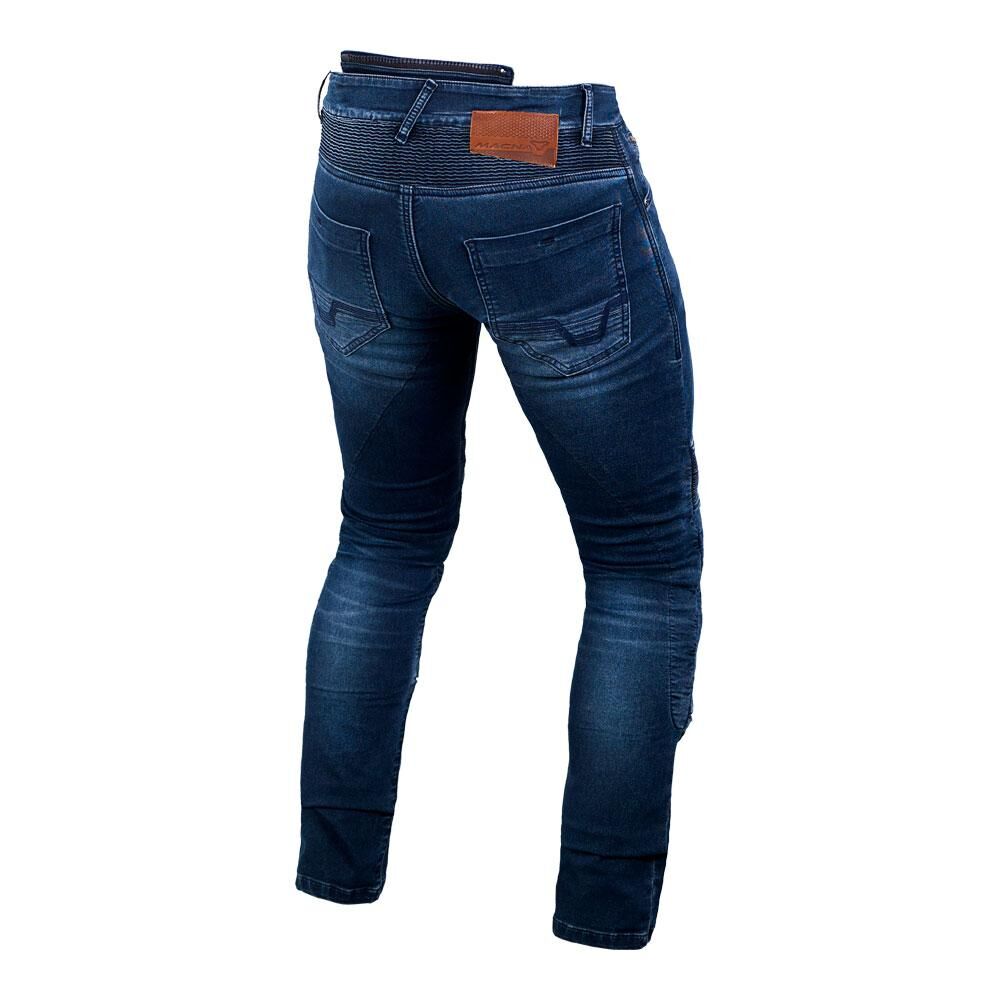
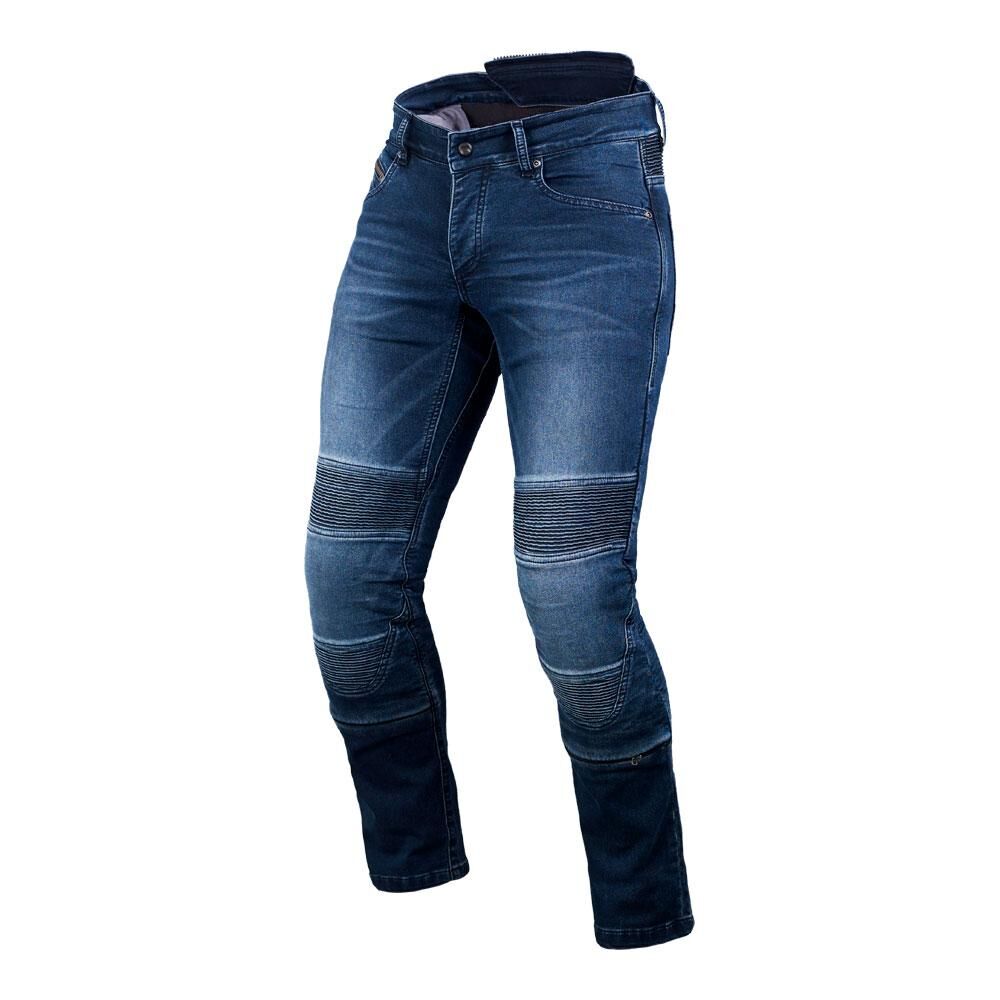
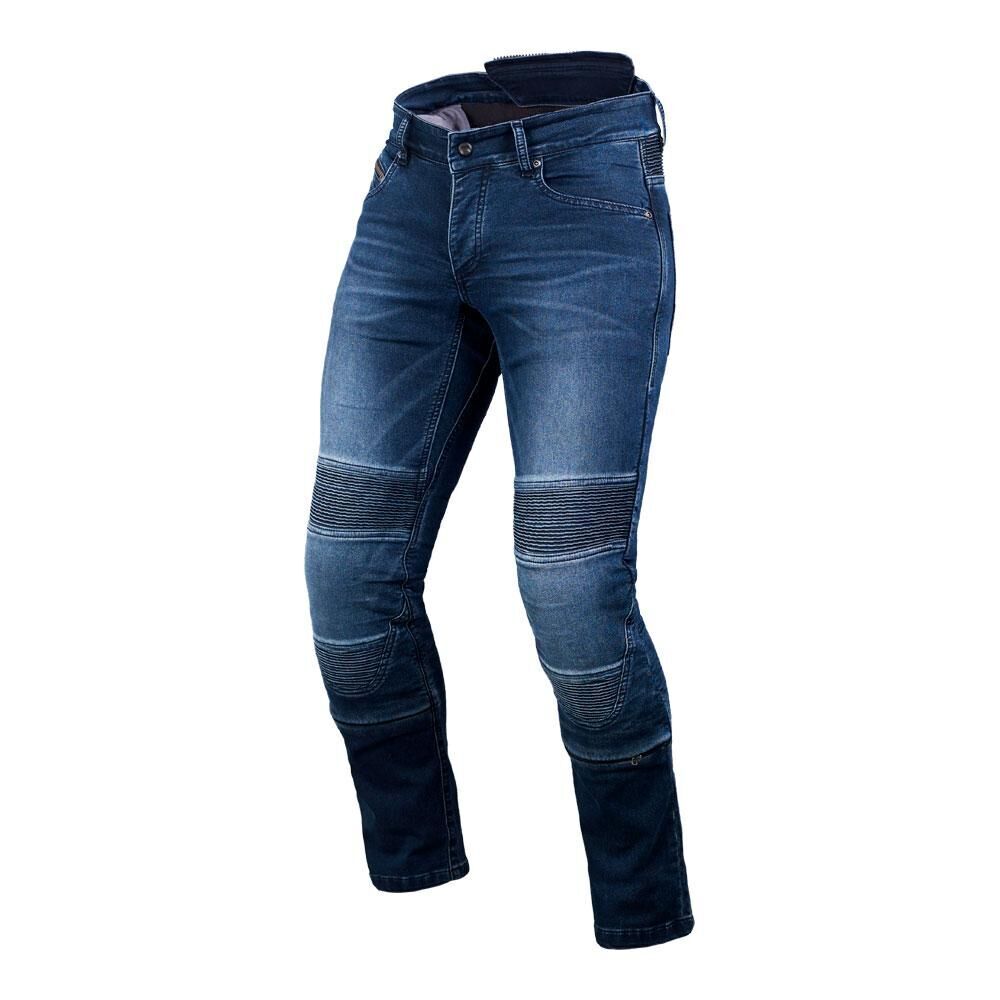
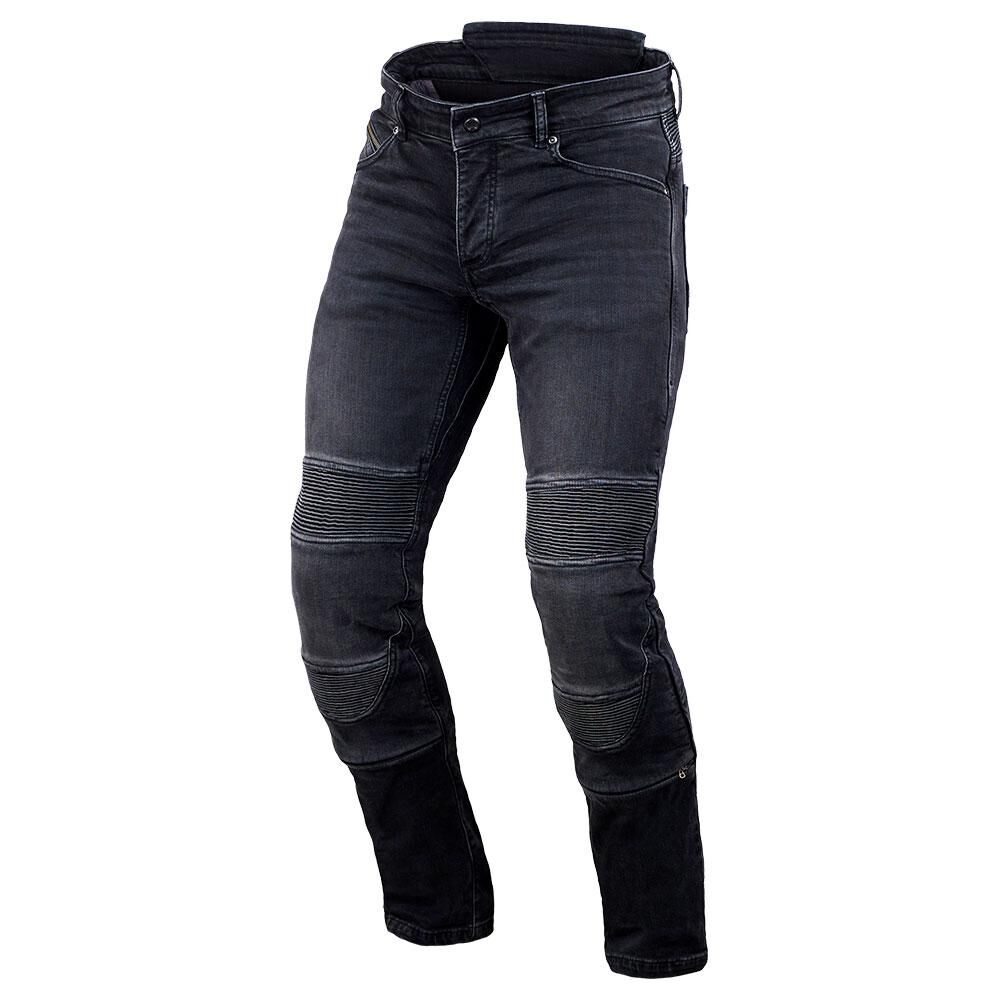
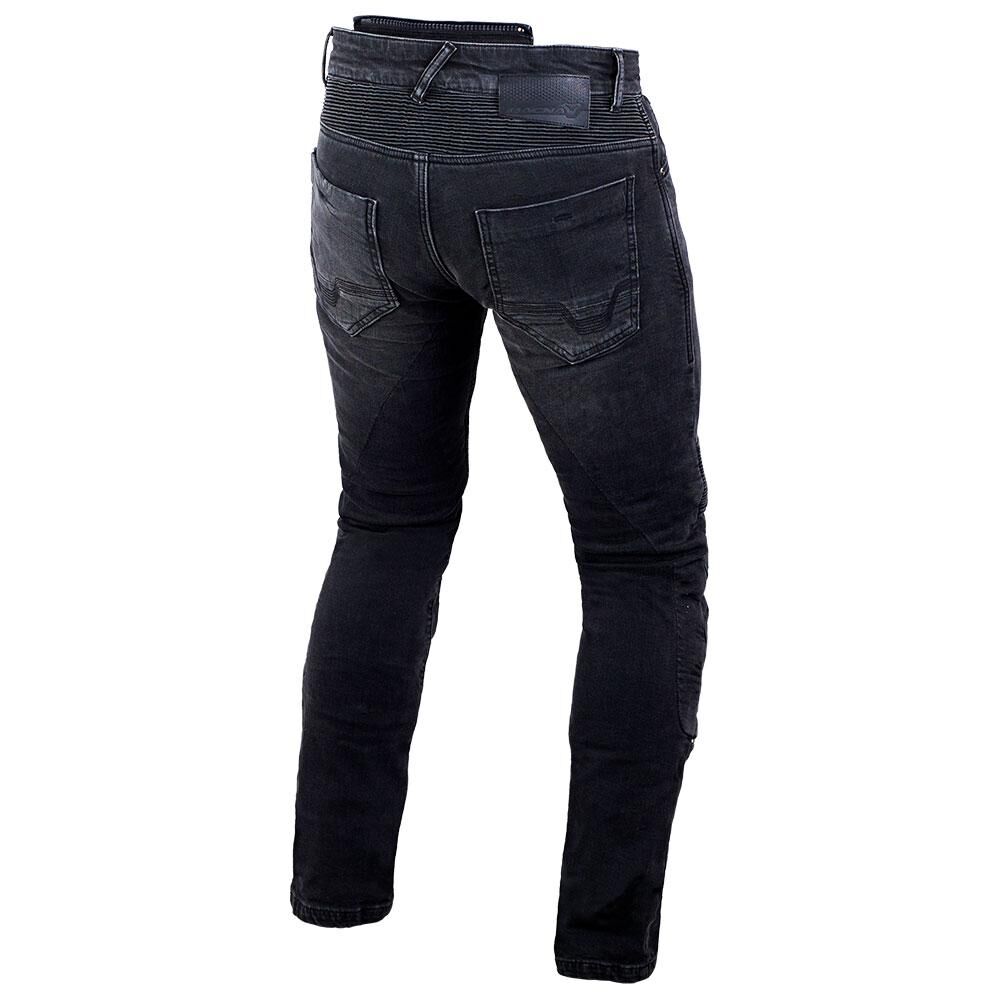
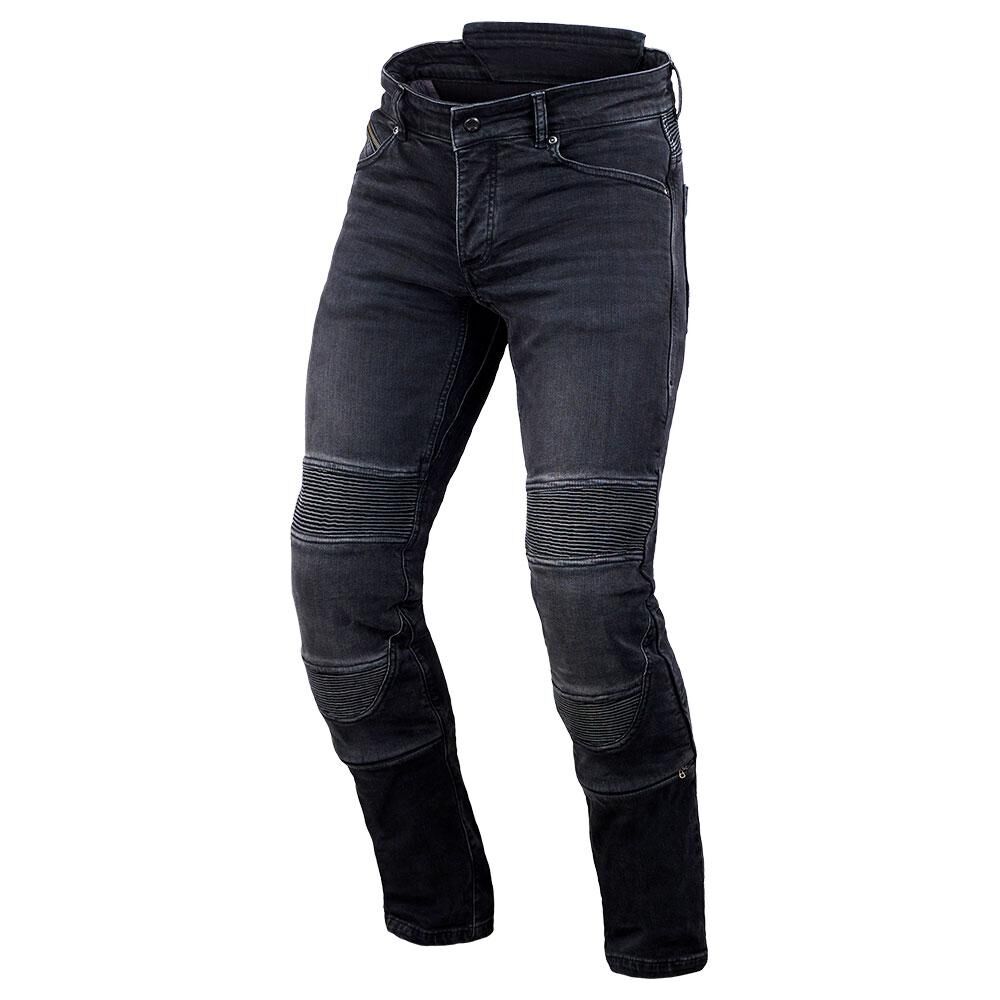
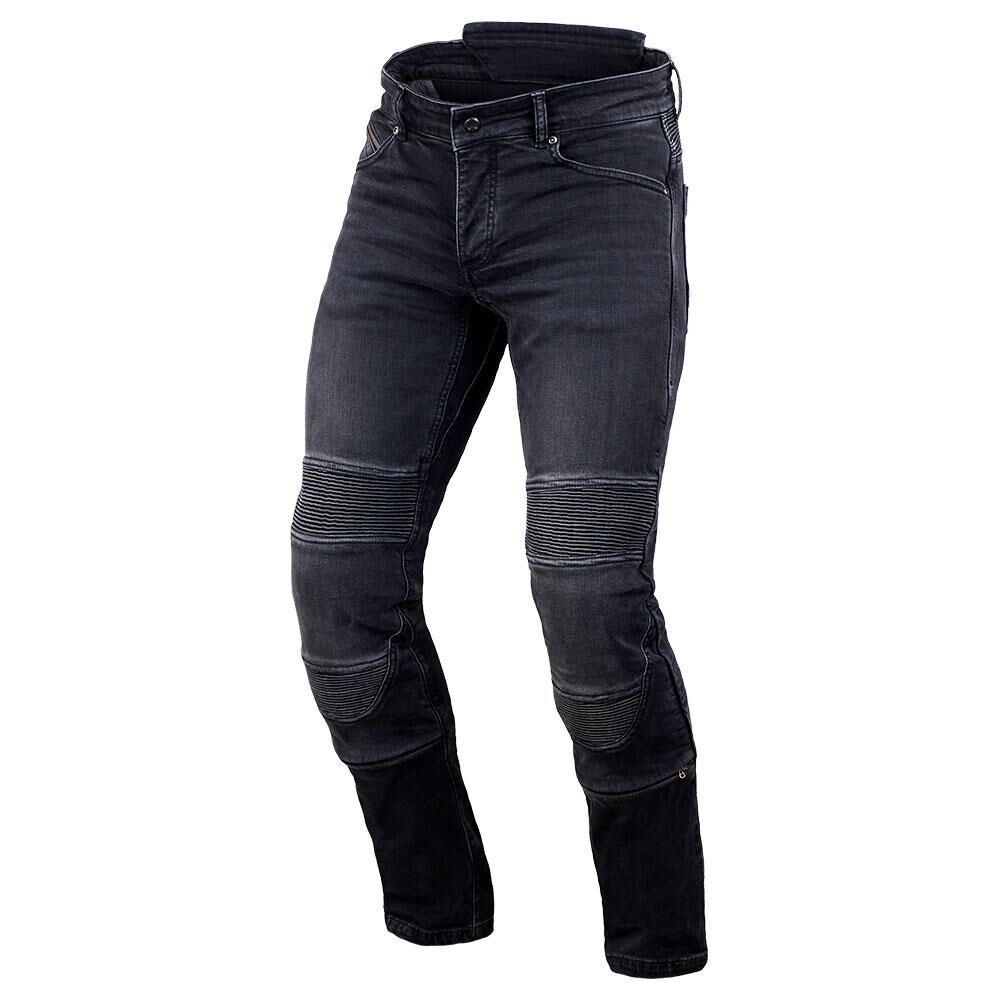


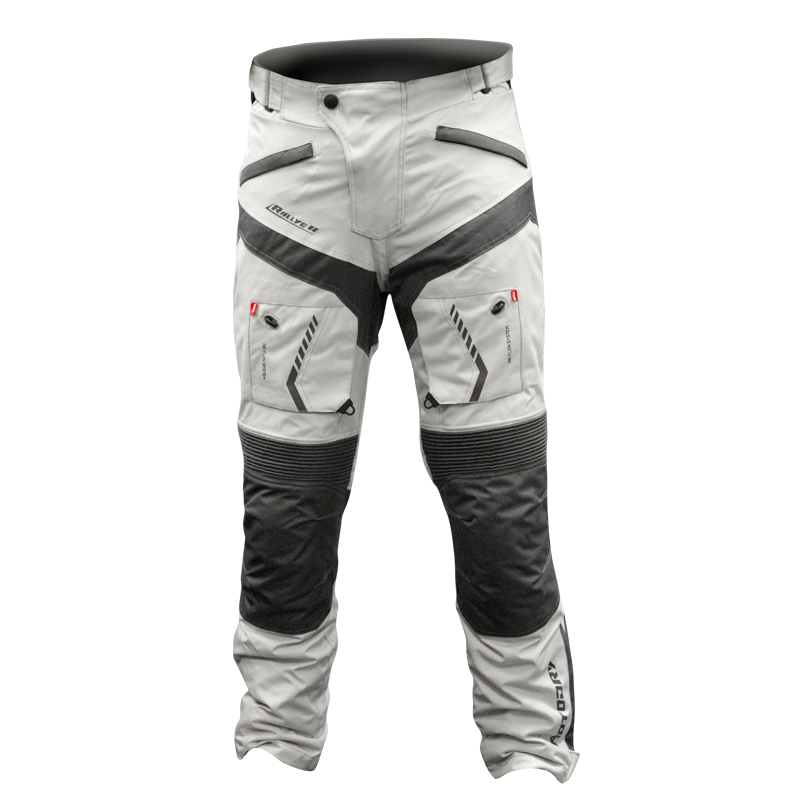

MOTODRY RALLYE 2 PANTS (ALL YEAR)
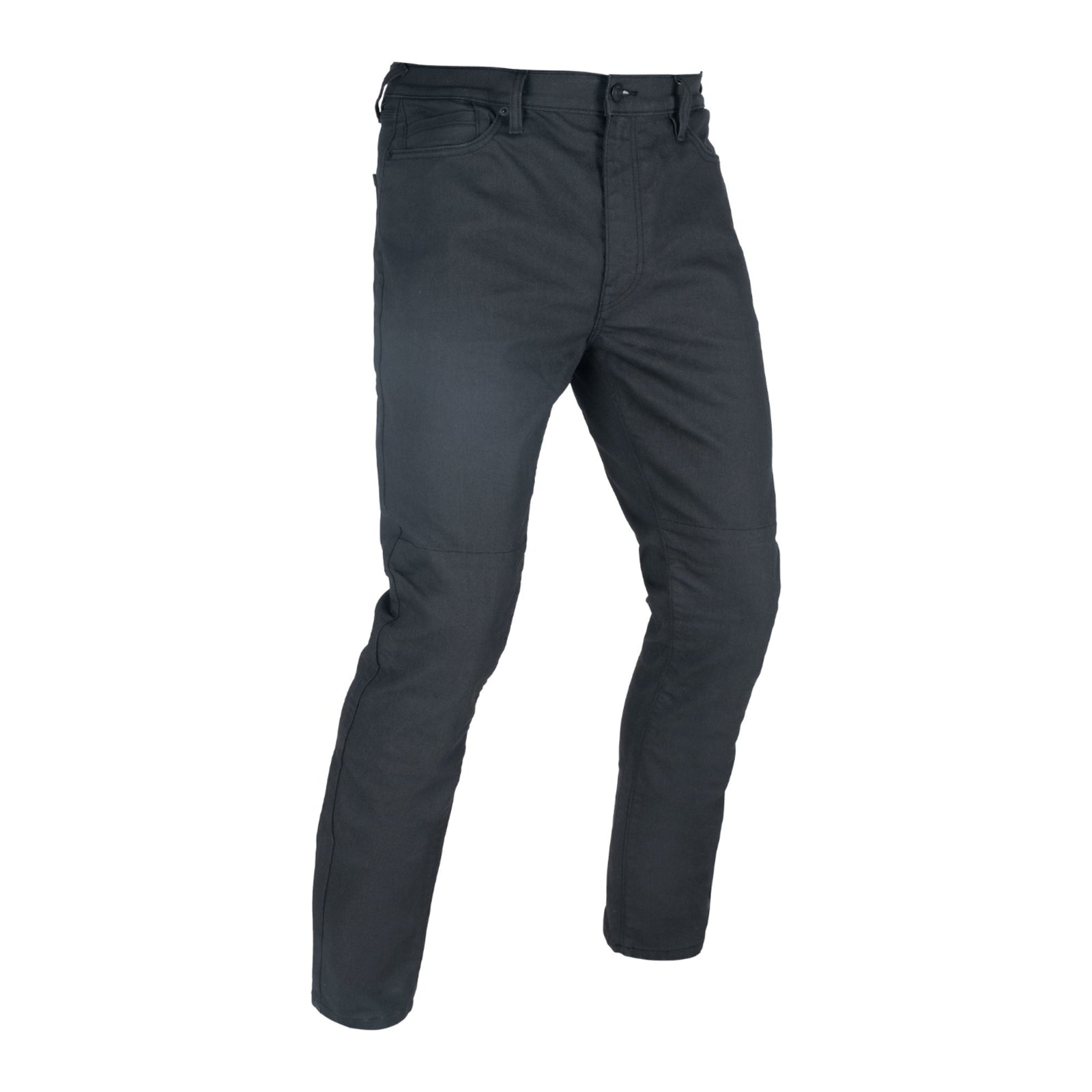
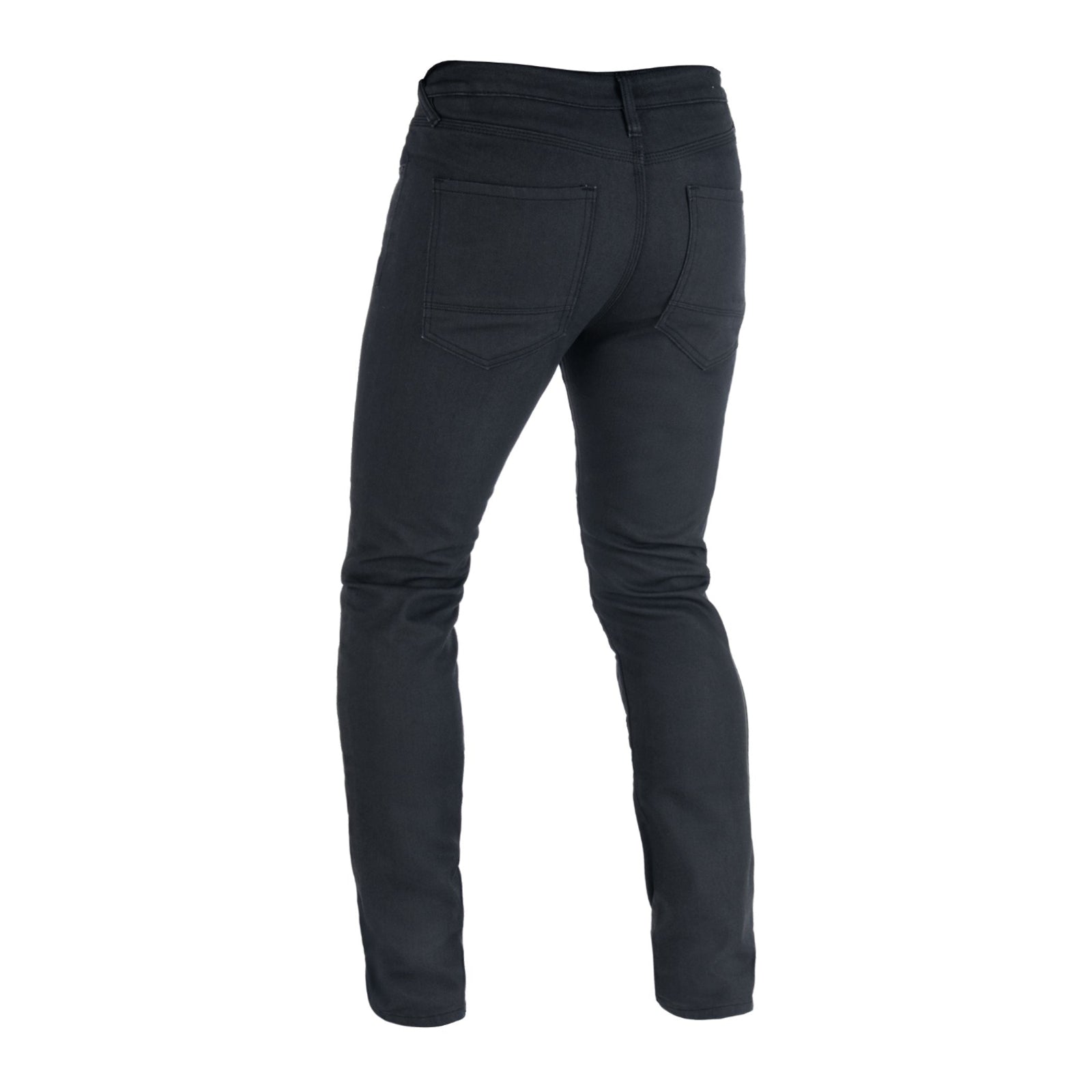
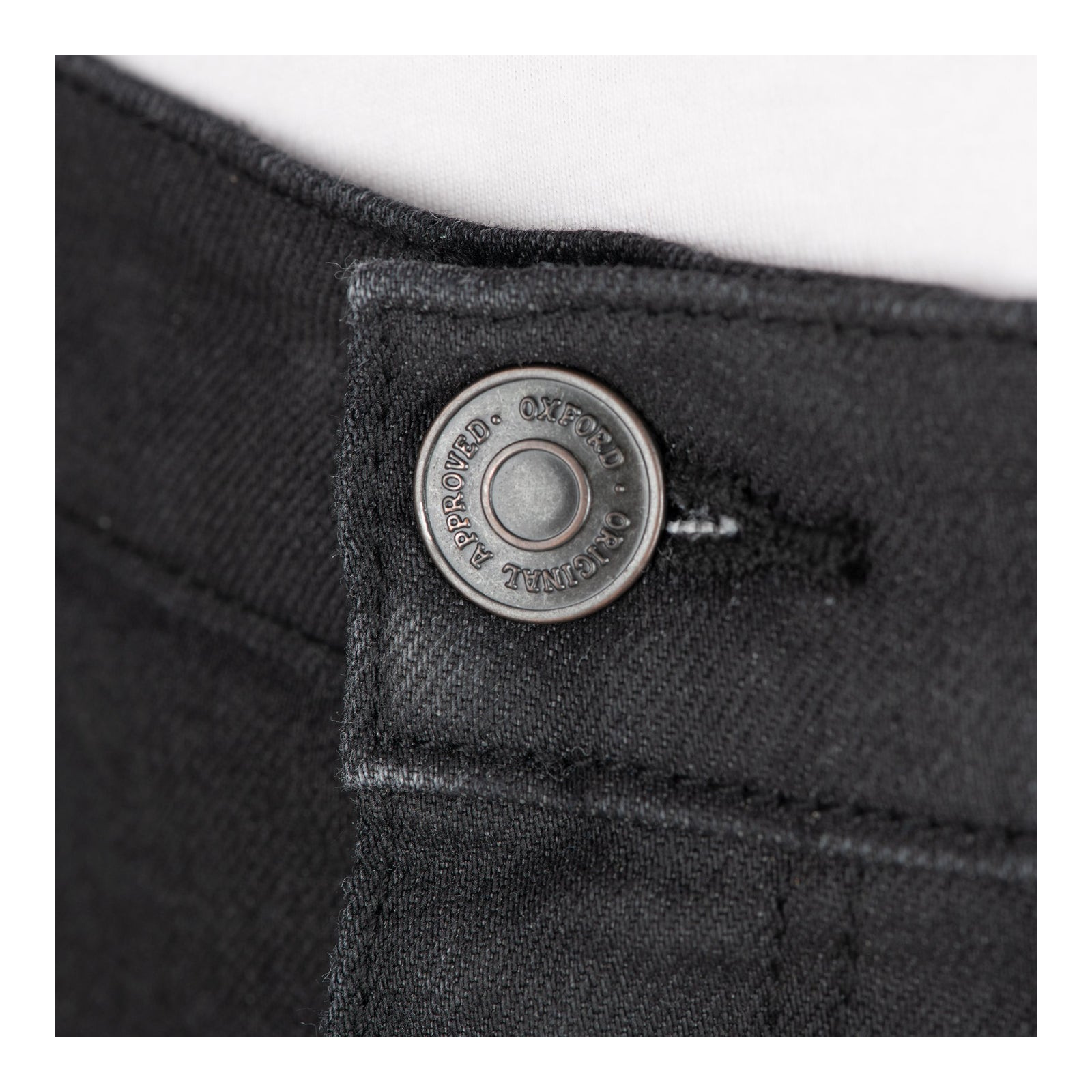
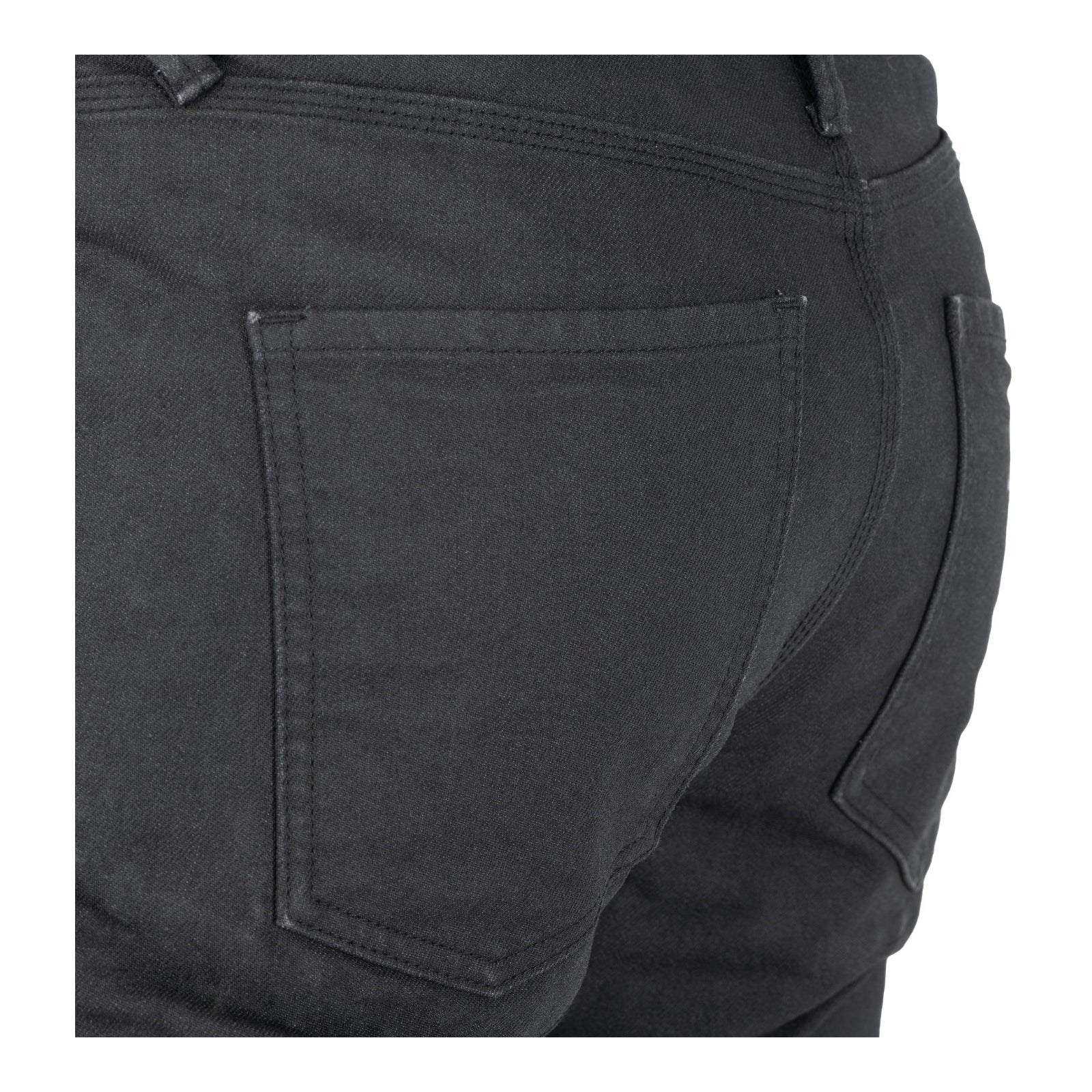
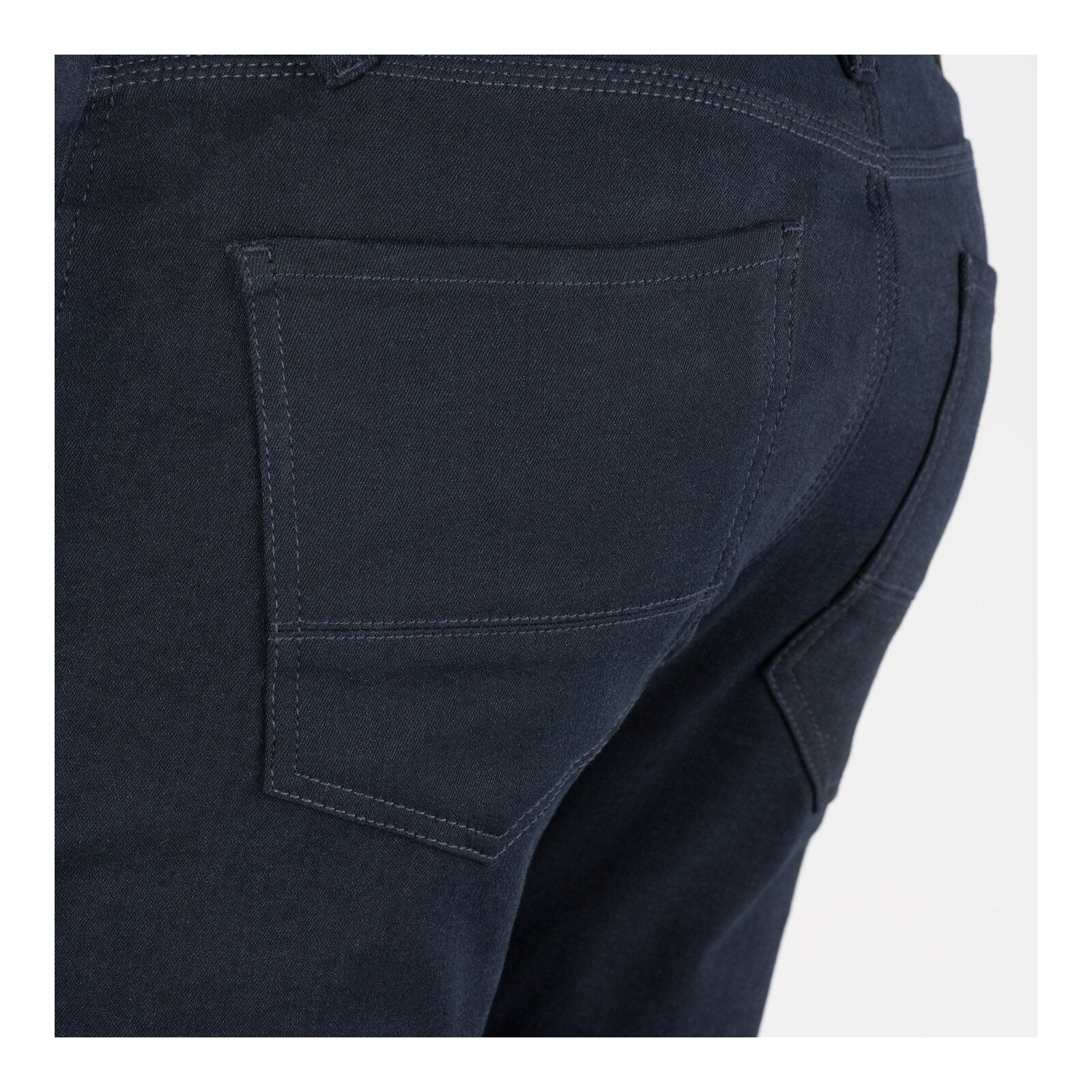
Oxford AA Men's Straight Jean - Black (Regular)
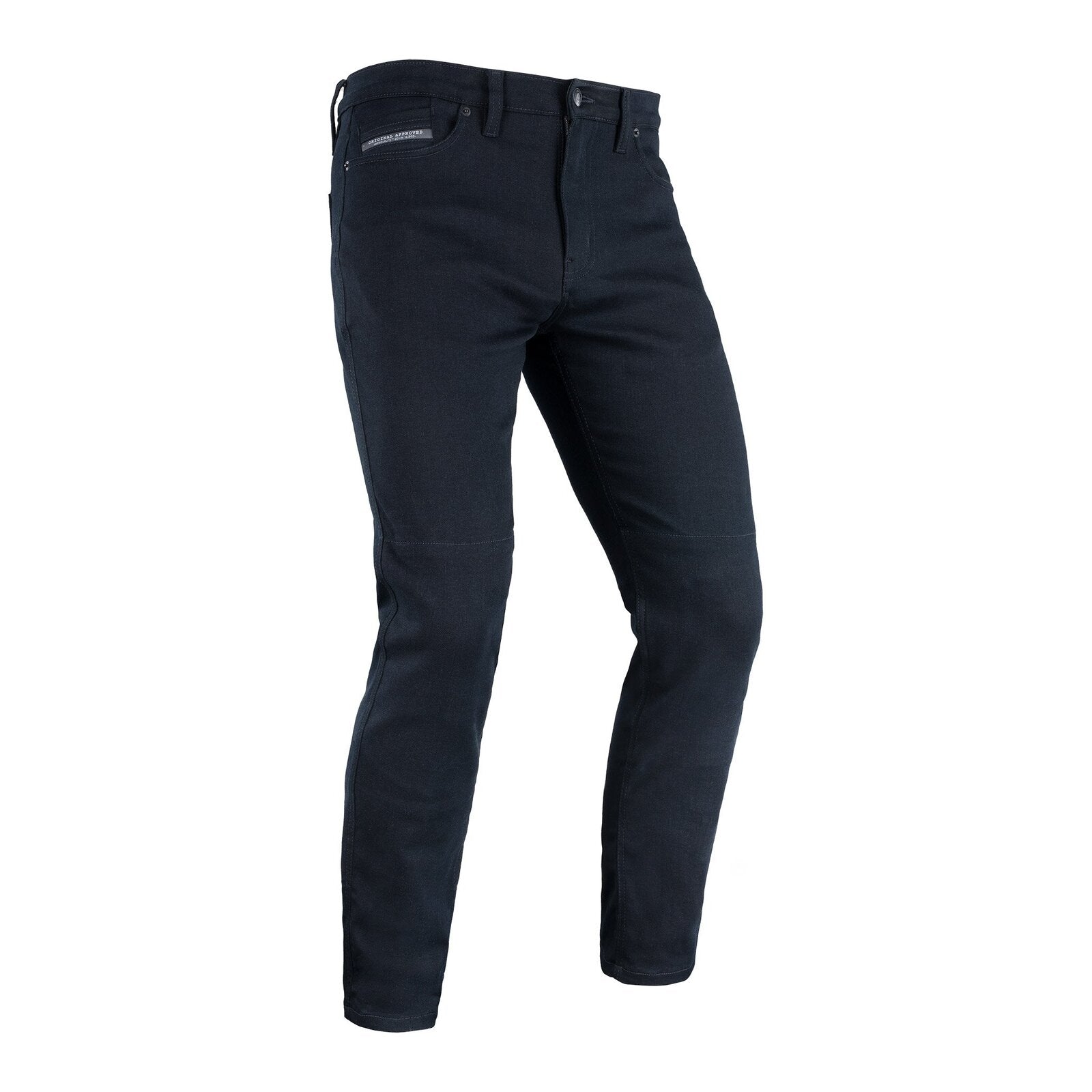
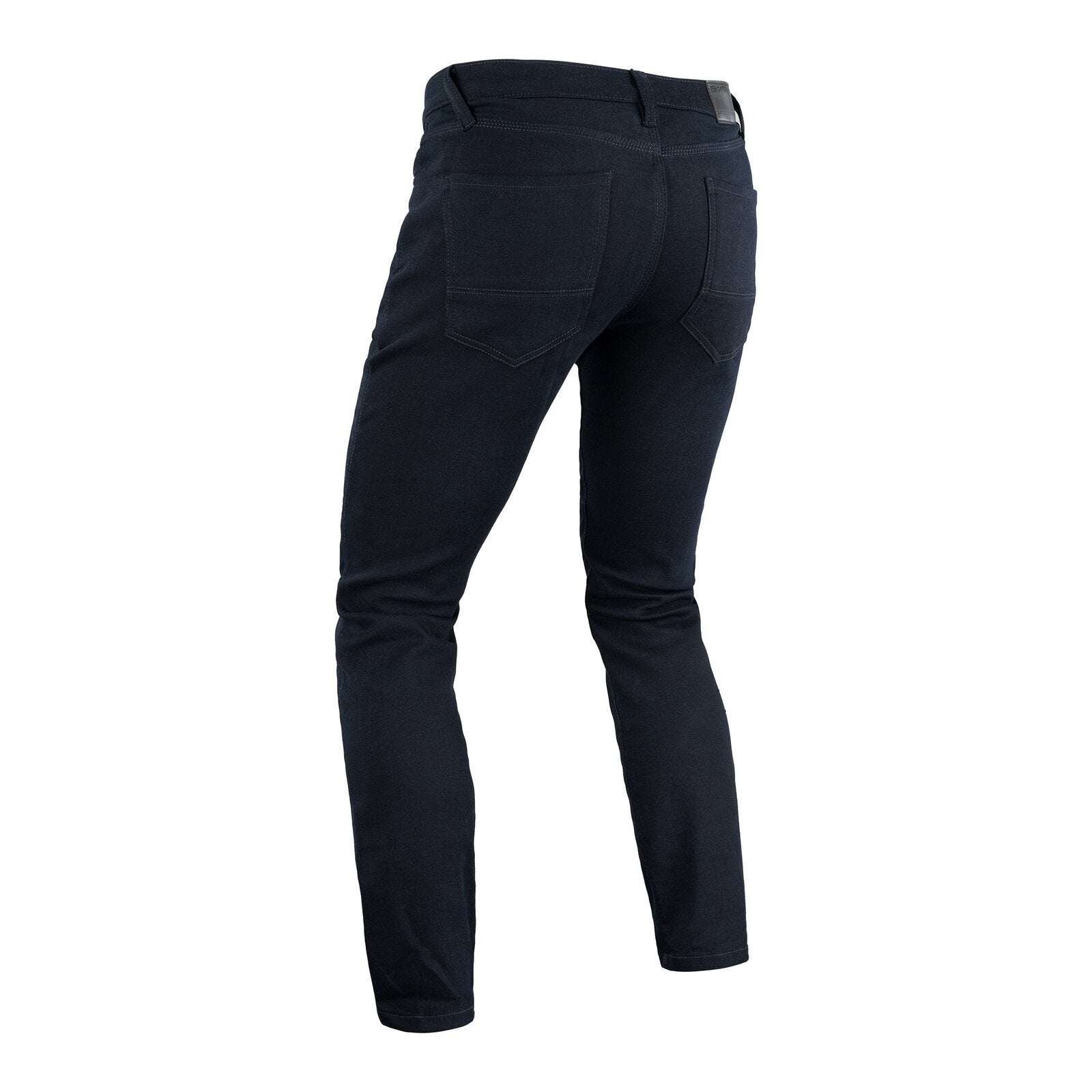
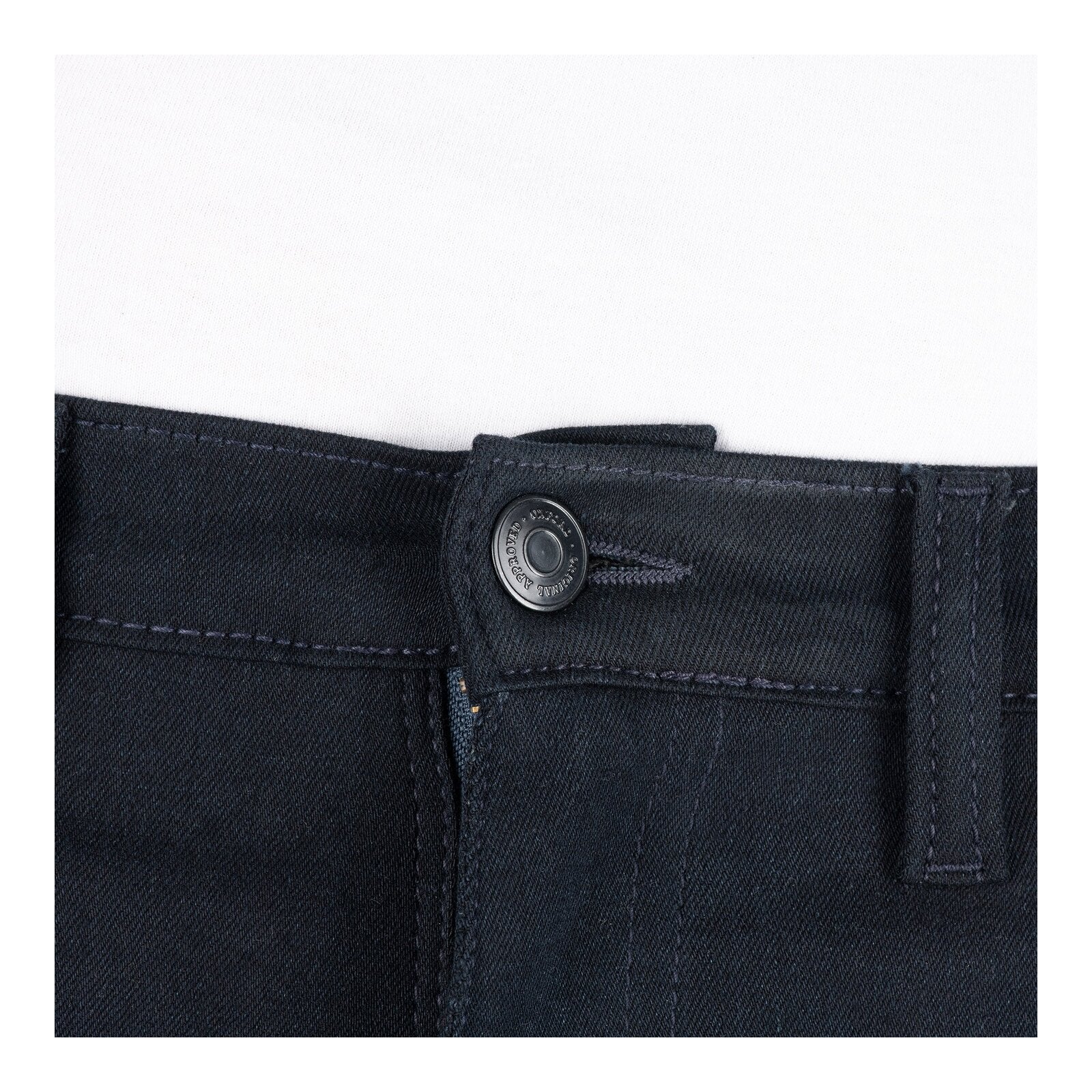

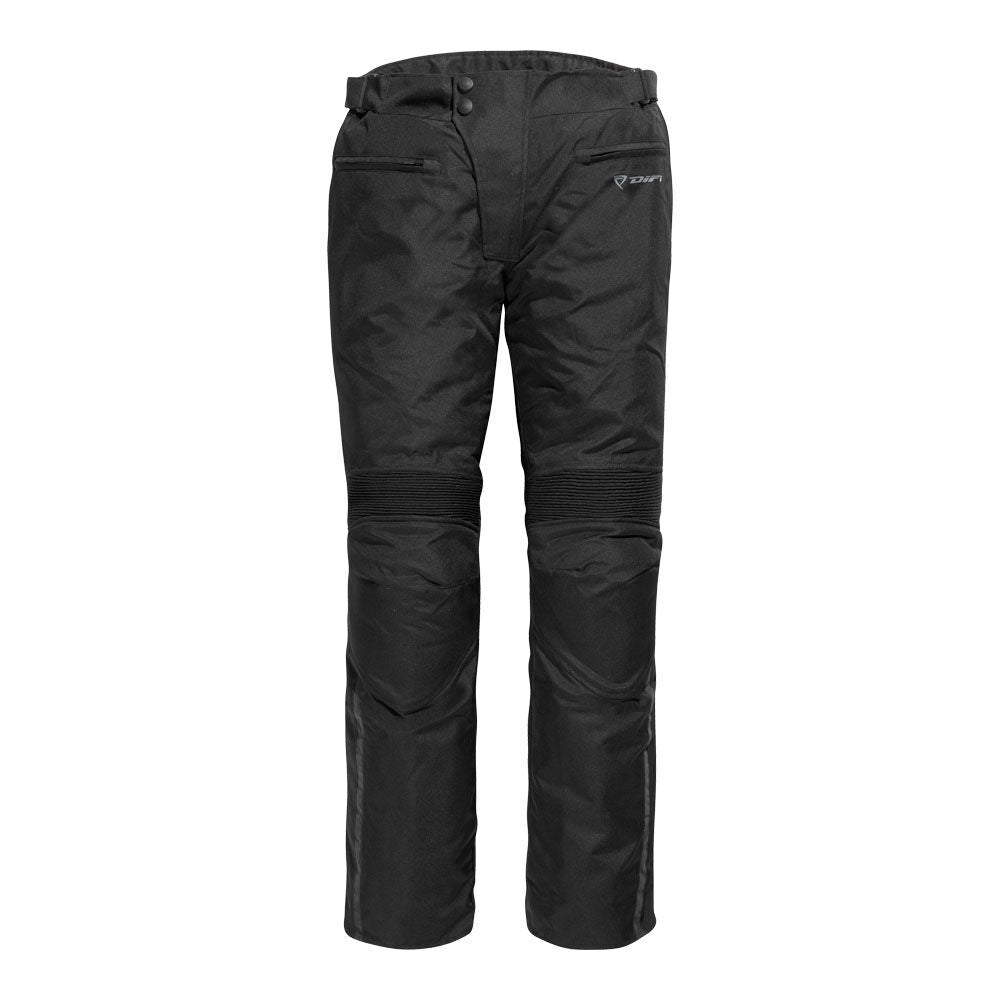
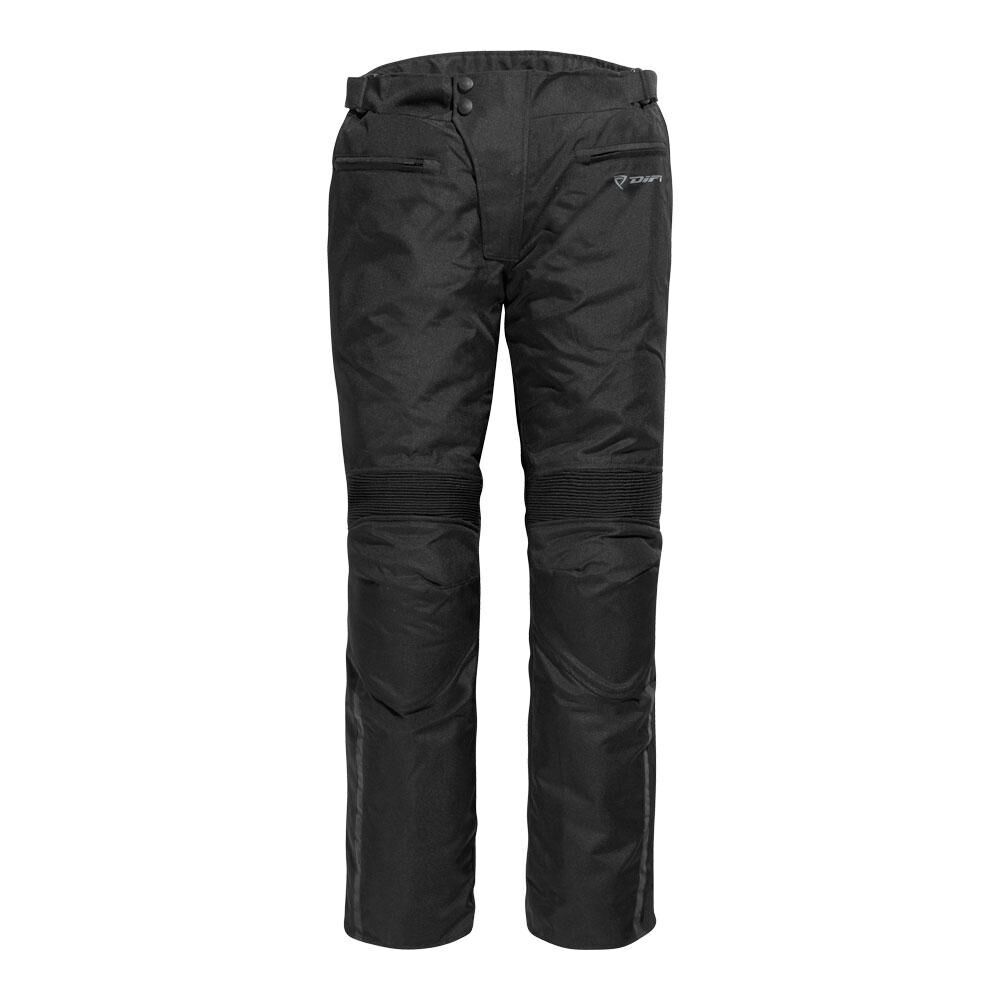

Difi Treasure Aerotex Pants Black
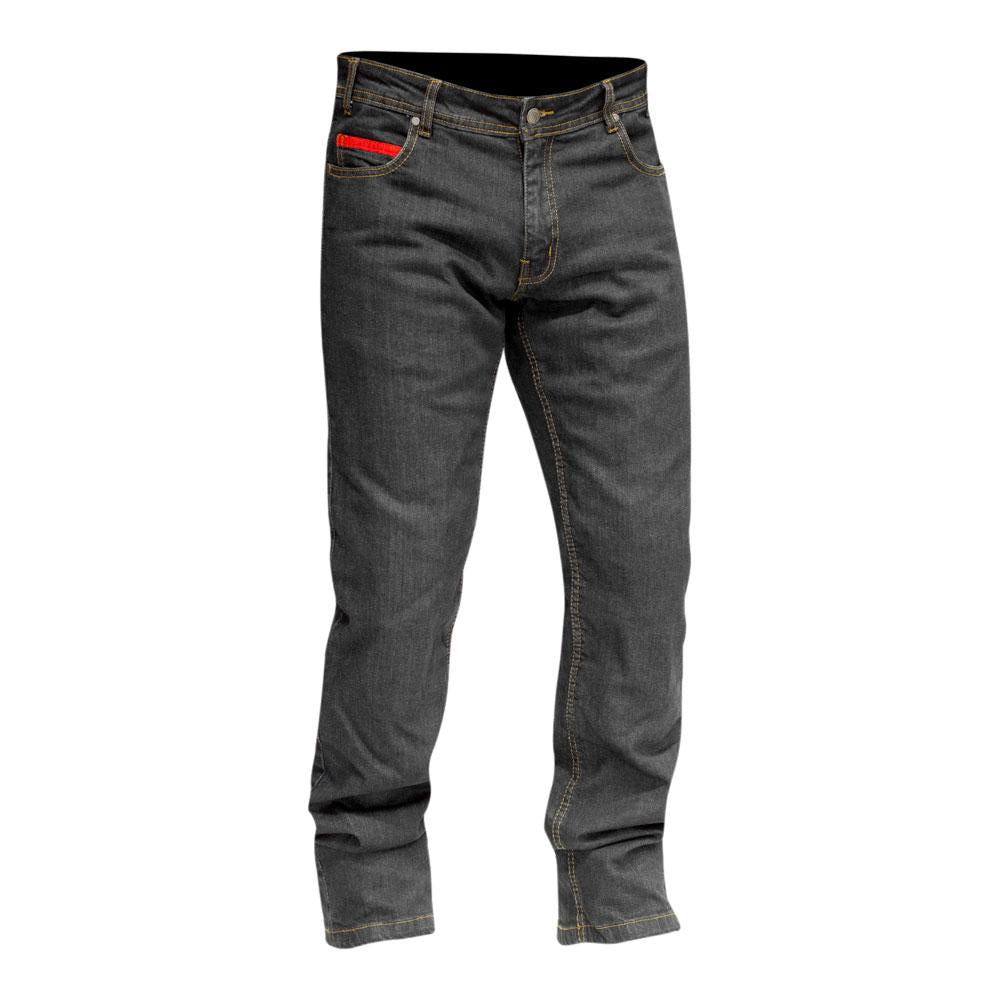
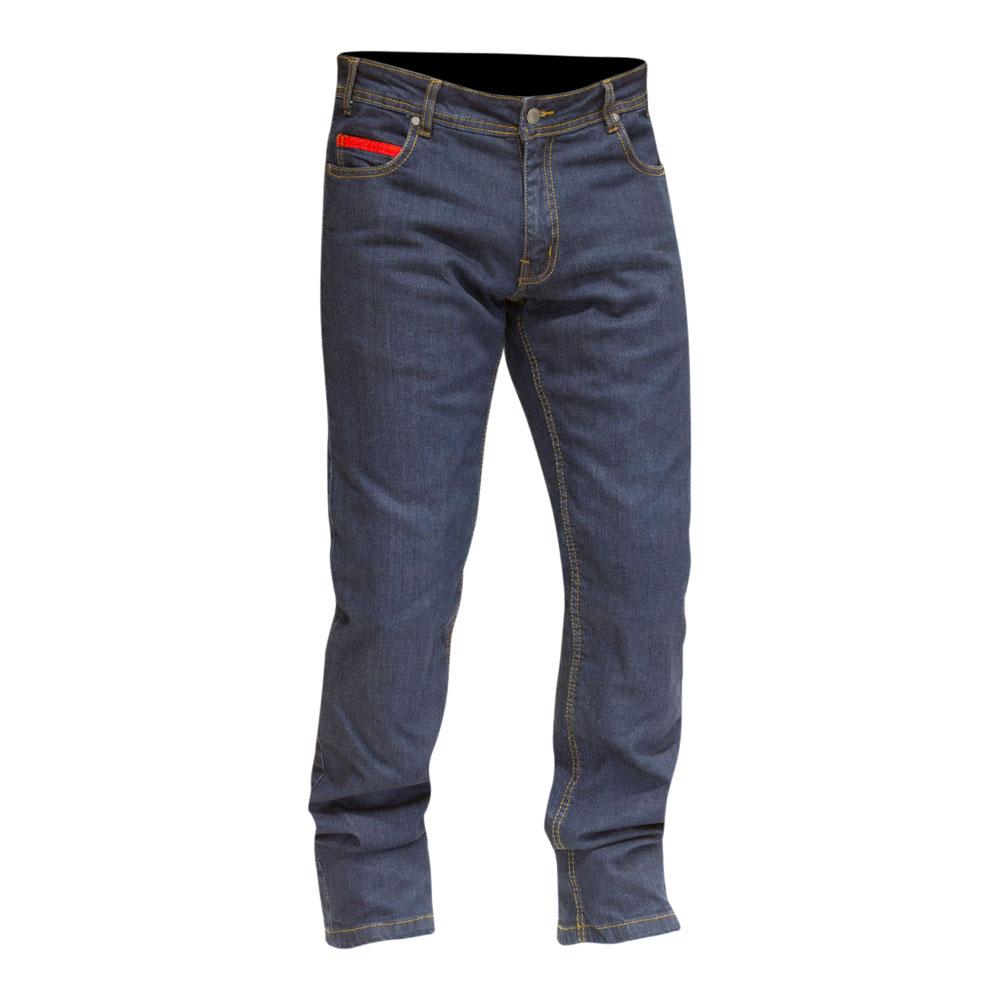
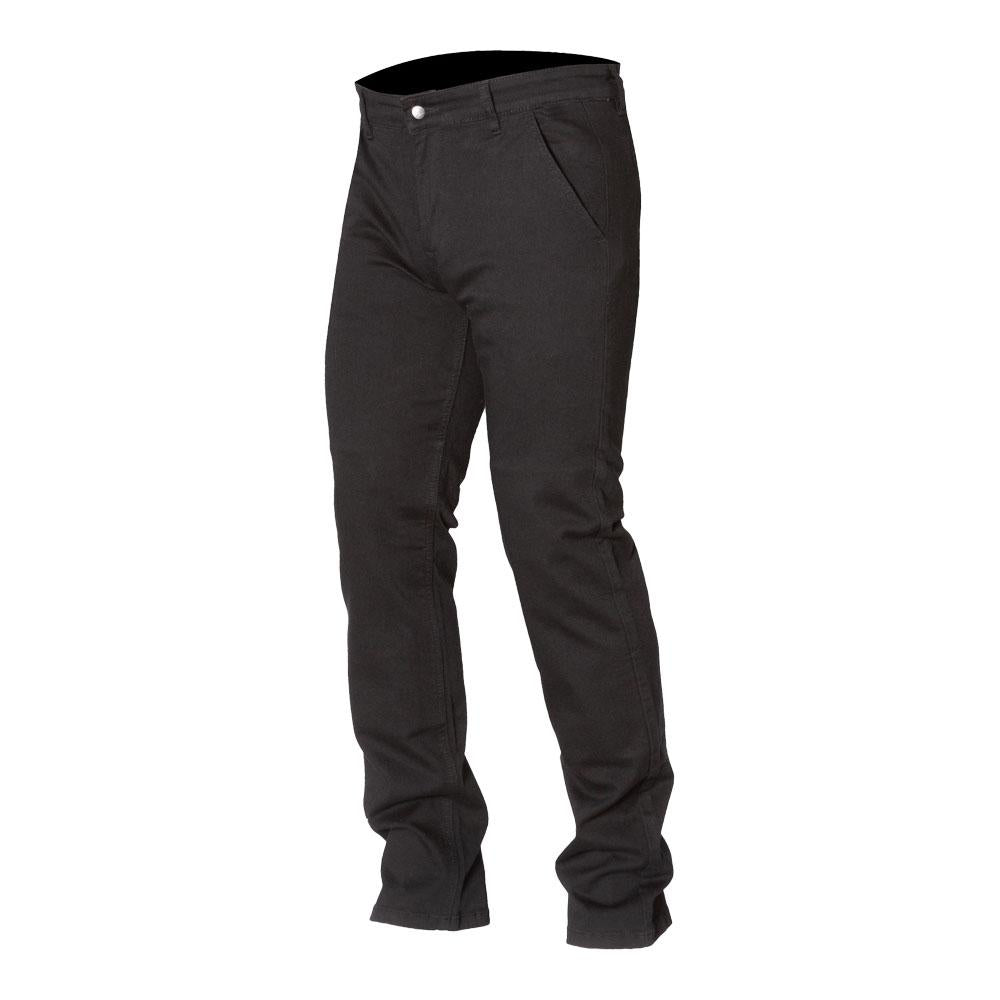
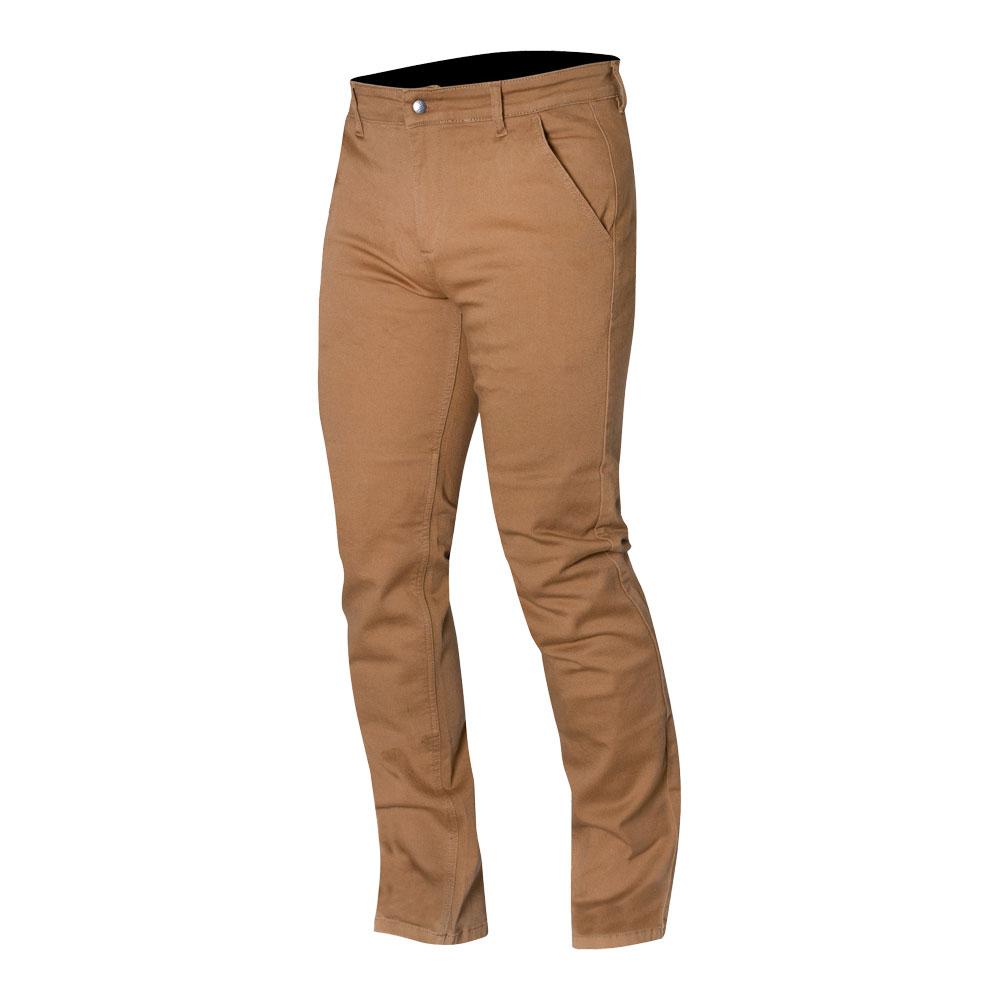
Merlin Jeans Mason II D3O WP Black 32 822375
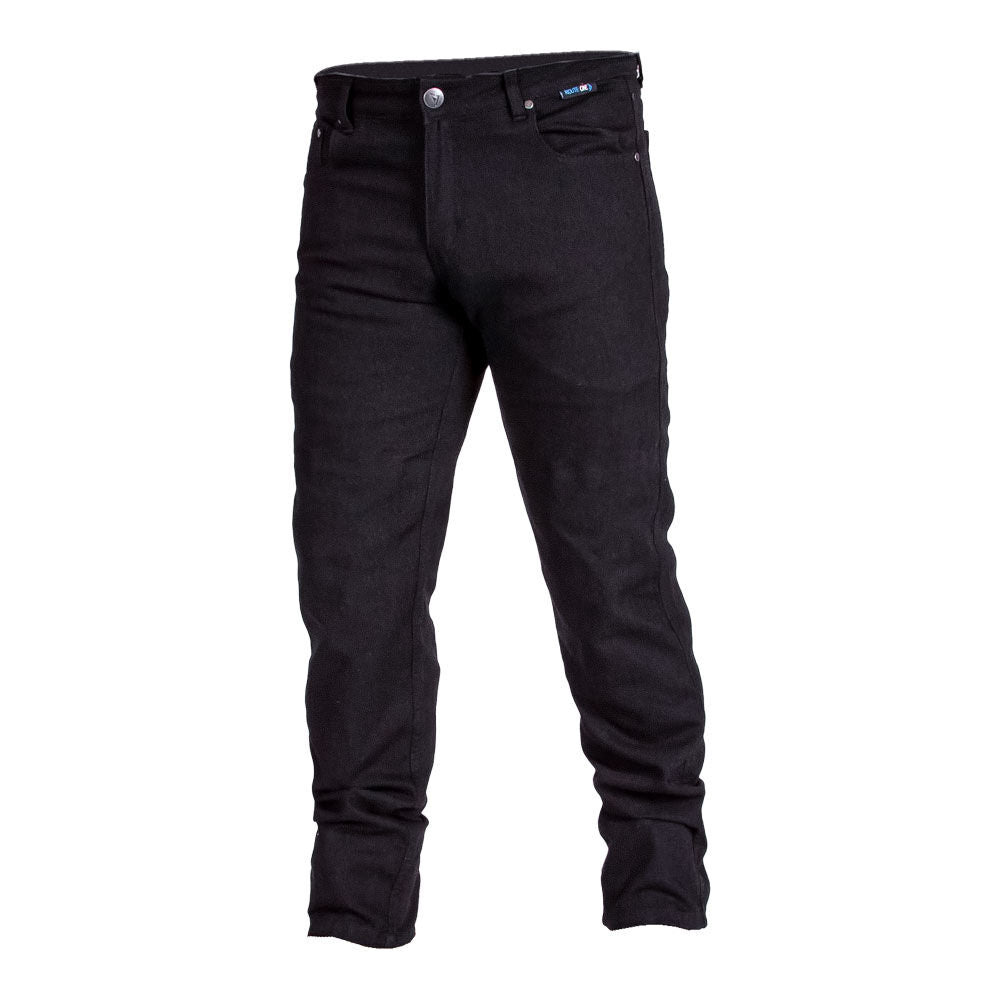
Merlin Jeans Holborn Black 36 101105
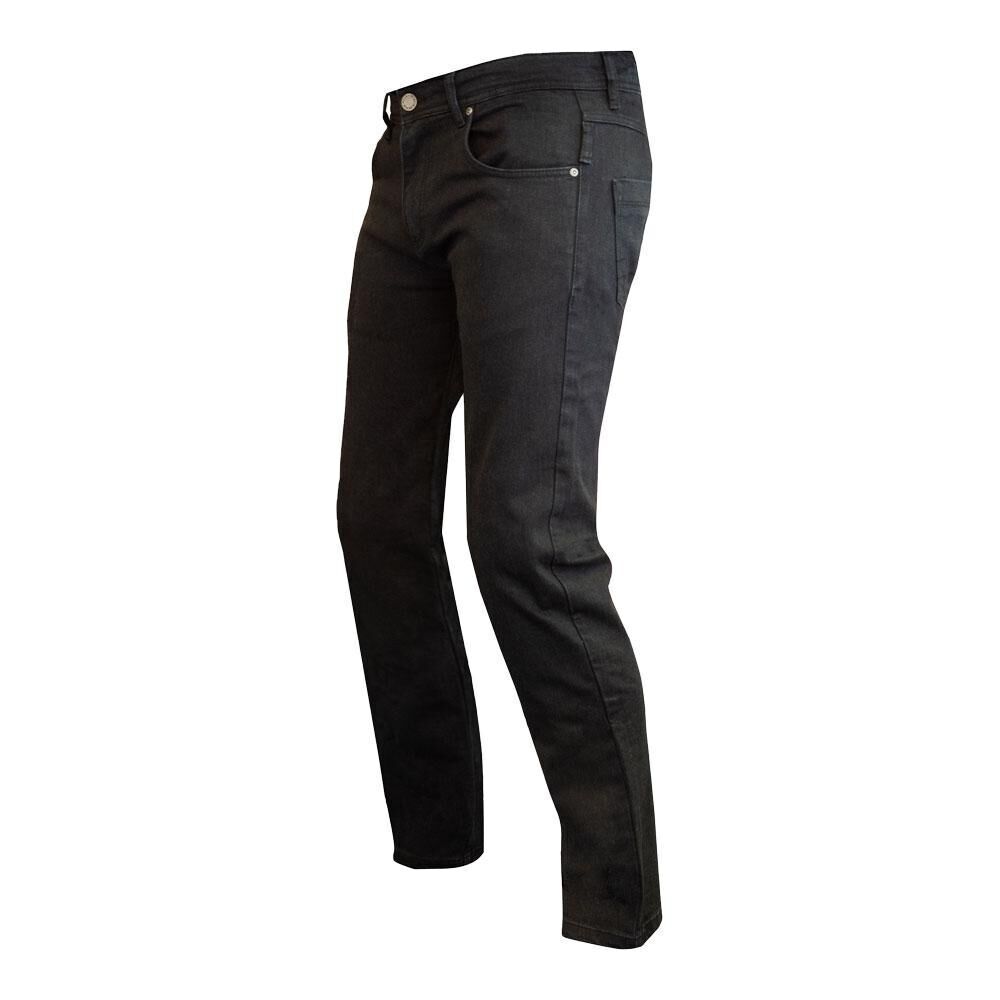
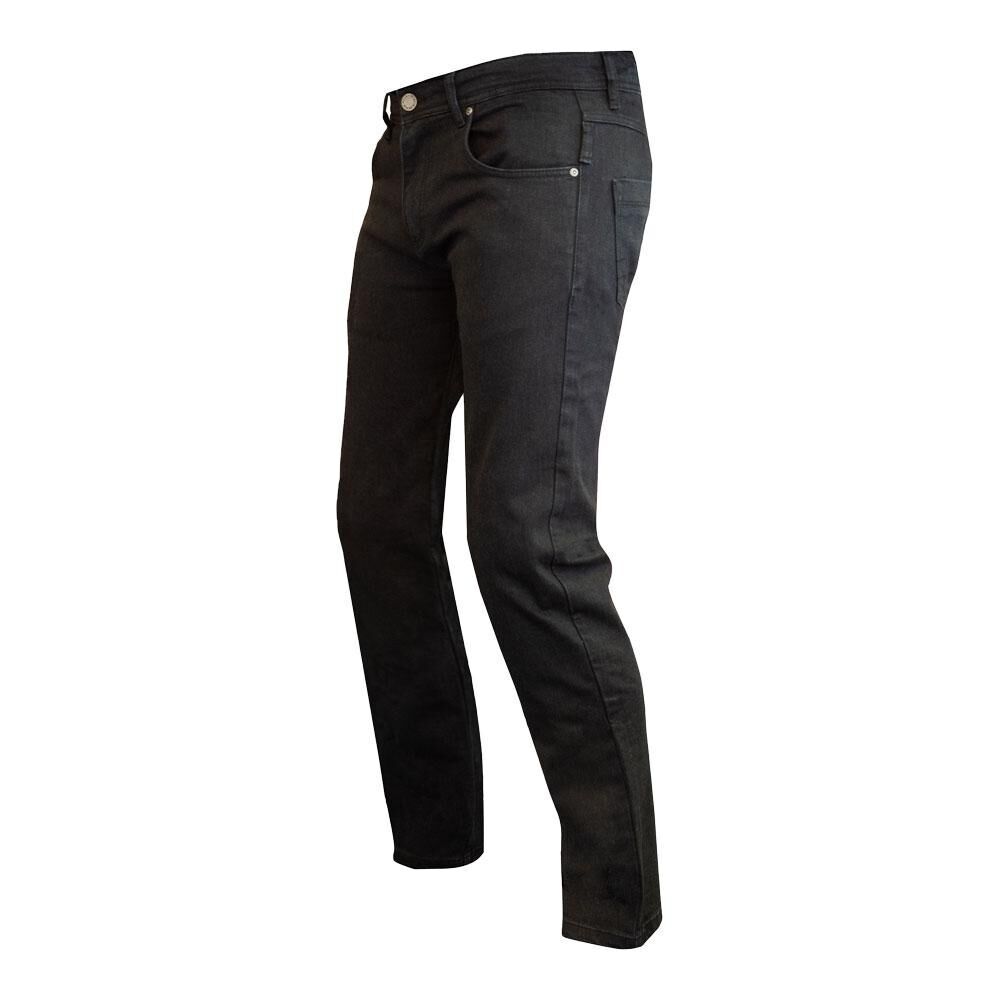
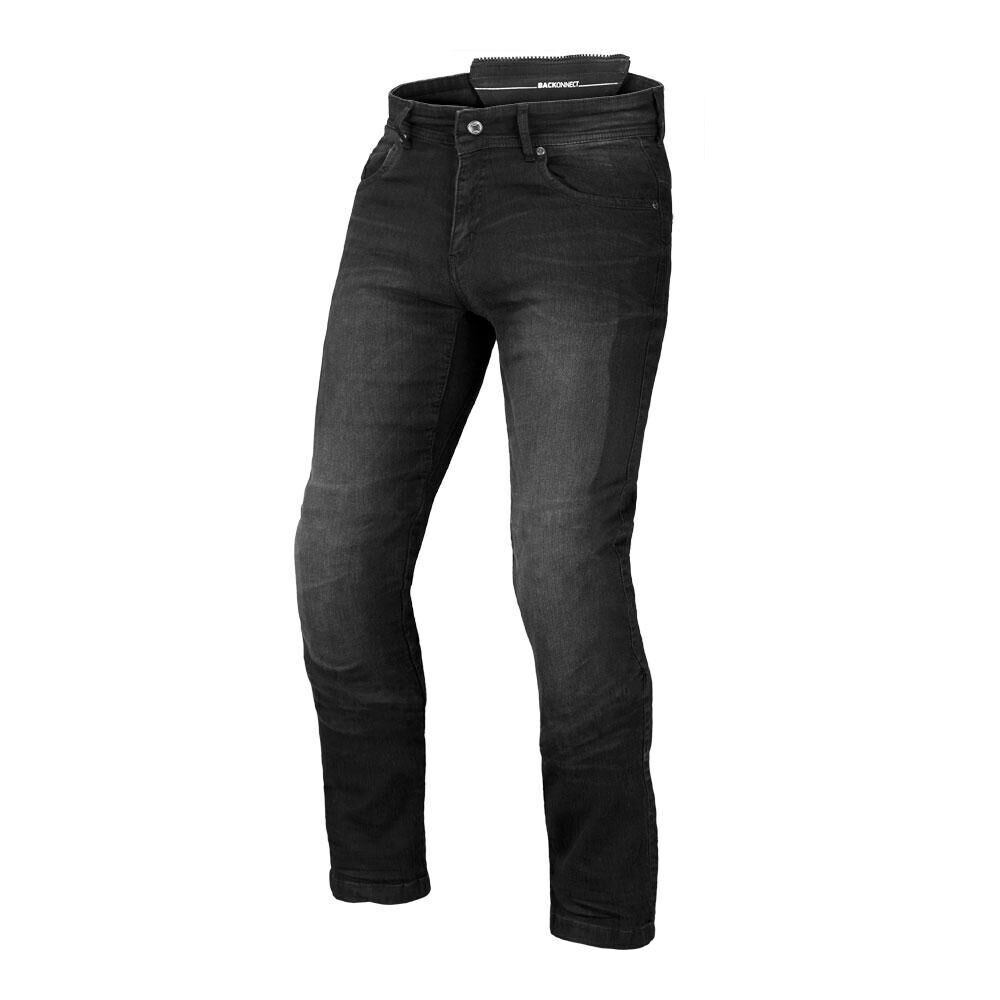
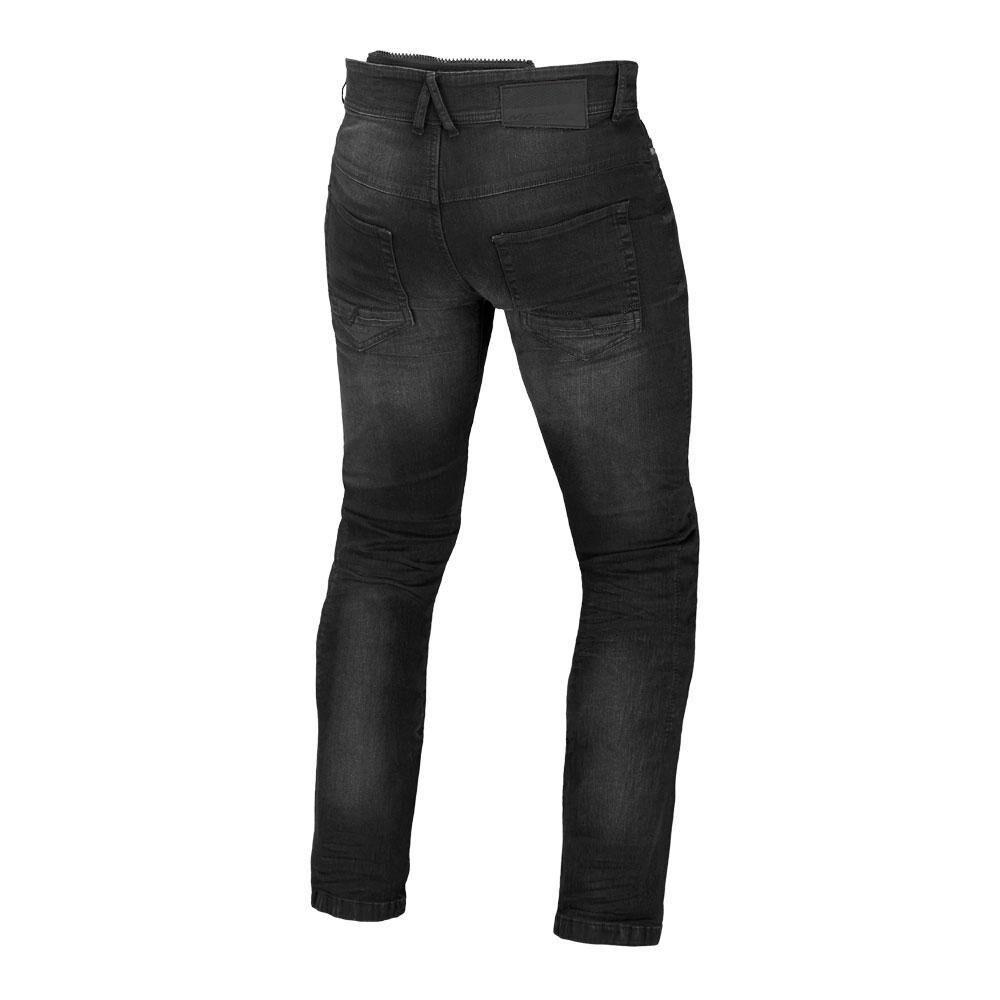
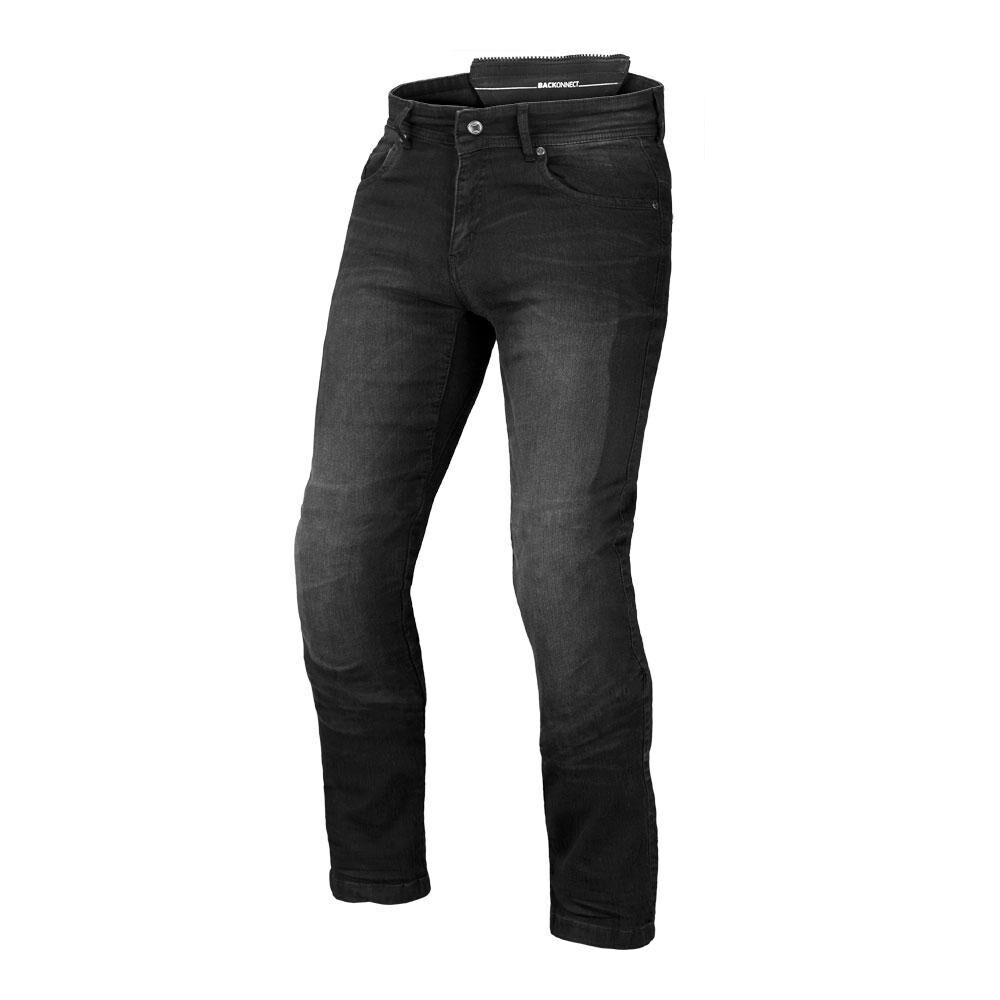
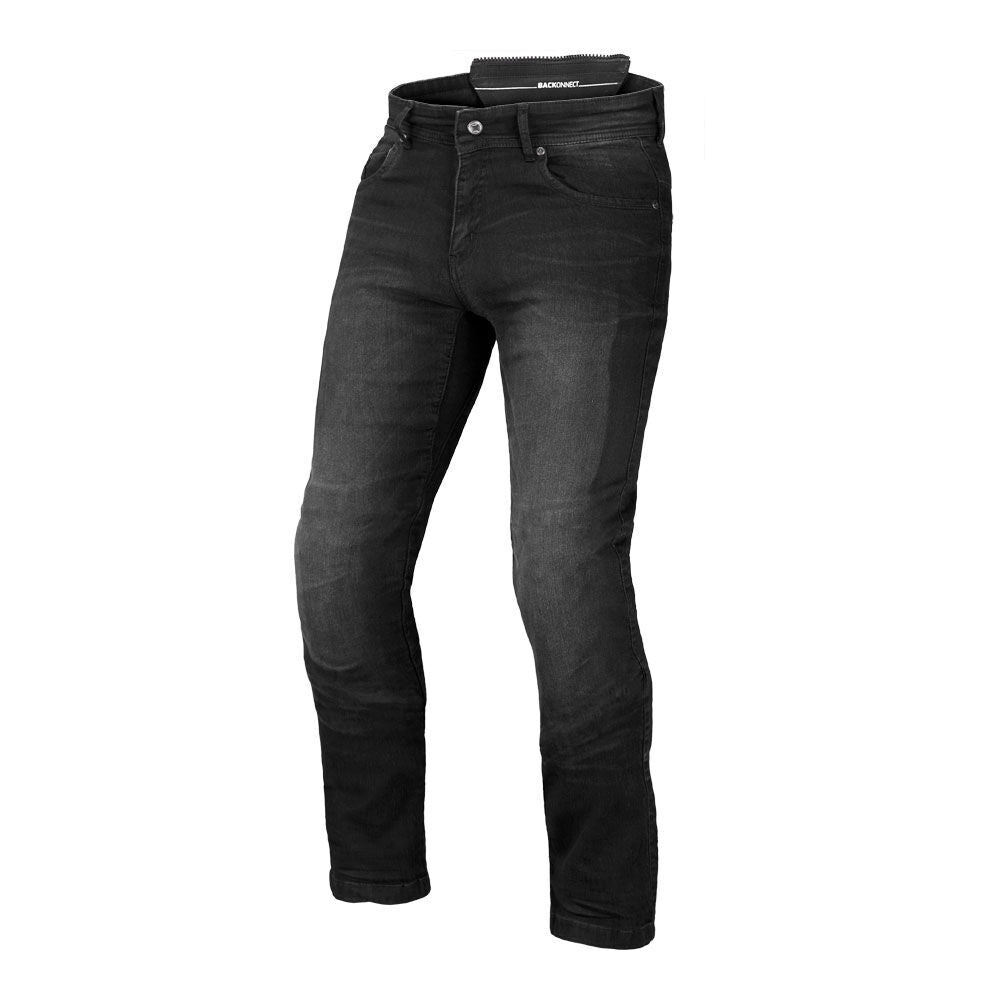
Macna Jeans Stone Pro S/layer Black
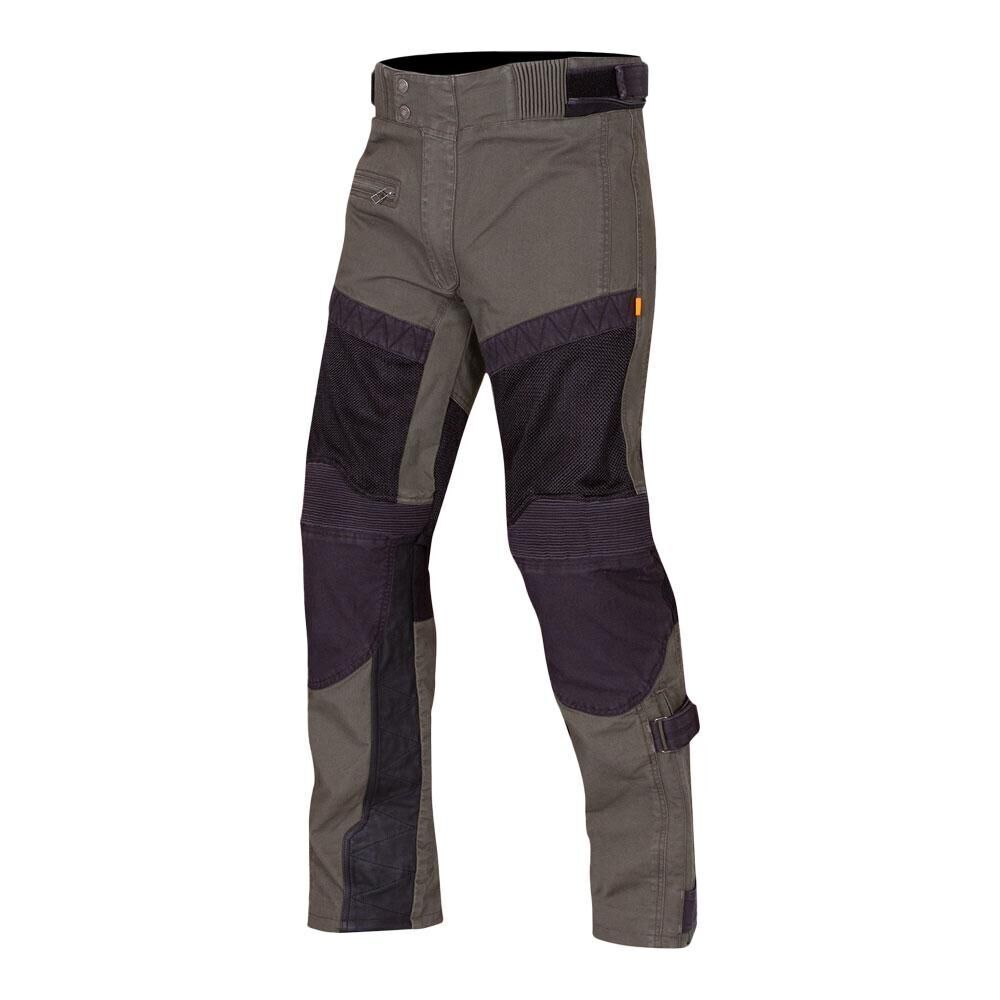
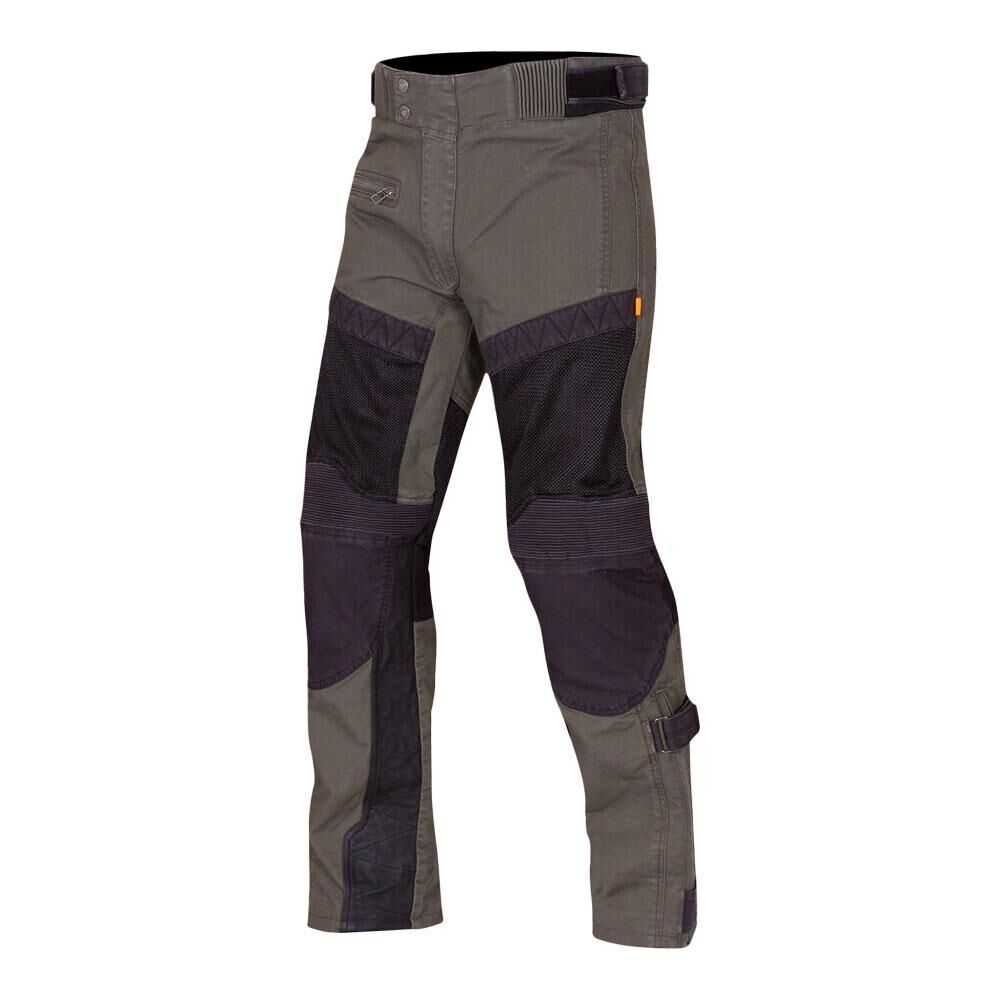
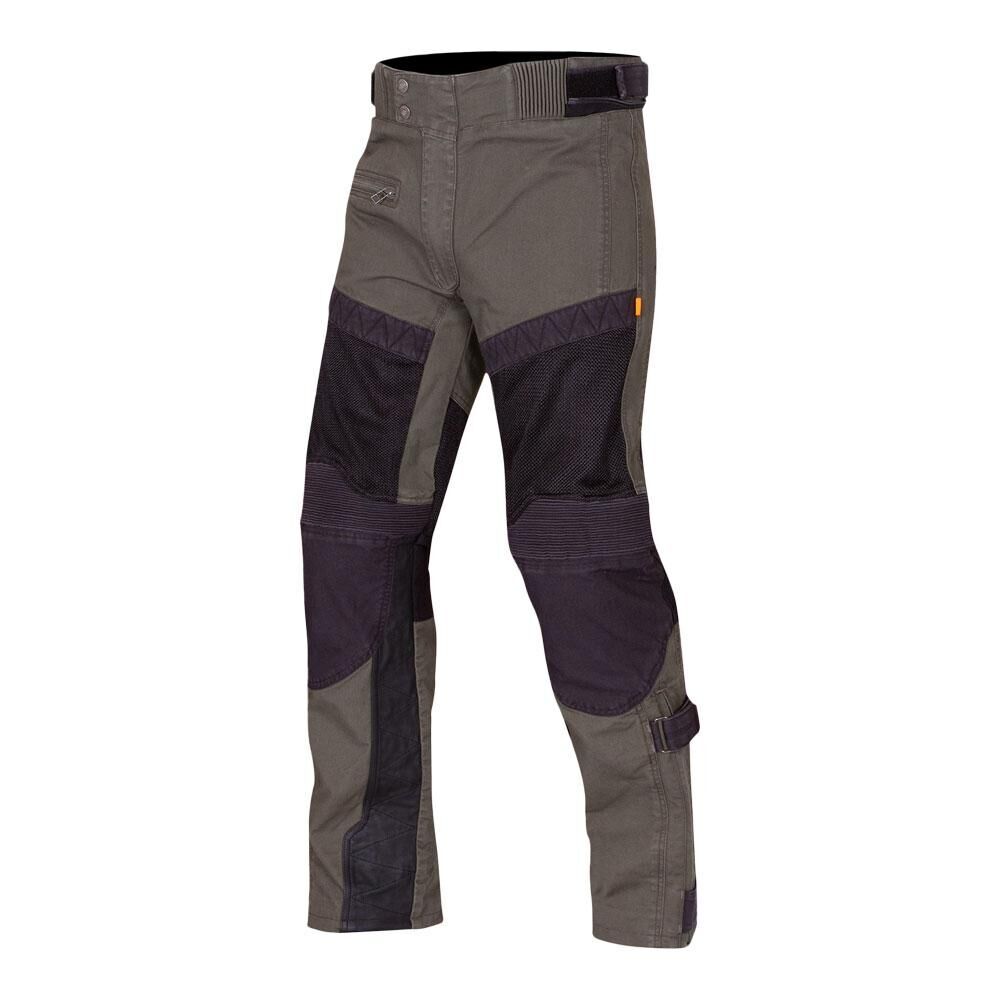
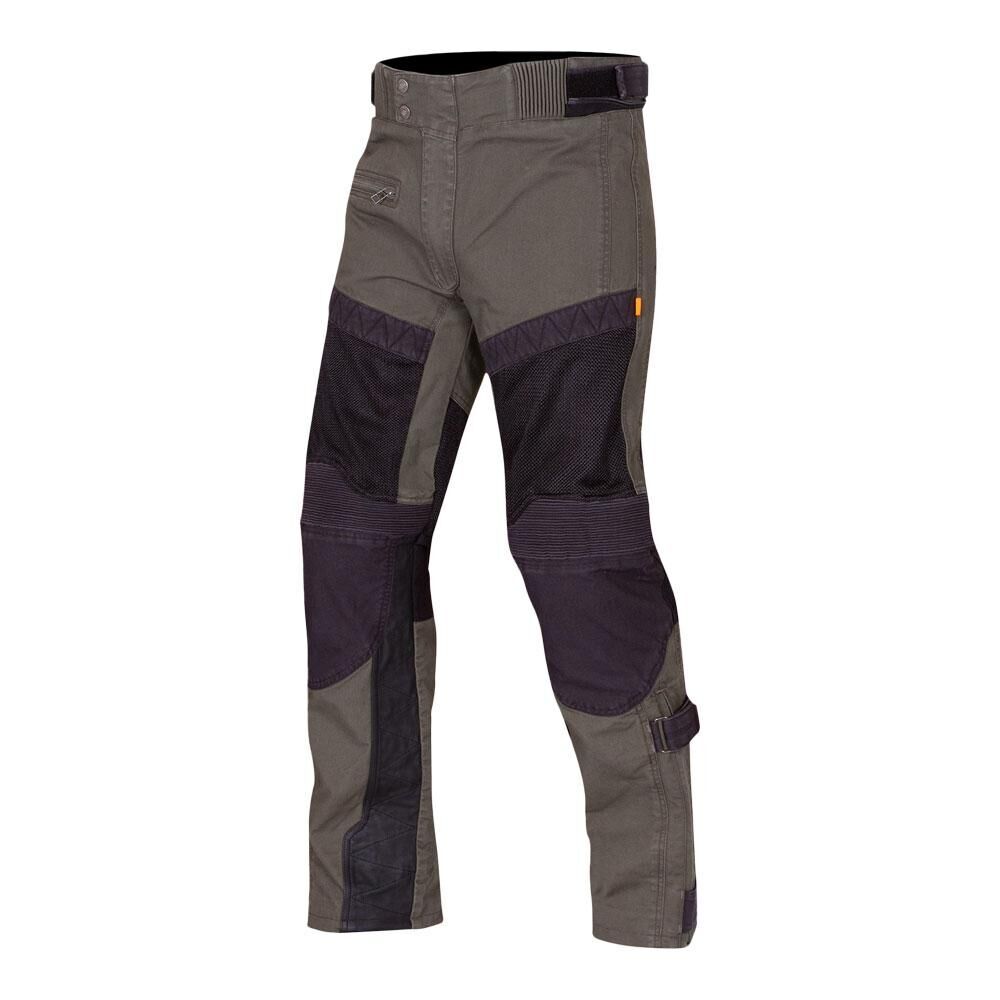
How to Choose Road Pants
Road pants are certified under EN 17092, the European standard covering three abrasion tiers: AAA (highest), AA and A. Most textile and kevlar options carry AA or A ratings; leather options often achieve AAA. CE Level 2 armour at the hip and knee absorbs significantly more impact energy than CE Level 1, making it the stronger choice for highway speeds.
Material Comparison
| Material | Abrasion Rating | Best For | Weather |
|---|---|---|---|
| Leather | EN 17092 AAA capable | Sport and road | 3-season dry |
| Laminated Textile | EN 17092 AA typical | All-season touring | 4-season waterproof |
| Kevlar Denim | EN 17092 A or AA | Urban commuting | Dry to mild |
| Textile/Mesh | EN 17092 A or AA | Summer riding | Warm to hot |
| Stretch Denim | EN 17092 A (Kevlar lined) | Everyday urban | Year-round city |
Armour and Fit
CE Level 1 hip armour transmits a maximum 35 kN of peak force; CE Level 2 cuts that to under 20 kN, a 43% reduction. Shark's own-brand range includes CE Level 2 hip and knee armour across models including the Protective Chinos and Faction Pants. Hip armour must sit directly over the greater trochanter; dropping the waistband 50 mm below the natural waist shifts the protector off the impact zone entirely. Always size from the brand's specific measurement chart, as motorcycle pants sizing differs from standard streetwear.
Riding Type Guidance
Commuters in mixed weather gain most from laminated 4-season textile with a removable thermal liner. Long-distance tourers should prioritise CE Level 2 at hip and knee plus a minimum 600D outer shell. Warm-climate riders benefit from mesh panels covering at least 40% of the leg surface without sacrificing CE-rated armour pockets. For off-bike wearability, stretch-denim kevlar styles rated EN 17092 A or AA pass as regular jeans while carrying certified aramid fibre lining.
Frequently asked questions
What is the difference between CE Level 1 and CE Level 2 armour in road pants?
CE Level 1 hip and knee armour must transmit no more than 35 kN of peak force in testing. CE Level 2 armour tightens that threshold to under 20 kN, a 43% improvement in impact absorption. For highway and track-adjacent riding, Level 2 at both hip and knee is the stronger choice.
Do kevlar jeans provide enough protection for road riding in Australia?
Kevlar-lined denim certified to EN 17092 Class A or AA provides genuine abrasion resistance and is a legal and practical choice for road use. Class AA panels survive a 70 km/h slide for at least 0.6 seconds in standardised testing. The key is ensuring the kevlar lining covers the full hip and knee zones, not just a patch, and that CE-rated armour sits correctly in the pockets.
How should road pants fit to ensure the armour stays in the right position?
Hip armour should sit directly over the greater trochanter, the bony point on the outside of your upper thigh. If the waistband drops more than 50 mm below your natural waist, the protector shifts off the impact zone. Knee armour should align with the kneecap when seated in your riding position, not standing. Always size using the brand's specific measurement chart, as motorcycle pants sizing differs from standard streetwear.
Afterpay & Zippay Available
Afterpay & Zippay Available