

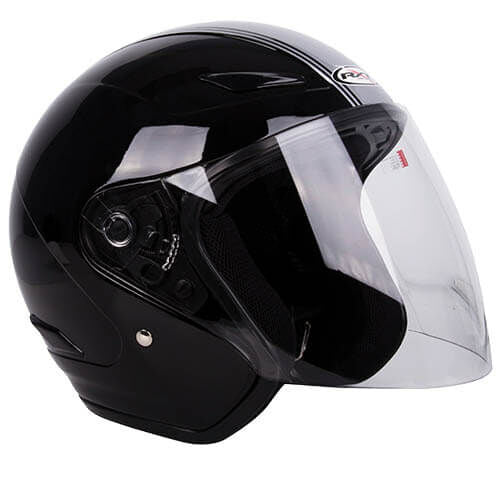
RXT helmets cover every riding style from classic café racer to full adventure touring. Each shell is built to ECE certification standards with a fit system designed for Australian heads. RXT delivers certified protection at accessible price points across open-face, full-face, and off-road profiles for daily commutes and long weekend hauls alike.
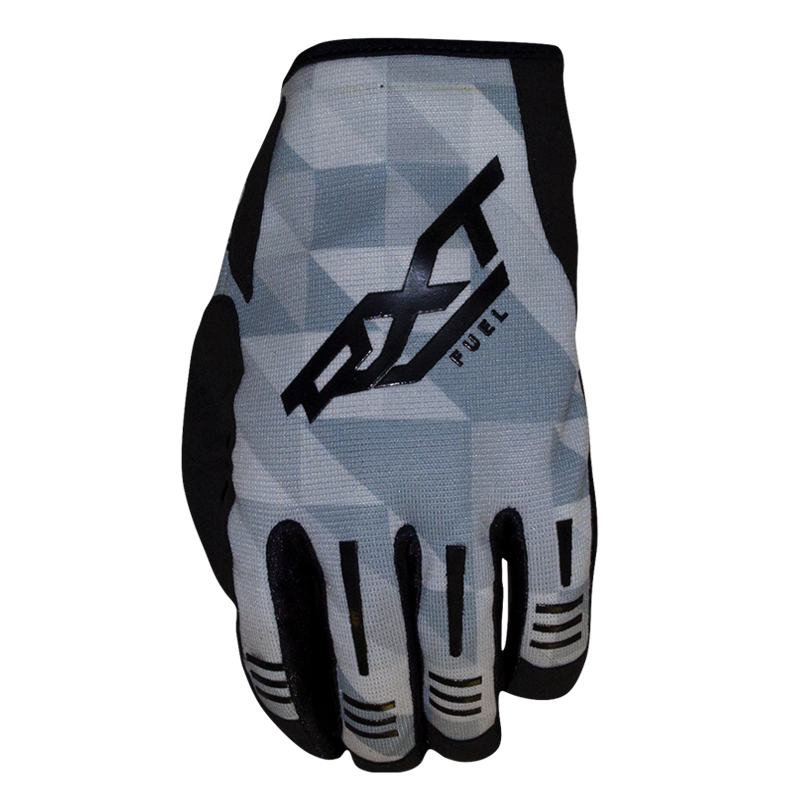
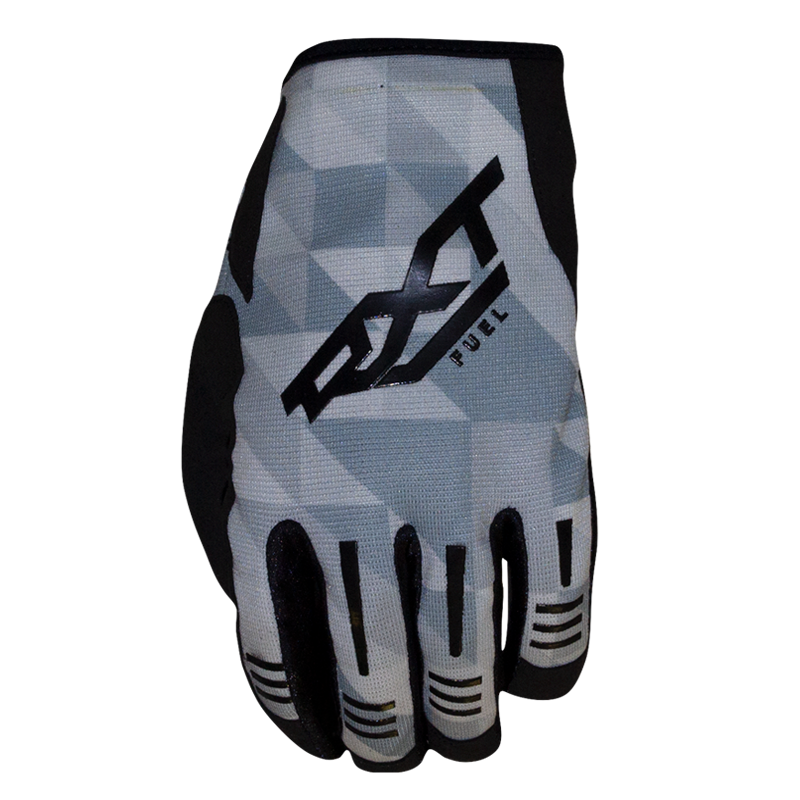
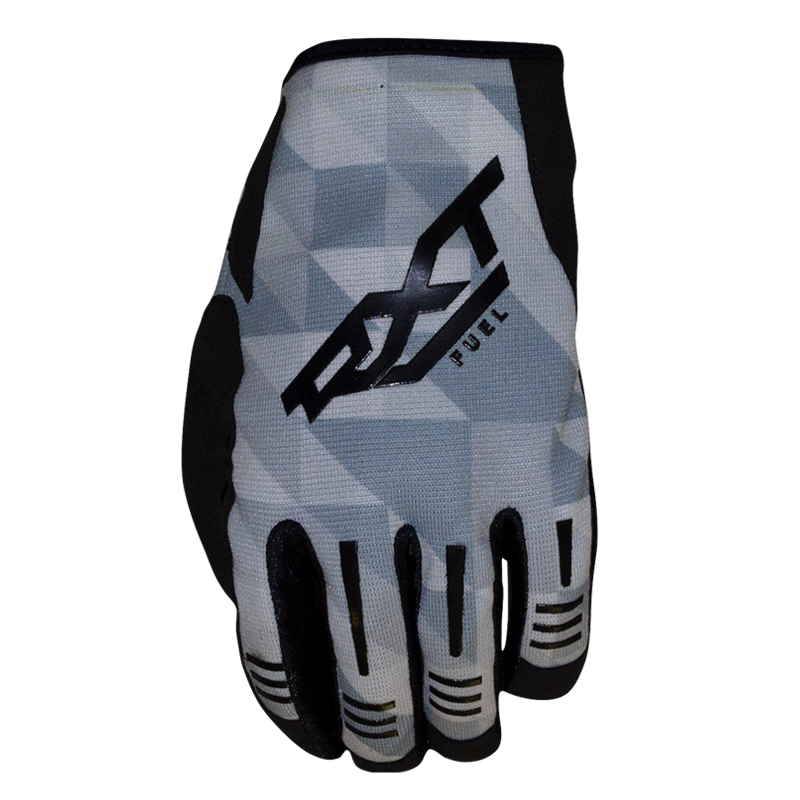
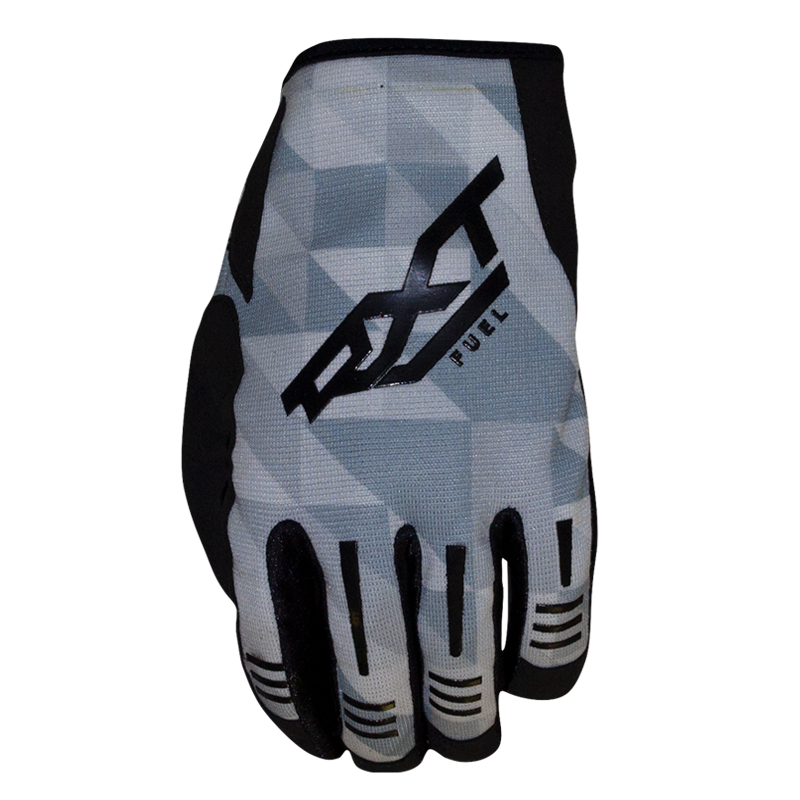
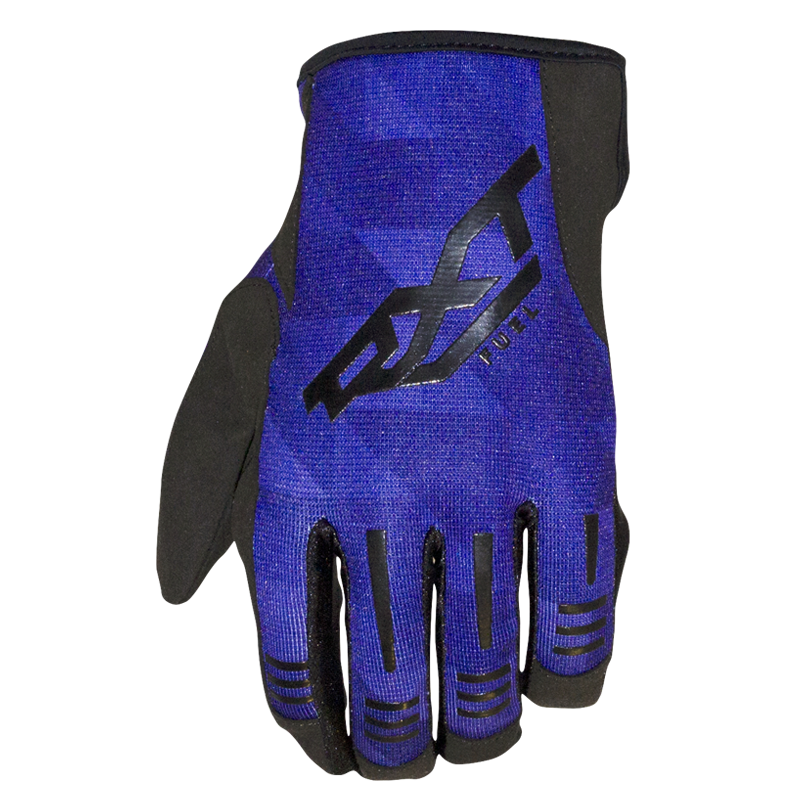
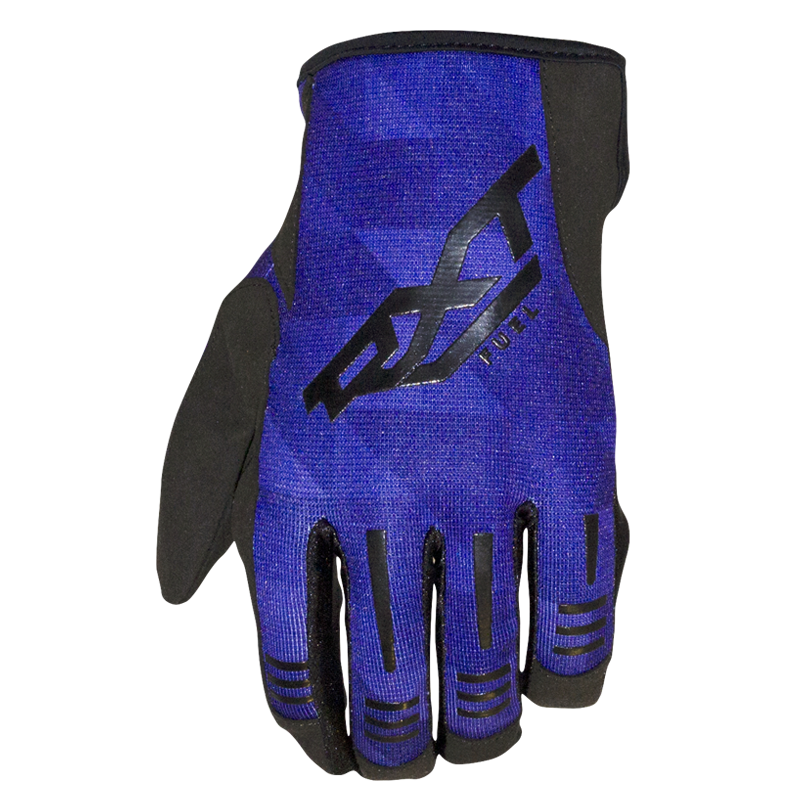
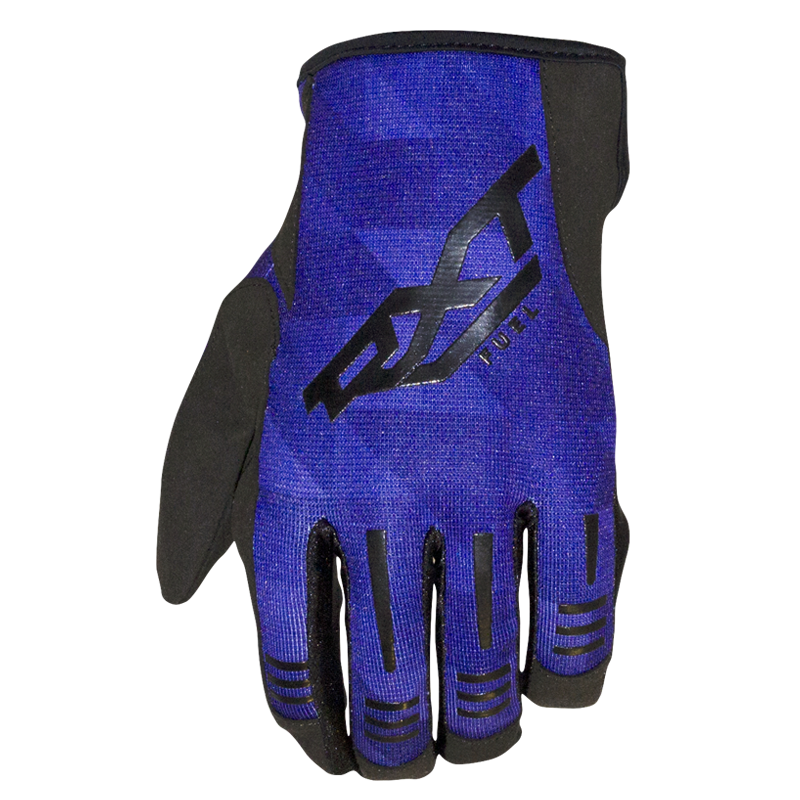
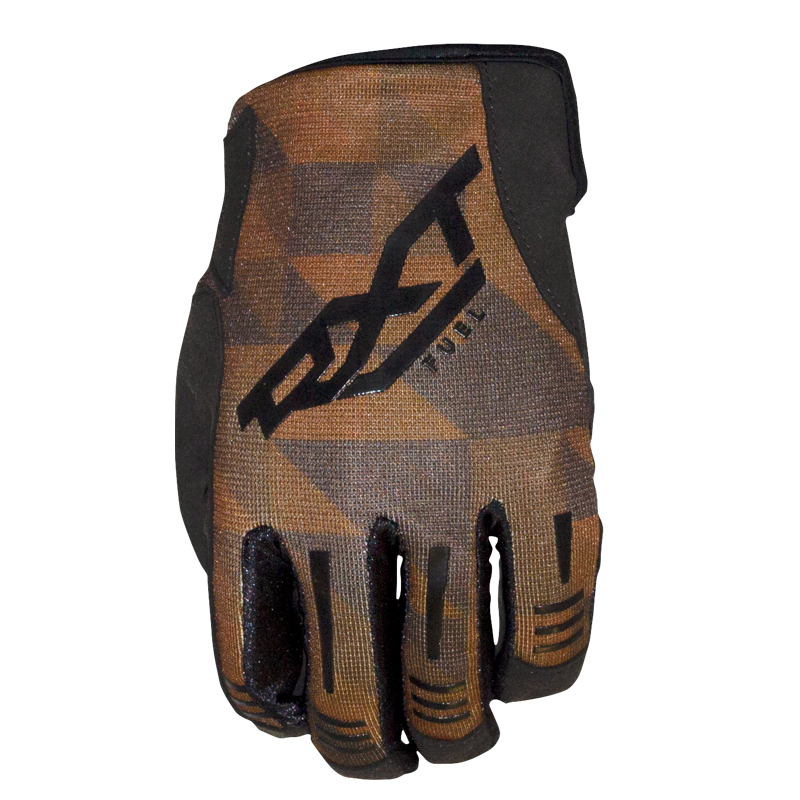
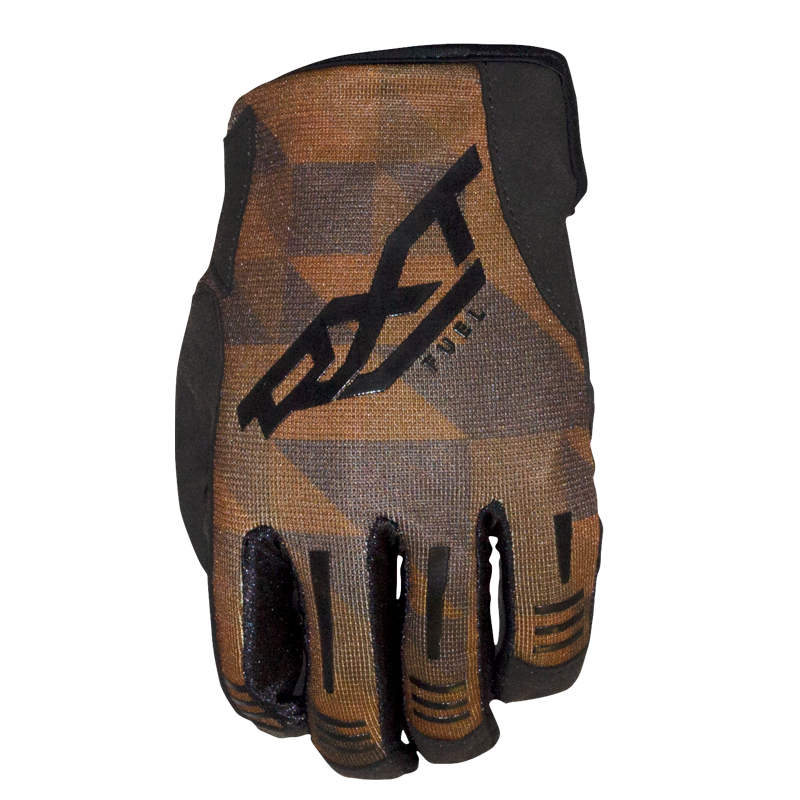
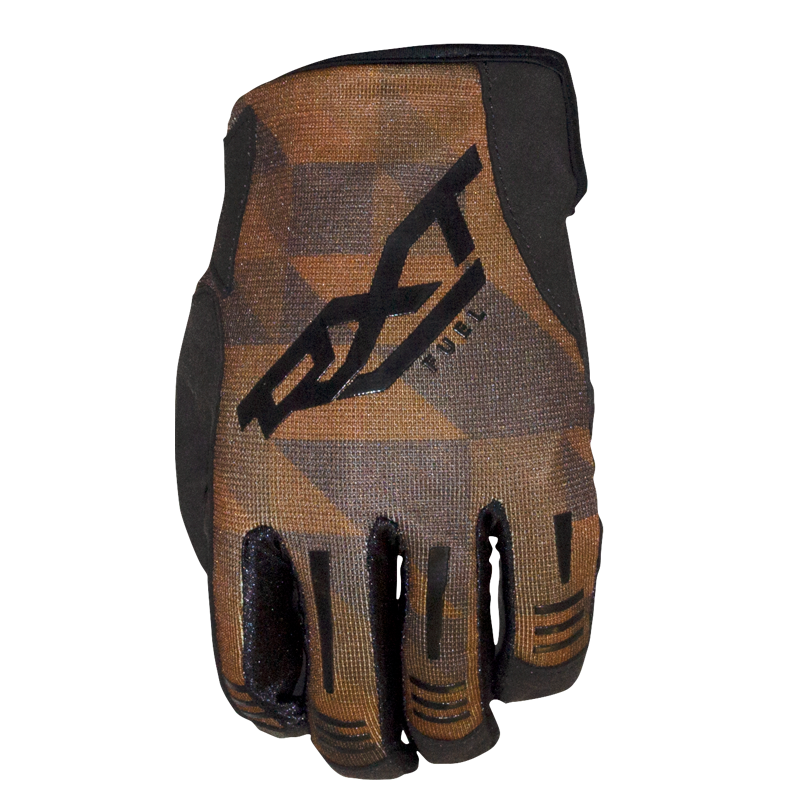
RXT FUEL MX JUNIOR SILVER/BLACK
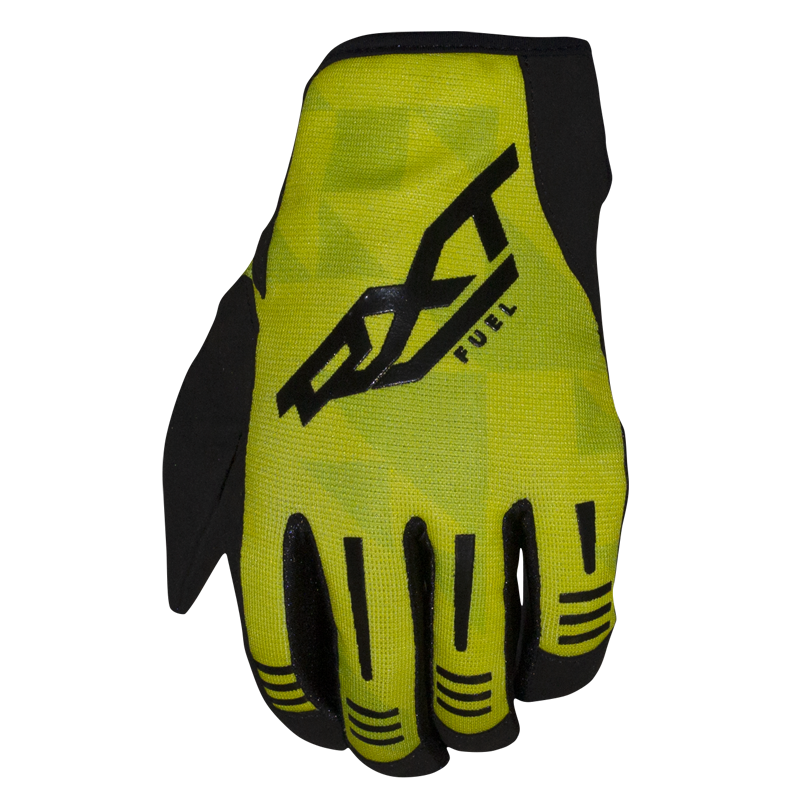
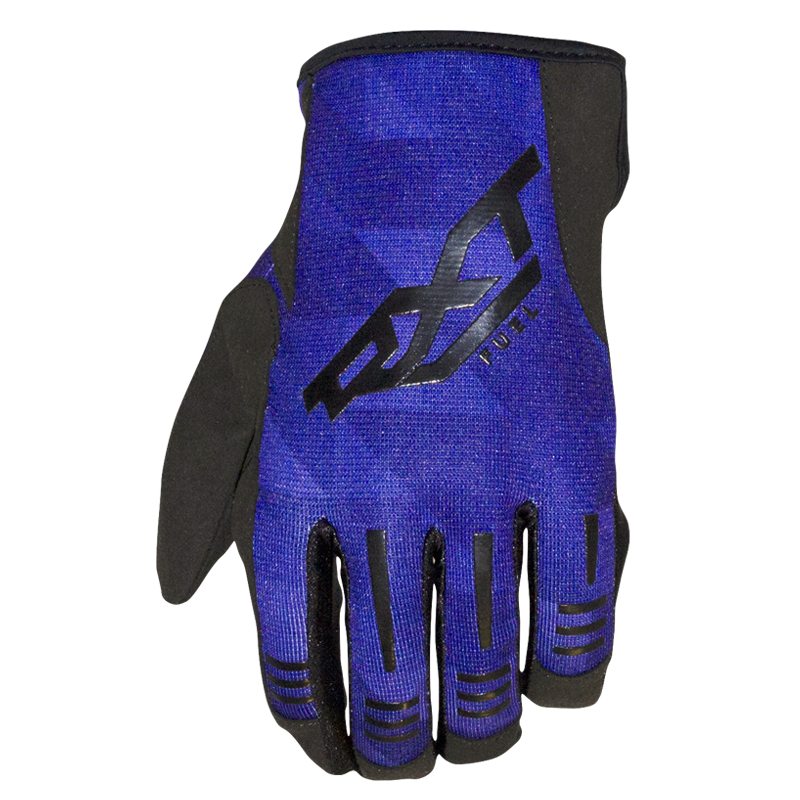
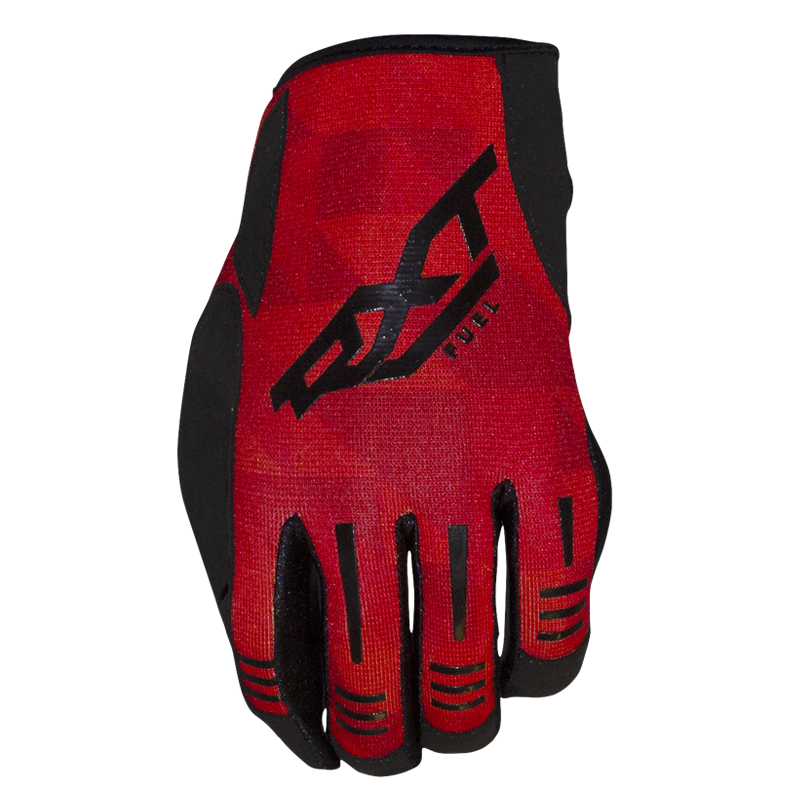
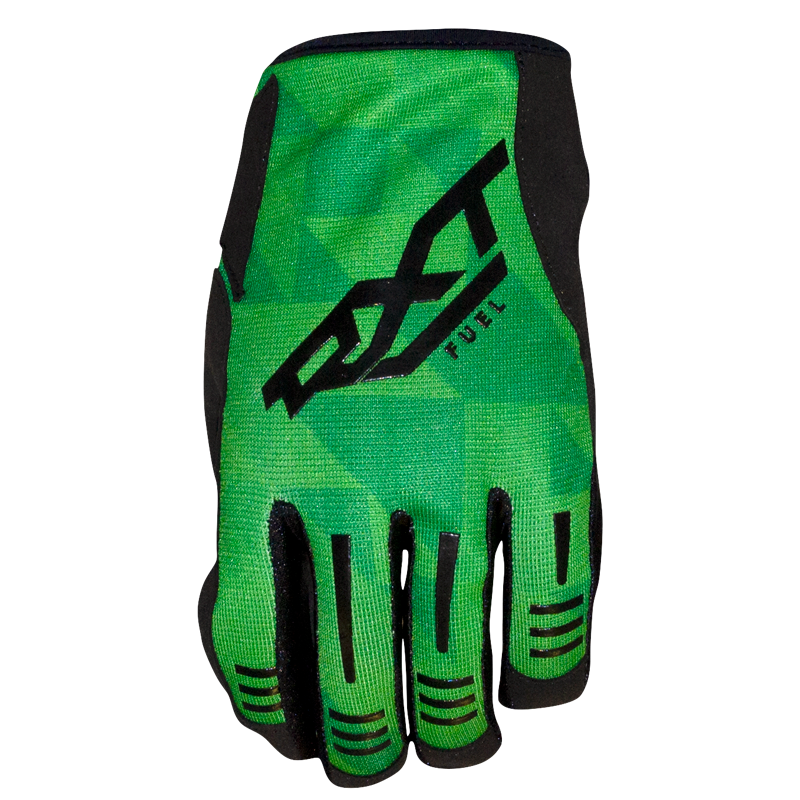
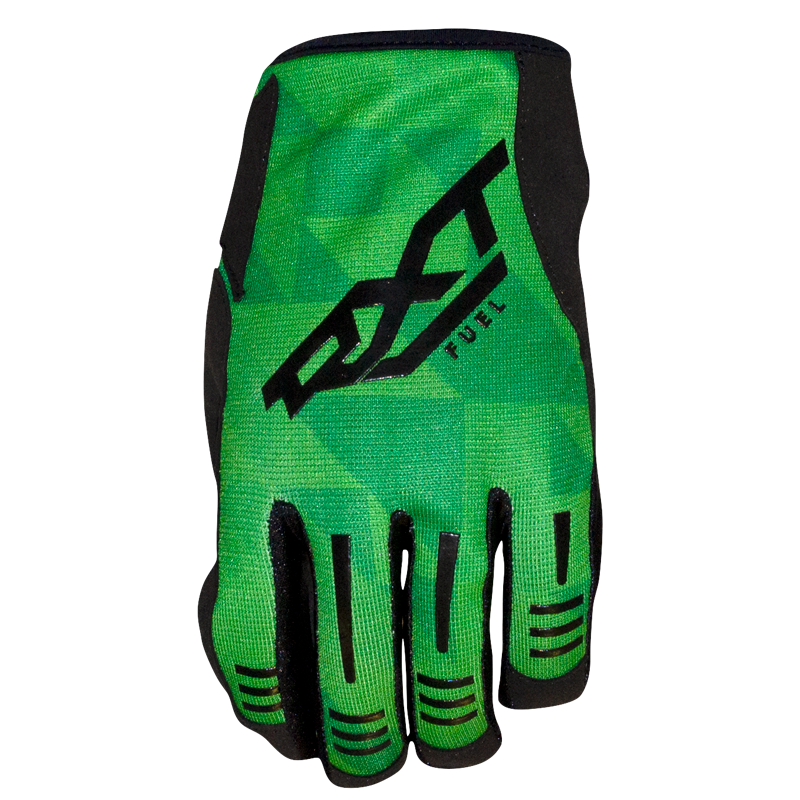
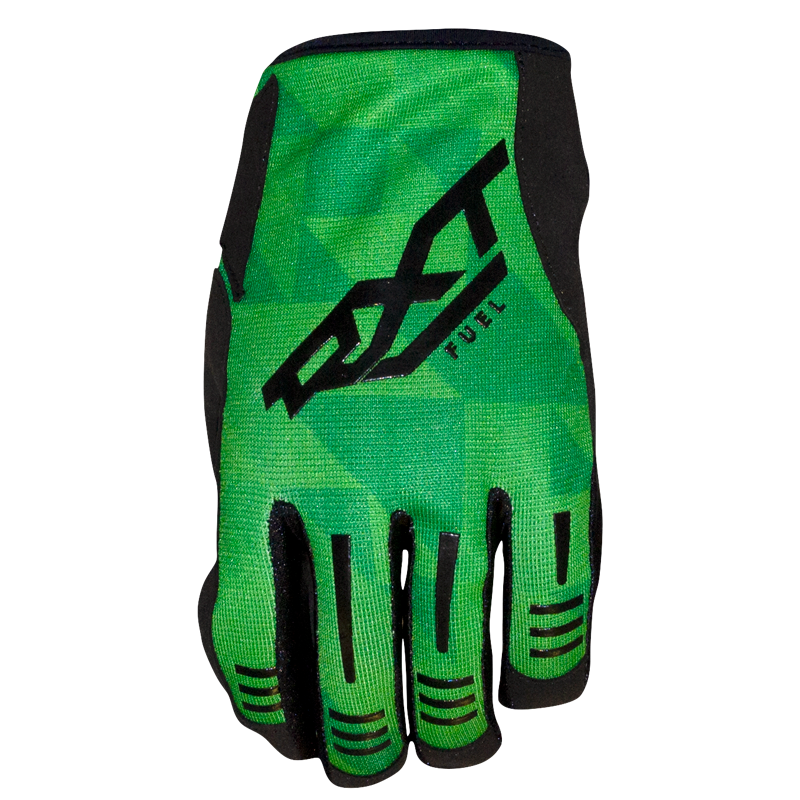
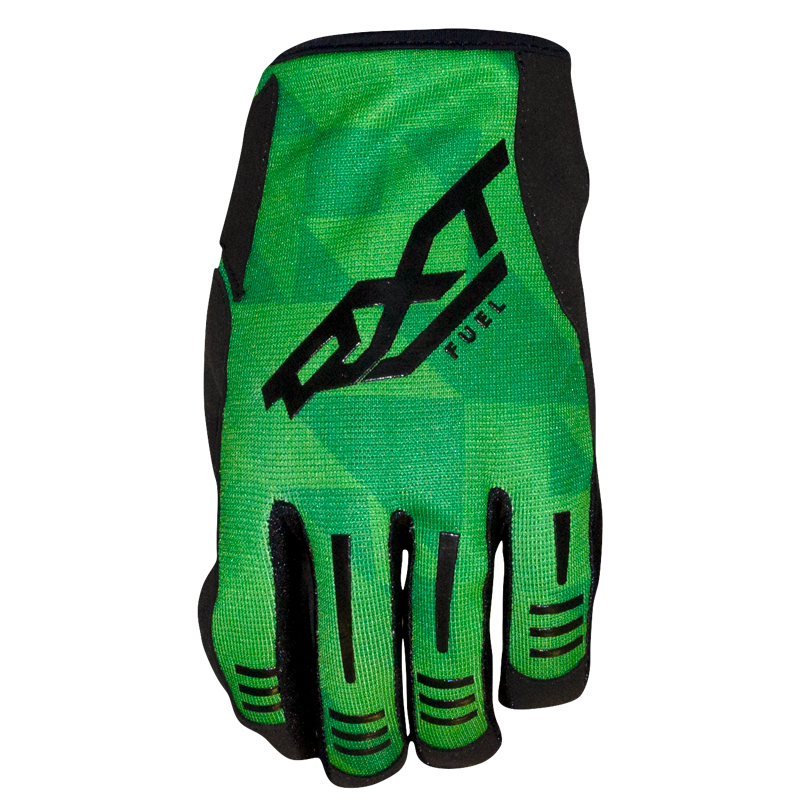
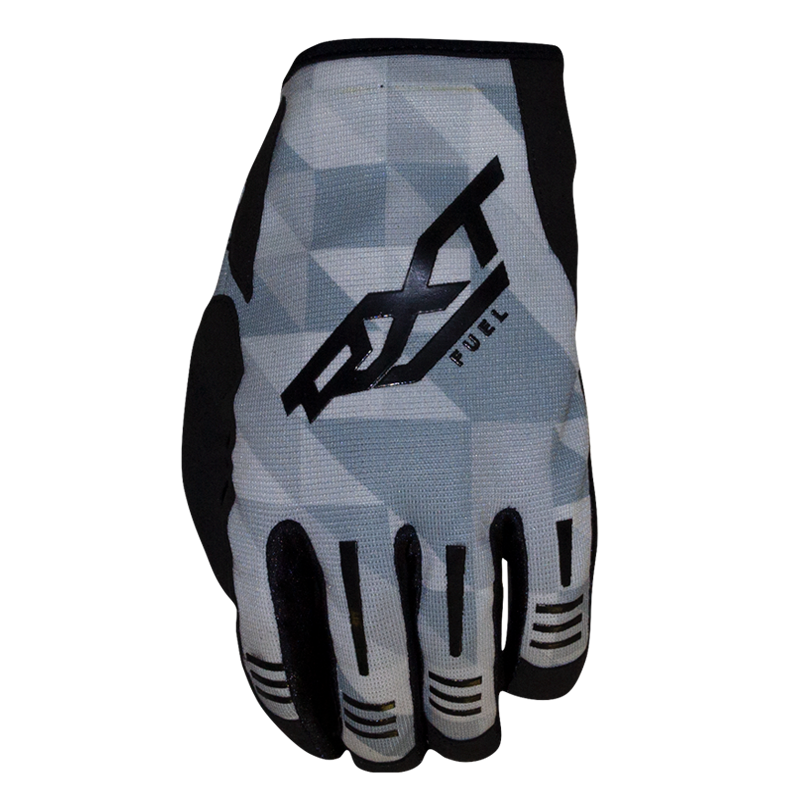
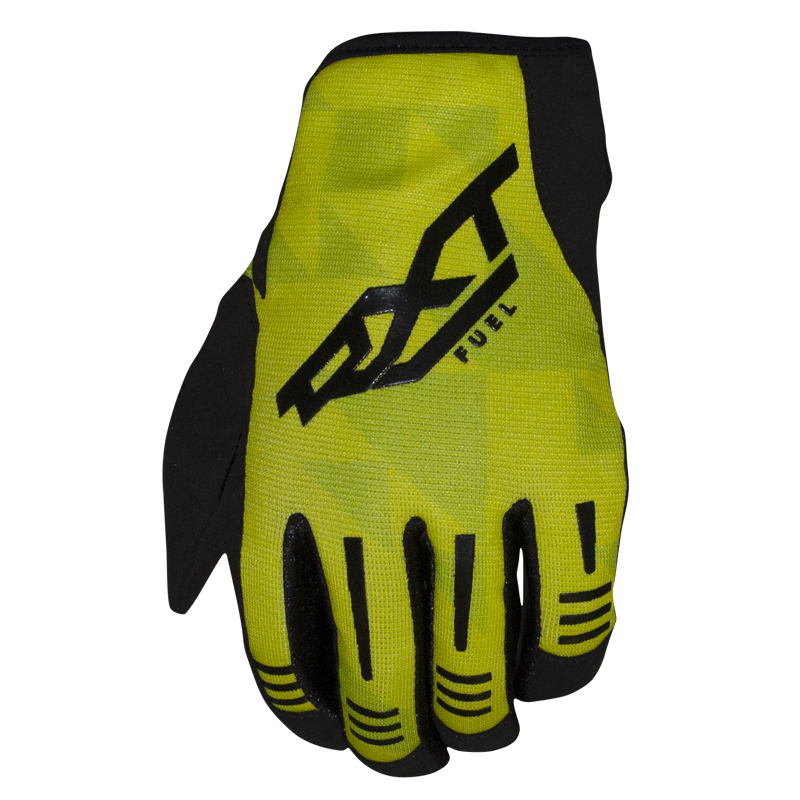
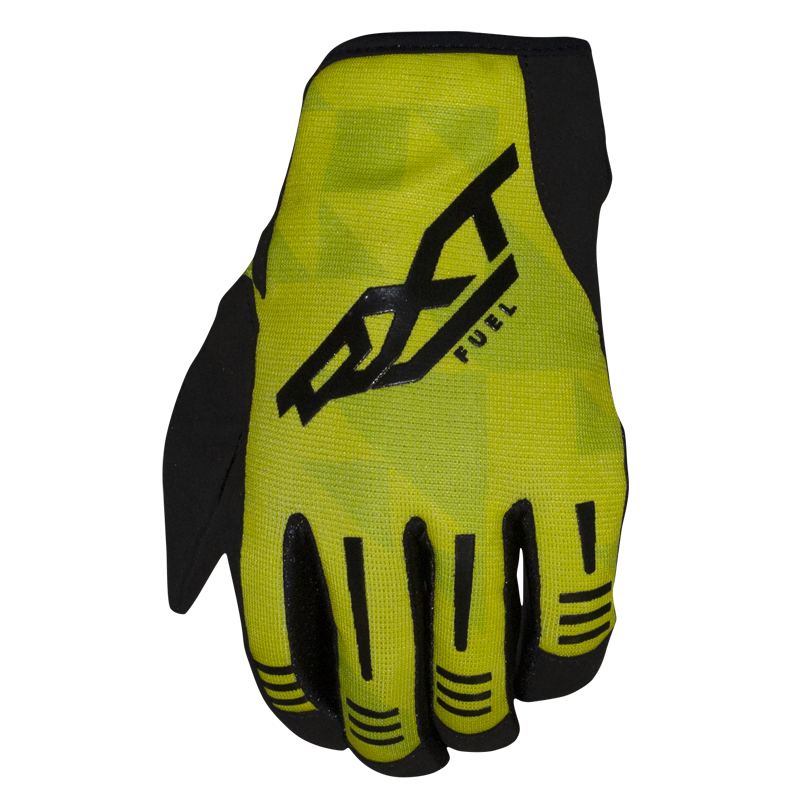
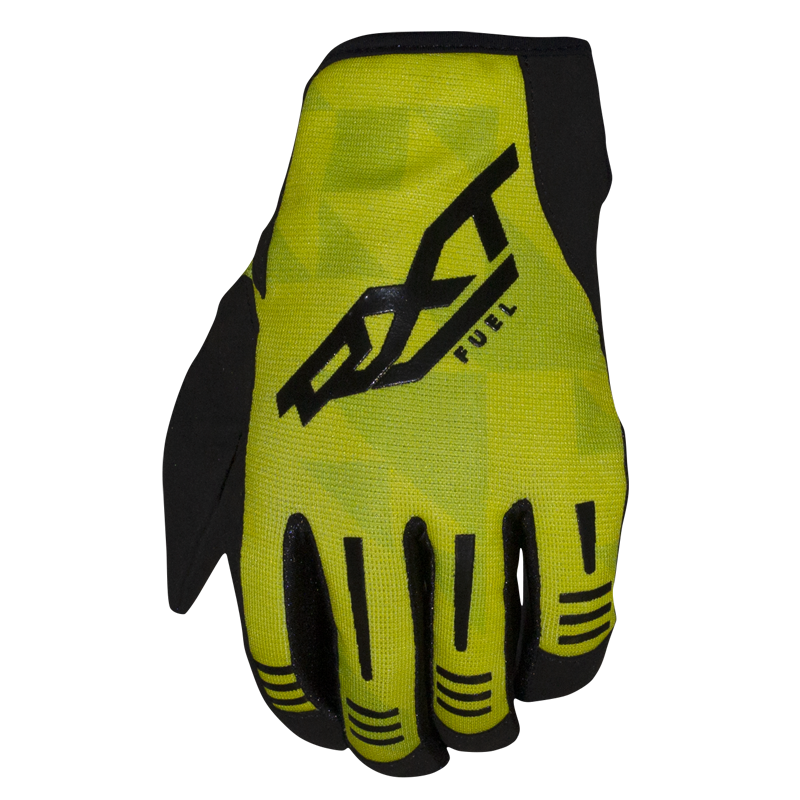
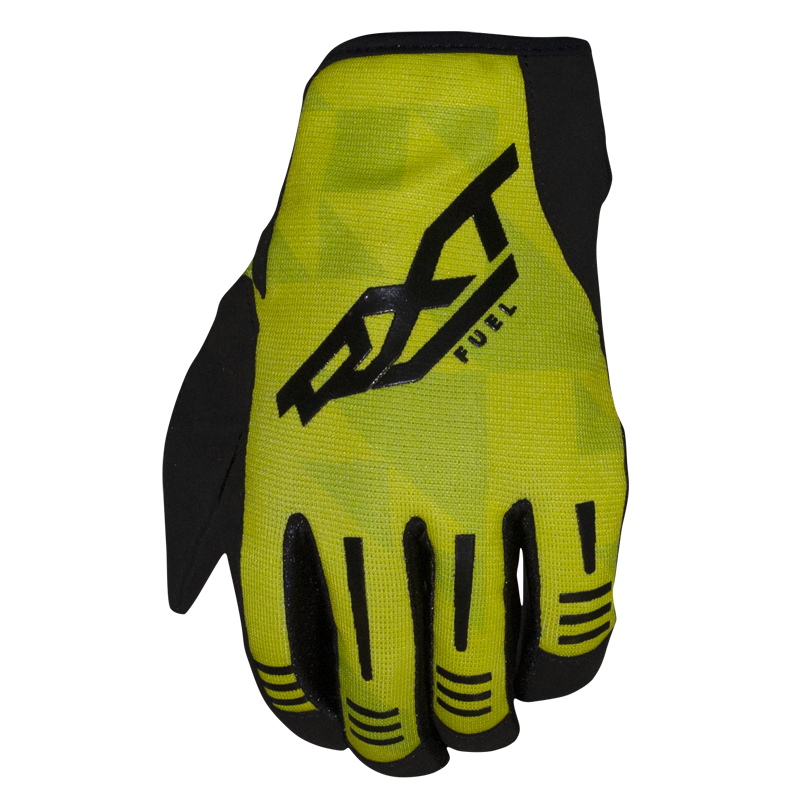
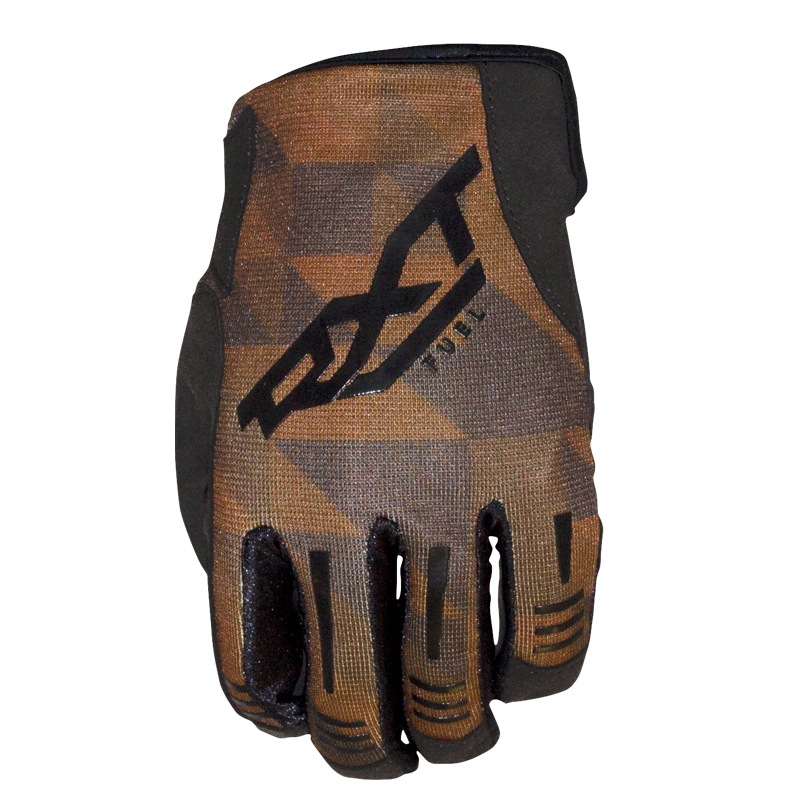
RXT FUEL MX FLURO YELLOW/BLACK
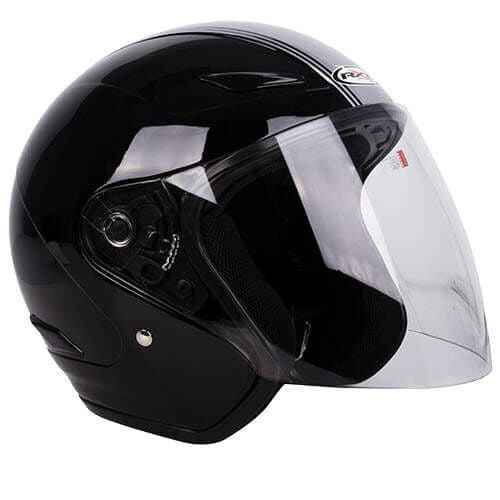

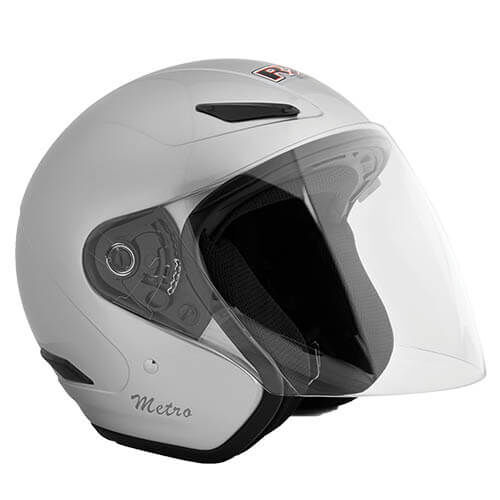
Why RXT Helmets Suit Australian Riders
RXT helmets are engineered to meet the demands of Australian roads, where conditions swing from coastal summer heat to alpine cold within a single ride. Every RXT shell in this range carries ECE 22.06 or ECE 22.05 certification, the mandatory standard for road-legal helmets in Australia. The ECE 22.06 standard introduces more rigorous oblique impact testing at 6 m/s, a 45% more demanding rotational energy protocol than the preceding revision.
Shell Construction and Protection Levels
RXT uses thermoplastic alloy and composite shell construction depending on the model. Thermoplastic shells offer impact absorption suited to everyday road use, while composite variants reduce shell weight by up to 20% compared to equivalent thermoplastic builds. Inner EPS liners are multi-density, meaning different zones compress at calibrated rates to manage energy across impact types. CE Level 1 and CE Level 2 chin bar and cheek pad inserts are available across the range; CE Level 2 armour absorbs at least 50% less transmitted force than Level 1 under EN 1621-1 testing.
Fit, Ventilation and Visor Standards
RXT helmets are produced in XS through to XXL, covering head circumferences from approximately 53 cm to 63 cm. Retention systems use either a double-D ring or a micrometric ratchet buckle. Visor polycarbonate meets a minimum 1 mm optical-class standard, and tinted options comply with AS 1609 for daytime road use. Ventilation channels on full-face and adventure models deliver cross-flow airflow through at least 2 intake and 2 exhaust ports.
Style Range at a Glance
| Style | Shell Type | Certification | Key Feature |
|---|---|---|---|
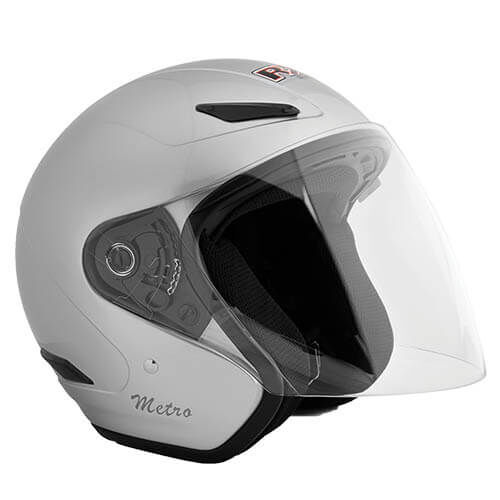
| Open Face (Low Ride) | Thermoplastic alloy | ECE 22.05 | Short visor, café racer profile |
| Full Face (Street Fighter) | Thermoplastic alloy | ECE 22.06 | Aggressive ventilation, full chin protection |
| Adventure (AG-X) | Composite blend | ECE 22.06 | Peak visor, dual-sport fitment |
| Classic / Vintage | Thermoplastic alloy | ECE 22.05 | Retro gloss and matt finishes |
Choosing the Right RXT Helmet
For daily urban riding, the open-face Low Ride profile keeps peripheral vision wide and weight low. Riders on sport-naked or street fighter builds are best served by the Warrior 2 full-face, which combines a close-cut silhouette with a full chin bar rated to ECE 22.06. Adventure and dual-sport riders should consider the AG-X, which carries a peak visor compatible with goggles and a chin bar designed for standing riding position. Classic and vintage styles suit low-speed café racer and cruiser use where aesthetic consistency with the build matters.
Frequently asked questions
Are RXT helmets road-legal in Australia?
Yes. RXT helmets in this range carry ECE 22.05 or ECE 22.06 certification, both of which satisfy Australian road-legal requirements. Always check the certification label inside the helmet before riding.
What is the difference between ECE 22.05 and ECE 22.06 on RXT helmets?
ECE 22.06 is the current revision and introduces oblique impact testing at 6 m/s with a rotational energy protocol approximately 45% more demanding than ECE 22.05. Helmets carrying ECE 22.06 have been tested against a broader range of real-world impact scenarios.
Which RXT helmet suits adventure and dual-sport riding?
The RXT AG-X is the purpose-built adventure option in this range. It features a peak visor compatible with goggles, a chin bar shaped for standing riding position, and composite shell construction for reduced weight on long-distance rides.
Afterpay & Zippay Available
Afterpay & Zippay Available