

Scooter tyres built for urban commuting demand a compound that grips wet road markings, tram tracks and sudden stops. Pirelli, Michelin, Eurogrip and Vee Rubber each bring validated wet and dry performance to sizes spanning small commuter wheels through to maxi-scooter fitments.
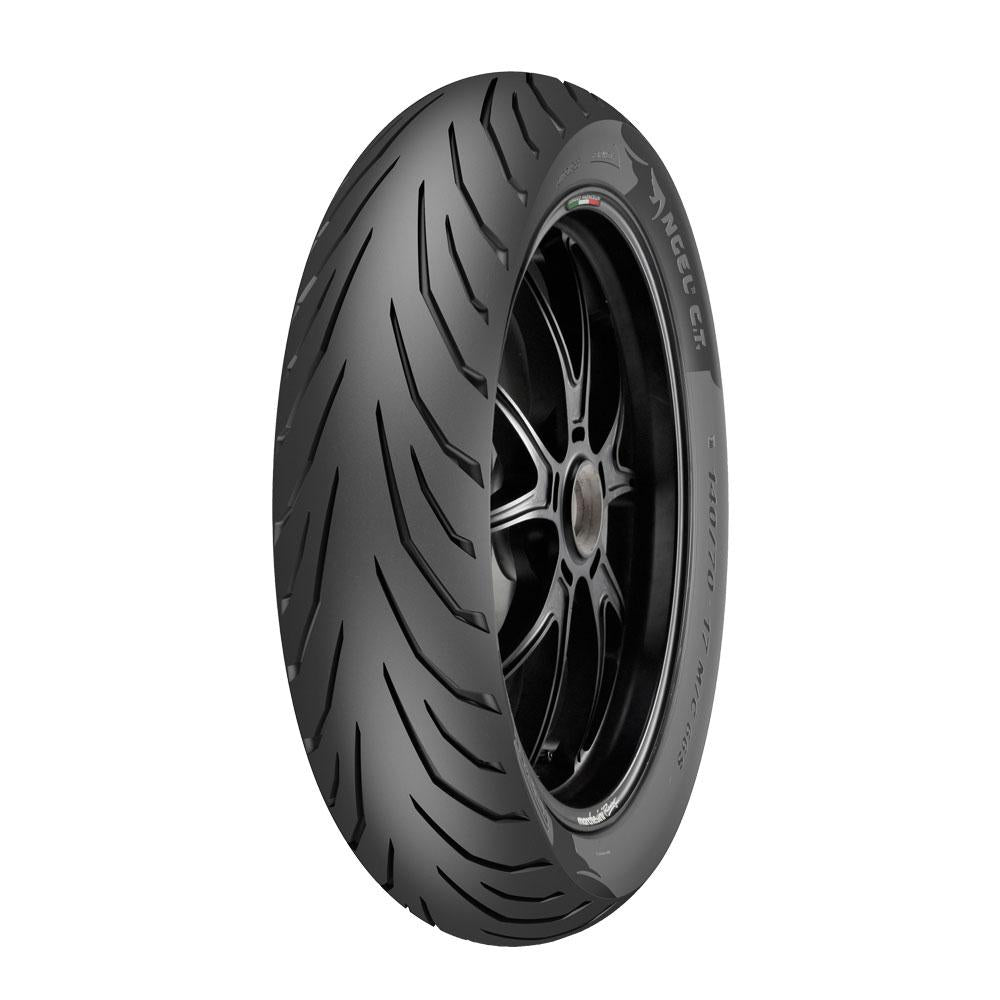
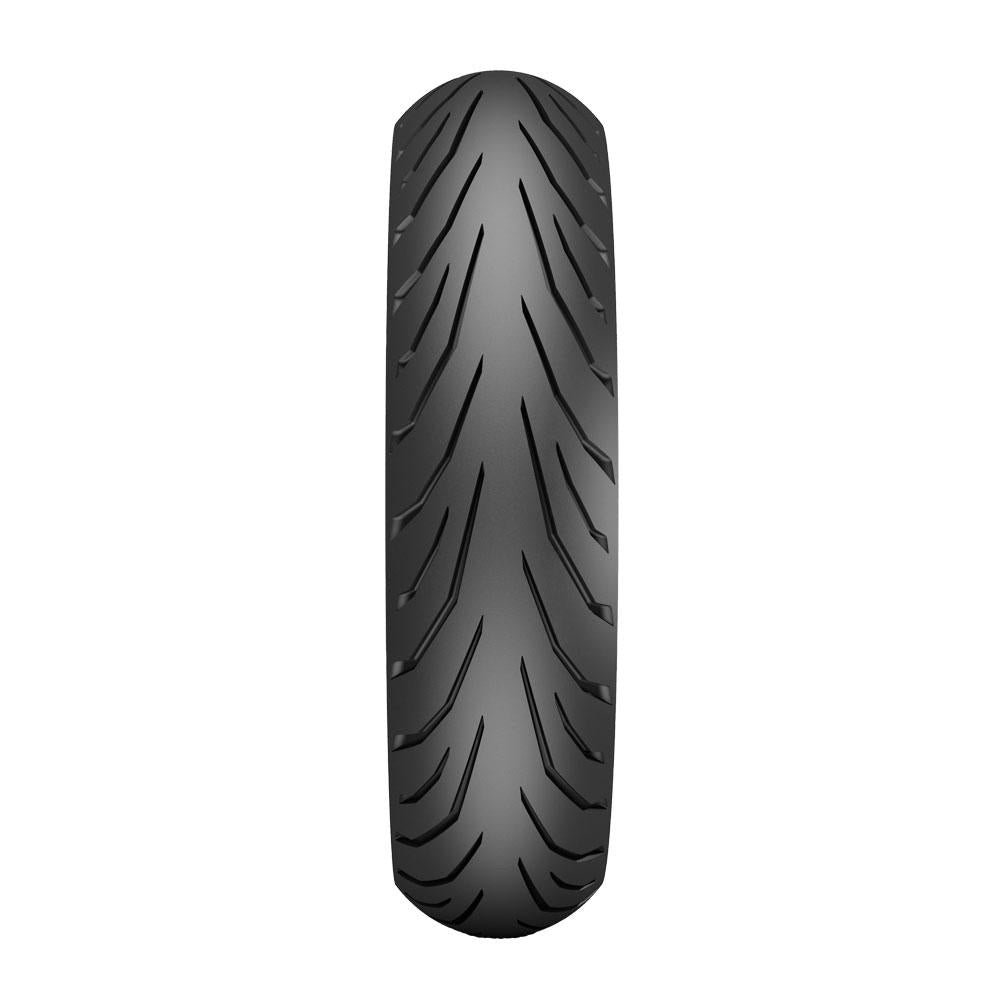
PIRELLI ANGEL CITY 140/70-17 66S TL
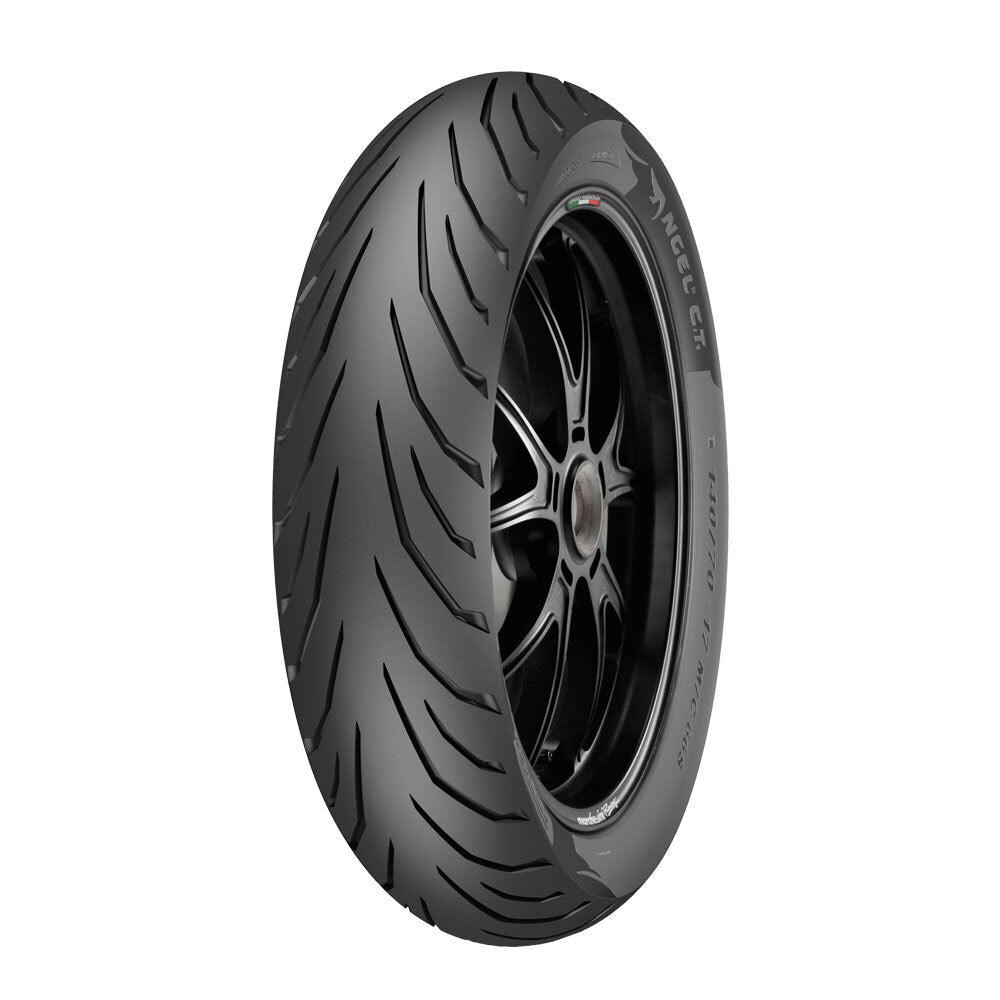
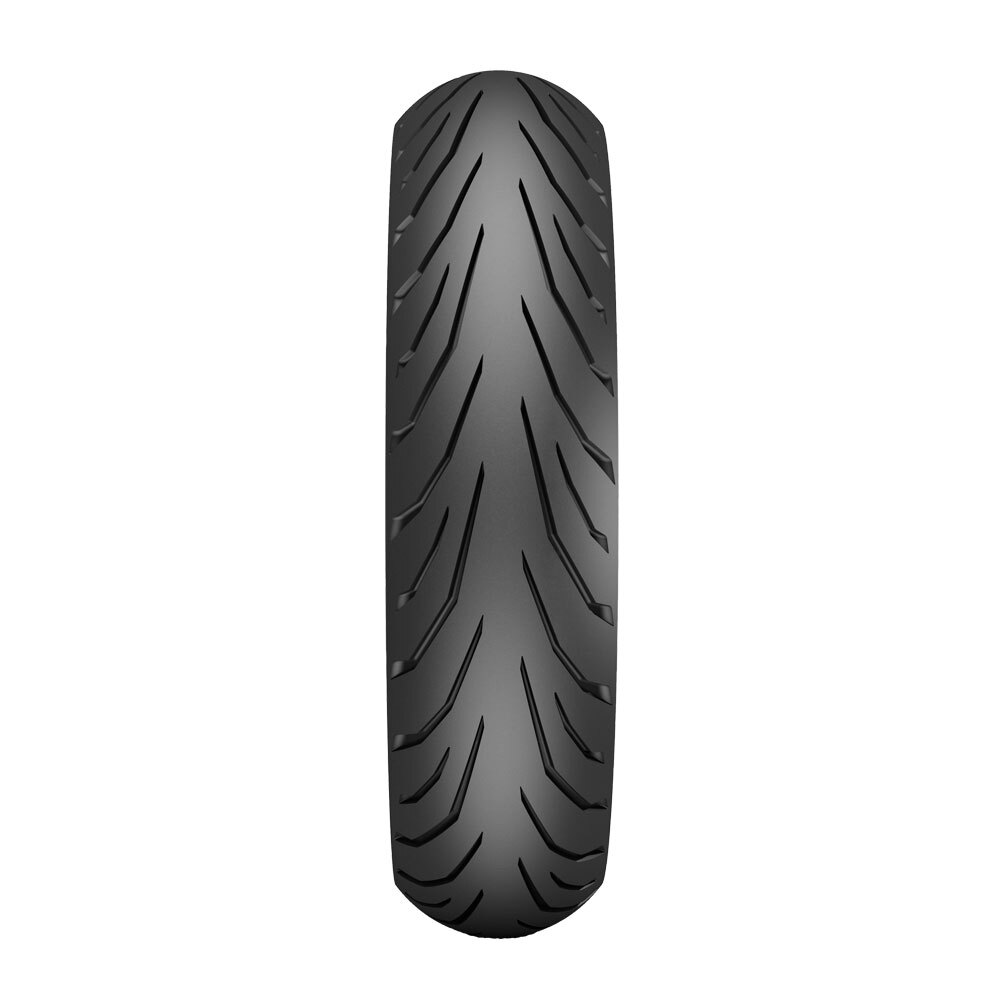
PIRELLI ANGEL CITY 150/60-17 66S TL
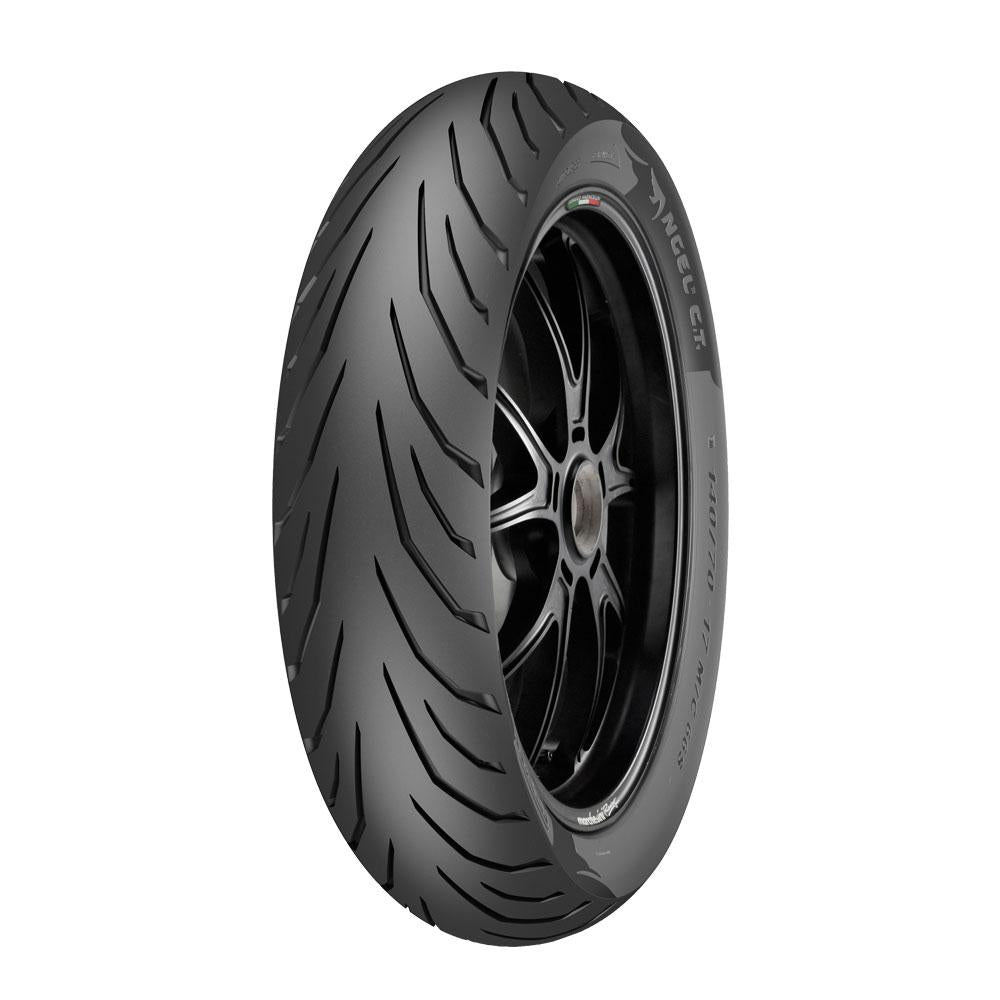
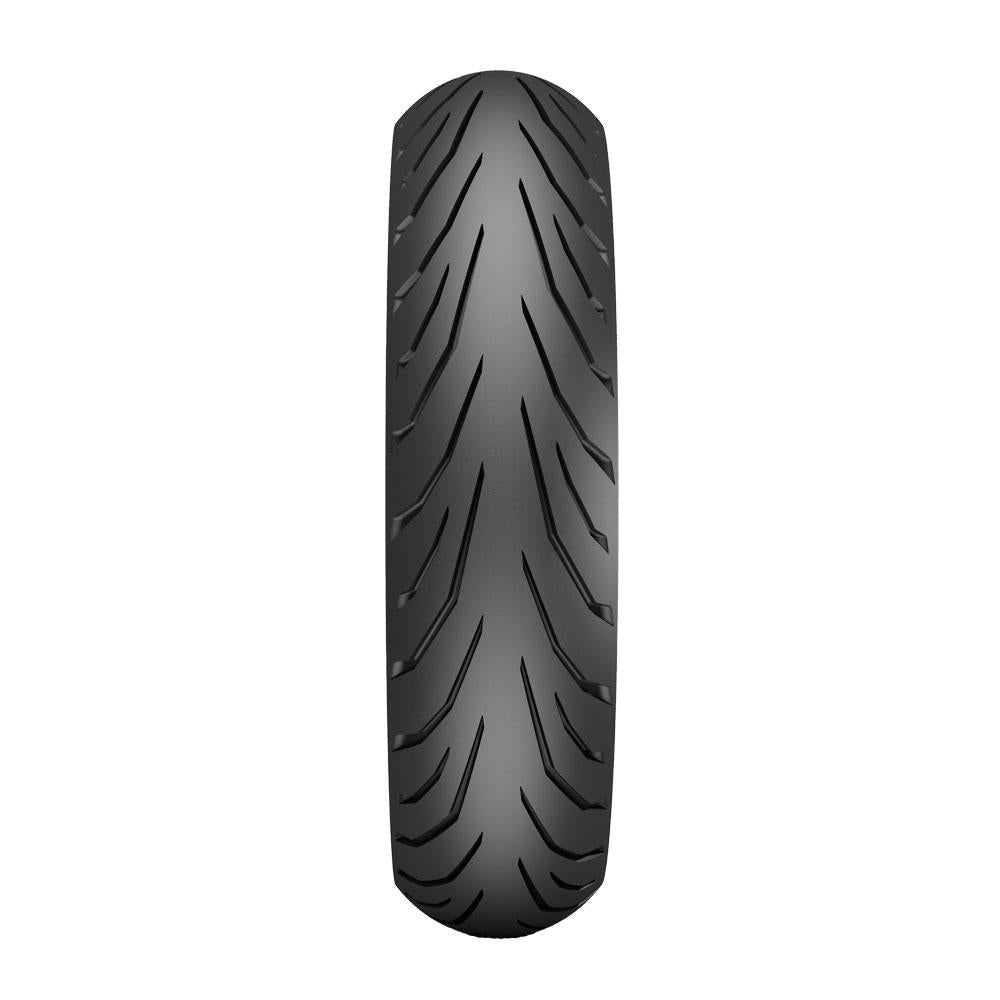
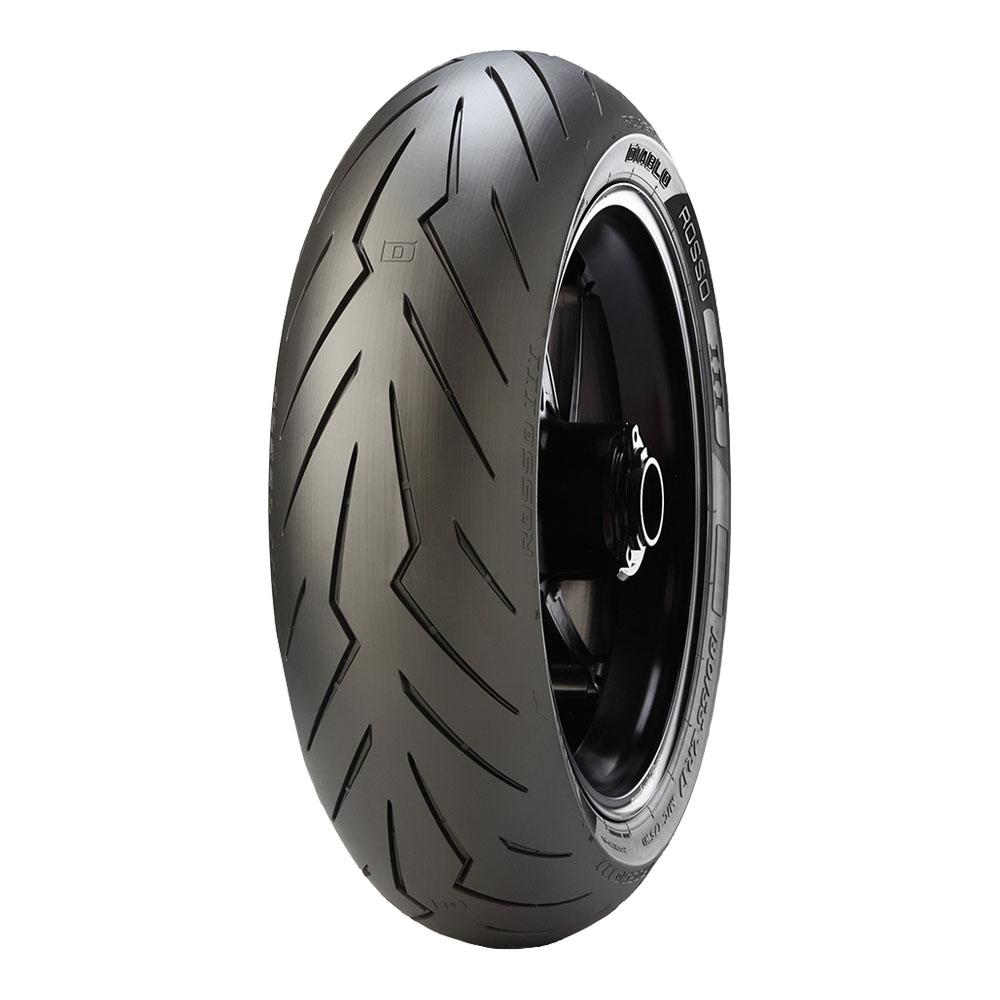
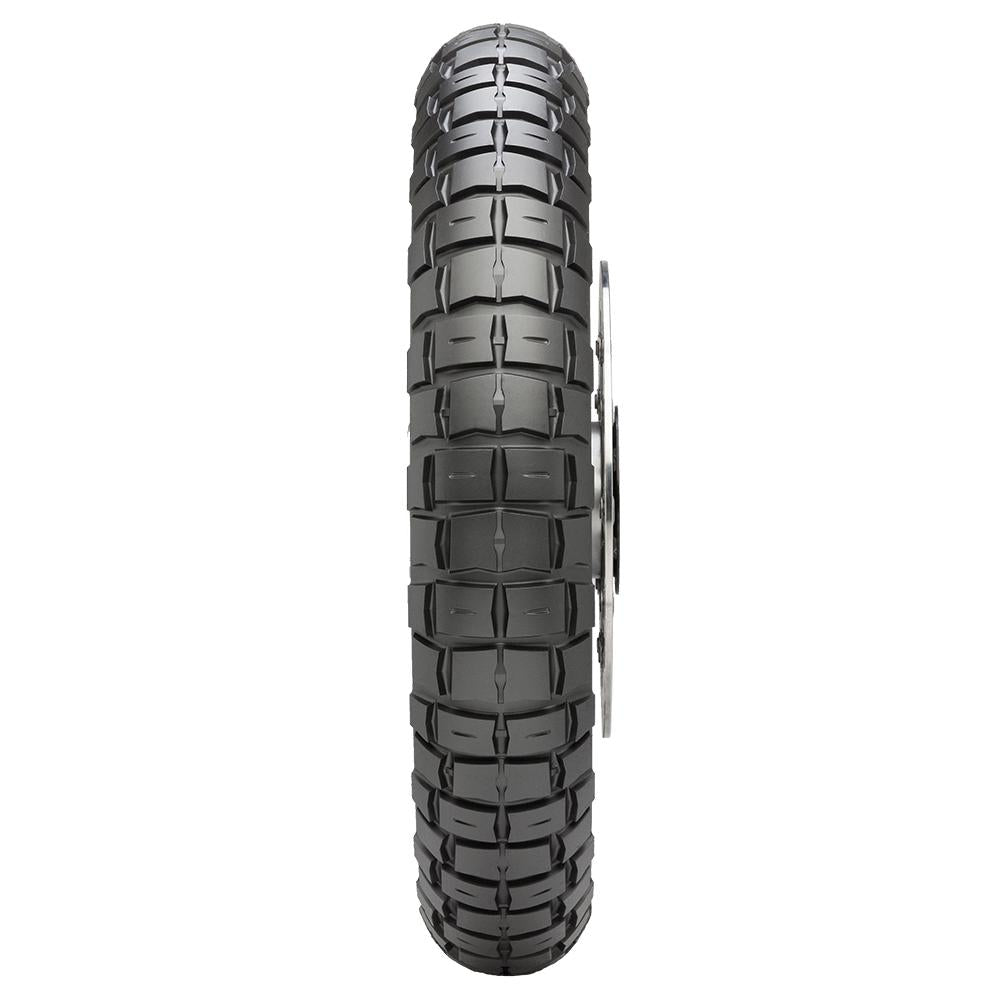
PIRELLI ANGEL CITY REAR 130/70-17 M/C TL 62S
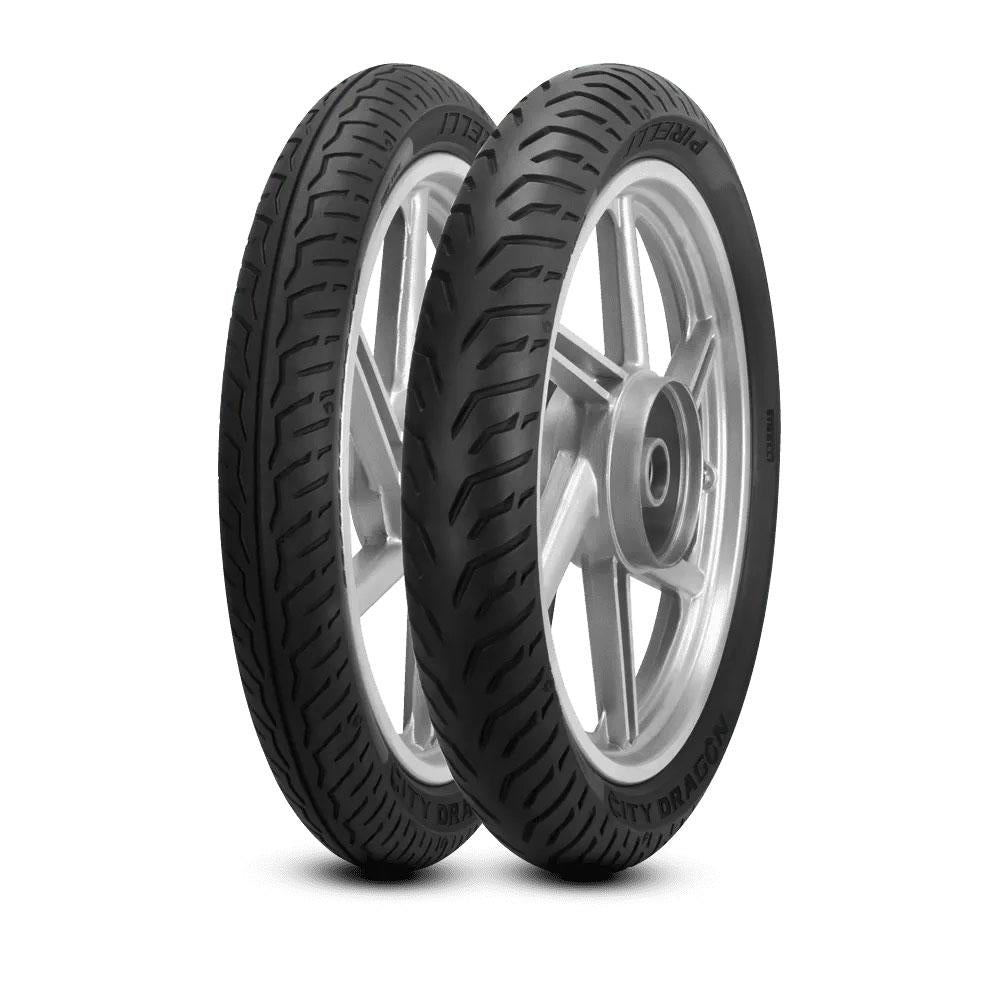
PIRELLI CITY DRAGON 90/90-18 M/C 57P TL Reinf
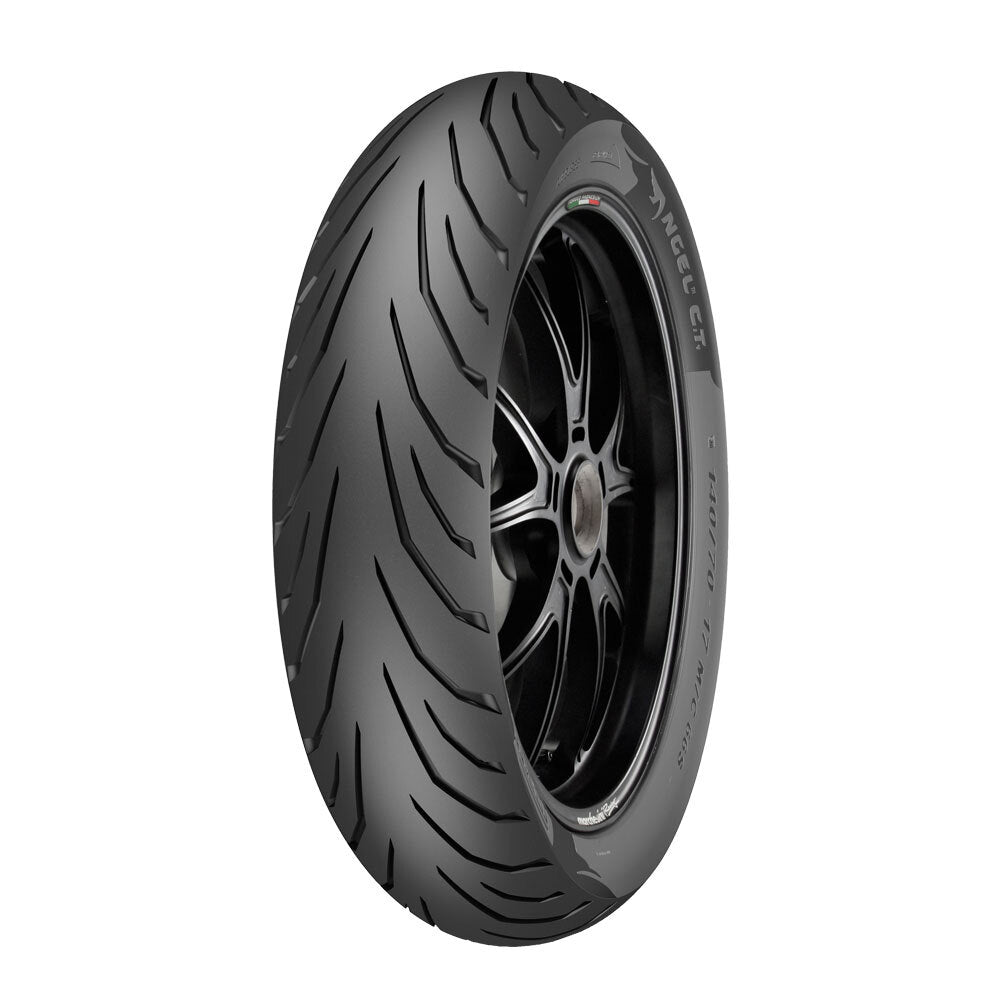
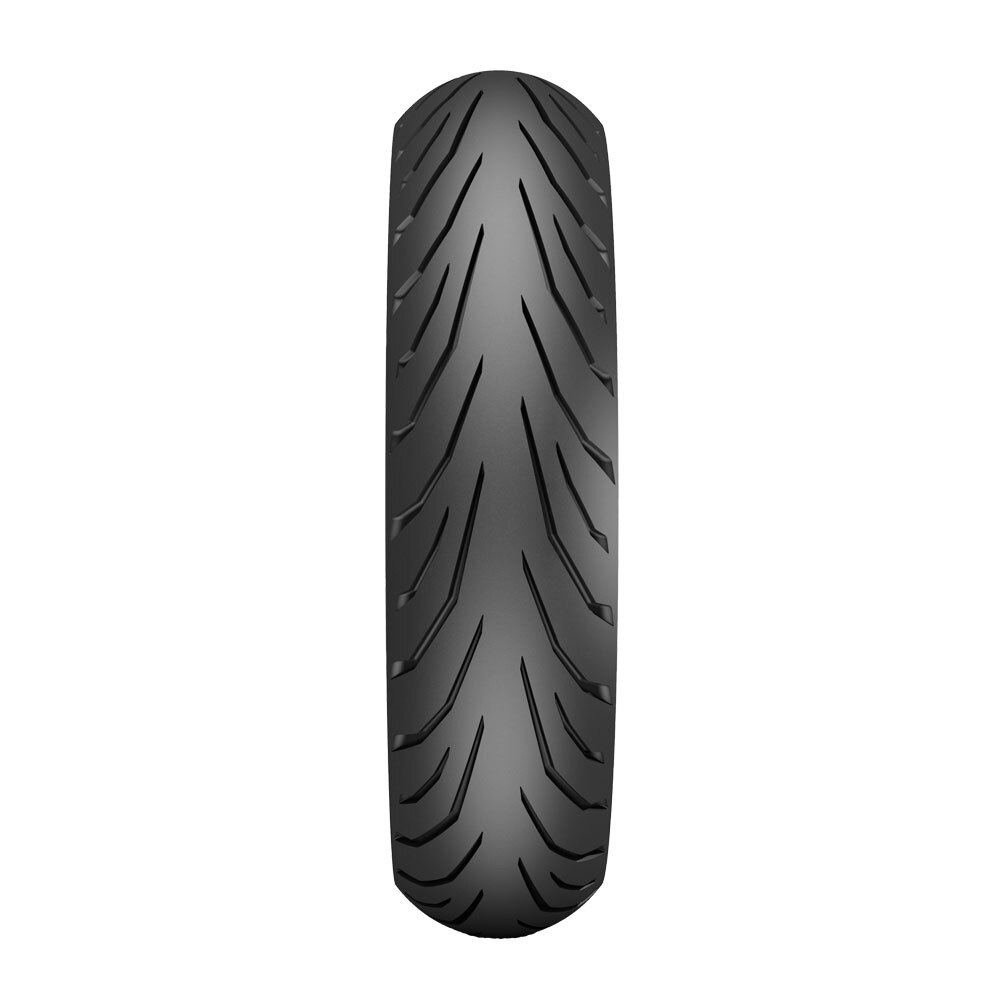
PIRELLI ANGEL CITY FRONT/REAR 120/70-17 TL 58S
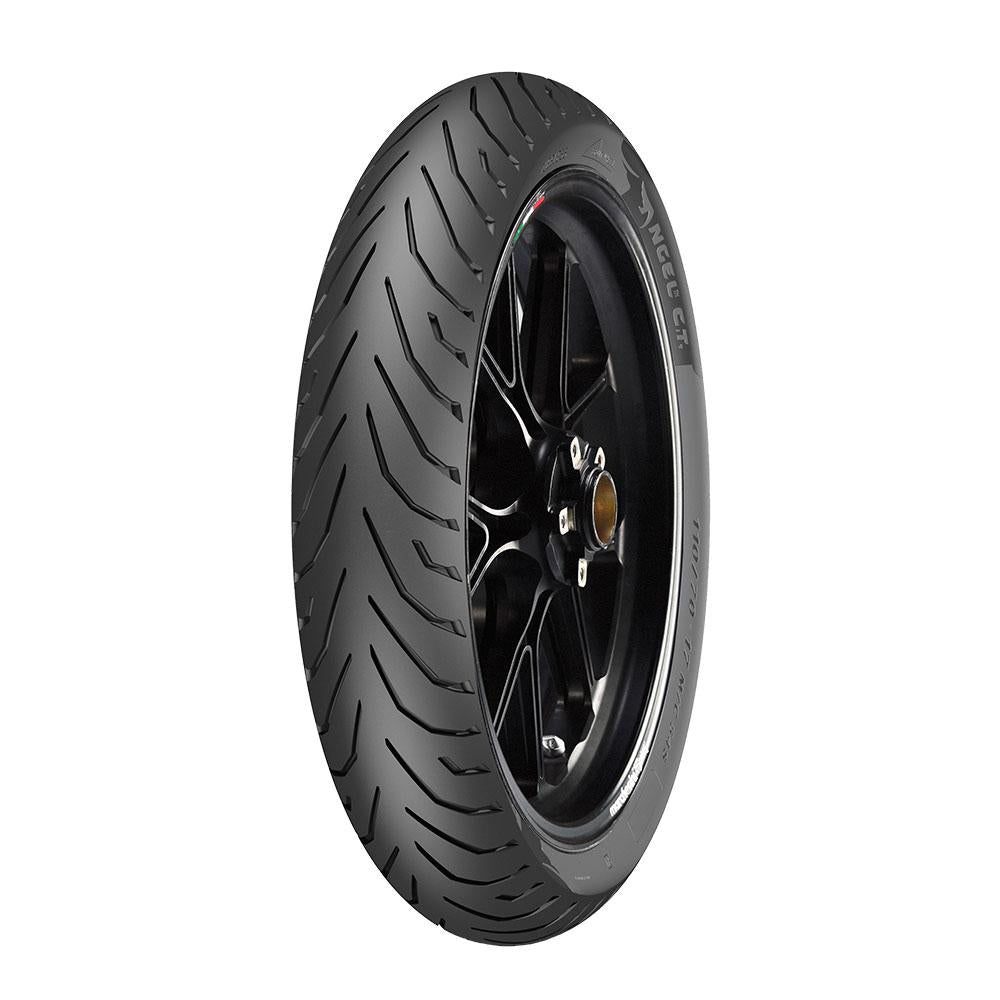
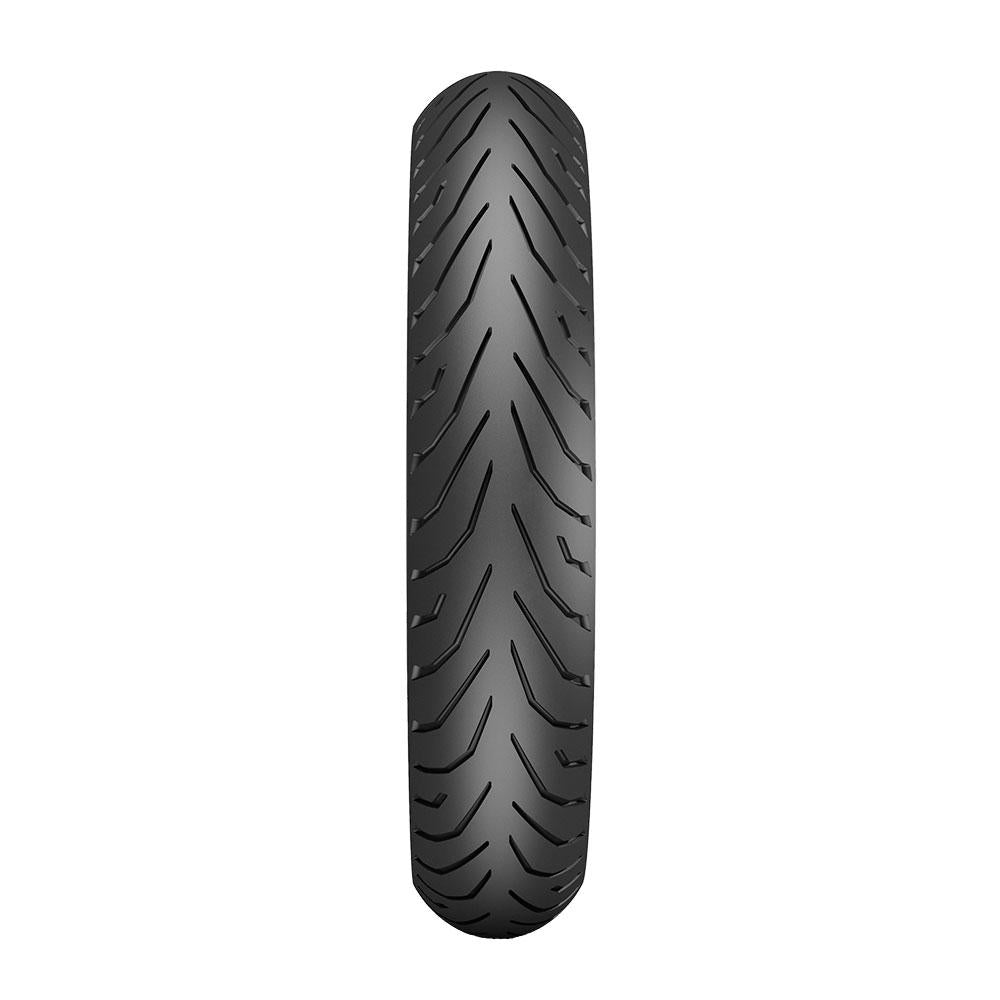
PIRELLI ANGEL CITY F/R 110/70-17 54S TL
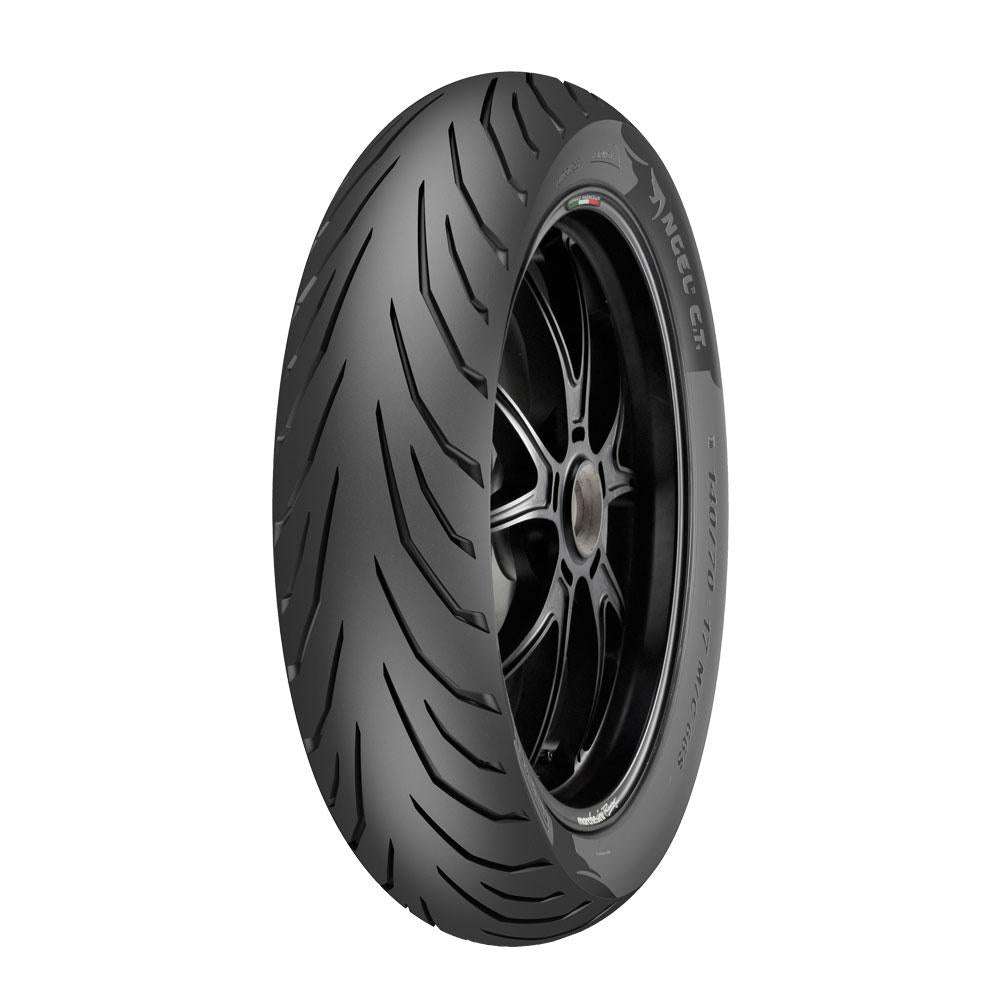


PIRELLI ANGEL CITY FRONT/REAR 90/80-17 46S TL
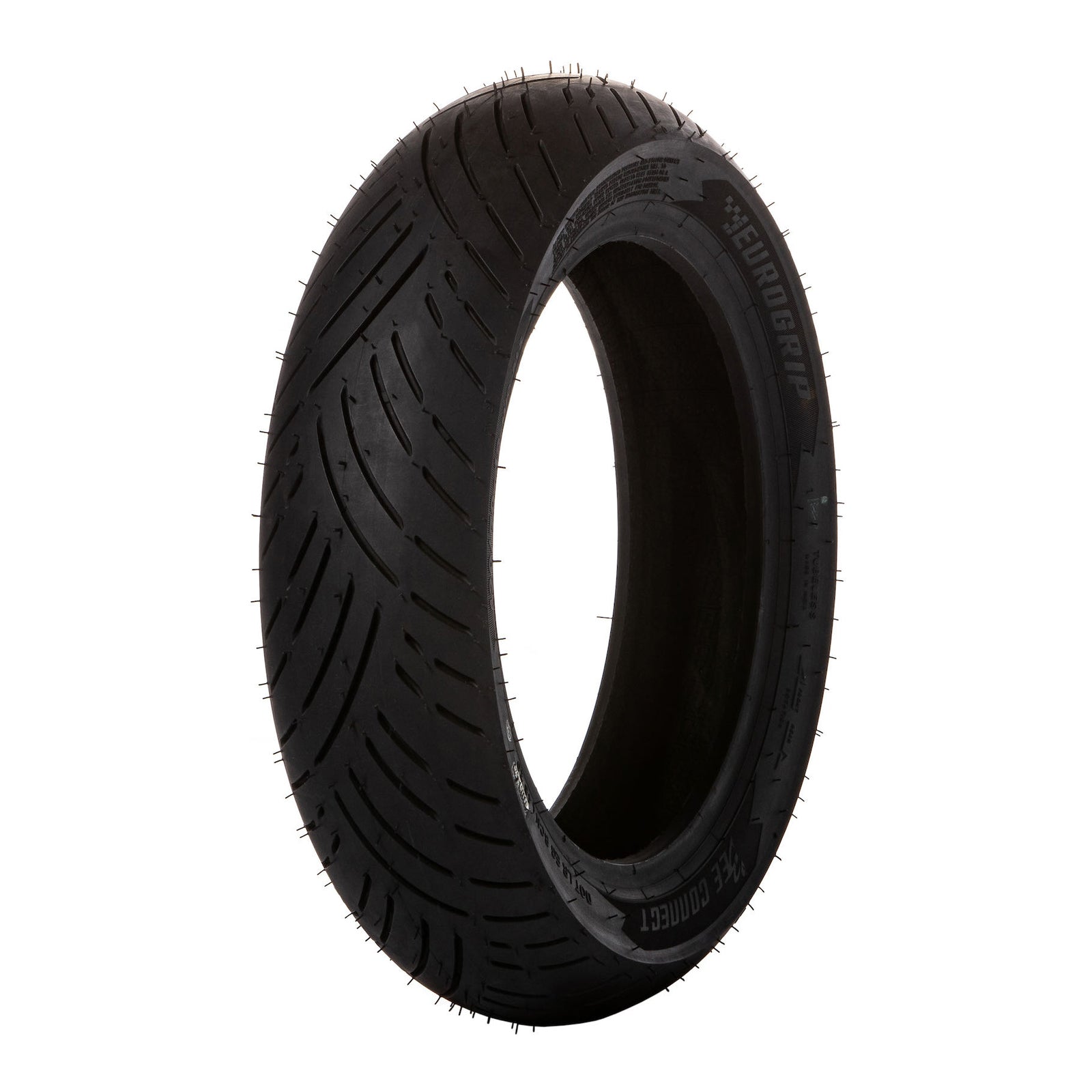
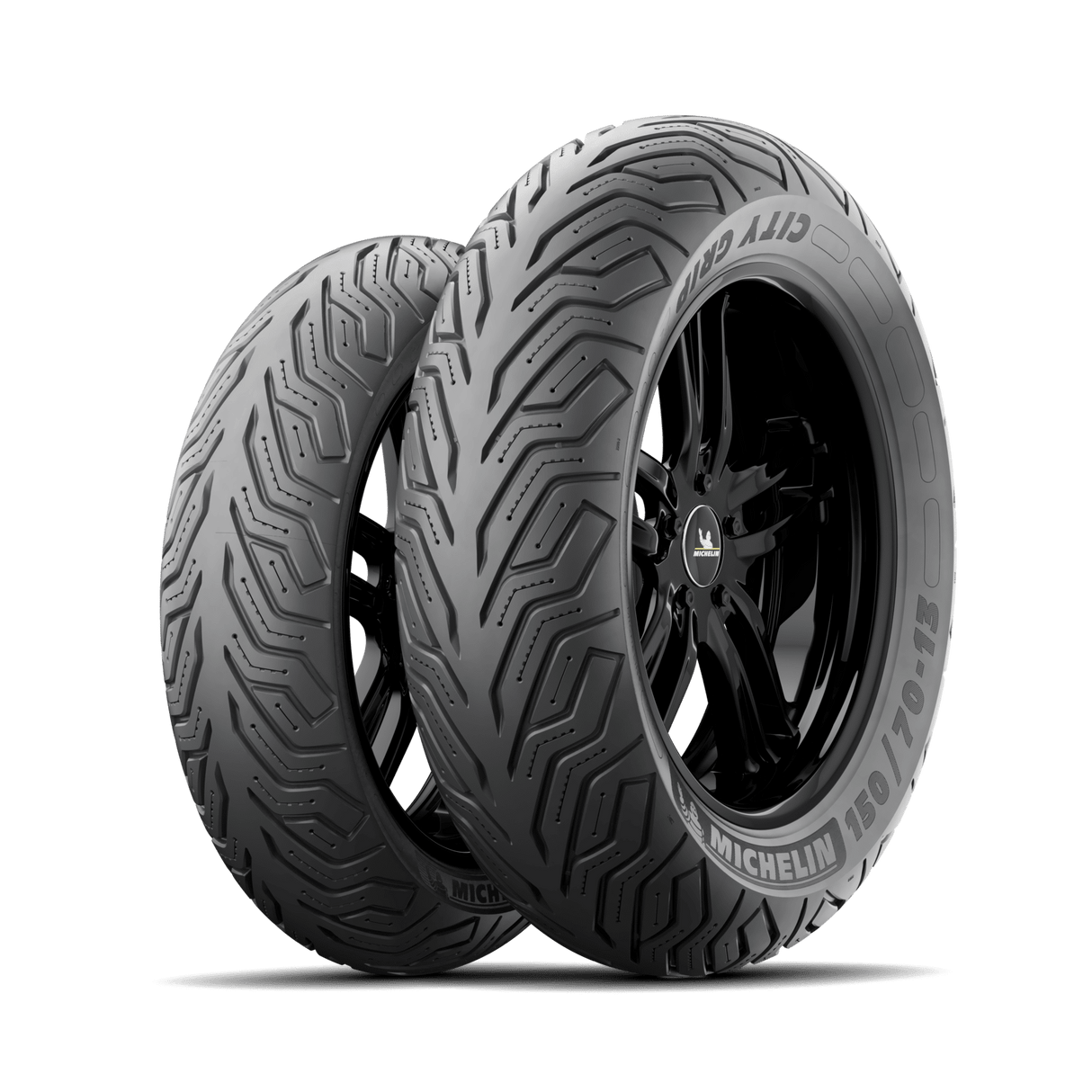
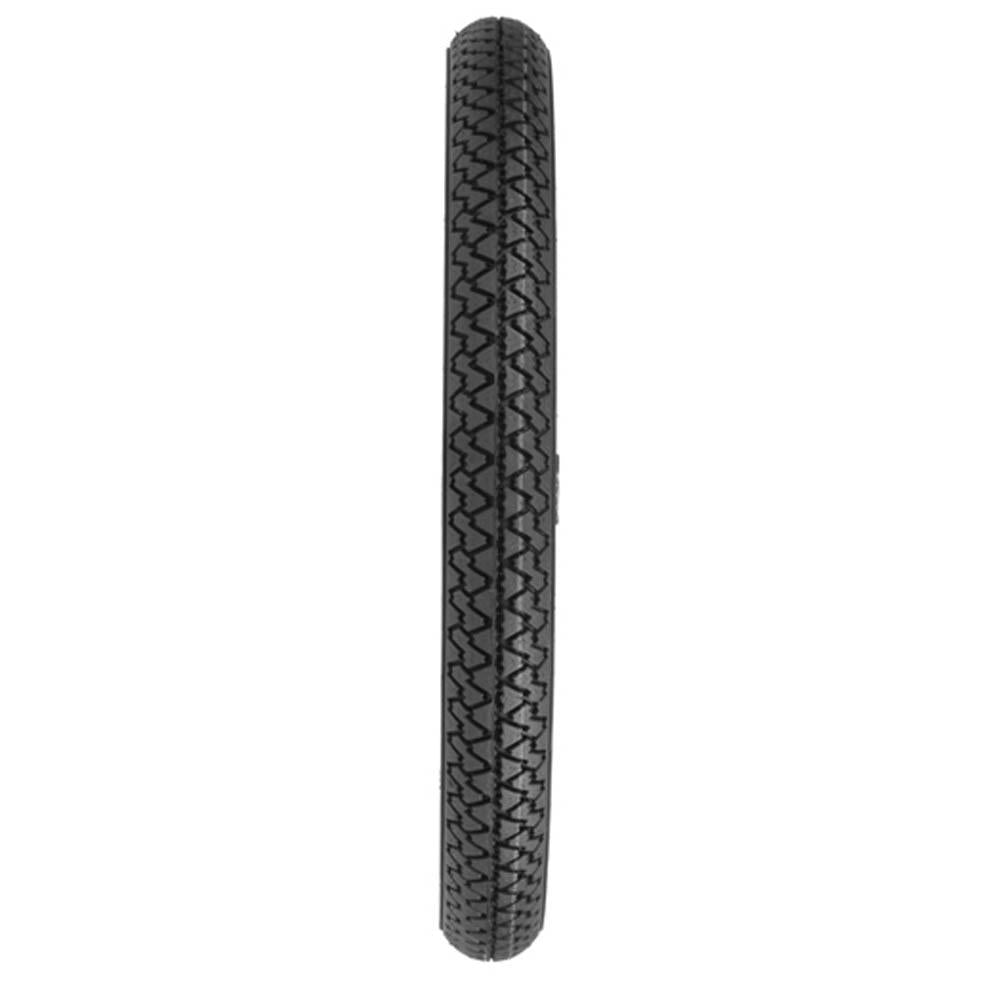
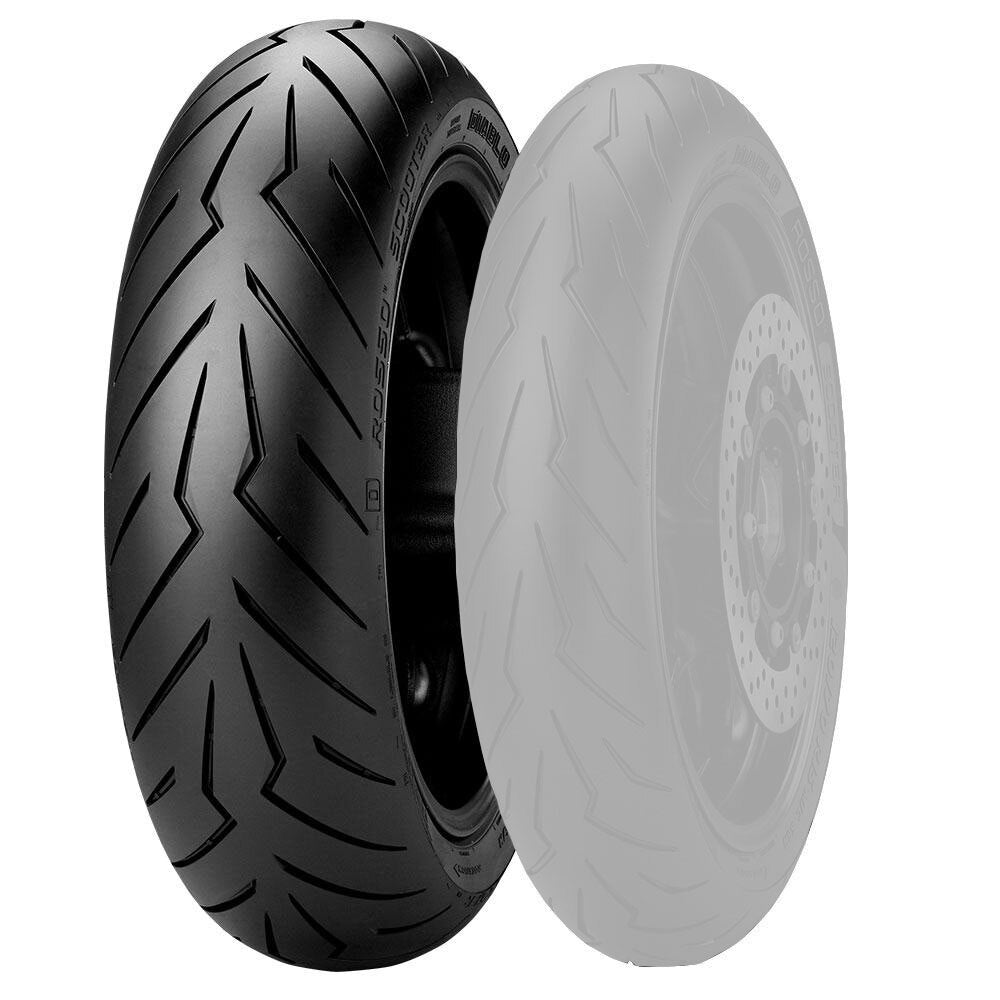
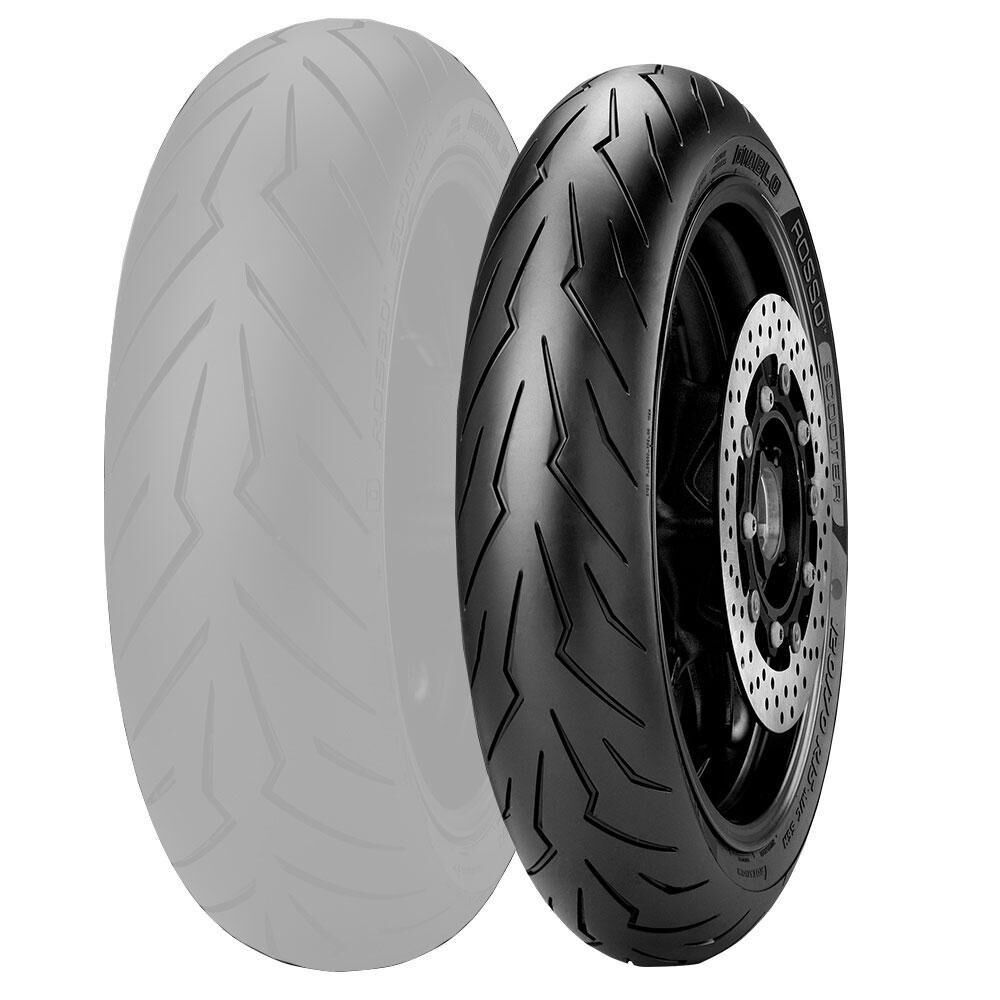
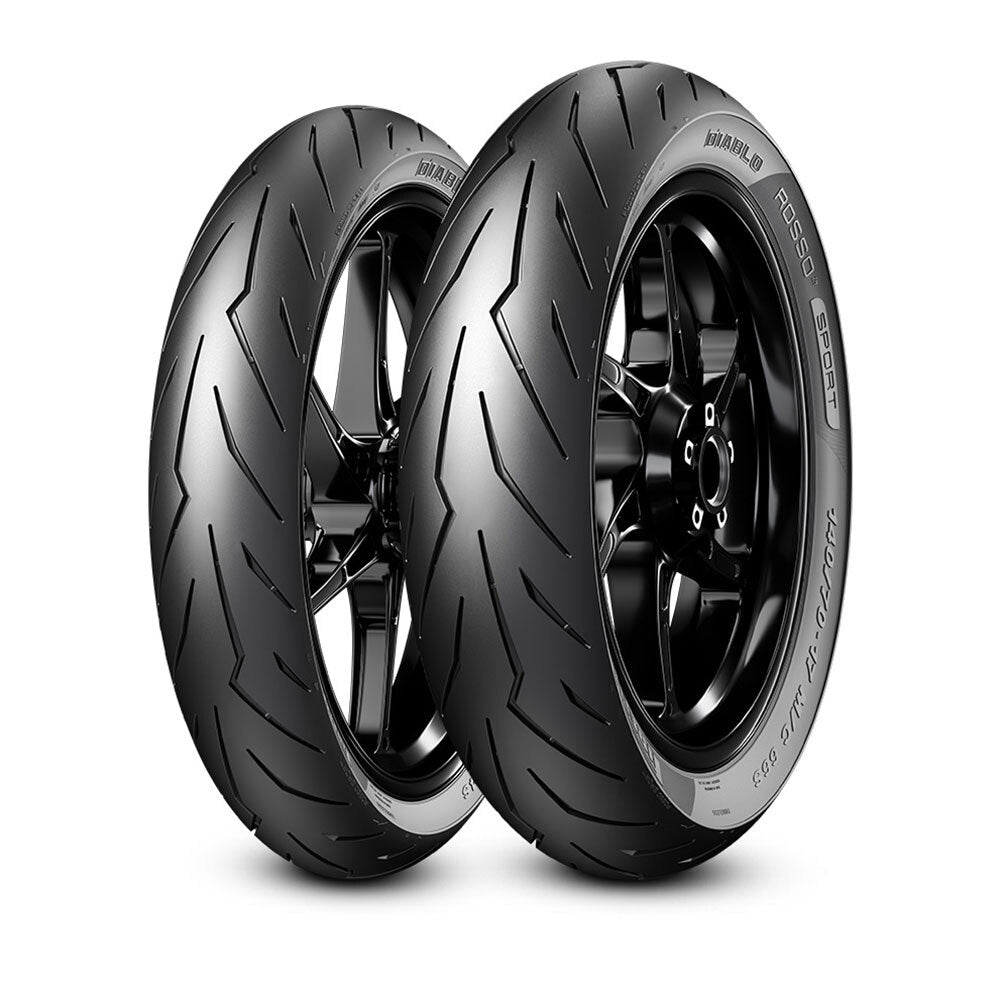
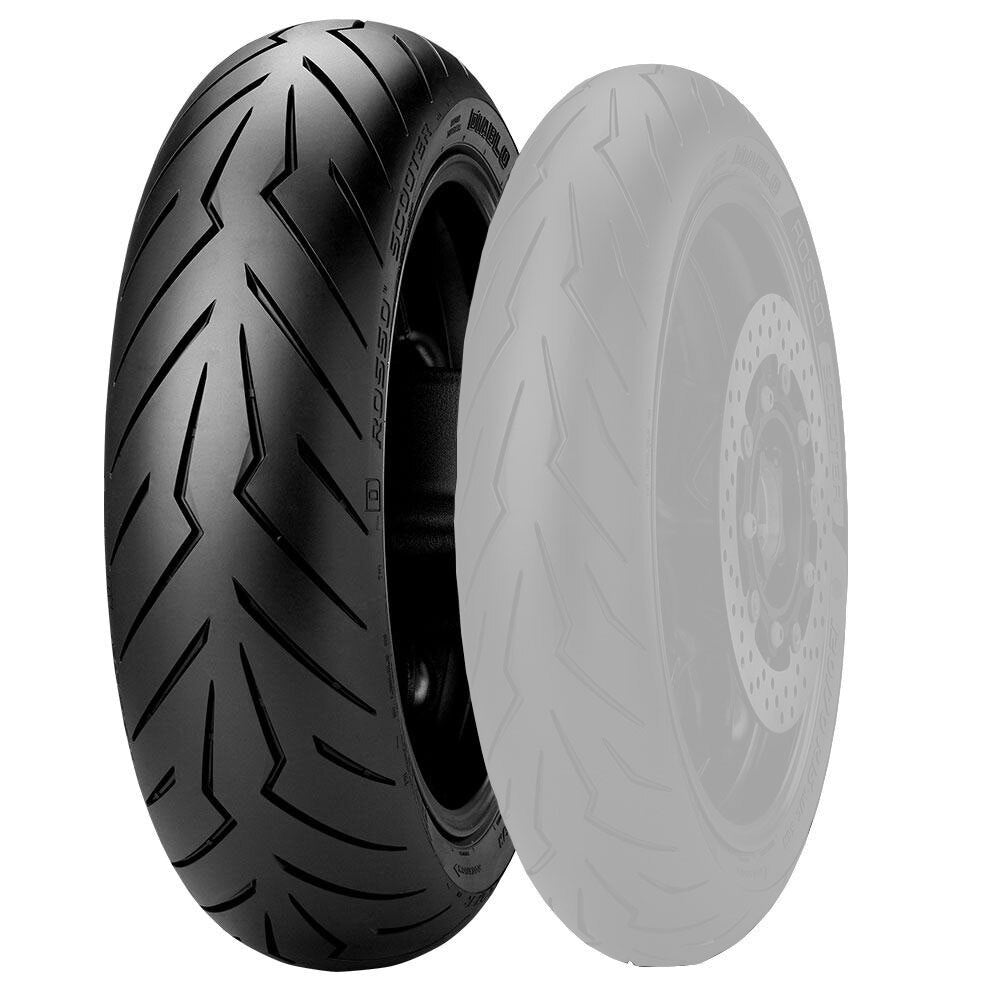
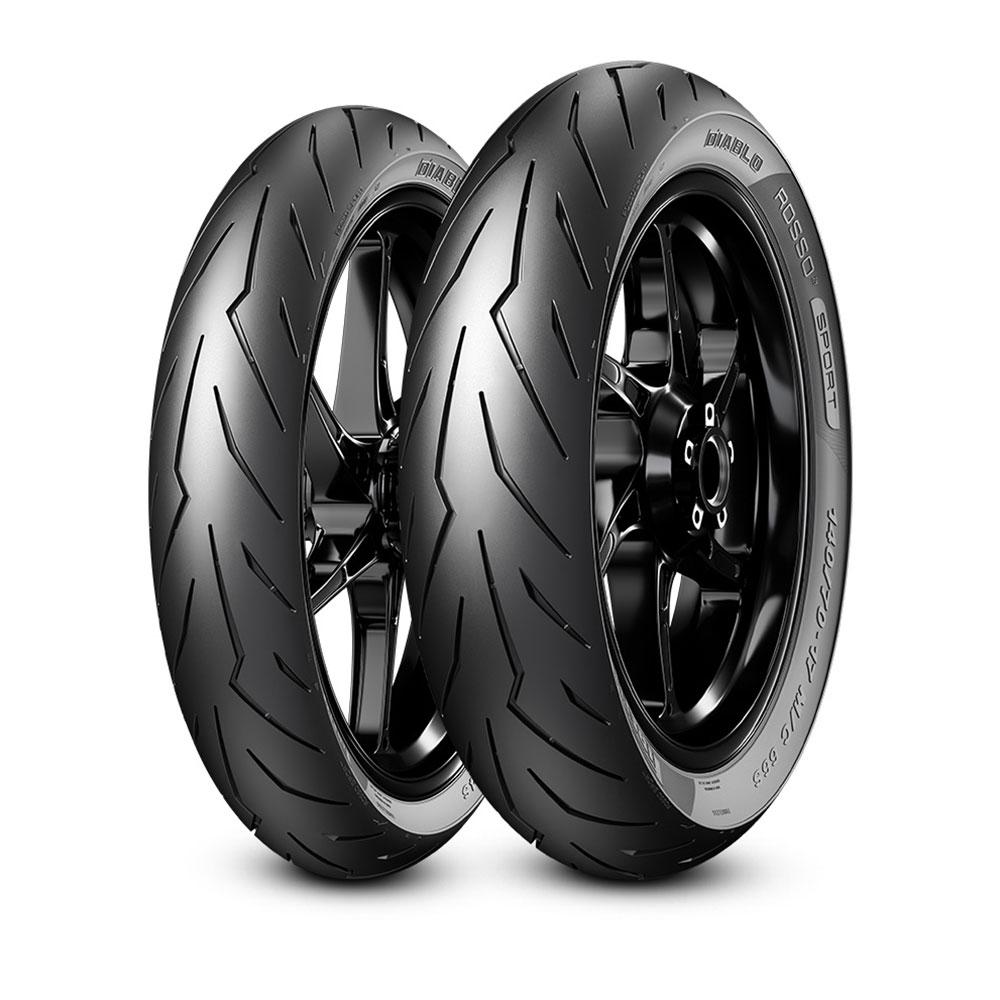
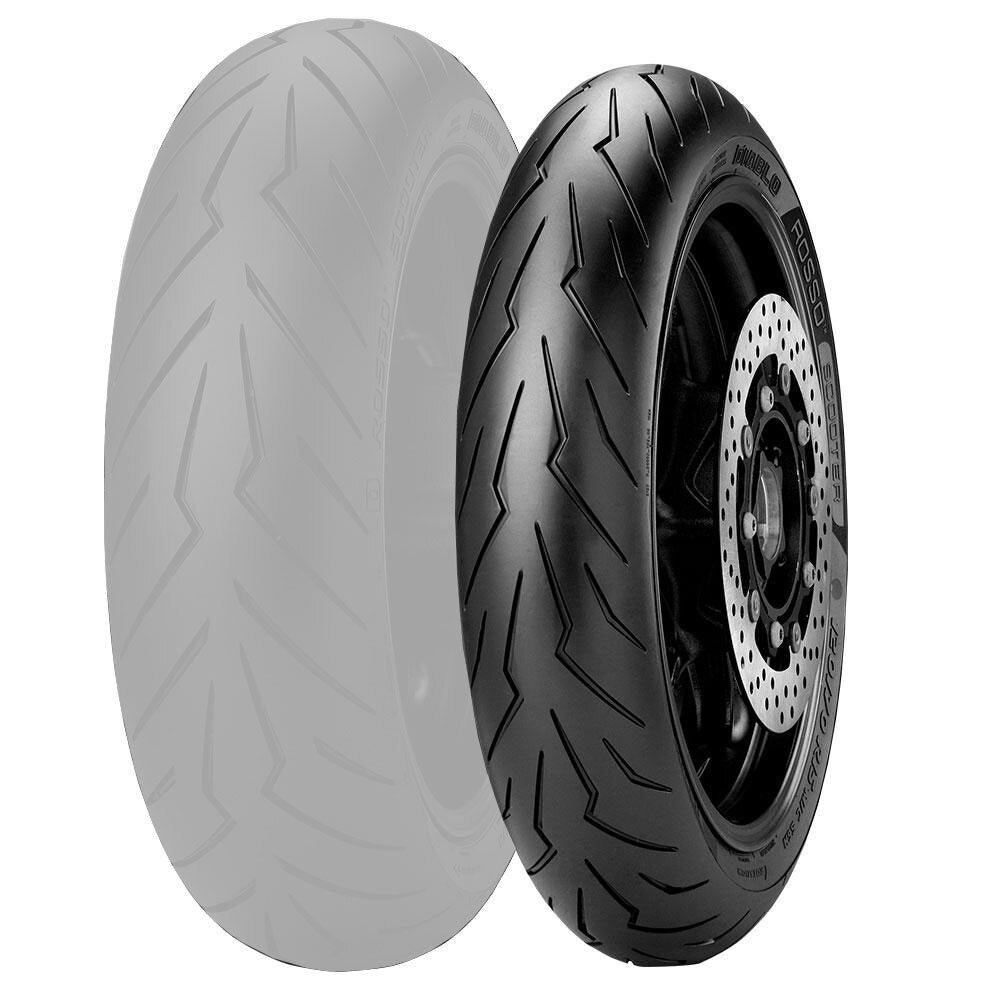
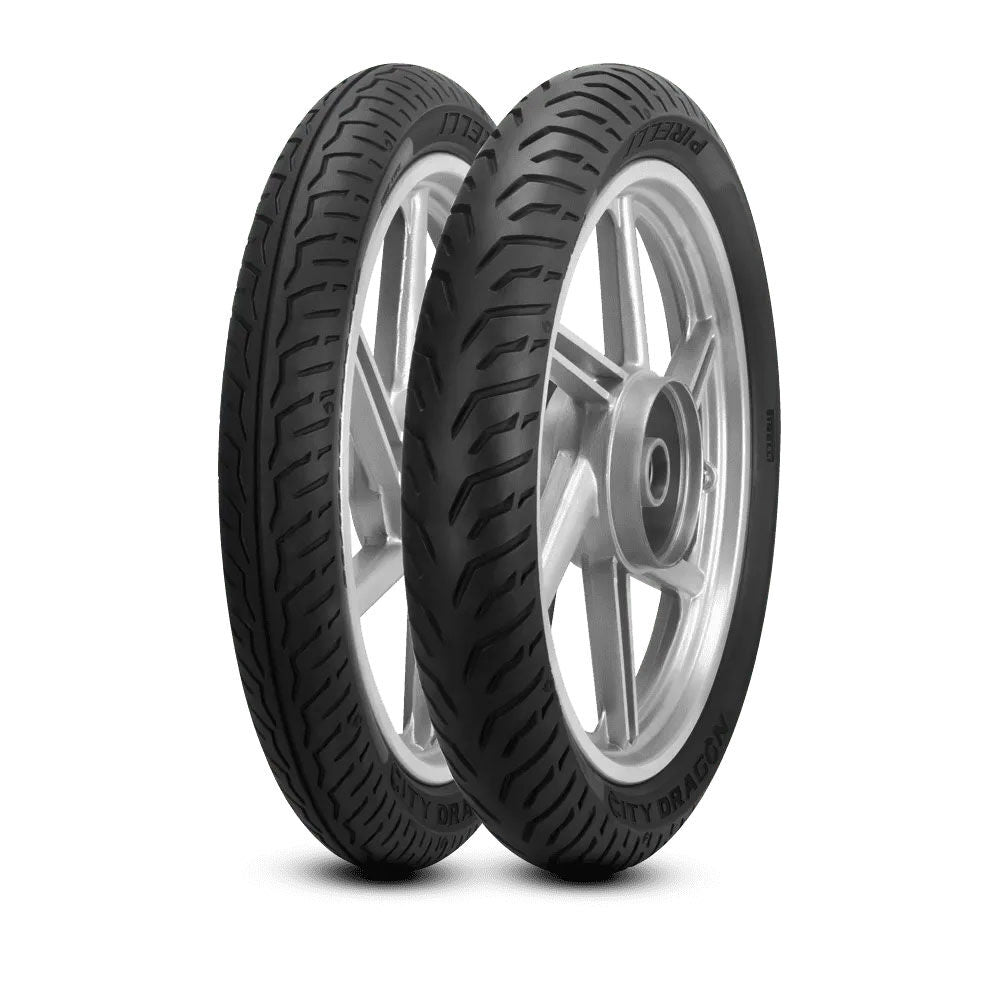
PIRELLI CITY DRAGON FRONT 80/100-18 M/C 47P TL

PIRELLI CITY DEMON FRONT 3.00-18 47S TL
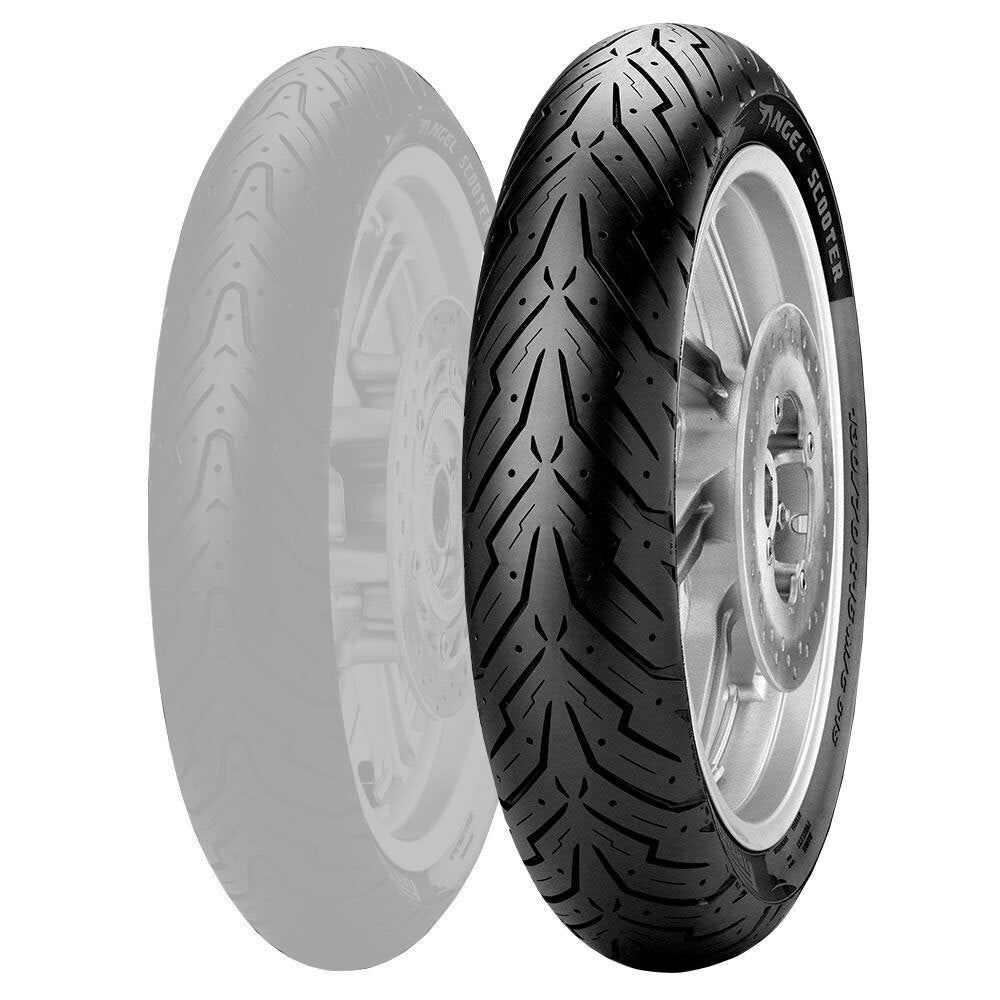
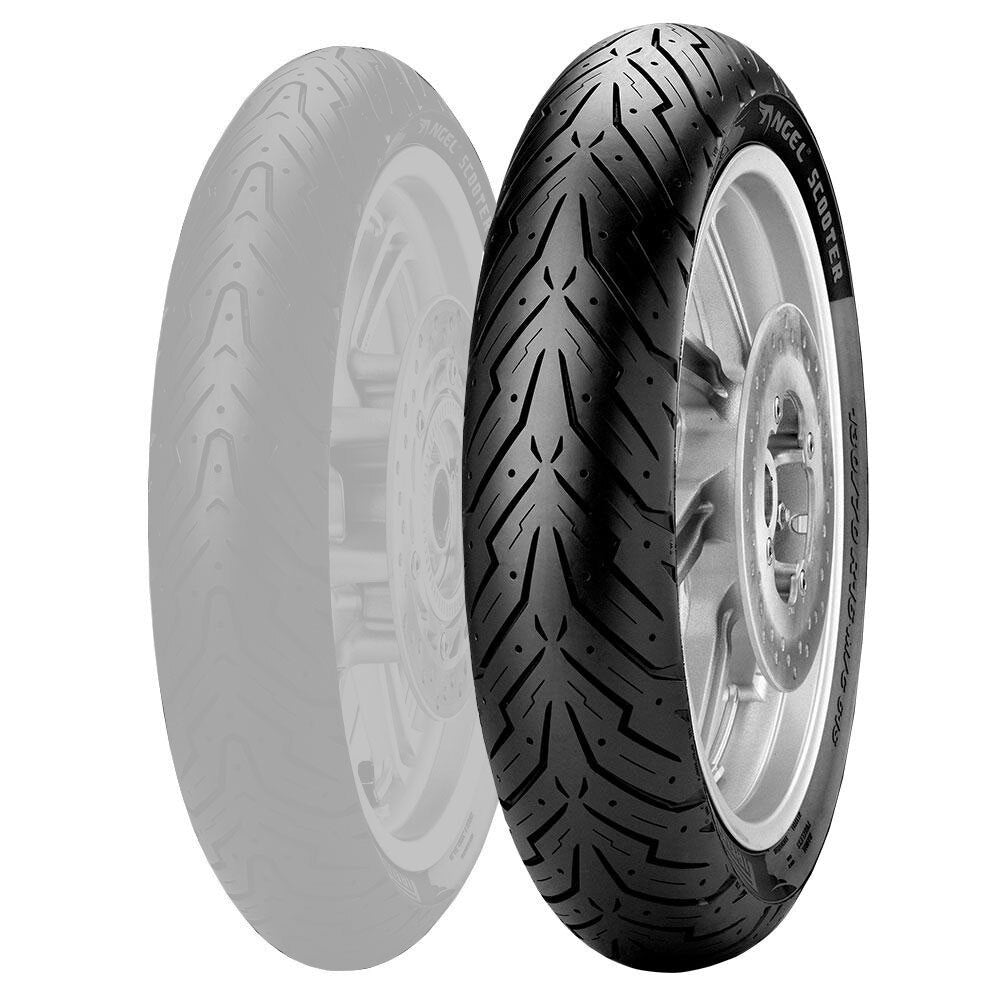
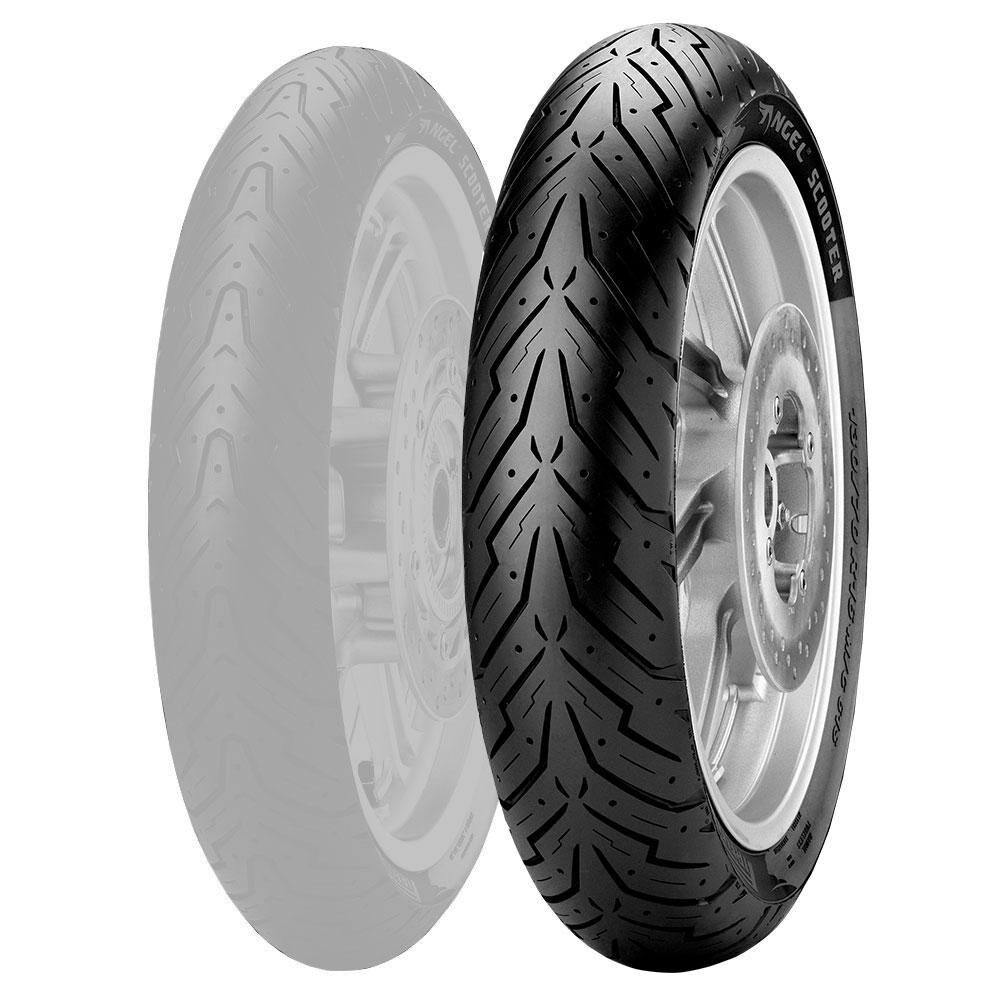
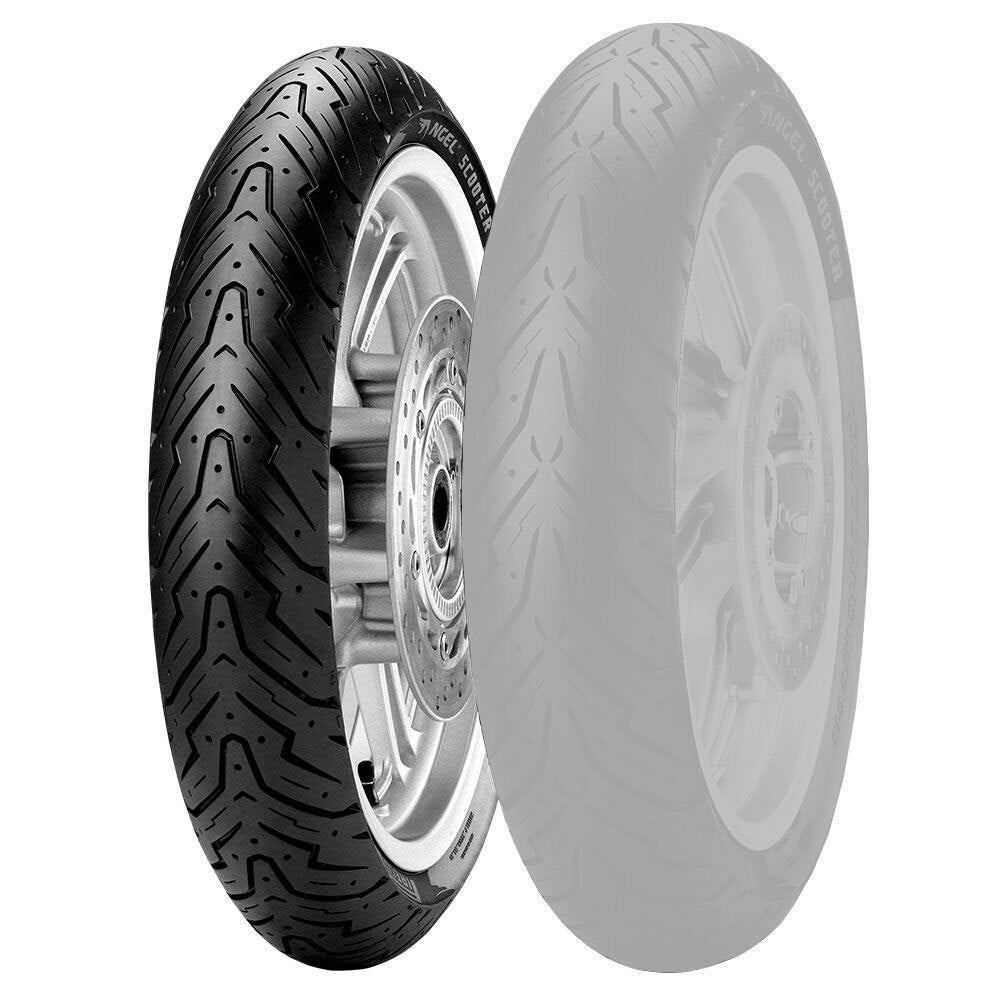
PIRELLI ANGEL SCOOTER REAR 140/70-13 M/C 61P TL
Choosing the Right Scooter Tyre
Scooter tyres operate in the harshest urban environment: painted surfaces, drainage grates, sudden braking and temperature swings between cold morning starts and hot afternoon asphalt. Compound choice and construction type determine how a tyre handles these conditions, not marketing language.
Construction and Load Ratings Explained
Tubeless (TL) construction is standard across most modern scooters. A reinforced casing adds structural rigidity for heavier riders or loaded commutes without requiring a separate tube. Load index ratings on scooter tyres typically run from 50P (190 kg at 150 km/h) through to 66S (300 kg at 180 km/h), so matching the index to your scooter's maximum load capacity is a mandatory step, not optional.
Brand Comparison
| Brand | Key Technology | Best Use | Typical Fitment |
|---|---|---|---|
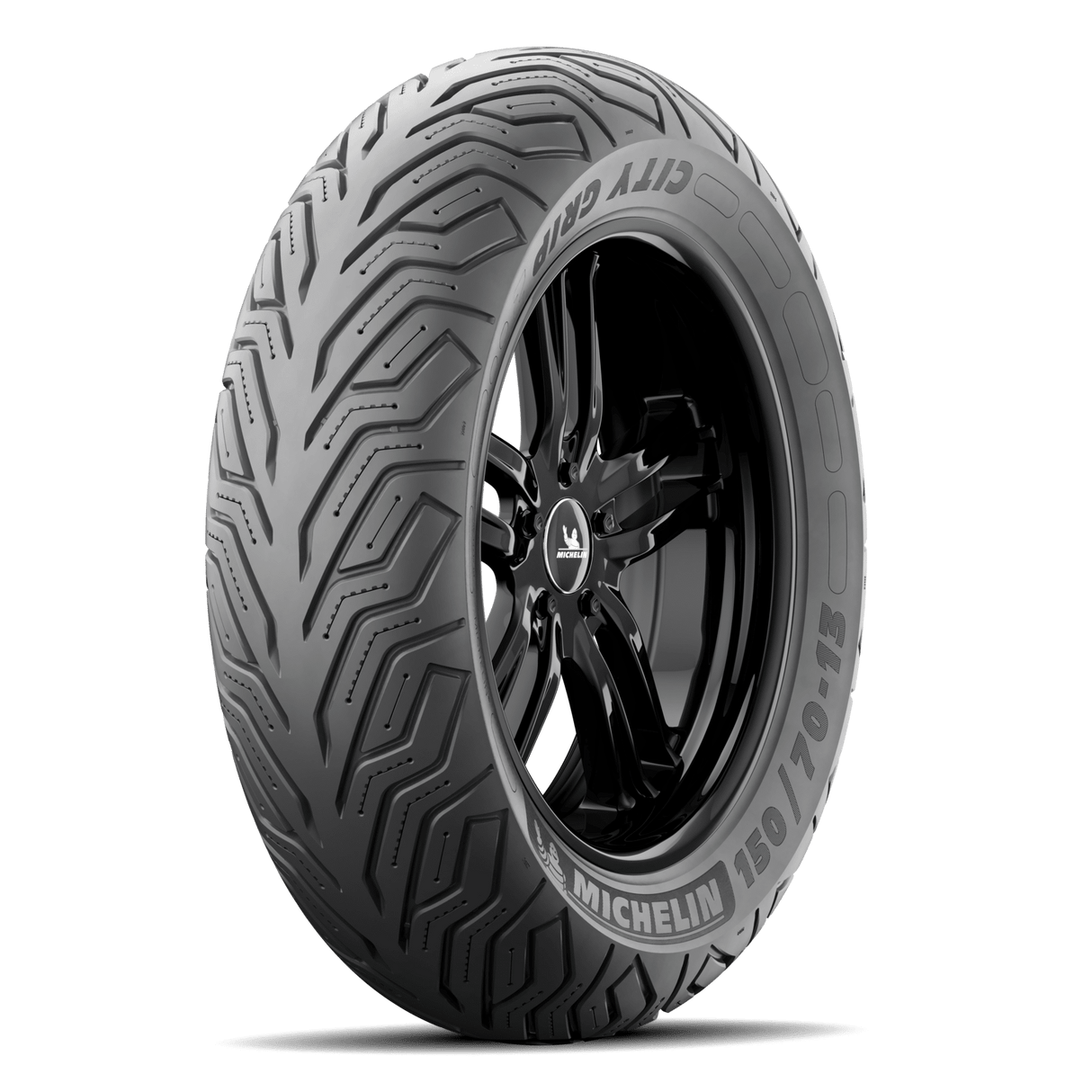
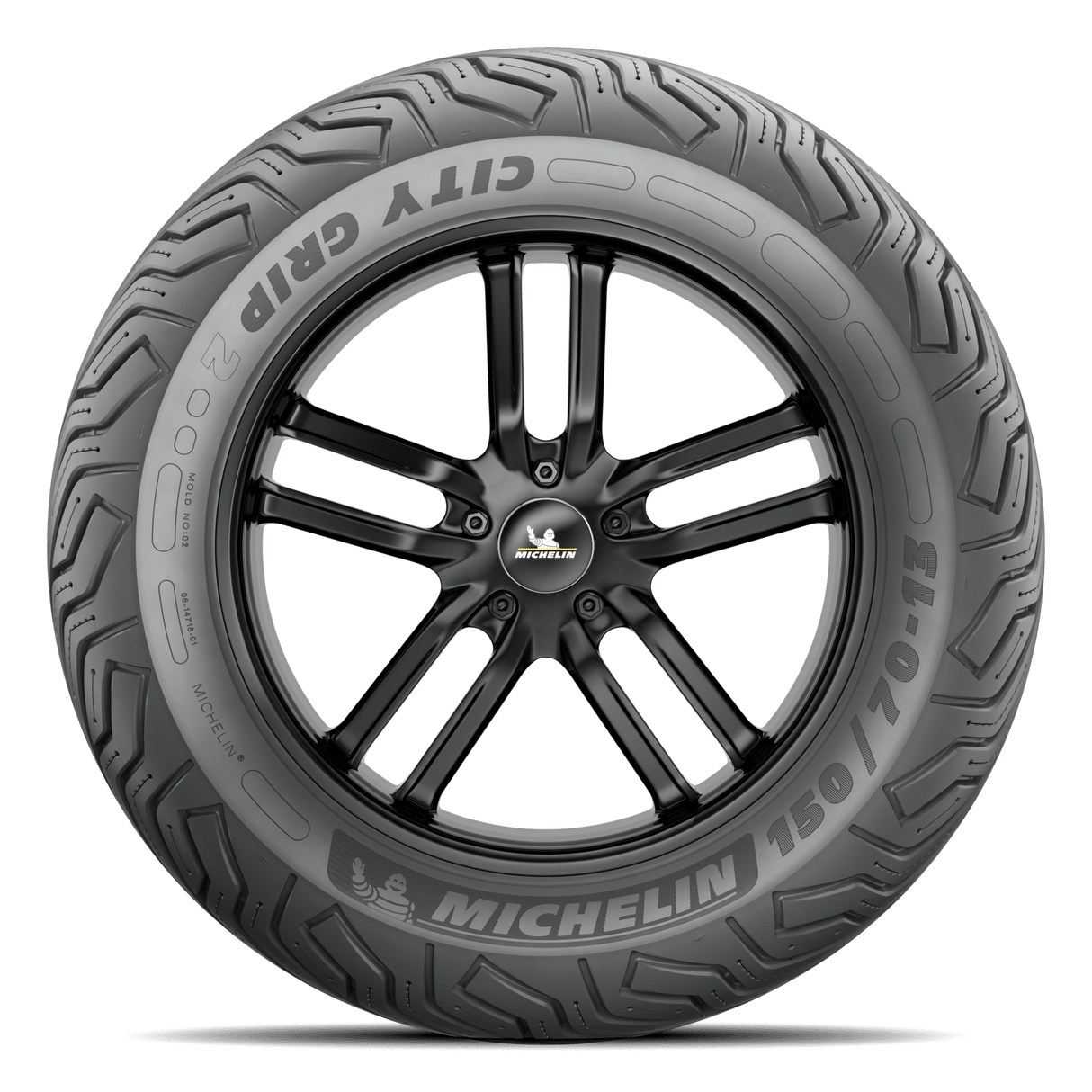
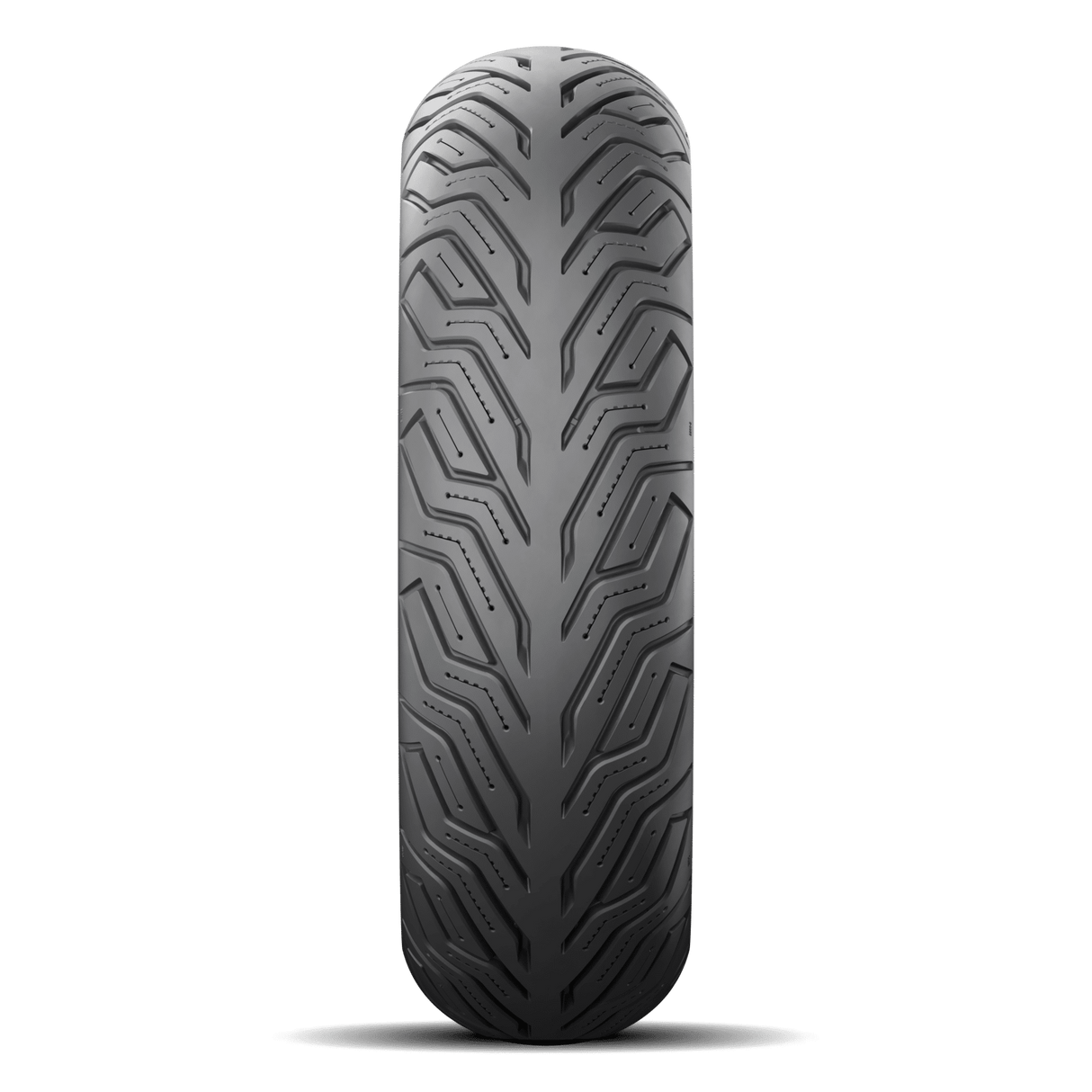
| Michelin City Grip 2 | Full Wet Grip compound, 3D drainage sipes | Year-round commuting, wet roads | 100/80-16 to 130/70-16 |
| Pirelli Angel City | Dual compound, linear profile | Urban sport, consistent cornering | 130/70-17, 140/70-17, 150/60-17 |
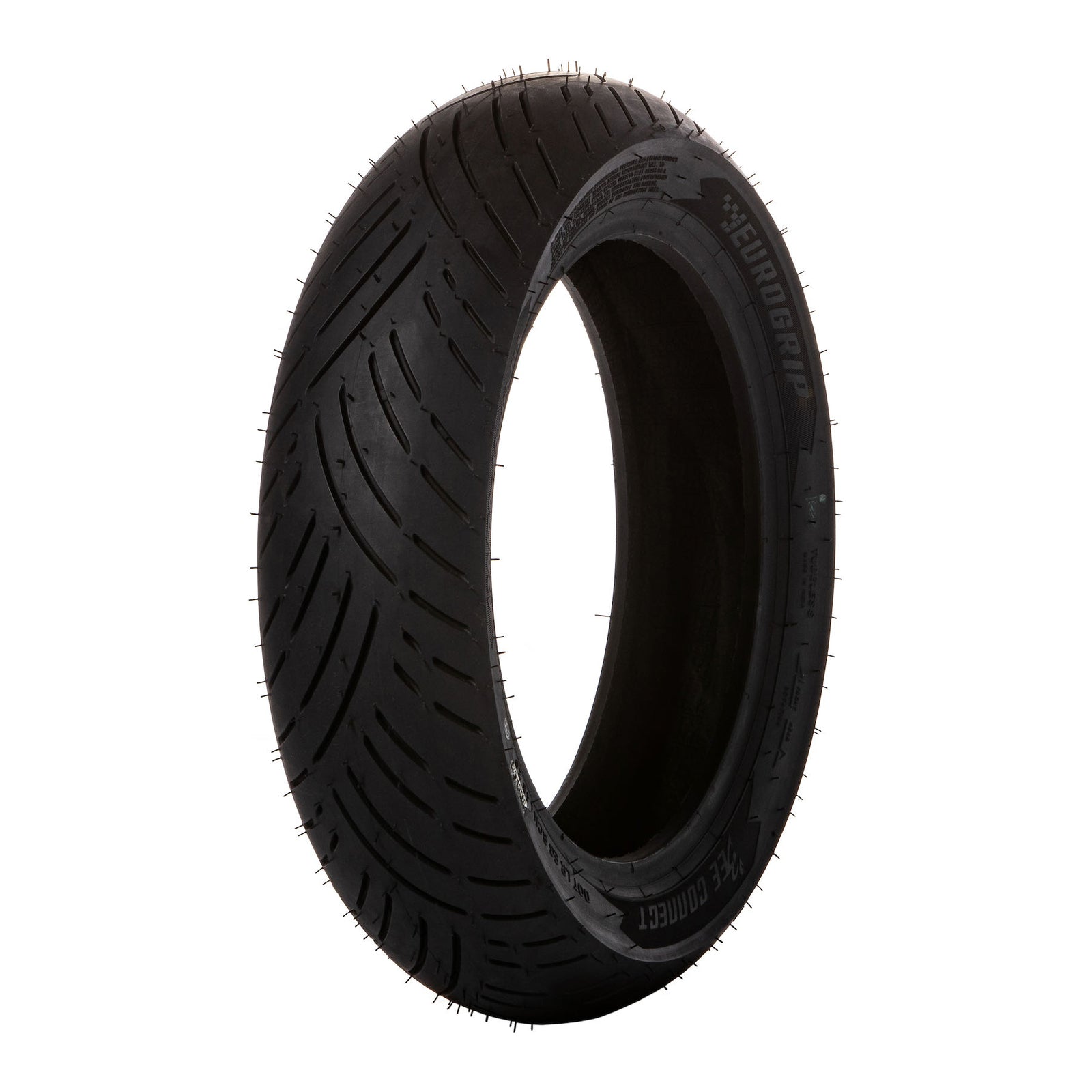
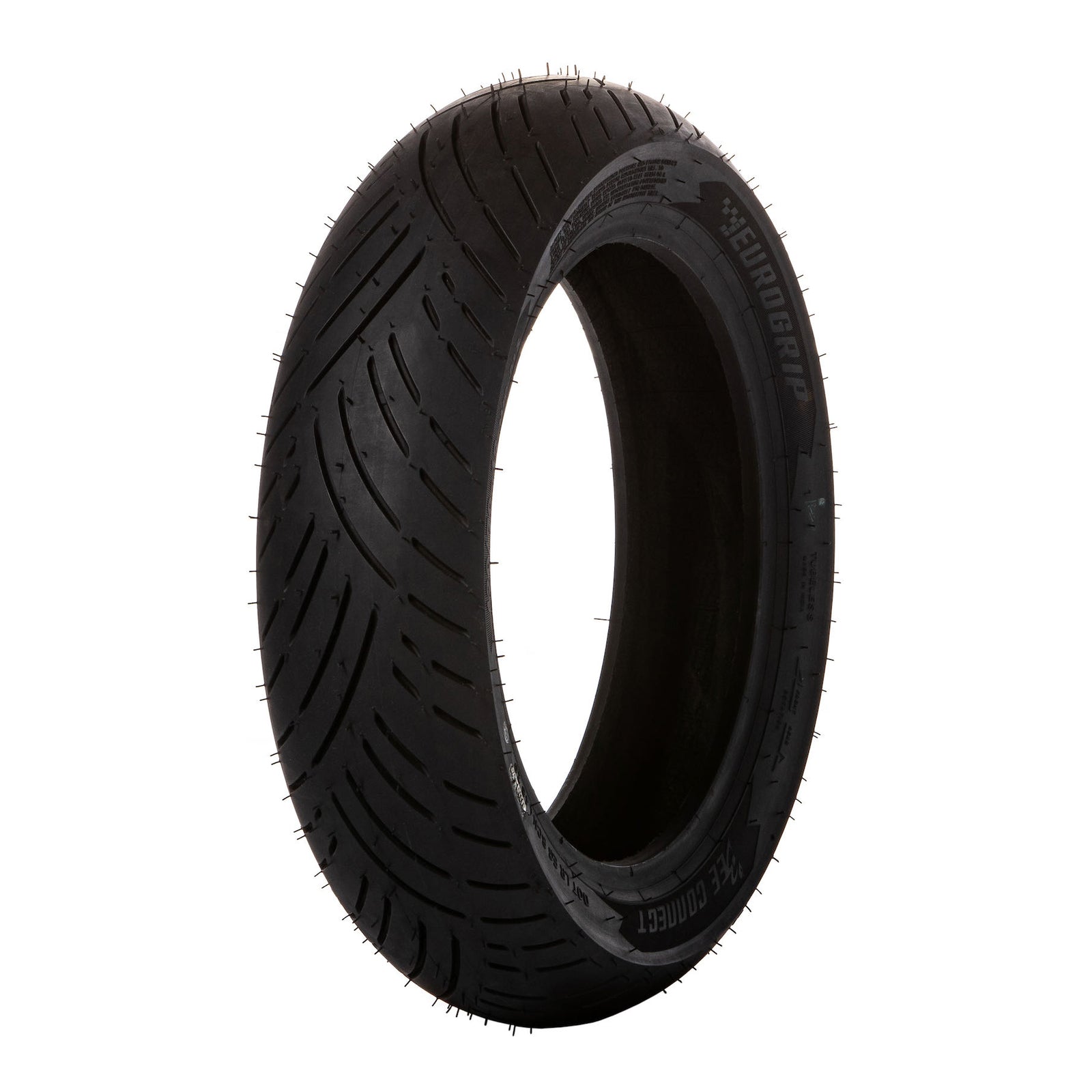
| Eurogrip Bee Connect | Reinforced tubeless casing | Small-wheel commuters, budget-conscious | 90/90-12 |
| Vee Rubber | Natural rubber compound blend | Economy commuting, Asian fitments | Wide size range |
Size and Fitment Guide
Scooter tyre sizes follow the same three-number format as motorcycle tyres: section width in mm, aspect ratio as a percentage of section width, and rim diameter in inches. A 120/80-16 tyre is 120 mm wide, with a sidewall height of 96 mm (80% of 120), fitting a 16-inch rim. Running the wrong aspect ratio changes your effective rolling diameter, which affects speedo accuracy and handling geometry. Always cross-reference your scooter's owner manual before fitting.
Wet Performance Matters Most for Commuters
Michelin's City Grip 2 carries specific wet-grip optimisation with a silica-enriched full-wet compound across 100% of the tread width, not just the centre strip. Pirelli's Angel City uses a dual-compound approach: harder centre for mileage, softer shoulder for lean grip. Both strategies are validated against European urban-cycle OEM homologation testing.
Reinforced (RF) rated tyres carry a higher load index than their non-reinforced equivalent at the same size, allowing a 54P-rated 90/90-12 to support loads a standard 48P casing cannot. This matters on delivery scooters and riders who carry a pillion regularly. Pair your tyres with CE Level 1 or CE Level 2 certified riding gear rated to EN 17092 for full-system urban protection.
Frequently asked questions
What does the 'S' or 'P' speed rating mean on a scooter tyre?
The speed rating indicates the maximum sustained speed the tyre is designed for. P-rated tyres are certified to 150 km/h, S-rated to 180 km/h. Most urban scooters are fitted with P or S rated tyres from the factory. Always match or exceed the original equipment speed rating.
Can I fit a tubeless tyre to a scooter that came with tubed tyres?
Only if the rim is designed for tubeless fitment. Tubeless rims have a sealed bead seat and no spoke holes. Fitting a tubeless tyre to a spoked rim without a dedicated tubeless conversion is unsafe. Check your rim specification before switching construction type.
How do I read a scooter tyre size like 120/80-16?
The first number (120) is the section width in millimetres. The second number (80) is the aspect ratio , the sidewall height as a percentage of the section width, so 96 mm in this case. The final number (16) is the rim diameter in inches. All three must match your scooter's specification.
Afterpay & Zippay Available
Afterpay & Zippay Available