

Shoulder armour is the most overlooked upgrade in a rider's kit. Certified shoulder guards from Leatt, Armanox and Macna deliver independently tested CE Level 1 and CE Level 2 impact absorption, fitted inside a jacket or worn as standalone retrofit armour on rides where the stakes are real.

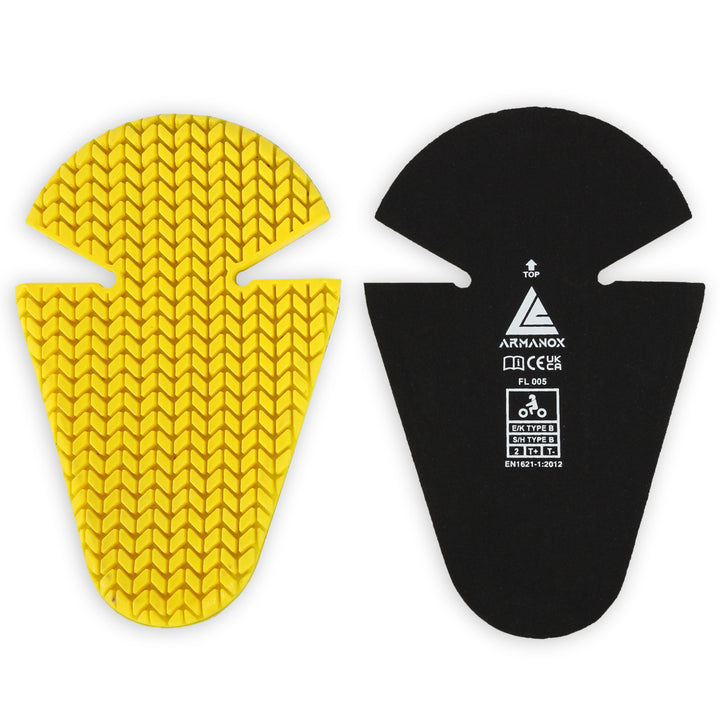
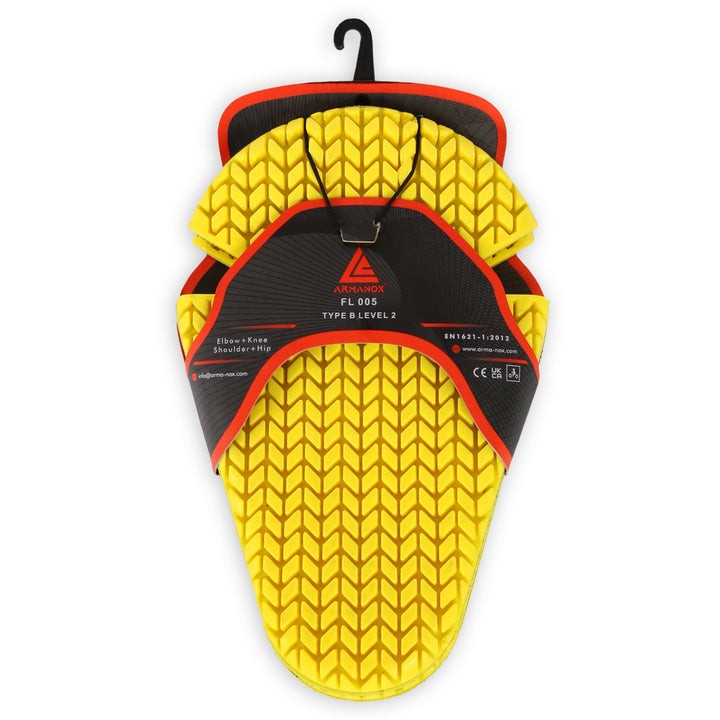
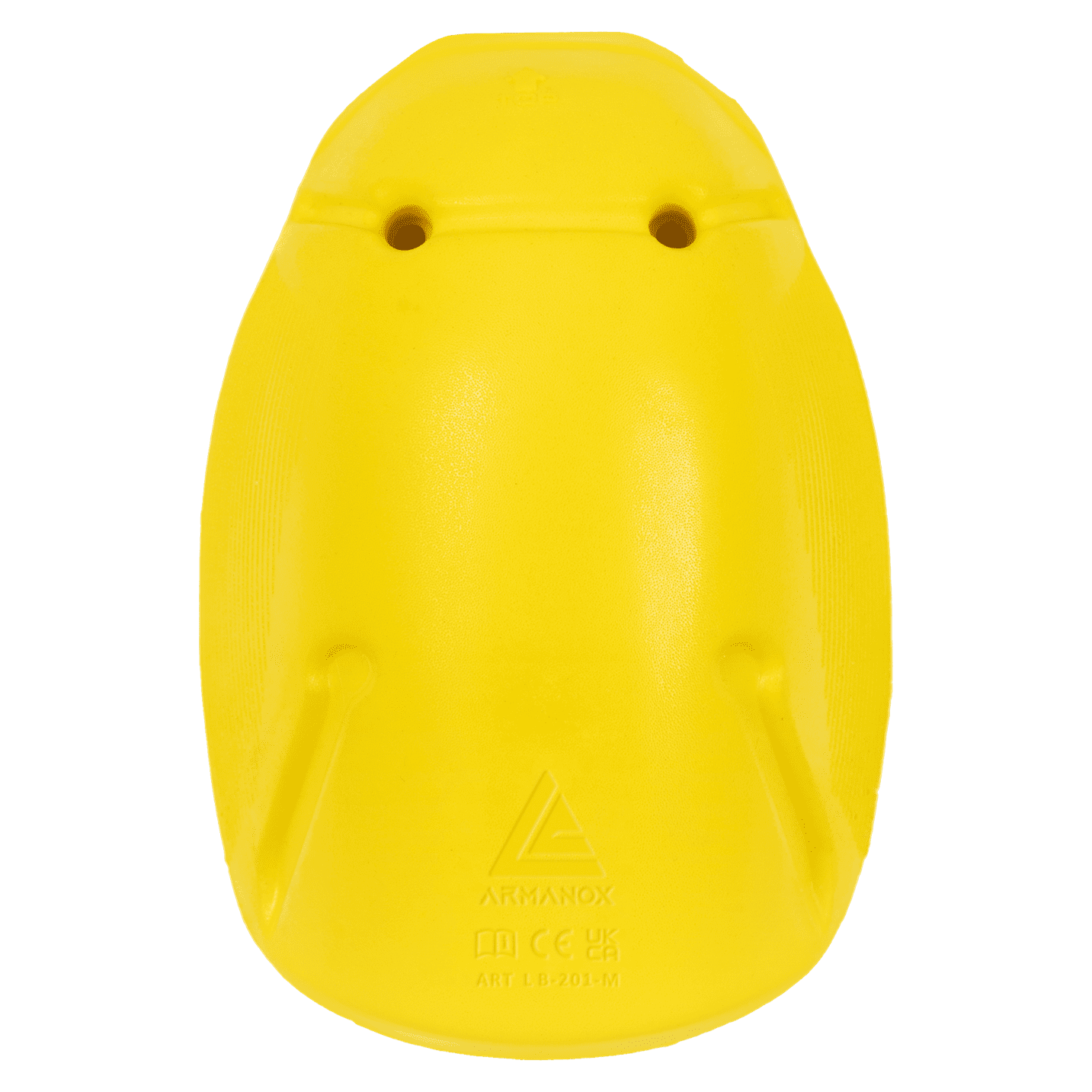
Armanox CE Level 2 Shoulder Armour

Armanox CE Level 1 Type A (Shoulder) Armour
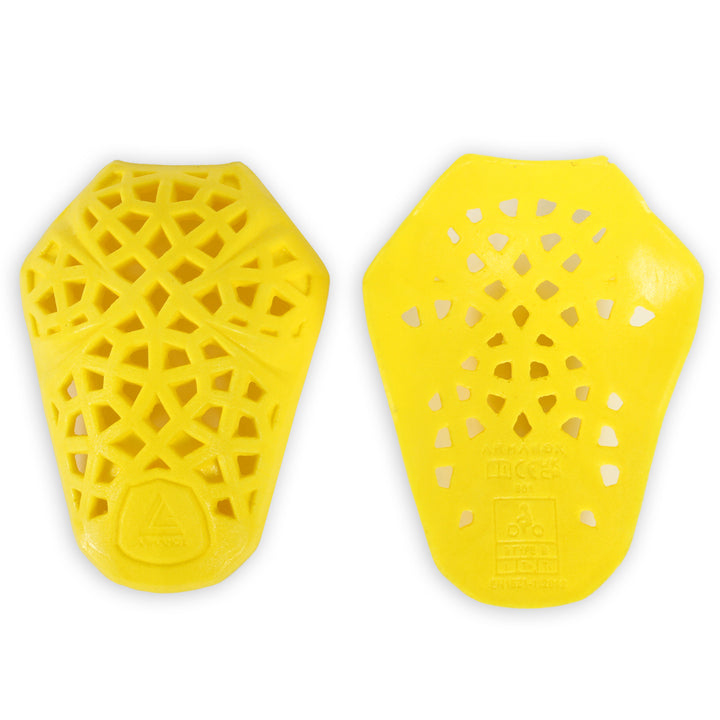
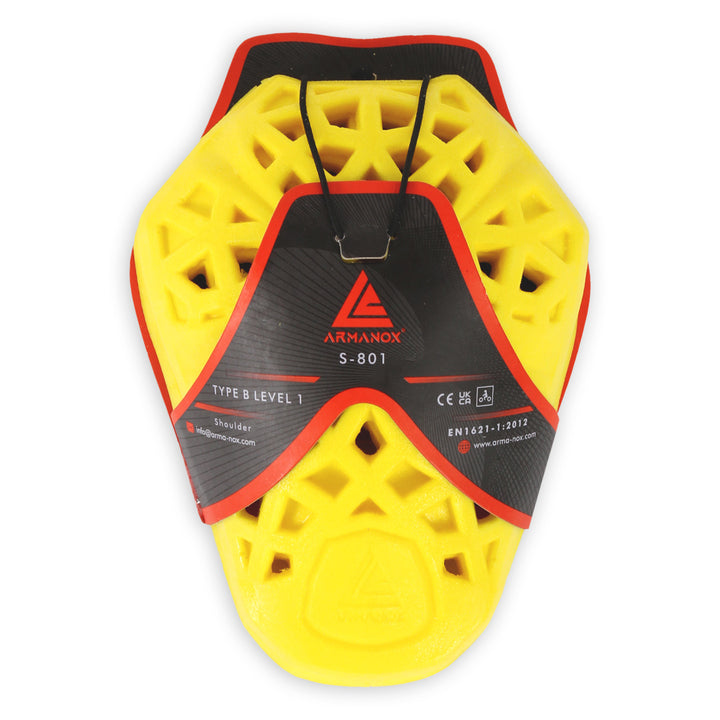
Armanox CE Level 1 Type B (Shoulder) Armour


![Leatt 4.5 Shoulder Guards Pro [Pair] - Black](http://sharkleathers.com.au/cdn/shop/files/LE4022080310.jpg?v=1780108578&width=1600)
Leatt 4.5 Shoulder Guards Pro [Pair] - Black
![Leatt 5.5 Junior Shoulder Guards Pro HD [Pair] - Black](http://sharkleathers.com.au/cdn/shop/files/LE4022080520.jpg?v=1780132497&width=1600)
![Leatt 4.5 Junior Shoulder Guards Pro [Pair] - Black](http://sharkleathers.com.au/cdn/shop/files/LE4022080300.jpg?v=1780033268&width=1600)
![Leatt 5.5 Shoulder Guards Pro HD [Pair] - Black (2XL)](http://sharkleathers.com.au/cdn/shop/files/LE4022080540.jpg?v=1780157035&width=1600)
![Leatt 6.5 Shoulder Guards Pro [Pair] - Graphene](http://sharkleathers.com.au/cdn/shop/files/LE4022080700.jpg?v=1780079138&width=1600)
![Leatt 2.0 Fusion Junior Shoulder Guards [Pair] - Black](http://sharkleathers.com.au/cdn/shop/files/LE4022080900.jpg?v=1780113958&width=1600)
![Leatt 5.5 Shoulder Guards Pro HD [Pair] - White](http://sharkleathers.com.au/cdn/shop/files/LE4022080550.jpg?v=1780087439&width=1600)
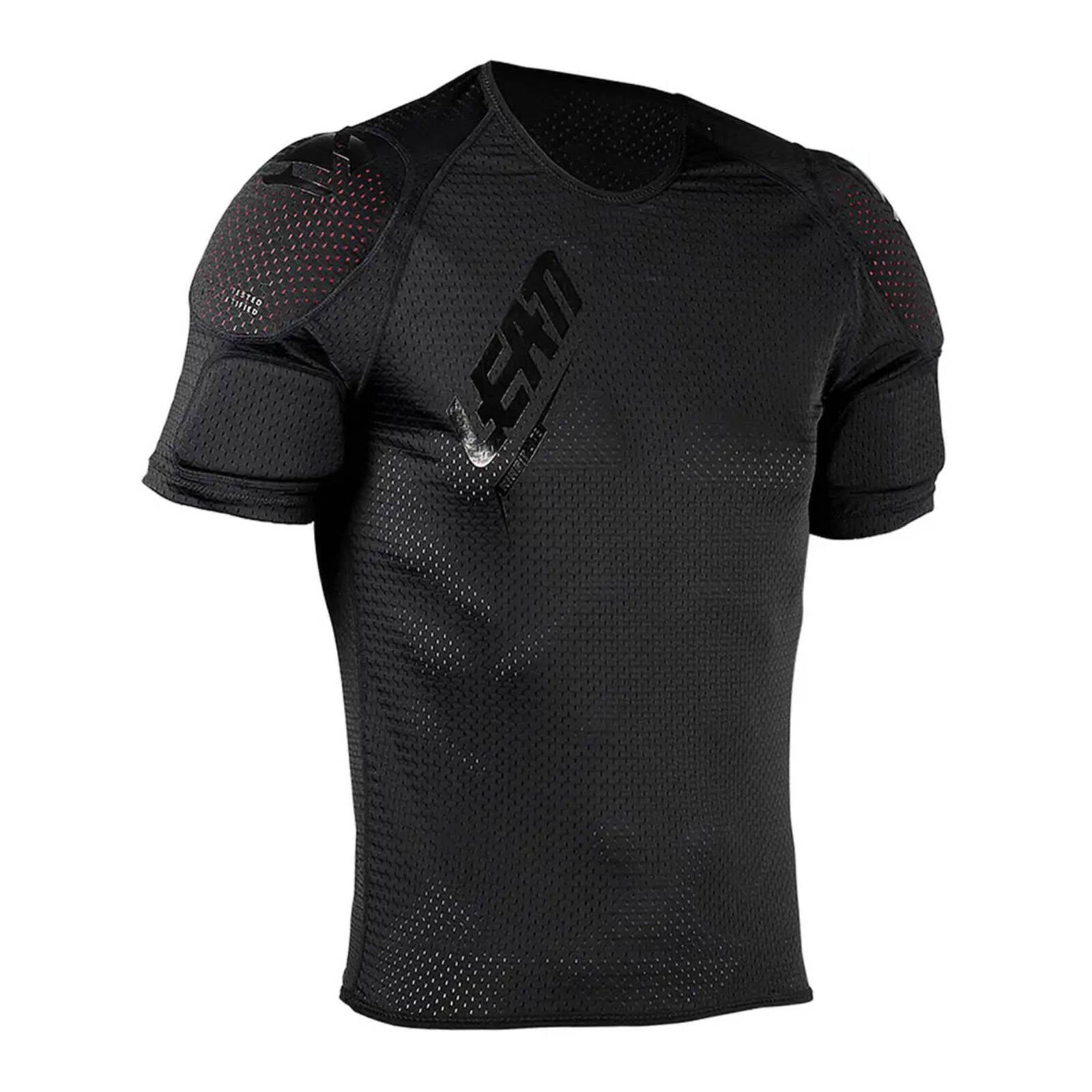
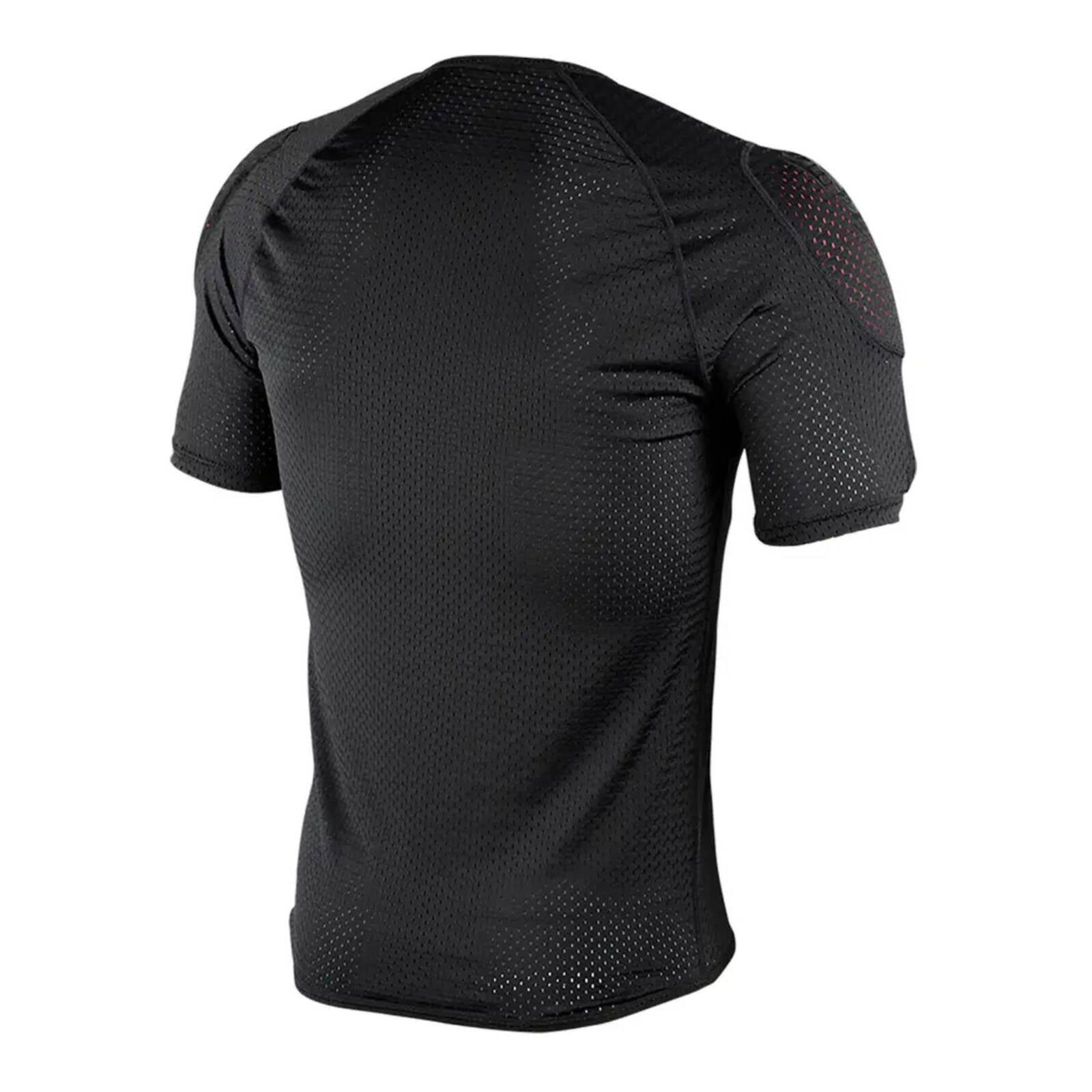
![Leatt 3.5 Shoulder Guards Pro [Pair] - Black](http://sharkleathers.com.au/cdn/shop/files/LE4022080100.jpg?v=1780220297&width=1600)
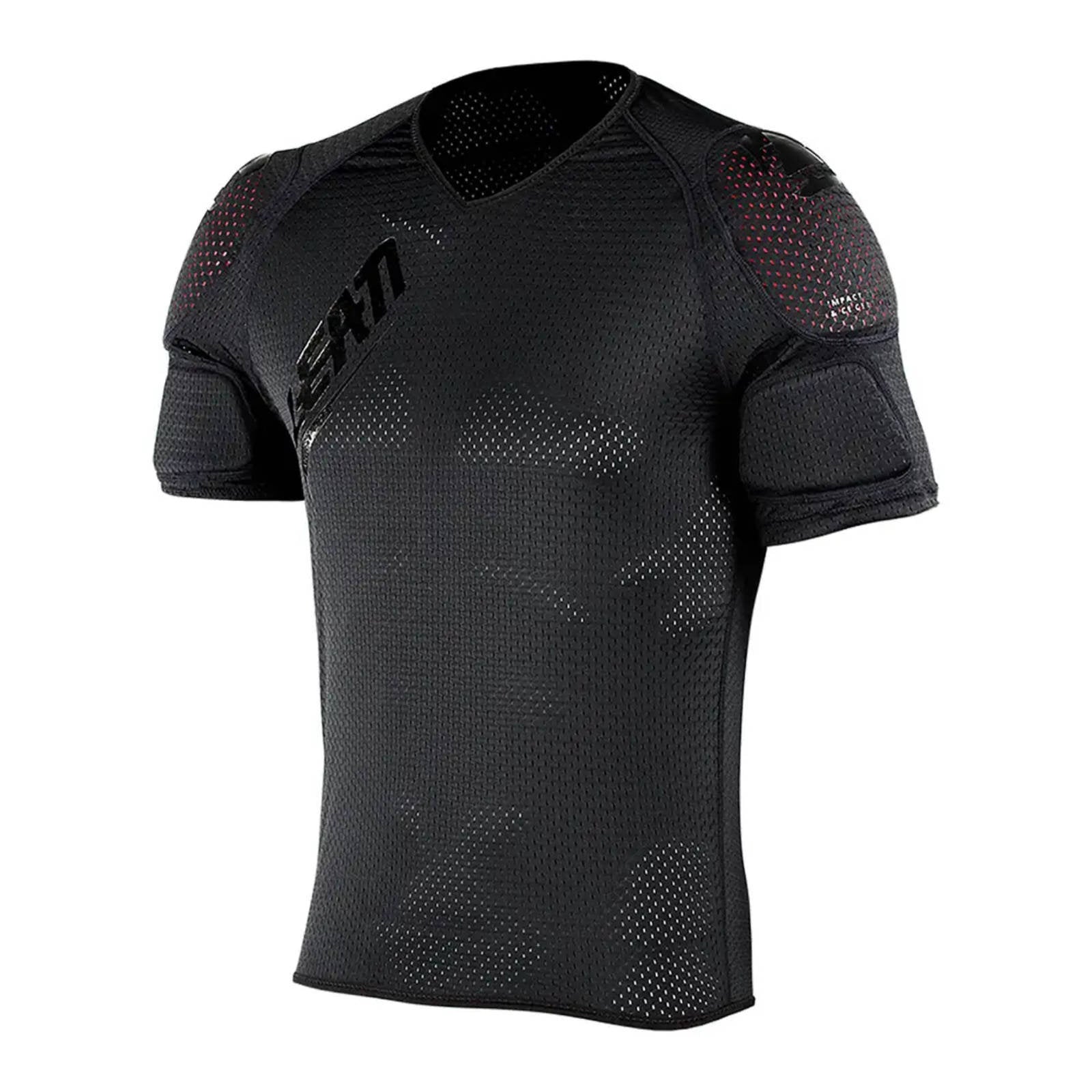
Leatt 3.5 Shoulder Guards Pro [Pair] - Black
![Leatt 4.5 Shoulder Guards Pro [Pair] - Black (2XL)](http://sharkleathers.com.au/cdn/shop/files/LE4022080320.jpg?v=1780197570&width=1600)
![Leatt 3.0 Fusion Shoulder Guards [Pair] - Black](http://sharkleathers.com.au/cdn/shop/files/LE4022080910.jpg?v=1780131281&width=1600)
![Leatt 5.5 Shoulder Guards Pro HD [Pair] - Black](http://sharkleathers.com.au/cdn/shop/files/LE4022080530.jpg?v=1780138382&width=1600)
![Leatt 3.5 Shoulder Guards Pro [Pair] - Black (2XL)](http://sharkleathers.com.au/cdn/shop/files/LE4022080110.jpg?v=1780200106&width=1600)
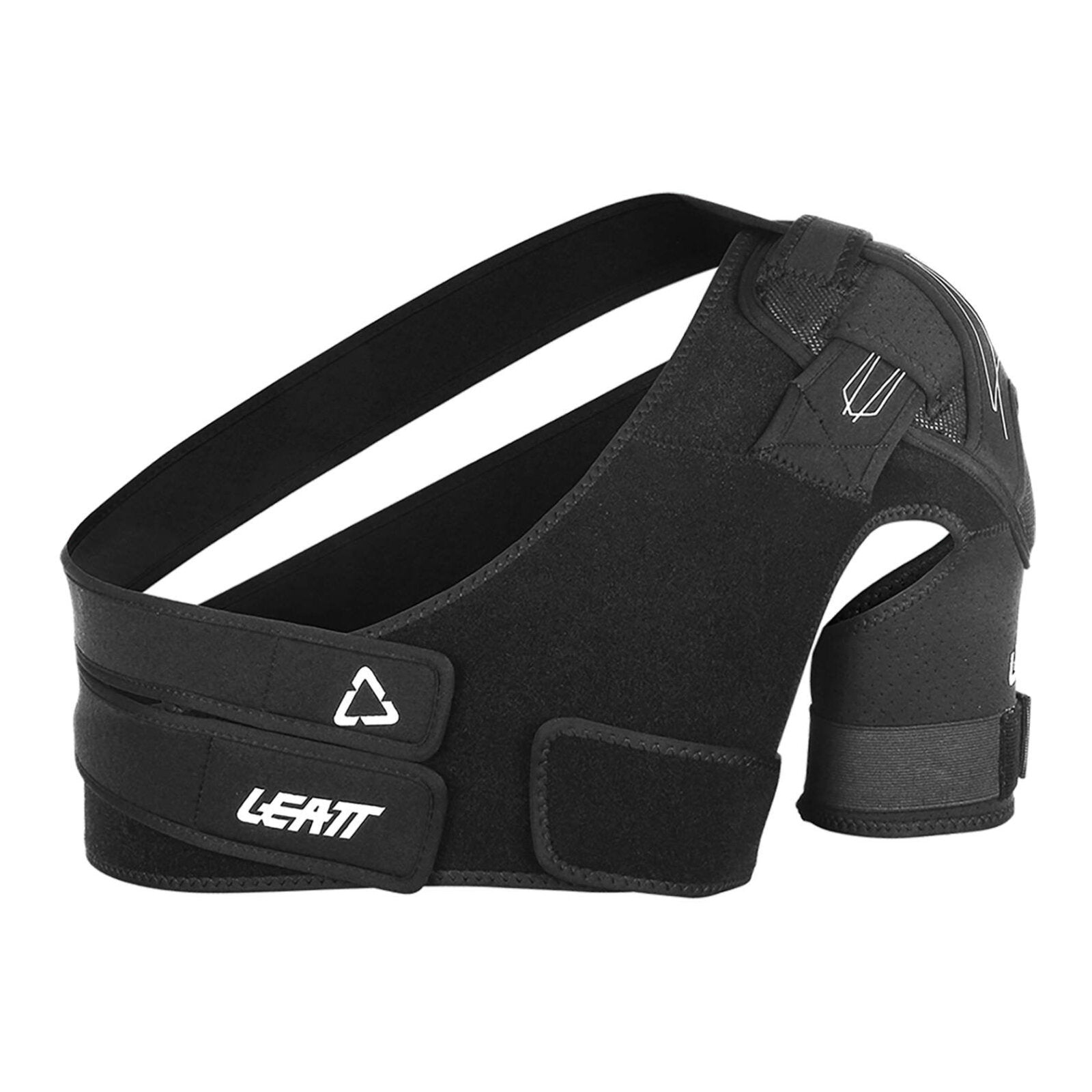

![Leatt 5.5 Junior Shoulder Guards Pro [Pair] - White](http://sharkleathers.com.au/cdn/shop/files/LE4022080560.jpg?v=1780129906&width=1600)
Shoulder Guard Buying Guide
Shoulder protection sits at the intersection of comfort and certified safety. A properly fitted shoulder guard absorbs and distributes impact energy on contact, reducing the force transmitted to the joint and upper arm. The difference between CE Level 1 and CE Level 2 certification is not marketing language; it is a measurable transmitted-force threshold defined under EN 1621-1:2012, with Level 2 guards required to transmit no more than 35 kN peak force versus 50 kN for Level 1.
CE Level 1 vs CE Level 2 Shoulder Armour
| Spec | CE Level 1 | CE Level 2 |
|---|---|---|
| Standard | EN 1621-1:2012 | EN 1621-1:2012 |
| Max transmitted force | 50 kN | 35 kN |
| Suited to | Road and touring jackets | Track, trail, and high-risk road use |
| Armanox options | Type A and Type B profiles | Type A and Type B profiles |
| Macna R.I.S.C. pack size | 2 per pack | 2 per pack |
Type A vs Type B Fitment
EN 1621-1 defines two armour profiles. Type A is a smaller format for narrower jacket pockets, typically found in close-fit road and sports jackets. Type B covers a larger surface area for broader-cut adventure and touring jackets. Armanox produces both profiles at both CE levels, making it straightforward to match the correct insert to your existing jacket without compromising coverage.
Standalone vs Insert Armour
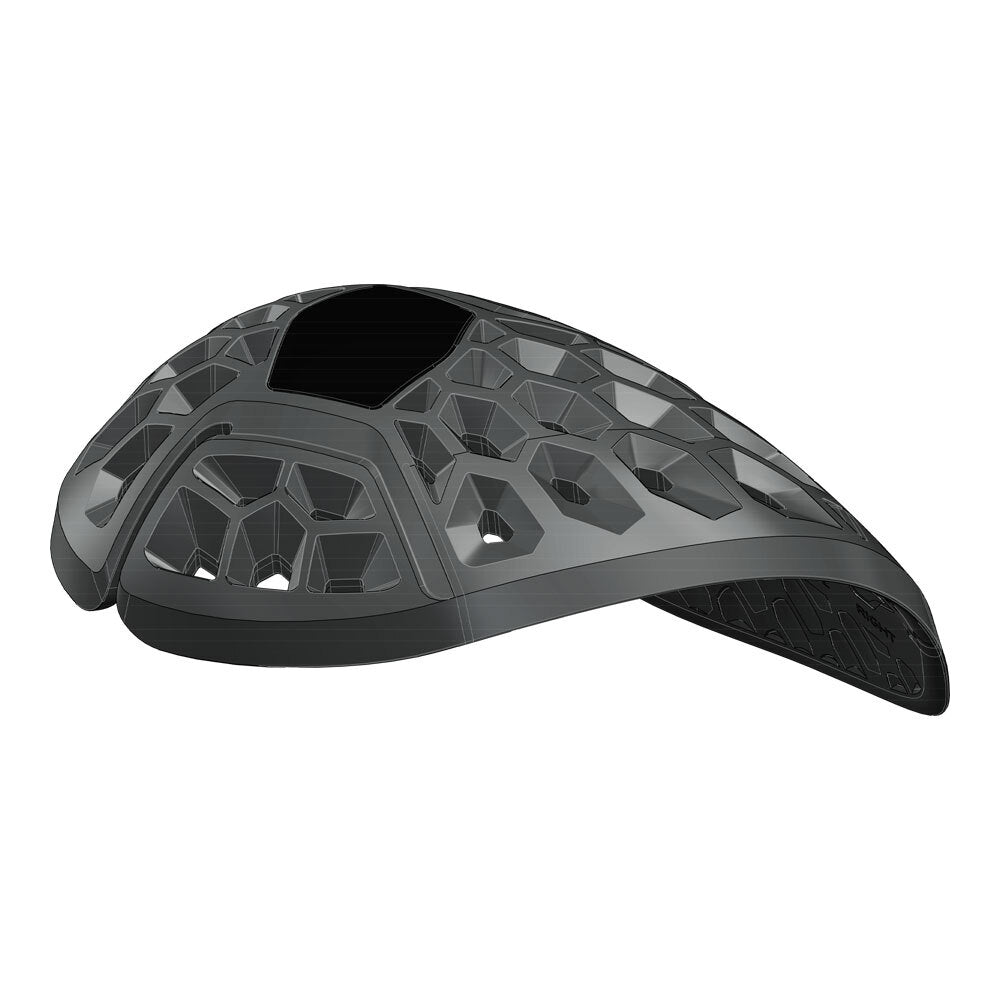
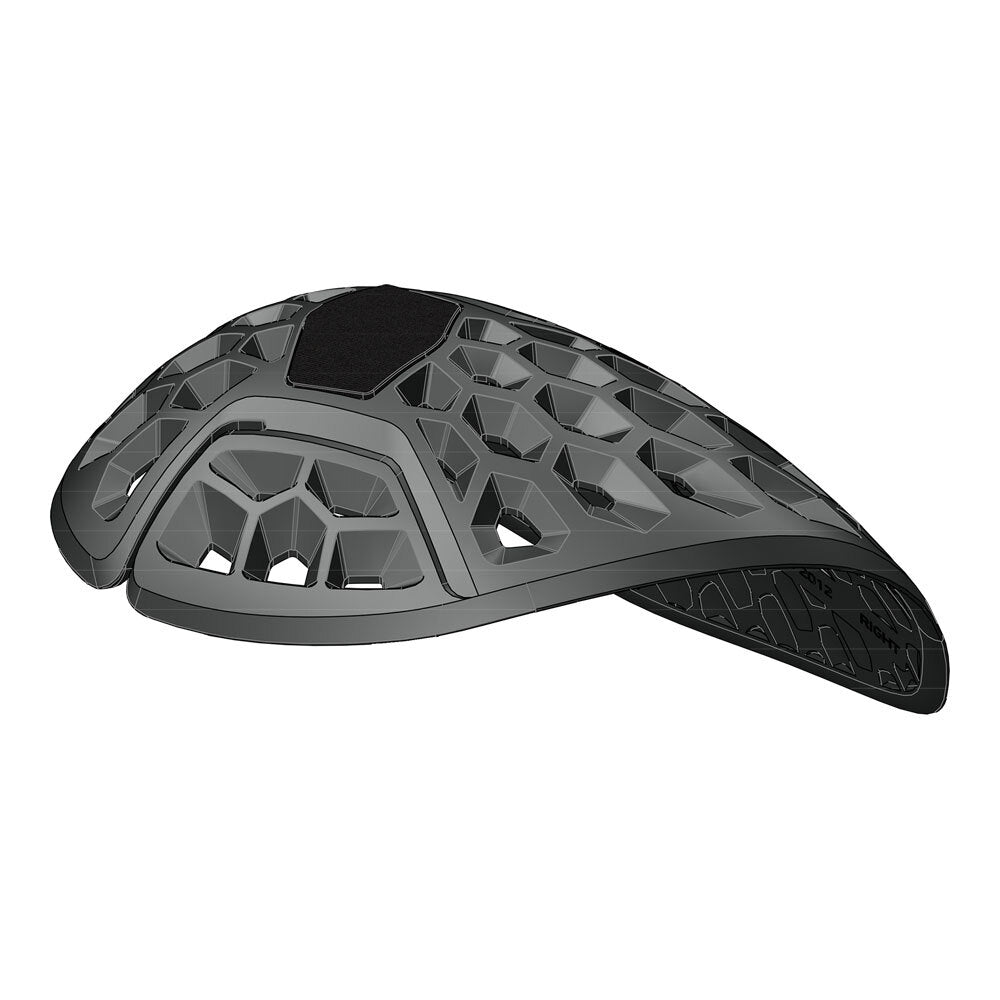
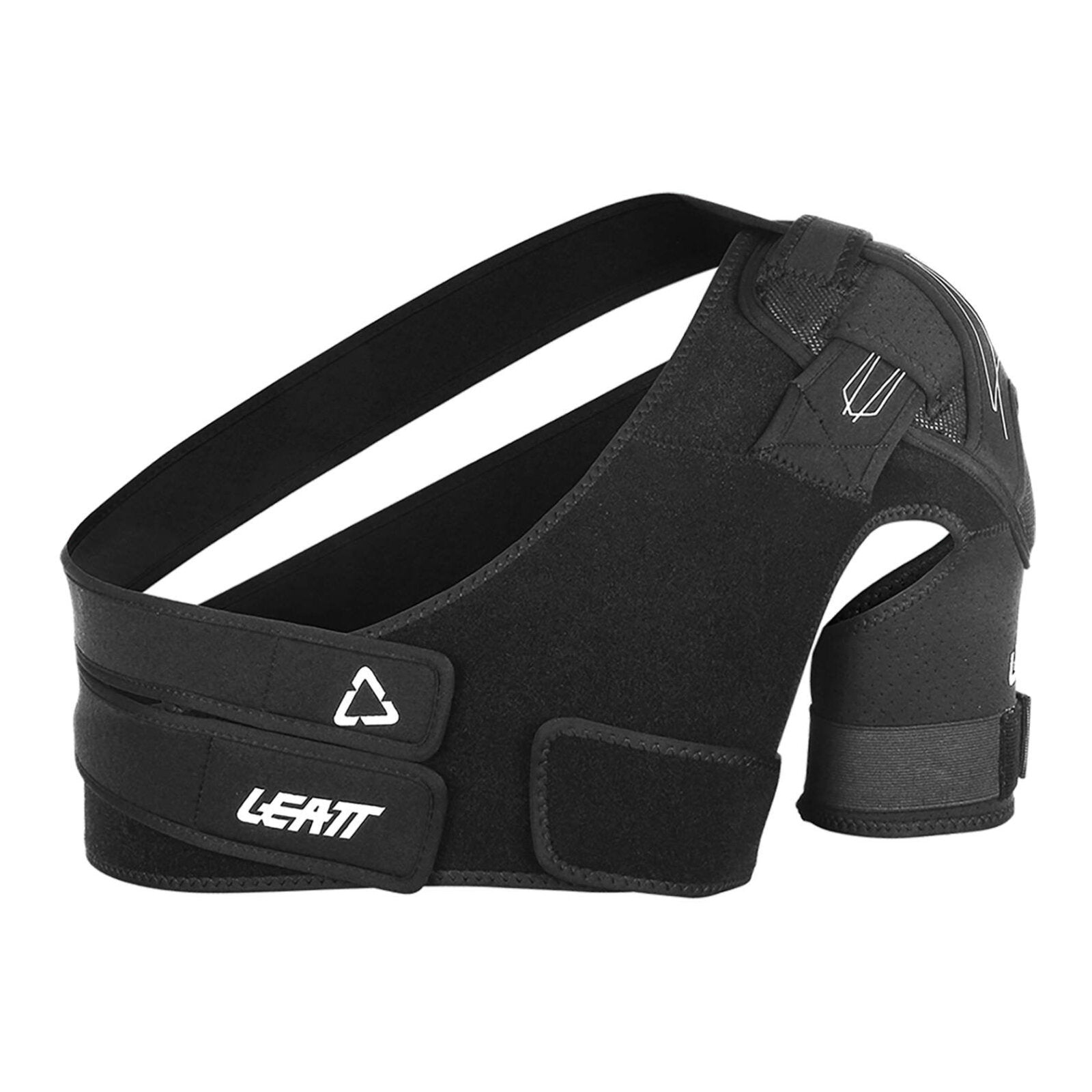
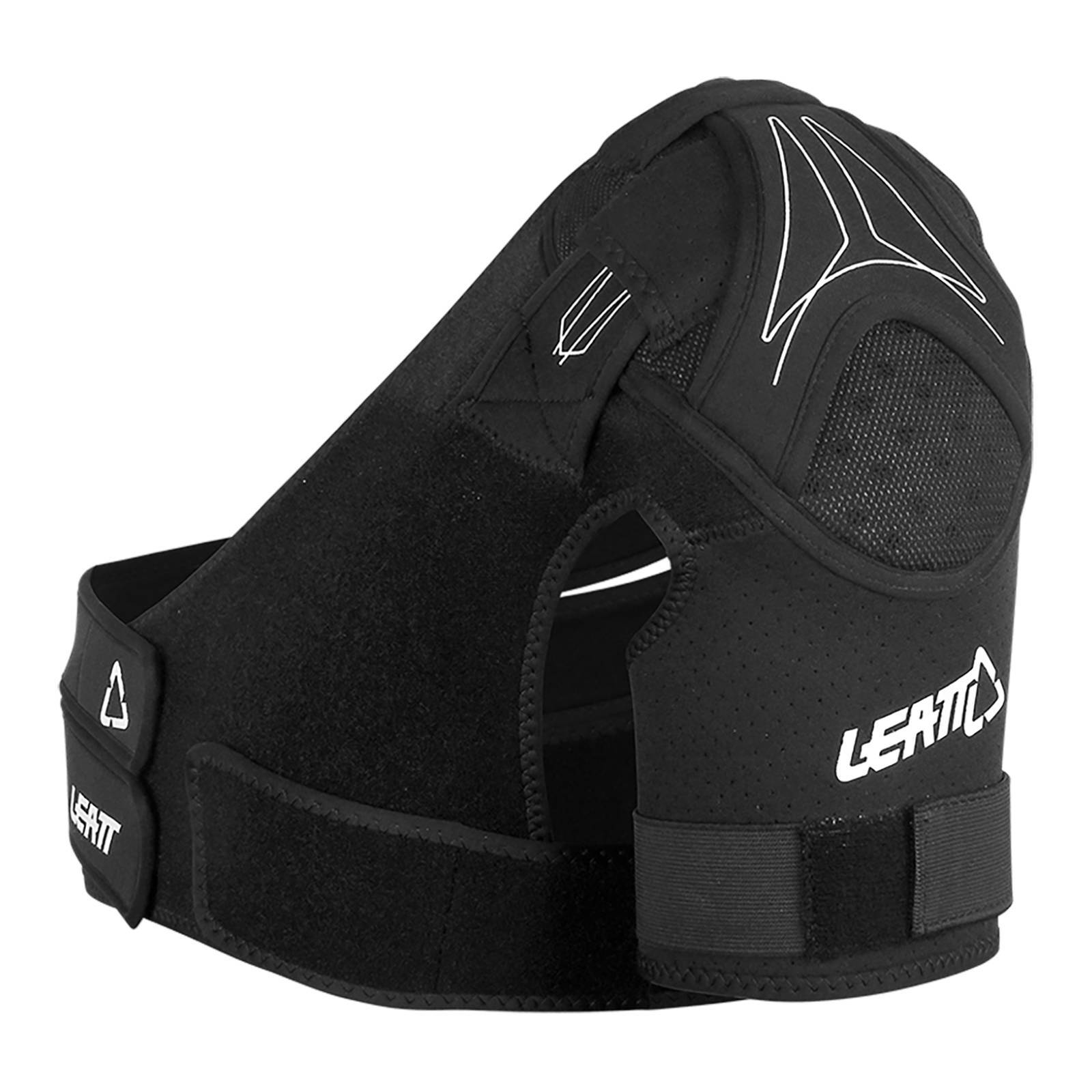
Insert-style guards slot into dedicated armour pockets and rely on the jacket's structure to hold position. Standalone guards like the Leatt 4.5 Pro Shoulder Guards are worn directly over base layers and secured via integrated straps, making them compatible with jerseys and jackets that lack internal pockets. Leatt's 4.5 Pro series uses multi-density foam construction tuned for shoulder and upper arm impact zones, sold as a pair for bilateral protection.
Which CE Level Should You Choose?
For commuting and touring, CE Level 1 shoulder armour meets Australian road requirements at lower bulk. For track days or enduro, CE Level 2 reduces peak transmitted force by 30% compared to Level 1, a meaningful difference at speed. Upgrading from Level 1 inserts to Level 2 replacements from Armanox or Macna is a direct, cost-effective safety improvement.
Brands Stocked
Leatt engineers dedicated moto-specific armour systems with multi-density construction. Armanox specialises in retrofit CE-certified inserts covering shoulder, elbow, knee and hip profiles. Macna's R.I.S.C. system integrates directly with Macna jacket armour pockets, with Level 1 and Level 2 shoulder options sold in twin packs for full bilateral coverage.
Frequently asked questions
What is the difference between CE Level 1 and CE Level 2 shoulder armour?
Both levels are tested under EN 1621-1:2012. CE Level 2 must transmit no more than 35 kN peak force on impact; CE Level 1 allows up to 50 kN. Level 2 offers 30% greater impact attenuation and is the recommended choice for track use or high-risk riding.
Can I upgrade the shoulder armour already in my jacket?
Yes, provided you match the correct Type A or Type B profile to your jacket's pocket dimensions. Type A suits narrower pockets in sports and road jackets; Type B fits the larger pockets common in adventure and touring jackets. Armanox produces certified inserts in both profiles and both CE levels.
Are standalone shoulder guards like Leatt compatible with jerseys and non-armoured jackets?
Yes. Standalone guards such as the Leatt 4.5 Shoulder Guards Pro use integrated straps to secure directly to the body over a base layer or jersey, making them suitable for enduro, trail riding, and any jacket that lacks built-in armour pockets. They are sold in pairs to cover both shoulders.
Afterpay & Zippay Available
Afterpay & Zippay Available