

Sport tyres are built around a single priority: maximum contact patch grip at lean angle. Pirelli, Michelin, Avon and Eurogrip each engineer their compounds and profiles specifically for sport riding, from aggressive street use to trackday sessions where corner-exit traction is the defining factor.
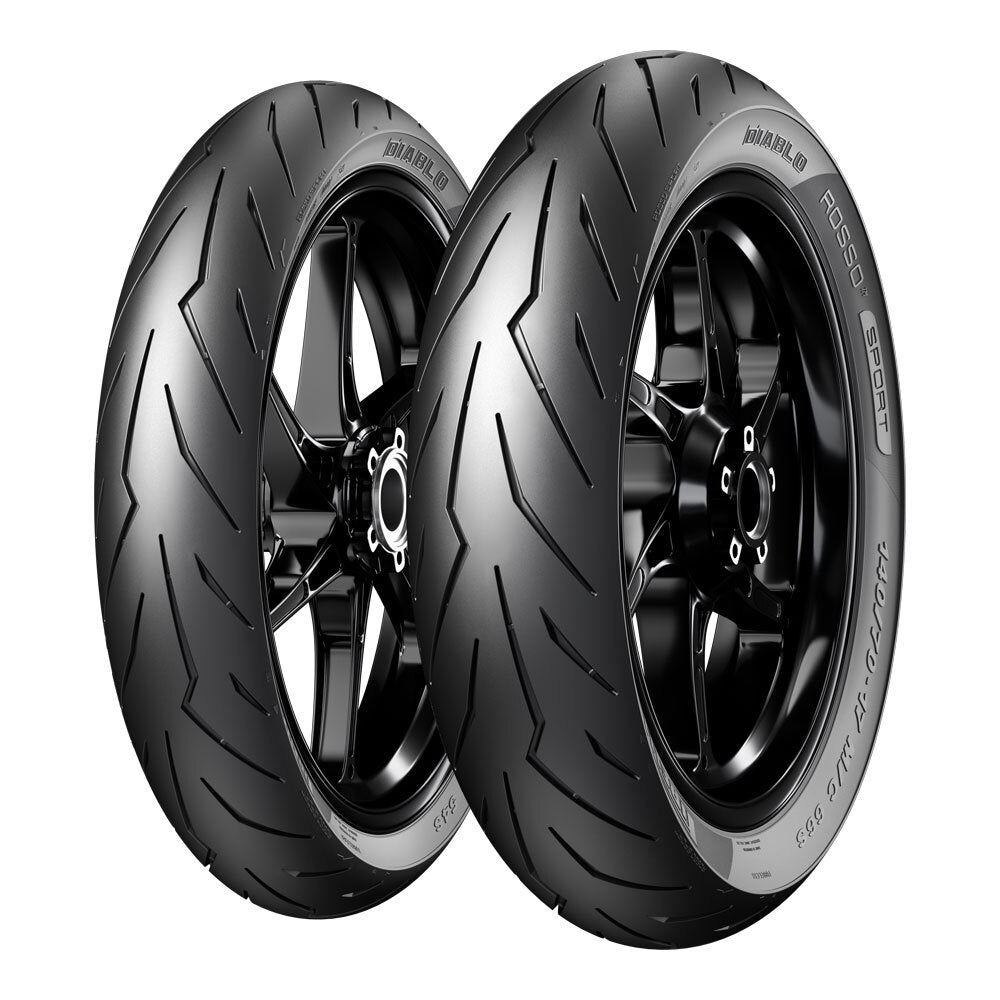
PIRELLI DIABLO ROSSO SPORT 120/70-17 M/C 58S TL
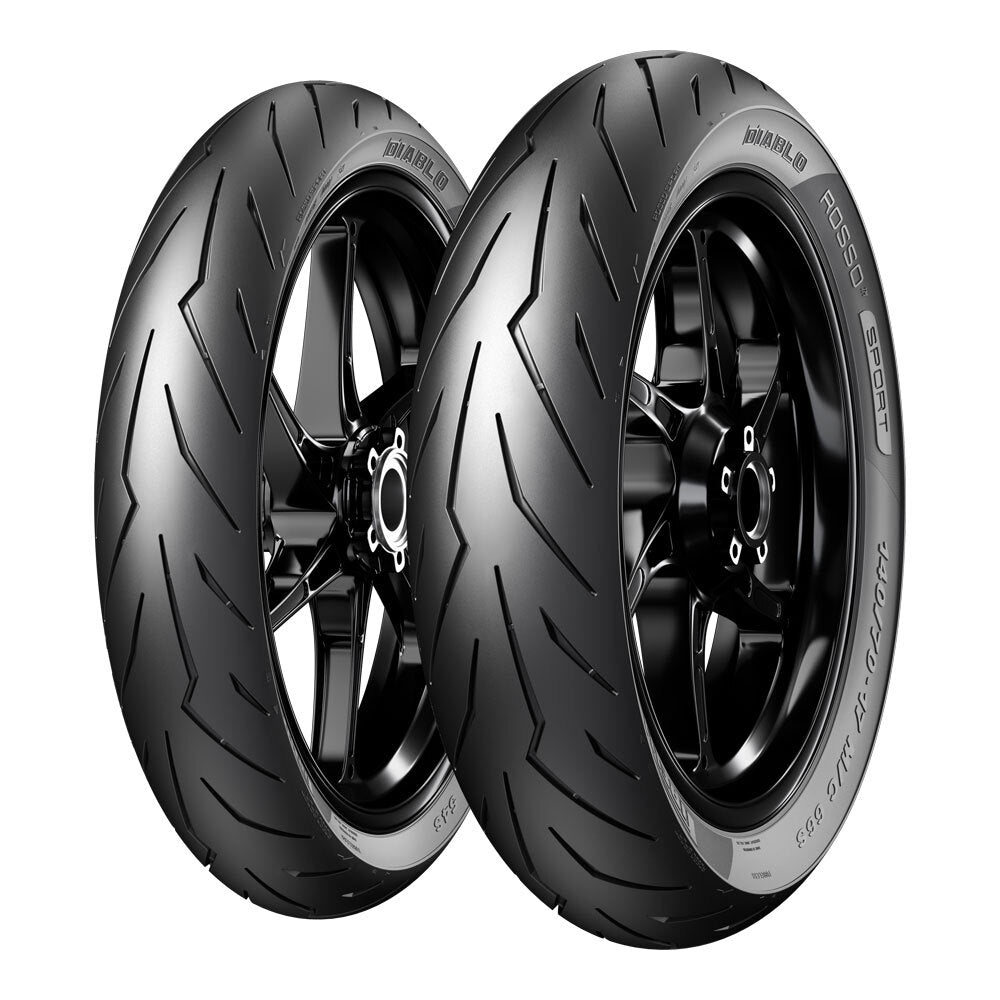
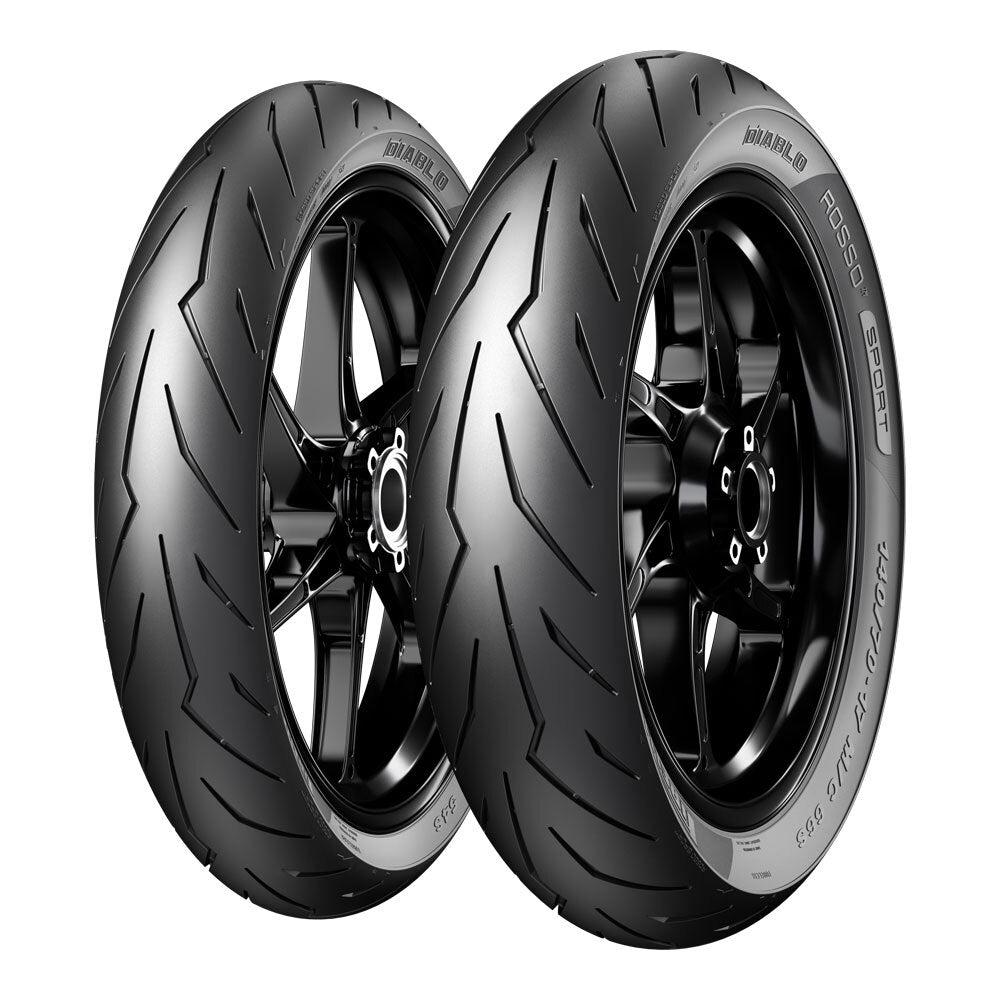
PIRELLI DIABLO ROSSO SPORT 150/60-17 M/C 66S TL
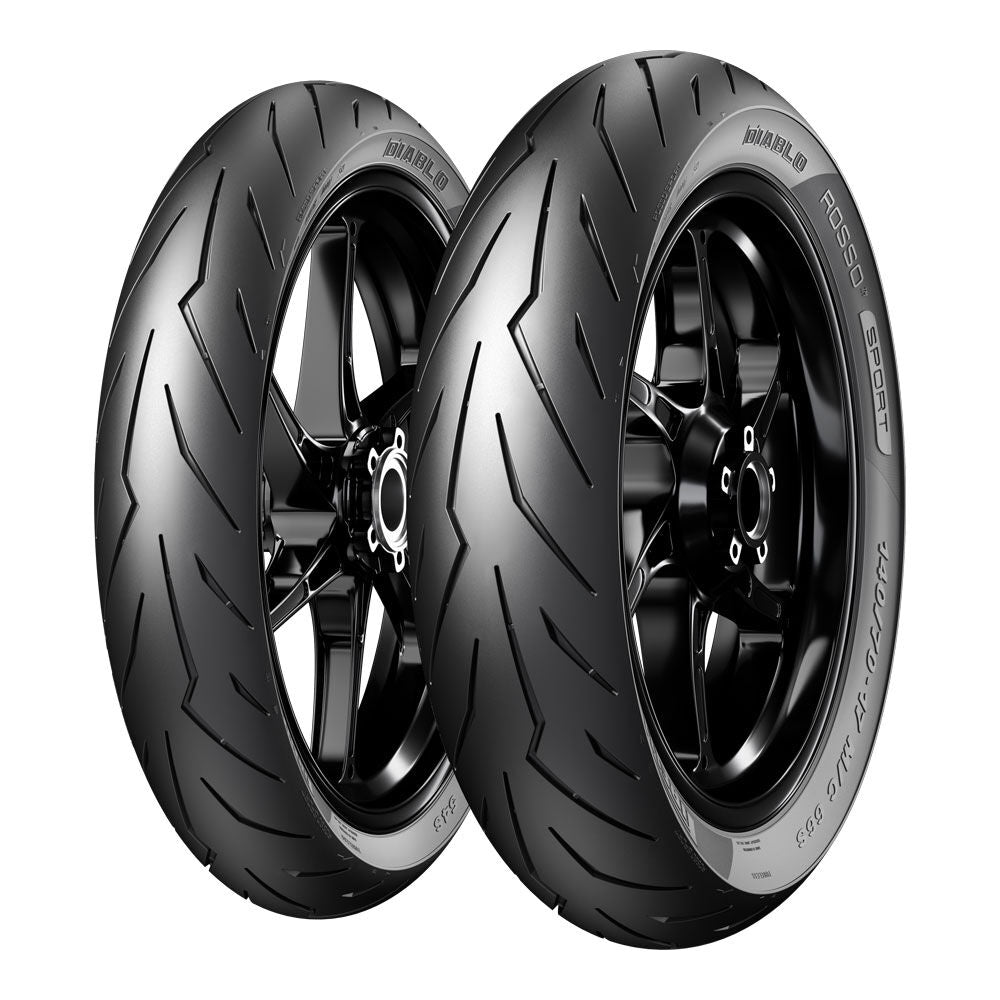
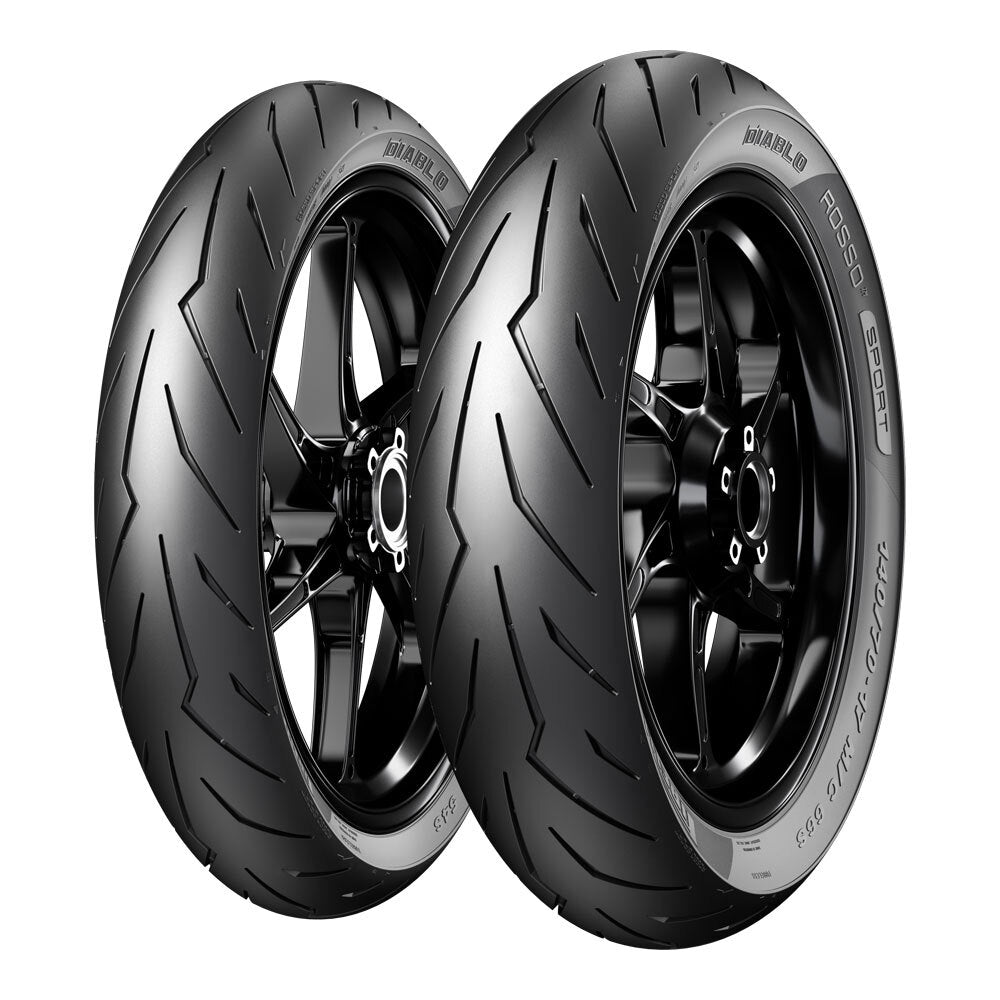
PIRELLI DIABLO ROSSO SPORT 130/70-17 M/C 62S TL
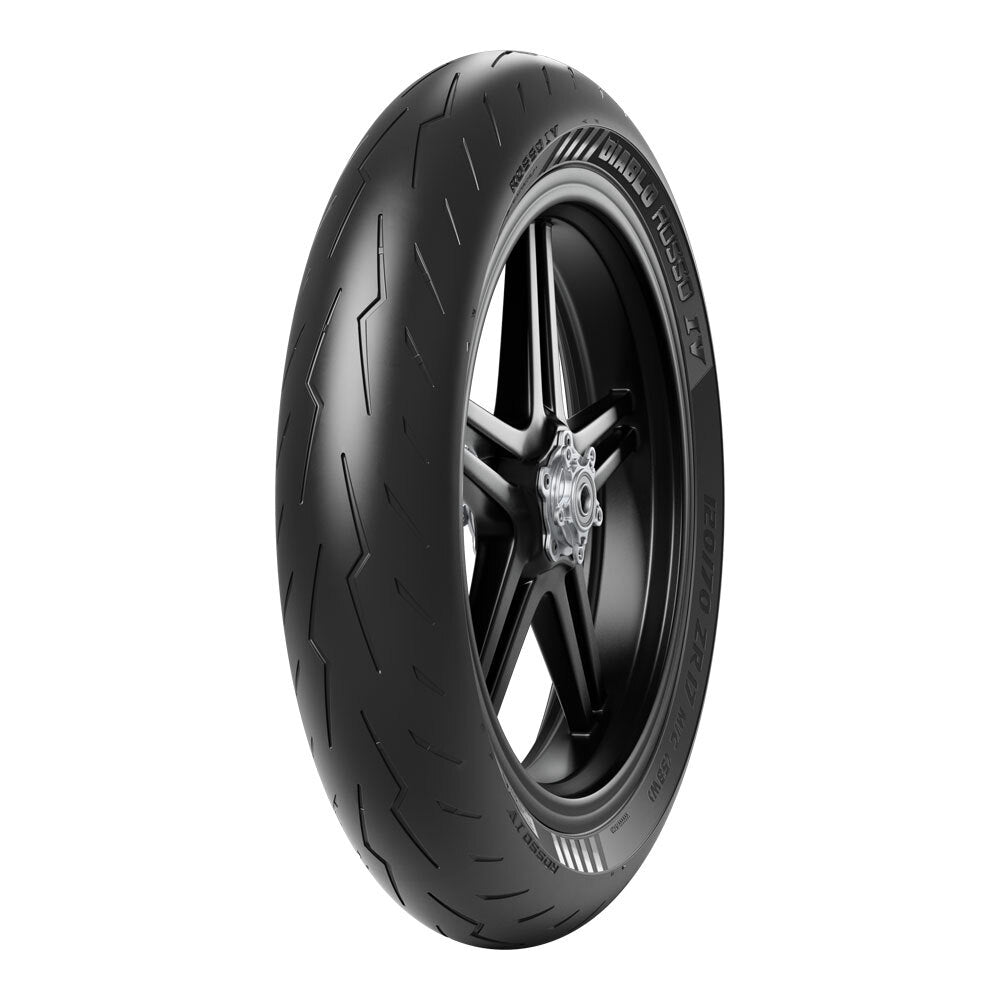
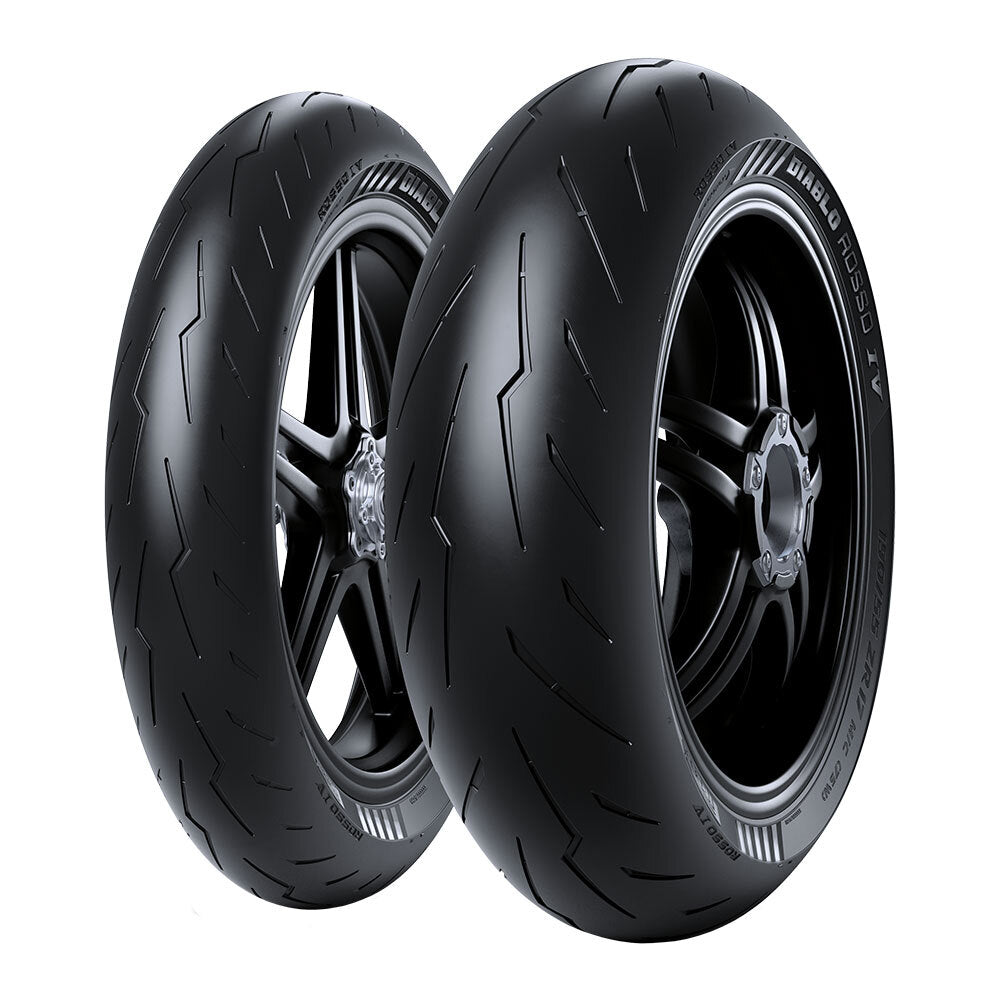
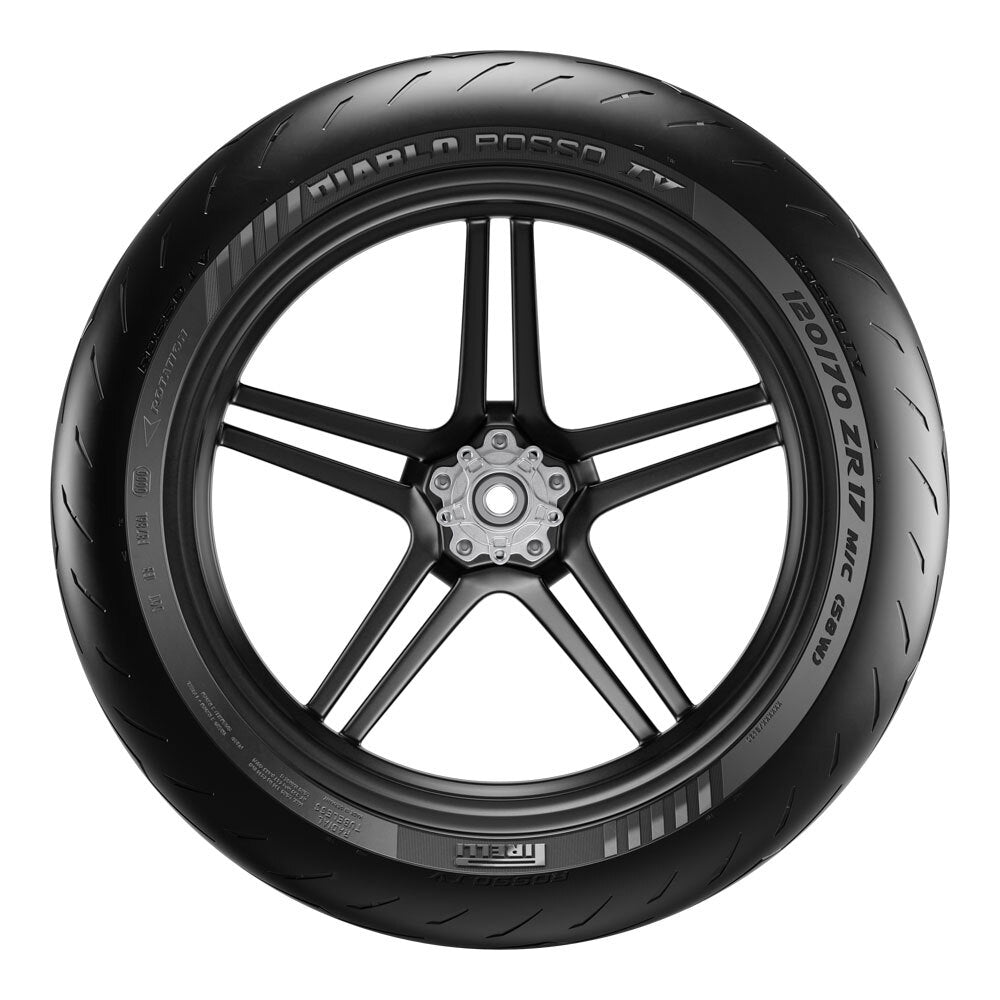
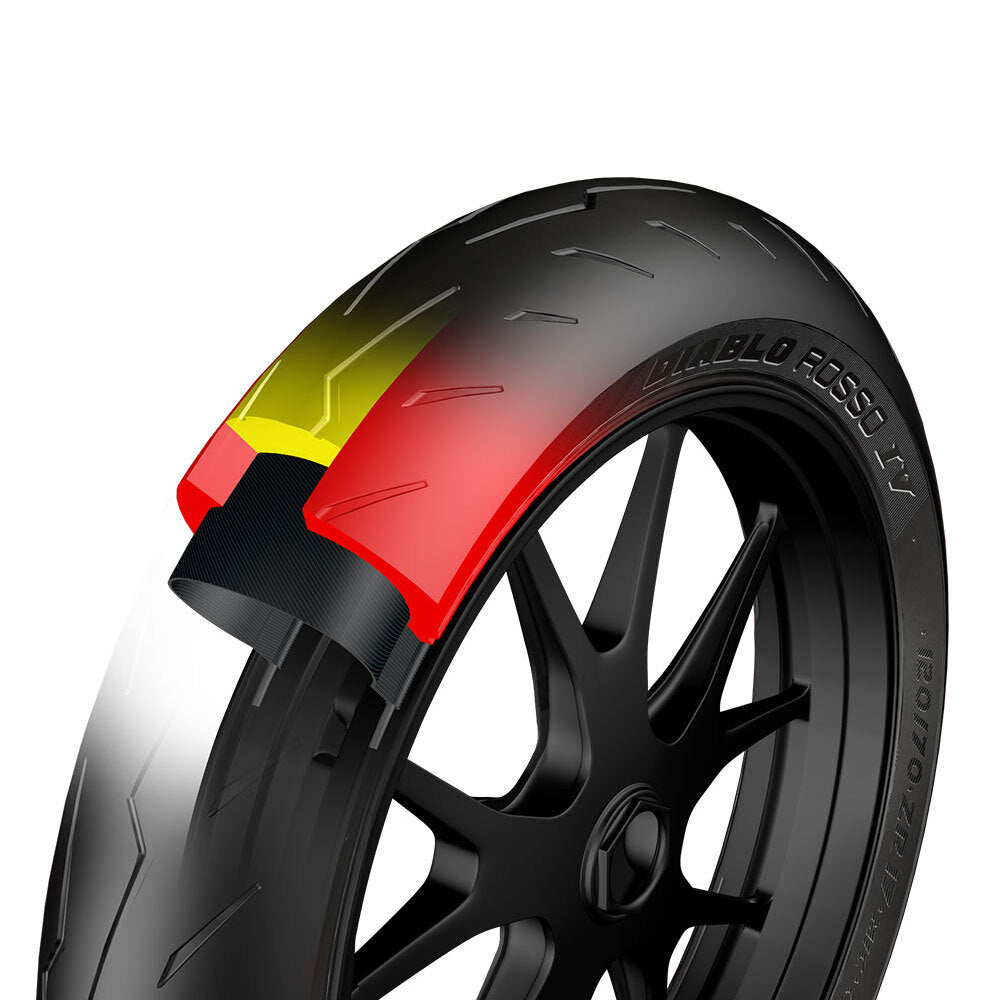
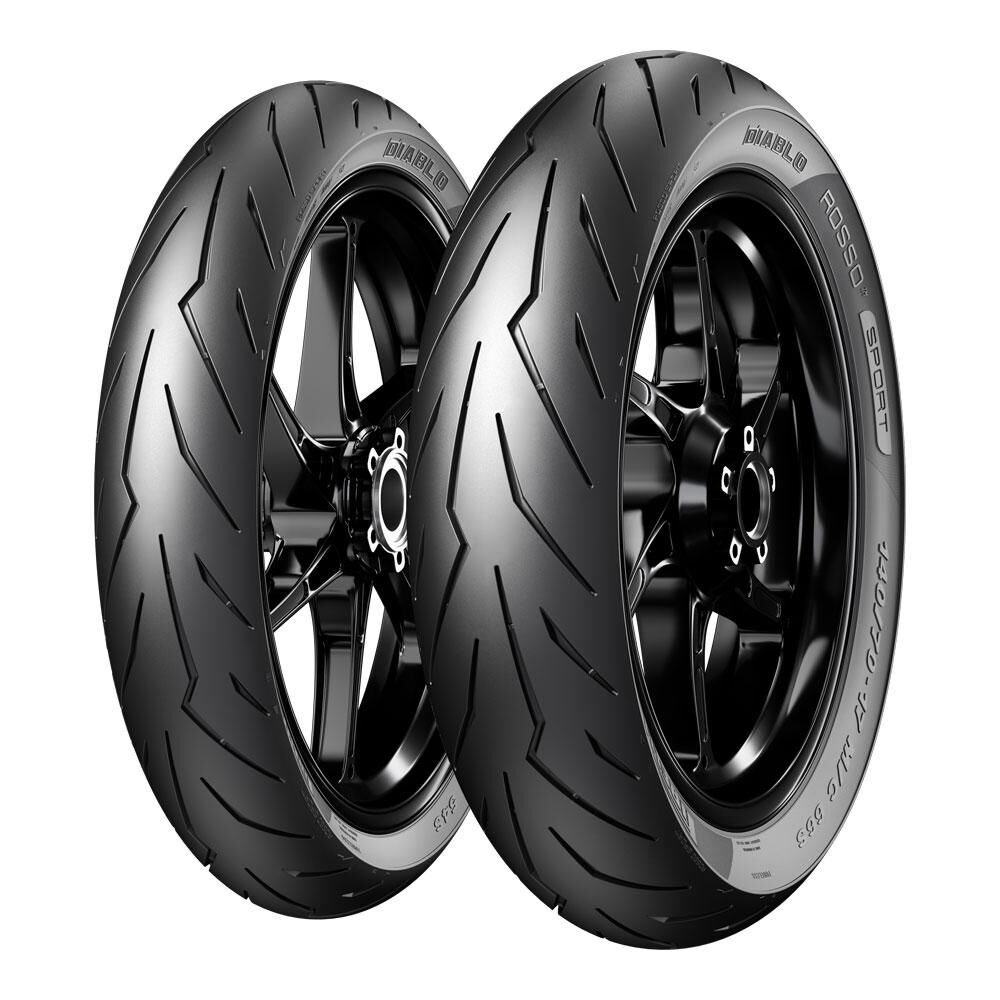

PIRELLI DIABLO ROSSO SPORT 140/70-17 M/C 66S TL

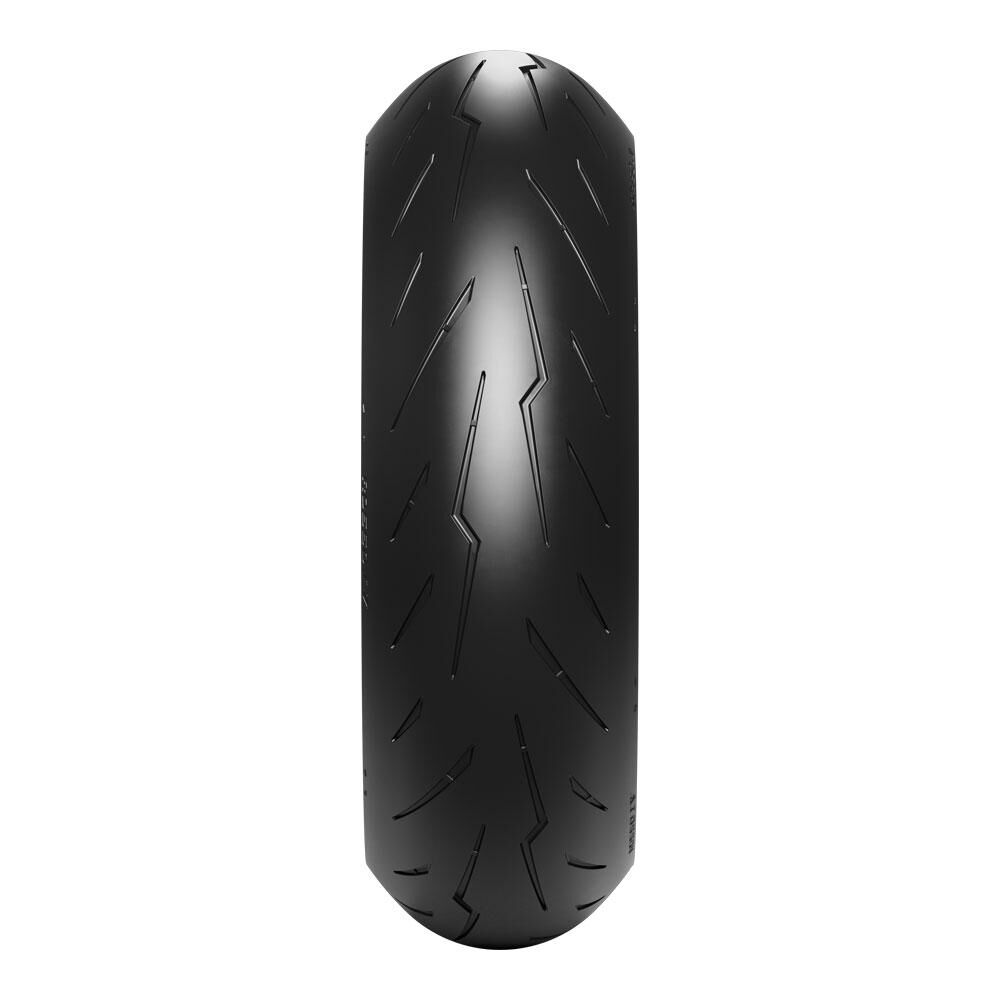
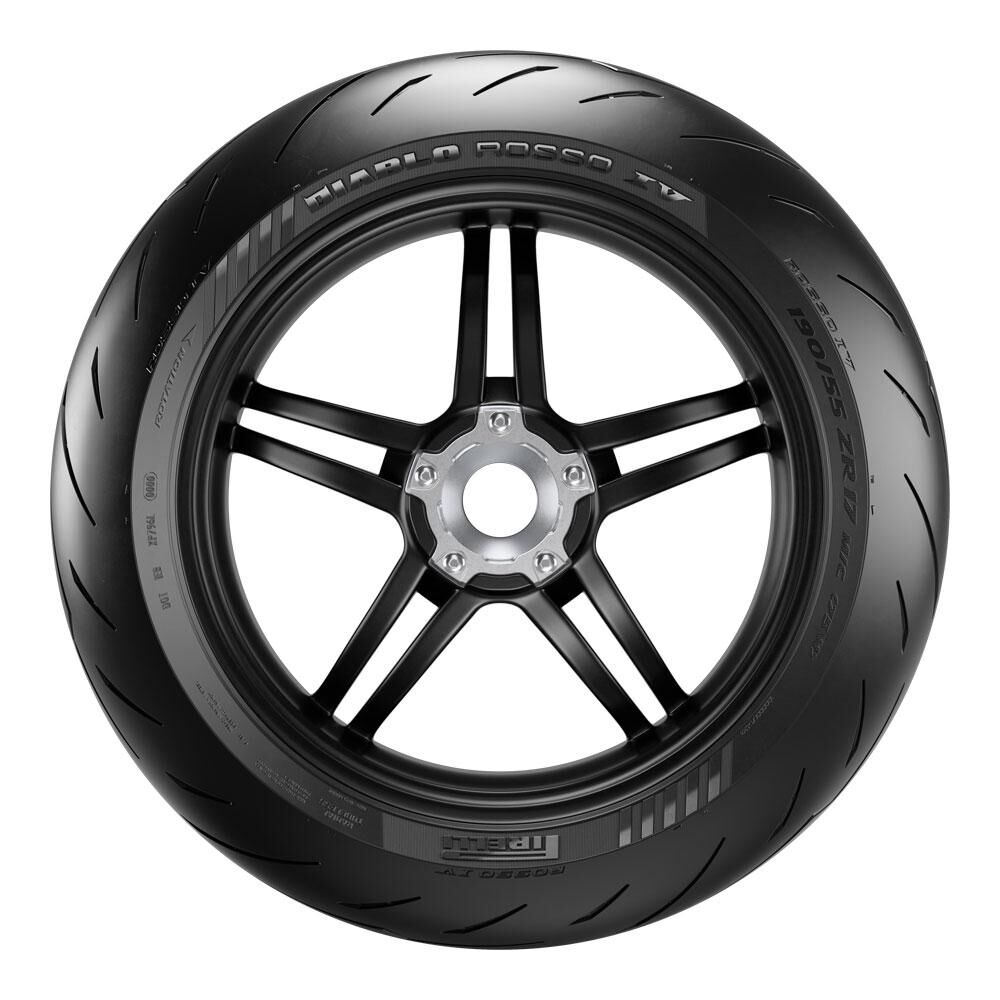
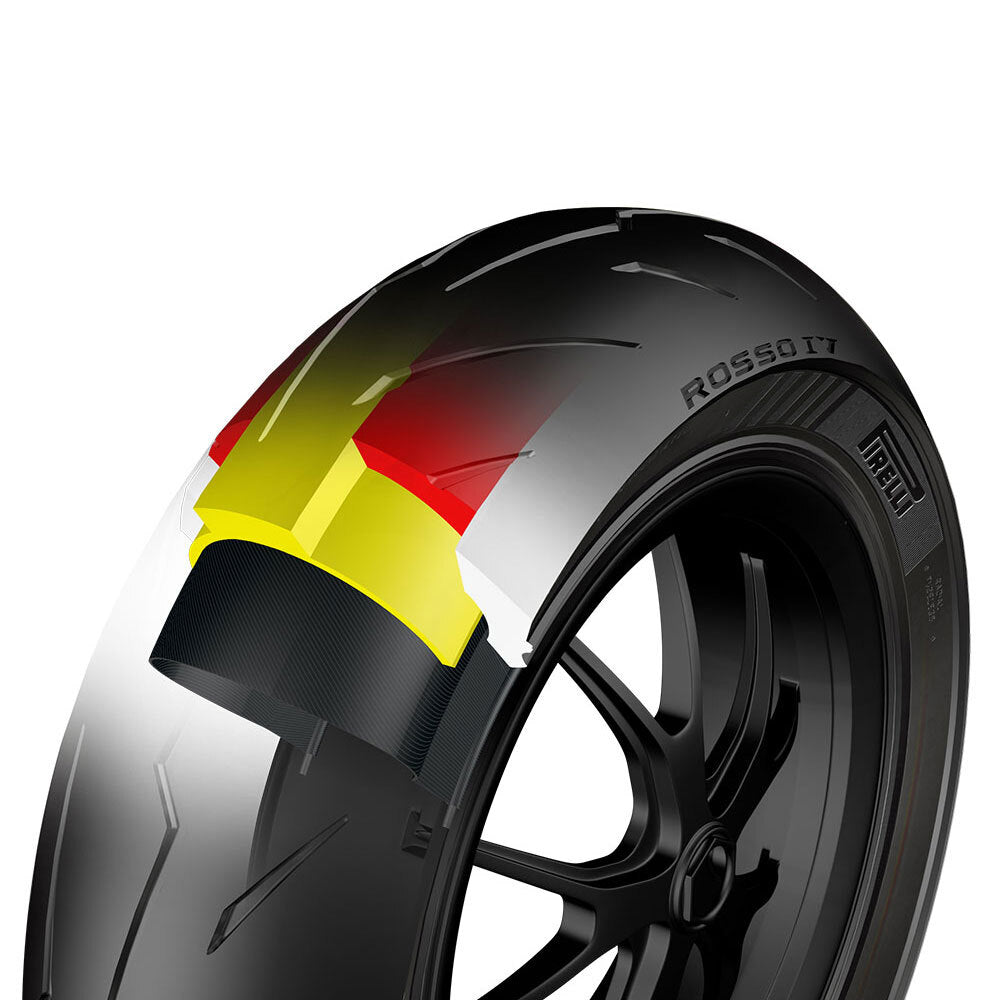
PIRELLI DIABLO ROSSO IV 200/55ZR17 M/C (78W) TL
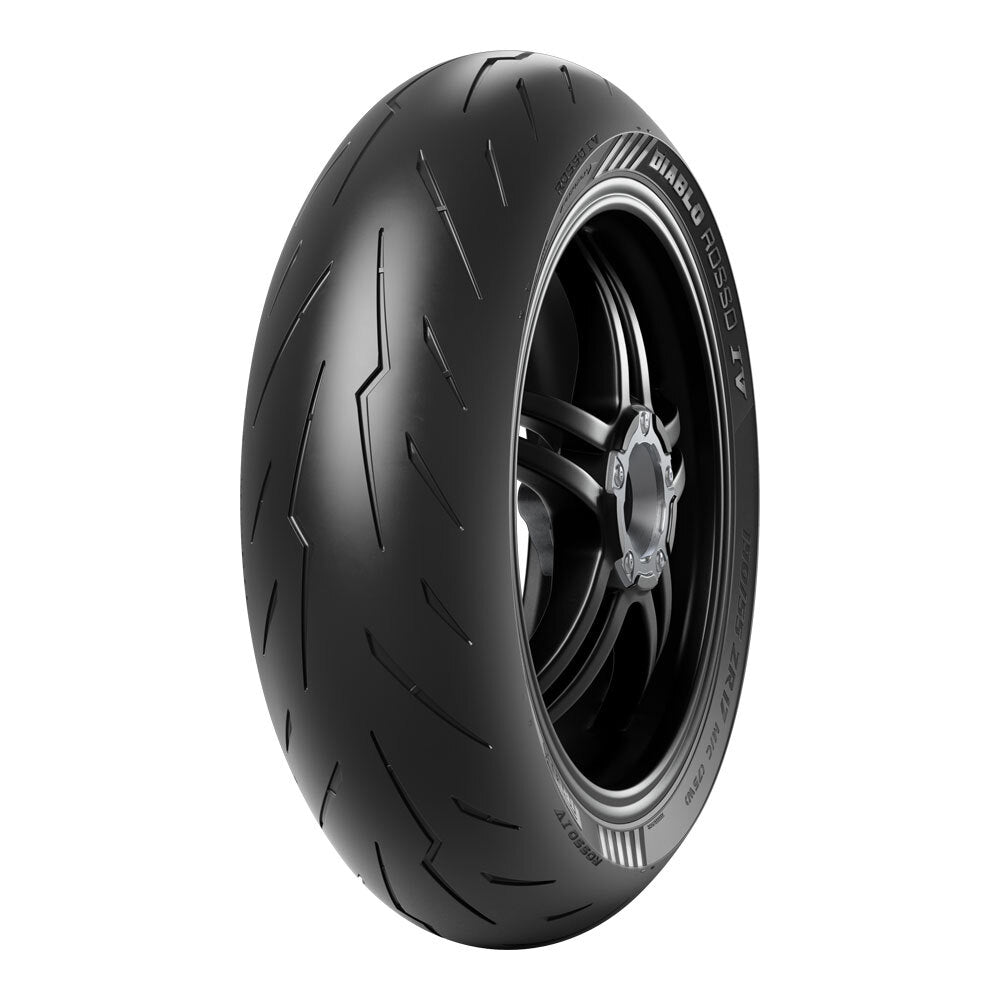
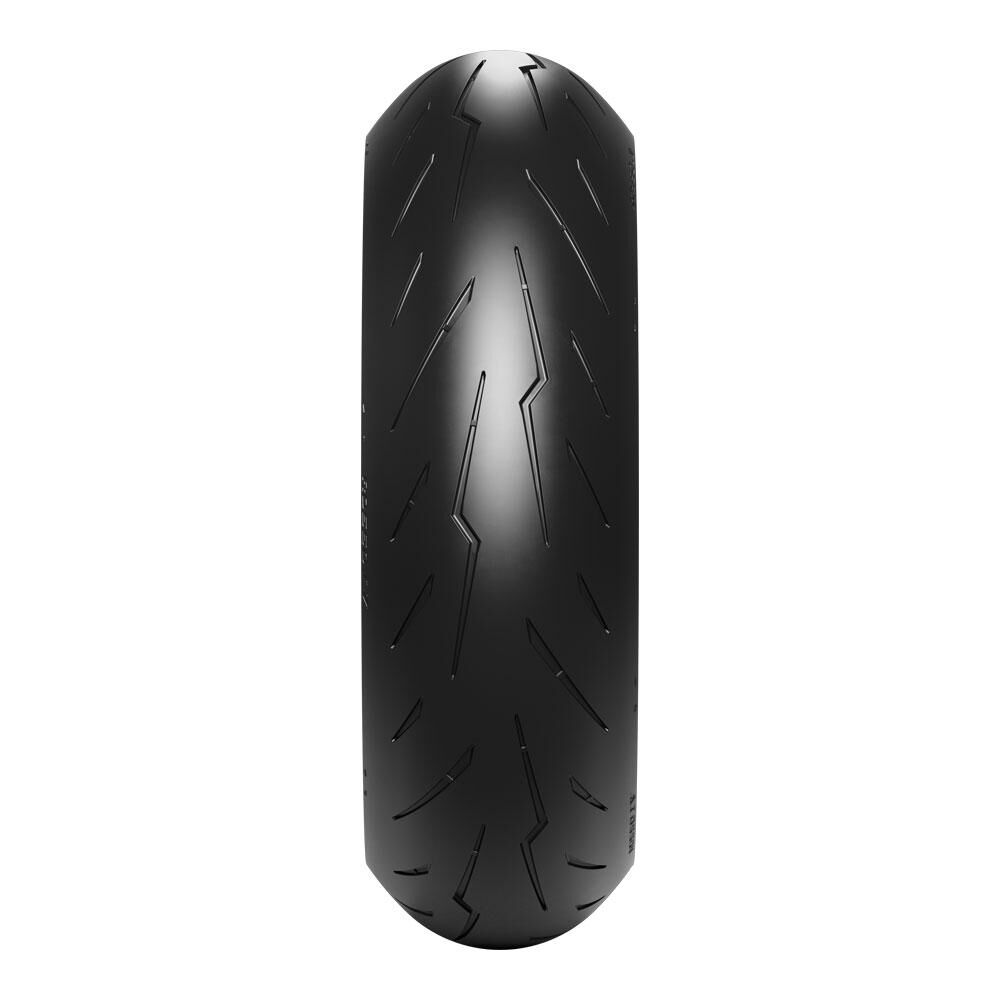


PIRELLI DIABLO ROSSO IV 180/55ZR17 M/C (73W) TL
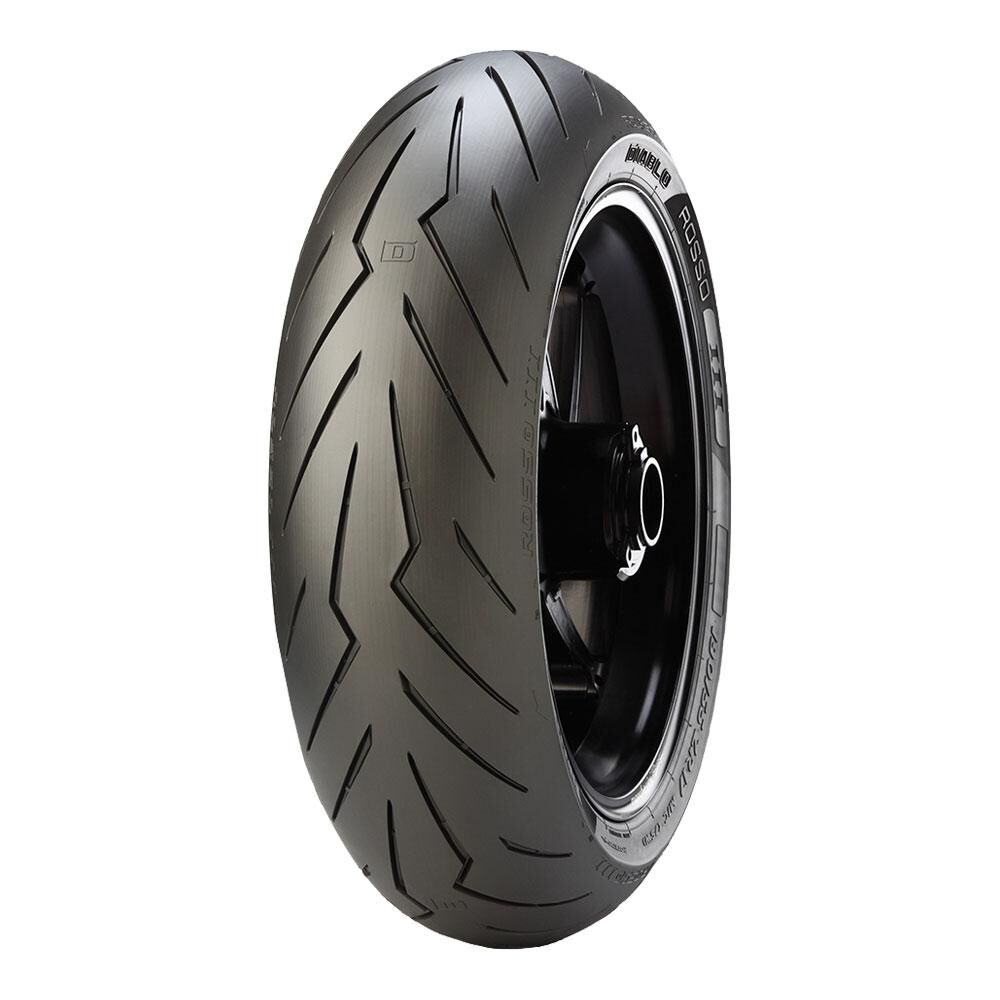
PIRELLI DIABLO ROSSO III 150/60R17 M/C 66H TL
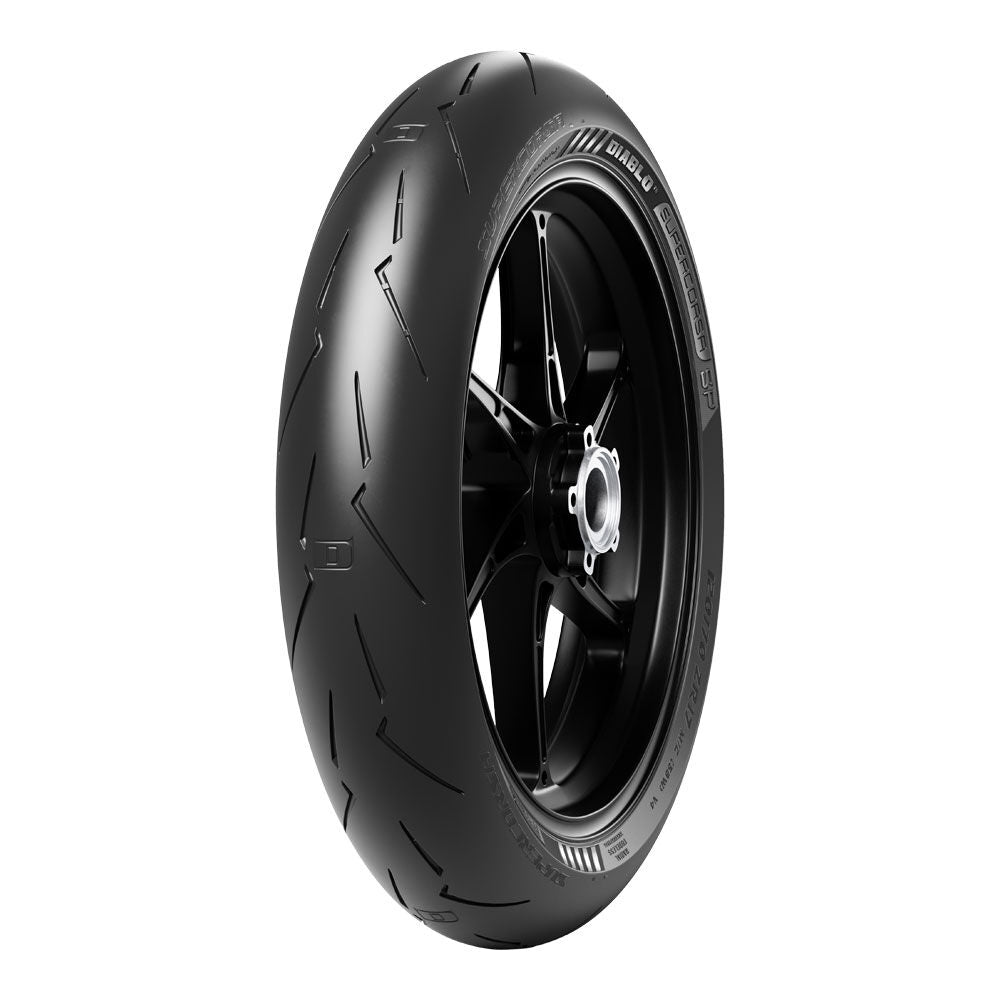

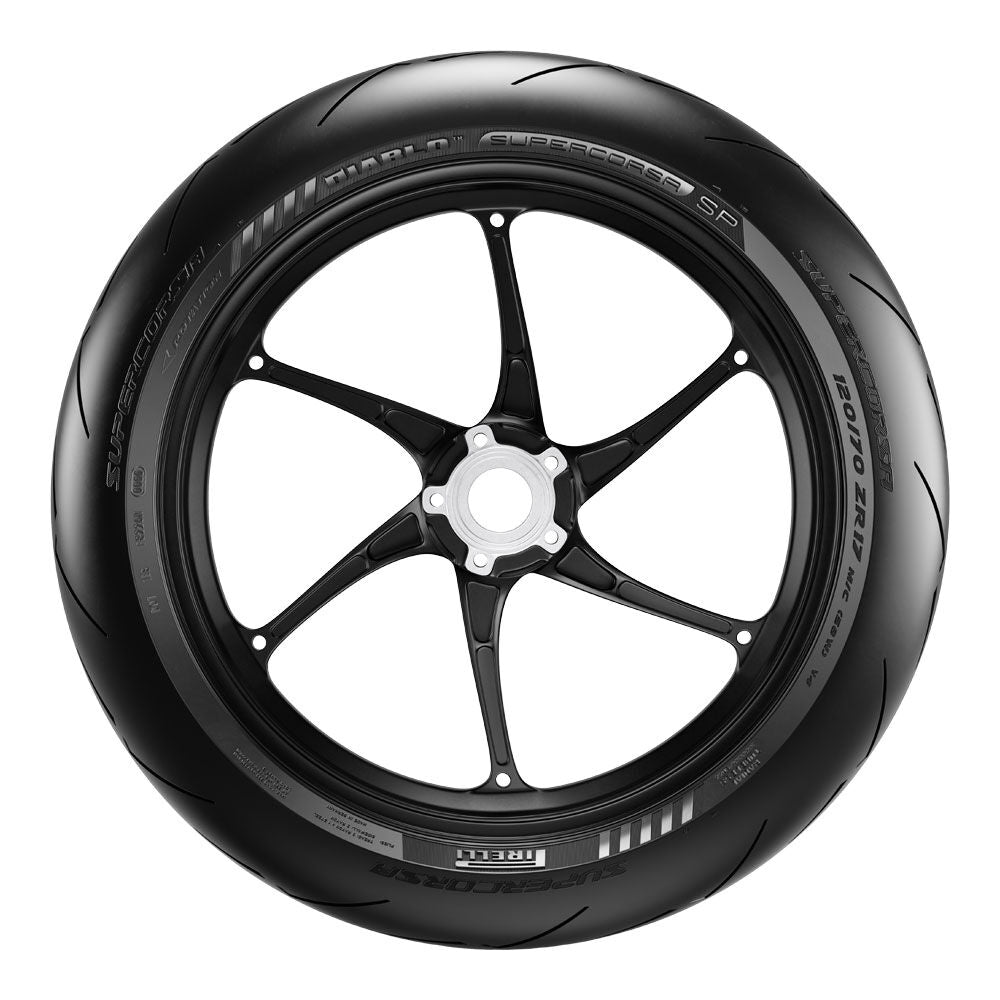
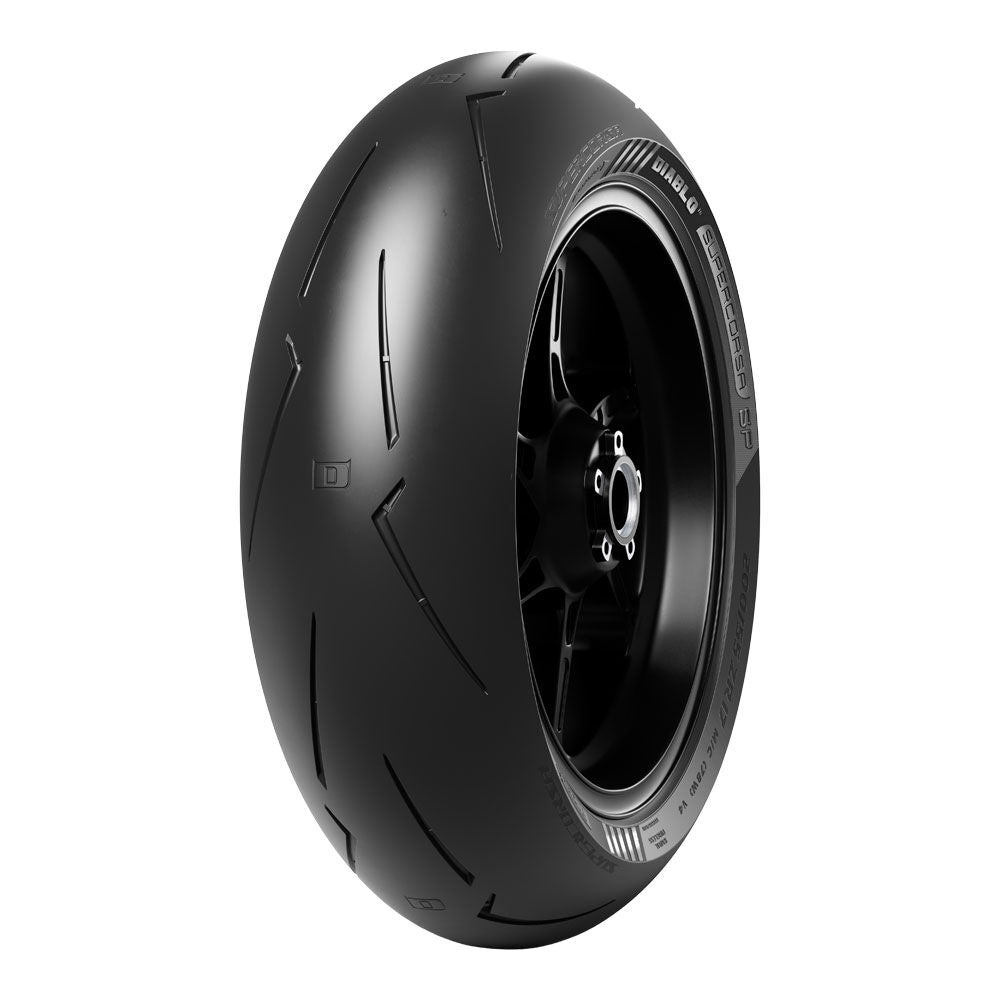
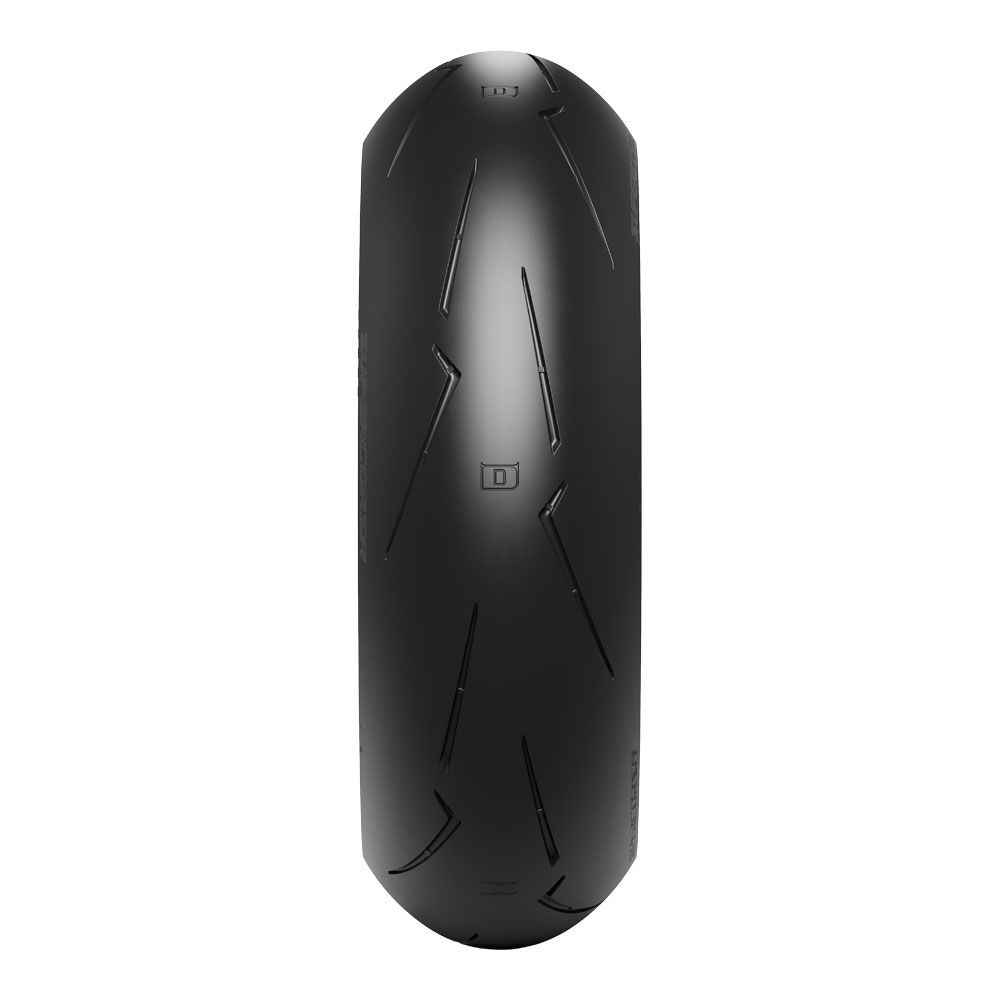
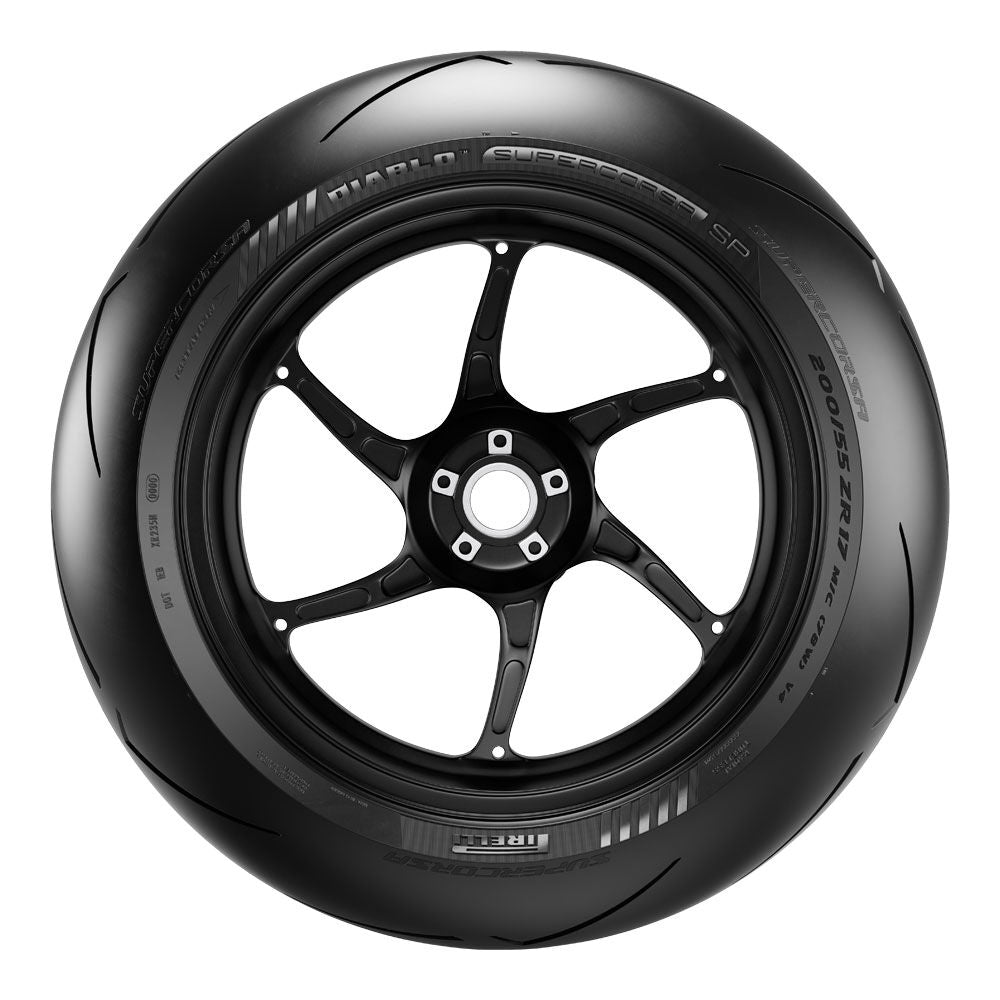
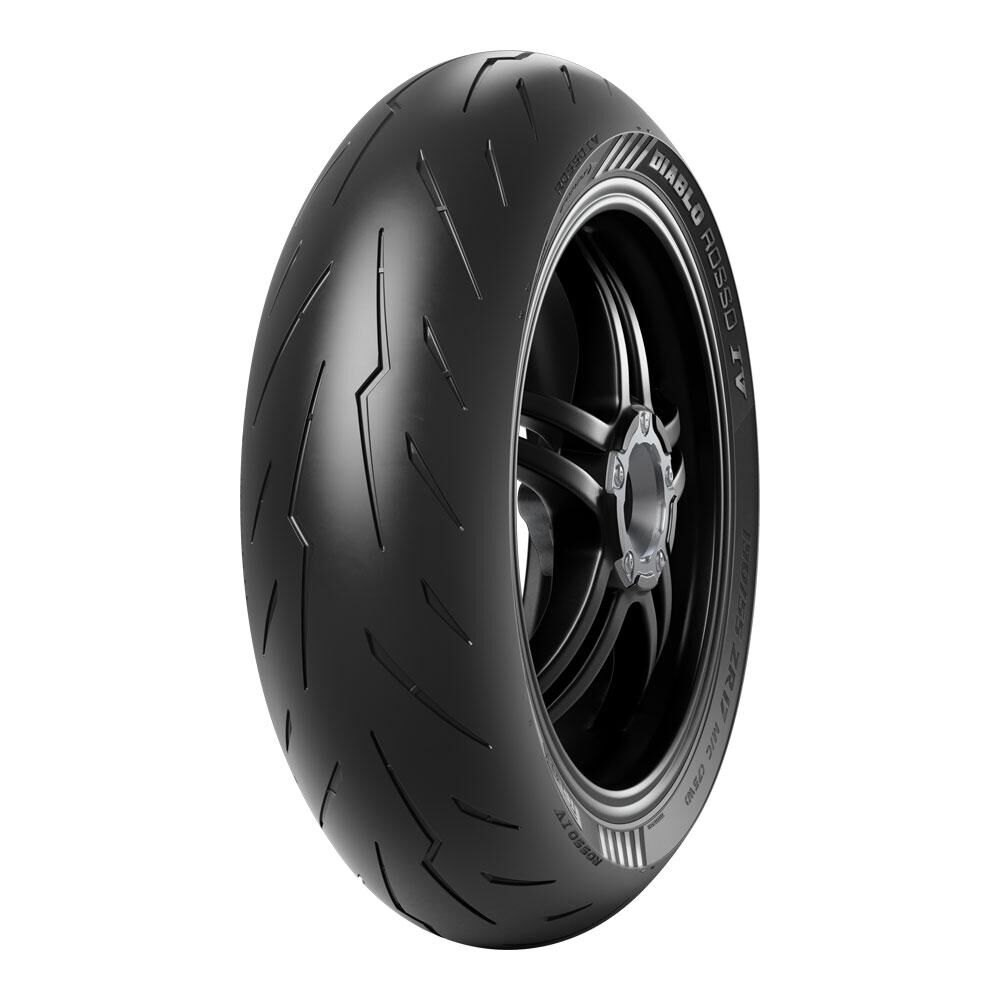

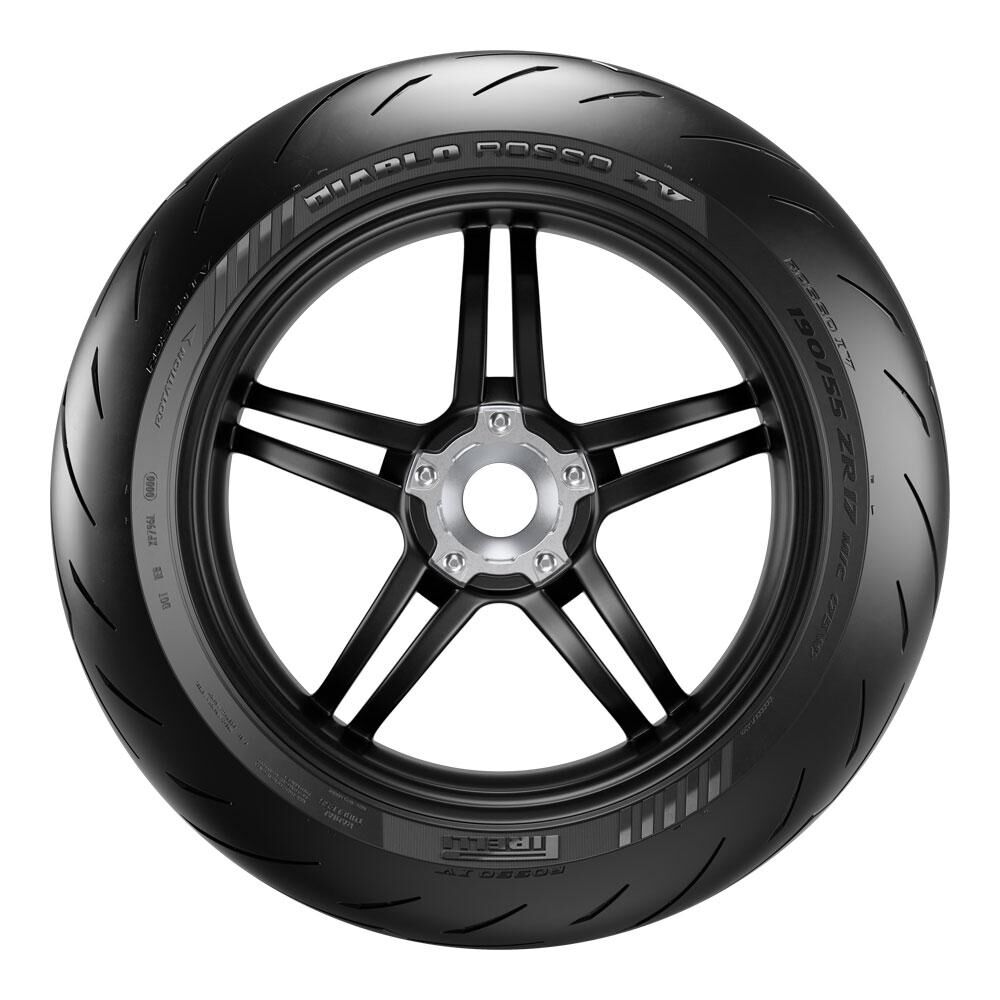

PIRELLI DIABLO ROSSO IV 190/55ZR17 M/C (75W) TL
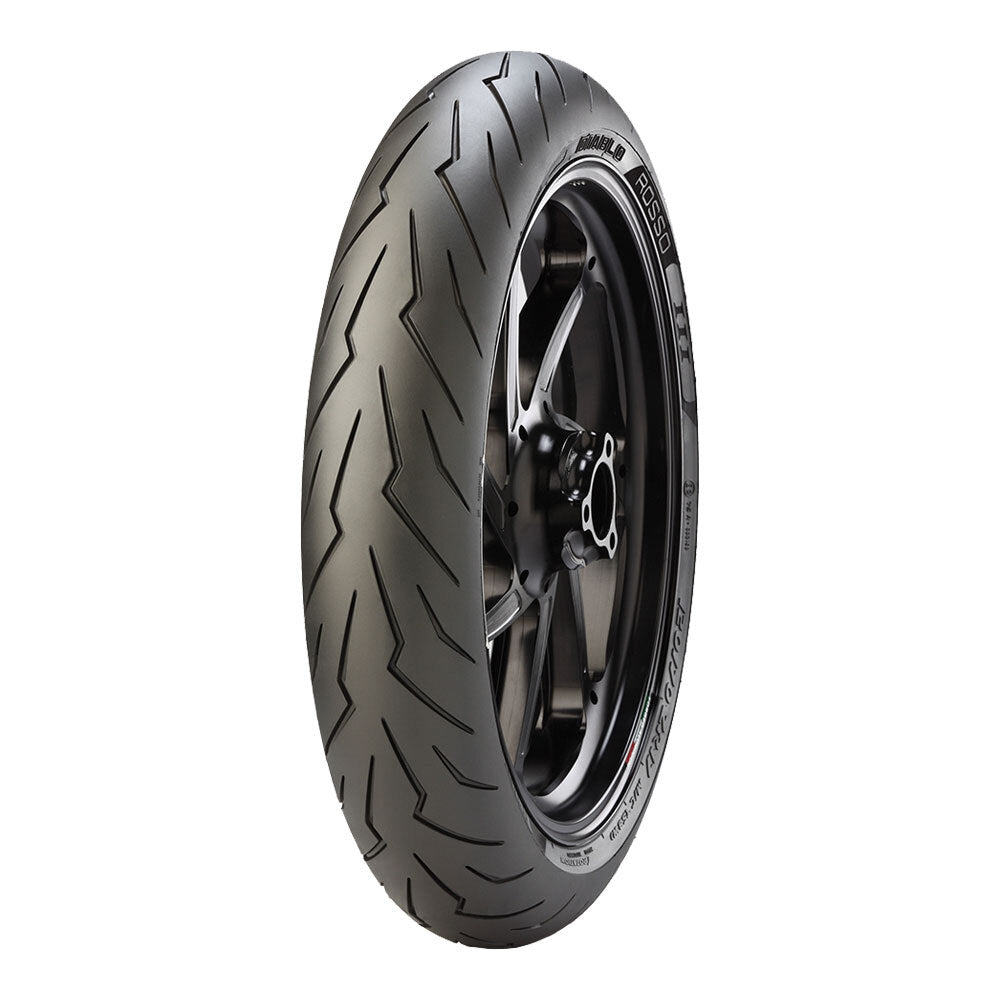
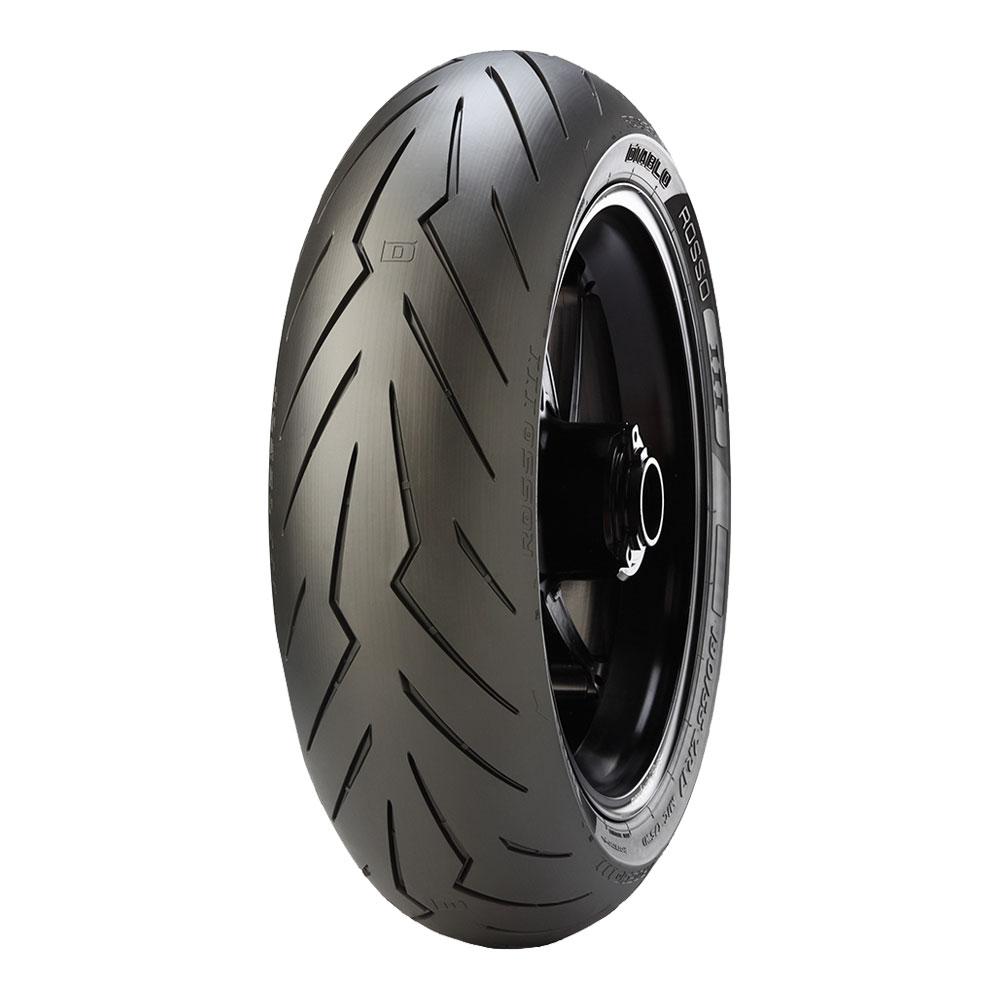
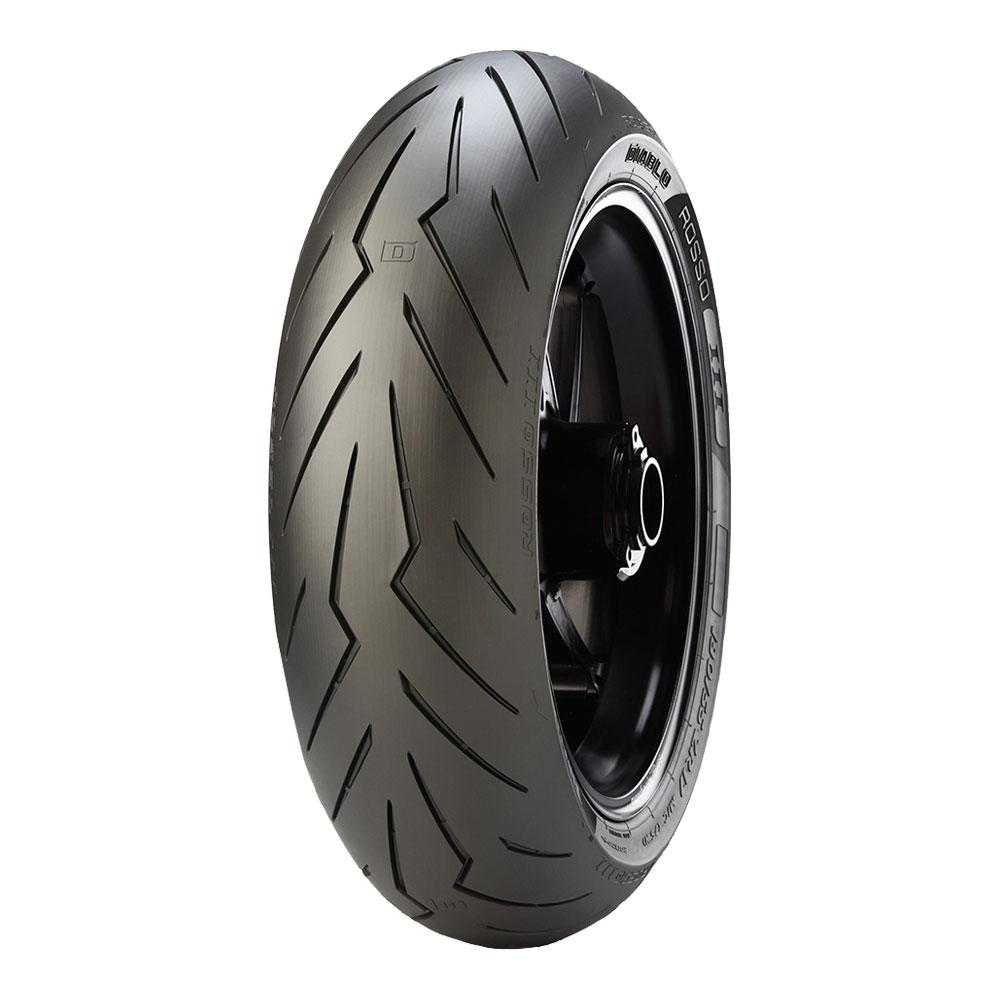

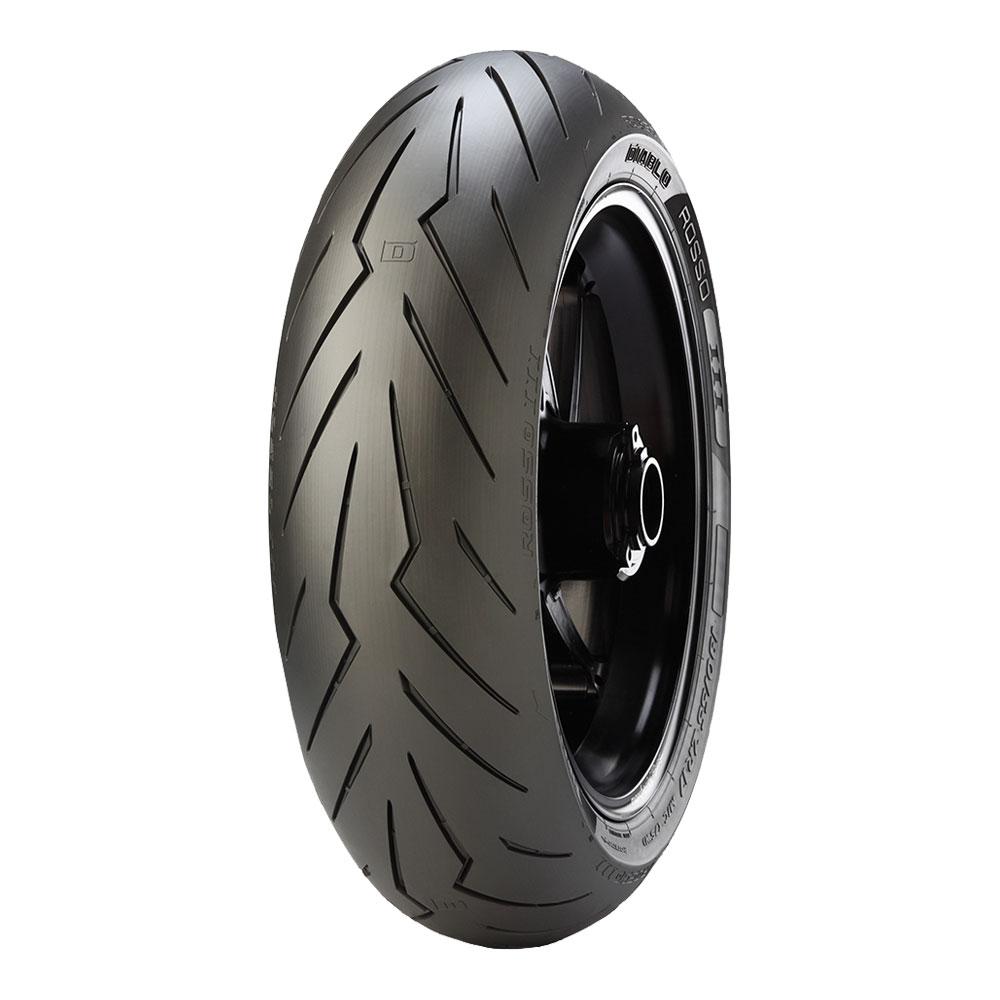
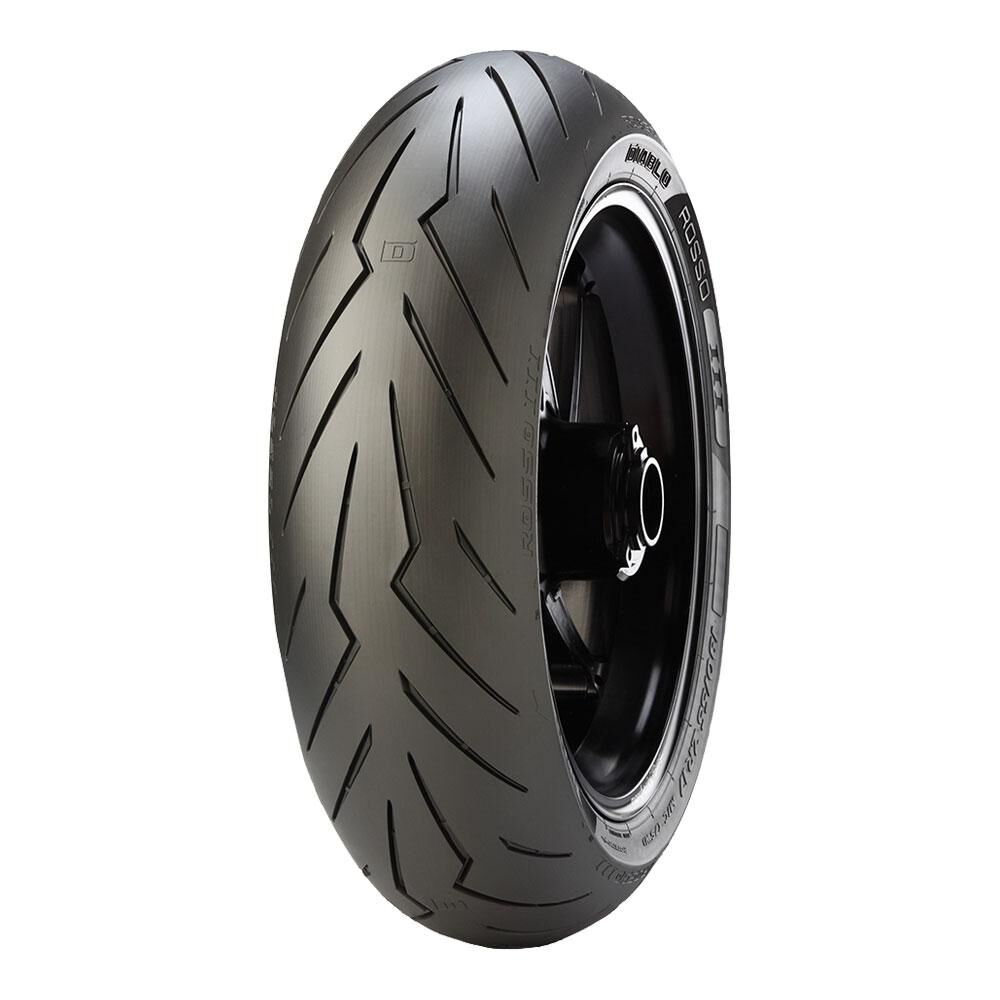
PIRELLI DIABLO ROSSO III 190/55ZR17 (75W) TL
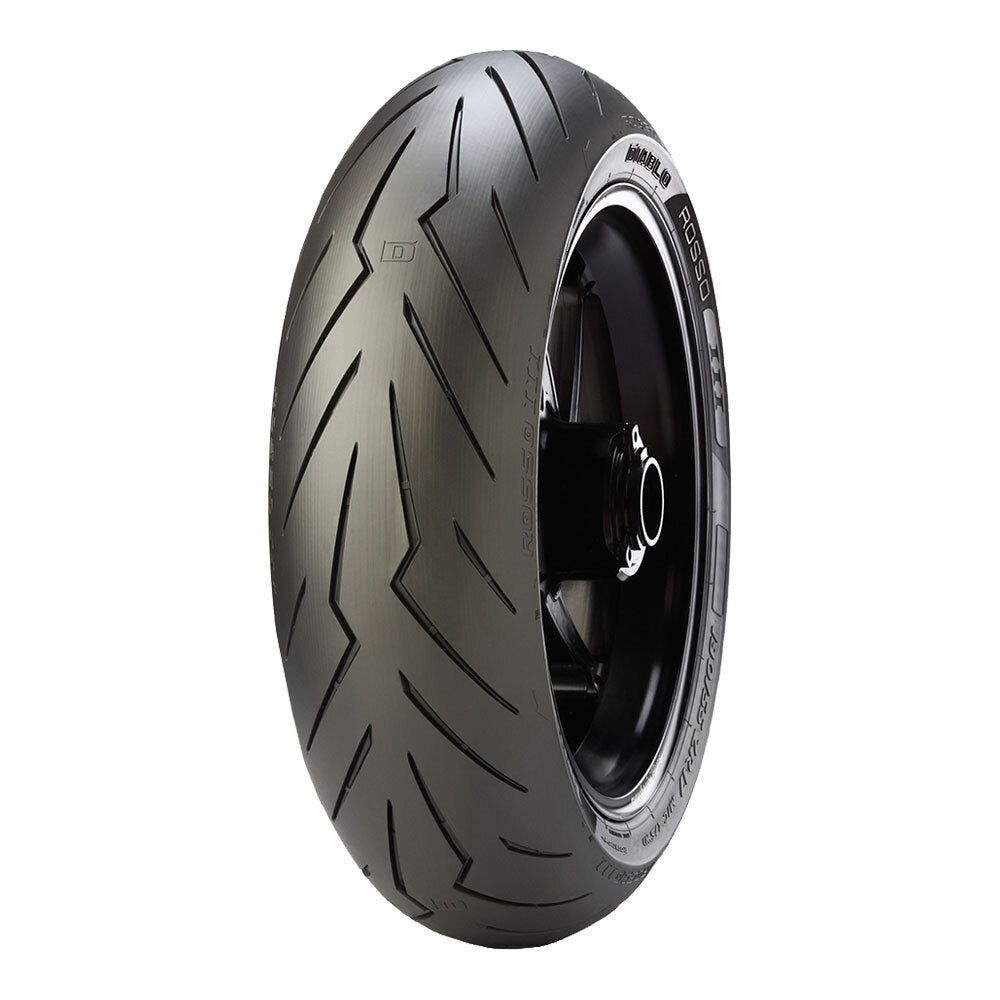
PIRELLI DIABLO ROSSO III 180/55ZR17 (73W) TL

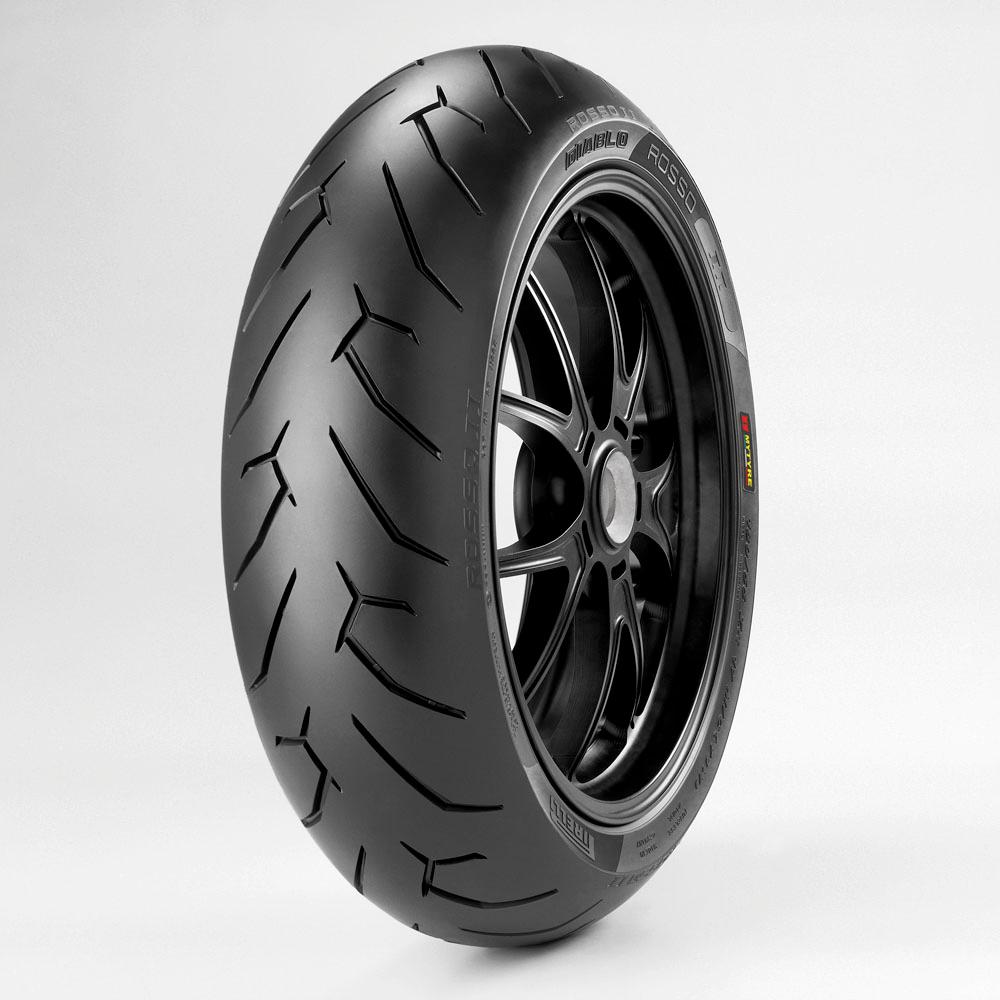
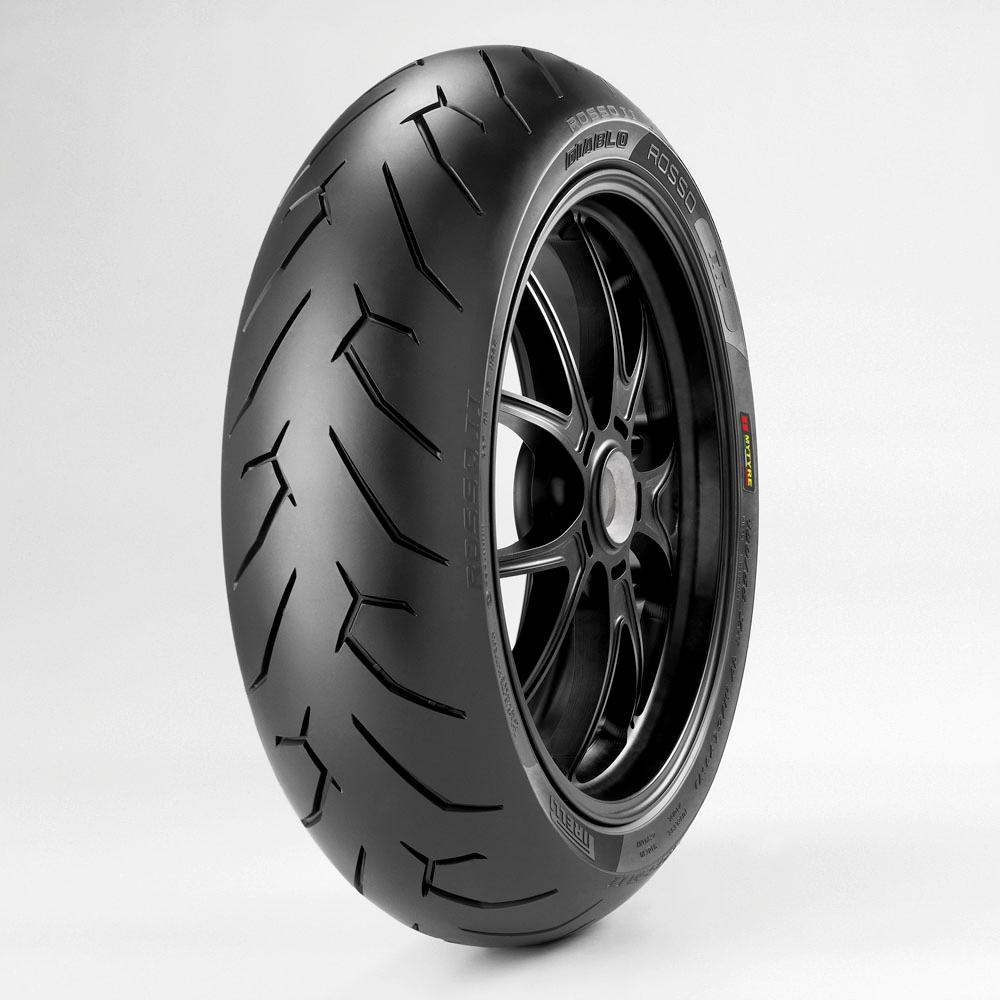
PIRELLI DIABLO ROSSO II 160/60ZR17 M/C (69W) TL

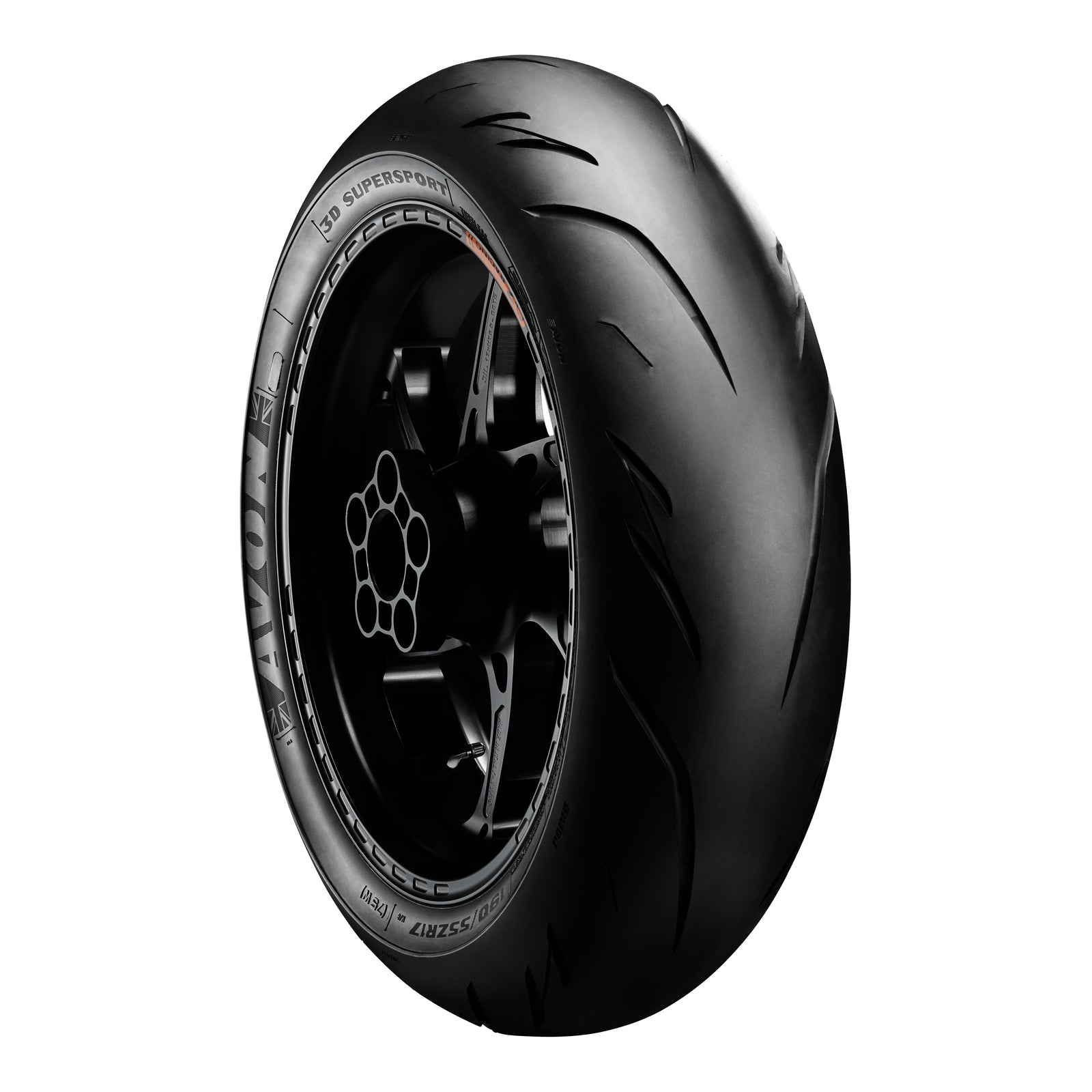
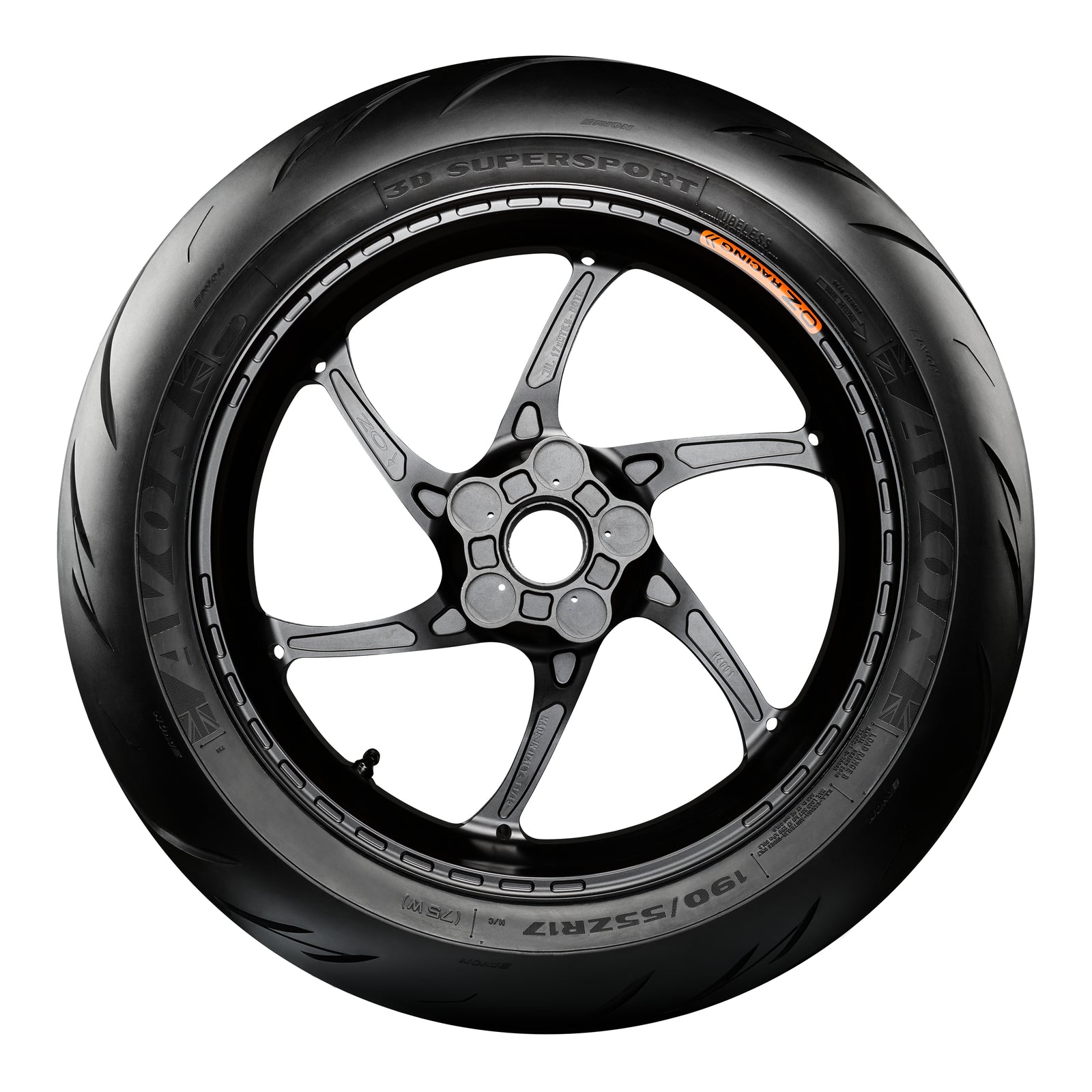
Choosing the Right Sport Tyre
Sport tyres sit at the sharp end of road-tyre engineering. Every compound decision and profile radius is optimised for lean-angle stability, fast heat-up, and consistent feedback through the contact patch. The difference between a hypersport compound and a standard road tyre shows immediately at the first aggressive corner exit.
Compound and Construction
Radial-construction tyres (marked ZR in the size code) maintain structural integrity at sustained high speed, with a speed rating of W (270 km/h) or higher on most ZR fitments. Bias-ply or bias-belted constructions remain common in smaller sport fitments such as 17-inch underbone and commuter-sport sizes, where they deliver predictable handling at reduced rolling weight. Tubeless fitments (TL) are standard across sport categories; always confirm TL compatibility before fitting.
Reading a Sport Tyre Size
A size code like 120/70-17 breaks down as: 120 mm section width, 70 aspect ratio (sidewall height = 70% of 120 mm = 84 mm), 17-inch rim diameter. Getting this right matters as a mismatched aspect ratio changes steering geometry, trail, and tyre clearance from the swingarm.
Brand Comparison
| Brand | Flagship Sport Line | Key Technology | Primary Application |
|---|---|---|---|
| Pirelli | Diablo Rosso Sport | Multi-compound tread, silica-loaded flanks | Aggressive street, sport-touring |
| Michelin | Power Cup Evo | 2CT+ dual-compound, 0° steel belt rear | Trackday / fast road hybrid |
| Michelin | Pilot Street 2 | All-weather silica compound | Sport-commuter, smaller displacement |
| Avon | Sport range | Carbon-black compound, sport profile radius | British-road biased sport use |
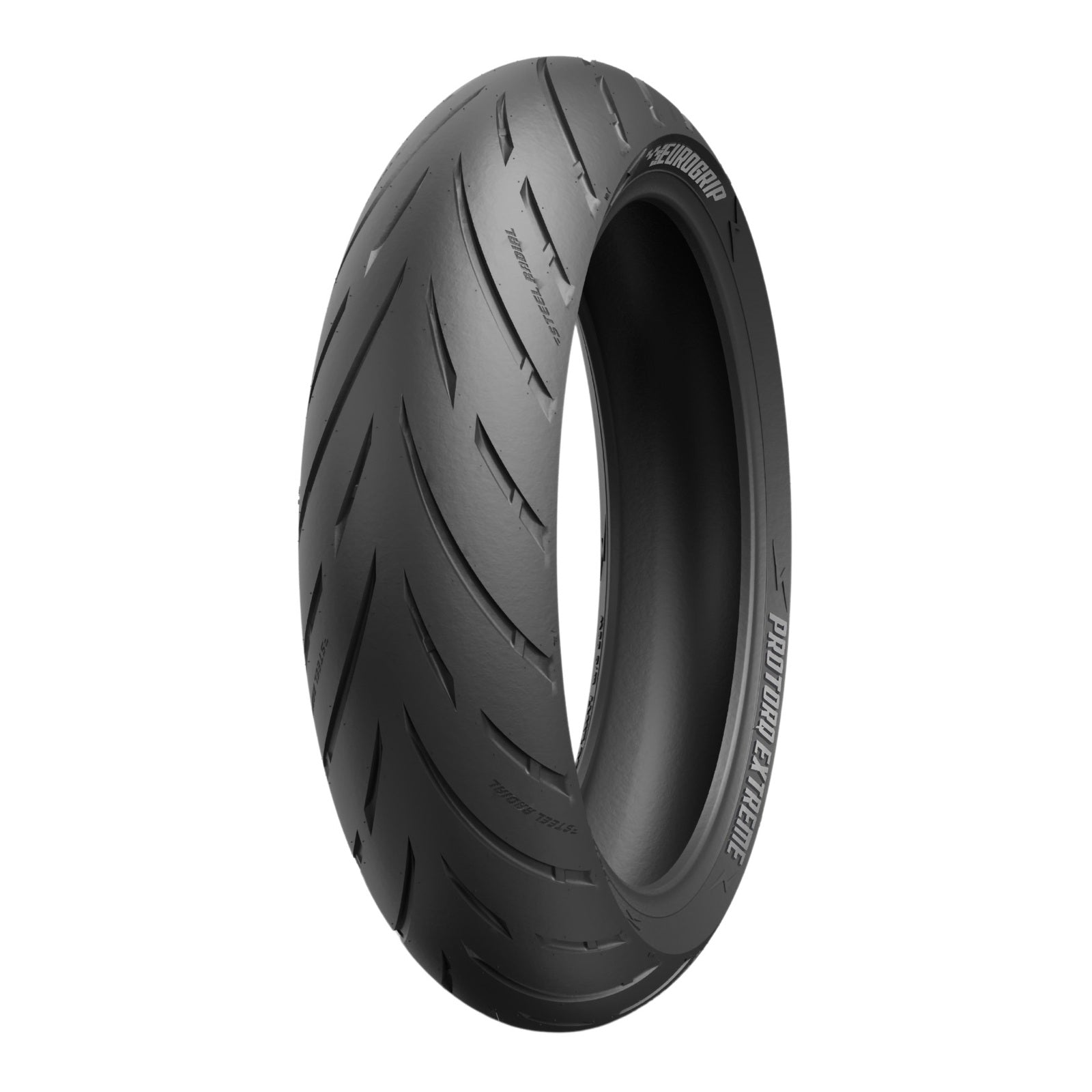
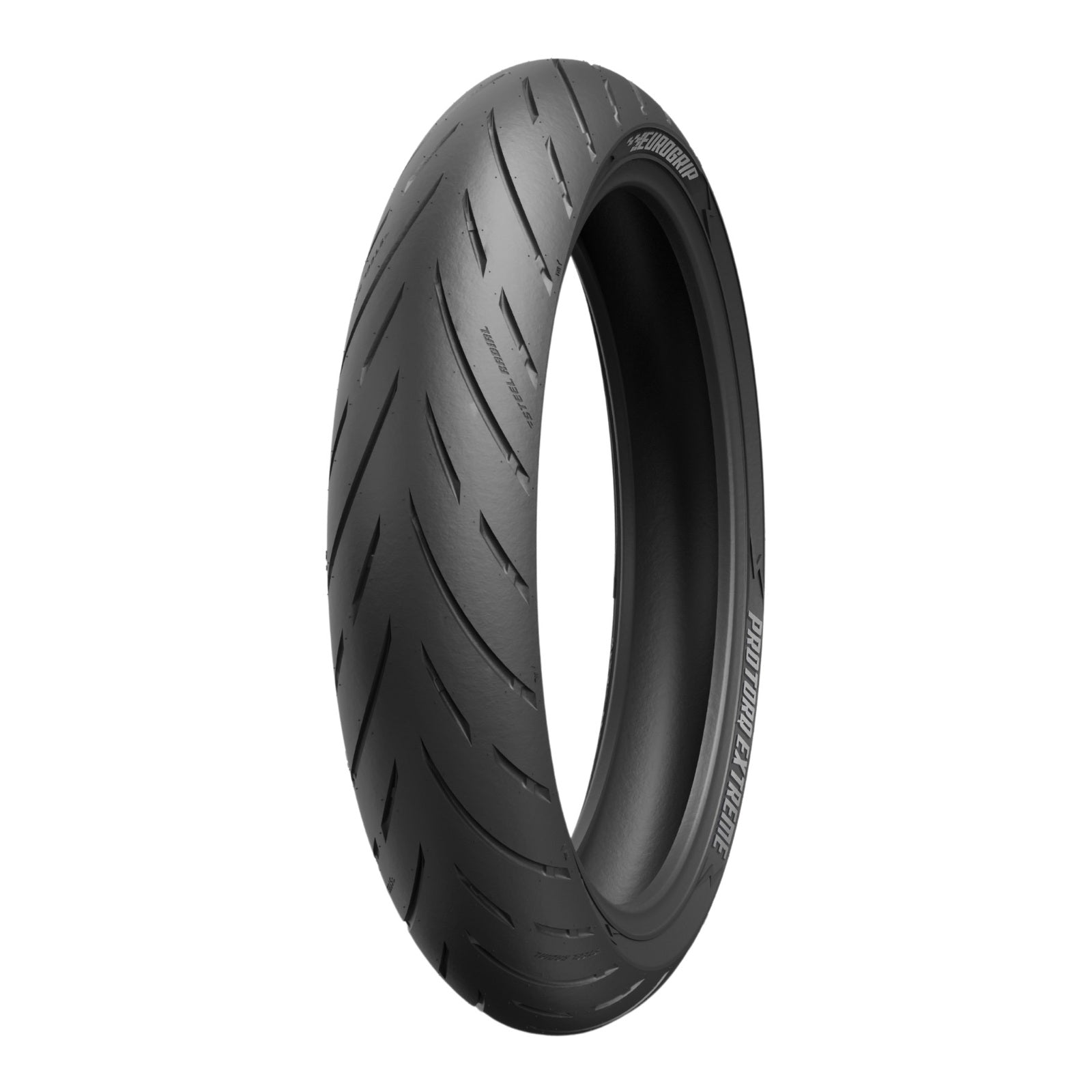
| Eurogrip | Sport series | Symmetric tread pattern, single compound | Entry-level sport, 17-inch fitment |
Front and Rear Pairing
Front tyres prioritise steering precision and braking stability; rears carry drive load and manage heat from acceleration. Michelin Power Cup Evo specifies separate front (120/70-17, 58W) and rear (150/60 ZR-17, 66W) constructions for exactly this reason. Mixing brands across an axle pair is not recommended by any of the manufacturers stocked here as tyre engineers calibrate flex characteristics as a matched system.
Fitment Sizes and Trackday Gear
Common fitments across this range include 90/80-17, 110/70-17, 120/70-17, 130/70-17, and 150/60-17, covering sport bikes from 125 cc through open-class superbikes. Speed indices run from 46S (150 km/h) on smaller sport-commuter fitments through 66W (270 km/h) on ZR rear fitments. Riders heading to a trackday should pair these tyres with CE Level 2 armour in jackets and pants; CE Level 1 armour is the minimum for road use, while Level 2 certified protectors are the standard recommendation for circuit environments. EN 17092 AAA-rated textile or leather jackets complete a compliant trackday kit alongside sport-compound rubber.
Frequently asked questions
What is the difference between a sport tyre and a touring tyre?
Sport tyres use softer, faster-warming compounds optimised for grip at lean angle, with a sharper profile radius that quickens steering. Touring tyres use harder compounds rated for higher mileage and heavier load indices, with a rounder profile that prioritises straight-line stability and wet-weather durability.
Can I use a Michelin Power Cup Evo on the road every day?
The Power Cup Evo is a trackday-biased tyre with a dual-compound 2CT+ construction and a 0° steel belt in the rear. It performs best once heat-cycled to operating temperature. On short, cold commutes the compound takes longer to reach optimal grip than a street-focused tyre, so Michelin positions it primarily for fast road and circuit use rather than daily short-trip commuting.
How do I match front and rear sport tyres correctly?
Start with the size code stamped on the rim or in the bike's owner manual: section width, aspect ratio and rim diameter must all match. For radial fitments, confirm the speed index meets or exceeds your bike's top speed rating. Manufacturers including Pirelli and Michelin engineer their front and rear sport tyres as matched pairs, and mixing brands across axles can alter handling balance.
Afterpay & Zippay Available
Afterpay & Zippay Available