

Textile motorcycle boots deliver the versatile protection road and trail riders need year-round. Merlin, Leatt, TCX, Falco, Fusport and Thor bring waterproof membranes, CE-rated ankle and toe protection, and multi-terrain outsoles into a single category built for Australian riding conditions.
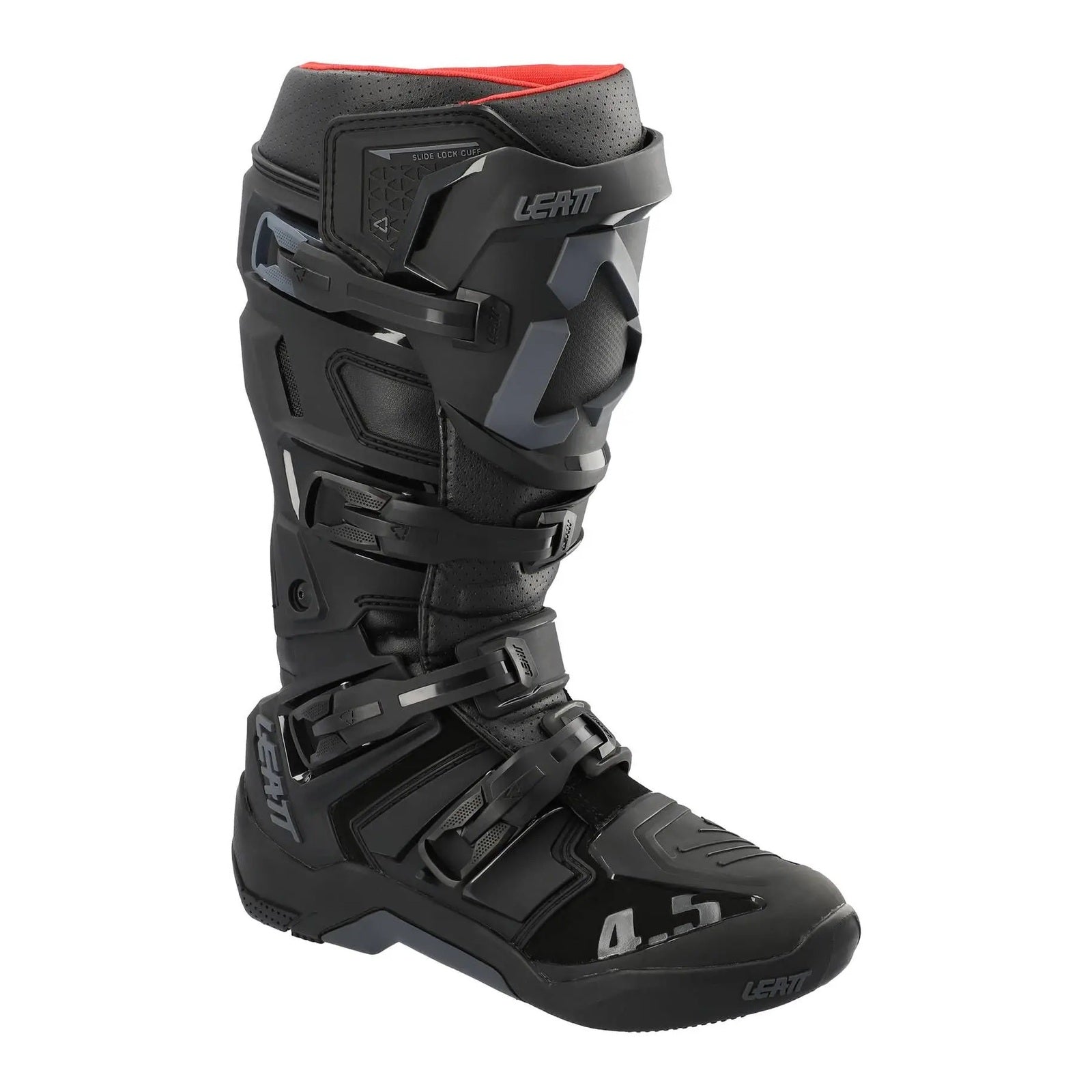
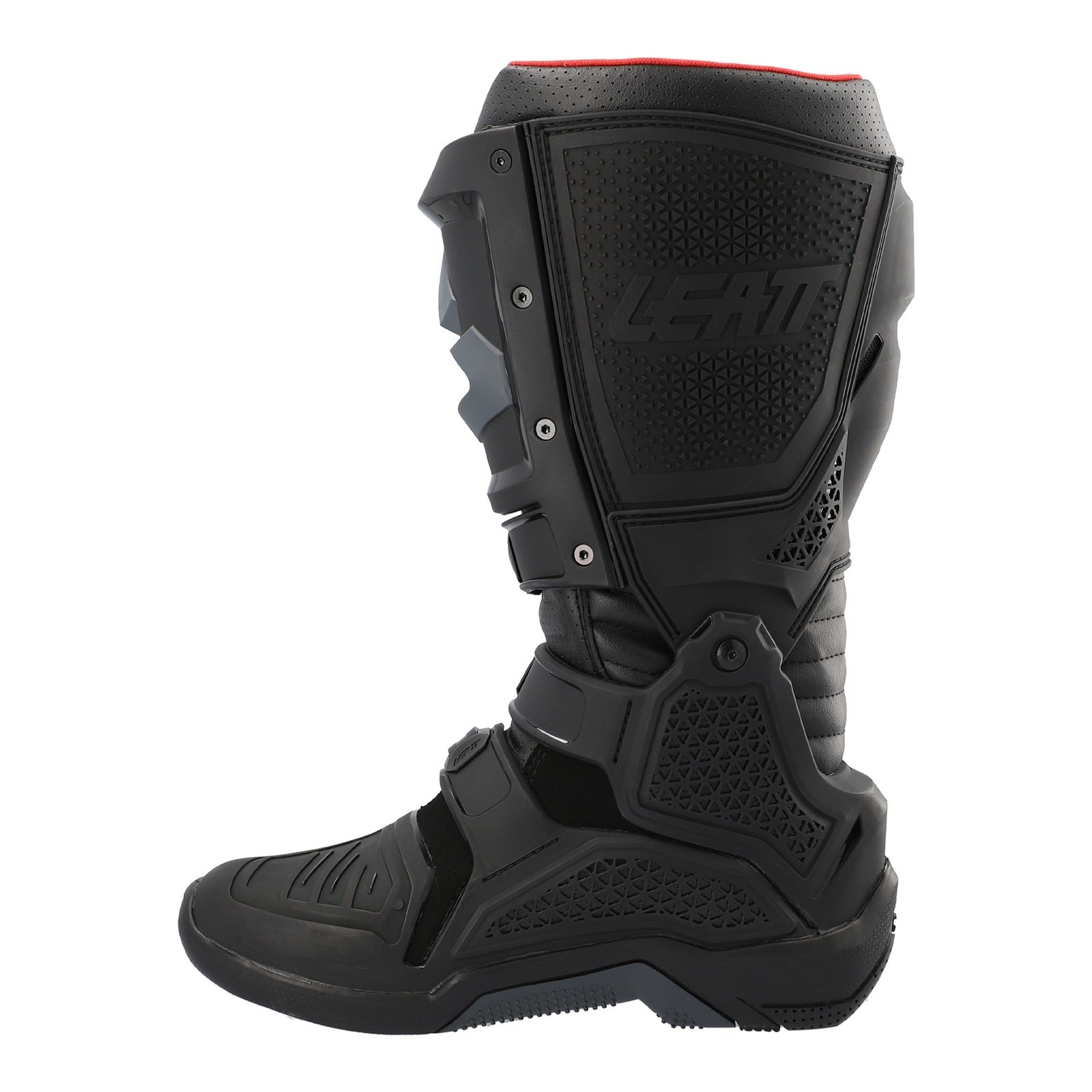
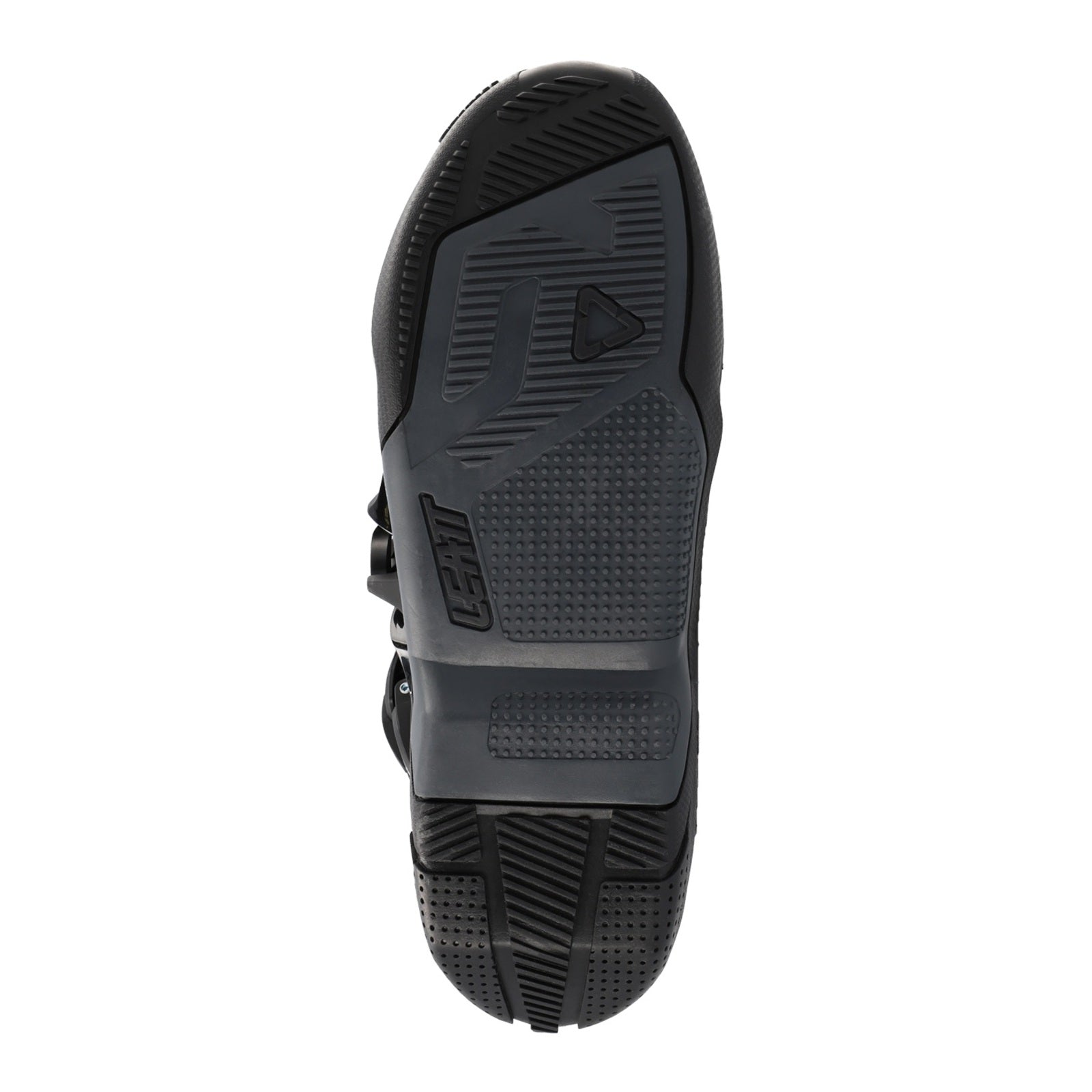
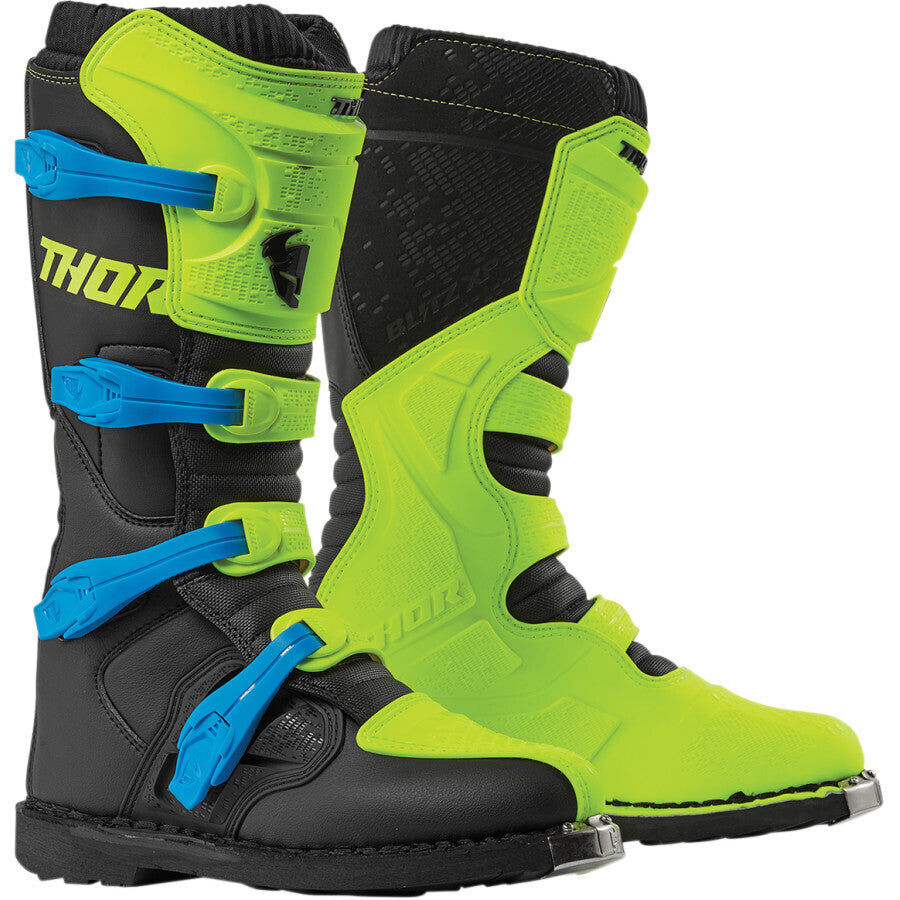
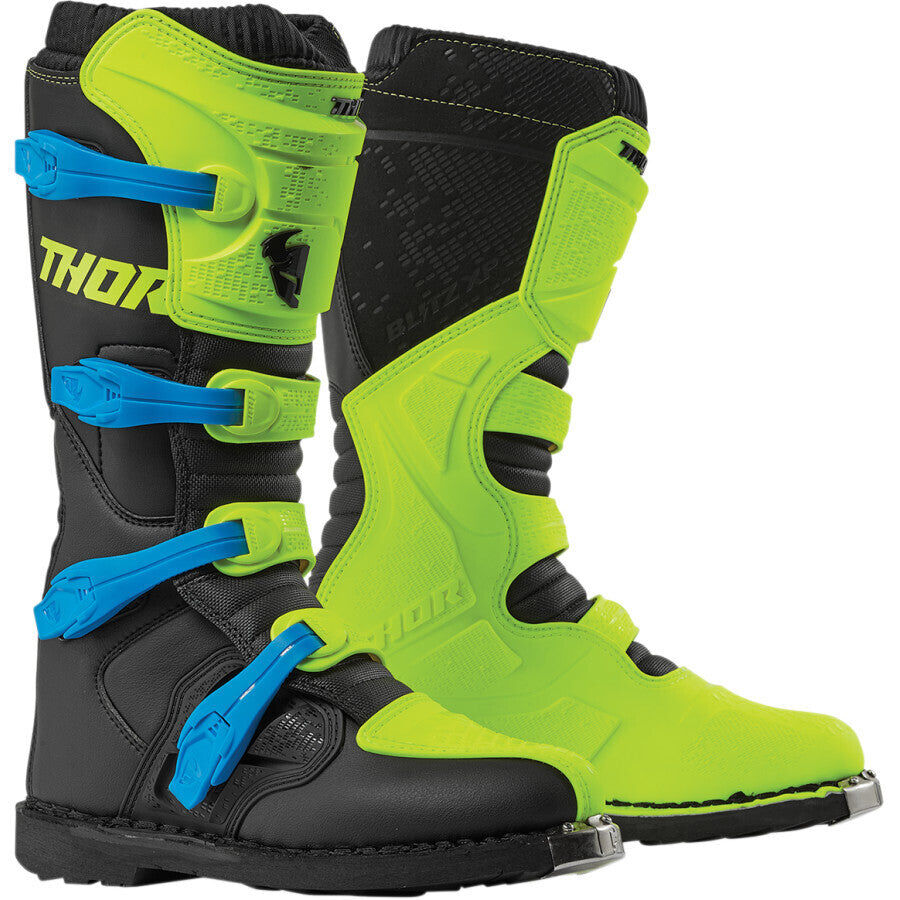
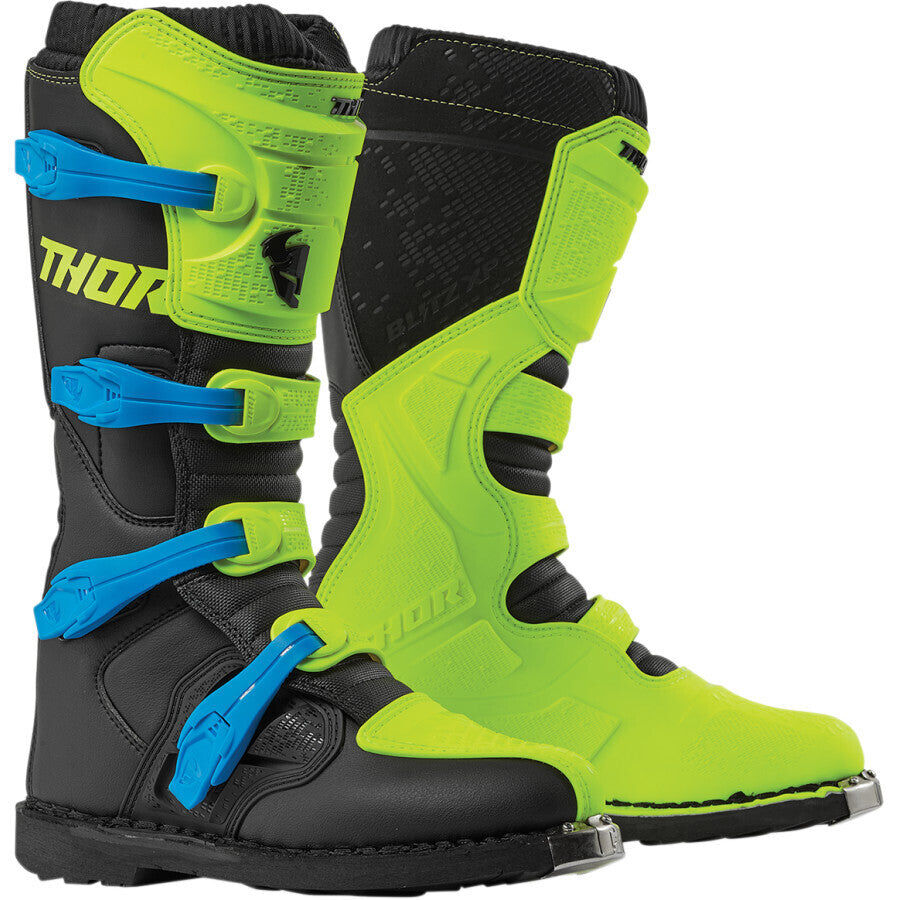
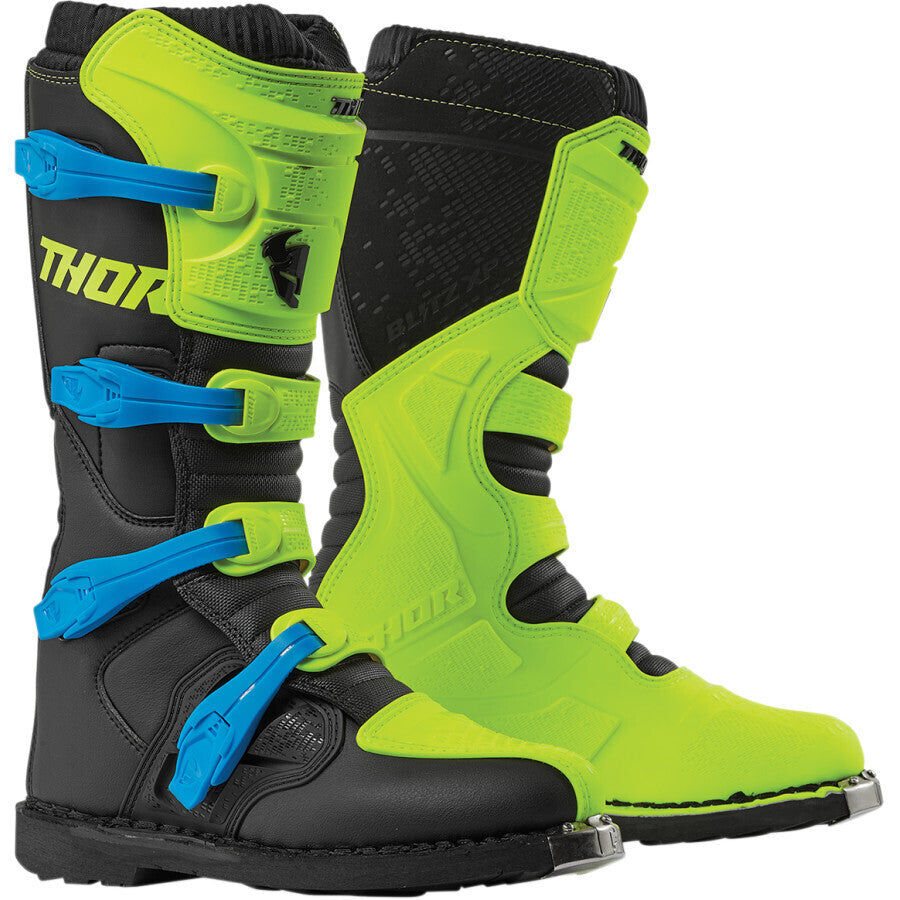
Thor 2023 Blitz XP Fluro Acid/Black Boots
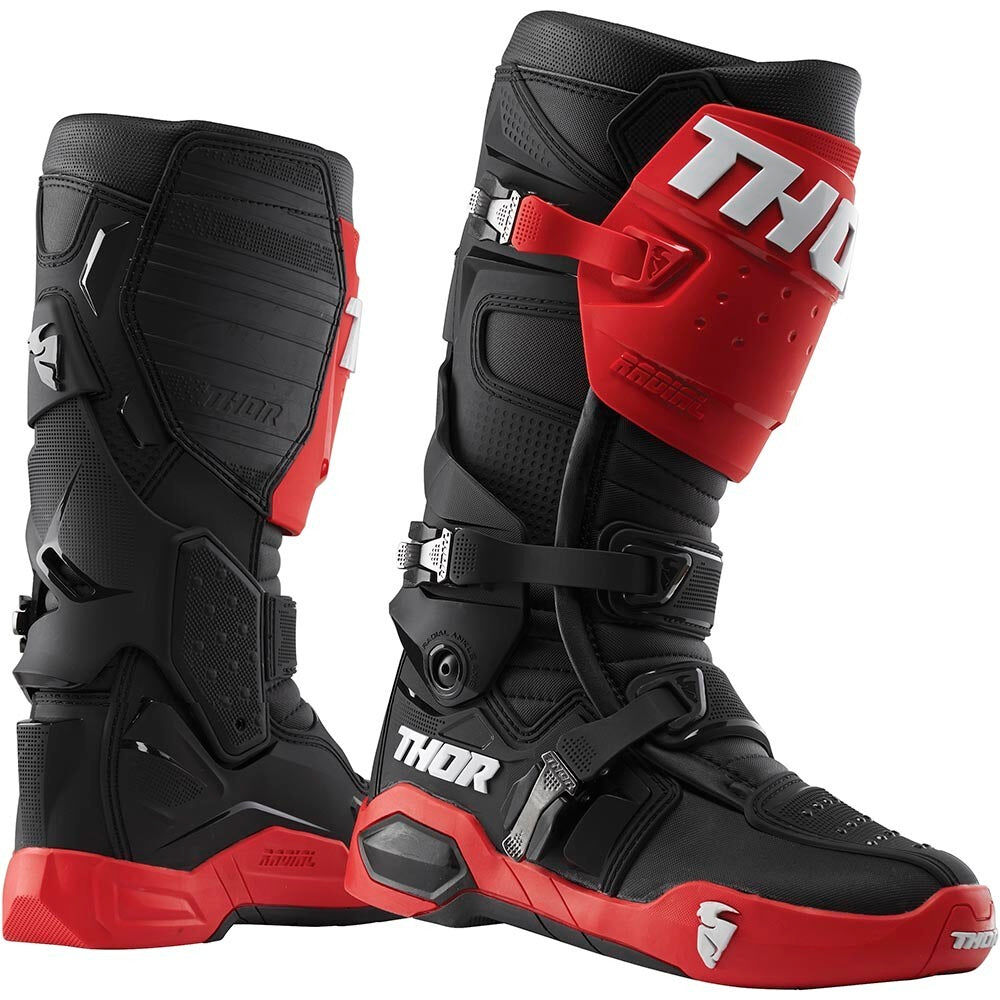
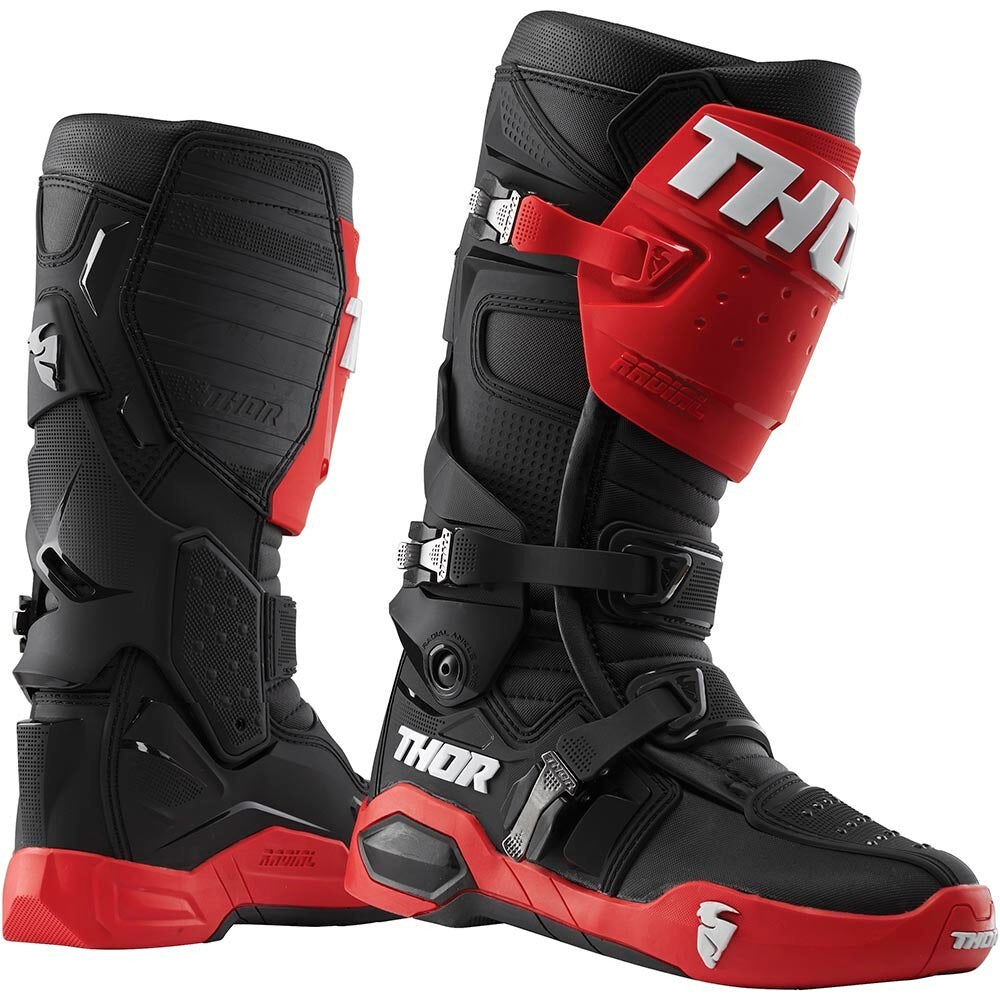
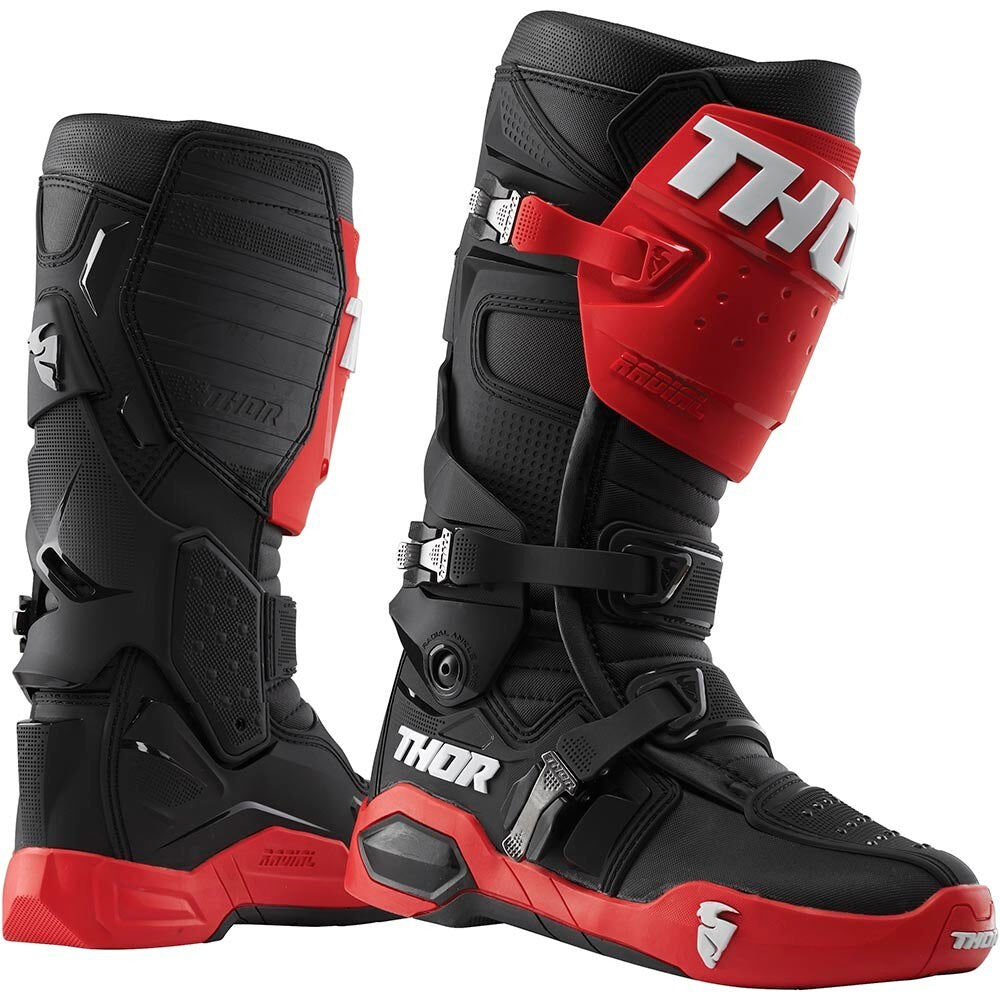
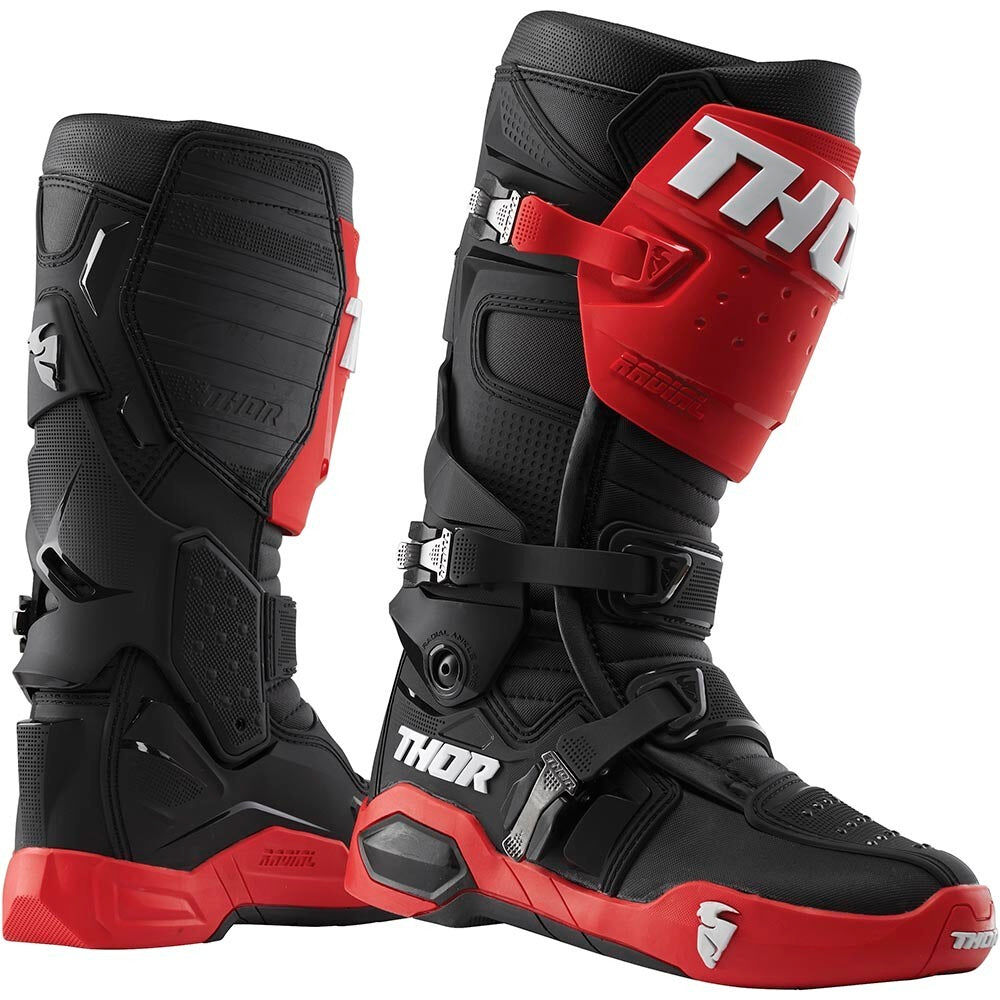
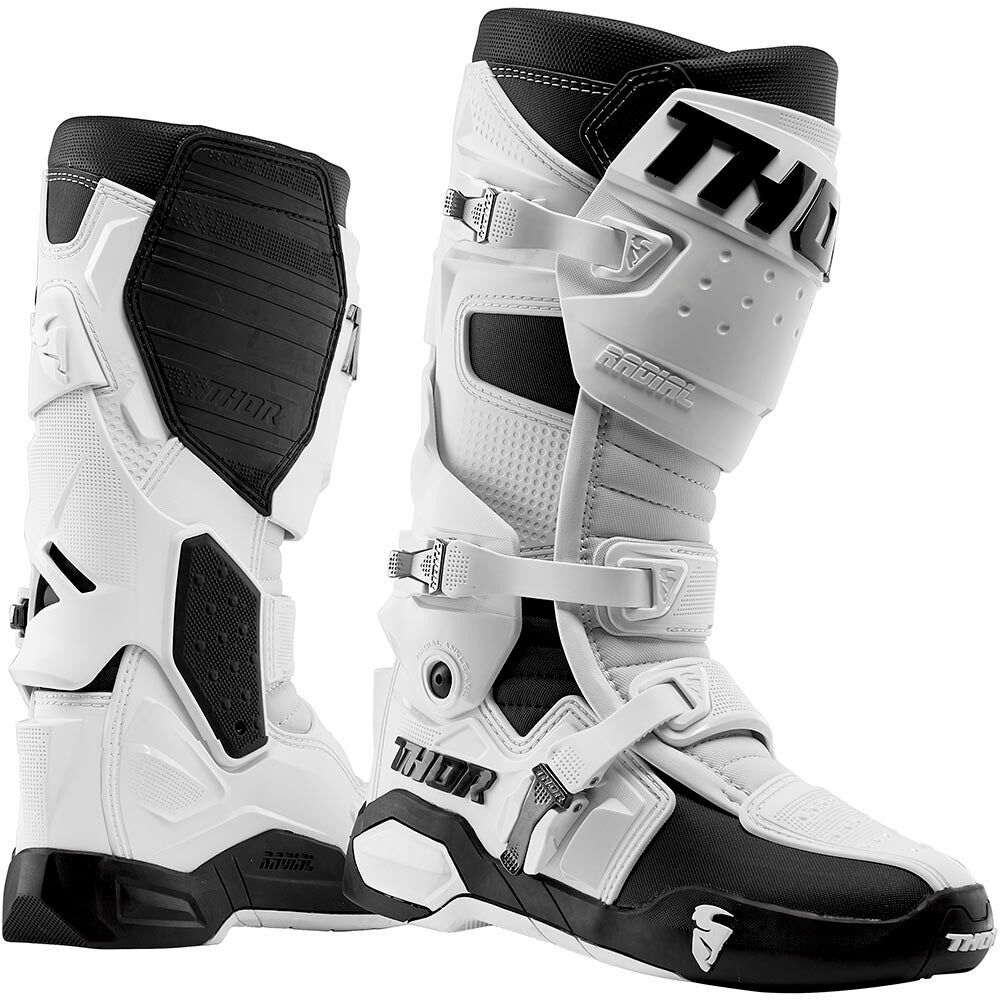
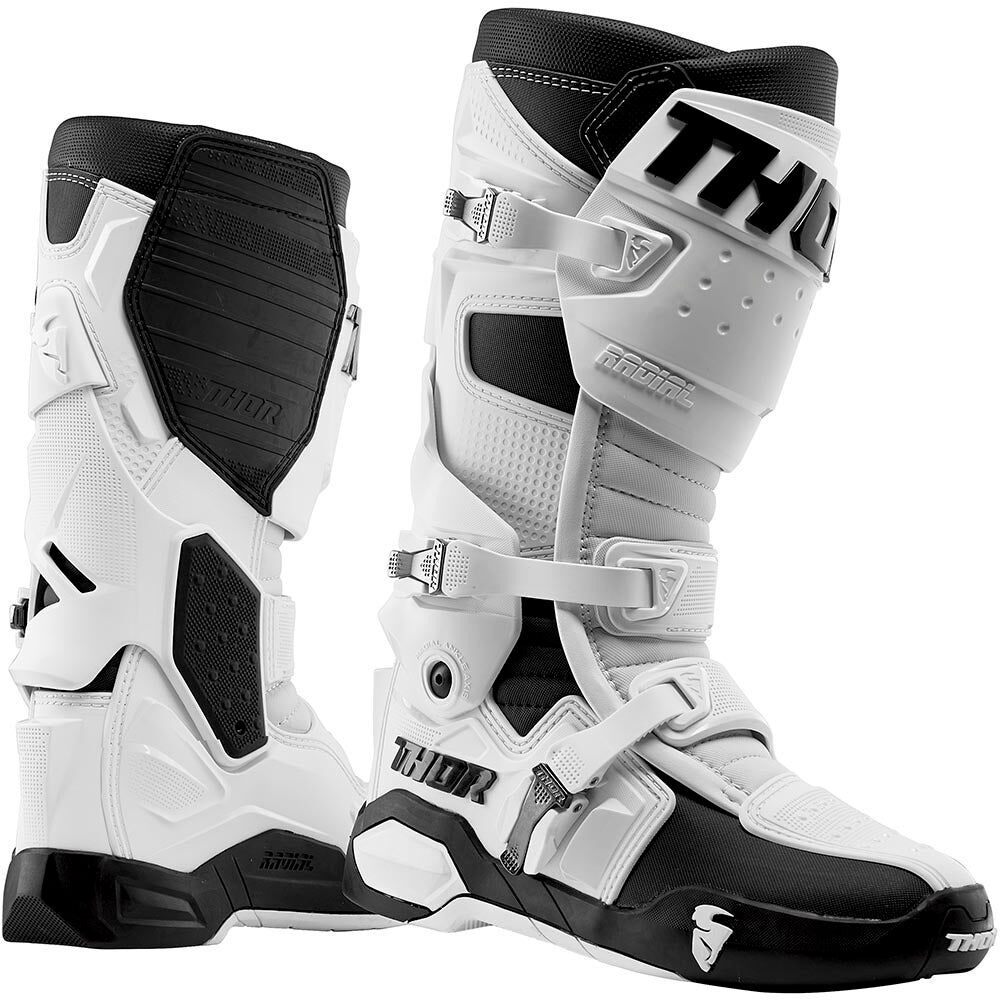
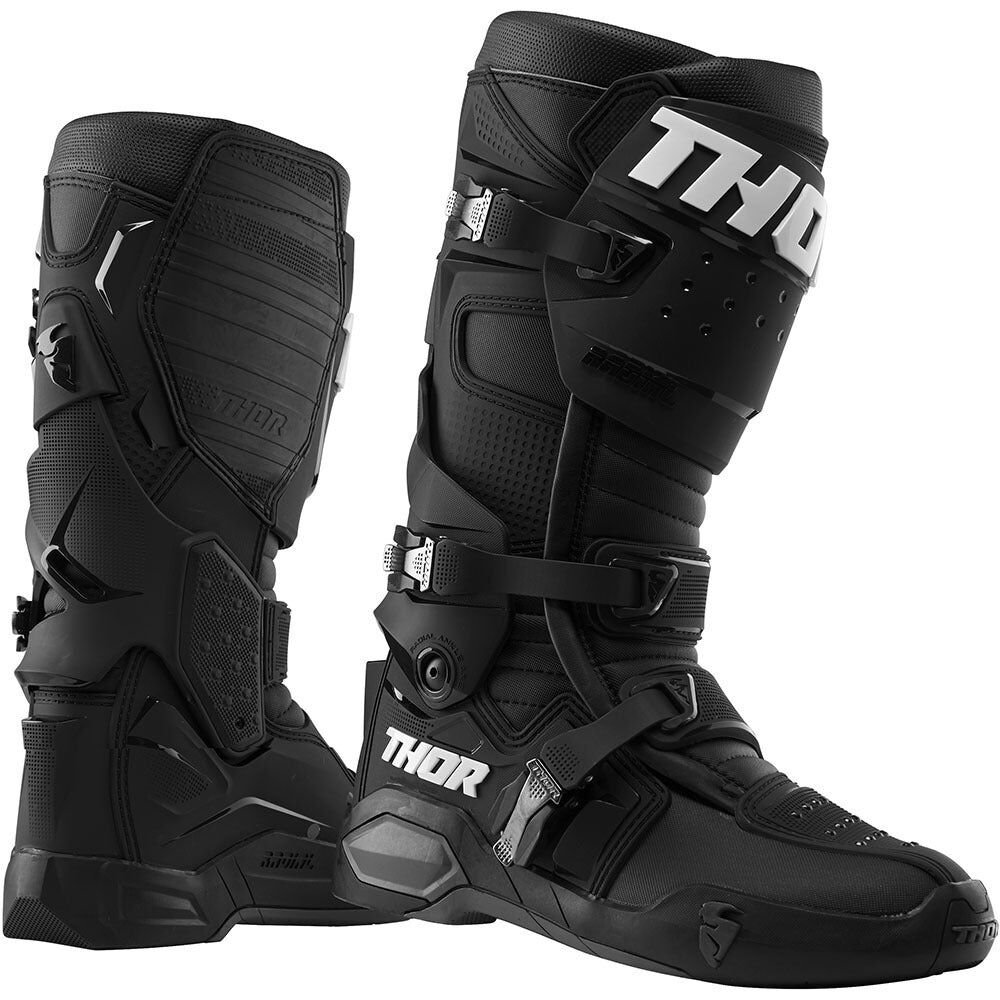
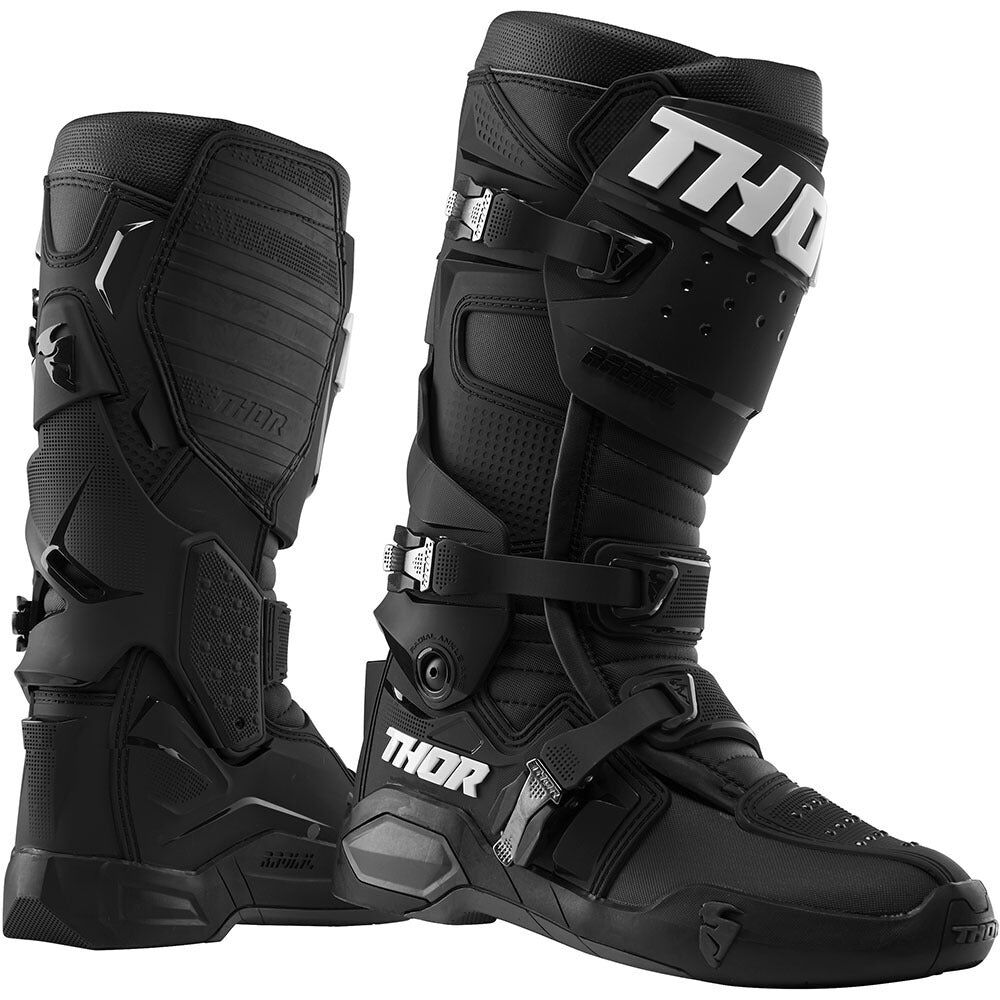
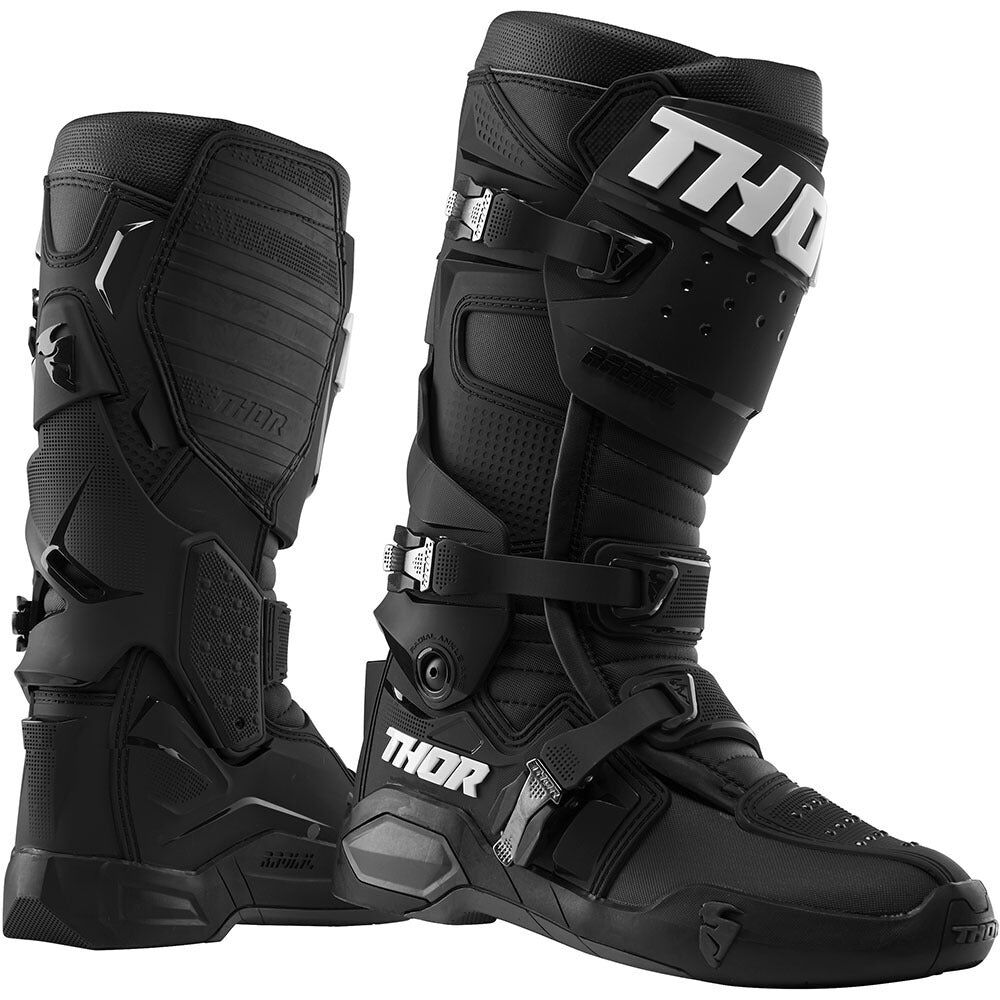
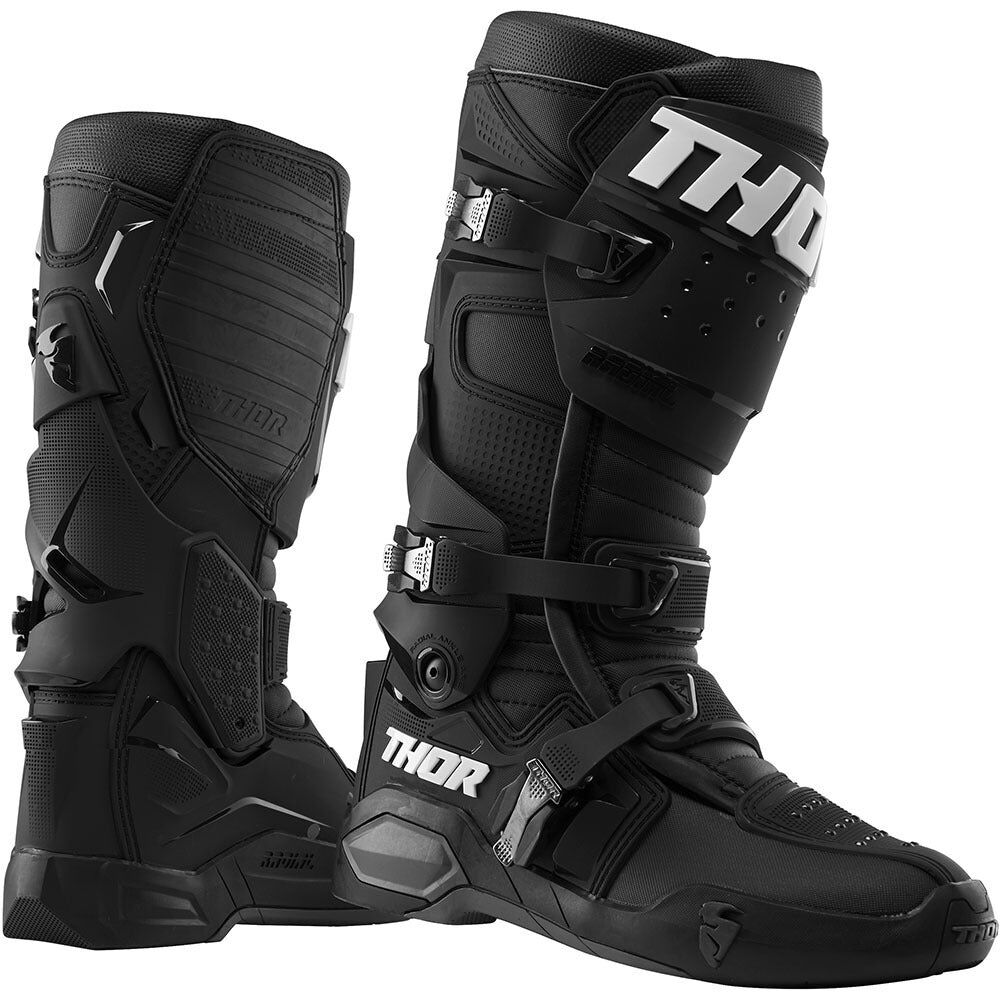
Thor 2024 Radial Black/Red Boots
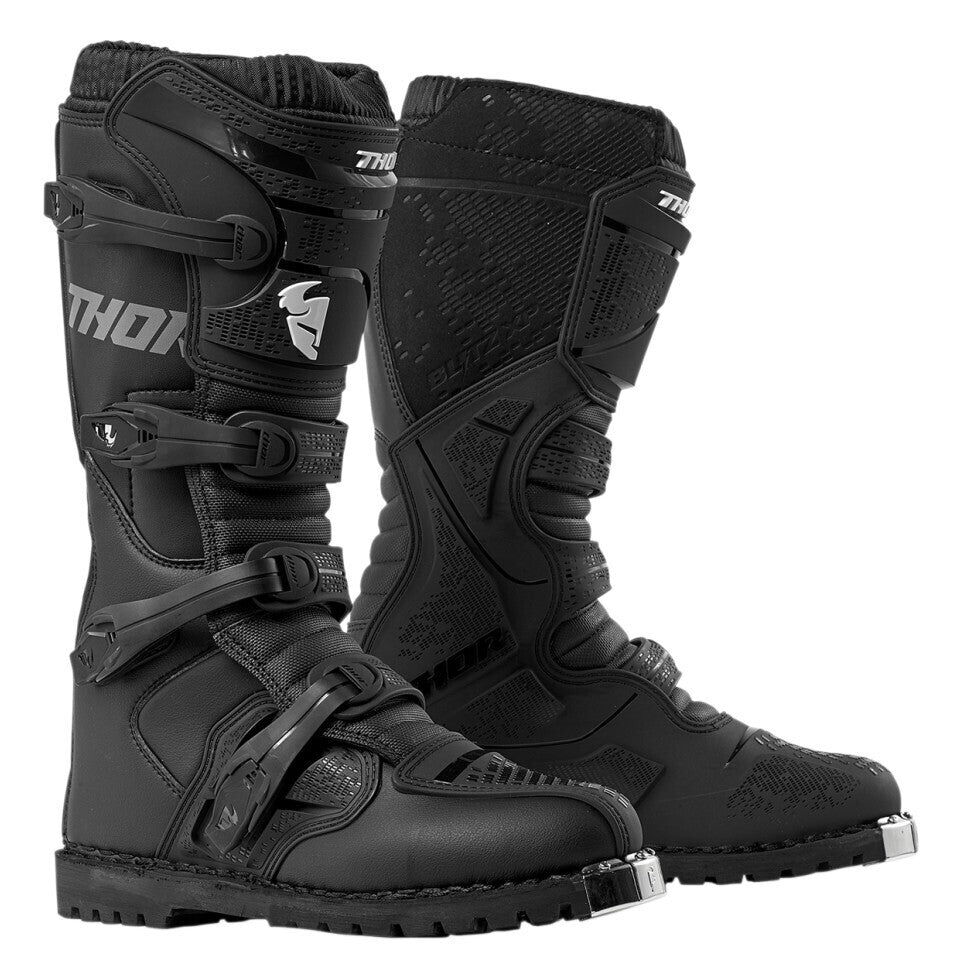
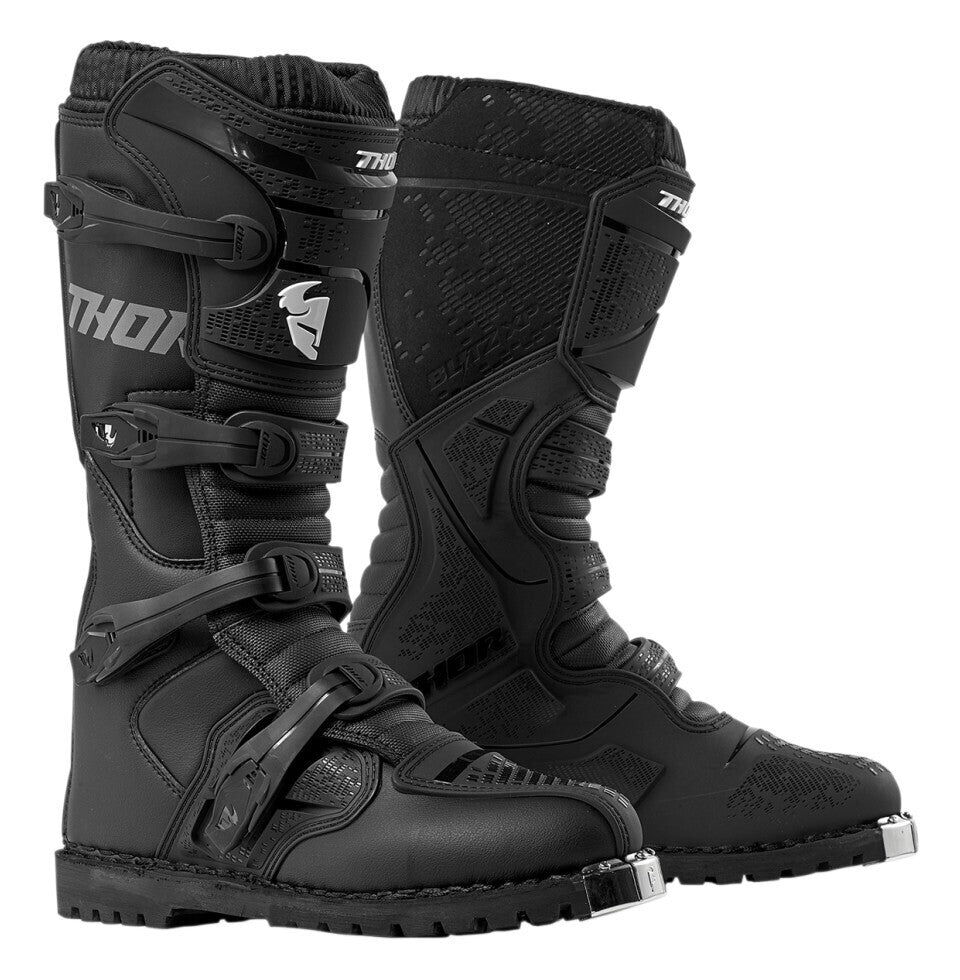
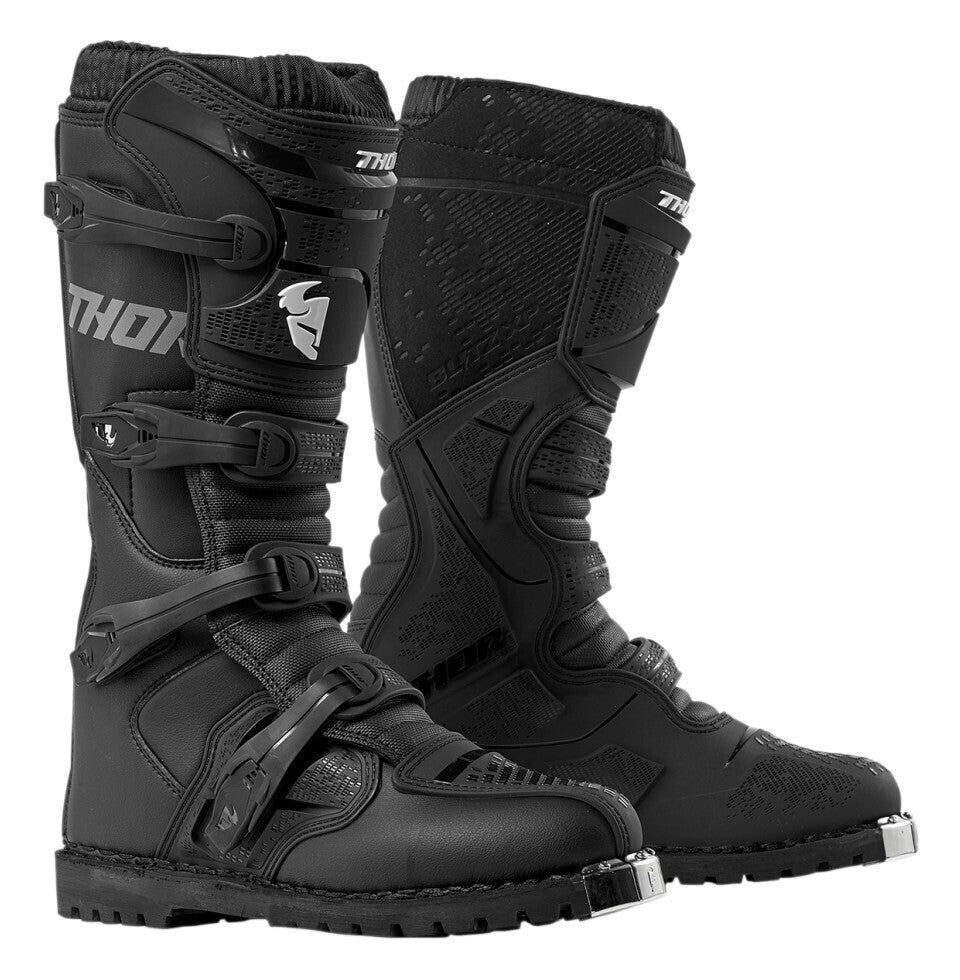
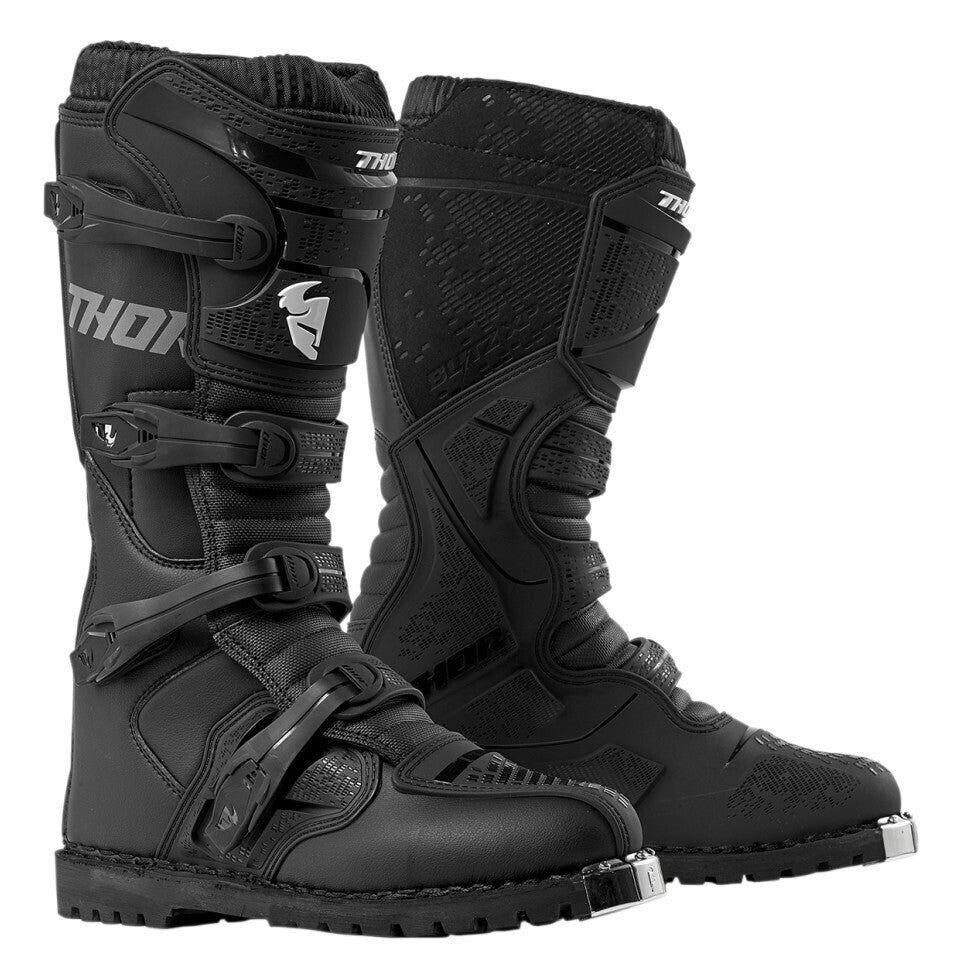
Thor 2023 Blitz XP ATV Black Boots
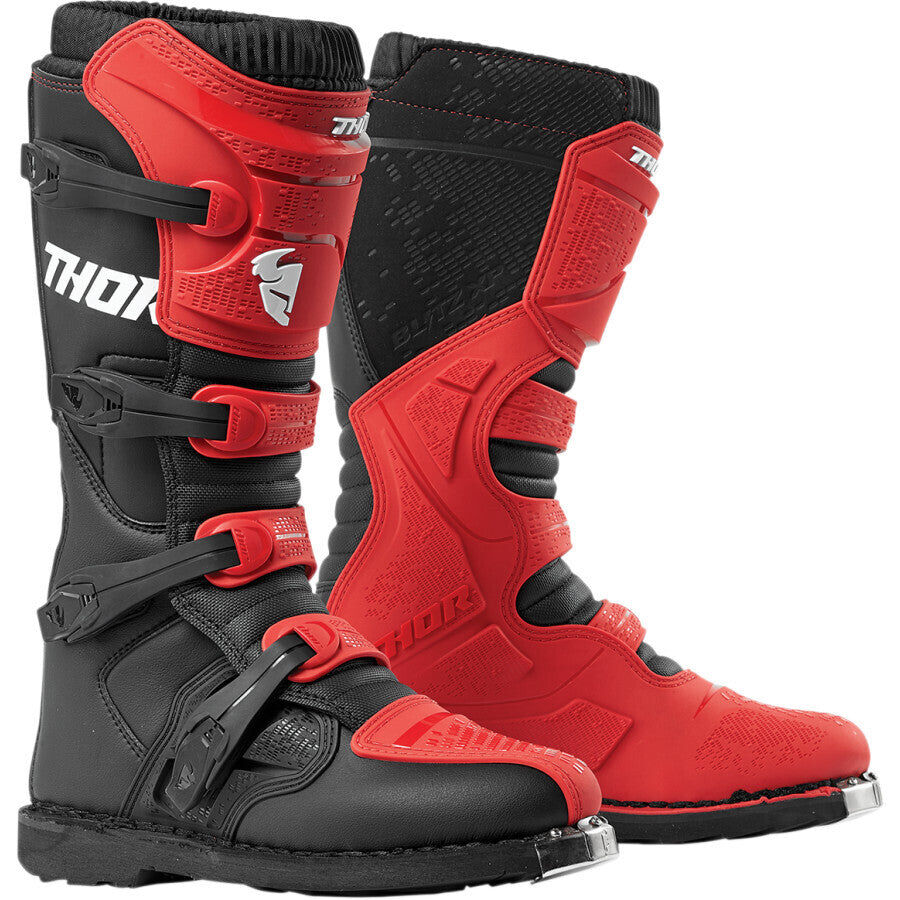
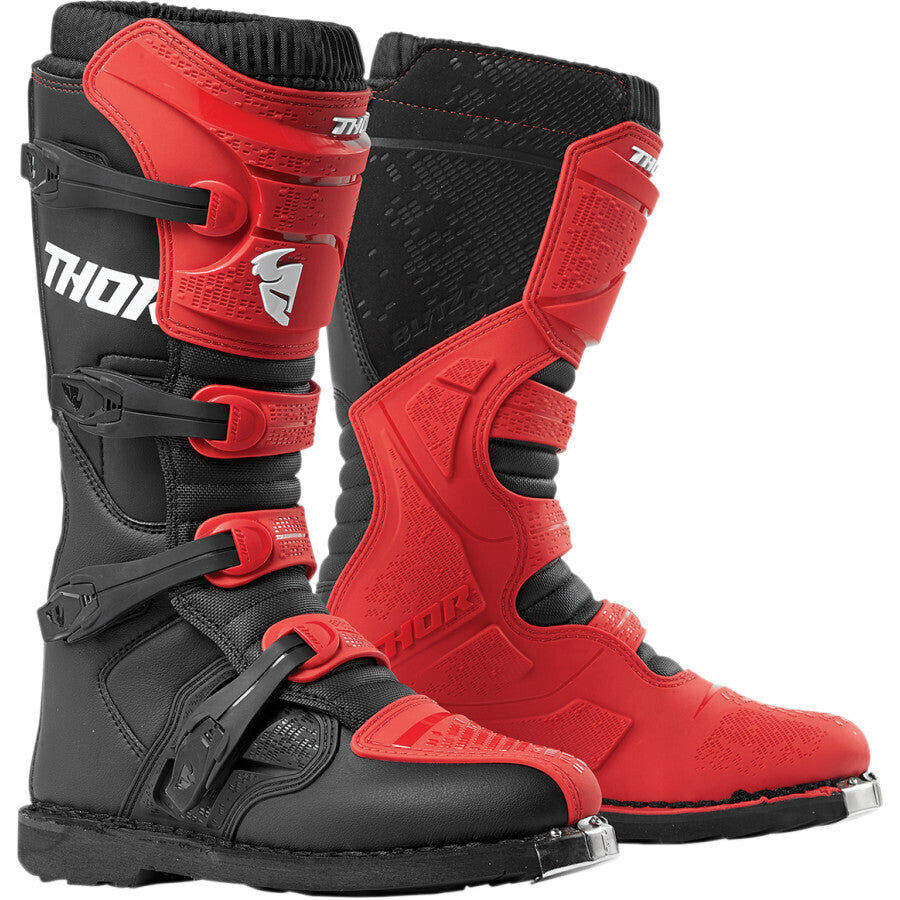
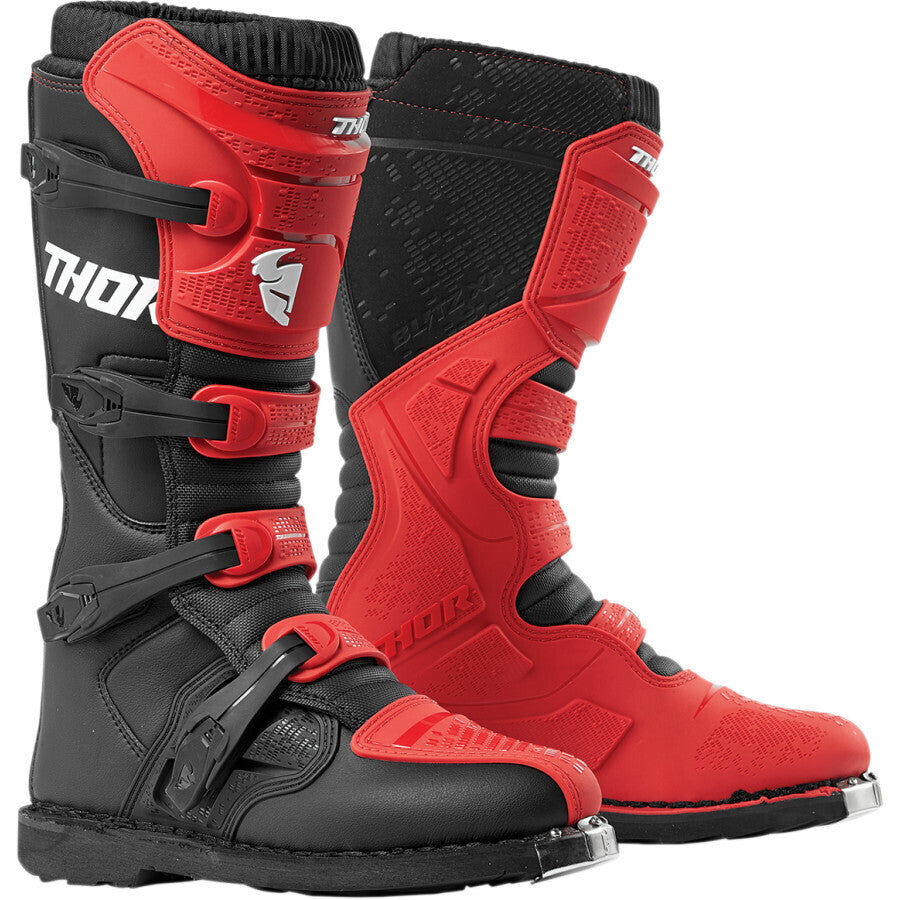
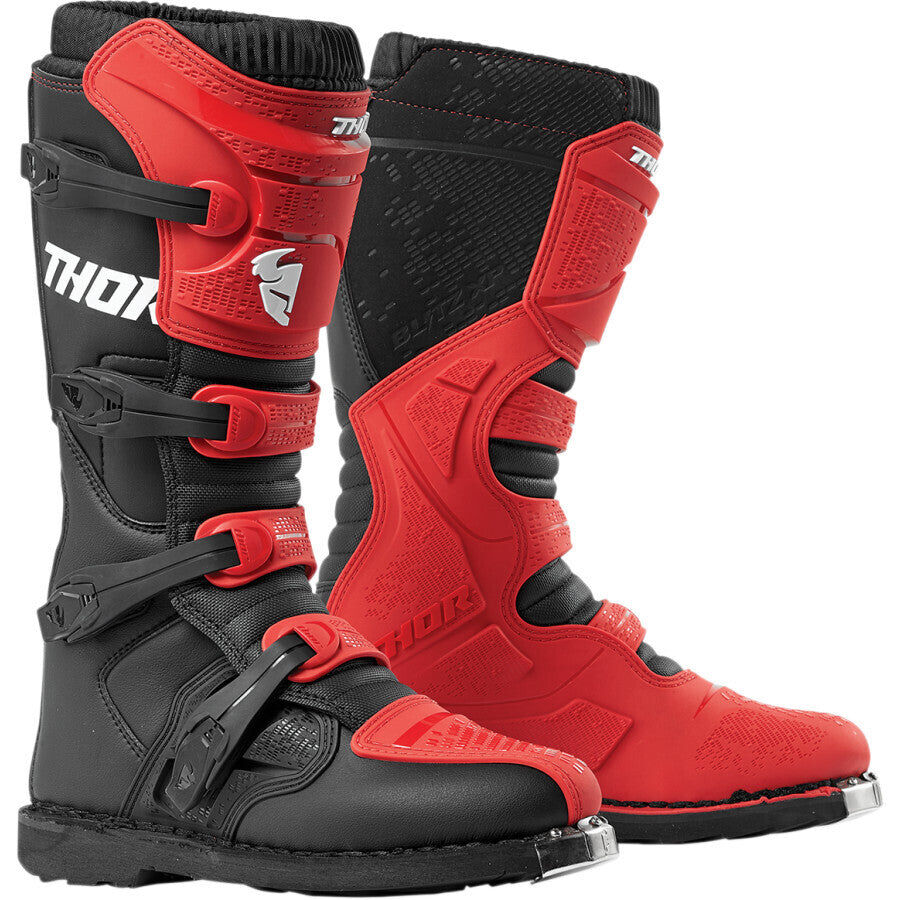
Thor 2023 Blitz XP Red/Black Boots
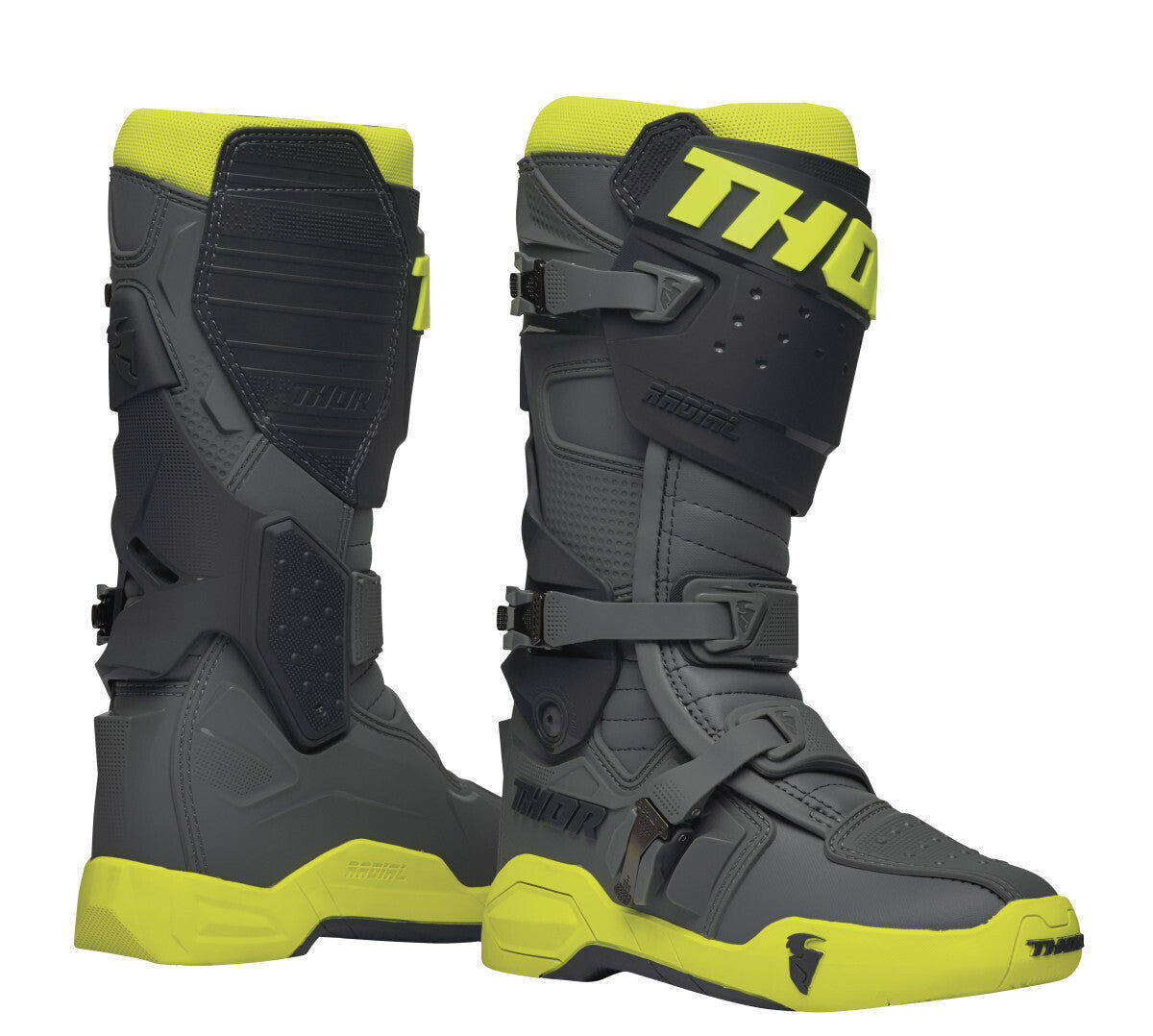
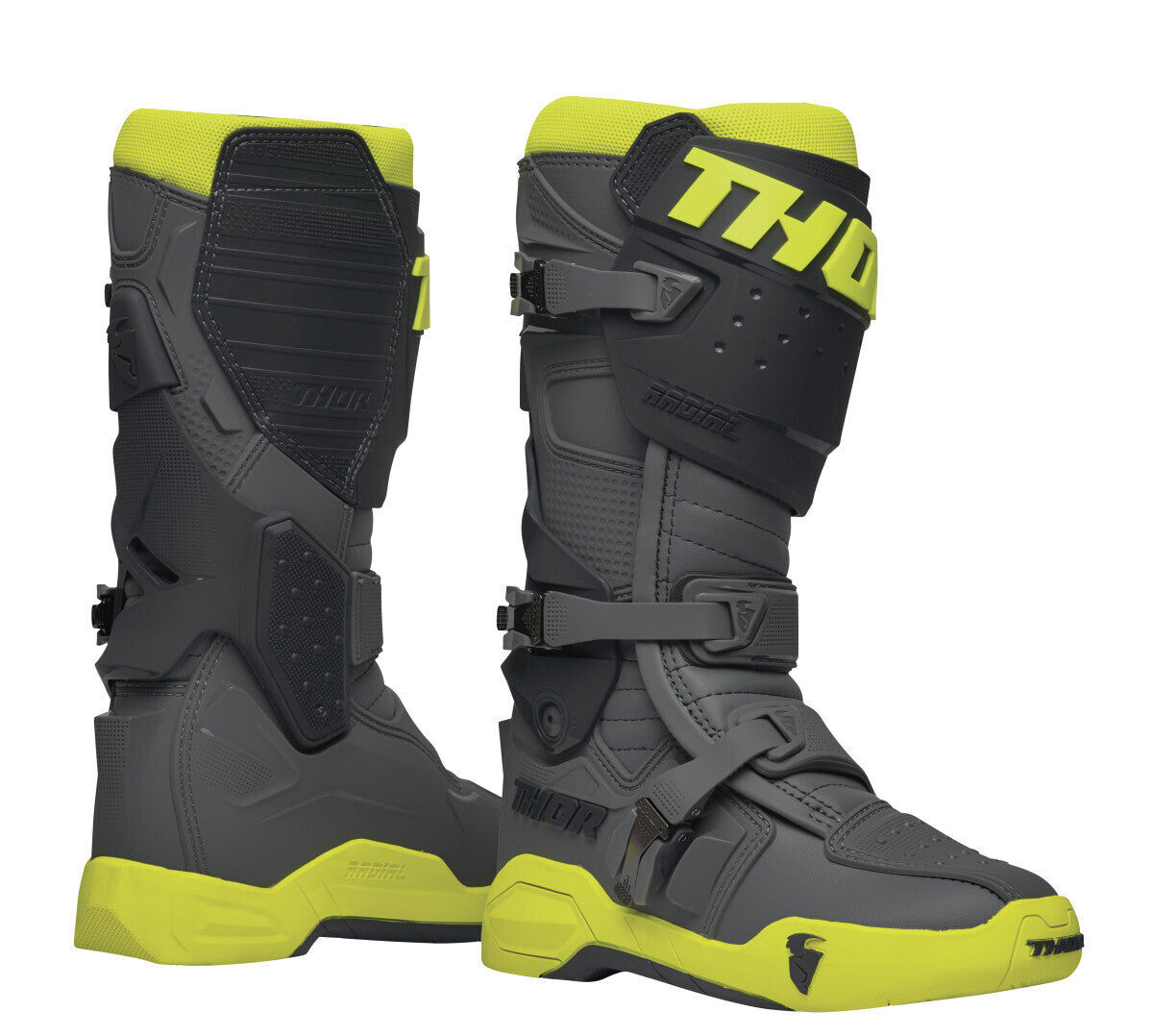
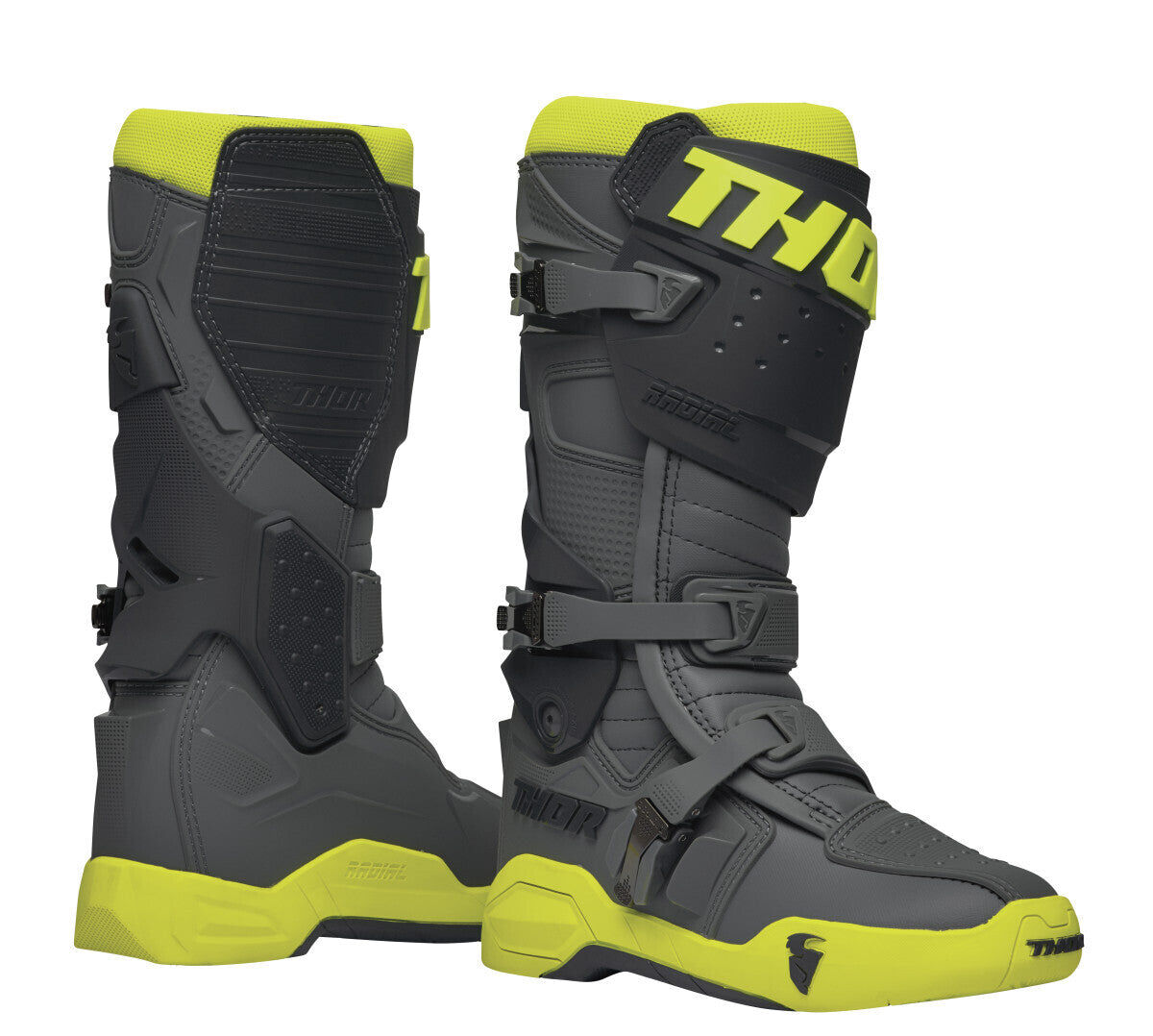

Thor 2024 Radial Grey/Fluro Yellow Boots
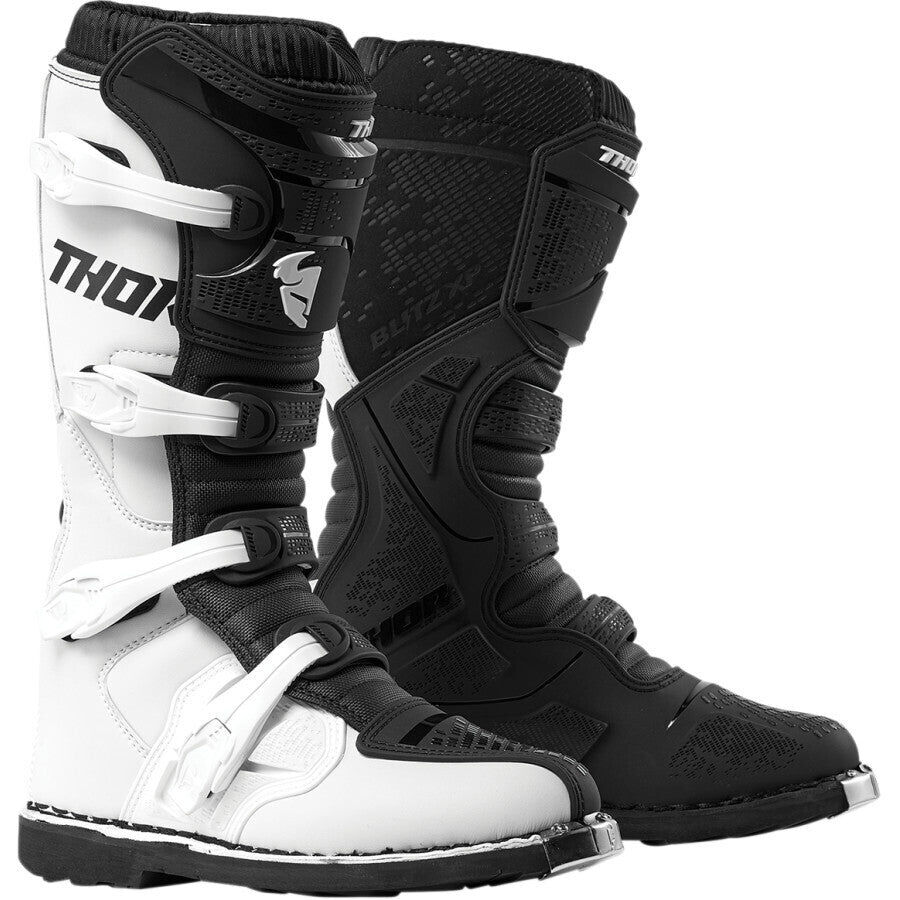
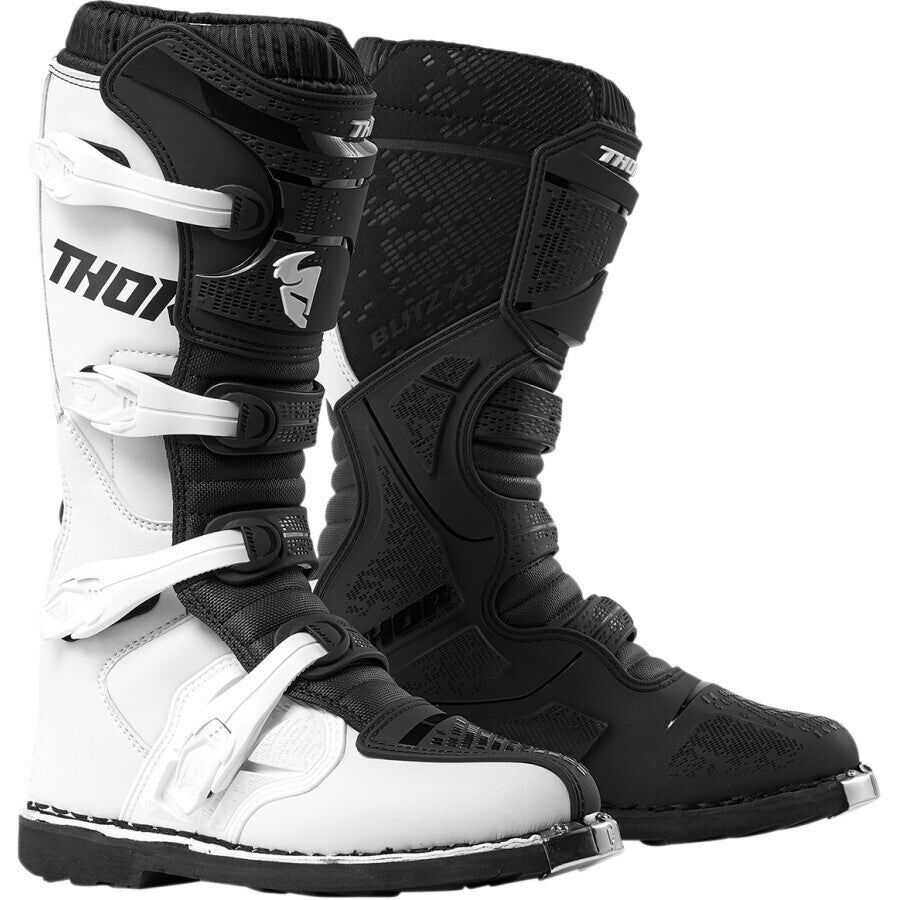
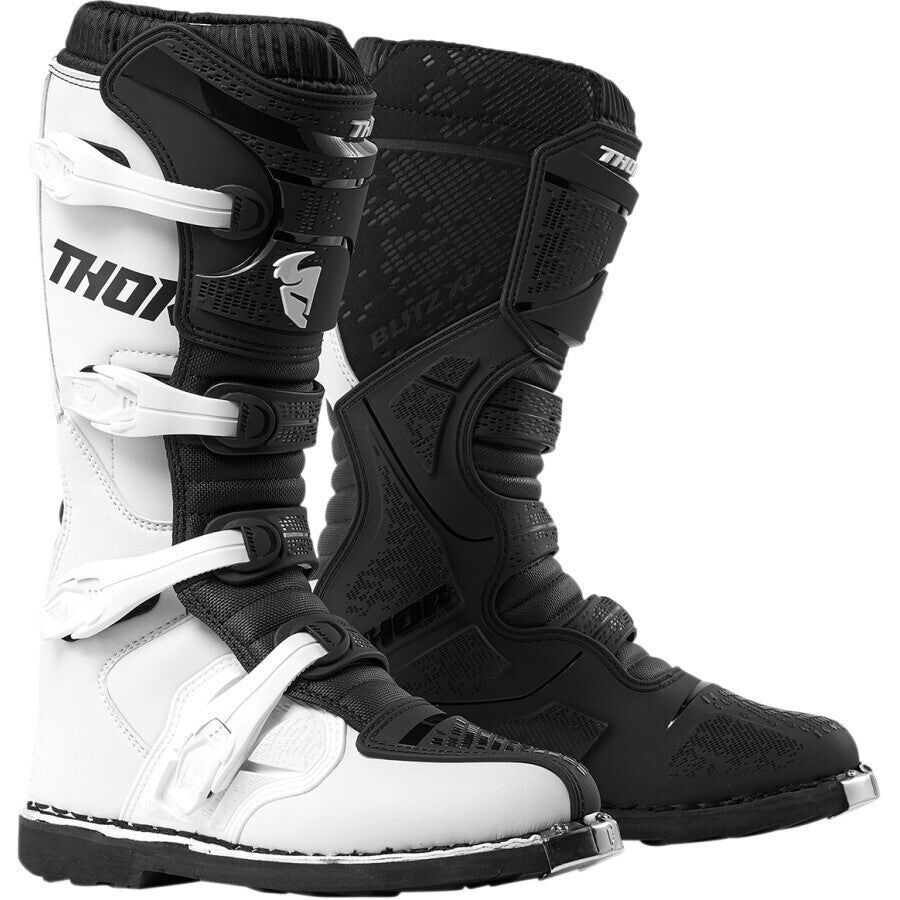
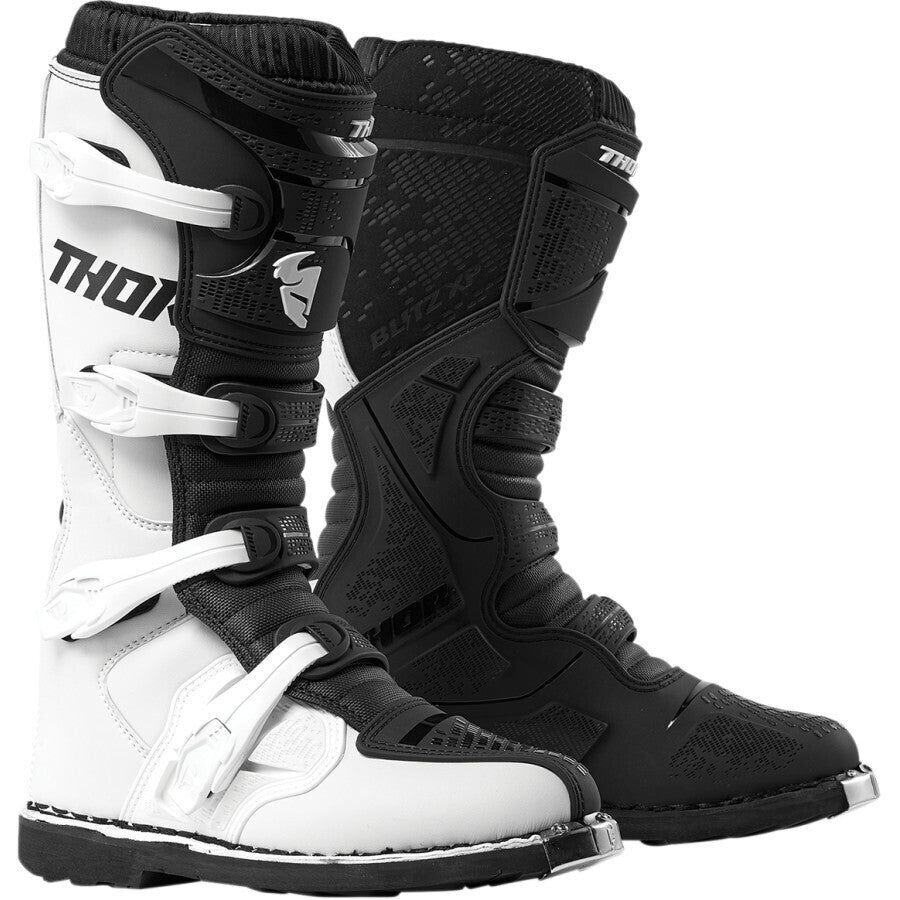
Thor 2023 Blitz XP White/Black Boots
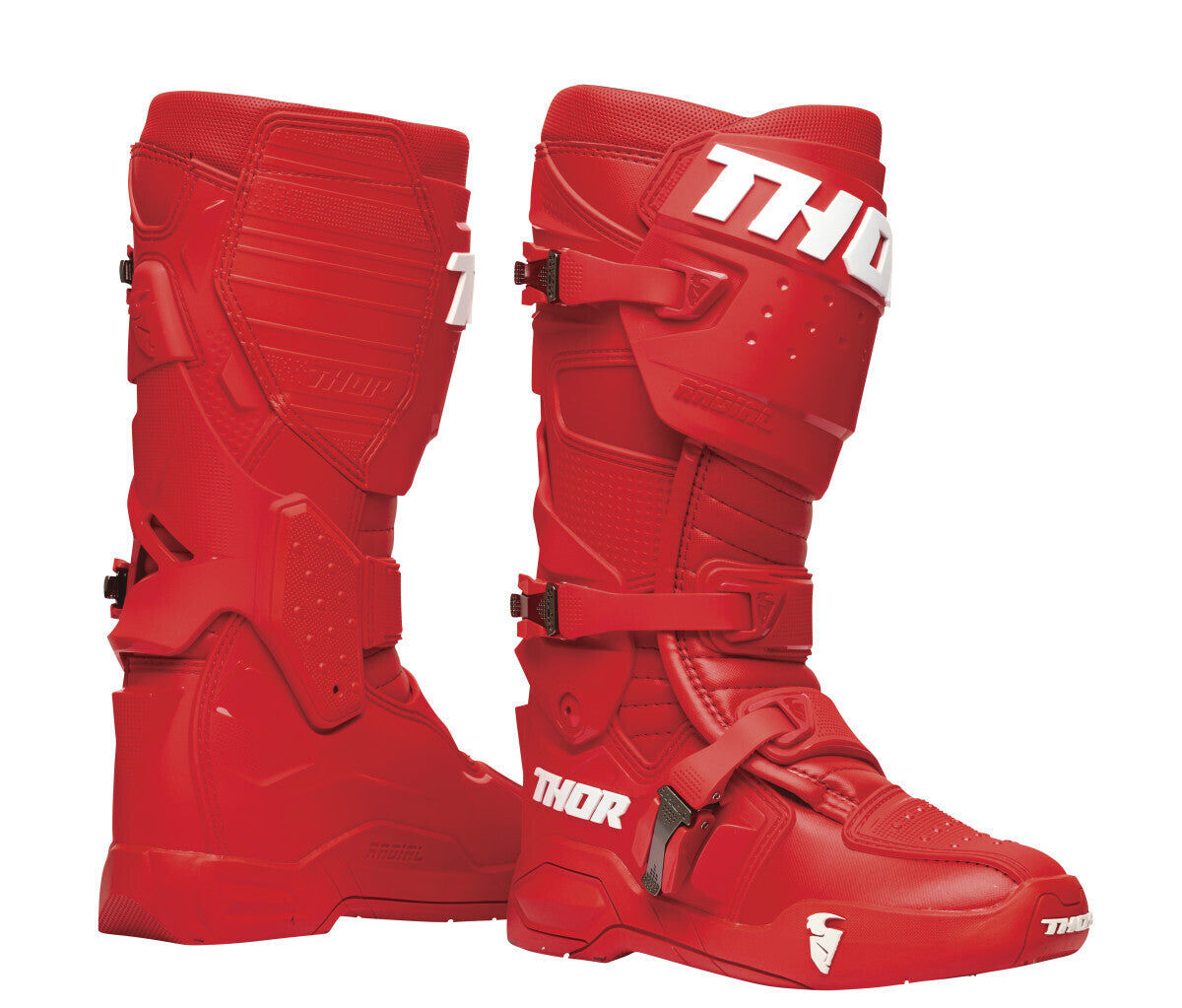
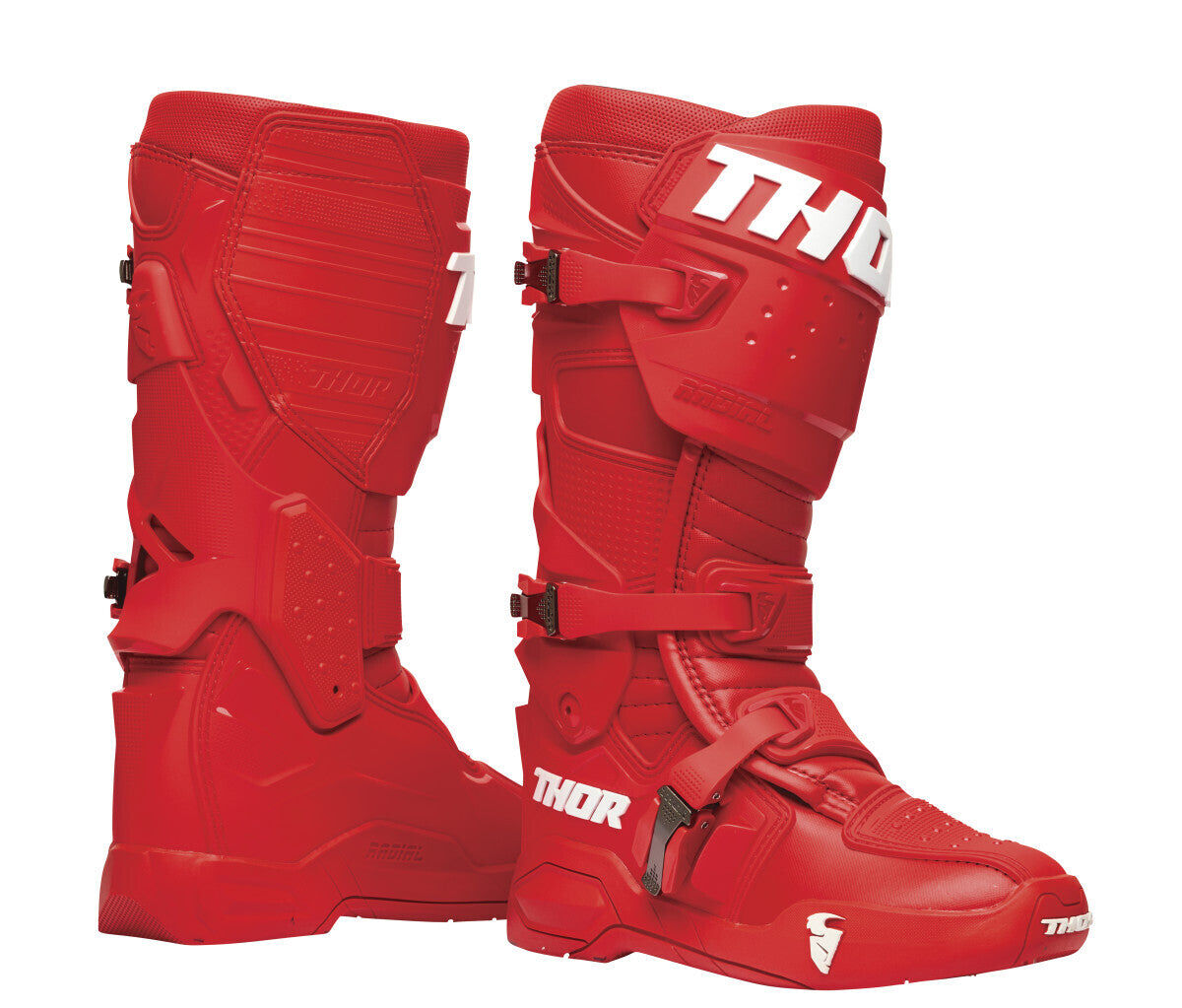
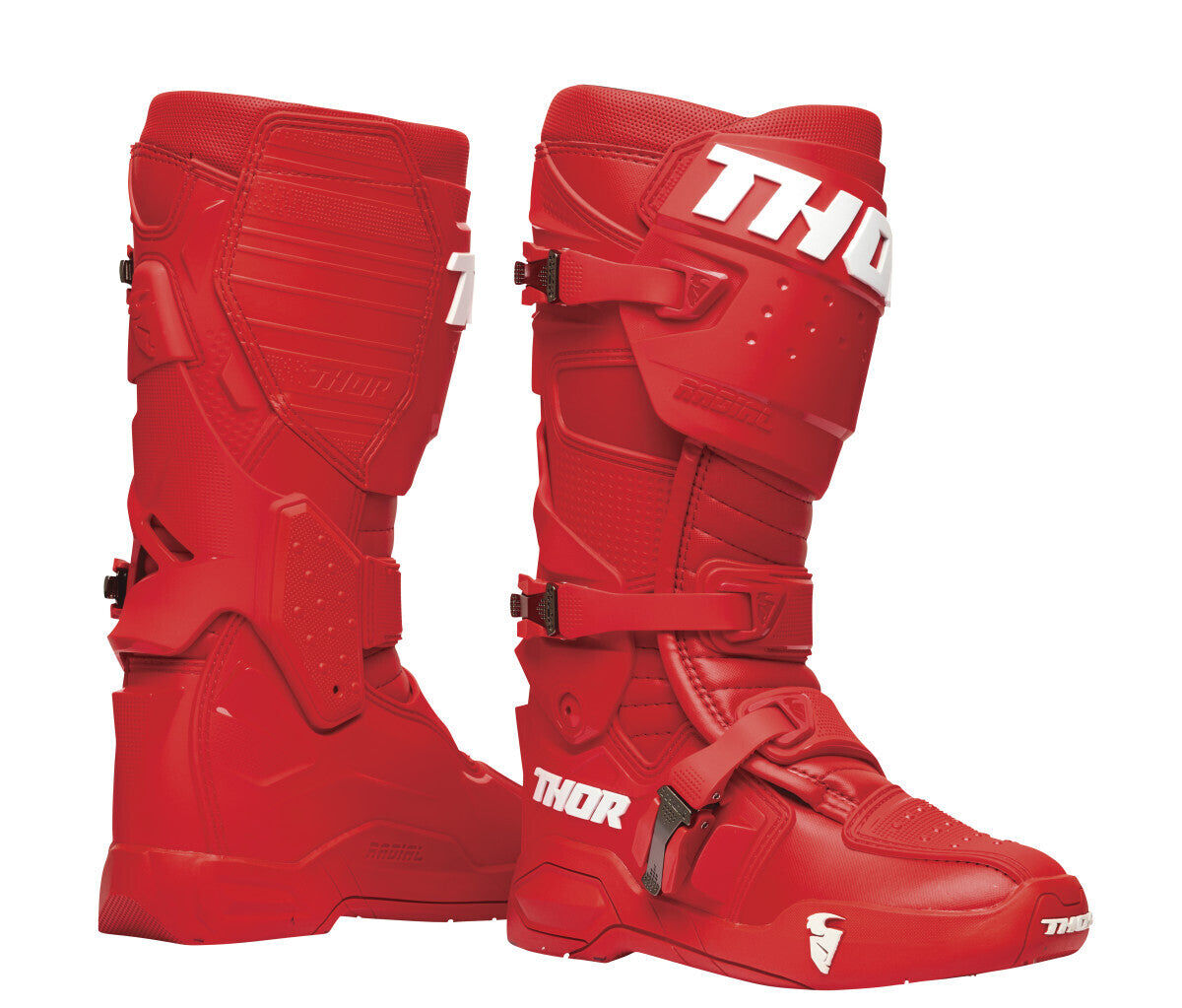
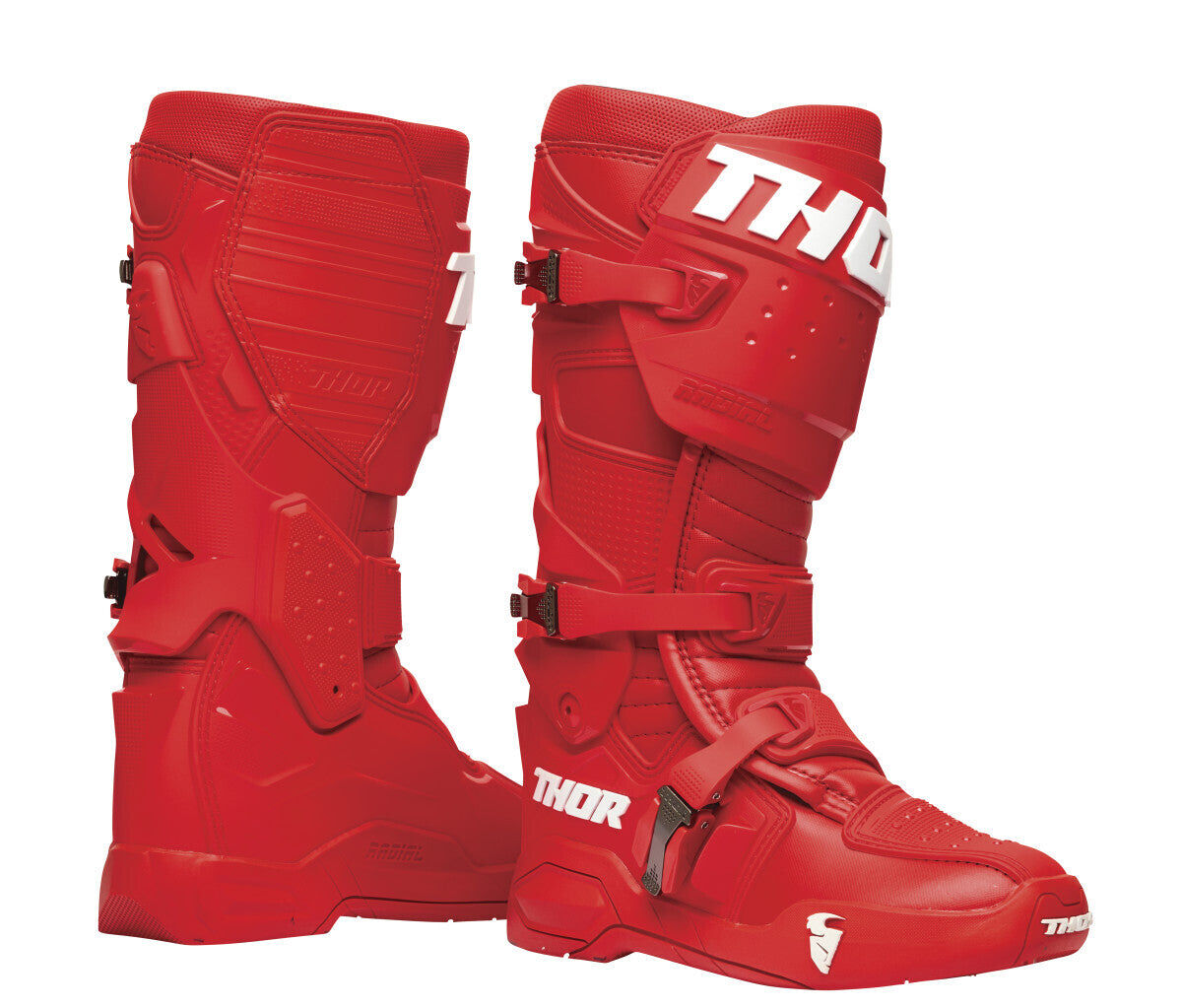
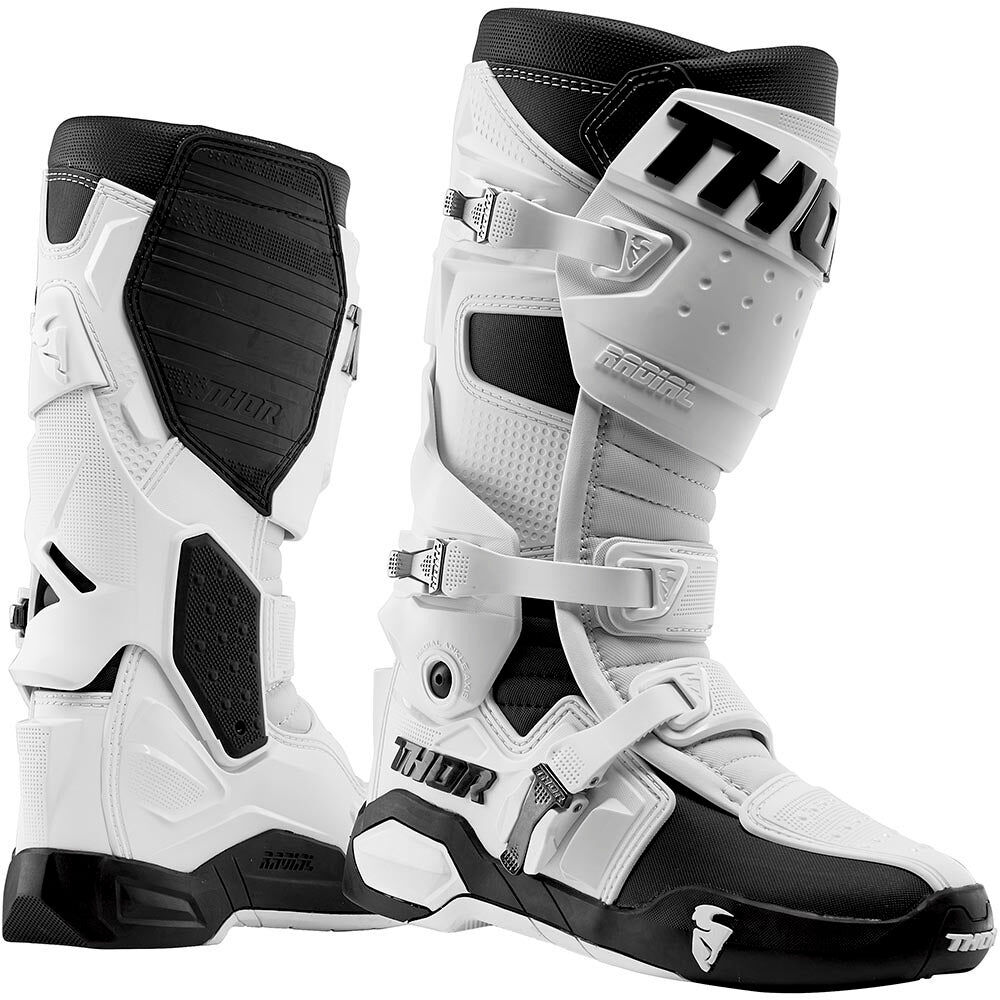
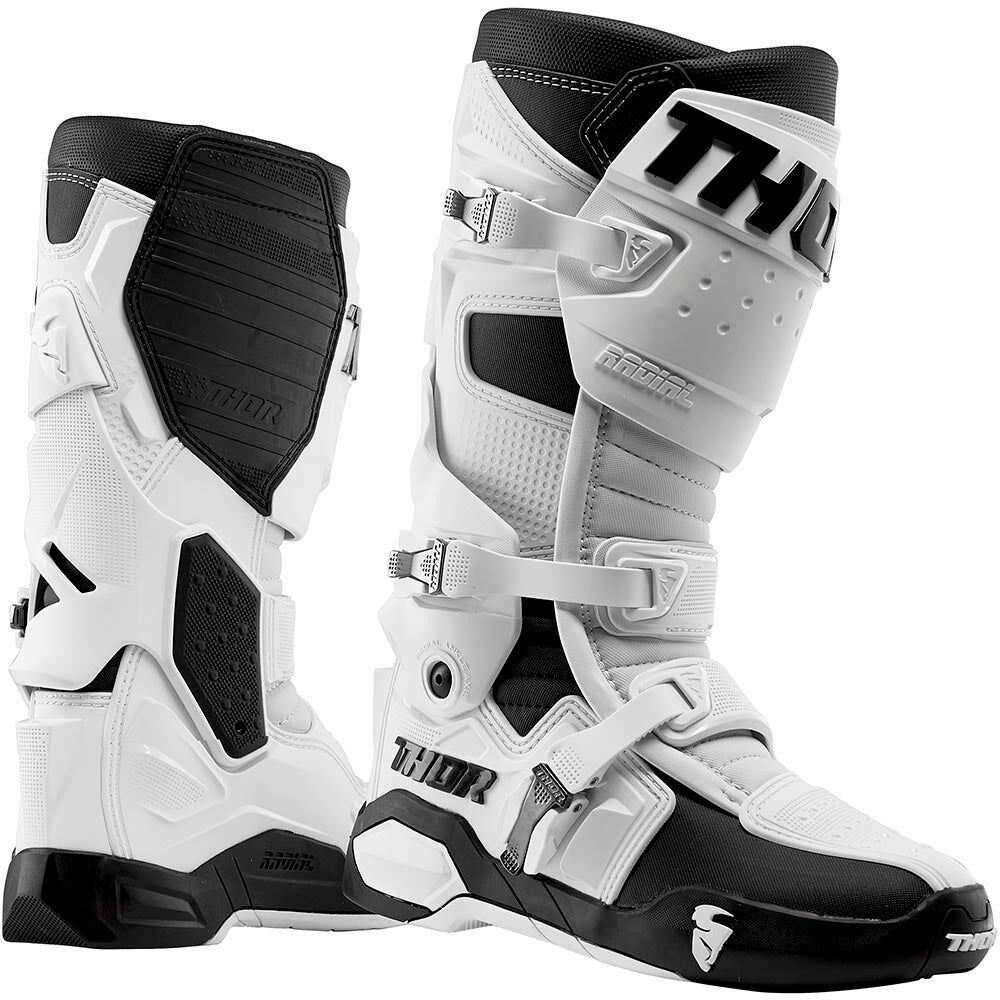
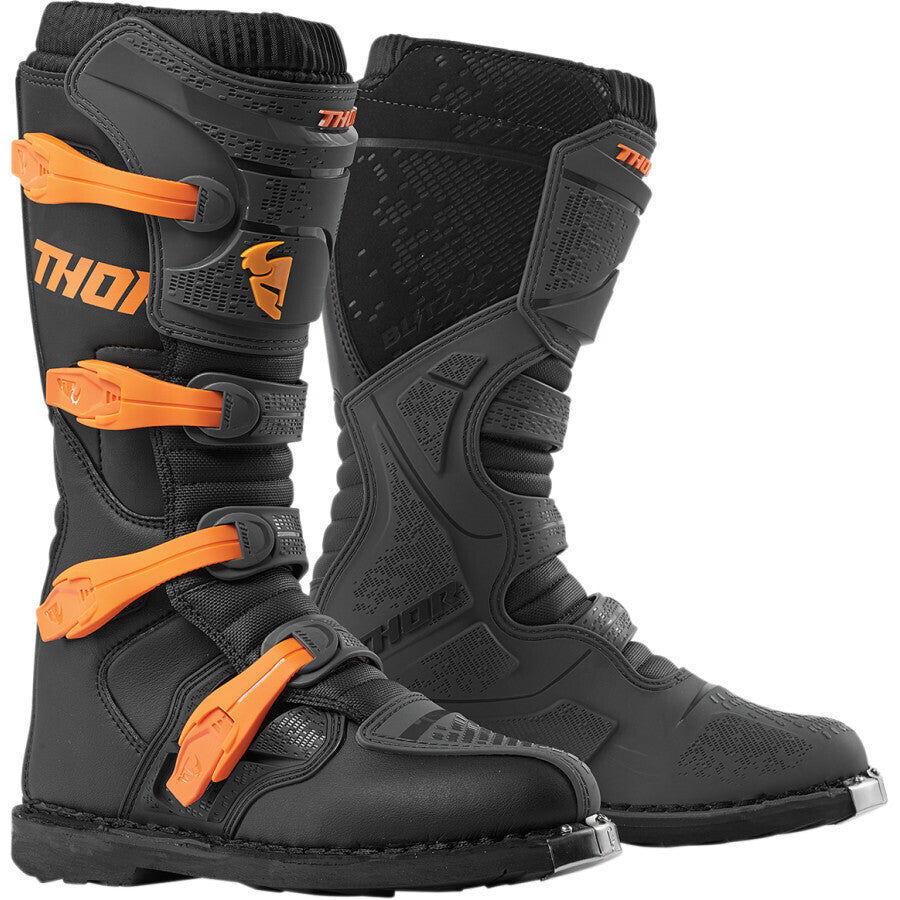
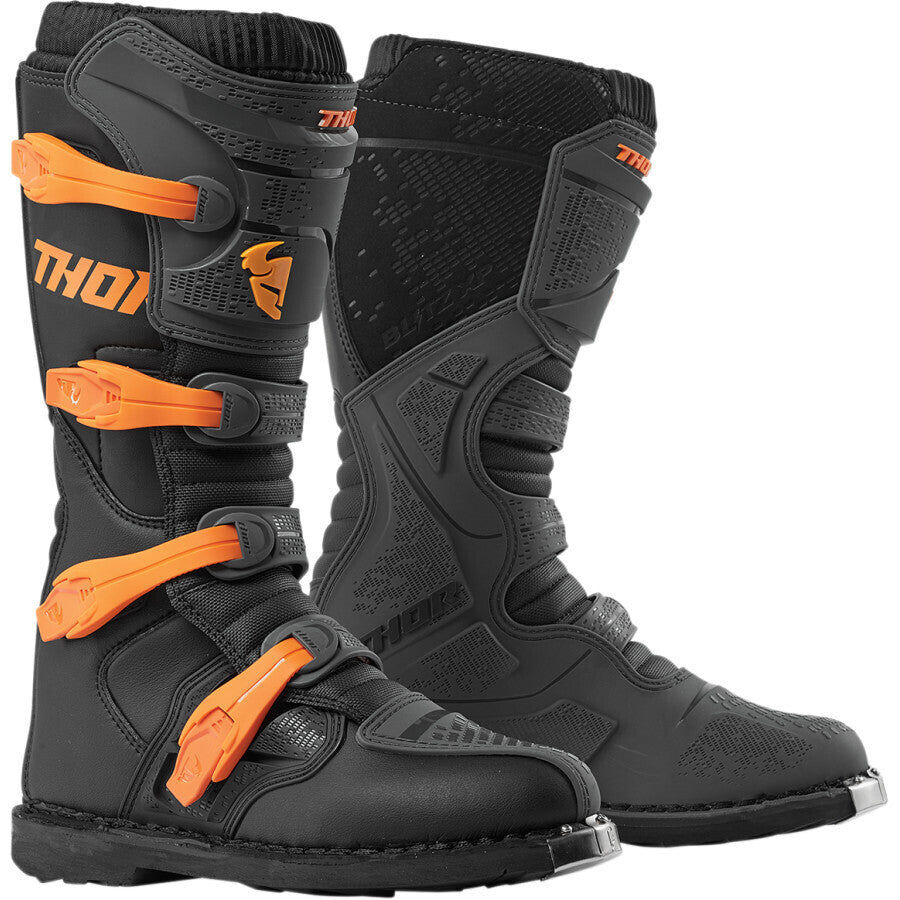
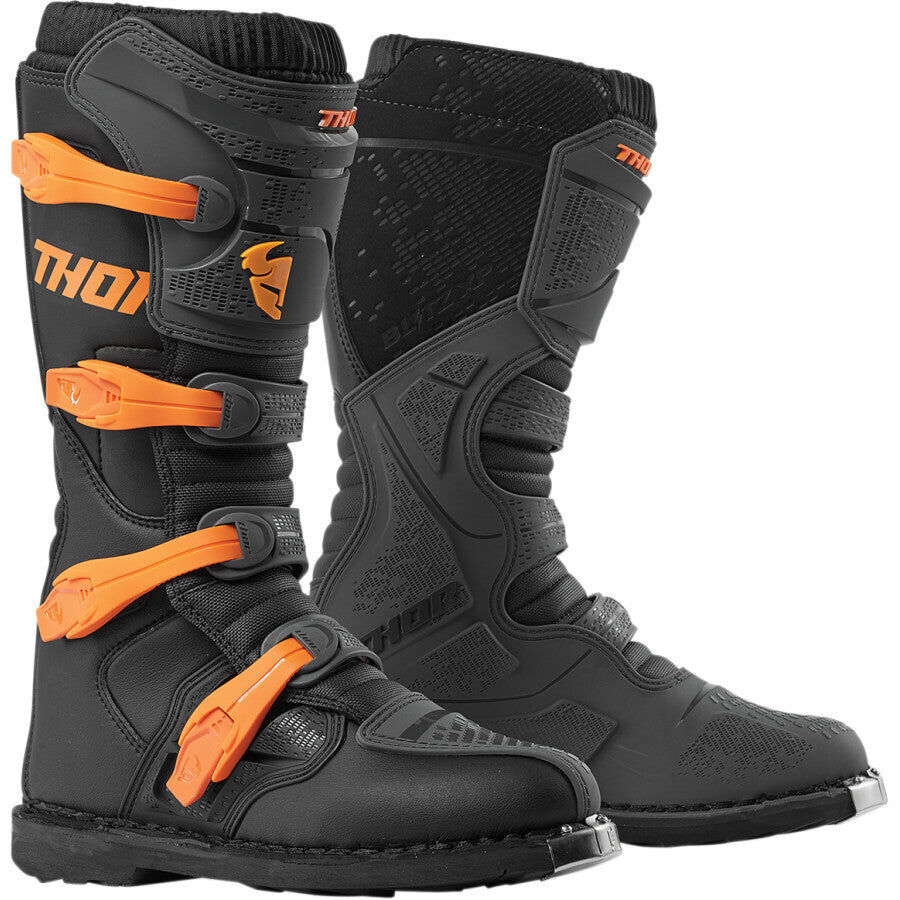
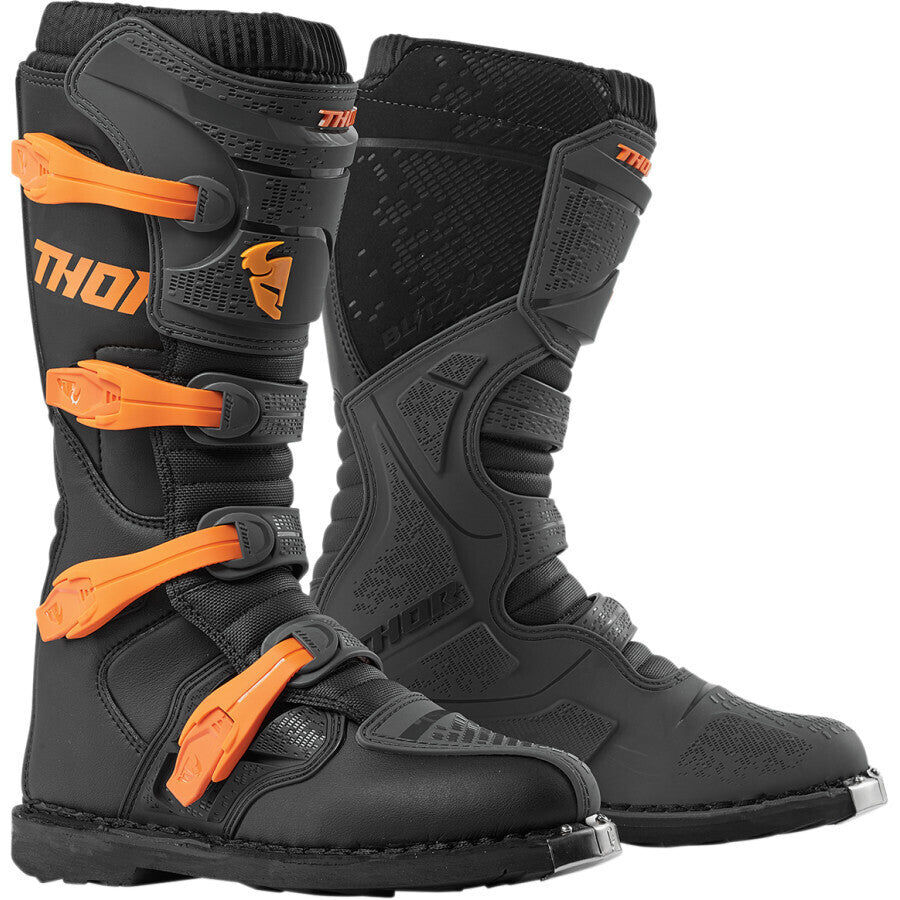
Thor 2023 Blitz XP Charcoal/Orange Boots
Merlin Boots Knots D3O Canvas Grey 09 820654
Merlin Boots Knots D3O Canvas Grey 10 820661
Merlin Boots Knots D3O Canvas Grey 11 820678
Merlin Boots Knots D3O Canvas Grey 12 820685
Merlin Boots Knots D3O Canvas Olive 09 820586
Merlin Boots Knots D3O Canvas Olive 11 820609
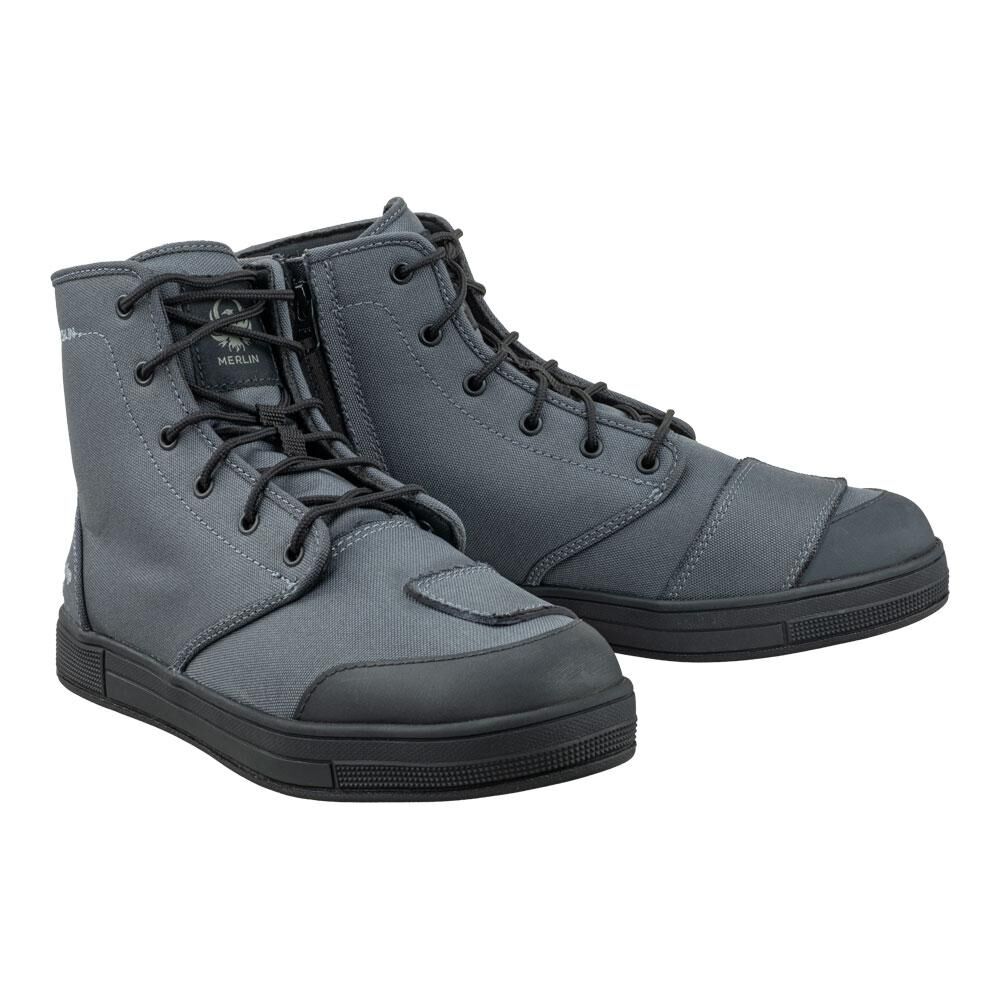
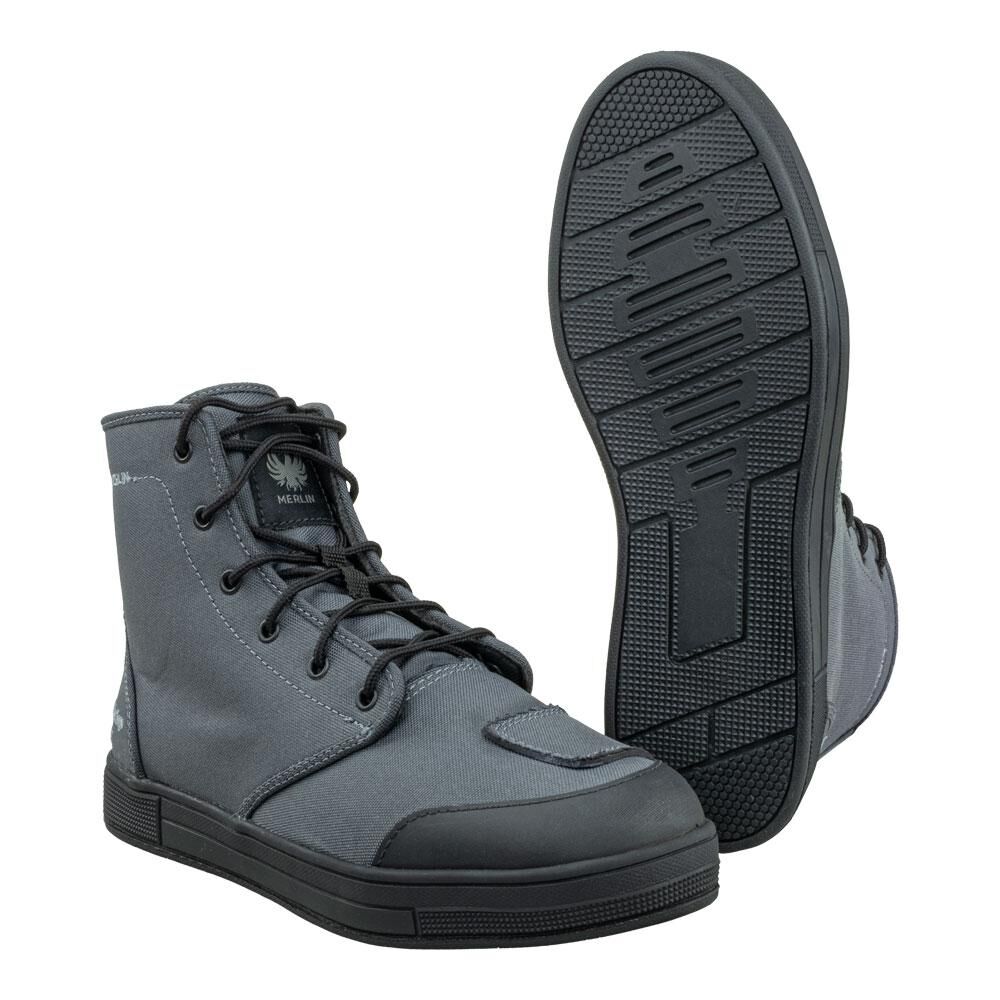
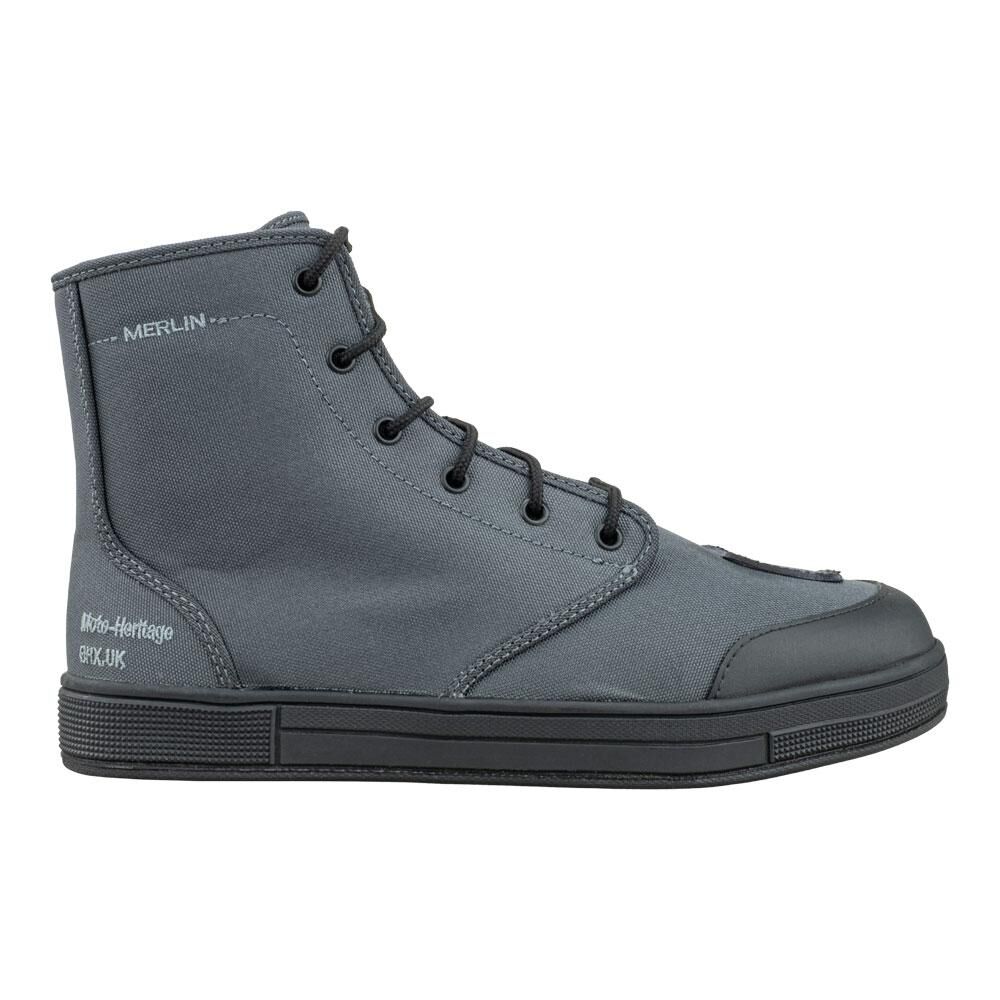
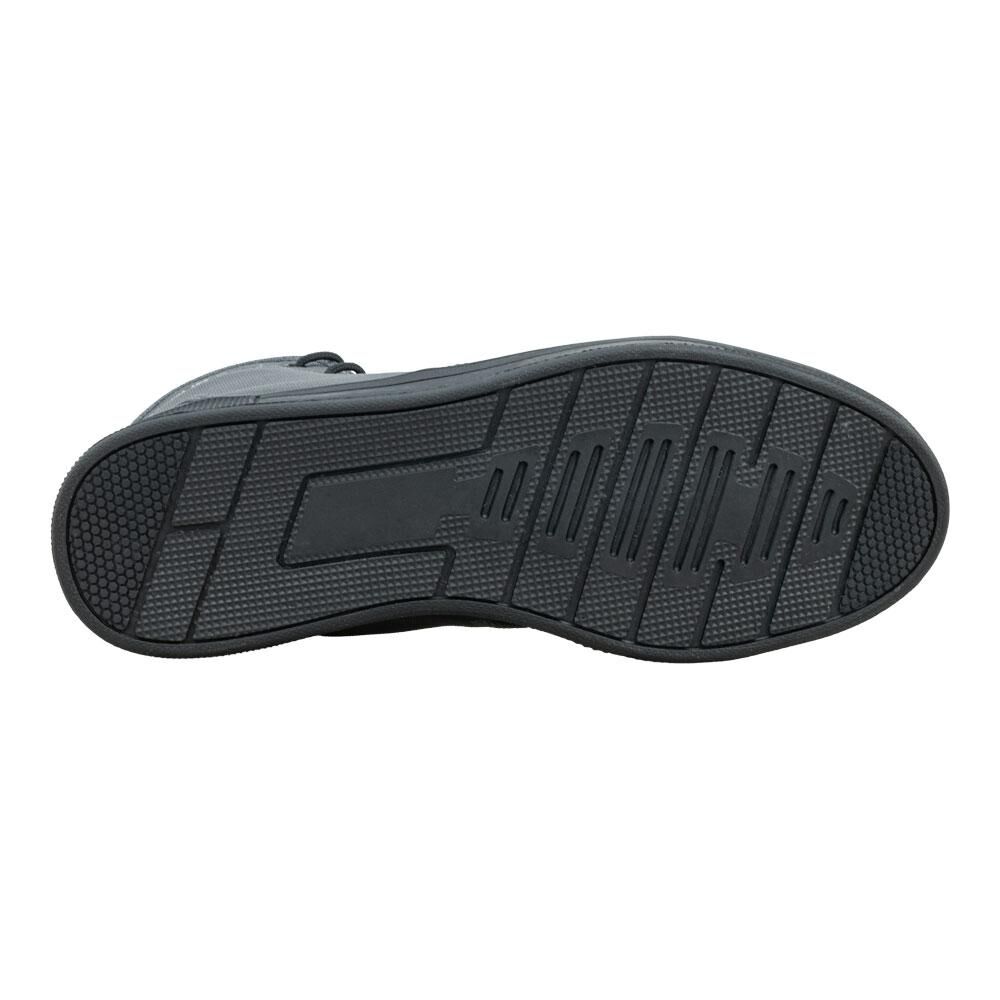
Merlin Knots D3O® Canvas Boots Grey
Merlin Boots Knots D3O Canvas Olive 10 820593
Merlin Boots Knots D3O Canvas Olive 12 820616
Merlin Boots Knots D3O Canvas Black 09 820517
Merlin Boots Knots D3O Canvas Black 12 820548
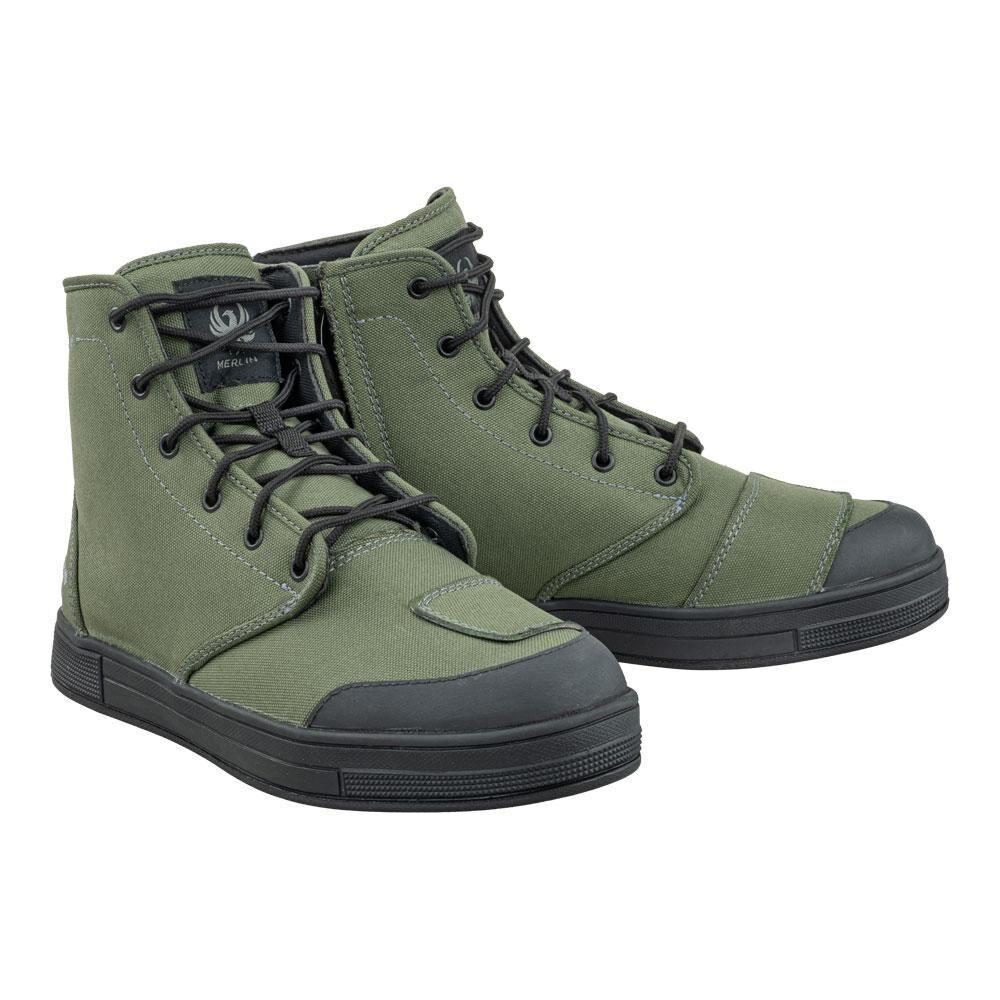
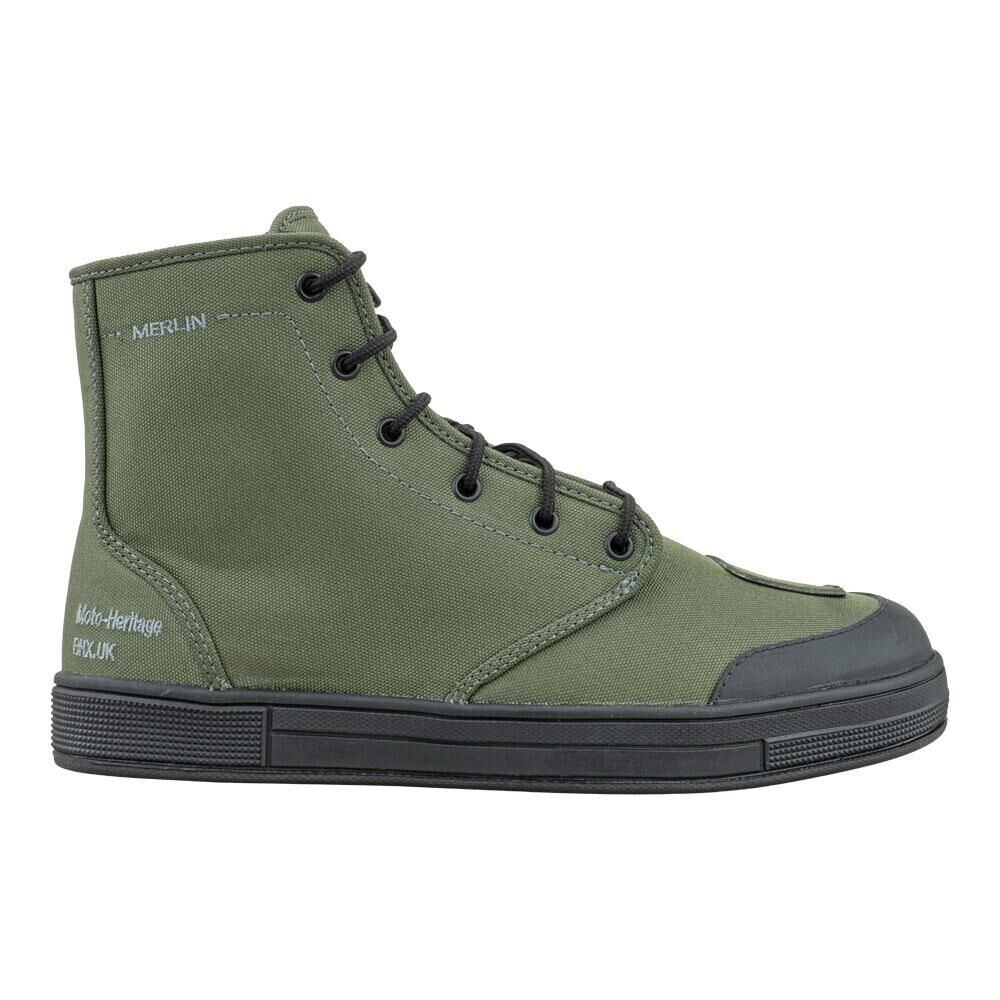
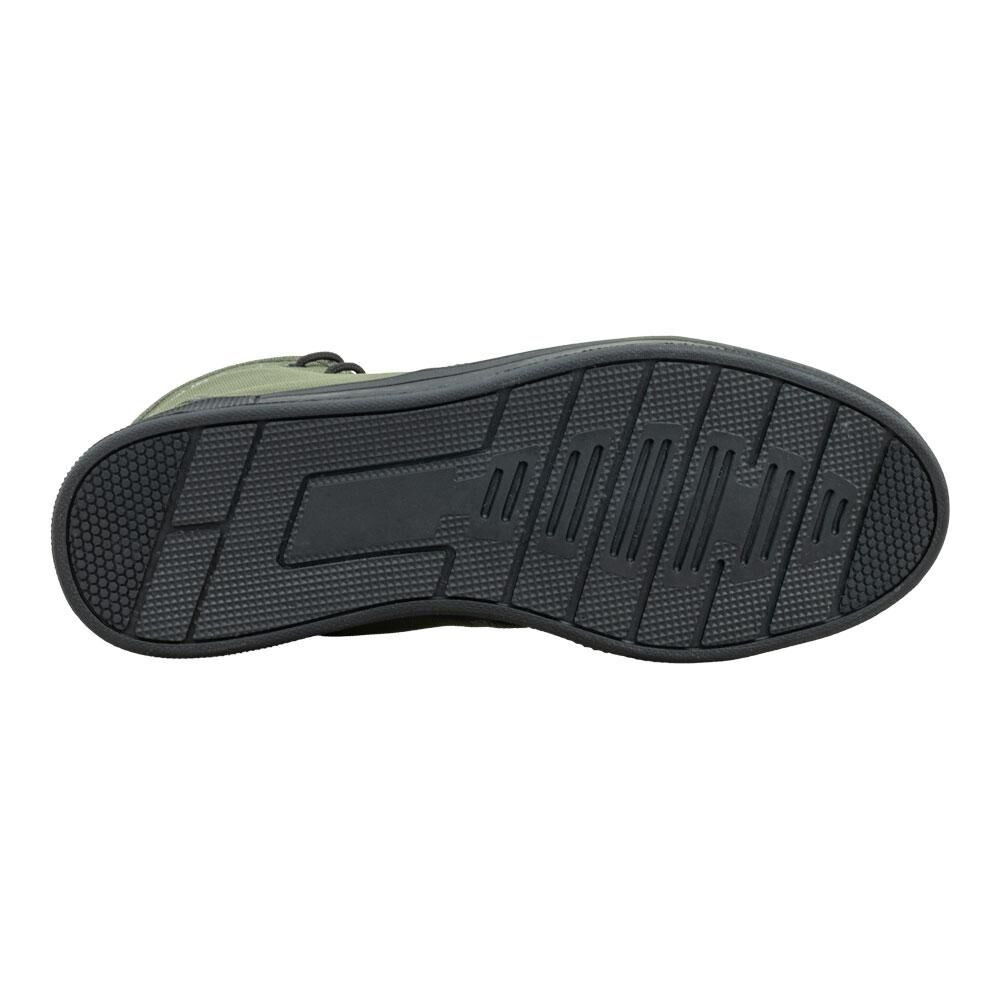
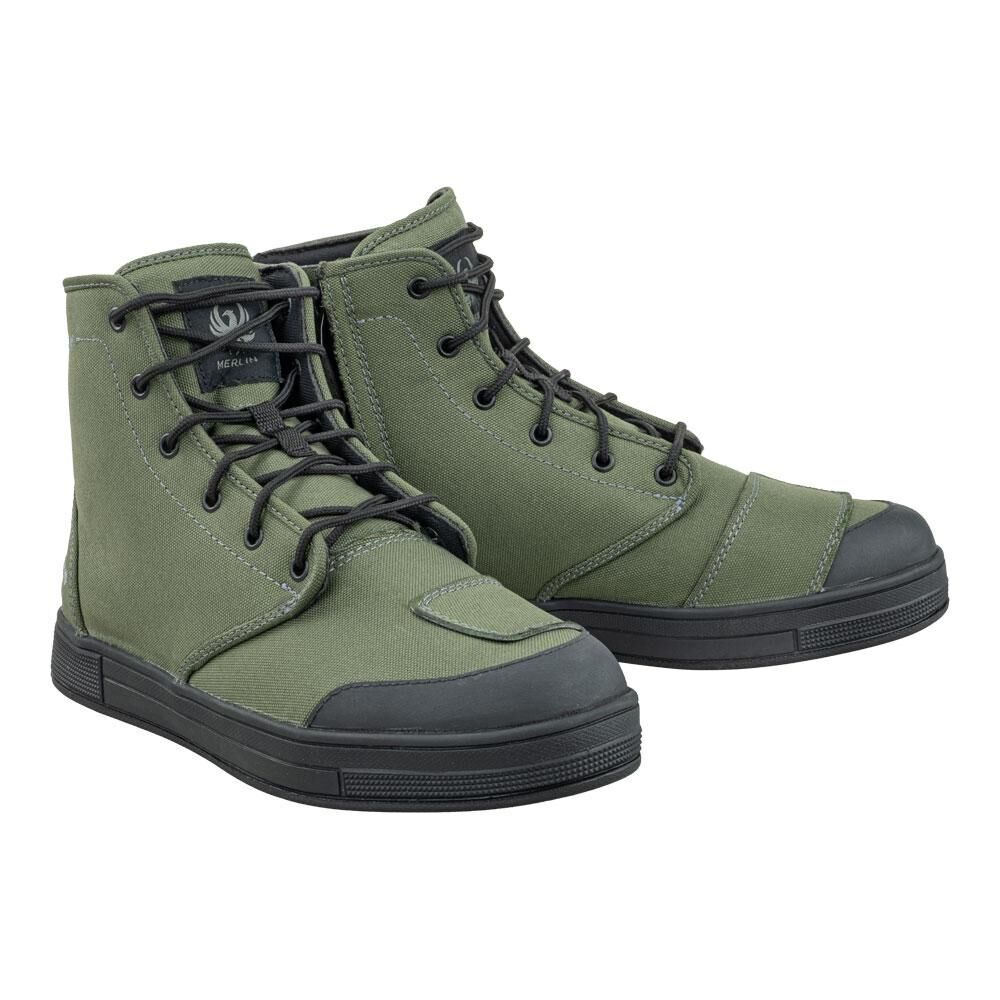
Merlin Boots Knots D3O Canvas Olive
Merlin Boots Knots D3O Canvas Black 11 820531
How to choose textile motorcycle boots
Textile boots earn their place across every riding discipline because the construction solves problems that full leather cannot. A textile upper bonds waterproof membranes like TCX's WP system or Leatt's HydraDri directly into the build, keeping feet dry on tour or in wet commutes. Leather reinforcements at the ankle cuff, toe box and heel counter add abrasion resistance exactly where impact concentrates.
Protection standards that matter
CE certification under EN 13634 is the benchmark for motorcycle footwear. Level 2 is the higher classification, covering four zones: upper height, abrasion resistance, transverse rigidity and heel energy absorption. Leatt's 4.5 Enduro and HydraDri platforms carry CE Level 2. Entry-level styles typically carry CE Level 1. Pair boots with EN 17092-rated jackets and pants at matching CE Level 1 or 2 for consistent full-body protection. Always confirm the certification label before purchasing.
Boot style selector
| Style | Key feature | Application | Brand |
|---|---|---|---|
| Off-road / enduro | Buckle closure, rigid shin plate, lugged sole | Trail, enduro, MX | Leatt, Thor, Fusport |
| Waterproof road | WP membrane, ankle armour, 15-18 cm height | Commuting, touring | TCX, Falco, Merlin |
| All-season adventure | CE Level 1 or 2, 360-degree grip outsole | ADV, gravel, mixed | Merlin, Falco |
| Rain overboot | 100% waterproof shell, fits over standard boots | Wet-weather commuting | Shark Leathers |
Fit and sizing guidance
Textile boots size to EU standards from EU 36 through EU 48. Measure foot length in millimetres and add 10-15 mm for riding socks and braking clearance. Off-road boots have a taller shin cuff, typically 250-280 mm from heel to top, so check calf circumference against the brand chart. Most textile uppers combine 600D to 1200D nylon panels with TPU ankle cups moulded at 2-3 mm wall thickness. Outsoles on off-road boots carry 4-6 mm lug depth; road soles prioritise oil resistance.
Frequently asked questions
What is the difference between CE Level 1 and CE Level 2 motorcycle boots?
Both levels are certified under EN 13634. Level 2 requires higher performance across all four test zones: upper height, abrasion resistance, transverse rigidity and heel energy absorption. Level 2 boots provide measurably greater ankle protection and are the recommended choice for track days, trail riding and high-speed road use.
Are textile motorcycle boots as waterproof as leather boots?
Textile boots with a bonded waterproof membrane, such as TCX WP or Leatt HydraDri, are fully waterproof and often outperform untreated leather in sustained wet conditions. The membrane is integrated into the lining rather than relying on surface treatments, so performance does not degrade with age the way a leather DWR coating does.
Can I use off-road textile boots for road riding?
Off-road boots like the Leatt 4.5 Enduro and Fusport Dirt Pilot 2 are CE-certified and legal for road use, but the stiff sole and buckle closure reduce walking comfort. For riders who split time between trail and road, an adventure or all-season textile boot from Merlin or Falco is a more practical daily option.
Afterpay & Zippay Available
Afterpay & Zippay Available