

Michelin builds tyres for every kind of riding, from sport circuit rubber to long-haul touring, cruiser, adventure, scooter and off-road. This range covers tubeless road compounds and dual-purpose patterns sized for ten-inch through seventeen-inch wheels. Match the right Michelin to your bike, your load and the surface you ride most for confident grip in the wet and dry.
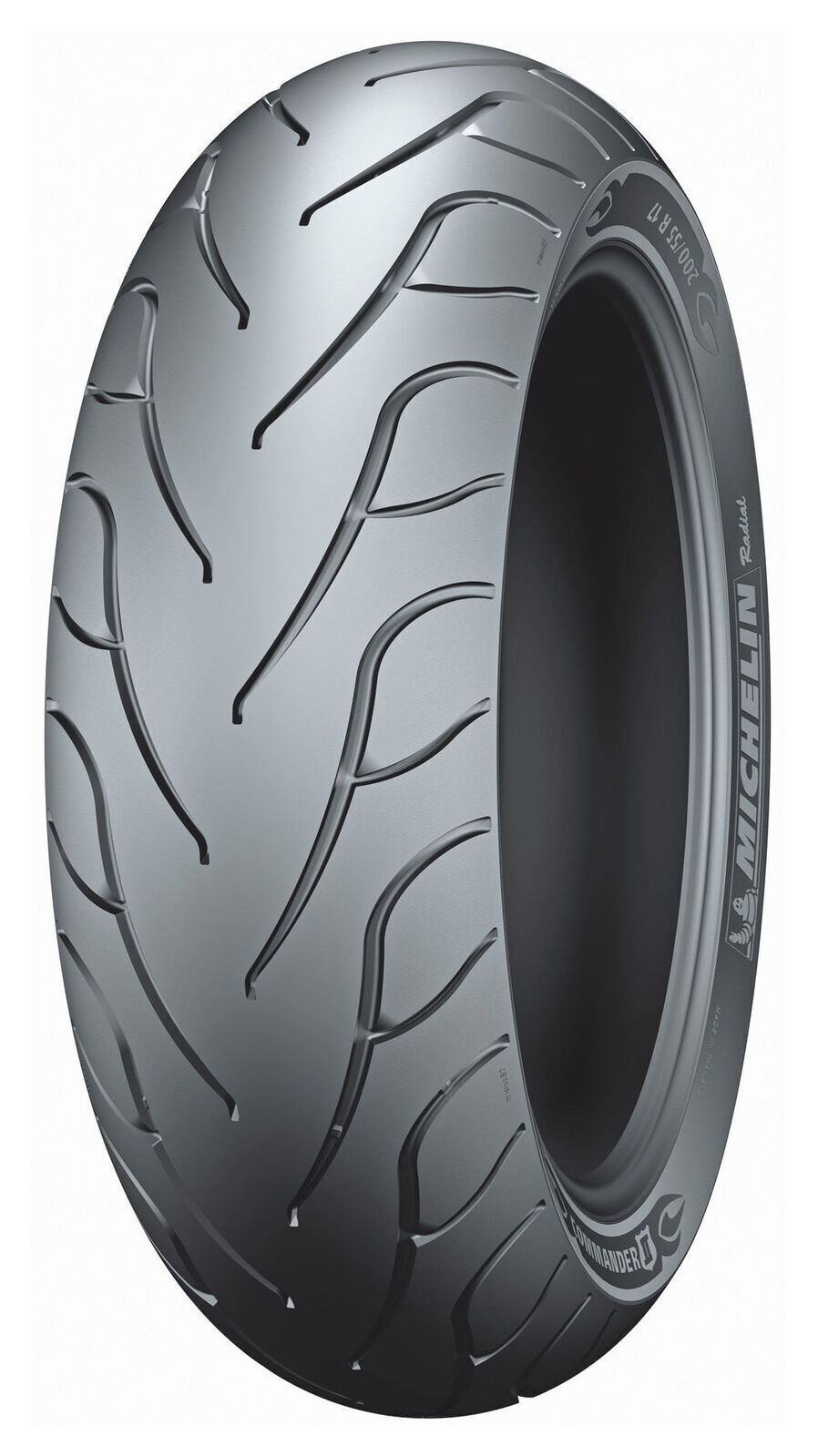
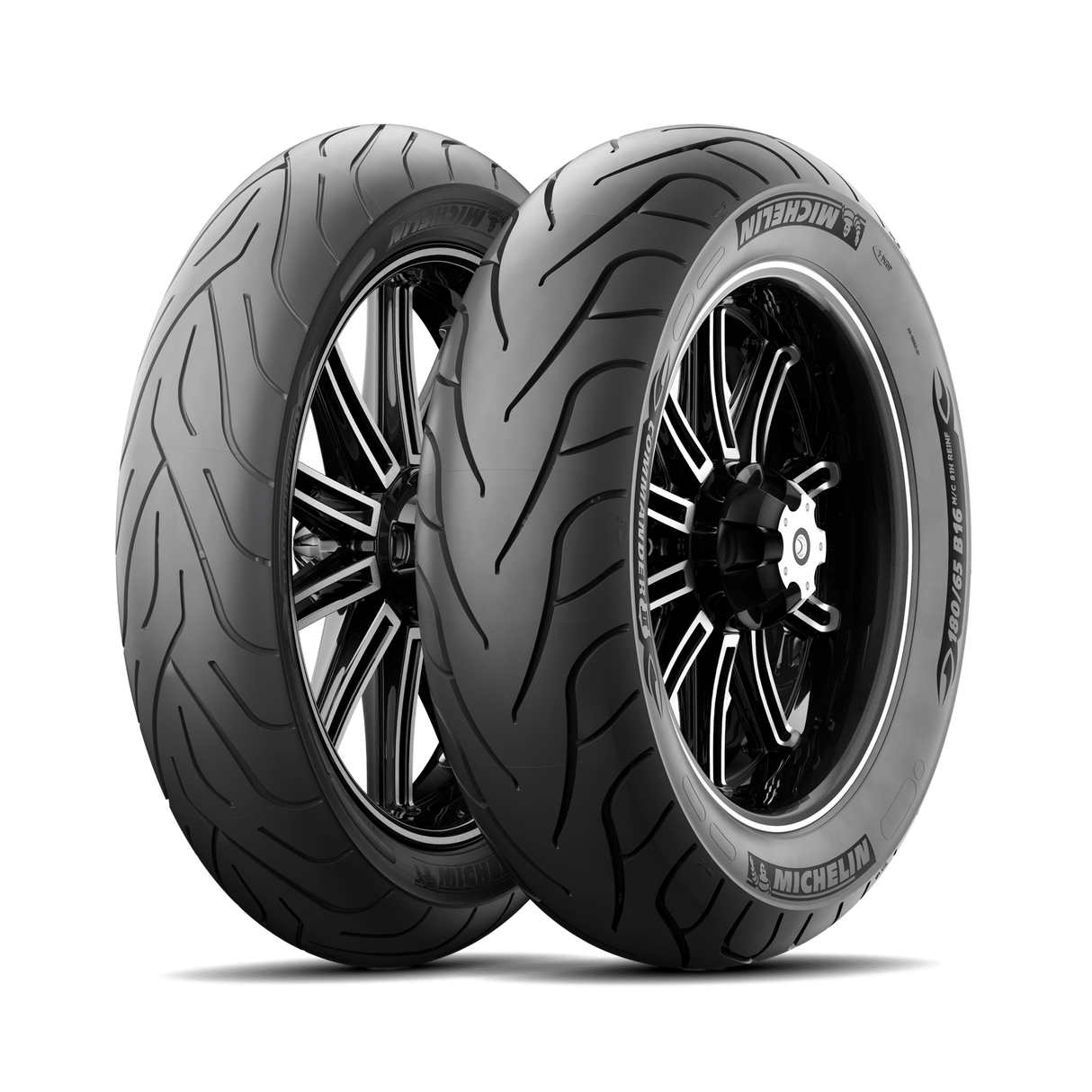


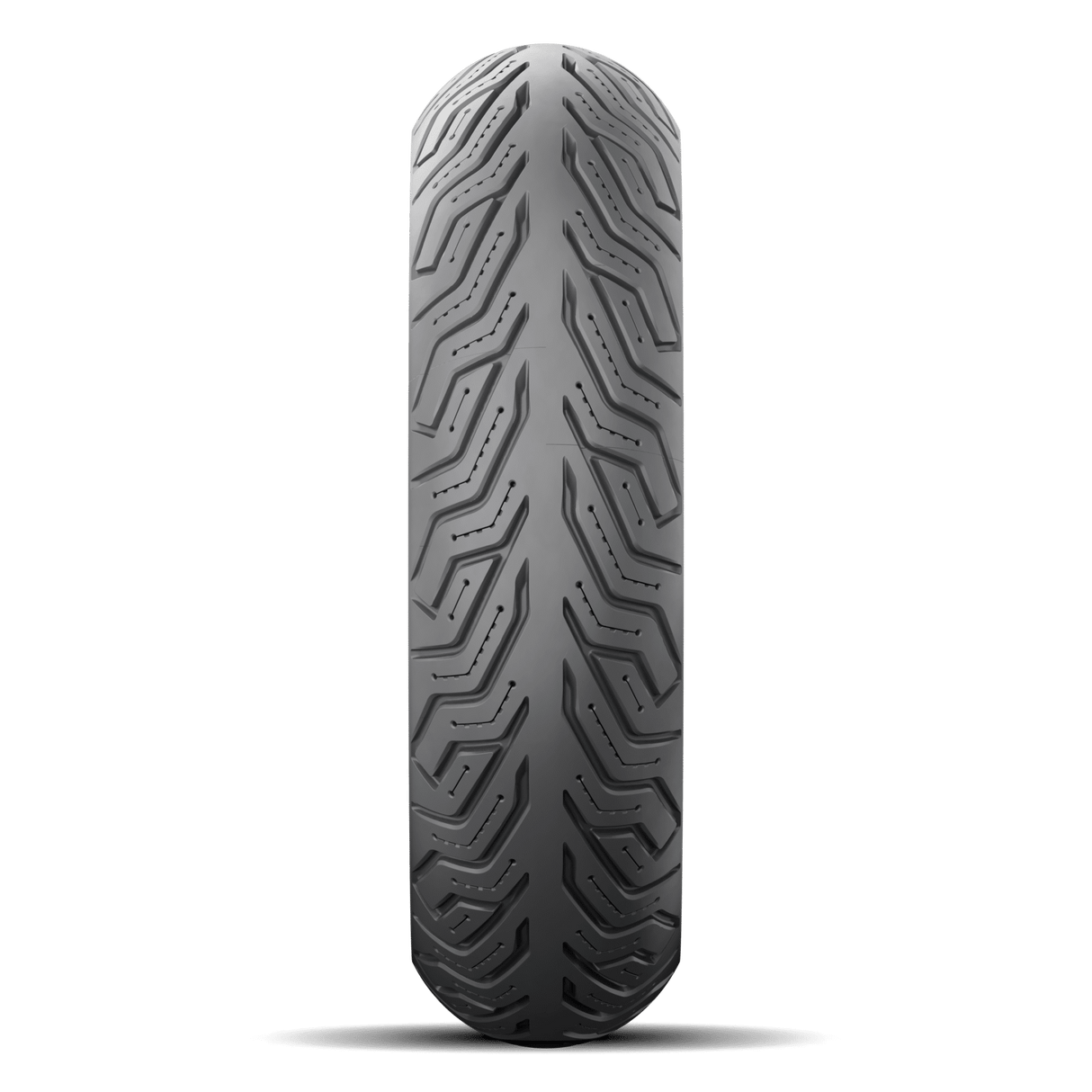
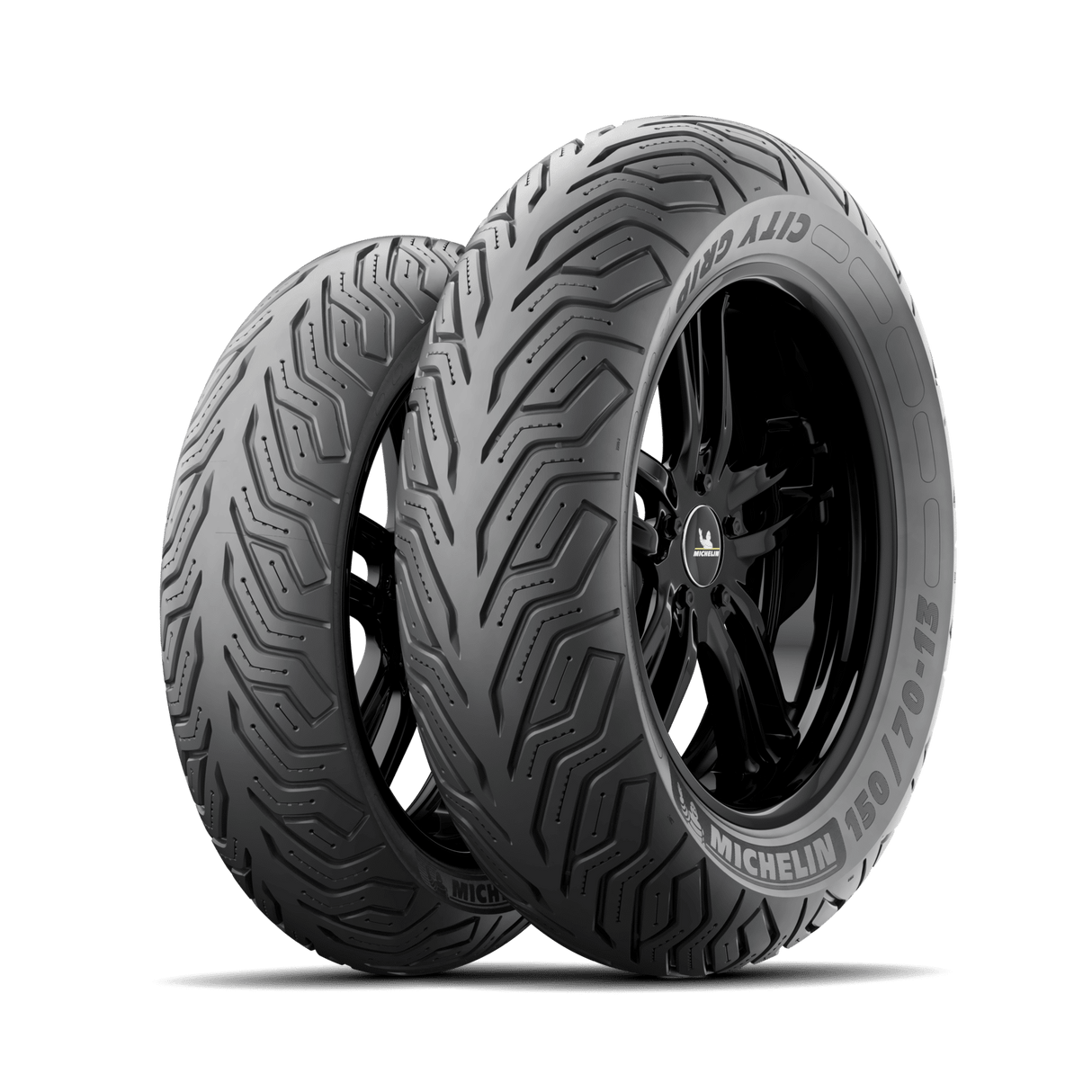
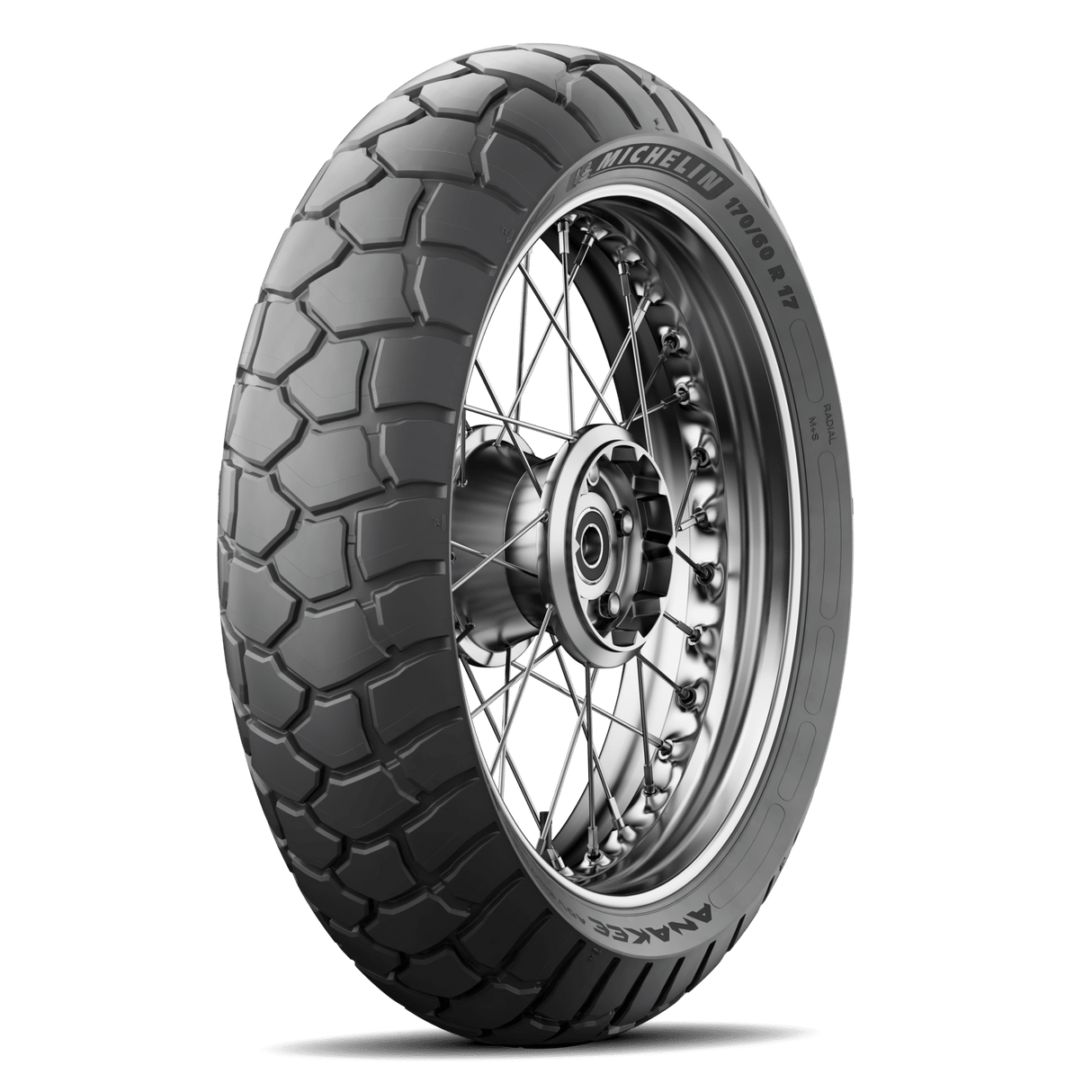
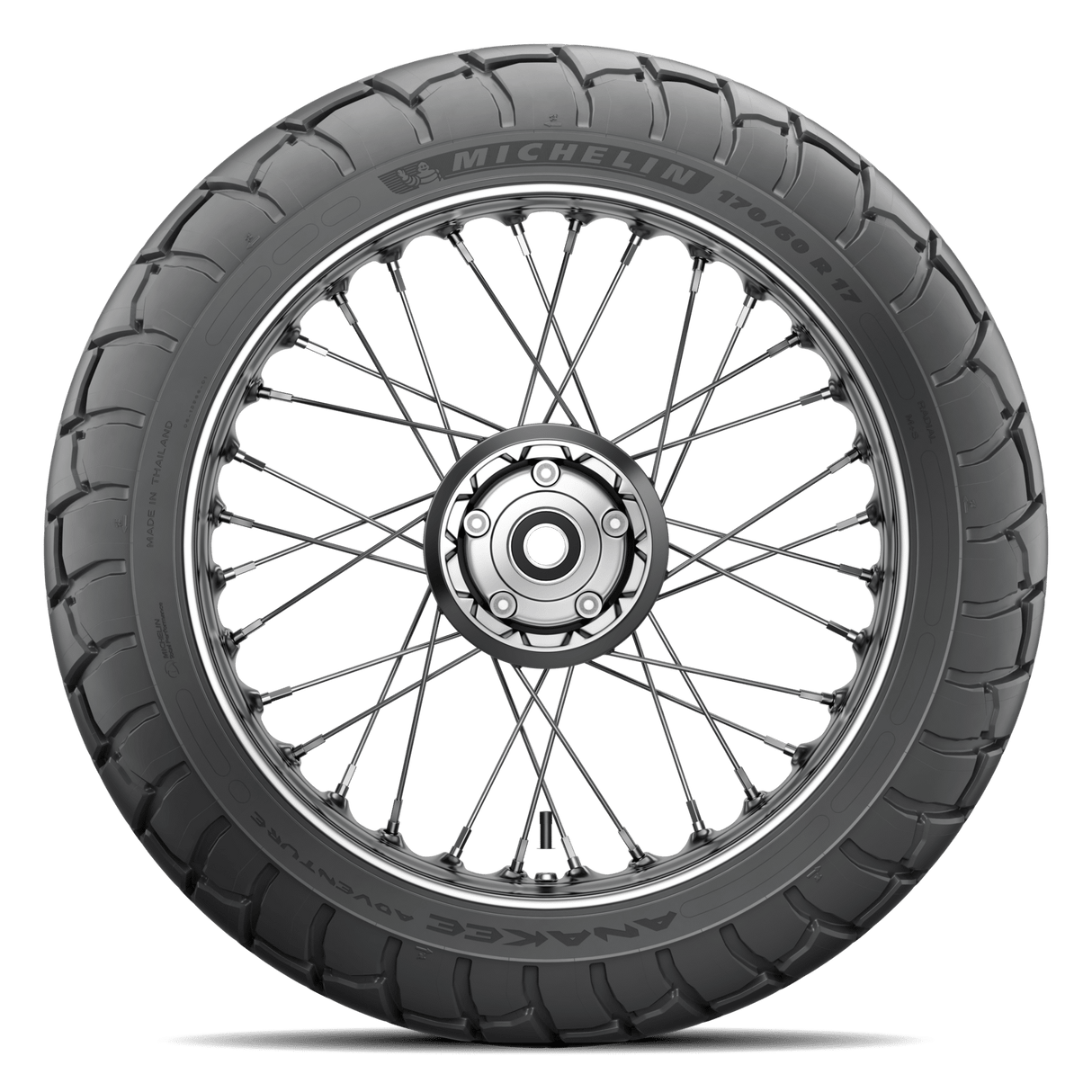
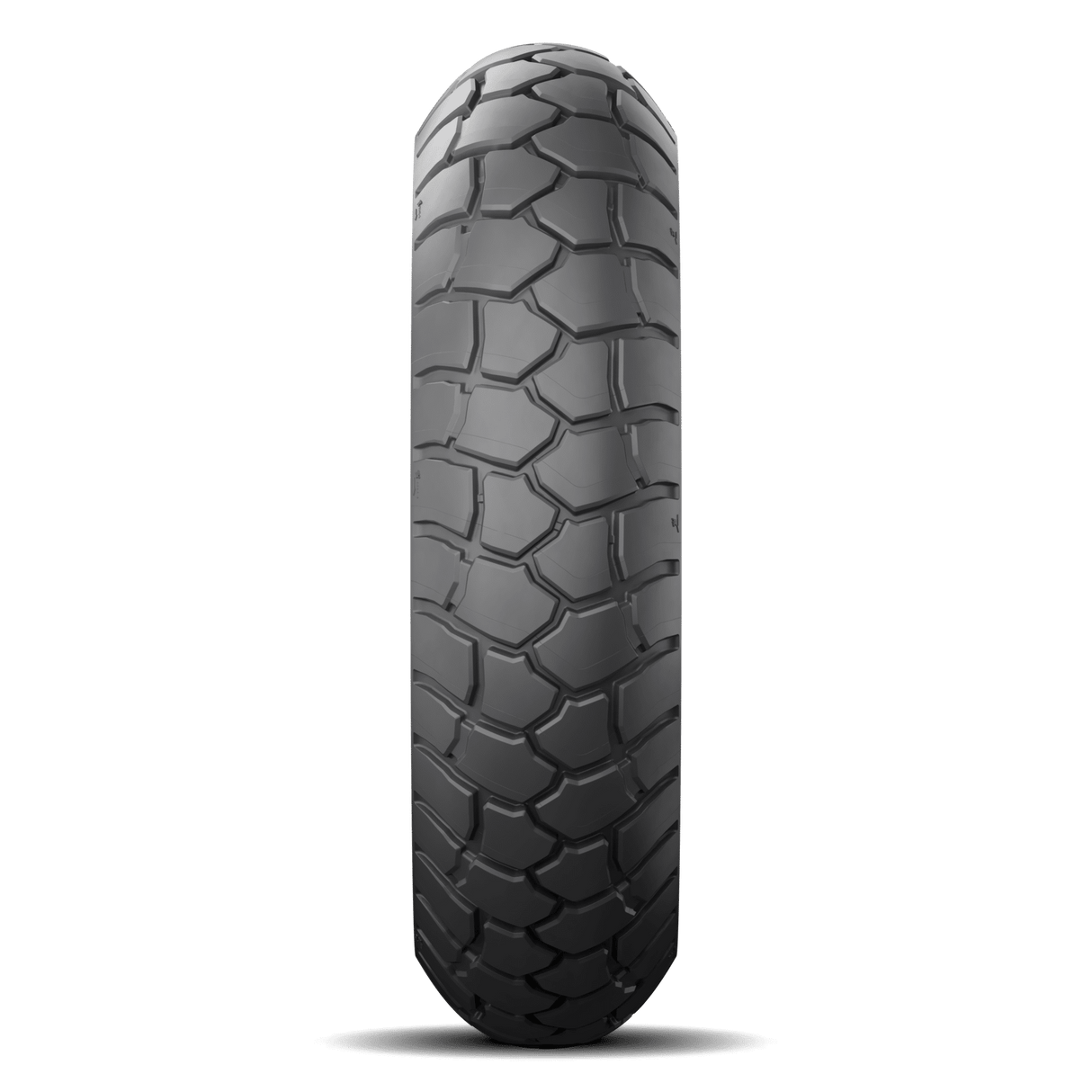

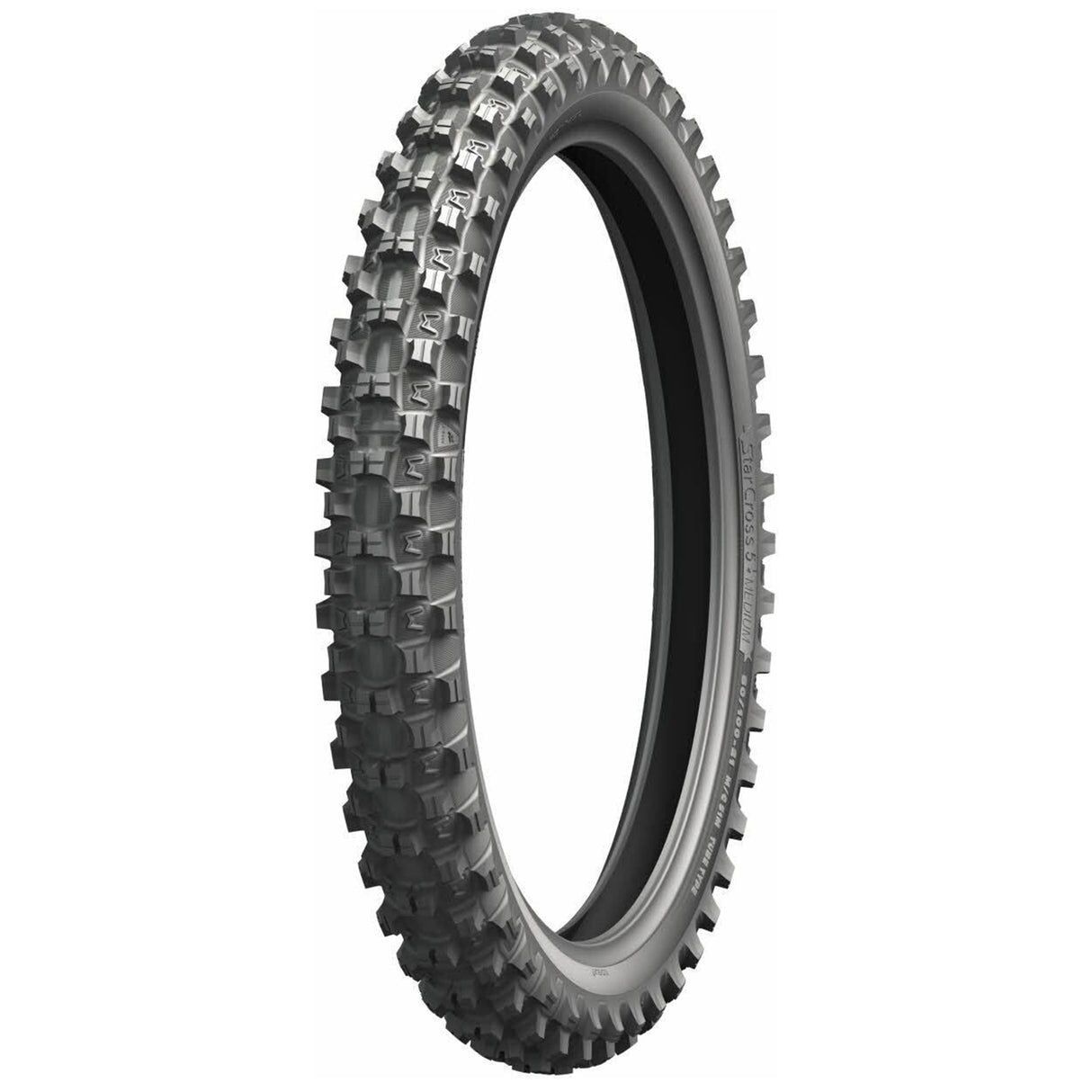
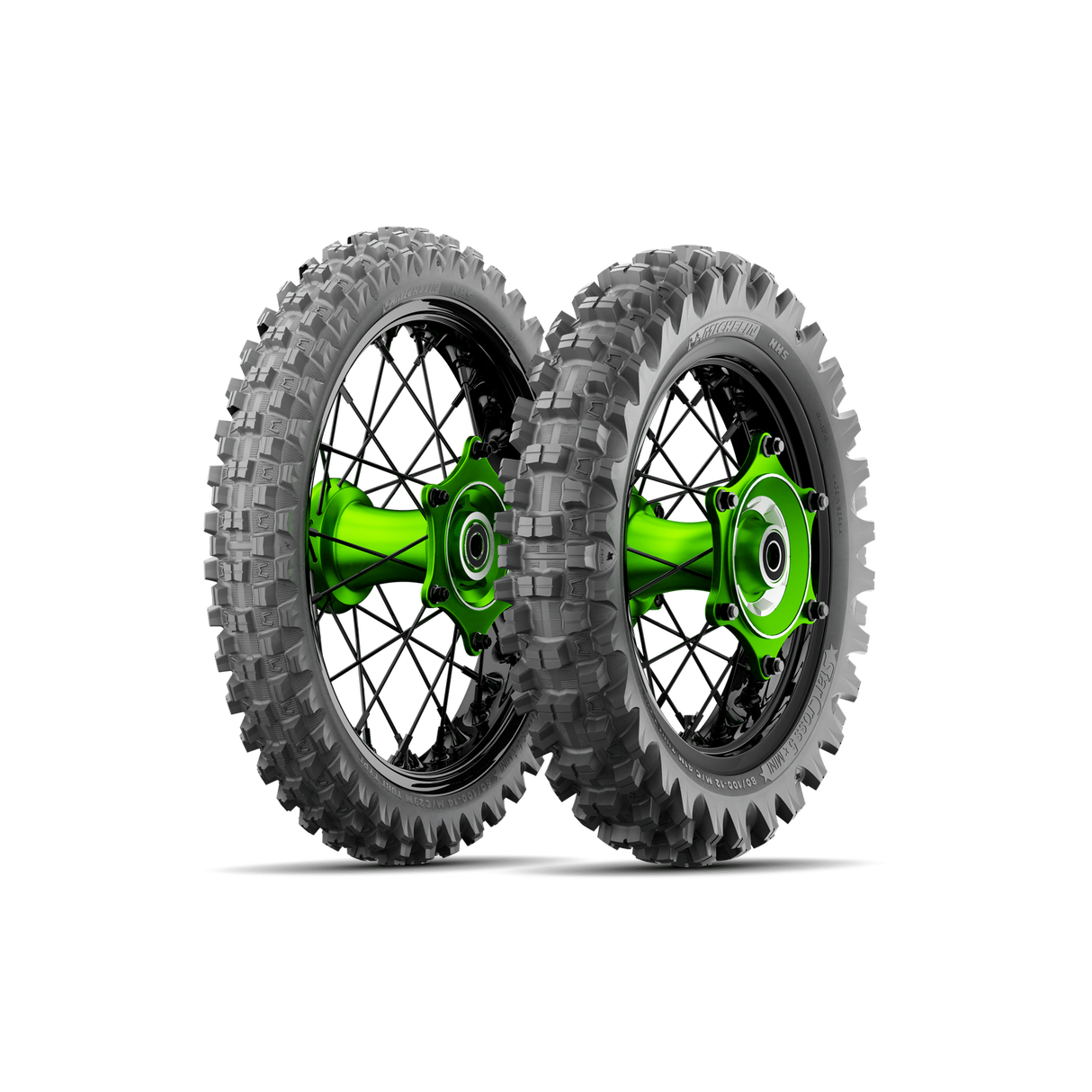
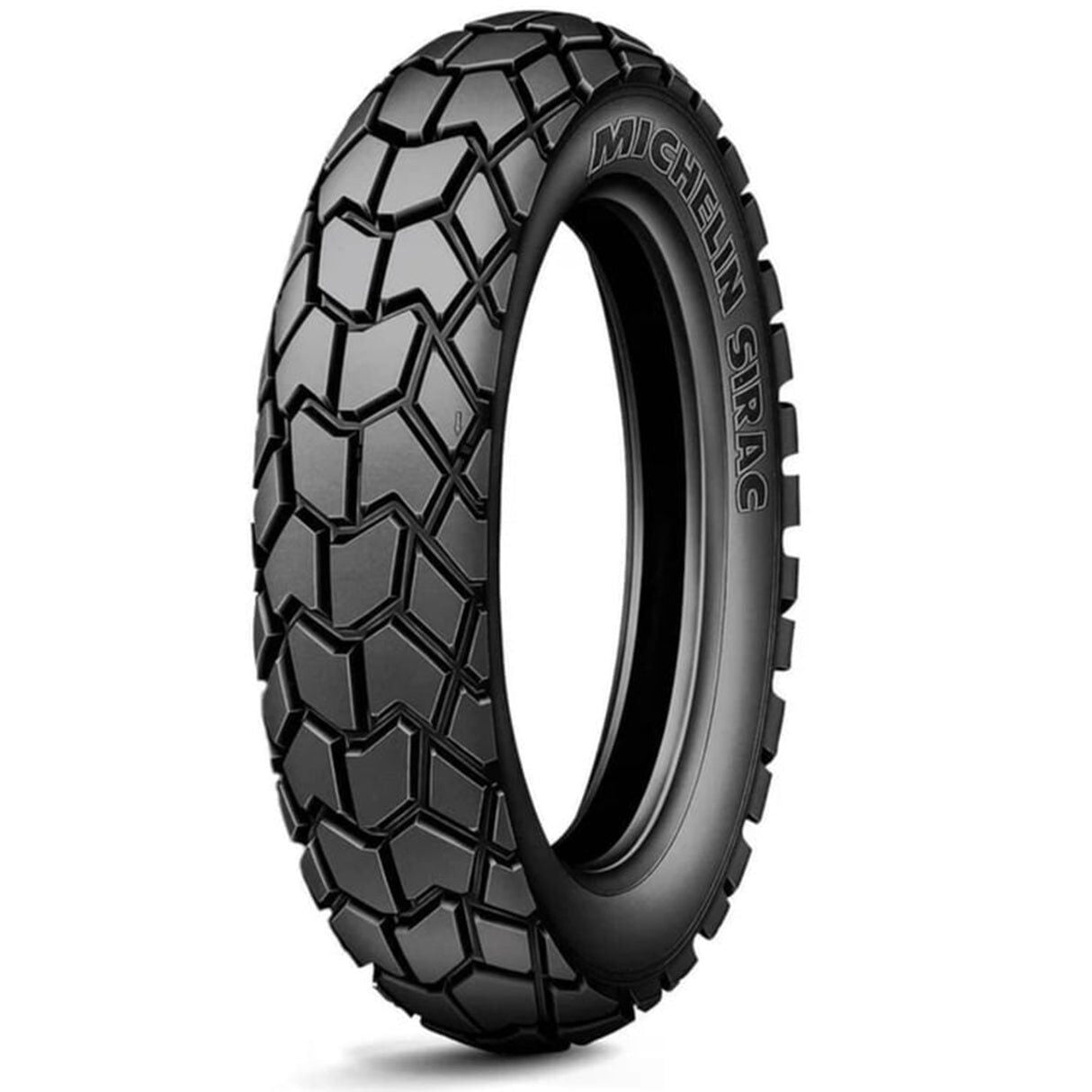
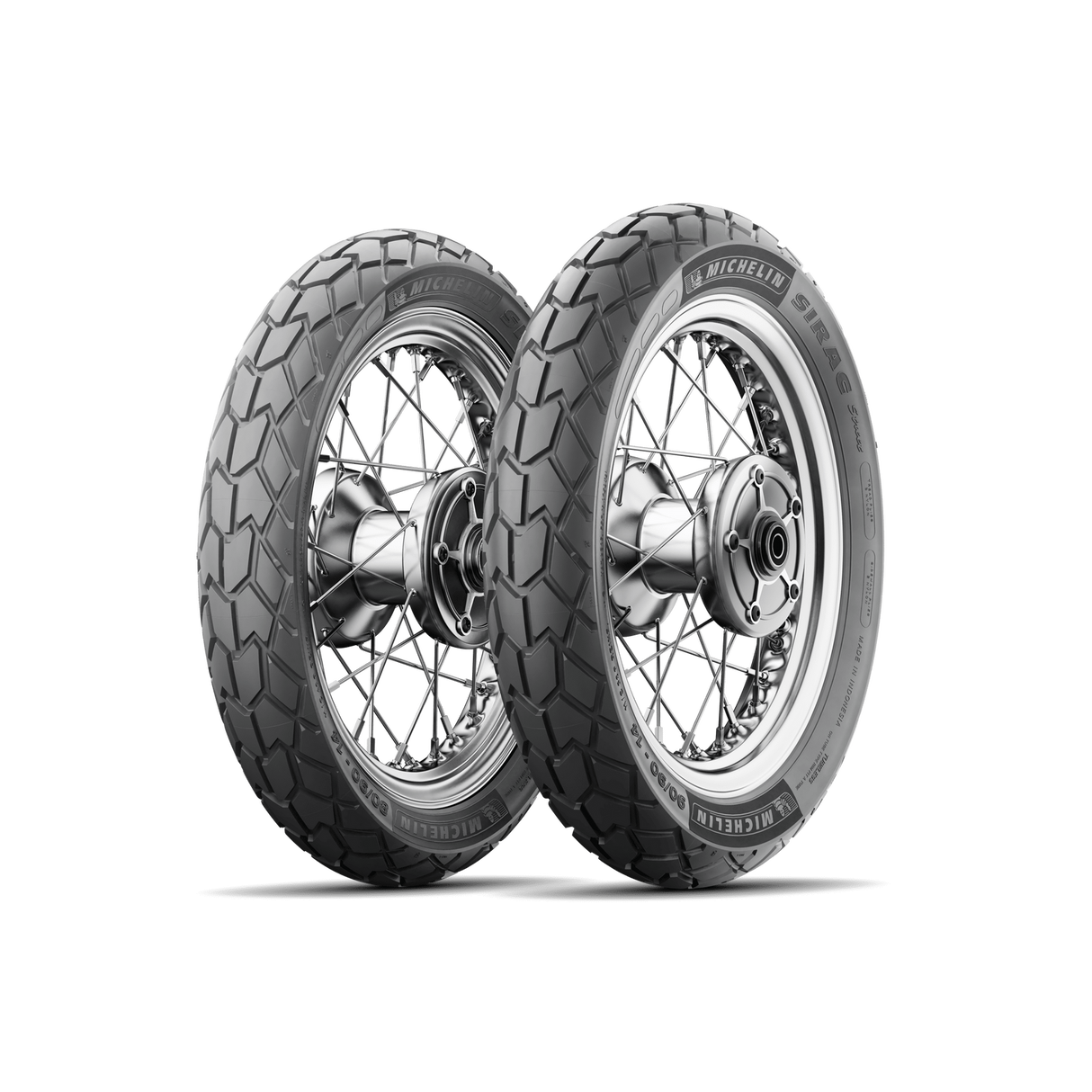
Michelin Sirac Rear Tyre 120/90-17 64T Tube Type
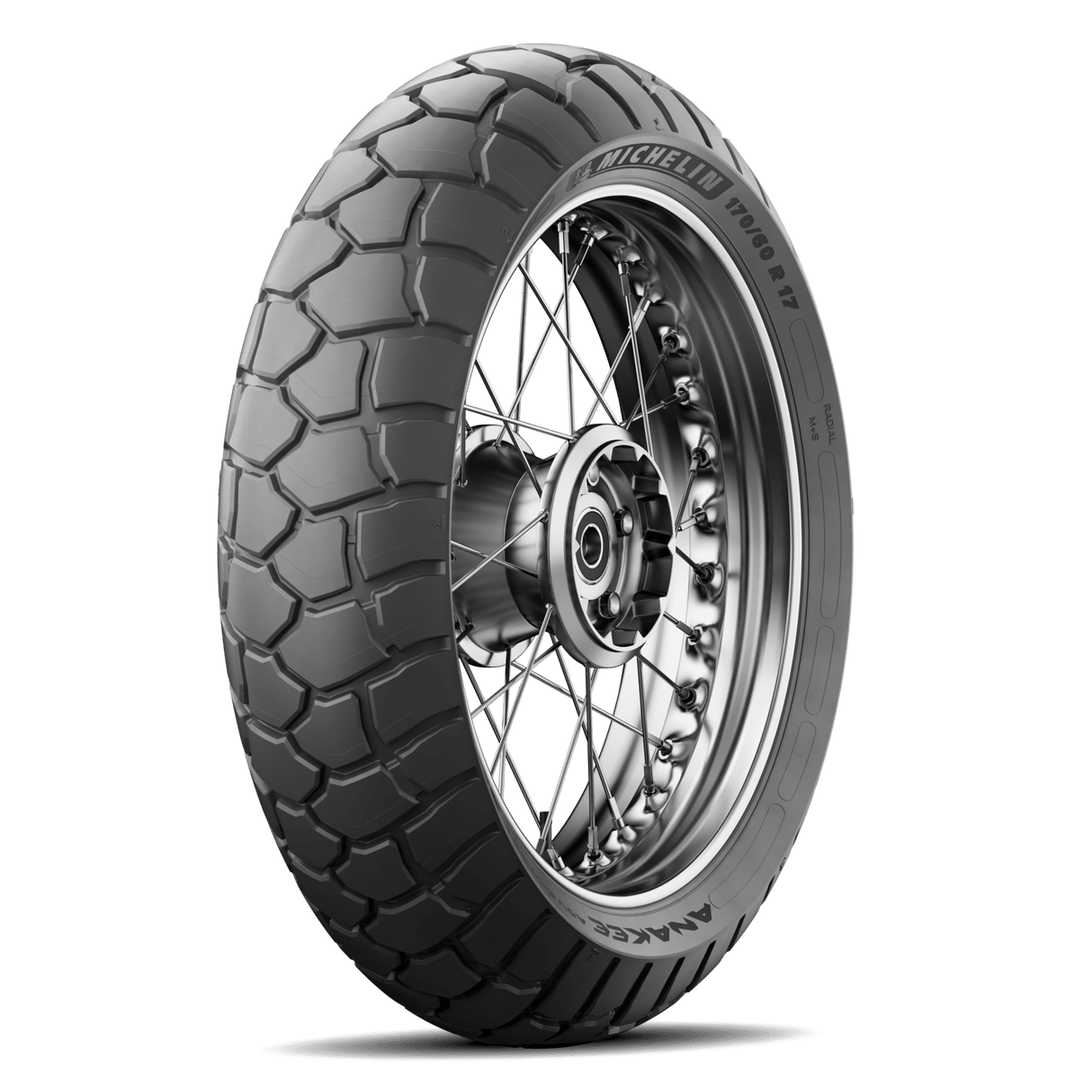
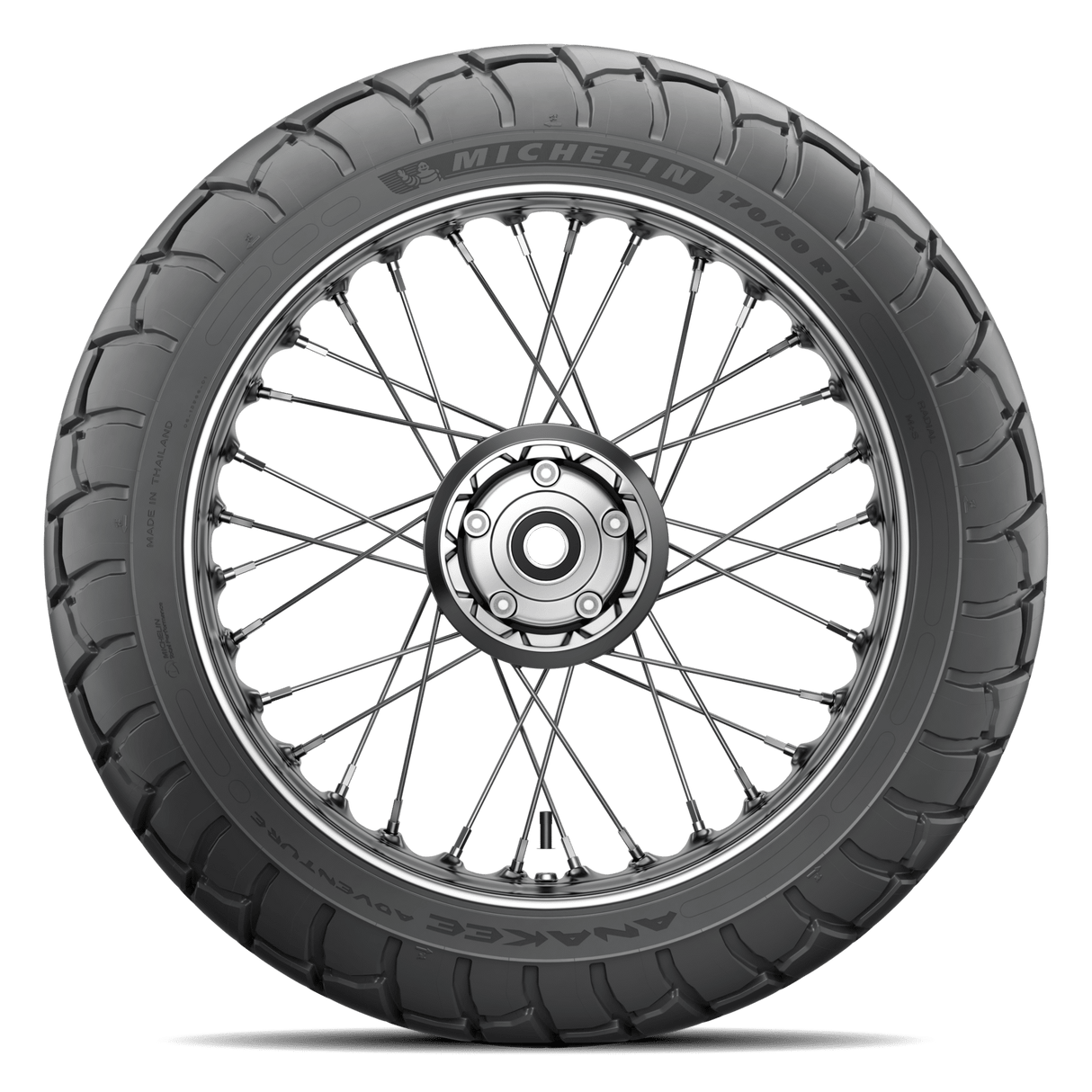

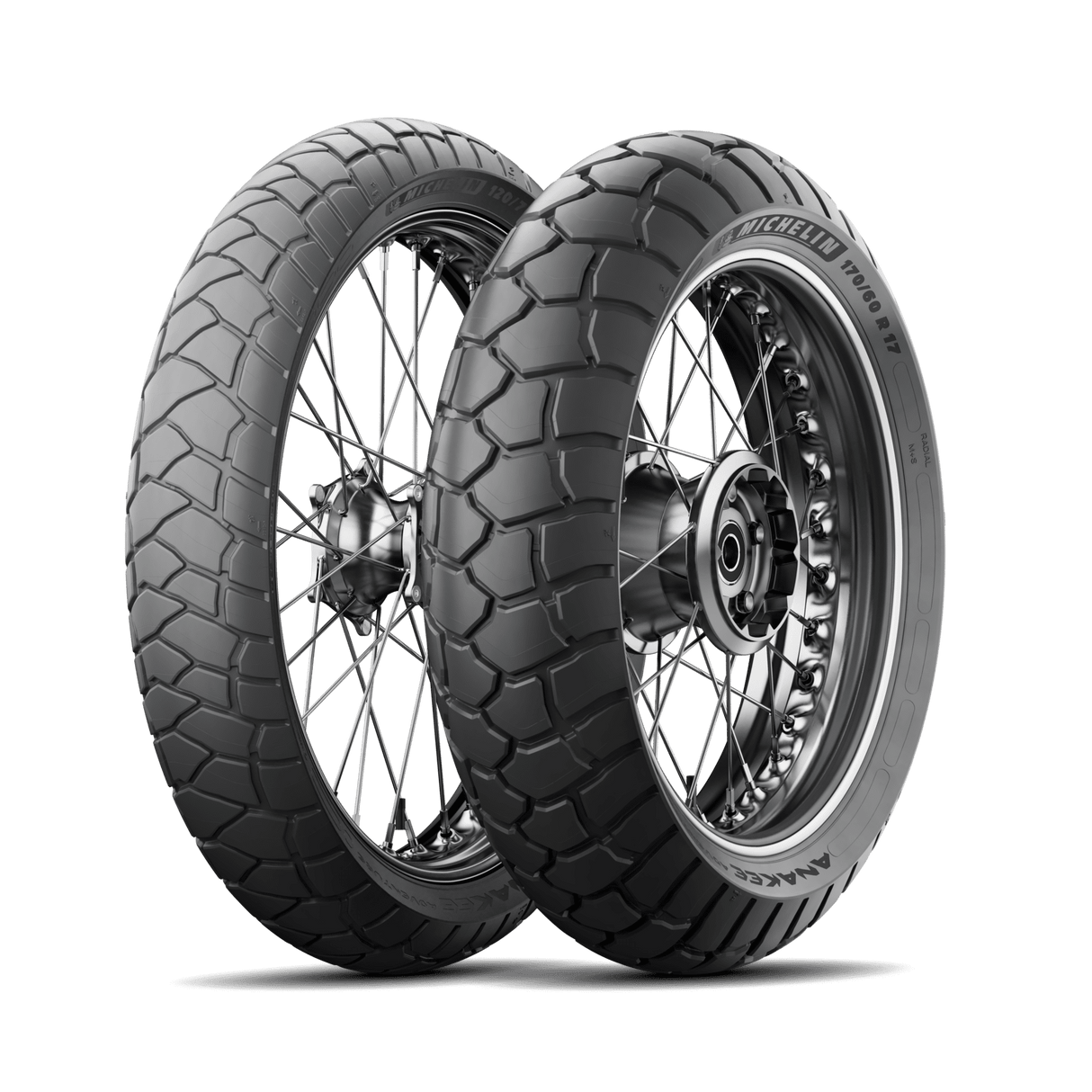
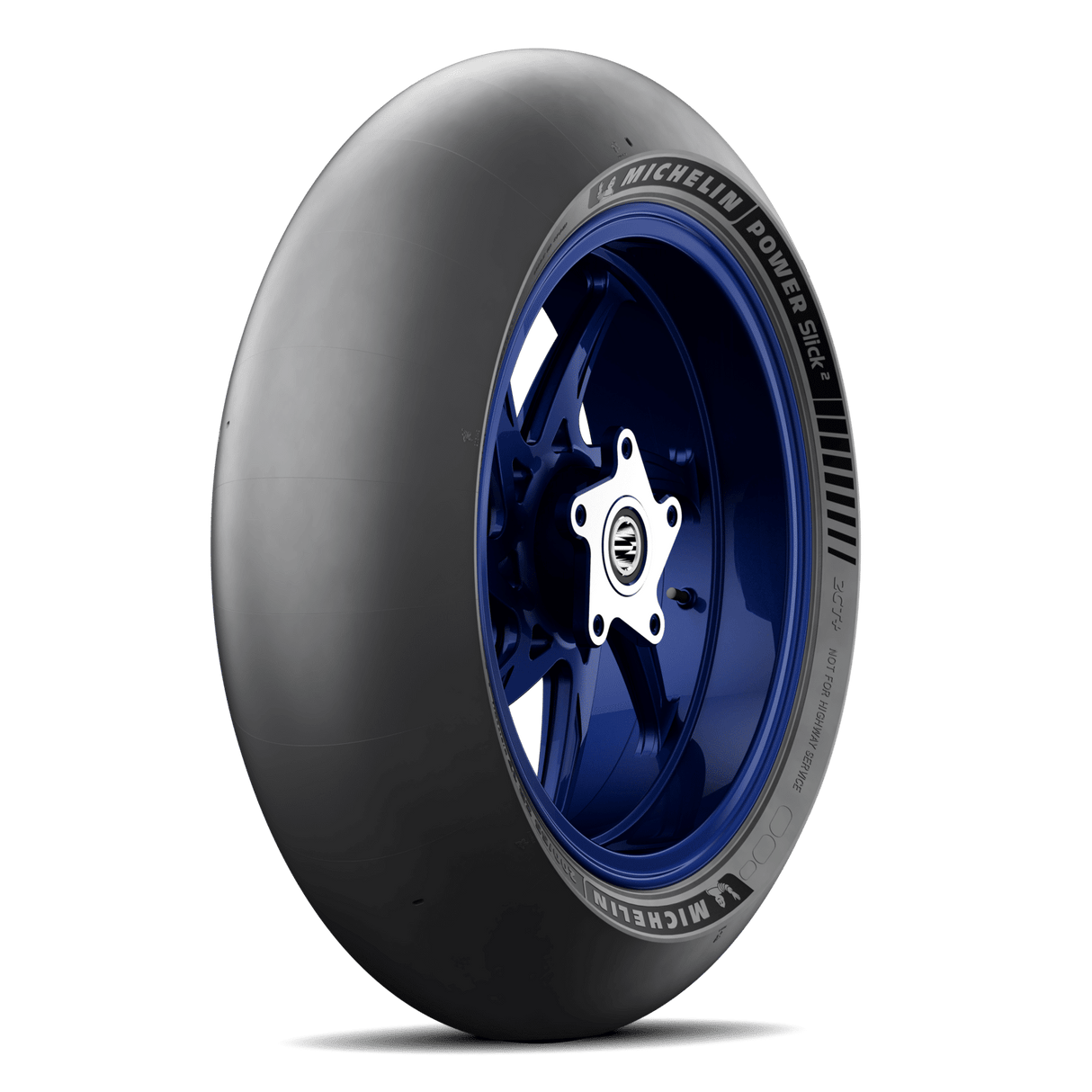
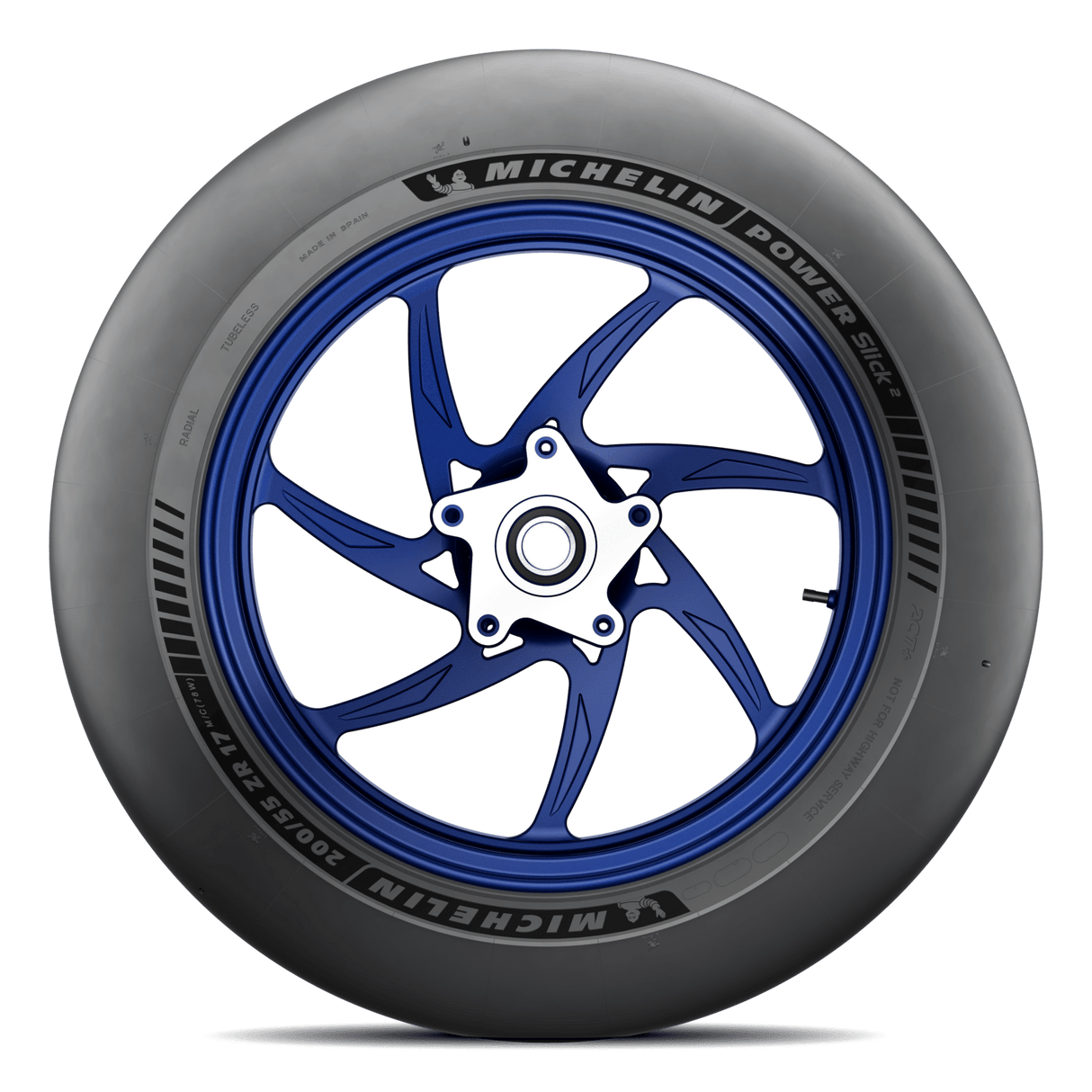
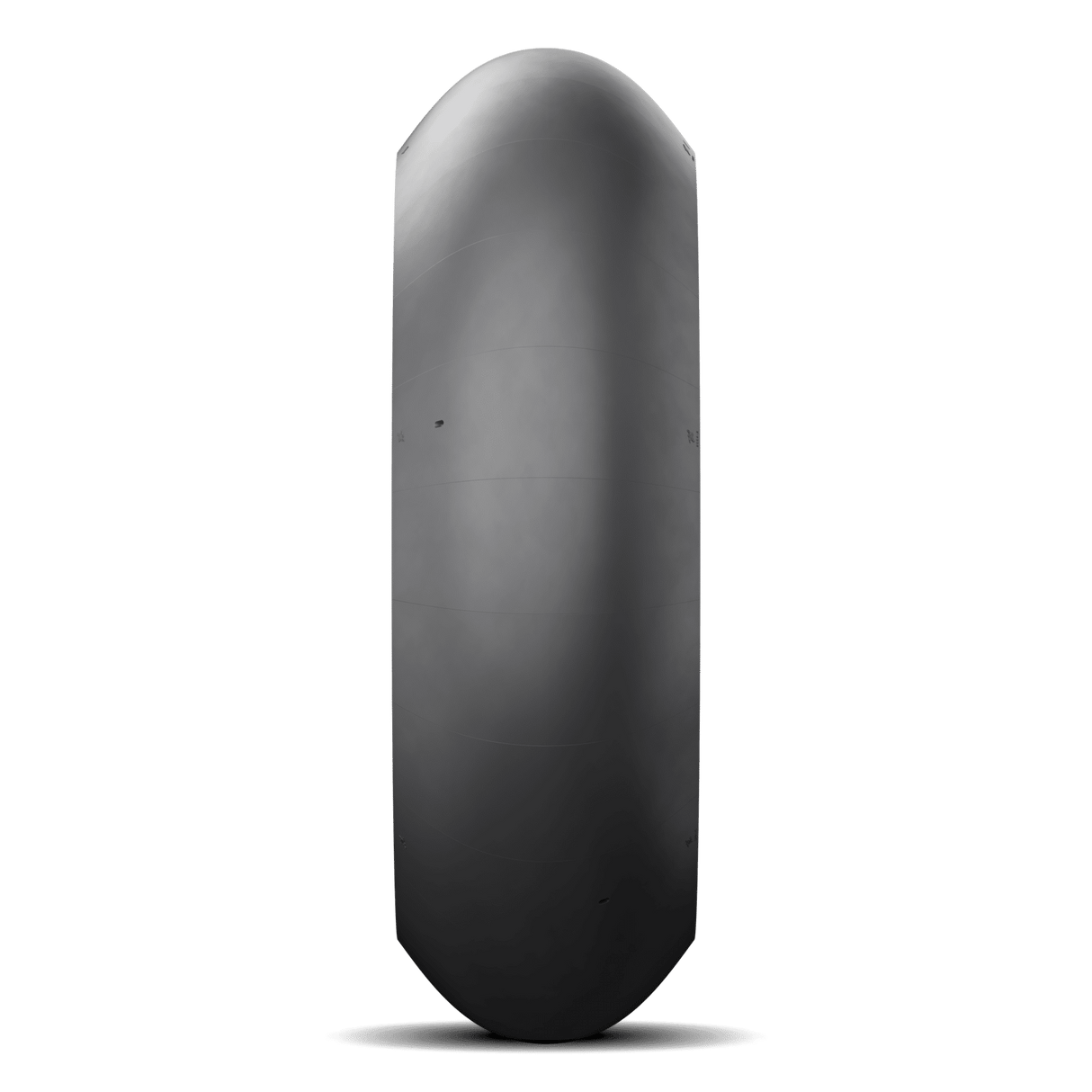
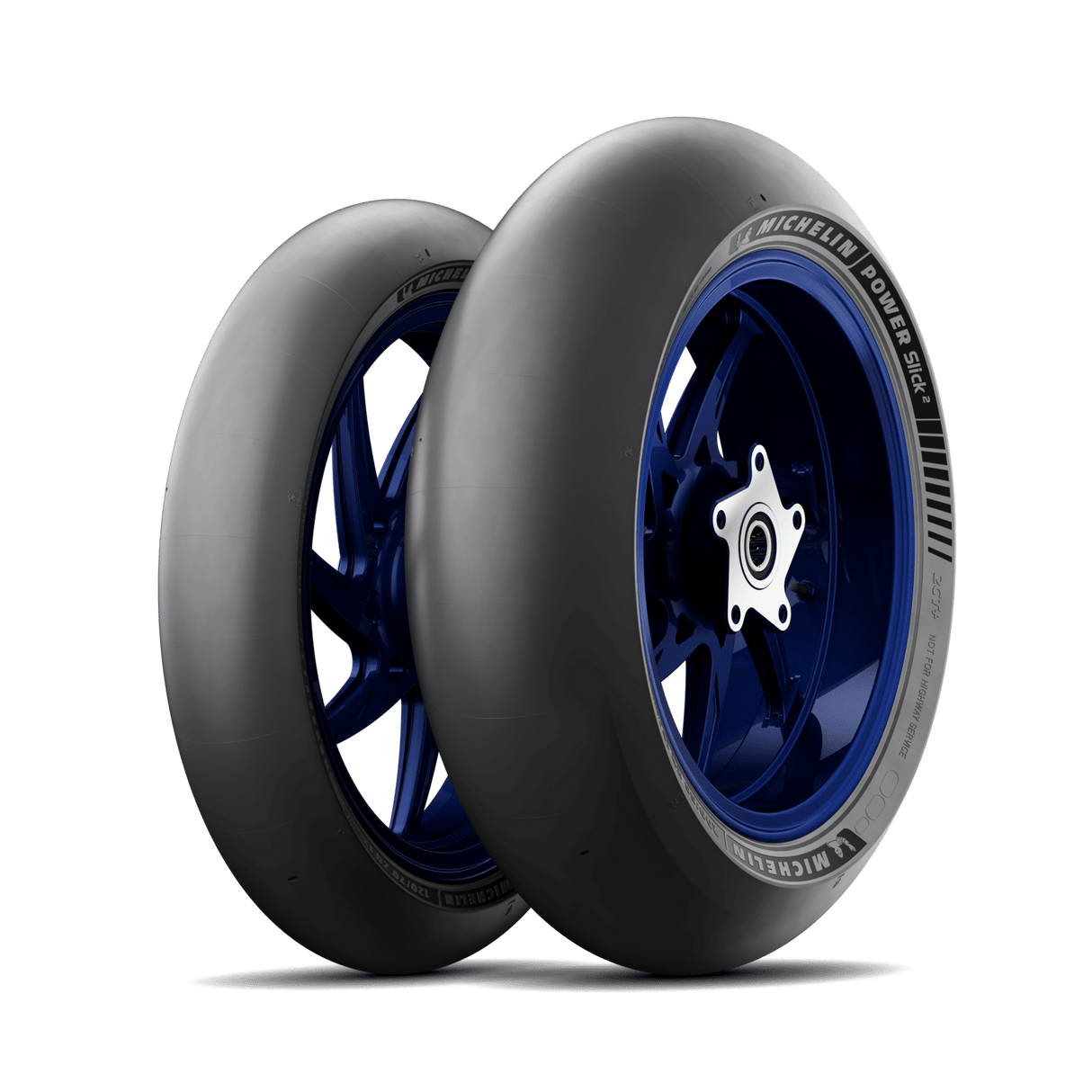
Michelin 120/70 ZR 17 (58W) Power GP
How to choose the right Michelin tyre
Your tyre is the only contact patch between you and the road, so the compound and pattern matter more than any other single component. Michelin splits its range by riding style, and matching the pattern to your use is the difference between confidence and a cold shoulder mid-corner. Sport compounds warm fast and grip hard, touring compounds trade ultimate grip for mileage, and adventure patterns balance tarmac stability with loose-surface bite.
| Range | Best for | Typical wheel size | Construction |
|---|---|---|---|
| Power Cup Evo | Track and fast road | 17 inch | Tubeless, W rating (270 km/h) |
| City Grip 2 | Scooter commuting | 15 and 16 inch | Tubeless, S rating (180 km/h) |
| City Grip | Urban scooter | 16 inch | Tubeless, P rating (150 km/h) |
| Reggae | Small-wheel scooter | 10 inch | Tubeless, J rating (100 km/h) |
Always replace tyres in matched pairs where possible, since mixing a worn rear with a fresh front upsets the steering balance. The legal minimum tread depth in Australia is 1.5 mm, but grip drops well before that, especially in the wet. Check pressures cold at least once a fortnight, as every 7 kPa under spec adds heat and wear. Read the sidewall code: the number before the slash is section width in mm, the number after is aspect ratio as a percentage of width, and the final figure is rim diameter in inches. Load and speed ratings such as 66W or 60S must meet or exceed your bike's specification. New tyres need 100 to 150 km of progressive lean to scrub off the release agent before full grip returns.
Tyre standards differ from the apparel ratings you may know. EN 17092 AAA, AA and A abrasion classes and CE Level 1 versus CE Level 2 impact armour apply to jackets, pants and protectors, not to rubber, so pair fresh tyres with correctly rated gear for full protection. A CE Level 2 back protector absorbs more impact energy than a Level 1 unit, and an EN 17092 AAA garment resists abrasion longer than an A-rated one.
Frequently asked questions
How do I read the size code on a Michelin tyre?
Read it left to right. On a 120/70-17 tyre, 120 is the section width in millimetres, 70 is the aspect ratio as a percentage of that width, and 17 is the rim diameter in inches. The figures after the size, such as 58W, are the load index and speed rating, which must match or exceed your bike's specification.
What does tubeless mean and can I run it on any rim?
Tubeless tyres seal directly against the rim and hold air without an inner tube, which means slower deflation after a puncture and easier roadside repair. The Michelin tyres in this range are tubeless, so they require a rim designed for tubeless fitment. Check your wheel before ordering, as spoked rims often still need a tube.
How long should new Michelin tyres take to bed in?
Allow 100 to 150 km of progressive riding before pushing hard. Fresh rubber carries a thin mould release agent that reduces grip, so build lean angle gradually and avoid hard braking or full throttle on the first ride until the surface has scrubbed in.
Afterpay & Zippay Available
Afterpay & Zippay Available