

Leather is still the benchmark for road abrasion resistance, and these jackets prove it. Built from full-grain hide with CE-rated armour at the shoulders and elbows, the range covers Merlin, Berik, Difi and Oxford. Pick a fit that holds armour tight against the body for sport, touring and everyday road riding.
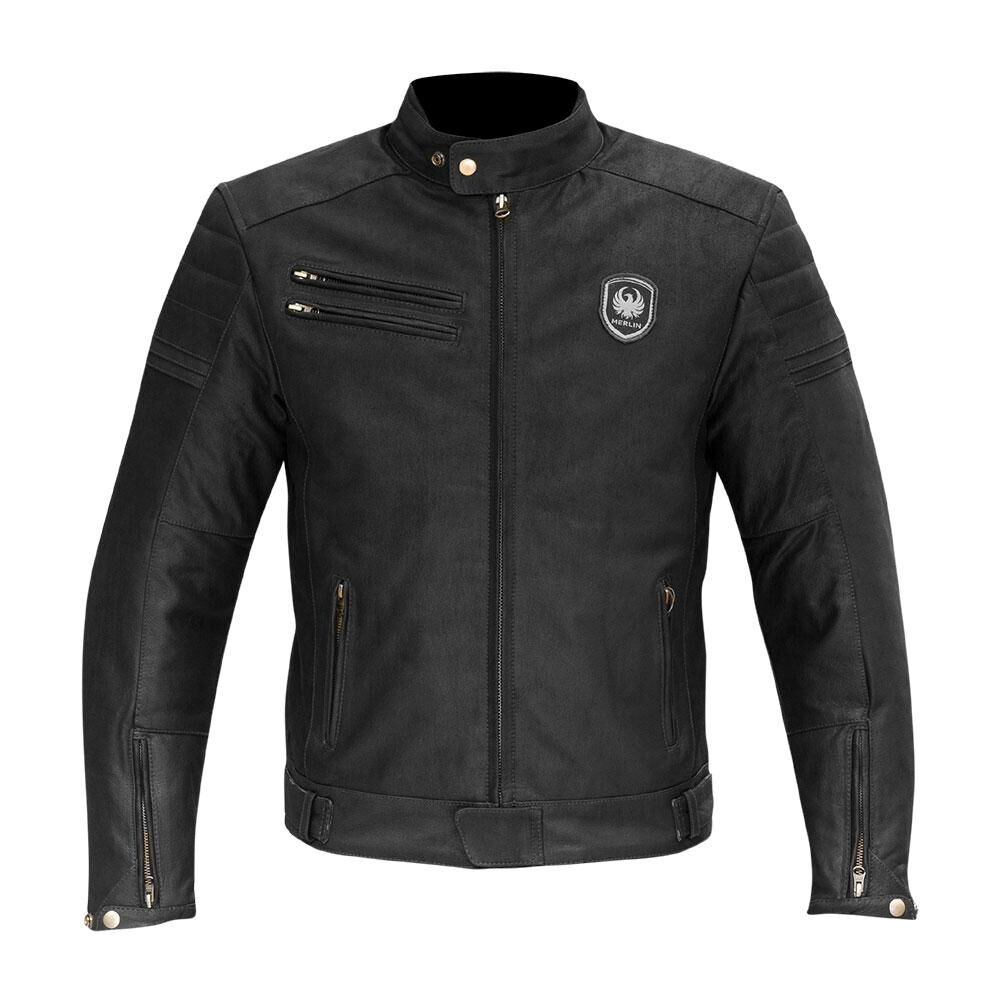
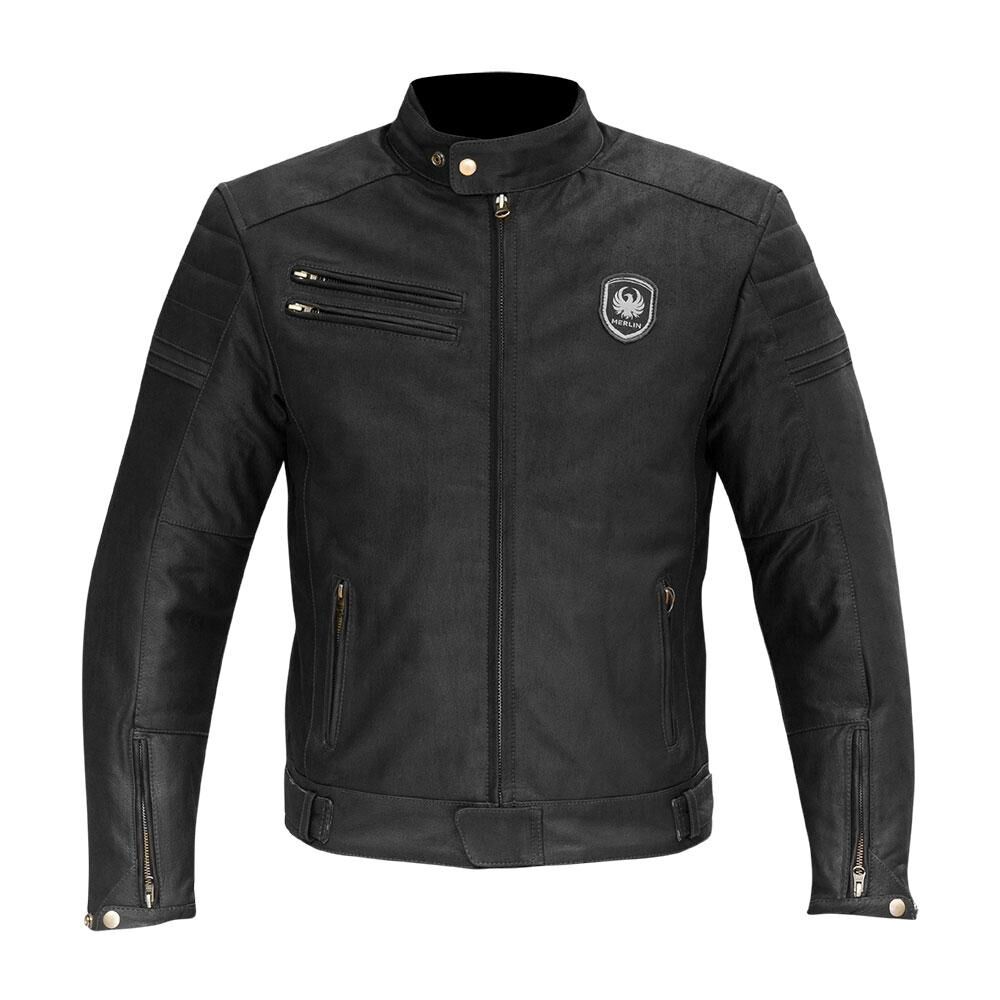
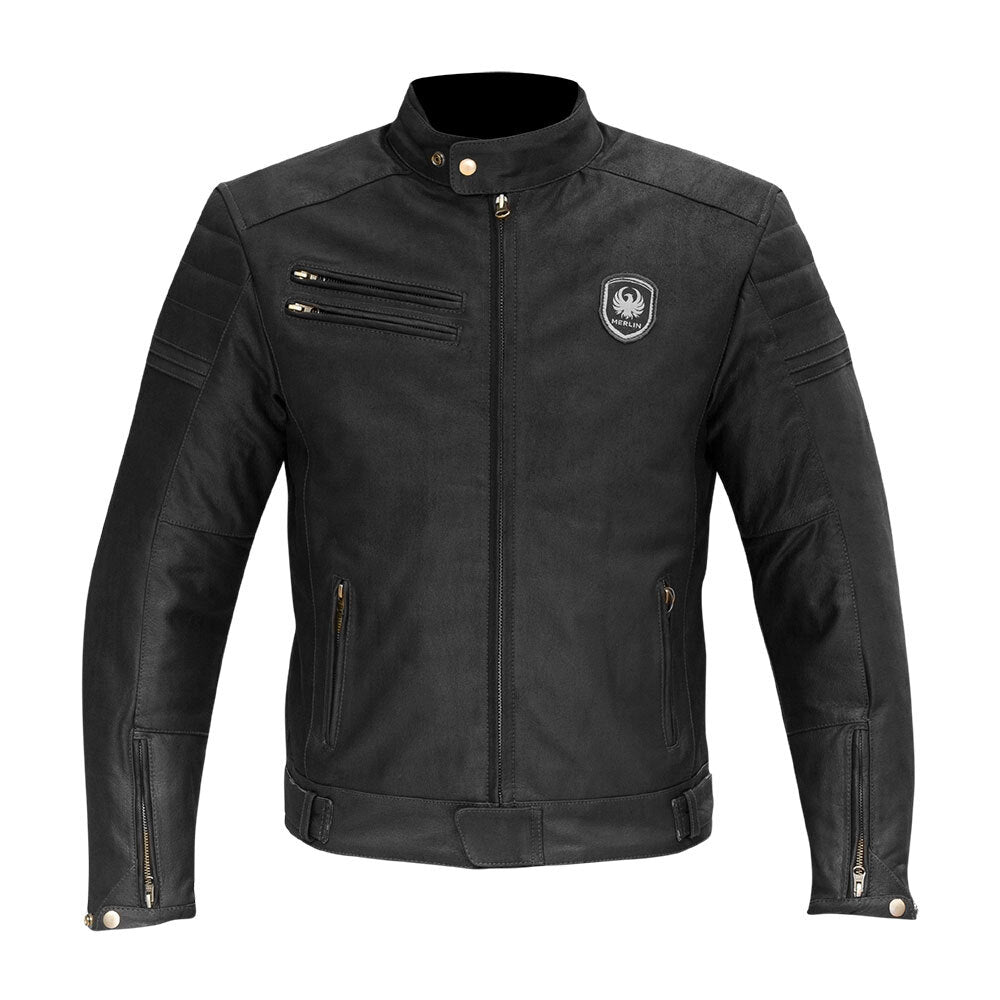
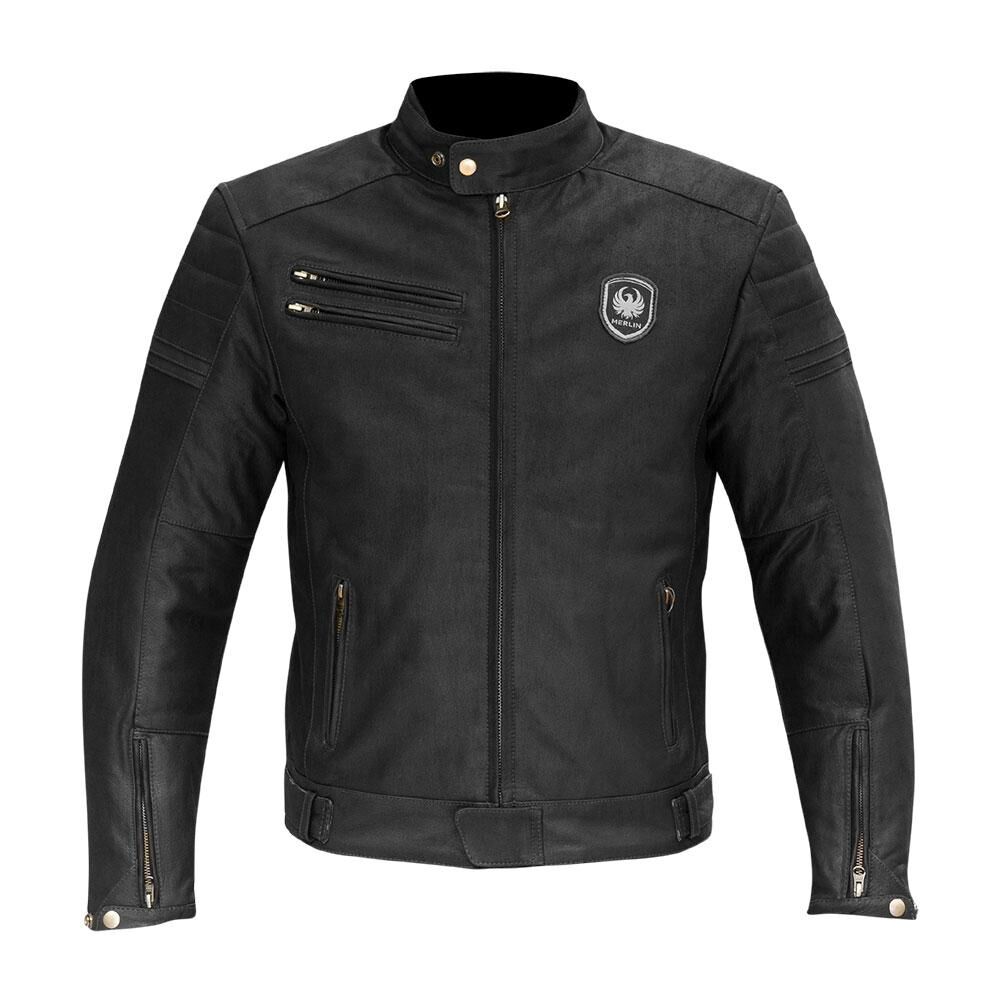
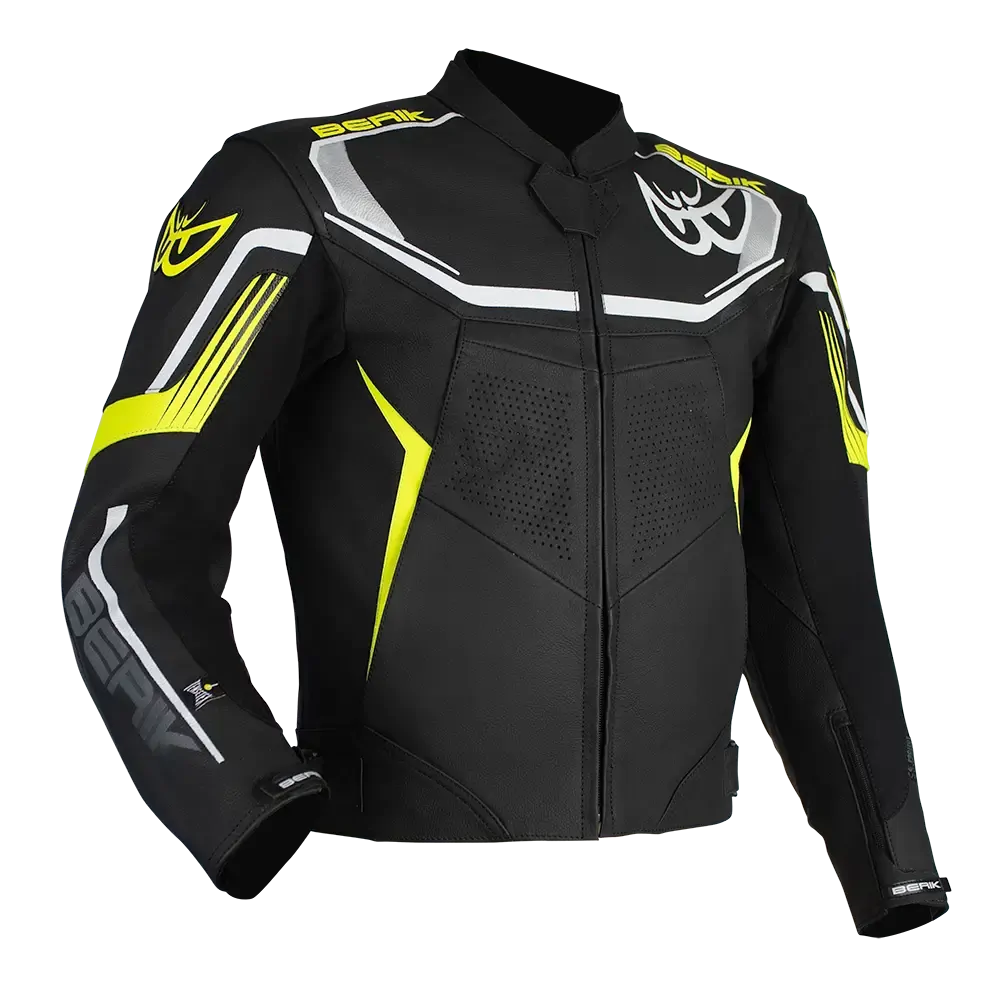
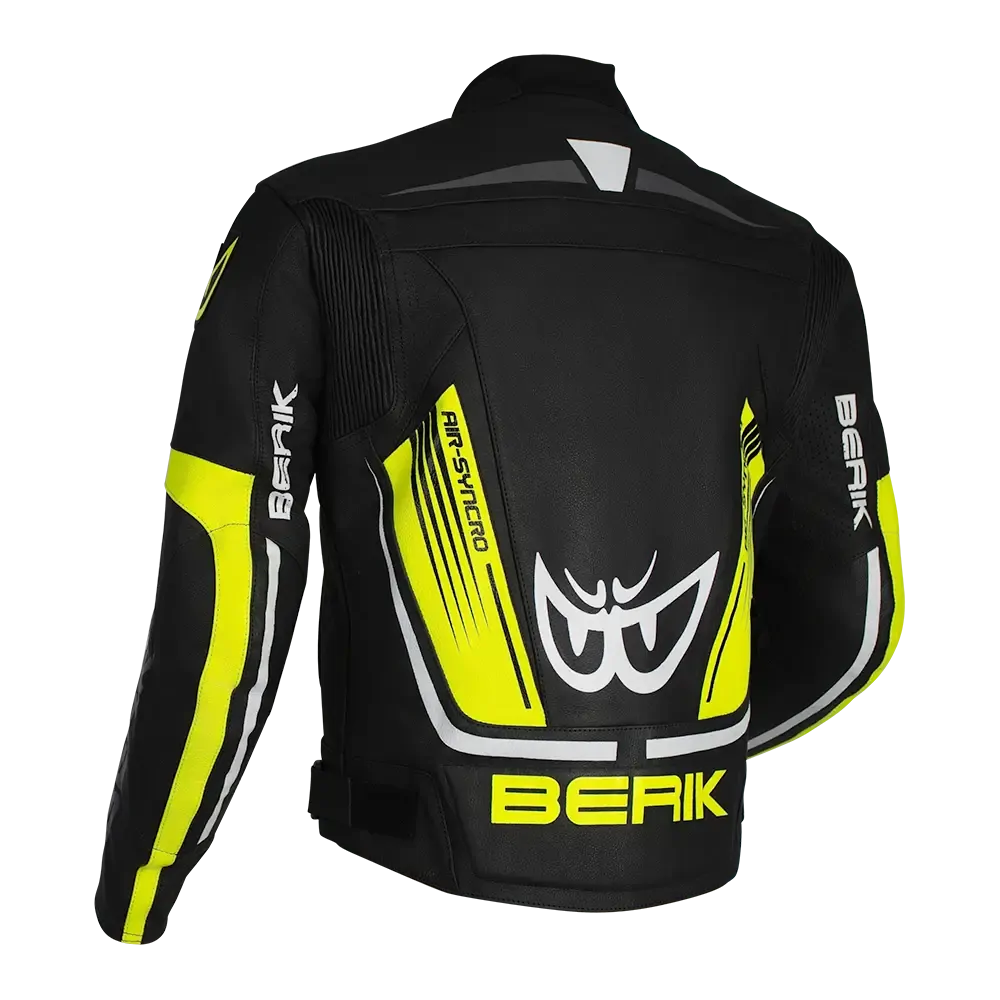
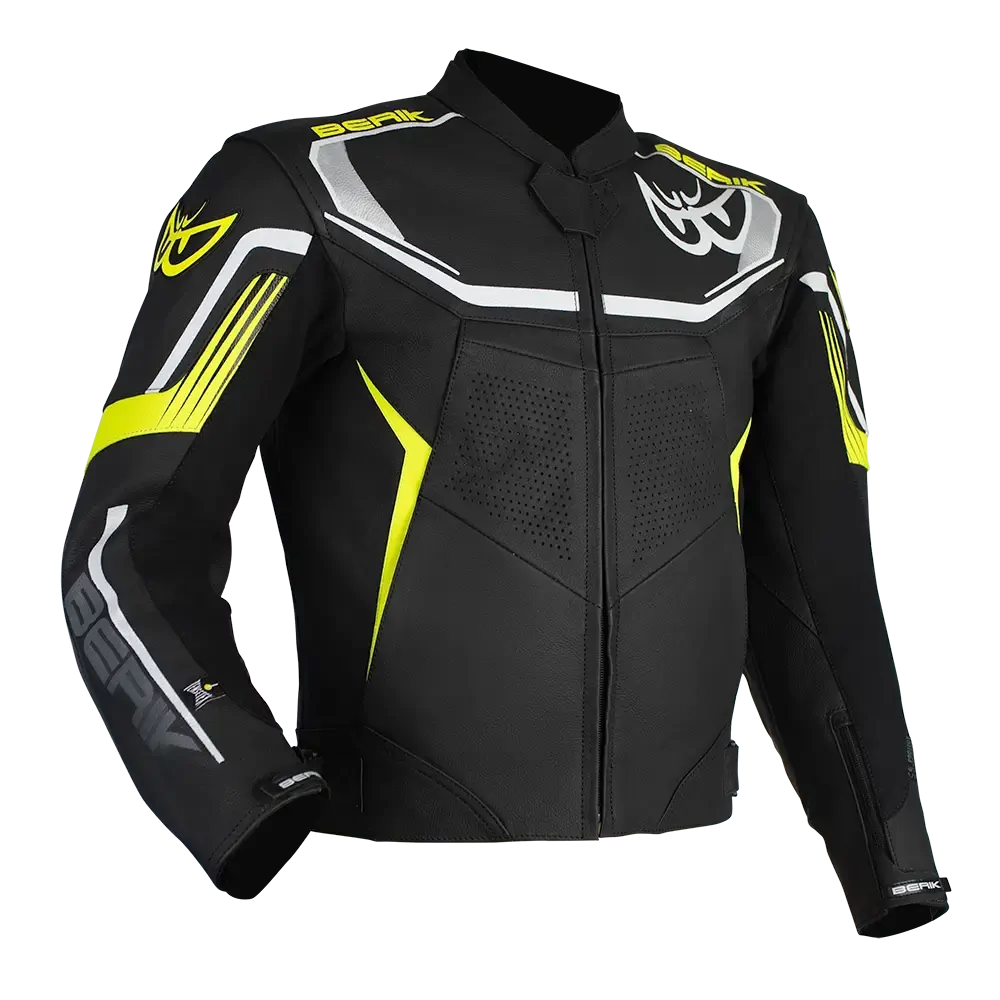
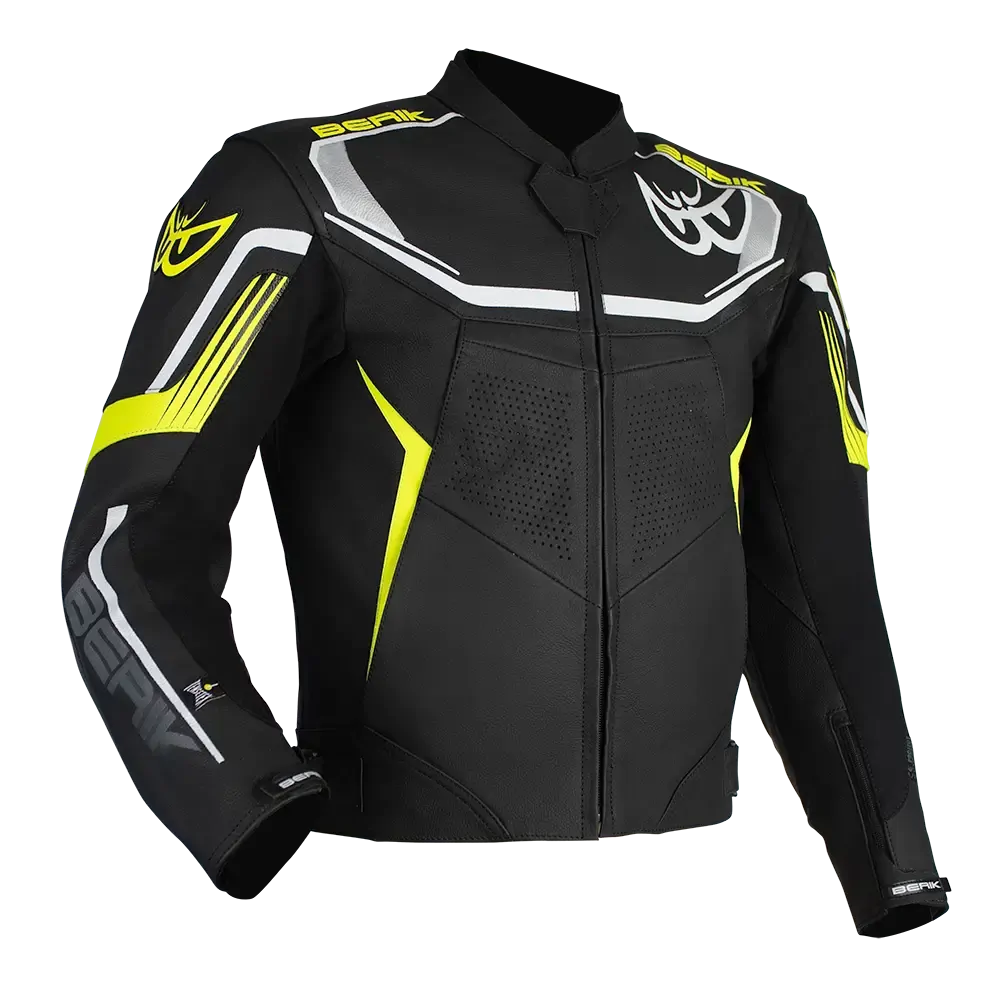
BERIK STRADA JACKETS BLACK / HI-VIZ
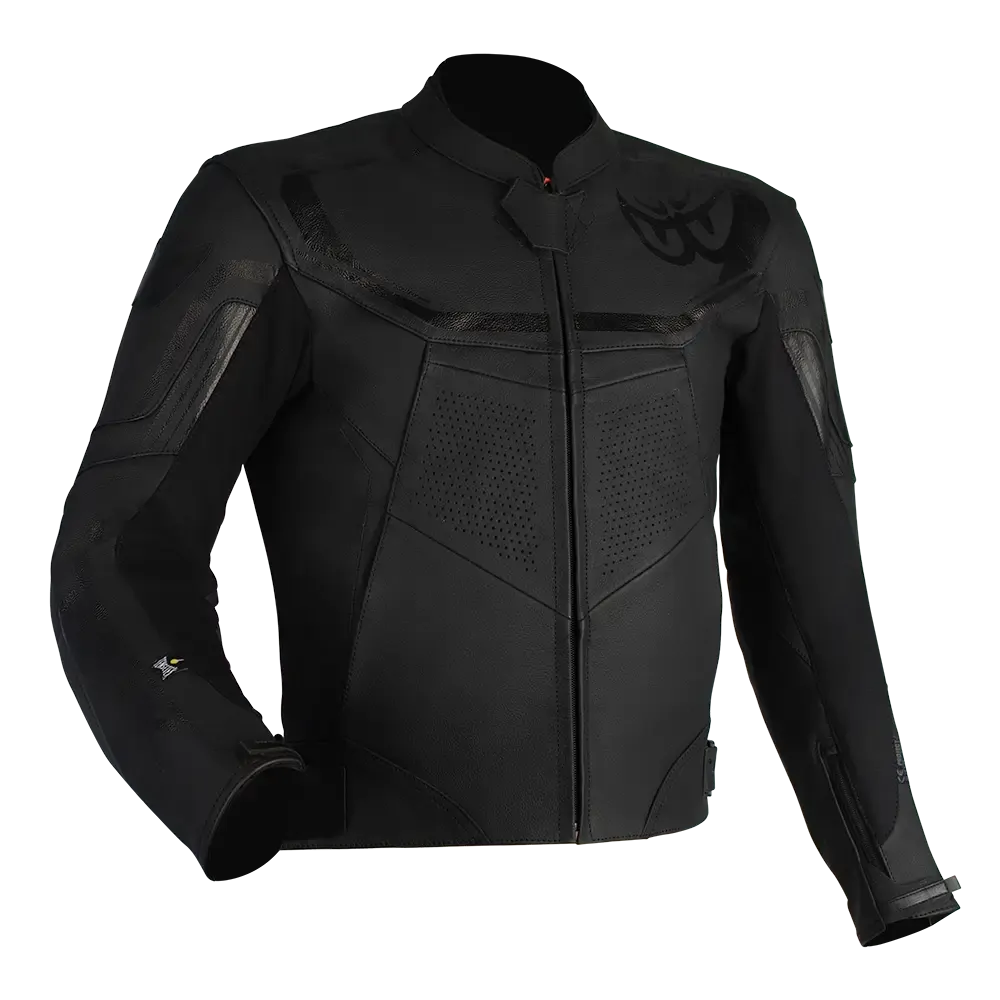
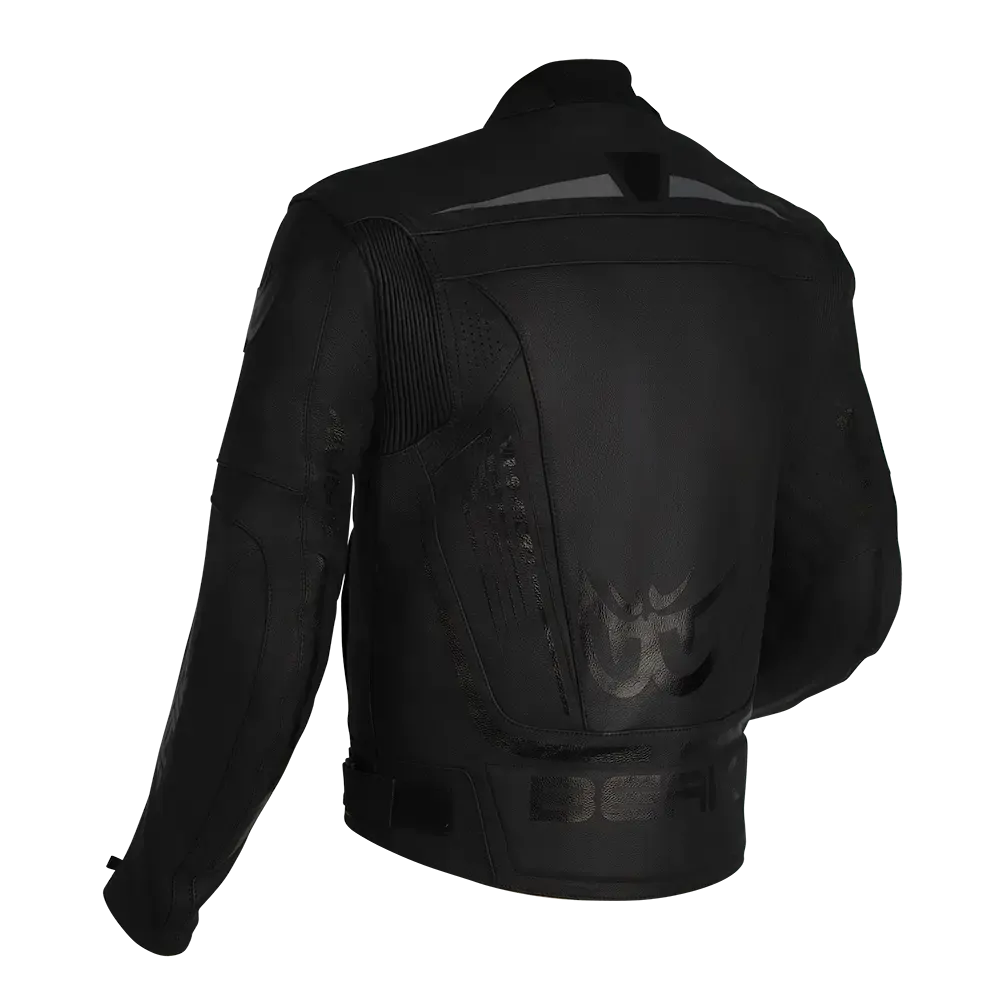
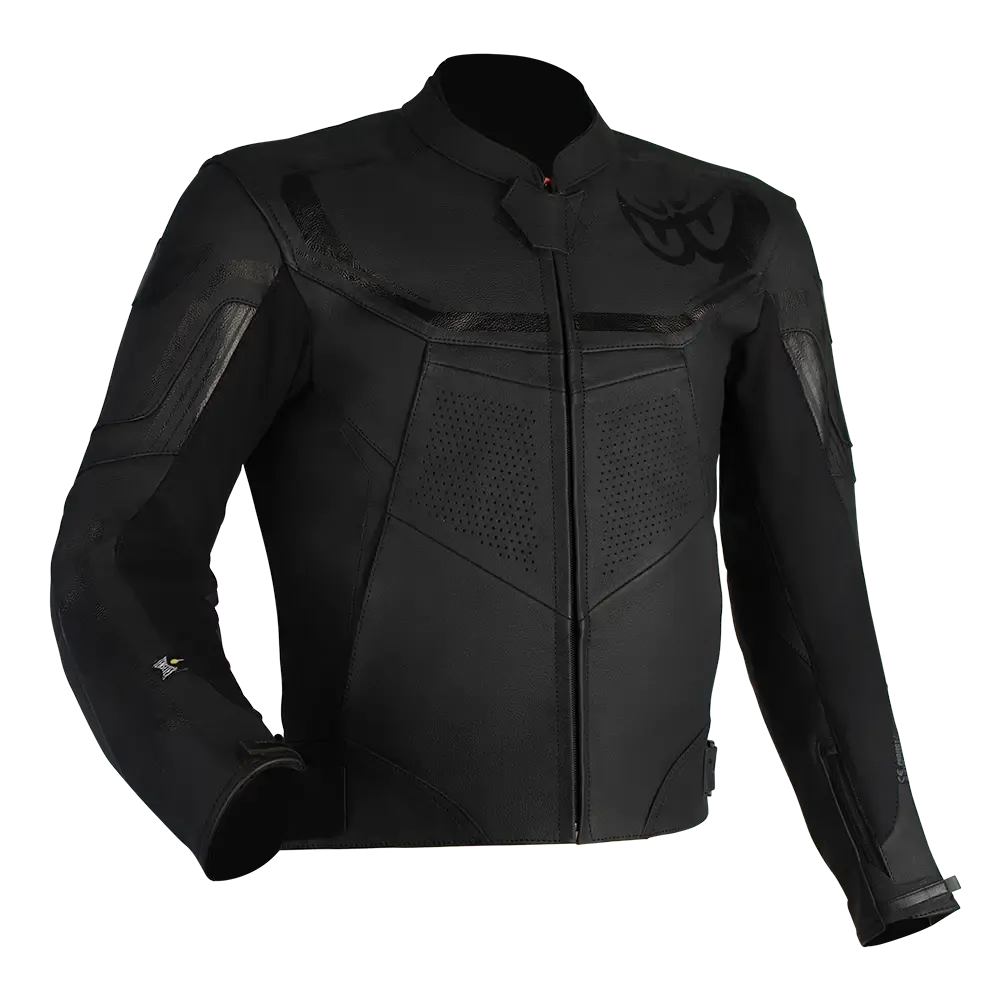
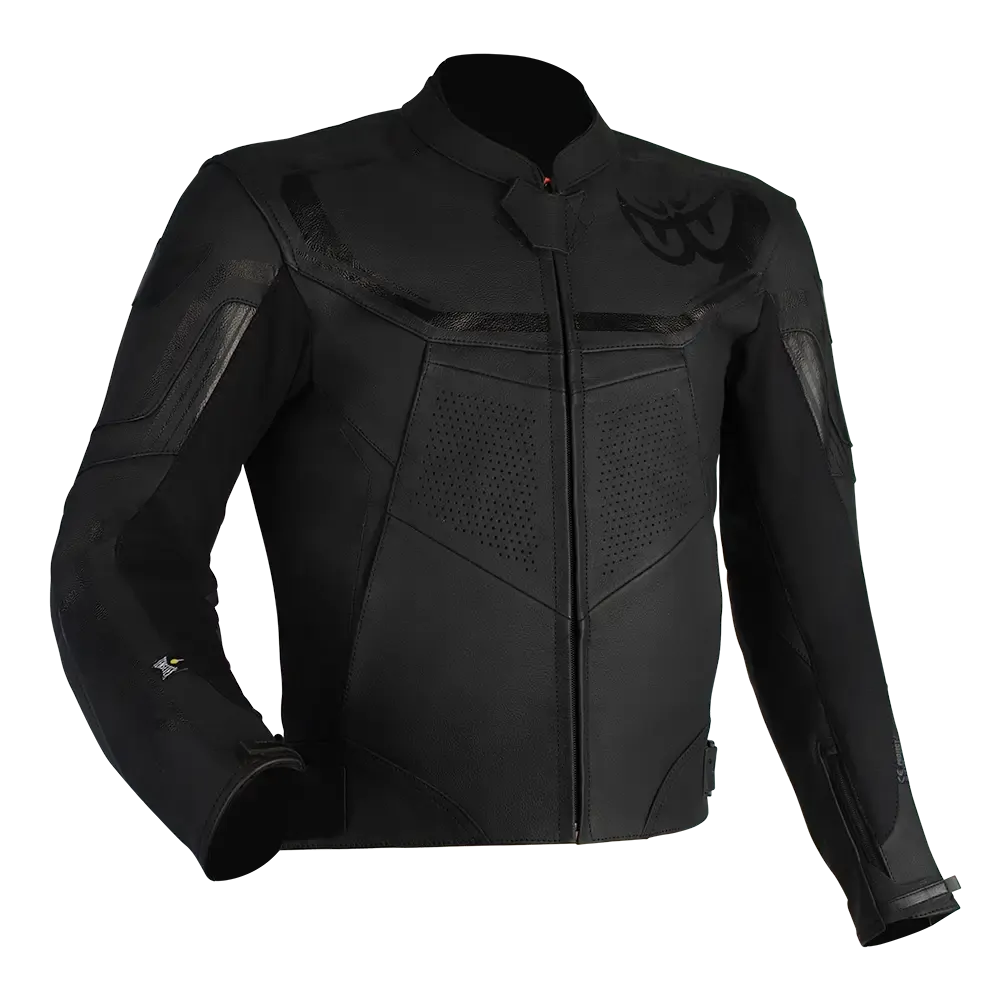
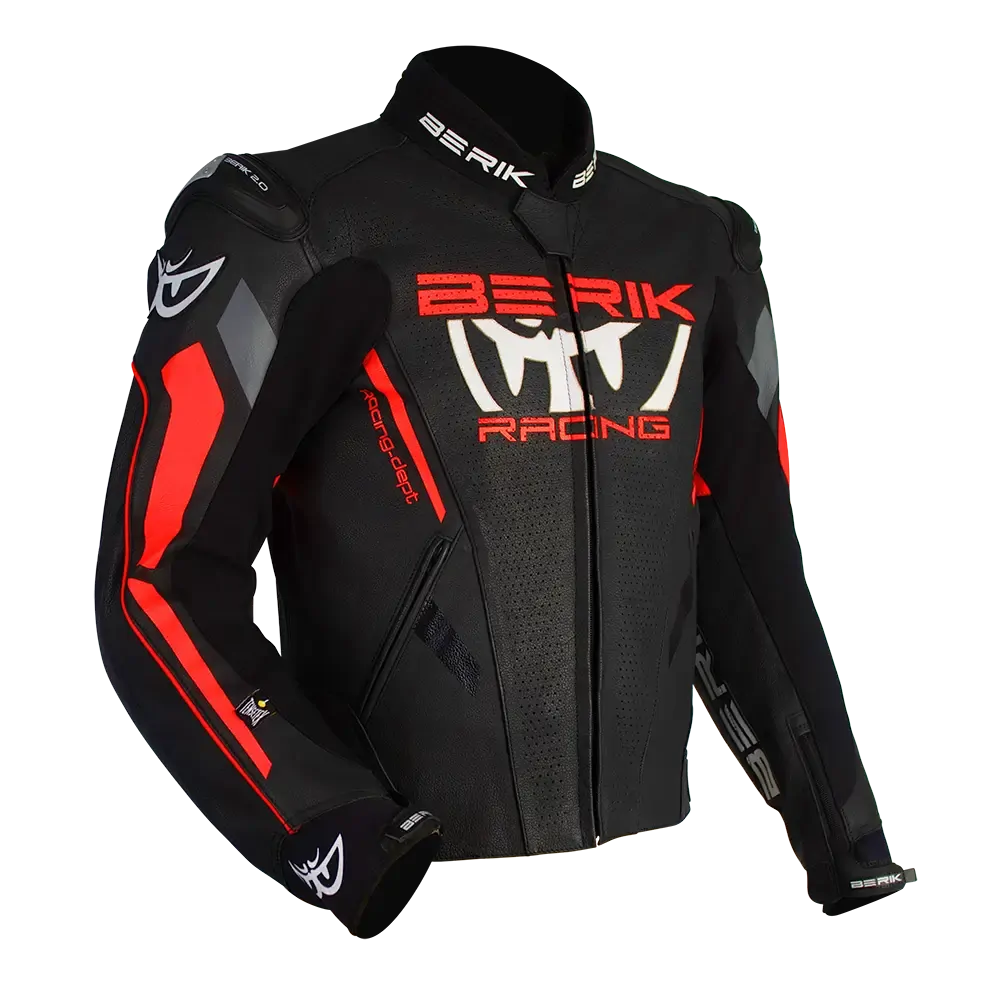
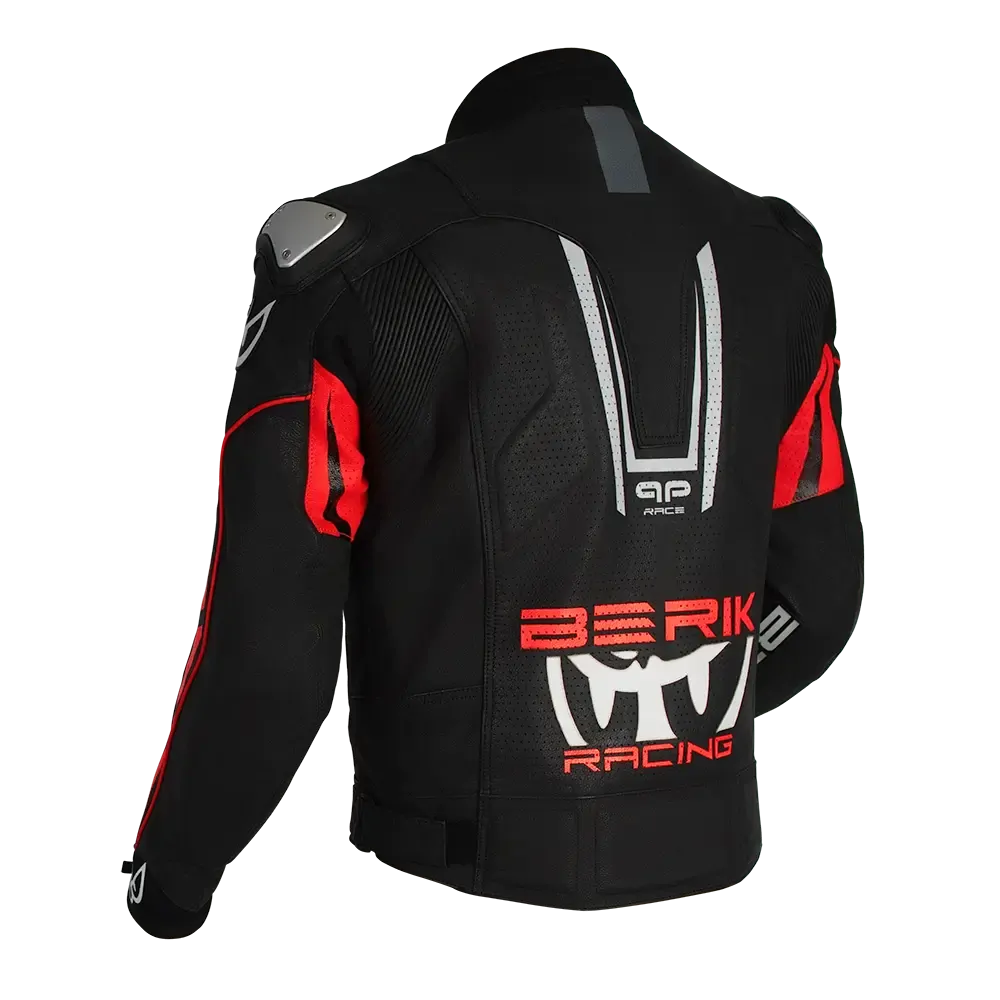
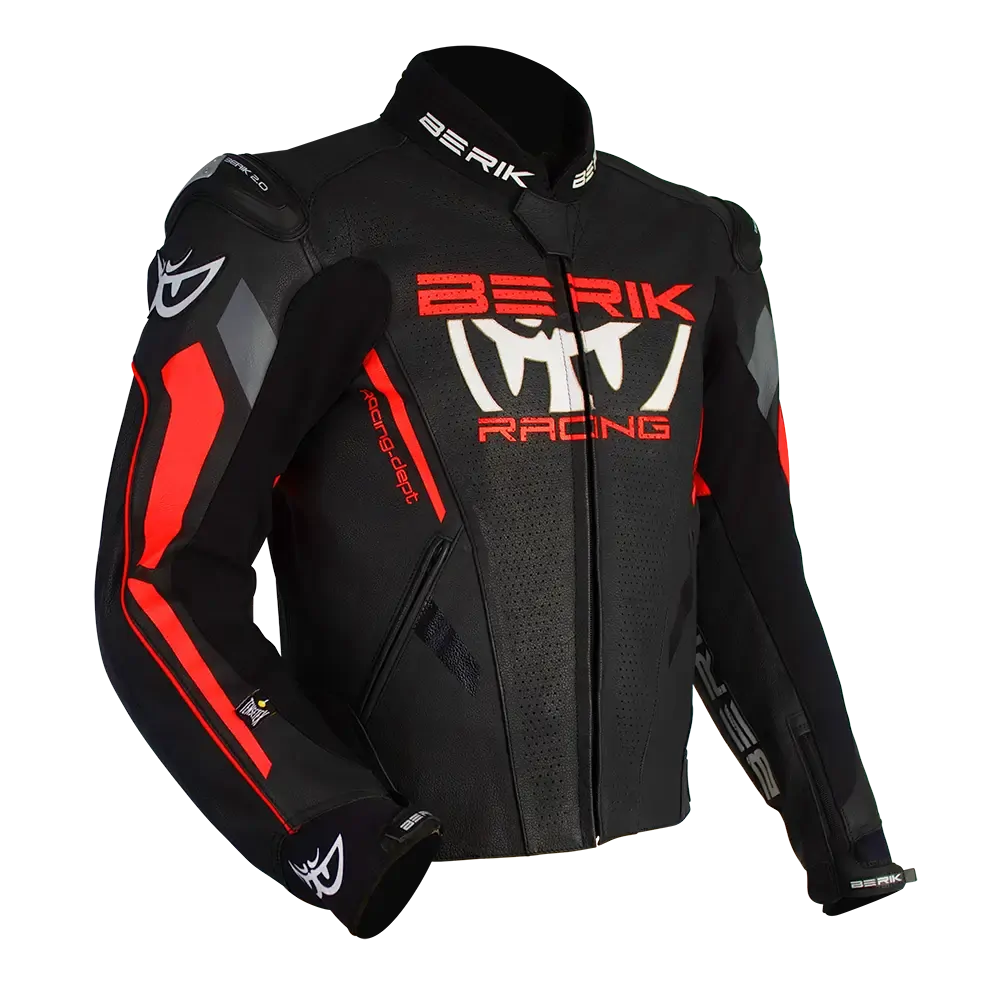
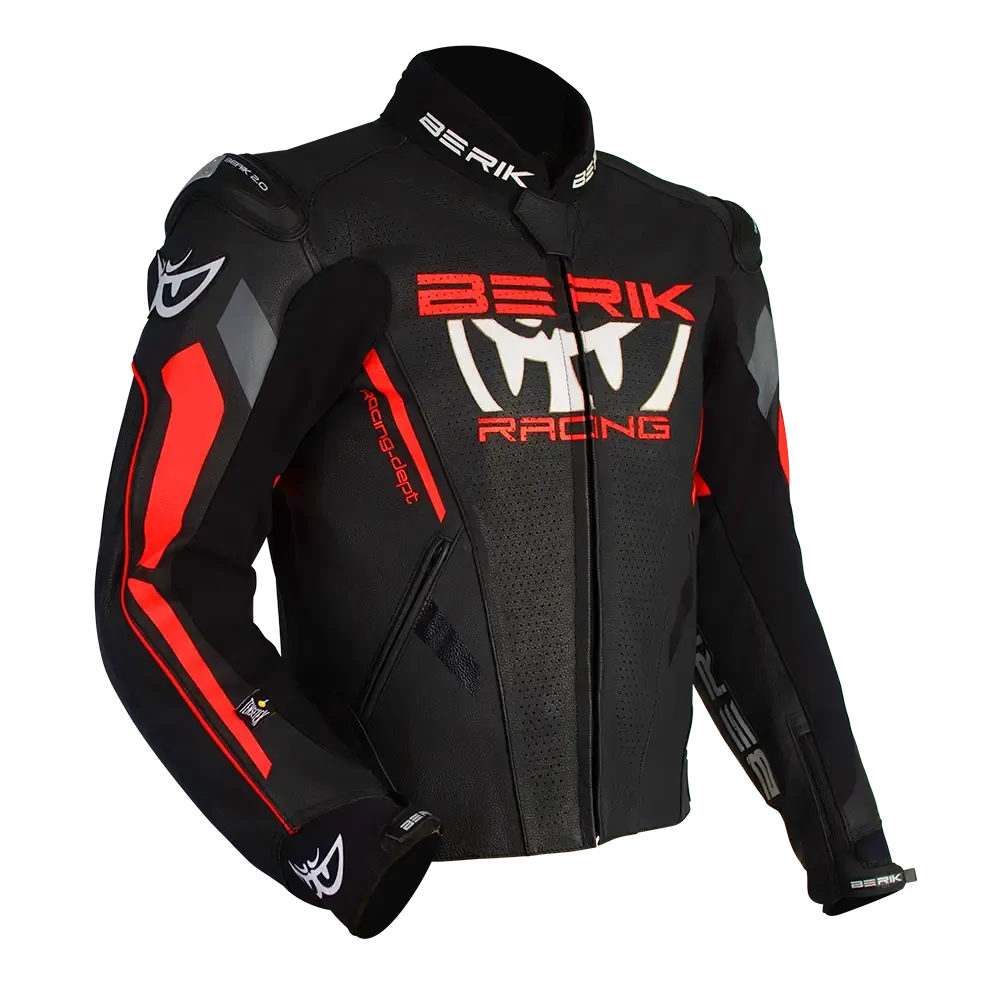
BERIK APEX JACKET BLACK / FLURO RED
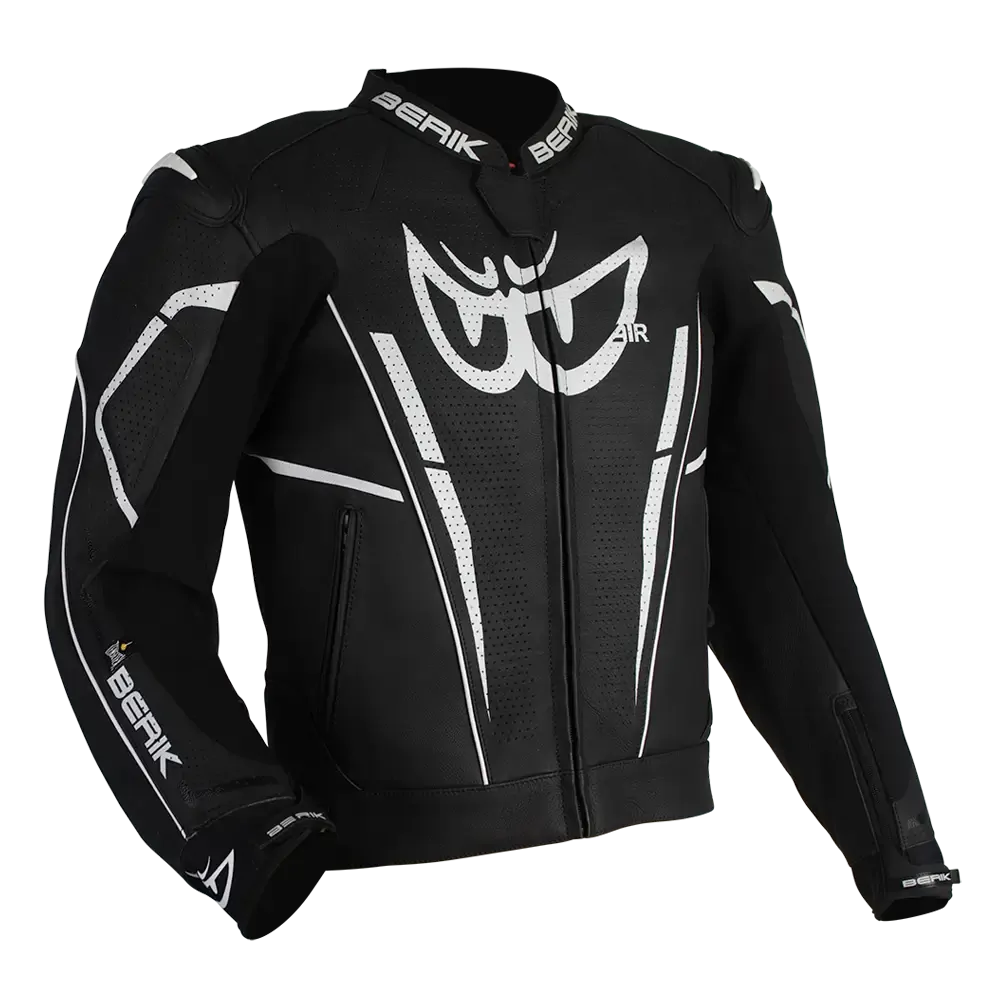
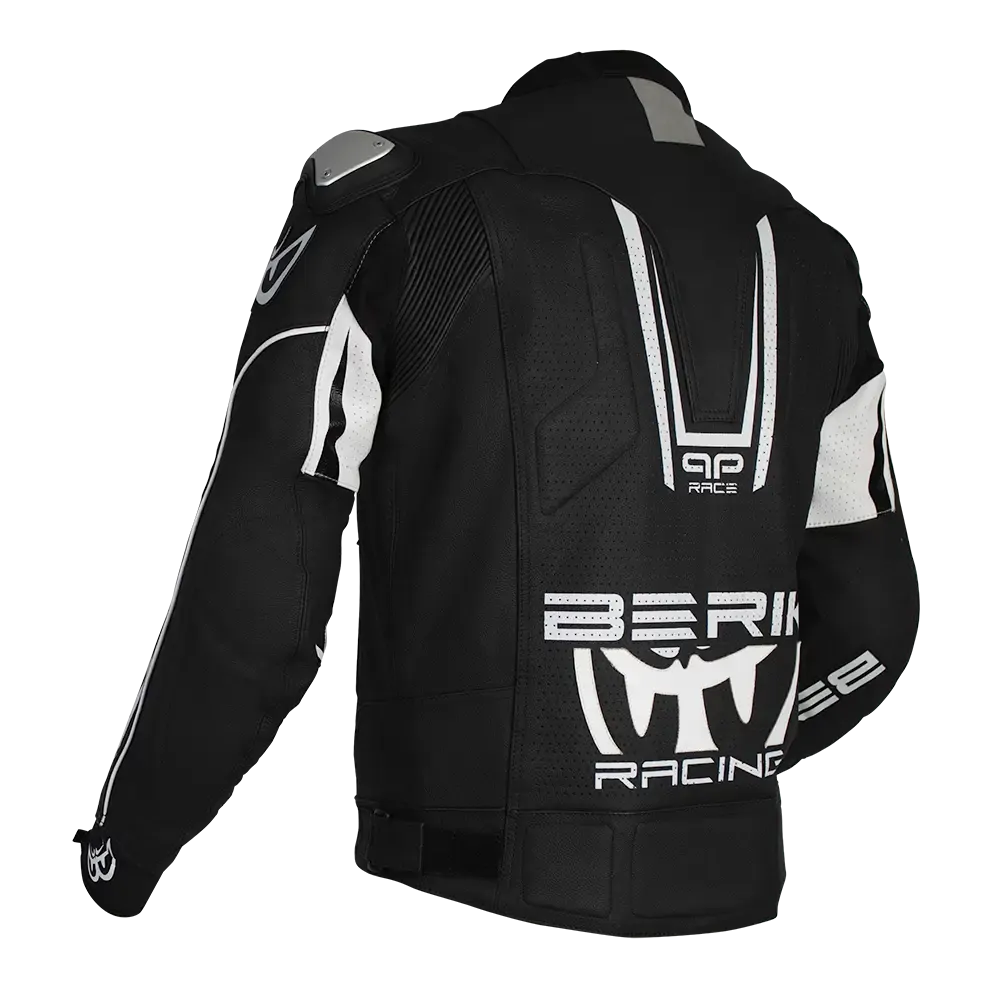

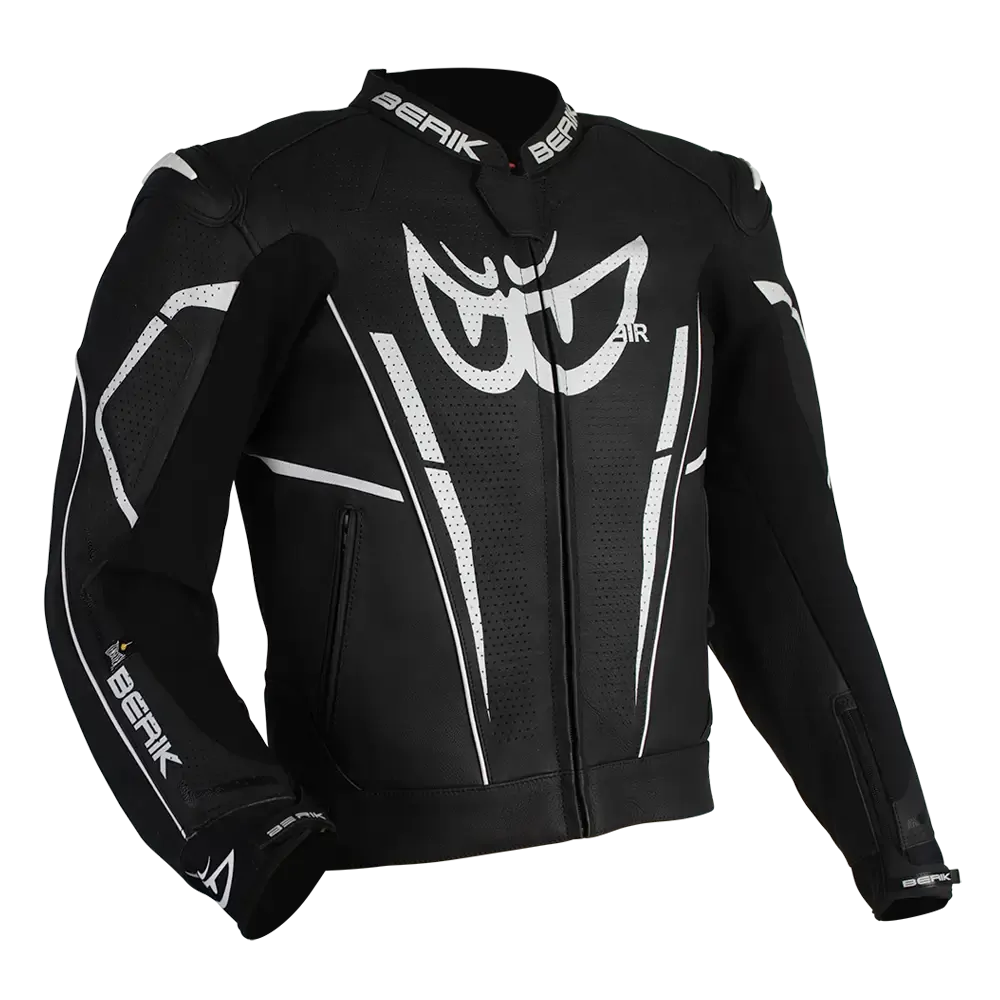
BERIK MONZA JACKET BLACK / WHITE
Merlin Jacket Chase II D3O Black 44 XL 820241
Merlin Jacket Chase II D3O Black 46 2XL 820258
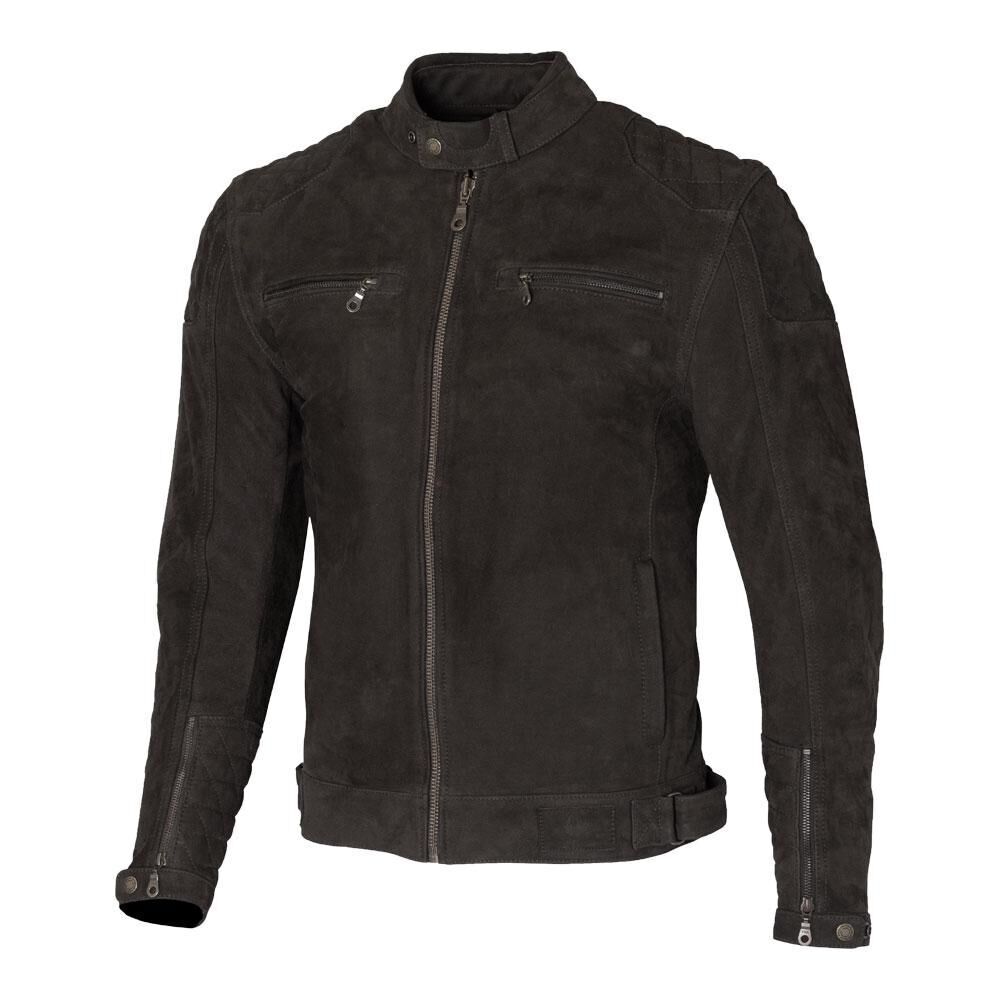
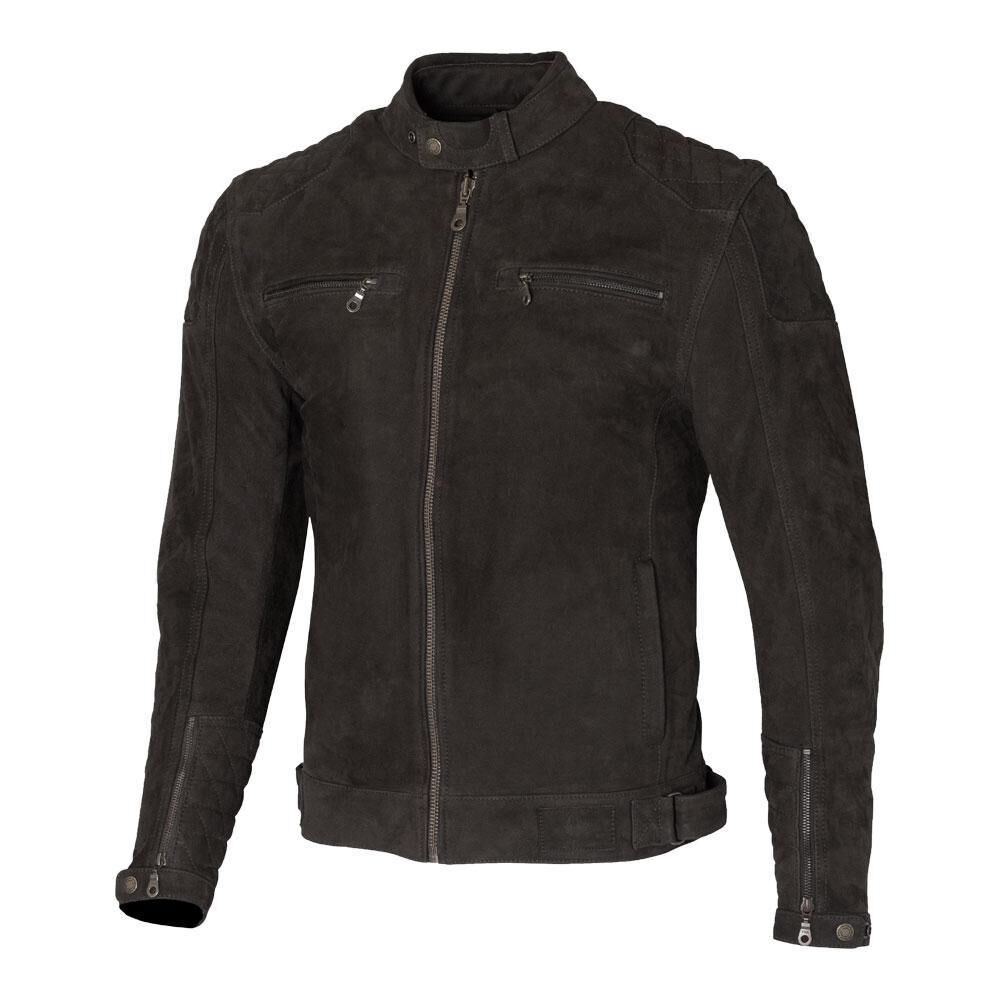
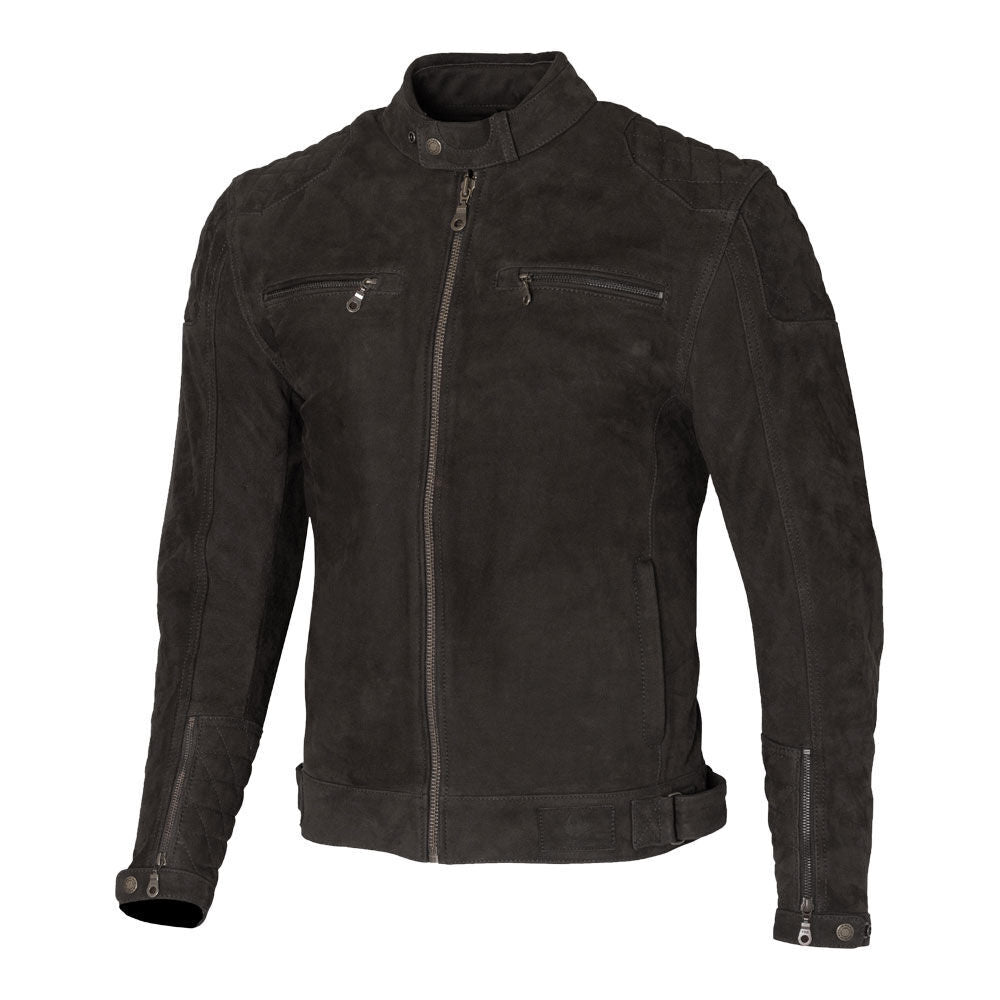
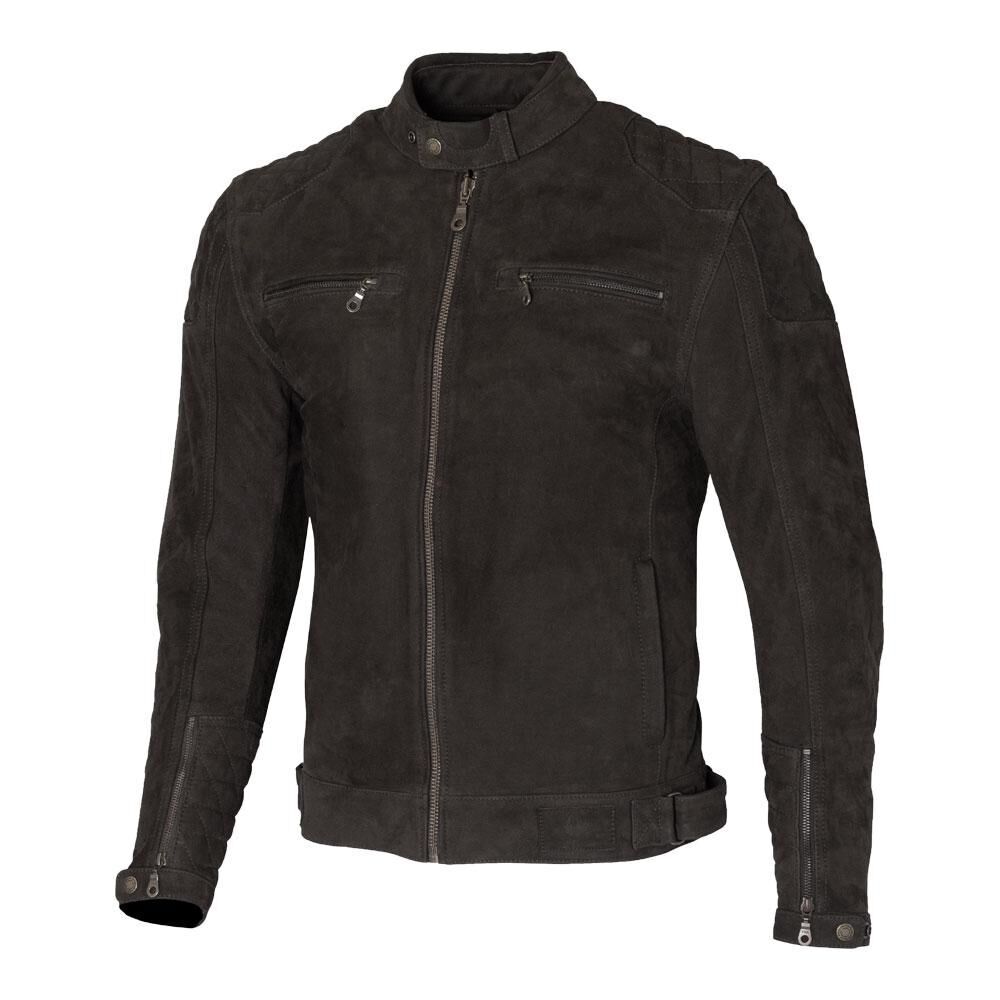
Merlin Torsten D3O® Jacket Black
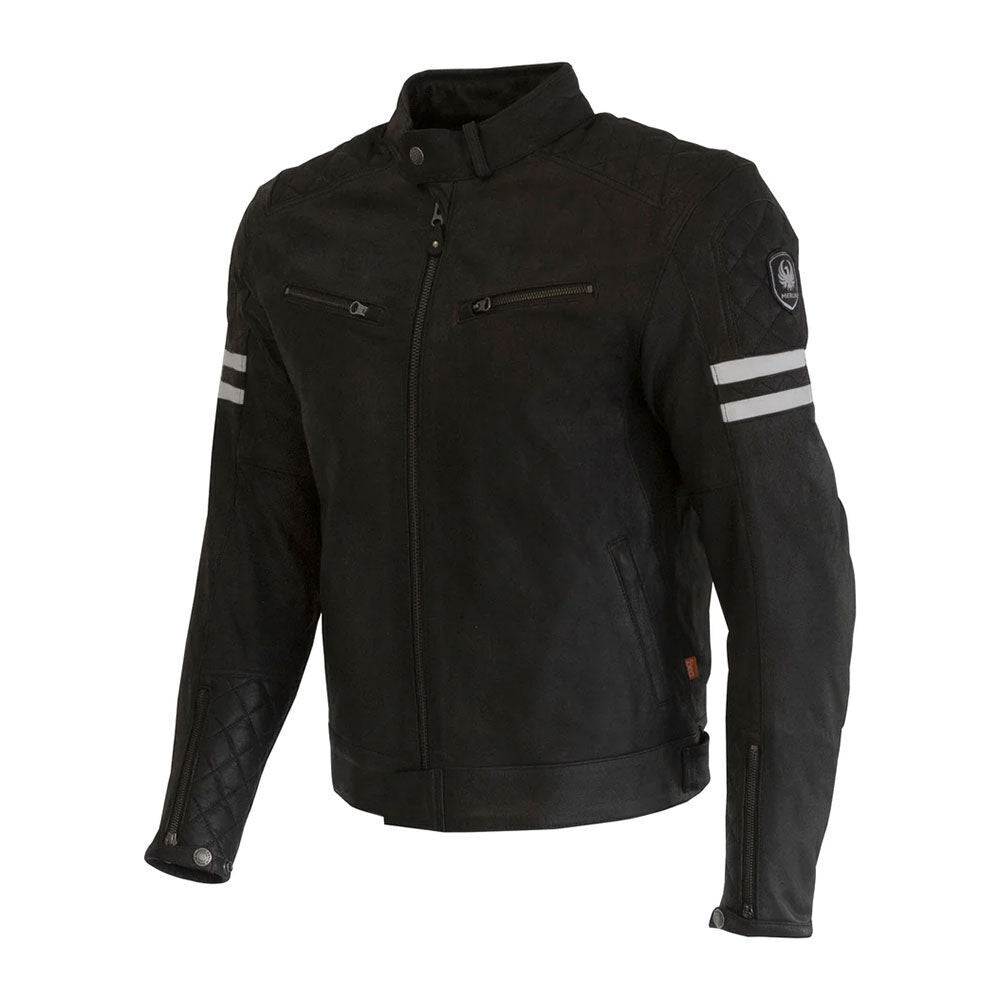
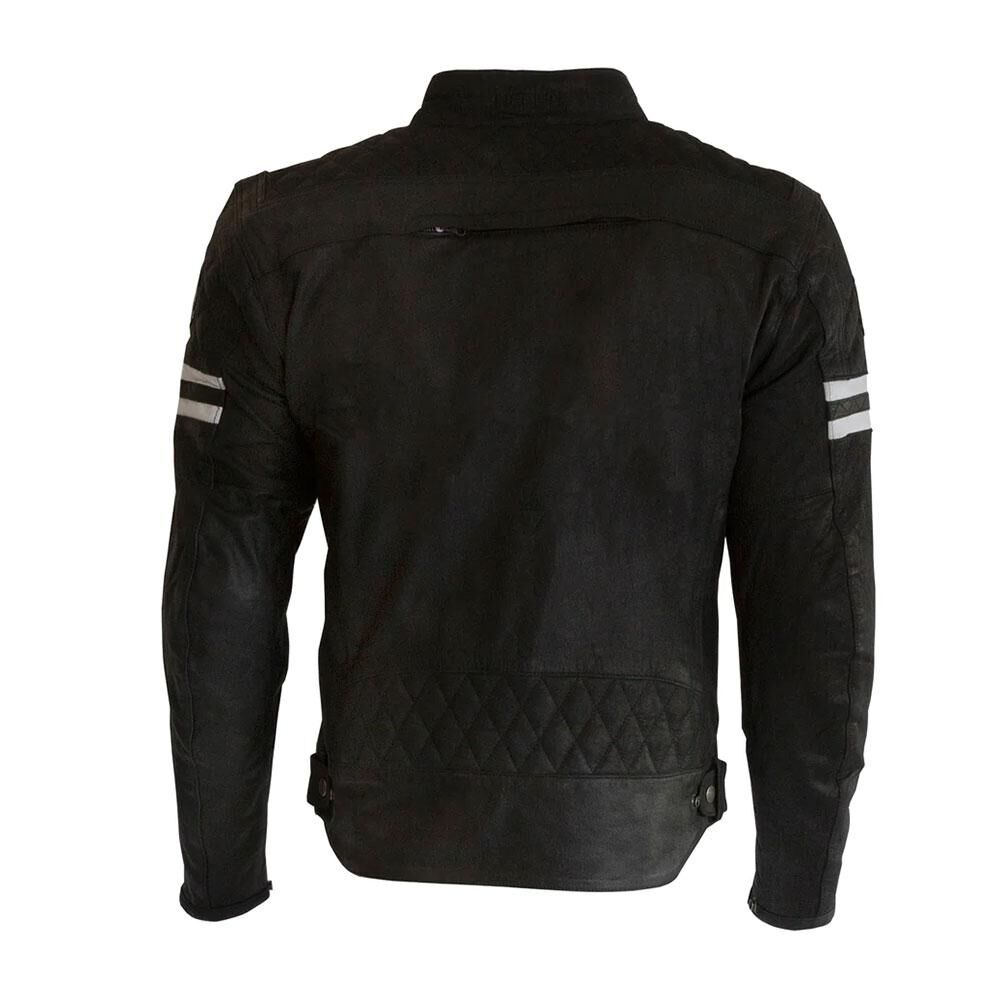
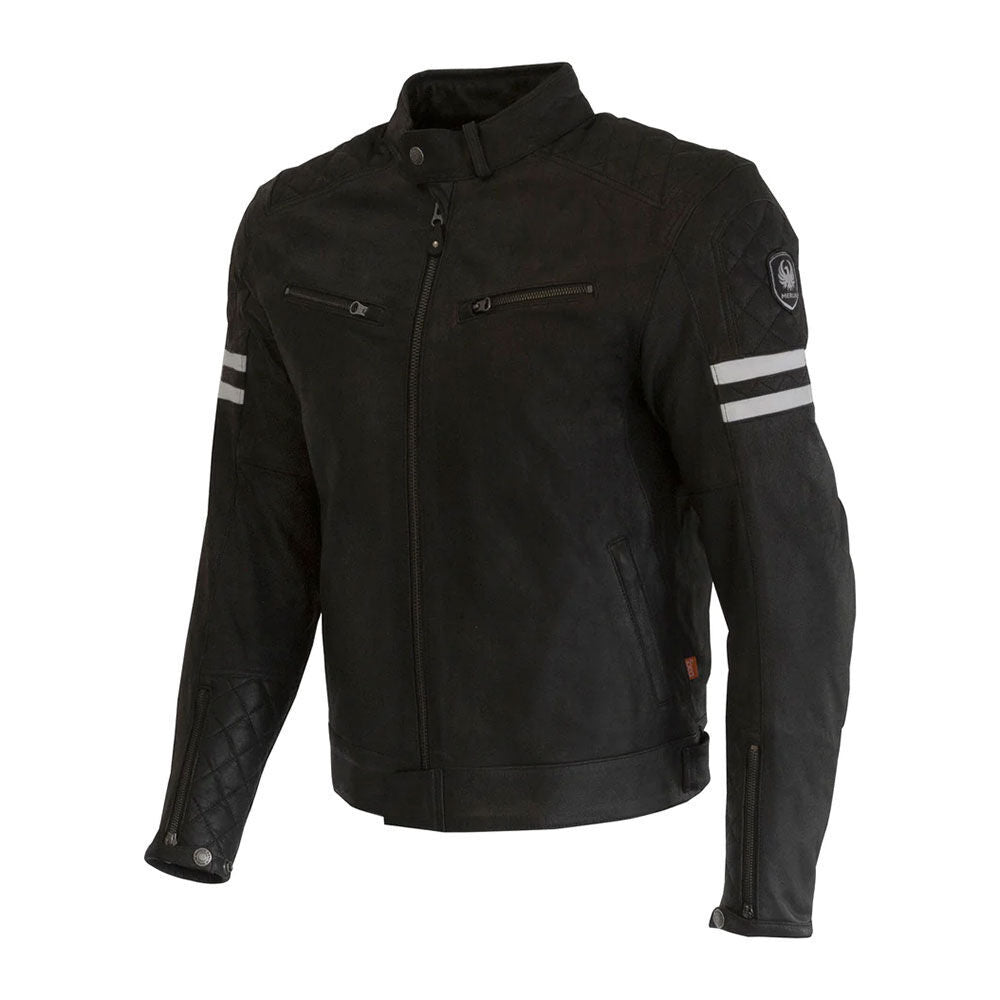
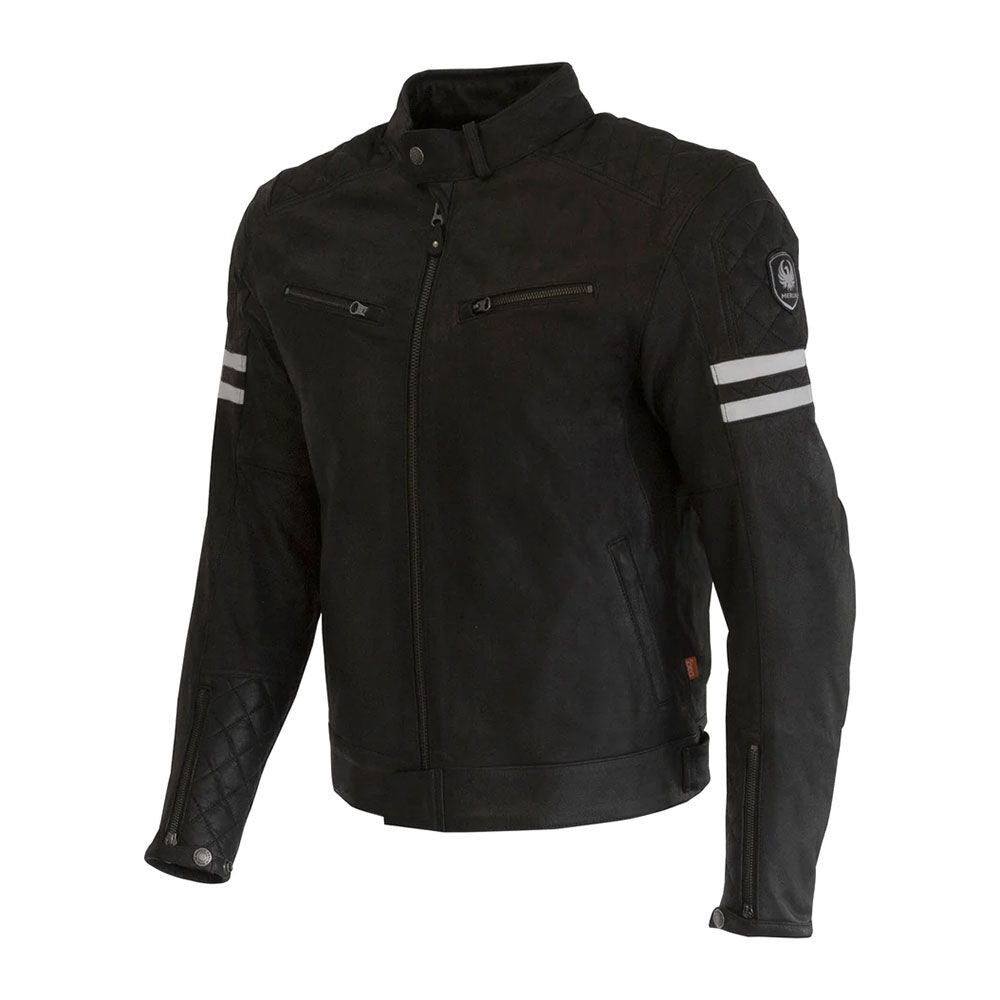
Merlin Hixon II D3O® Jacket Black


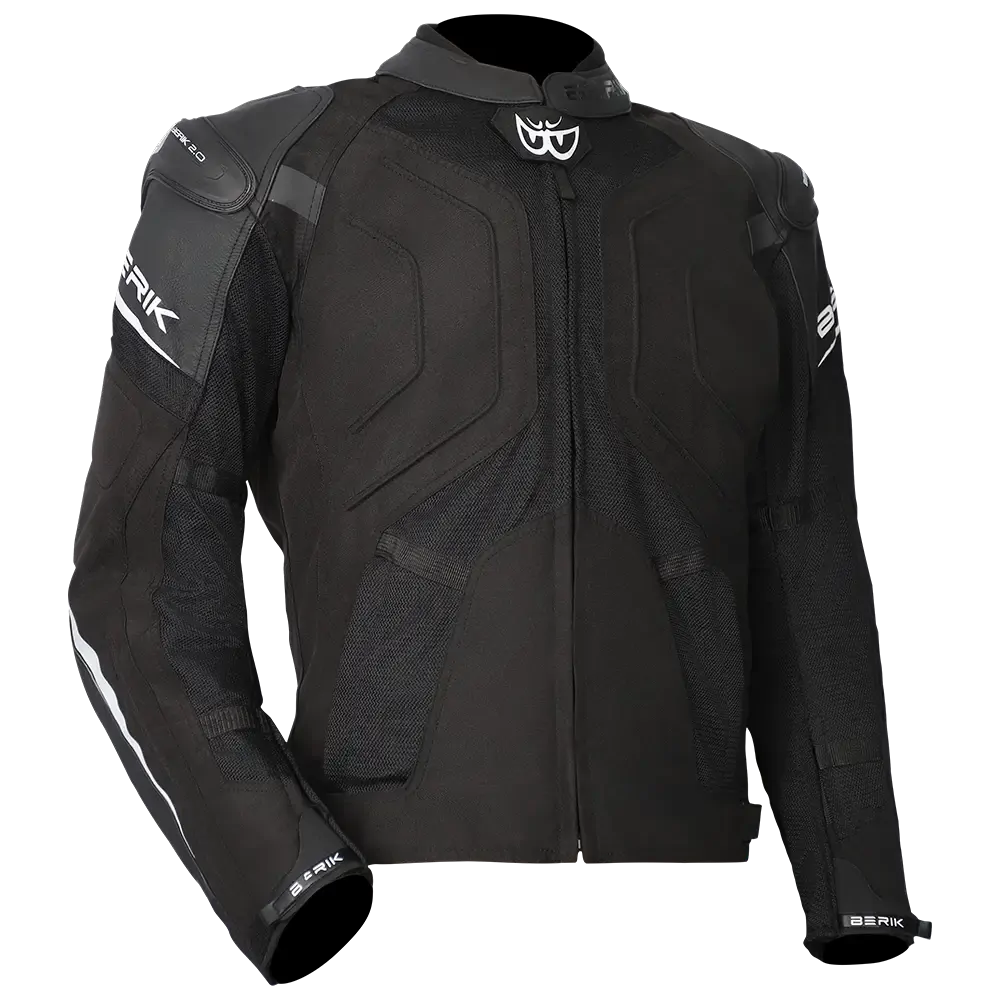
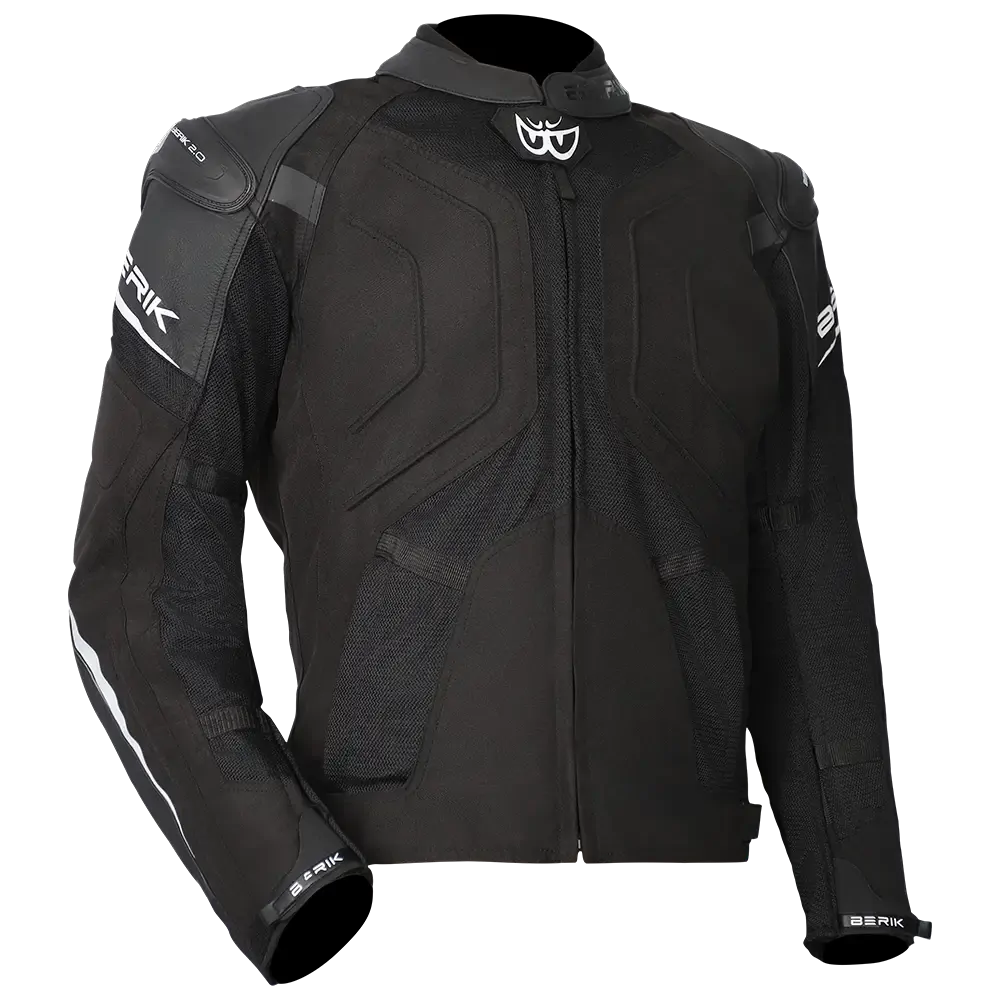
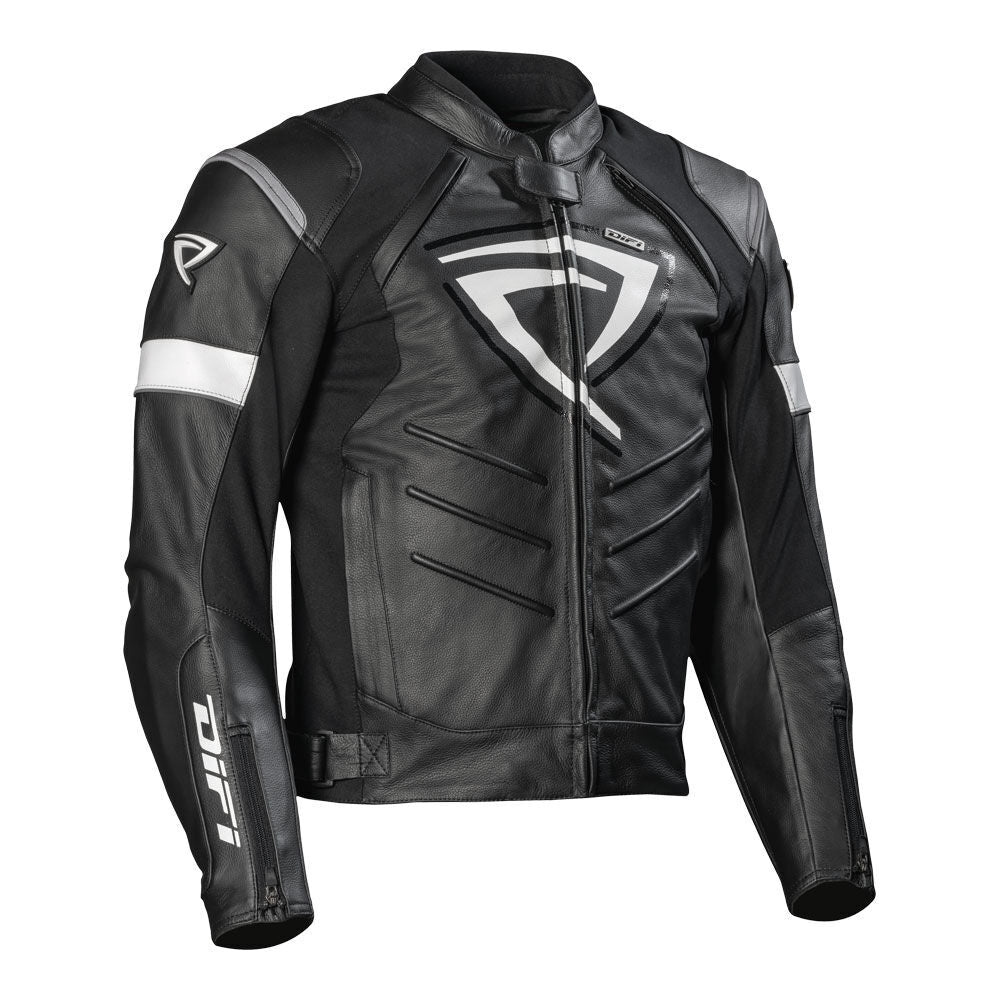
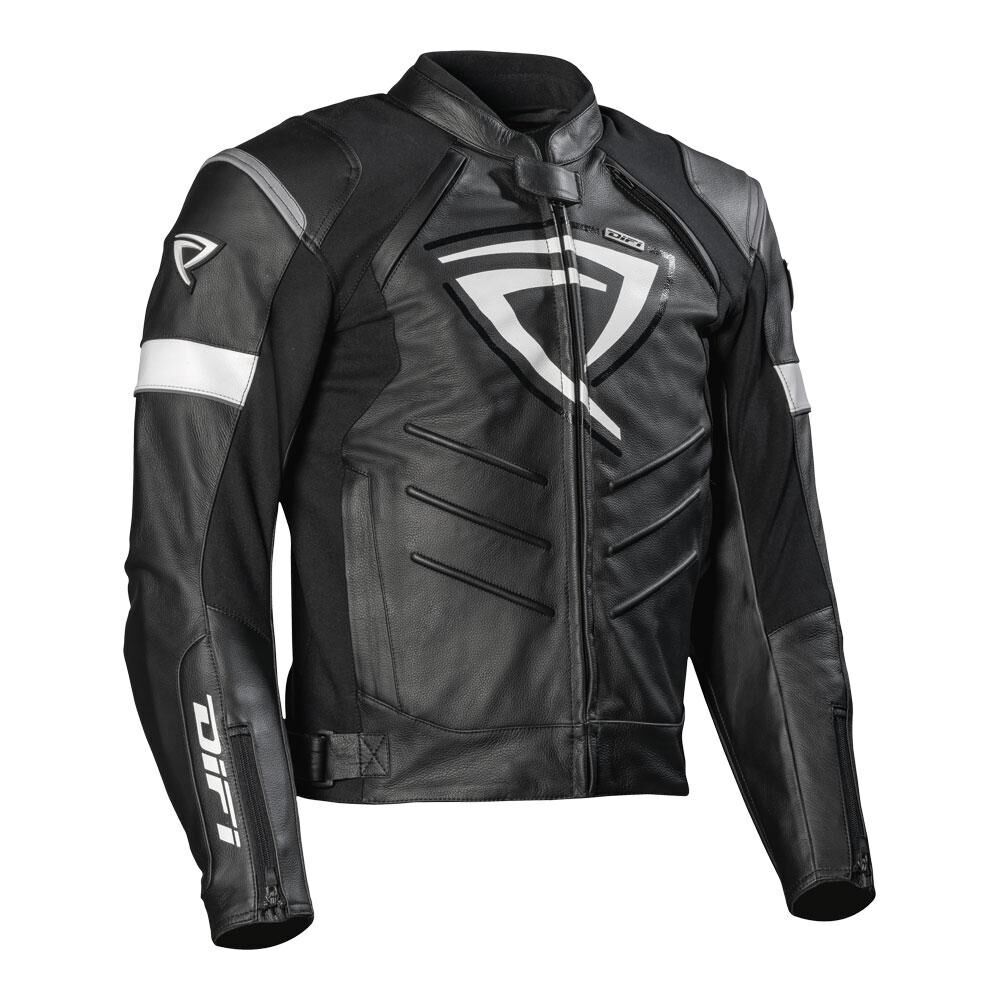
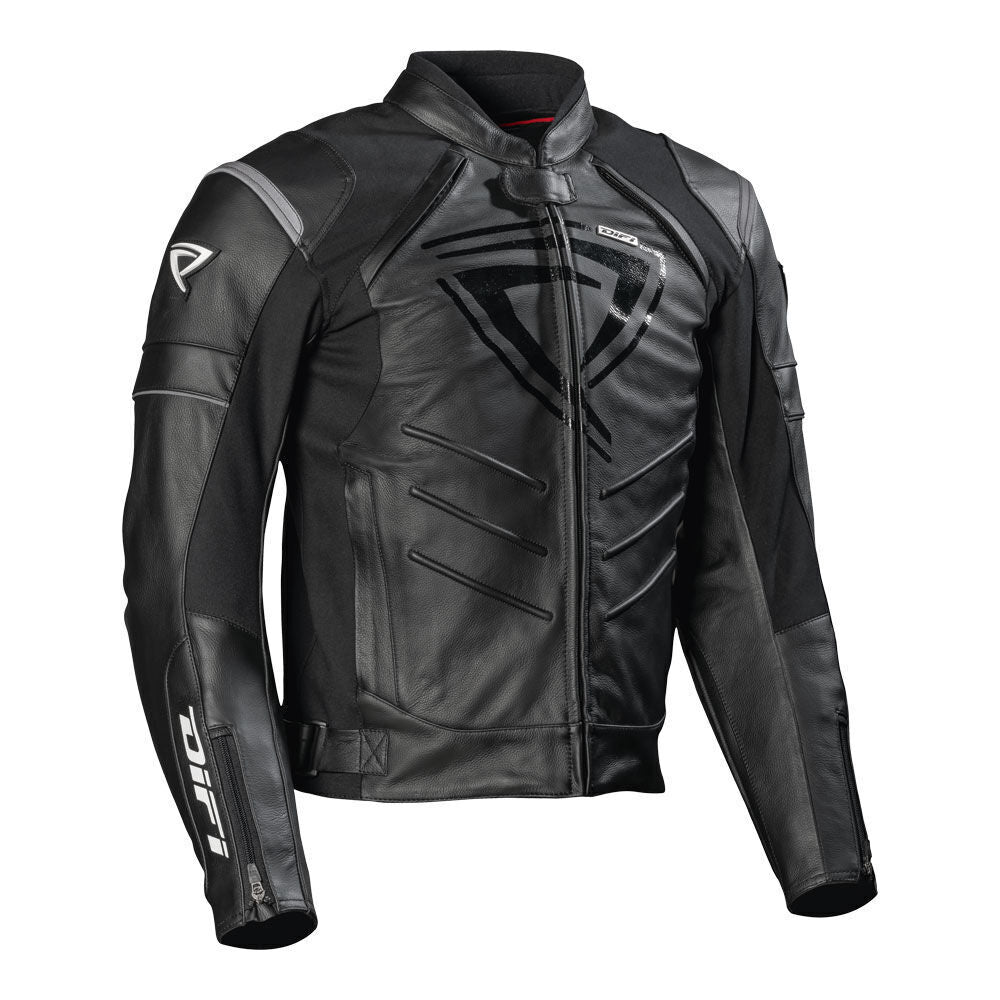
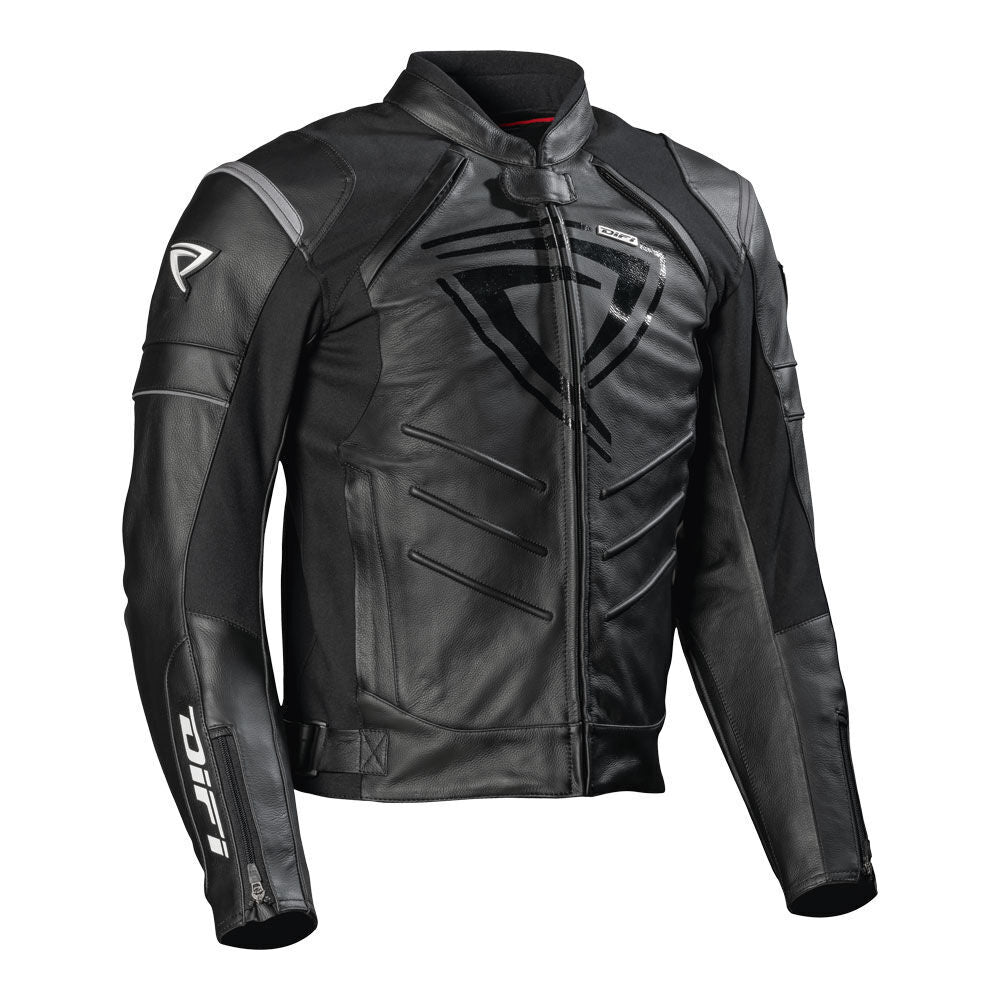
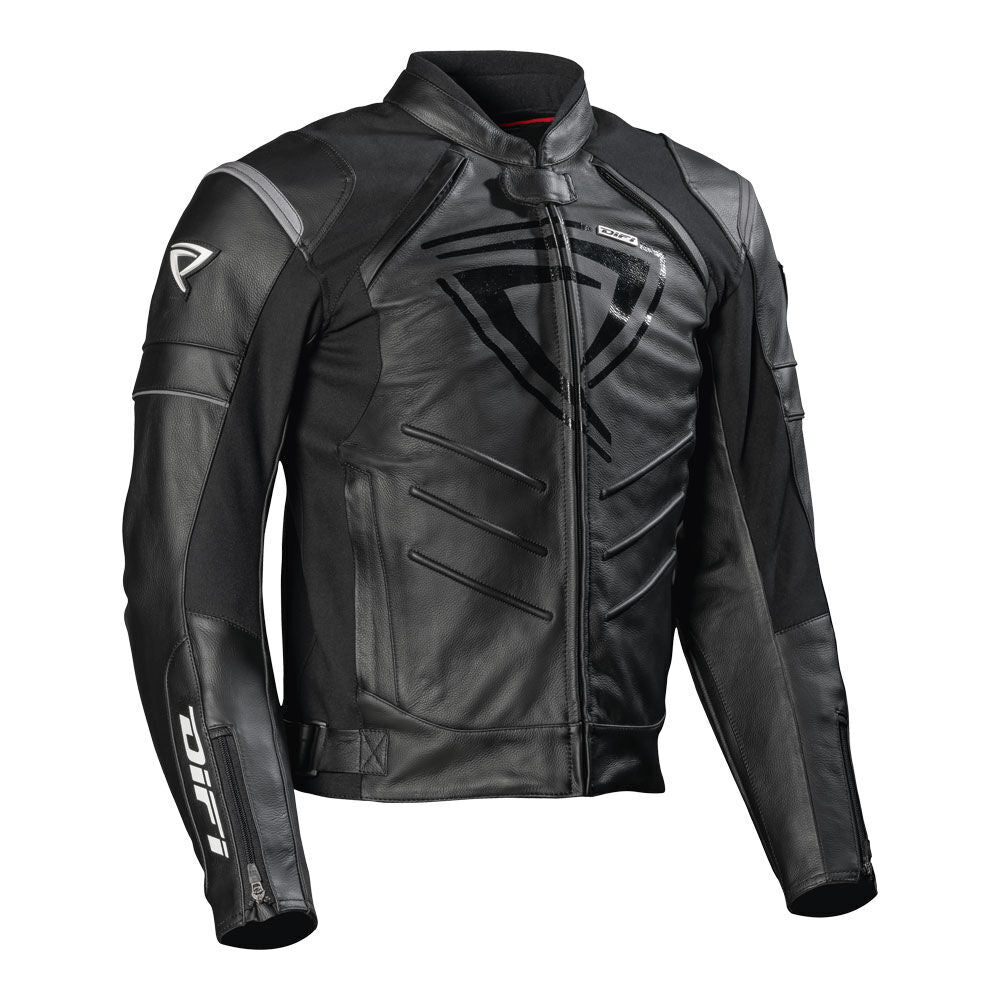
Difi Valencia Jacket Black/White
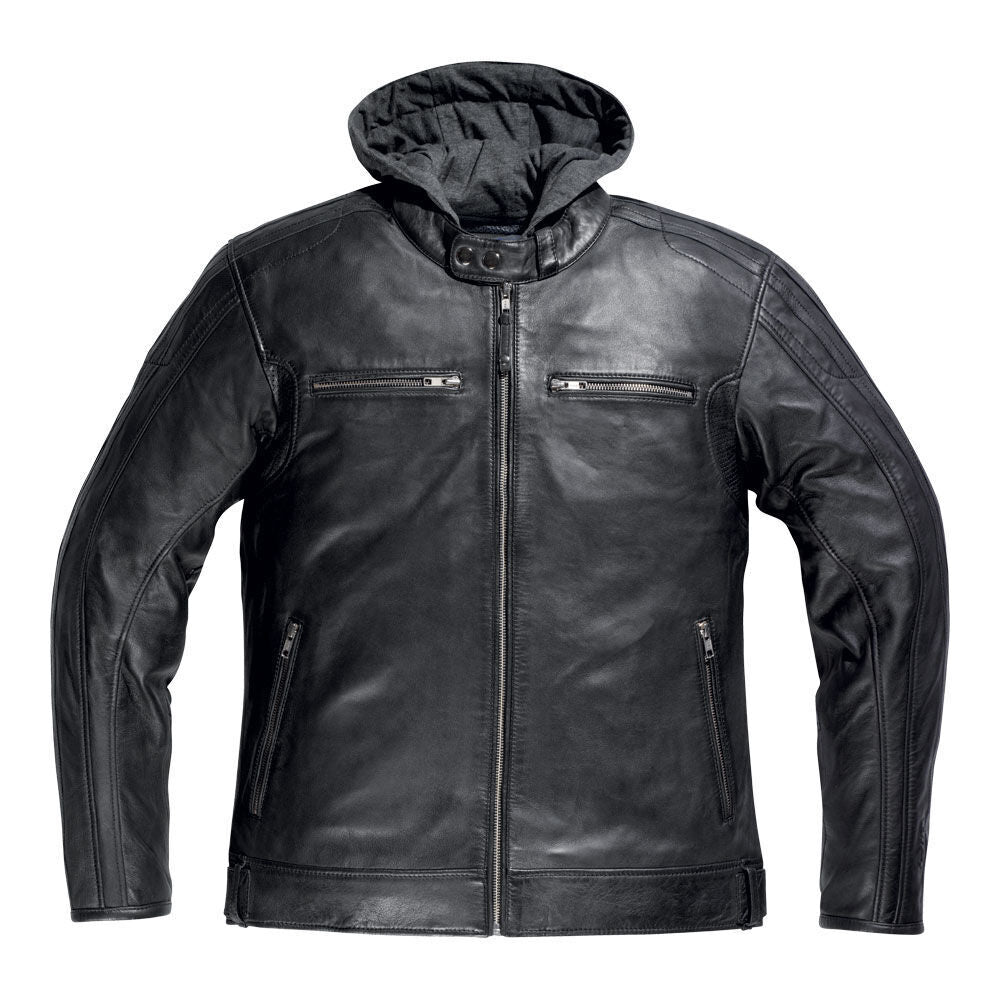


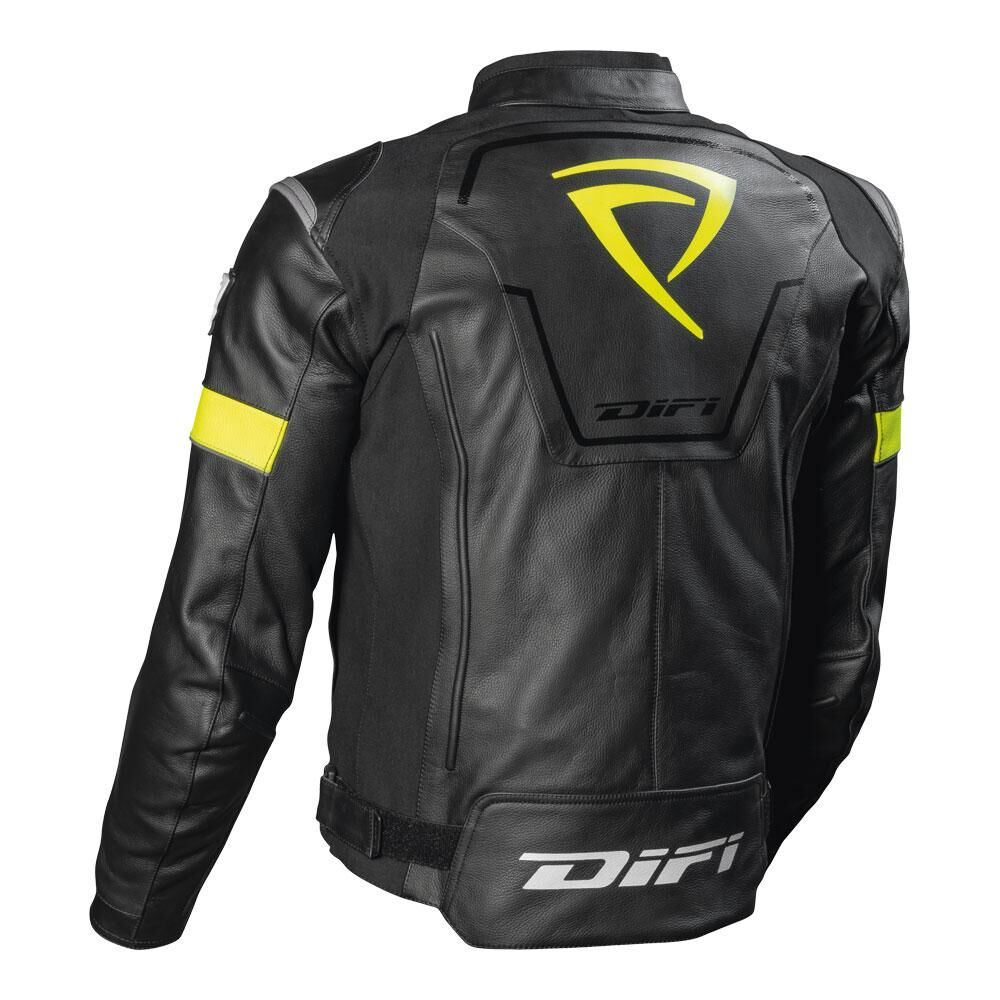

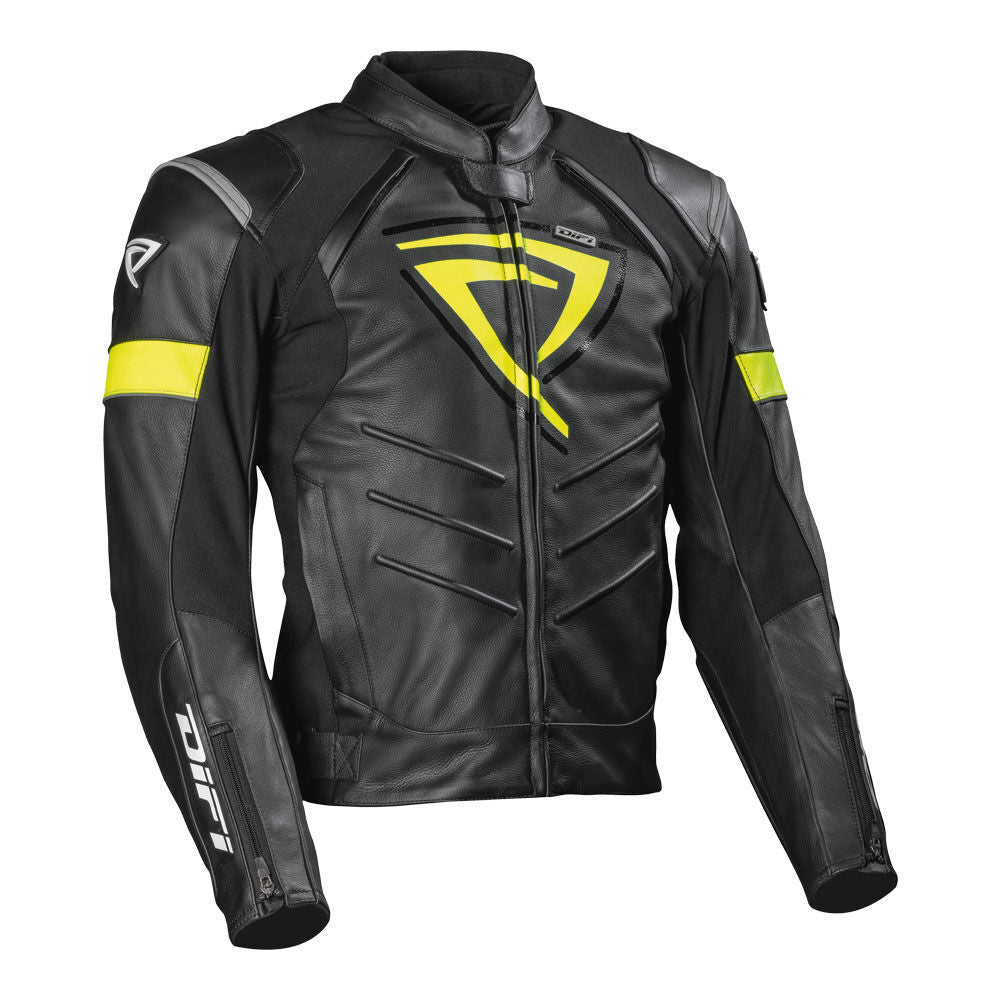
Difi Monza Jacket Black/Yellow



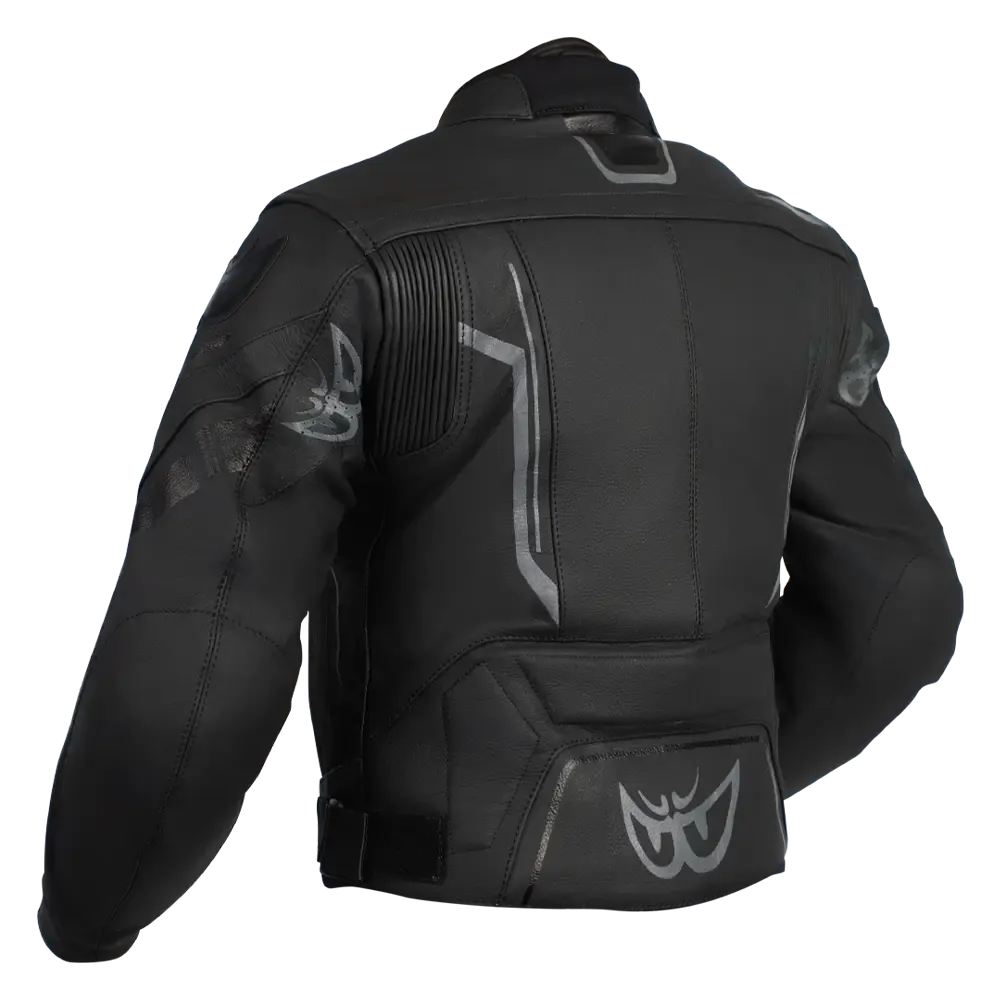
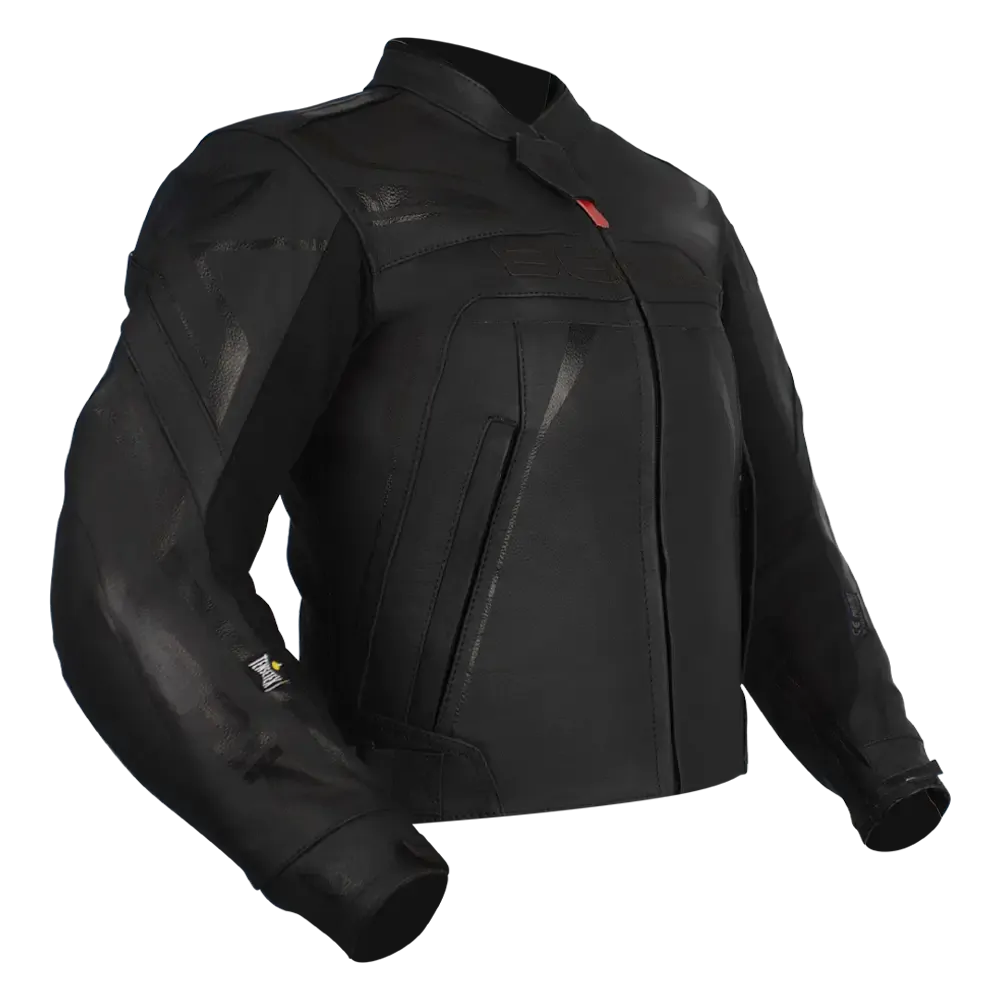


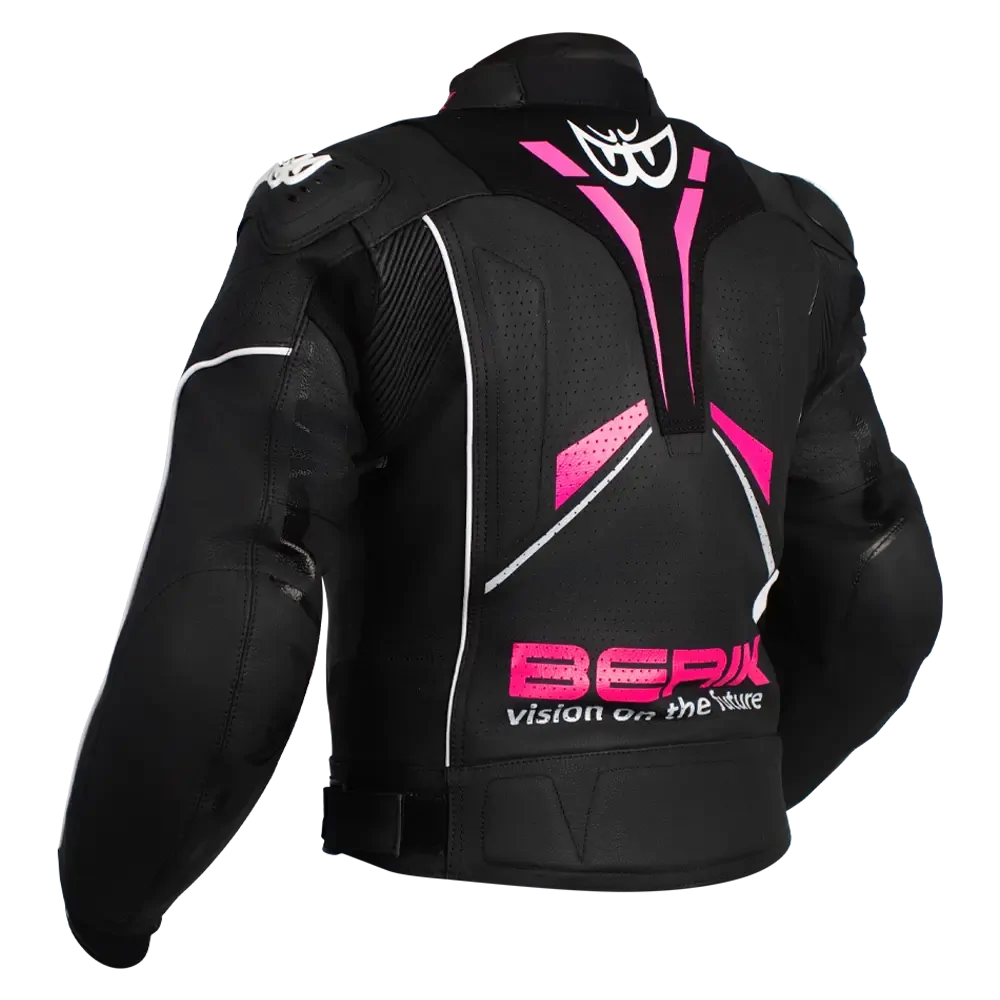
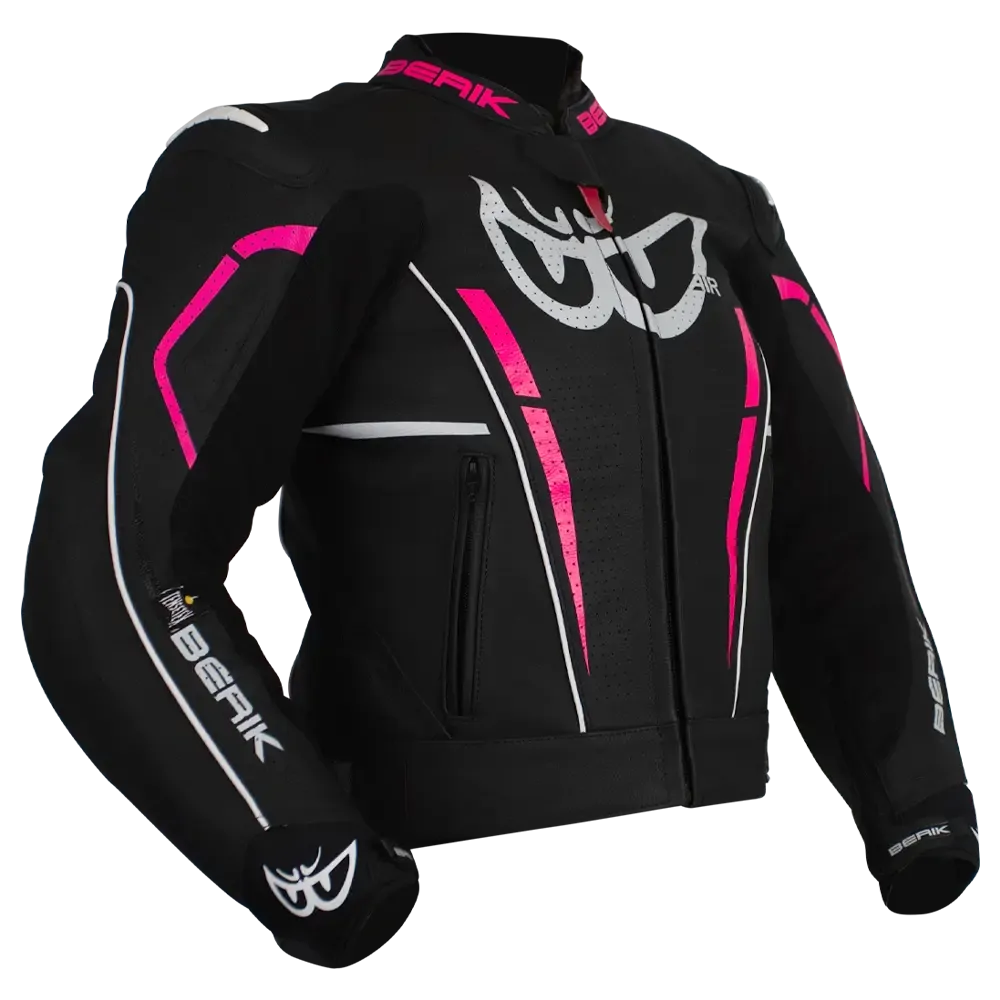
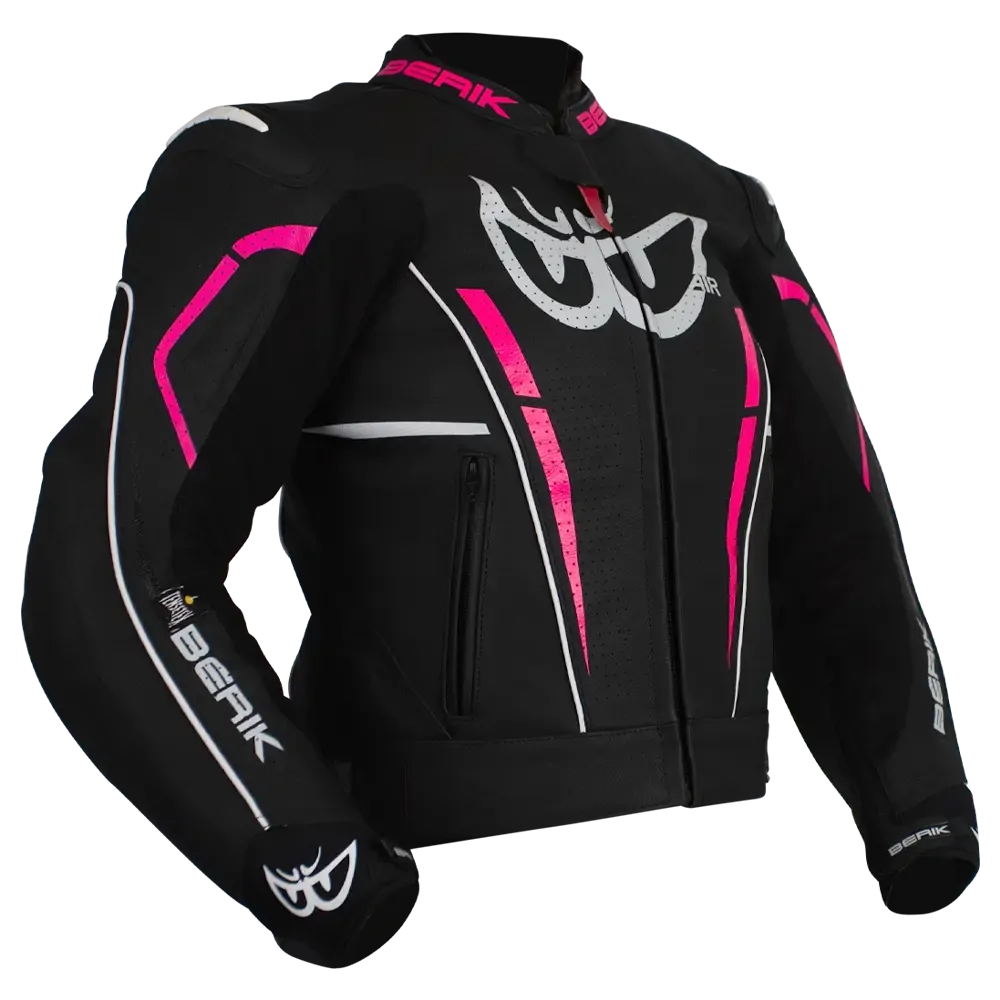
BERIK VALENTINA JACKET BLACK / PINK
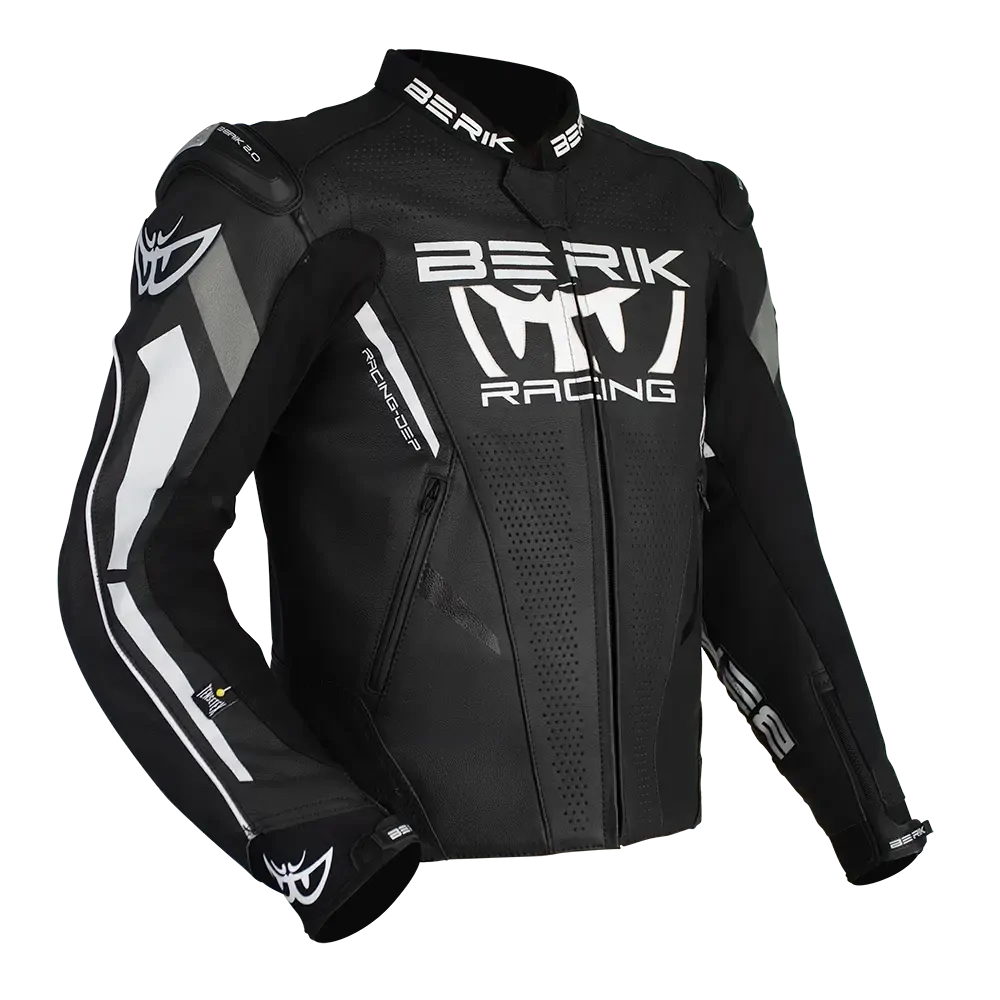
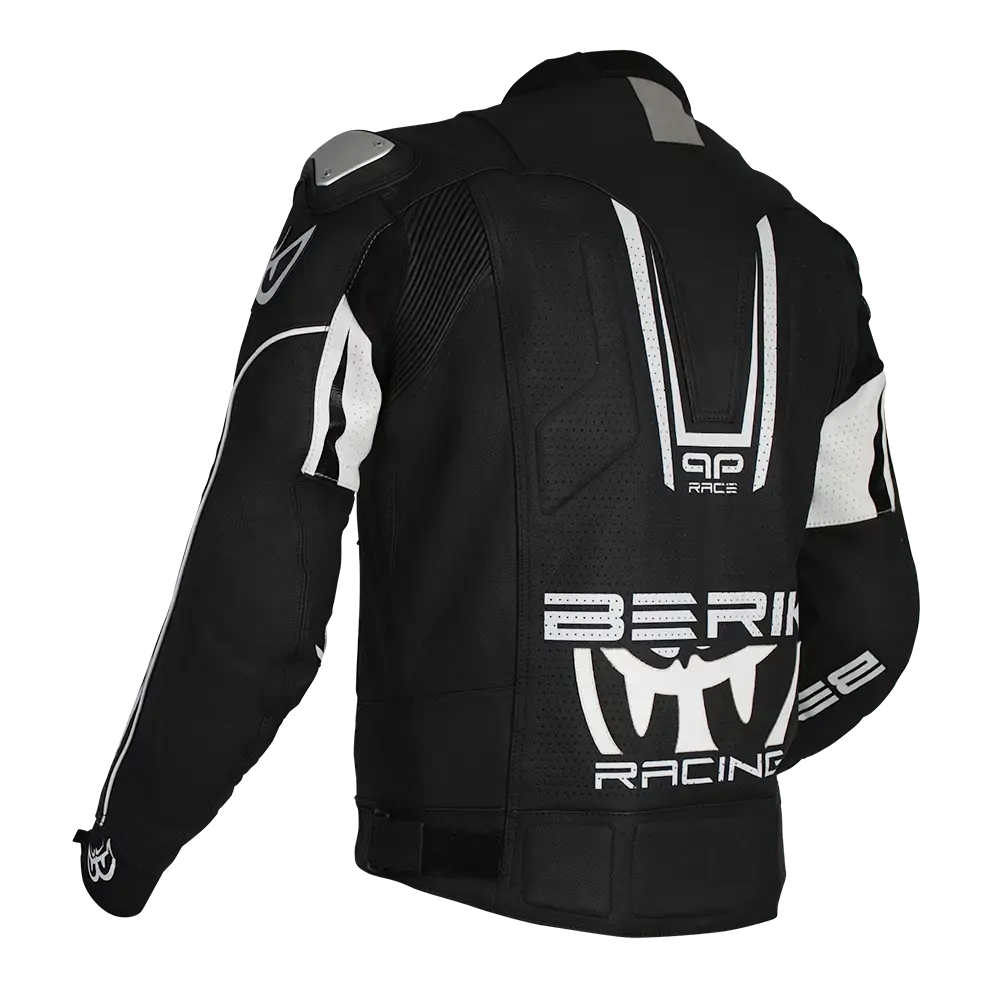
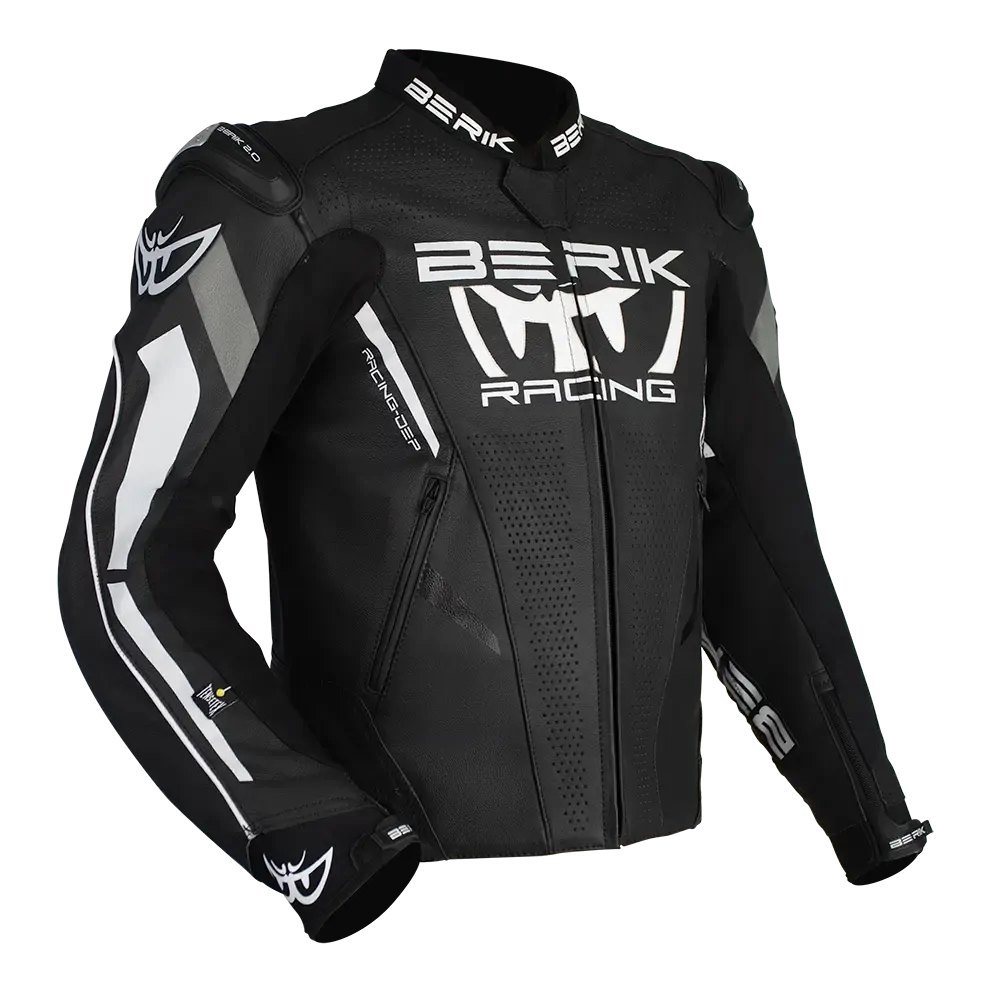

BERIK APEX JACKET BLACK / WHITE

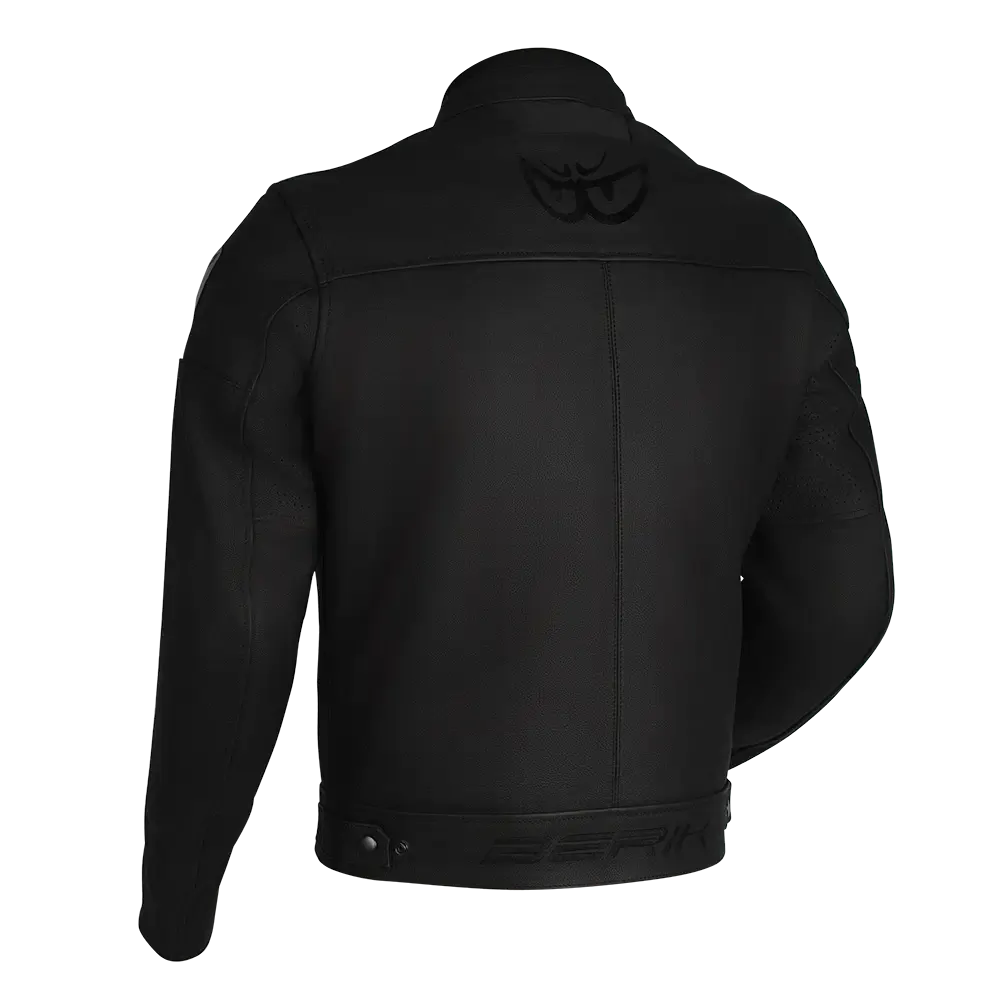
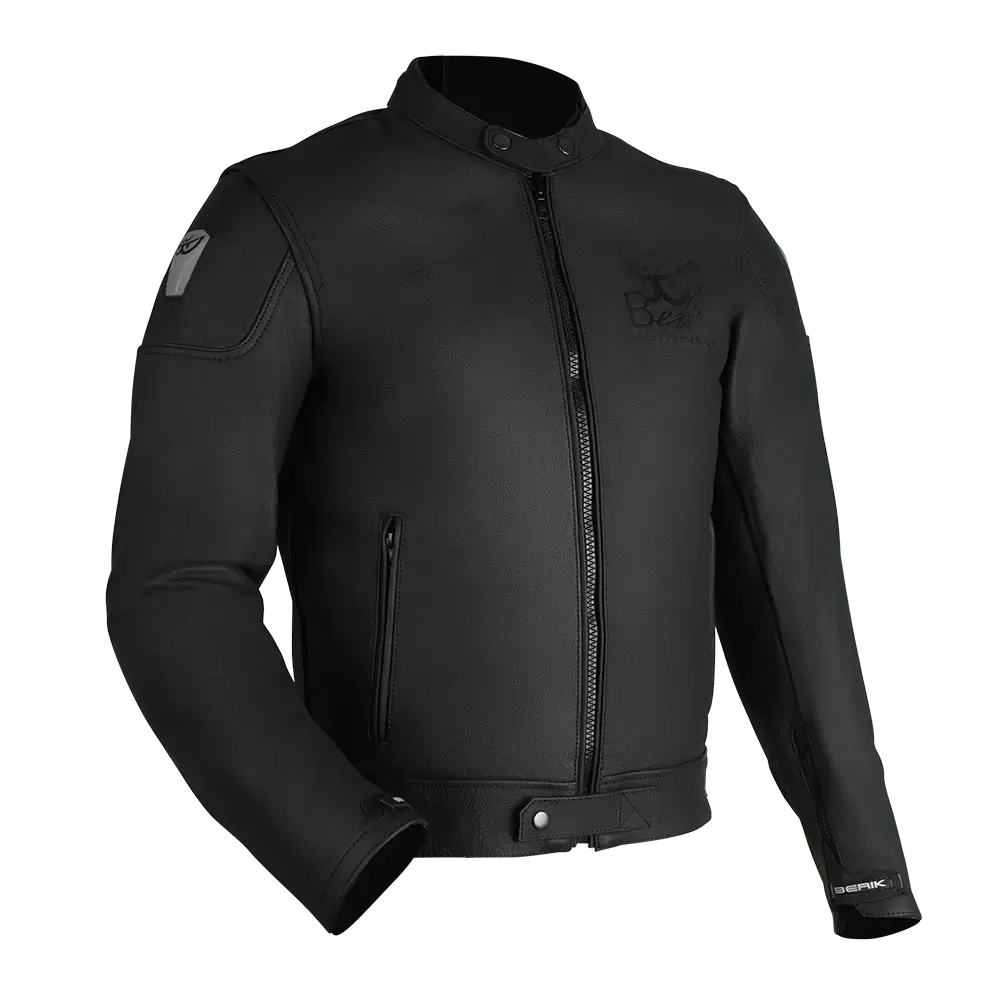
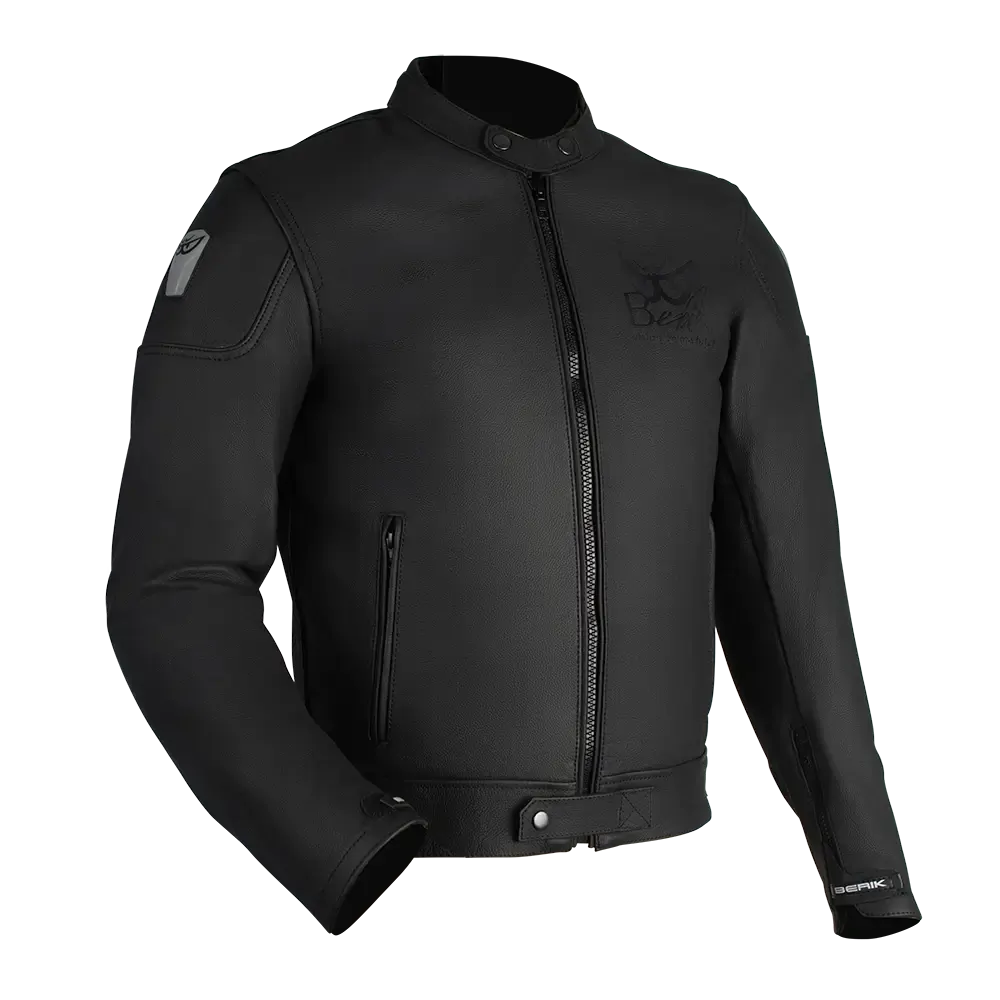
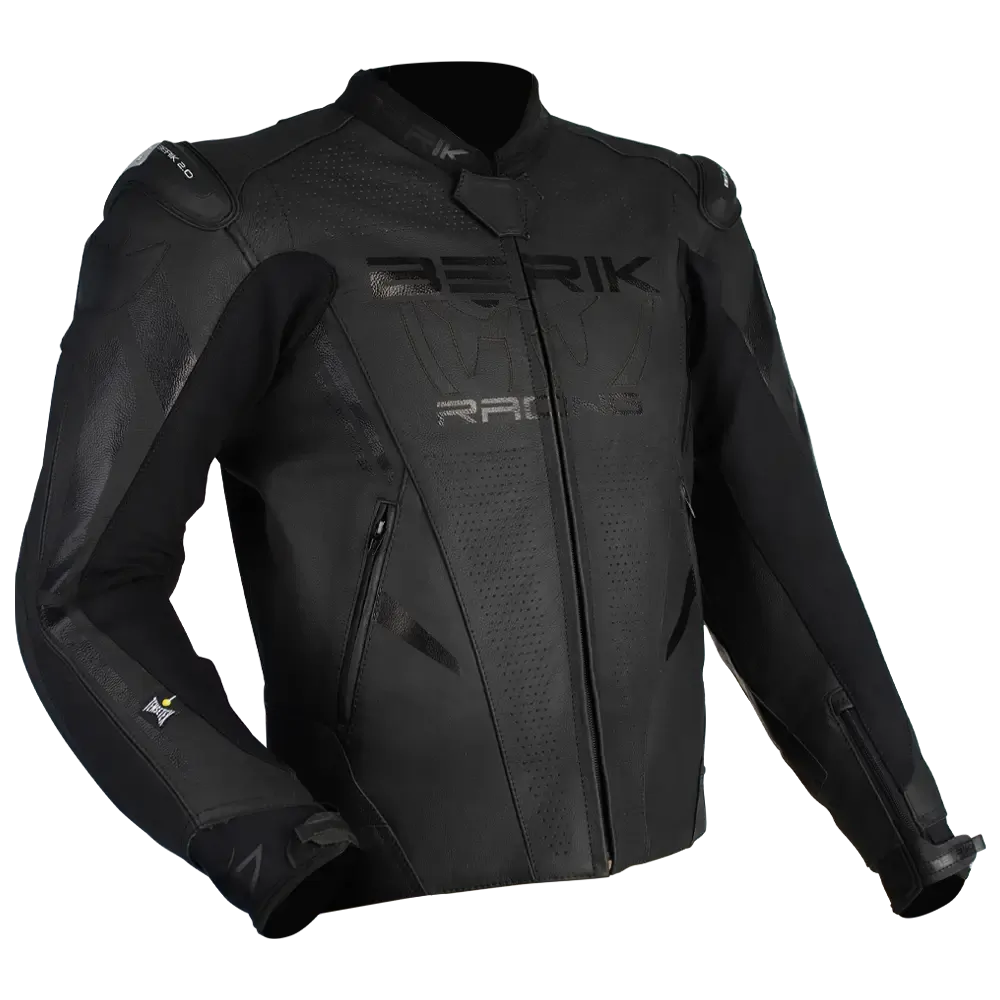
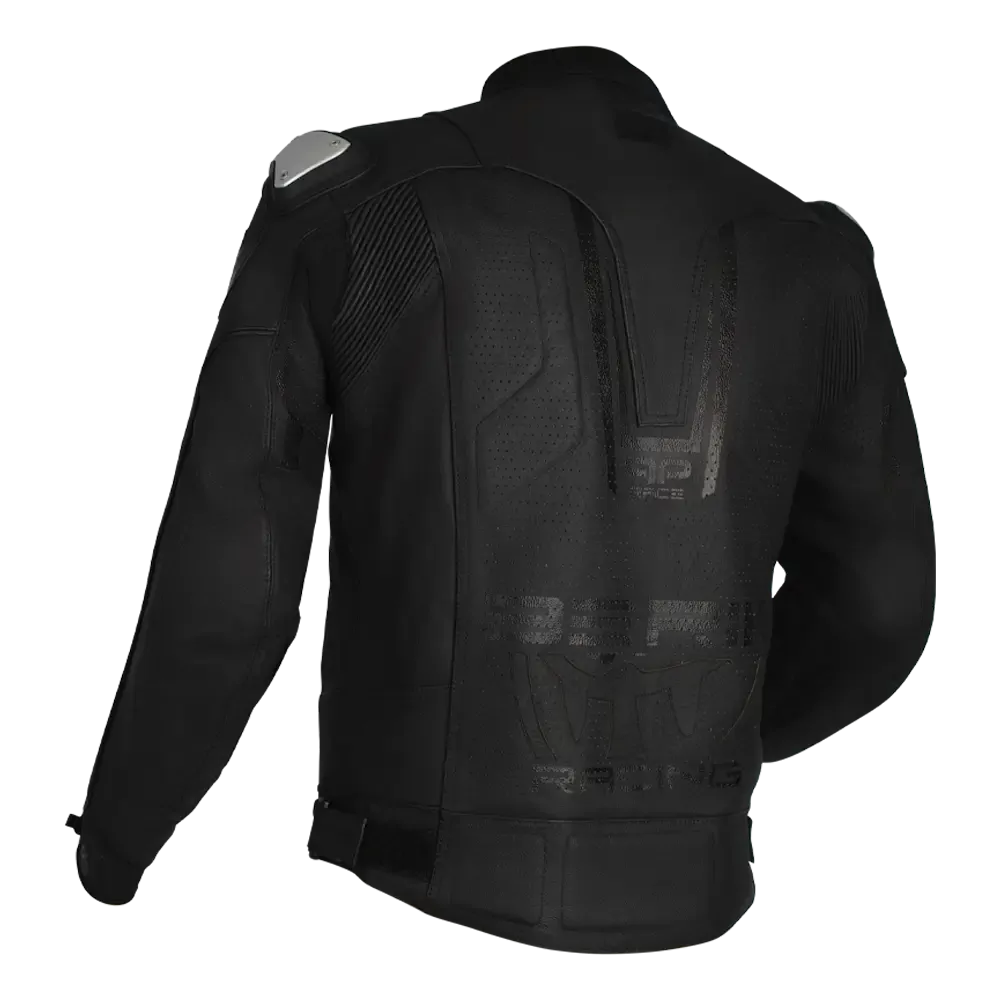
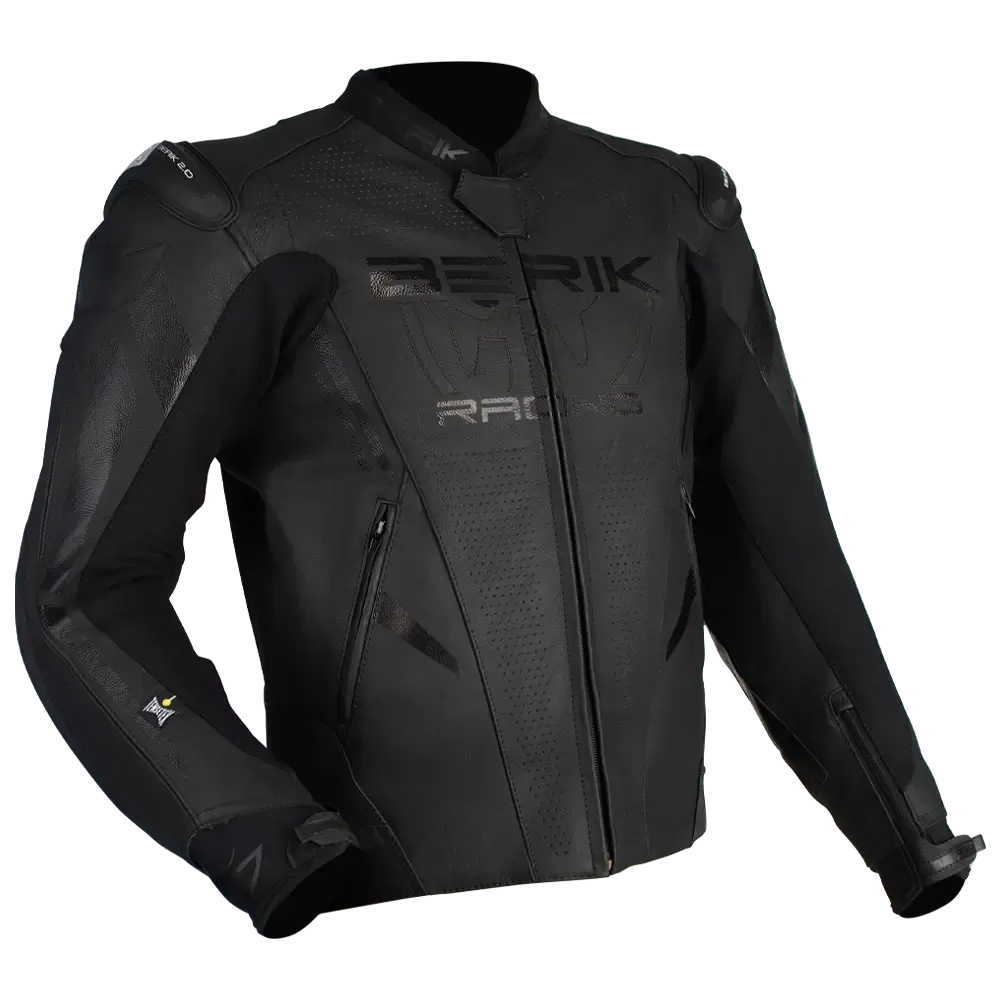


BERIK MONZA JACKET BLACK / FLURO-RED

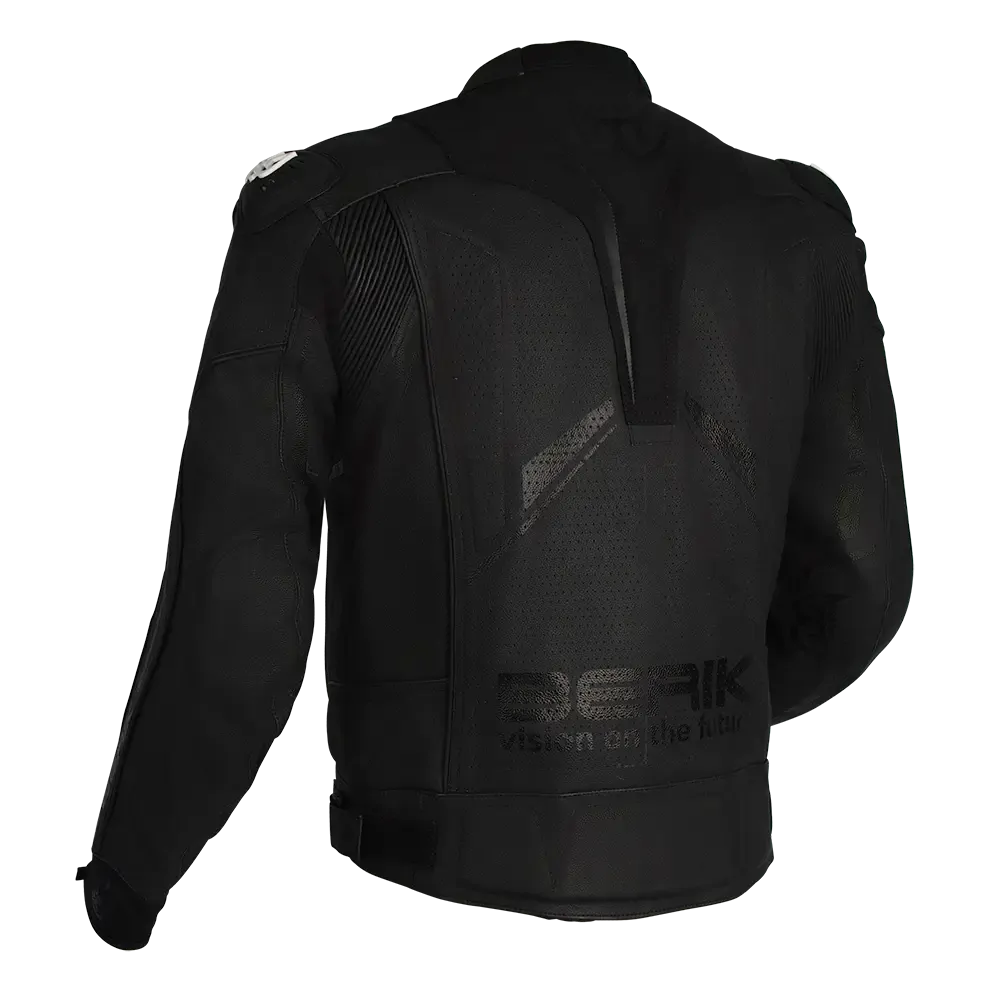
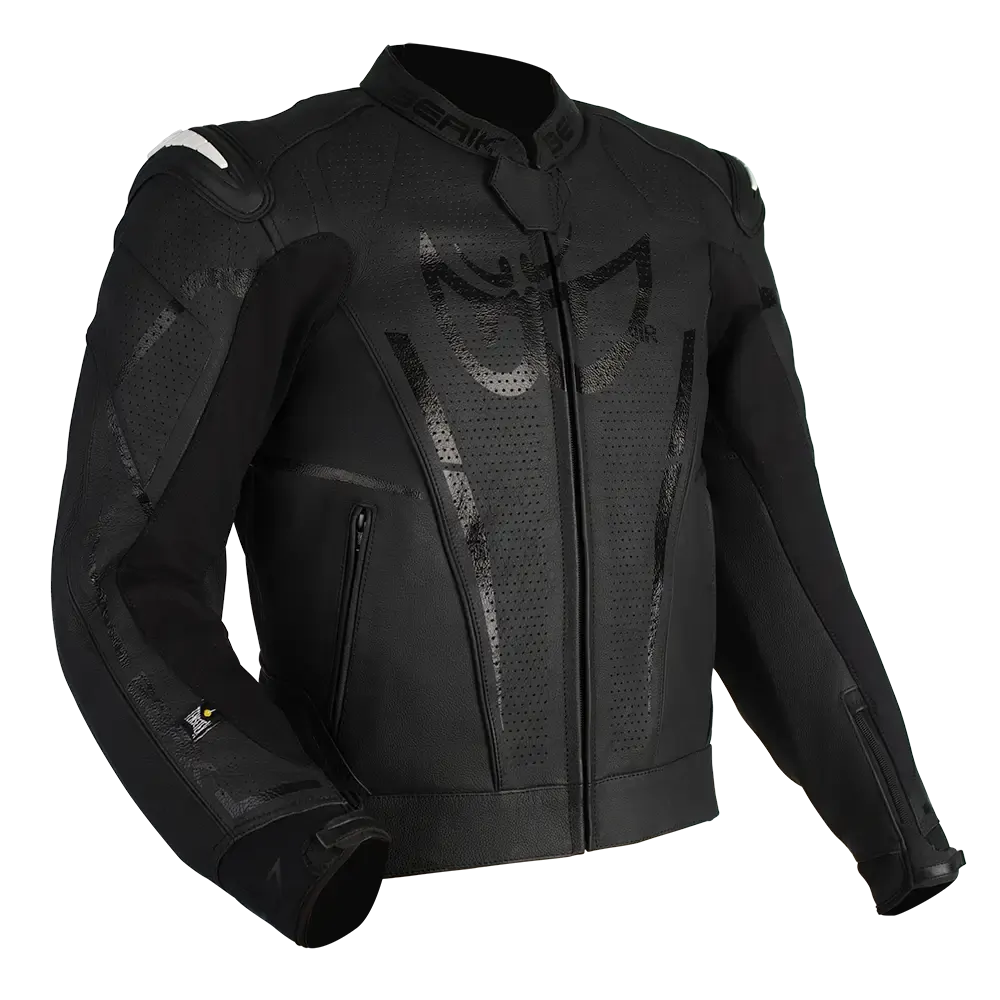


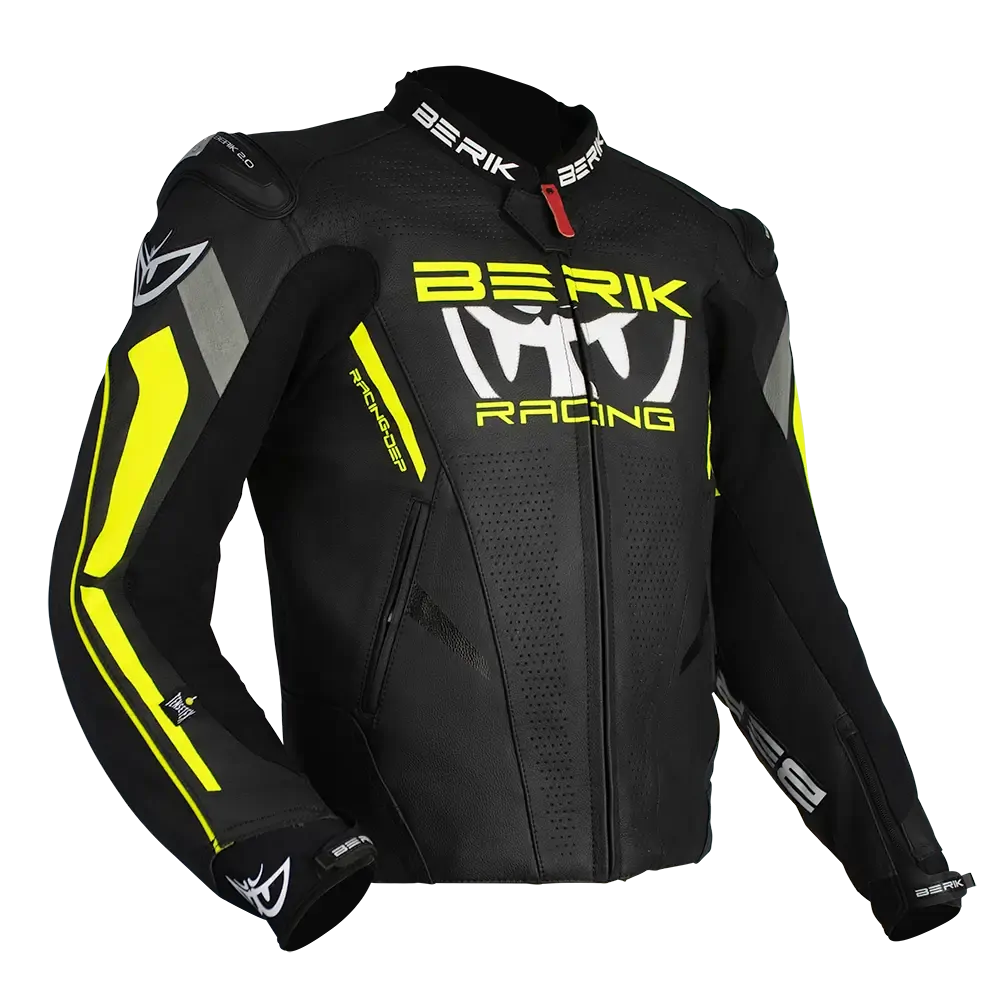

BERIK APEX JACKET BLACK / HI-VIZ
Road leather jackets compared
Leather remains the gold standard for road impact and slide protection. Quality cowhide runs 1.1mm to 1.4mm thick, outperforming most textiles in raw abrasion resistance under the EN 17092 test method.
| Brand | Build focus | Armour | Best use |
|---|---|---|---|
| Merlin | Leather with D3O inserts | CE Level 1 shoulder and elbow | Road and classic touring |
| Berik | Sport-cut perforated hide | CE Level 2 ready | Sport and track-day road |
| Difi | Leather construction | CE Level 1 shoulder and elbow | All-season road |
| Oxford | Leather and cotton-aramid mix | CE Level 1 inserts | Everyday commuting |
How to choose your armour level
Armour level decides your impact protection. CE Level 1 transmits no more than 18kN of force, while CE Level 2 caps it at 9kN, roughly 50% lower transmitted energy. Sport riders should target Level 2 at the shoulders and elbows, and add a Level 2 back protector covering the spine.
Fit and abrasion ratings
Fit drives protection. Armour must sit over the joint, so size for a snug fit with a 2cm to 3cm tolerance over base layers. Look for EN 17092 ratings: AAA is the highest tier, AA suits most road work, and A is minimum street level. Perforated panels on Berik models add airflow above 25C without dropping the certified leather rating.
For a deeper breakdown of materials and certifications, read our jacket materials guide before you buy.
Frequently asked questions
Are leather jackets better than textile for road riding?
Leather wins on raw abrasion resistance and slide protection. Full-grain hide at 1.1mm to 1.4mm typically rates higher under EN 17092 than equivalent textile, which is why sport and track riders favour it. Textile offers more weatherproofing and ventilation flexibility, so the right pick depends on your riding.
What armour level should a road leather jacket have?
Aim for CE Level 1 at minimum, which caps transmitted force at 18kN. Sport and faster road riders should choose CE Level 2 armour at the shoulders and elbows, which transmits no more than 9kN. Add a CE-rated back protector, since most jackets ship with a foam placeholder.
How should a road leather jacket fit?
It should fit snug so the armour stays over your shoulders and elbows in a crash. Allow 2cm to 3cm of tolerance for a base layer underneath. Leather softens and moulds with wear, so a firm initial fit is correct rather than loose.