

Summer motorcycle gloves balance airflow with certified protection for warm-weather riding. The range covers vented leather, open-knuckle mesh and lightweight textile constructions from Merlin, Macna, Motodry, Oxford, LS2 and Shark Leathers, with styles suited to road, adventure and cafe-racer riding.
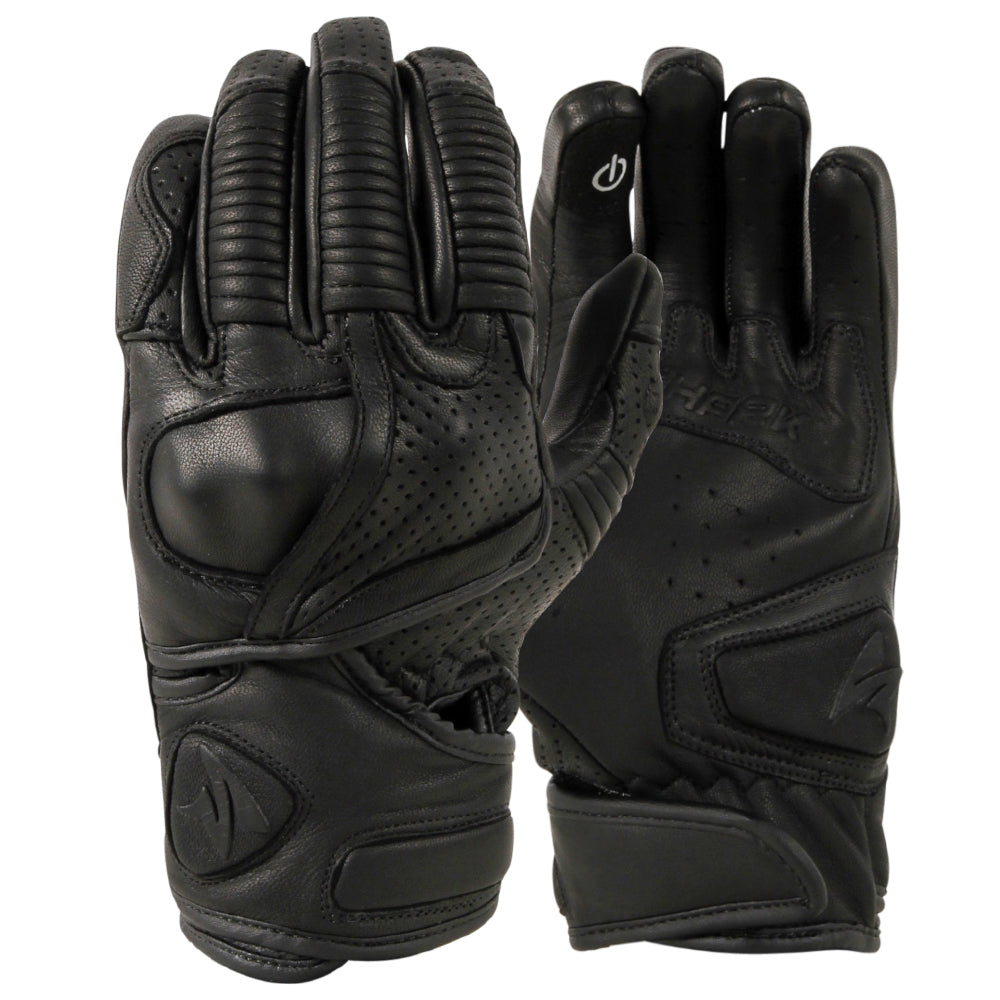

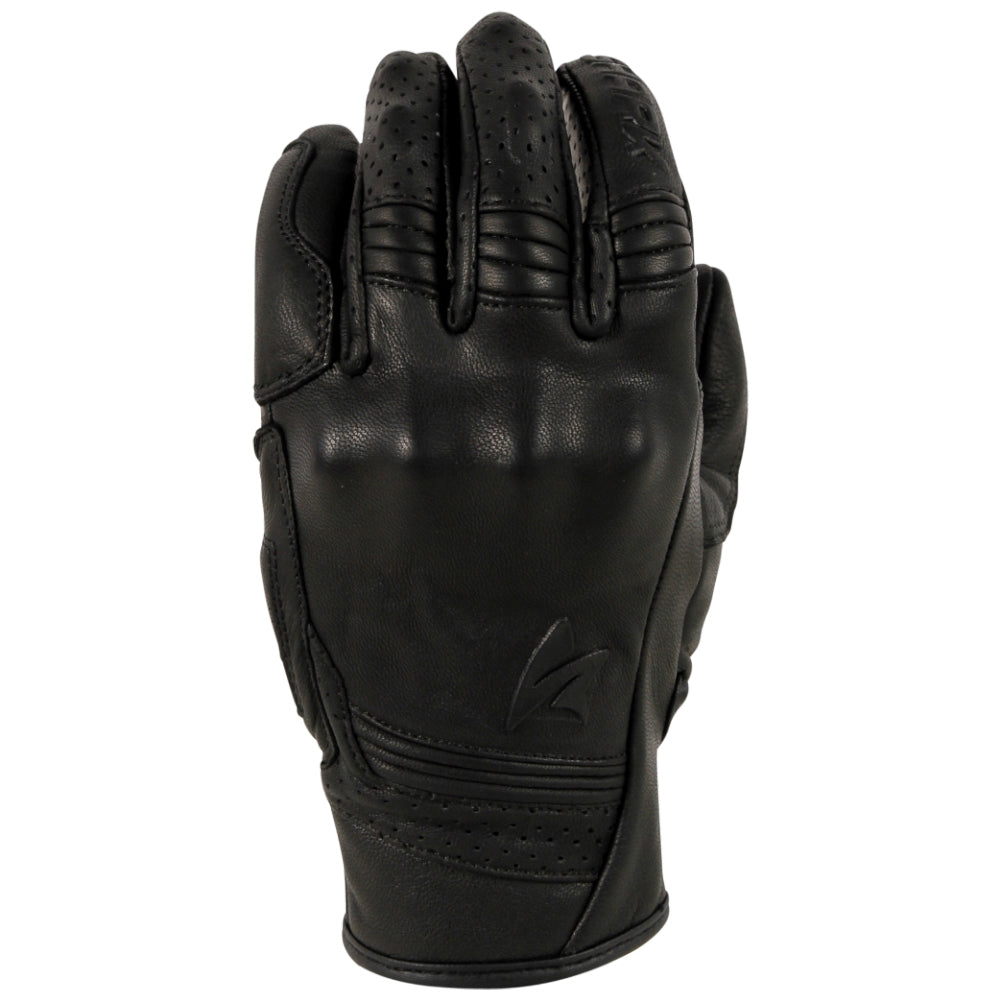
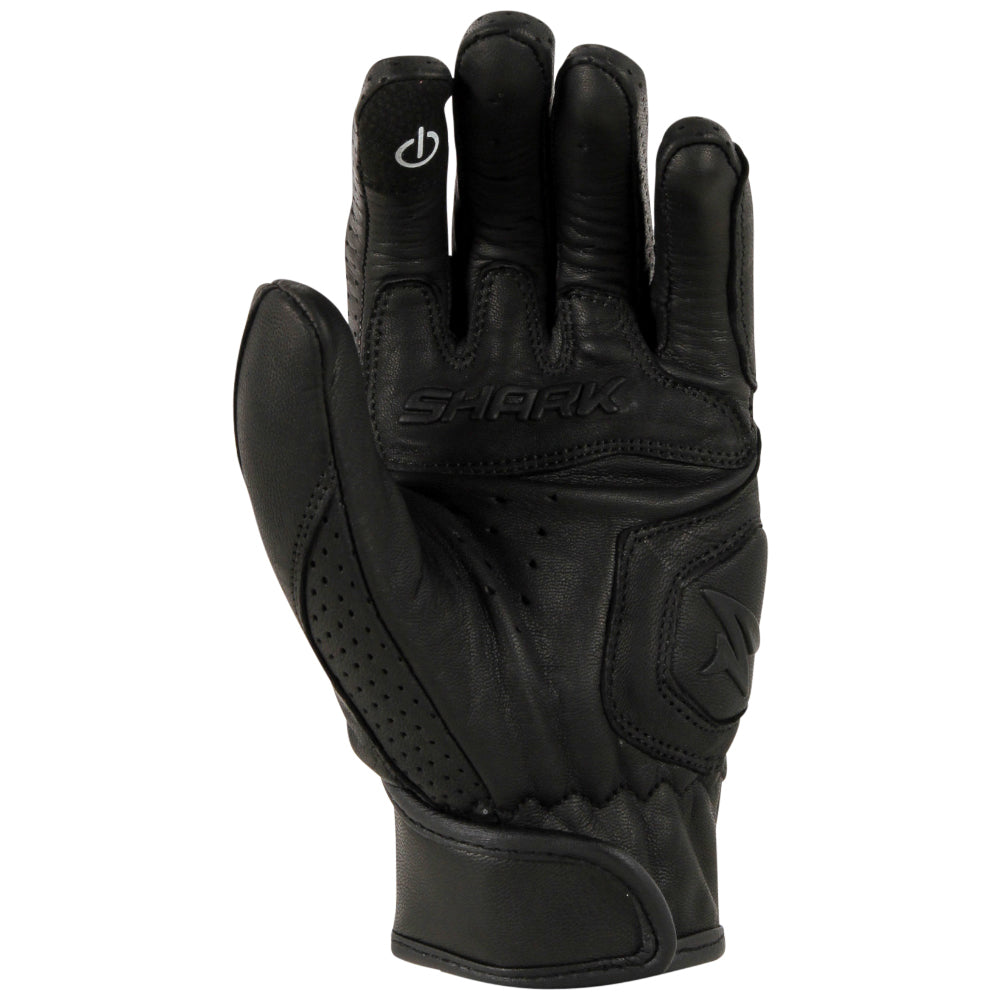
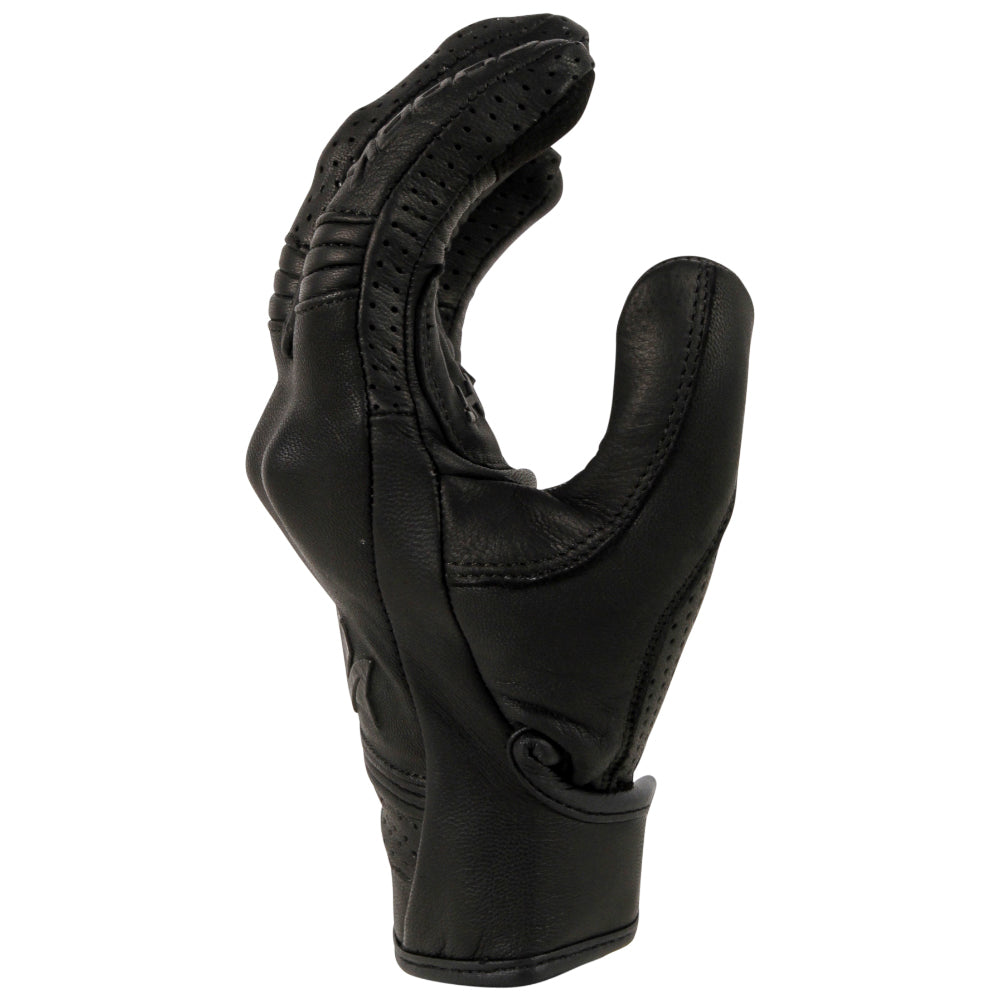
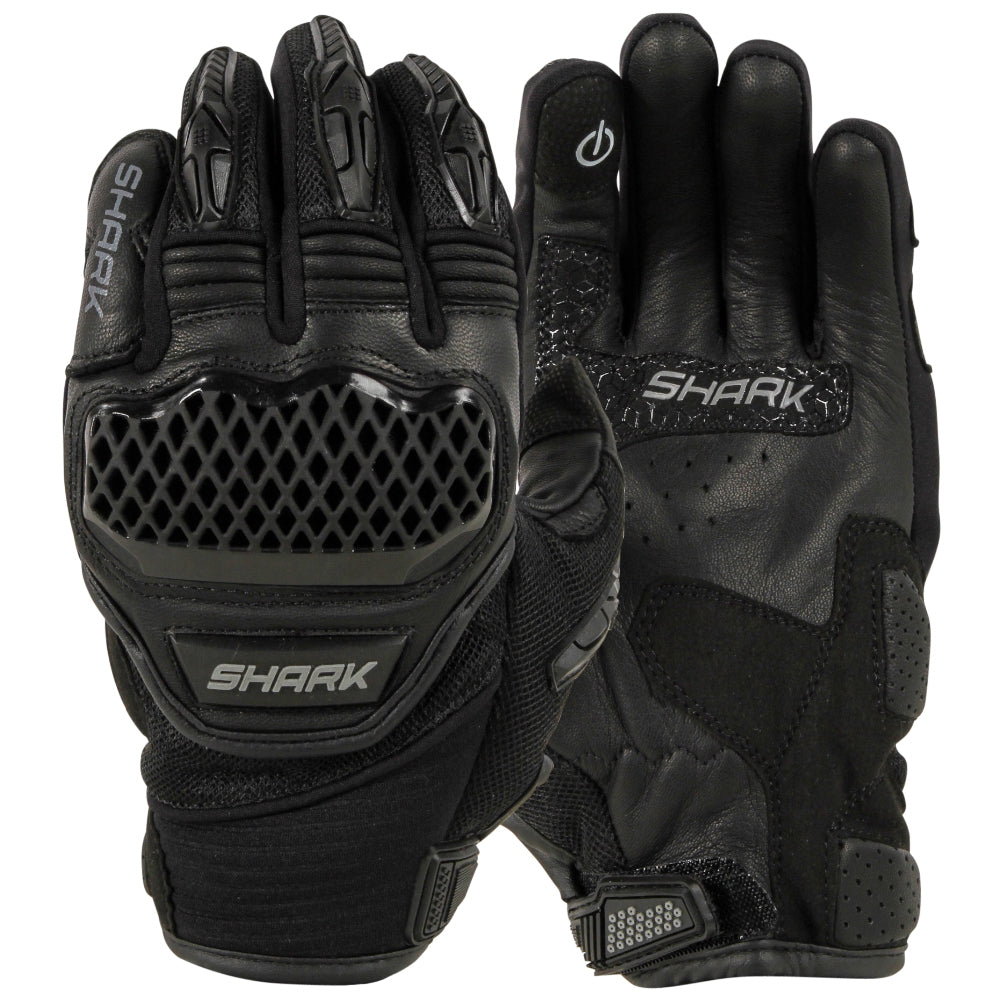


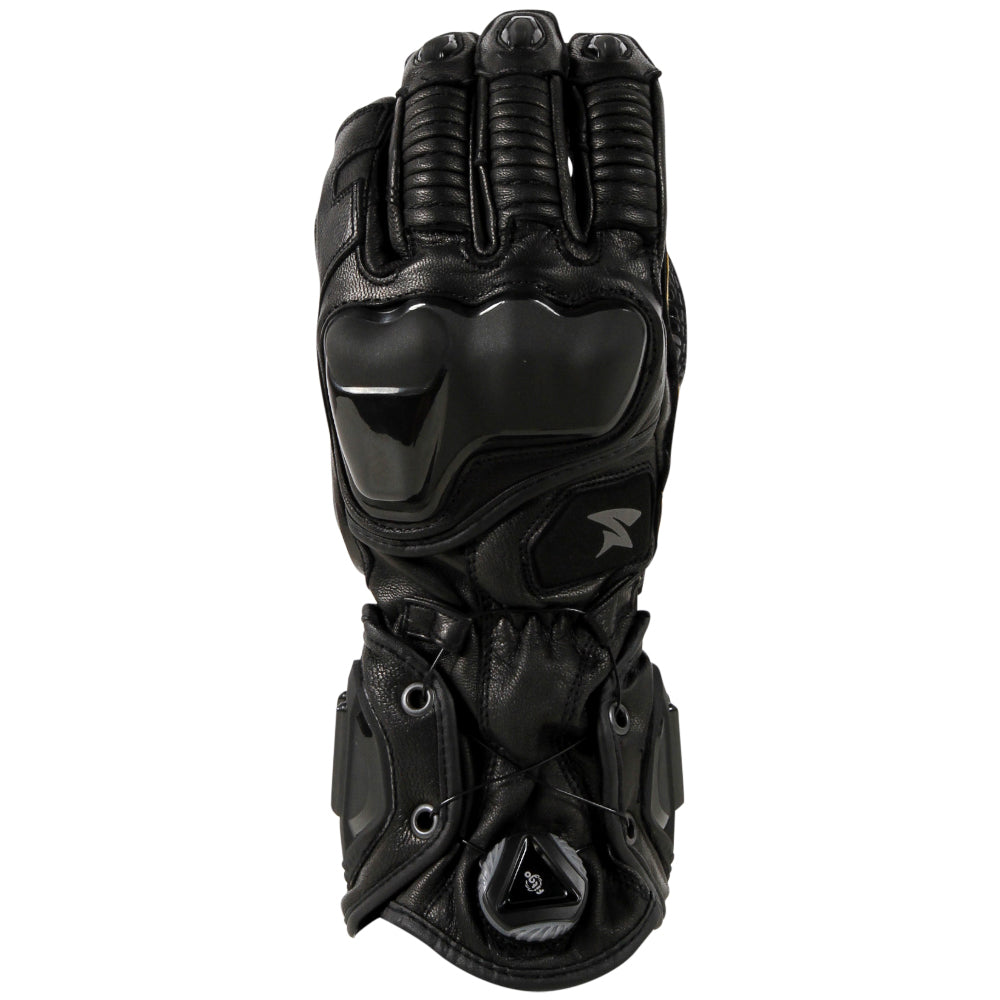
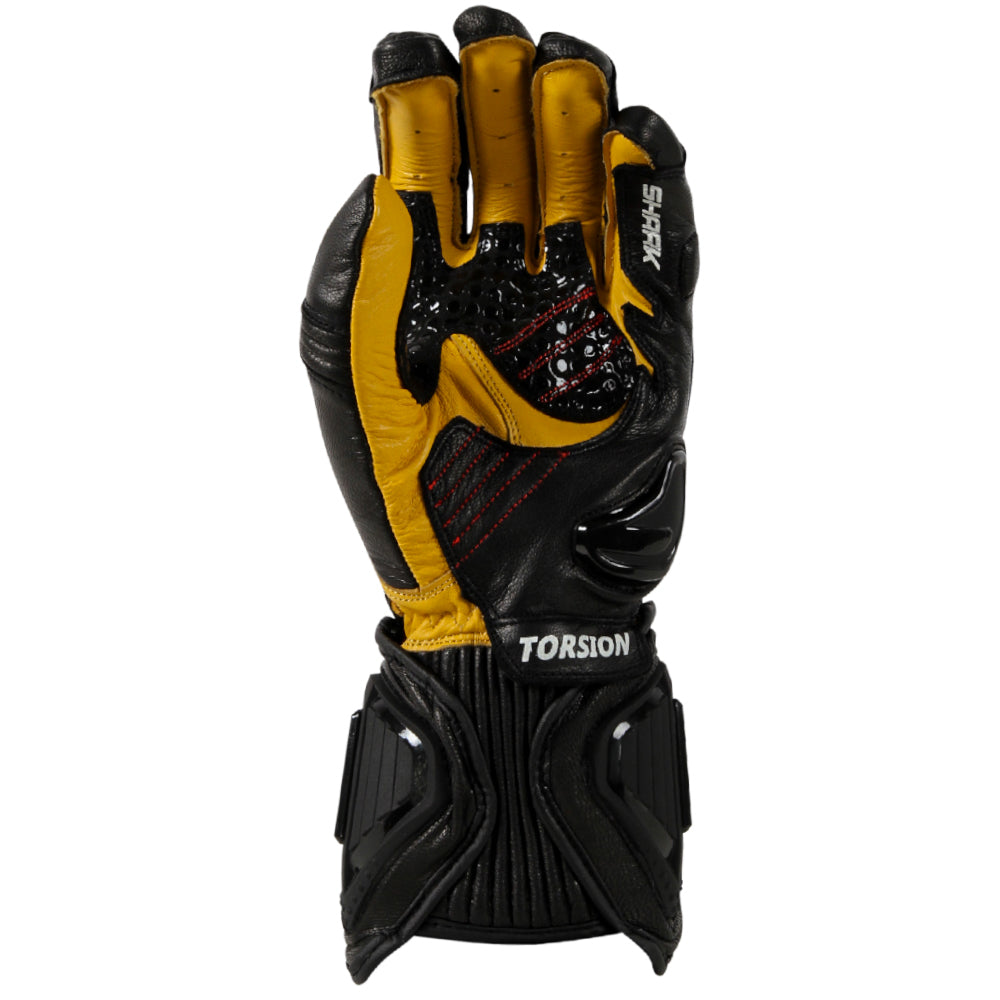

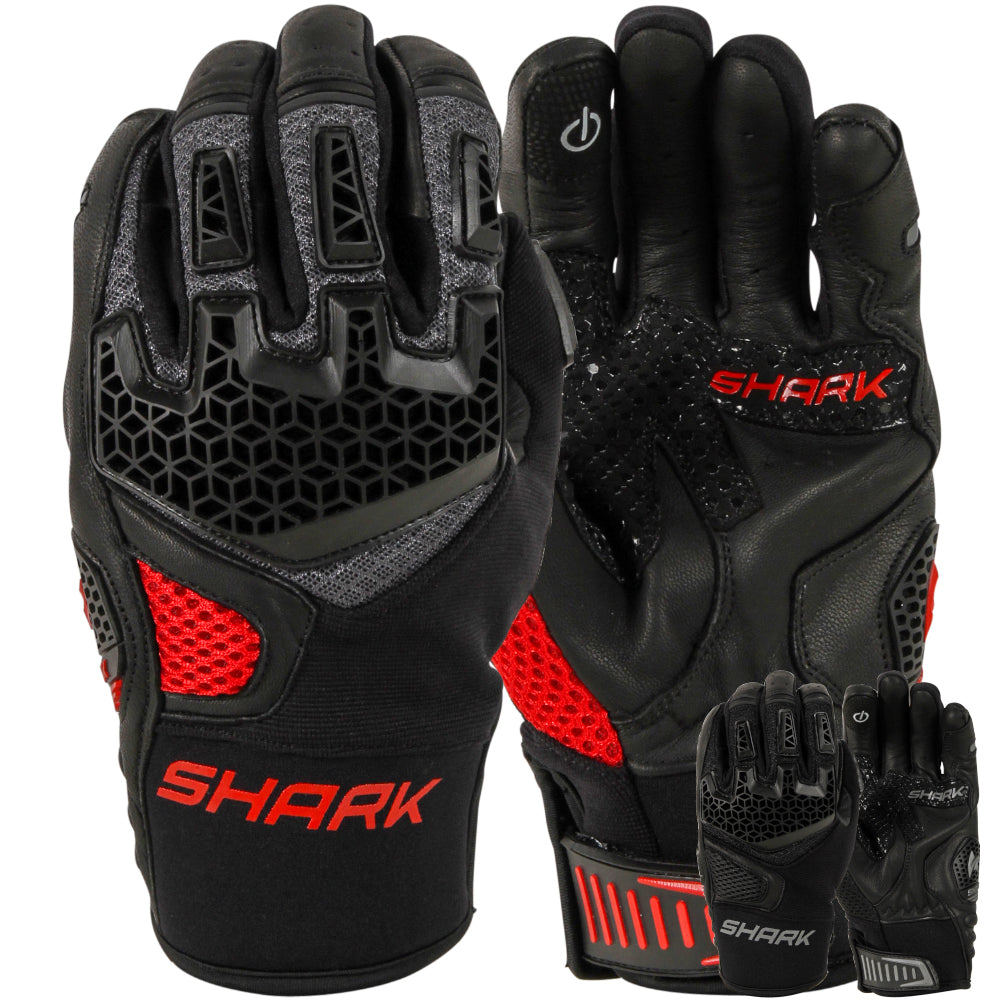


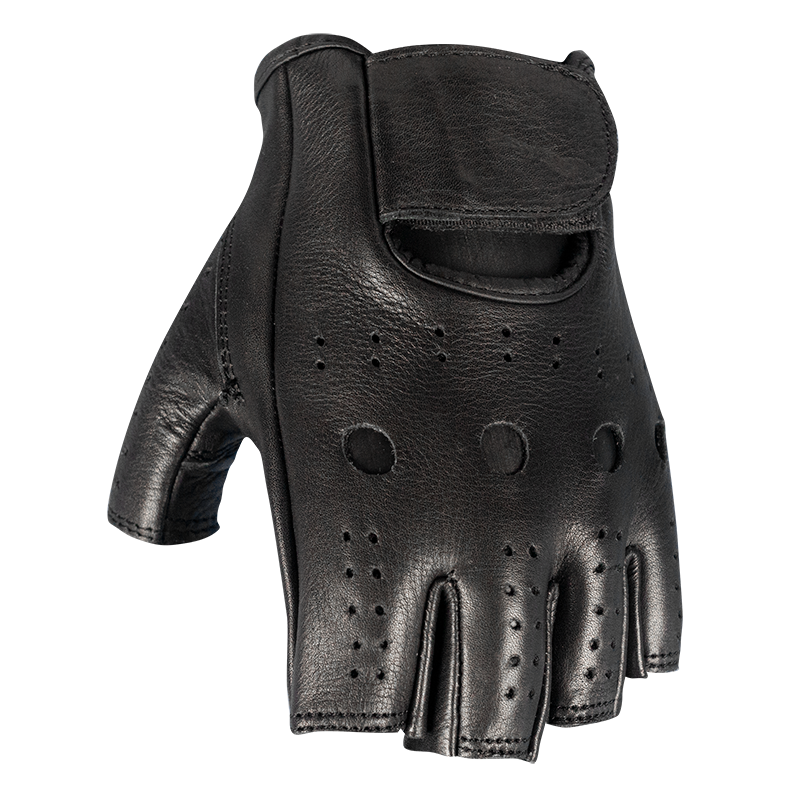

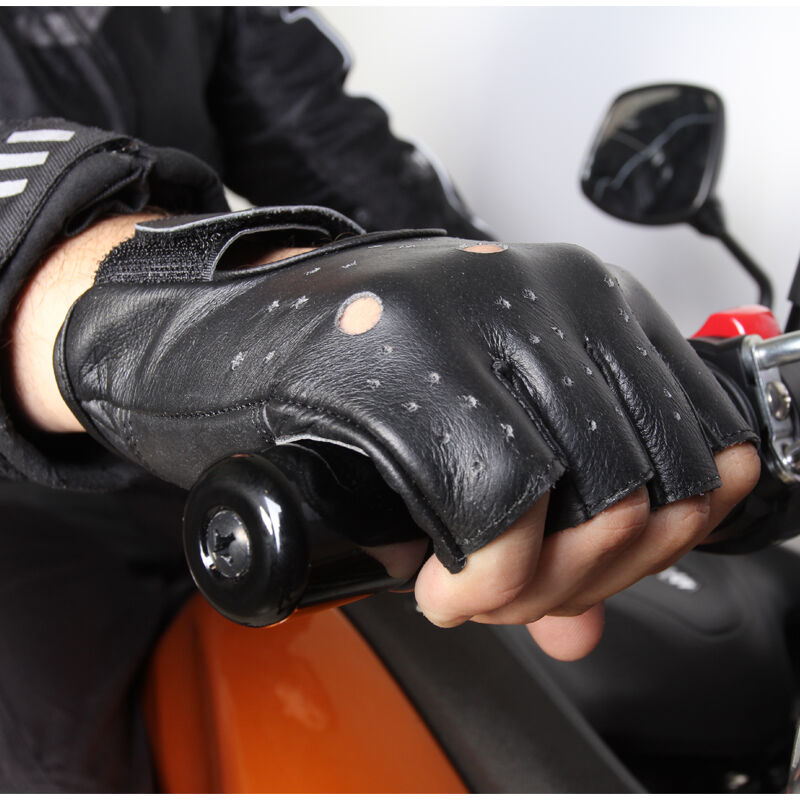

MOTODRY FINGERLESS GLOVE BLACK
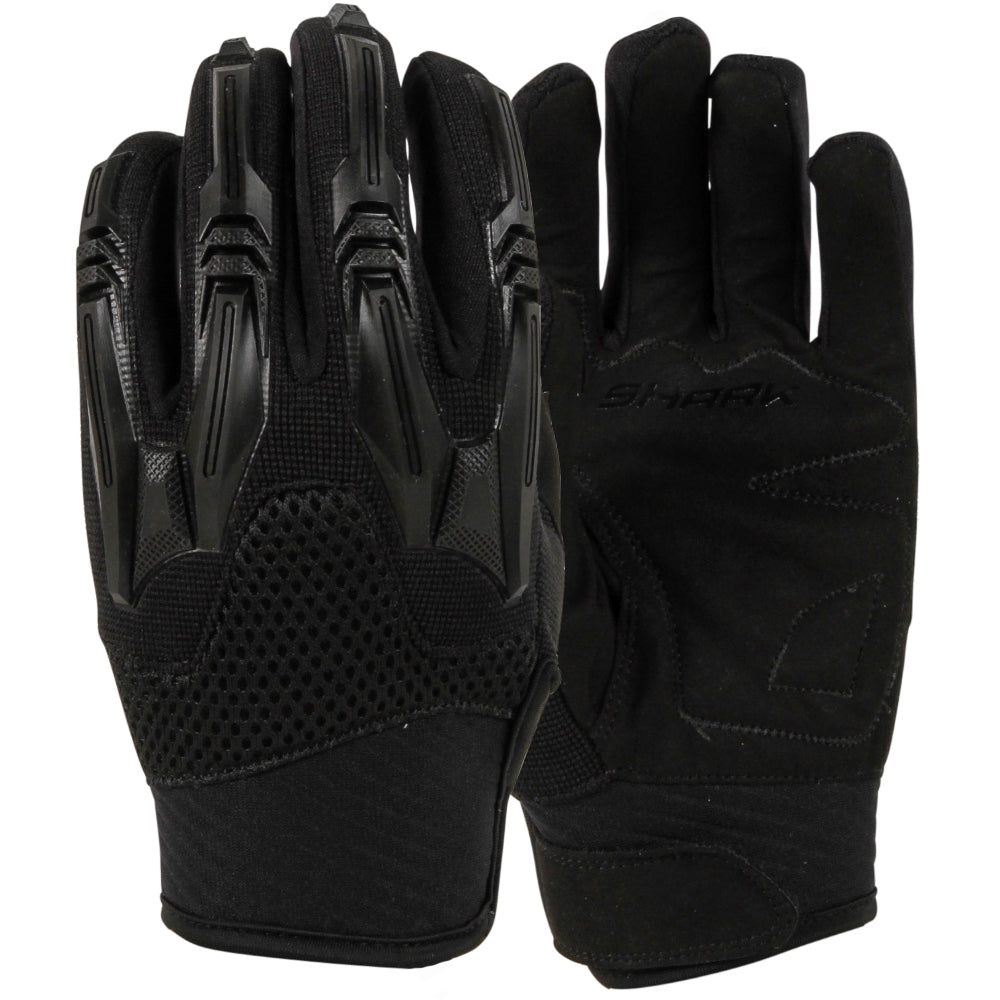
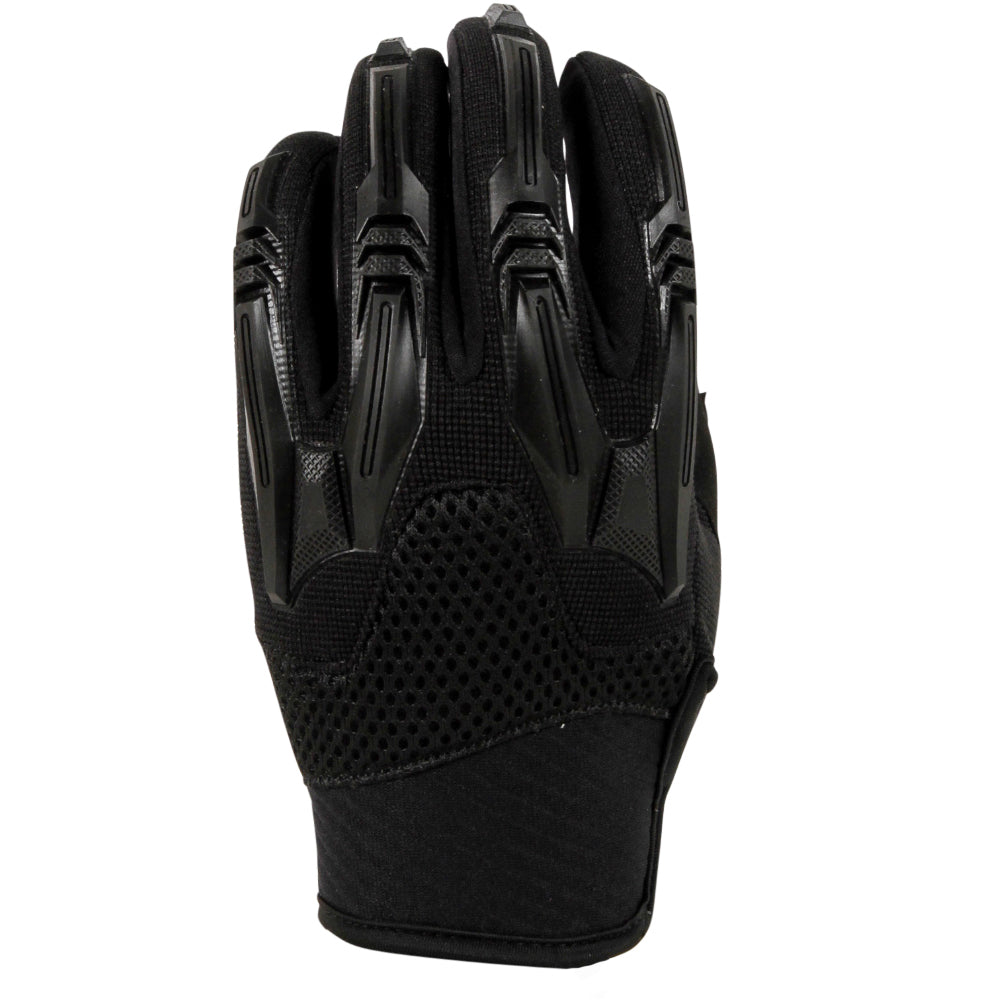
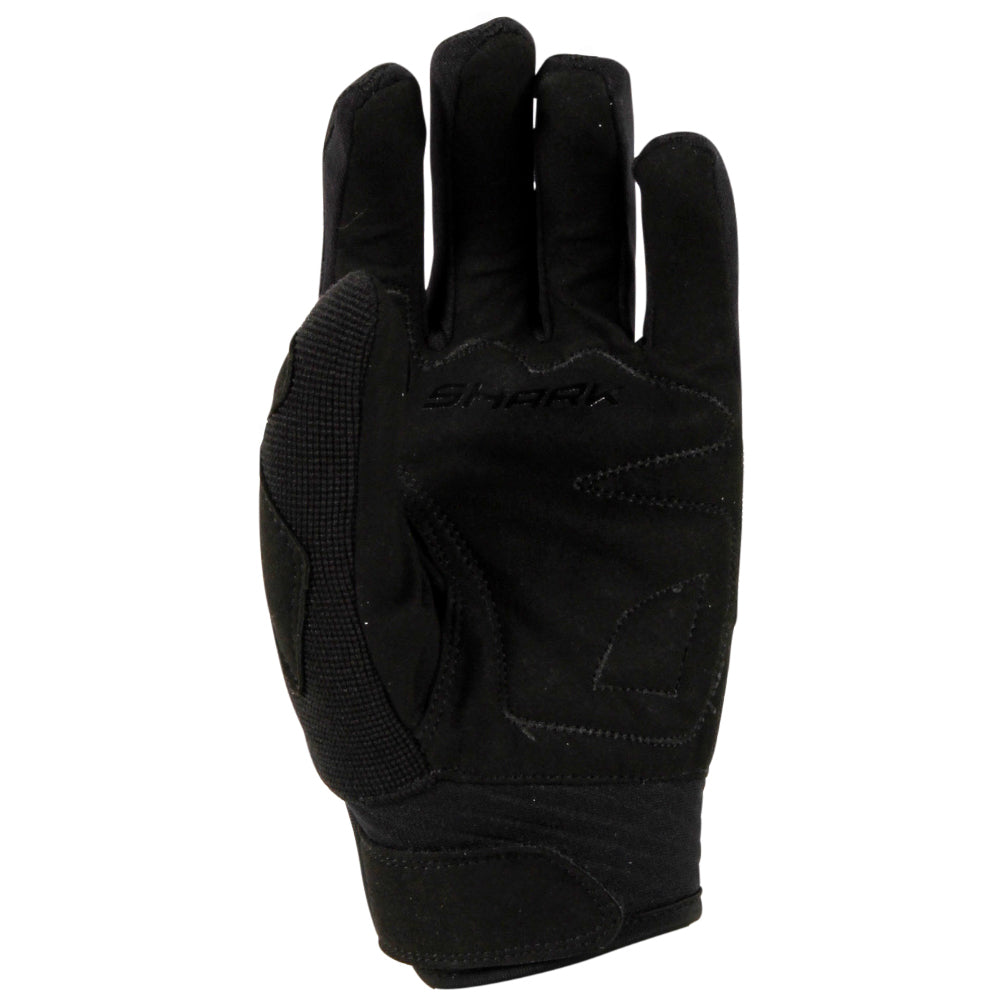
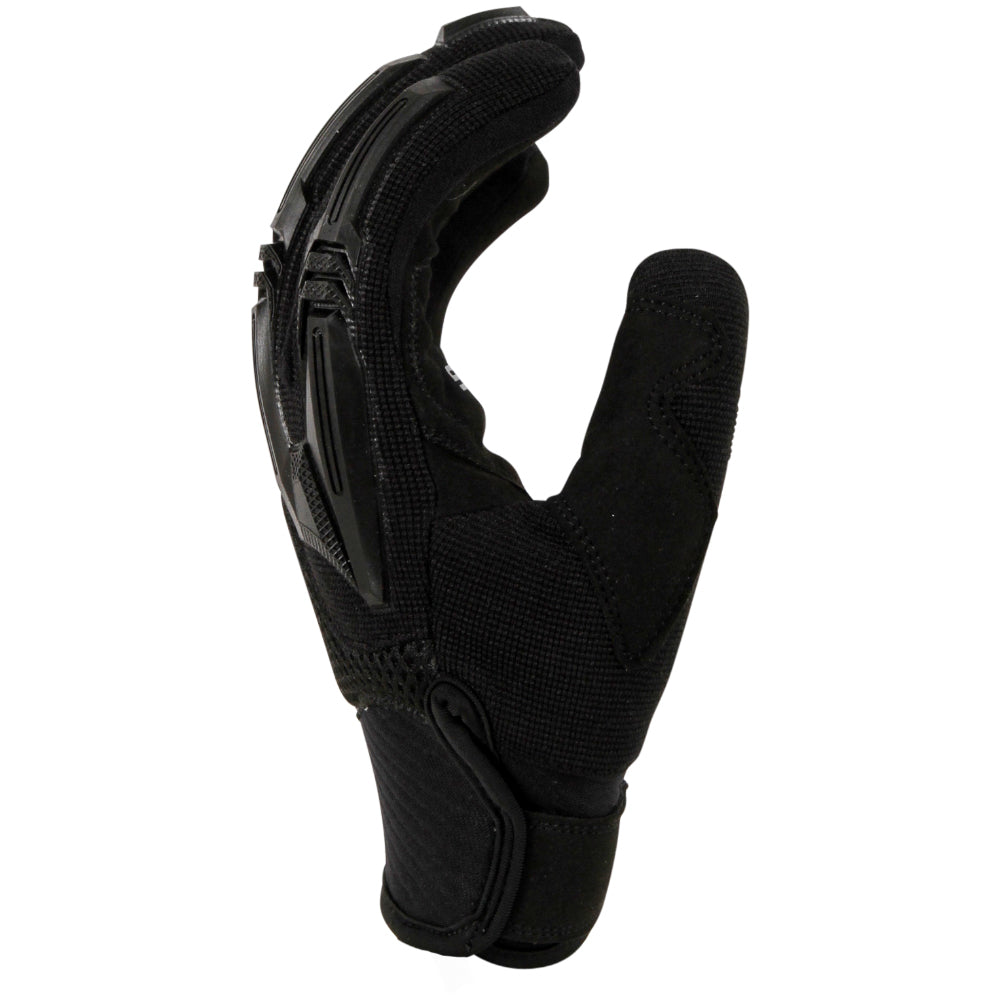
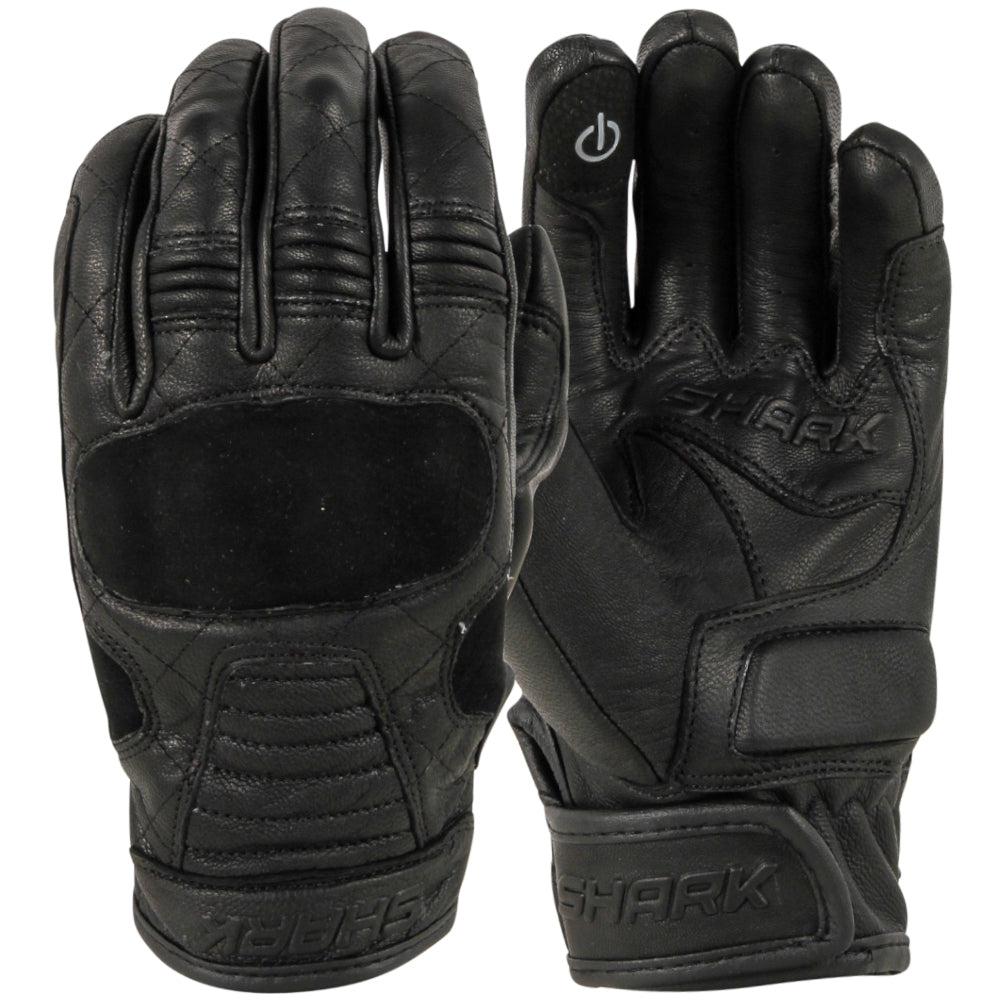
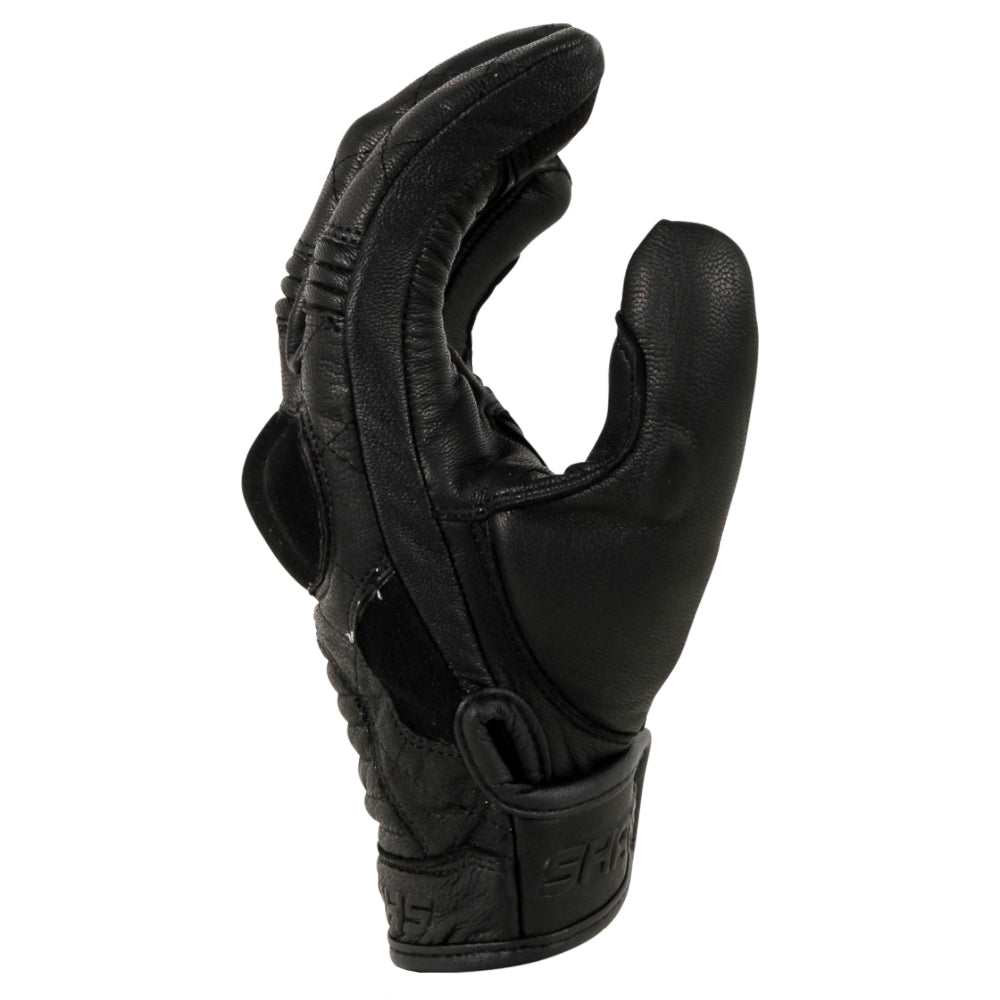
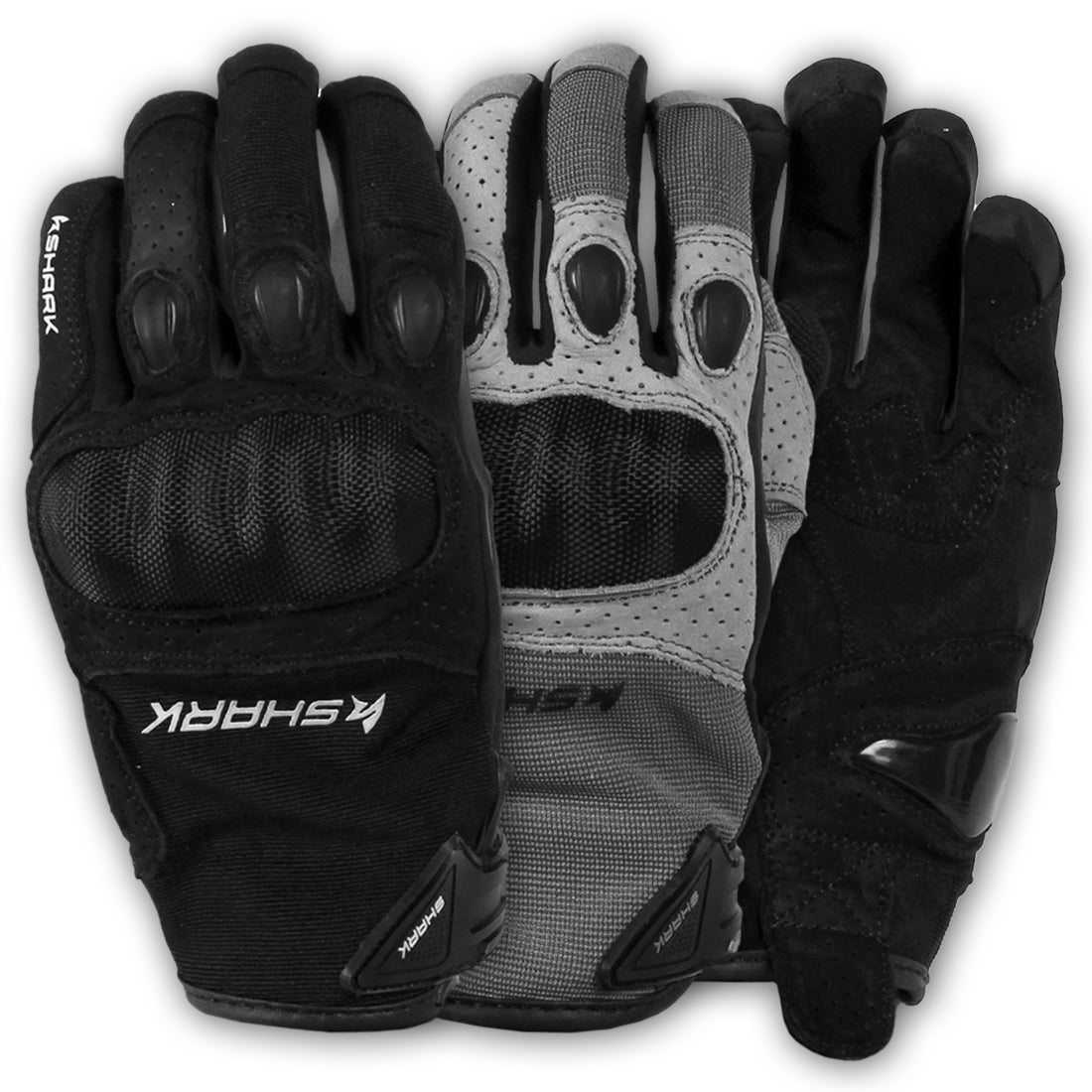
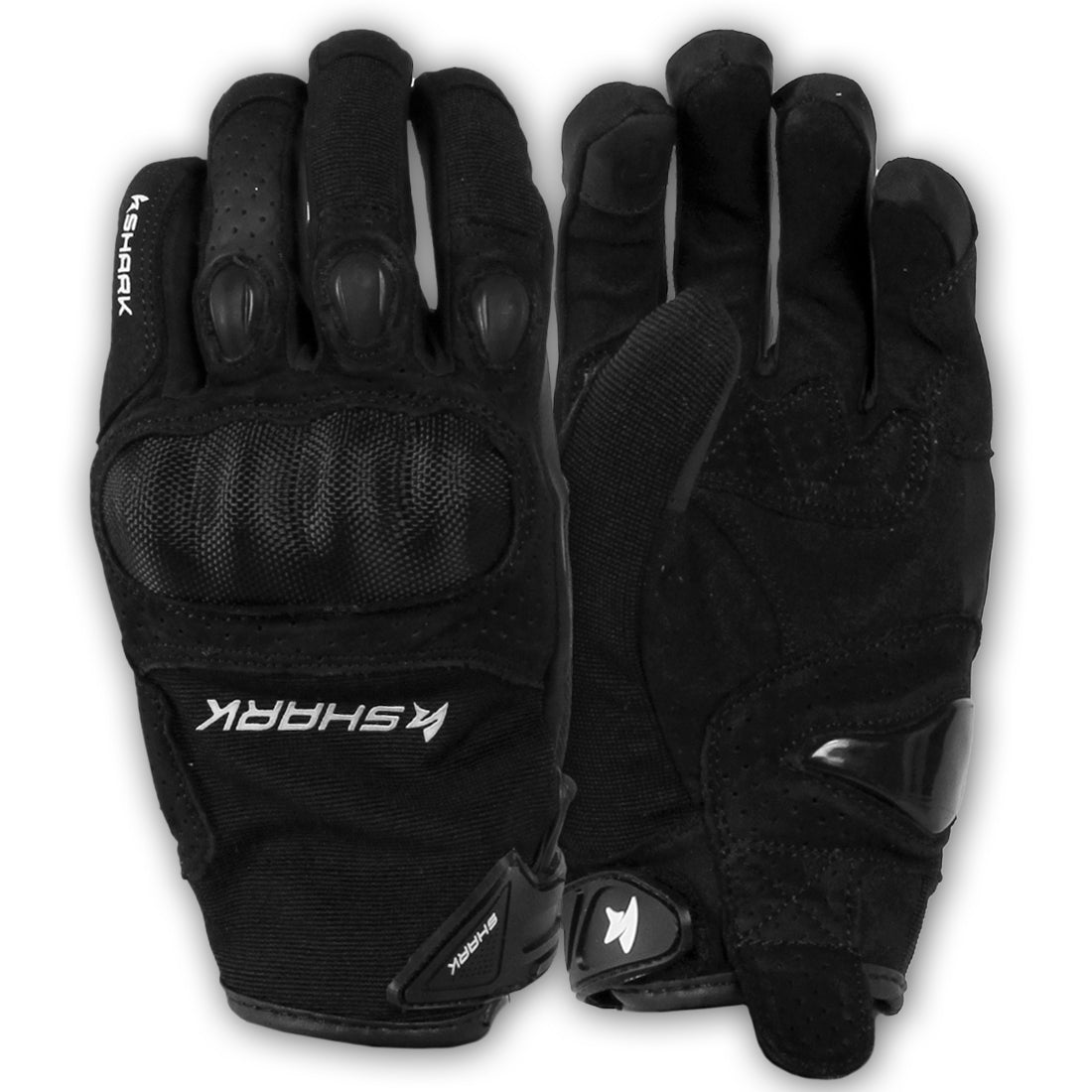
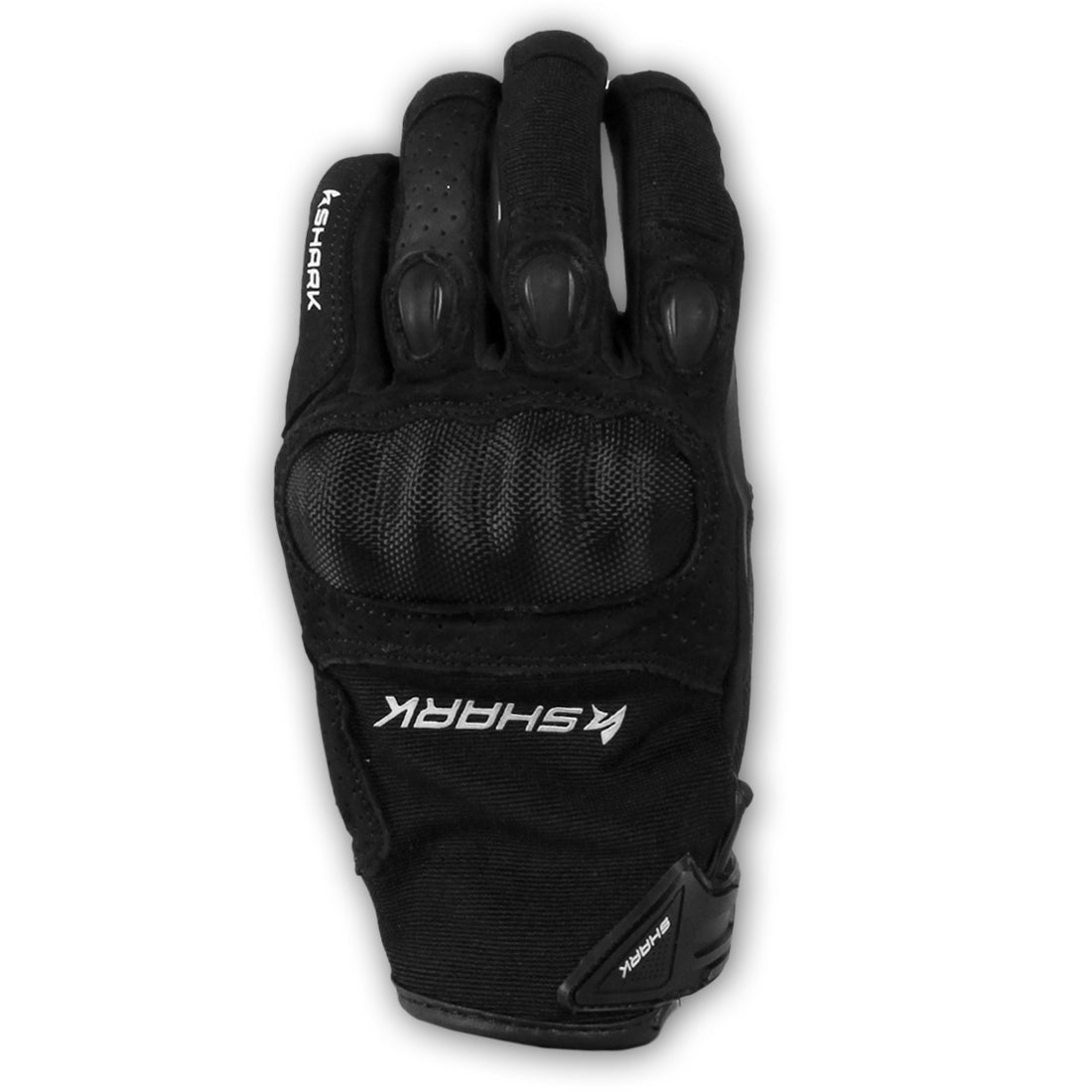
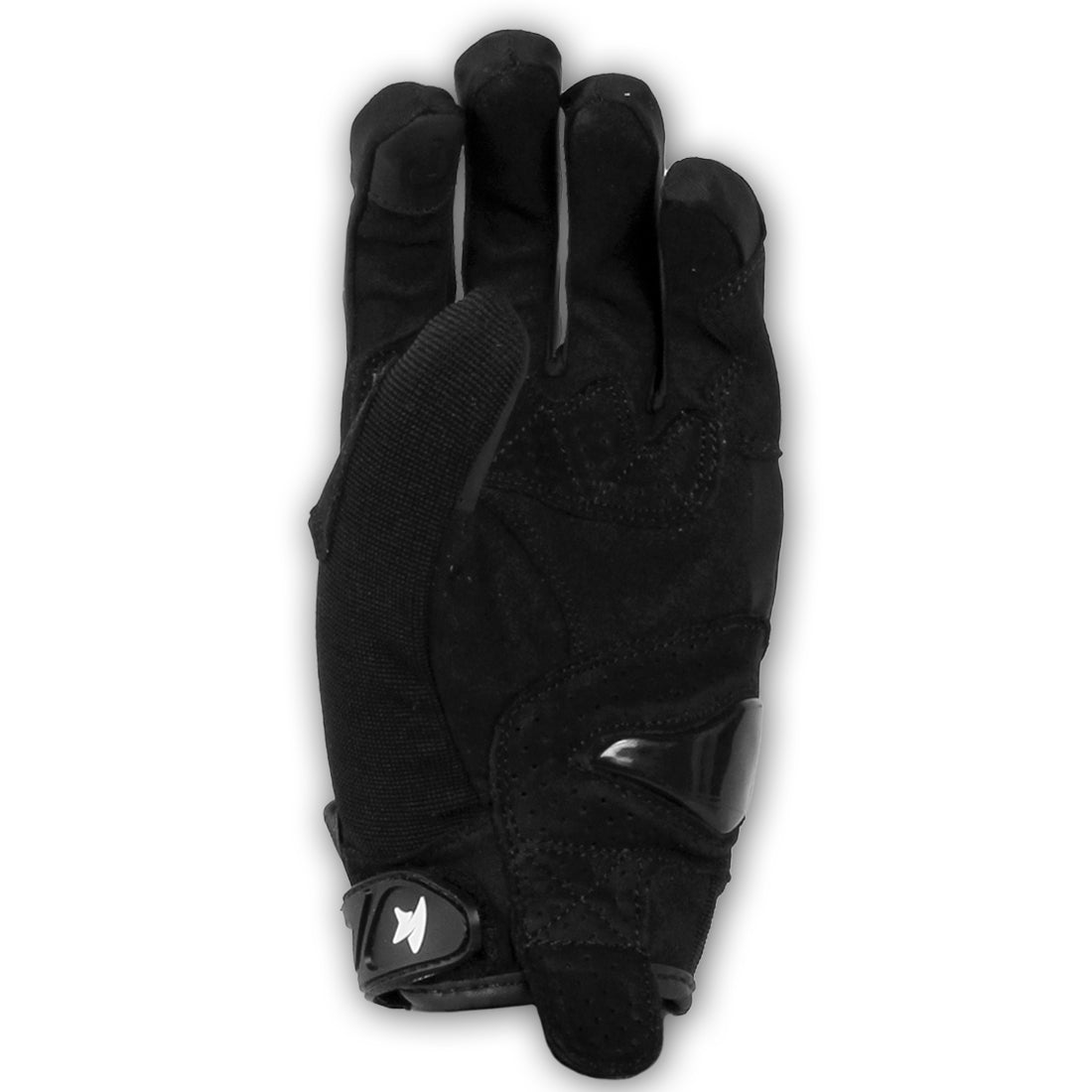
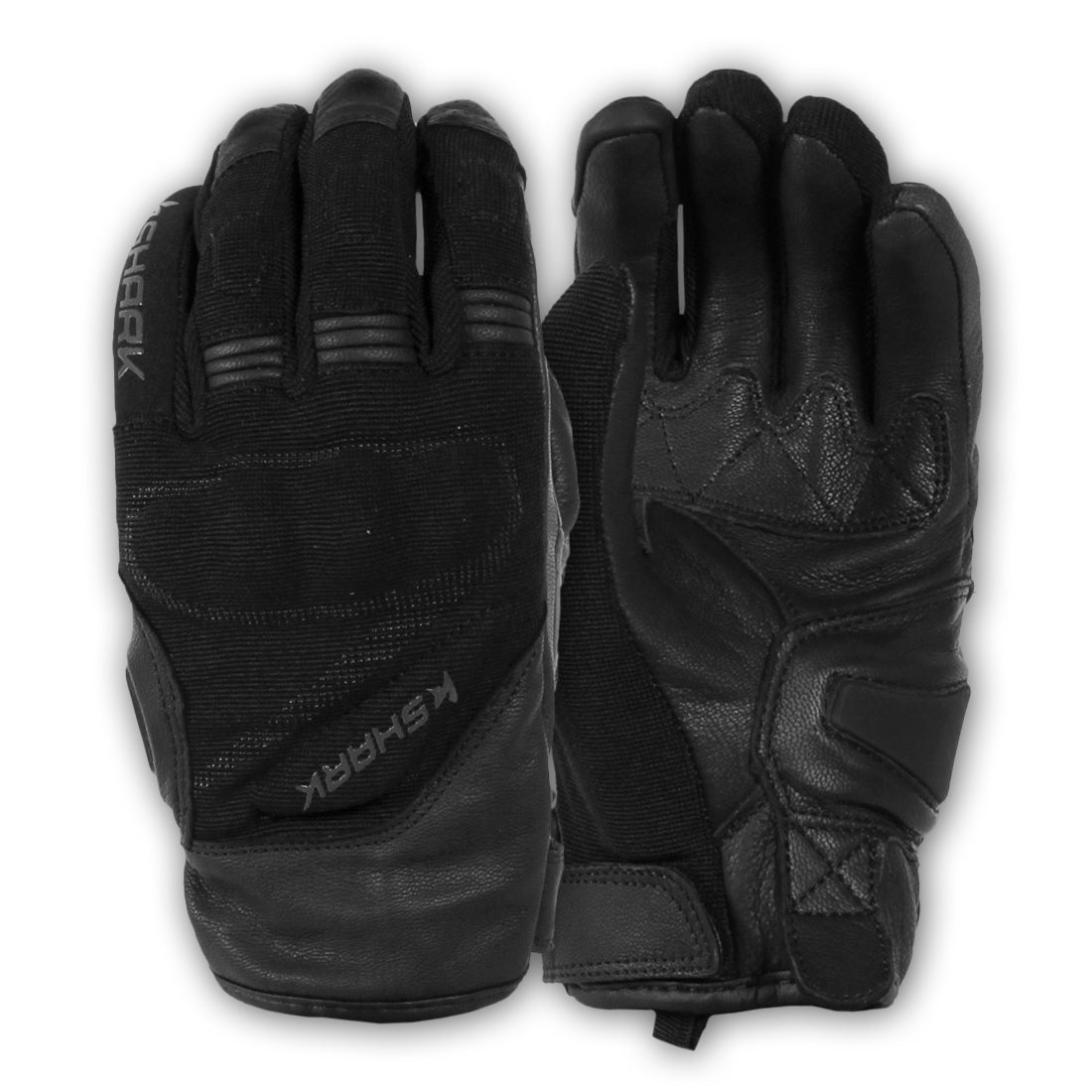
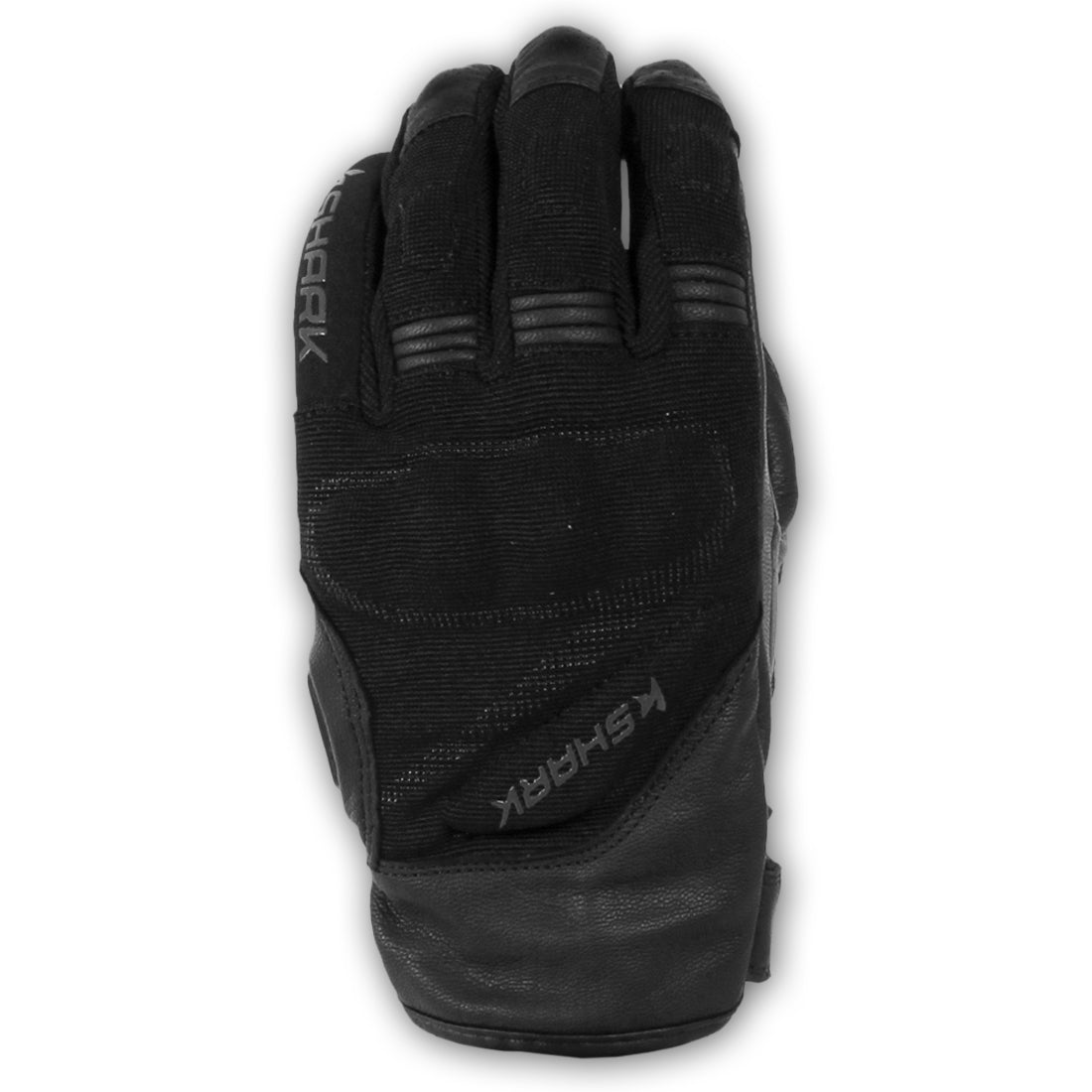
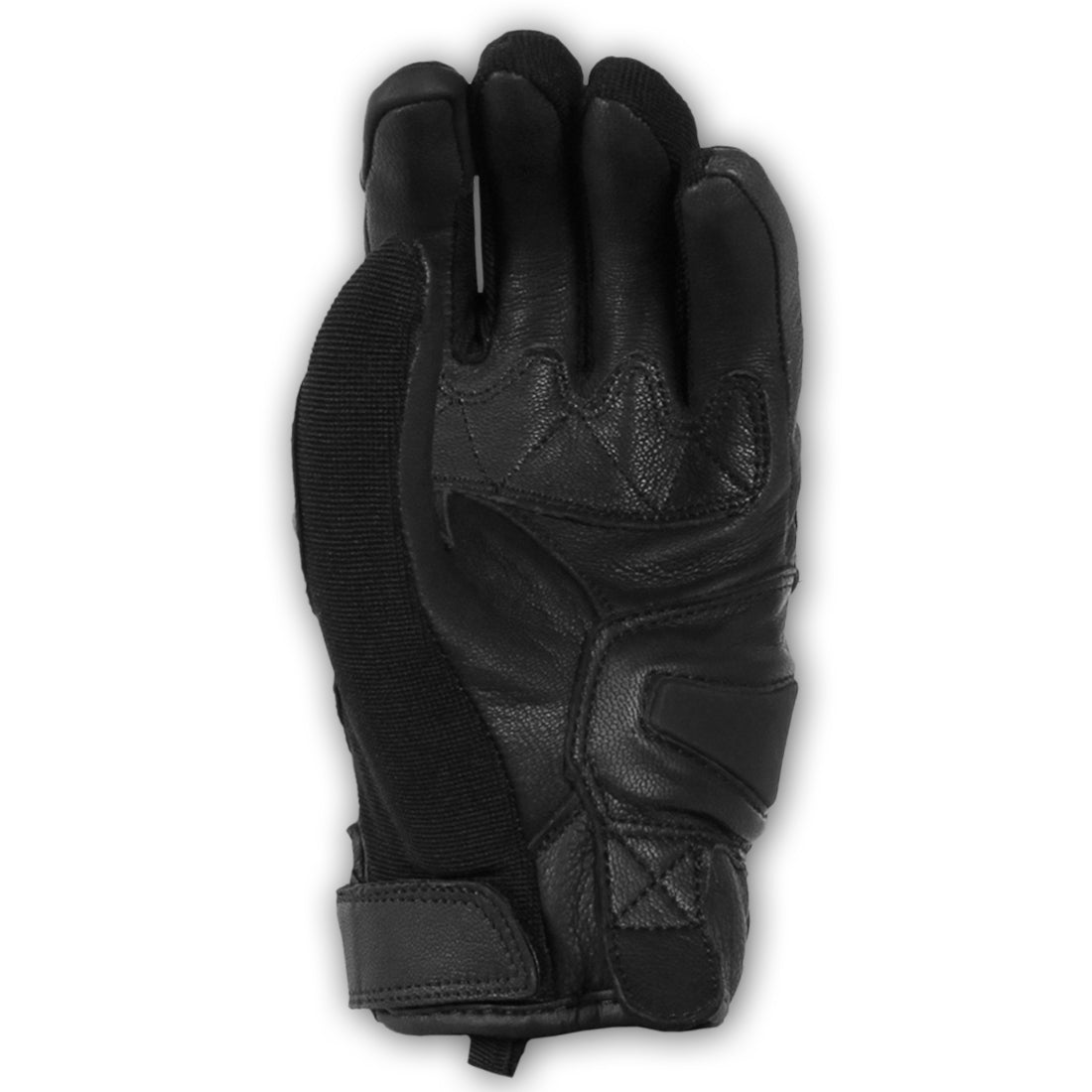
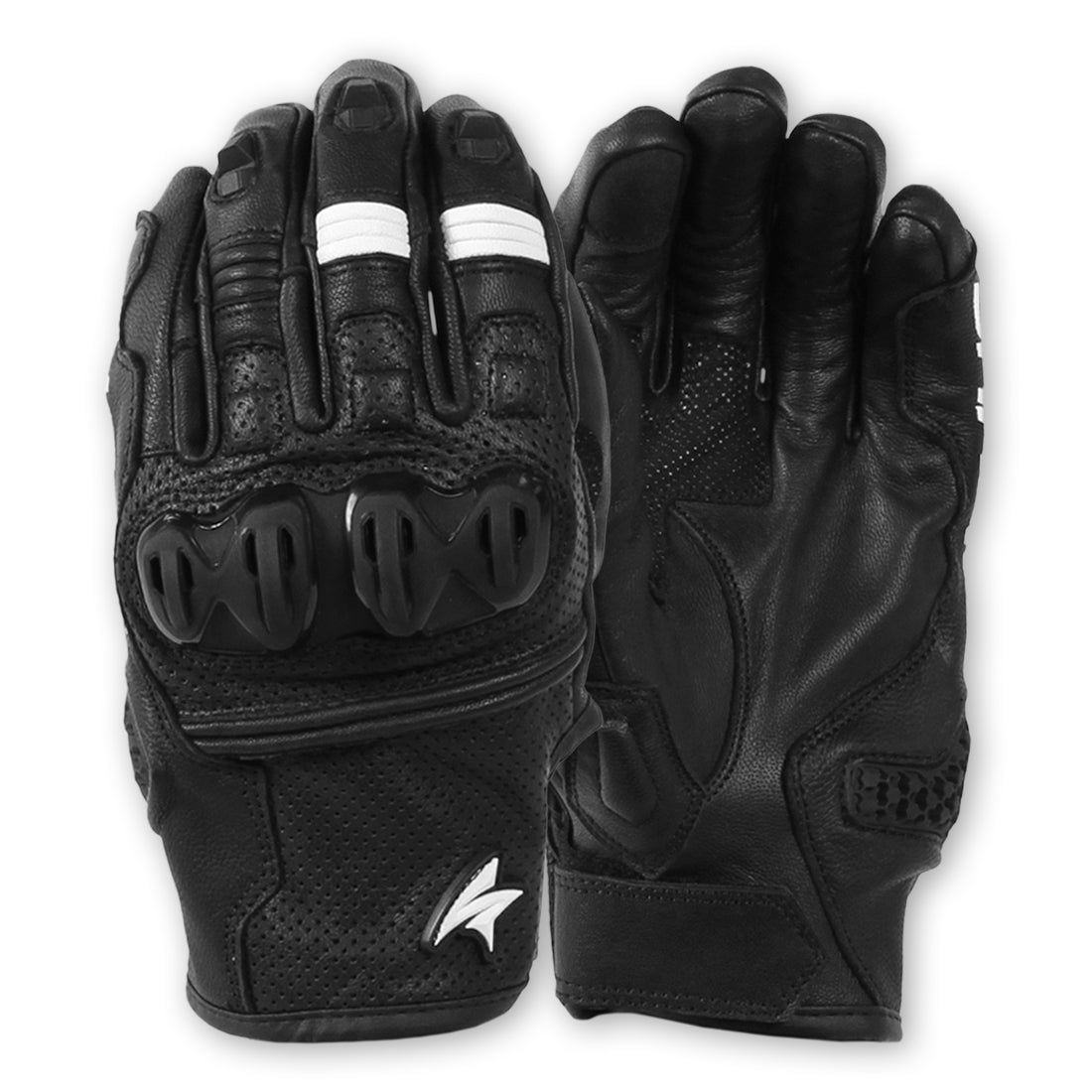
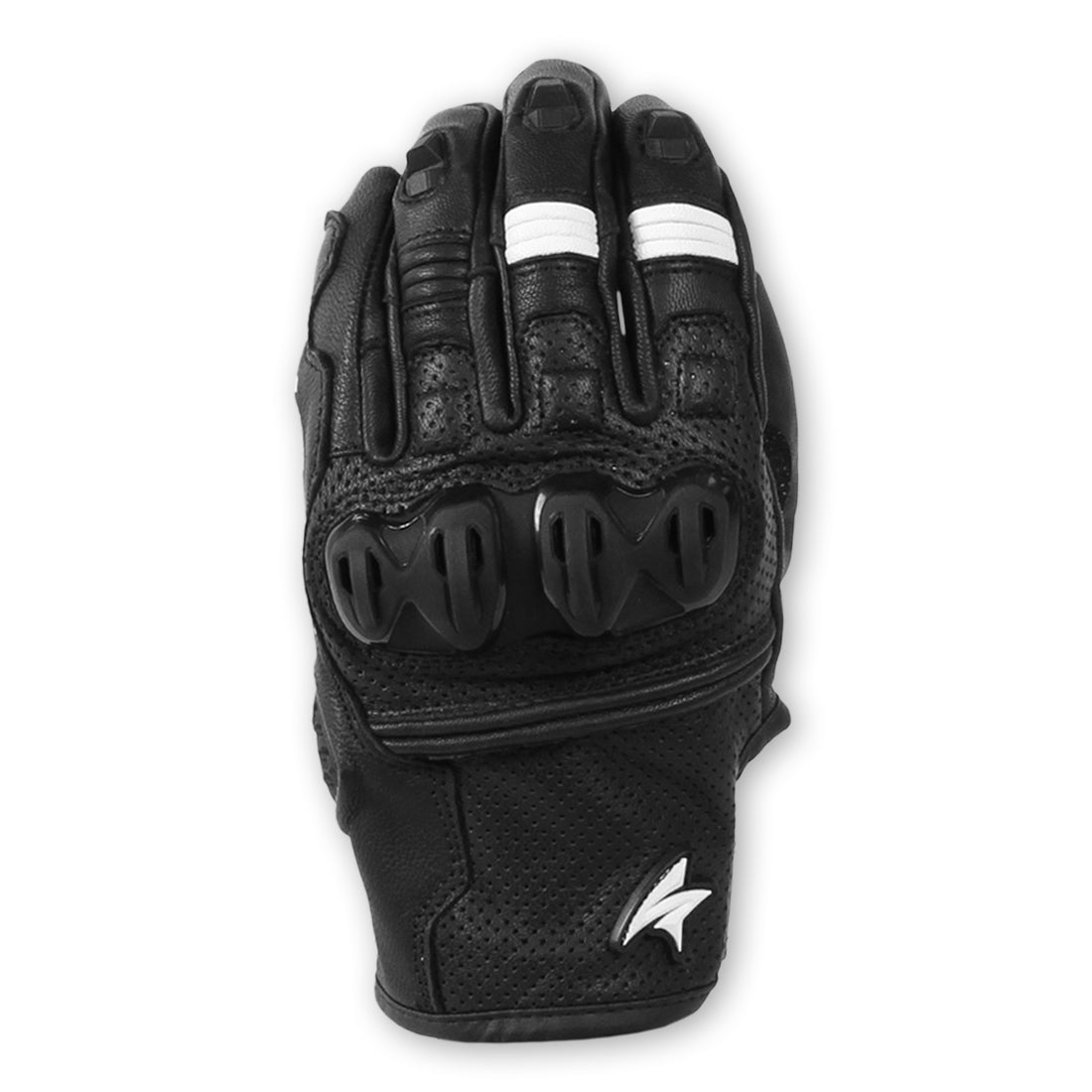
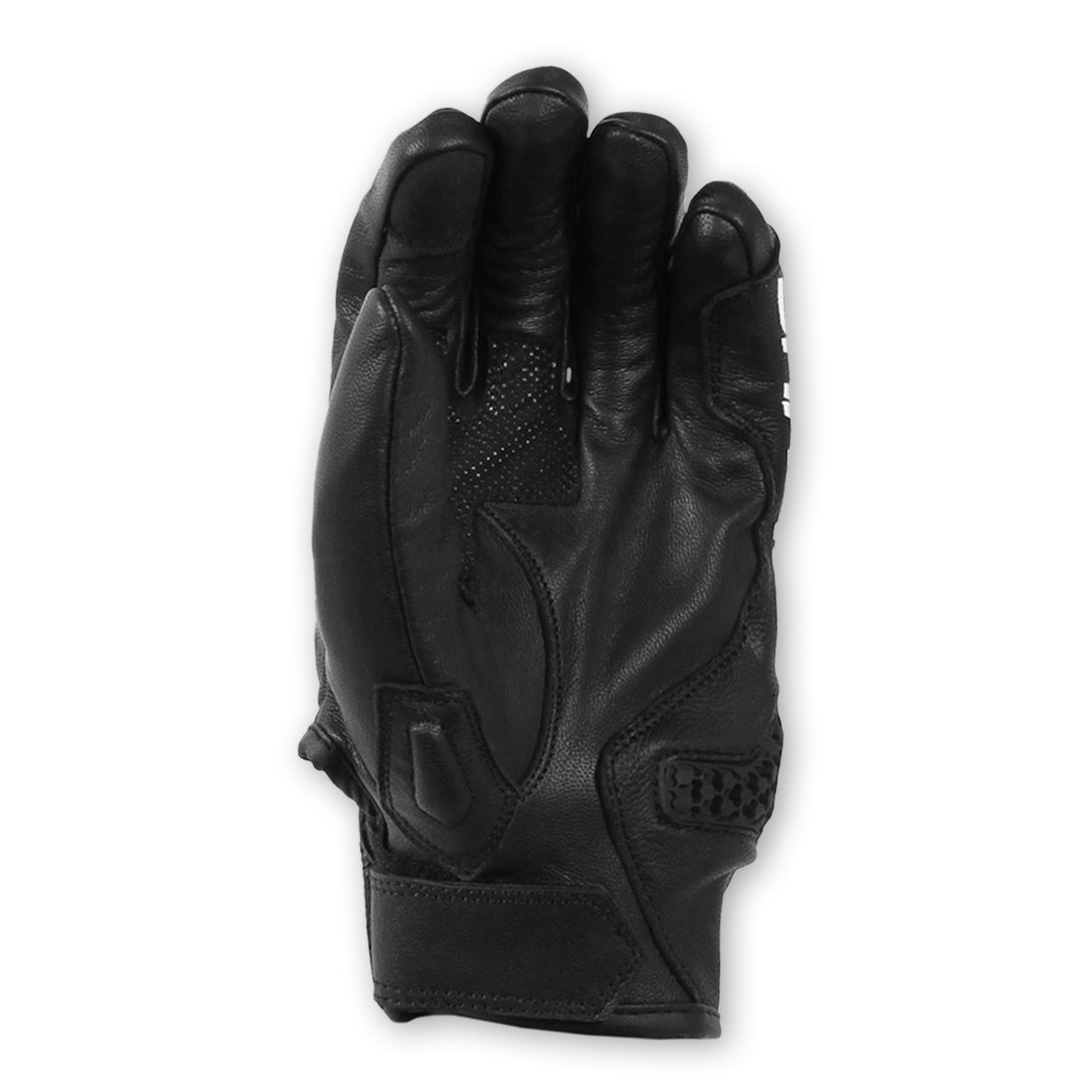
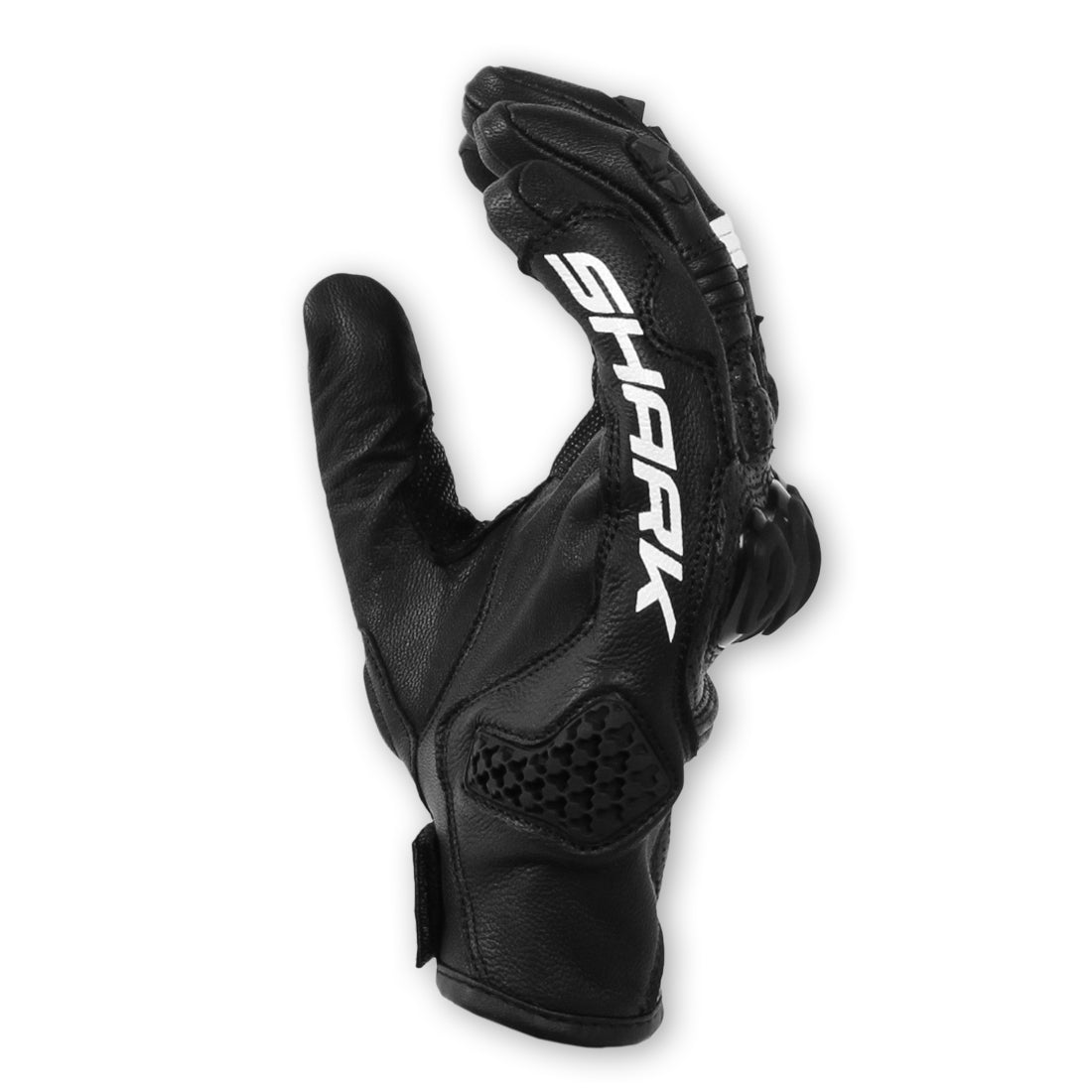


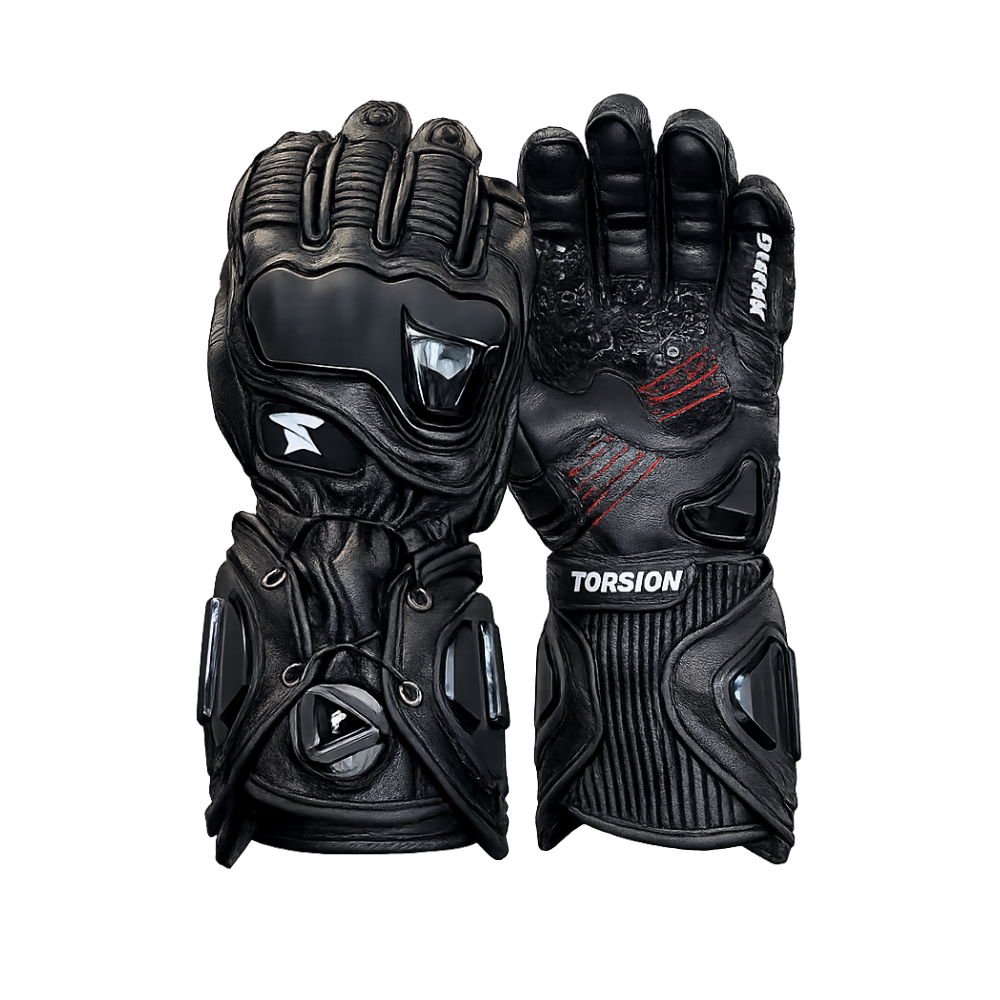
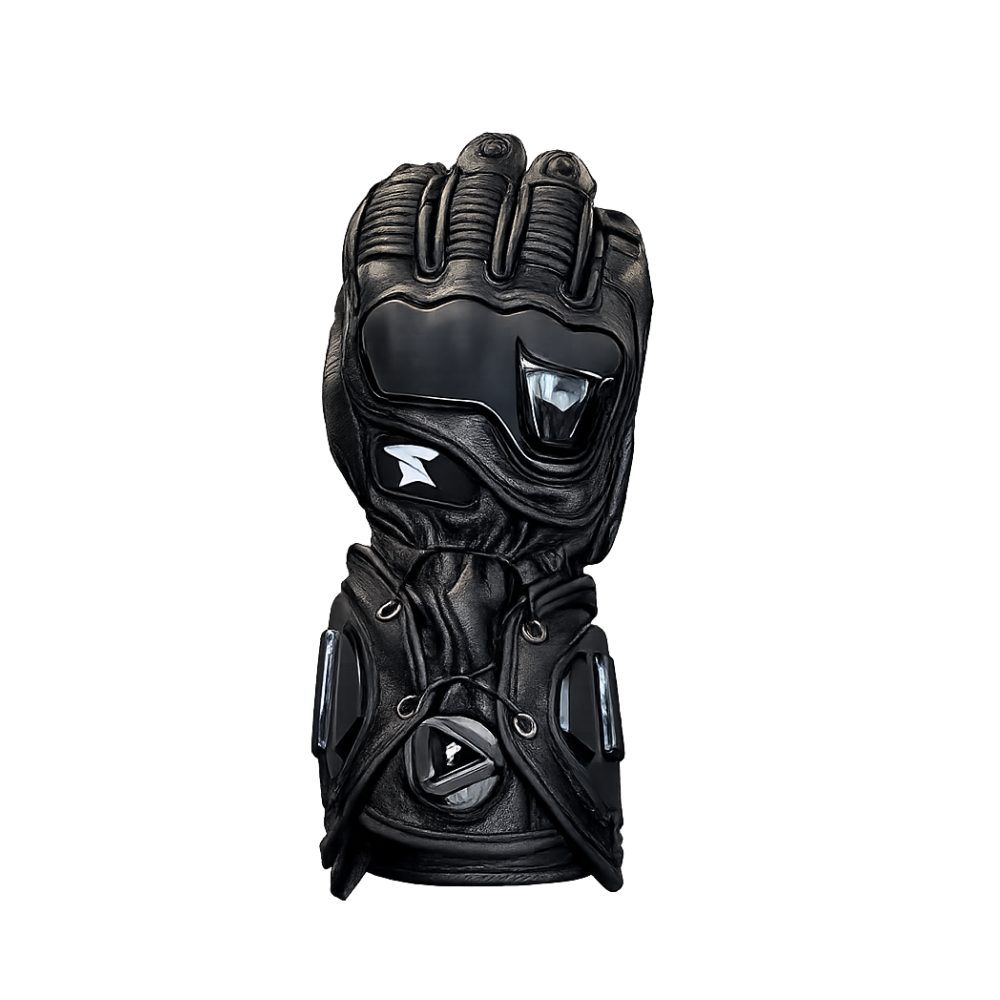
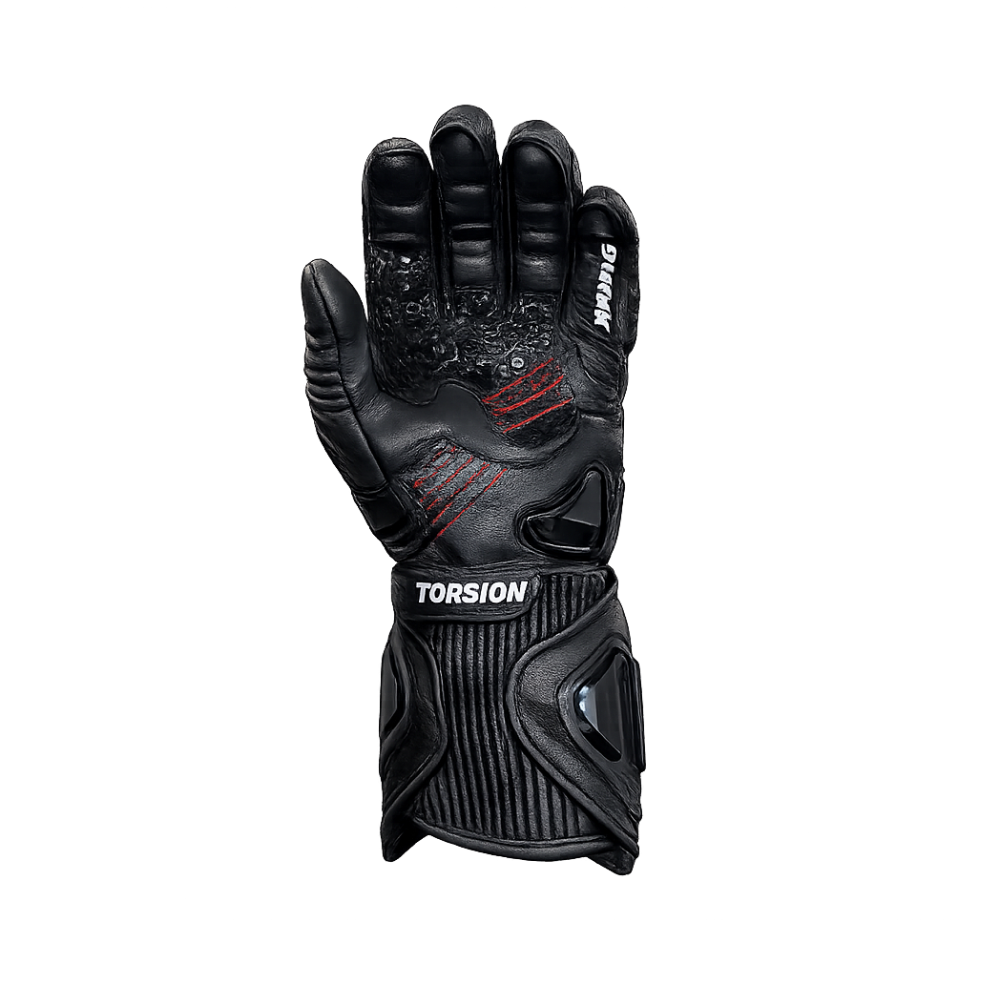
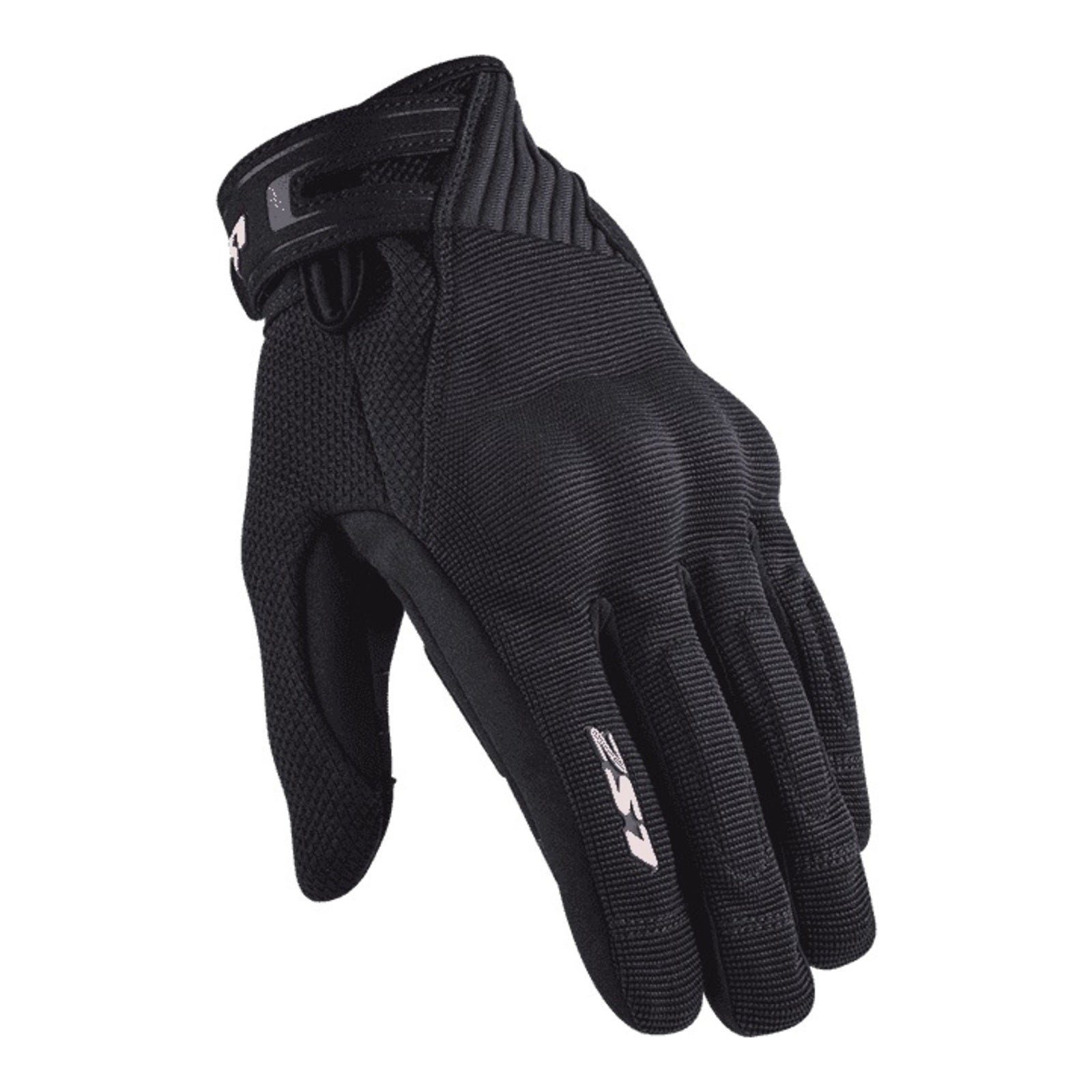
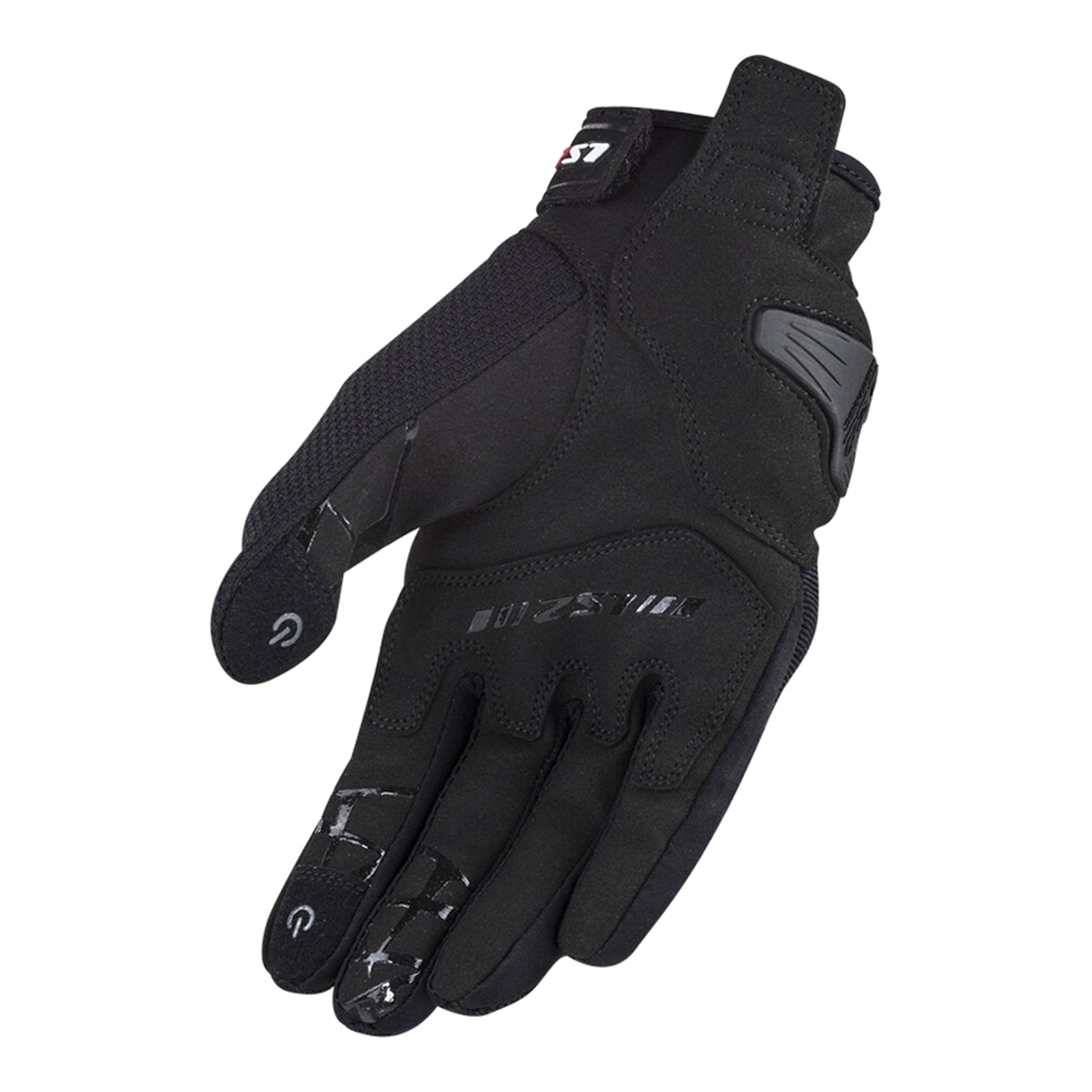
LS2 Dart II Men's Gloves - Black
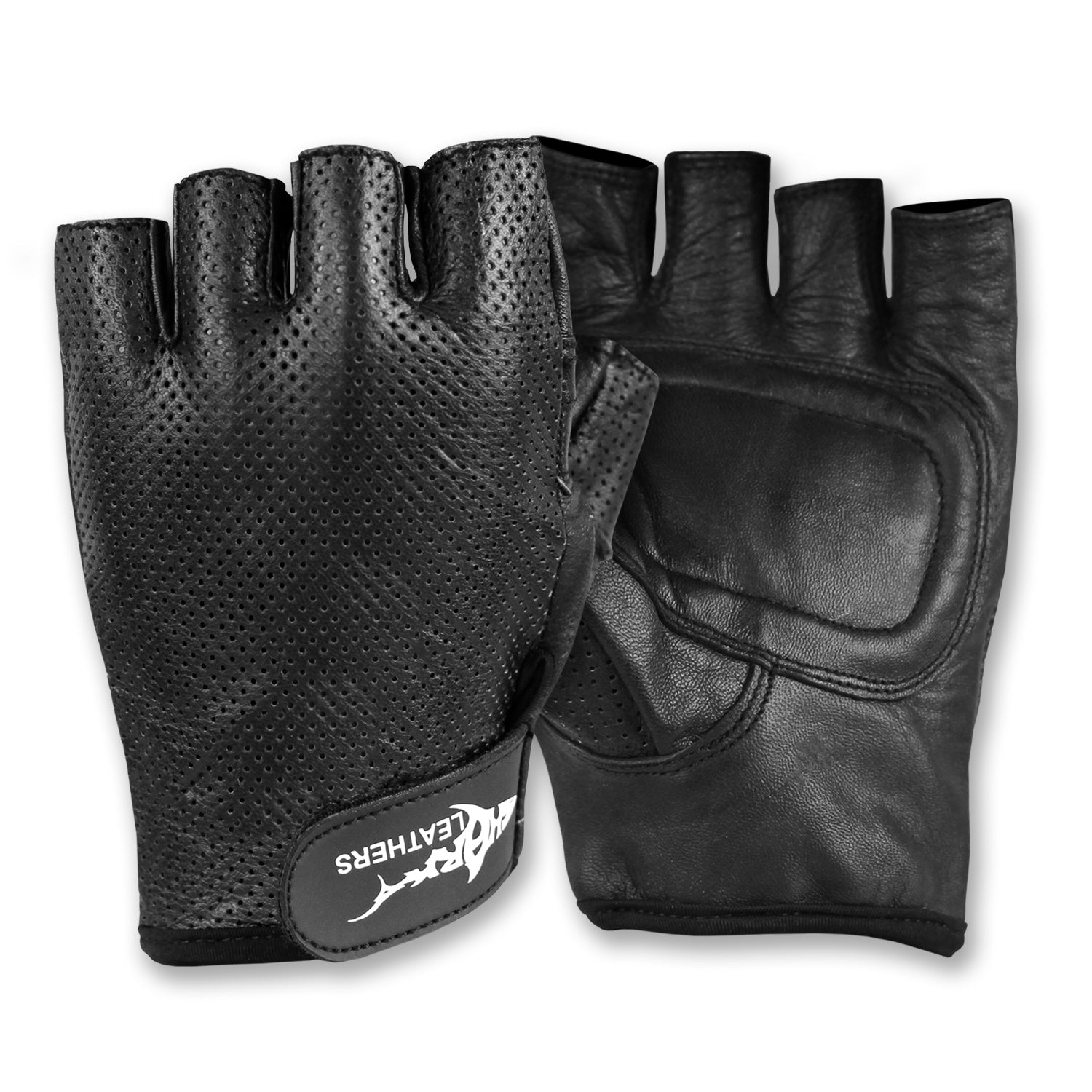
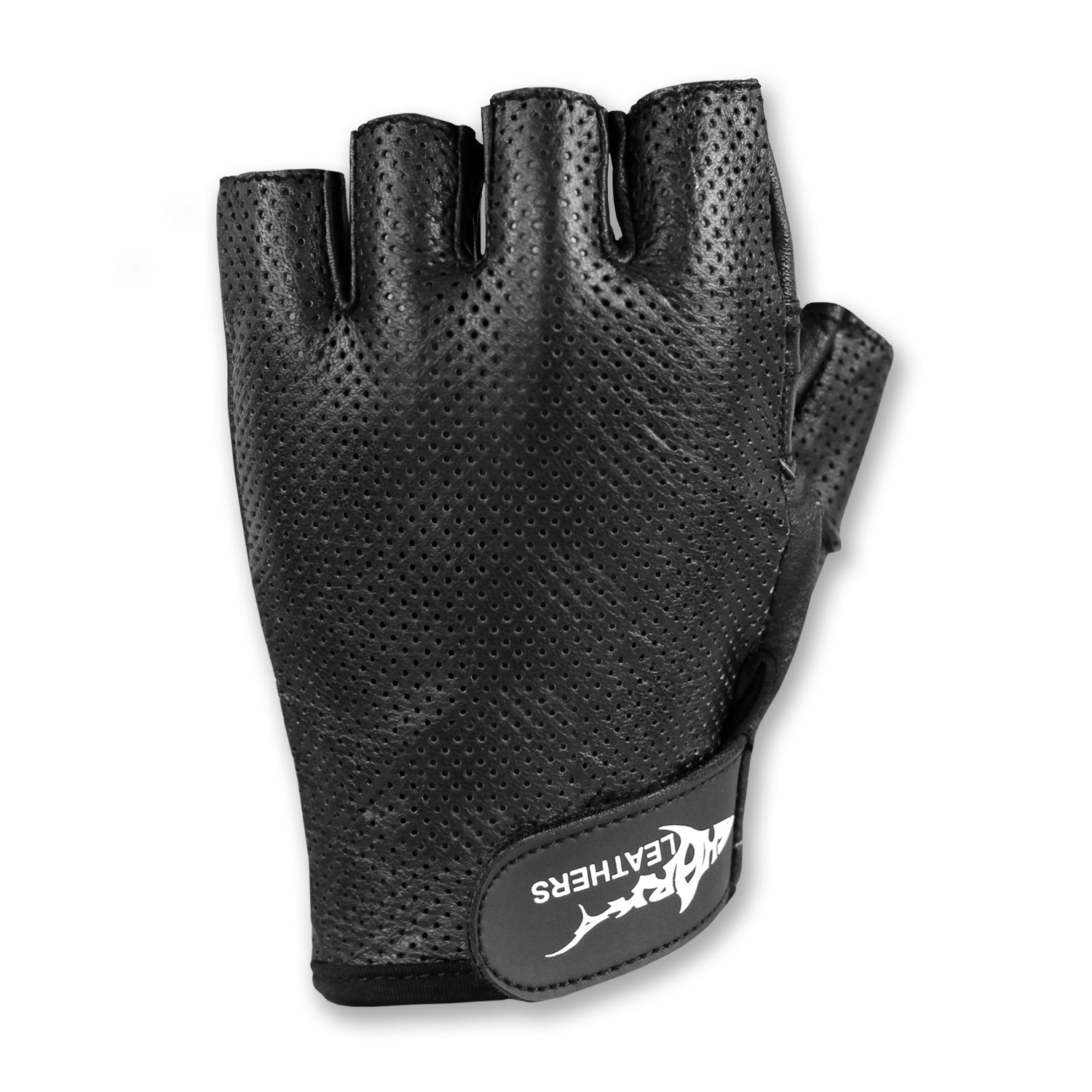
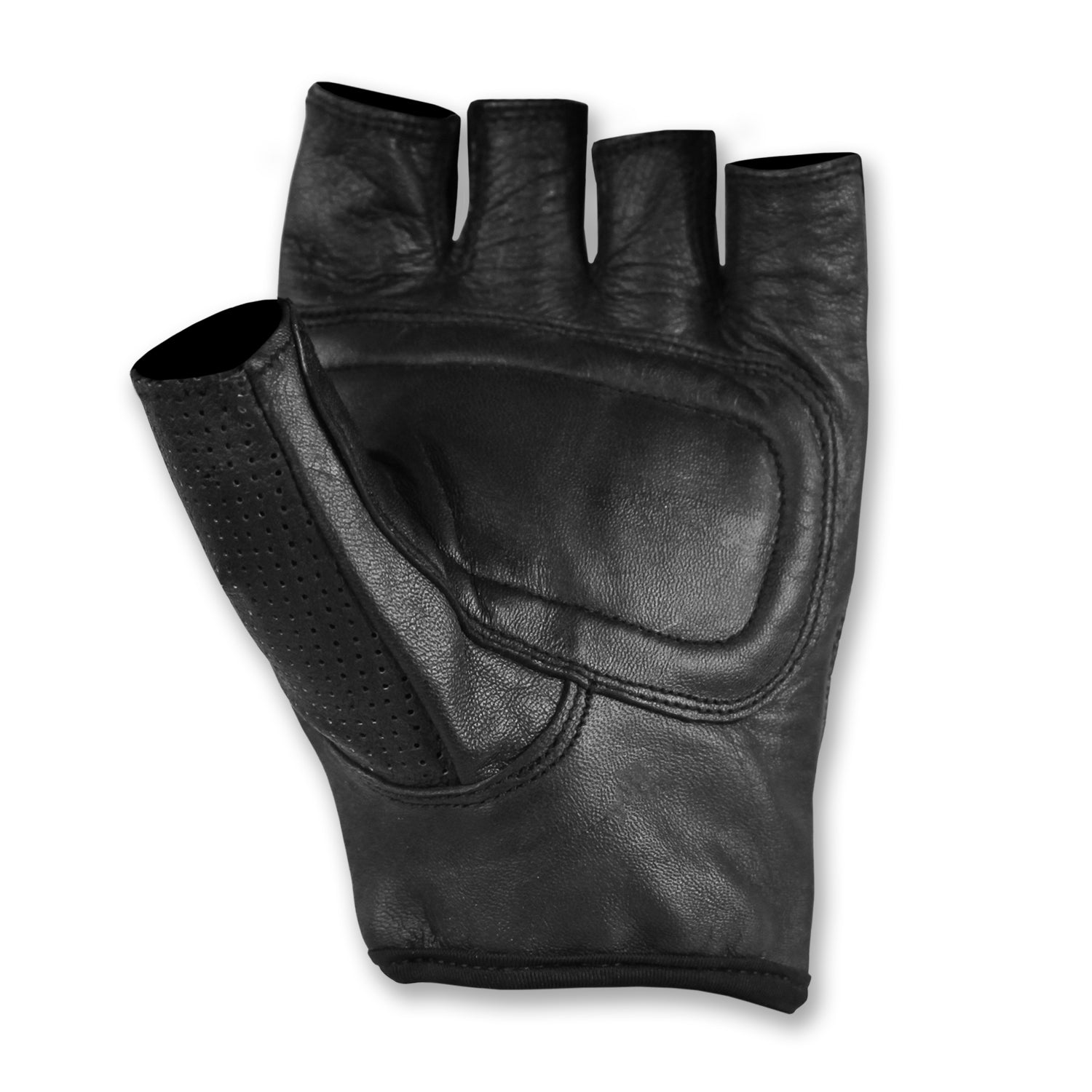
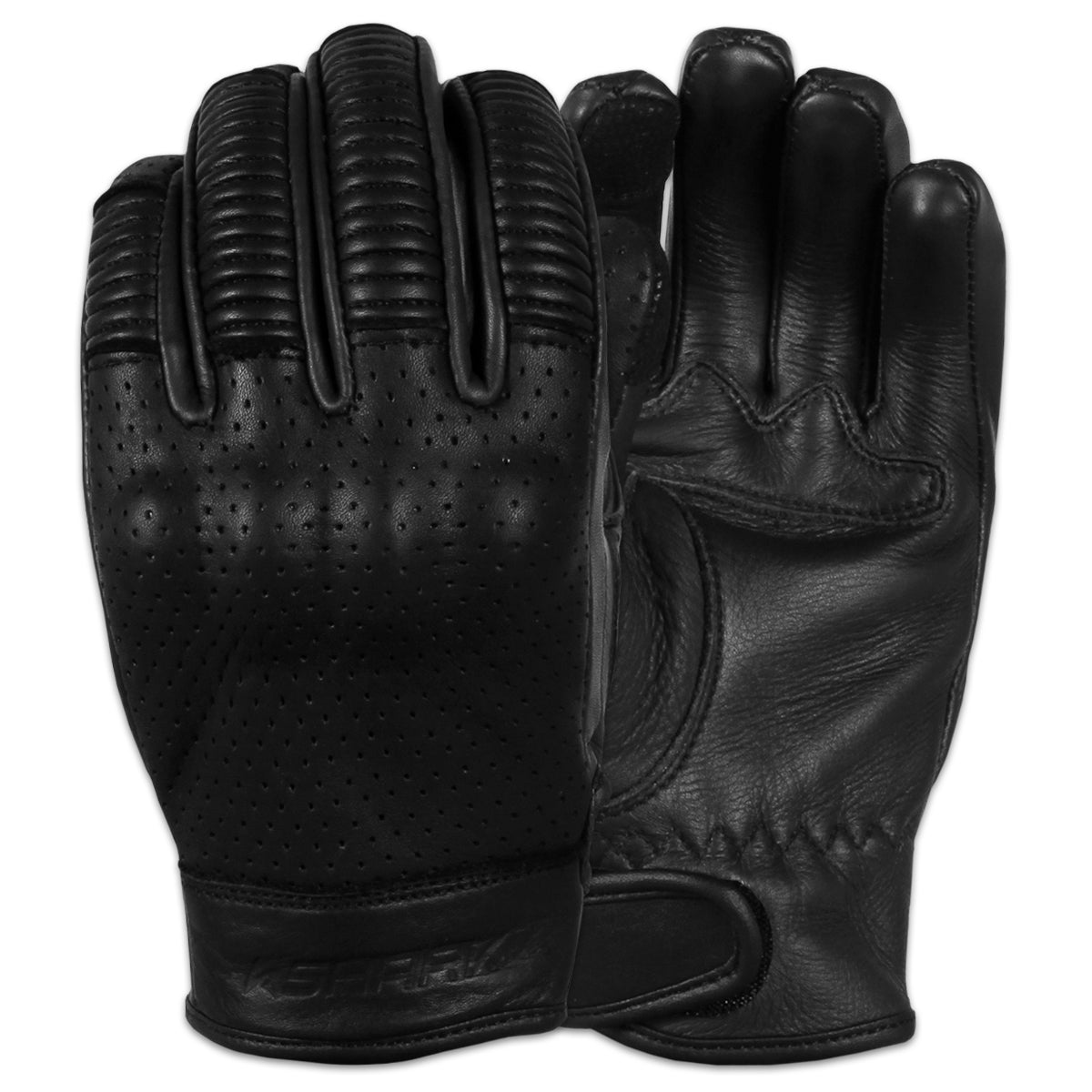
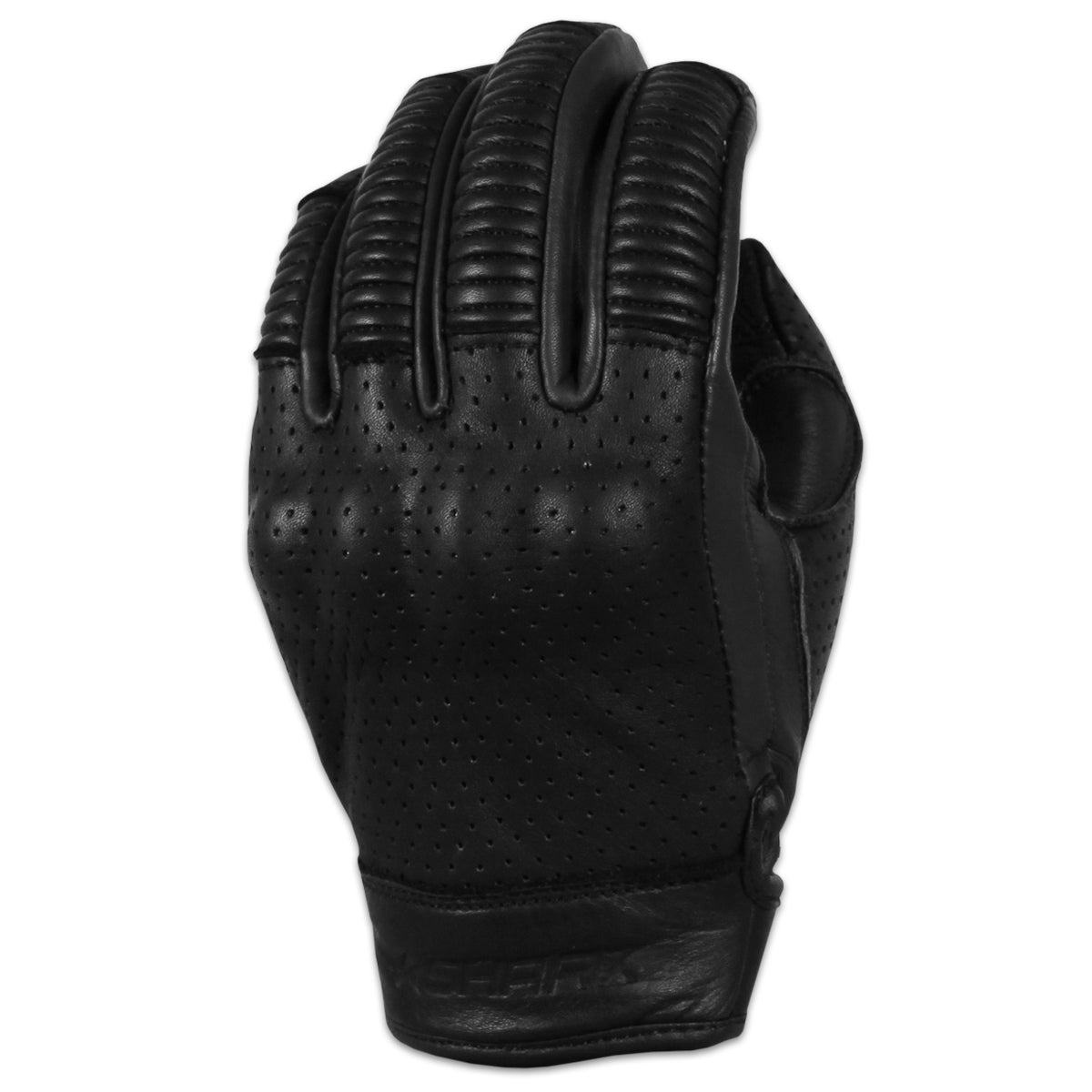
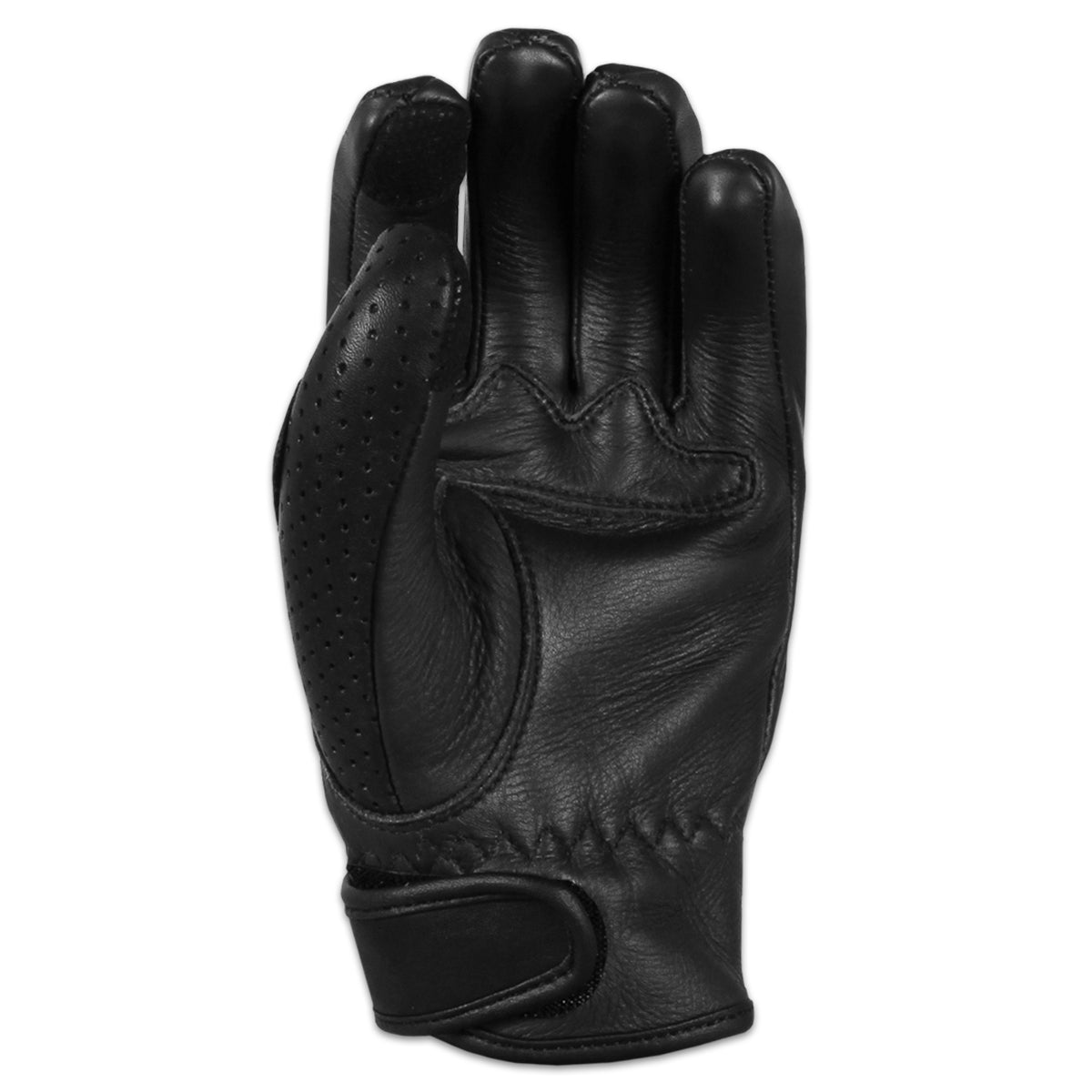
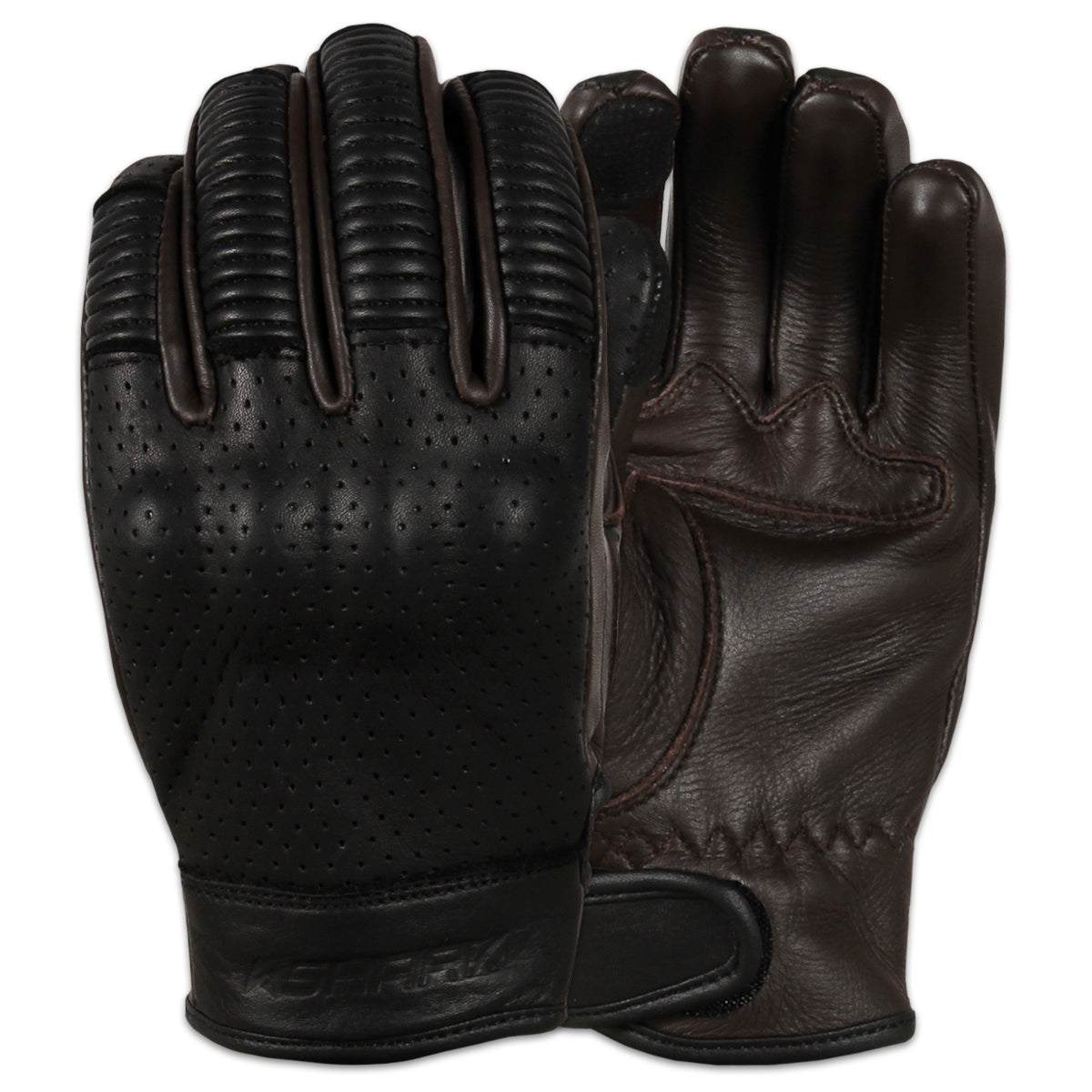
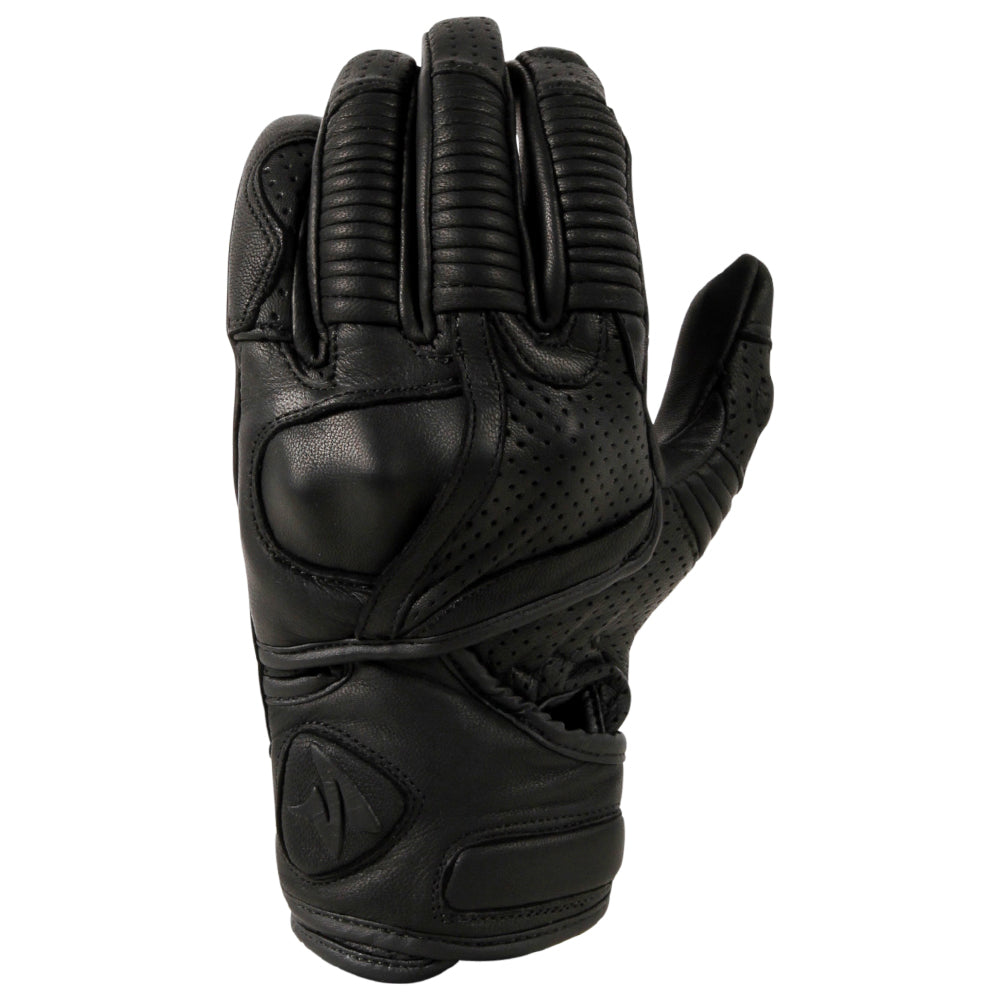
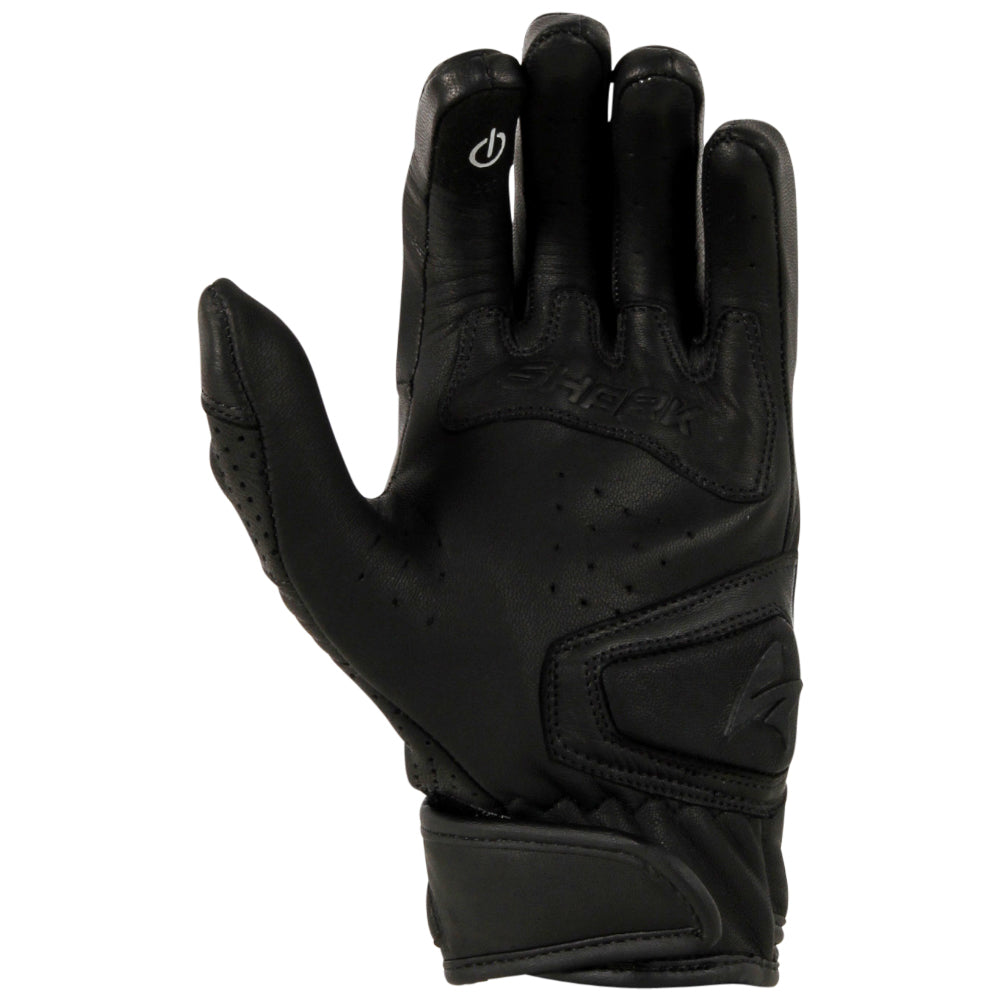
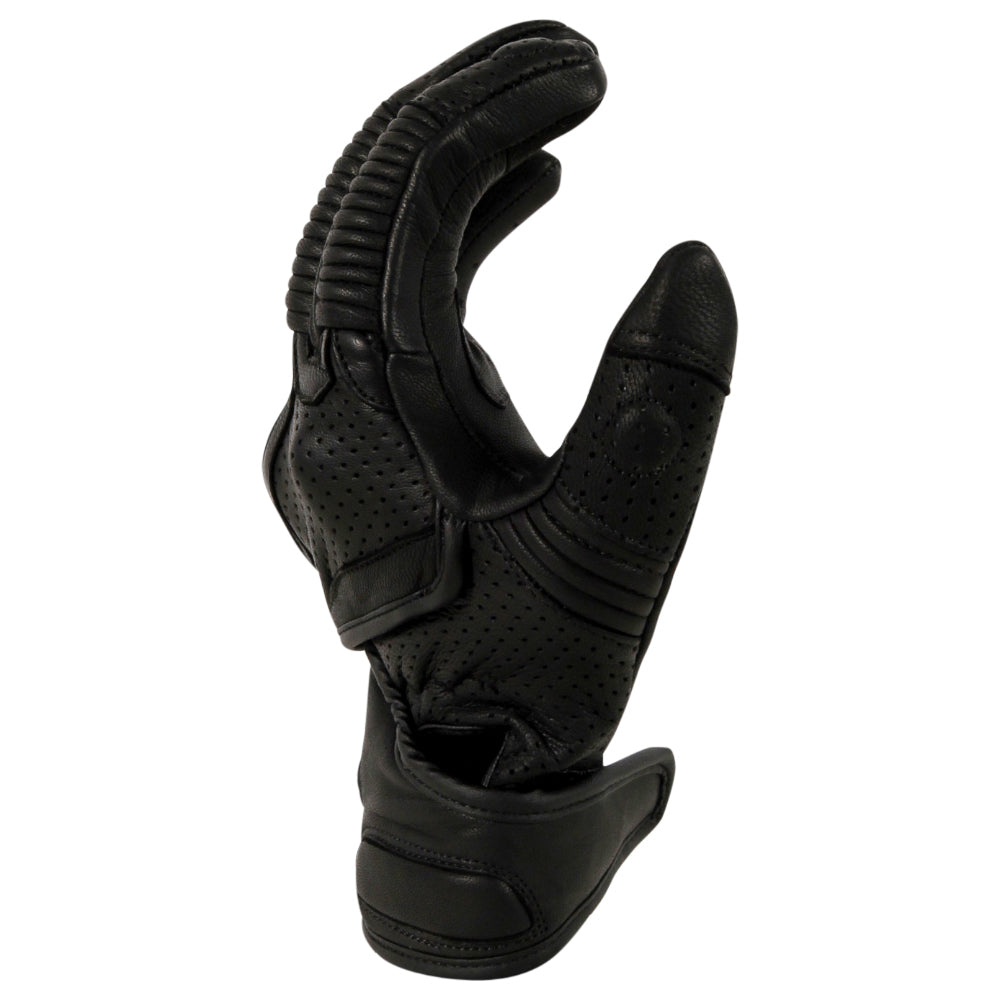
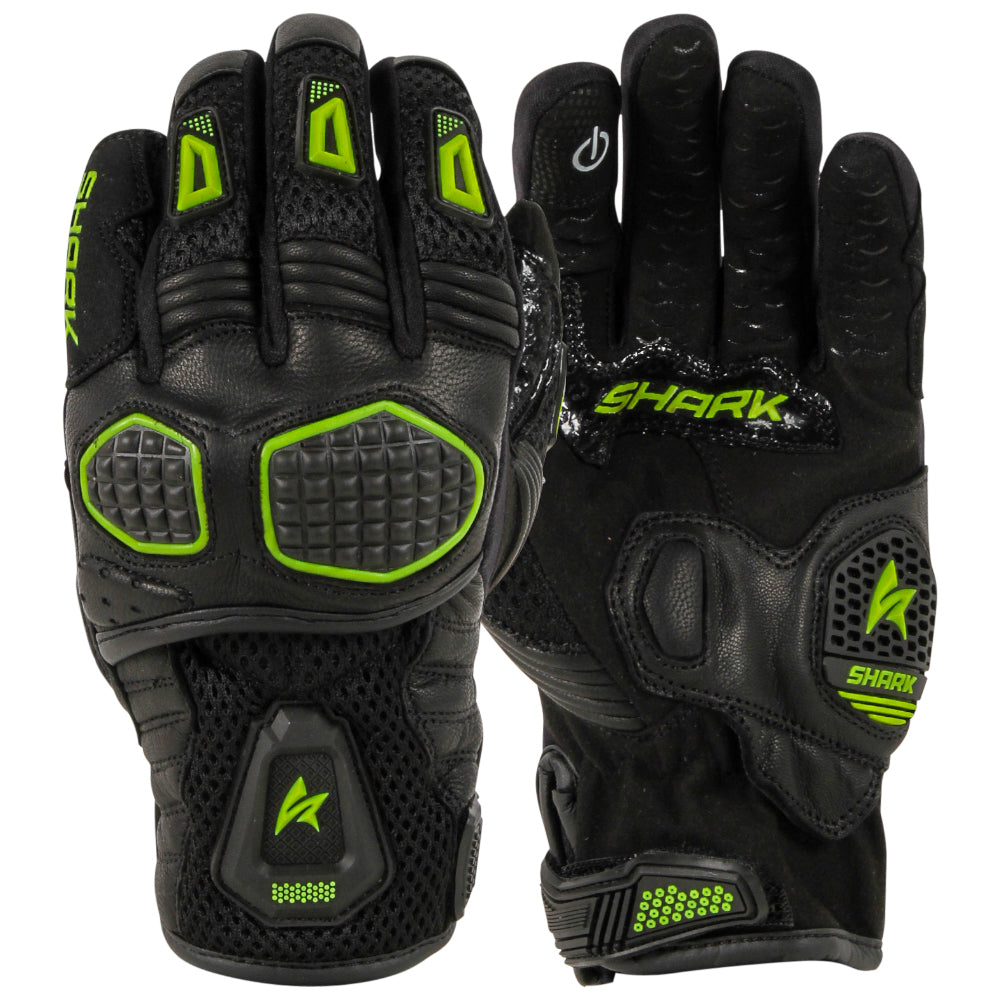
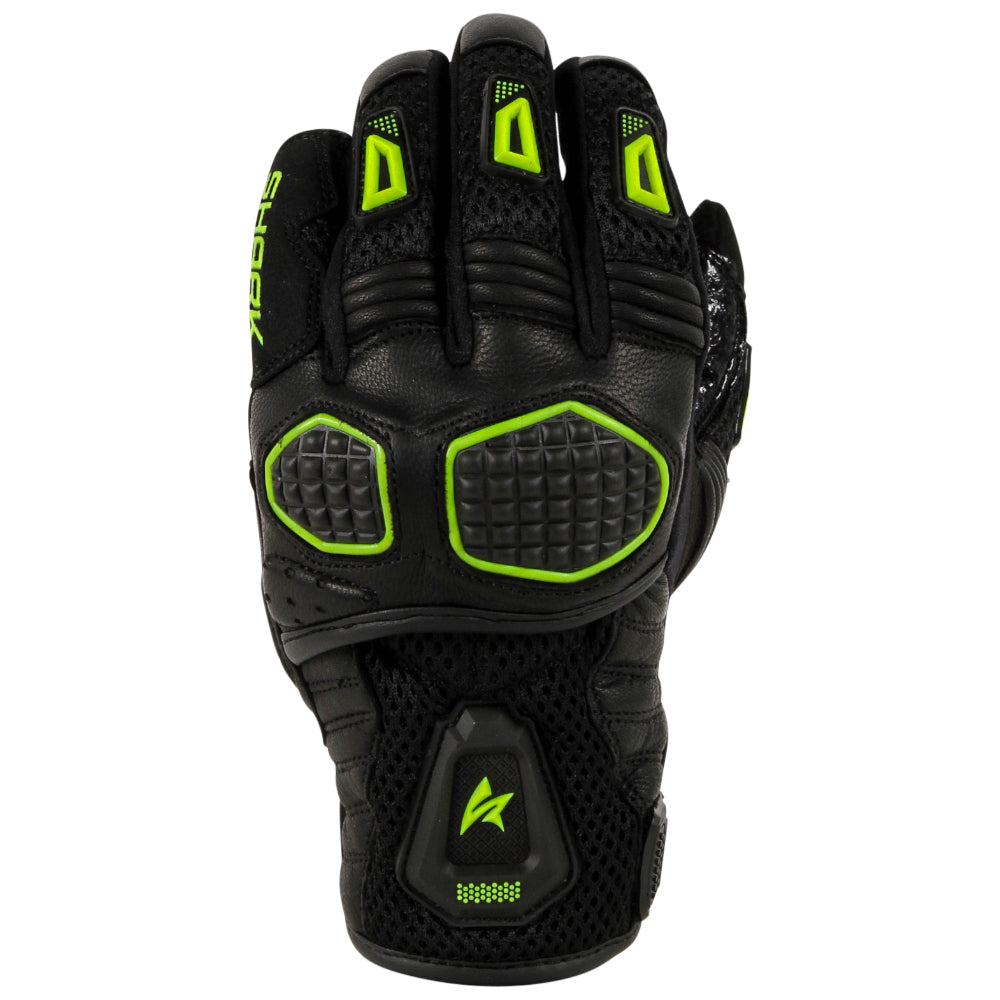
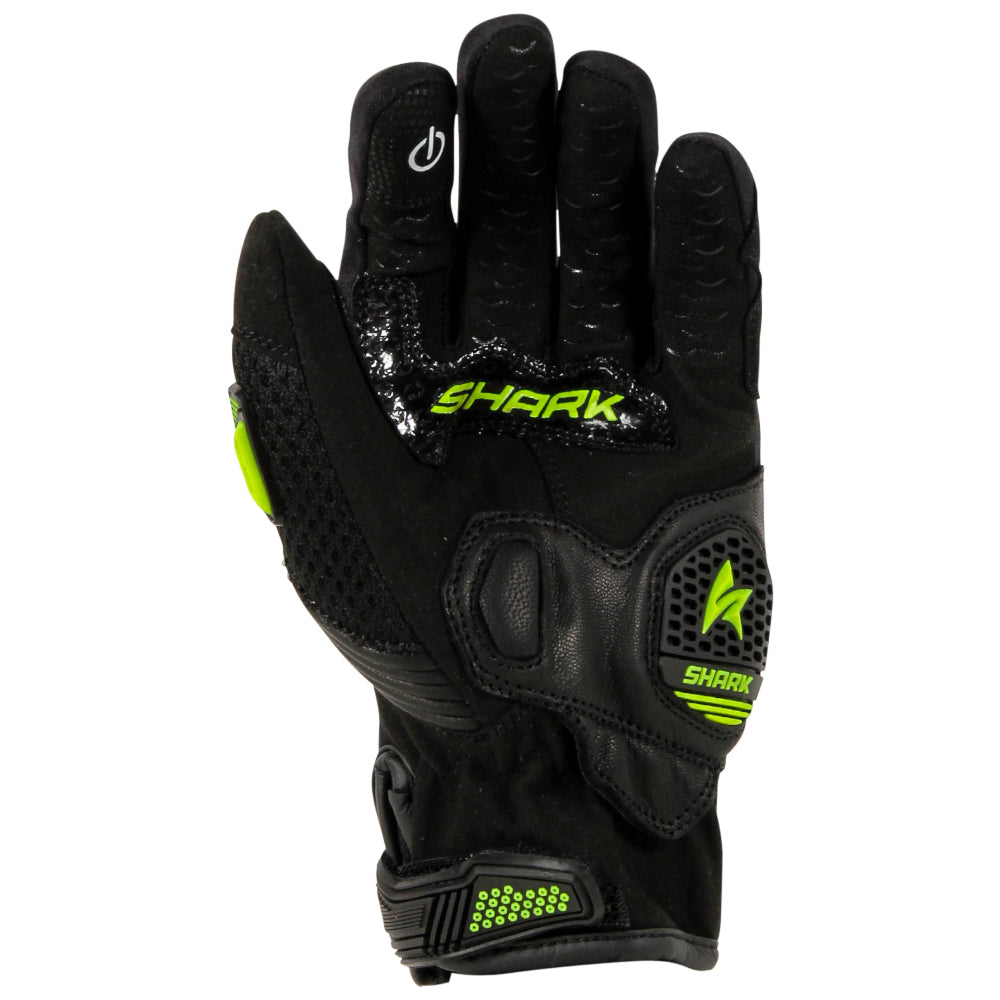
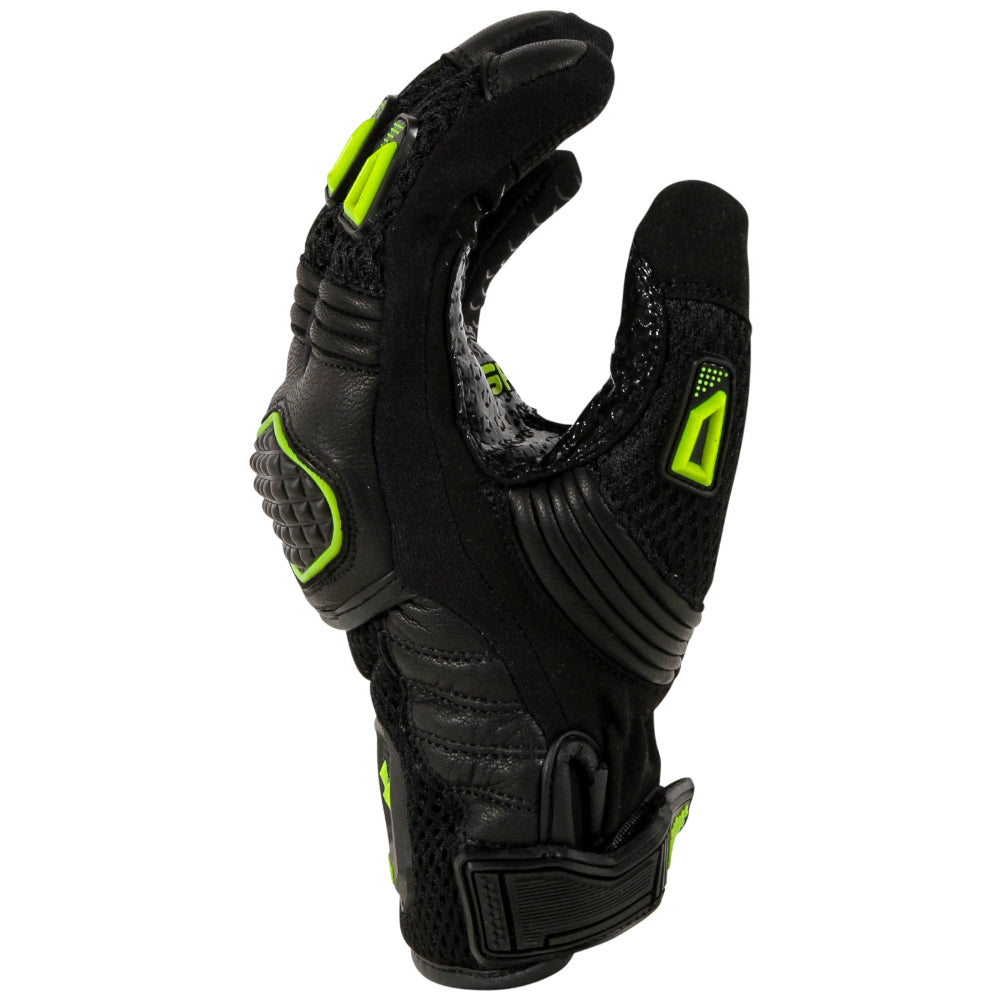
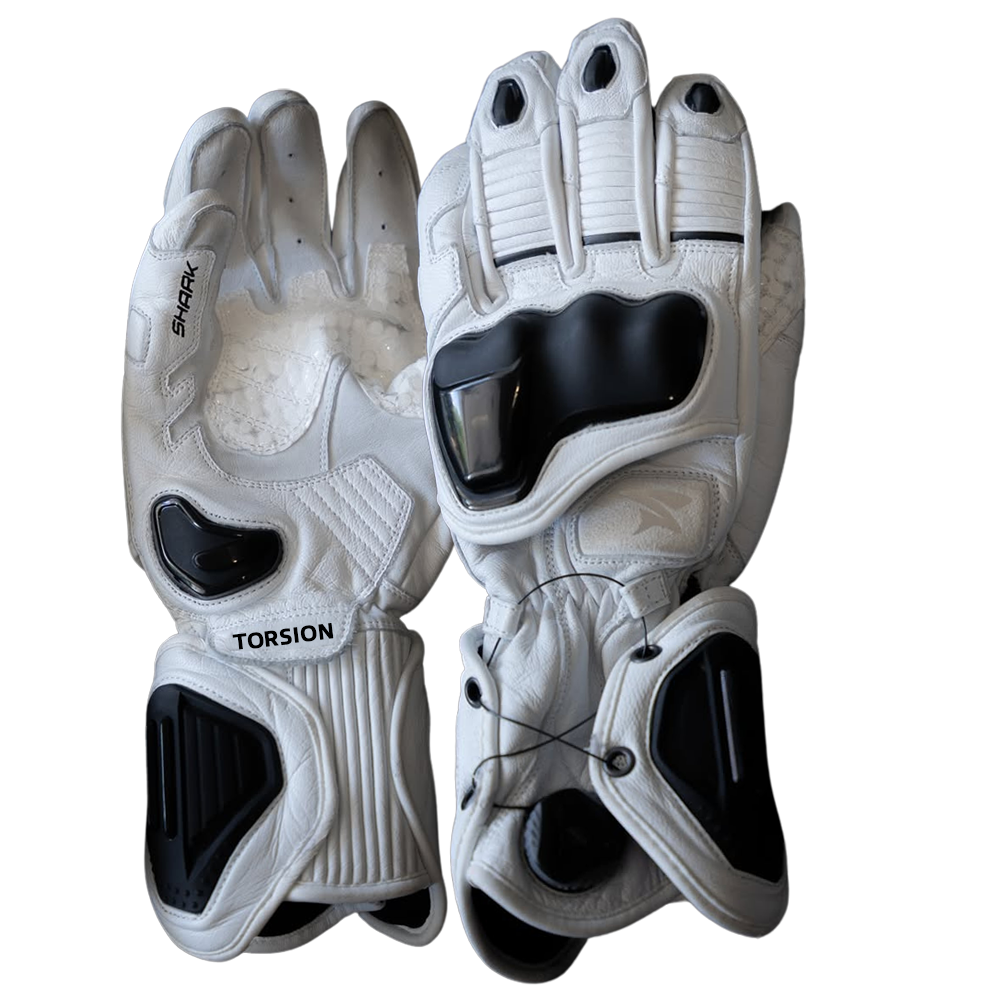
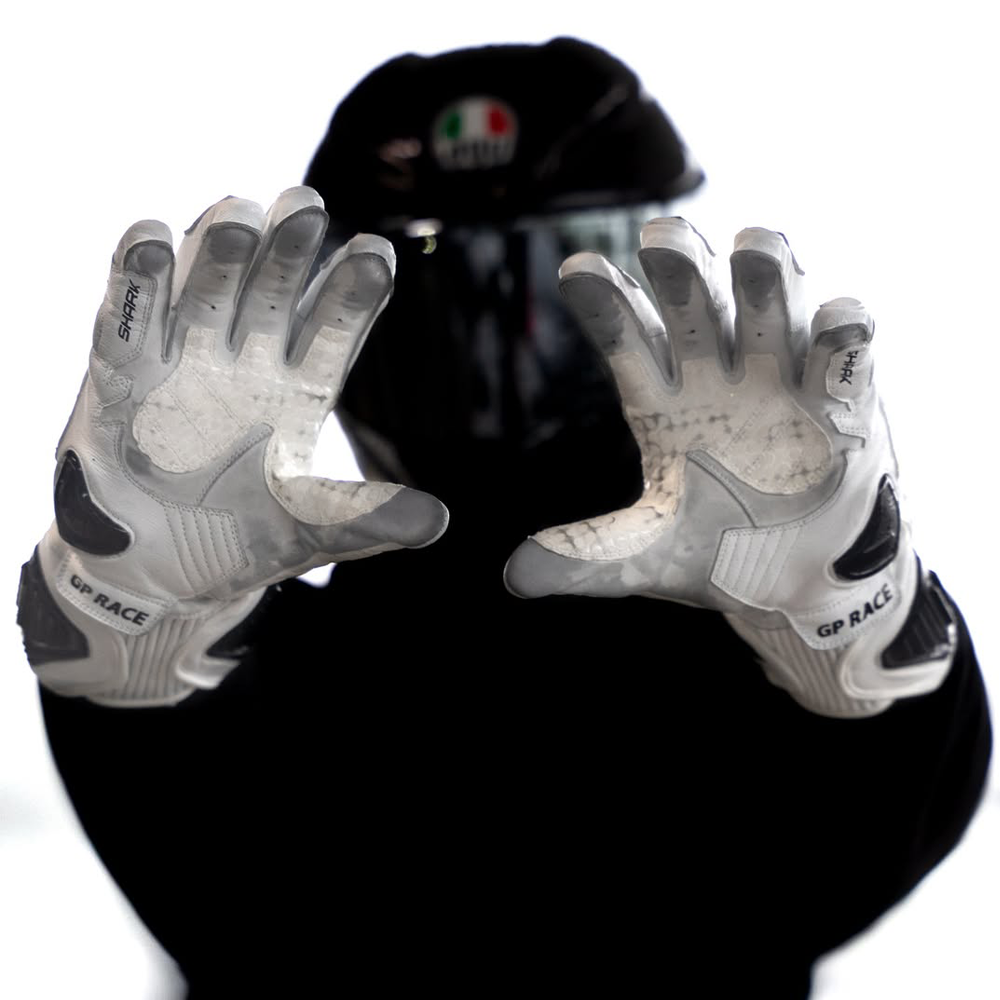
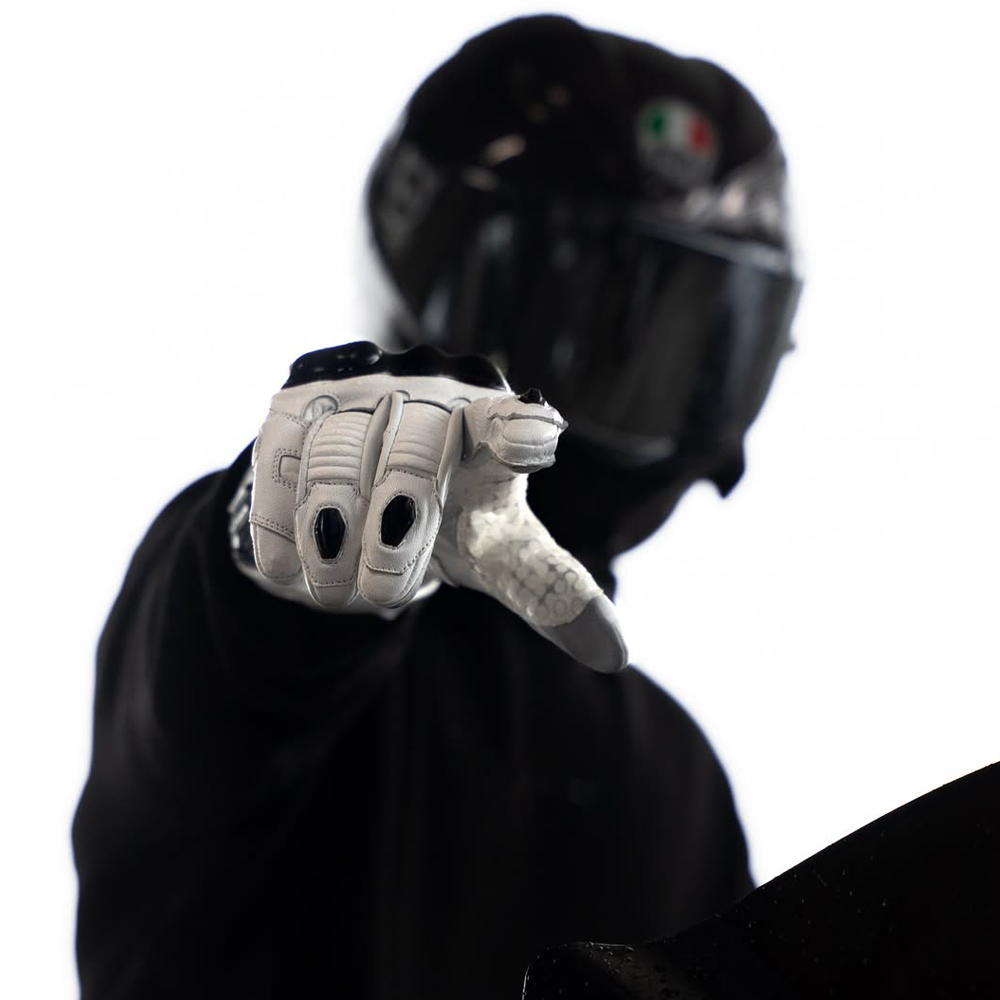
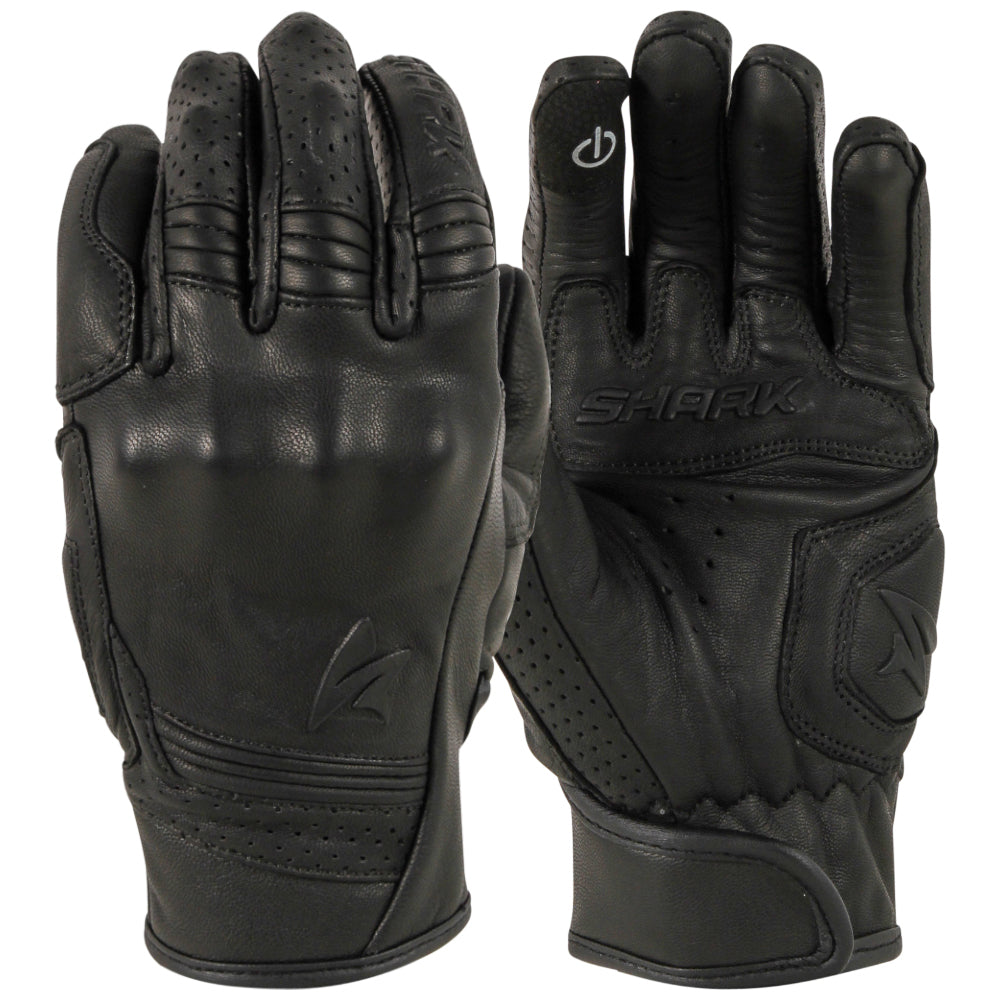
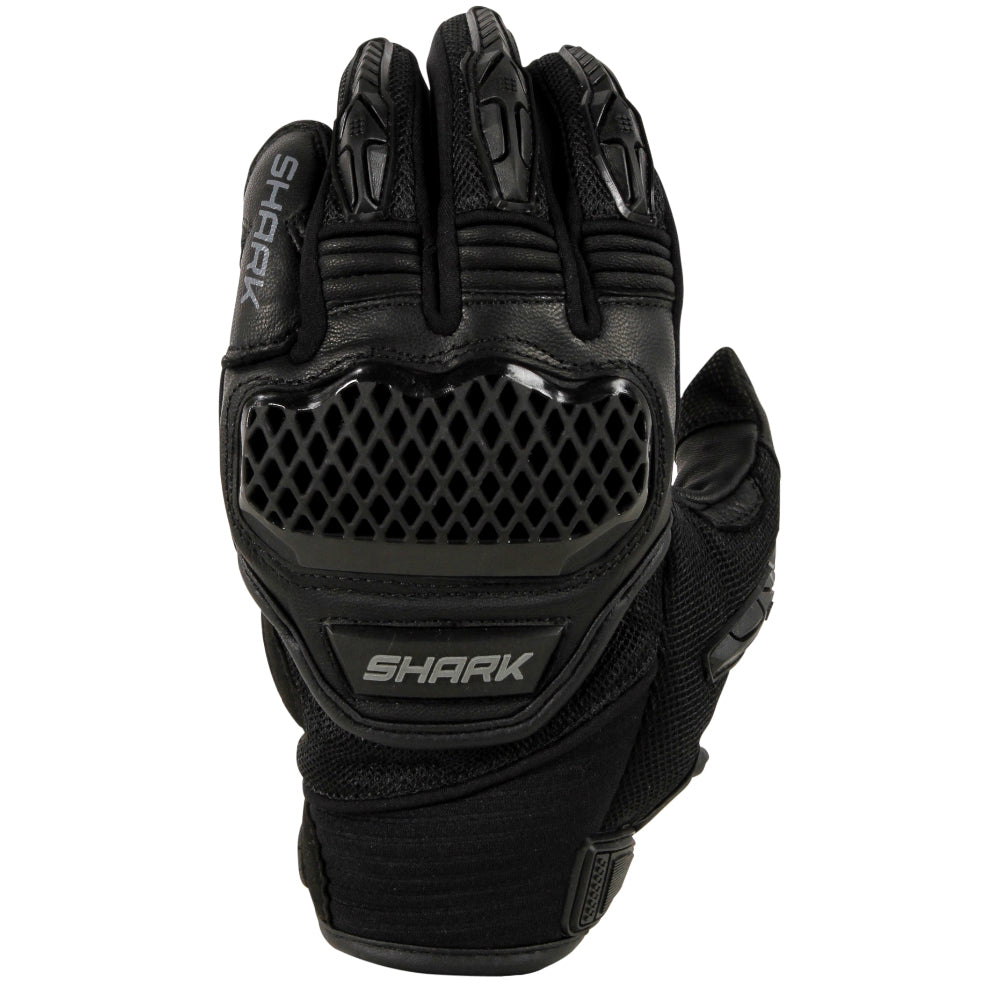
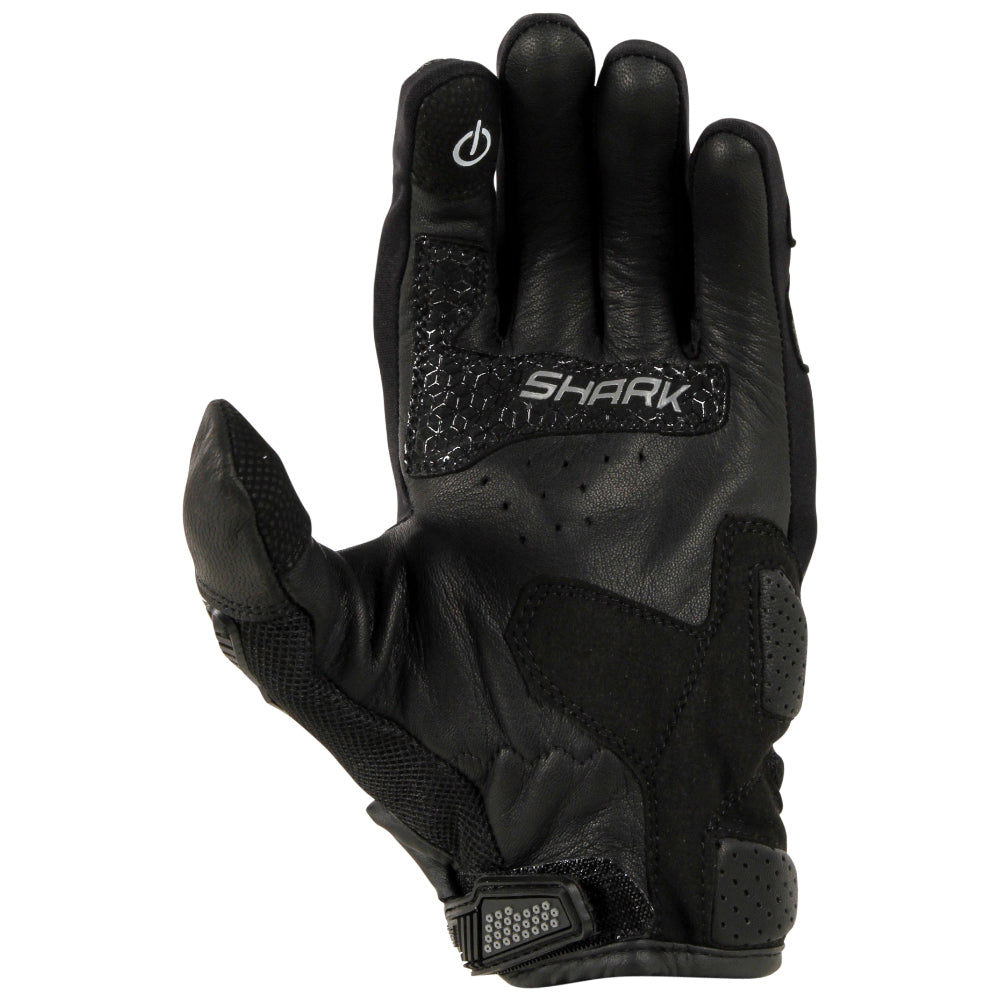
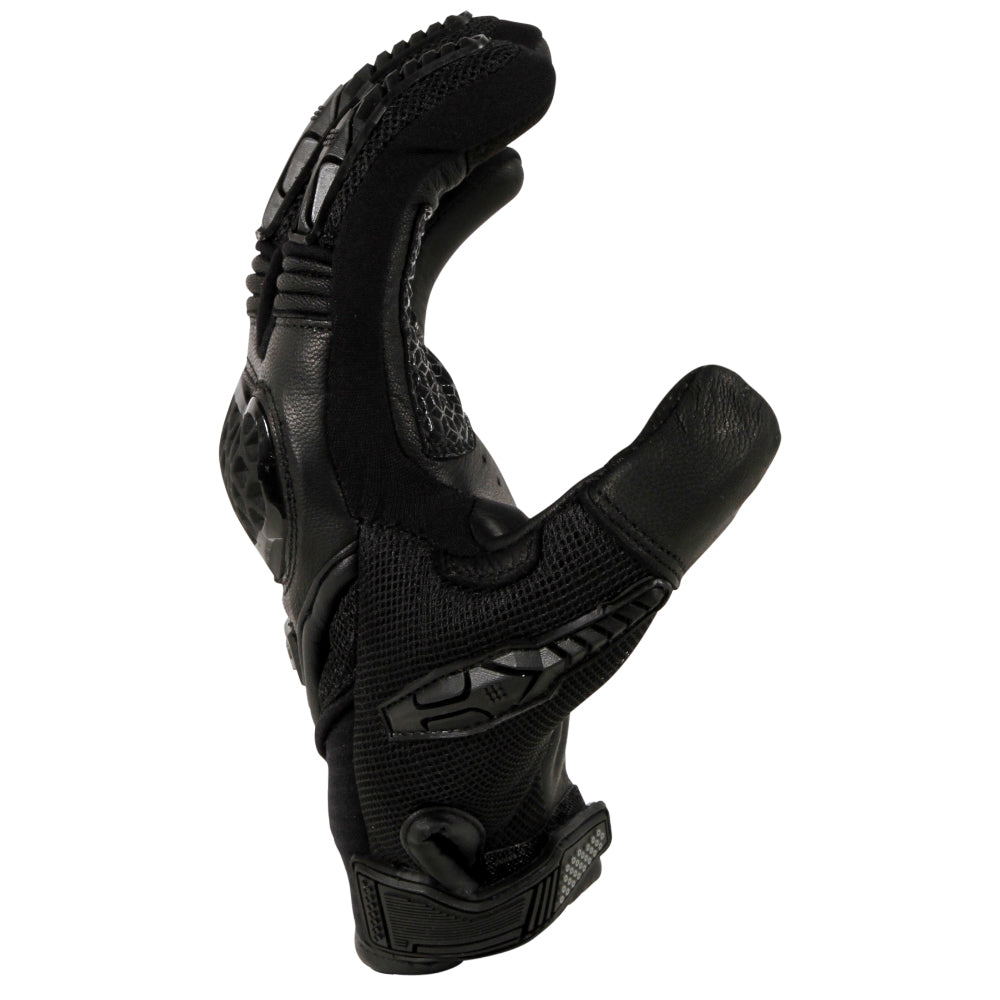
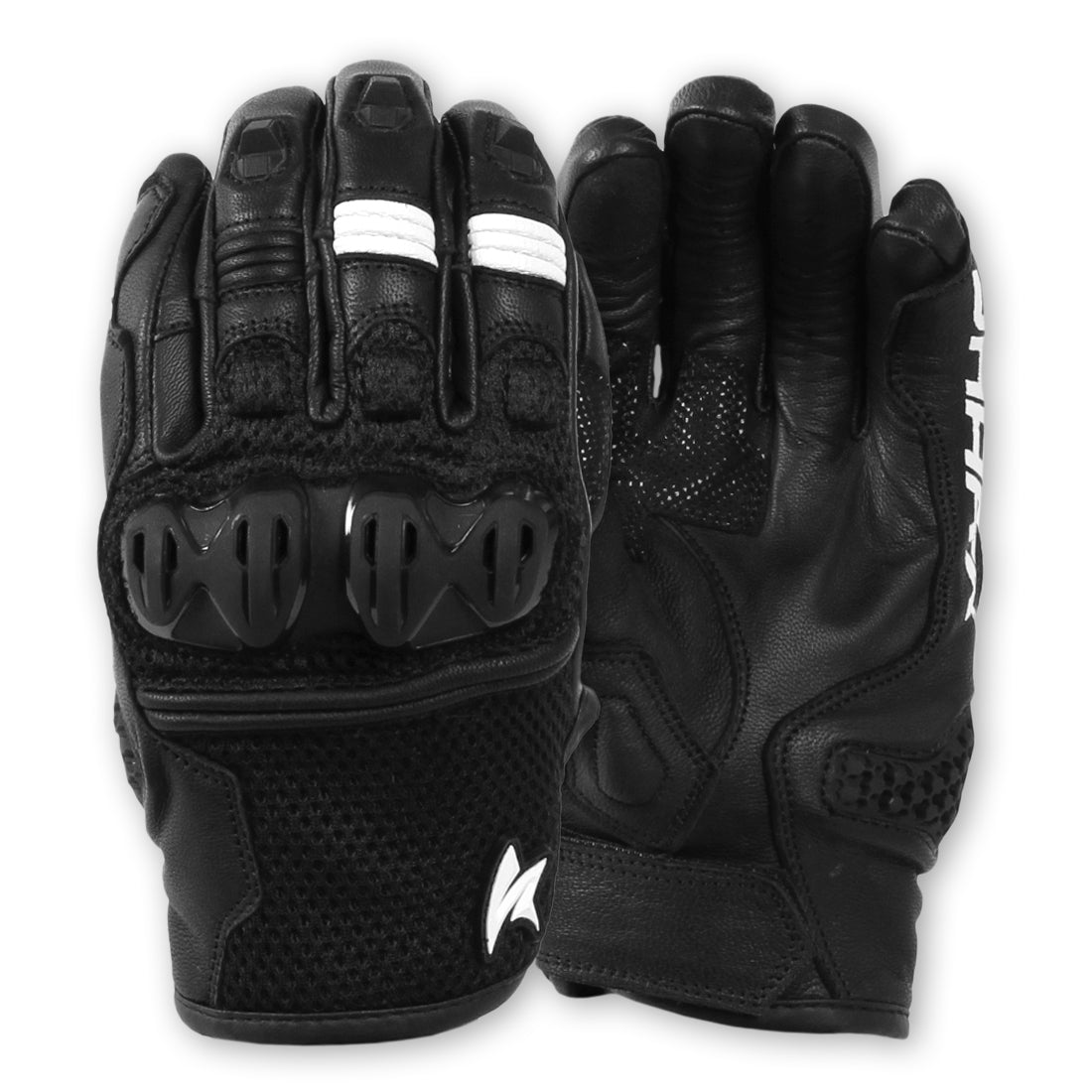
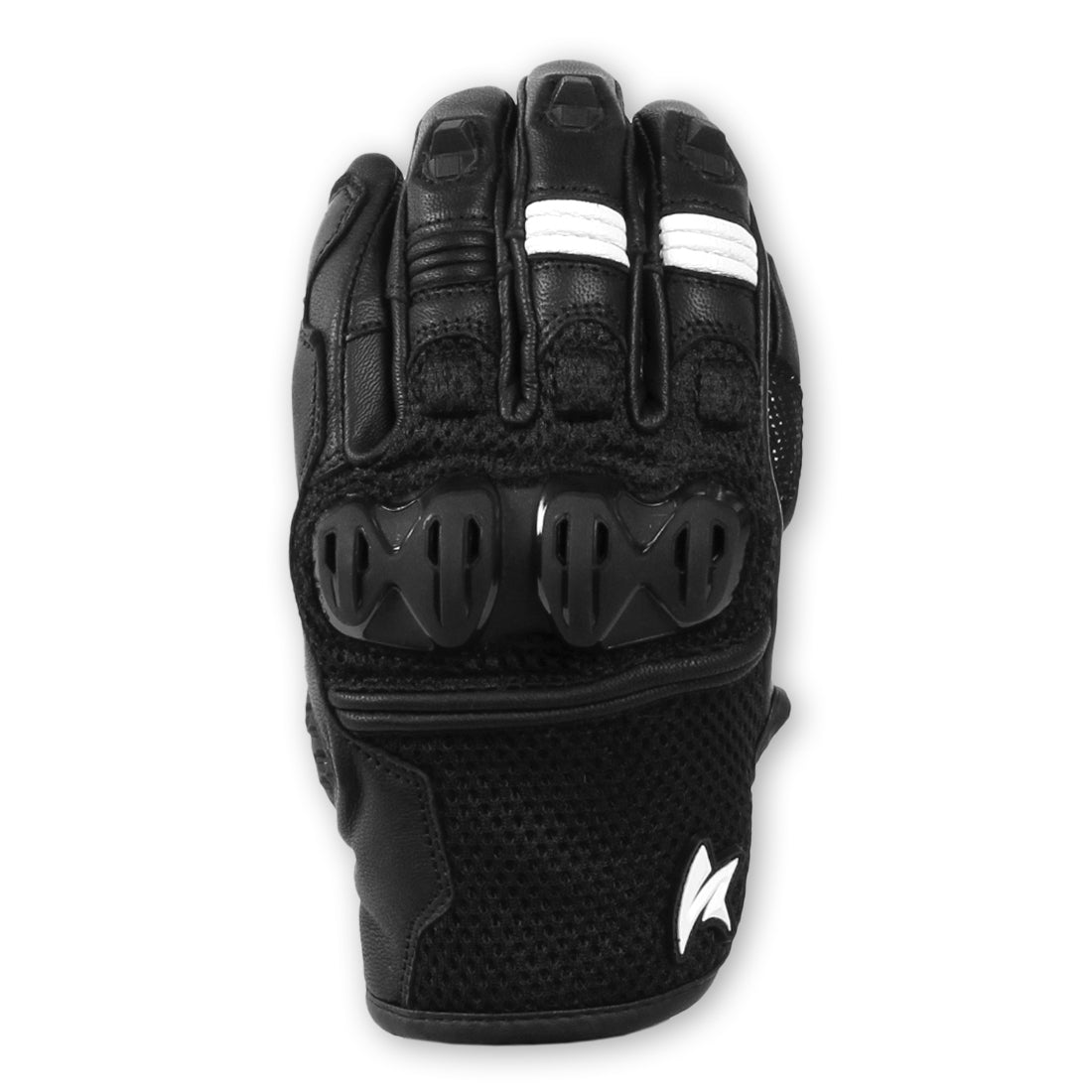
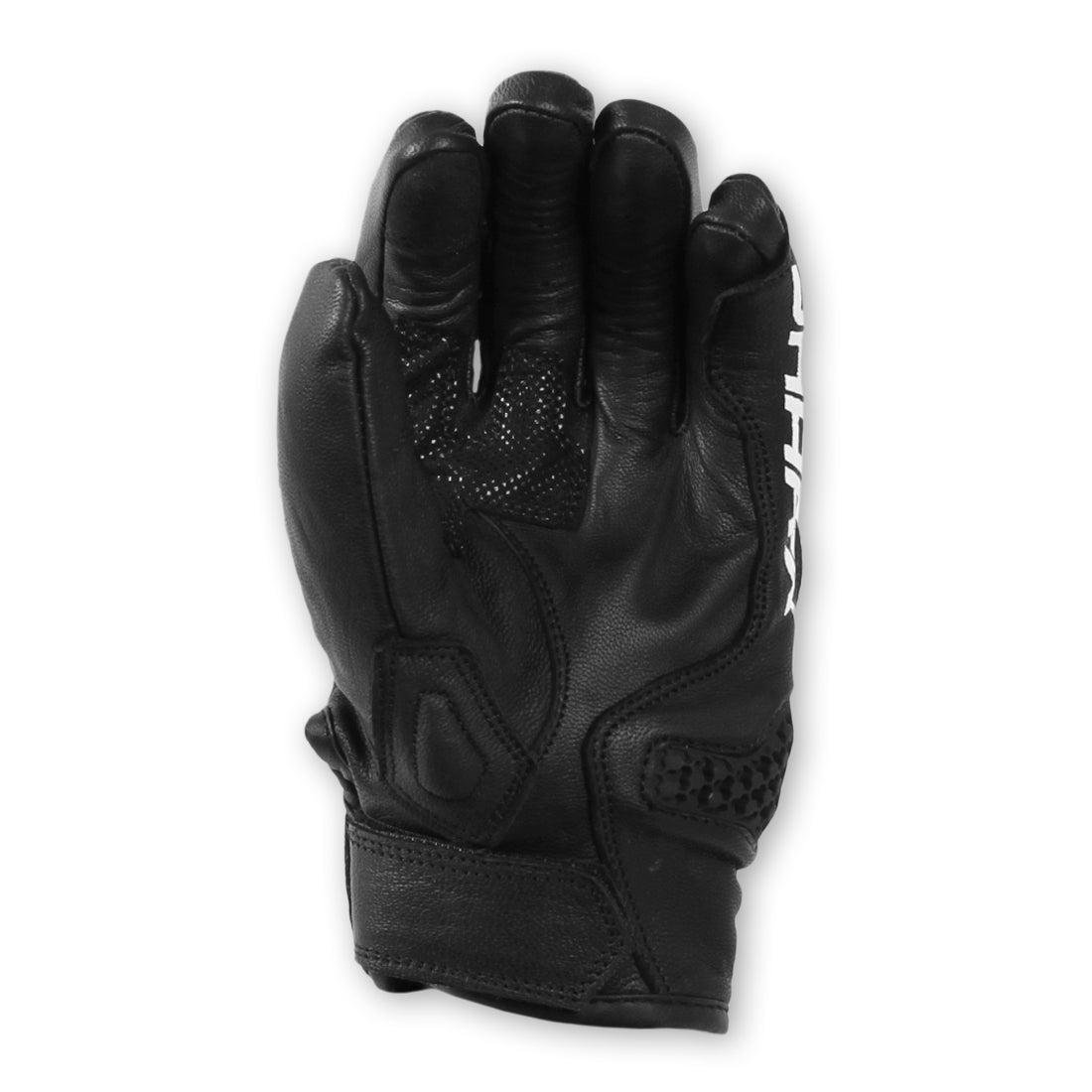
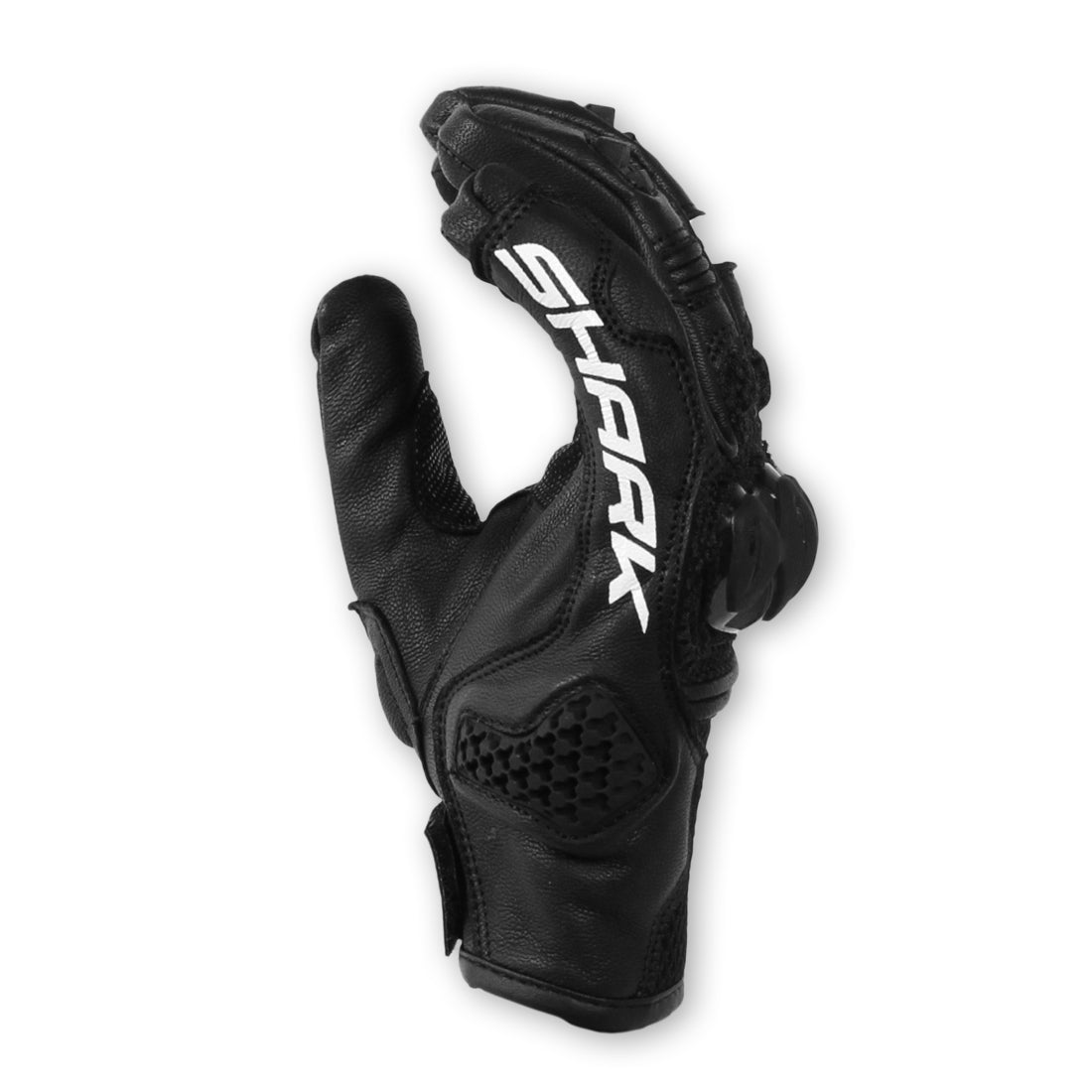
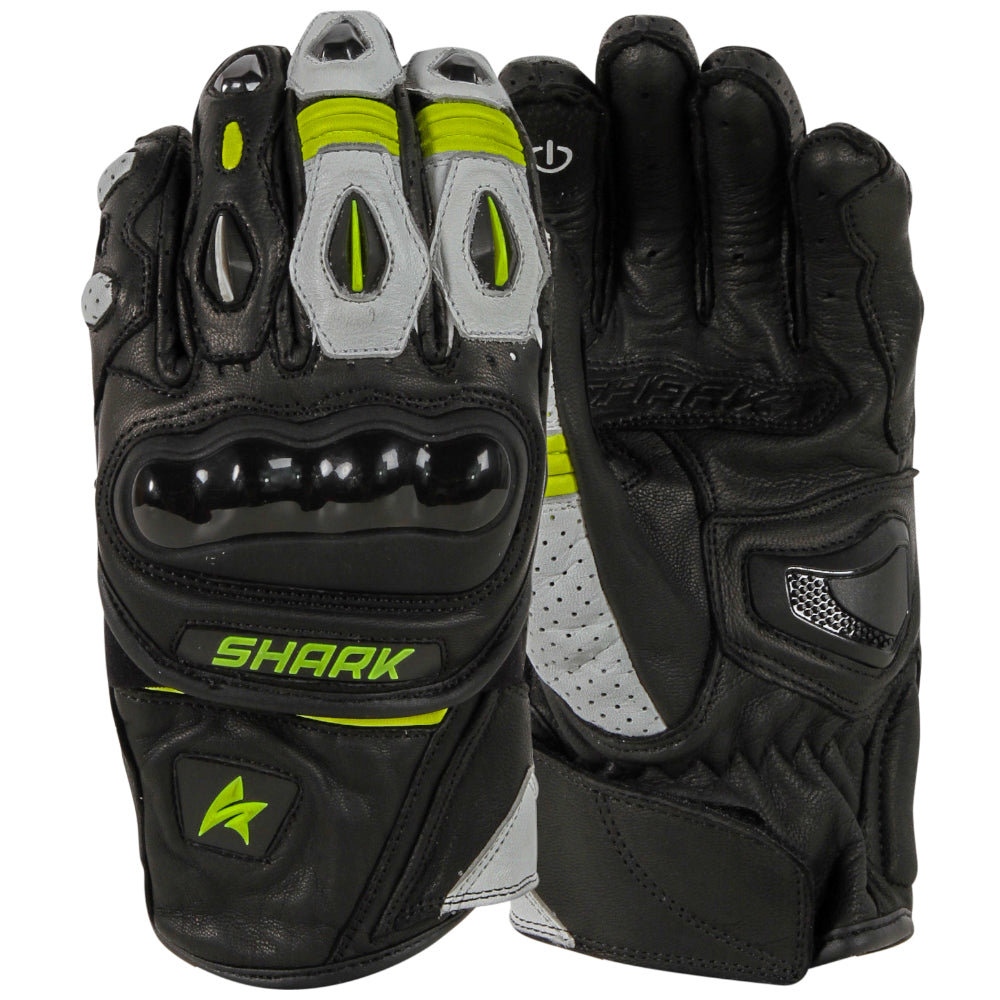
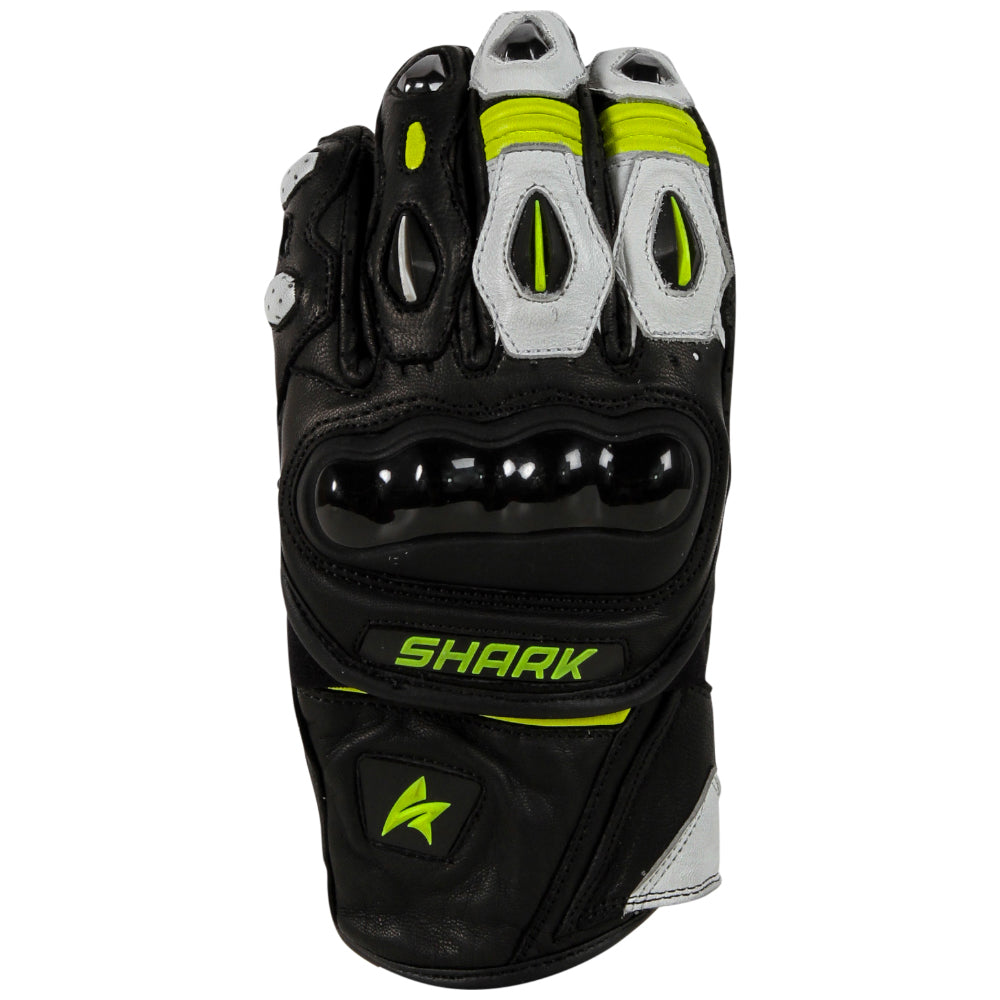
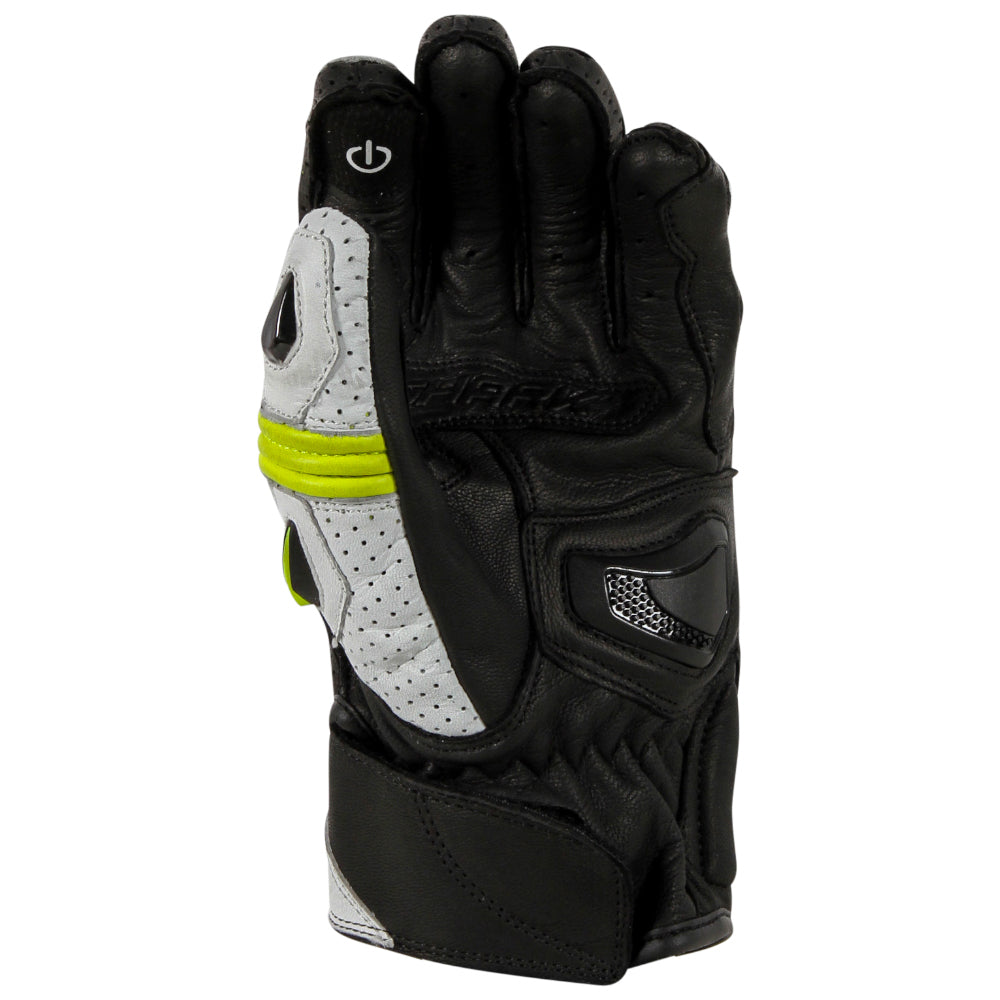
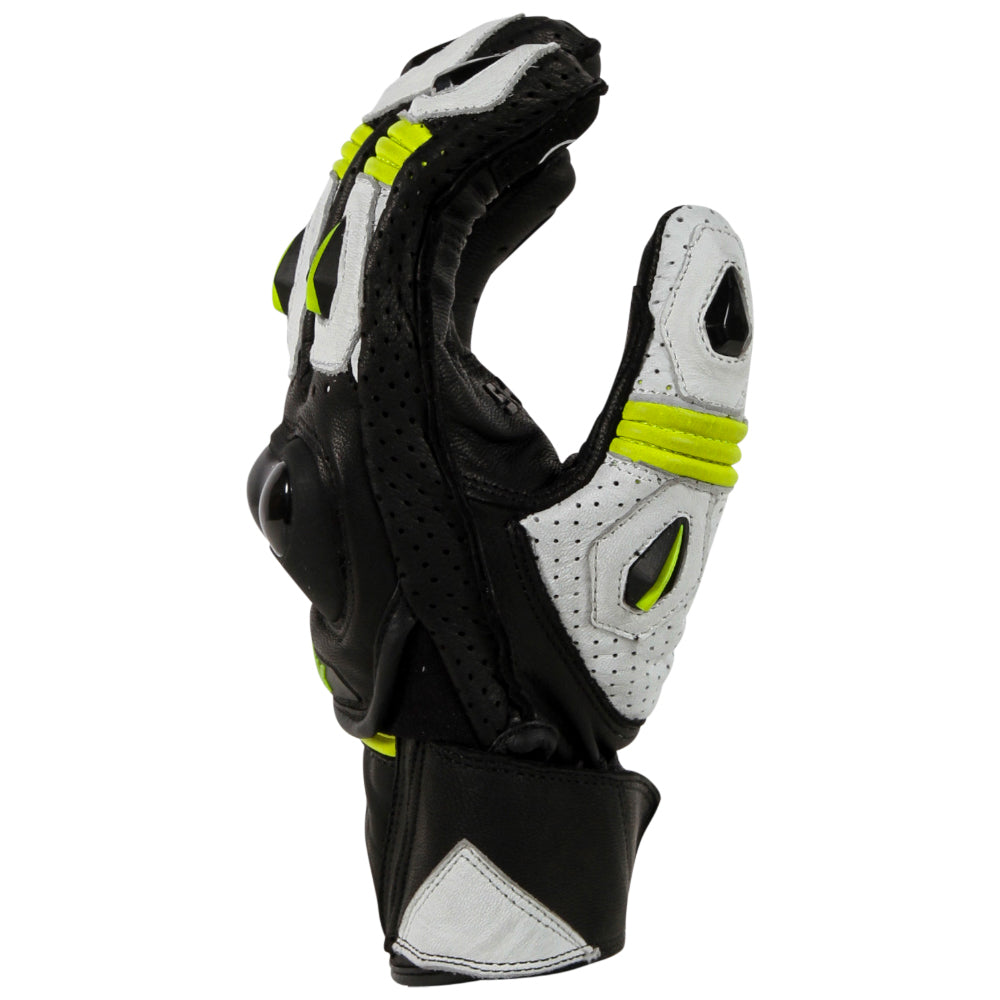
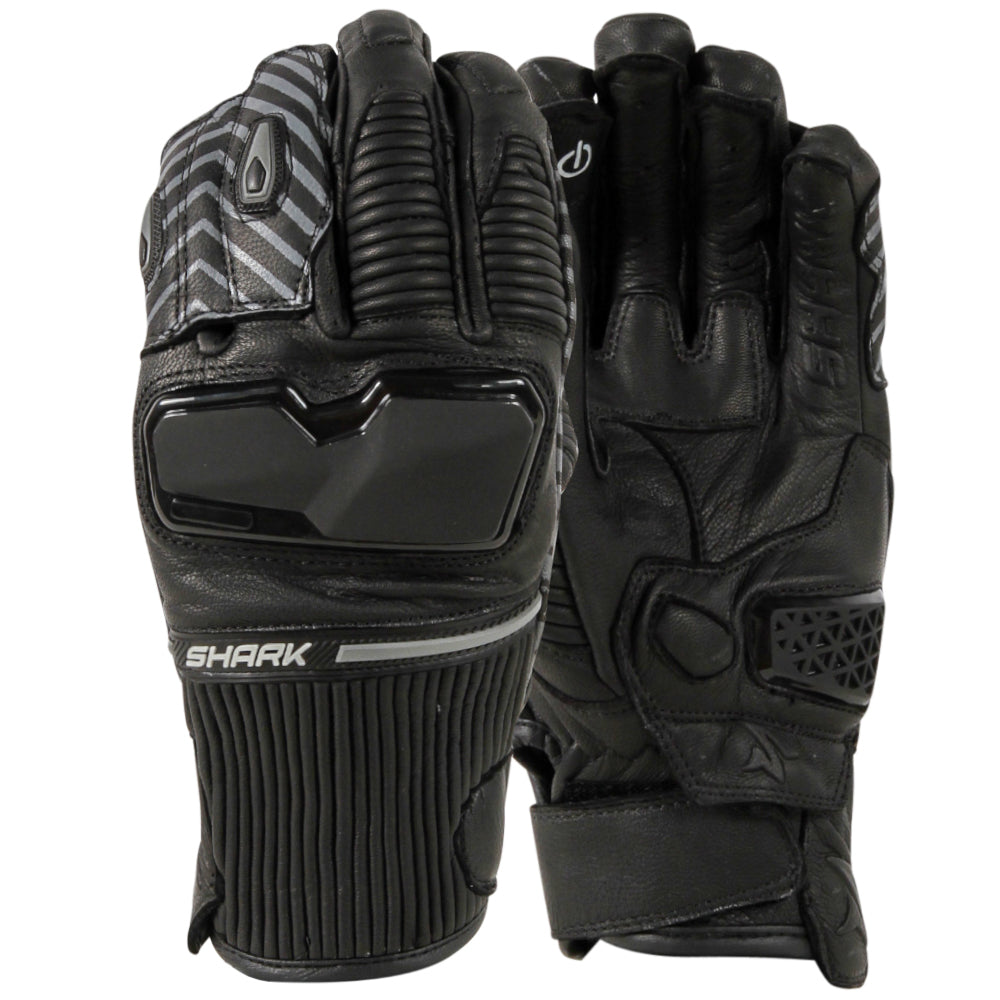
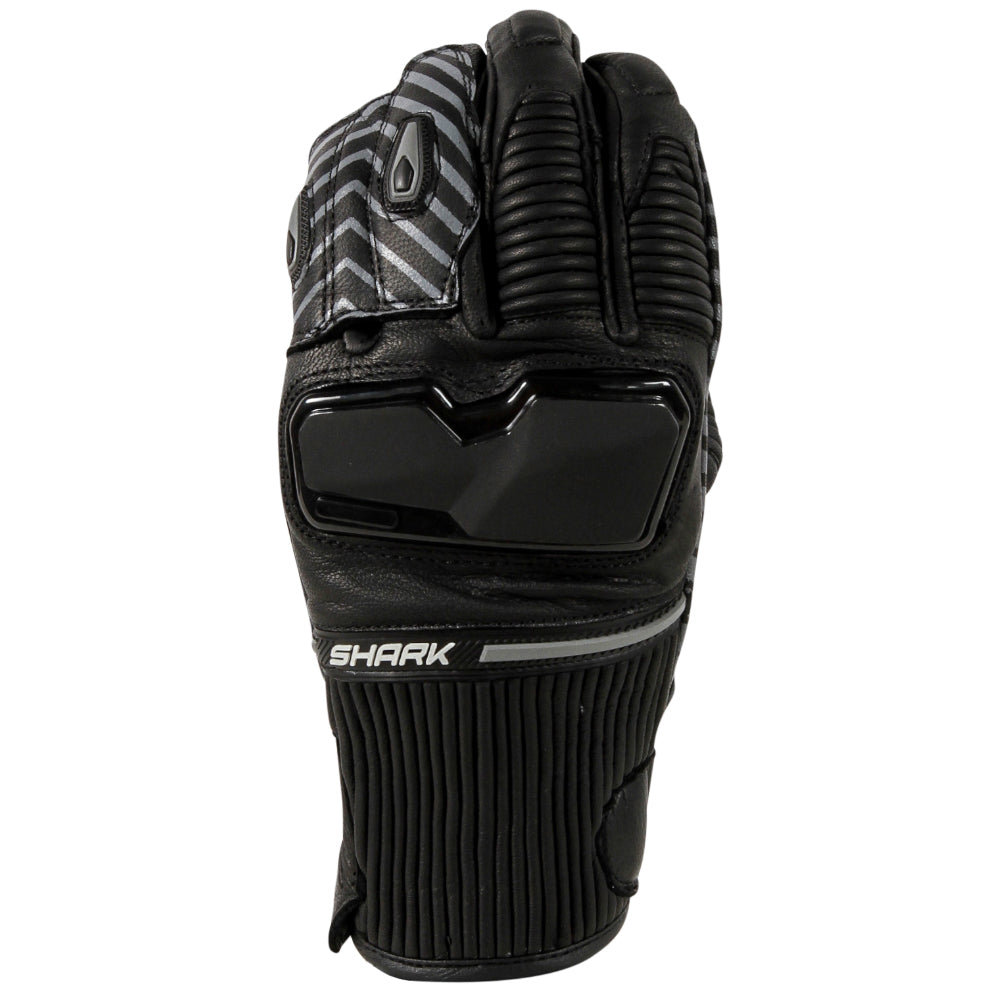
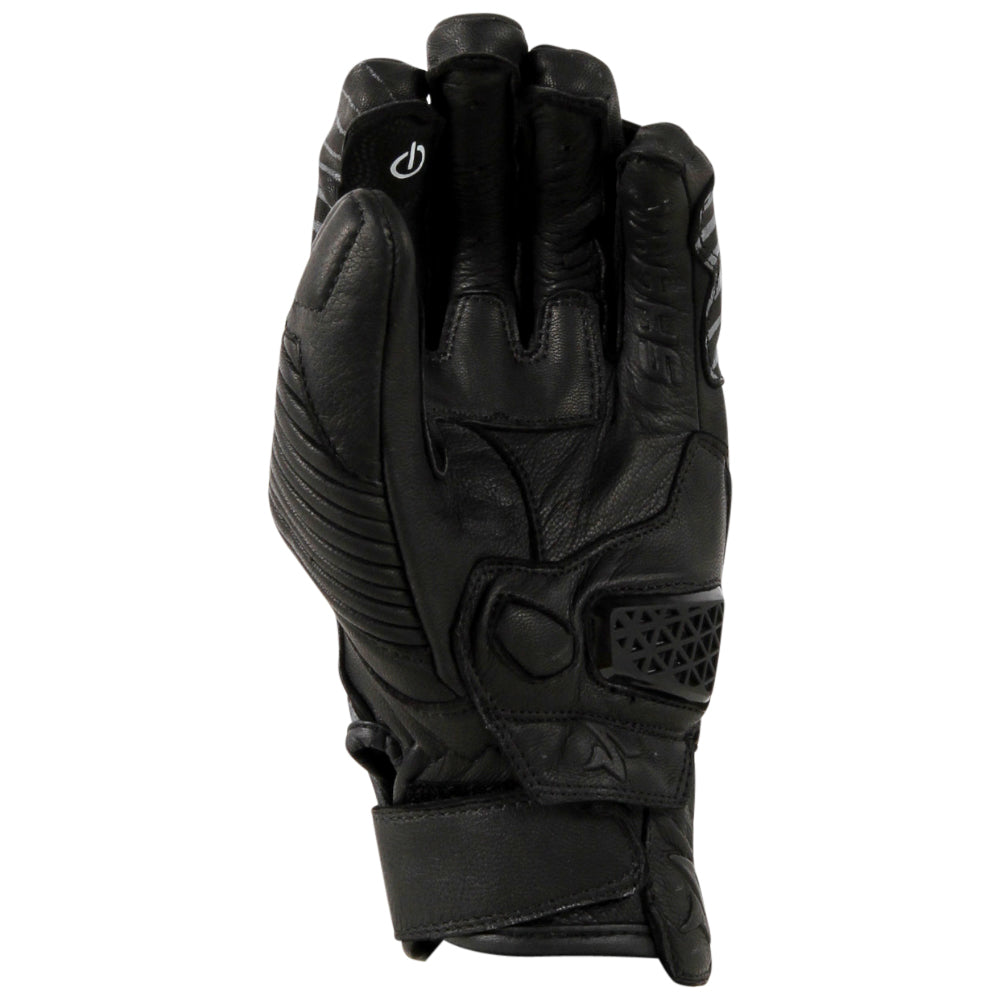
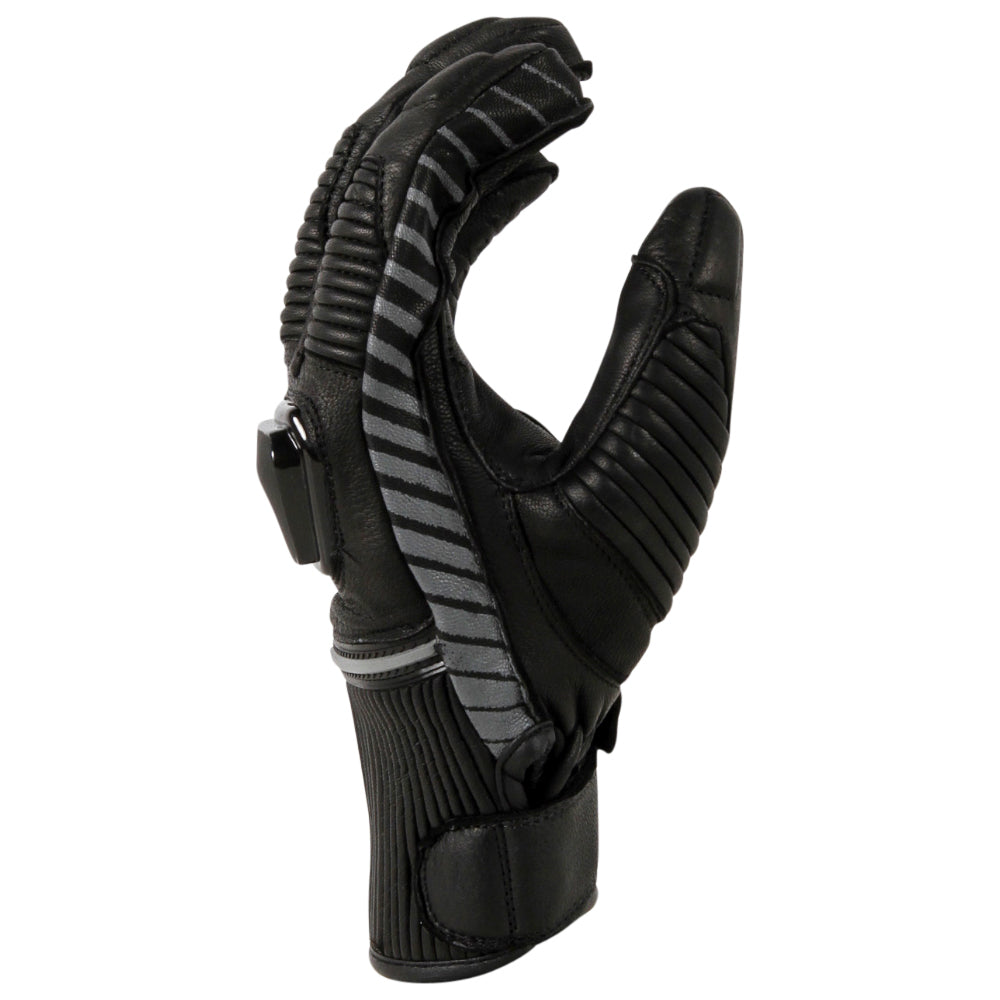
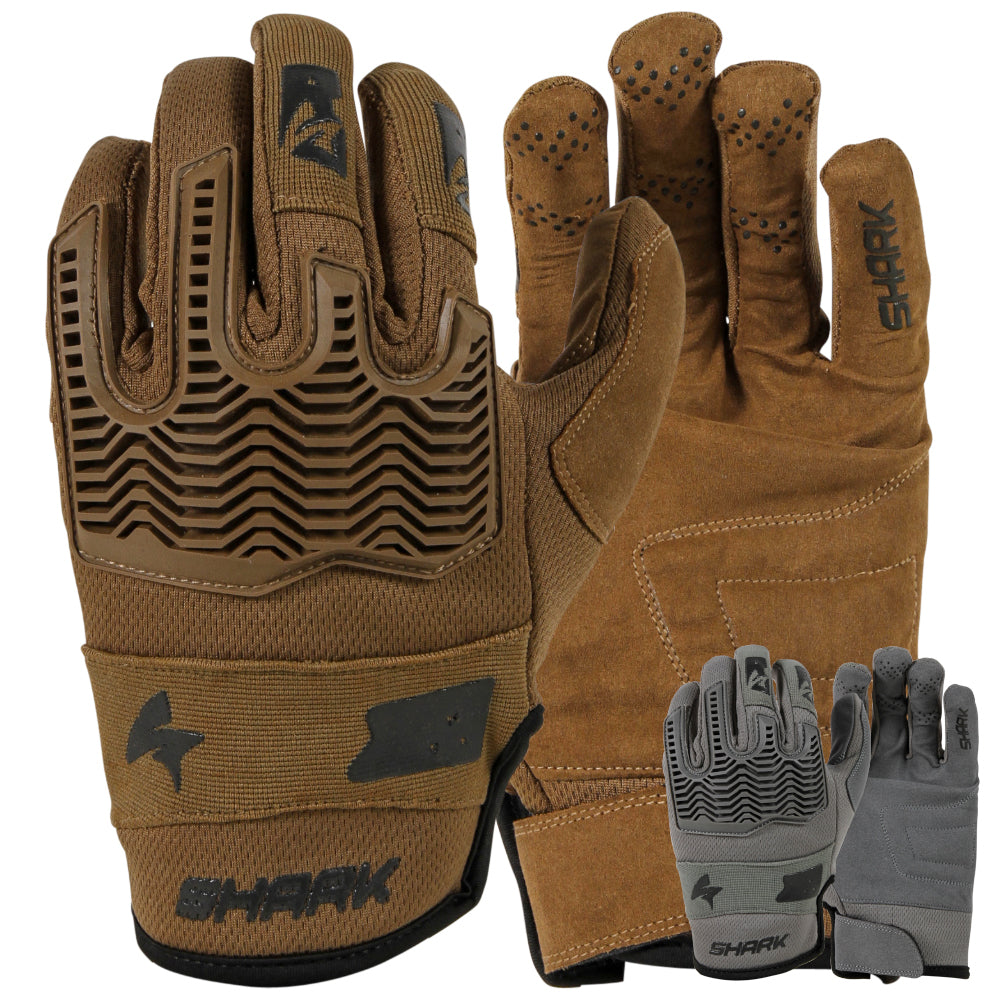
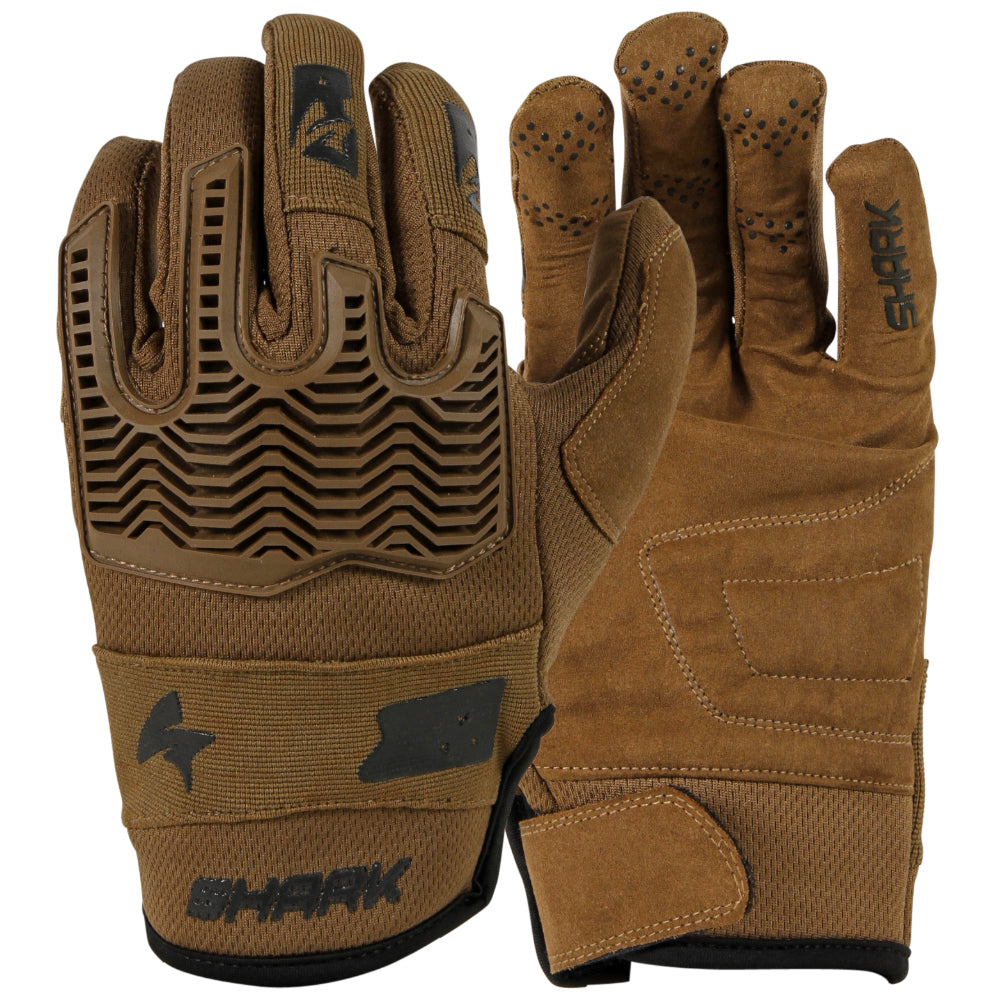
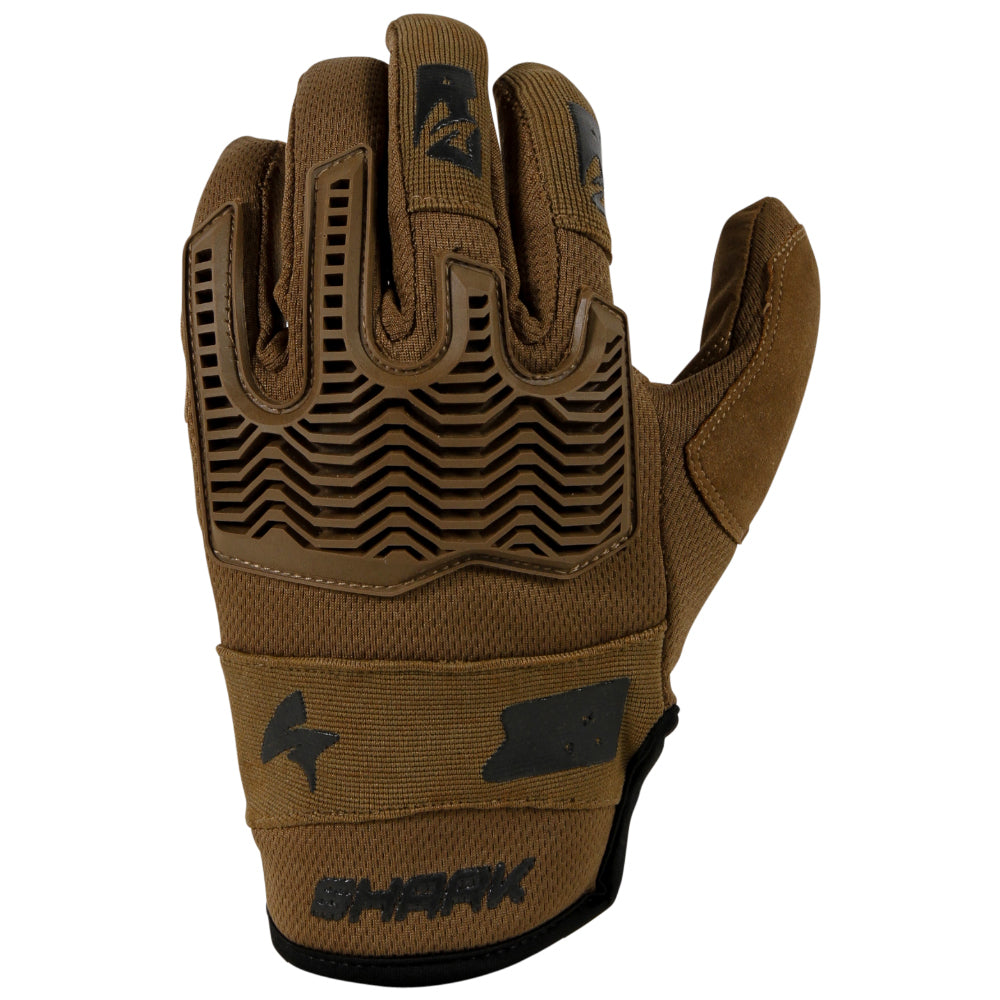
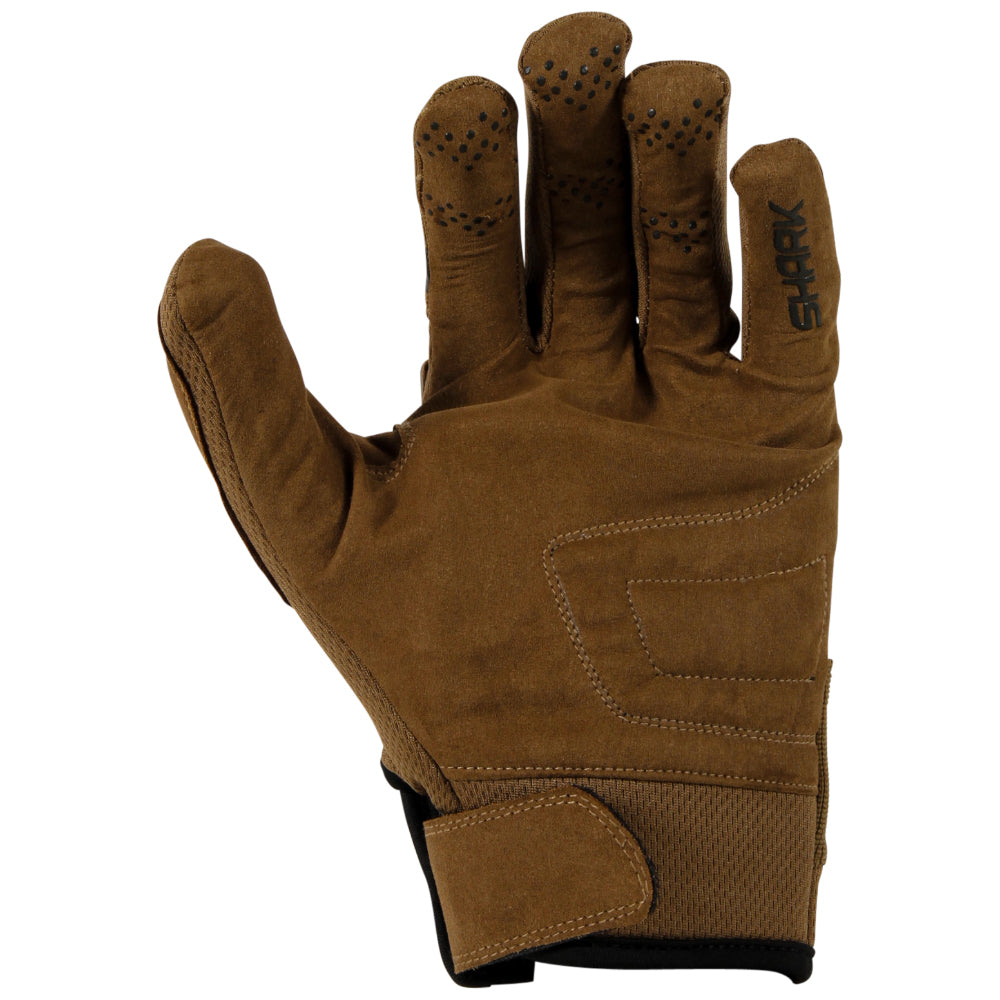
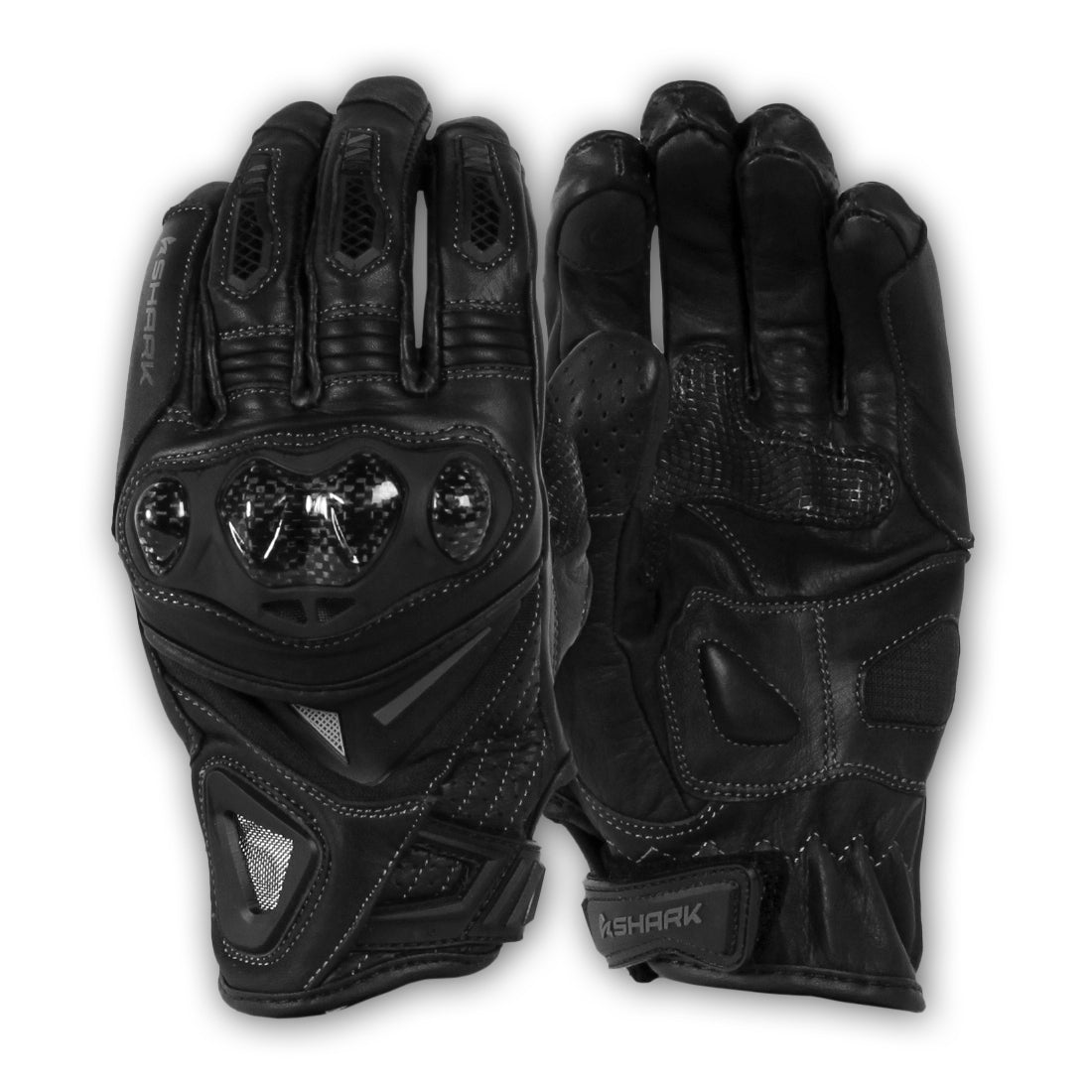
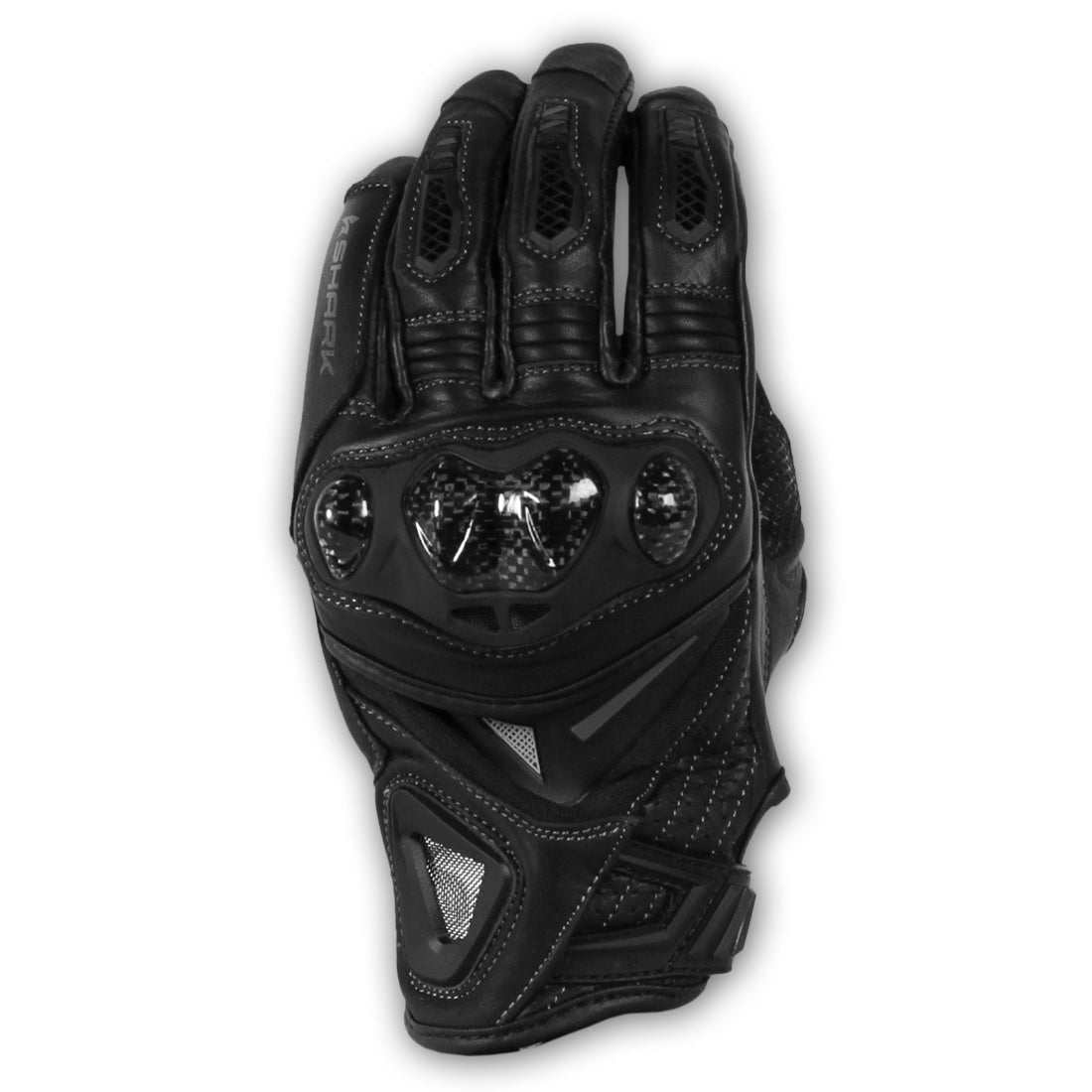
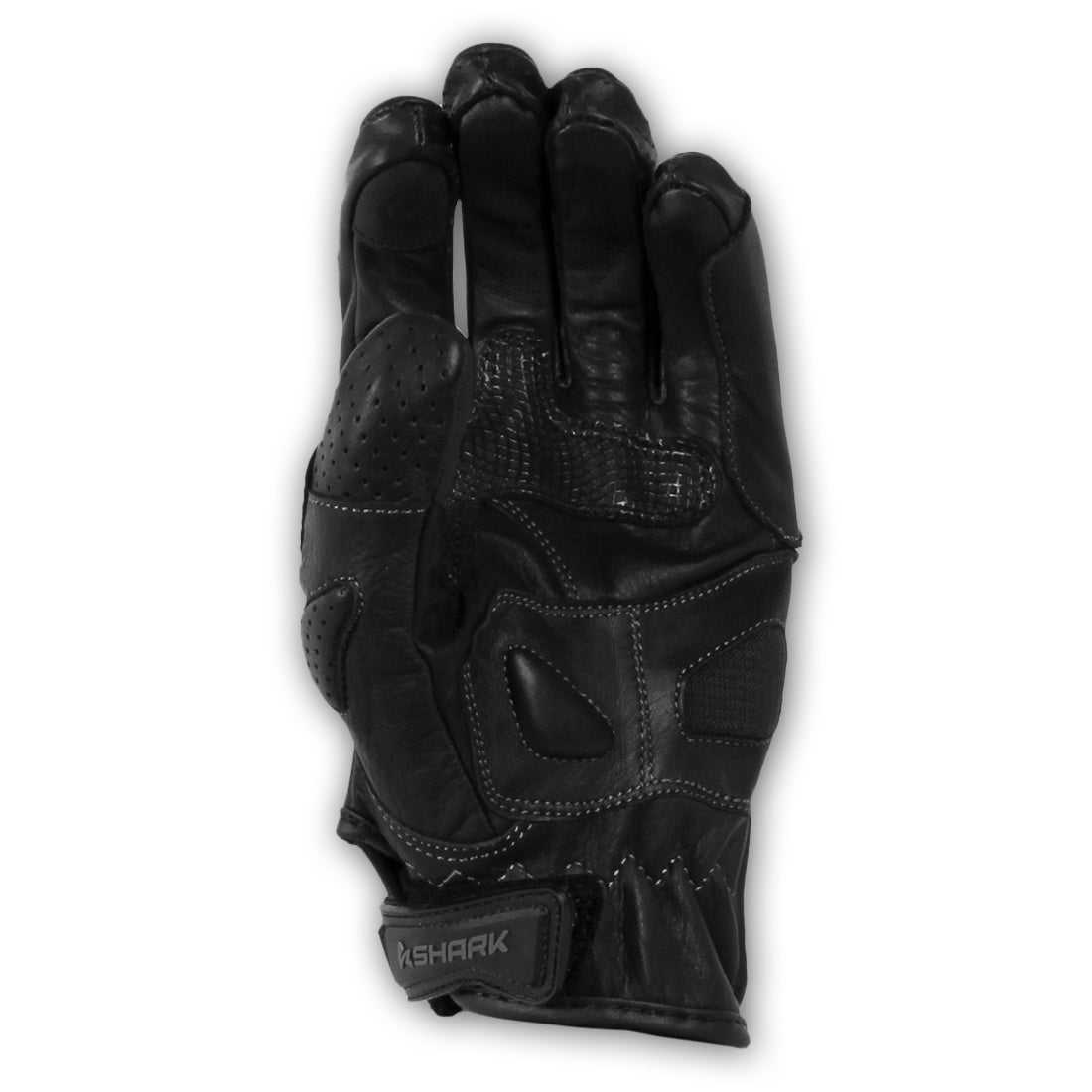
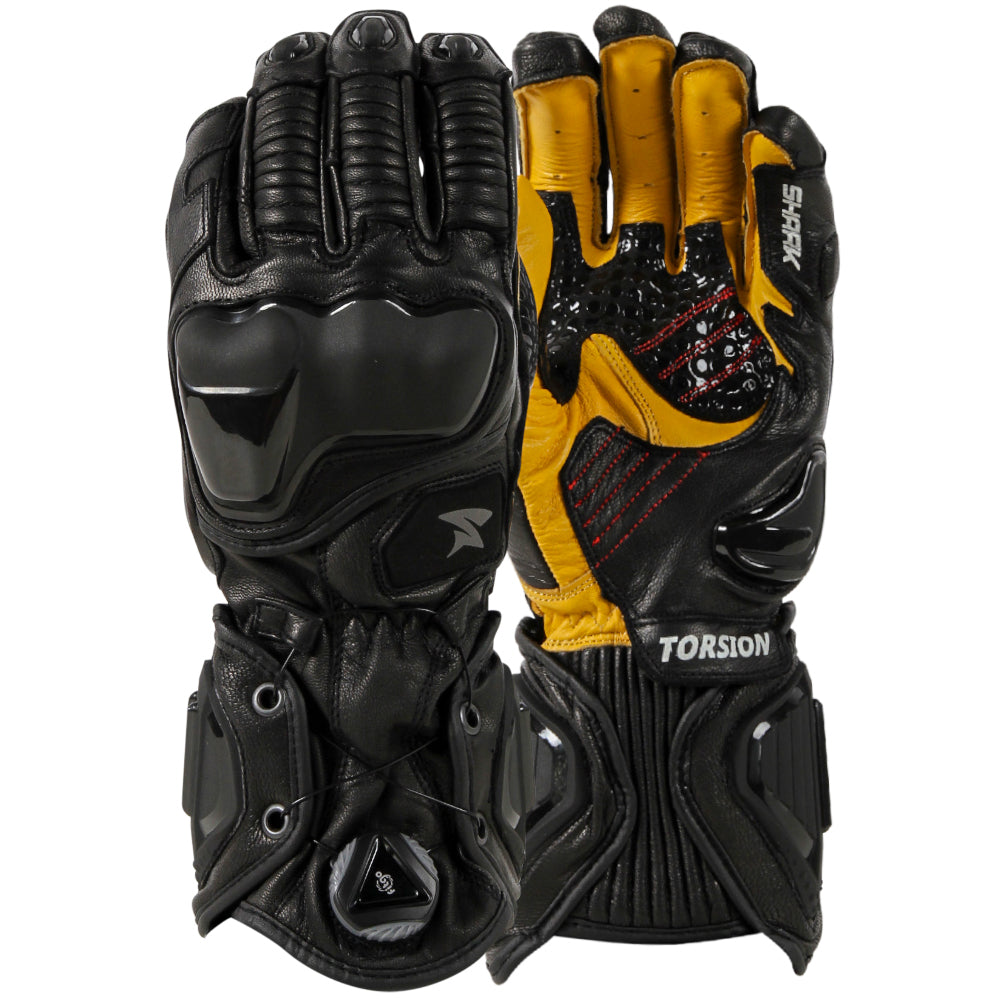
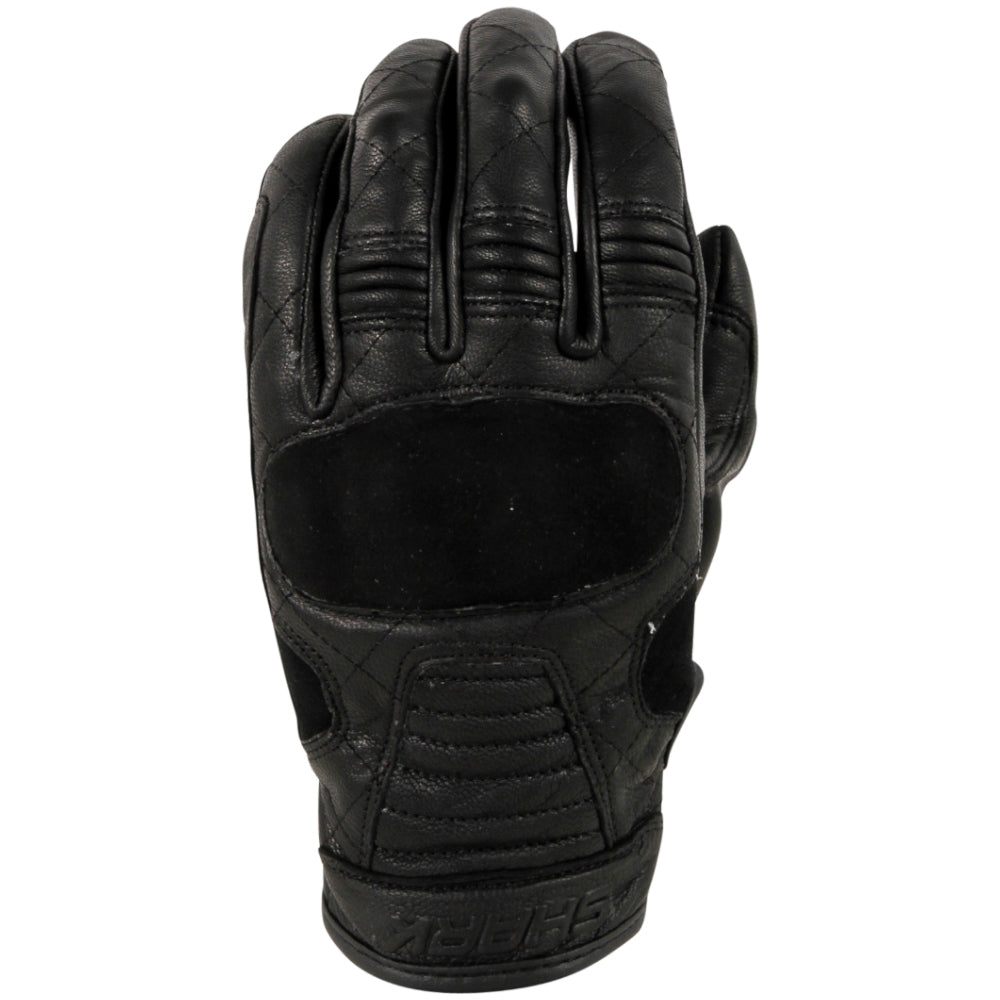
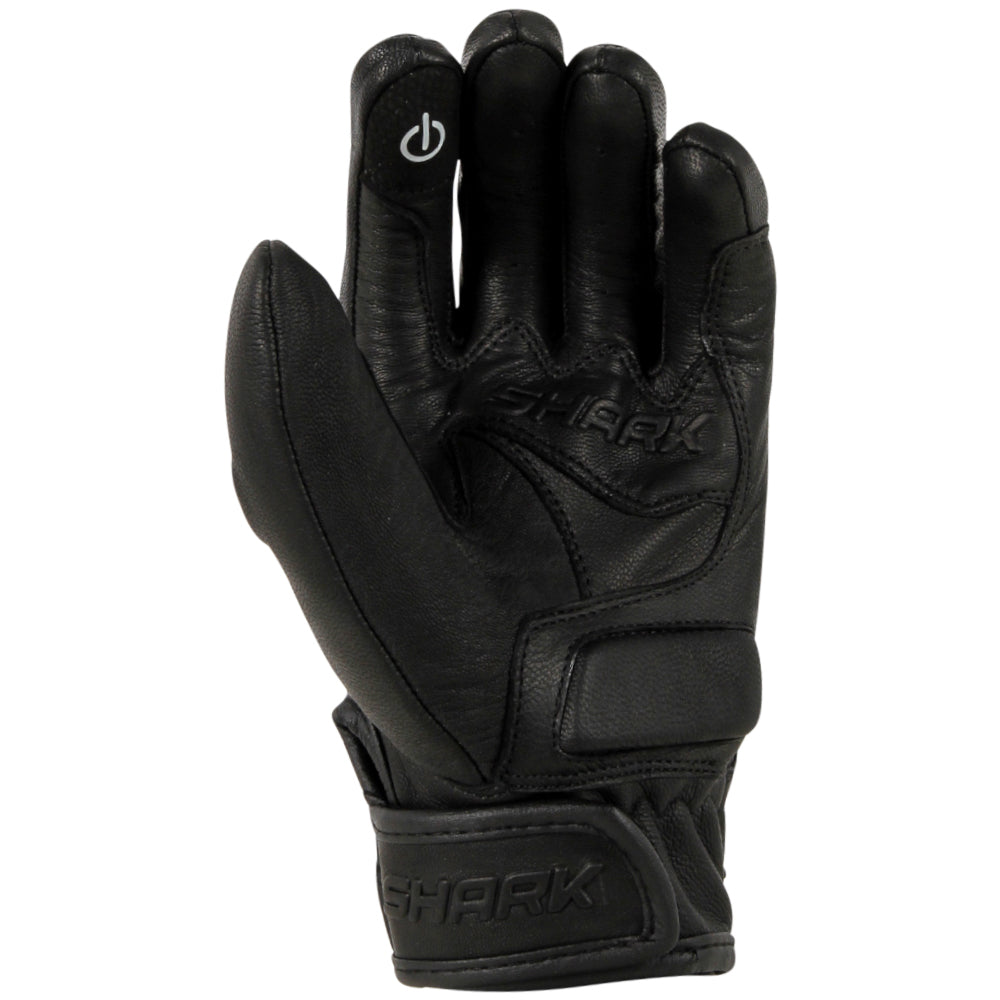
Shark Fingerless Leather Gloves
How to choose summer motorcycle gloves
Ventilation and certified impact protection are the two non-negotiables in a summer glove. Every glove here uses at least one of three construction types: perforated leather for abrasion resistance, open-mesh textile for maximum airflow, or hybrid panels that combine both. CE Level 1 knuckle armour meets EN 13594 impact standards at up to 9 kN transmission; CE Level 2 armour must achieve a lower transmission threshold, absorbing meaningfully more impact energy. Higher-spec models such as the Merlin Griffin Urban pair D3O Level 2 knuckle protection with a goatskin palm for EN 17092-informed layering when worn with a rated jacket.
Material guide
| Material | Abrasion resistance | Airflow | Best for |
|---|---|---|---|
| Perforated leather | High , EN 13594 compliant palm zones | Moderate , 3–5 mm perforations | Road and cafe-racer riding |
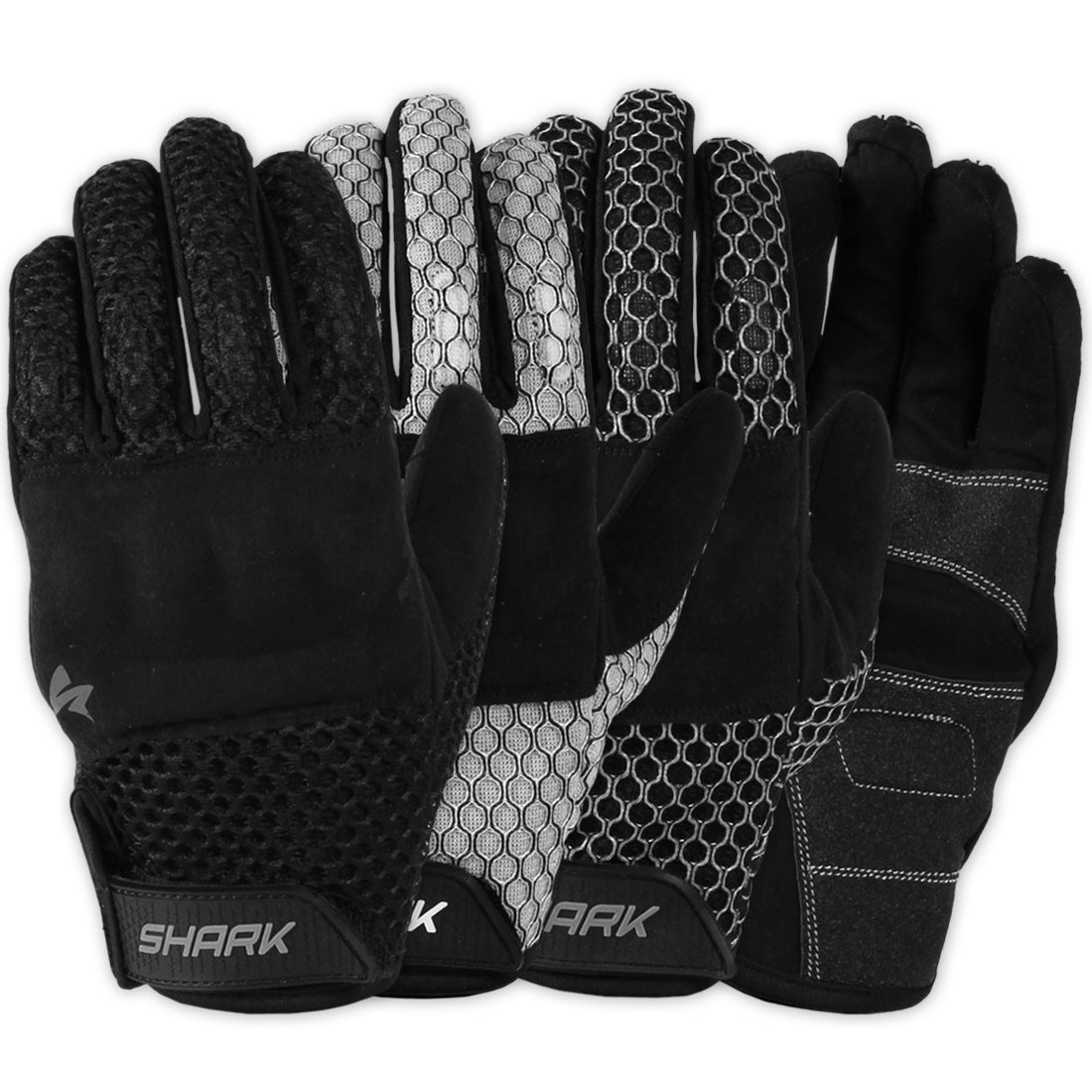
| Open-knit mesh textile | Moderate , reinforced palm panels | High , maximised open-weave construction | City commuting, hot climates |
| Hybrid leather/mesh | High , leather on high-impact zones | Moderate-high , mesh side panels | All-day touring in warm weather |
Armour and certification
EN 13594 governs motorcycle glove protection across 4 performance zones. CE Level 1 knuckle protectors are standard across the range; Level 2 units, such as the D3O armour in the Merlin Griffin Urban, must meet a stricter impact transmission limit. Palm sliders in abrasion-tested leather add an additional safety layer on open-knuckle and fingerless styles. Size charts run from XS through 3XL across most brands, with Motodry and Shark Leathers covering a full 7-size spread.
Buying guidance
Match glove length to your riding position: short cuff gloves suit upright bikes where jacket cuffs overlap naturally; gauntlet-length gloves seal the wrist gap on sportier positions. For temperatures above 25°C, mesh construction provides significantly greater ventilation than unperforated leather. If rain is likely, a waterproof membrane liner adds roughly 2–3 mm of cuff bulk but keeps hands dry well below 10°C. Pair any summer glove with an EN 17092 AA or AAA-rated jacket to maintain full-system CE compliance on the road.
Frequently asked questions
What CE rating should I look for in summer motorcycle gloves?
Look for EN 13594 CE Level 1 as a minimum for knuckle protection. Level 2 armour, such as D3O, must meet a stricter impact transmission threshold than Level 1 and is worth prioritising if you ride at higher speeds or in traffic.
Are mesh gloves safe enough for road riding?
Yes, provided the palm zones use reinforced leather or abrasion-resistant textile panels rated to EN 13594. Open-knit mesh on the back of the hand aids airflow without compromising the critical palm and knuckle protection areas.
How do I size summer motorcycle gloves?
Measure your dominant hand around the knuckles (excluding the thumb) in centimetres. Most brands in this range follow a standard scale: up to 20 cm is S, 21–22 cm is M, 23–24 cm is L, and 25 cm or above moves into XL or larger. Always check the specific brand chart, as Motodry and Merlin sizing can differ by up to one size.