

Proper motorcycle tie downs are the difference between a bike that arrives in one piece and one that doesn't. This range covers handlebar harness sets, rear wheel straps, soft loops and extension loops from Oxford, Whites, GORILLAS GRIP, LA CORSA, Crocbite, STATES MX and Moto+, with options suited to trailers, utes and enclosed vans.


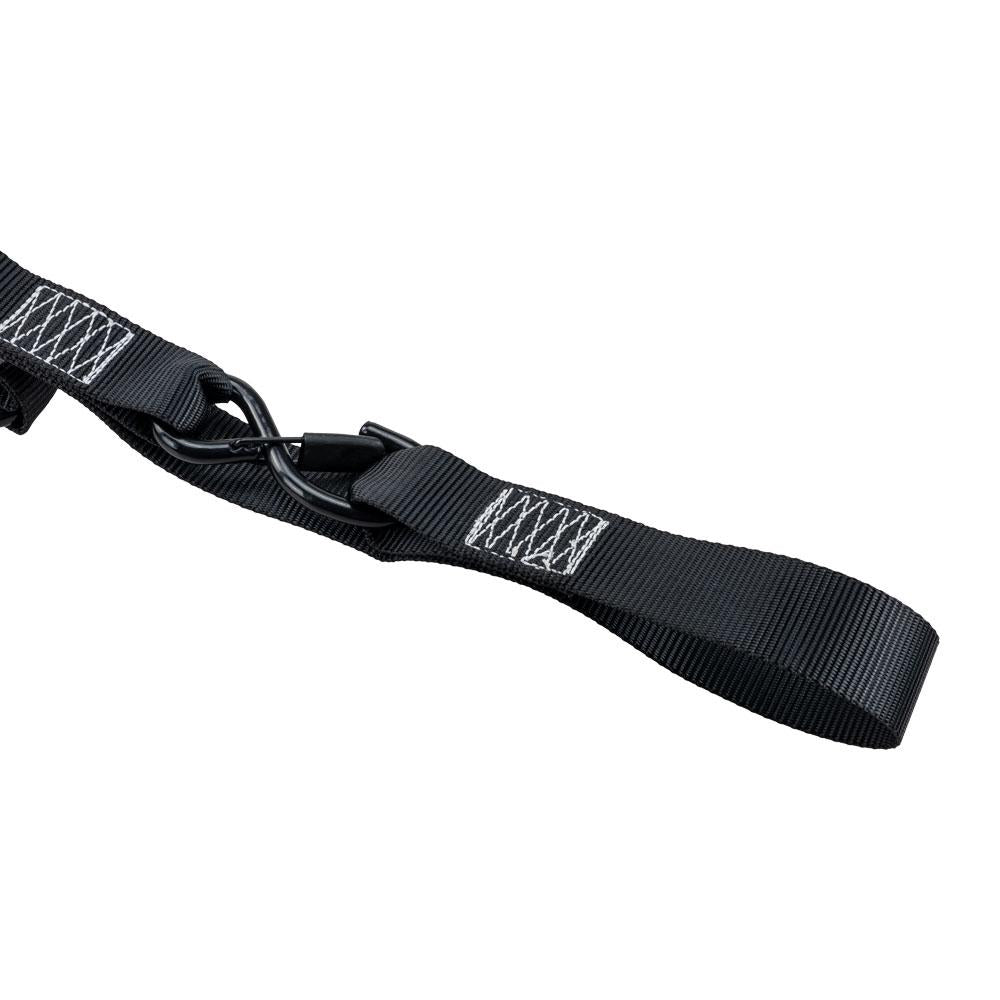

STATES MX SOFT LOOP TIE DOWN SET - BLACK


WMP Wheel Strap Tie Down - Grey


Oxford Wonder Bar Straps for Tie Downs


Oxford Tie Down Clamp Down Set
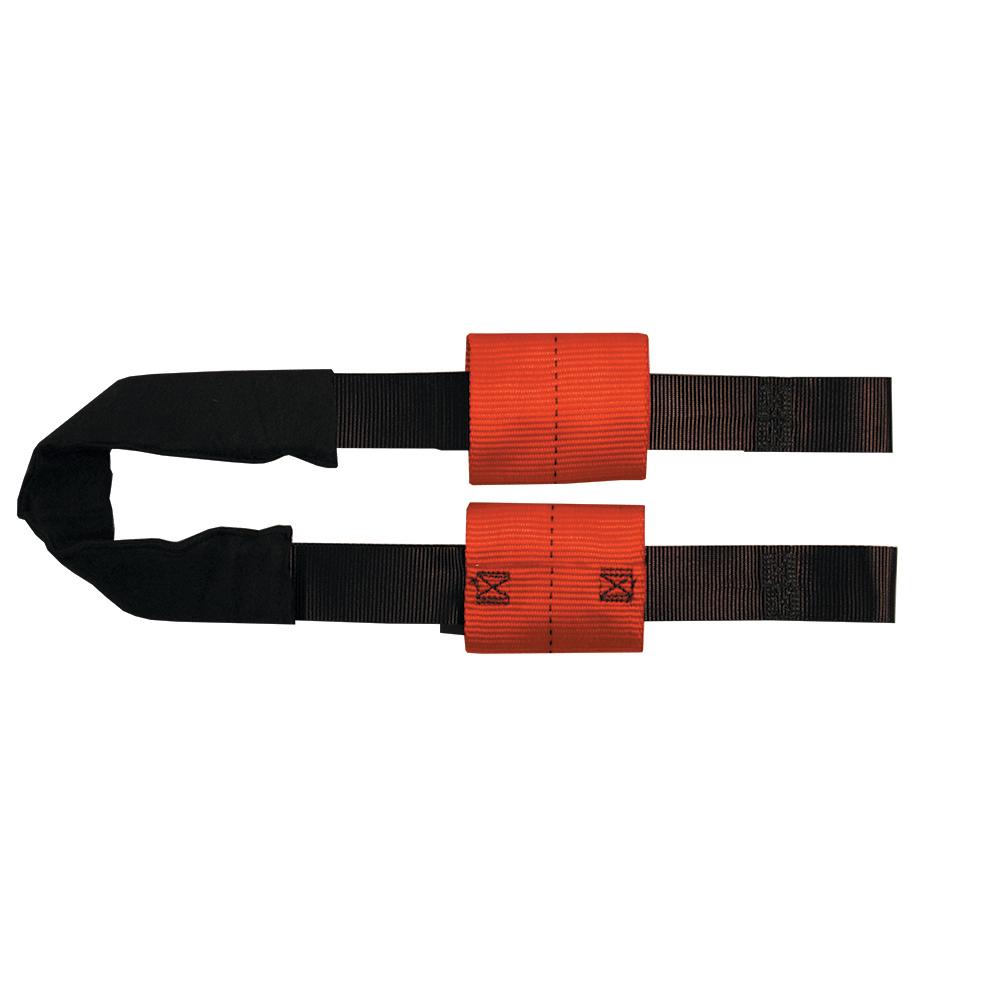
TIE DOWN SET - HANDLEBAR HARNESS
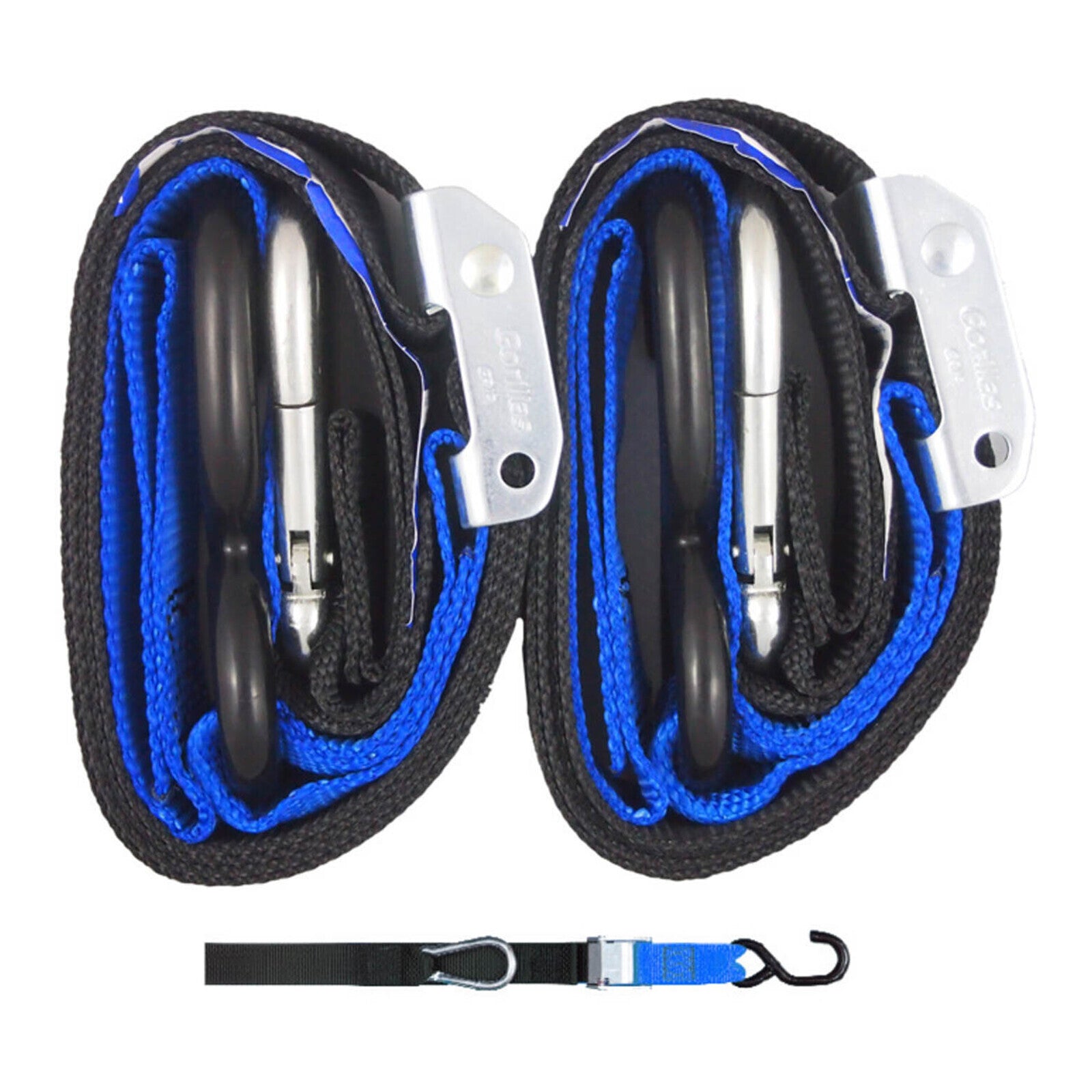
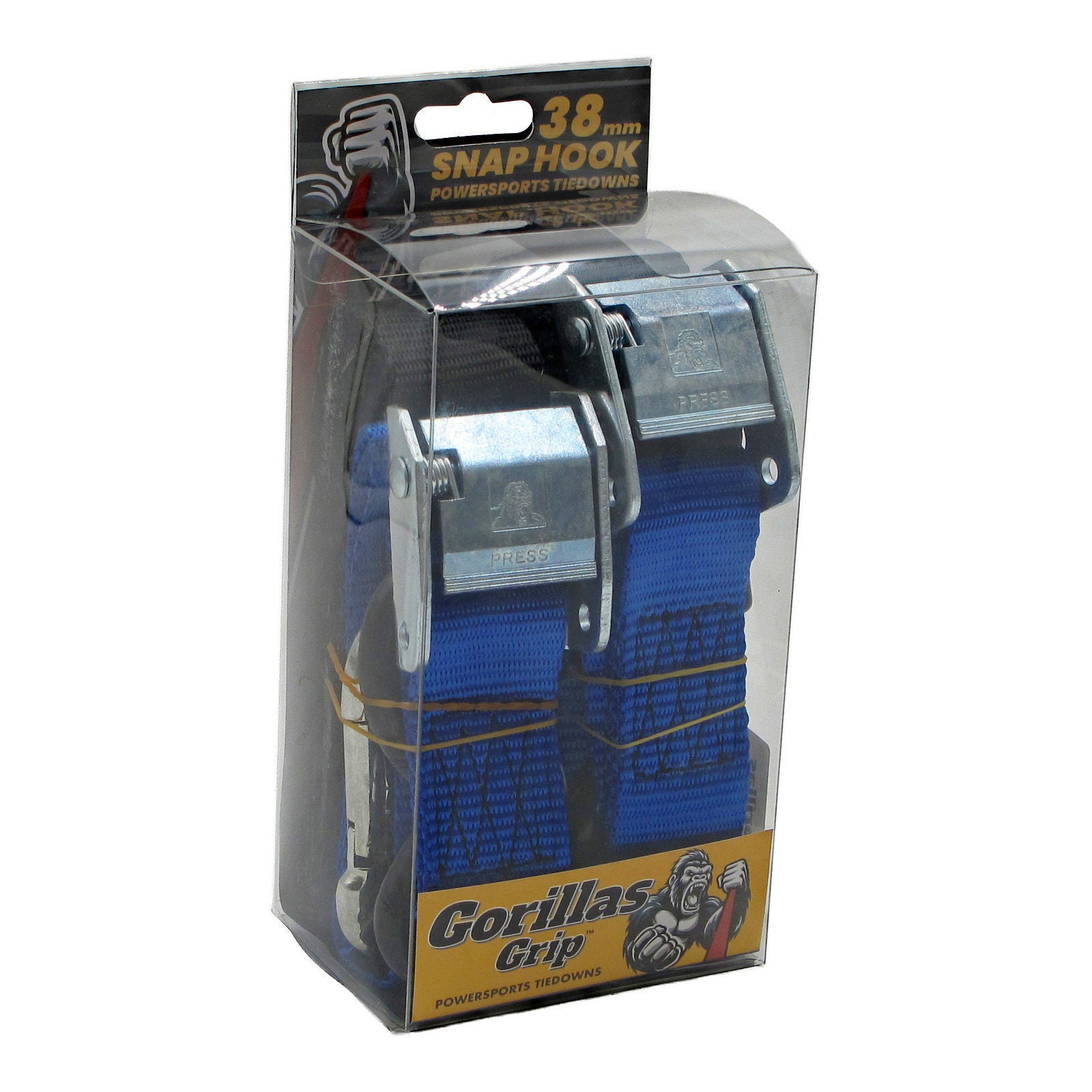
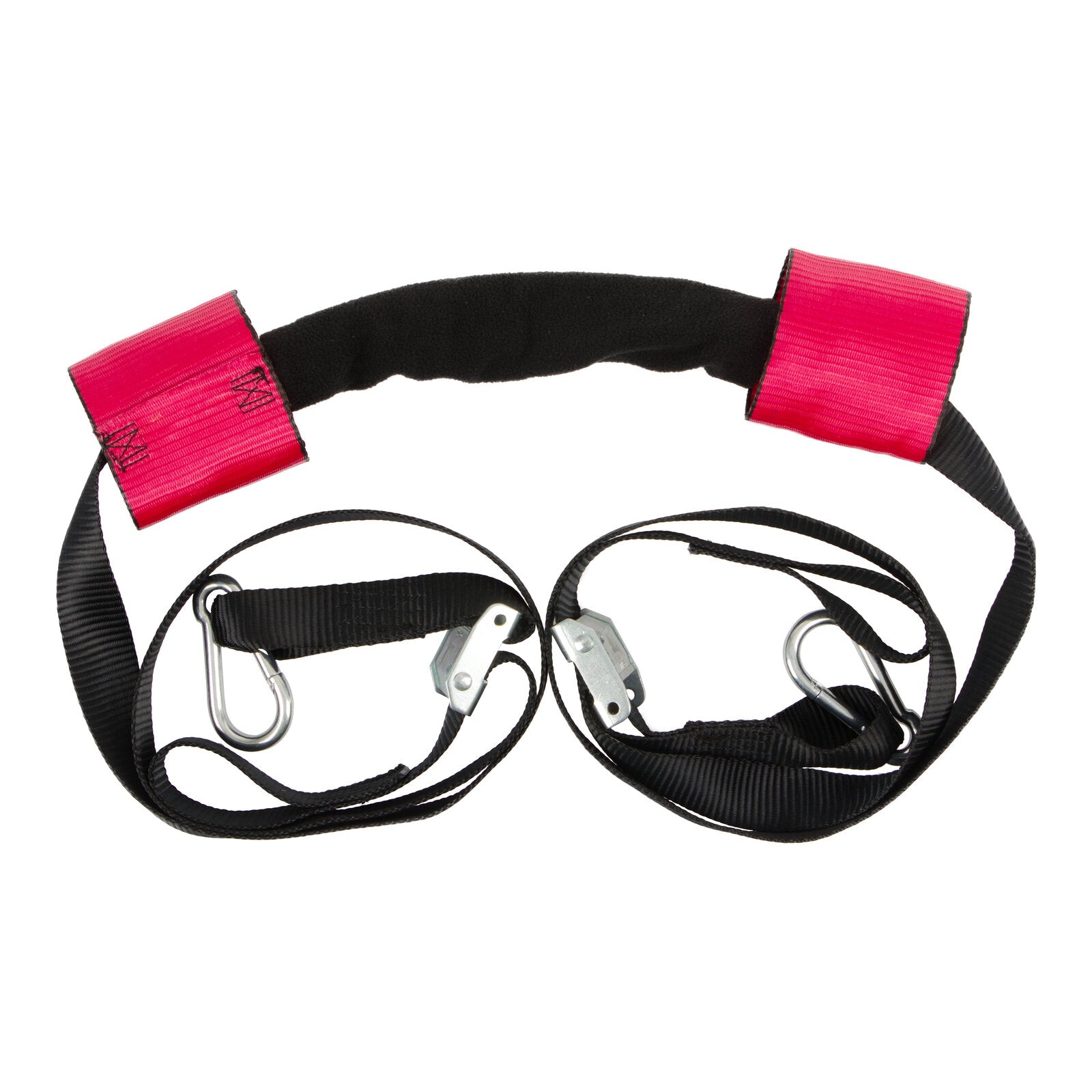
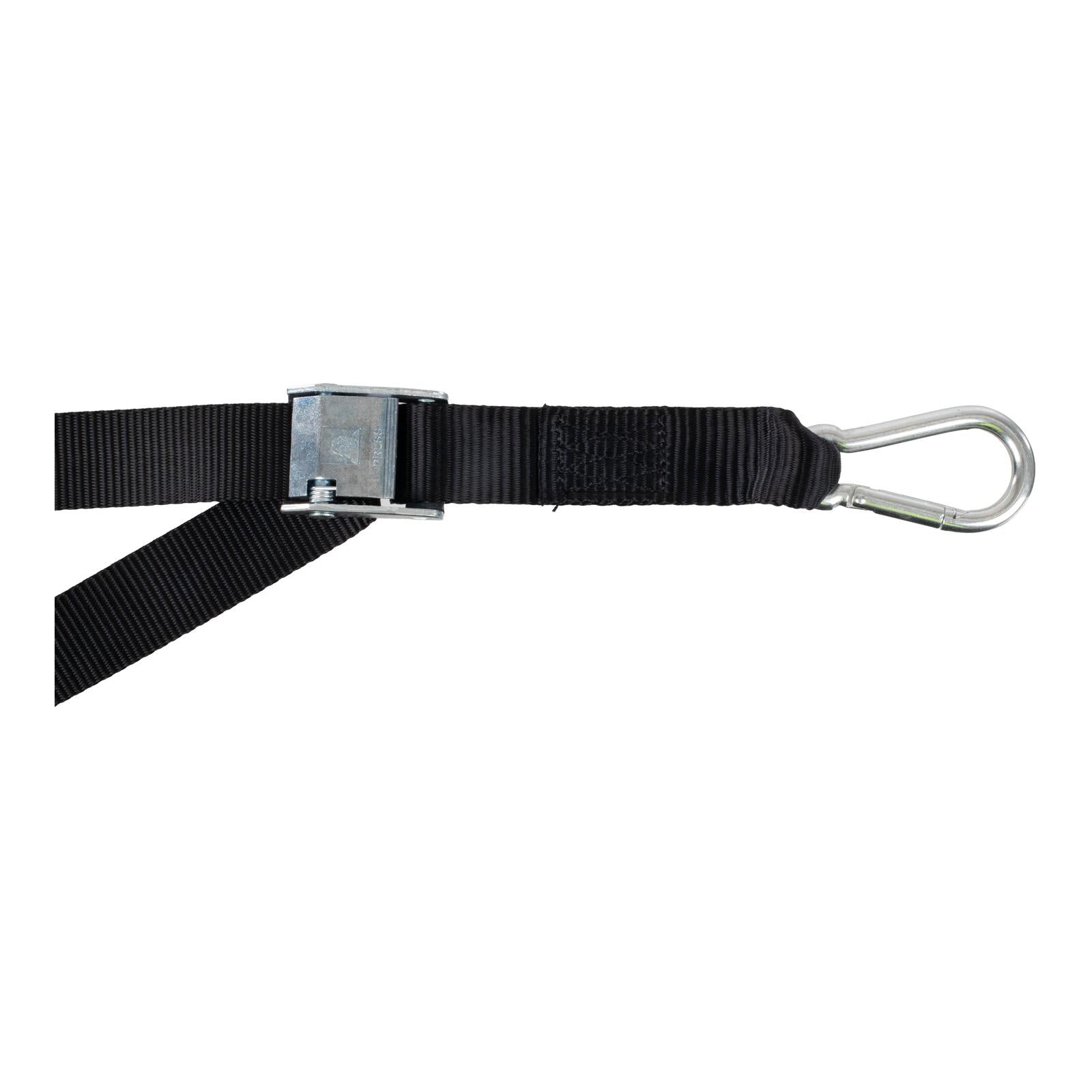
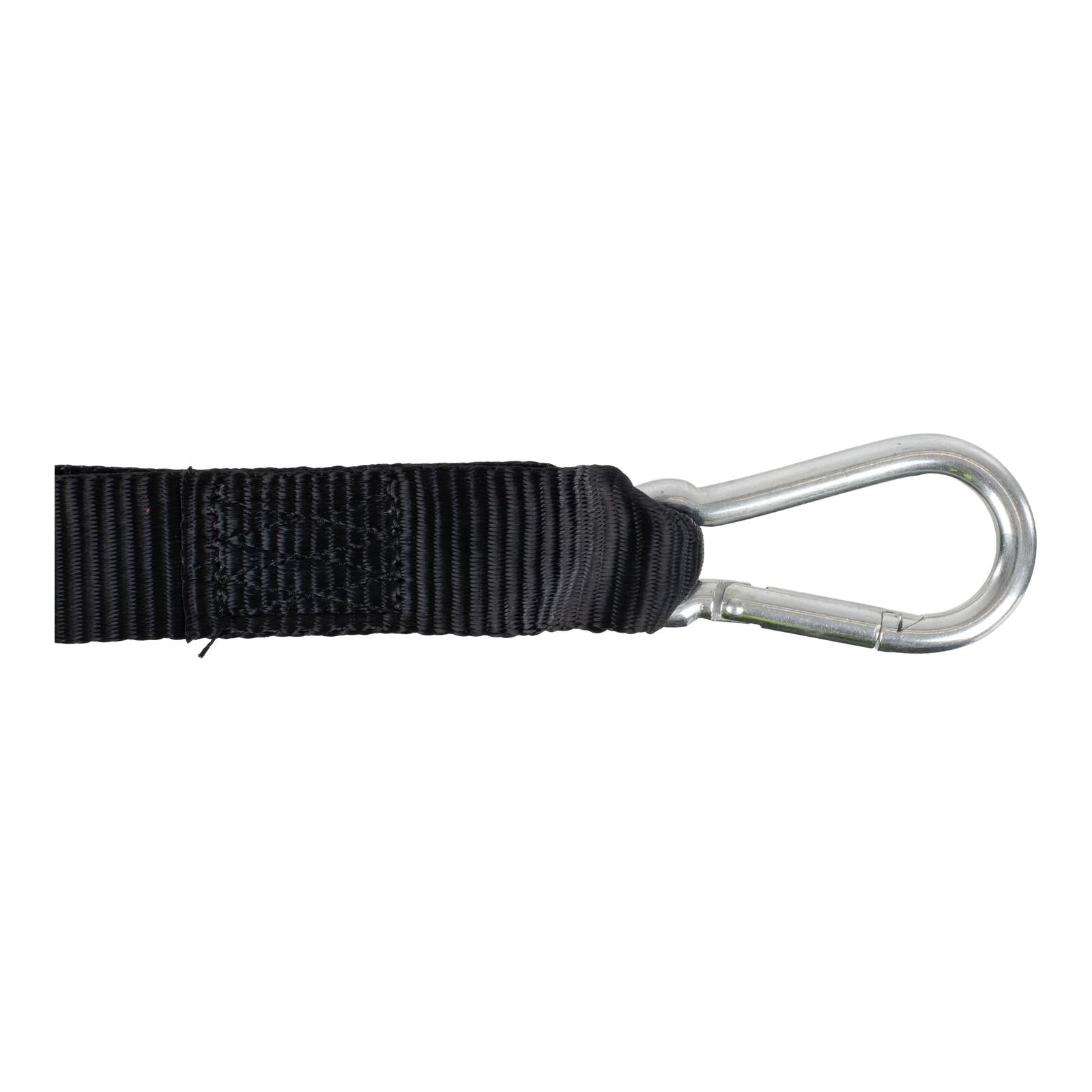
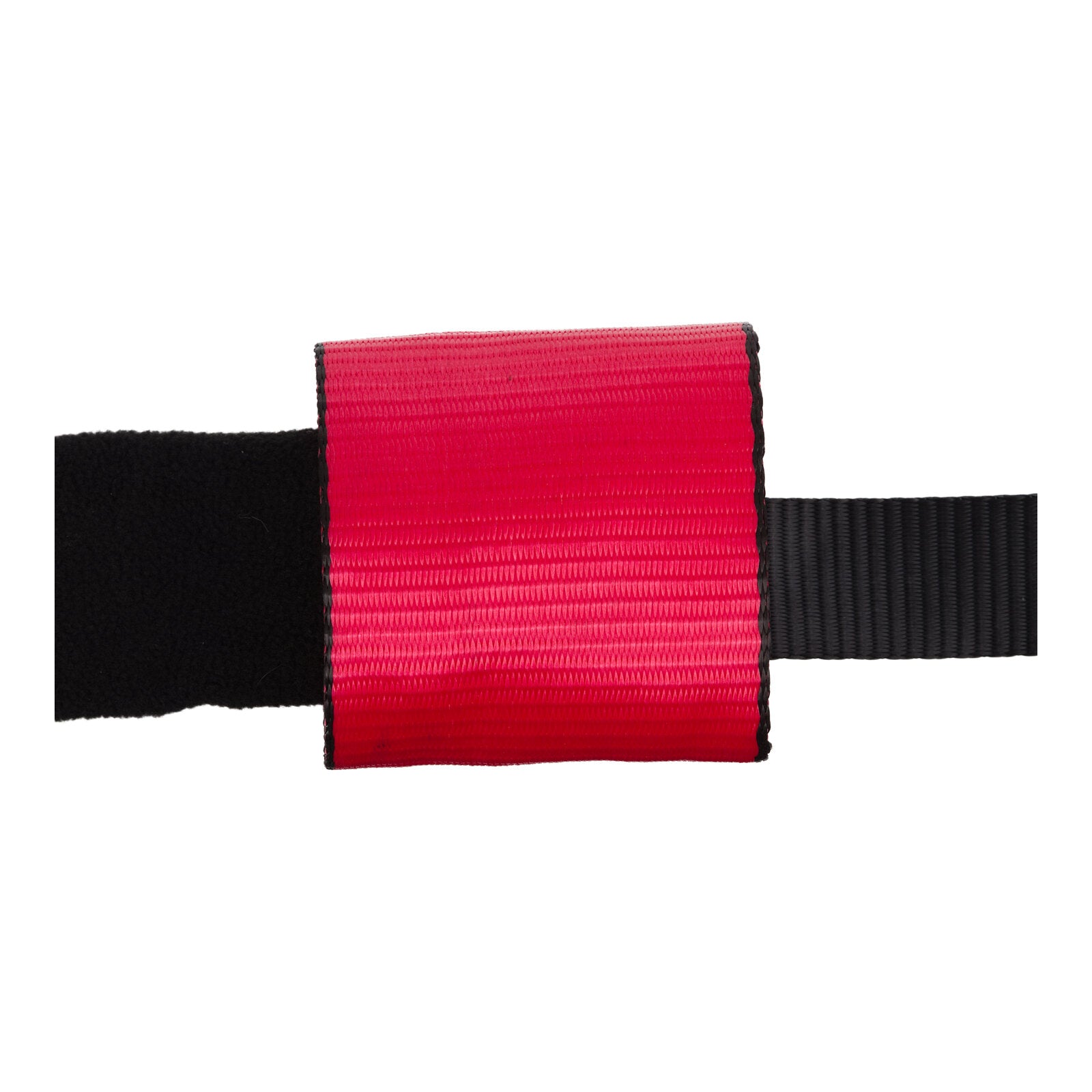
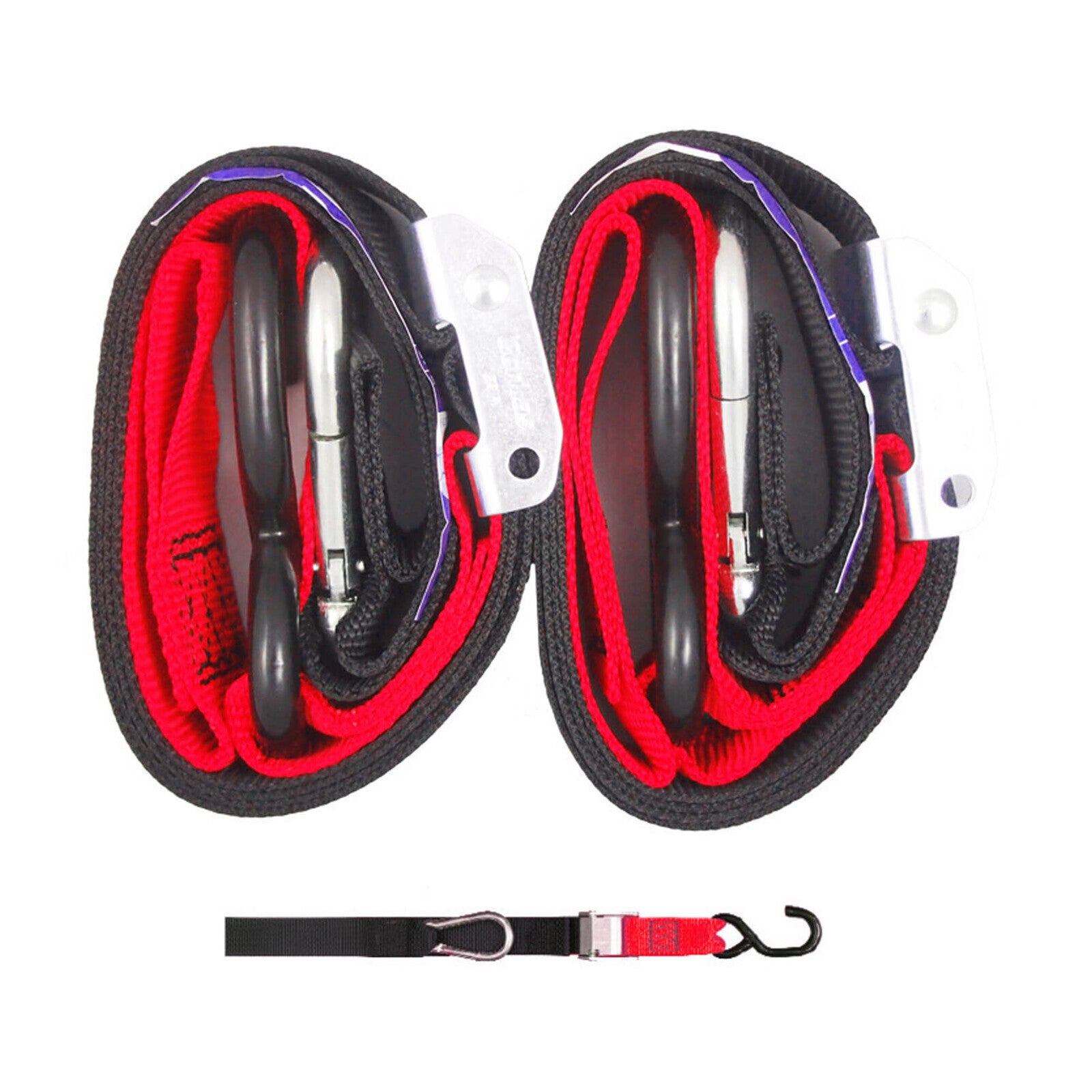
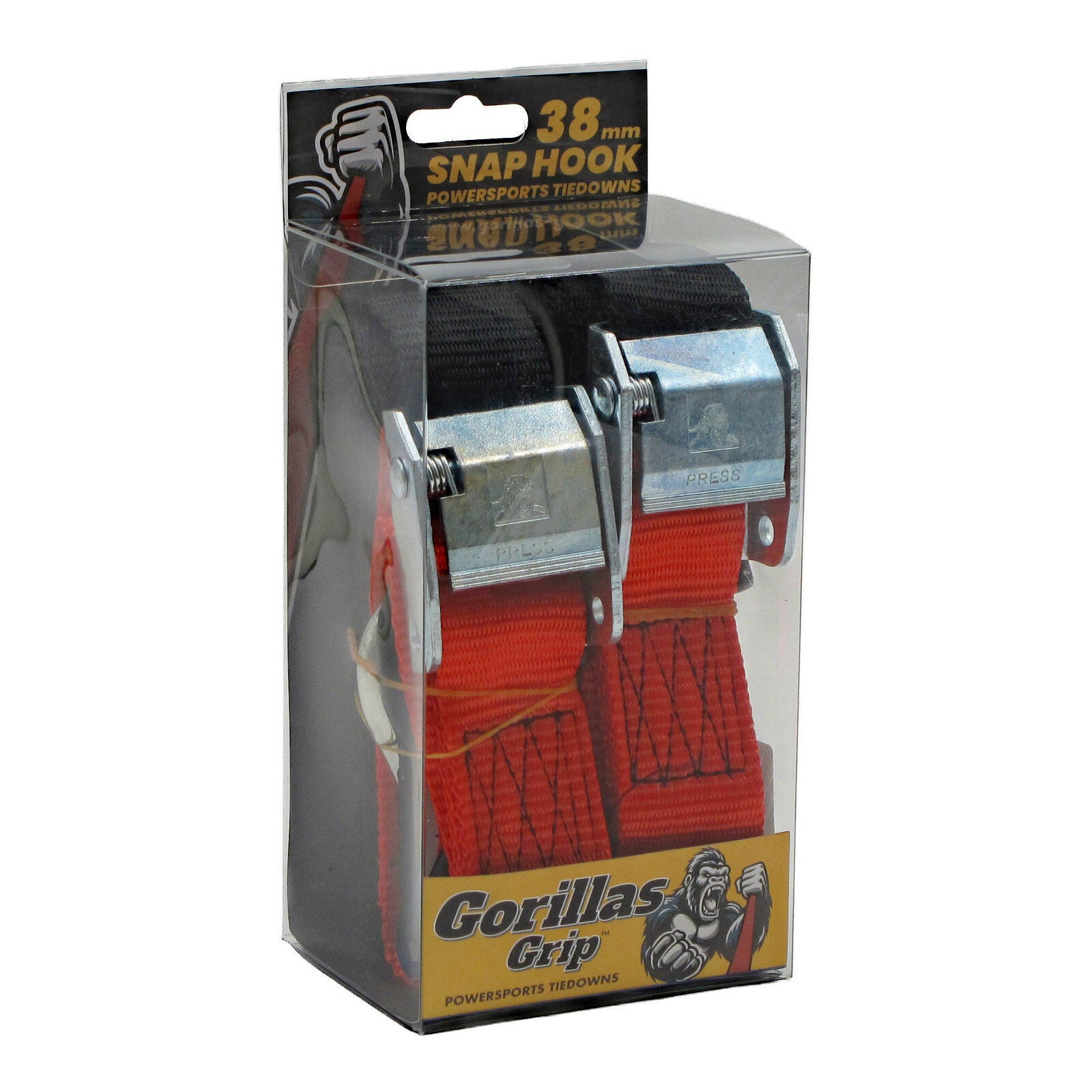
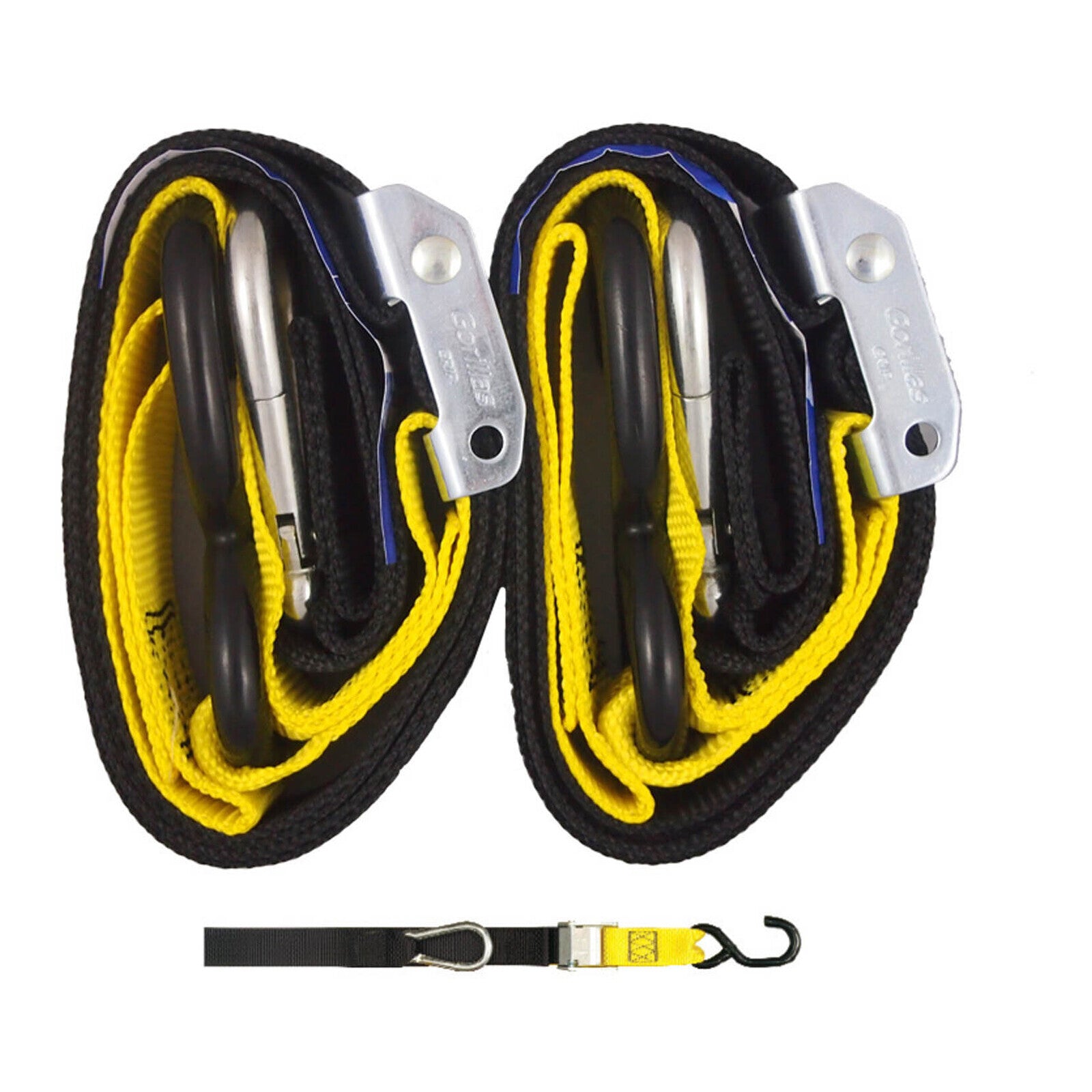
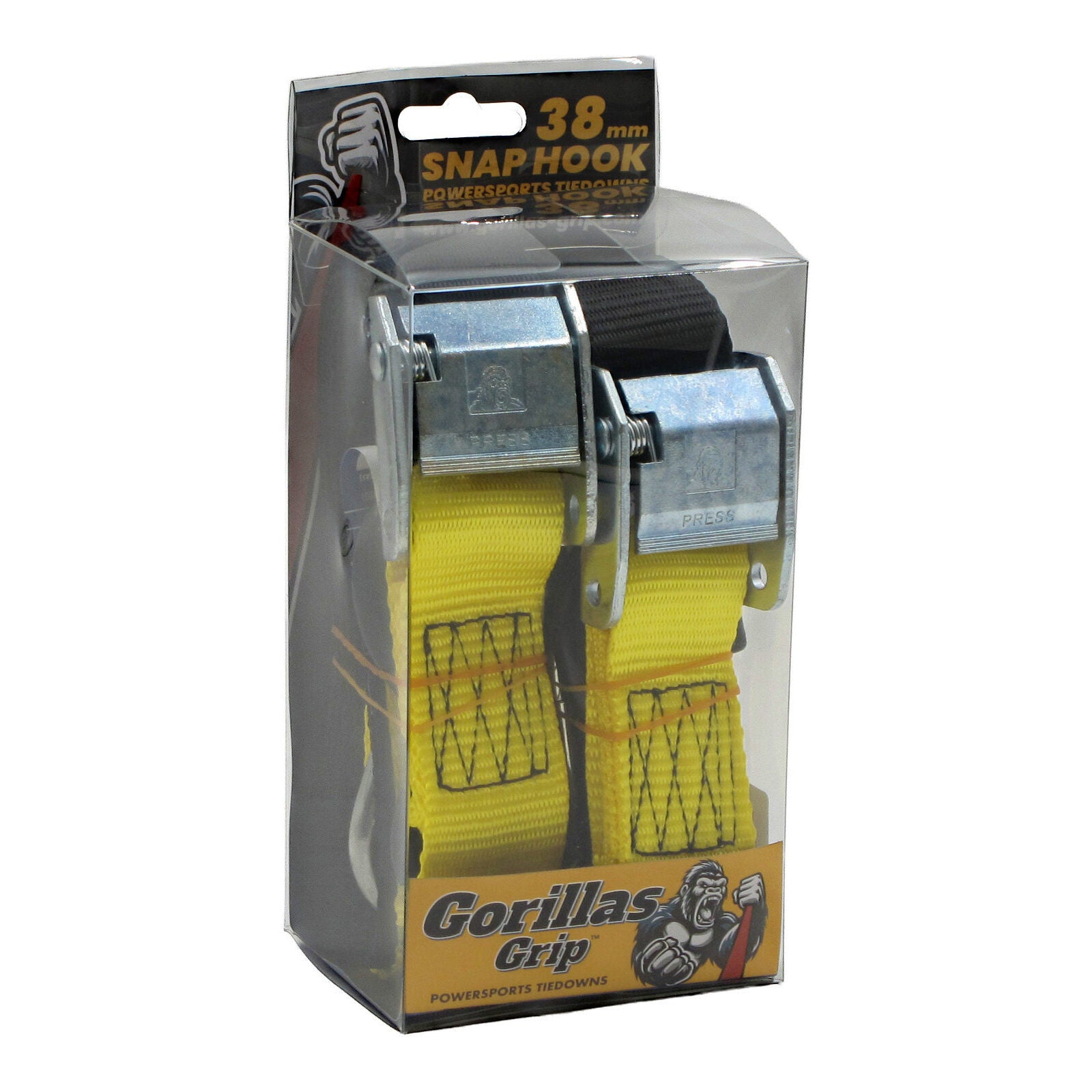
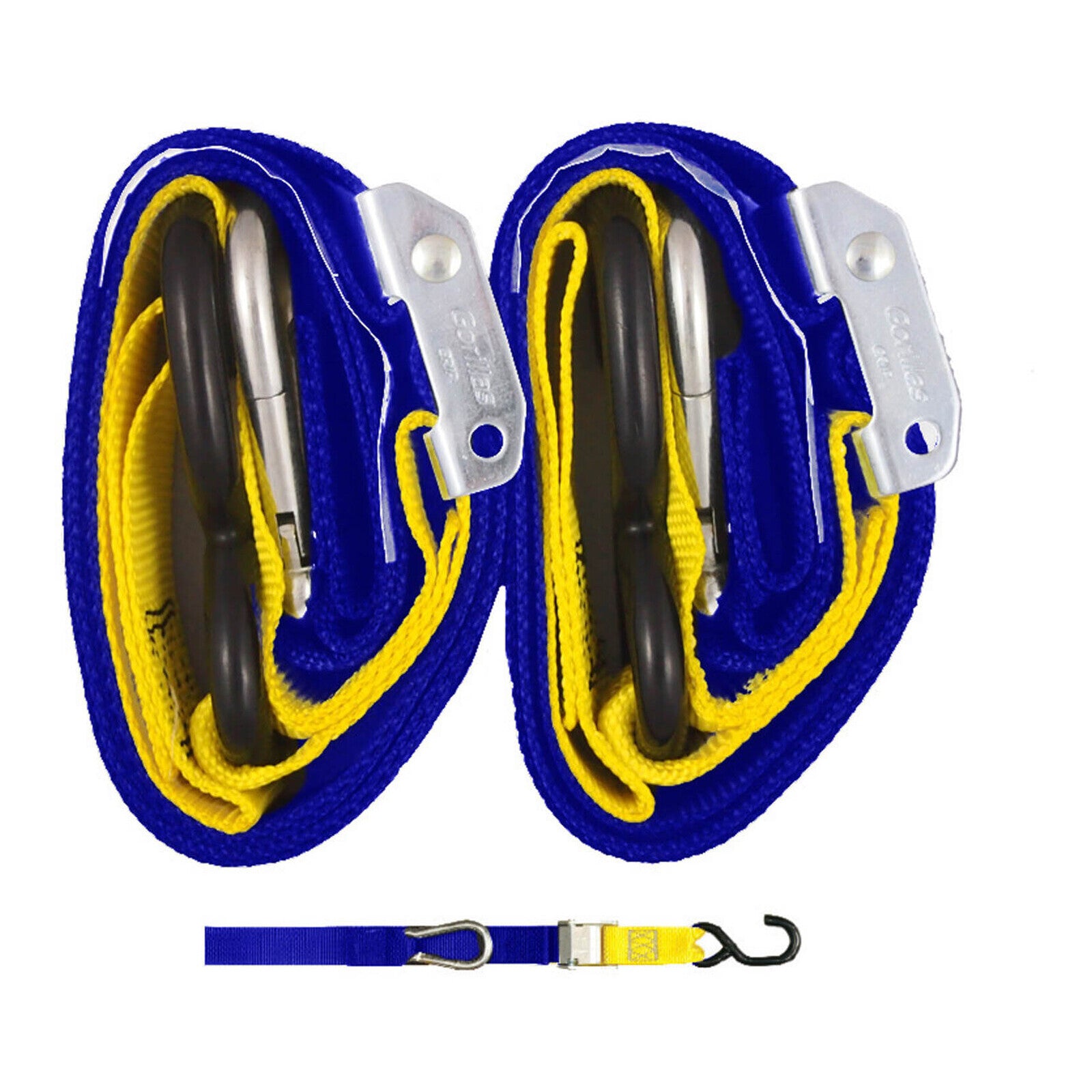
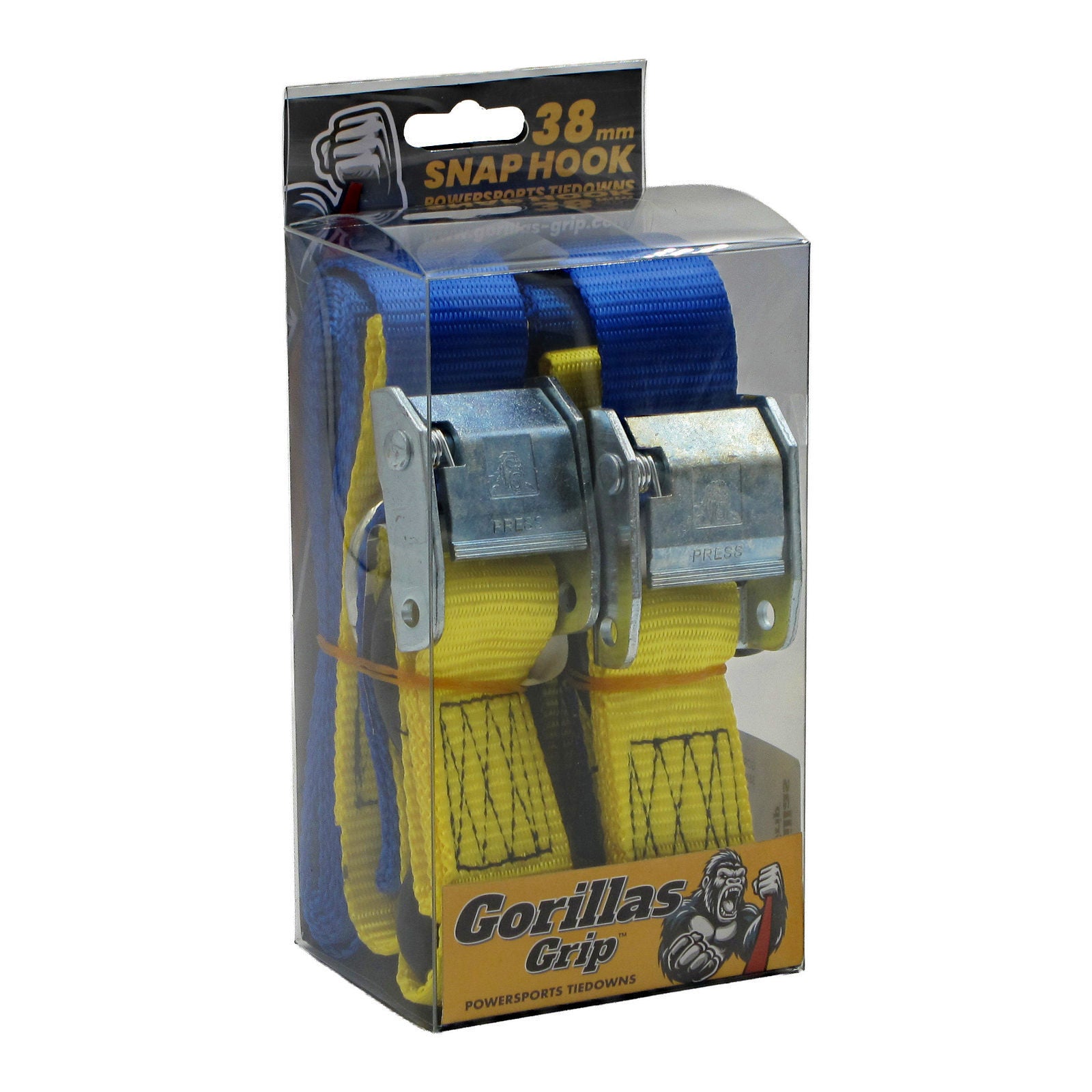
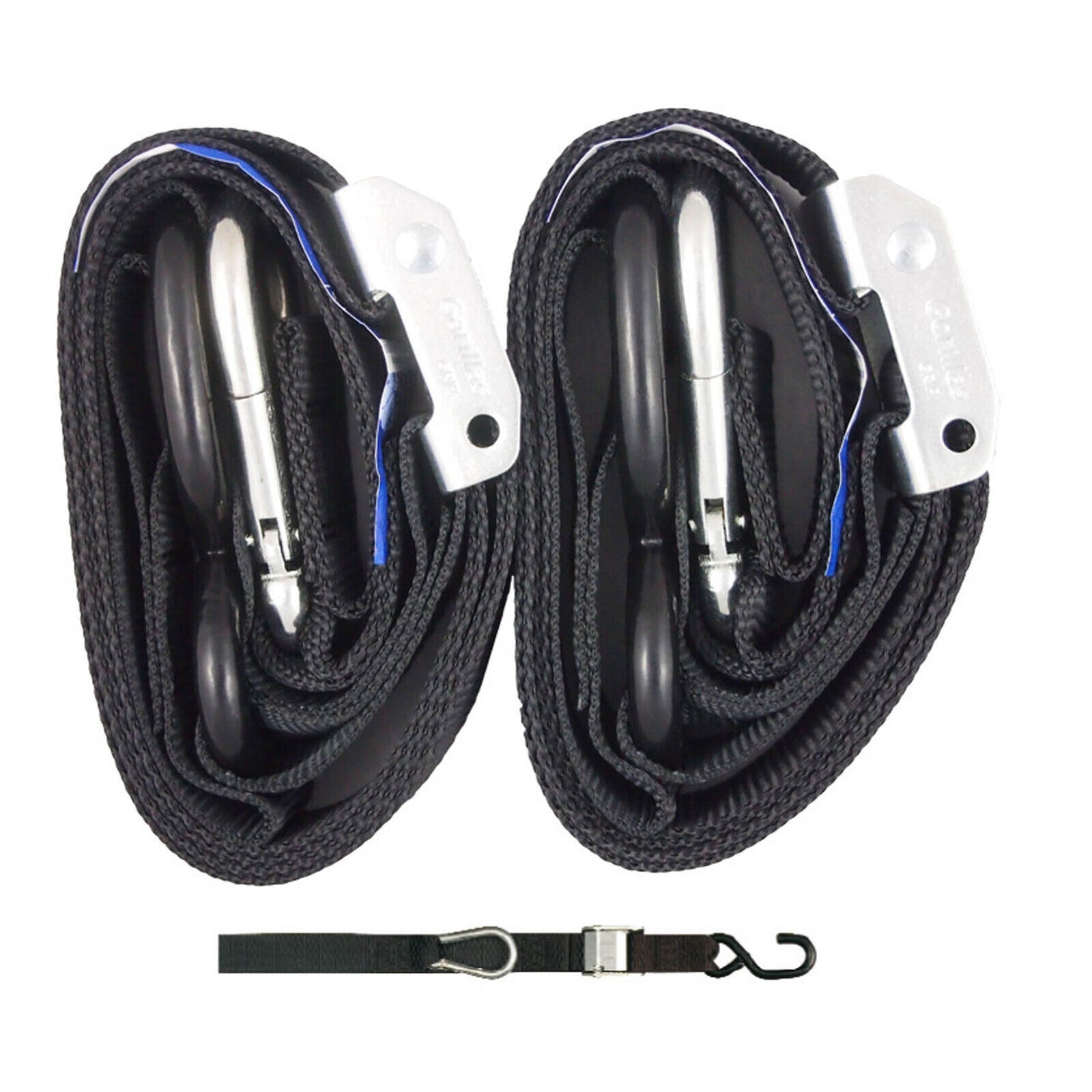
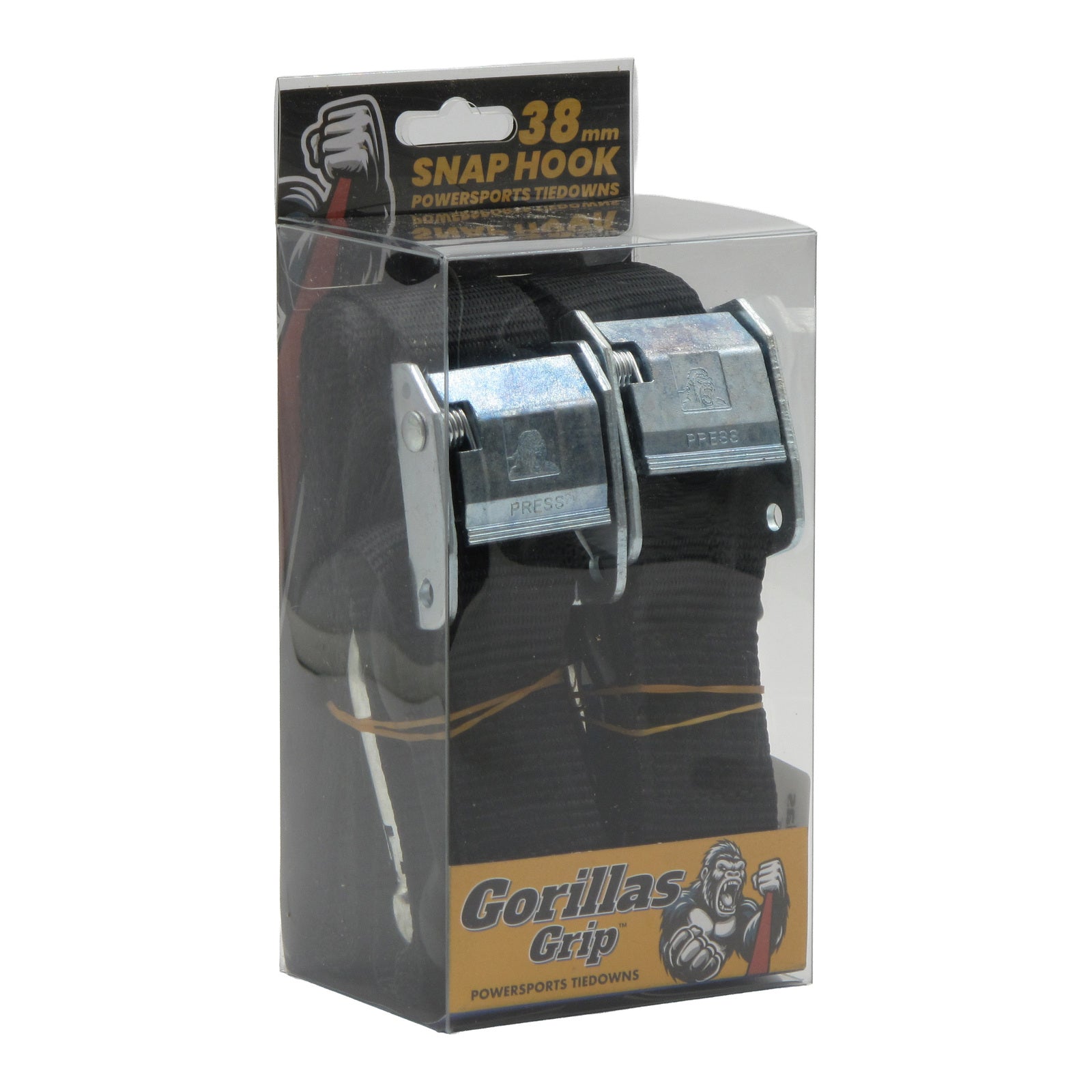
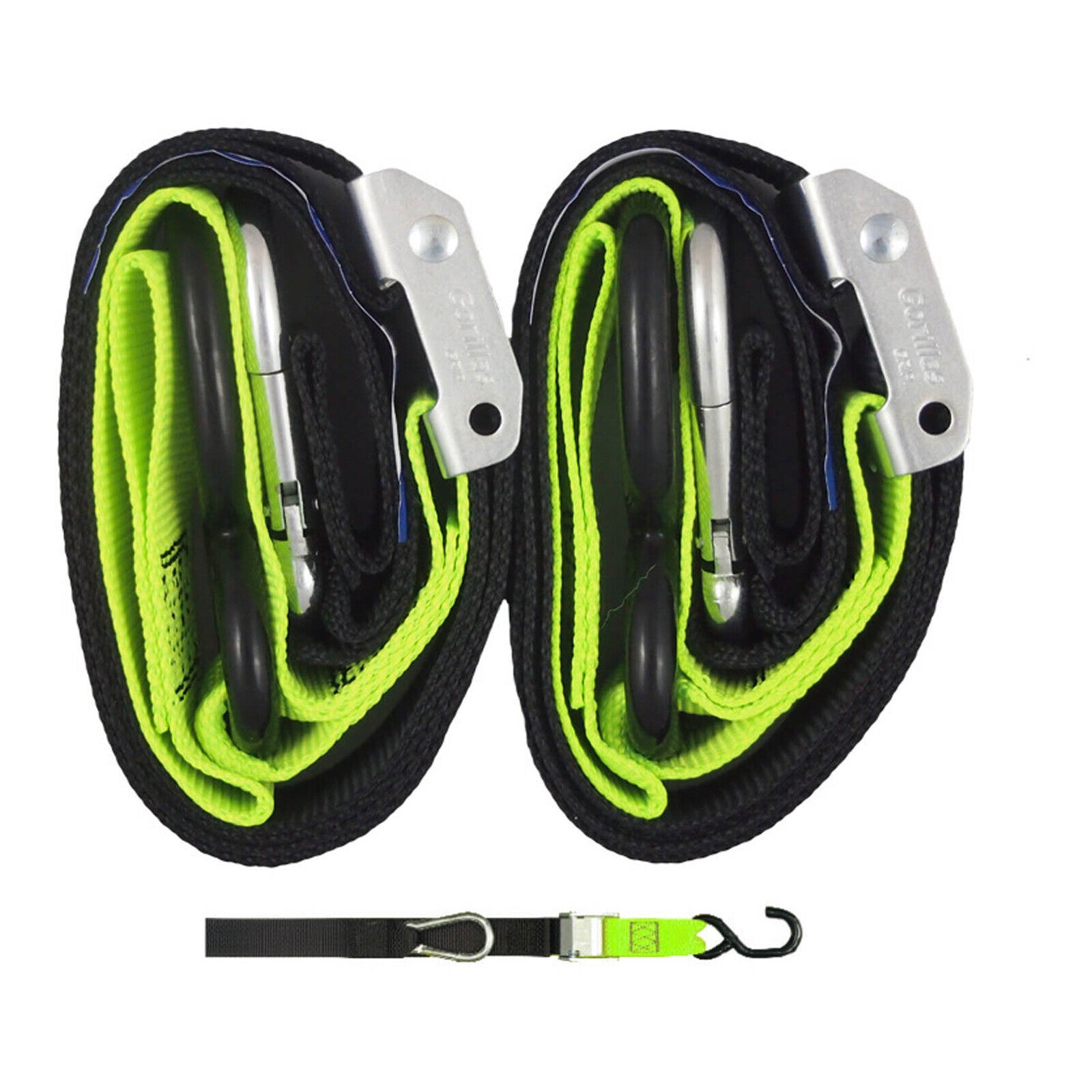
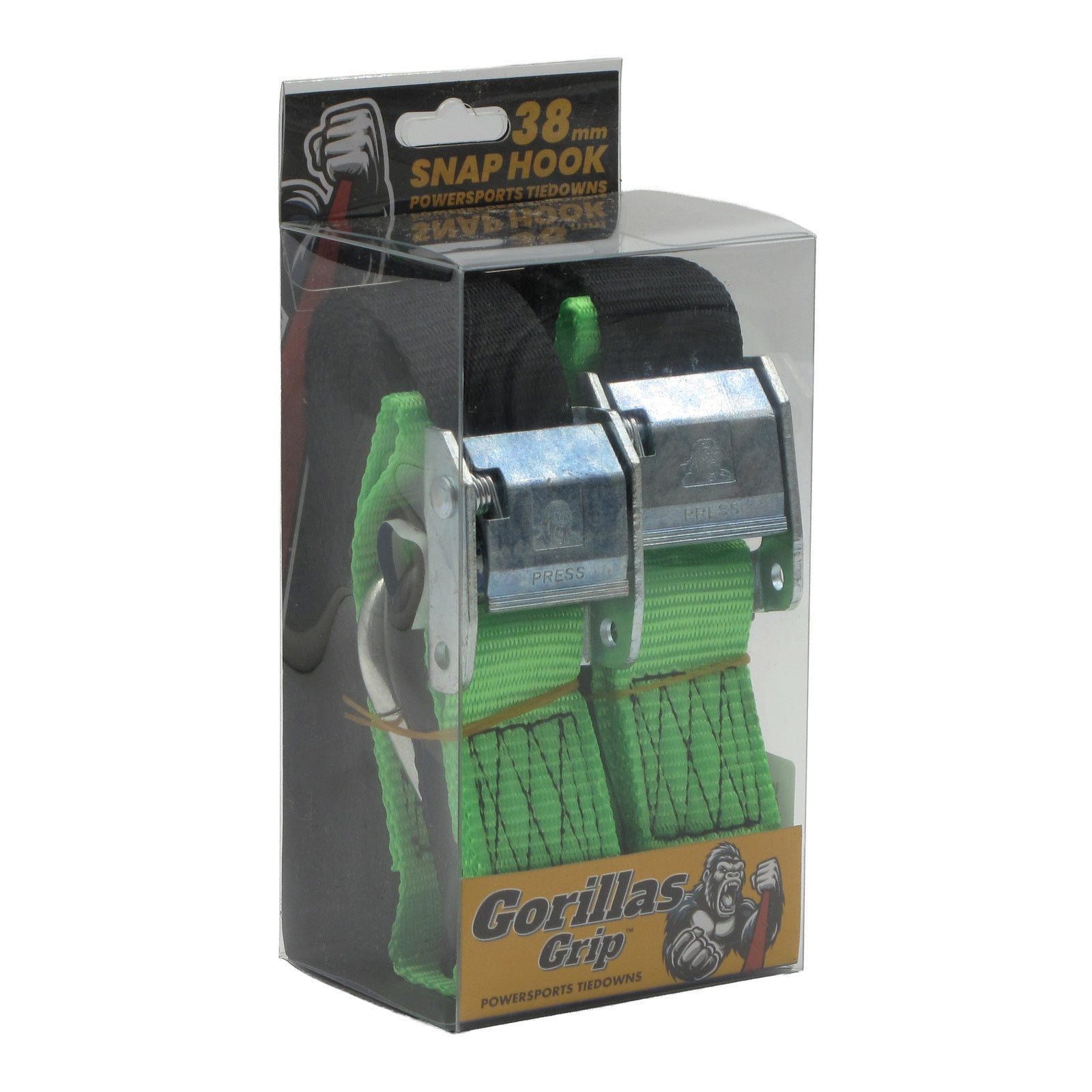
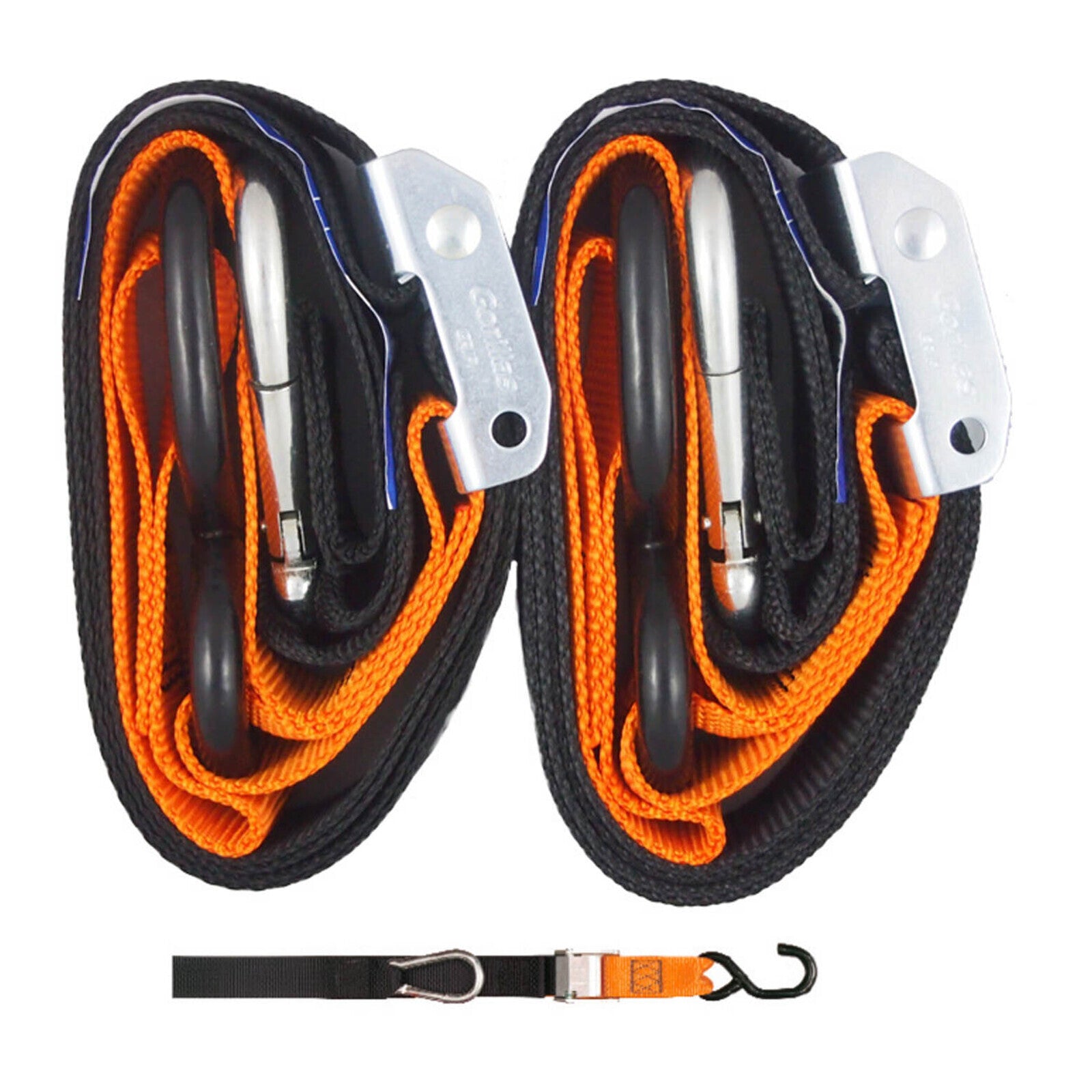
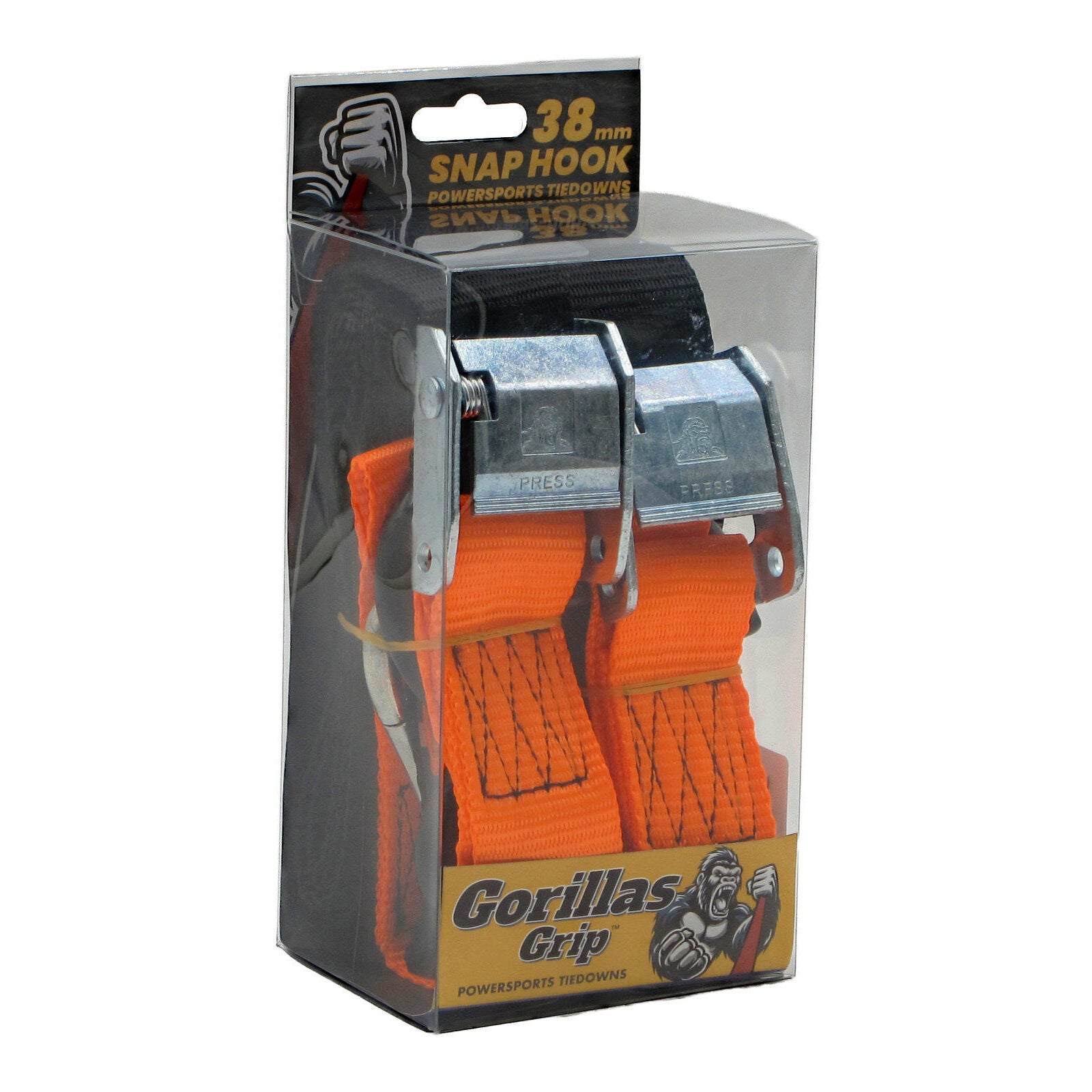
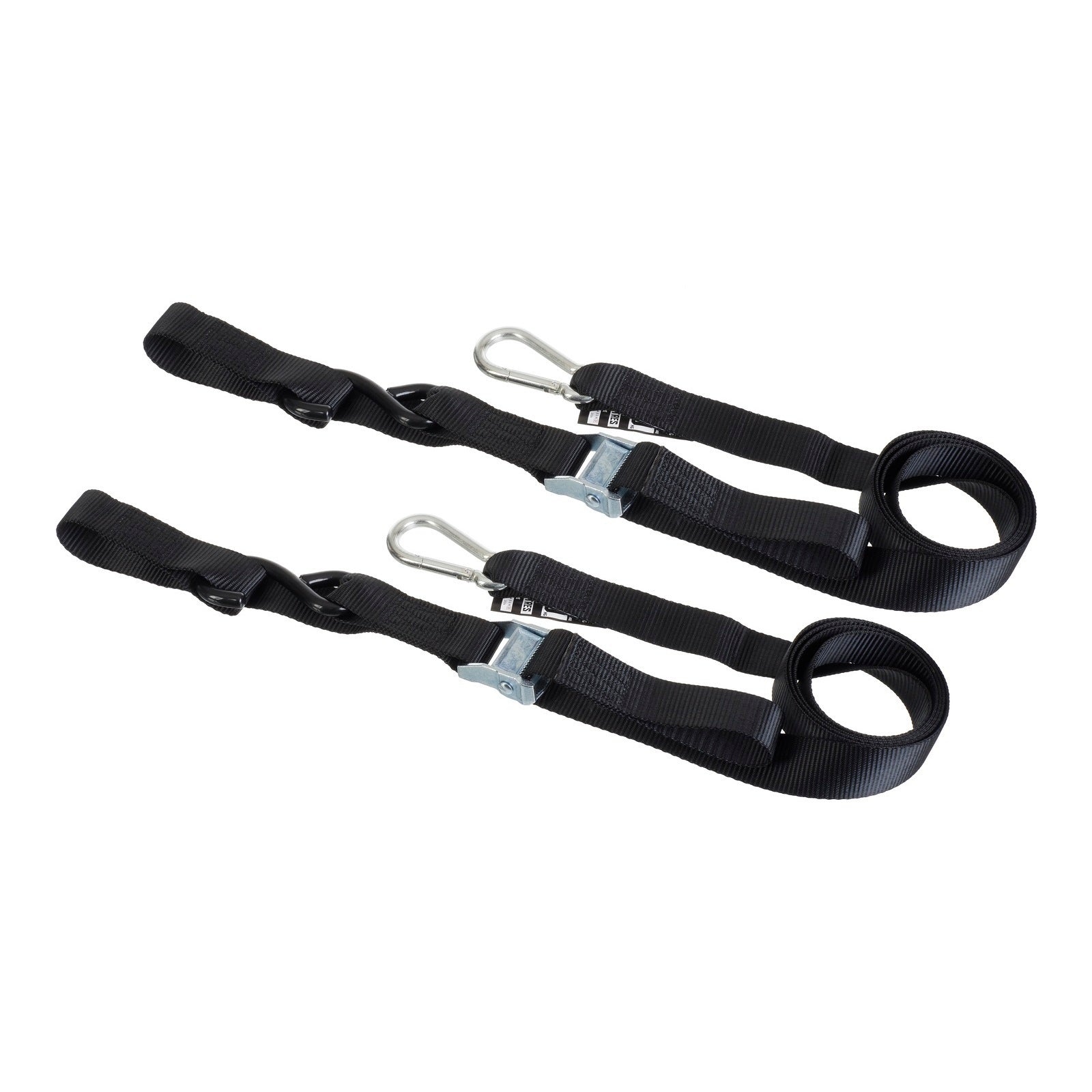
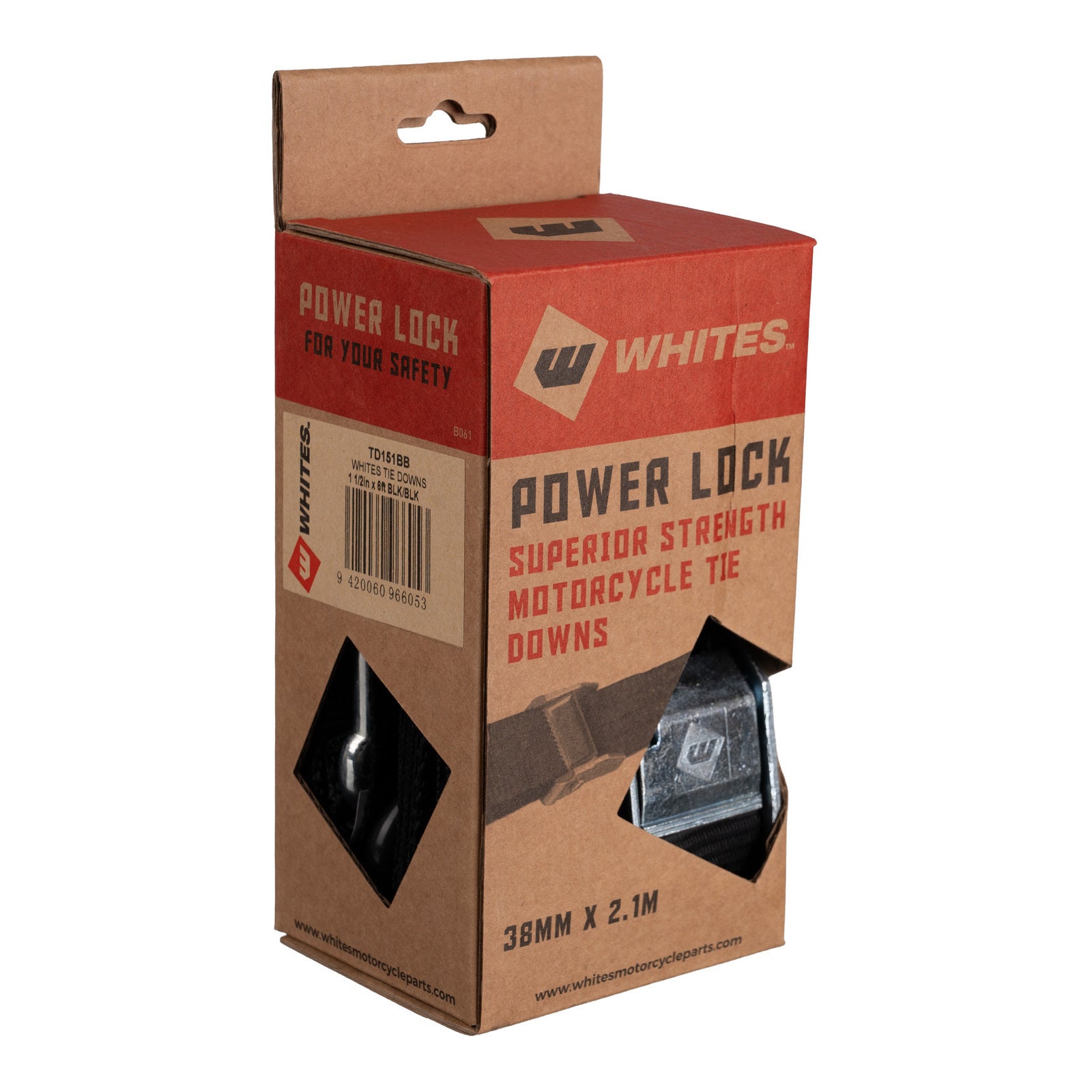
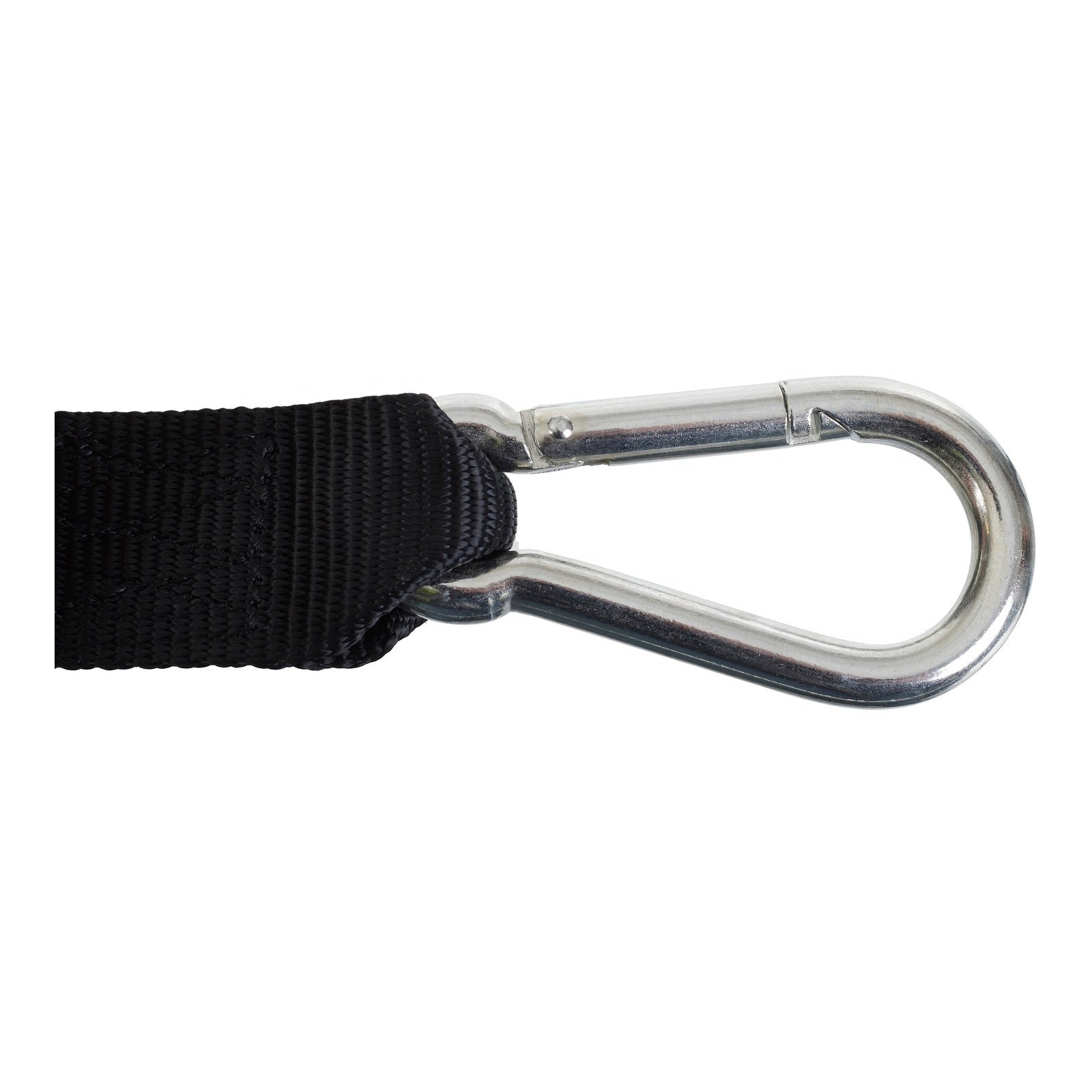
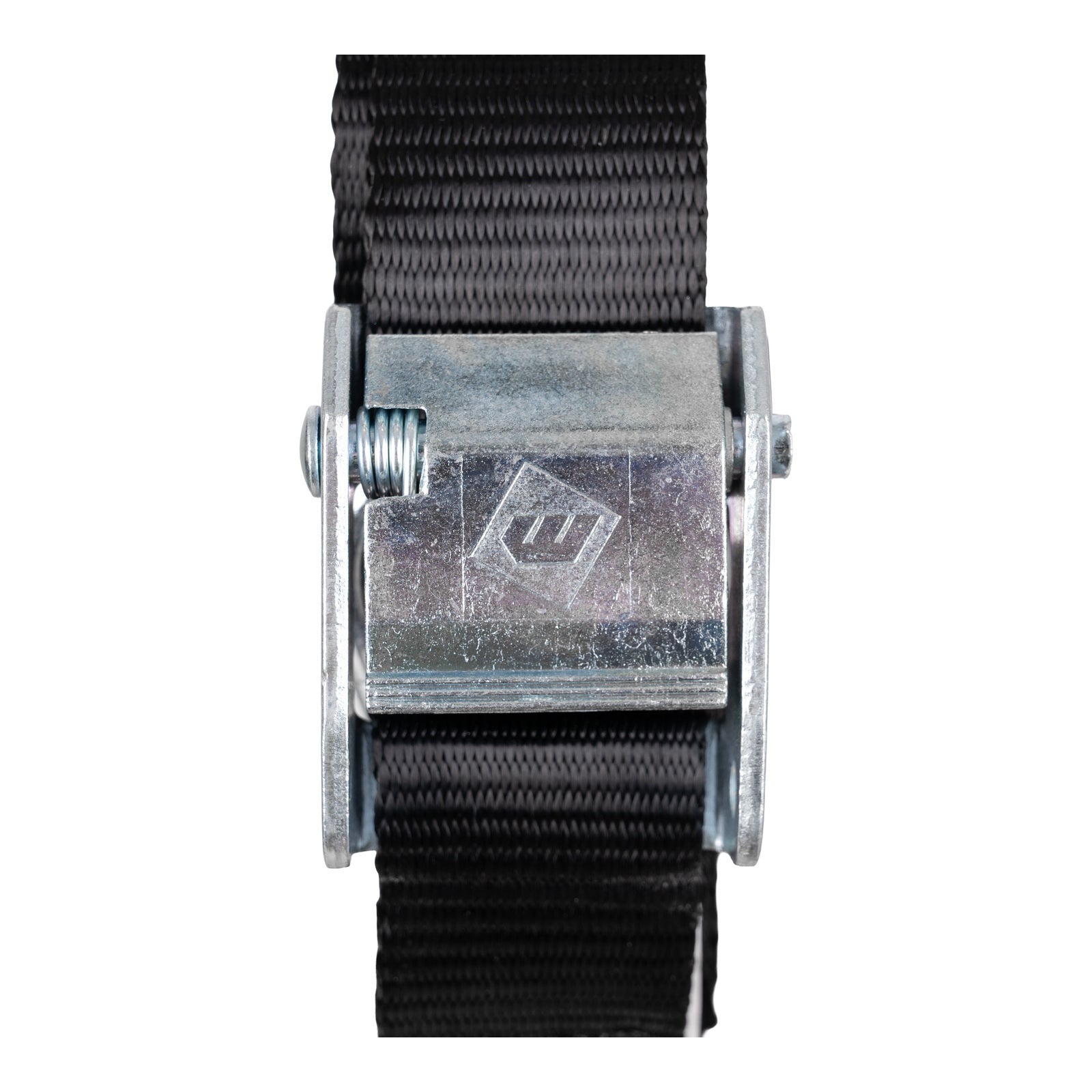
WMP Tie Downs 1 1/2in x 6ft - Black / Black
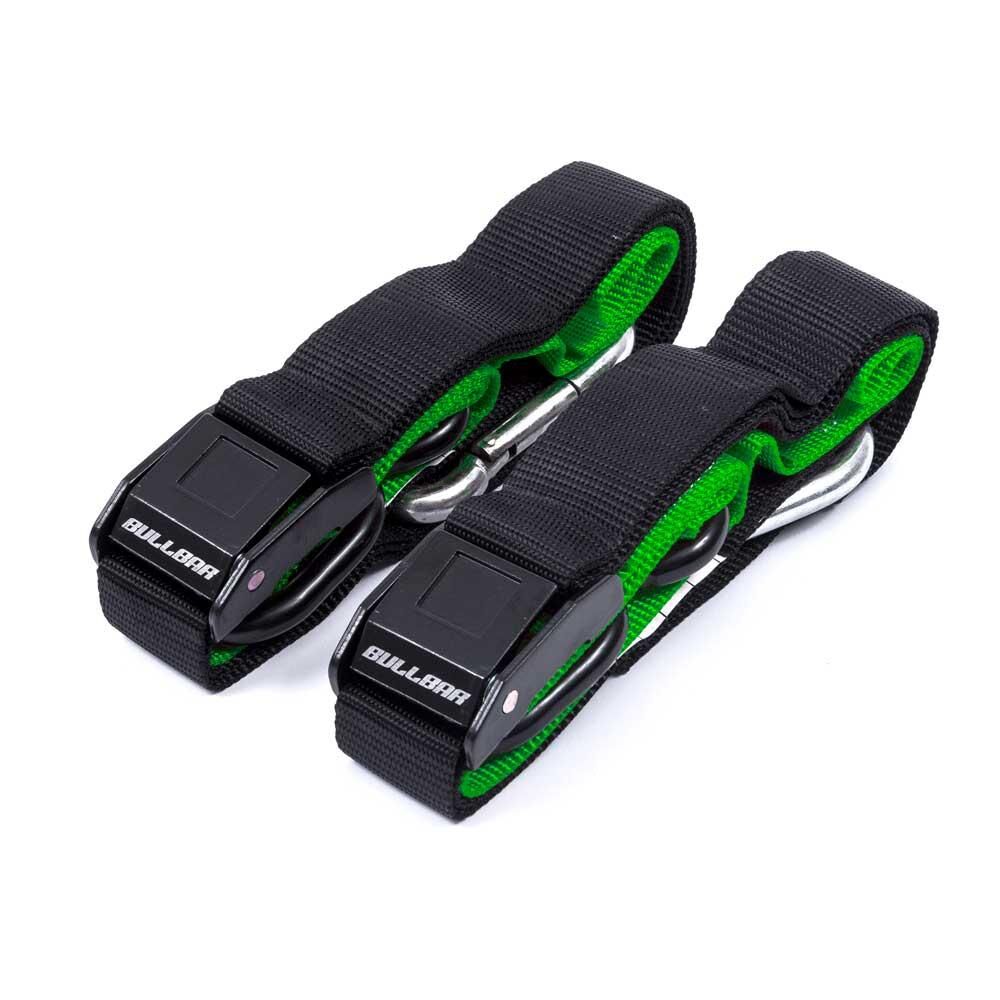
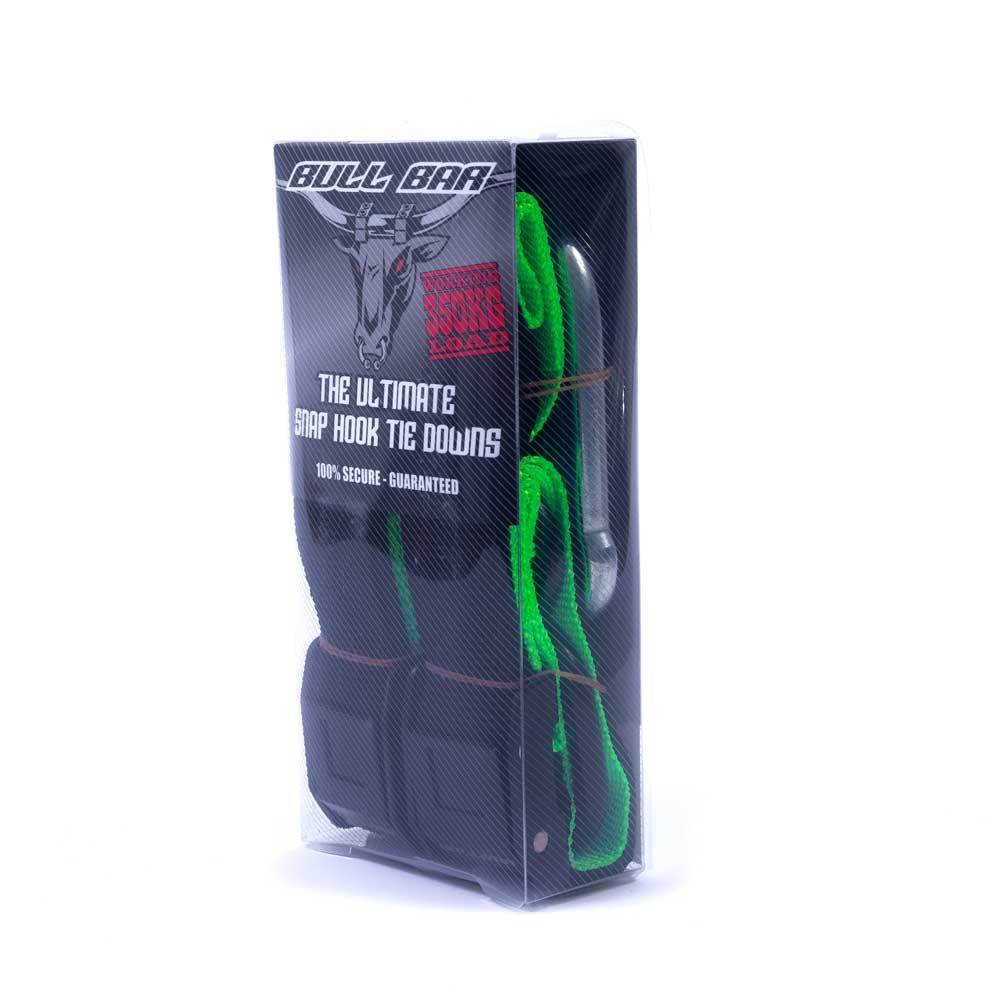
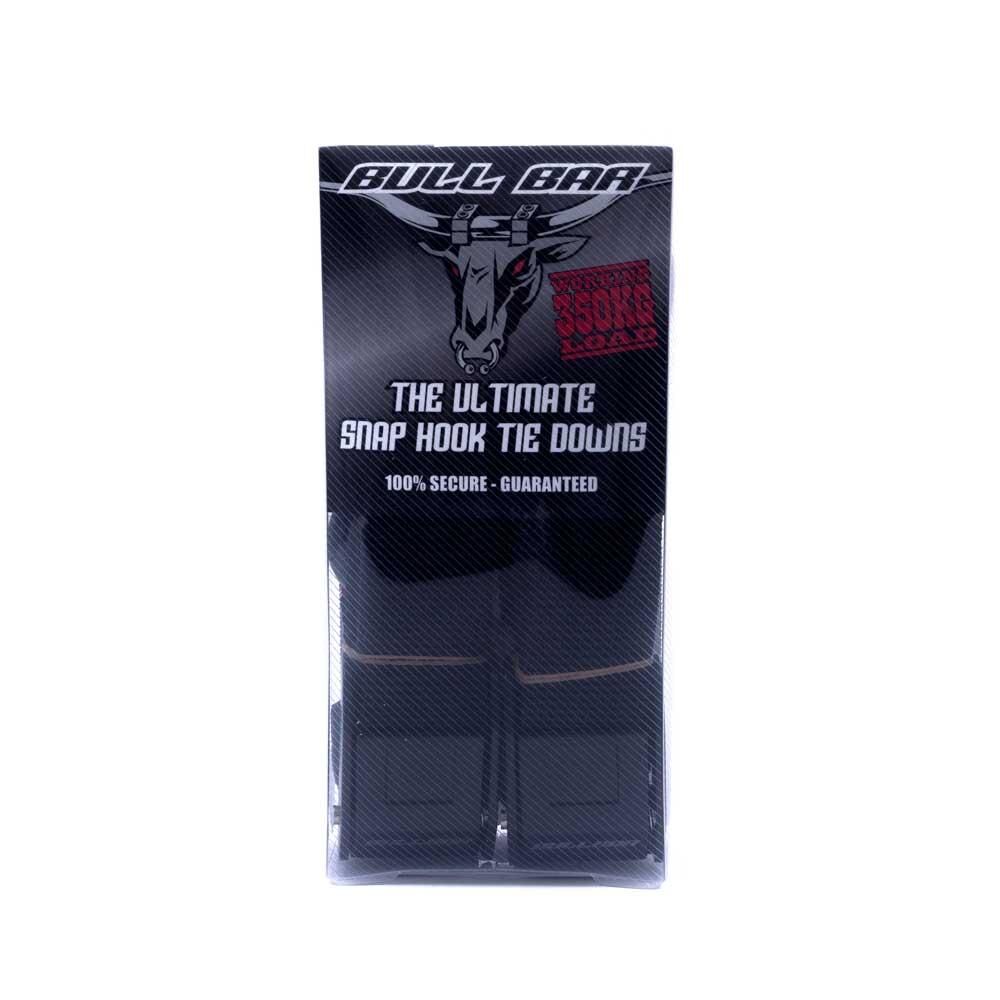
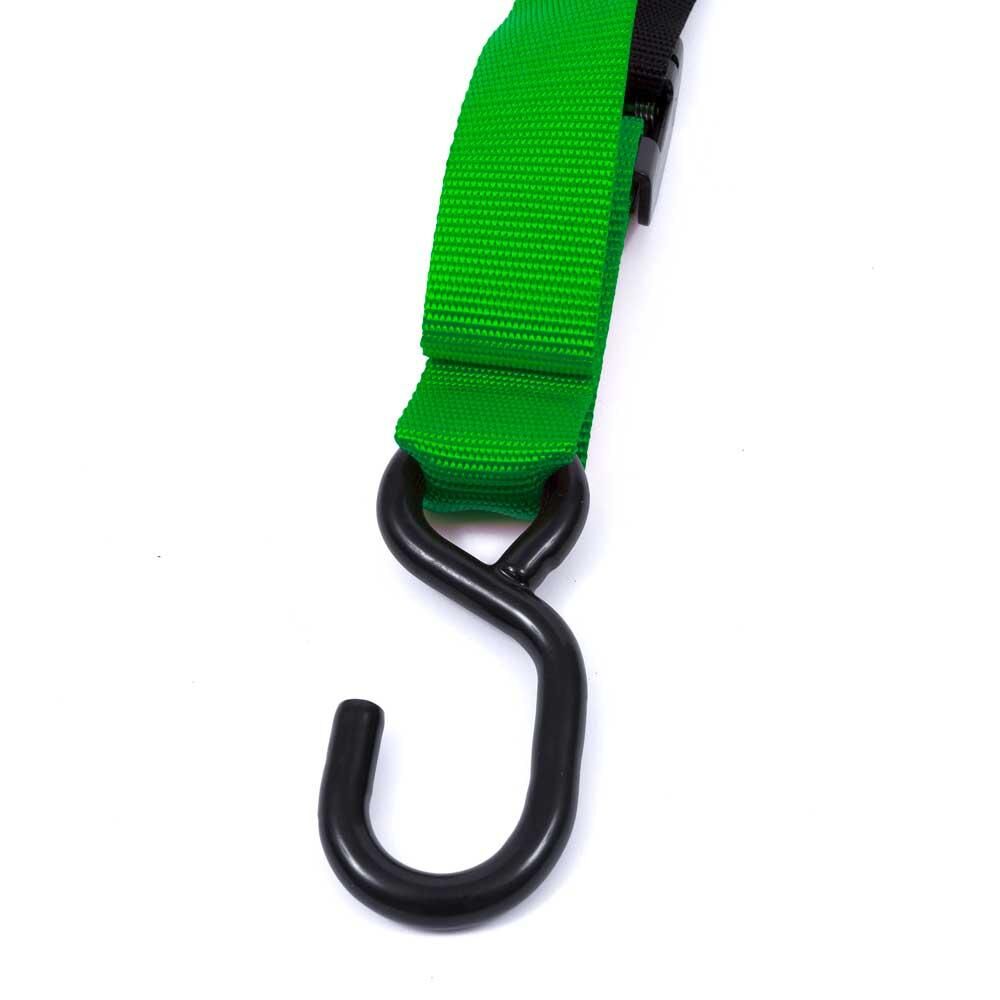
TIE DOWN SET - BULLBAR - BLACK
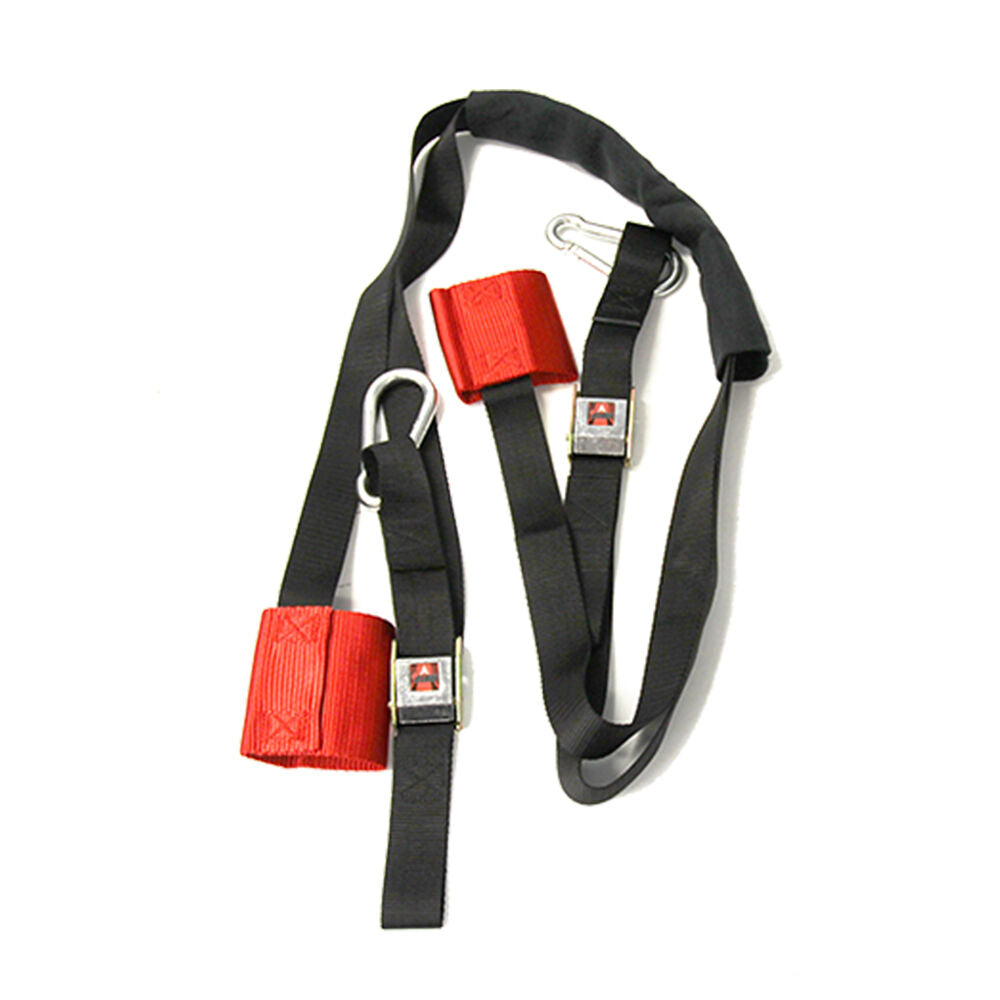
HD TIEDOWN & BUILT IN HARNESS (PR)
TIEDOWNS 1" A/FAST TYPE LOOP BLUE
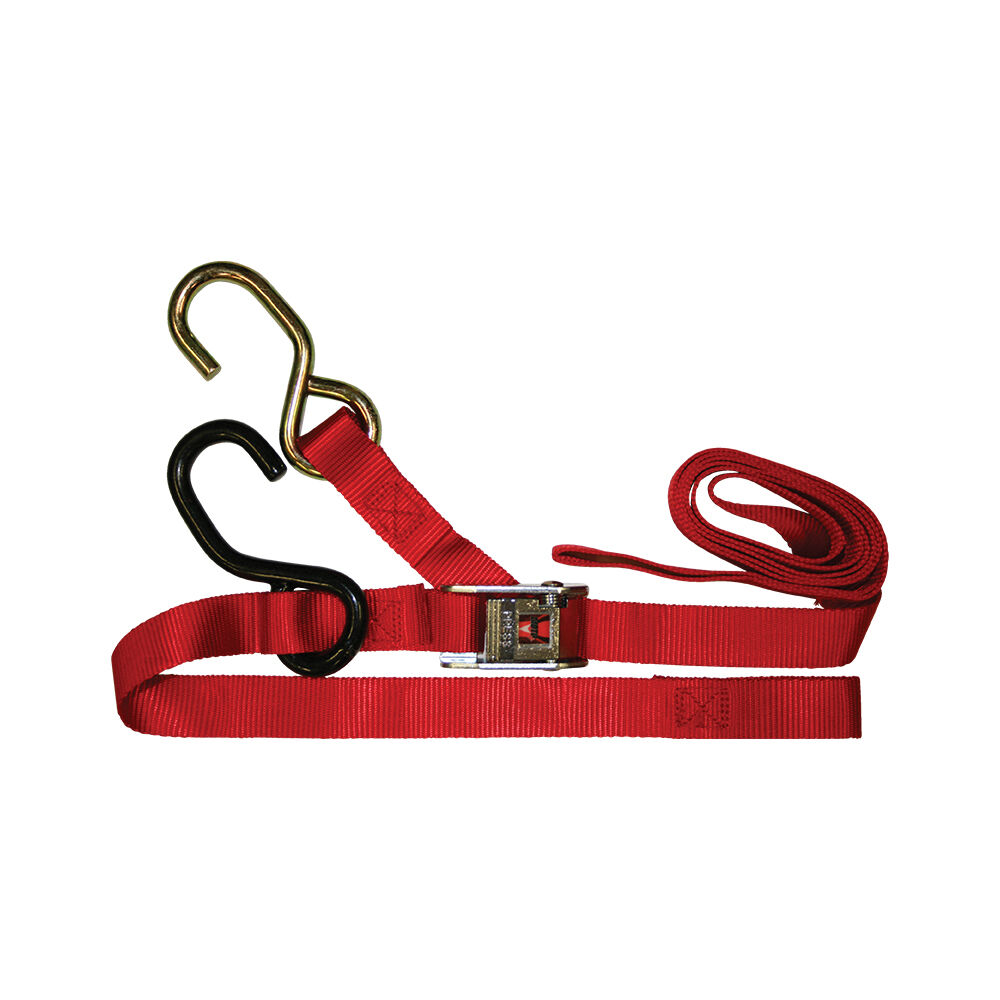
TIEDOWNS 1" A/FAST TYPE LOOP RED
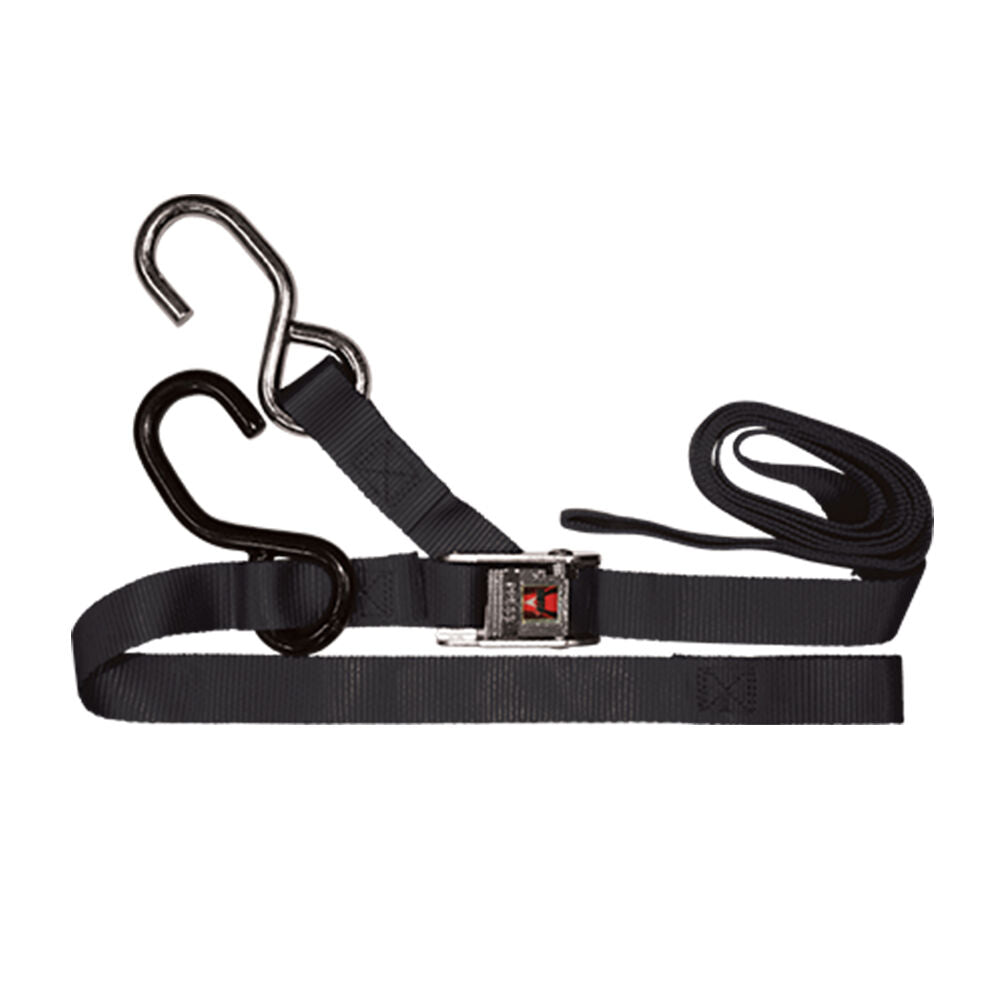
TIEDOWNS 1'' A/FAST TYPE LOOP BLK
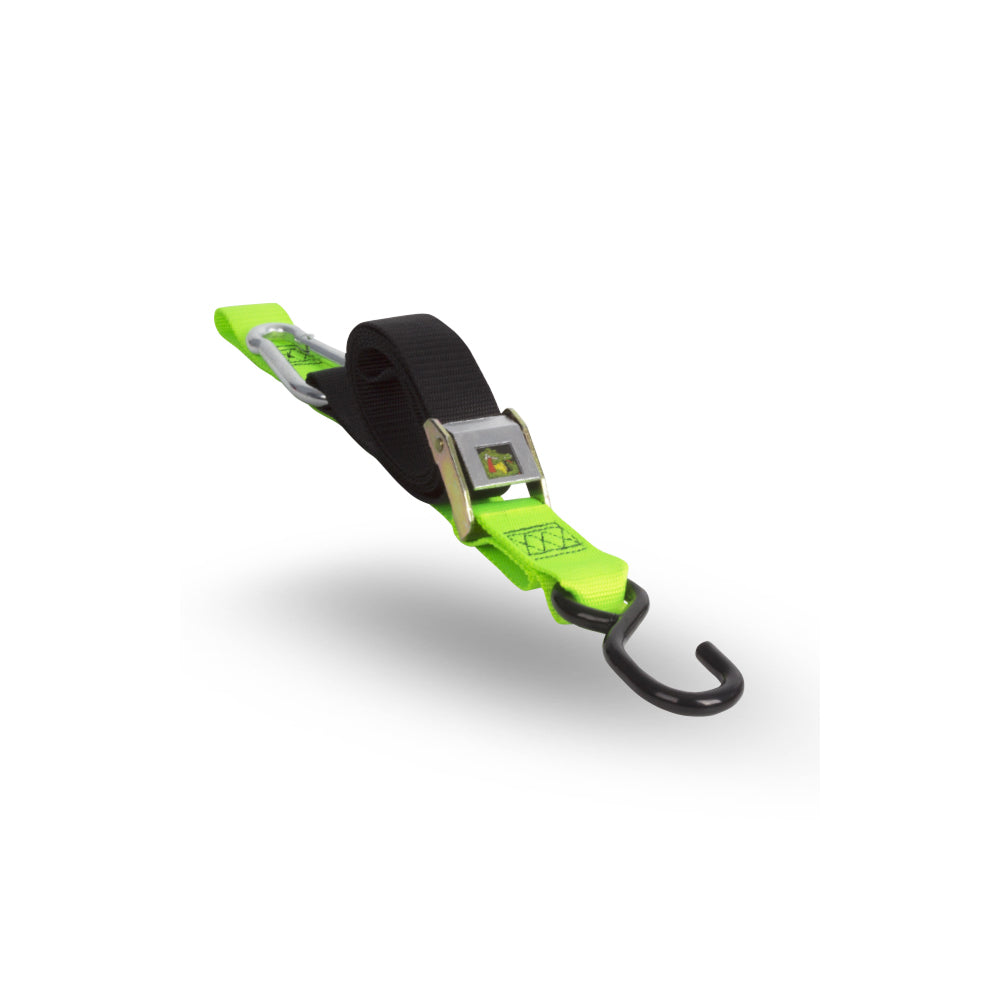
CROC-BITE TIEDOWNS H/D 1.5'' BK/GRN
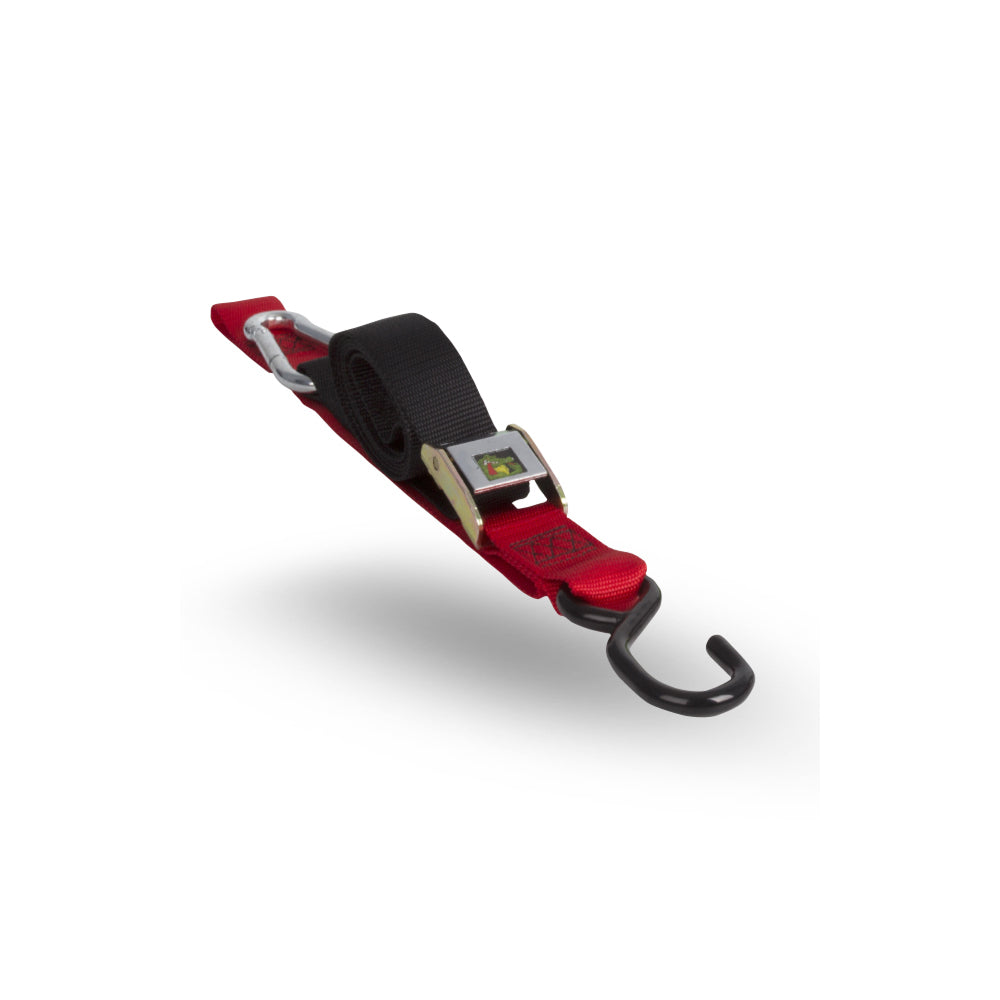
CROC-BITE TIEDOWNS H/D 1.5'' BK/RED
How to choose the right motorcycle tie down
Tie downs fail in two ways: the strap breaks, or the anchor point damages the bike. Choosing correctly means matching strap working load rating to your bike's weight, then selecting the right contact method for your handlebar or wheel type.
Strap types compared
| Type | Best For | Key Advantage | Watch Out For |
|---|---|---|---|
| Handlebar harness with snap hook | Most road and adventure bikes | Distributes load across bars, not a single clamp point | Bar end clearance on touring bikes with accessories |
| Soft loop / wheel strap | Rear wheel or spoke wheels | No metal contact with spokes or rim | Must route below axle, not through brake rotor |
| Ratchet strap with clamp down bar | Trailers with fixed anchor rails | Repeatable tension, Oxford Wonder Bar rated to precise load limits | Over-ratcheting compresses forks beyond spec |
| Extension loops (pair) | Bikes with limited anchor geometry | Extends reach by 300-400 mm without adding bulk | Check extension loop webbing width matches primary strap |
Load ratings and webbing specs
Industry standard 25 mm webbing is the minimum for motorcycle transport; 38 mm webbing offers greater surface area and lower per-mm load concentration. A standard 200 kg motorcycle requires a minimum 4-point tie down system where each strap carries no more than 50% of its rated working load (the 2:1 safety ratio). Ratchet straps with a rated working load of 250 kg and a break strength of 750 kg (3:1 safety factor) are the benchmark for road transport compliance in Australia.
Soft loops explained
Soft loops eliminate steel-on-aluminium contact at the handlebar. A quality soft loop uses 50 mm flat webbing folded into a double-pass loop, keeping contact pressure spread over at least 80 mm of bar surface. STATES MX and Whites both supply soft loop sets designed for this purpose.
Fork compression and suspension
Front-anchor tie downs should compress forks to approximately 30-40% of total travel, never to full bump. Over-compression causes seal fatigue. Use a fork saver or handlebar harness to avoid point loading the lower leg. Always use a minimum of 4 anchor points, 2 forward and 2 rear, for any road trailer configuration.
Frequently asked questions
What is the difference between a soft loop and a standard ratchet strap for tying down a motorcycle?
A soft loop uses folded flat webbing to spread load across the handlebar or axle without any metal contact, preventing scratches and concentrated pressure points. A standard ratchet strap uses a steel hook that can gouge aluminium bars or spokes if hooked directly. For spoke wheels and bare handlebars, soft loops are the correct choice.
How many tie down points does a motorcycle need for legal road transport in Australia?
Australian road transport guidelines require a minimum of 4 anchor points for a vehicle in the motorcycle class. The standard configuration is 2 forward straps at the handlebars and 2 rear straps at the swingarm or rear wheel, with each strap tensioned to no more than 50% of its working load rating.
Can I use the same tie downs for both a dirt bike and a road bike?
Yes, provided the strap working load rating covers your heaviest bike and you use soft loops or a handlebar harness appropriate to each bike's anchor geometry. Dirt bikes typically use axle-level wheel straps due to minimal handlebar clearance, while road bikes suit handlebar harness sets. Carry extension loops if anchor rail spacing varies between trailer configurations.
Afterpay & Zippay Available
Afterpay & Zippay Available